




1/6
Is Shiplap going out of style? Designers decide if this classic trend is on the out
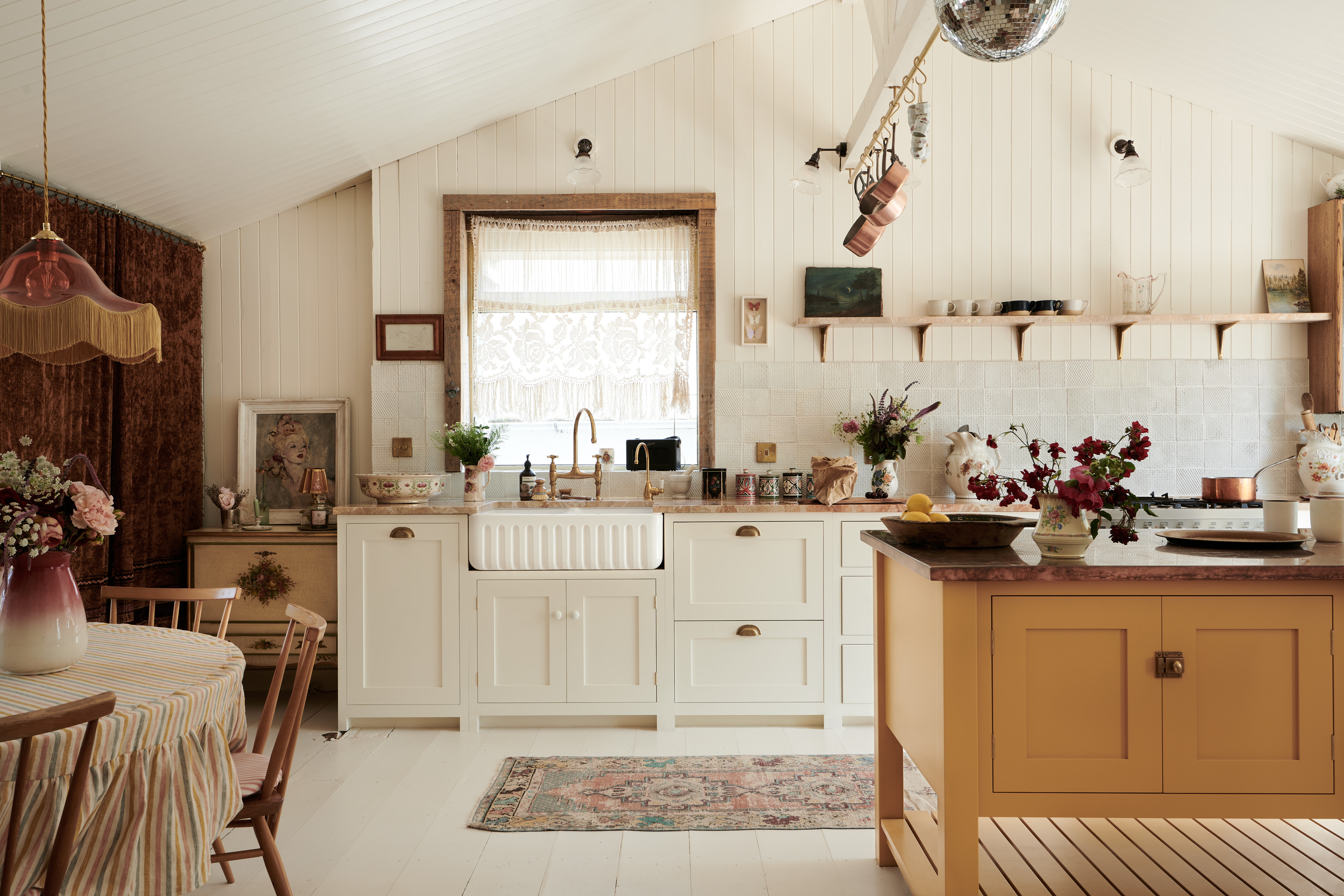
Shiplap paneling, a versatile interior design trend, has seen a surge in popularity, particularly since its widespread adoption by Chip and Joanna Gaines of HGTV’s Fixer Upper around 2015. Originally used for practical purposes like cladding farmhouses and ships due to its watertight overlapping design, it has evolved into a staple of modern farmhouse and coastal aesthetics. However, with its ubiquitous presence, a question has arisen regarding its current relevance in contemporary interior design.
Designers acknowledge that while shiplap may no longer be considered a 'hot, new trend,' it retains a classic and clean appeal that aligns with popular interior design aesthetics like modern farmhouse and upscale coastal beach looks. Kathy Kuo suggests that shiplap's crisp and clean yet warm and inviting aesthetic can be achieved through alternative methods such as classic warm white or light grey wall paint, textured wallpaper, or wall art with white or grey wooden frames, for those who prefer not to commit to full paneling. Irene Gunter highlights shiplap's versatility and ability to add personality and character to any space, noting its durability makes it suitable for high-traffic areas like hallways. She also points out that while it might evoke a 'Hamptons' look, particularly in the UK, it can be successfully integrated into various settings, from country-side homes to urban environments.
The consensus among designers is that shiplap’s continued relevance depends on its appropriate application. Victoria Holly emphasizes treating shiplap like other paneling styles, ensuring it suits the space and style of the home. This involves using it with rich paint colors or classic wood stains to achieve a timeless rather than merely trendy appearance. Practically, shiplap remains a strong choice for functional areas. Tiffany Duggan and Deborah Bass agree that shiplap is a timeless classic that adds a relaxed feel, often used in back-of-house rooms like larders and laundries, and can even conceal imperfections in plasterwork. Bass particularly likes its use in hallways and boot rooms, where its practical nature helps withstand wear and tear.
The approach to using shiplap is evolving, moving away from its traditional rustic farmhouse and beachy connotations towards a sleeker, more modern application. Ginger Curtis advises against a strong farmhouse vibe, suggesting that shiplap should be fused with modern elements, such as layering modern artwork or lighting, to create a contemporary feel. Jennifer Jones believes traditional shiplap is giving way to more contemporary wood applications, like using wood flooring on walls to add warmth. Julia Dempster views shiplap as timeless, suggesting alternatives like board and batten or reeded/fluted panels for a contemporary twist, and even reclaimed wood planking for a similar effect with inherent variations. Additionally, the color palette associated with shiplap is expanding beyond white, blue, and pale grey. Jennifer Walter notes a shift towards bolder, moodier colors like deep dark greens, saturated burgundy, and golden ambers, often applied vertically to soften rooms with lower ceilings or combined with wallpaper for added impact.
In conclusion, shiplap continues to be a relevant interior design element. The key lies in adapting its application to contemporary tastes, favoring sleeker, simpler forms, and bolder colors, moving beyond its conventional rustic associations to integrate it seamlessly into modern spaces. It is viewed as an effective way to introduce subtle texture and interest, with a focus on clean and contemporary aesthetics over traditional farmhouse styles.
#ShiplapStyle #InteriorDesignTrends #HomeDecor #PanelingIdeas #ModernFarmhouse #CoastalDesign #WallTreatments #DesignersPerspective #TimelessDesign #ShiplapStyle #InteriorDesignTrends #HomeDecor #PanelingIdeas #ModernFarmhouse #CoastalDesign #WallTreatments #DesignersPerspective #TimelessDesign
 No comments yet