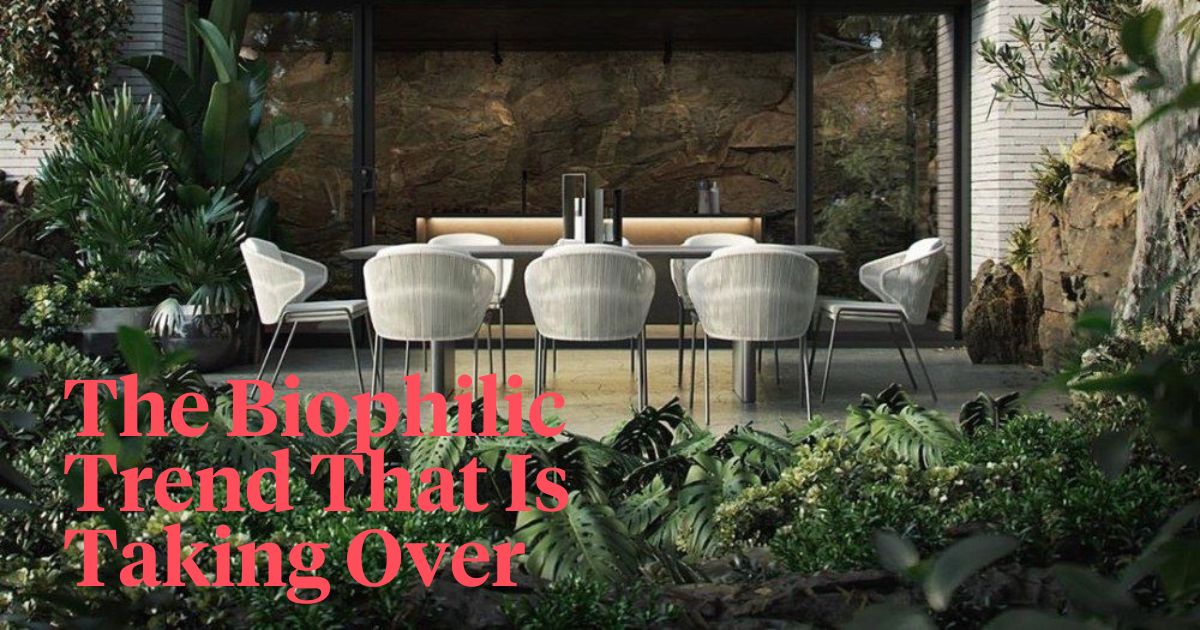
1/12
Biophilic Interiors Invade These 10 Contemporary Residences
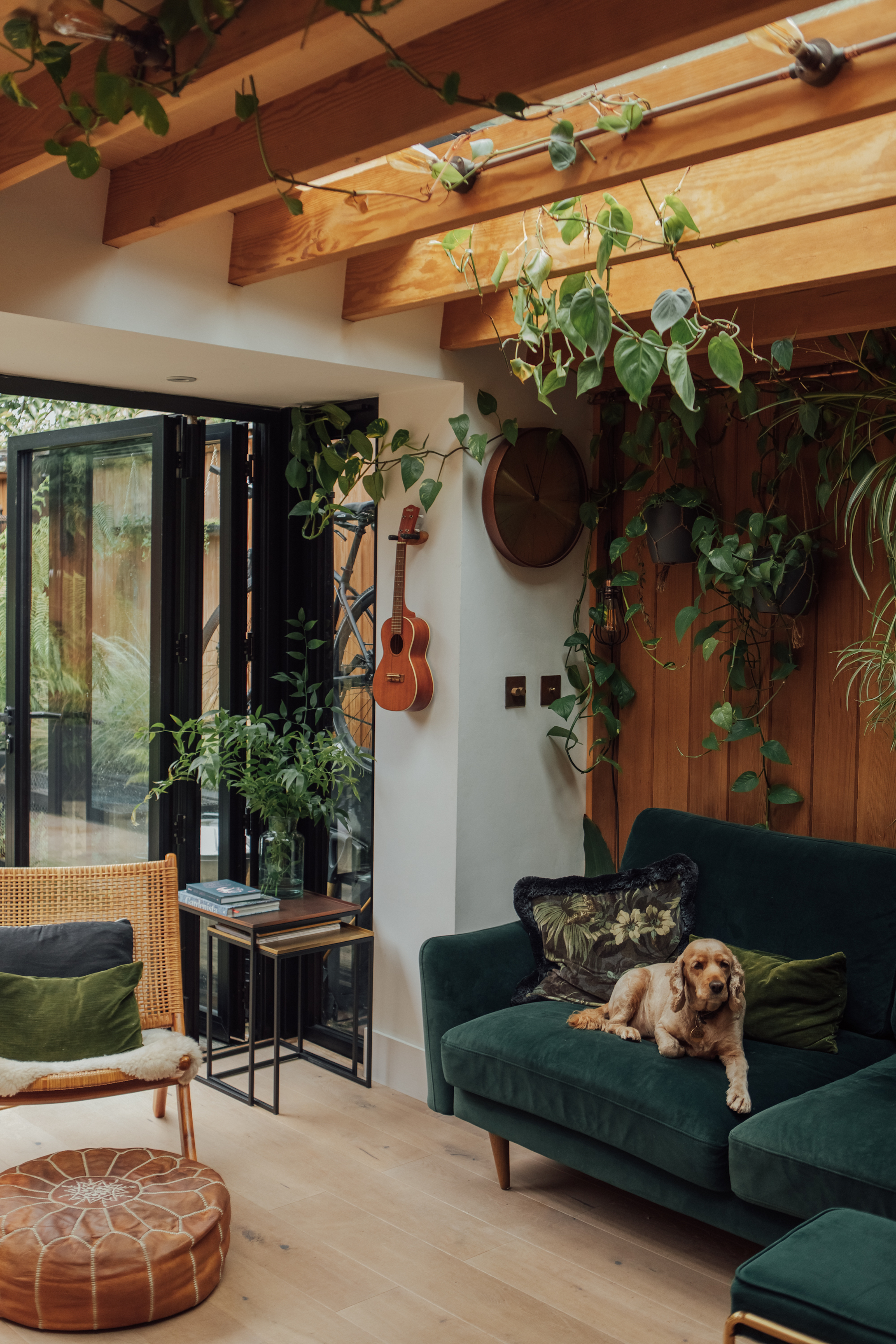
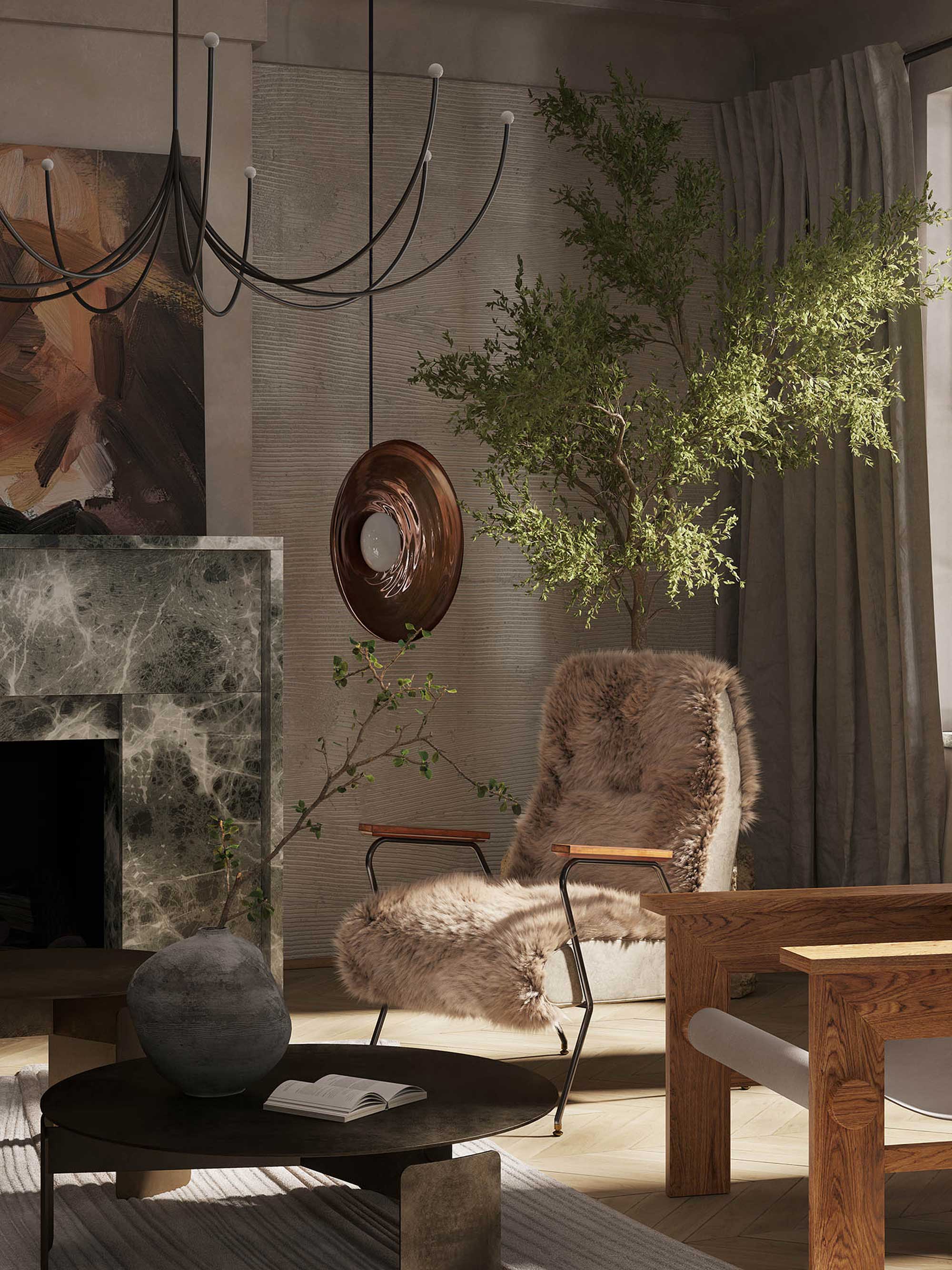
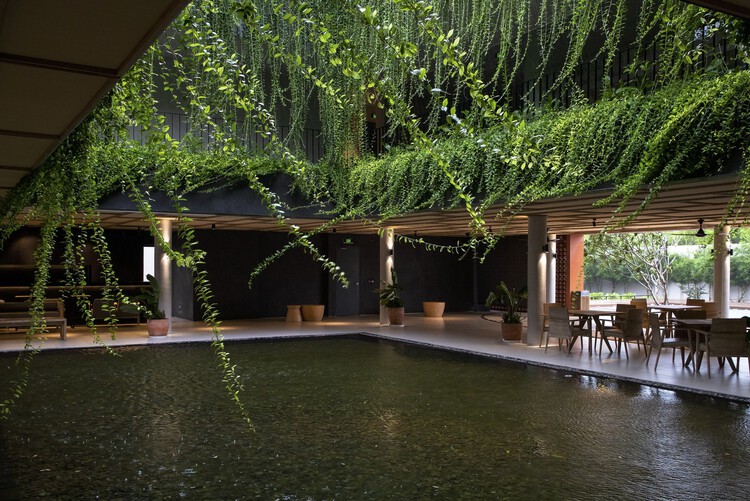
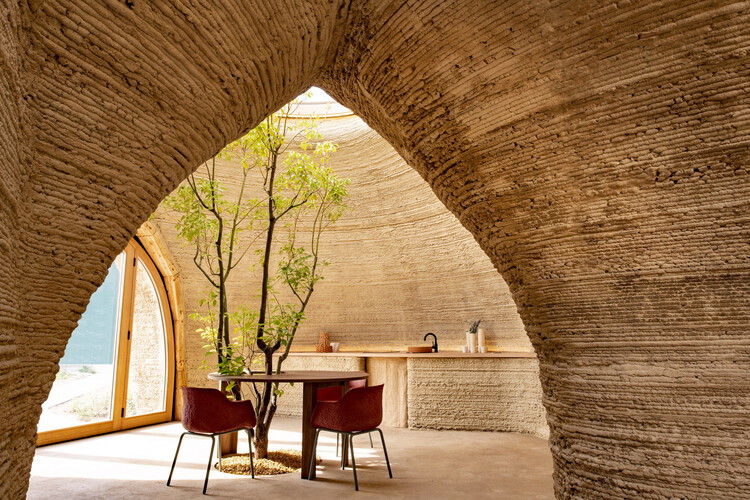
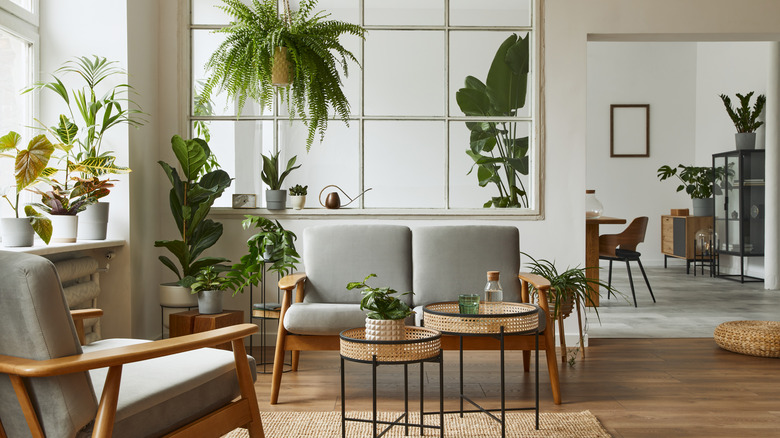
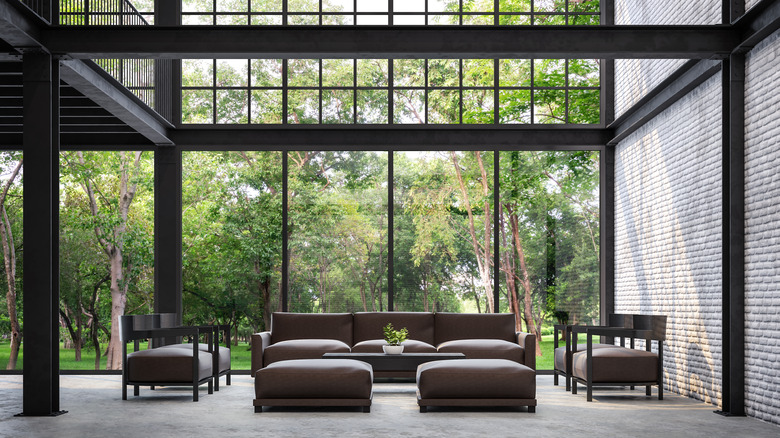
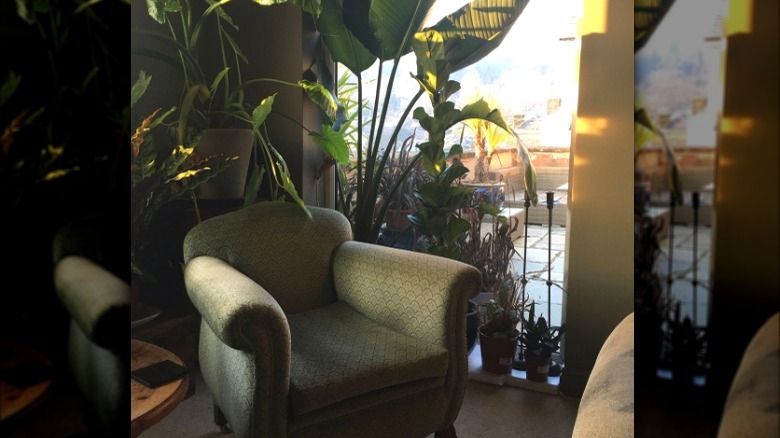
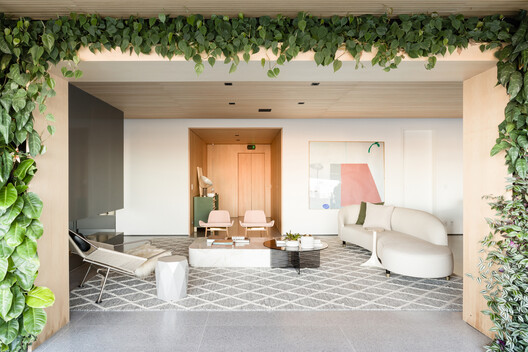
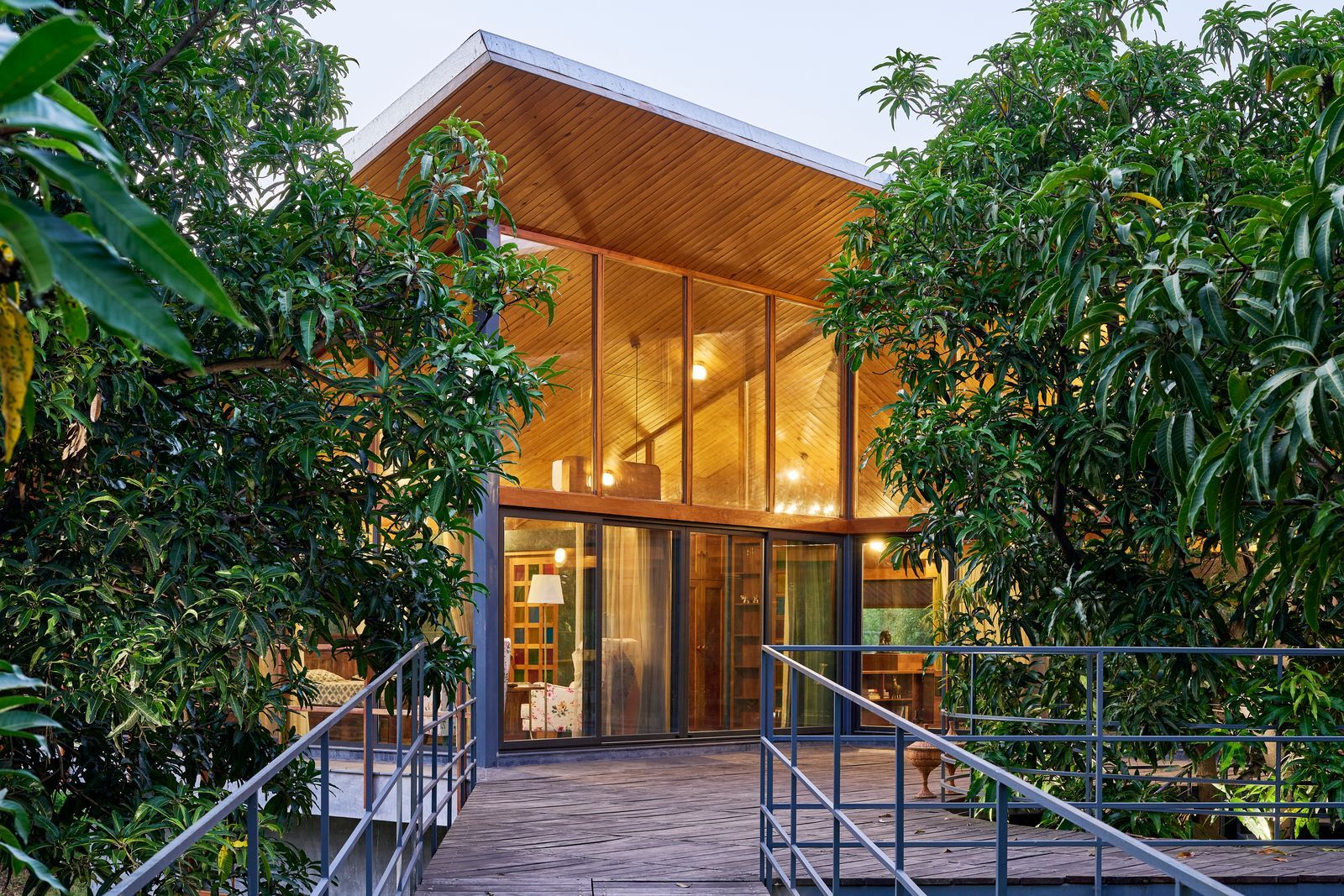
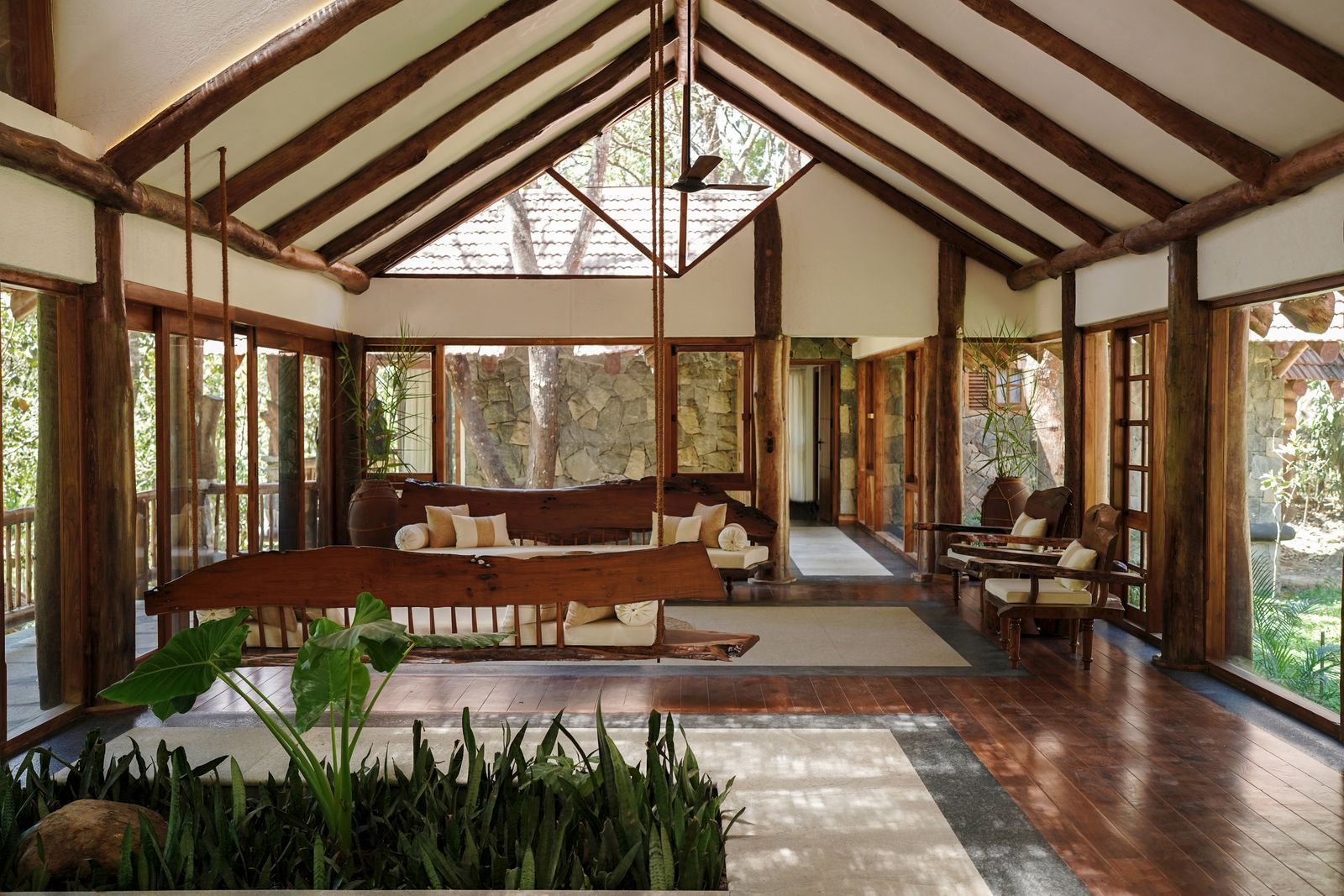
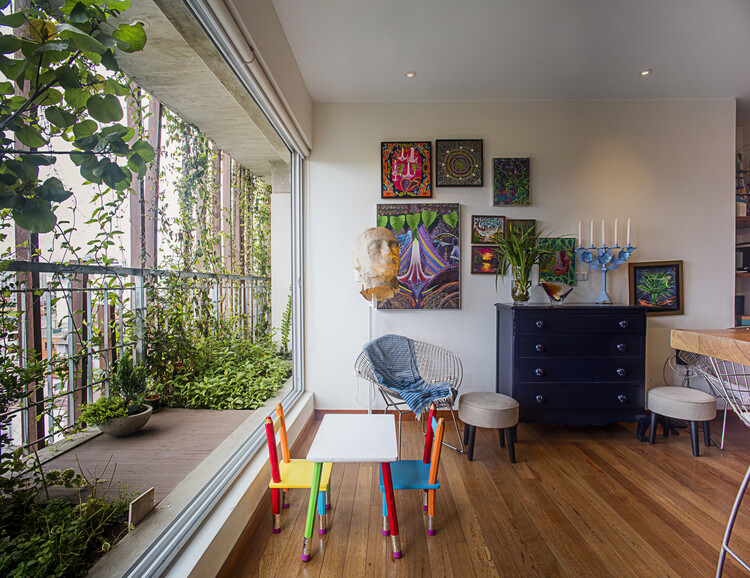
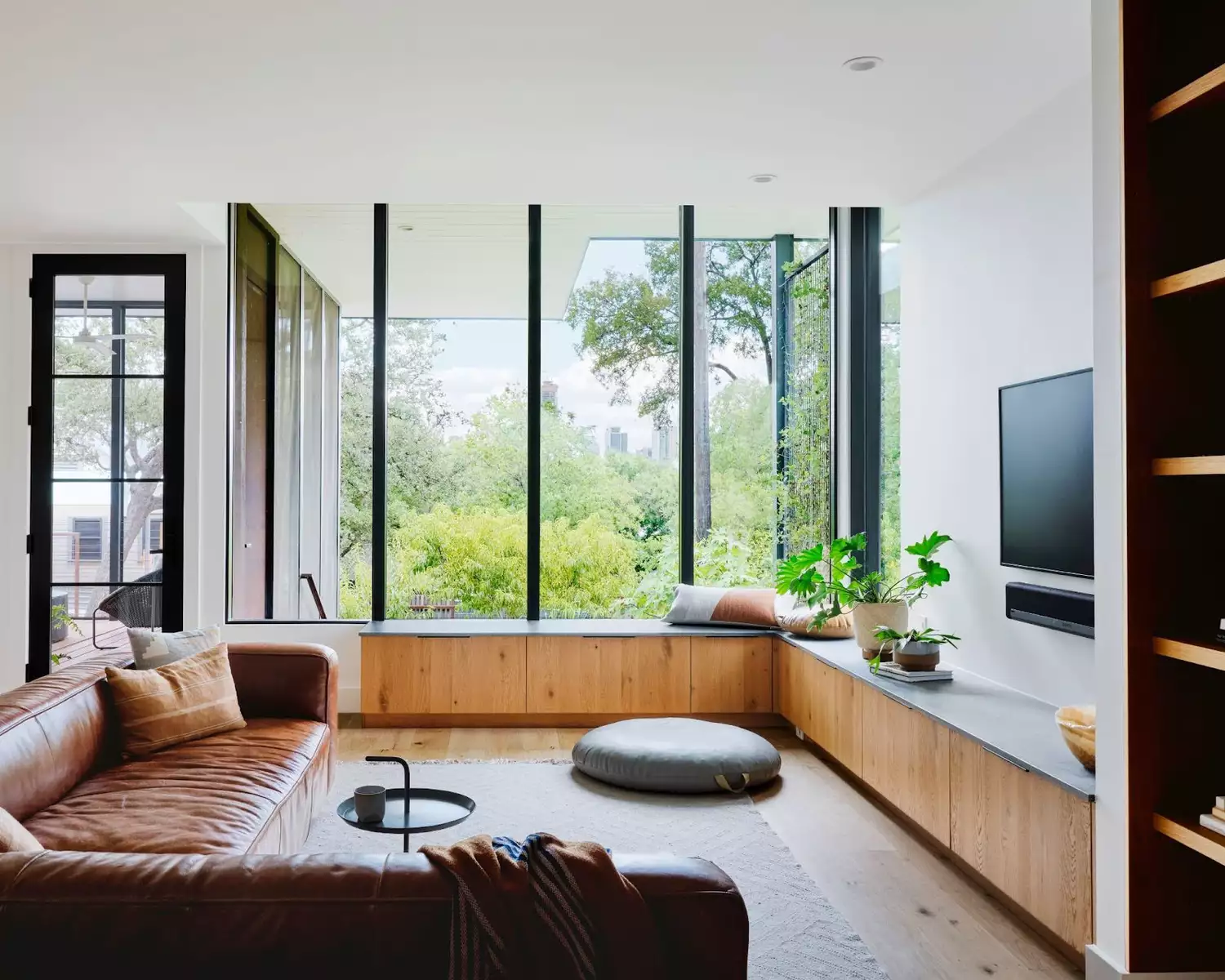
Biophilic design, which integrates natural elements into modern built environments to foster a connection between humans and nature, is gaining significant traction in 2023. This design philosophy emphasizes natural light, green plants, and organic materials within architectural and interior spaces. This article showcases ten contemporary residences across the globe that exemplify the application of biophilic design principles. These homes demonstrate how architects and designers are creatively incorporating nature to enhance well-being and sustainability.
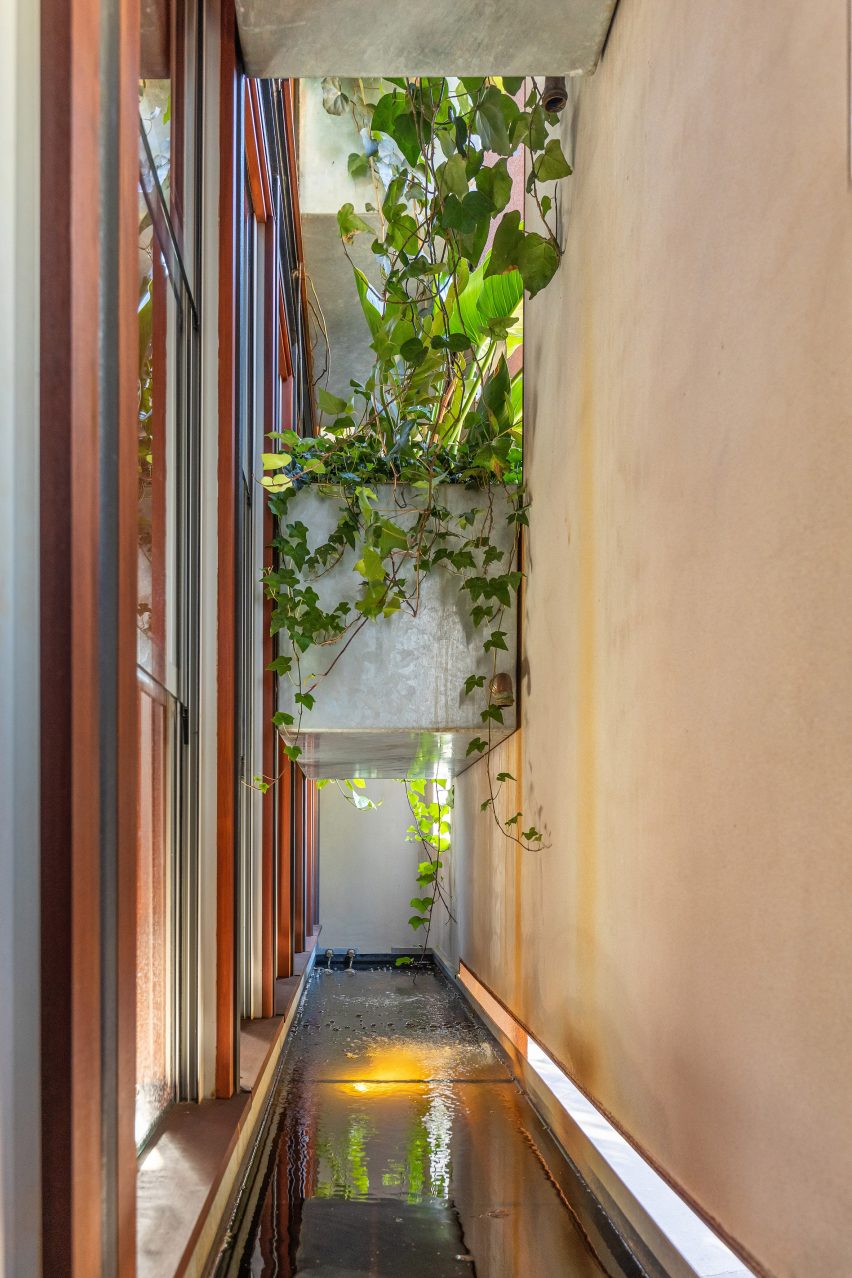
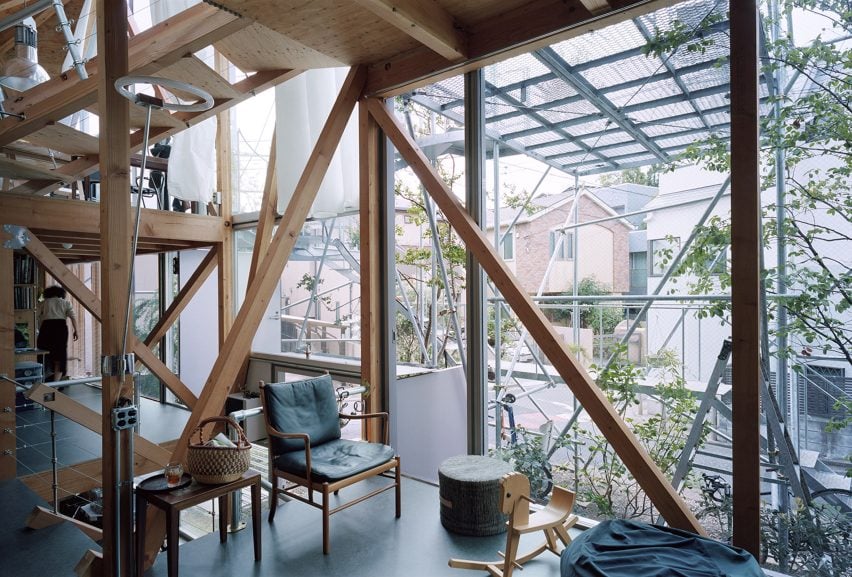
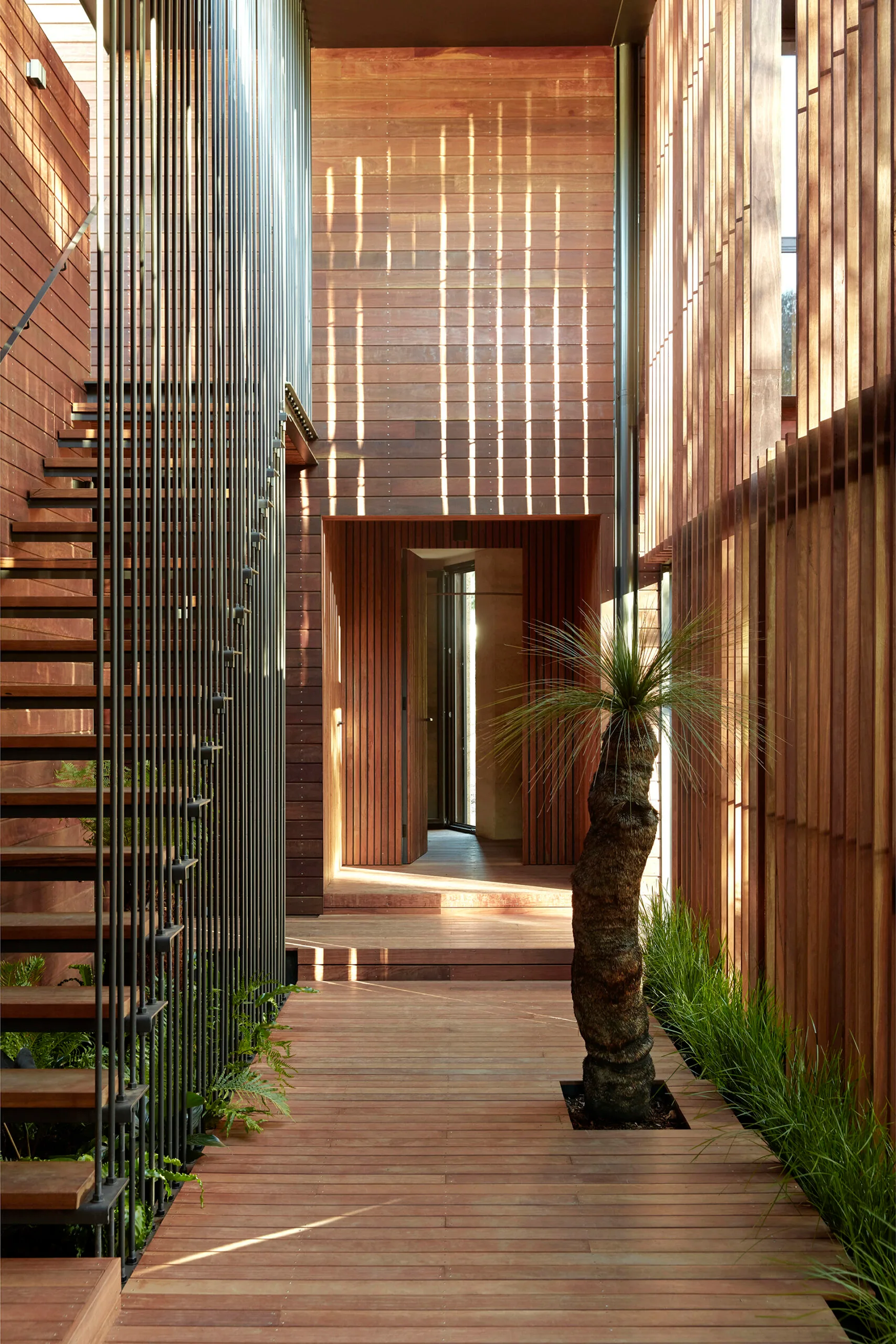
The featured residences offer diverse examples of biophilic integration. The 'Welcome to the Jungle' residence in Sydney, designed by CplusC Architectural Workshop, serves as an experiment in sustainable urban living, featuring a rooftop vegetable garden and an aquaponics system for edible fish, allowing residents to maintain an intimate relationship with nature within an urban setting. In Japan, Suzuko Yamada's 'Daita2019' residence utilizes a unique permanent steel scaffolding structure that extends into a garden on the first level, while its 34 windows ensure ample natural light. Balconies adorned with green plants further enhance the connection to nature on the second level.
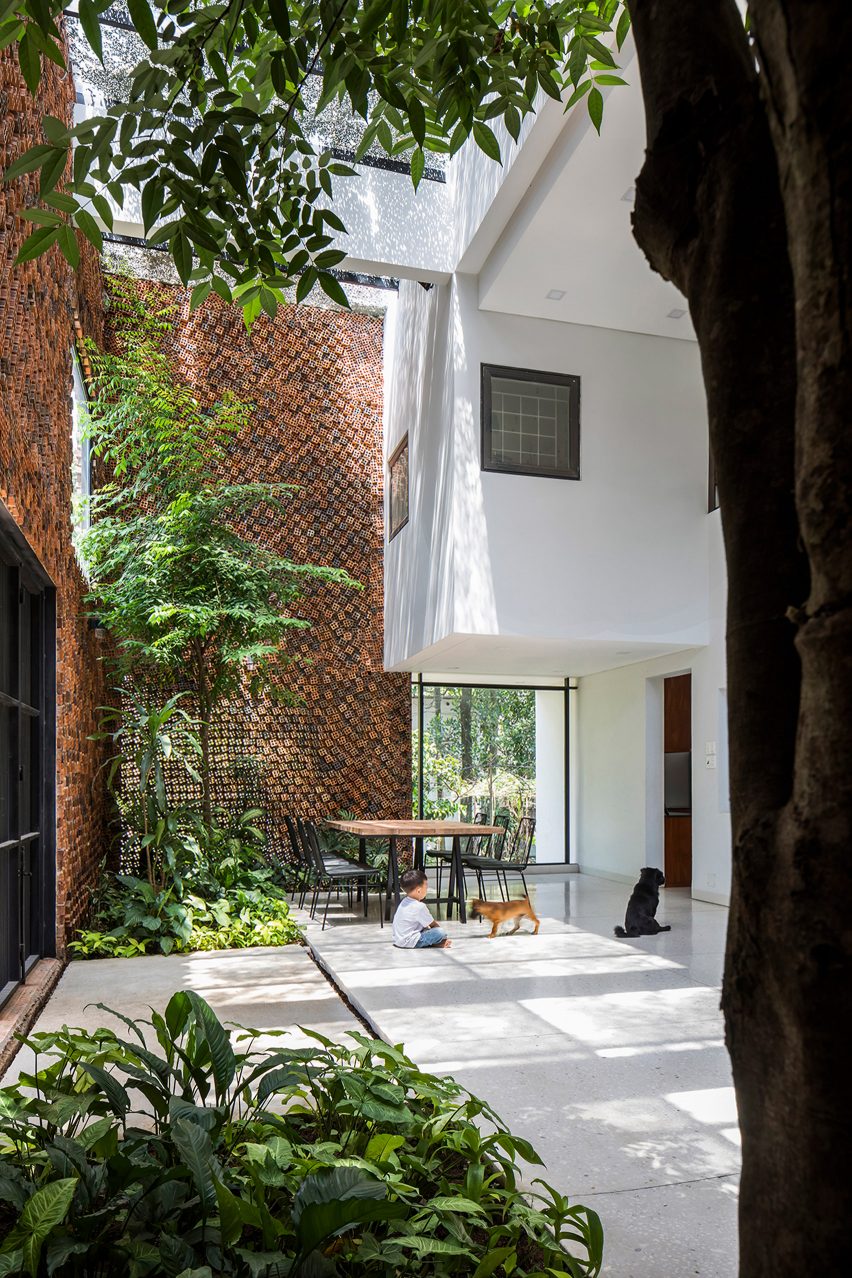
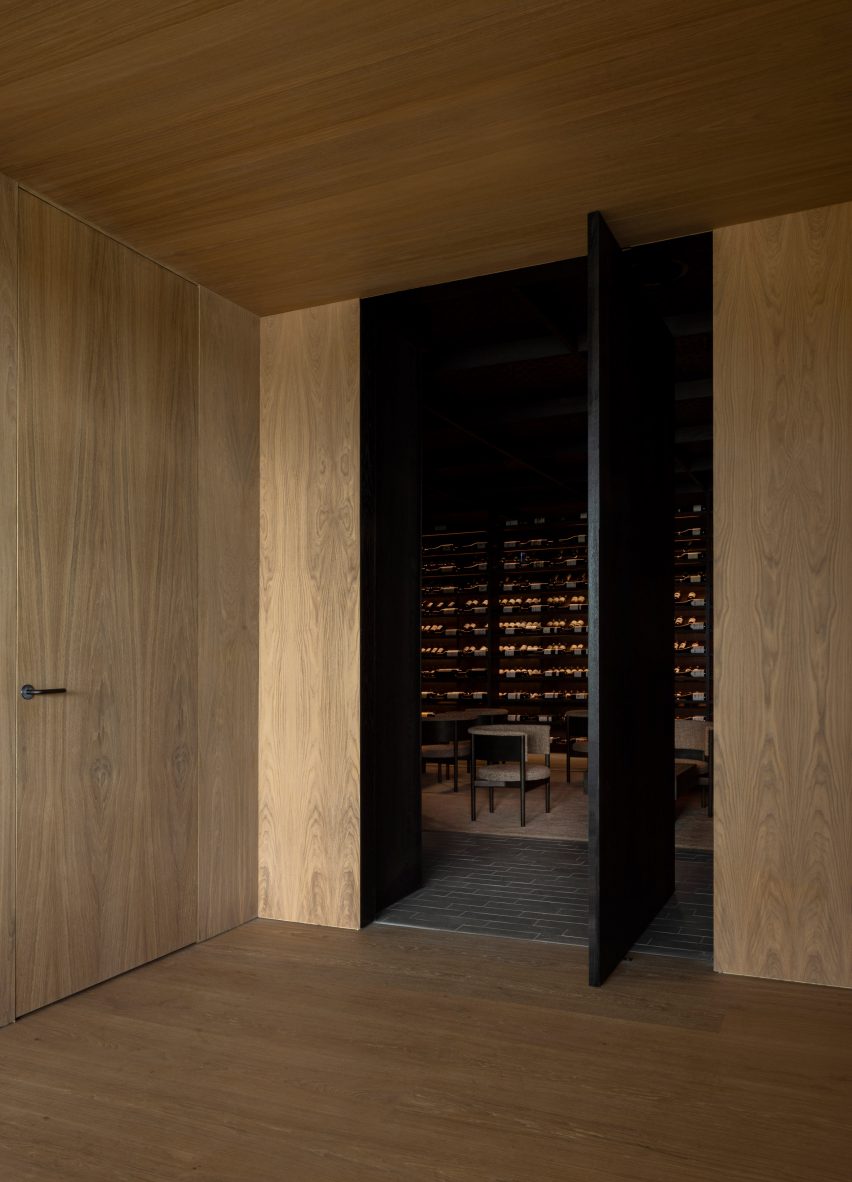
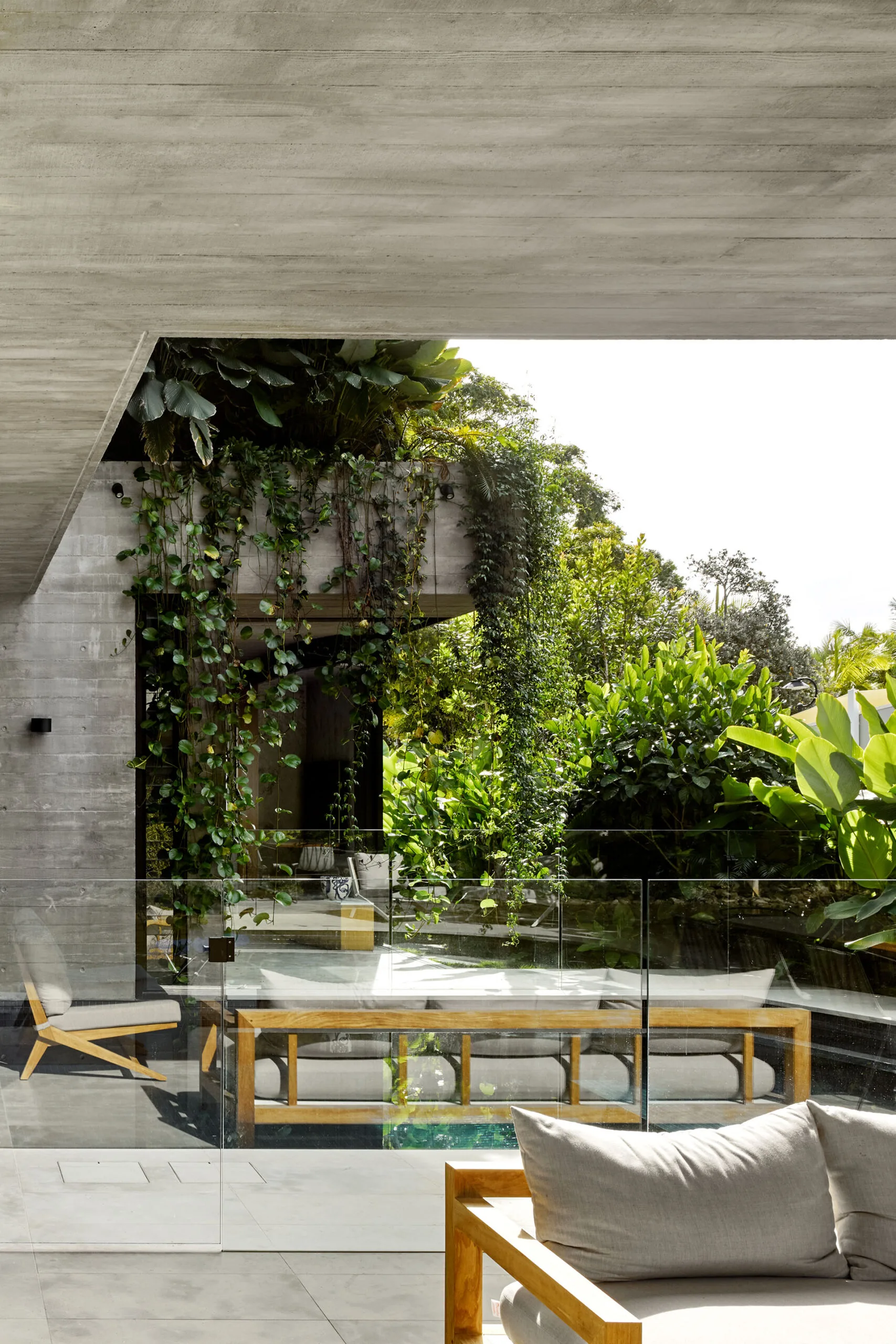
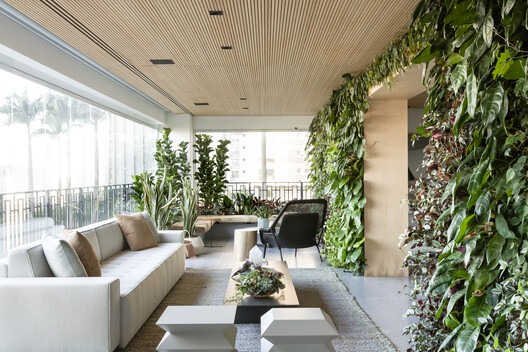
Vietnam's 'Wall House' by CTA uses hole-punched bricks and a central atrium filled with lush plants and trees to create a garden-like atmosphere, aiming for a house that 'breathes 24/7' by improving air quality through natural ventilation and greenery. Perkins+Will’s Ribeirão Preto residence in Brazil incorporates retractable glass walls that blur the lines between indoor and outdoor spaces, complemented by tactile wooden panels and a green roof. Another Vietnamese project, the Bat Trang House by Vo Trong Nghia Architects, features a ceramic brick facade with air vents and raised gardens that act as a natural cooling system, creating a 'buffer zone' of plants that regulate the interior temperature.
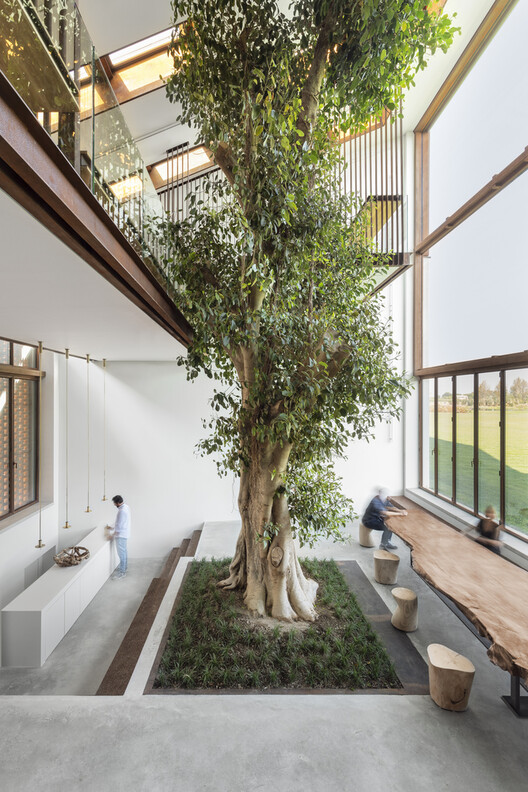
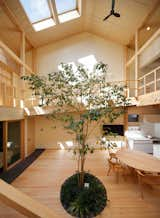
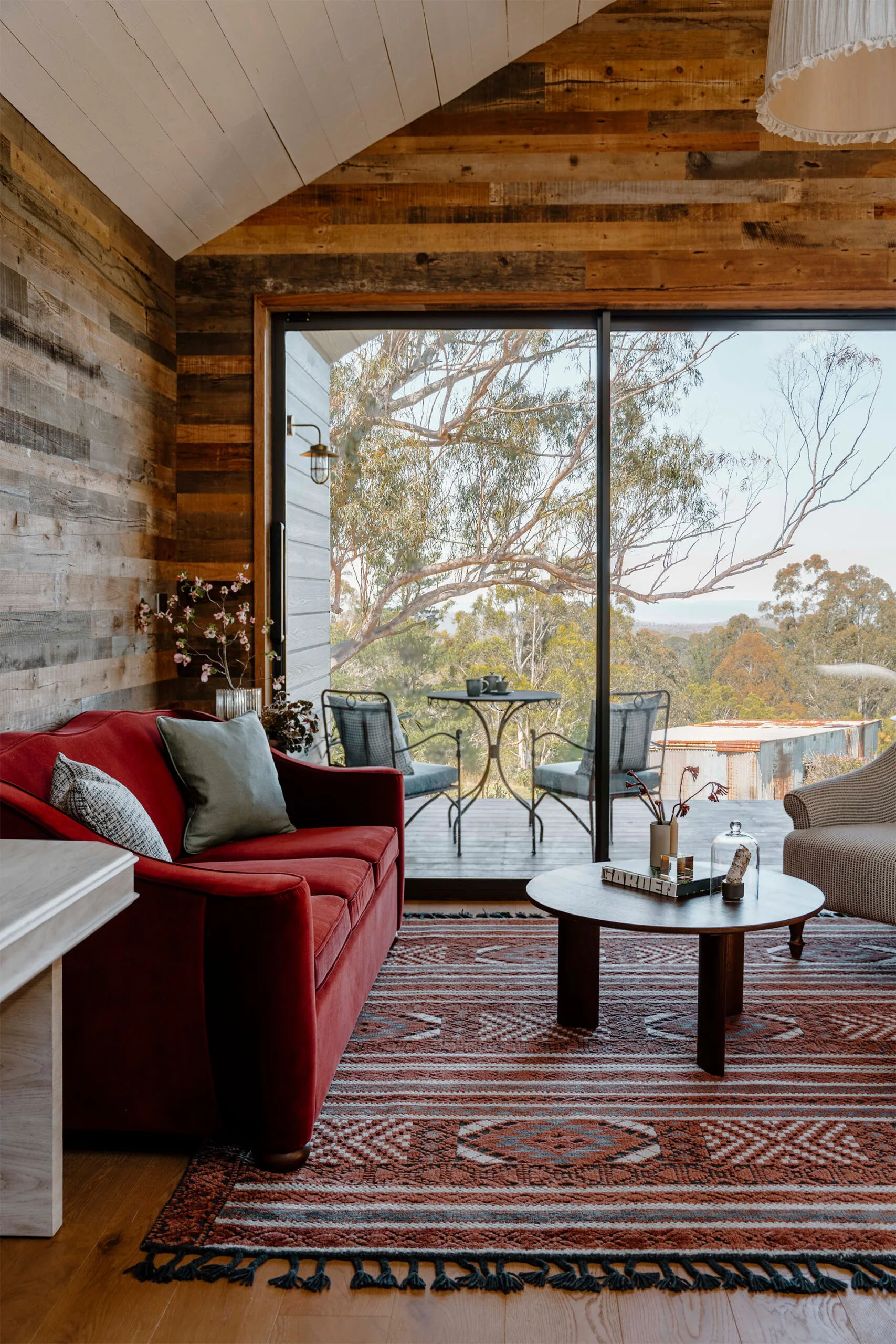
Tsukasa Ono's 'Sumu Yakushima' in Japan represents 'regenerative architecture,' where charred timber piles promote mycelial growth to support tree roots and strengthen the soil, positively impacting the natural surroundings. In Italy, Carlo Ratti Associati and Italo Rota's 'The Greenary' centers its living space around a 10-meter-tall Ficus tree, with a fully glazed southern wall maximizing natural light and emphasizing the tree from both inside and out. Alexander Symes' 'Pepper Tree Passive House' in Australia features wood-lined living rooms that open onto a terrace beneath a large tree, creating a strong biophilic connection through natural materials and a green color palette.
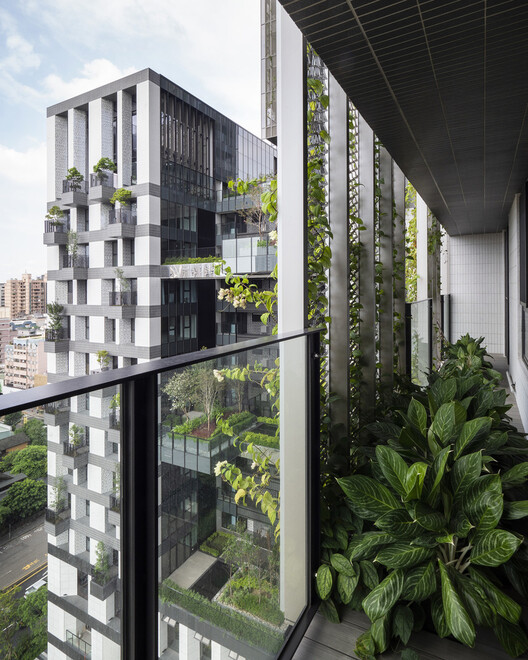
MIA Design Studio's 'The Drawers House' in Vietnam integrates multiple plant-lined courtyards and plant-covered walls to maintain privacy while maximizing outdoor connection. Finally, 'The Cork Studio' in the UK by Studio Bark is constructed almost entirely from recycled cork, offering a warm, treehouse-like interior built around an existing sycamore tree. These projects collectively demonstrate that biophilic interiors are a significant and enduring trend, offering positive feelings and a closer relationship with nature through the thoughtful integration of green spaces into daily living environments.
#BiophilicDesign #InteriorDesign #SustainableArchitecture #ModernHomes #GreenLiving #ArchitecturalInnovation #NatureIntegration #ResidentialDesign #BiophilicDesign #InteriorDesign #SustainableArchitecture #ModernHomes #GreenLiving #ArchitecturalInnovation #NatureIntegration #ResidentialDesign
Toplam 0 yorum
 Henüz yorum yok
Bu da beğenebilirsiniz
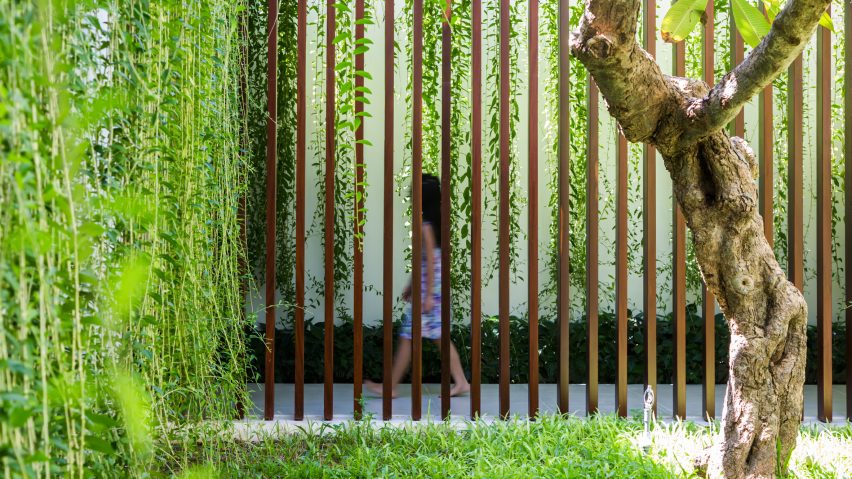
Ten modern homes with interiors informed by biophilic design

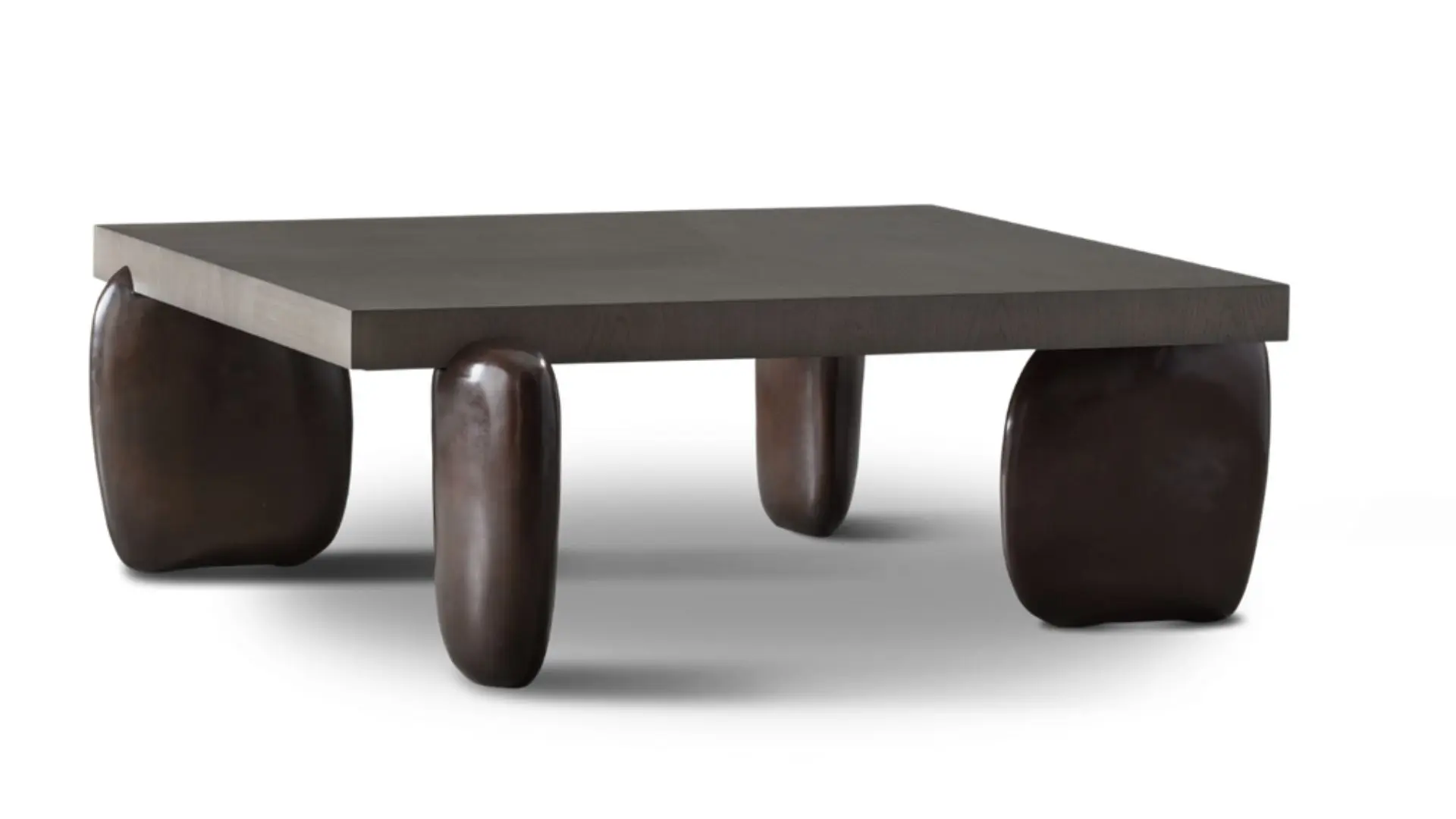
A growing trend: enjoy these 10 biophilic furniture designs

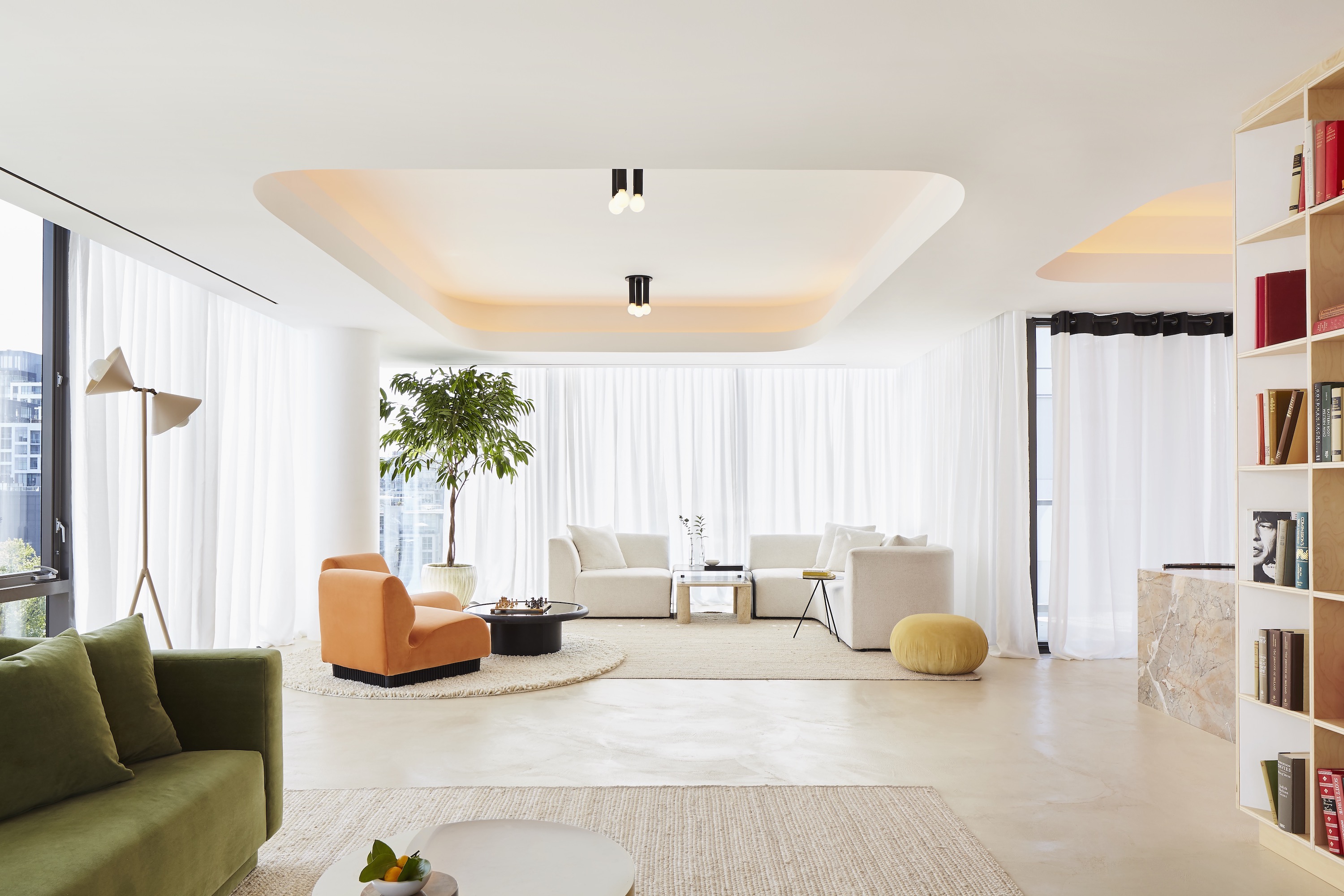
This Biophilic Condo Wants to Improve Your Health — By Design
Biophilic Design Helps Homeowners Connect to Nature
Ten interiors featuring natural materials and timeless accents
26 Biophilic Living Rooms That Flawlessly Bring Nature Indoors
Top Home Design Trends in 2025 for Modern Living

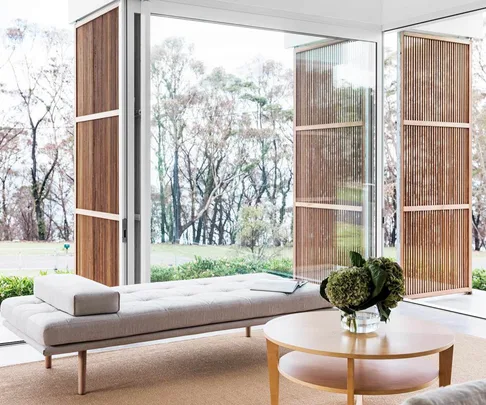
What the heck is biophilic design?

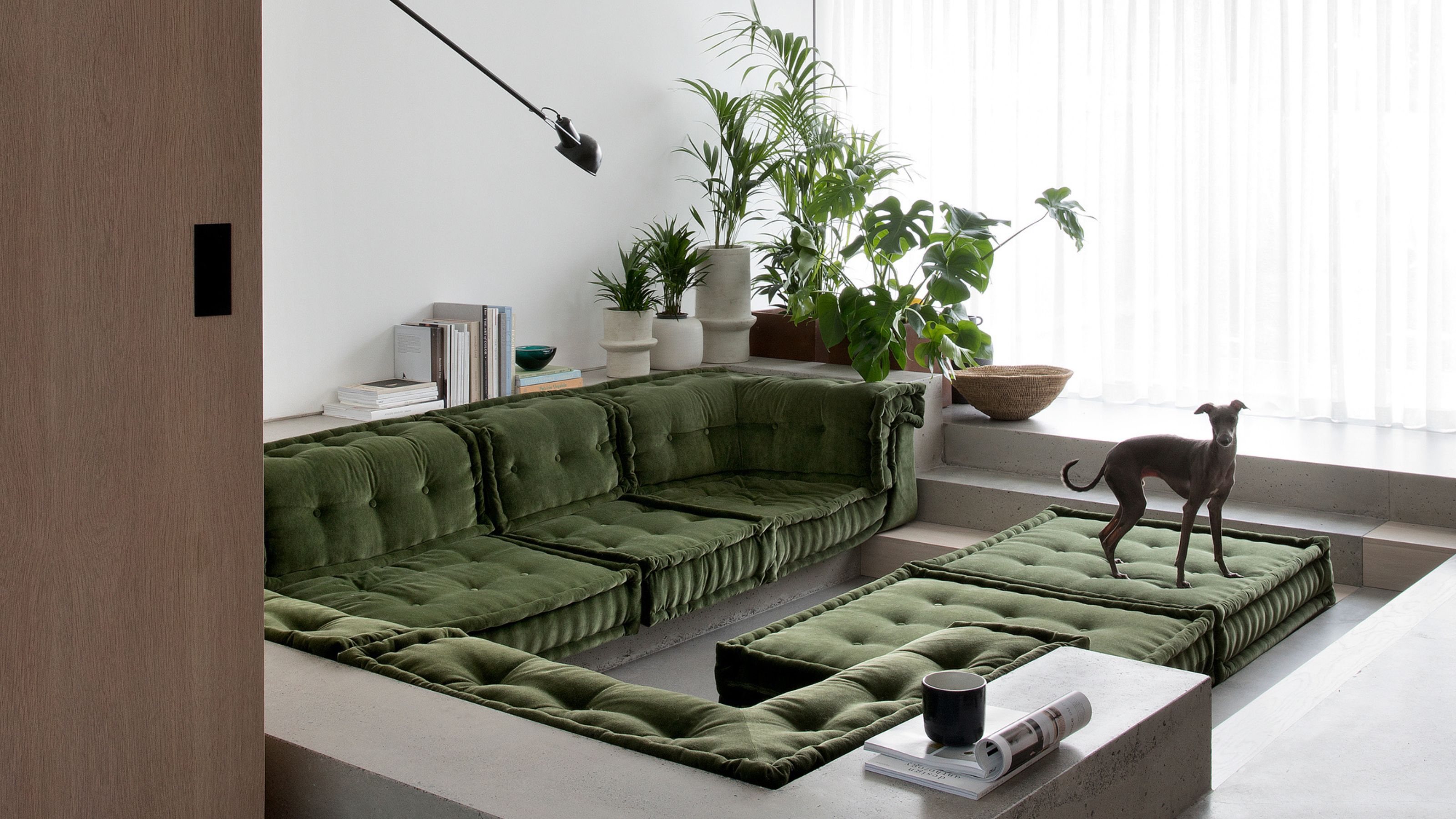
10 Biophilic Living Room Ideas That Look and Feel Good — "They Inherently Make Us Feel Grounded"

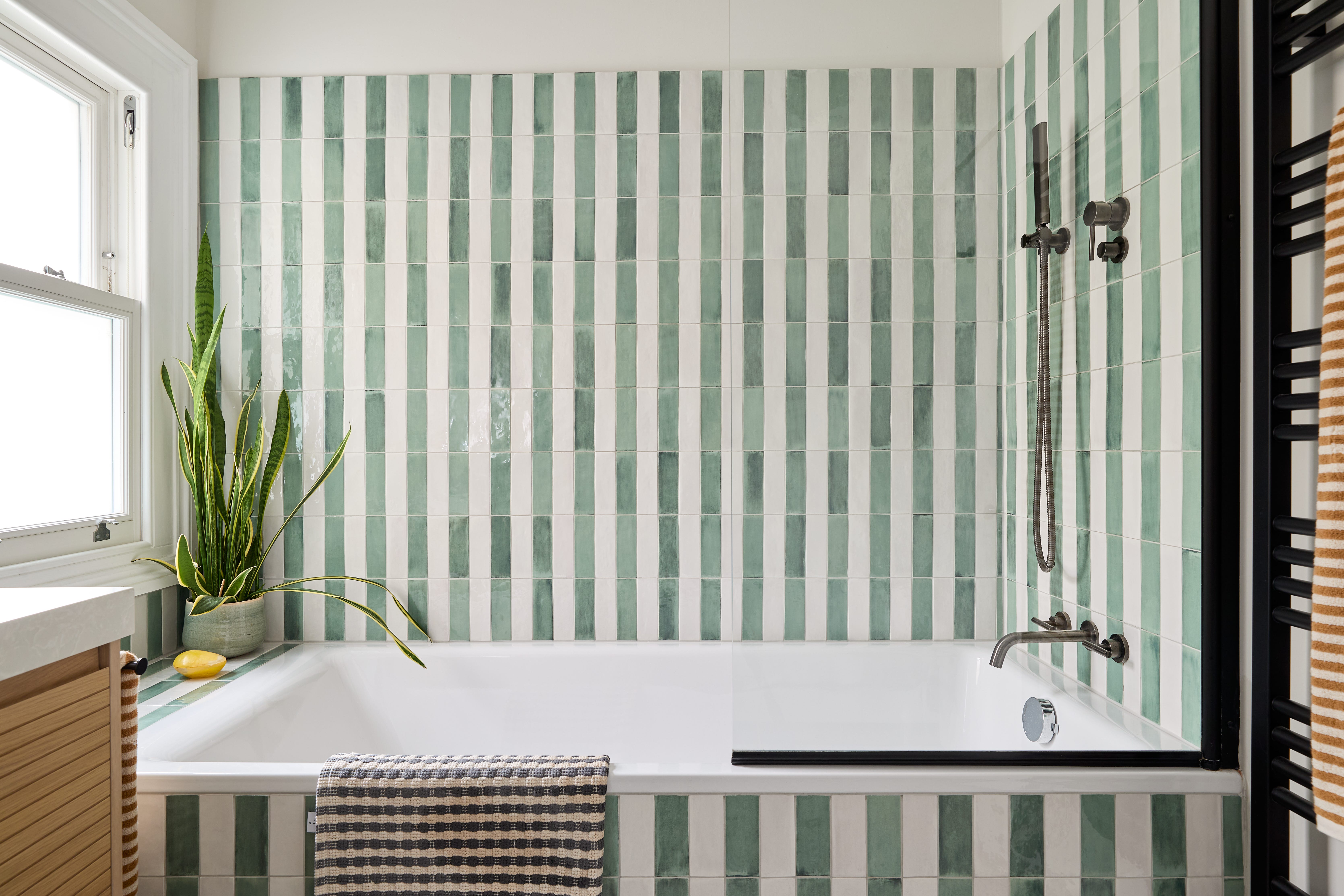
8 ways to freshen up your home through natural biophilic design
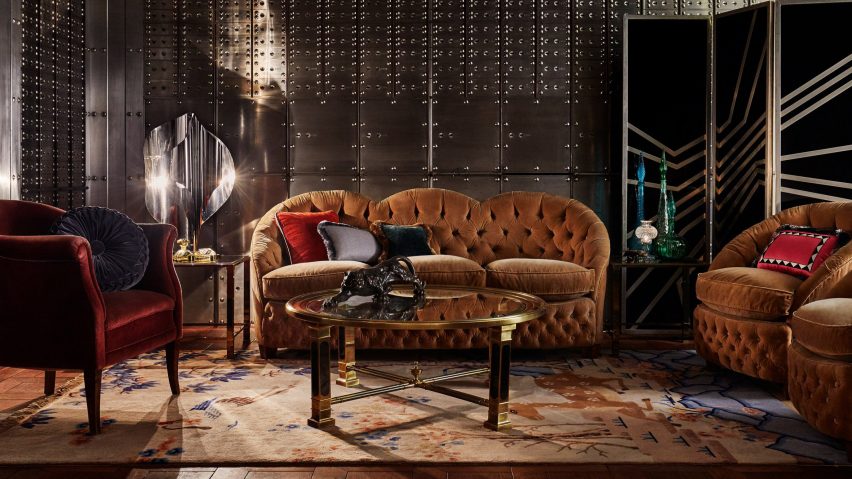
10 opulent interiors that spurn minimalism for rich colours and textures
Cultivating Green Apartments: A Guide to Integrating Nature in Small Urban Spaces

These 10 Biophilic Design Ideas Will Transform Your Home Into a Natural Oasis
20 Nature-Loving Homes Where Biophilia Thrives

These Are the Home Design Trends That Will Rule 2022
AD100 2024: The best of biophilic interiors

Biophilic Interiors: 21 Projects that Blend Architecture with Nature

Why Houseplants And Biophilic Design Will Front 2025's Interior Design Trends
Elevate Your Space: Top Living Room Design Trends for 2025

7 interior-design trends you'll see everywhere in 2024, and 5 that'll disappear