1/5
Should my bed be facing the door? Why the wrong bedroom layout could be disrupting your sleep
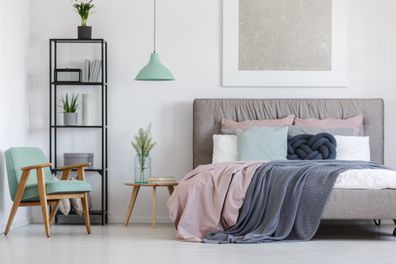
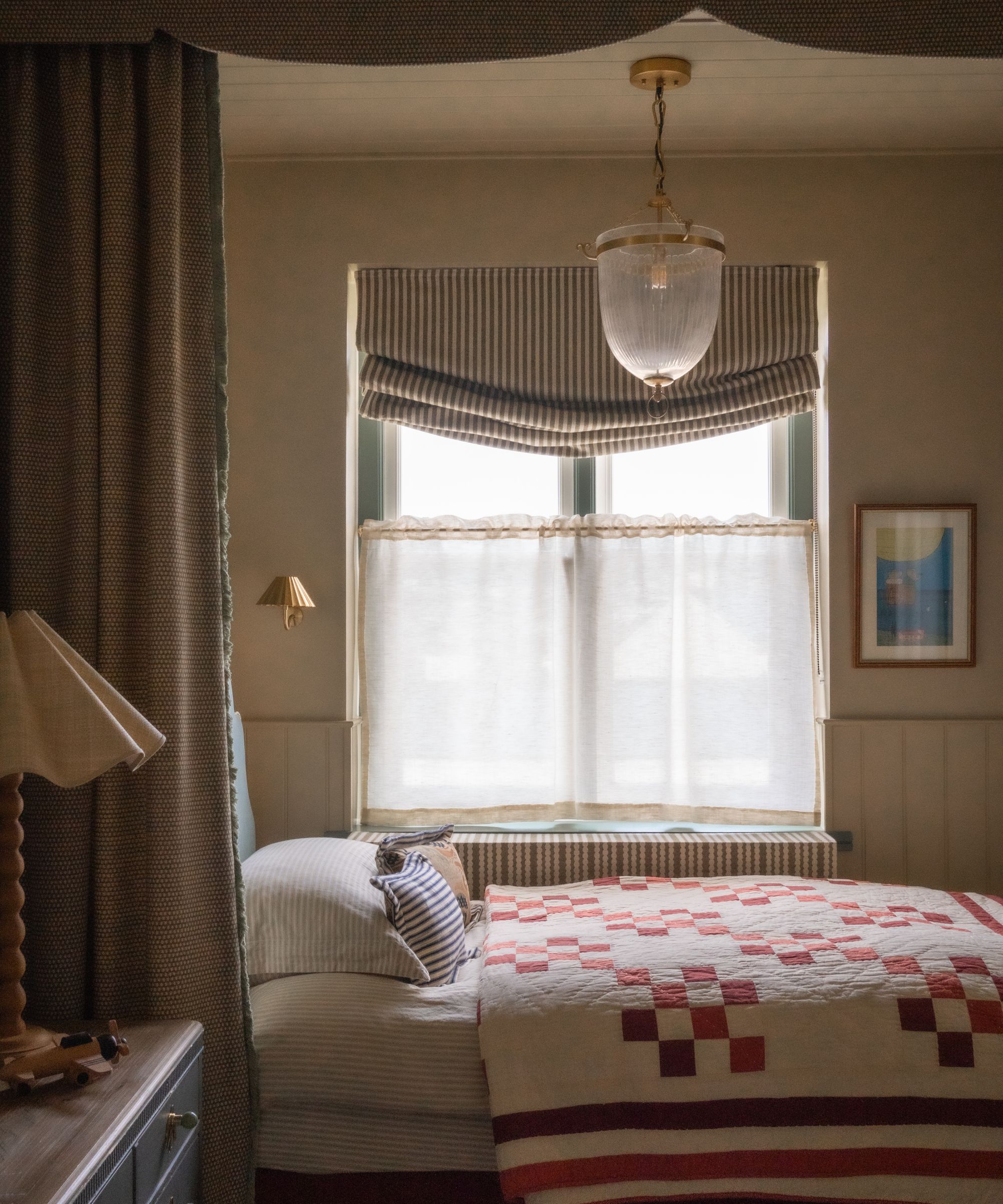
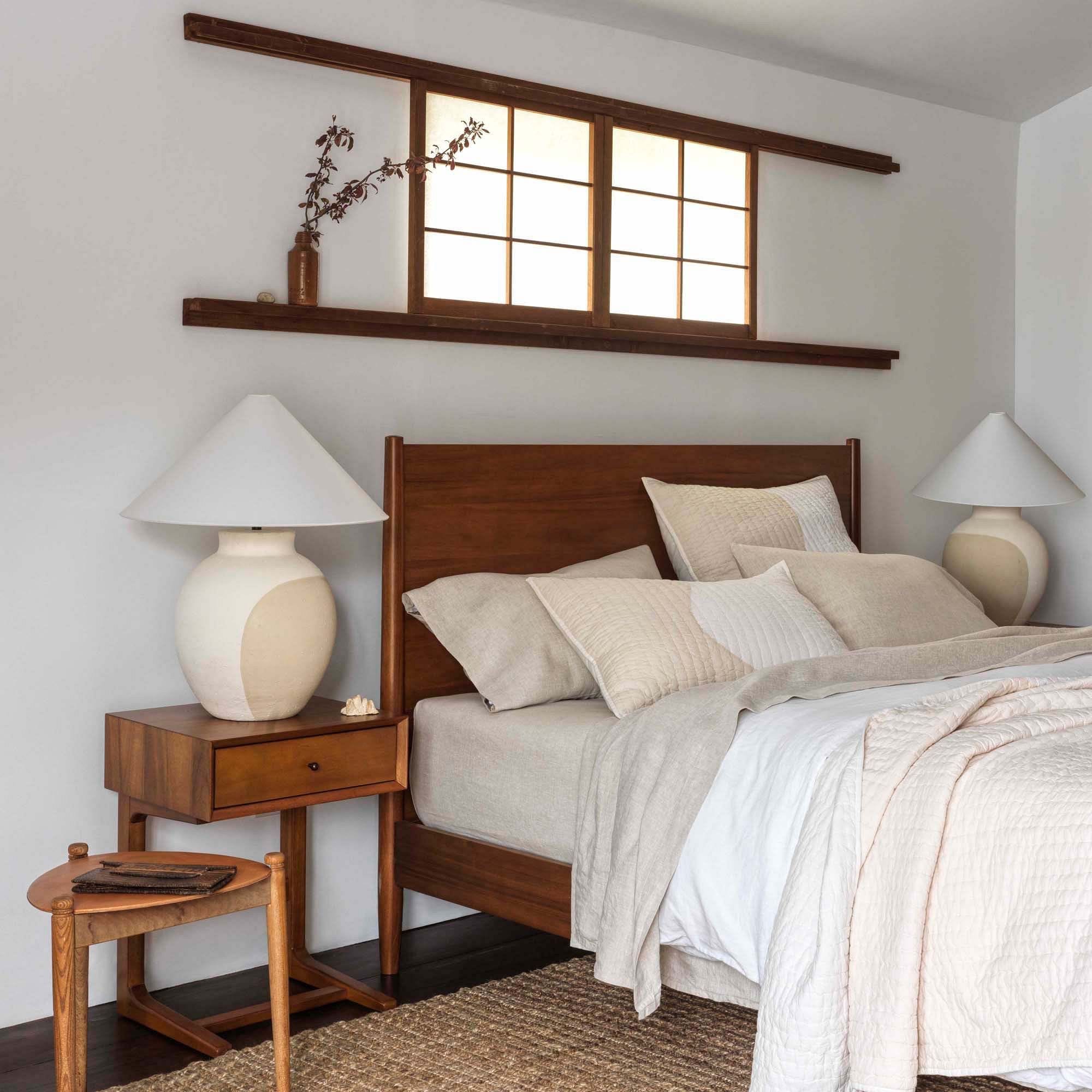
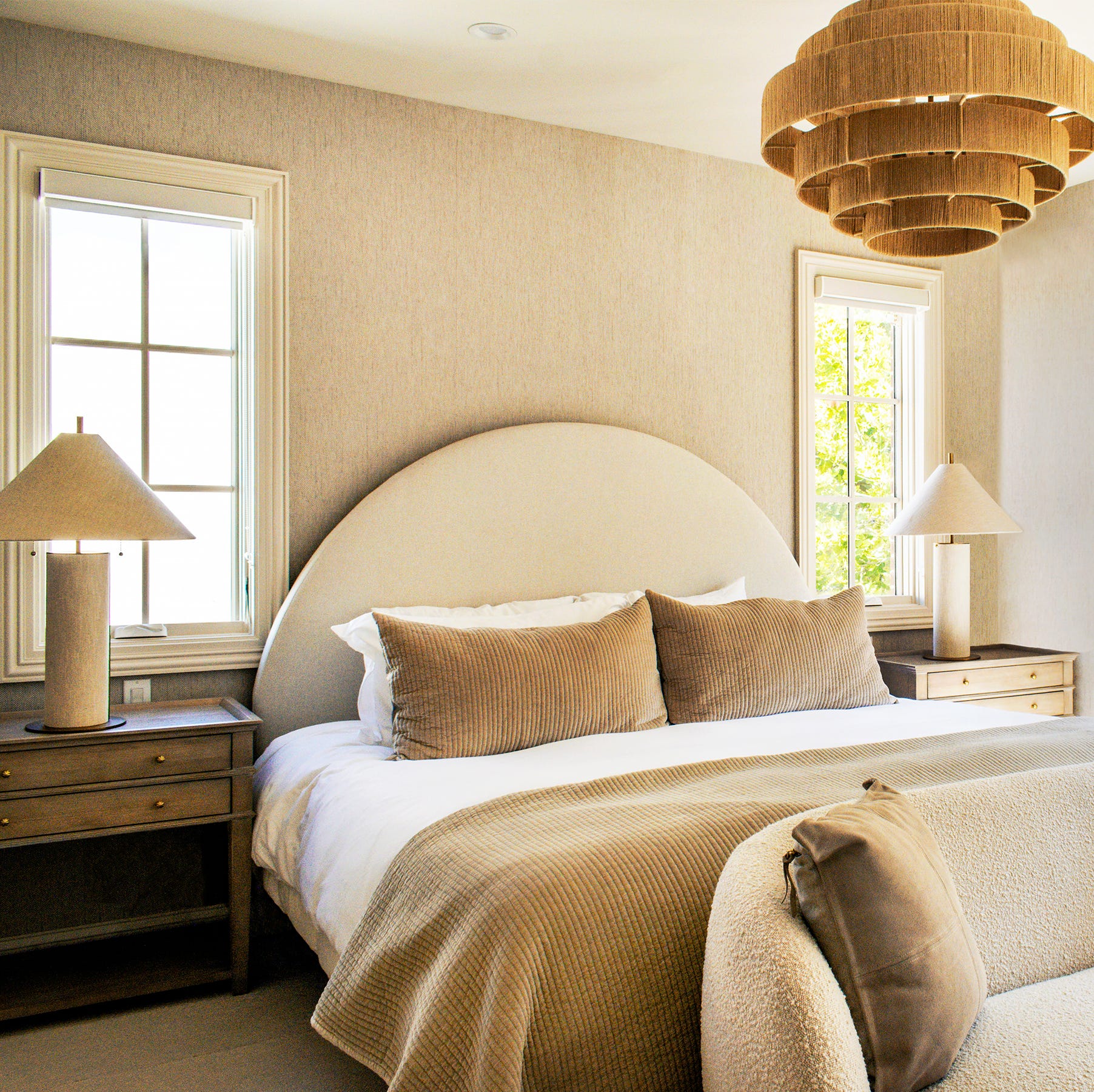
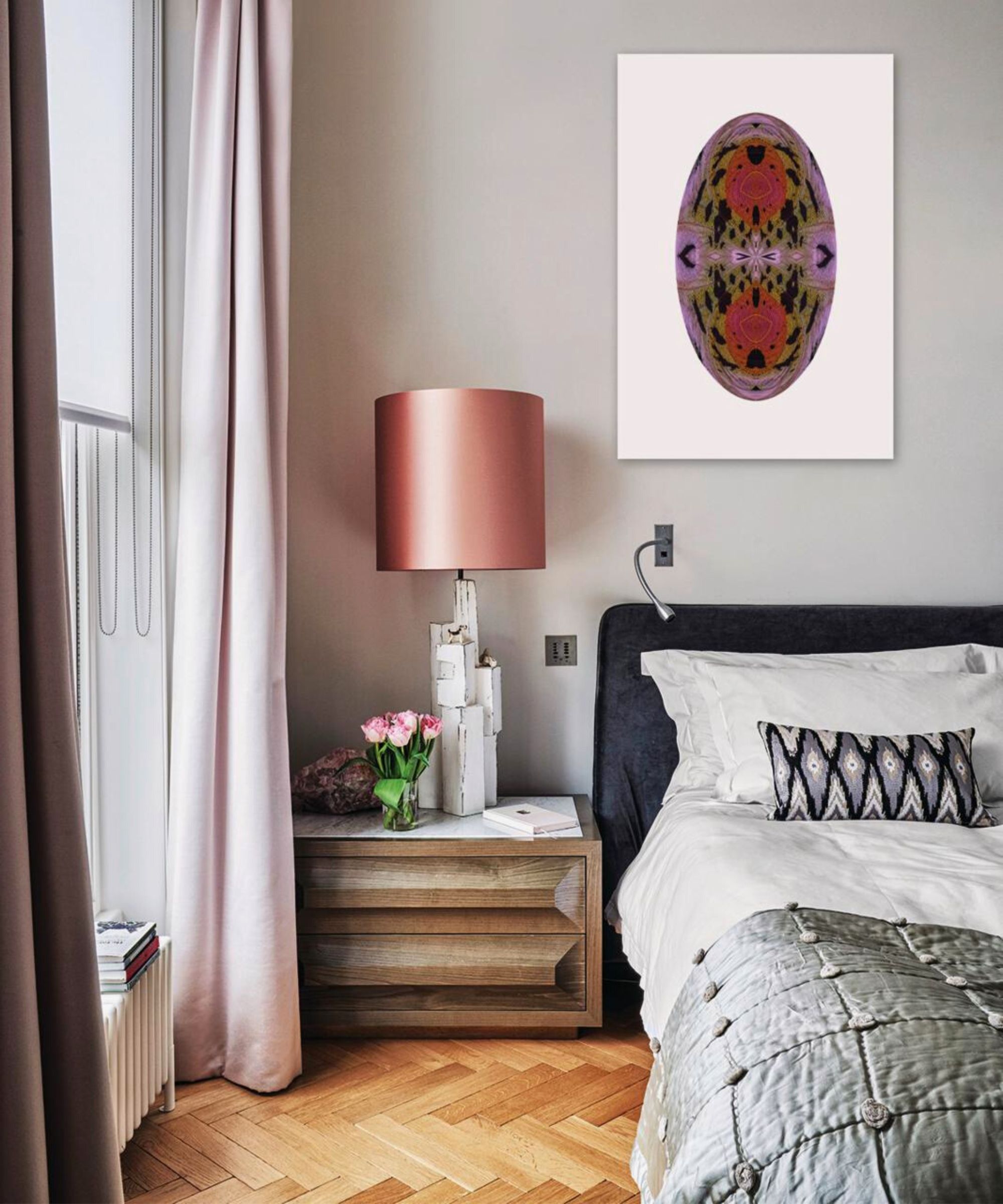
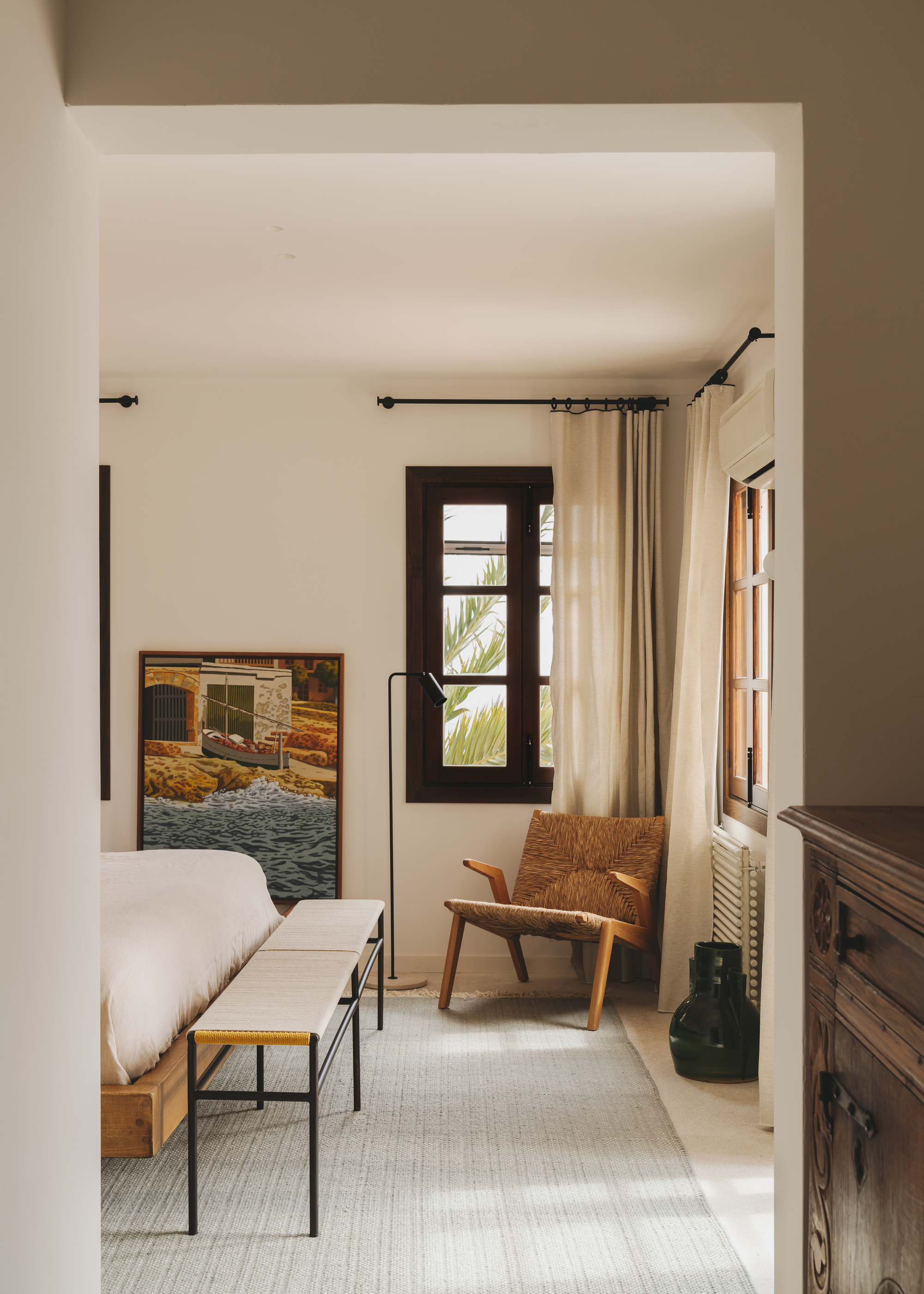
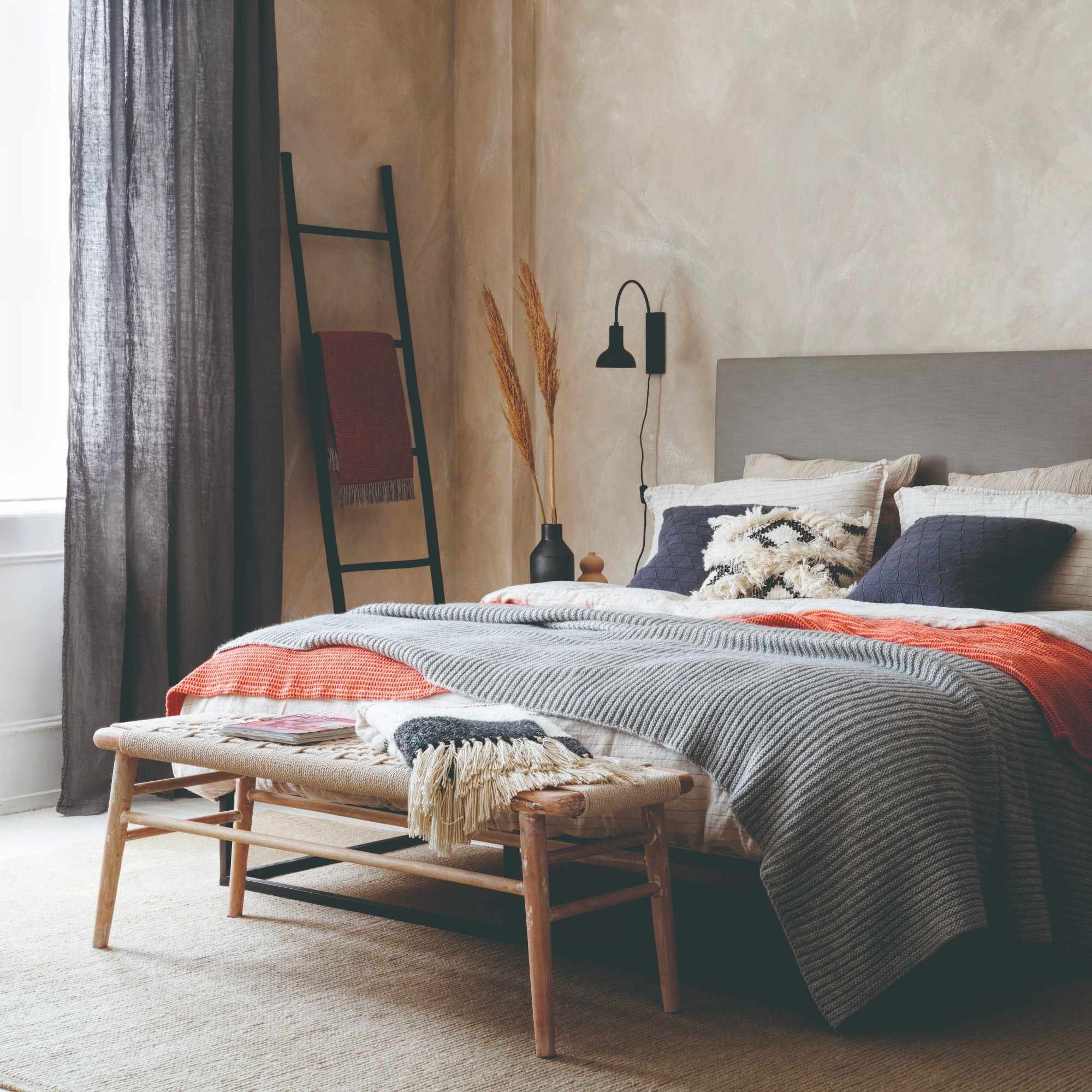
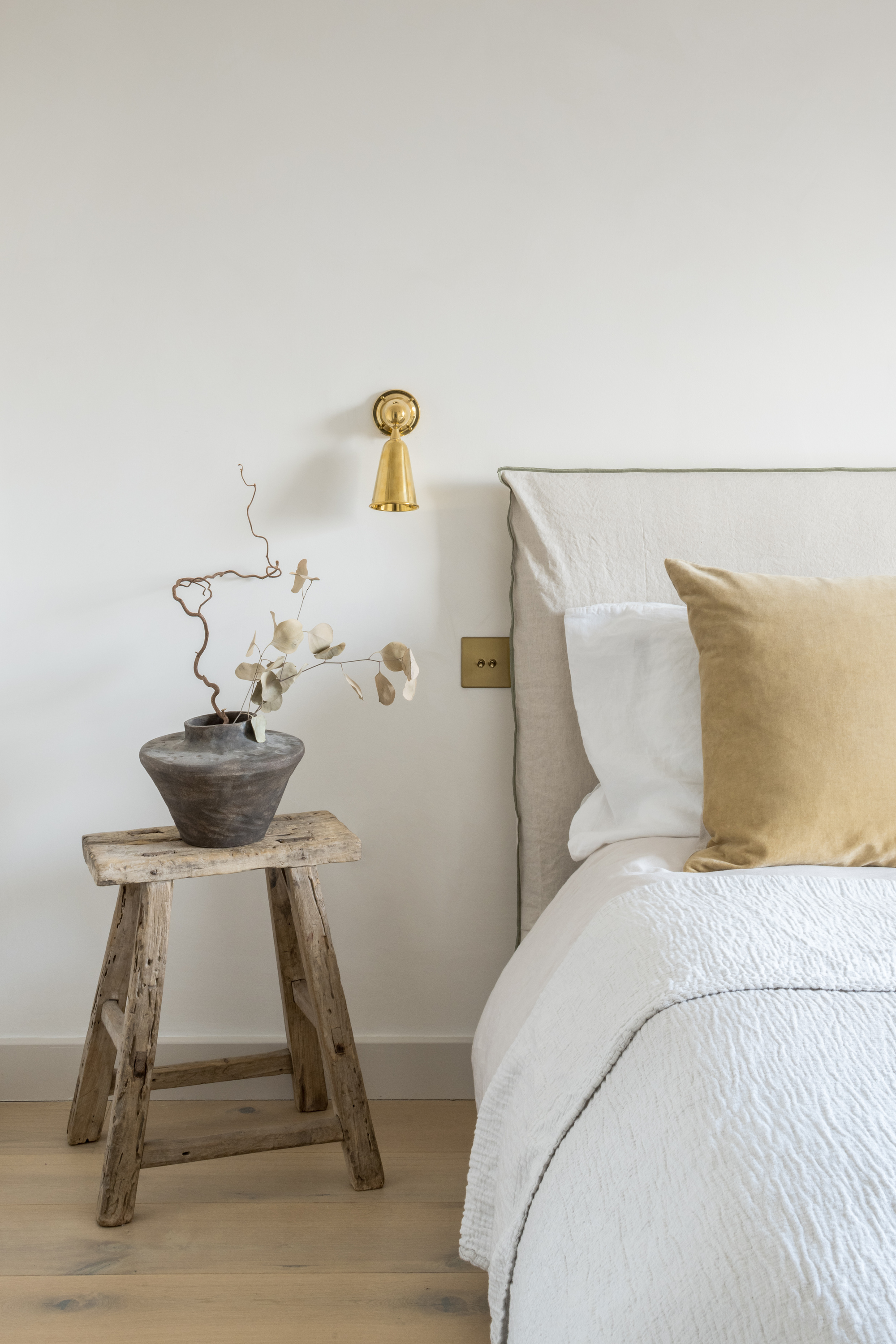
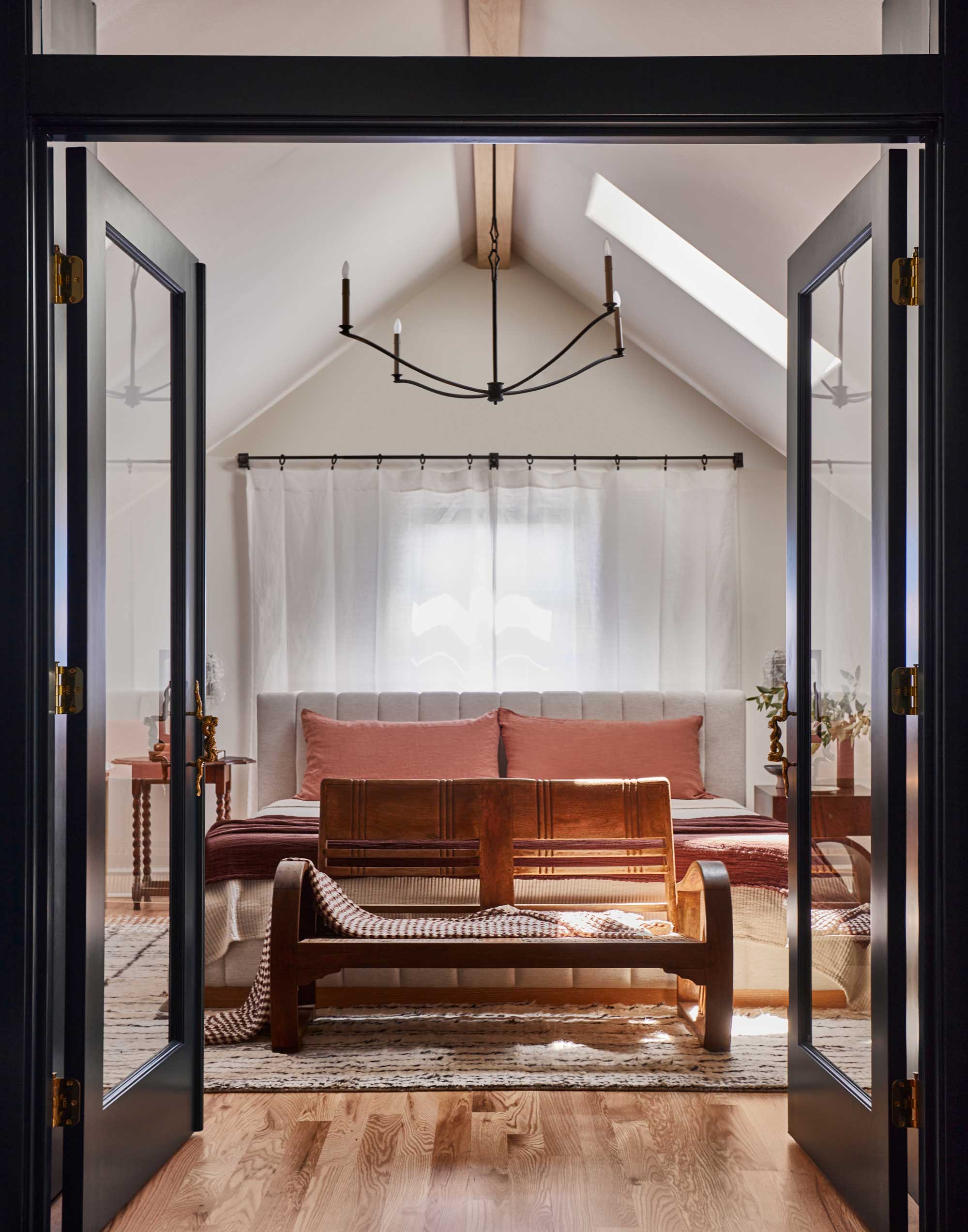
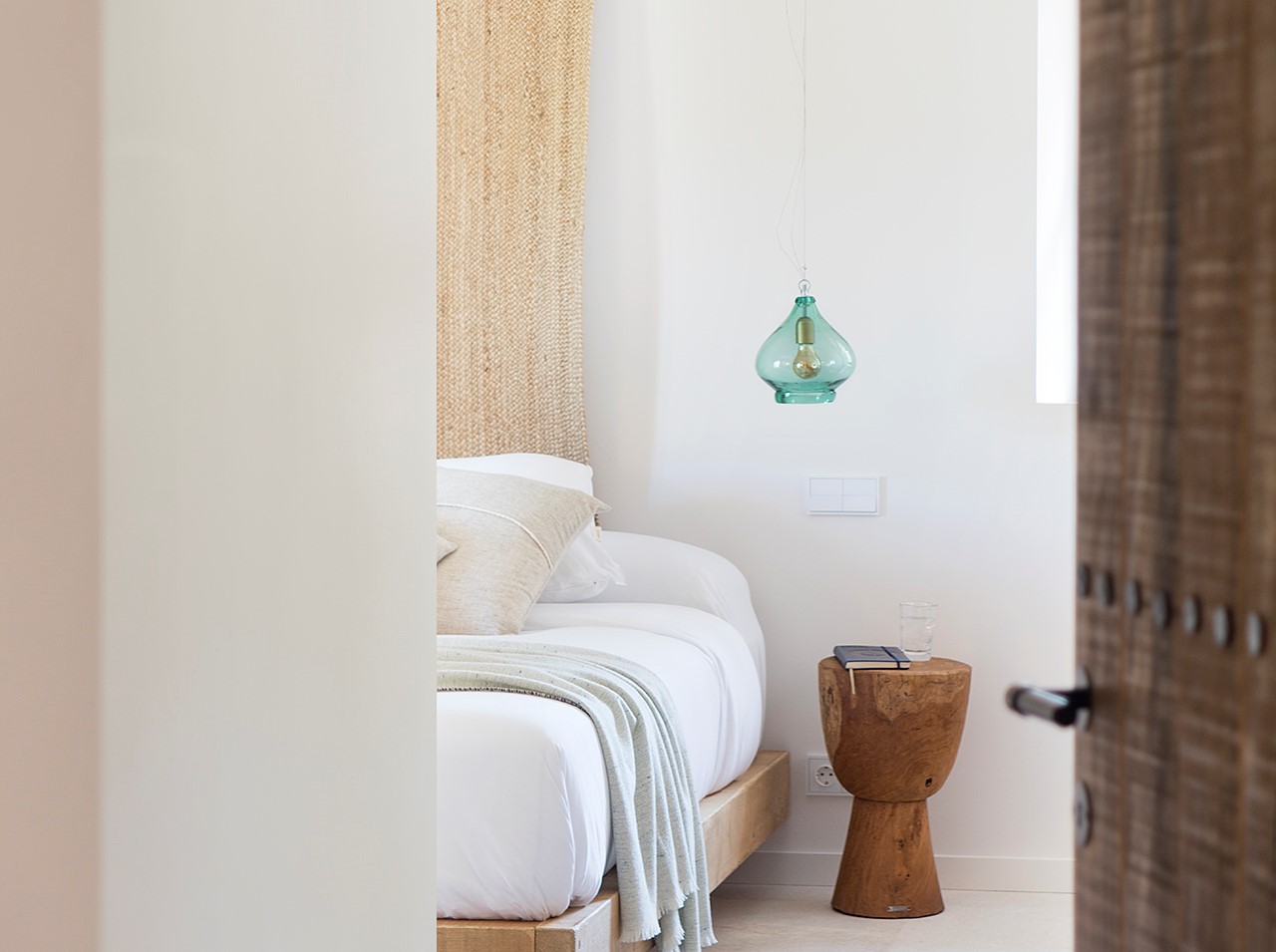
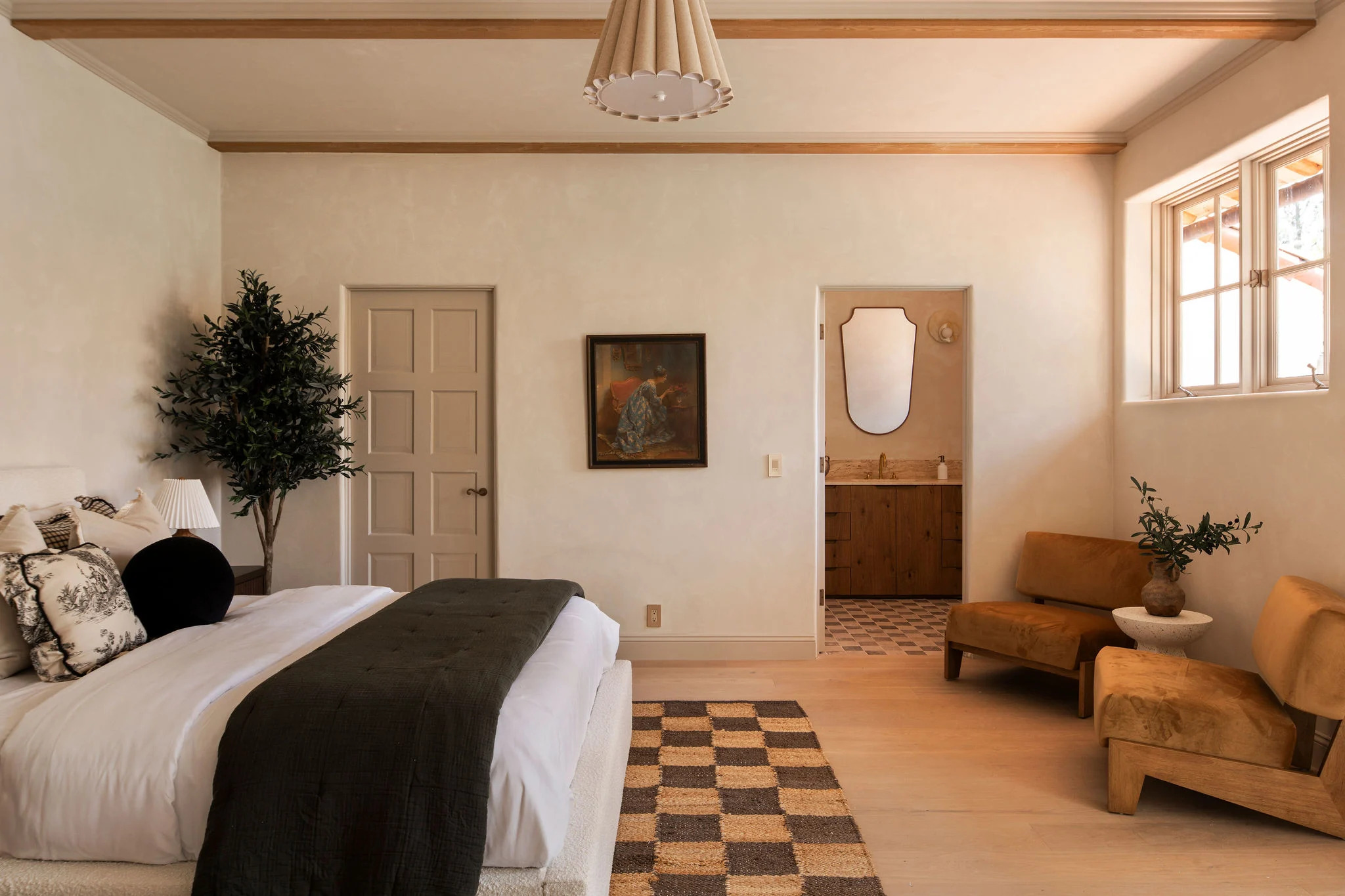
The placement of a bed within a bedroom is a crucial aspect of Feng Shui, significantly influencing an individual's health, wellness, and mental state. As the most important piece of furniture, the bed's position dictates the flow of 'qi' (energy) in a space. Feng Shui experts emphasize that when lying in bed, one should be able to see the bedroom entrance or door, a concept known as the commanding position. However, it is essential to avoid placing the bed directly in line with the door, especially with feet pointing towards it, which is referred to as the 'coffin position' in Feng Shui. Instead, the bed should be offset slightly from the direct line of the door, allowing visibility without direct alignment.
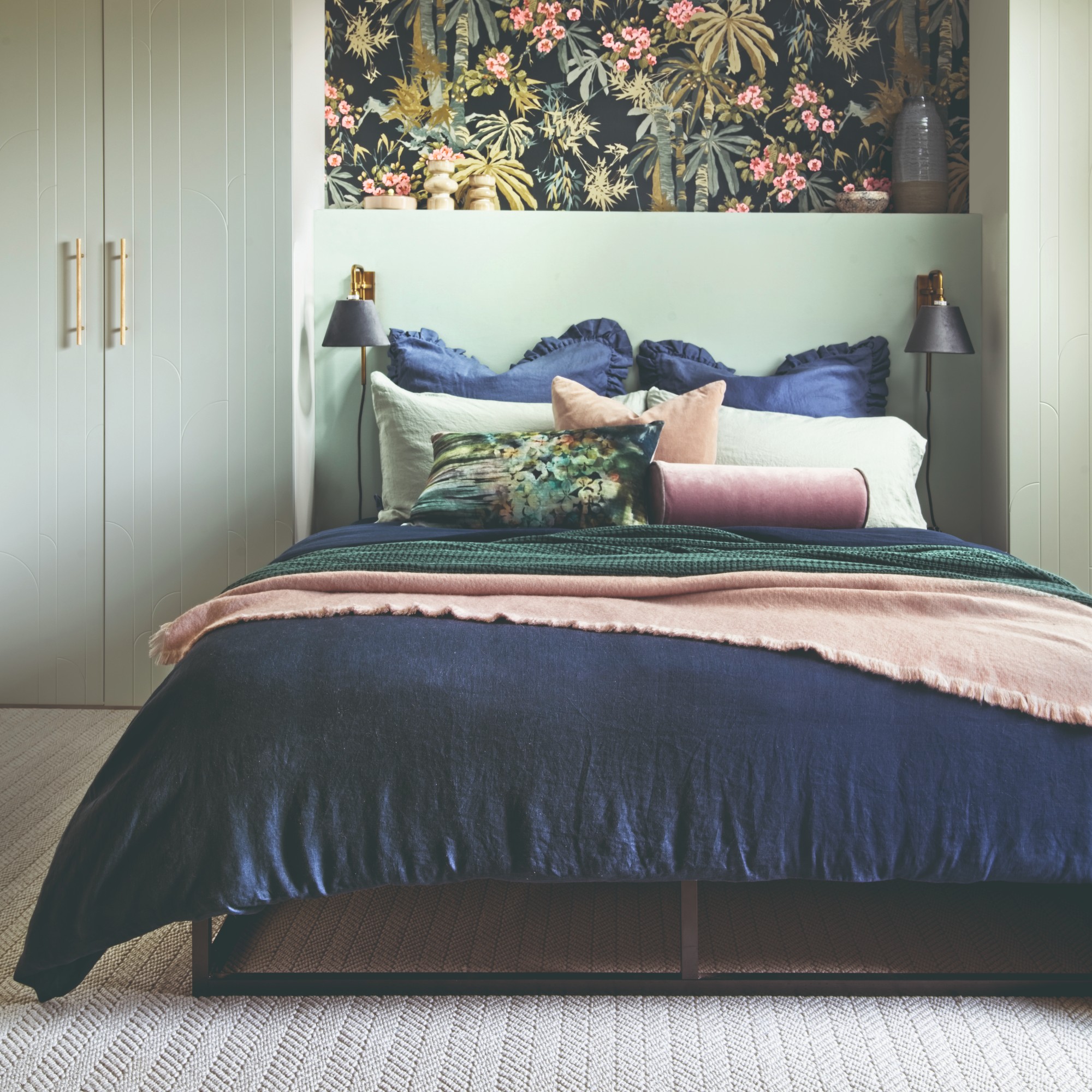
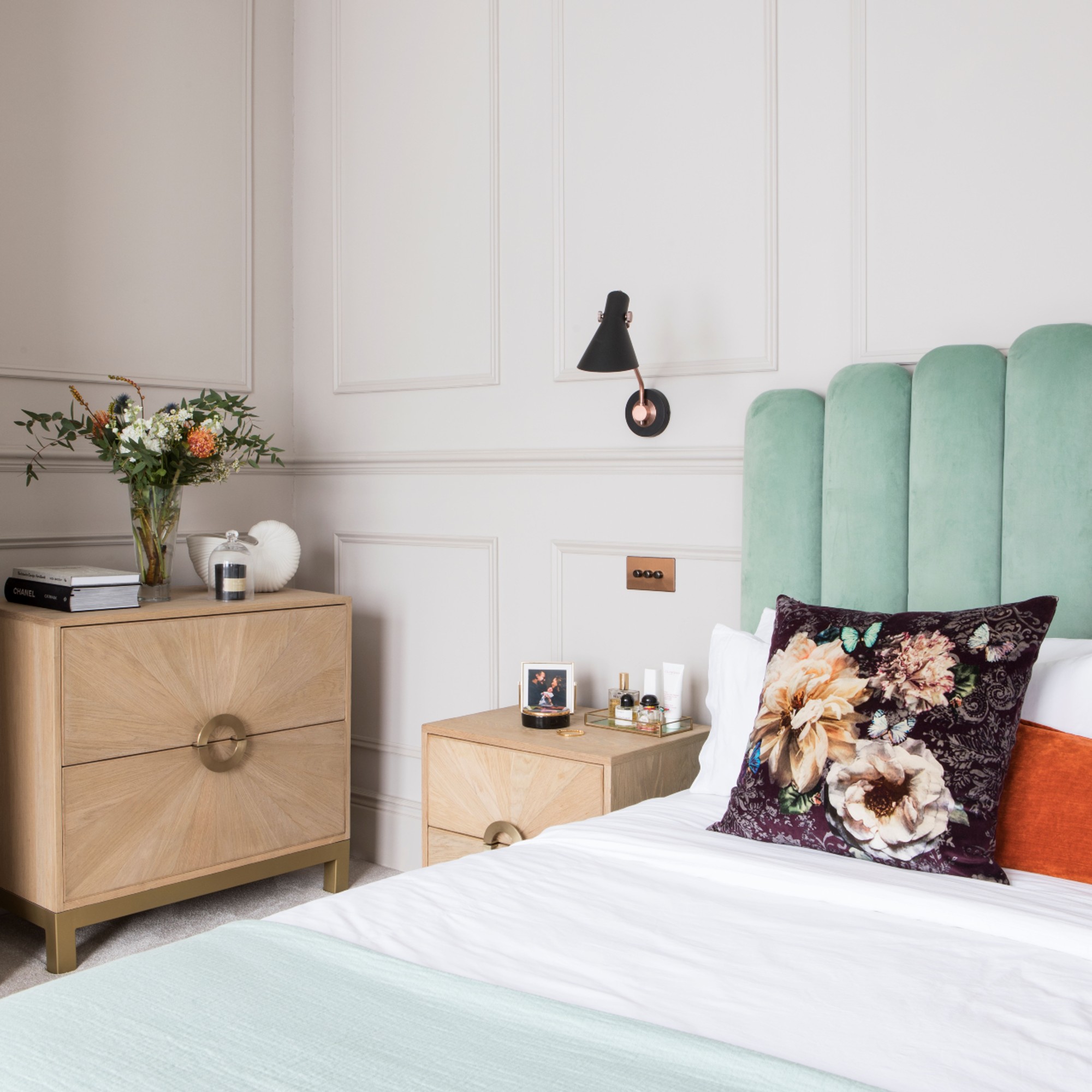
According to the BTB (Black Sect Tradition) Feng Shui, the optimal bed direction involves facing the door at a slight diagonal. This principle also advises against placing furniture in front of windows, as it can block the inflow of energy. Beyond these general guidelines, some experts suggest that the bed's direction can be customized based on an individual's specific energy needs, which are typically determined by their birth date and the home's energy map. The head of the bed should ideally be placed against a solid wall, diagonally opposite the door, as this is considered the most settled energy position. It is advisable to ensure that there are no disturbances like additional doors or electrical meter boxes on the other side of this solid wall, promoting undisturbed sleep.
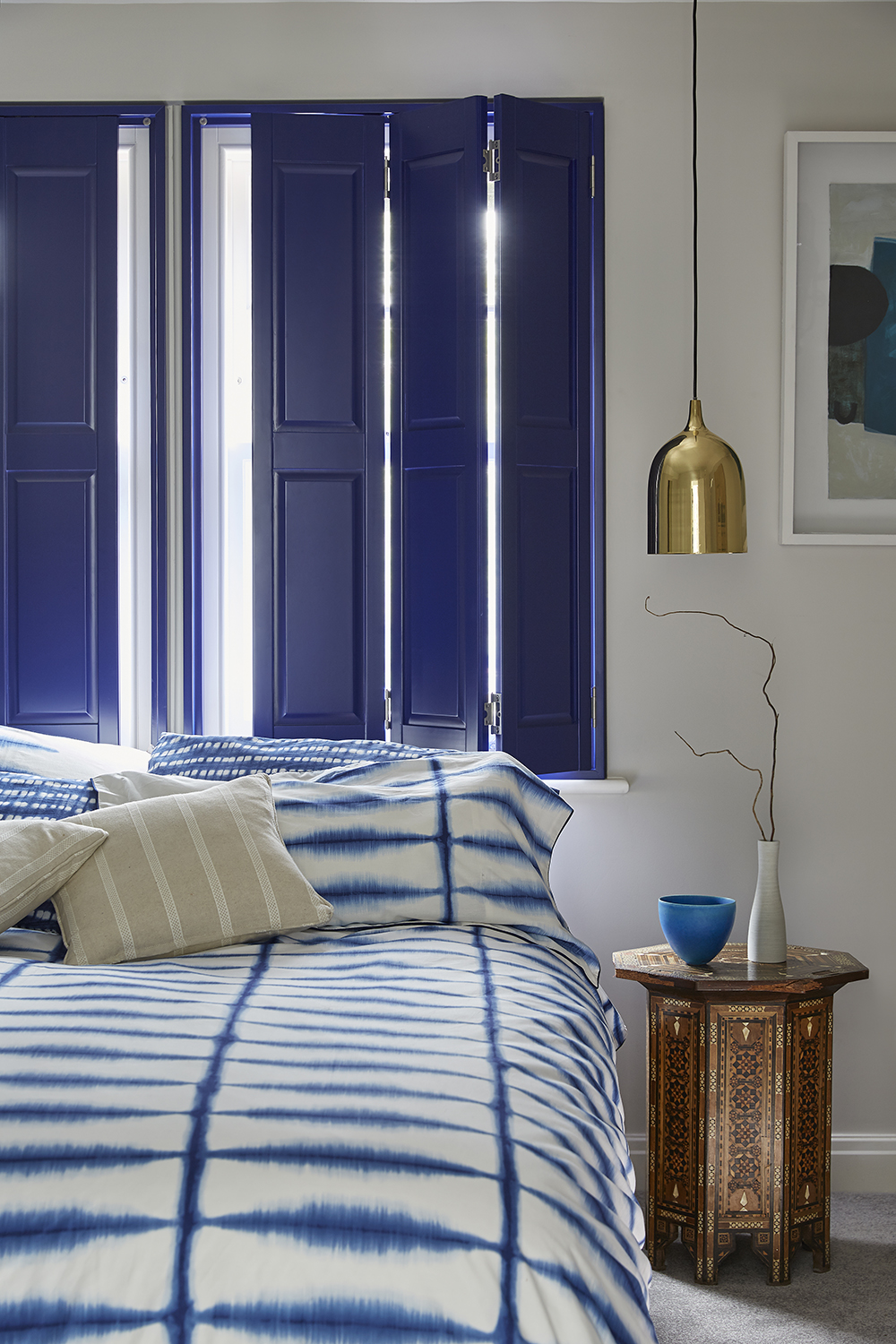
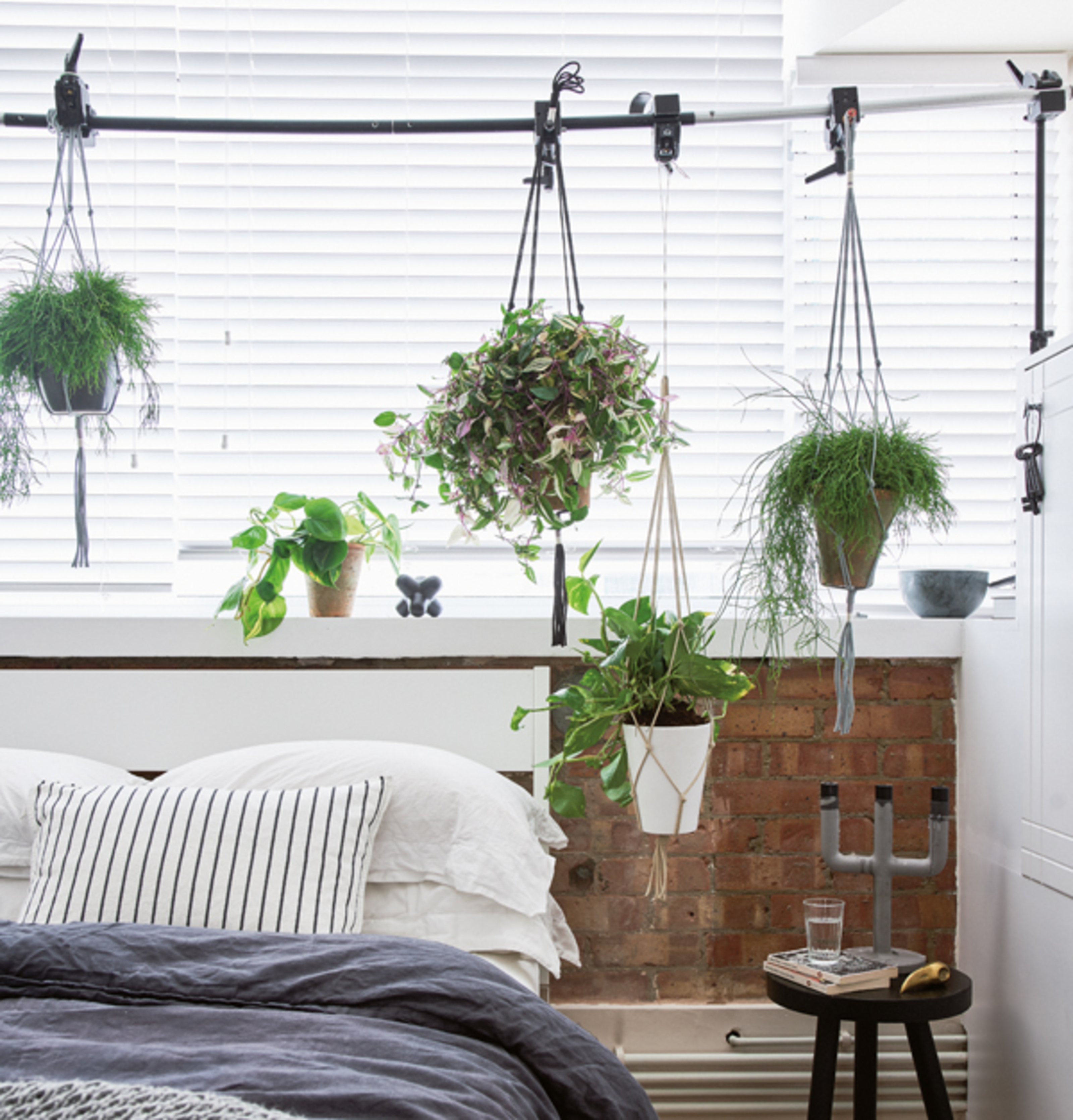
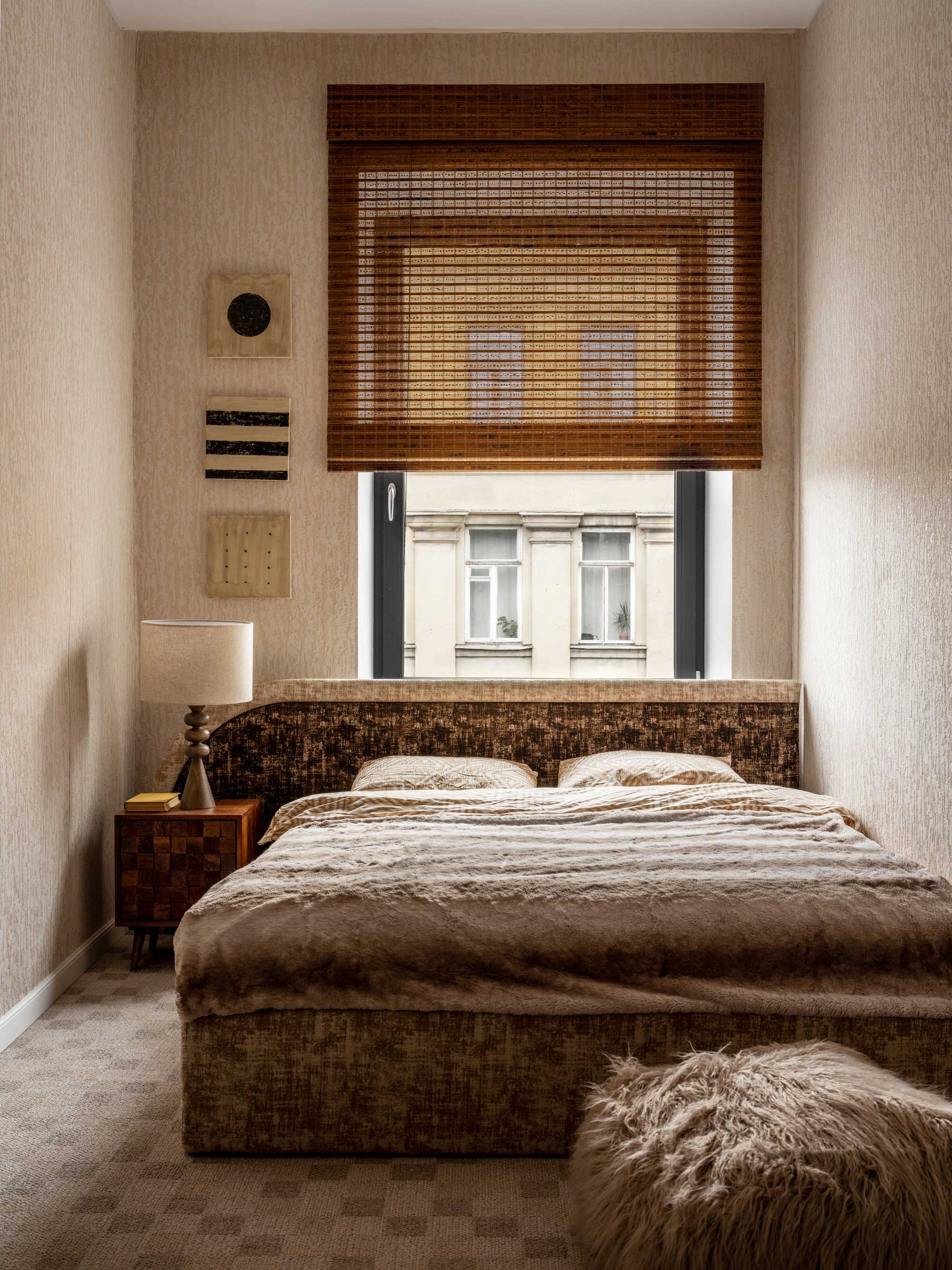
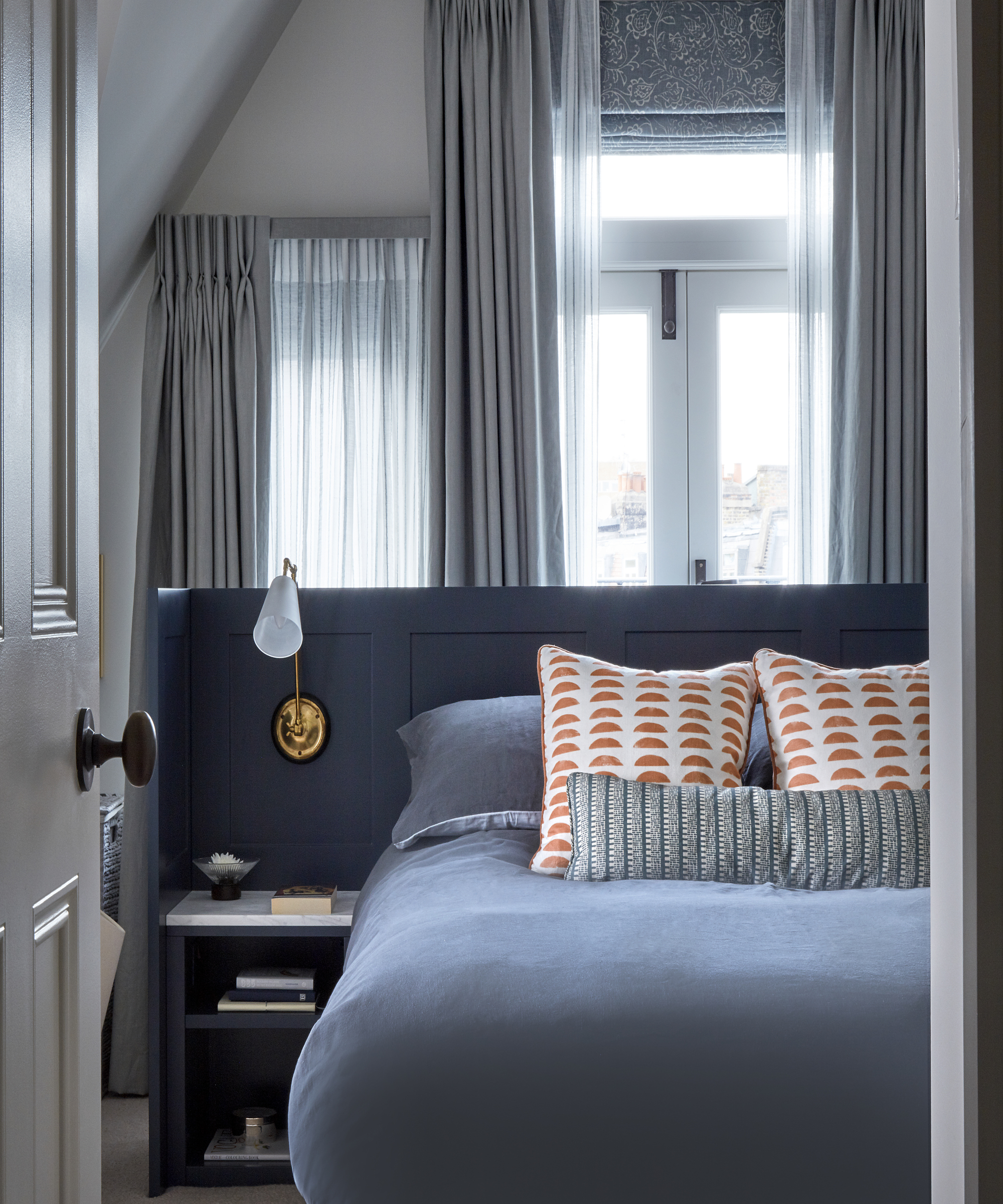
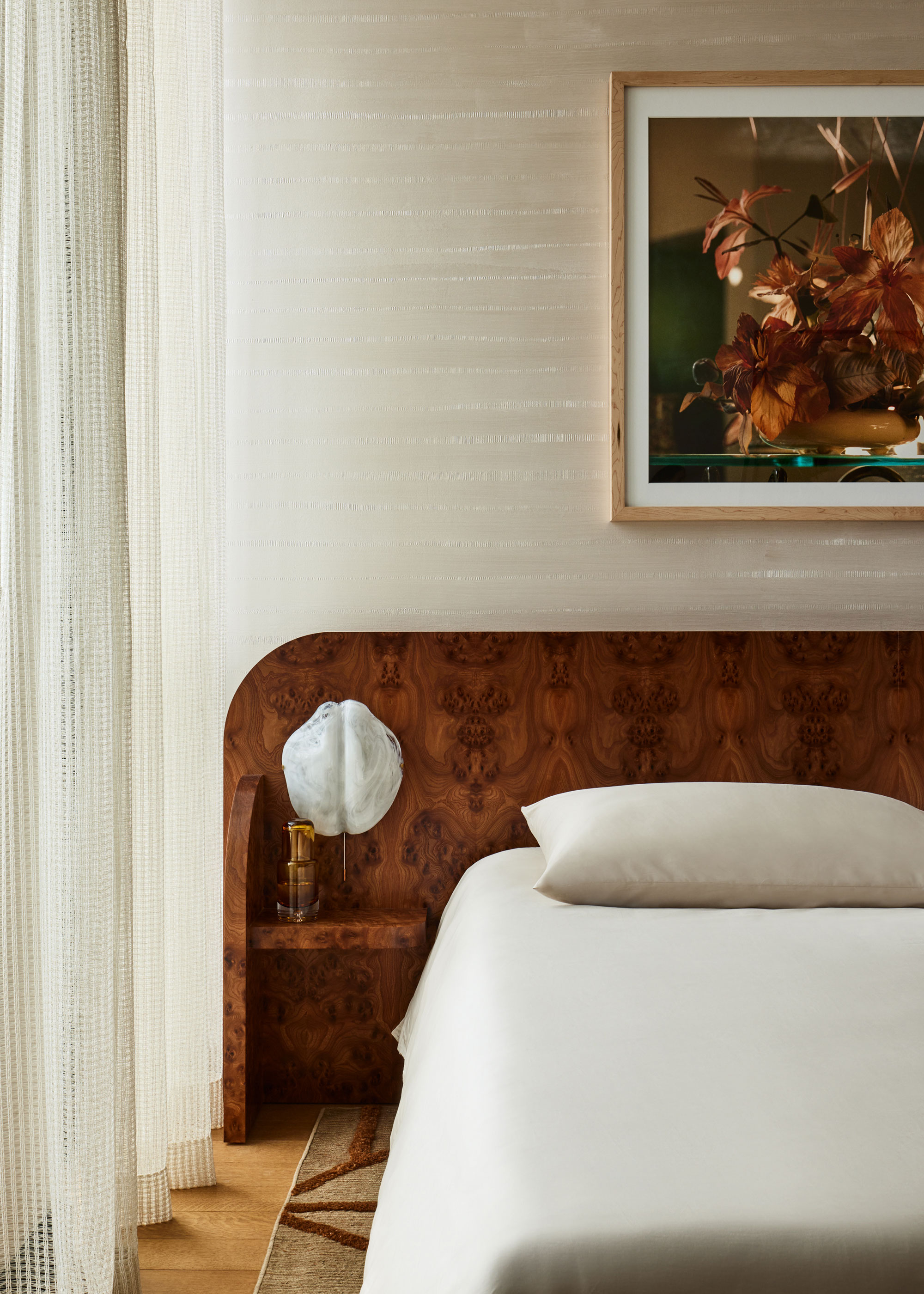
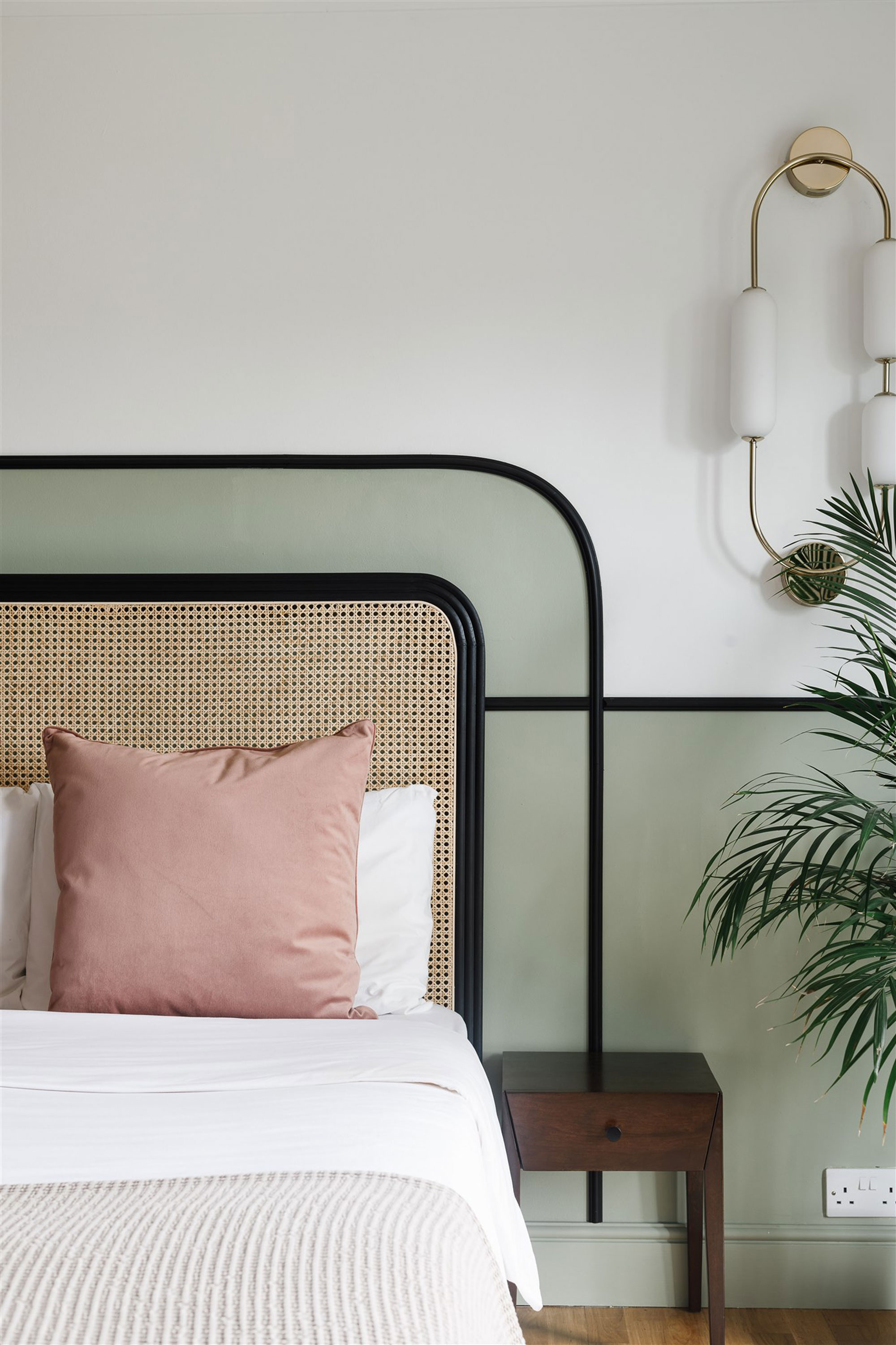
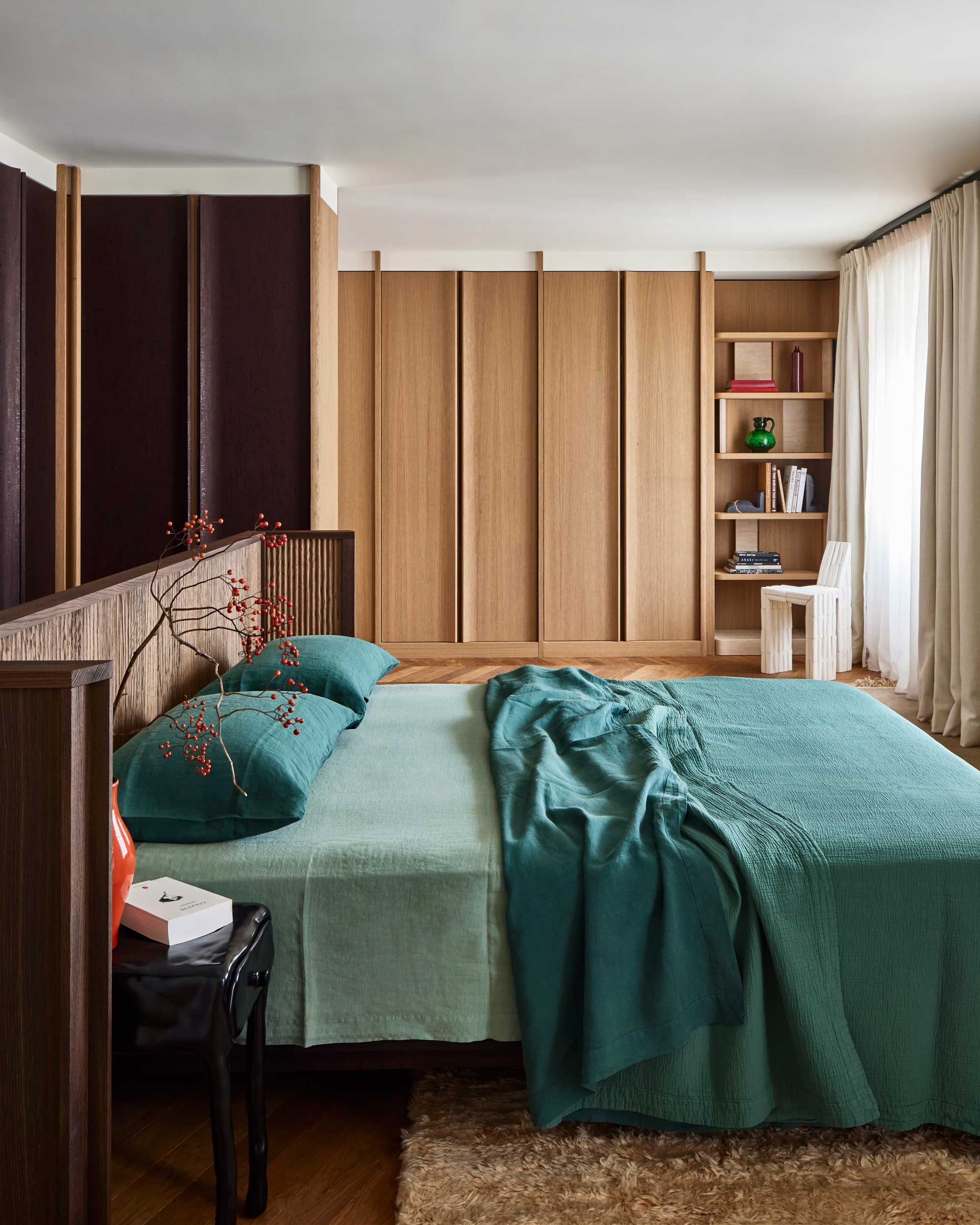
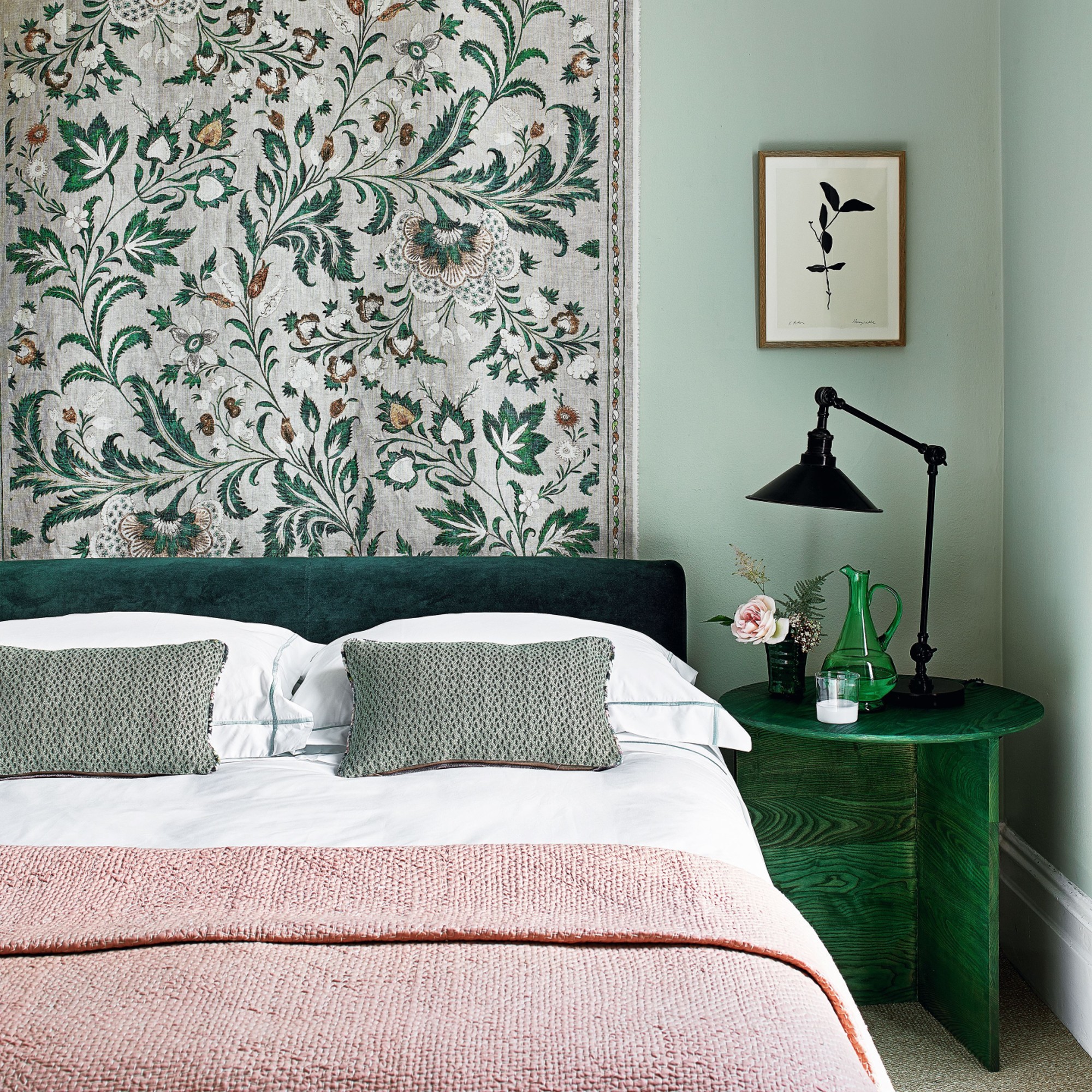
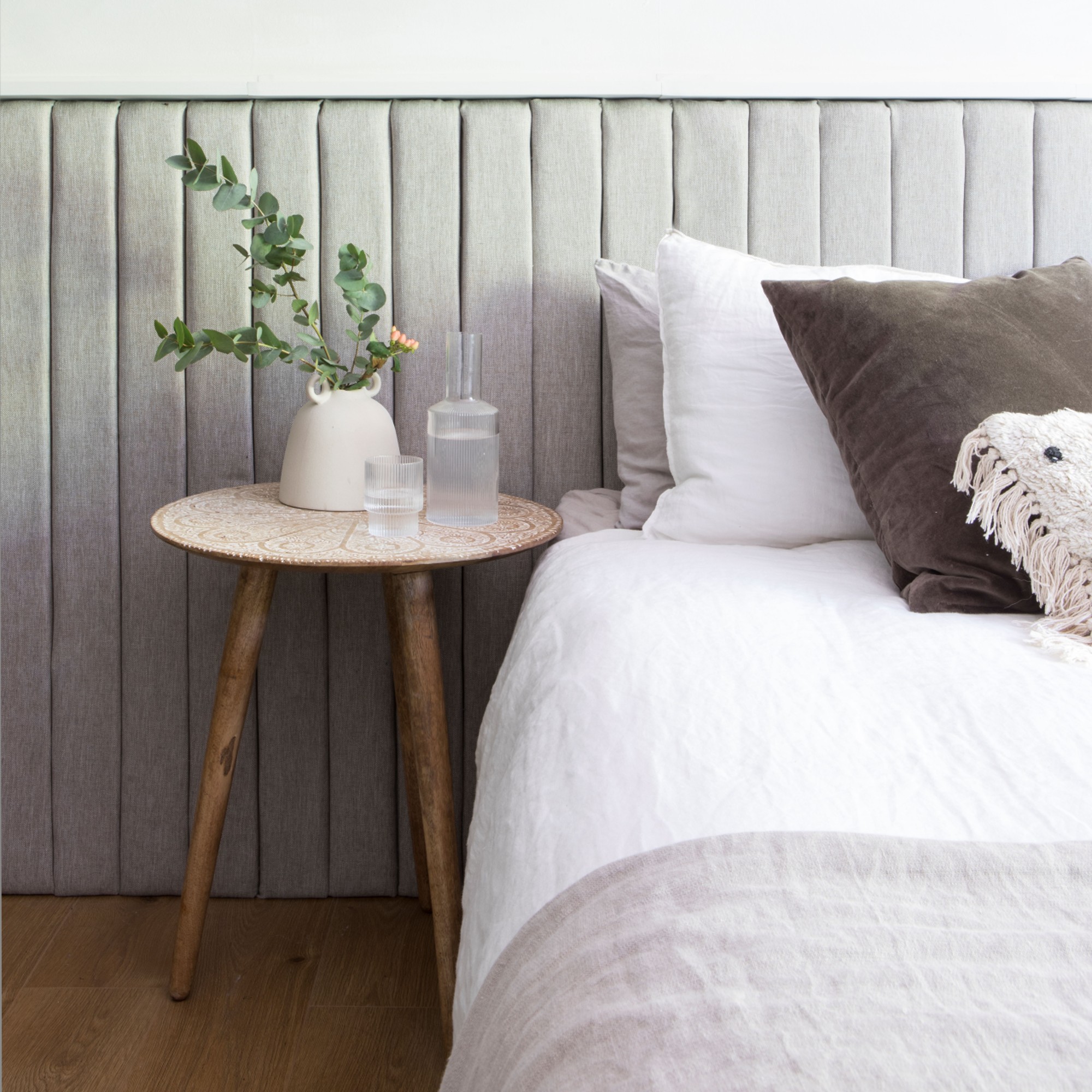
Furthermore, placing the bed directly against a window is generally discouraged in Feng Shui, as windows are seen as portals through which energy can escape, potentially disrupting sleep. If small windows are present on the bedhead wall for design purposes, such as natural light or ventilation, they should be situated high above the bed. This philosophy of the commanding position is rooted in a primal human need to perceive and prepare for potential events, fostering a sense of security and control. If a bed must be placed in the middle of a room, a solid headboard or a barrier like a wall of plants is recommended behind the head to provide a sense of anchor and stability.
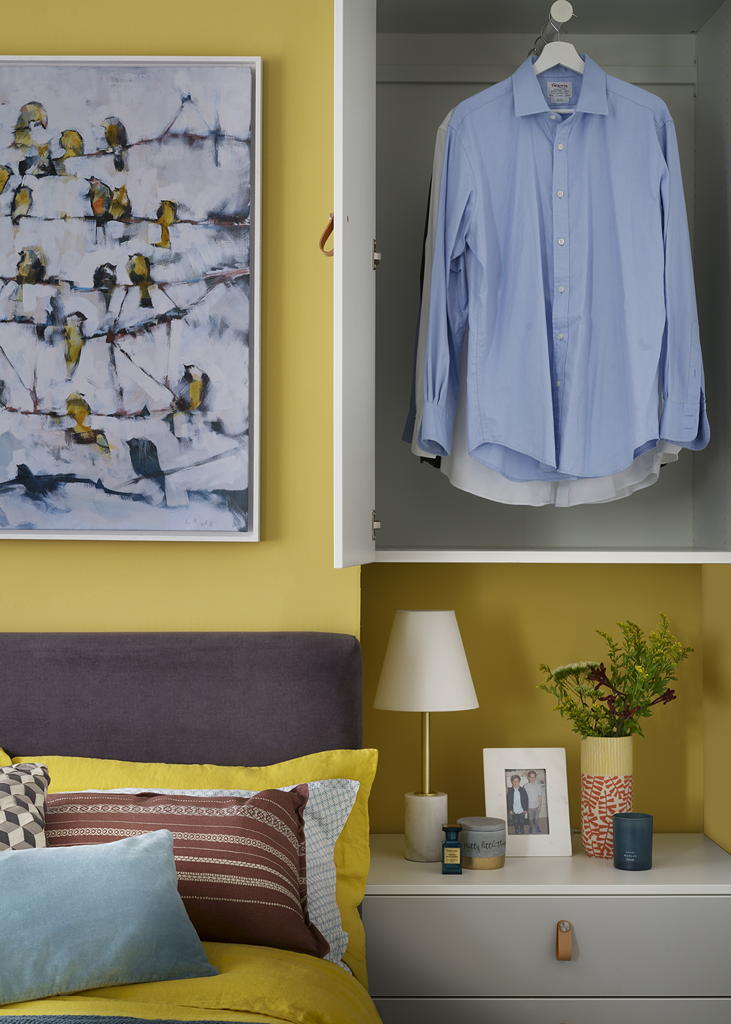
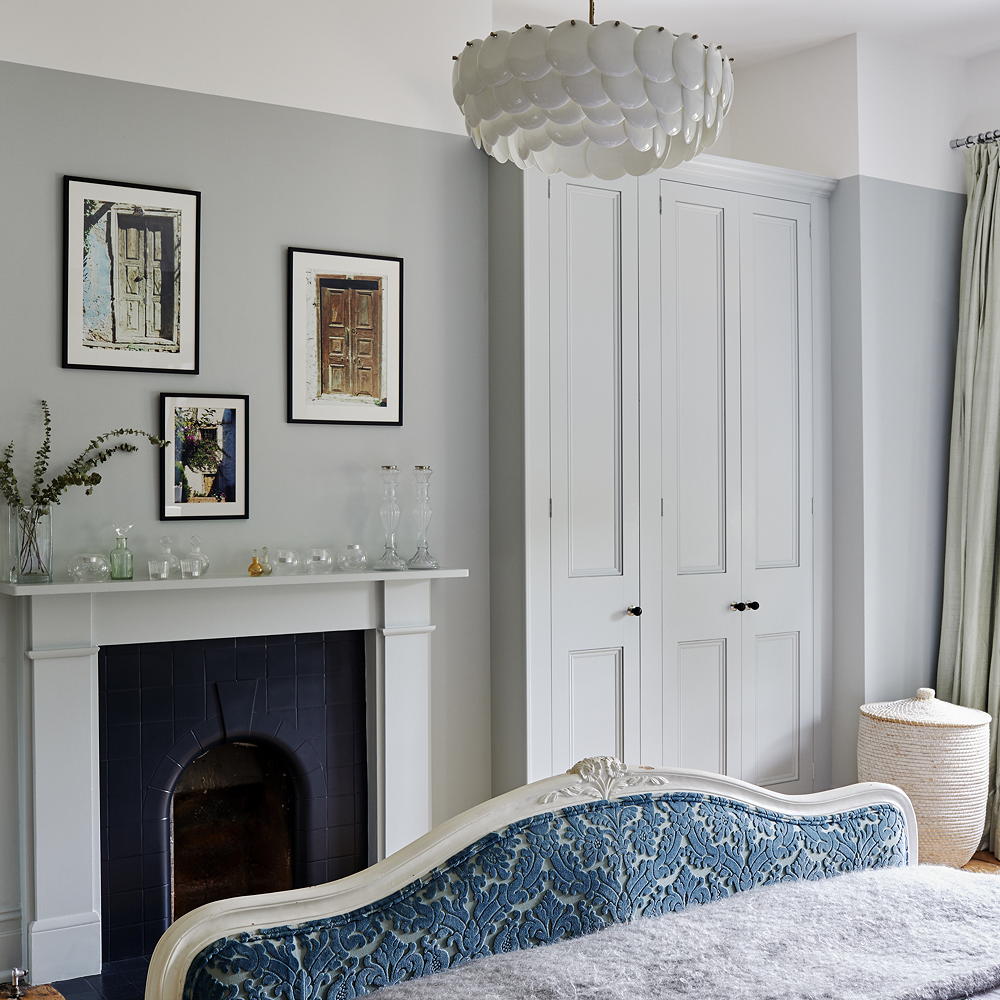
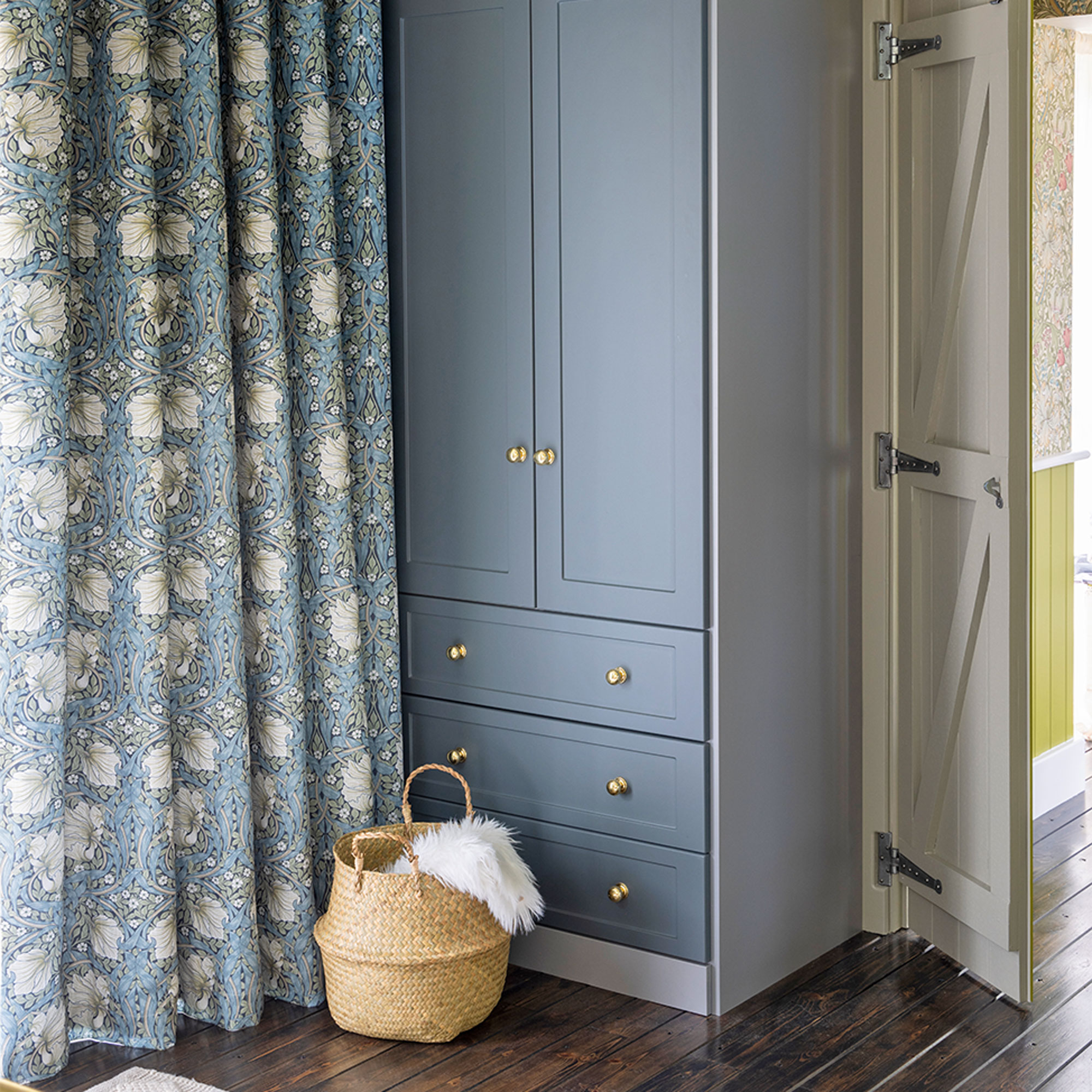
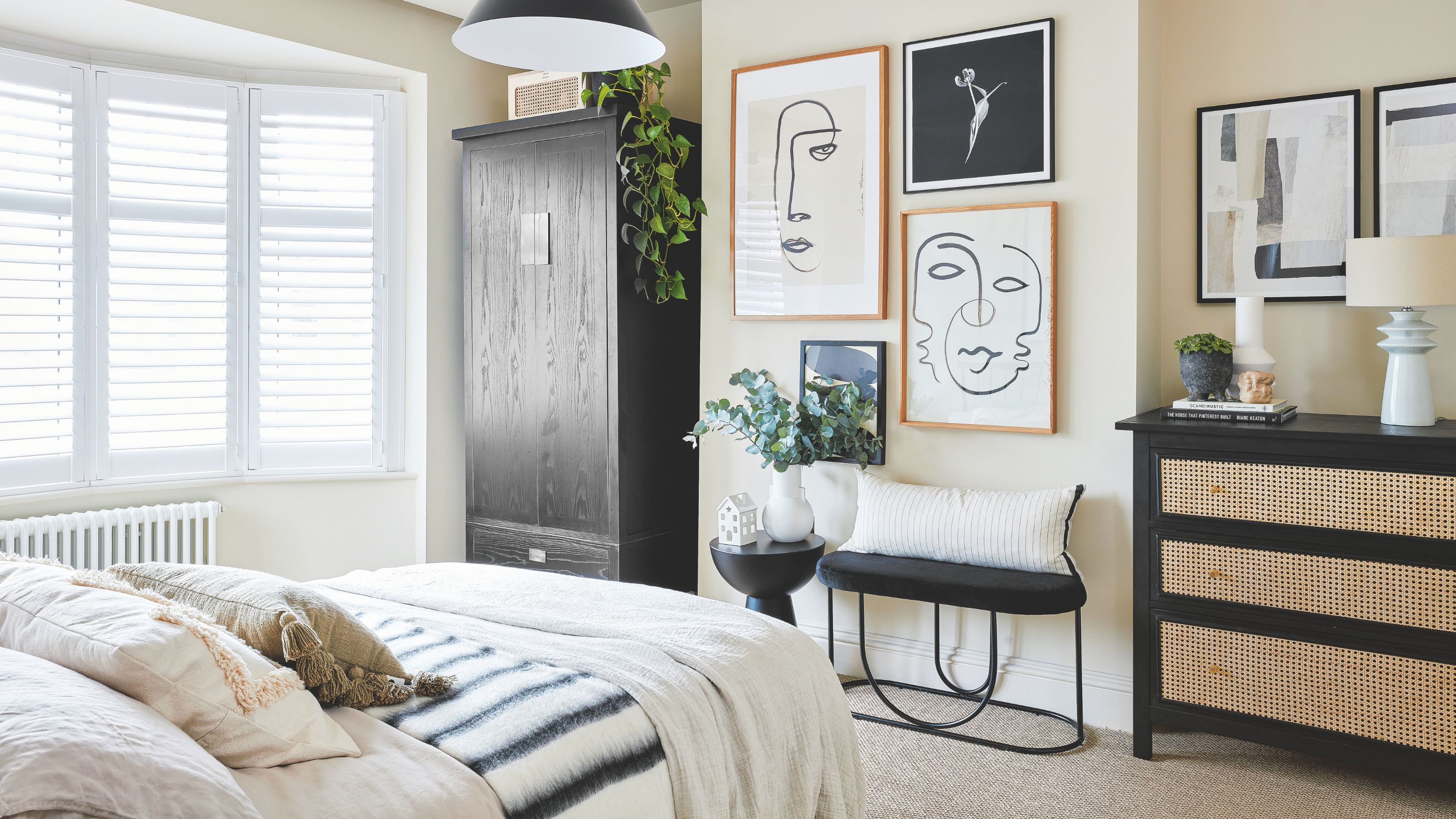
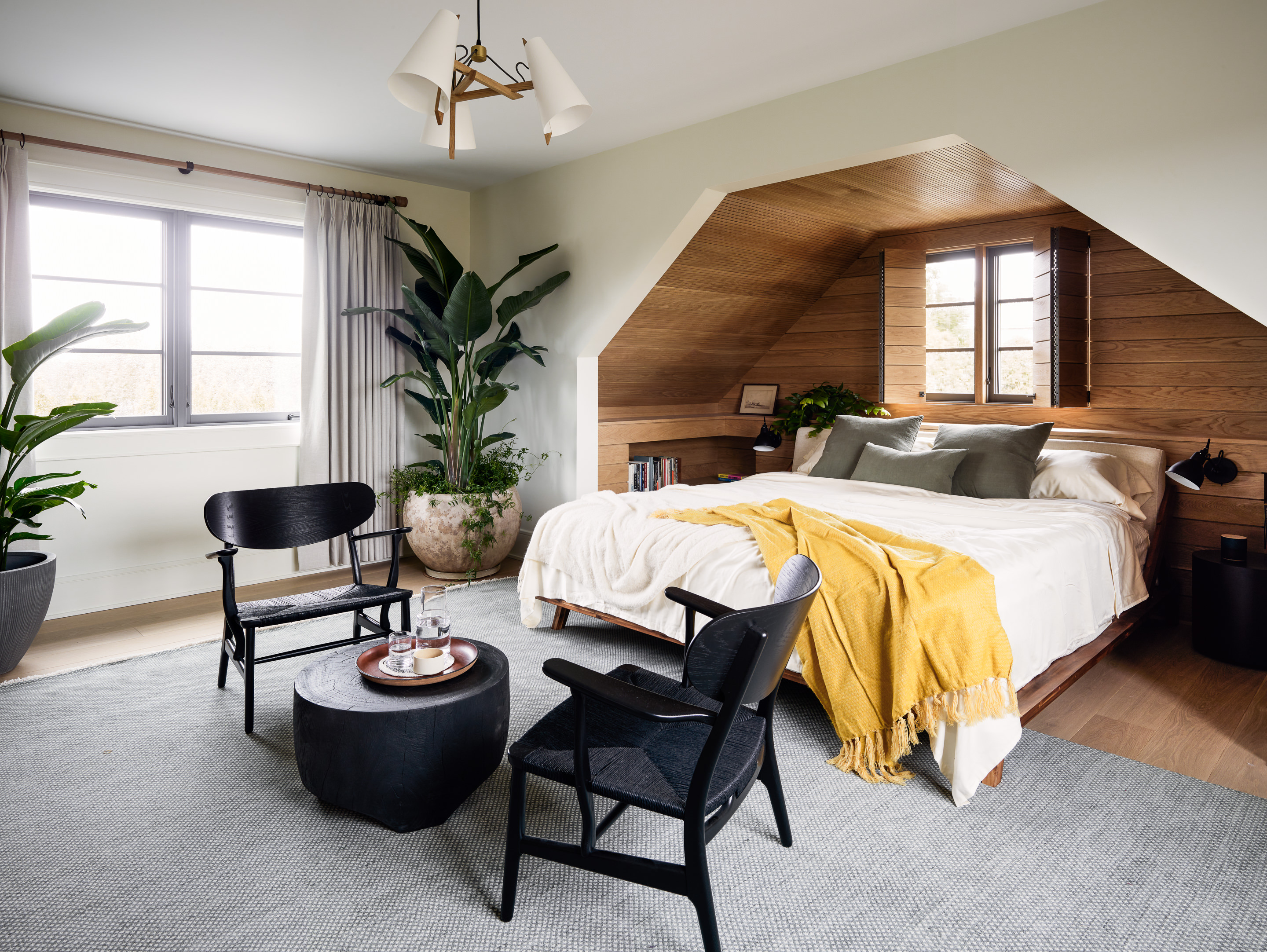
Regarding closets, a bed facing a closet is typically not an issue in Feng Shui, unless the closet doors interfere with the bed's space when opened, or if an unorganized, cluttered closet is directly visible from the bed. A cluttered closet can negatively impact restful sleep; in such cases, decluttering or covering the closet with curtains is suggested. The most significant mistake in bed positioning, according to Feng Shui, is having any part of the body in direct line with the door, which can lead to unsettling feelings and potential health issues related to that specific body part. Placing the head of the bed on the same wall as the door can also create a constant sense of unease. Additionally, squeezing a bed into tight, narrow, or sloped ceiling areas is not recommended, as this can create energetic pressure leading to anxiety or stress. If the bed must face a door, keeping the door closed while sleeping is advised to prevent a rush of energy towards the bed. If a bed is in an otherwise good position, facing a window can be acceptable, provided heavy curtains or blinds are drawn at night to contain energy.
#FengShui #BedroomLayout #BedPlacement #InteriorDesign #SleepHealth #EnergyFlow #HomeWellness #CommandingPosition #FengShui #BedroomLayout #BedPlacement #InteriorDesign #SleepHealth #EnergyFlow #HomeWellness #CommandingPosition
0 комментариев всего
 Комментариев пока нет
Вам также может понравиться
Should your bed face the door? Here's what the experts think


The Only Direction Your Bed Should Be Facing, According to Feng Shui Experts


10 Bedroom Decor Mistakes Keeping You From Your Best Sleep Ever

Here's why you should avoid sleeping with your feet toward the door


This big Feng Shui mistake in your bedroom could be causing your poor sleep

Is it okay to place a bed under a window? Feng Shui experts offer their advice


These Feng Shui experts say you shouldn't position your bed like this if you want to sleep well – and it's a common layout idea

'Waking feeling drained' - bad Feng Shui headboard choices explained

These Feng Shui experts say you shouldn't position your bed like this if you want to sleep well — and it's a common layout idea
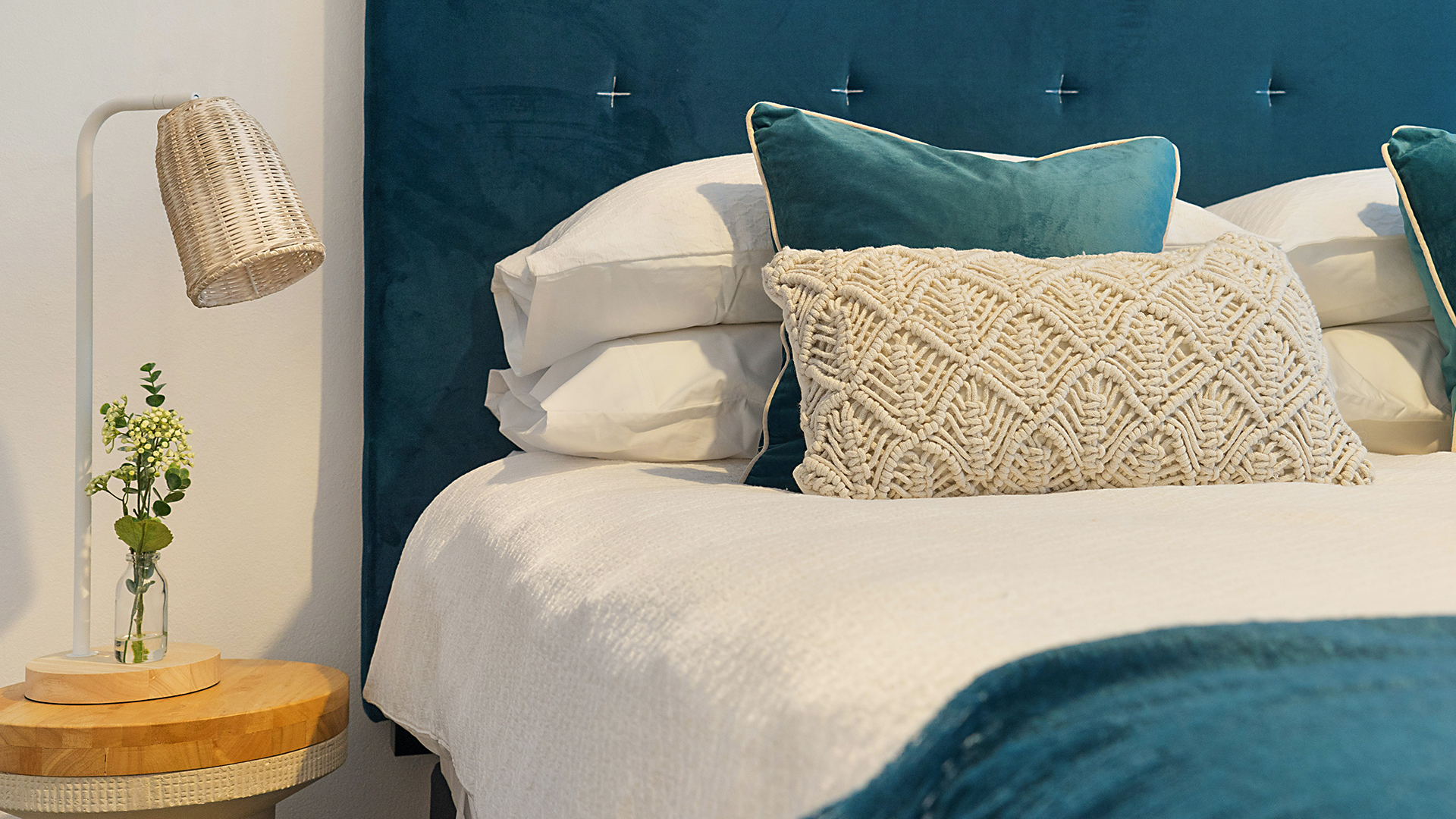
Why your bed should never face away from the door, plus 3 more Feng Shui bedroom rules
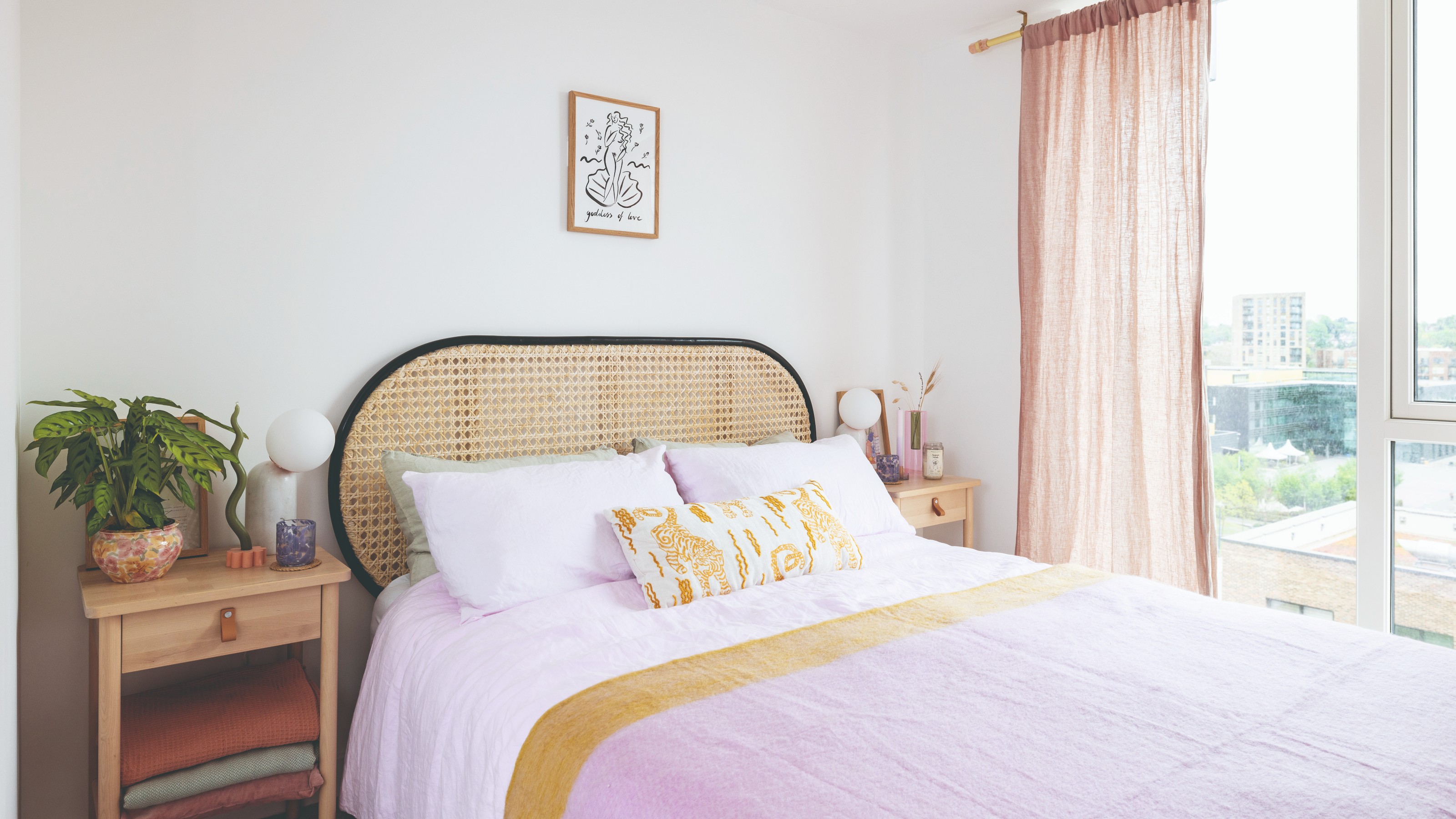
Do you sleep facing north? According to sleep experts you really should be

This architect's trick for positioning a bed in the middle of a room makes me want to be braver with my bedroom layout
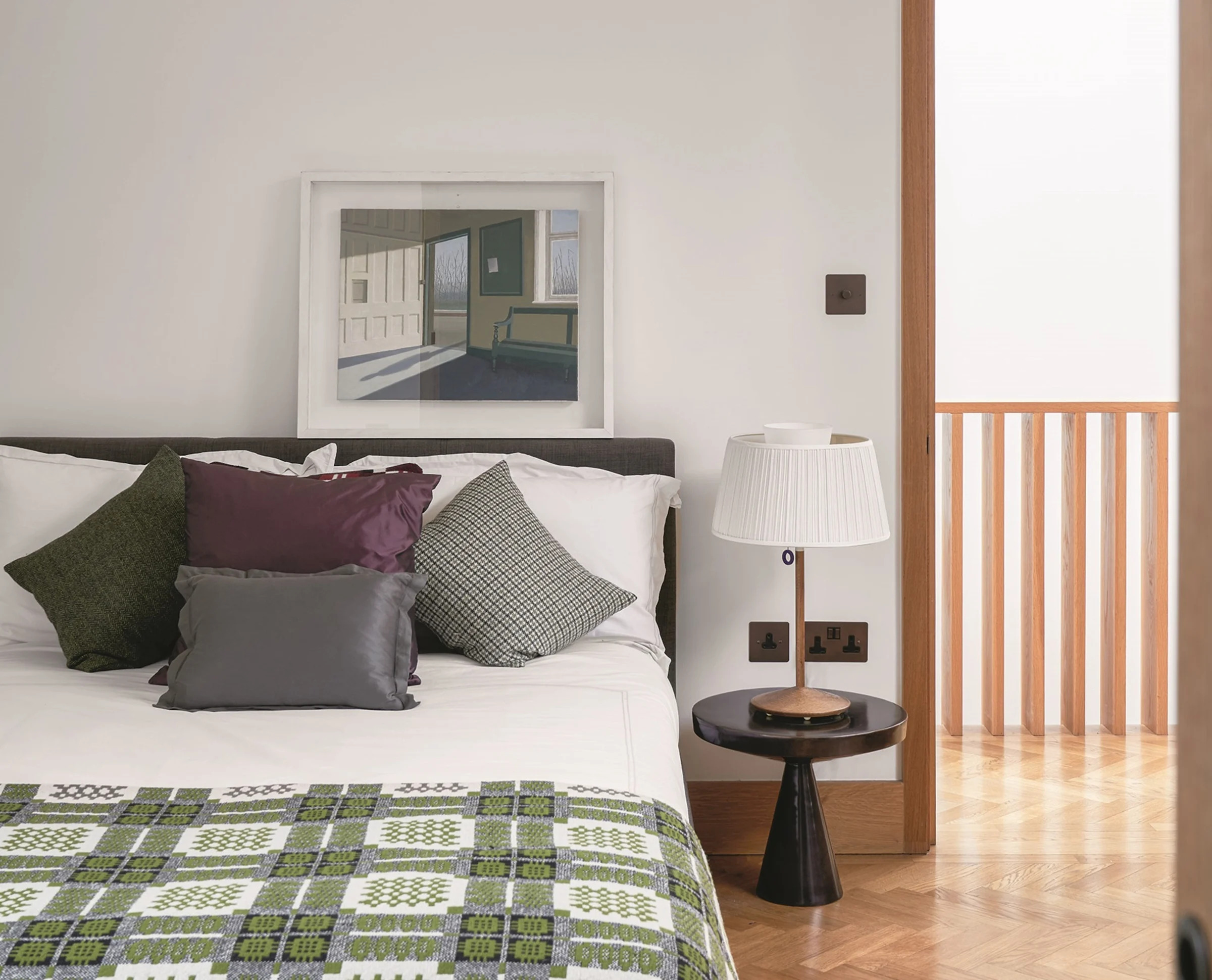
Feng Shui experts warn you to avoid this mistake so that you sleep better, and to choose this bedroom layout instead
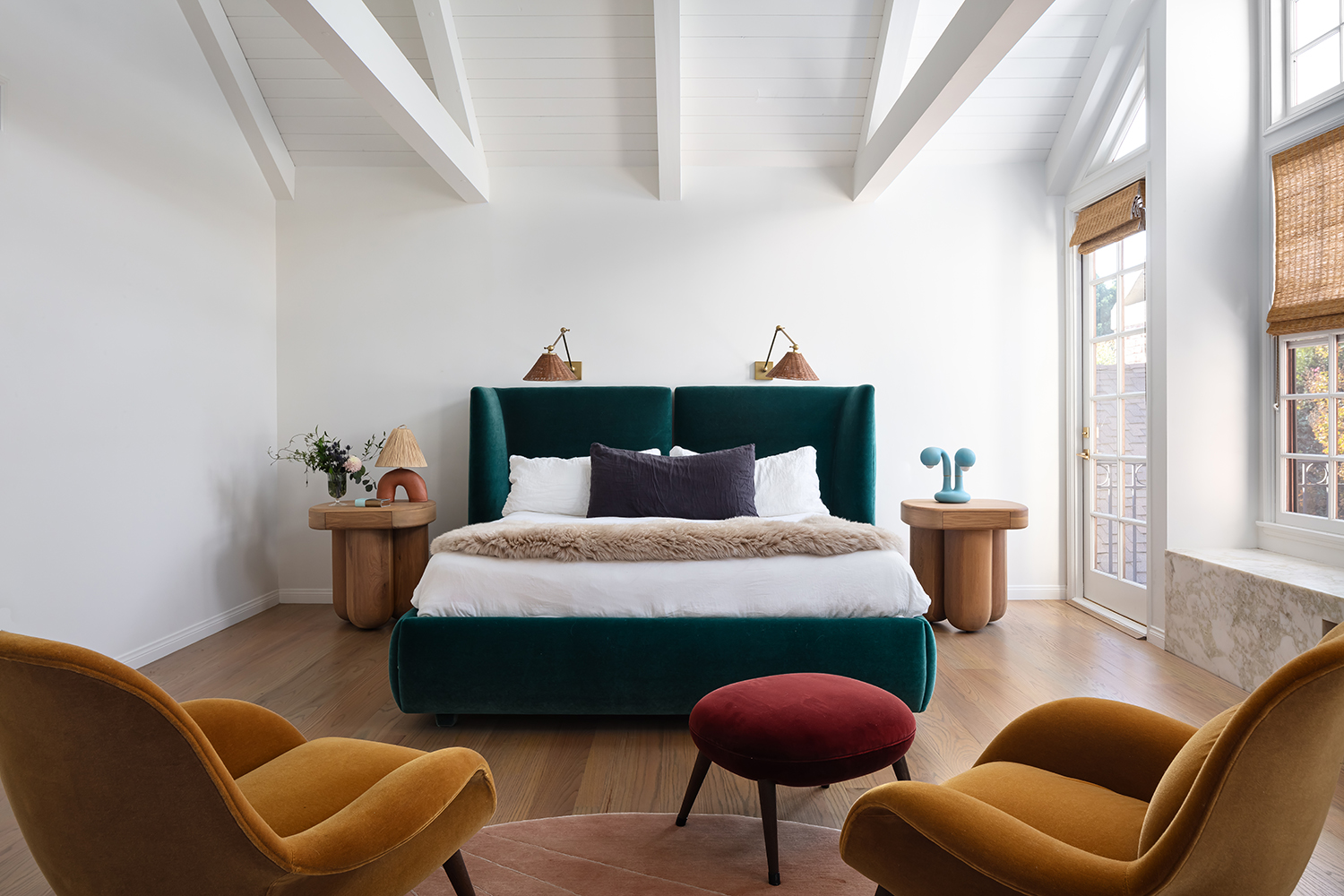
7 of the worst bedroom layout mistakes and how to avoid them
5 places to never put a wardrobe in a bedroom, according to feng shui and interior designers
This often-overlooked bedroom spot could be teeming with bed bugs
6 interior design mistakes that could be affecting your sleep
'Never sleep with a chair facing you' – Feng Shui experts bust this viral myth about your bedroom layout

Bedroom layout mistakes – 9 errors experts warn against, and how to fix them
Is Your Bed Facing North Really the Best Way to Get Good Night's Rest? Sleep and Feng Shui Experts Weigh in