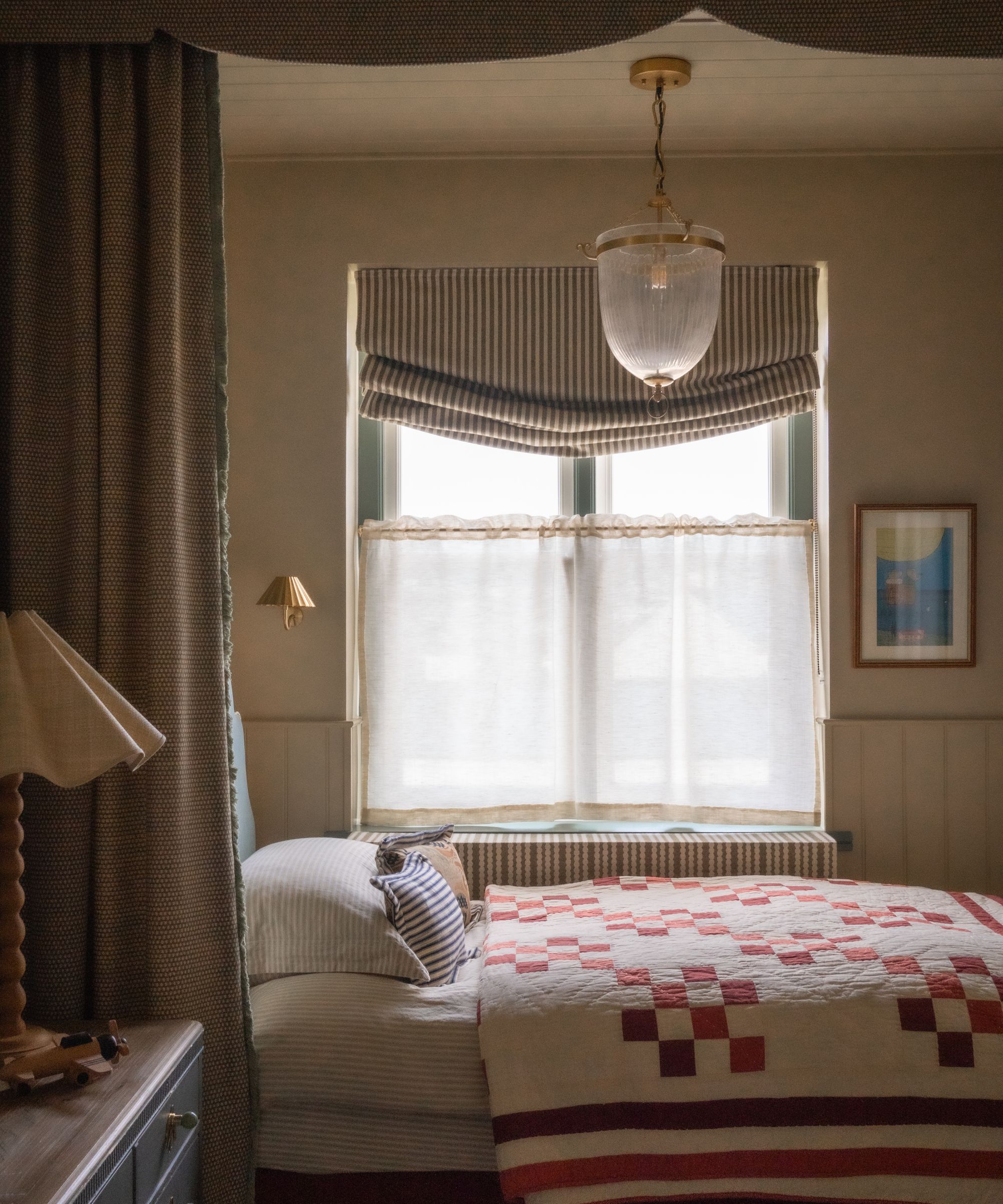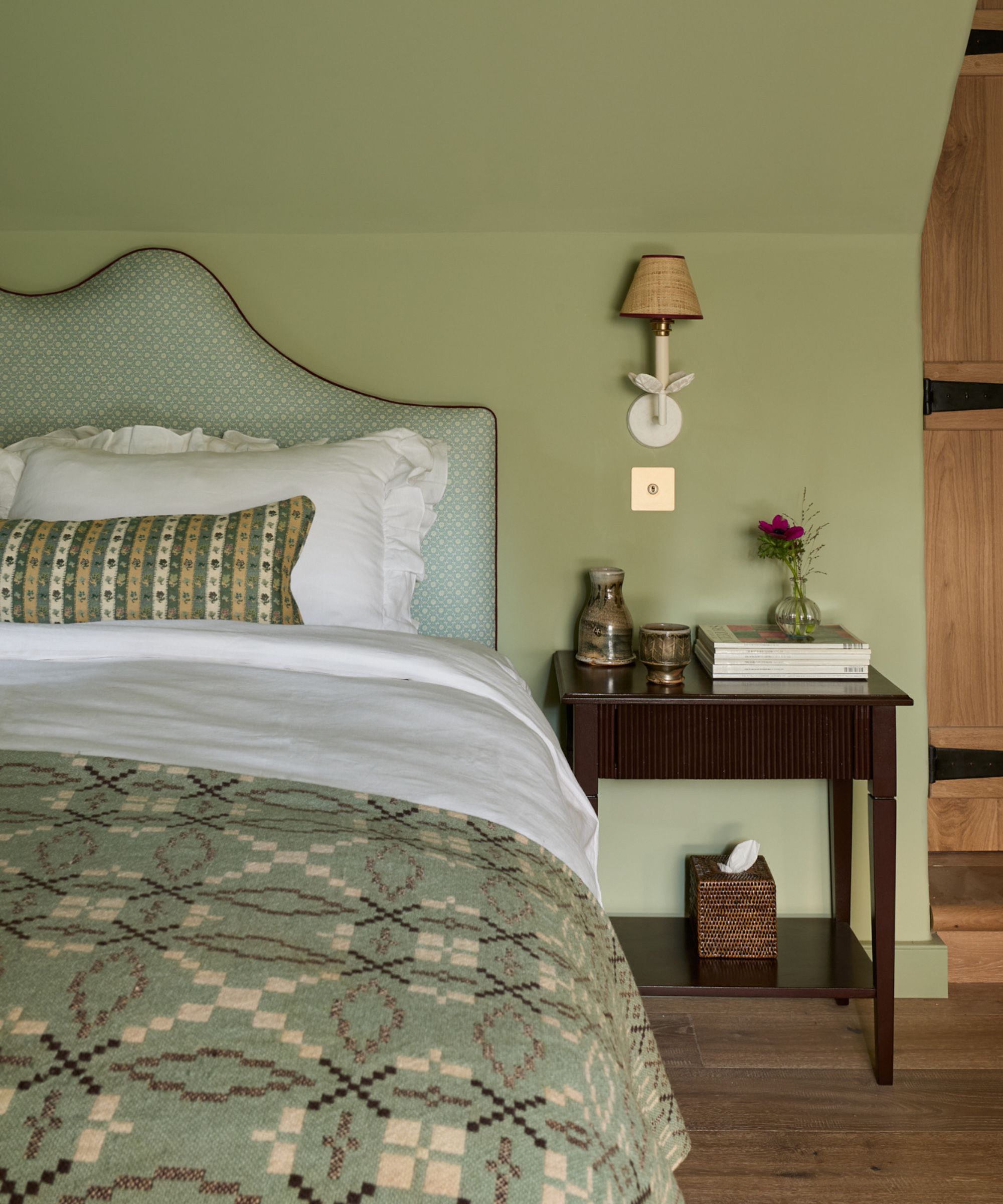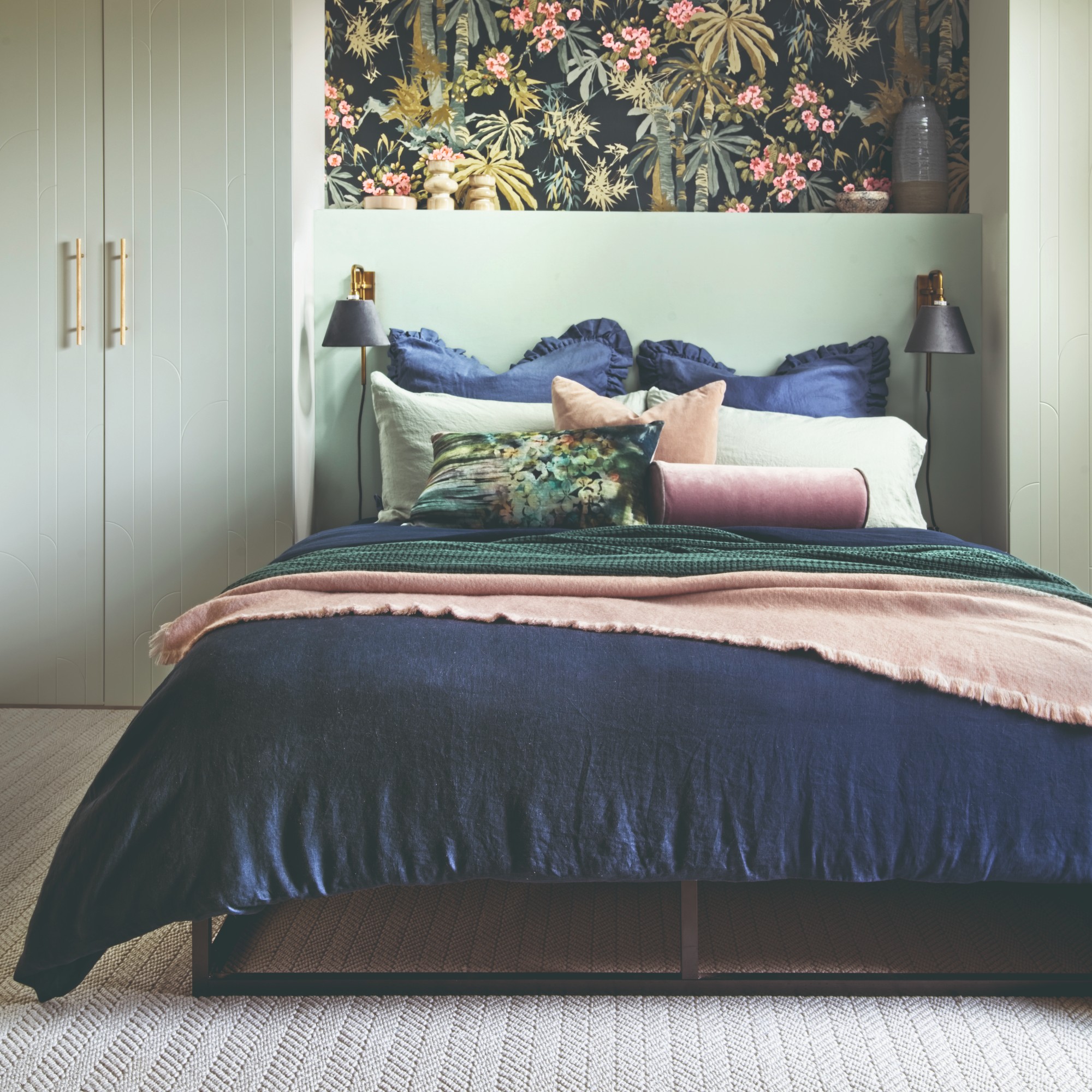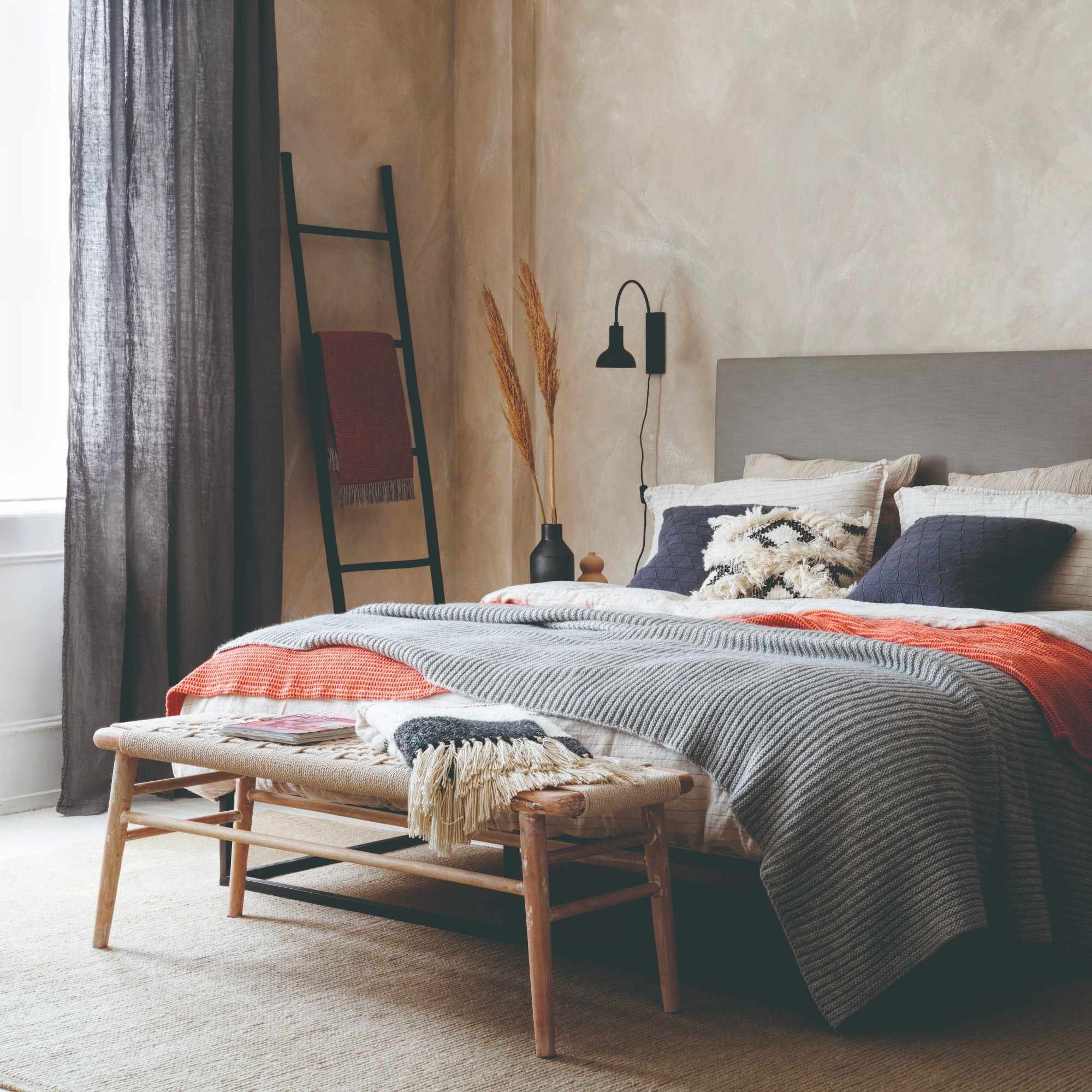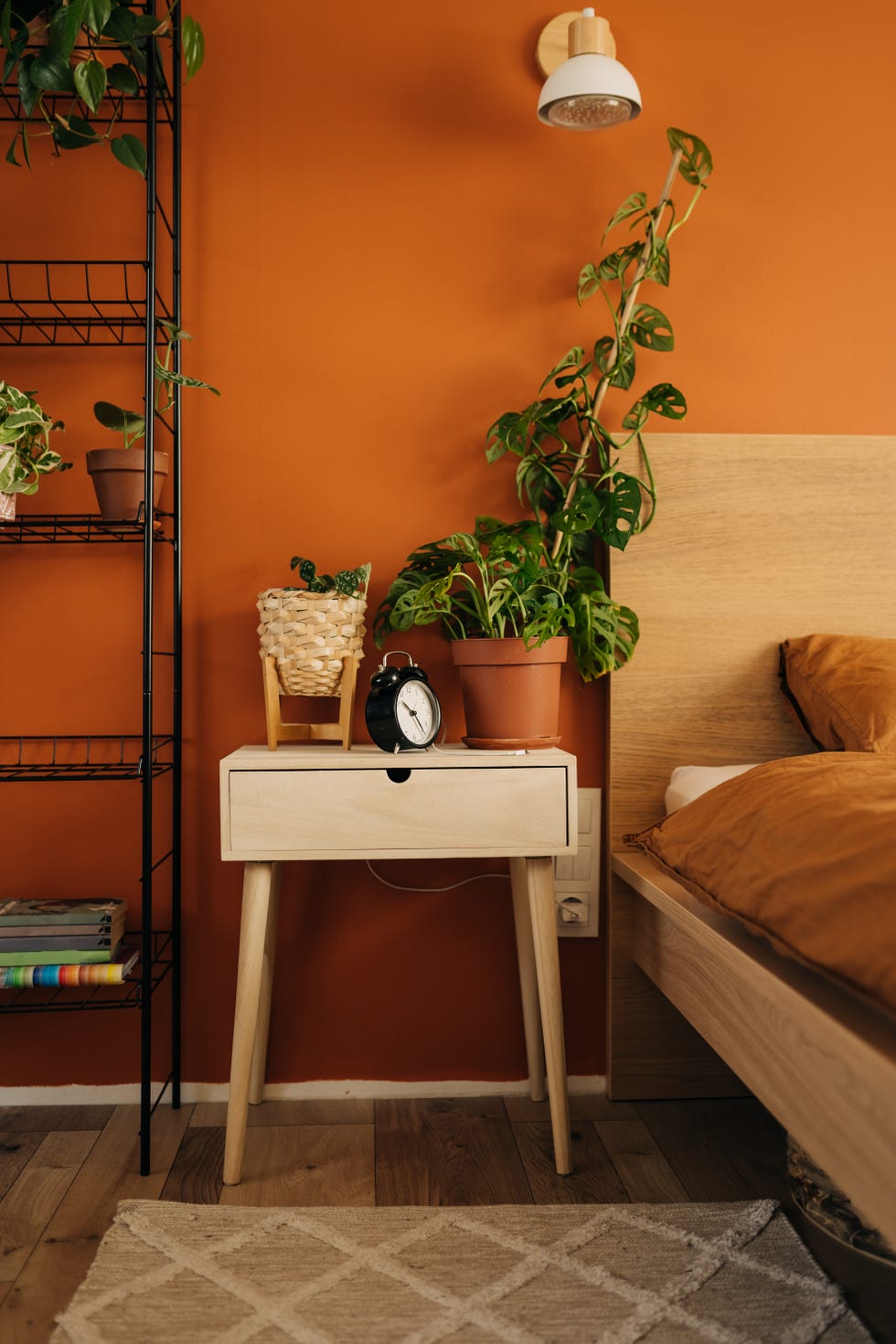
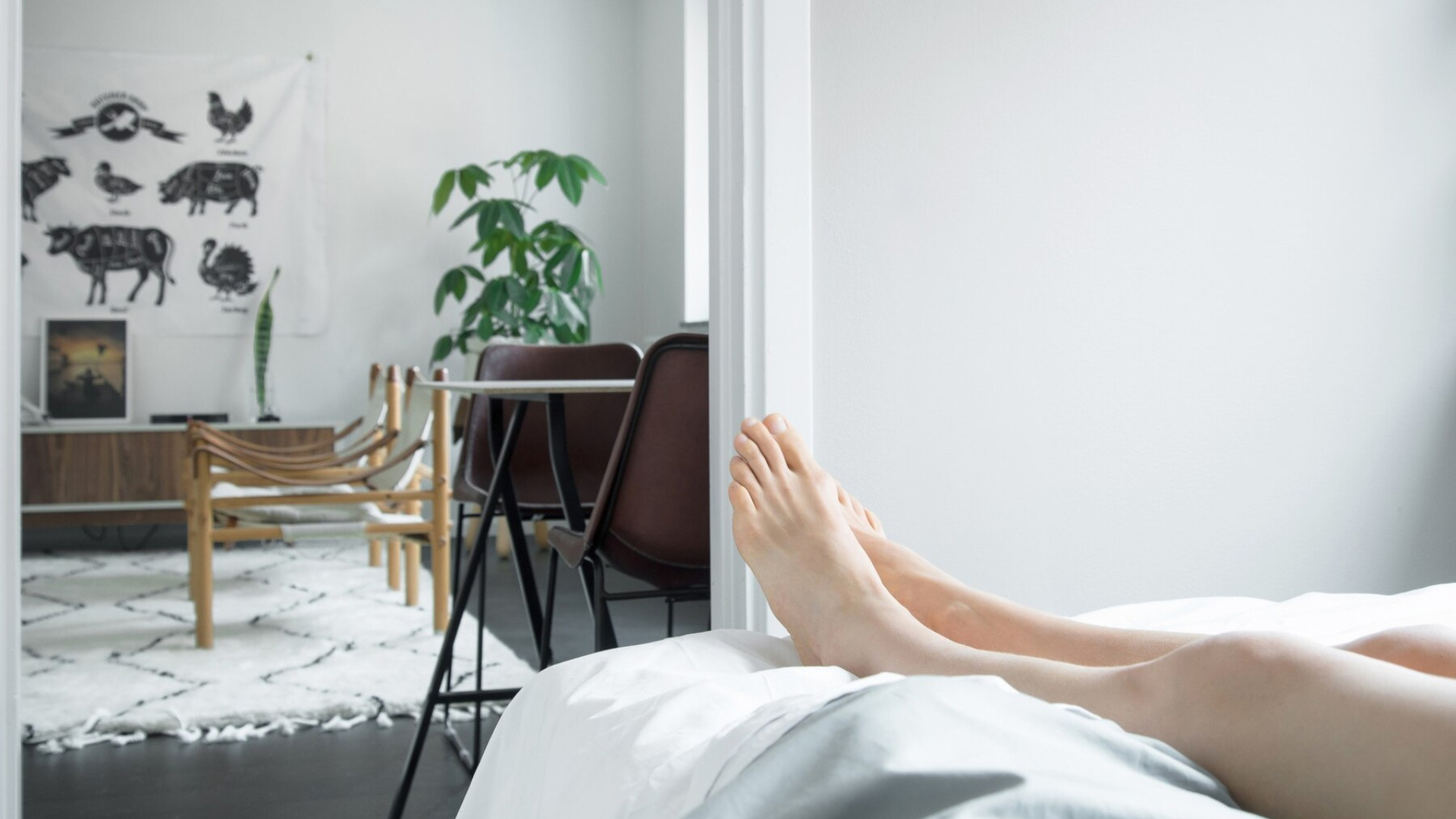
Here's why you should avoid sleeping with your feet toward the door
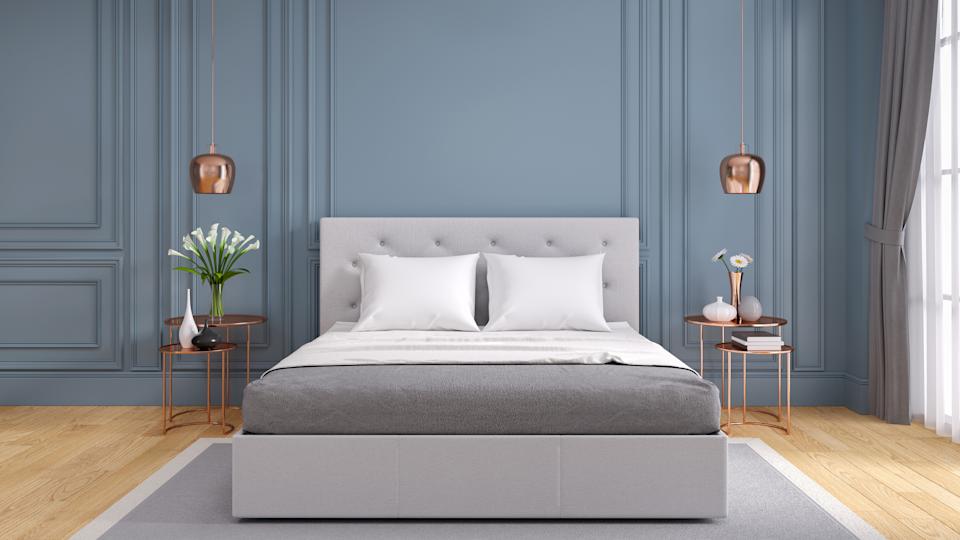
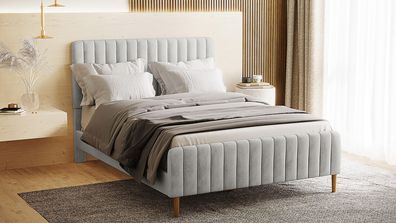
The orientation of one's bed, specifically sleeping with feet facing the bedroom door, is a concept often deemed trivial or even far-fetched in modern Western thought. However, within the ancient tradition of feng shui, this specific bed alignment is strongly discouraged, carrying the evocative and somewhat unsettling name of the “death bed.” This terminology, as explained by The Spruce, is not merely a symbolic name but underpins a deeper principle concerning well-being and the energetic harmony of living spaces.
In various Asian funeral rites, it is customary for the deceased to be carried out of their rooms feet first. Sleeping in a position that mirrors this ritual is symbolically understood in feng shui to replicate this passage towards death. This alignment is believed to disrupt the flow of "chi," which is the vital energy that permeates our environment. Such a disruption is thought to manifest as various negative impacts, including sleep disturbances, persistent fatigue, and even tensions within one's personal life.
Feng shui, a practice originating in China, extends beyond mere furniture arrangement; it is a holistic art aimed at creating a harmonious balance within the spaces we inhabit. The philosophy posits that every room and every specific orientation within it can influence our mental and physical states. The bedroom, being a sanctuary for rest, recovery, and intimacy, is particularly sensitive to these energetic flows, making its arrangement crucial for overall well-being.
The concept of the “death bed” is far from an isolated superstition; rather, it is central to the principles of feng shui concerning bed orientation and its influence on well-being. Sleeping with one's feet directed towards the door is believed to cause an "energy leak," or a dispersion of chi. This energetic leakage is thought to prevent the body from regenerating effectively during sleep, leading to a diminished sense of vitality.
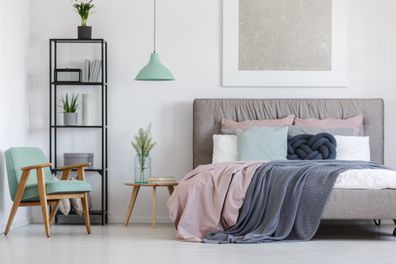
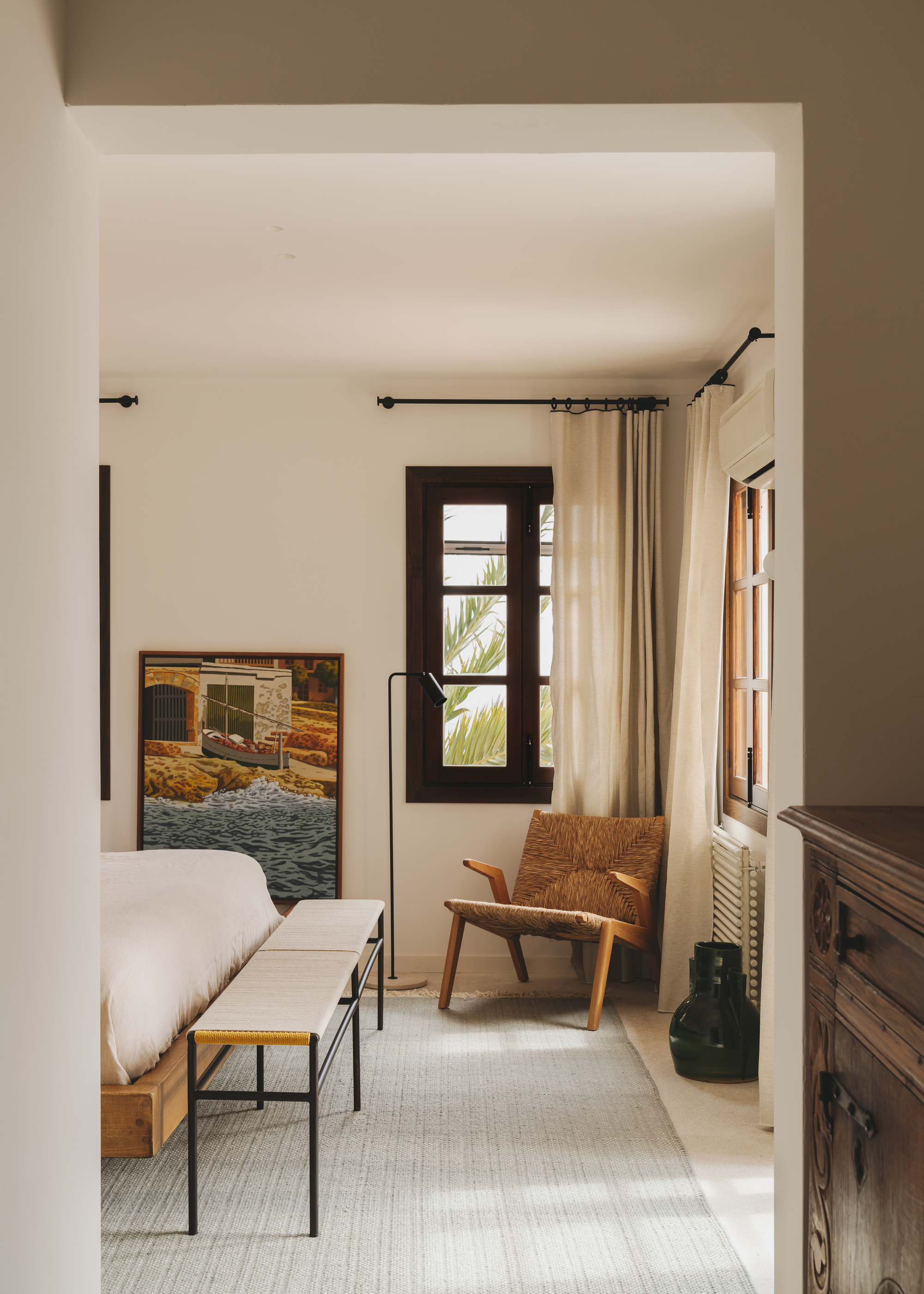
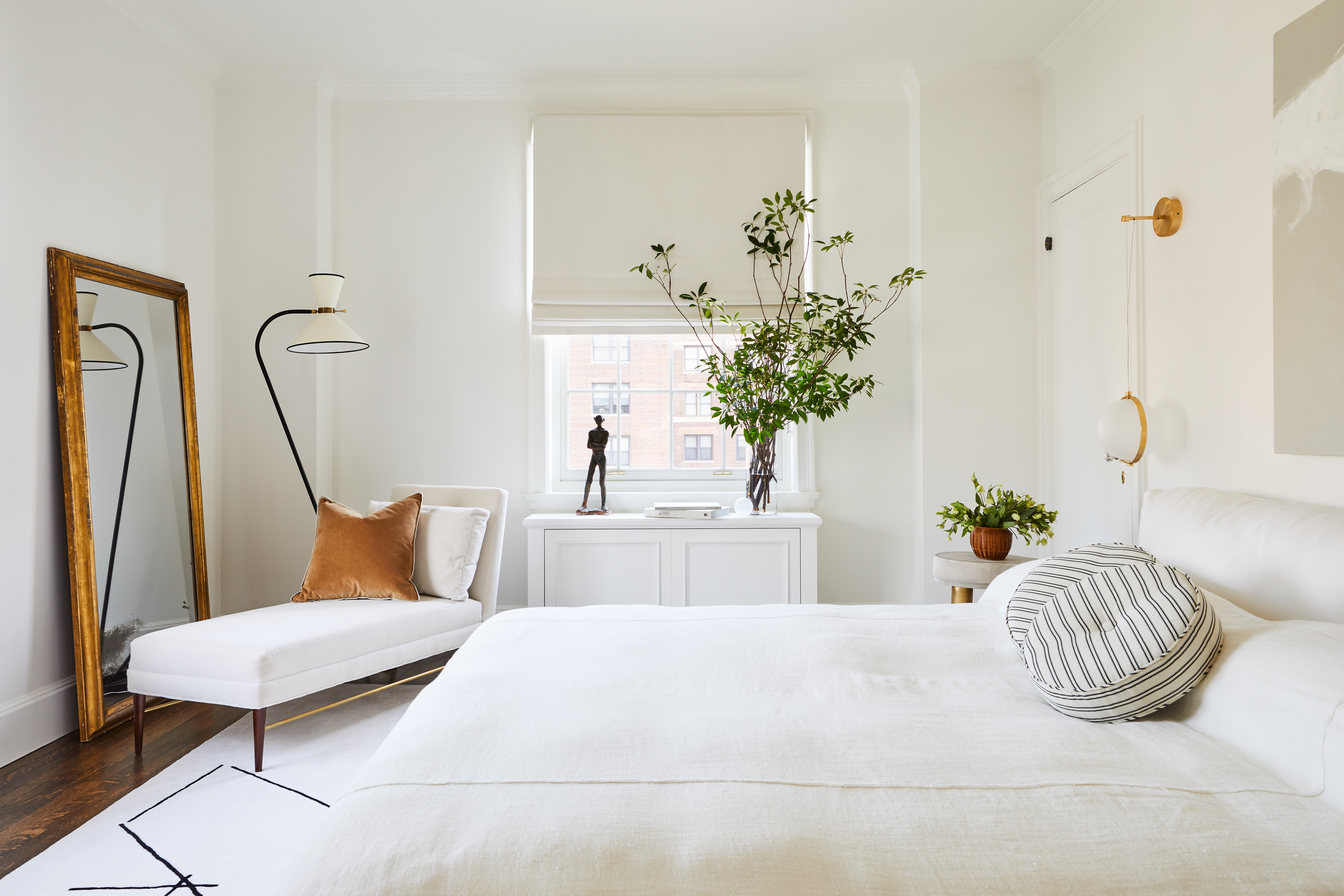
Recognizing that not everyone has the luxury of completely redesigning their bedroom, feng shui offers practical and simple solutions to mitigate the perceived negative effects of this bed orientation. These solutions include placing a low piece of furniture, such as a bench or chest, between the bed and the door. This acts as a symbolic barrier to "block" the outgoing energy. Another suggestion is to install a screen or curtain, which serves a similar purpose of creating a symbolic energetic partition. Furthermore, incorporating specific decorative elements like rugs, plants, or wooden objects can help rebalance the energy flow within the space. These adjustments are designed to foster a more secure atmosphere and promote more restful and rejuvenating sleep.
While the idea of altering bed orientation might seem inconsequential, many individuals who adopt these feng shui principles report significant positive changes. These improvements often include reduced fatigue upon waking, a greater sense of mental calm, and a more welcoming and harmonious bedroom environment. The article suggests that regardless of one's belief in feng shui, paying attention to personal feelings and adjusting one's living space to meet individual needs is a valuable approach. It concludes by proposing that better sleep might simply be a matter of minor adjustments, encouraging readers to consider trying these recommendations.
#FengShui #BedOrientation #BedroomDesign #EnergyFlow #SleepQuality #HomeHarmony #TraditionalPractices #InteriorWellness #FengShui #BedOrientation #BedroomDesign #EnergyFlow #SleepQuality #HomeHarmony #TraditionalPractices #InteriorWellness
0 comment in total
 No comments yet
You may also like
Should my bed be facing the door? Why the wrong bedroom layout could be disrupting your sleep

'Never sleep with a chair facing you' – Feng Shui experts bust this viral myth about your bedroom layout

The Only Direction Your Bed Should Be Facing, According to Feng Shui Experts

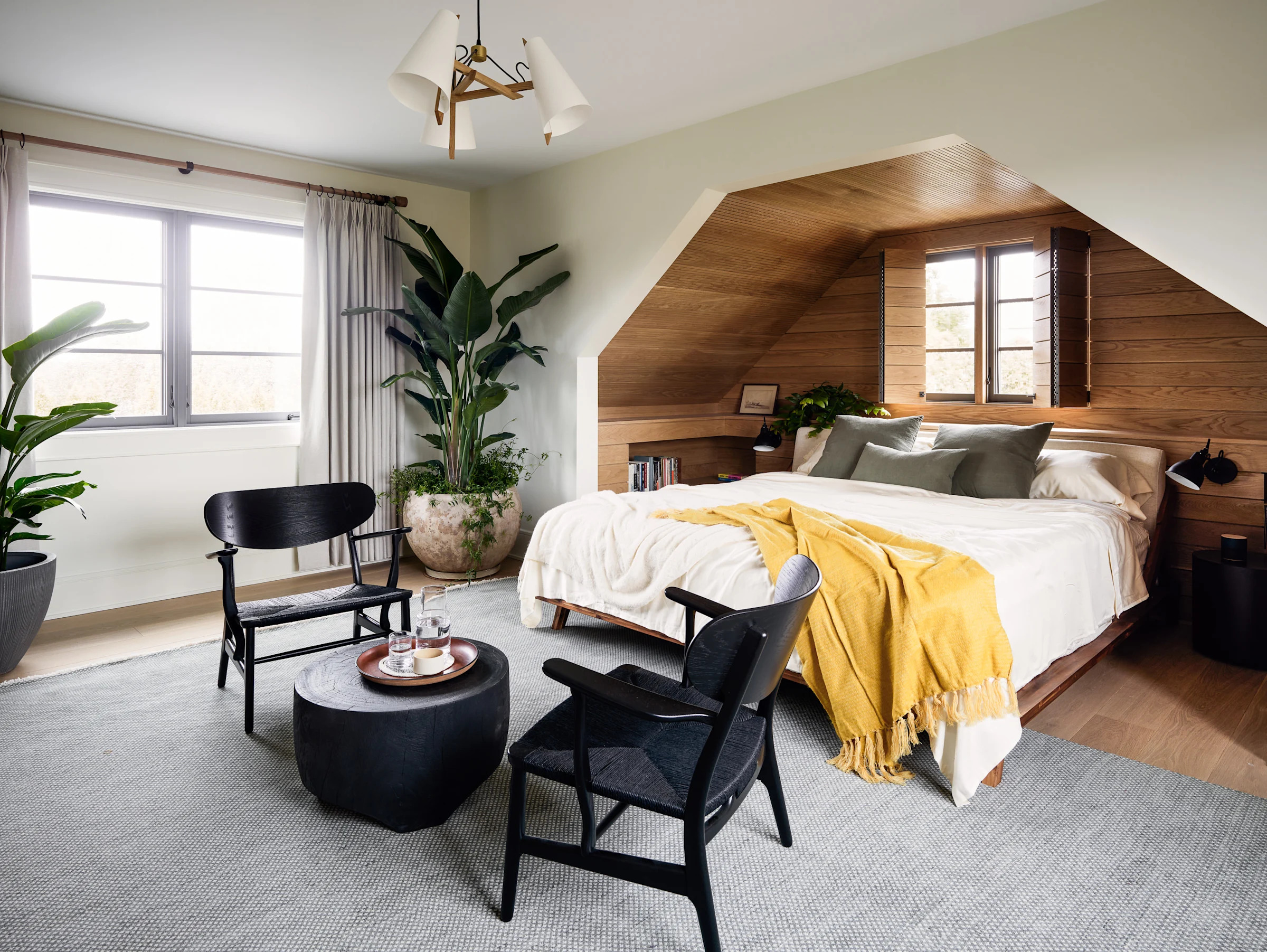
'Never sleep with a chair facing you' – Feng Shui experts bust this viral myth about your bedroom layout

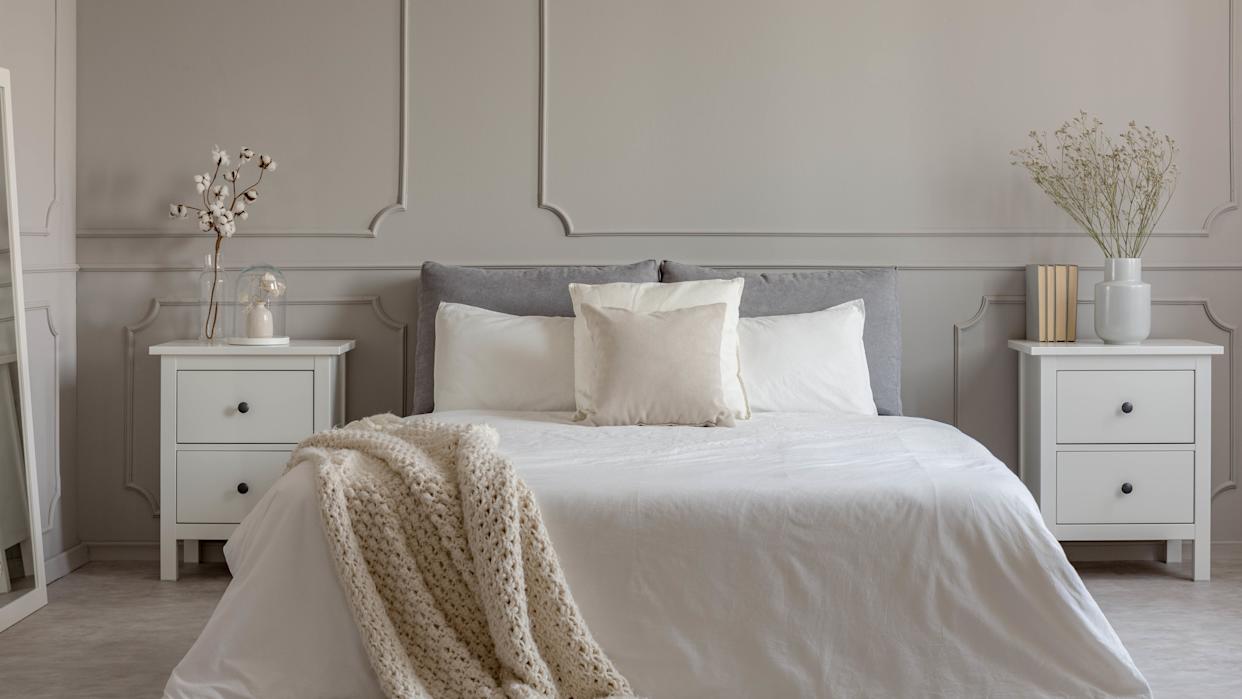
Should your bed face the door? Here's what the experts think

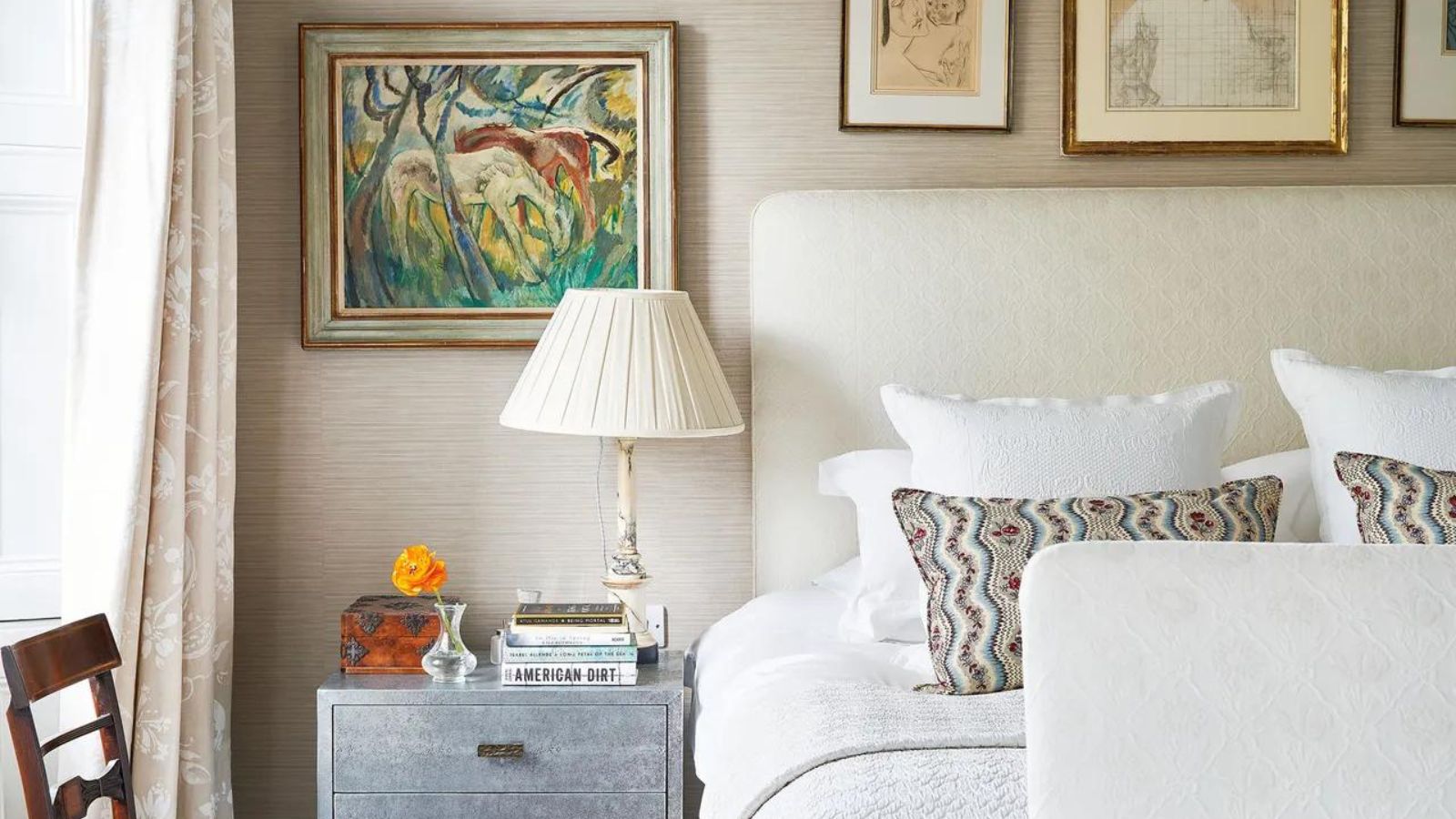
6 interior design mistakes that could be affecting your sleep
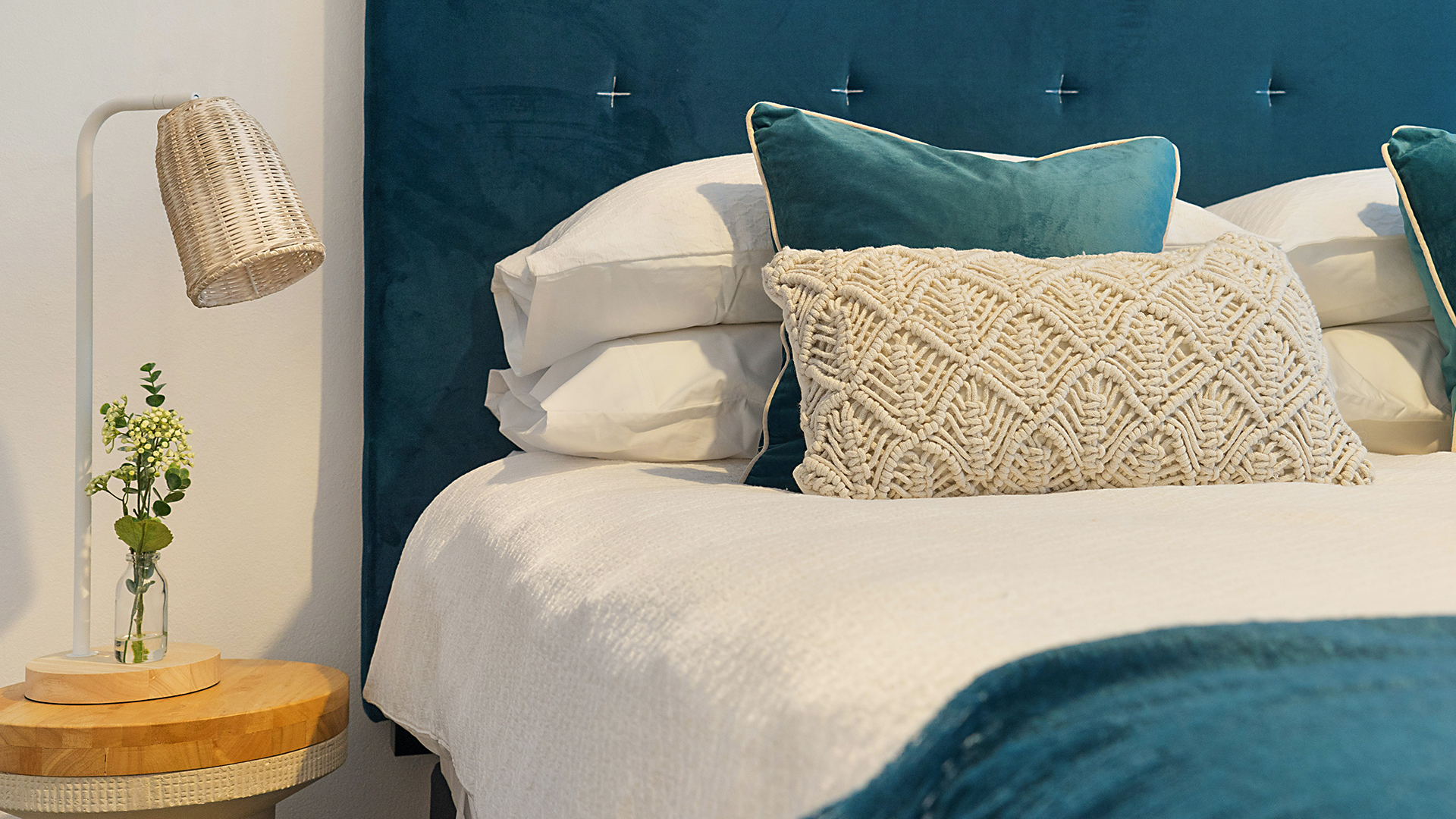
Why your bed should never face away from the door, plus 3 more Feng Shui bedroom rules

The Life-Saving Reason to Make Sure Your Bedroom Door Is Closed at Night

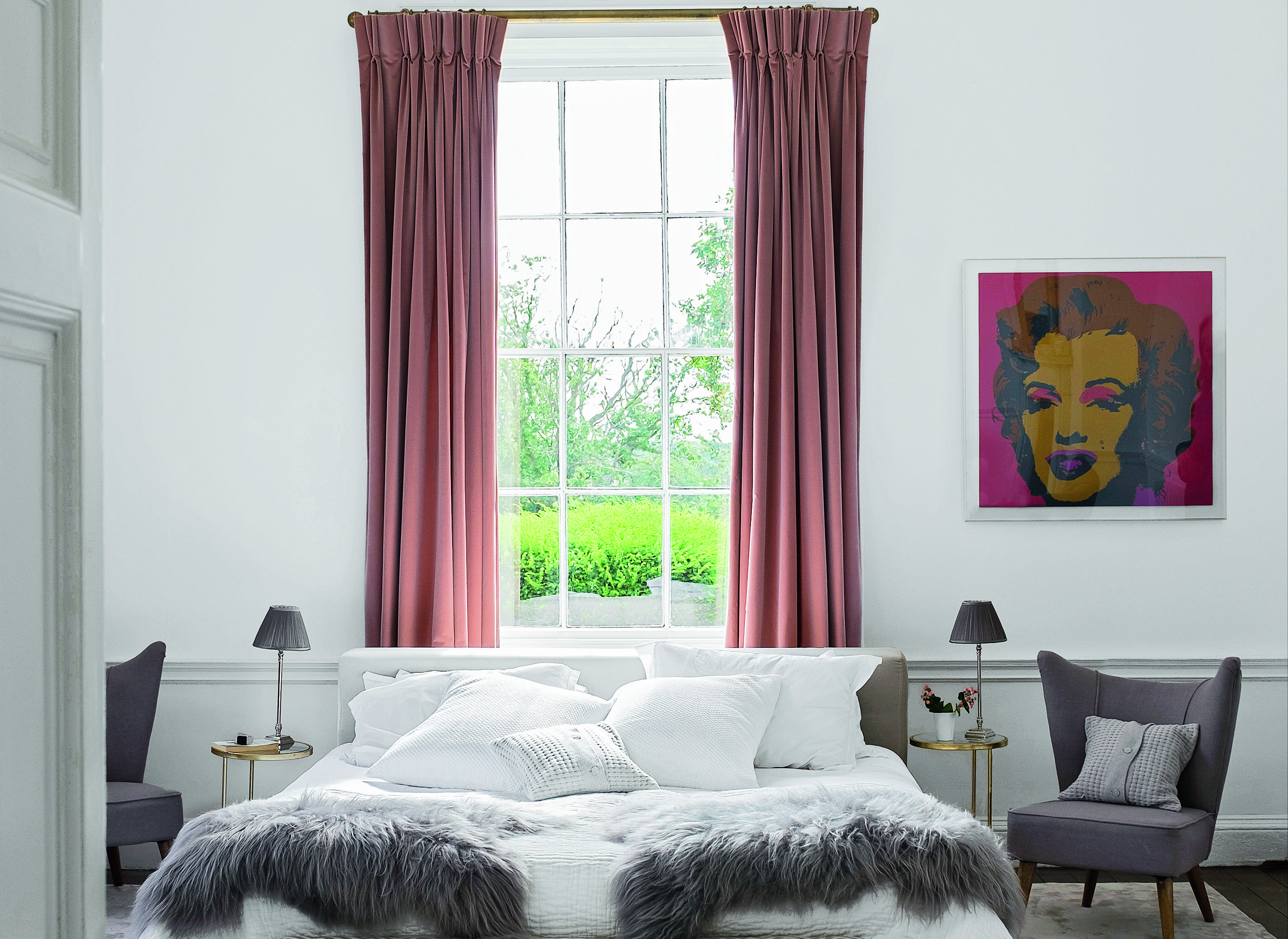
These Feng Shui experts say you shouldn't position your bed like this if you want to sleep well — and it's a common layout idea
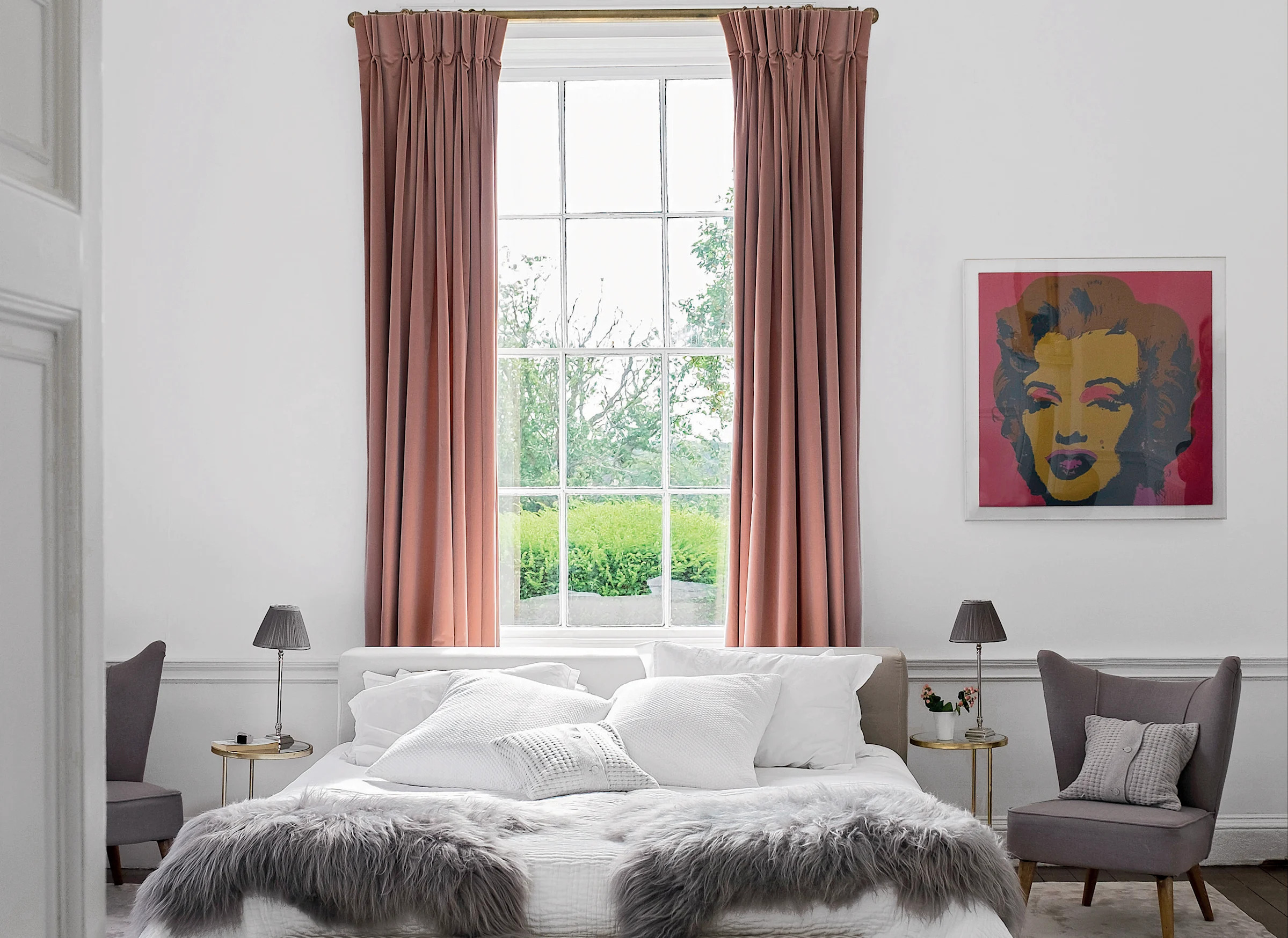
These Feng Shui experts say you shouldn't position your bed like this if you want to sleep well – and it's a common layout idea
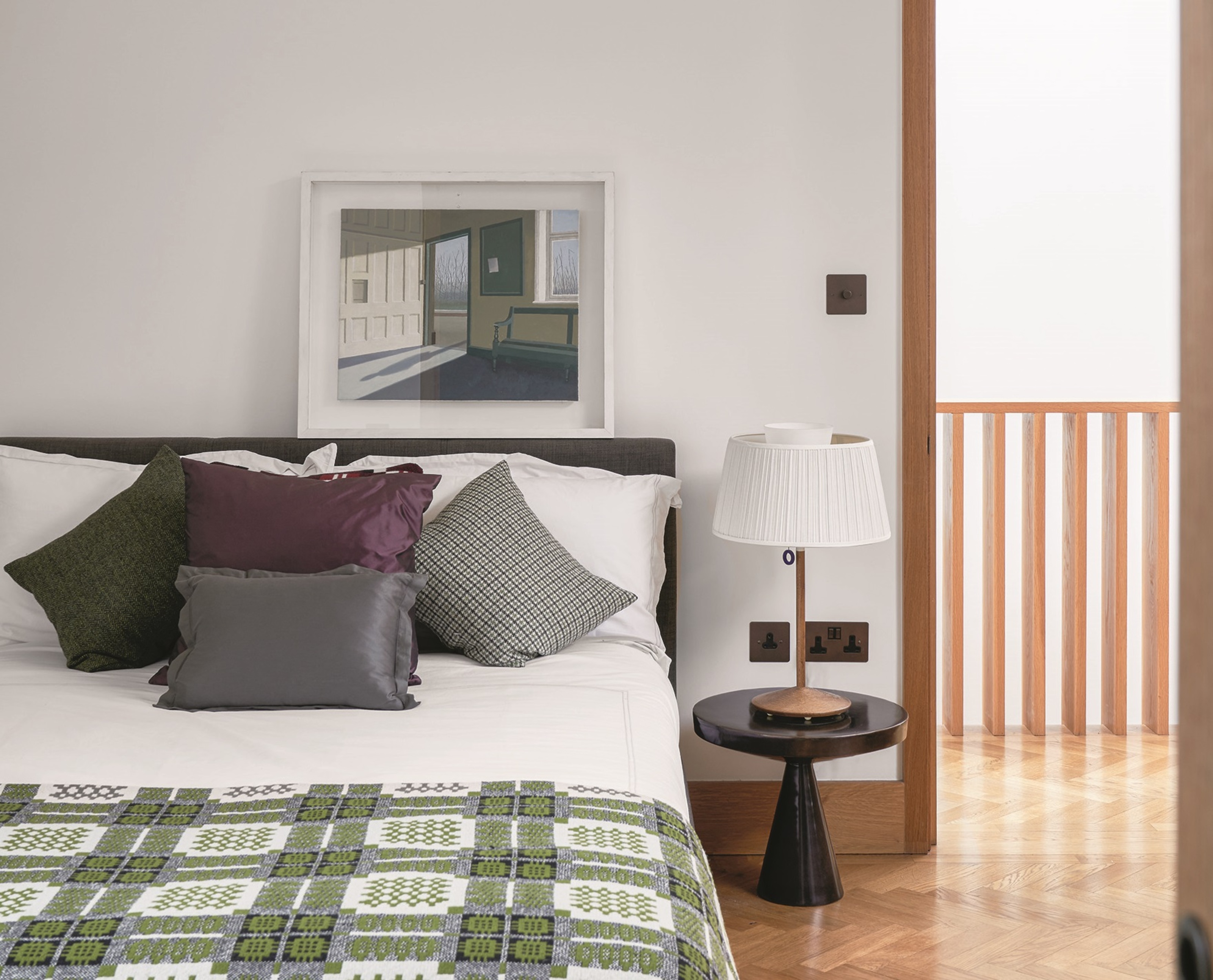
Feng Shui experts warn you to avoid this mistake so that you sleep better, and to choose this bedroom layout instead
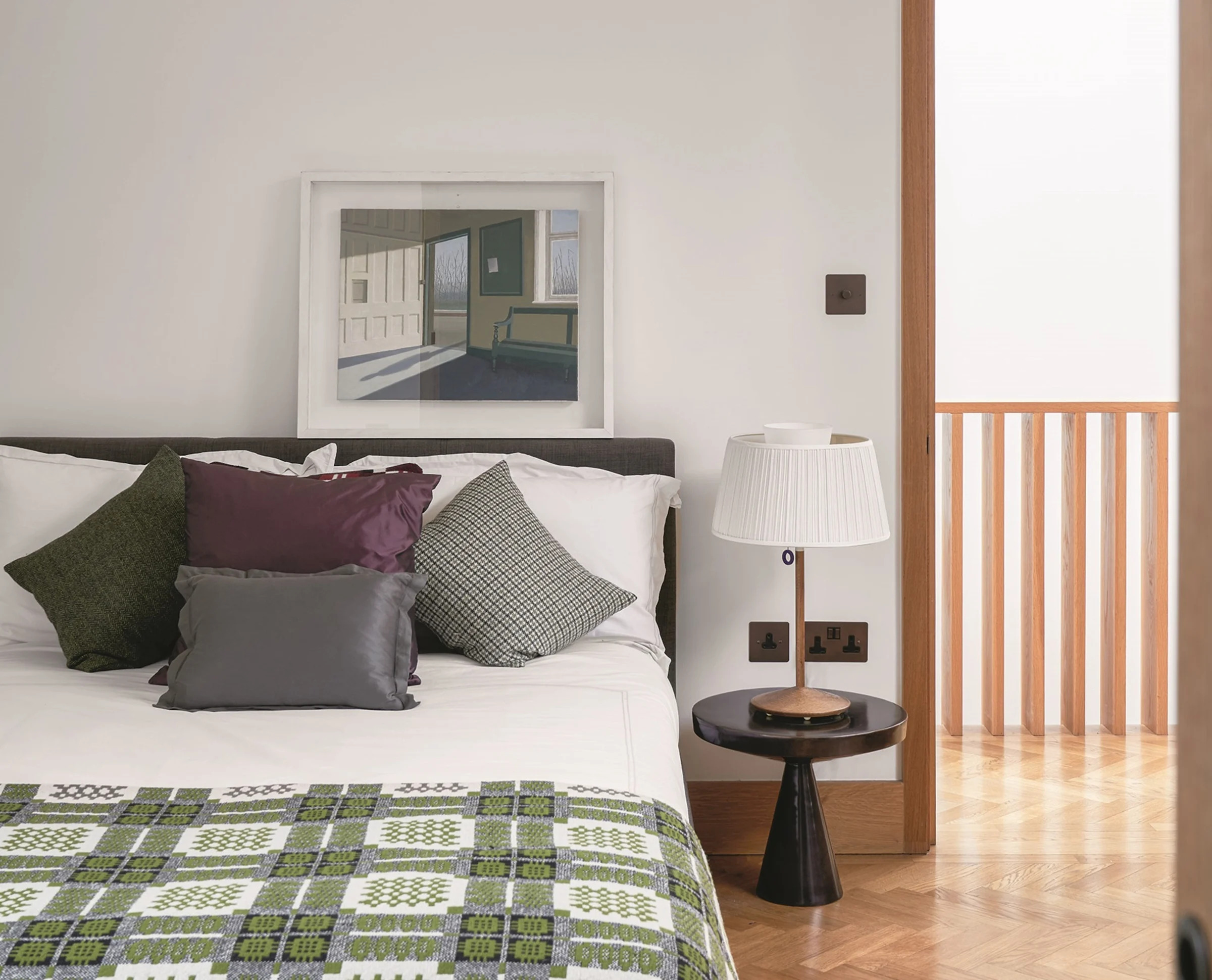
Feng Shui experts warn you to avoid this mistake so that you sleep better, and to choose this bedroom layout instead
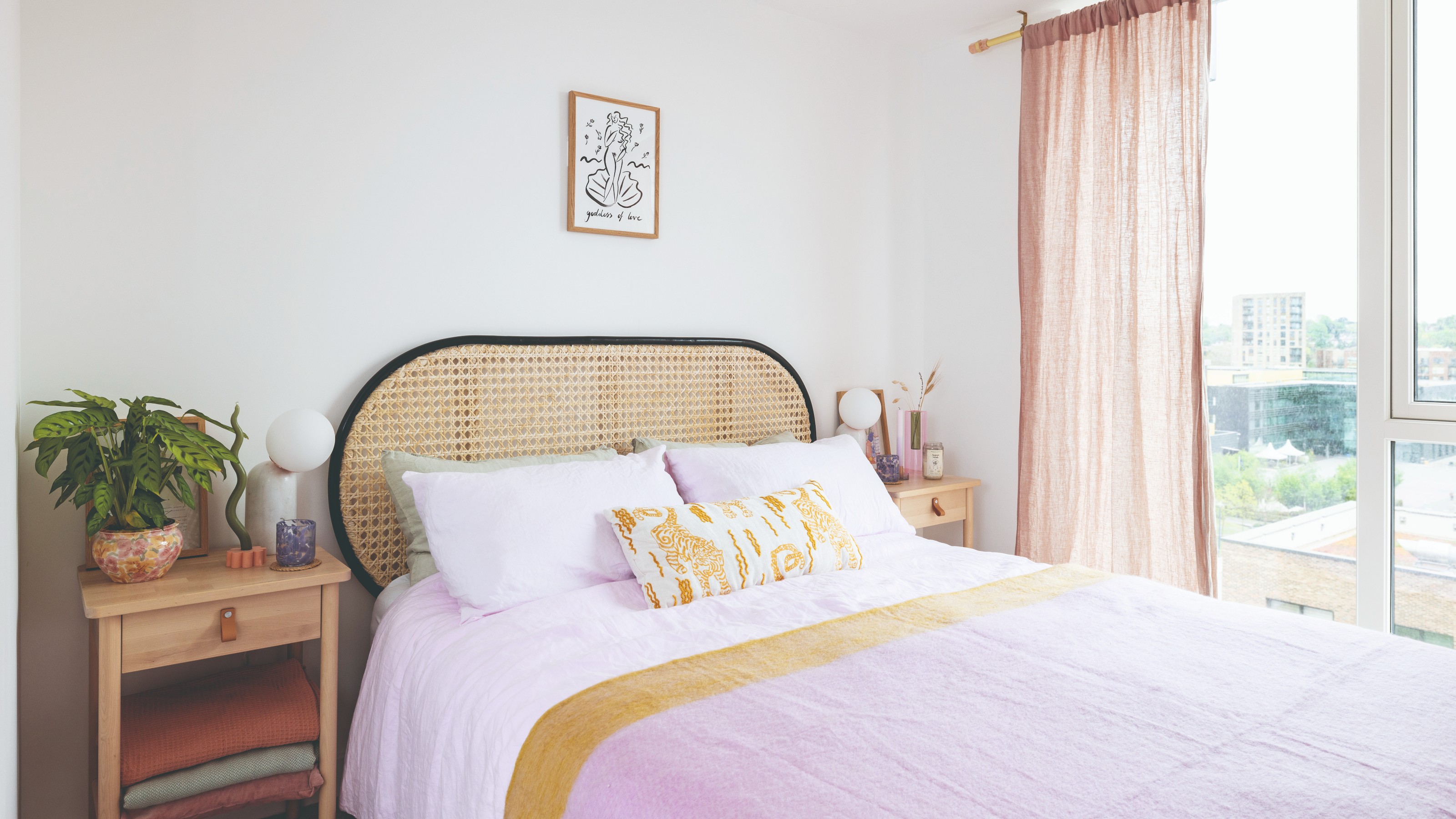
Do you sleep facing north? According to sleep experts you really should be
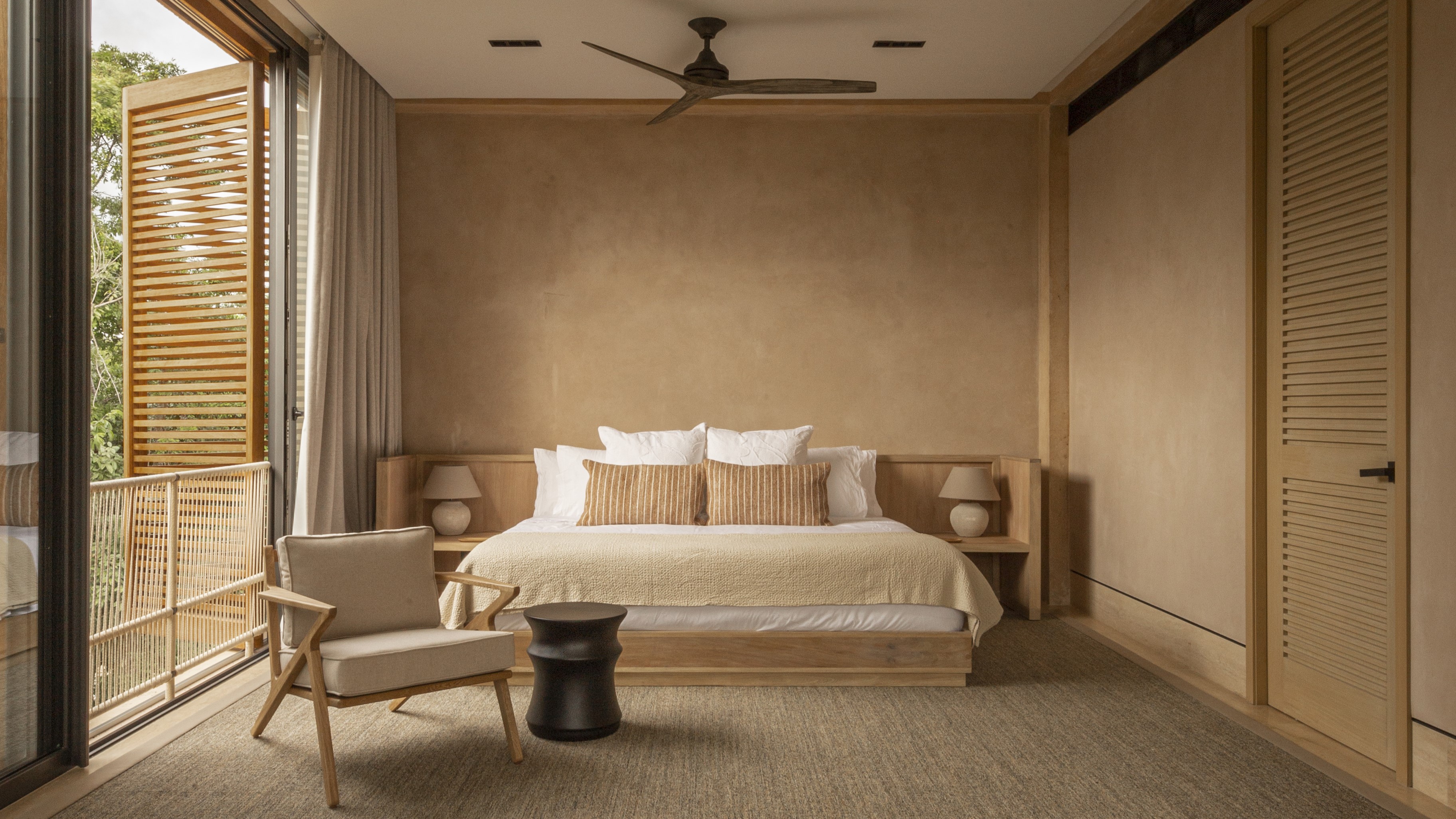
What's the best direction to sleep in? Experts tells us which compass point is best, and which is ruining your rest

This big Feng Shui mistake in your bedroom could be causing your poor sleep
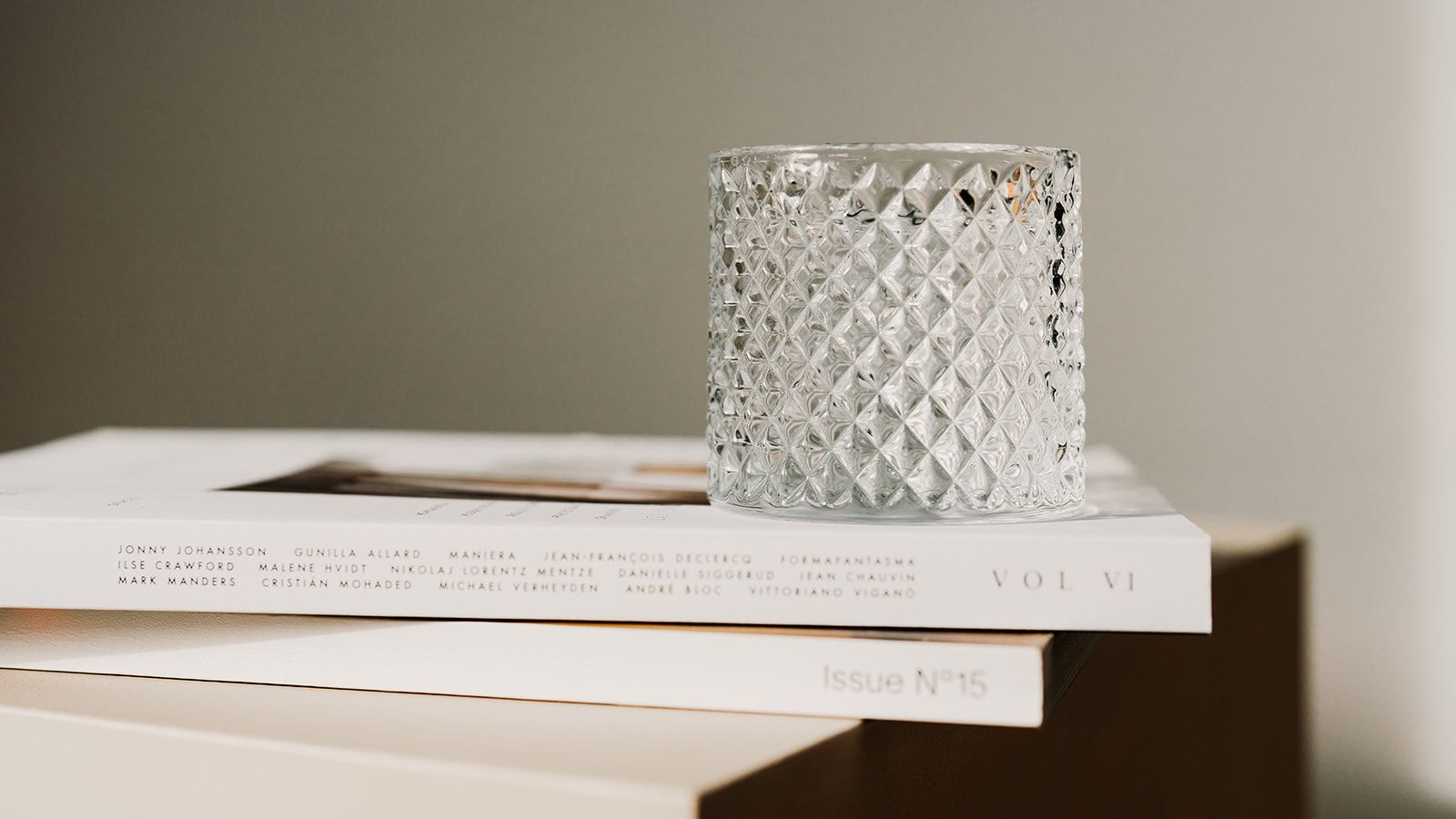
Why you should put a glass of water under the bed at night


This "Everyday" Bedroom Feature Can Have a MASSIVE Impact on Your Sleep