1/4
This big Feng Shui mistake in your bedroom could be causing your poor sleep
The ancient Chinese art of Feng Shui, which focuses on balancing elements in a space to optimize energy flow, can significantly impact a person's mental, physical, and spiritual well-being. This is particularly relevant in the bedroom, a space where individuals spend approximately one-third of their lives sleeping and are susceptible to the surrounding energy. For those experiencing poor sleep despite conventional remedies, assessing the bedroom's Feng Shui, including bed placement, color schemes, and the presence of mirrors, might offer a solution.
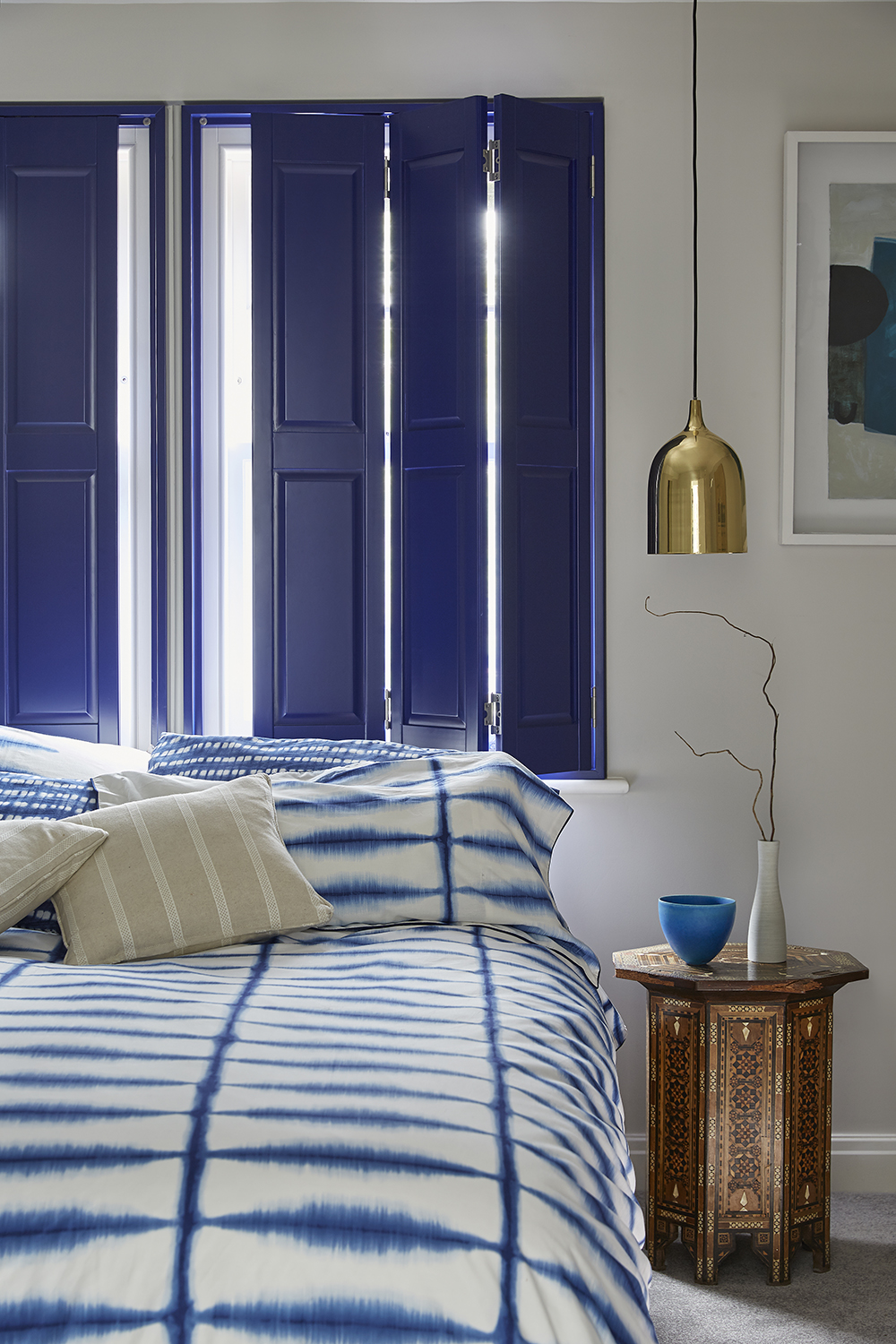
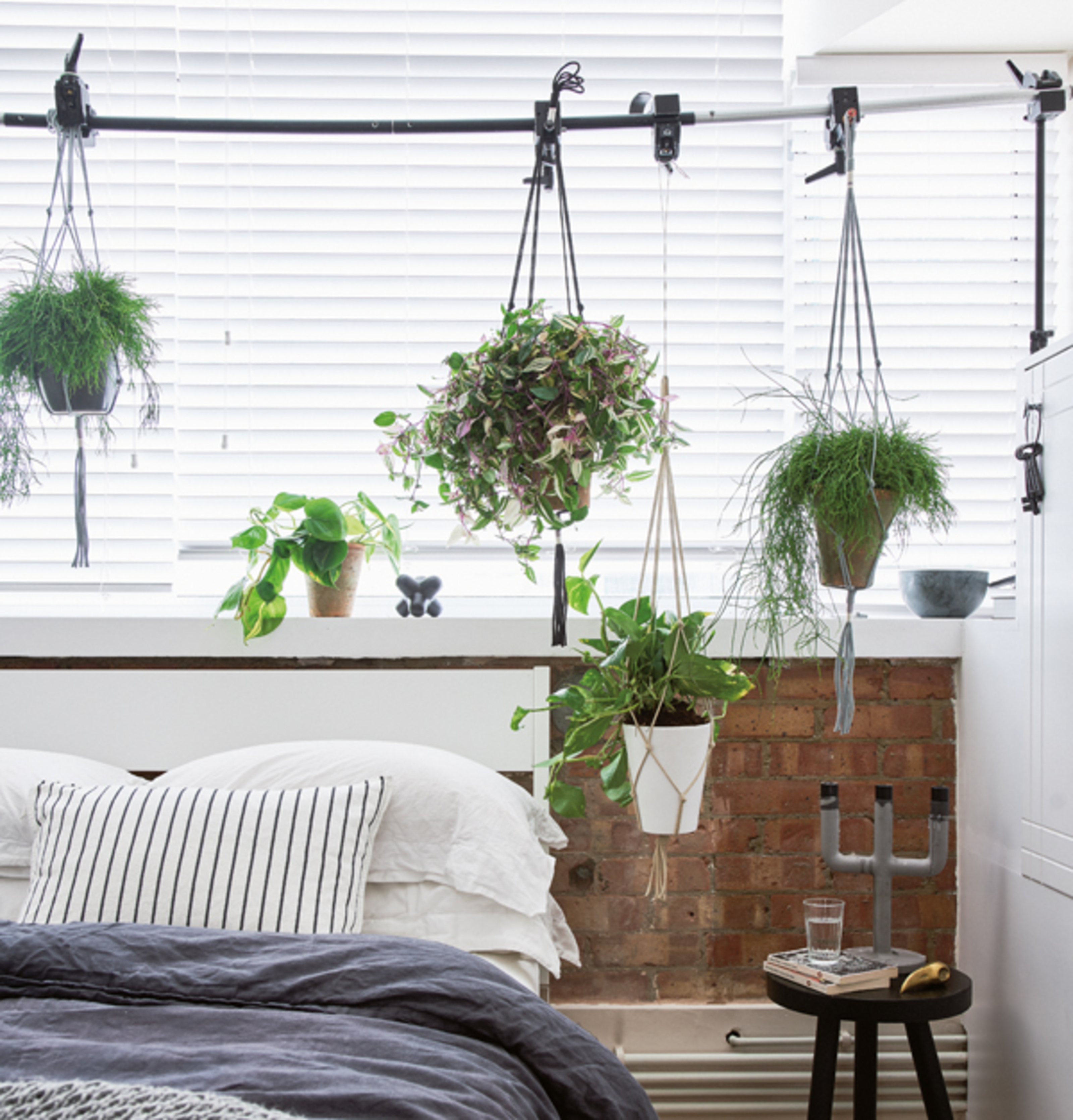
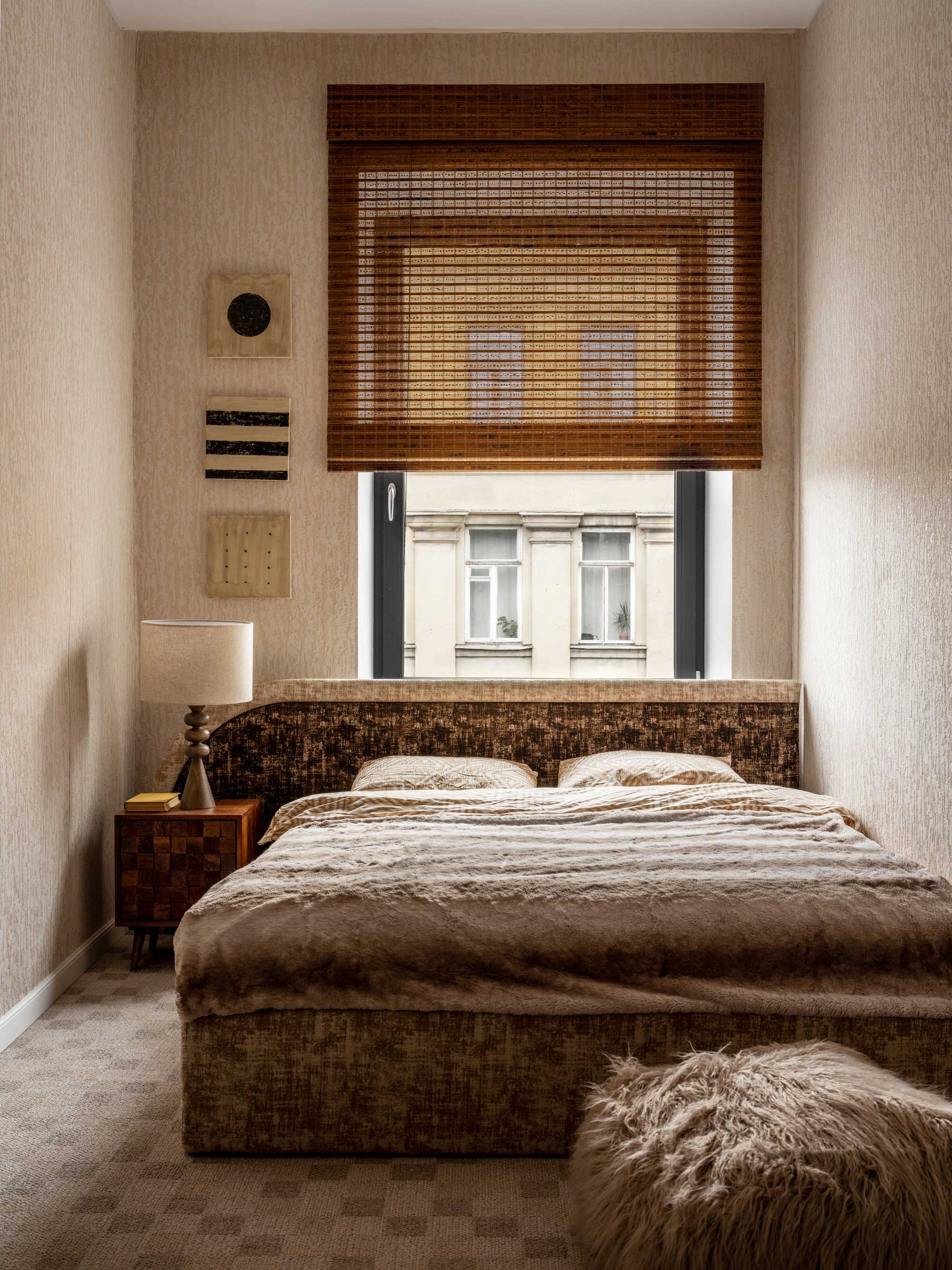
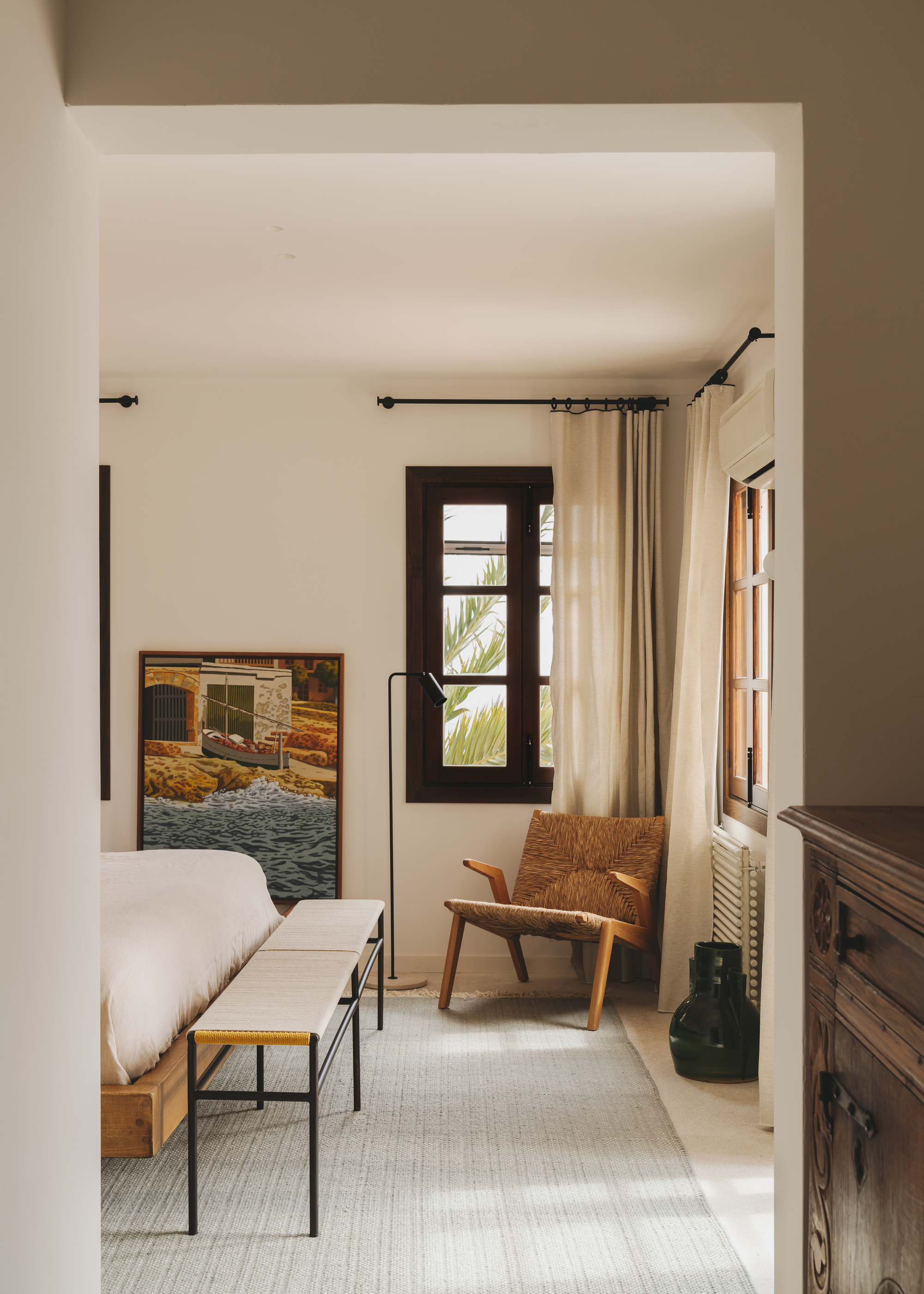
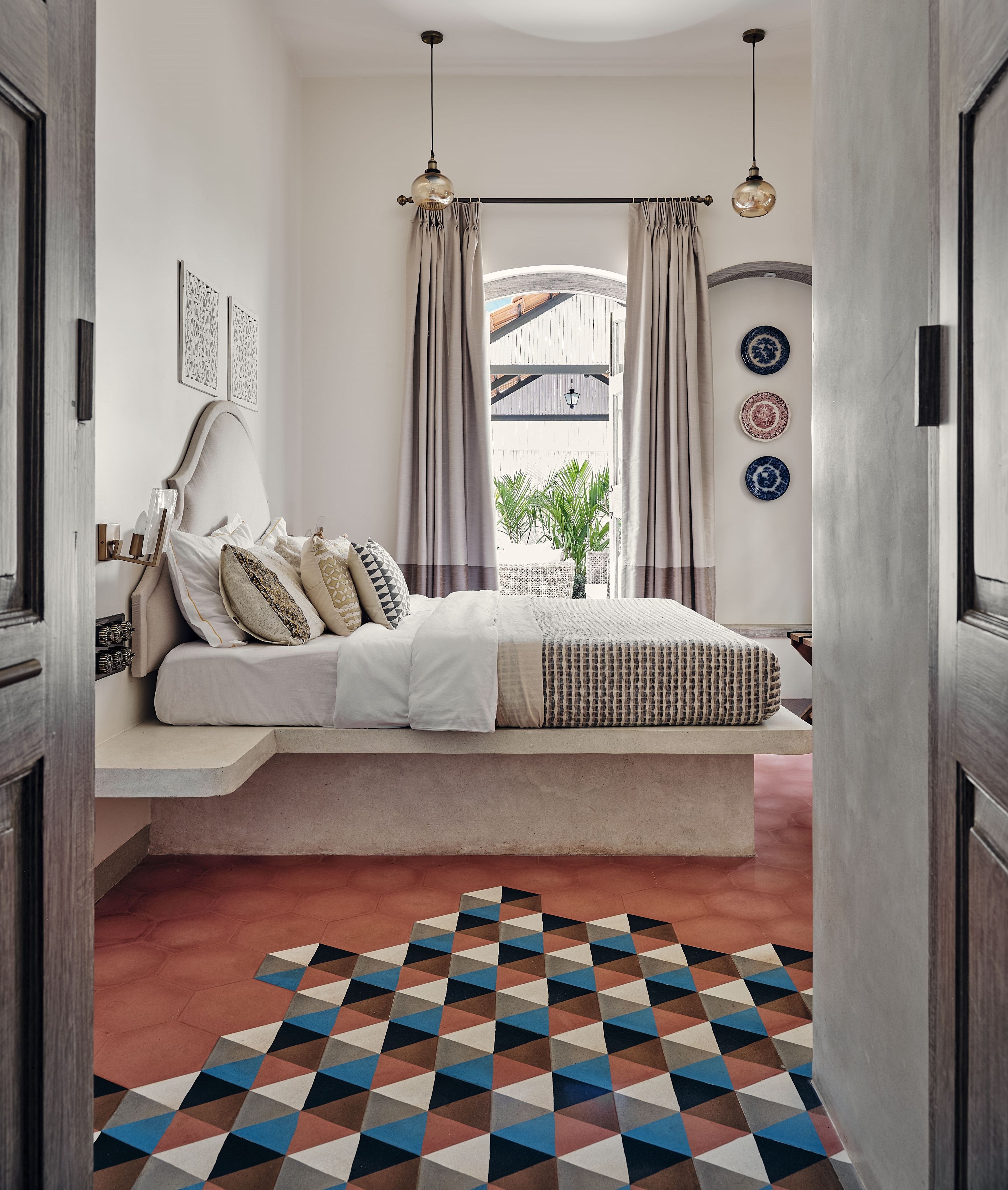
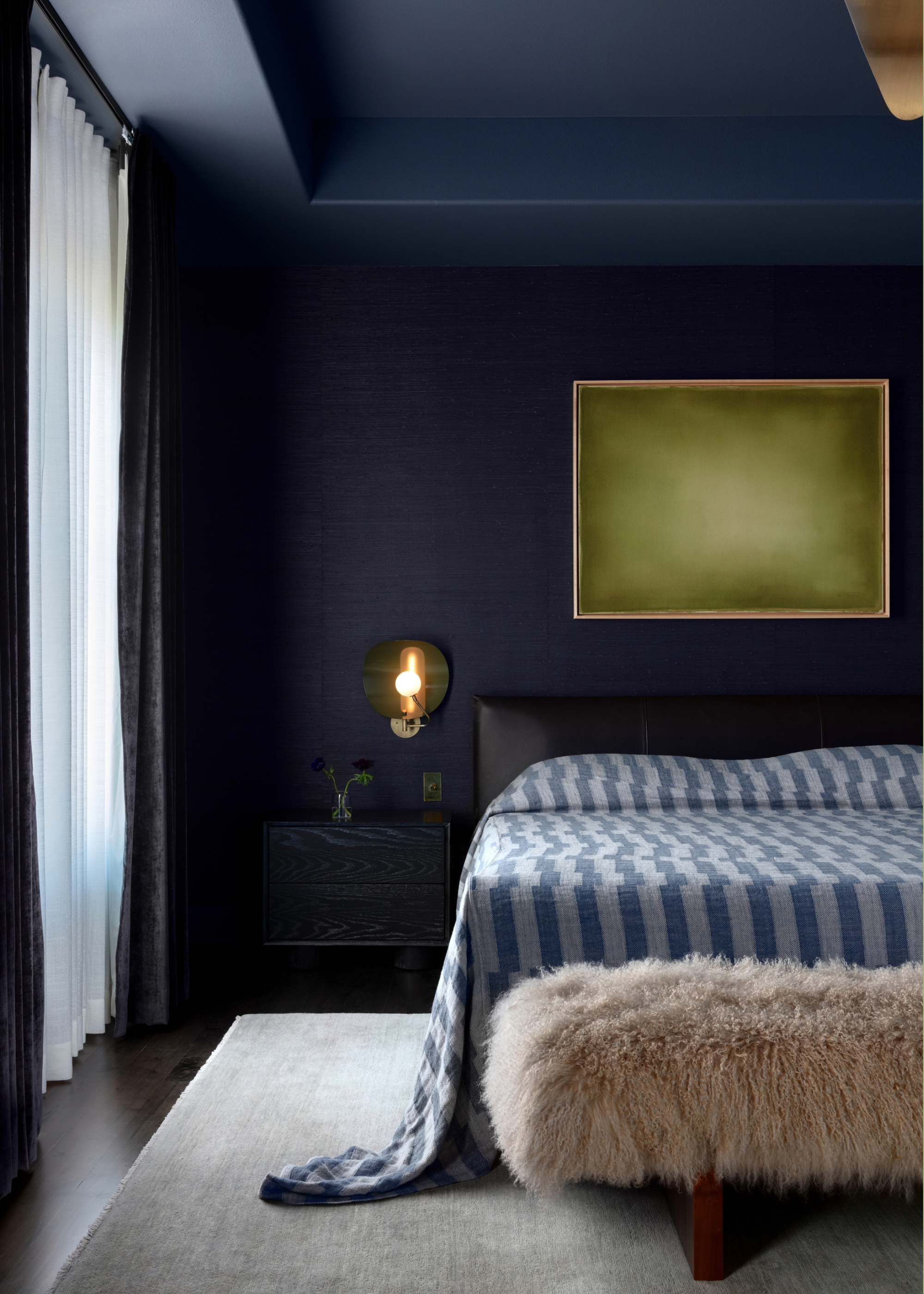
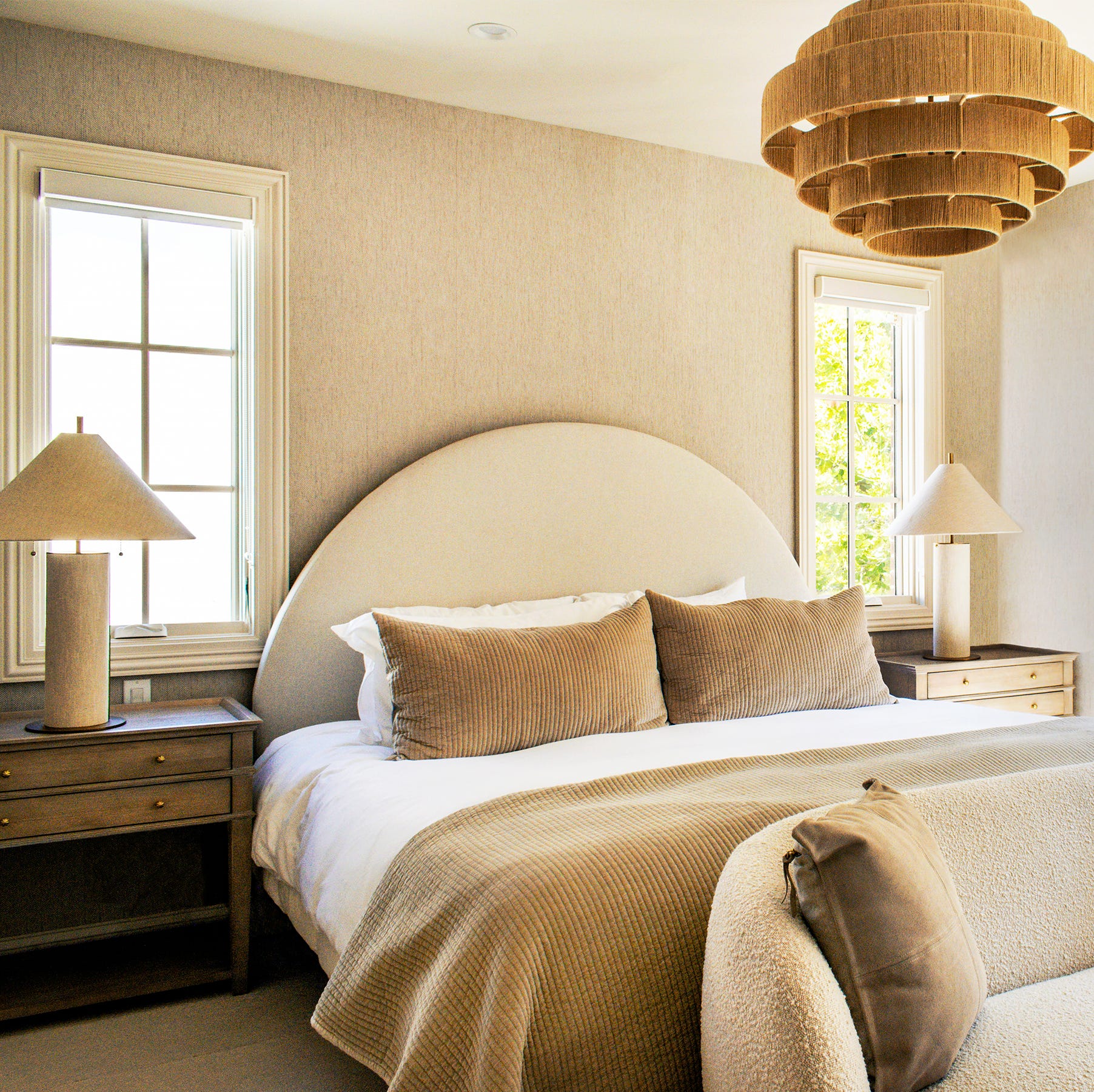
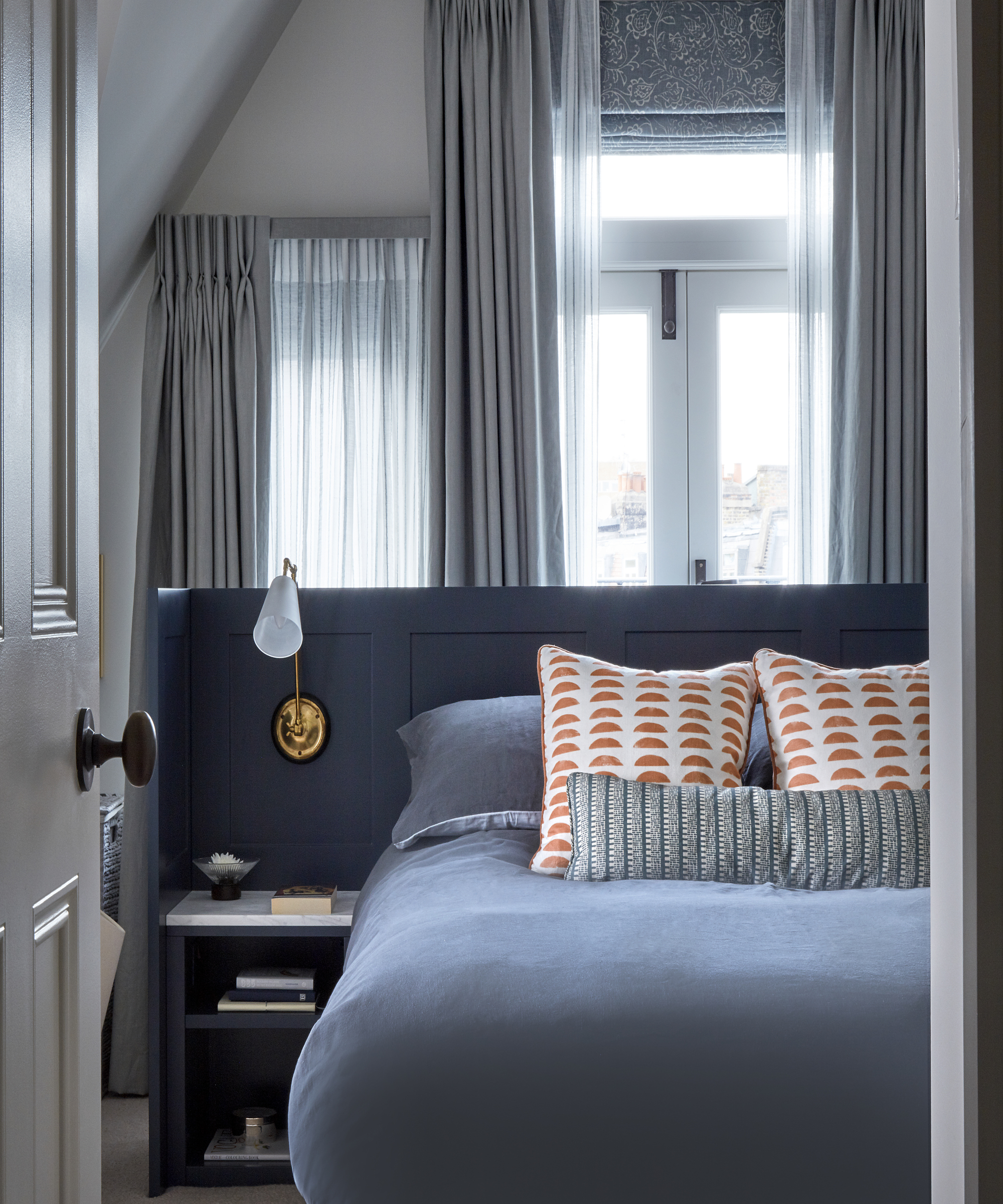
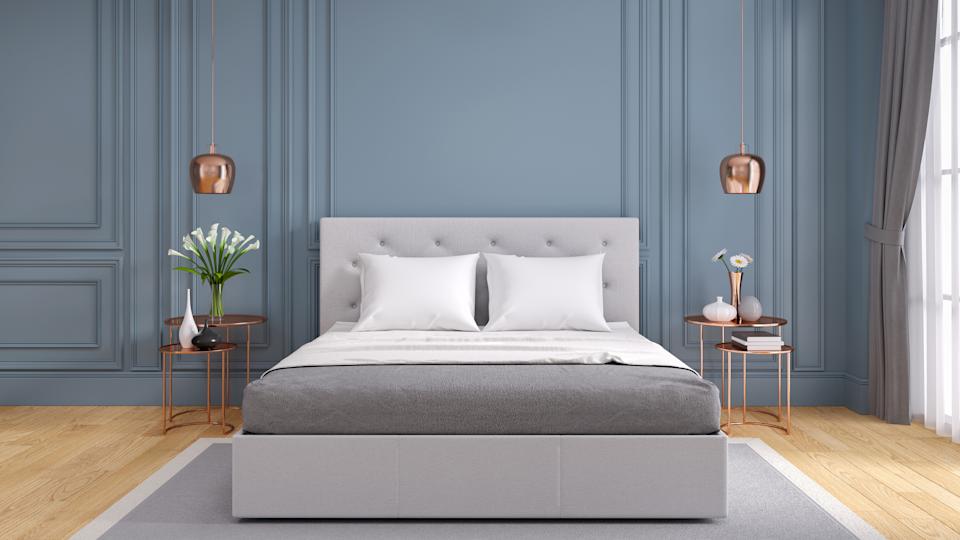
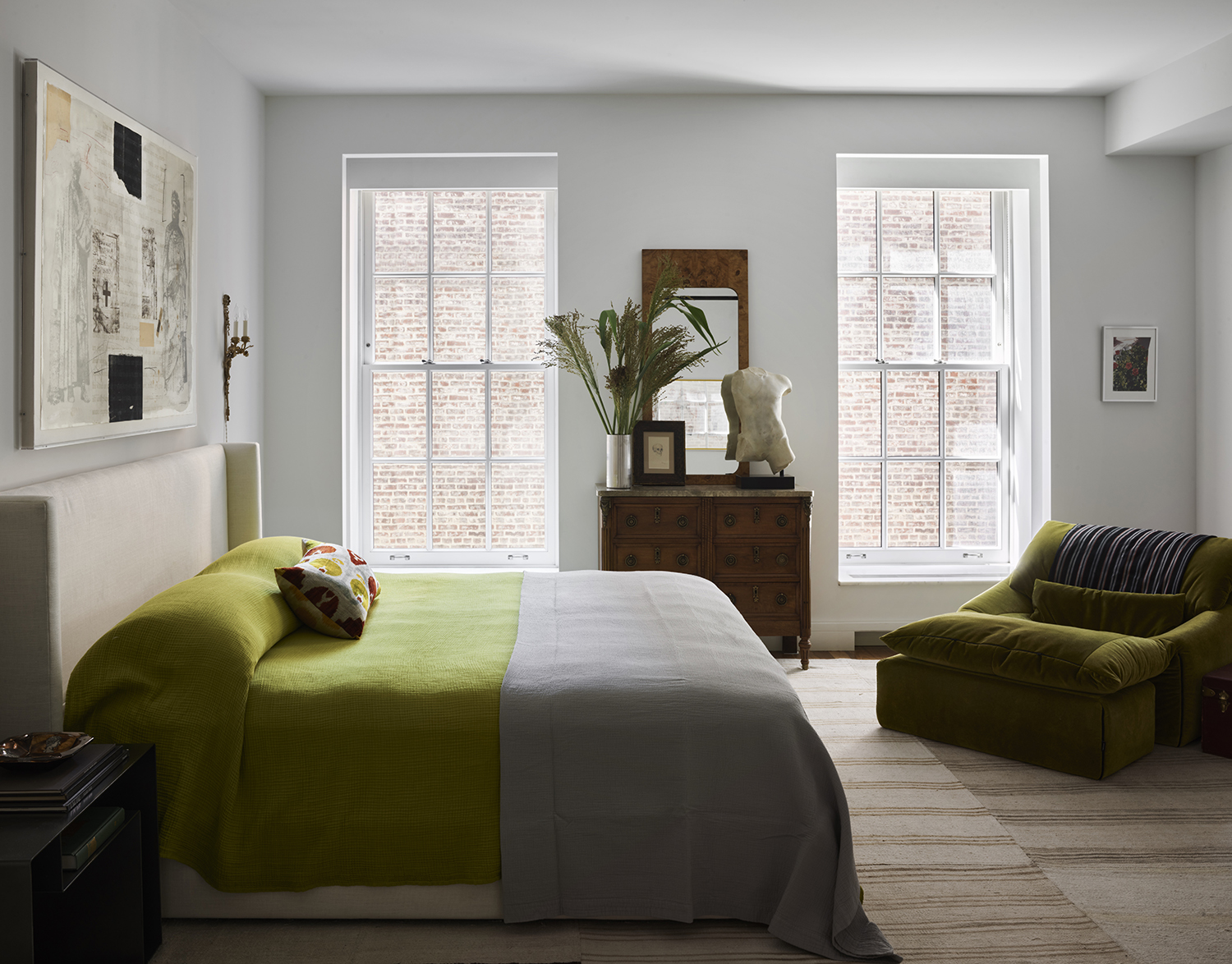
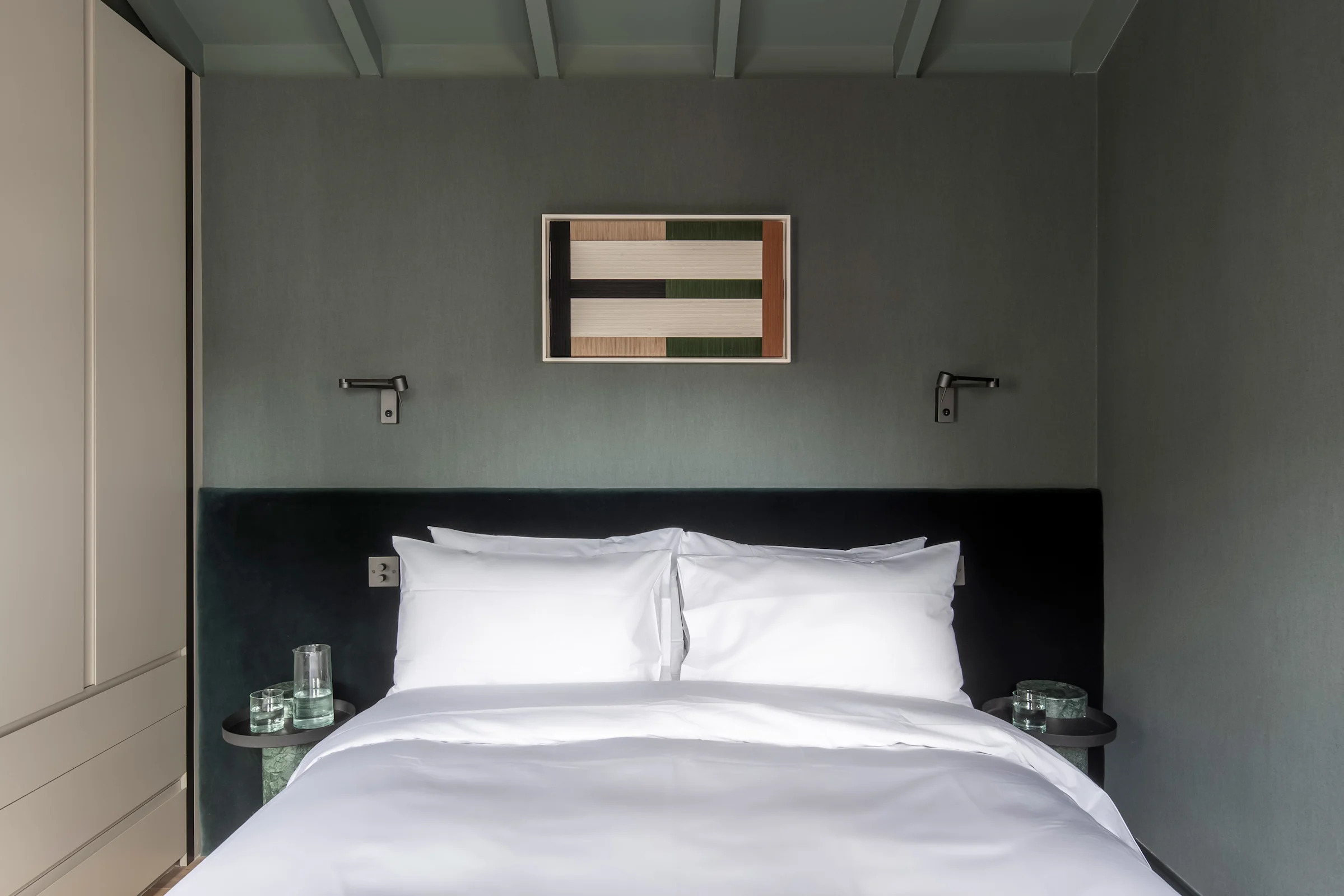
Optimal bed placement is crucial for promoting positive energy. The bed should be positioned diagonally from the door and against a solid wall. This configuration provides a clear view of the door, fostering a subconscious sense of control and safety, and places the bed in a stable and settled energy zone. A solid wall behind the bed also offers a feeling of security and support. Conversely, certain bed placements are considered detrimental. The "coffin position," where the foot of the bed directly aligns with the door, is believed to create restless energy due to an unsettling flow of energy towards the sleeper. If placing the bed against a window is unavoidable, it is advised to use solid window coverings or heavy curtains, along with a solid upholstered bedhead, to create a barrier against escaping energy and external disturbances.
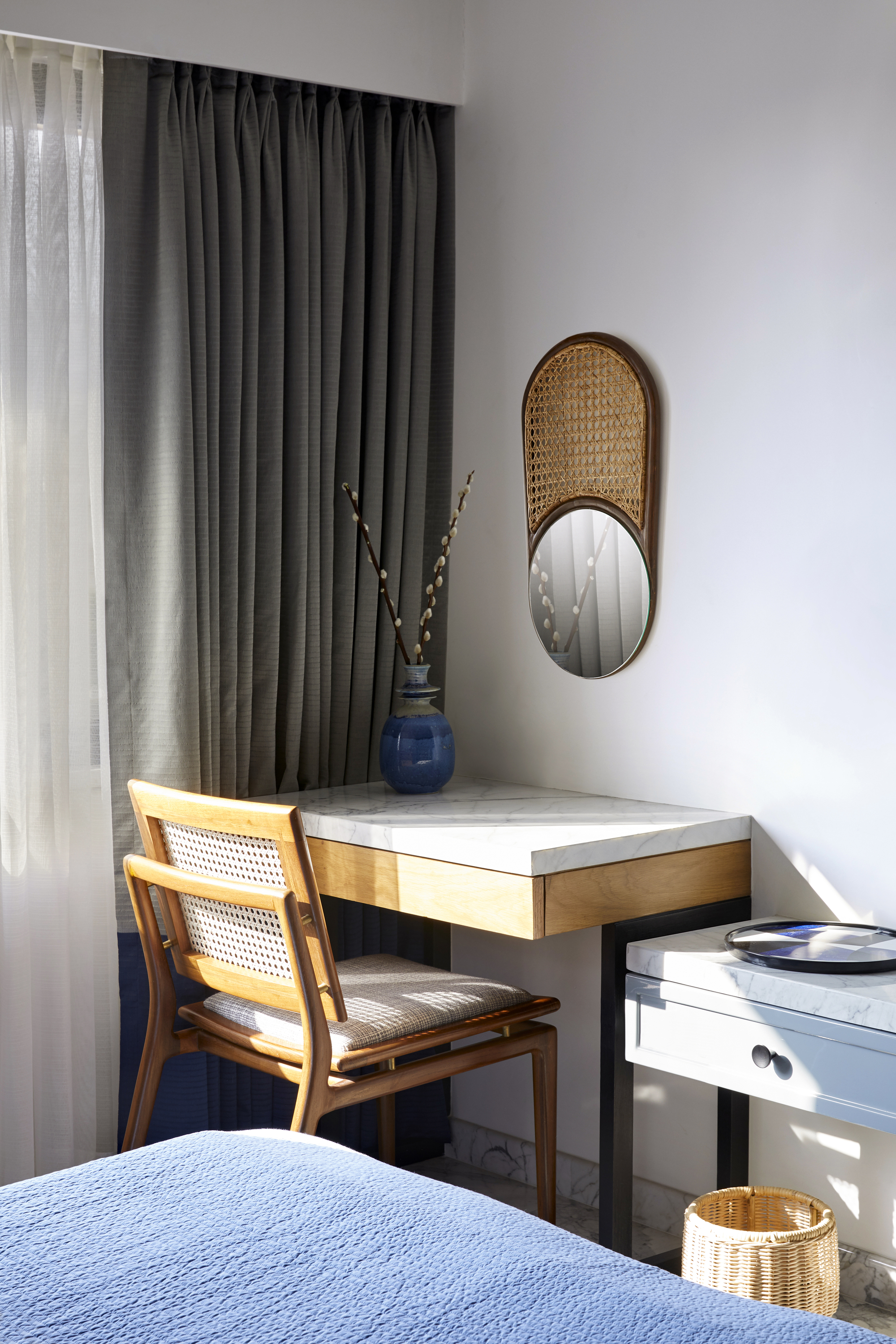
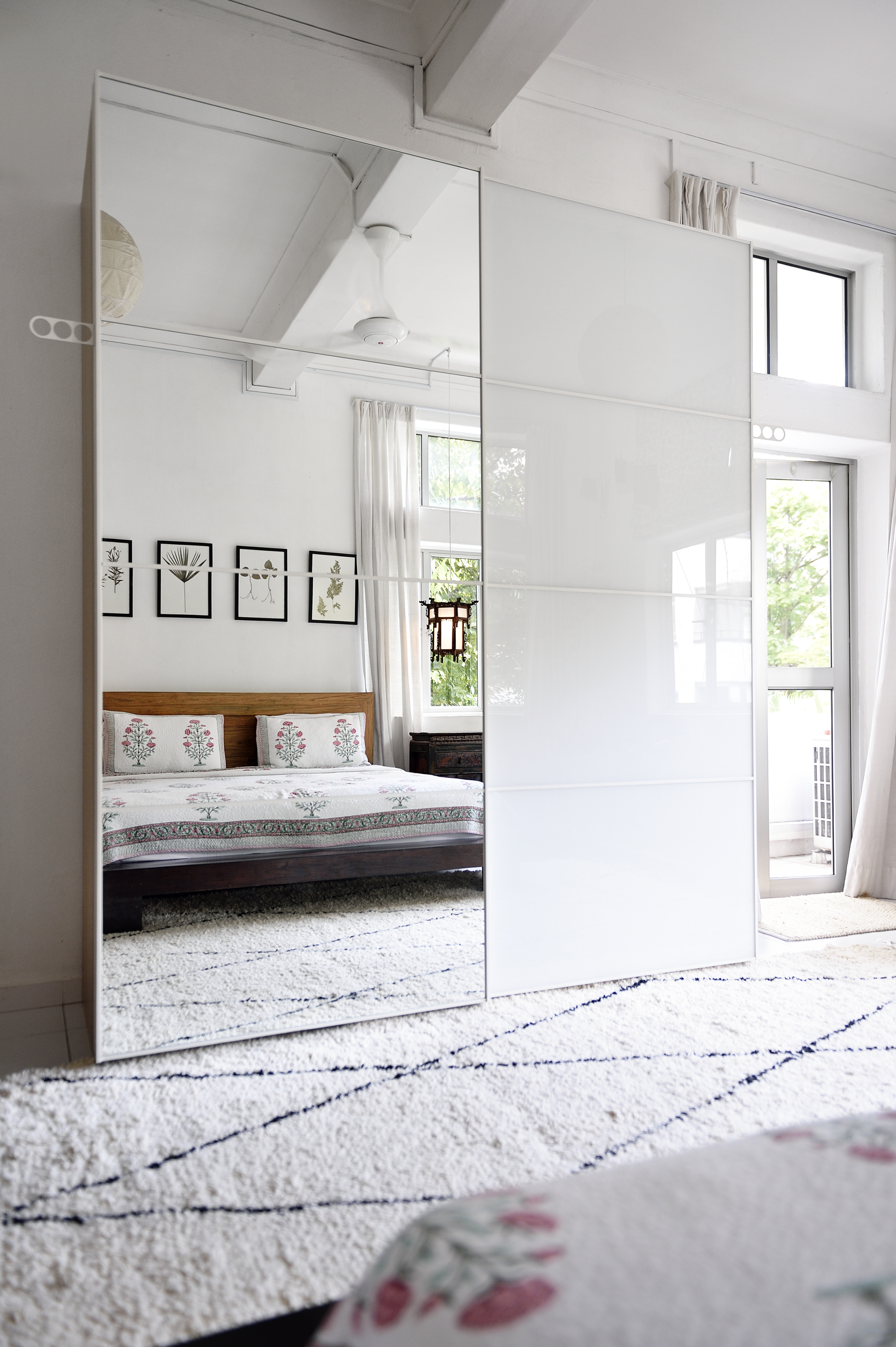
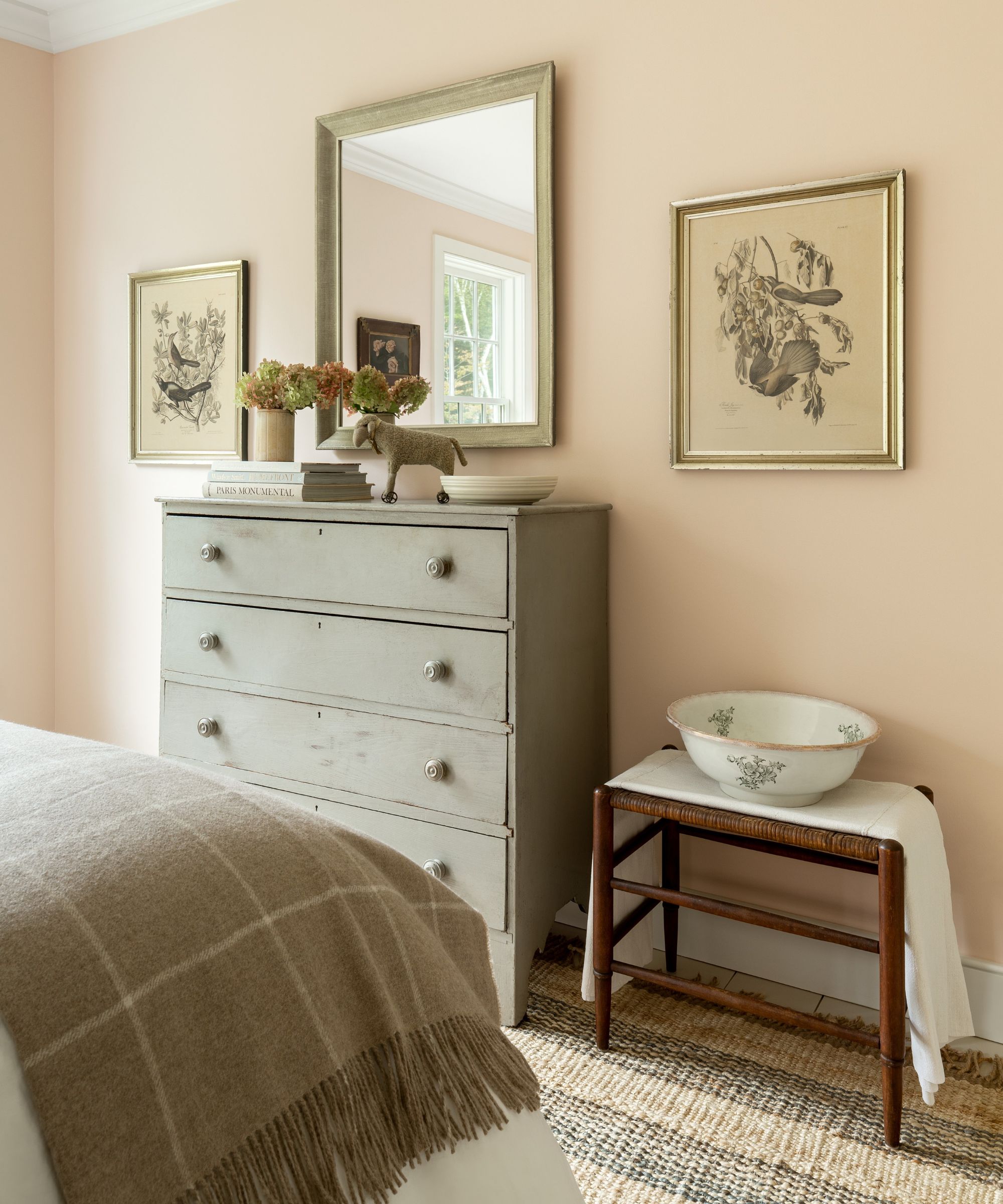
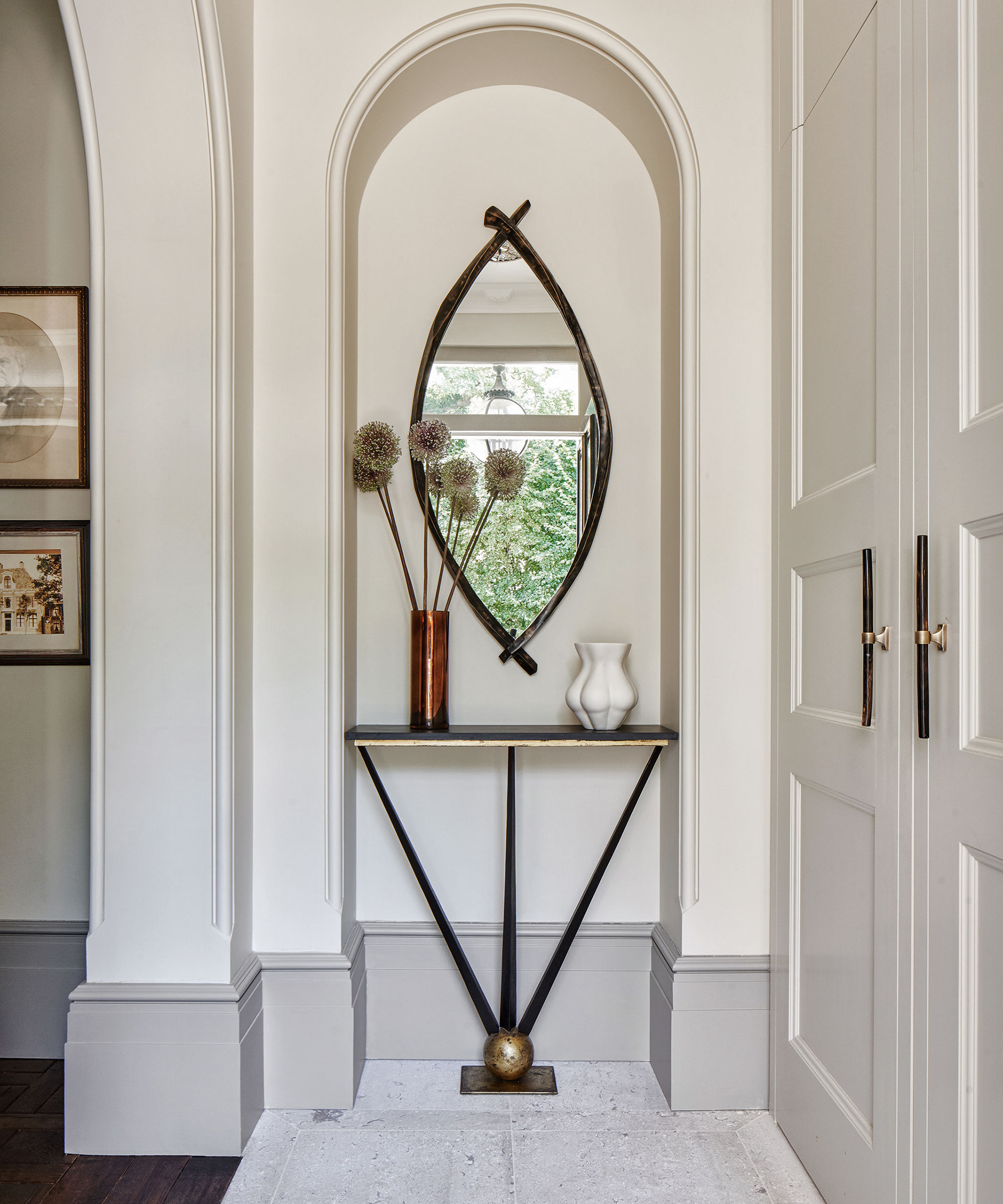
Mirrors, while functional and decorative, can negatively affect sleep according to Feng Shui principles. They possess strong yang energy, which is active and thus counterproductive to rest. If a mirror reflects the bed, it is thought to magnify unresolved issues in relationships, potentially leading to restlessness and disturbed sleep by symbolizing the amplification of problems. There is also an esoteric belief that a person's soul travels during sleep, and encountering one's reflection can be startling, causing sleep disturbances. To mitigate these effects, mirrors that cannot be relocated should be covered with cloth, screens, frosting, decals, or strategically placed décor to obscure the bed's reflection.
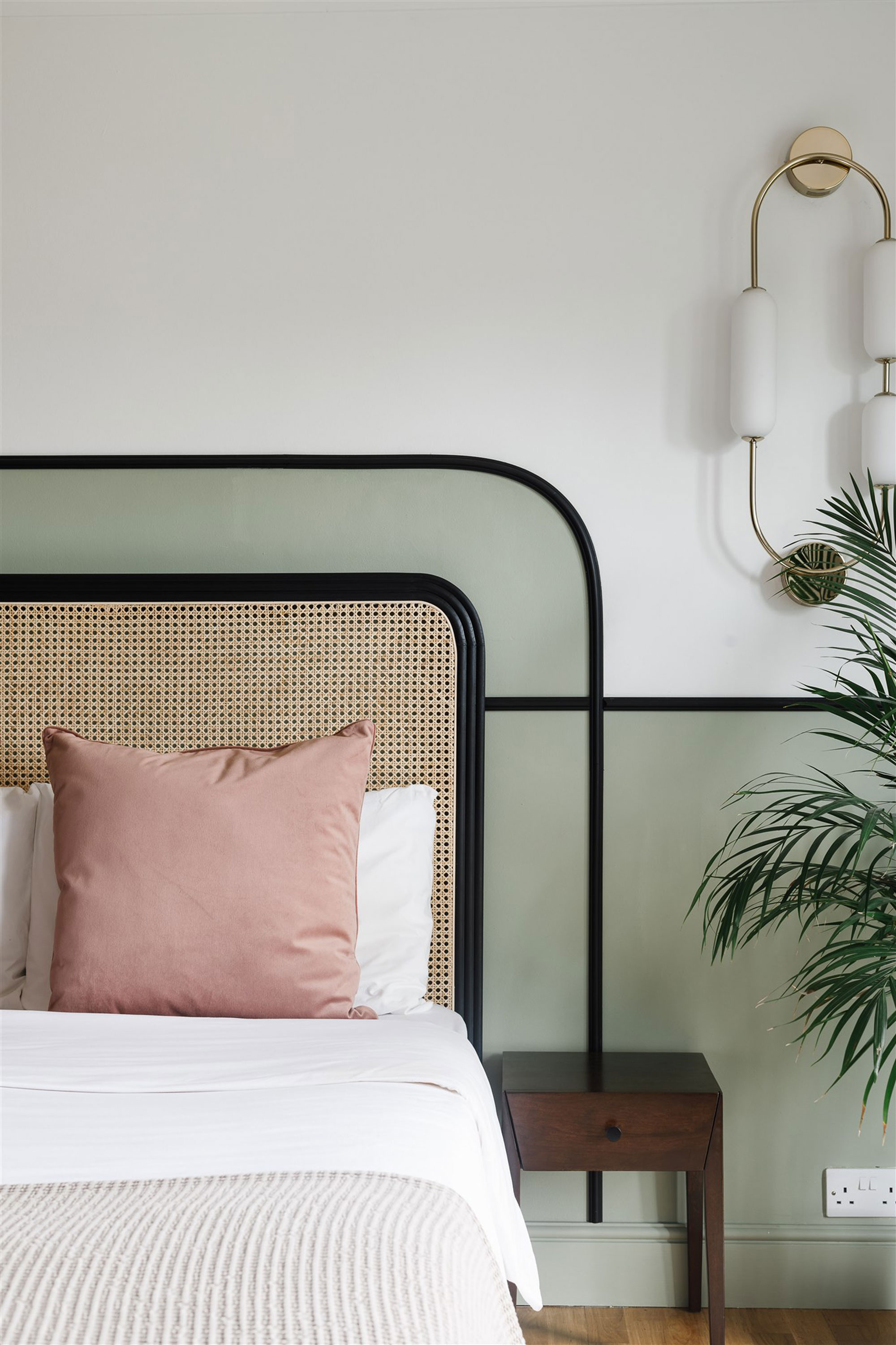
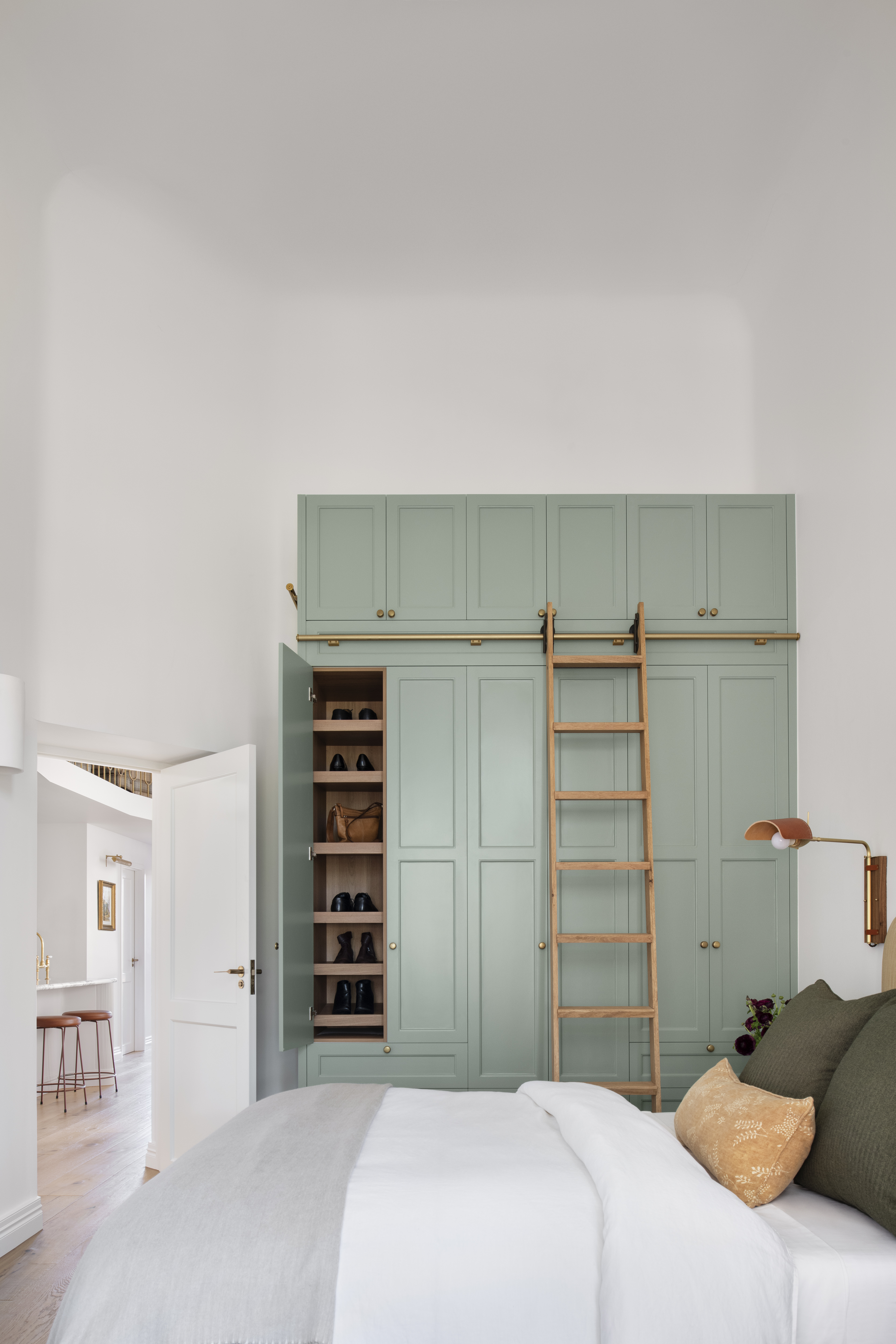
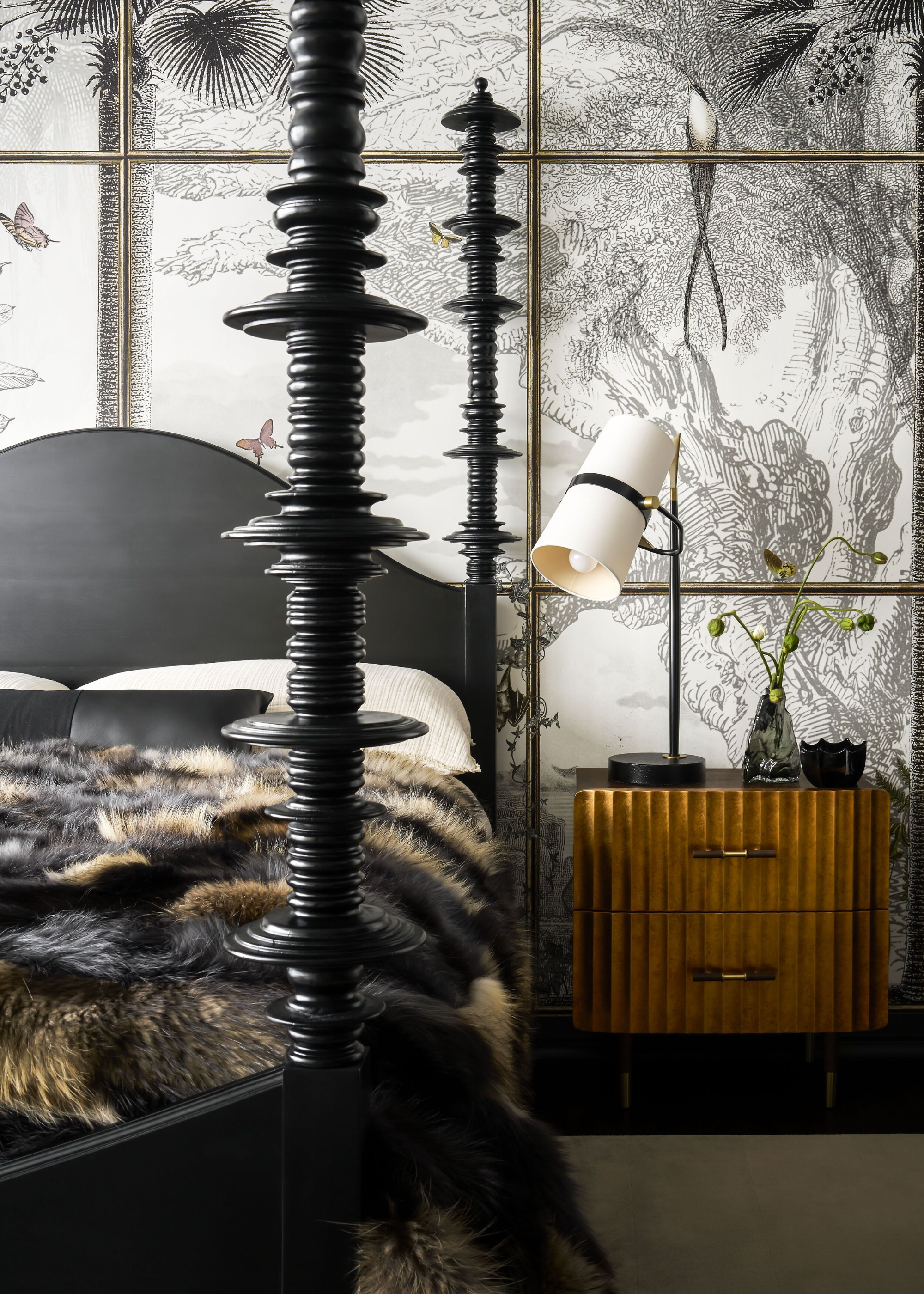
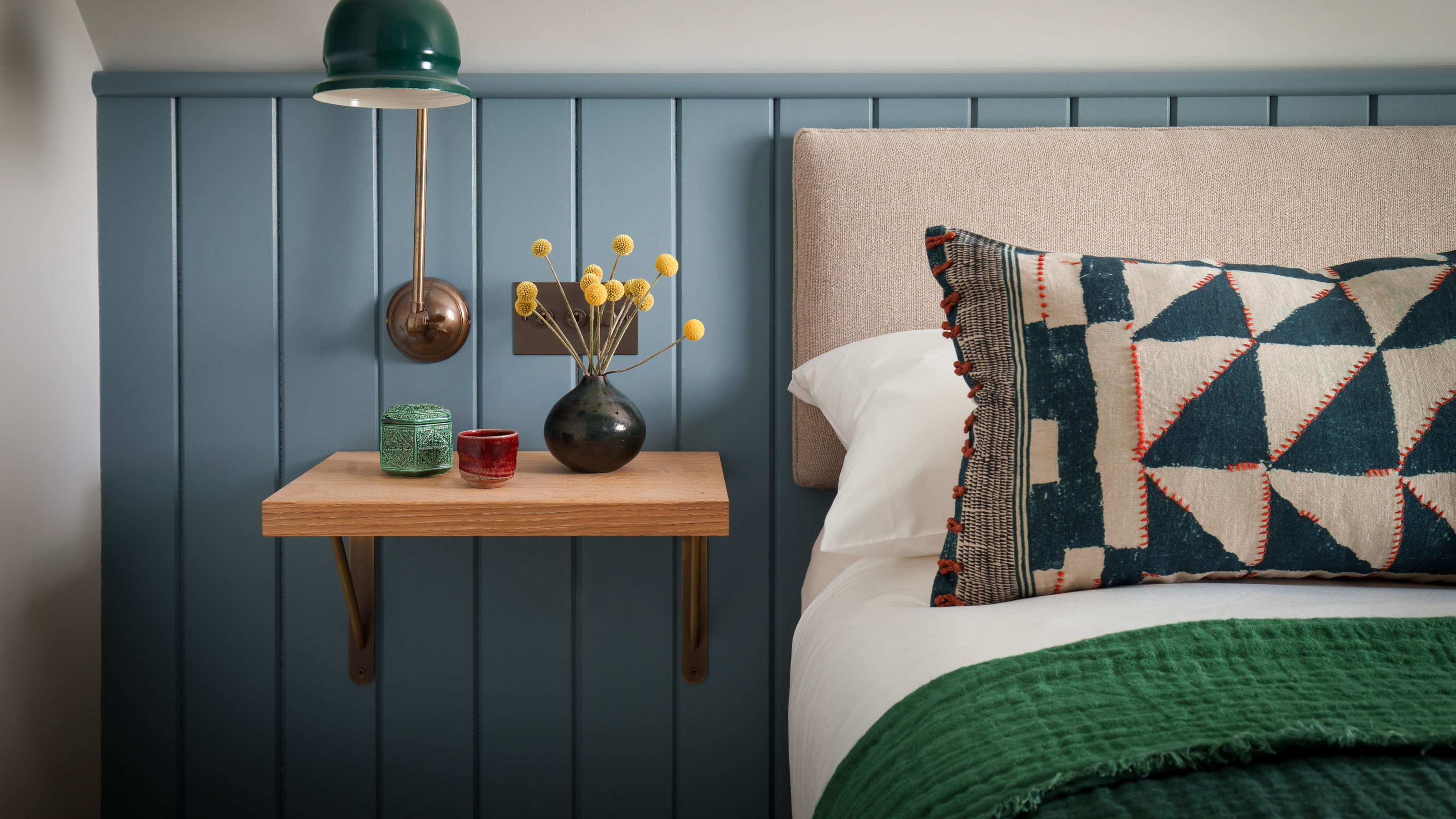
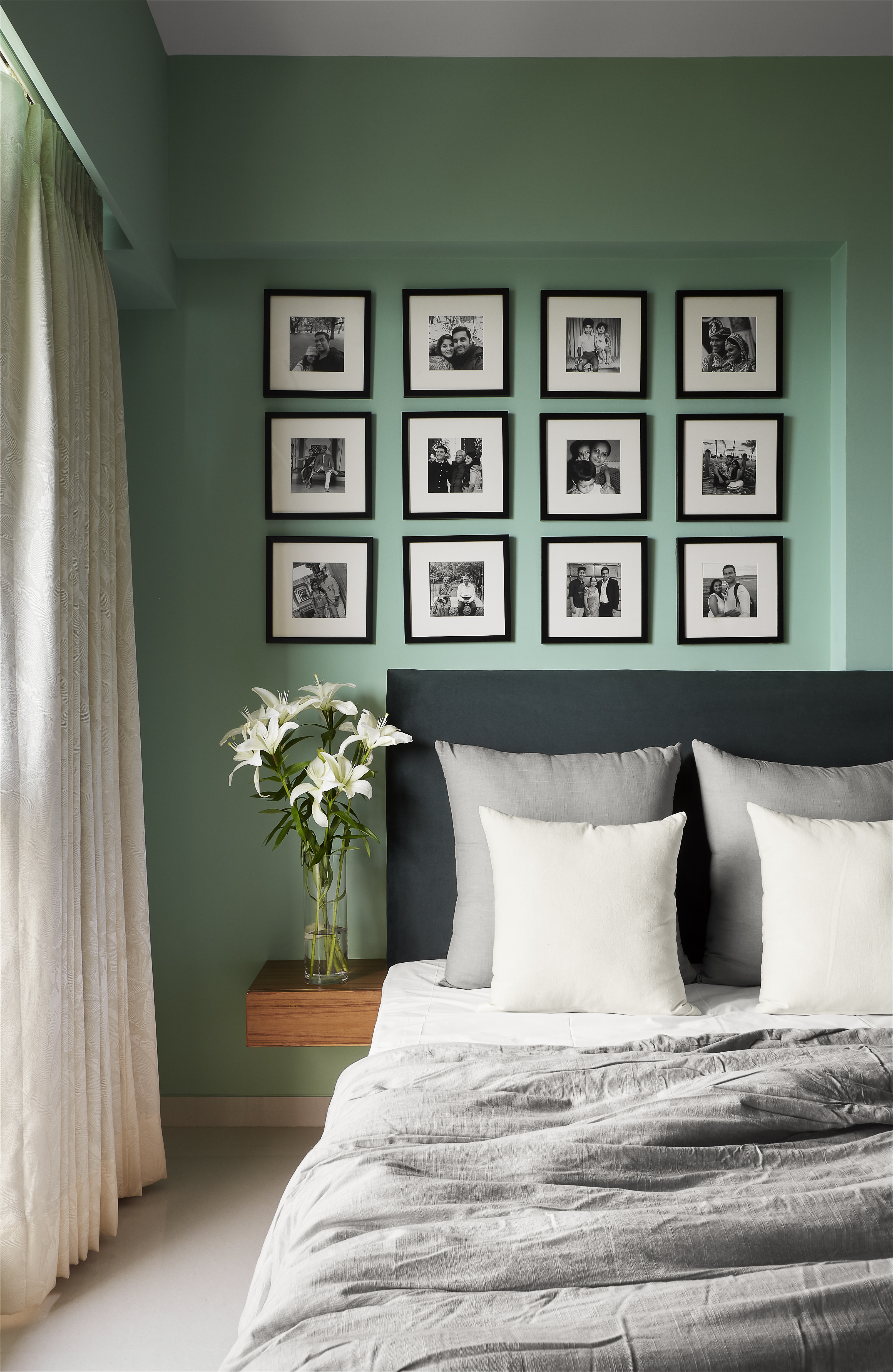
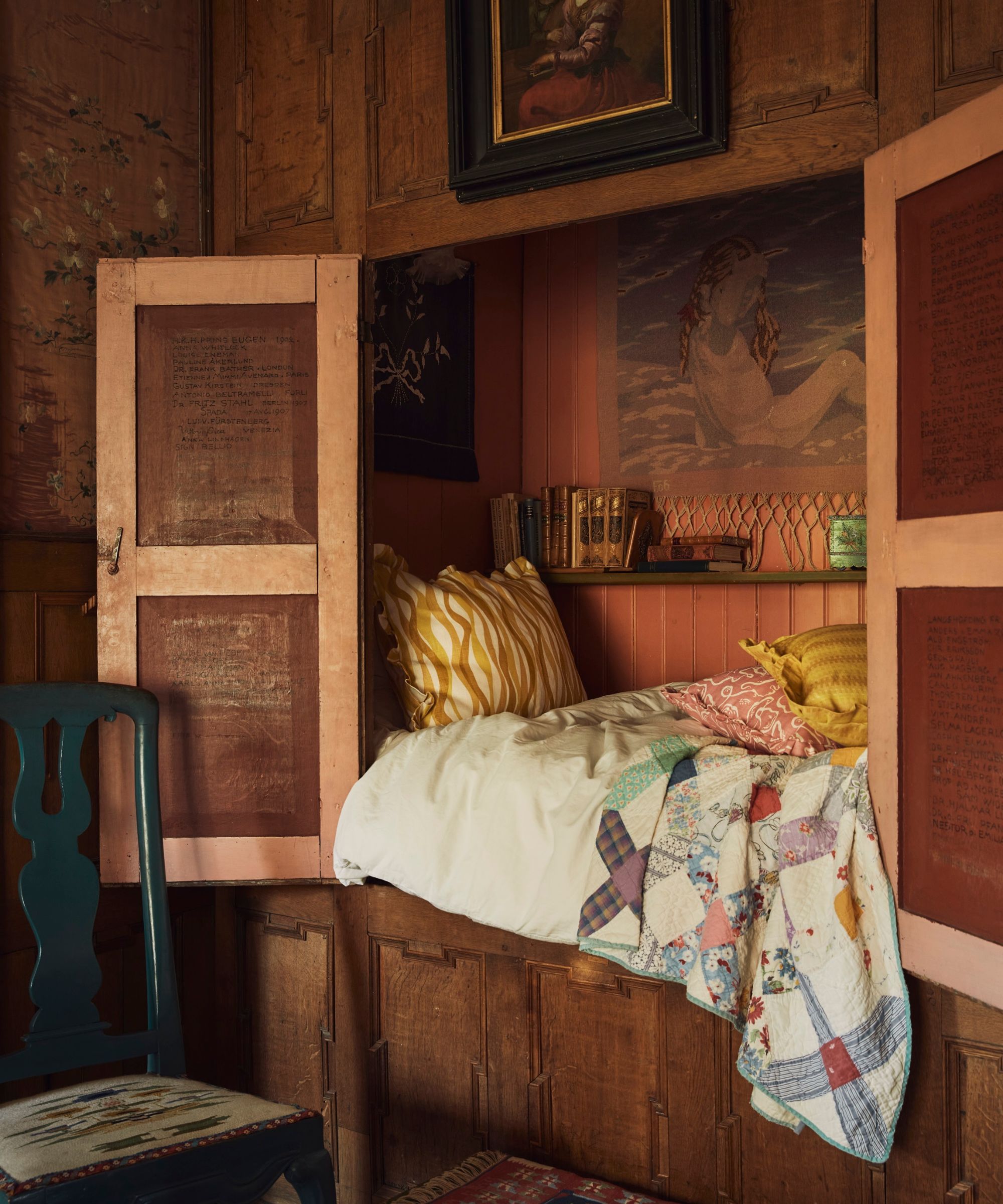
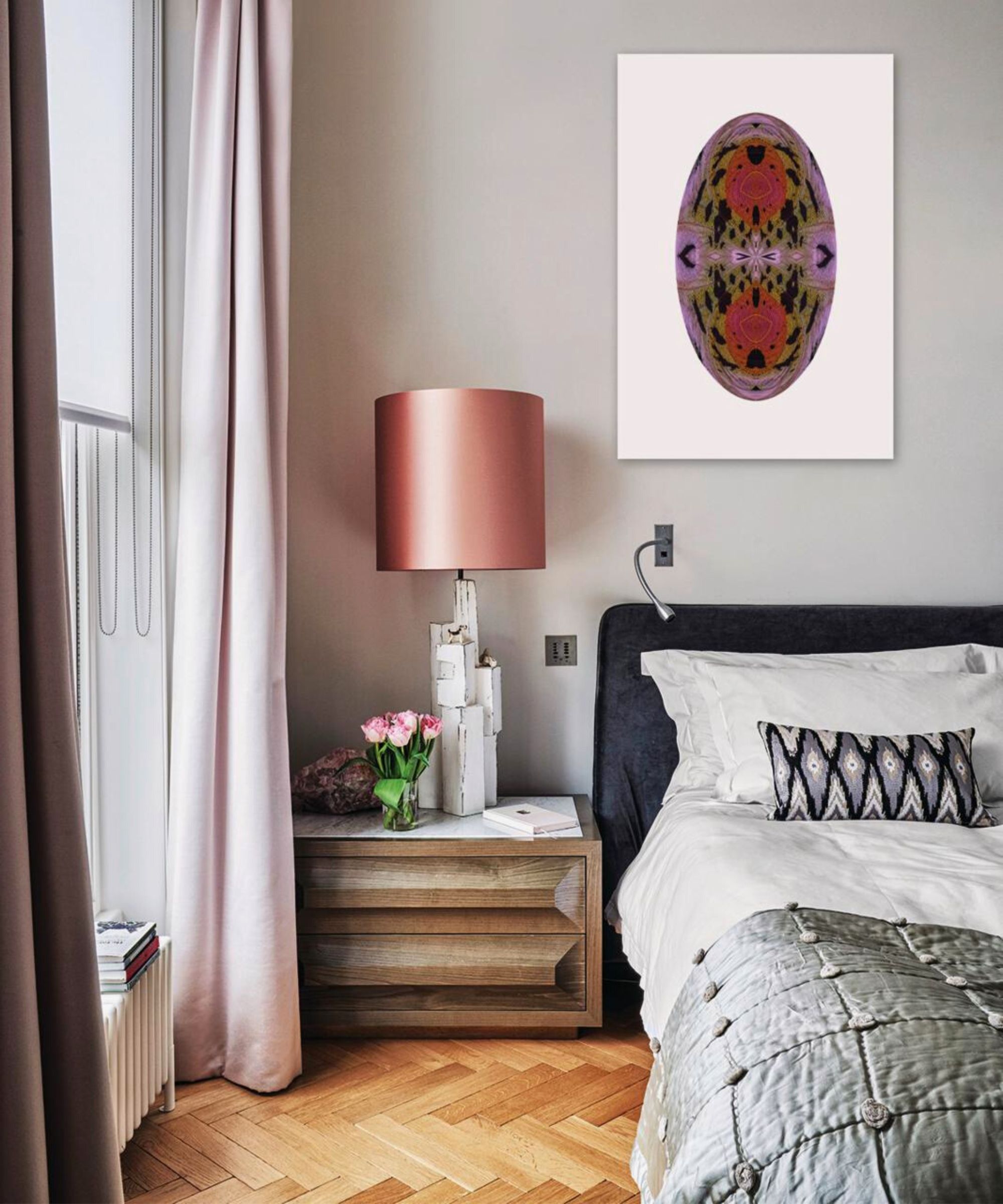
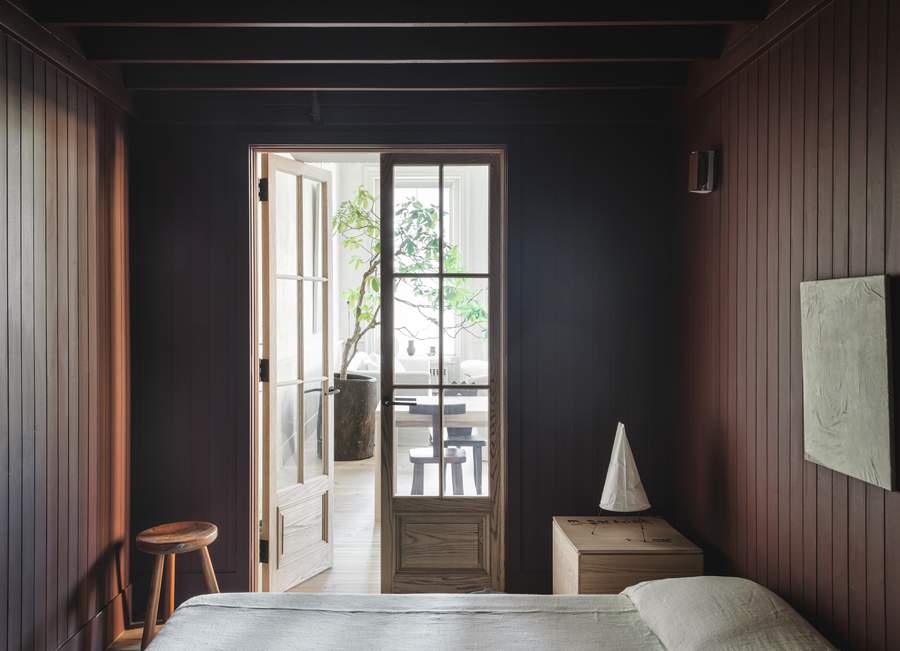
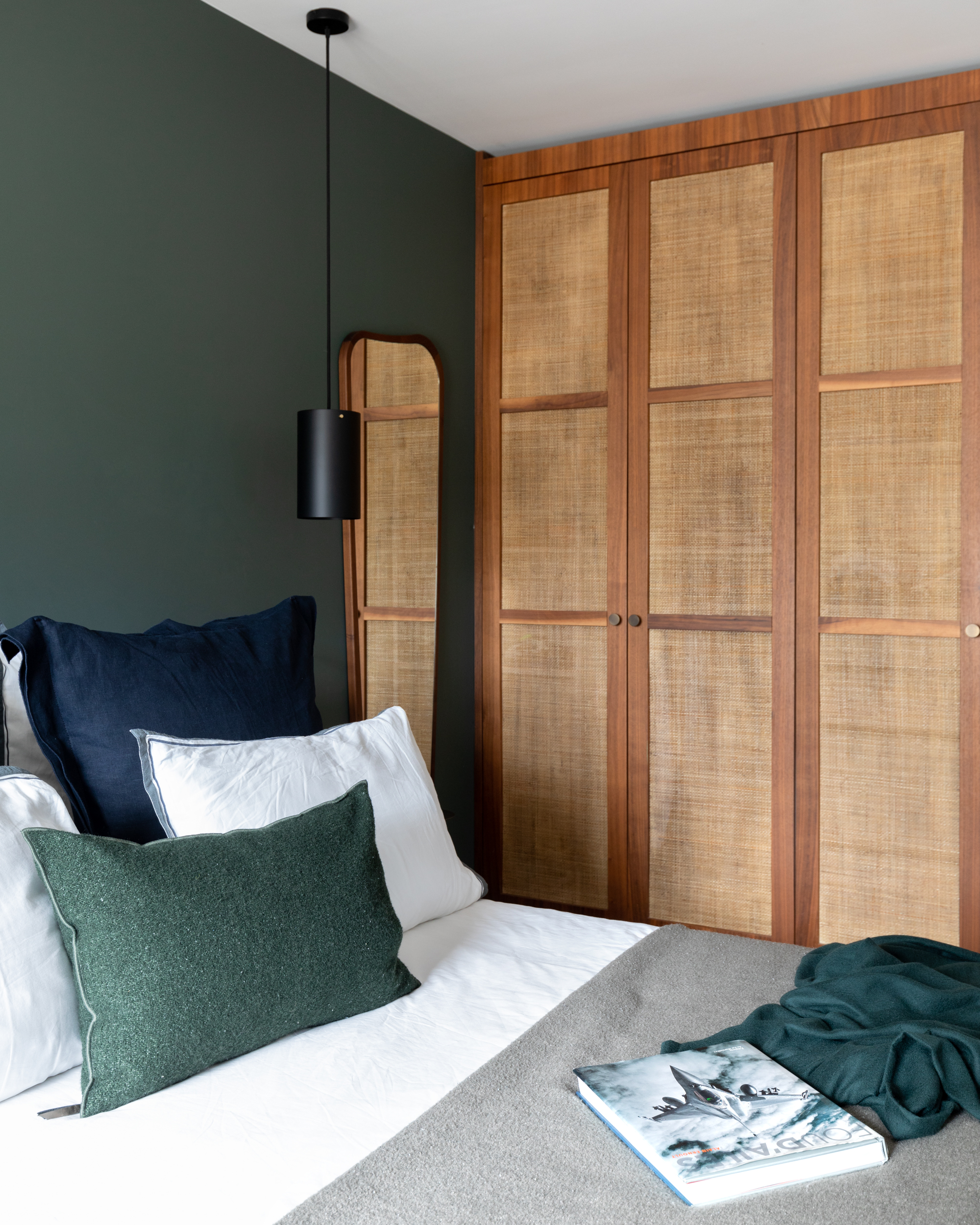
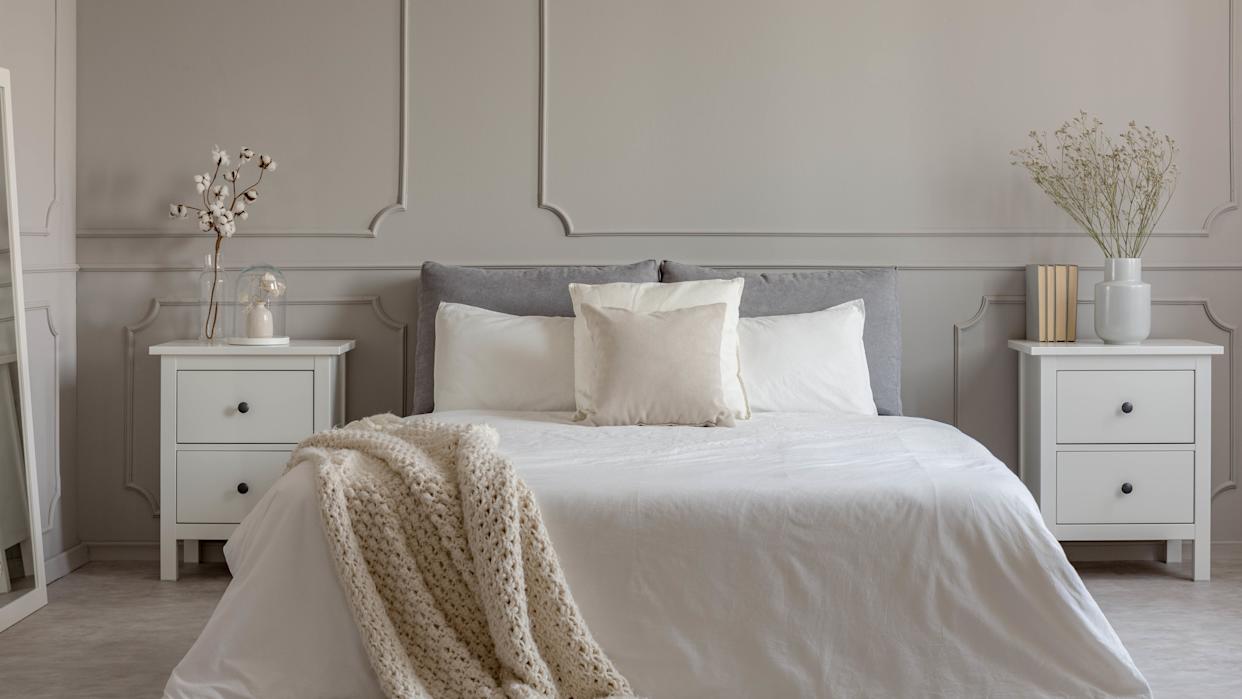
Color choices are another significant aspect of Feng Shui for fostering a tranquil sleep environment. Peaceful and neutral colors, inspired by nature, are recommended for the main palette. Soft, soothing accent colors like duck egg blue, muted greens, or gentle pinks can be introduced through accessories such as cushions, throws, or artwork, adding vibrancy without overwhelming the space. Colors to avoid include red, which is deemed too stimulating and intense for sleep, and black, due to its symbolic association with death.
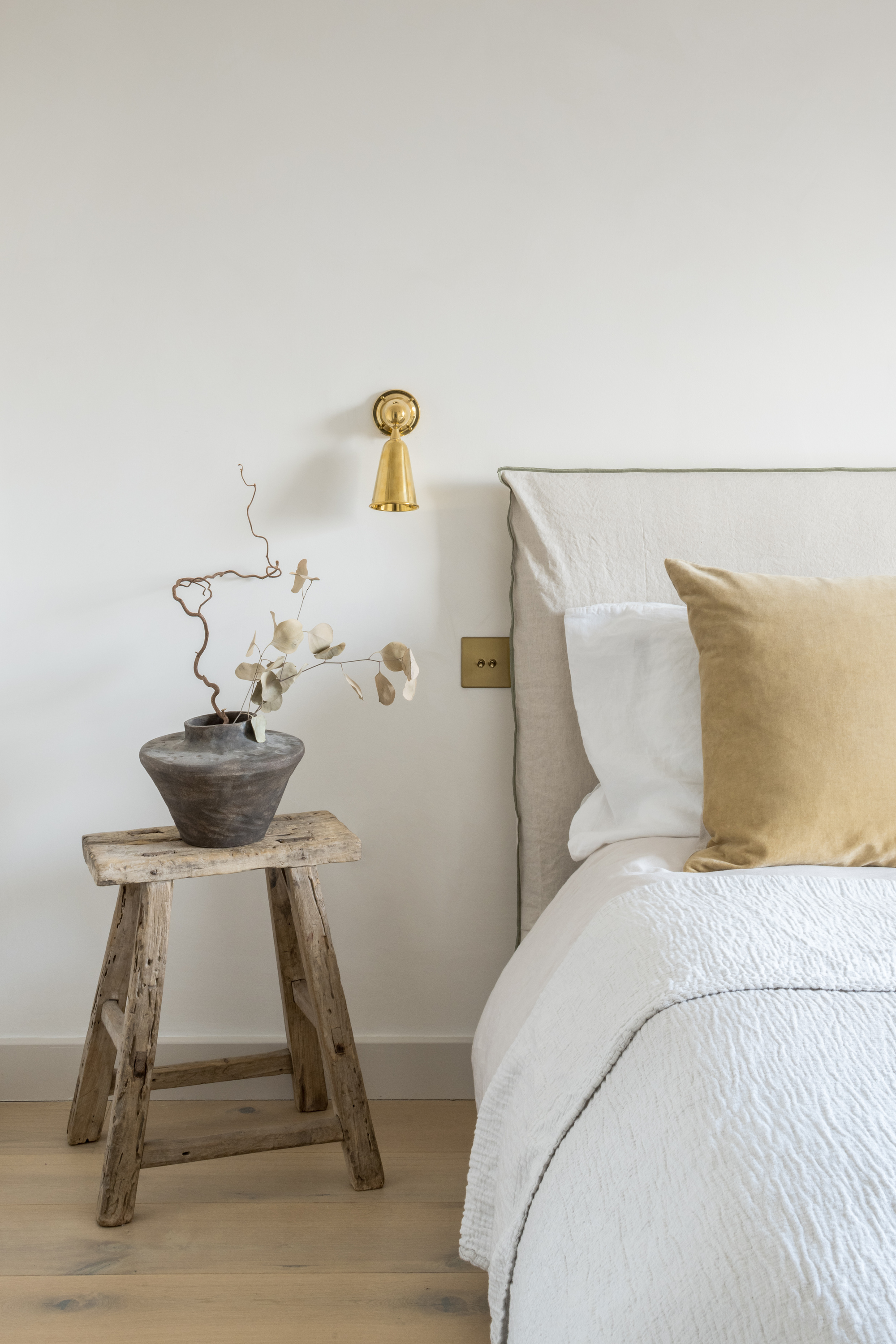
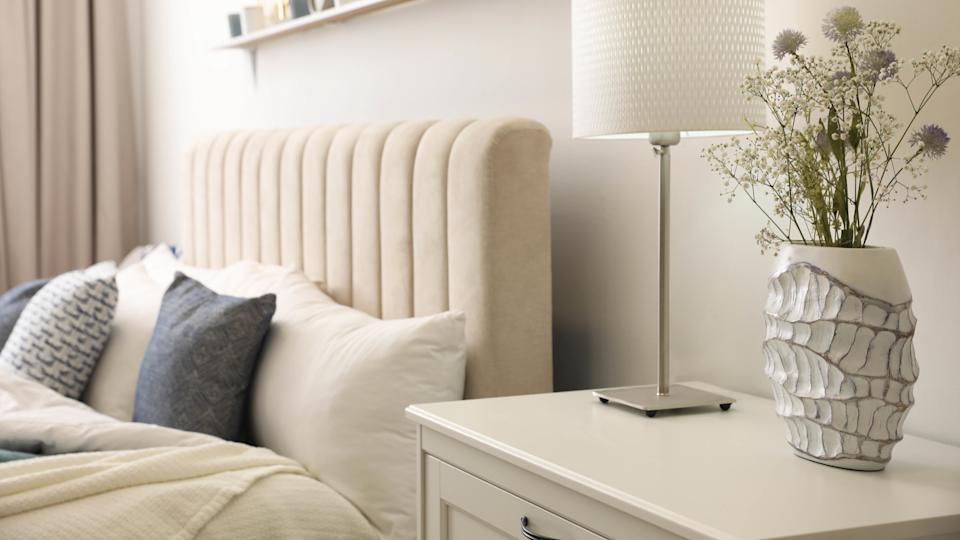
Beyond these main considerations, other factors can influence sleep quality. Electronic devices, including smartphones and even older clock radios, are considered too stimulating for the bedroom. Clutter, both generally and specifically on the bedside table, is also problematic. A cluttered bedside table symbolizes chaos and unfinished business, which can subconsciously burden the mind and affect intimate relationships. Decluttering and organizing this space create mental and emotional clarity, leading to a rejuvenated sense of energy and improved personal well-being.
#FengShui #BedroomDesign #SleepImprovement #InteriorDesign #HomeDecor #BedPlacement #MirrorPlacement #ColorPsychology #ClutterManagement #FengShui #BedroomDesign #SleepImprovement #InteriorDesign #HomeDecor #BedPlacement #MirrorPlacement #ColorPsychology #ClutterManagement
0 comment in total
 No comments yet
You may also like
6 interior design mistakes that could be affecting your sleep
'Waking feeling drained' - bad Feng Shui headboard choices explained


The Only Direction Your Bed Should Be Facing, According to Feng Shui Experts

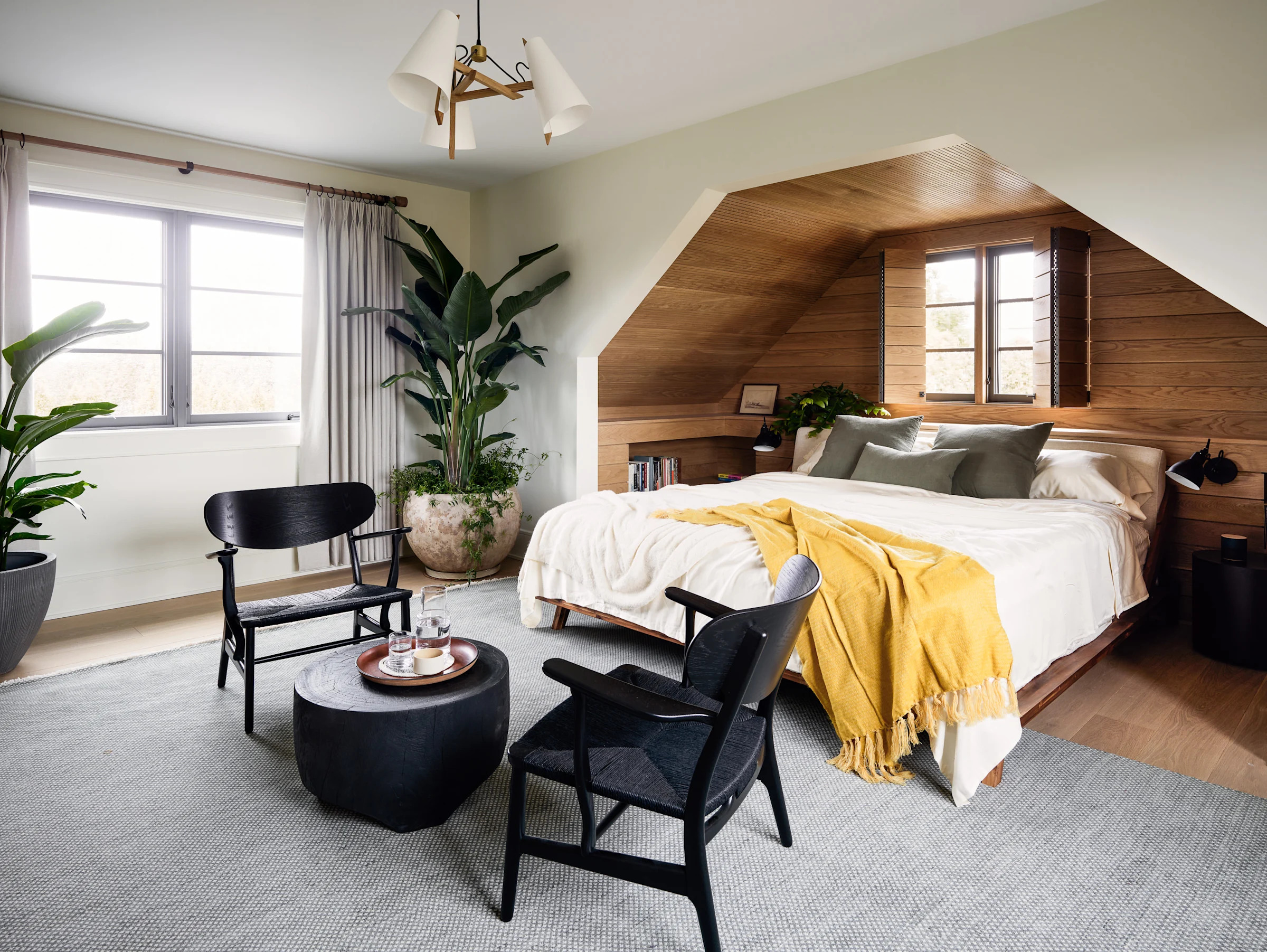
'Never sleep with a chair facing you' – Feng Shui experts bust this viral myth about your bedroom layout


These Feng Shui experts say you shouldn't position your bed like this if you want to sleep well — and it's a common layout idea
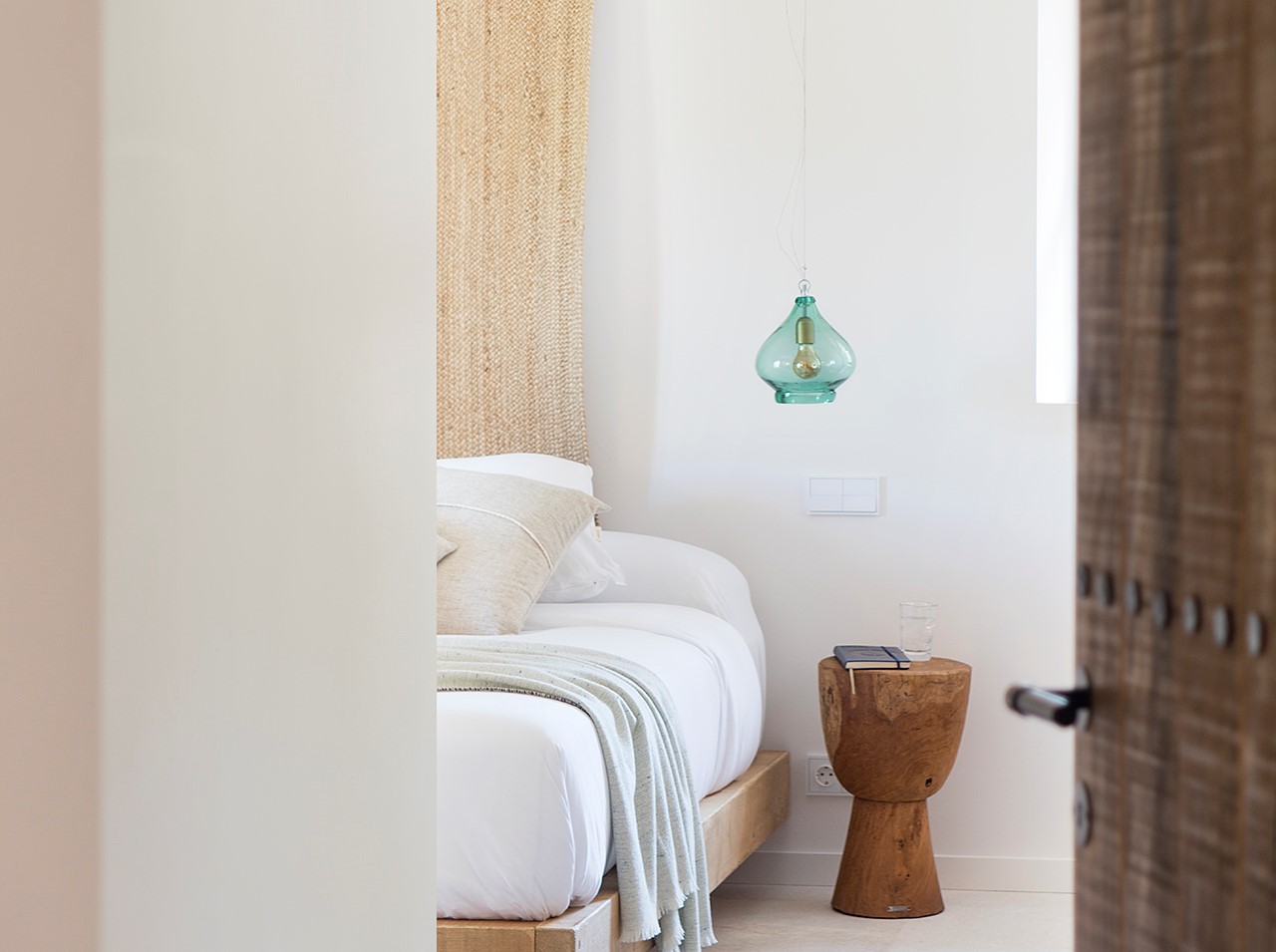
Should my bed be facing the door? Why the wrong bedroom layout could be disrupting your sleep
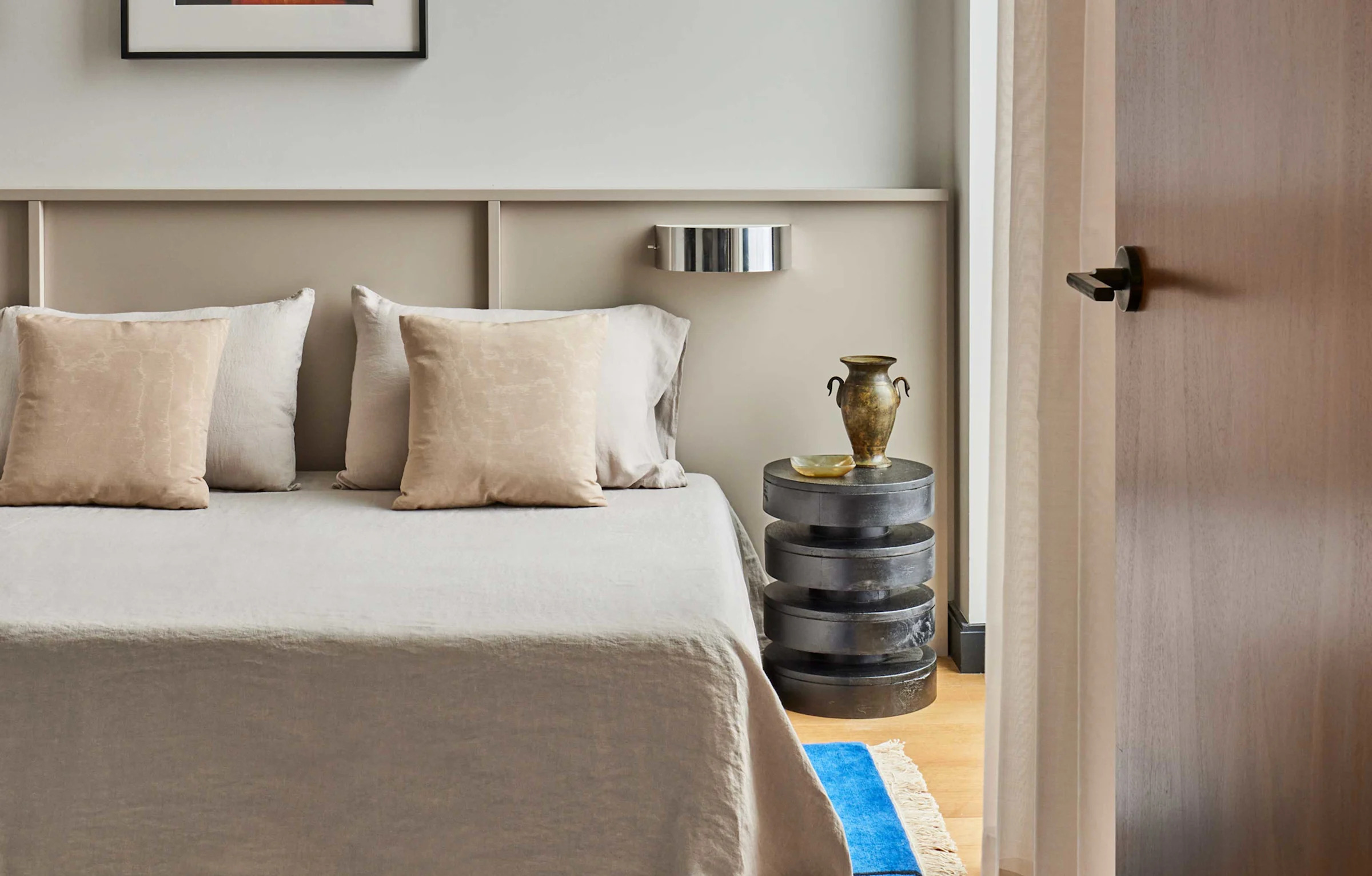
This furniture layout is one of the biggest Feng Shui mistakes you can make in a bedroom - here's how to fix it

Is it okay to place a bed under a window? Feng Shui experts offer their advice

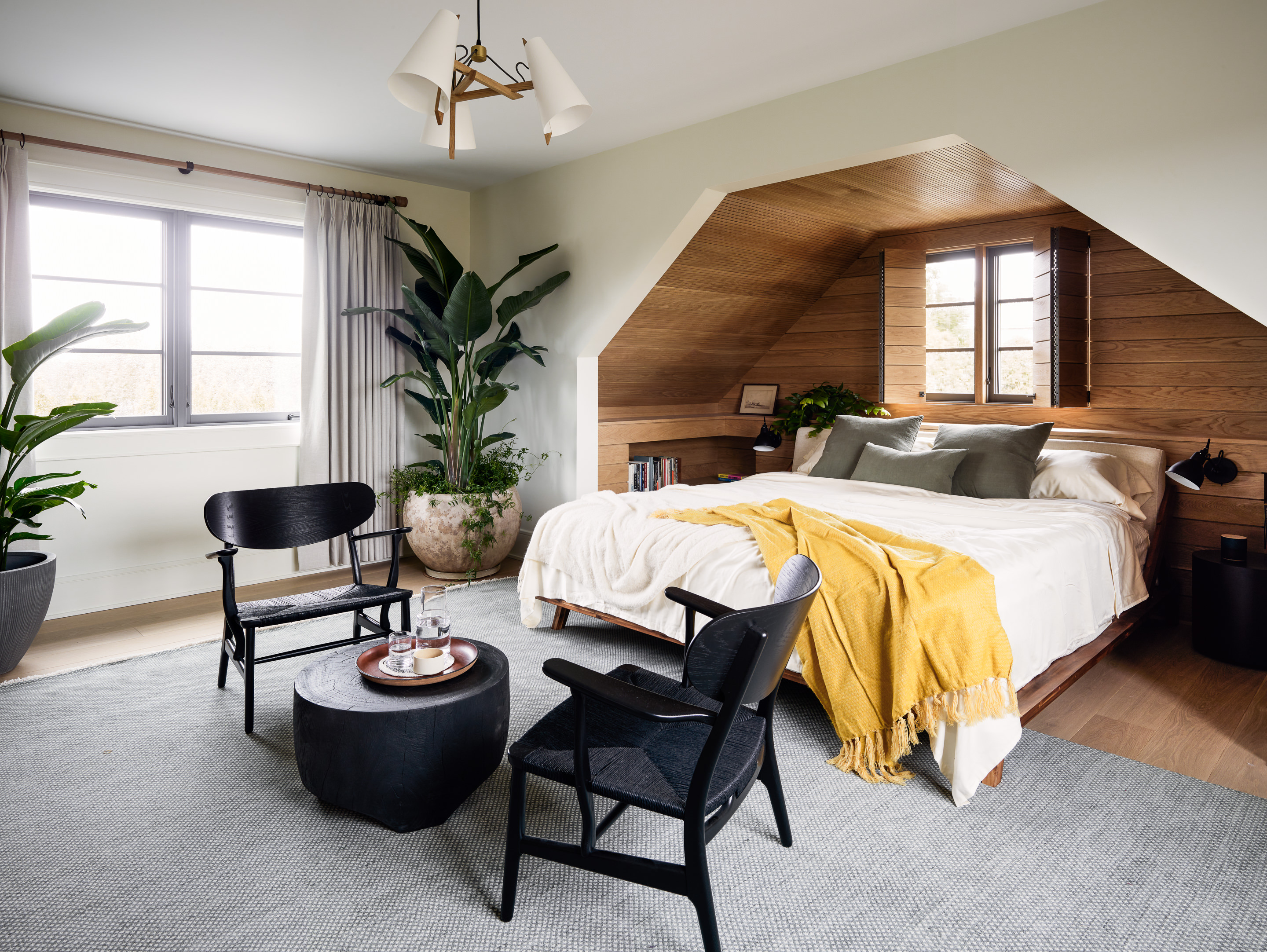
'Never sleep with a chair facing you' – Feng Shui experts bust this viral myth about your bedroom layout

These Feng Shui experts say you shouldn't position your bed like this if you want to sleep well – and it's a common layout idea
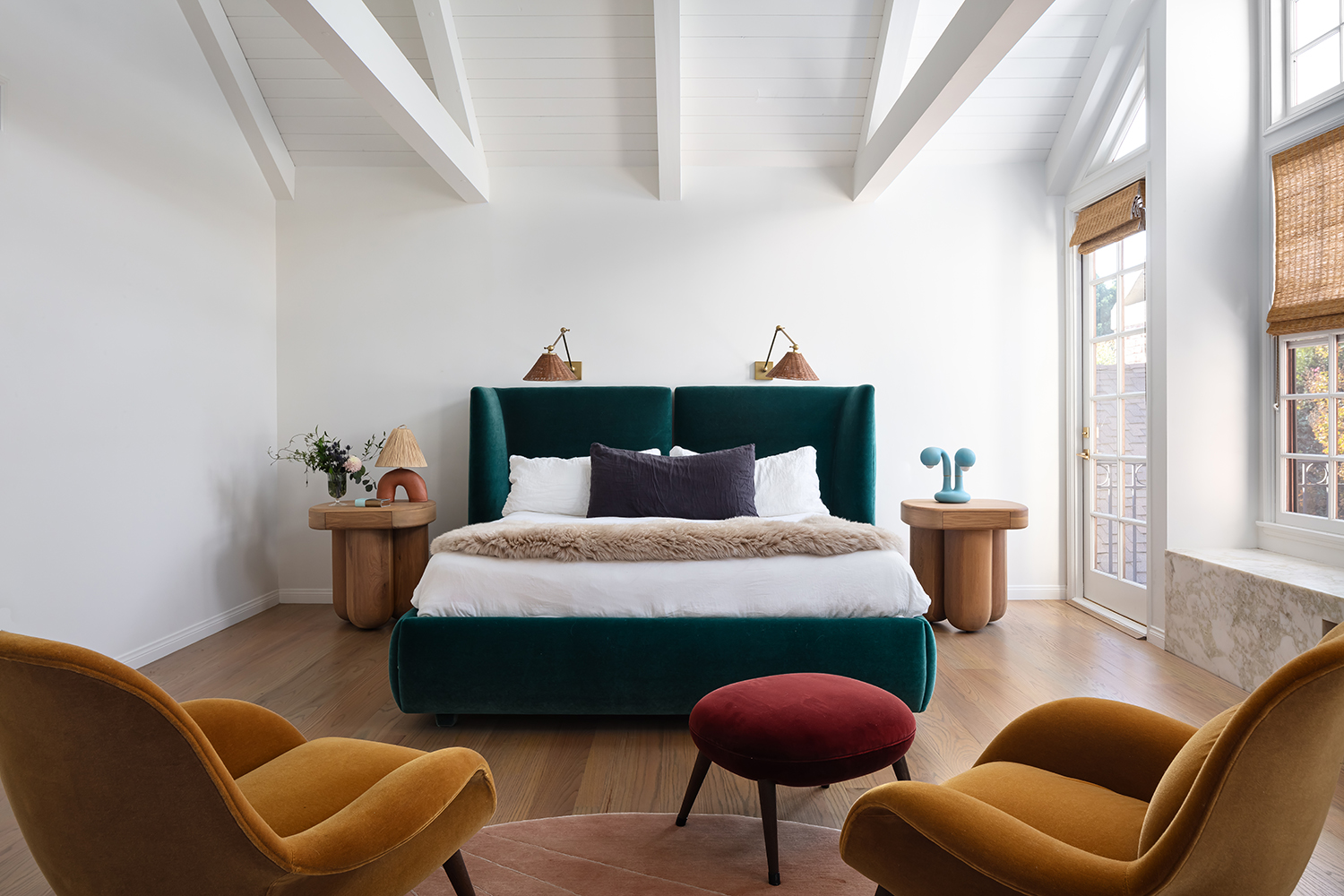
7 of the worst bedroom layout mistakes and how to avoid them
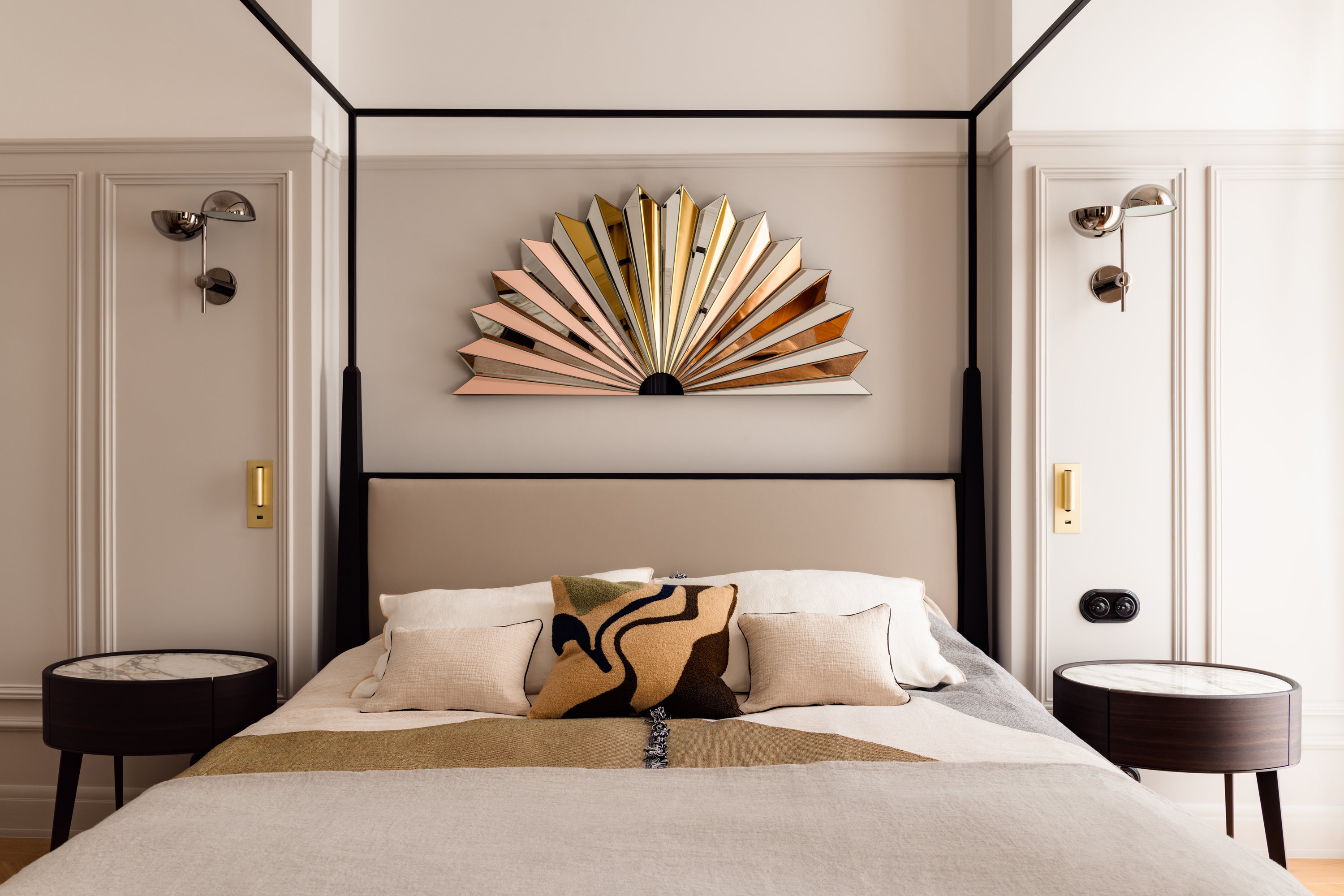
The 10 biggest bedroom furniture mistakes that interior designers always notice – and how to fix them

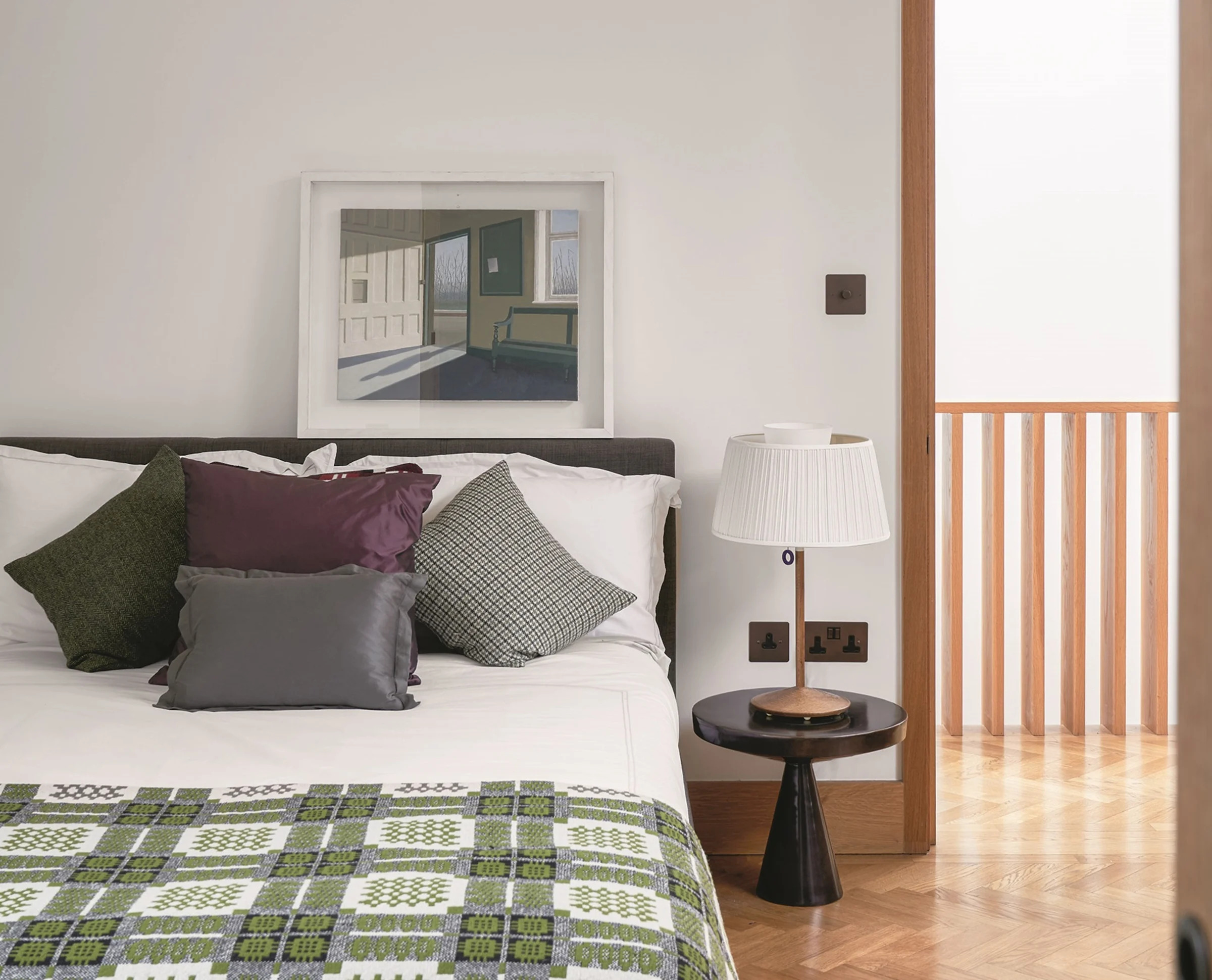
Feng Shui experts warn you to avoid this mistake so that you sleep better, and to choose this bedroom layout instead
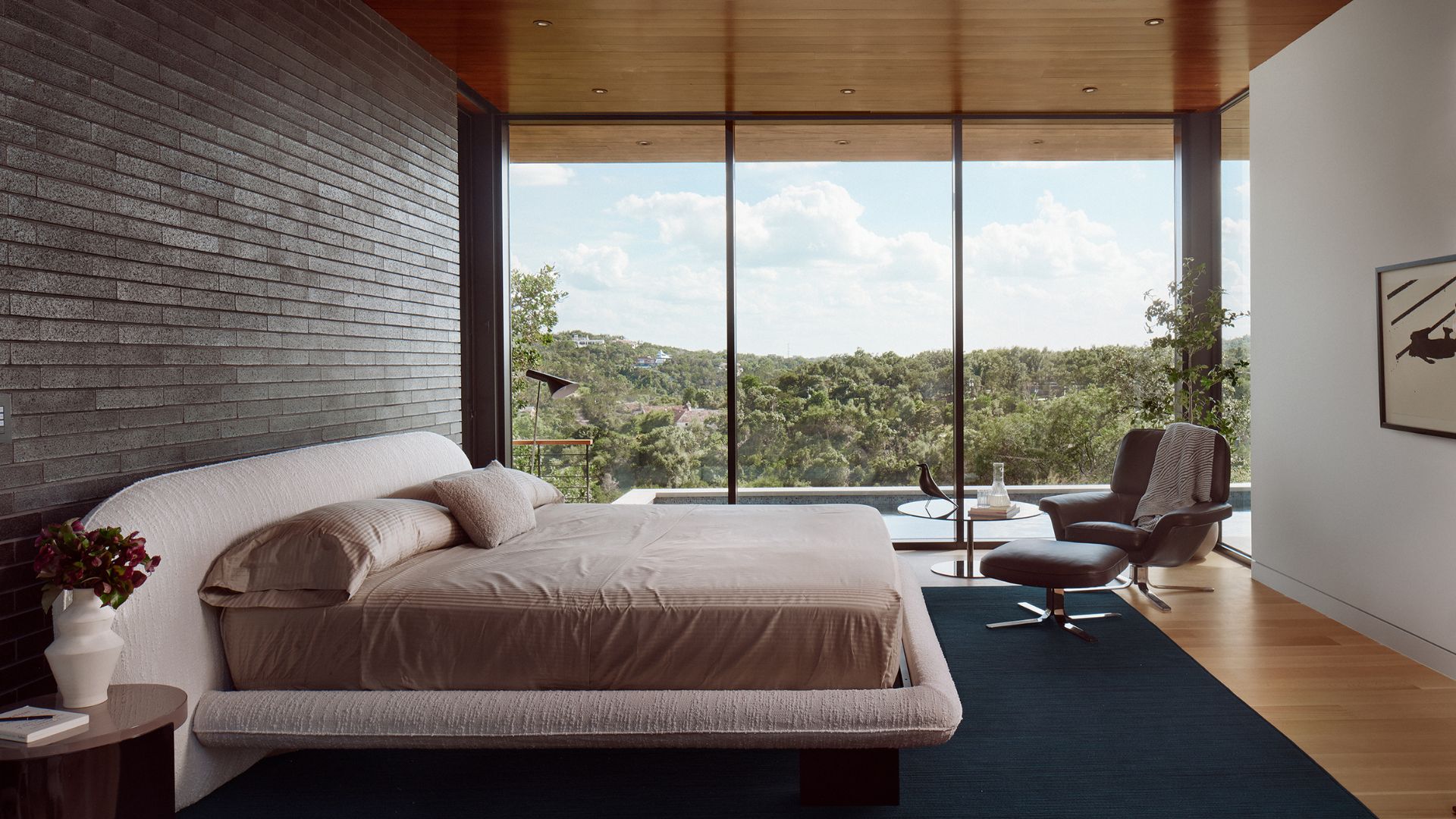
5 Things You Should Never Put Above Your Bed — Especially If You Want Good Feng Shui in Your Home
Should your bed face the door? Here's what the experts think

Feng Shui design mistakes to avoid – 5 things you may be getting wrong

10 Bedroom Decor Mistakes Keeping You From Your Best Sleep Ever

7 Bedroom Lighting Mistakes — Experts Say They "Scream 'Wrong Vibe'" and Ruin Your Aesthetic
Bedroom layout mistakes – 9 errors experts warn against, and how to fix them
'Waking feeling drained' - bad Feng Shui headboard choices explained