Yes, You Should Run Your Ceiling Fan in the Winter—Here's How It Actually Keeps You Cozier
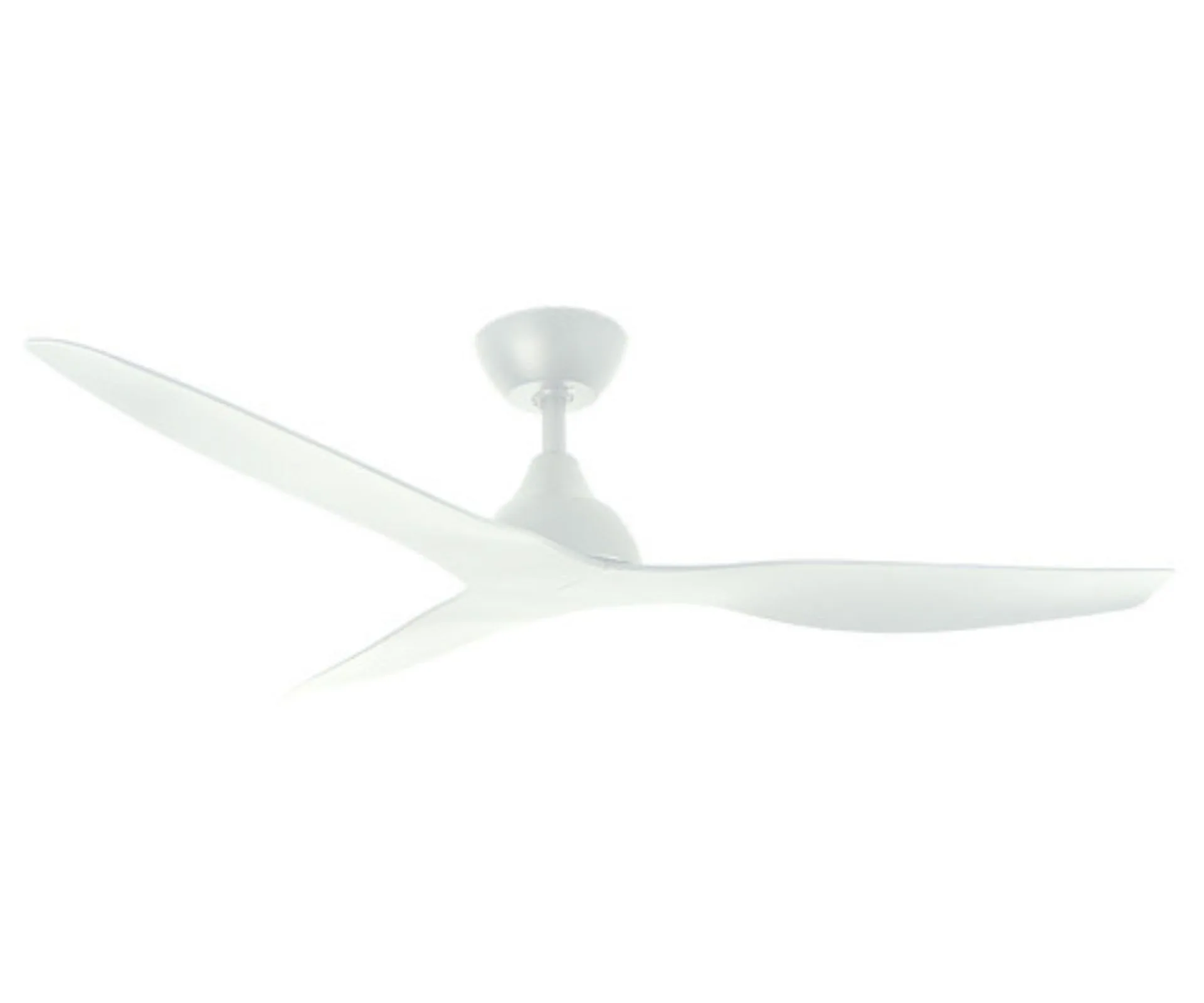
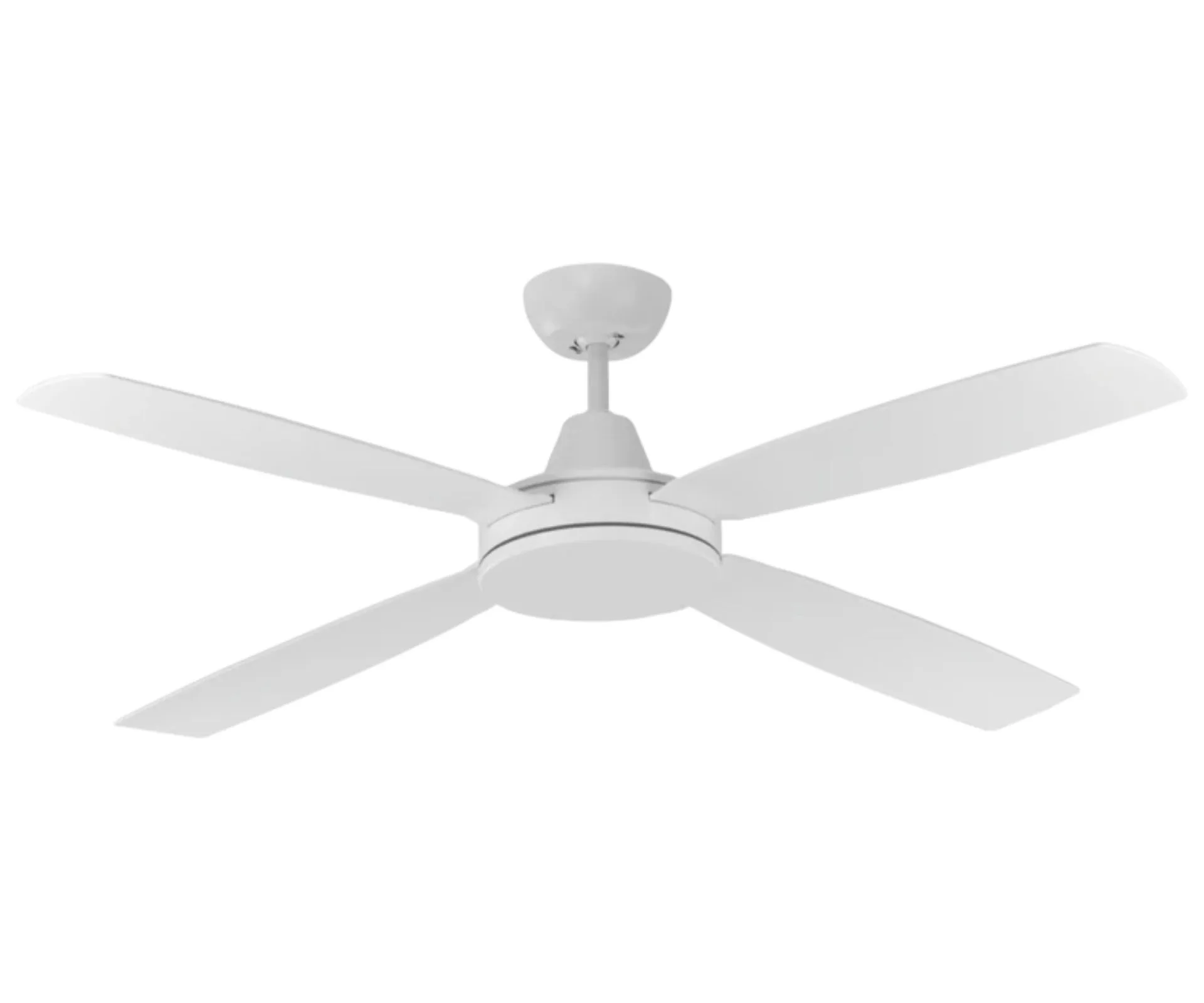
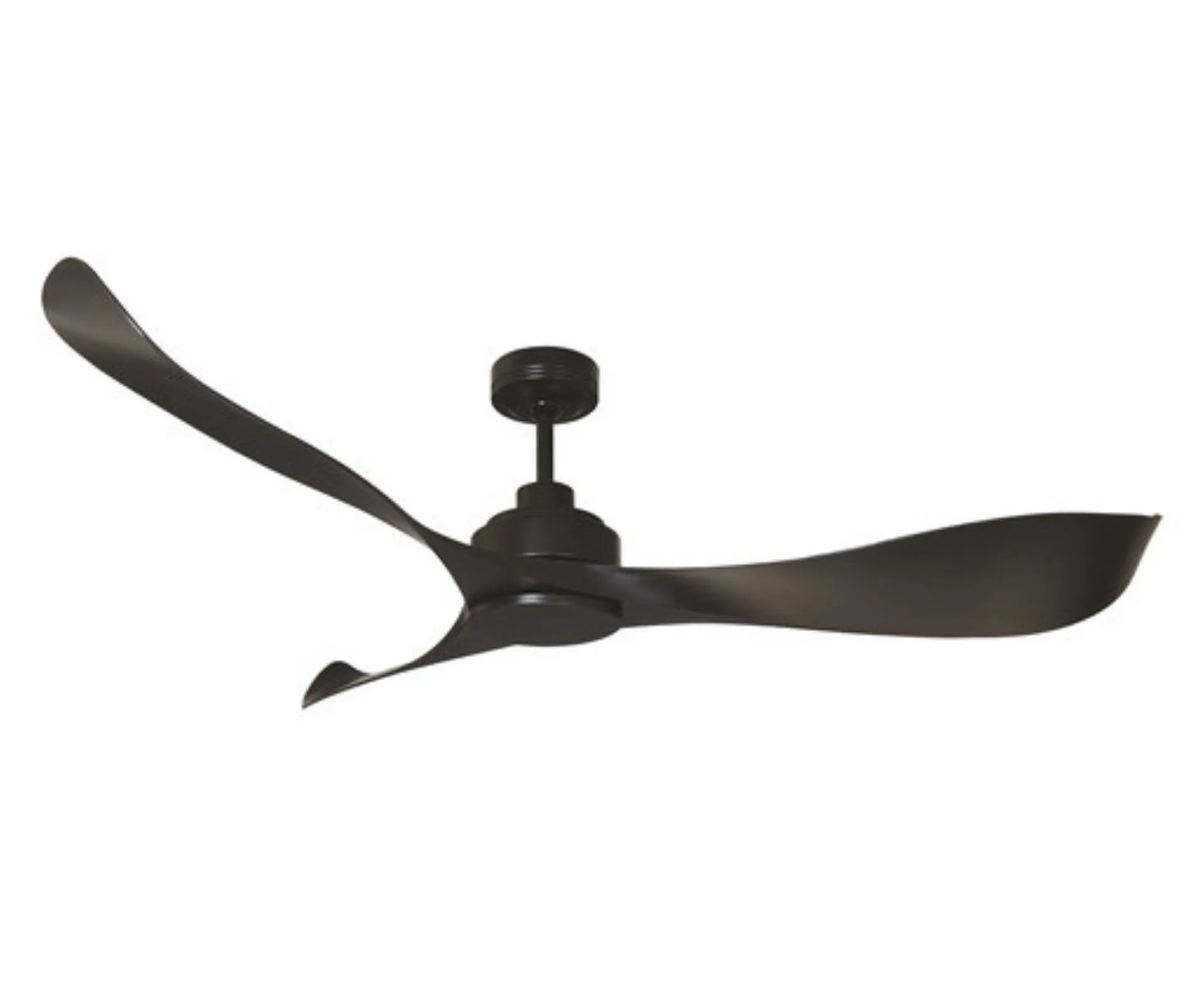
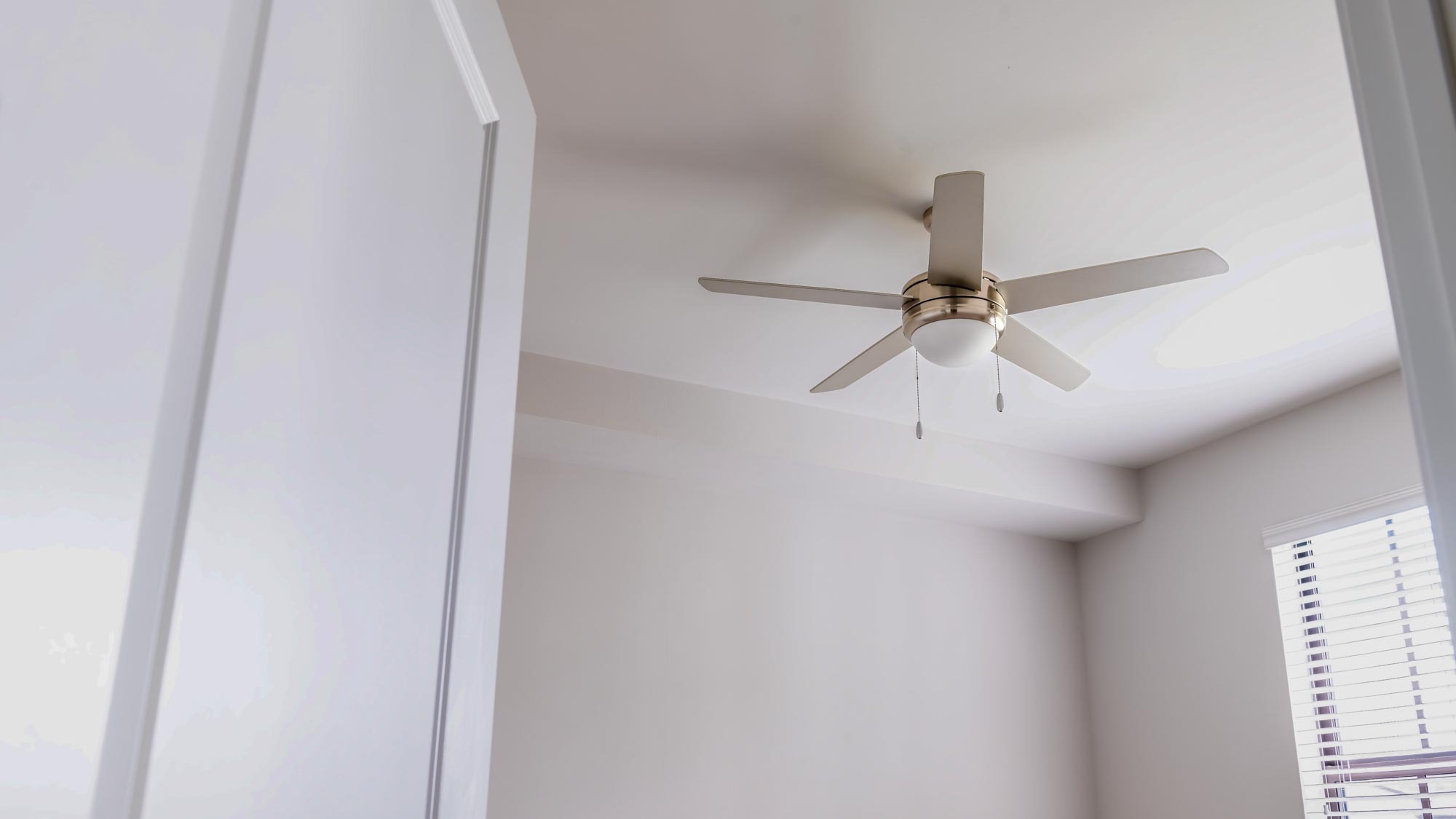
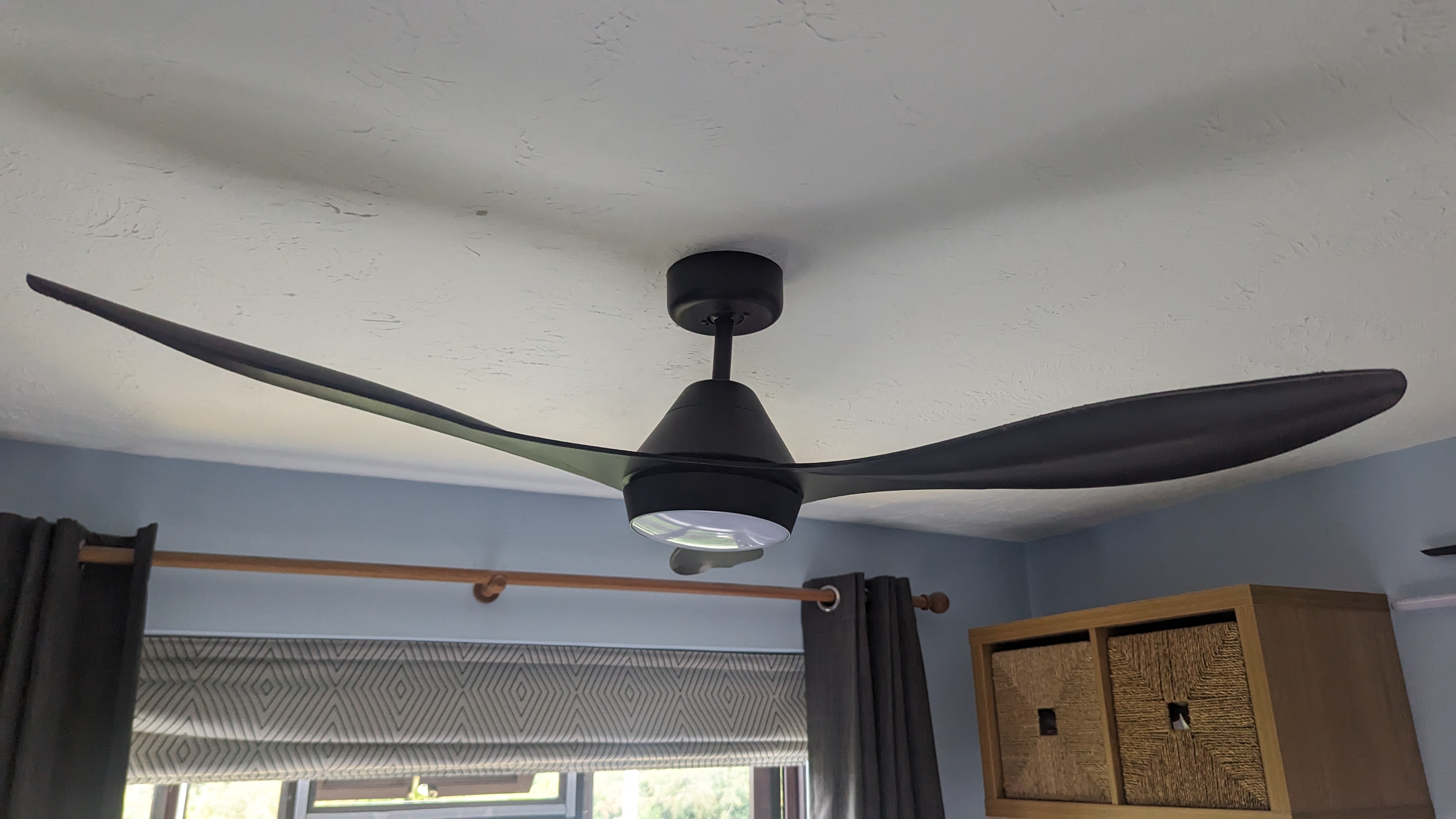
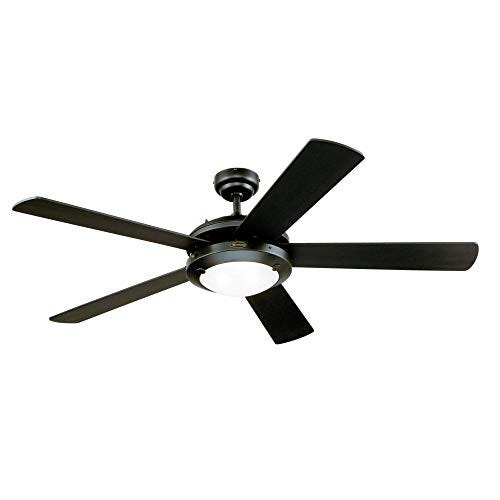
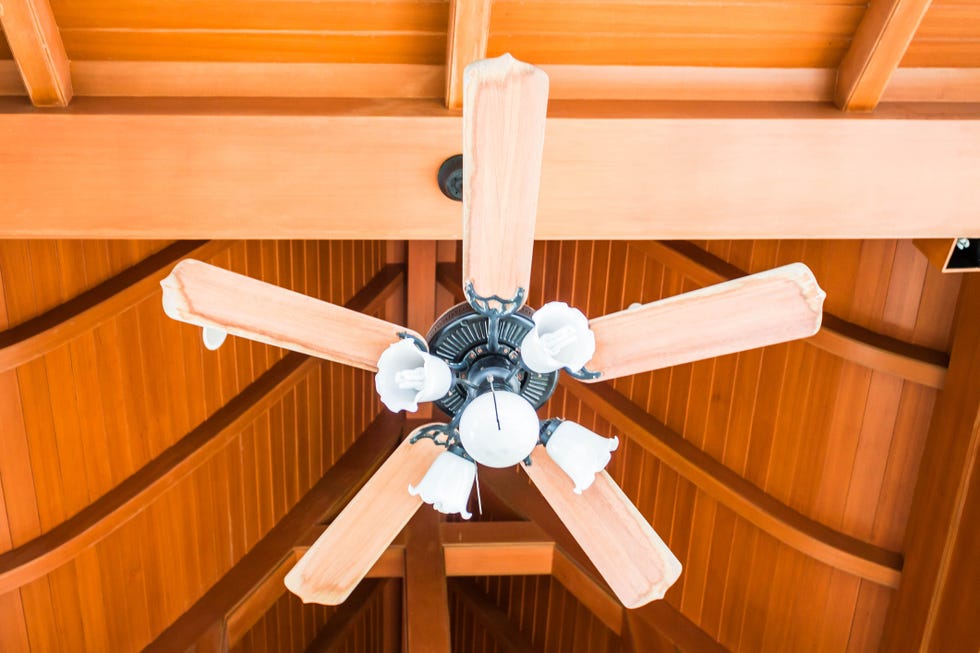
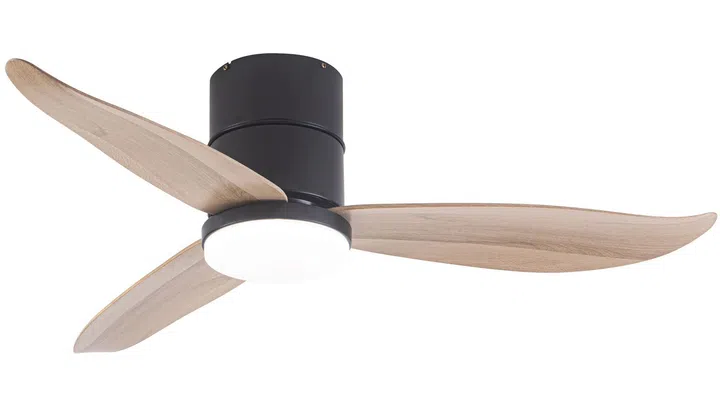
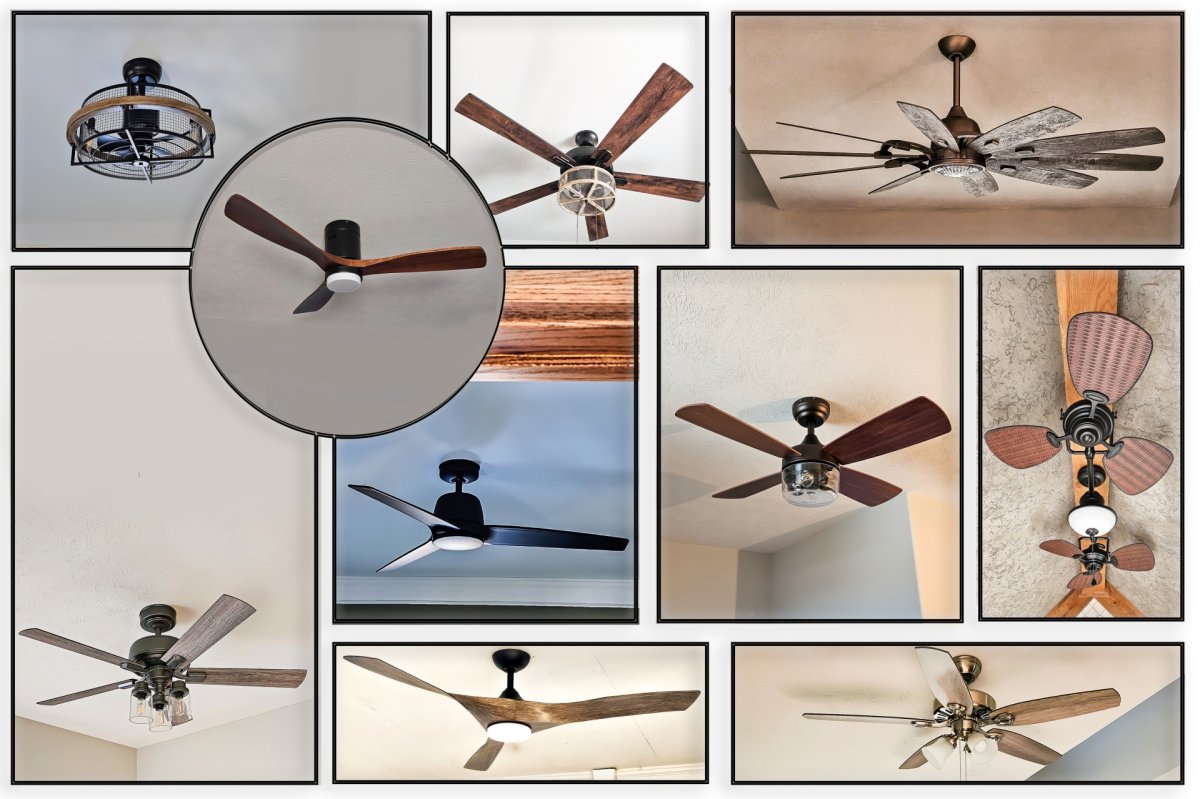
Ceiling fans, often associated with cooling in warmer months, can also play a significant role in enhancing comfort and reducing energy consumption during winter. When operated correctly, these appliances effectively redistribute warm air that naturally rises to the ceiling, pushing it back down into the living space where it can be felt. This process, known as destratification, helps to equalize room temperature, making the environment feel cozier and potentially allowing homeowners to lower their thermostat settings.
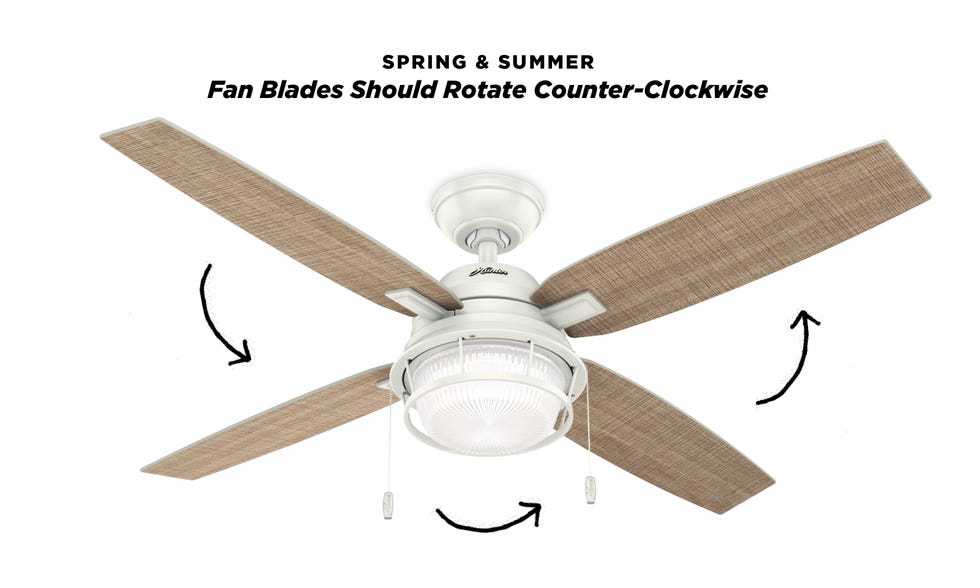
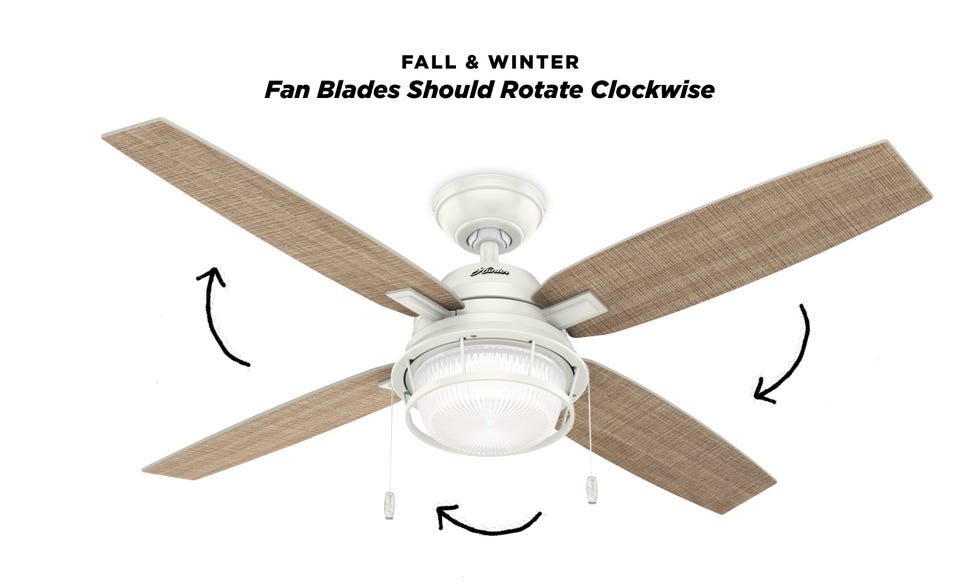
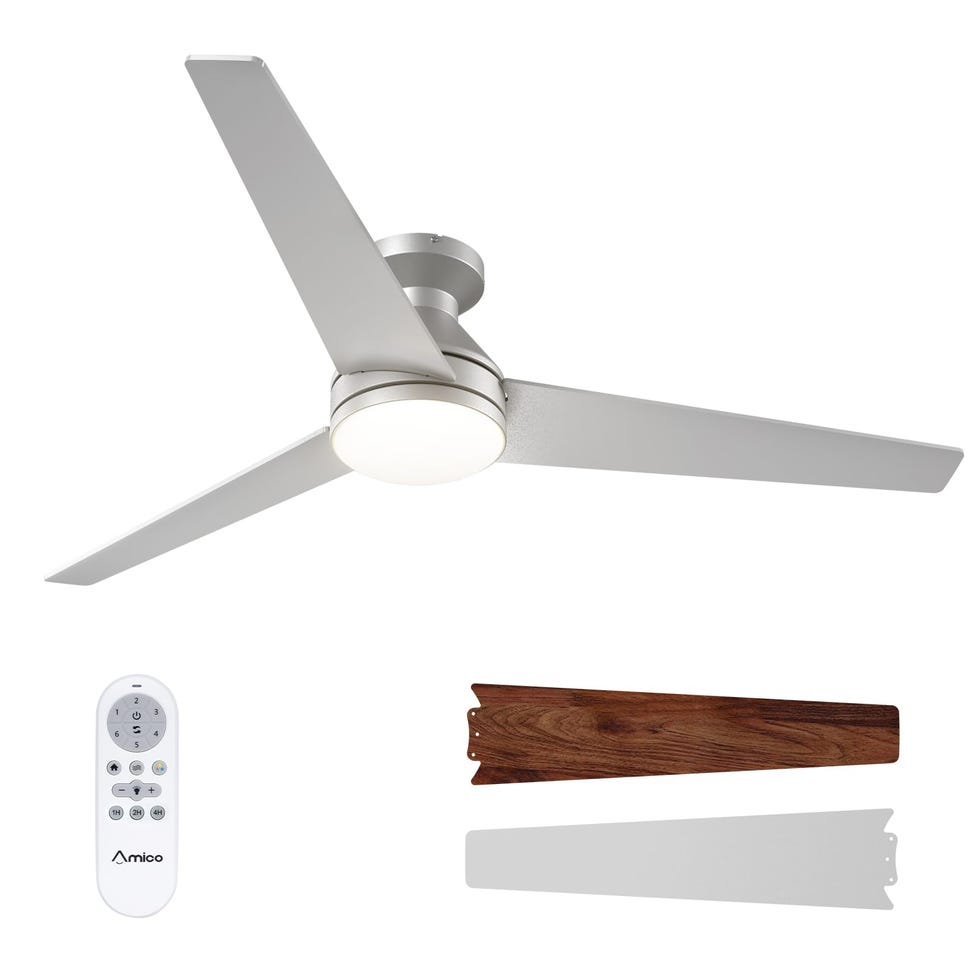
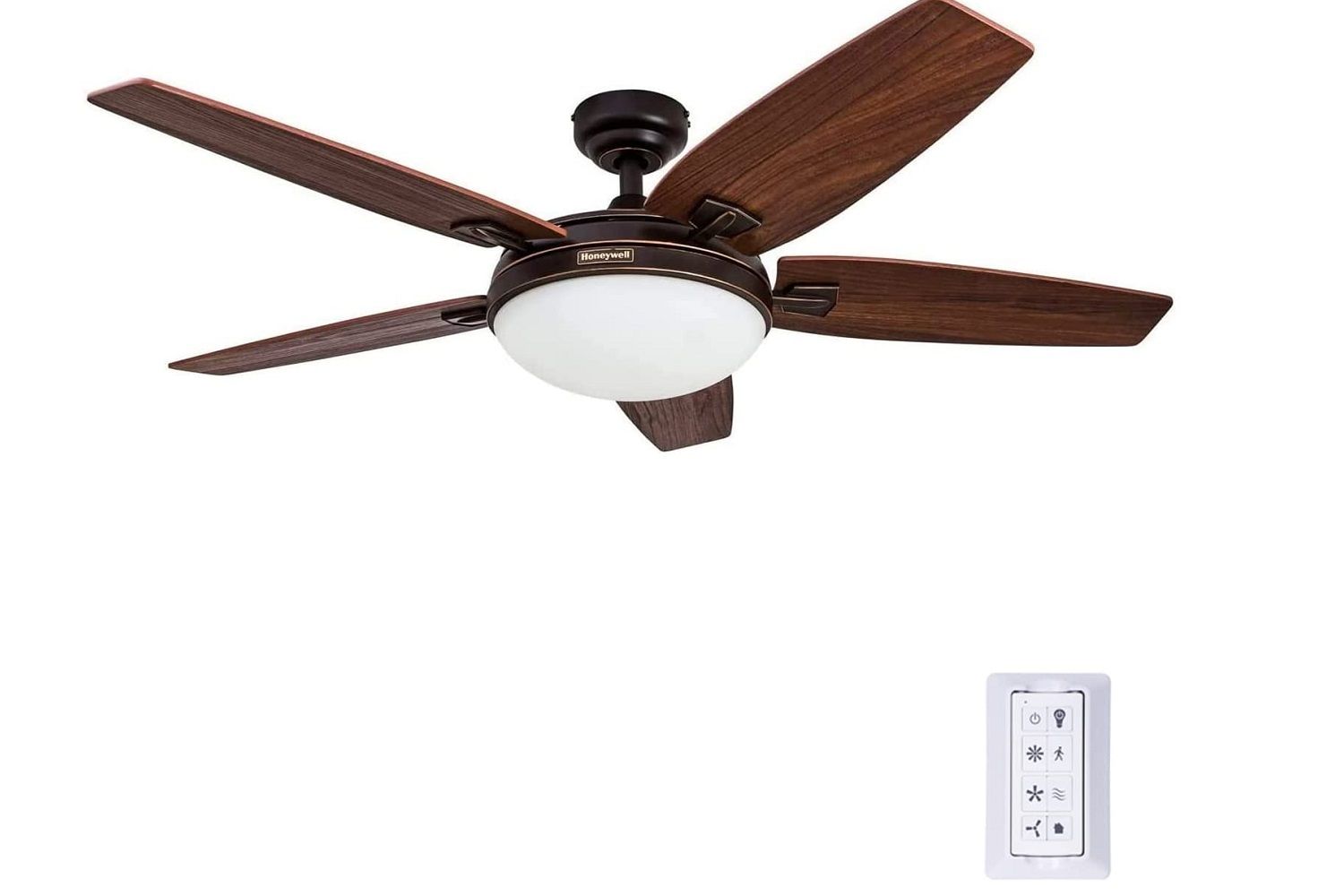
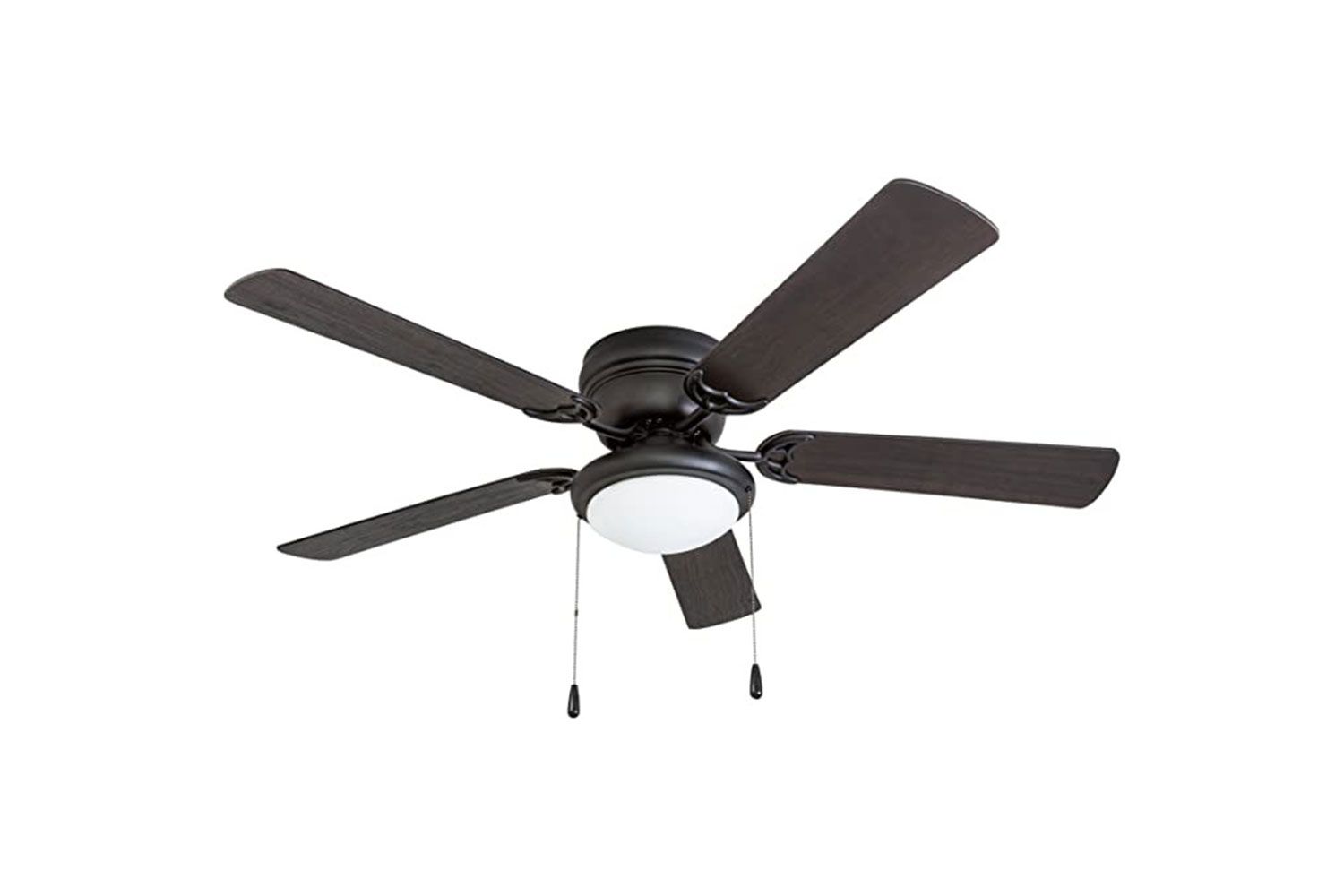
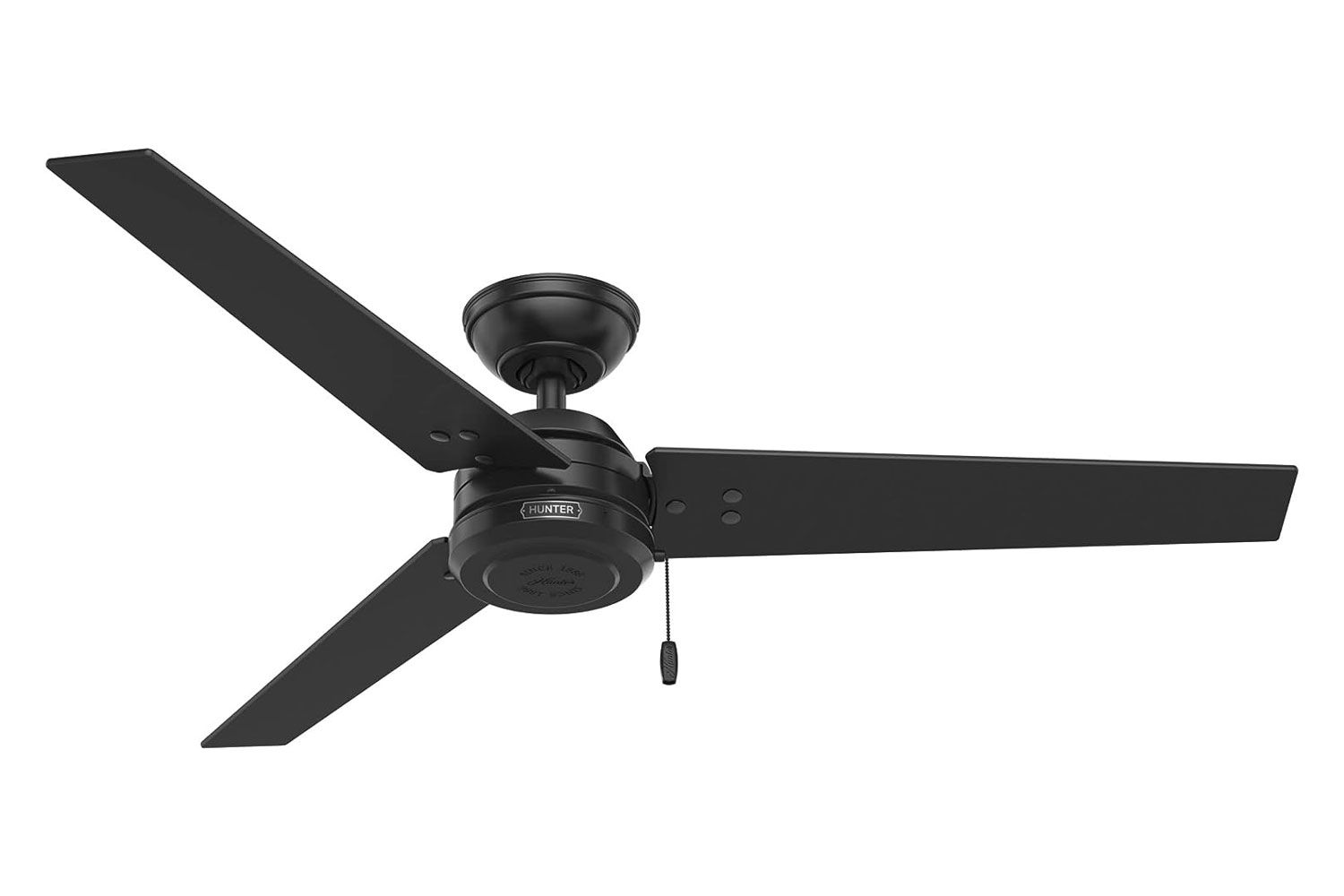
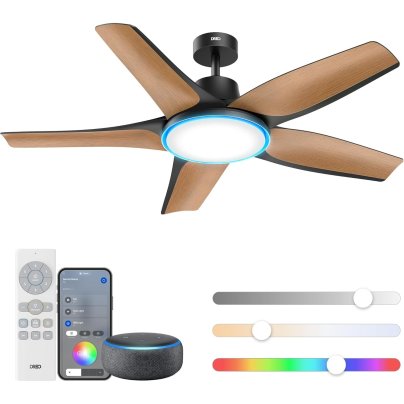
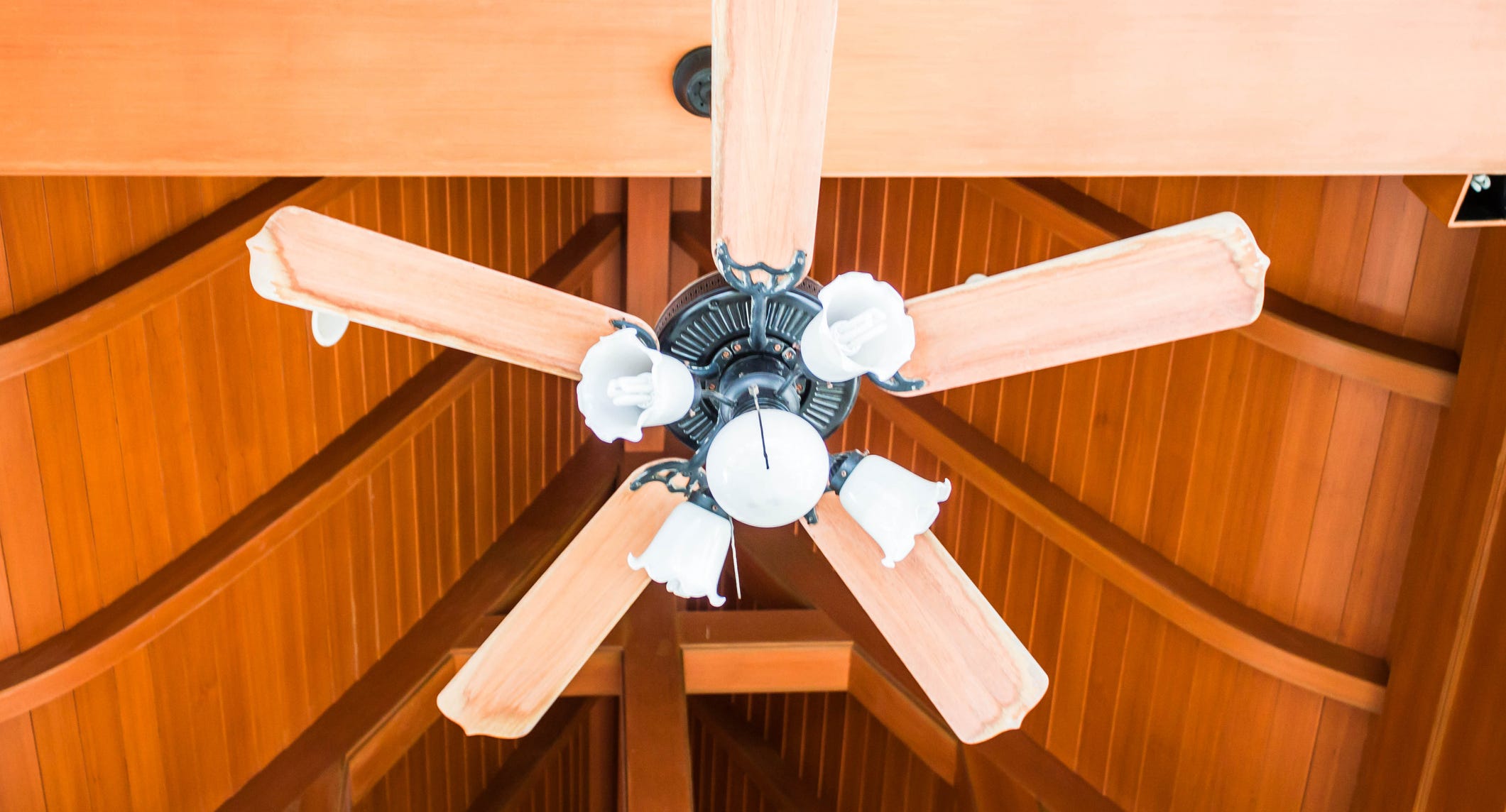
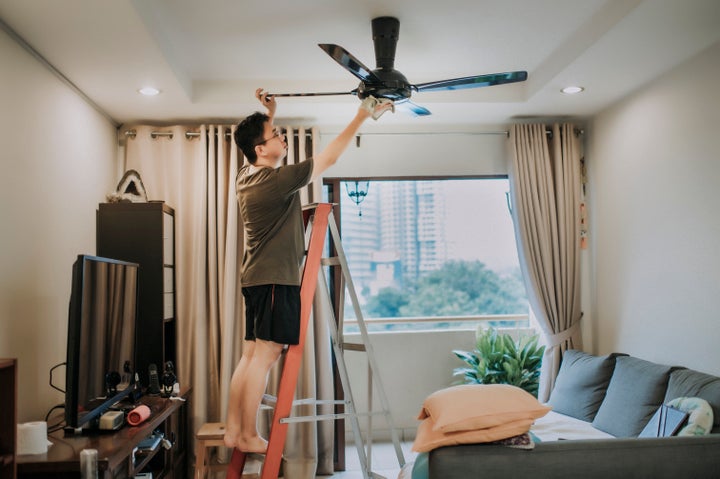
The key to utilizing a ceiling fan for winter warmth lies in changing its rotation direction. Unlike summer operation, where blades spin counter-clockwise to create a downdraft and generate a cooling breeze, winter operation requires the blades to rotate clockwise. This clockwise motion creates an updraft, drawing cool air from the floor upwards towards the ceiling. As this cooler air mixes with the warmer air accumulated near the ceiling, the fan gently pushes the now-tempered air downwards along the walls, distributing warmth more evenly throughout the room. For fans equipped with remote controls or smart apps, adjusting the direction is typically straightforward, involving a button press. For older models without these modern conveniences, a physical switch is usually located on the motor housing of the fan itself, which can be toggled to reverse the blade direction. It's crucial to ensure the fan is running on a low and slow speed during winter to facilitate gentle air circulation rather than creating a strong, uncomfortable draft.
Beyond just comfort, running a ceiling fan in winter offers tangible economic benefits. Modern ceiling fans are designed to be energy-efficient, consuming minimal electricity—often just a few pennies per hour. By effectively circulating warm air, these fans can help reduce the workload on heating systems. This efficiency translates into potential savings on heating bills, with some experts suggesting a reduction of up to 15%. The ability to lower the thermostat by a few degrees without sacrificing comfort is a direct result of this improved heat distribution, contributing to both a more comfortable home and a lighter financial burden during colder months.
Optimizing the use of a ceiling fan in winter involves strategic timing. The fan should be operated whenever people are present in the room to benefit from the redistributed warm air. Once the room is unoccupied, turning off the fan conserves energy, as there is no one present to experience the warmth it circulates. This mindful usage ensures that the energy-saving and comfort-enhancing benefits are maximized without unnecessary power consumption. Additionally, the clockwise rotation setting of a ceiling fan can be beneficial in other scenarios, such as clearing smoke or unpleasant odors from a room, indicating its versatility beyond seasonal temperature regulation.
#CeilingFan #WinterHeating #EnergyEfficiency #HomeComfort #HeatingBills #HomeImprovement #TemperatureRegulation #SmartHome #CeilingFan #WinterHeating #EnergyEfficiency #HomeComfort #HeatingBills #HomeImprovement #TemperatureRegulation #SmartHome
0 comment in total
 No comments yet
You may also like

The Fan Mistake You’re Making That’s Making Your House Hotter
I ditched my air conditioner and installed a ceiling fan — and I’m not going back

We Spent 1,200 Hours Testing Which Ceiling Fans Are the Most Cooling — These Are Our Winners
Which Way Should A Ceiling Fan Turn In The Winter? Experts Explain

The Best Ceiling Fans to Keep You Cool All Year Round

Ceiling fans 101: a guide to choosing the right one

This Is the Direction Your Fan Should Be Spinning in the Winter


10 Best Ceiling Fans in Singapore

Ceiling fans: A new spin on cooling your home | Home and Garden | Life
The 1 Super-Quick Thing You Should Do To Your Ceiling Fan In The Winter

7 easy and efficient ways to keep your house warm this winter
The Best Ceiling Fans for a Breezy, Comfortable Home


Homeowner reveals how your ceiling fan could keep you warmer in the winter: 'No wonder my room was so hot during the summer'

Our Editor Recommendations for Ceiling Fans Can Supplement or Even Replace an A/C
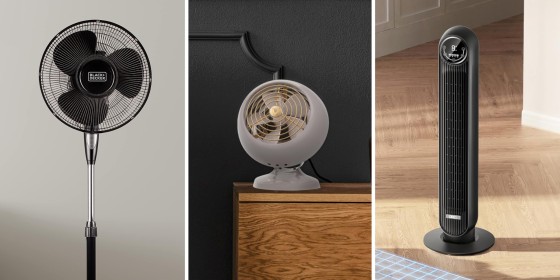
11 Best Fans to Keep You Cool in 2025

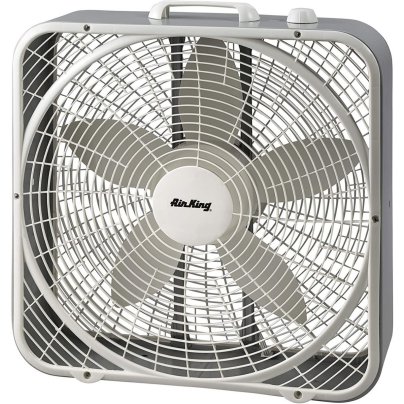
The Best Box Fans for Any Room in Your Home, Tested

How to choose the best ceiling fans for your home

7 top-rated ceiling fans to consider this year
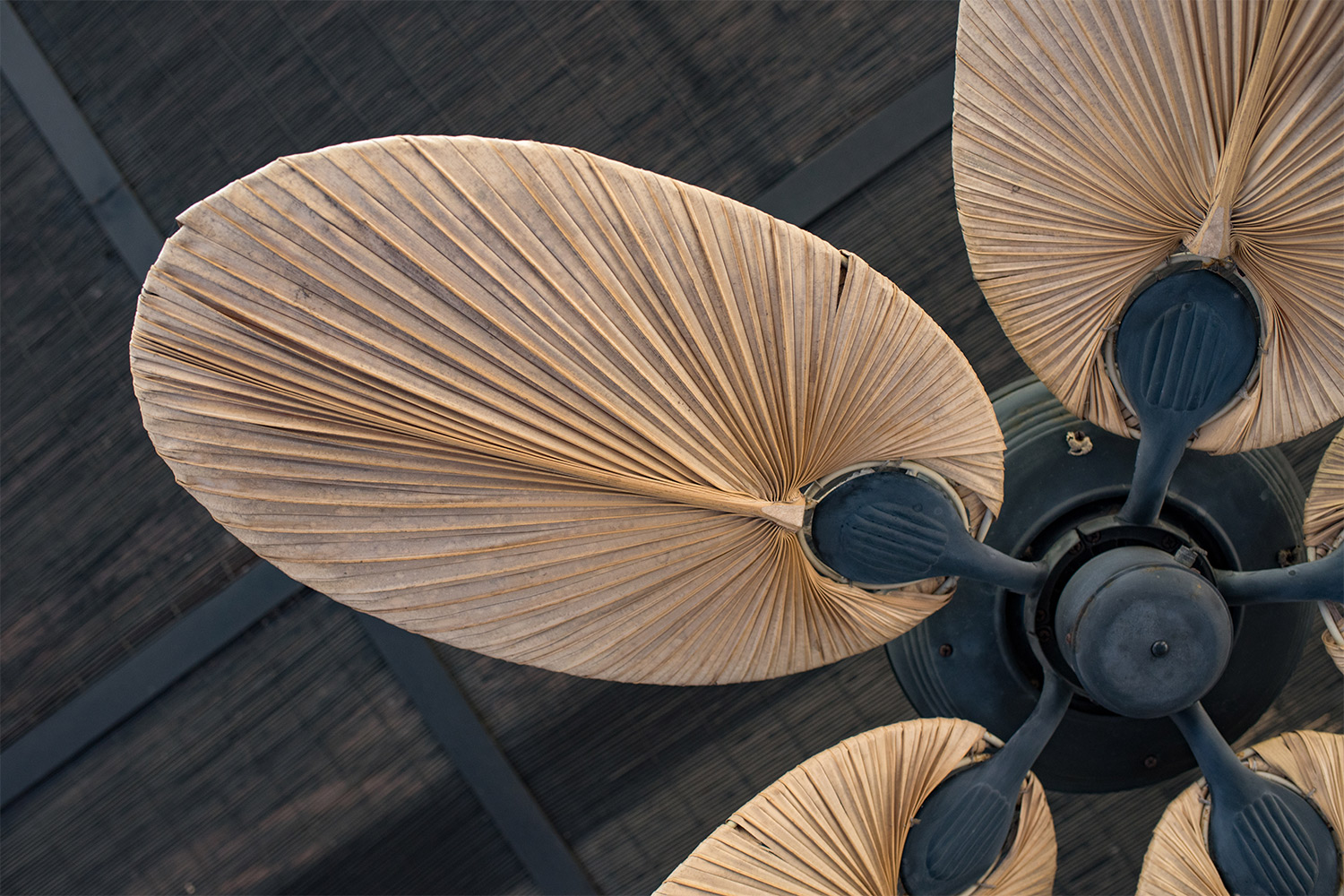
Ceiling Fans—A Stylish Way to (Literally) Beat the Heat

Should We Keep Ceiling Fan On While Using AC? Let’s Find Out