
Homeowner reveals how your ceiling fan could keep you warmer in the winter: 'No wonder my room was so hot during the summer'
As winter approaches and temperatures drop, many individuals seek methods to maintain a warm indoor environment without incurring high energy costs or contributing to excessive carbon emissions. A simple, yet often overlooked, solution involves adjusting the direction of a ceiling fan’s rotation. This straightforward modification can significantly impact a home's heating efficiency and energy consumption.
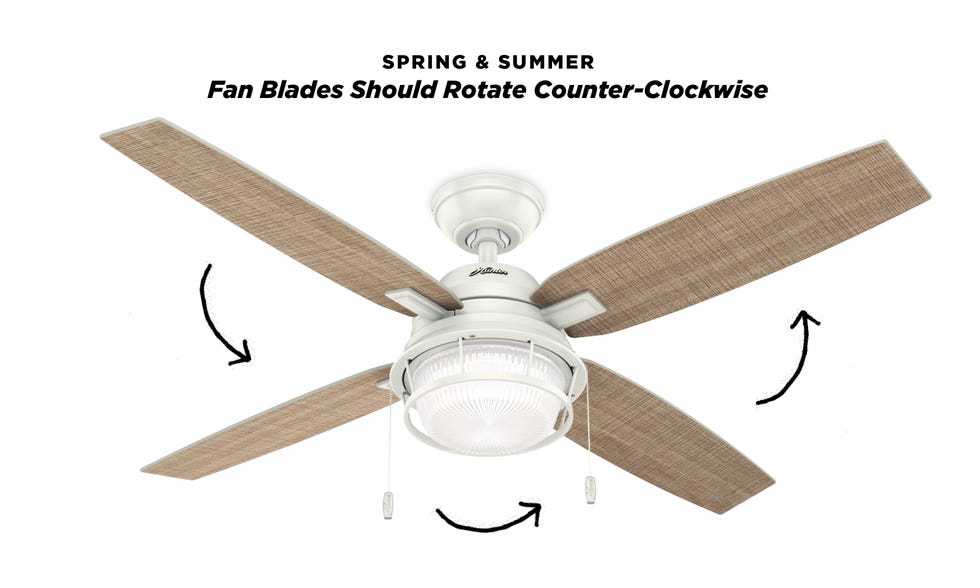
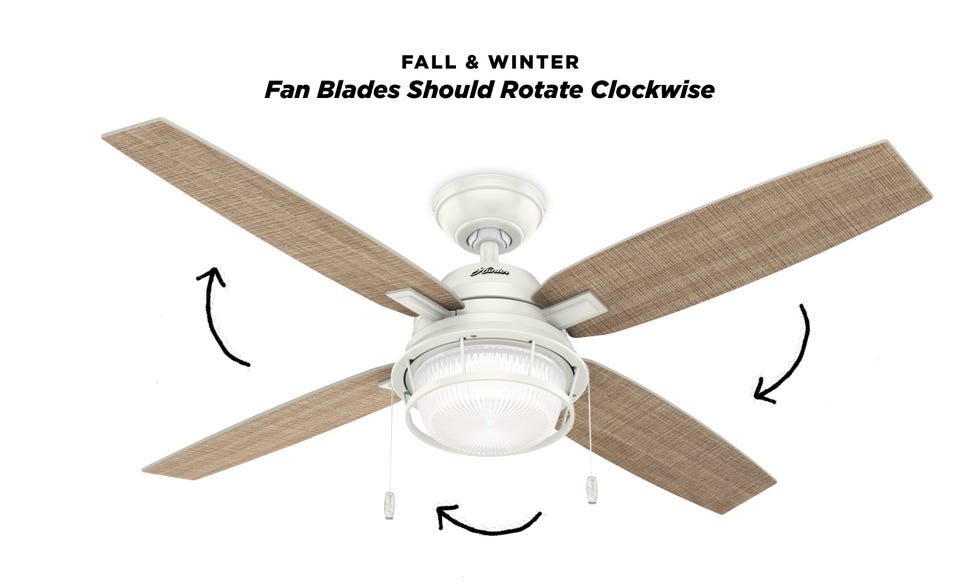
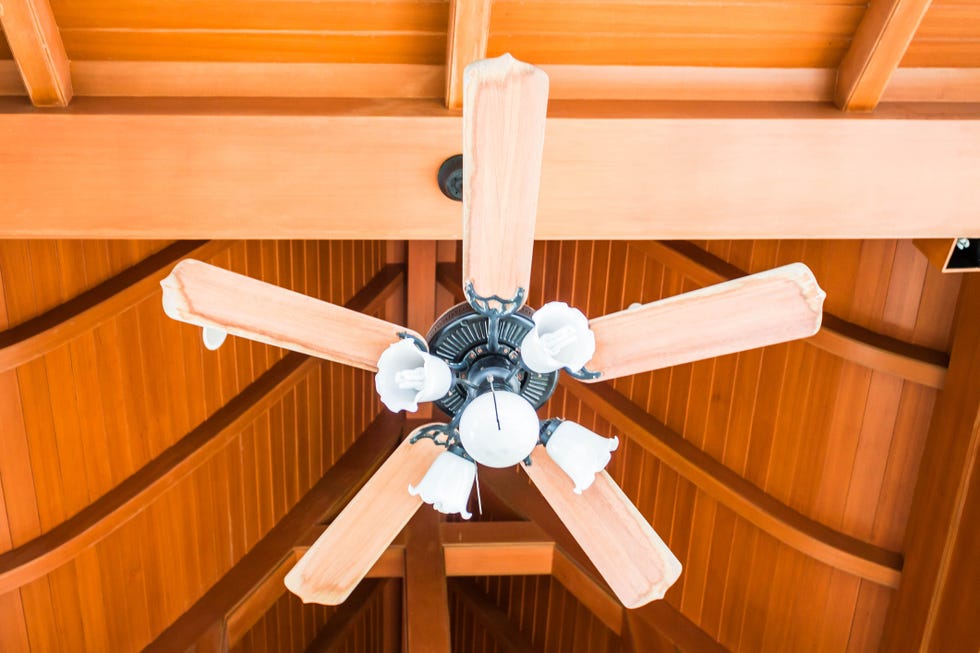
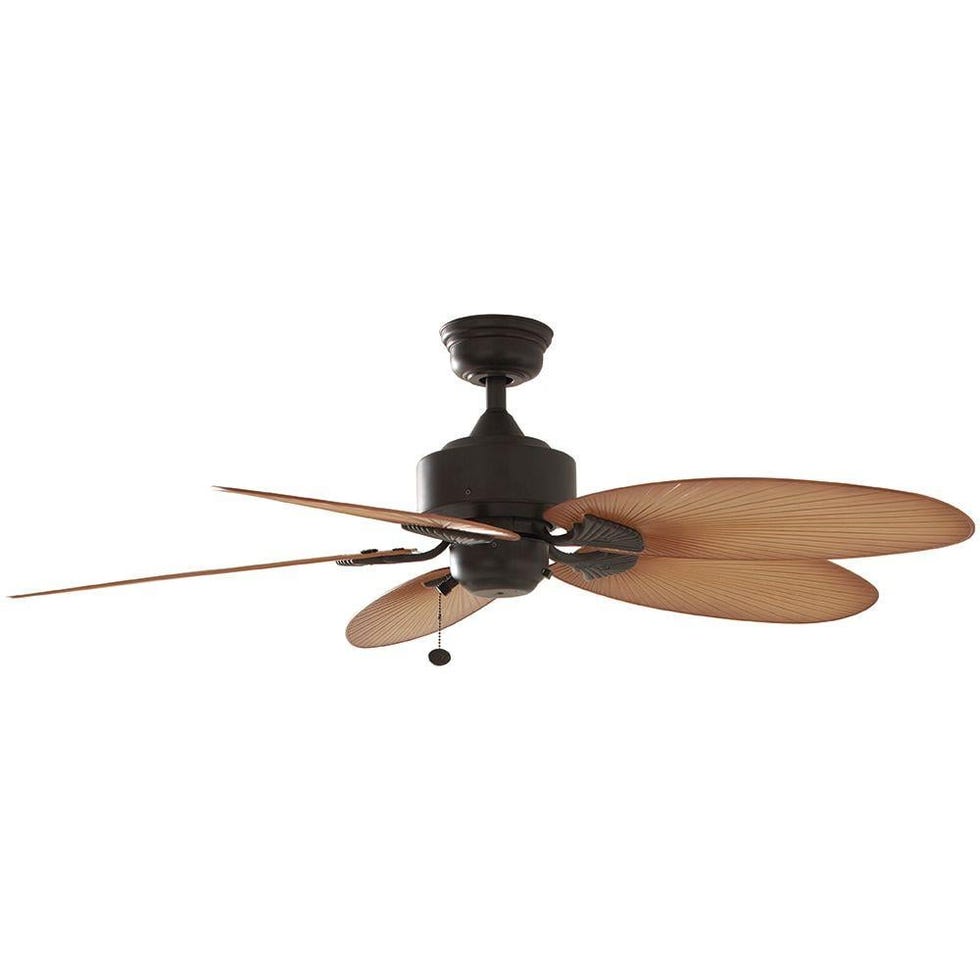
The typical function of a ceiling fan during warmer months is to rotate counterclockwise, which creates a downward airflow that generates a cooling breeze effect. This action helps to circulate air and provide comfort when temperatures are high. However, by simply flipping a switch, usually located on the fan's motor housing, the blades can be made to rotate clockwise. This reversed rotation creates an updraft, drawing cooler air from the lower parts of the room towards the ceiling, while simultaneously pushing the warmer air, which naturally rises, back down and around the living space. This process effectively redistributes heat that would otherwise remain trapped near the ceiling, thereby increasing the ambient temperature throughout the room without creating a direct draft.
The benefits of this simple adjustment extend beyond just improved thermal comfort. By recirculating warm air more efficiently, a ceiling fan reduces the strain on a home's primary heating system, such as a furnace. This decreased workload directly translates to lower energy consumption and, consequently, reduced utility bills. The Environmental Protection Agency (EPA) suggests that for every degree a thermostat is lowered, energy costs can decrease by 1-3%. Utilizing a ceiling fan in this manner allows homeowners to set their thermostats lower while still feeling comfortably warm, contributing to these savings.
Furthermore, adopting this ceiling fan hack contributes to a reduction in a household's carbon footprint. Operating a ceiling fan requires significantly less electricity than powering traditional heating sources. Many heating systems rely on energy generated from fossil fuels, which are major contributors to greenhouse gas emissions and environmental pollution. By minimizing the reliance on these energy-intensive heating methods and instead using a low-power appliance like a ceiling fan to optimize heat distribution, homeowners can make a tangible difference in their environmental impact. Companies like WattBuy exist to assist consumers in identifying opportunities to lower their energy bills and carbon footprint through such energy-saving practices.
The effectiveness and simplicity of this tip have garnered considerable attention on social media platforms. Users have expressed surprise and appreciation for the hack, with many realizing that their previous fan settings were inadvertently contributing to overheating during summer months. Comments on platforms like Instagram indicate a widespread interest in implementing this strategy, demonstrating how small, actionable changes in household routines can lead to noticeable improvements in comfort, energy efficiency, and environmental sustainability. This method represents a practical approach for homeowners to manage their heating needs more economically and ecologically.
#CeilingFan #EnergyEfficiency #HomeHeating #WinterHack #Sustainability #CarbonFootprint #EnergySaving #SmartHome #GreenLiving #CeilingFan #EnergyEfficiency #HomeHeating #WinterHack #Sustainability #CarbonFootprint #EnergySaving #SmartHome #GreenLiving
0 comment in total
 No comments yet
You may also like

The Fan Mistake You’re Making That’s Making Your House Hotter
Ceiling Fans—A Stylish Way to (Literally) Beat the Heat

The Best Ceiling Fans for a Breezy, Comfortable Home


Ceiling fans can help cool rooms during summer | Home and Garden | Life

How to choose the best ceiling fans for your home

Our Editor Recommendations for Ceiling Fans Can Supplement or Even Replace an A/C

Yes, You Should Run Your Ceiling Fan in the Winter—Here's How It Actually Keeps You Cozier


16 Best Ceiling Fans You Can Buy Online Right Now


7 top-rated ceiling fans to consider this year

This Is the Direction Your Fan Should Be Spinning in the Winter

We Spent 1,200 Hours Testing Which Ceiling Fans Are the Most Cooling — These Are Our Winners

No AC? No problem – this handy $50 upgrade will instantly cool any room

The 1 Super-Quick Thing You Should Do To Your Ceiling Fan In The Winter

10 Best Ceiling Fans in Singapore
Best ceiling fans in Australia 2025


7 easy and efficient ways to keep your house warm this winter

Ceiling fans: A new spin on cooling your home | Home and Garden | Life
Ceiling fans 101: a guide to choosing the right one


The Best Ceiling Fans to Keep You Cool All Year Round

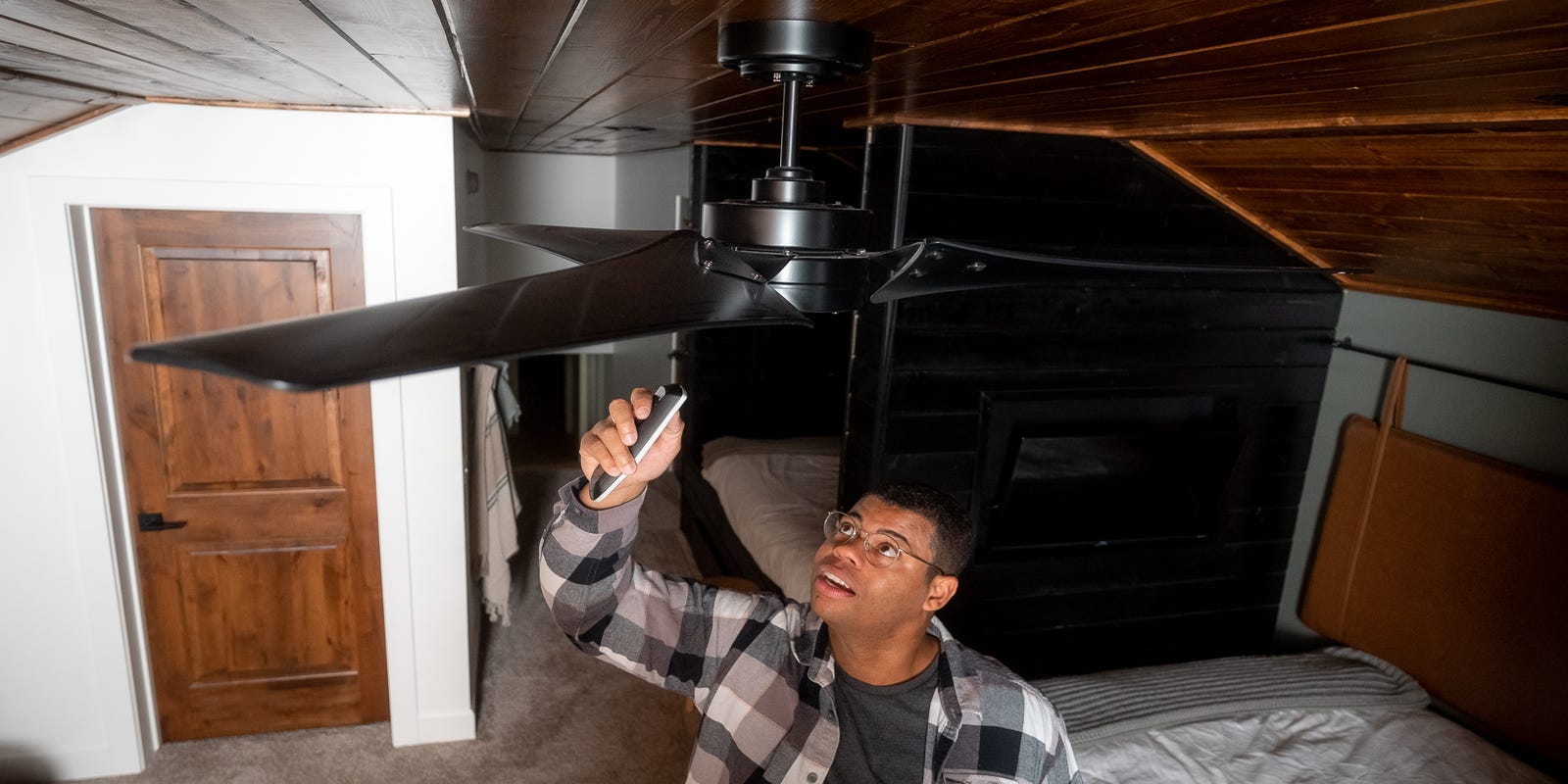
You should change the direction of your ceiling fan. This video shows you how