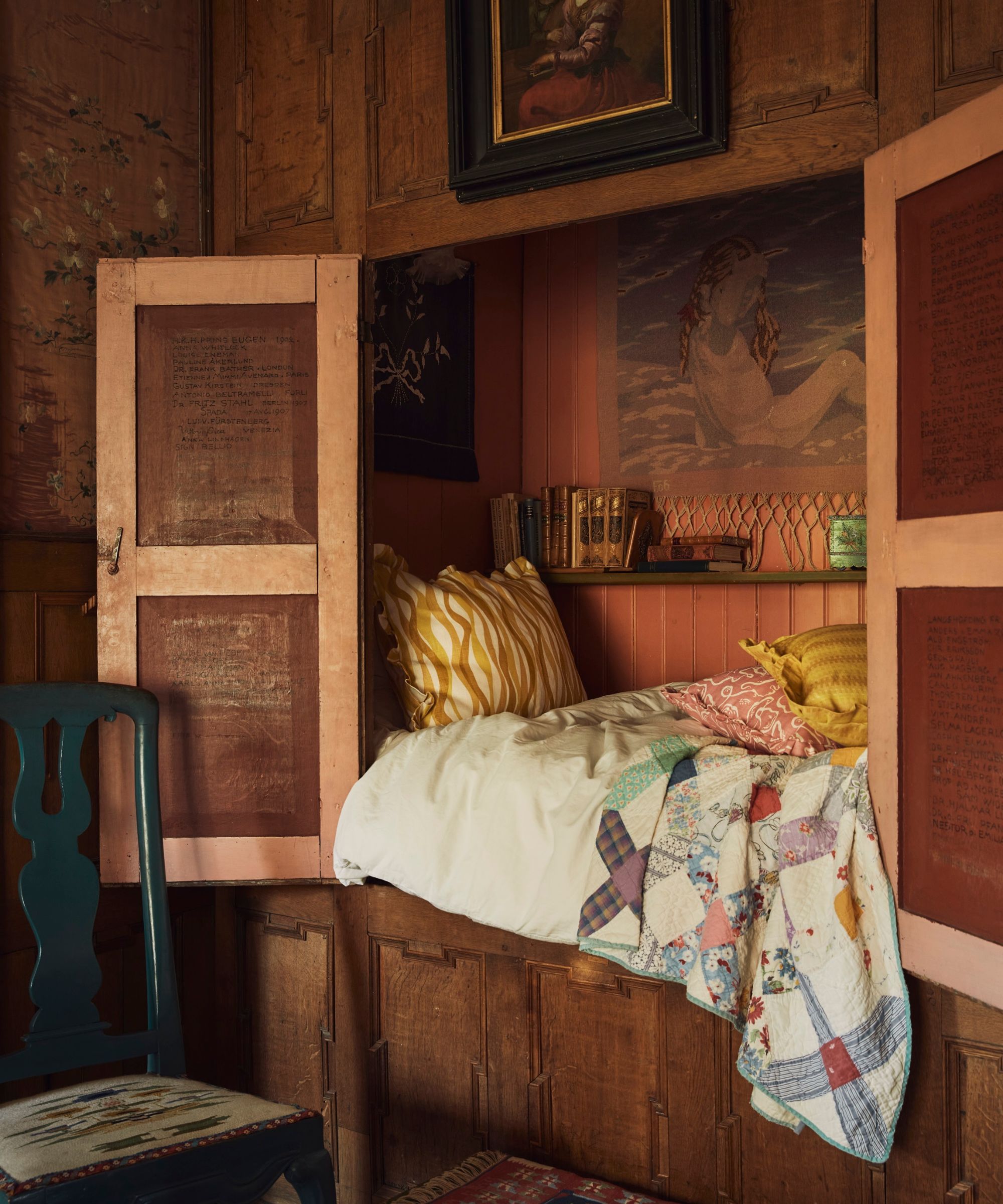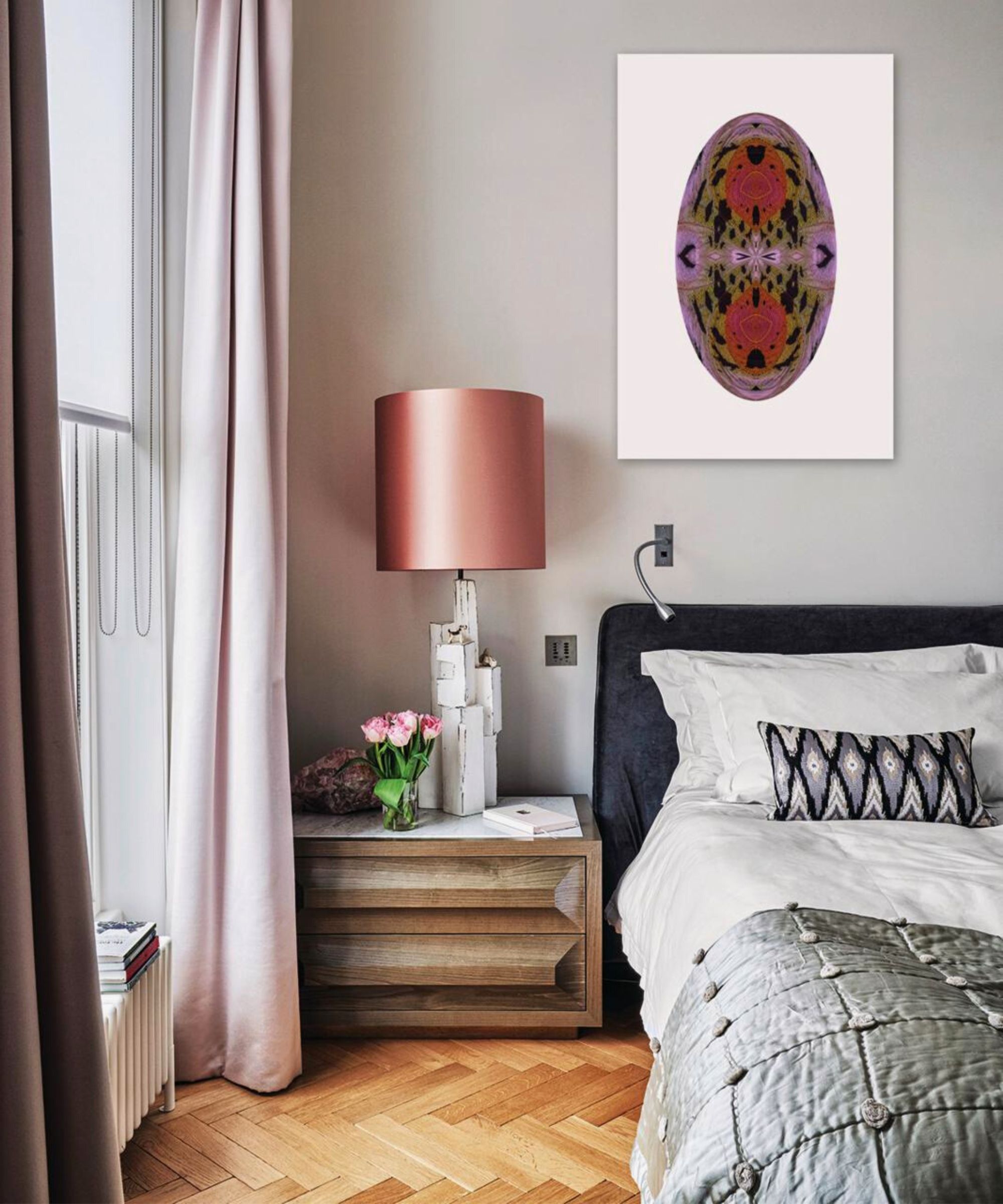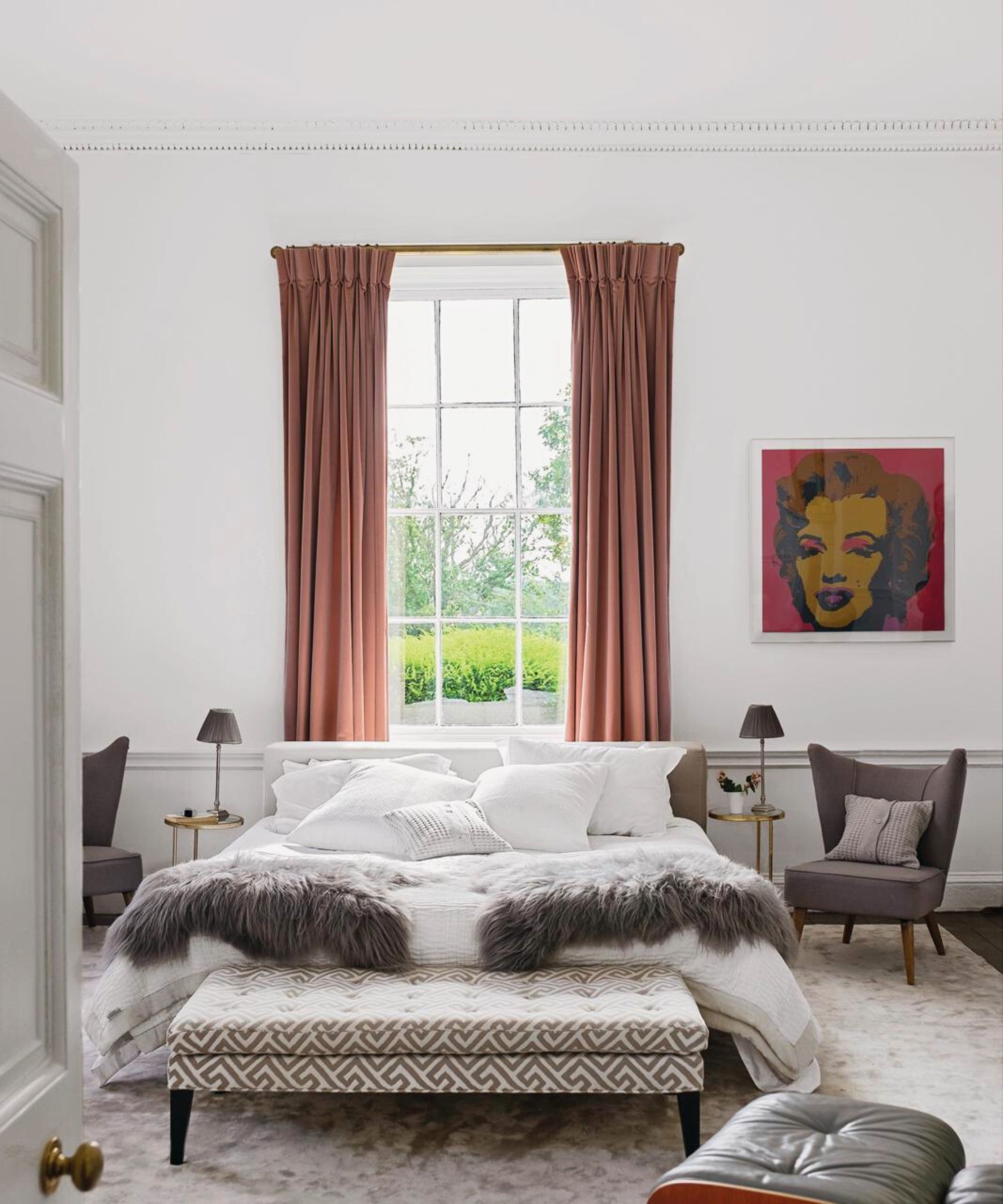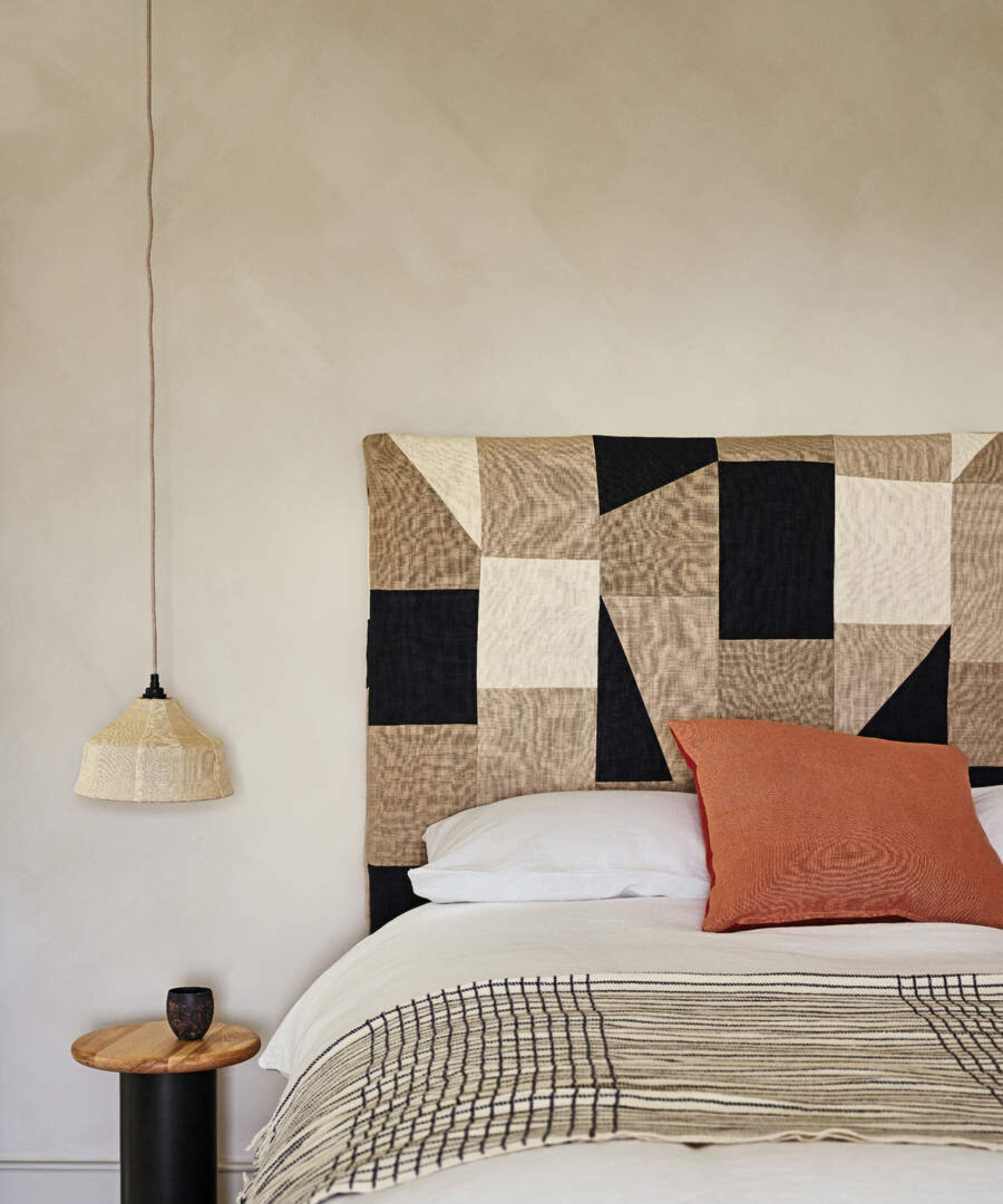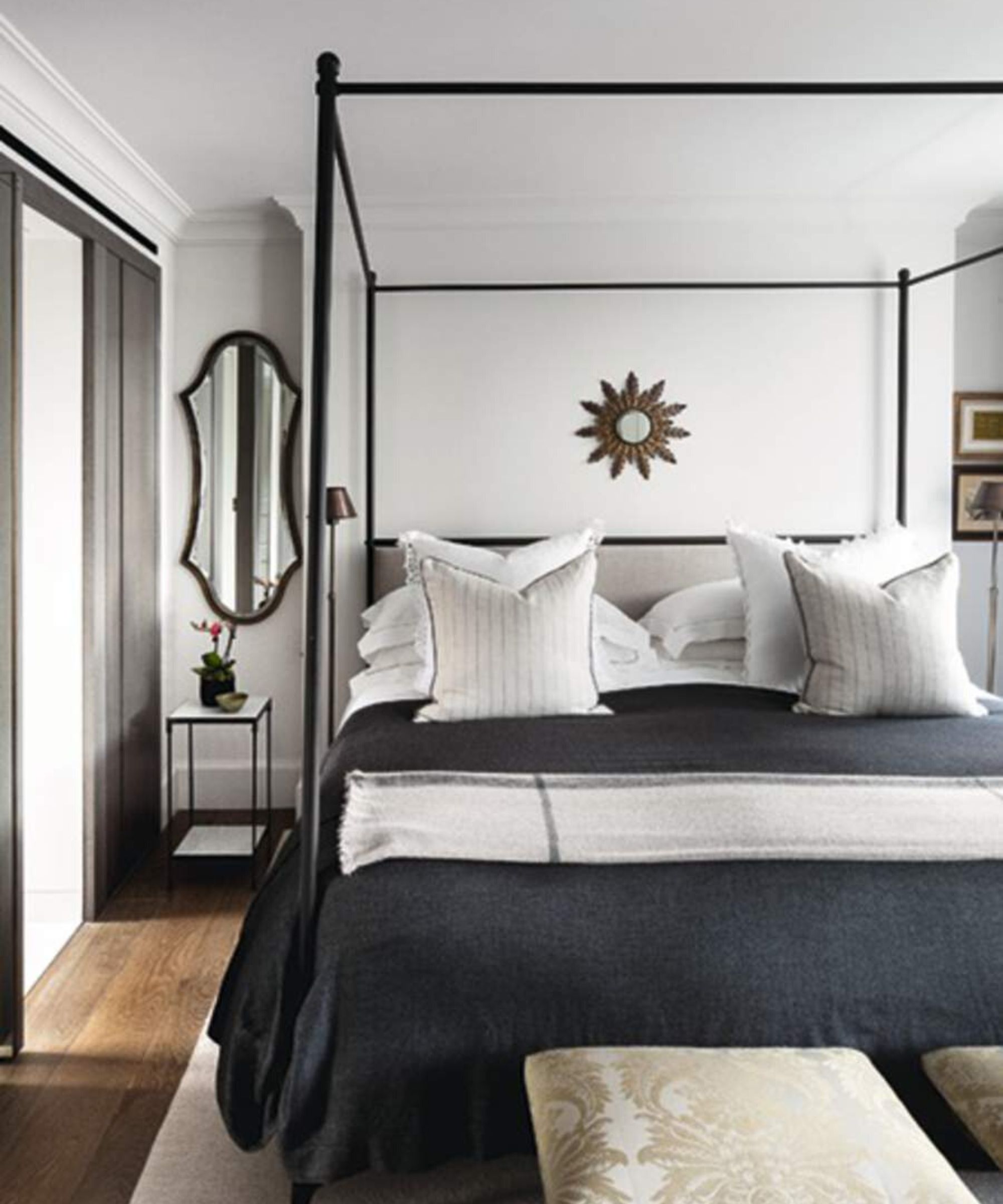
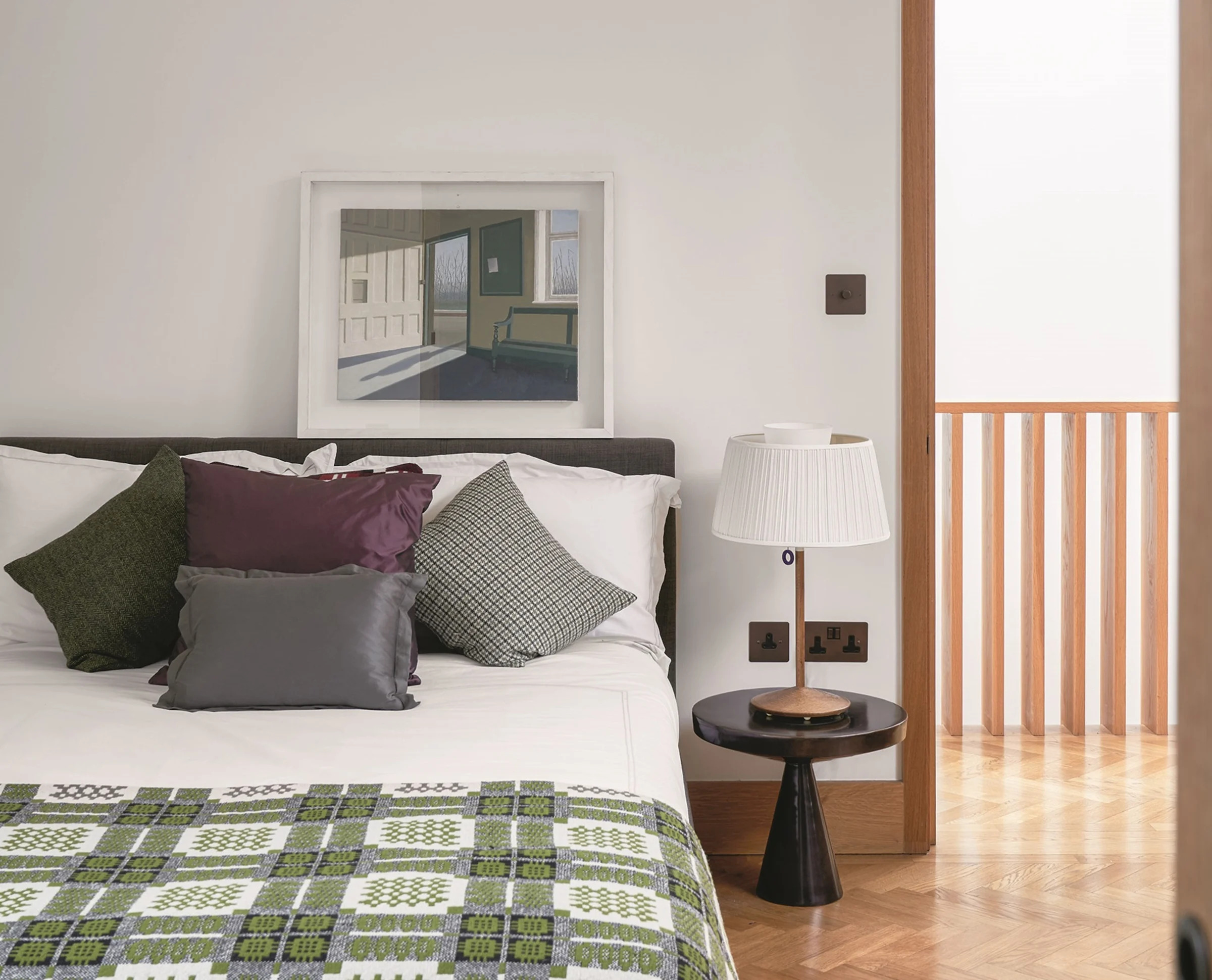
Feng Shui experts warn you to avoid this mistake so that you sleep better, and to choose this bedroom layout instead
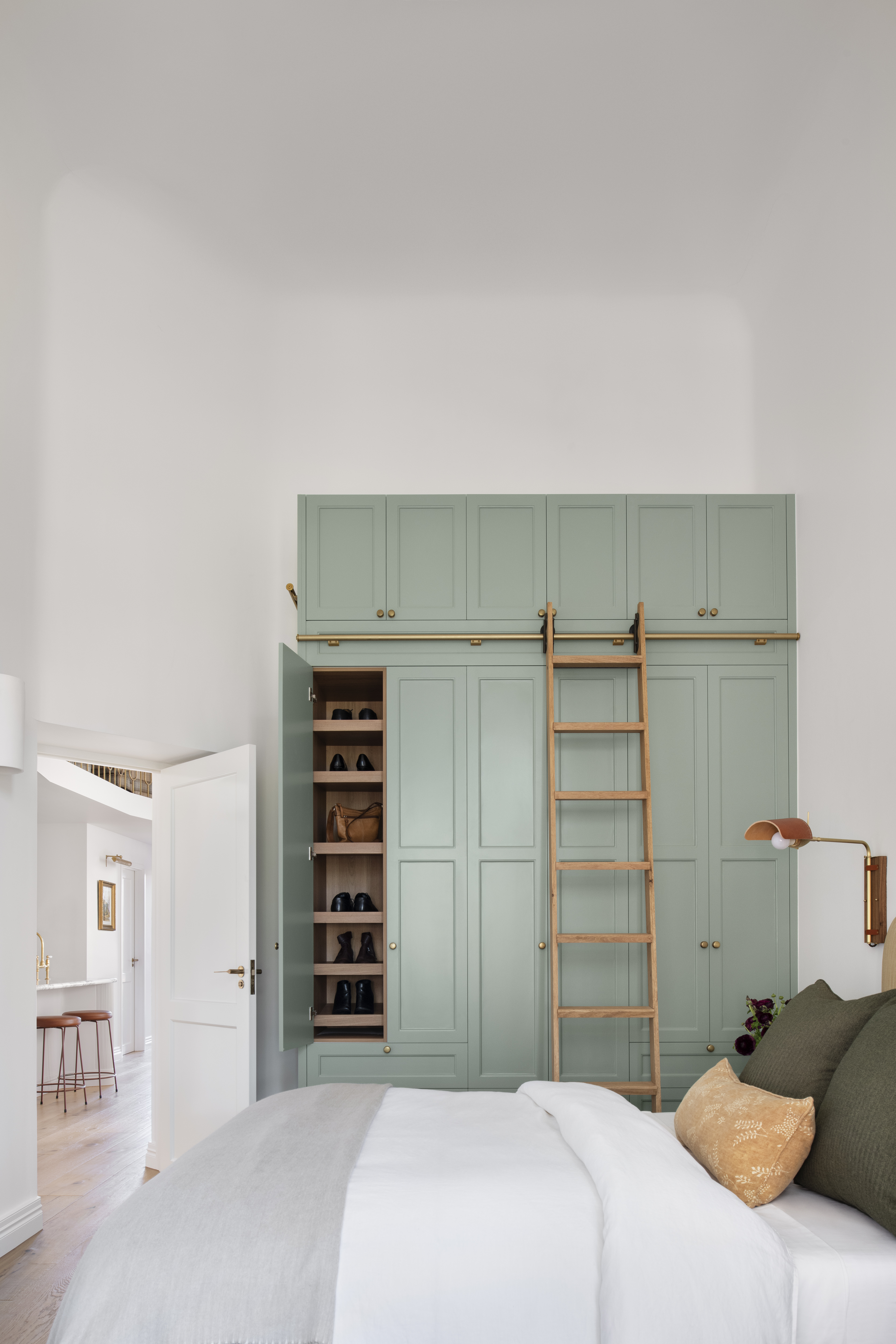
The position of a bed significantly influences sleep quality and overall well-being, according to Feng Shui principles. A common mistake that Feng Shui experts warn against is placing a bed directly opposite a door, whether it's the bedroom door, a balcony door, or a closet door. This position, often referred to as the 'coffin position' or 'death position,' is believed to create a strong energetic pull, leading to fragmented sleep and a sense of unease. The reasoning behind this is that doors are active energetic portals, and sleeping directly in their path can result in vital energy (chi) being pulled away from the sleeper, causing feelings of vulnerability and insecurity.
From a practical standpoint, this bed placement can also be disruptive. It exposes the sleeper to direct drafts, light from other rooms, and sudden noises, all of which can interfere with restful sleep. The subconscious mind remains on alert when facing a door, perceiving it as an open pathway that requires constant vigilance, thus preventing deep relaxation.
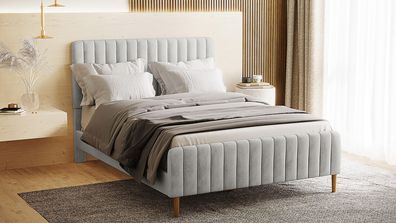
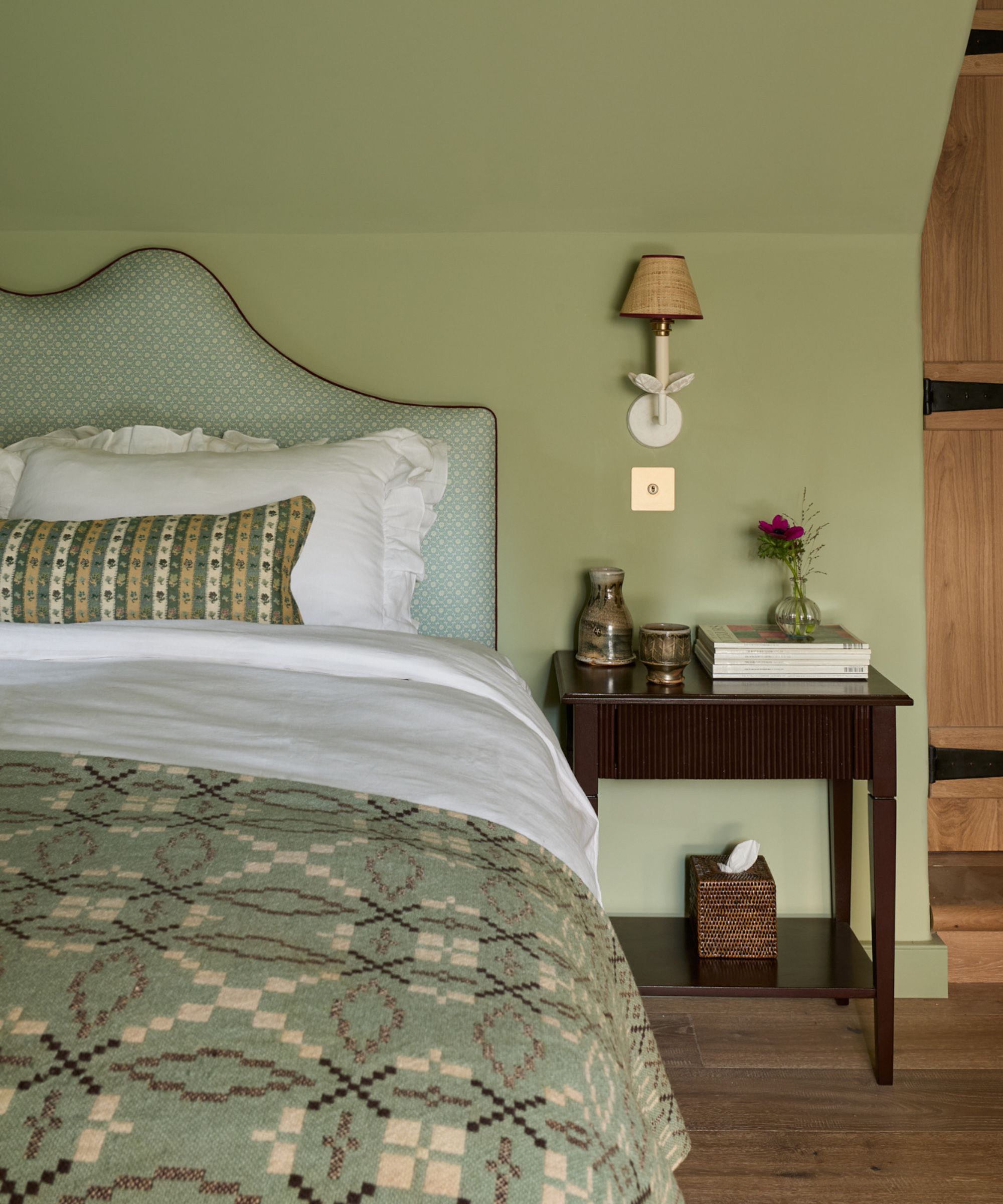
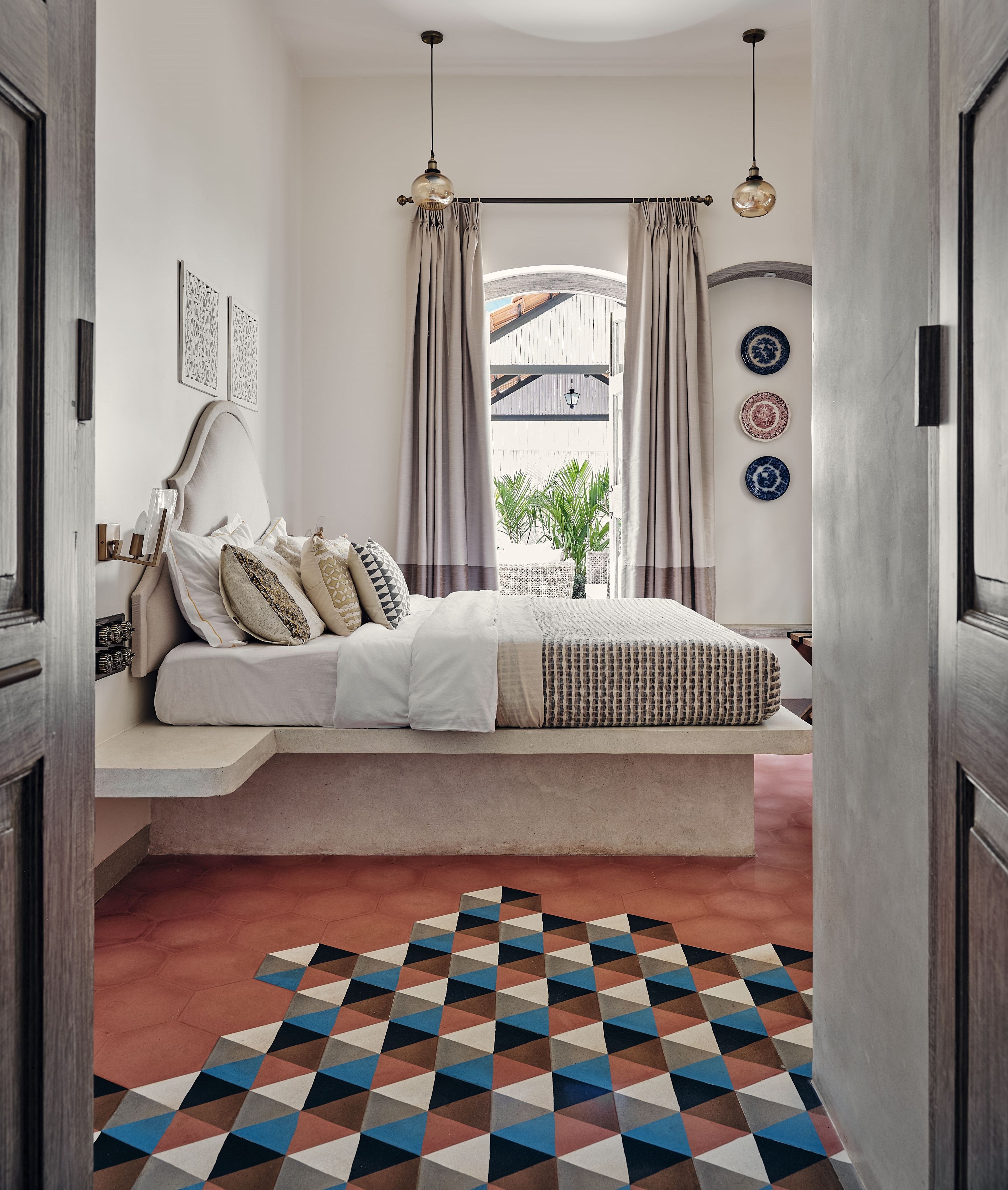
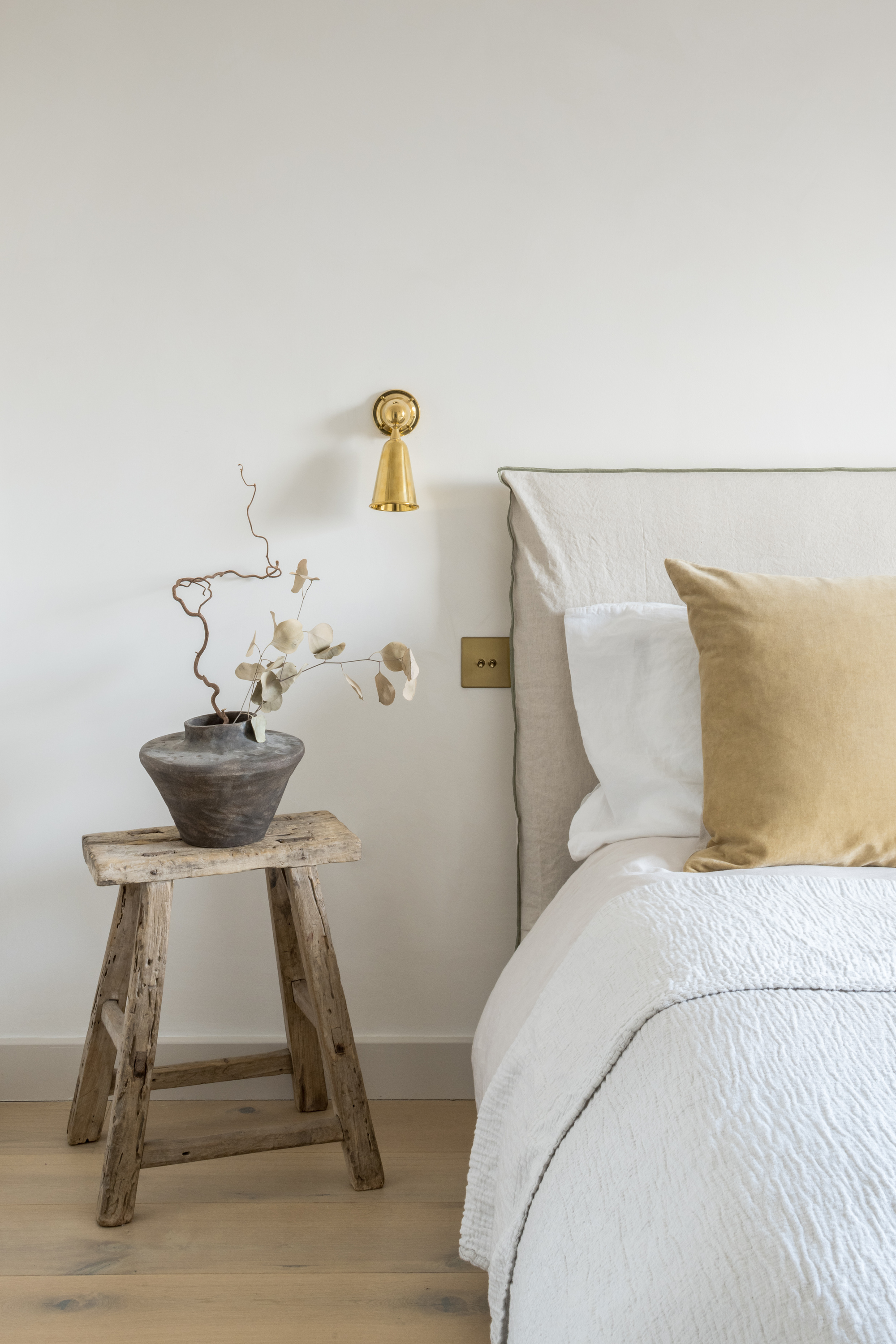
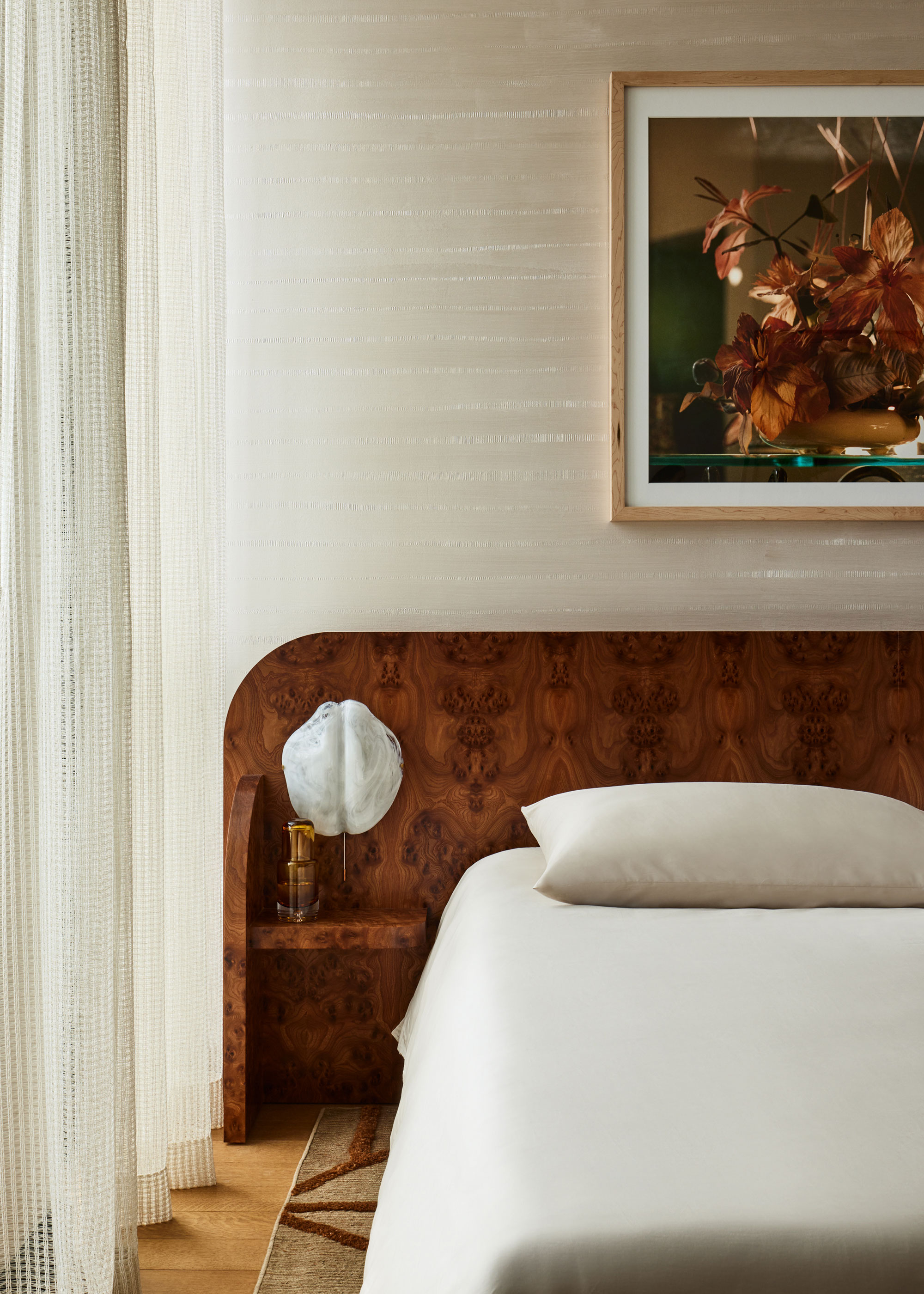
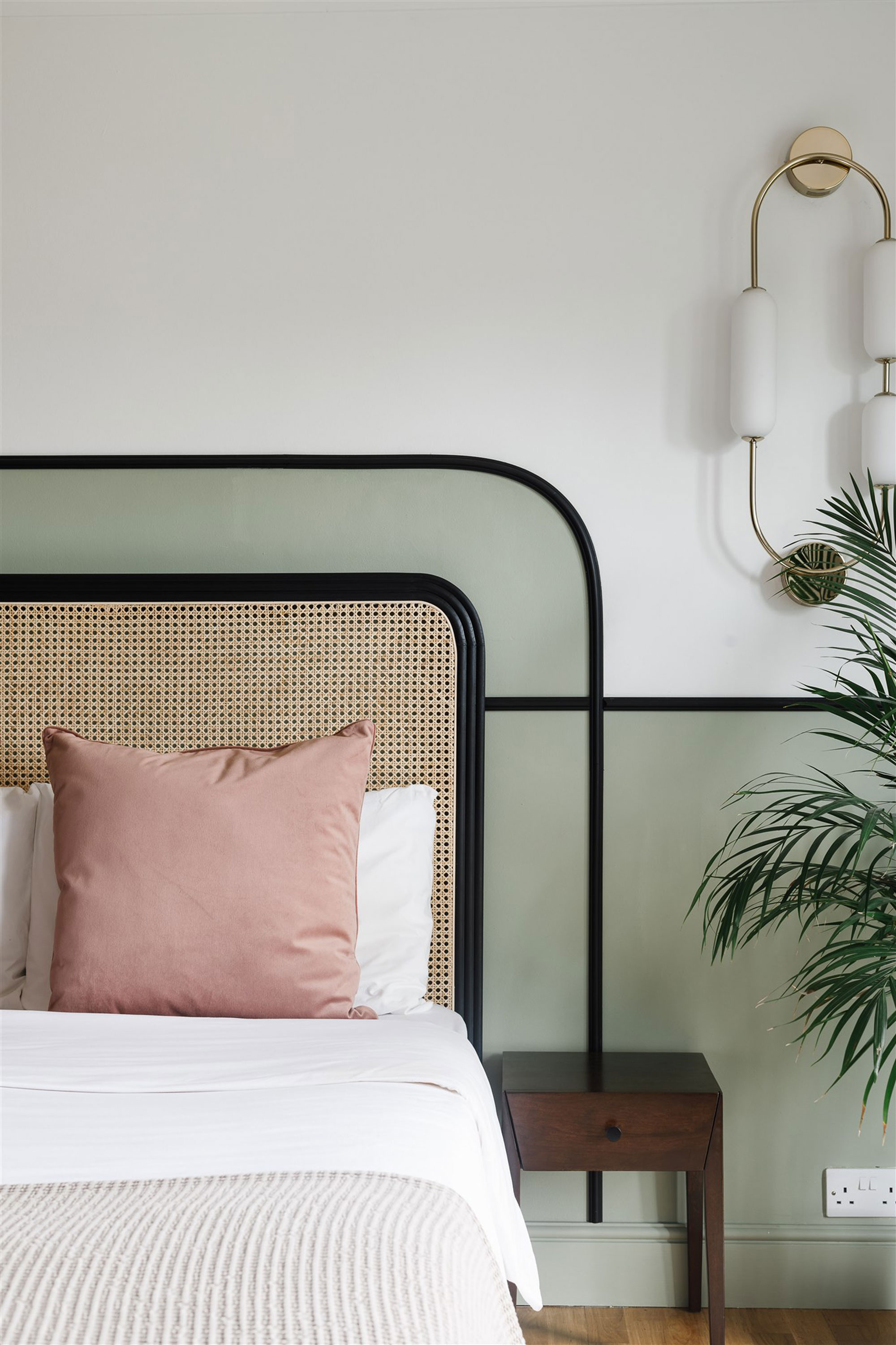
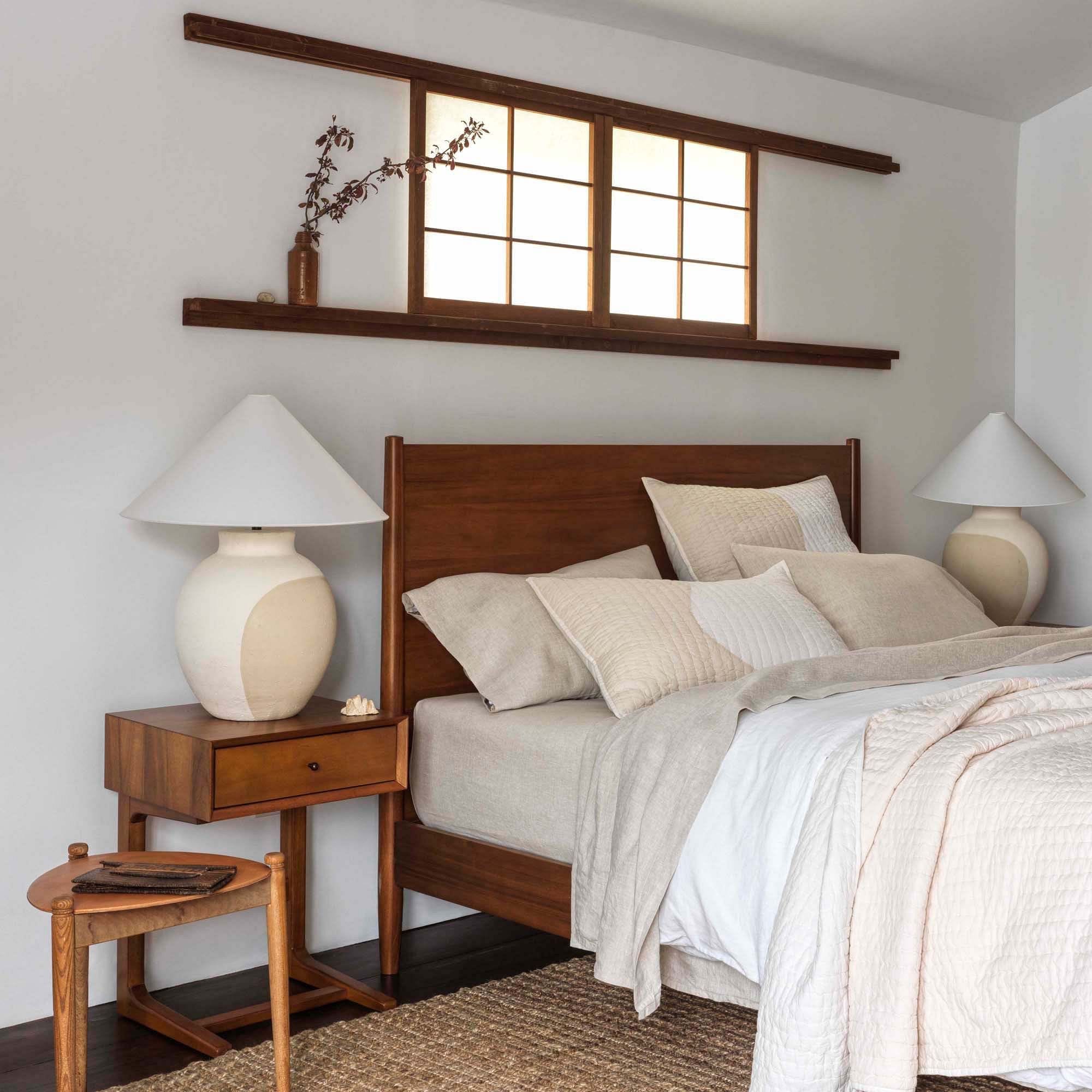
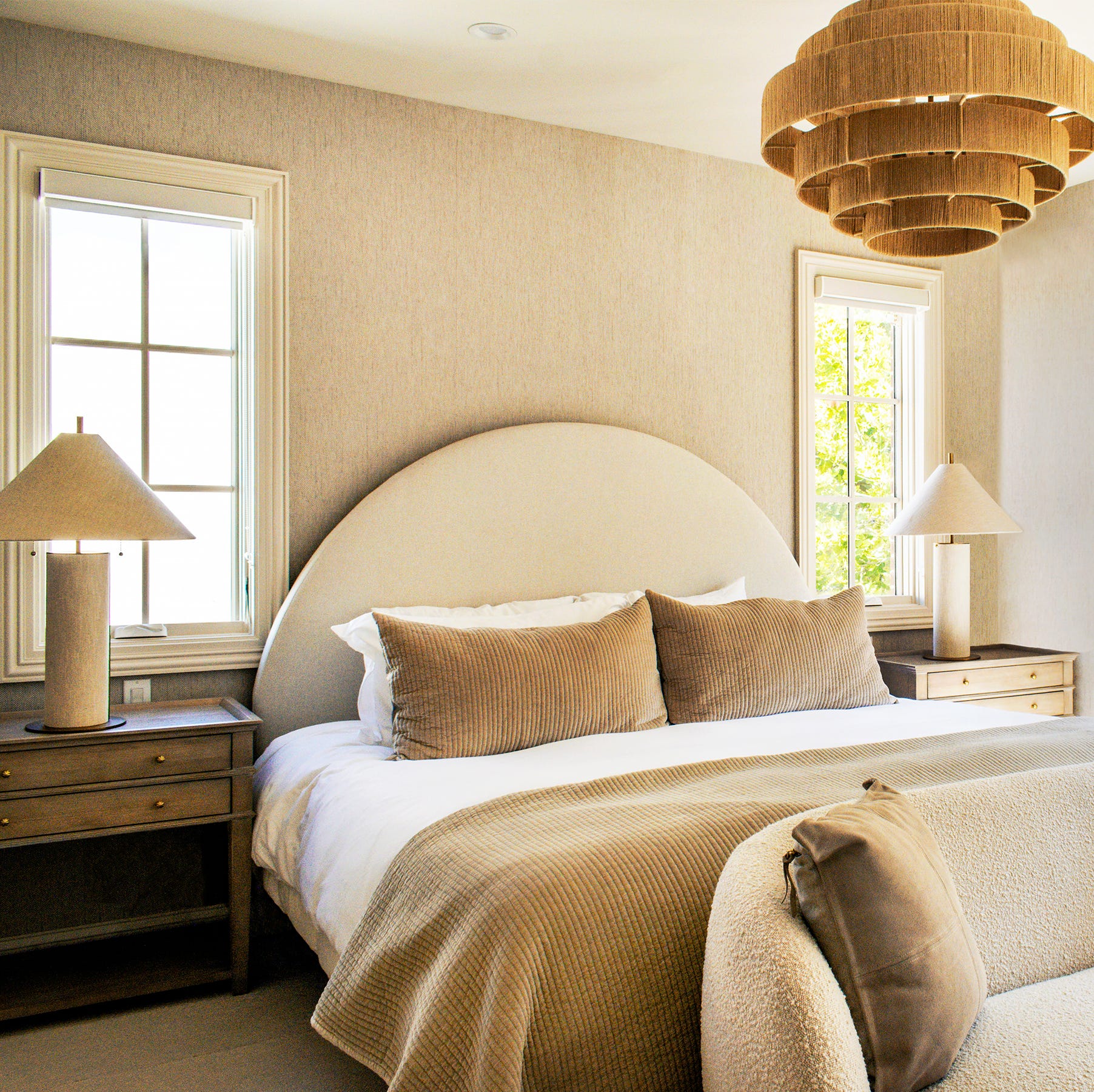
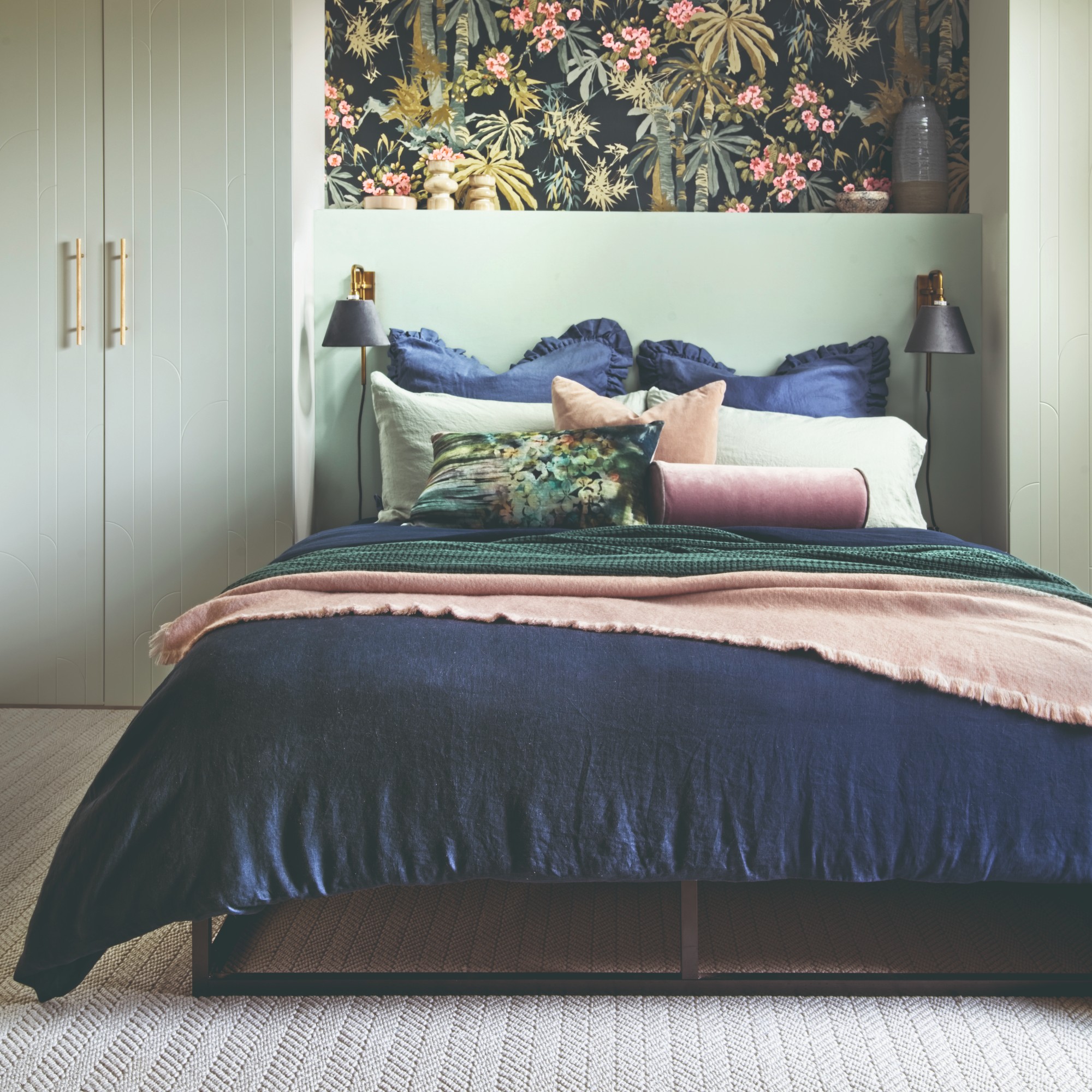
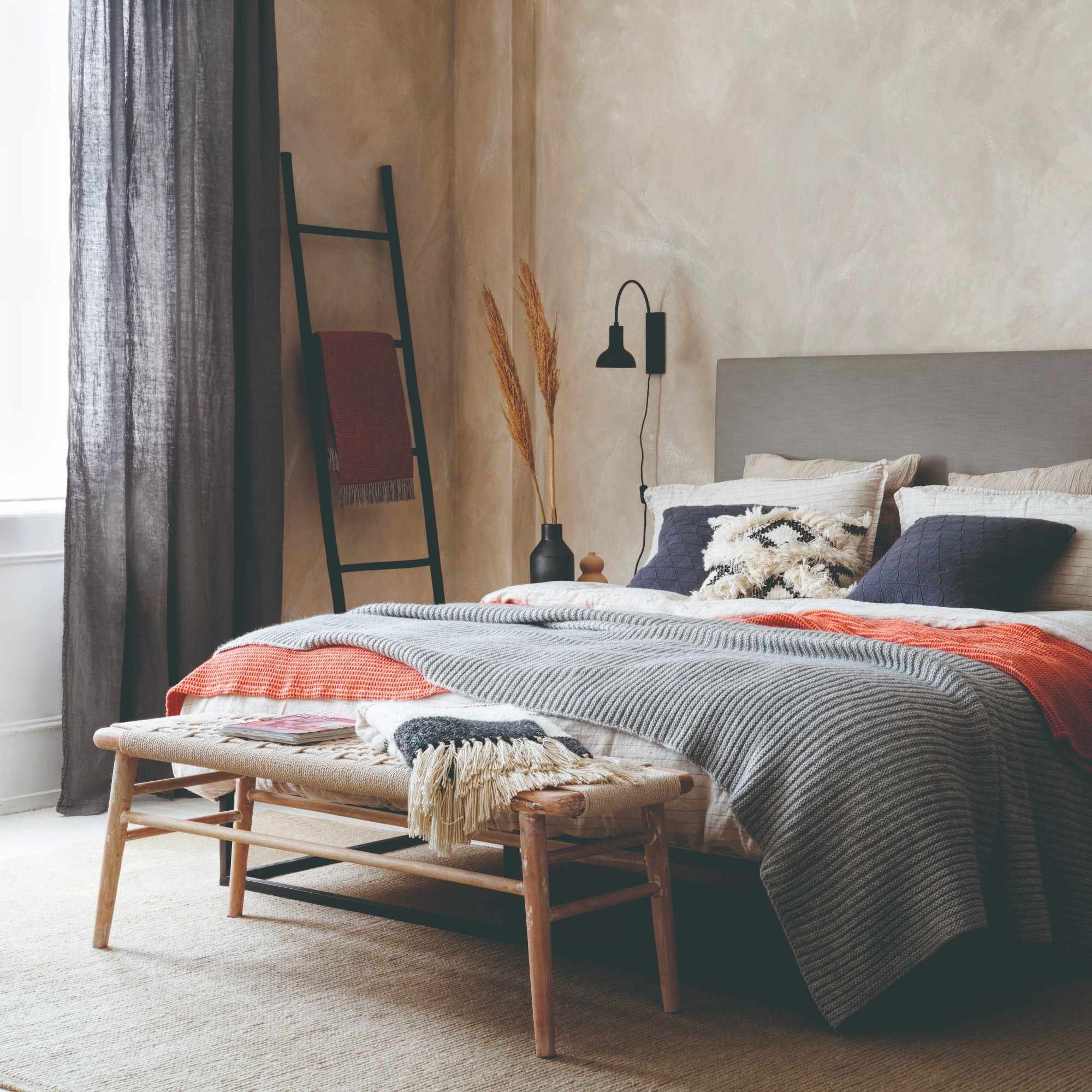
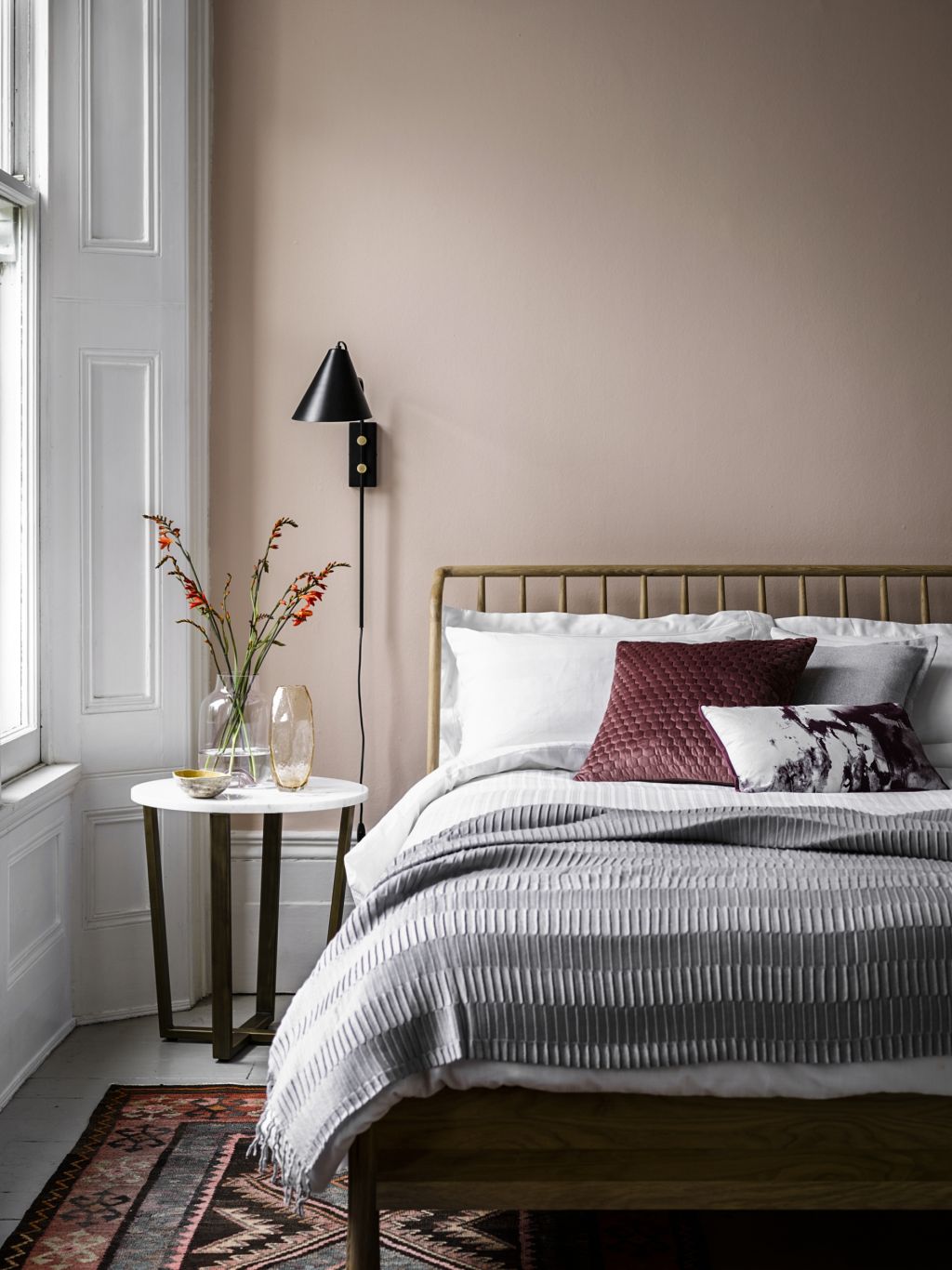
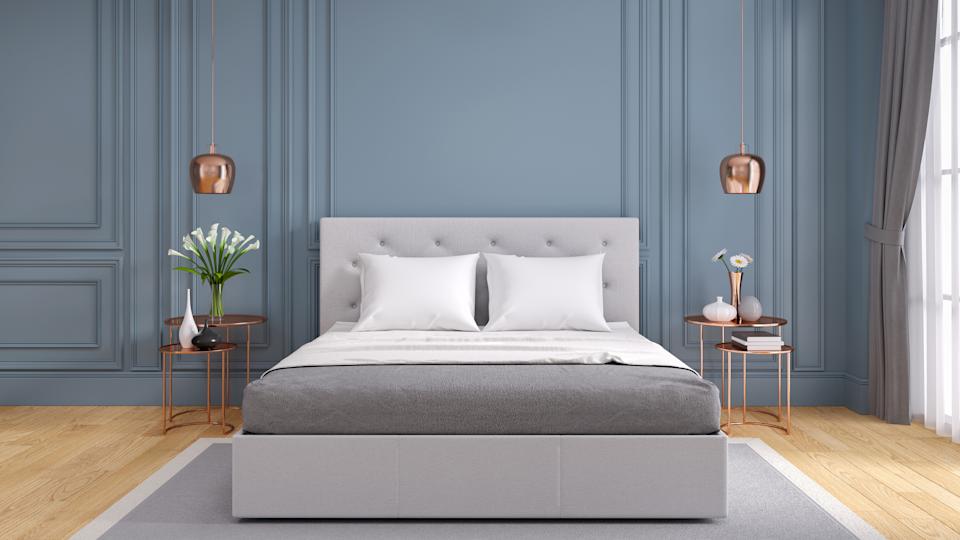
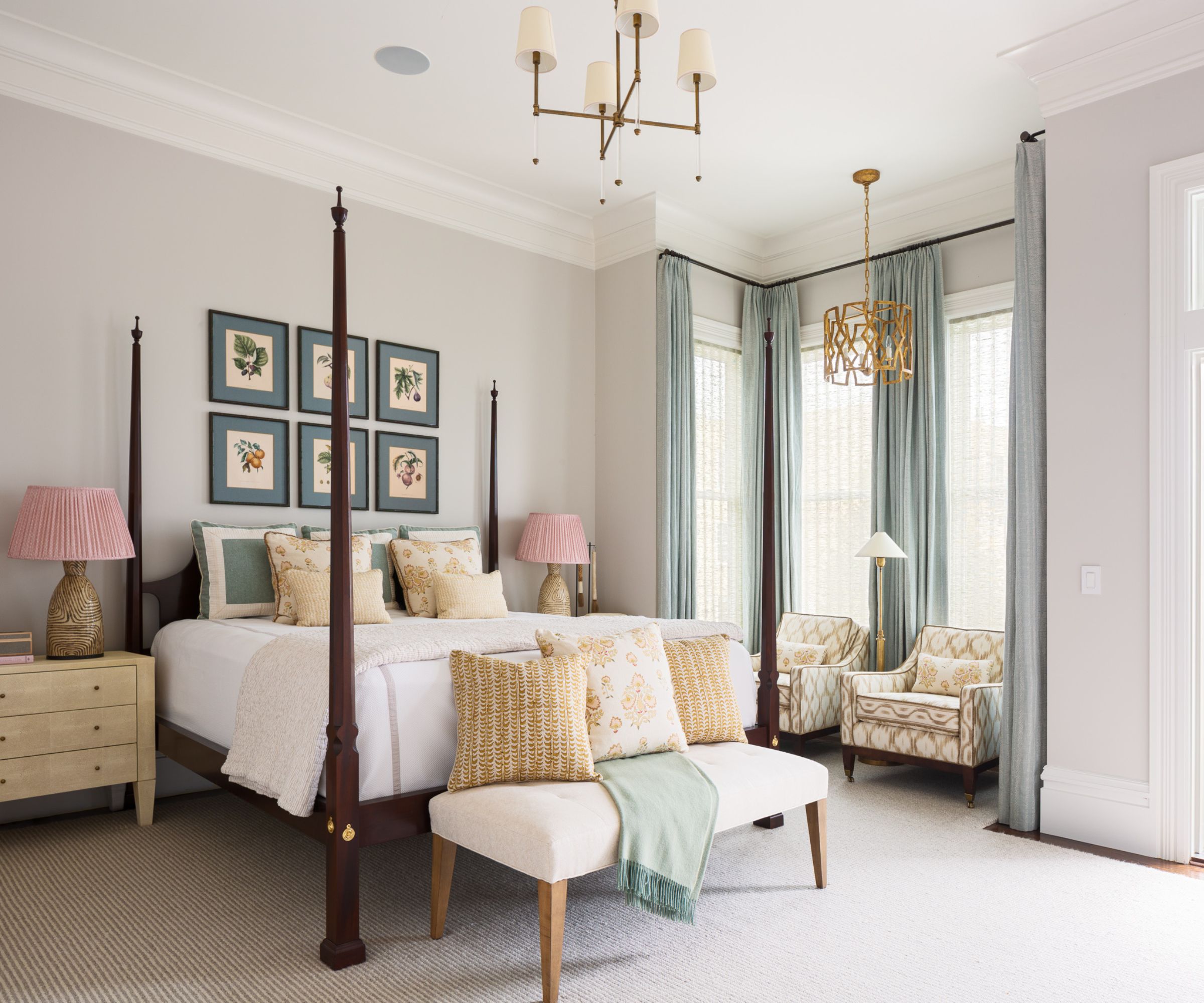
To promote better sleep and a more stable environment, Feng Shui recommends the 'commanding position.' This ideal placement involves situating the bed against a solid wall, preferably one that does not share plumbing lines with a bathroom or kitchen, and ensuring that the sleeper has a clear view of the bedroom door without being directly in line with it. This allows for a sense of control and security, as one can see who or what is entering the room, reducing subconscious anxiety.
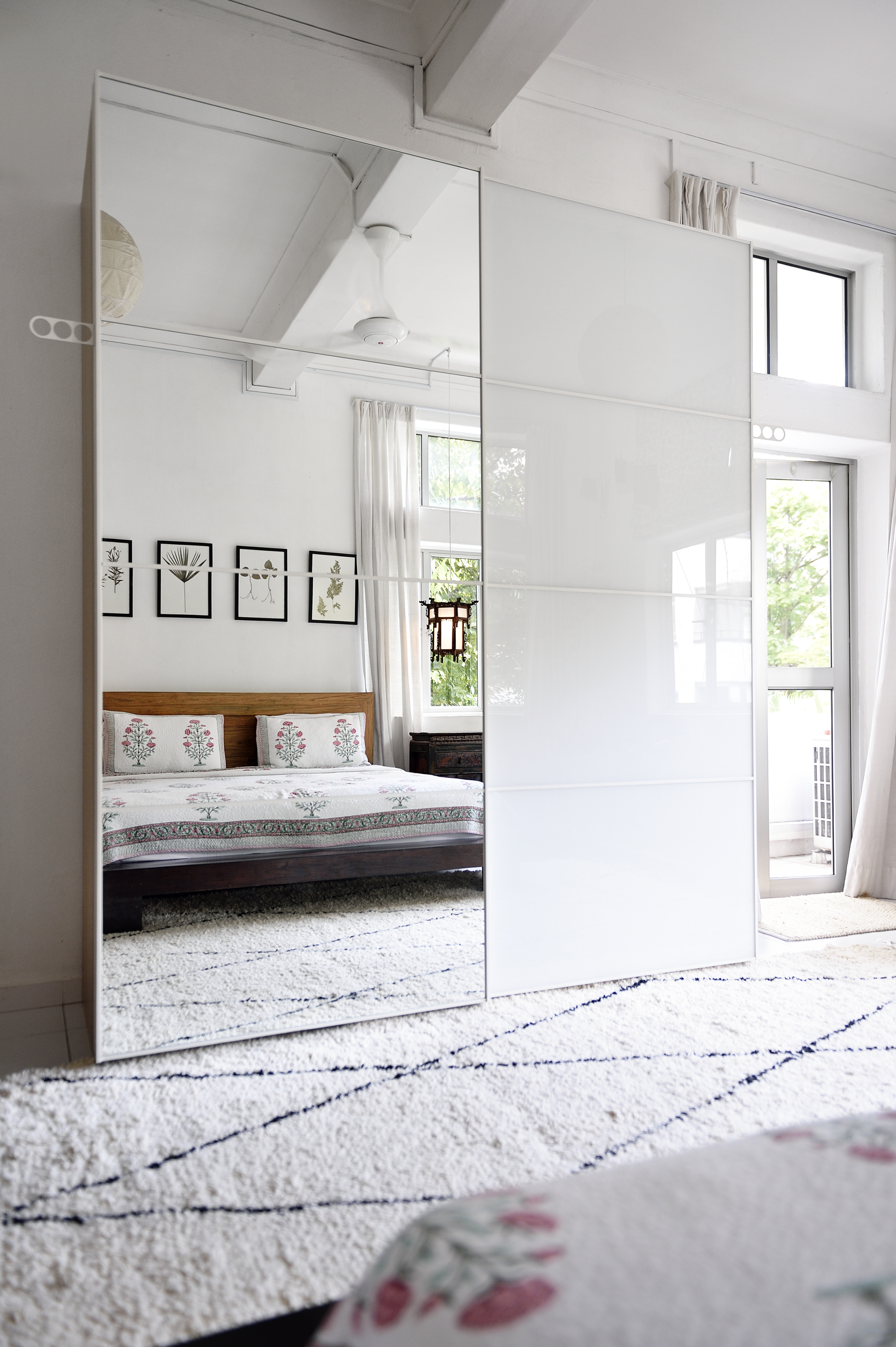
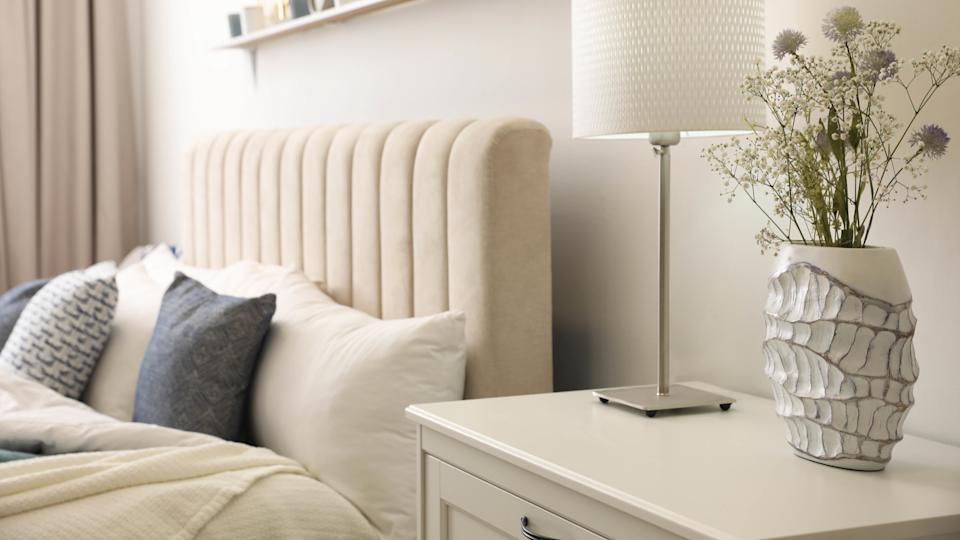
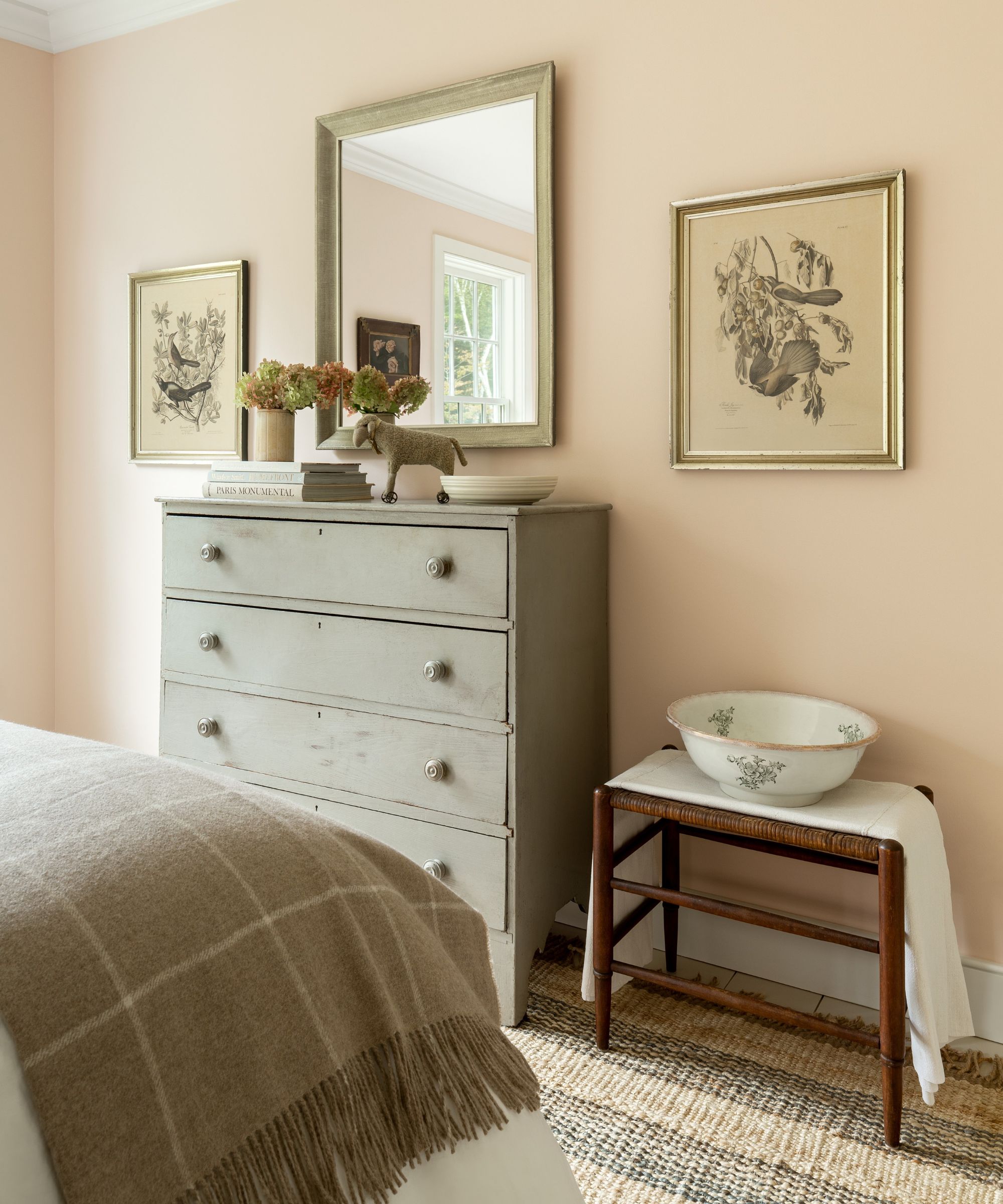
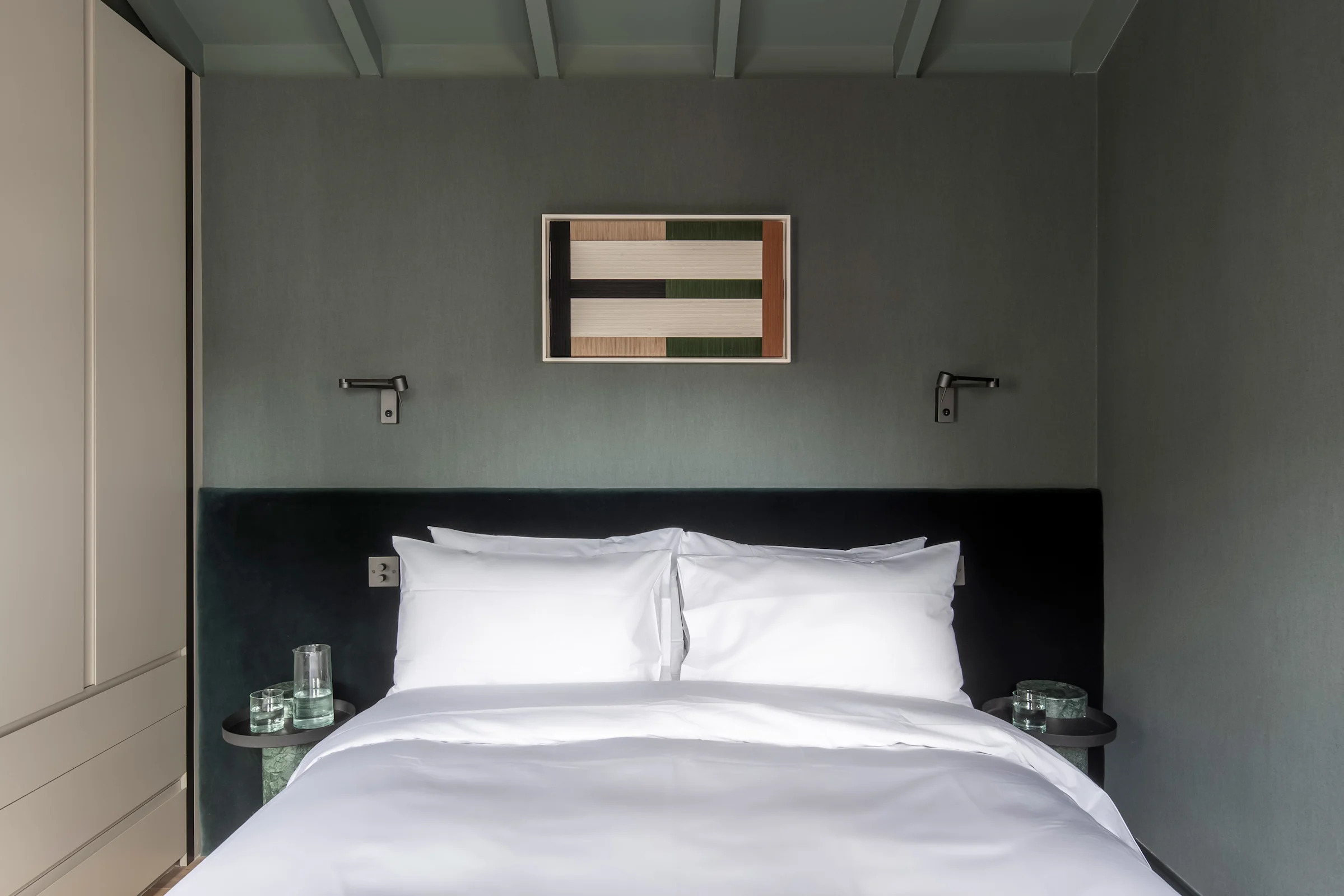
Beyond the commanding position, several other Feng Shui guidelines contribute to an optimal sleep environment. Placing the bed against a solid wall offers support and stability, symbolizing a strong foundation in life. Avoiding mirrors that reflect the bed is crucial, as mirrors are thought to bounce energy around, disrupting restful sleep and potentially reflecting worries. Keeping the space under the bed clear and free of clutter is also advised, as stagnant energy beneath the bed can interfere with healthy sleep patterns. Furthermore, balancing yin and yang energies in the bedroom through soft lighting, calming colors, and comfortable textures can enhance tranquility. Incorporating elements that promote relaxation, such as natural materials and soothing artwork, further contributes to a harmonious sleeping space.
By adhering to these Feng Shui principles, individuals can create a bedroom layout that fosters a sense of security, promotes uninterrupted sleep, and supports overall health and well-being. The emphasis is on creating a sanctuary where energy flows gently and harmoniously, allowing for deep rest and rejuvenation.
#FengShui #BedroomLayout #SleepBetter #FurniturePlacement #HomeDecoration #InteriorDesign #EnergyFlow #WellBeing #CommandingPosition #FengShui #BedroomLayout #SleepBetter #FurniturePlacement #HomeDecoration #InteriorDesign #EnergyFlow #WellBeing #CommandingPosition
0 comment in total
 No comments yet
You may also like
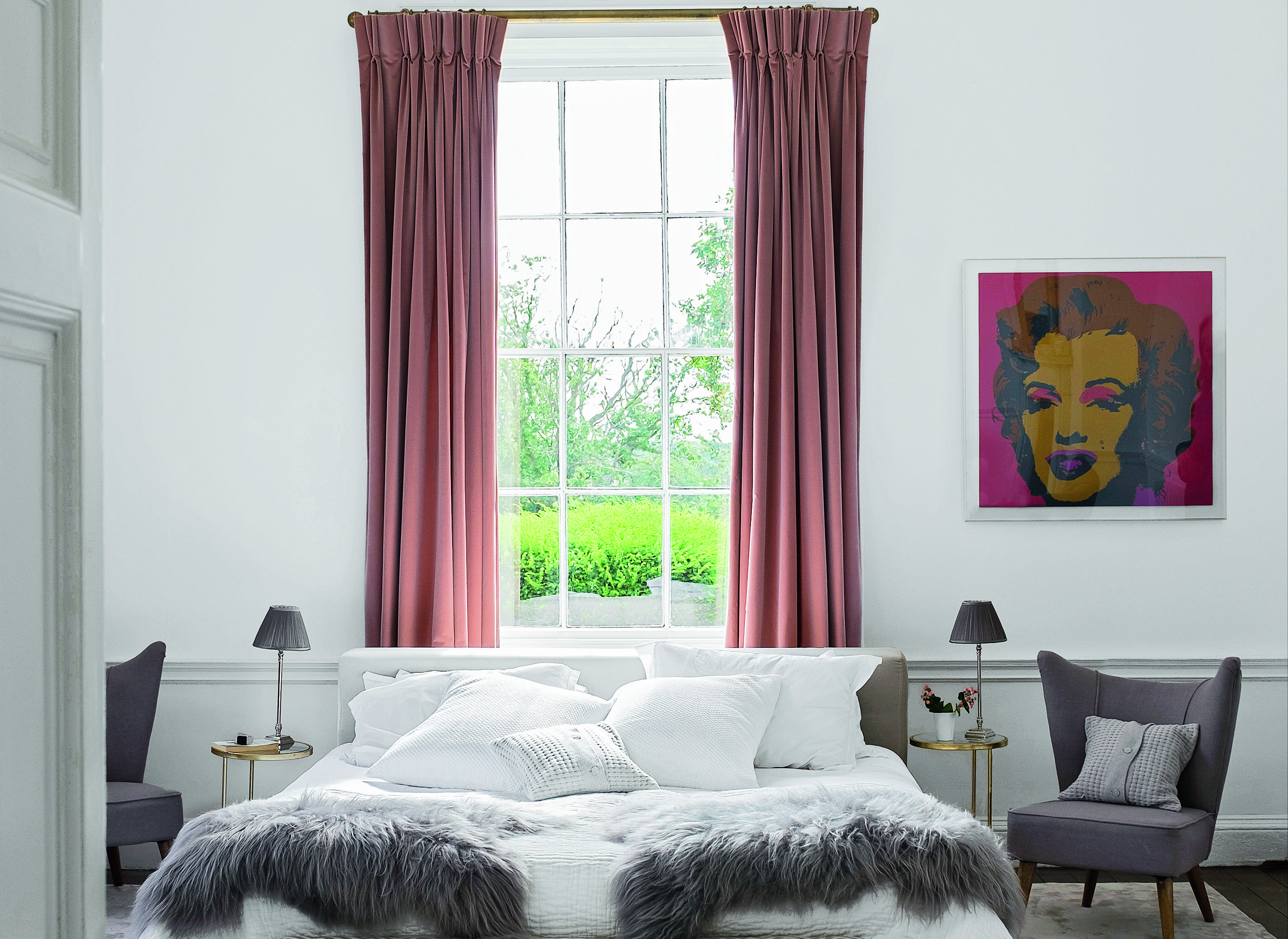
These Feng Shui experts say you shouldn't position your bed like this if you want to sleep well — and it's a common layout idea

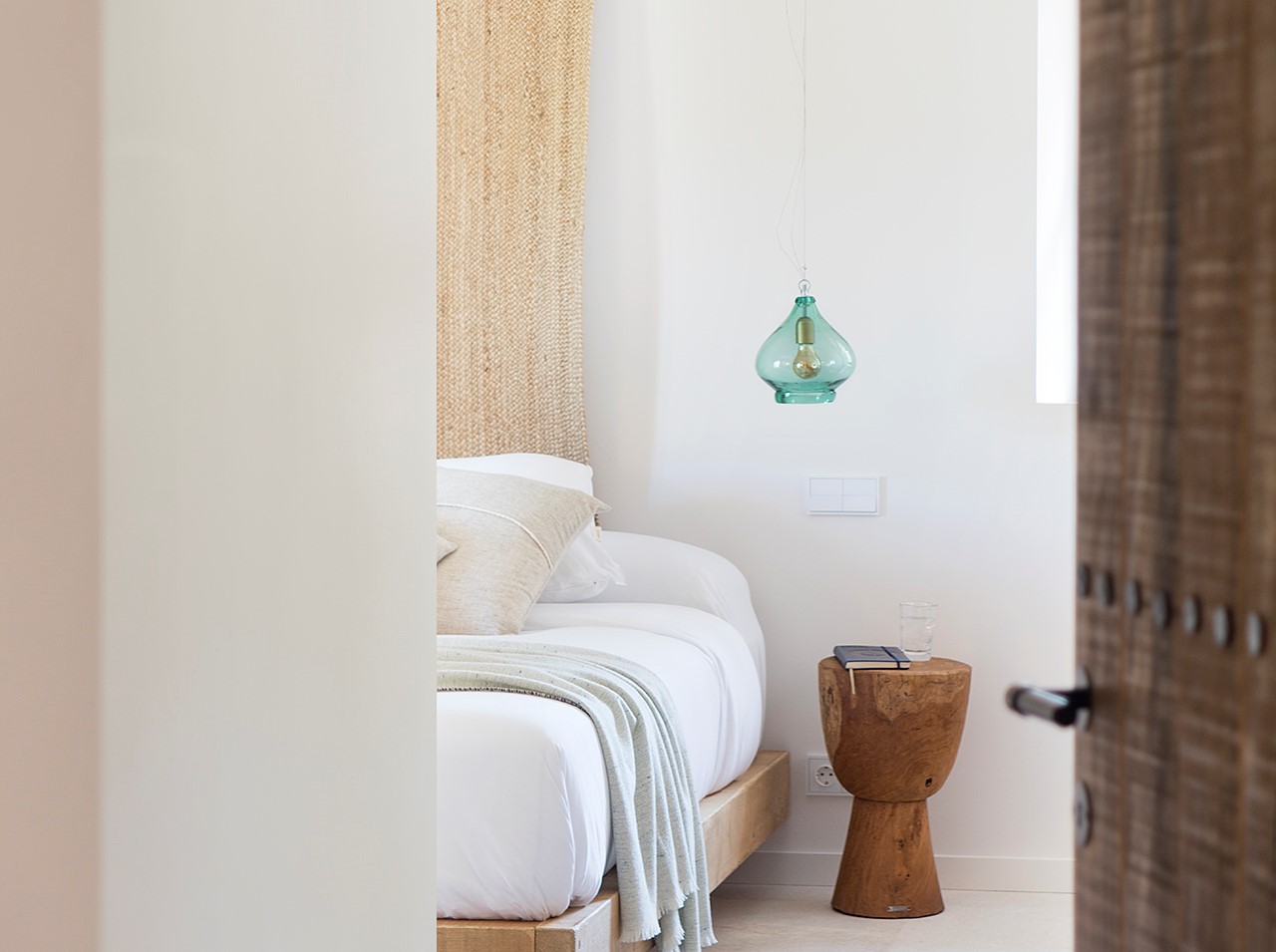
Should my bed be facing the door? Why the wrong bedroom layout could be disrupting your sleep

10 Bedroom Decor Mistakes Keeping You From Your Best Sleep Ever

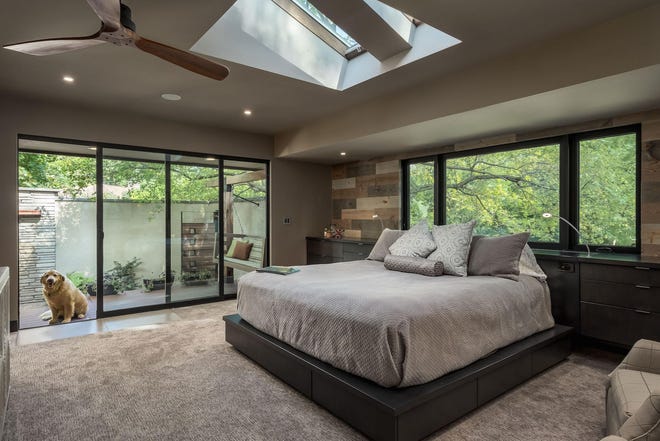
Bedroom design should emphasize stress-reducing, sleep-inducing features


This big Feng Shui mistake in your bedroom could be causing your poor sleep
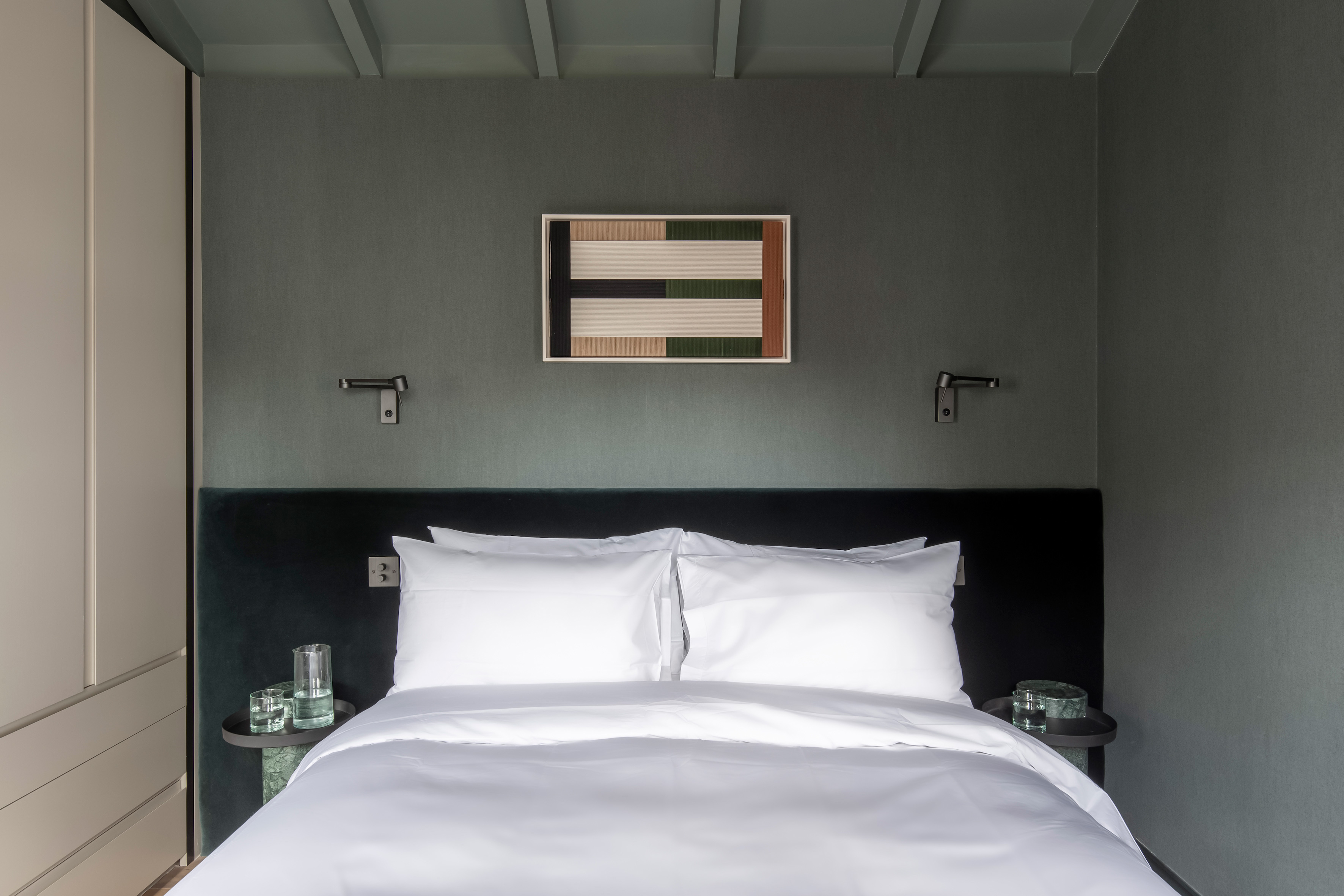
'Waking feeling drained' - bad Feng Shui headboard choices explained
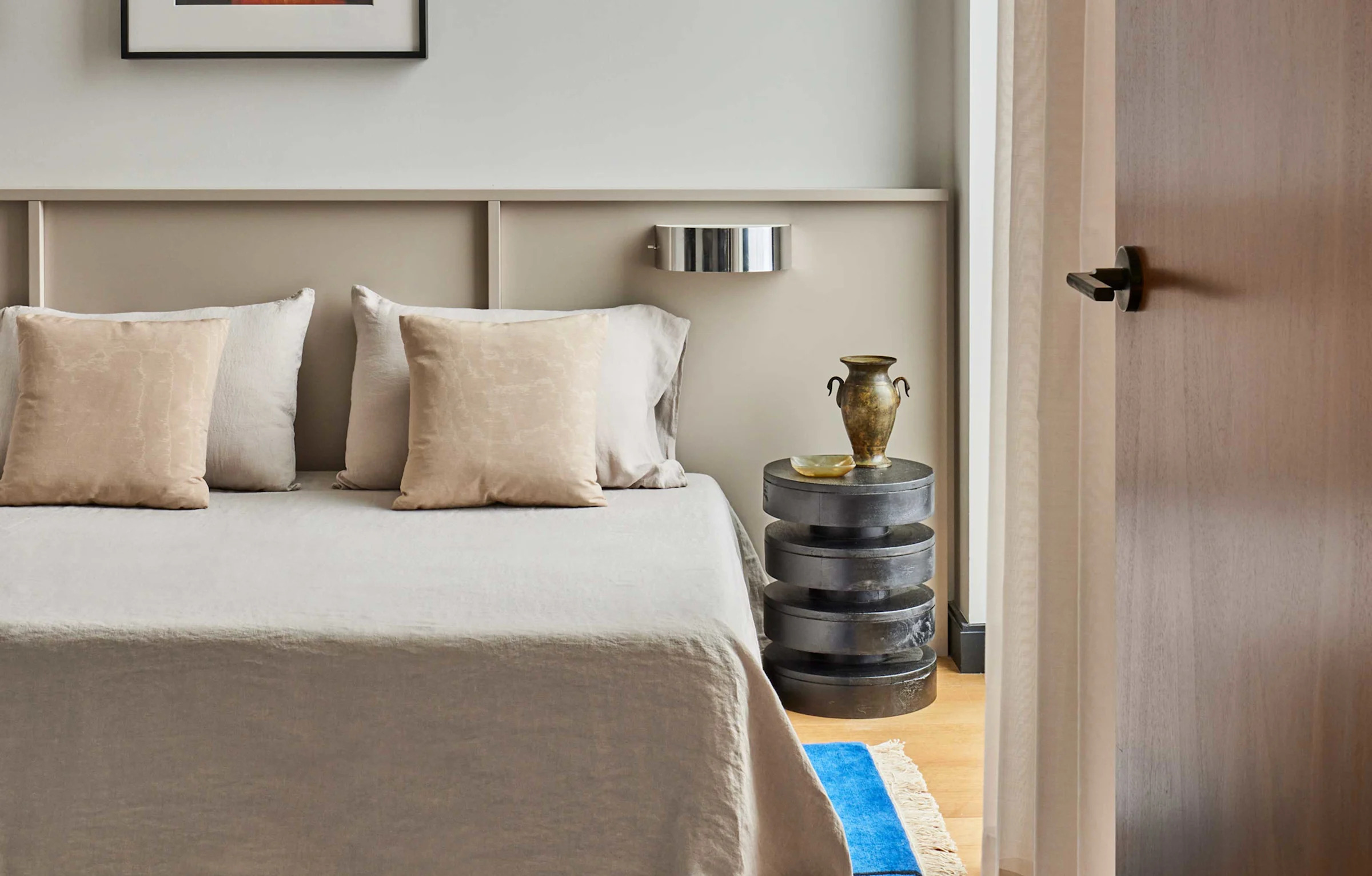
This furniture layout is one of the biggest Feng Shui mistakes you can make in a bedroom - here's how to fix it
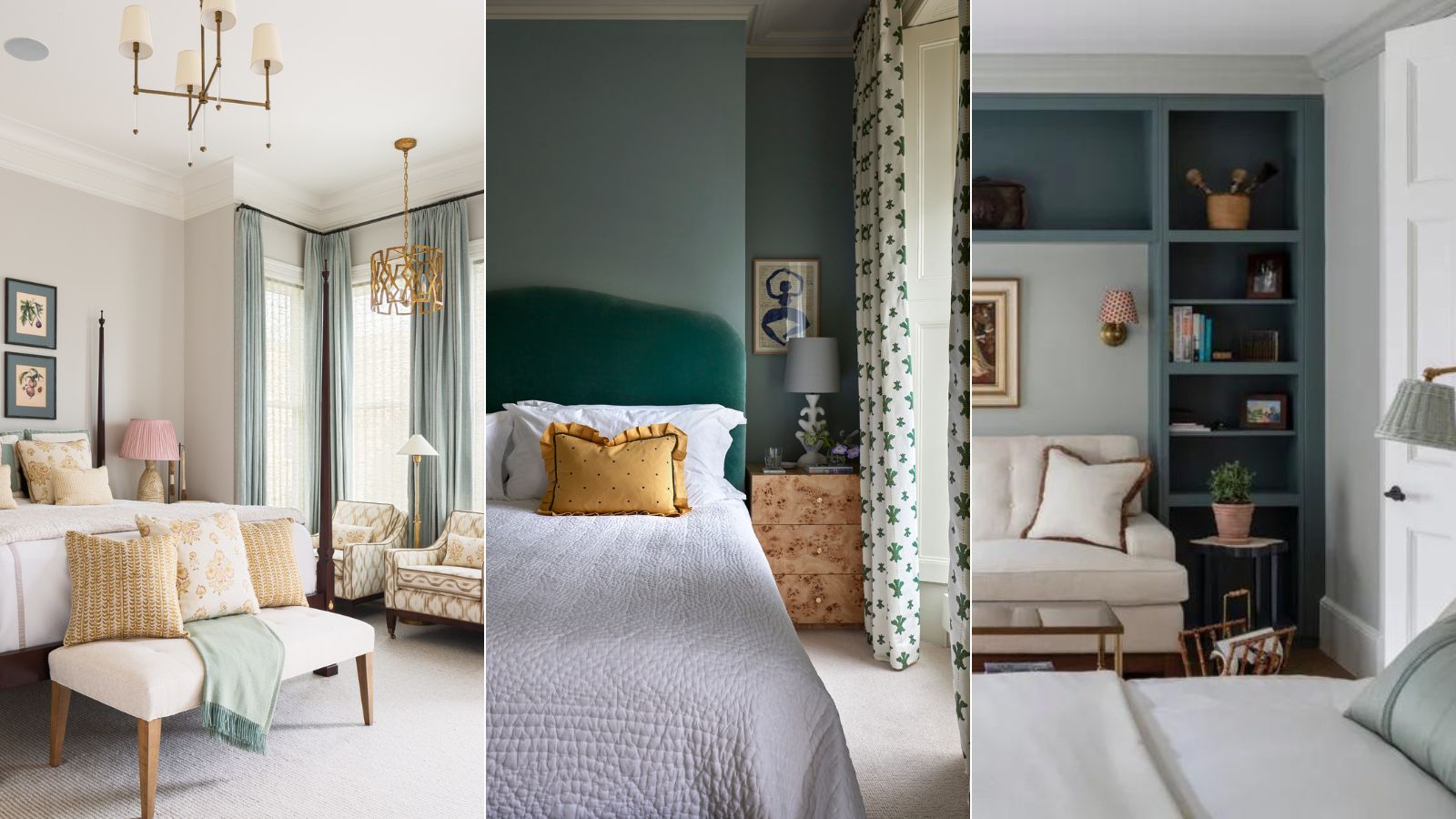
Bedroom layout mistakes – 9 errors experts warn against, and how to fix them
'Never sleep with a chair facing you' – Feng Shui experts bust this viral myth about your bedroom layout
'Never sleep with a chair facing you' – Feng Shui experts bust this viral myth about your bedroom layout
Feng shui bedroom layout tips and rules – how to create a zen sleeping space


Is it okay to place a bed under a window? Feng Shui experts offer their advice

These Feng Shui experts say you shouldn't position your bed like this if you want to sleep well – and it's a common layout idea

The Only Direction Your Bed Should Be Facing, According to Feng Shui Experts

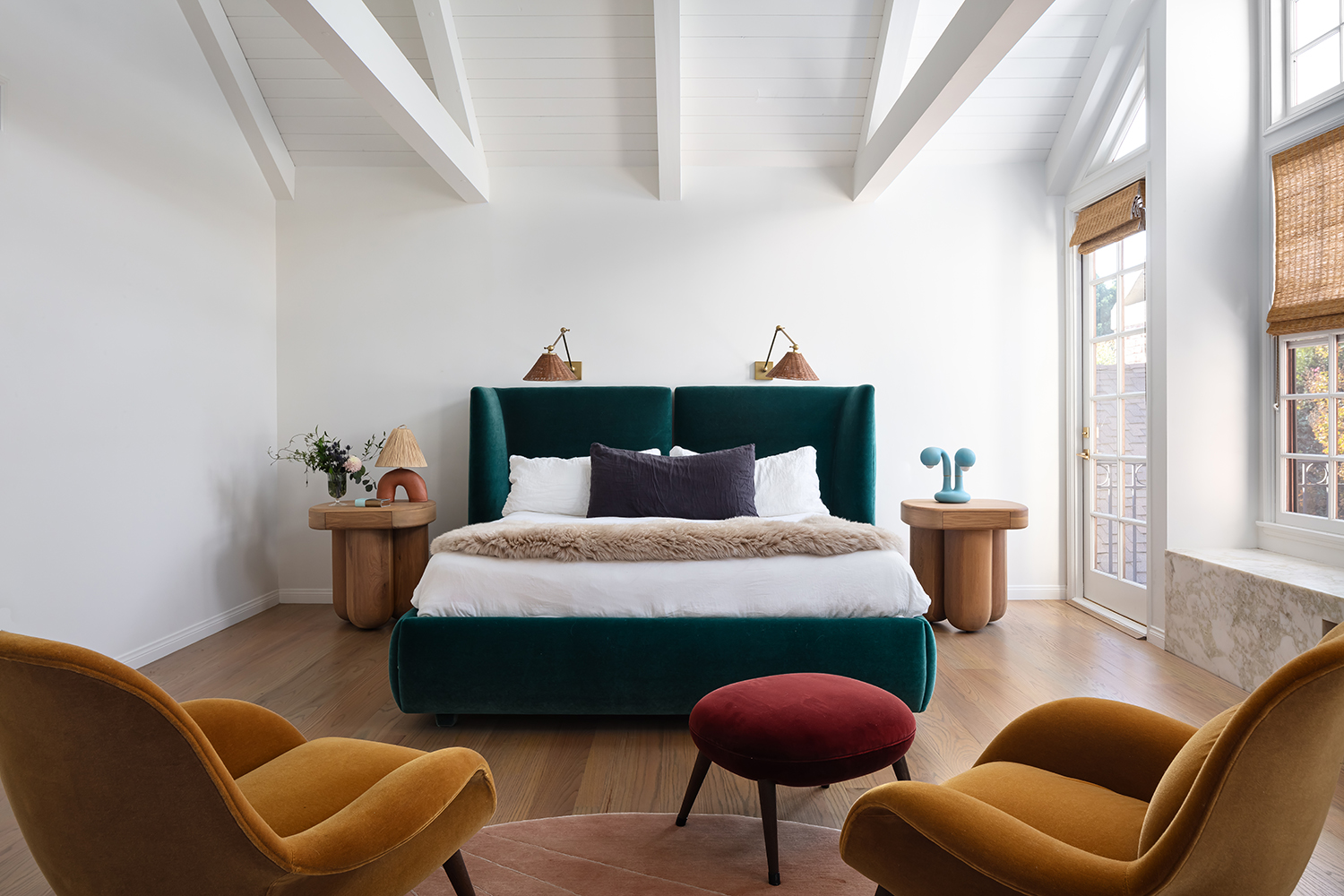
7 of the worst bedroom layout mistakes and how to avoid them

Feng Shui bedroom layout – 8 ways to curate a rejuvenating space
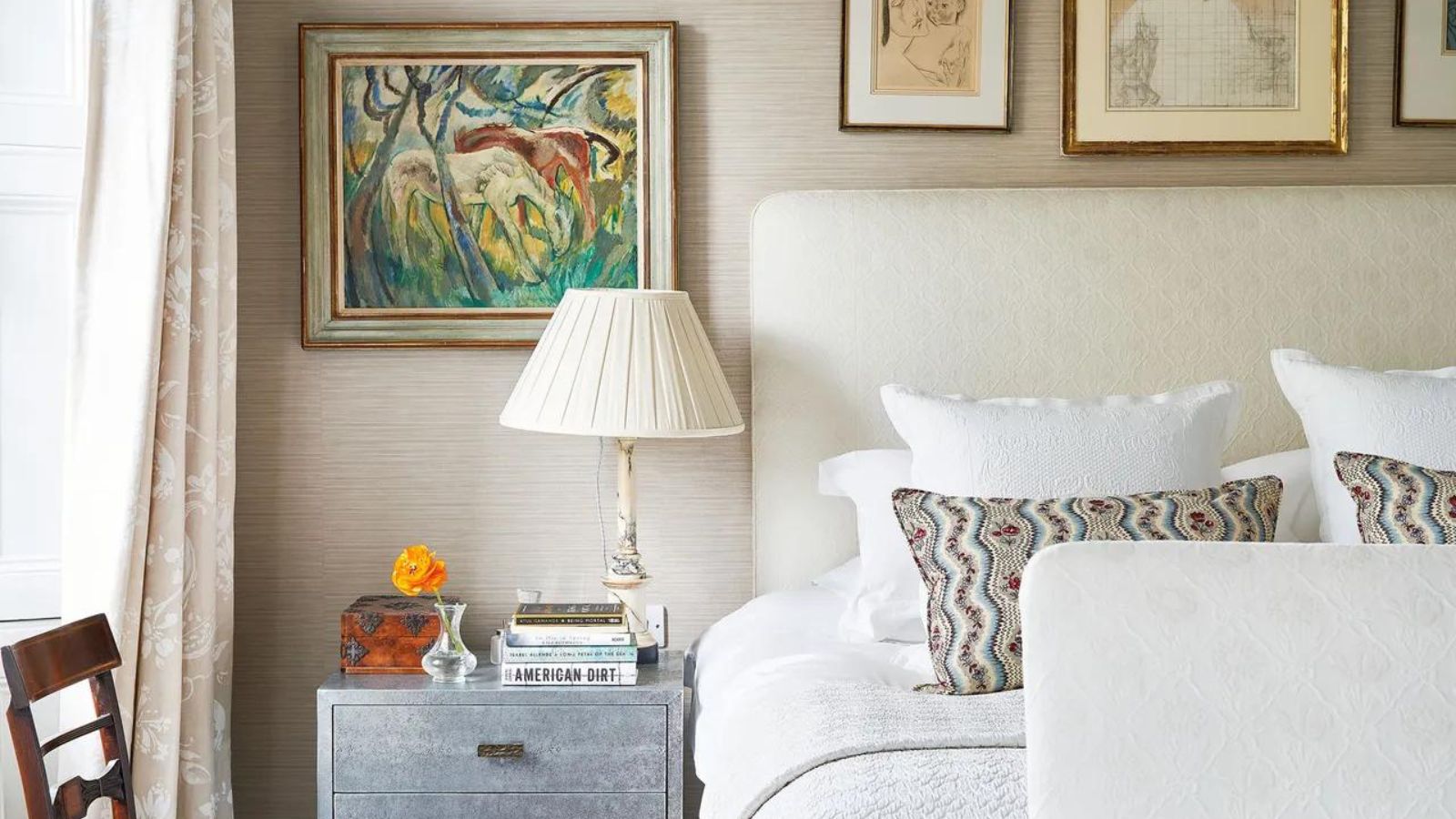
6 interior design mistakes that could be affecting your sleep
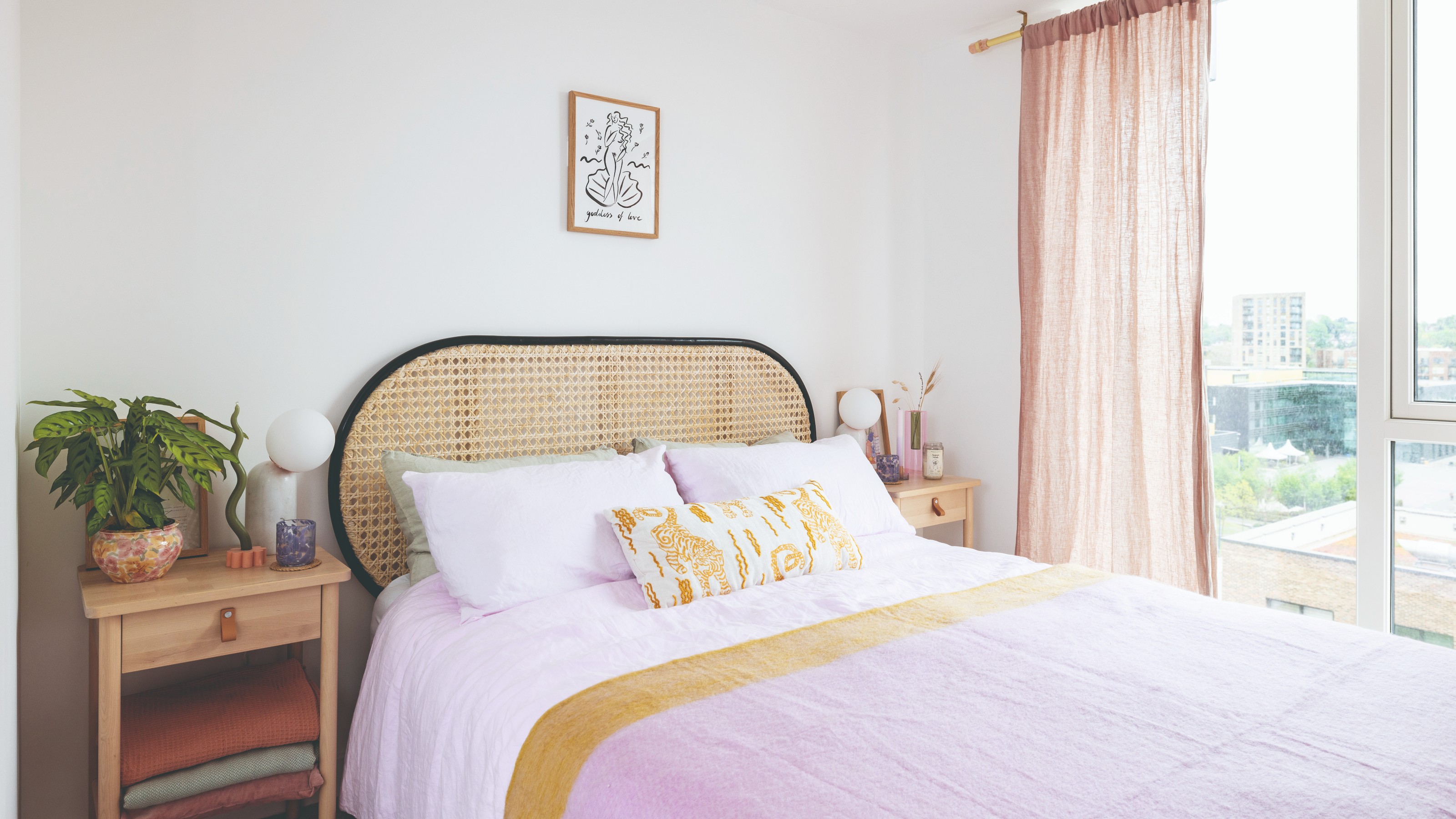
Do you sleep facing north? According to sleep experts you really should be
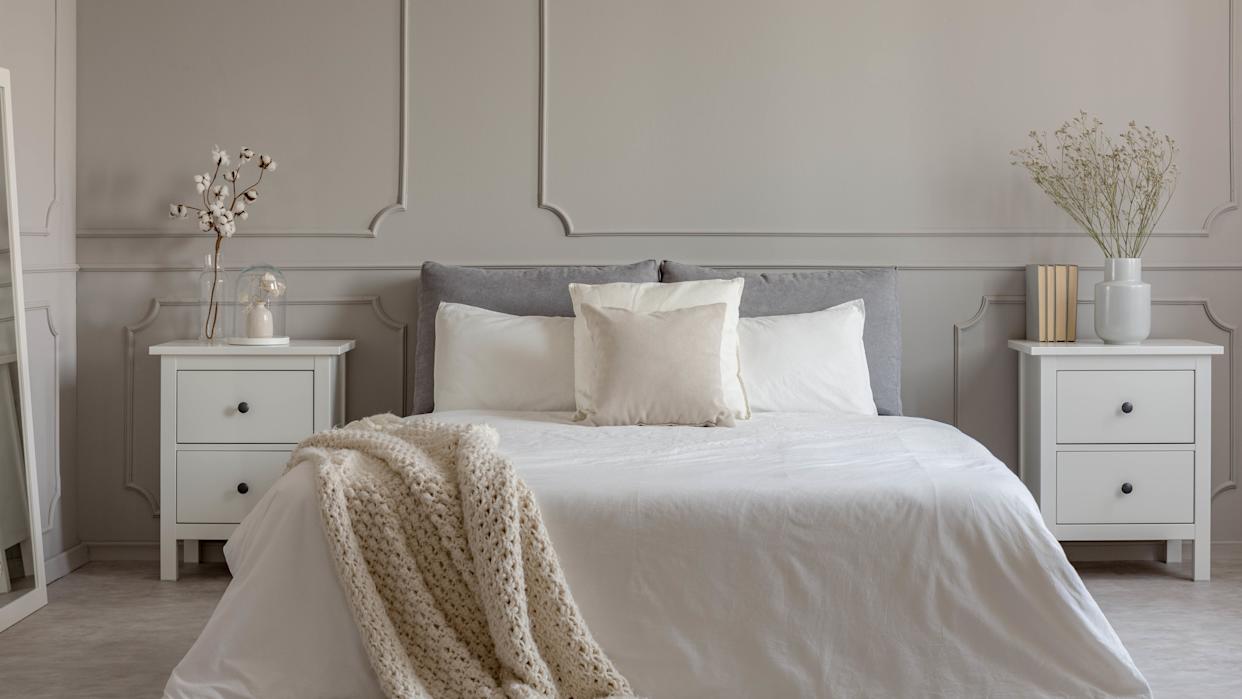
Should your bed face the door? Here's what the experts think

'Waking feeling drained' - bad Feng Shui headboard choices explained