1/13
Feng shui bedroom layout tips and rules – how to create a zen sleeping space
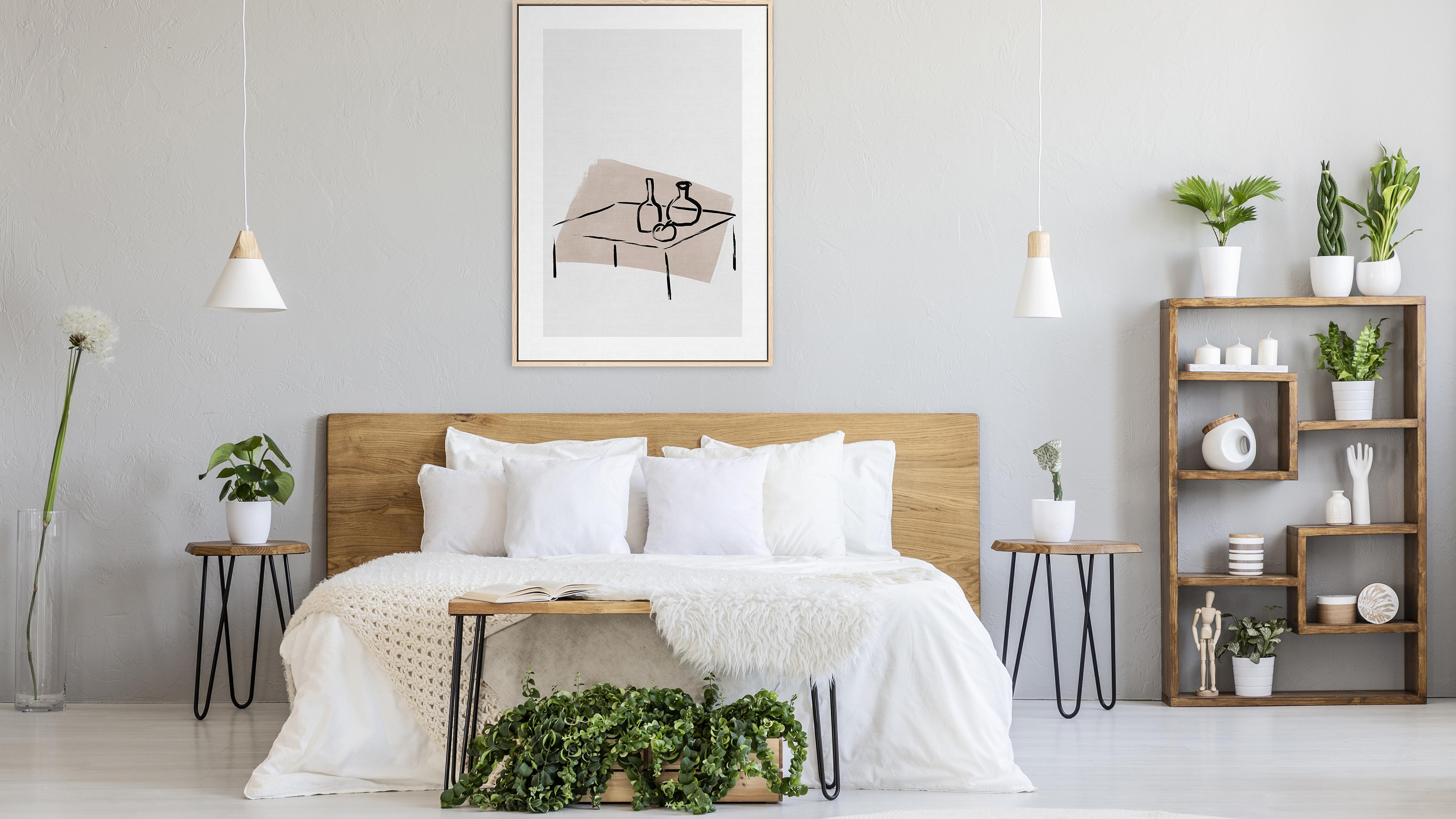
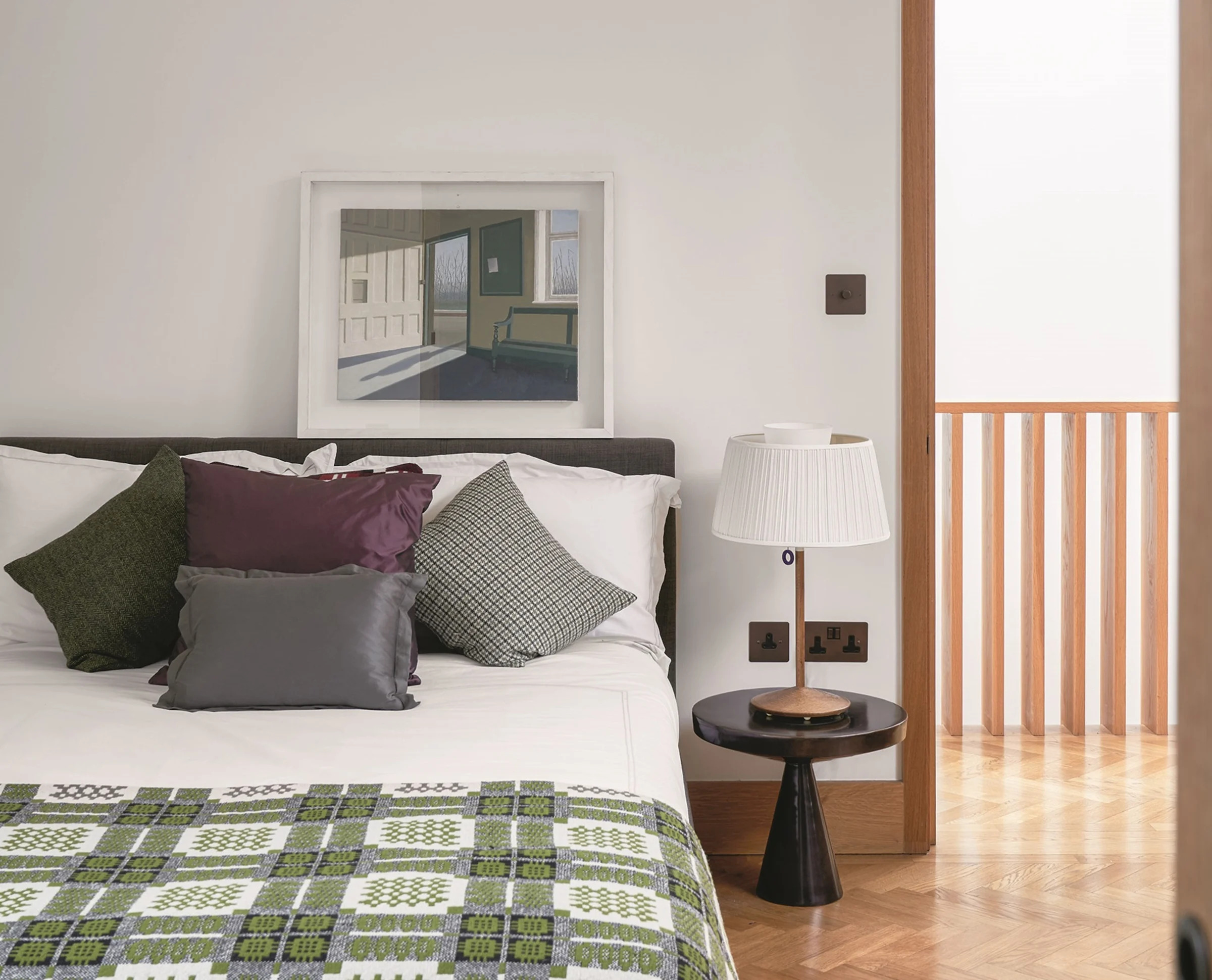
The ancient Chinese practice of Feng Shui, which focuses on optimizing the flow of Chi (energy) in one's environment through spatial arrangements, colors, and furniture placement, offers numerous benefits for creating a tranquil and restorative bedroom. Implementing Feng Shui principles can transform a bedroom into a sanctuary, promoting relaxation and improving sleep quality. Feng Shui expert Priya Sher emphasizes that a bedroom, where individuals spend approximately a third of their lives, should have balanced energy to facilitate recharging. This article outlines twelve key strategies, supported by insights from Feng Shui experts and interior designers, to feng shui a bedroom, regardless of its current style or size, in an achievable, affordable, and stylish manner.
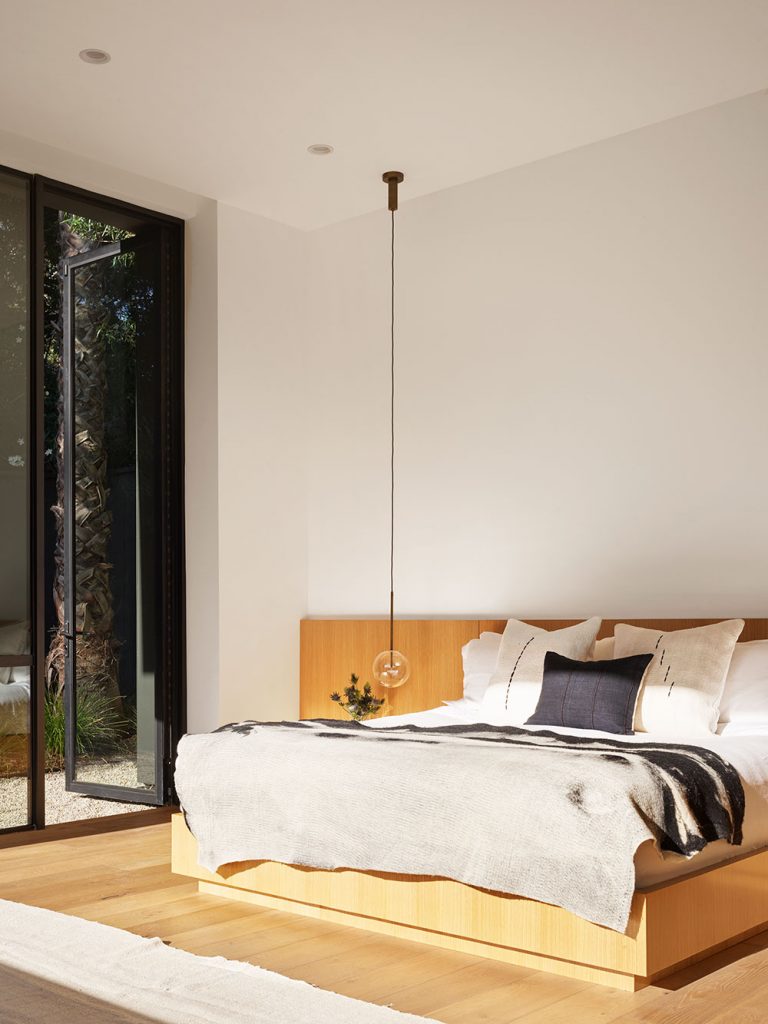
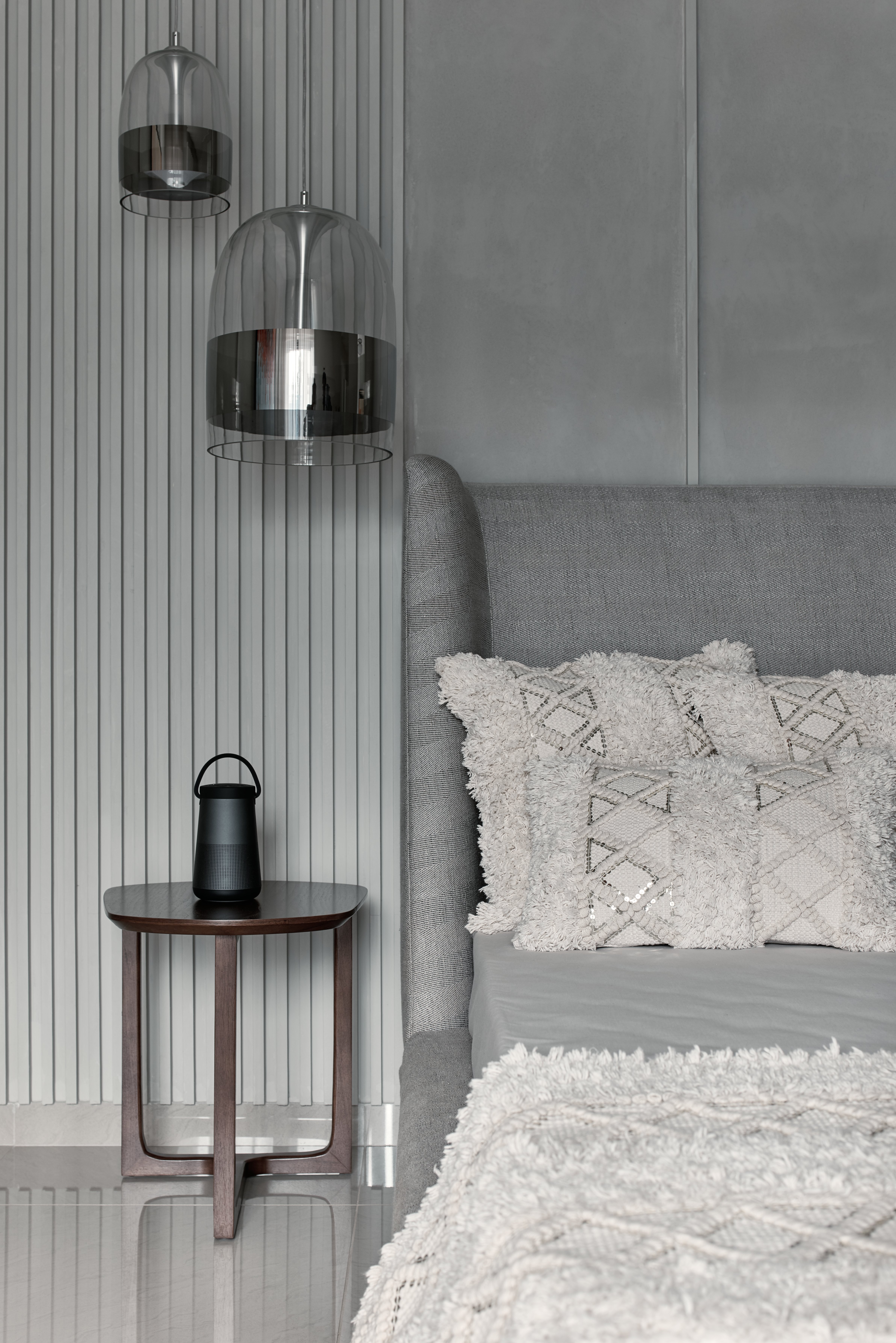
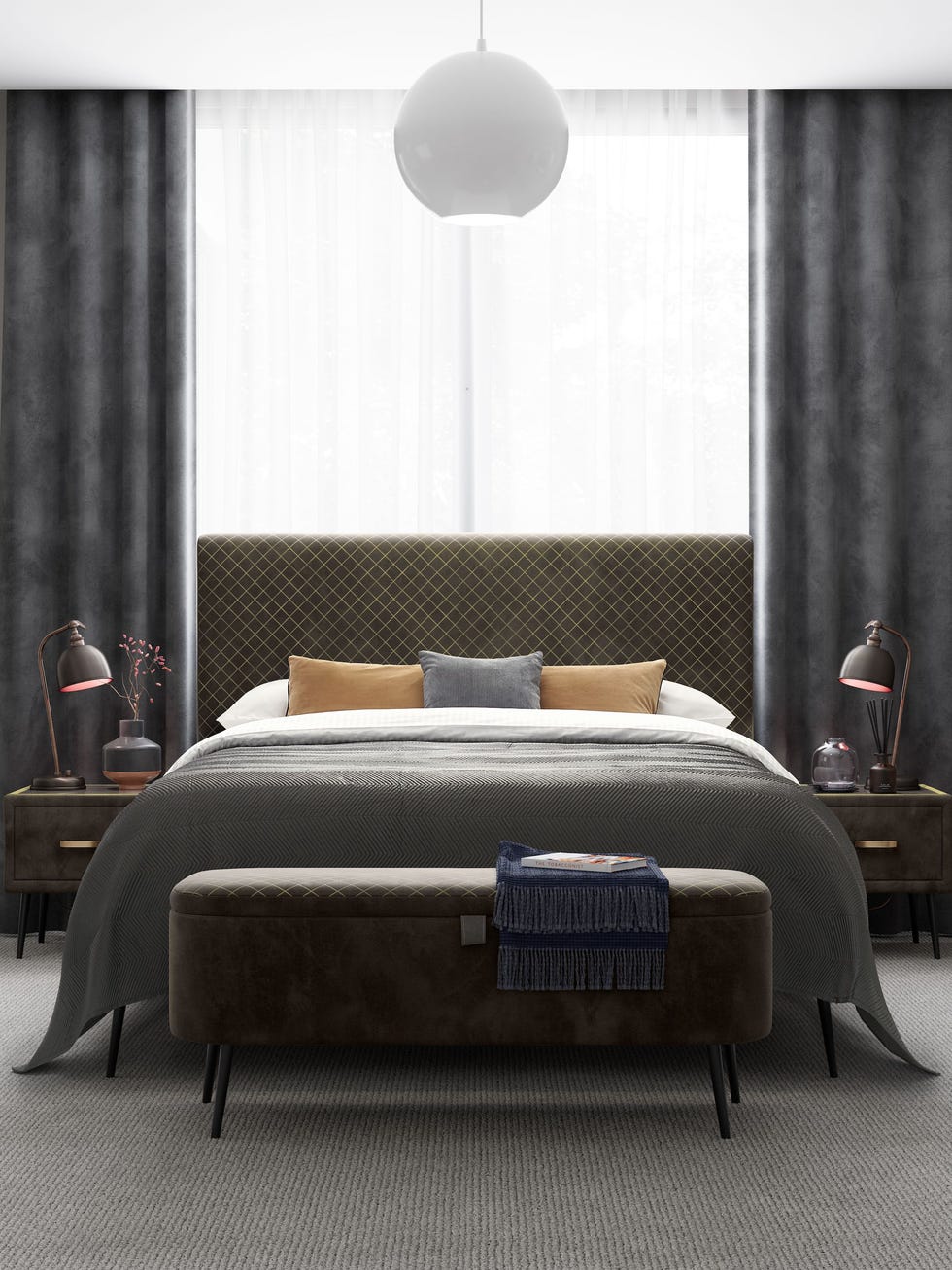
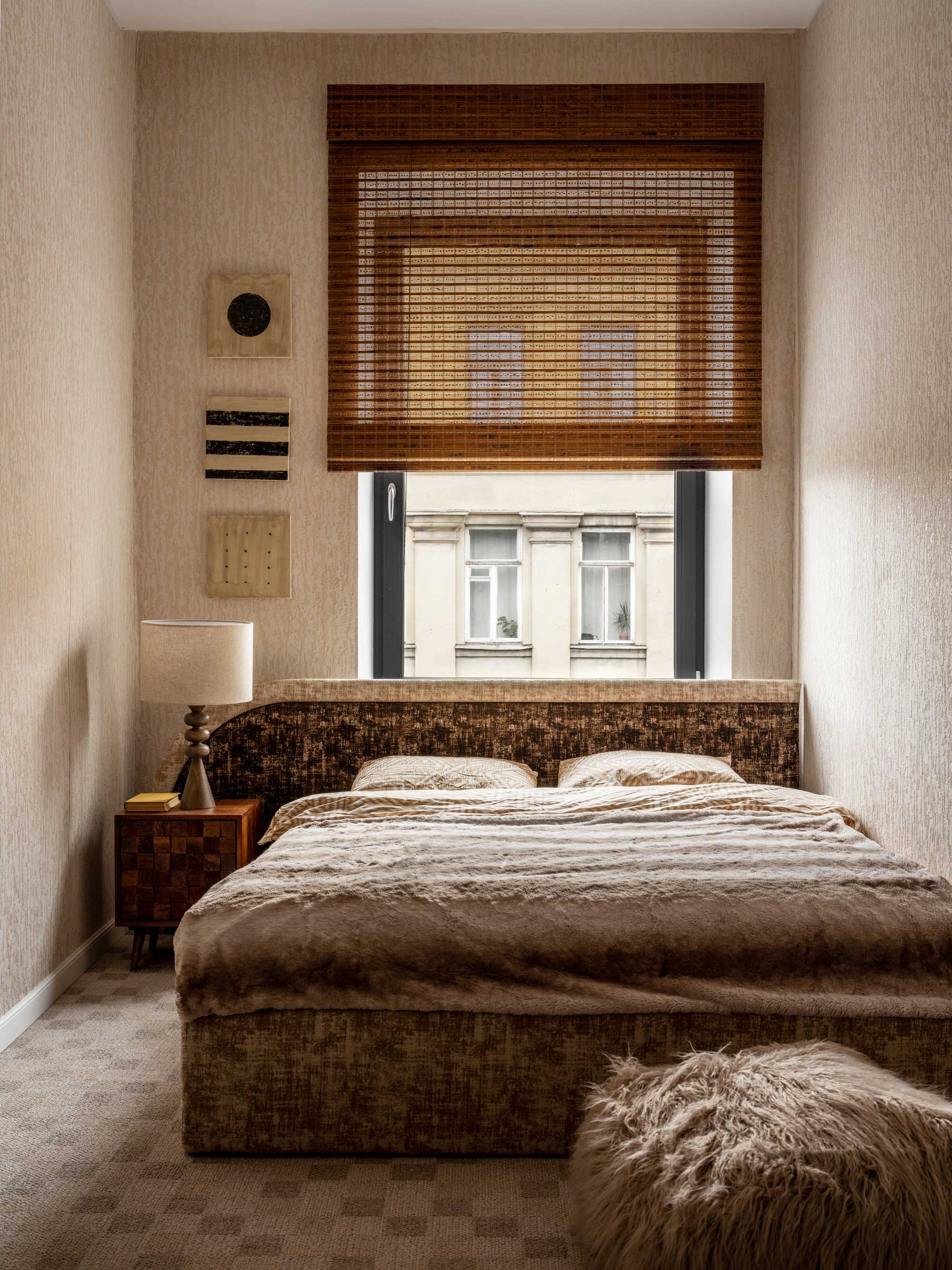
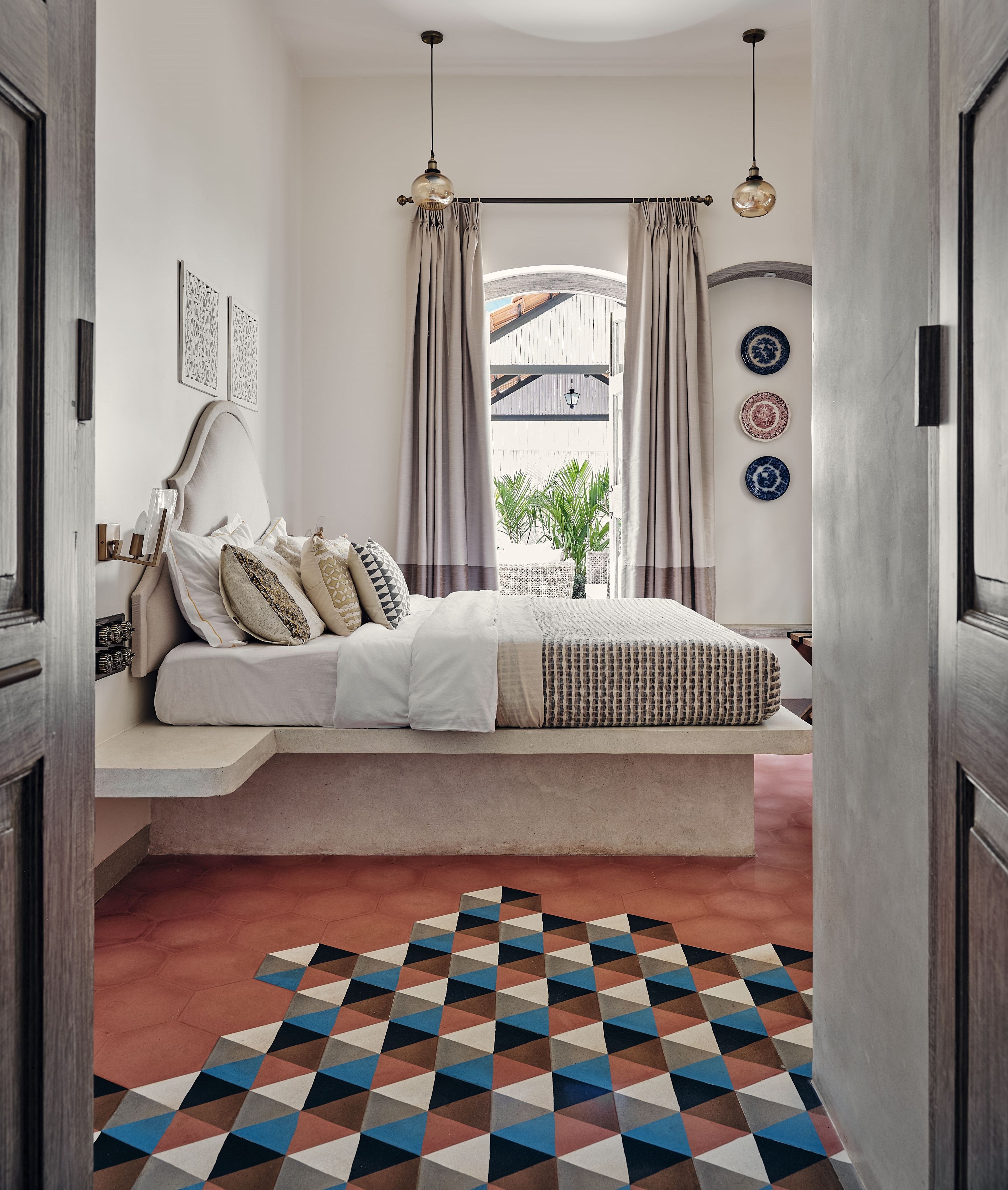
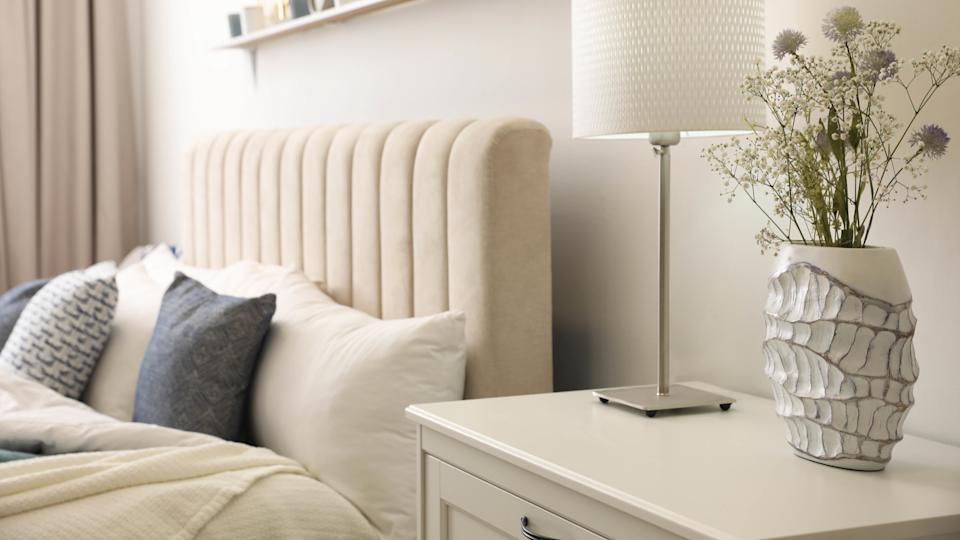
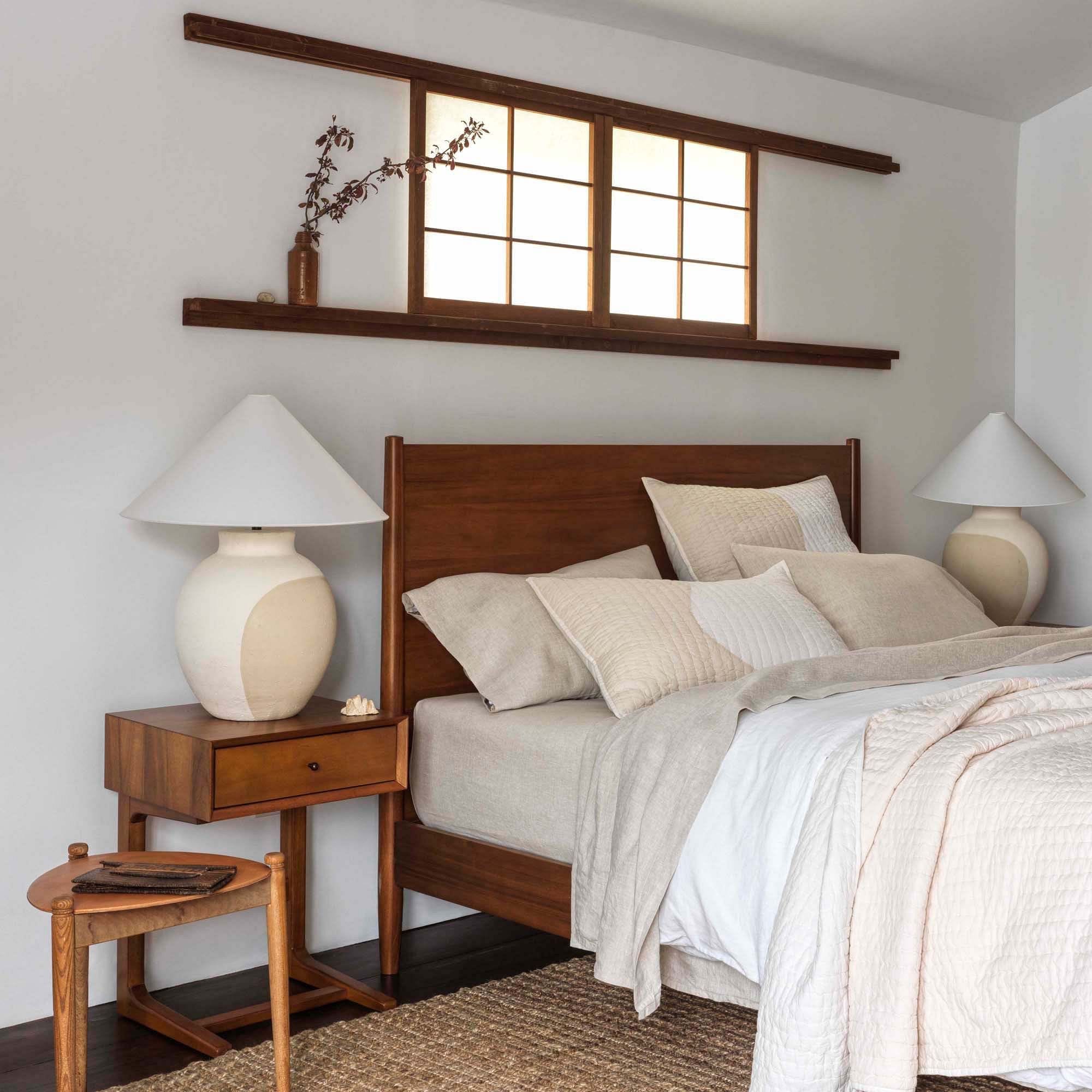
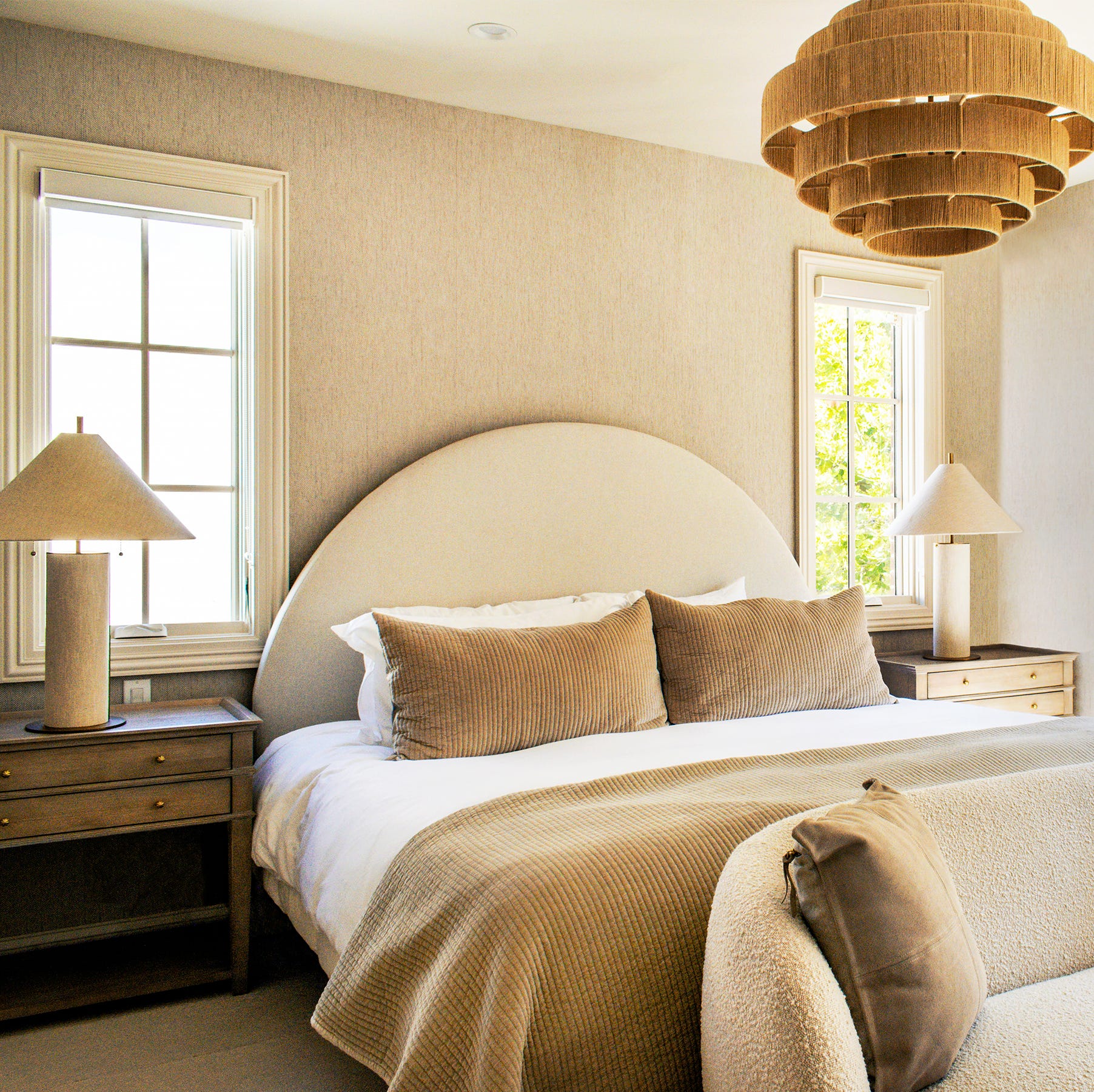
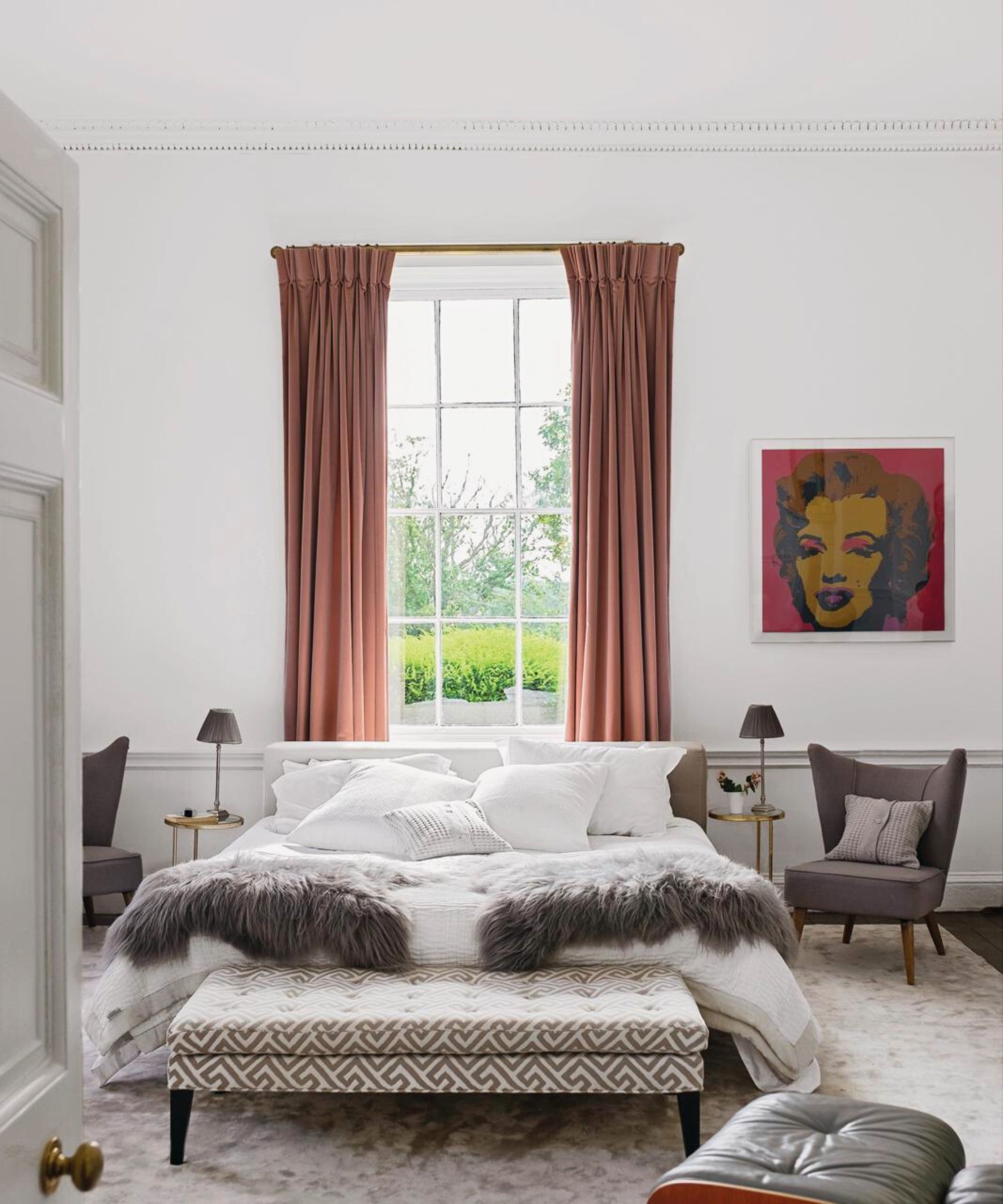
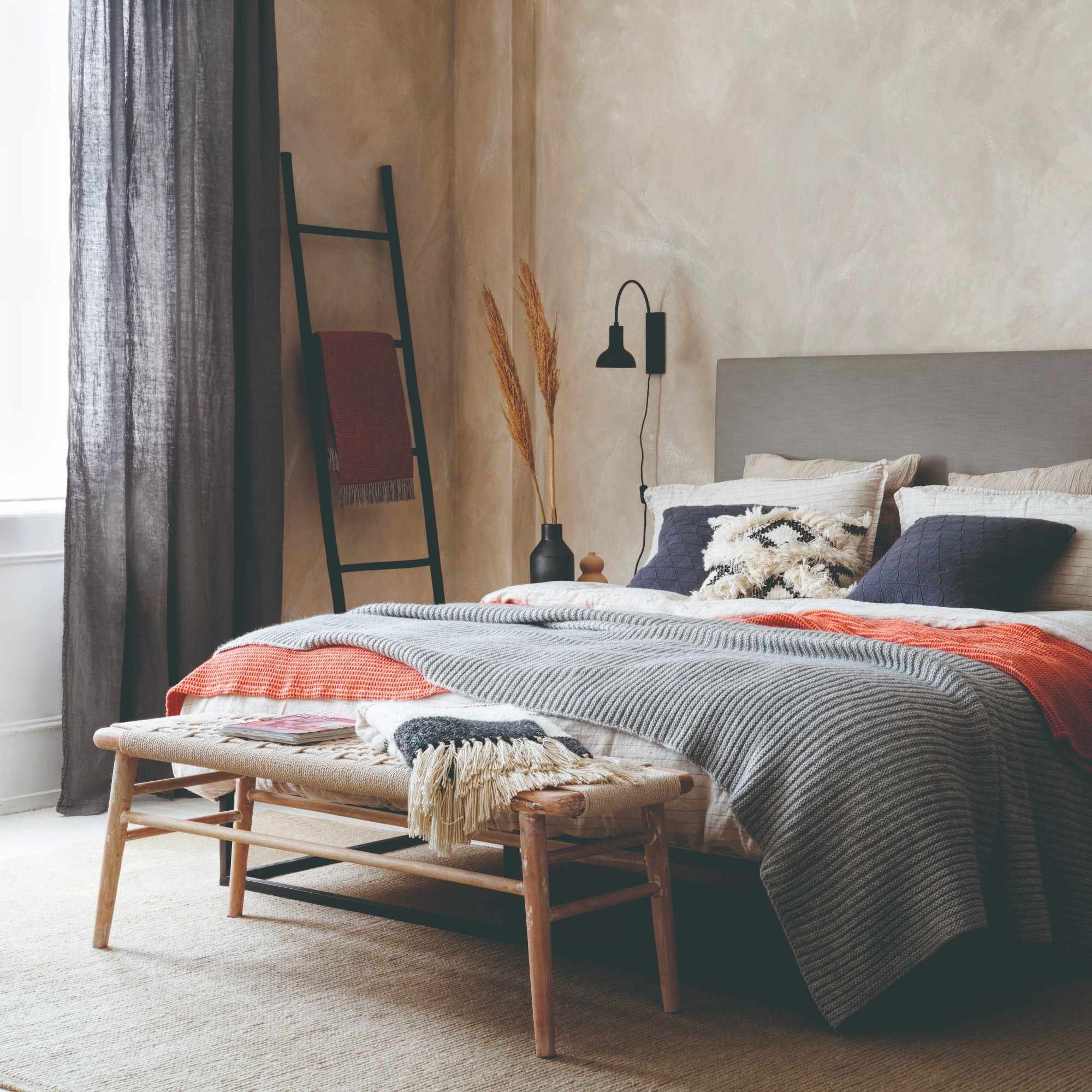
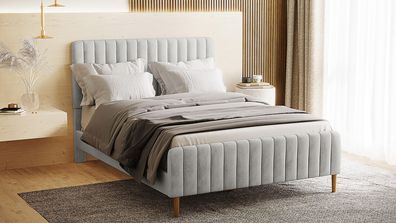
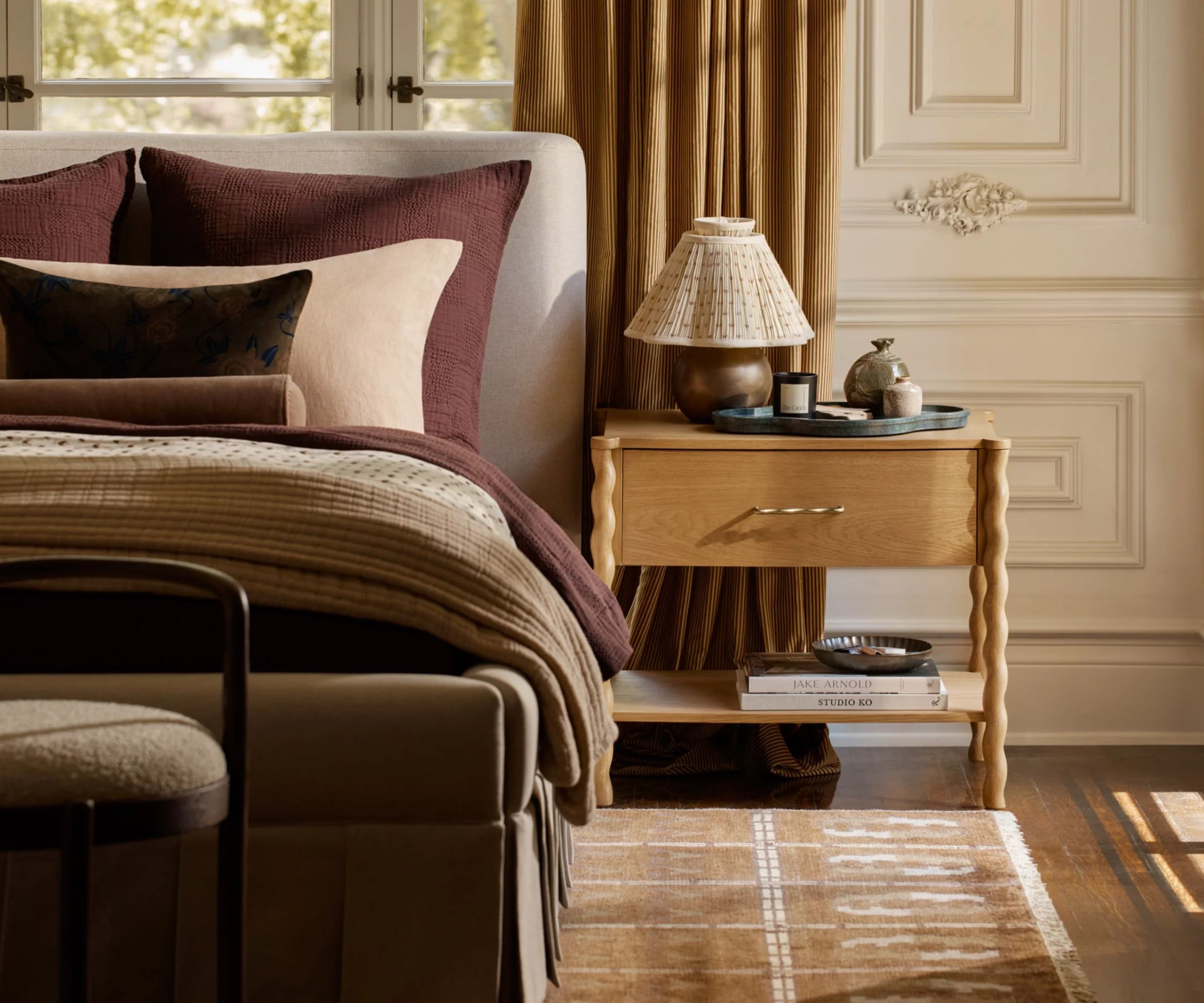
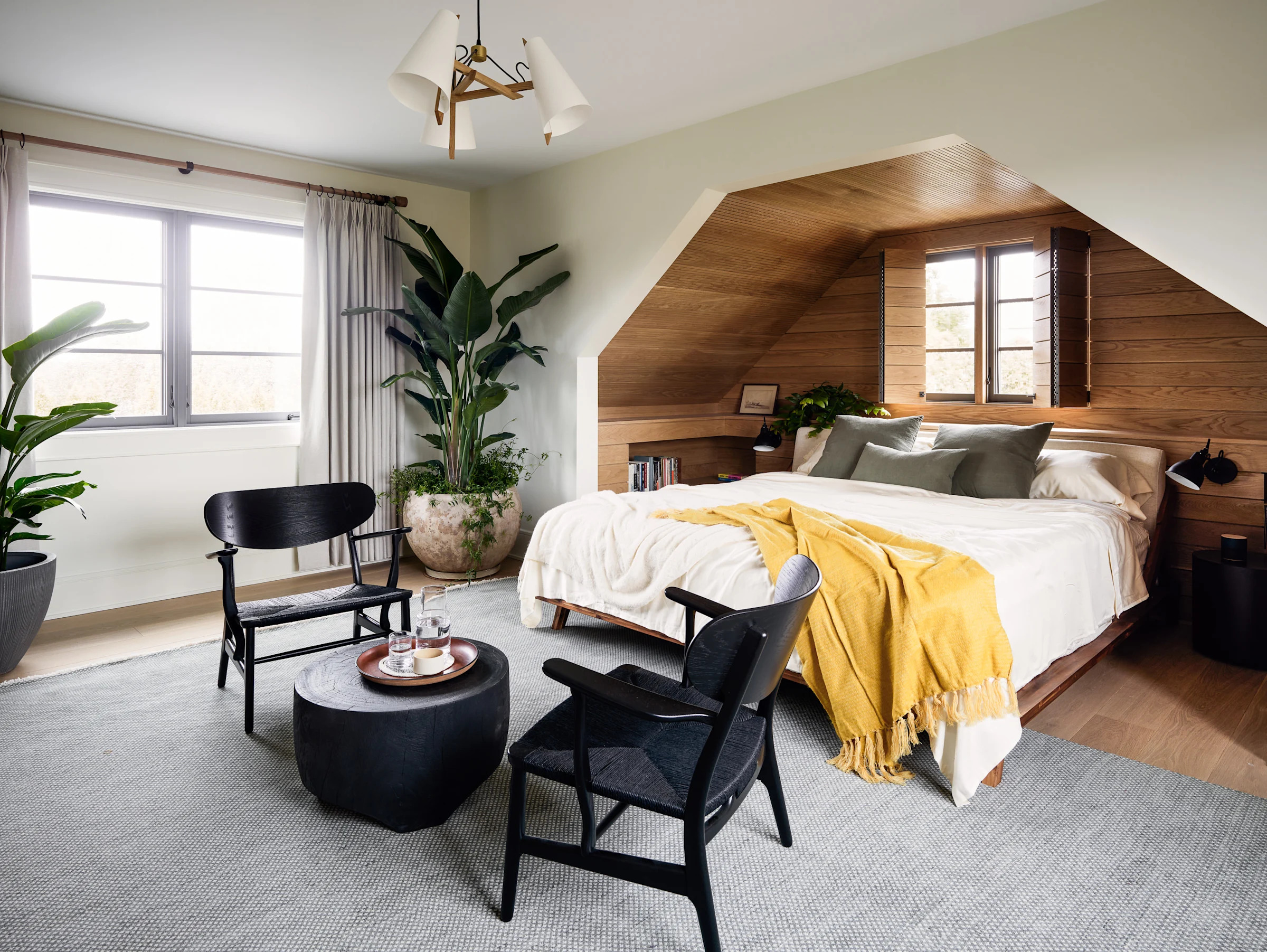
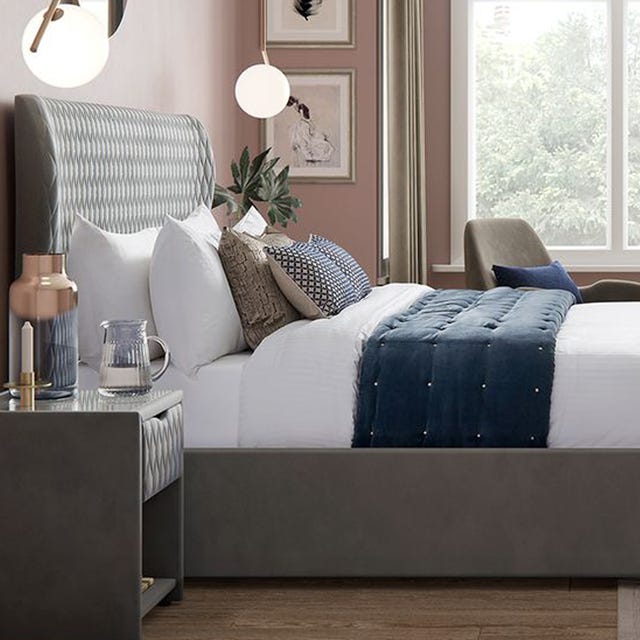
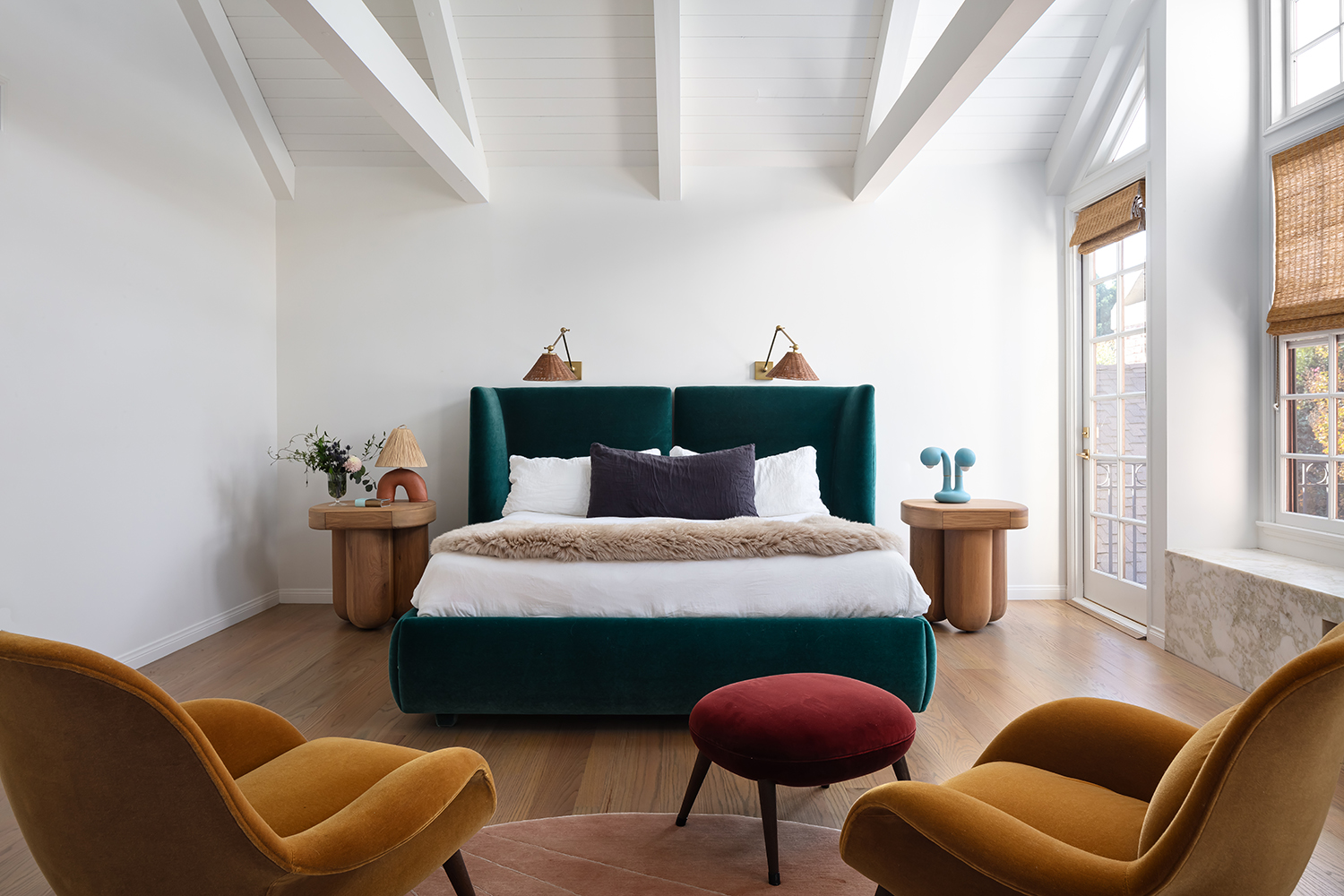
One crucial aspect is opting for furniture with soft, rounded edges. Sharp or pointy edges, commonly found in many furniture pieces, are believed to create negative energy. Instead, choosing organic lines and natural materials for items like bedside tables and beds can foster a sense of comfort and safety. Upholstered beds in tactile fabrics such as faux fur, velvet, or boucle are particularly effective in introducing softness and calm, aligning with current interior design trends that favor curves.
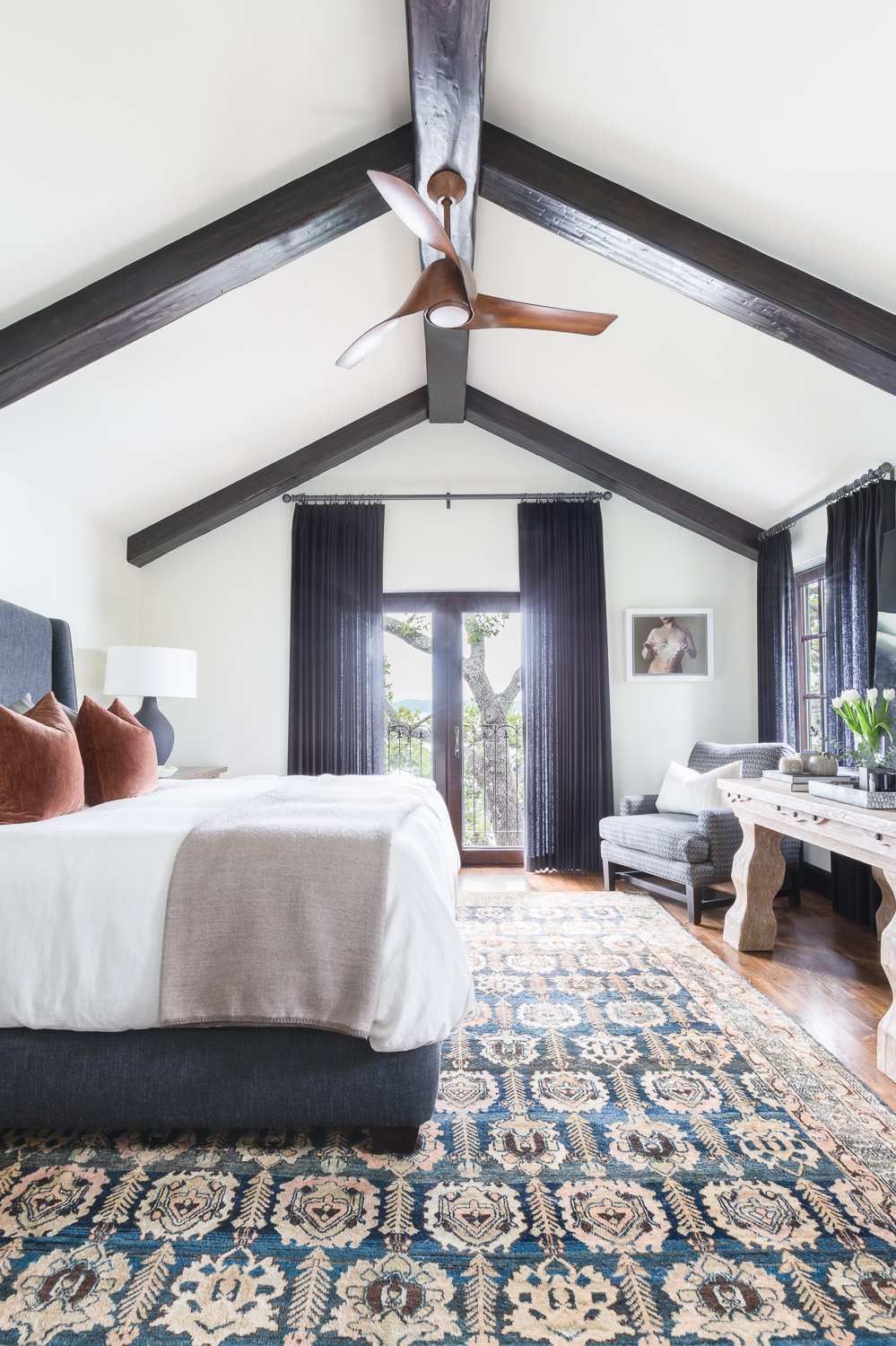
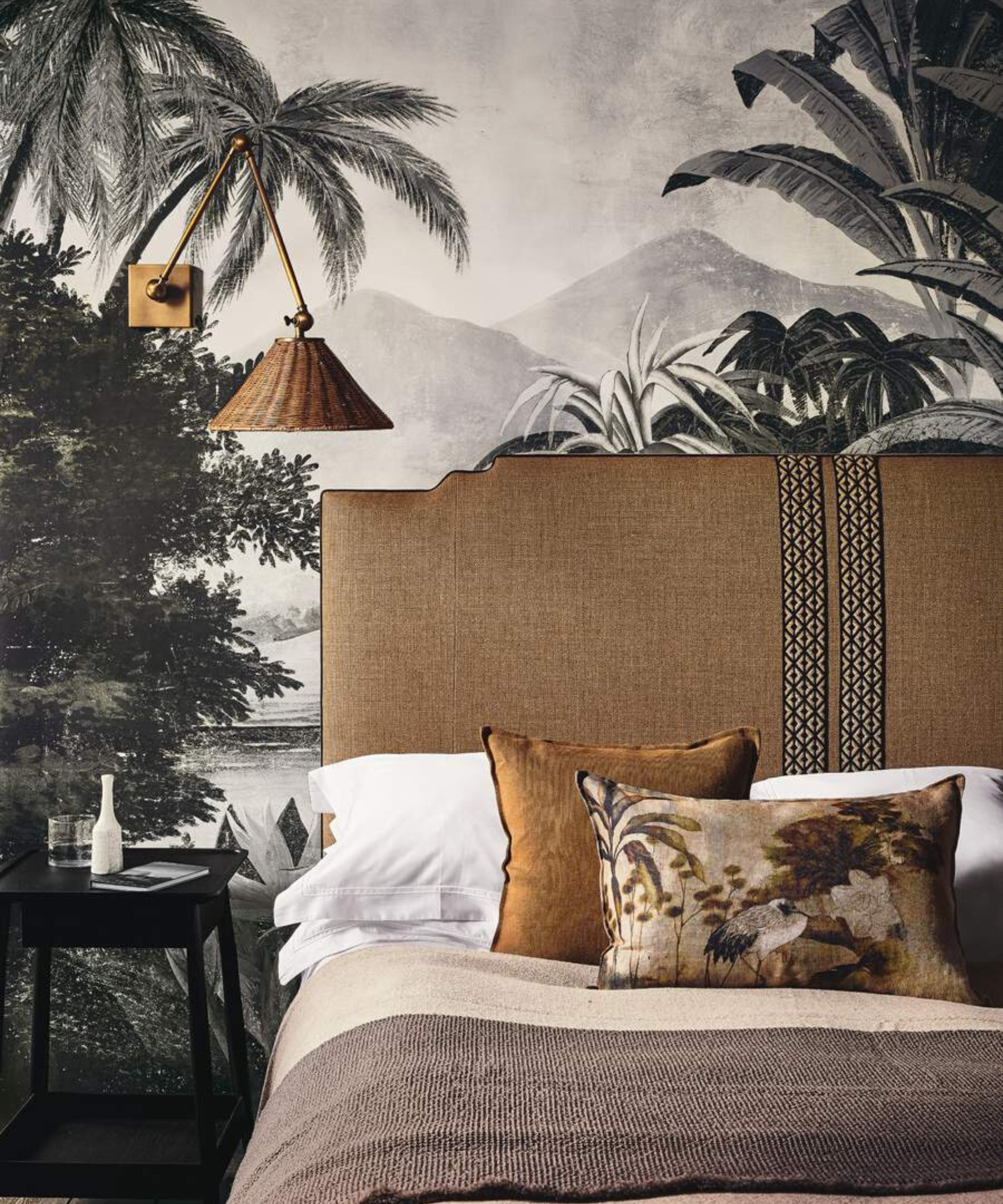
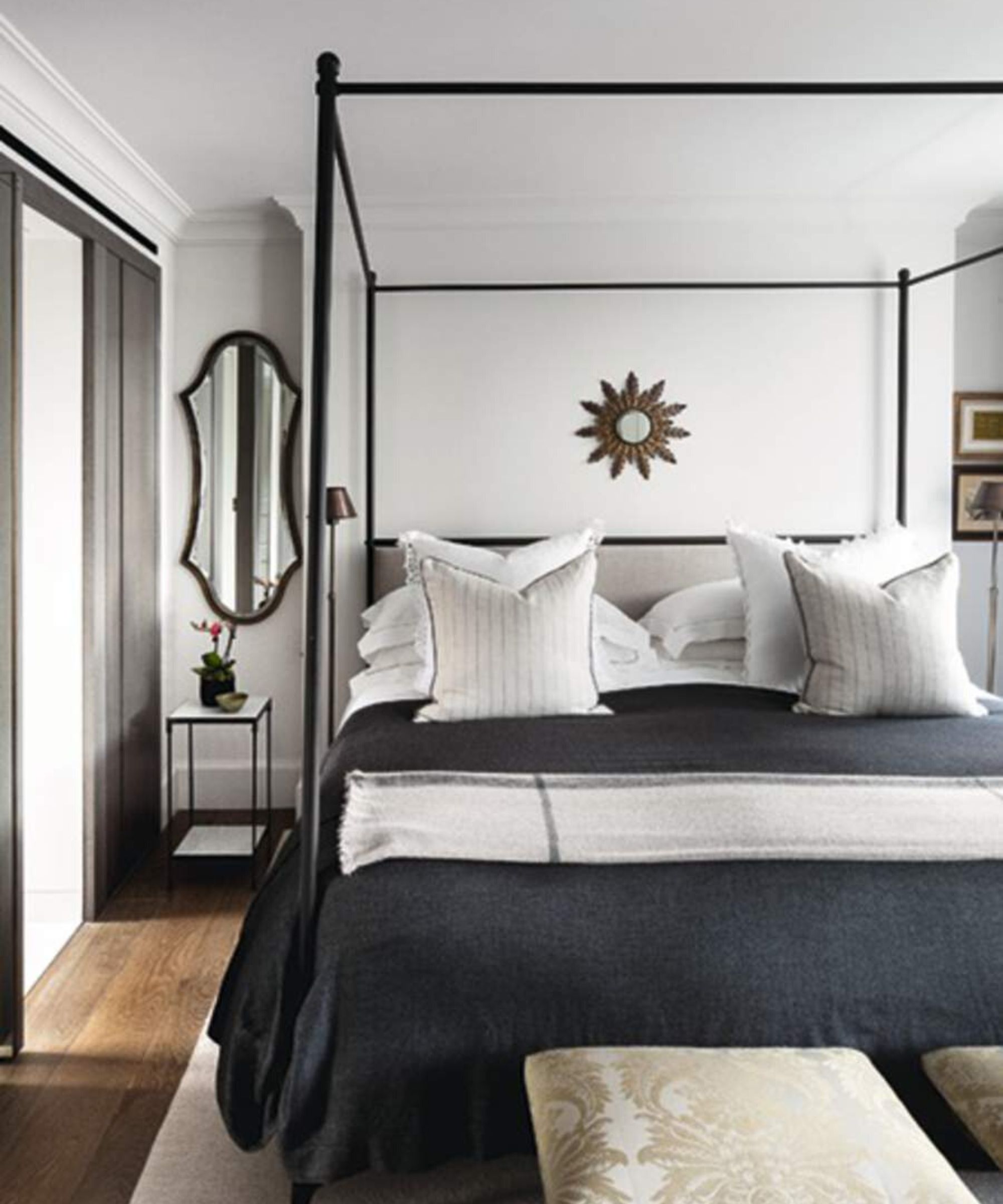
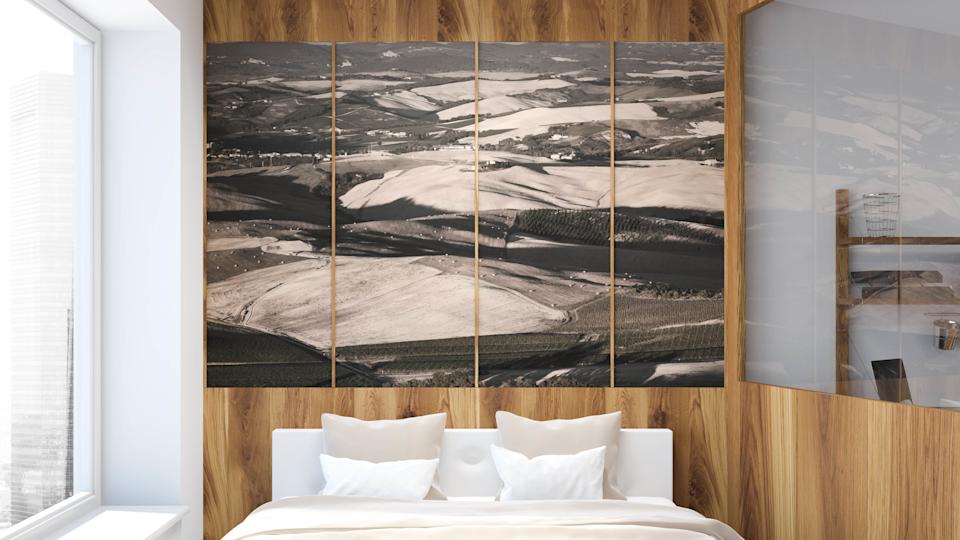
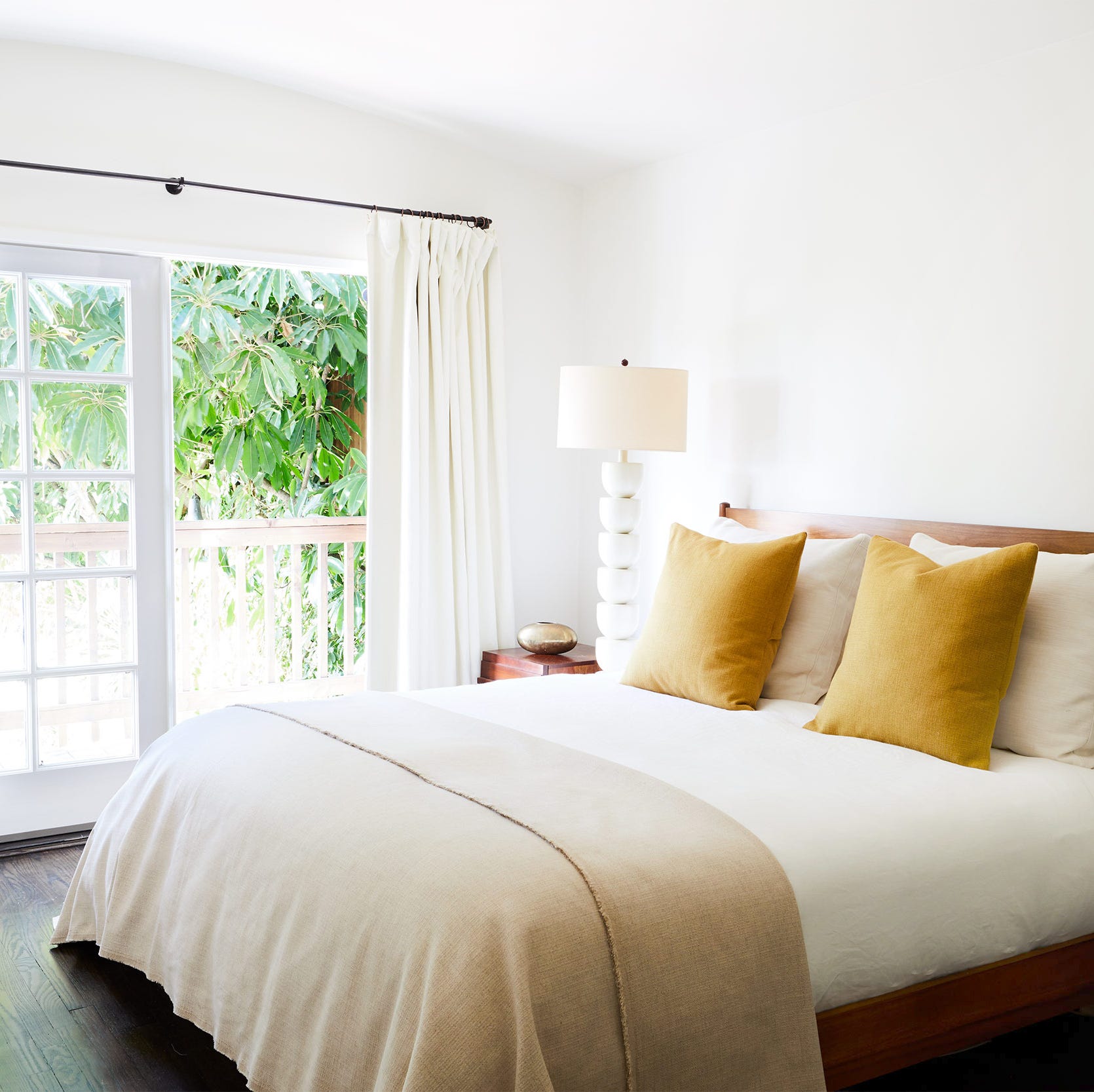
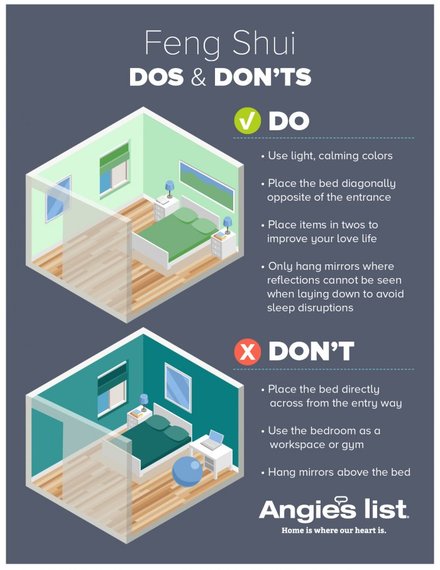
Another vital element is the central positioning of the bed. While it should be central to a wall, it is advised to avoid placing it directly in line with or too close to the door. This 'dead man's position' is believed to cause energy to be pulled away throughout the night. Experts suggest placing the bed centrally to anchor the room's energy and ensure accessibility from both sides, especially for couples, to prevent a feeling of being trapped. Additionally, investing in a sturdy headboard that is fixed to the bed rather than just painted on provides a sense of support and security, symbolically preventing unseen objects from entering one's space.
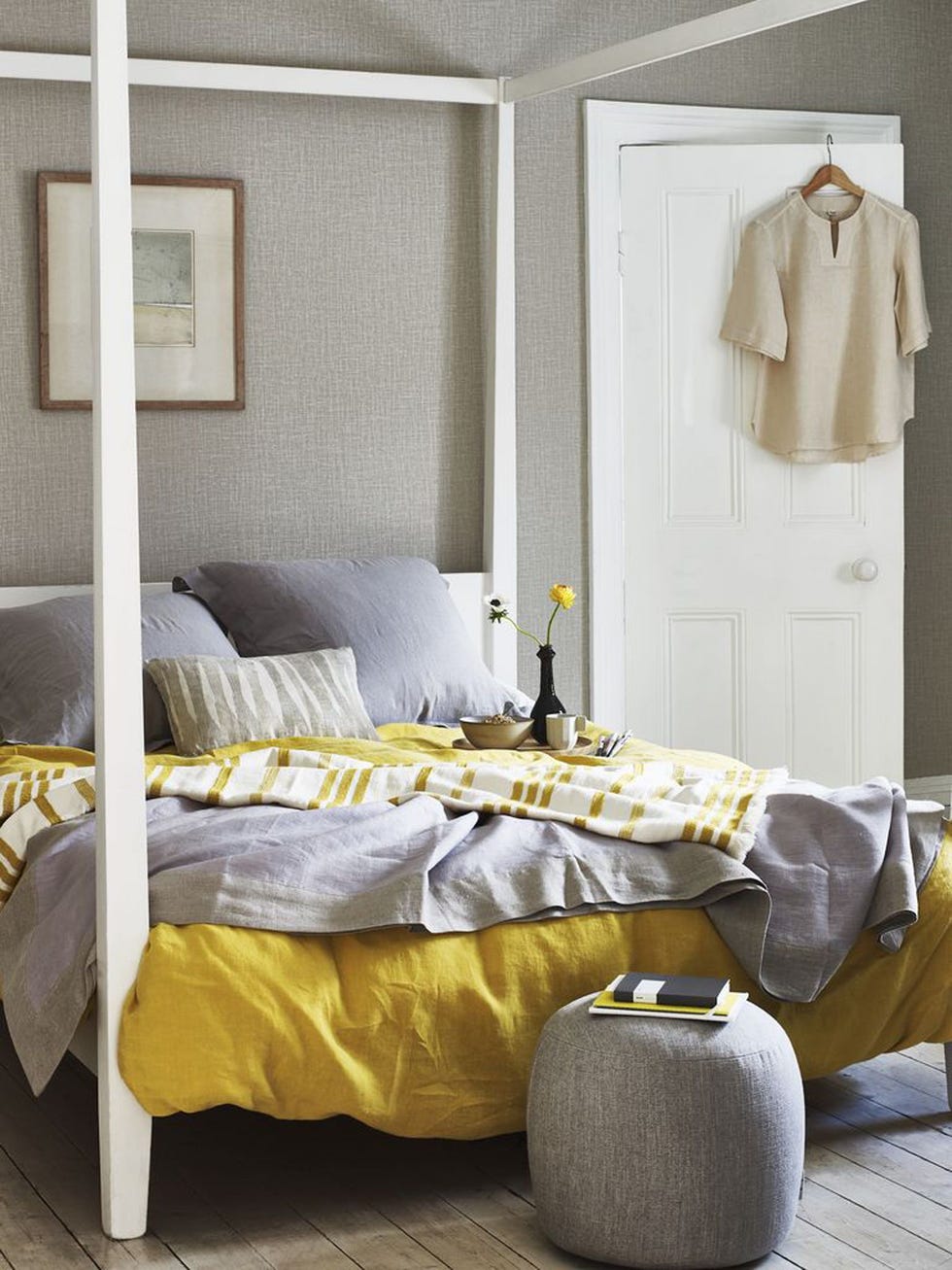
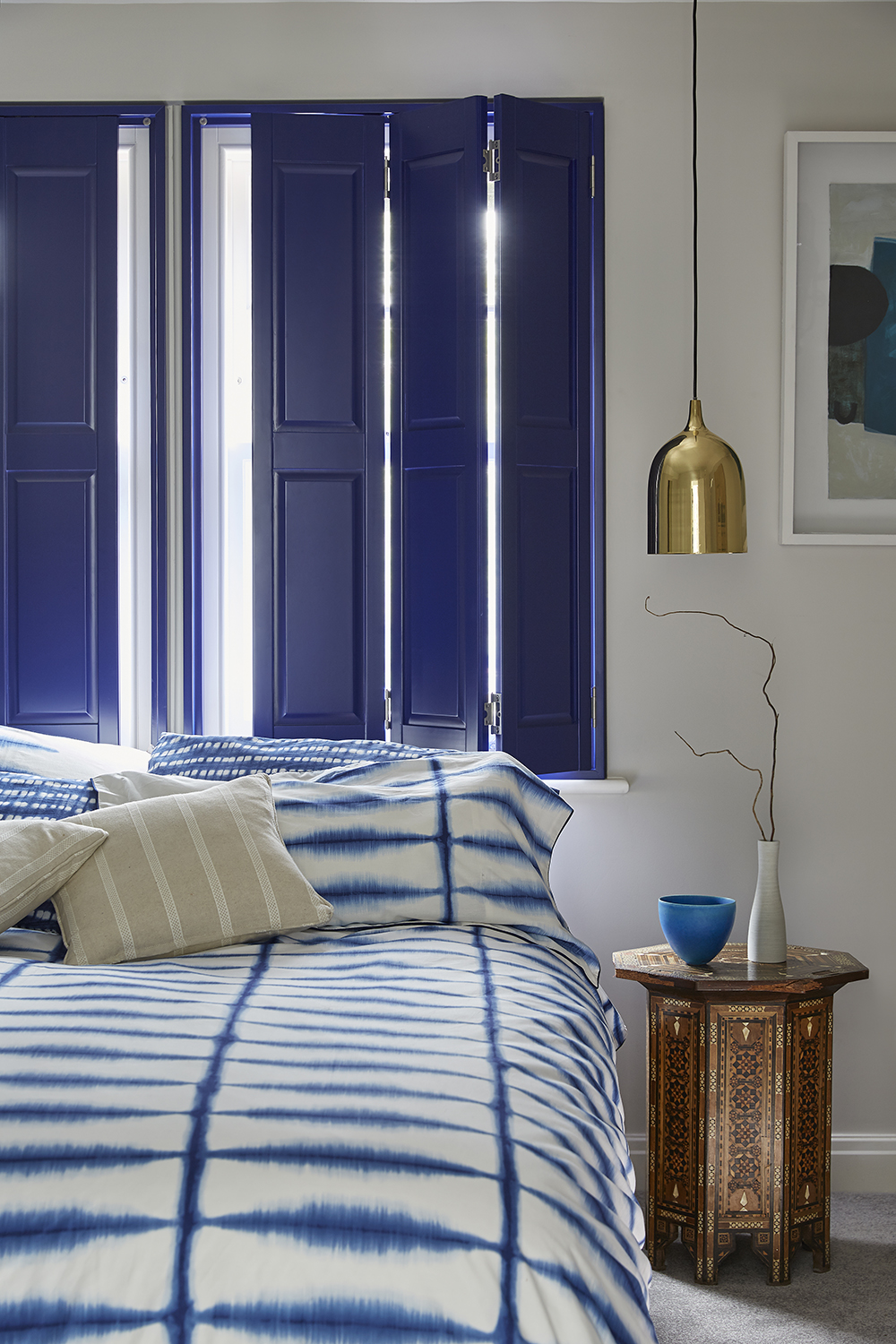
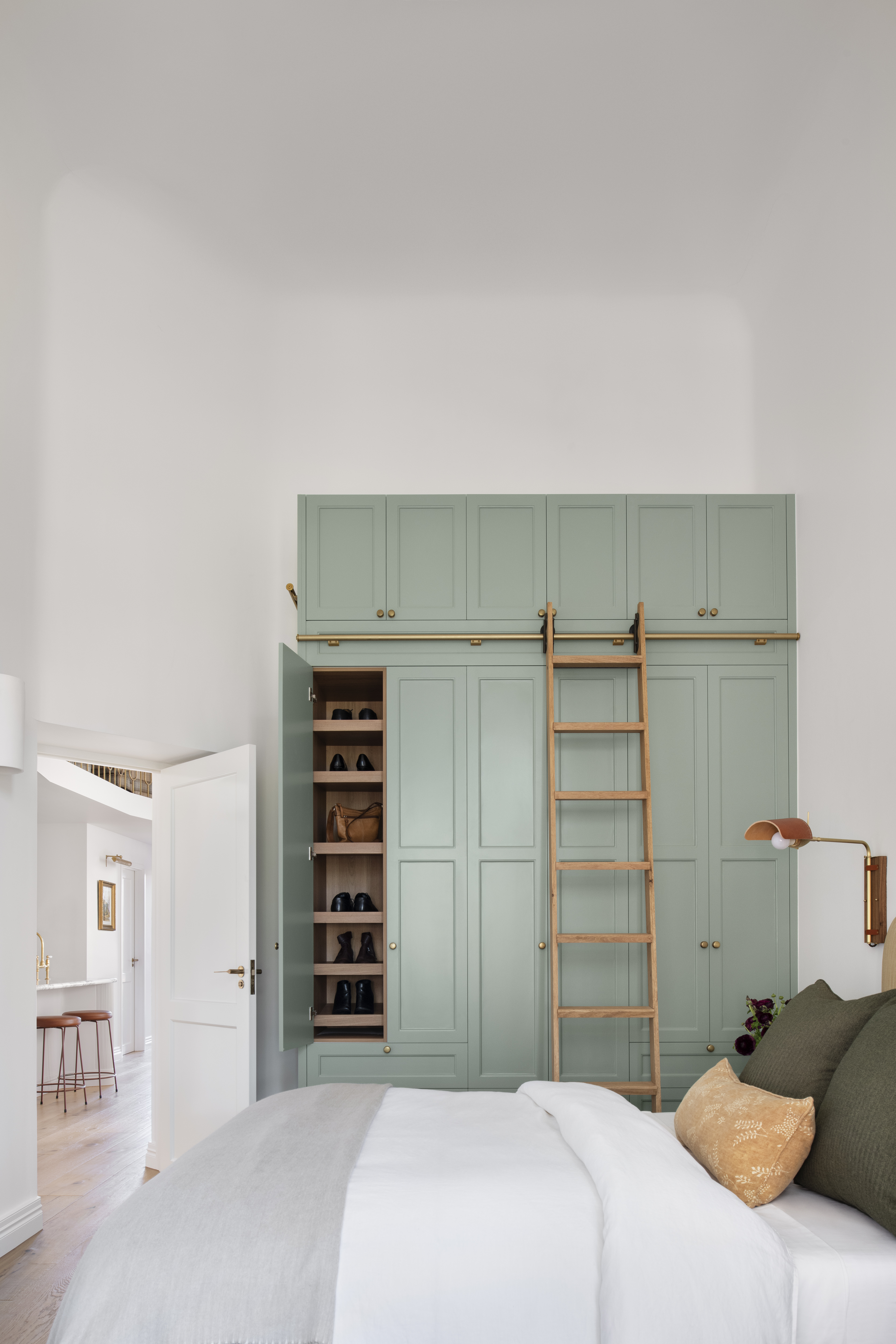
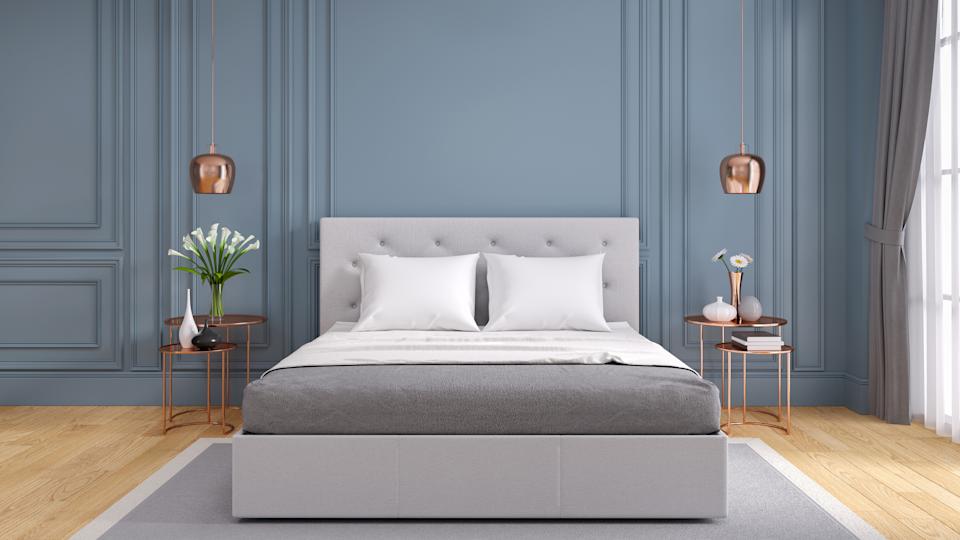
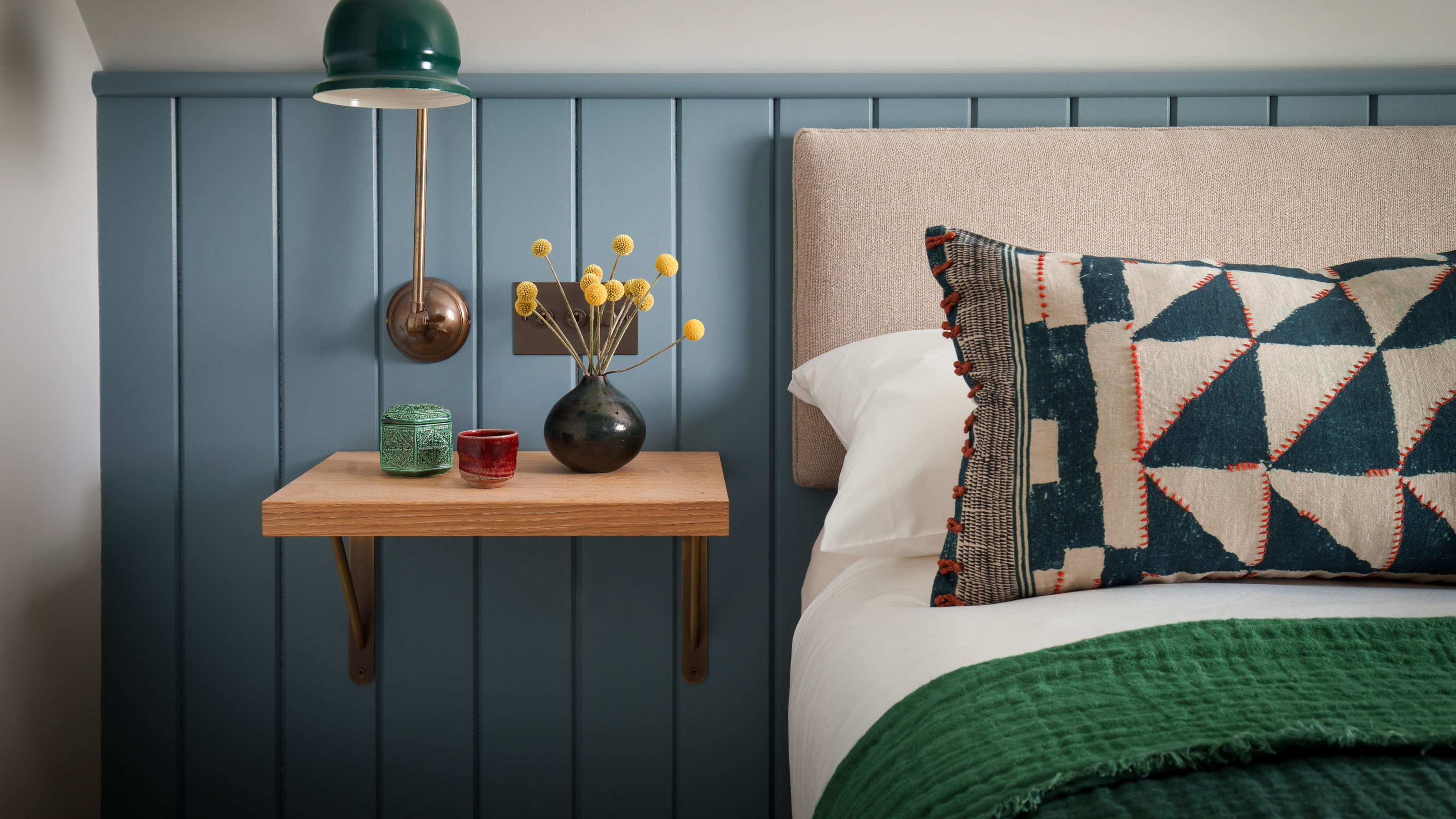
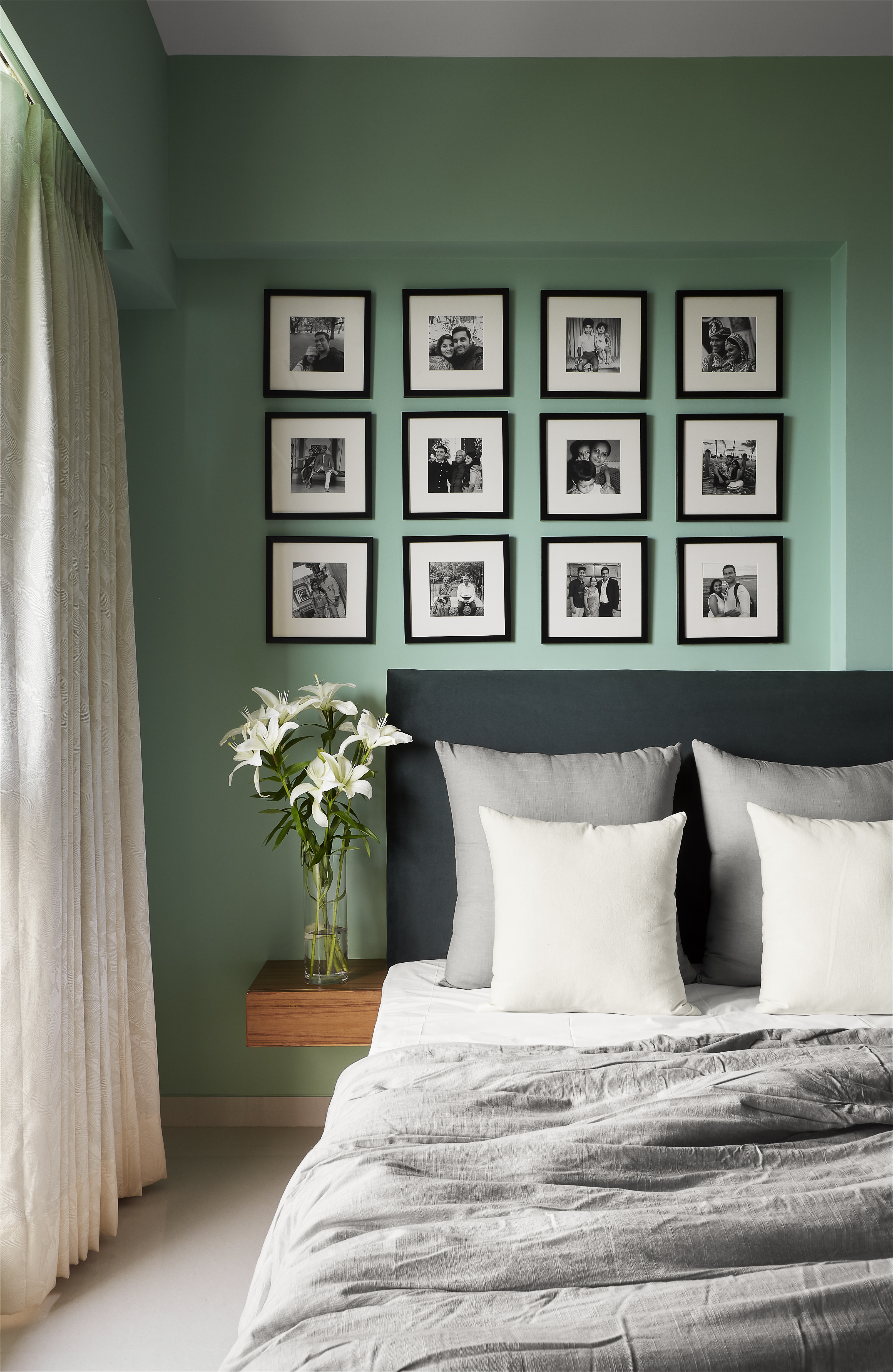
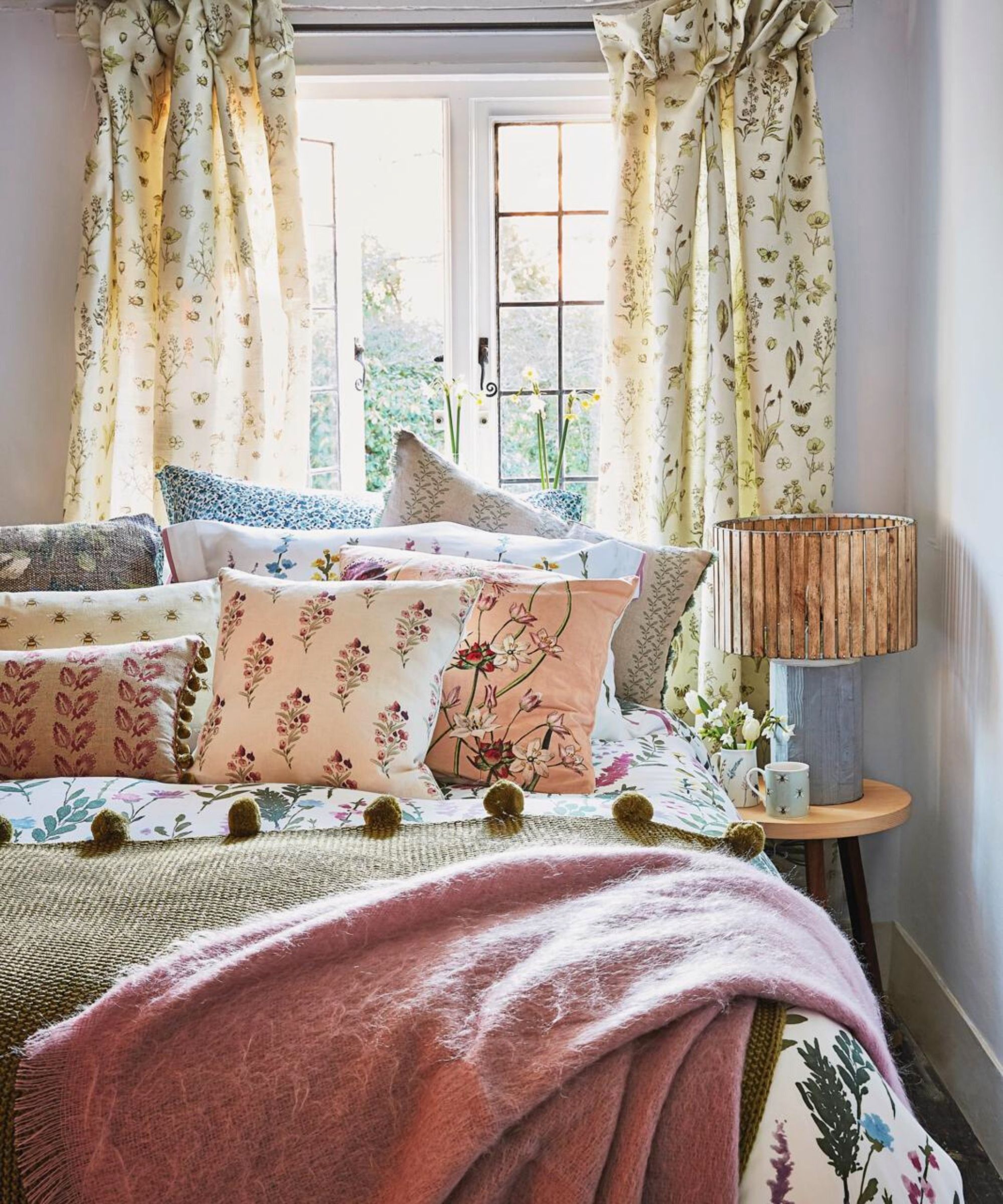
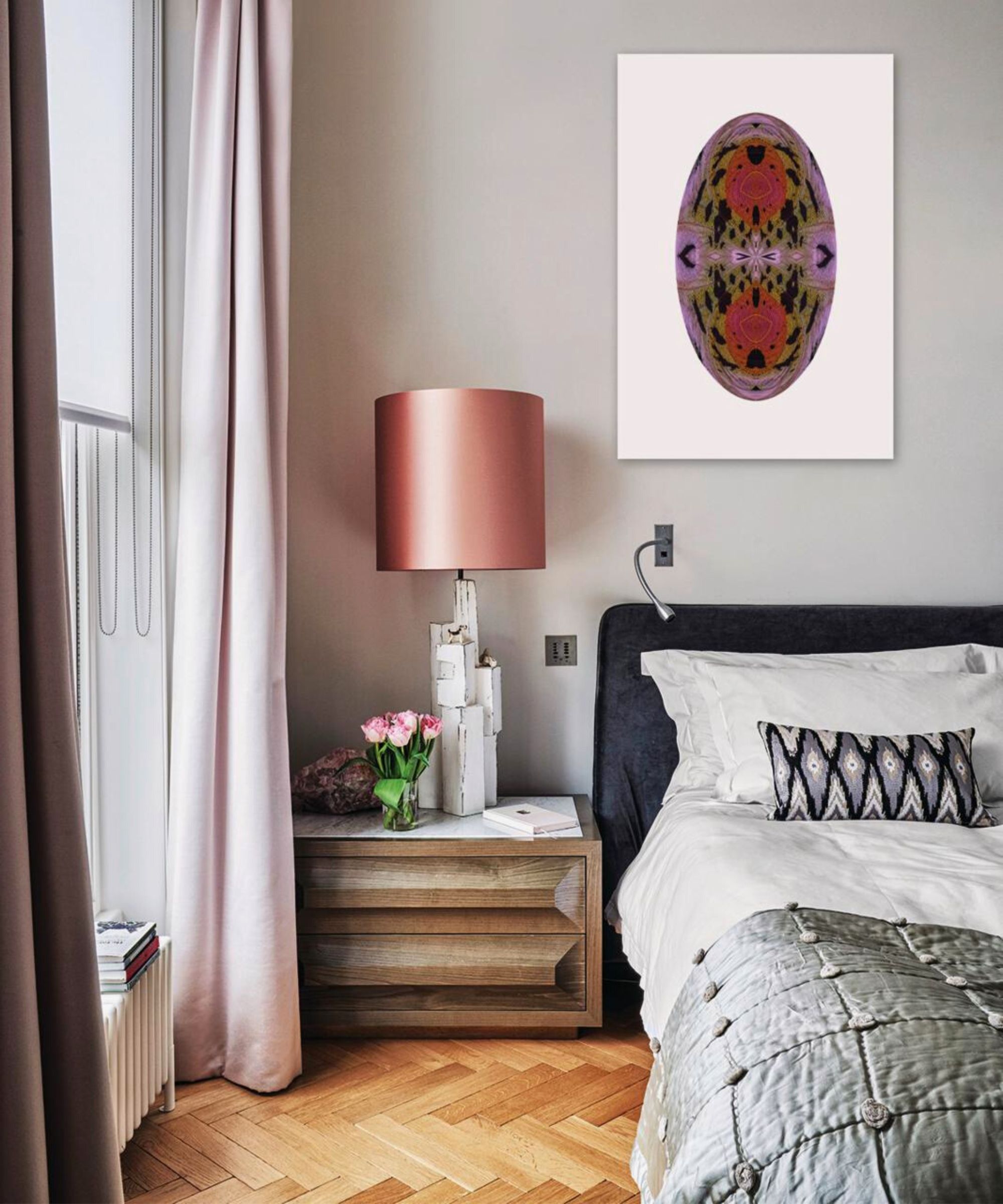
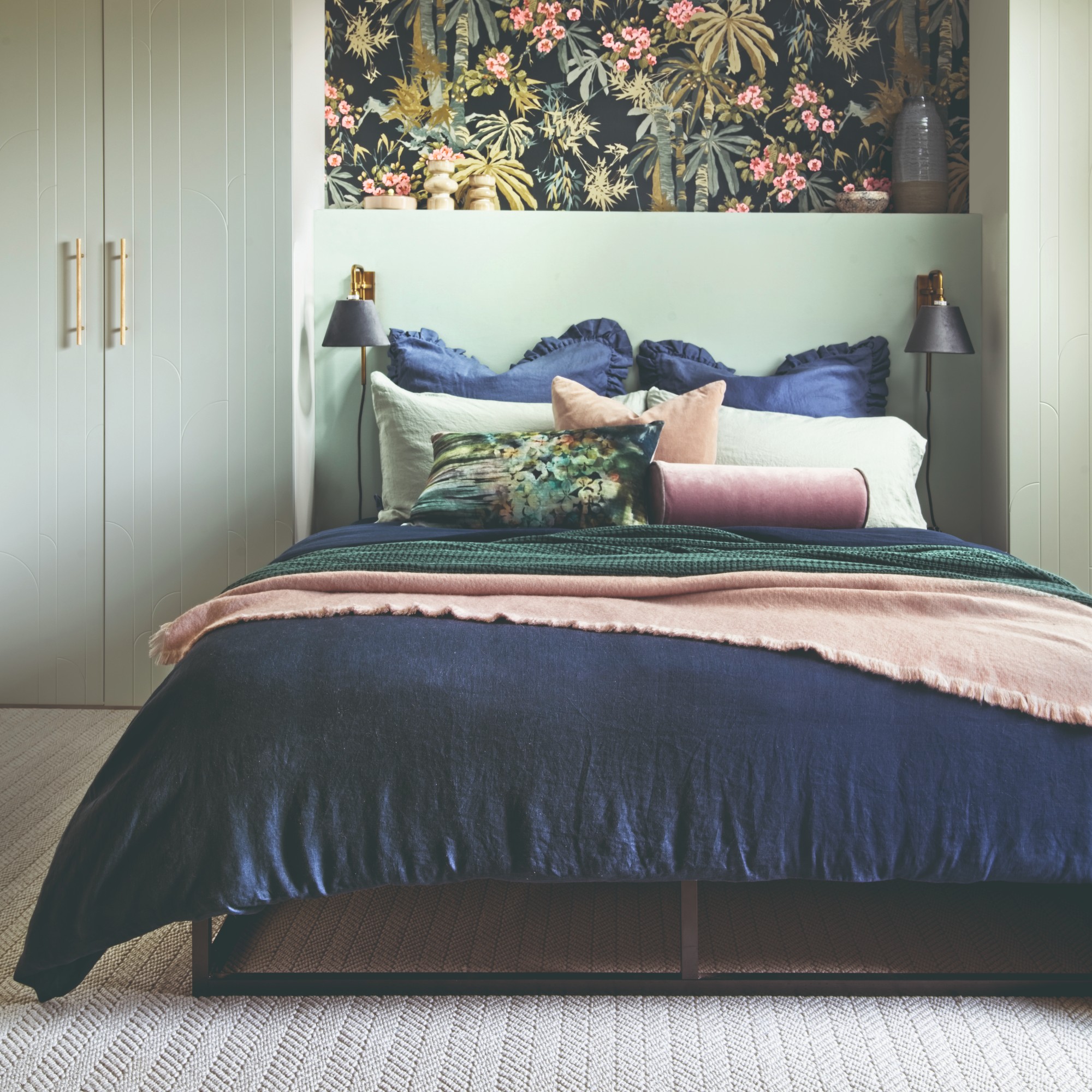
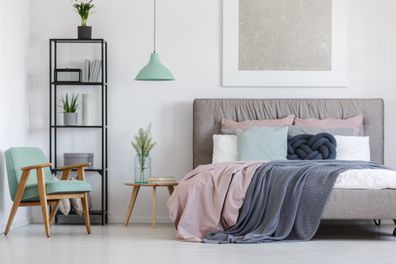
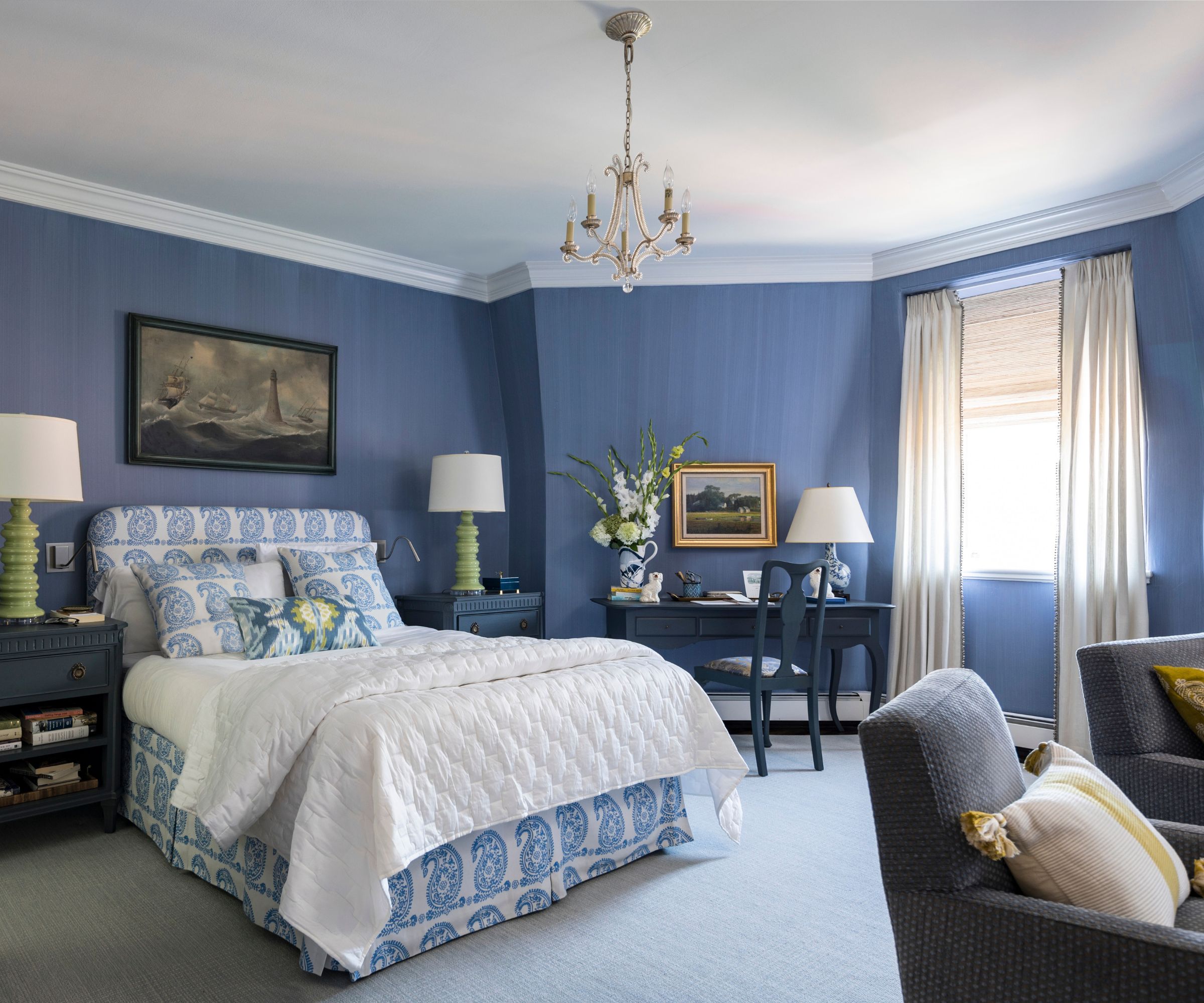
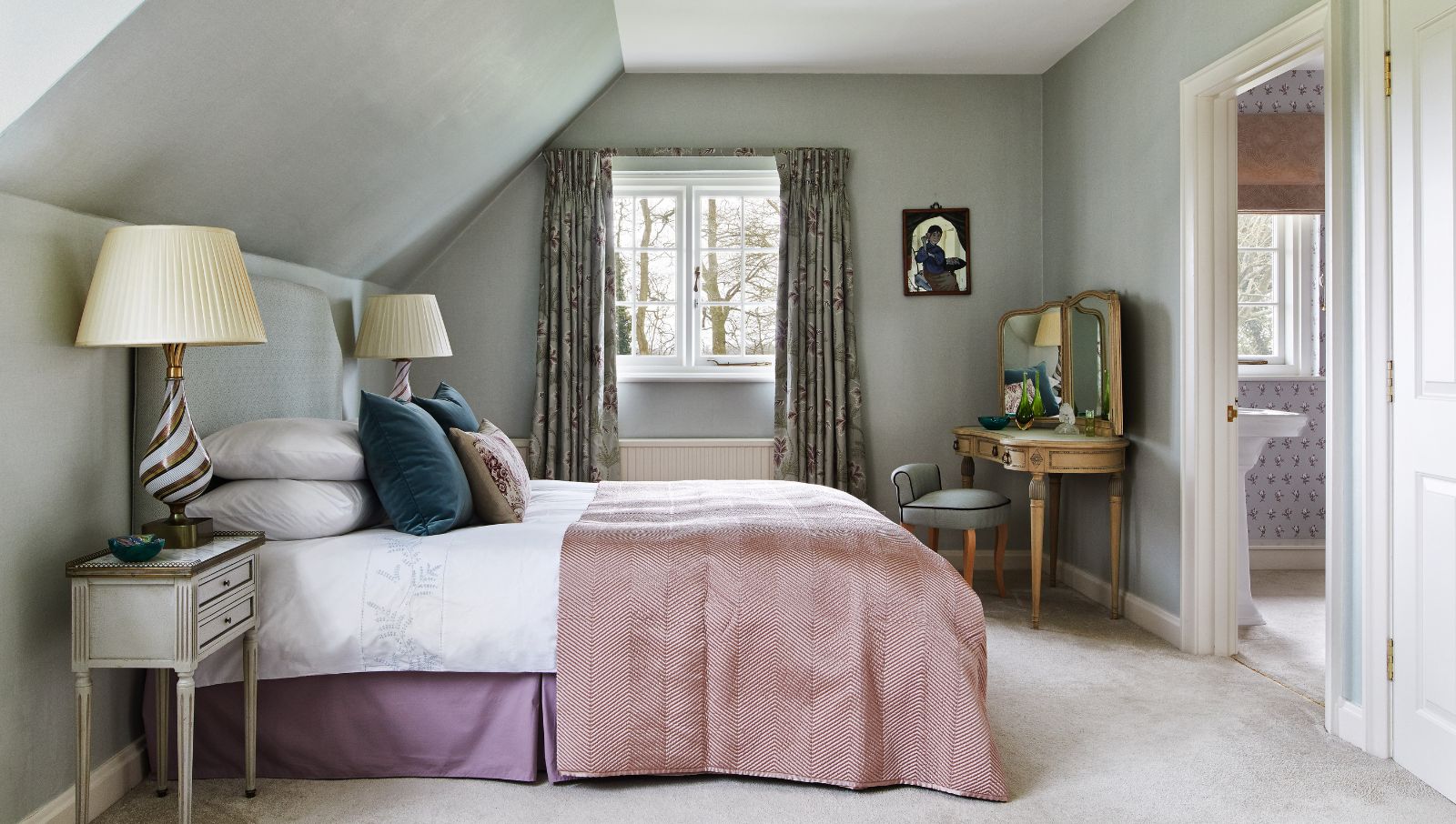
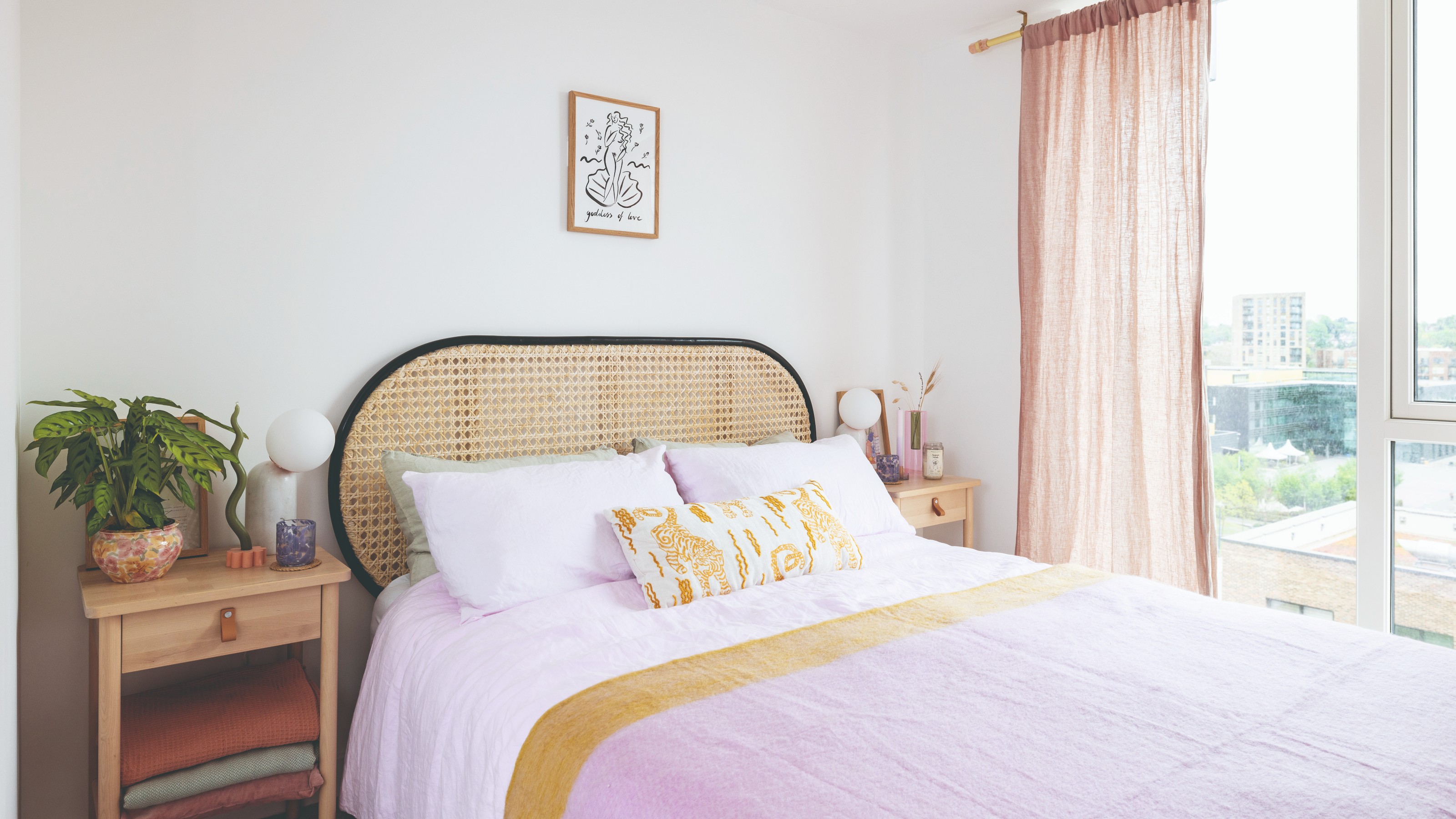
Color selection plays a significant role in establishing a serene atmosphere. Calm, neutral, and pastel shades like pale blues, sage greens, pale pinks, and lavenders are recommended as they psychologically create electronic waves in the brain that promote feelings of being settled, healed, or calm. Overusing bold, bright colors can over-activate energy and disrupt rest. Functional furniture, such as bookcases and well-organized storage units, is also favored, as items with meaning and purpose contribute positively to Feng Shui, provided they are aesthetically pleasing and decluttered. Clutter, particularly under the bed, is seen as detrimental to energy flow, making decluttering a primary step towards a zen bedroom.
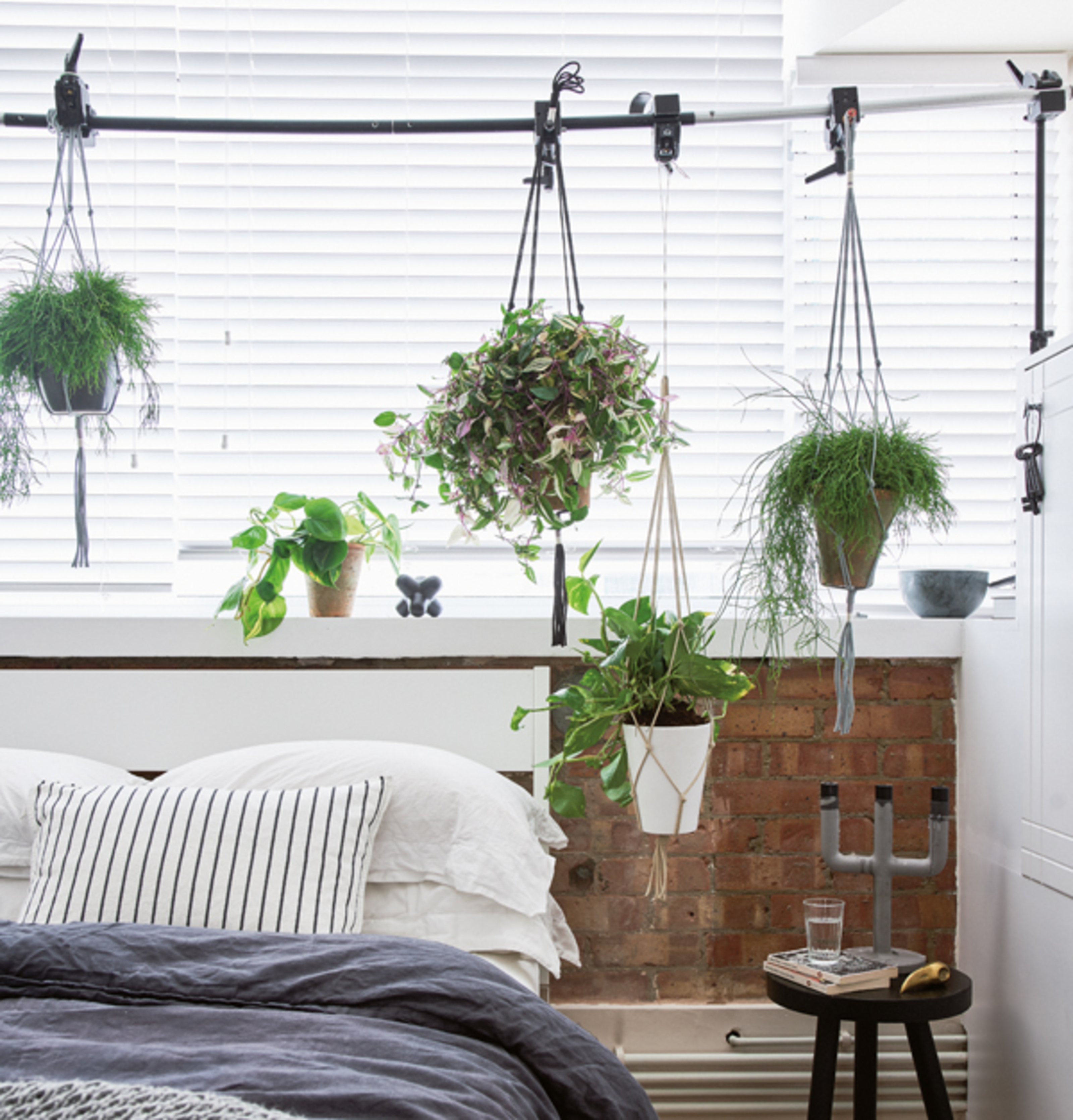
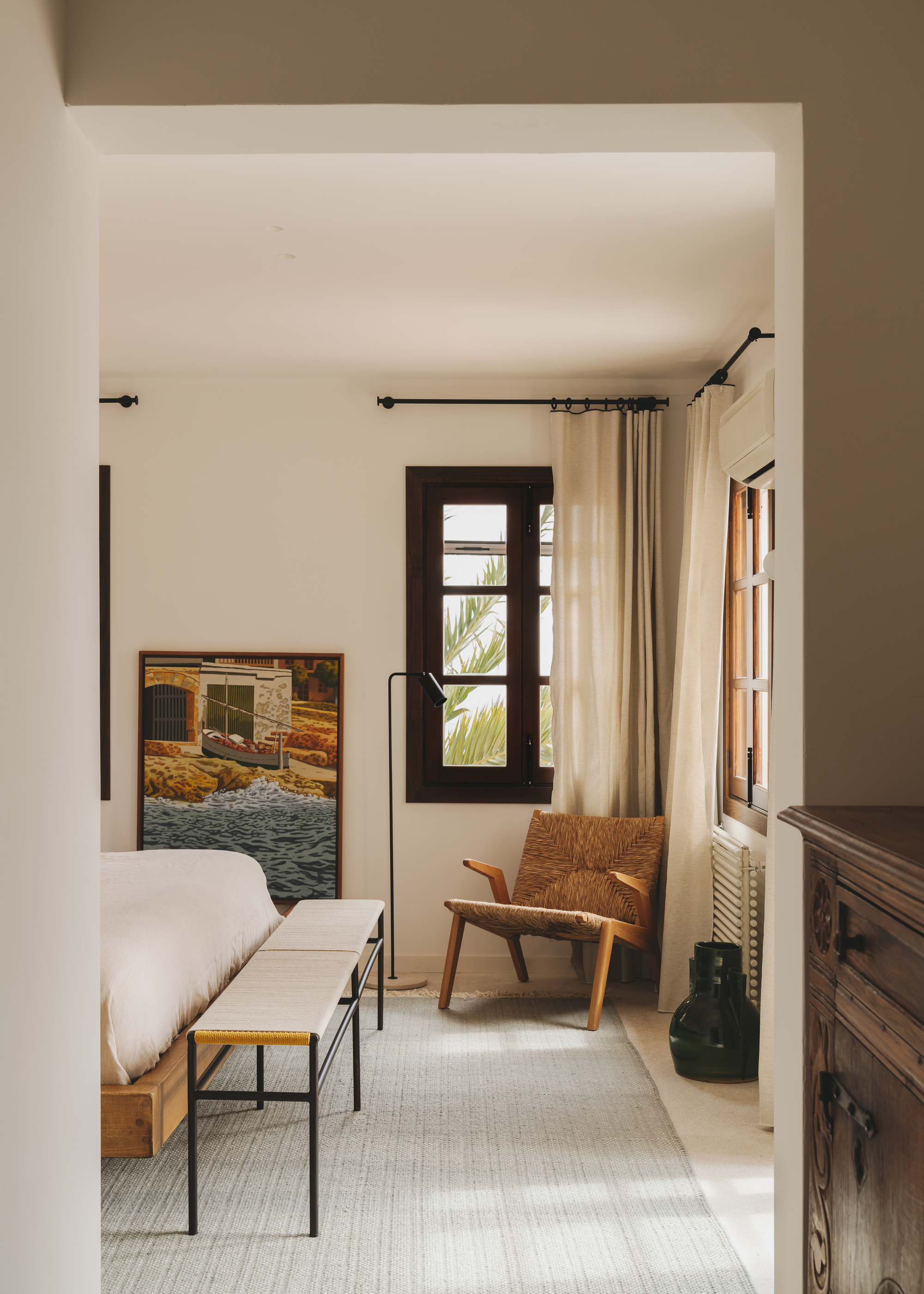
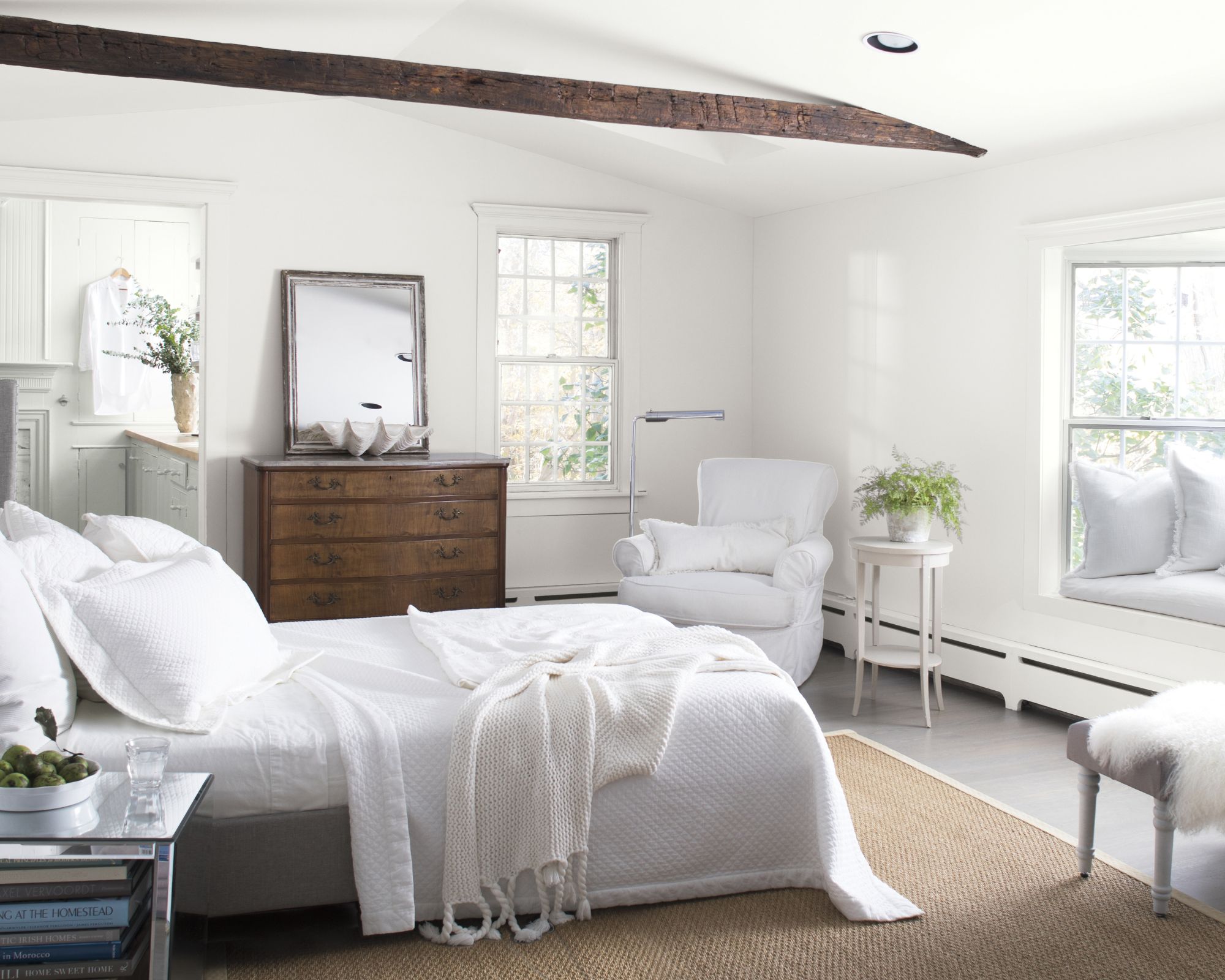
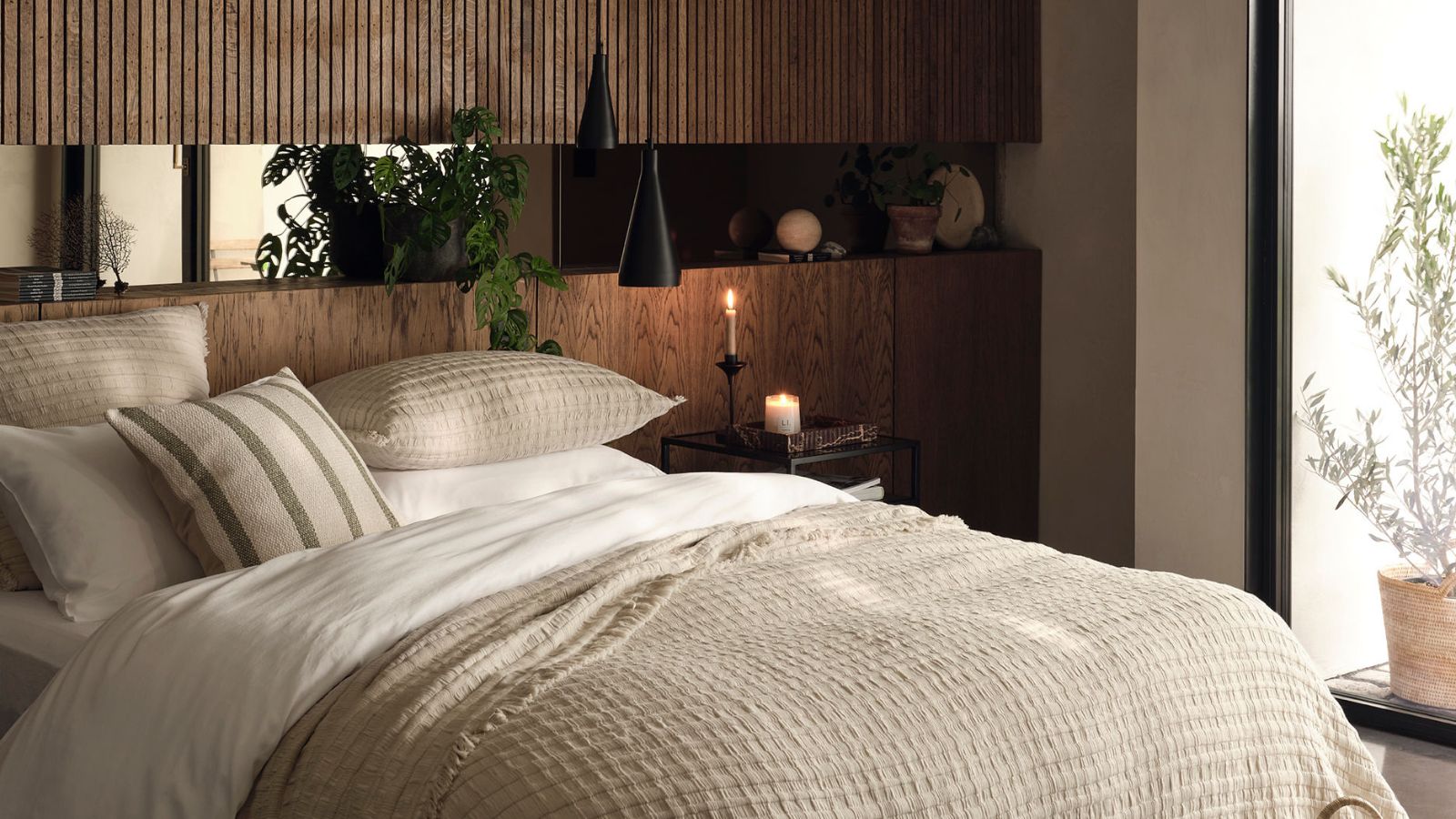
Lighting, both natural and artificial, is essential. A combination of diverse lighting sources, including floor lamps for dynamic nighttime illumination, is beneficial. Placing the bed to allow morning light to enter naturally is encouraged to welcome positive Chi. Bringing nature indoors through houseplants is highly recommended for creating harmony and reducing anxiety, as plants allow a room to breathe and offer healing properties. Orchids, in particular, are suggested for bedside tables to uplift energy and attract luck and blessings. However, certain plants like cacti and Golden Pothos are cautioned against.
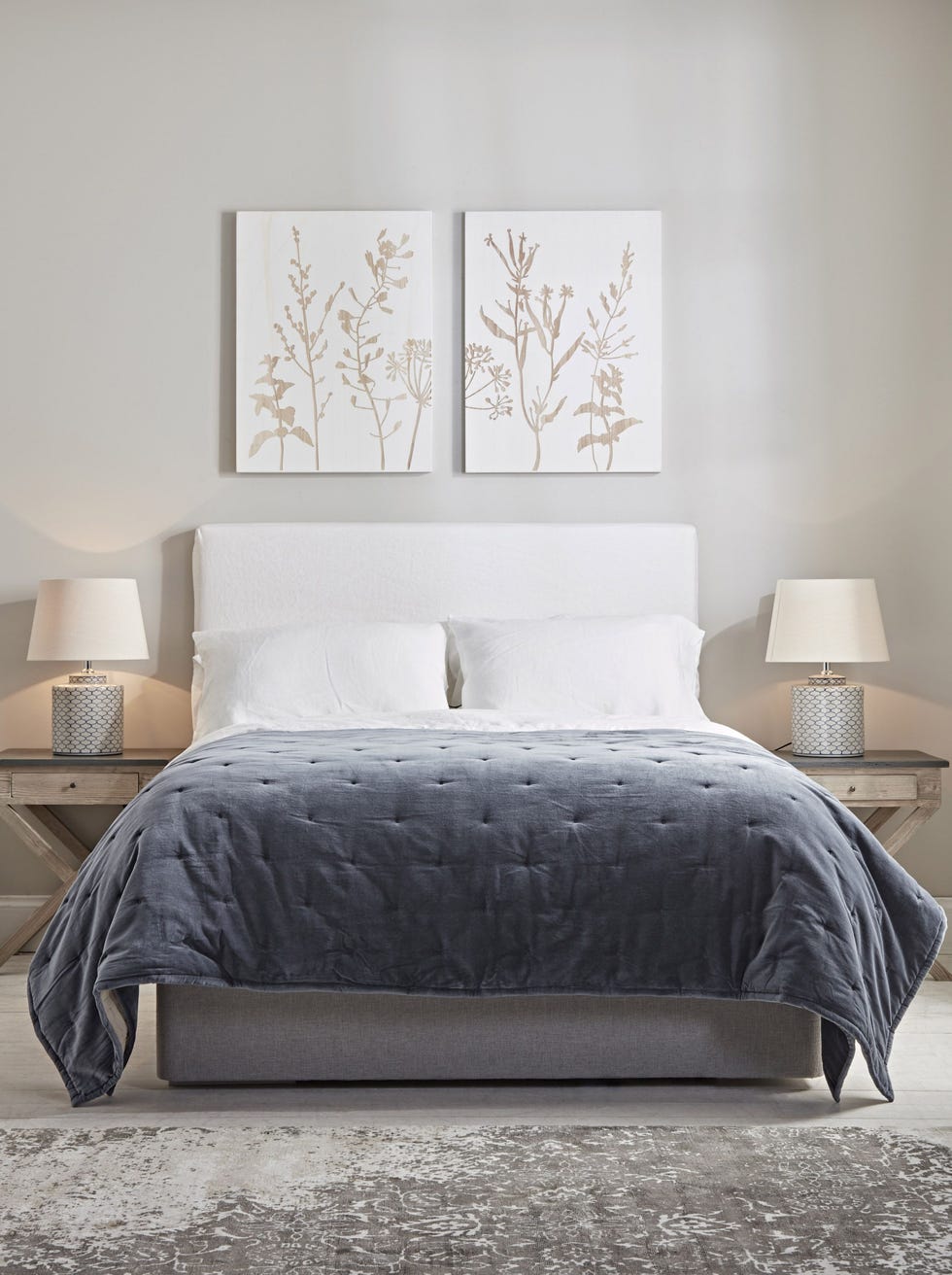
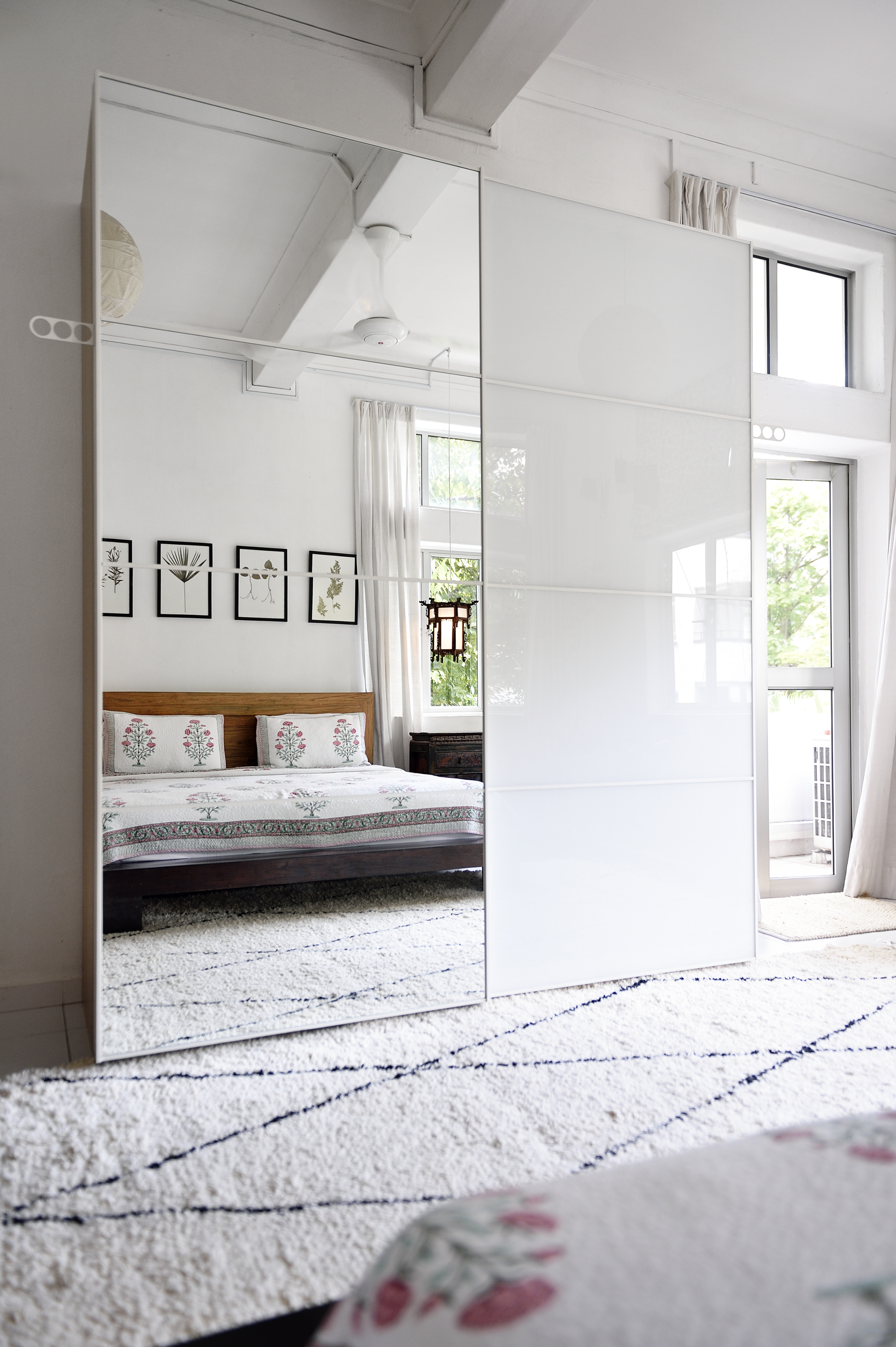
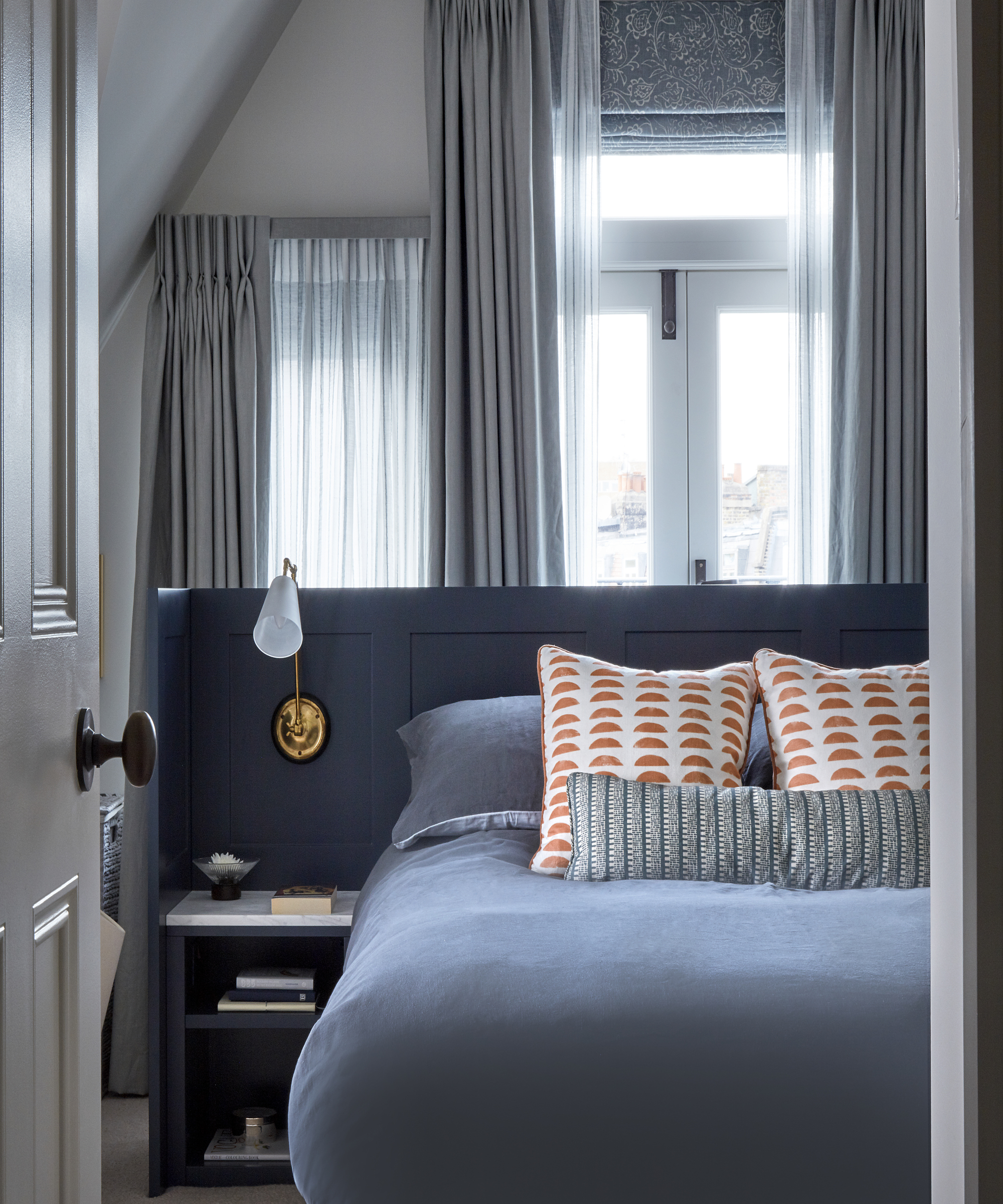
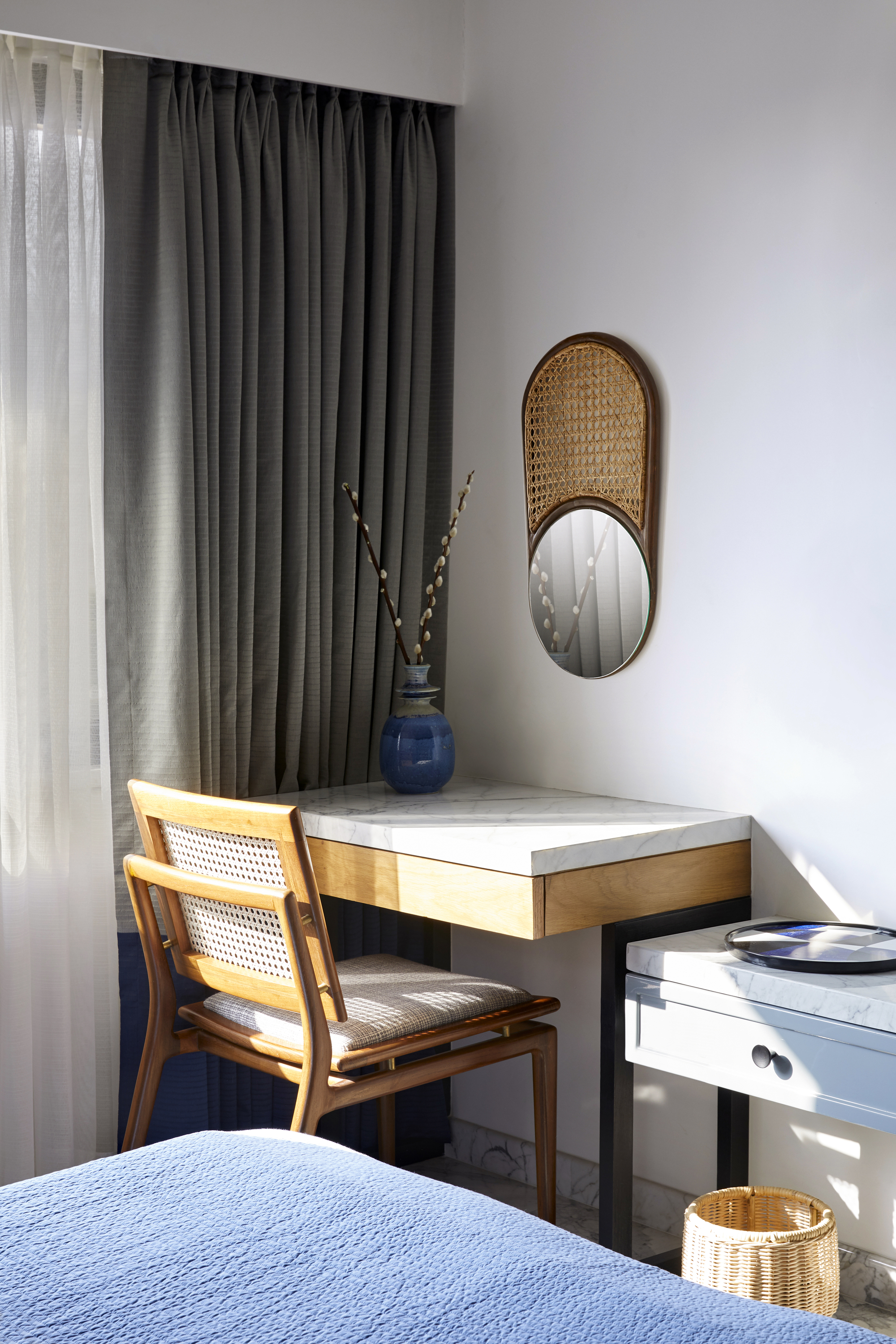
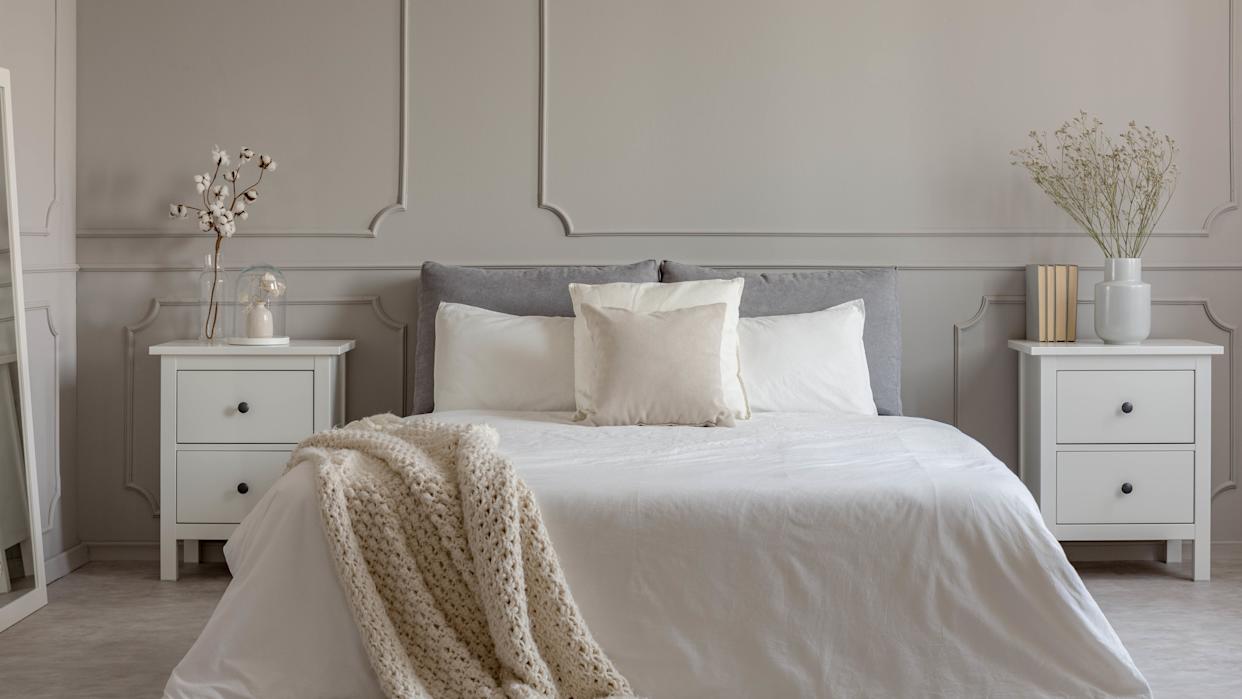
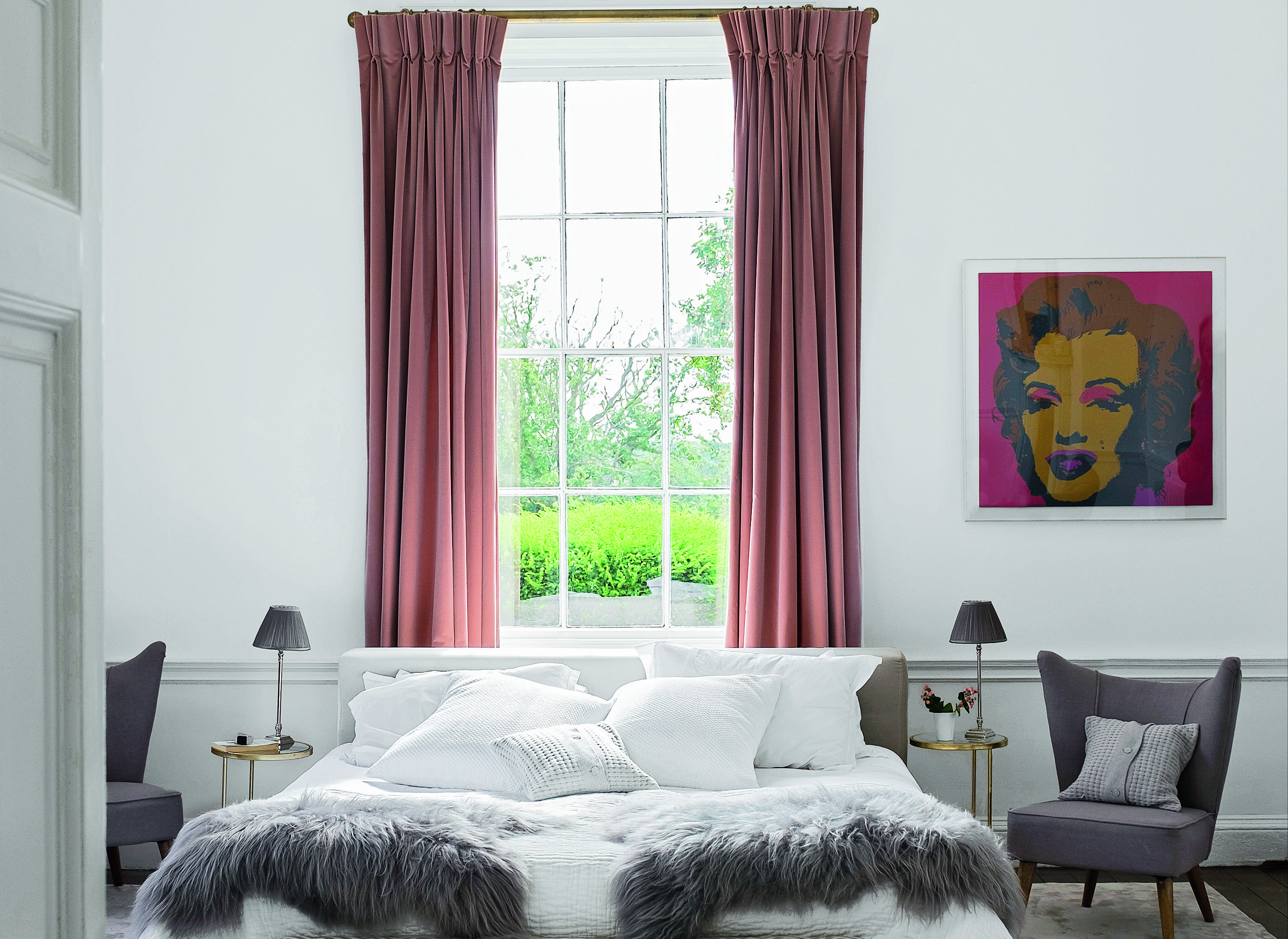
Minimizing electrical items in the bedroom is advised to prevent electromagnetic stress from draining energy and disrupting sleep. Removing laptops and keeping phones outside the room can contribute to a more restful environment. Setting the mood with candles or Himalayan salt lamps introduces a fire element, bringing comfort, inspiration, and even romance, while purifying energy. Finally, careful consideration of reflective surfaces, such as mirrors, is important. Mirrors should not be placed opposite windows or directly in front of the bed, as reflections can disturb sleep, even though they can visually enlarge a small room. Balancing the bedroom with a symmetrical layout, using homewares in pairs, creates equilibrium and a sense of stability, which the brain interprets as safe and calm, optimizing conditions for sleep.
#FengShui #BedroomDesign #InteriorDesign #HomeDecoration #SleepImprovement #TranquilSpace #FurniturePlacement #ColorPsychology #Decluttering #NaturalElements #LightingDesign #SymmetryInDesign #FengShui #BedroomDesign #InteriorDesign #HomeDecoration #SleepImprovement #TranquilSpace #FurniturePlacement #ColorPsychology #Decluttering #NaturalElements #LightingDesign #SymmetryInDesign
0 comment in total
 No comments yet
You may also like
Bedroom Feng Shui – 10 tips for creating a zen-like space to encourage sleep

Should my bed be facing the door? Why the wrong bedroom layout could be disrupting your sleep

'Never sleep with a chair facing you' – Feng Shui experts bust this viral myth about your bedroom layout
'Never sleep with a chair facing you' – Feng Shui experts bust this viral myth about your bedroom layout

How to Feng Shui your bedroom

14 ways to bring feng shui to your bedroom for harmony and balance
Why your bed should never face away from the door, plus 3 more Feng Shui bedroom rules
This big Feng Shui mistake in your bedroom could be causing your poor sleep
Feng Shui bedroom layout – 8 ways to curate a rejuvenating space

This furniture layout is one of the biggest Feng Shui mistakes you can make in a bedroom - here's how to fix it
The Only Direction Your Bed Should Be Facing, According to Feng Shui Experts
A guide to bedroom clearances, measurements, and spacing
Decorating Your Bedroom With Feng Shui
Should your bed face the door? Here's what the experts think

Is it okay to place a bed under a window? Feng Shui experts offer their advice
Sleep experts helped organize my bedroom for better sleep
These Feng Shui experts say you shouldn't position your bed like this if you want to sleep well — and it's a common layout idea
7 of the worst bedroom layout mistakes and how to avoid them
Do you sleep facing north? According to sleep experts you really should be
Feng Shui experts warn you to avoid this mistake so that you sleep better, and to choose this bedroom layout instead