1/9
Feng Shui bedroom layout – 8 ways to curate a rejuvenating space
Feng Shui is an ancient Chinese practice of arranging objects and spaces to promote harmony and balance. While many people are familiar with the basic principles of Feng Shui, its application in bedroom layouts is crucial for optimizing energy flow and fostering a positive environment. This article delves into eight expert-backed tips for designing a Feng Shui-compliant bedroom, emphasizing the importance of intention, furniture placement, and decor choices to enhance sleep quality and overall well-being.
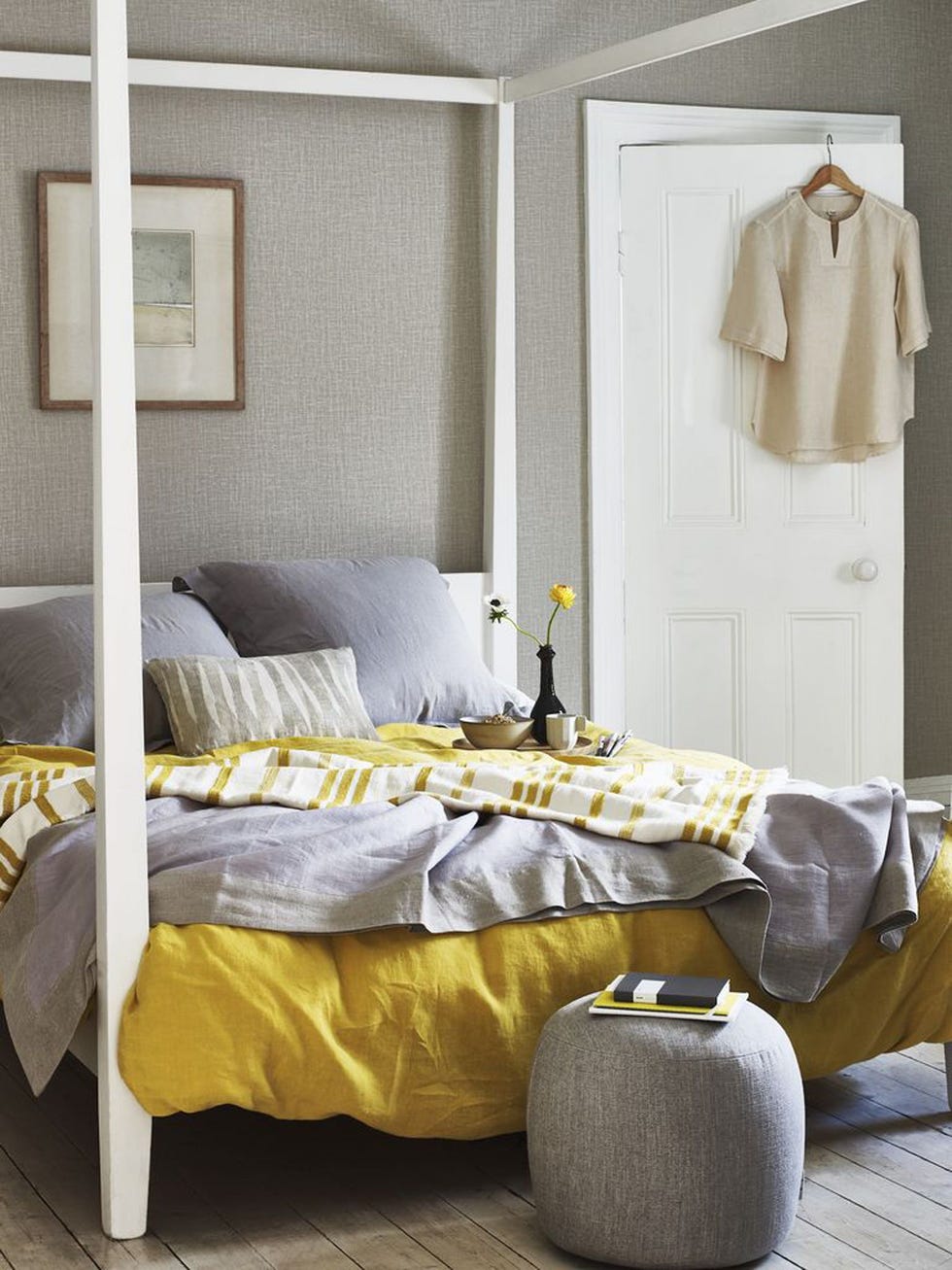
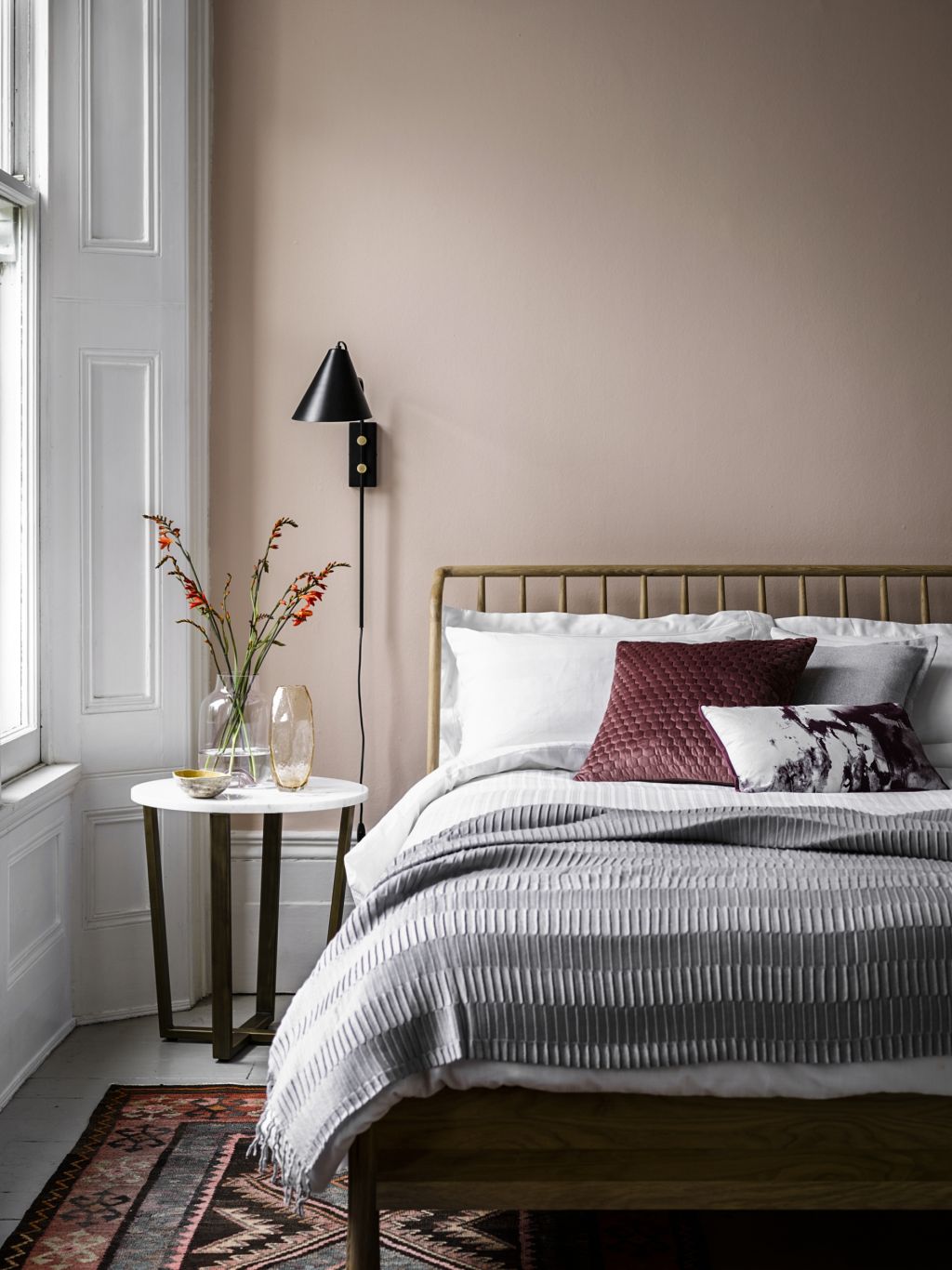
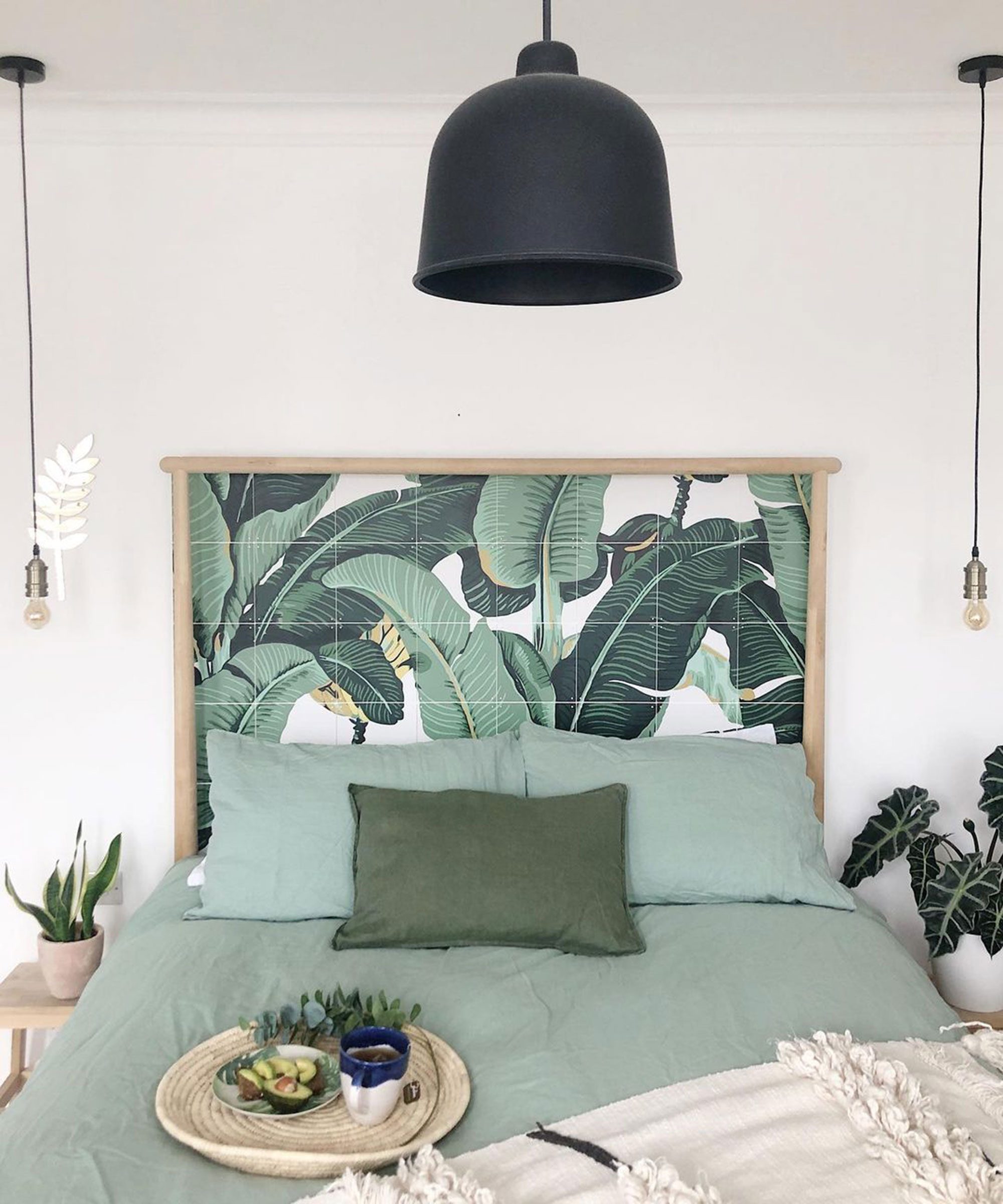
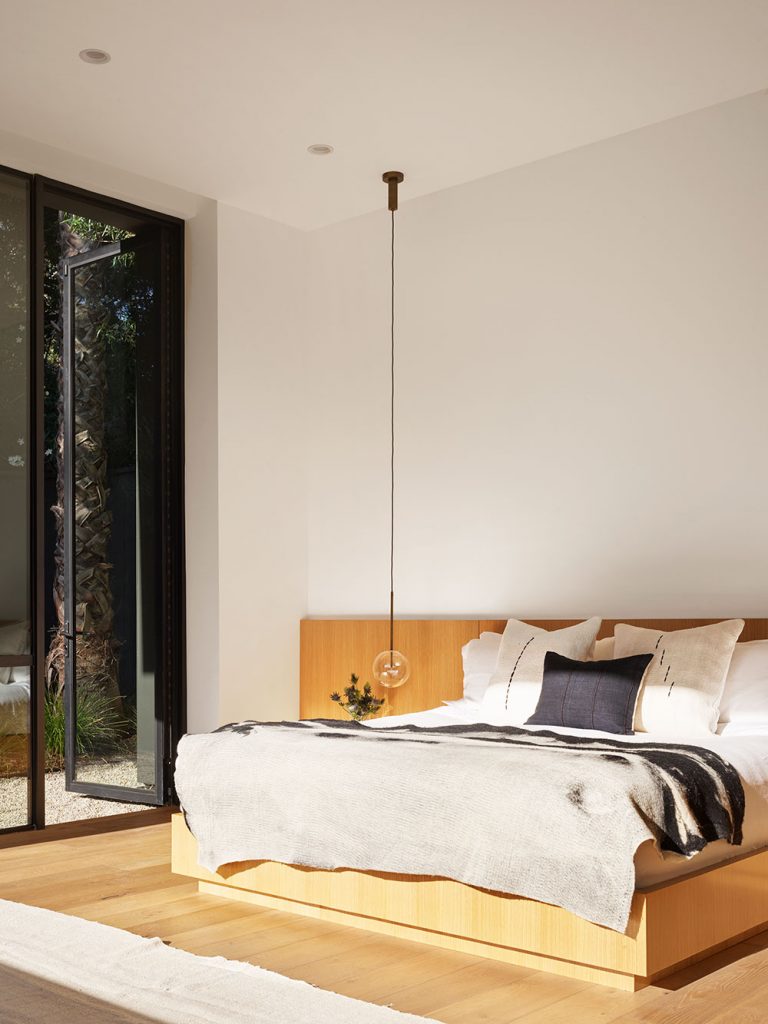
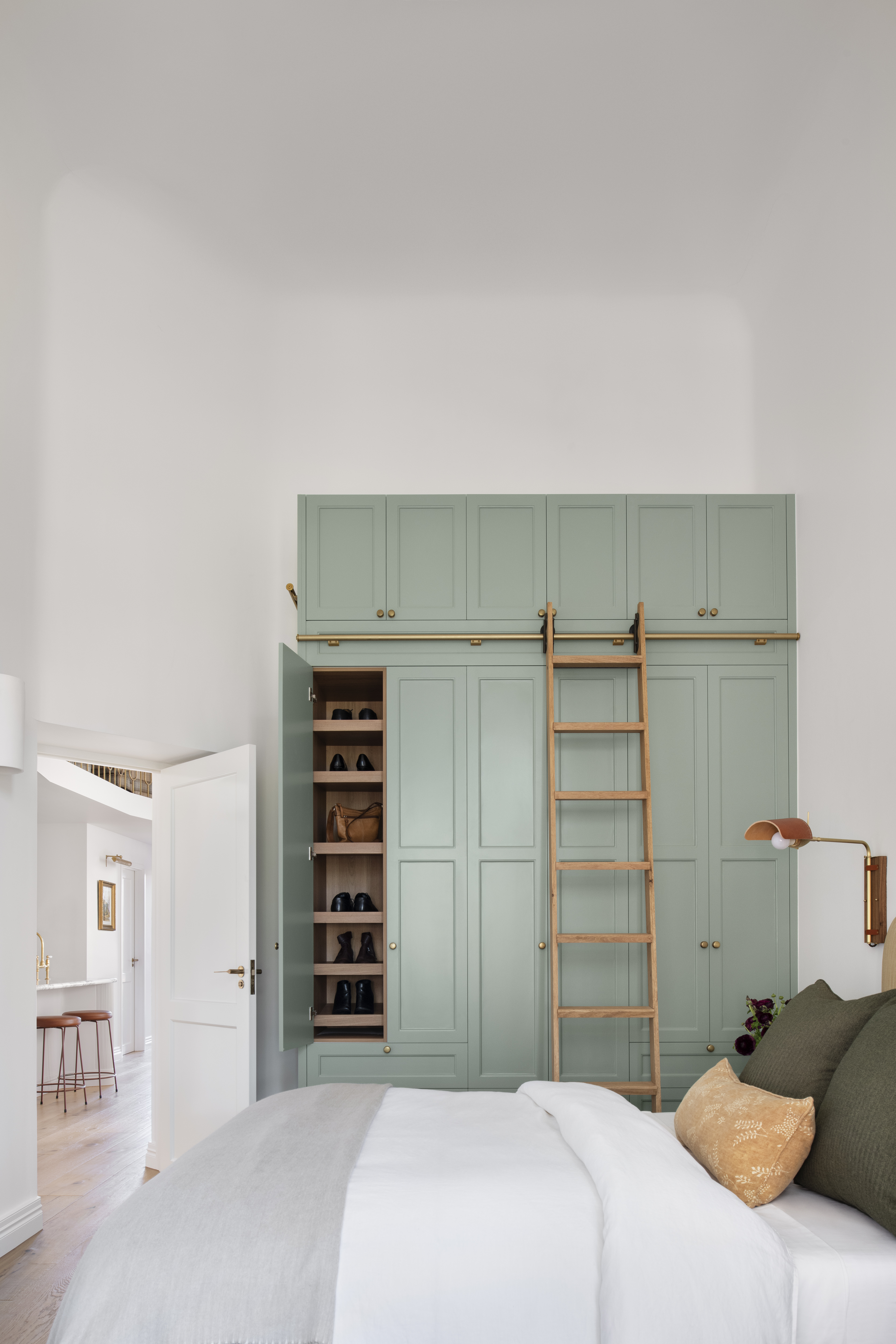
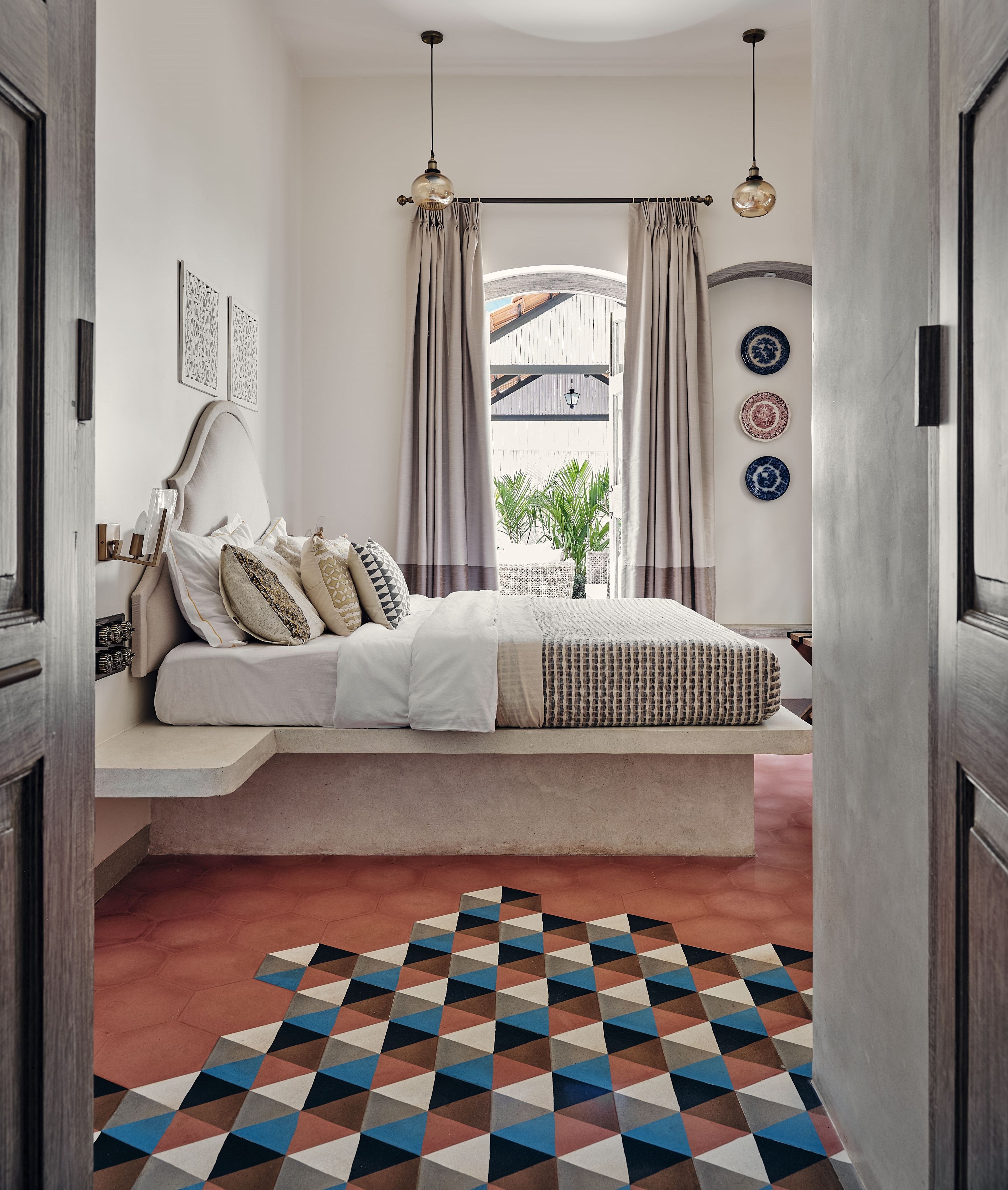
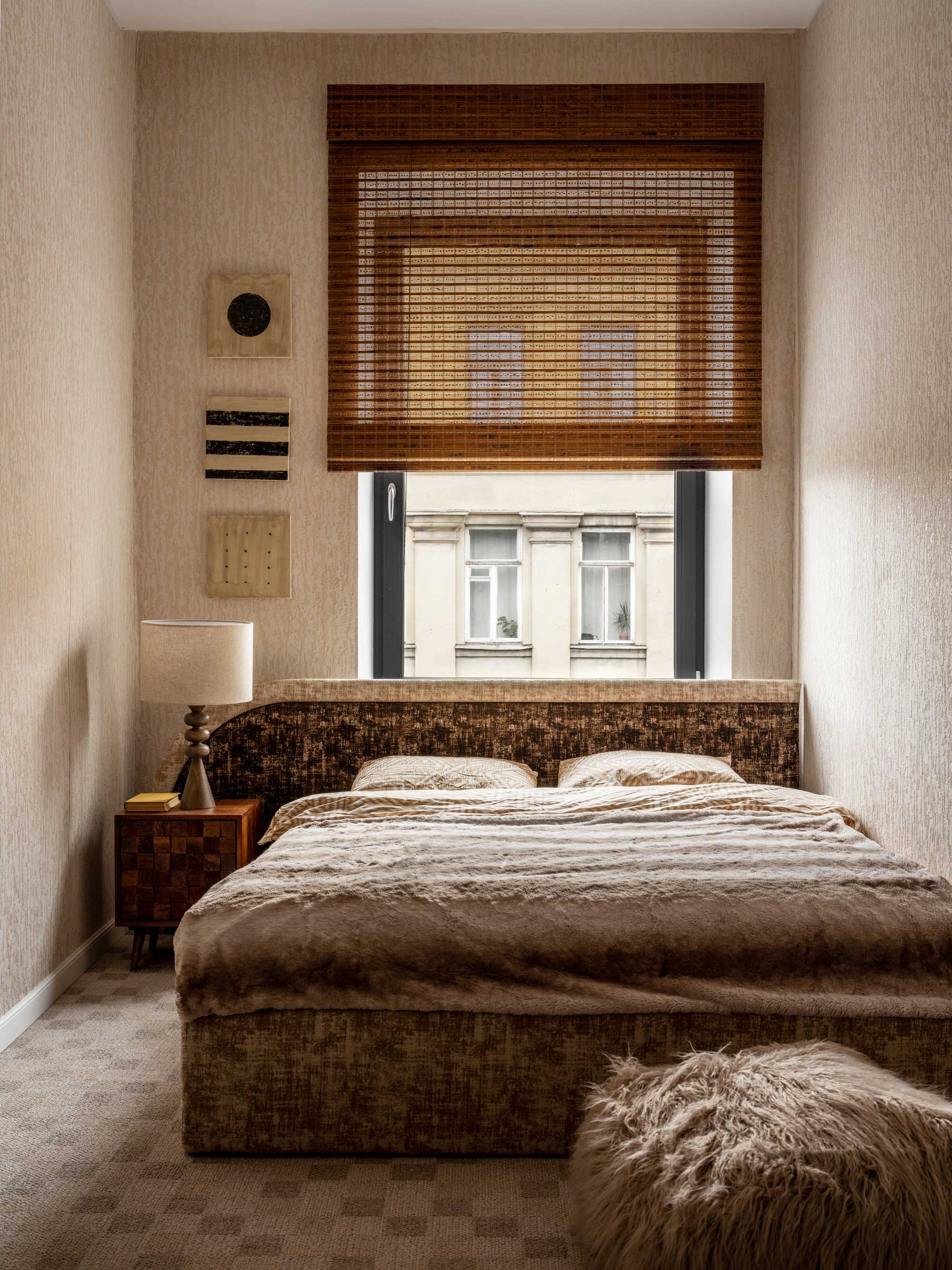
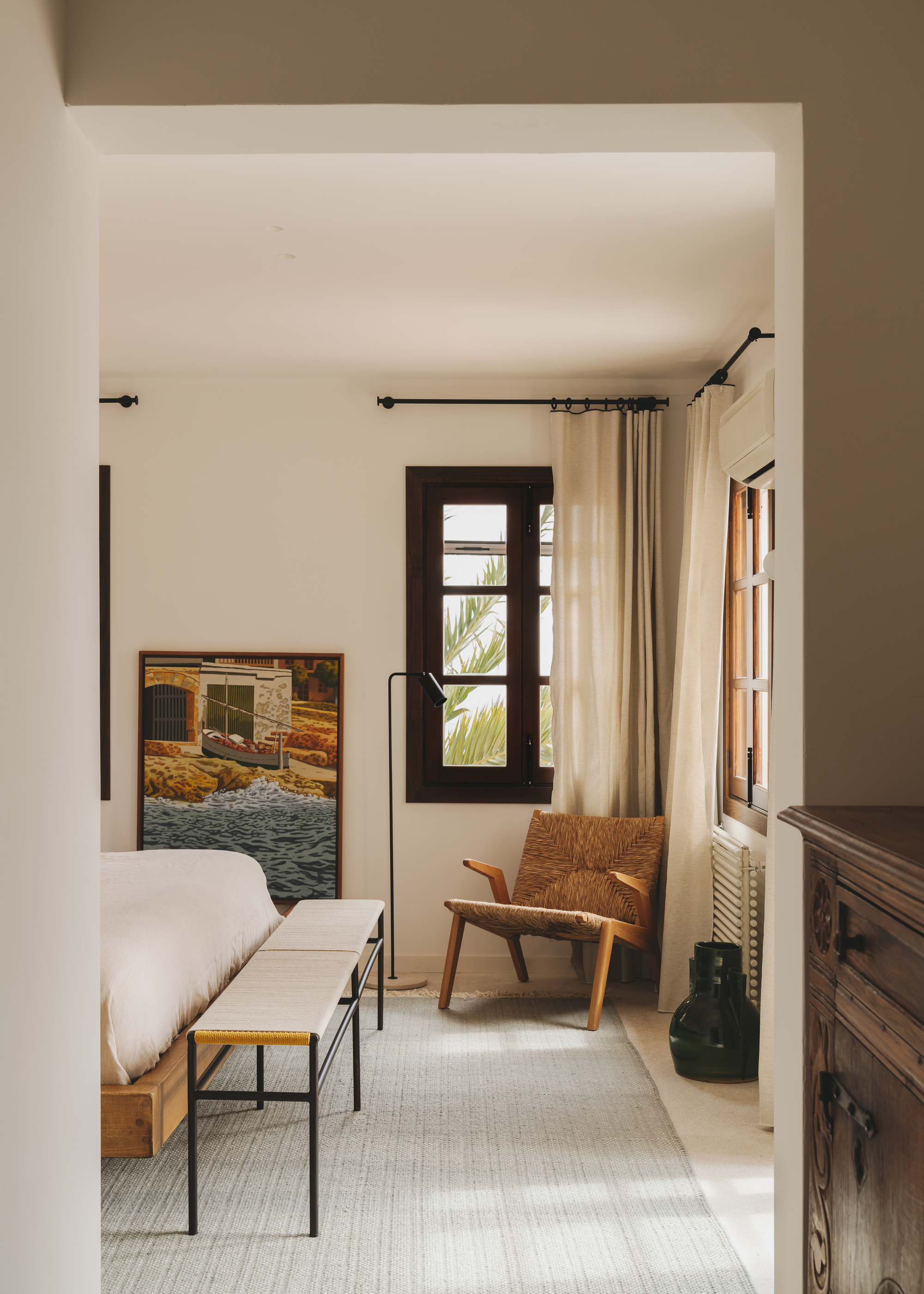
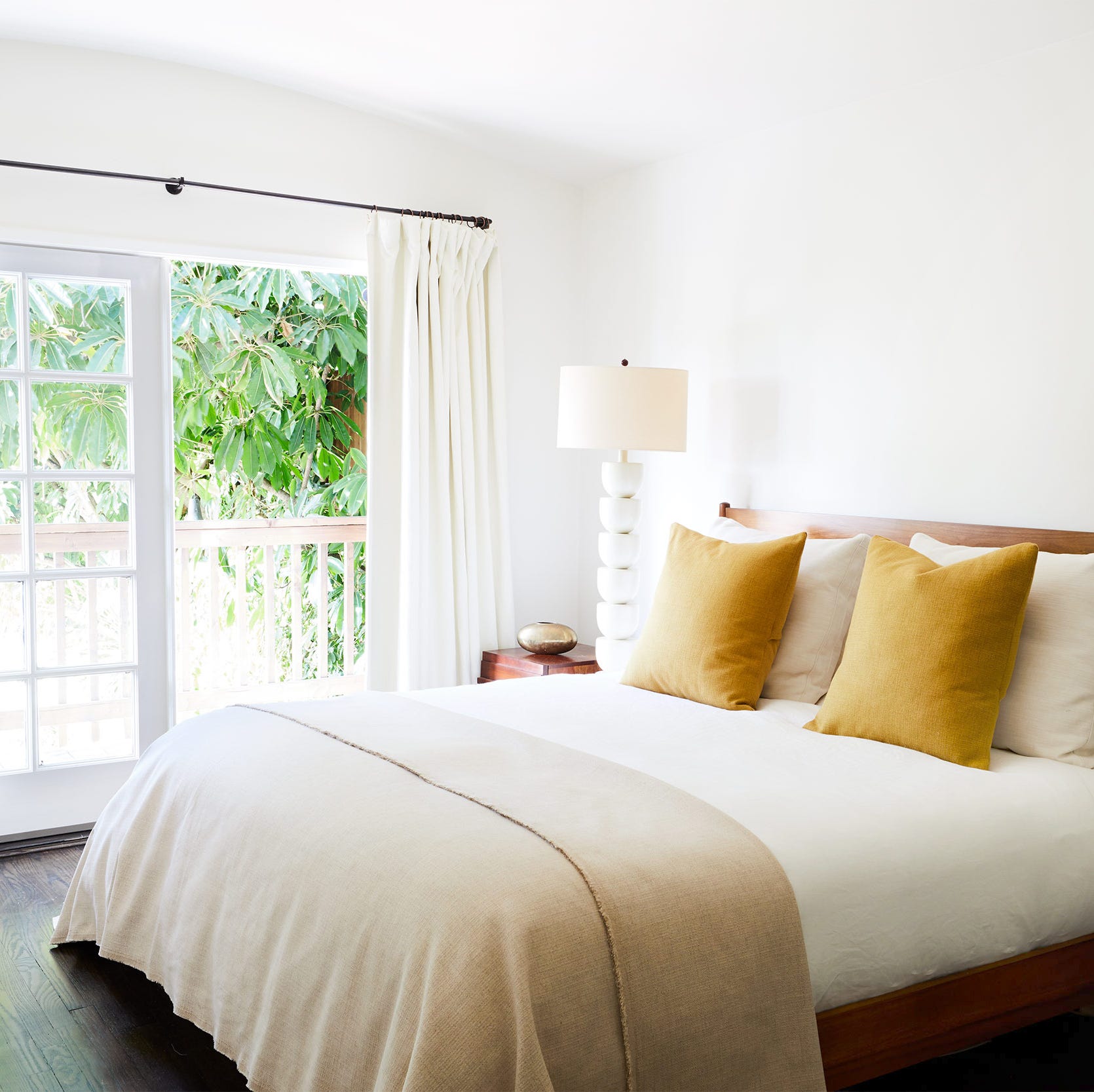
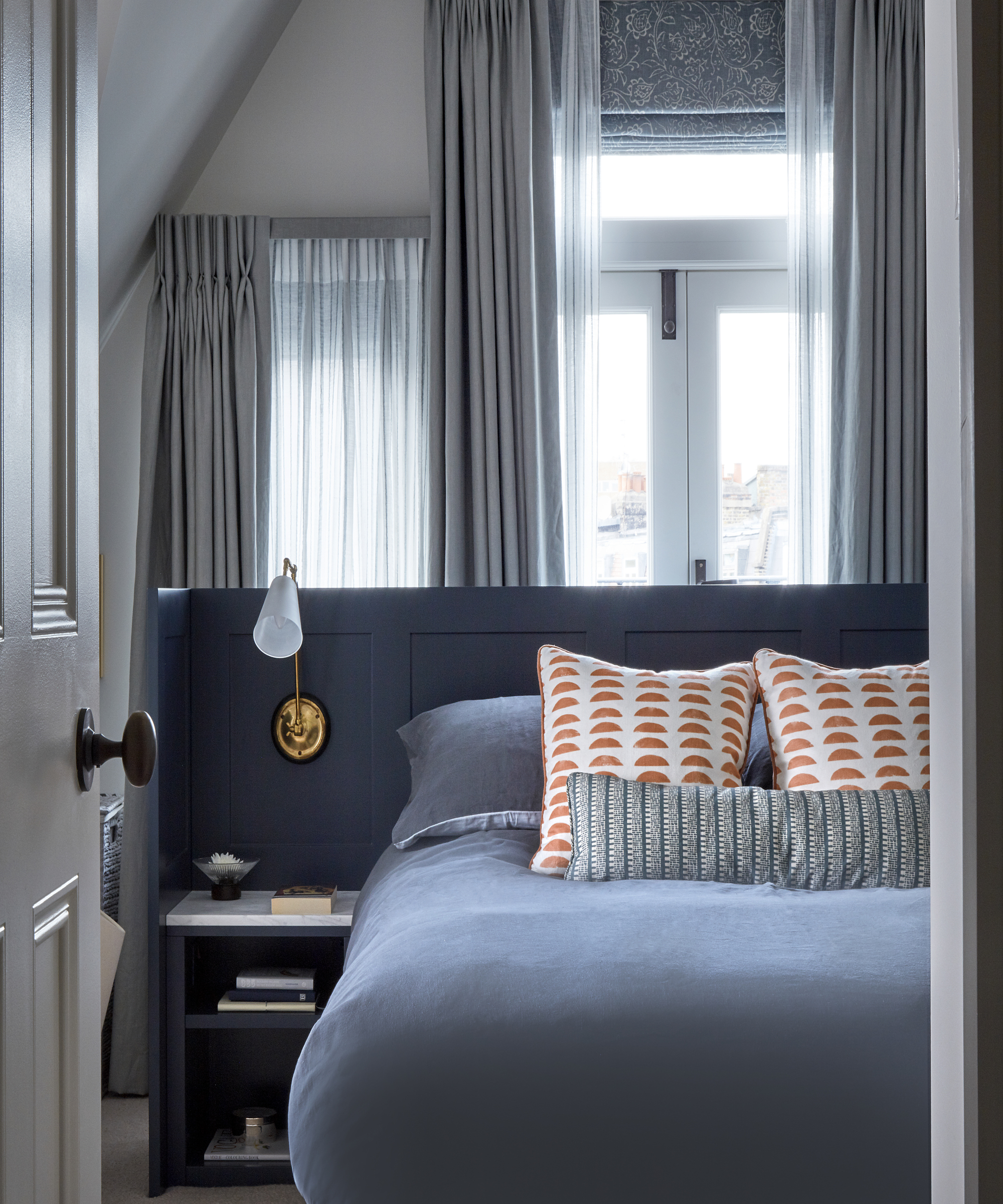
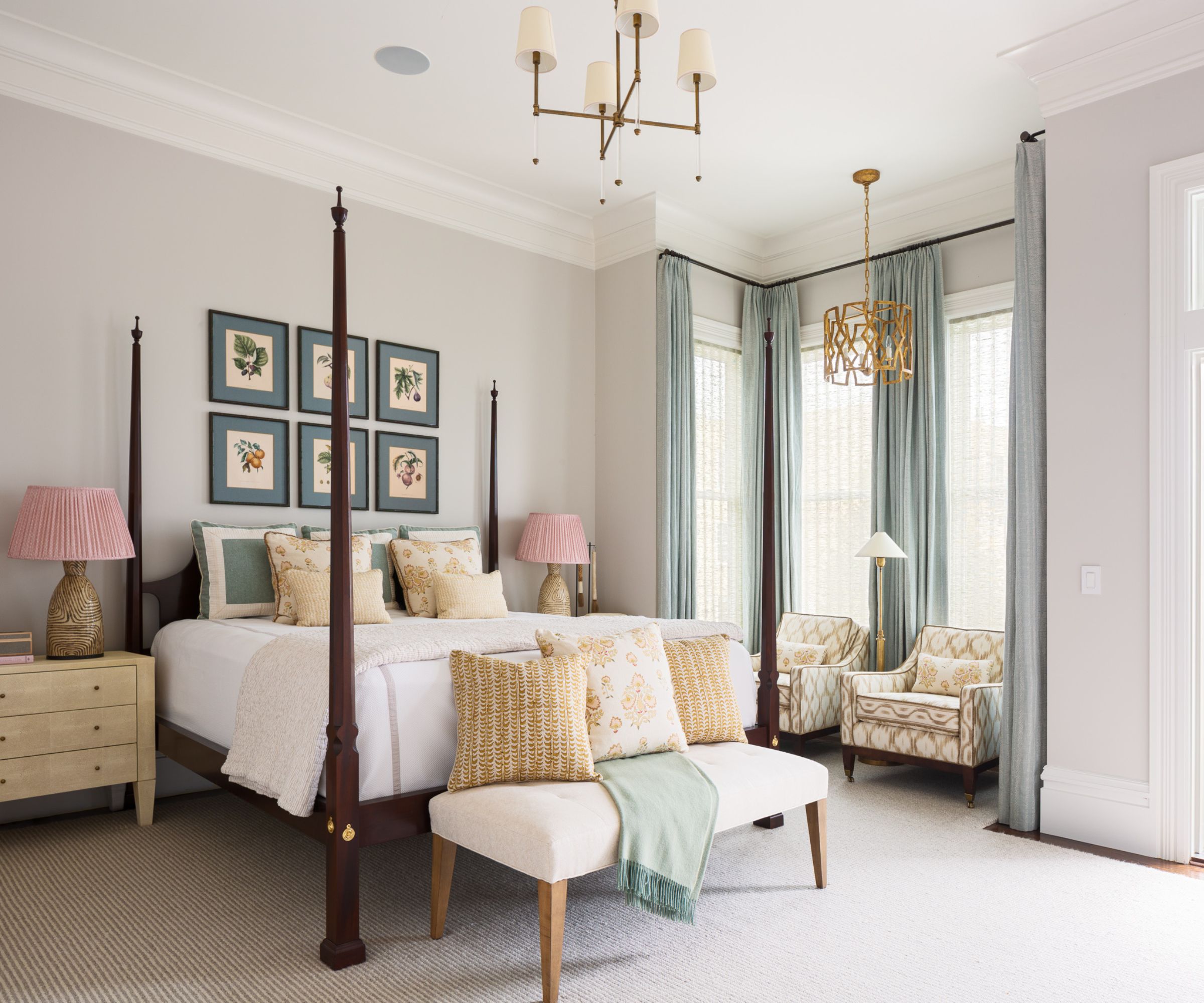
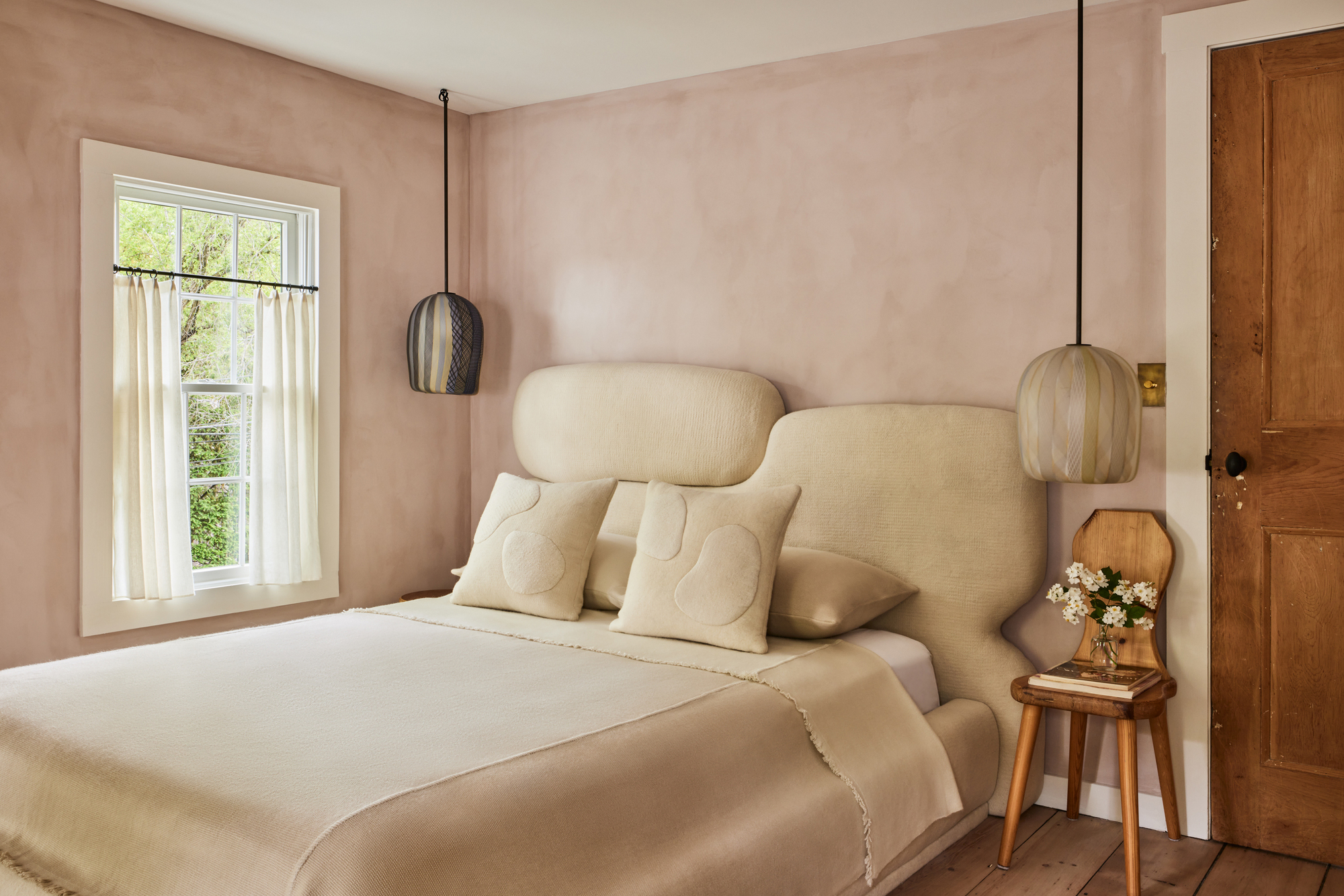
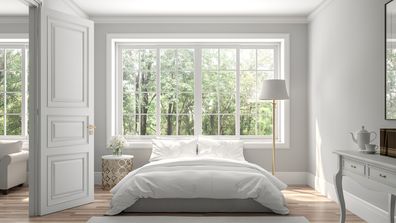
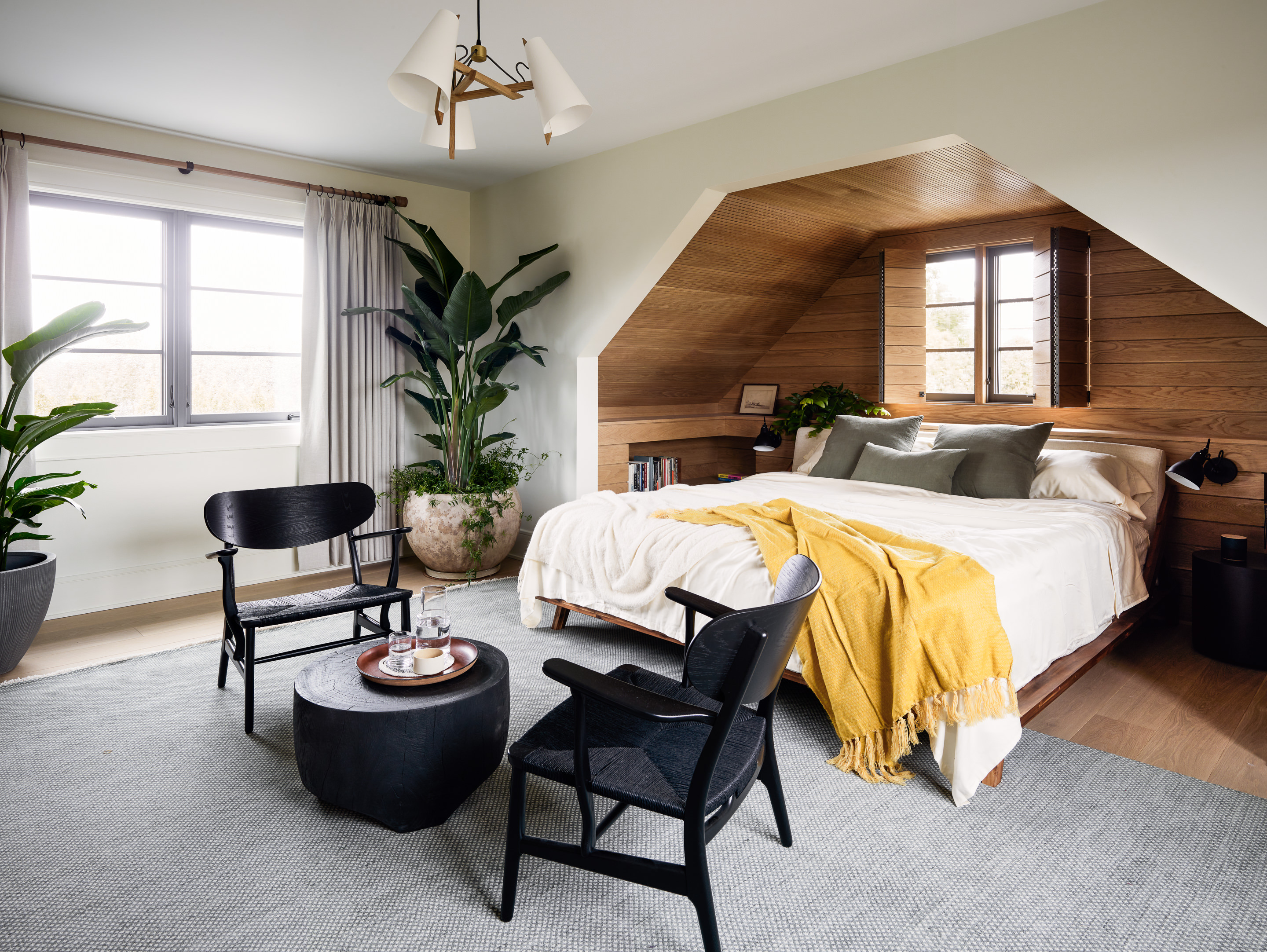
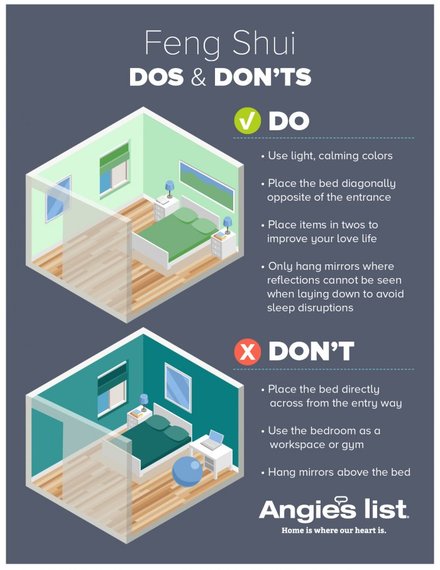
The initial step in creating a Feng Shui bedroom layout is to clearly define the room's purpose. Holistic interior designer Anna Lippett highlights the significance of understanding how one desires to feel in the space, whether it's for improved sleep, relaxation, or to attract more romance. This clear intention guides the subsequent design decisions. Furniture placement plays a pivotal role, with the bed being the most critical element due to its direct impact on sleep. Experts stress the 'commanding position' for the bed, which means placing it diagonally from the door. This allows occupants to see the entrance without being directly in line with it, thereby avoiding the 'coffin position' which is believed to induce vulnerability and insecurity. Furthermore, placing the bed under a window is discouraged as it can lead to restless sleep and a lack of support.
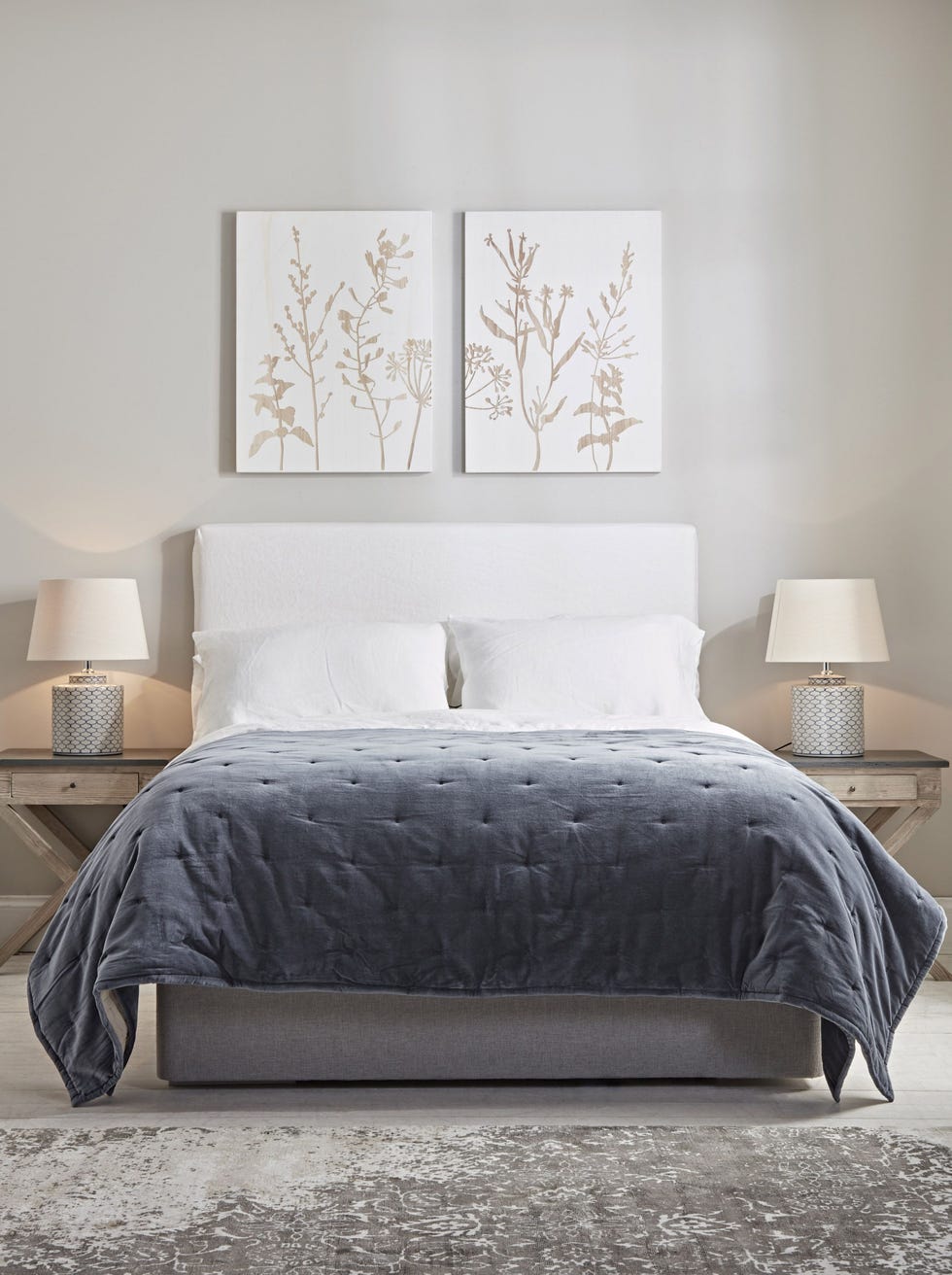
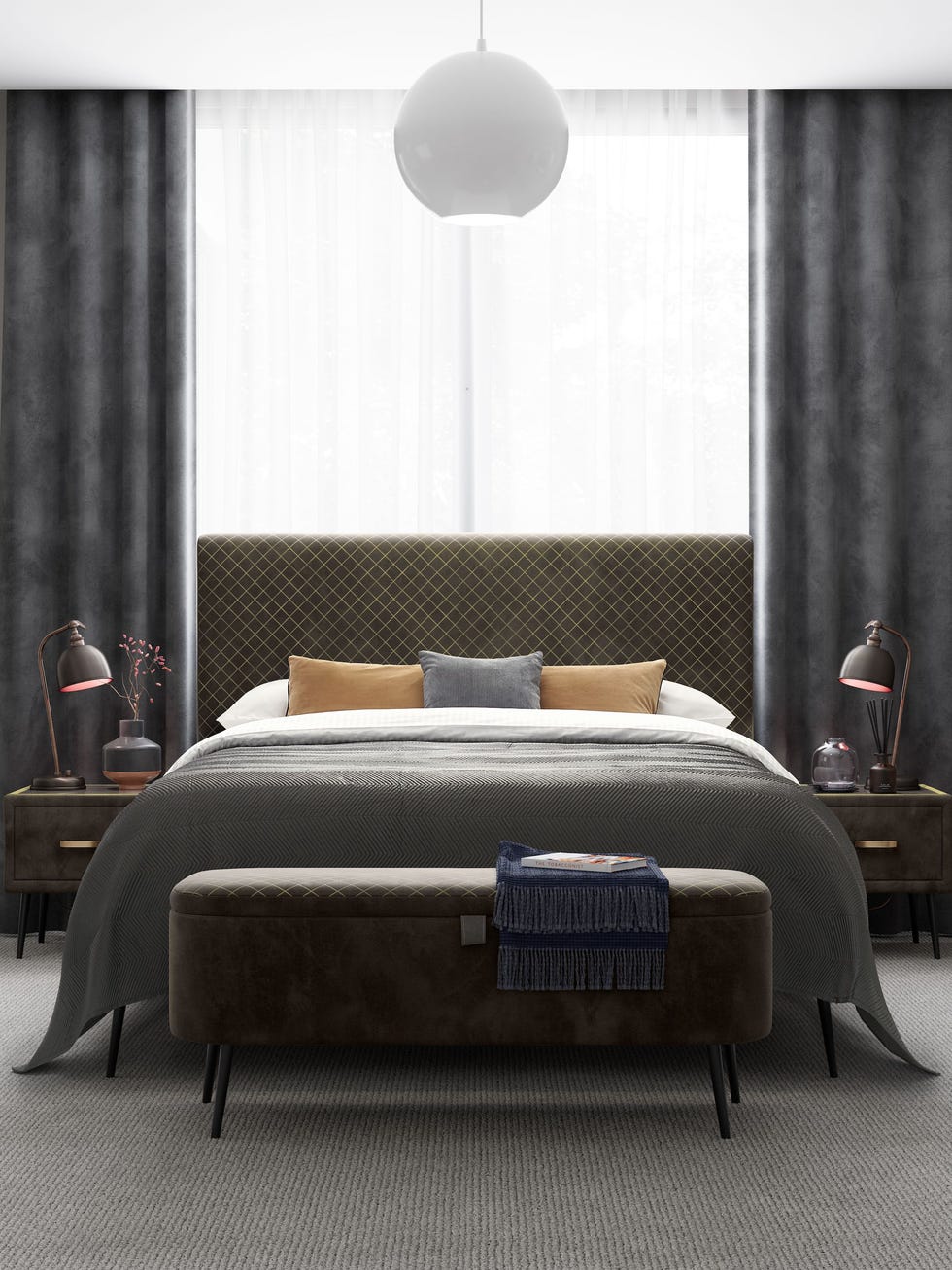
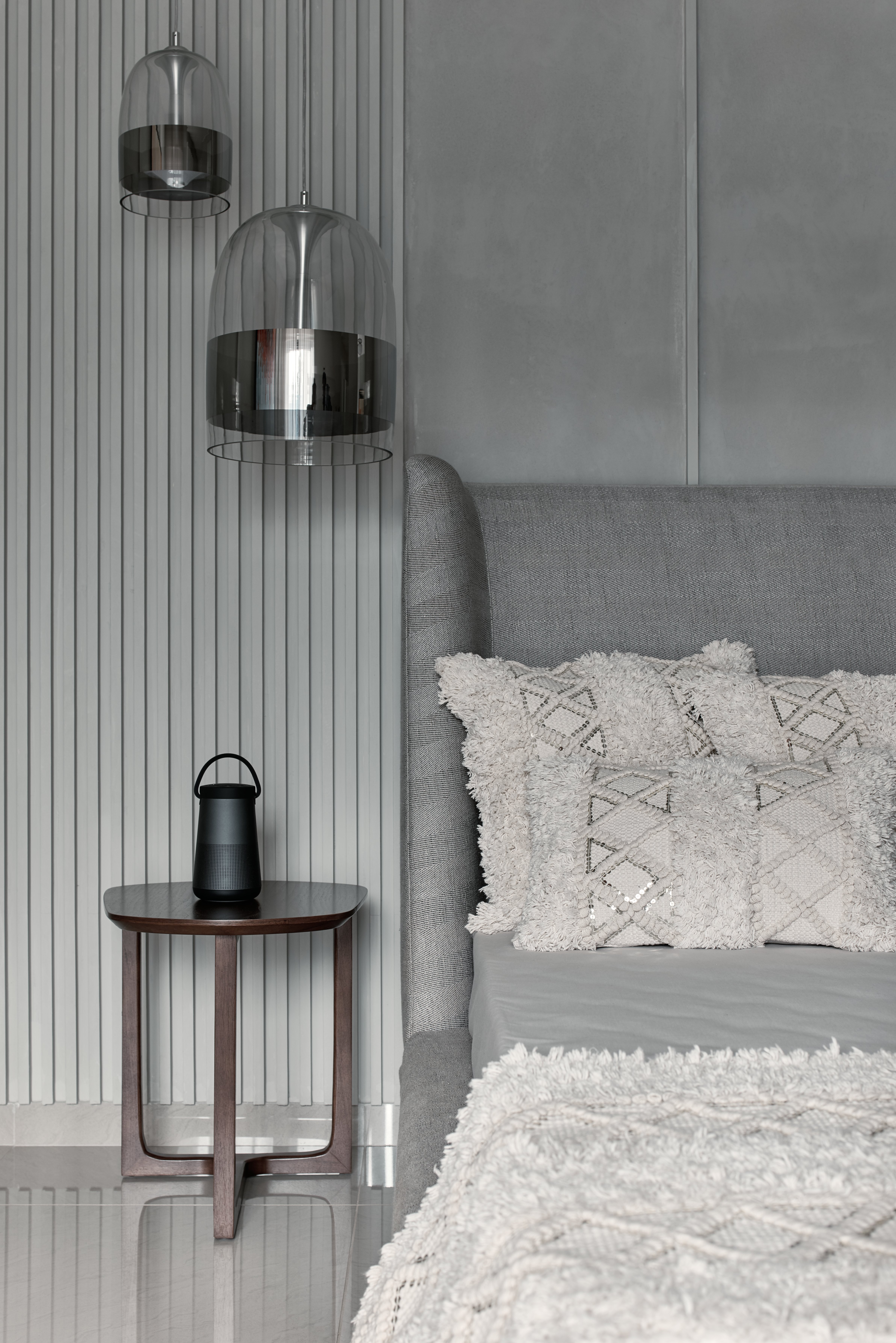
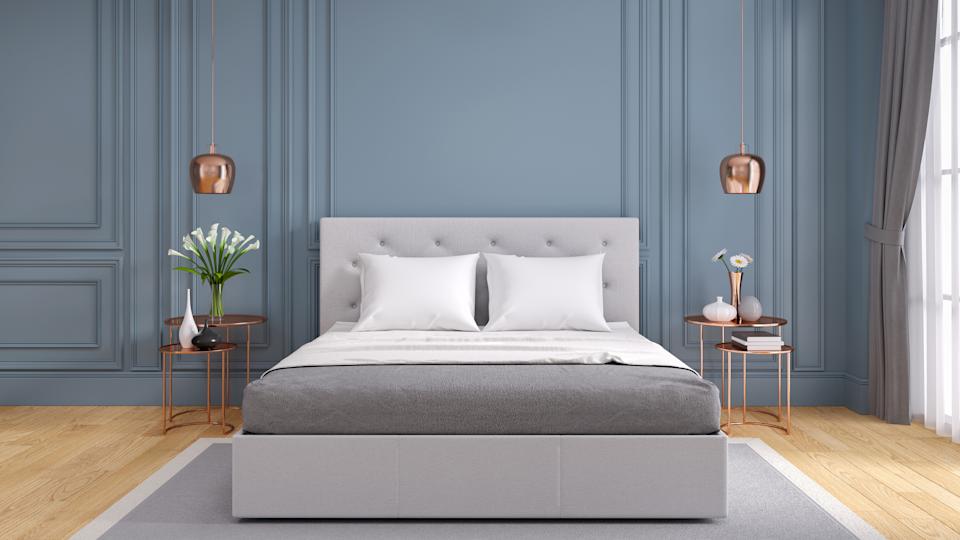
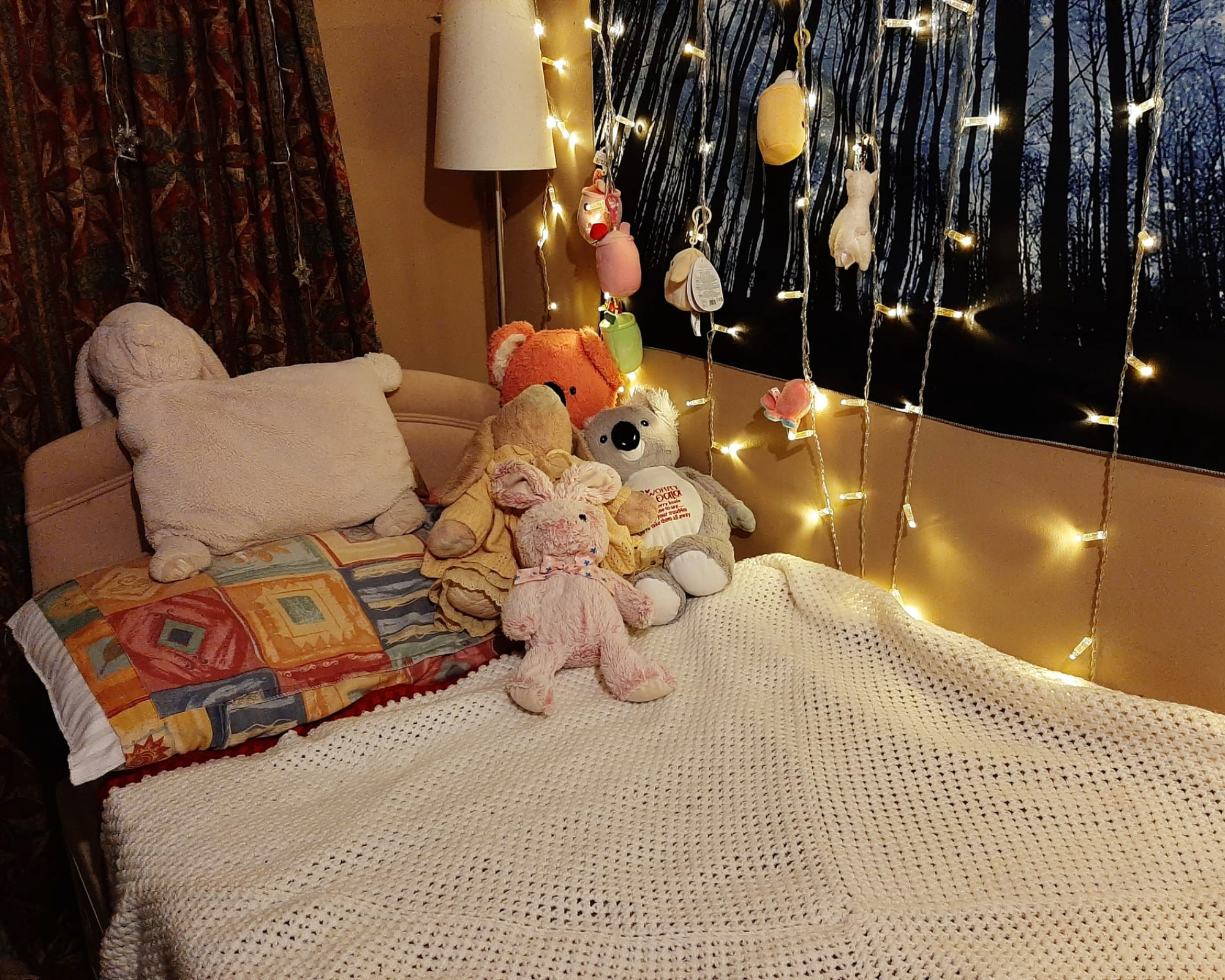
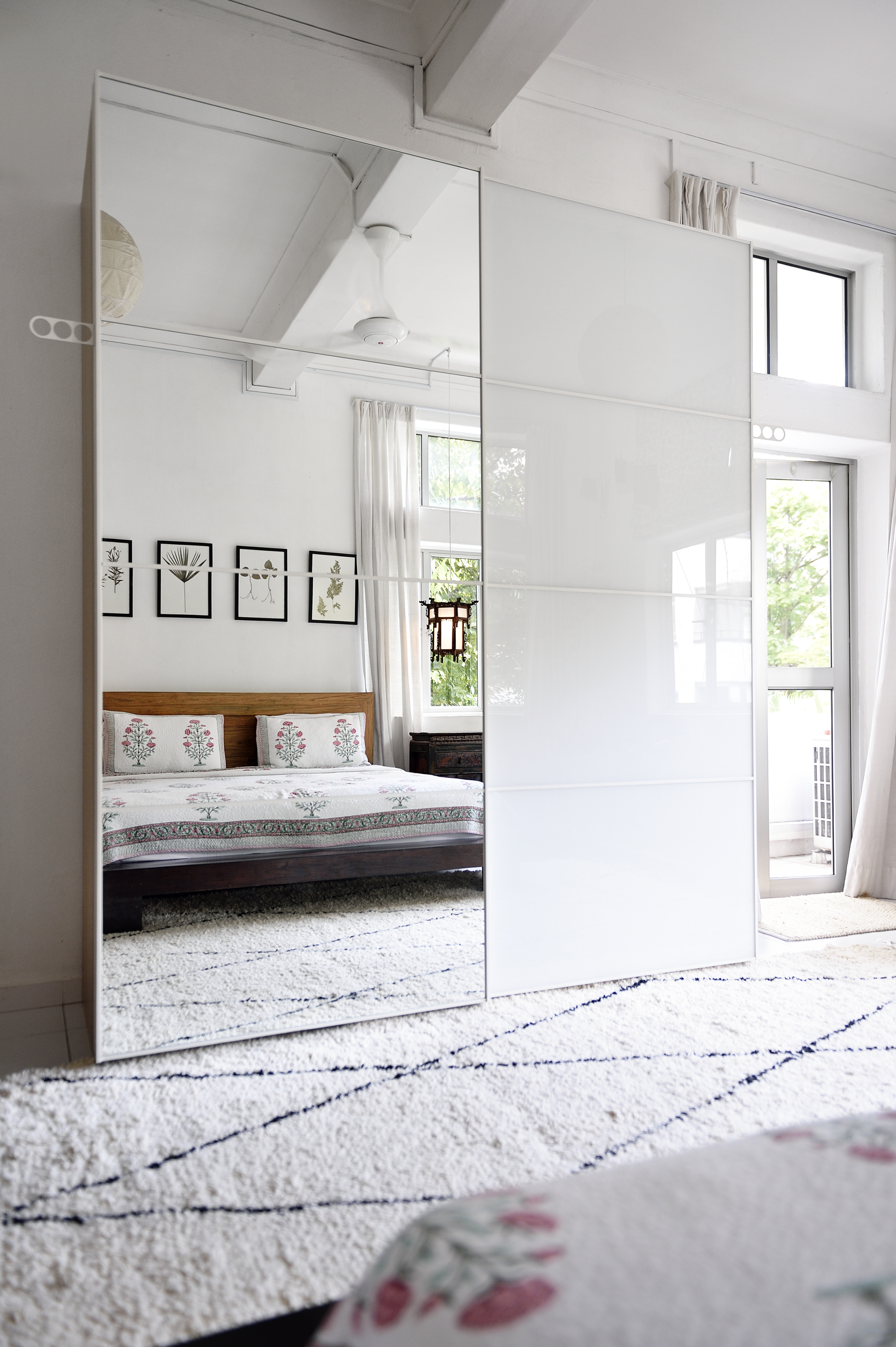
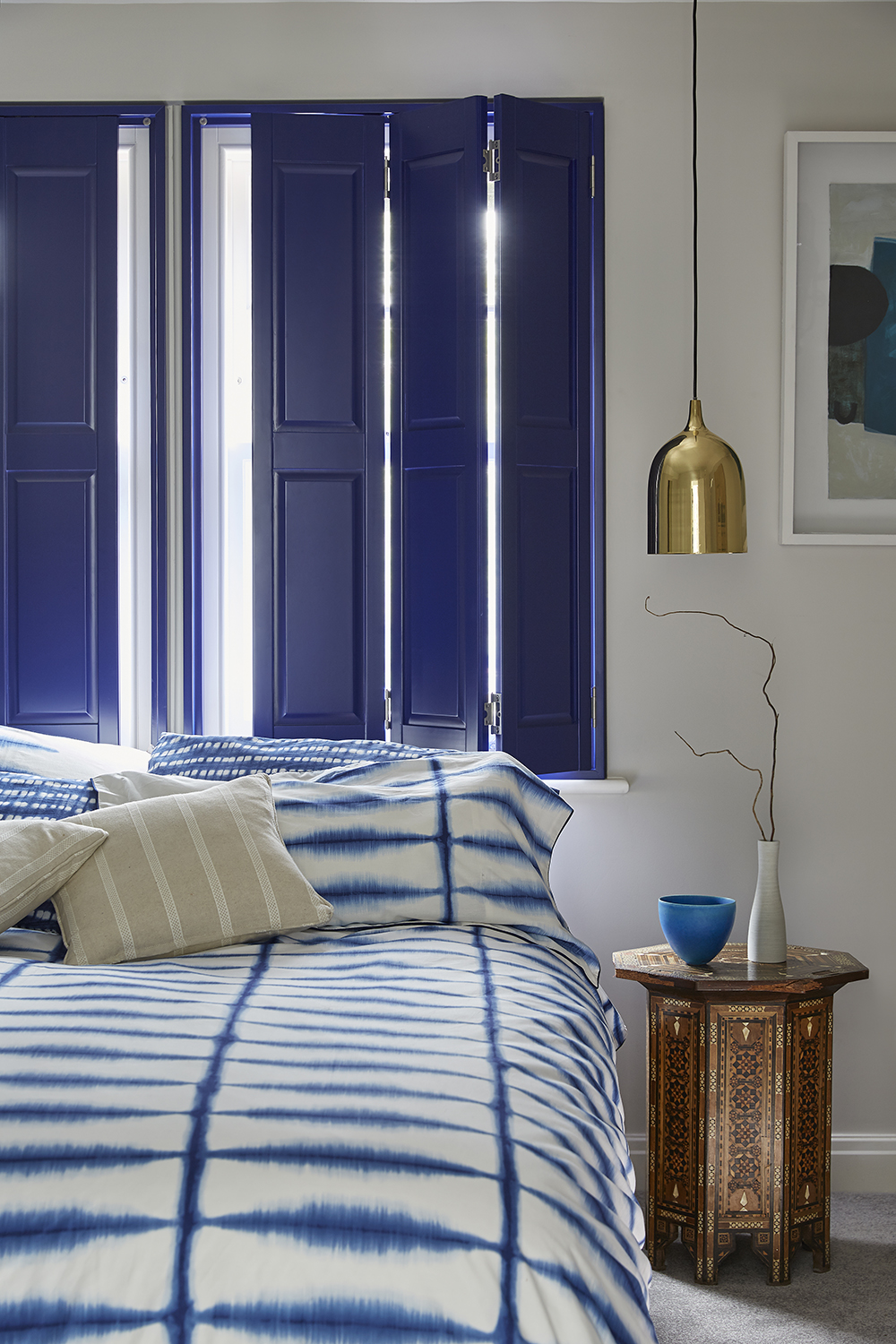
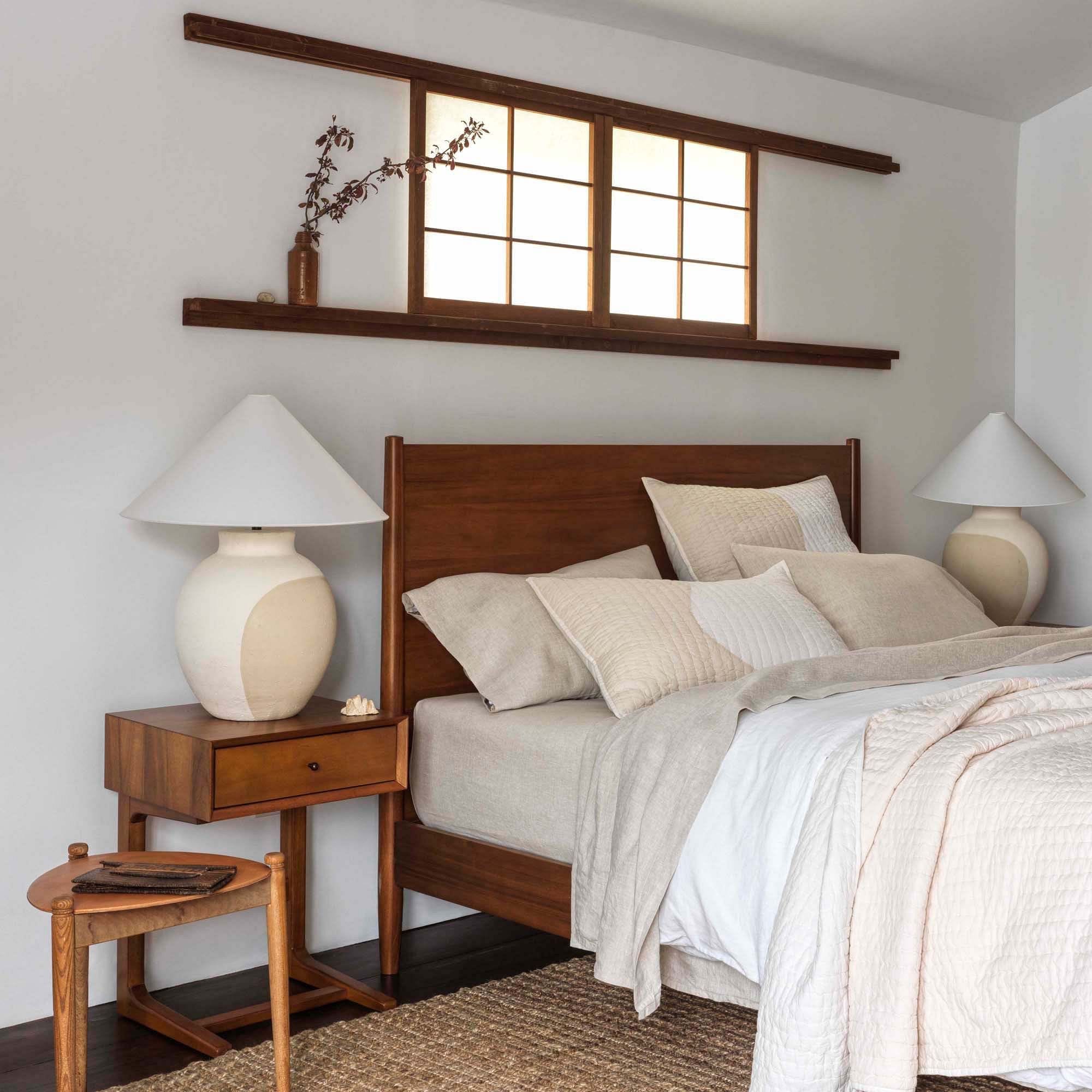
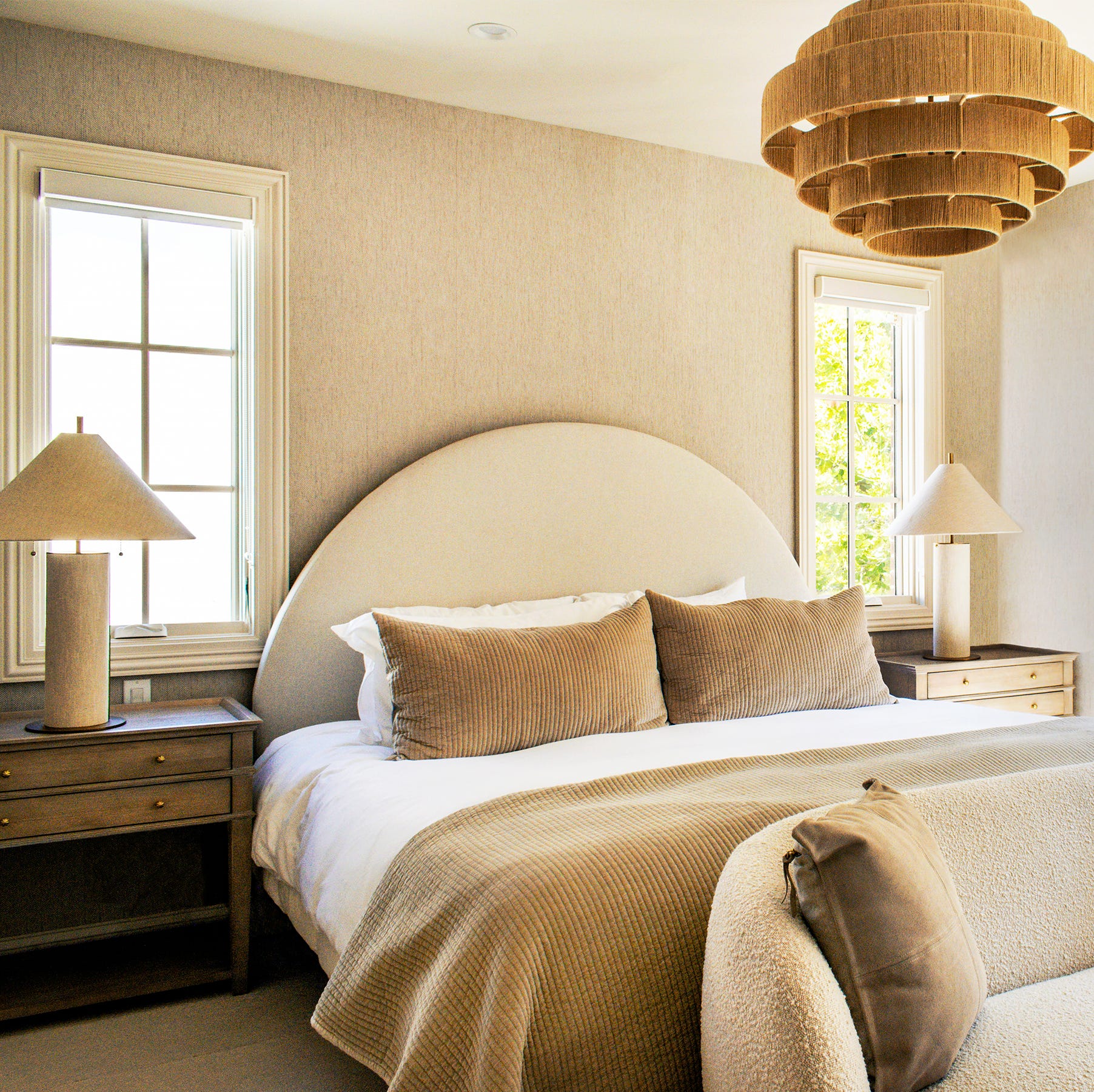
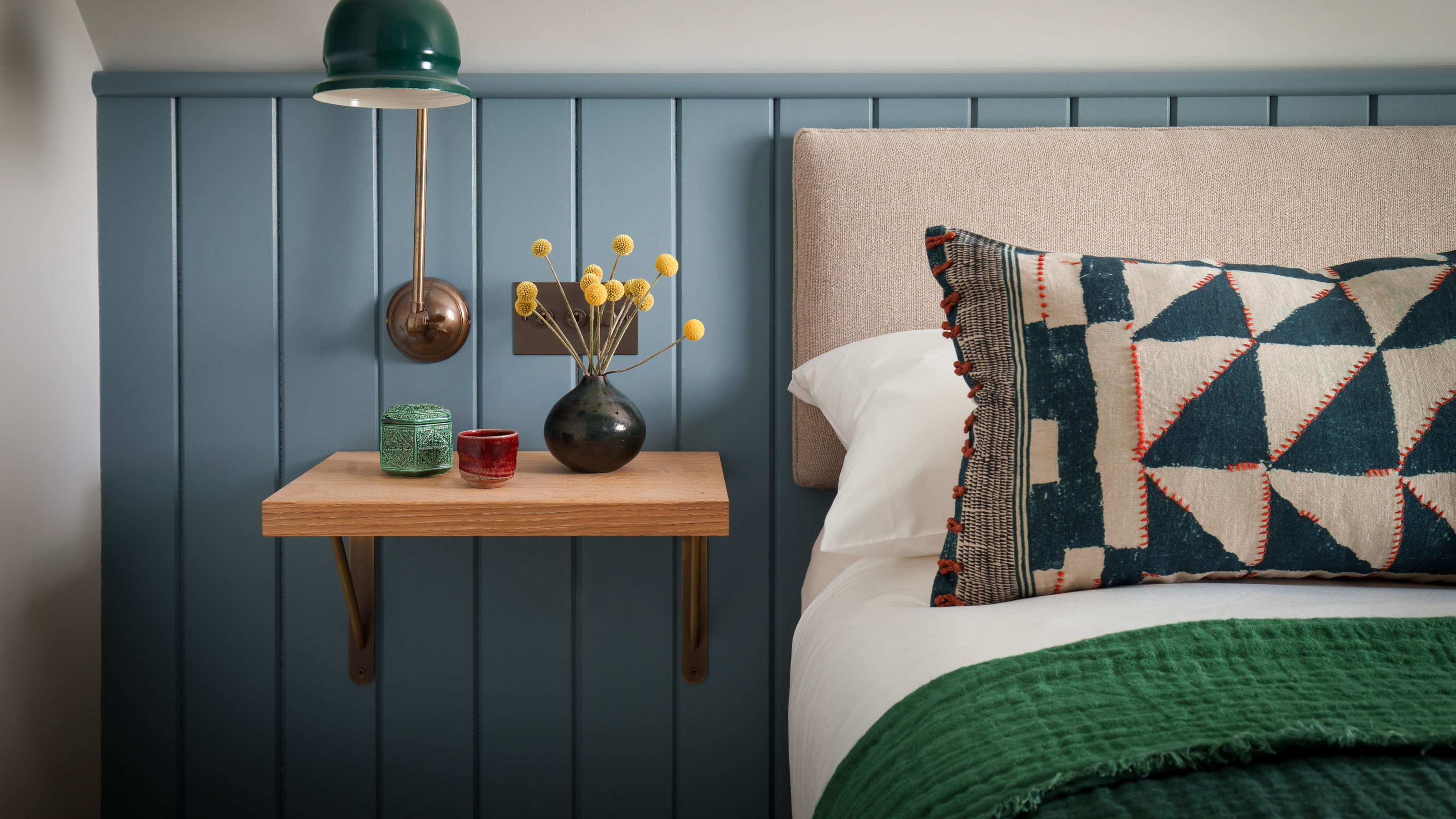
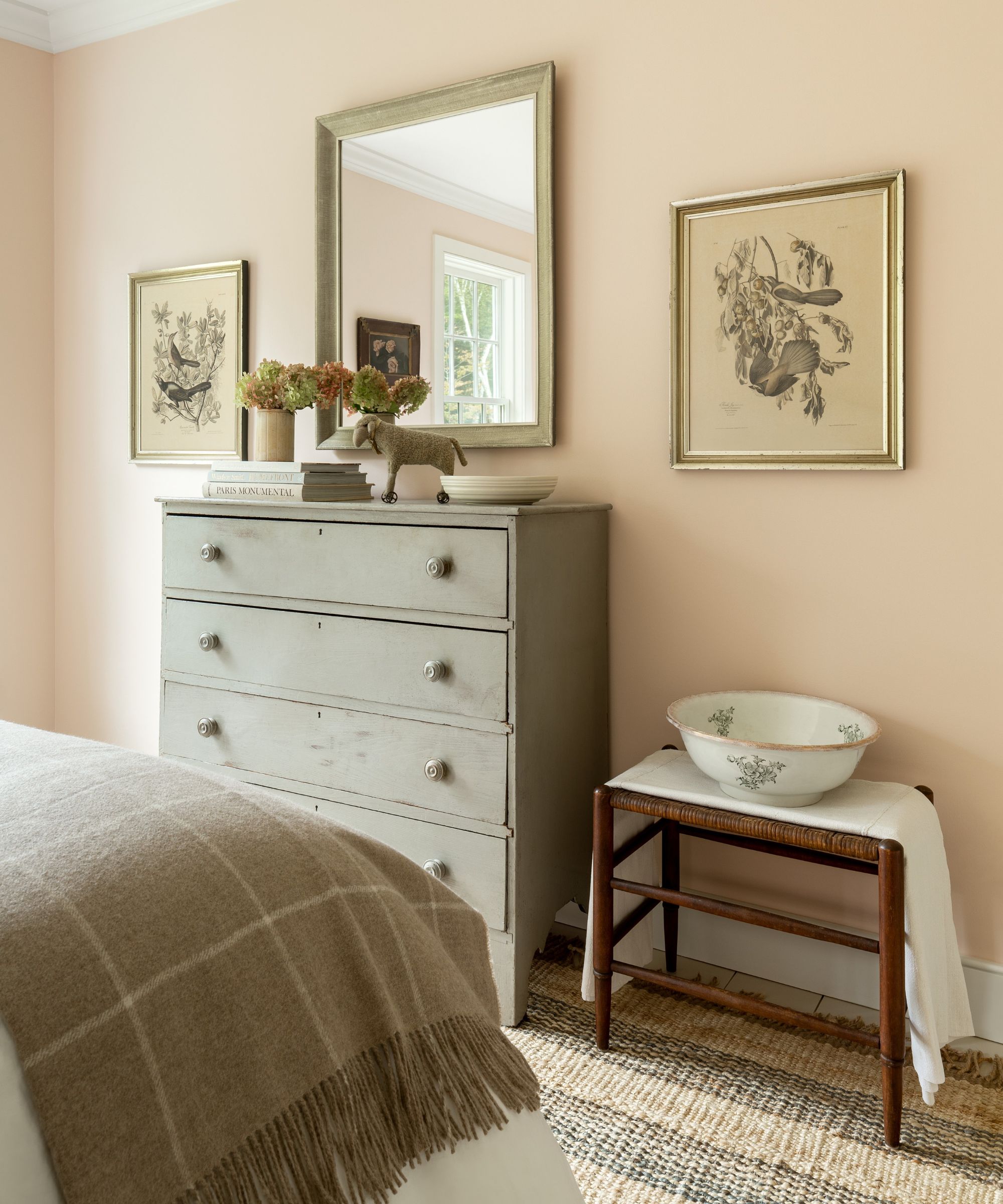
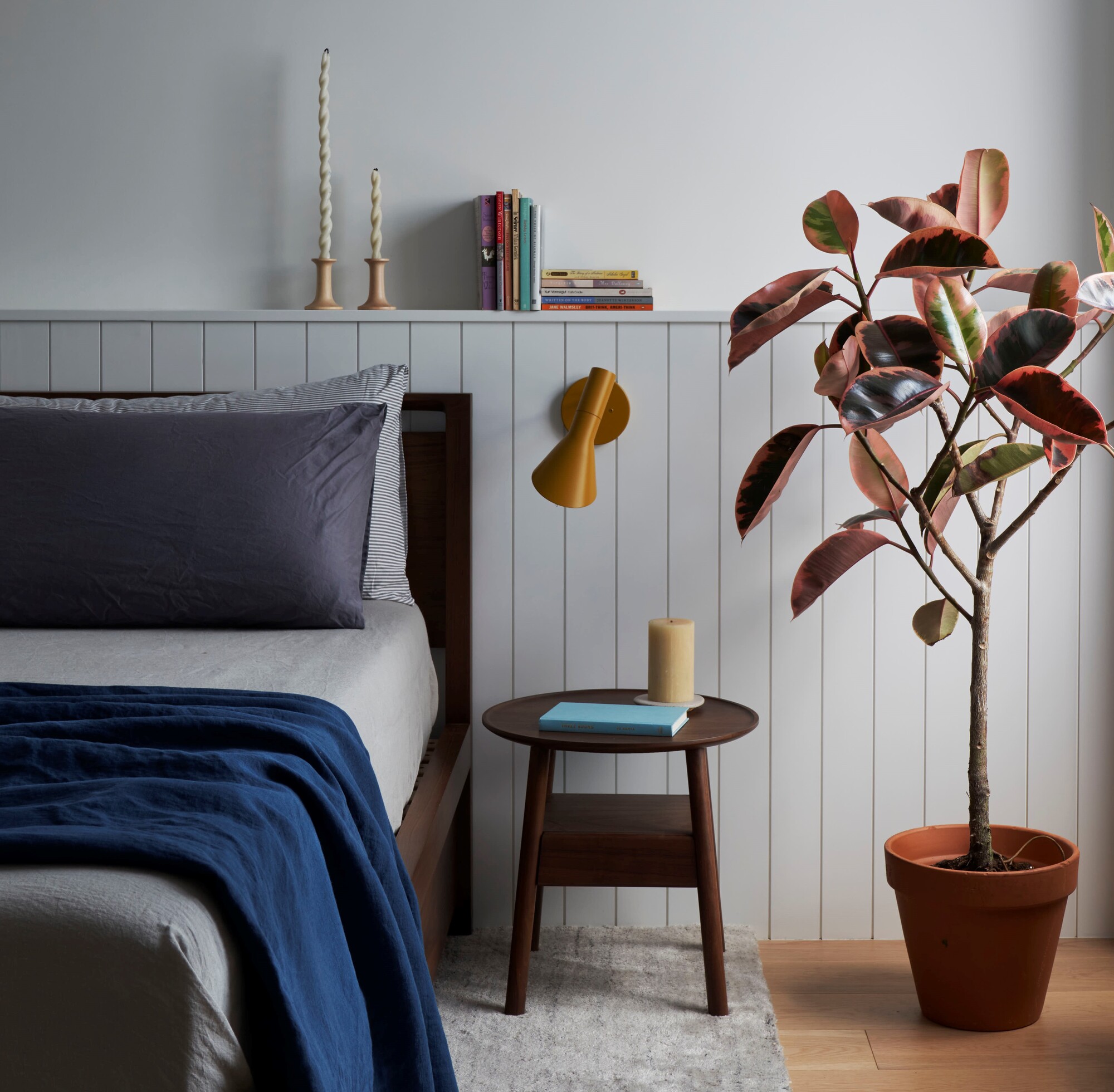
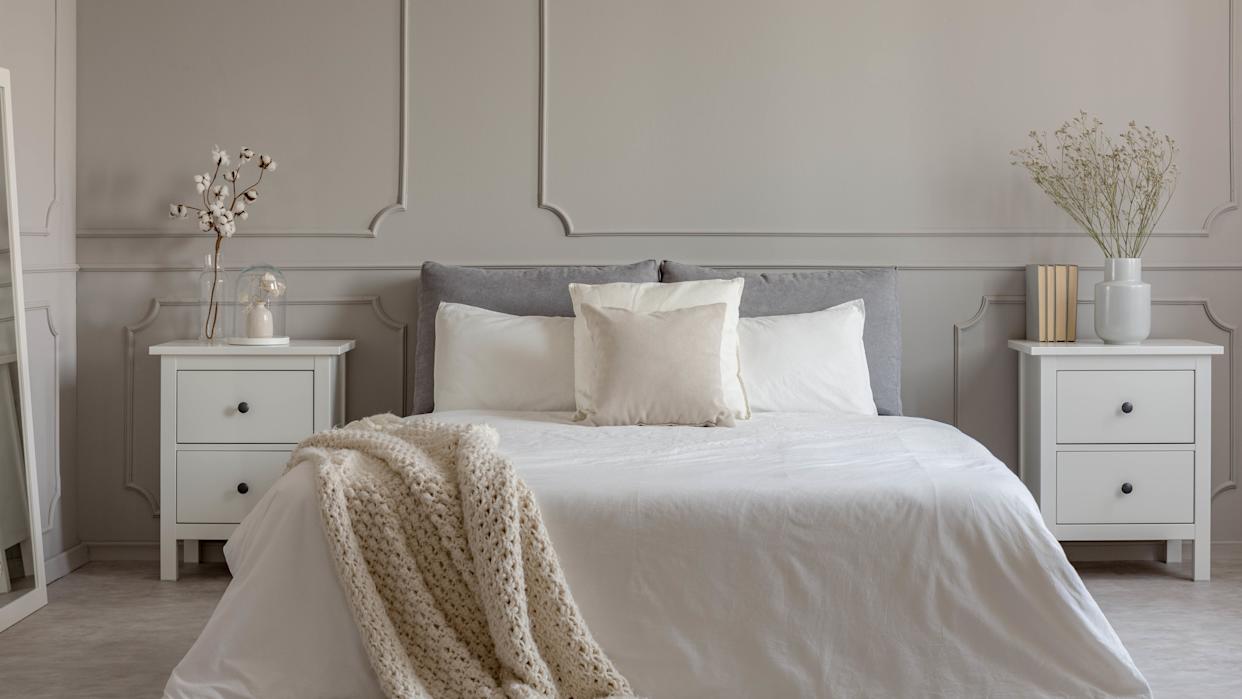
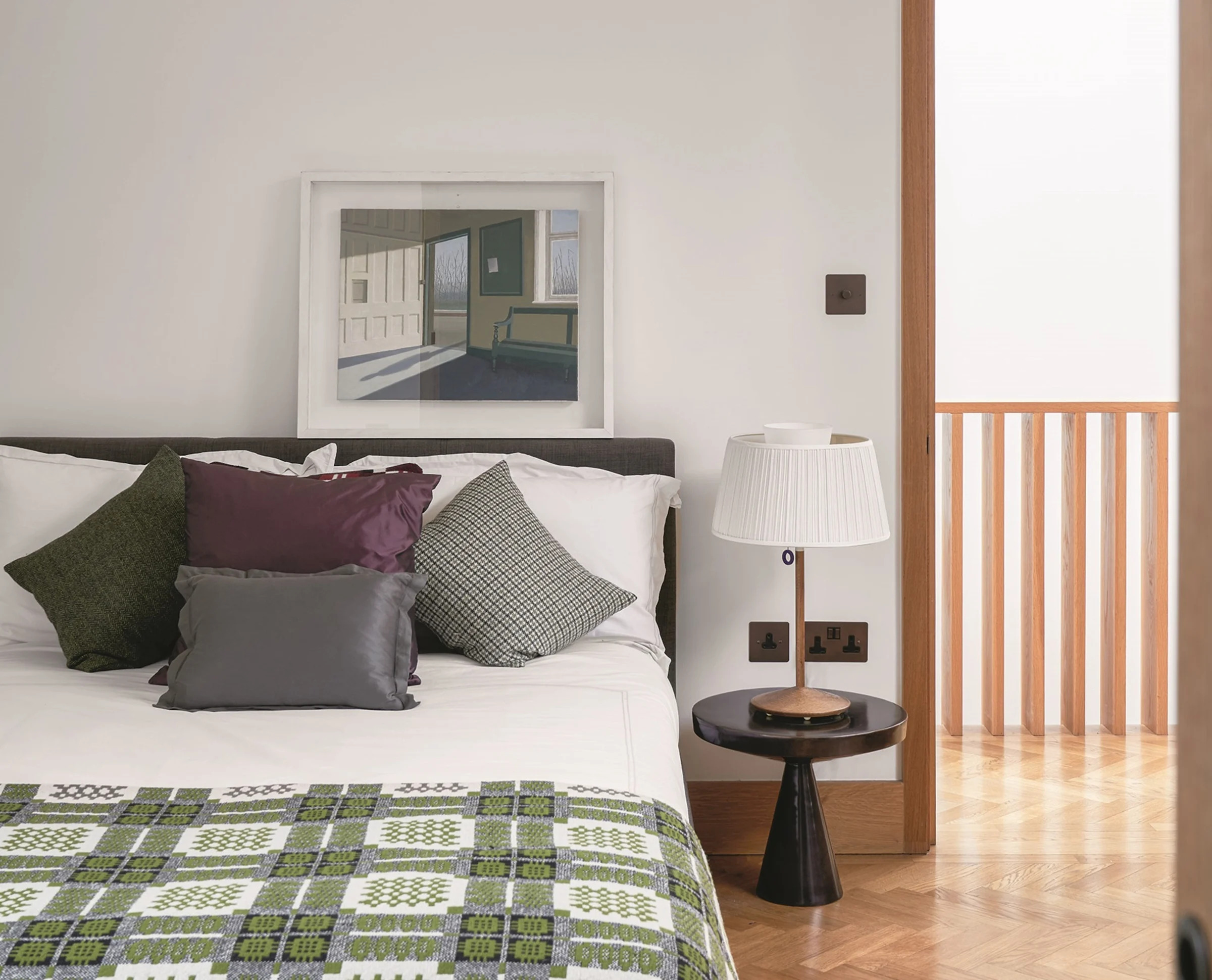
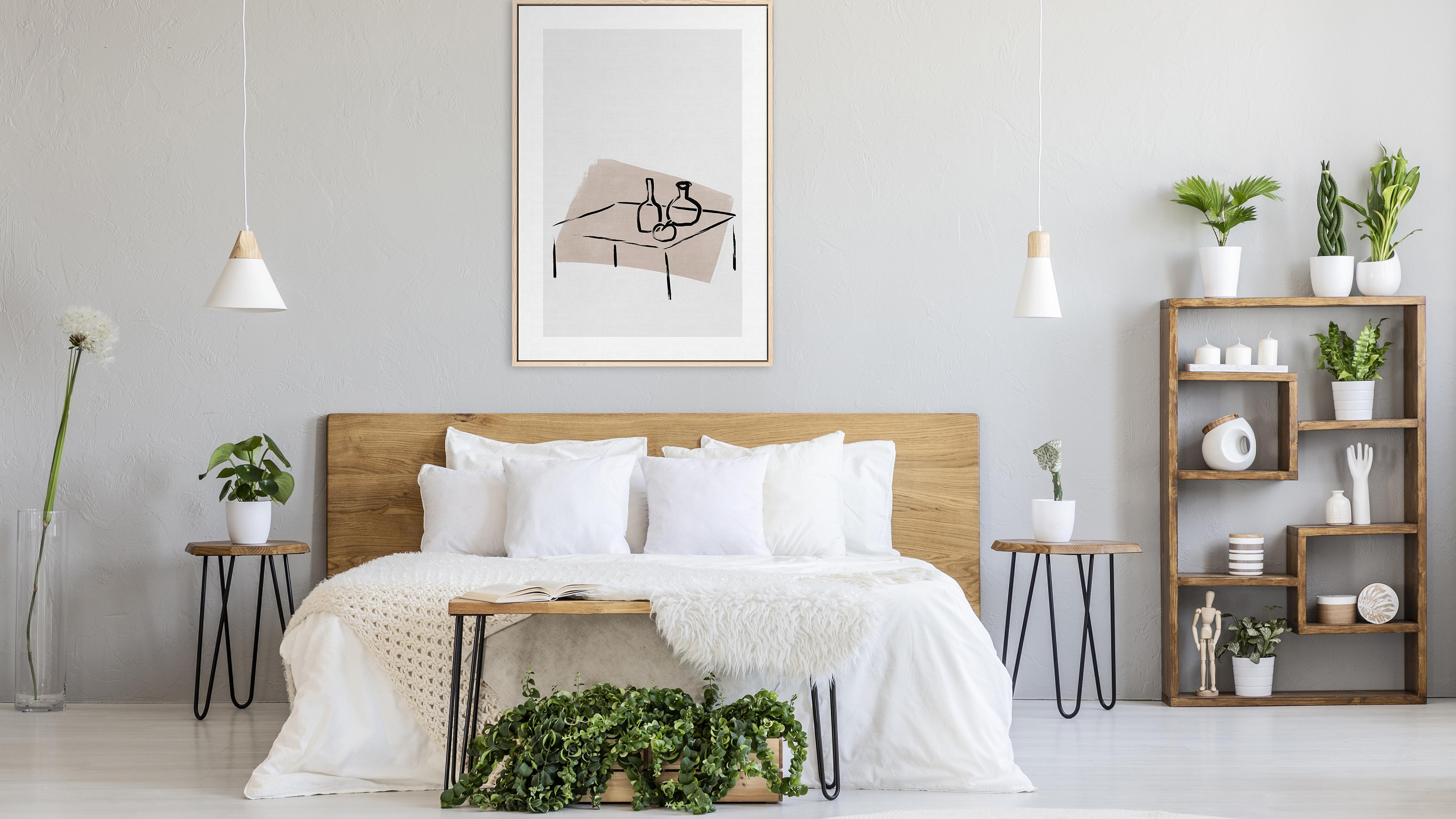
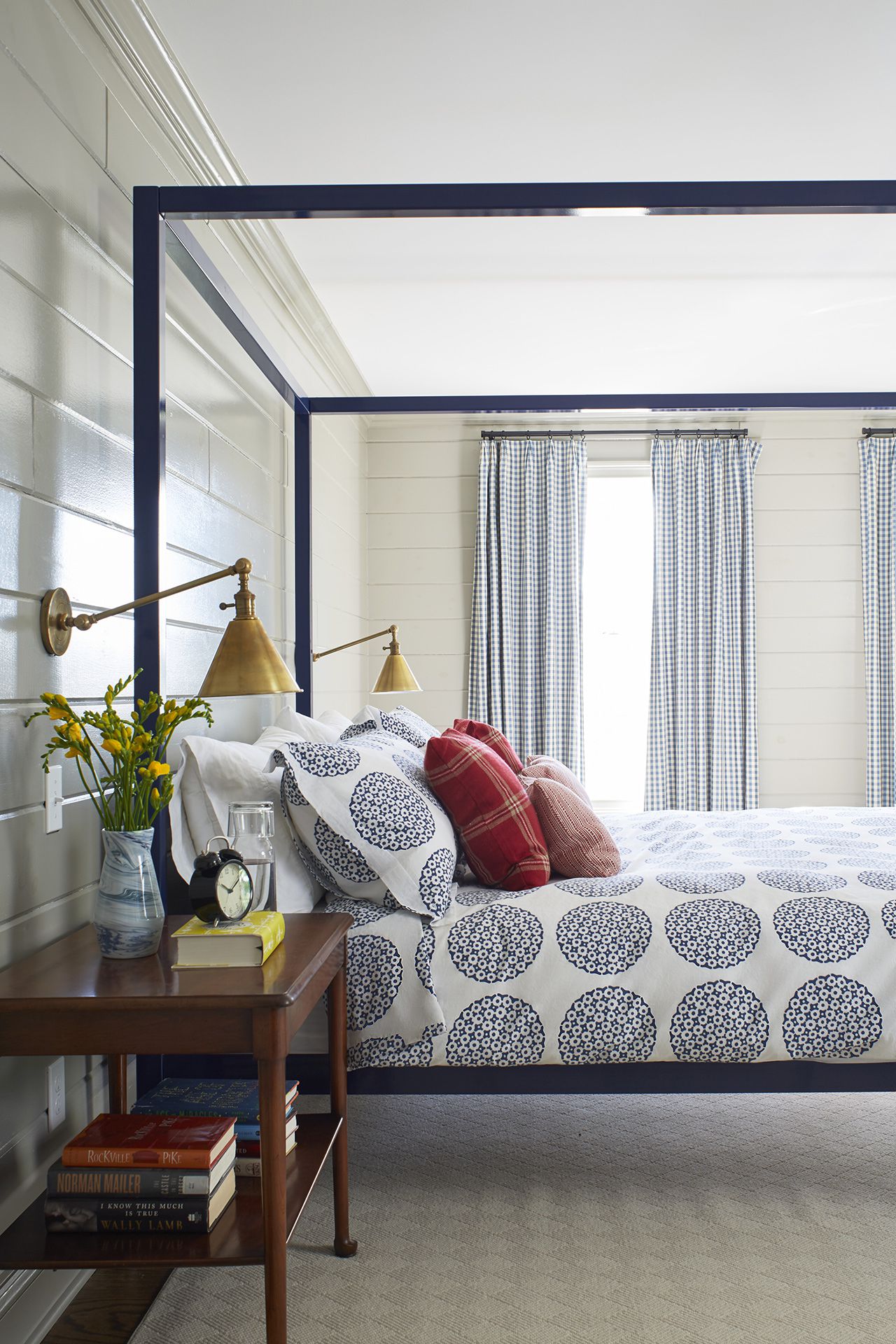
Symmetry is another key principle in Feng Shui bedroom design. The article recommends placing identical bedside tables on both sides of the bed, ideally with rounded edges to prevent the creation of 'sharp' negative energy. This practice is believed to balance energy, particularly in romantic relationships. While mirrors are generally debated in Feng Shui, their placement is crucial. They should not be positioned directly opposite the bed as they reflect and amplify energy, potentially disrupting sleep. Instead, they can be placed to the side, facing outwards, or strategically used to reflect the door if the bed cannot be in the commanding position. Ensuring accessibility from both sides of the bed, with approximately 18 inches of space, promotes balanced yin and yang energy flow. An exception is made for children's beds, where placement against a wall can offer a sense of security.
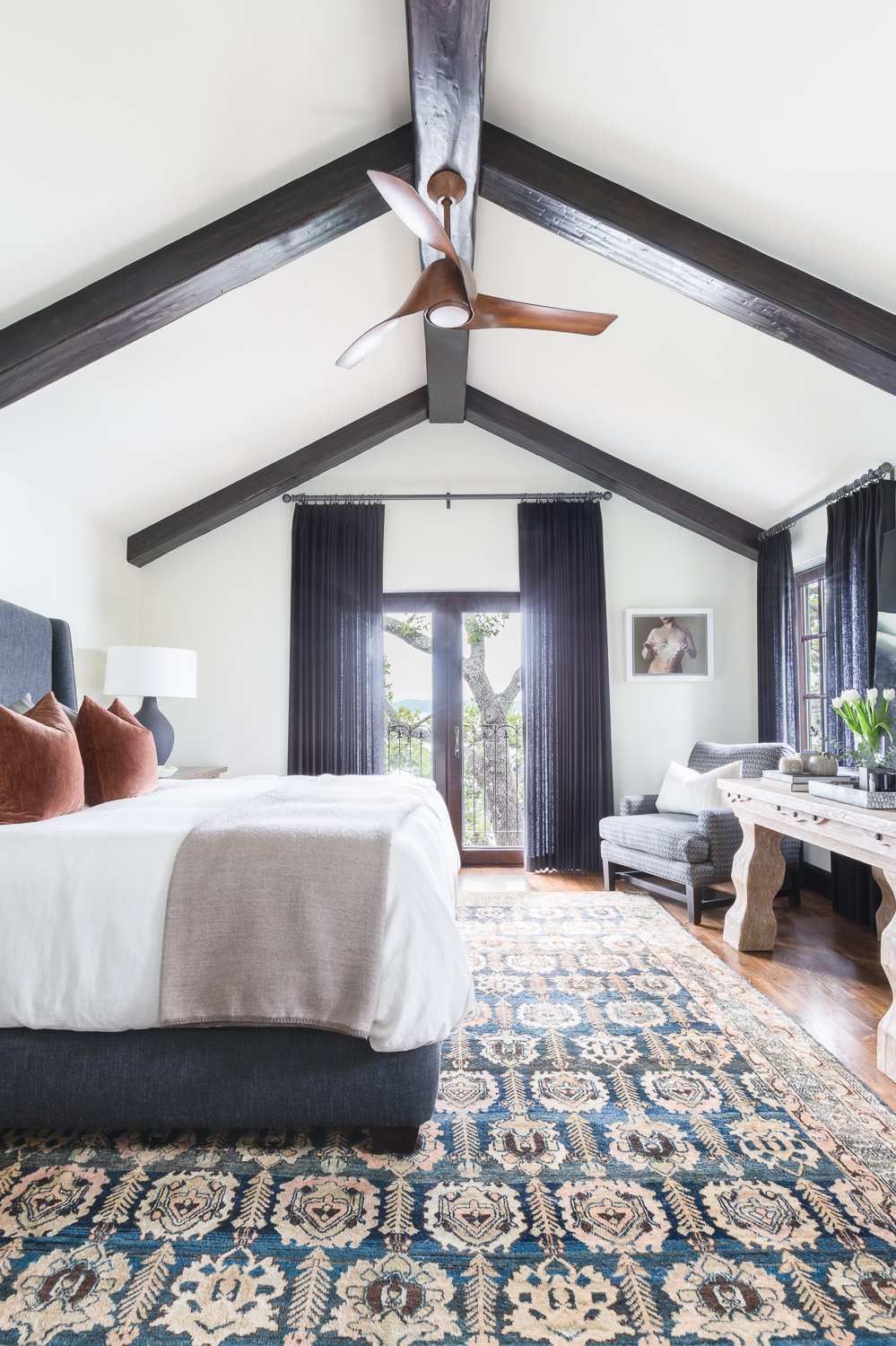
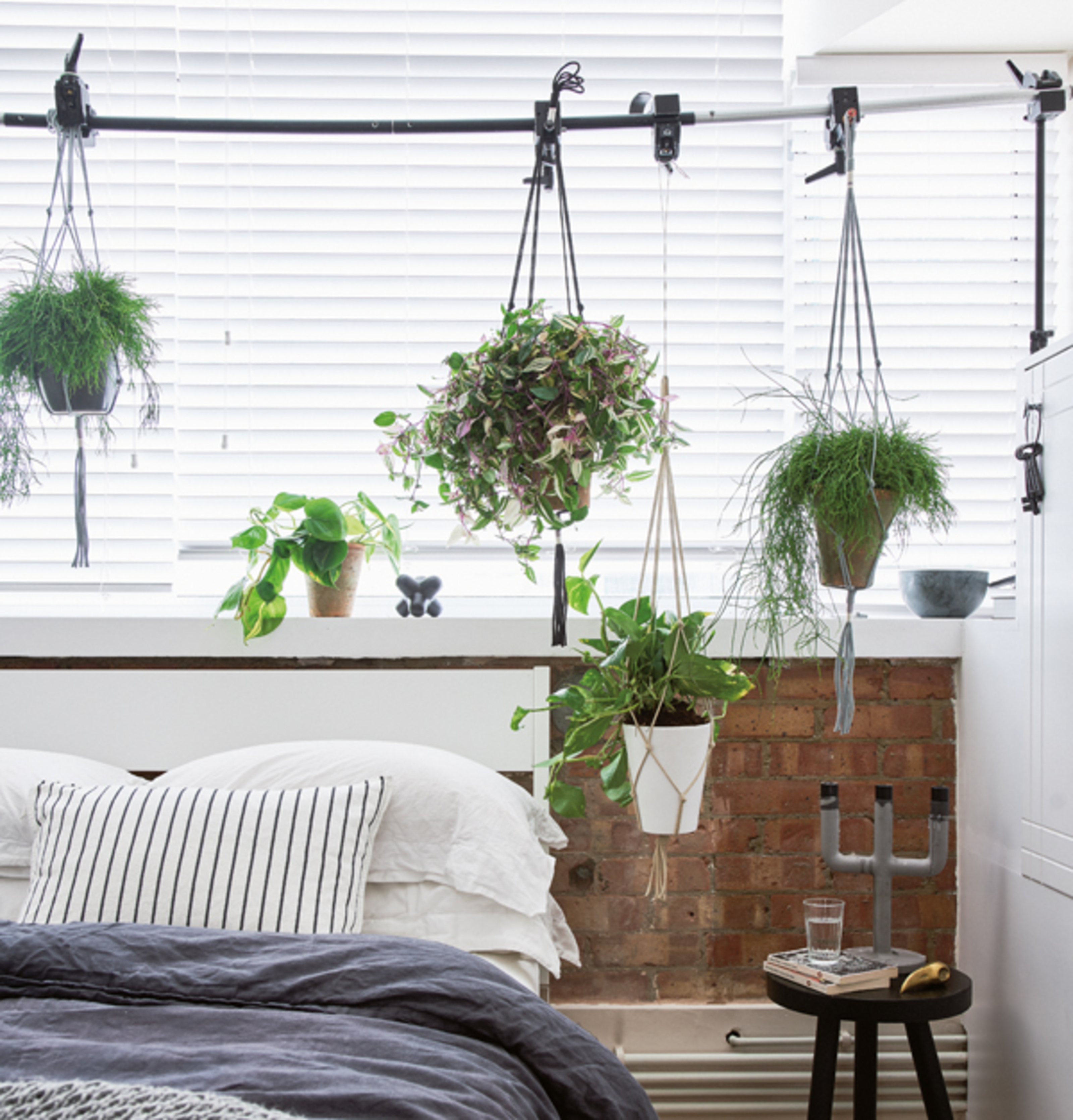
Clutter management, especially under the bed, is also emphasized. Ideally, the space beneath the bed should remain clear to facilitate energy circulation, which is believed to contribute to better health and peace of mind. If storage under the bed is unavoidable, it should be used for sleep-related items like linens to maintain a restful atmosphere. The article advises against placing the bed directly under oppressive architectural features such as beams or ceiling fans, as these can create a sense of pressure. If moving the bed is not an option, concealing these features with fabric or painting them to blend with the ceiling can mitigate their negative impact.
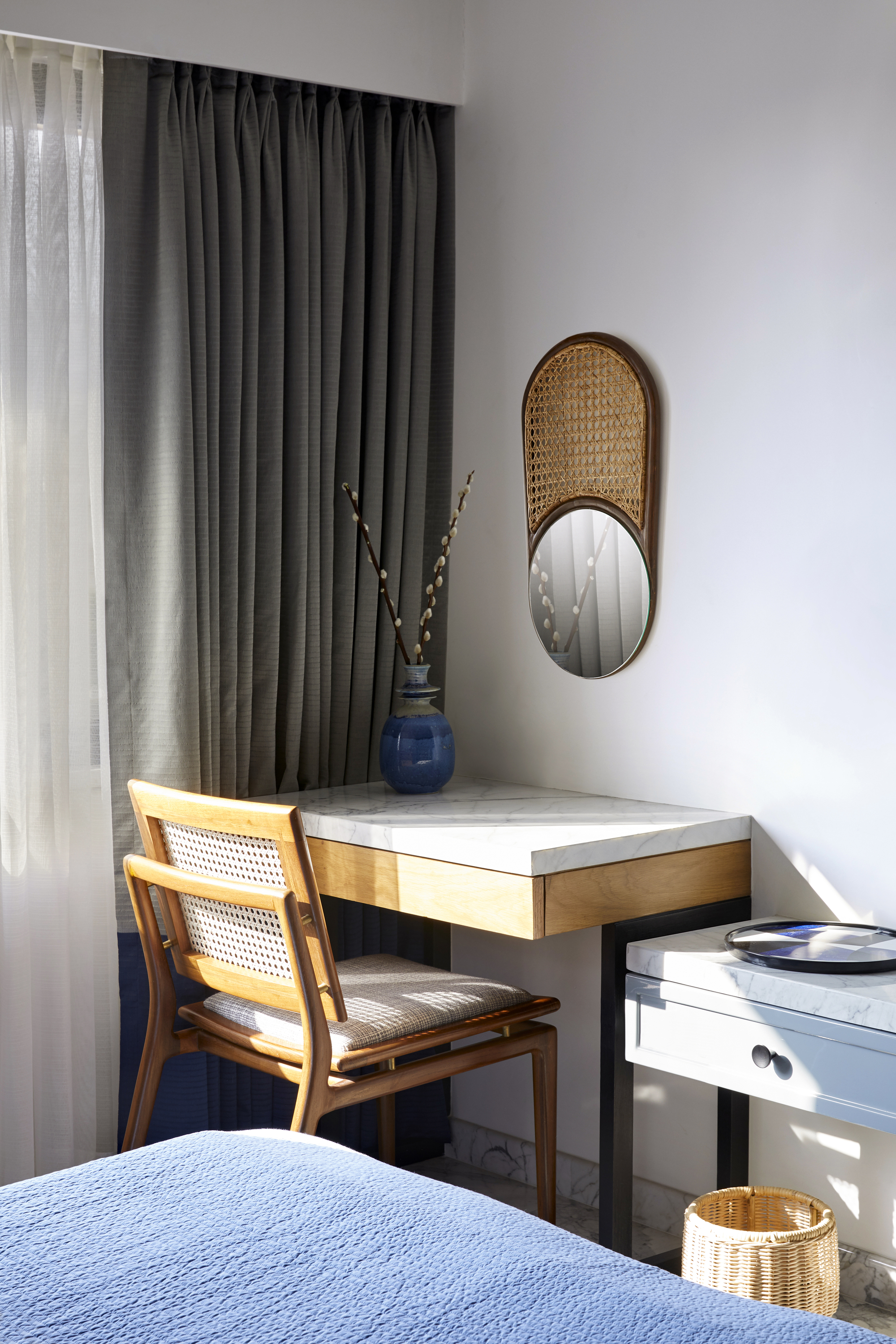
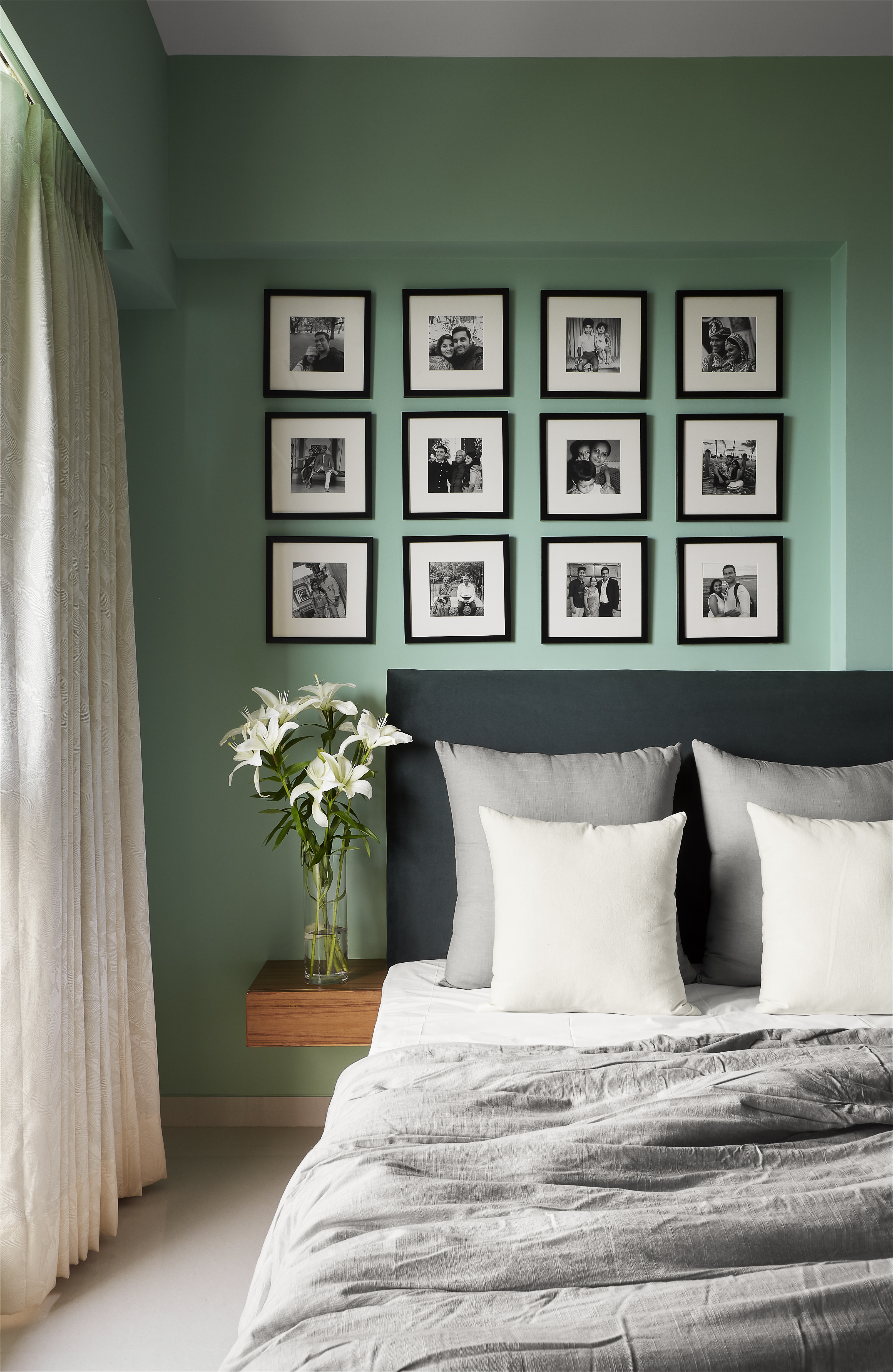
Regarding functionality, it is recommended to keep the office out of the bedroom, as a workspace can introduce stimulating energy that conflicts with the room's relaxing purpose. If an office setup is necessary, room dividers can be employed to create distinct zones, separating the work area from the sleep space. Finally, the placement of decor and personal items is discussed. Displaying personal items and photos in the far-right corner of the room upon entry is suggested to positively influence love and relationships. Artwork should ideally be avoided above the bed and headboard, and instead, uplifting pieces should be placed opposite the bed to be the first thing seen upon waking. For optimal energy flow, the best direction for the bed to face is south, ensuring the head points southward and the feet northward.
#FengShui #BedroomLayout #InteriorDesign #SleepImprovement #EnergyFlow #HomeHarmony #MindfulLiving #SpacePlanning #FengShui #BedroomLayout #InteriorDesign #SleepImprovement #EnergyFlow #HomeHarmony #MindfulLiving #SpacePlanning
0 comment in total
 No comments yet
You may also like

How to Feng Shui your bedroom

Should your bed face the door? Here's what the experts think

'Never sleep with a chair facing you' – Feng Shui experts bust this viral myth about your bedroom layout

Feng Shui experts warn you to avoid this mistake so that you sleep better, and to choose this bedroom layout instead

Feng shui bedroom layout tips and rules – how to create a zen sleeping space

Sleep experts helped organize my bedroom for better sleep

Change the Wall Your Bed Faces to Improve Your Space’s Feng Shui (and Prevent Bad Luck)

How can I make my bedroom lighting feel cozier? 8 tricks designers use that make for dreamy sleep spaces
14 ways to bring feng shui to your bedroom for harmony and balance
8 feng shui tips for the bedroom by Joey Yap, Lifestyle News
The Only Direction Your Bed Should Be Facing, According to Feng Shui Experts
This big Feng Shui mistake in your bedroom could be causing your poor sleep
Decorating Your Bedroom With Feng Shui
Should my bed be facing the door? Why the wrong bedroom layout could be disrupting your sleep
7 of the worst bedroom layout mistakes and how to avoid them
How interior designers plan a bedroom redesign
Bedroom Feng Shui – 10 tips for creating a zen-like space to encourage sleep

These Feng Shui experts say you shouldn't position your bed like this if you want to sleep well — and it's a common layout idea
Bedroom layout mistakes – 9 errors experts warn against, and how to fix them
13 Smart (and Stylish) Ways to Arrange Your Bedroom Furniture