Bedroom design should emphasize stress-reducing, sleep-inducing features
The article emphasizes the importance of bedroom design in promoting sleep and reducing stress, particularly in challenging times. It highlights the perspectives of medical professionals and interior designers on creating an optimal sleep environment. Key recommendations include decluttering, selecting muted color palettes, and implementing effective lighting strategies.
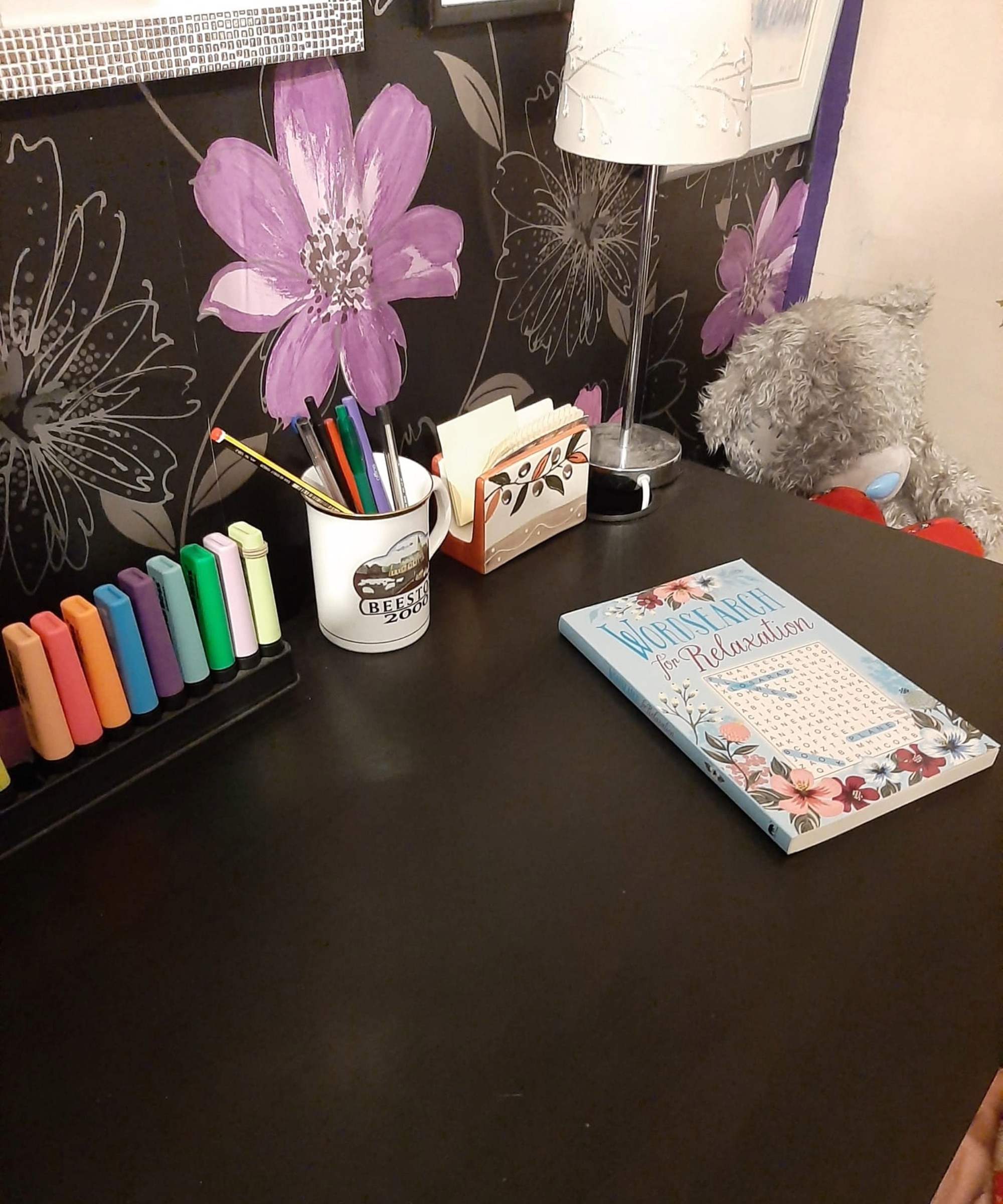
Decluttering is presented as a fundamental step towards a more restful bedroom. Visual clutter can elevate stress levels and increase alertness, making it difficult to relax. Experts advise against leaving undone chores, such as laundry baskets, in the bedroom, as these can serve as visual reminders of responsibilities and disrupt sleep. Marie Kondo's philosophy of tidiness is implicitly supported, as a clear space contributes to a clear mind.
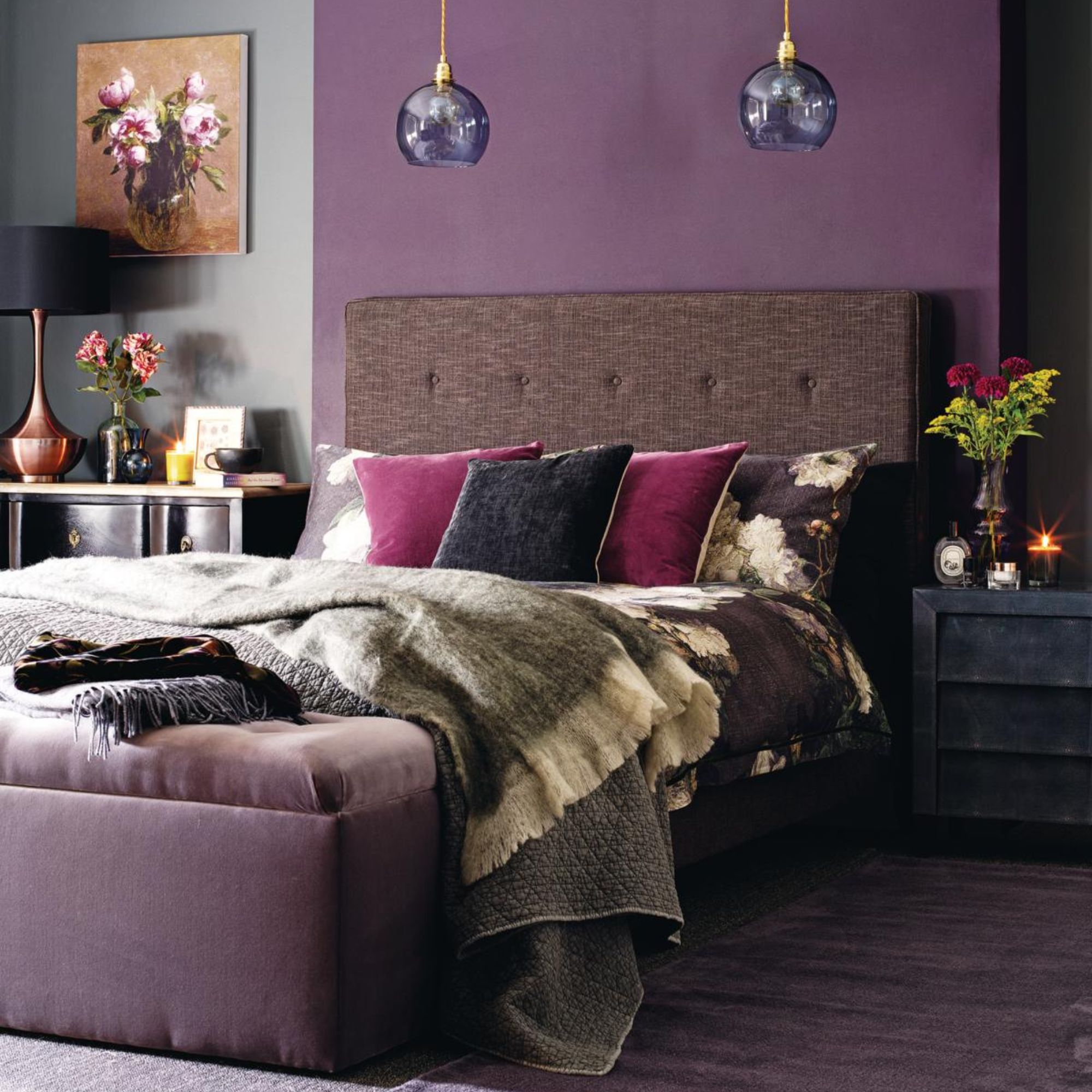
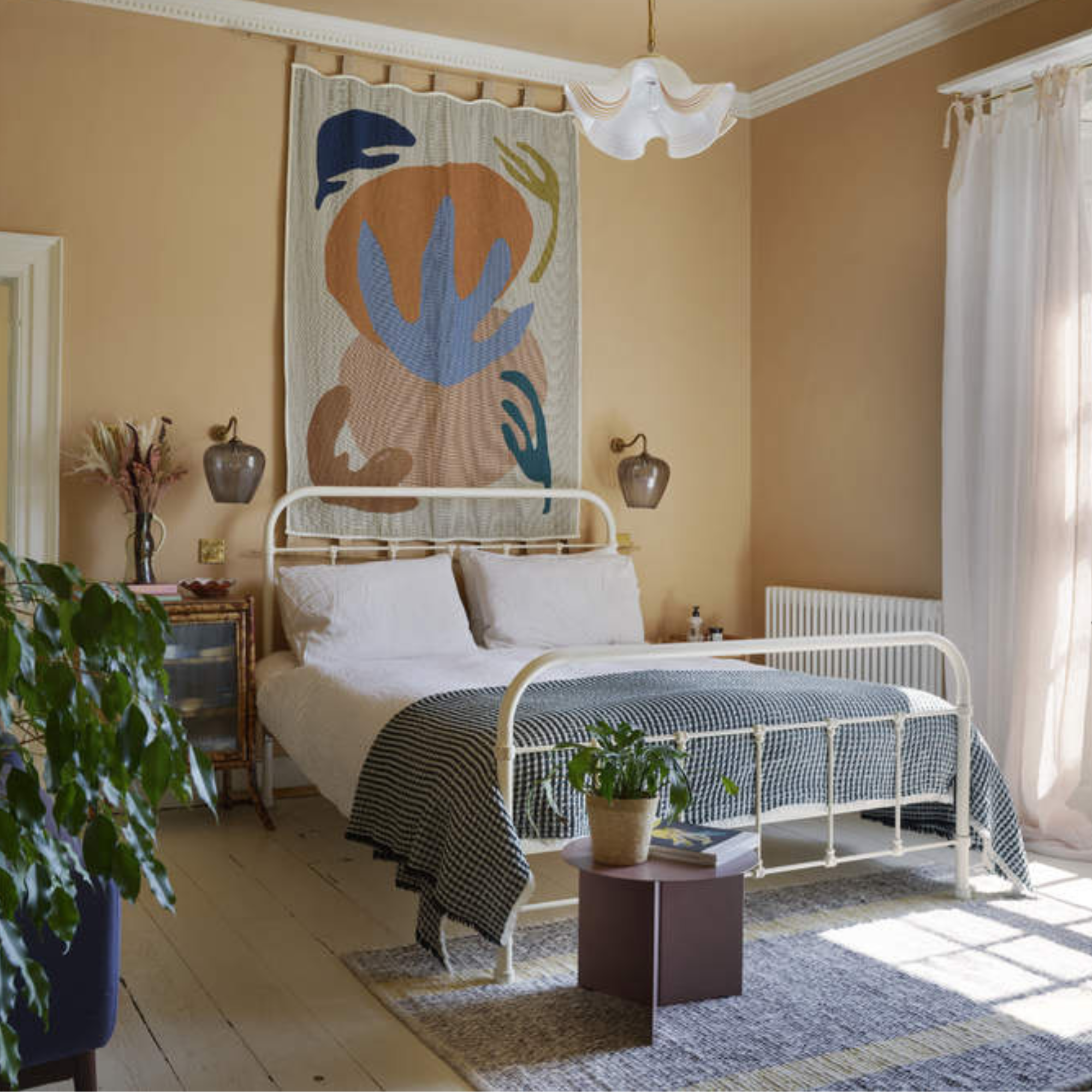
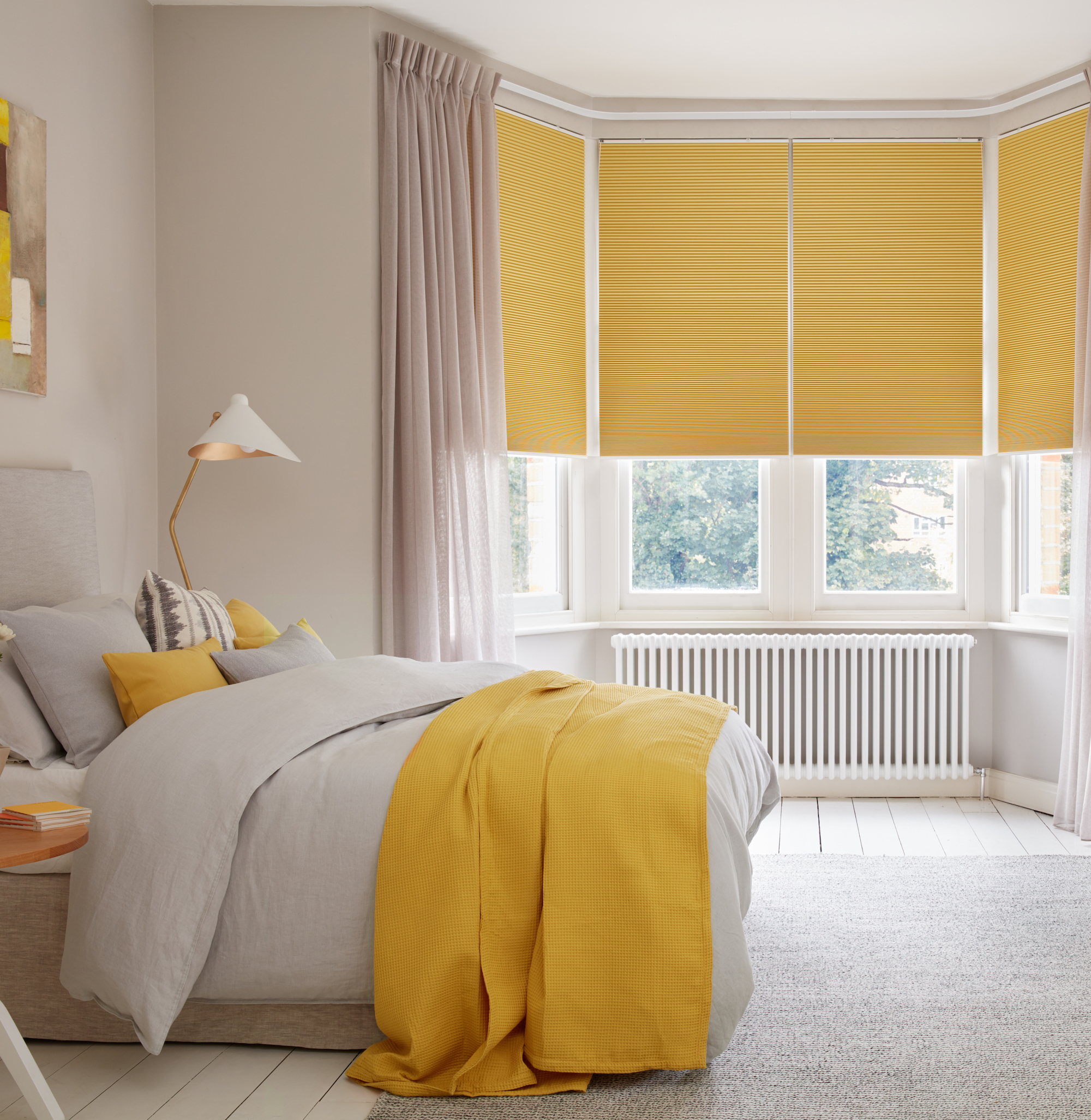
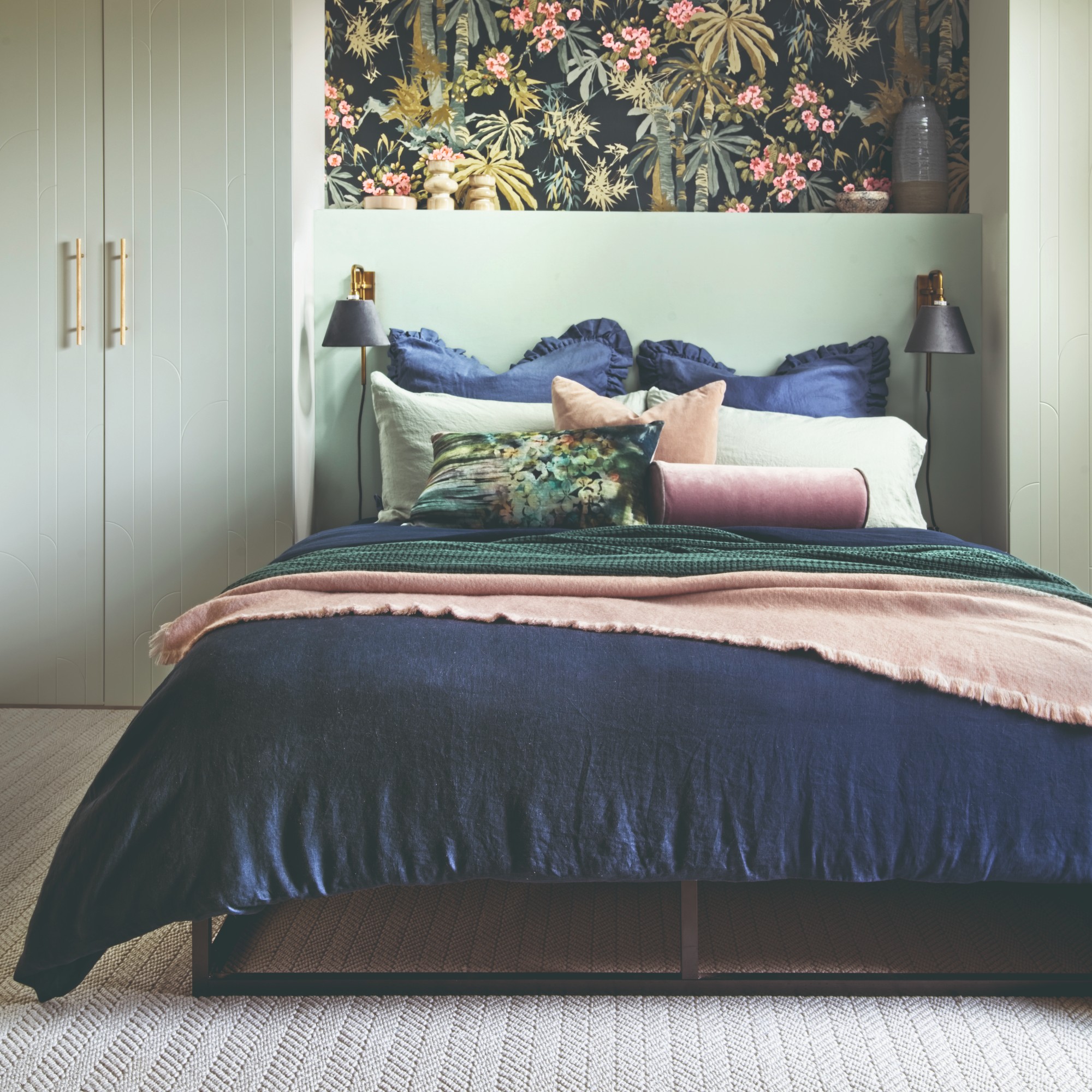
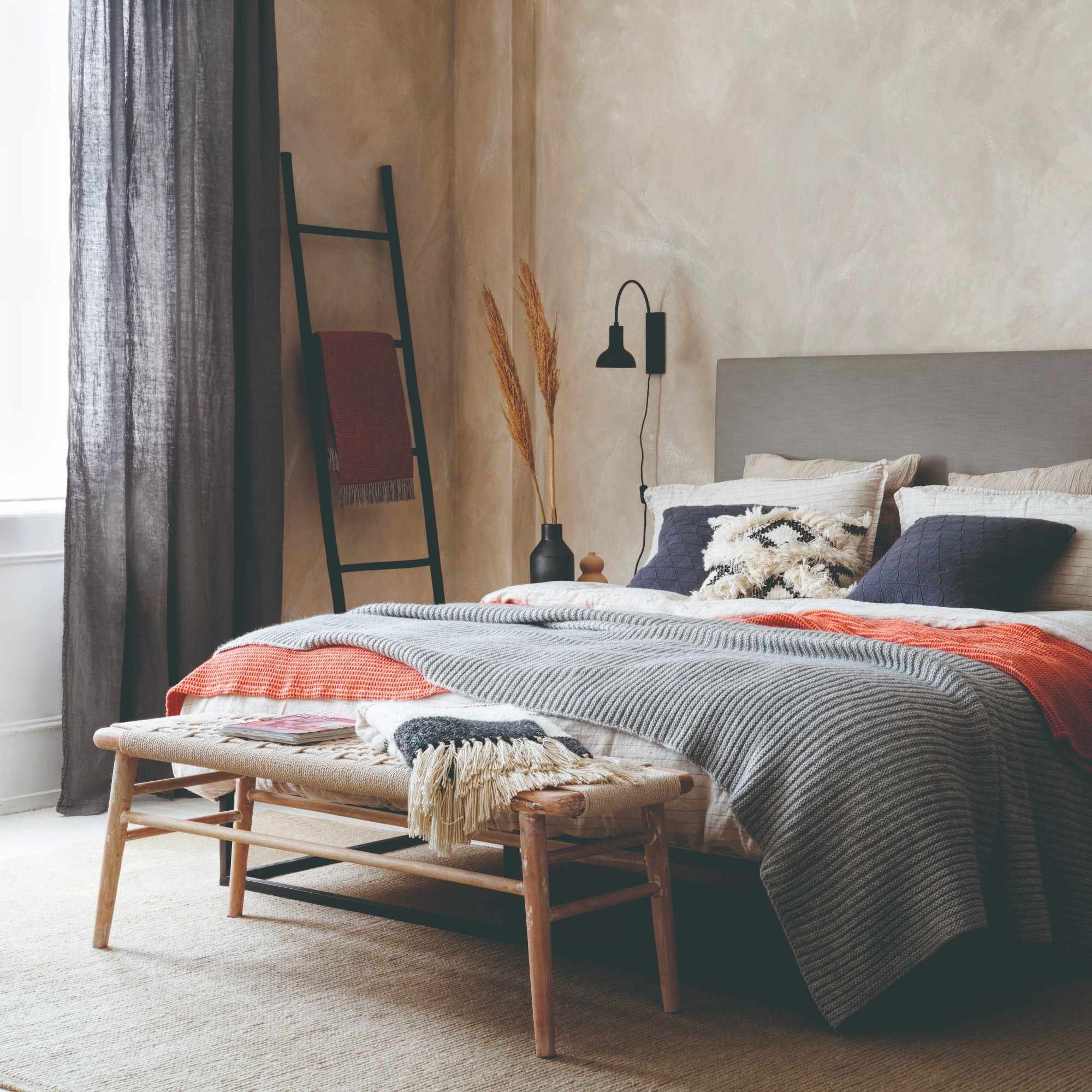
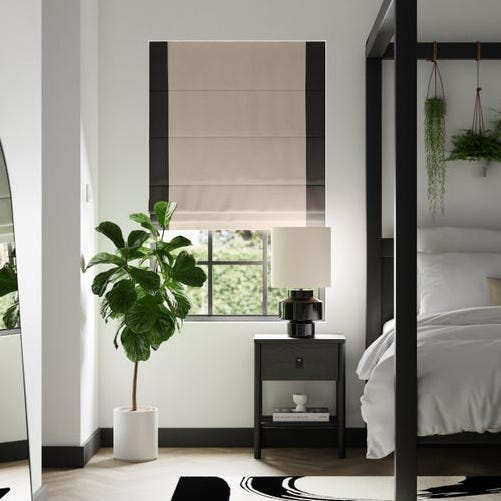
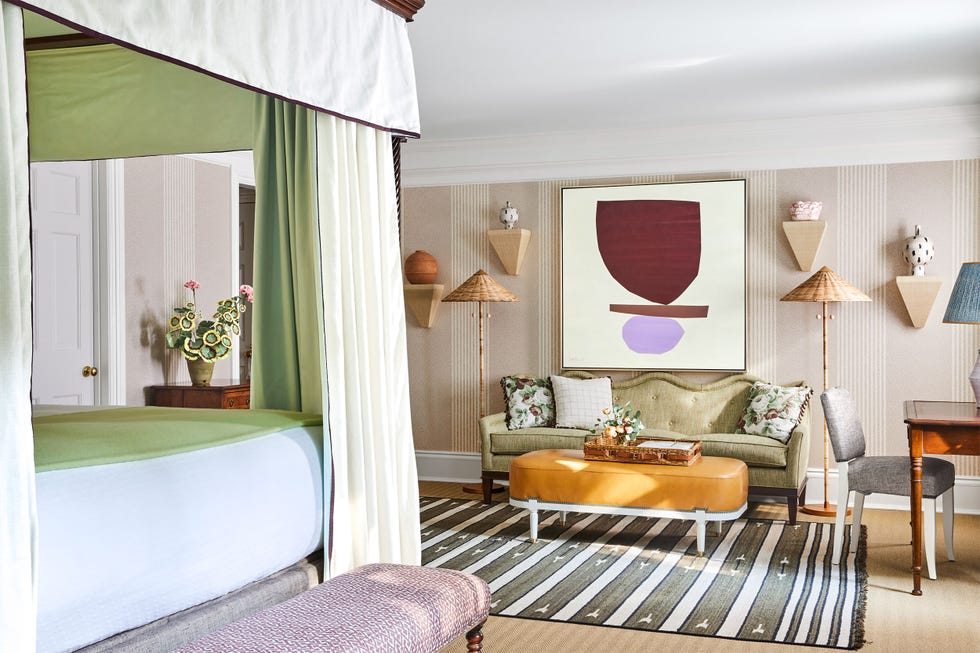
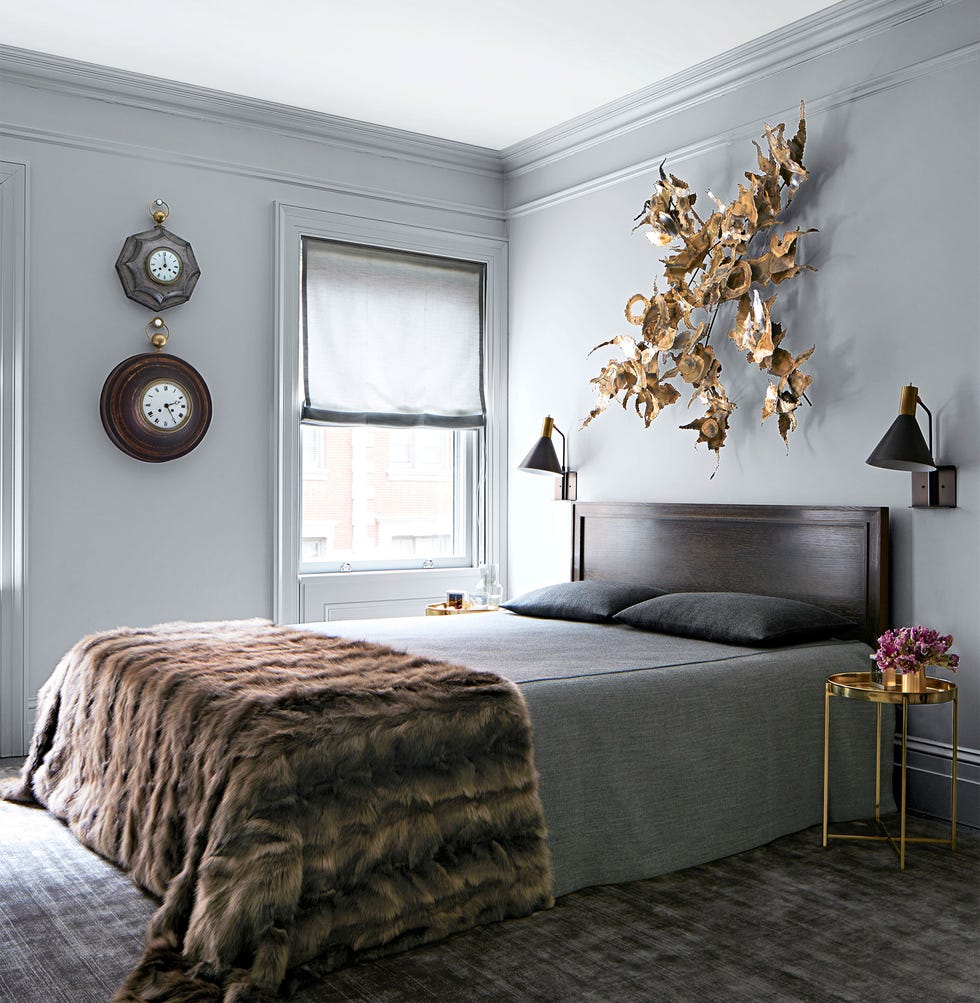
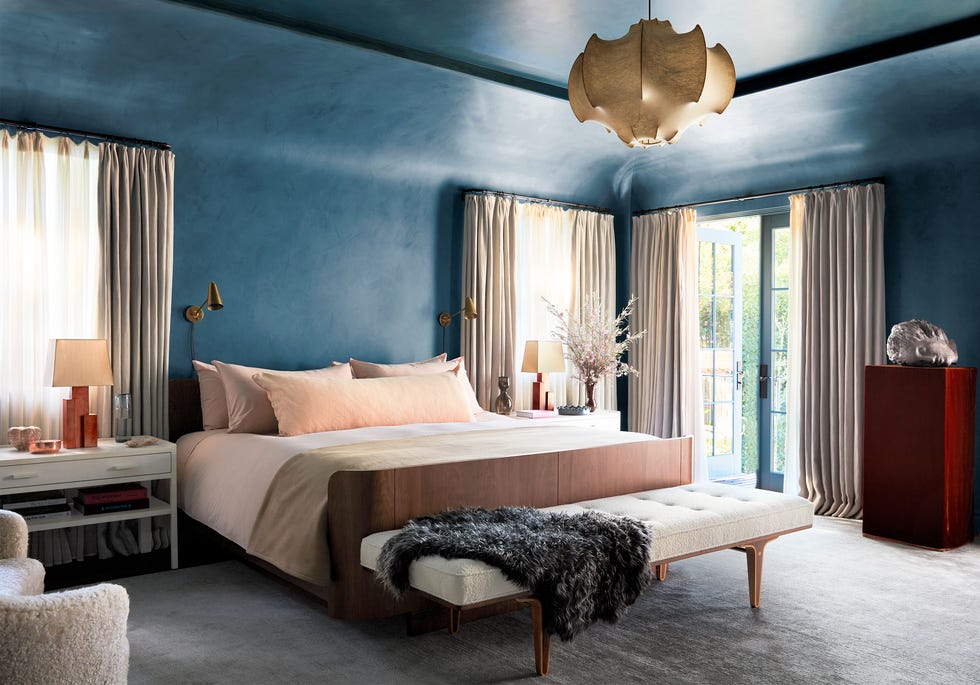
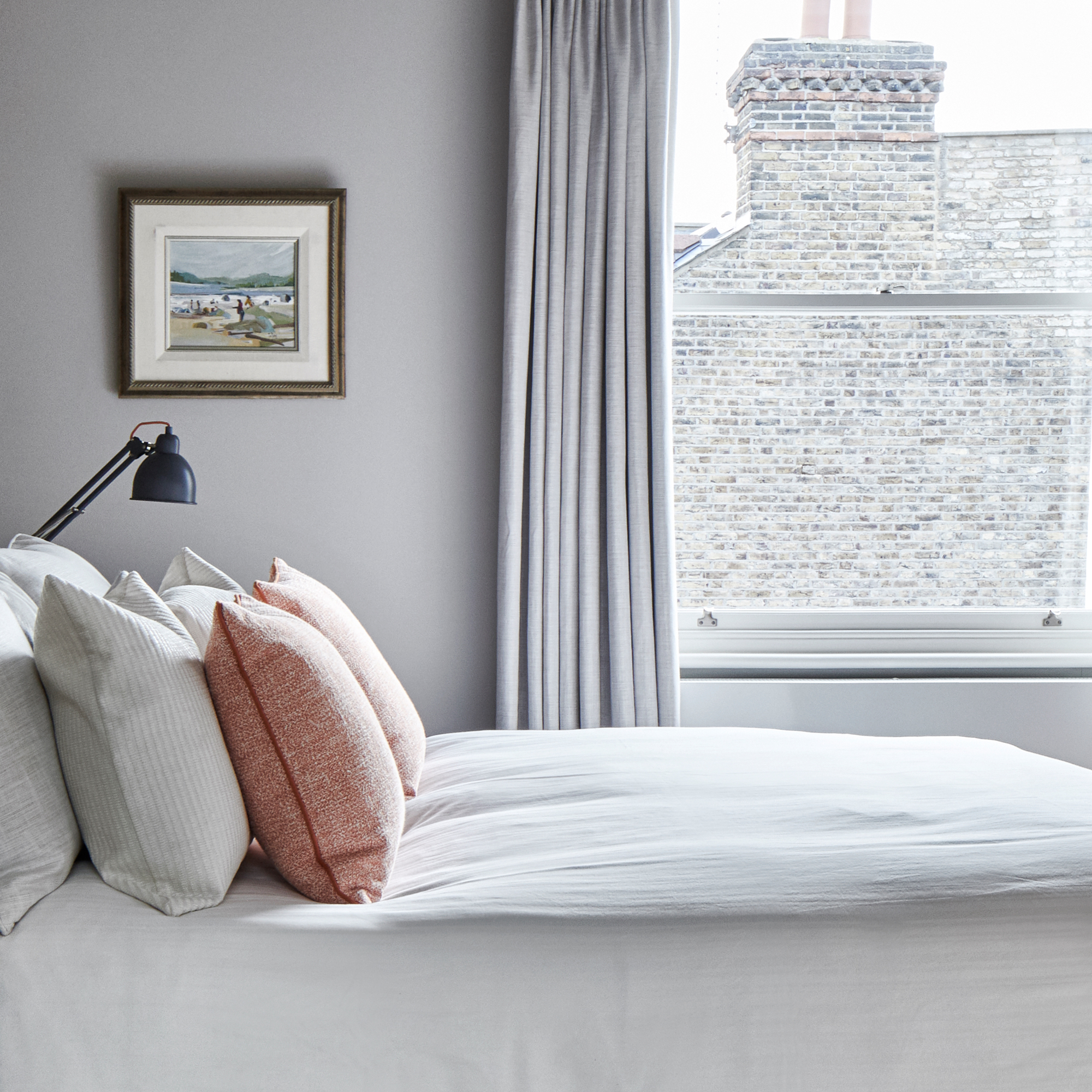
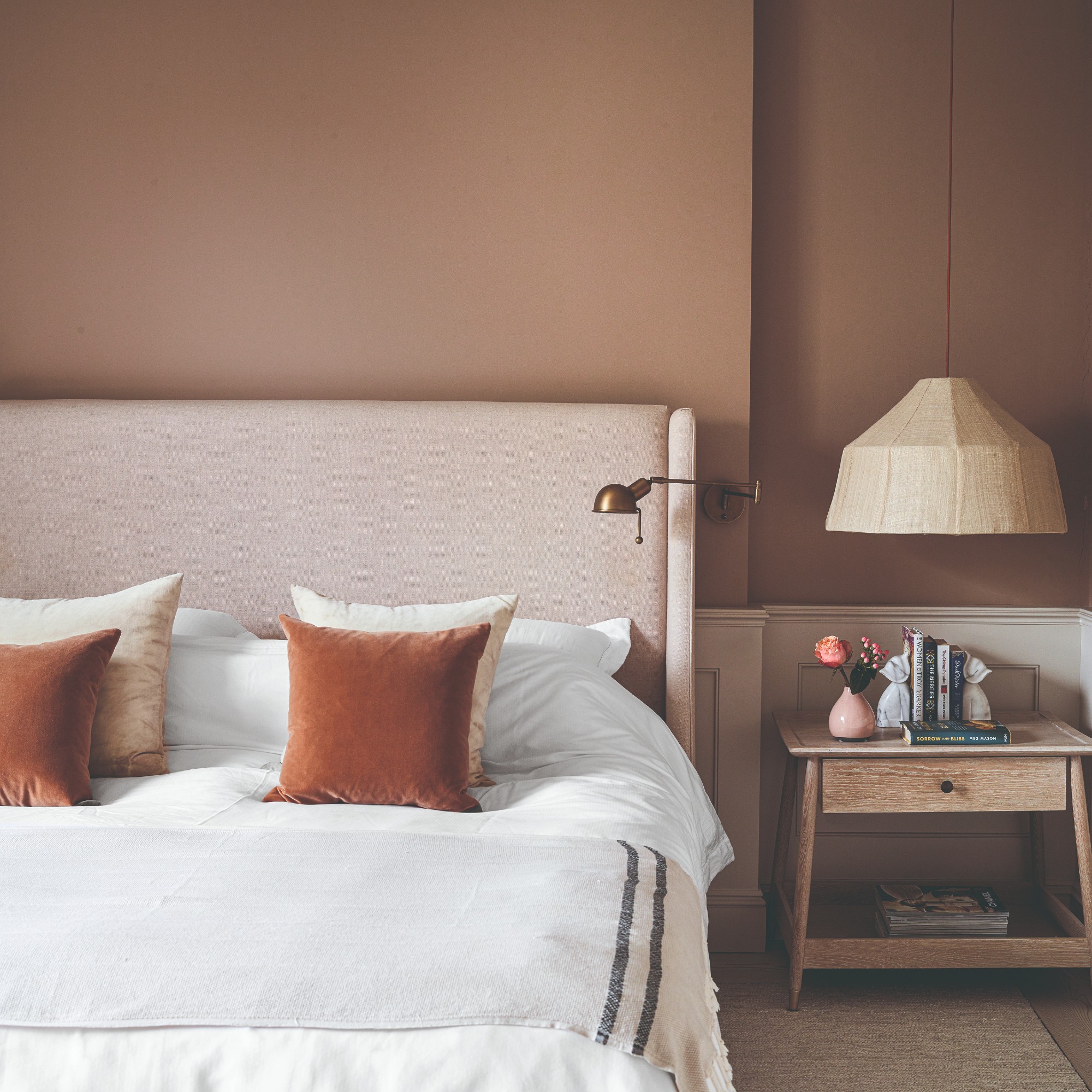
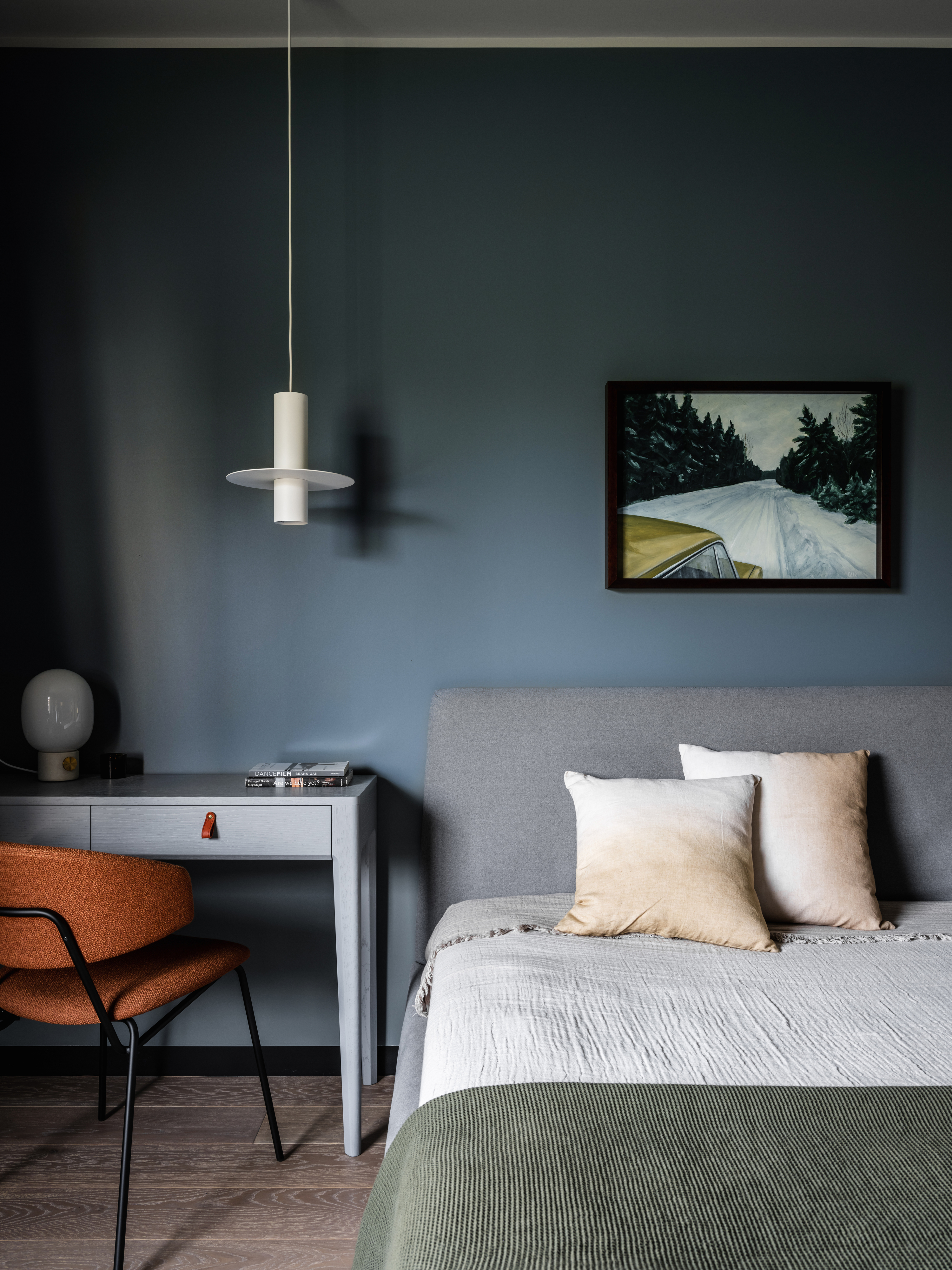
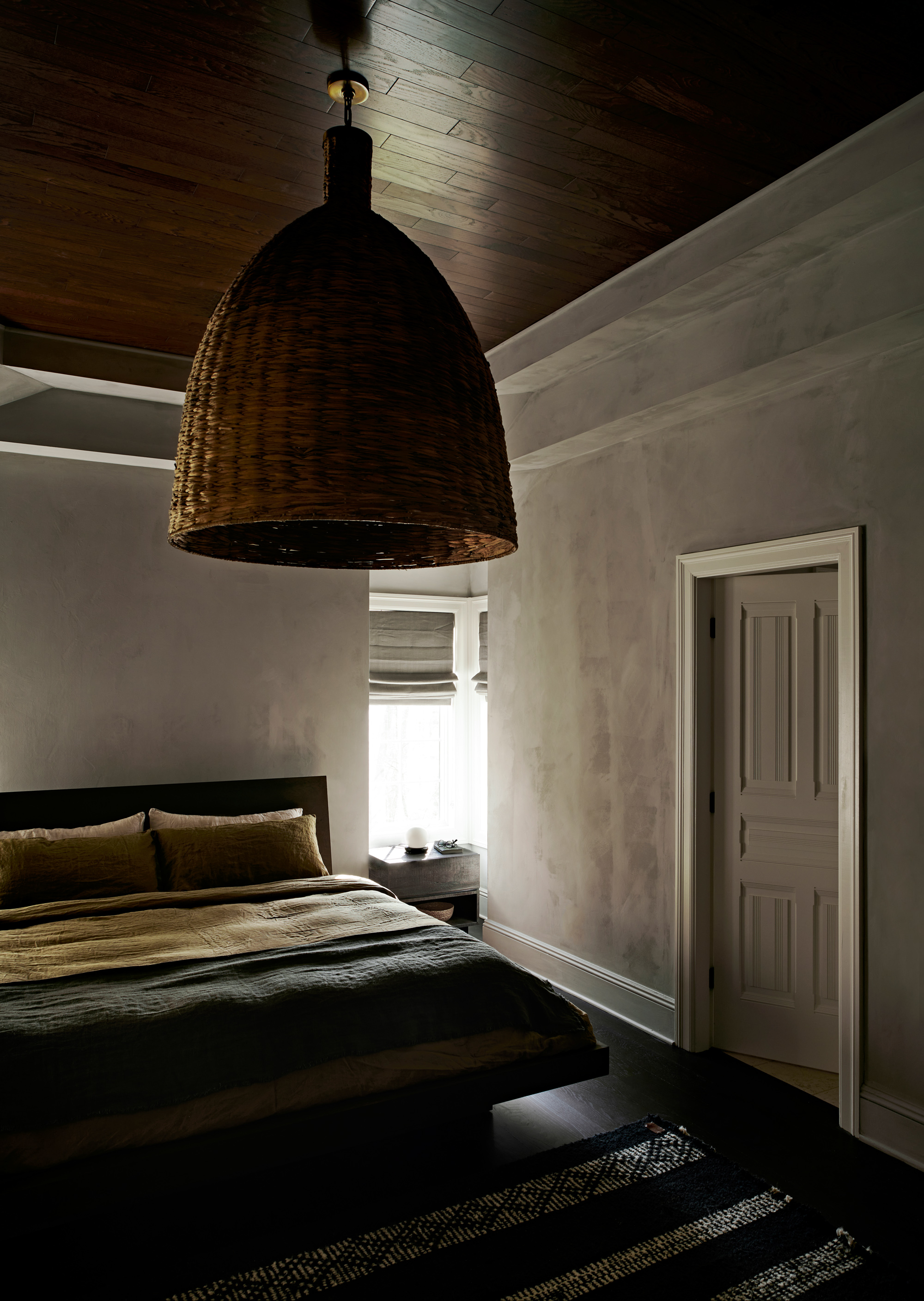
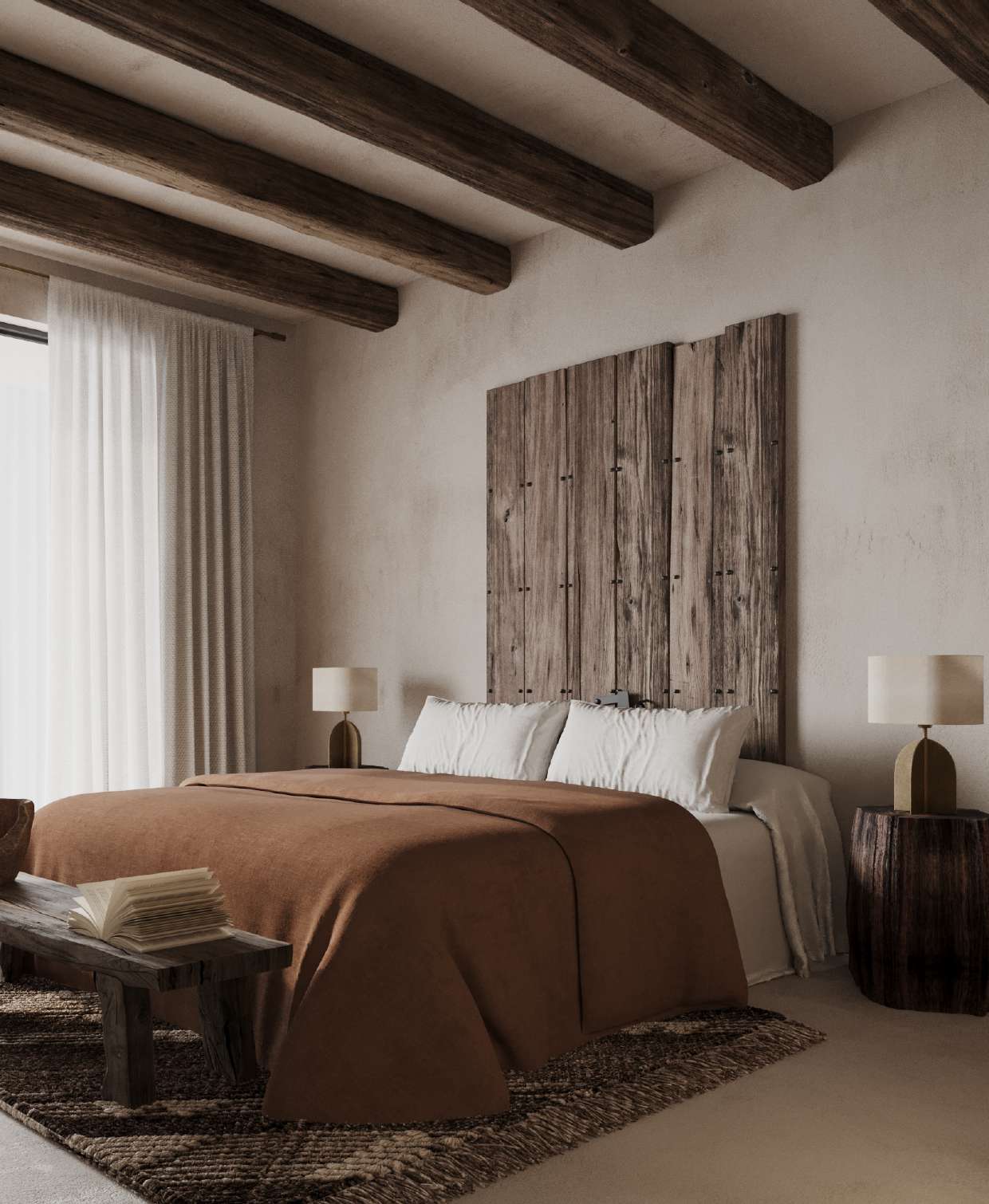
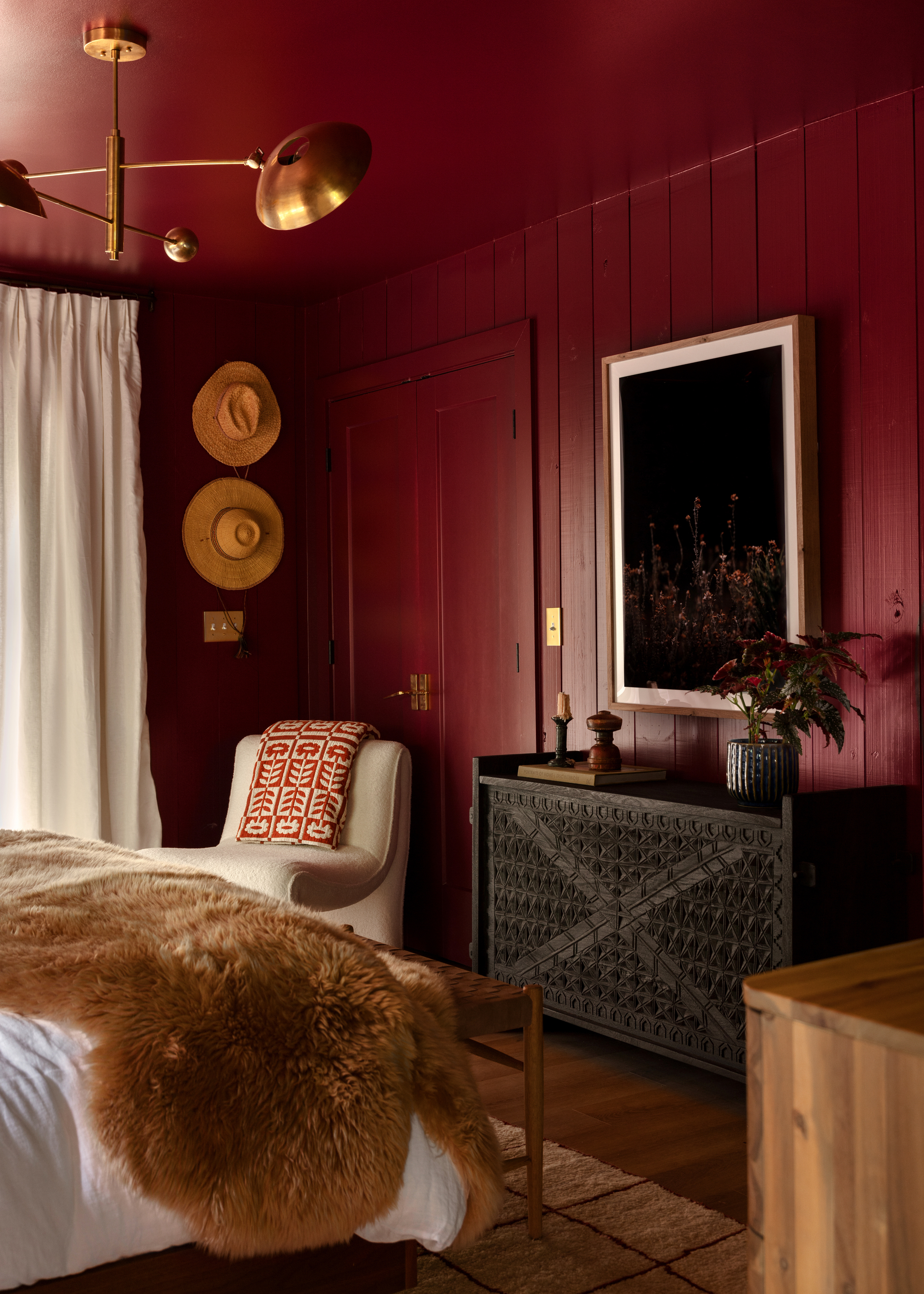
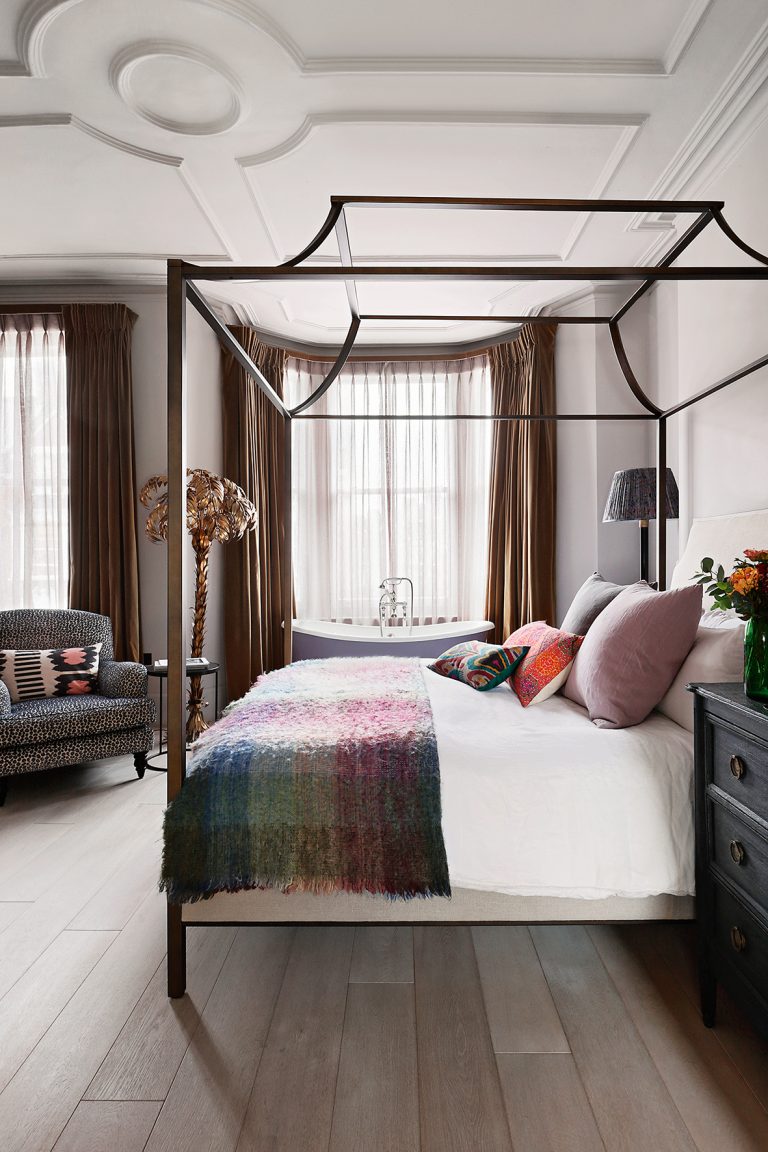
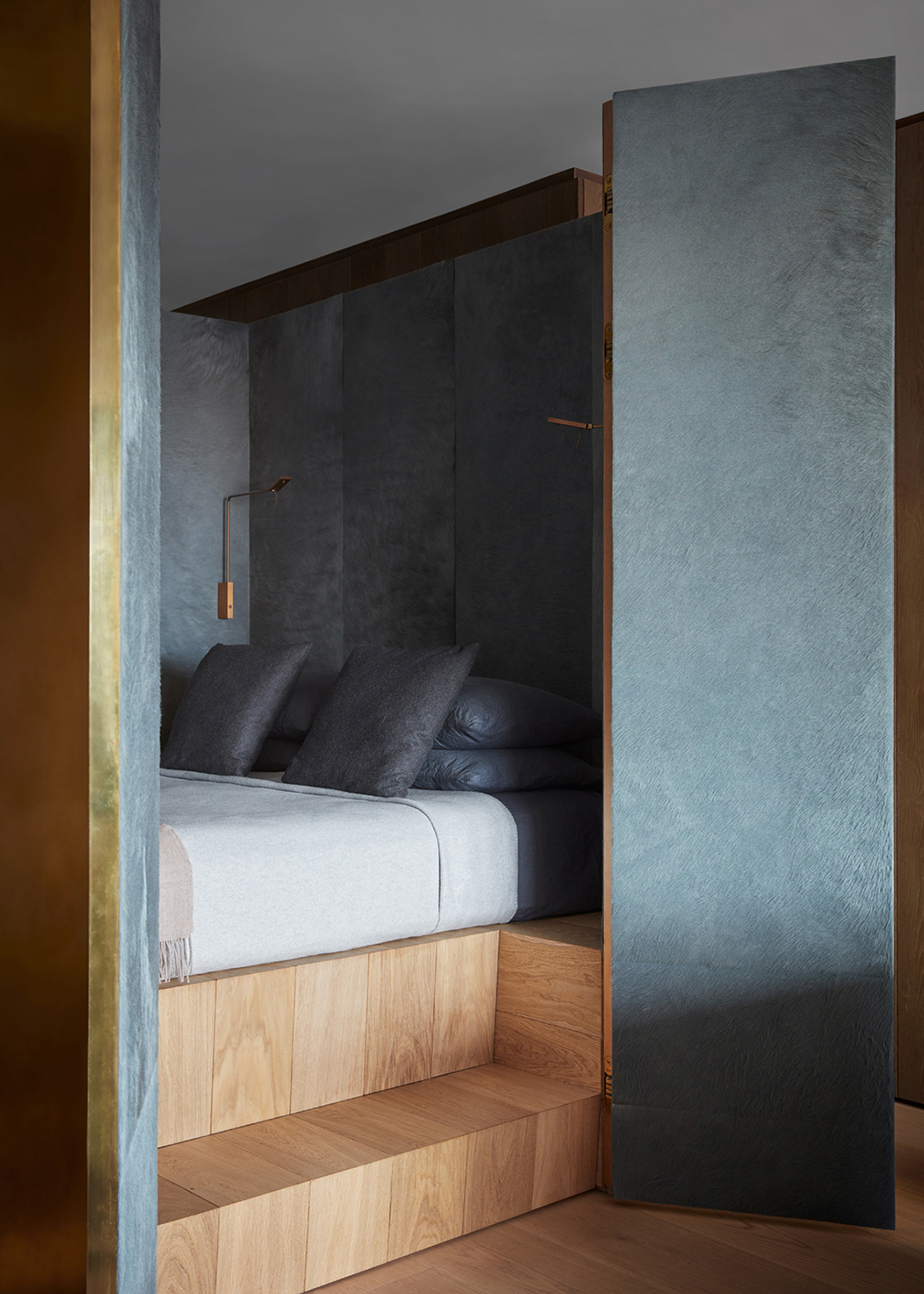
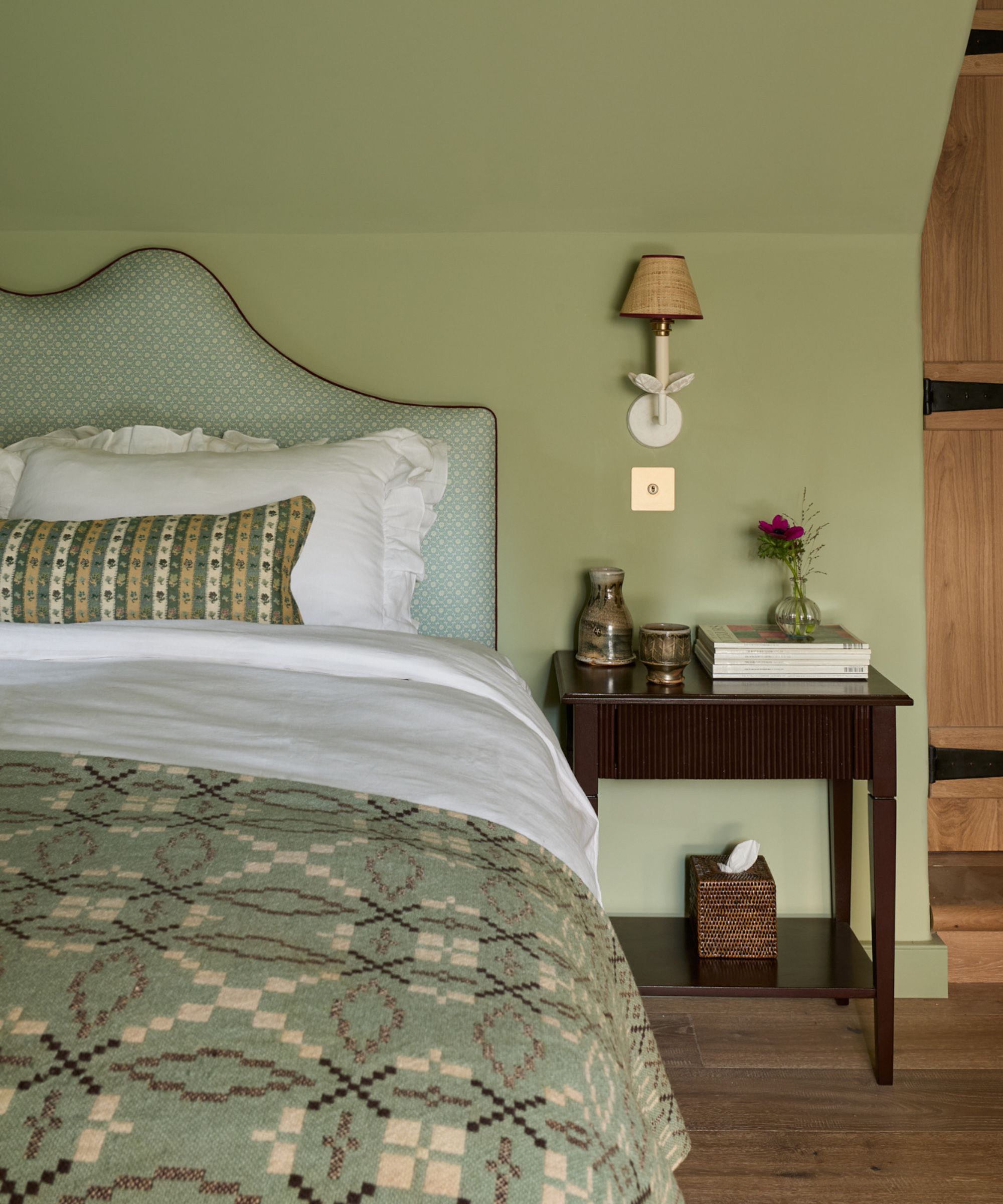
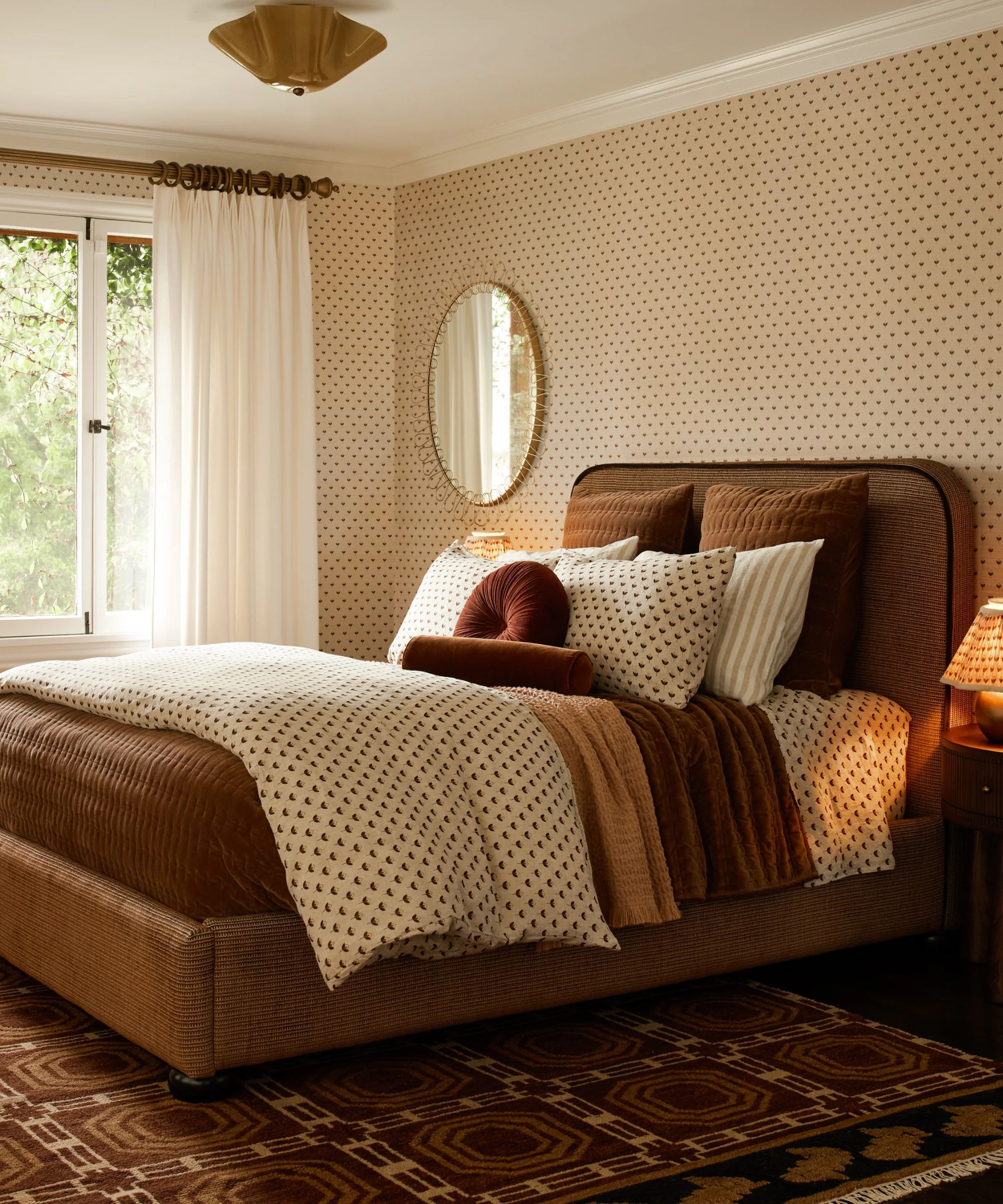

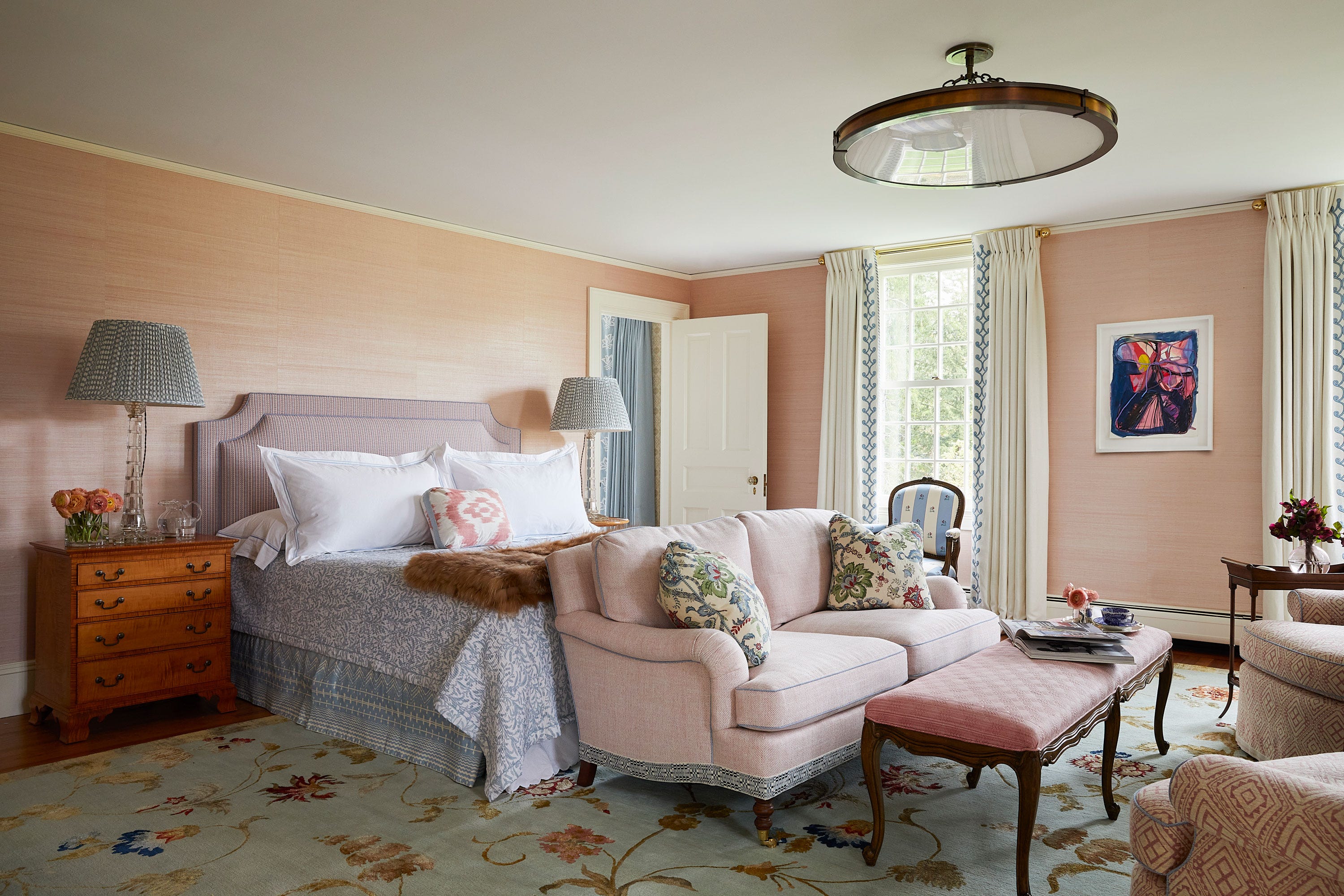
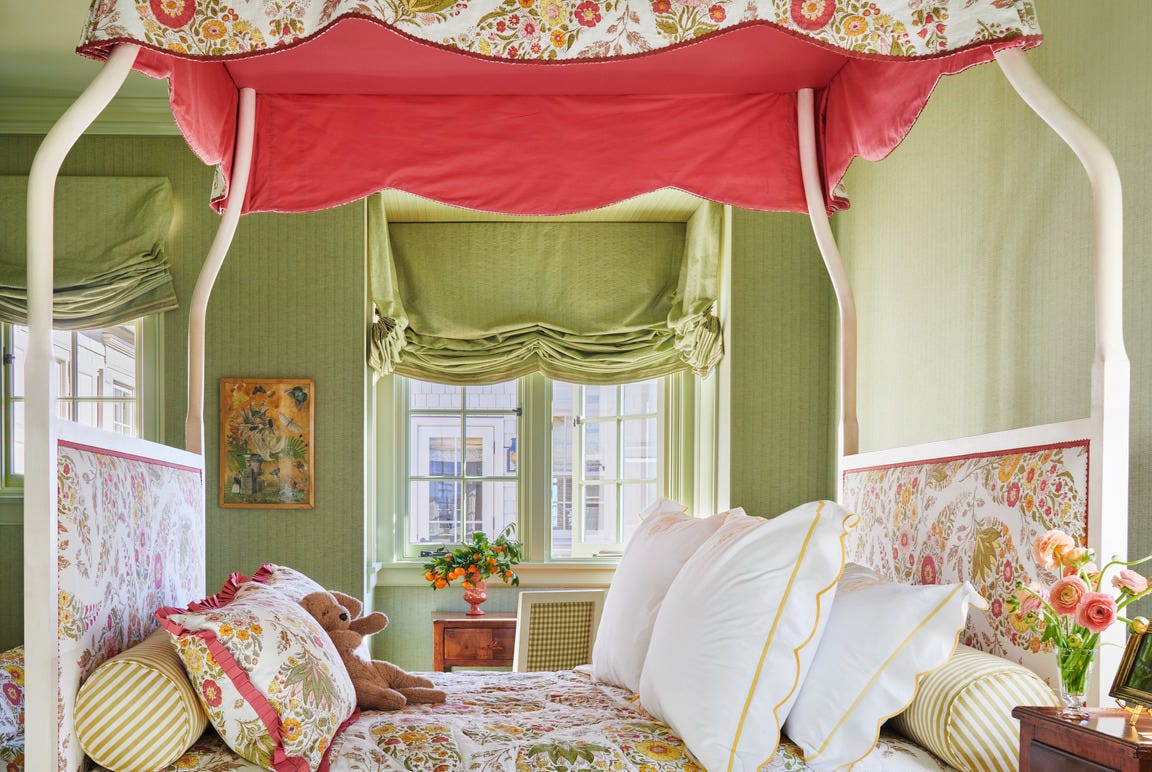
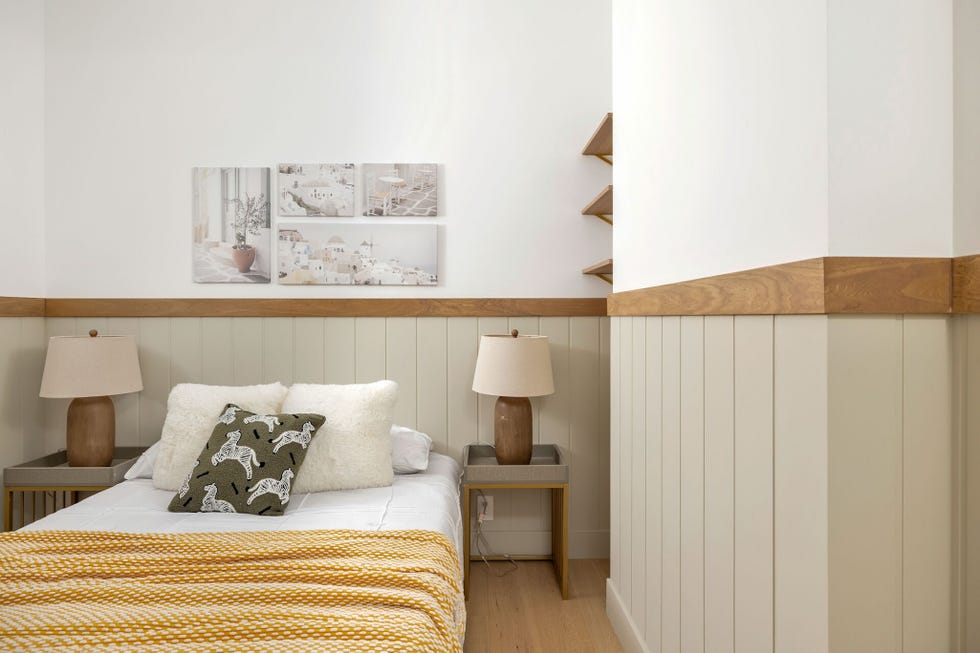
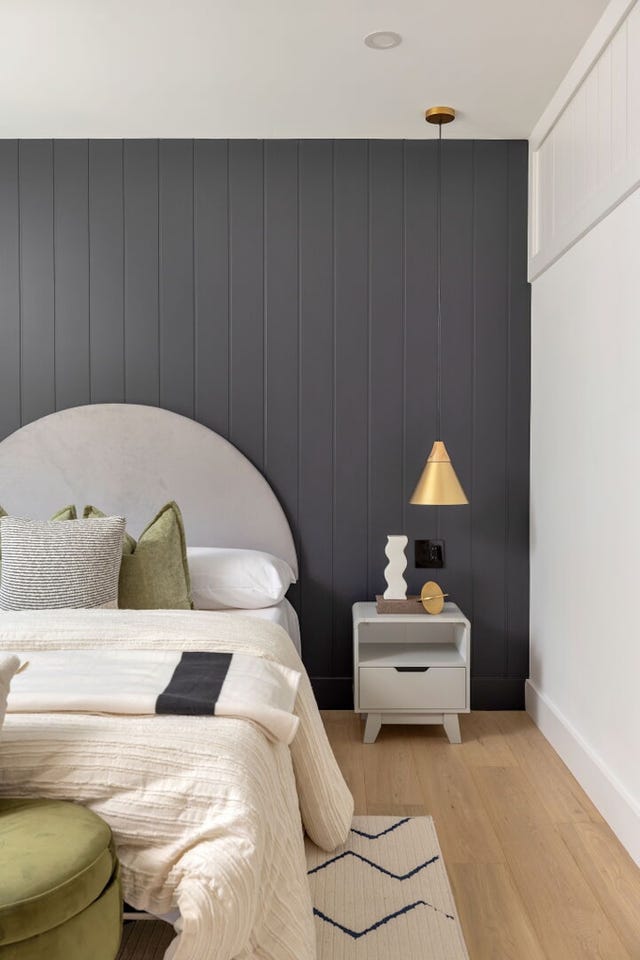
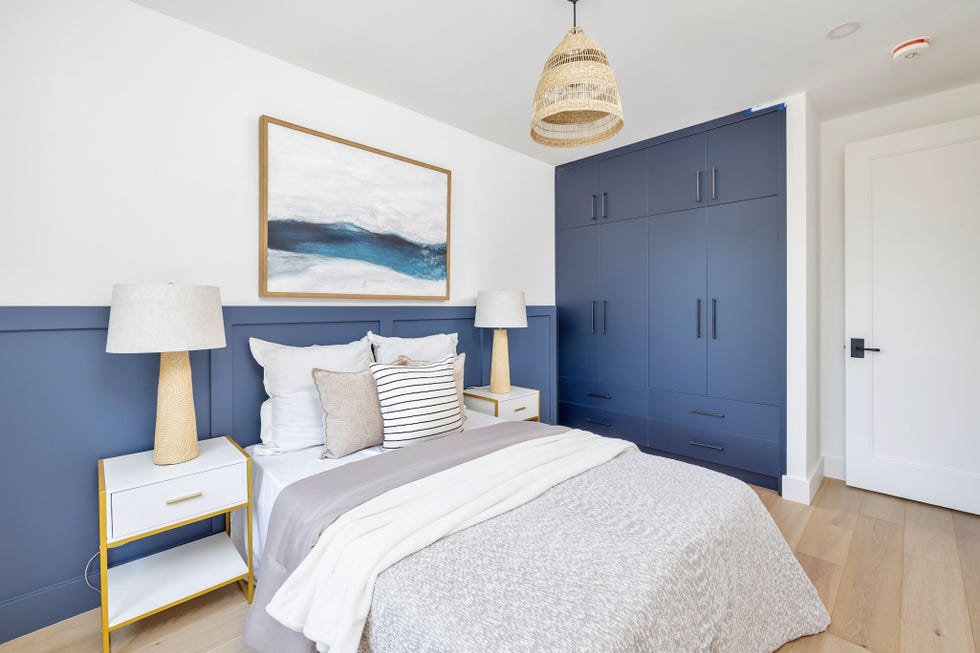
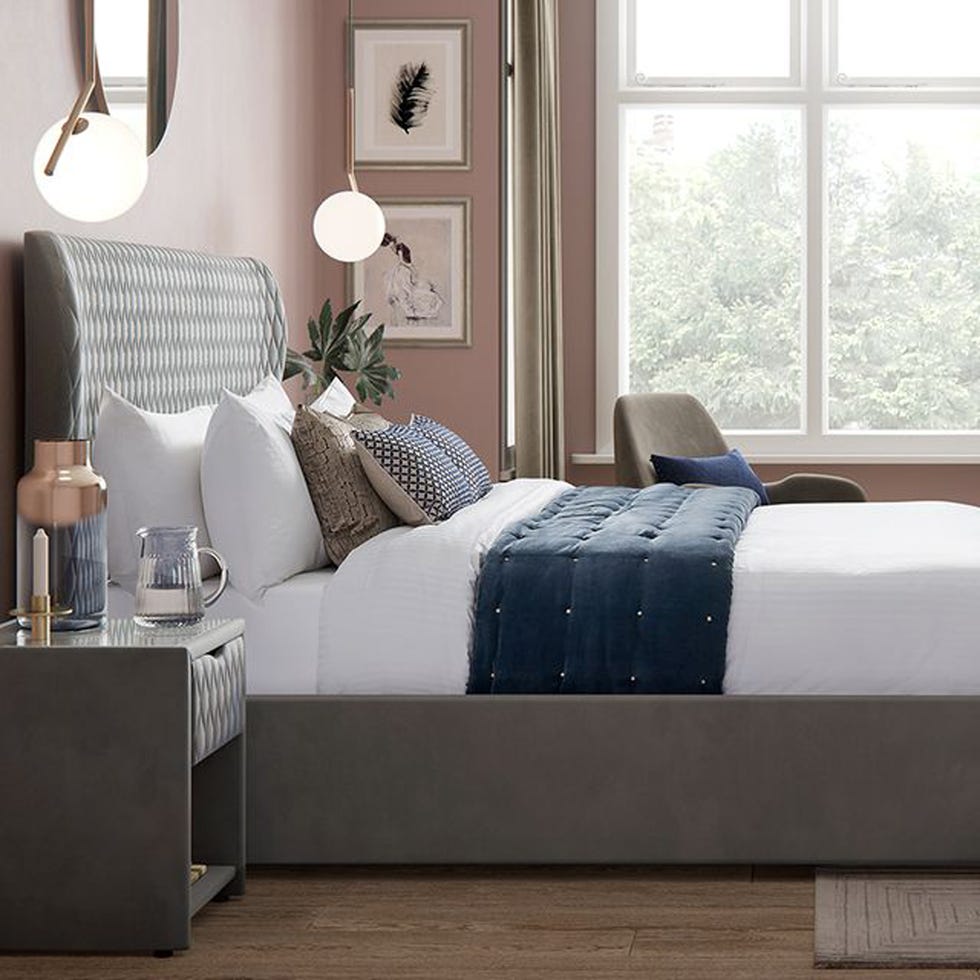
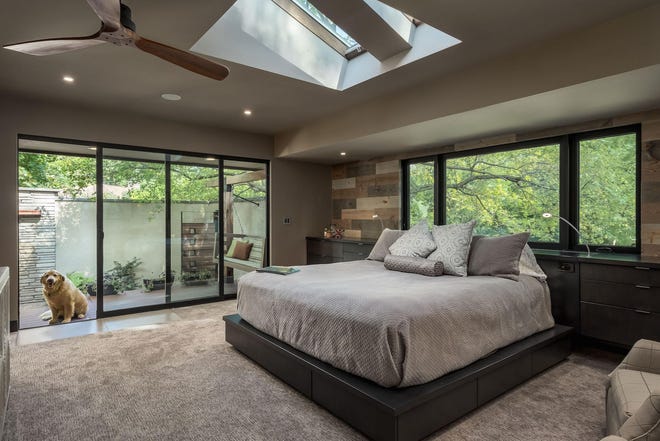
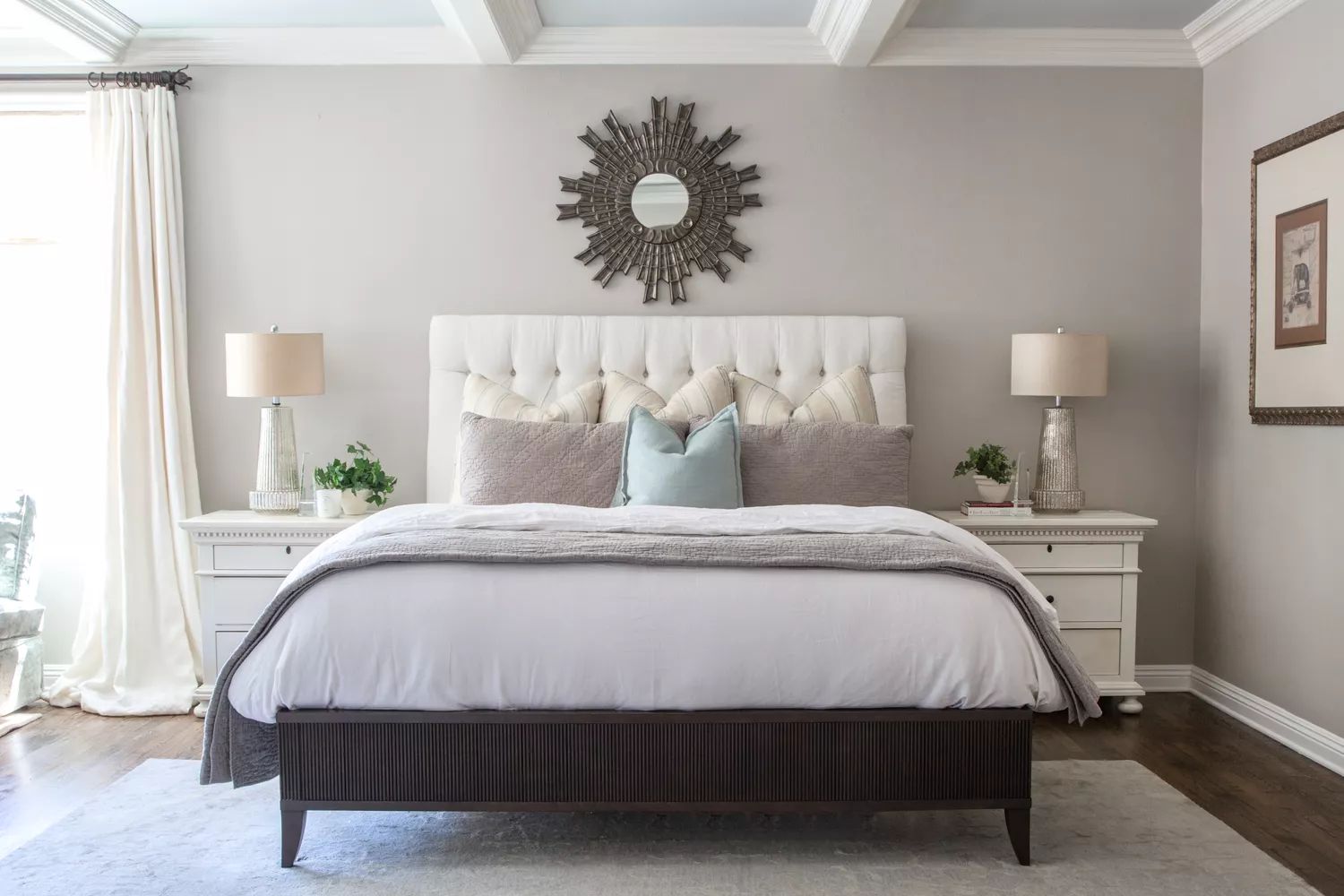
Color choice plays a significant role in creating a calming atmosphere. Muted colors, especially those inspired by nature like grays, blues, and greens, are recommended for their ability to lower heart rates and promote relaxation. Bold colors such as orange and red should be limited to accents, as they can create a dramatic but less serene environment. The overall goal is to reduce visual stimulation, allowing the eyes and mind to rest more effectively.
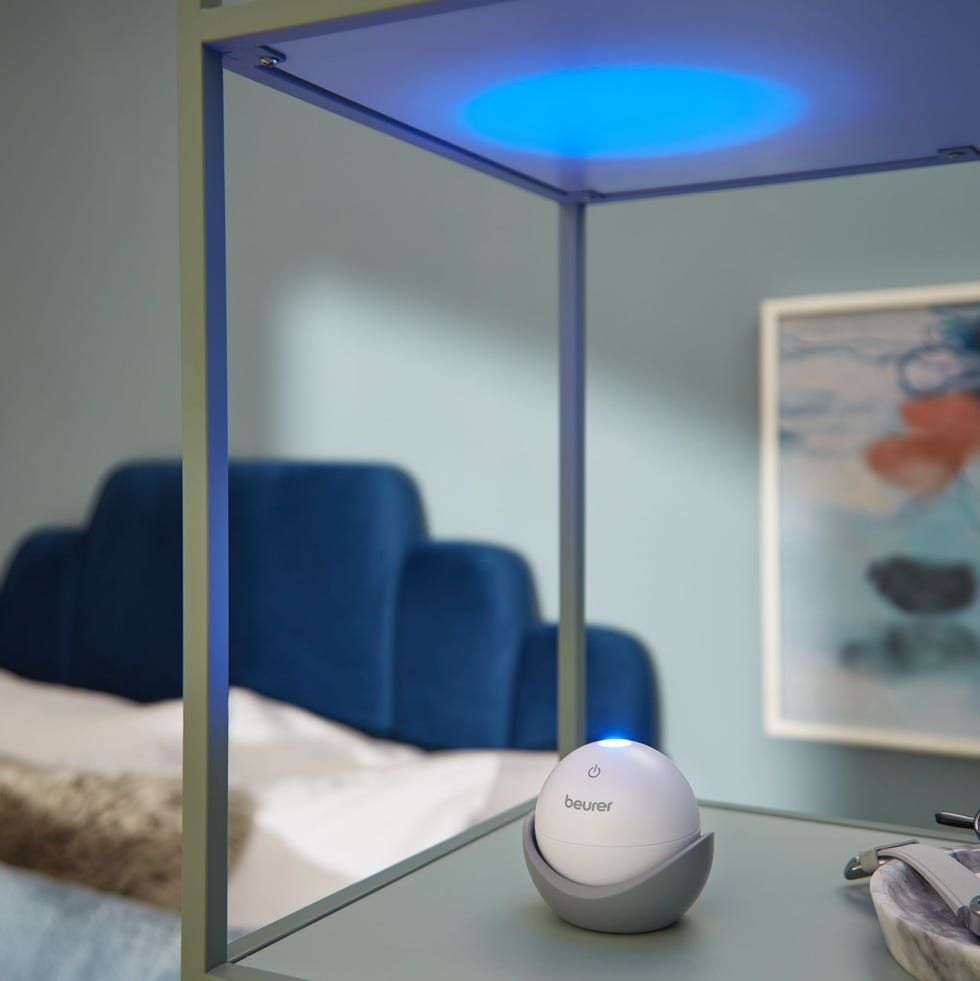
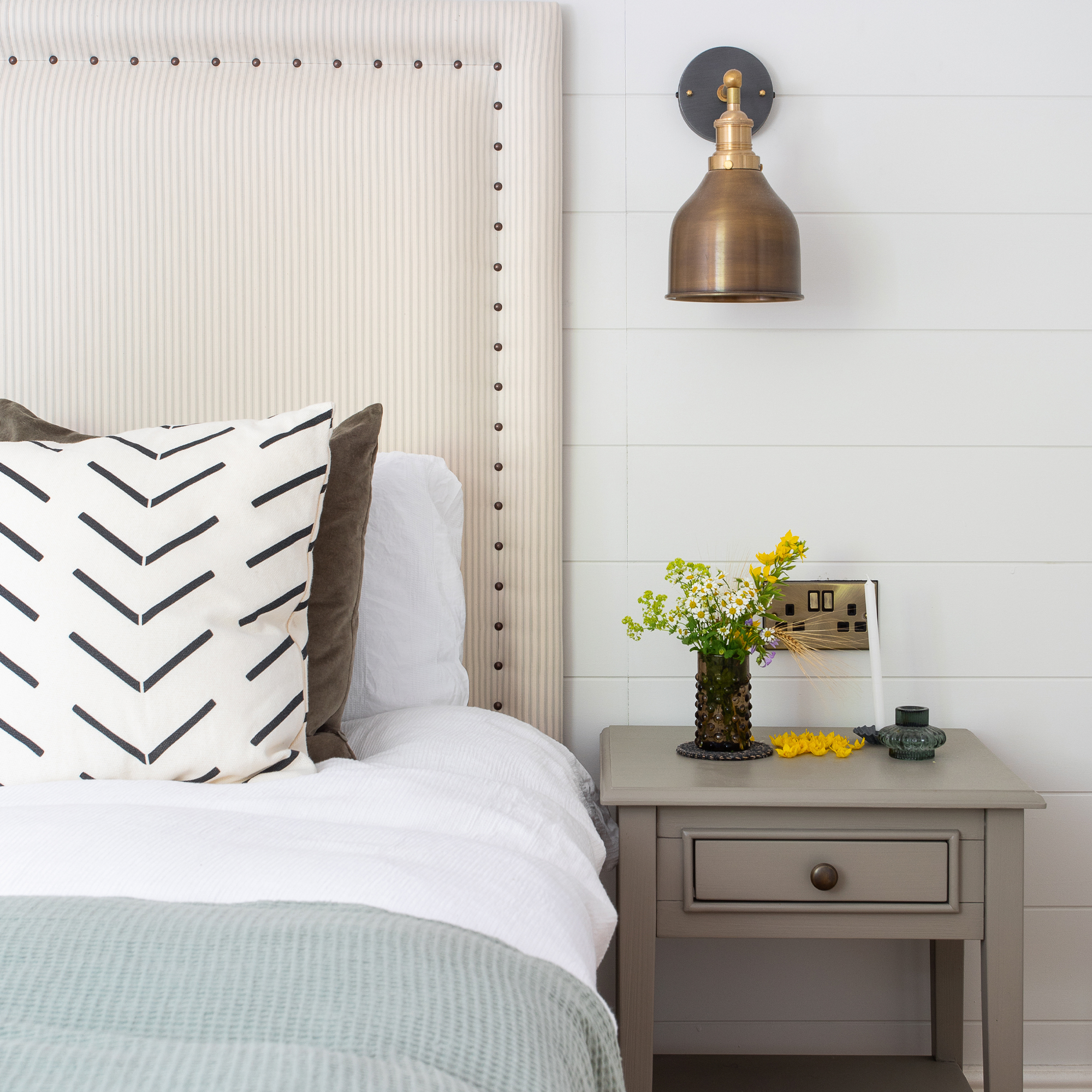
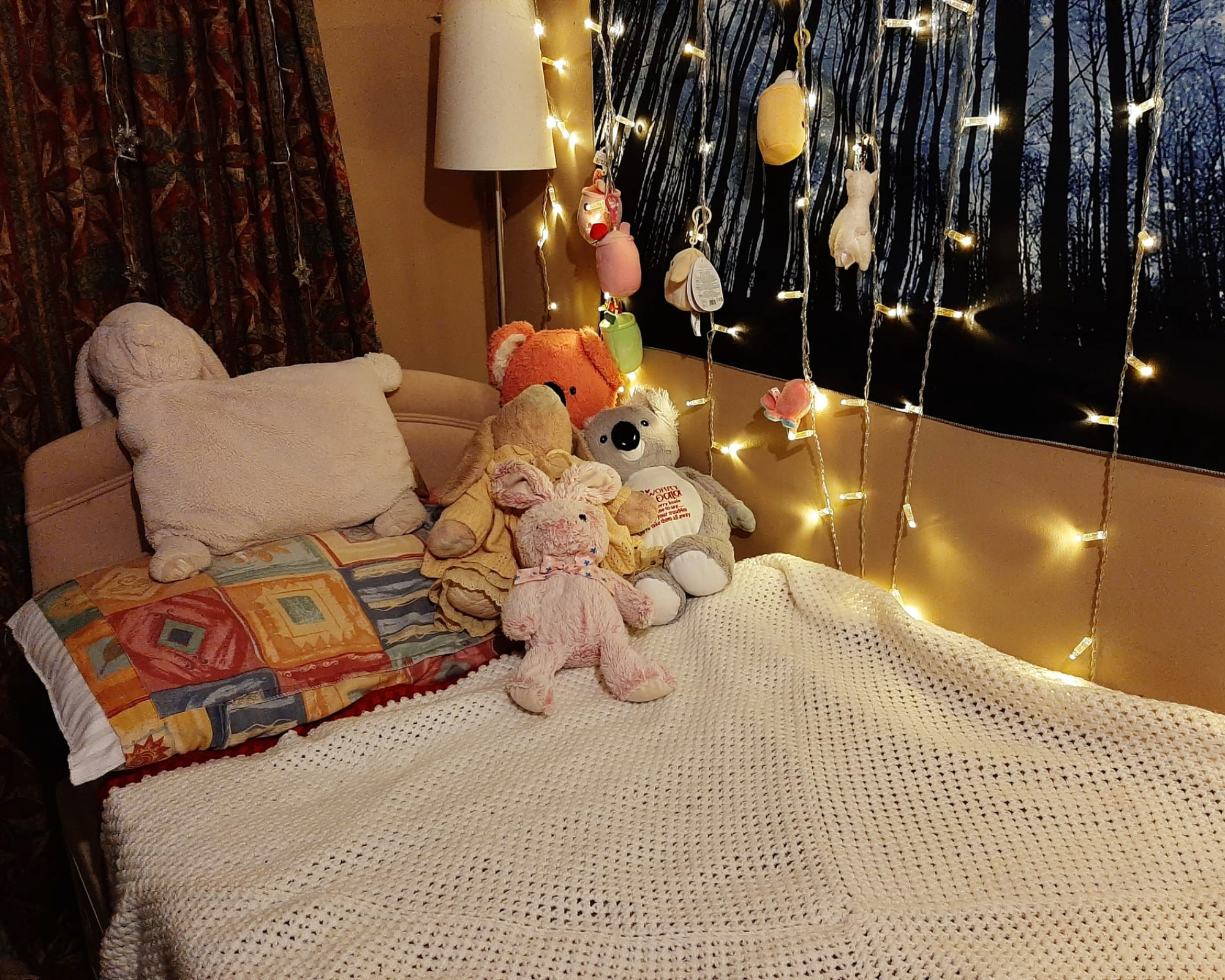
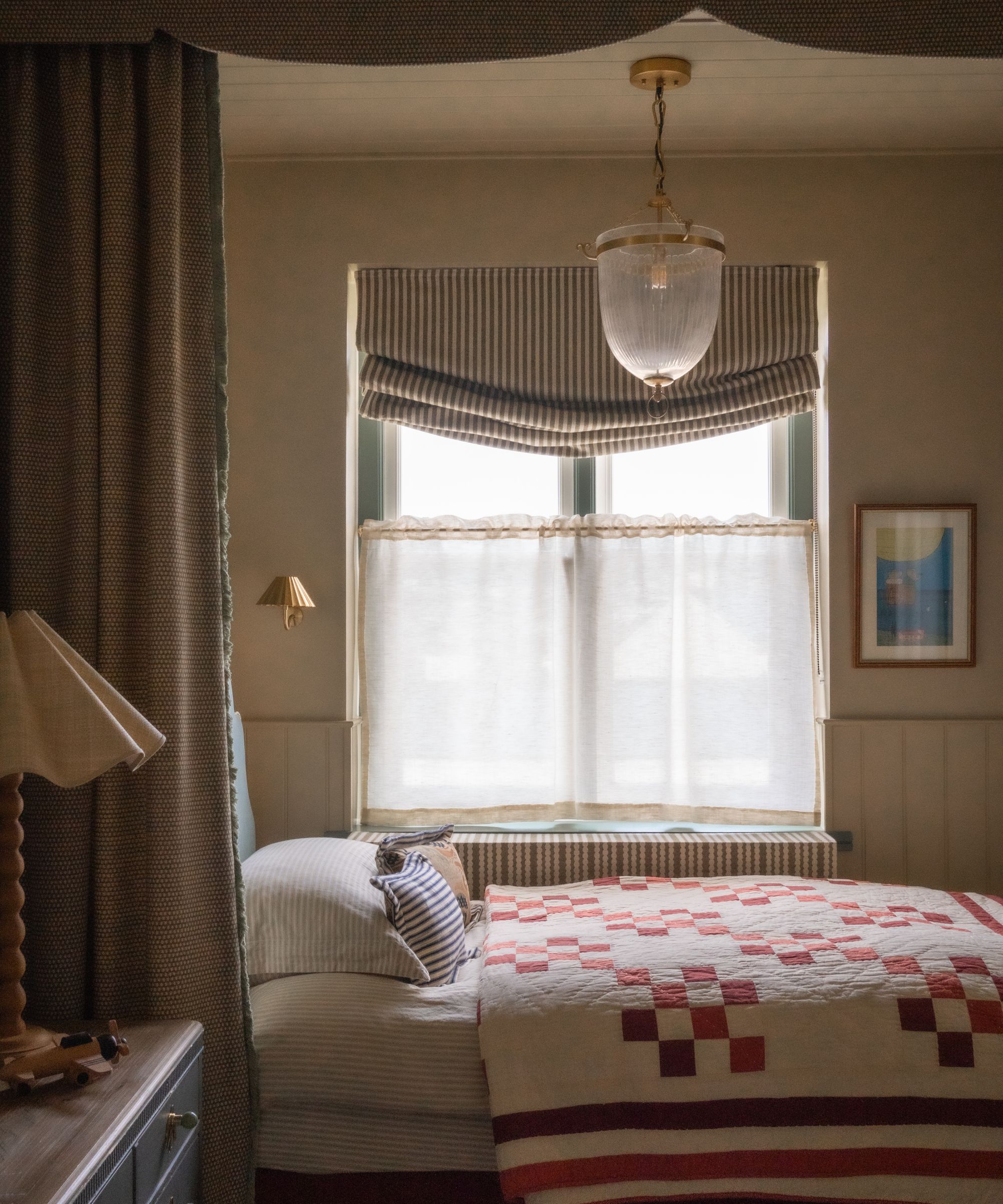
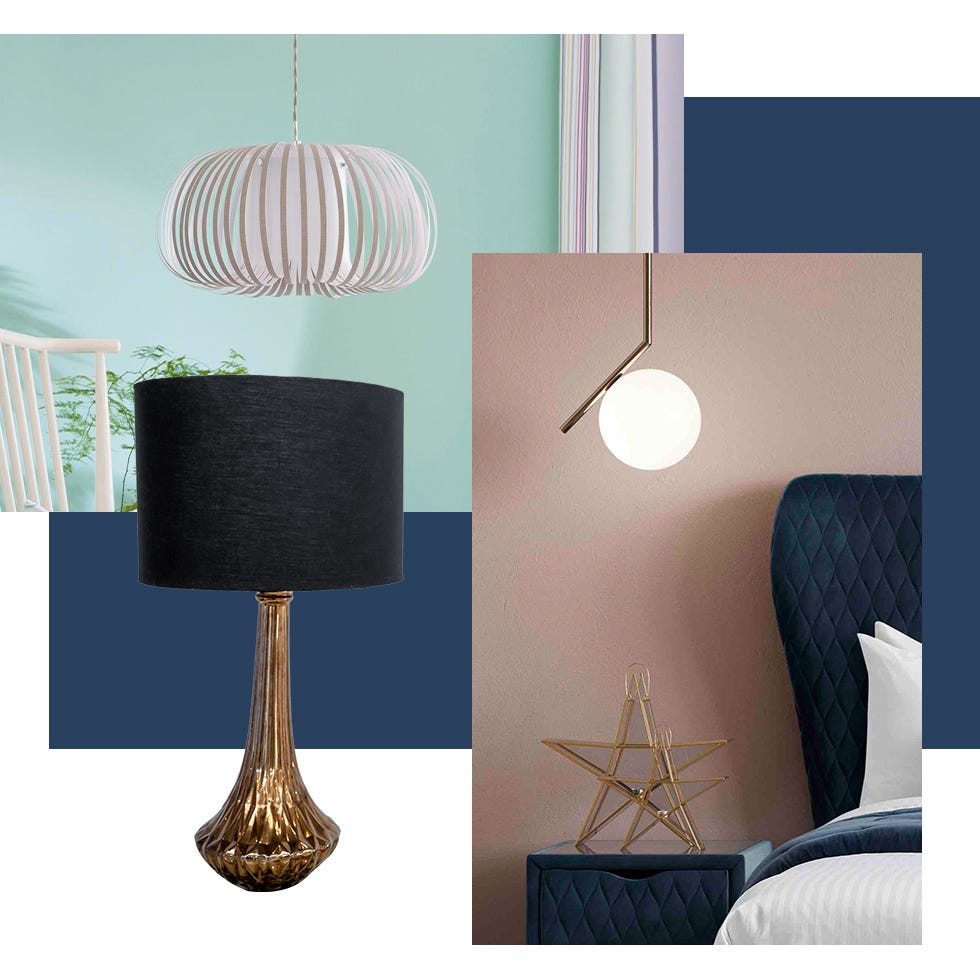
Effective lighting design is another crucial element. Layered lighting, incorporating brighter overhead lights for daytime use, accent lighting for aesthetic purposes, and task lighting like bedside lamps, is advised. For task lighting, cool-colored bulbs are suggested to mimic the soft light of sunset, which aids in regulating natural circadian rhythms. The article also mentions advanced alarm clocks that simulate natural dawn by gradually increasing light, helping the body wake up more gently than in complete darkness.
Electronic devices, particularly televisions, phones, and iPads, are strongly discouraged in the bedroom. Sleep specialists explain that the blue light emitted by these screens can disrupt natural circadian rhythms, making it harder to fall asleep and achieve restful sleep. It is recommended to remove all such devices from the bedroom or at least avoid them for an hour before bedtime to promote a conducive sleep environment.
Temperature regulation is highlighted as essential for sleep quality, with an ideal range of 60 to 70 degrees Fahrenheit. A warm bath or shower approximately two hours before bed is also suggested, as the subsequent cooling of the body temperature can induce sleep. The article also addresses mattress selection, emphasizing that it is a personal choice based on individual sleep positions and firmness preferences, and advises investing in a high-quality replacement when necessary. There is no one-size-fits-all answer to the best mattress, indicating that personal comfort is paramount.
#BedroomDesign #SleepEnvironment #StressReduction #InteriorDesign #CircadianRhythms #Decluttering #ColorPsychology #LightingDesign #MattressSelection #BedroomDesign #SleepEnvironment #StressReduction #InteriorDesign #CircadianRhythms #Decluttering #ColorPsychology #LightingDesign #MattressSelection
0 comment in total
 No comments yet
You may also like
15 bedroom design tips for better sleep – wake fresh for the day

The Best Bedding to Improve Your Sleep

Relaxing bedroom ideas – how to create a more serene space, according to designers

How Bedroom Design Is Evolving for Healthier, Deeper Rest


10 Bedroom Decor Mistakes Keeping You From Your Best Sleep Ever

The Key Word for Bedroom Design This Year: Calm

How to Turn Your Bedroom Into a Sanctuary for Sleep
The 7 Bedroom Design Trends Designers Can't Wait to See in 2025

Do you sleep facing north? According to sleep experts you really should be
7 Bedroom Design Tips for Better Sleep, According to Experts
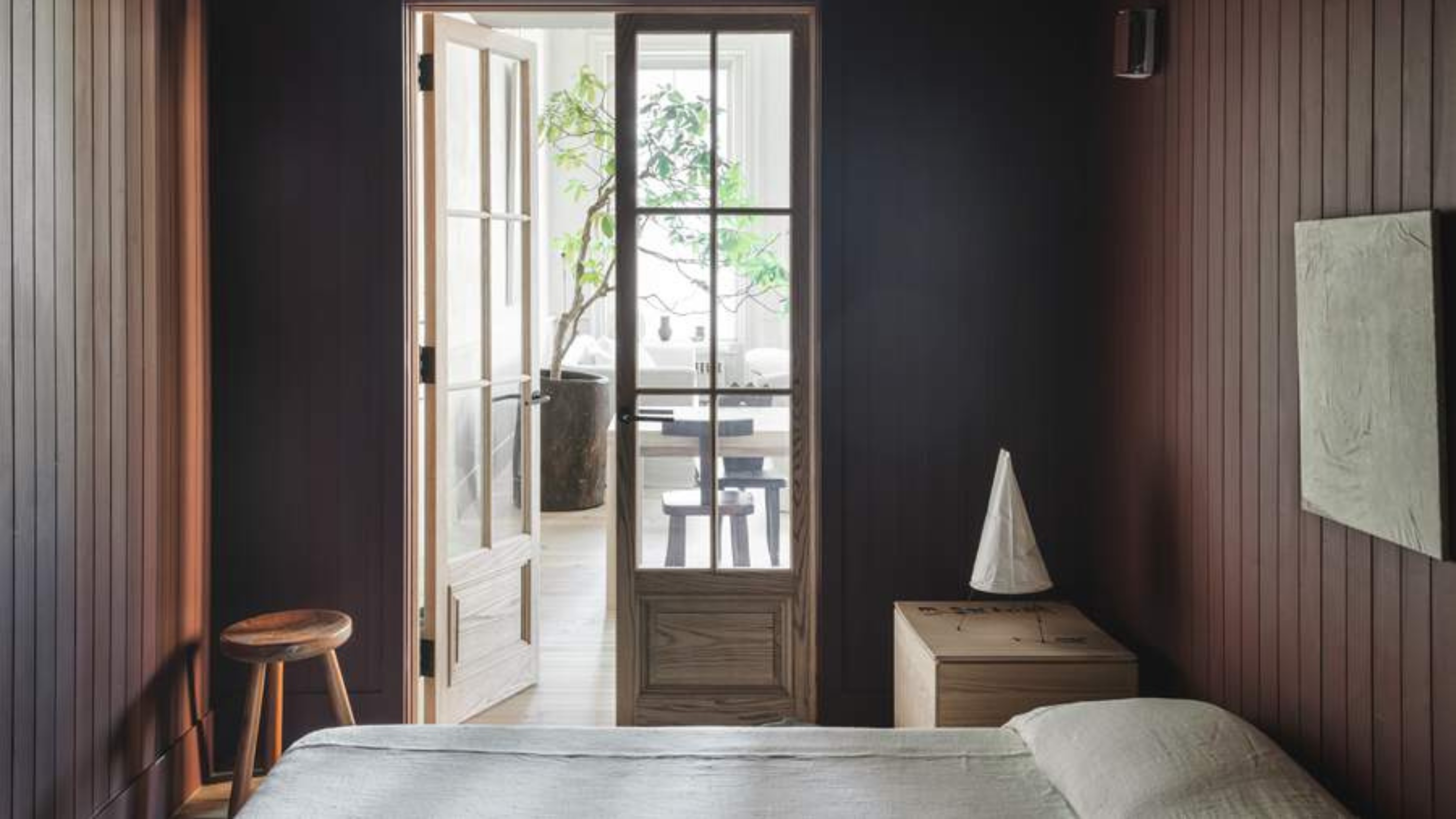
"It's Time to Make Yourself a Bedwomb," a Design Expert Tells Me — Why the Smallest Bedroom Is Best and How It Can Improve Your Sleep
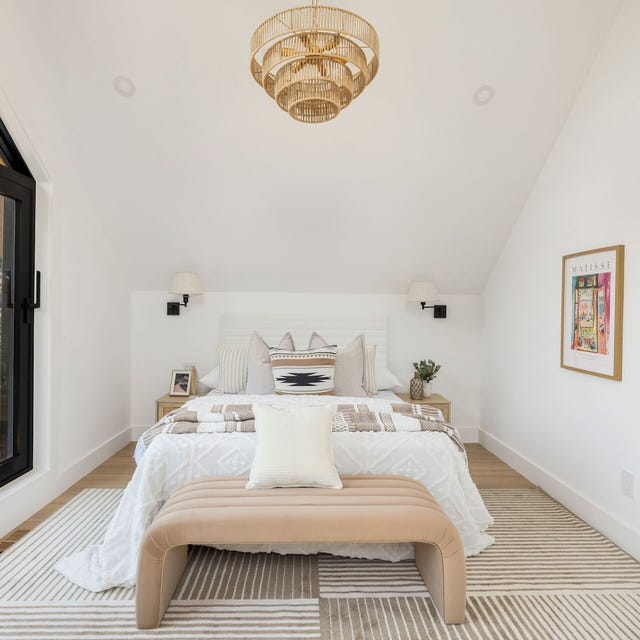
We Finally Cracked the Code on the Perfect Bed Height

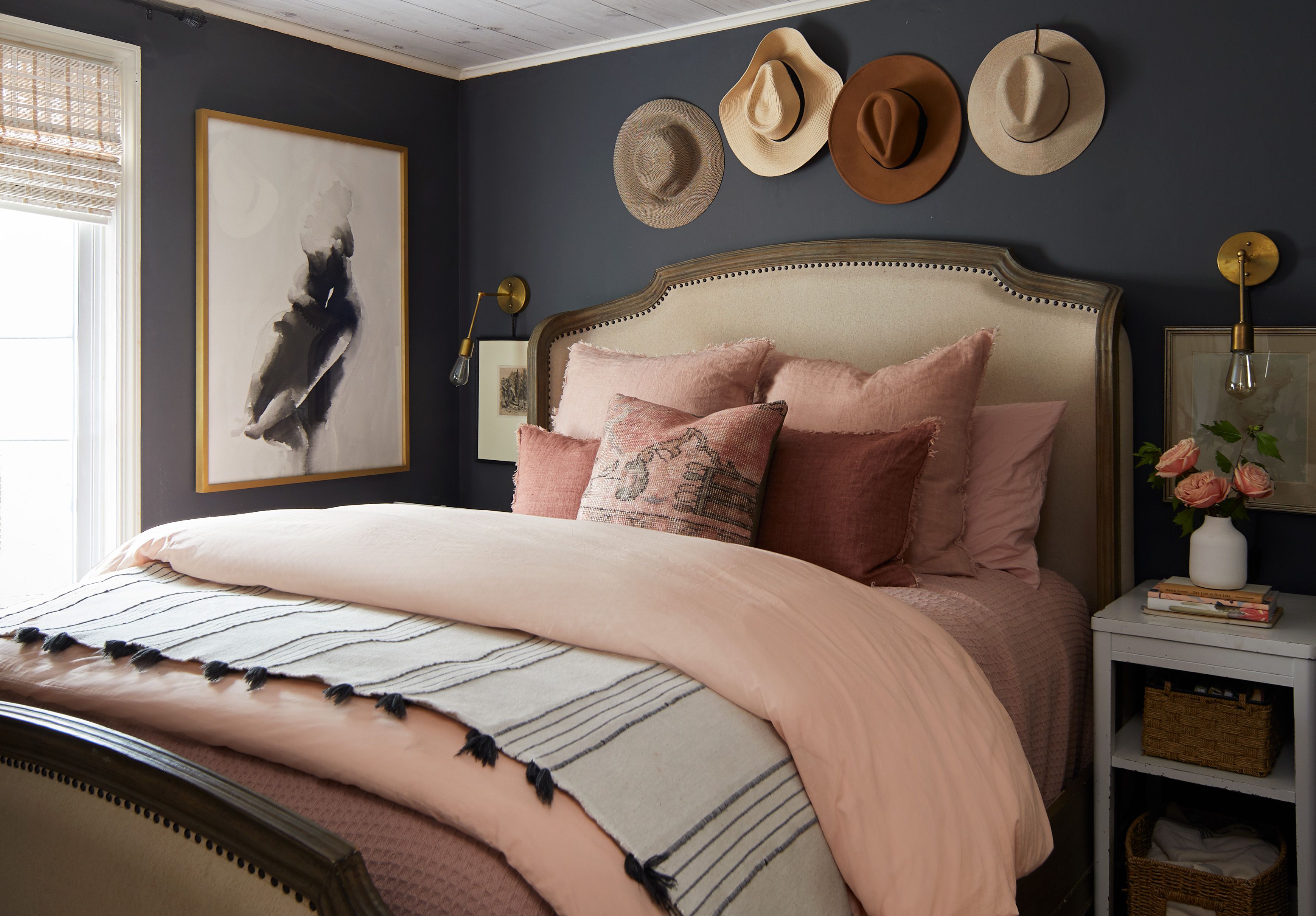
8 Ways to Create a Stress-Free Bedroom for Better Sleep

'Avoid a return flight straight into burnout' – 6 simple tricks for sleeping better on holiday, according to Simba's sleep experts
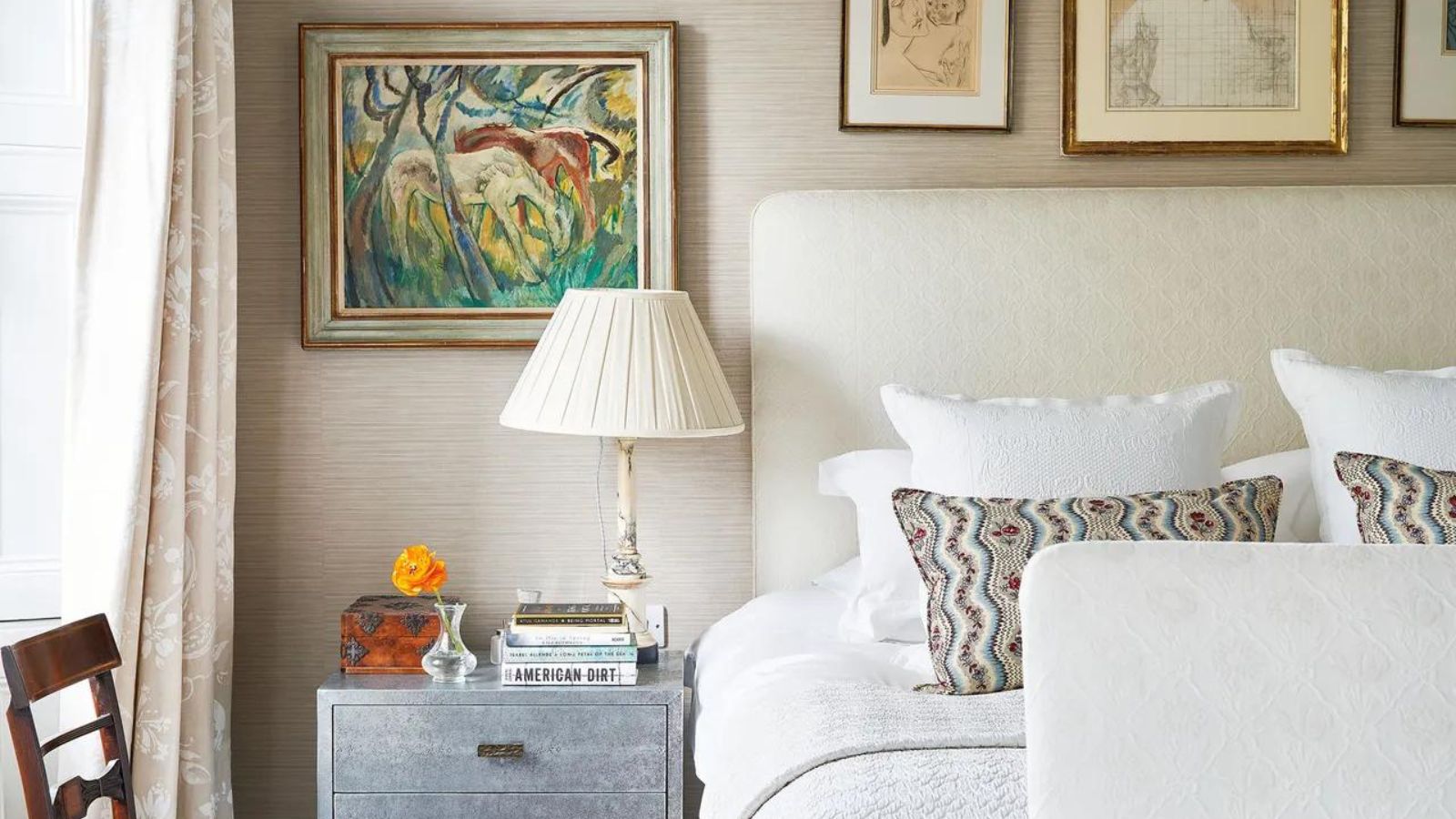
6 interior design mistakes that could be affecting your sleep
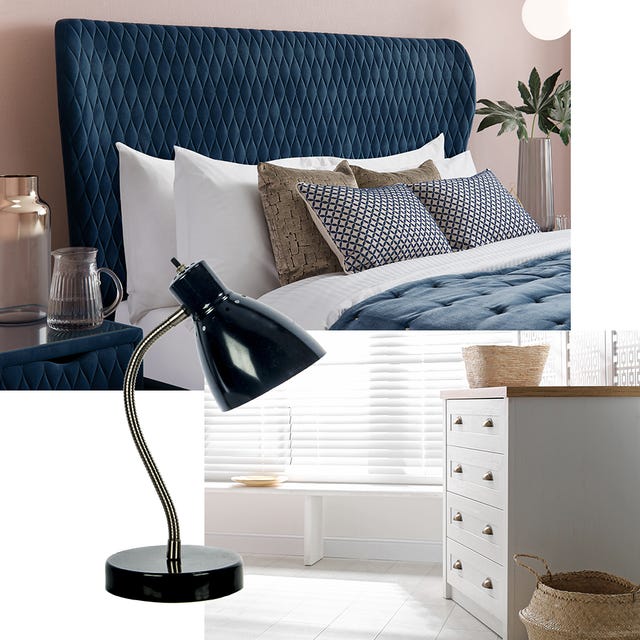
6 editors share their bedroom decorating hacks

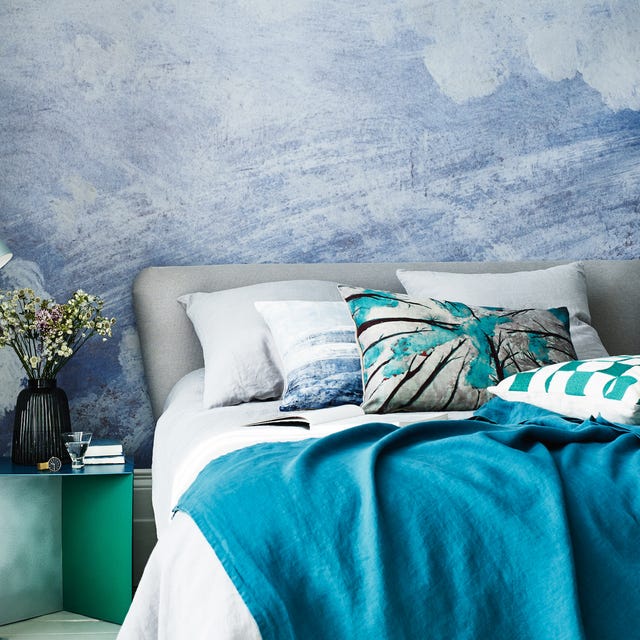
How to transform your bedroom into a wellbeing sanctuary, according to experts
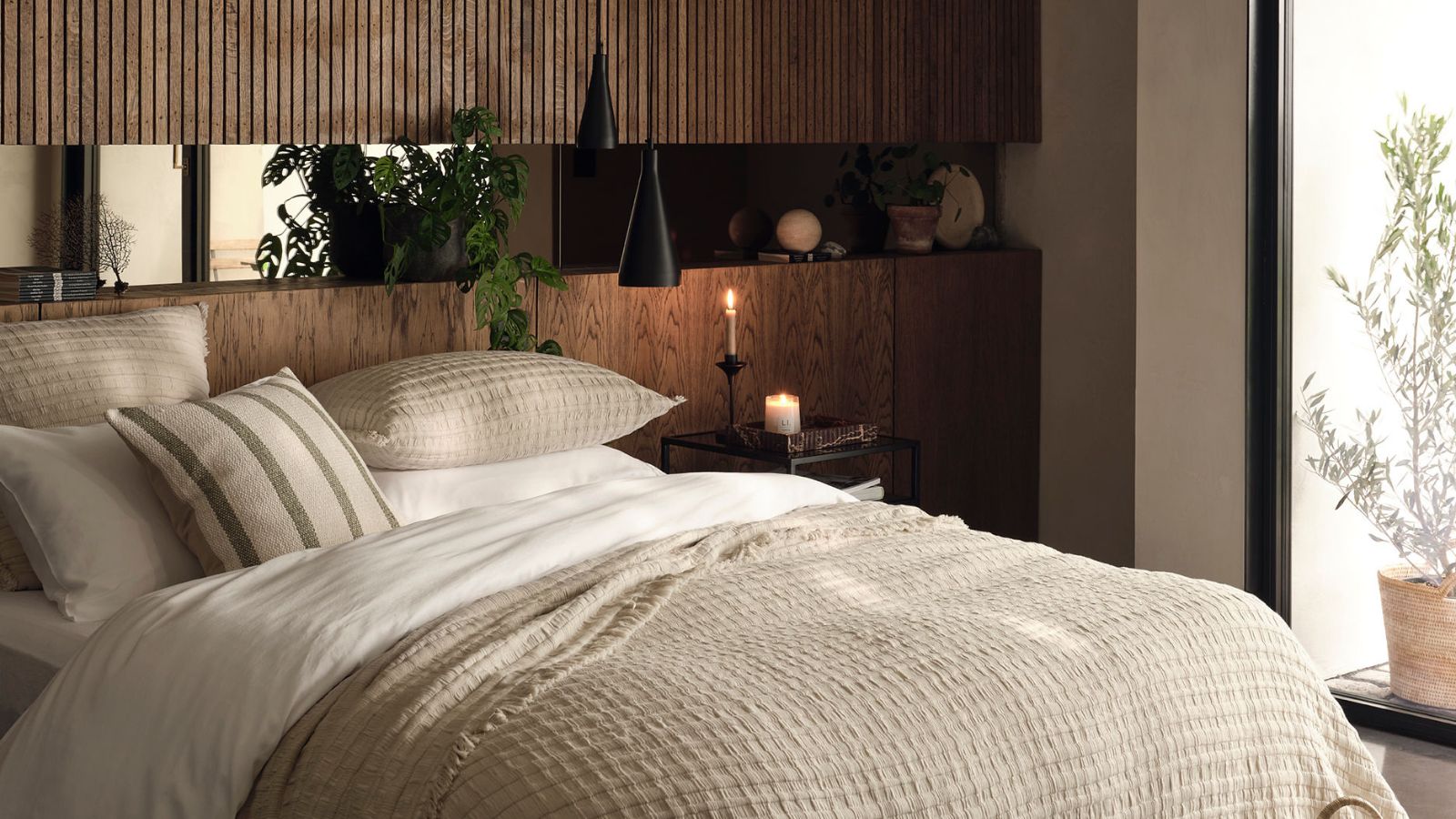
Sleep experts helped organize my bedroom for better sleep
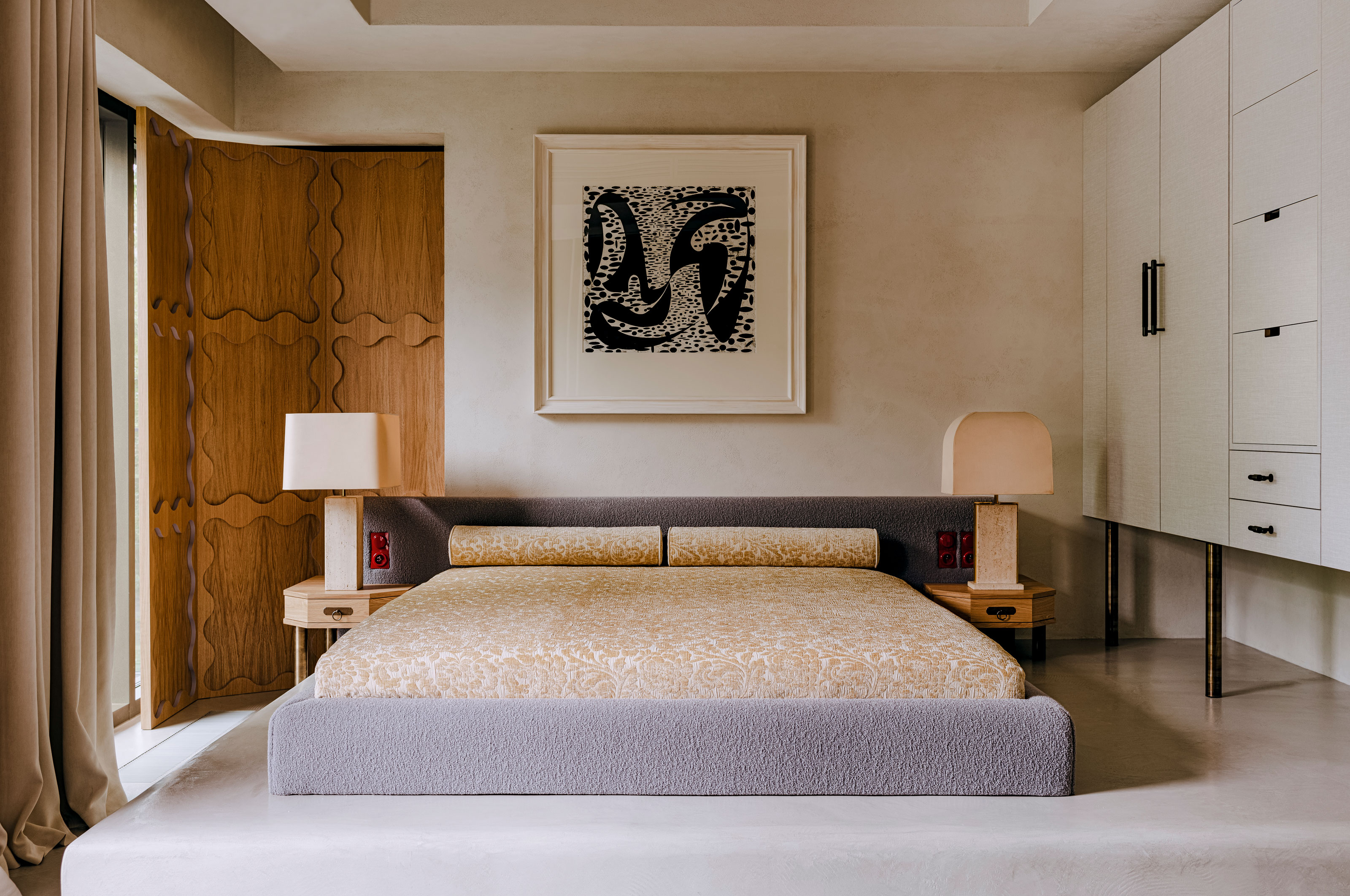
Interior Designers Are Choosing This Type of Bed for Rooms That Feel More Minimalist and Cohesive
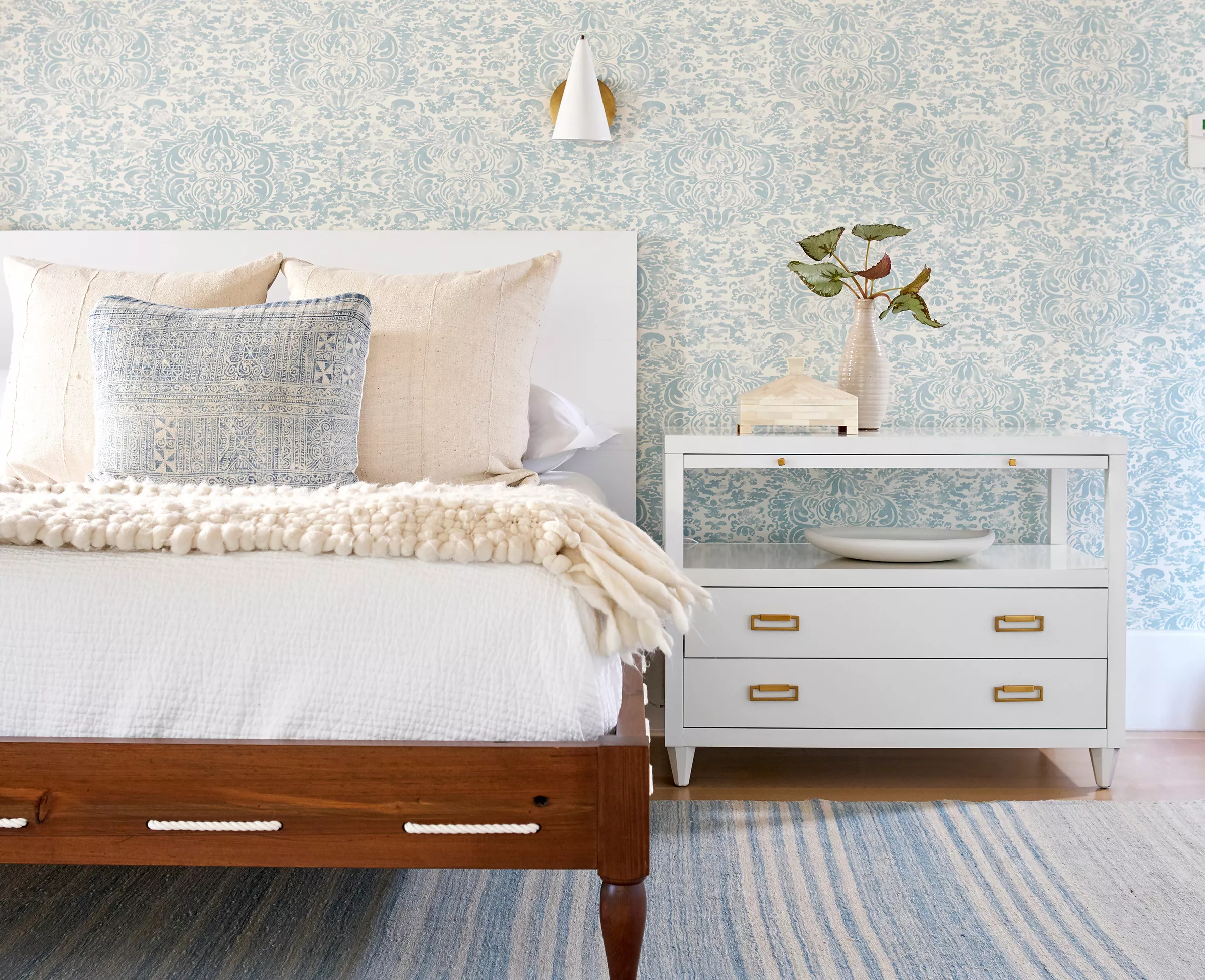
Use the Scandinavian Bed-Making Method and Never Fight Over a Blanket Again