1/11
6 interior design mistakes that could be affecting your sleep
The article explores how deliberate bedroom design can significantly enhance sleep quality, drawing on both current sleep science and interior design principles. It emphasizes that while modern lifestyles can disrupt sleep, a well-designed bedroom can mitigate these issues, offering a peaceful sanctuary. The guide provides practical strategies to create a sleep-supportive bedroom that is both functional and aesthetically pleasing, highlighting various aspects from layout to sensory elements.
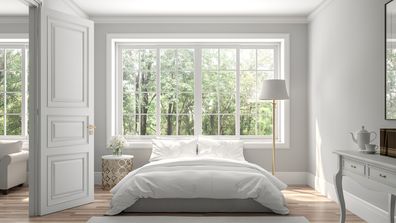
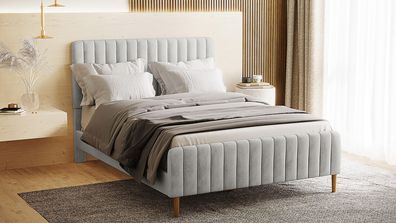
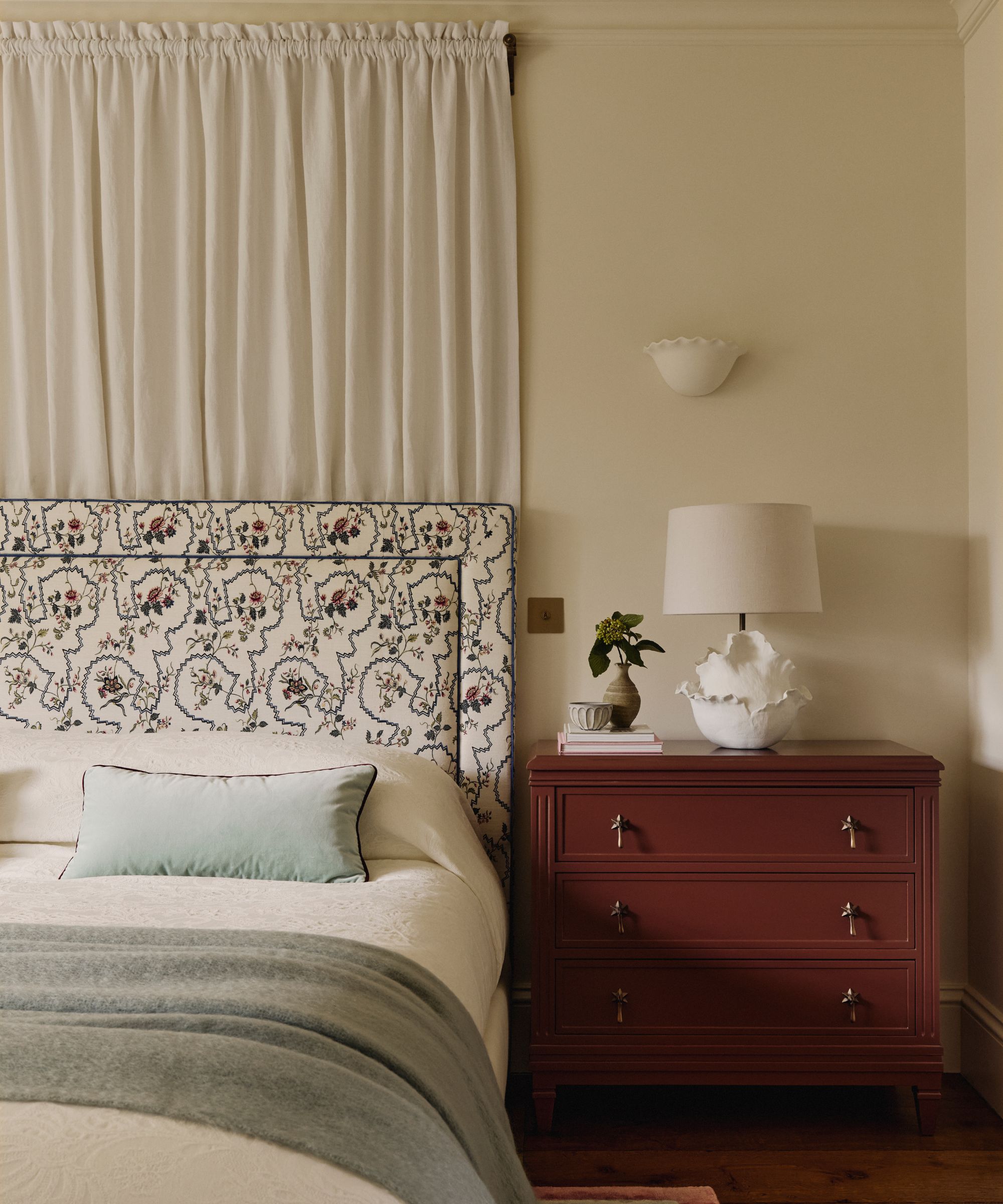
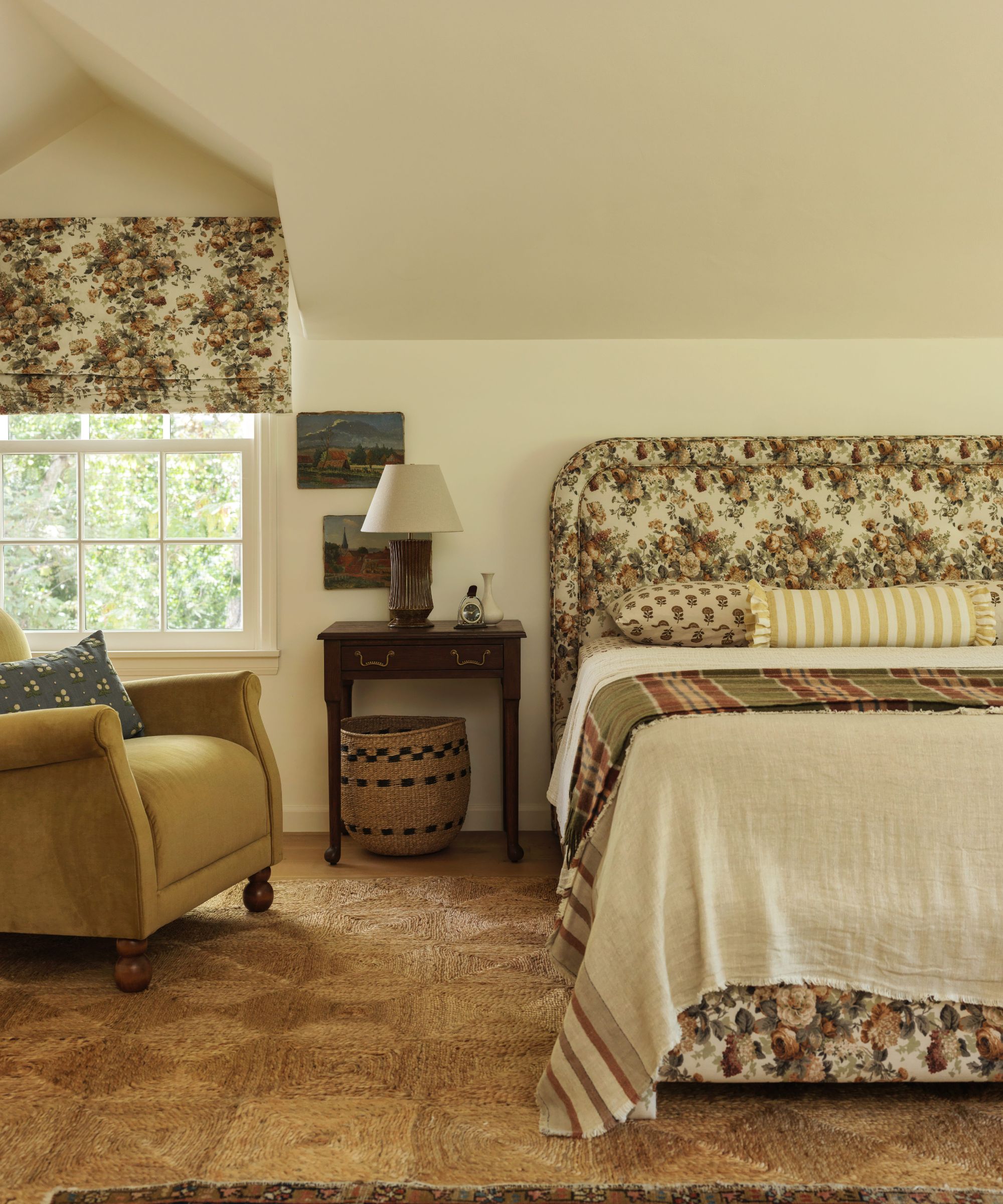
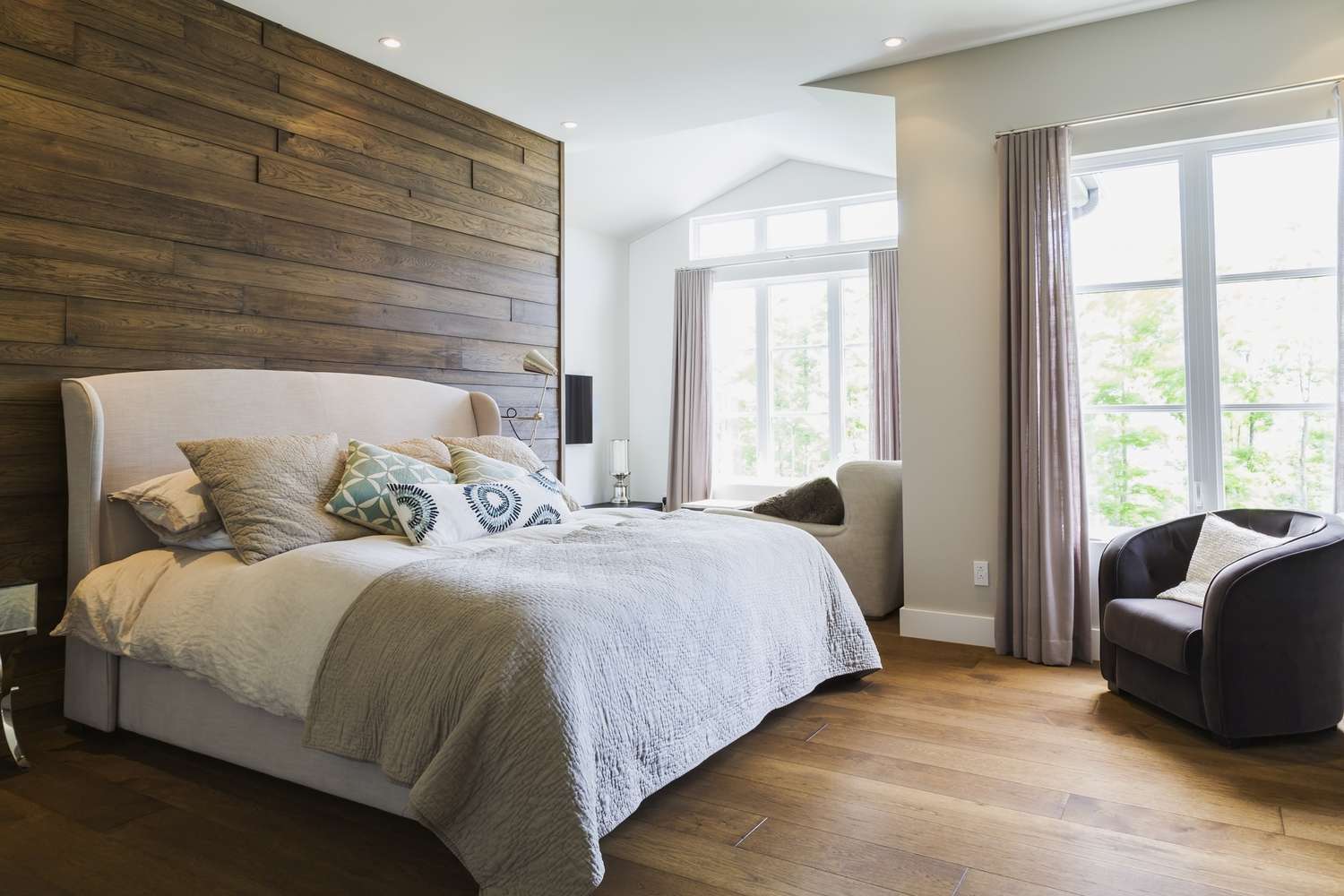
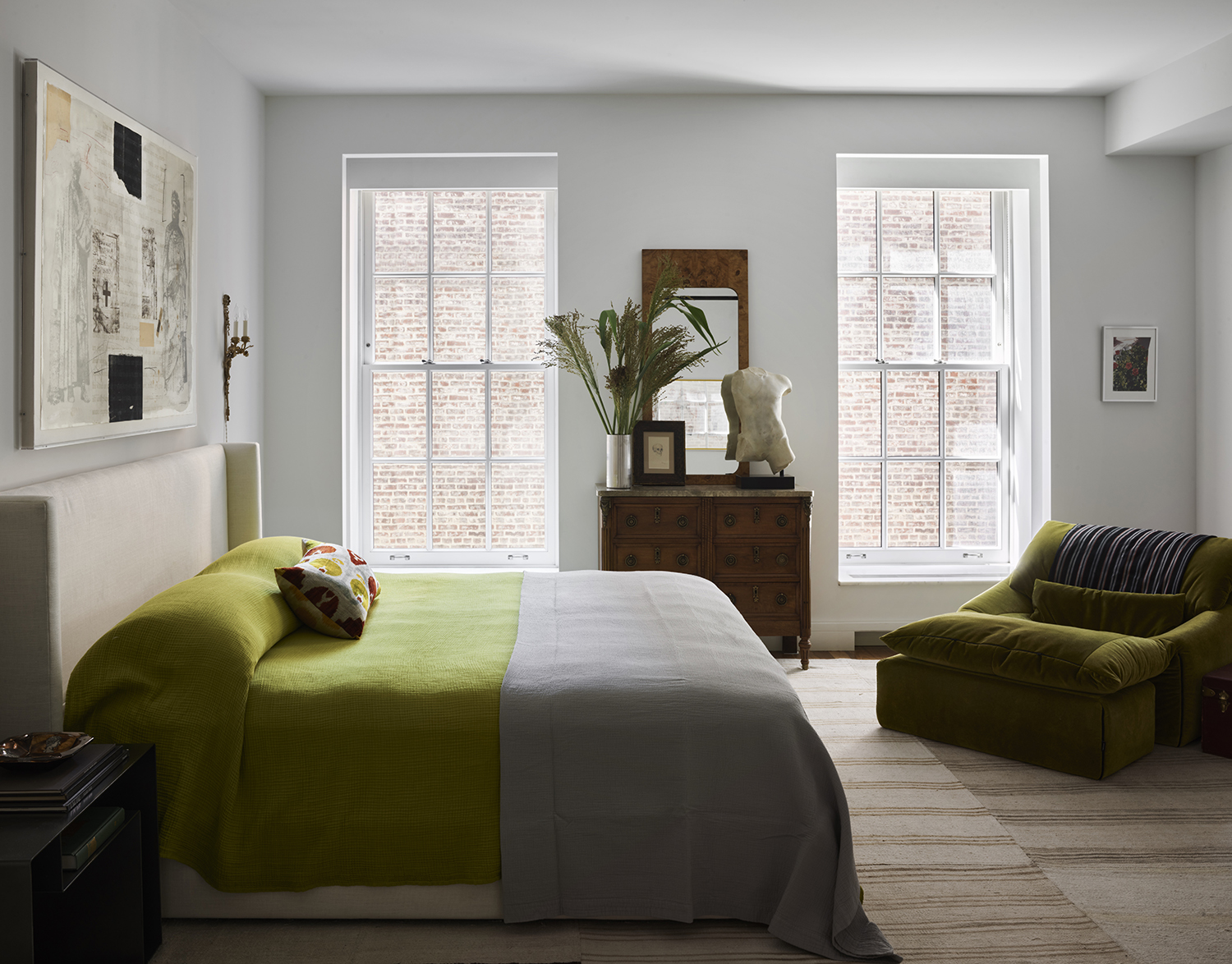
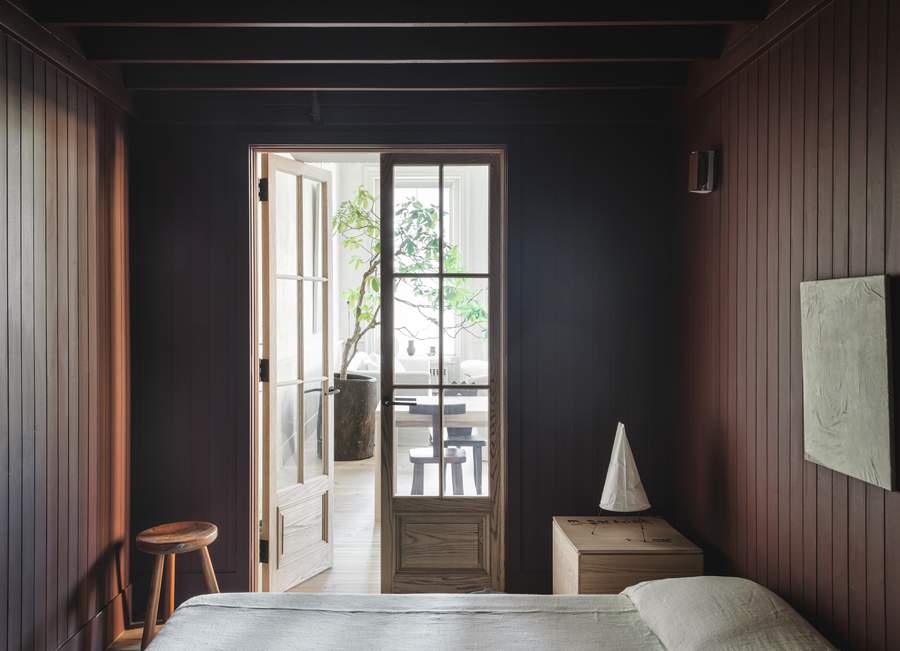
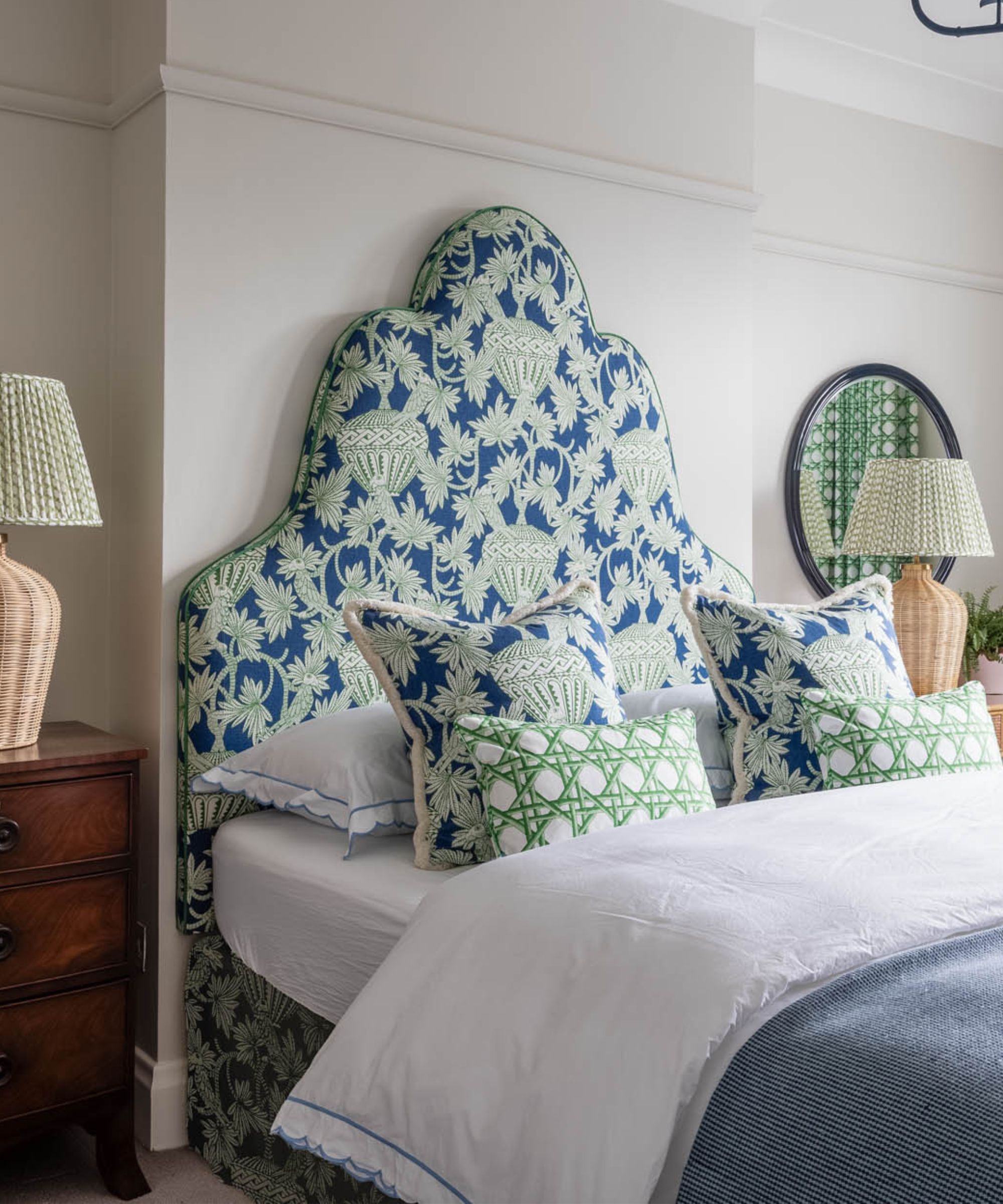
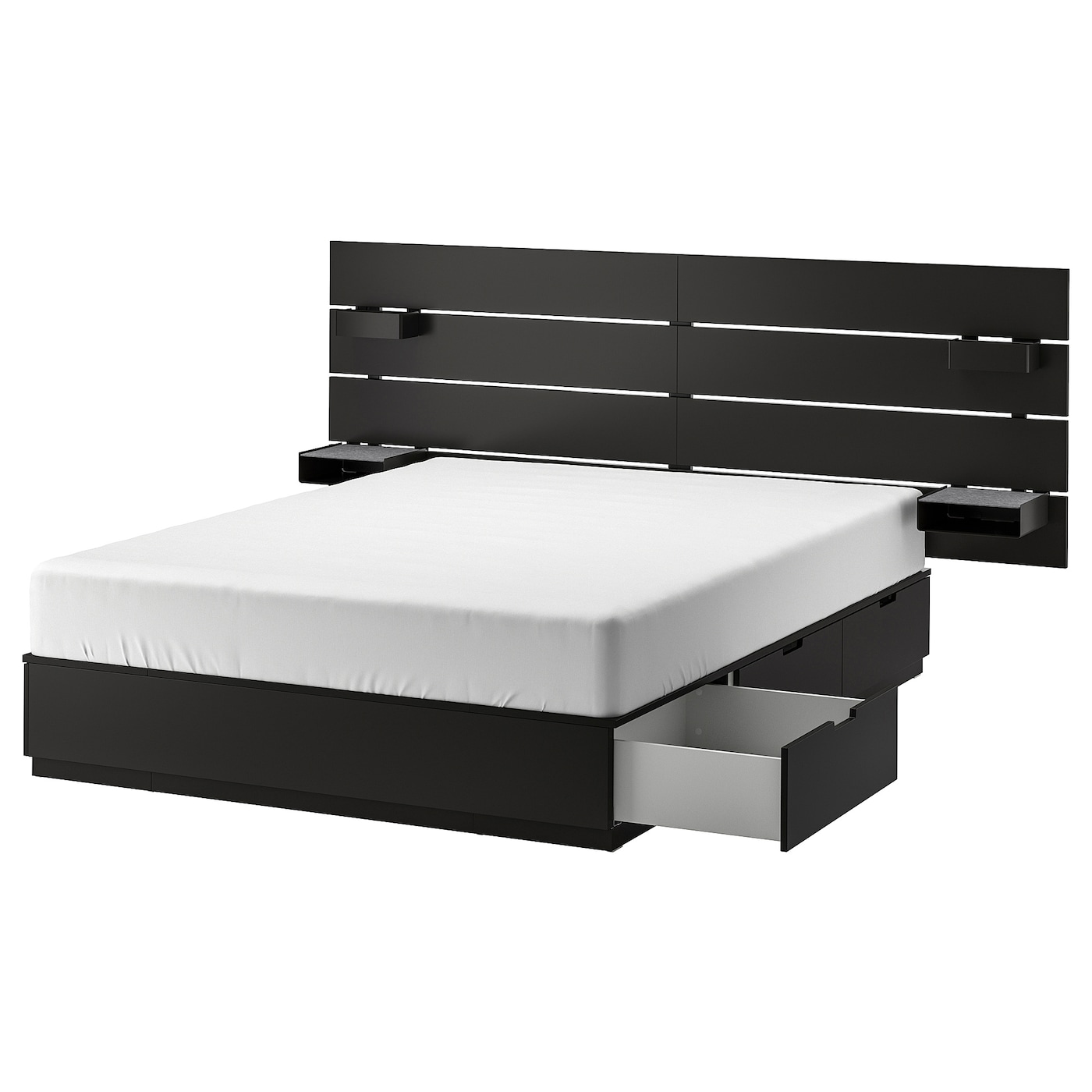
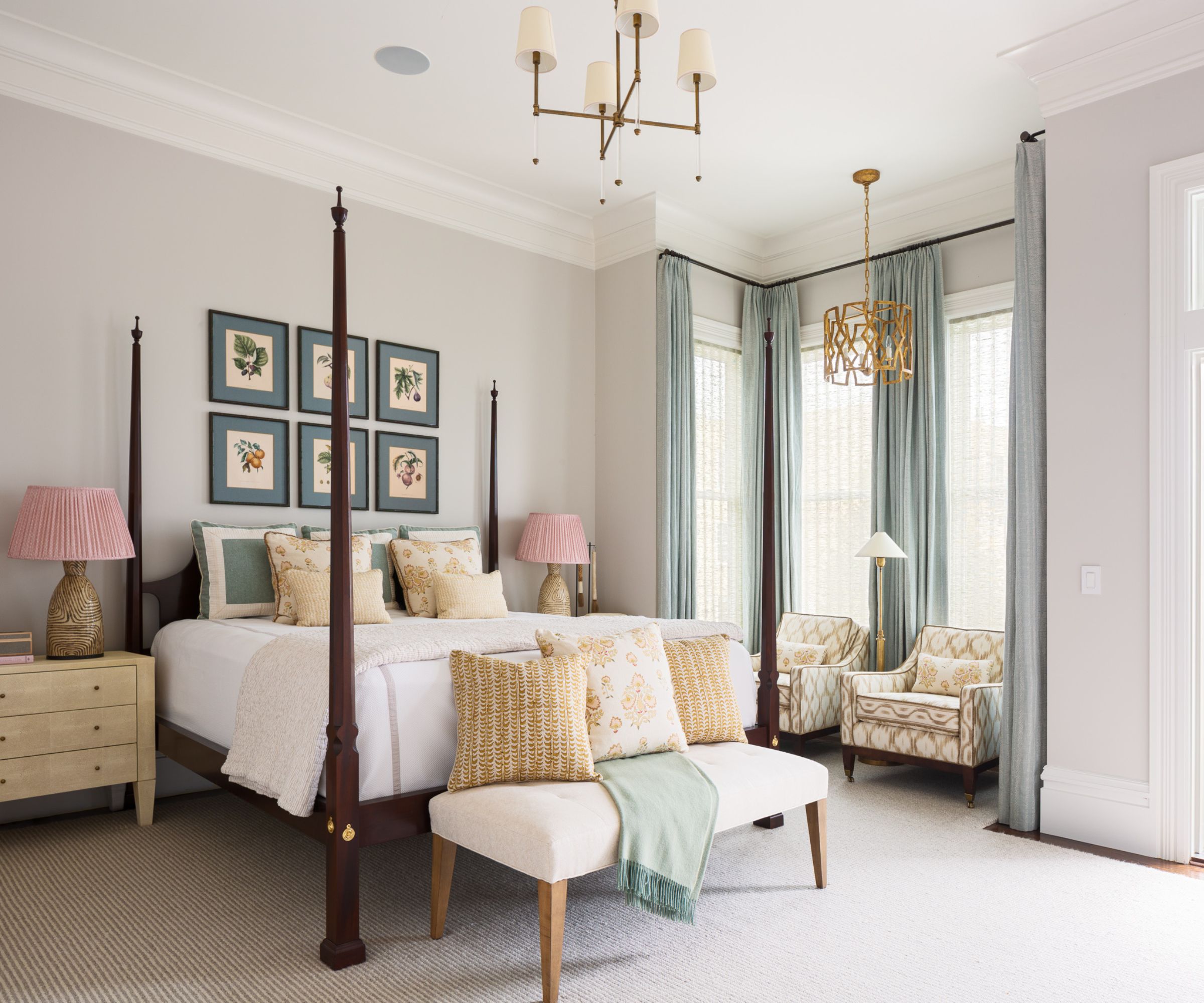
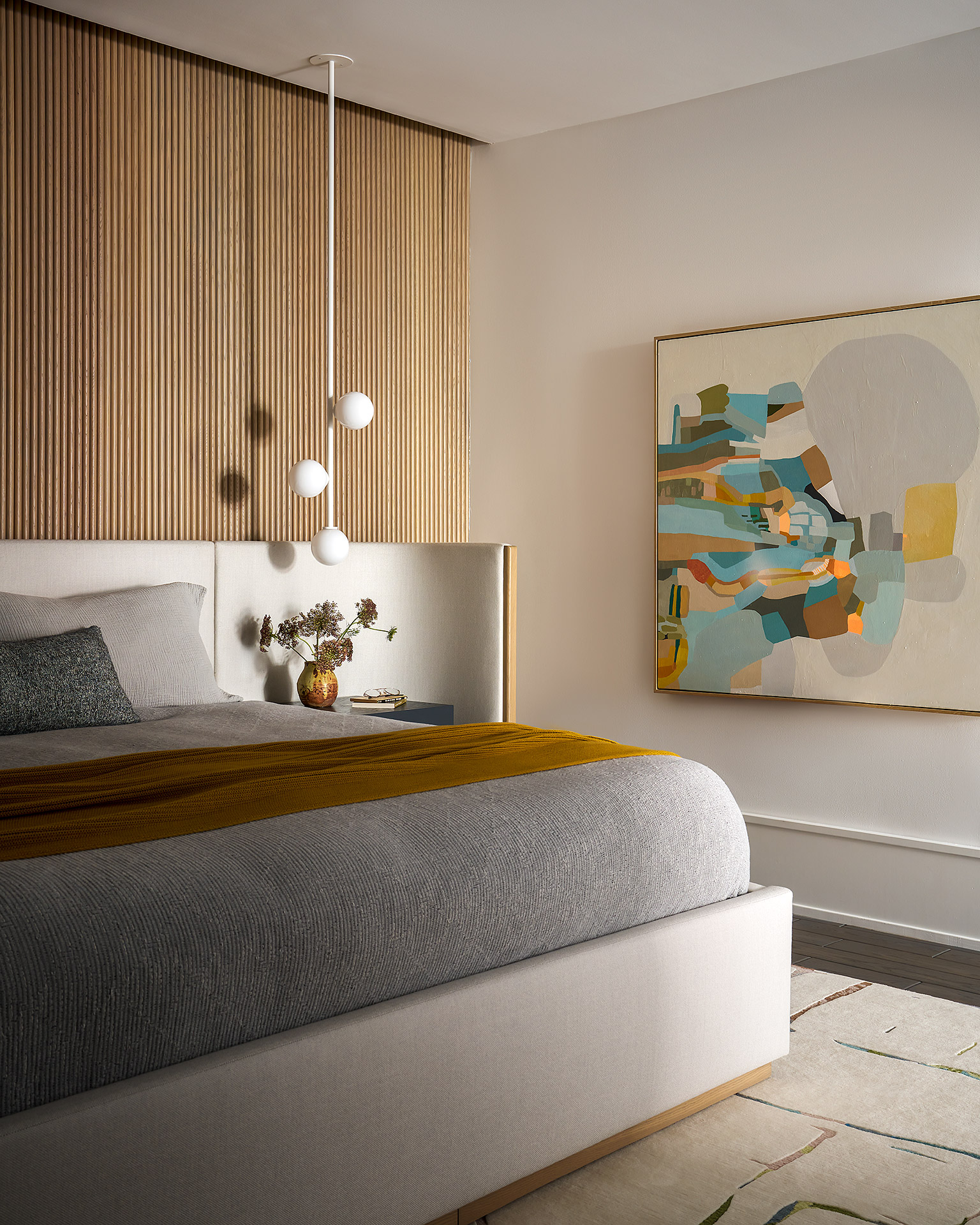
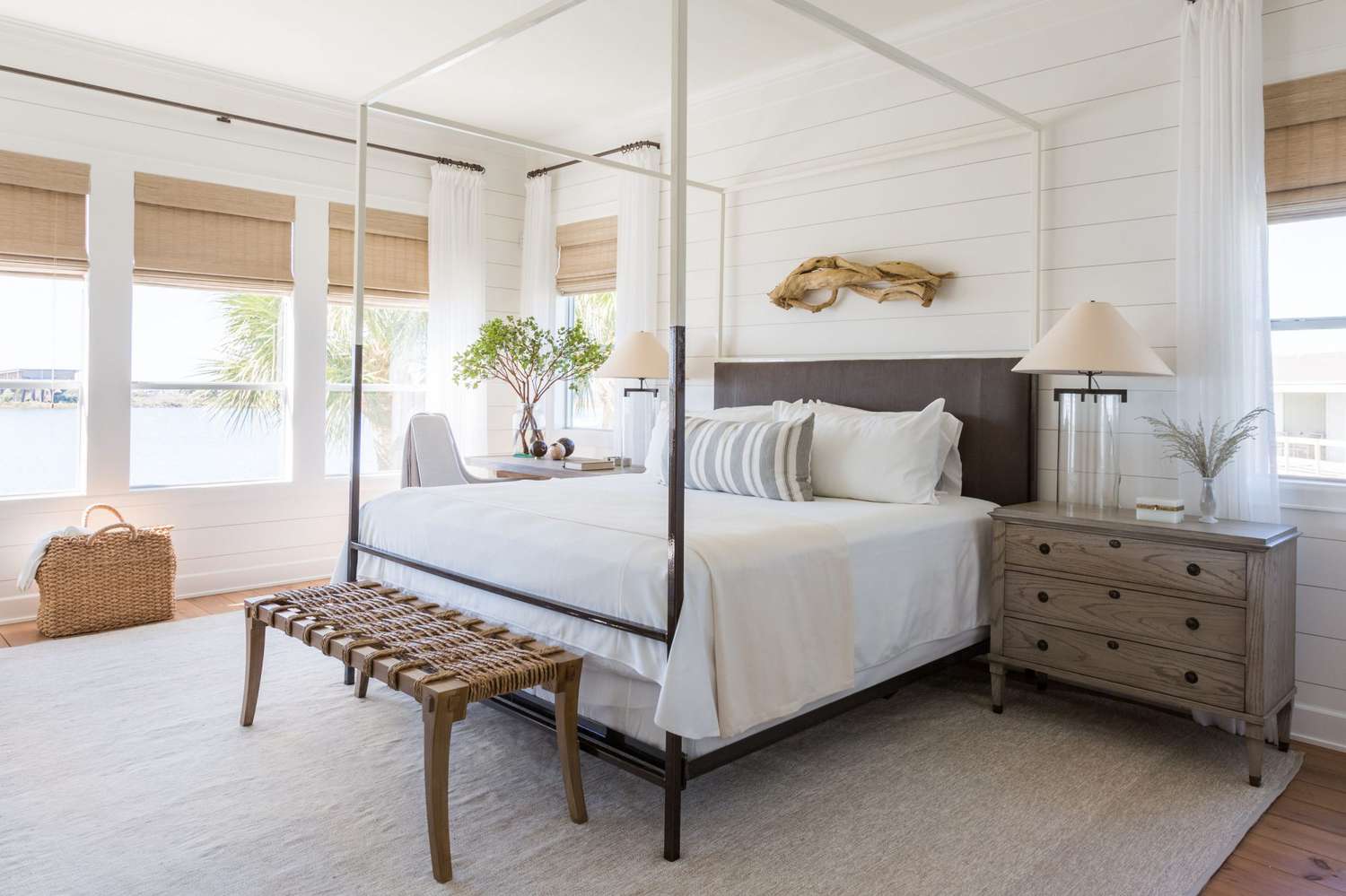
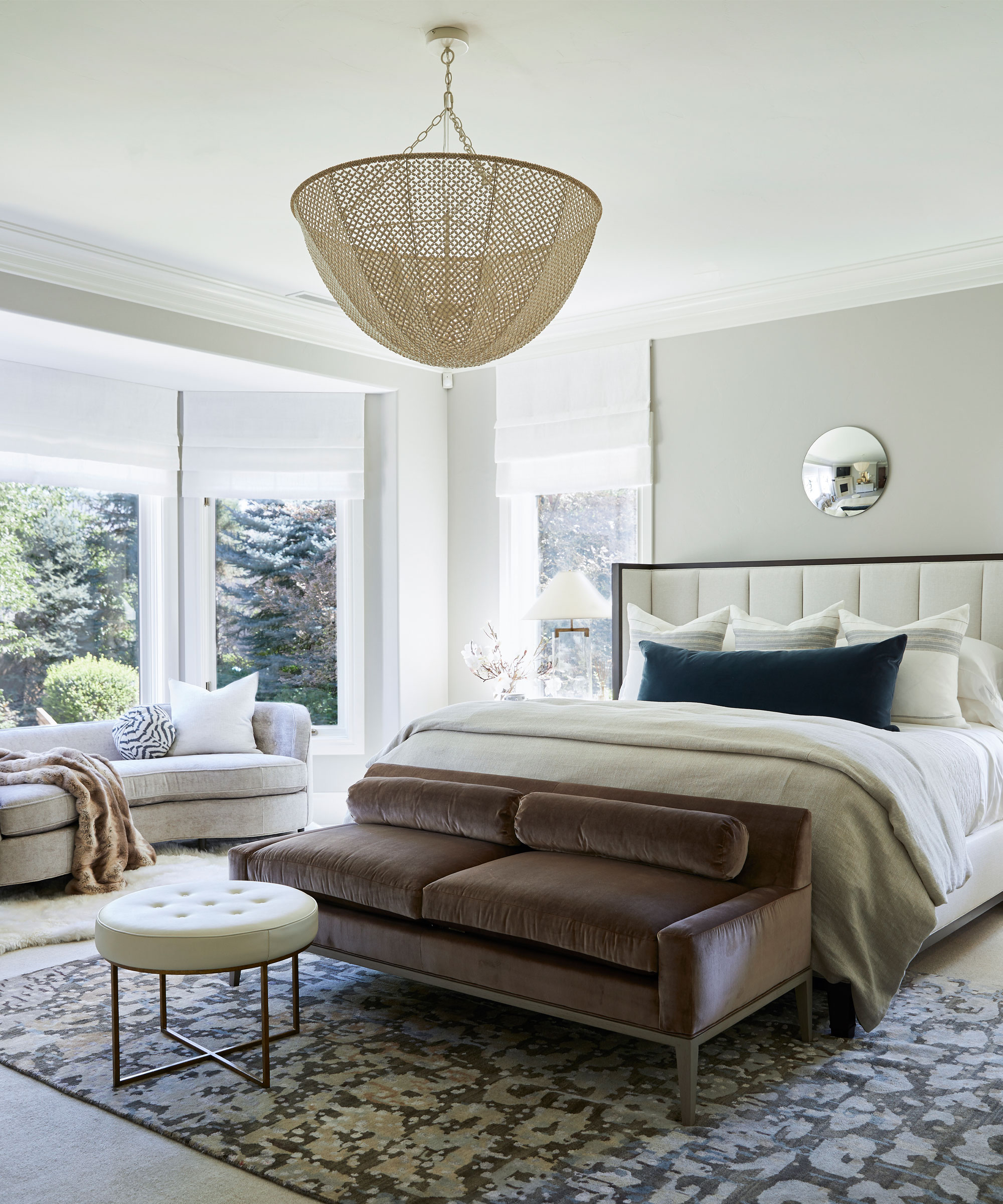
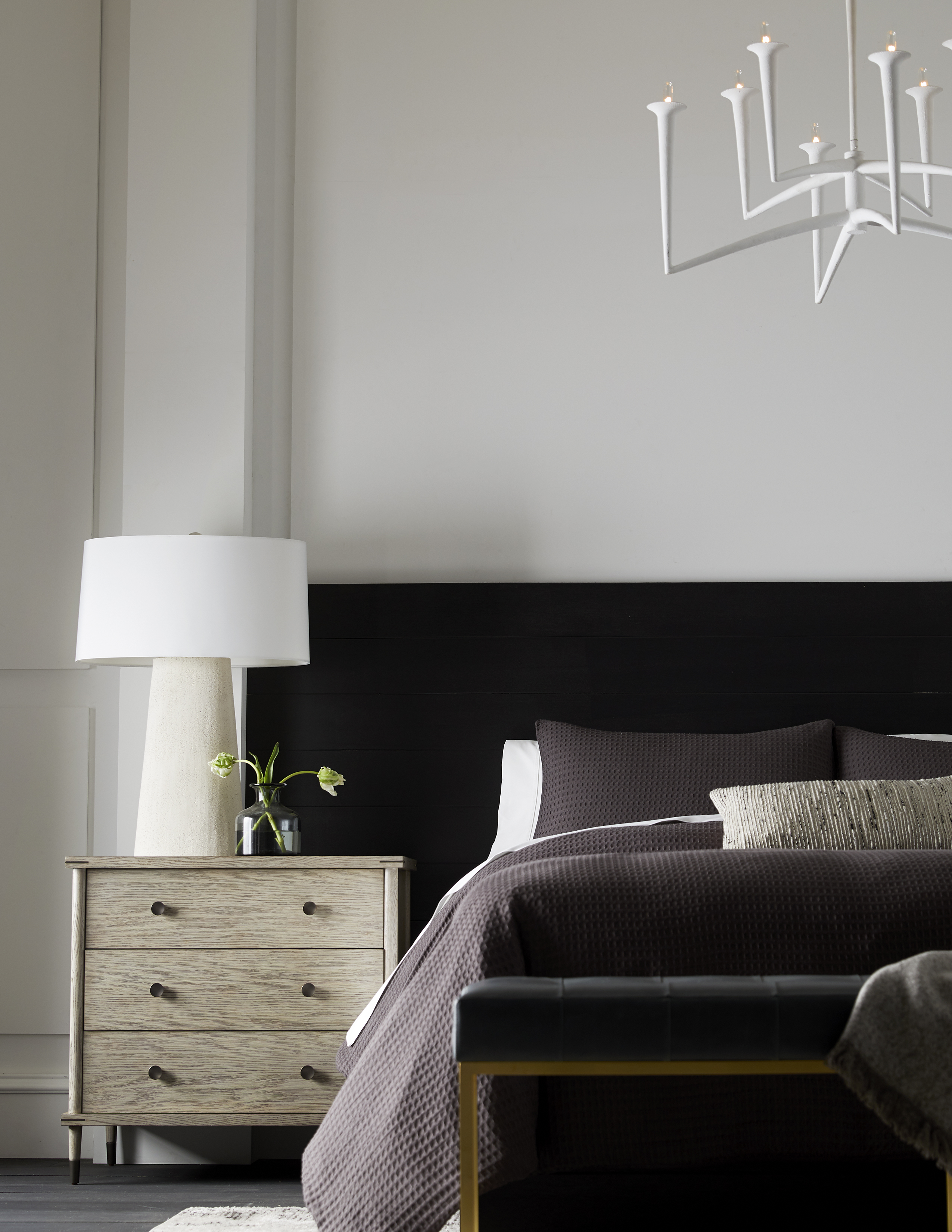
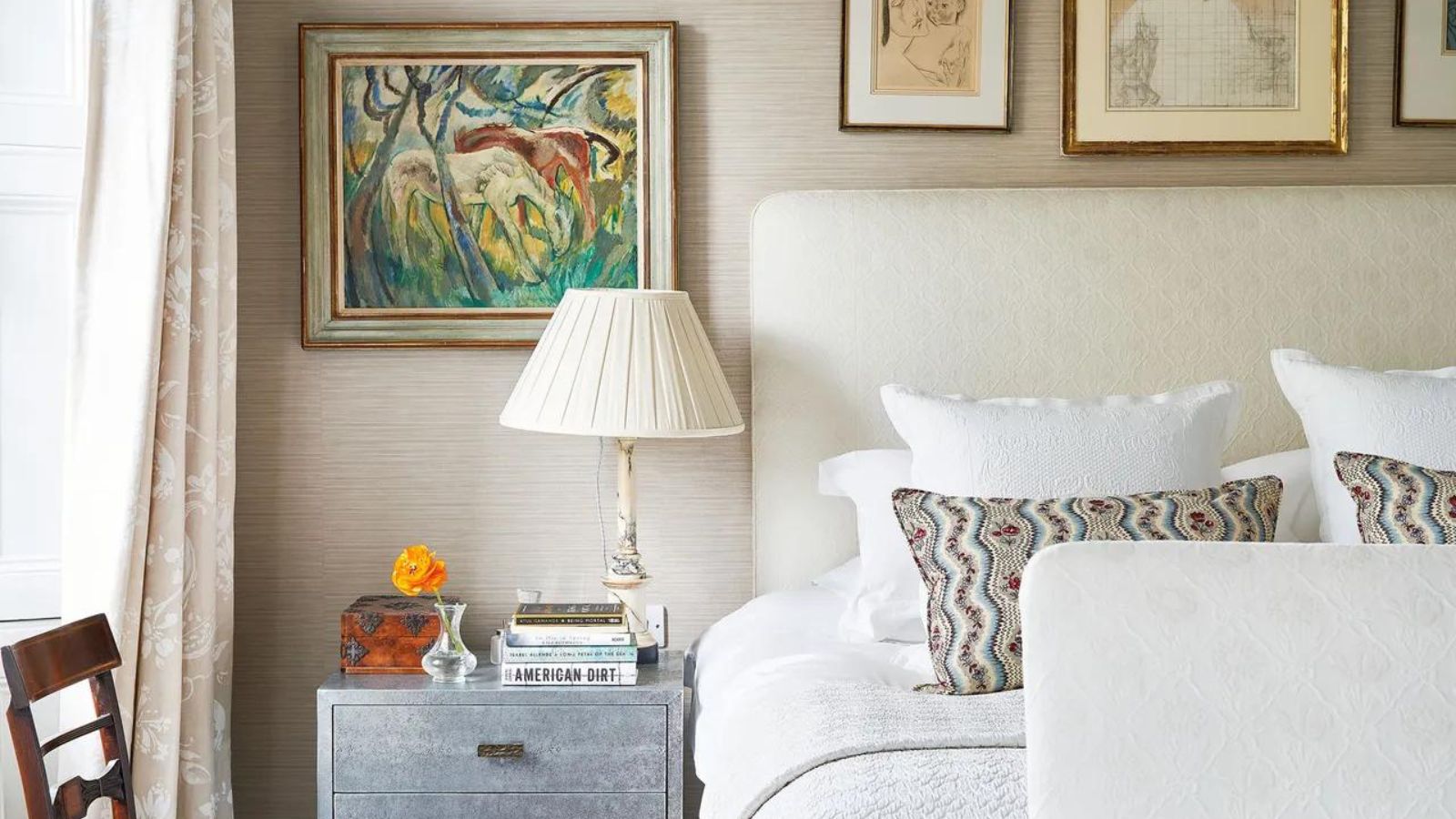
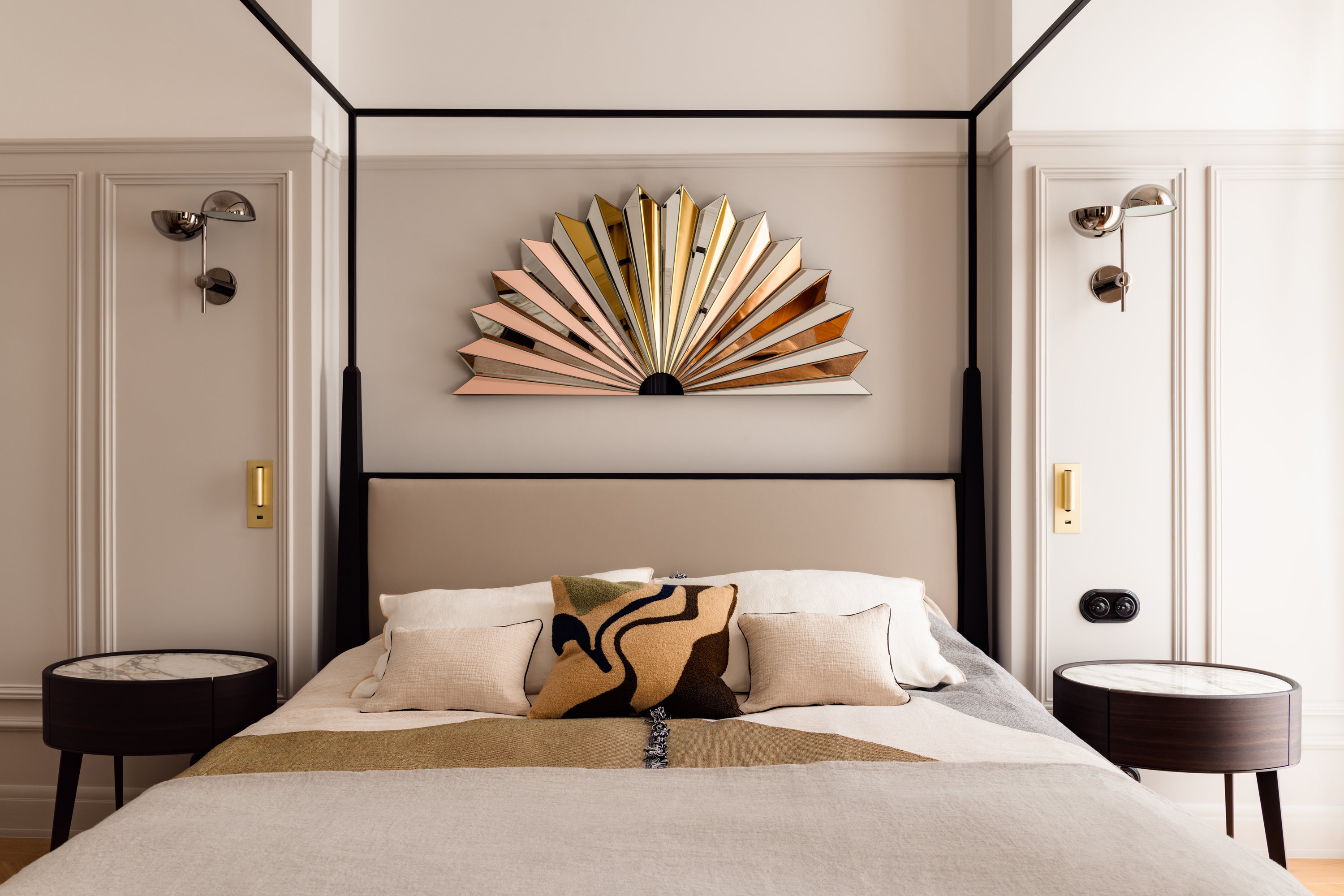
The first key recommendation involves optimizing the bedroom layout for sleep. The bed's placement is crucial; it should be positioned against a wall to maximize space, avoiding shared walls to reduce noise disturbances. Placing the bed under a window is discouraged due to potential drafts. Feng shui principles suggest a 'commanding position' for the bed, allowing a clear view of the door without being directly aligned with it, which fosters a sense of security. Additionally, the article advises against overcrowding the room with unnecessary furniture to minimize visual clutter and maintain a calm environment. Feng shui also advocates for symmetrical nightstands with storage and limiting bedroom items to those essential for sleep.
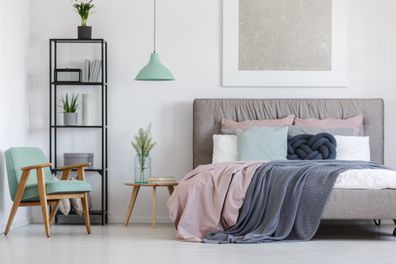
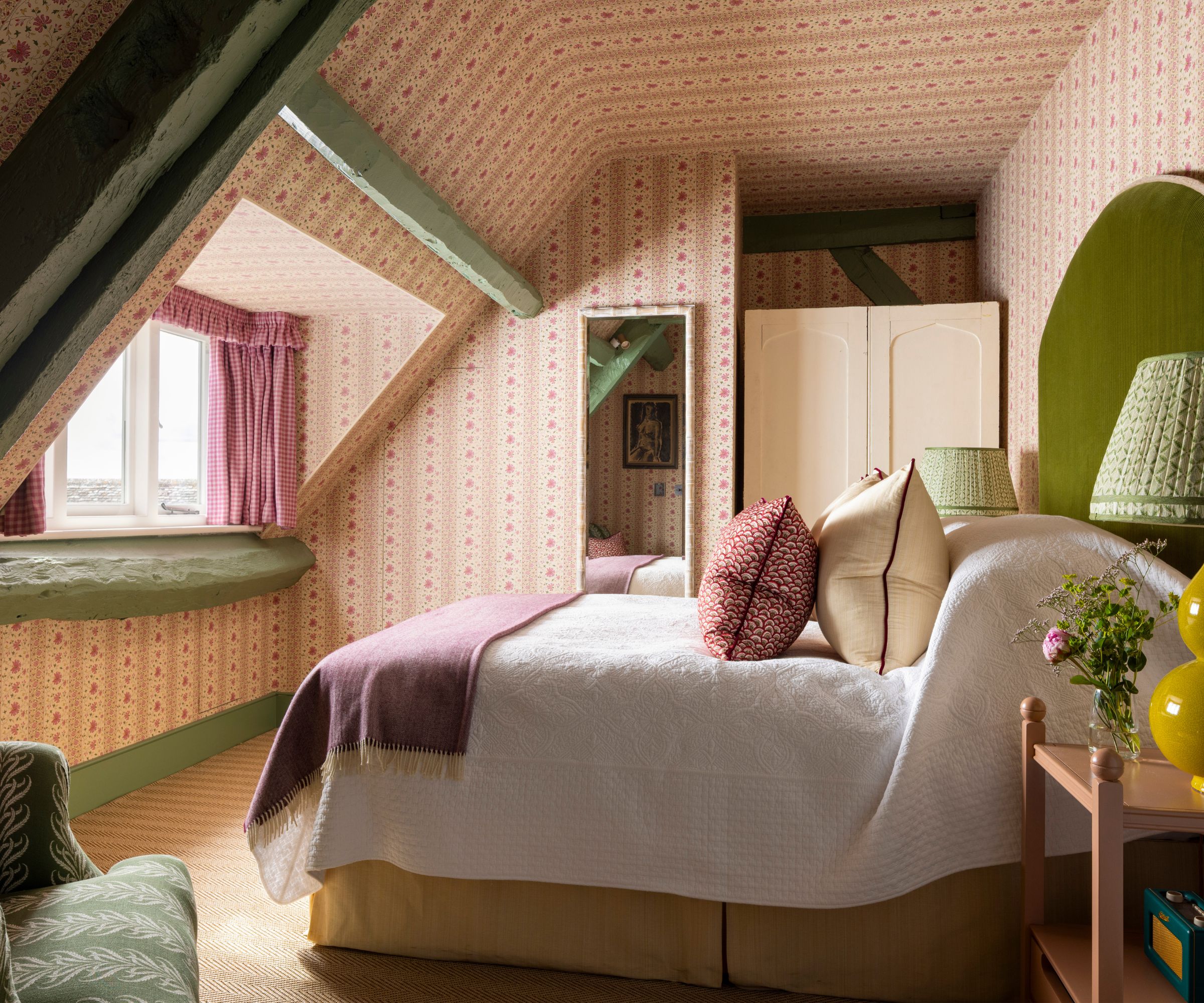
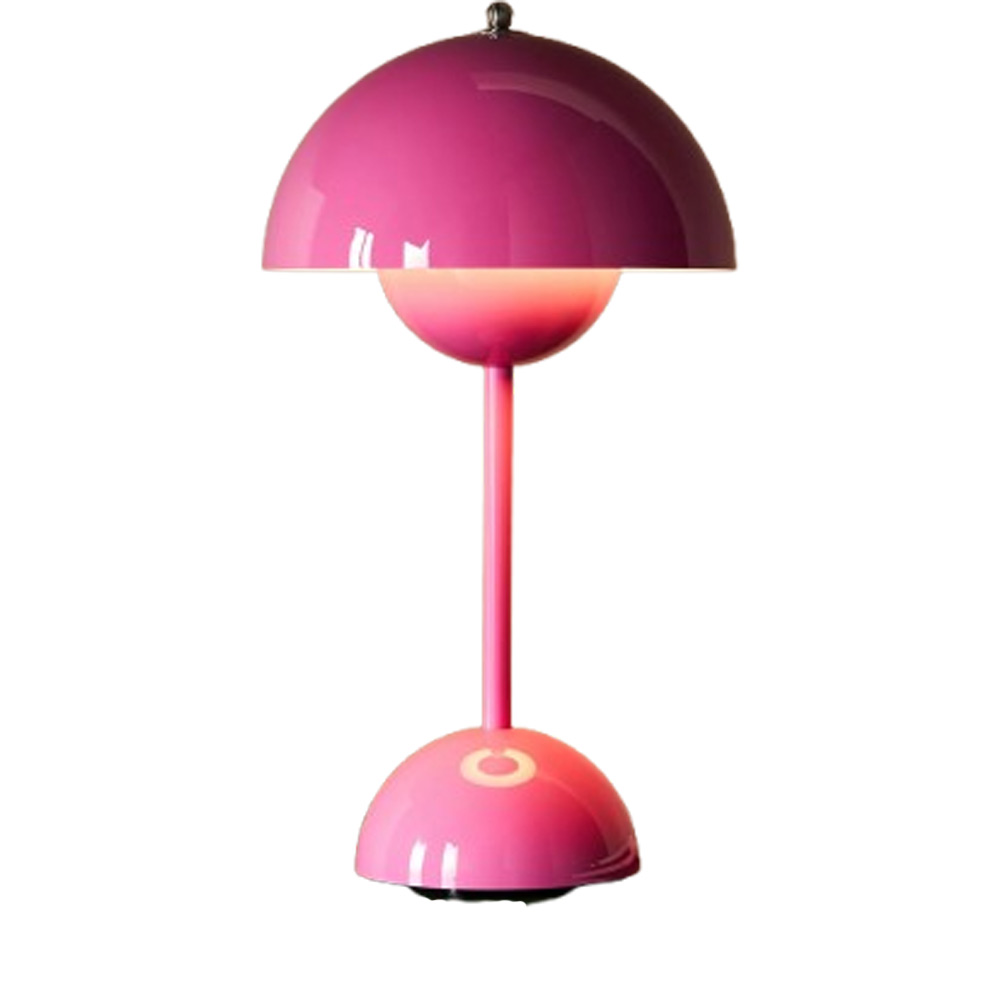
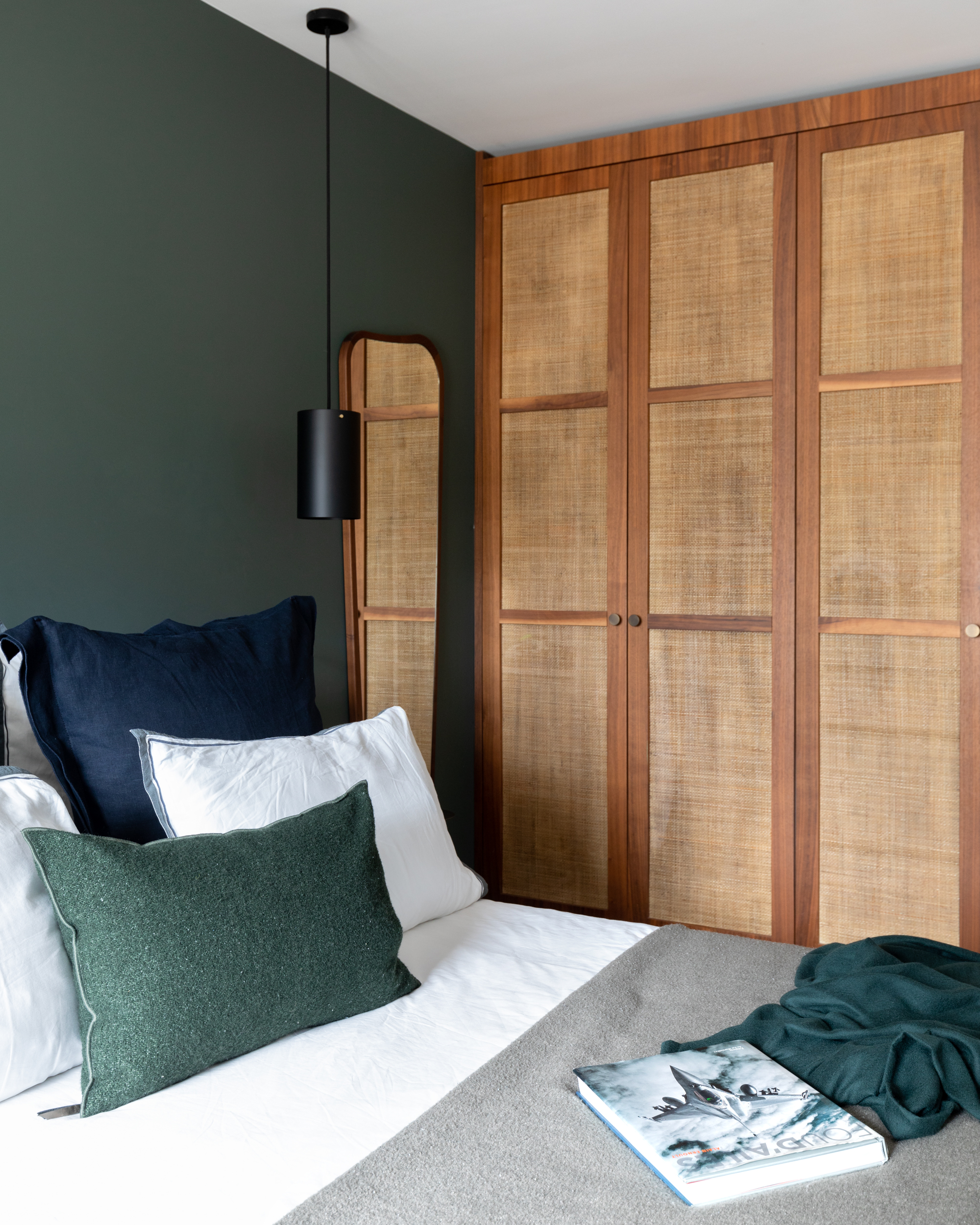
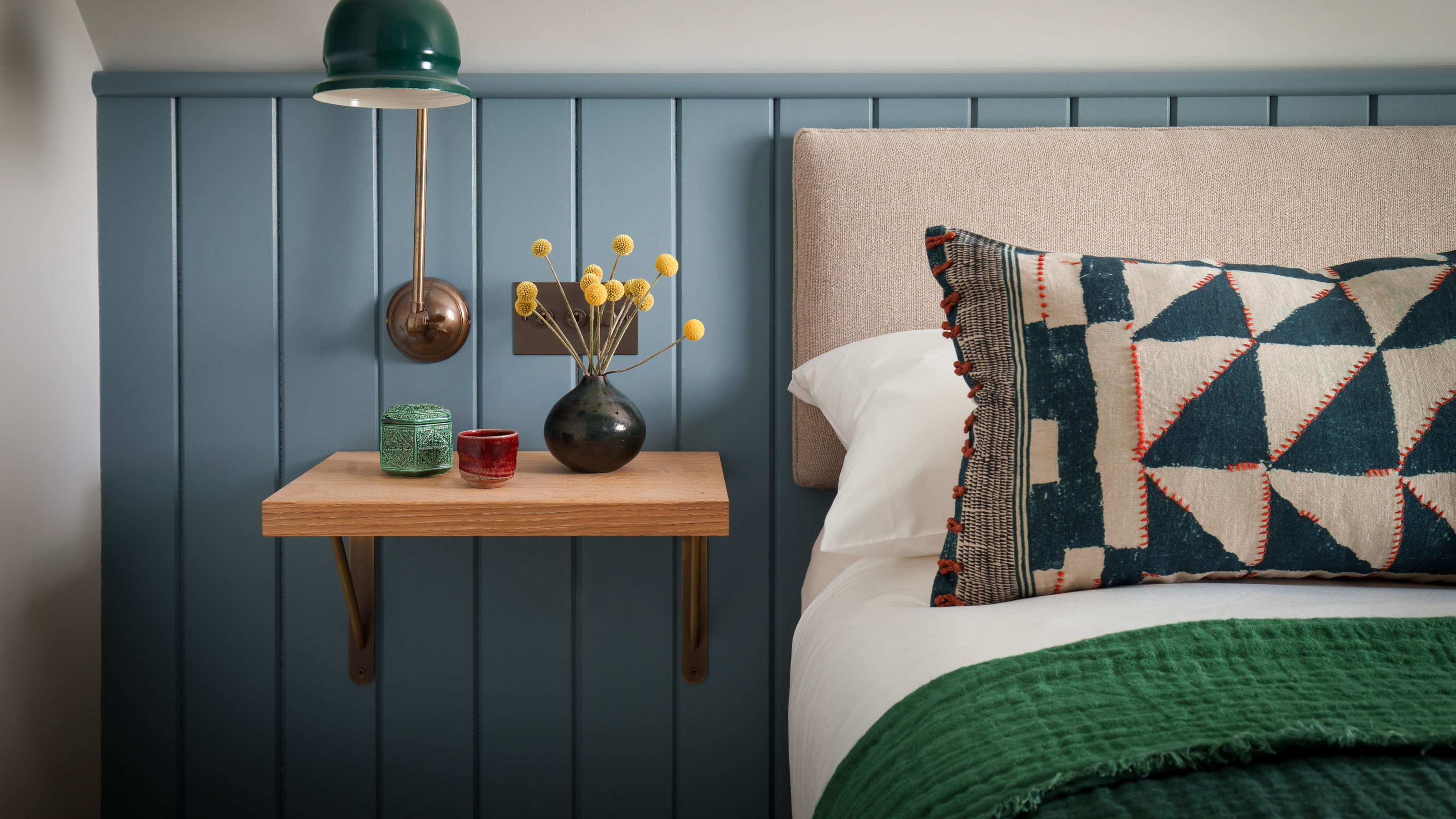
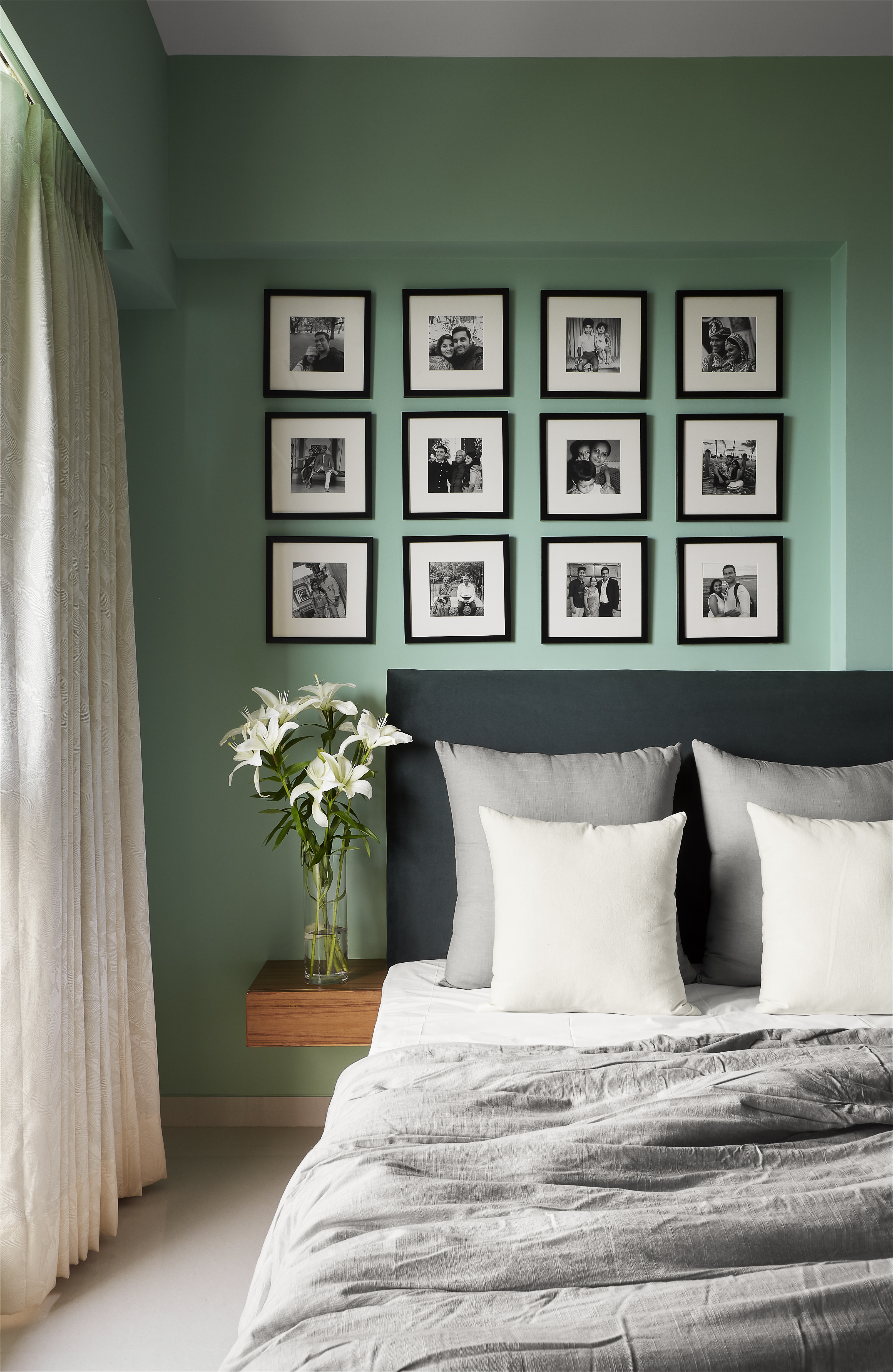
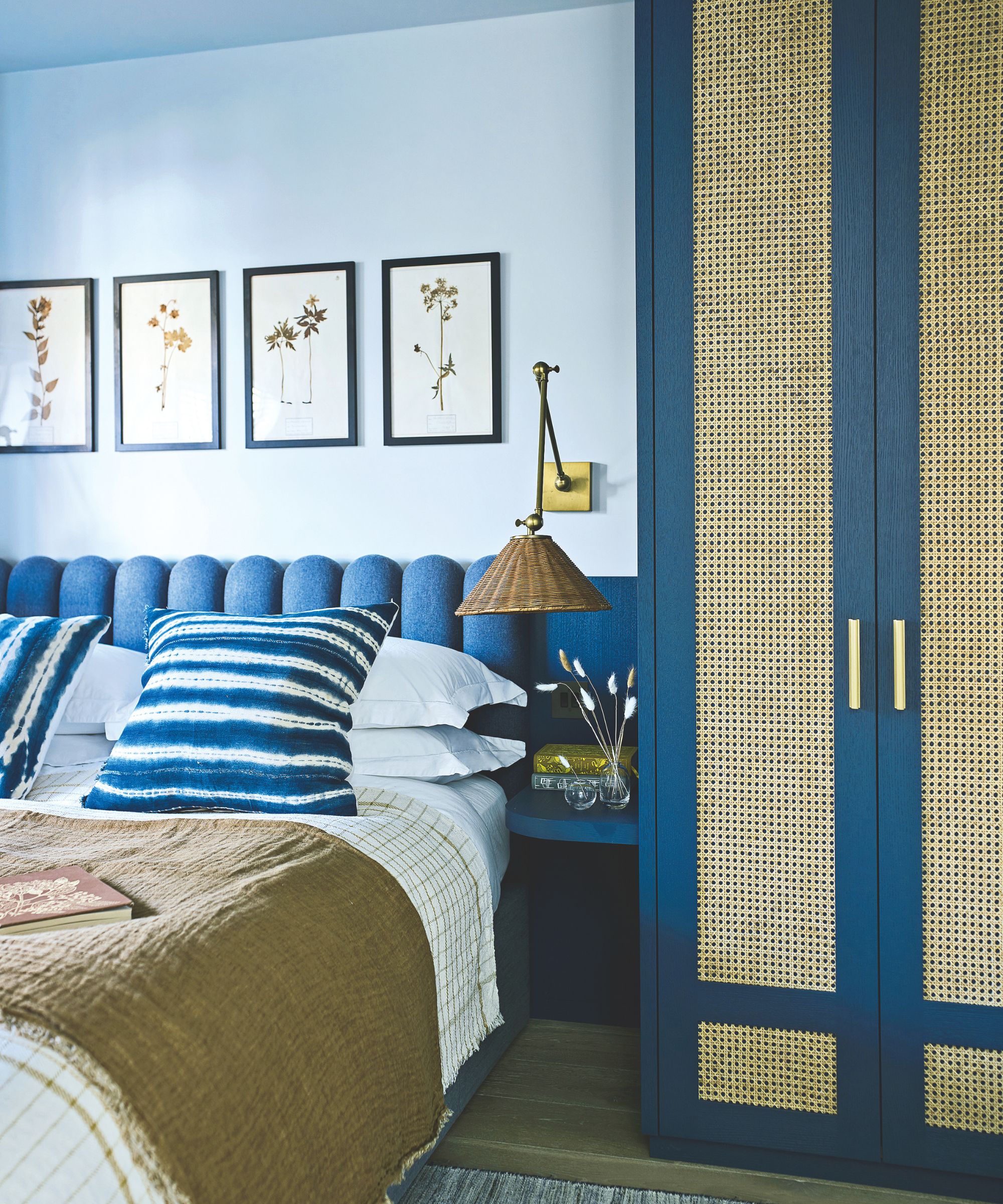
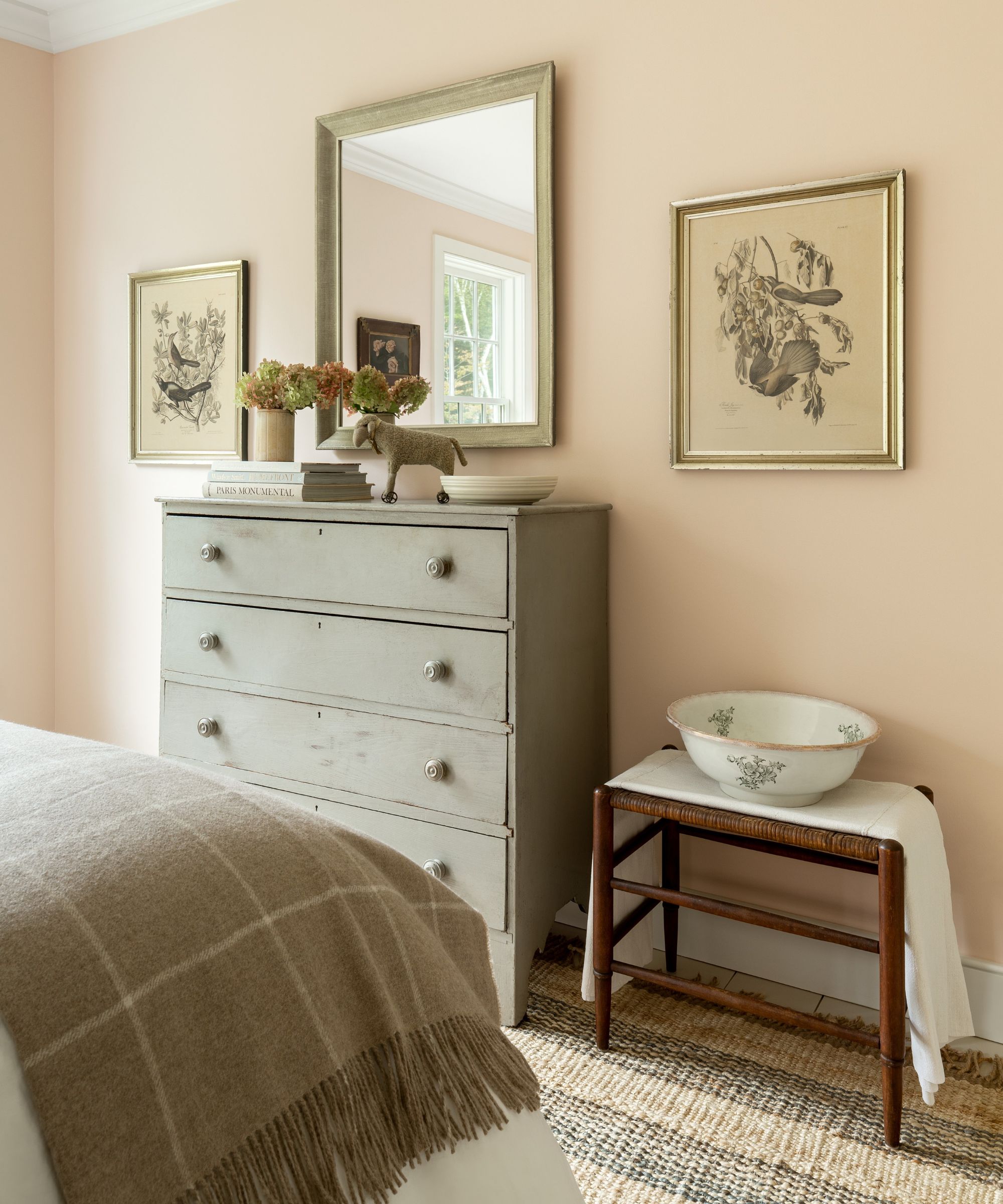
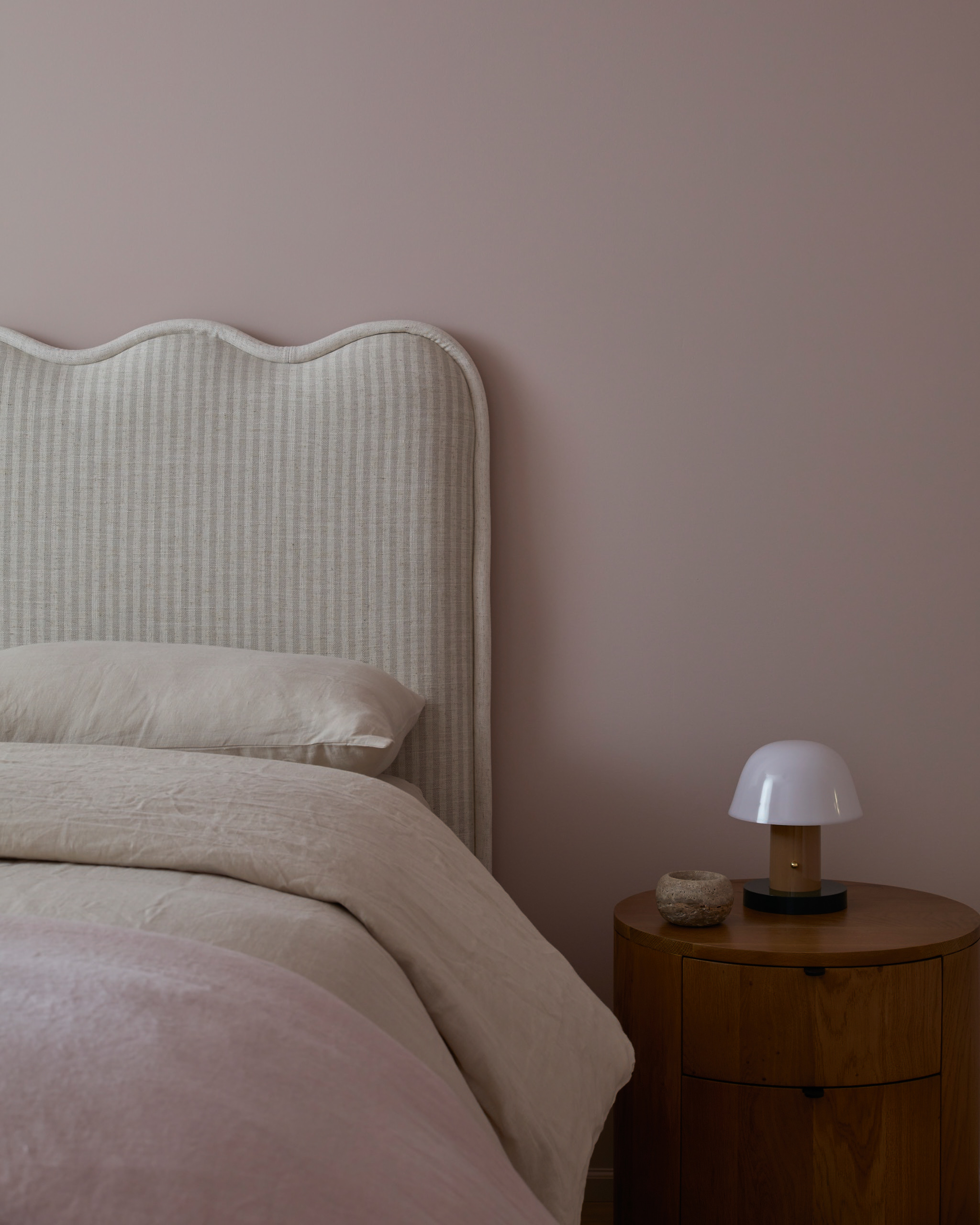
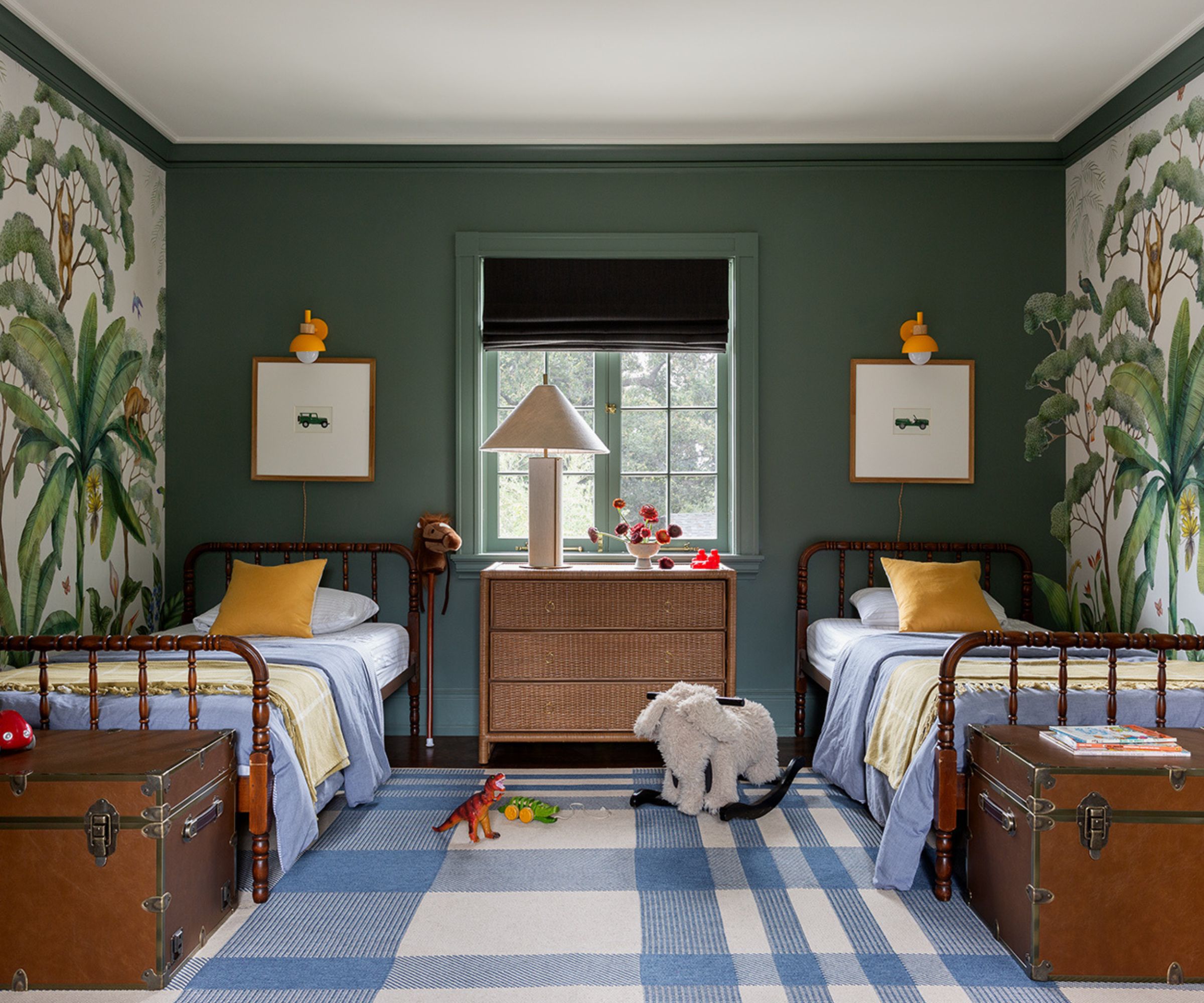
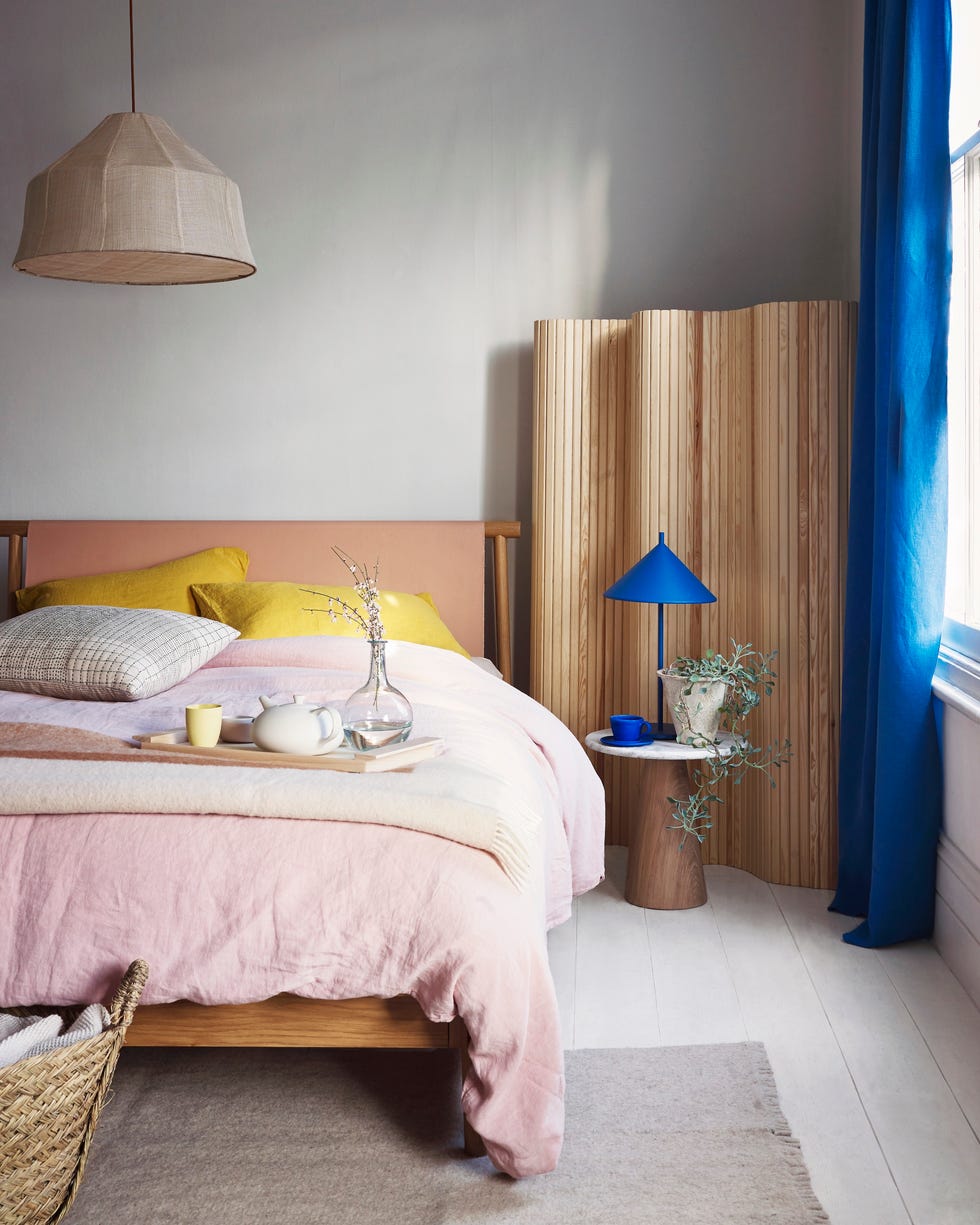
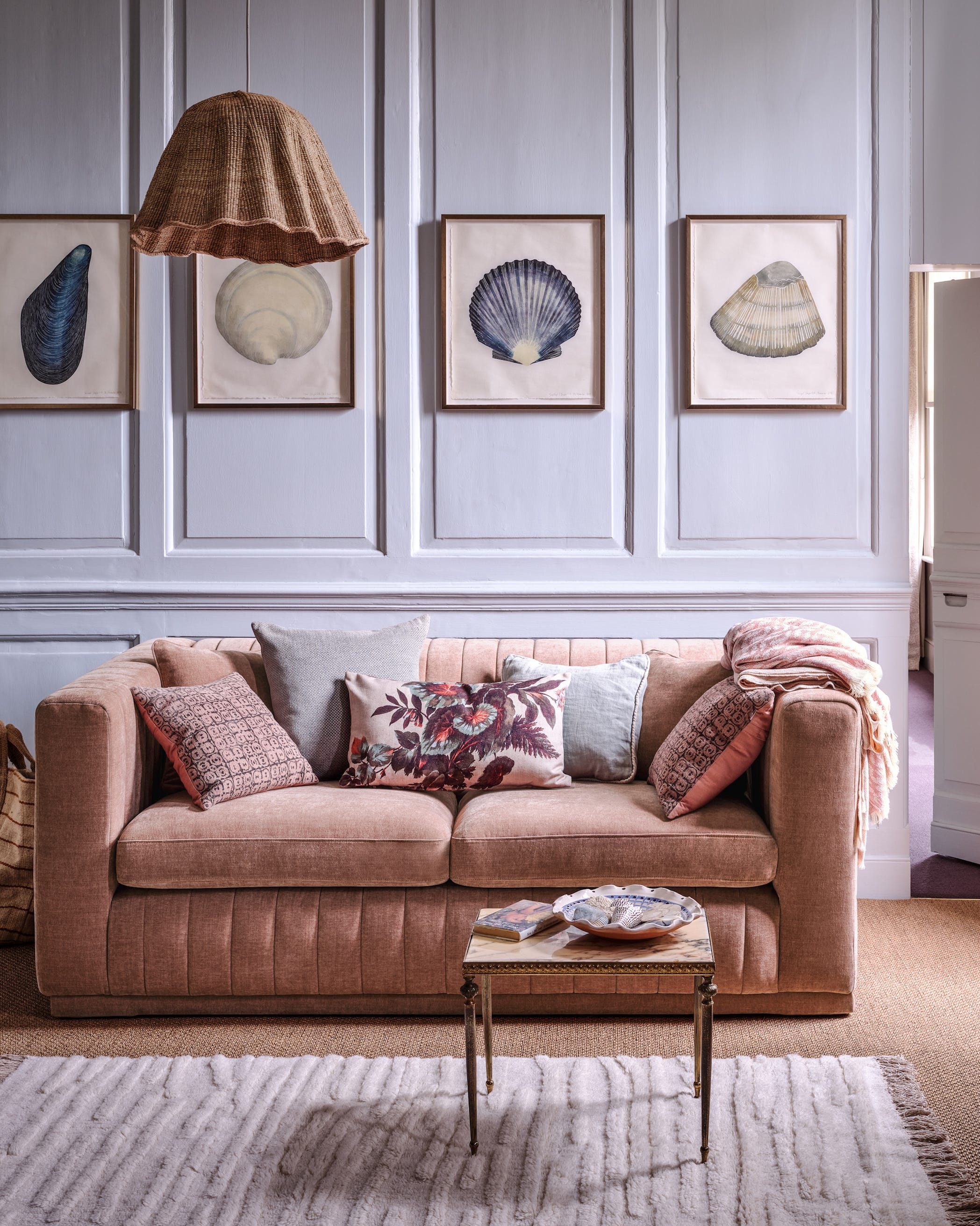
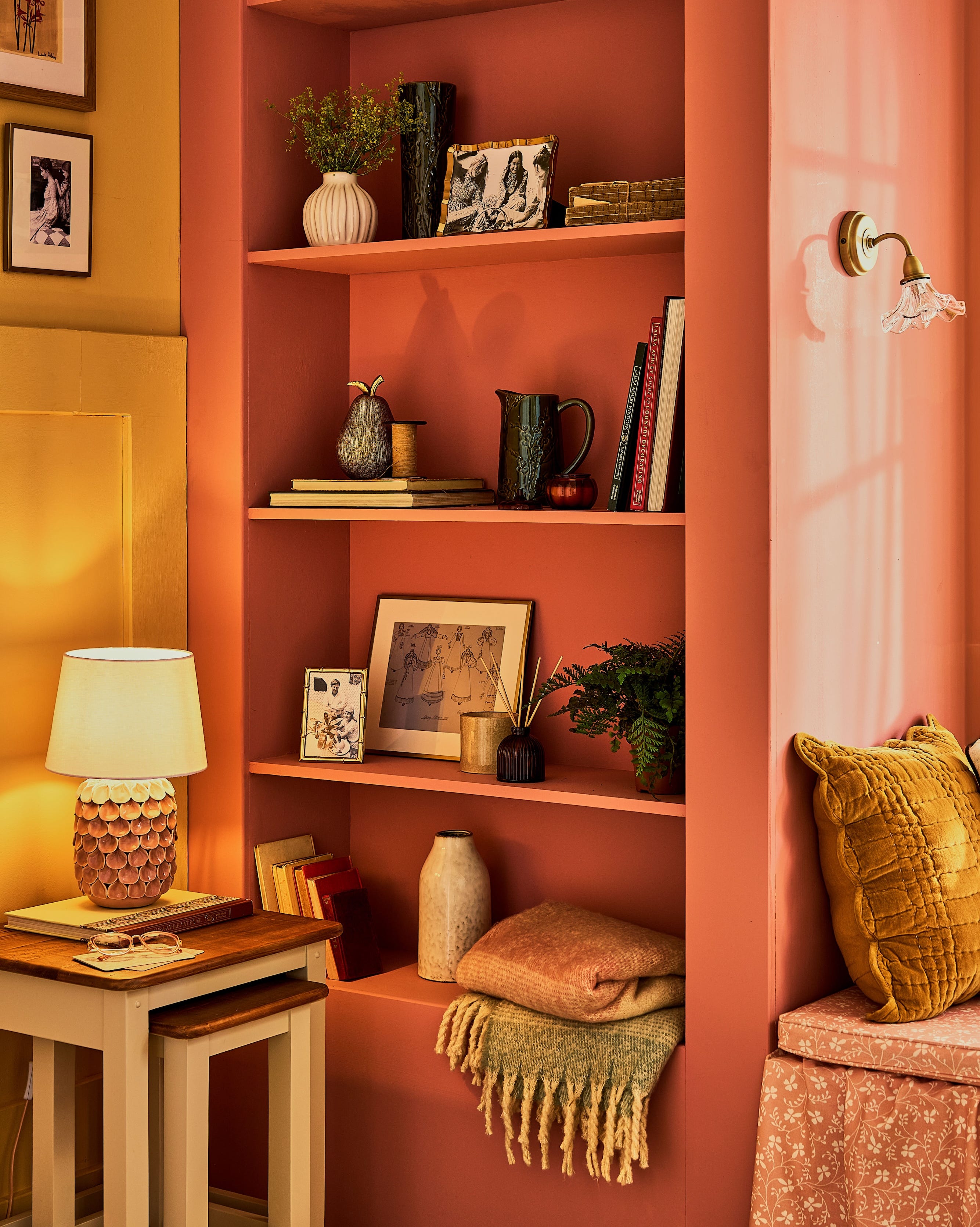
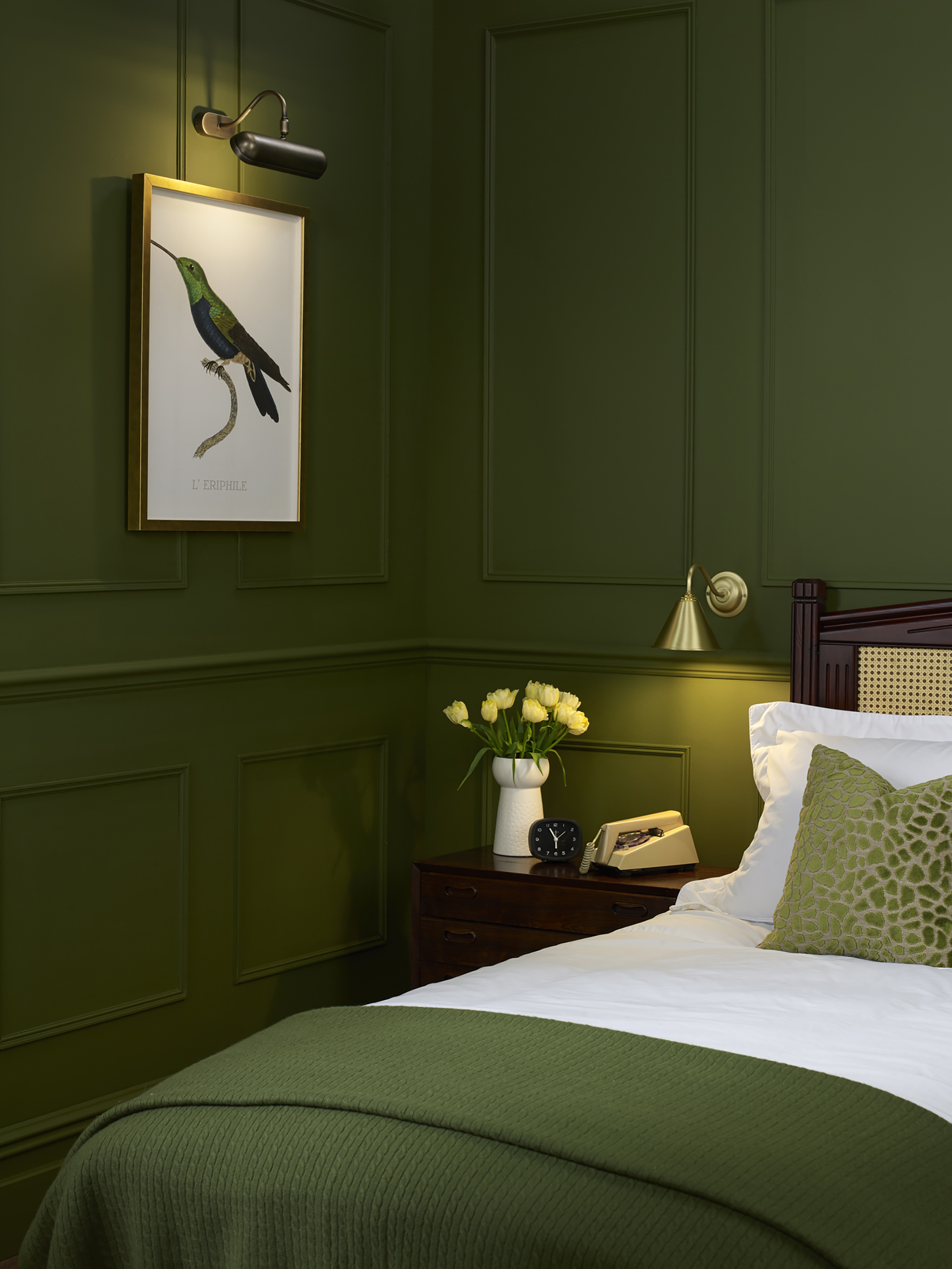
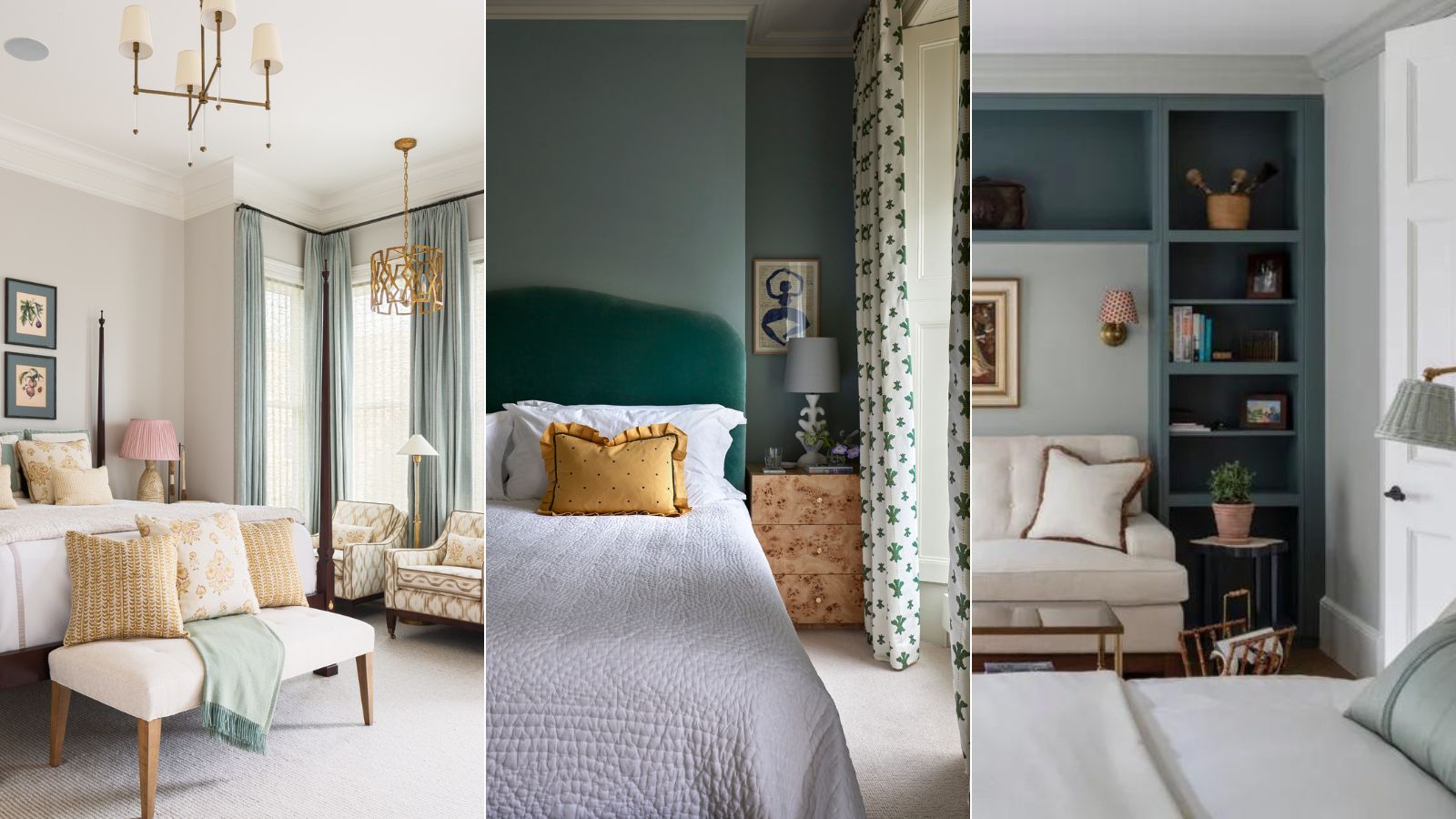
Next, the article discusses the impact of color schemes on sleep. It suggests using color psychology to select soothing hues like earthy greens and warm neutrals, or natural dusky pinks, to create a restful atmosphere. Conversely, highly stimulating or saturated colors such as electric blues, primary reds, and bright greens are to be avoided. Limewash paint is presented as a beneficial option due to its textured, breathable, antiseptic, antifungal, and antibacterial properties, which can improve air quality and thus sleep. Color drenching, using different tones of a single calming color, is also recommended for creating a harmonious and less stimulating environment. Blue, a color associated with calmness, is highlighted, with specific shades from Sherwin Williams and Benjamin Moore mentioned as ideal for bedrooms.
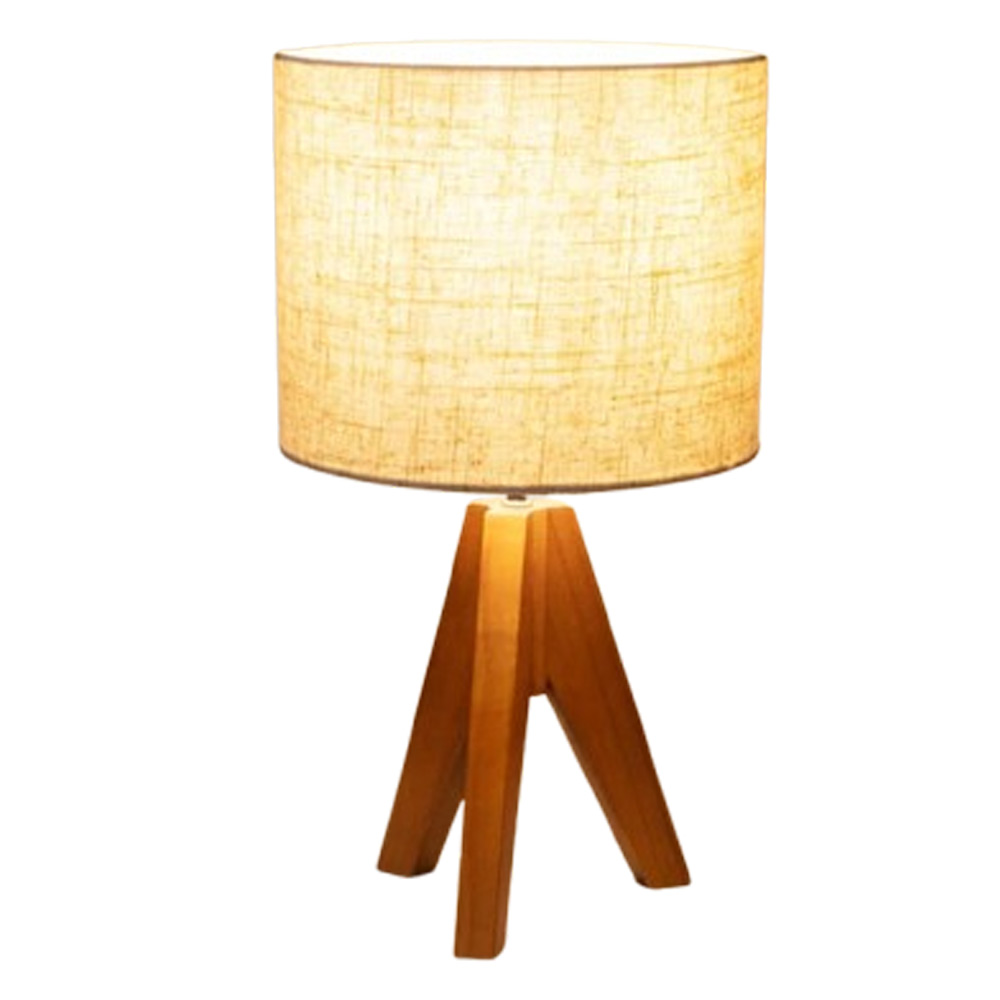
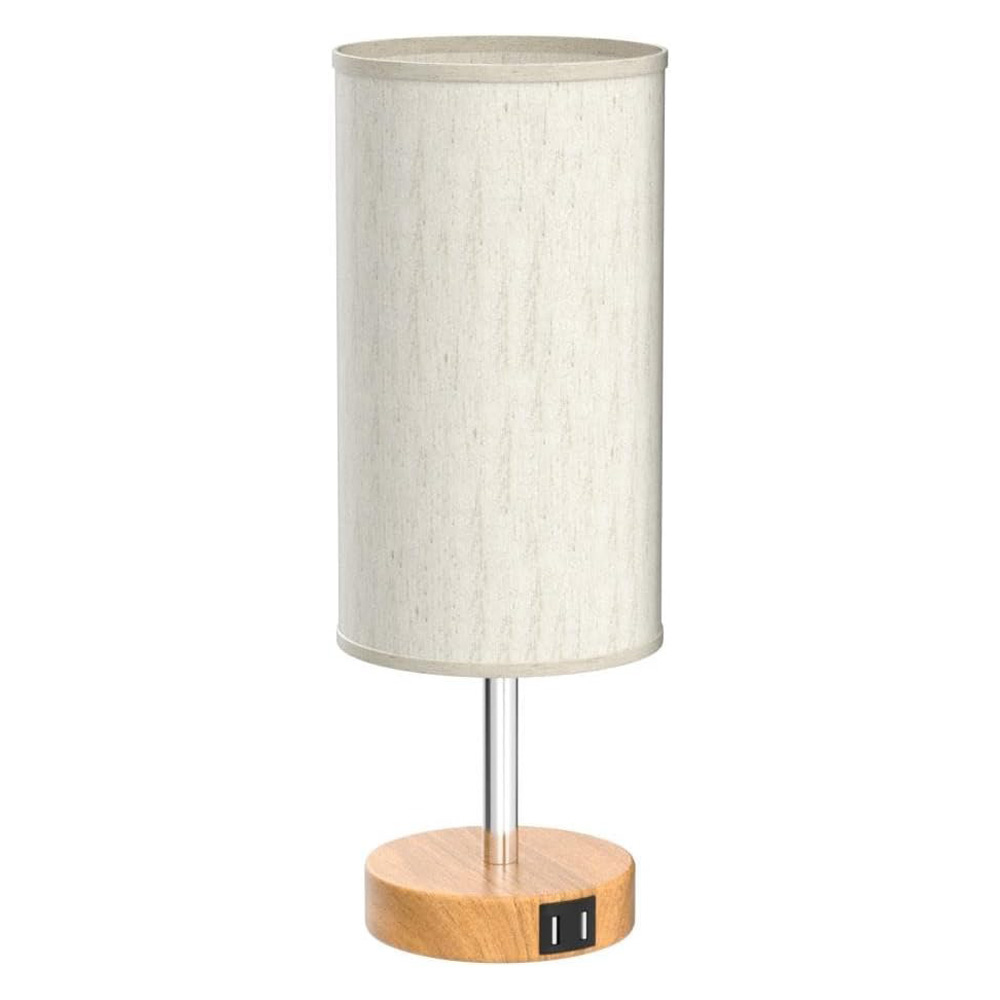
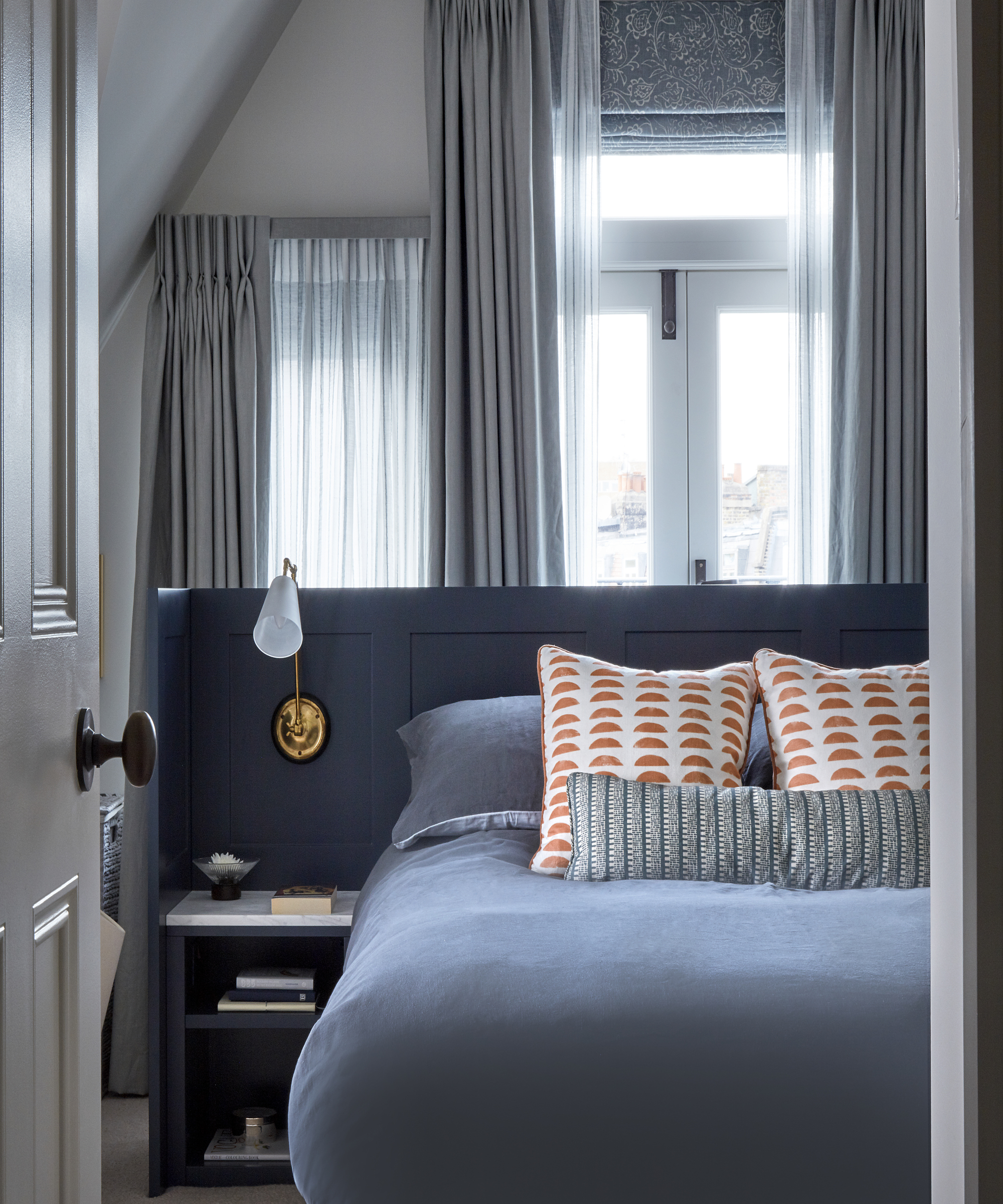
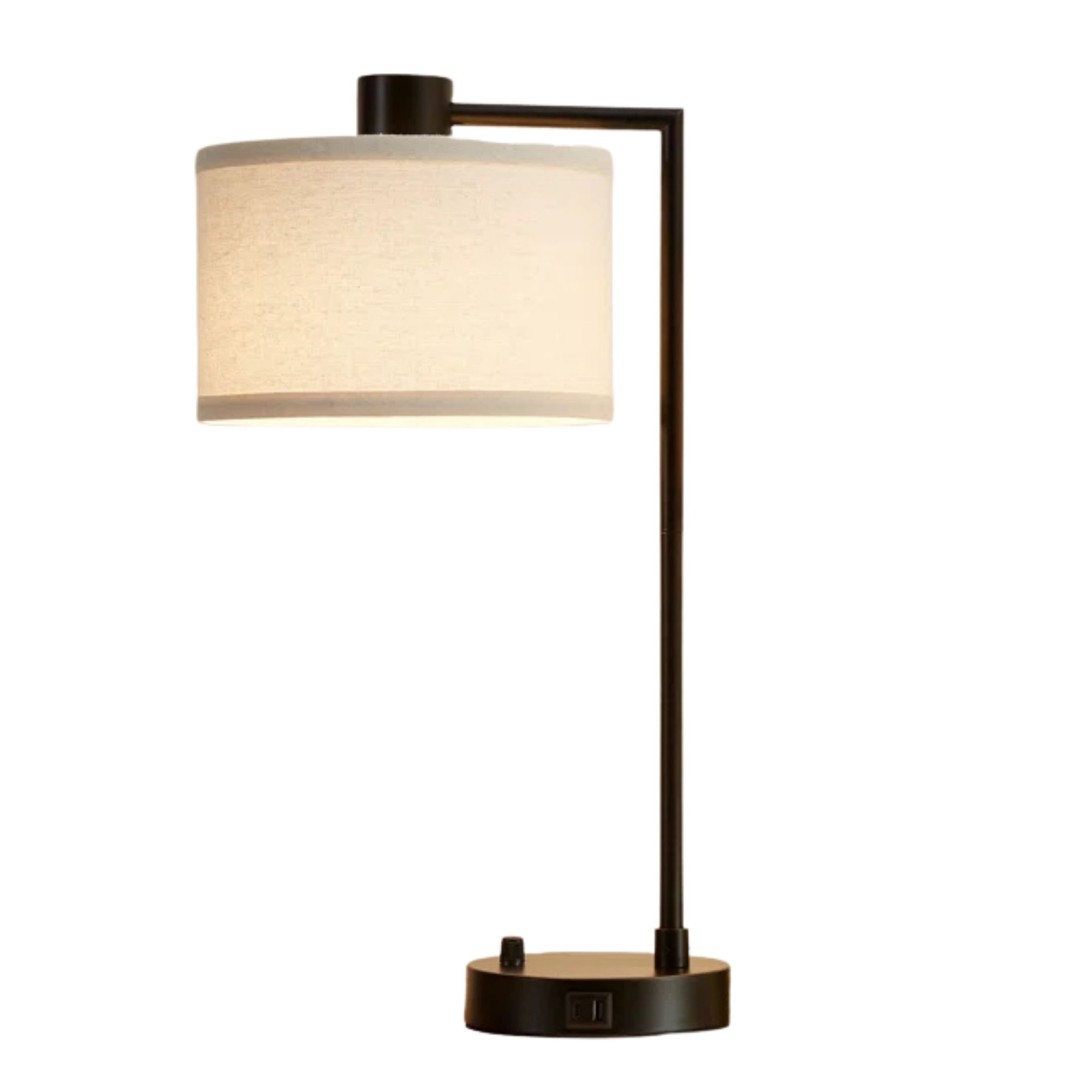
The article then delves into mastering light levels. It stresses the importance of controlling both natural and artificial light. For light sleepers or those in urban areas, blackout curtains or heavy drapes are recommended. However, for individuals who benefit from natural light to wake up, solar shades or translucent fabrics can filter light while maintaining privacy. Layered lighting within the room is crucial for regulating circadian rhythms, combining overhead lighting with dimmer-controlled wall sconces and table lamps. Warm-toned bulbs (2700K-3000K) are preferred, and red light is suggested for promoting melatonin production, while blue light should be avoided as it suppresses melatonin. The article cautions against over-lighting a bedroom, which can be stimulating rather than relaxing.
Controlling bedroom temperature is identified as another critical factor. The ideal temperature for sleep is relatively cool. Seasonal adjustments are suggested, such as switching to natural fiber bedding and lighter duvets in summer, and fleece or flannel with higher TOG duvets in winter. Window treatments with metallic polymer fibers can reflect heat, and fans or portable air conditioning units can help in warmer months. Cooling mattresses, pillows, and mattress toppers are also recommended for hot sleepers. Conversely, in winter, thick rugs and wall coverings can provide extra insulation. Practical tips like turning off heat-generating electronics and using cold compresses are also included.
To minimize sleep disturbances, noise reduction techniques are explored. Soundproofing walls with loaded vinyl noise barriers or acoustic panels can reduce external noise. Solid core doors are preferable to hollow ones for sound dampening, and sealing gaps around windows and doors with weatherstripping can further help. Heavy drapes, carpets, thick rugs, throw blankets, and pillows can all absorb sound. The article also suggests introducing soothing sounds, or 'soundscaping,' using white noise machines or apps to block intrusive noises and promote relaxation.
Finally, the role of scent in promoting sleep is discussed. Aromatherapy is suggested, with lavender being the most popular choice for its linalool and linalyl acetate compounds, which have relaxing effects. Geranium oil is an alternative for a fresh scent, and chamomile's apigenin is noted for its calming properties. Grapefruit, specifically ruby and dark pink varieties containing lycopene, is recommended for drowsiness, and jasmine is praised for its stress-reducing capabilities. The article also advises avoiding stimulating scents like lemon and peppermint and considering individual scent sensitivities. Overall, the article provides a holistic approach to designing a bedroom that maximizes comfort and tranquility to support optimal sleep. #BedroomDesign #SleepScience #InteriorDesign #FengShui #ColorPsychology #LightControl #TemperatureRegulation #NoiseReduction #Aromatherapy #SleepEnvironment
0 comment in total
 No comments yet
You may also like

10 Bedroom Decor Mistakes Keeping You From Your Best Sleep Ever

The 10 biggest bedroom furniture mistakes that interior designers always notice – and how to fix them

Bedroom layout mistakes – 9 errors experts warn against, and how to fix them
8 Bedroom Decorating Mistakes You Should Never Make
This big Feng Shui mistake in your bedroom could be causing your poor sleep
7 of the worst bedroom layout mistakes and how to avoid them

6 outdated bedroom trends designers urge us to avoid – not doing so can ruin a space

5 Living Room Design Mistakes You Didn't Know You Were Making

These 5 Dated Bedroom Trends Are Giving Interior Designers Nightmares in 2026 – Here's Why You Should Avoid Them in Your Sleep Space

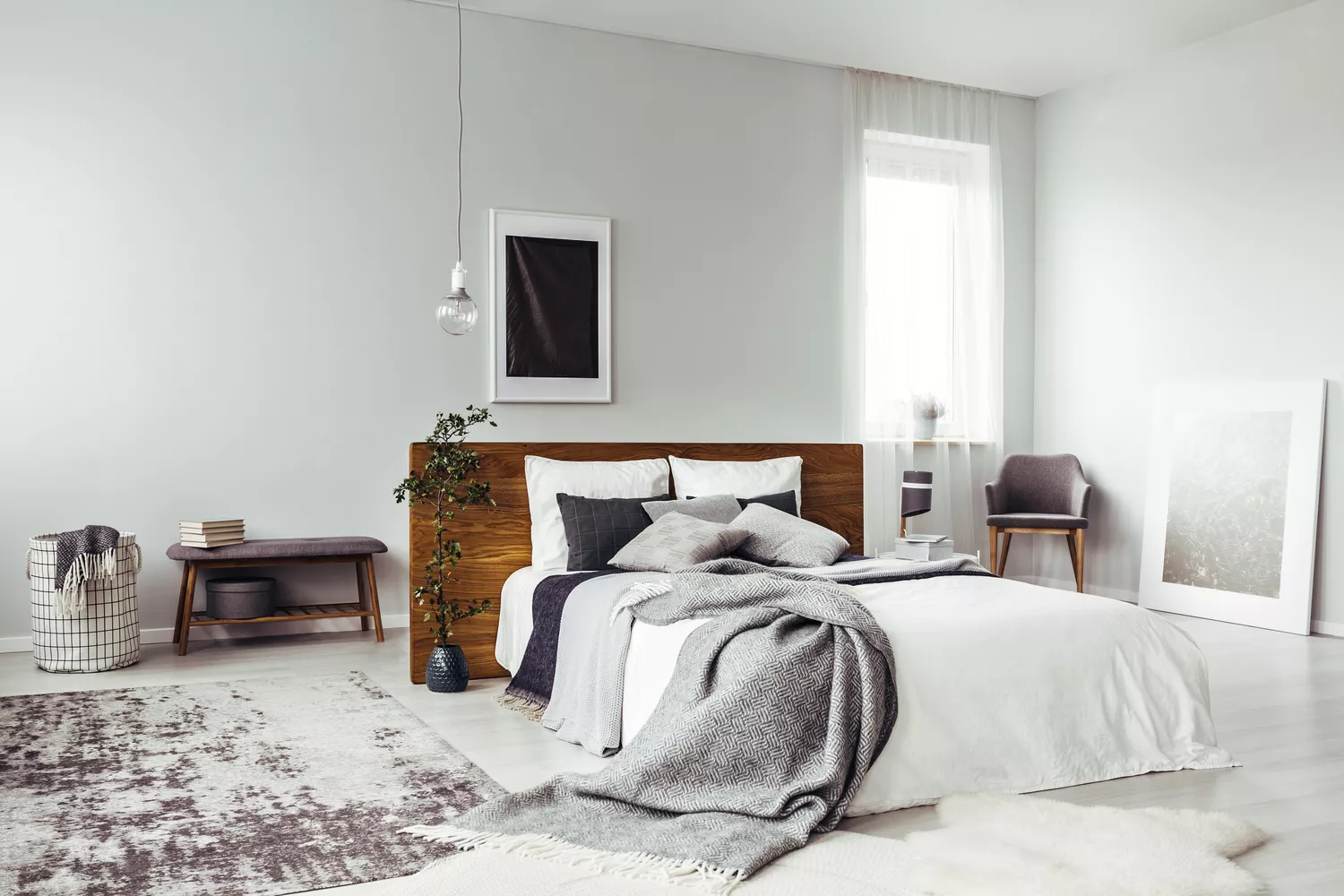
8 Bedroom Décor Mistakes That Make it Hard to Relax
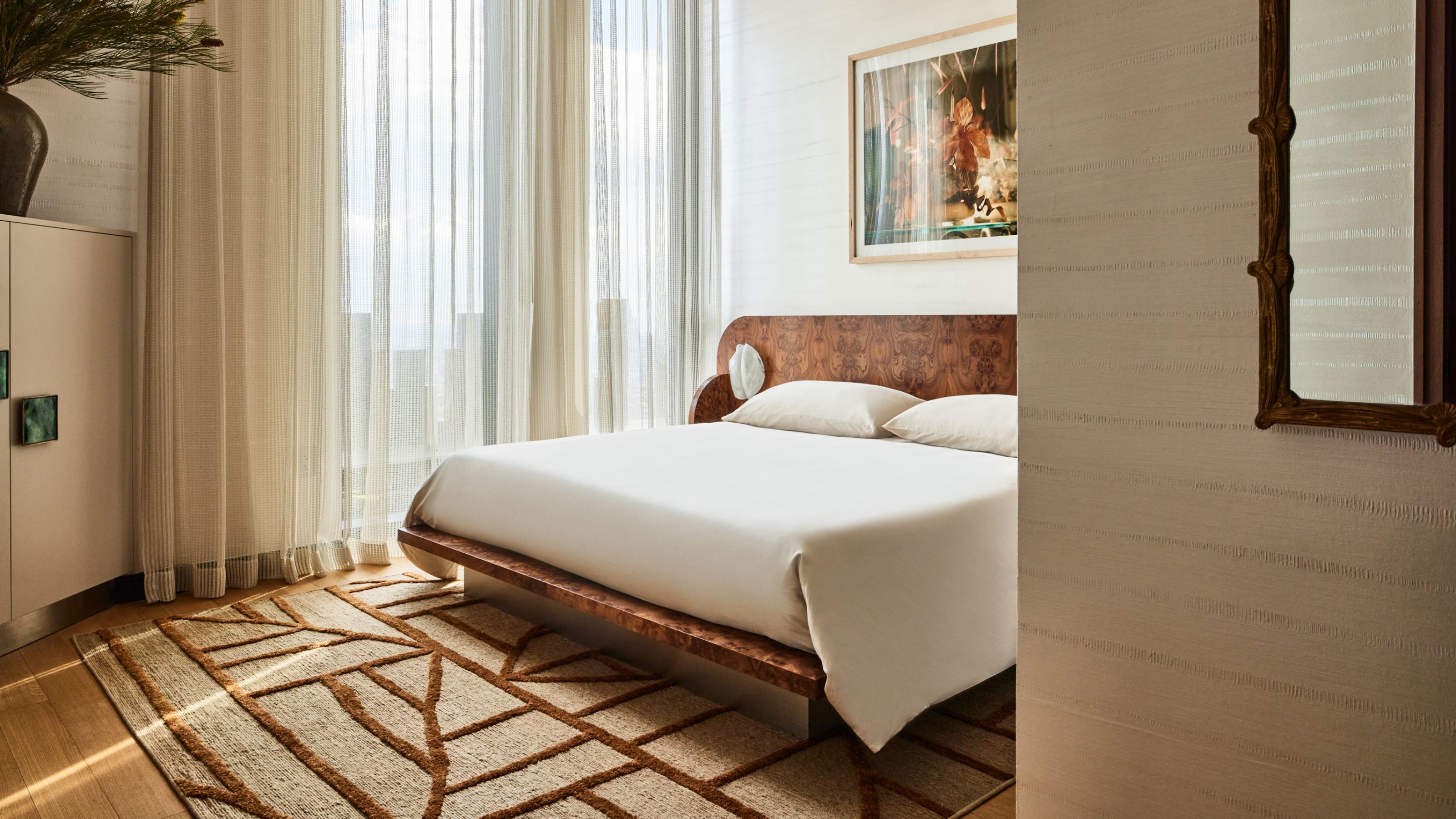
7 Guest Bedroom Design Mistakes That Will Make Them Wish They'd Booked a Hotel Instead
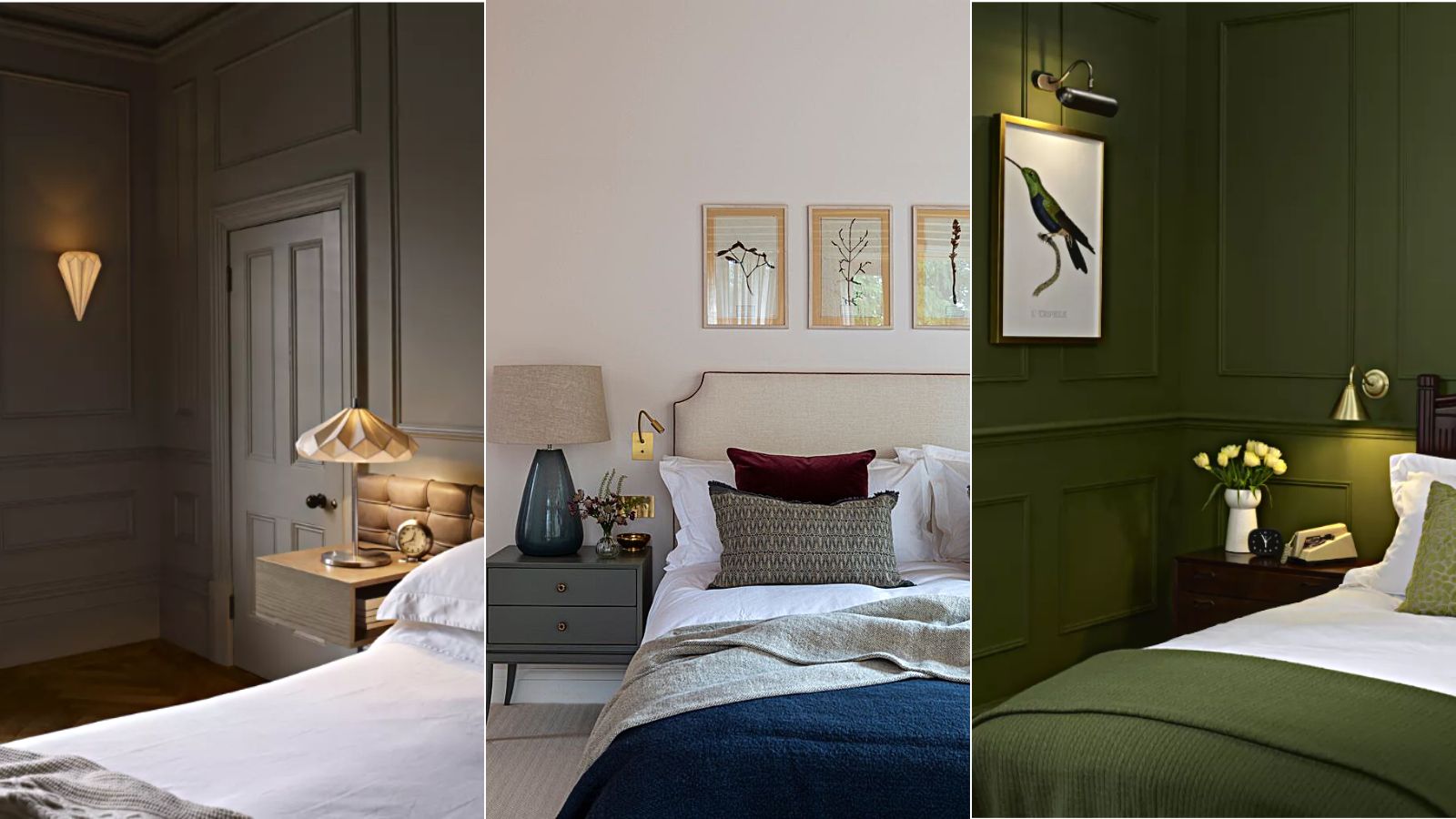
11 bedroom lighting mistakes – why your space looks uninviting and feels impractical, and how to fix it
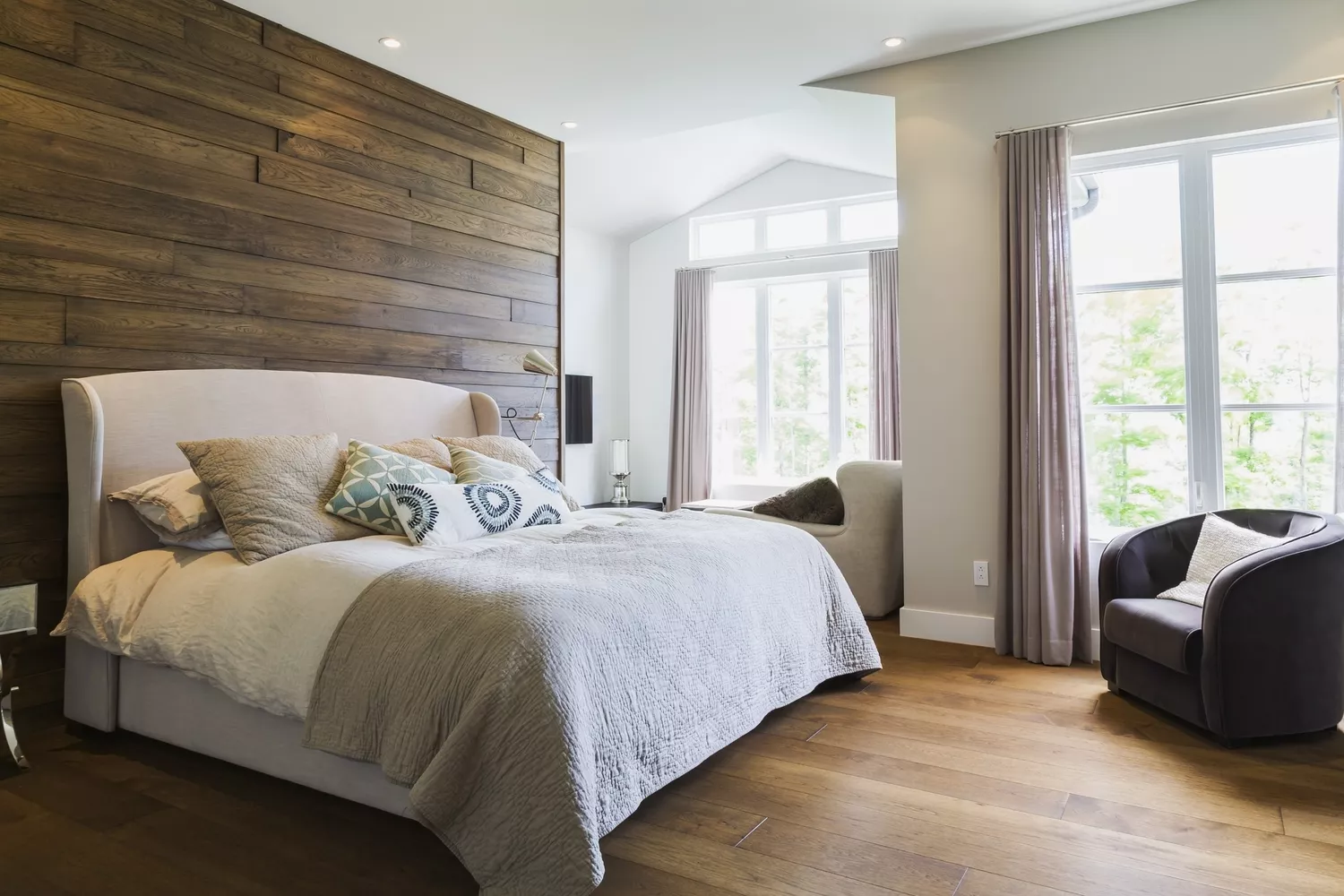
5 Bedroom Design Errors That Are Making Your Space Less Relaxing

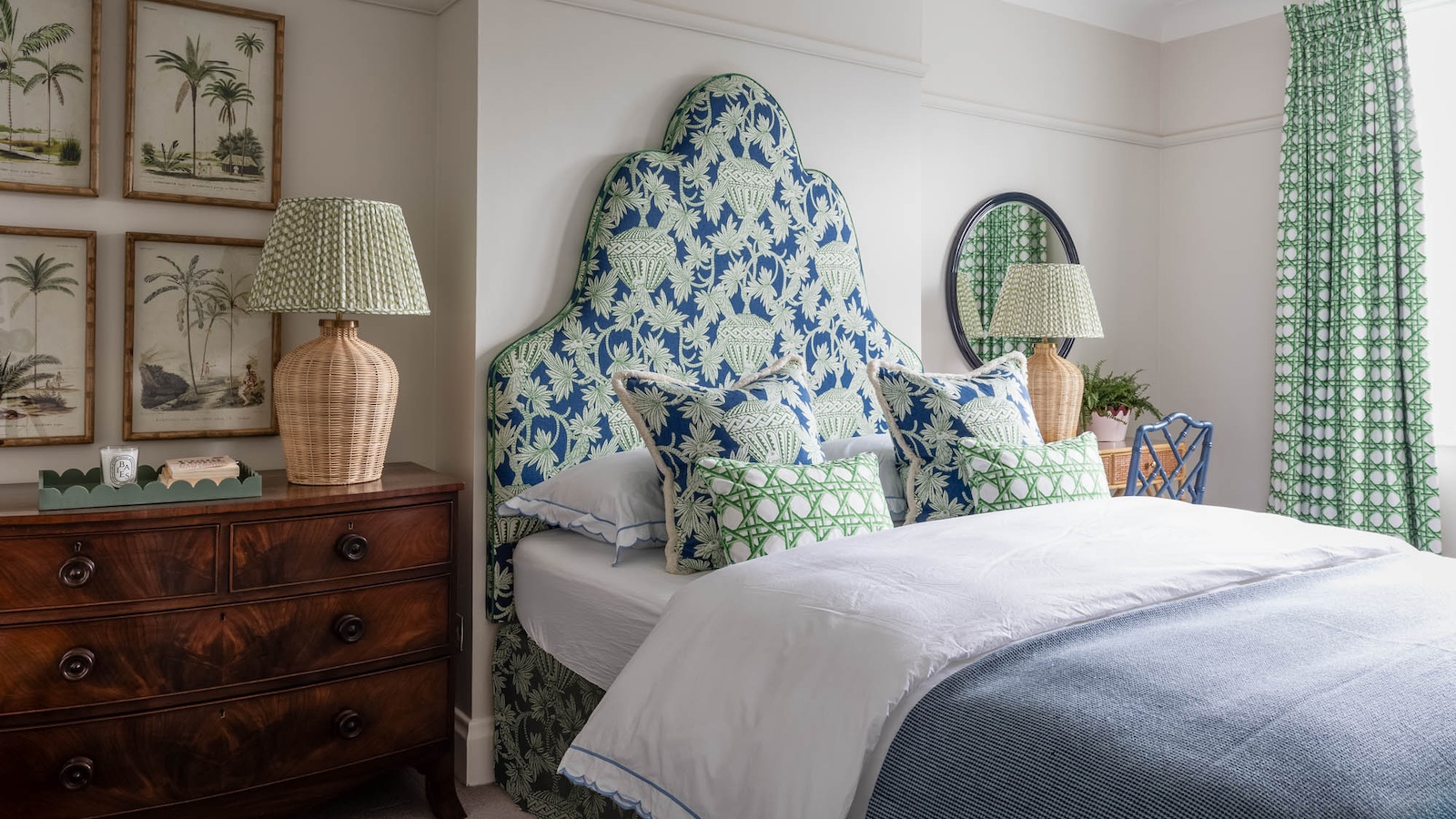
8 of the biggest small bedroom layout mistakes designers see time and time again
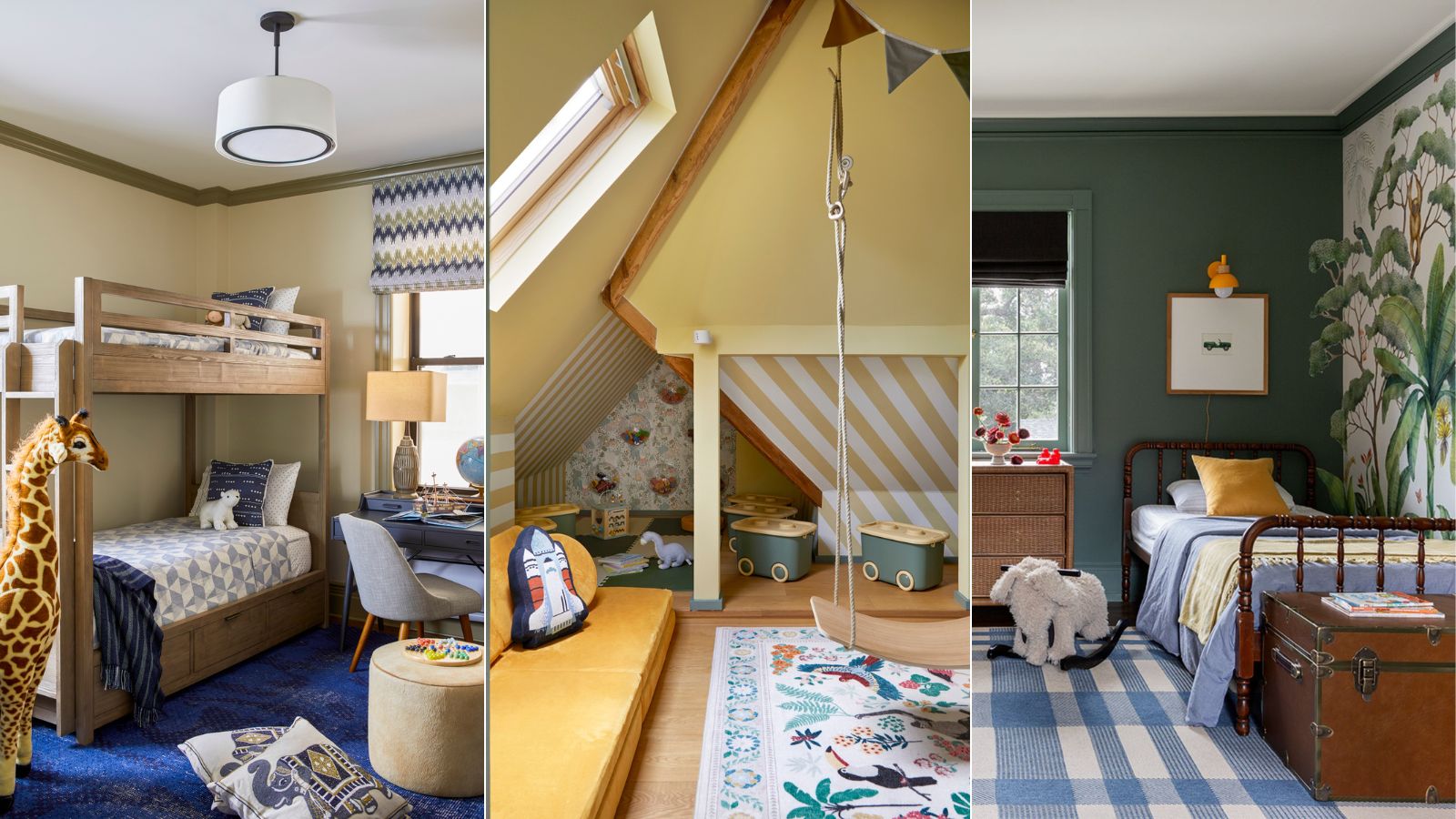
Here are all the most common mistakes to avoid when decorating a kids' bedroom according to interior designers
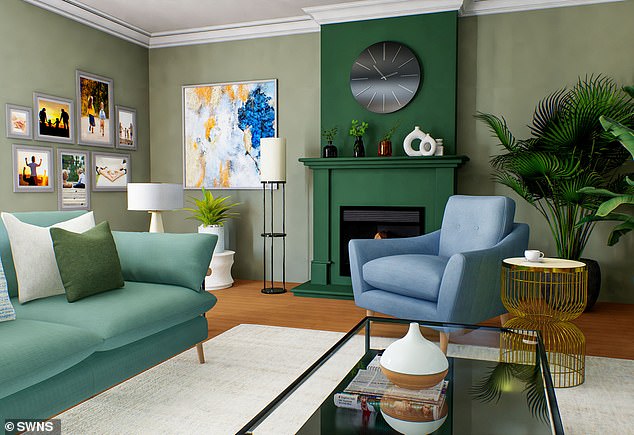
Are YOU guilty of these living room layout mistakes? Decor expert reveals the 8 sins people make
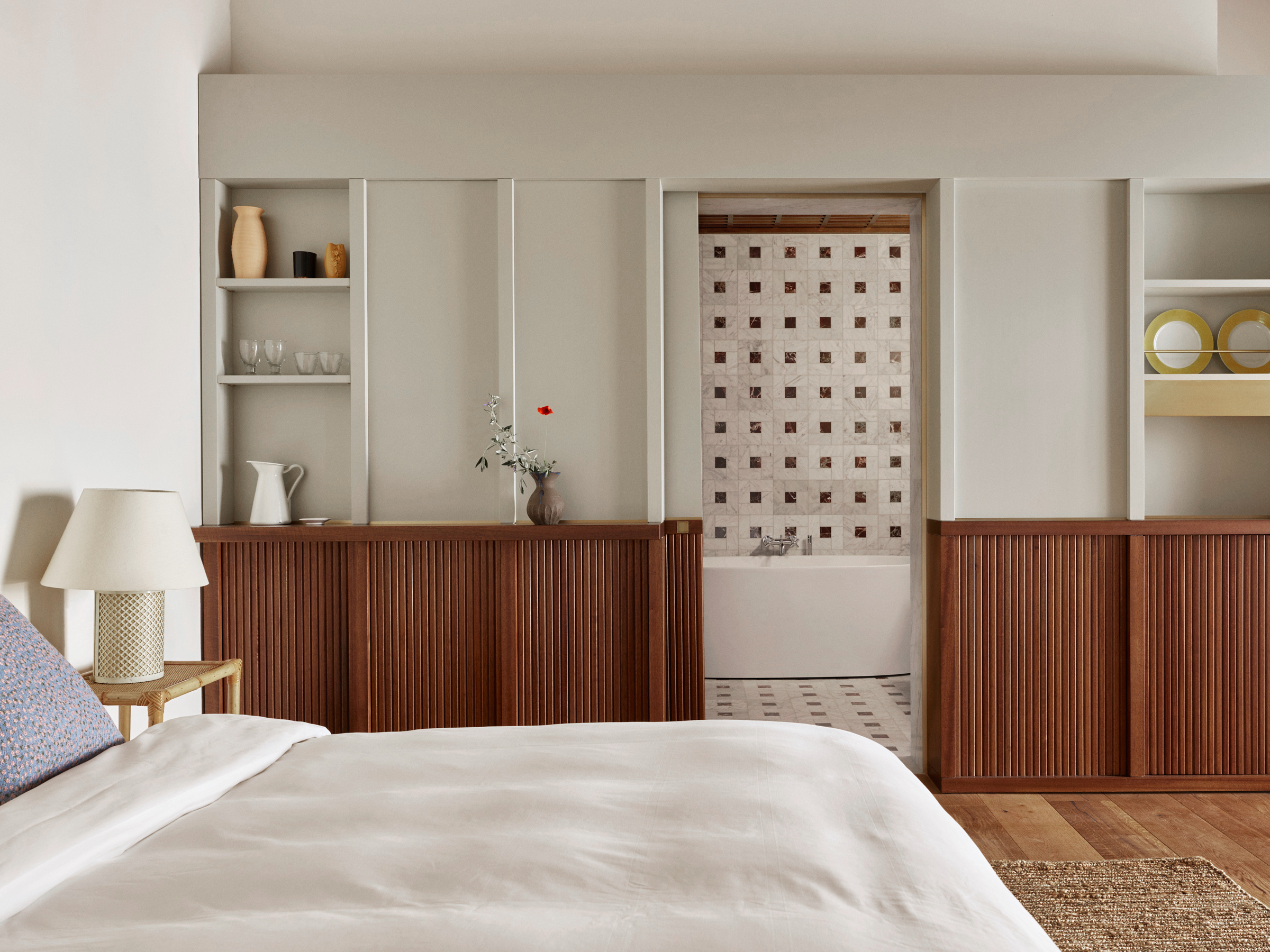
7 Bedroom Lighting Mistakes — Experts Say They "Scream 'Wrong Vibe'" and Ruin Your Aesthetic
7 Design Mistakes Interior Designers Always Notice

6 mistakes design experts instantly notice in your home – and how to fix them
Designers Cringe When They See These 6 Things in a Bedroom