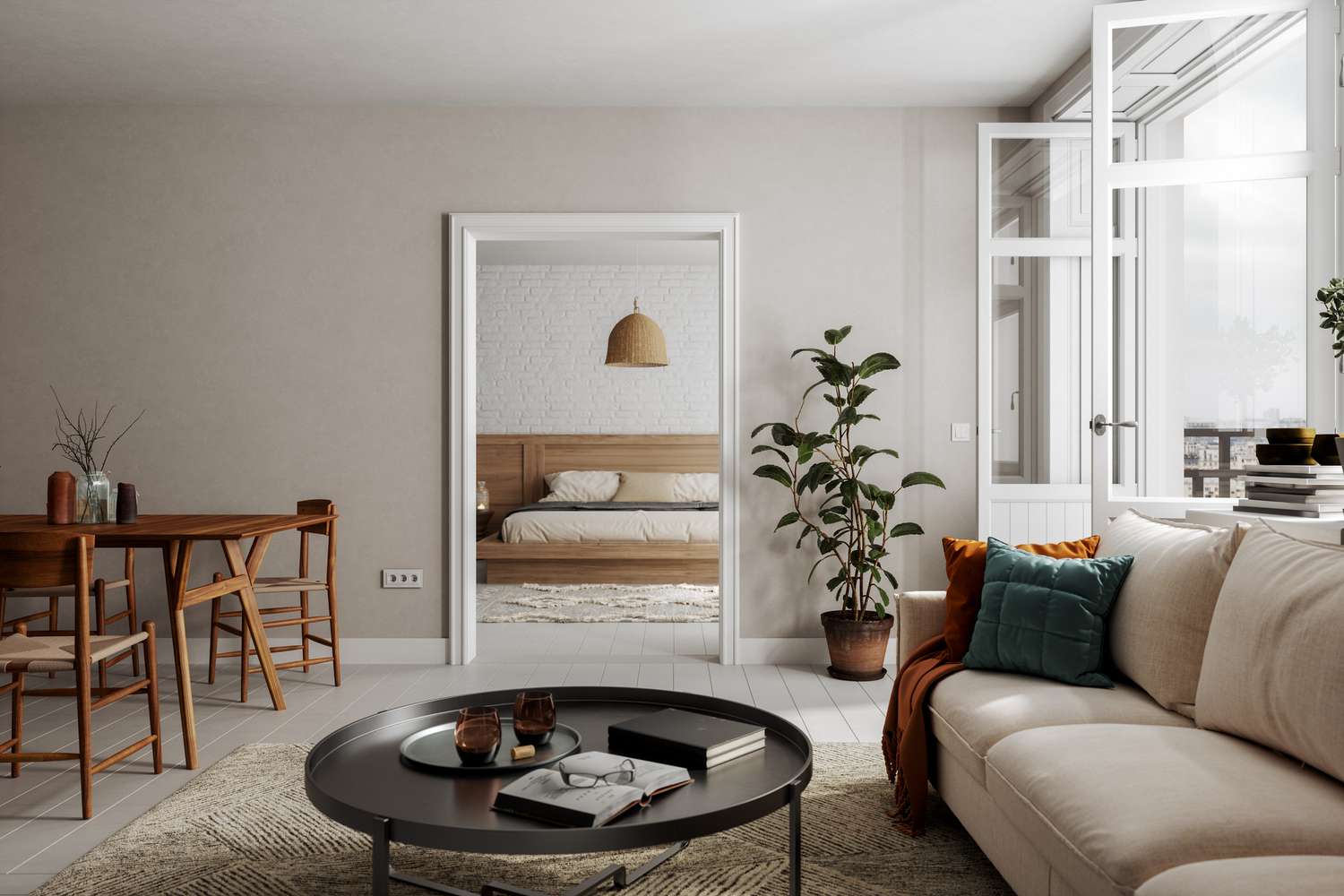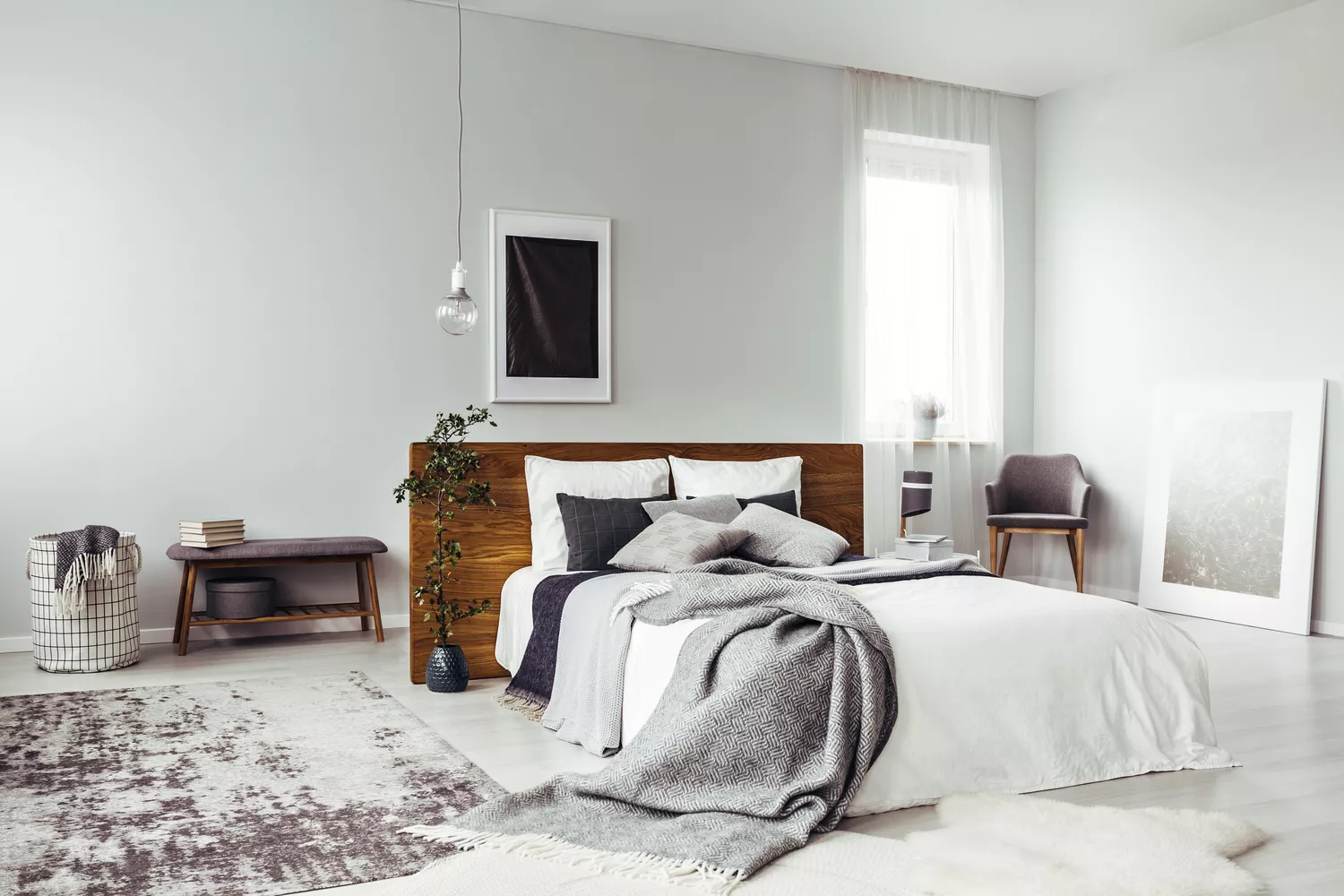
8 Bedroom Décor Mistakes That Make it Hard to Relax
The bedroom, intended as a personal sanctuary for relaxation, can often fall short of this ideal due to common decorating errors. These mistakes can lead to a space feeling cluttered, uninspired, or simply not conducive to rest. Addressing these issues with thoughtful design choices can transform a bedroom into a serene haven. Interior designers Alyssa Anselmo of Studio Anva and Daniel Joseph Chenin of Daniel Joseph Chenin Ltd. highlight eight prevalent décor mistakes and offer practical solutions.
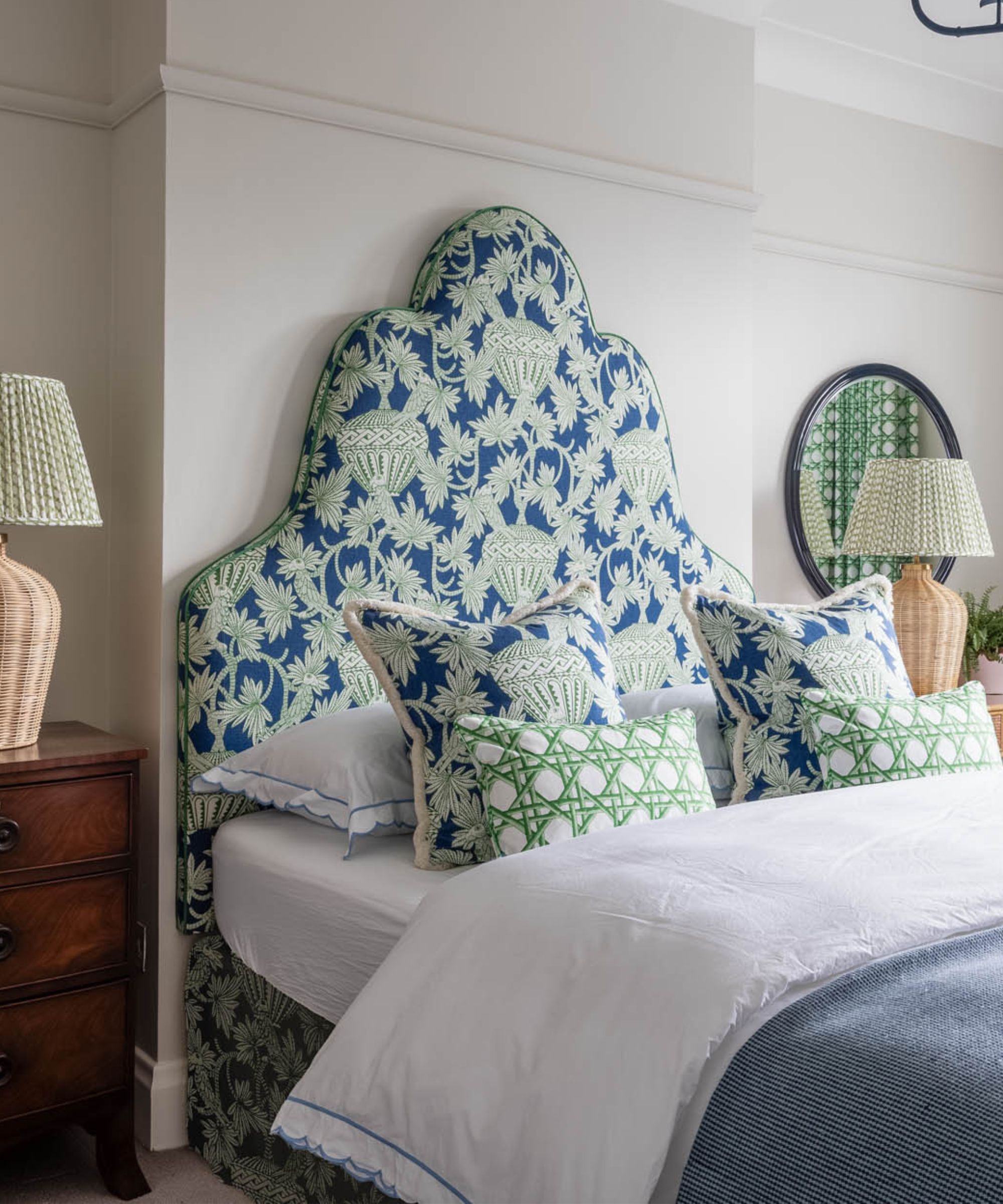
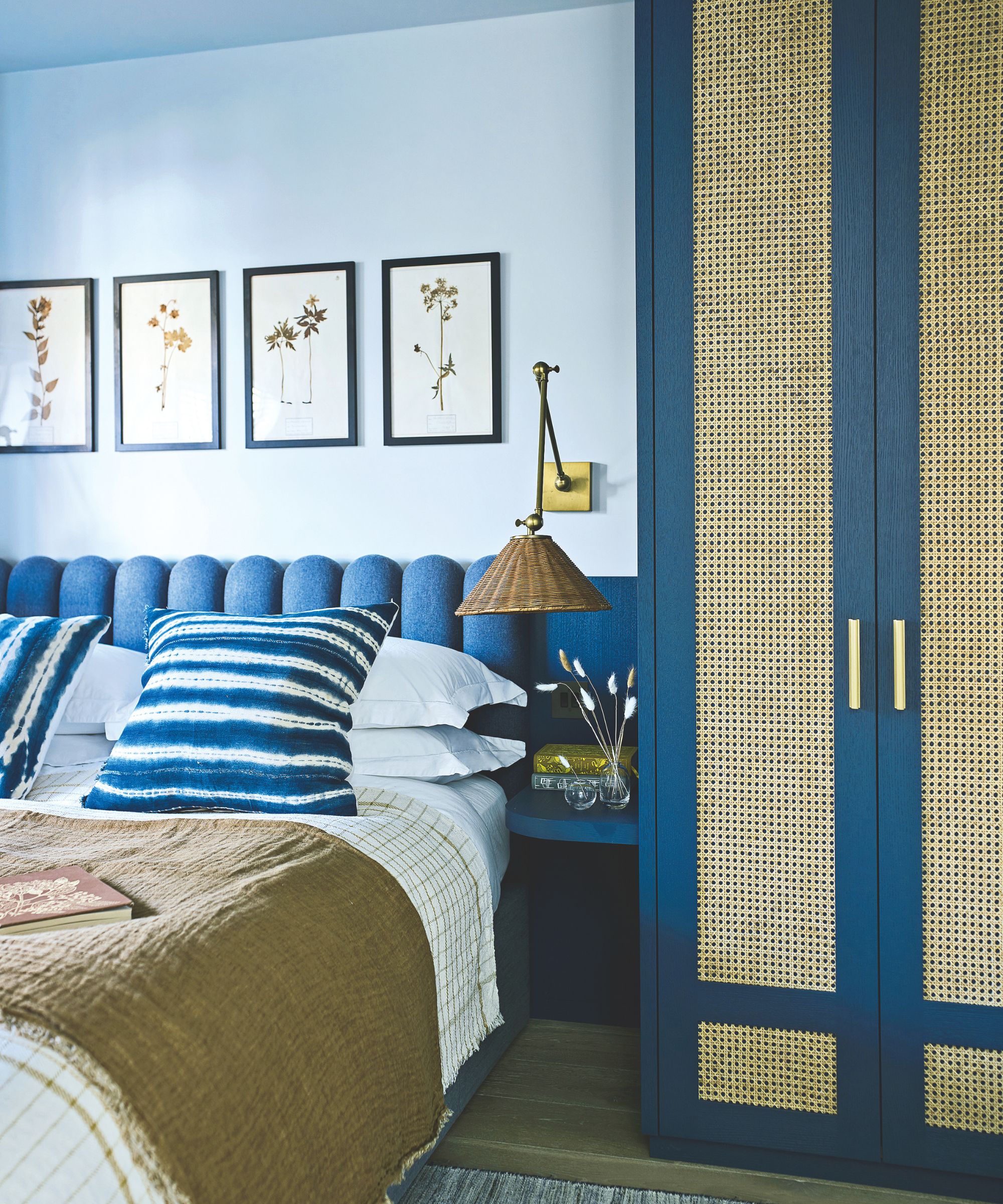
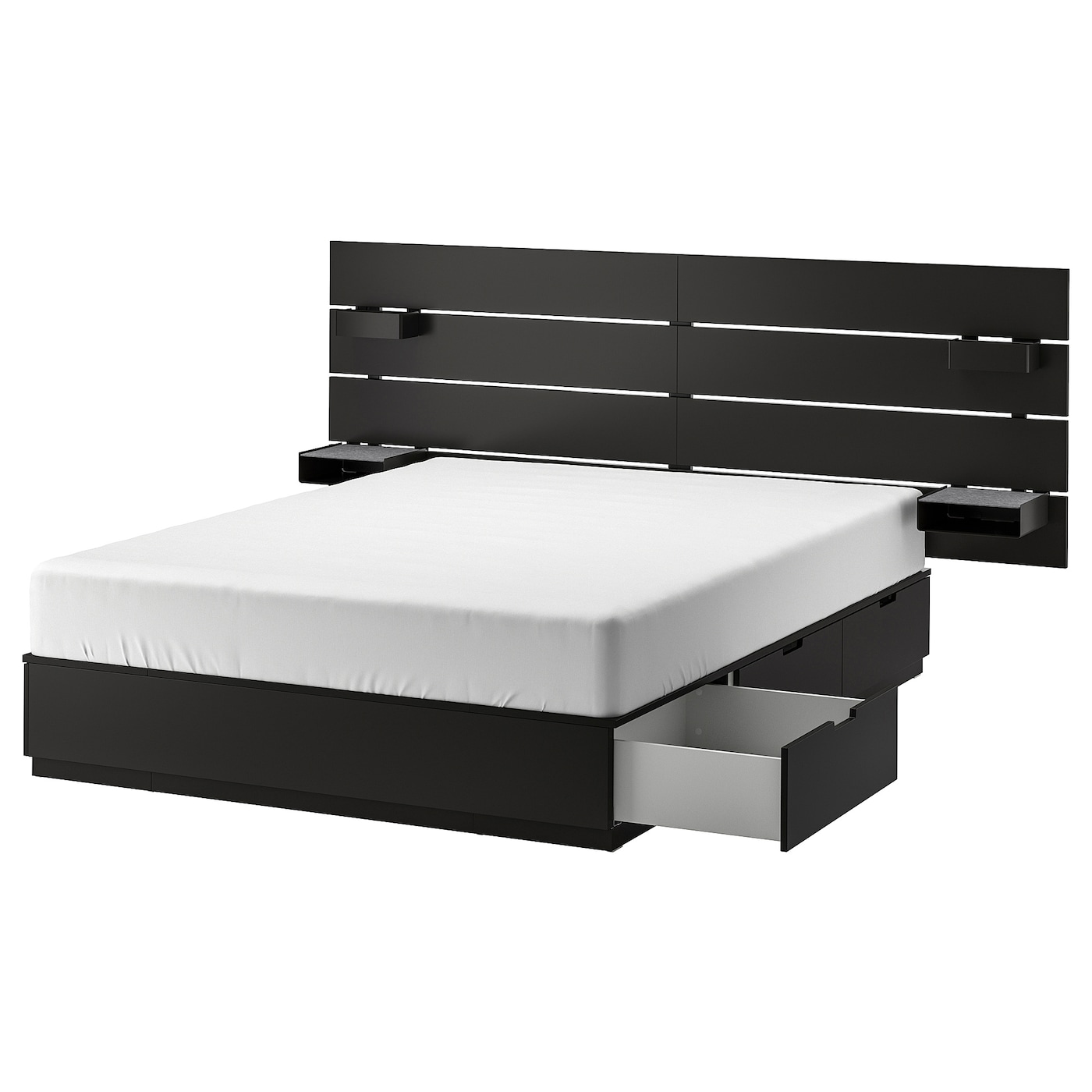
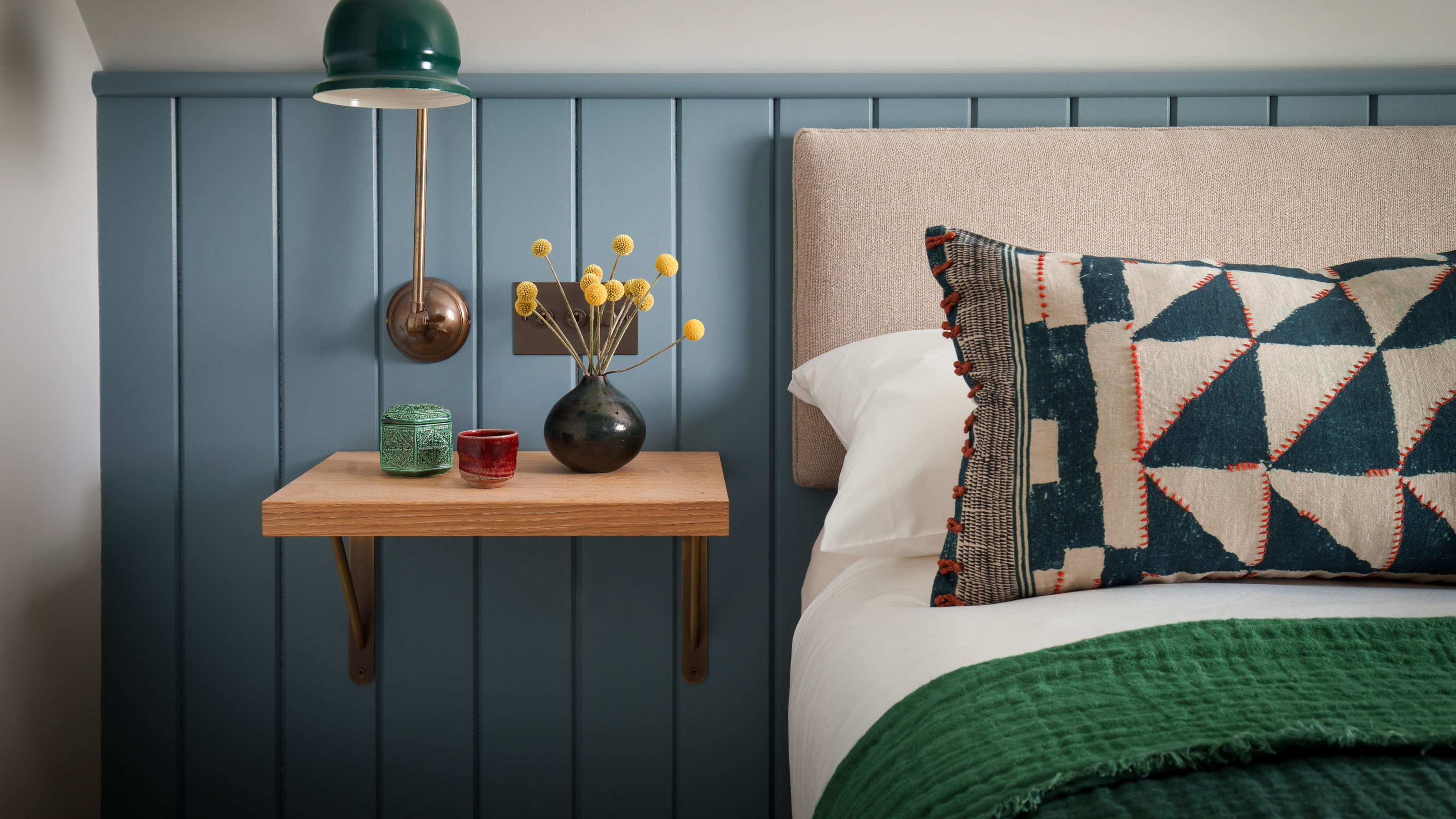
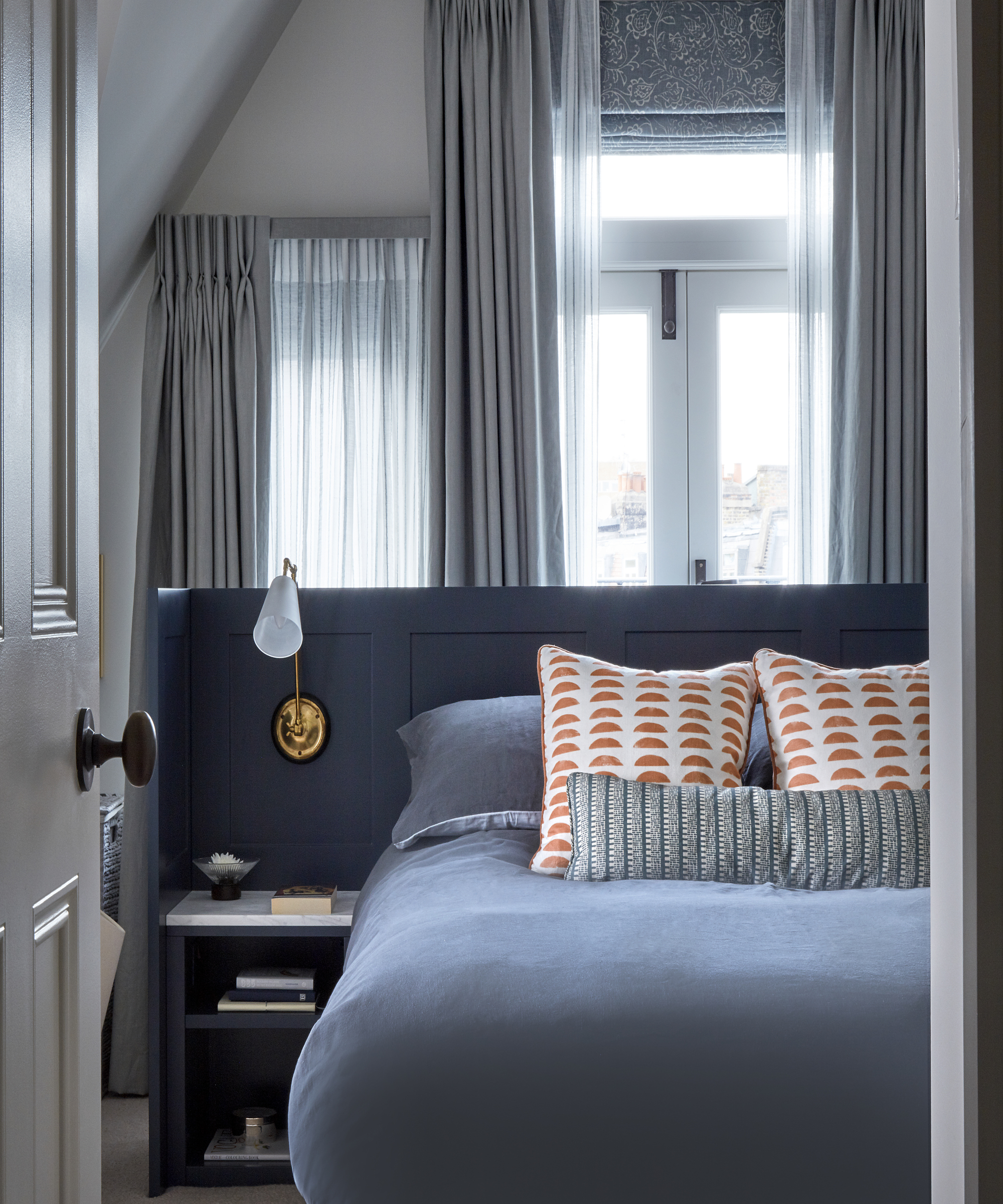
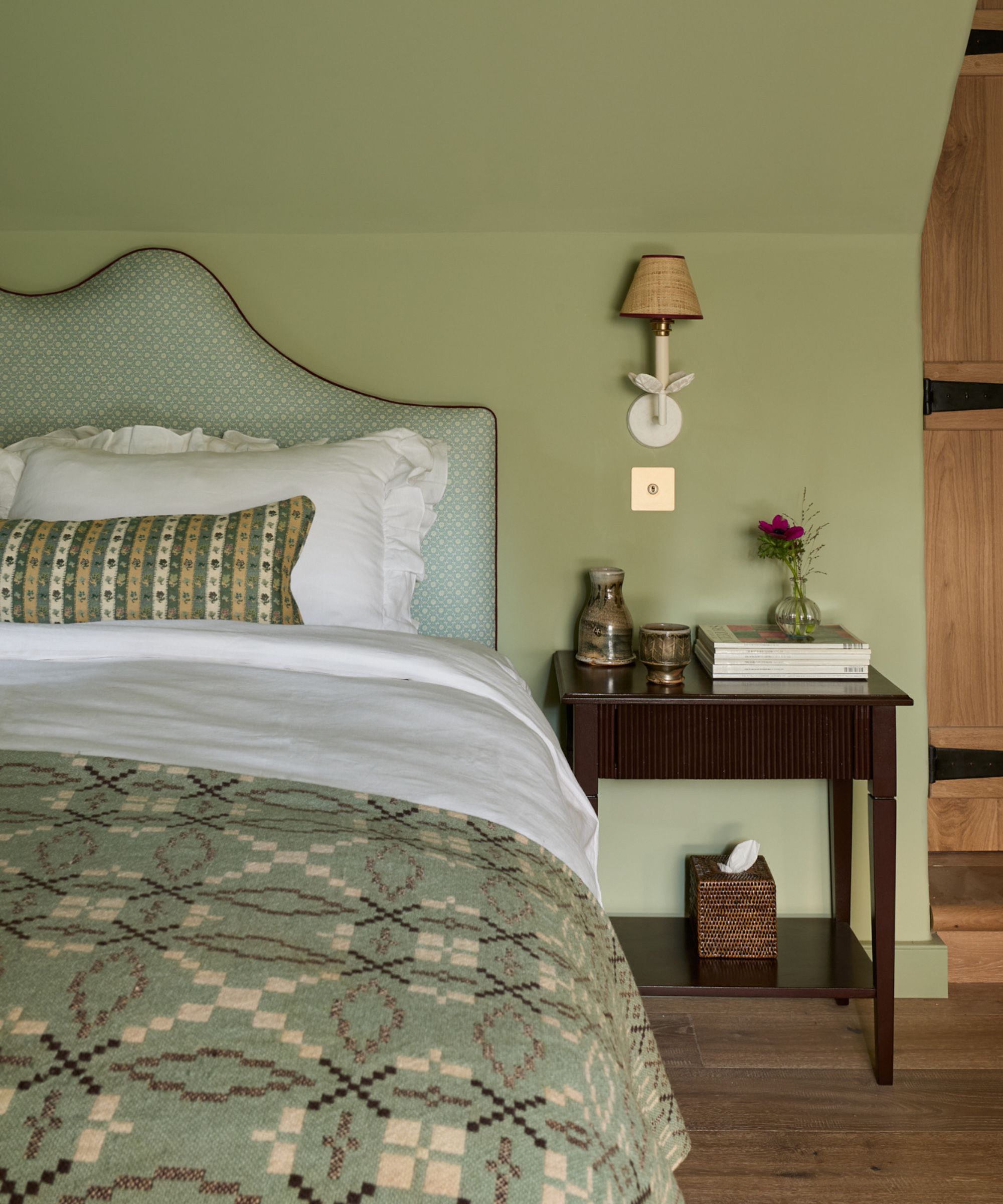
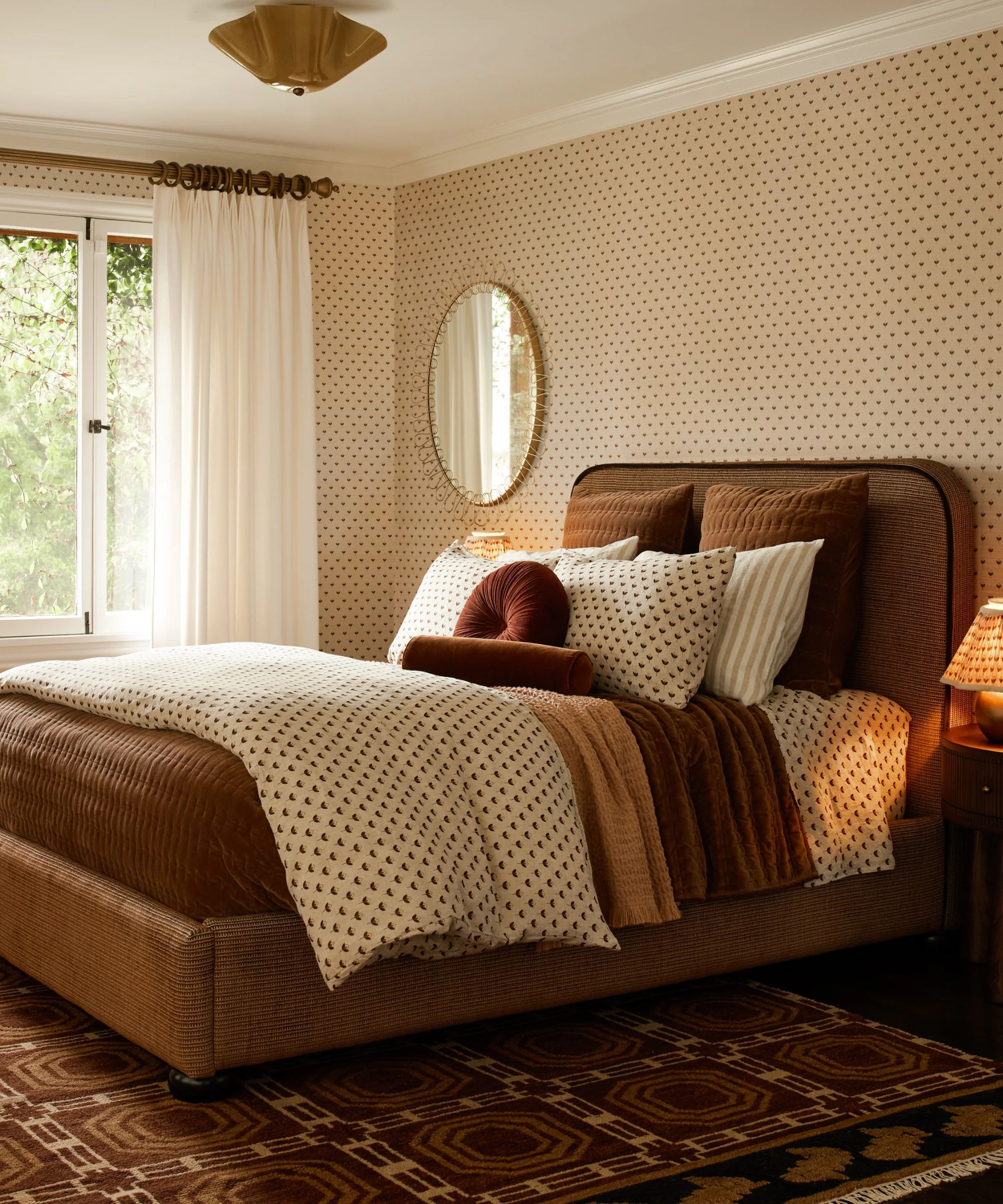
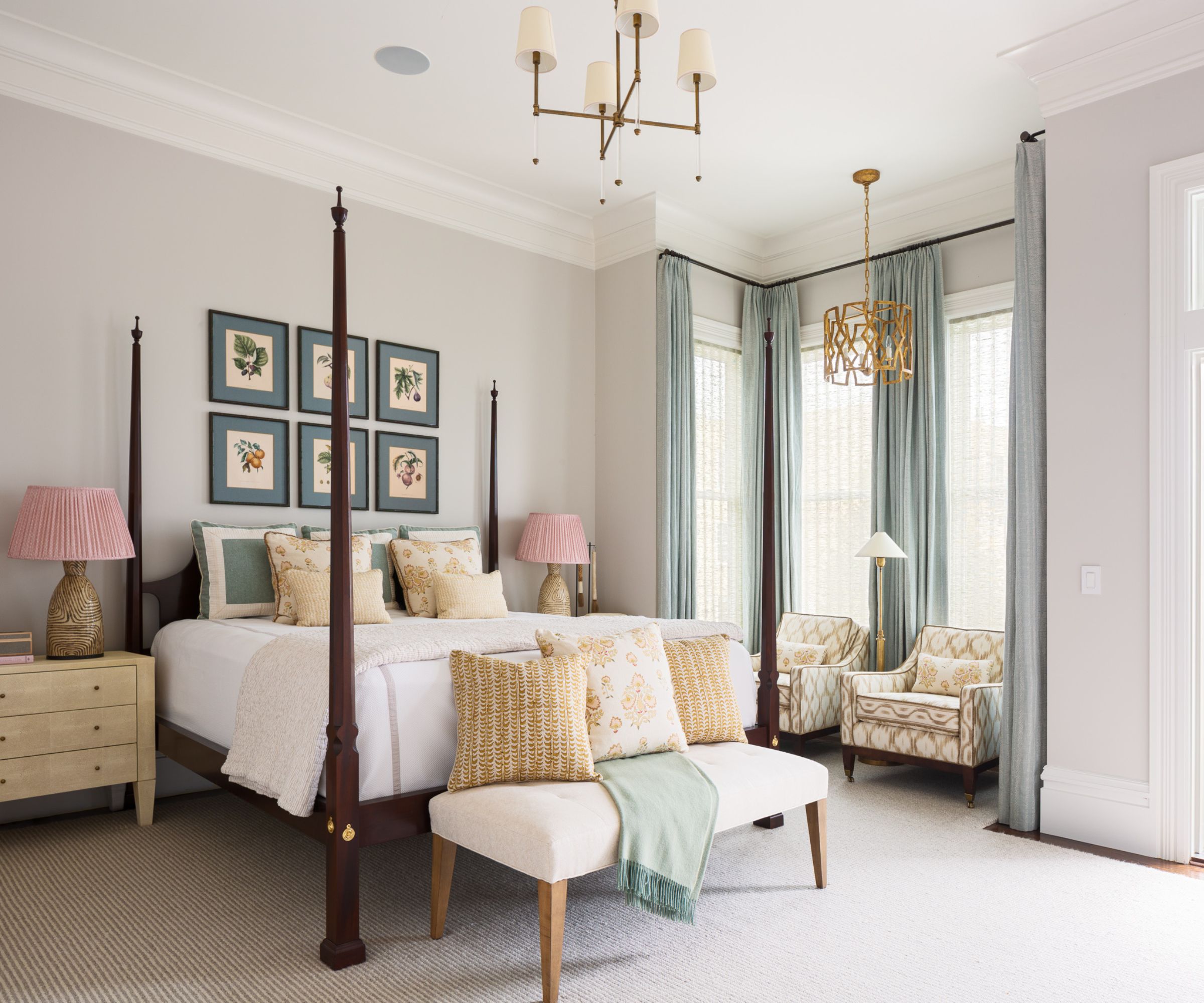
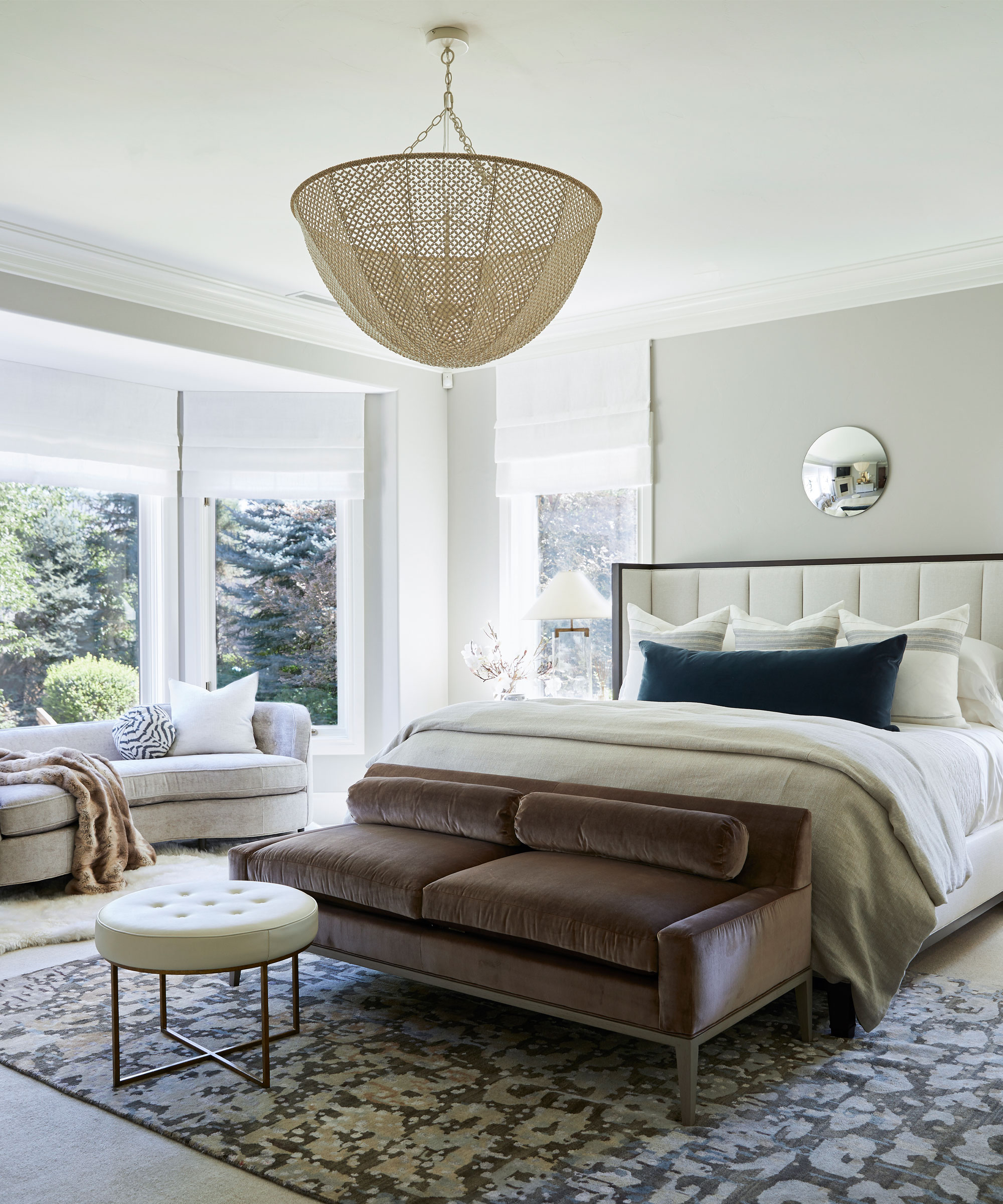
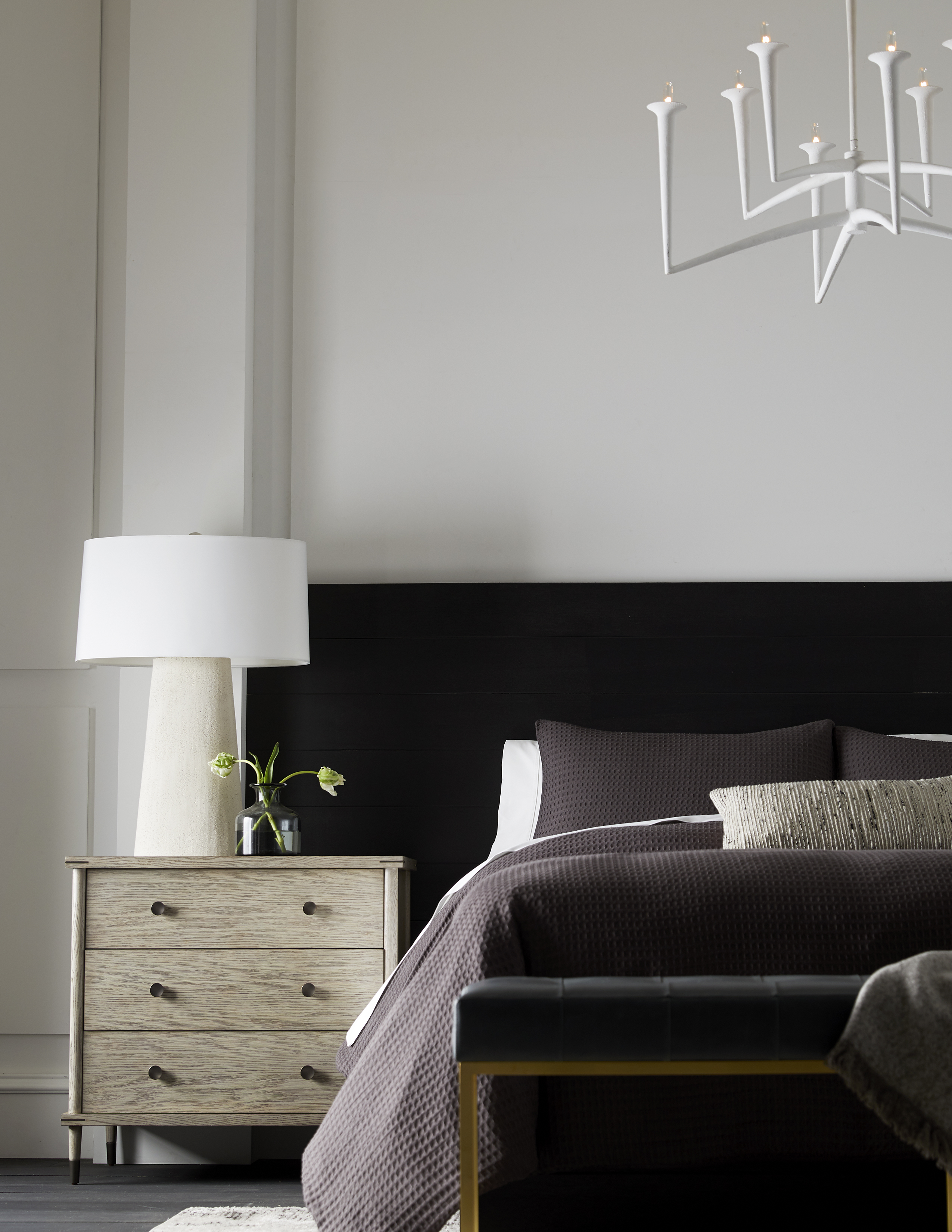
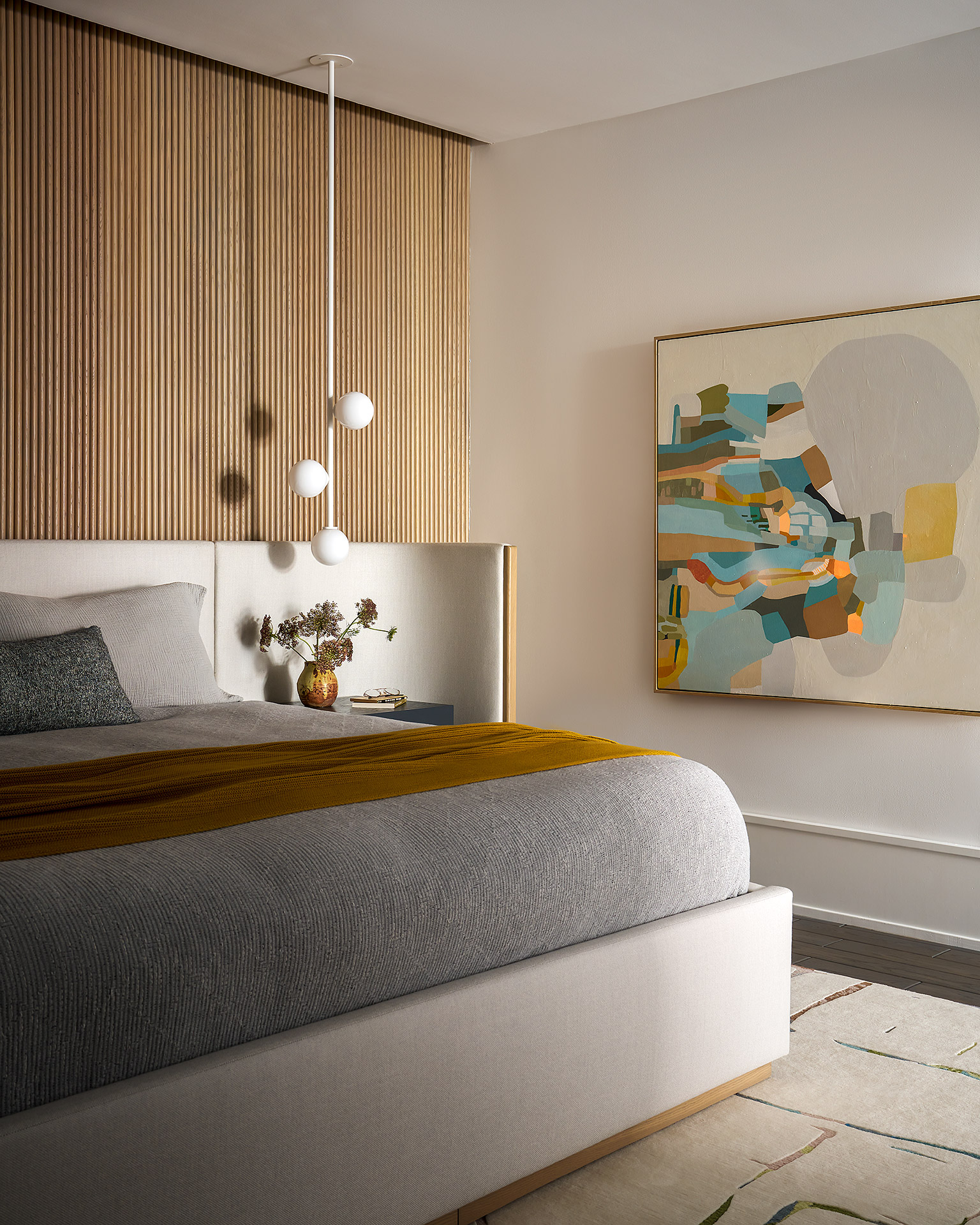
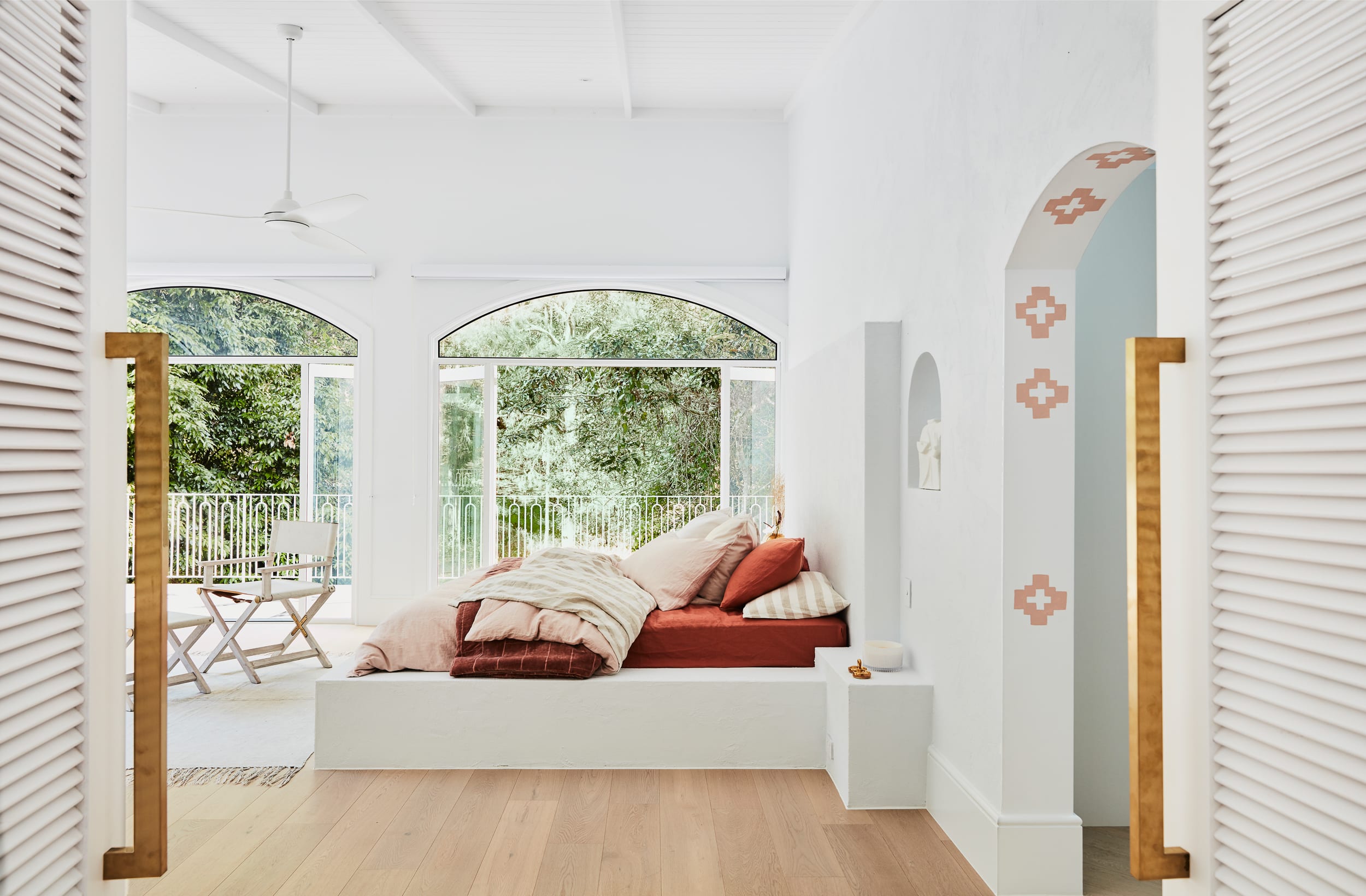
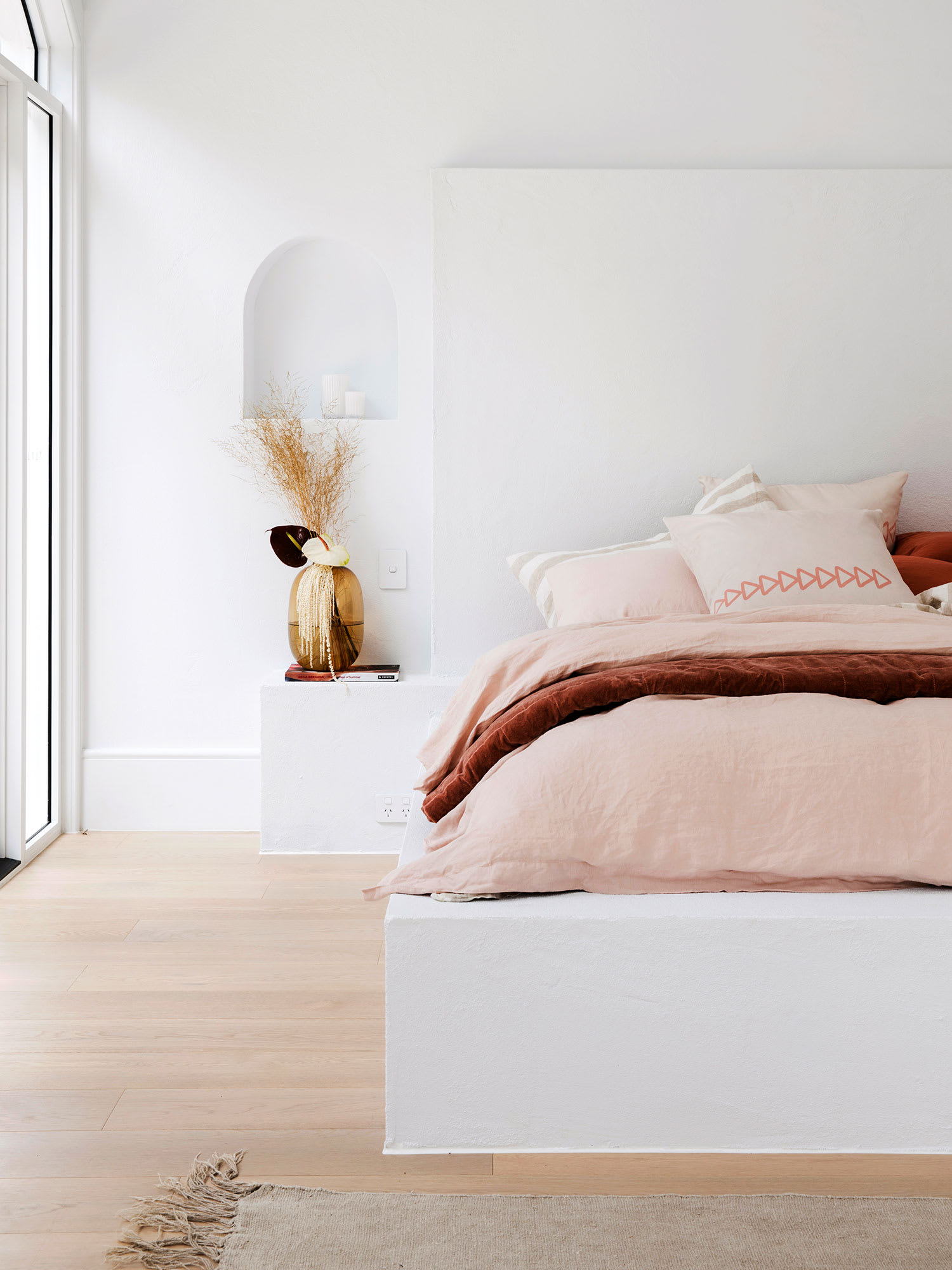
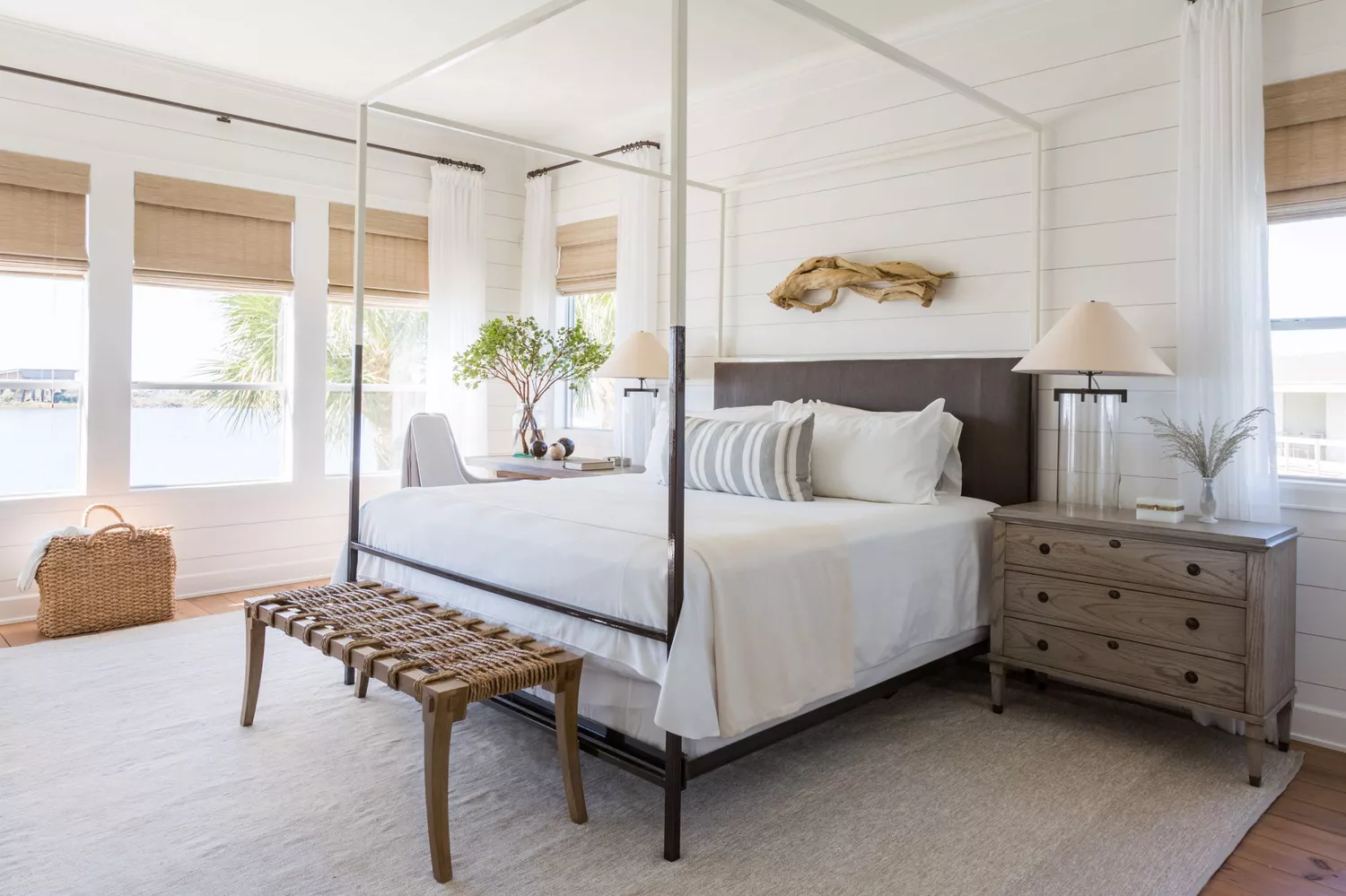
One significant oversight is neglecting the bed's integration into the room's overall design. When the bed is treated as an isolated piece of furniture, the room can lack cohesion and flow. To remedy this, designers suggest anchoring the bed through custom-built frames or integrated side tables, which create a sense of belonging and enhance both style and functionality. Another common error involves curtain length. Short curtains that do not reach the floor visually truncate the space, making it appear smaller and unfinished. Extending curtains from the ceiling to the floor elongates the room and imparts a luxurious feel, with ceiling-mounted sliders recommended for a clean aesthetic.
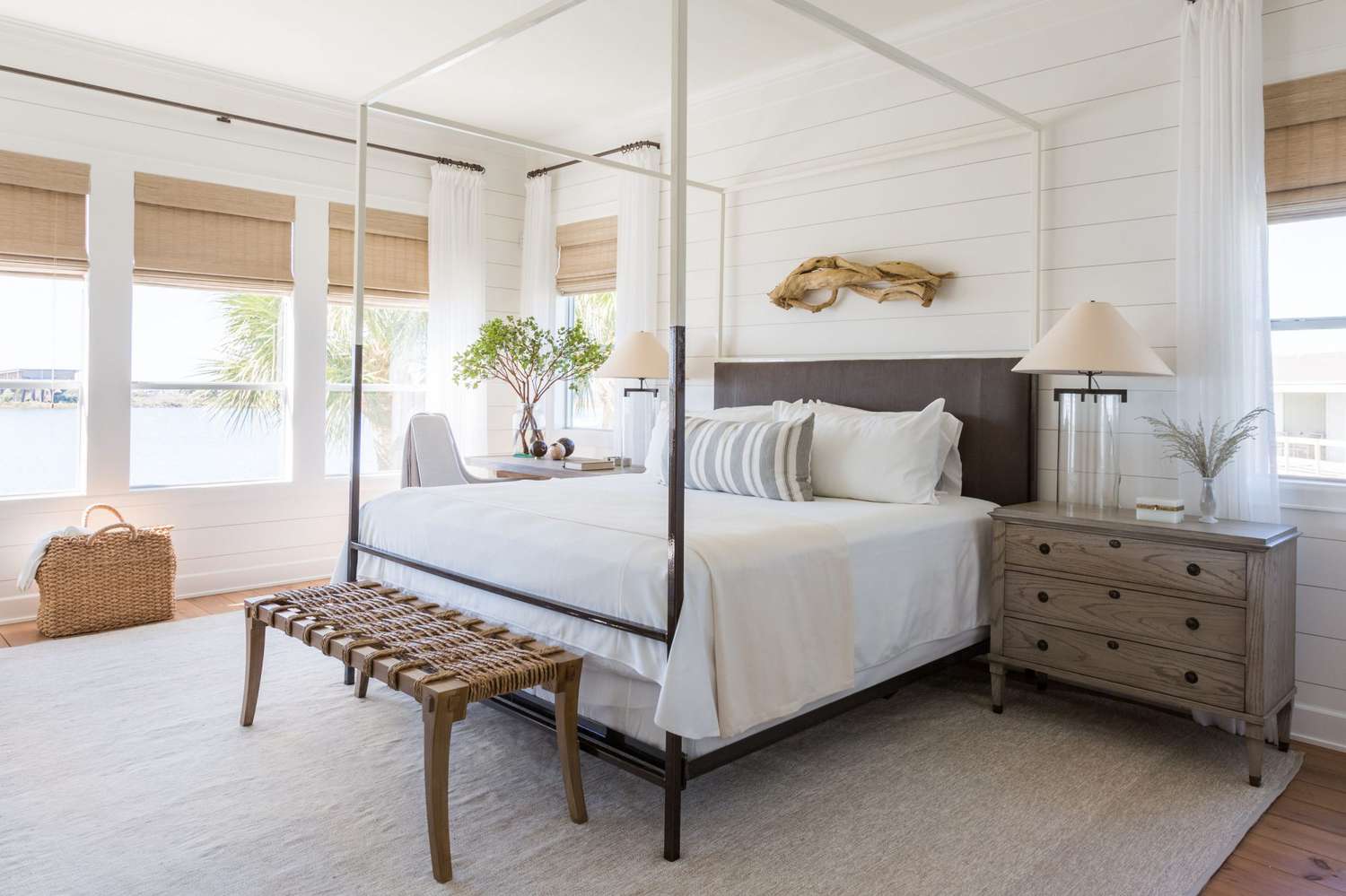
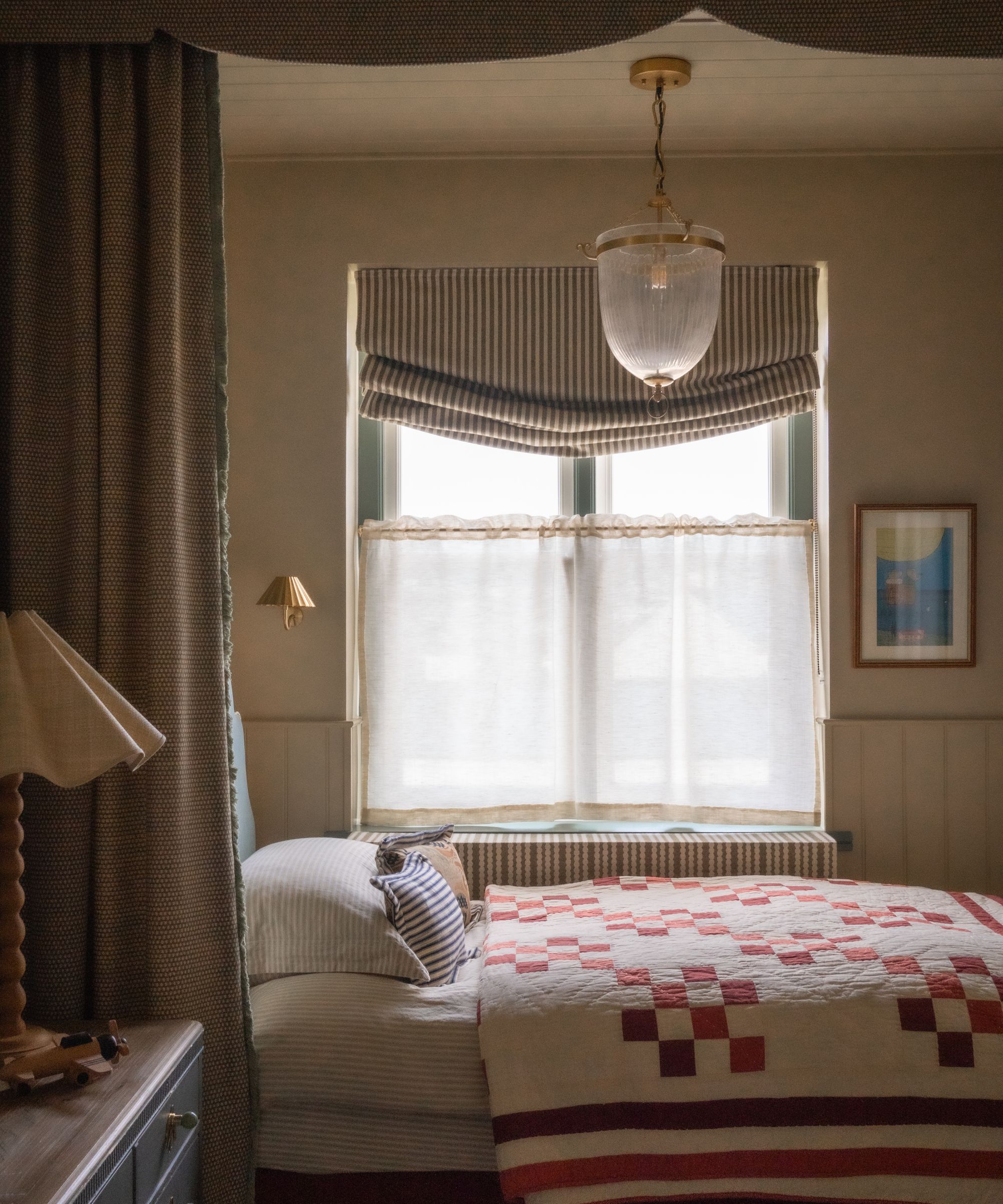
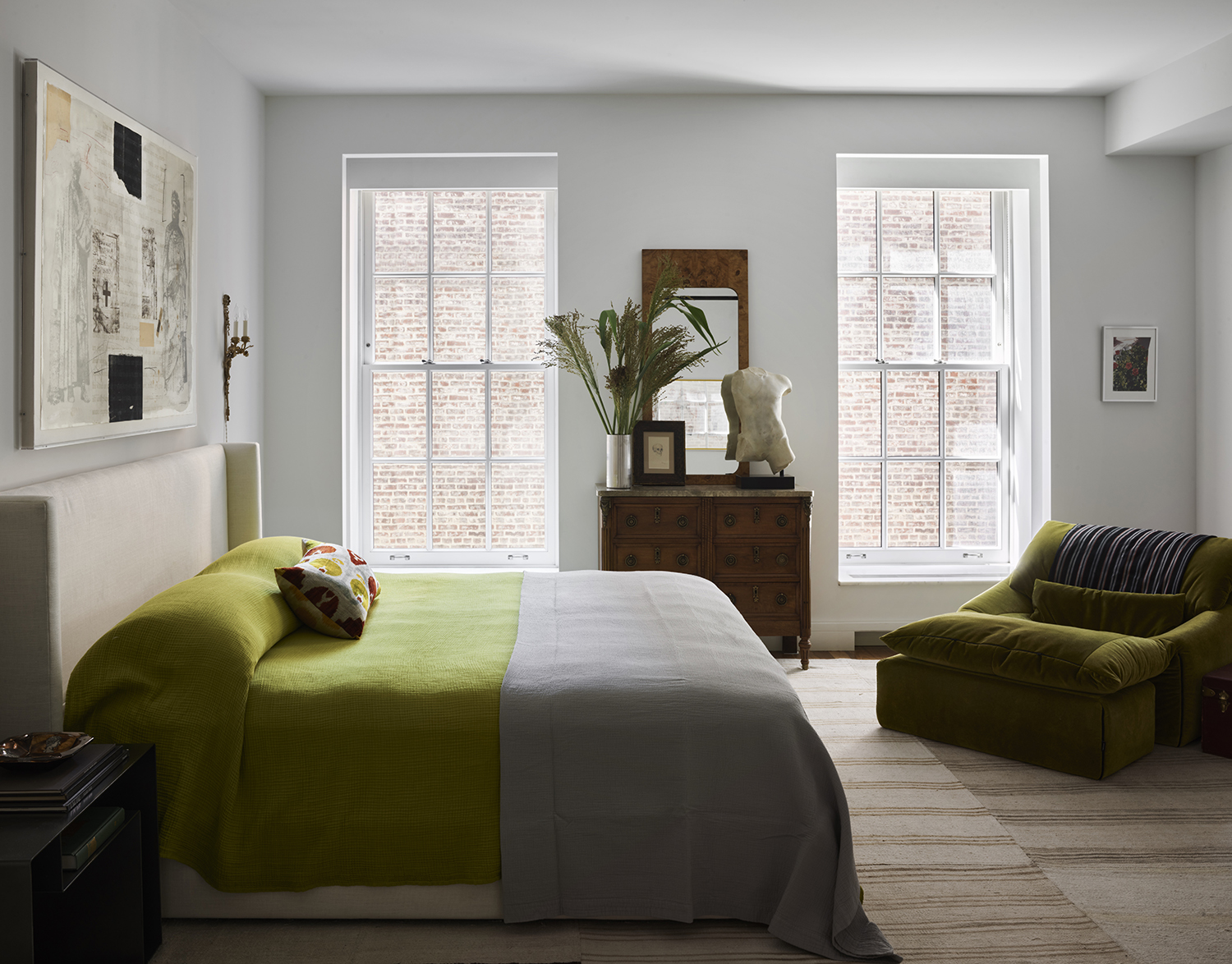
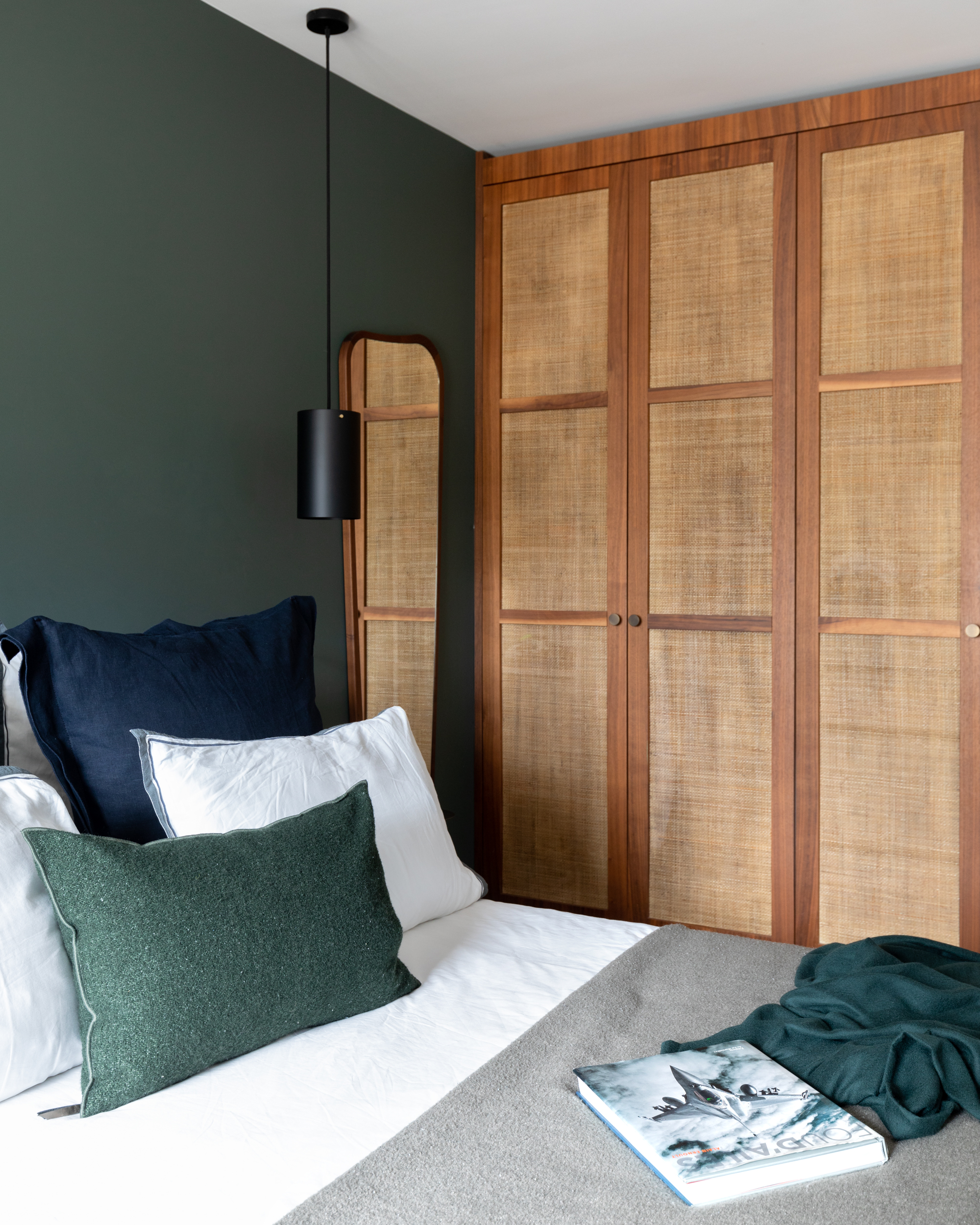
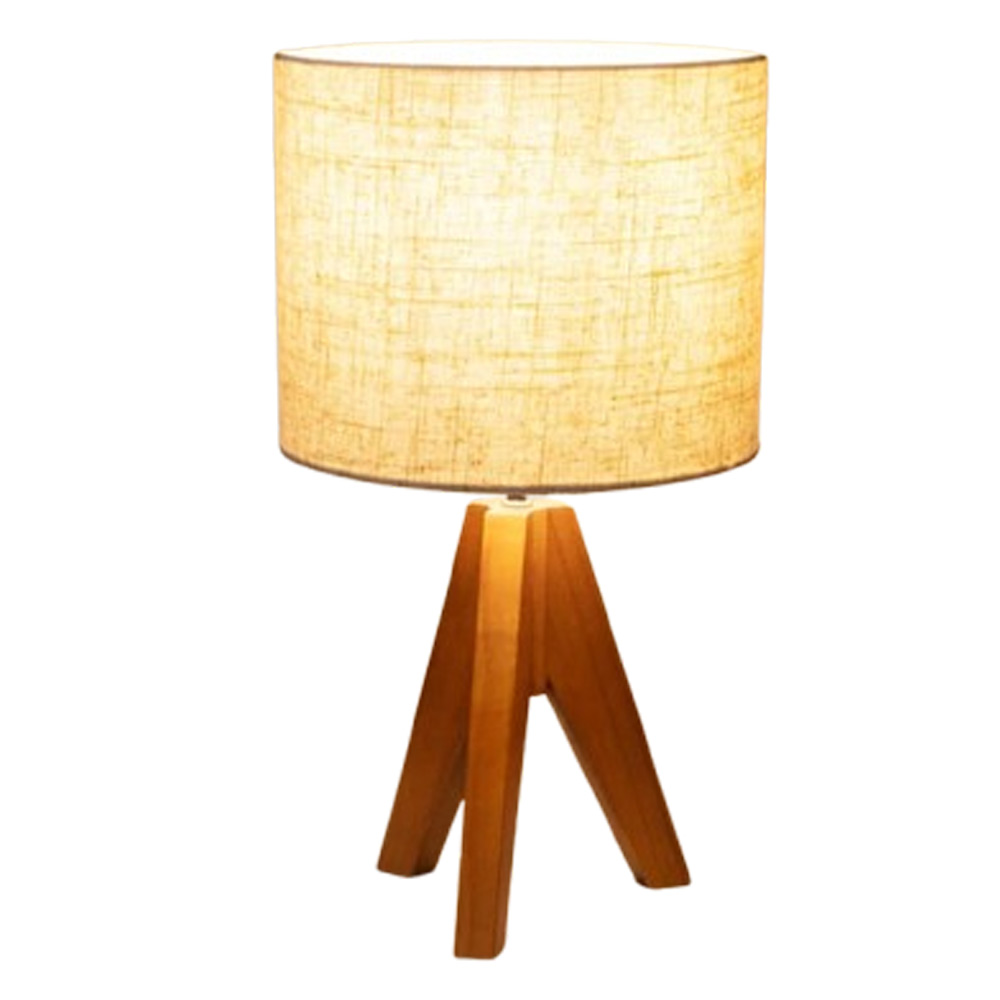
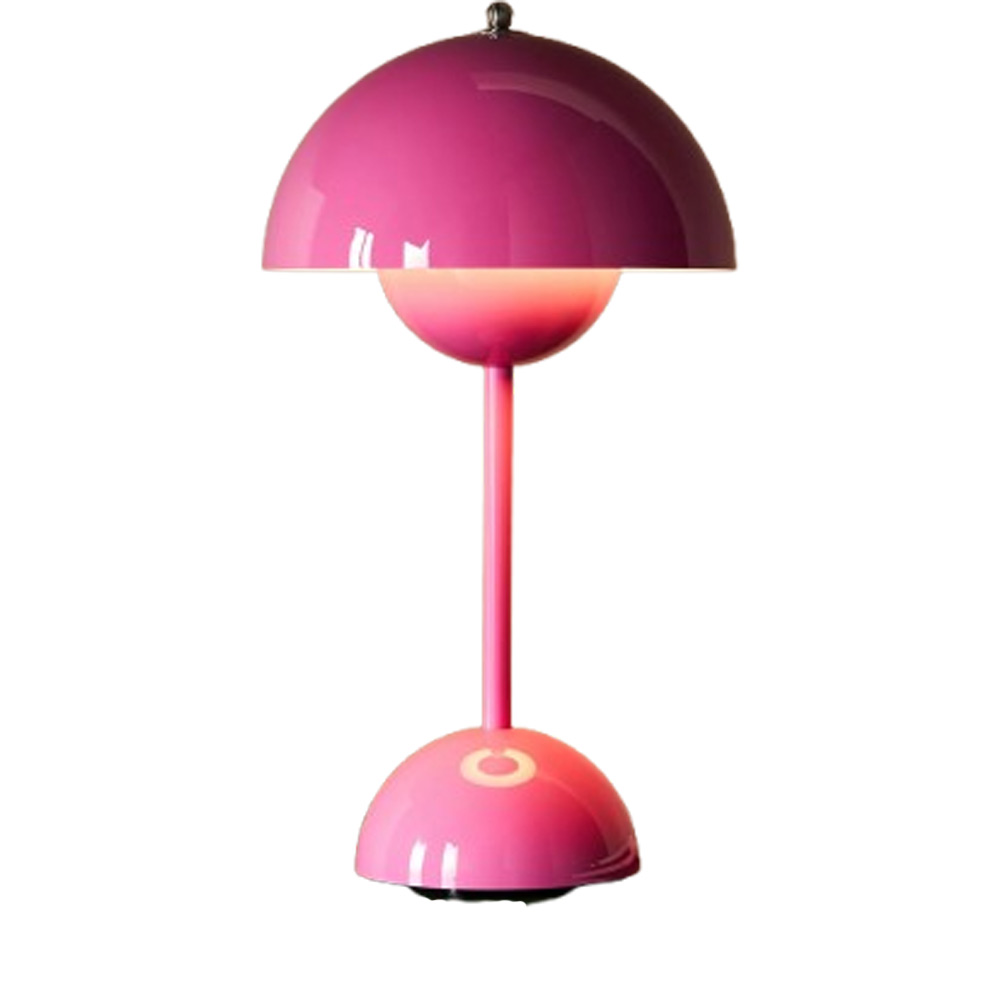
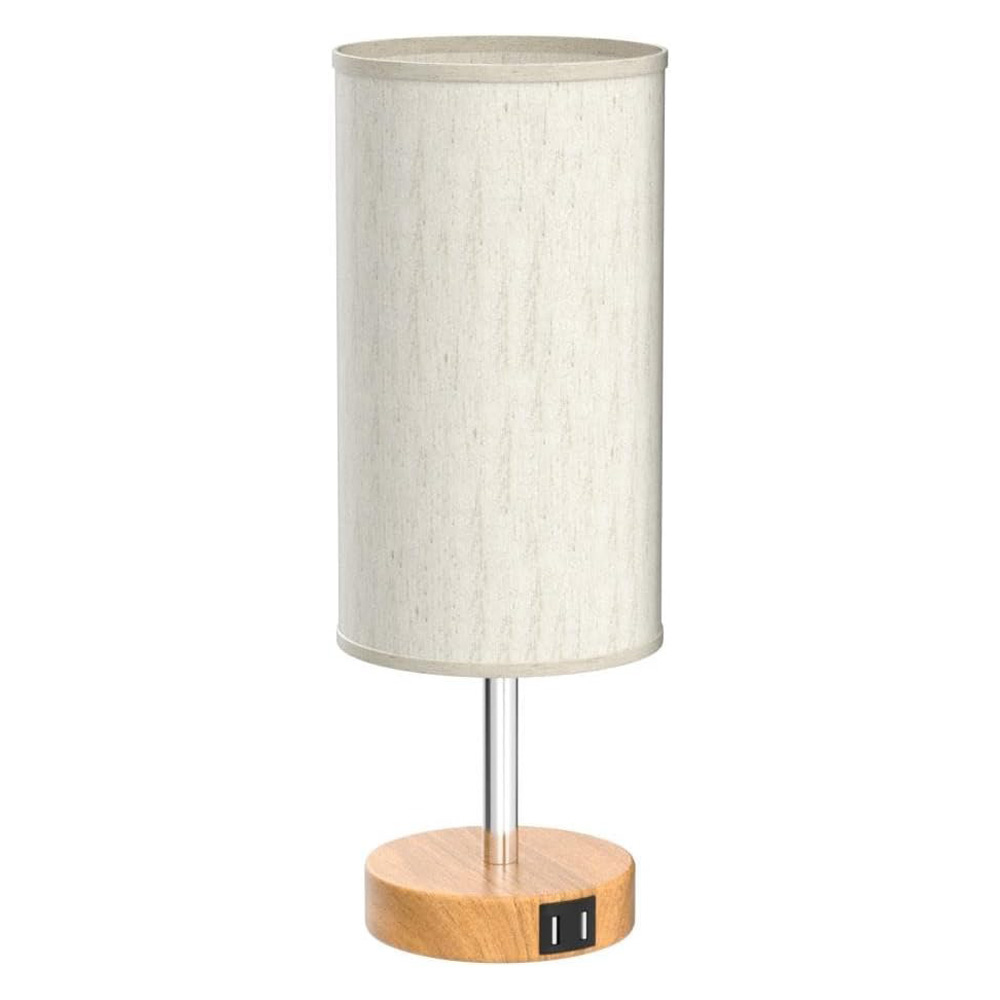
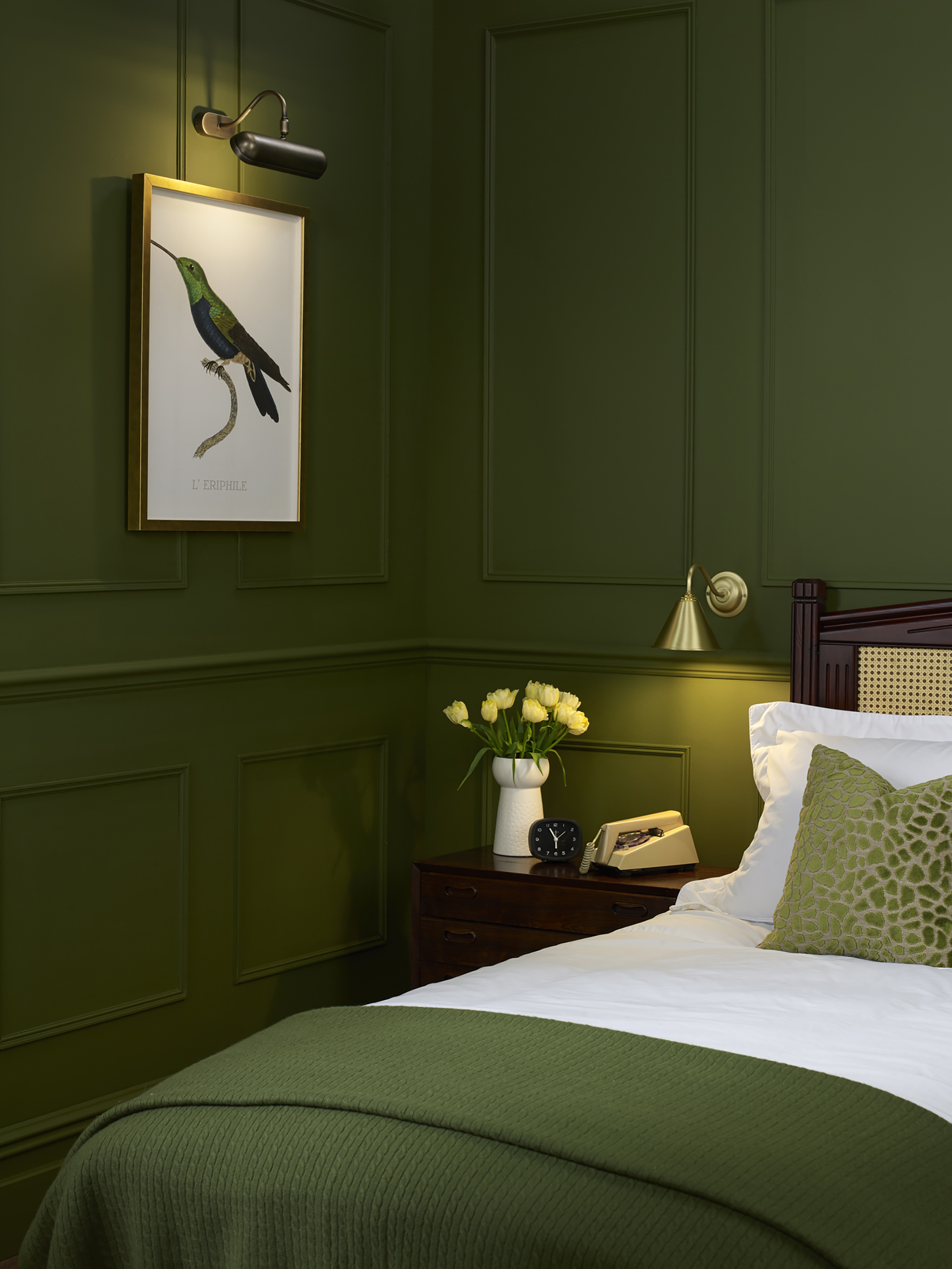
Reliance on a single, often inadequate, light source is another frequent mistake. A sole overhead light, whether too harsh or too dim, can strip a bedroom of its personality. A more dynamic and welcoming atmosphere can be achieved by layering multiple light sources, such as combining ambient lighting with task lamps, sconces, or accent lights, ideally within a warm color temperature range of 2800 to 3000 Kelvin. Over-filling a room with furniture is also counterproductive. Instead of creating a sense of comfort, too many pieces can make a bedroom feel overwhelming. The advice is to curate the space, focusing on essential items and allowing for negative space around key pieces, which permits the eye to relax and prevents a chaotic feel. Mixing vintage, modern, and metal pieces is encouraged over matching furniture sets to add depth and personality.
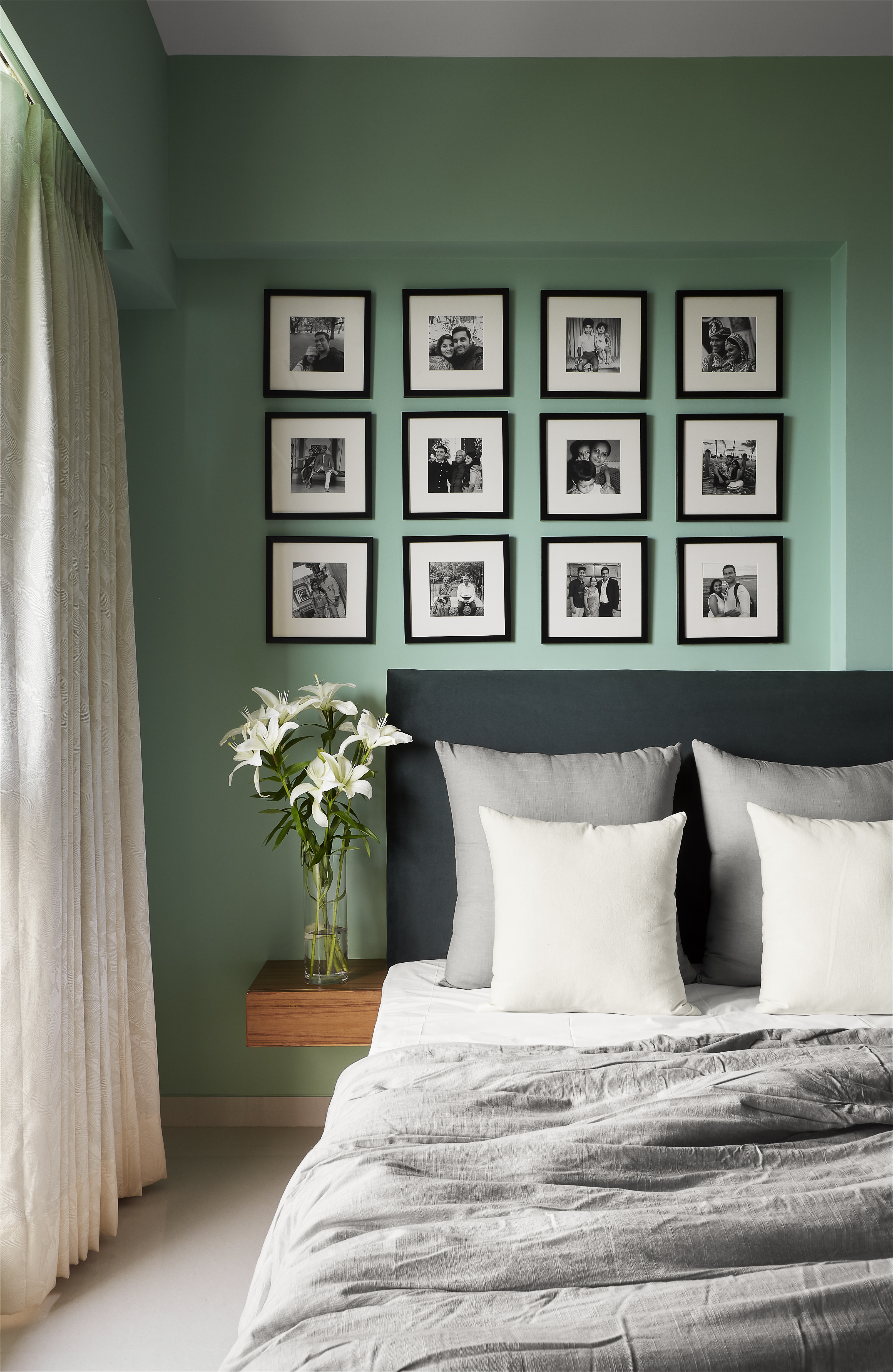
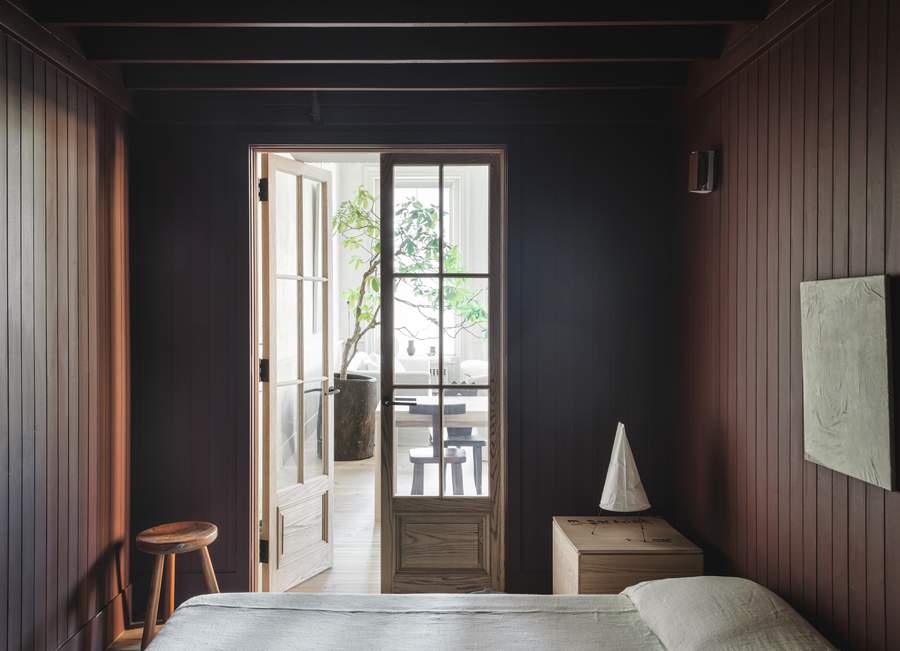
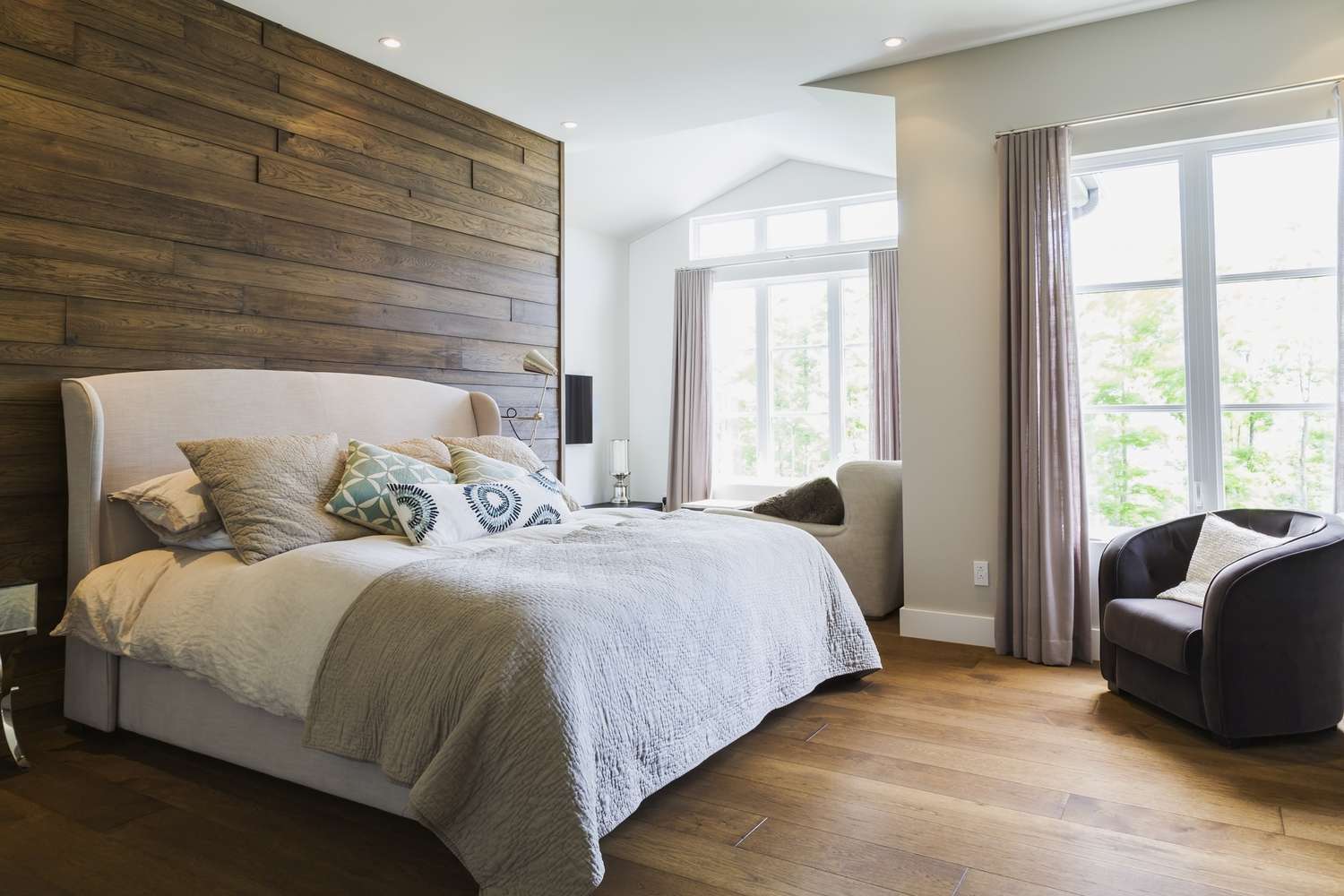
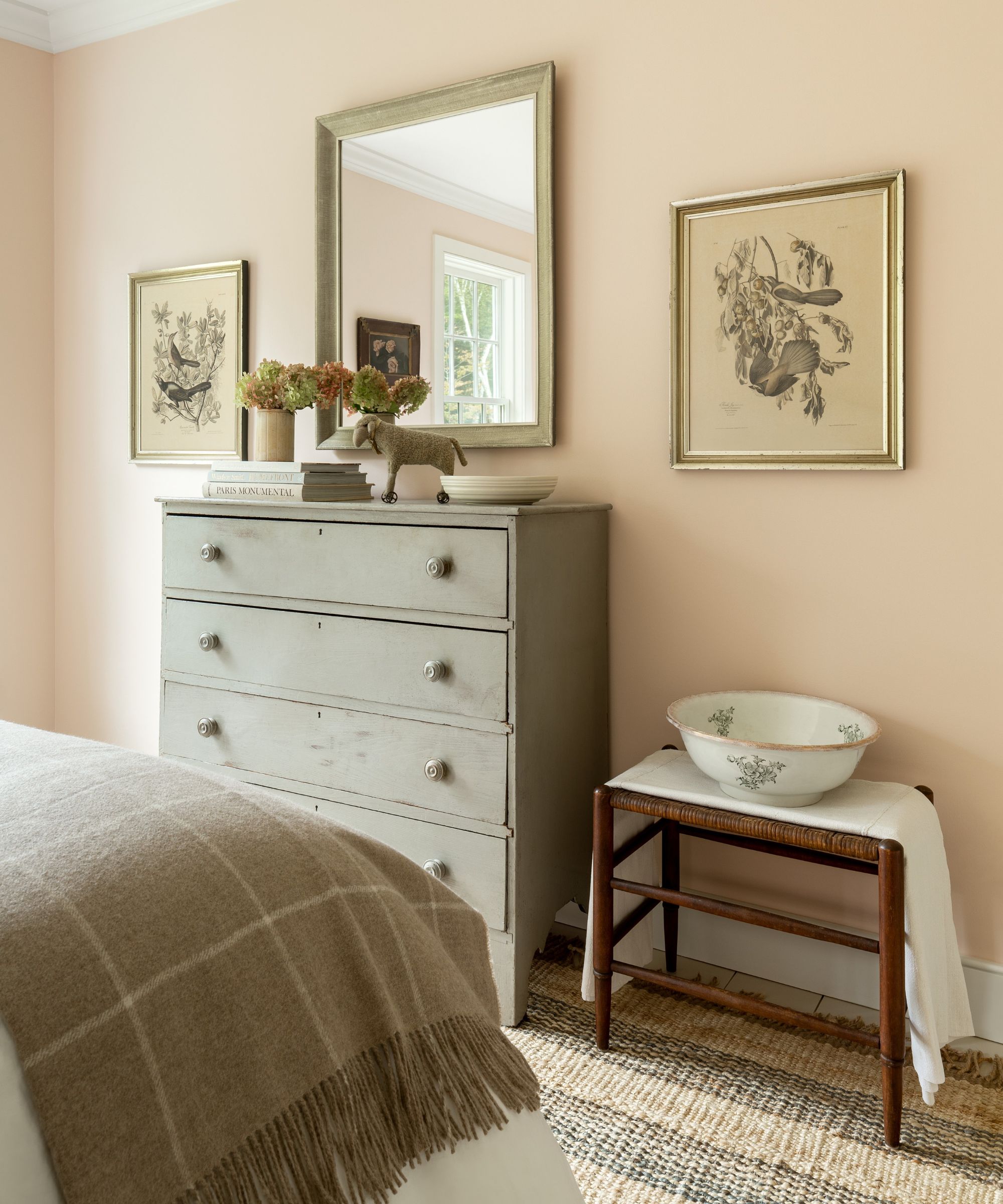
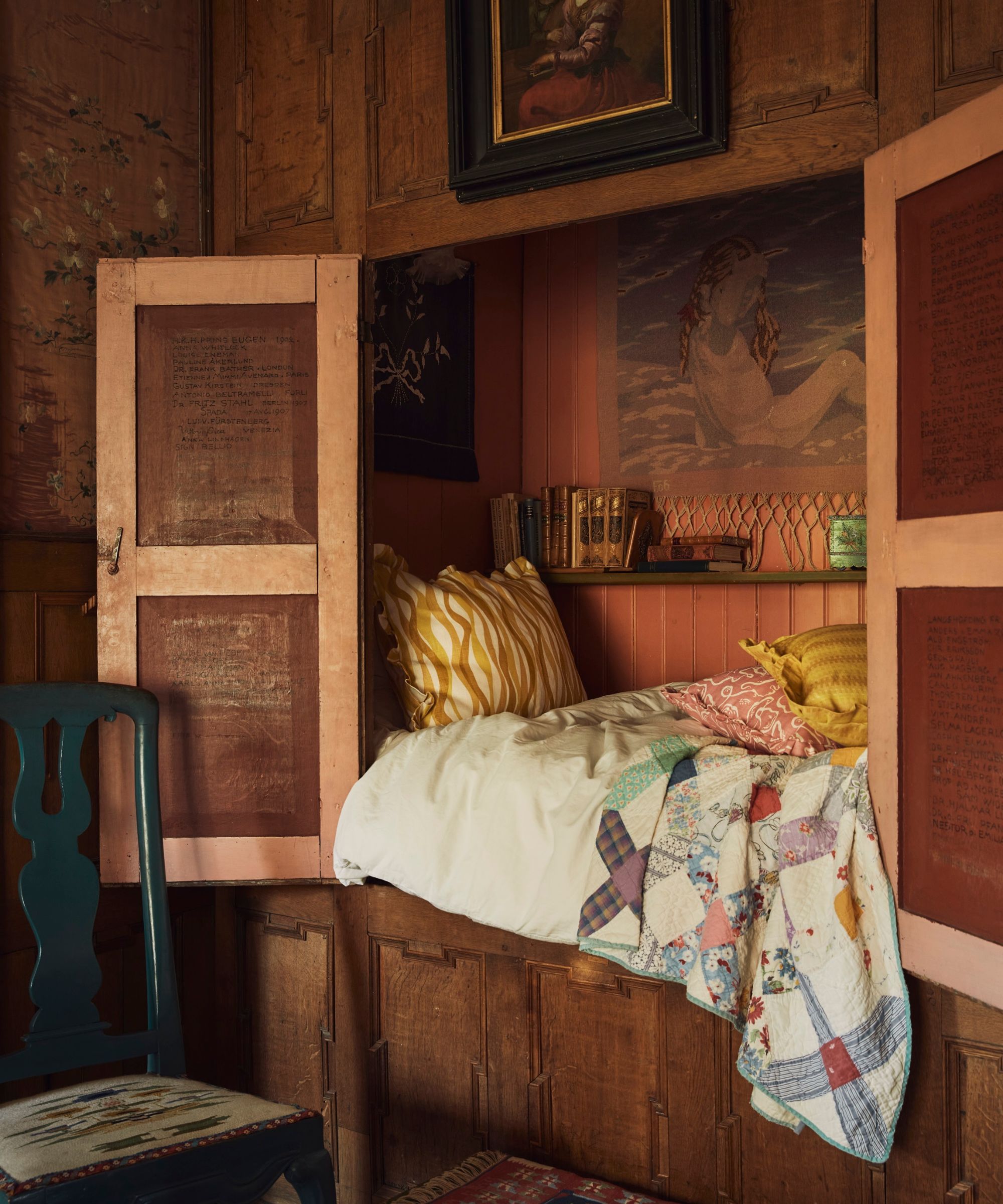
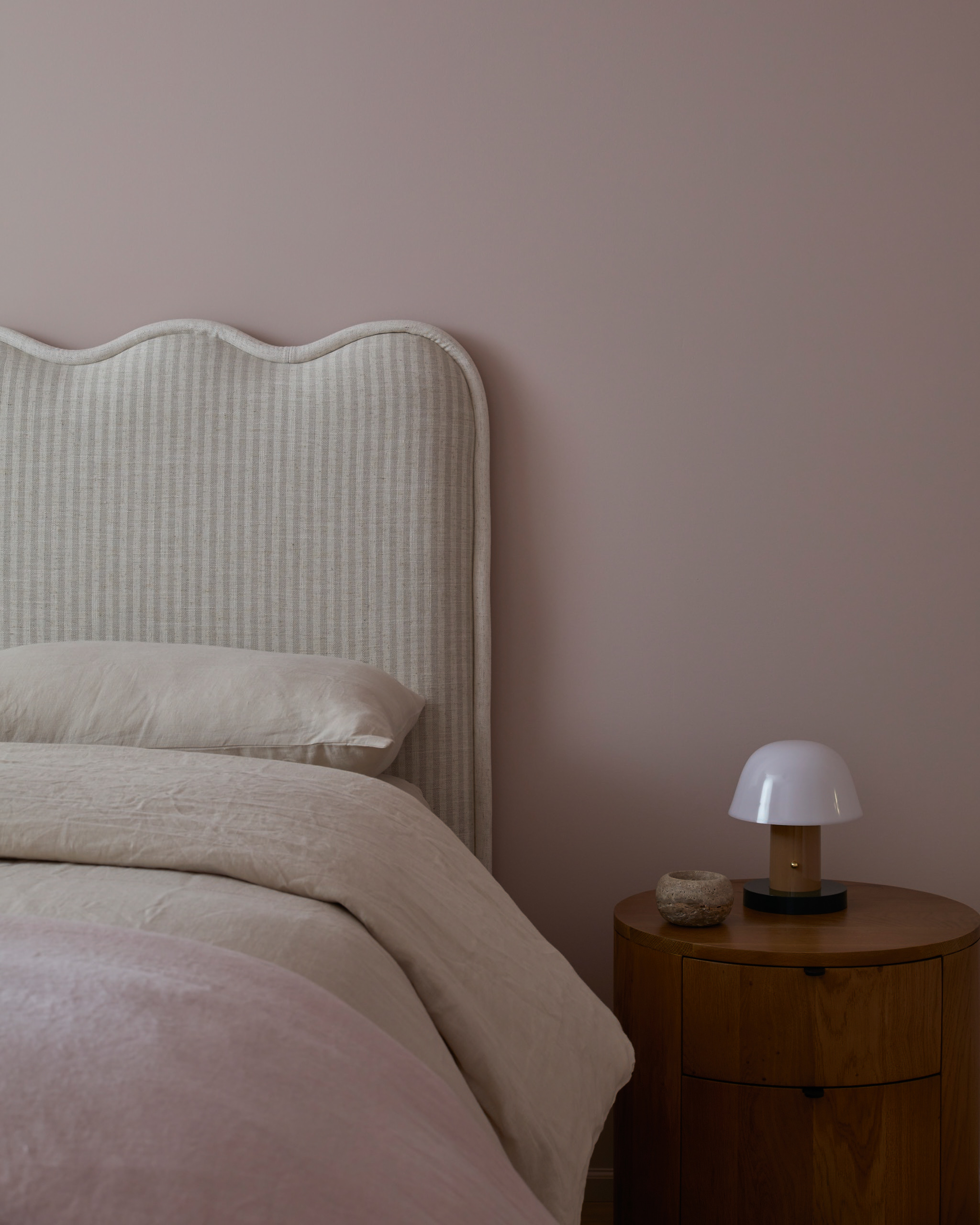
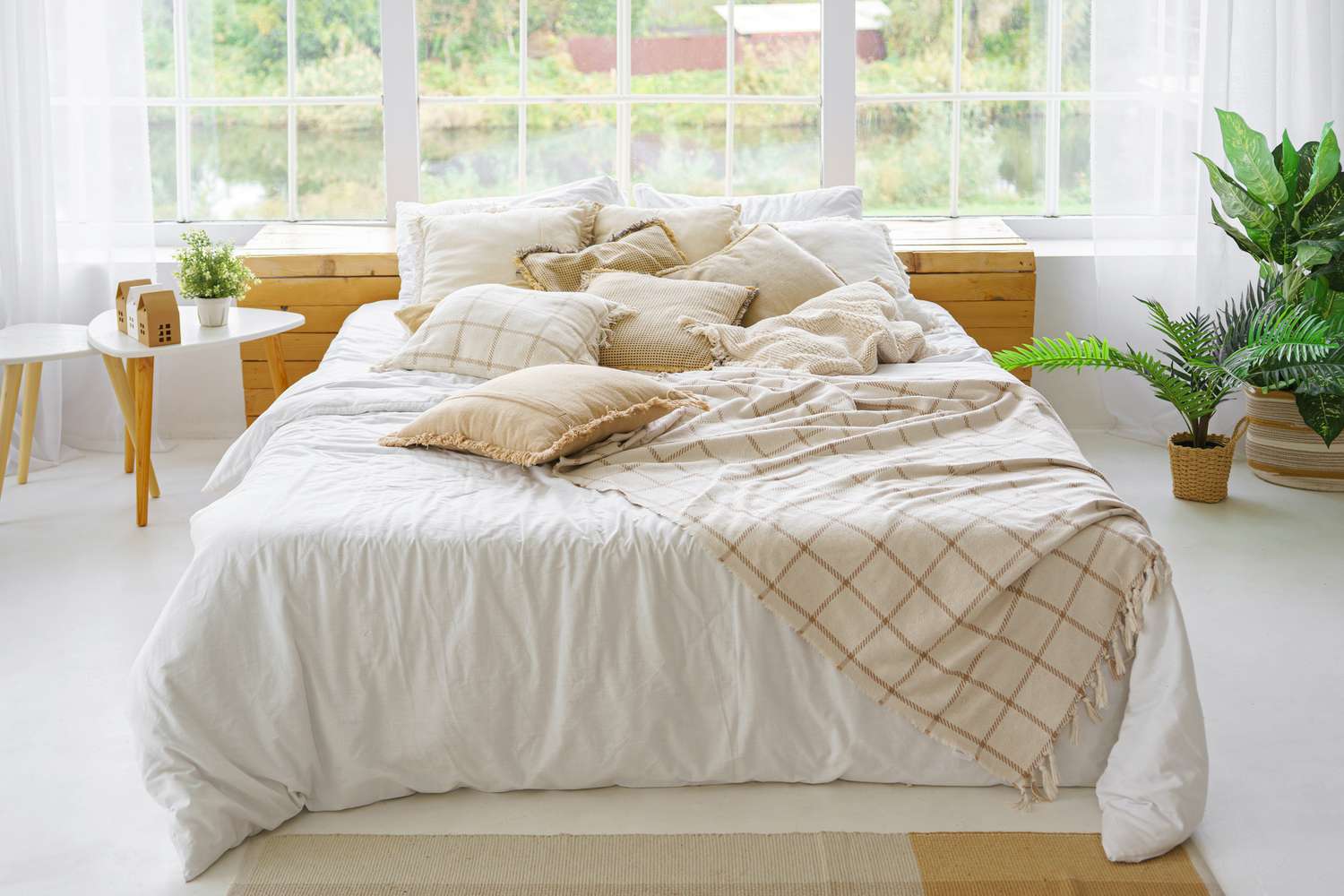
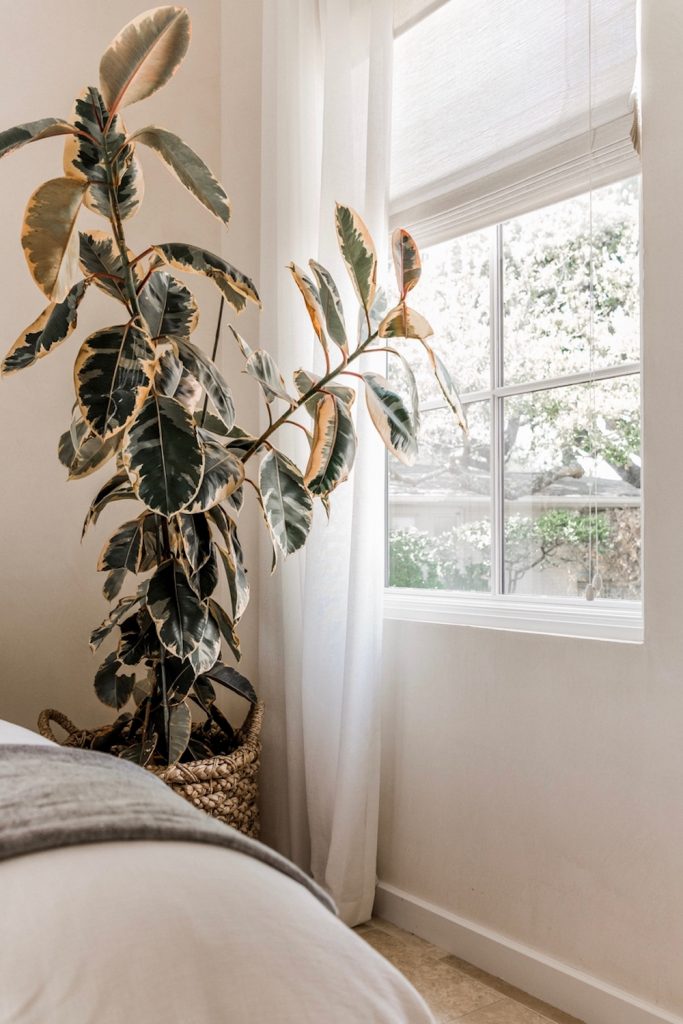
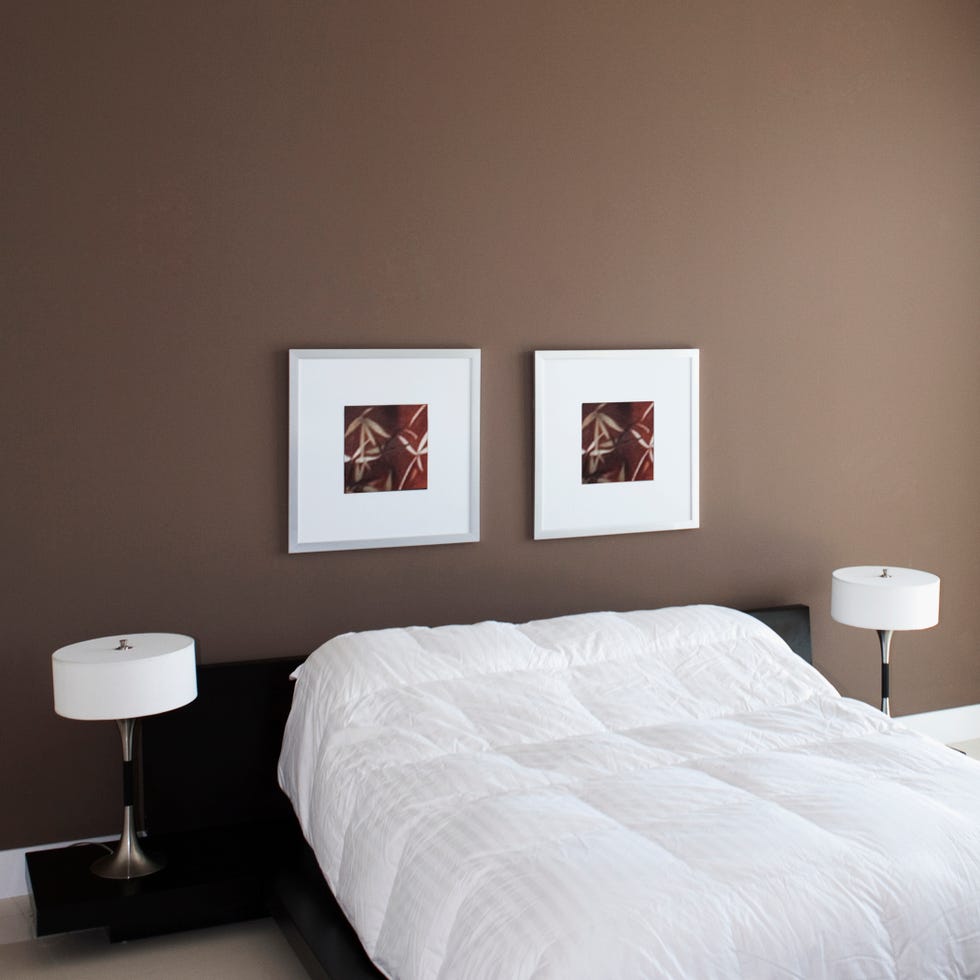
Forgetting to incorporate texture can result in a cold and flat room, despite visually appealing furniture. Texture adds warmth, interest, and a lived-in quality. Layering materials with contrasting tactile sensations, such as soft linen sheets with a cashmere throw, adding a rug, or incorporating natural wood and stone accents, introduces dimension and comfort. Accent walls, while popular, often disrupt a room's flow and can make it appear smaller. Instead, painting all walls the same soft, rich tone creates a sense of cohesion, making the space feel larger and more serene. Similarly, choosing the smallest room for a bedroom, often under the guise of privacy, can lead to a lack of natural light and openness. Selecting a room with ample windows connects occupants with natural rhythms and improves well-being, with floor-to-ceiling curtains further enhancing light flow. Finally, using mass-produced art can diminish a room's individuality. Personal pieces or thoughtfully framed family photos with custom mats are recommended to imbue the space with a unique and personal narrative, avoiding a generic appearance.
#BedroomDecor #InteriorDesign #HomeStyling #RelaxingBedroom #DesignTips #DecoratingMistakes #HomeImprovement #TexturalElements #LightingDesign #BedroomDecor #InteriorDesign #HomeStyling #RelaxingBedroom #DesignTips #DecoratingMistakes #HomeImprovement #TexturalElements #LightingDesign
0 comment in total
 No comments yet
You may also like

10 Bedroom Decor Mistakes Keeping You From Your Best Sleep Ever

The 10 biggest bedroom furniture mistakes that interior designers always notice – and how to fix them

7 Guest Bedroom Design Mistakes That Will Make Them Wish They'd Booked a Hotel Instead

10 Decorating Mistakes That Make Your Home Look Messy
8 of the biggest small bedroom layout mistakes designers see time and time again

7 Bedroom Lighting Mistakes — Experts Say They "Scream 'Wrong Vibe'" and Ruin Your Aesthetic
These Common Styling Mistakes Are Making Your Bedroom Feel Messy (Even When It's Clean)

Don't make these 5 entryway decor mistakes

7 of the worst bedroom layout mistakes and how to avoid them
5 Bedroom Design Errors That Are Making Your Space Less Relaxing
Here are all the most common mistakes to avoid when decorating a kids' bedroom according to interior designers

The 10 Biggest Interior Design No Nos According to Decorators

8 Bedroom Decorating Mistakes You Should Never Make
Bedroom layout mistakes – 9 errors experts warn against, and how to fix them
Are YOU guilty of these living room layout mistakes? Decor expert reveals the 8 sins people make
9 CONTROVERSIAL Decor Choices Designers Secretly Wish You’d Stop Making

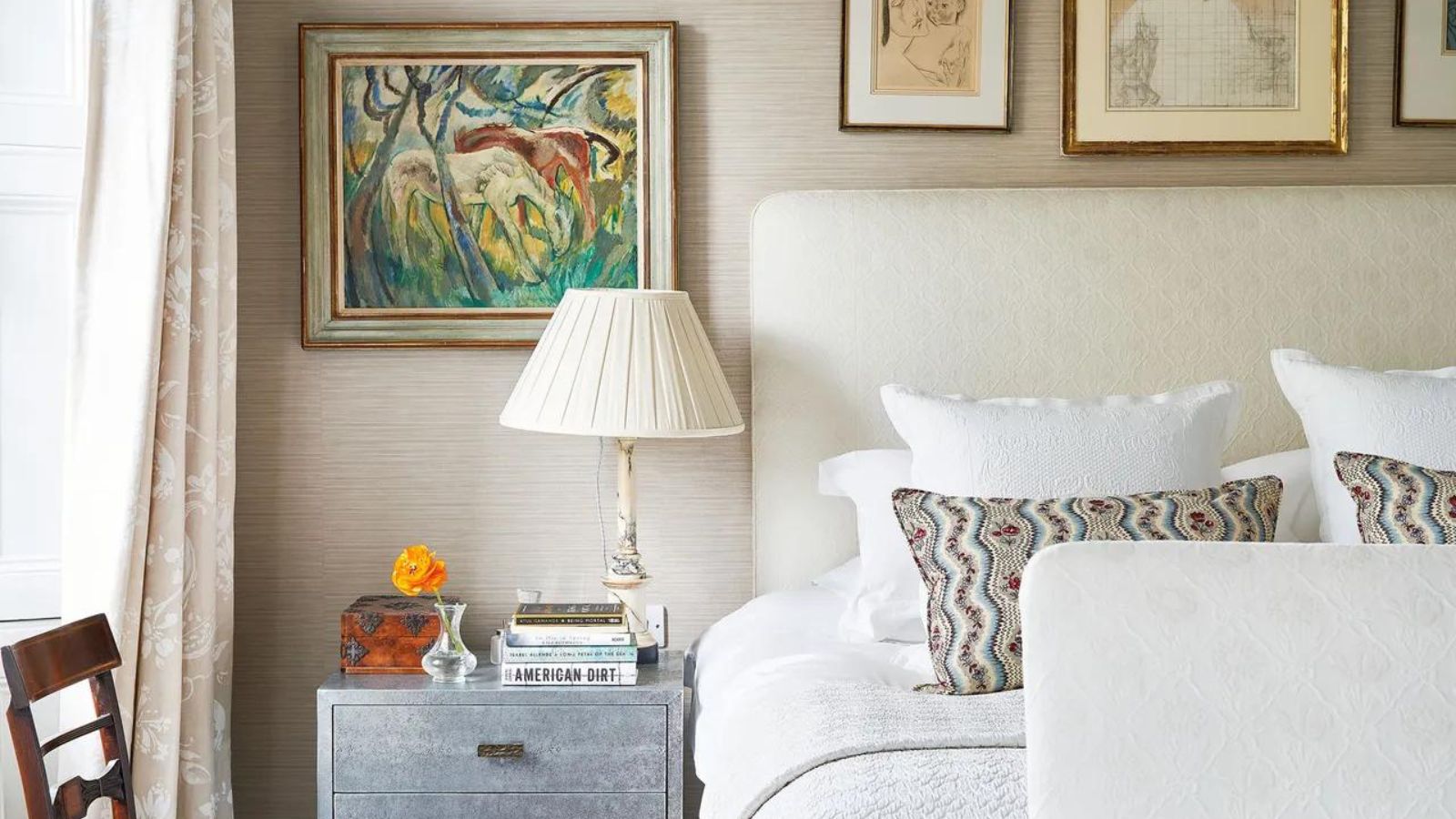
6 interior design mistakes that could be affecting your sleep
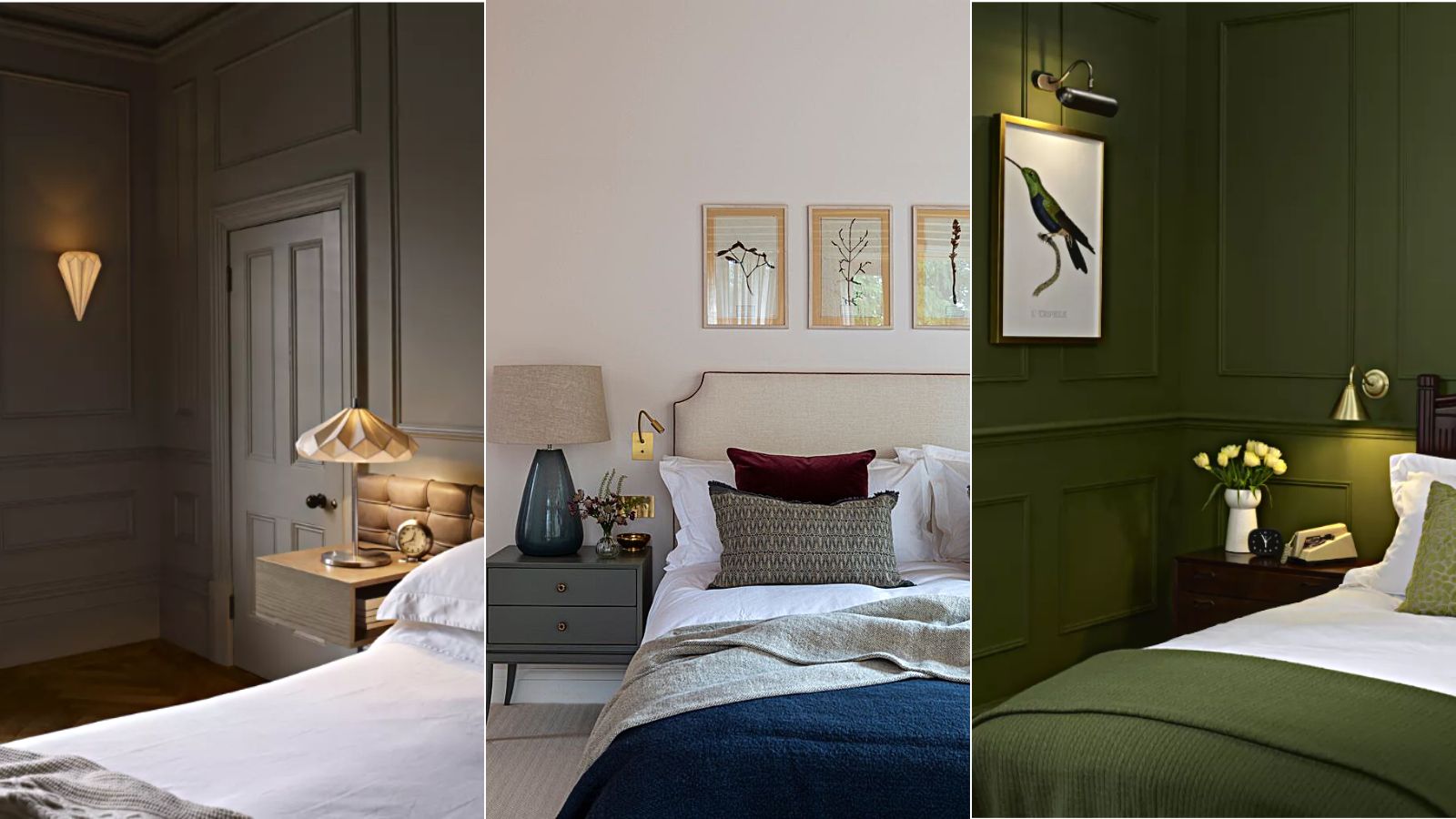
11 bedroom lighting mistakes – why your space looks uninviting and feels impractical, and how to fix it
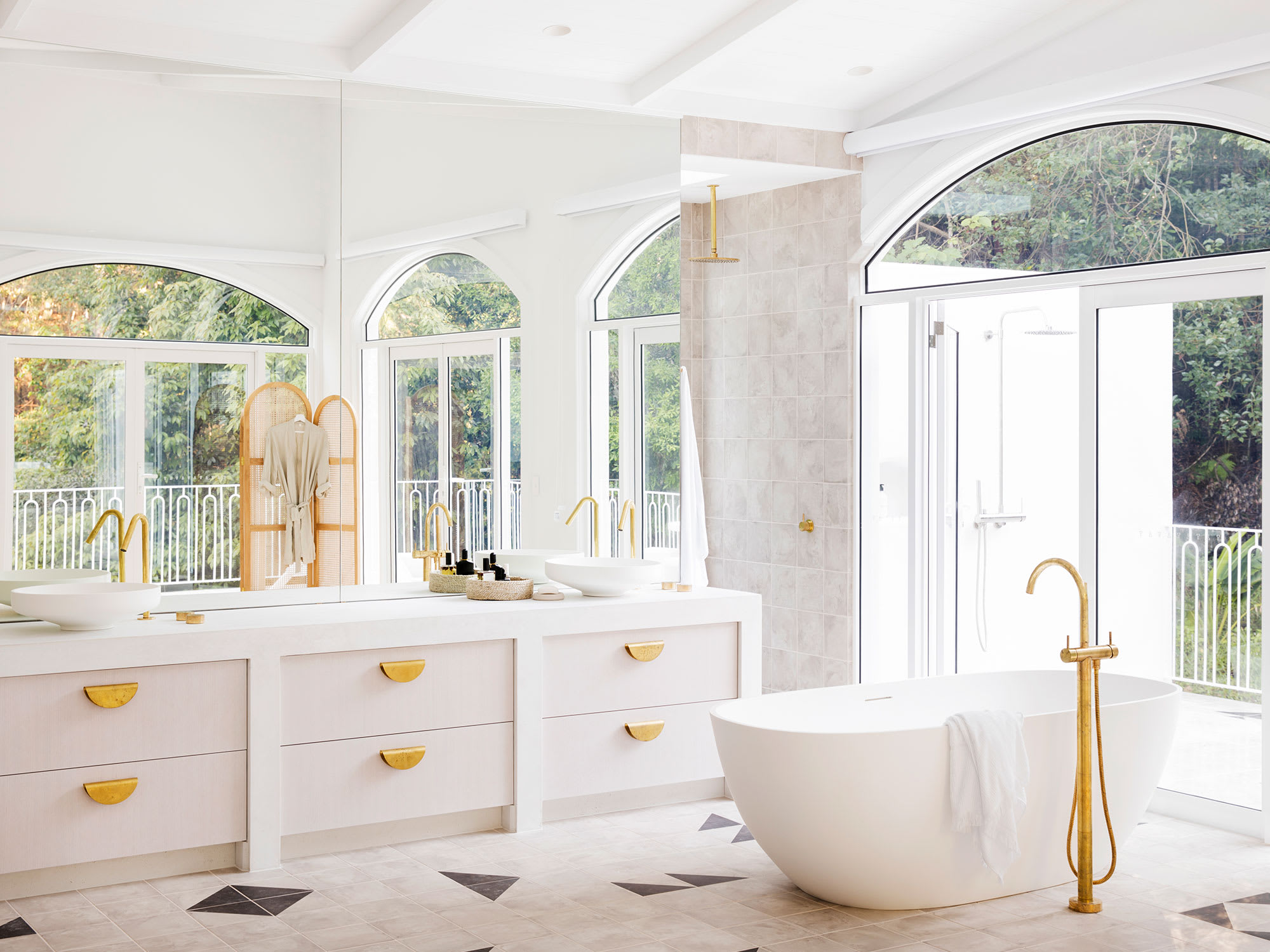
8 of the Latest Wild Trends in Bedroom Design
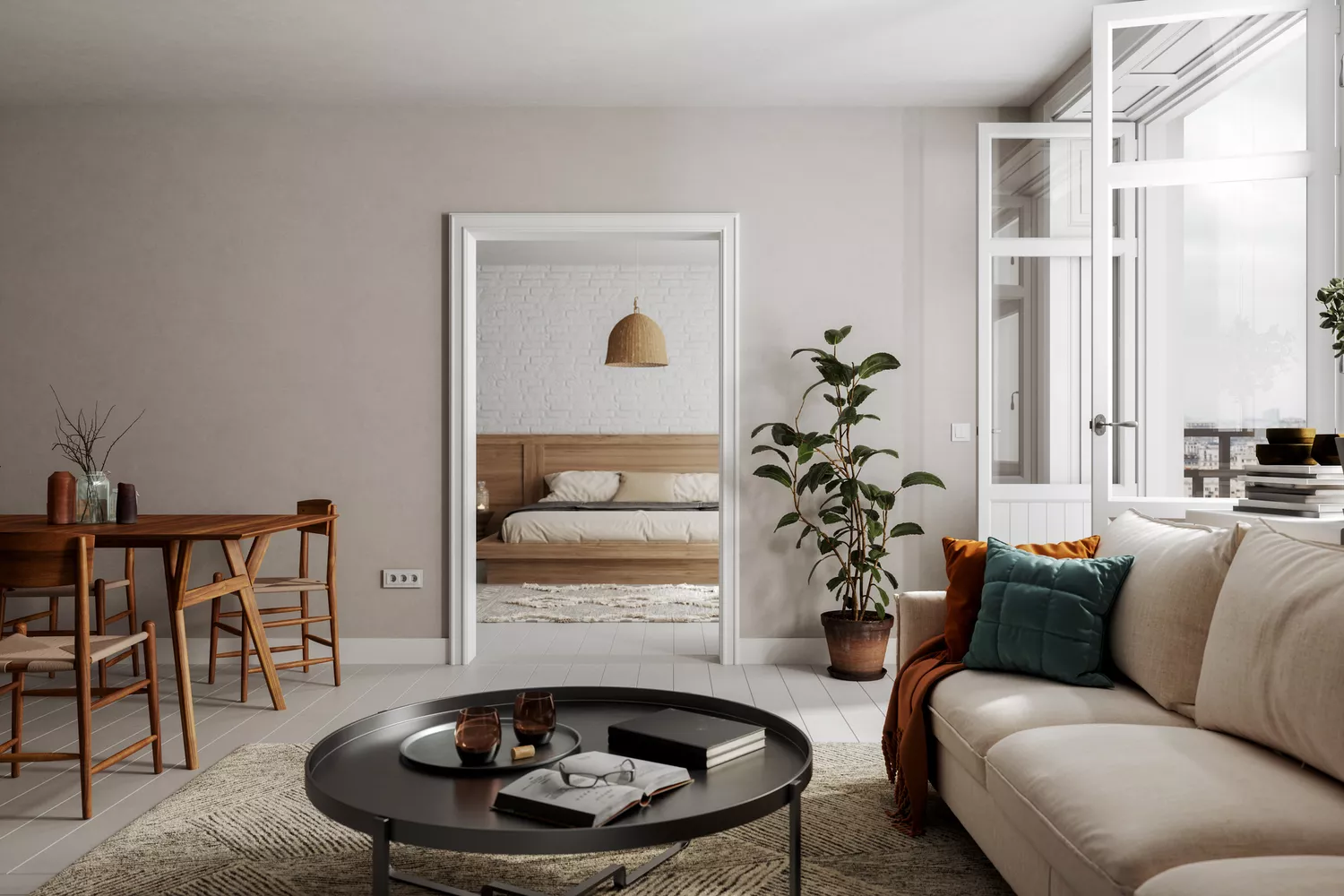
7 Decorating Mistakes That Always Make Interior Designers Cringe