1/2
5 Bedroom Design Errors That Are Making Your Space Less Relaxing
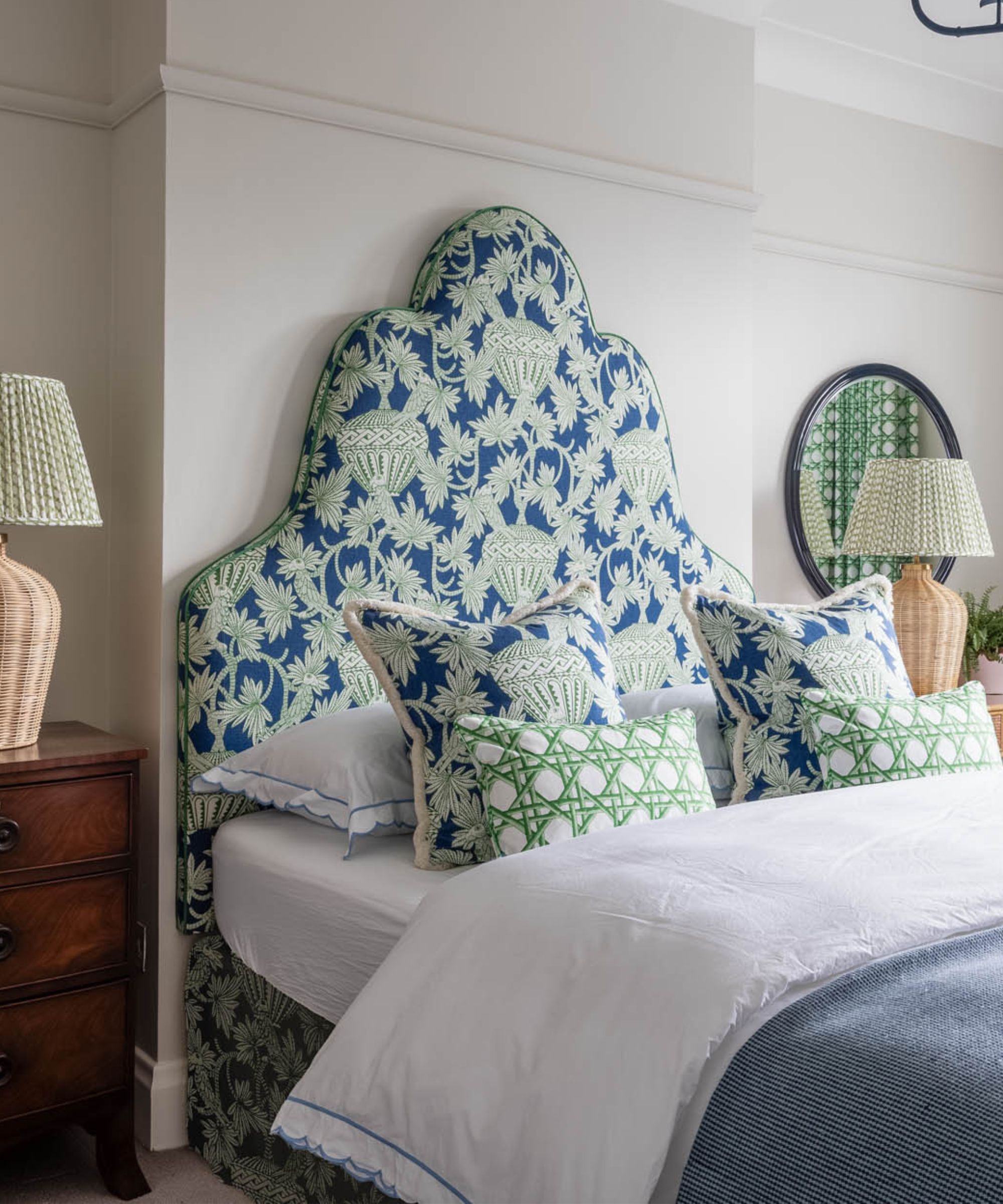
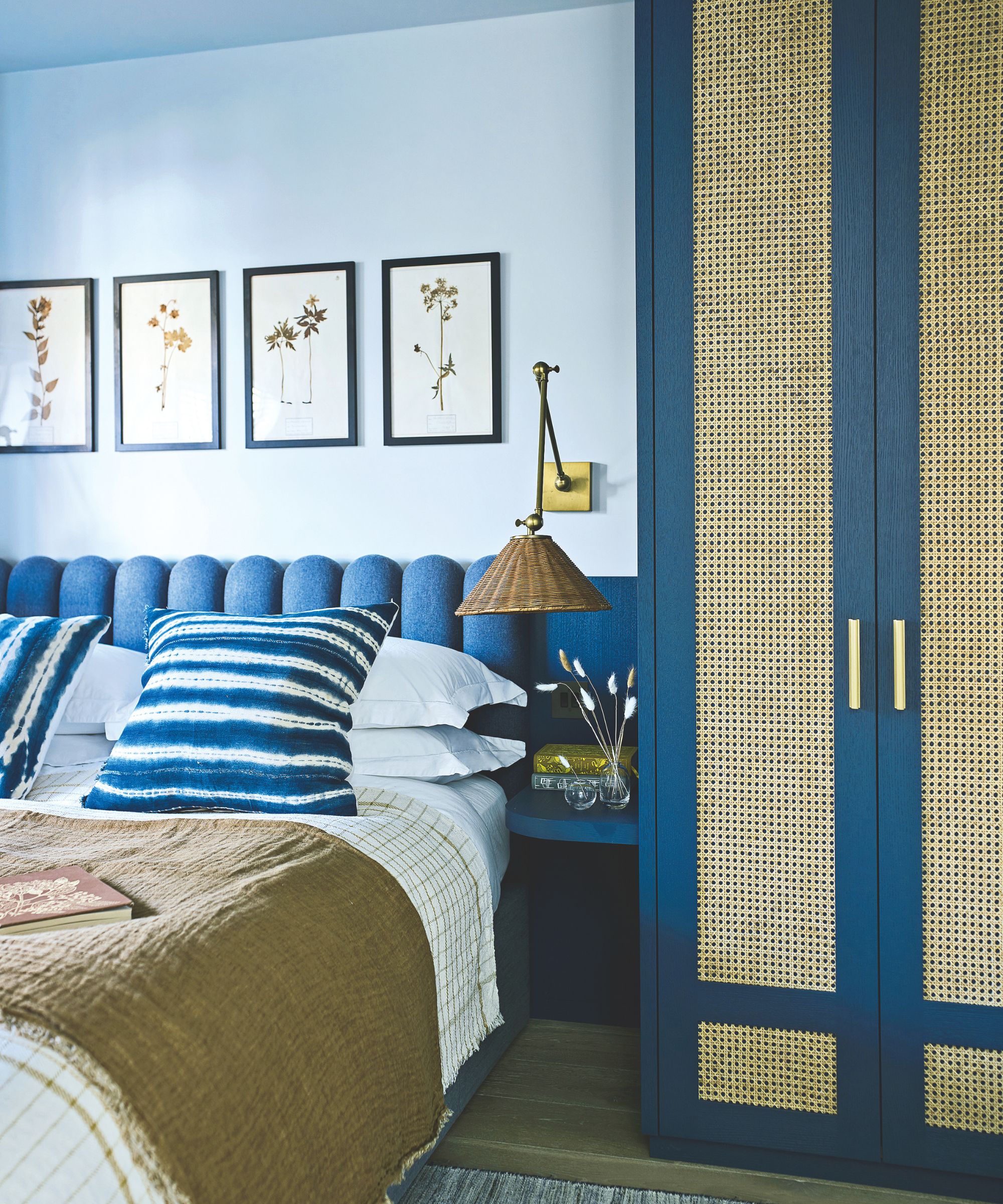
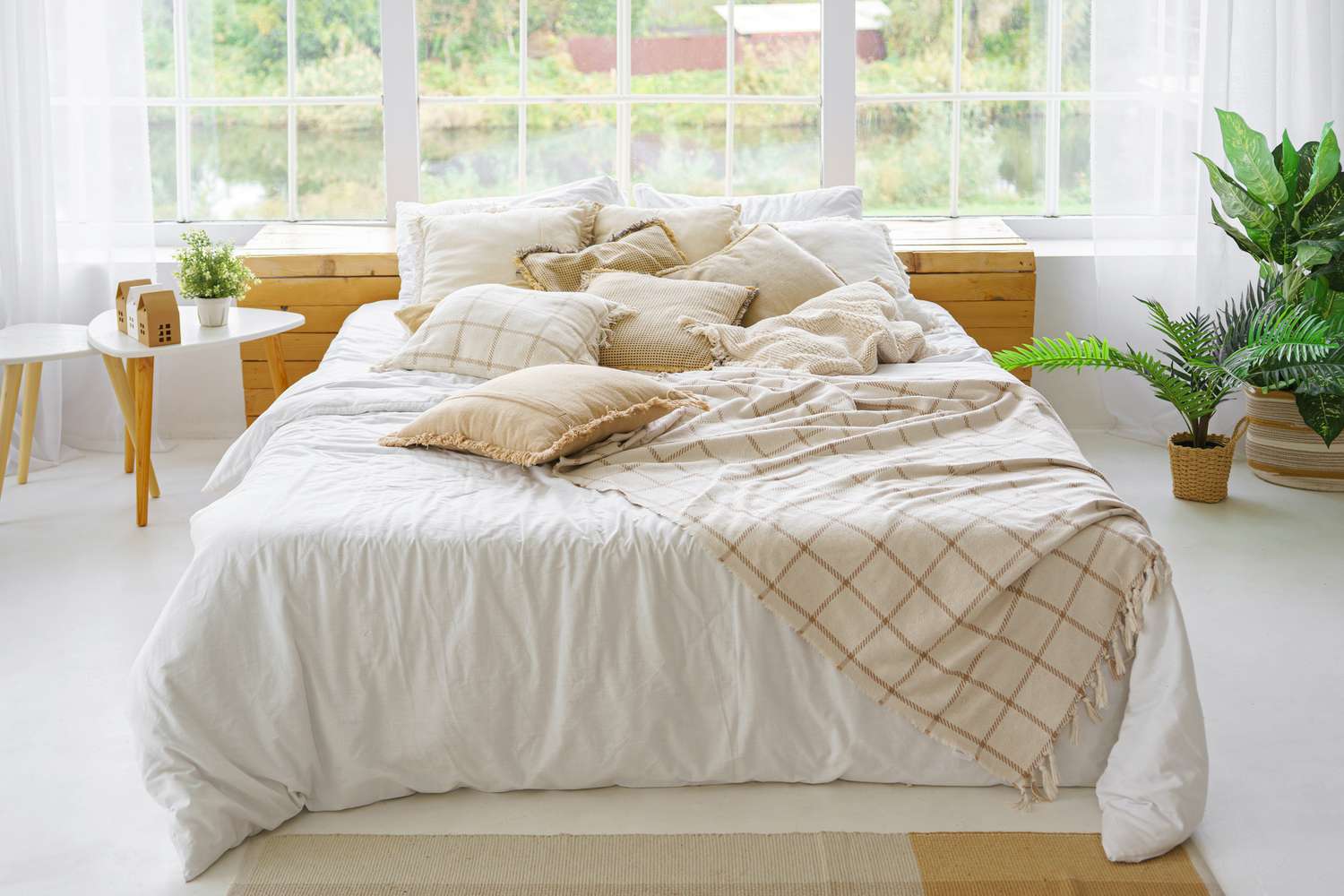
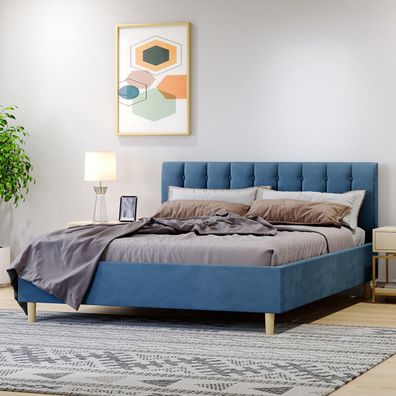
The bedroom, more than any other space in a home, should exude a sense of relaxation and comfort to promote healthy sleep. However, common design mistakes can inadvertently transform this sanctuary into a less tranquil environment. Interior designer Ian Parker identifies several key errors that can undermine the relaxing ambiance of a bedroom.
One significant oversight is the creation of an overly formal room. While public areas like living and dining rooms might benefit from a formal aesthetic, extending this to a private bedroom can make the space feel stiff and uncomfortable rather than cozy. This often occurs when furniture is excessively large or its design prioritizes appearance over practical functionality, leading to a cramped or fussy atmosphere that inhibits relaxation.
Another prevalent issue, especially in the era of remote work, is the integration of a workspace into the bedroom. Parker emphasizes that a dedicated work area, regardless of how neatly it’s arranged, can disrupt the serene and zen-like quality essential for a bedroom. The presence of work-related items can subconsciously introduce stress and diminish the room’s capacity to function as a true sanctuary. To mitigate this, he suggests relocating home offices to other available nooks or corners, or opting for mobile office solutions that can be easily stored away when not in use.
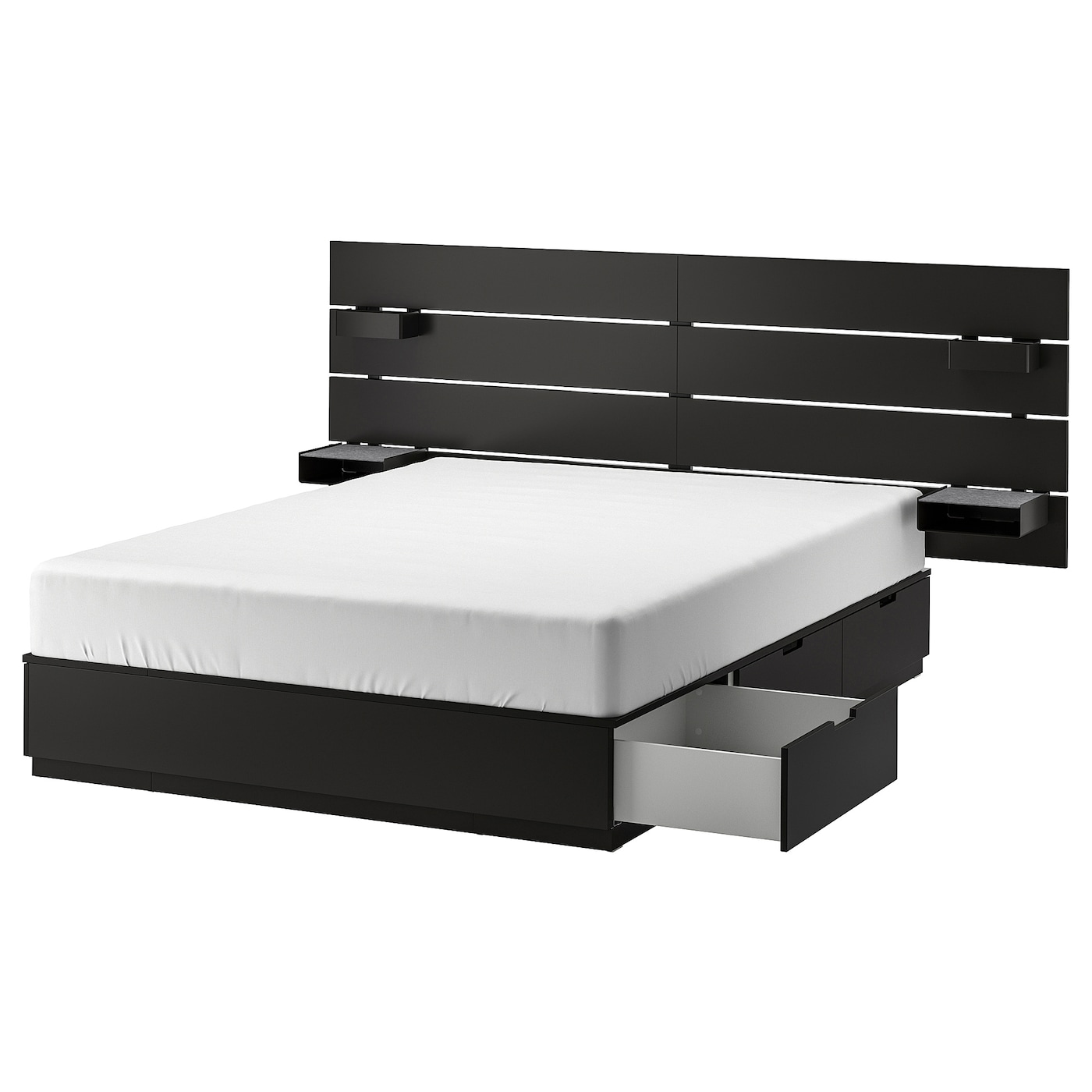
Similarly, incorporating exercise equipment into the bedroom can have a negative impact on its relaxing vibe. While small items like a yoga mat or free weights might be acceptable if they can be discreetly stored, larger equipment such as stationary bikes or treadmills visually dominate the space and can trigger subconscious associations with effort and exertion, counteracting the desired calm. It is advised to house such equipment in a different area of the home.
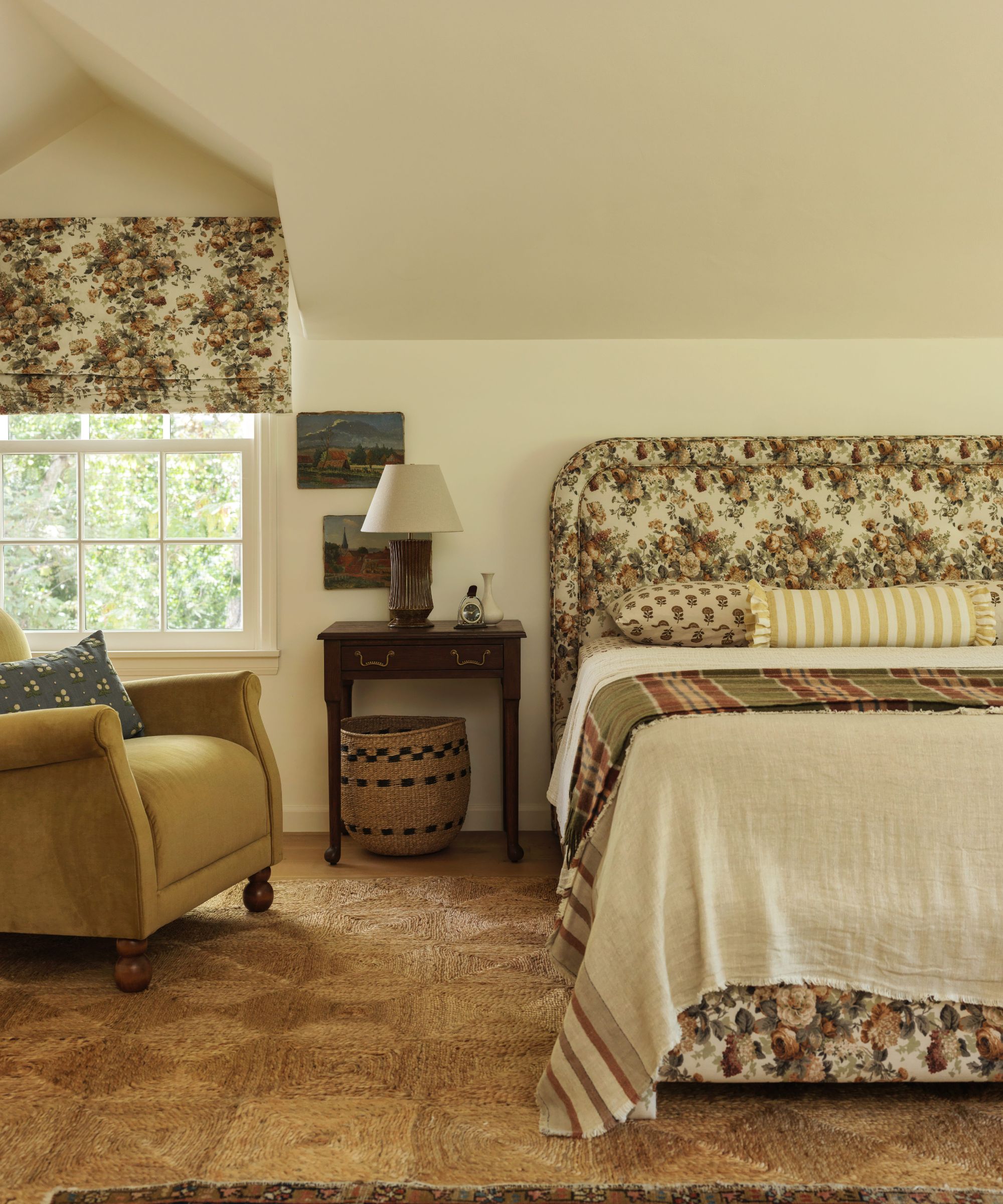
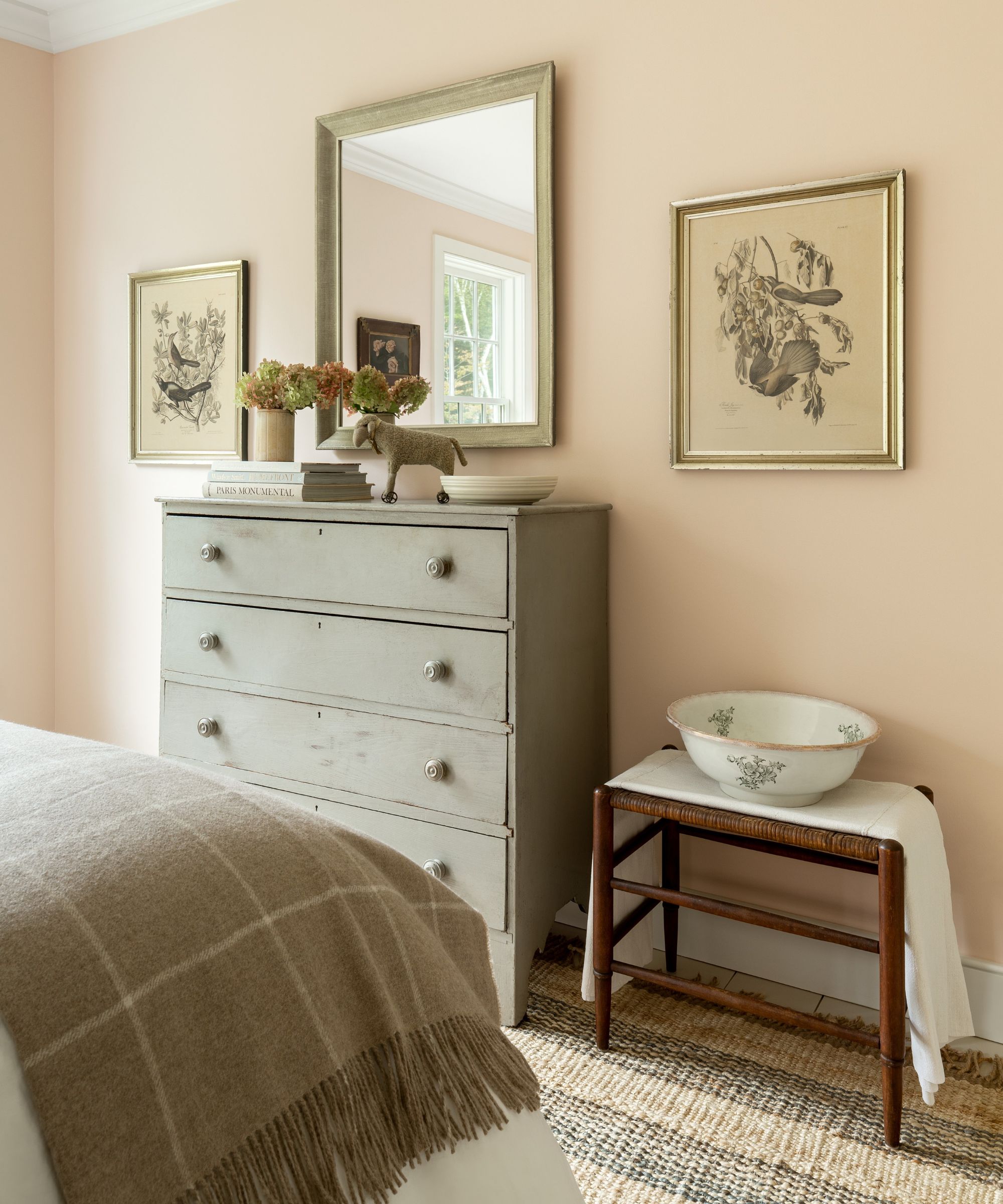
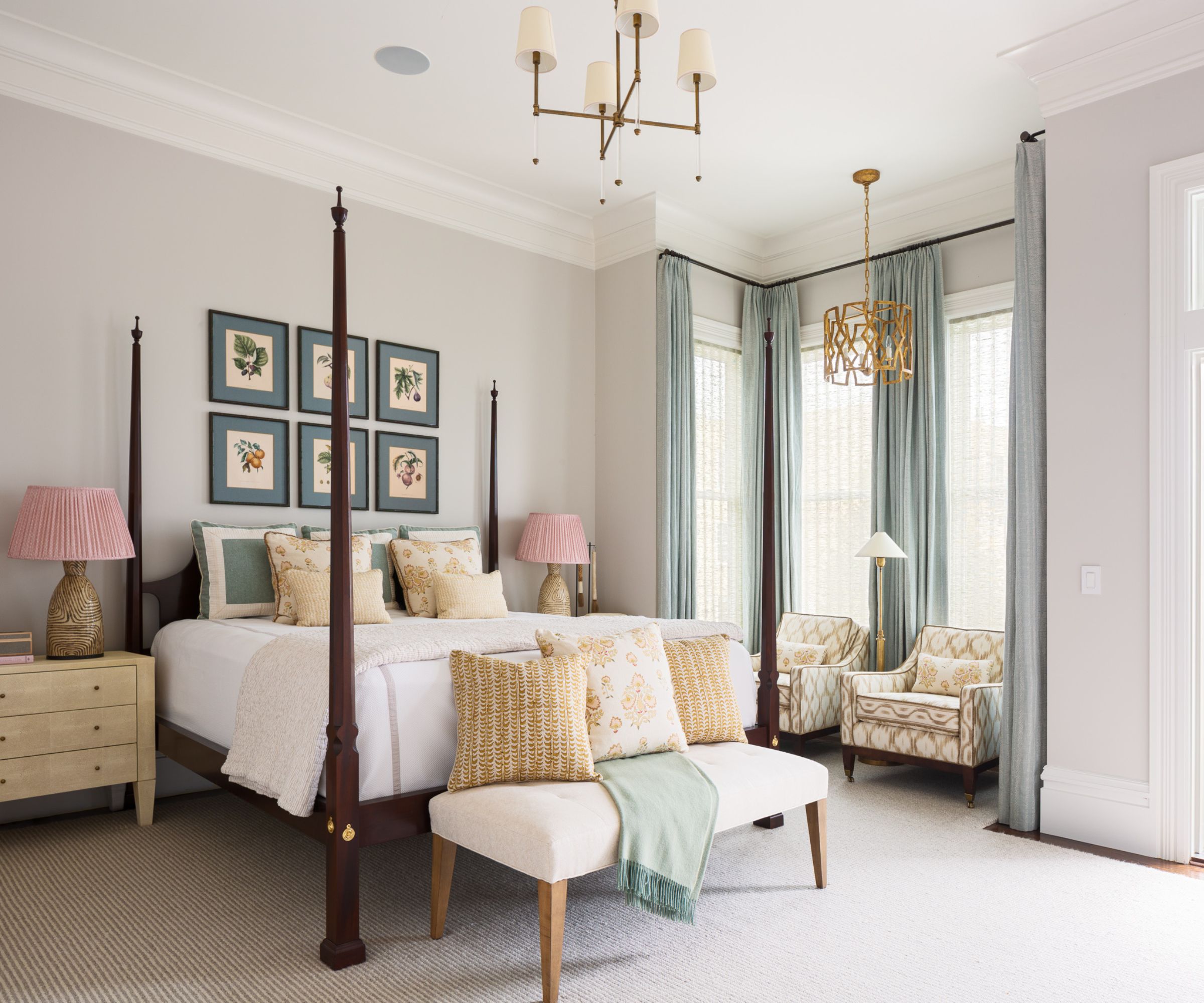
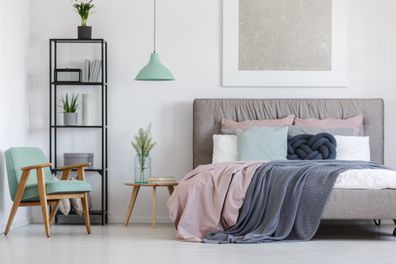
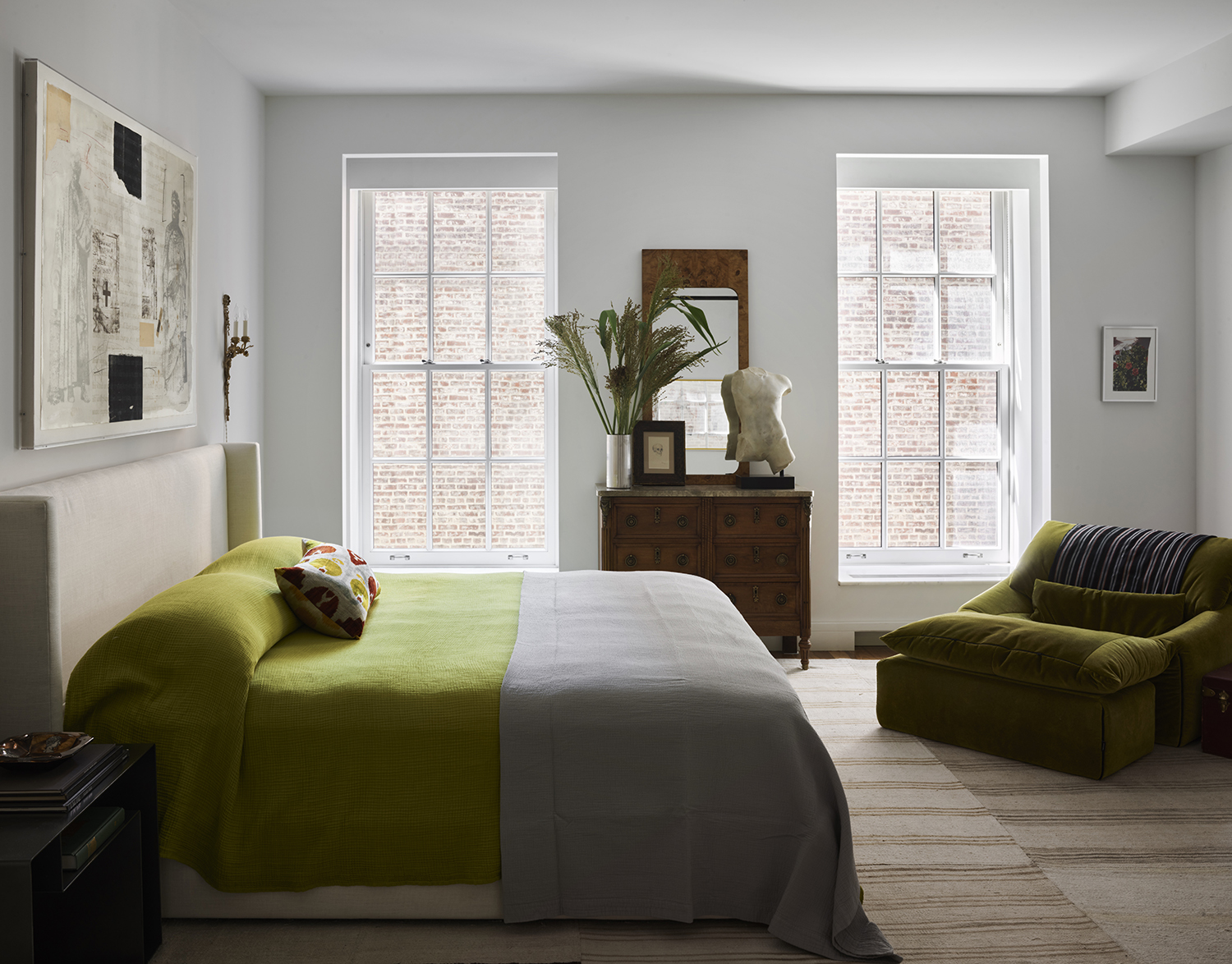
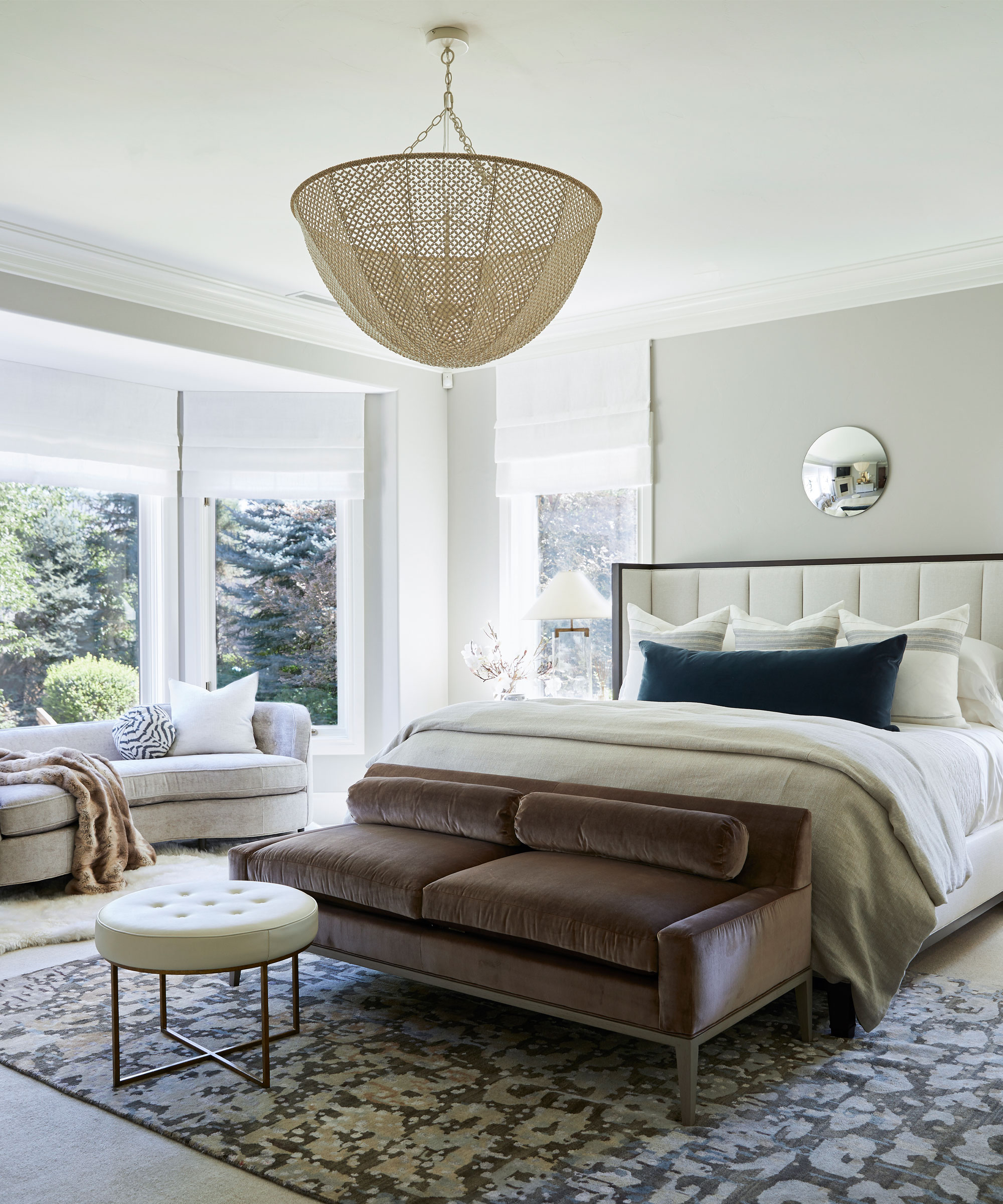
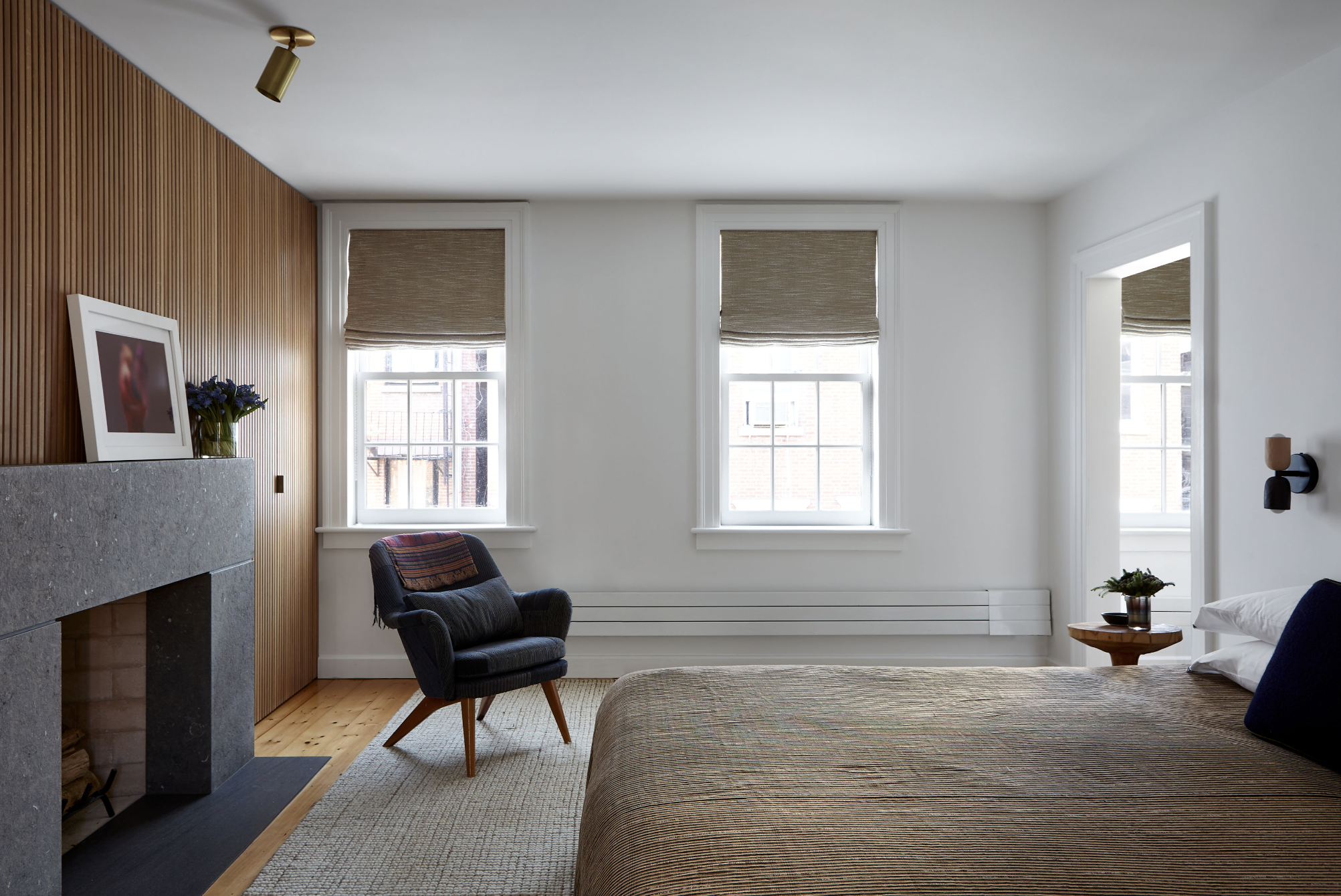
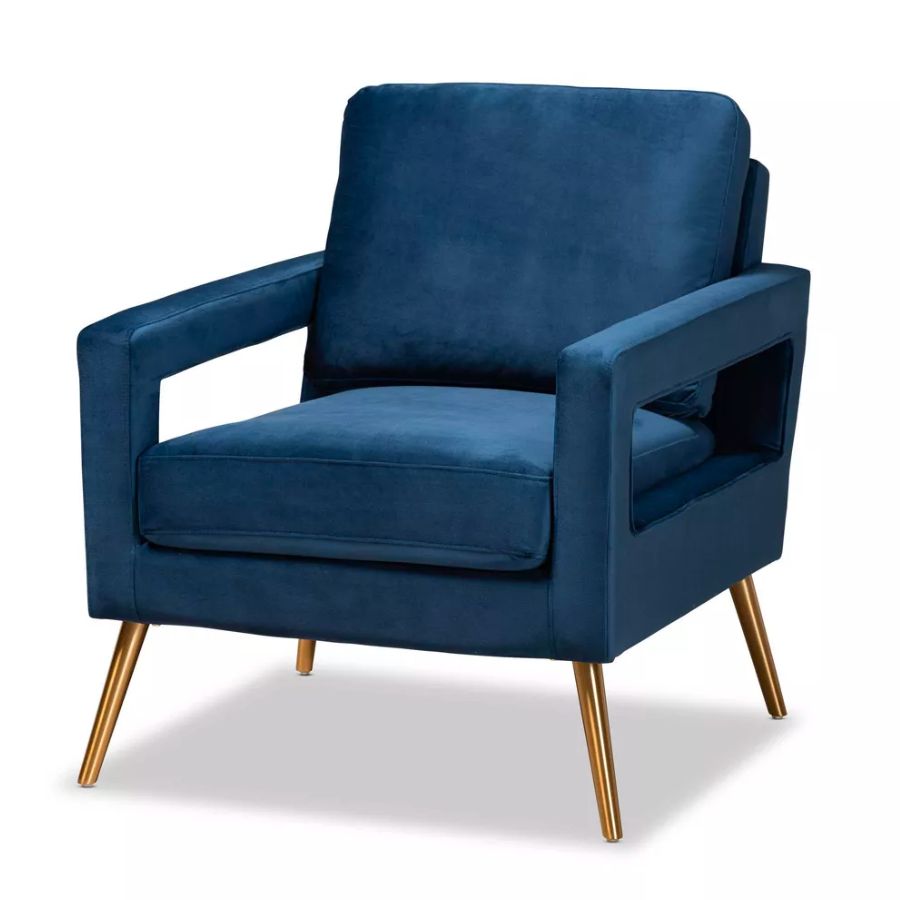
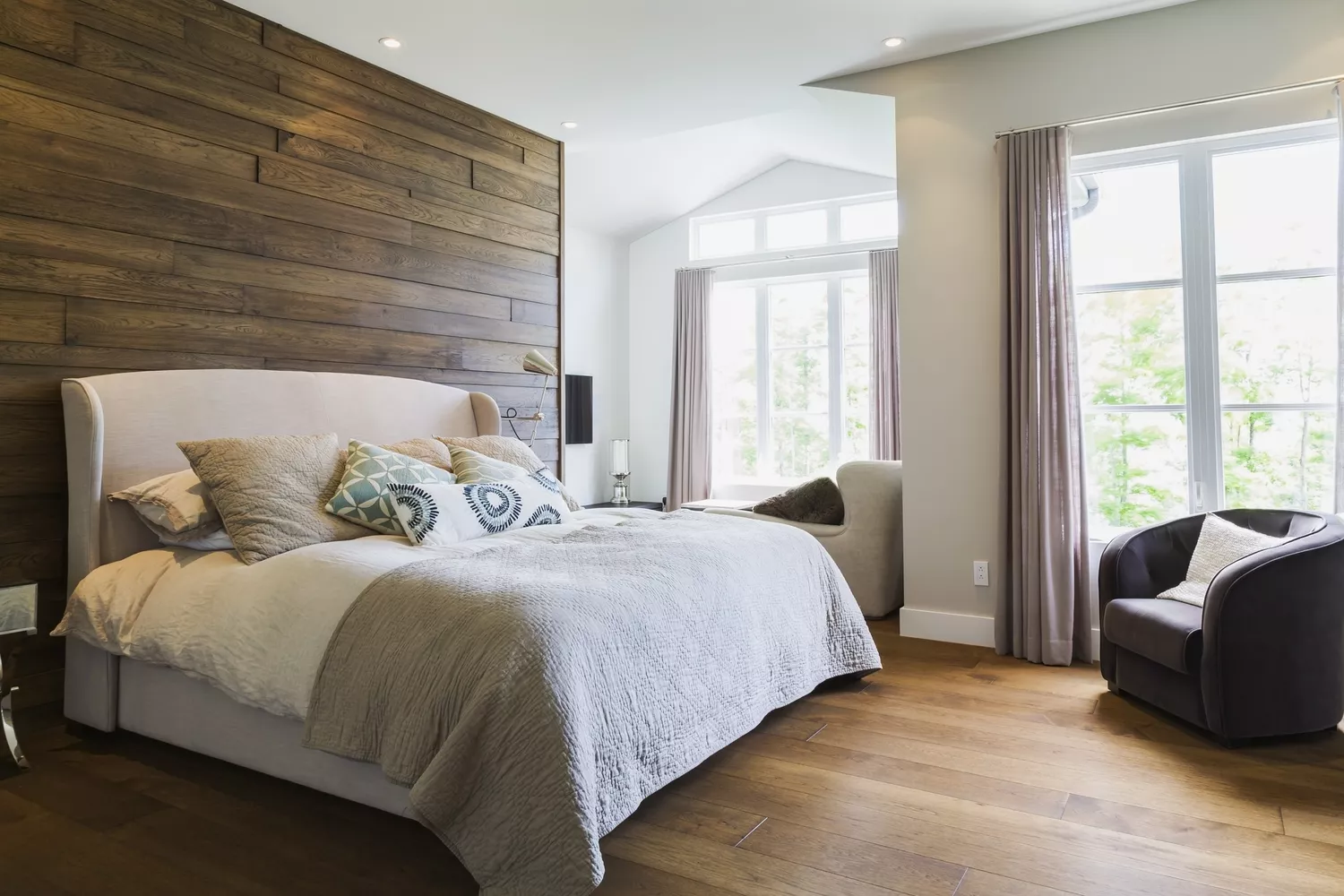
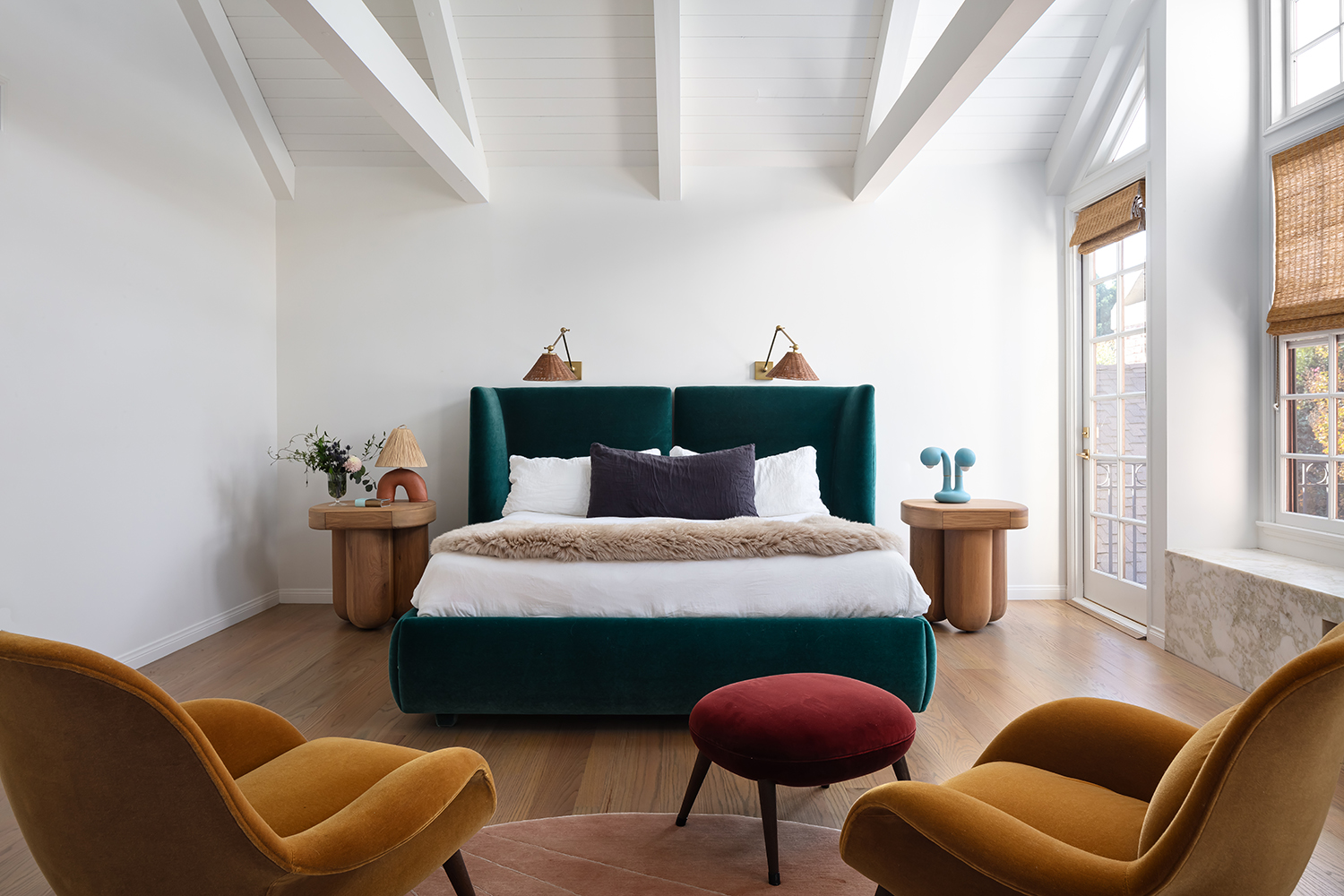
Furthermore, even large bedrooms can suffer if the space is not filled correctly. A spacious room can feel cavernous and empty if there is too much dead space around the bed. Instead of leaving vast empty areas, the article recommends thoughtful placement of furniture beyond just the bed, nightstands, and a dresser. Adding a comfortable seating area, even a single chair with an ottoman, can significantly enhance the room's coziness and relaxation factor. Transforming this corner into a reading nook with layered lighting and extra blankets can further boost its appeal.
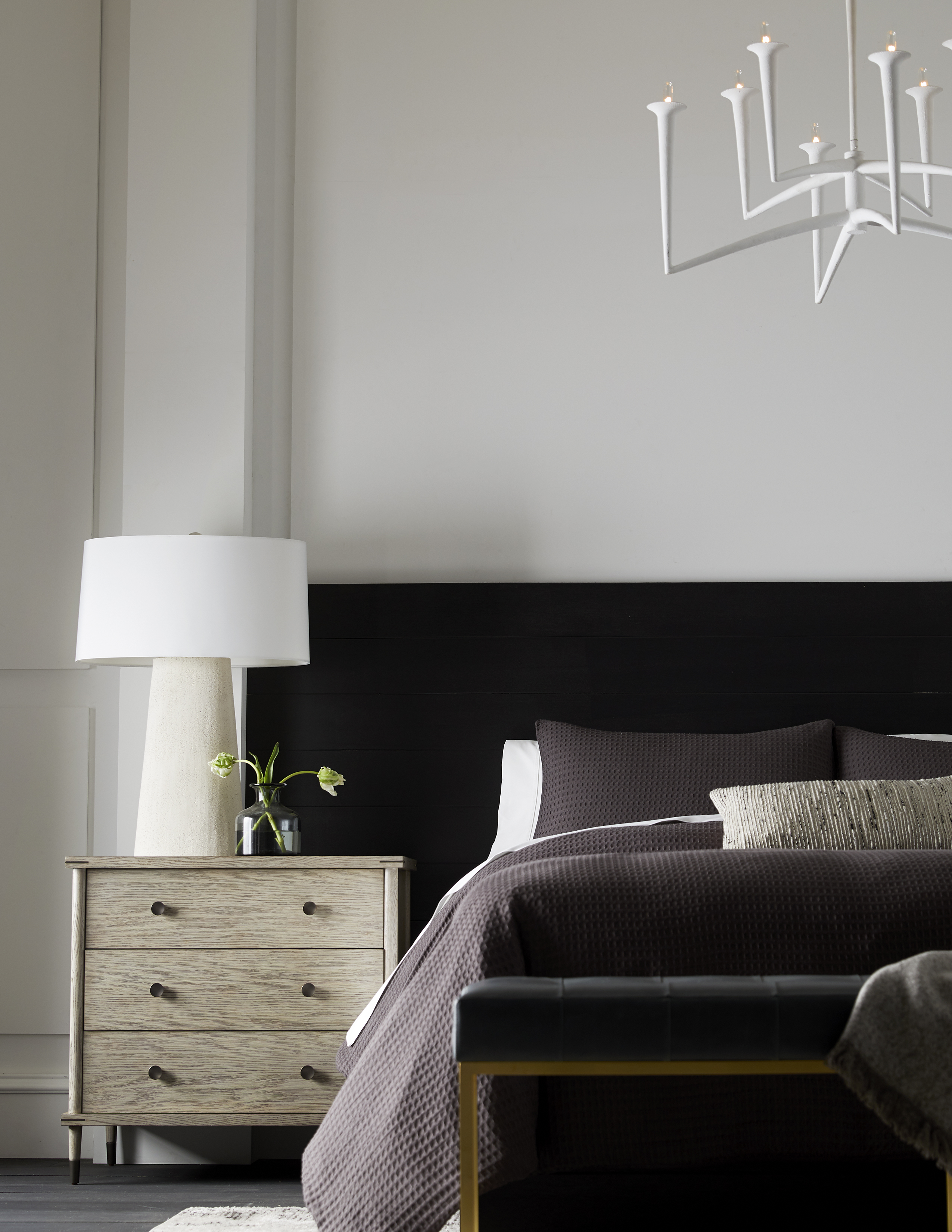
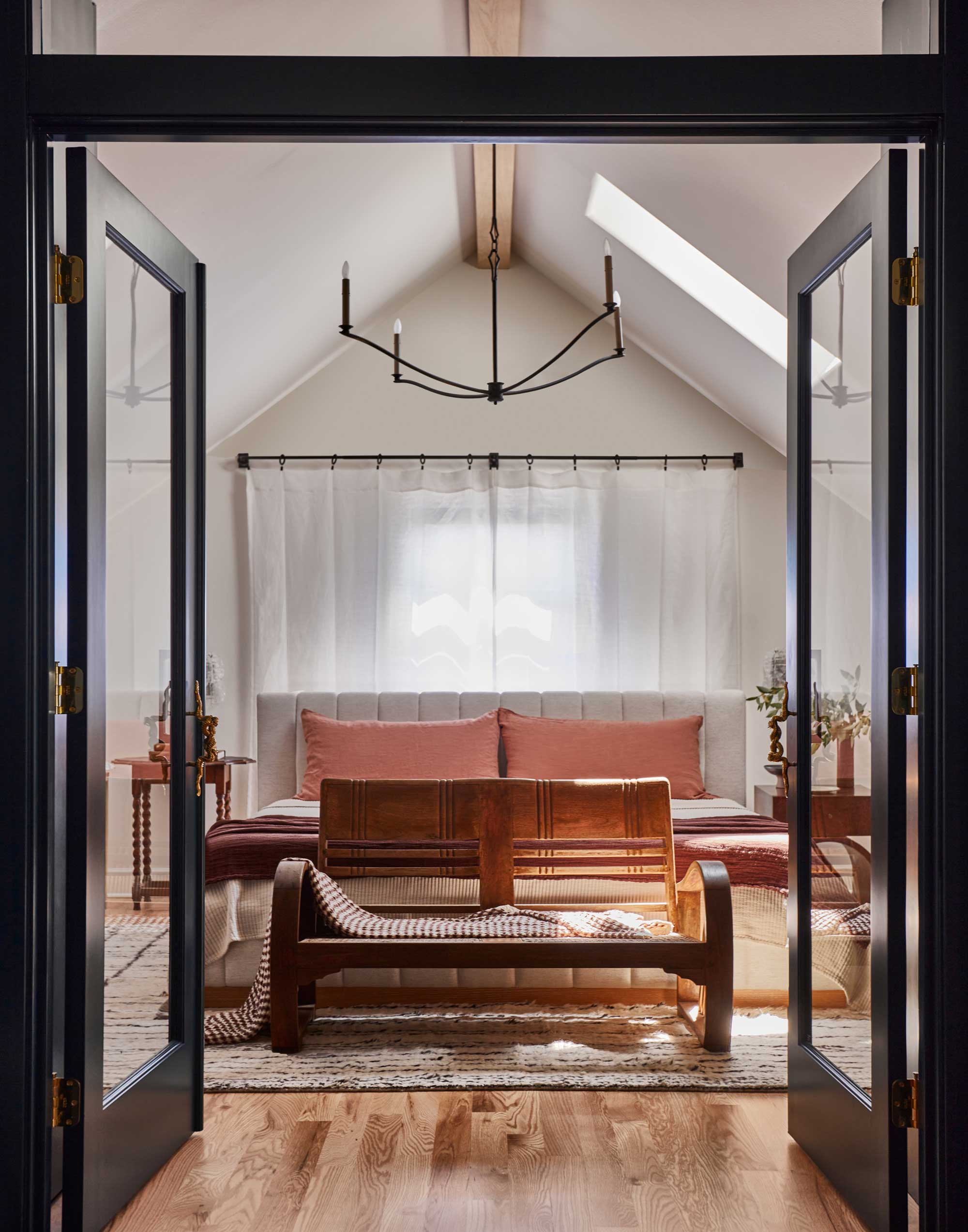
Finally, the absence of a piece of furniture at the foot of the bed is identified as a subtle but impactful design flaw. Drawing inspiration from luxury hotel rooms, which often feature a sofa or chaise at the end of the bed, Parker explains that this addition can make a bedroom feel more complete and elevated. Such a piece doesn't necessarily need to be highly functional but serves to anchor the space and contribute to an overall sense of refined comfort, rounding out the room's design and making it more conducive to relaxation.
#BedroomDesign #HomeDecor #InteriorDesign #RelaxingSpaces #SleepHealth #HomeOfficeIntegration #FormalDesign #SpaceUtilization #BedroomDesign #HomeDecor #InteriorDesign #RelaxingSpaces #SleepHealth #HomeOfficeIntegration #FormalDesign #SpaceUtilization
0 comment in total
 No comments yet
You may also like
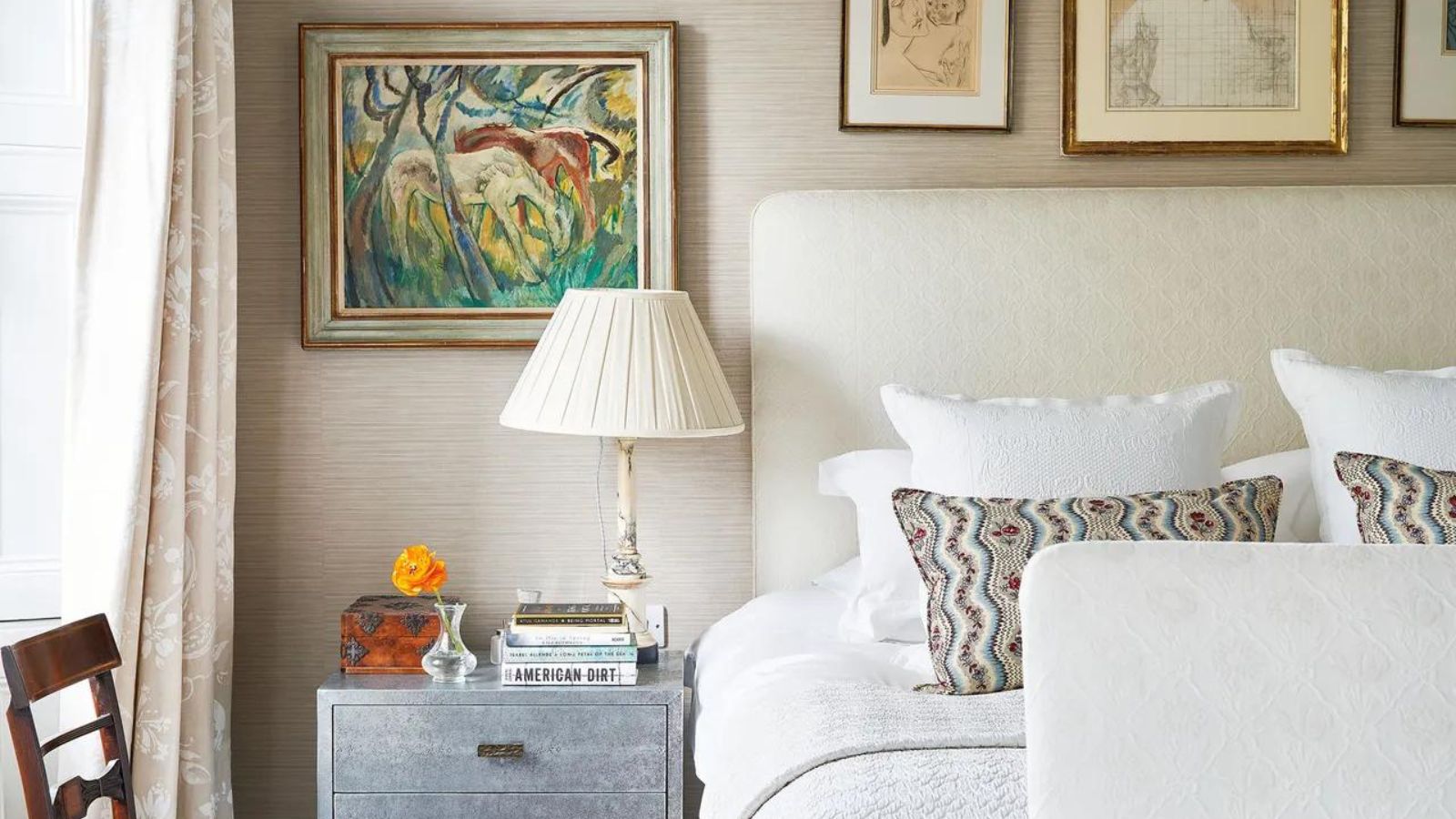
6 interior design mistakes that could be affecting your sleep
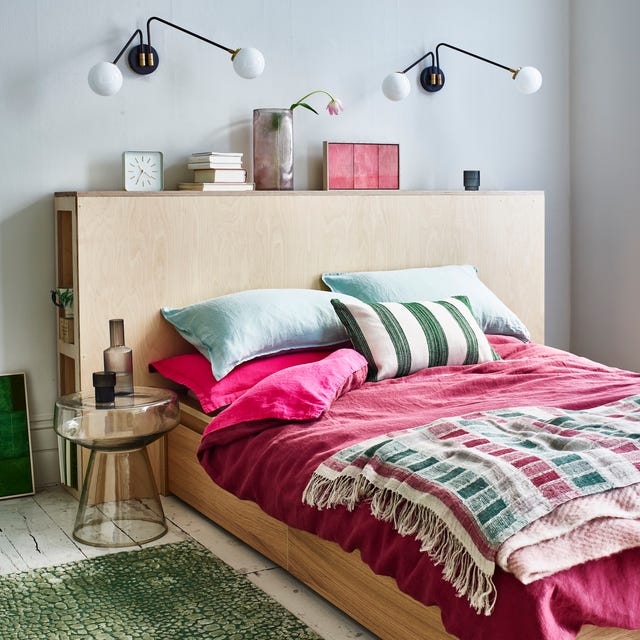
Kelly Hoppen shares 5 design mistakes to avoid in small bedrooms

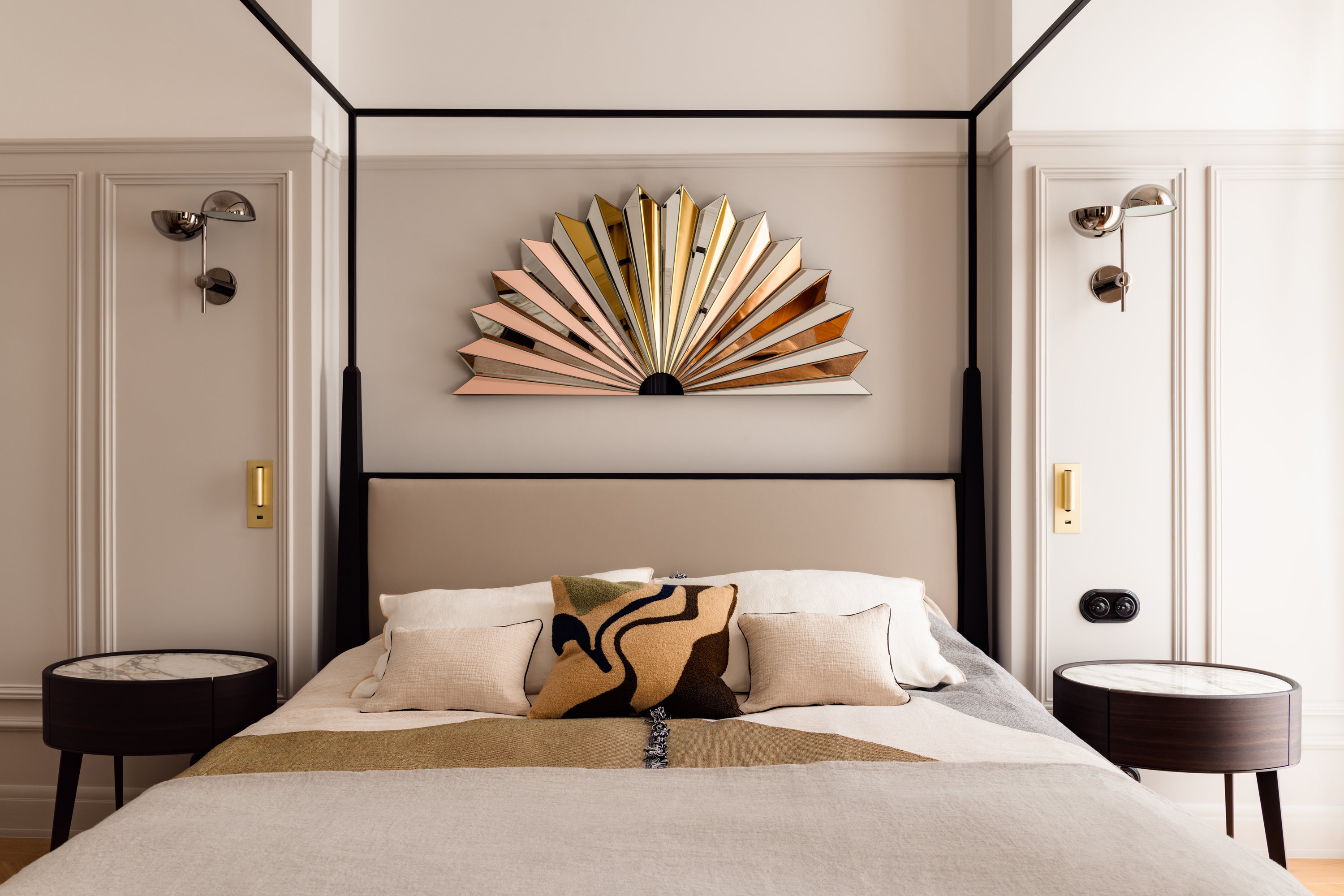
The 10 biggest bedroom furniture mistakes that interior designers always notice – and how to fix them

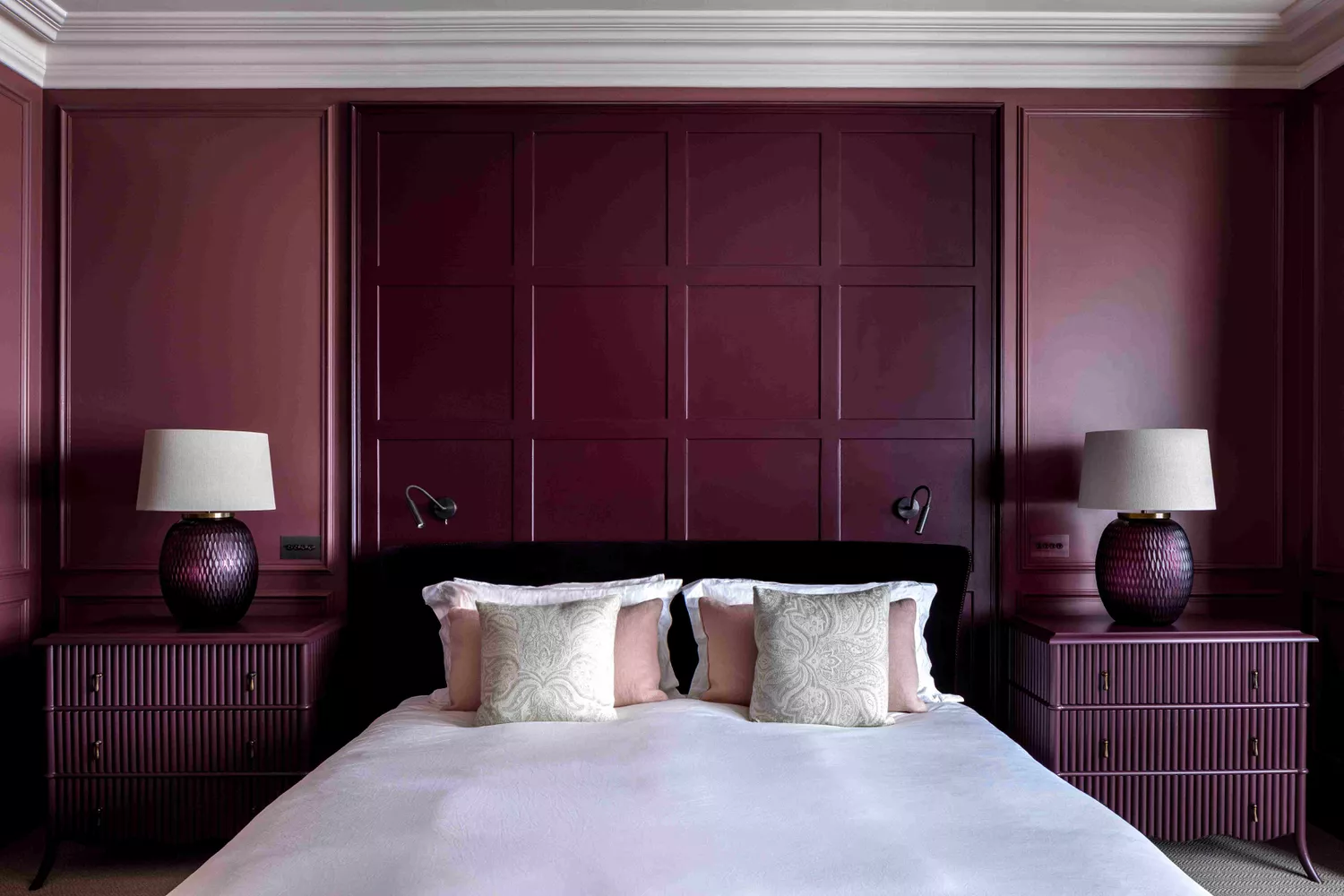
7 Things That Always Make Your Bedroom Feel Empty, According to Designers


10 Bedroom Decor Mistakes Keeping You From Your Best Sleep Ever

8 of the biggest small bedroom layout mistakes designers see time and time again

These Common Styling Mistakes Are Making Your Bedroom Feel Messy (Even When It's Clean)
5 Living Room Design Mistakes You Didn't Know You Were Making
7 of the worst bedroom layout mistakes and how to avoid them

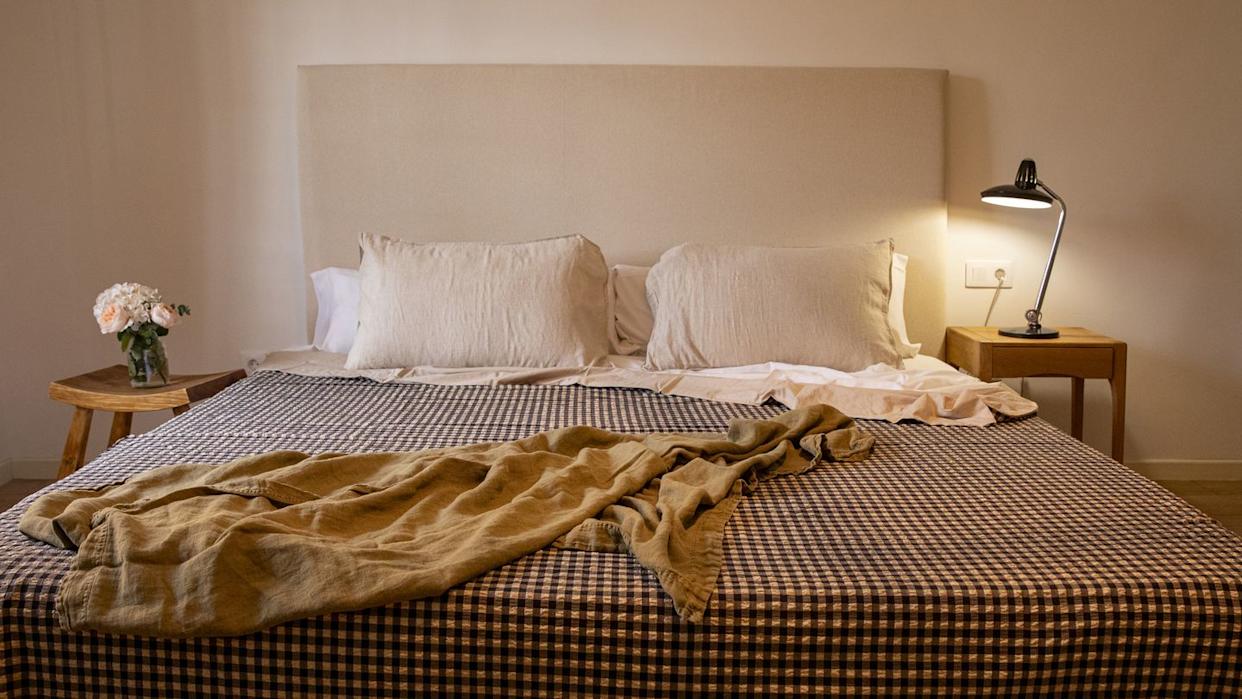
Designers Say You Should NEVER Do These 5 Things When Decorating a Guest Bedroom

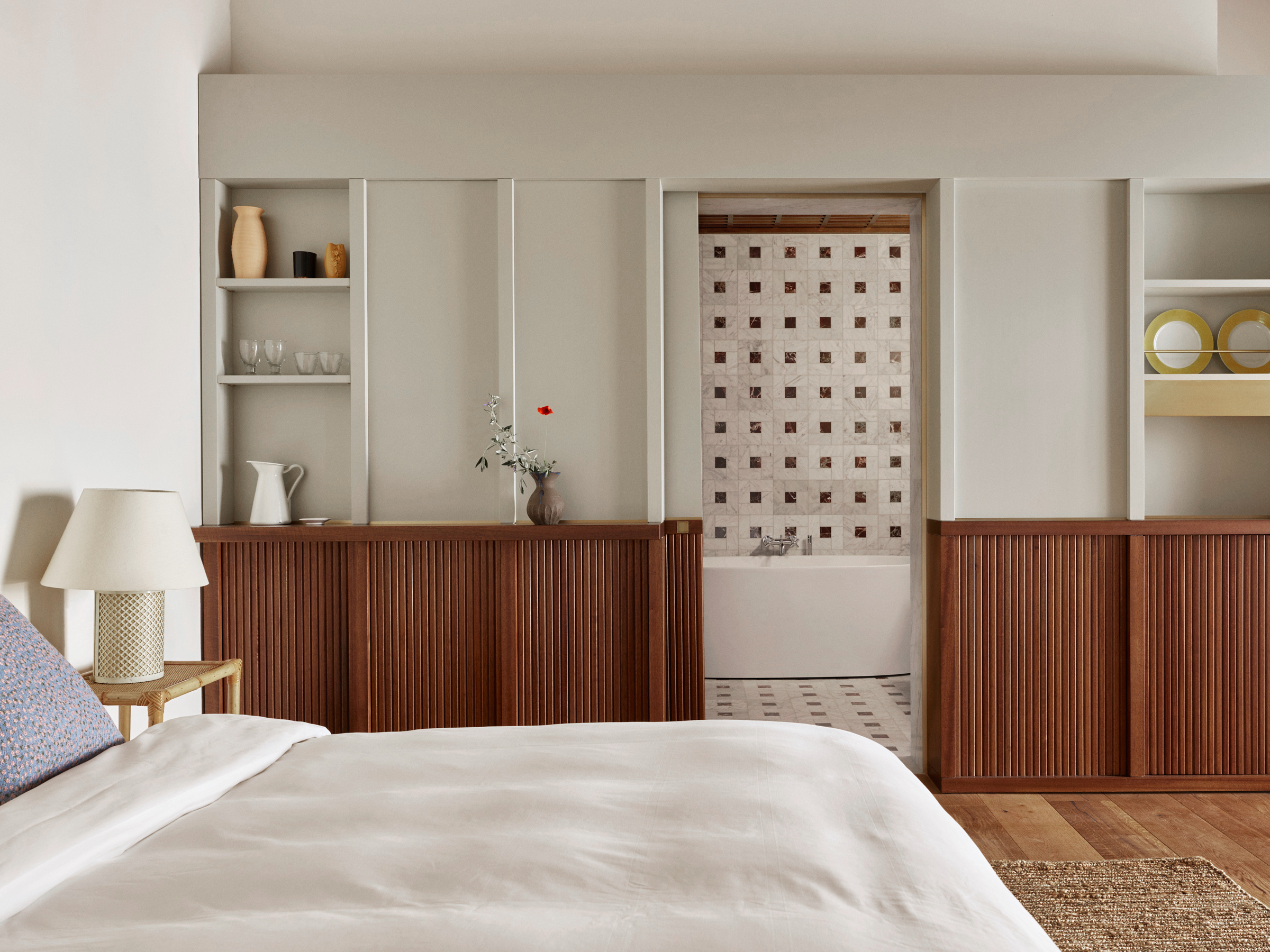
7 Bedroom Lighting Mistakes — Experts Say They "Scream 'Wrong Vibe'" and Ruin Your Aesthetic
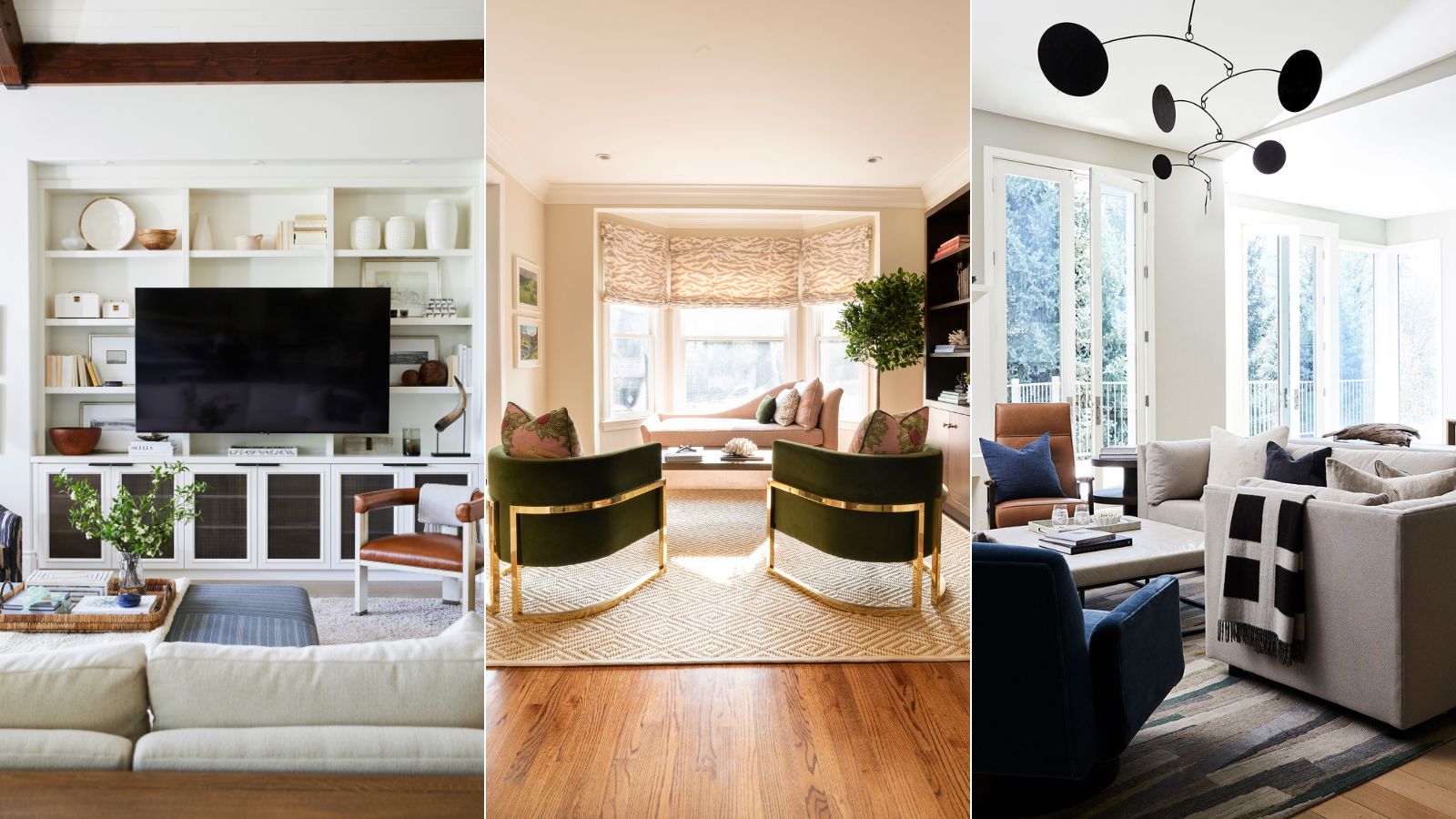
5 small living room mistakes – designers share the worst decorating disasters that we need to stop doing right now
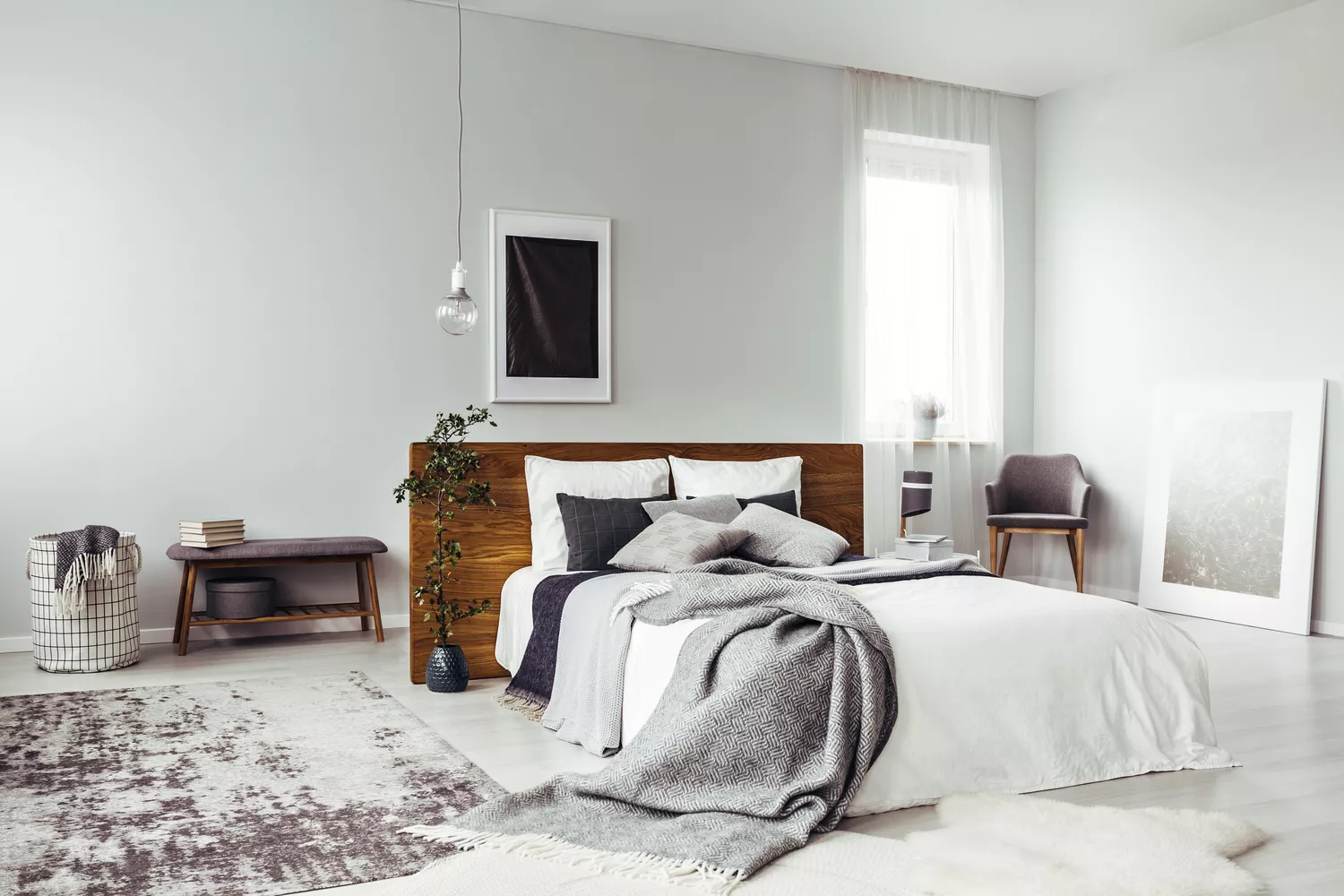
8 Bedroom Décor Mistakes That Make it Hard to Relax
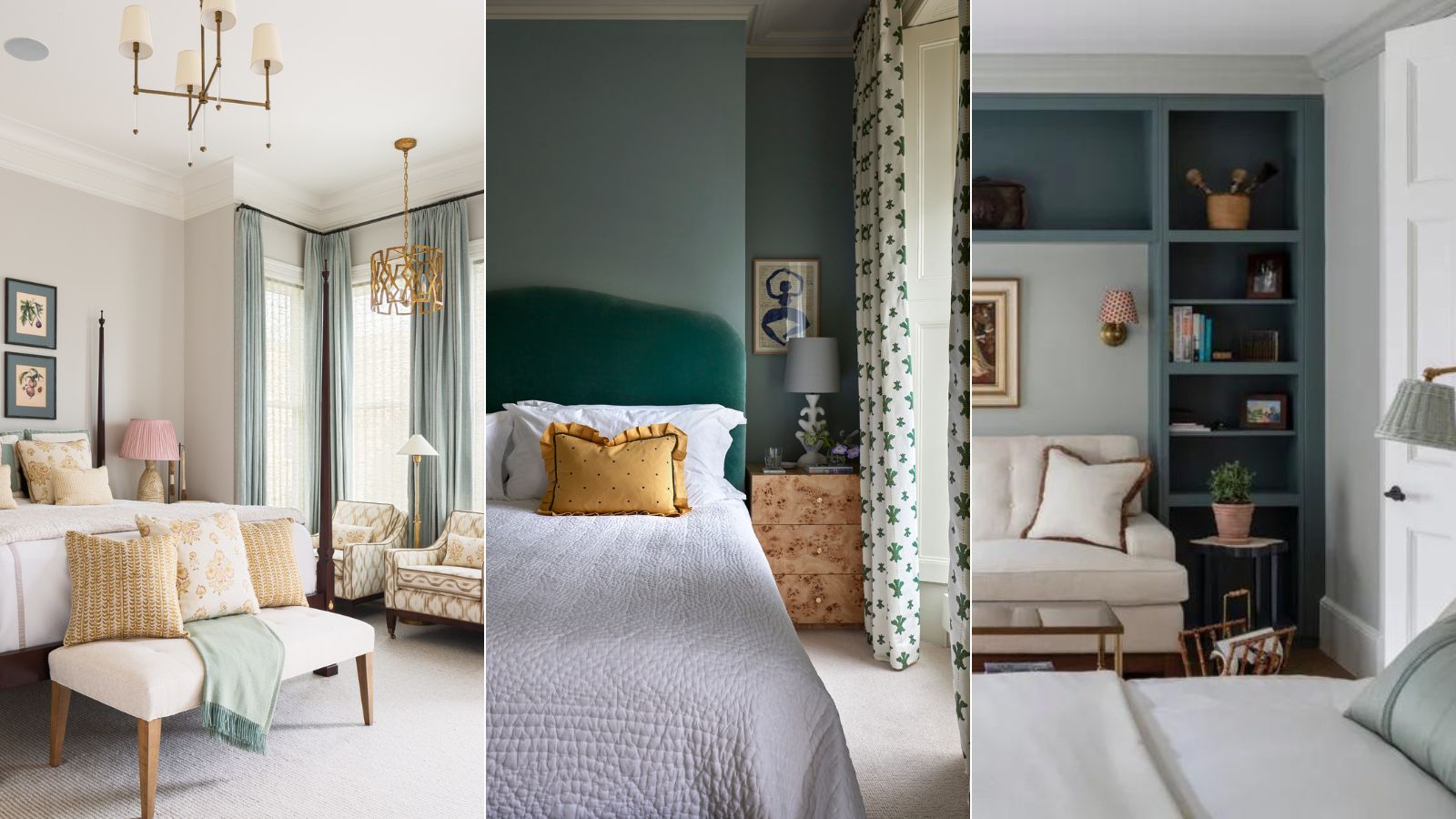
Bedroom layout mistakes – 9 errors experts warn against, and how to fix them
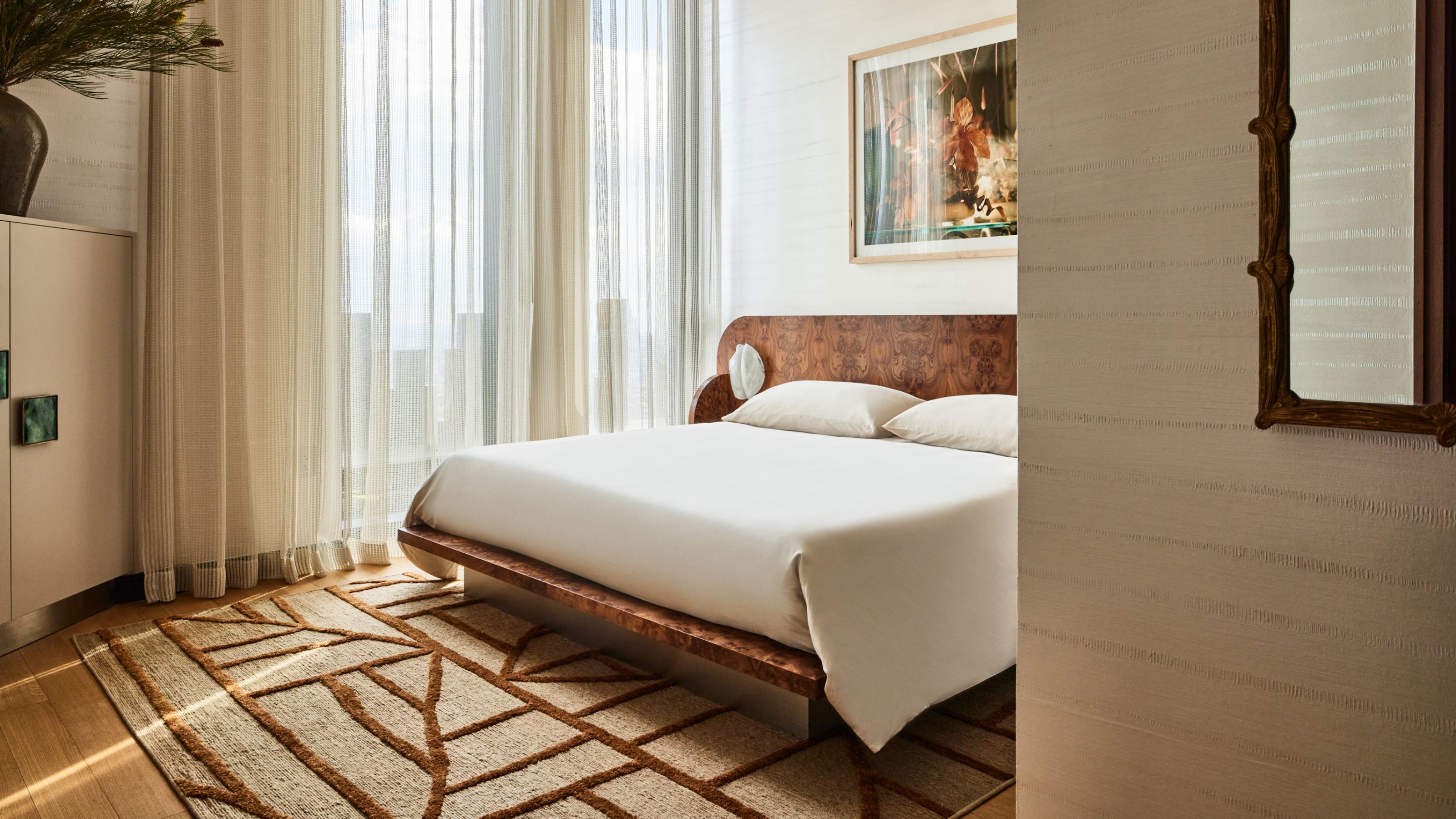
7 Guest Bedroom Design Mistakes That Will Make Them Wish They'd Booked a Hotel Instead
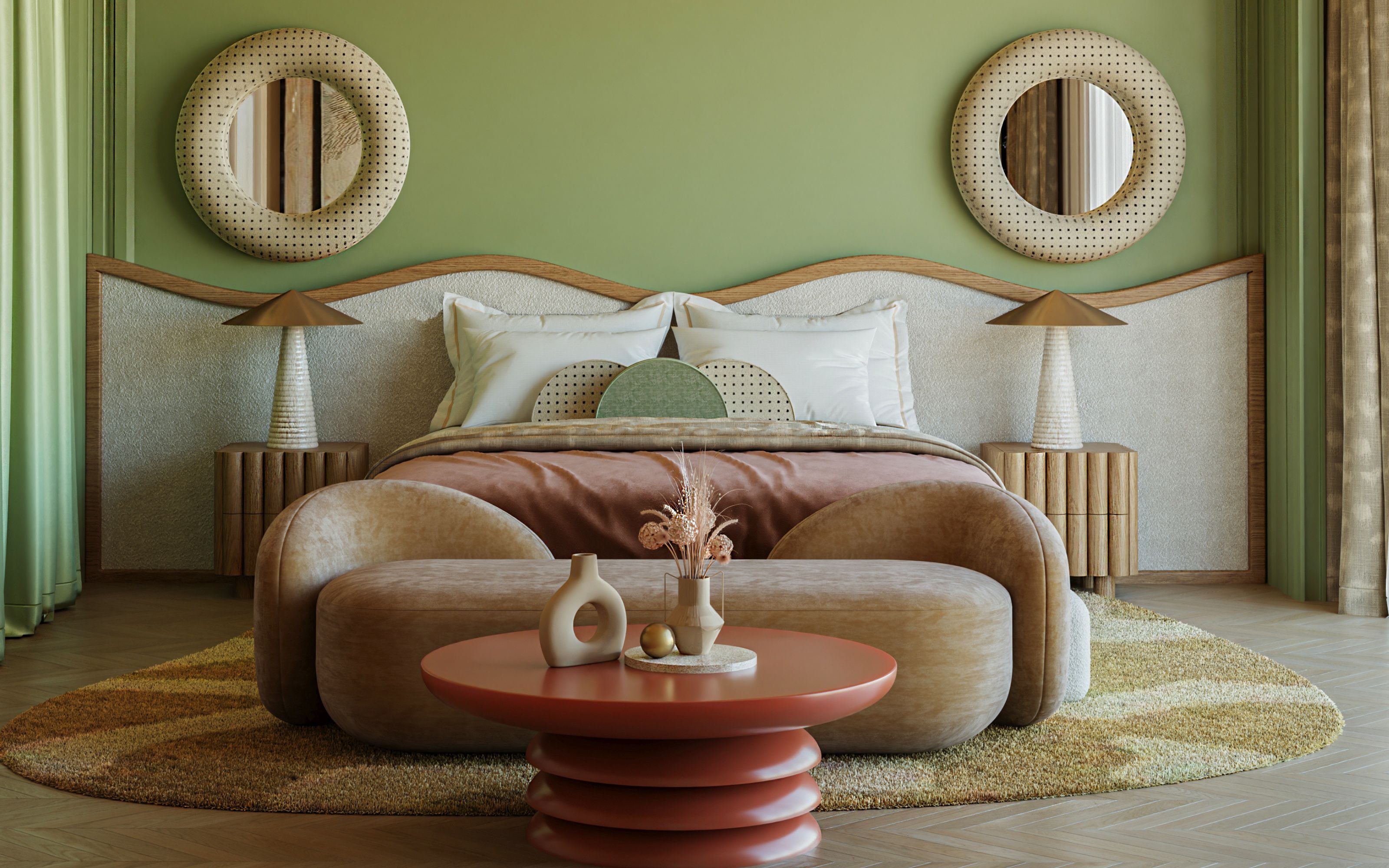
The smallest tweak to your bedroom makes the biggest difference - 5 designer secrets for creating restful schemes
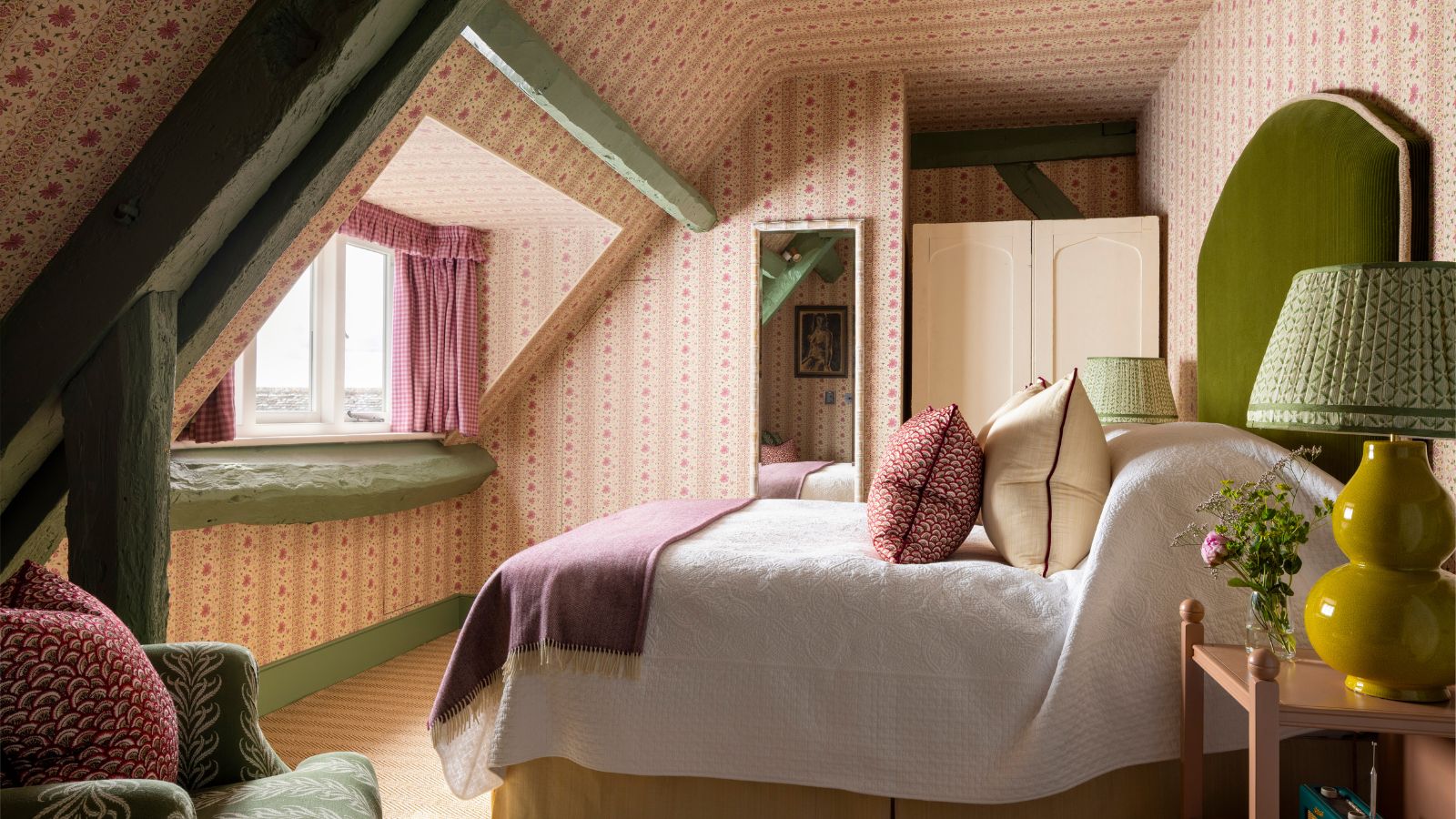
These 5 Dated Bedroom Trends Are Giving Interior Designers Nightmares in 2026 – Here's Why You Should Avoid Them in Your Sleep Space
This big Feng Shui mistake in your bedroom could be causing your poor sleep
11 bedroom lighting mistakes – why your space looks uninviting and feels impractical, and how to fix it
6 outdated bedroom trends designers urge us to avoid – not doing so can ruin a space