7 Things That Always Make Your Bedroom Feel Empty, According to Designers
Achieving a bedroom that feels complete and inviting, rather than empty and unfinished, often involves addressing common design pitfalls that may not be immediately obvious. Three interior design experts, Tommy Kebbson, Mia Karlsson, and Vicky Floros, identify seven key elements that can contribute to a sense of emptiness in a bedroom, offering practical solutions to overcome these challenges.
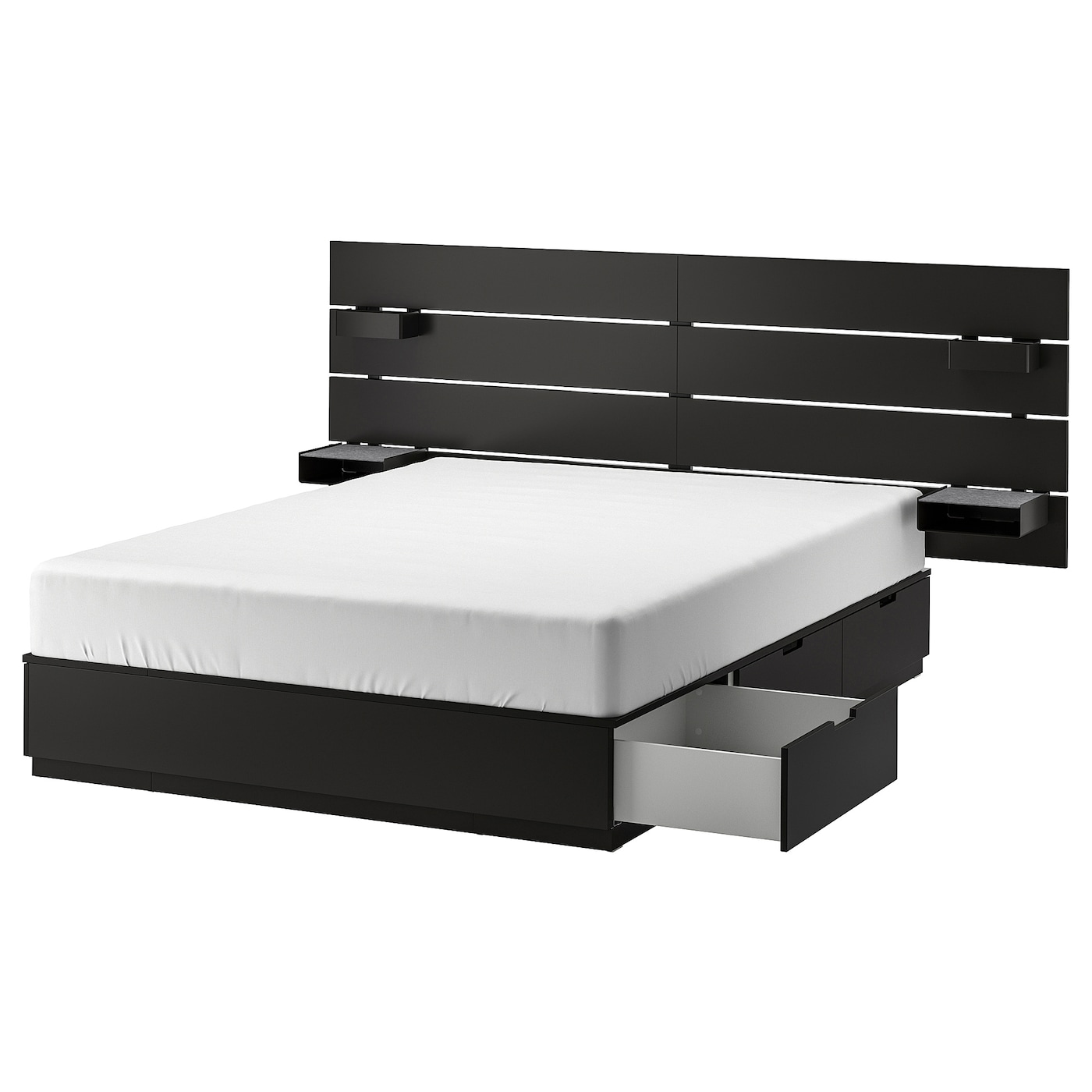
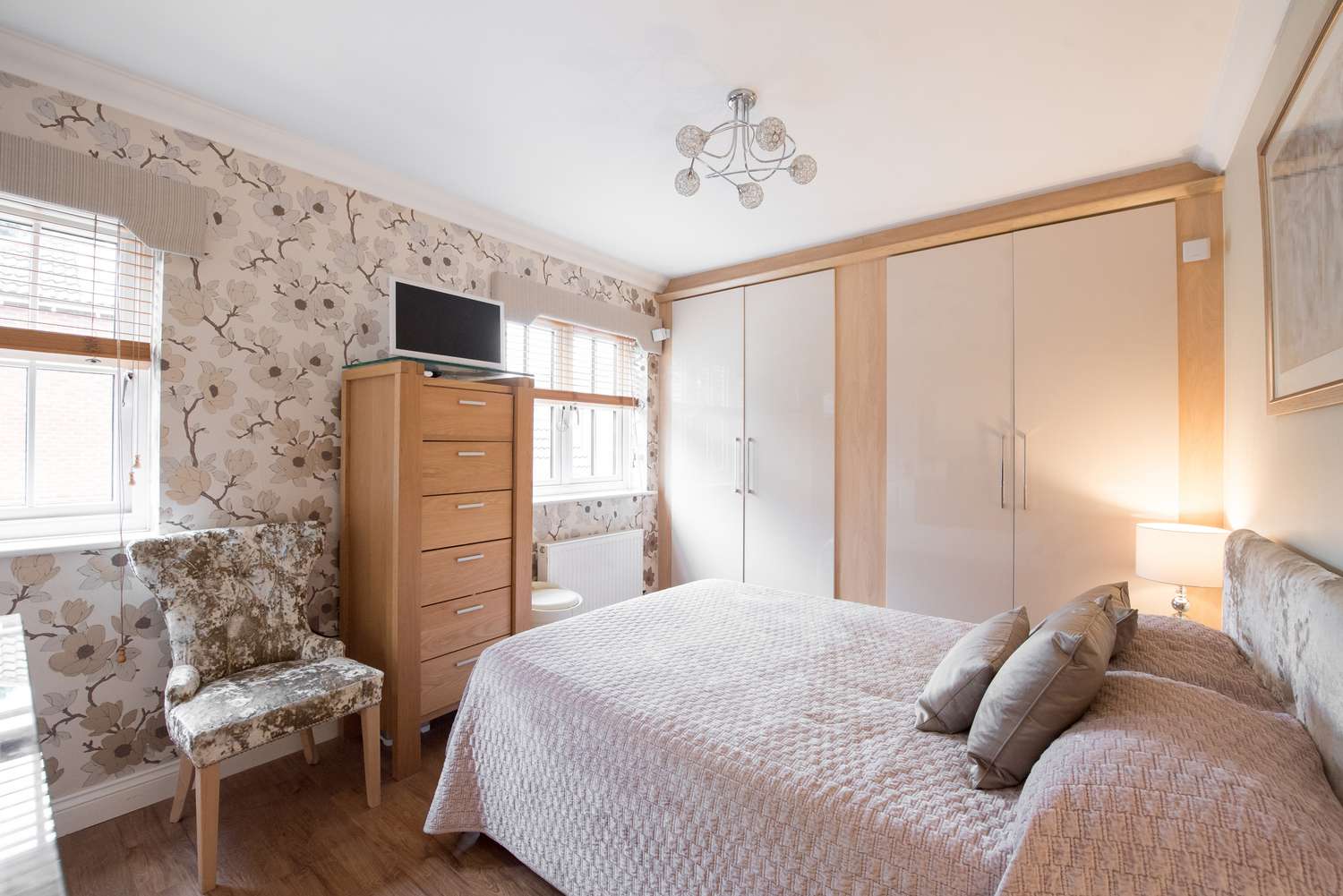
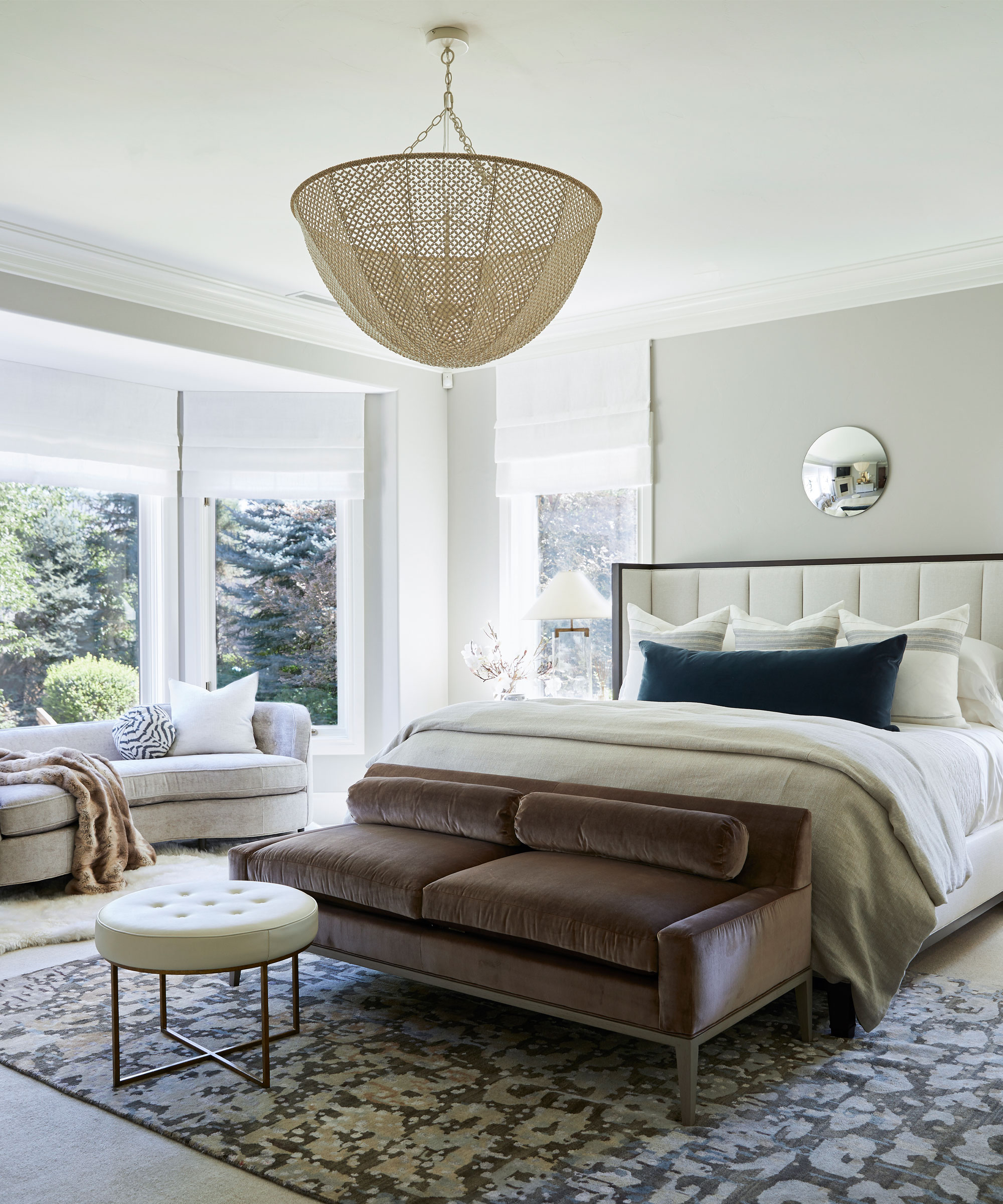
One common mistake is choosing furniture that is too small for the room. While it might seem logical to select smaller pieces for a compact space, this can actually make the room appear emptier due to a lack of proper fit and fluid transitions. Designers suggest opting for fewer, more substantial pieces that effectively fill the space and enhance usability, even in smaller bedrooms.
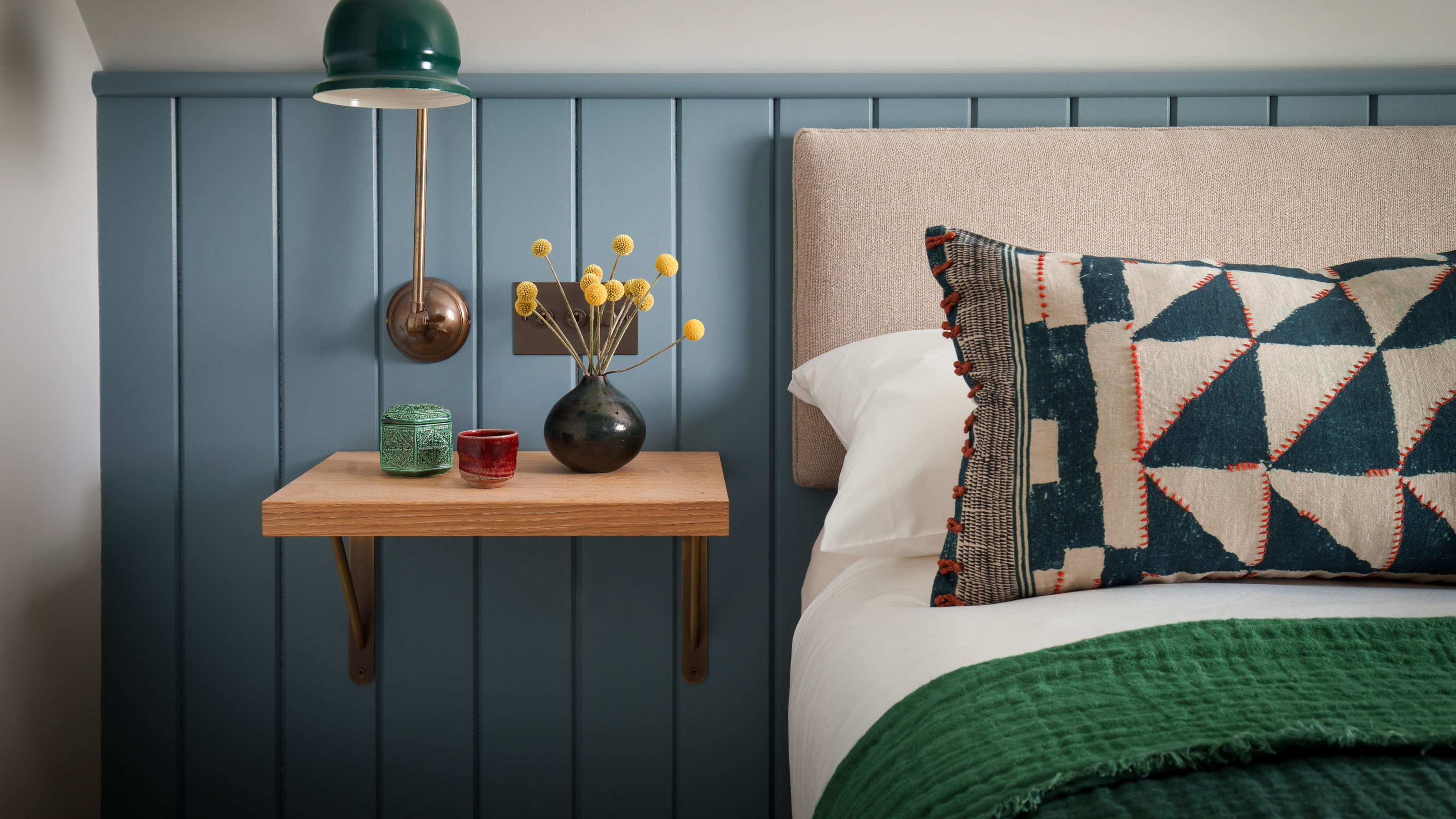
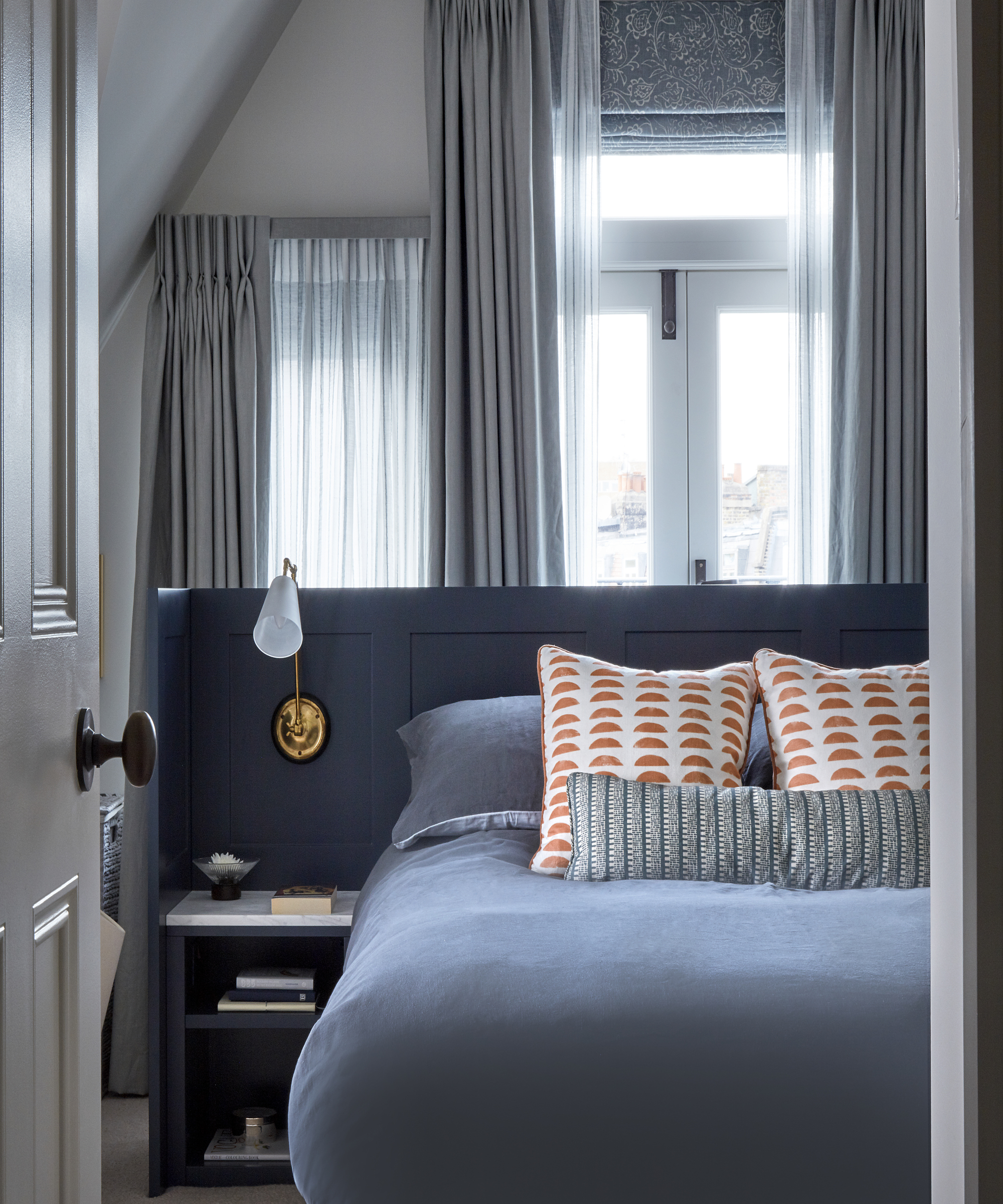
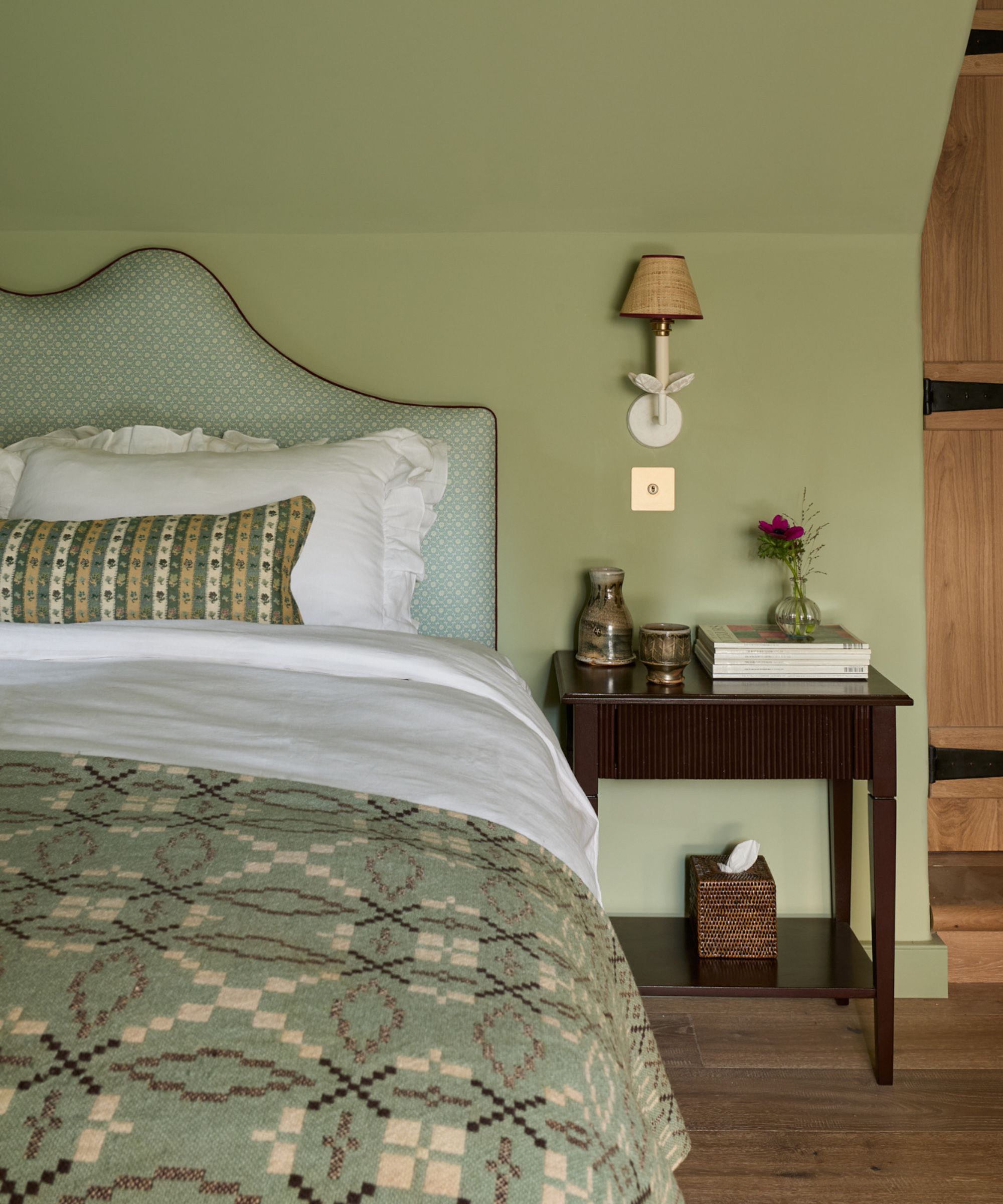
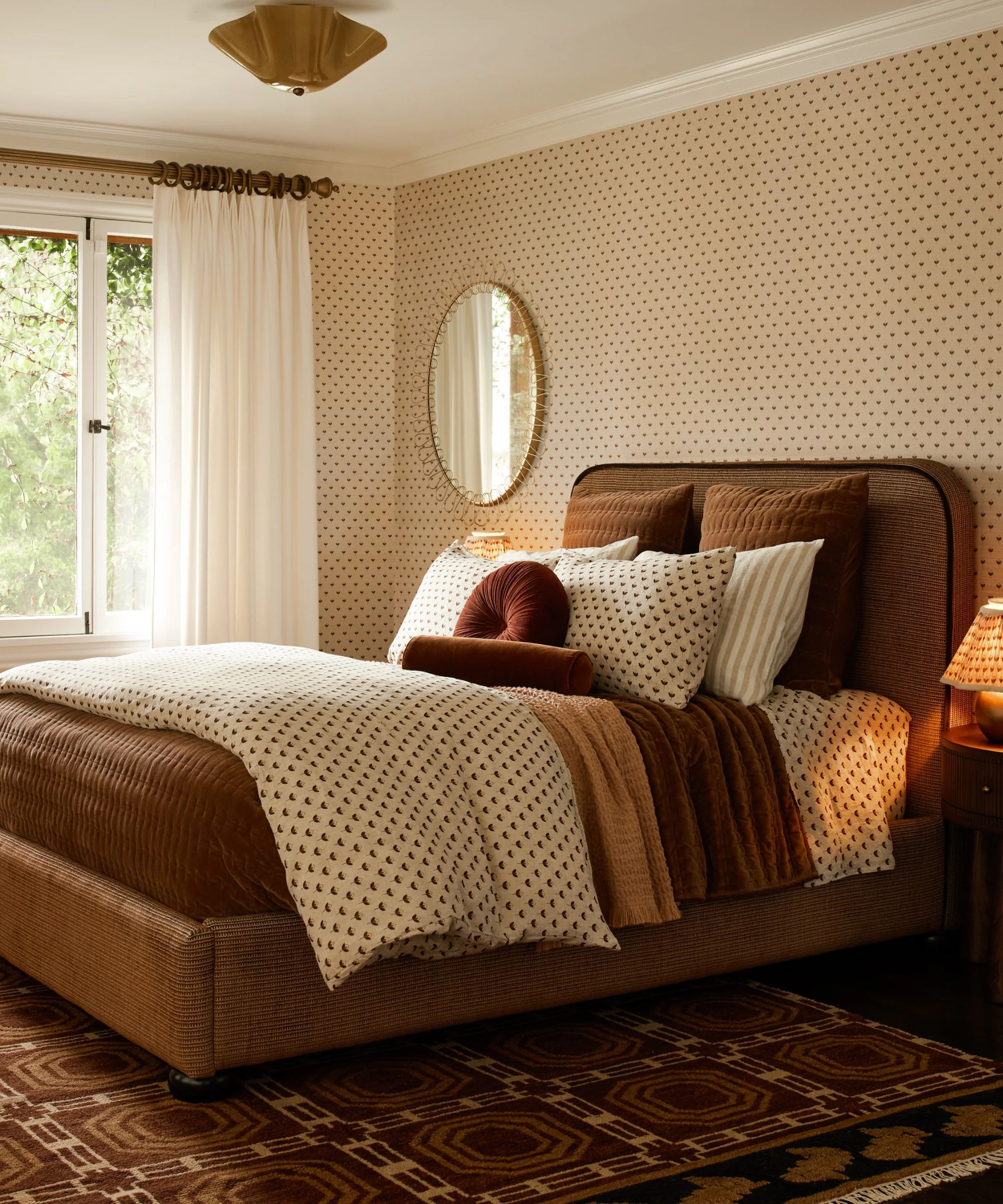
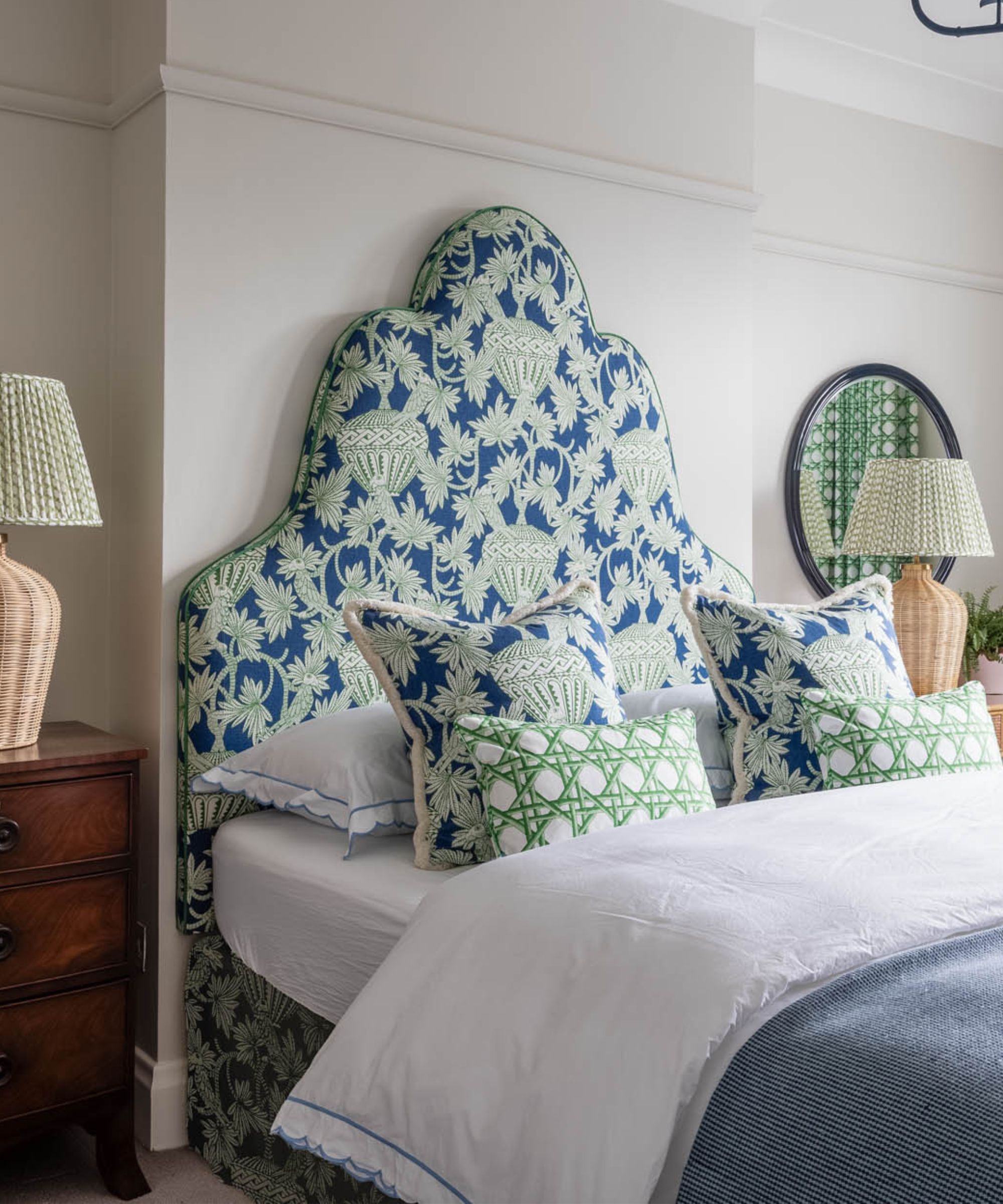
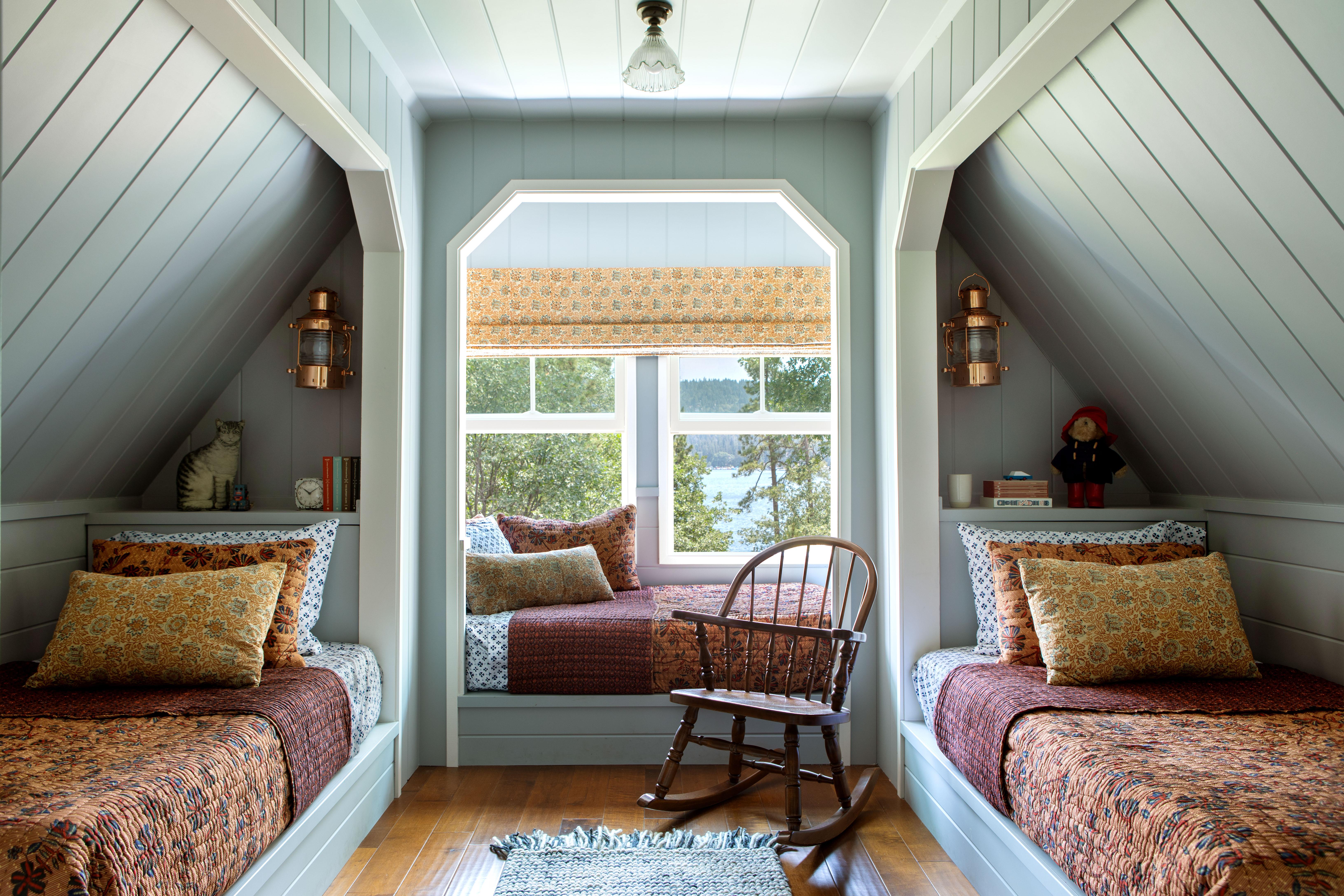
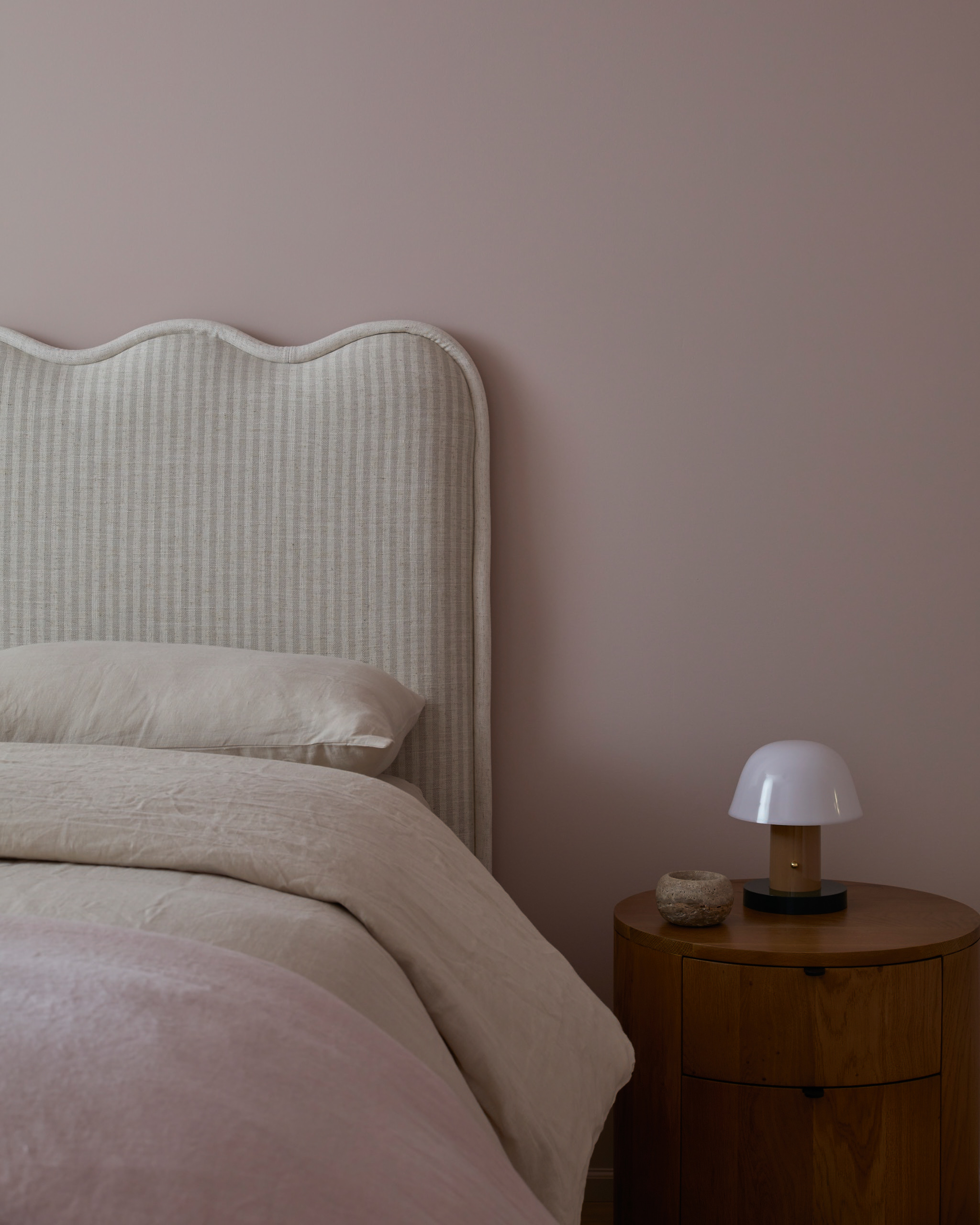
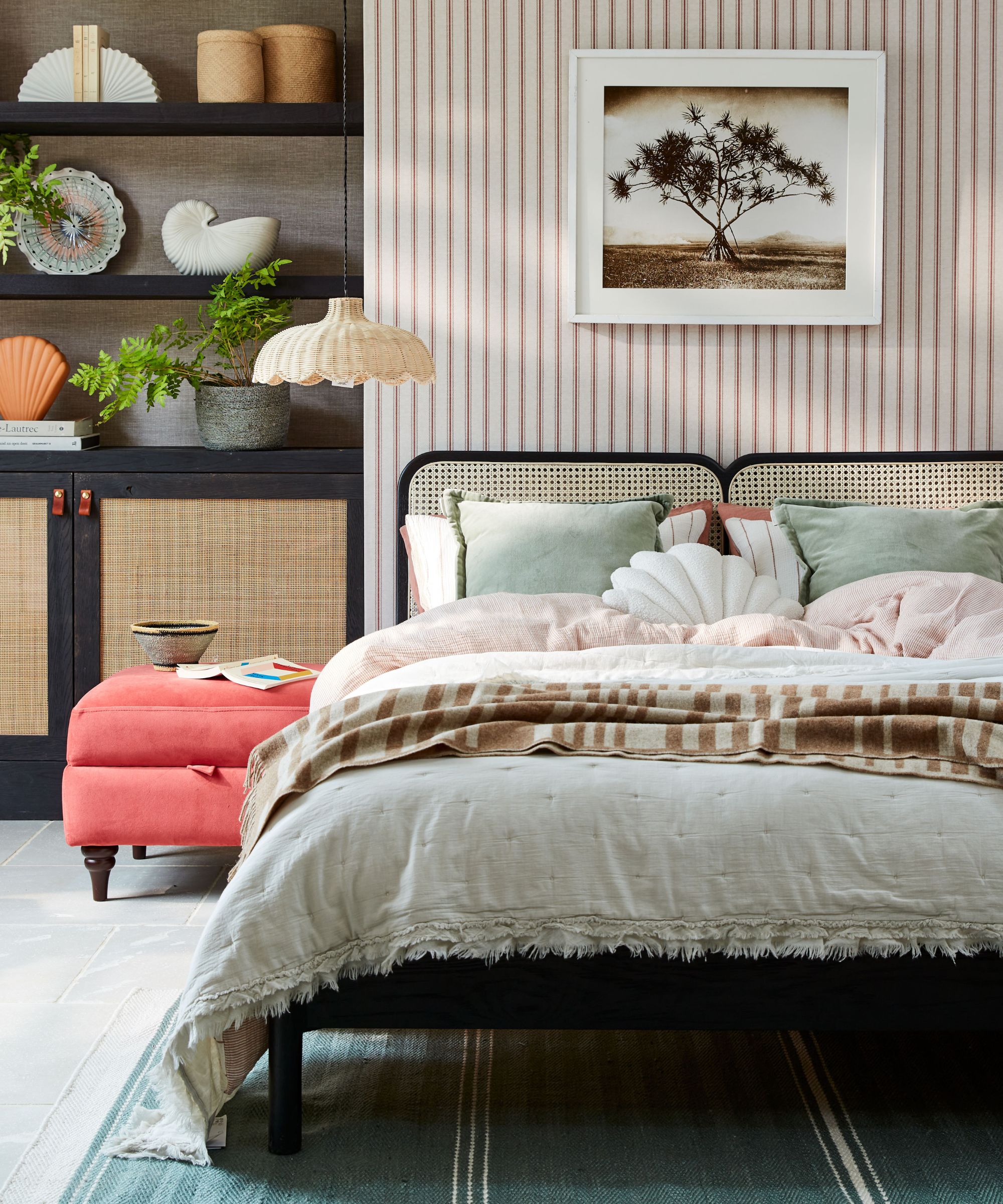
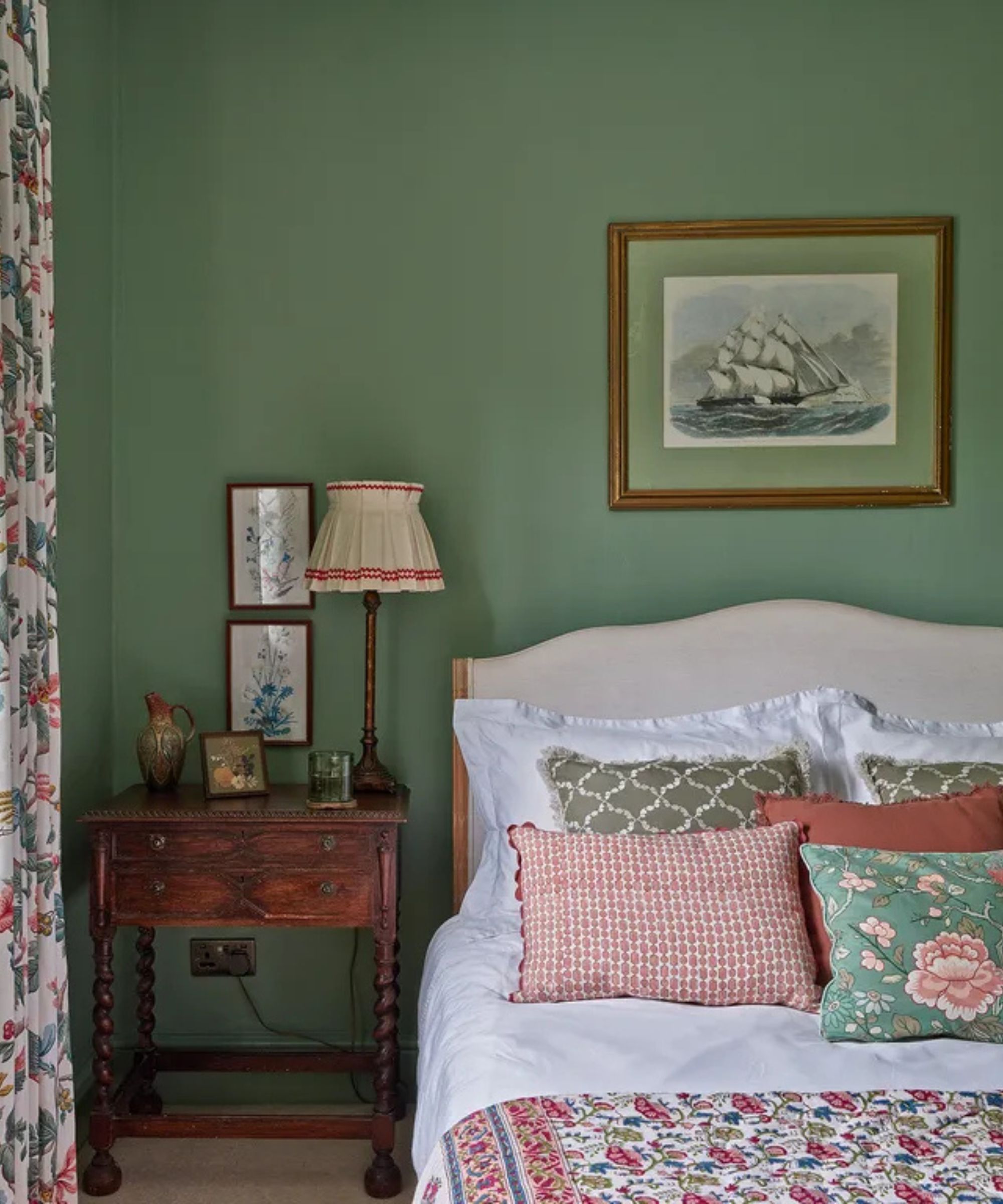
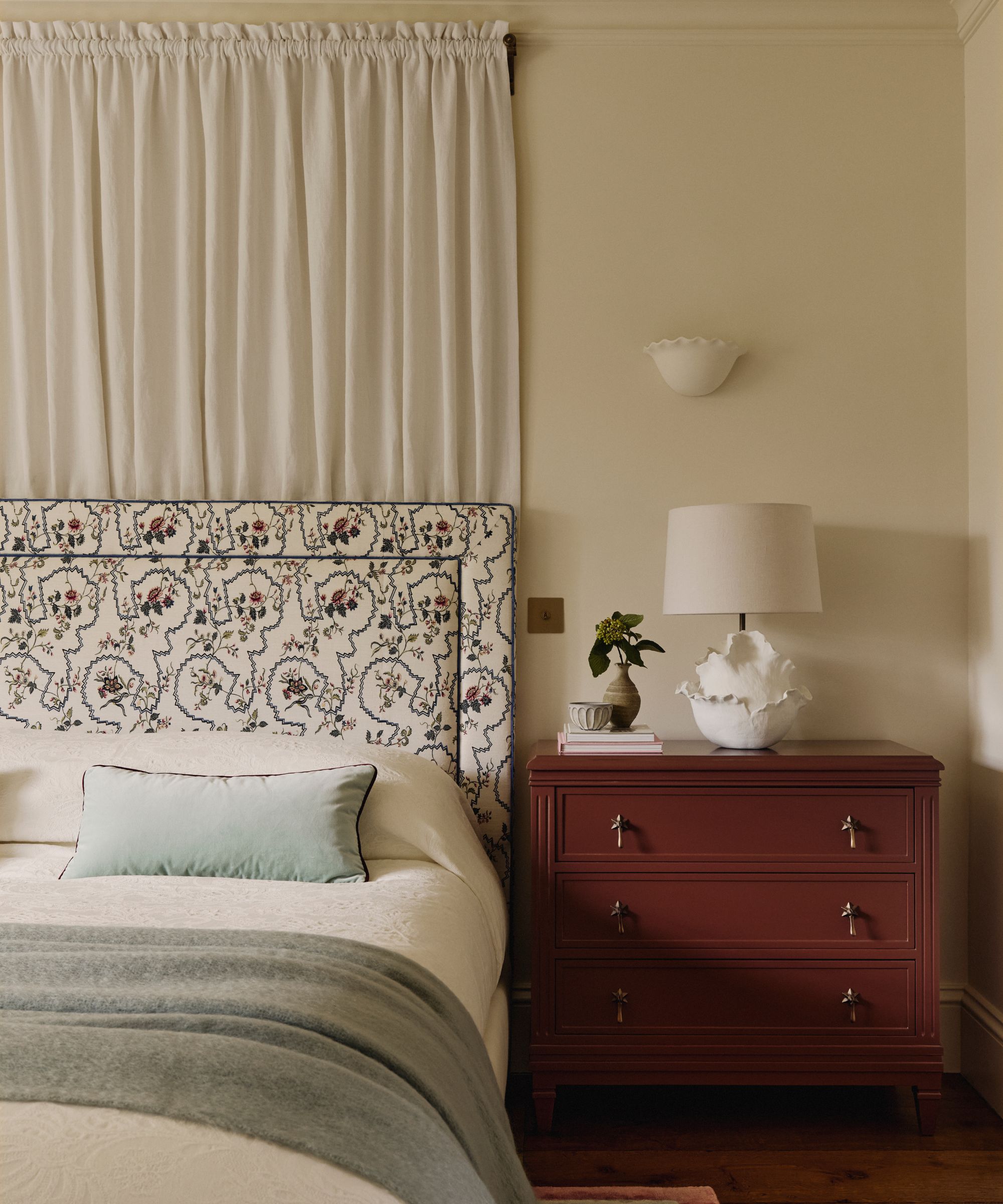
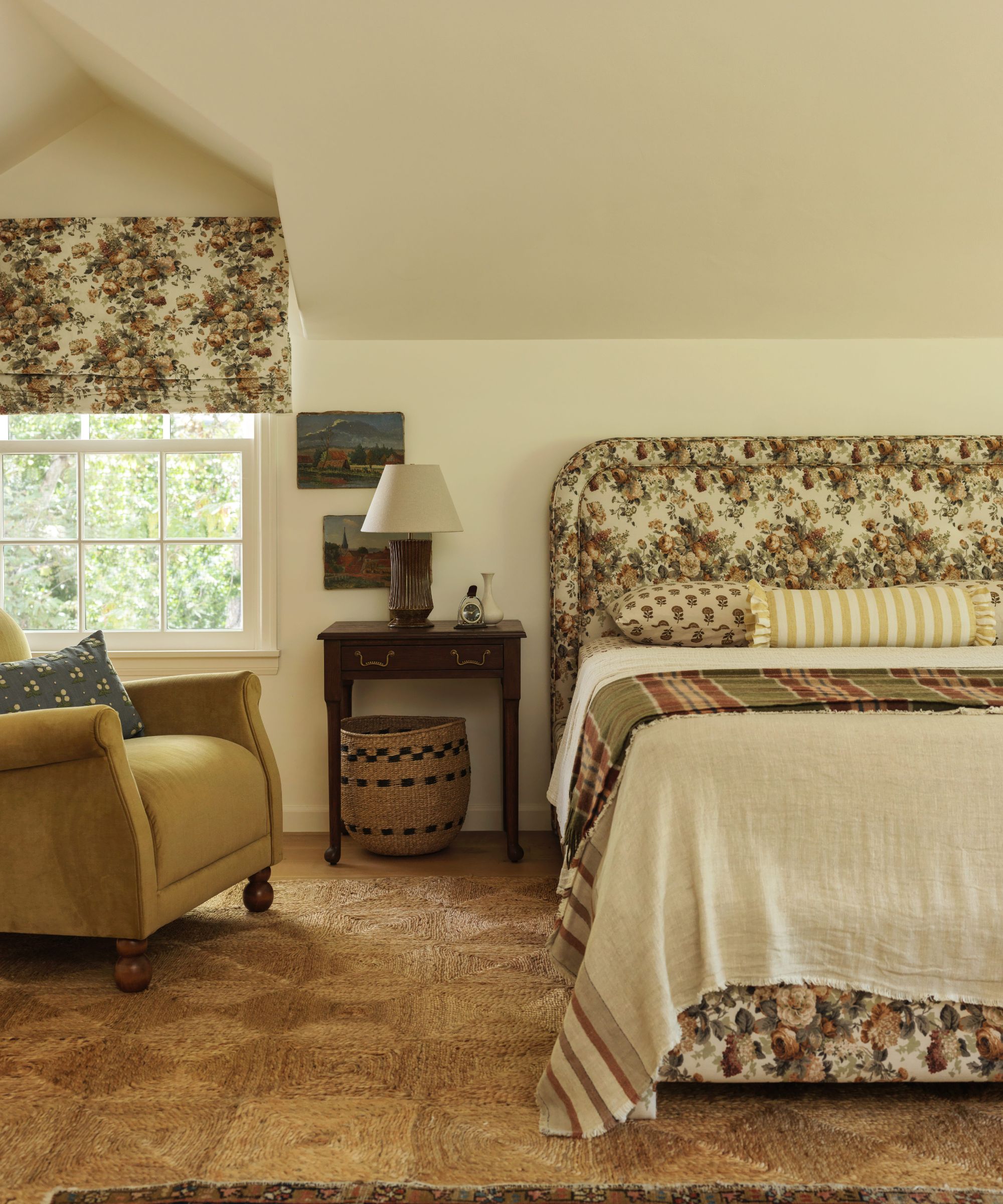
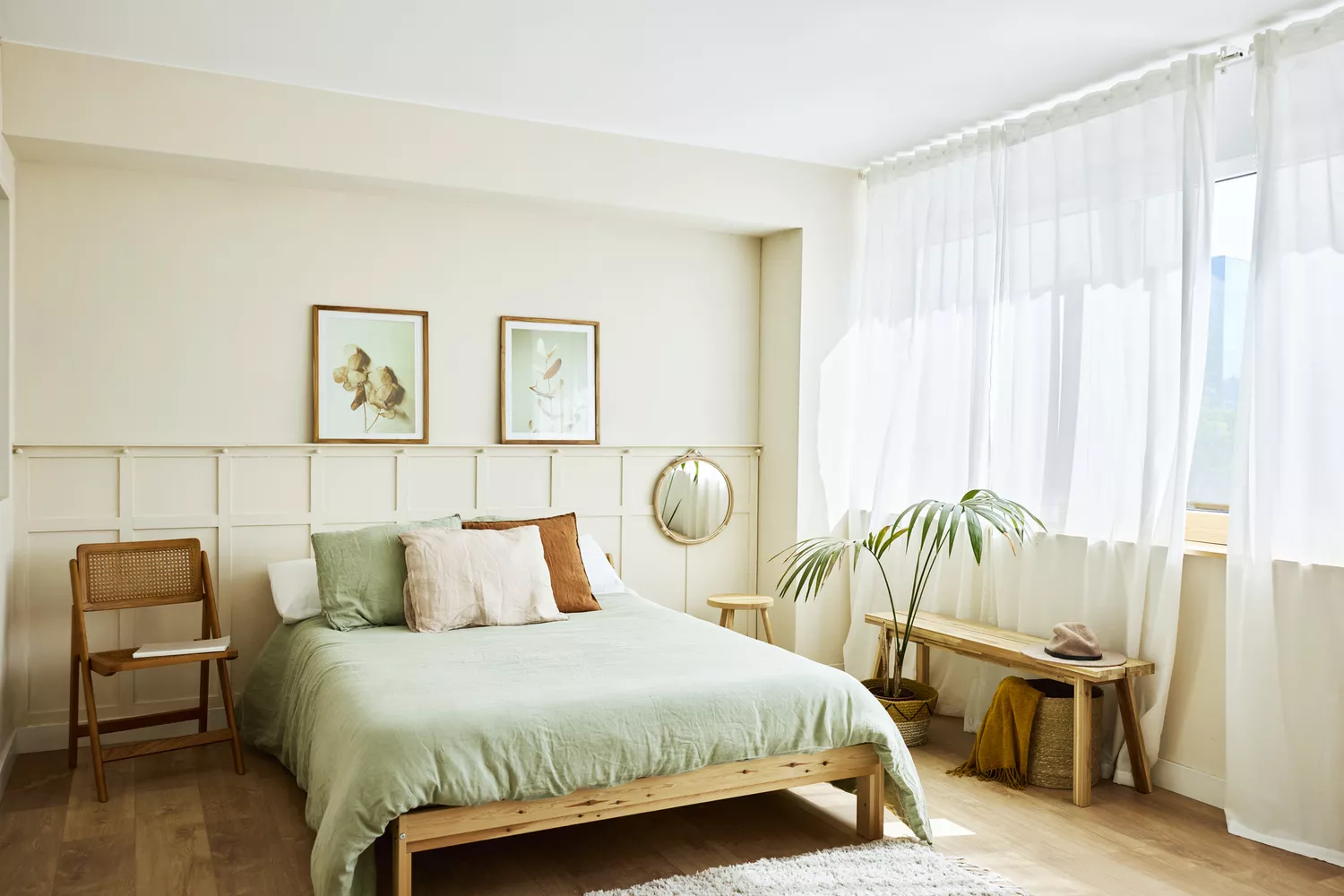
Another overlooked aspect is bedding. Beyond just a comforter and a few pillows, designers emphasize the importance of adding interest and texture to the bed, which often serves as a focal point. This can be achieved through throws, additional pillows, or linen bedding in subtle colors and varied textures, transforming the bed into a more complete and appealing element.
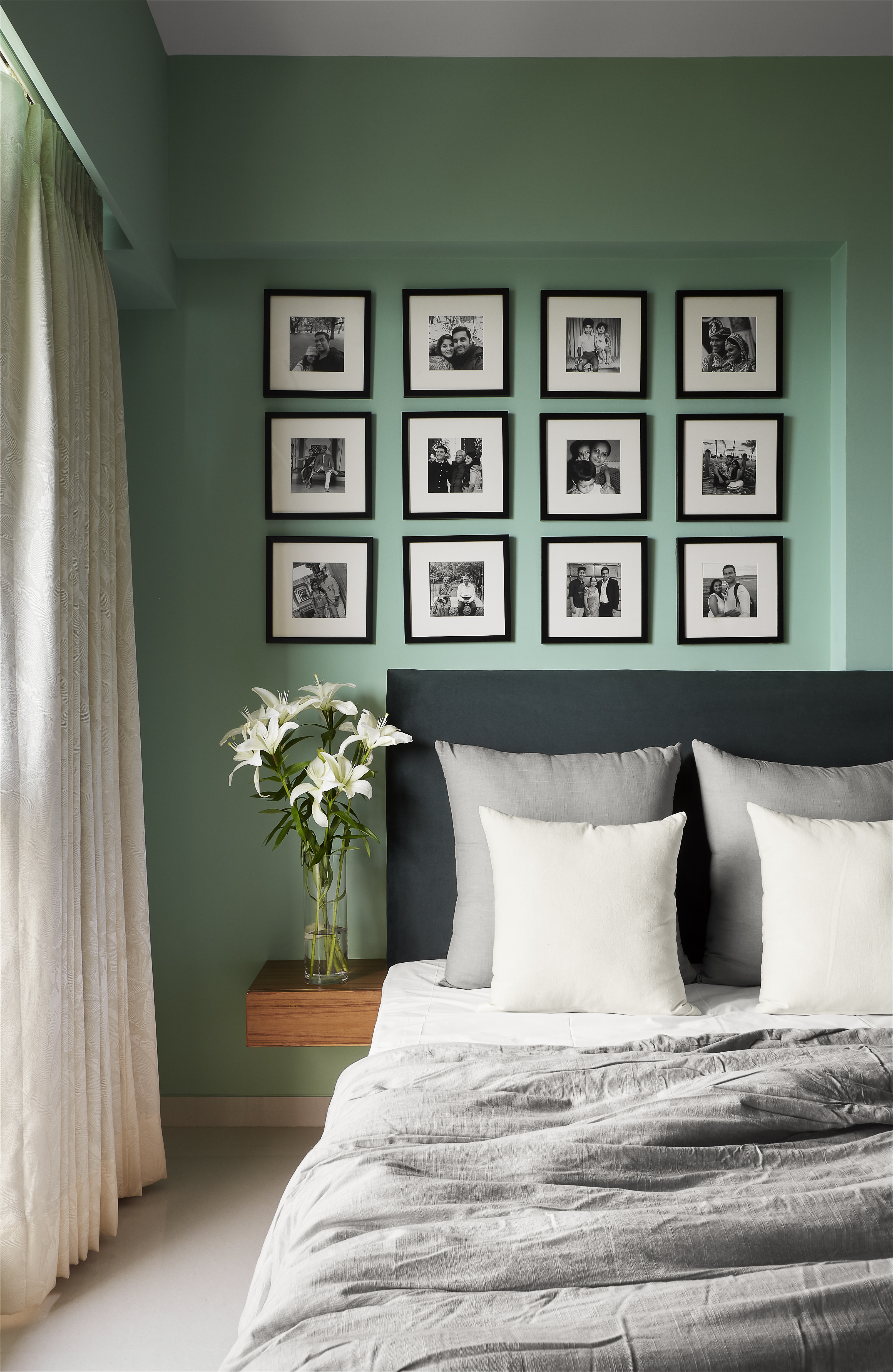
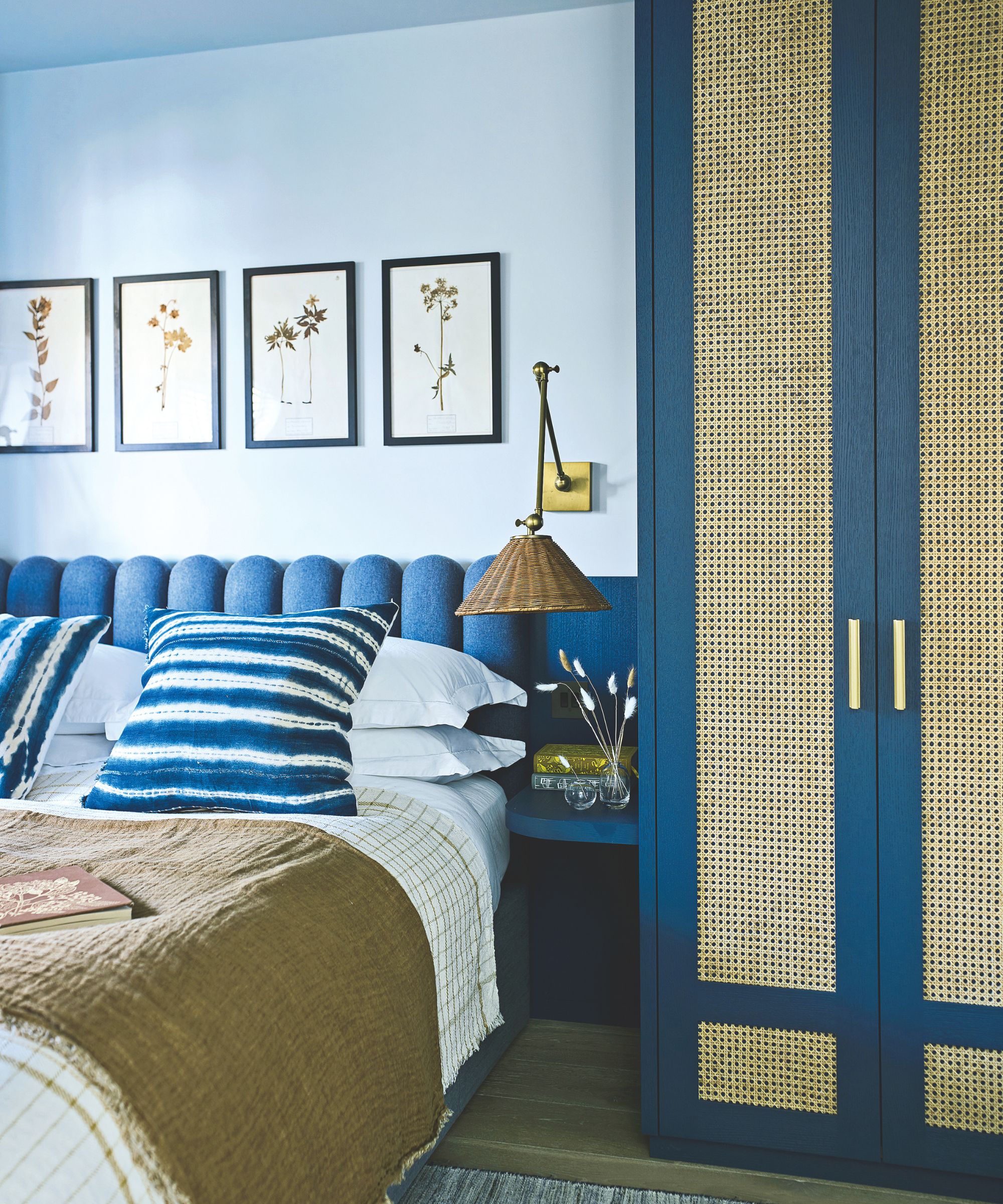
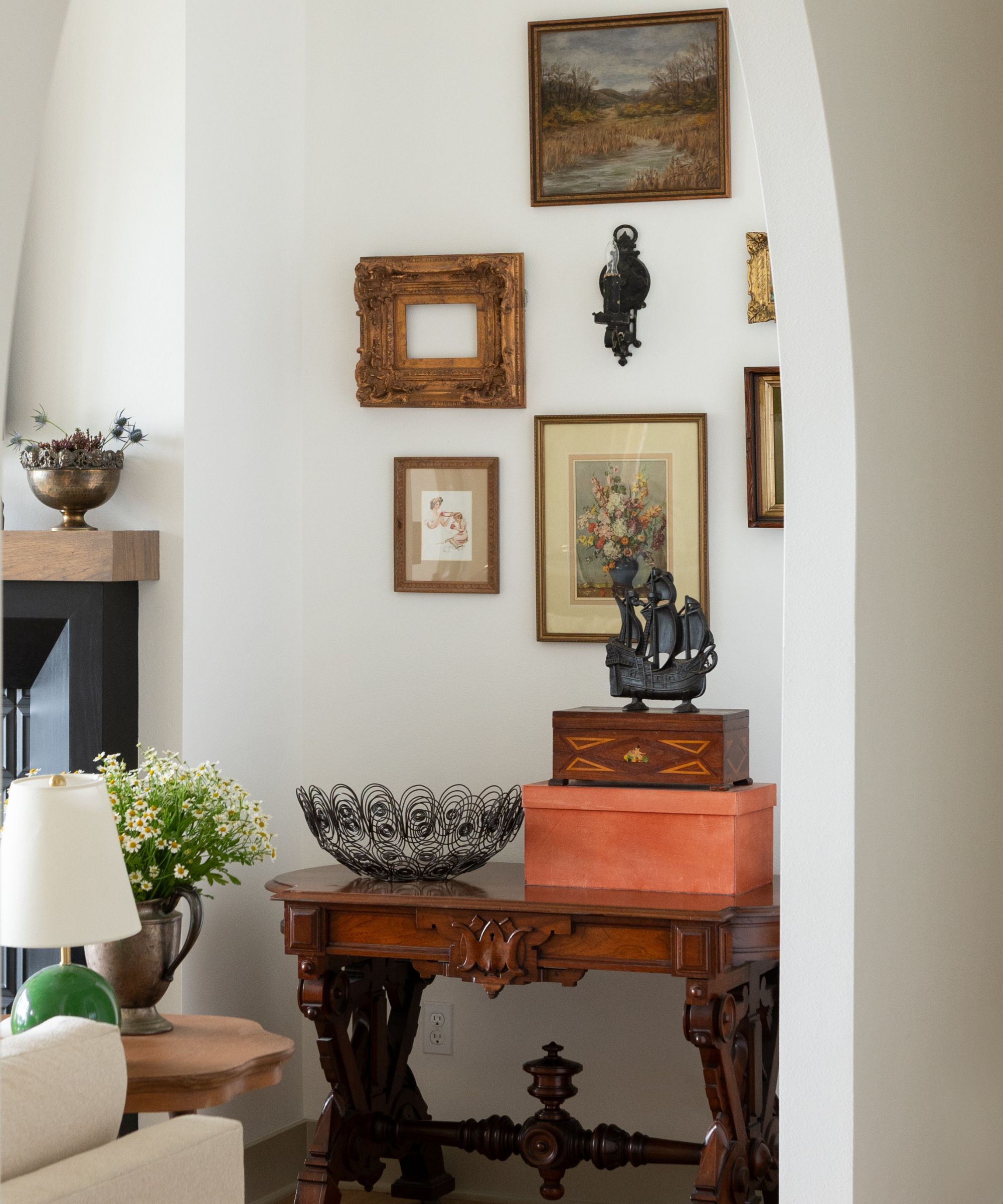
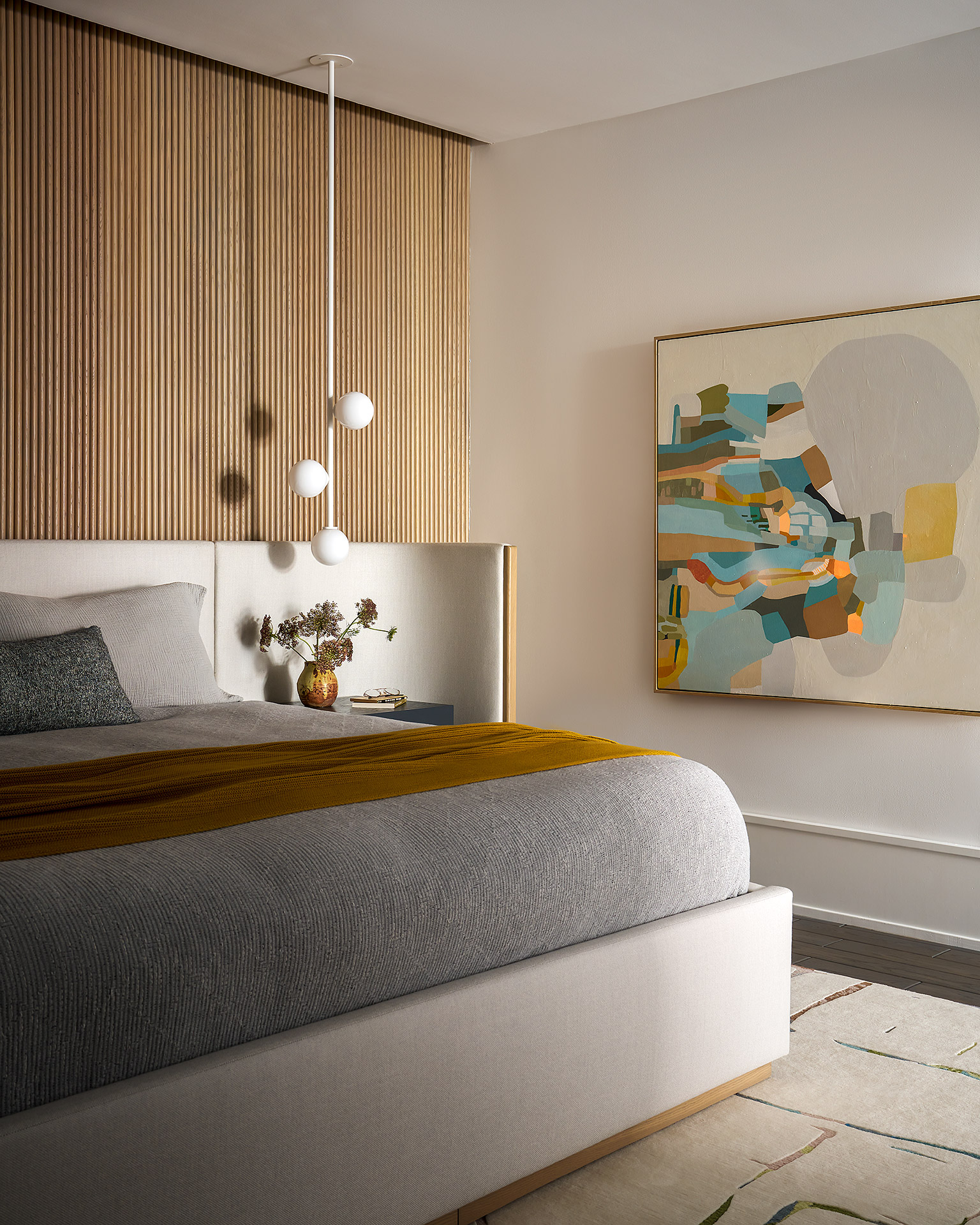
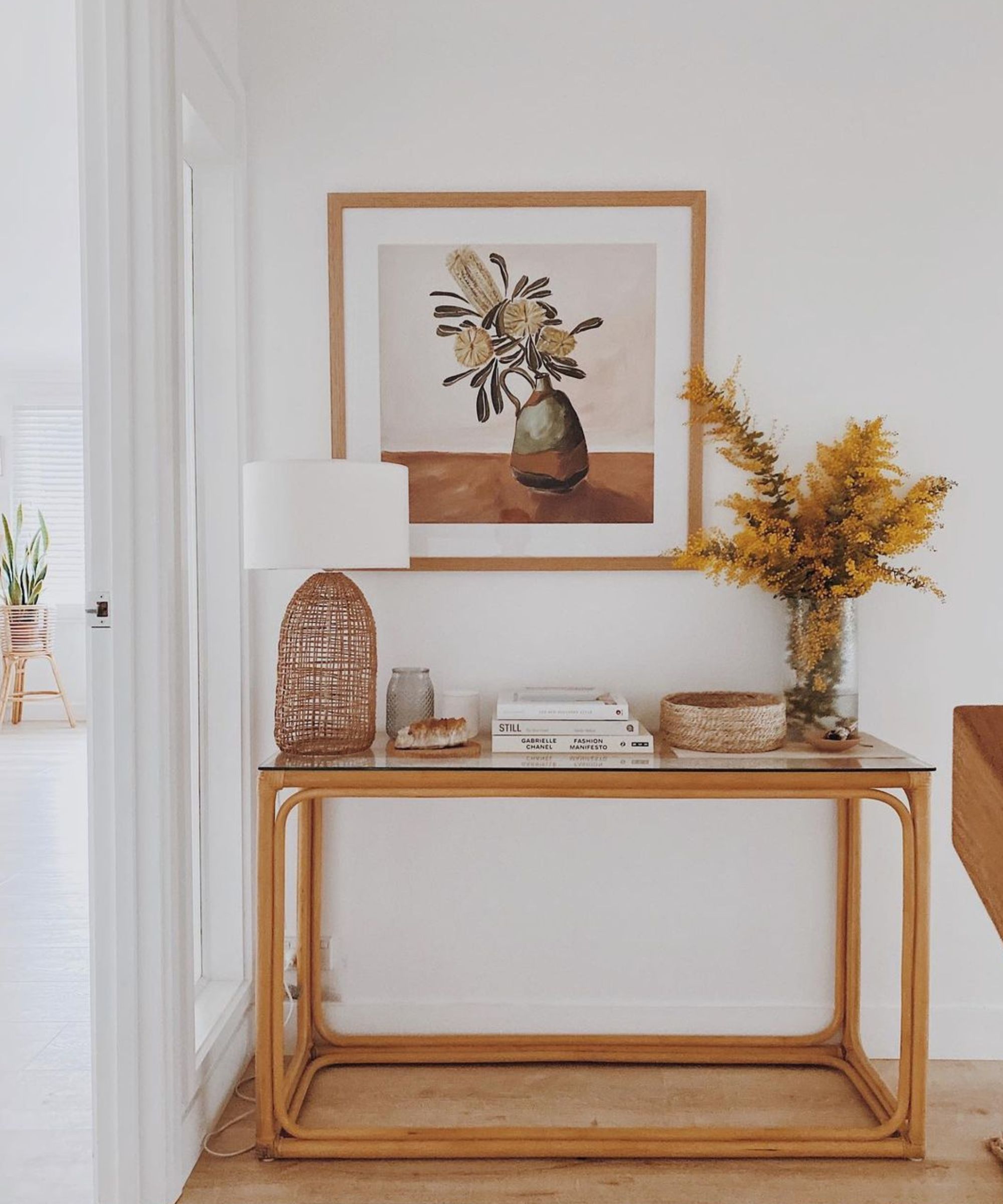
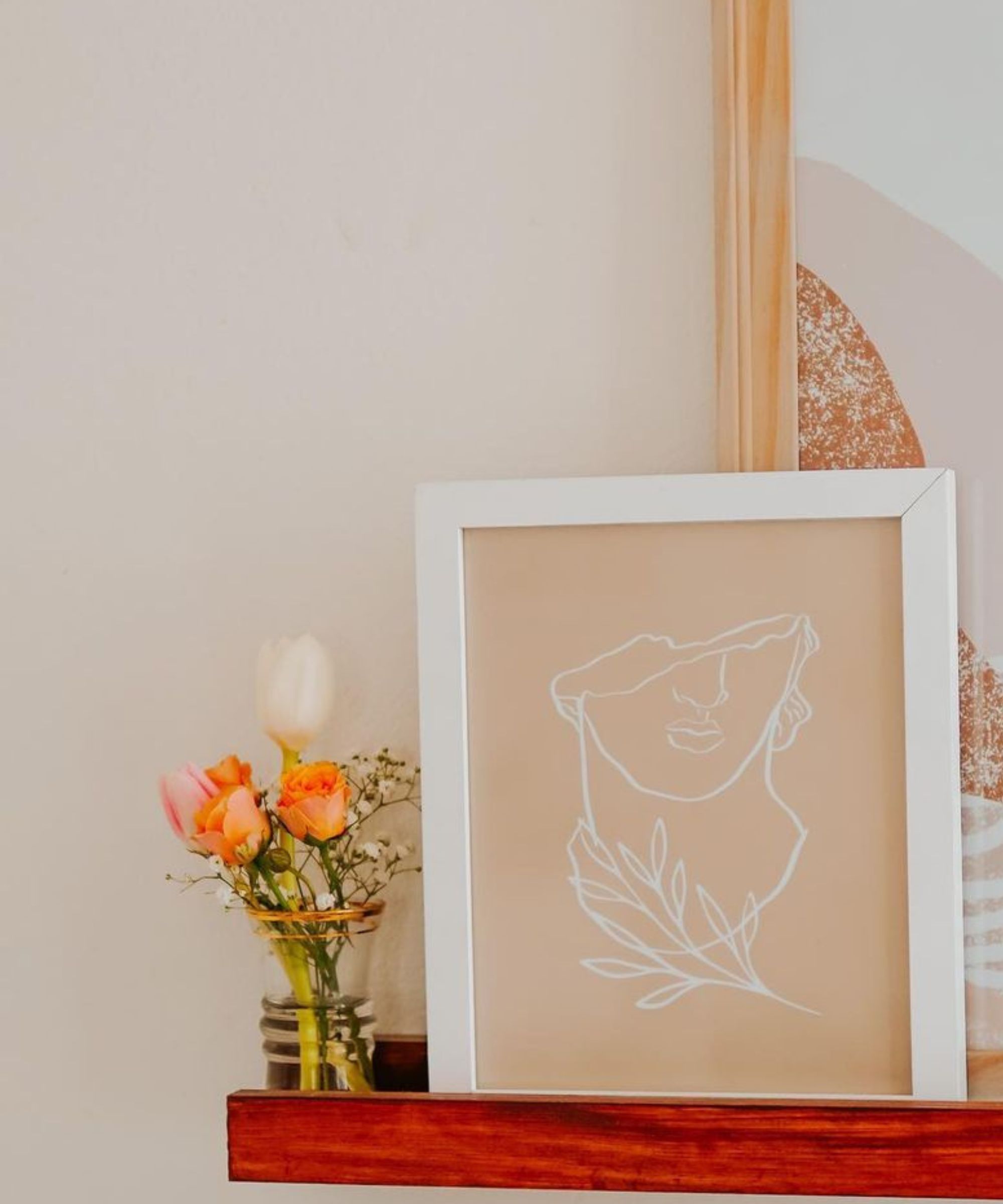
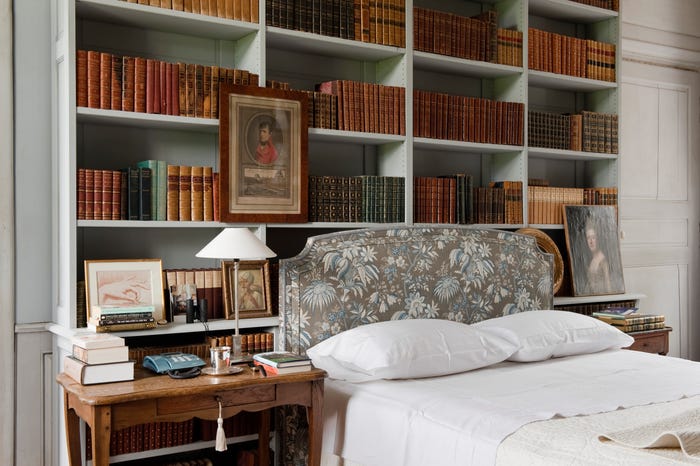
Sparse wall decorations also play a significant role in creating an empty or unfulfilled atmosphere. Bare walls can make a room feel stark and unwelcoming. Incorporating various wall decor items such as art, framed photographs, decorative shelving, and mirrors can instantly infuse personality and character, making the space feel lived-in and vibrant.
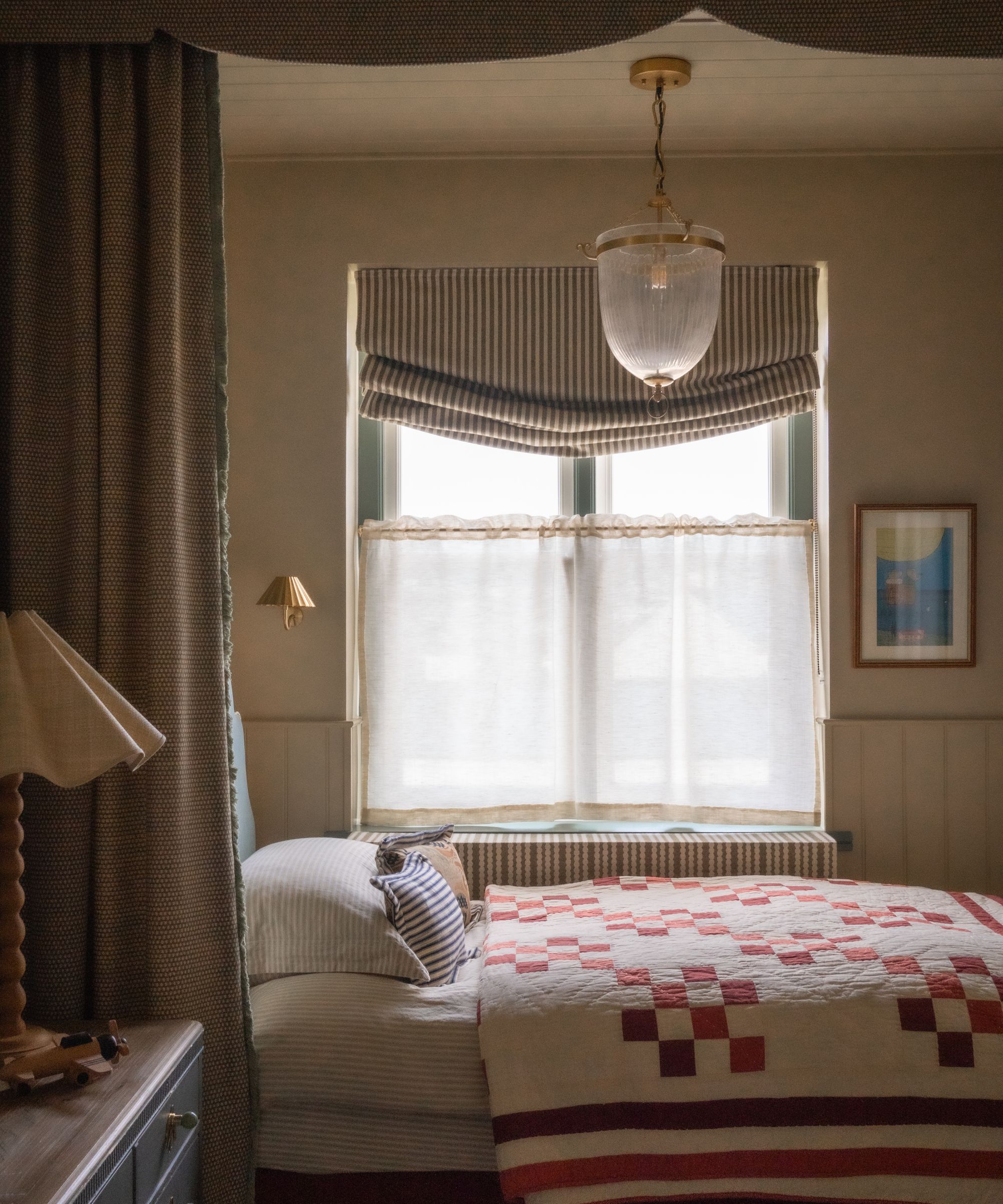
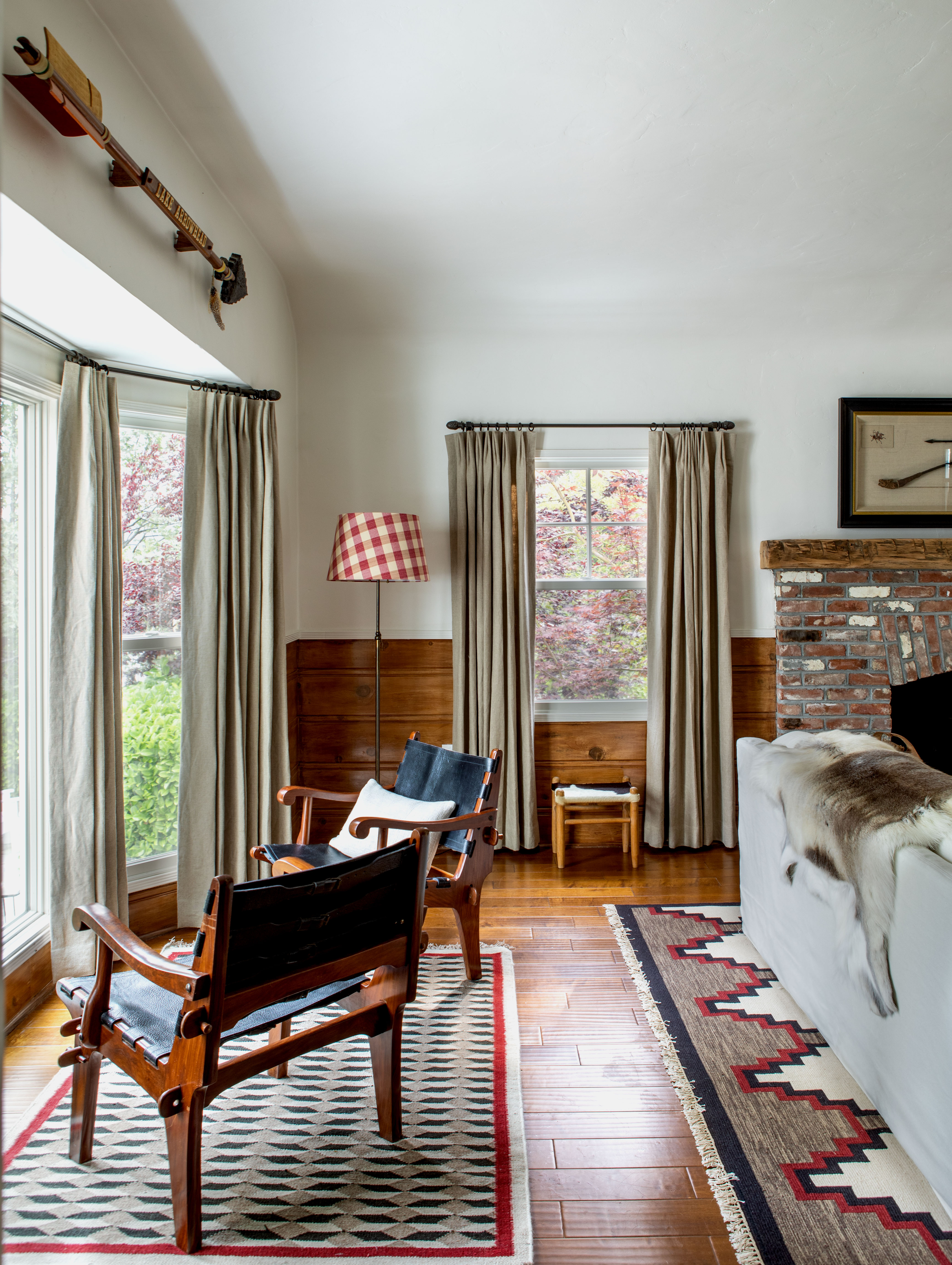
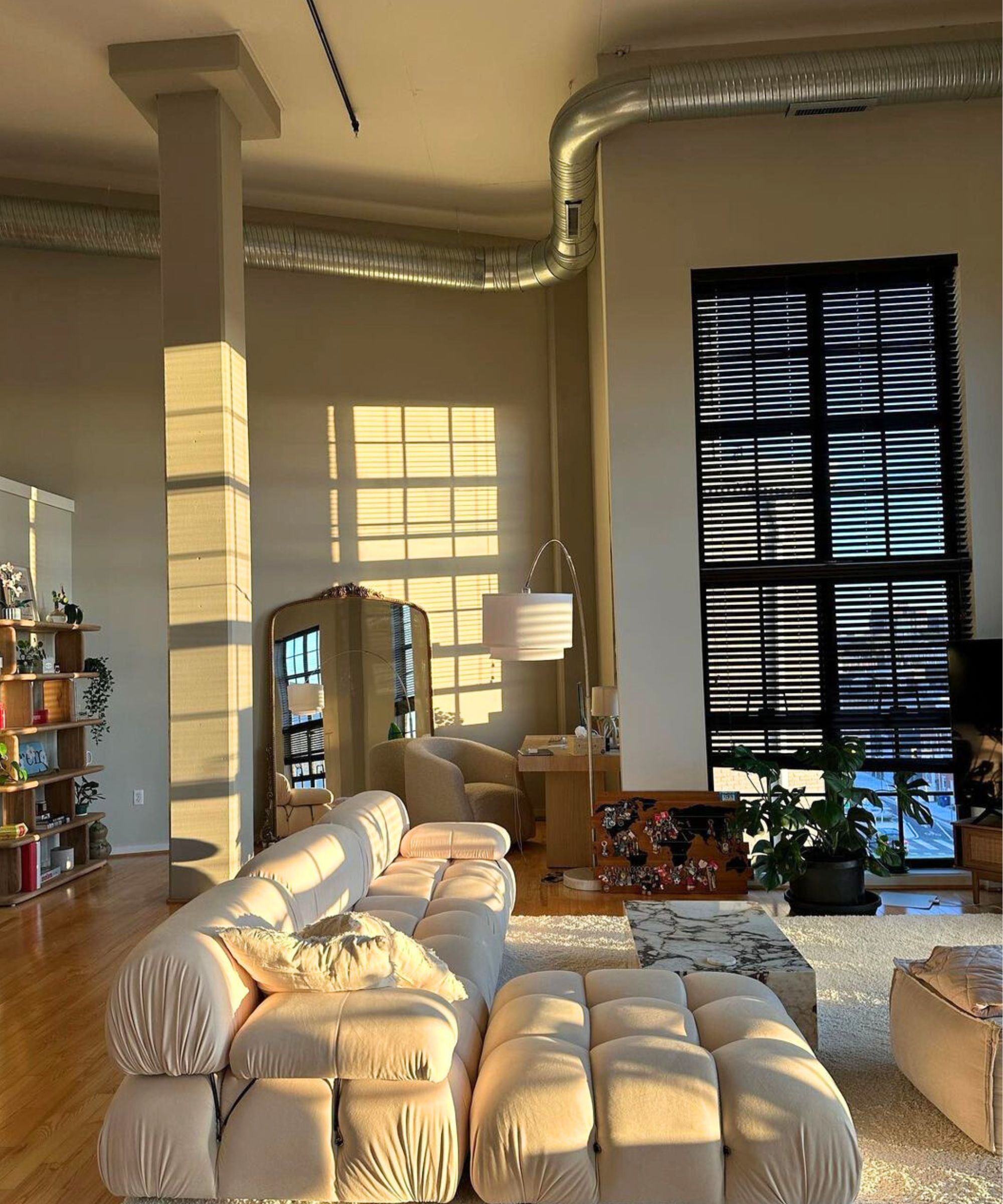
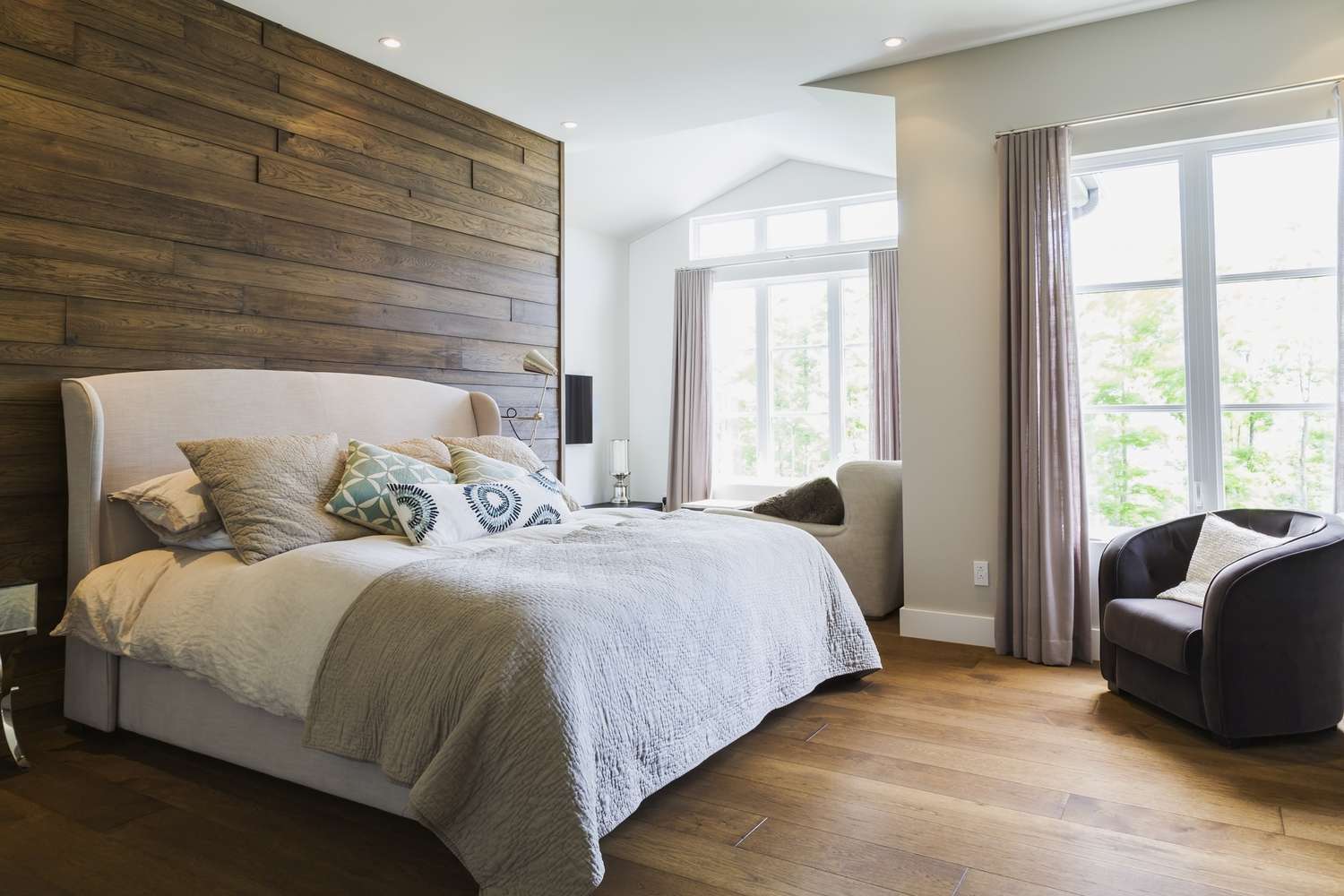
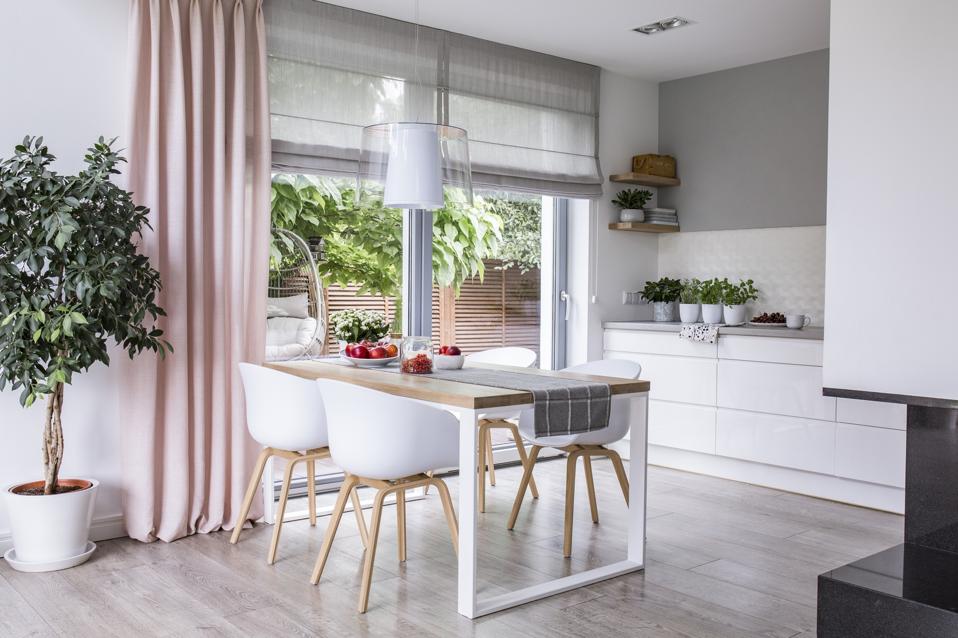
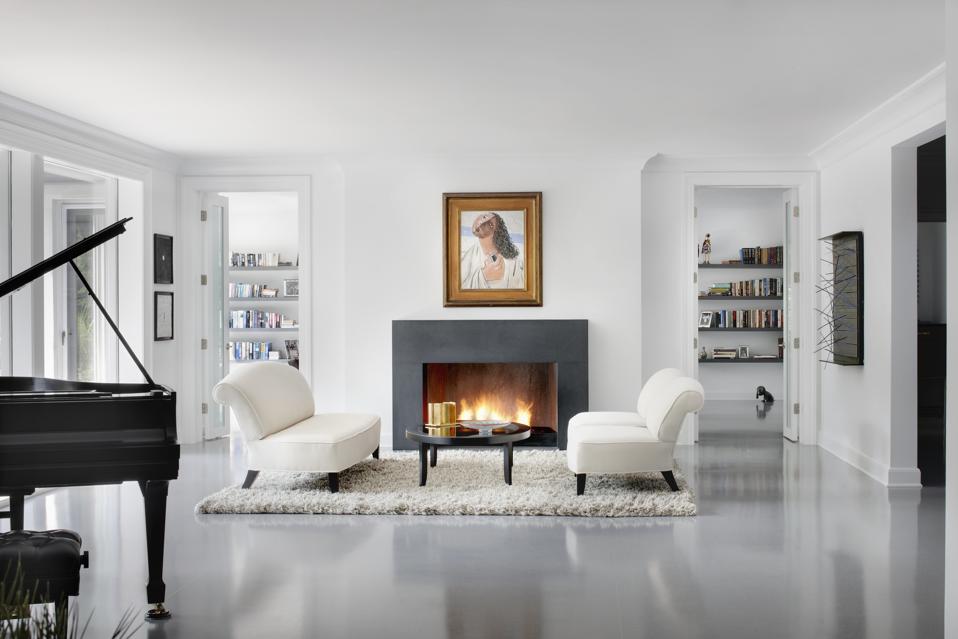
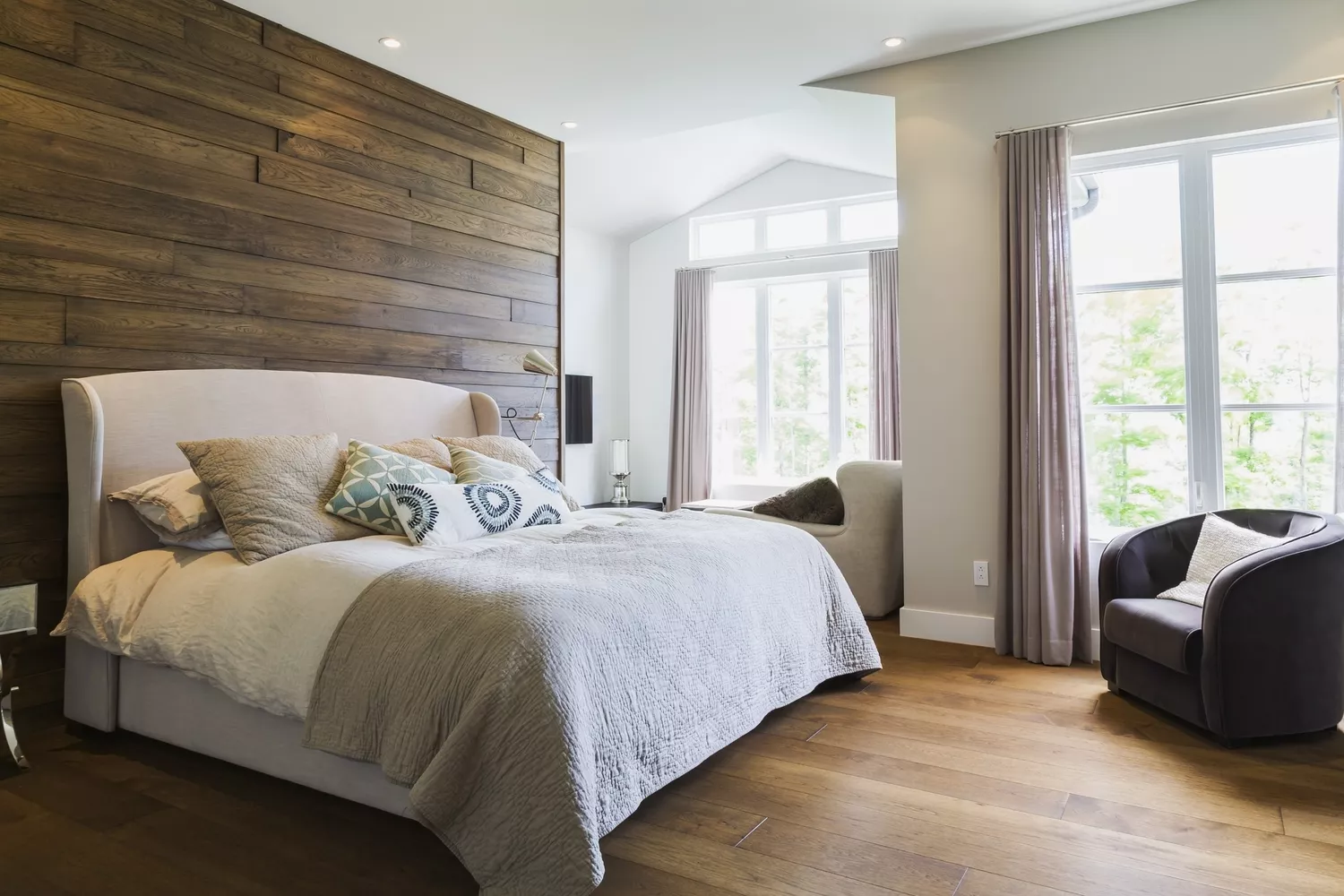
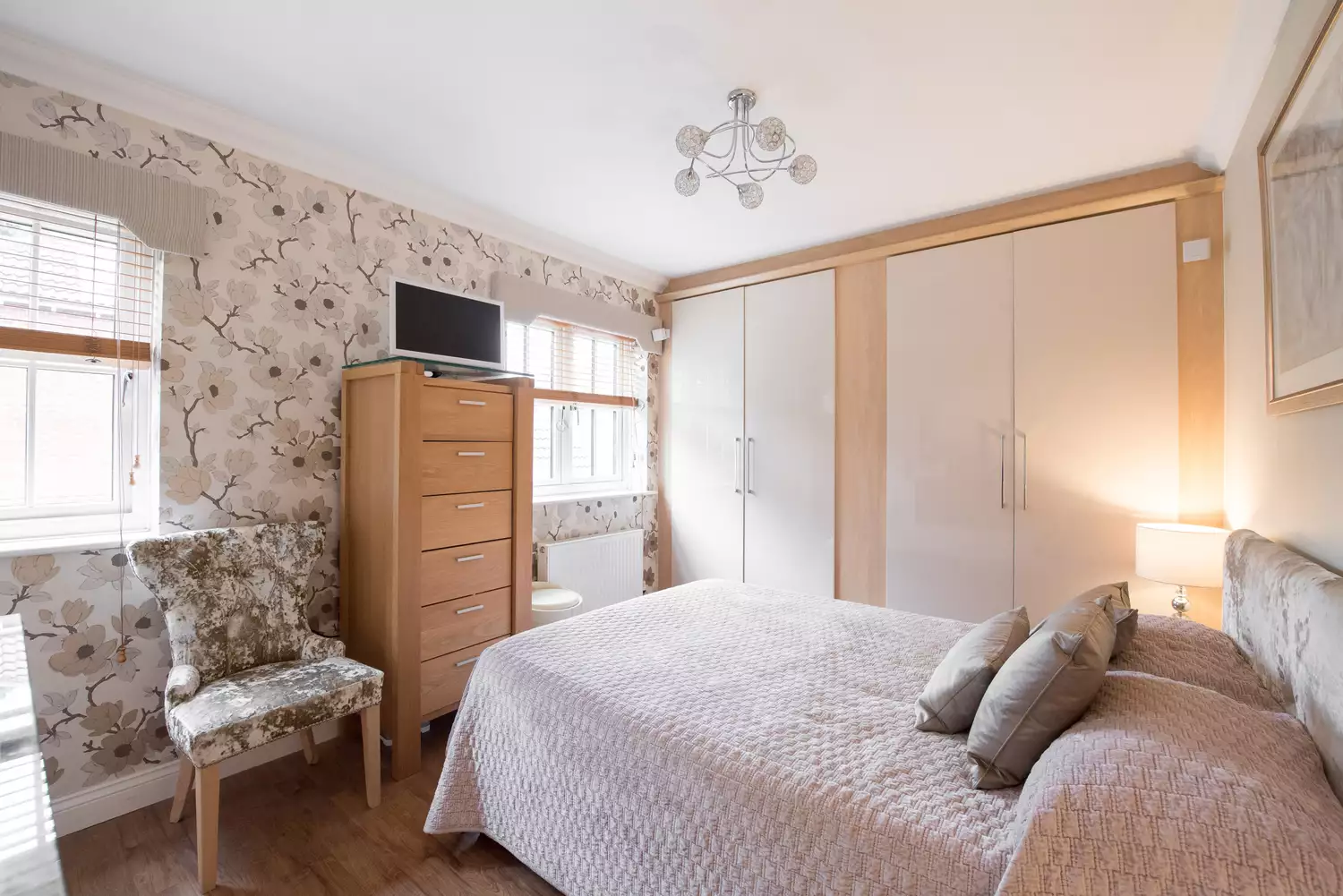
The presence of too many hard surfaces can also contribute to a perceived emptiness, not just visually but acoustically. Rooms with extensive wooden floors, stone accents, lacquered furniture, and Venetian blinds can cause sound to bounce, making the space feel hollow. The solution lies in introducing soft elements like rugs, appropriate window treatments, and upholstered furniture to absorb sound and add warmth.
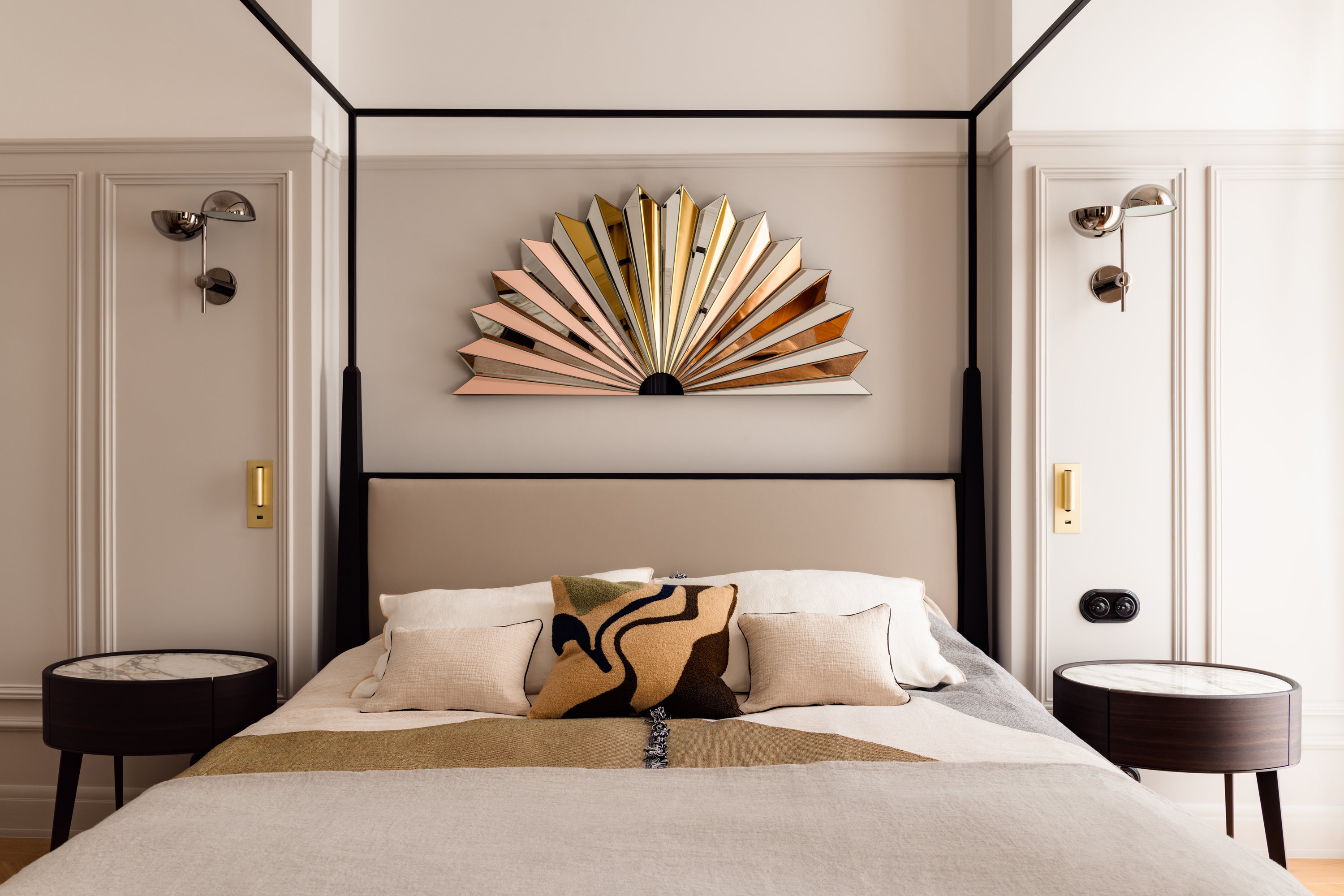
Lack of symmetry in room arrangement is another factor that can make a bedroom feel incomplete. Designers recommend considering the room as a whole, paying attention to how each element interacts. Identifying a focal point—such as a fireplace, a large window, or a statement furniture piece—and arranging other accessories to complement it can create balance and prevent the room from feeling disjointed.
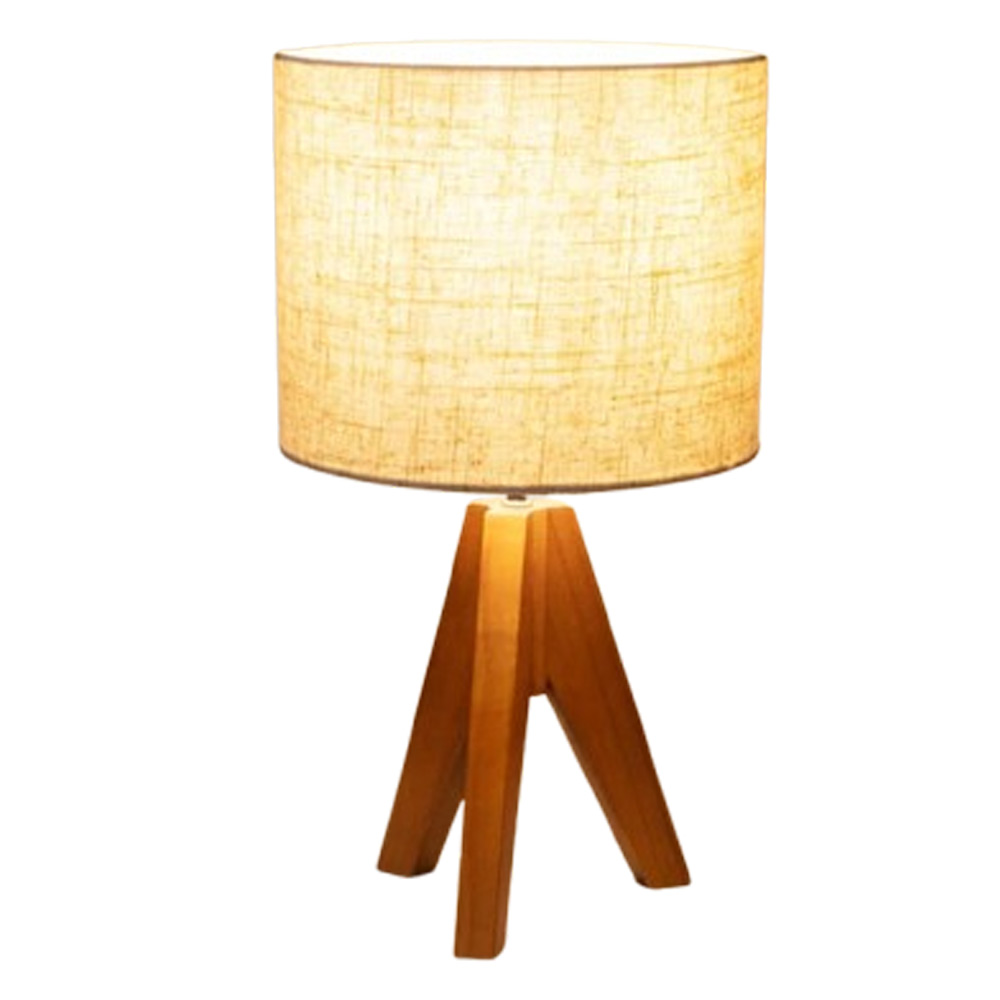
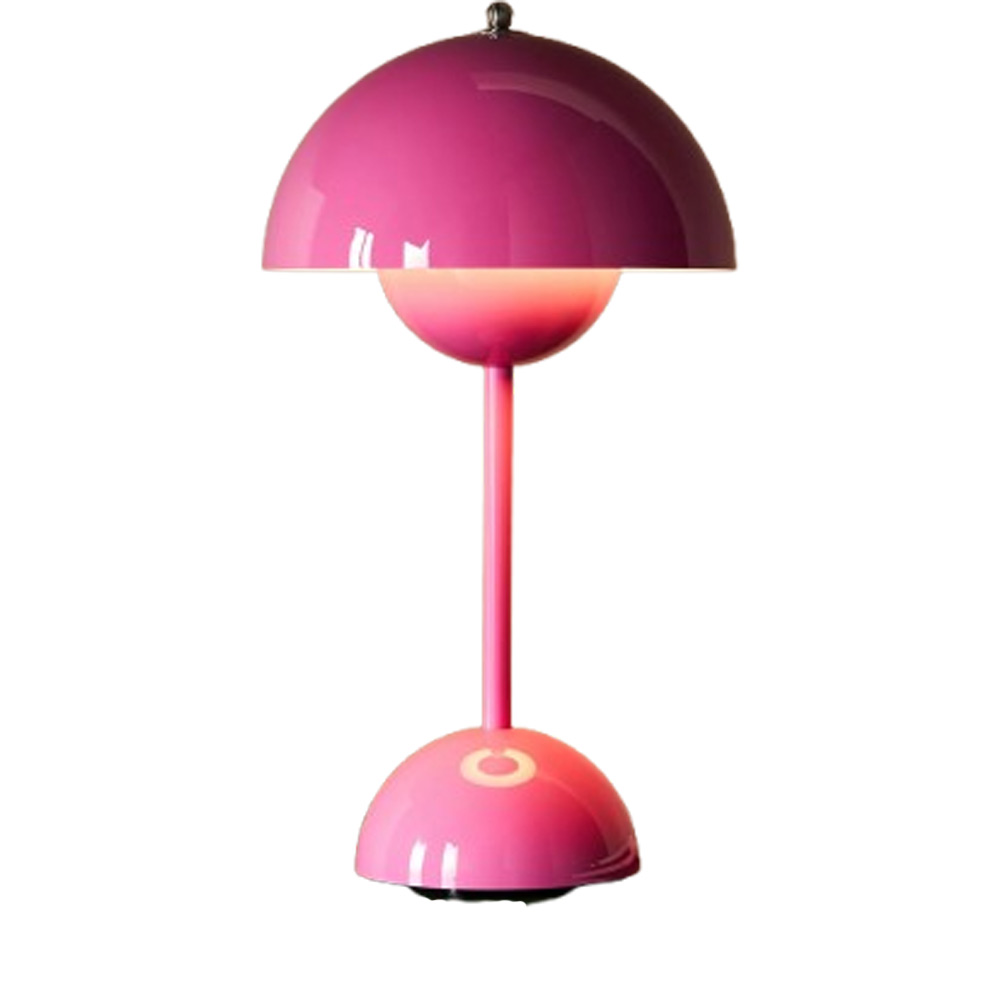
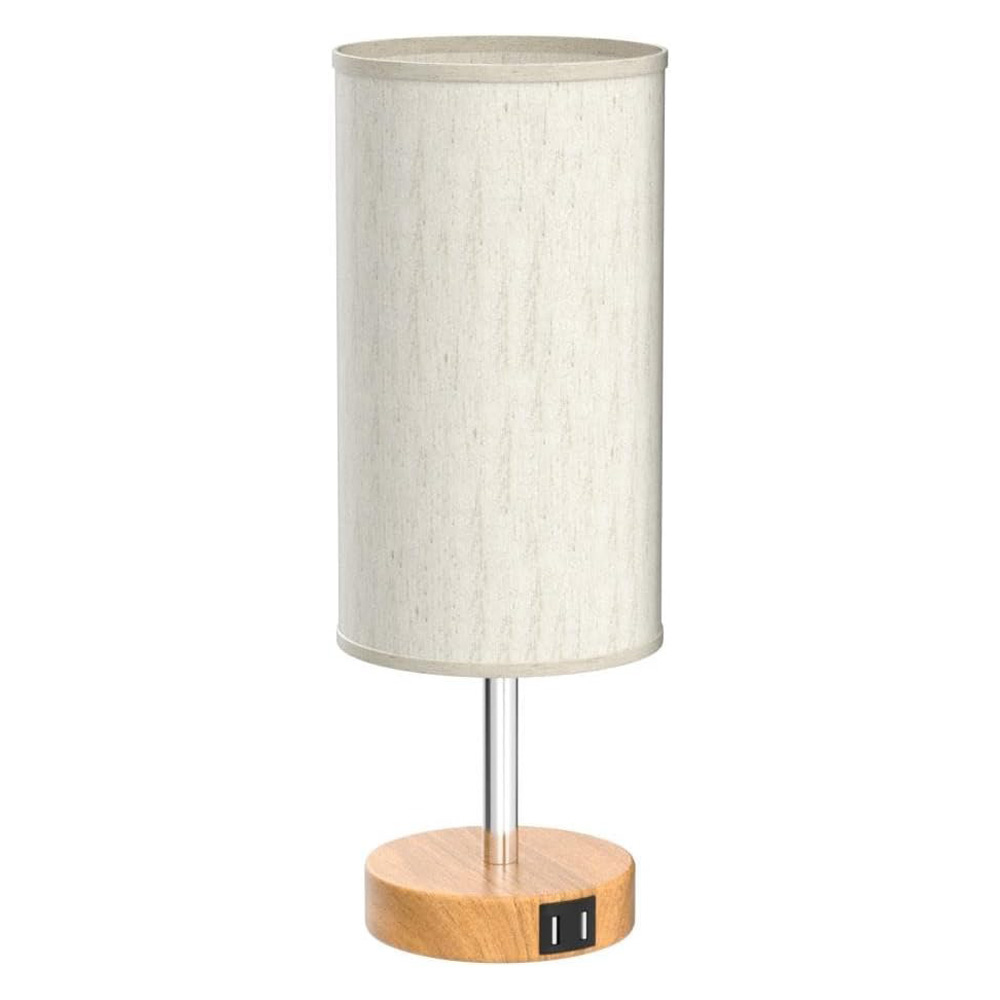
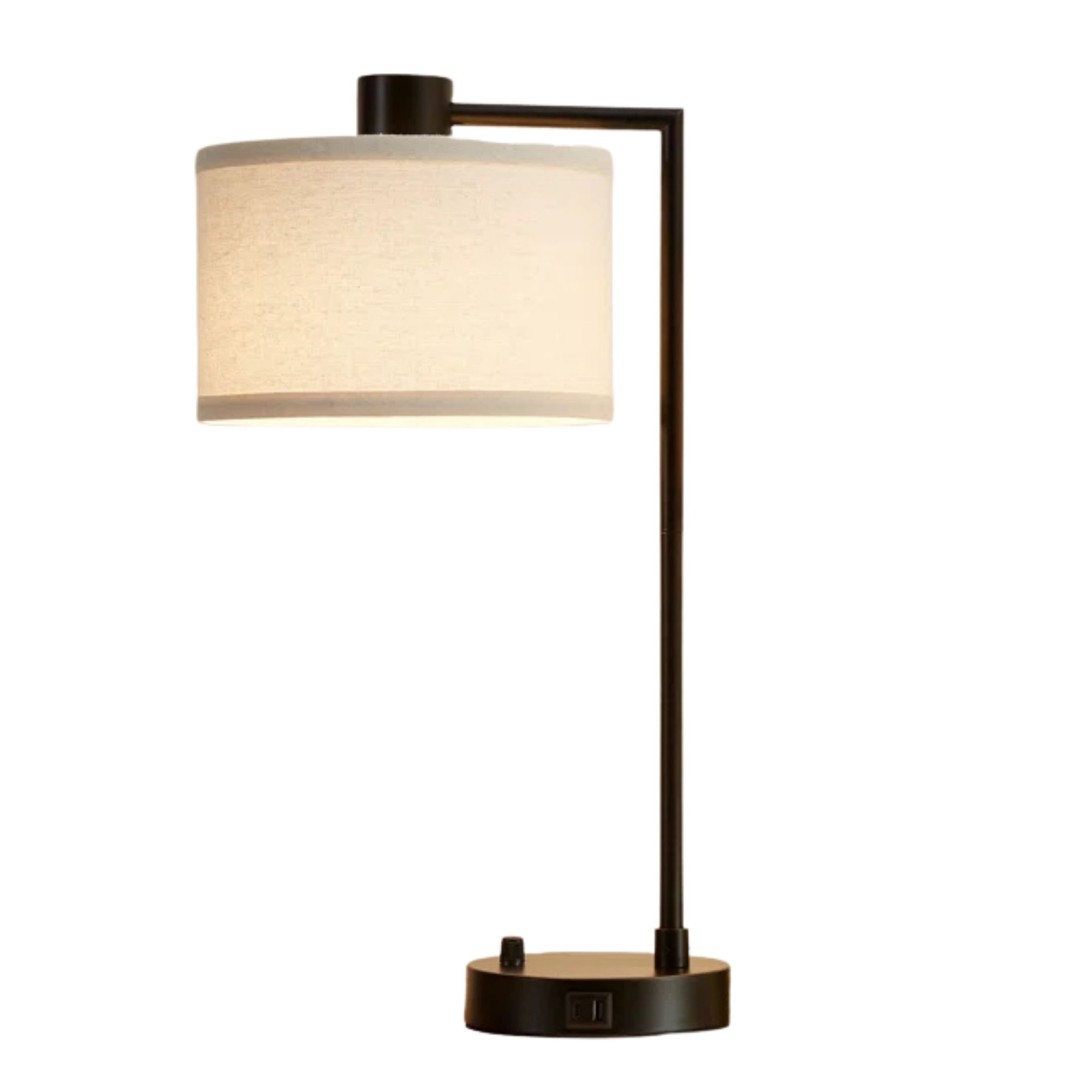
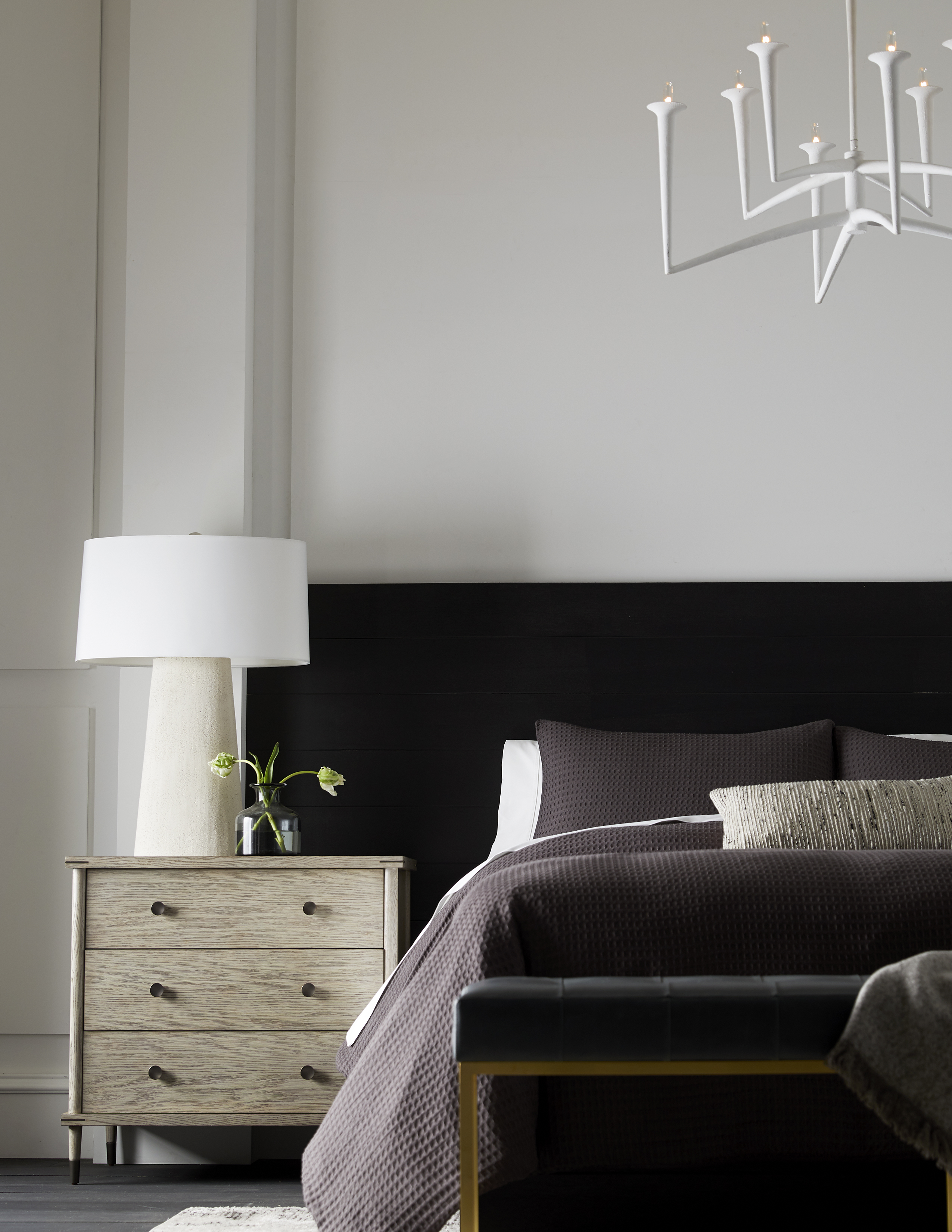
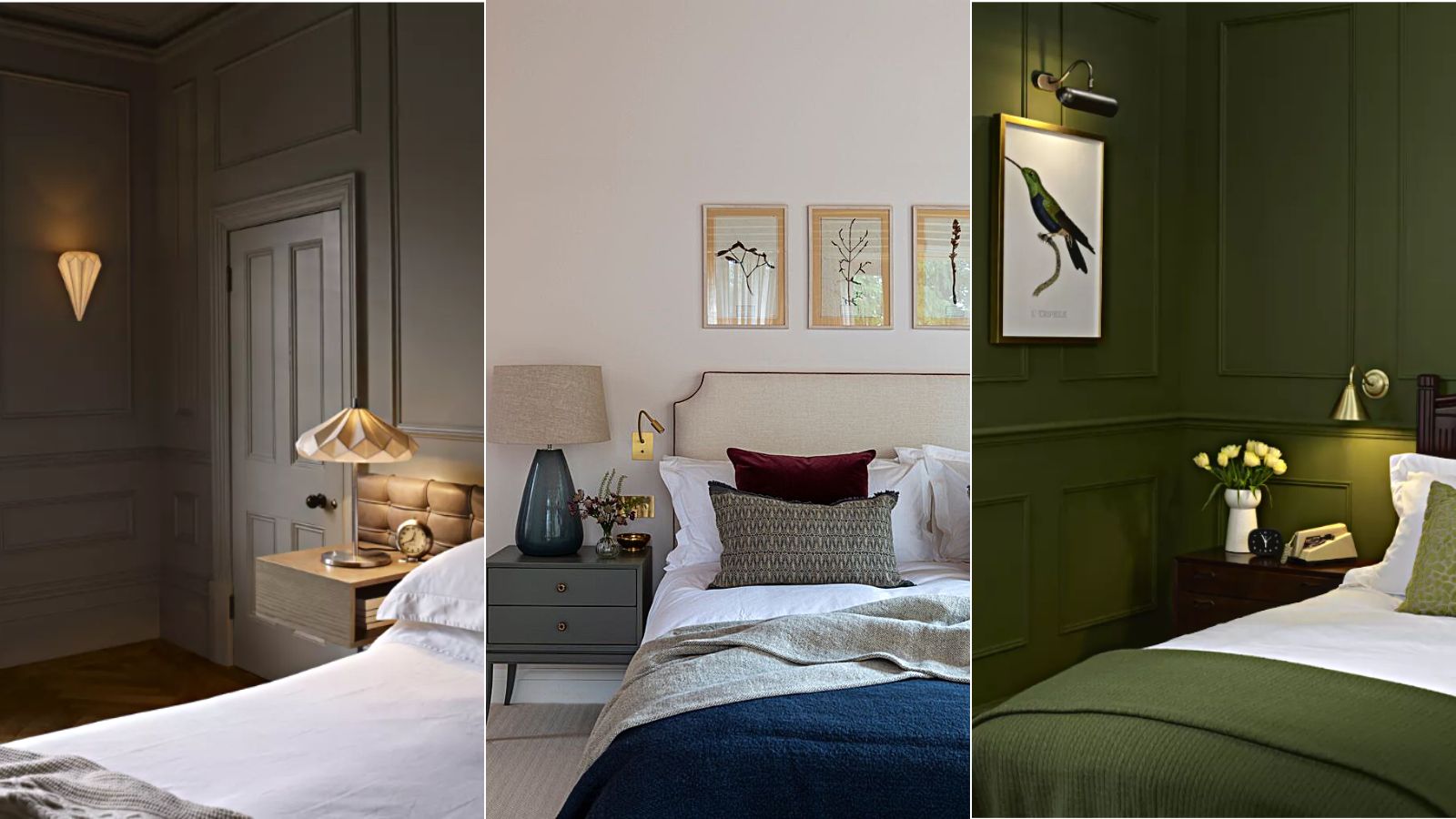
Insufficient lighting is a critical yet often underestimated issue. Relying solely on overhead lighting and a couple of bedside lamps can create a harsh, clinical ambiance that feels unwelcoming. Designers advocate for multiple light sources, including bedside lamps, wall sconces, floor lamps, and table lamps, to introduce layers of light, warmth, and depth, transforming the bedroom into a cozy and inviting environment. Larger bedrooms may even benefit from more than three light sources.
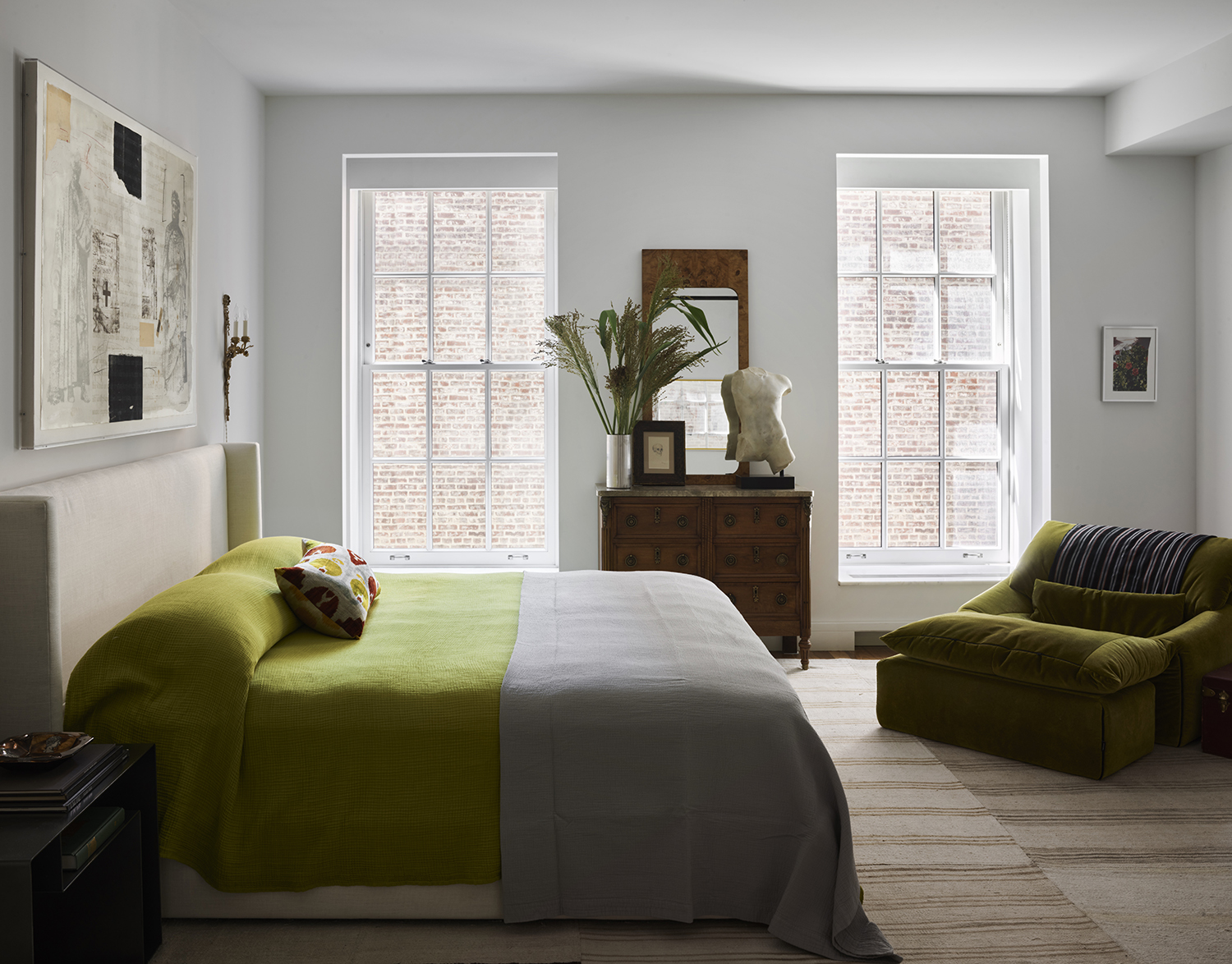
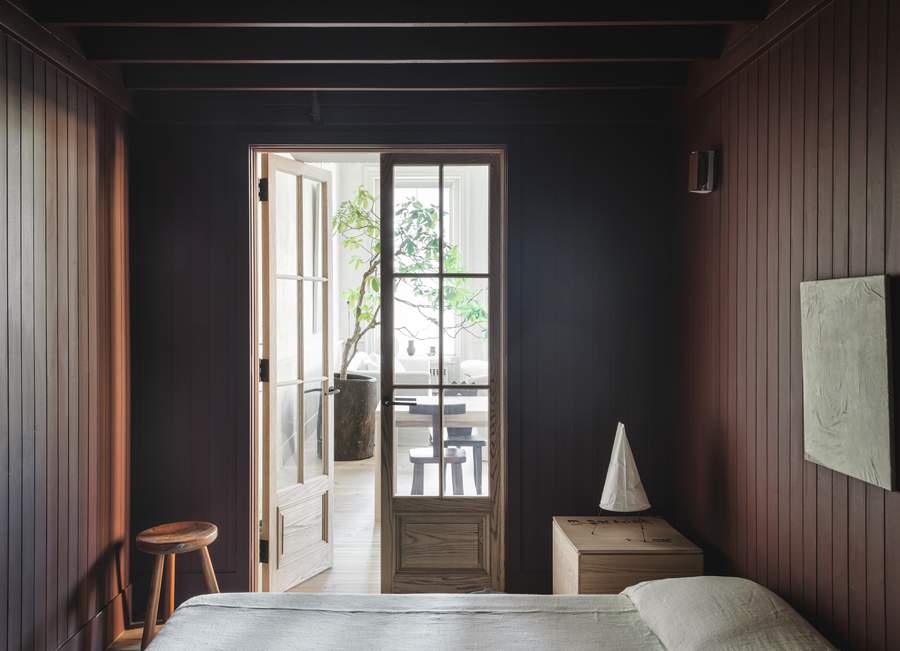
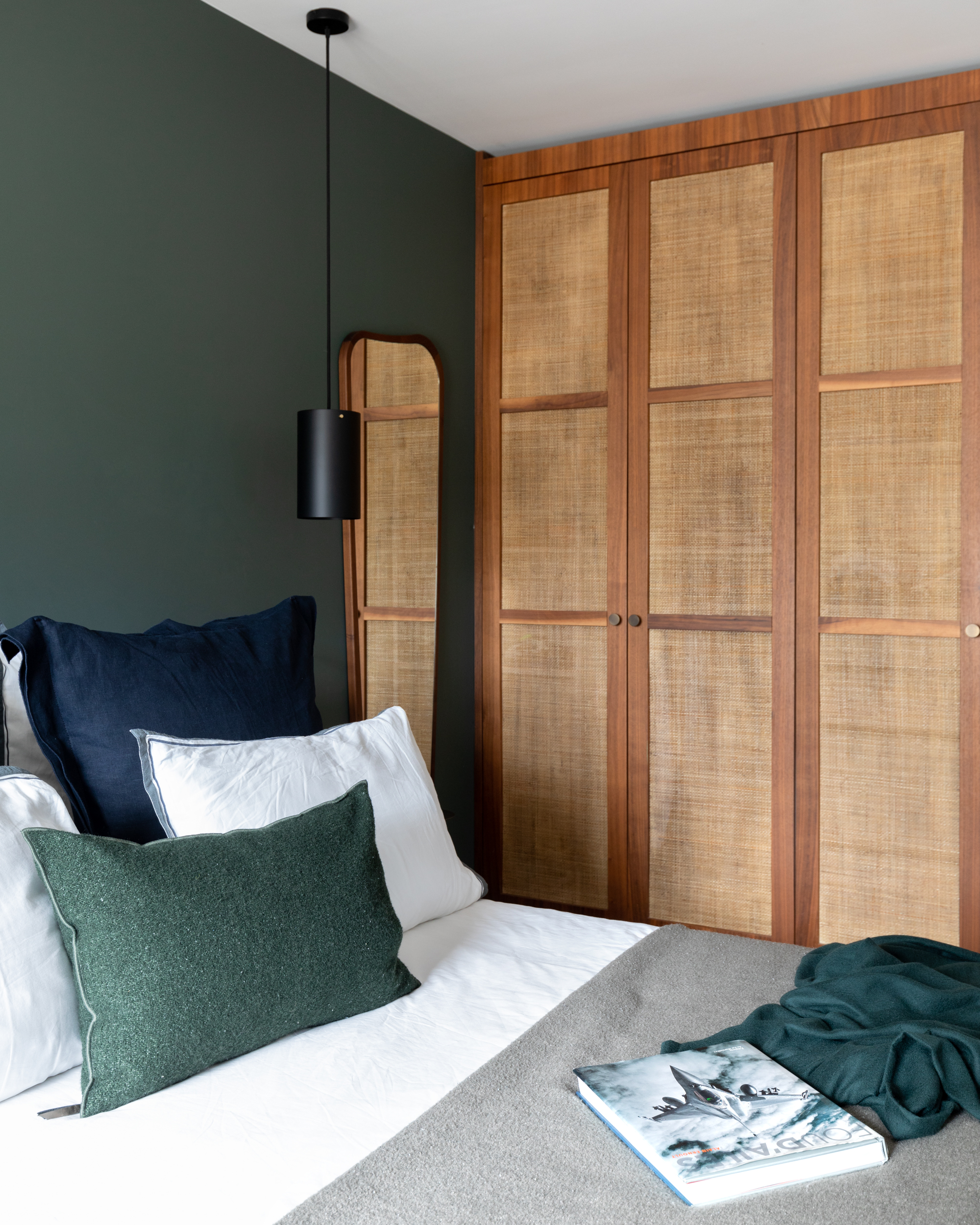
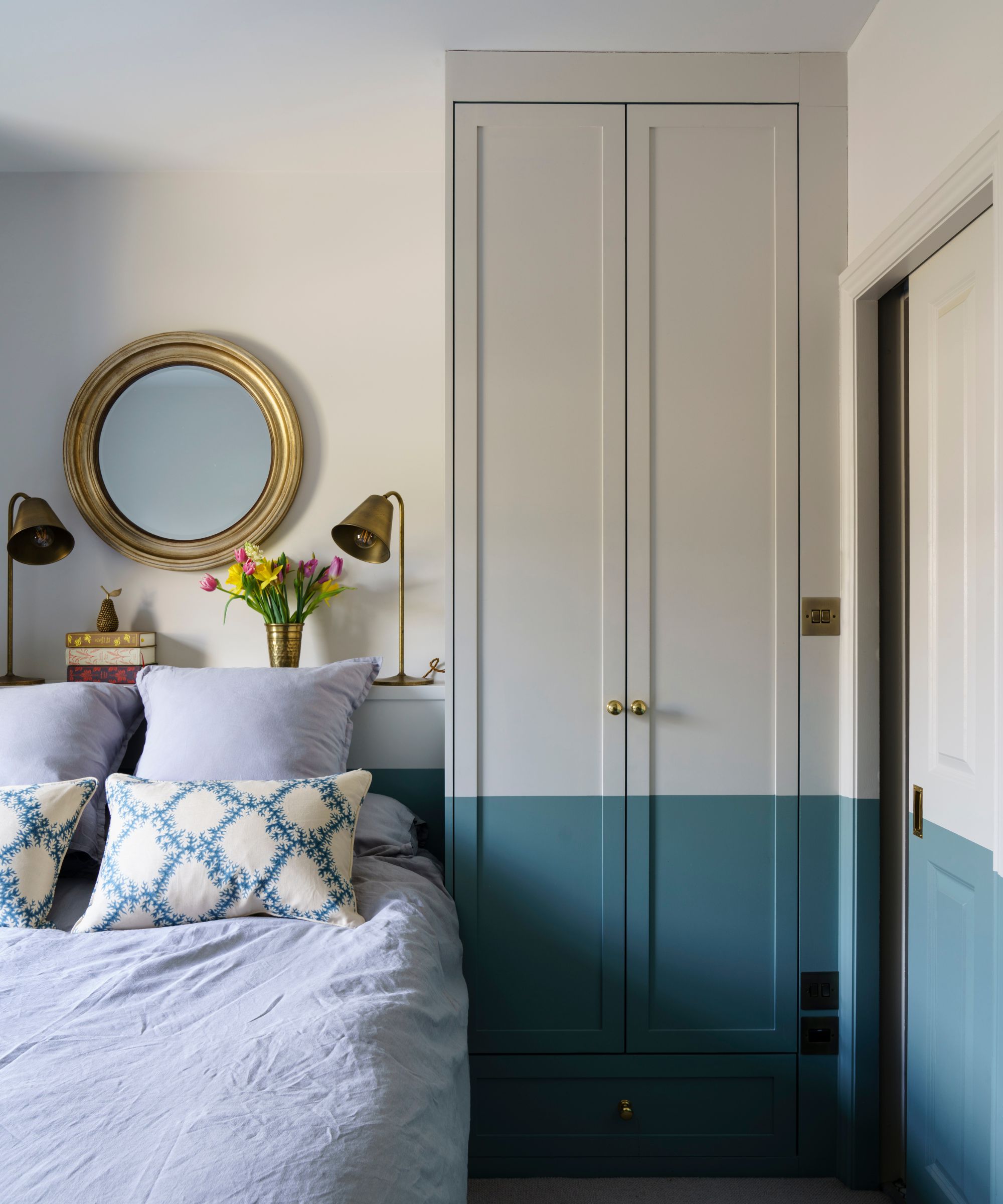
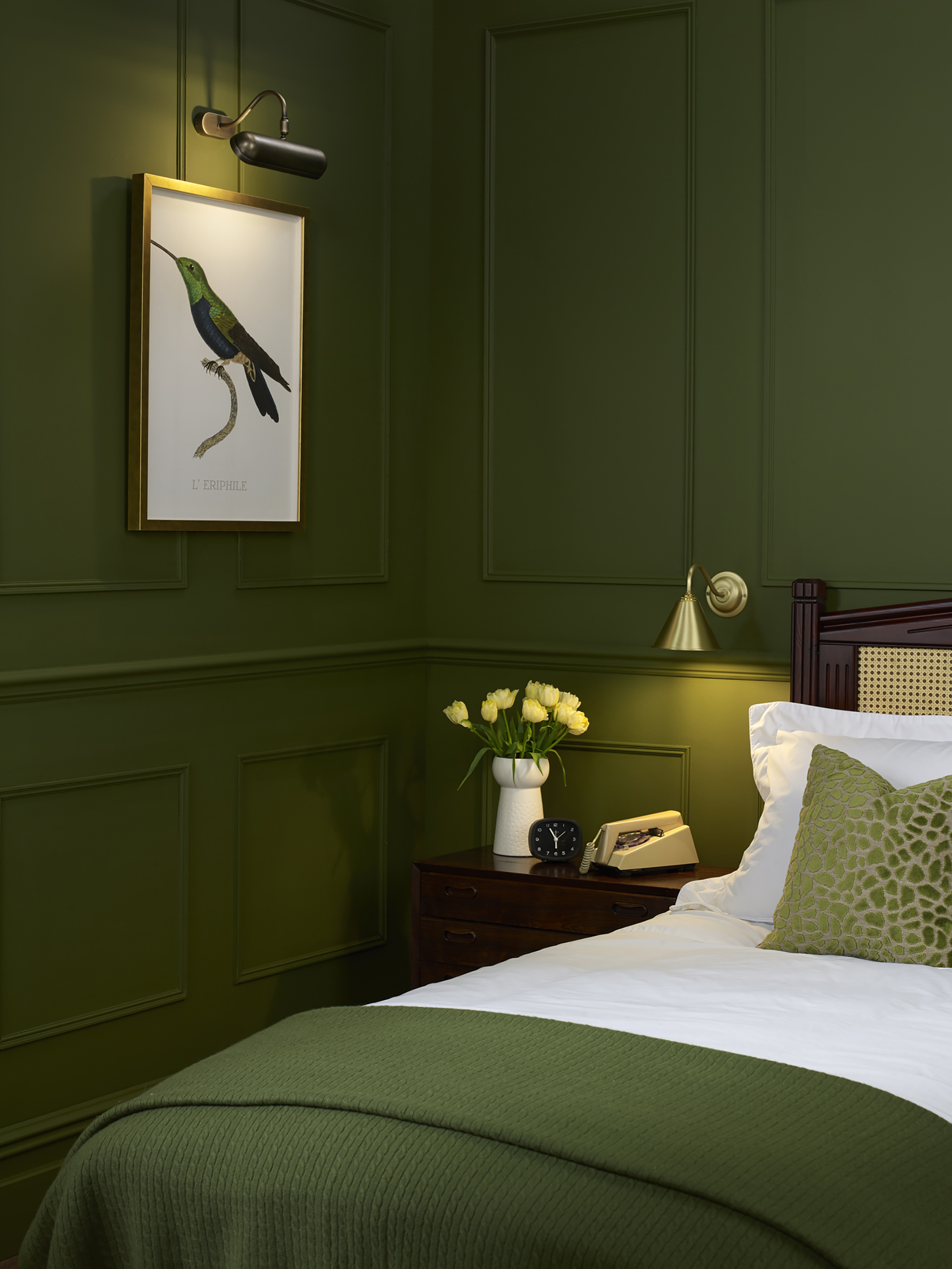
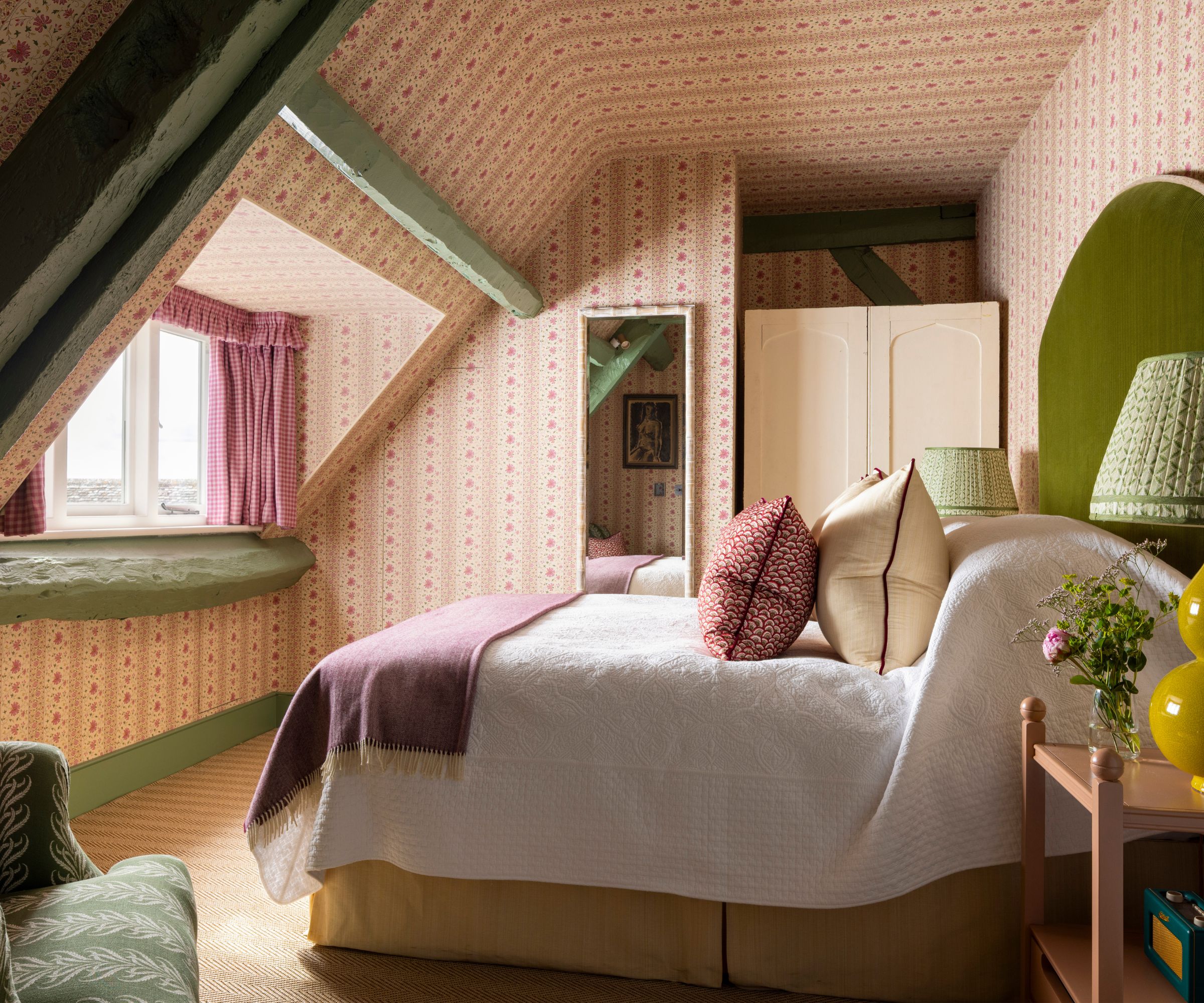
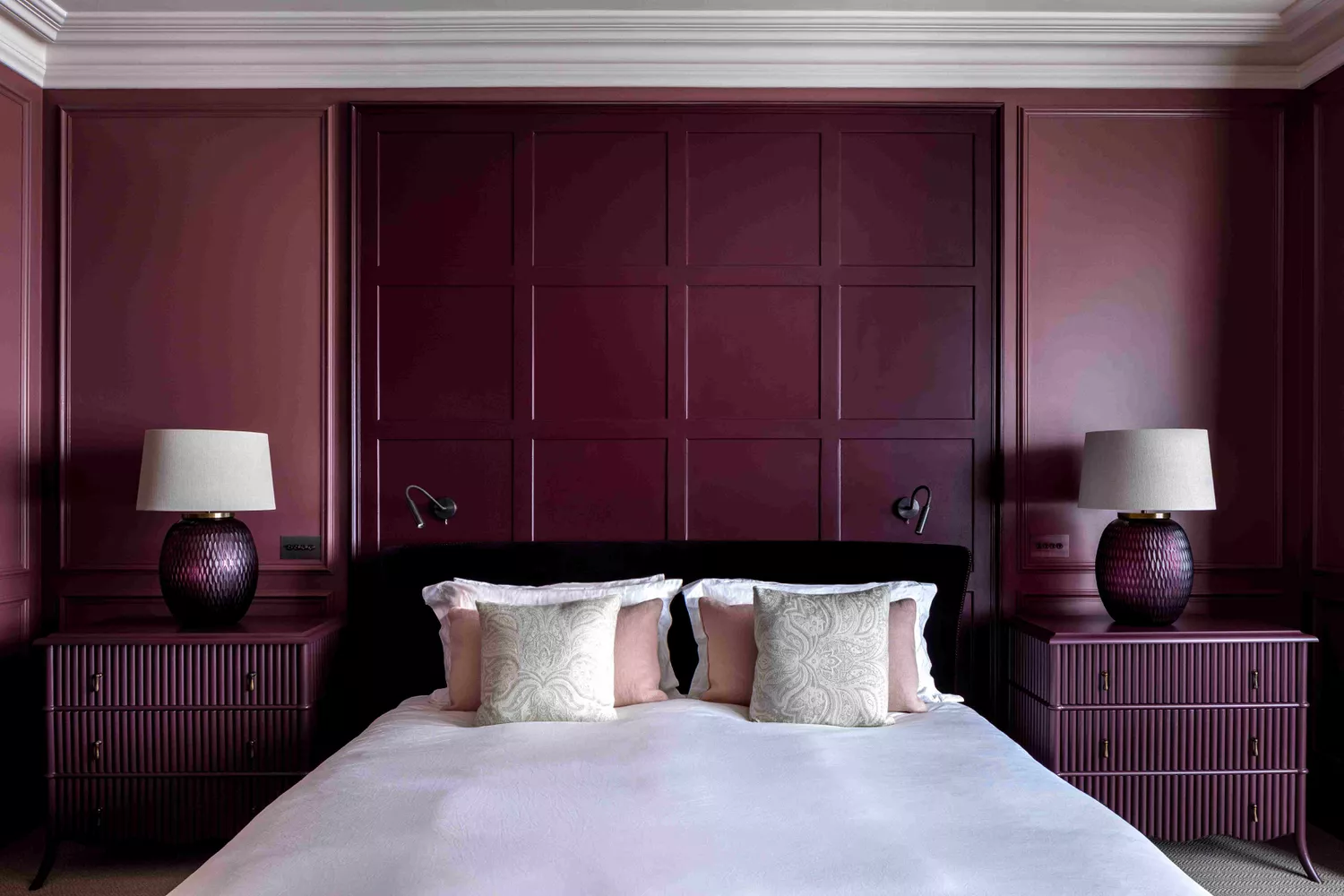
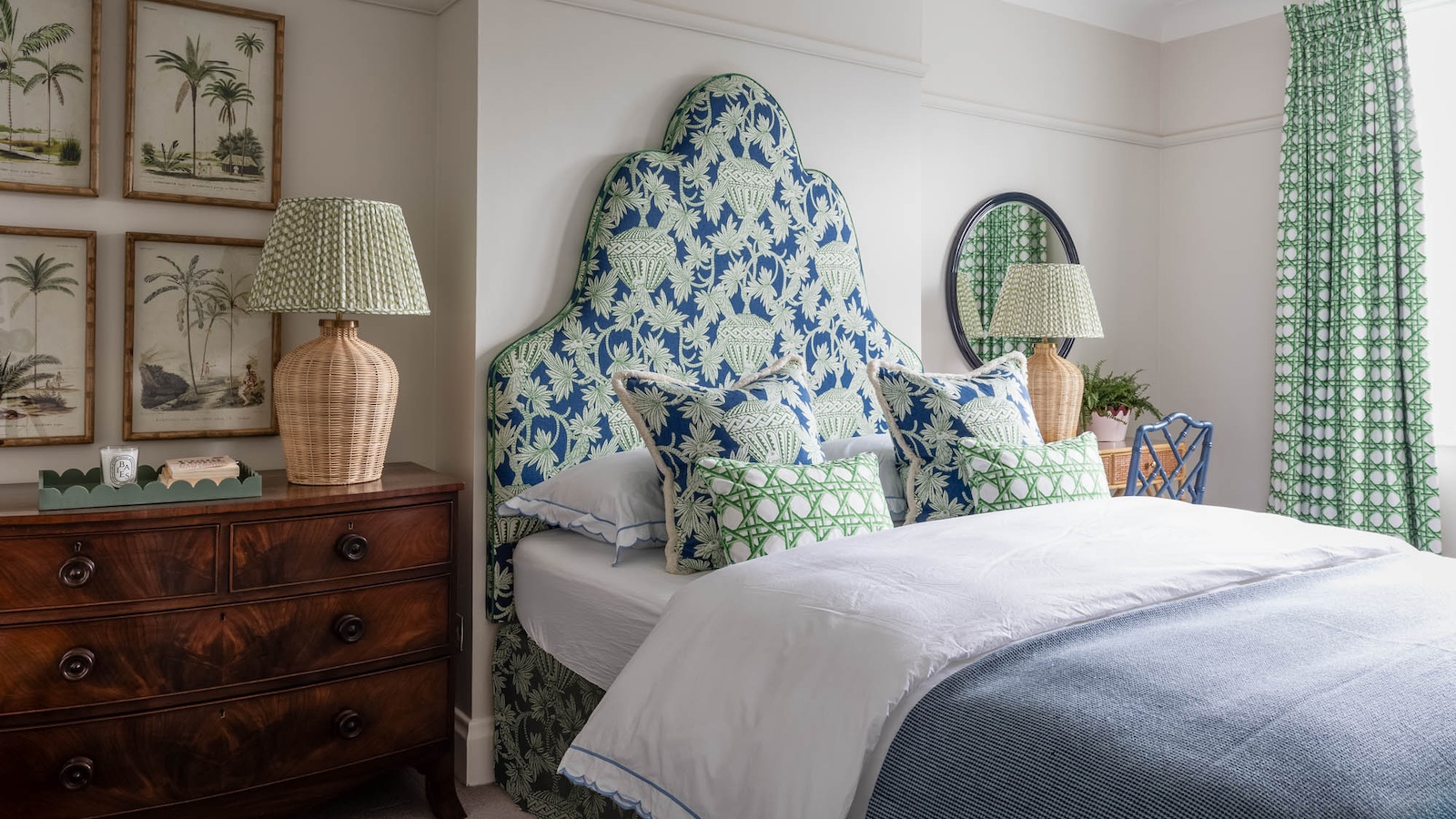
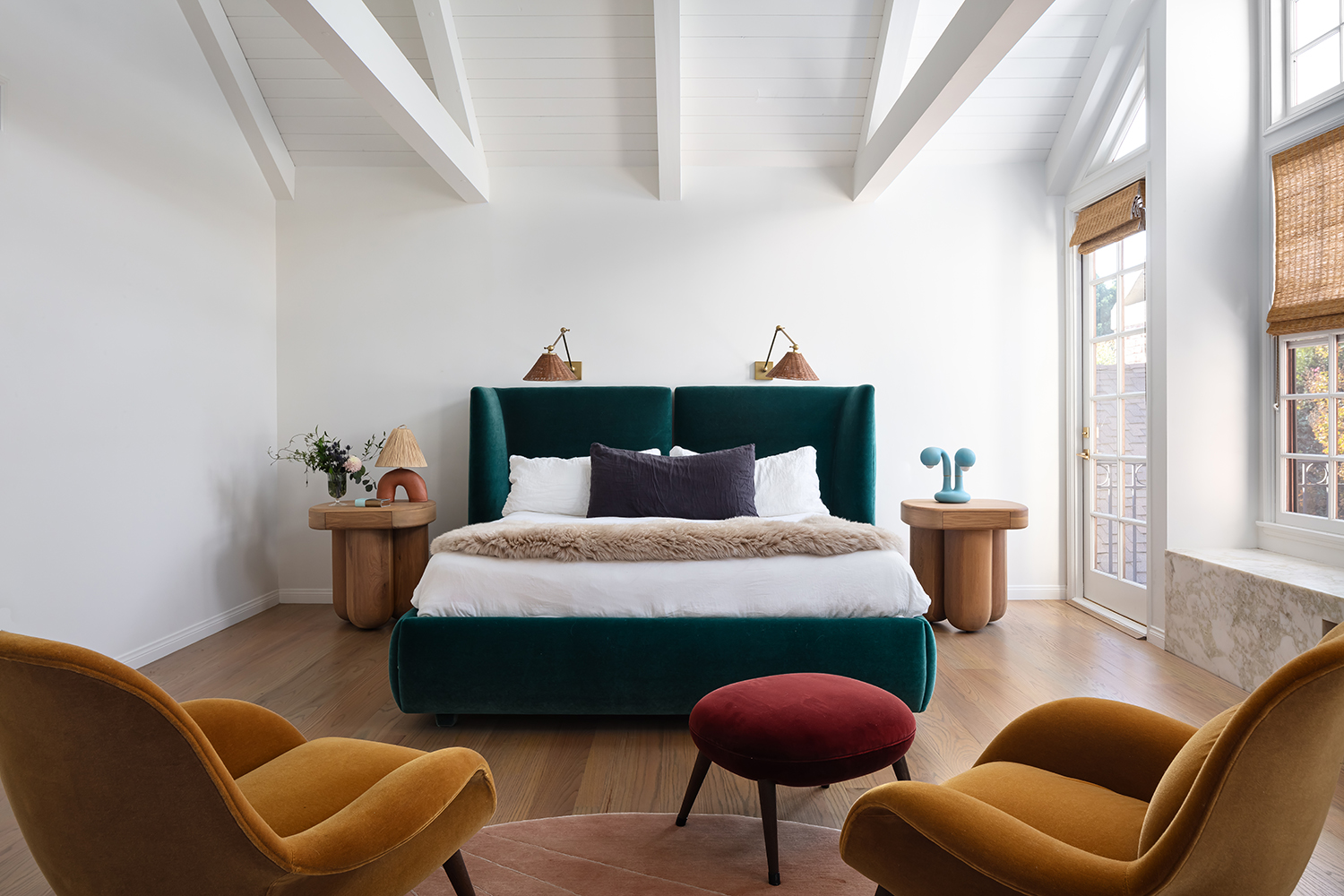
Finally, a fear of color can inadvertently lead to an empty-feeling bedroom. Many individuals opt for stark whites or pale neutrals in an attempt to create a calm atmosphere, but this can often result in a sterile and uninspired space. Designers encourage exploring diverse calming color palettes and innovative ways to incorporate color, such as painting the ceiling, color drenching techniques, or utilizing wallpapers and other wall finishes, to add richness and character without sacrificing tranquility. These strategic design choices can collectively transform an empty-feeling bedroom into a cohesive, comfortable, and aesthetically pleasing sanctuary.
#BedroomDesign #InteriorDecorating #HomeDesignTips #FurnitureSelection #WallDecor #LightingDesign #ColorPalette #SymmetryInDesign #BedroomDesign #InteriorDecorating #HomeDesignTips #FurnitureSelection #WallDecor #LightingDesign #ColorPalette #SymmetryInDesign
0 comment in total
 No comments yet
You may also like

10 Bedroom Decor Mistakes Keeping You From Your Best Sleep Ever

12 bedroom trends interior designers wish would disappear
7 things interior designers never have in small living rooms

Interior designers share 6 things you should never have in your bedroom
7 Bedroom Lighting Mistakes — Experts Say They "Scream 'Wrong Vibe'" and Ruin Your Aesthetic

8 of the biggest small bedroom layout mistakes designers see time and time again

5 Bedroom Design Errors That Are Making Your Space Less Relaxing

11 bedroom lighting mistakes – why your space looks uninviting and feels impractical, and how to fix it
7 of the worst bedroom layout mistakes and how to avoid them
7 Bedroom Features That Immediately Ruin Your Space, According to Designers
The 10 biggest bedroom furniture mistakes that interior designers always notice – and how to fix them

7 Design Mistakes Interior Designers Always Notice

7 Things That Always Make Your Living Room Look Empty, According to Designers
Is your room missing something? These are the 7 simple buys that designers always recommend to their clients to instantly pull a space together
7 things you might be forgetting to clean in your bedroom
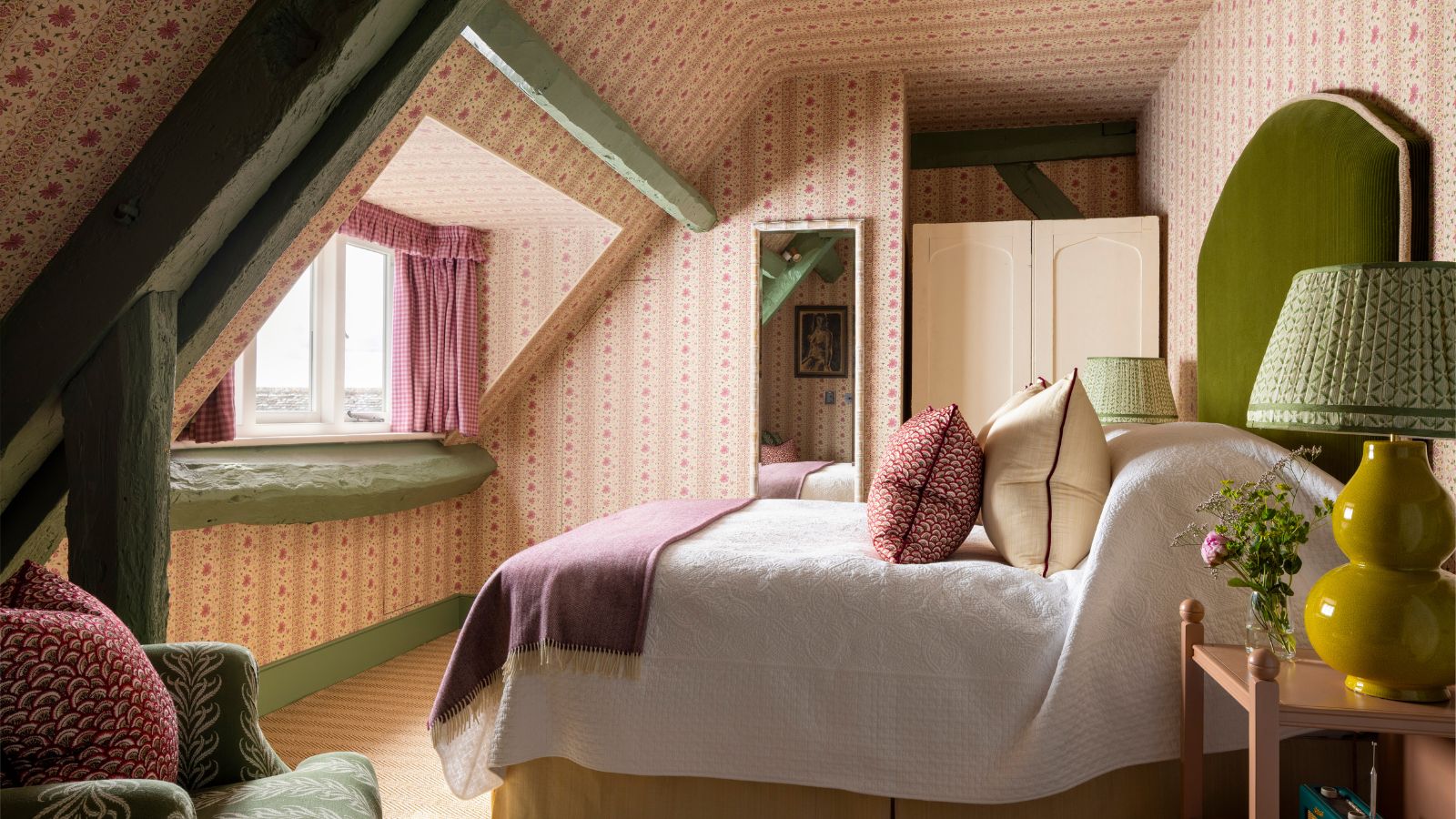
These 5 Dated Bedroom Trends Are Giving Interior Designers Nightmares in 2026 – Here's Why You Should Avoid Them in Your Sleep Space
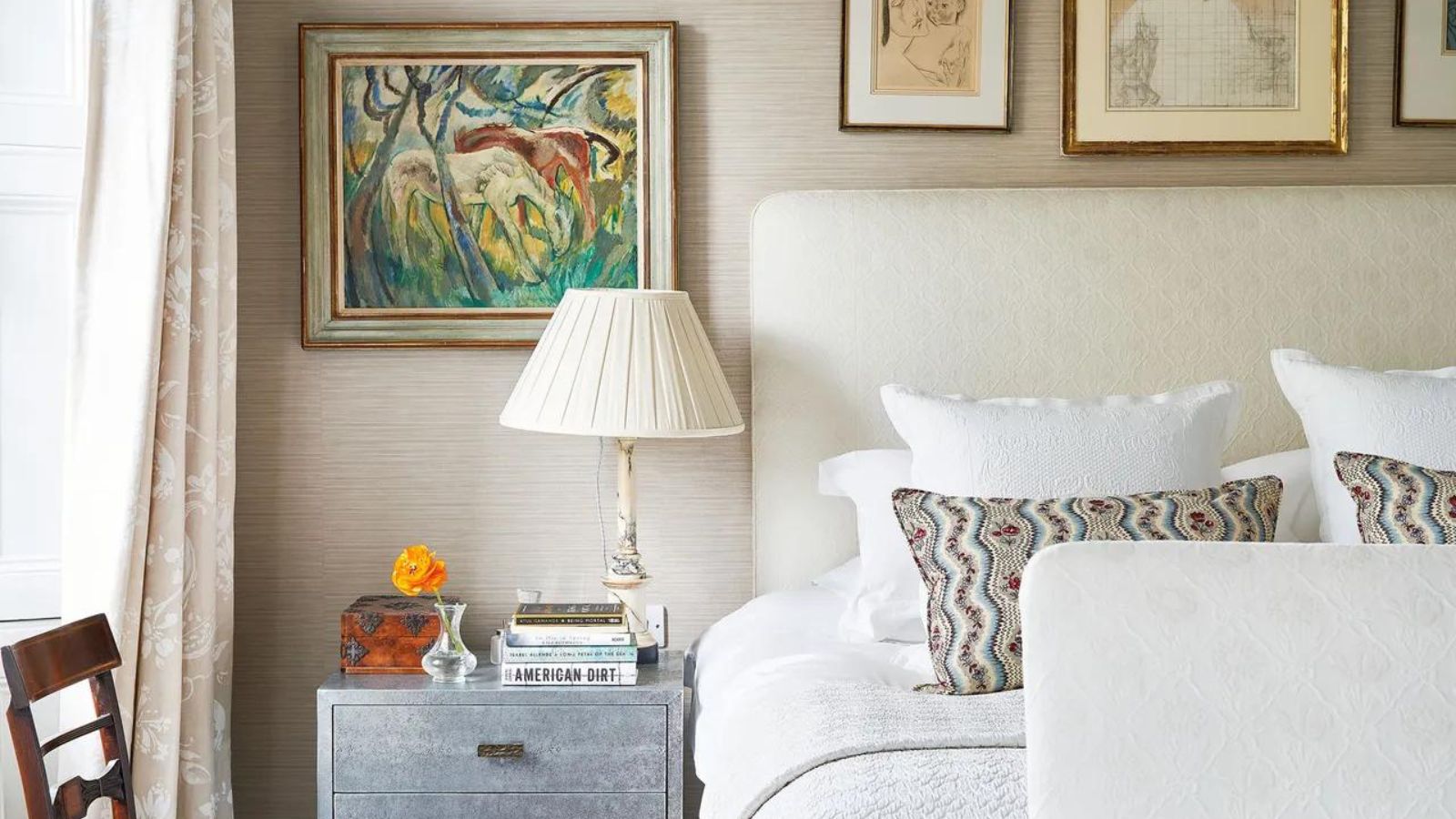
6 interior design mistakes that could be affecting your sleep
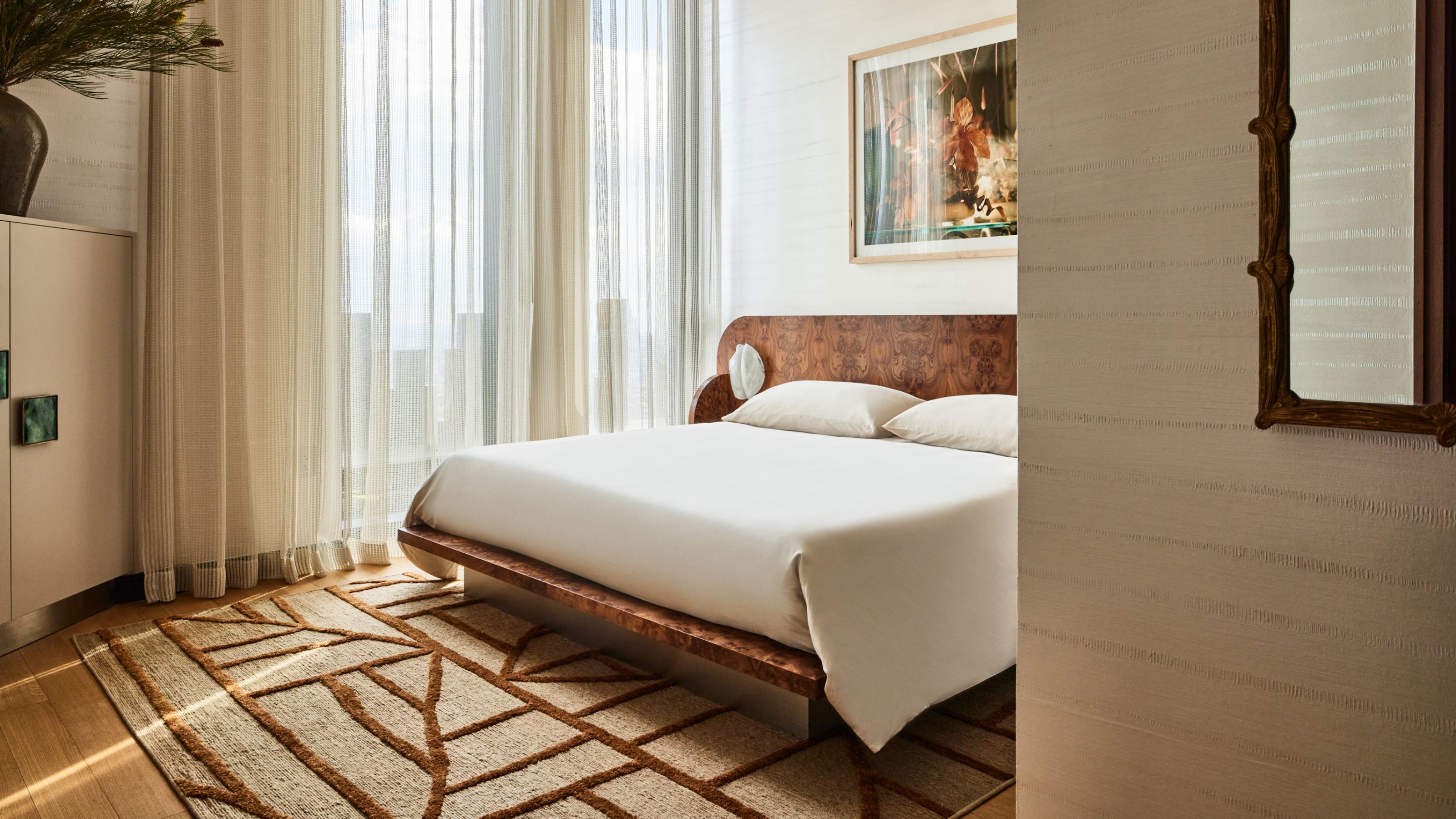
7 Guest Bedroom Design Mistakes That Will Make Them Wish They'd Booked a Hotel Instead
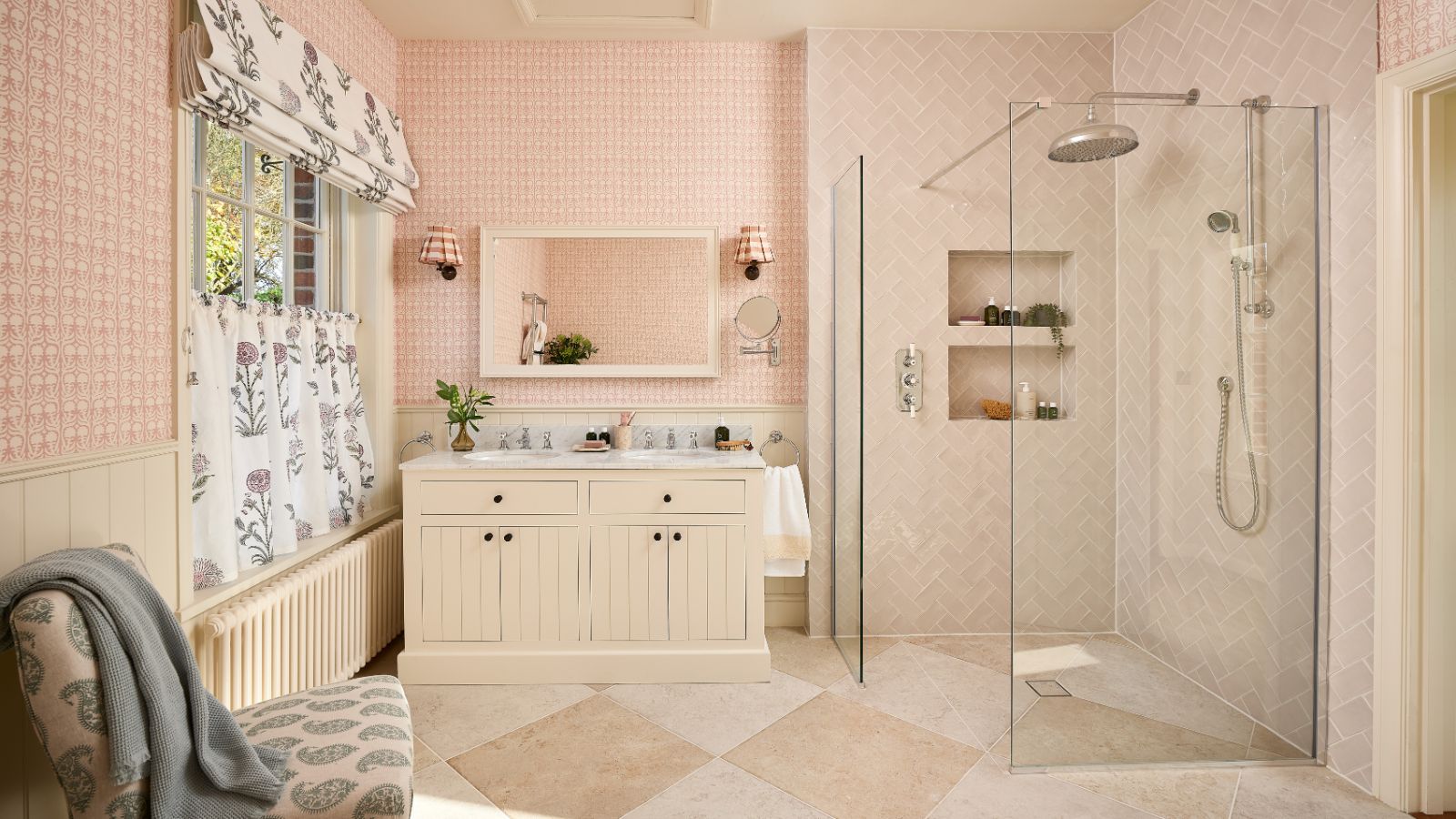
8 things that will always make your bathroom look small, according to designers
9 Things That Immediately Make Your Bedroom Look Bad, According to a Designer