1/5
Kelly Hoppen shares 5 design mistakes to avoid in small bedrooms
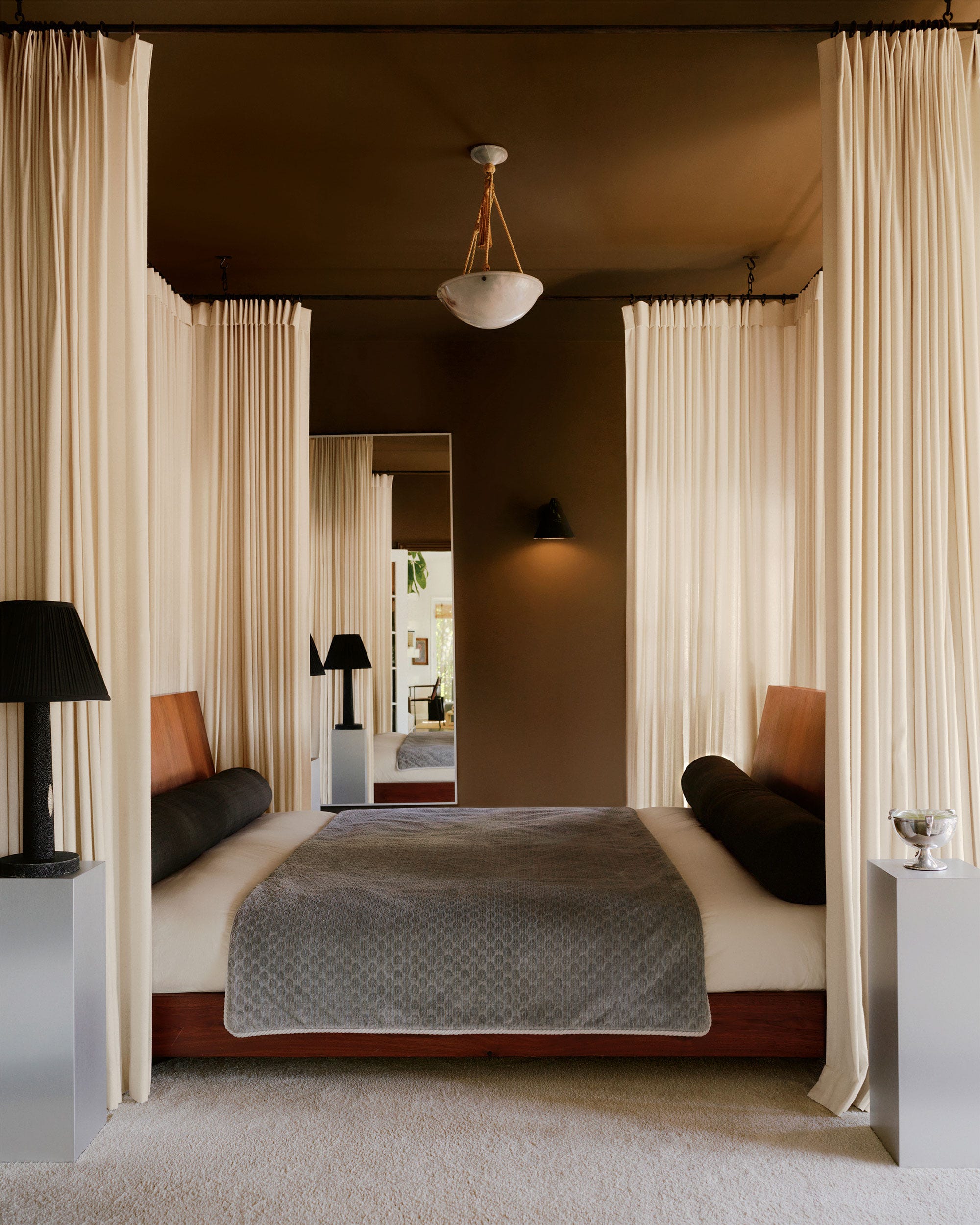
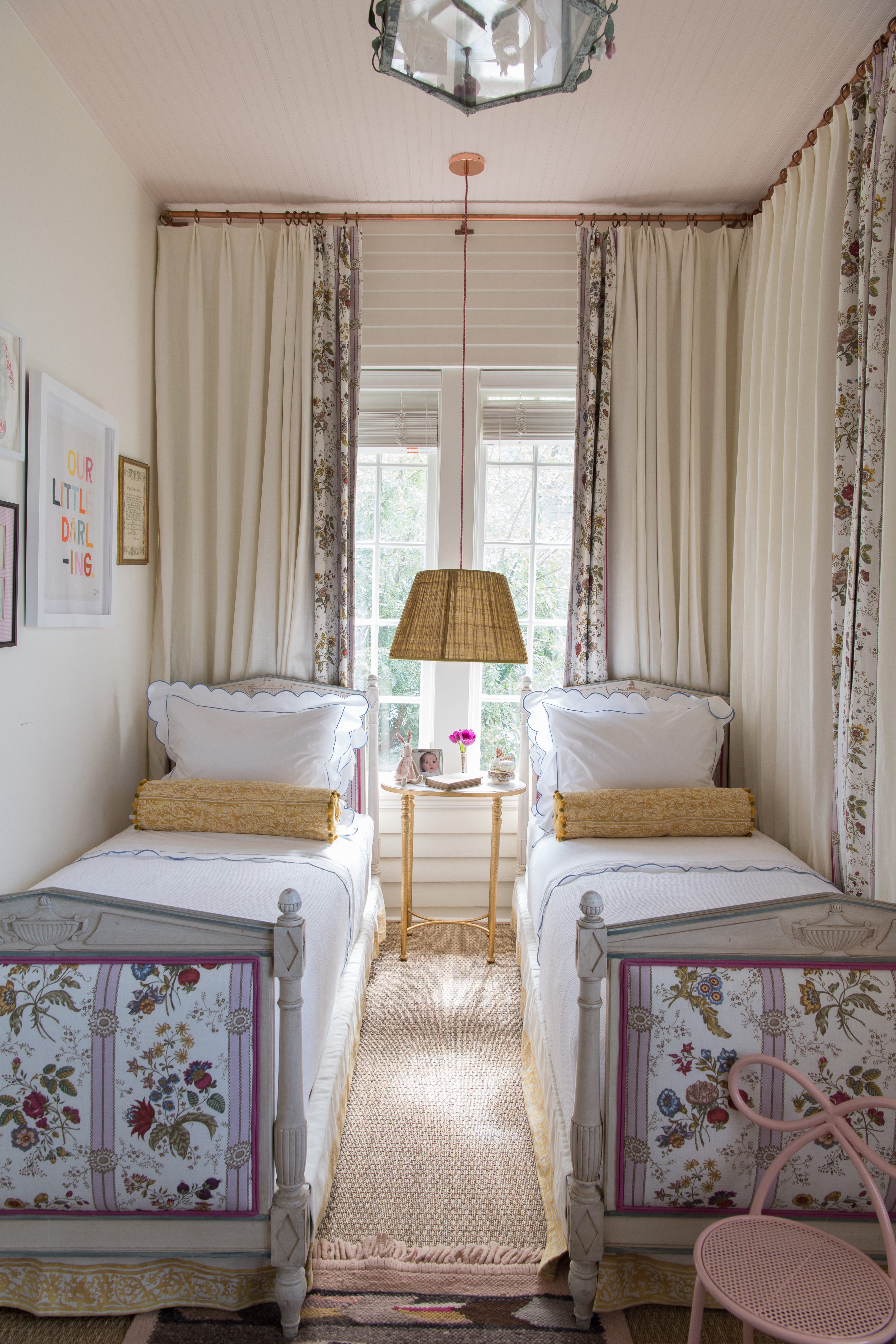
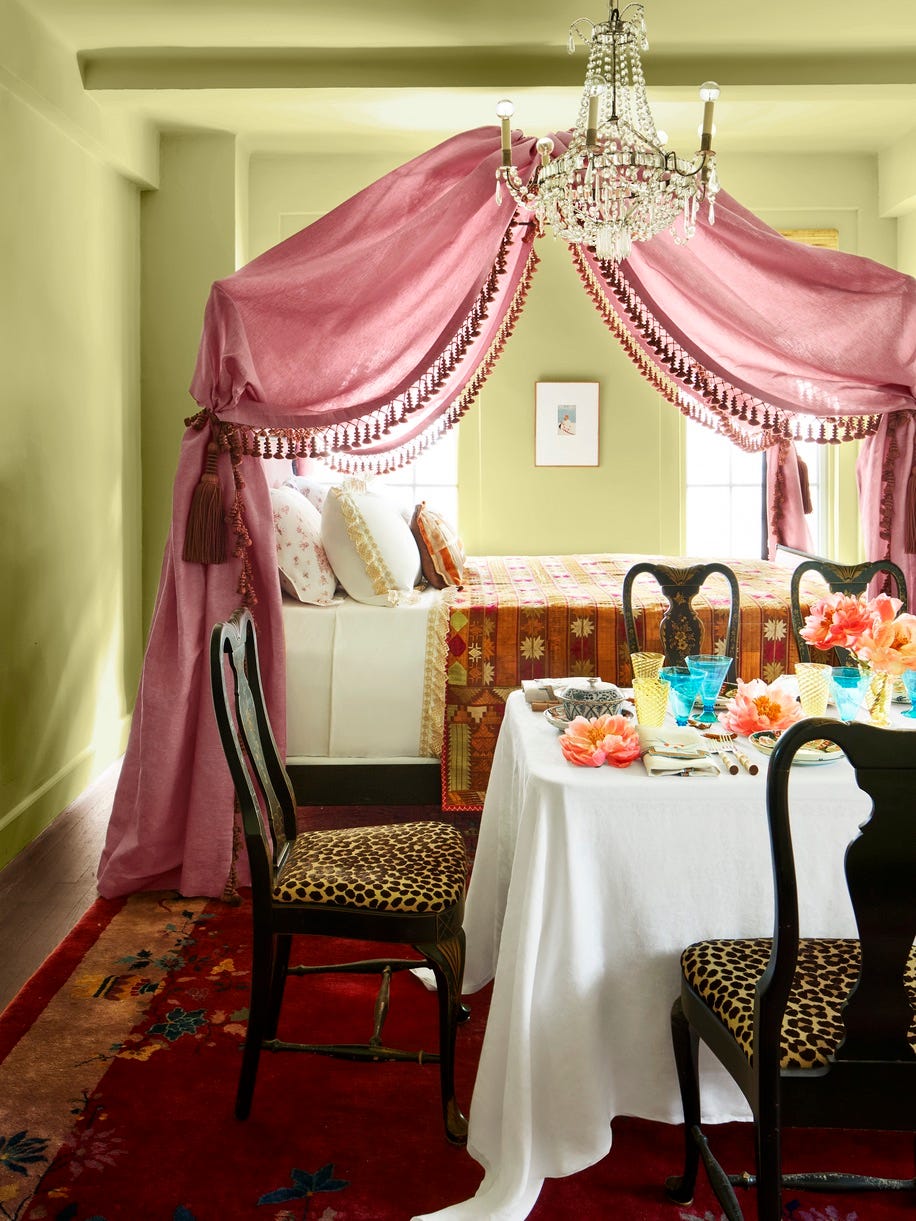
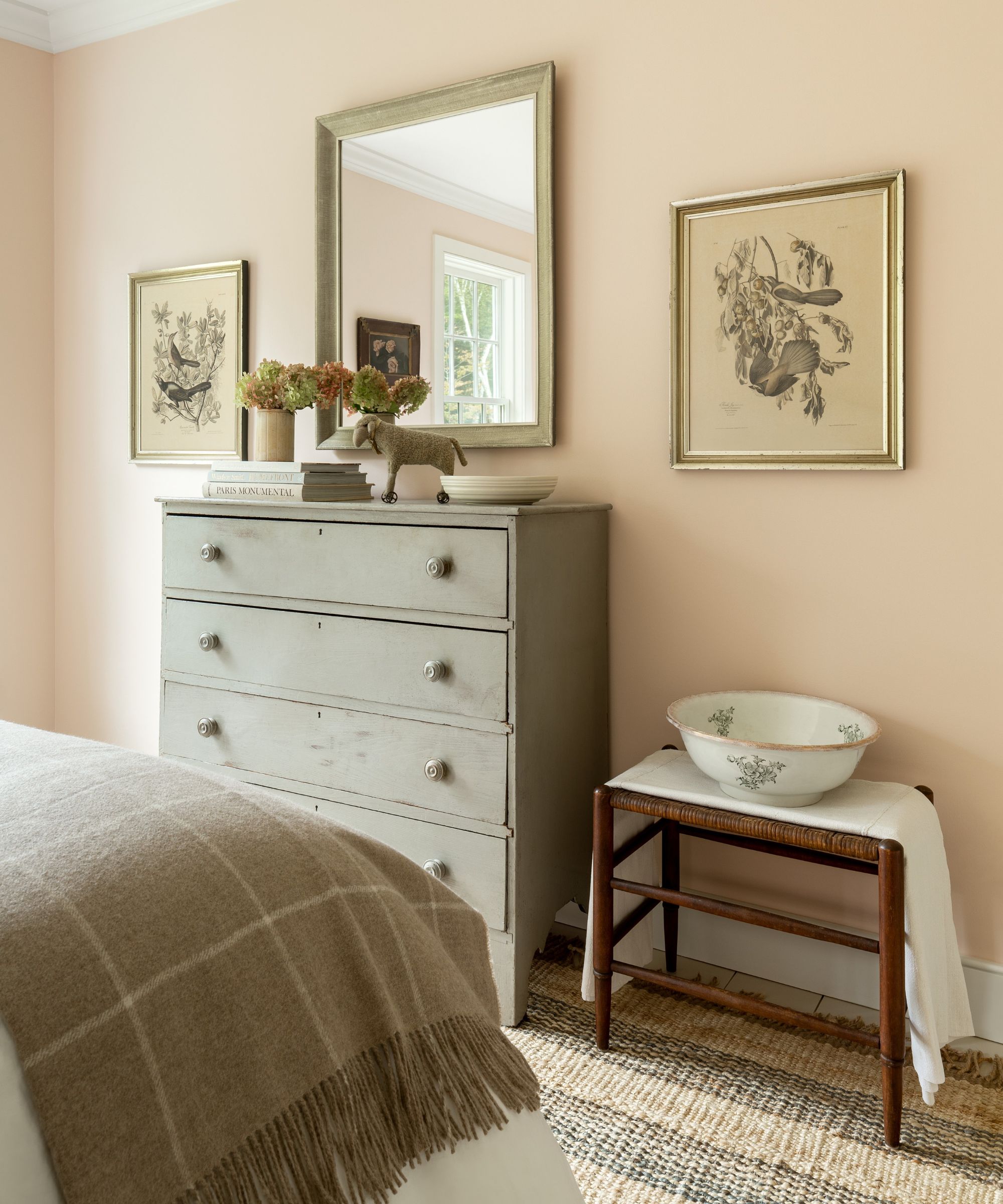
Decorating small bedrooms presents unique challenges, as the goal is to create a space that feels both cozy and spacious without becoming cluttered or bland. Interior design expert Kelly Hoppen offers five common mistakes to avoid when designing compact bedrooms and provides actionable advice to optimize these spaces. Her insights are drawn from extensive experience, including designing for Celebrity Cruises, where efficient use of space is crucial.
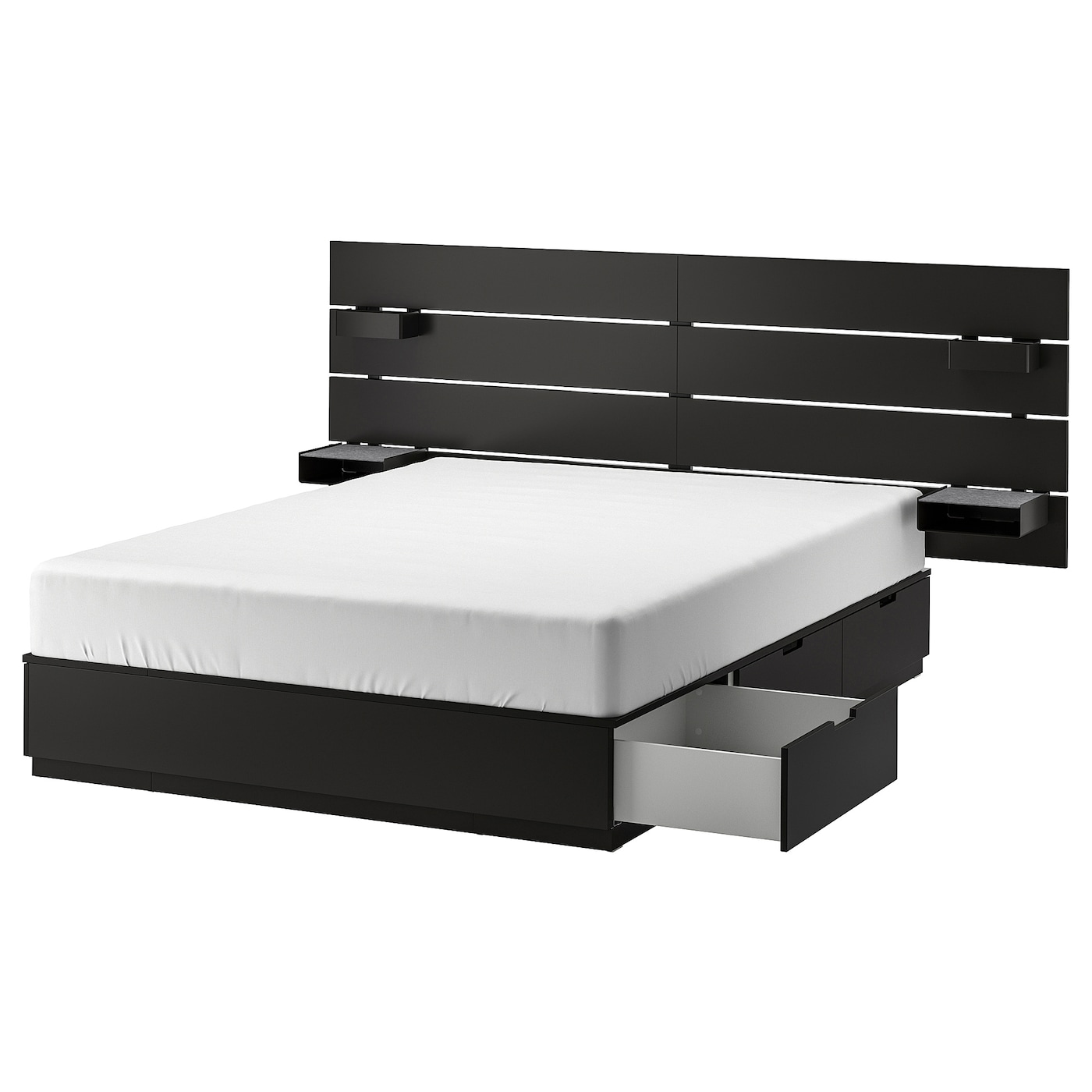
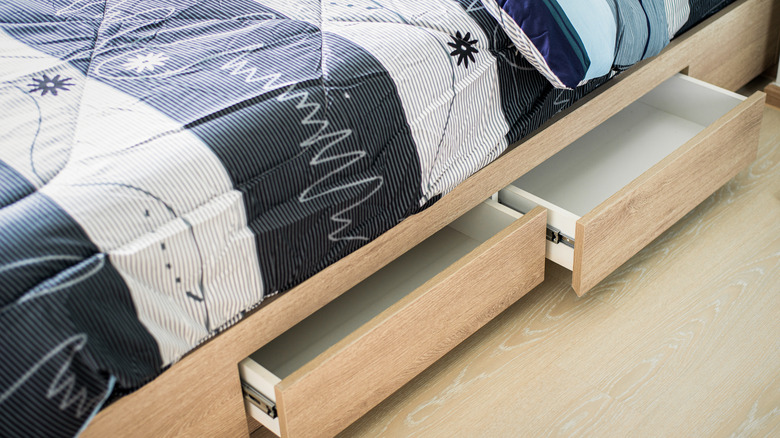
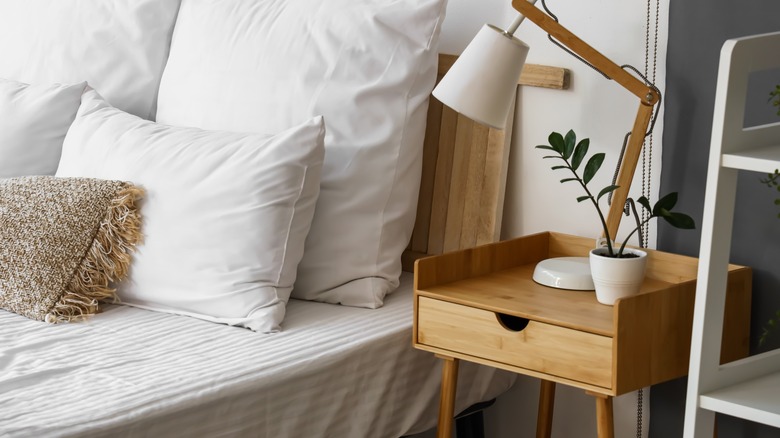
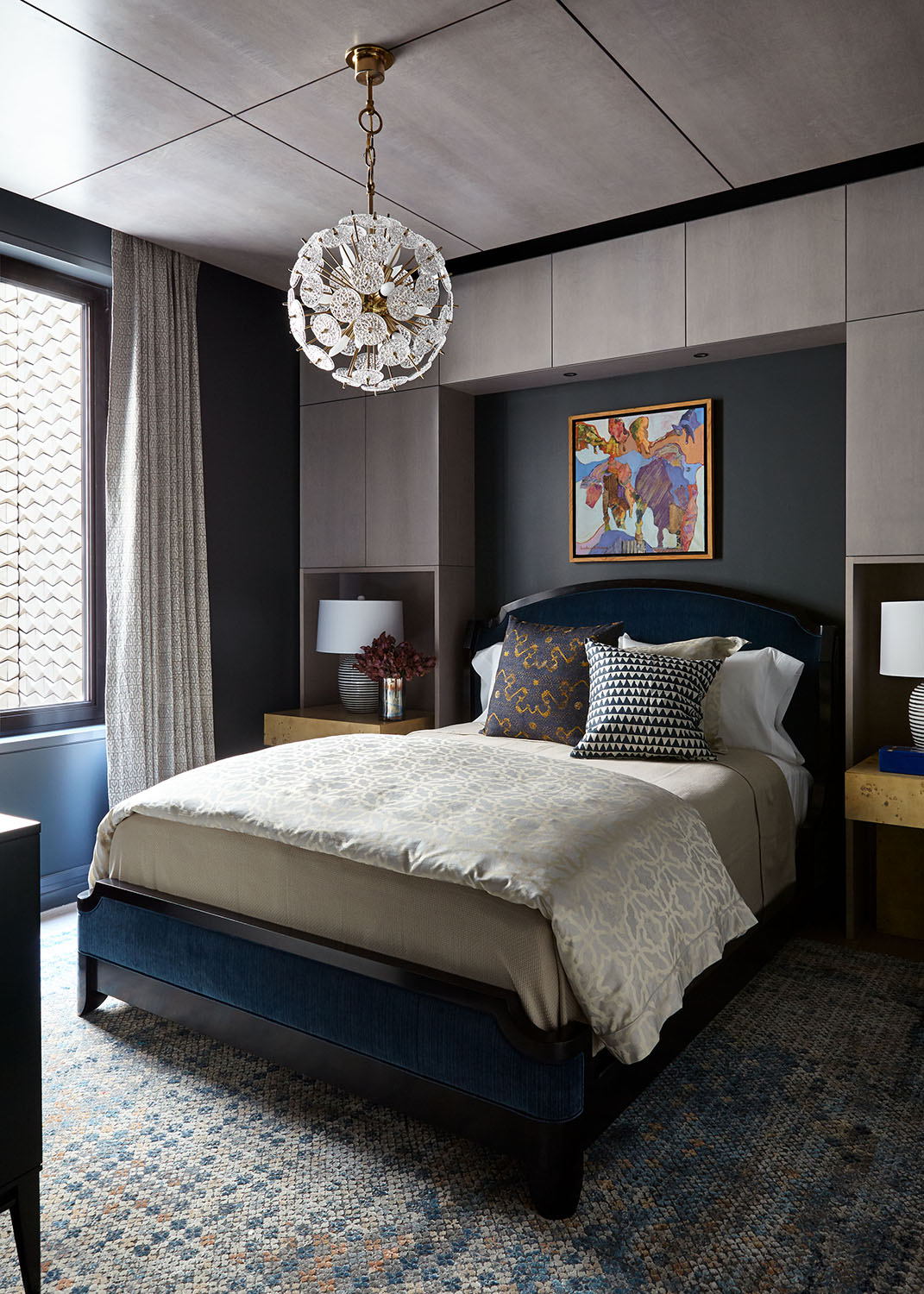
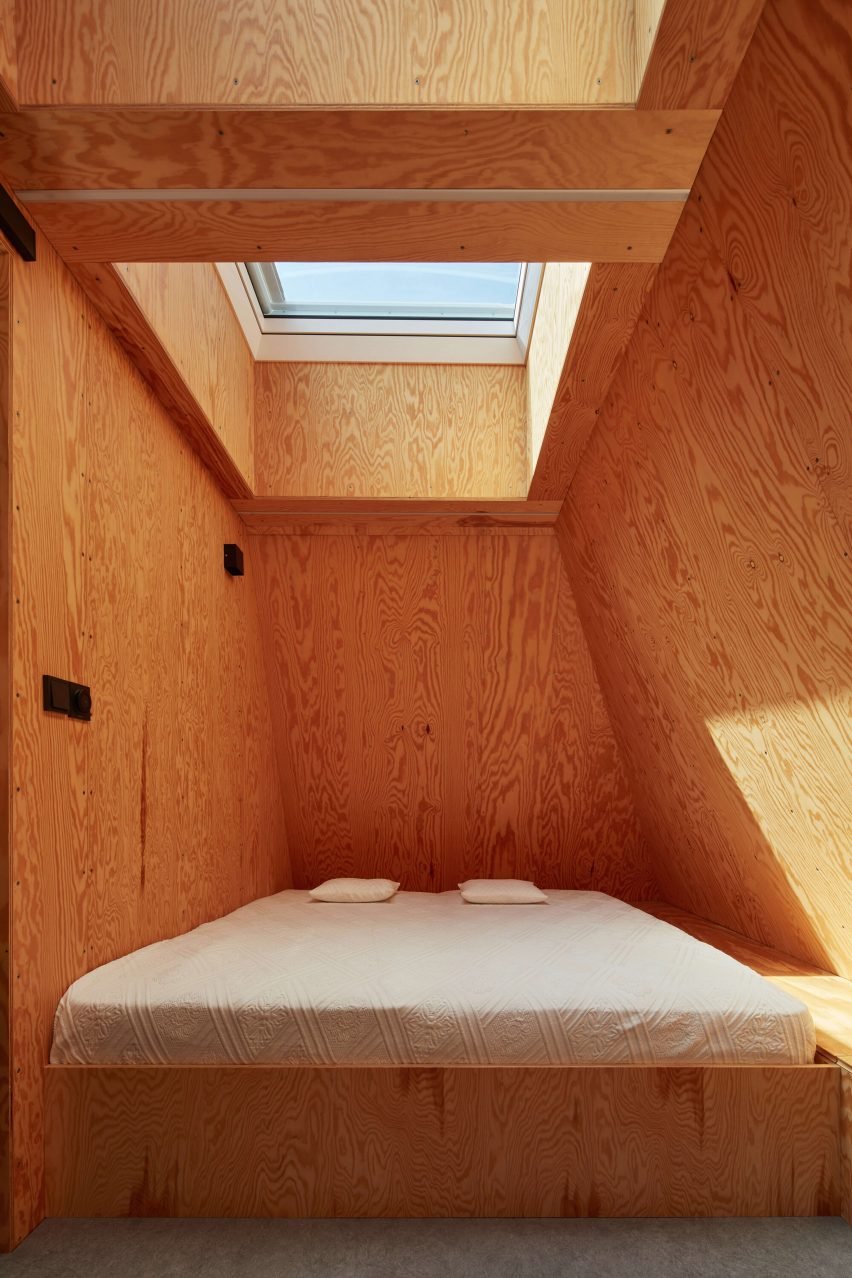
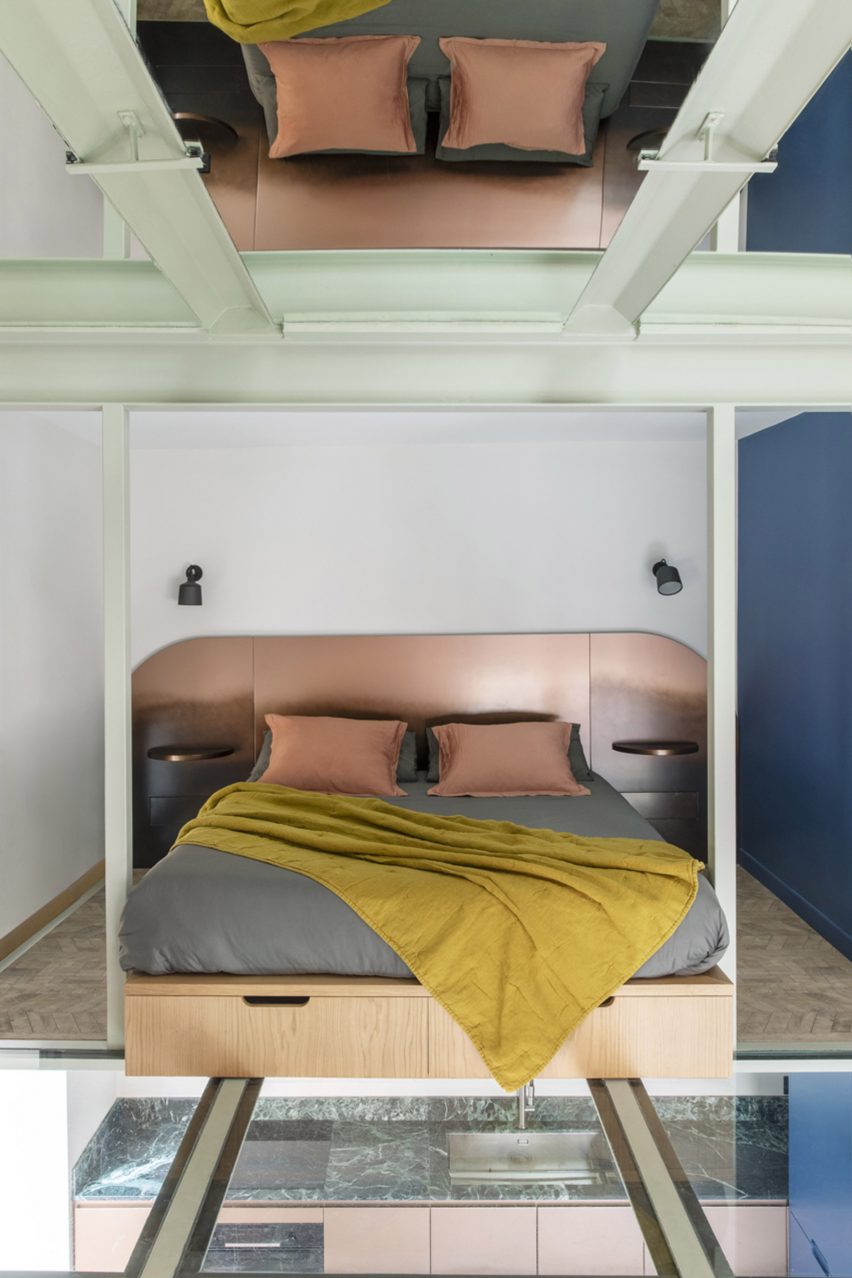
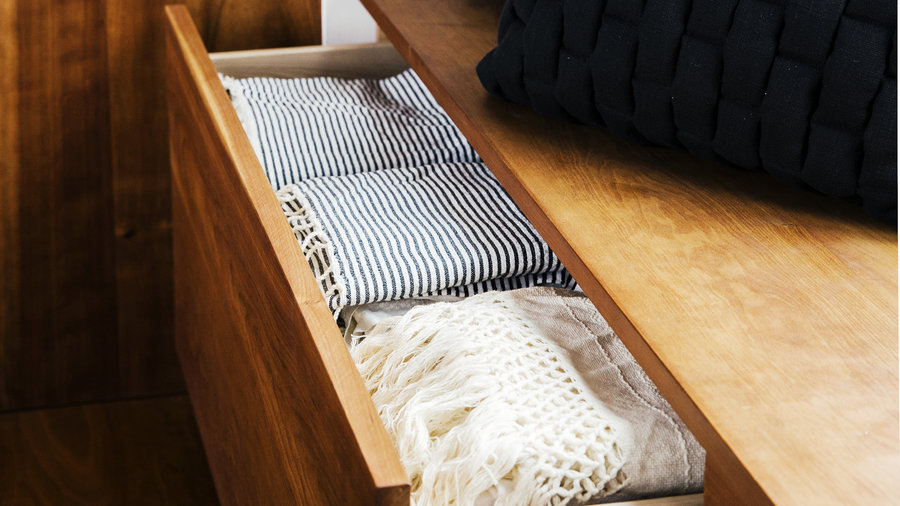
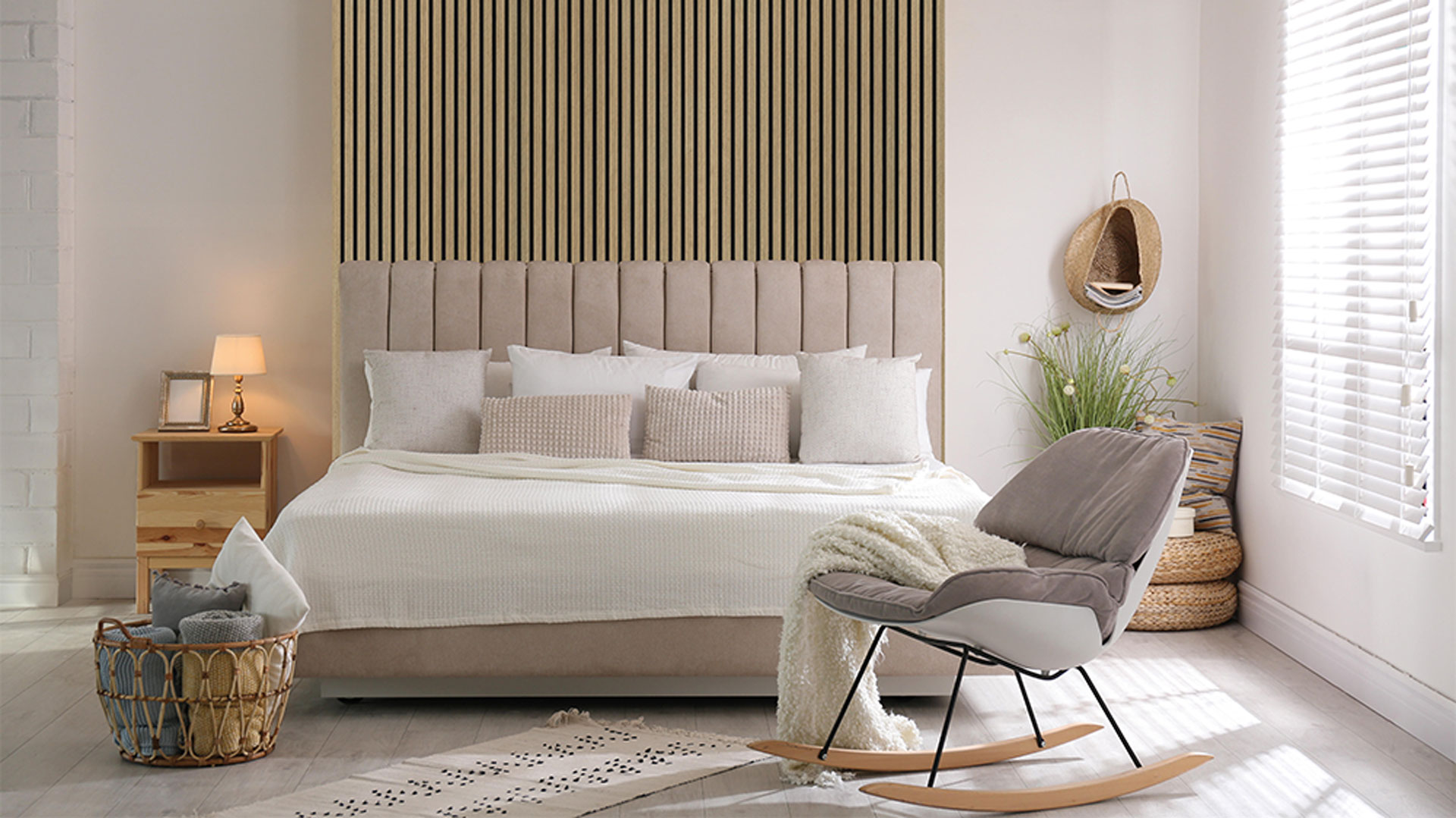
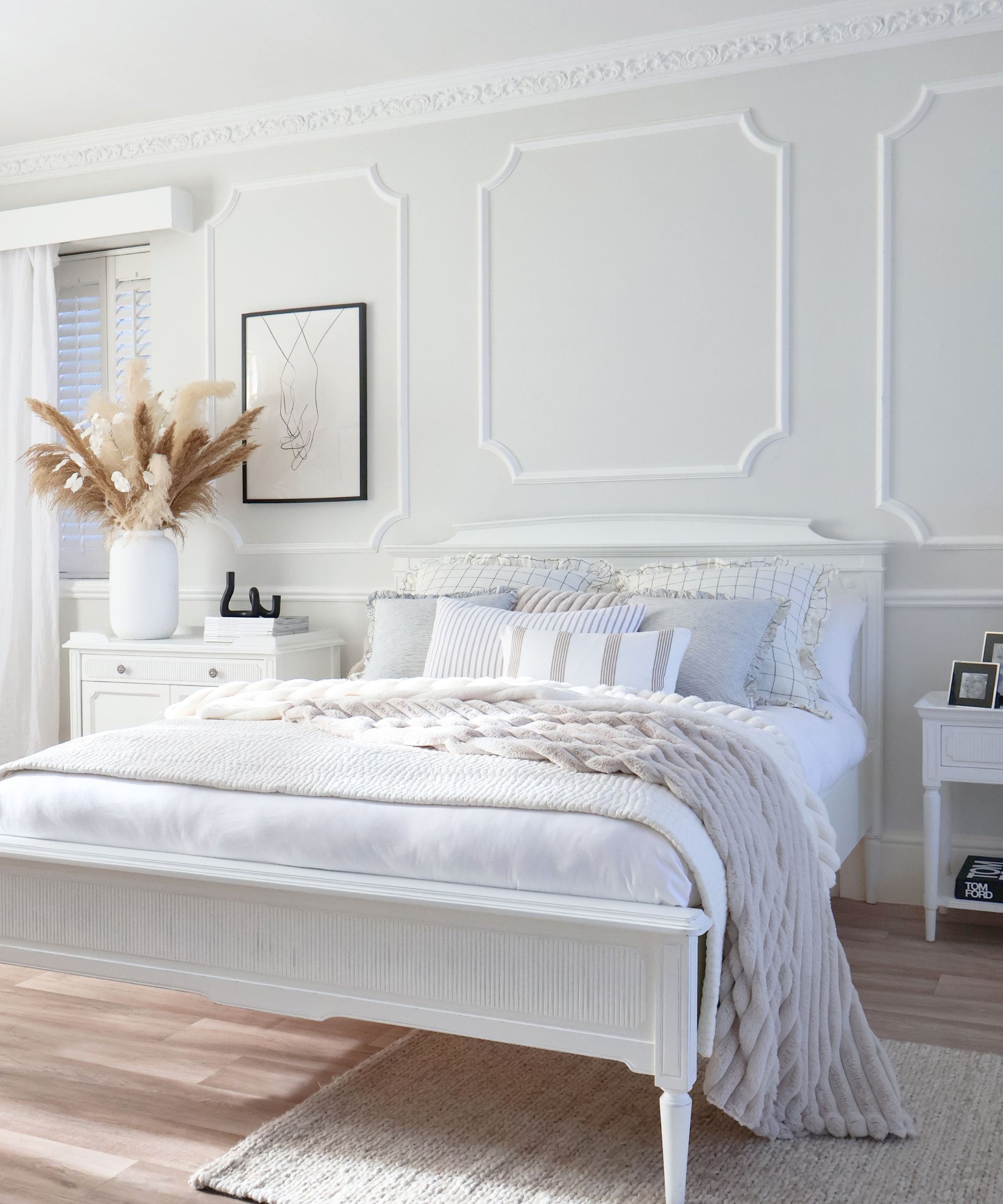
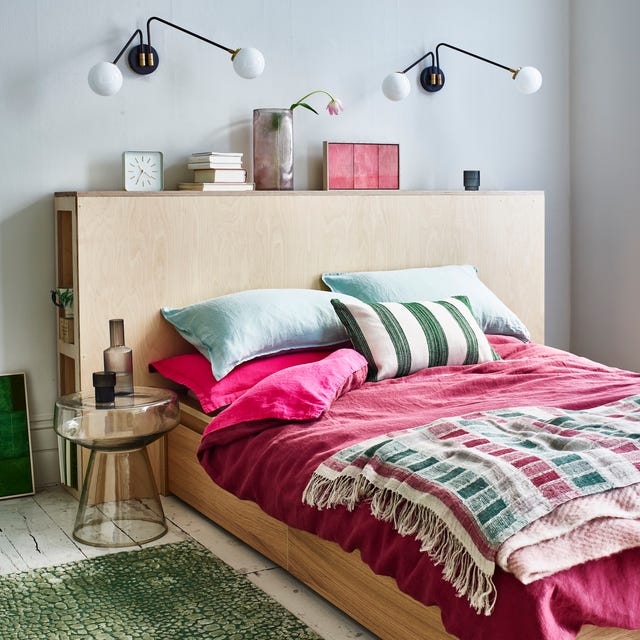
The first mistake is overcrowding the bedroom with excessive furniture and decor. Hoppen advocates for a minimalist and functional approach, emphasizing clean lines to foster a sense of openness. She suggests incorporating multi-functional furniture pieces that offer integrated storage solutions, such as platform beds with built-in drawers or bedside tables with hidden compartments. This strategy helps to declutter the room and maximize storage potential without making the space feel cramped.
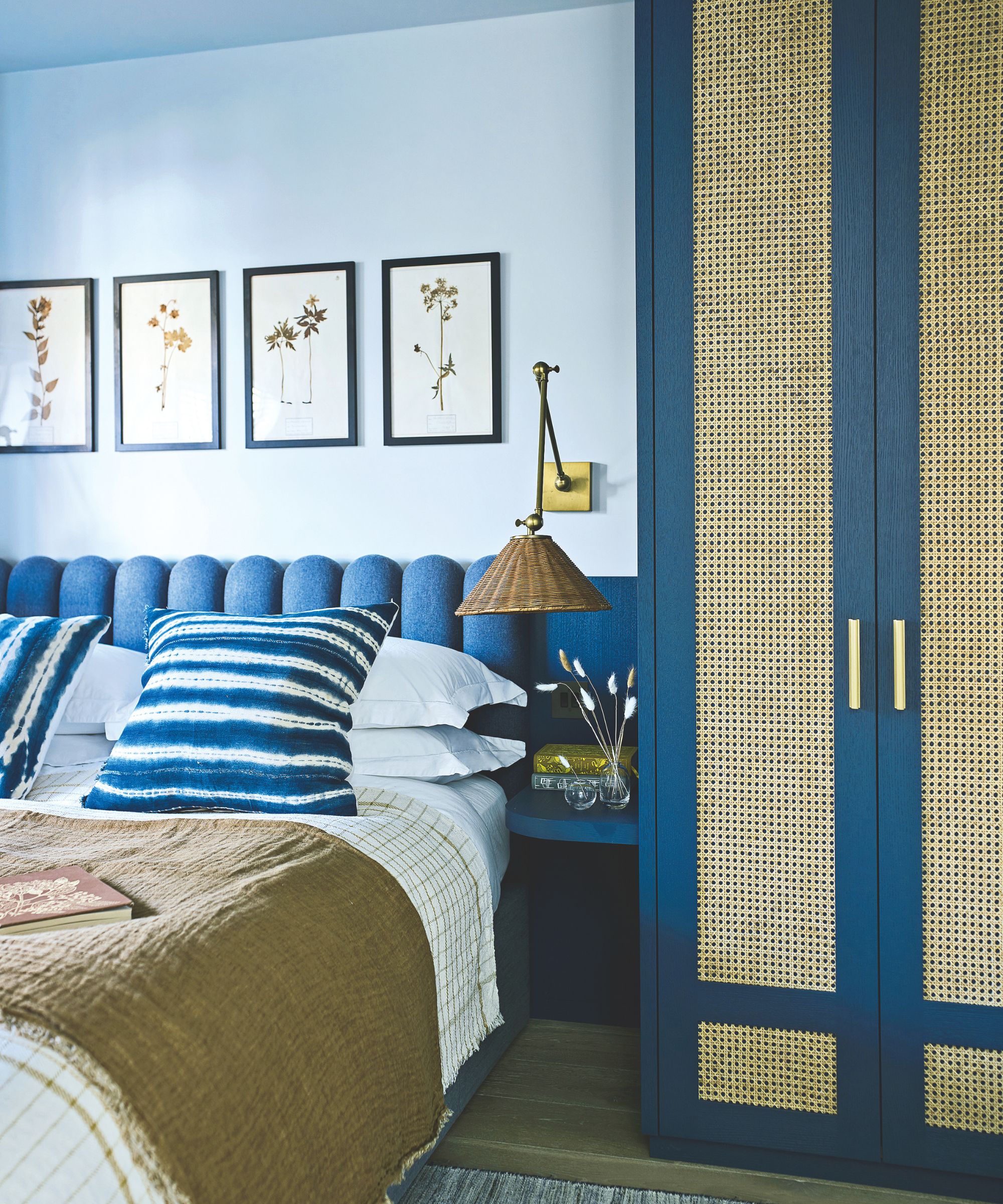
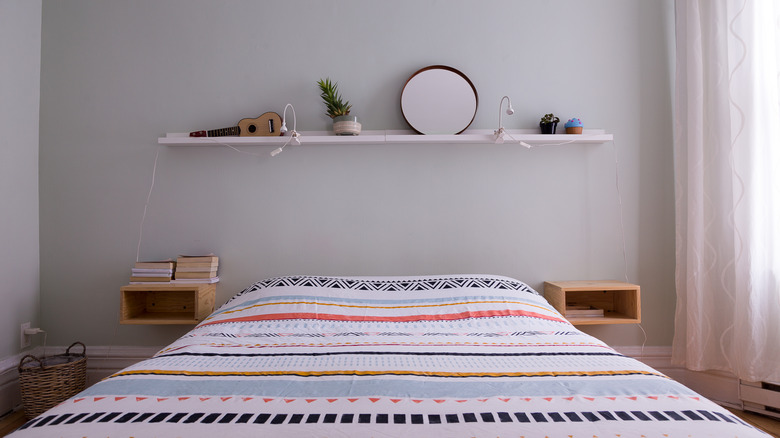
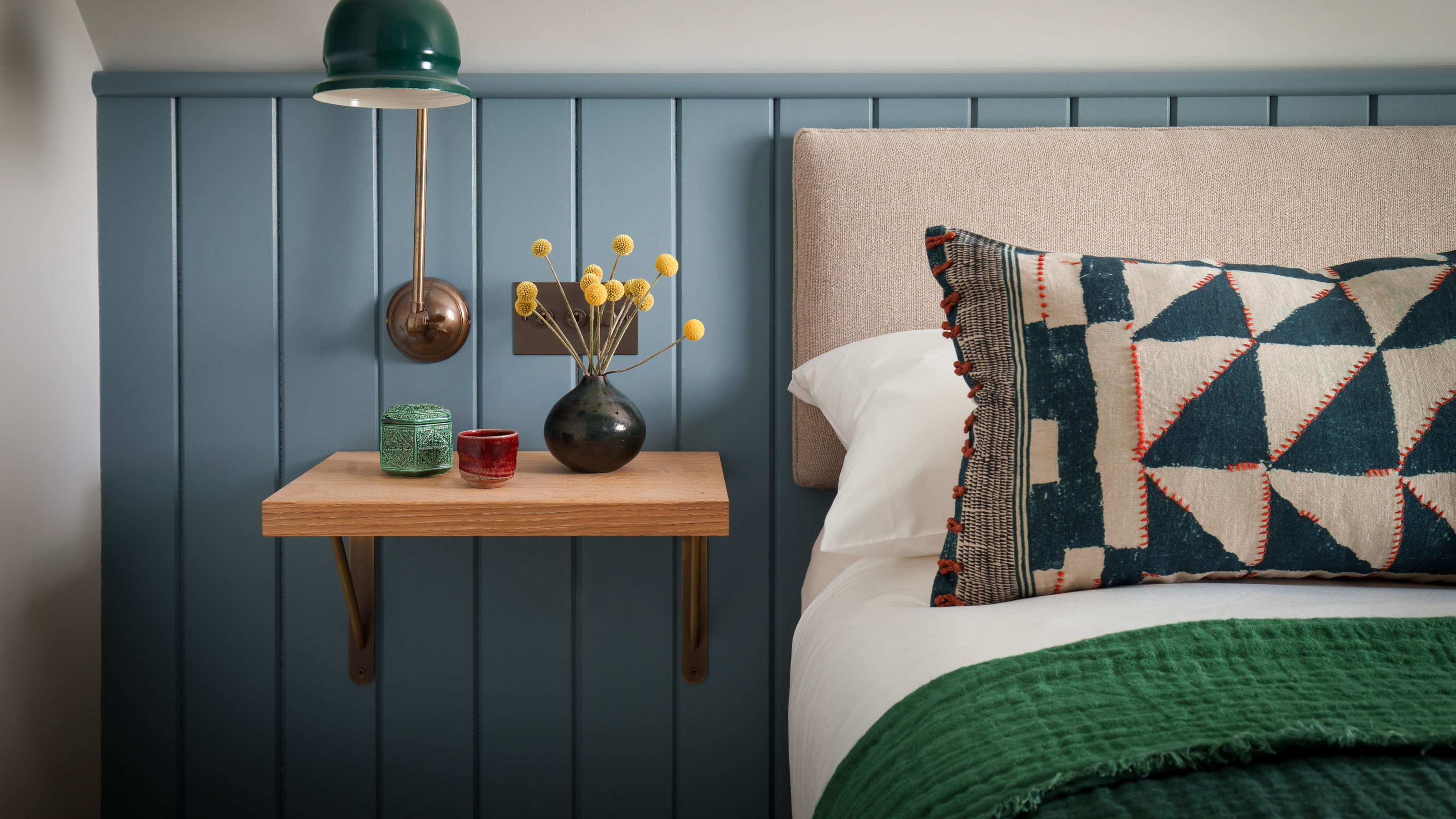
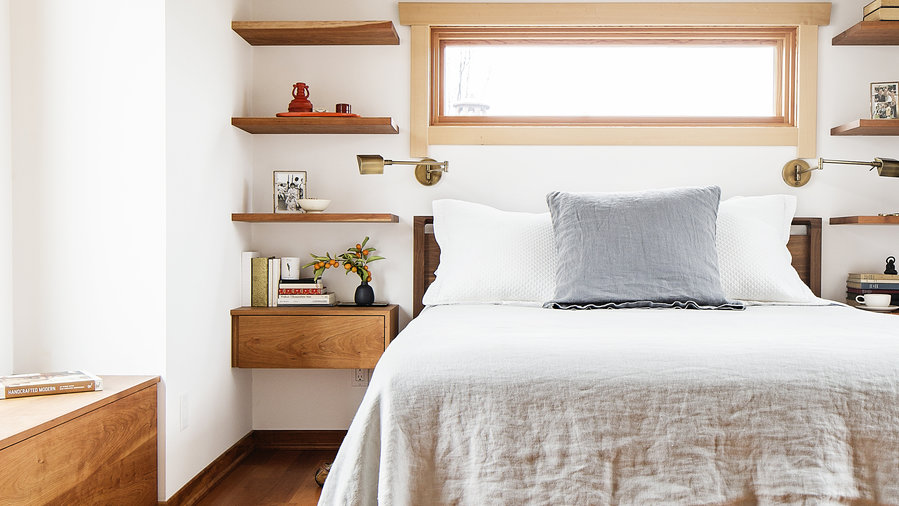
The second pitfall is neglecting vertical space. Hoppen advises utilizing wall-mounted shelves and storage units to free up floor space. Keeping floor areas clear allows the eye to perceive a larger room. This principle extends to lighting; she recommends a combination of ambient, task, and accent lighting, favoring wall lights and pendants over floor lamps to conserve space.
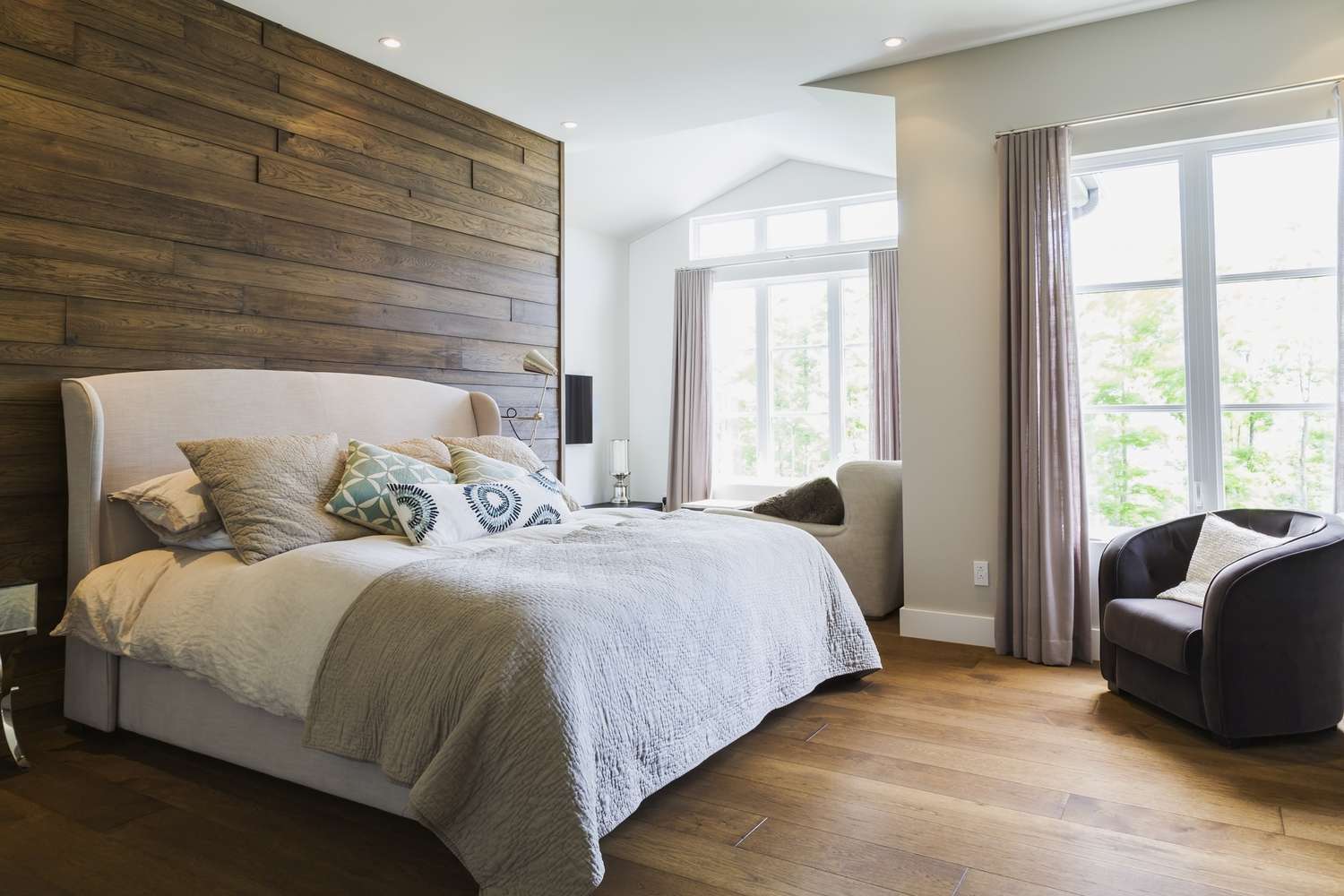
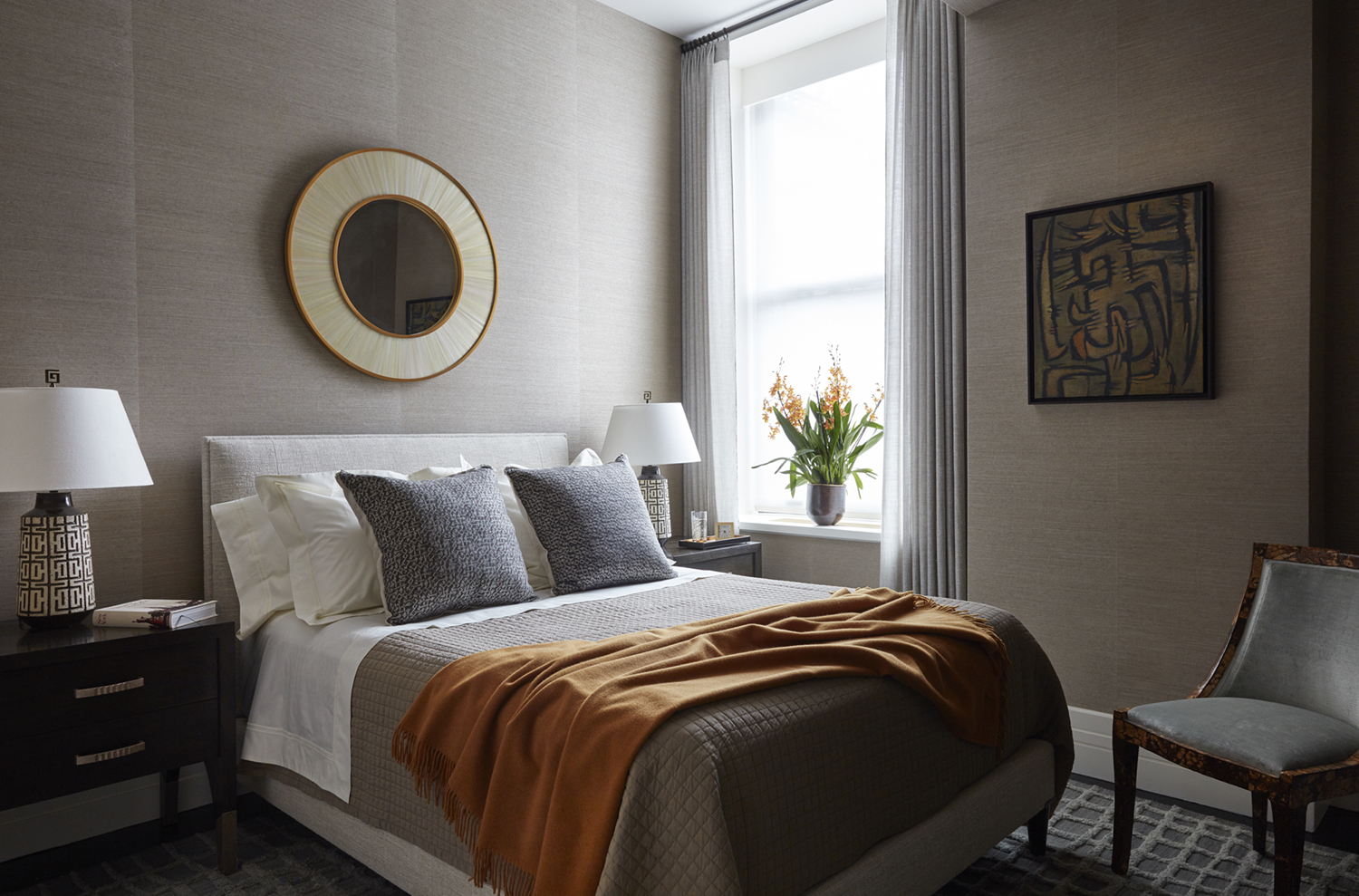
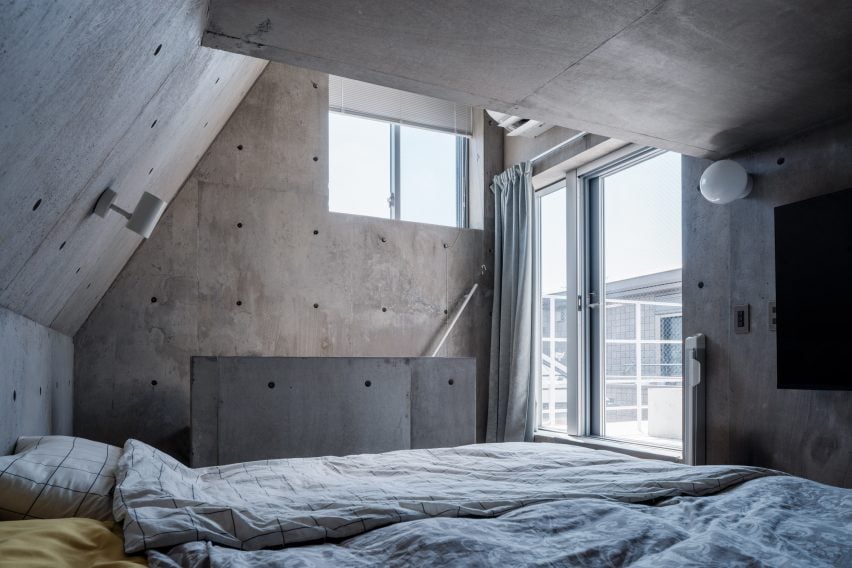
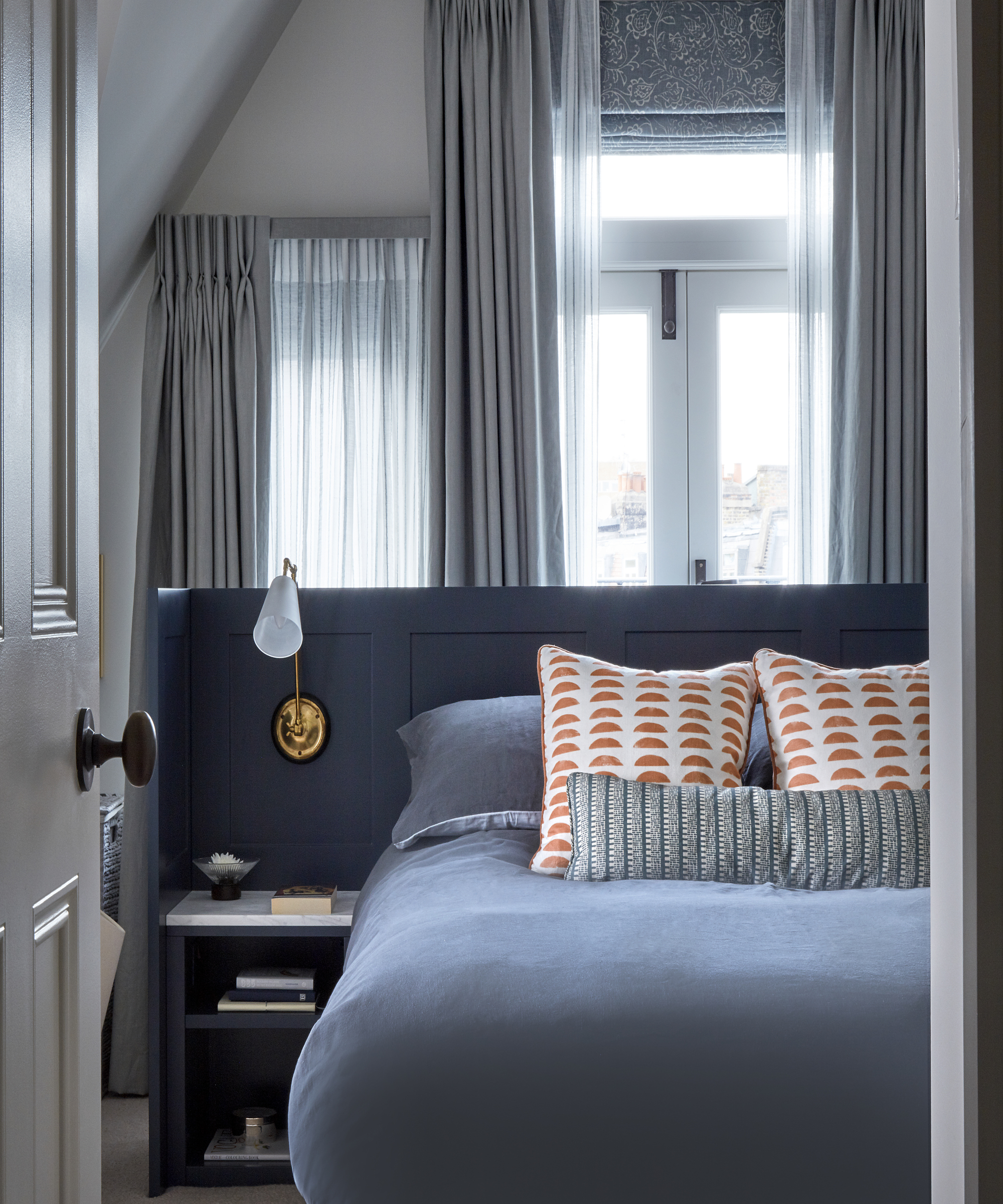
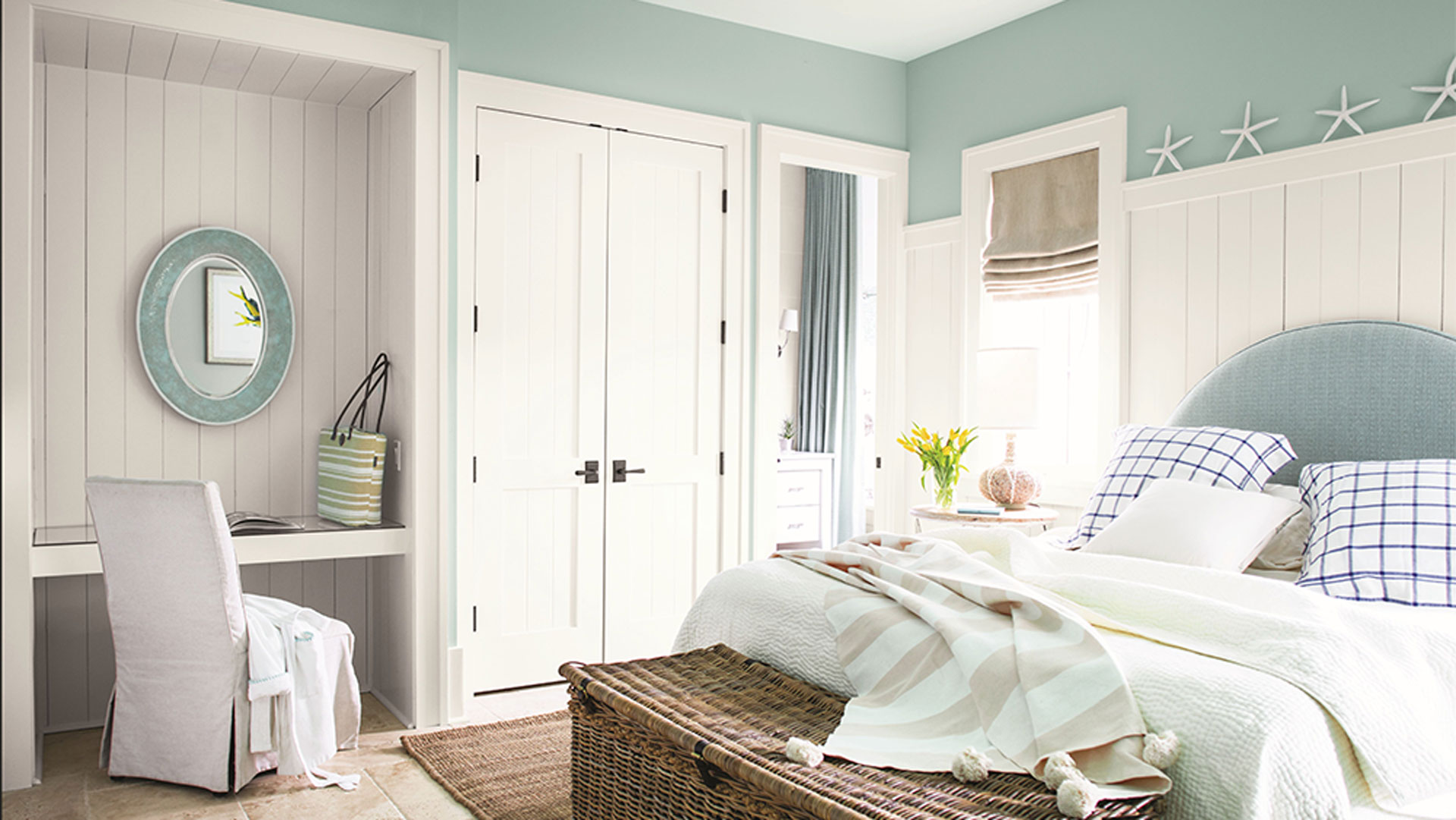
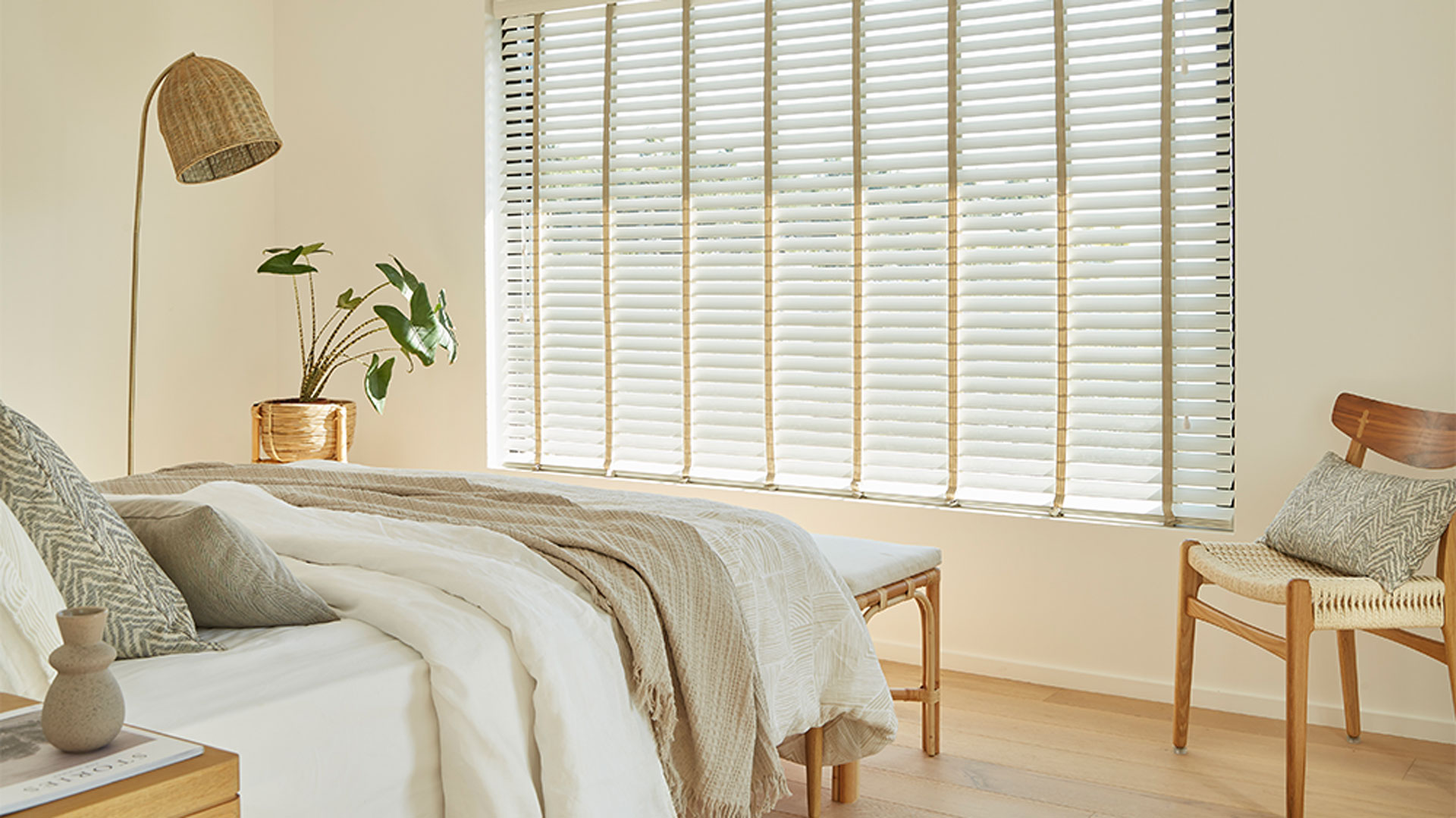
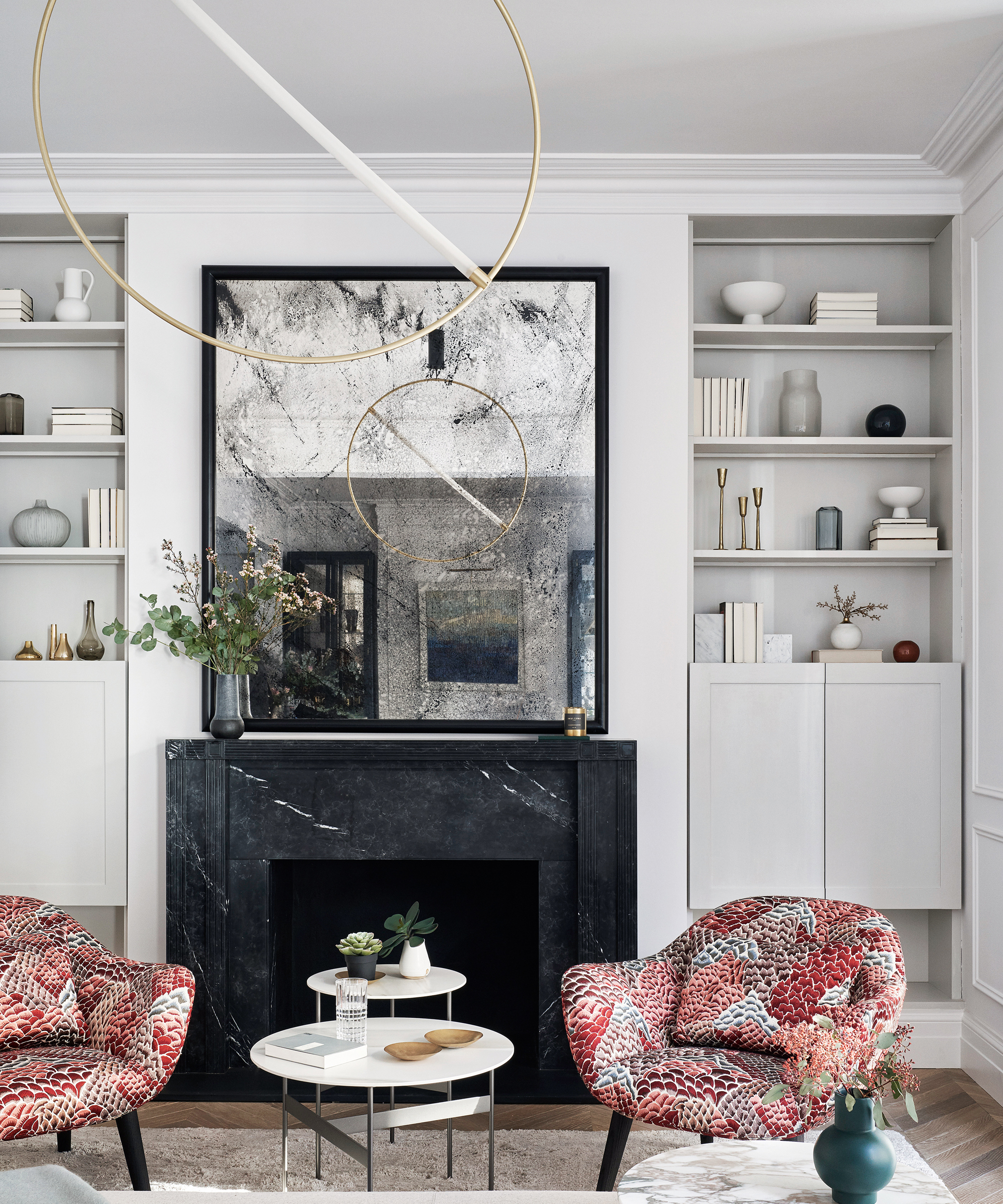
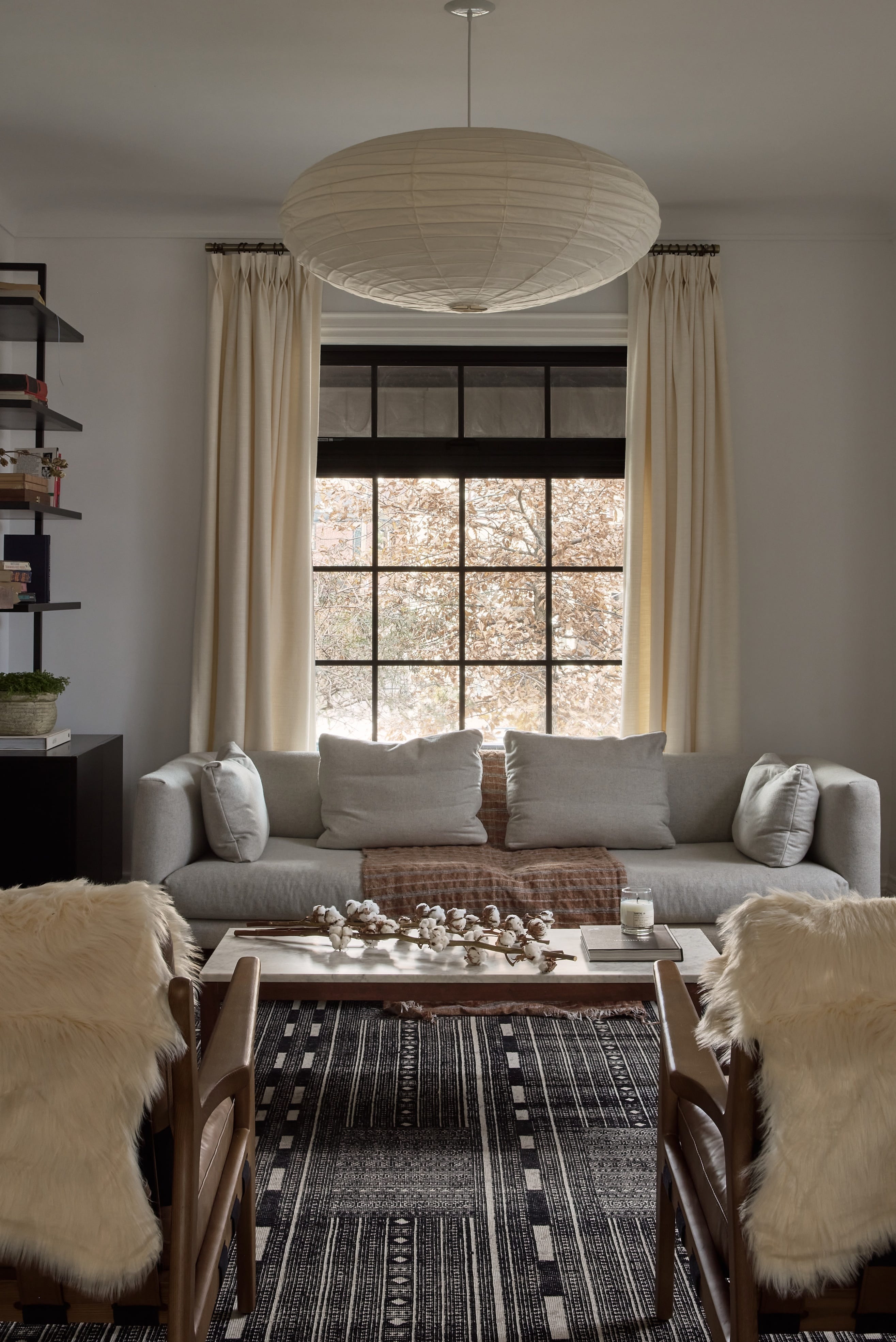
The third common error is ignoring natural light. Natural light is a valuable asset in small rooms. Hoppen suggests using sheer curtains or blinds that permit sunlight to filter into the room. She also recommends lighter wall colors like soft whites, pale greys, and gentle pastels, as these hues reflect more light and contribute to an airy feel. Strategic placement of mirrors can further enhance light reflection and create the illusion of a larger space, a technique she employed in her Celebrity Cruises designs.
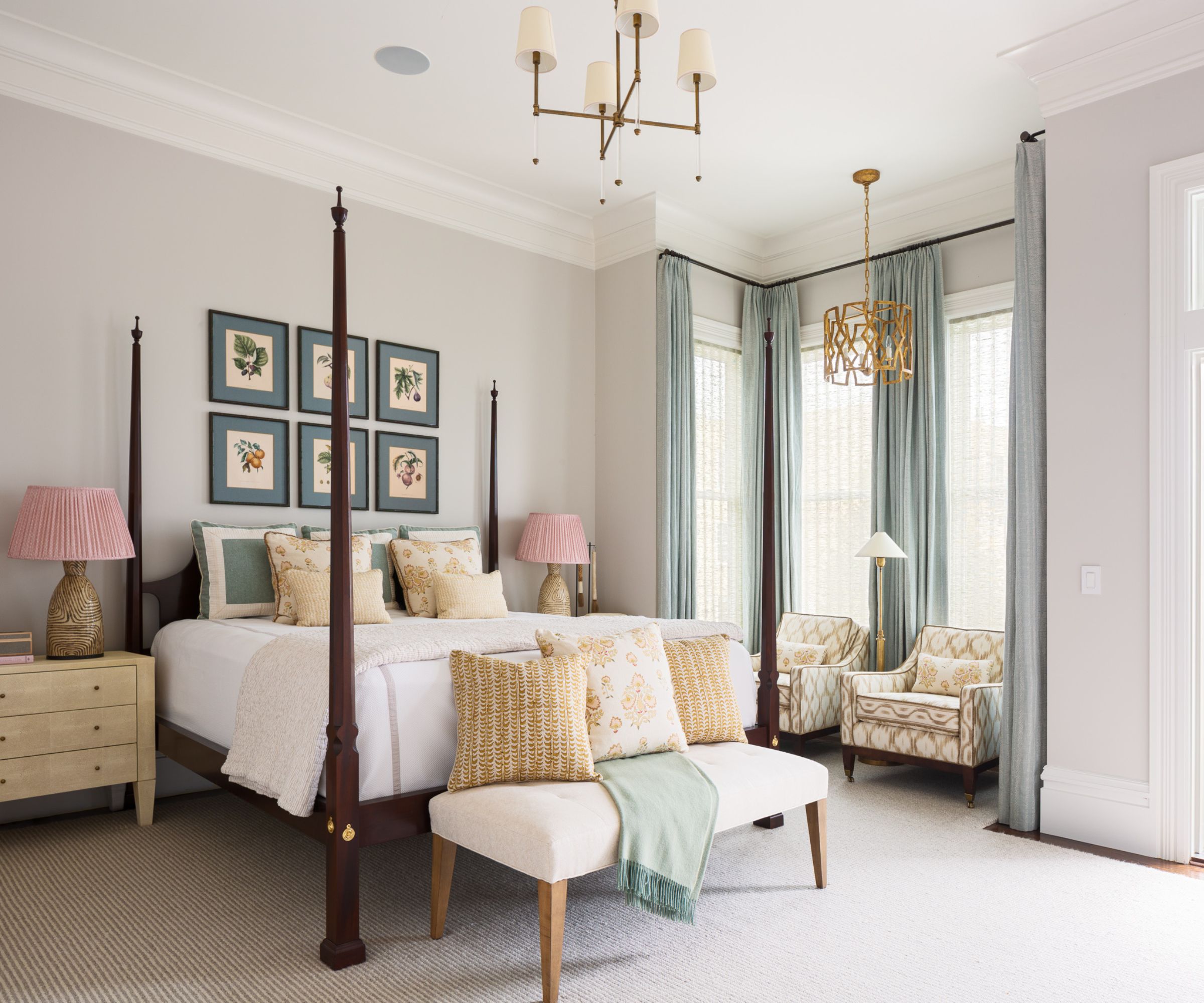
The fourth mistake involves disregarding scale. Hoppen highlights the importance of selecting furniture and decor that are appropriately sized for the room. Attempting to fit overly large items, such as a king-sized bed in a small room, can make the space feel cramped. Conversely, when it comes to floor coverings, she advises against using rugs that are too small, as they can make a room feel disjointed. An ideal rug should extend under the bed and bedside tables, leaving a few inches of space on each side, to anchor the room and enhance its coziness.
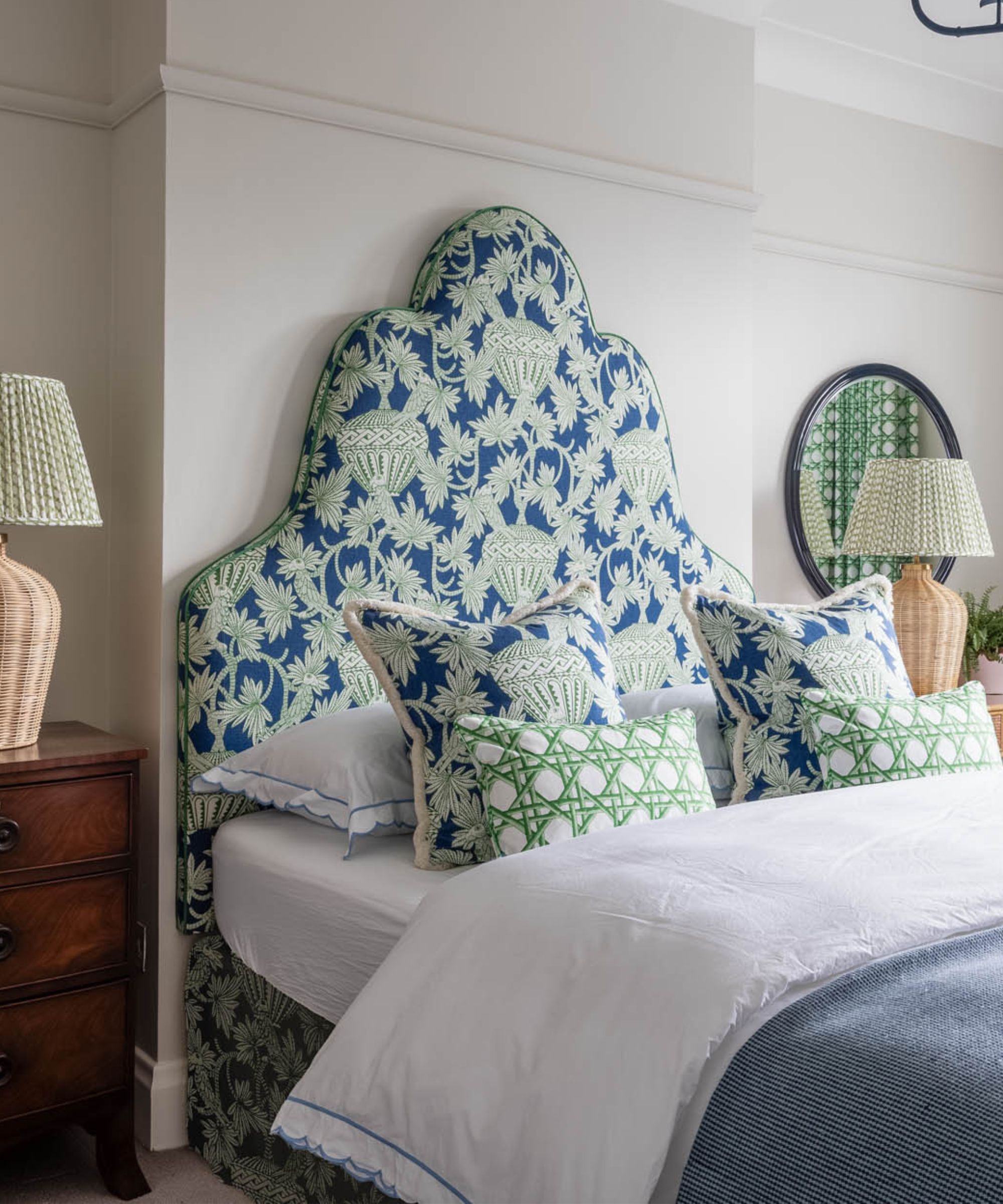
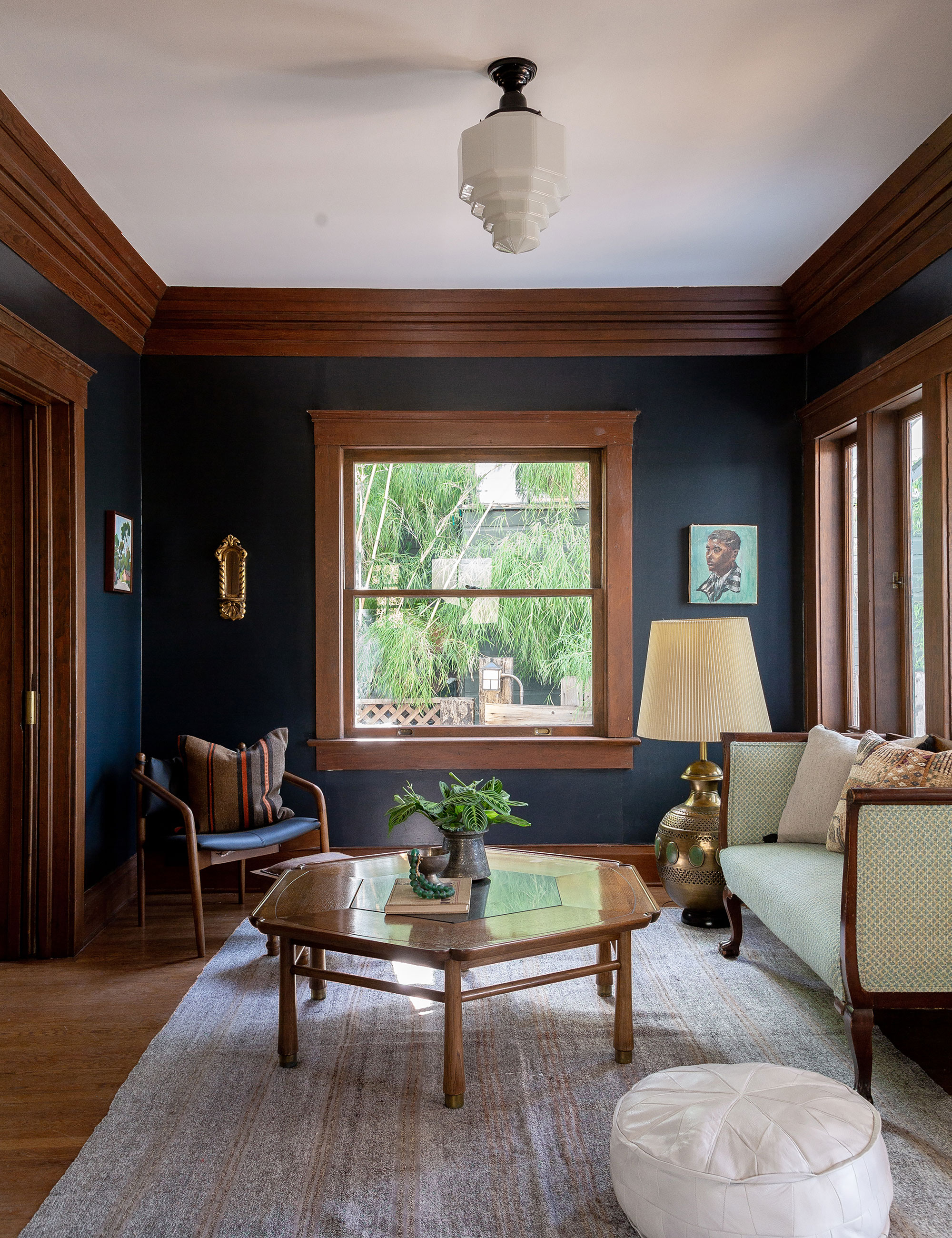
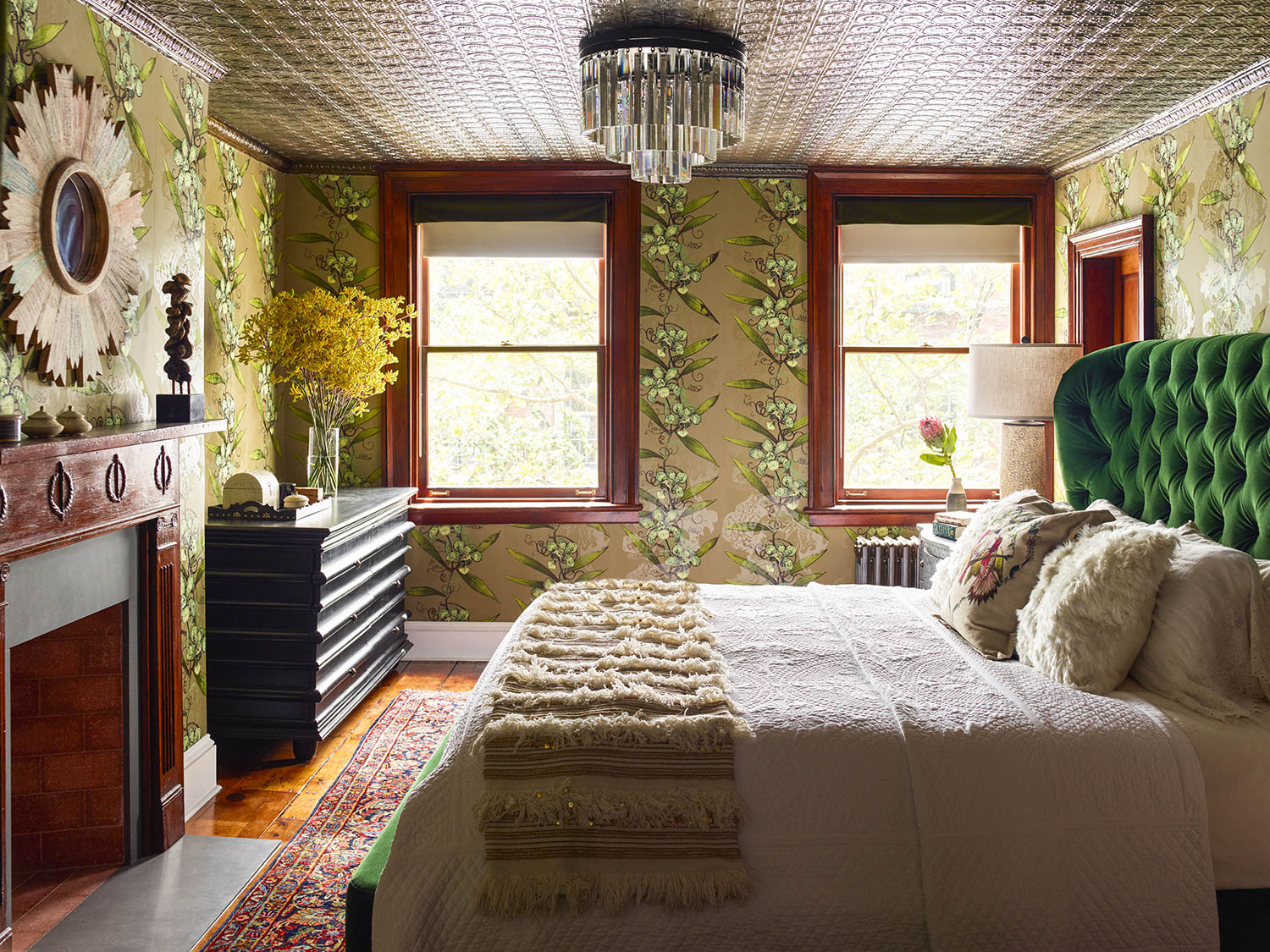
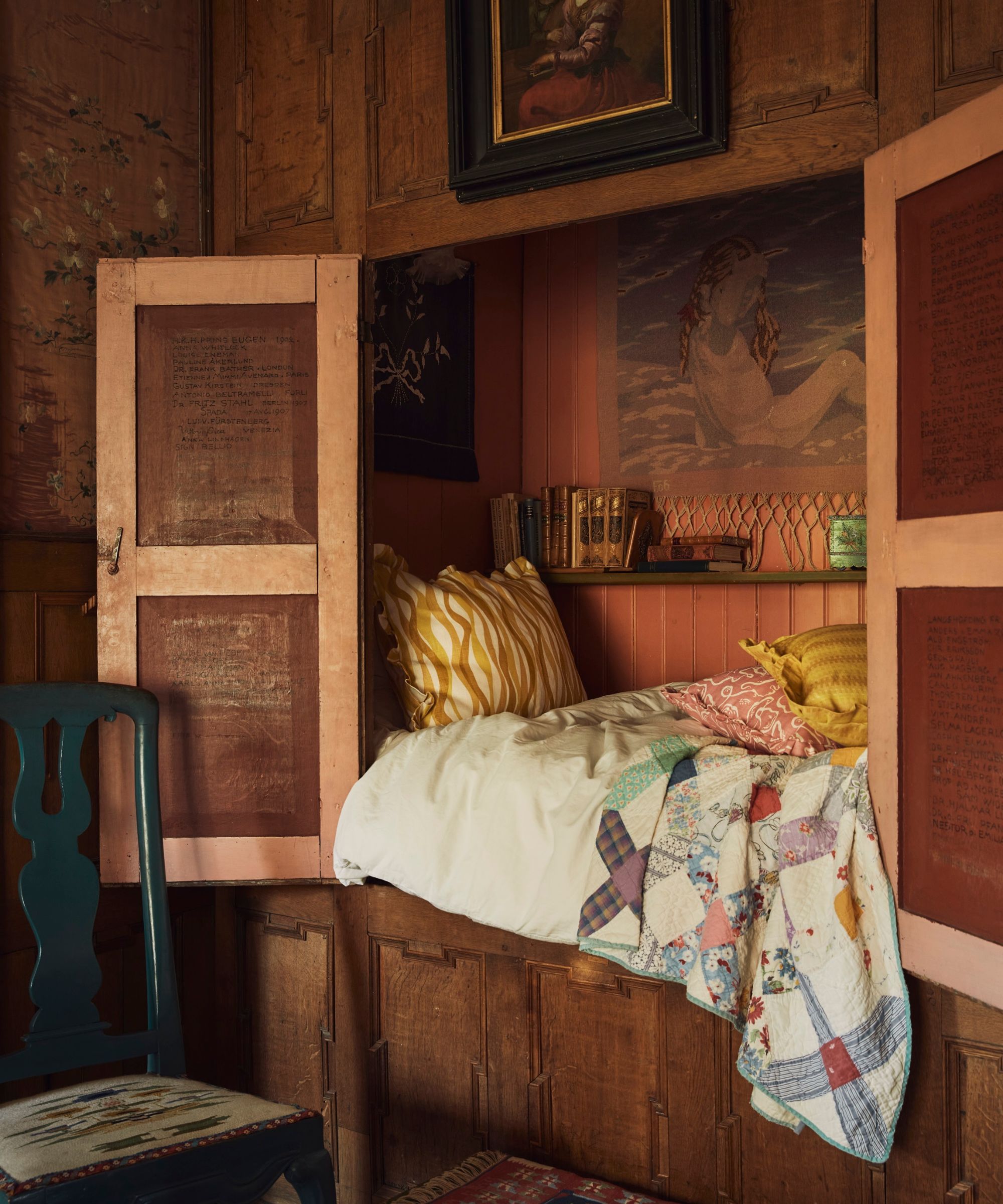
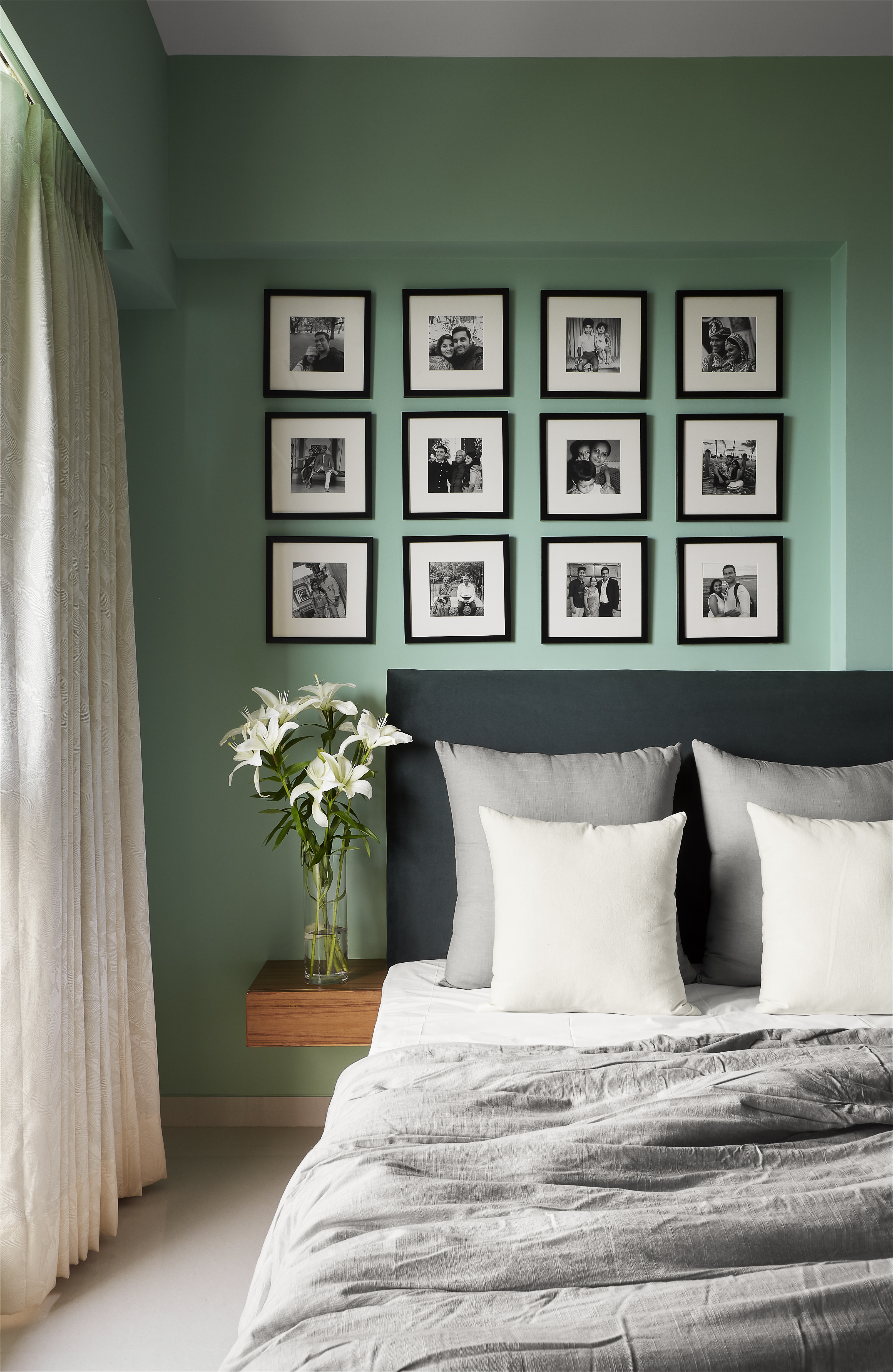
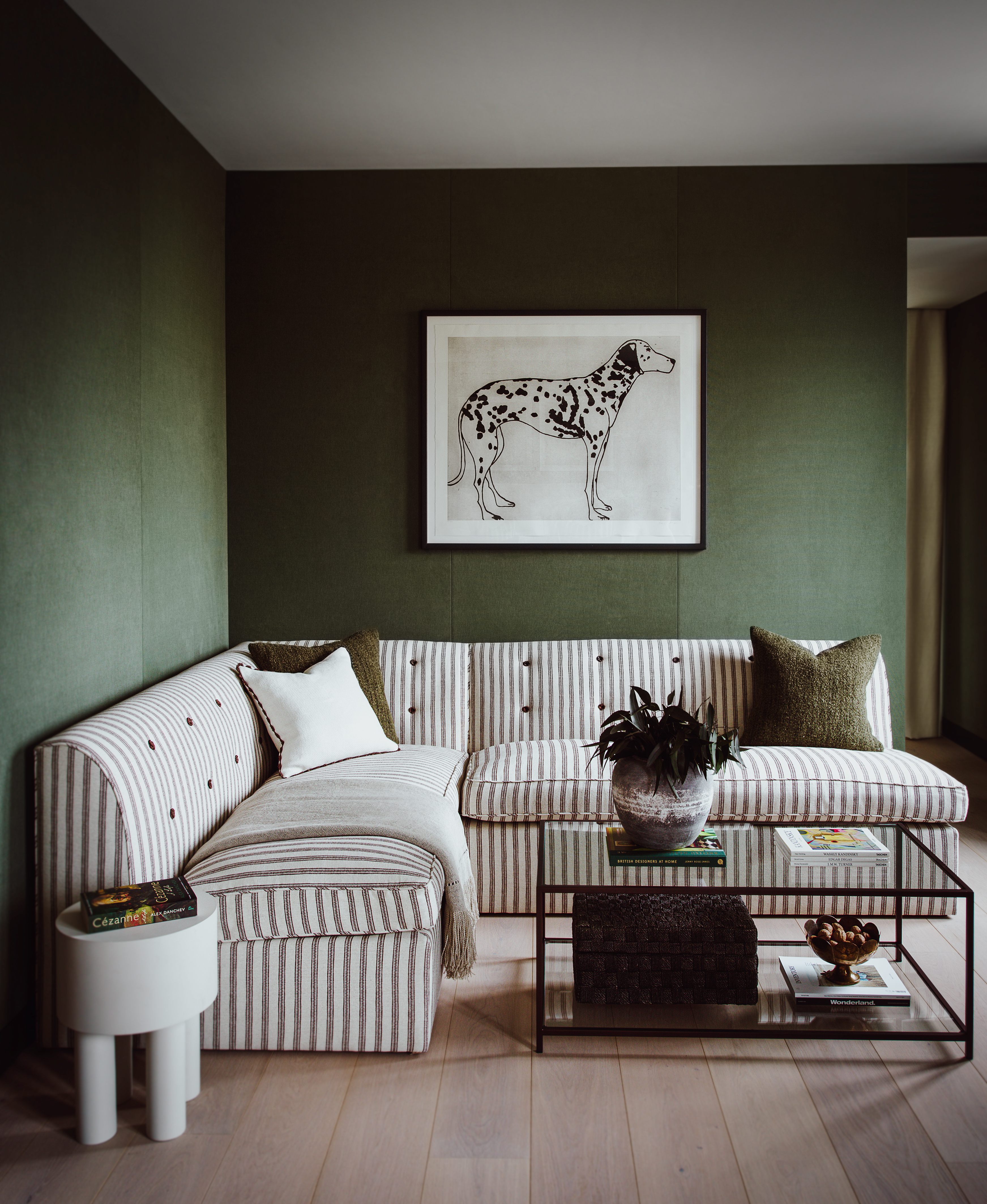
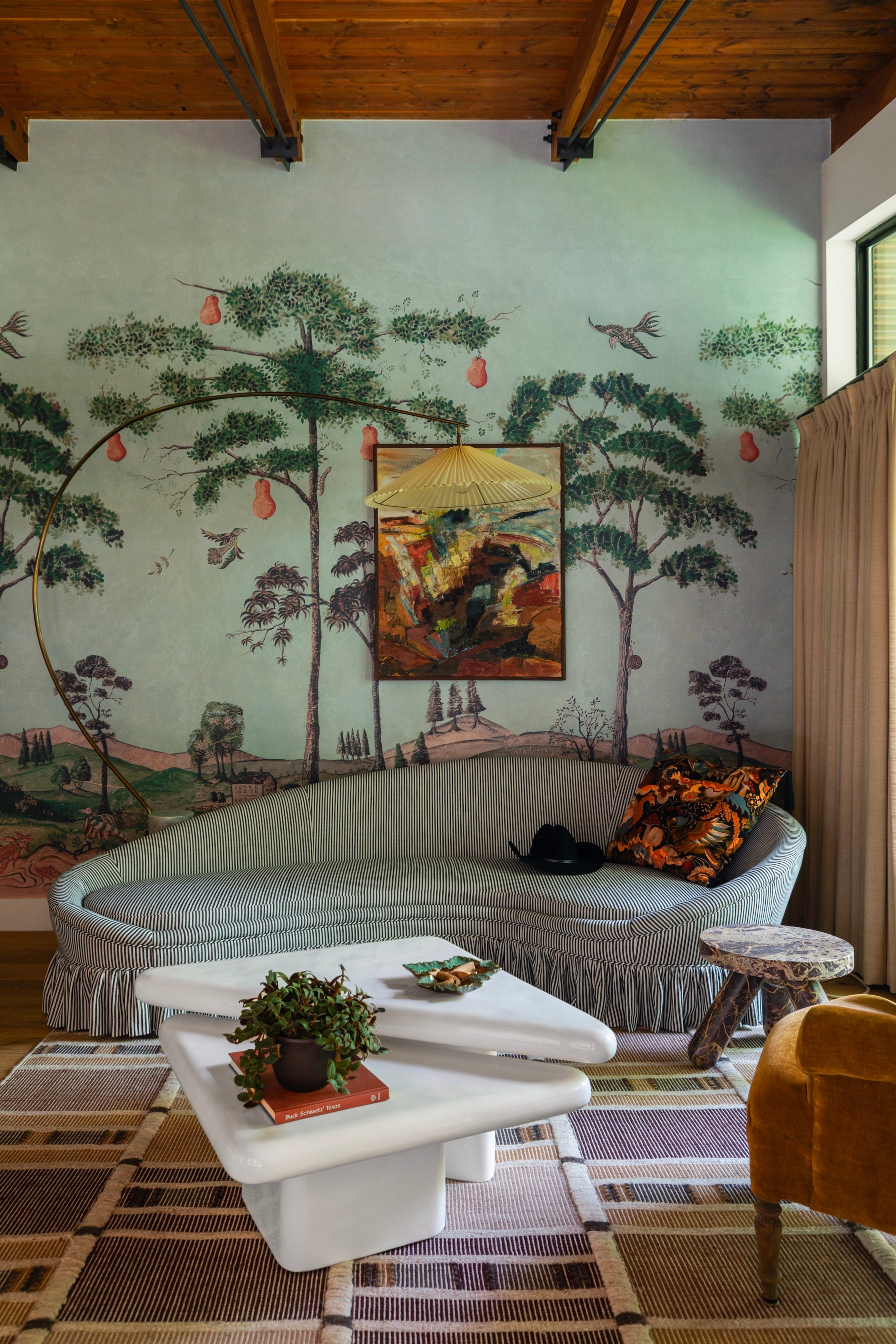
Finally, neglecting personal style can lead to a bland environment, particularly in small spaces where neutral colors are often favored. While space optimization is key, Hoppen stresses the importance of infusing personality into the room through carefully chosen accessories and art. Even with pale walls, she suggests using an accent wall or strategically placed wallpaper to add visual interest without overwhelming the space. These design principles aim to create small bedrooms that are not only functional and visually expanded but also reflect the occupant's individual taste and style. #SmallBedroomDesign #InteriorDesign #KellyHoppen #SpaceSavingTips #BedroomDecor #HomeDecor #StorageSolutions #NaturalLight #PersonalStyle
0 comment in total
 No comments yet
You may also like
8 of the biggest small bedroom layout mistakes designers see time and time again

Broadway’s Top Dressing Room Designer Shares Small-Space Decorating Tips You Can Use
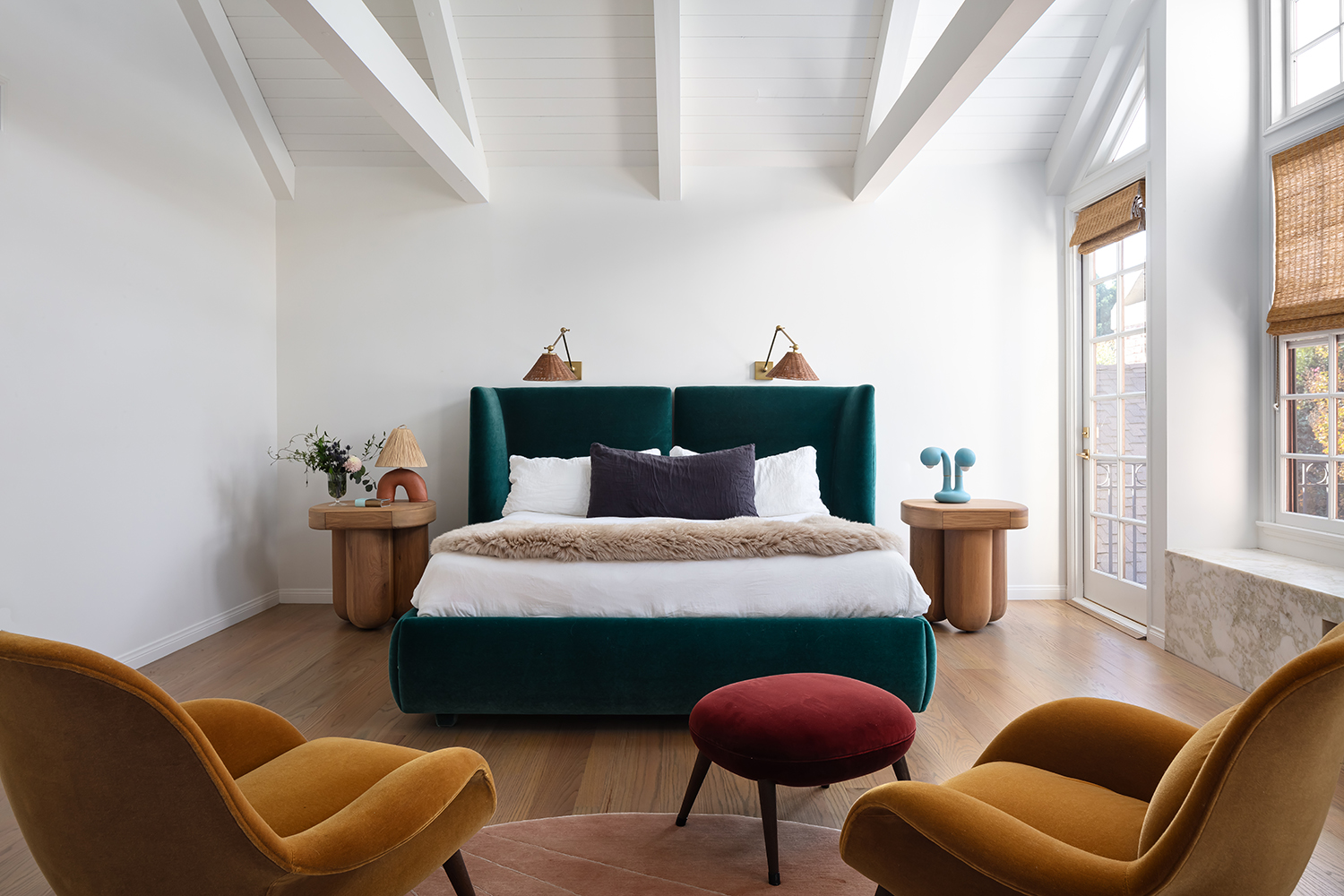
7 of the worst bedroom layout mistakes and how to avoid them

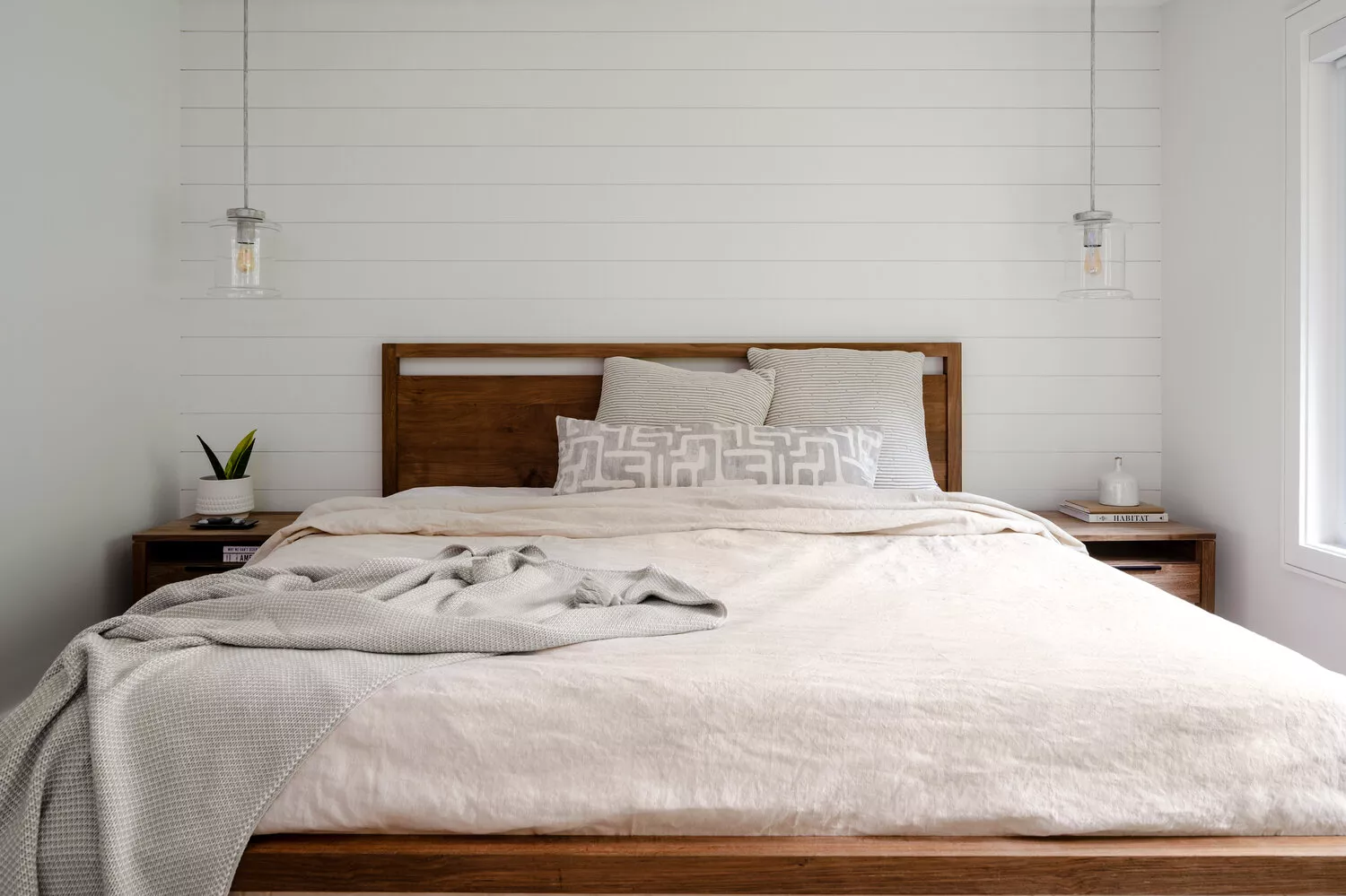
We Asked a Designer How to Make a Small Bedroom Feel Bigger and It's Actually So Easy

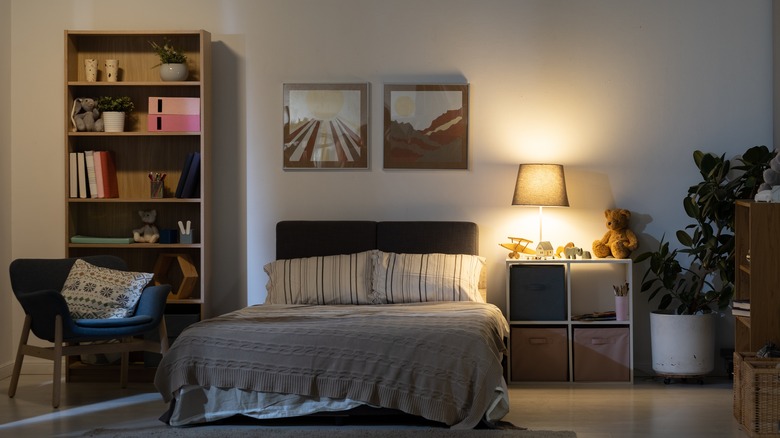
An Expert Explains The Best Ways To Organize Your Small Bedroom
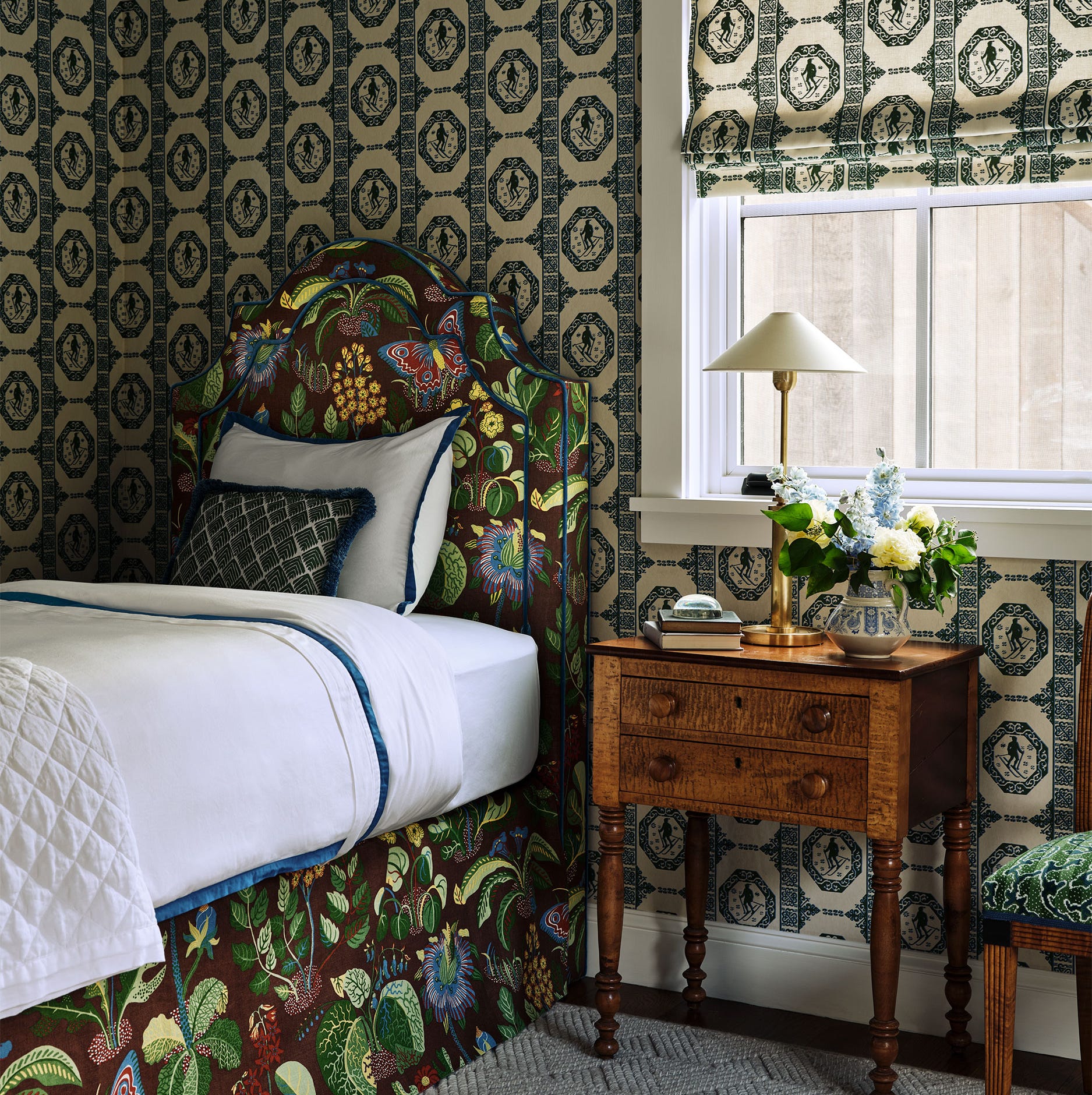
These Small Bedroom Ideas Prove That Small Is the New Big

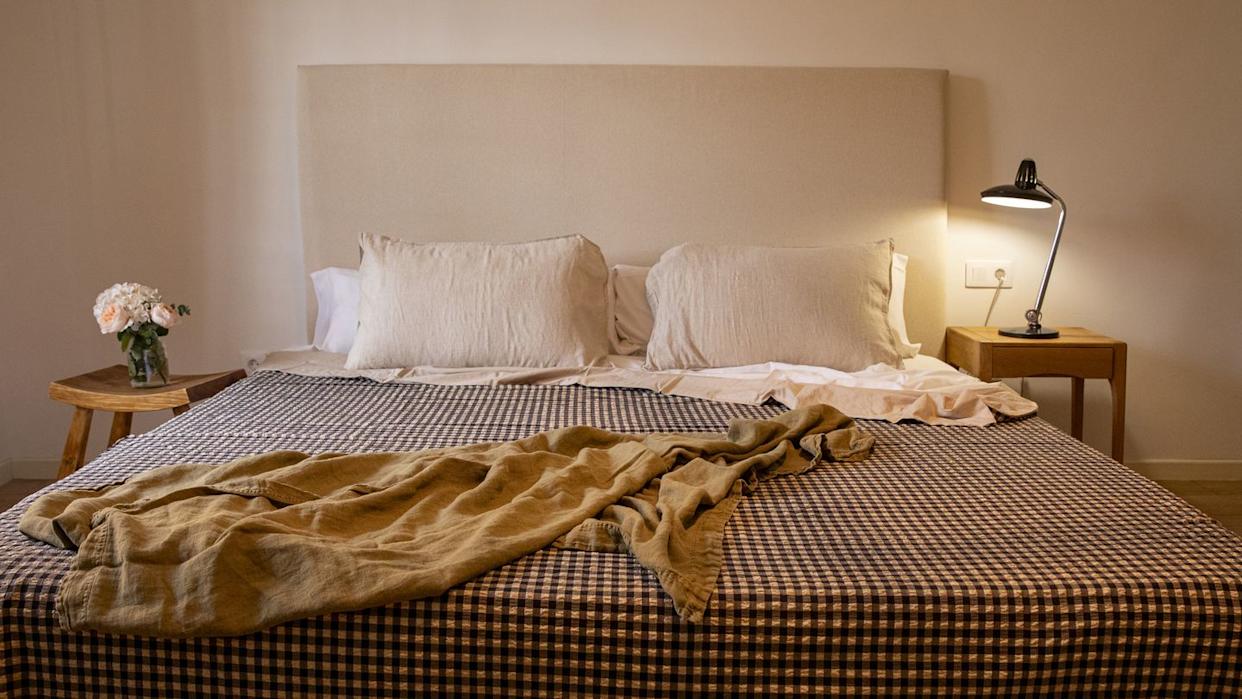
Designers Say You Should NEVER Do These 5 Things When Decorating a Guest Bedroom

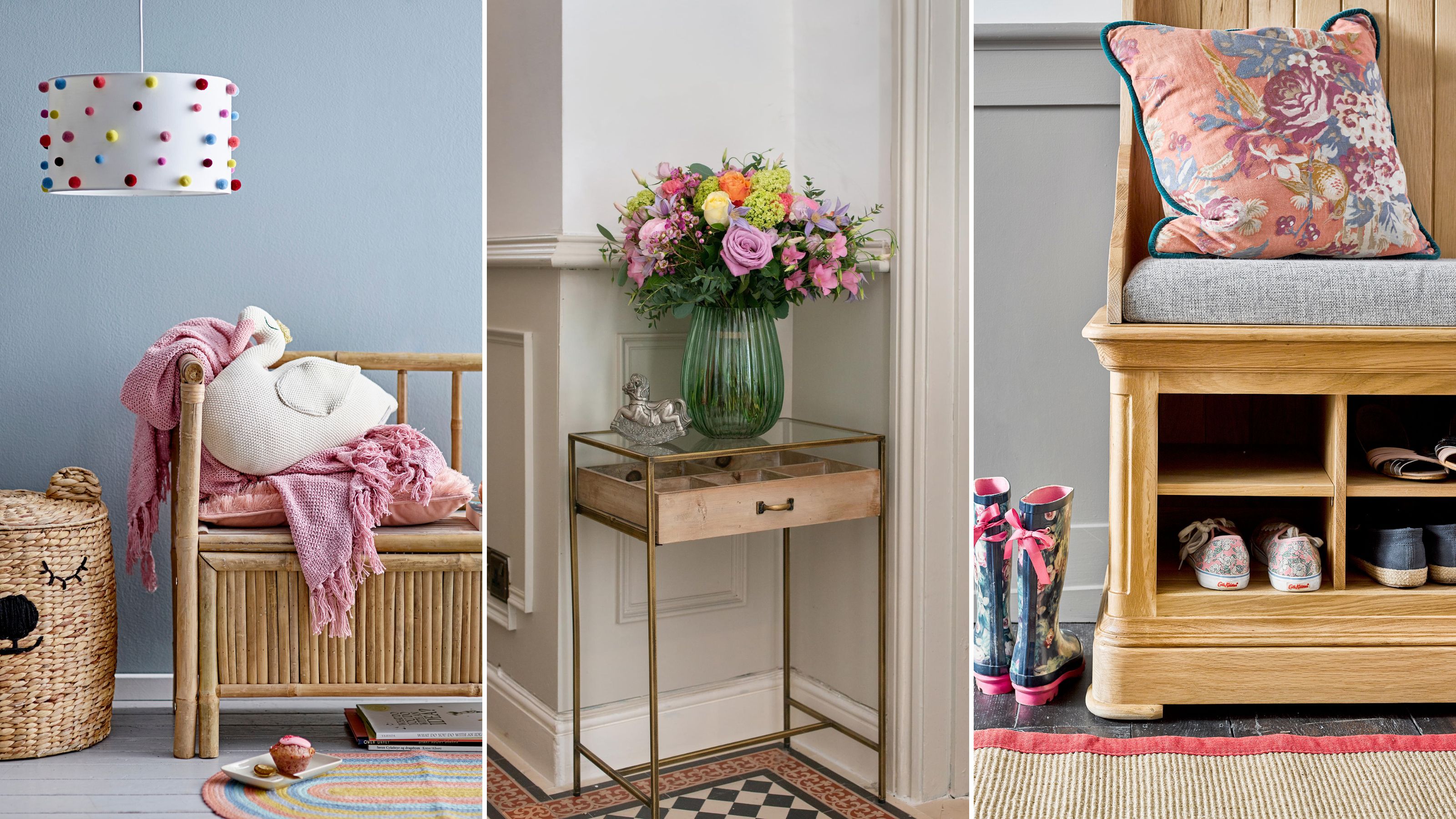
5 small entryway storage mistakes designers want you to stop making

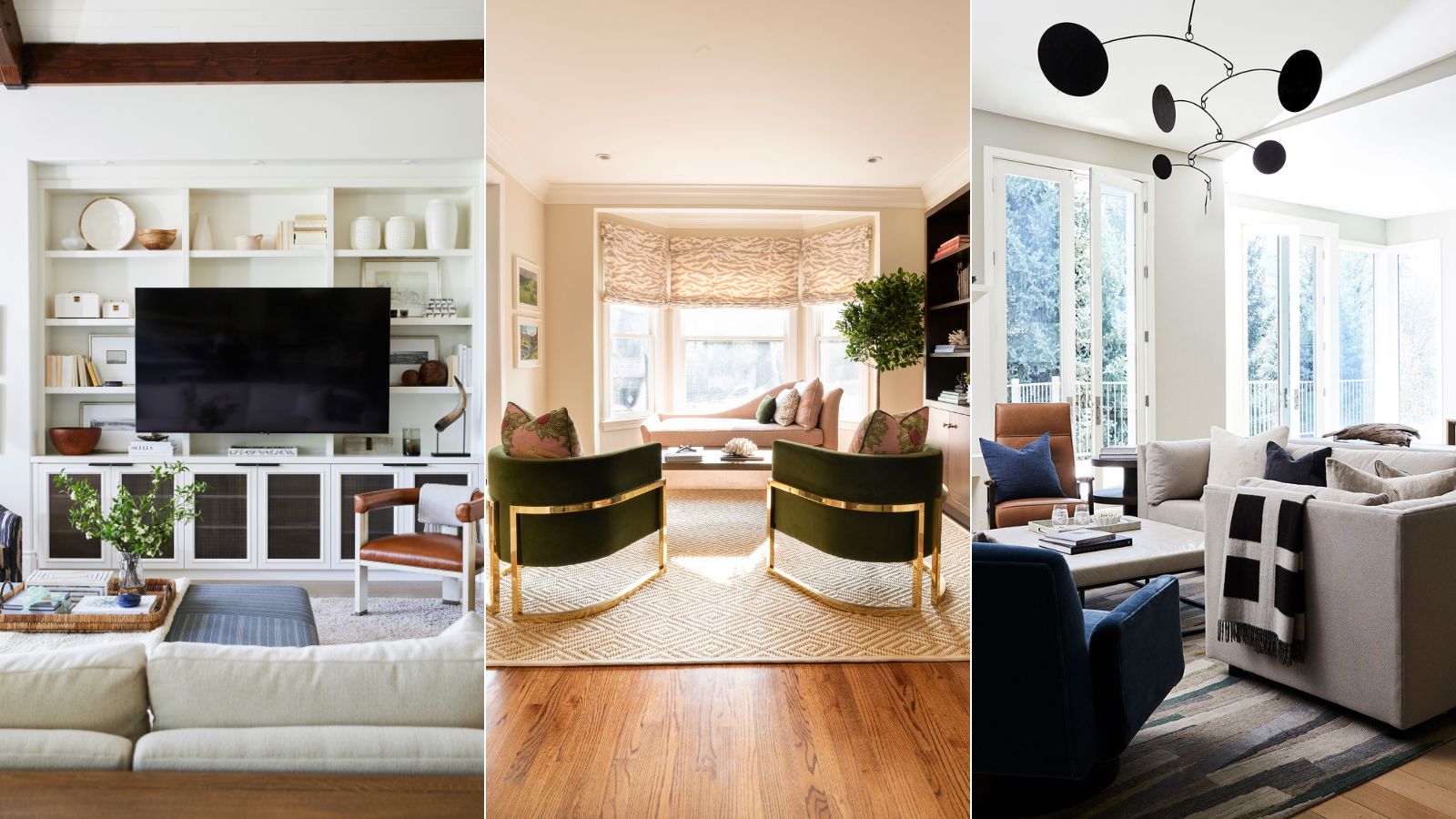
5 small living room mistakes – designers share the worst decorating disasters that we need to stop doing right now
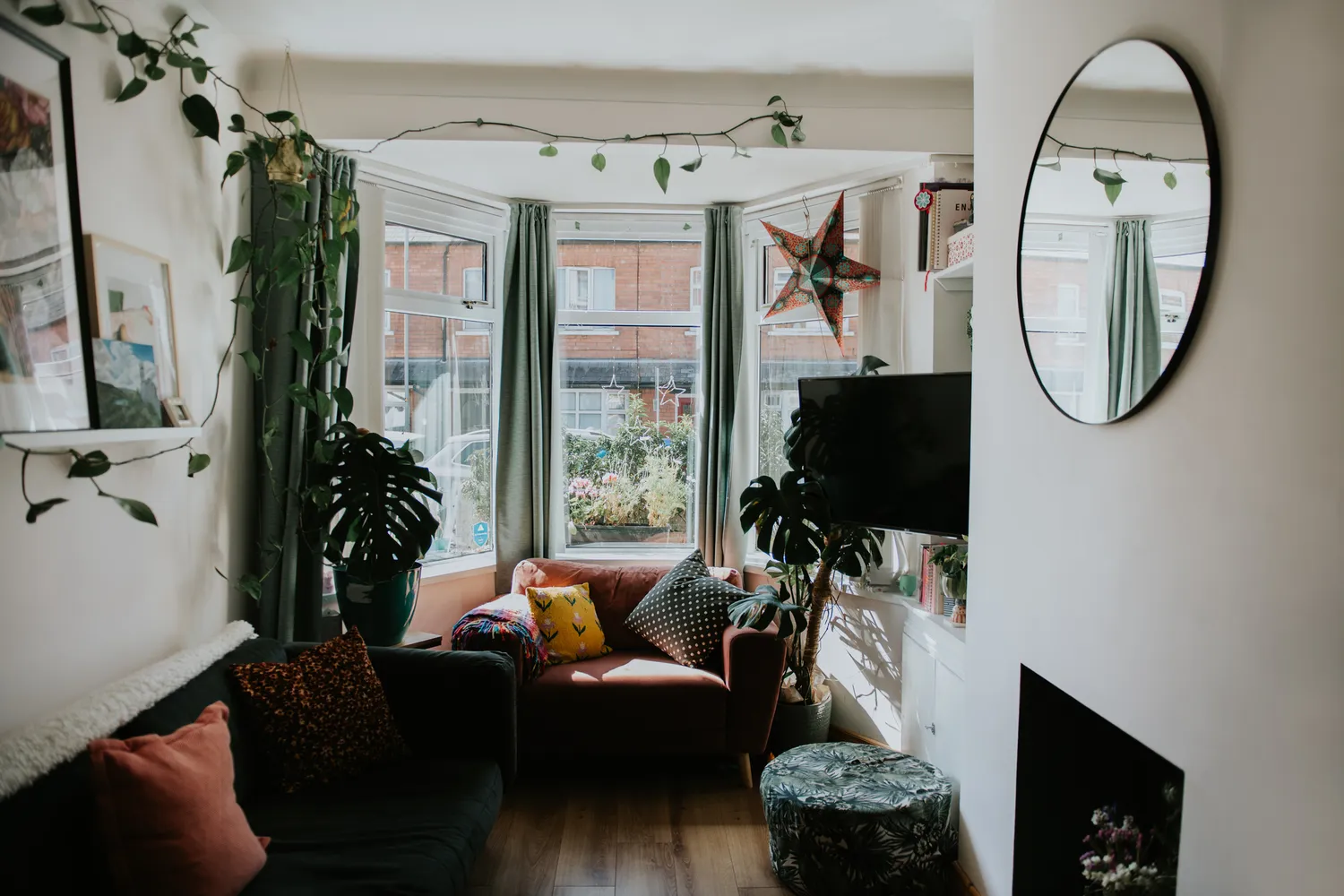
The One Thing Interior Designers Avoid in Small Rooms—and You Should Too
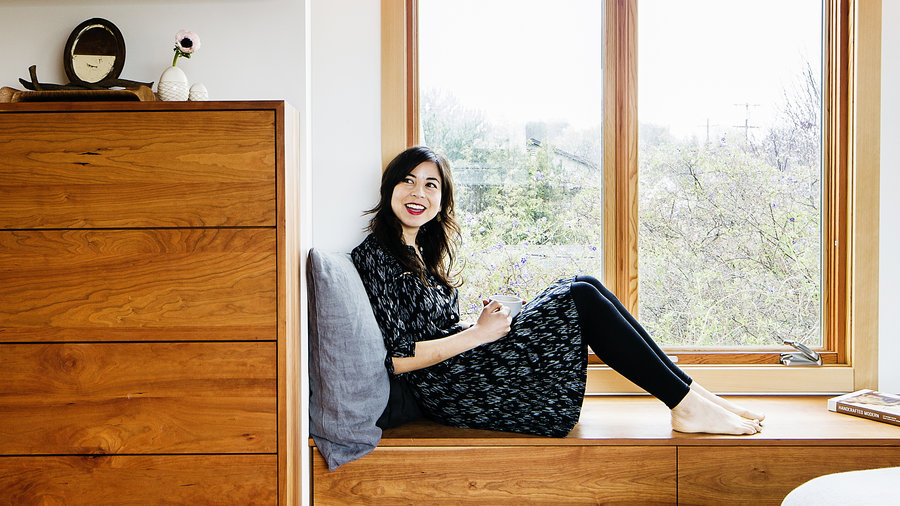
5 Ways to Maximize Bedroom Space
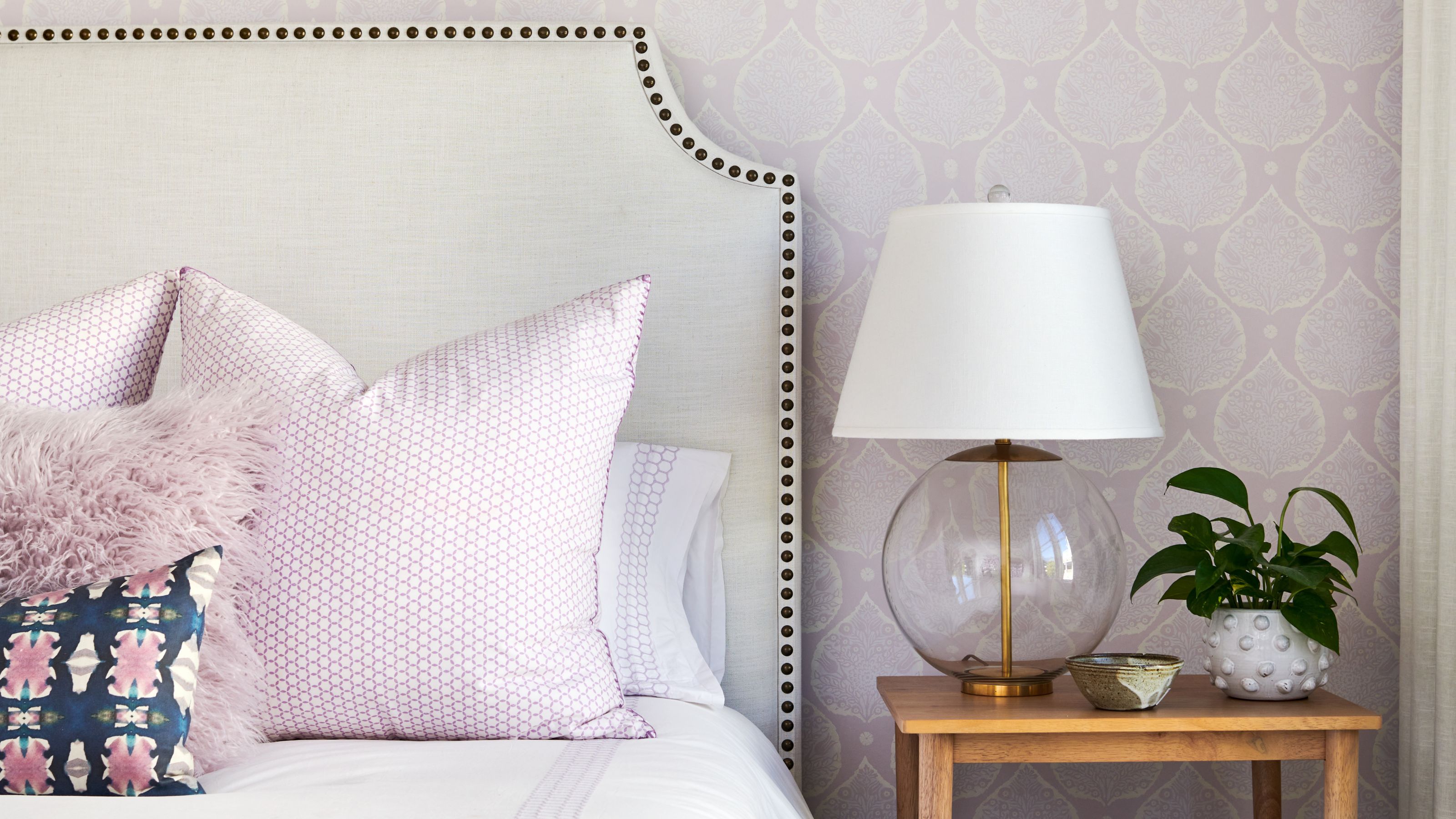
How to update an outdated small bedroom — 5 easy wins designers love

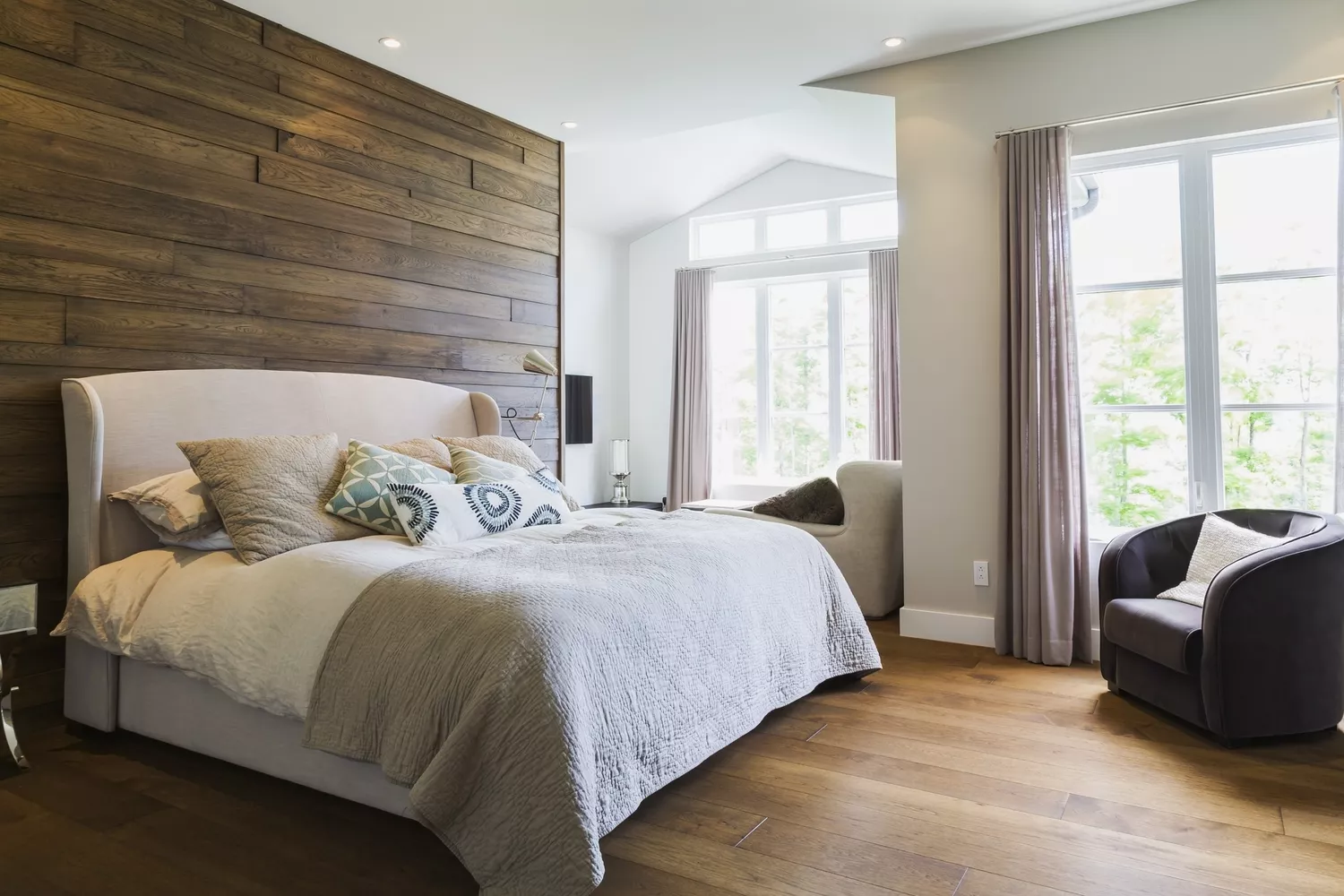
5 Bedroom Design Errors That Are Making Your Space Less Relaxing
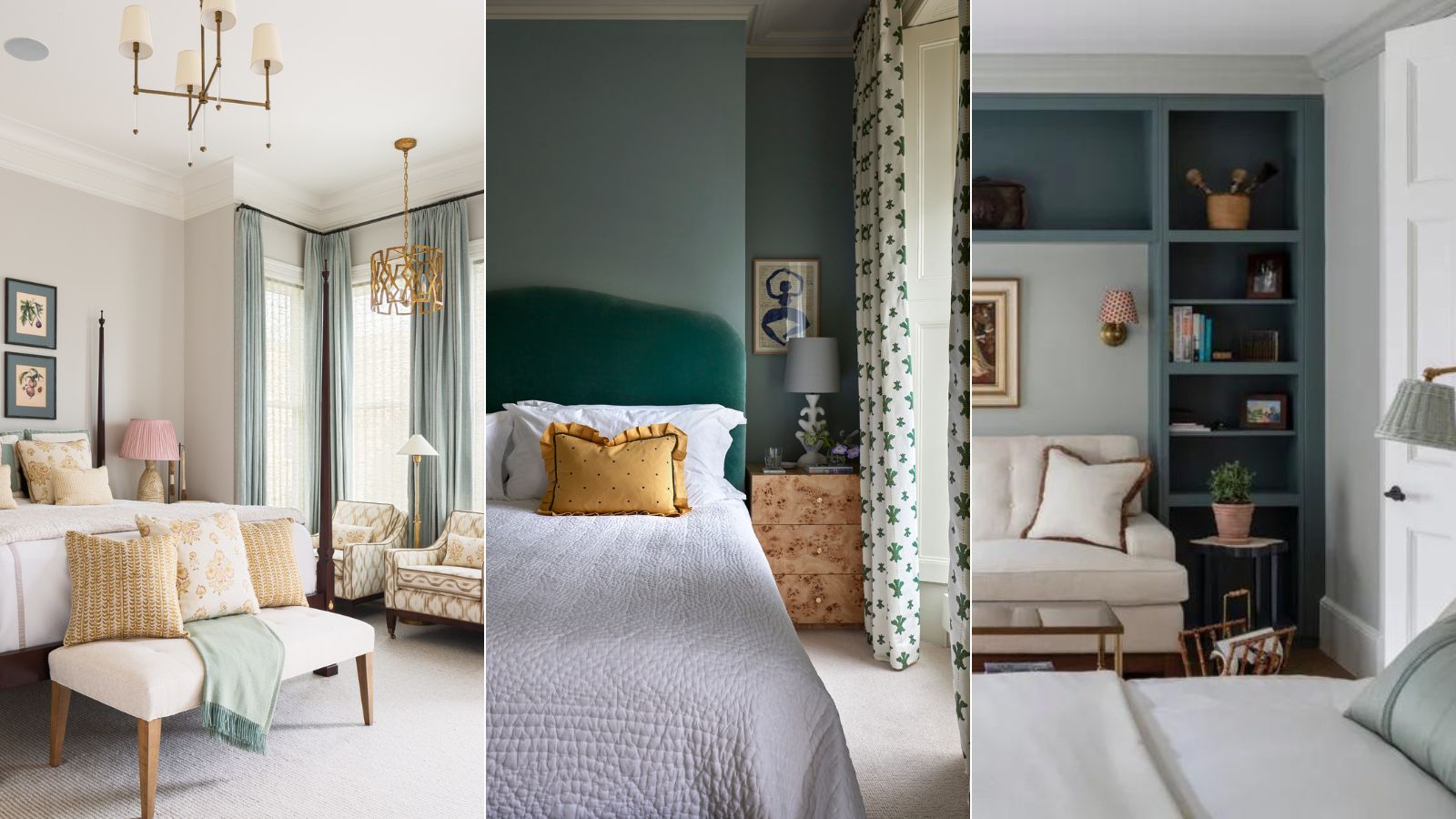
Bedroom layout mistakes – 9 errors experts warn against, and how to fix them
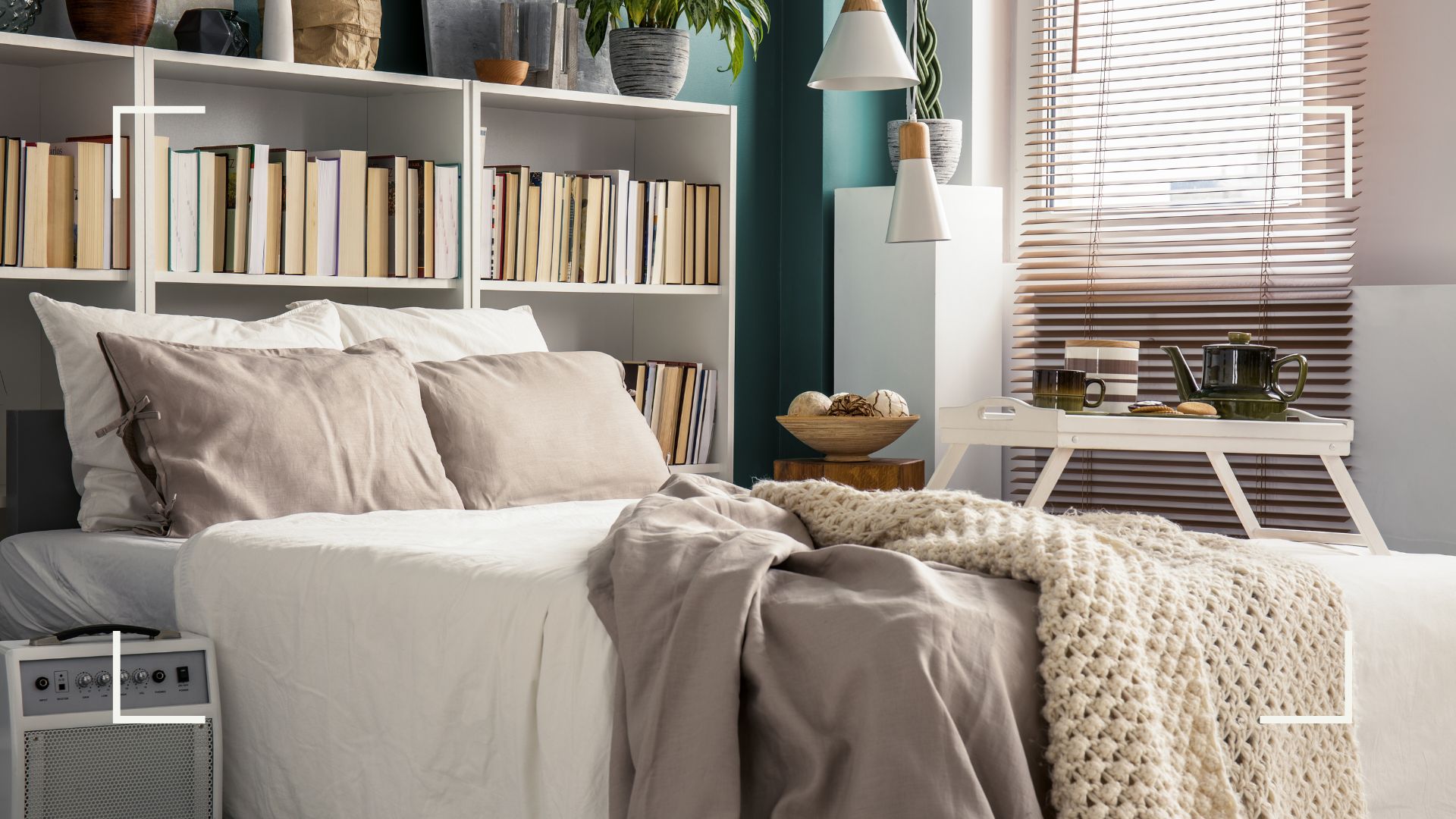
How to make a small bedroom look bigger - 12 clever tips and tricks to maximize space

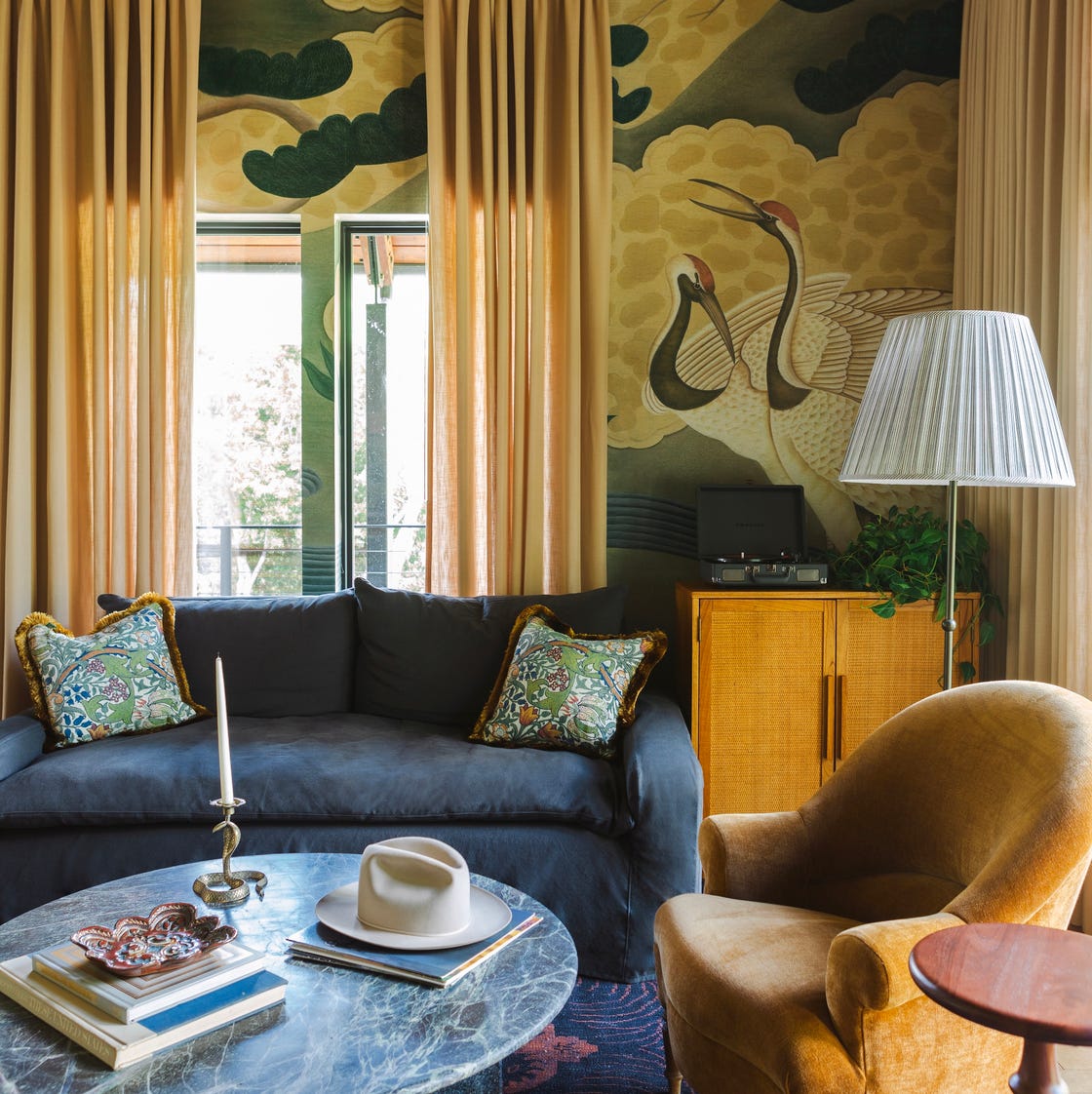
Design Pros Reveal Their Secret Tricks for Maximizing Space in the Tiniest Living Rooms
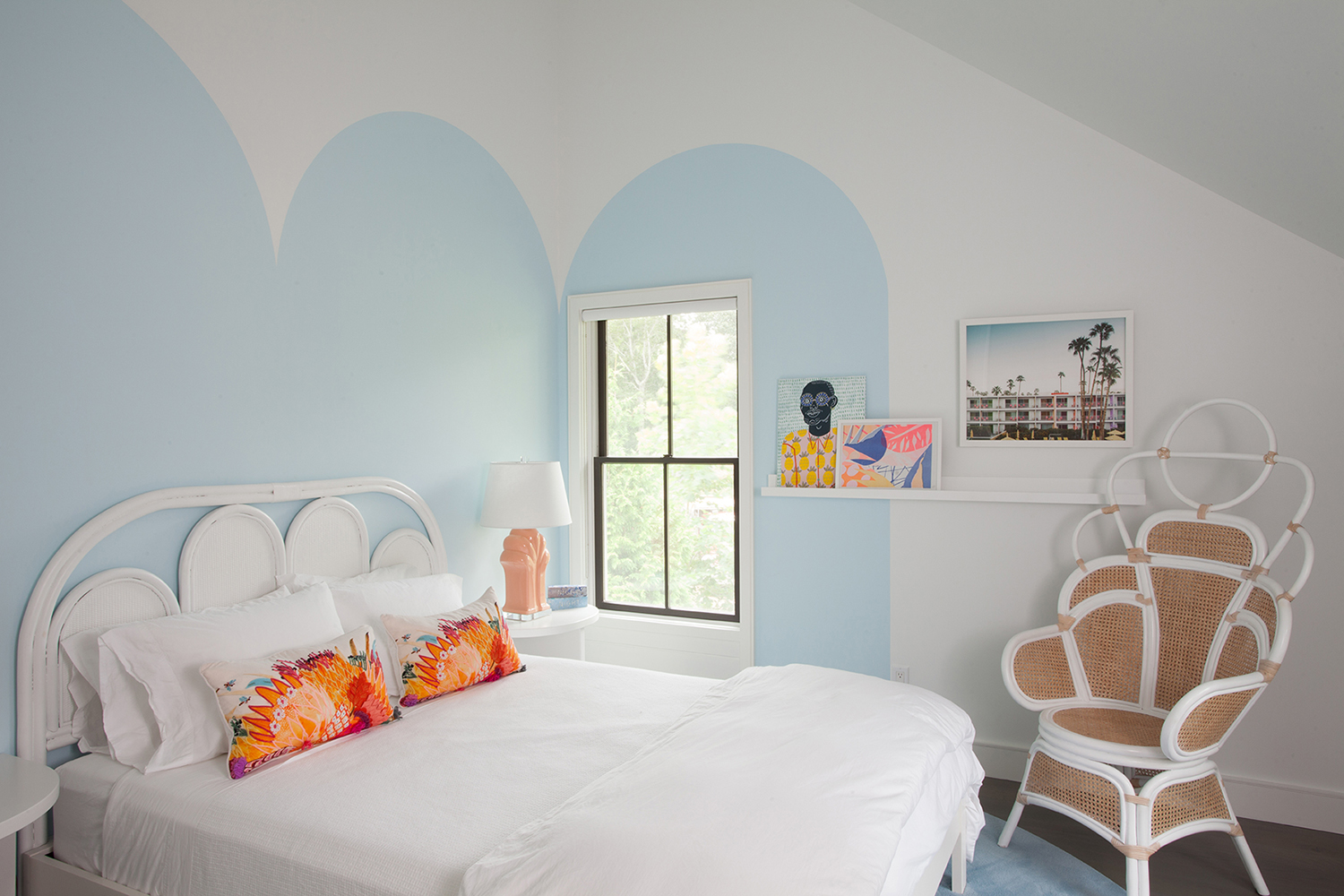
Small bedroom layouts – how to get your floorplan design right
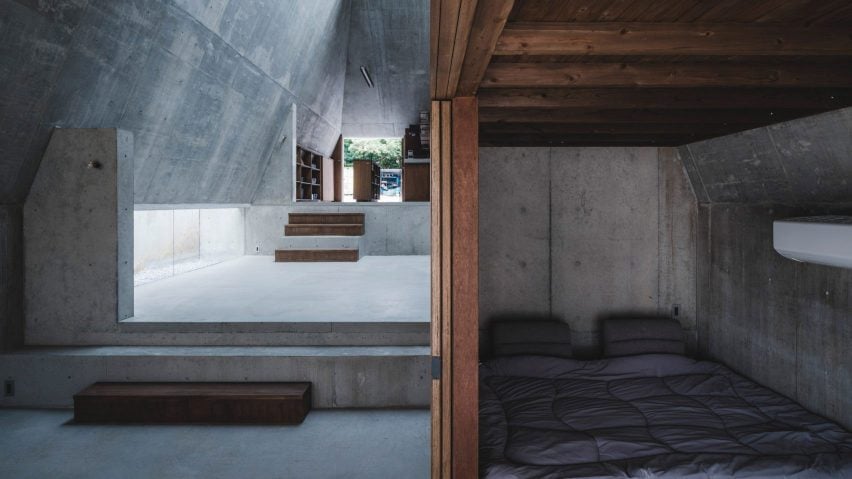
Eight compact bedrooms that make the most of small spaces
7 small living room layout mistakes design experts want you to avoid – and what to do instead
Interior designers share 6 things you should never have in your bedroom