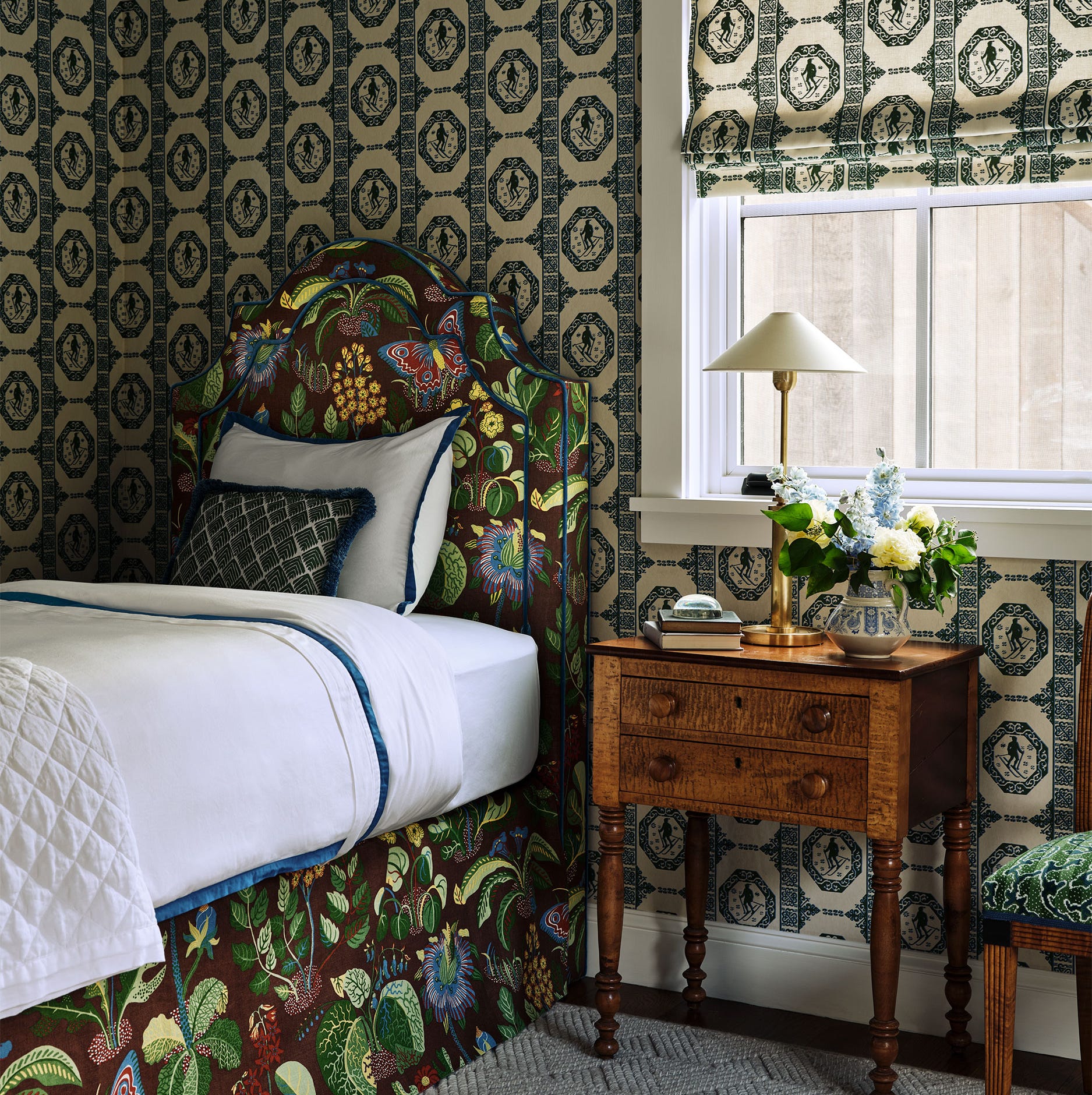
1/15
These Small Bedroom Ideas Prove That Small Is the New Big
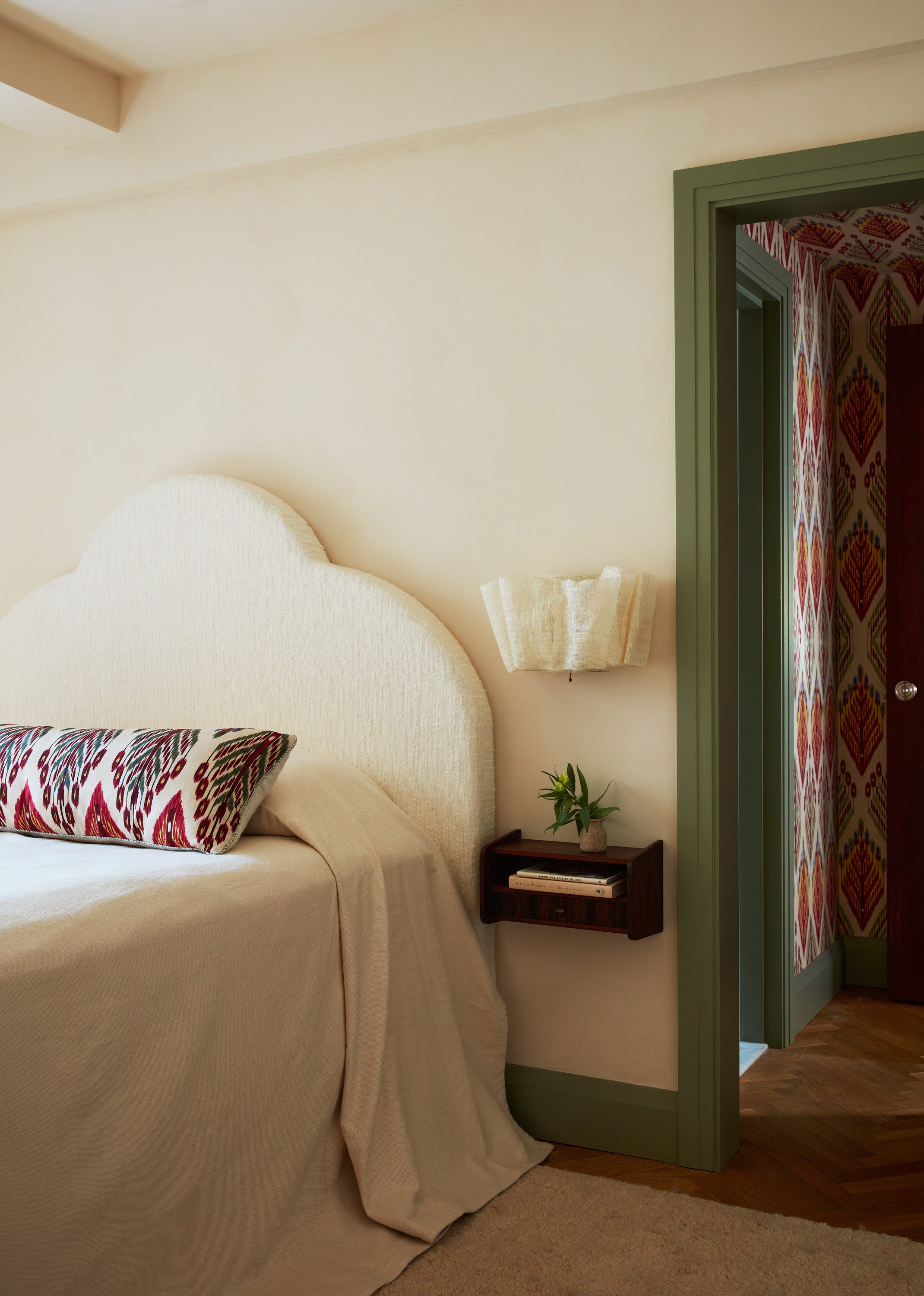
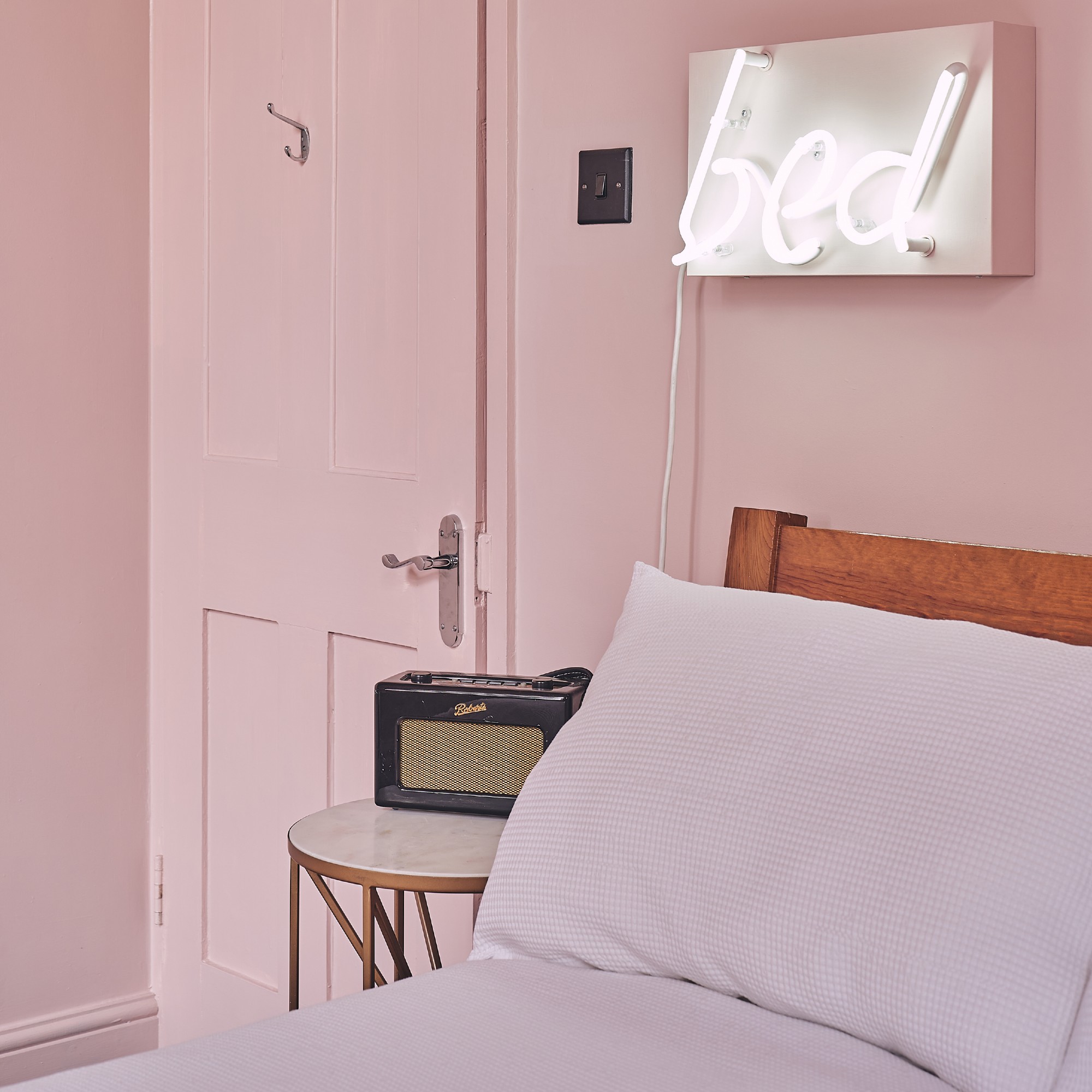
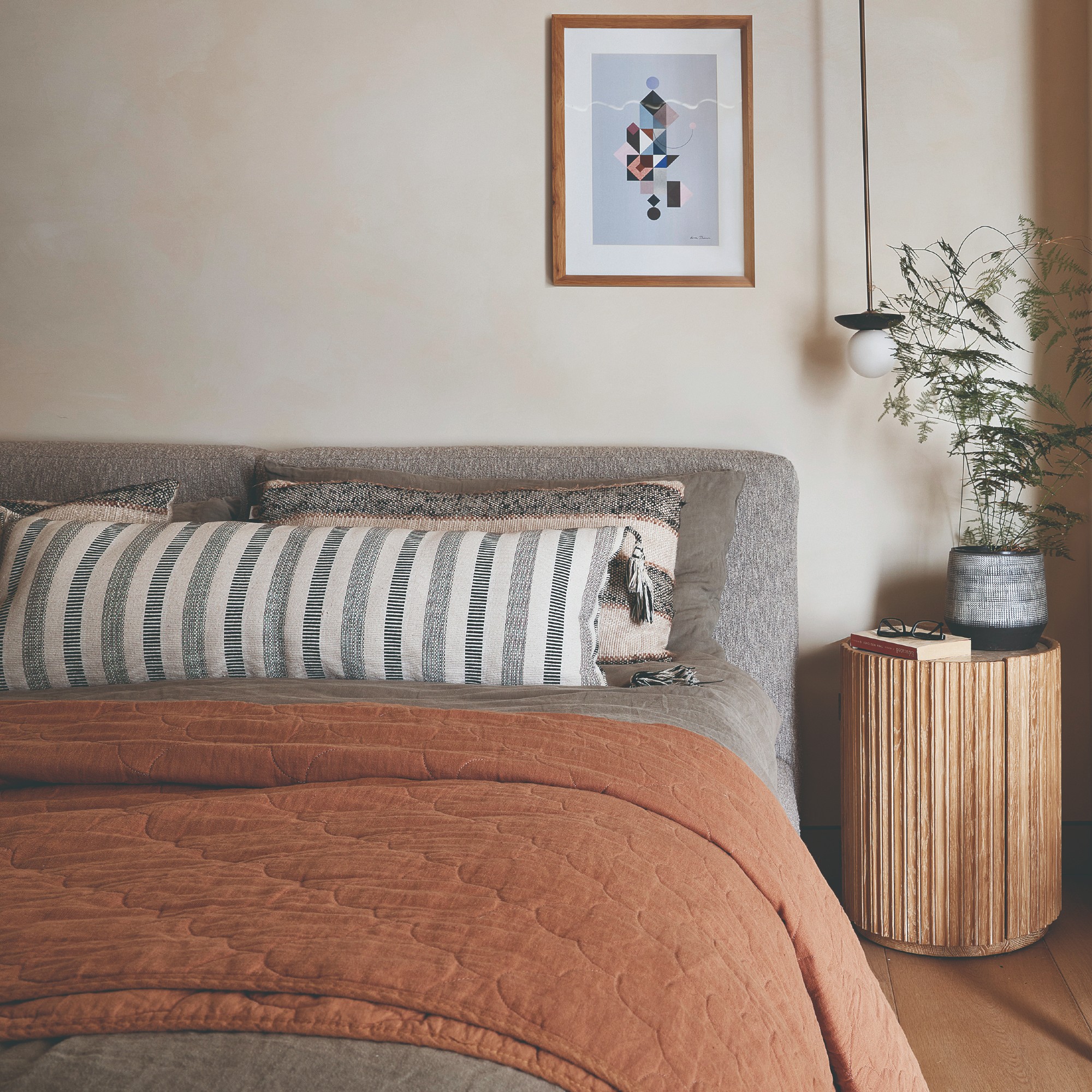
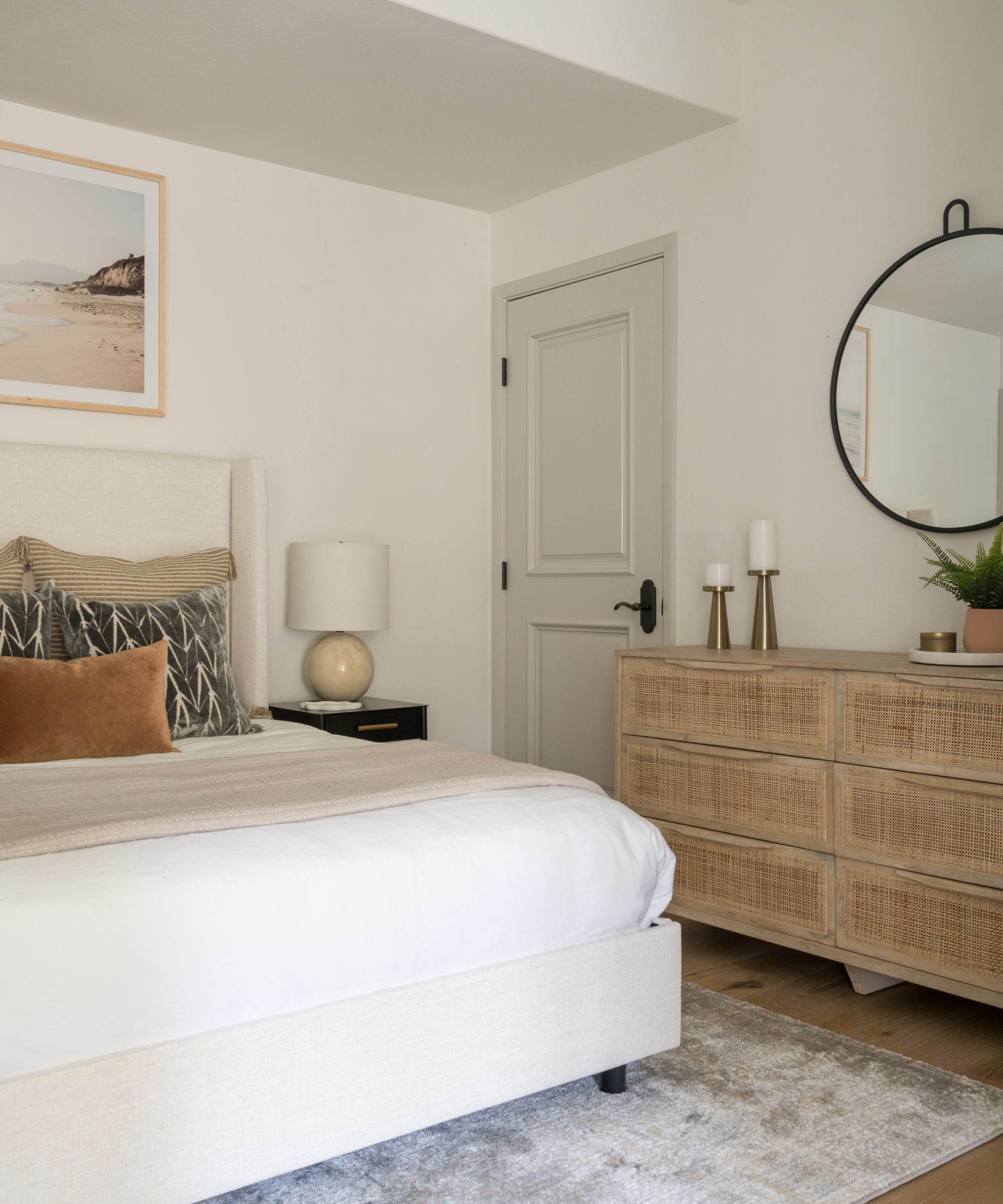
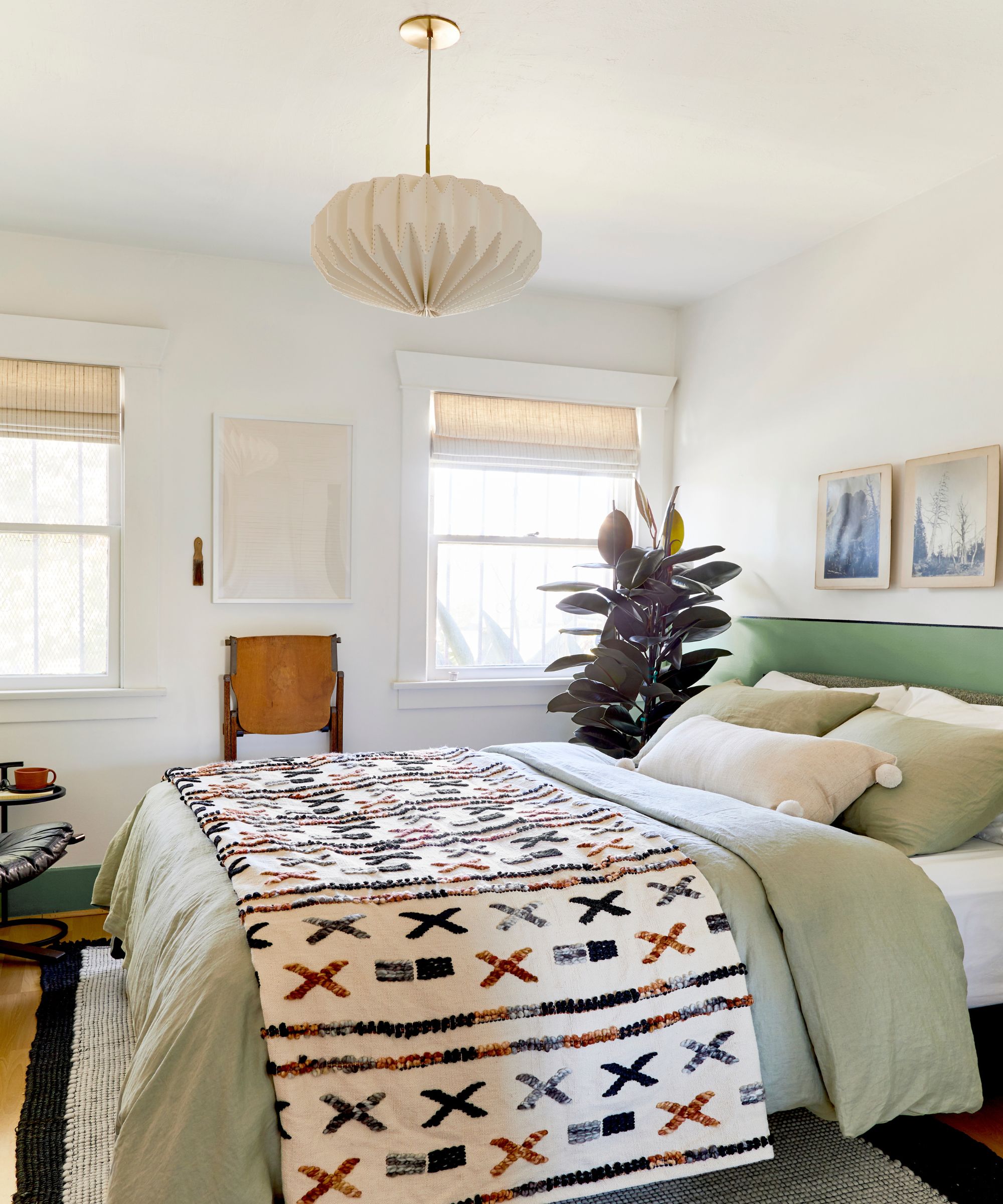
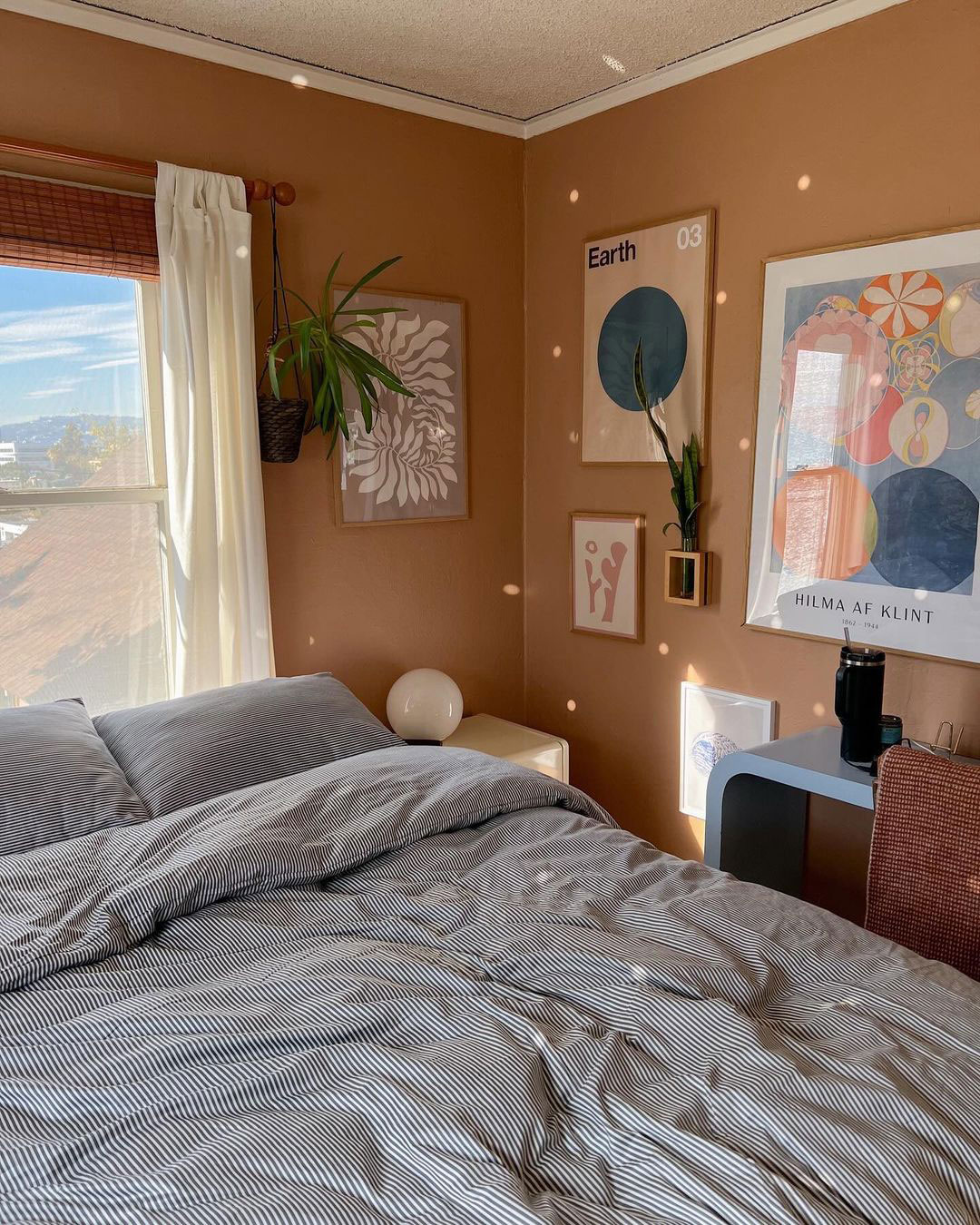
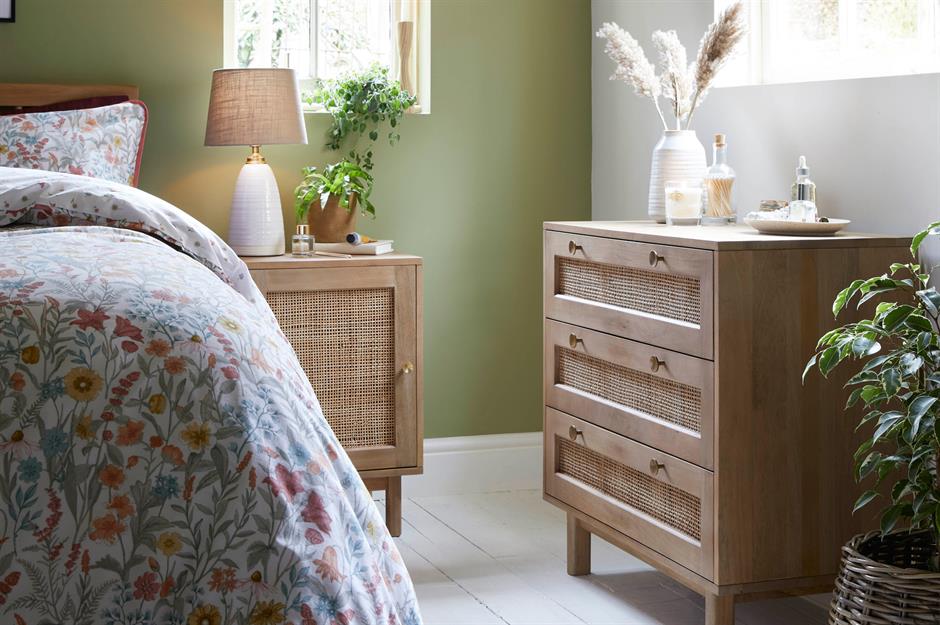
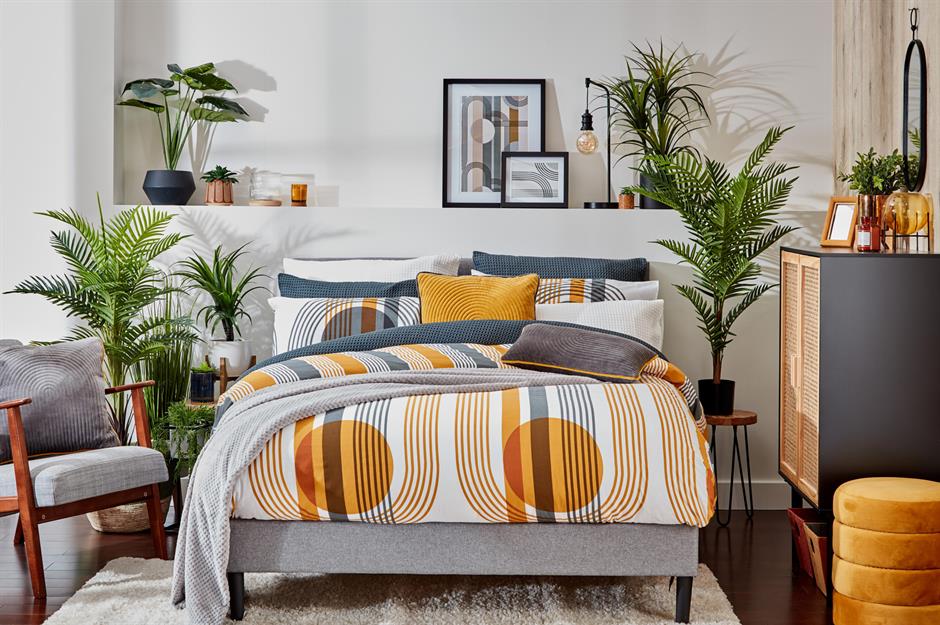
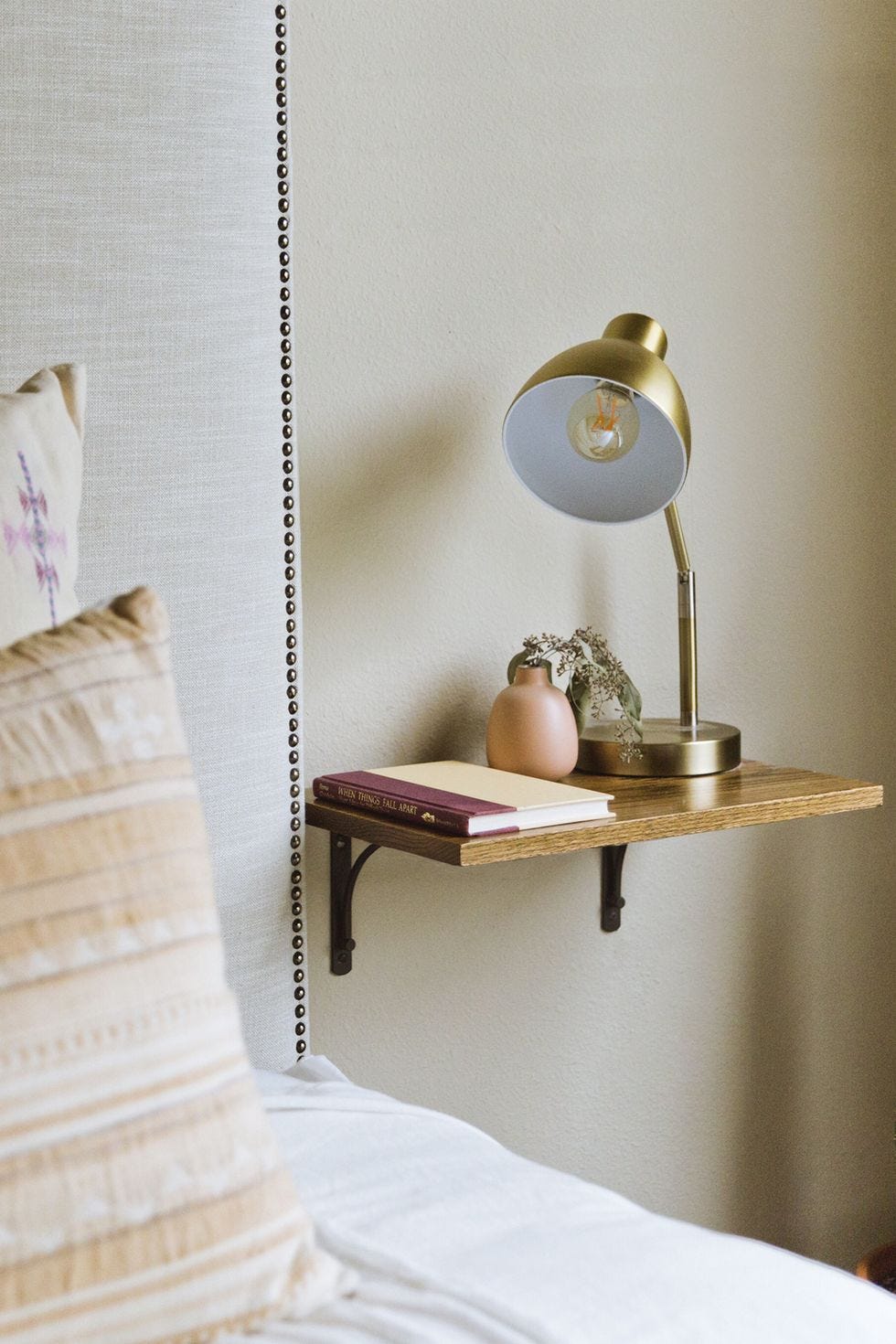
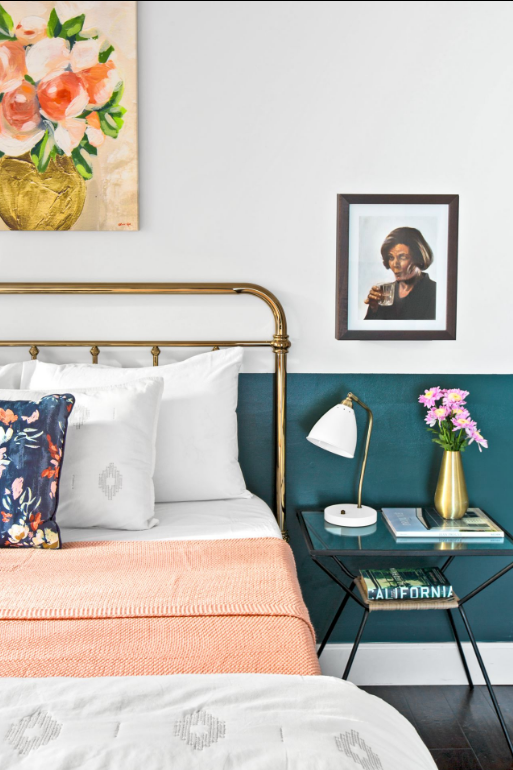
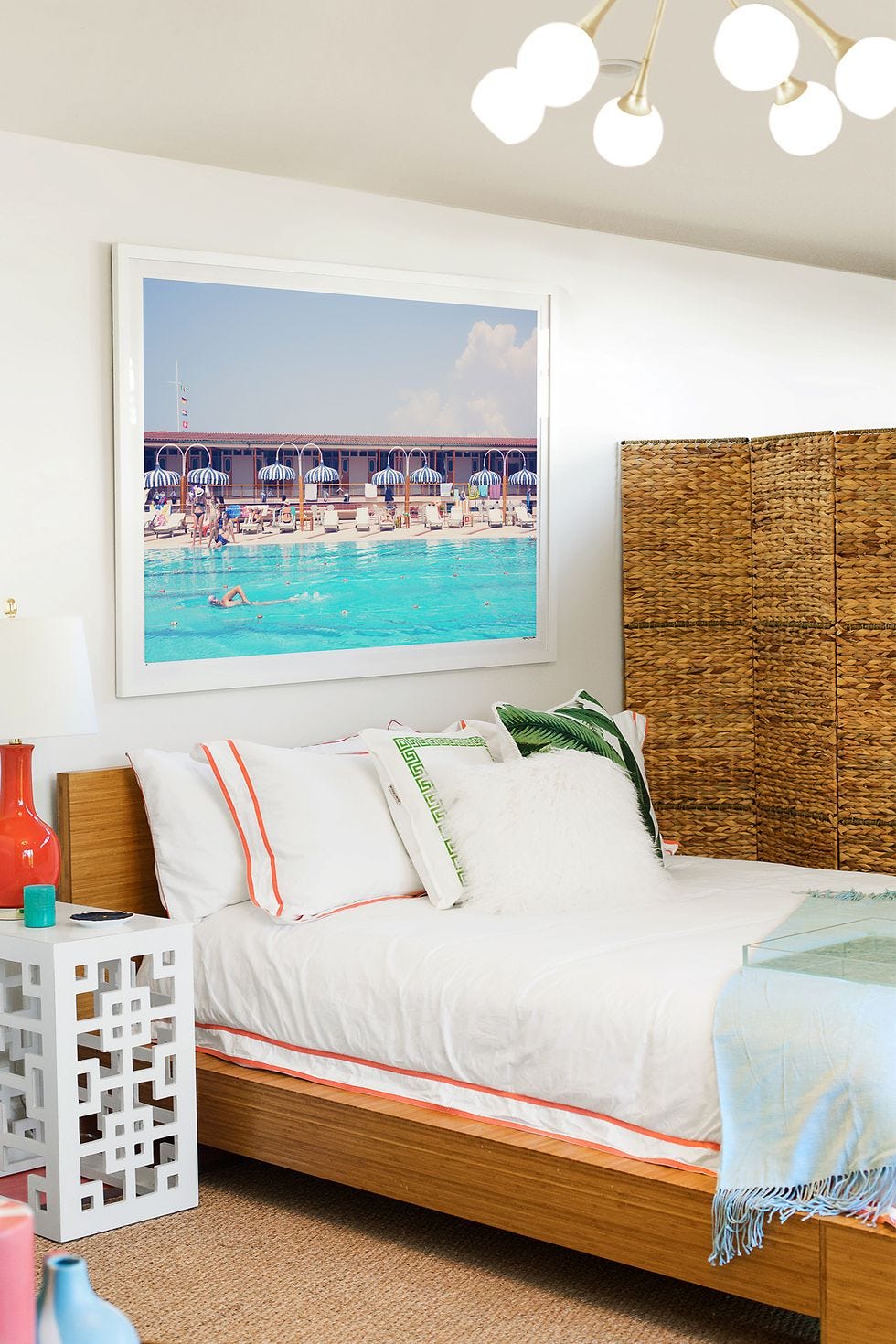
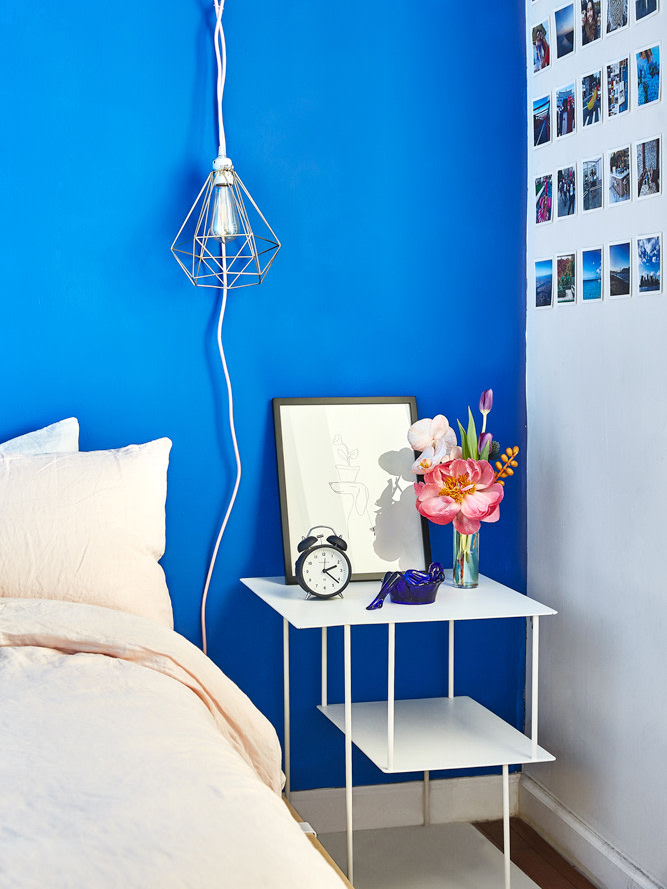
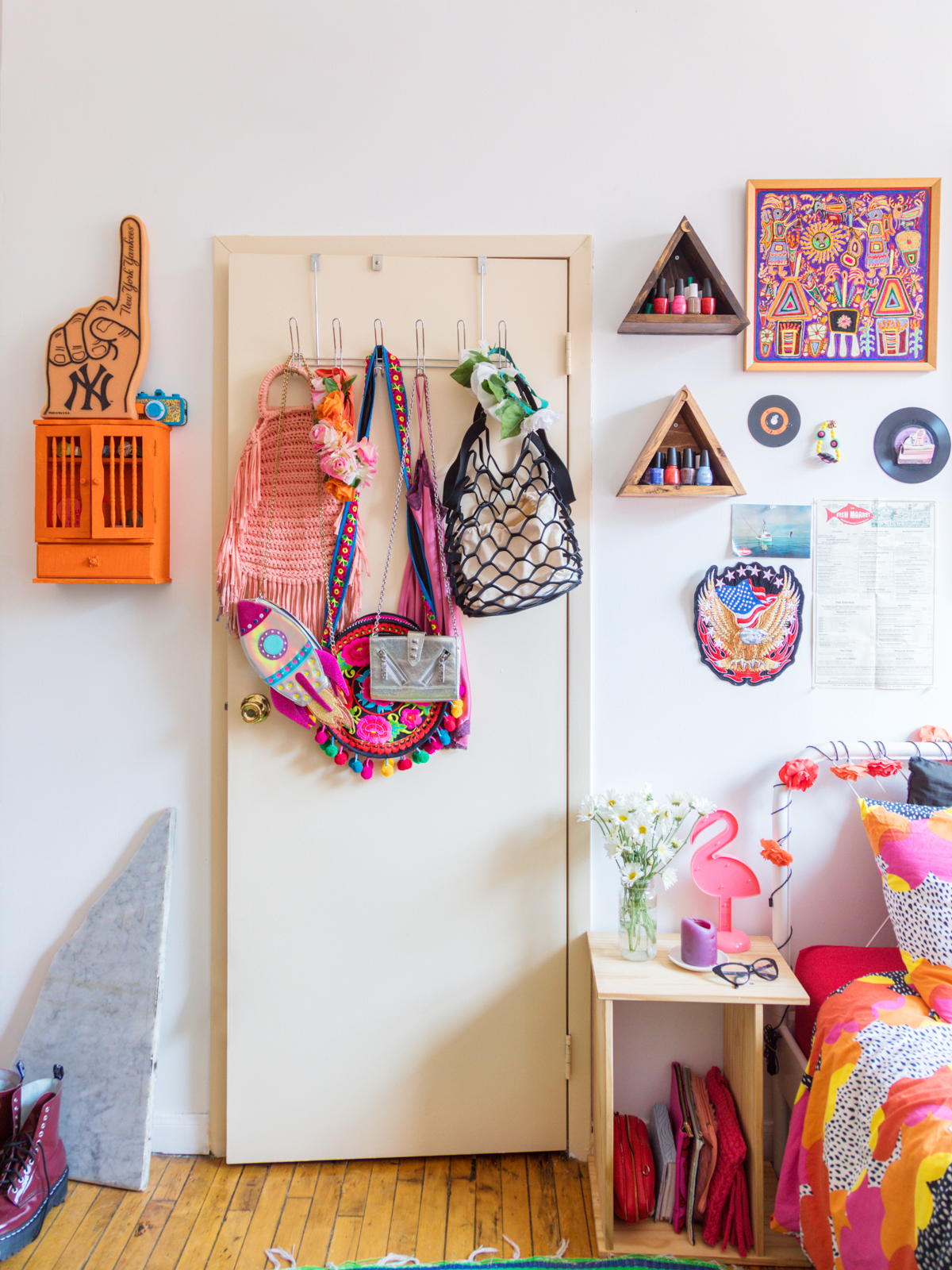
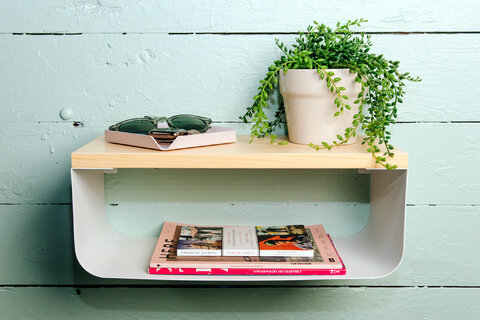
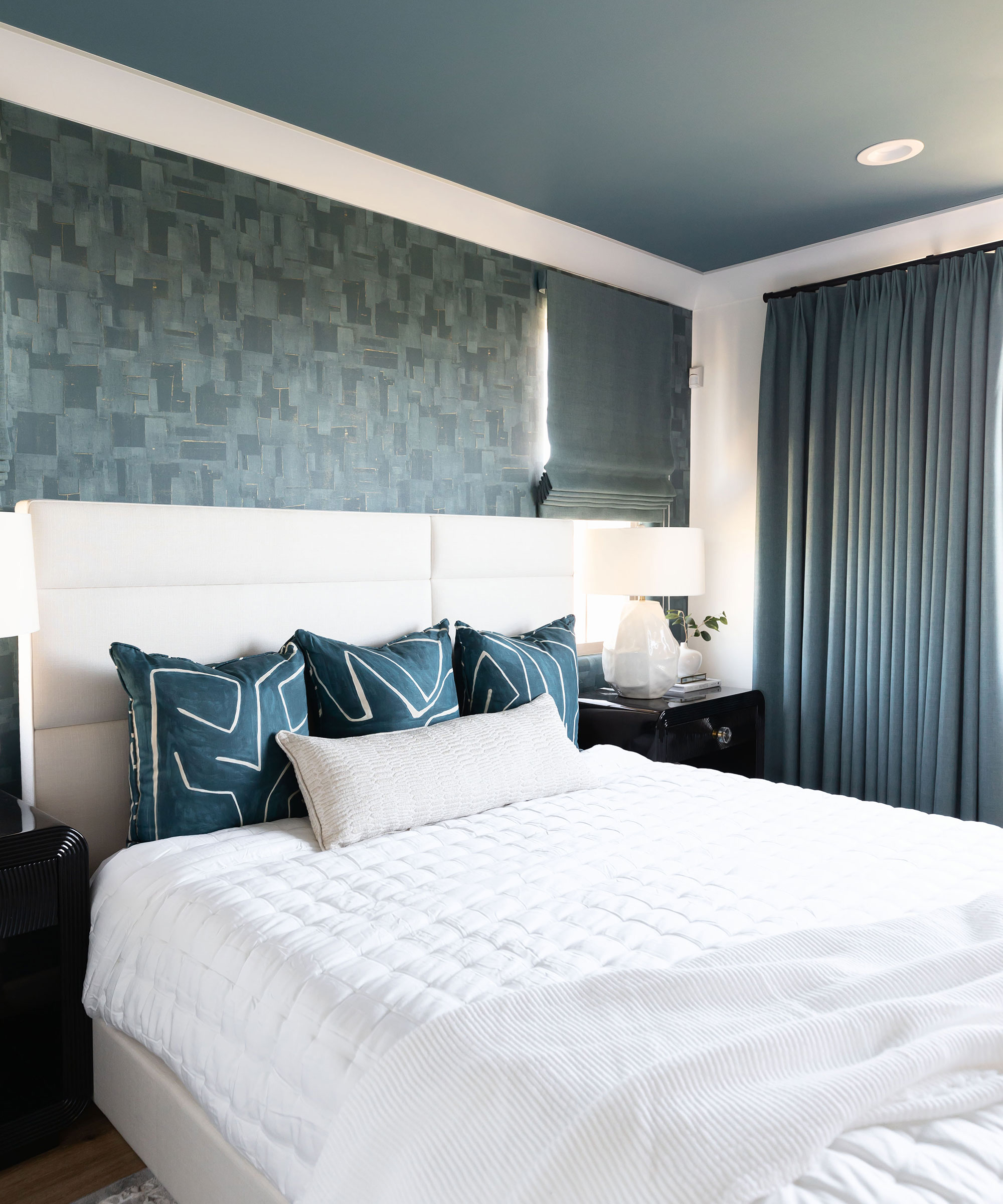
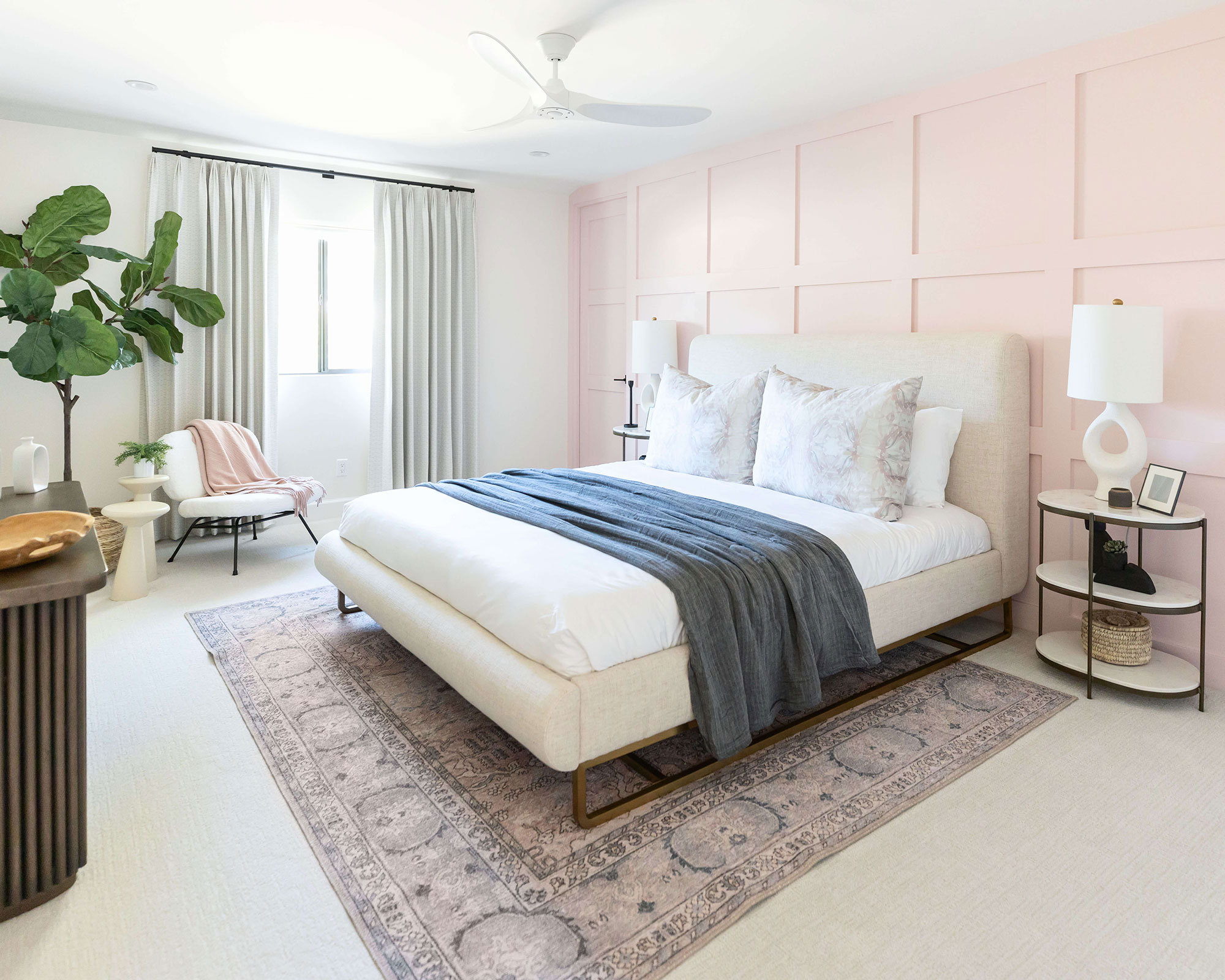
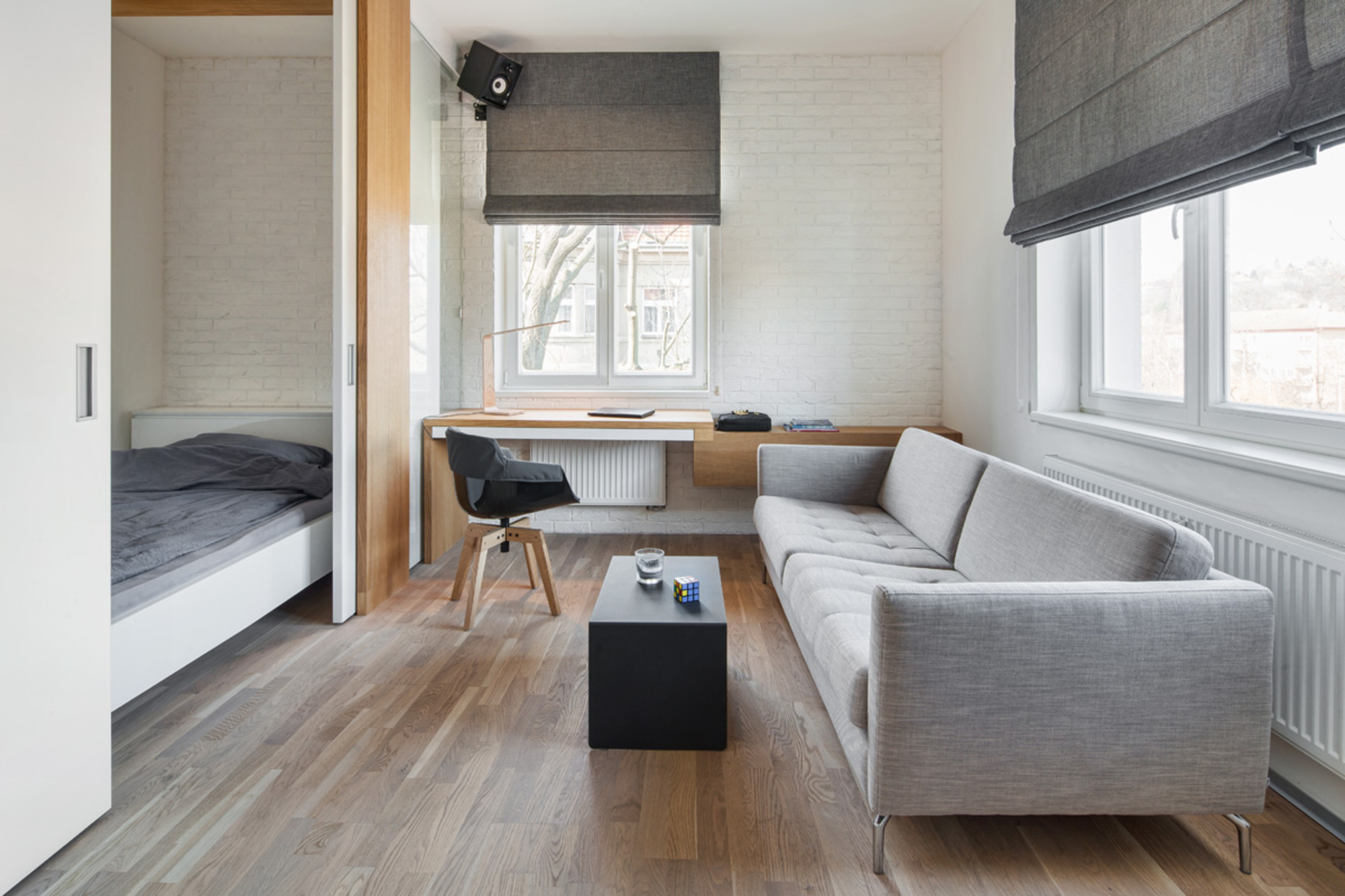
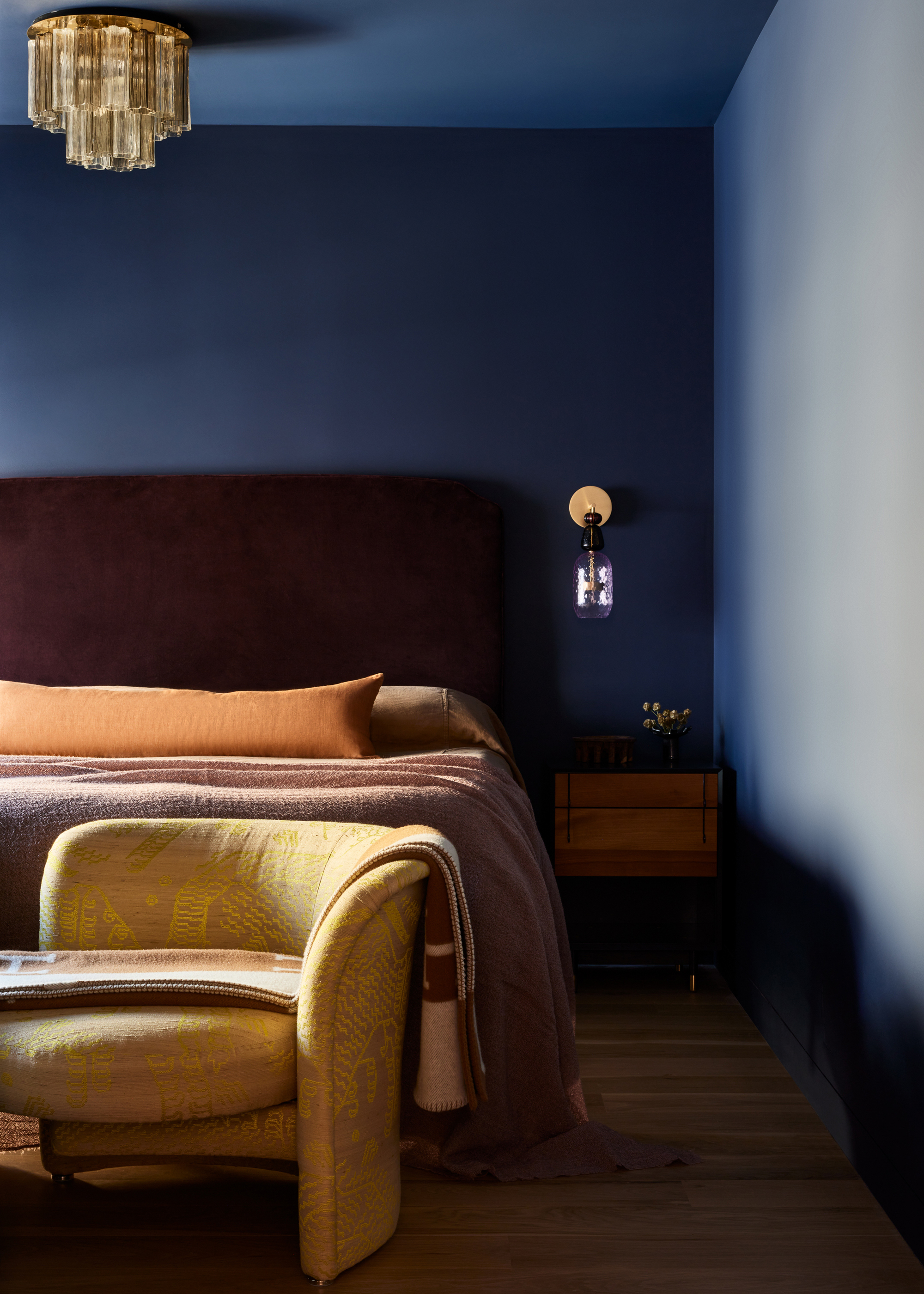
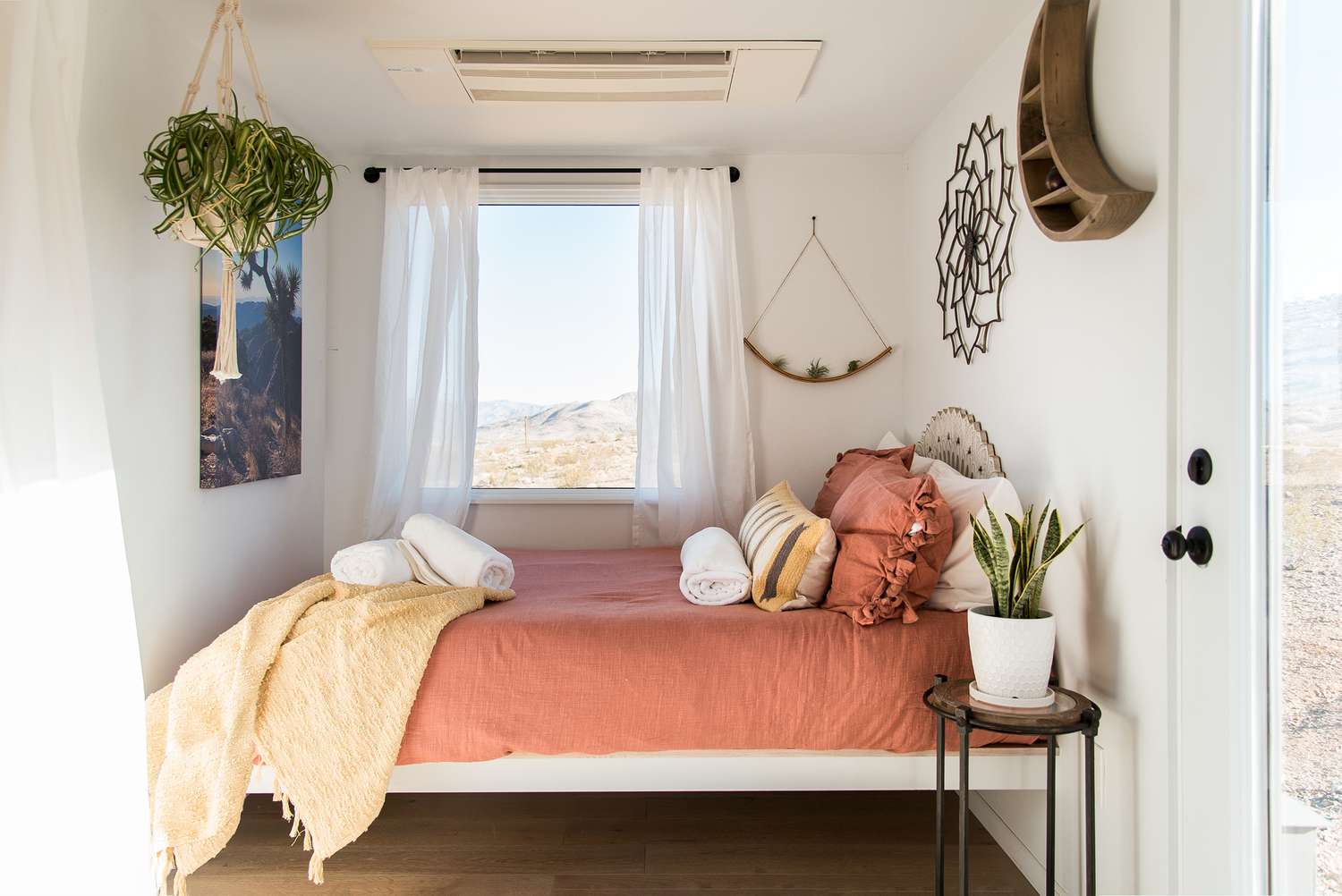
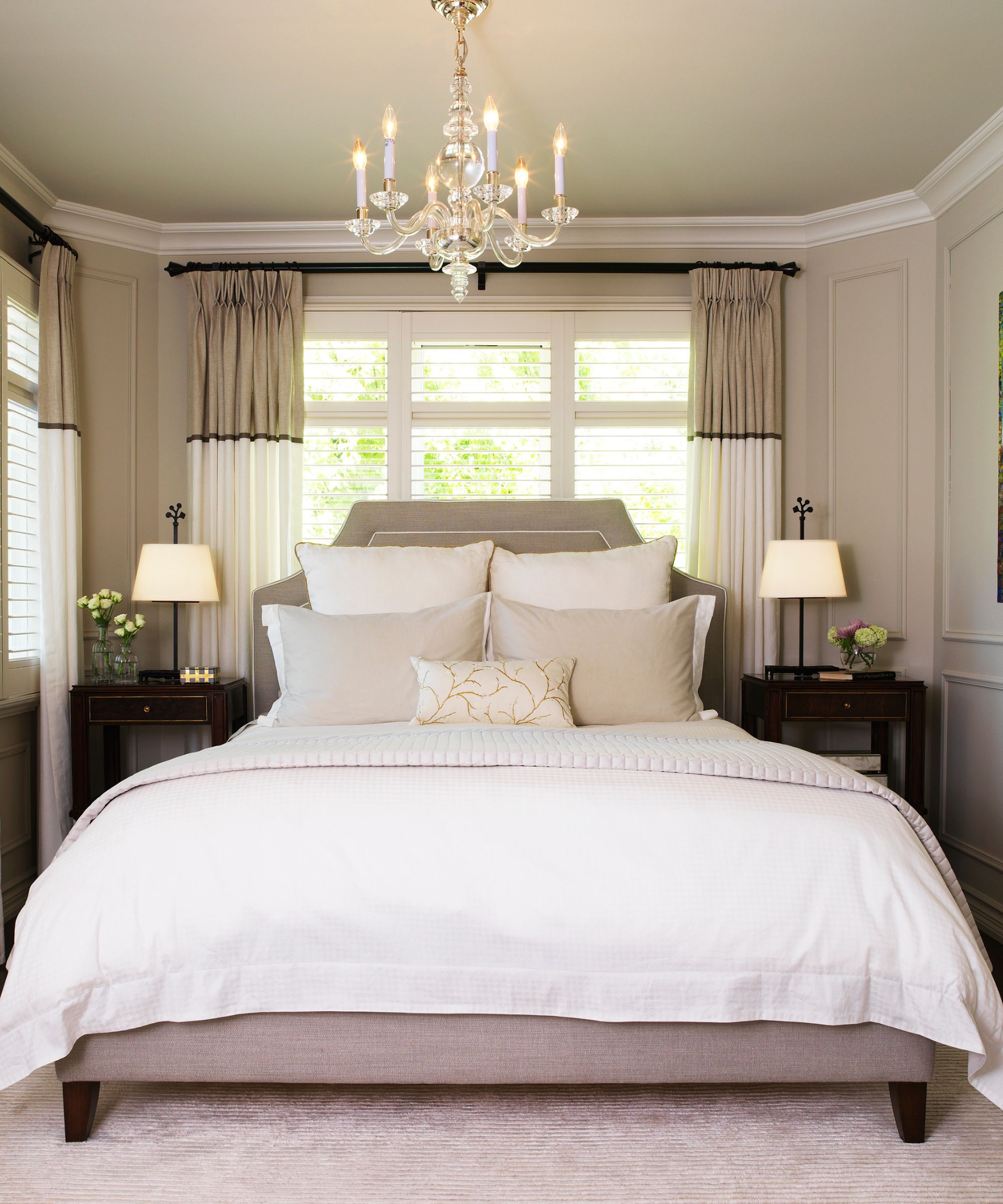
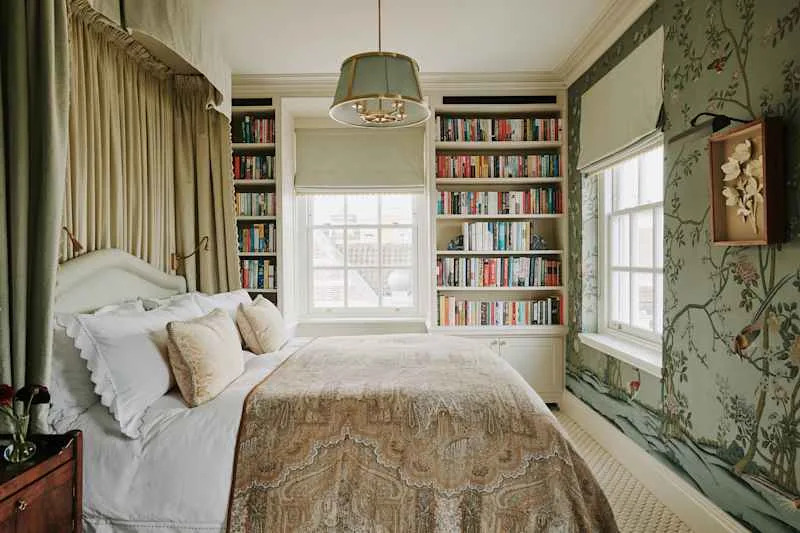
Making the most of small bedroom spaces is a common challenge, especially for city dwellers or anyone aiming to create a significant impression in a compact room. Various designers offer practical advice to tackle this conundrum effectively. Brynn Olson suggests selecting furniture with vertical lines over horizontal ones to draw the eye upwards and create a sense of height. Blair Moore expands on this by recommending floor-to-ceiling drapery in lightweight fabrics, which can elongate walls and give the illusion of higher ceilings. Marguerite Rogers highlights the transformative power of color, noting that painting a ceiling dark can add depth and make a room feel more expansive. Roger Higgins advises using wall-mounted lighting fixtures to free up valuable floor space, allowing for smaller bedside tables.
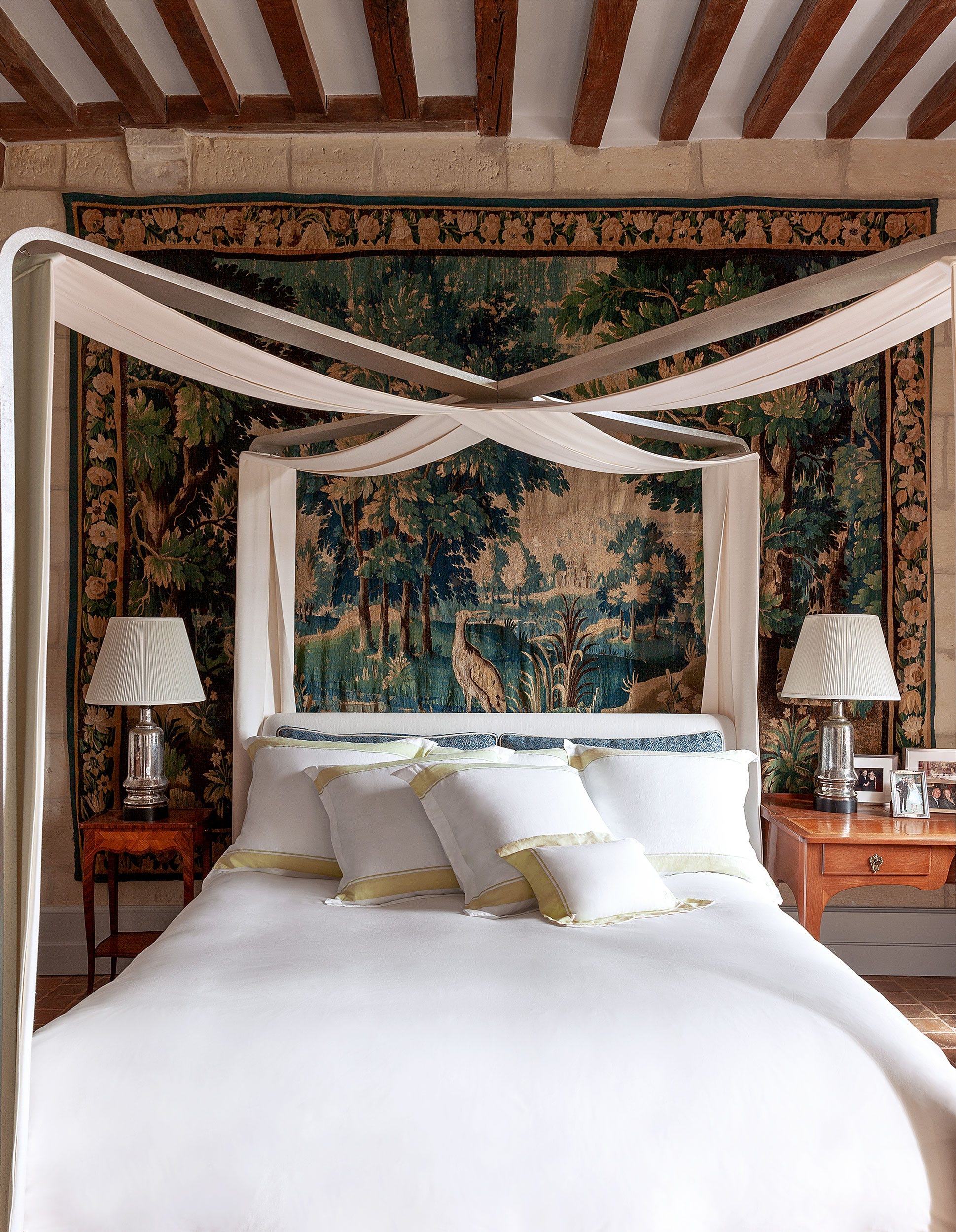
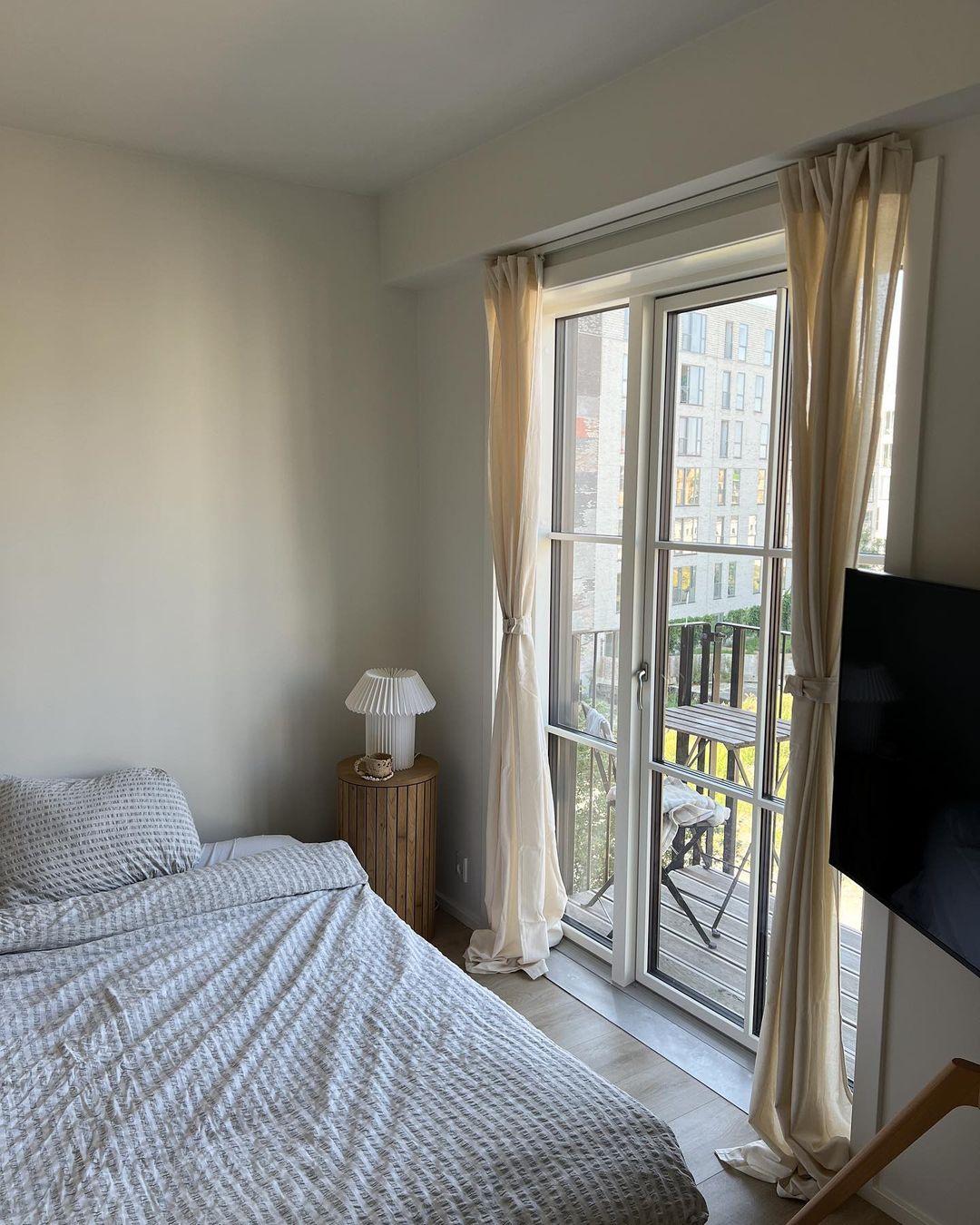
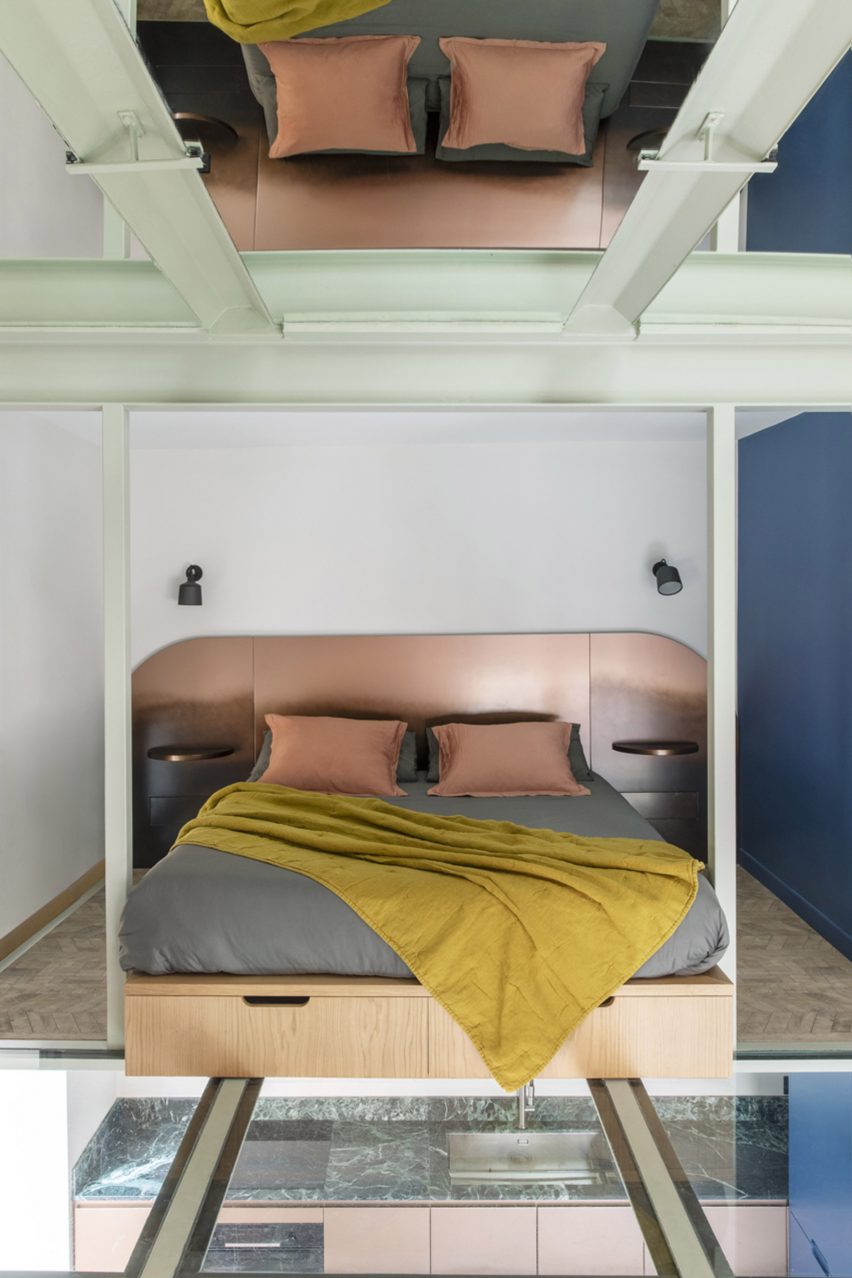
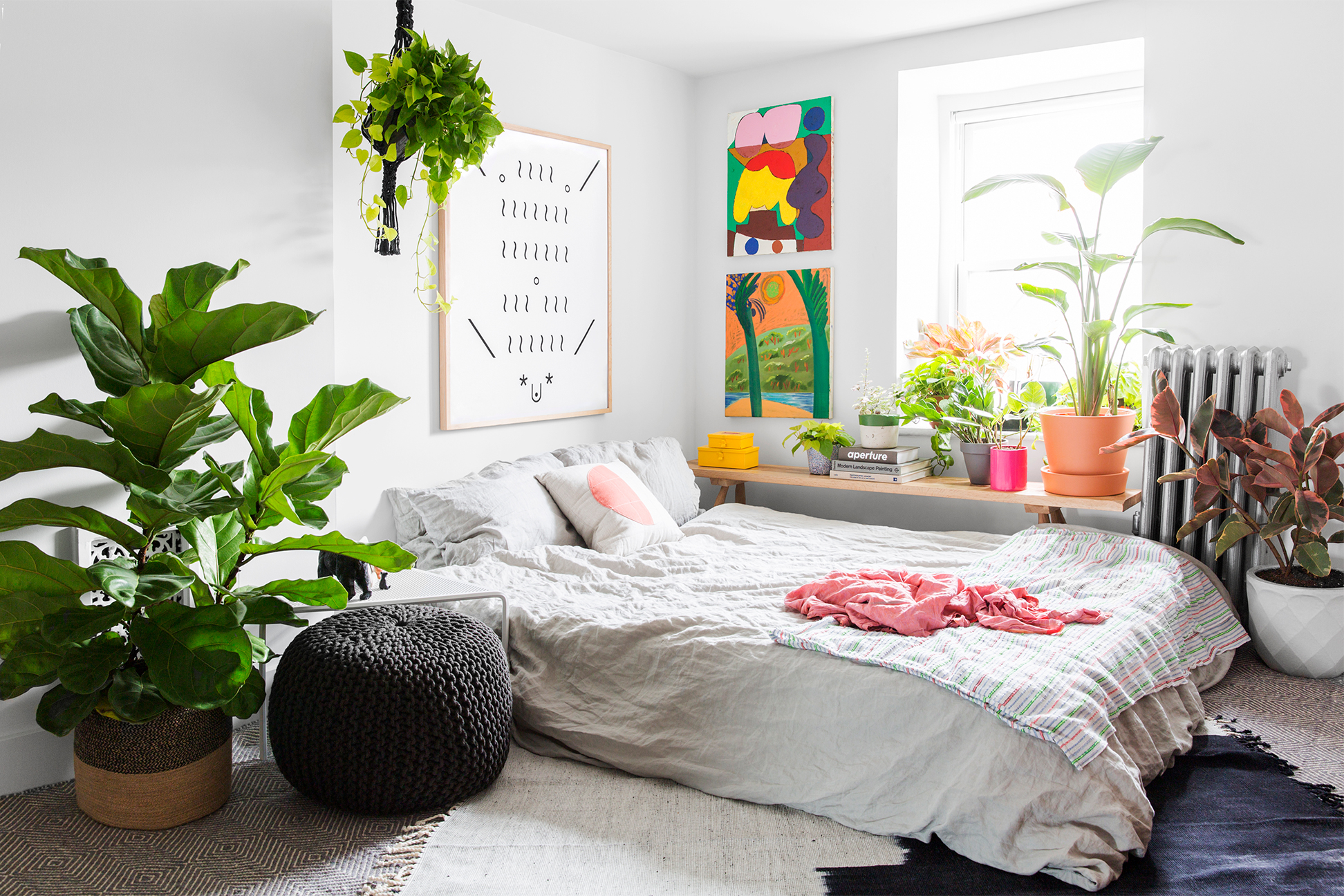
Beyond these foundational tips, the article showcases fourteen specific design strategies through examples of memorable bedrooms. One key approach is to "float the bed," as demonstrated by designer Mike Moser, which opens up the room's perimeter for additional furniture or open wall space. Another strategy involves draping windows across their full width with lightweight fabrics, a technique Meg Lonergan used to enhance the sense of space in a small bedroom. Canopies are presented as dual-purpose elements; Rebecca Gardner utilized a canopy draped in pink linen and tassel trim in her Manhattan apartment to serve as both a decorative feature and a room partition, adding intimacy and defined areas within a compact space.
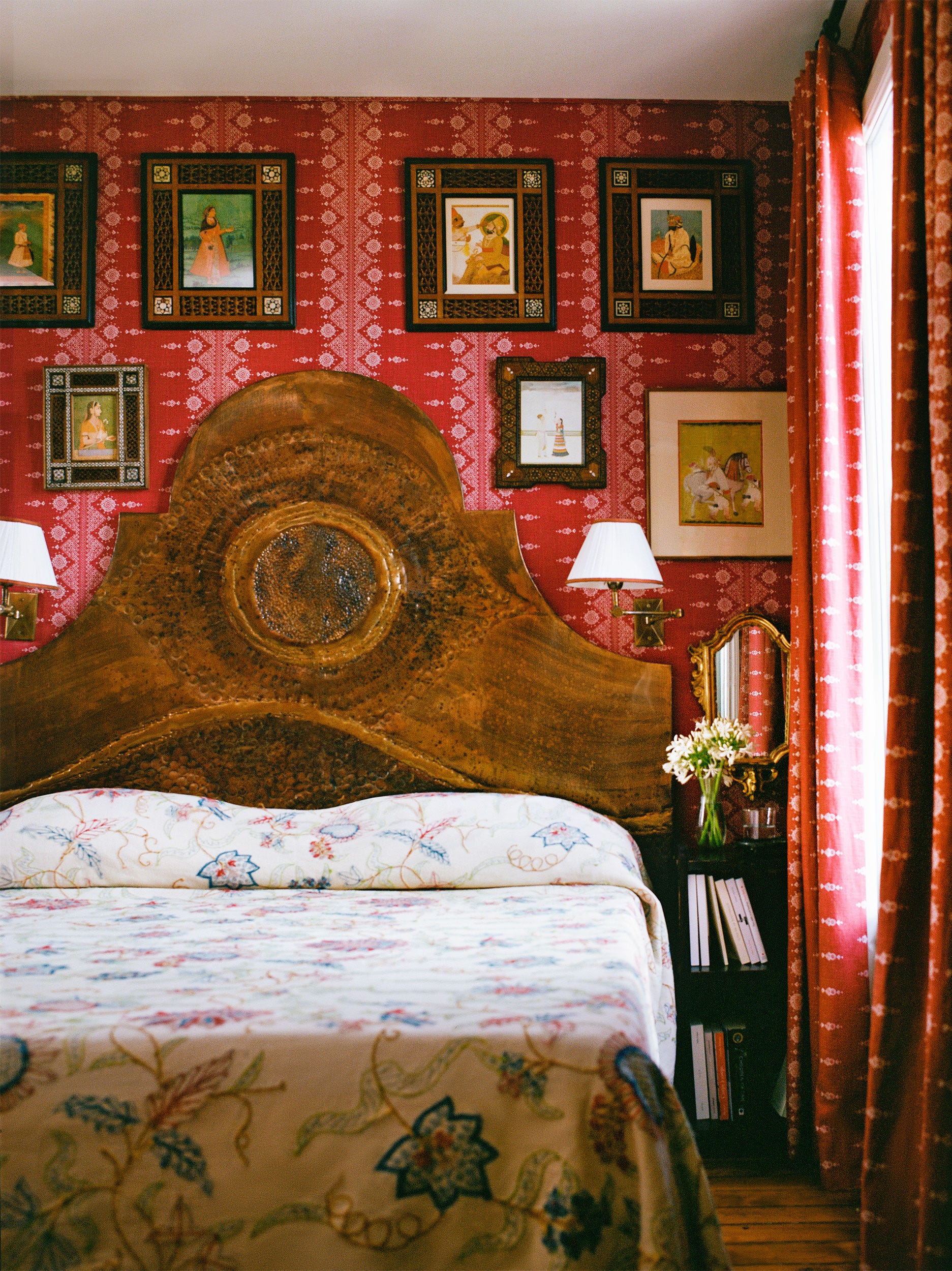
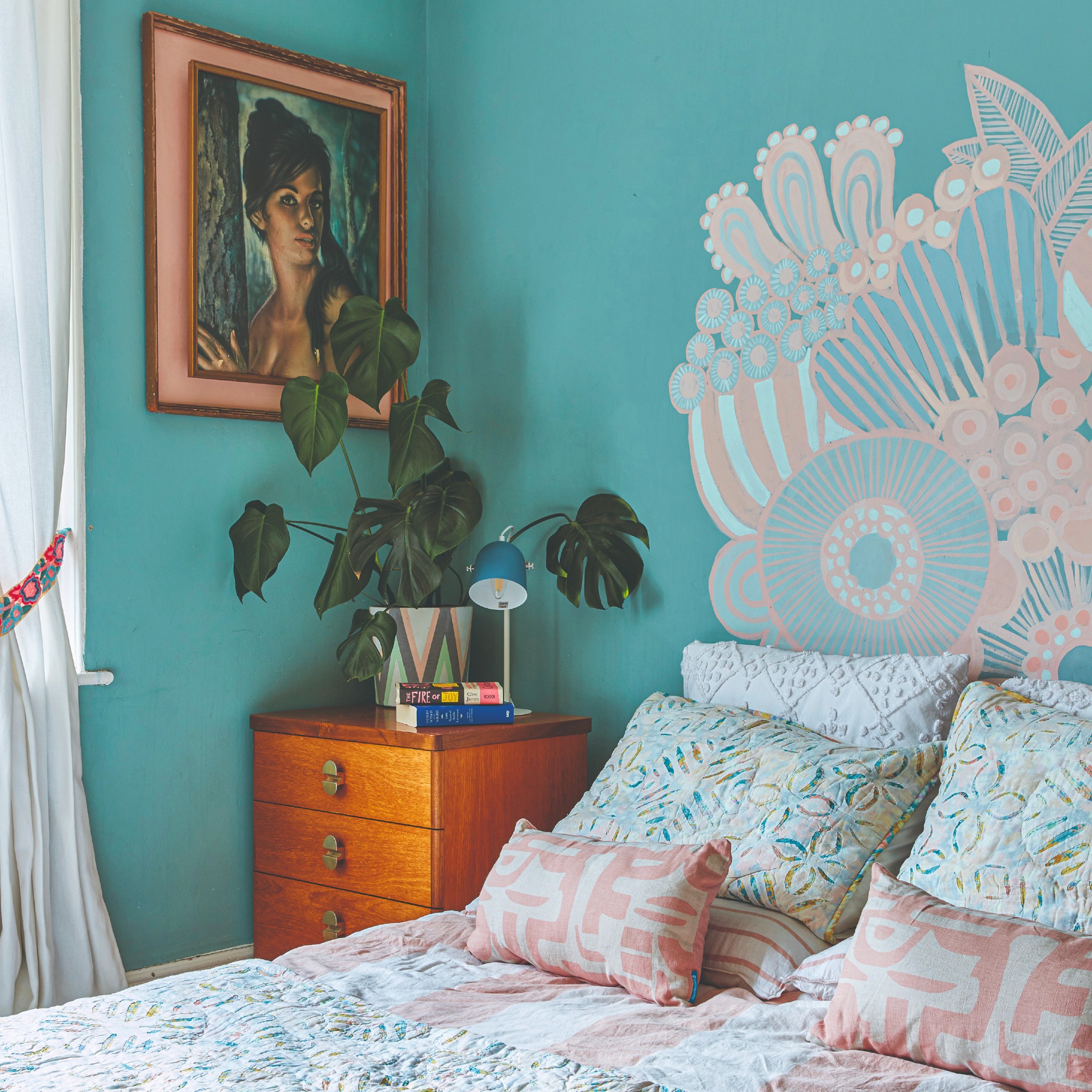
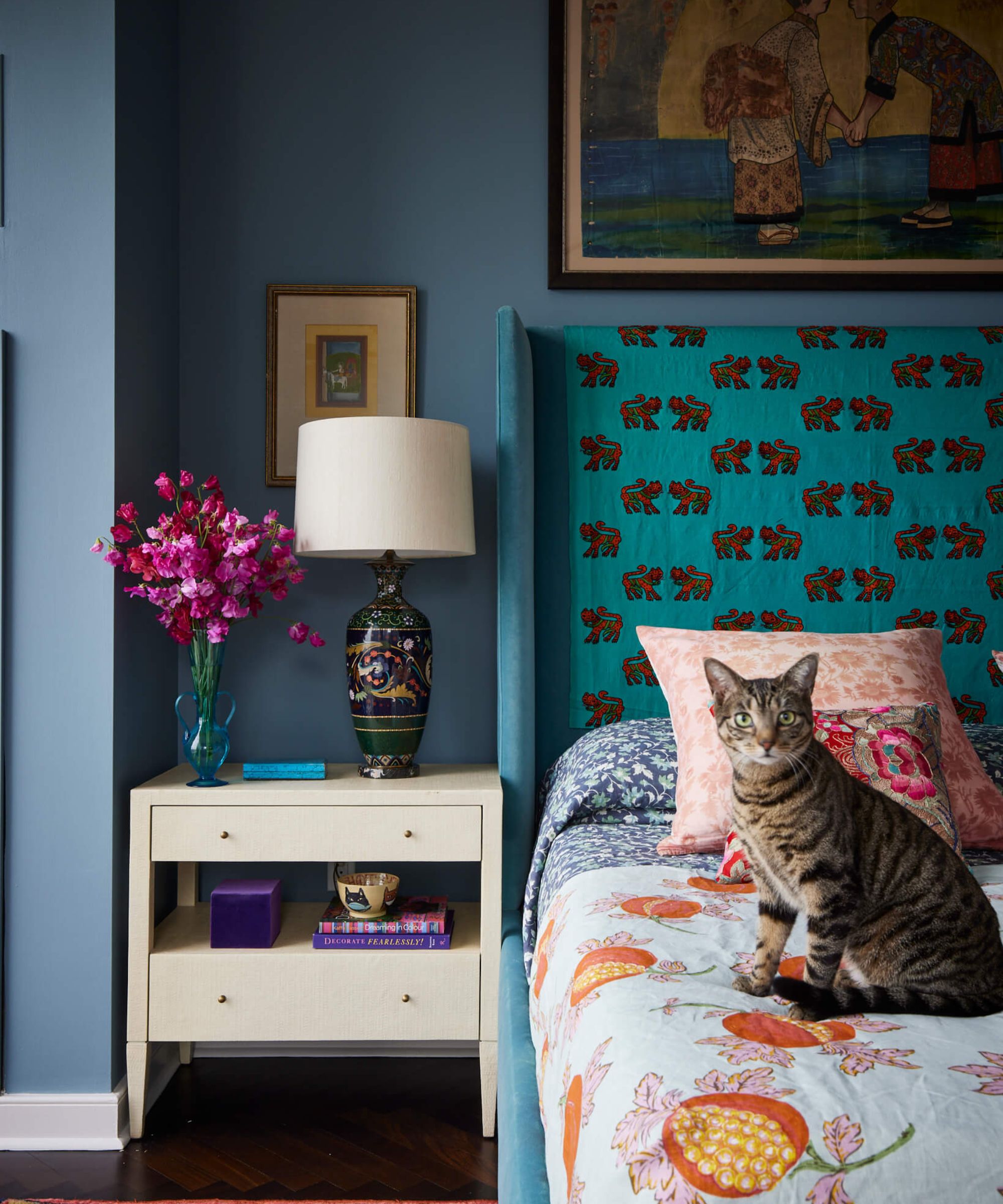
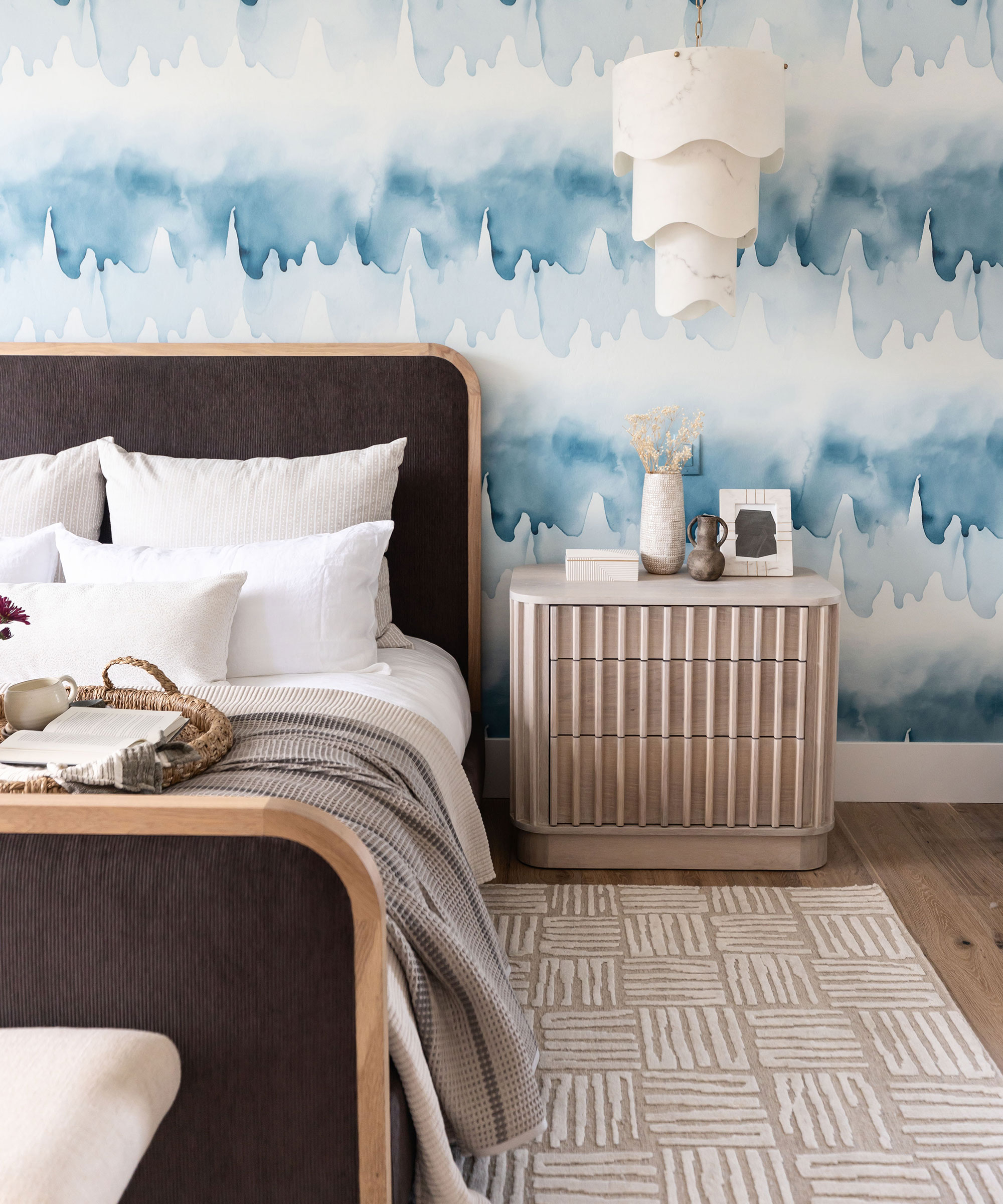
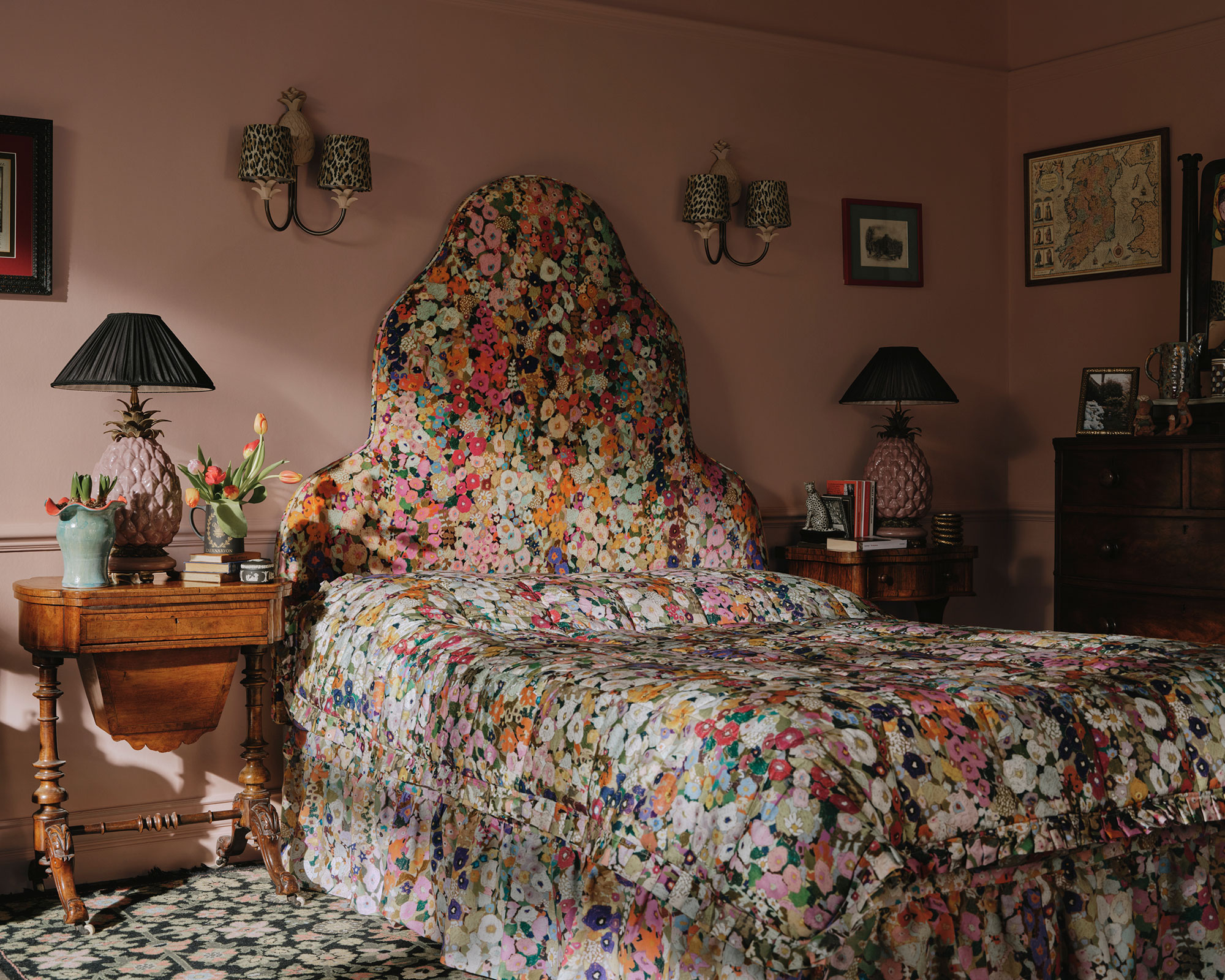
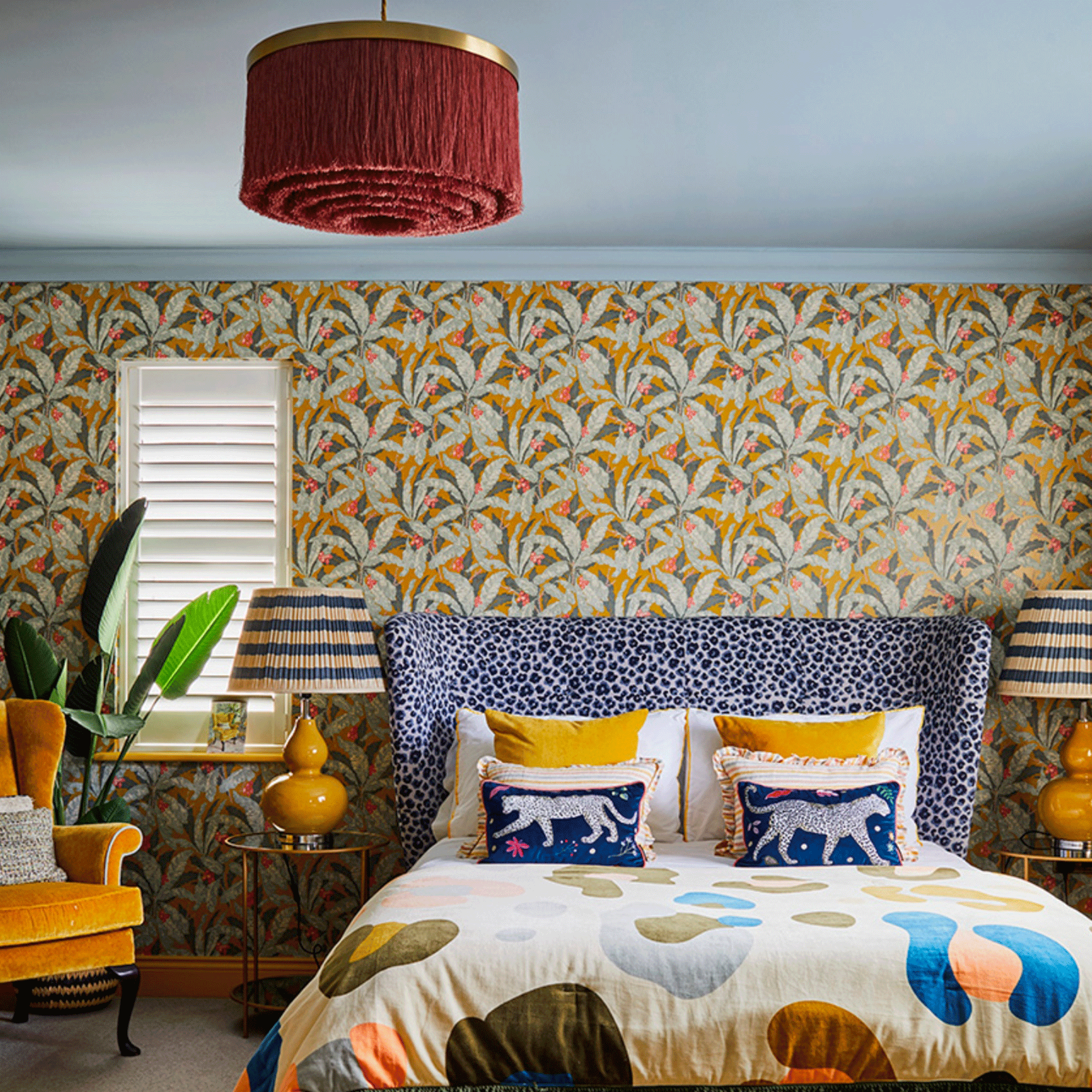
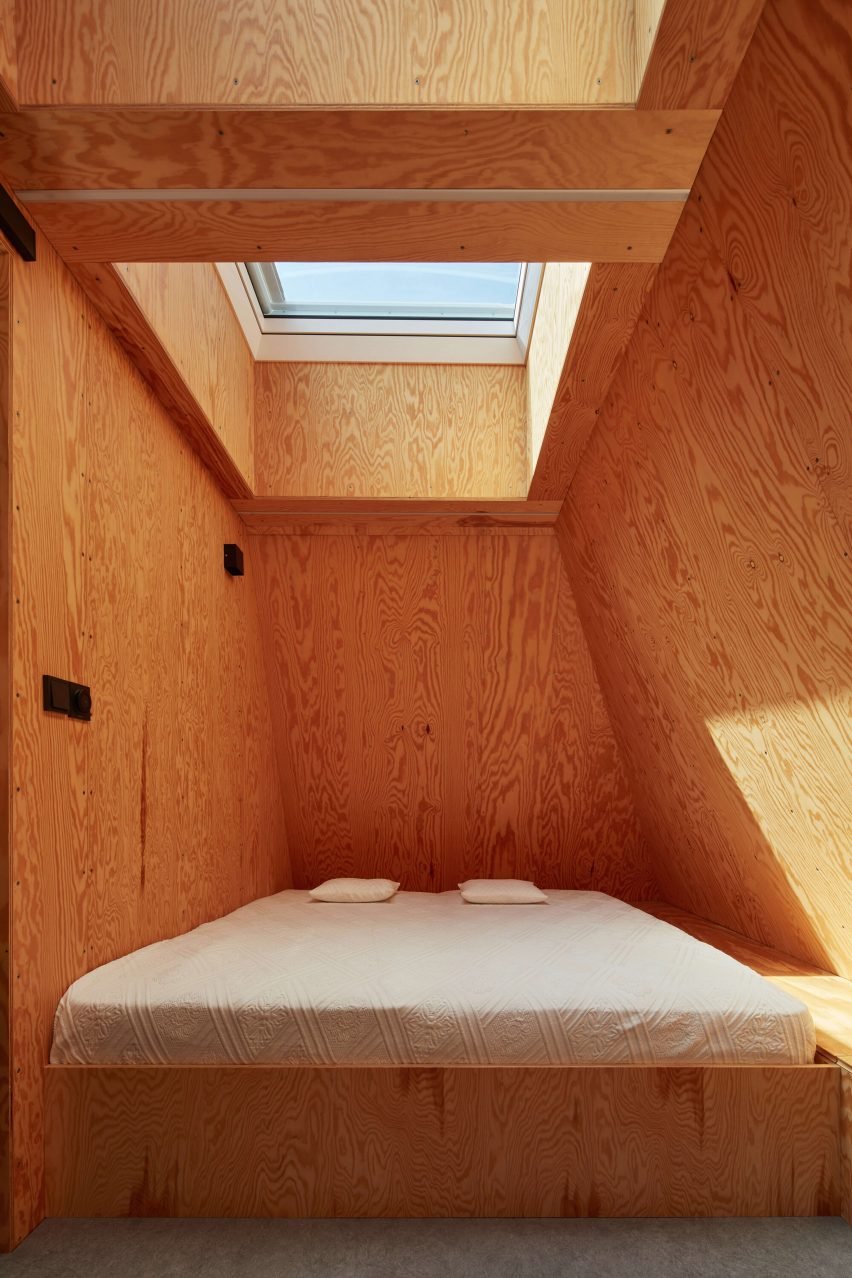
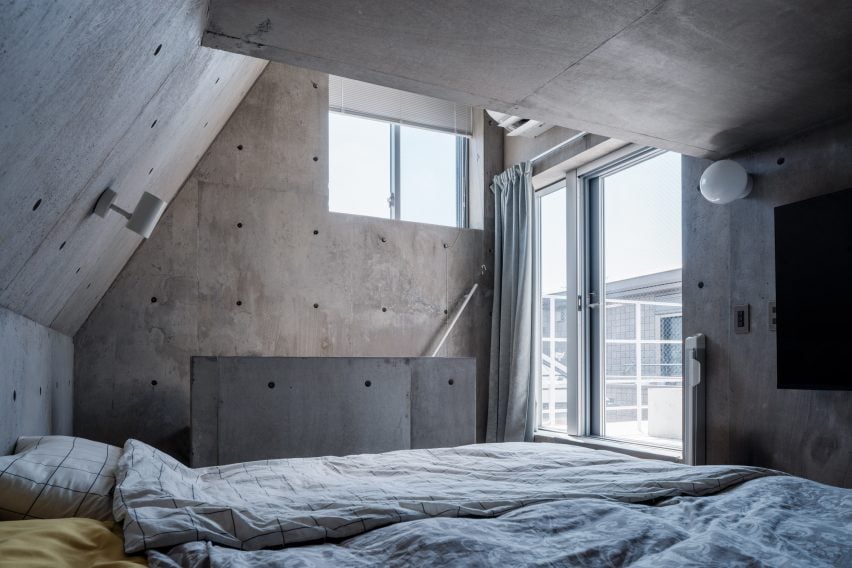
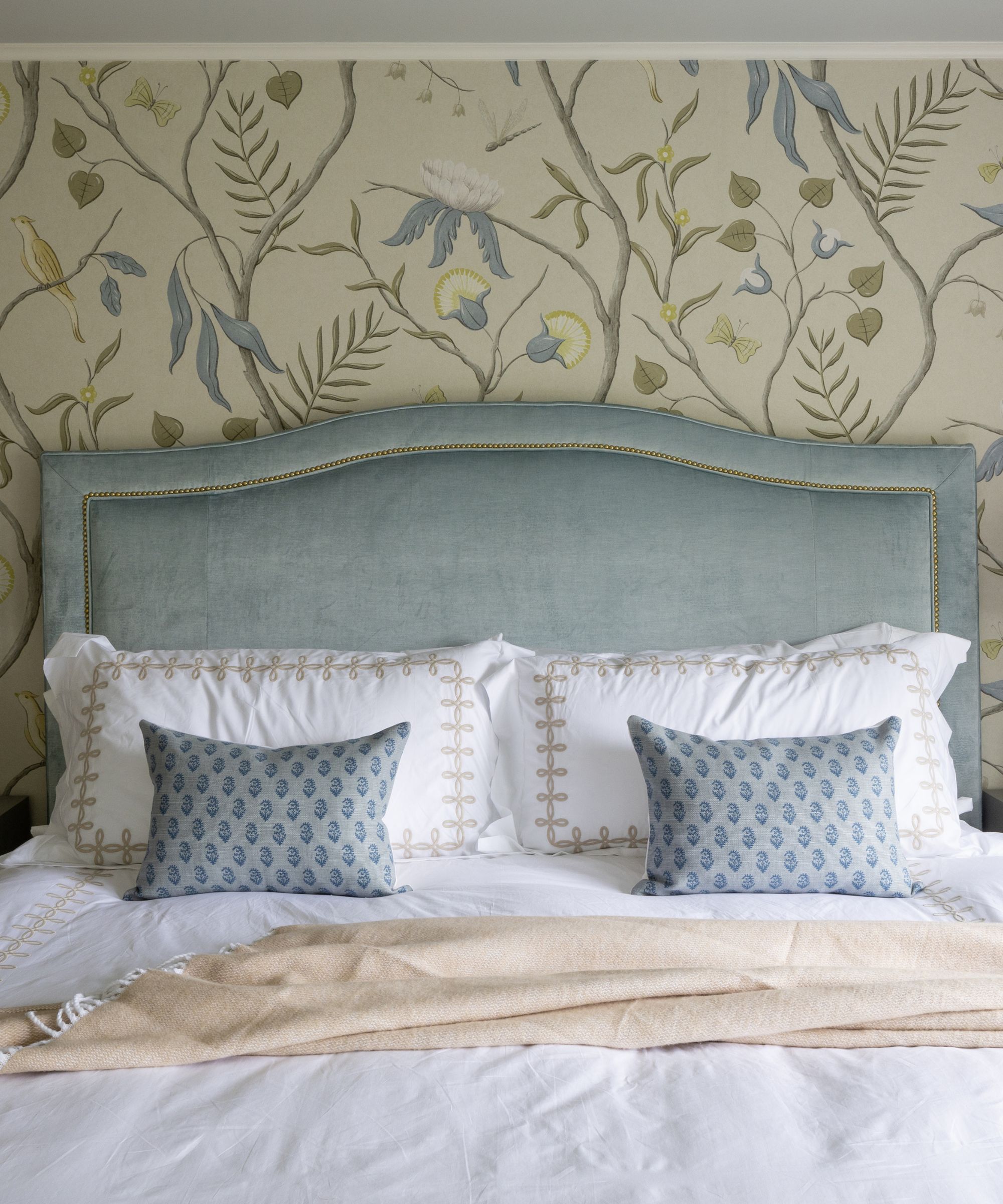
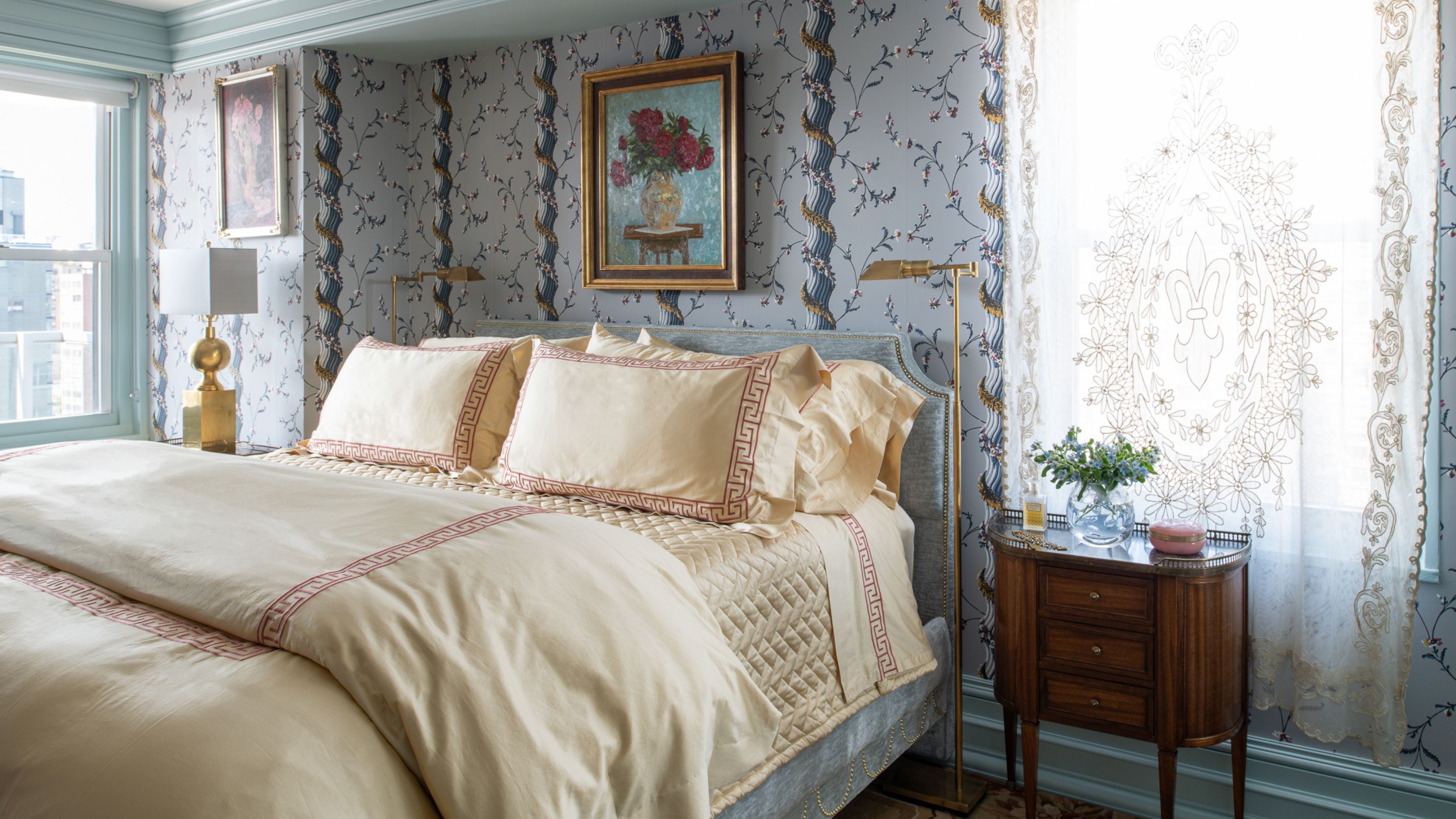
Embracing patterns and colors is also a prominent theme. Peter Dunham covered the walls and curtains of his Paris pied-à-terre in a single fabric pattern to create a cozy, enveloping atmosphere, while William Cullum used a vibrant array of colors in his Chelsea apartment to transform small quarters into a visually grand landscape. For rooms with unusual architectural features, such as slanted ceilings or curved walls, designers recommend working with these elements rather than against them. Sally Mackereth, for instance, designed custom built-in bunk beds that curved with the round structure of a renovated lighthouse, maximizing the use of space. Similarly, Nick Olsen extended a single pattern from the walls to the slanted ceiling in a Hamptons home, visually extending the height of the room.
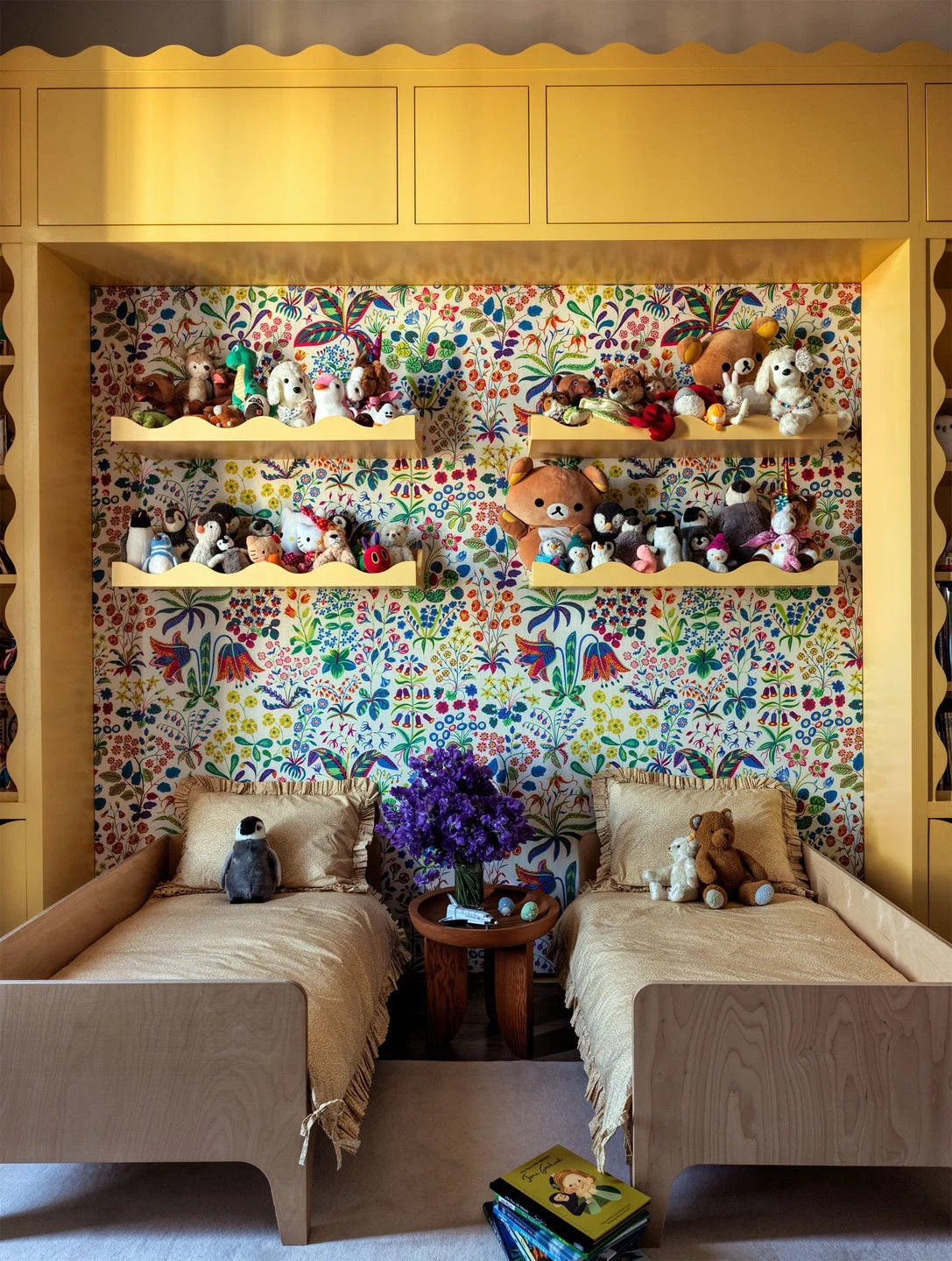
Texture also plays a crucial role in adding depth without clutter. Augusta Hoffman covered the walls of her New York apartment with tweed fabric to introduce texture and depth into the primary bedroom. Scale is another important consideration; Hendricks Churchill demonstrated how a low bed in a New York apartment can emphasize the ceiling height, making the room feel larger. Built-in furniture is highly effective for optimizing space, as seen in a children's room designed by Churchill, where a built-in surround with a scalloped edge provided both storage and an aesthetic touch. Strategic lighting, such as golden hues on ceilings and walls to reflect light, can also significantly impact how spacious a room feels, as implemented by Pappas Miron.
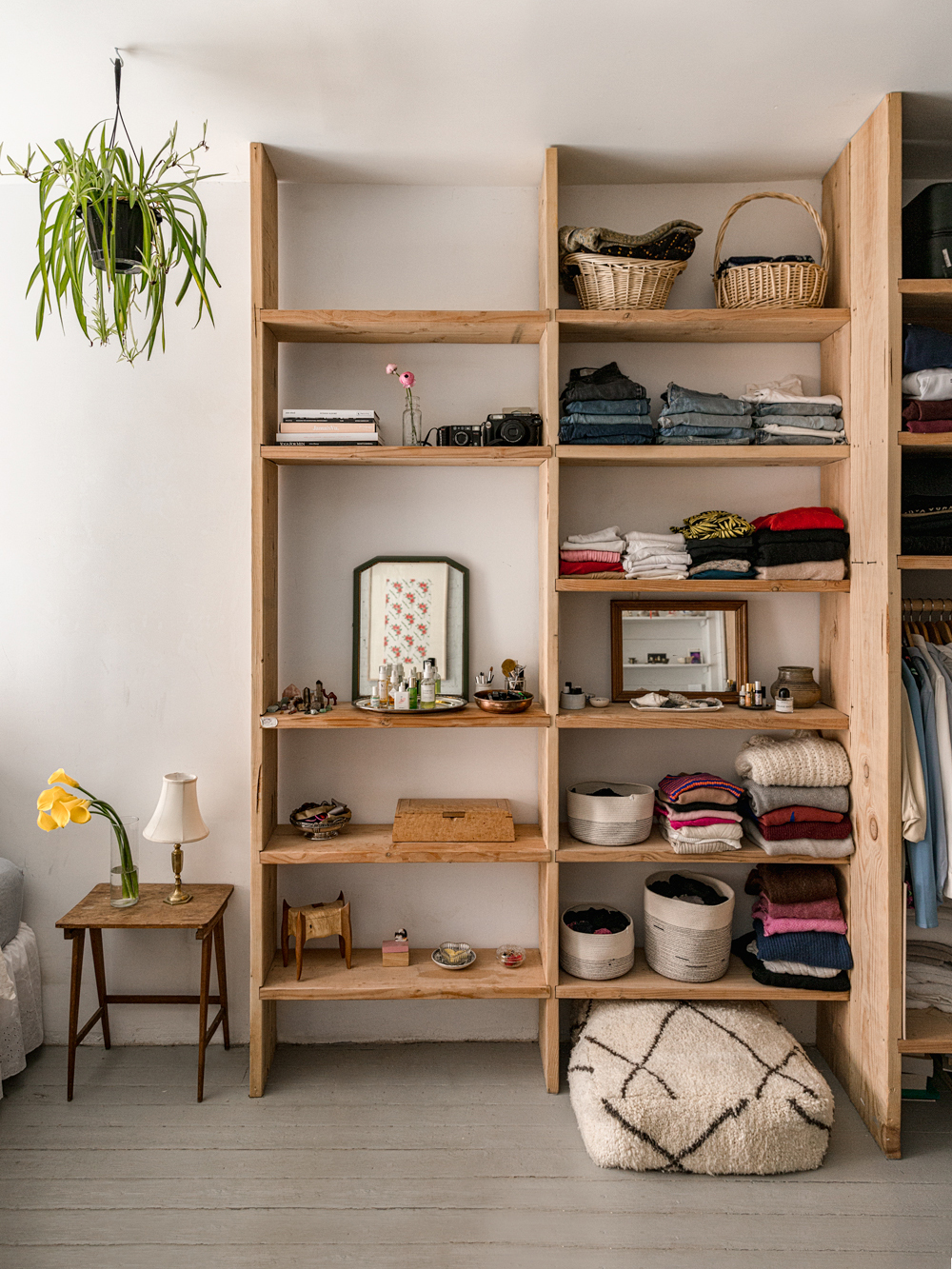
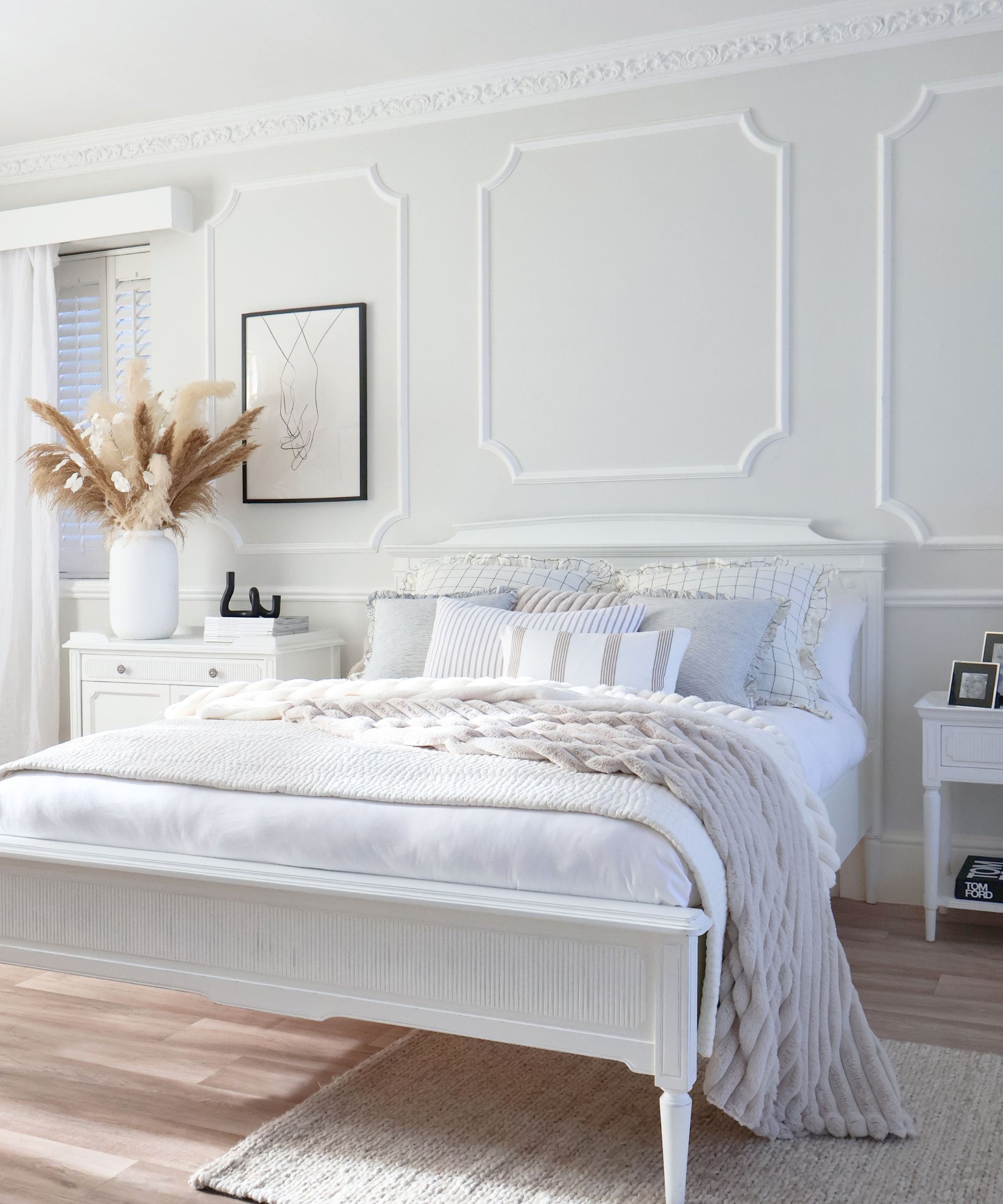
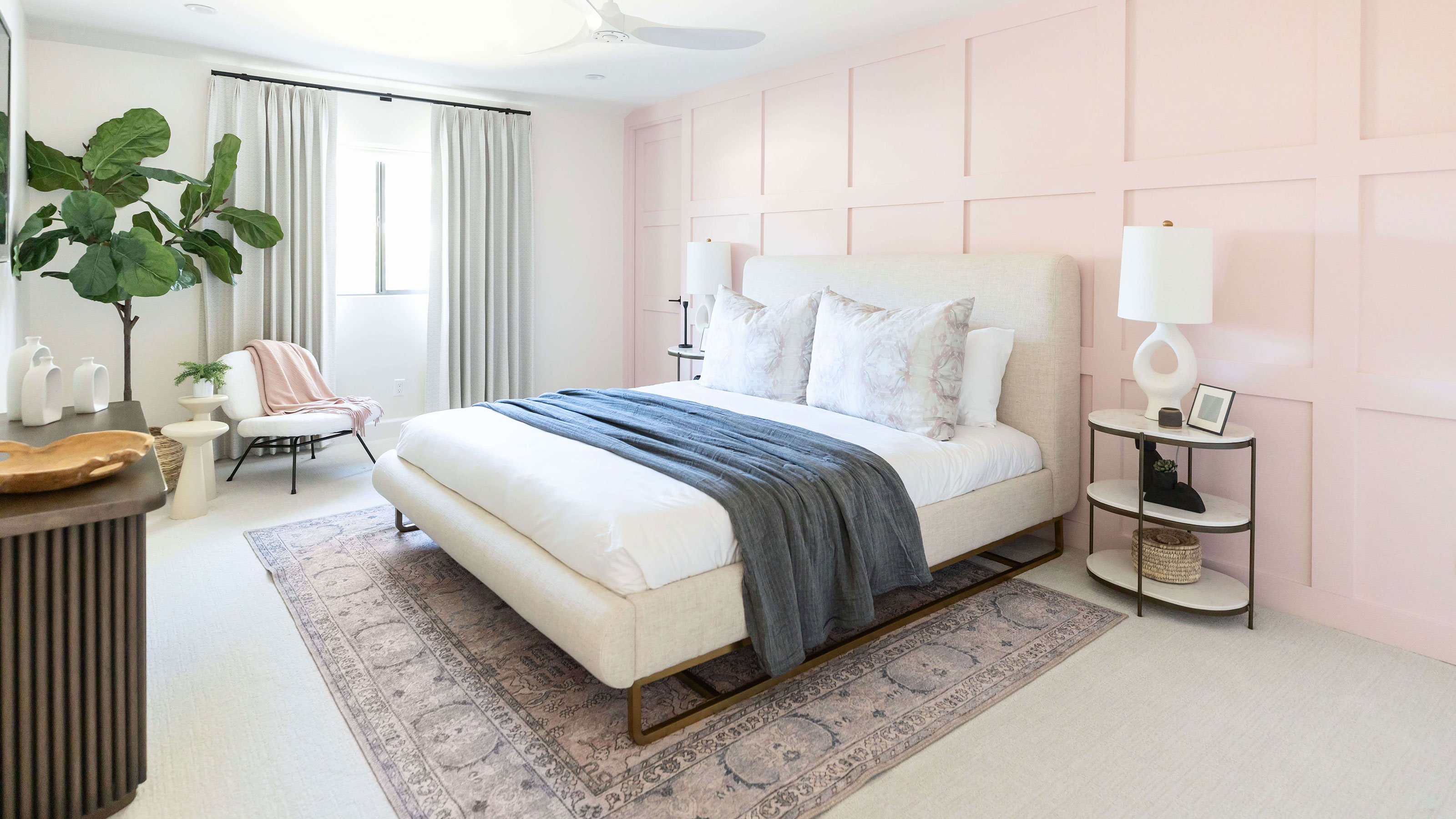
Finally, the article emphasizes smart storage solutions and the use of airy hues. Georgia Tapert-Howe's design for a Brooklyn townhouse included a reading nook with clever storage both above and below the bed, thereby optimizing floor space. Blair Moore advocates for light, airy colors and soft, natural textures to reflect light and visually expand a room. These diverse strategies collectively illustrate that even the smallest bedrooms can be transformed into stylish and functional spaces with thoughtful design choices. #SmallBedroomIdeas #InteriorDesignTips #SpaceSavingSolutions #BedroomDecor #DesignersAdvice #ColorPsychology #PatternUse #BuiltInFurniture #LightingDesign
0 comment in total
 No comments yet
You may also like
45 Big Ideas for Your Small Bedroom
Small bedroom ideas with effortless style | loveproperty.com
How to update an outdated small bedroom — 5 easy wins designers love

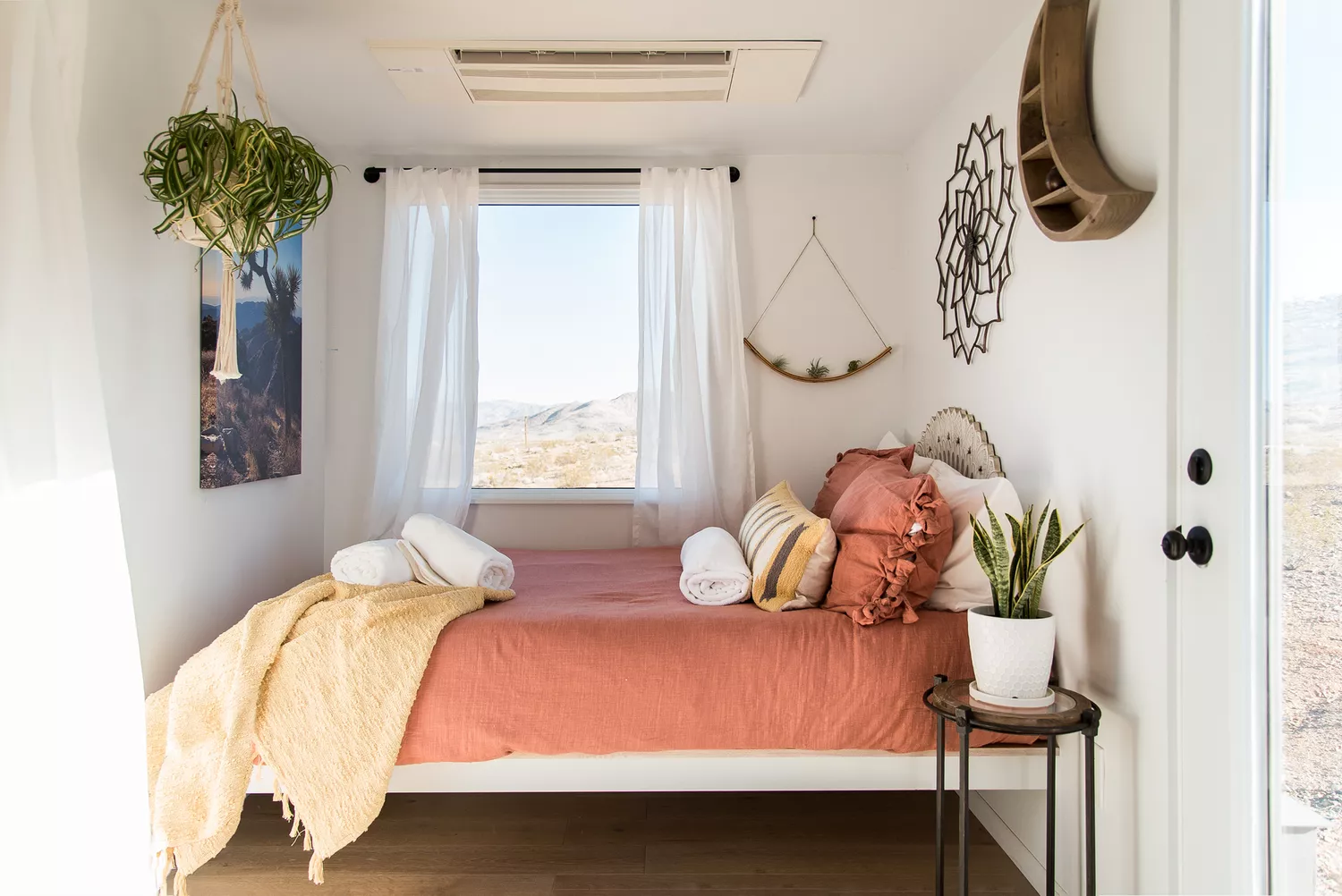
22 Small Guest Bedroom Ideas to Maximize Your Space

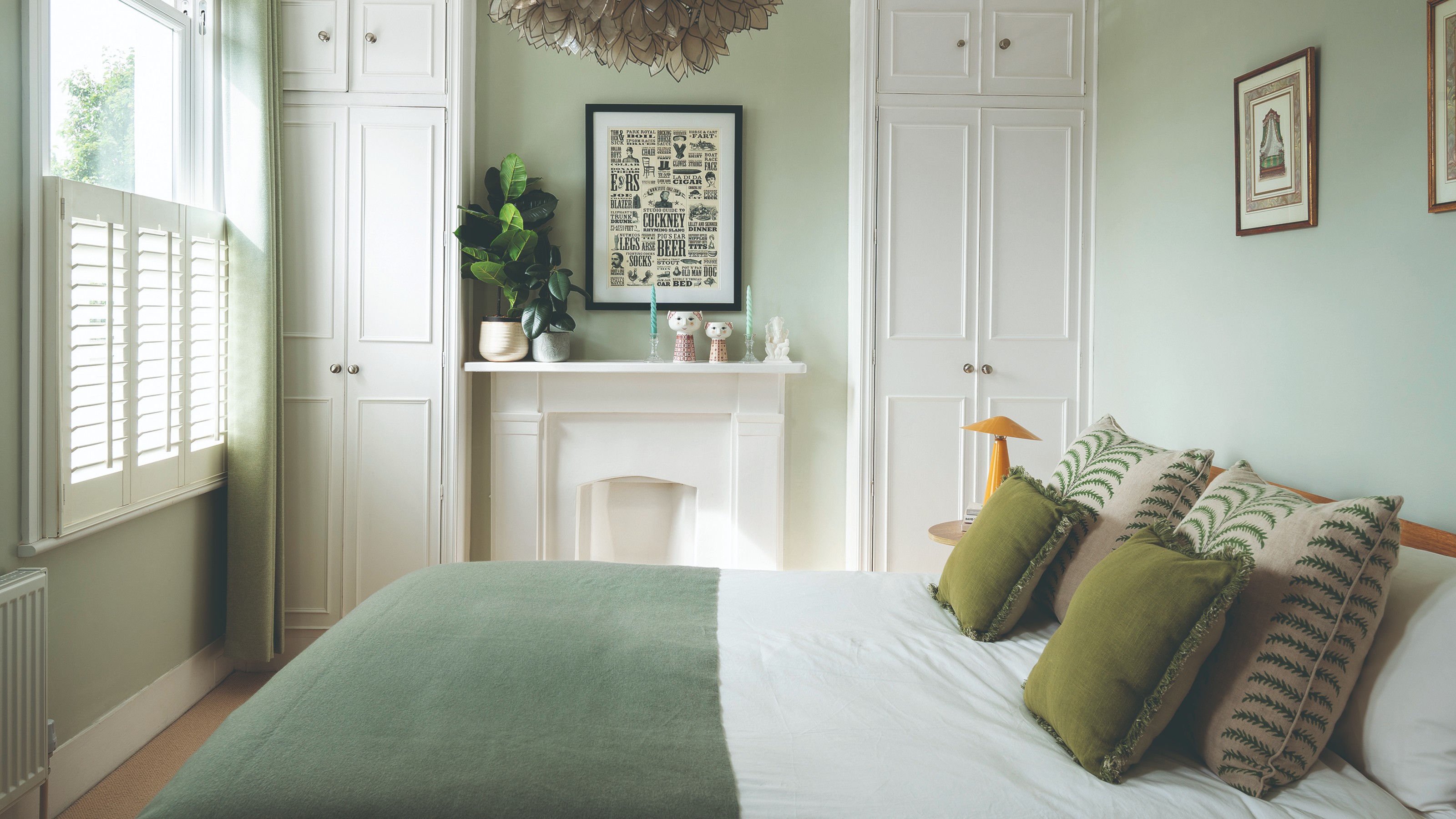
30 clever small bedroom ideas to elevate your tiny sleeping space and make it both stylish and practical
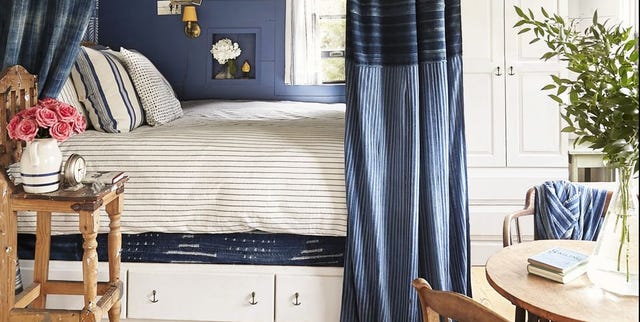
15 Small Bedroom Decor Ideas That Feel Grand

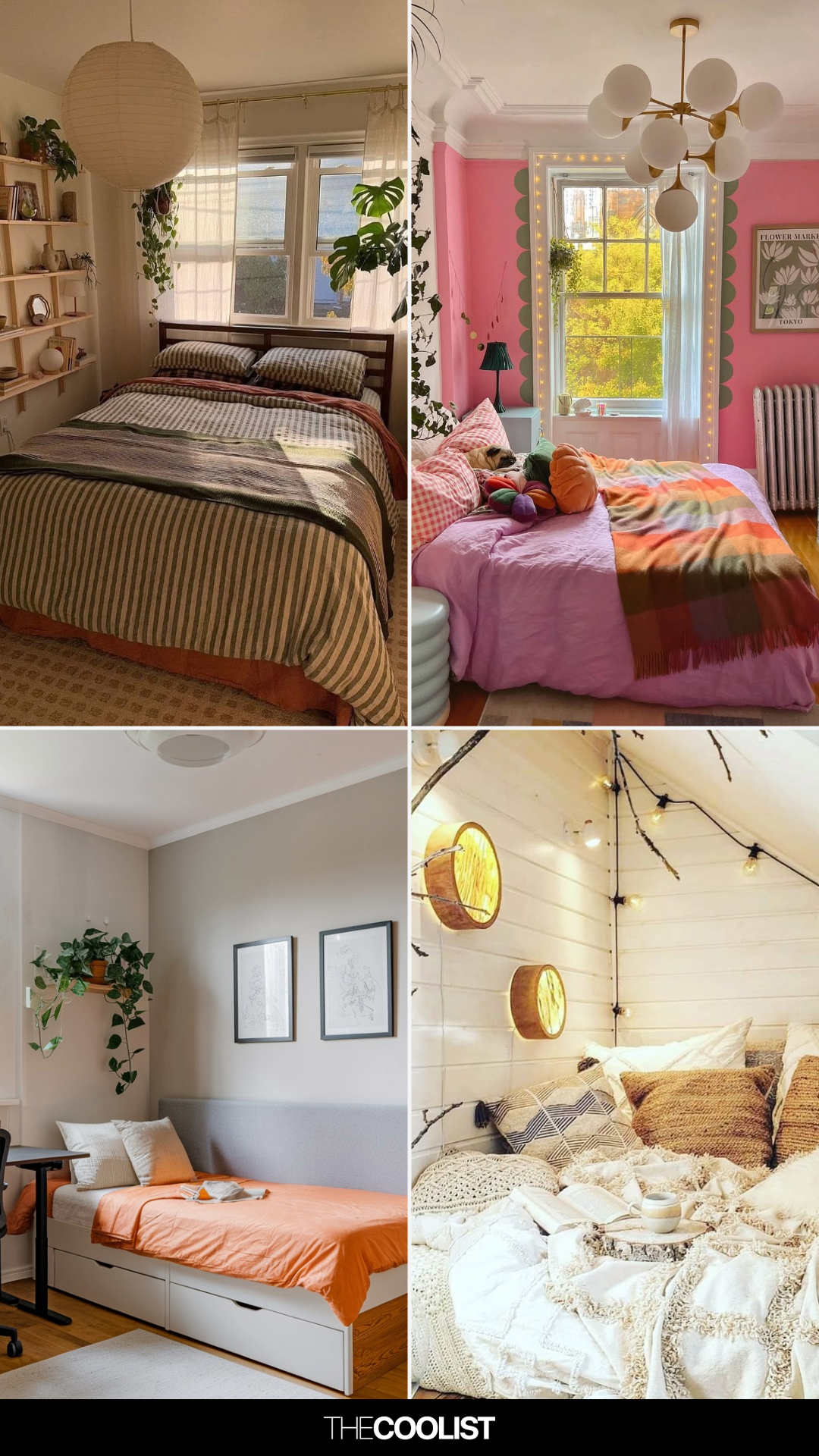
26 Small Bedroom Ideas for Women Who Make Tiny Spaces Feel Curated, Not Cramped
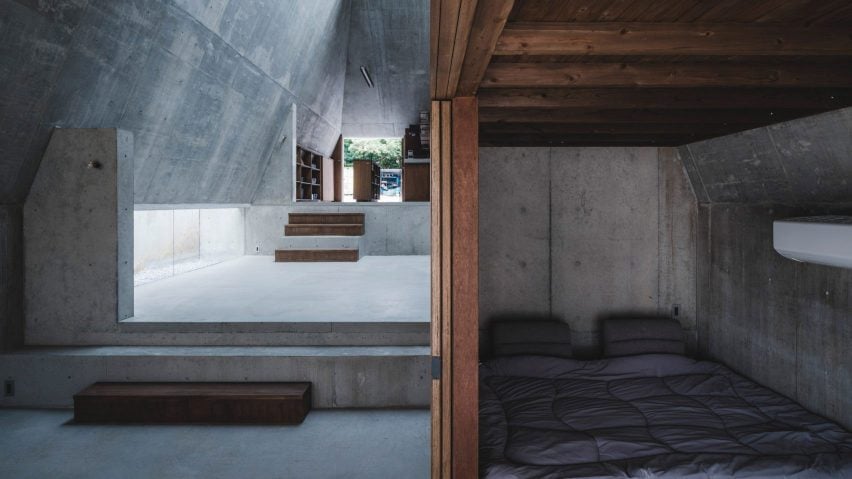
Eight compact bedrooms that make the most of small spaces
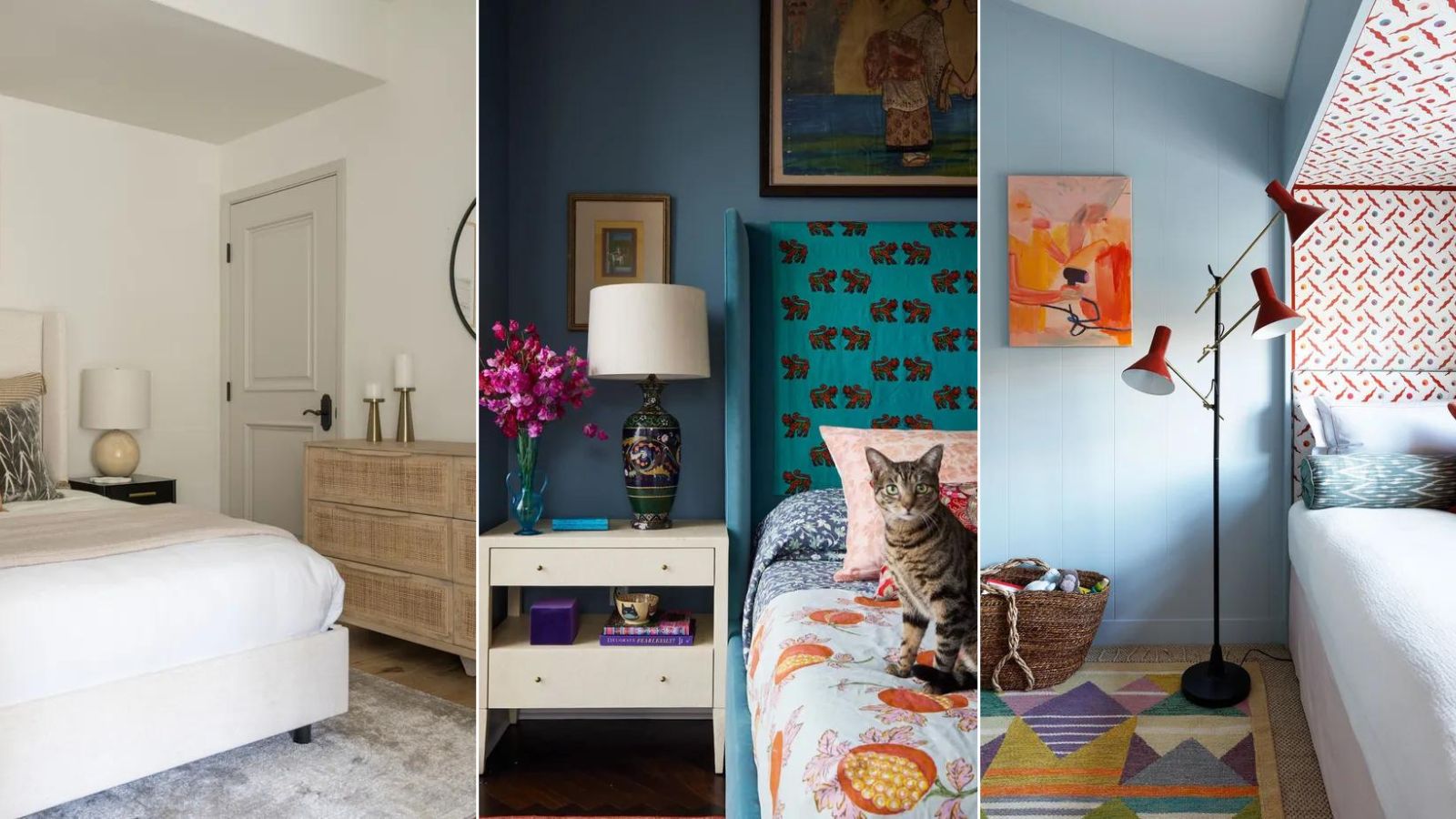
12 small bedrooms that prove size doesn't need to limit style

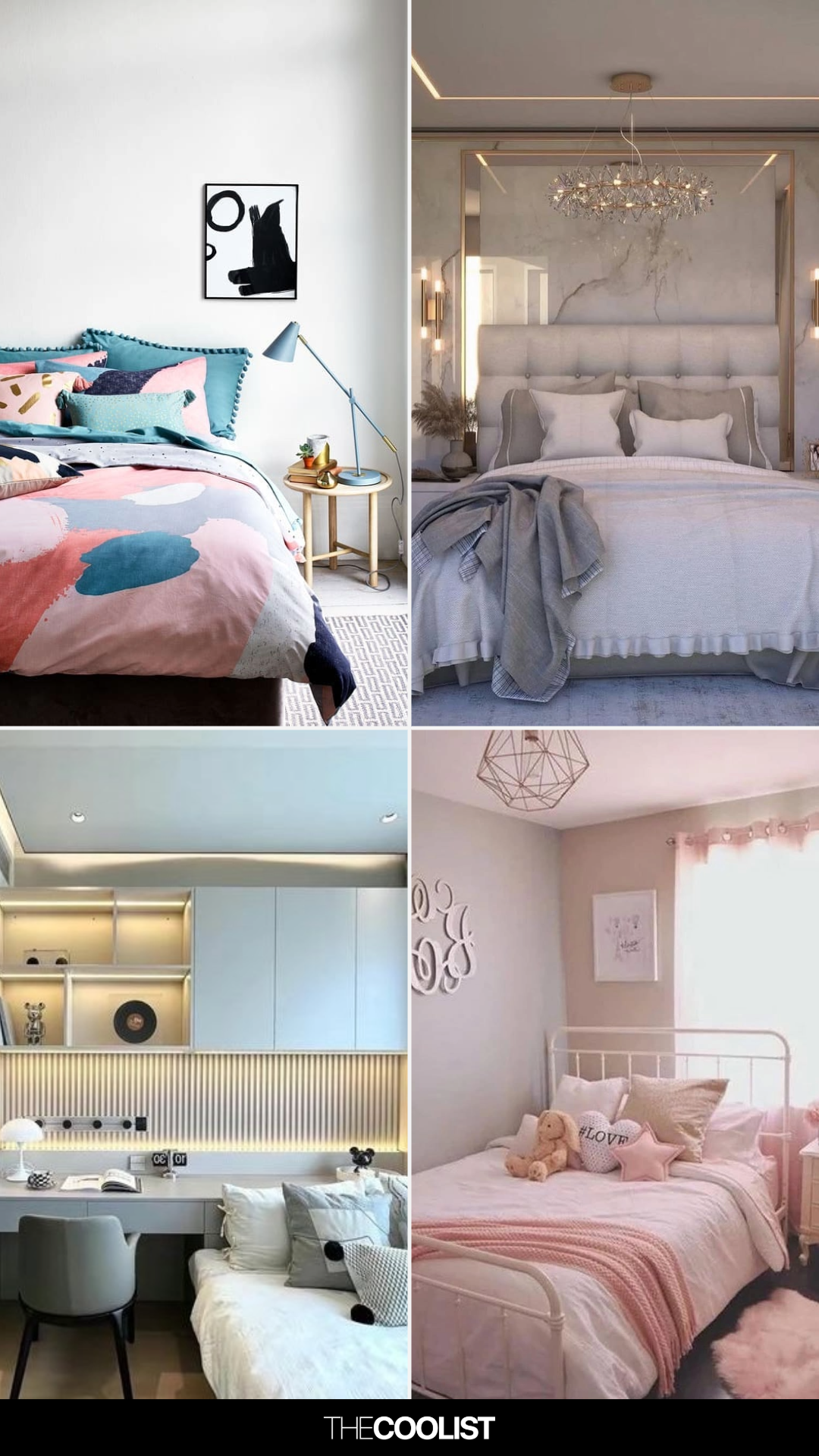
38 Insanely Genius Bedroom Ideas for Small Rooms That Instantly Maximize Space
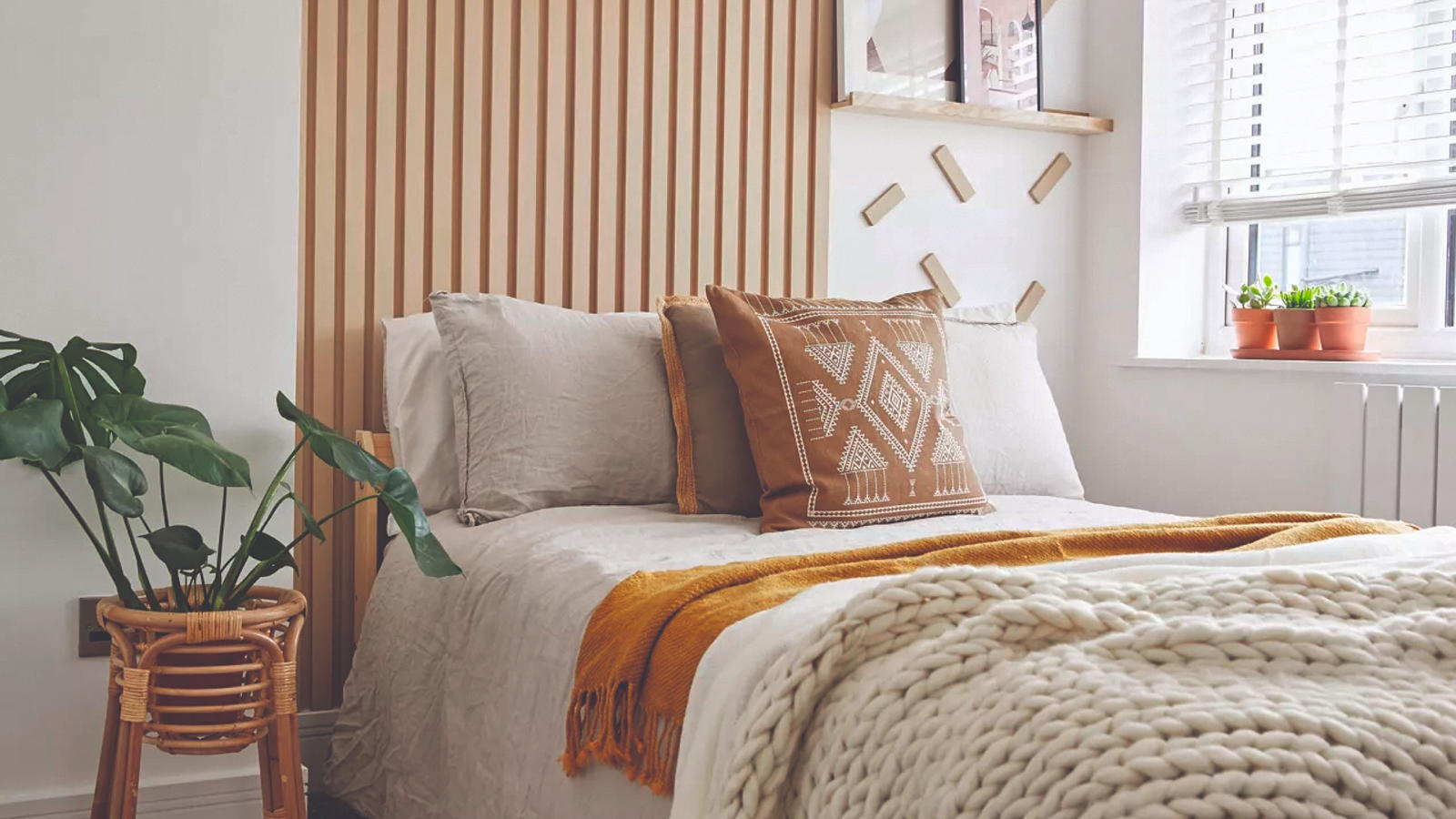
10 small bedroom decor ideas to get the most out of your bedroom
10 luxe small bedroom ideas that are bougie and beautiful
These Small Bedroom Ideas Prove That Small Is the New Big
Tiny Bedrooms Can Be a Blessing in Disguise
10 minimalist small bedroom ideas that still feel cozy
Our Favorite Gear for Making a Small Bedroom Functional
9 modern small bedroom ideas that are actually down to earth
Small Bedroom Ideas: The Best Ways to Maximize Your Tiny Space (Published 2024)
Small bedroom ideas – smart ways to maximize space without compromising on style |

This Is the Biggest Designer Bedroom Trend You’ve Never Heard Of (It’s Genius in Small Spaces)