1/17
10 minimalist small bedroom ideas that still feel cozy
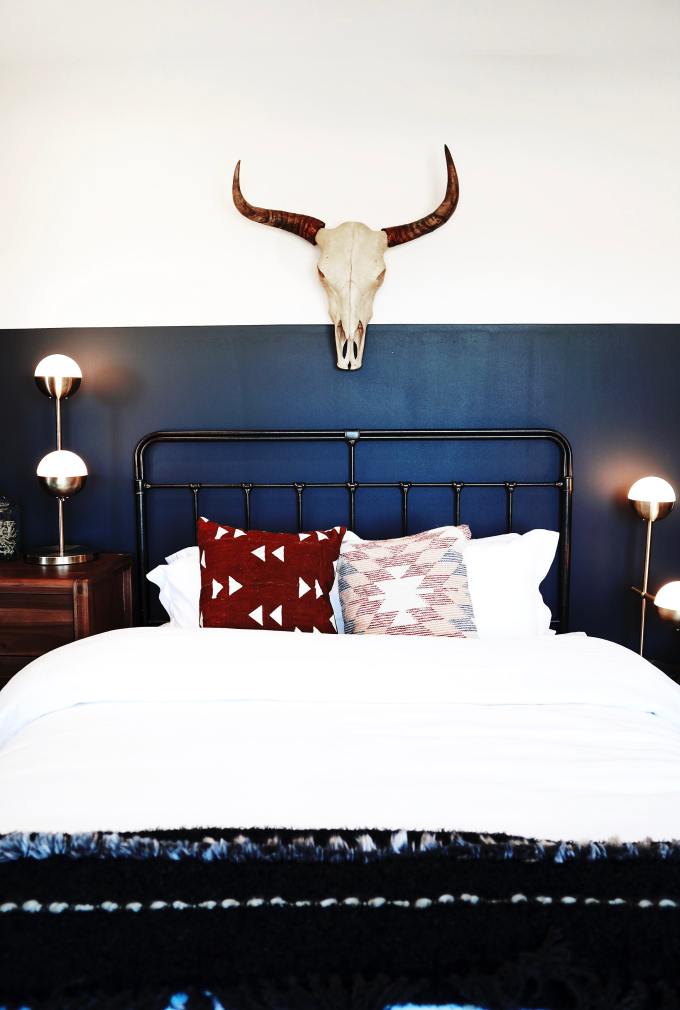
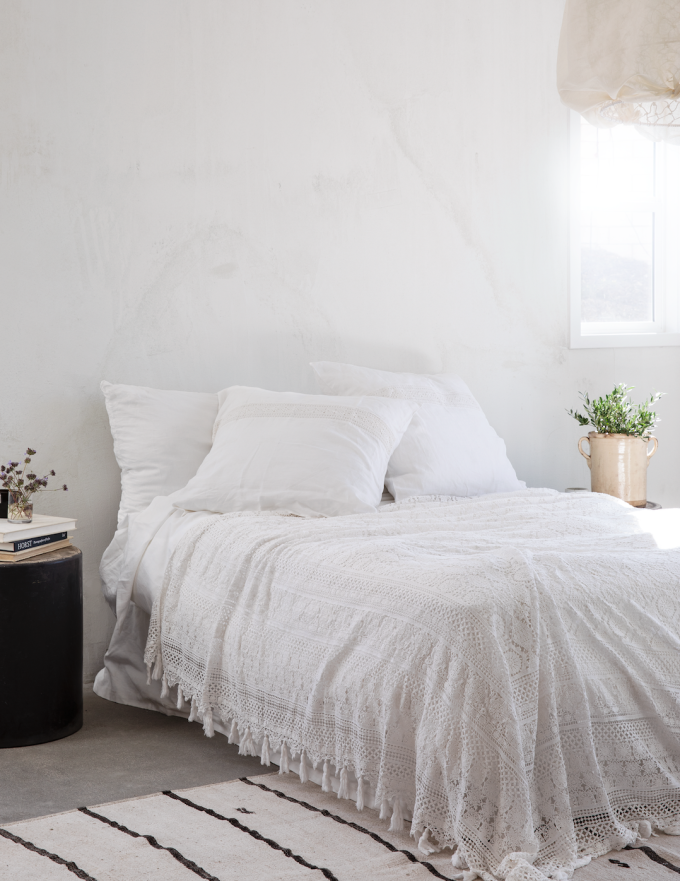
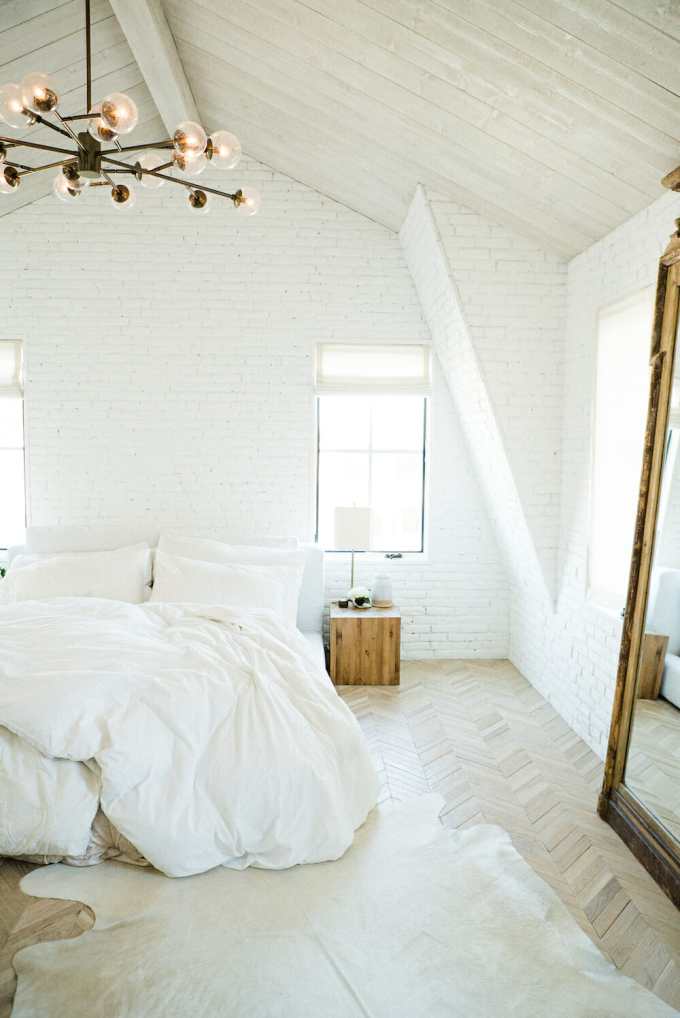
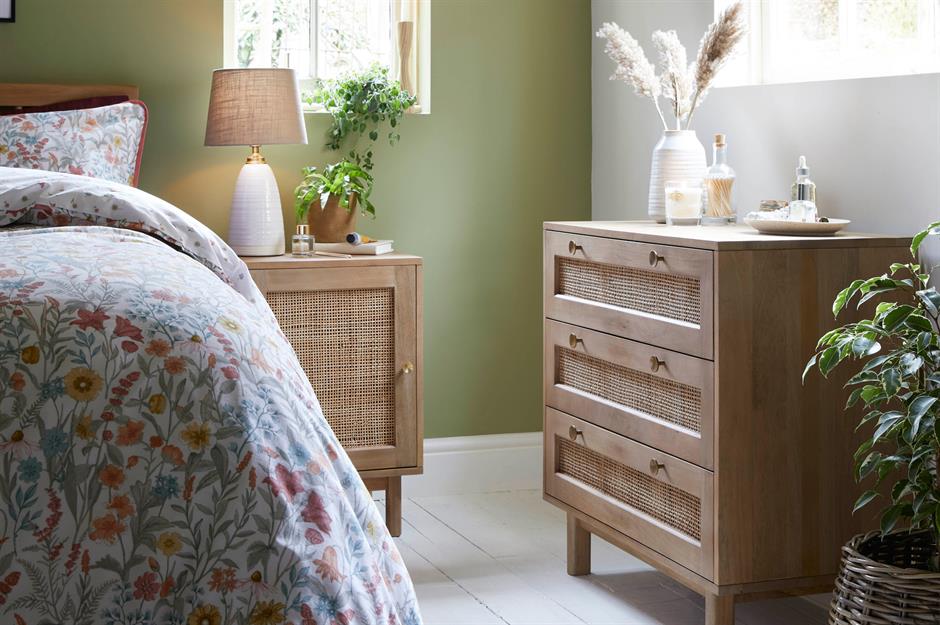
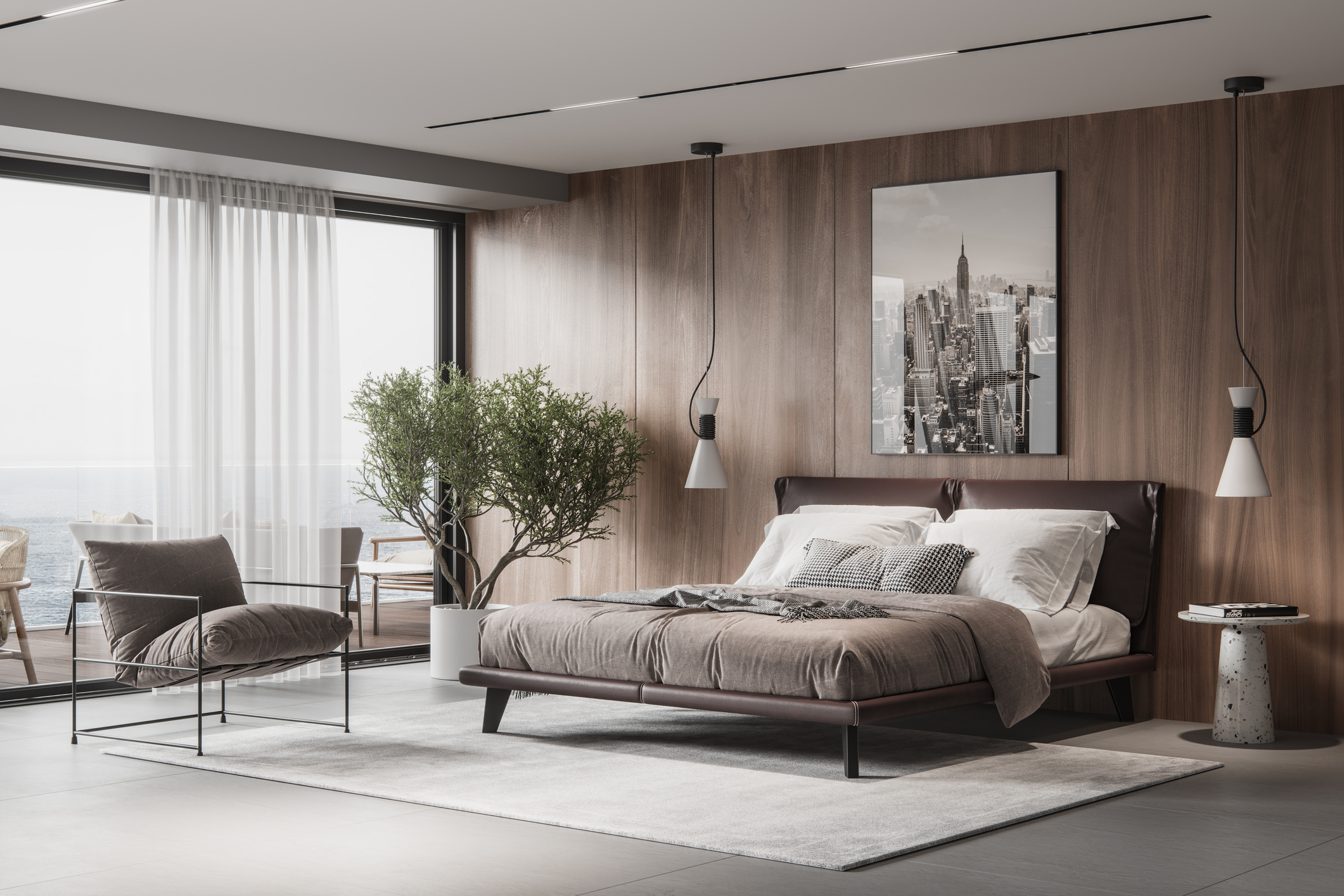
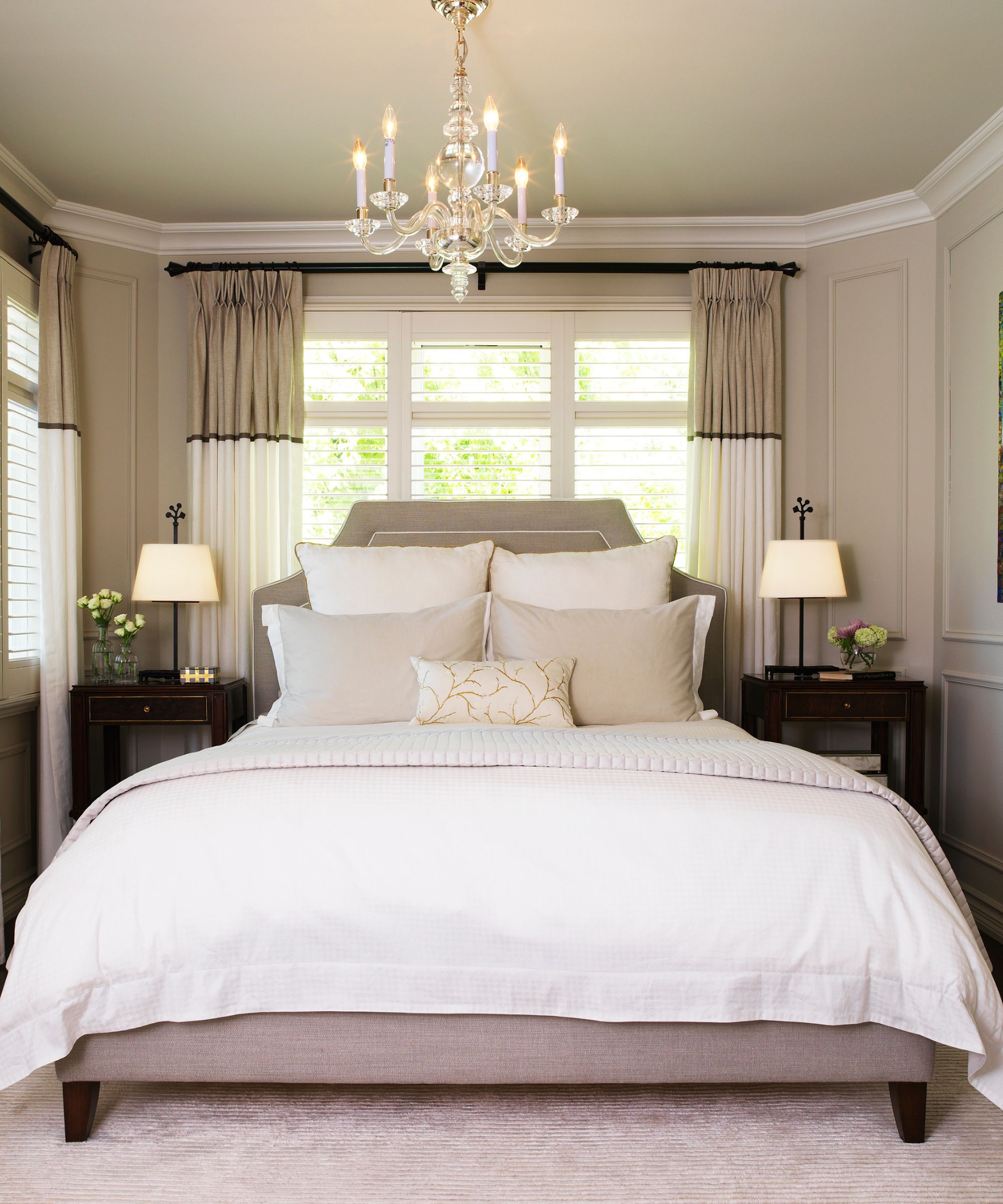
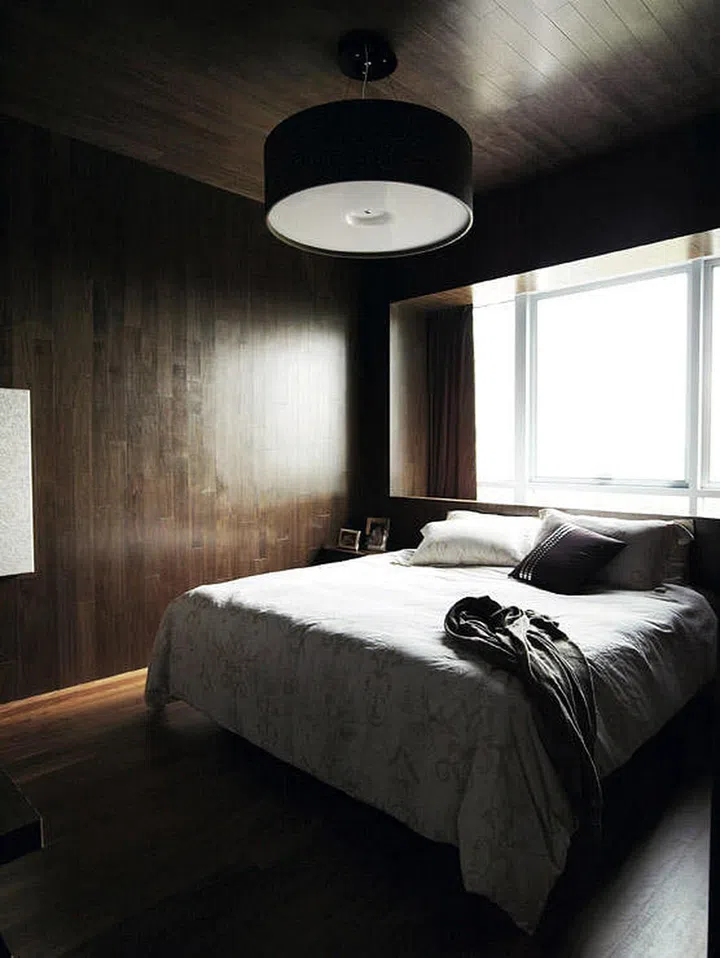
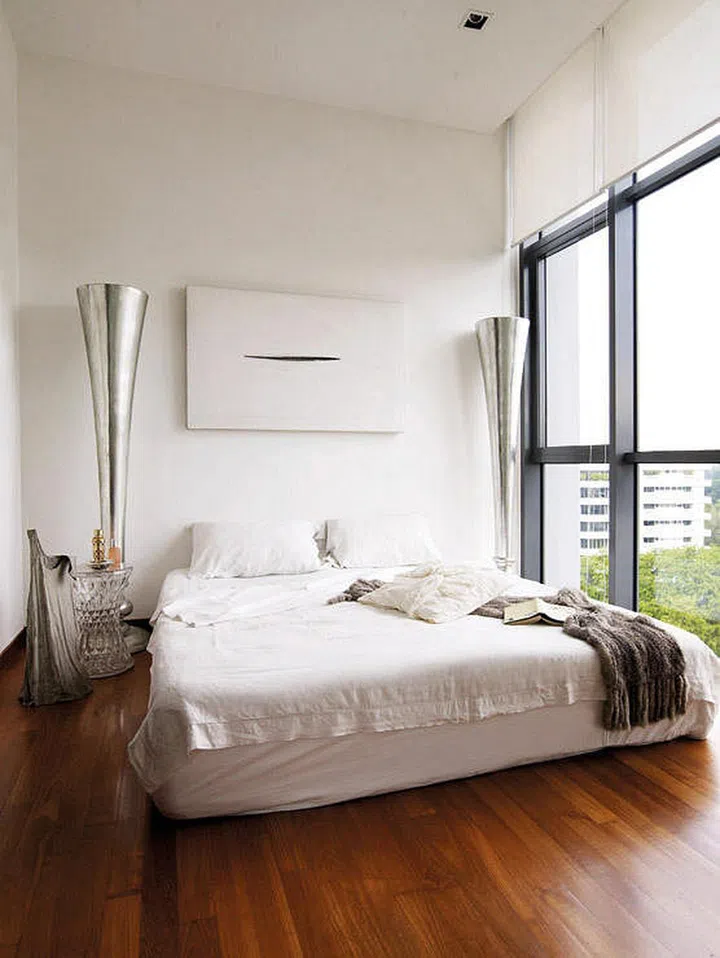
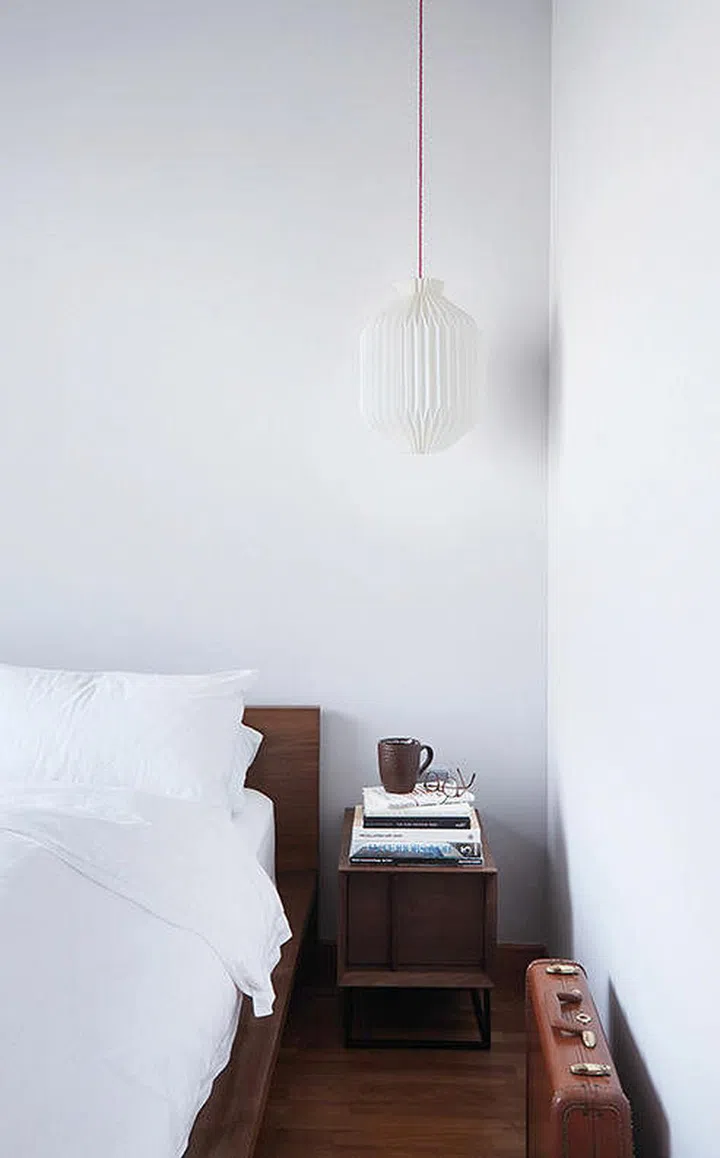
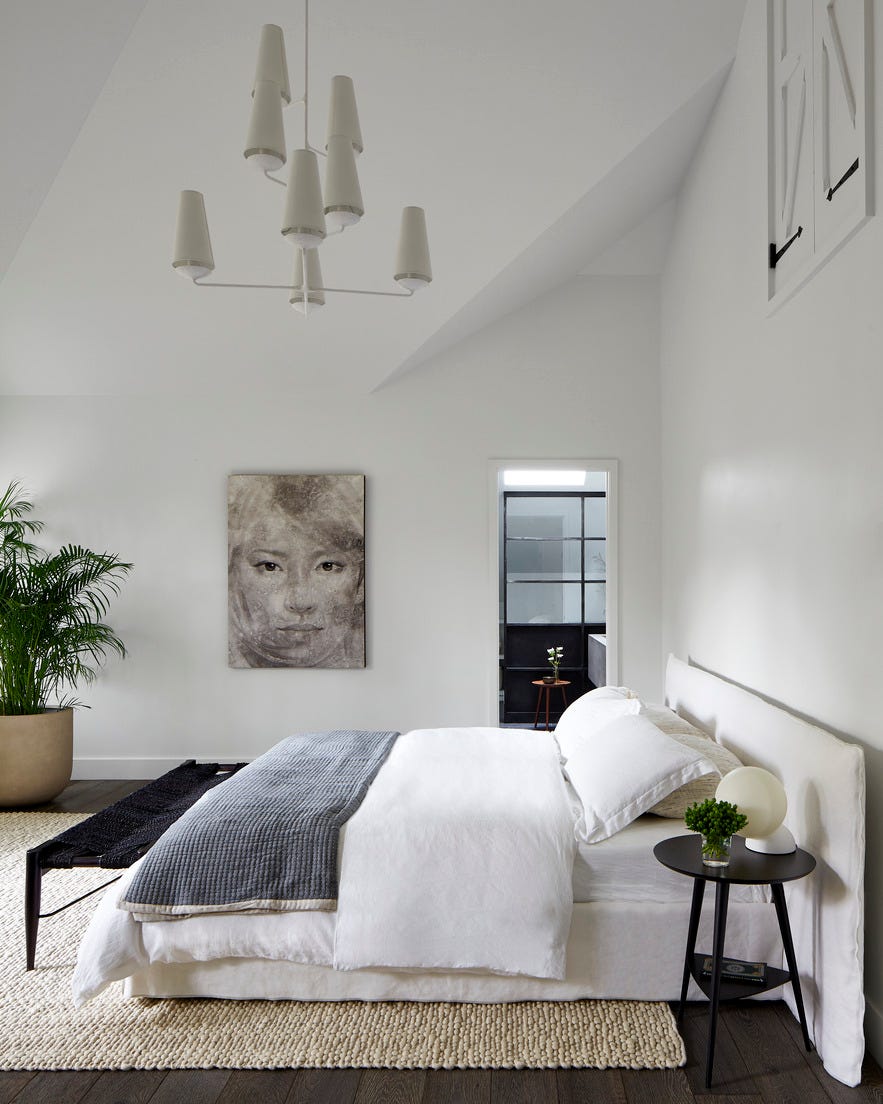
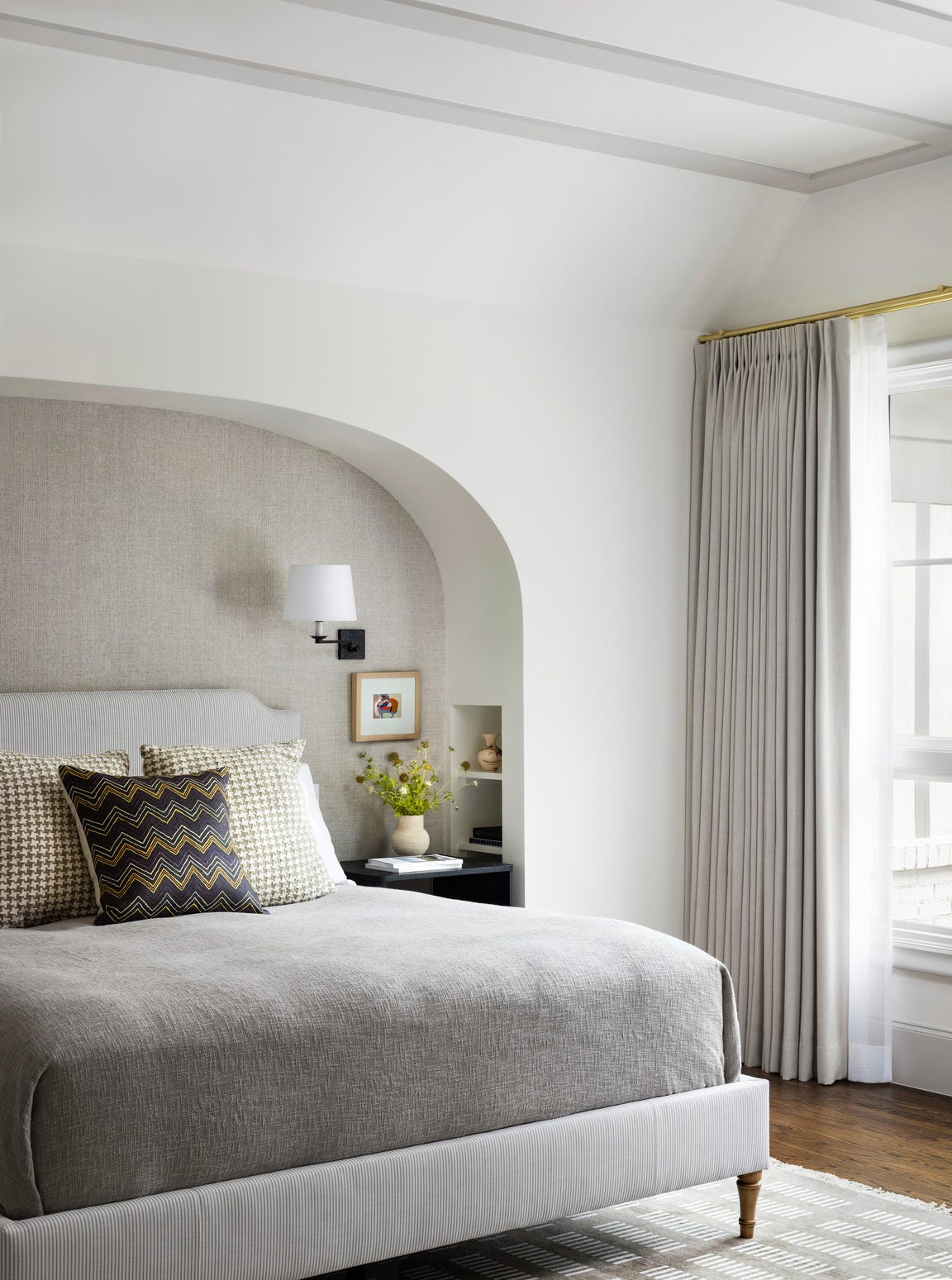
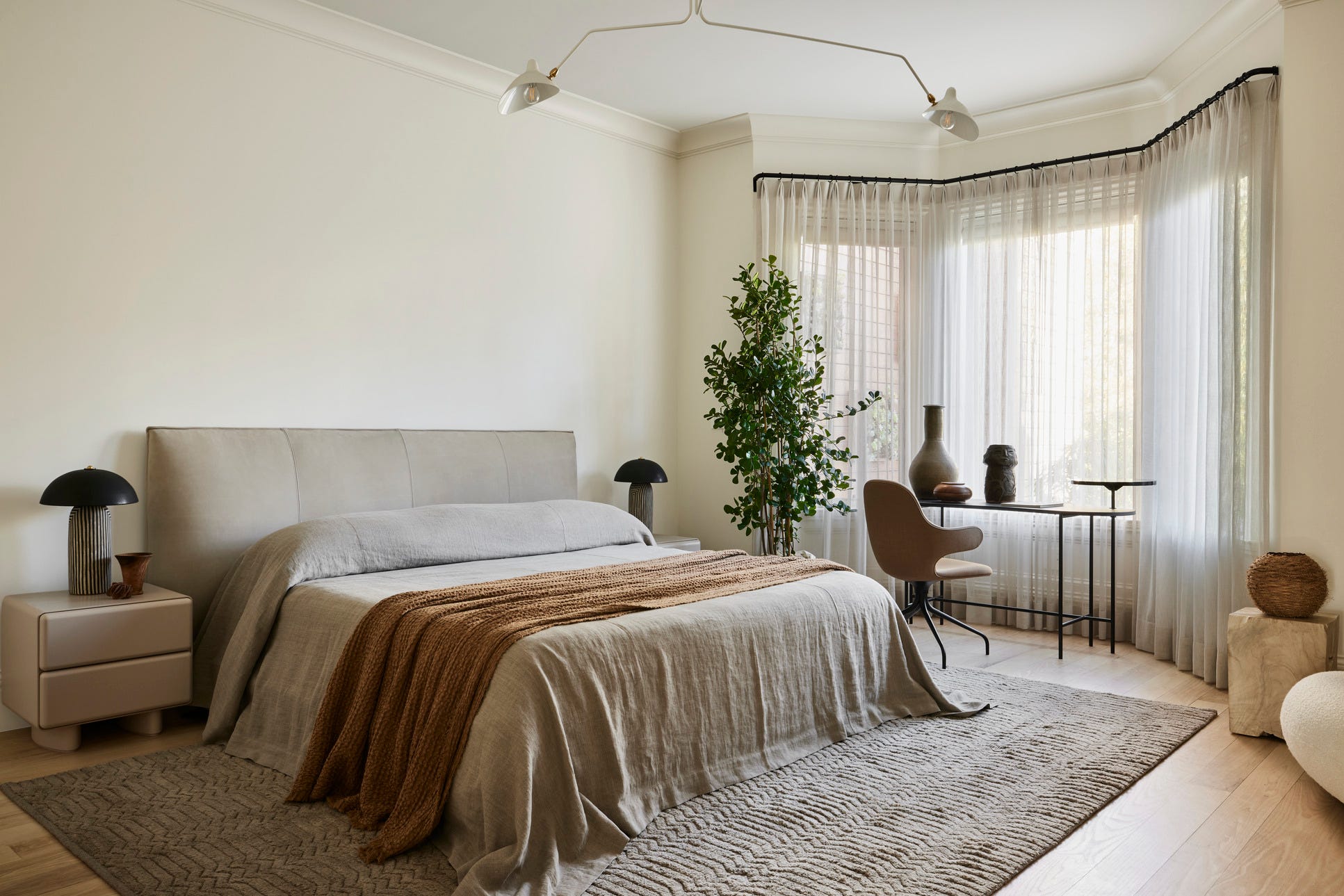
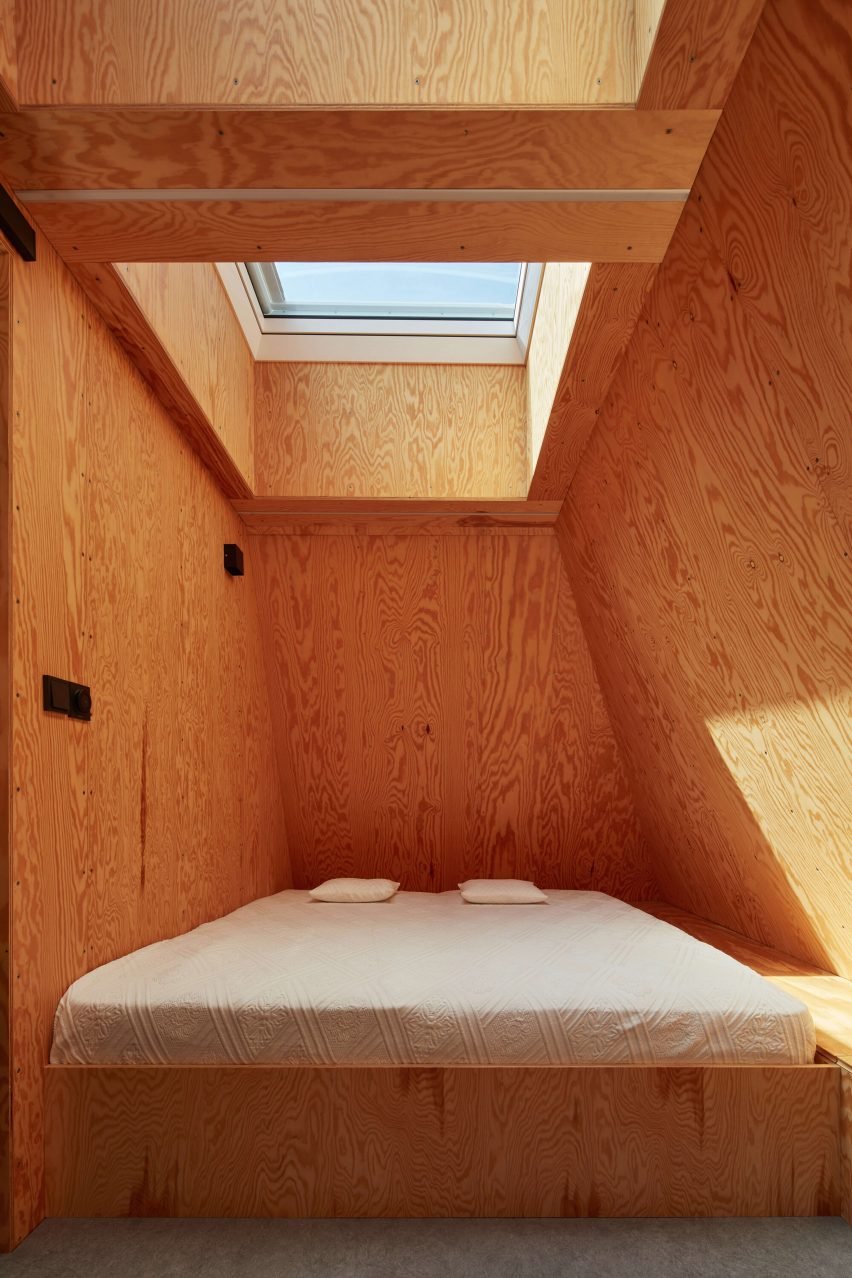
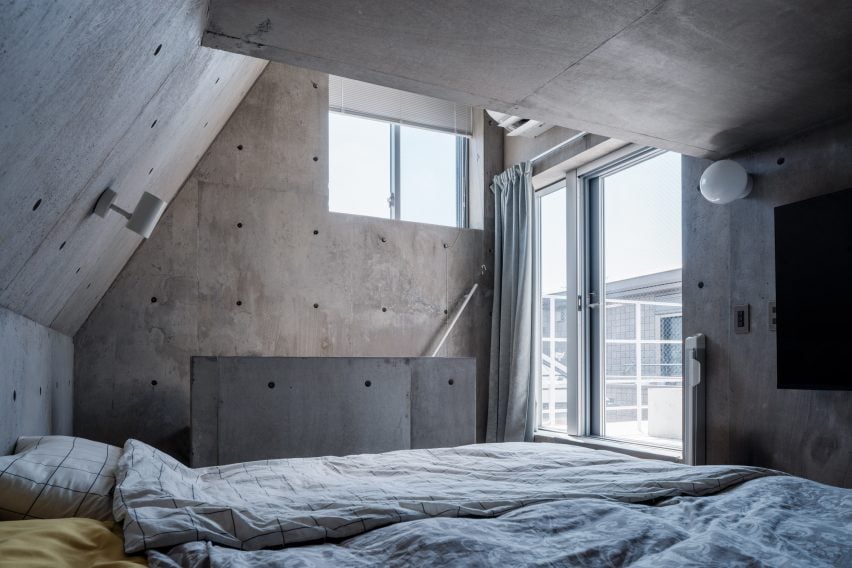
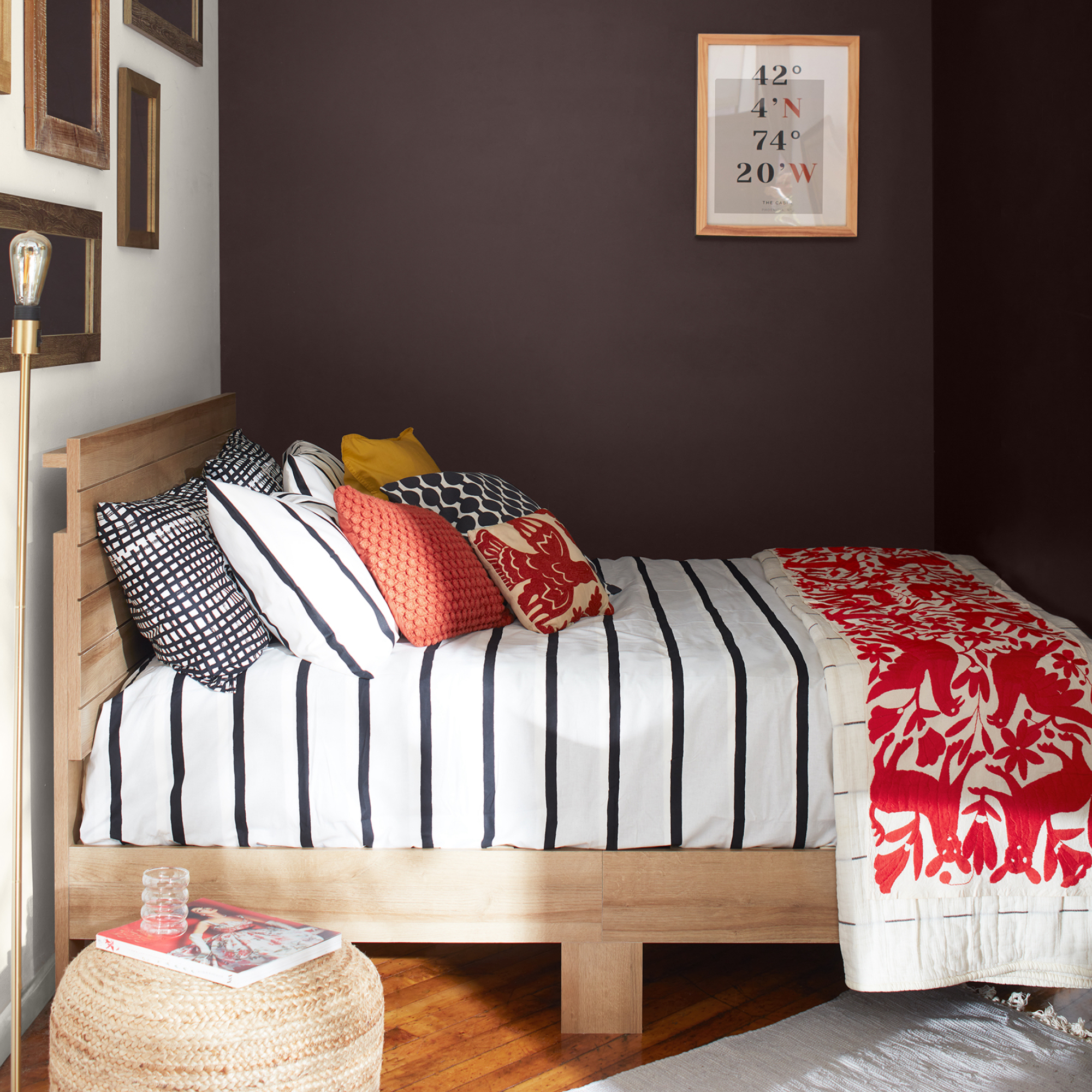
The article explores how to implement minimalist design principles in small bedrooms while maintaining a cozy and inviting atmosphere. It challenges the common misconception that minimalism equates to a cold or scarce living space, advocating for a modern approach that balances simplicity with warmth.
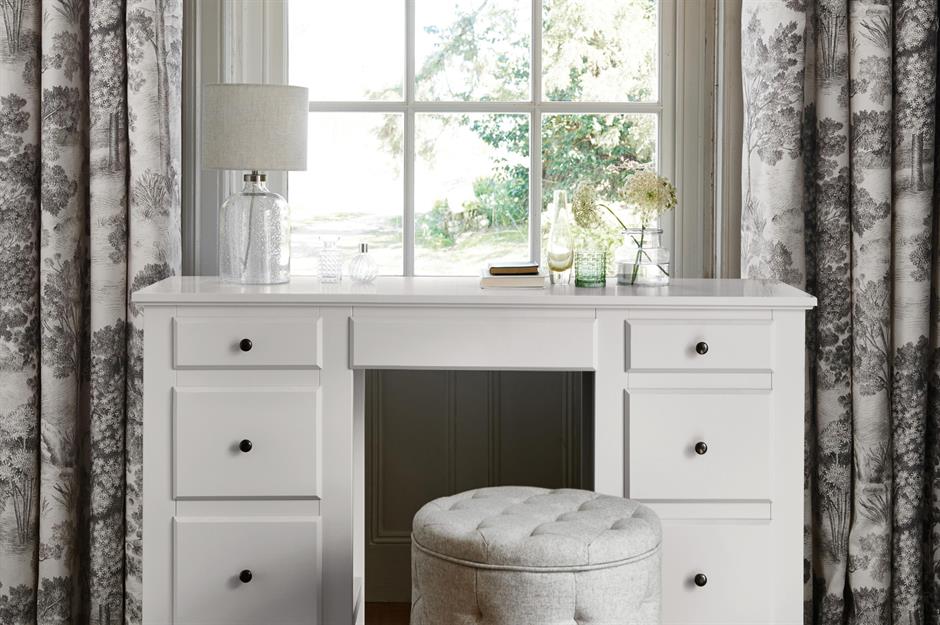
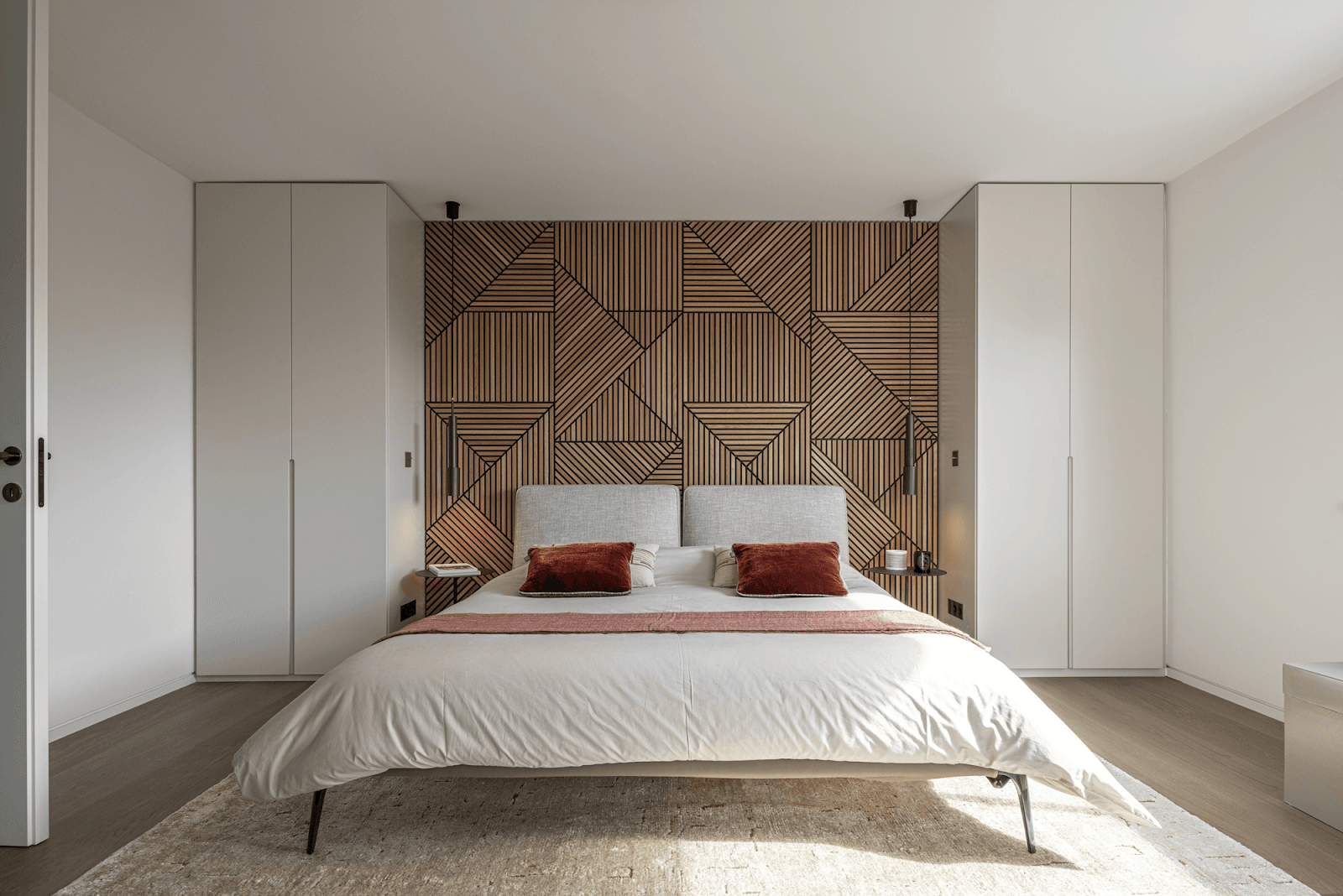
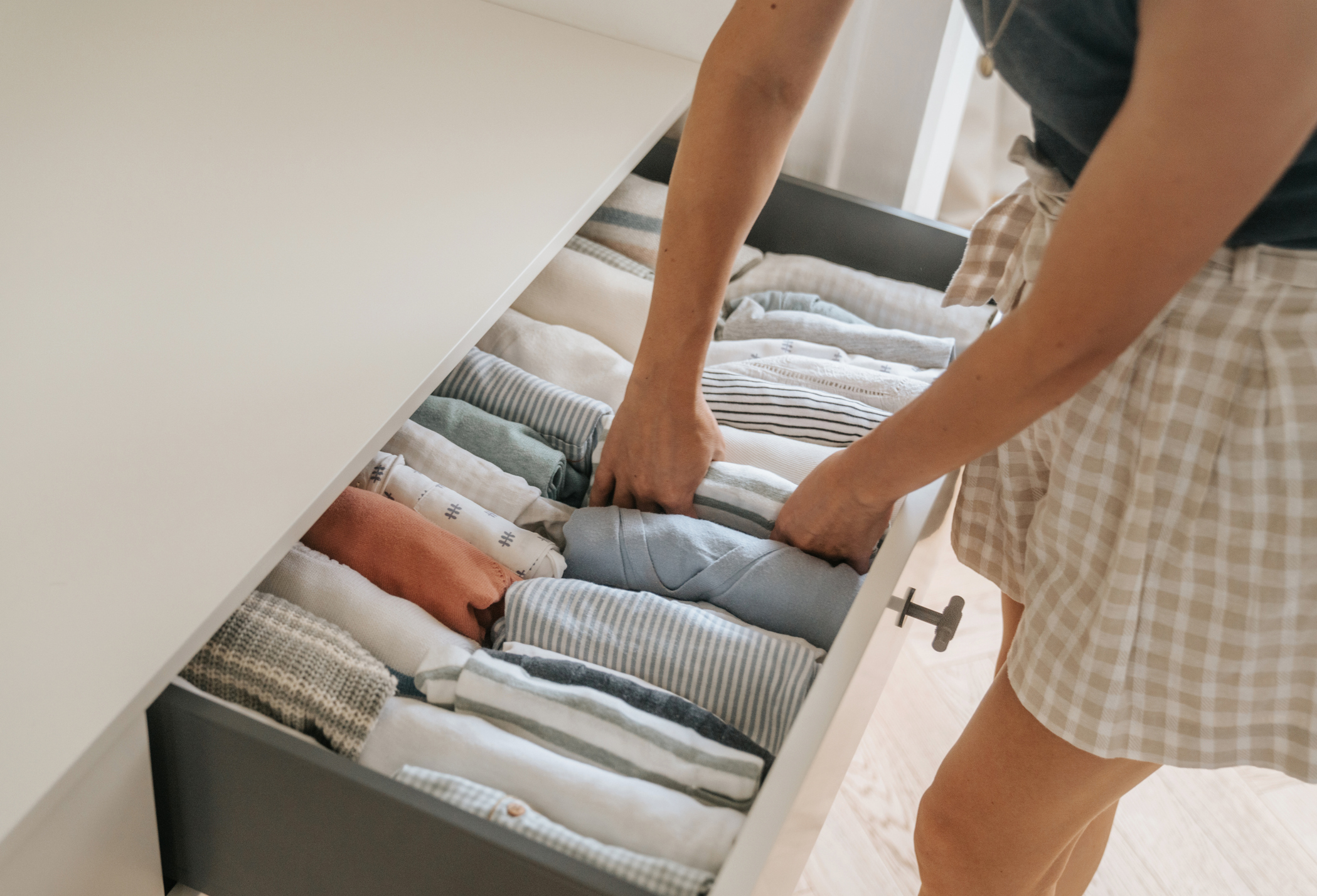
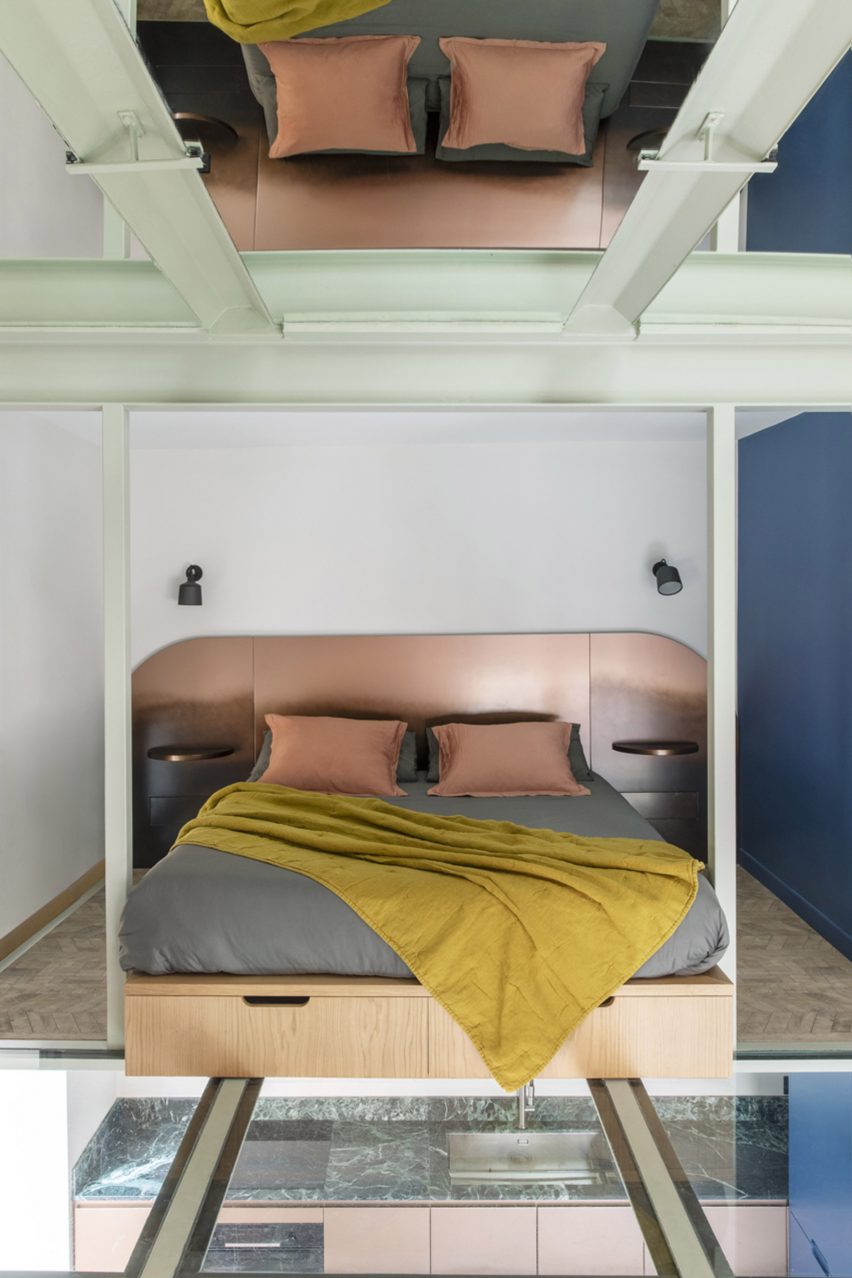
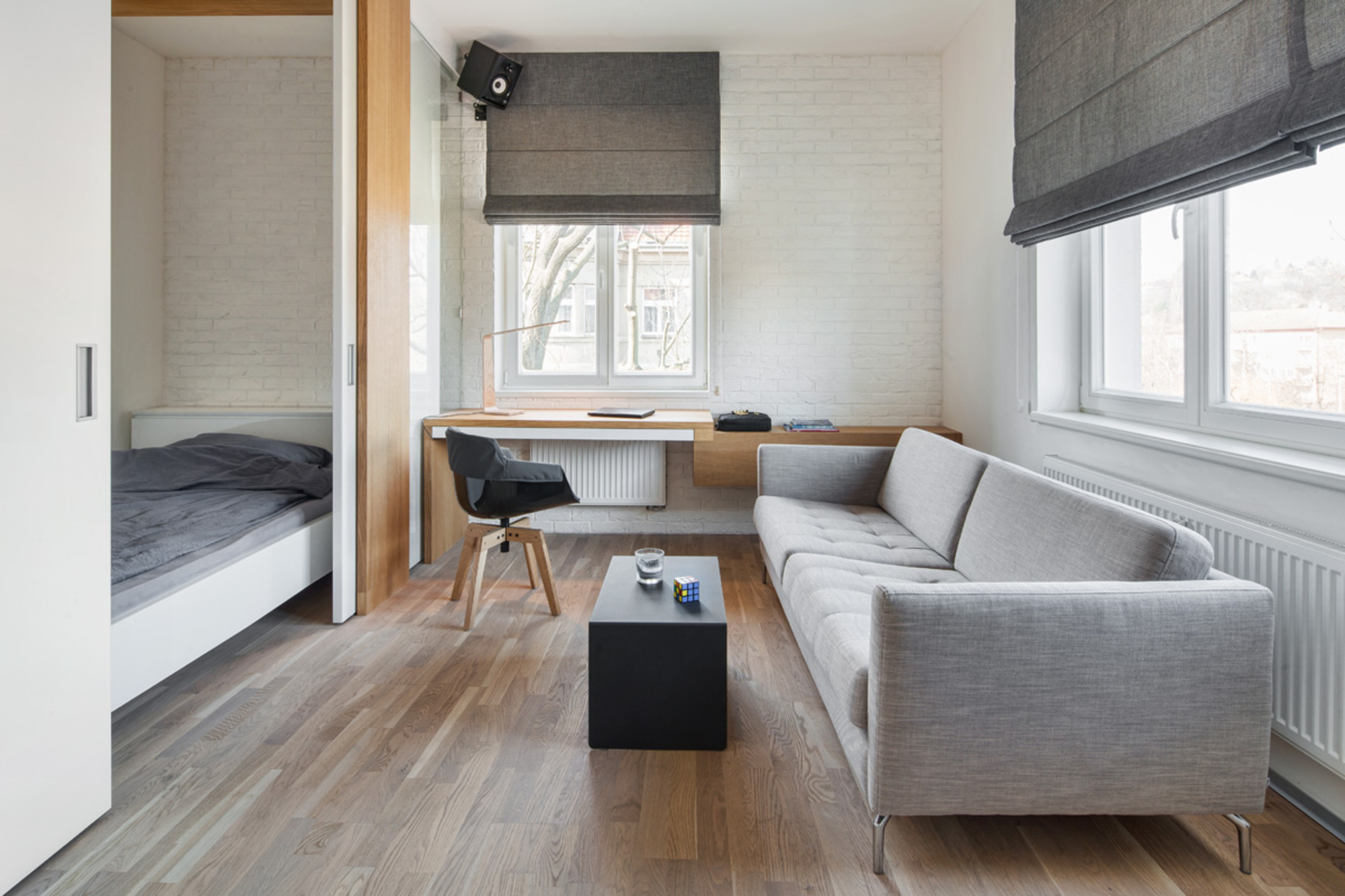
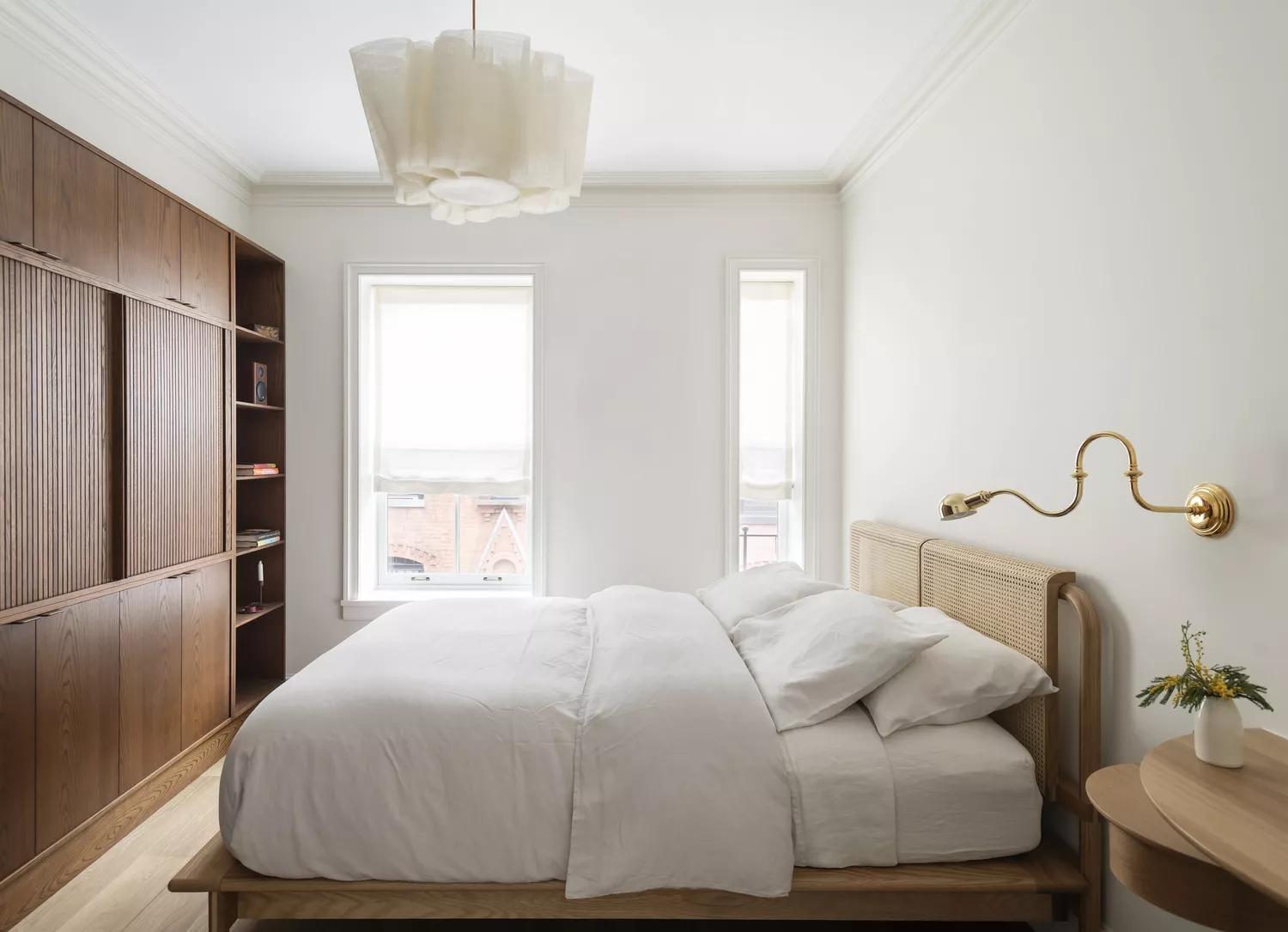
The first key principle is 'less is more,' which emphasizes reducing clutter to create a more serene and organized environment. Lauren Lerner, CEO and founder of Living with Lolo, suggests focusing on essential elements in lesser quantities. This approach makes styling easier in cozier spaces. Complementing this, the article advises hiding essentials through smart storage solutions. Artem Kropovinsky, interior designer and founder of Arsight, recommends inbuilt storage for items like linens and towels, and selecting clean-line furniture that aligns with minimalist aesthetics. This strategy effectively camouflages clutter, contributing to a tidy appearance.
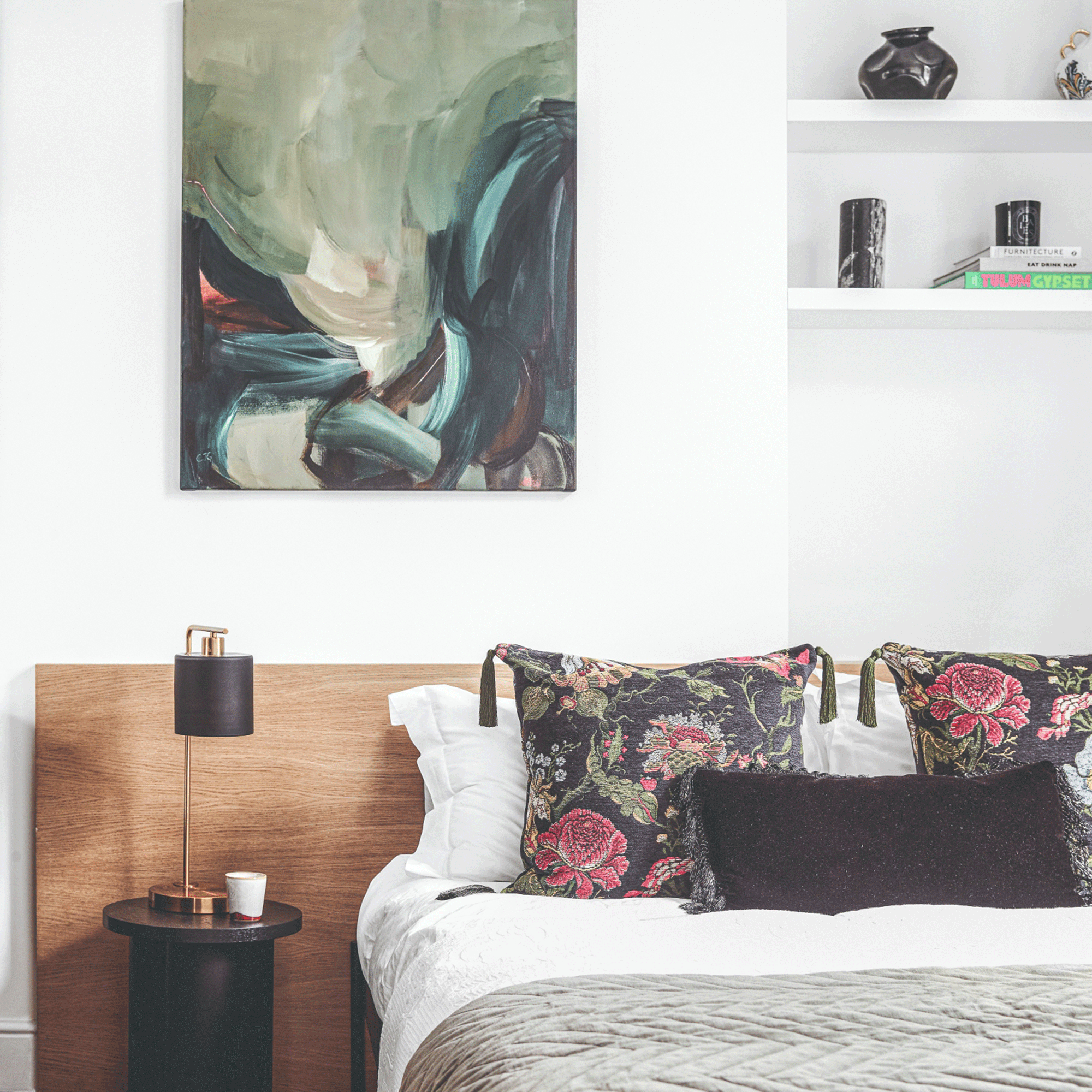
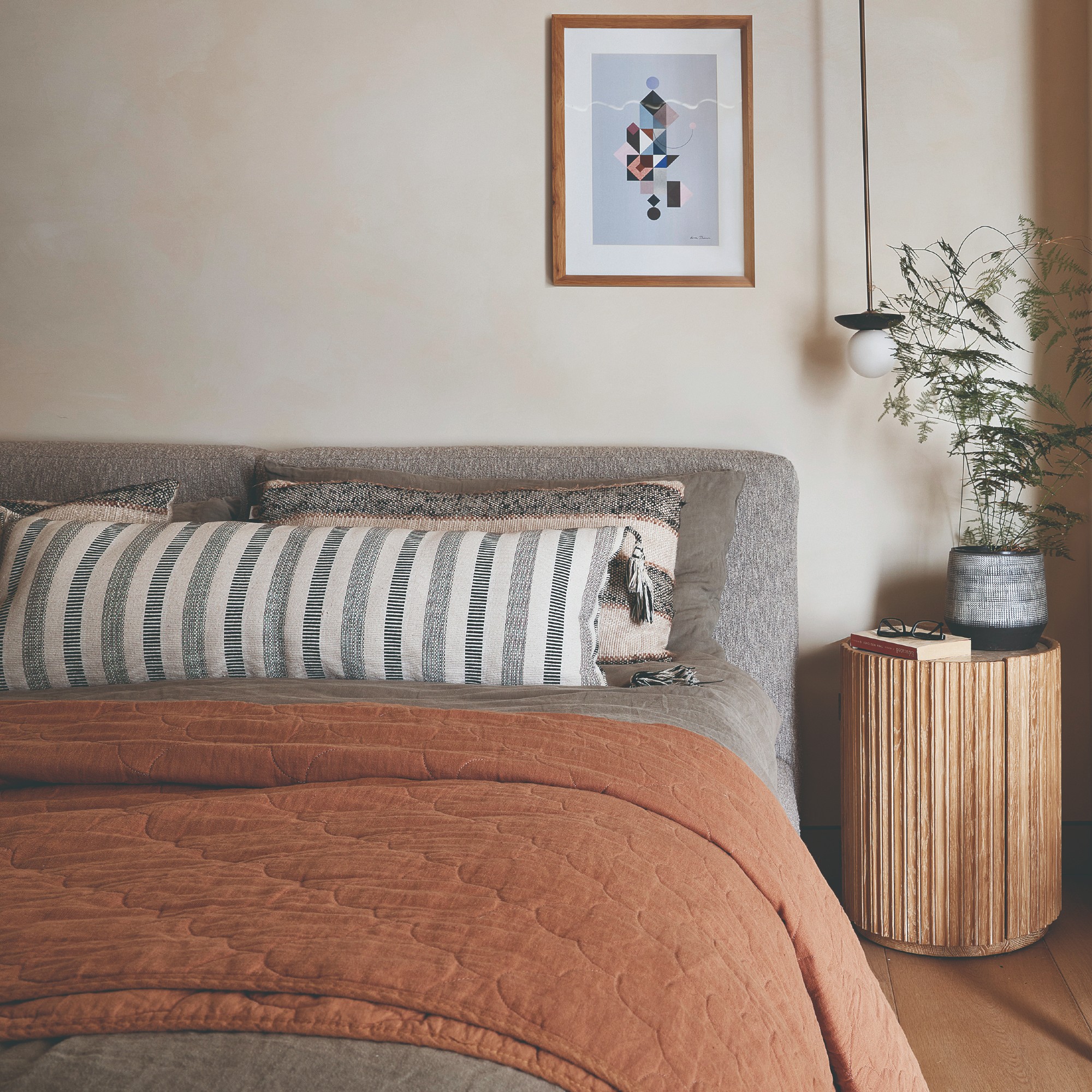
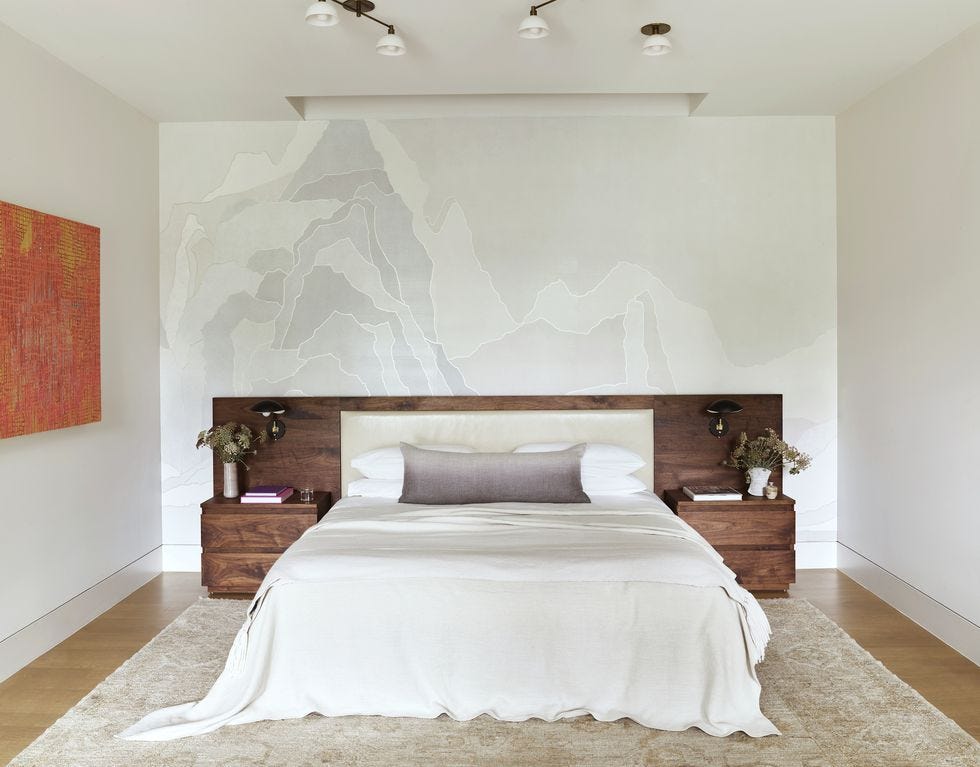
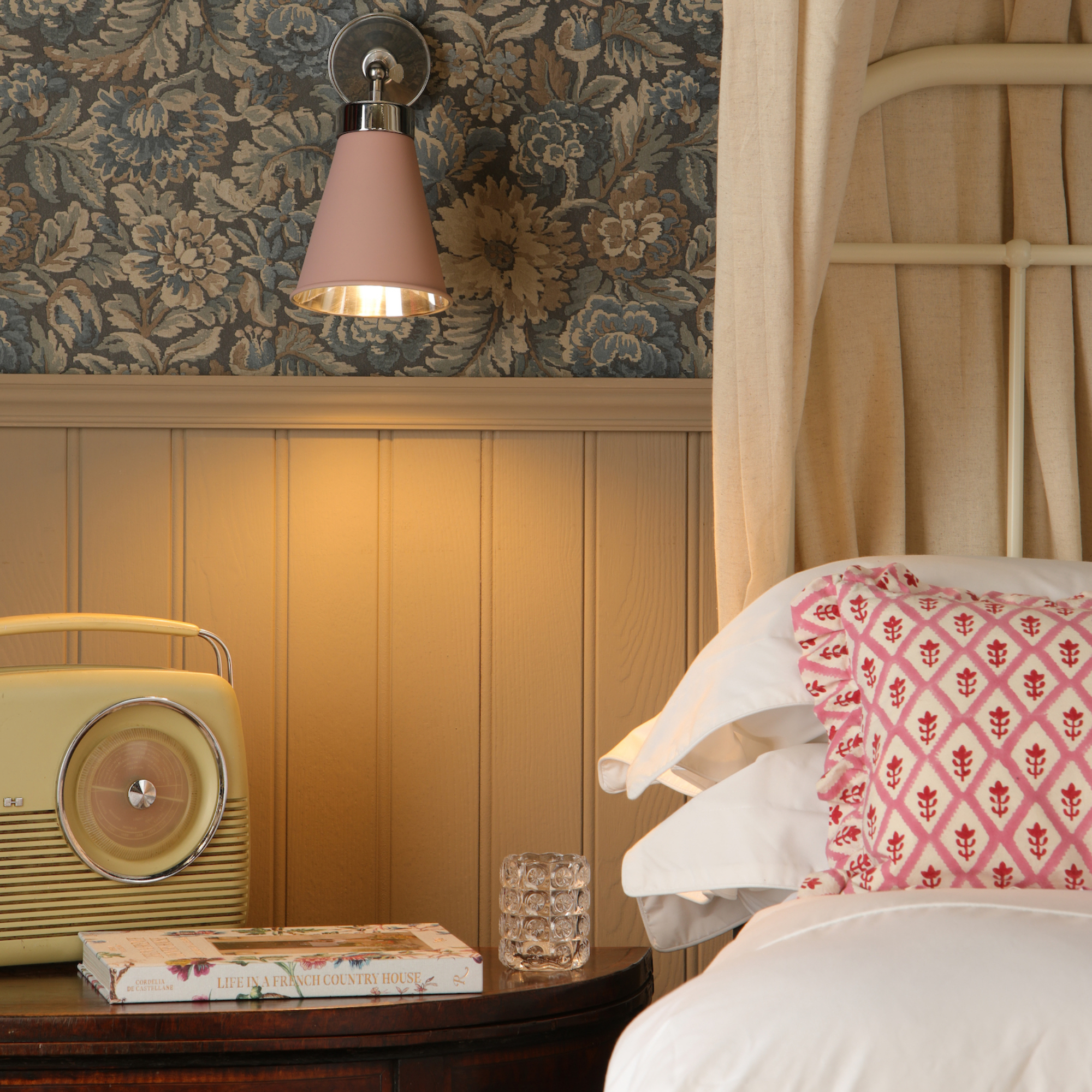
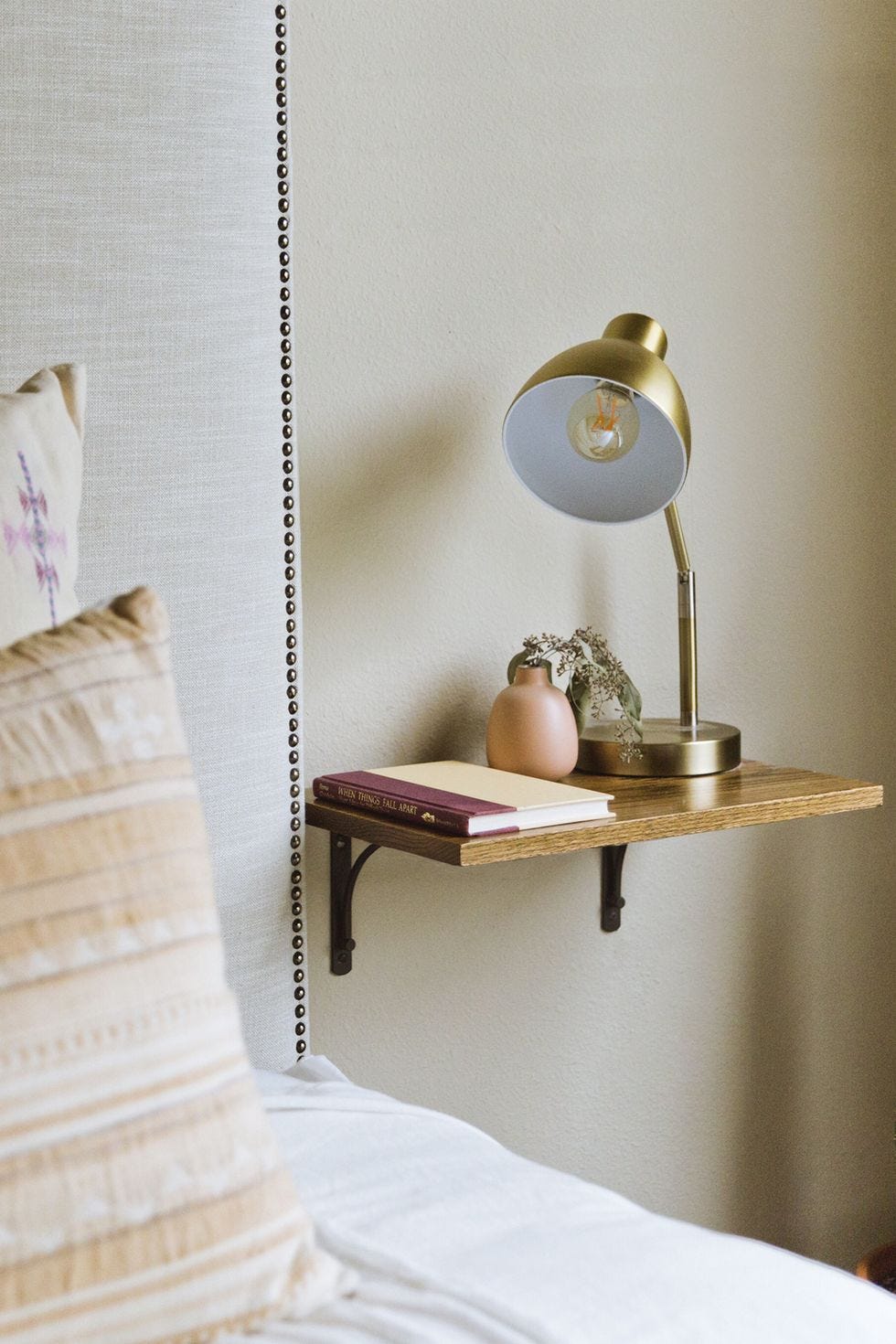
Prioritizing clean lines and simplicity is another crucial aspect. By eliminating unnecessary decorative items, attention can be drawn to finer details without overwhelming the room. Marta Balazs, founder of Embee Interiors, highlights the importance of simple, textural elements. This might involve using wall paneling or a single nightstand instead of two to maximize space, as demonstrated by the example of a cozy Scandinavian bedroom. The article also advocates for multi-functional furniture, noting that in small spaces, every piece should serve a dual purpose. Examples include ottomans with storage and nightstands with drawers, ensuring that furniture contributes to both utility and calmness.
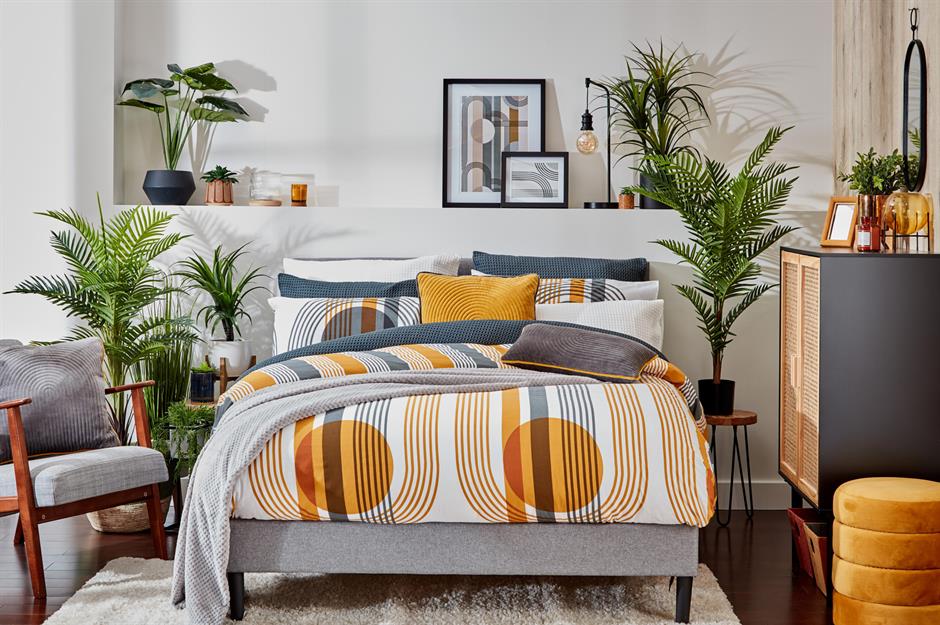
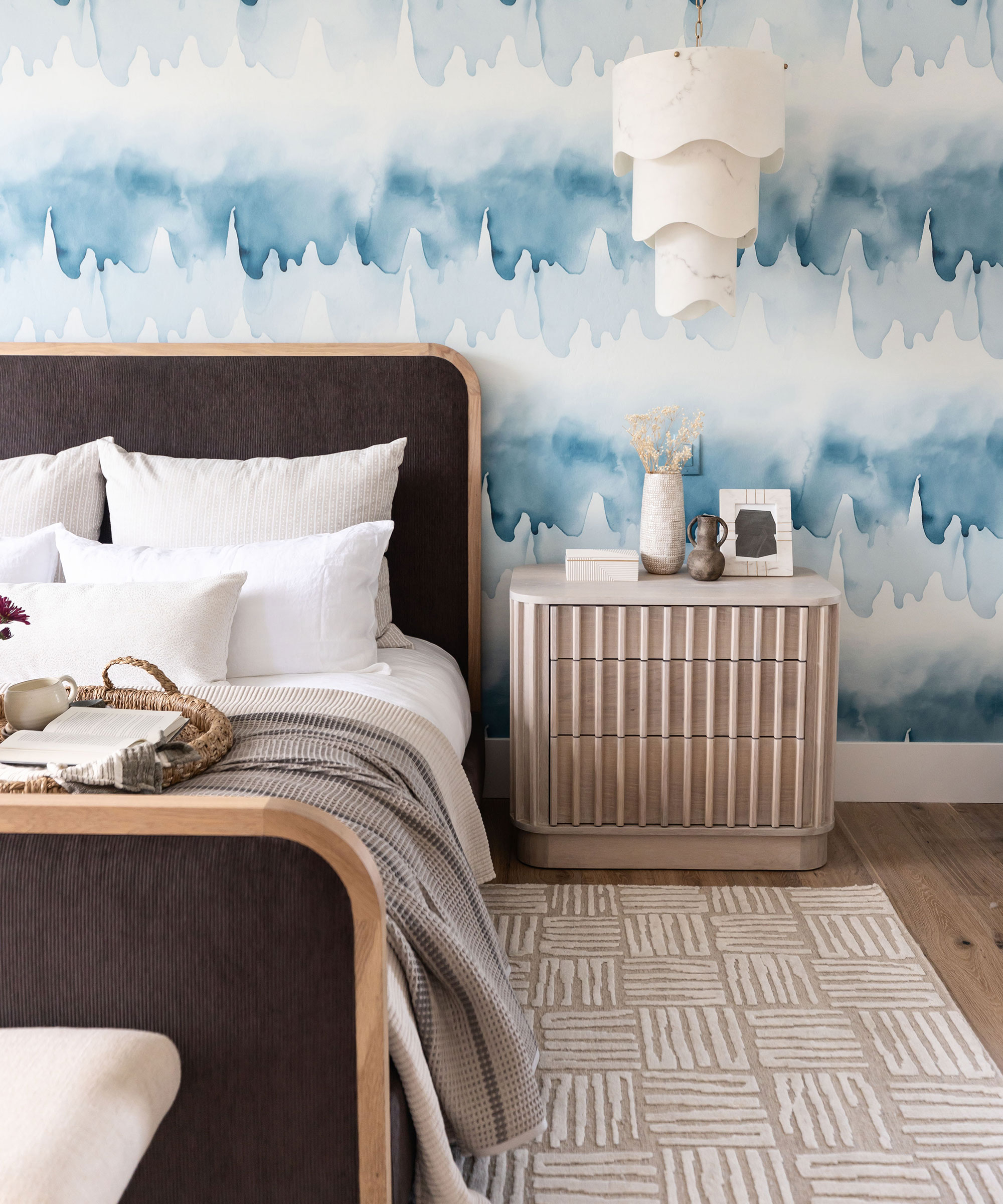
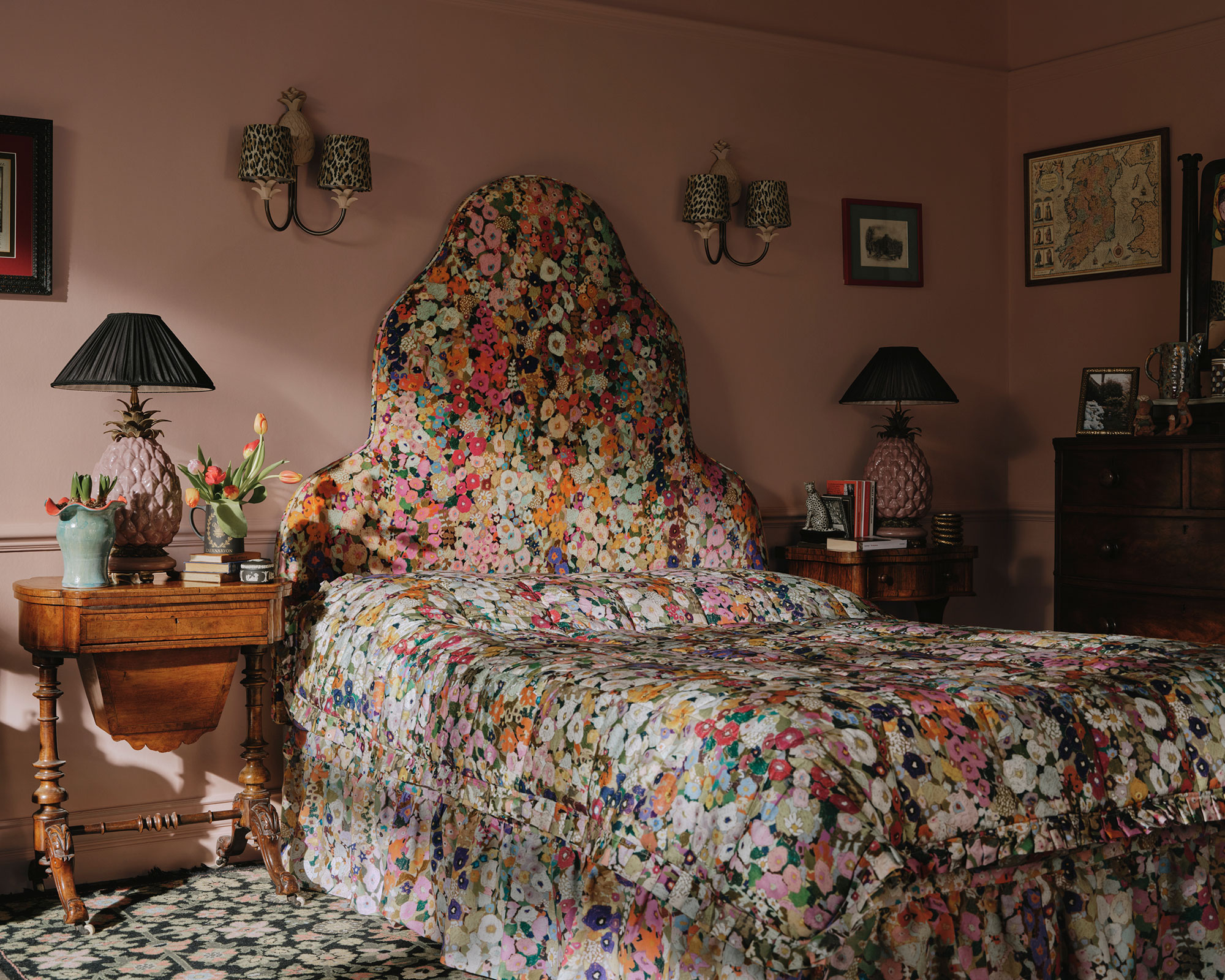
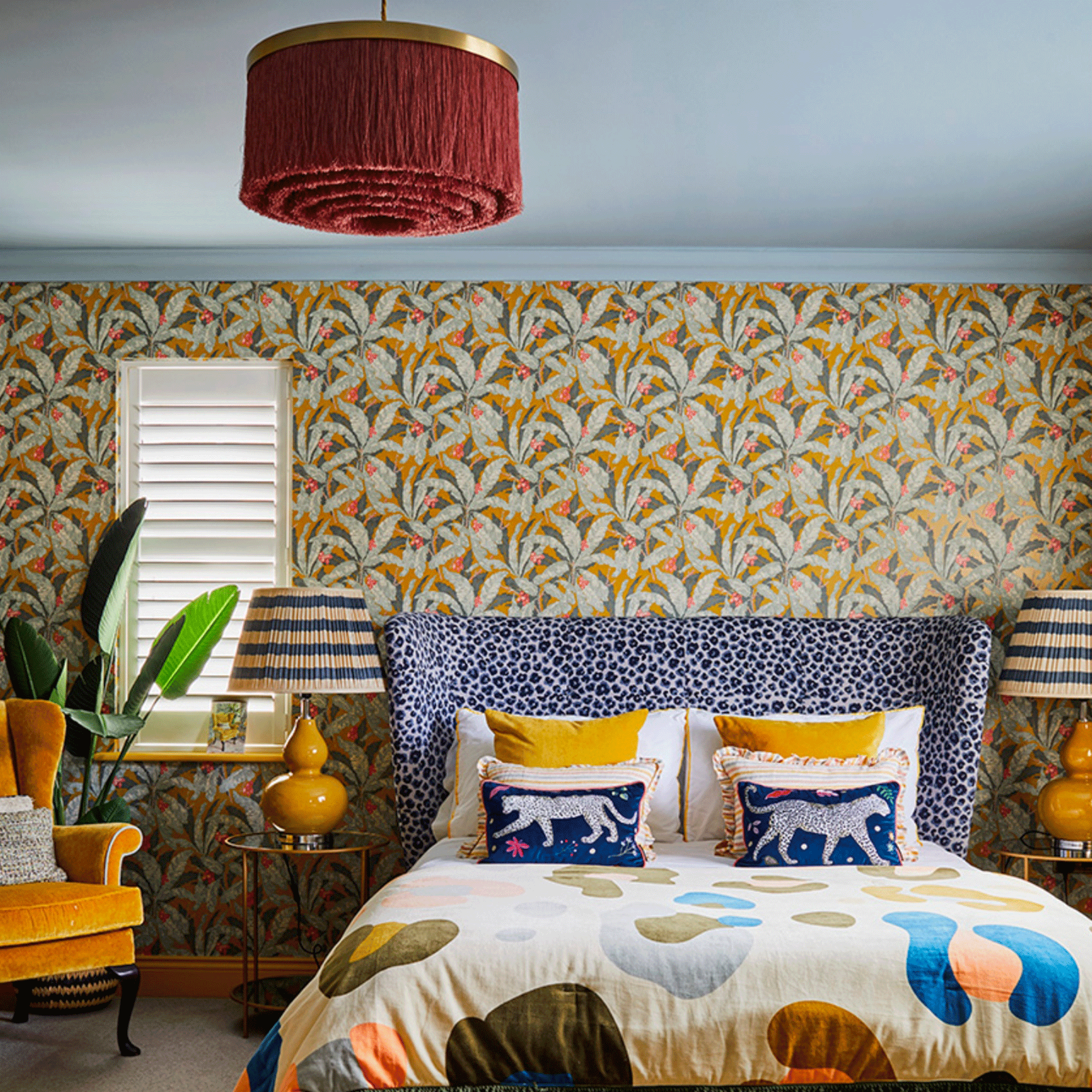
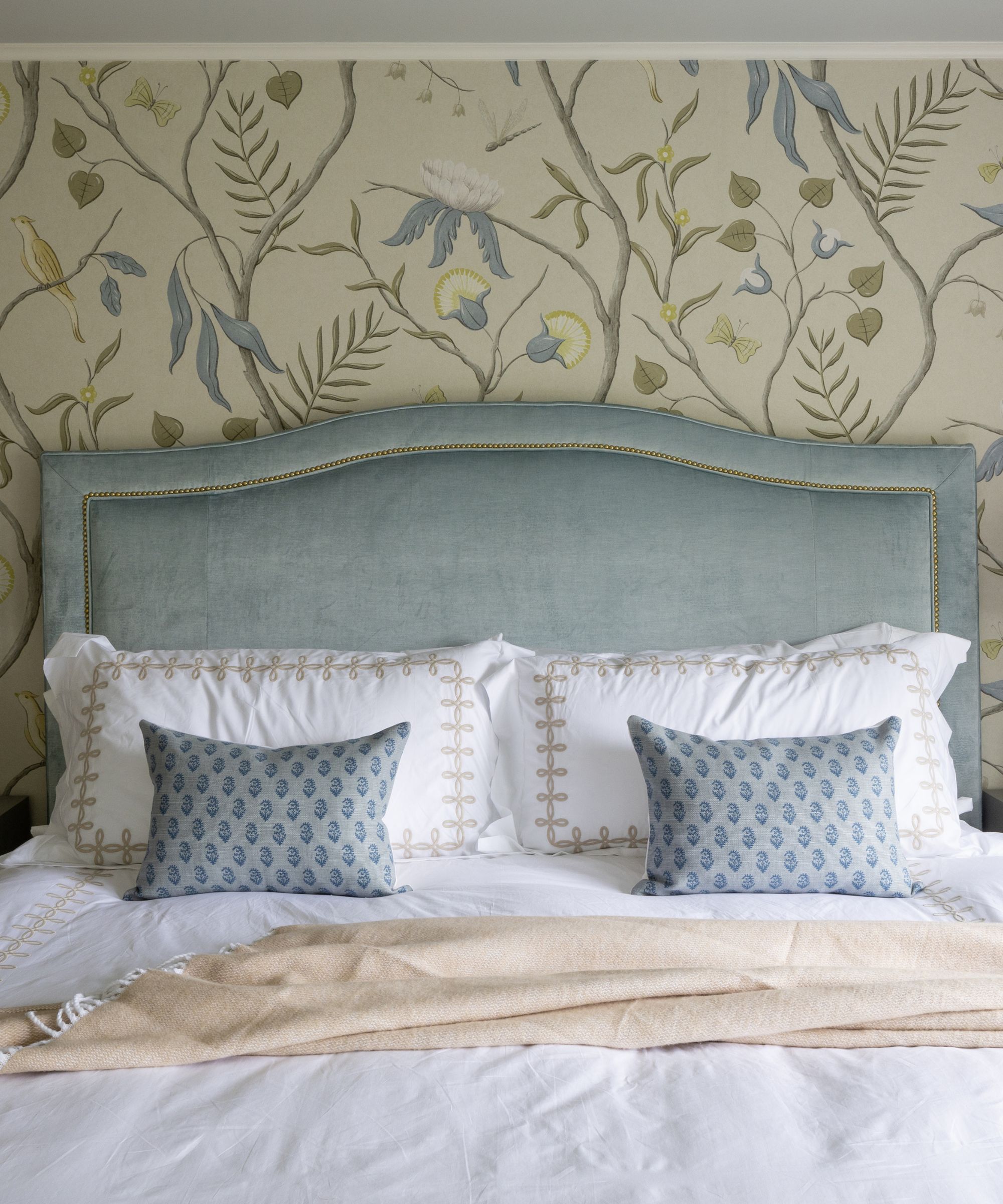
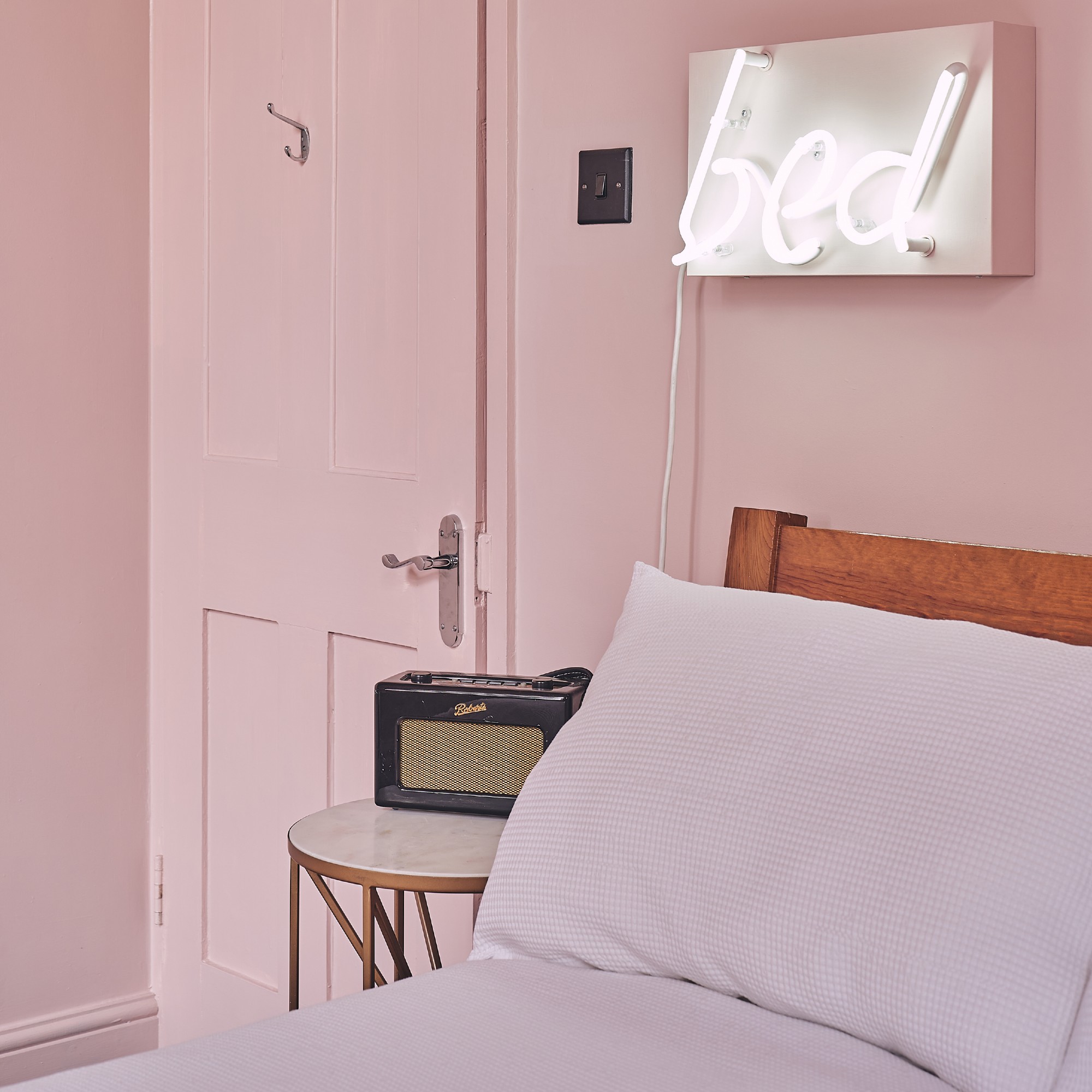
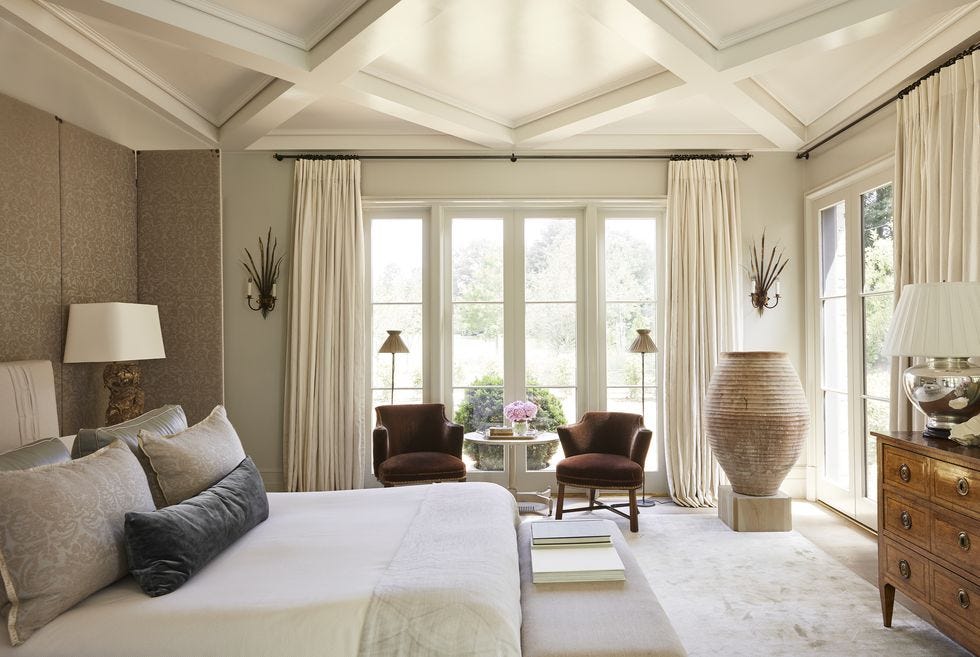
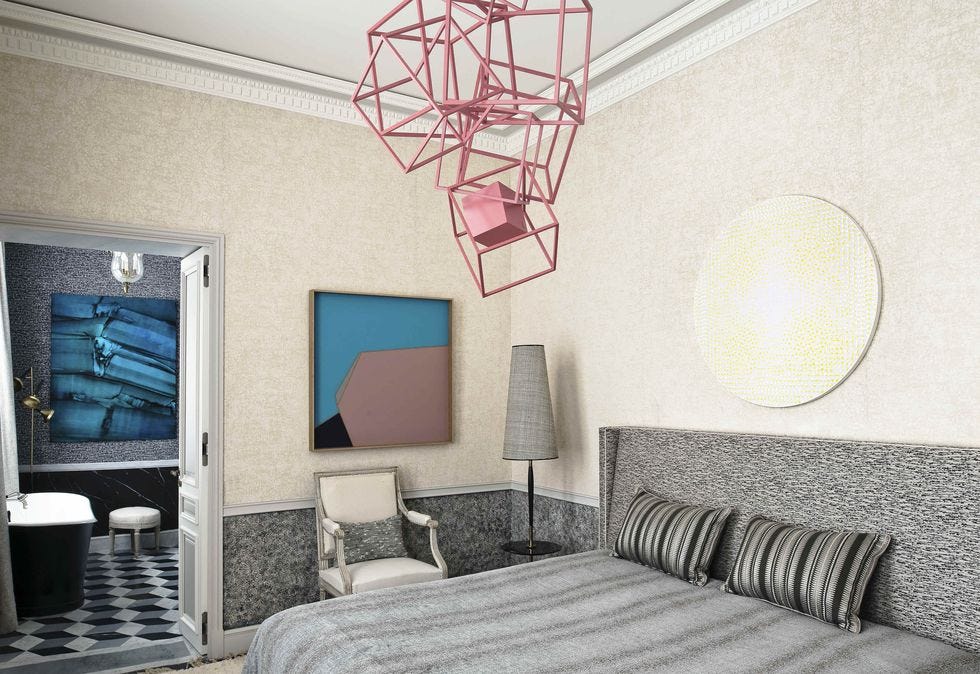
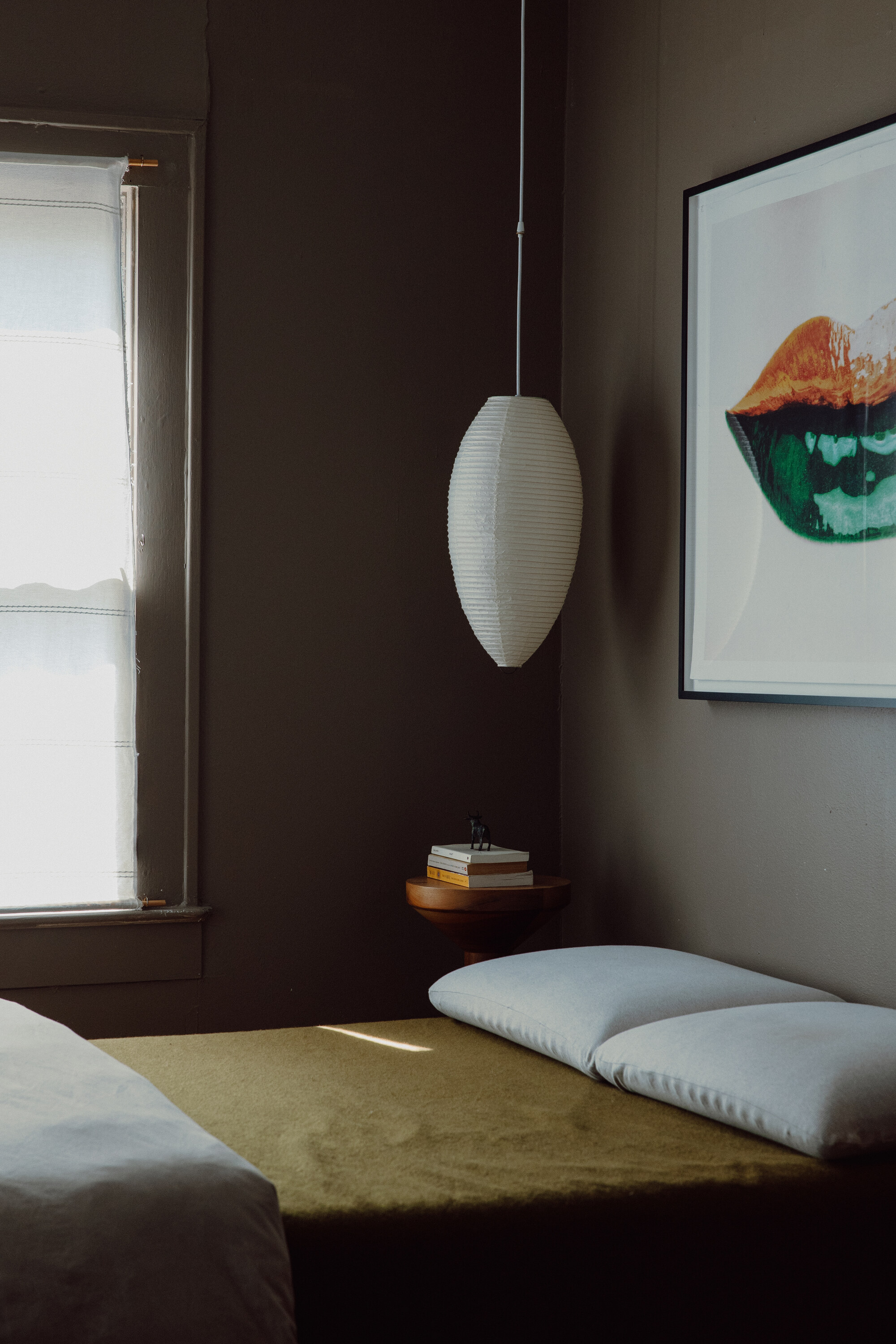
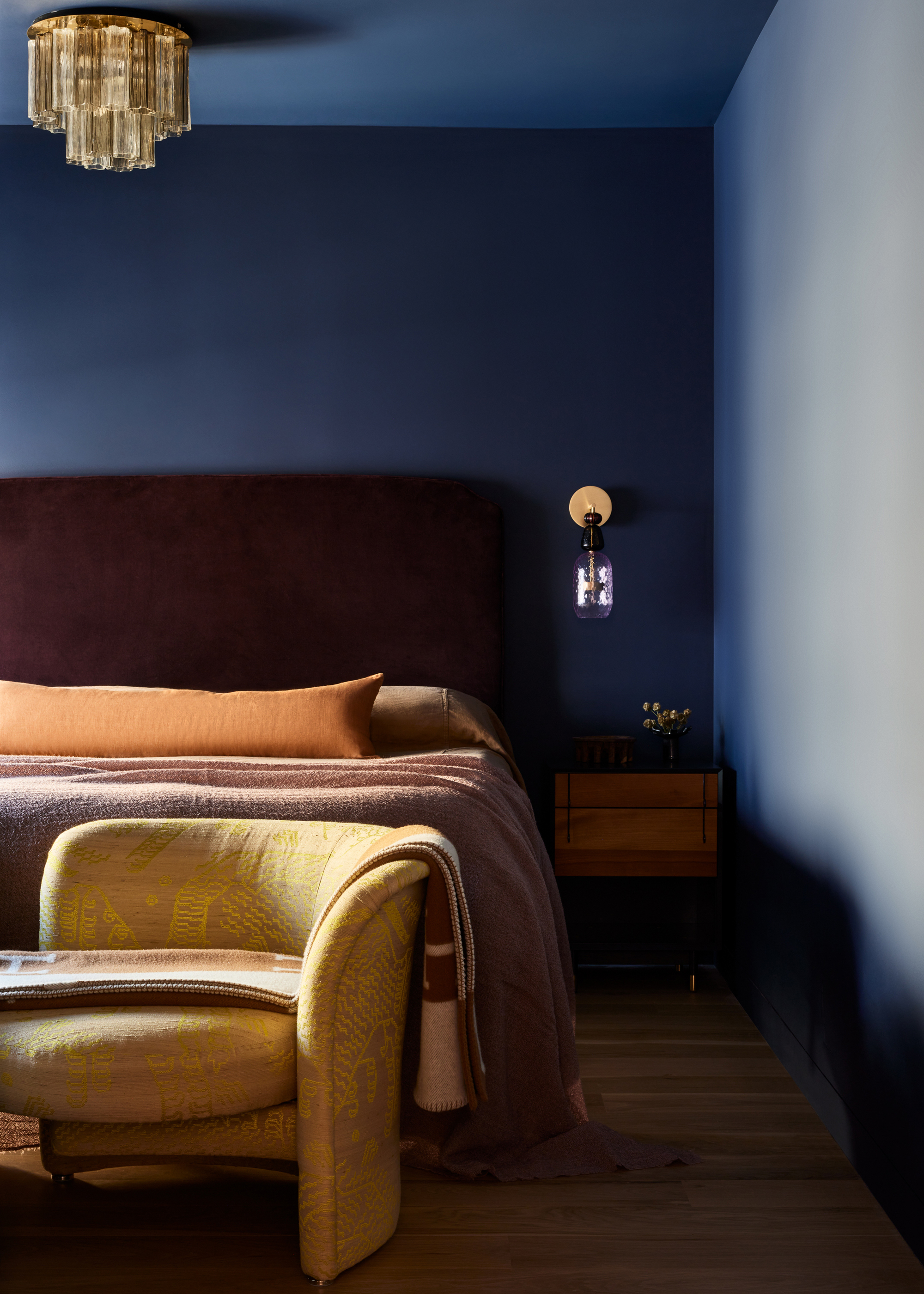
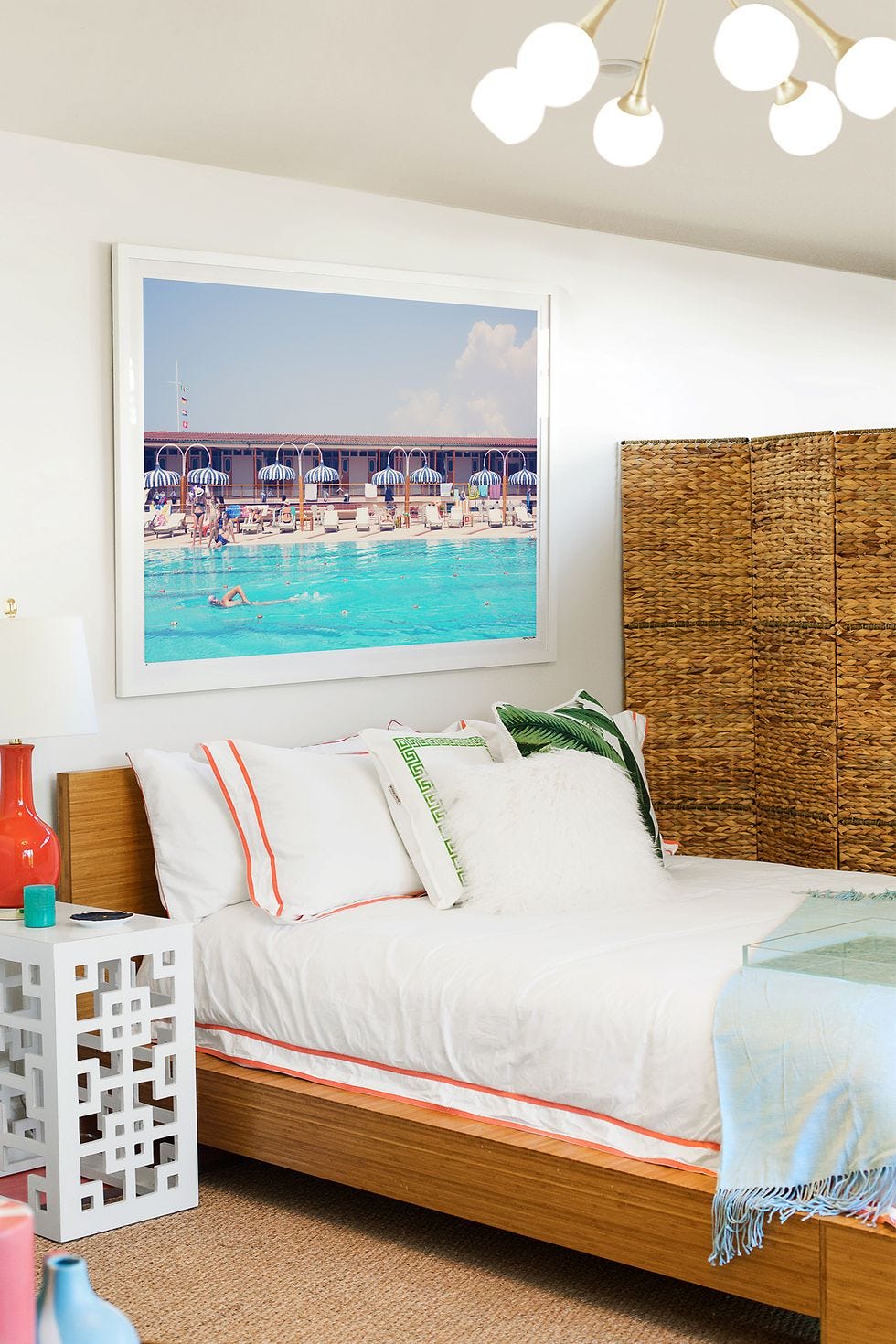
Being selective with design details is essential. While traditional minimalist schemes often avoid patterns, the article suggests incorporating small doses of pattern or statement pieces, such as oversized wall art or unique lighting fixtures, to add interest. Instead of patterned textiles, rich, textured fabrics can introduce depth and warmth. The use of reflective elements, like mirrors, is recommended to bounce light around the room, making it appear larger and more cohesive. This technique also brightens the space, creating a more energetic feel.
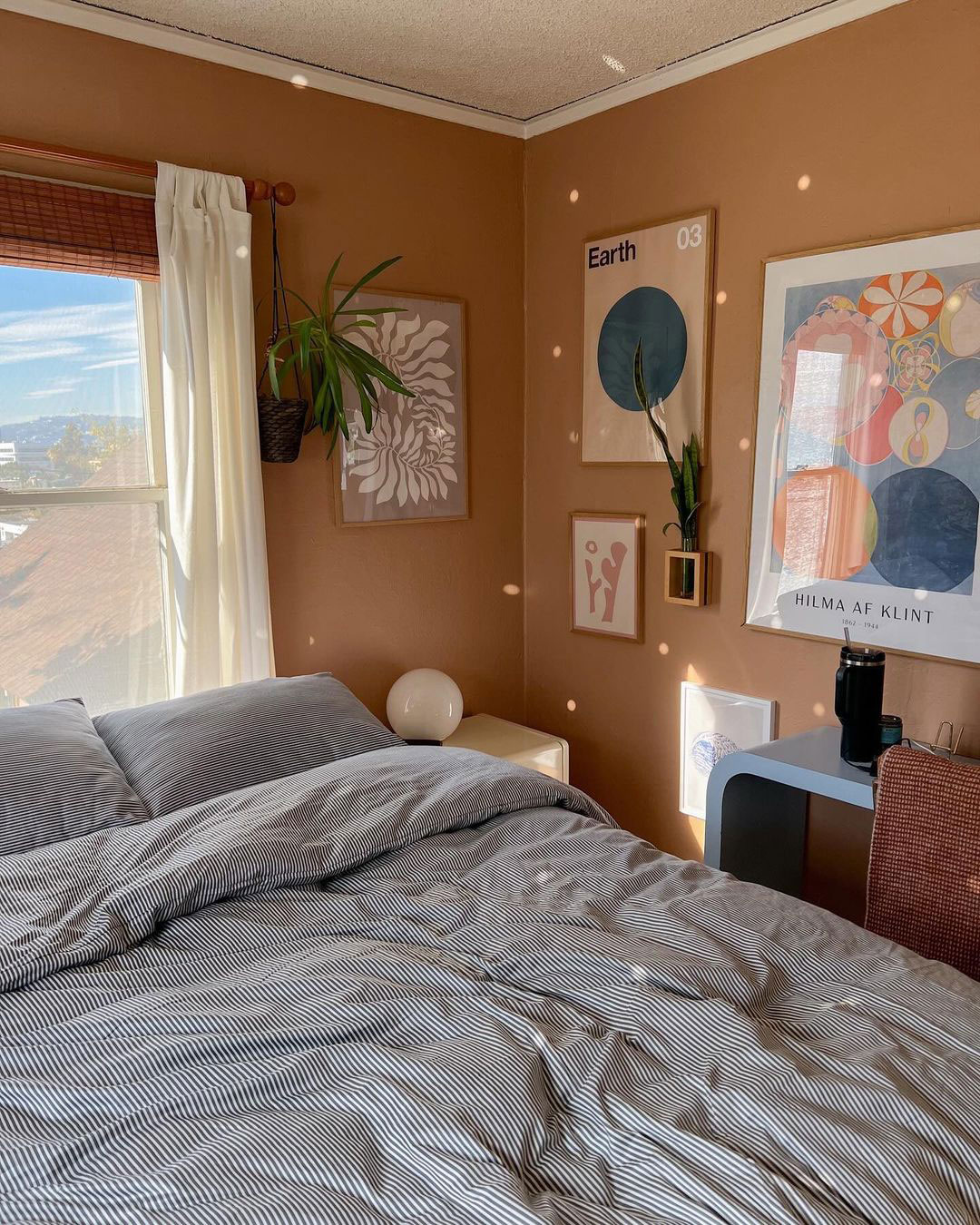
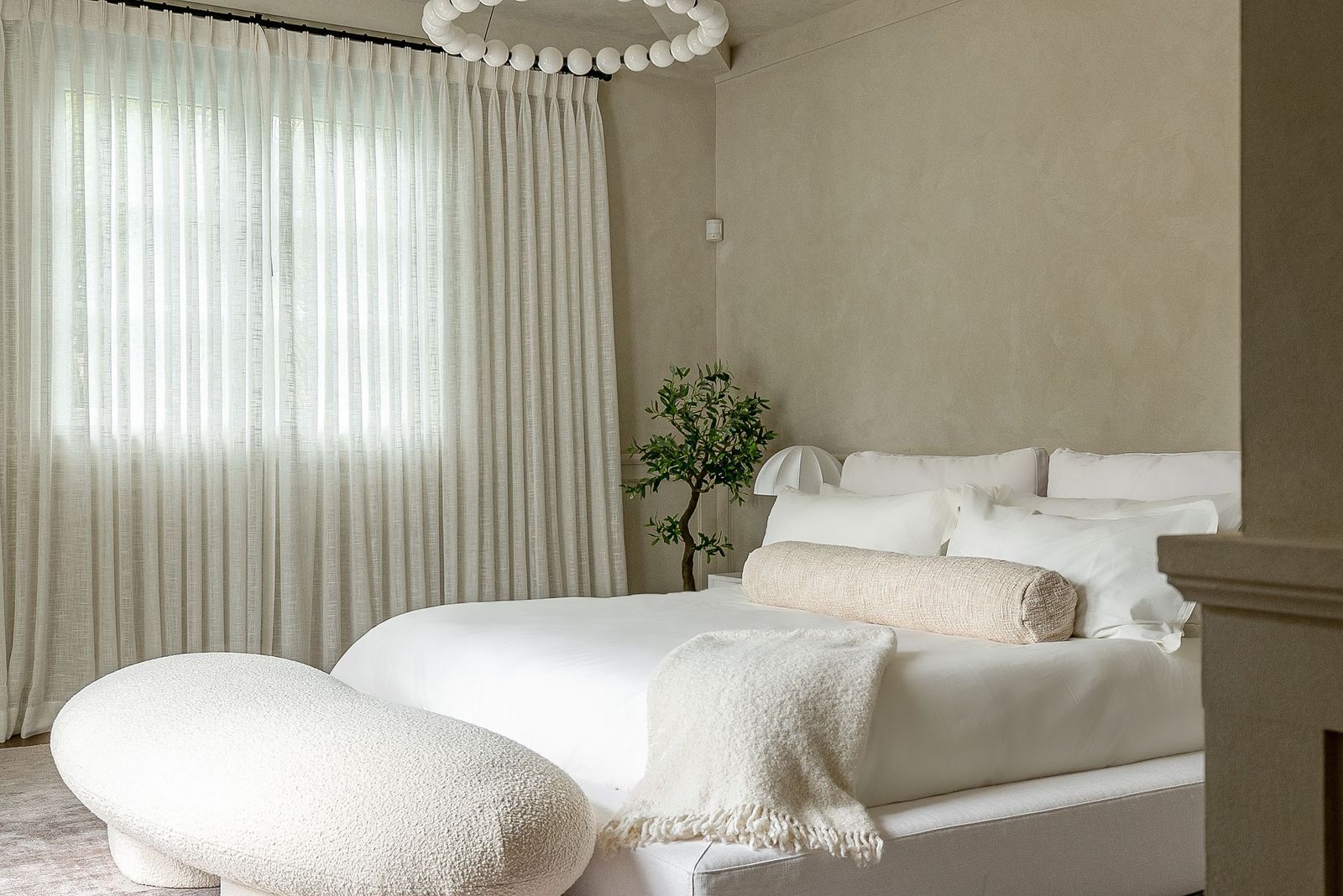
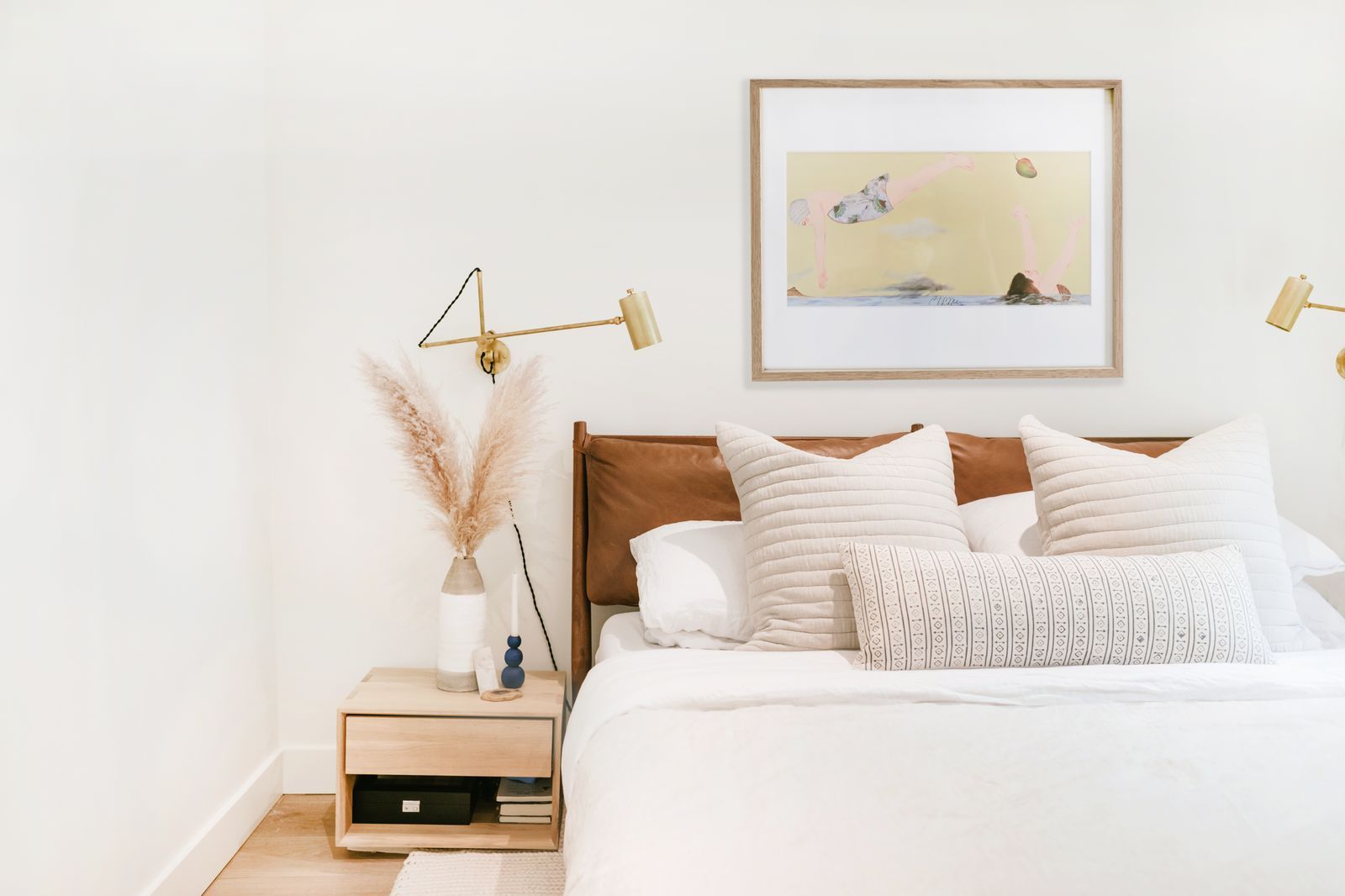
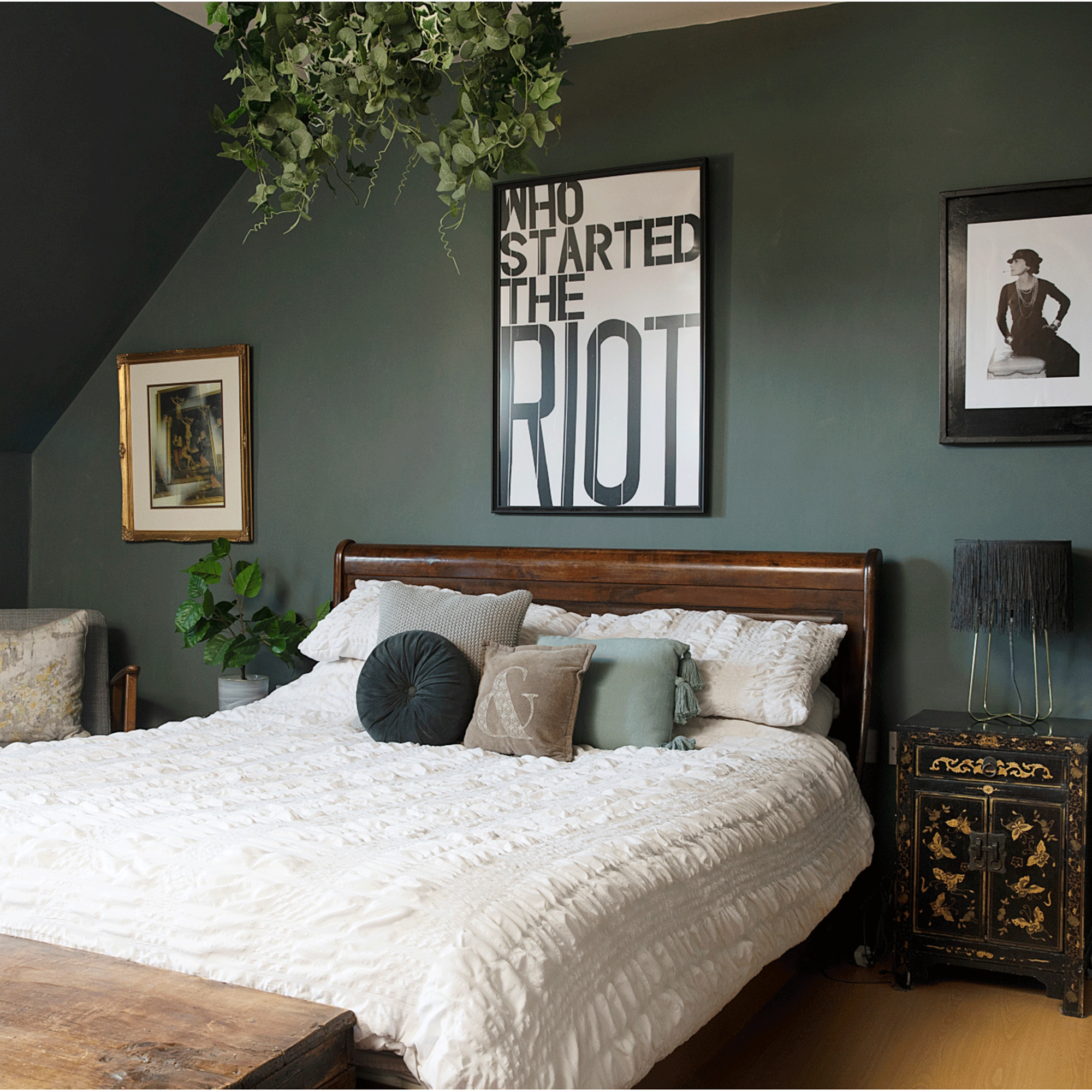
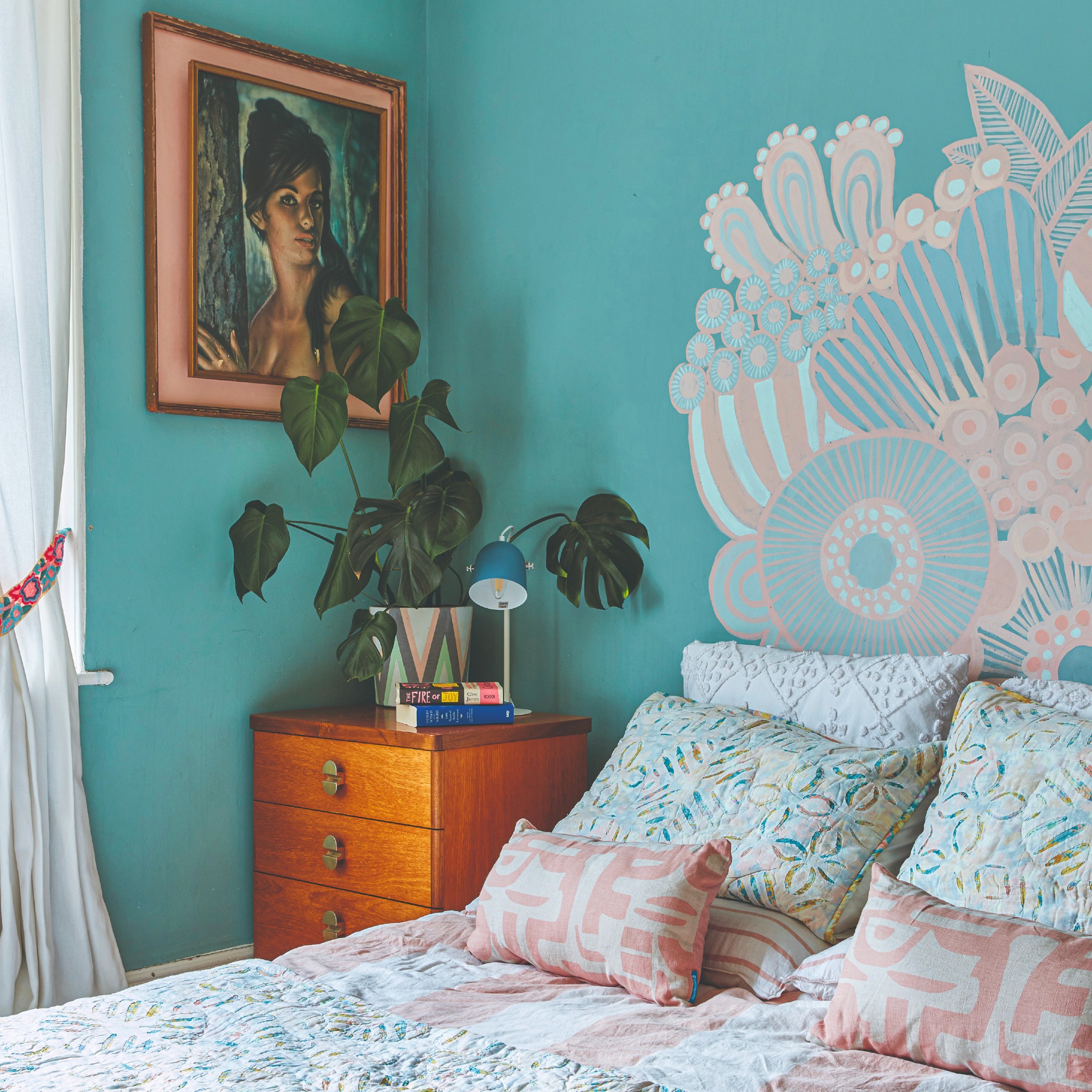
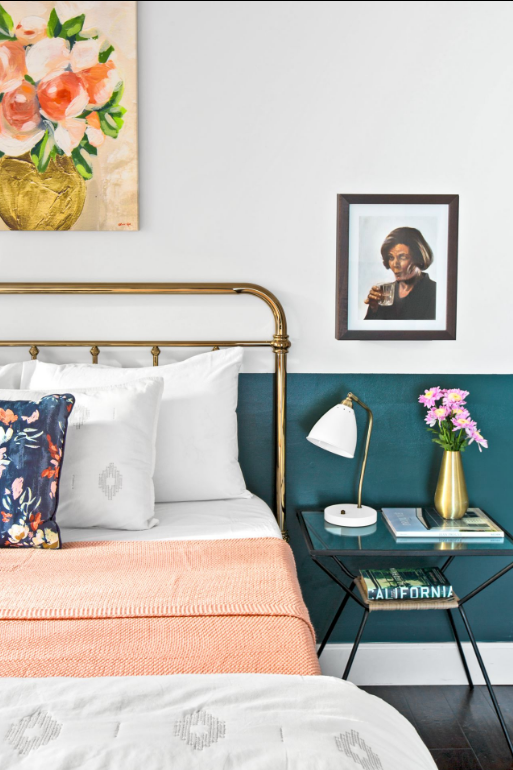
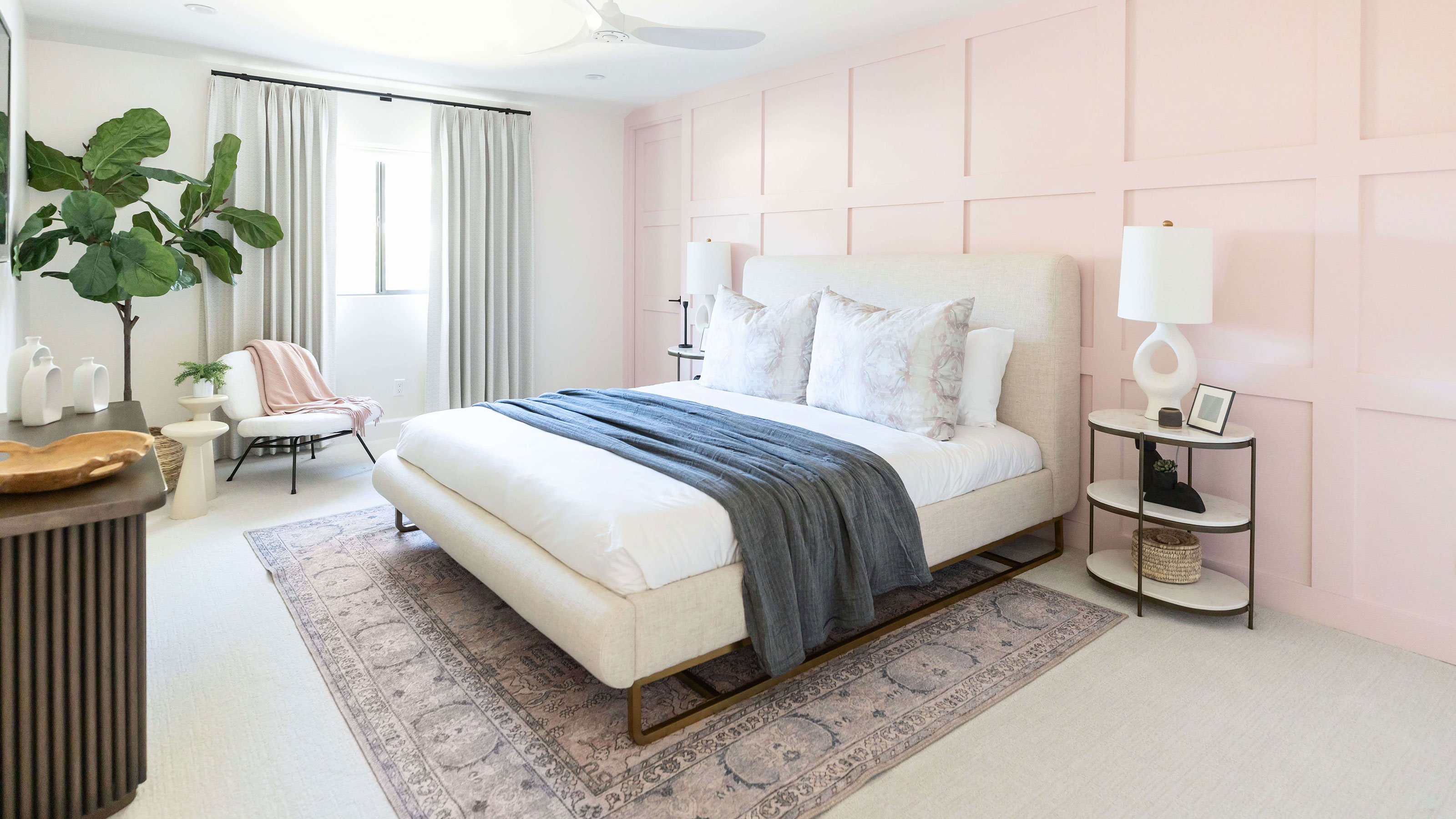
Incorporating texture and natural elements is vital for making a minimalist bedroom feel welcoming. Jess Harris, creator of @sundayharris, stresses that a pared-back look doesn't have to be scarce if layers and textures are introduced. This includes using neutral colors, natural fibers like wood, stone, wool, linen, and cotton, and ensuring every item holds significance. Furthermore, the article encourages the strategic use of color. While muted palettes and neutrals are generally preferred for a calm ambiance, pops of color can be introduced through pillows, drapery, throws, or rugs. The goal is to add vibrancy without overwhelming the space, maintaining uniformity in color choice and using small accents.
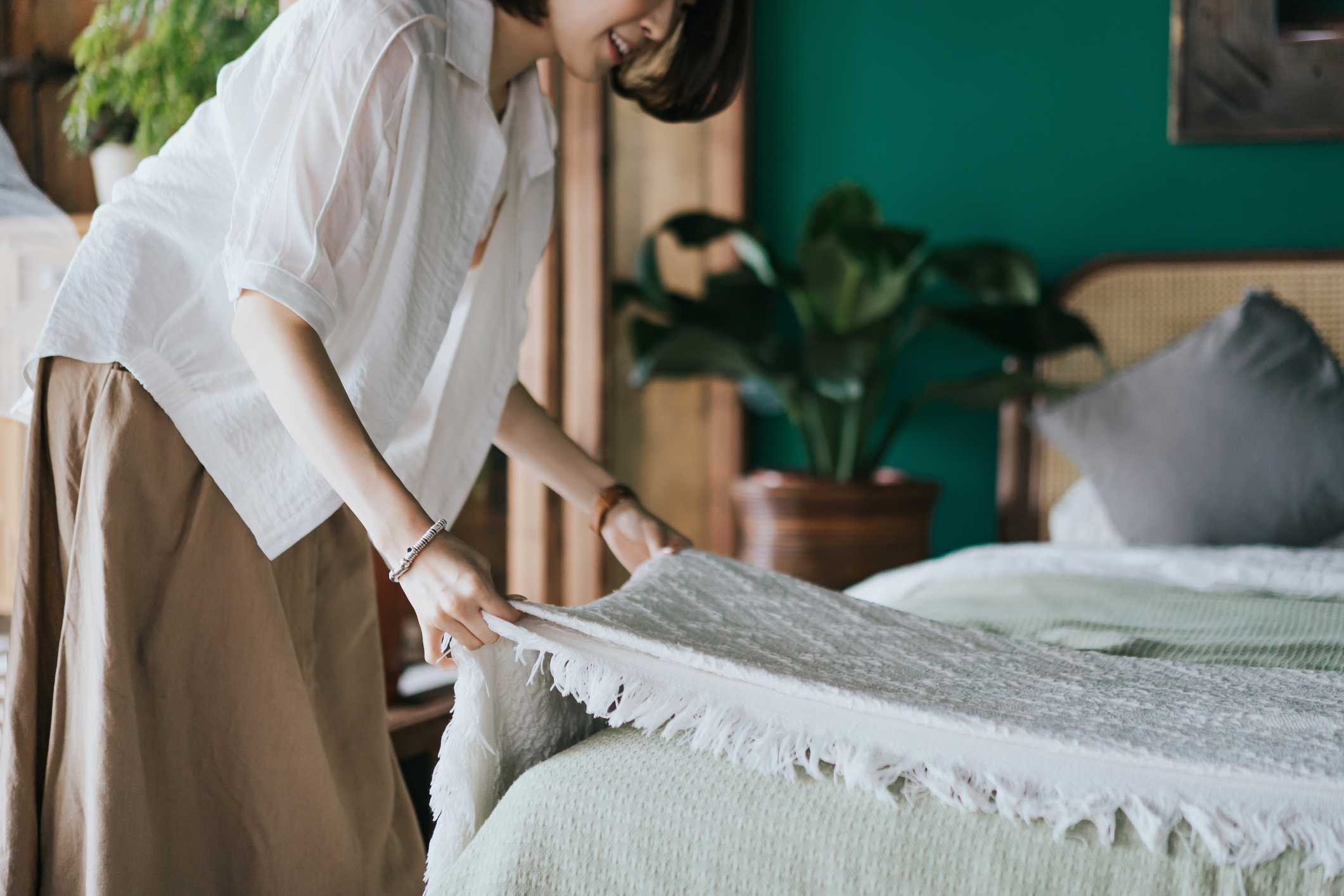
Finally, the article touches on the Wabi-Sabi philosophy, embracing slight imperfections and encouraging personalization through DIY projects. Suggesting ideas like building a headboard or DIY bedside tables, it highlights that a minimal bedroom should be a space that is truly loved. The article concludes by emphasizing the importance of a deep clean before decorating to foster a calm and relaxed environment, reinforcing that a small, minimalist bedroom can be both gorgeous and inviting when function and visual balance are prioritized. #MinimalistBedroom #SmallSpaceDesign #InteriorDesign #HomeDecor #Decluttering #StorageSolutions #MultiFunctionalFurniture #CozyAesthetics #ColorPalette #DIYHome
0 comment in total
 No comments yet
You may also like
21 Minimalist Bedroom Ideas That Still Feel Plenty Cozy
10 small bedroom decor ideas to get the most out of your bedroom
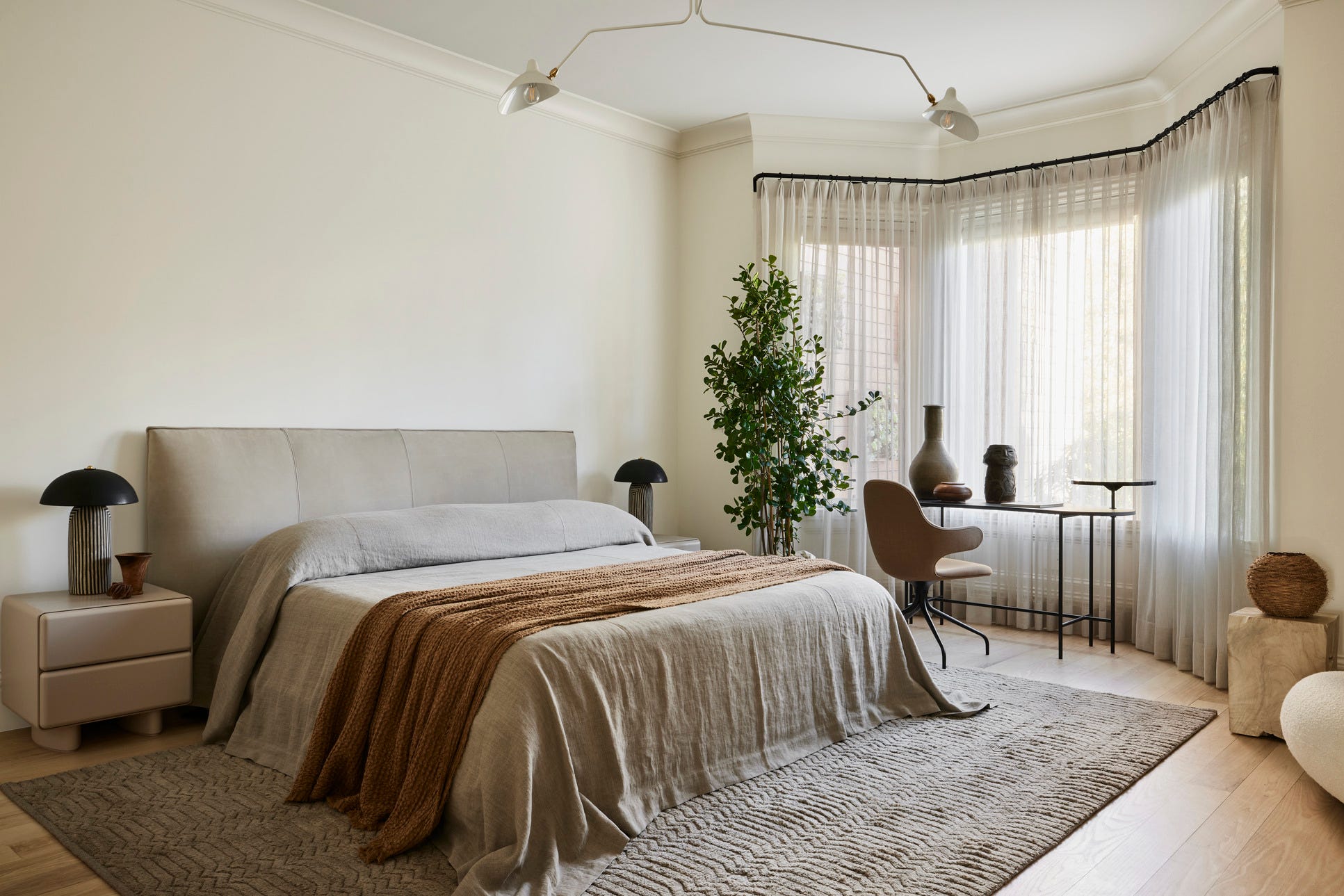
59 Designer-Approved Minimalist Bedrooms That Always Work to Calm Their Clients

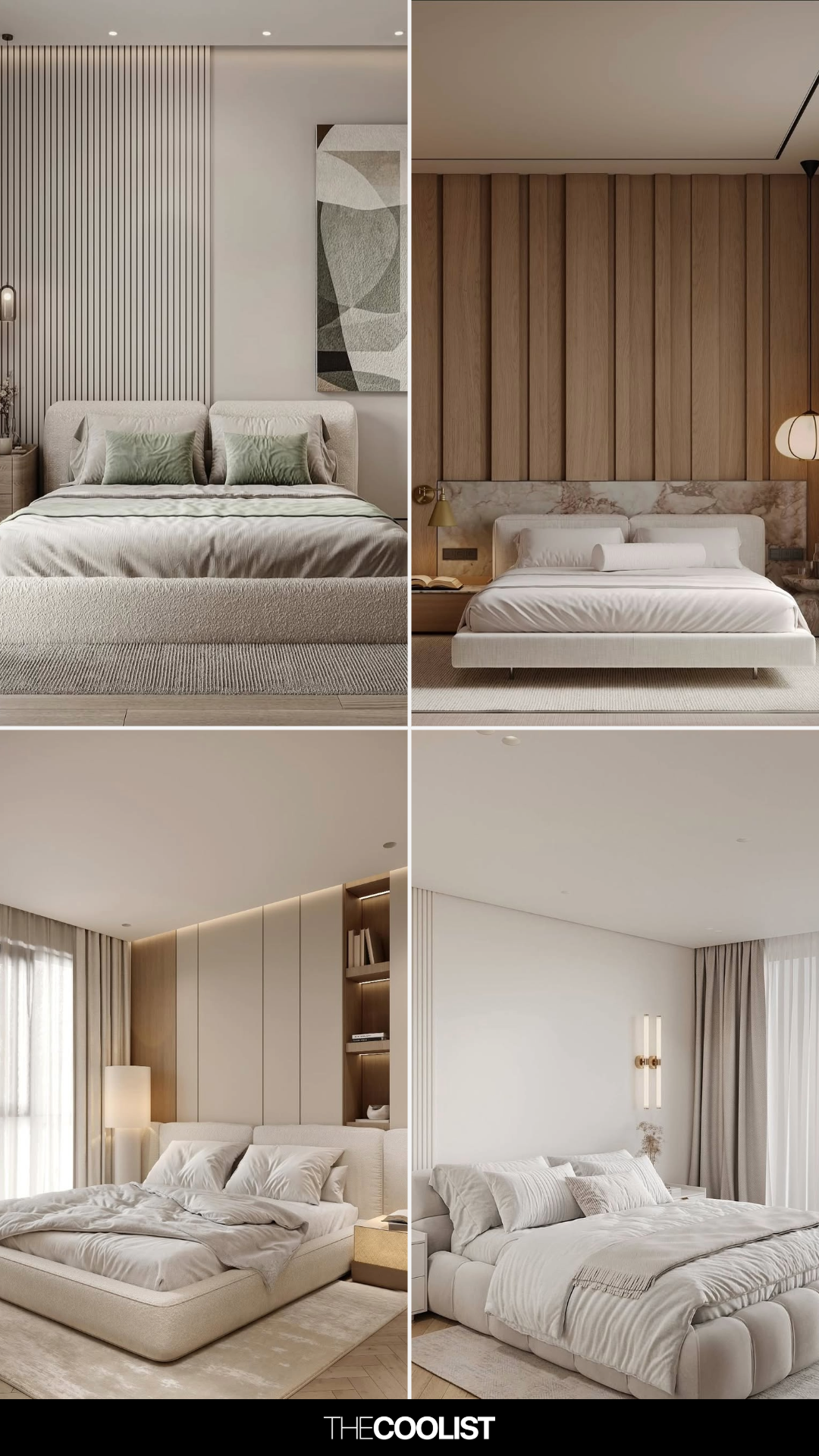
23 Minimalist Bedroom Ideas That Create a Calm and Clutter-Free Sanctuary
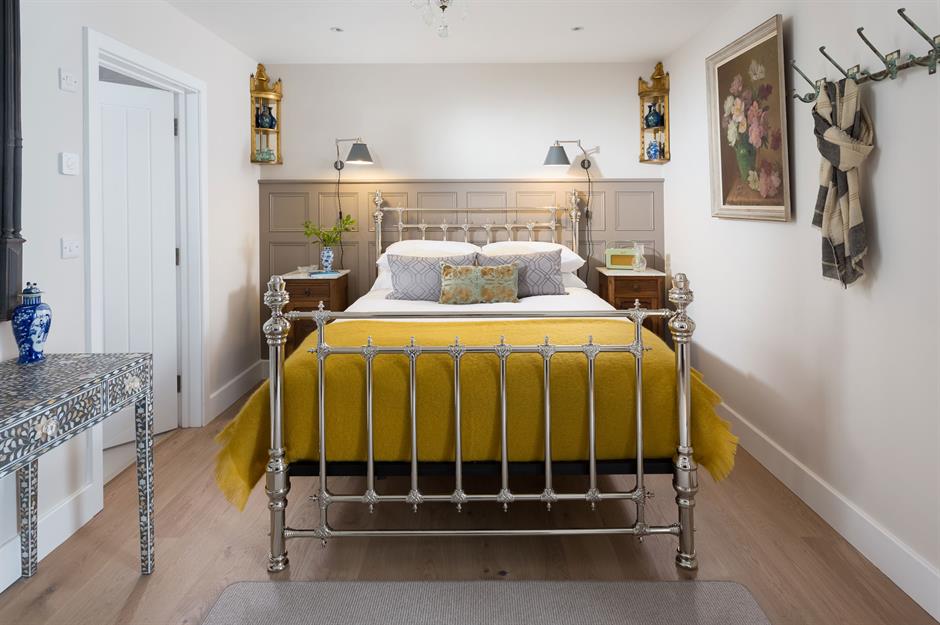
Small bedroom ideas with effortless style | loveproperty.com
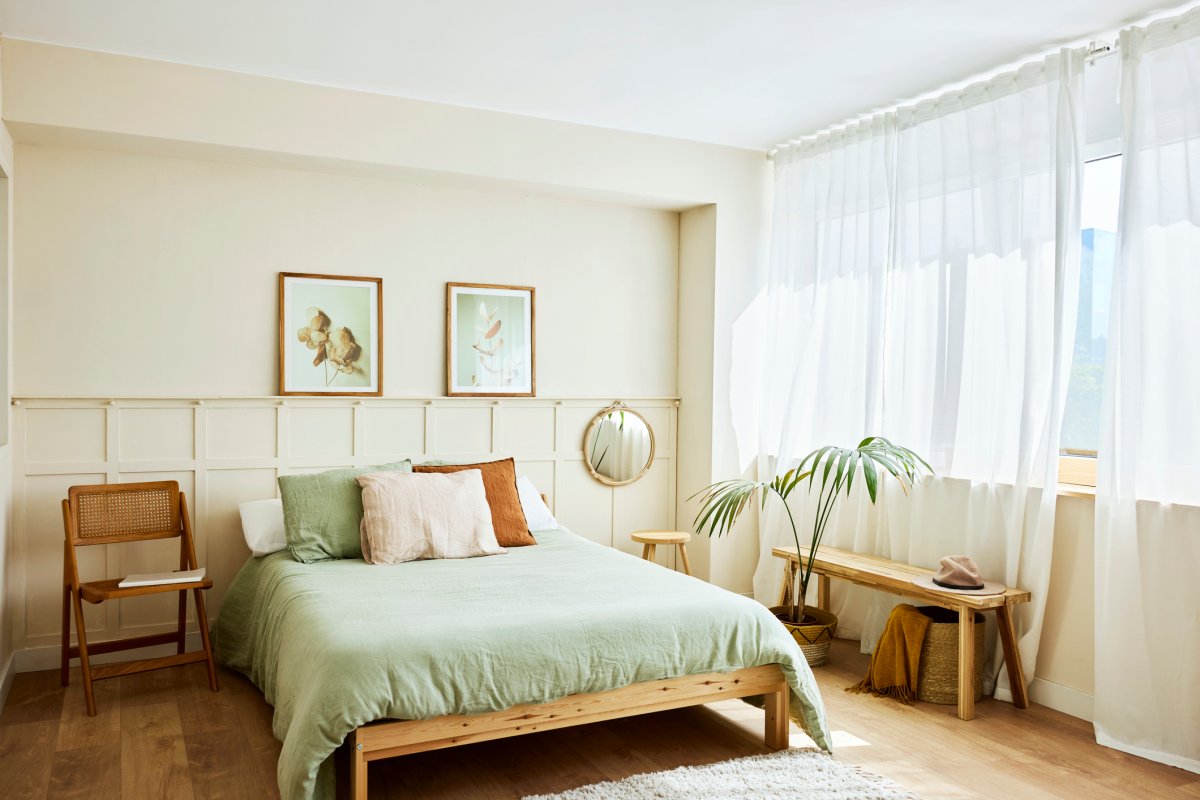
6 Minimalist Bedroom Ideas for Creating—and Maintaining—a Serene Space

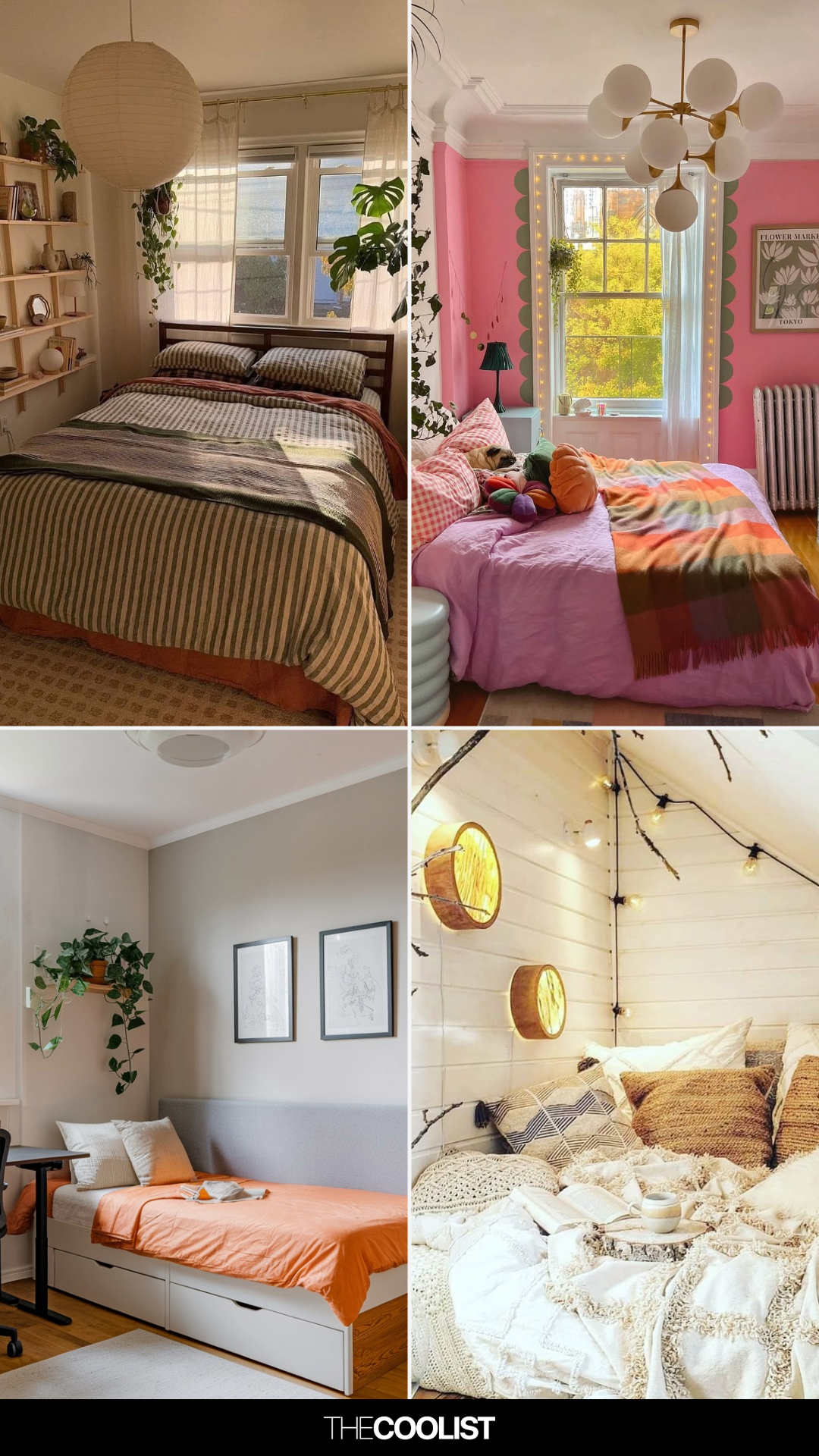
26 Small Bedroom Ideas for Women Who Make Tiny Spaces Feel Curated, Not Cramped
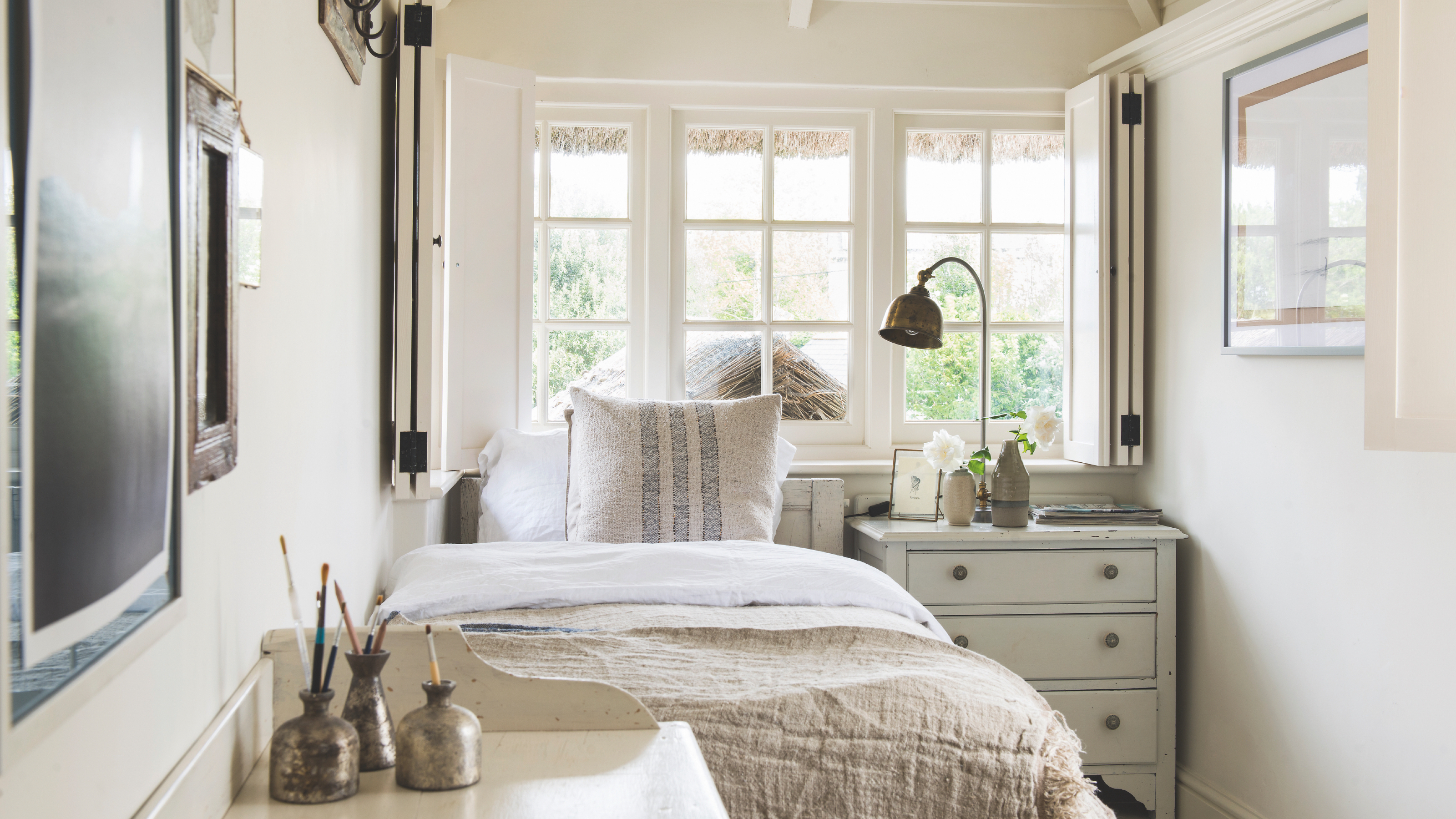
10 tiny guest room ideas that are clever, quick and budget-friendly
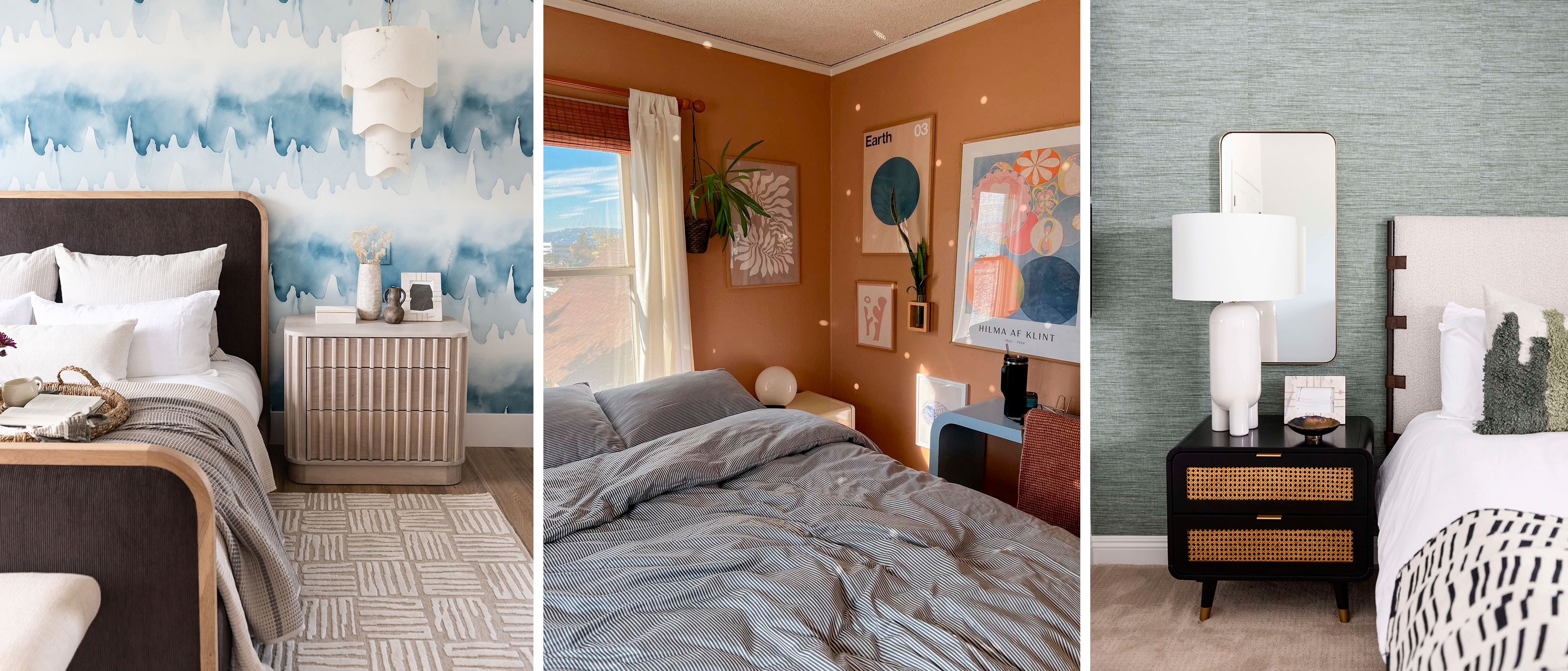
9 modern small bedroom ideas that are actually down to earth
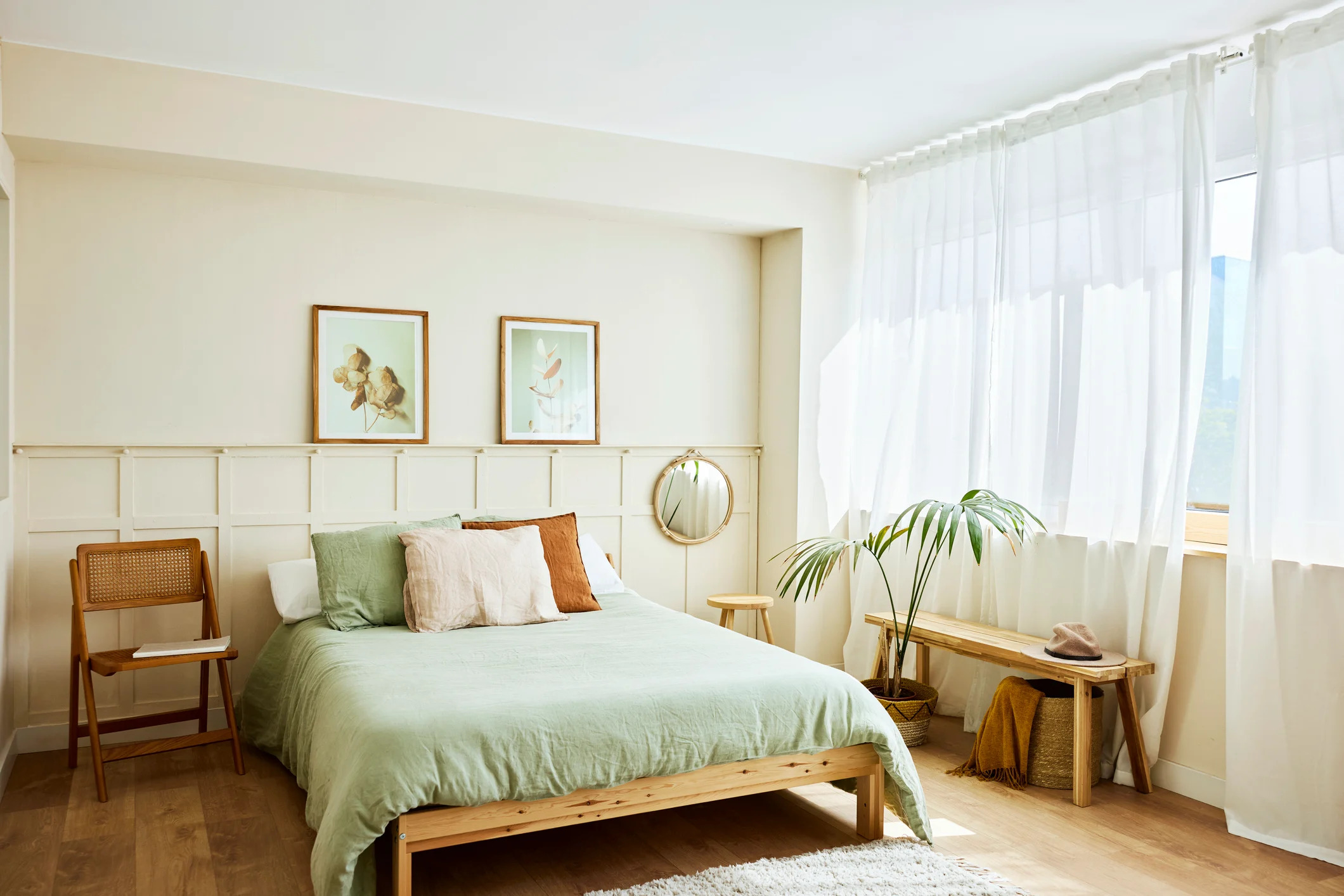
6 Minimalist Bedroom Ideas for Creating—and Maintaining—a Serene Space

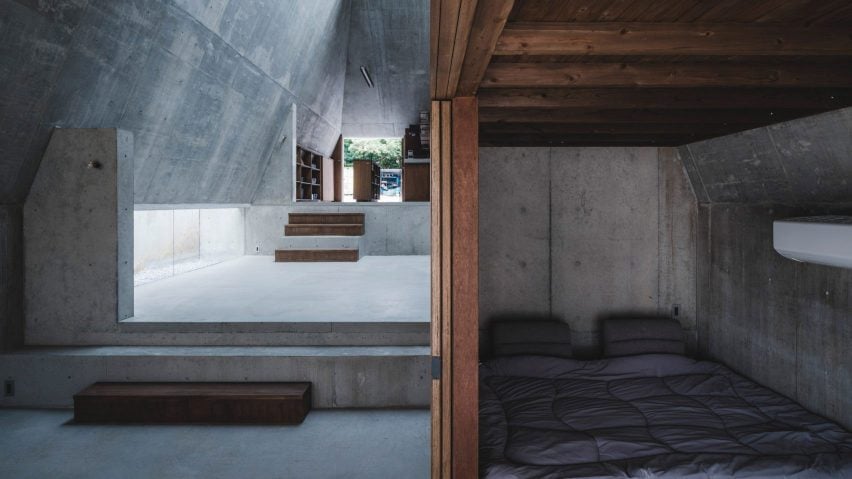
Eight compact bedrooms that make the most of small spaces
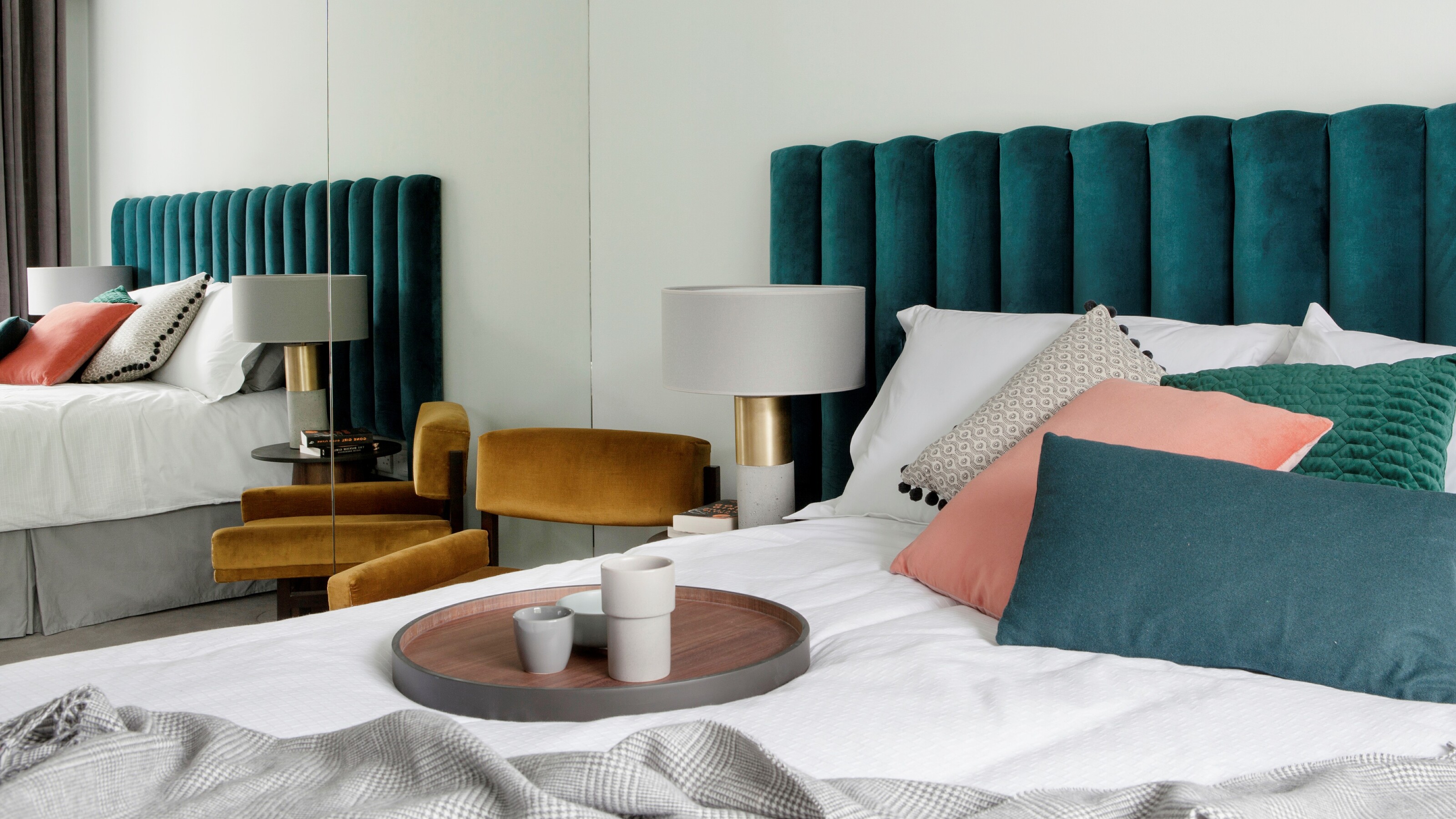
Small bedroom ideas – smart ways to maximize space without compromising on style |

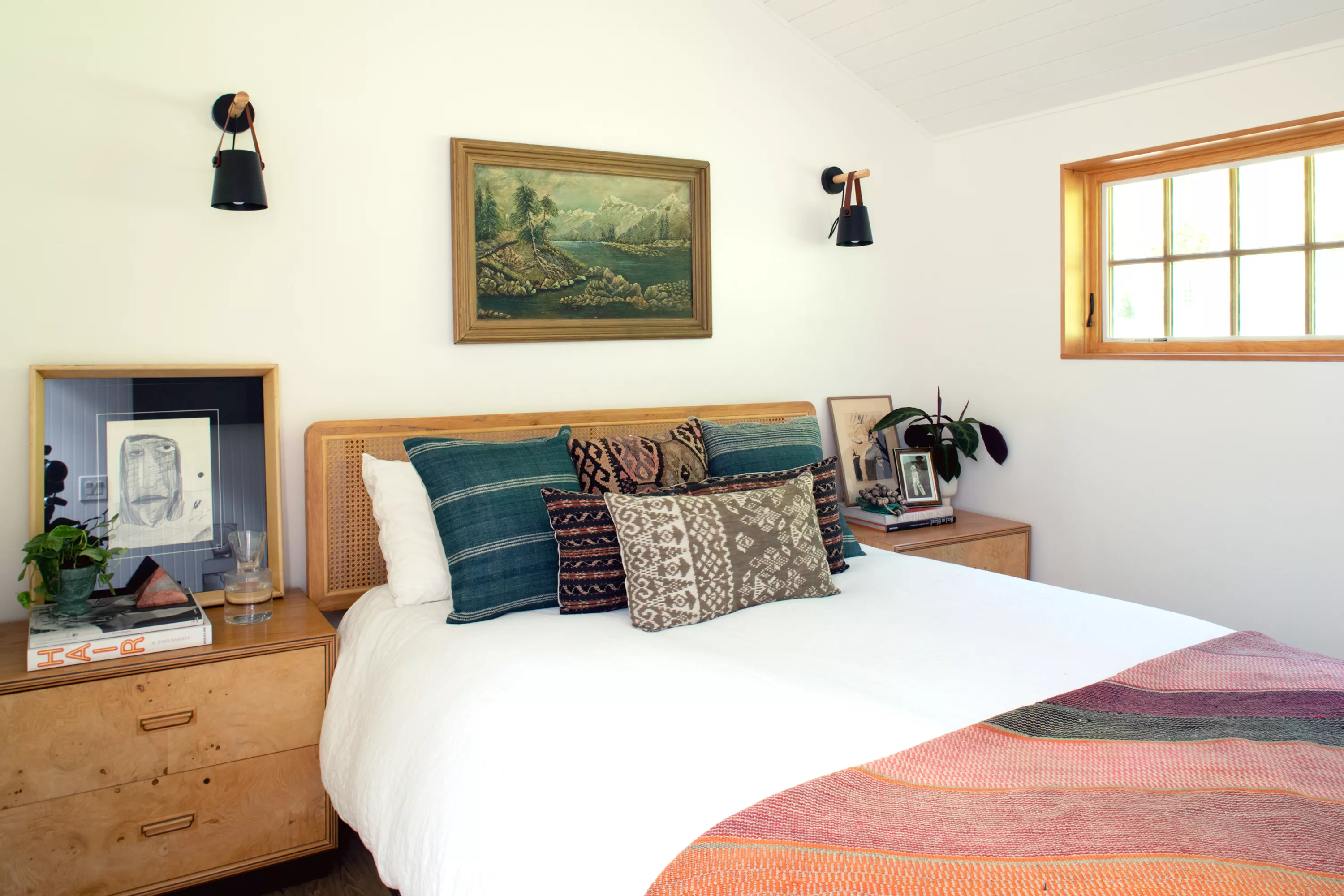
10 Small Guest Bedroom Ideas for a Cozy, Clever Space

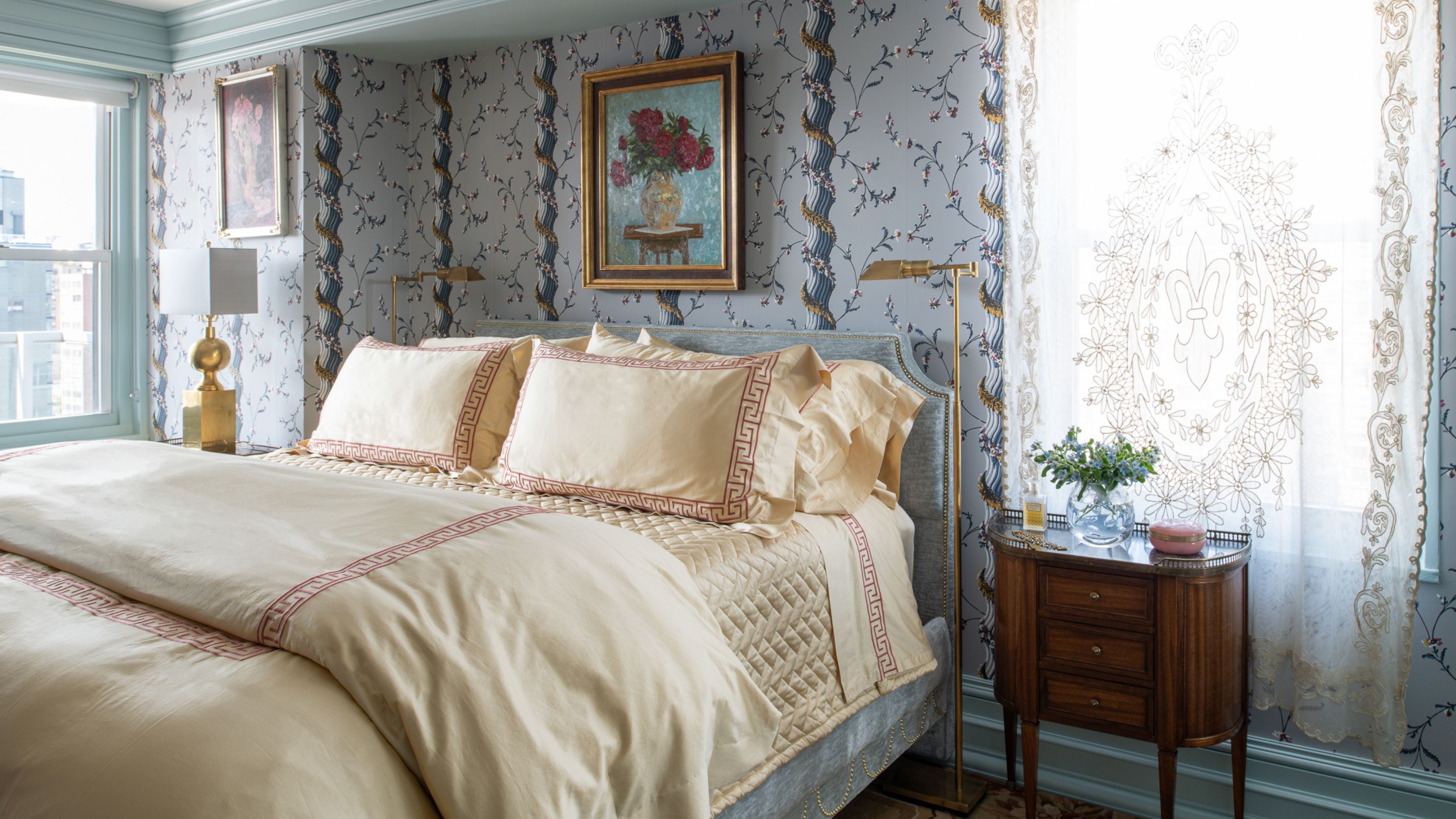
10 luxe small bedroom ideas that are bougie and beautiful
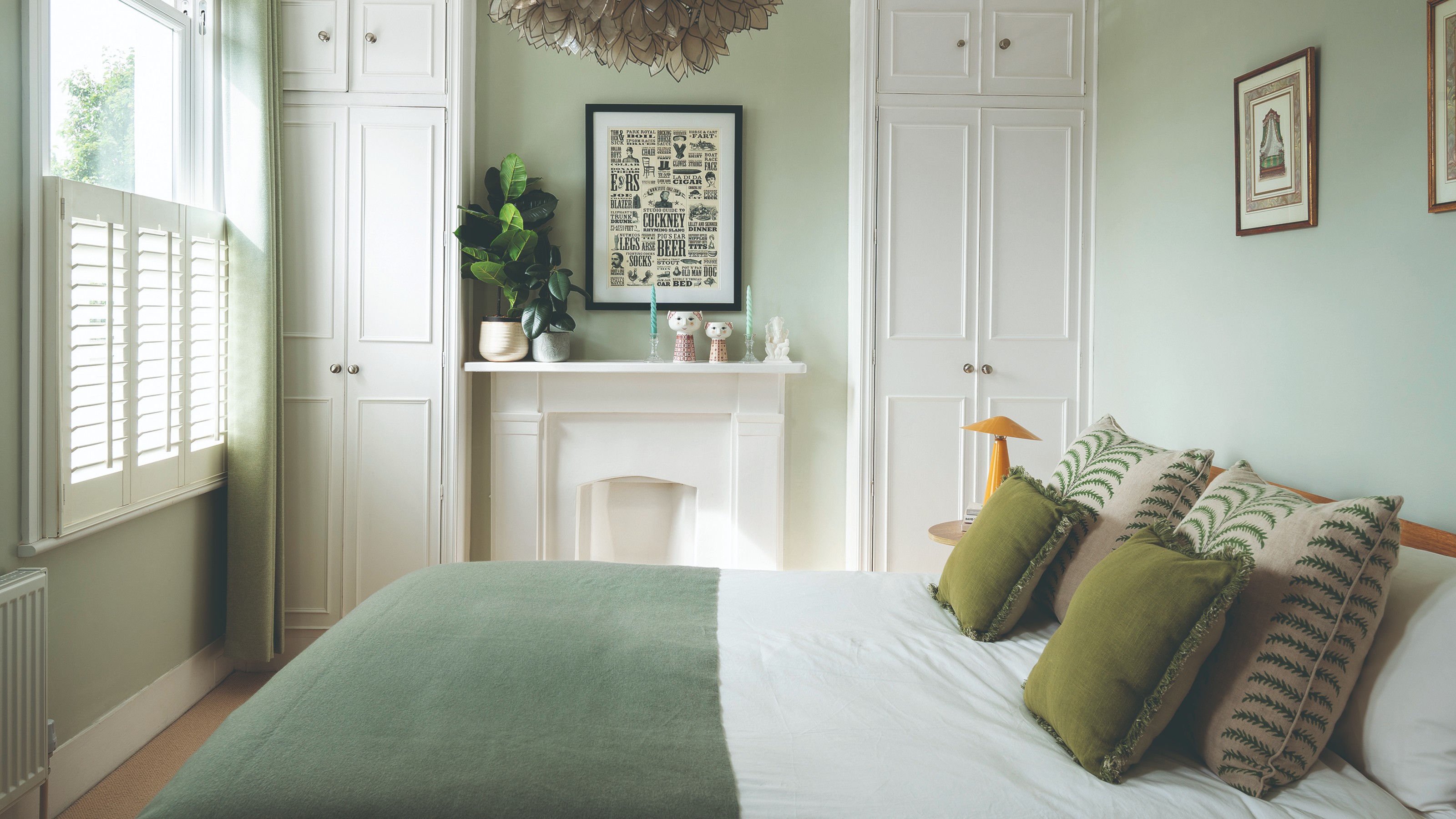
30 clever small bedroom ideas to elevate your tiny sleeping space and make it both stylish and practical
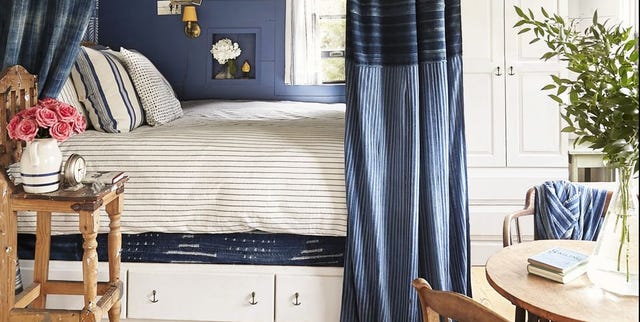
15 Small Bedroom Decor Ideas That Feel Grand

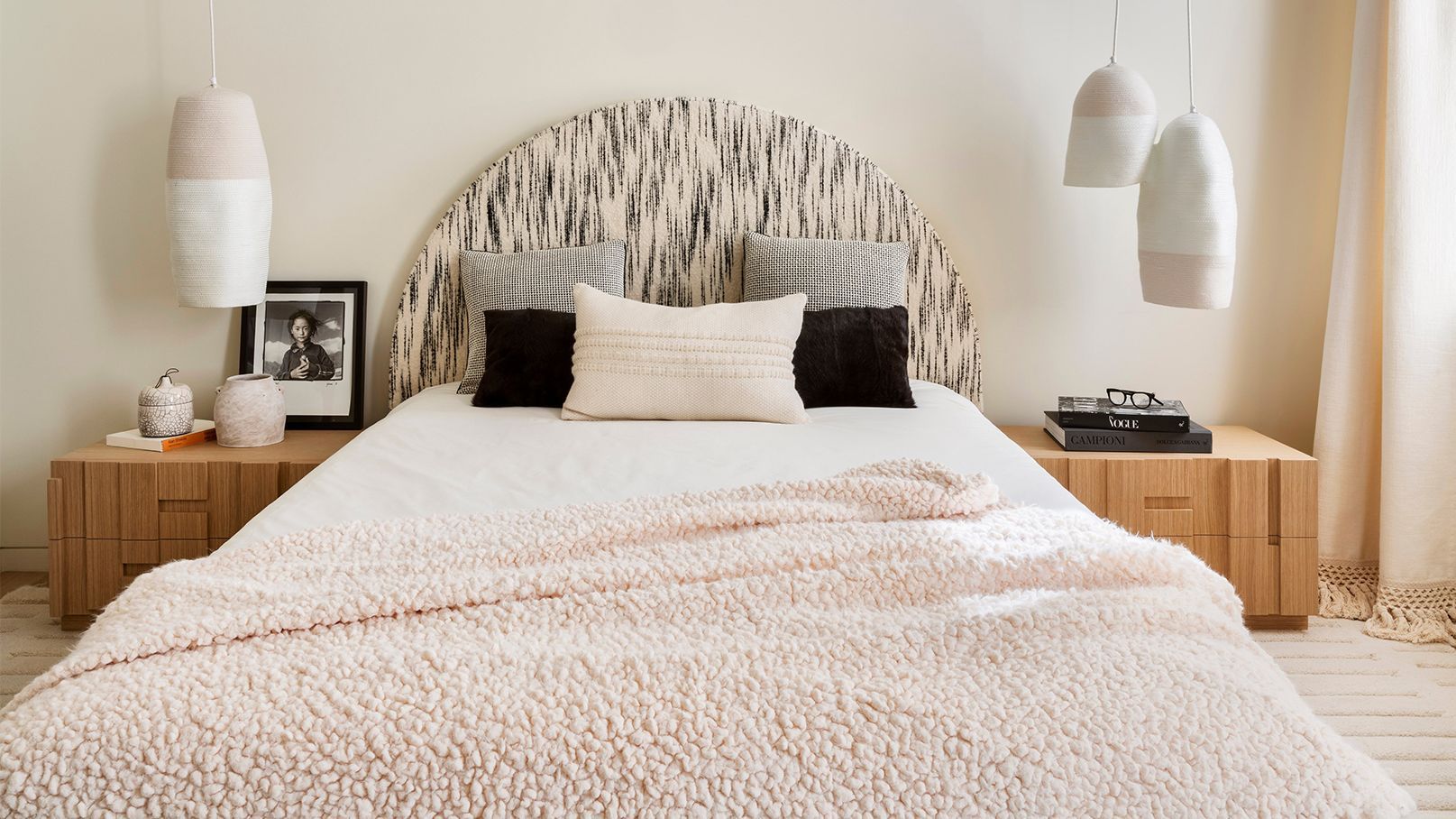
11 minimalist bedroom design tricks to create a calming space

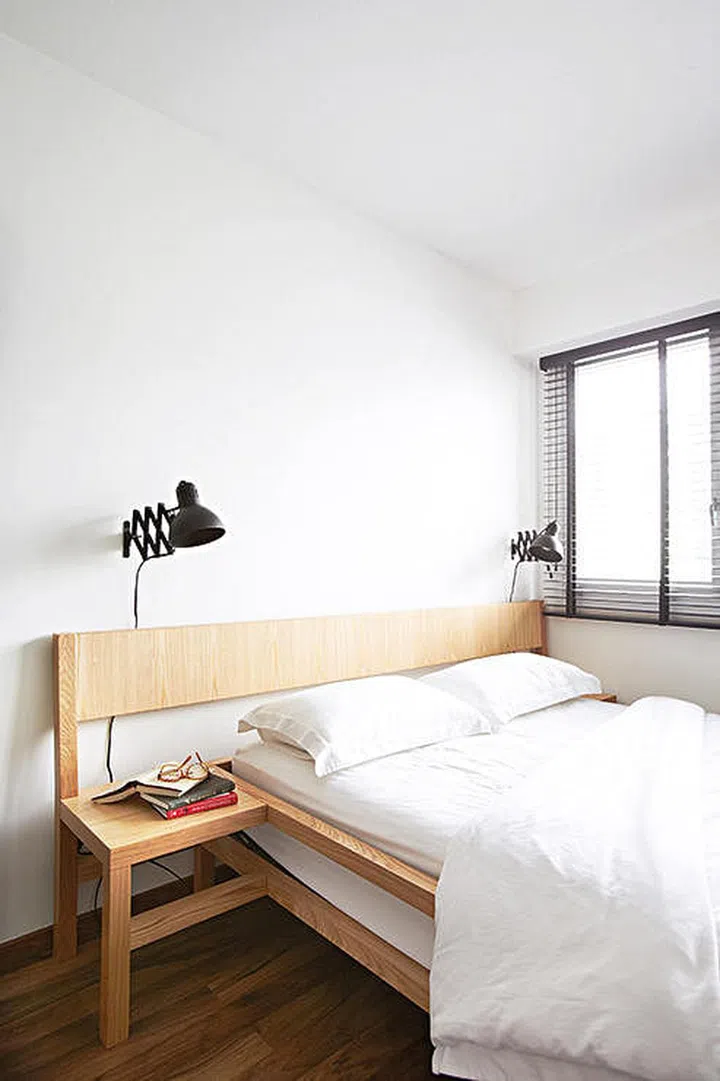
Bedroom design ideas: 6 small, simple and stylish spaces
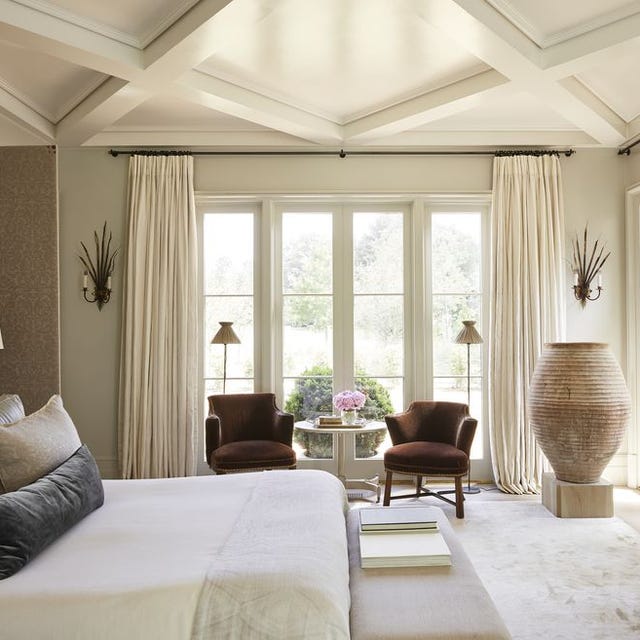
35 Minimalist Bedrooms That Won't Make You Sacrifice Style
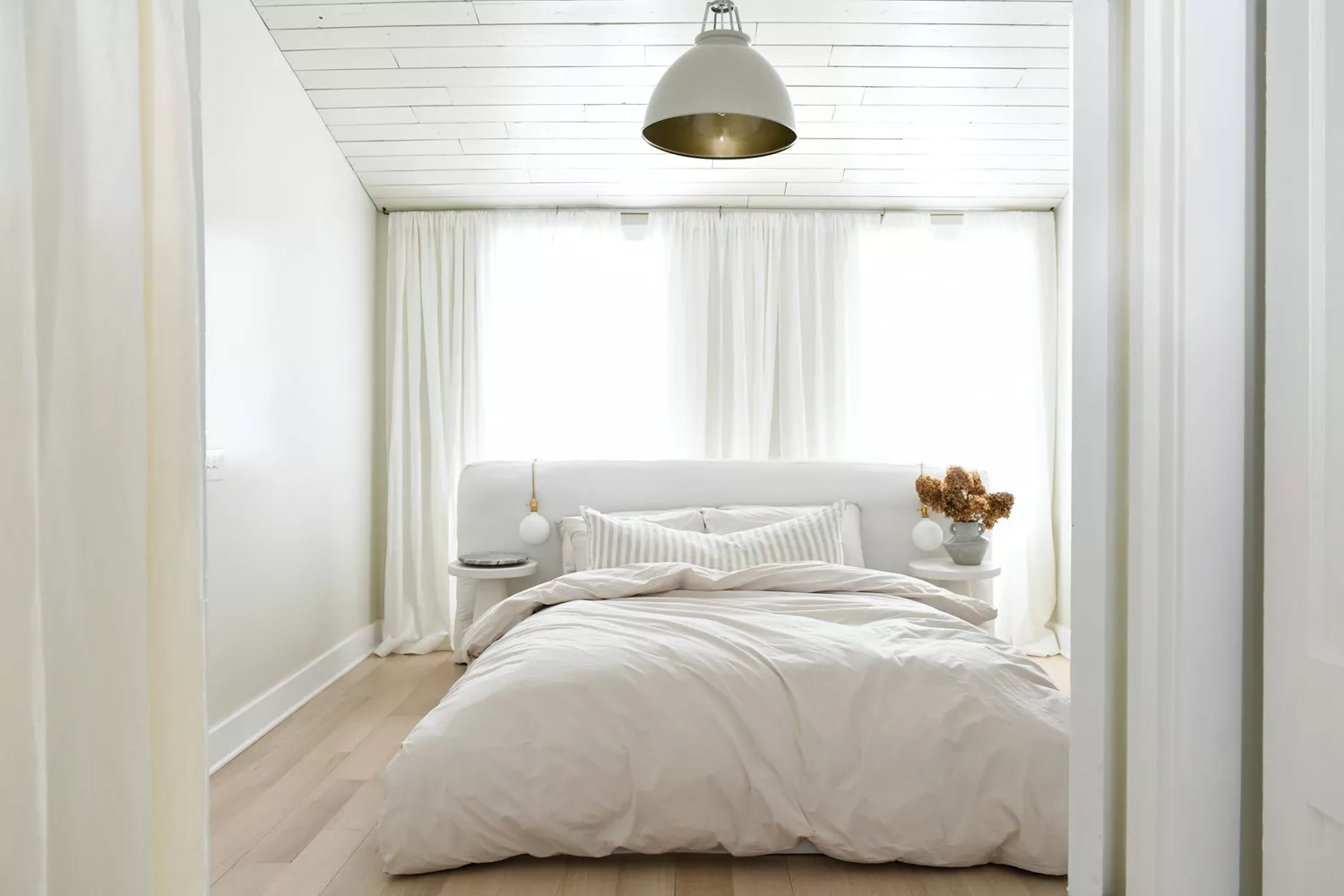
60 Minimalist Bedroom Ideas for a Calming Refuge From the Chaos of Life