1/3
What's the best direction to sleep in? Experts tells us which compass point is best, and which is ruining your rest
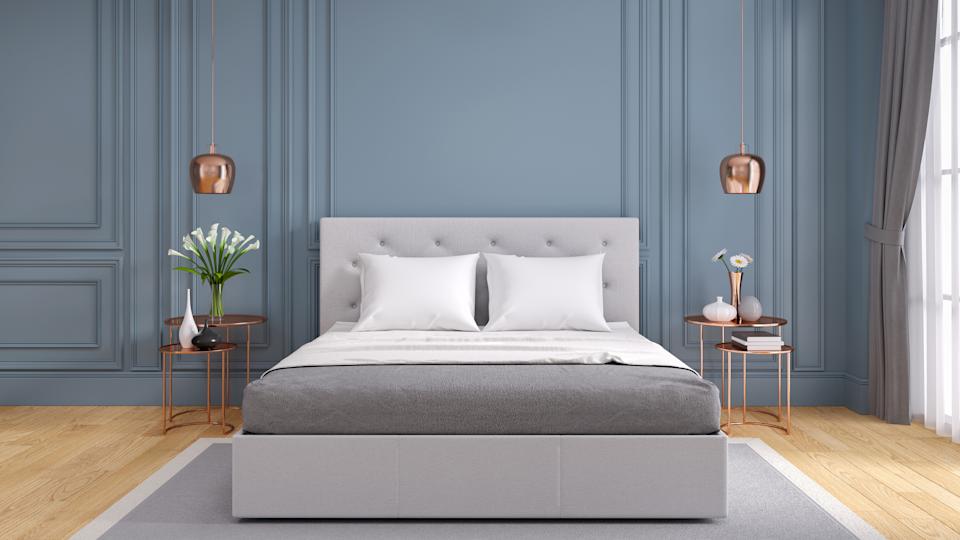
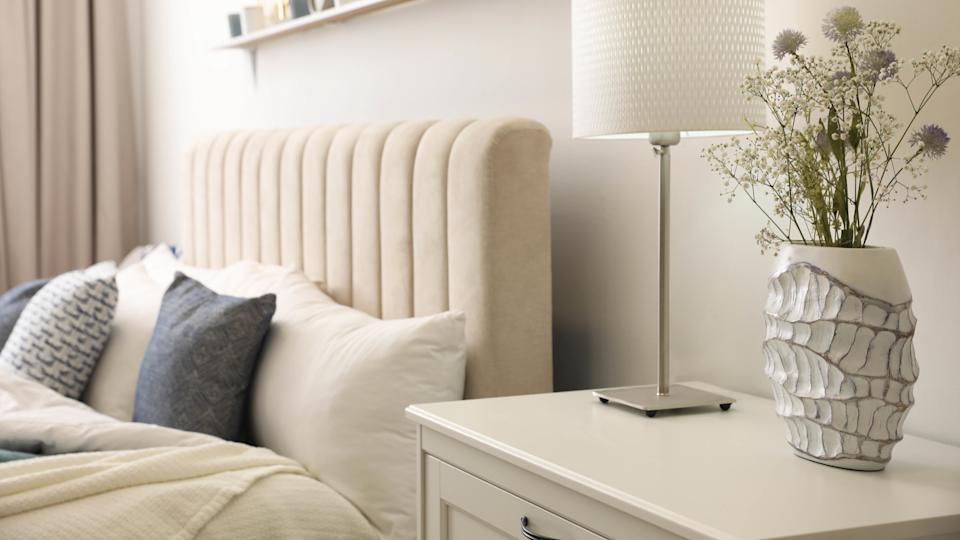
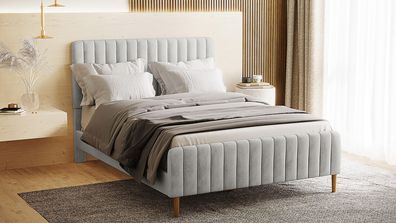
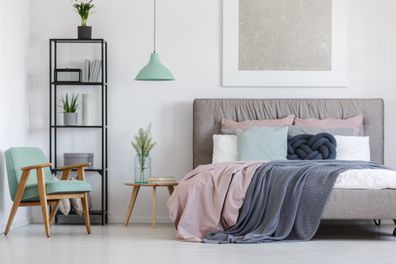
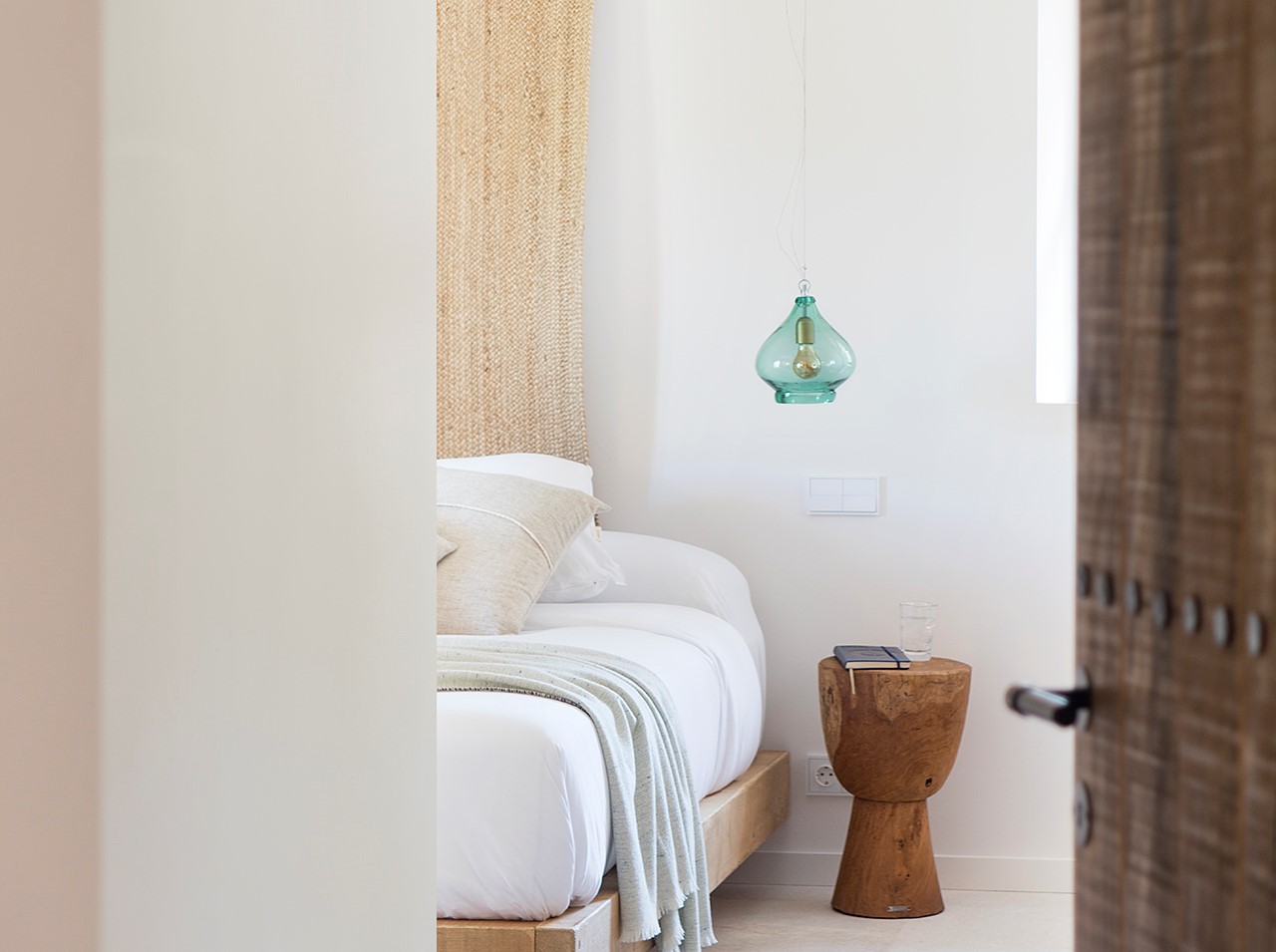
The quality of sleep can be influenced by various factors, including the direction a bed faces, according to sleep experts. Extensive research suggests a 'correct' sleeping direction, though individual preferences and environmental factors also play a role. When considering bedroom layouts and sleeping posture, the best direction for a bed to face is south. Experts indicate that sleeping with the head oriented towards the south and feet towards the north can lead to a better quality of sleep.
Scientific research supports the idea that sleeping in the south position can lower blood pressure and result in longer sleep durations. This phenomenon is attributed to the alignment of the sleeping individual with the Earth's electromagnetic field, which is believed to be beneficial for sleep quality. Conversely, sleeping in the north direction is considered one of the least favorable orientations. This alignment is thought to create tension, potentially leading to headaches and other health problems, and may also hinder the ability to enter REM sleep, which is crucial for a balanced and restorative night's rest.
Beyond bed orientation, several other elements contribute significantly to sleep quality, such as the number of pillows used and the firmness of the mattress. The direction of one's head while sleeping is influenced by preferred sleeping positions, existing medical conditions, whether one sleeps alone or with a partner, and even superstitions. However, the most critical aspect for head support is ensuring correct alignment. A human head weighs approximately 4.5-5.5 kilograms (10-12 pounds), and the neck, containing seven of the spine's 33 vertebrae, requires proper support to prevent pain, stiffness, and persistent headaches.
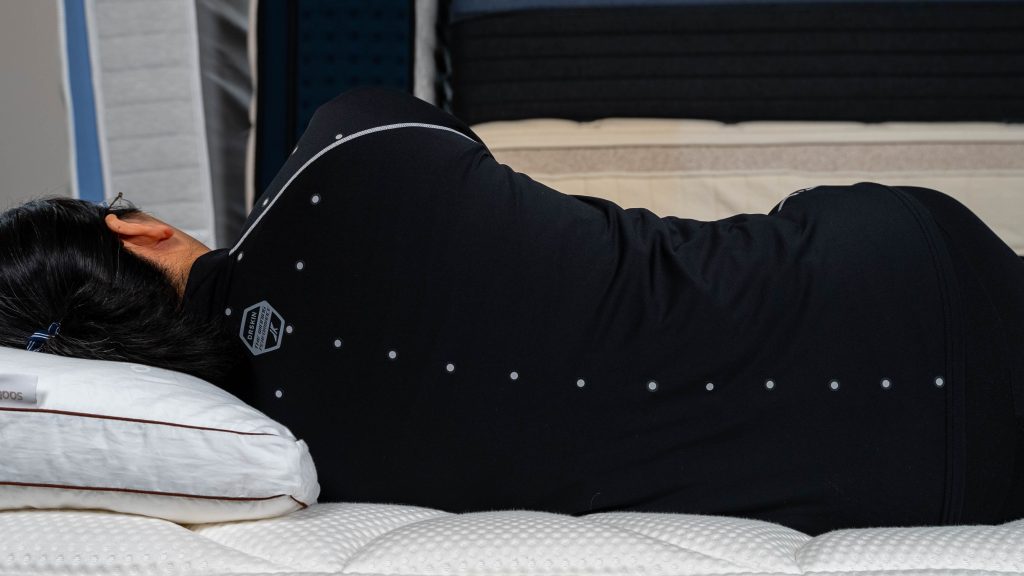
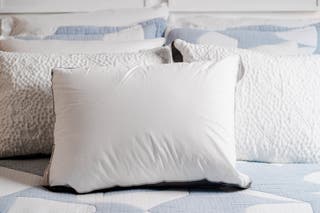
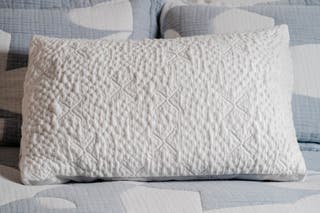
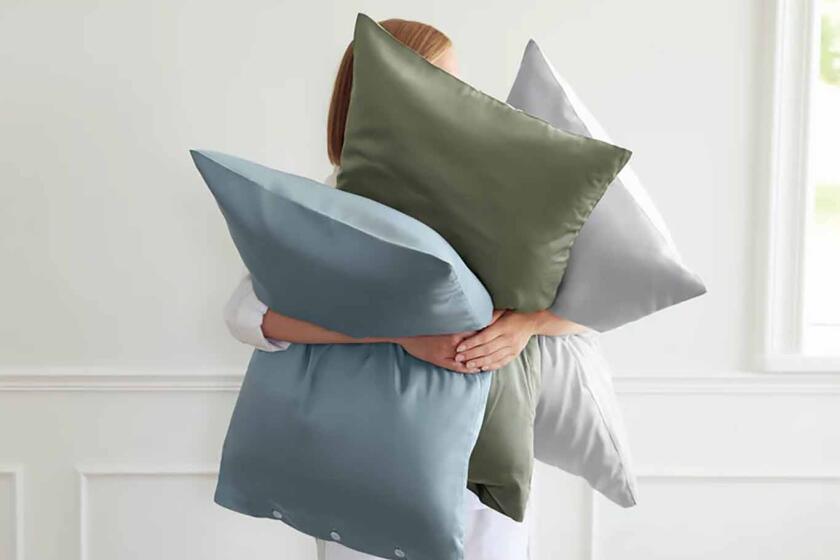
Lisa Artis, Deputy CEO of The Sleep Charity, emphasizes that a good pillow should maintain the head in alignment with the shoulders and spine, mimicking a correct upright posture. A pillow that is too soft allows the head to flop, curving the neck, while one that is too hard can cause a crick in the neck. It is recommended to try out different types of pillows, ideally on a bed, to ensure the neck and upper back remain in a straight line, with the pillows adequately supporting the neck and shoulder. Using too many pillows can force the spine to curve upwards, causing creasing on the top of the neck, whereas a pillow that is too low or thin can cause the spine to curve downwards and create creasing on the underside of the neck.
Regarding the side of the bed one chooses, there is no universally 'right' or 'wrong' side; personal comfort and needs dictate this choice. Superstitions may influence younger adults' choices, but the optimal side depends entirely on an individual's preferences. Factors such as proximity to the door or the need for complete darkness can influence this decision. Experts advise testing one's sleep environment and trying various positions and conditions to find the ideal setup. Consistency in sleep habits, including regular bedtimes and wake-up times, and a consistent bedtime routine, contributes to better sleep, with sleeping on the same side each night helping to maintain orientation.
#SleepDirection #SleepQuality #BedroomLayout #SleepScience #PillowSupport #MattressFirmness #SleepHygiene #HealthAndWellness #HomeDecor #SleepDirection #SleepQuality #BedroomLayout #SleepScience #PillowSupport #MattressFirmness #SleepHygiene #HealthAndWellness #HomeDecor
0 comment in total
 No comments yet
You may also like
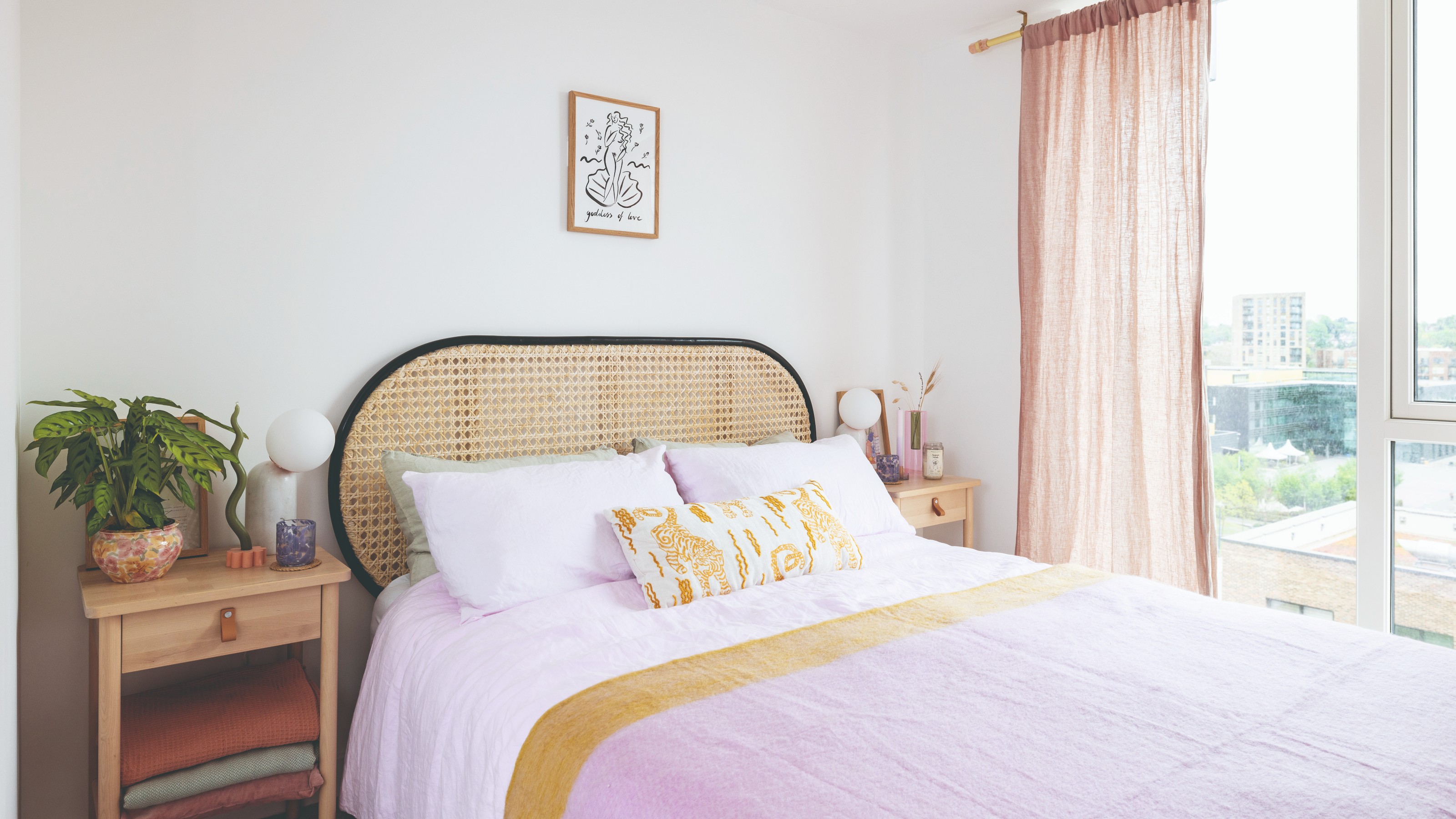
Do you sleep facing north? According to sleep experts you really should be

The Best Mattress for Back Pain in 2025: Expert Tested


The Best Mattresses For Back Pain: These Beds Offer Superior Support

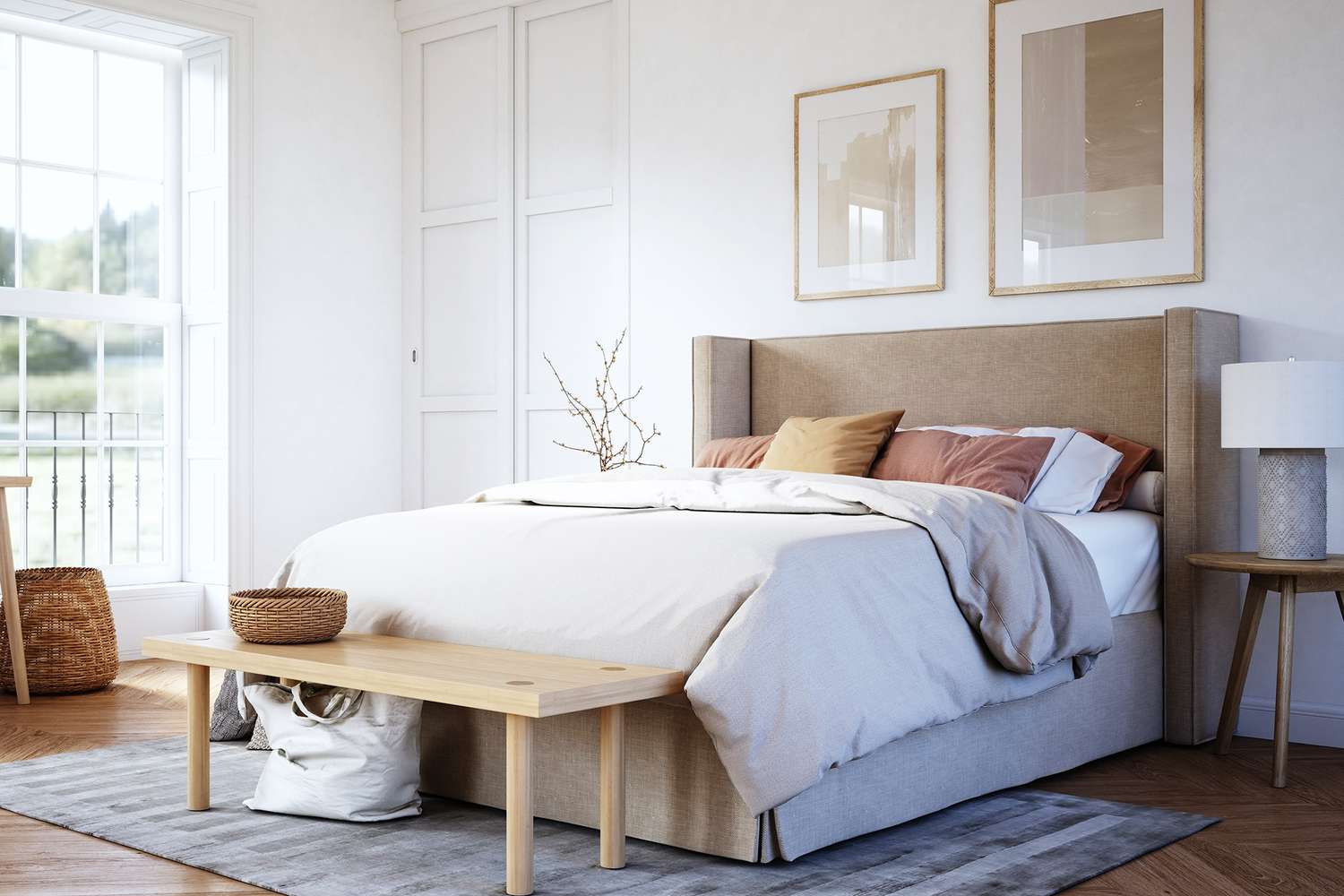
7 Bedroom Design Tips for Better Sleep, According to Experts
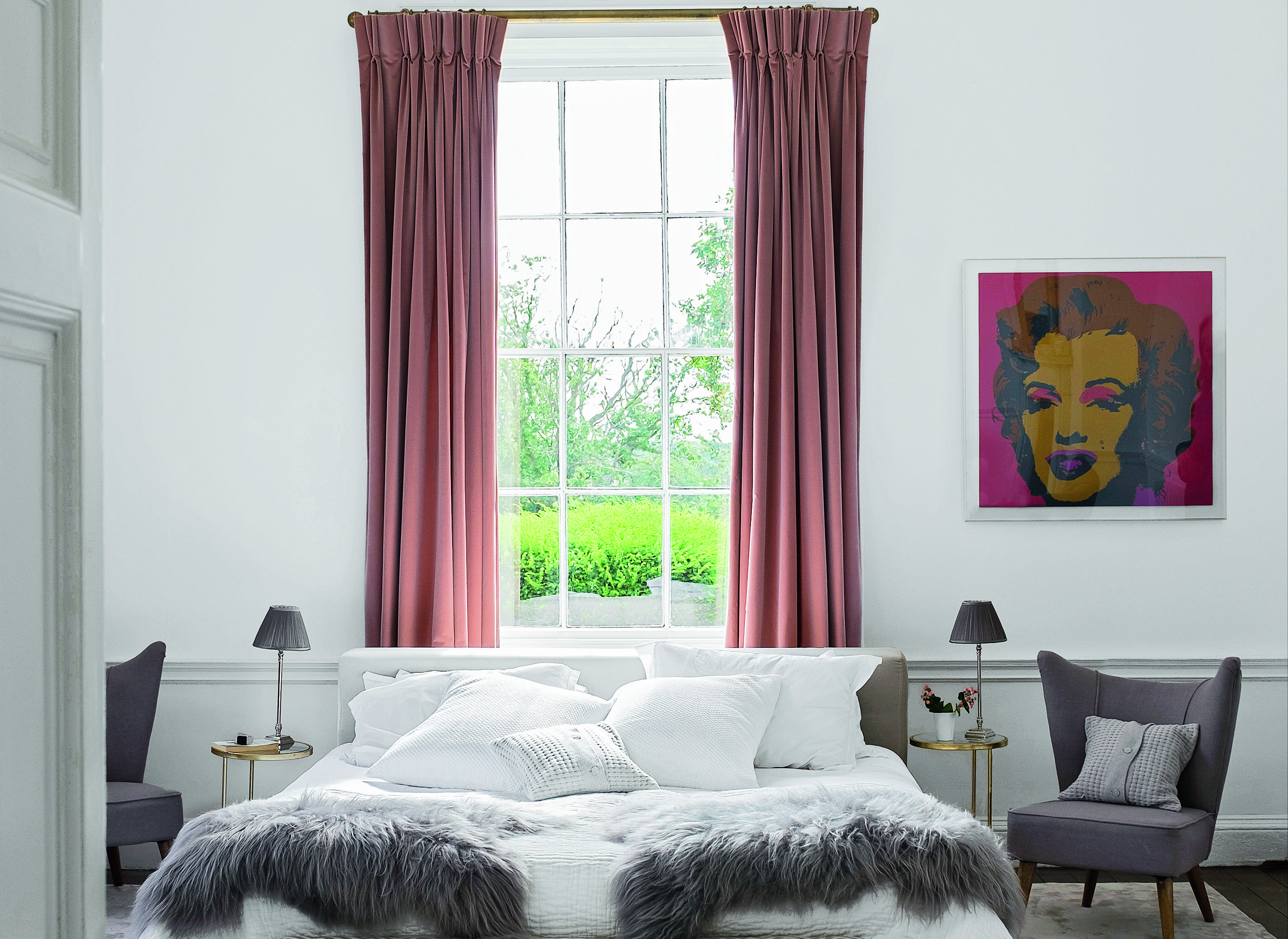
These Feng Shui experts say you shouldn't position your bed like this if you want to sleep well — and it's a common layout idea
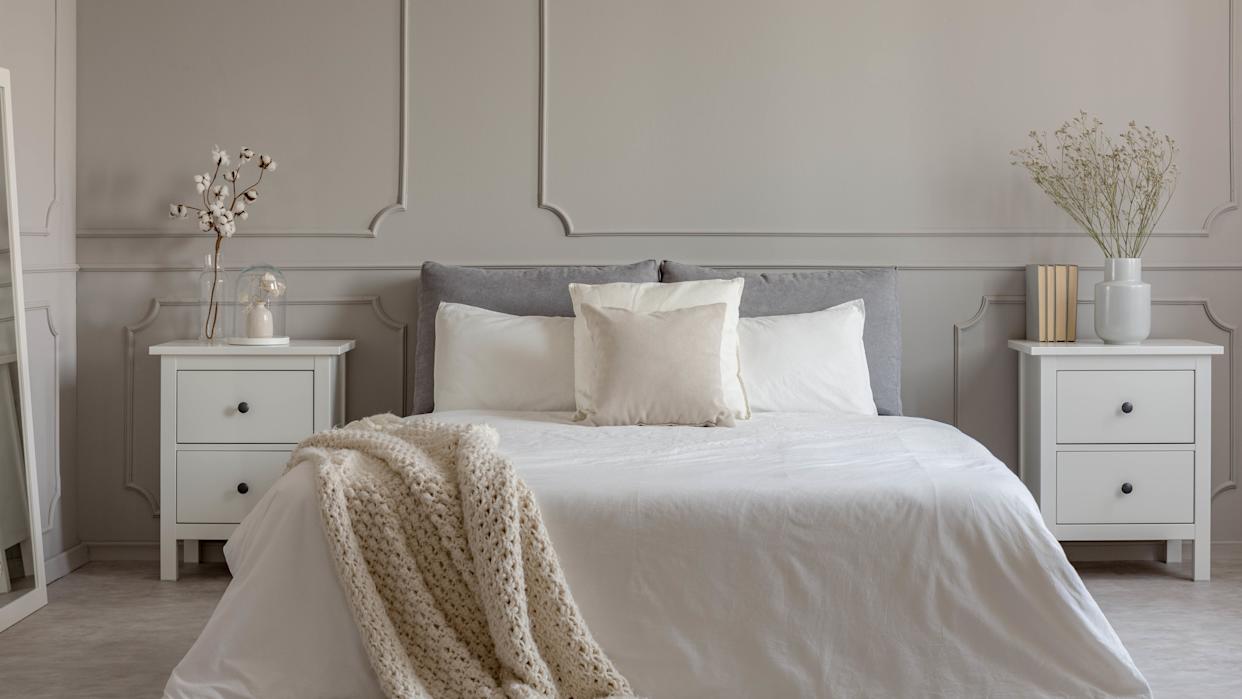
Should your bed face the door? Here's what the experts think

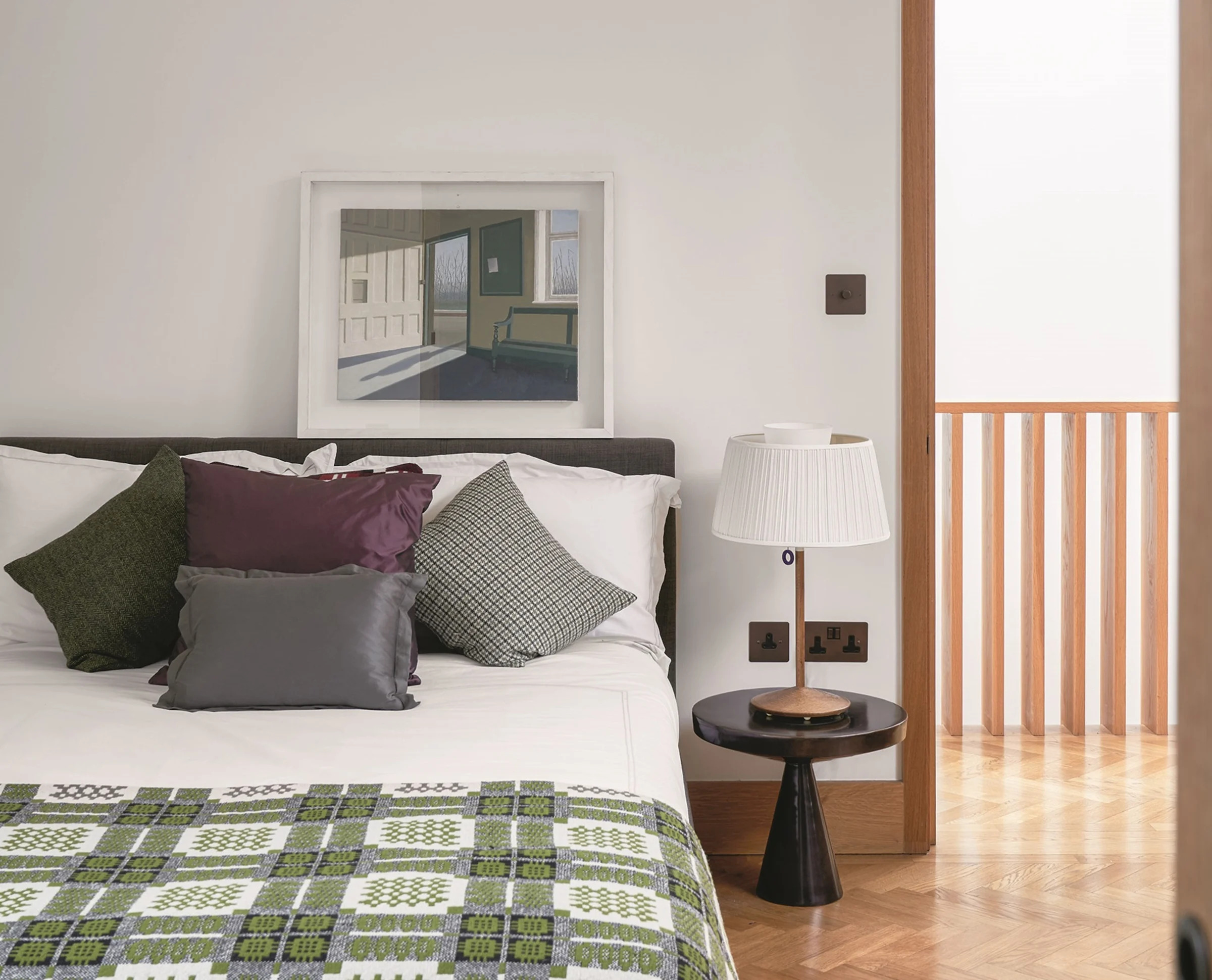
Feng Shui experts warn you to avoid this mistake so that you sleep better, and to choose this bedroom layout instead

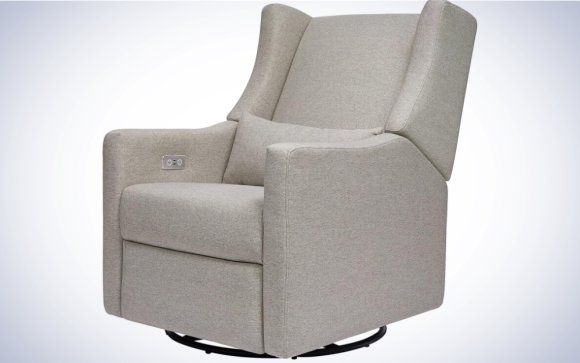
The best recliners for sleeping


The Only Direction Your Bed Should Be Facing, According to Feng Shui Experts

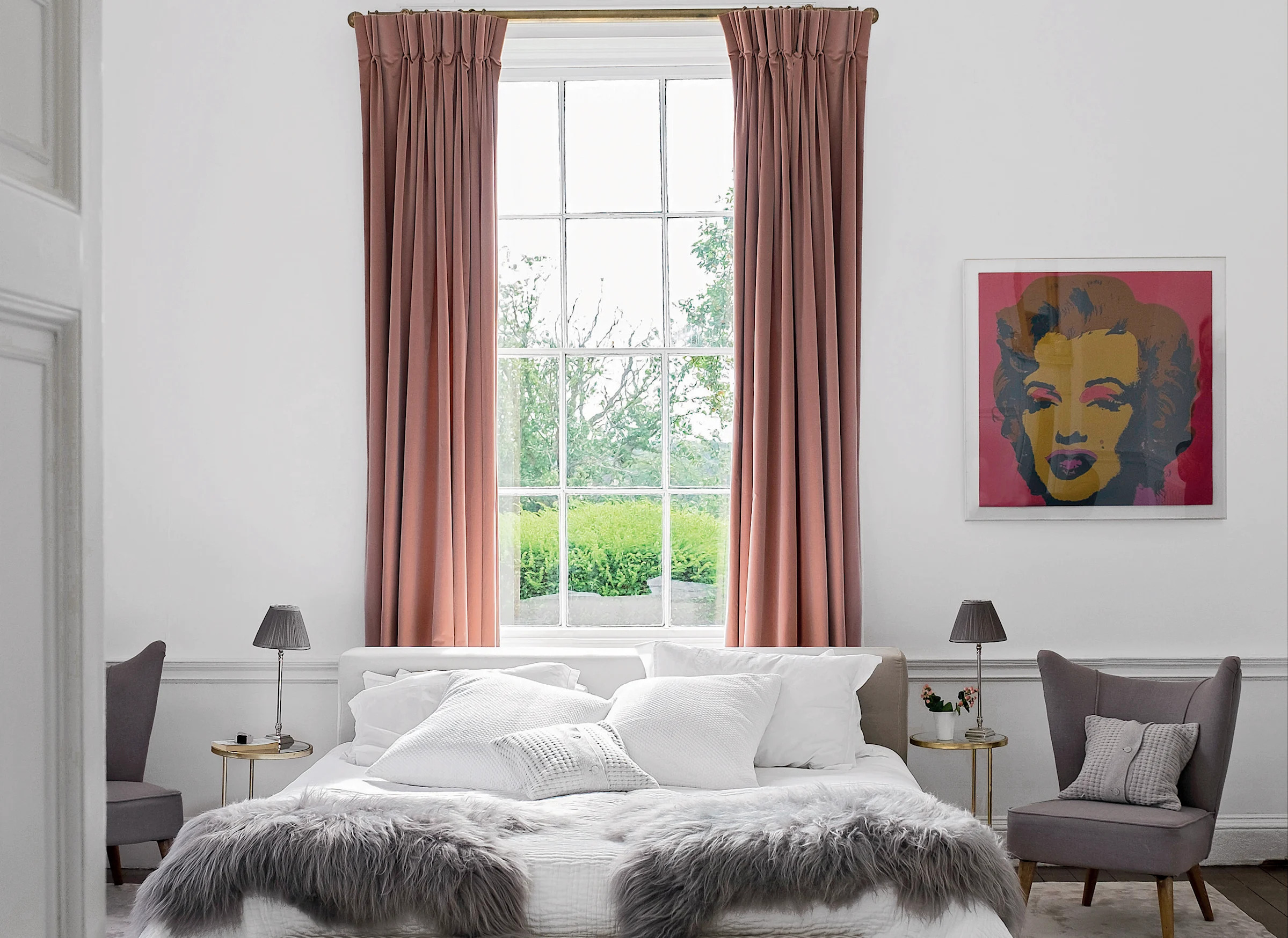
These Feng Shui experts say you shouldn't position your bed like this if you want to sleep well – and it's a common layout idea
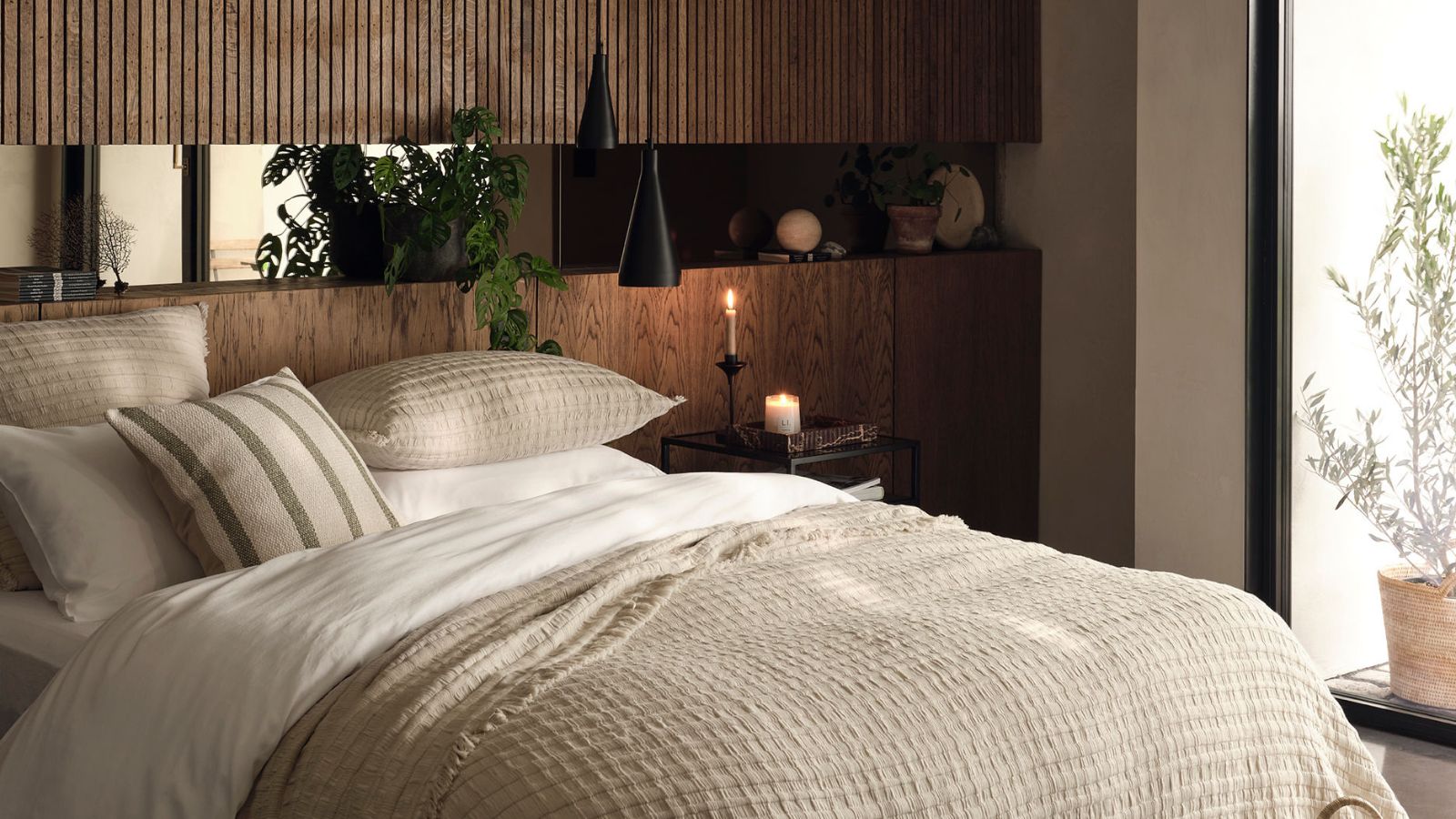
Sleep experts helped organize my bedroom for better sleep
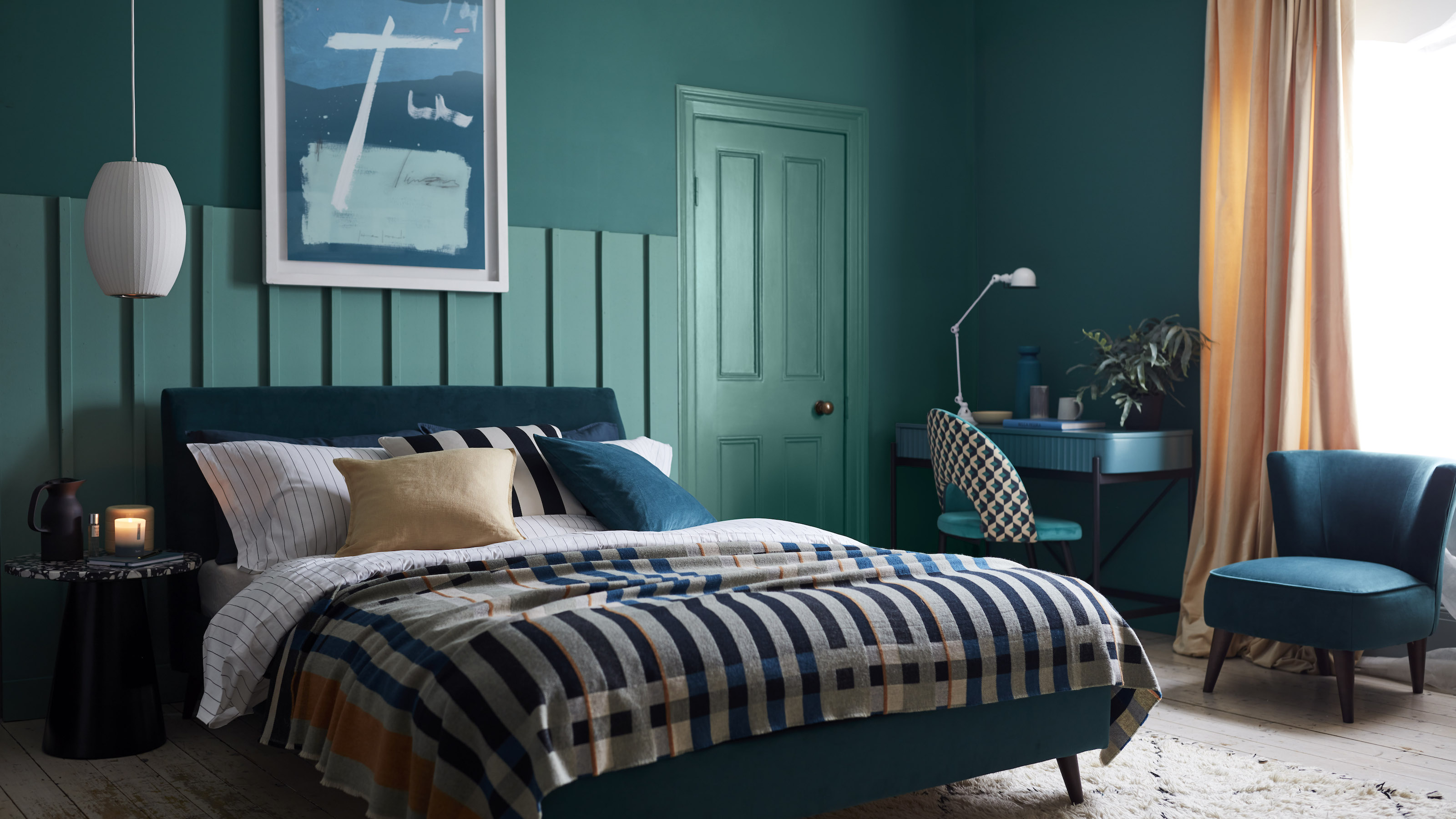
5 bedroom design tips to help night owls fall asleep – and wake up feeling fresh

Is Your Bed Facing North Really the Best Way to Get Good Night's Rest? Sleep and Feng Shui Experts Weigh in
The Best Bedding to Improve Your Sleep
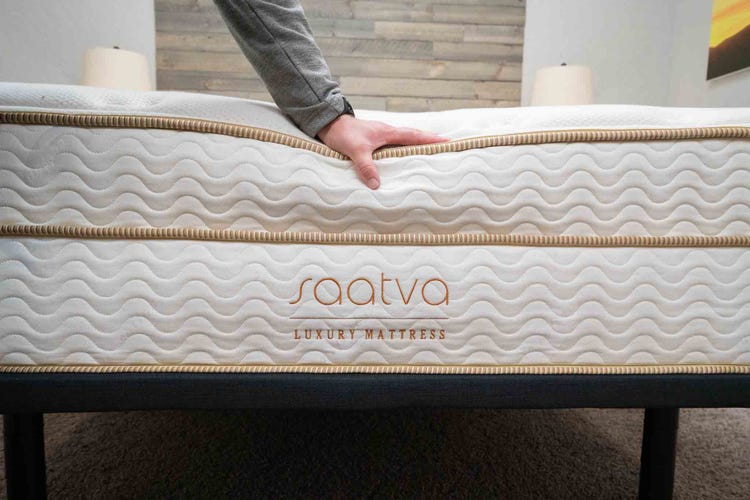
Best Mattresses for Back Pain 2025 | From Budget to Doctor-Recommended

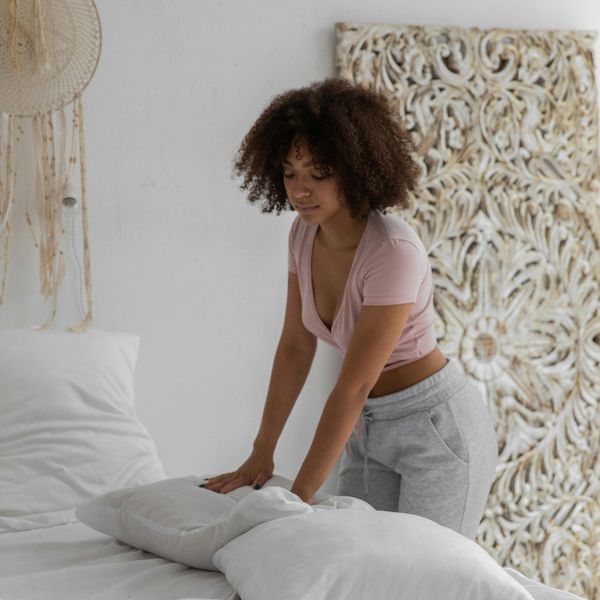
10 Bedroom Decor Mistakes Keeping You From Your Best Sleep Ever

Should my bed be facing the door? Why the wrong bedroom layout could be disrupting your sleep
This big Feng Shui mistake in your bedroom could be causing your poor sleep

The 5 Best Bed Pillows of 2026 | Reviews by Wirecutter

How Bedroom Design Is Evolving for Healthier, Deeper Rest