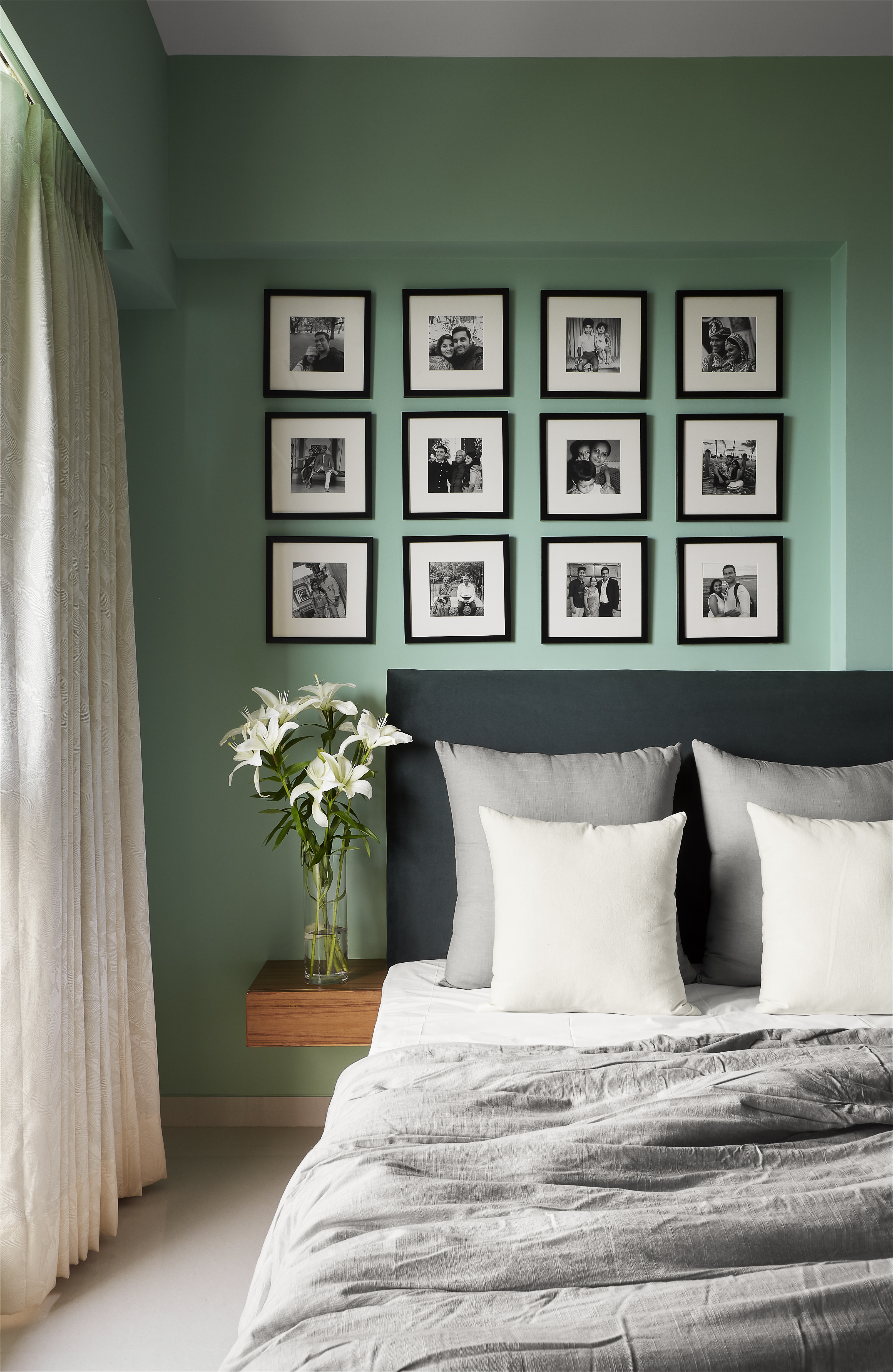
Why your bed should never face away from the door, plus 3 more Feng Shui bedroom rules
This article delves into the principles of Feng Shui as applied to bedroom organization, aiming to enhance sleep quality. It suggests that a poorly arranged bedroom might be a contributing factor to sleep difficulties, even after adopting other sleep-improving techniques like using a high-quality mattress or sleep trackers. The article outlines four key Feng Shui rules for a better night's rest.
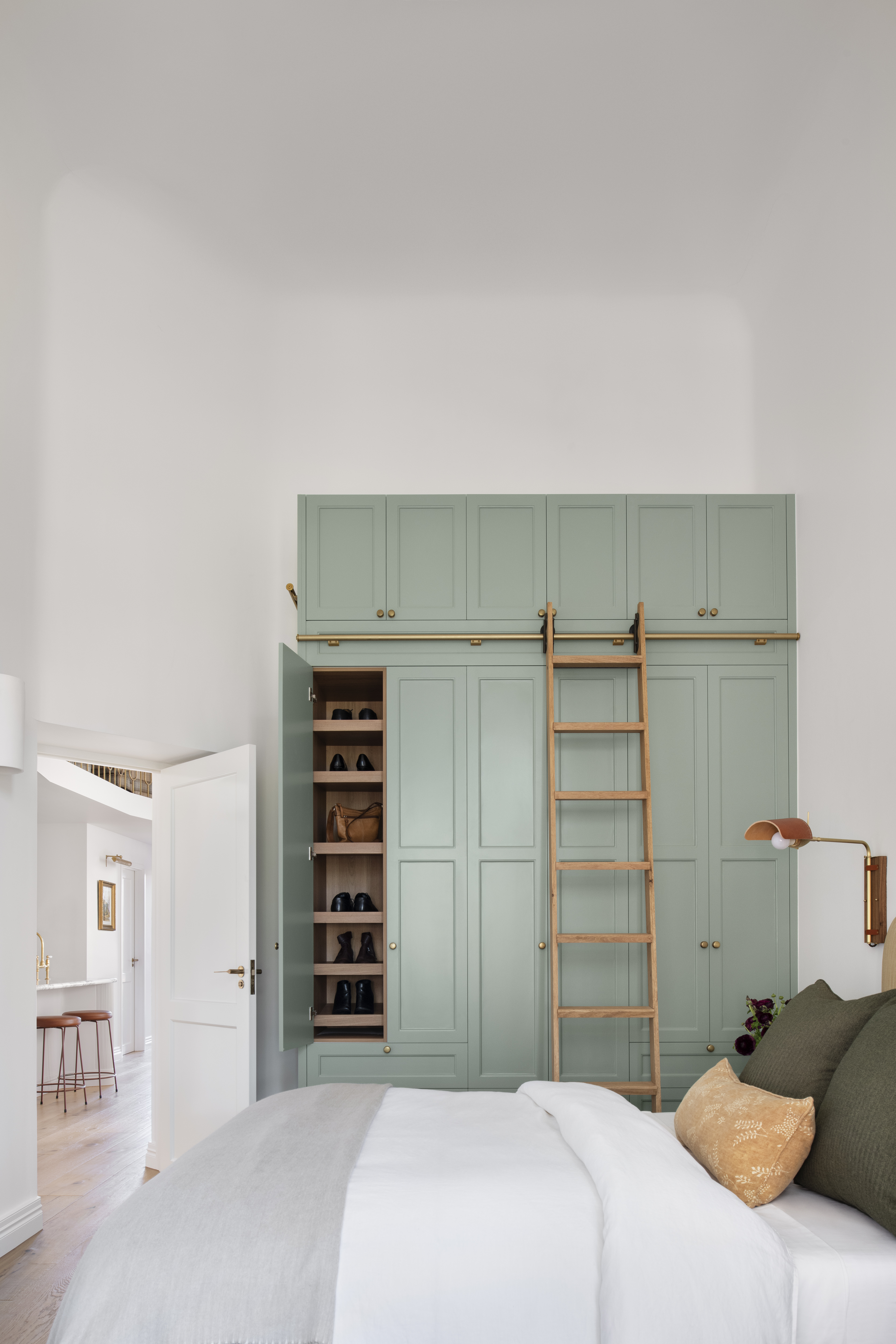
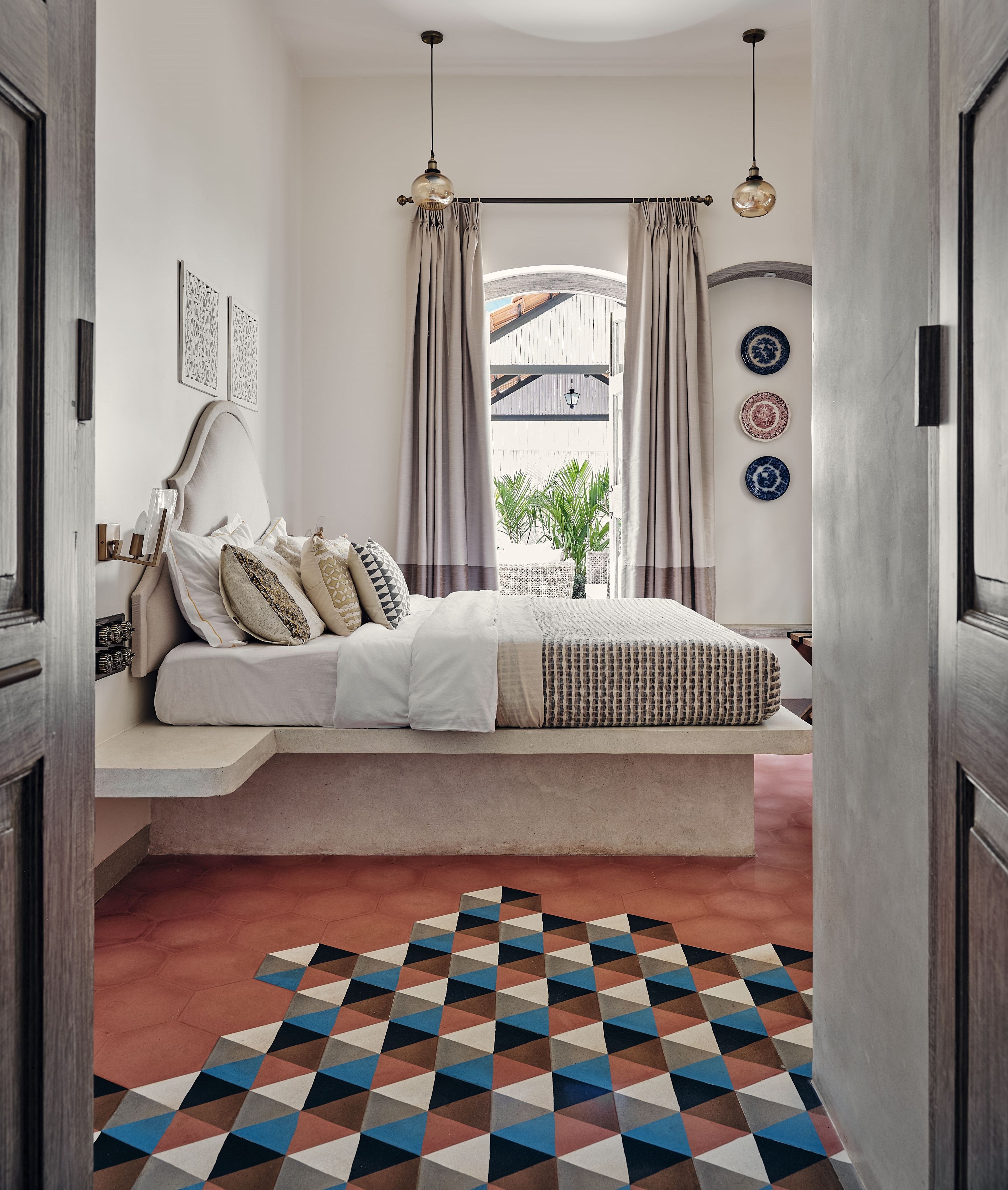
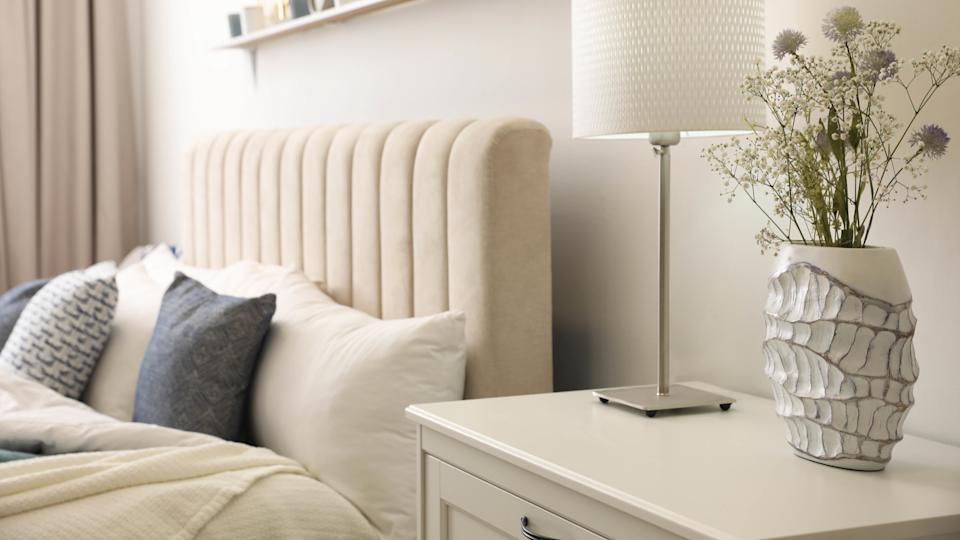
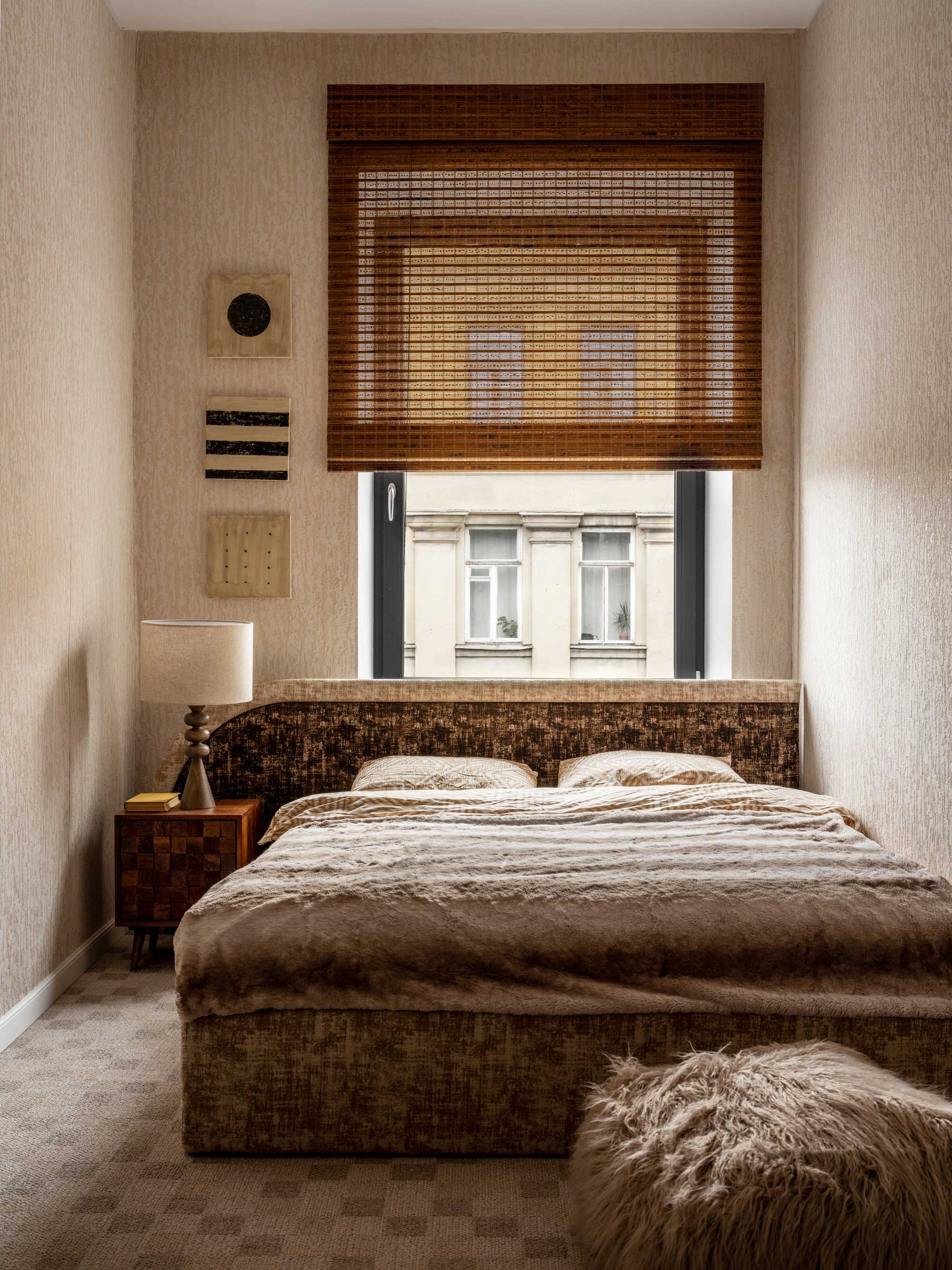
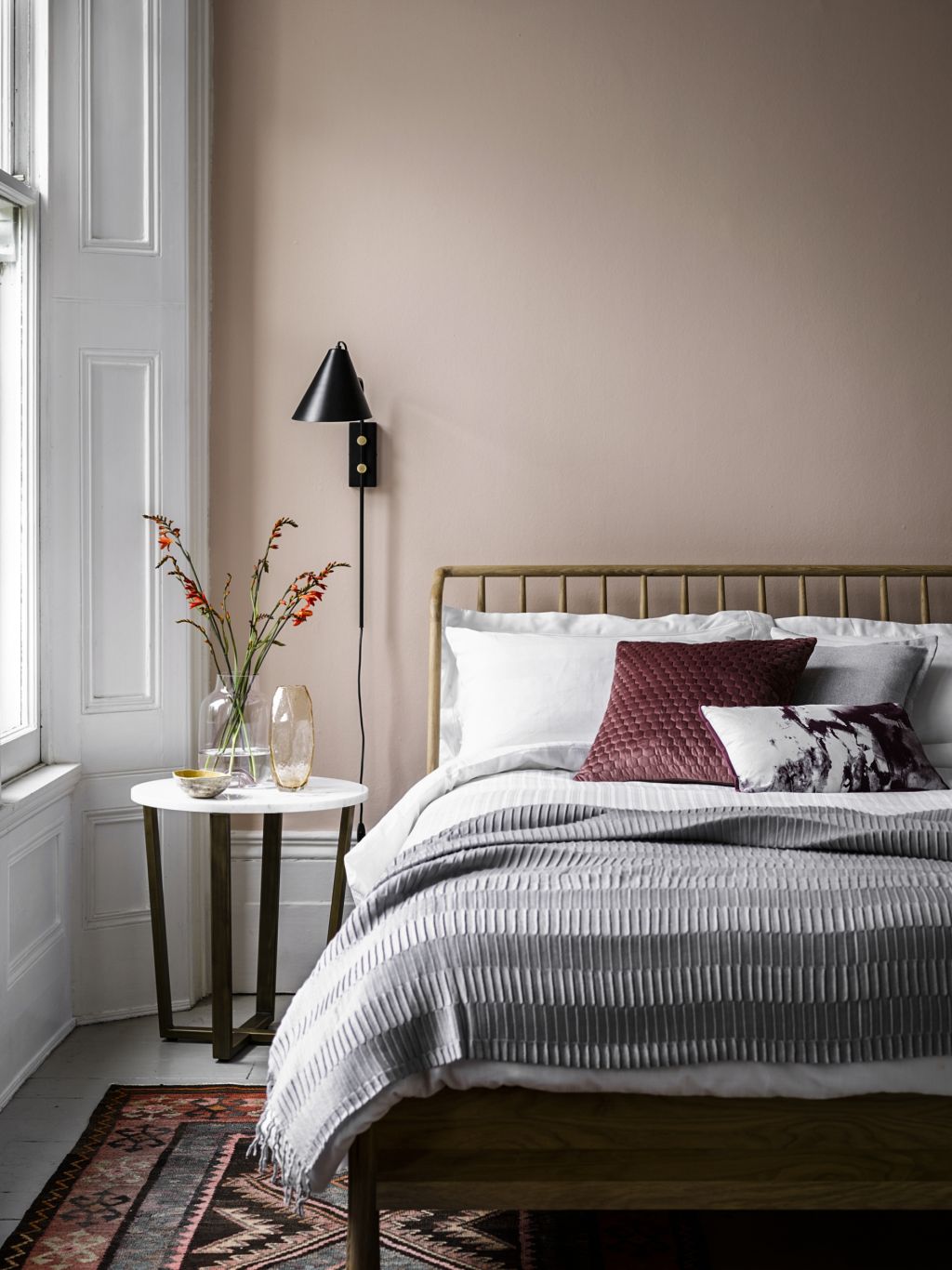
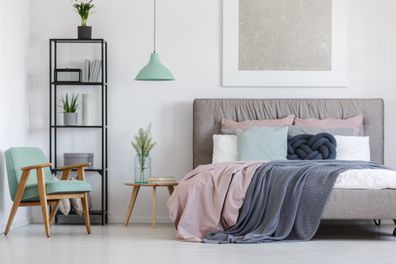
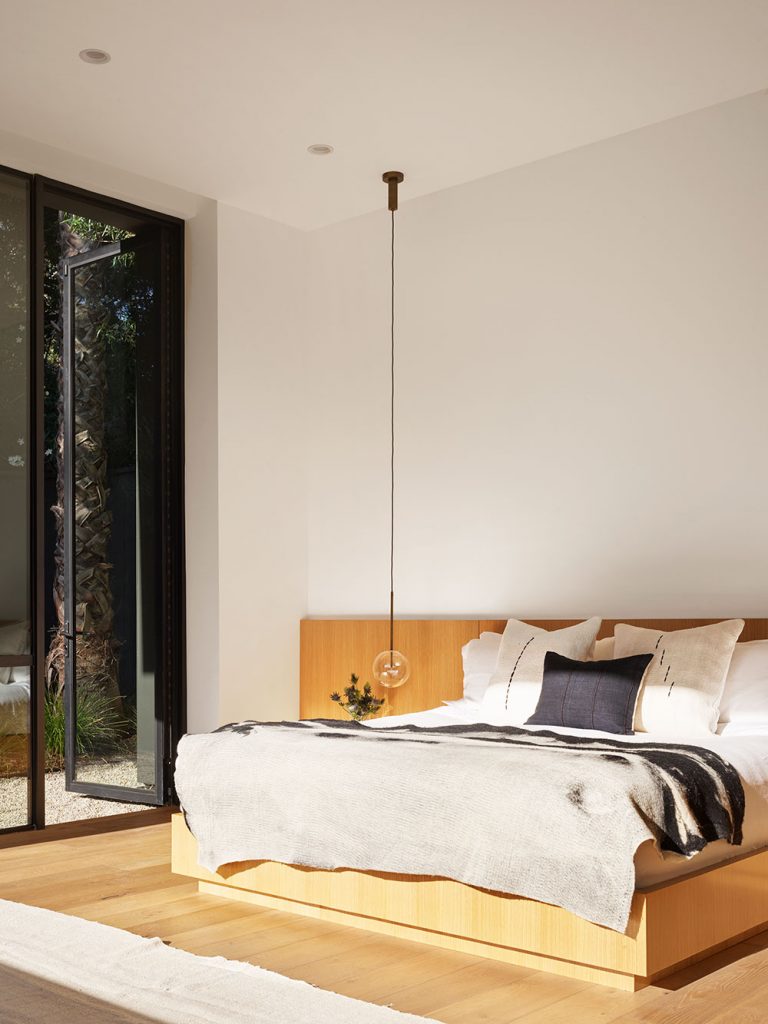
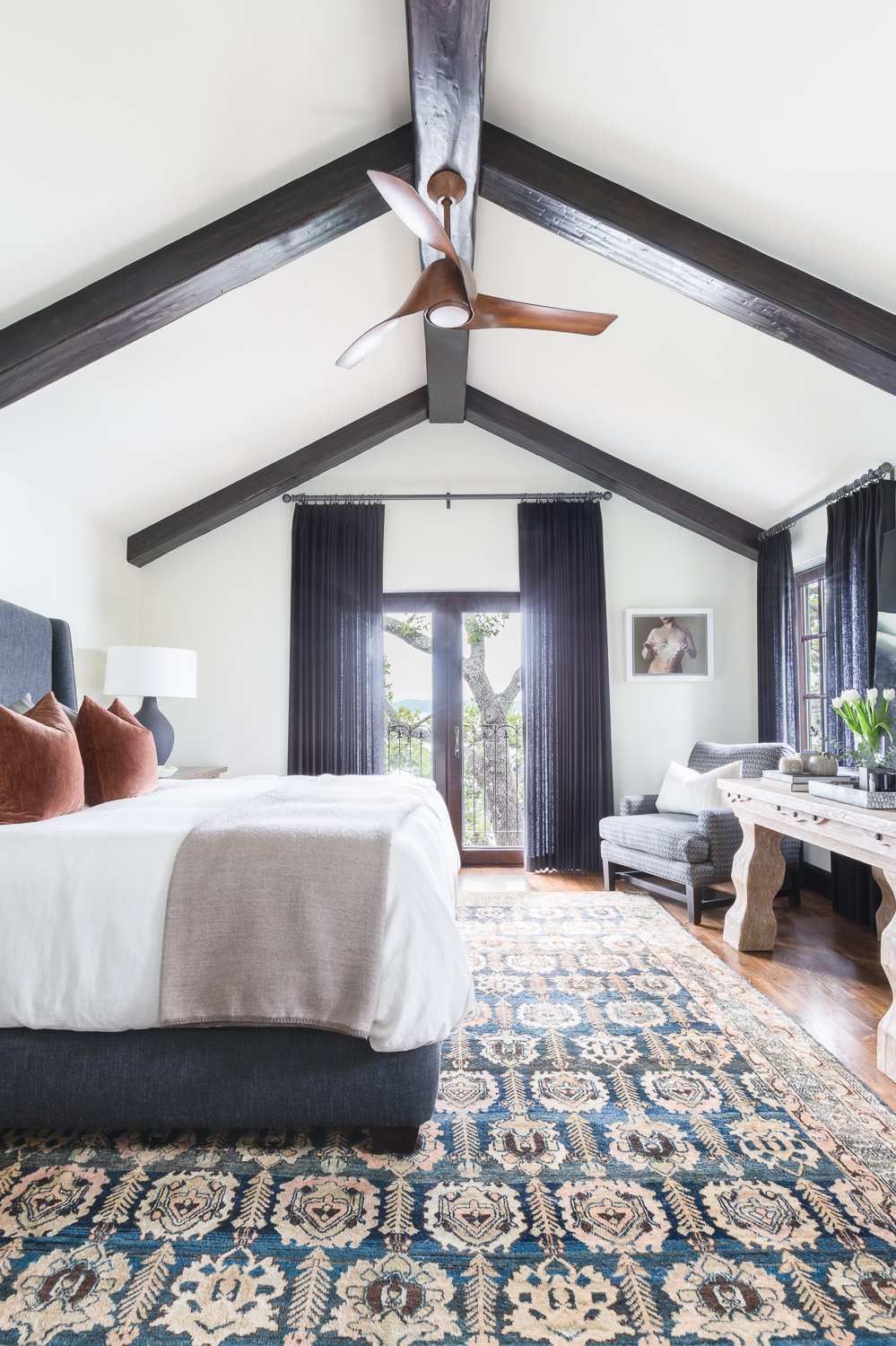
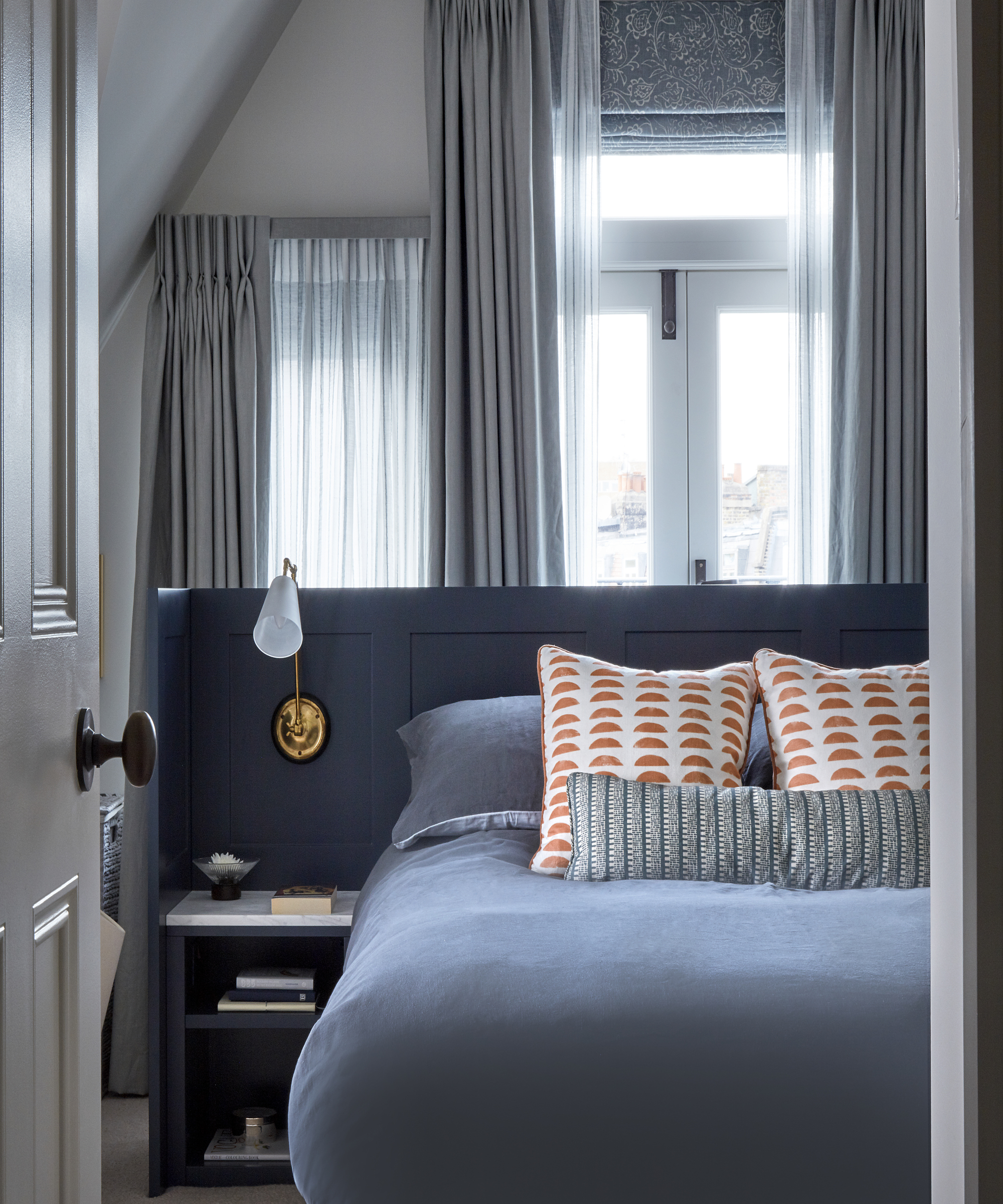
The first rule emphasizes the correct positioning of the bed. It advises against placing the head of the bed directly facing the door, a concept rooted in Feng Shui belief that positive energy can be drained away. Instead, the headboard should be against a solid wall, offering a sense of security and stability. This arrangement allows individuals to see anyone entering the room, which psychologically contributes to a feeling of safety and reduces vulnerability, thereby promoting a more relaxed state conducive to sleep. The importance of a commanding position, where one can see the door without being directly in line with it, is subtly implied by this rule.
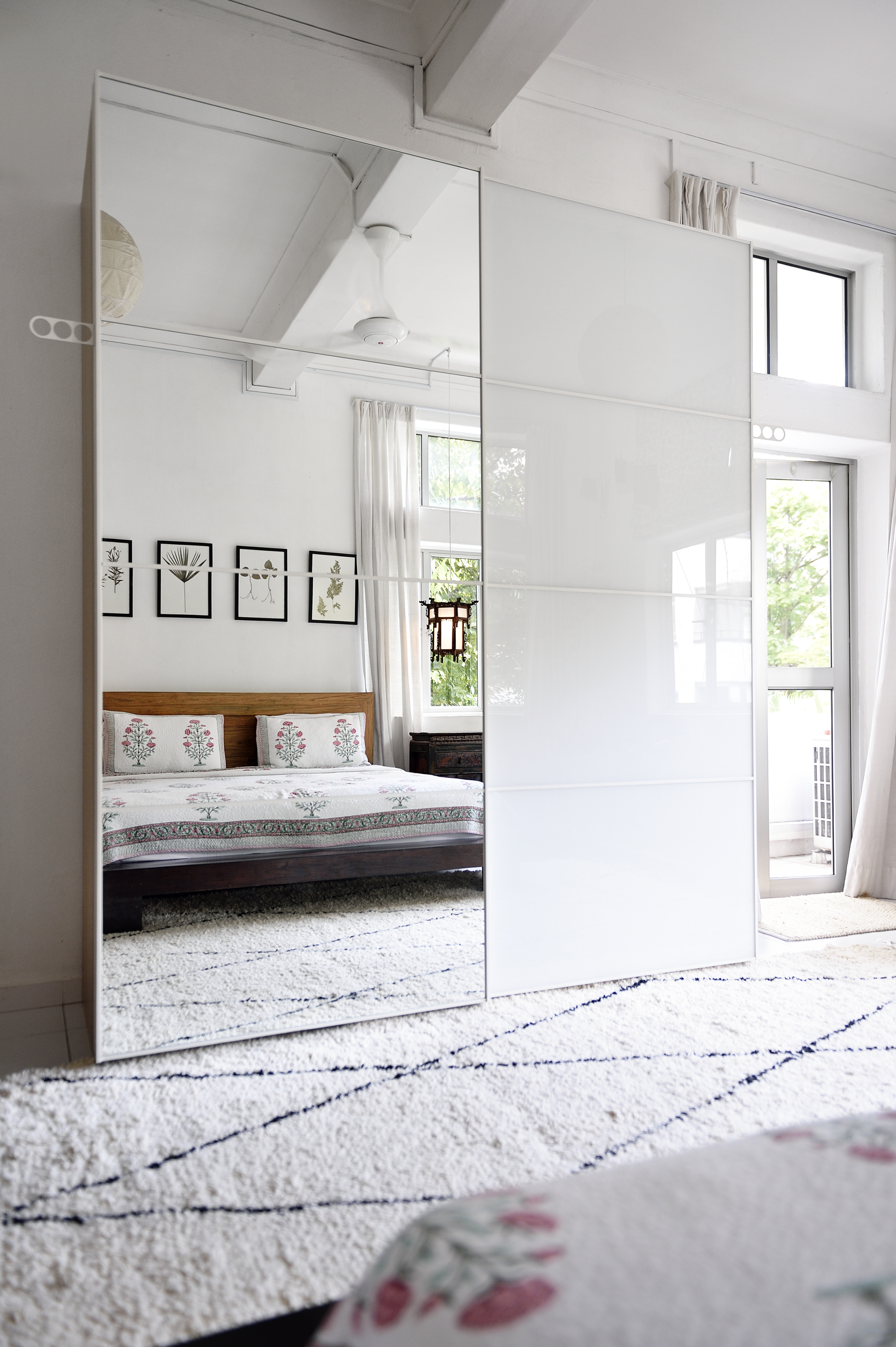
The second principle focuses on the space beneath the bed. Feng Shui tradition dictates that this area should be kept clear to allow for the free flow of energy and oxygen. Storing items under the bed is believed to obstruct this flow, potentially leading to stagnant energy that can disrupt sleep and well-being. However, if storage is essential due to limited space, the article suggests using this area only for items related to sleep, such as spare bedding or pillows, to minimize negative energetic impact.
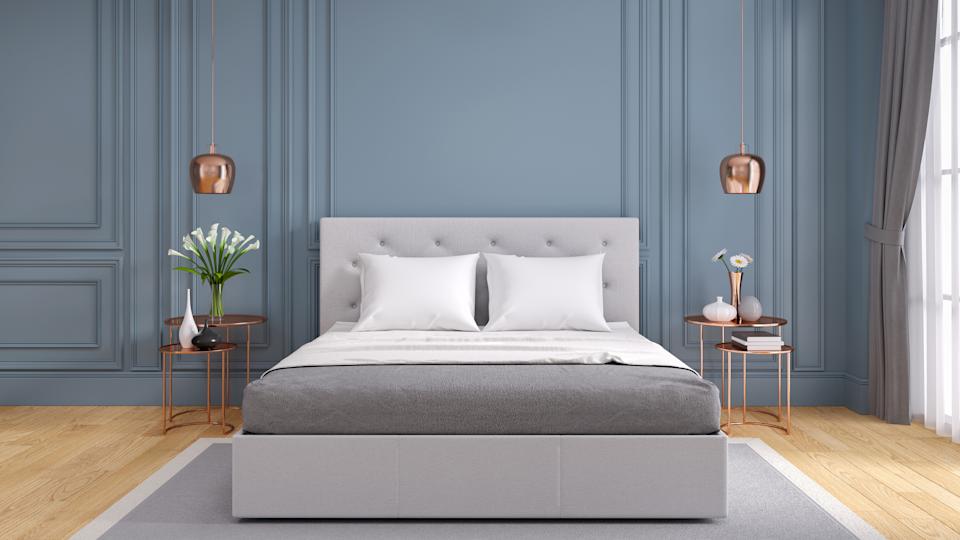
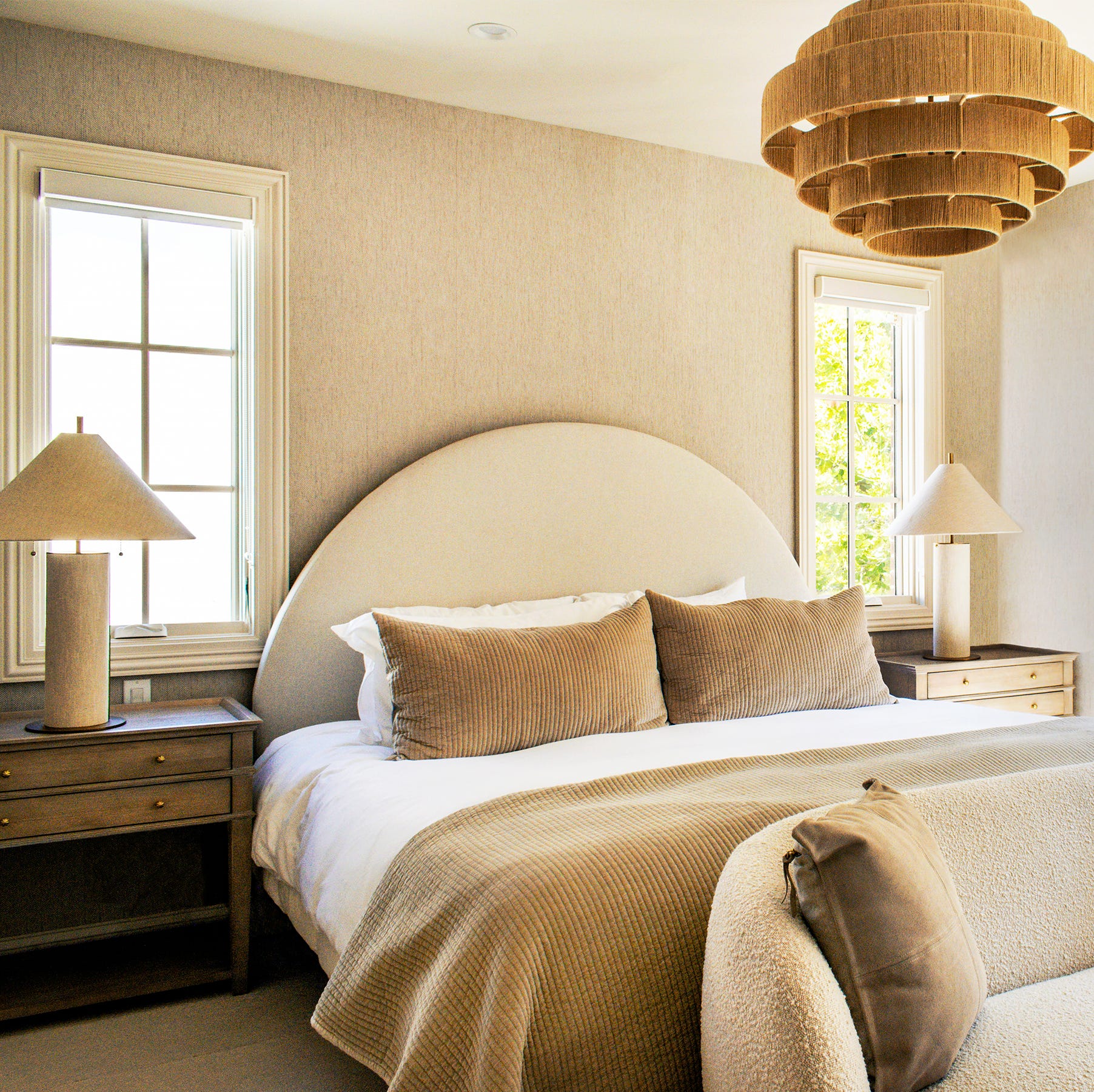
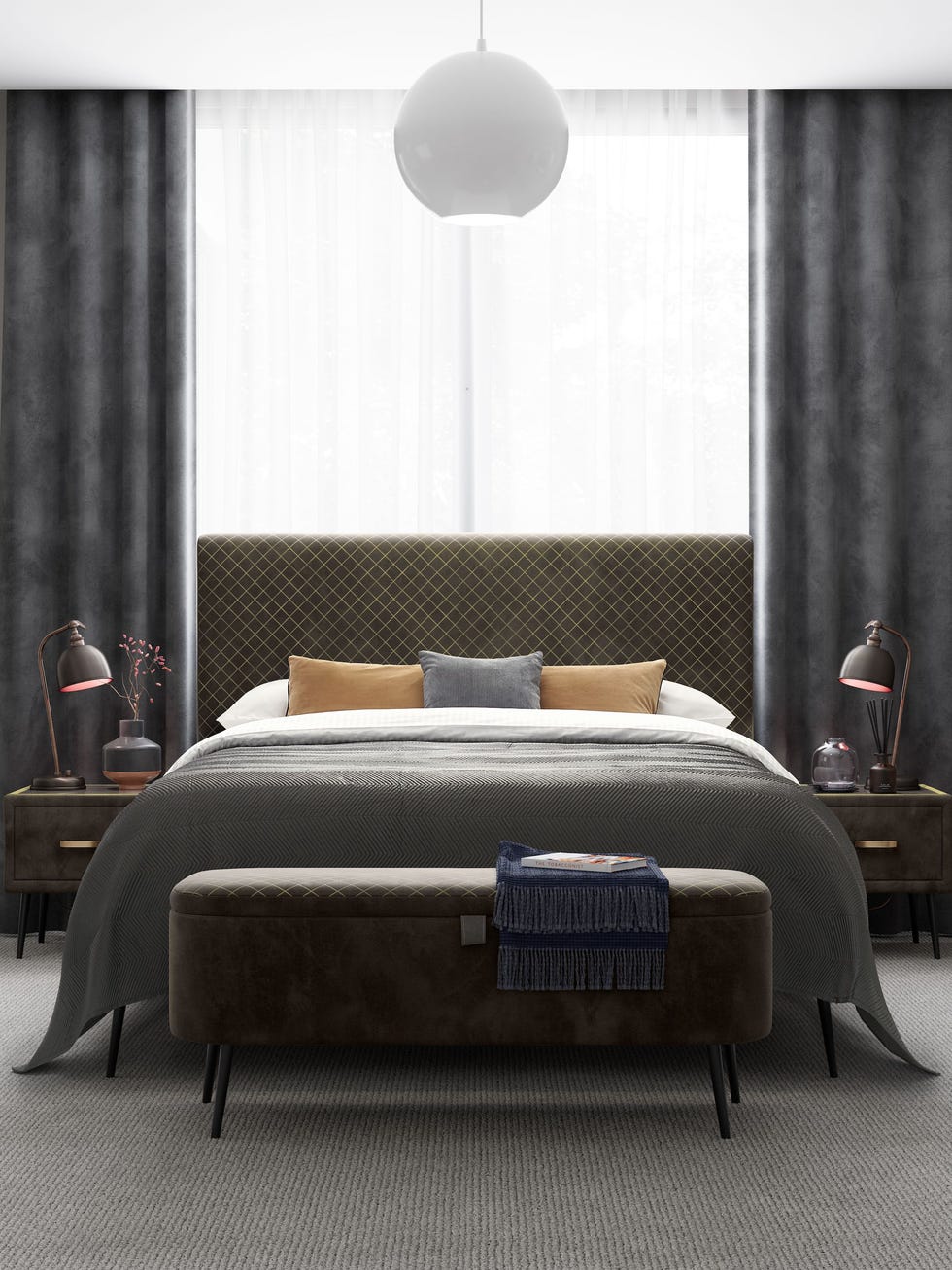
The third rule advocates for a symmetrical bedroom layout. The human brain tends to interpret symmetry as a sign of safety, stability, and calm. Therefore, arranging bedroom furniture and decor in a balanced and symmetrical manner can create a serene environment. This visual harmony helps to quiet the mind, making it easier to relax and fall asleep. While achieving perfect symmetry might not always be feasible, striving for balance can significantly contribute to a peaceful atmosphere.
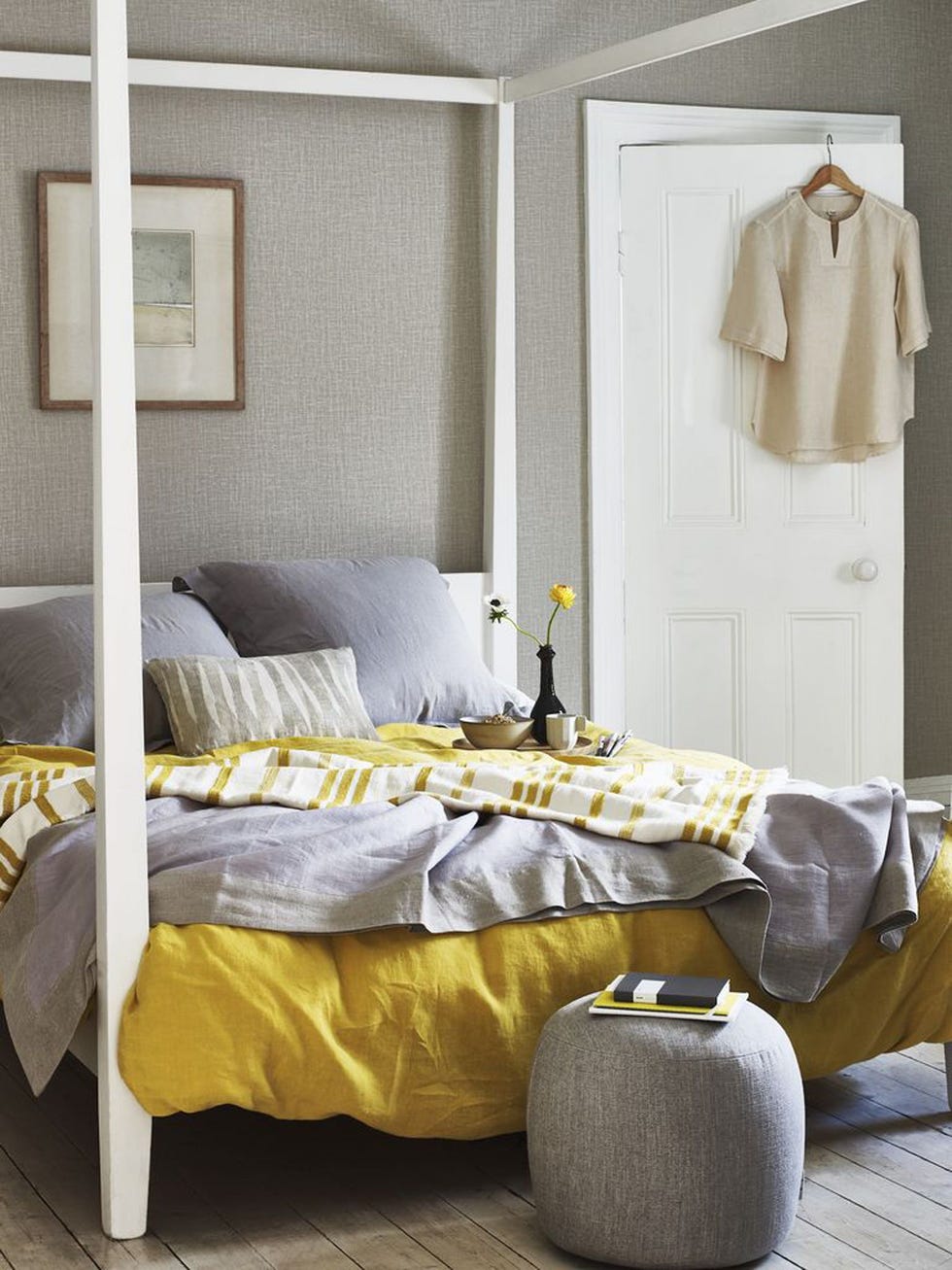
Finally, the article highlights the crucial role of tidiness and decluttering. Scientific studies suggest a correlation between cluttered rooms and disrupted sleep patterns. A messy environment can overwhelm the senses and contribute to a racing mind, triggering anxiety and a sense of chaos. The brain, perceiving disorder, may remain on alert, making it challenging to transition into sleep. Consequently, maintaining a clean and organized bedroom is presented as a fundamental step towards promoting calmness and improving sleep quality. This practical tip is universally applicable, regardless of adherence to Feng Shui beliefs.
#FengShui #BedroomDesign #SleepImprovement #HomeDecor #Wellness #InteriorDesign #ClutterFree #FengShui #BedroomDesign #SleepImprovement #HomeDecor #Wellness #InteriorDesign #ClutterFree
0 comment in total
 No comments yet
You may also like
Should my bed be facing the door? Why the wrong bedroom layout could be disrupting your sleep


5 Things You Should Never Put Above Your Bed — Especially If You Want Good Feng Shui in Your Home

This big Feng Shui mistake in your bedroom could be causing your poor sleep
Decorating Your Bedroom With Feng Shui
Should your bed face the door? Here's what the experts think


The Only Direction Your Bed Should Be Facing, According to Feng Shui Experts


These Feng Shui experts say you shouldn't position your bed like this if you want to sleep well – and it's a common layout idea

14 ways to bring feng shui to your bedroom for harmony and balance
'Never sleep with a chair facing you' – Feng Shui experts bust this viral myth about your bedroom layout
'Never sleep with a chair facing you' – Feng Shui experts bust this viral myth about your bedroom layout

How to Feng Shui your bedroom
5 places to never put a wardrobe in a bedroom, according to feng shui and interior designers
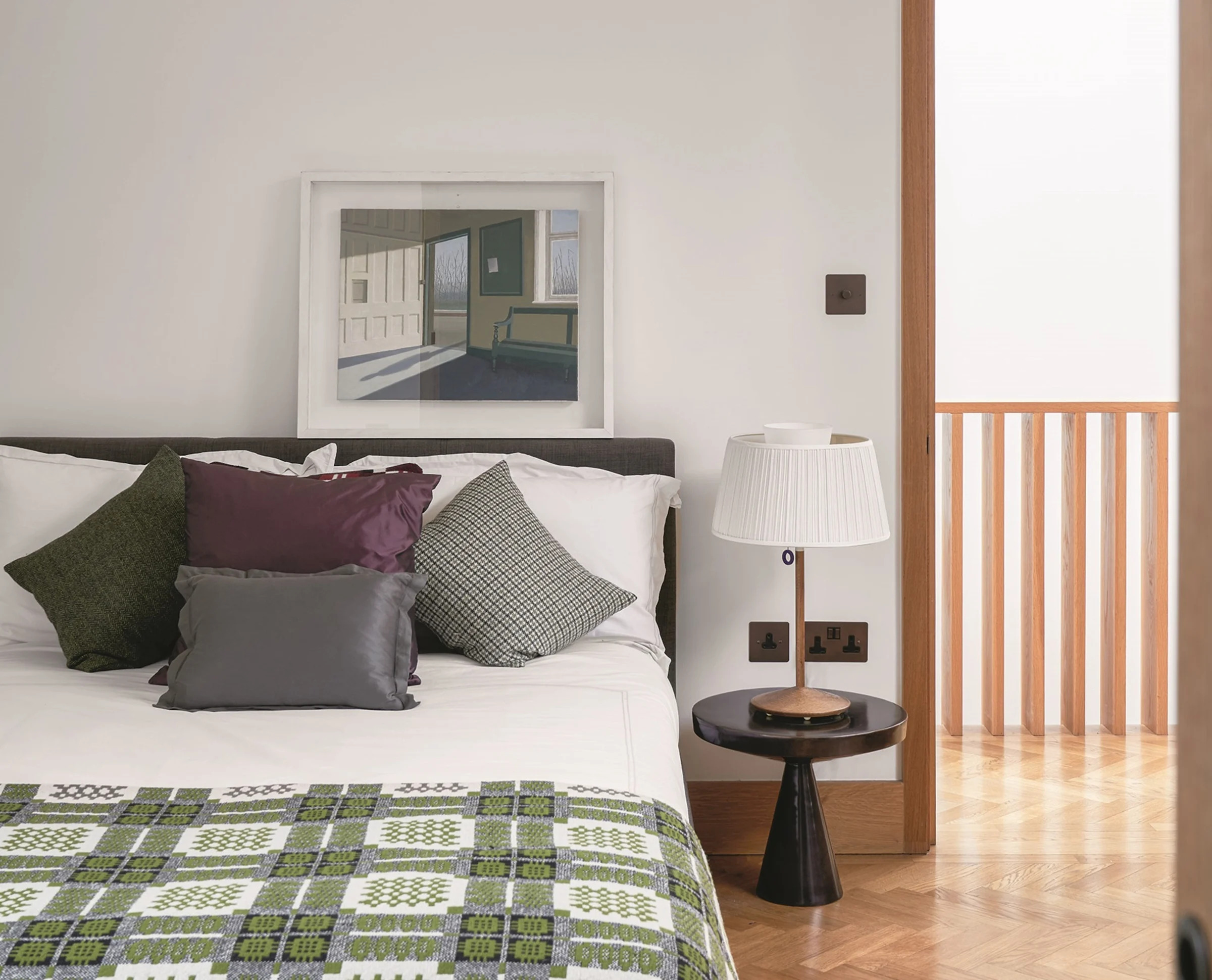
Feng Shui experts warn you to avoid this mistake so that you sleep better, and to choose this bedroom layout instead

Is it okay to place a bed under a window? Feng Shui experts offer their advice

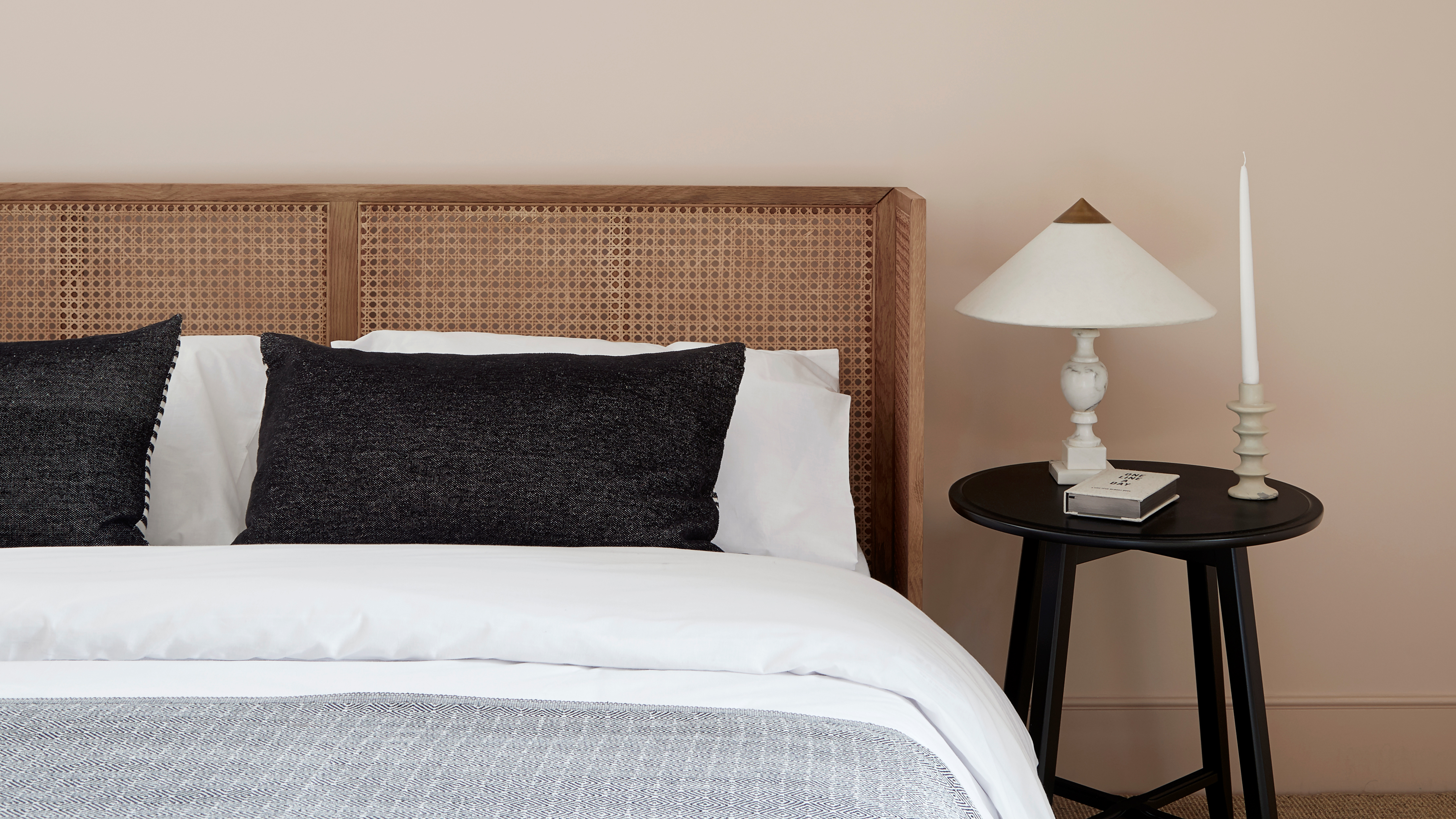
Bedroom Feng Shui – 10 tips for creating a zen-like space to encourage sleep

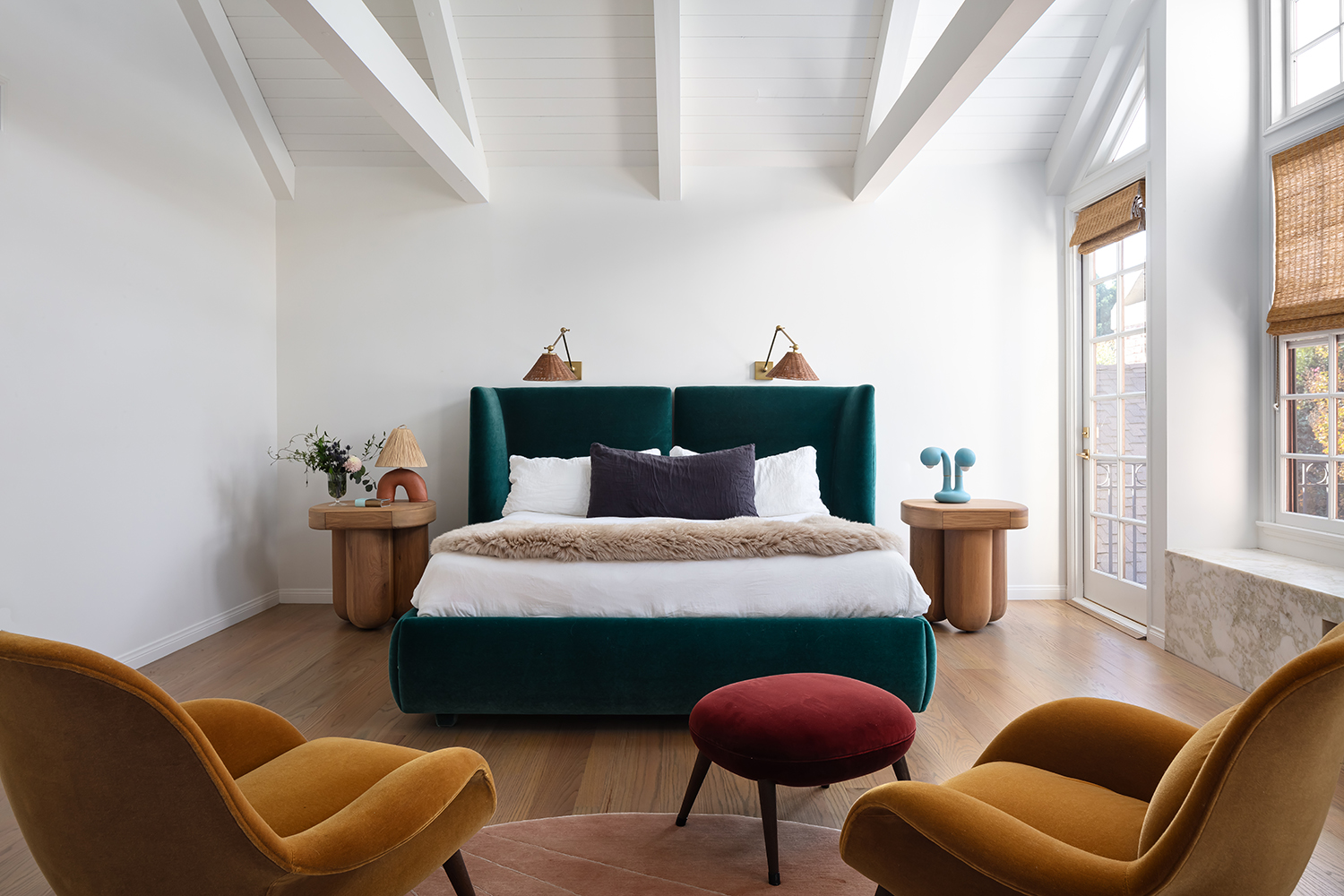
7 of the worst bedroom layout mistakes and how to avoid them

These Feng Shui experts say you shouldn't position your bed like this if you want to sleep well — and it's a common layout idea
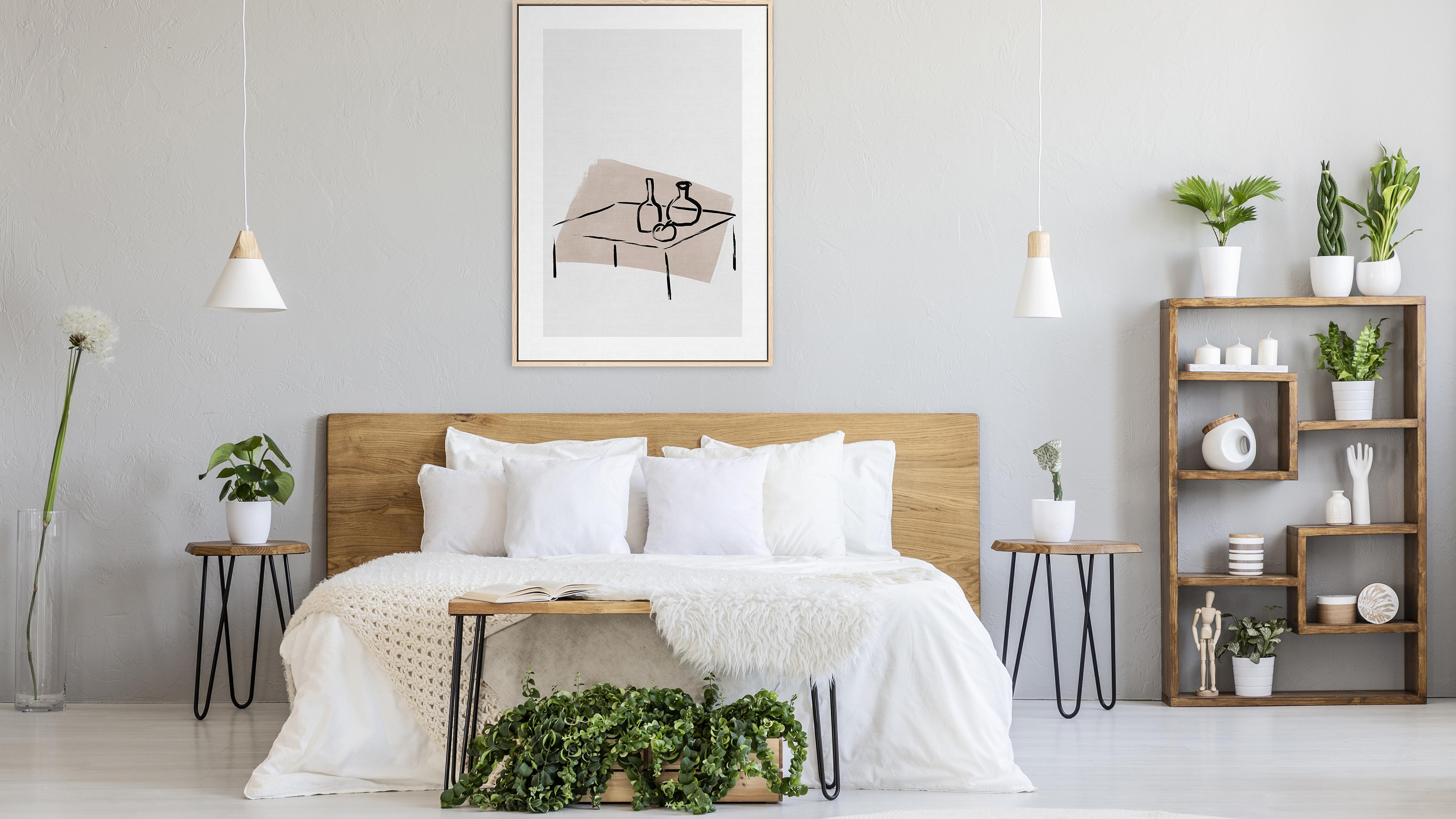
Feng shui bedroom layout tips and rules – how to create a zen sleeping space


Feng Shui bedroom layout – 8 ways to curate a rejuvenating space
8 feng shui tips for the bedroom by Joey Yap, Lifestyle News