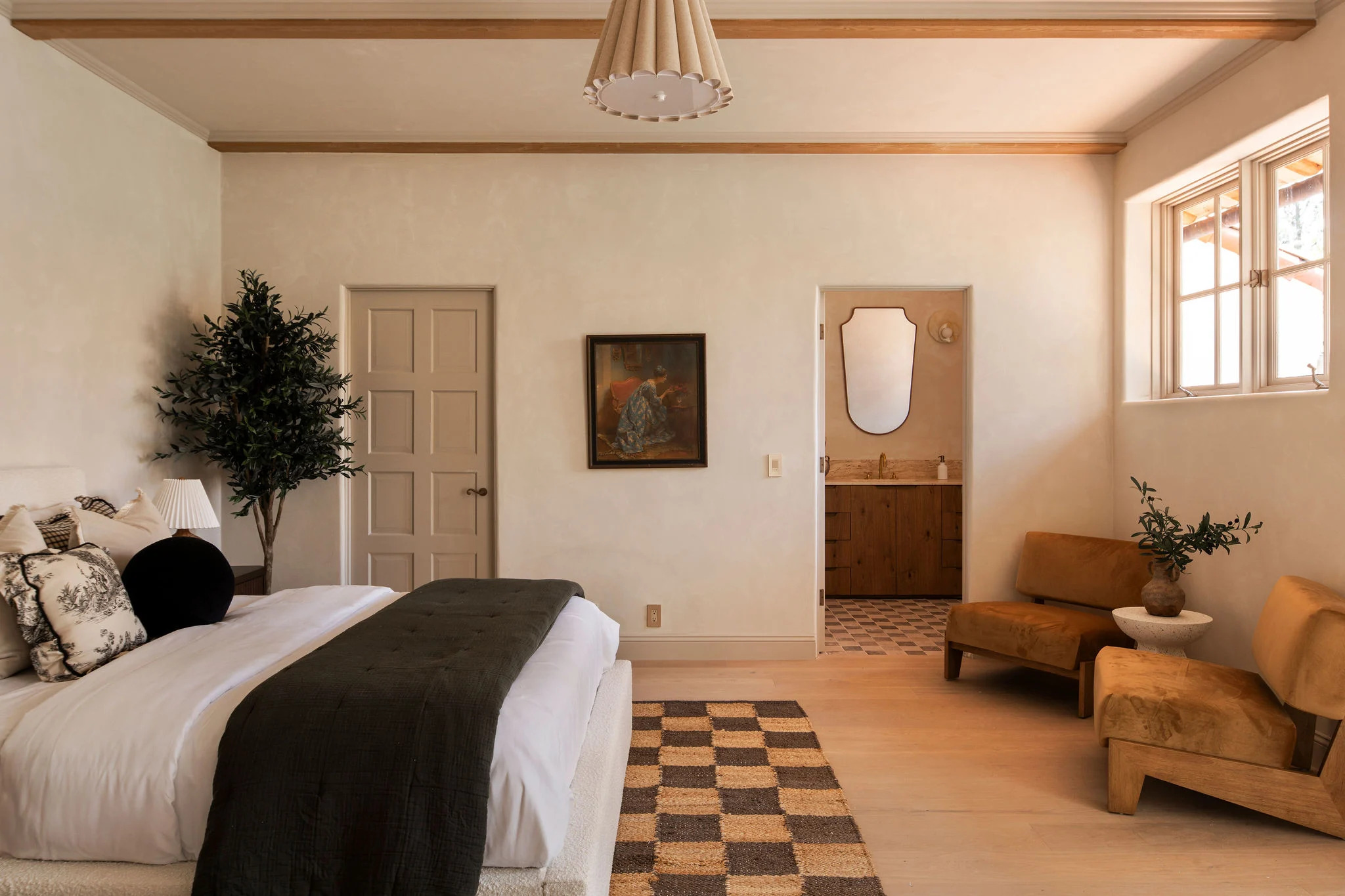
Is Your Bed Facing North Really the Best Way to Get Good Night's Rest? Sleep and Feng Shui Experts Weigh in
This article explores whether the direction a bed faces truly impacts sleep quality, drawing insights from sleep science, Feng Shui, and Vastu Shastra. While scientific evidence directly linking bed orientation to sleep is limited, experts acknowledge the significant role of the sleep environment in achieving restorative rest. Key factors like optimal temperature, humidity, noise reduction, and light control are crucial for a conducive sleep setting. The choice of mattress, pillows, and bedding also plays a vital part in comfort, support, and body temperature regulation, especially for those who tend to sleep hot.
From a scientific perspective, there is no direct evidence to suggest that sleeping in a particular direction is inherently better for sleep quality. The human body's sleep mechanisms are primarily influenced by circadian rhythms, hormonal balance, and the overall comfort and tranquility of the sleep environment. Therefore, while ancient practices offer guidance, the primary focus for improving sleep, according to modern sleep science, should be on creating a comfortable and undisturbed sleeping space.
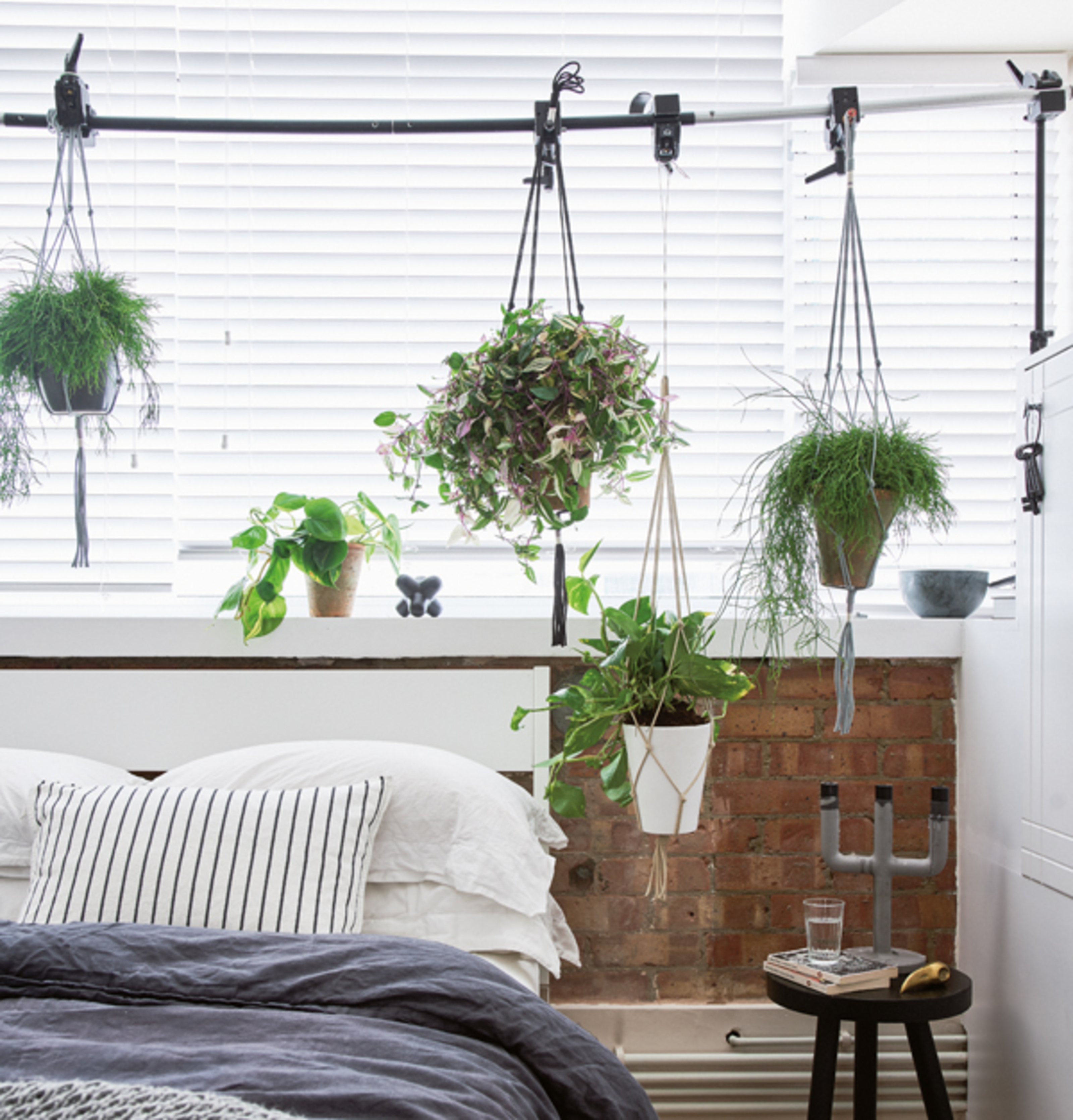
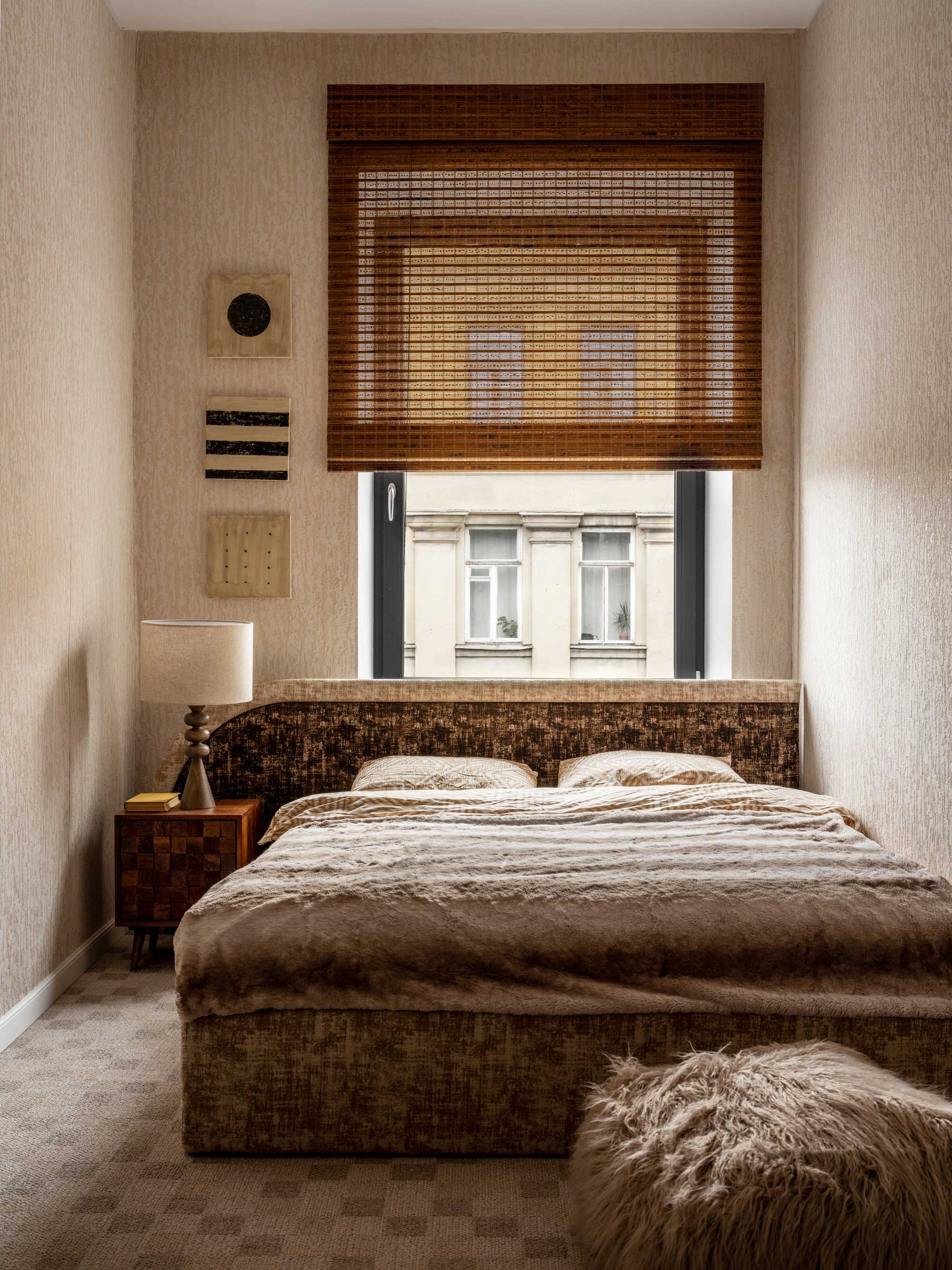
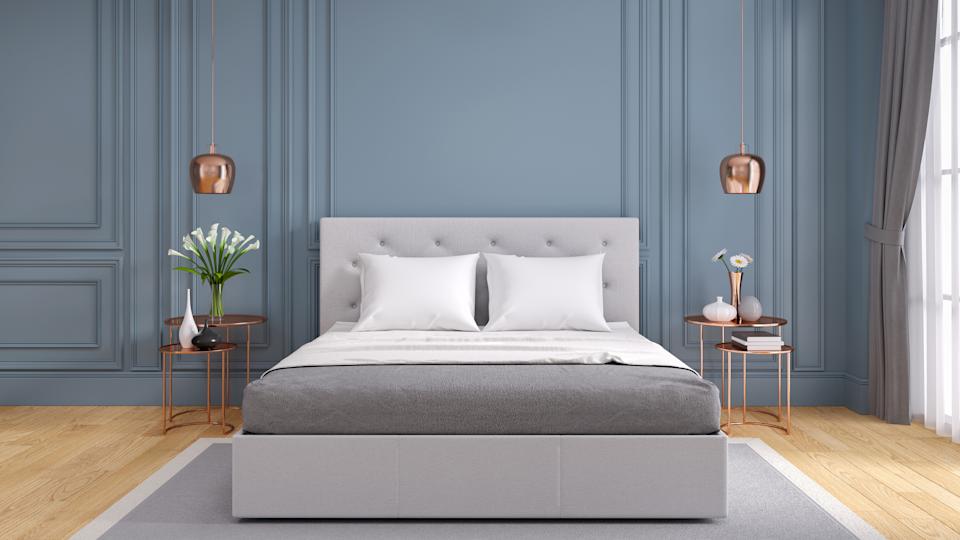
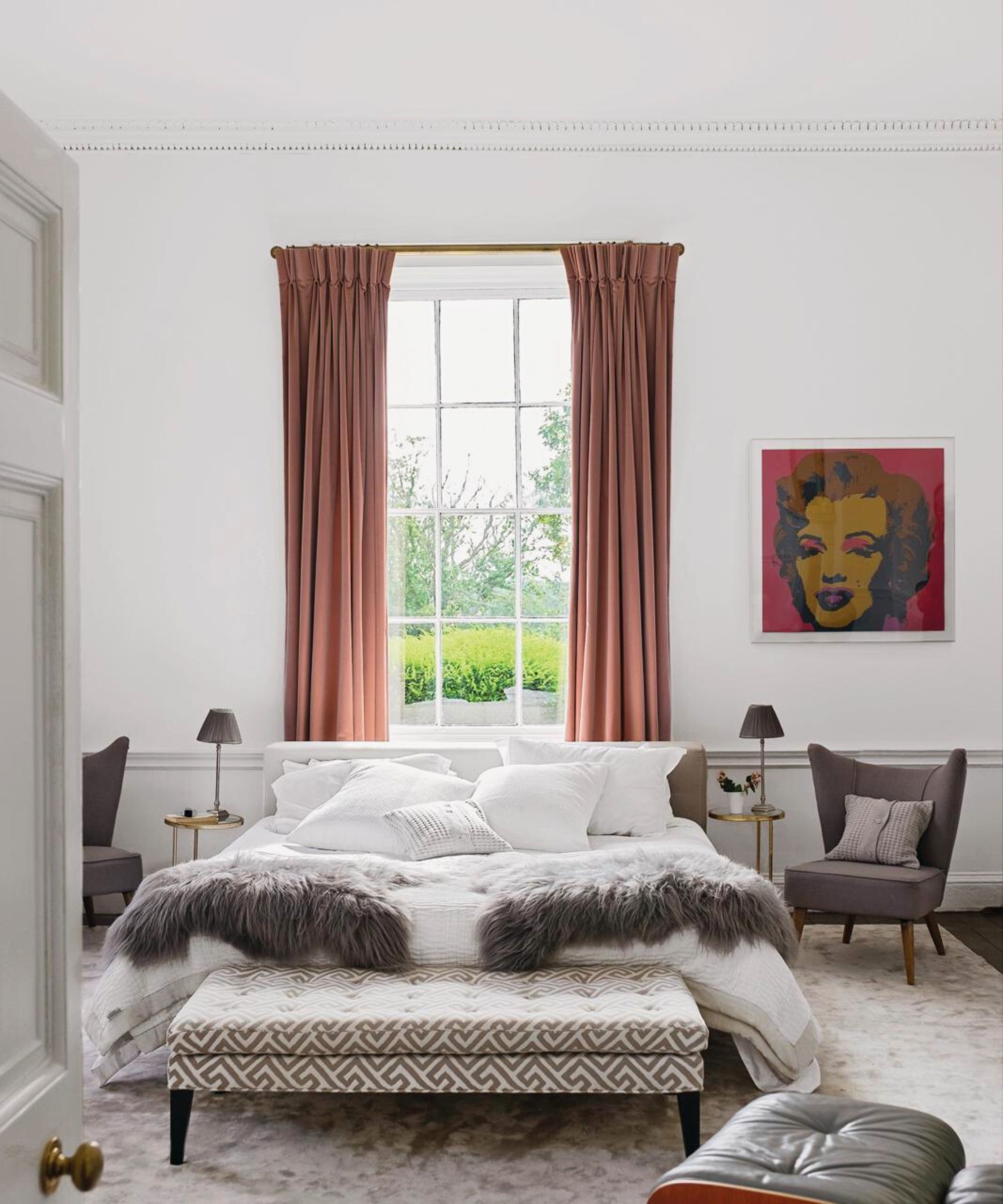
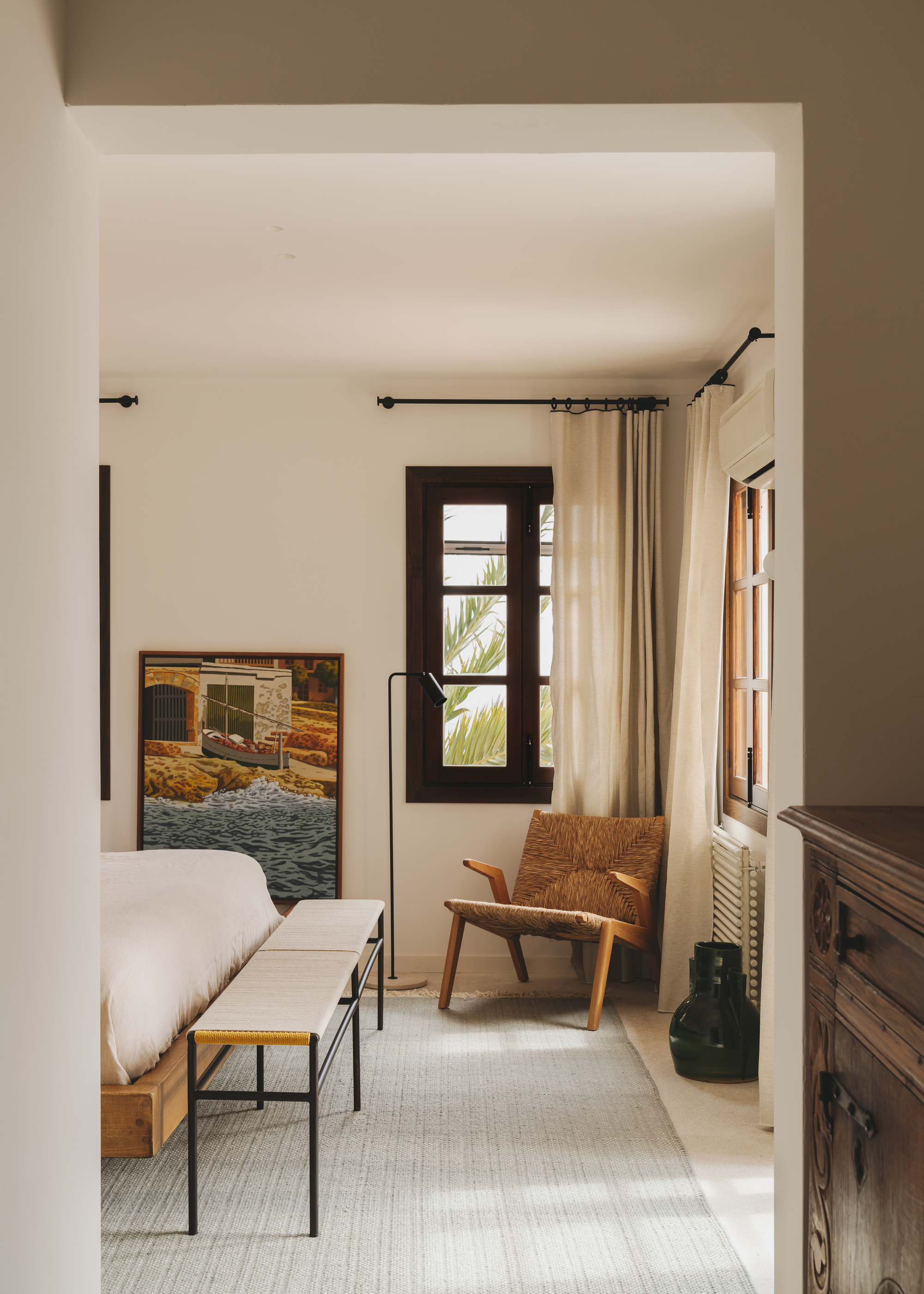
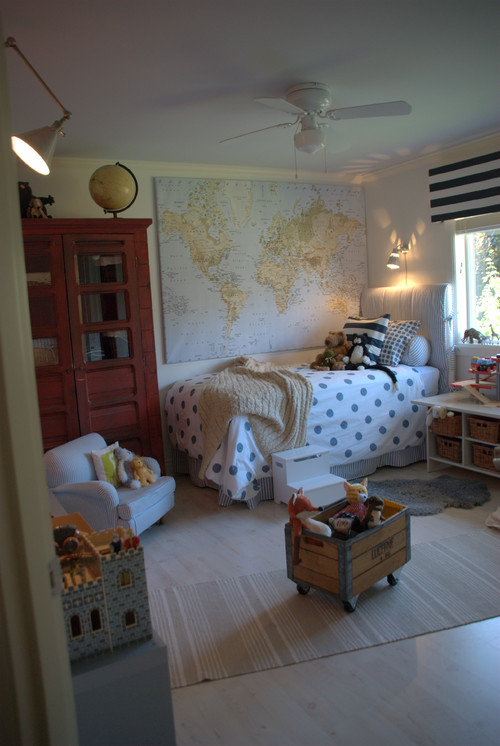
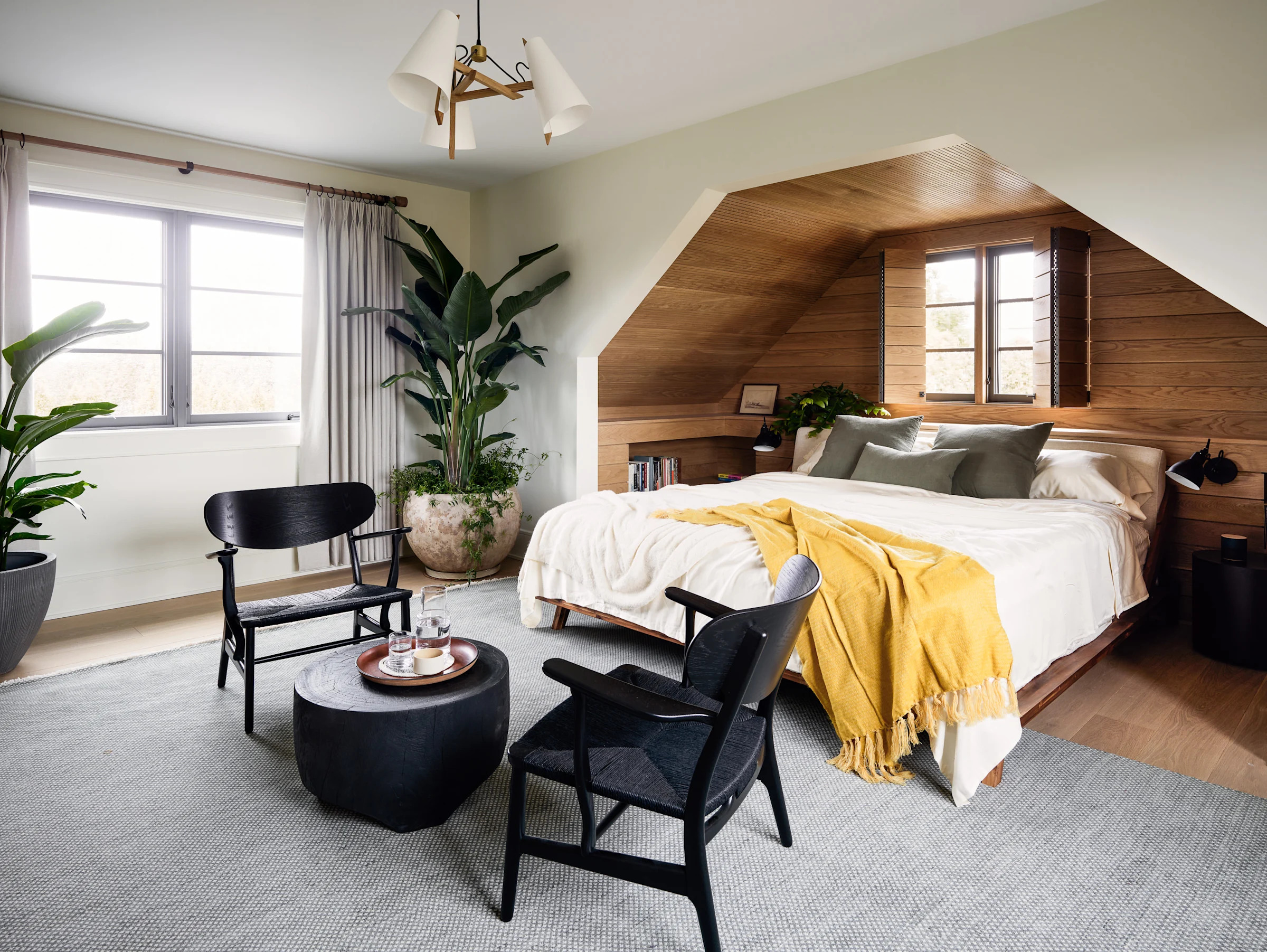
However, traditional practices like Feng Shui and Vastu Shastra offer detailed guidance on bed orientation, believing it can influence energy flow, health, and well-being. Feng Shui, an ancient Chinese art, recommends specific directions based on an individual's Kua number, which is derived from their birth year and gender. Generally, it advises against sleeping with the feet pointing towards the door, as this is considered inauspicious. It emphasizes a solid headboard against a wall, avoiding windows or shared walls with bathrooms, and ensuring the bed is not directly in line with the bedroom door. The concept of the 'commanding position' in Feng Shui suggests placing the bed so that one can see the door without being directly in line with it, fostering a sense of security and control.
Vastu Shastra, an ancient Indian science of architecture, provides guidelines on bed placement, particularly for sleeping with one's head facing south or east. Sleeping with the head to the south is believed to attract positive energy and improve sleep, as the Earth's magnetic field is thought to influence the body's magnetic field. It is suggested that sleeping with the head to the north can disrupt blood circulation and cause restlessness due to the repulsion between the body's and Earth's magnetic poles. Sleeping with the head to the east is also considered beneficial for memory and concentration. These traditional systems, while not scientifically proven, are rooted in cultural beliefs about cosmic energy and human well-being.
Ultimately, the effectiveness of a bed's orientation on sleep may vary from person to person. While scientific evidence points towards practical environmental factors and individual comfort, adherents of Feng Shui and Vastu Shastra believe that aligning with natural energies can lead to better sleep and overall health. The article suggests that rather than strictly adhering to one philosophy, individuals should experiment and find what works best for their unique sleep patterns and preferences. Creating a personal sleep sanctuary that feels secure, comfortable, and aesthetically pleasing remains a paramount goal, integrating elements from both scientific understanding and traditional wisdom as desired.
#BedOrientation #SleepQuality #FengShui #VastuShastra #SleepEnvironment #HomeDecoration #Wellness #InteriorDesign #BedOrientation #SleepQuality #FengShui #VastuShastra #SleepEnvironment #HomeDecoration #Wellness #InteriorDesign
0 comment in total
 No comments yet
You may also like
Do you sleep facing north? According to sleep experts you really should be
Should my bed be facing the door? Why the wrong bedroom layout could be disrupting your sleep


The Best Bedding to Improve Your Sleep

7 Bedroom Design Tips for Better Sleep, According to Experts

The Only Direction Your Bed Should Be Facing, According to Feng Shui Experts

Is it okay to place a bed under a window? Feng Shui experts offer their advice

Why your bed should never face away from the door, plus 3 more Feng Shui bedroom rules
The best beds and bed frames to help you sleep at night
These Feng Shui experts say you shouldn't position your bed like this if you want to sleep well — and it's a common layout idea
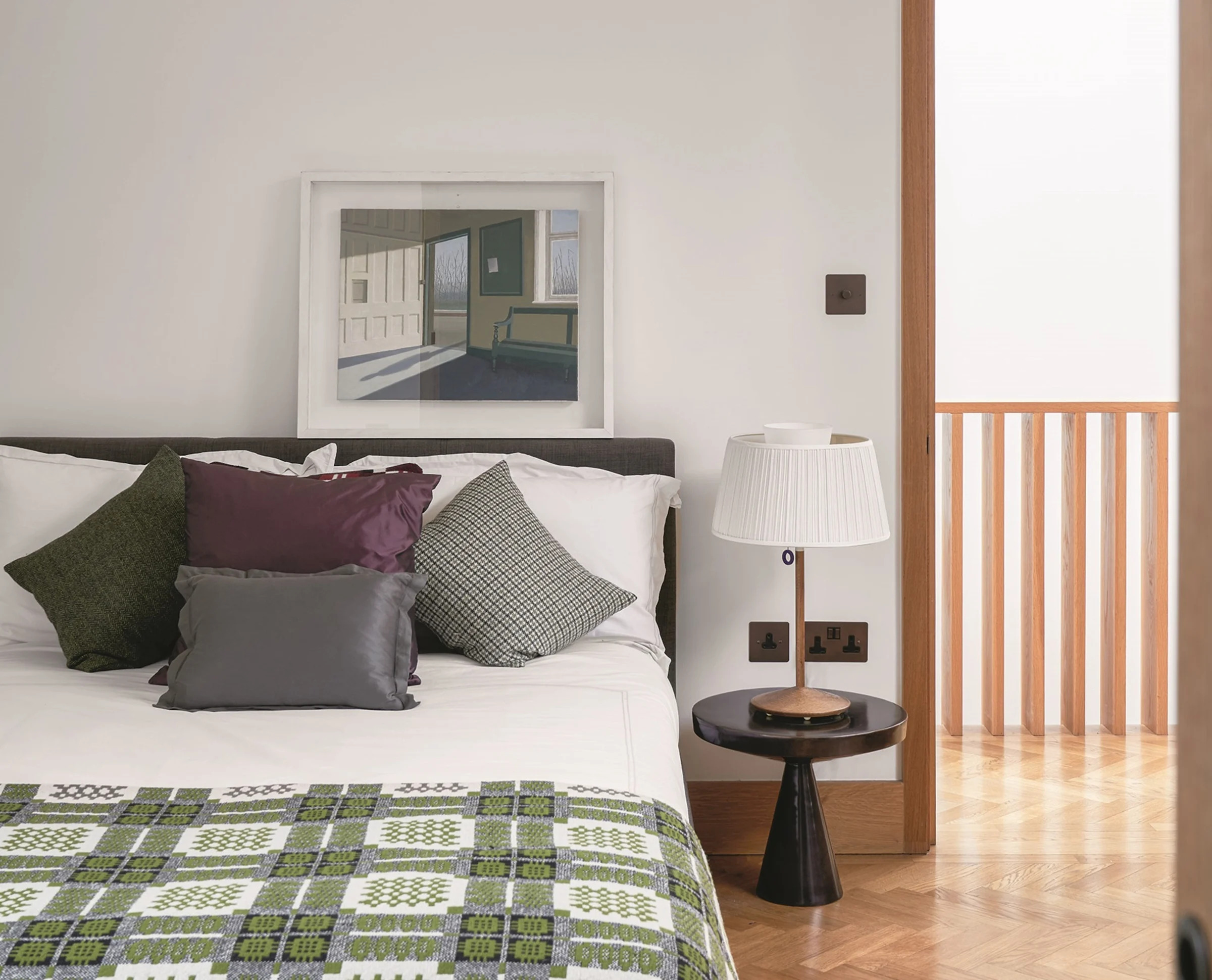
Feng Shui experts warn you to avoid this mistake so that you sleep better, and to choose this bedroom layout instead
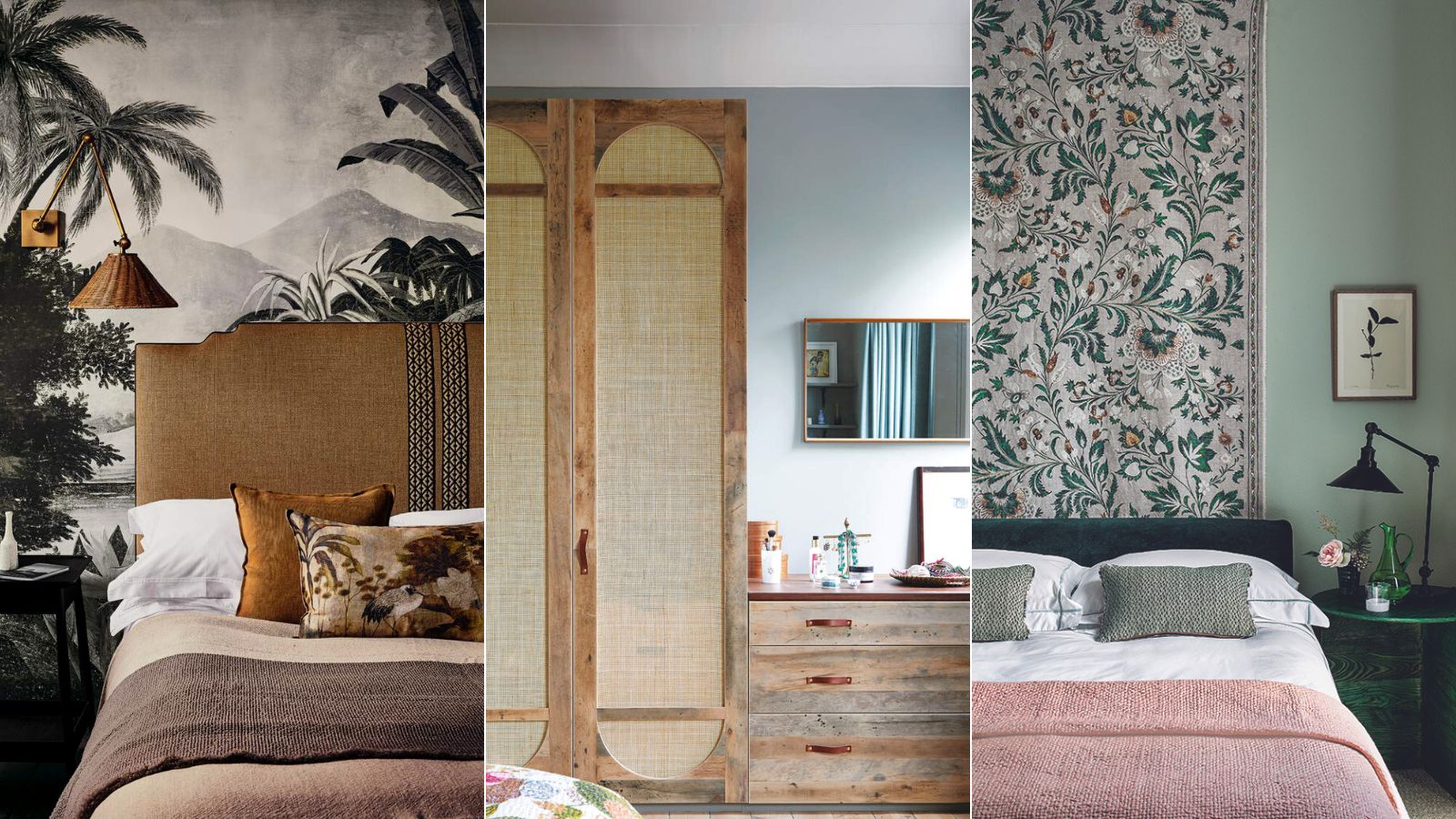
Feng Shui bedroom layout – 8 ways to curate a rejuvenating space
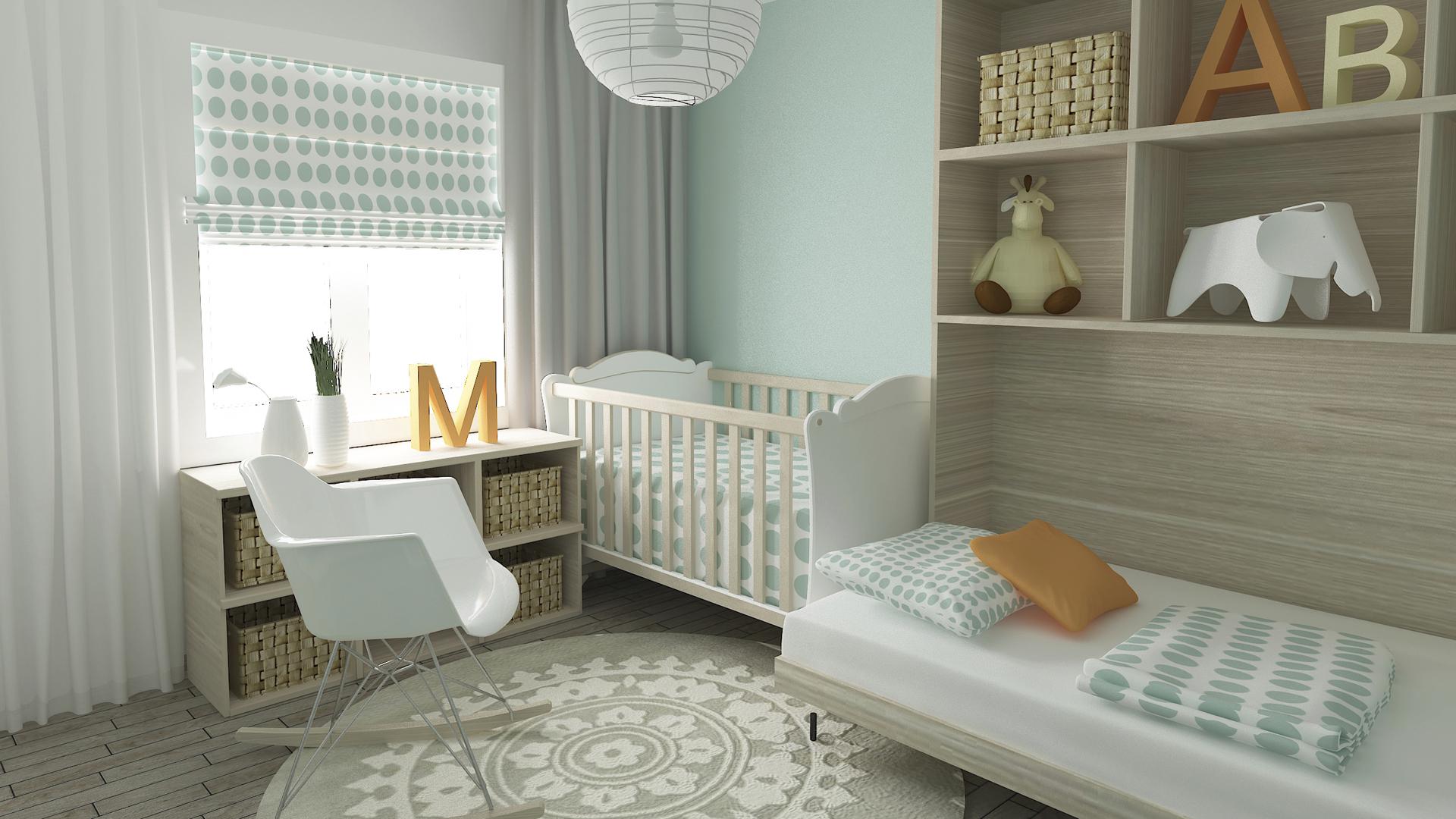
How feng shui can help your kids sleep better

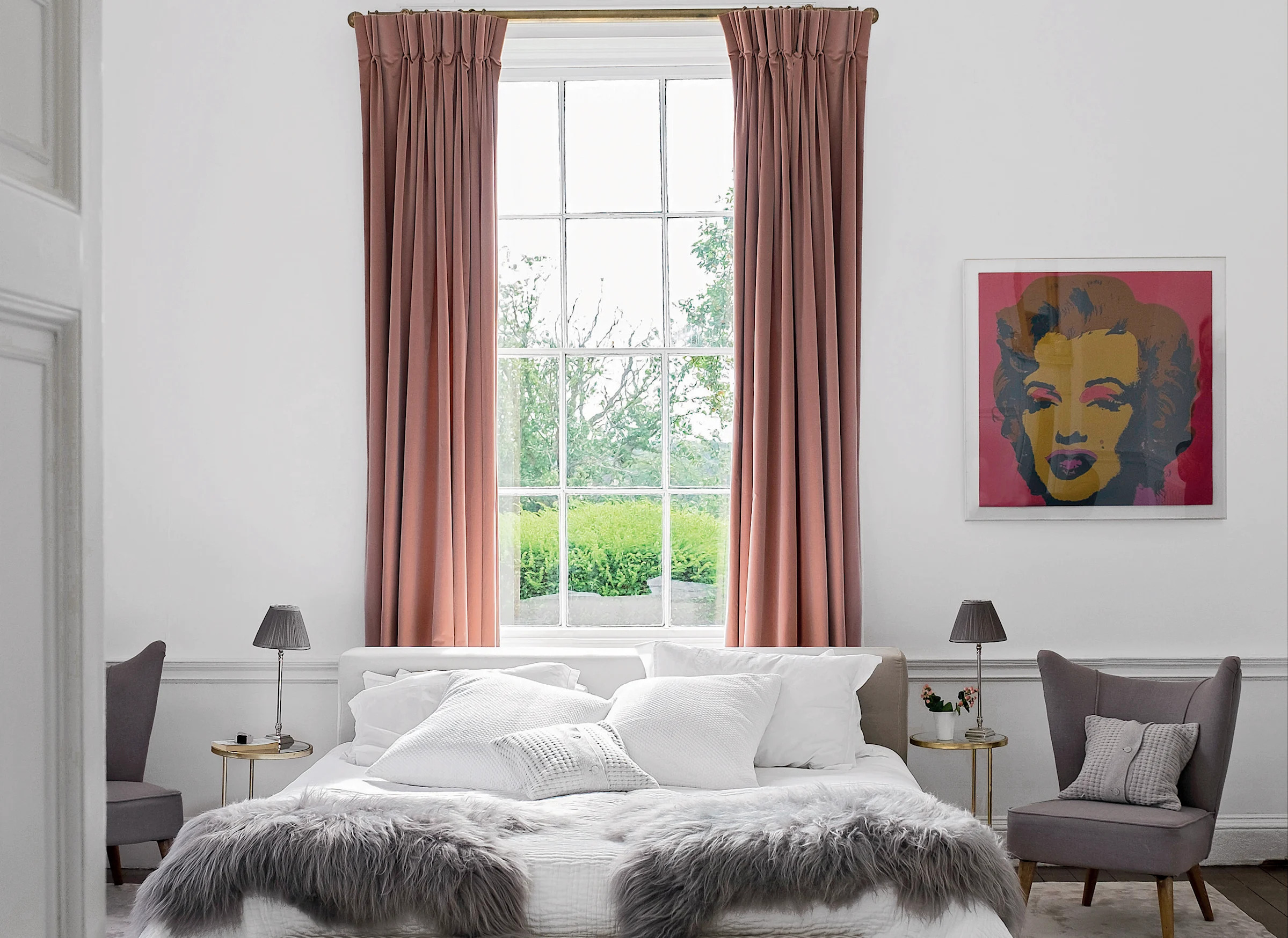
These Feng Shui experts say you shouldn't position your bed like this if you want to sleep well – and it's a common layout idea

This big Feng Shui mistake in your bedroom could be causing your poor sleep

The Best Bed Frames Are Literally the Foundation of a Good Night's Rest
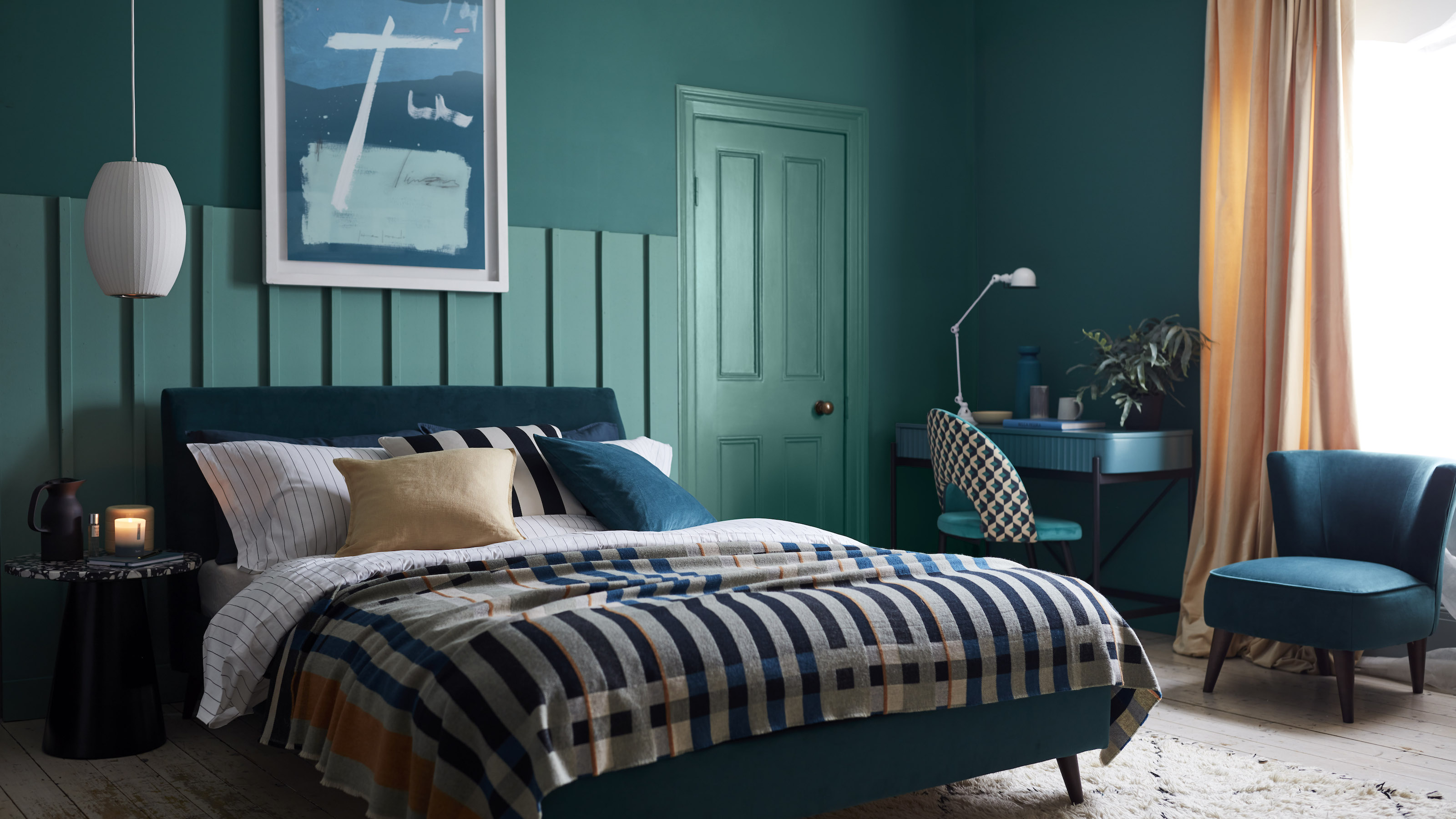
5 bedroom design tips to help night owls fall asleep – and wake up feeling fresh
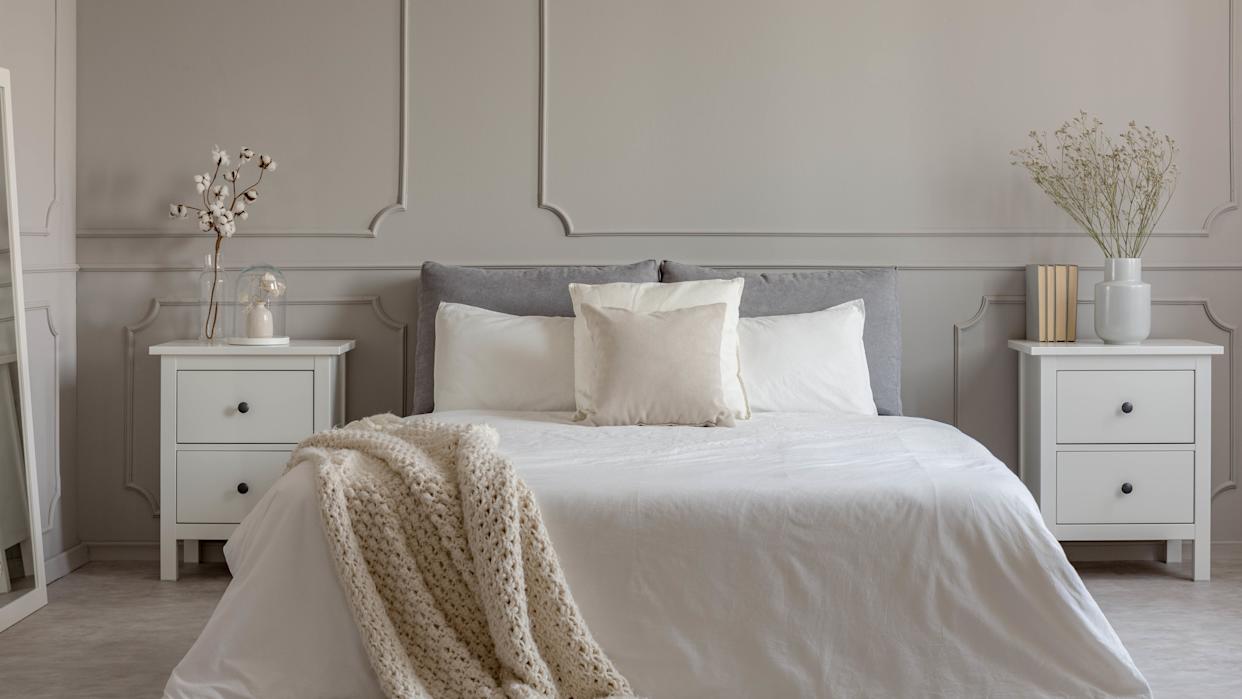
Should your bed face the door? Here's what the experts think

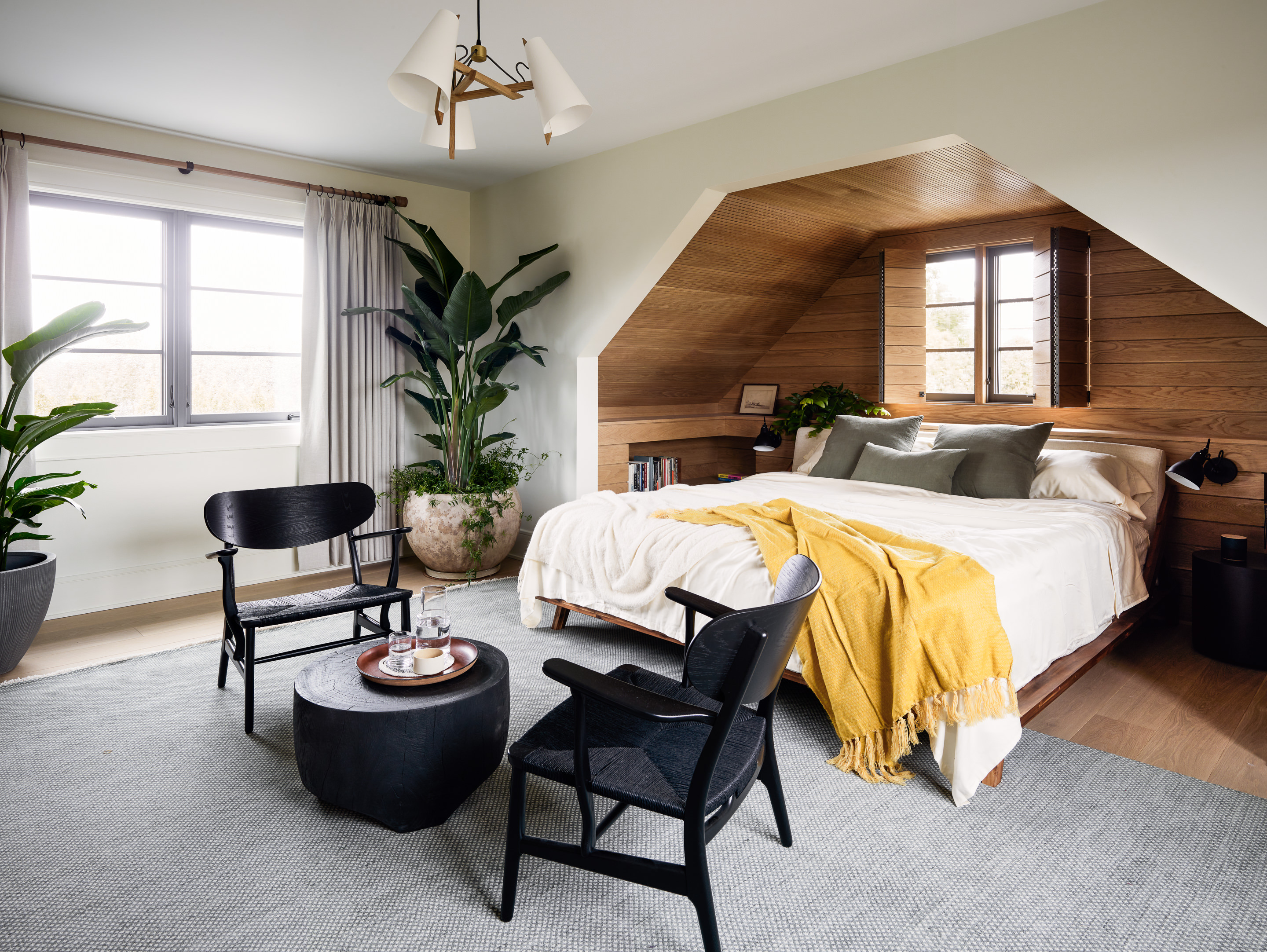
'Never sleep with a chair facing you' – Feng Shui experts bust this viral myth about your bedroom layout
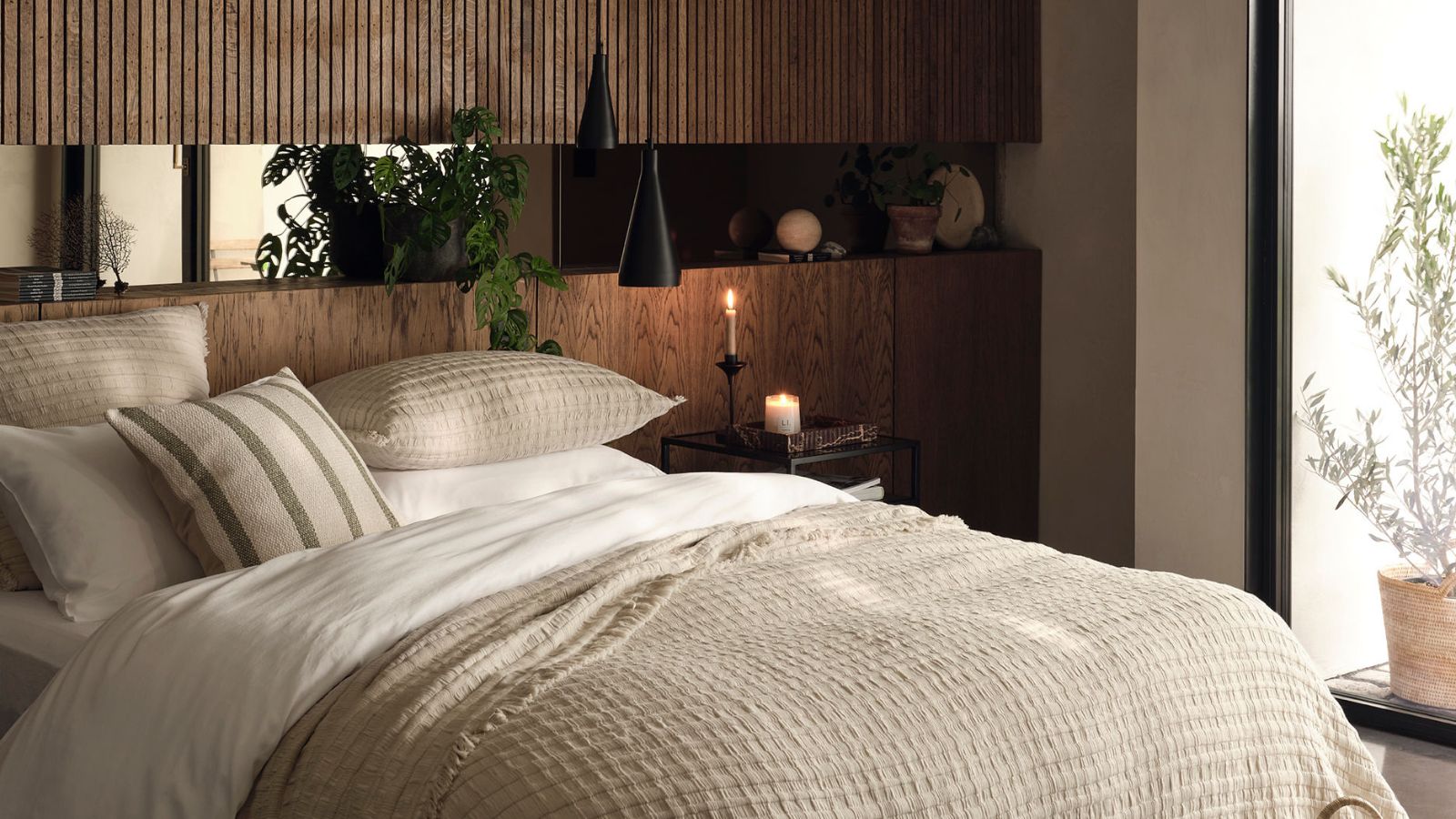
Sleep experts helped organize my bedroom for better sleep
'Never sleep with a chair facing you' – Feng Shui experts bust this viral myth about your bedroom layout