1/11
How feng shui can help your kids sleep better
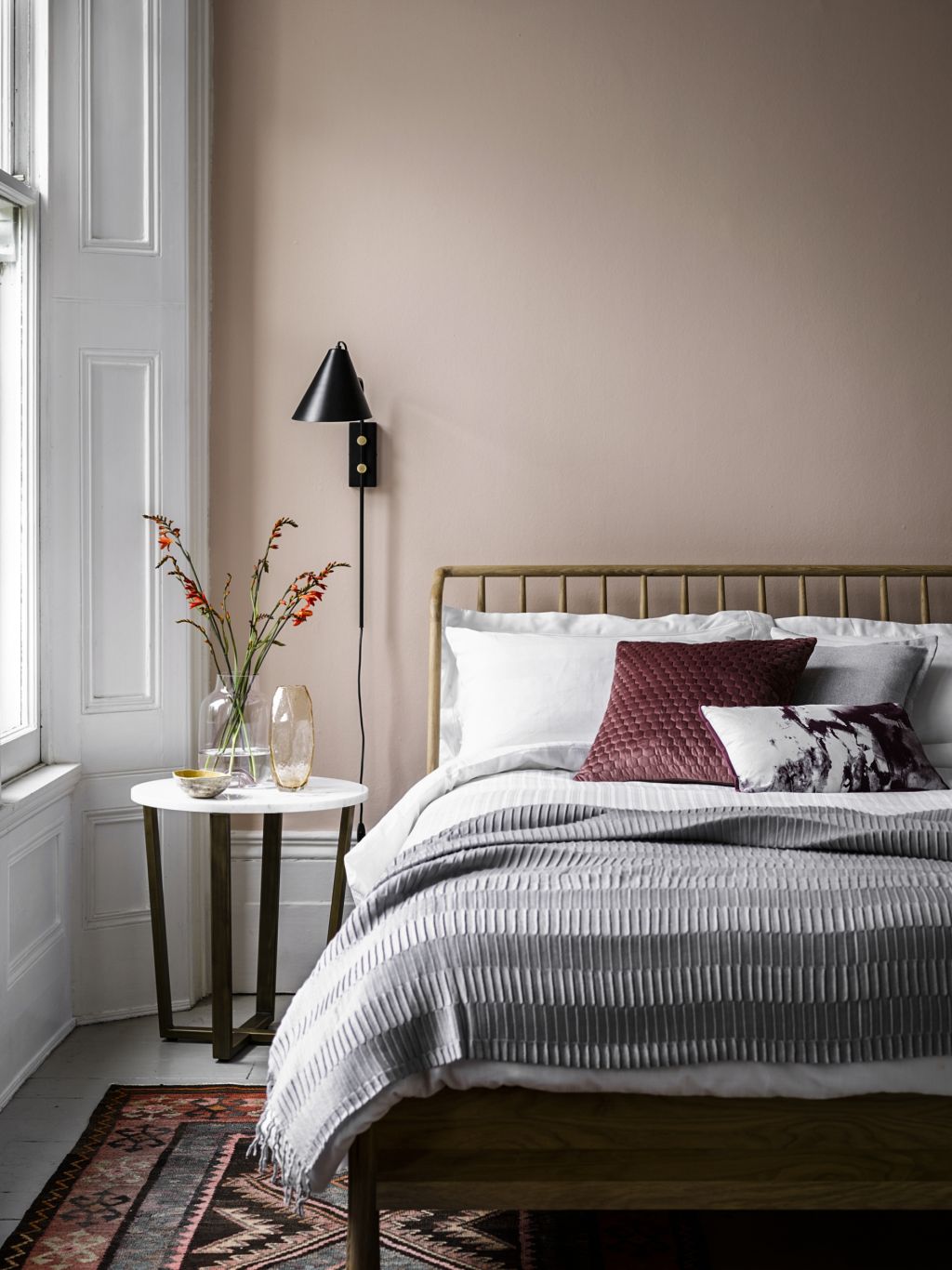
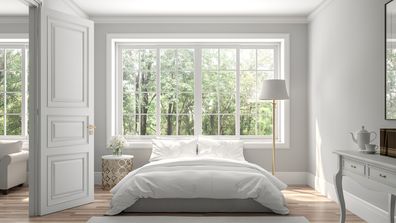
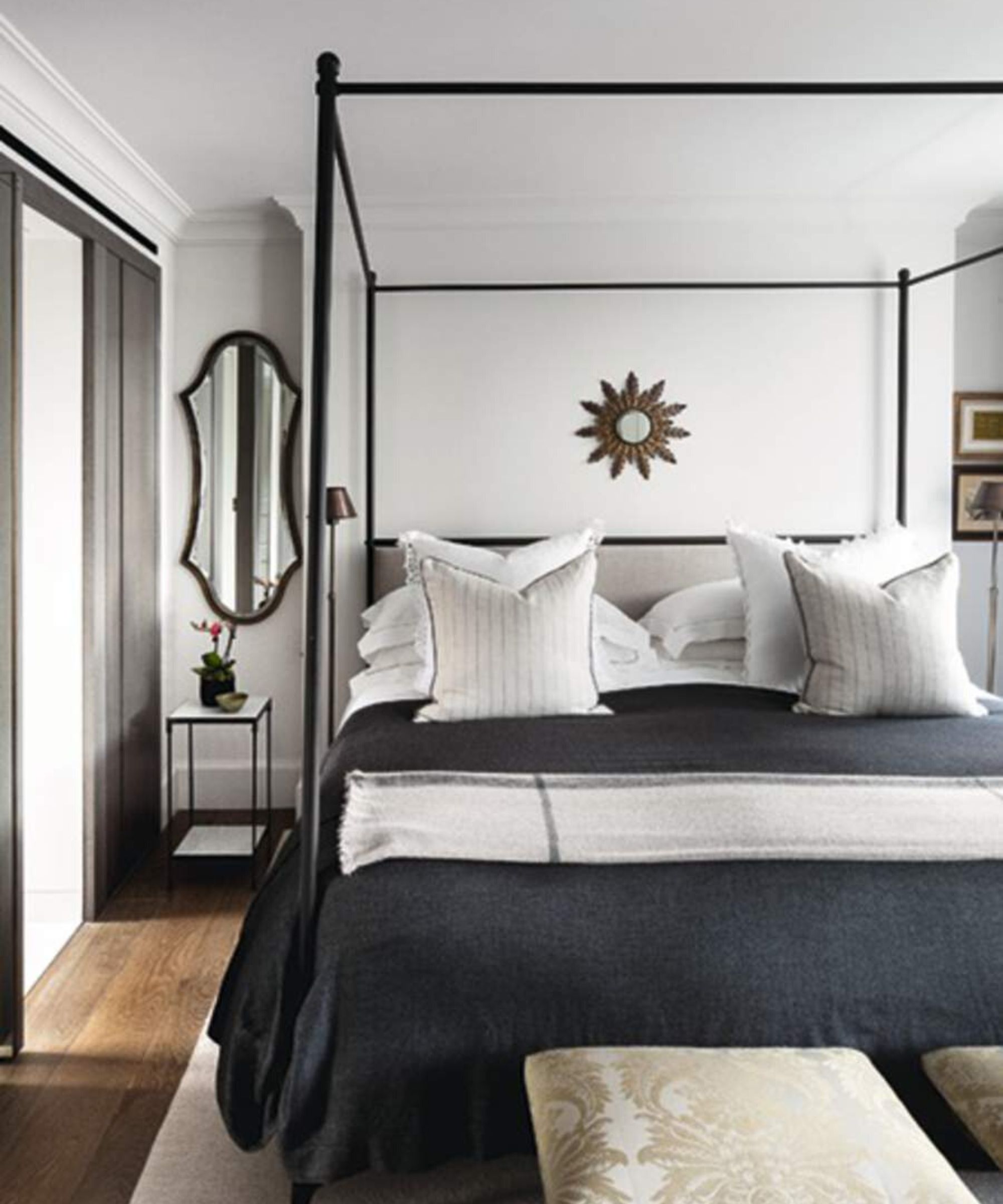
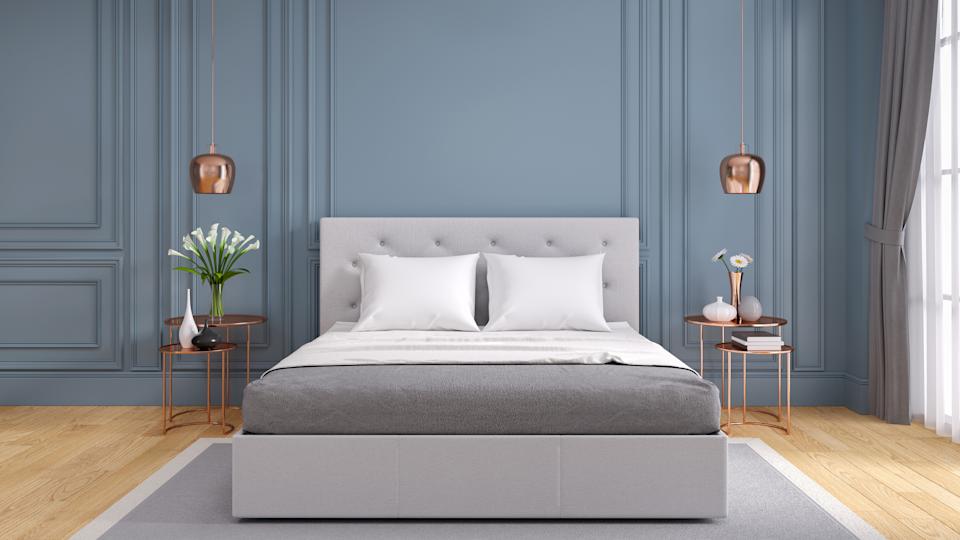
This article explores six brilliant feng shui tips for kids' rooms, aiming to create a harmonious and supportive environment that promotes sleep, happiness, and well-being. Feng shui, an ancient Chinese practice, focuses on arranging surroundings to optimize the flow of 'qi' or energy. The first crucial aspect is bed placement. According to feng shui expert Anjie Cho, the 'commanding position' for a child's bed is essential for restful sleep. This involves placing the bed so that the child can see the door from the headboard, which should be against the farthest wall from the door. The bed should not be directly in front of the door but rather diagonal to it. This positioning empowers the child by allowing them to perceive who is entering, thus preventing them from being startled and contributing to a sense of security and command over their space. It is also advised that the bed should not be positioned directly under a window.
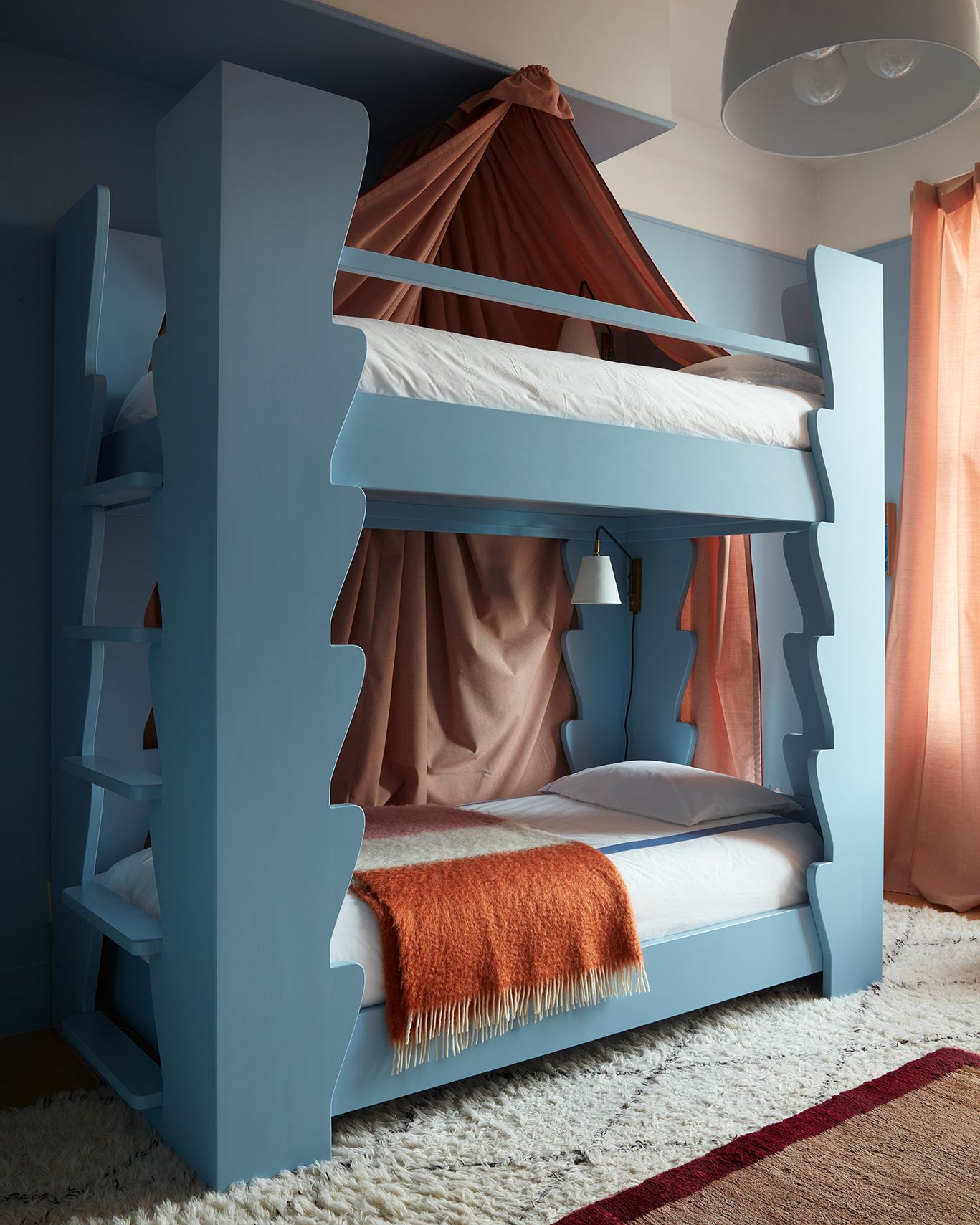
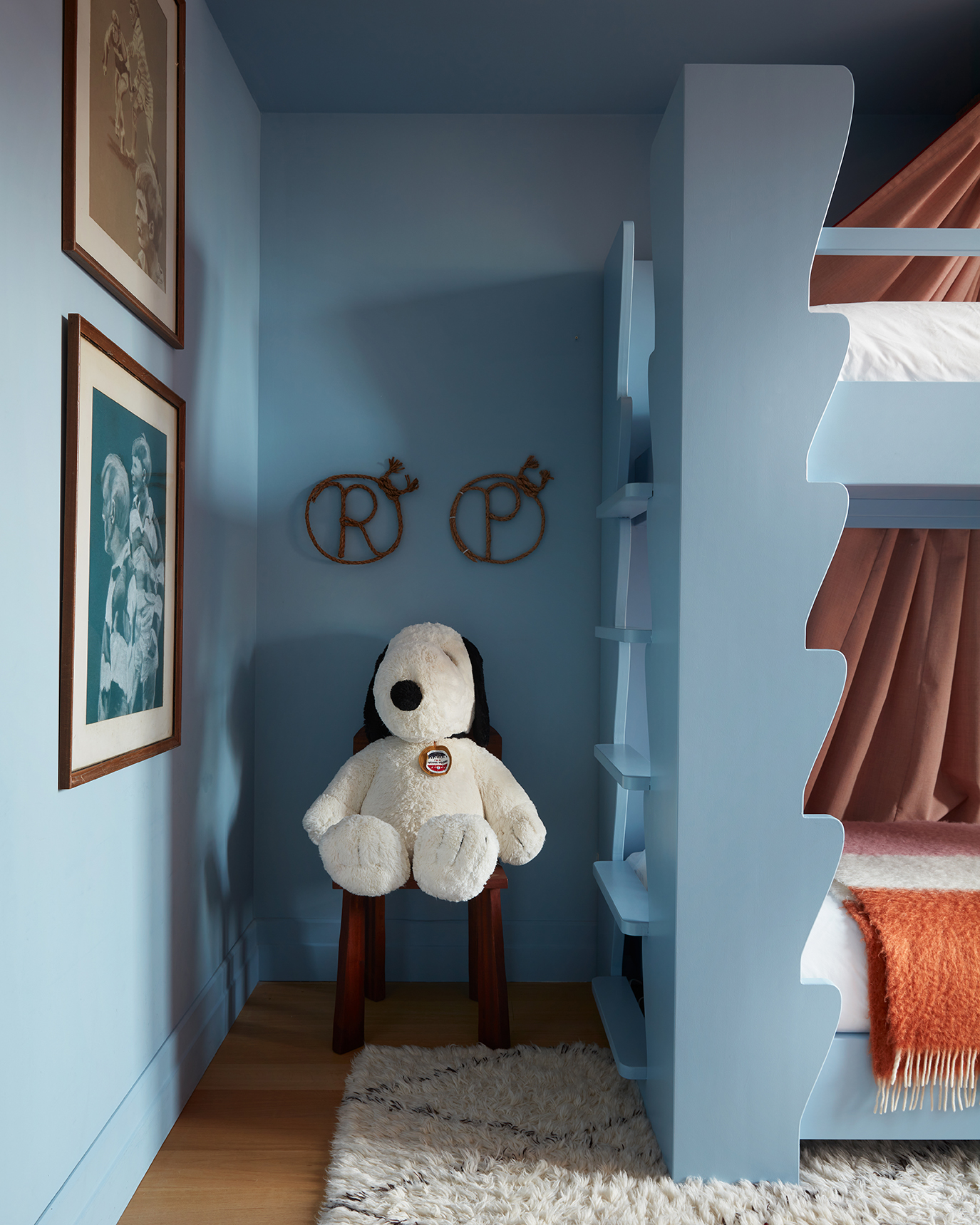
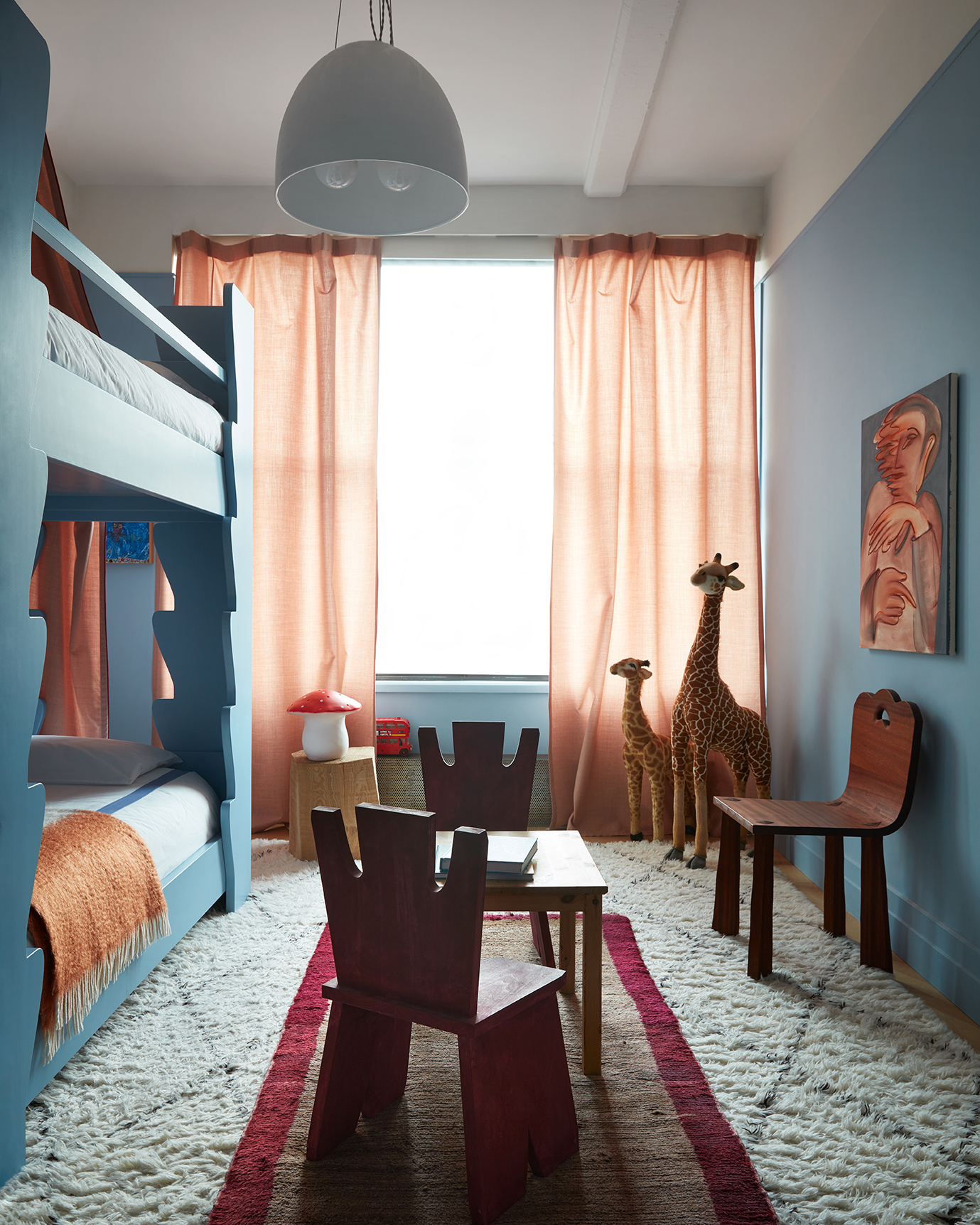
The article then addresses the topic of bunk beds. While not ideal in traditional feng shui due to the compressed energy for the child sleeping on the lower bunk, expert Francoise Courty-Dan suggests that if bunk beds are necessary or desired, certain considerations can mitigate negative effects. These include ensuring the children are comfortable and sleep well in them. Opting for wood over metal frames and verifying the stability and sturdiness of the beds are important. To counteract the feeling of being enclosed, painting the underside of the upper bunk in a pleasant color and hanging mobiles can help with qi circulation and create an impression of a larger space.
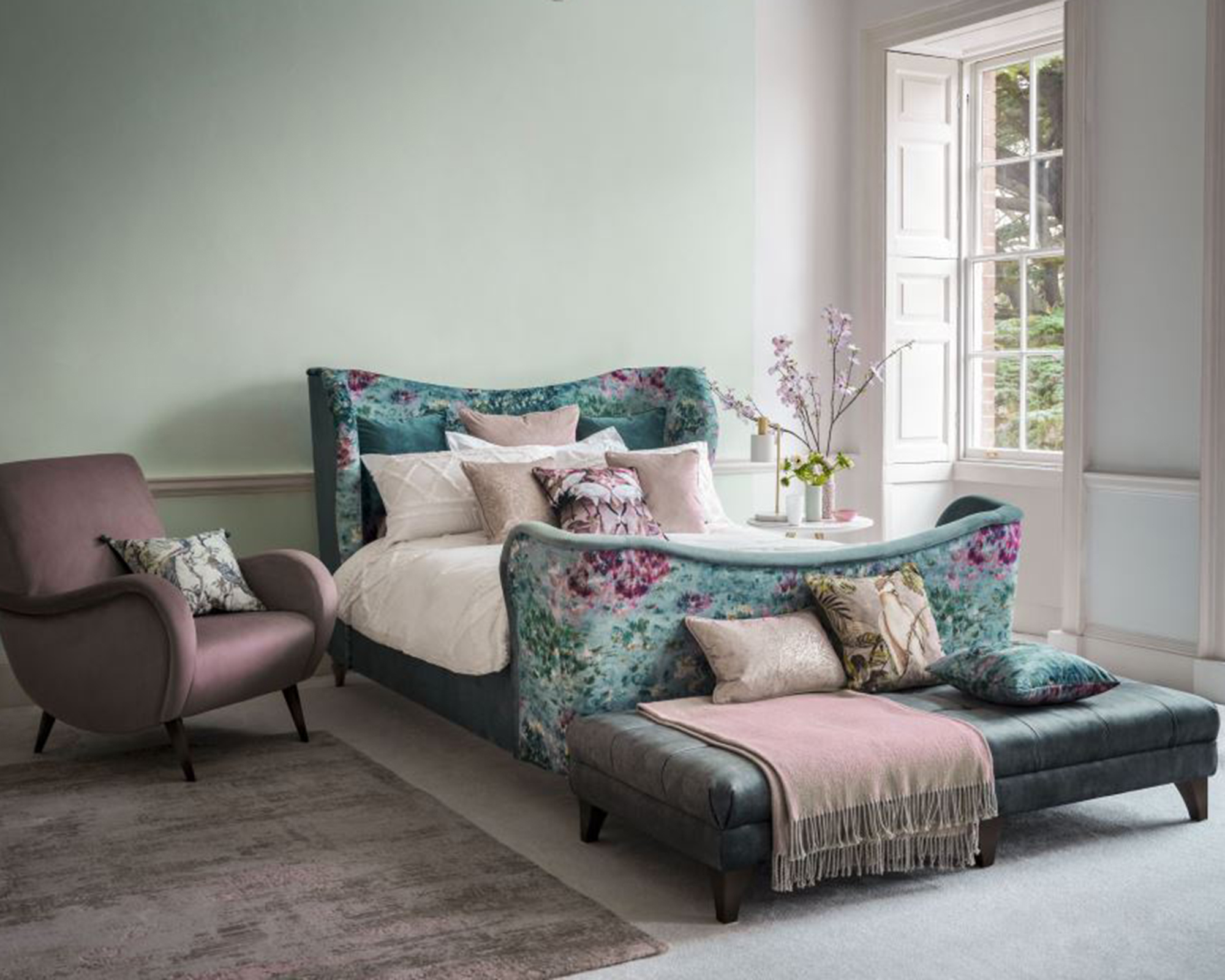
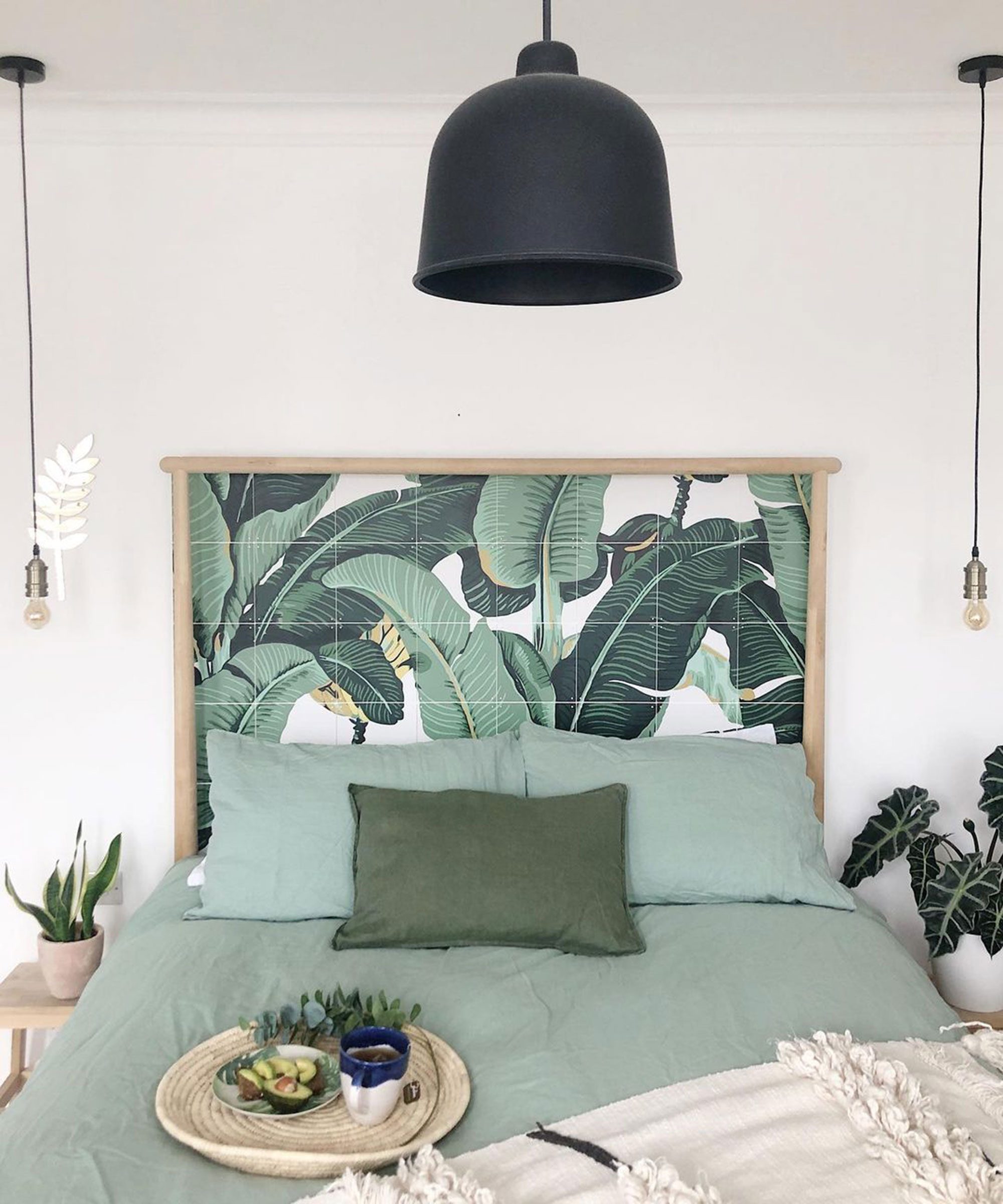
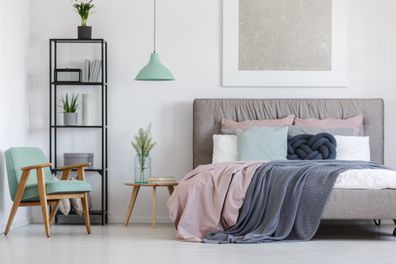
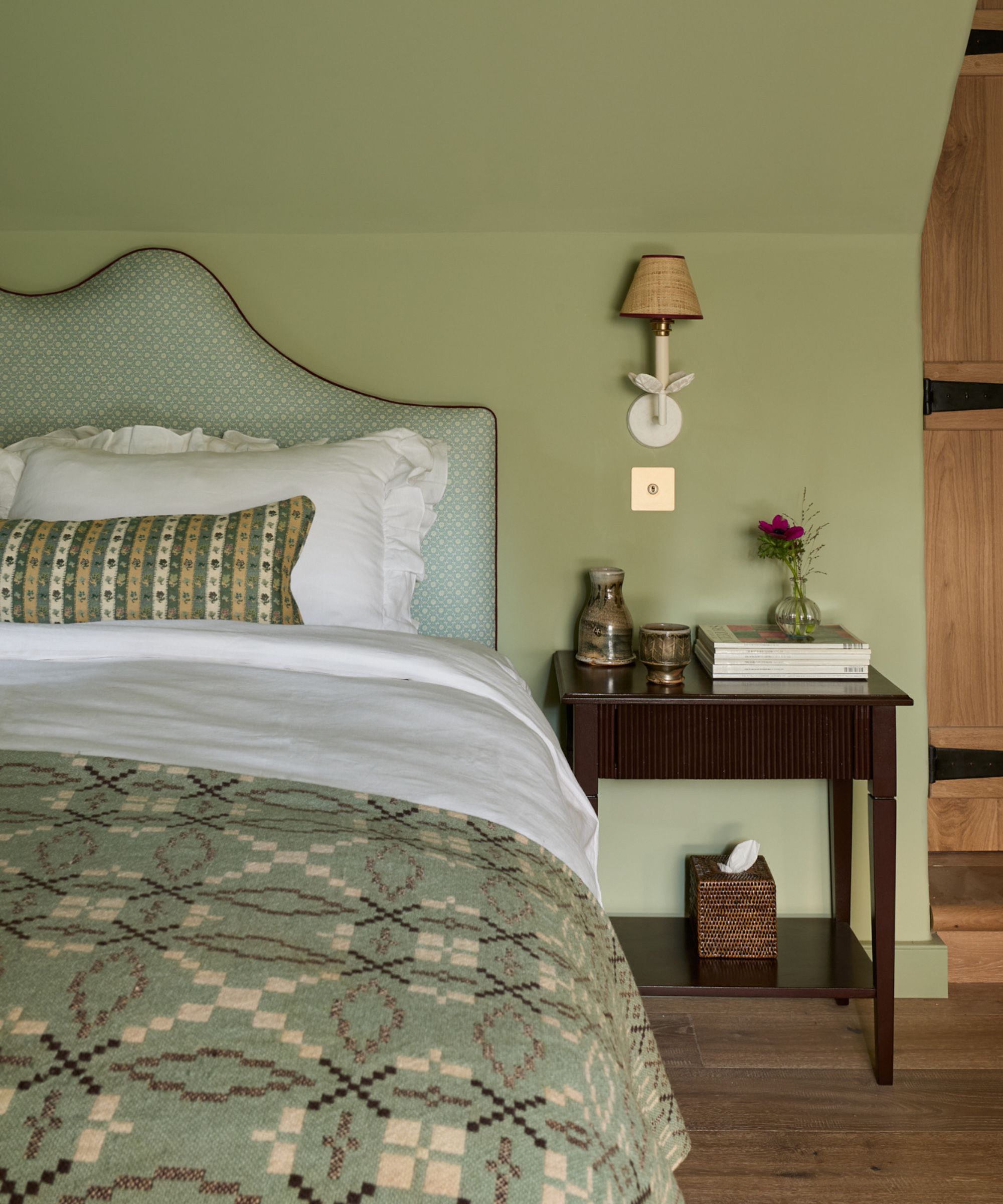
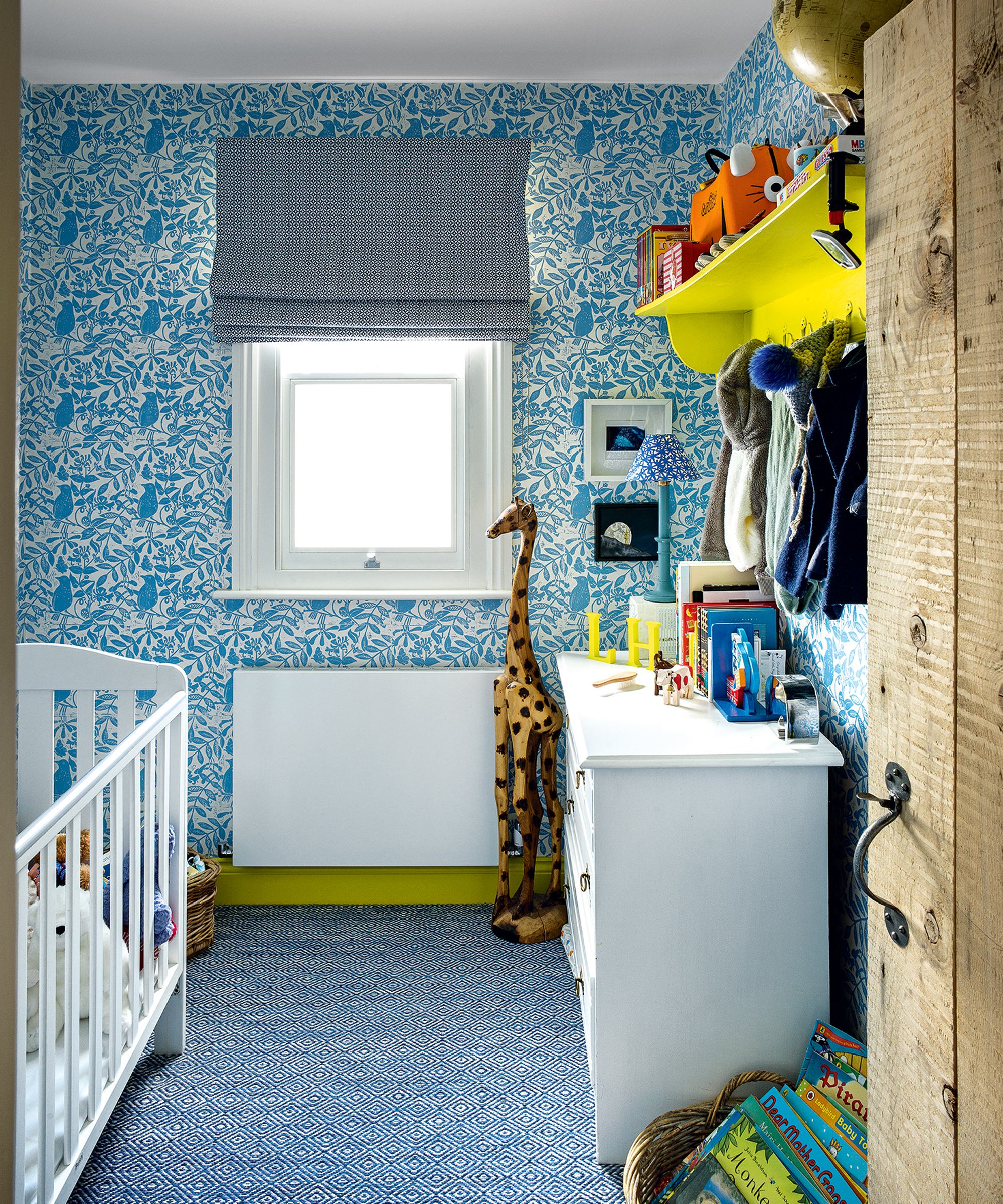
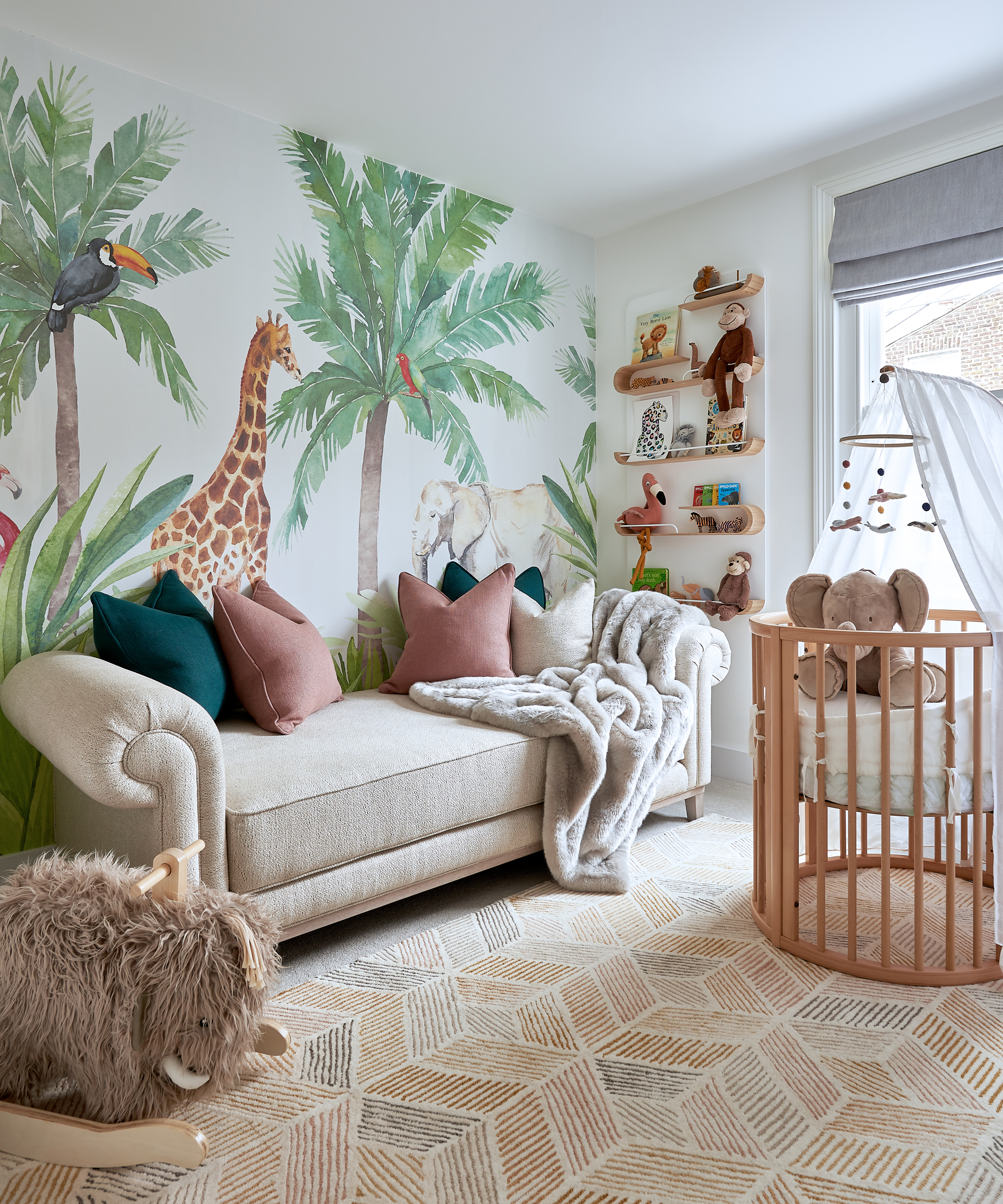
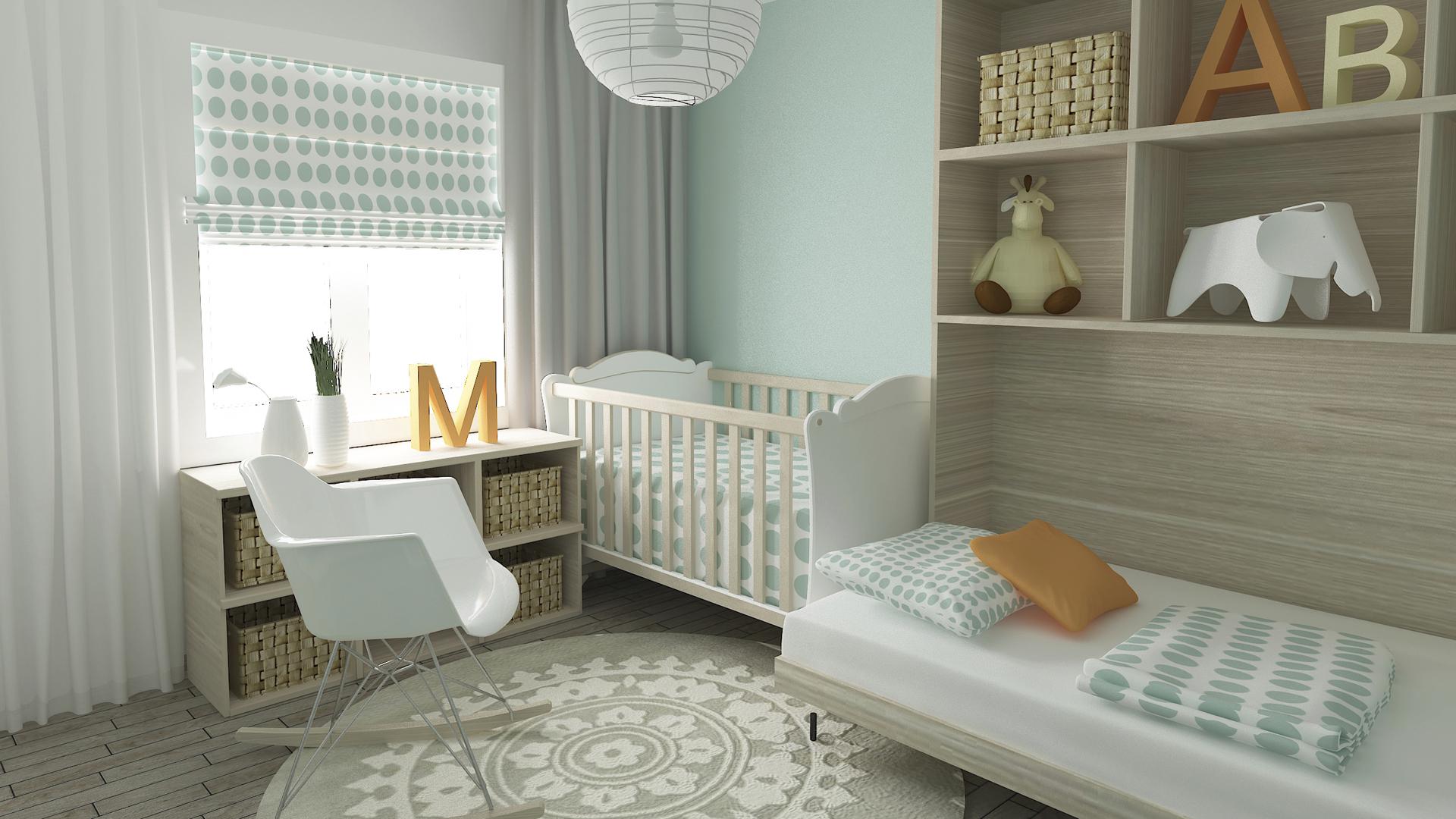
Color choices for kids' rooms are also discussed. Courty-Dan emphasizes the importance of a balanced yin and yang energy, meaning the room should be neither too dark nor too bright, and align with the child's personality. Bright, neon colors or busy wallpapers should be avoided for walls as they can overstimulate a child, potentially affecting their nervous system and disrupting sleep. Instead, Anjie Cho recommends pastel shades like blues, greens, or pinks, as these colors are considered healing and soothing in feng shui practices.
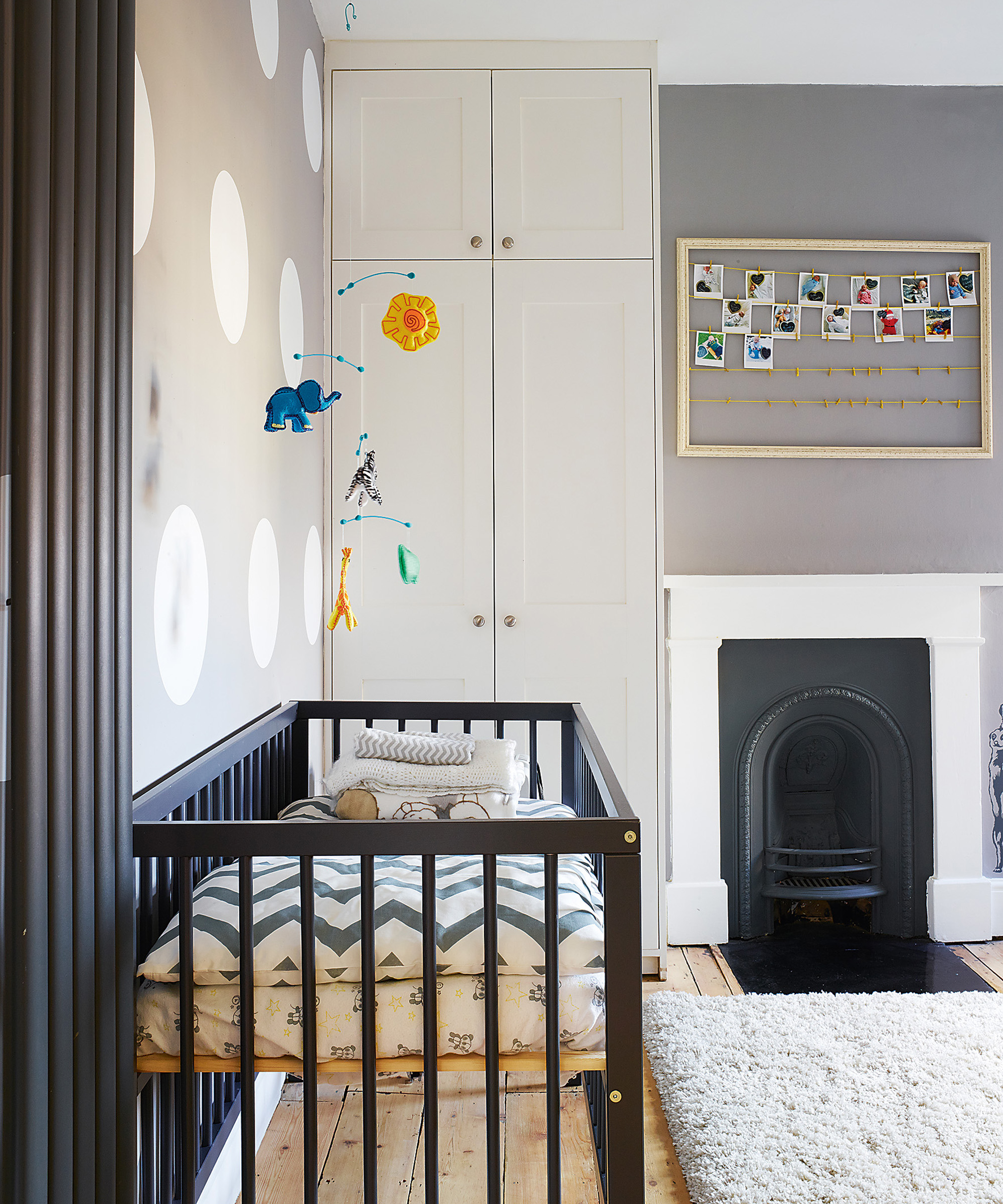
For boosting a child's self-confidence, feng shui expert Laura Benko suggests incorporating a full-length mirror positioned at the child's eye level. This ensures the child feels adequately represented and 'measures up.' Additionally, the room should be adorned with uplifting and supportive images. Rather than superficial or overly commercial imagery, displaying the child's own artwork or photographs of special moments with loved ones is encouraged, as these provide genuine comfort and support.
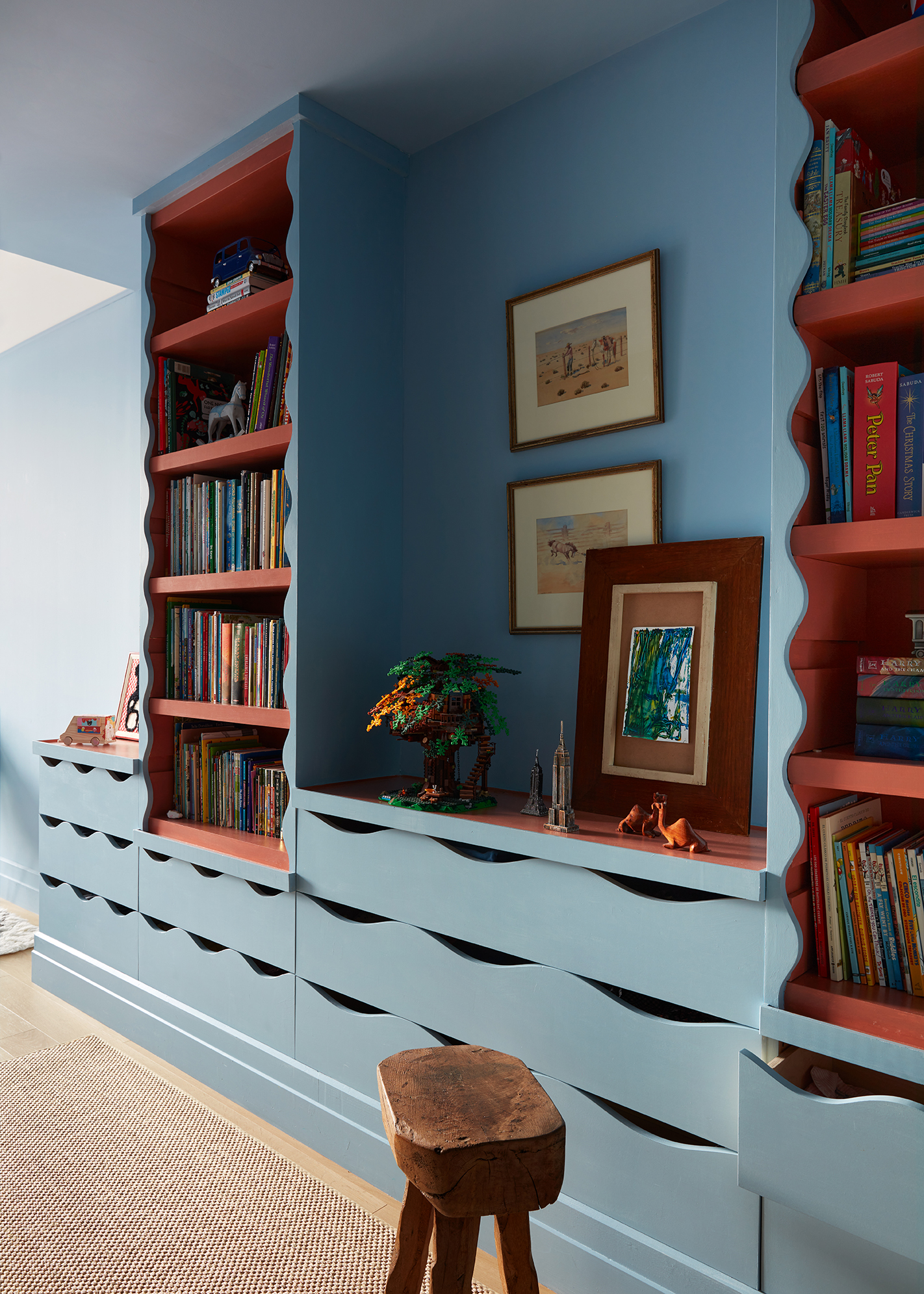
The article also highlights the negative impact of clutter on a child's environment. Benko explains that a messy room, symbolic of chaotic activity, is not conducive to peaceful sleep or effective homework. A simple solution involves ensuring every item has a designated place, utilizing covered boxes and baskets for quick and easy tidying at the end of the day.
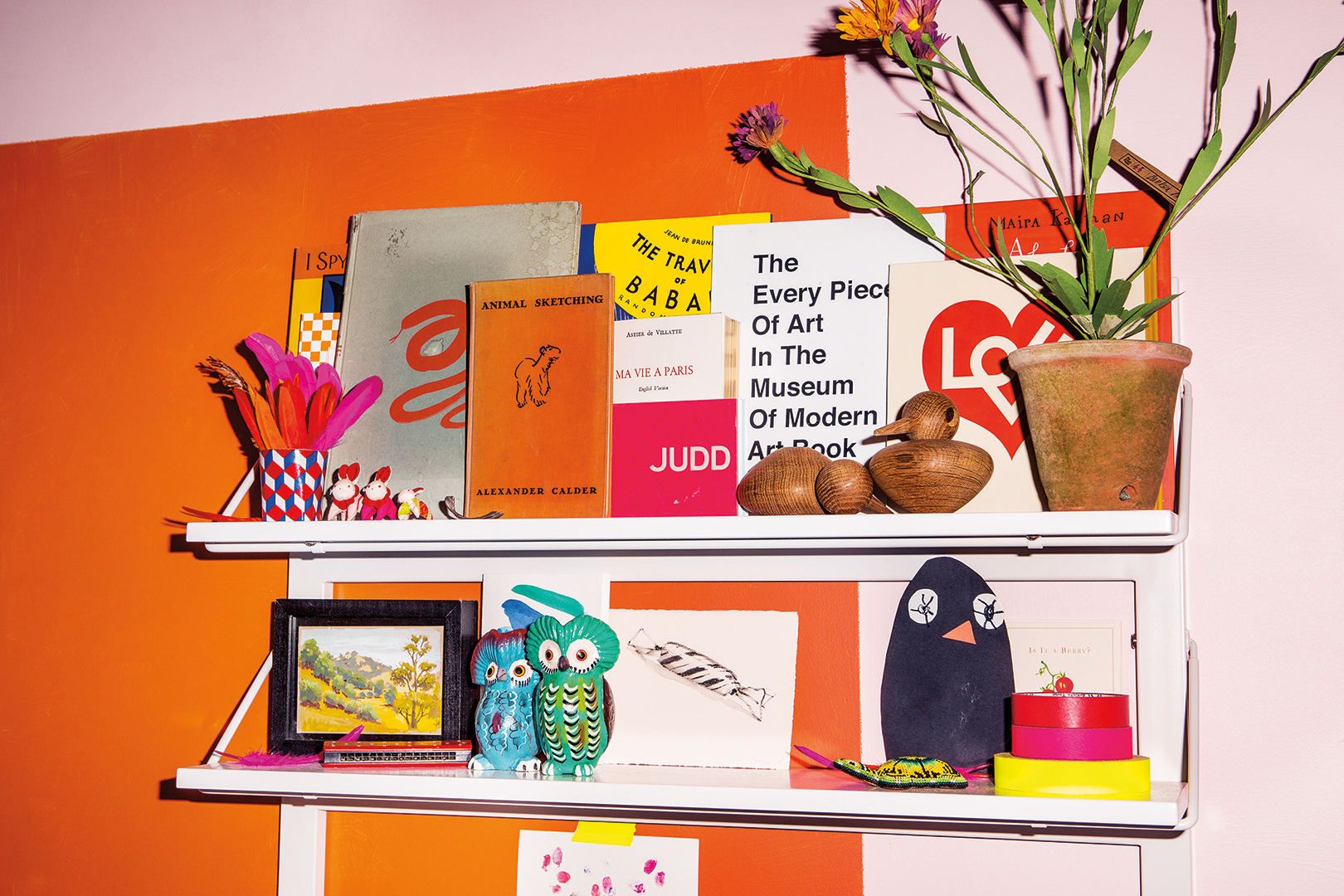
Finally, the role of artwork in a child's room is explored. Involving the child in selecting art that reflects their interests, such as sports or hobbies, as well as displaying their own creations, is beneficial. However, for children who struggle with sleep, Benko advises against artwork depicting fast-moving imagery, such as crashing waves or transportation motifs, as these can be overstimulating.
#FengShui #KidsRooms #HomeDecor #BedroomDesign #ChildDevelopment #InteriorDesign #Wellbeing #BedPlacement #FengShui #KidsRooms #HomeDecor #BedroomDesign #ChildDevelopment #InteriorDesign #Wellbeing #BedPlacement
0 comment in total
 No comments yet
You may also like
Bedroom Feng Shui – 10 tips for creating a zen-like space to encourage sleep

How to Feng Shui your bedroom

Do you sleep facing north? According to sleep experts you really should be
Decorating Your Bedroom With Feng Shui
After Consulting a Feng Shui Pro, This Couple Made Their Kids’ Beds Pure Magic

6 interior design mistakes that could be affecting your sleep
Why your bed should never face away from the door, plus 3 more Feng Shui bedroom rules
Baby boy nursery ideas – 17 tips for creating a soothing sleep space

Feng shui bedroom layout tips and rules – how to create a zen sleeping space

Feng shui can help your child focus
These Feng Shui experts say you shouldn't position your bed like this if you want to sleep well — and it's a common layout idea

Should your bed face the door? Here's what the experts think

5 Feng Shui Tips For Your Baby's Nursery That Could Even Help Them Sleep

Feng Shui bedroom layout – 8 ways to curate a rejuvenating space
How to Let Your 4-Year-Old Design Her Own Bedroom (and Like the Results)

H&G's interiors therapist shares 9 tips for embracing Feng Shui in a tiny bedroom
This big Feng Shui mistake in your bedroom could be causing your poor sleep

The Only Direction Your Bed Should Be Facing, According to Feng Shui Experts
14 ways to bring feng shui to your bedroom for harmony and balance

The Ancient Practice That Might Just Cure Your Present-Day Insomnia