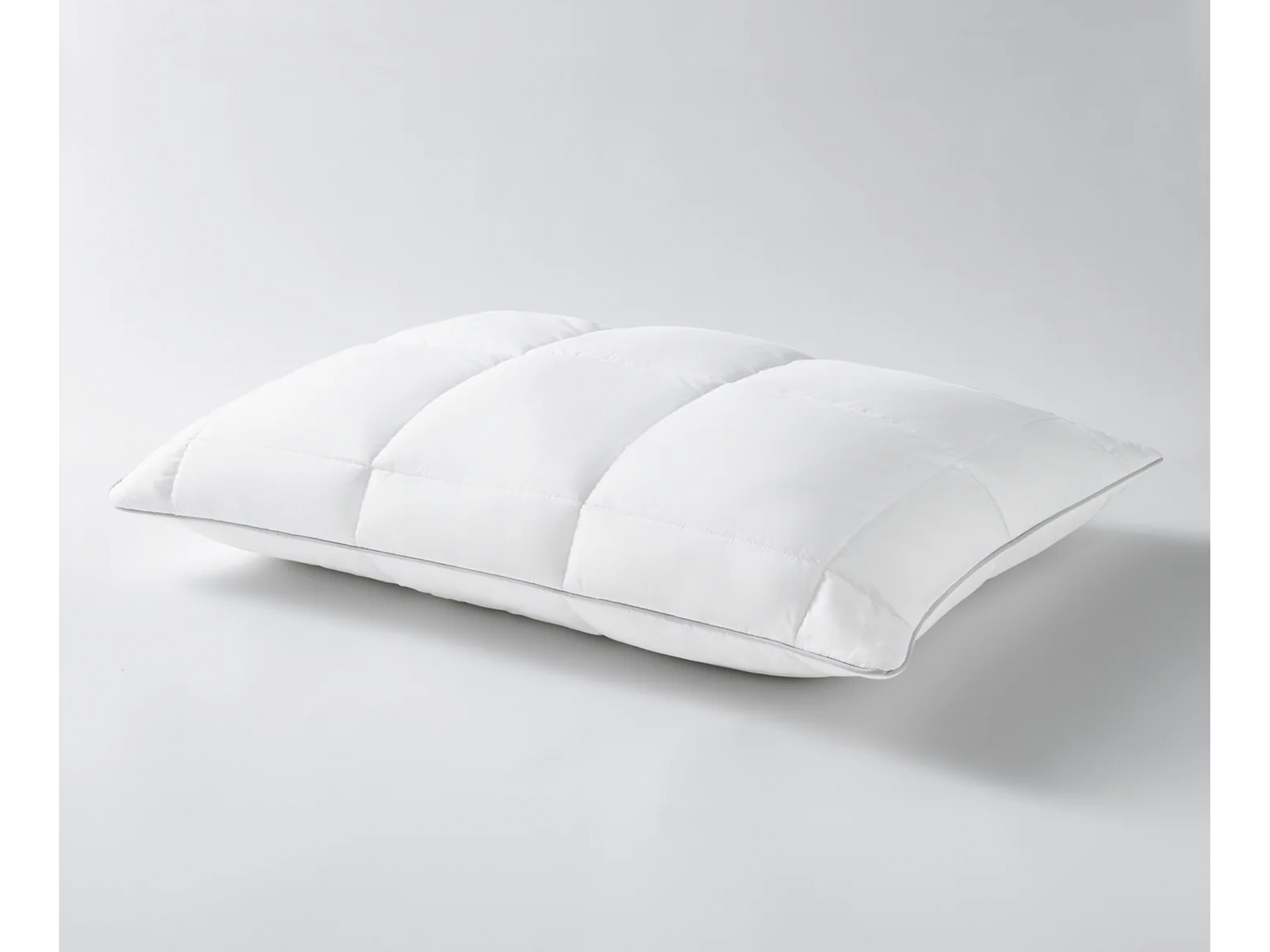

1/2
The Ancient Practice That Might Just Cure Your Present-Day Insomnia
Many Americans regularly struggle with sleep, with common explanations citing screen dependency, high-stakes productivity, stress, and anxiety. While numerous modern sleep solutions exist, from CBD to direct-to-consumer mattresses and vitamin supplements, many individuals still find themselves lying awake at night. This article proposes exploring an ancient, philosophical Chinese practice known as Feng Shui as an alternative approach to improving sleep.
Feng Shui, which translates to "wind and water," is a practice centered on maintaining natural energy flow through interior design. It posits that curating one's living spaces can support the movement of inherent 'chi' or energy, fostering harmony between individuals and their environments, ultimately leading to internal calm, happiness, and groundedness. The principles of Feng Shui are not rigid; they adapt to individuals and evolving eras, incorporating Eastern philosophy while emphasizing personal wisdom and experience, as noted by feng shui architect Anjie Cho.
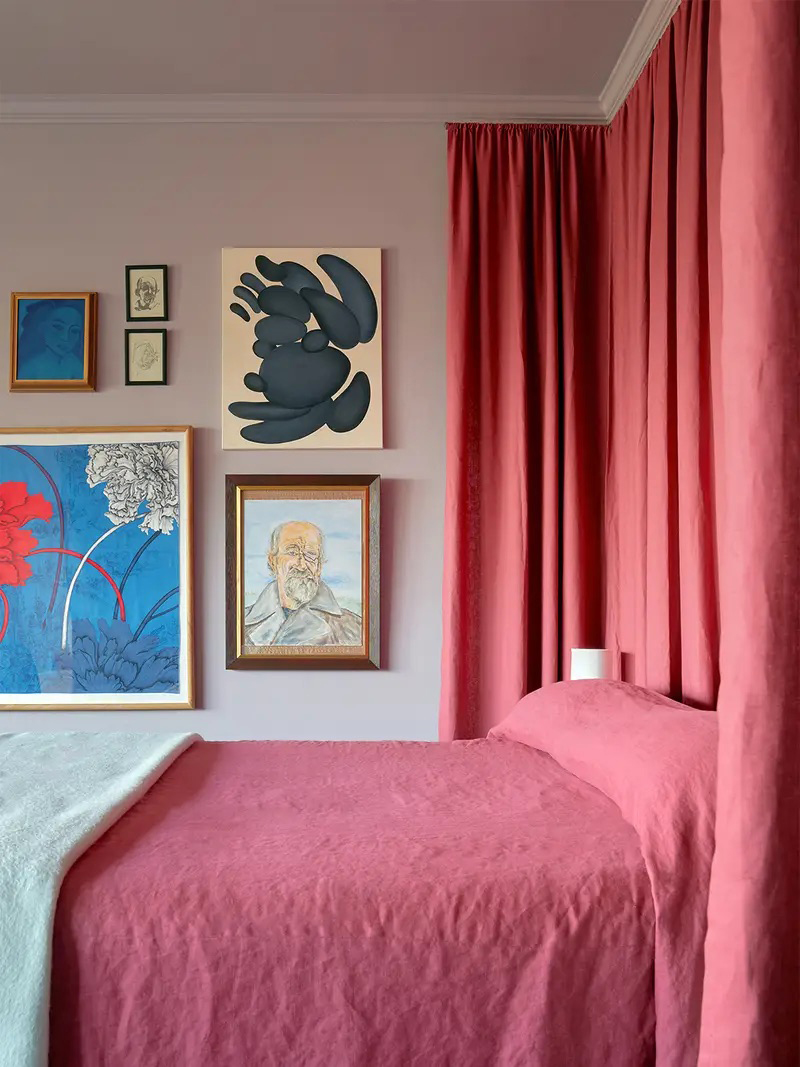
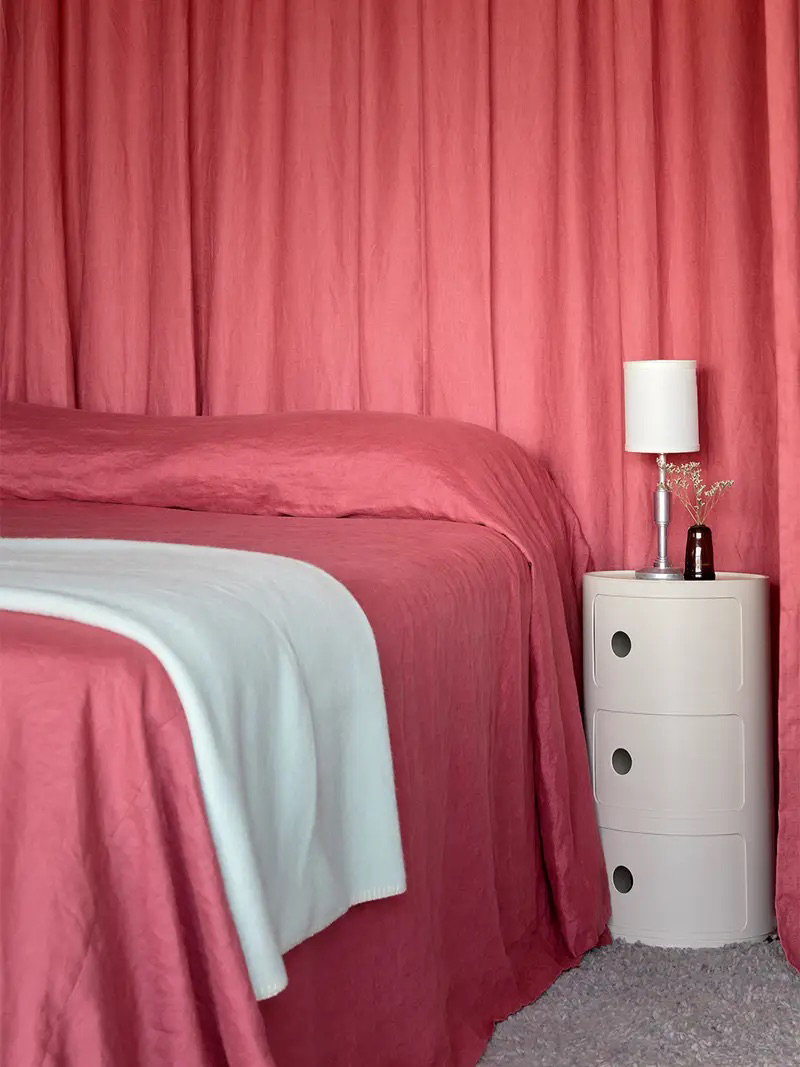
To promote relaxation and better sleep, Feng Shui suggests reconfiguring one's bedroom space. Anjie Cho recommends positioning the bed in a "commanding position" – as far as possible from the door but with a clear view of it. This setup is believed to prevent energy from "leaking out" and provide a sense of security, reducing unconscious anxiety that can disrupt sleep. Even in small apartments, ensuring the doorway is within sight is crucial. Similarly, windows should be kept in full view, avoiding positions directly behind the head, and opened daily to allow natural light to recharge the space and fresh air to cleanse it. For those in urban areas with limited fresh air, an air purifier and a diffuser with calming scents like lavender are suggested.
International feng shui consultant Will LeStrange highlights the importance of keeping mirrors away from the bed or entirely out of the bedroom, as they can cause energy to "bounce," disrupting the room's soft atmosphere. Reflective surfaces are associated with active spaces like kitchens and bathrooms, which are unsuitable for sleep. If mirrors cannot be removed, covering them at night is advised.
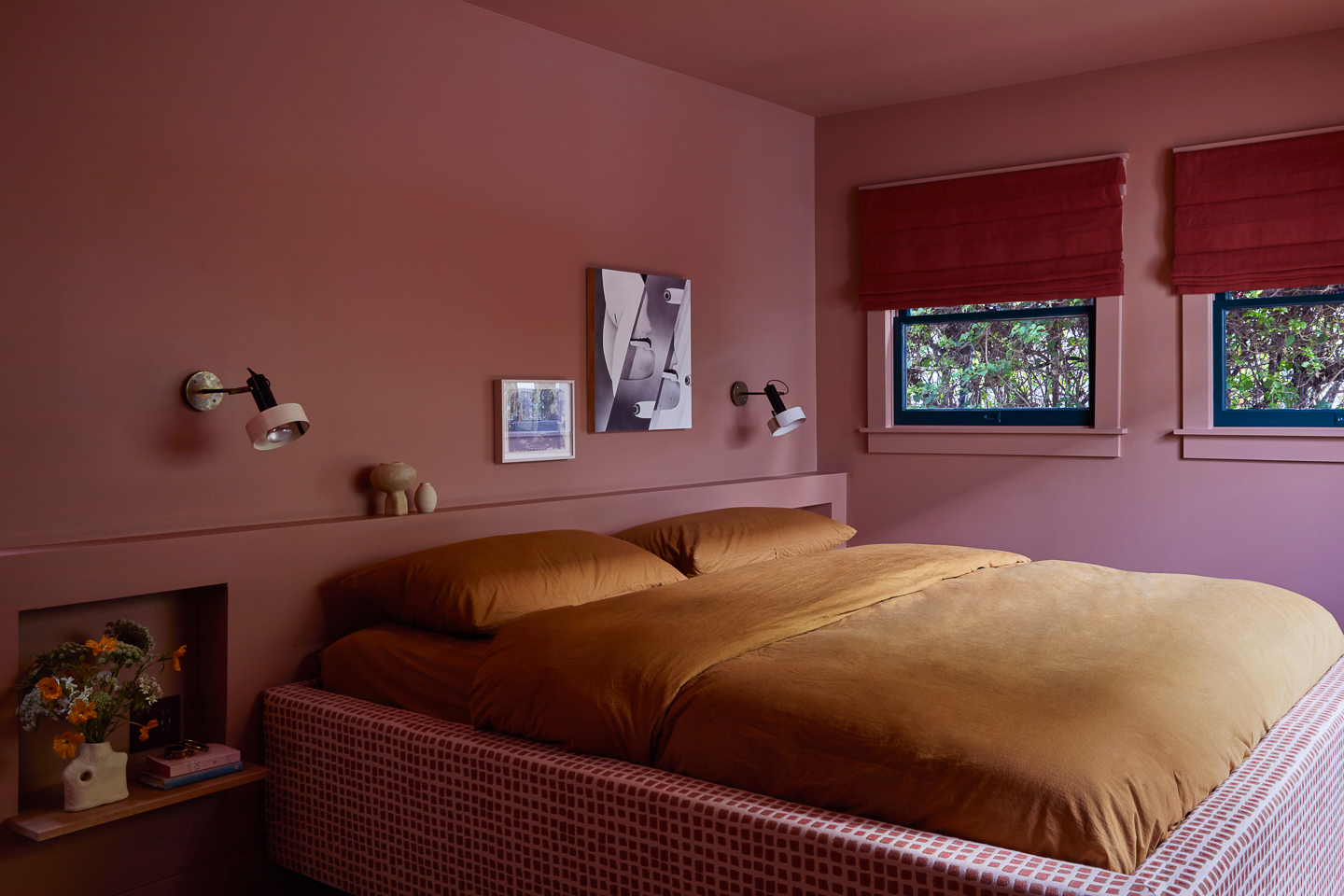
Regarding light and color, Feng Shui emphasizes principles of nature. Master Pun-Yin, a classically trained Chinese feng shui master, recommends neutral tones for bedroom walls, such as skin tones, mossy greens, and warm whites, as these colors are found in nature. She advises against patterns or wallpapers, which can distract the mind, and suggests simple, neutral-colored art. Organic mattresses and natural bedding are also recommended to connect individuals more closely to the earth and avoid synthetic materials. LeStrange further stresses the importance of natural light cycles, advocating for blue light in the mornings and warm, sunset-like light in the evenings. Tunable light sources are suggested to mimic these natural light gradients, helping the brain transition between day and night modes. The blue light emitted by digital screens, which mimics daytime light, is identified as a reason to avoid using them before bed.
Finally, the practice emphasizes decluttering, both emotionally and literally. Feng shui consultant Laura Cerrano explains that personal objects in the bedroom carry energy, and their stories can impact sleep. Clutter, including old love letters, unworn clothes, scattered makeup, books, and expired prescriptions, can create emotional energy that prevents relaxation. Examples include an unfinished manuscript stored under a bed, contributing to a writer's sleeplessness, or shoes and books with active energy disrupting rest when near the bed. Cho and Cerrano suggest moving emotional baggage to another room if possible. For necessary under-bed storage, they recommend storing soft items like loungewear, linens, and sweaters. Master Pun-Yin states that clutter, such as newspapers, books, and medications, makes individuals hyperaware of issues, preventing the mind from dissociating and entering a state of rest. LeStrange concludes that clutter in the room translates to clutter in the brain, underscoring the literal connection between a clean environment and improved sleep.
#FengShui #SleepImprovement #HomeDecor #InteriorDesign #BedroomDesign #Mindfulness #Wellness #Decluttering #FengShui #SleepImprovement #HomeDecor #InteriorDesign #BedroomDesign #Mindfulness #Wellness #Decluttering
 No comments yet
Sleep tight: A curious history of beds through the centuries
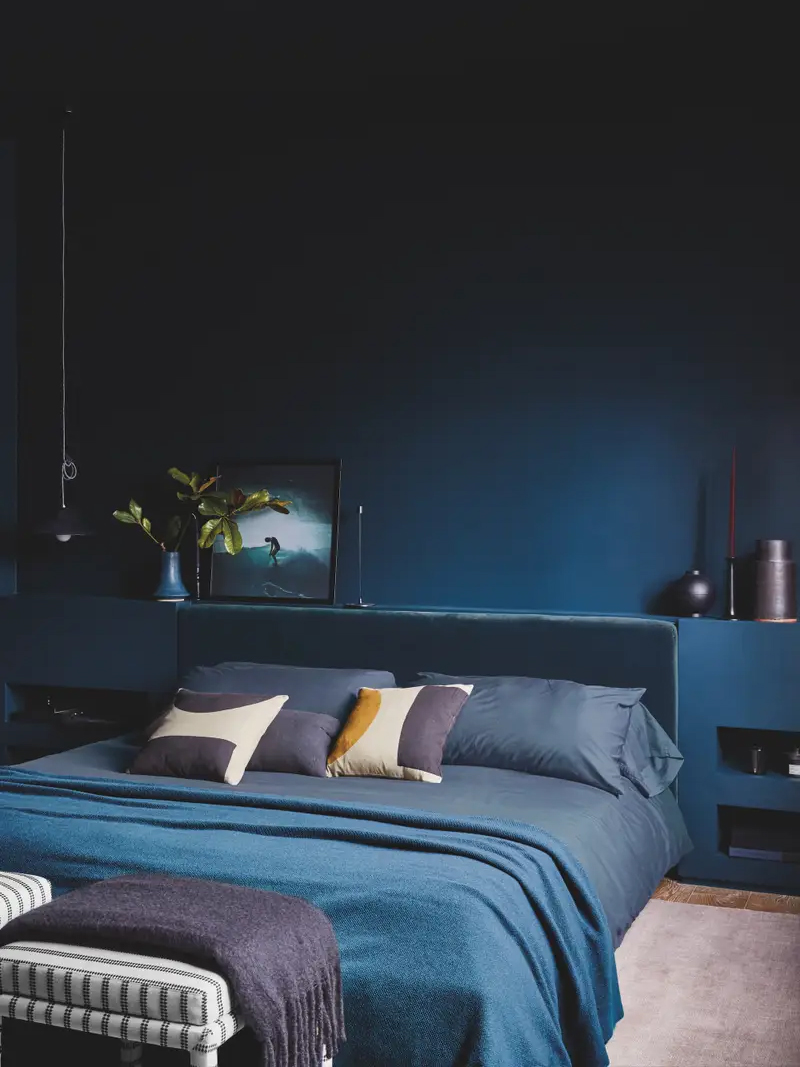
The Paint Trend That’s Arguably Helping Us Sleep Better

11 best anti-snore pillows, tried and tested for better sleep
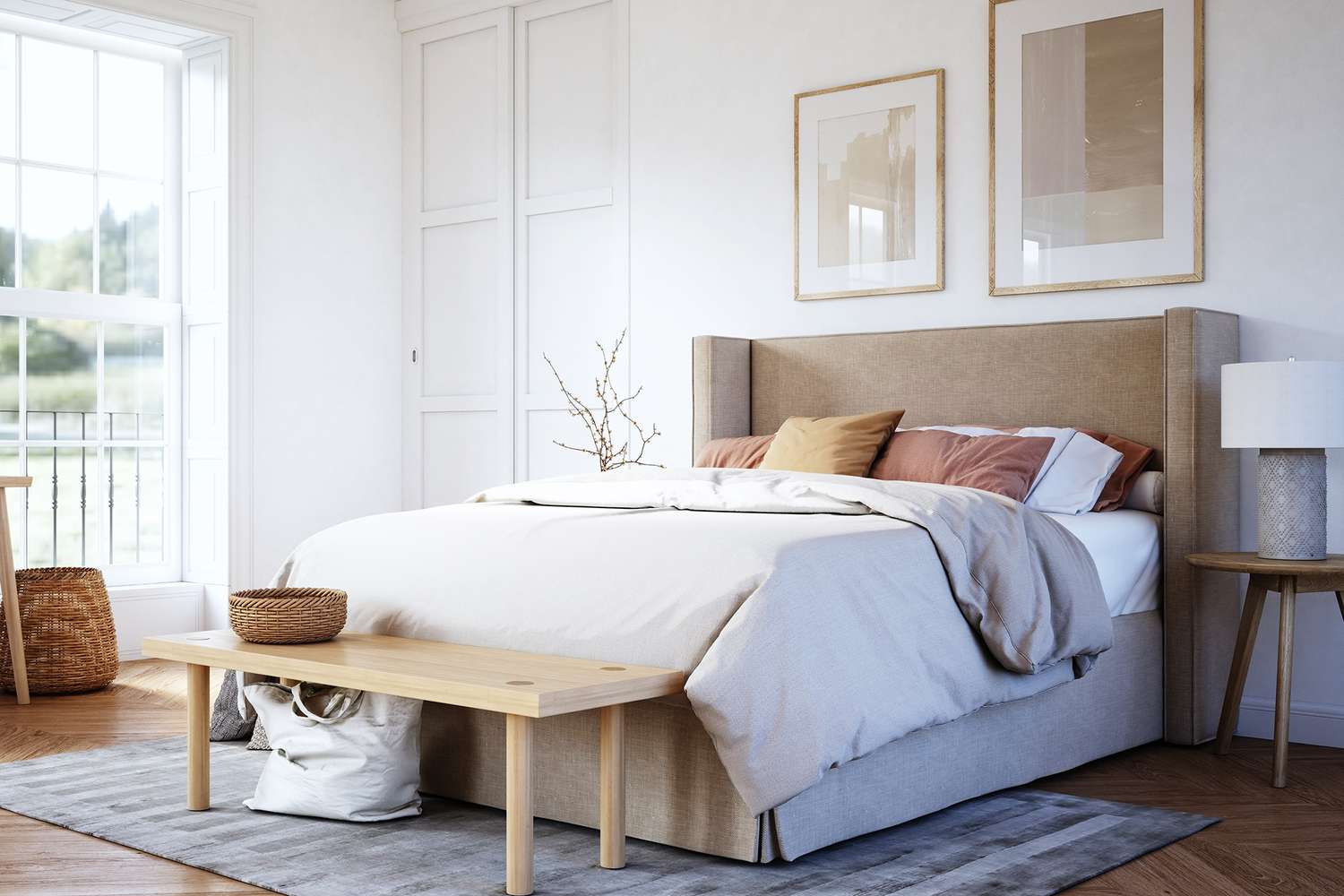
7 Bedroom Design Tips for Better Sleep, According to Experts