1/4
H&G's interiors therapist shares 9 tips for embracing Feng Shui in a tiny bedroom
Feng Shui, an ancient philosophy originating in China and the Far East, has been employed for over 5,000 years to attract good fortune into homes and businesses. Many prominent and successful individuals, including Georgina Rodríguez, Oprah Winfrey, Steven Spielberg, and Amazon, incorporate Feng Shui into their practices. This philosophy is applicable to all homes, irrespective of size. While the importance of bedroom Feng Shui is widely recognized, this article focuses on its application in smaller bedrooms, offering practical guidance for optimizing these compact spaces.
The first principle for tiny bedroom Feng Shui is to ensure a fresh and easy flow of energy, known as Chi or Qi. This energy is vital for well-being during sleep and fostering close relationships. The article emphasizes the importance of maintaining a clean and well-aired room, as dust and cobwebs hinder positive energy flow, leading to stagnation. Regular cleaning from top to bottom is recommended to facilitate a healthy energetic environment.
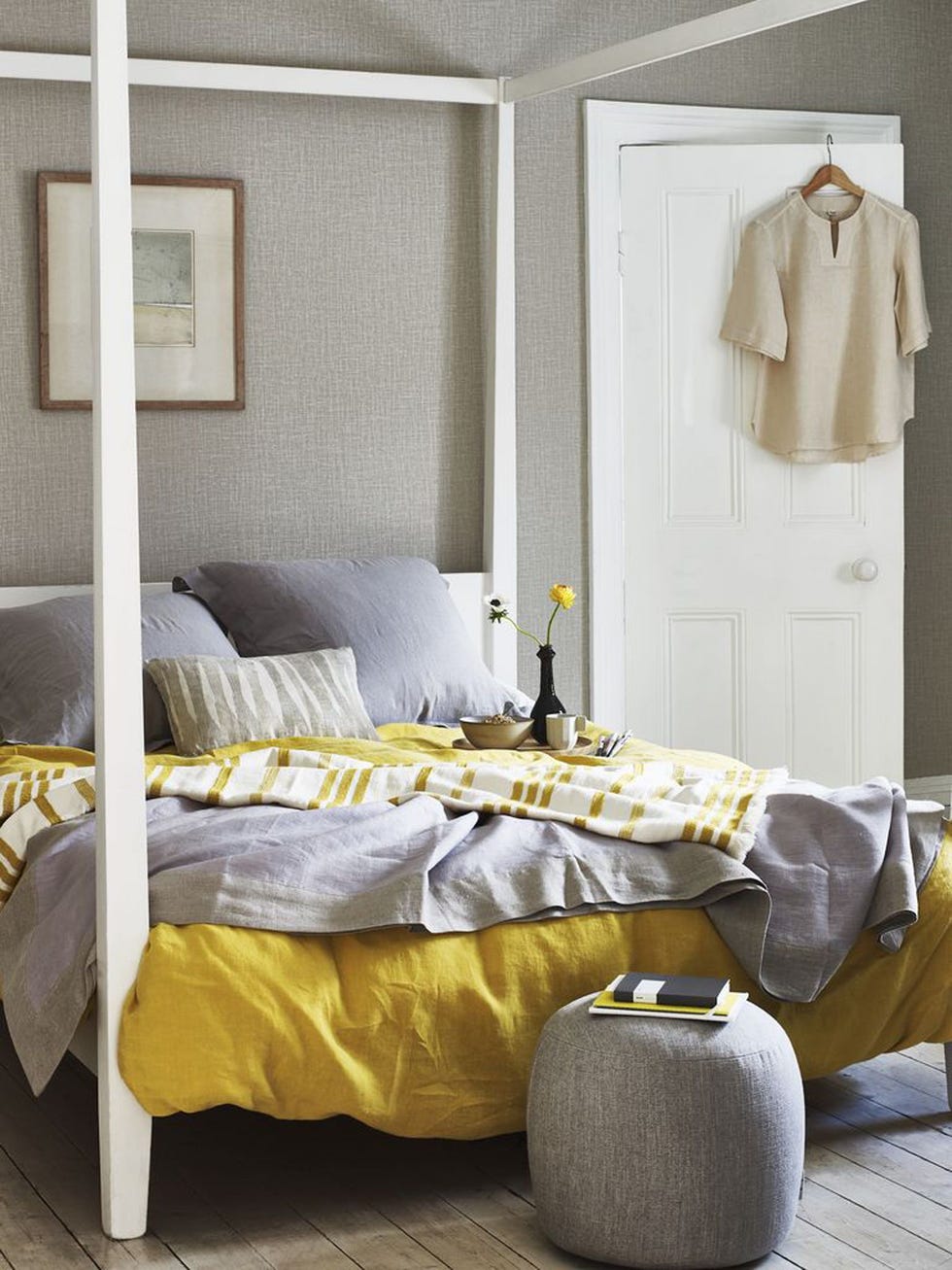
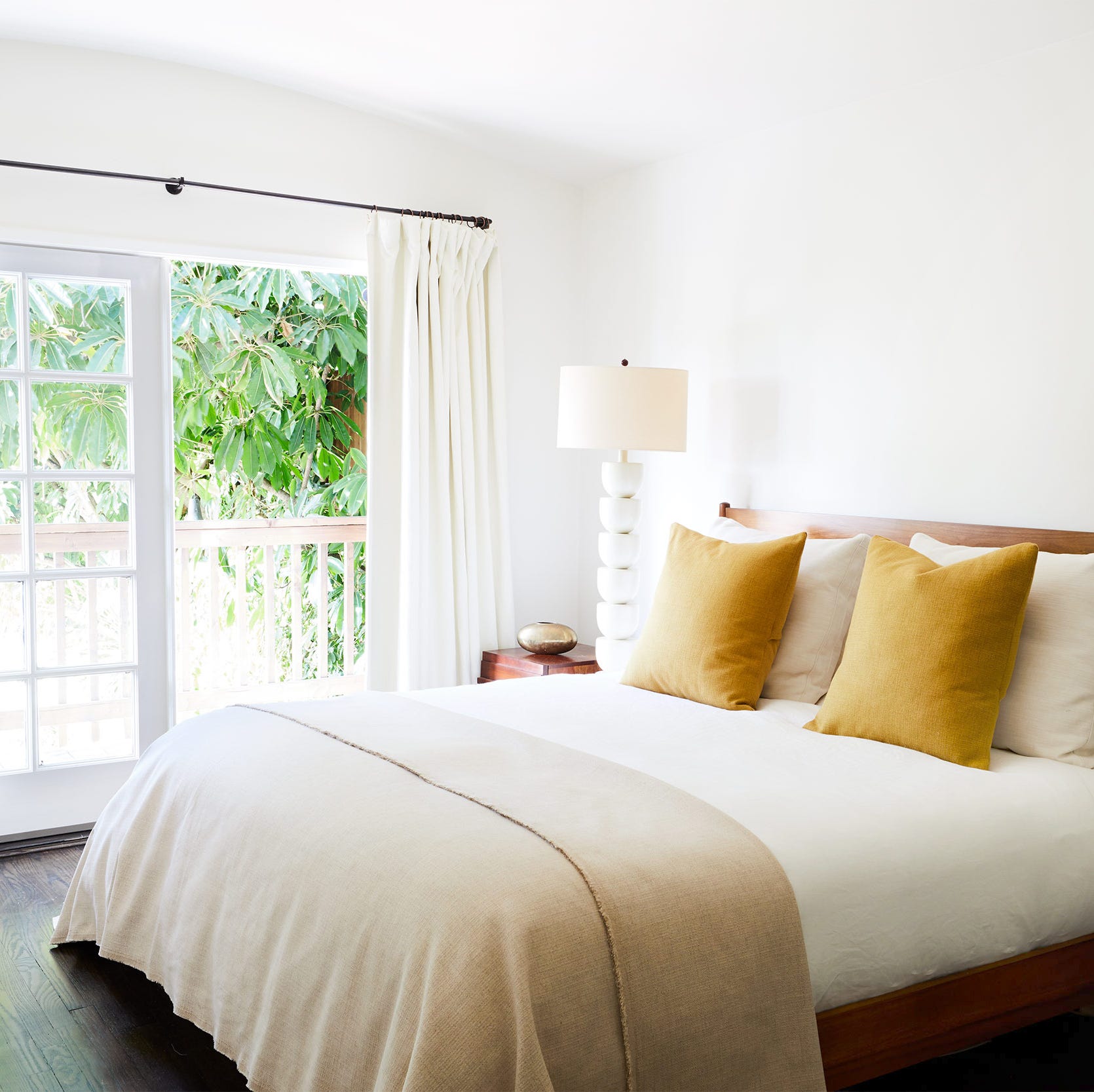
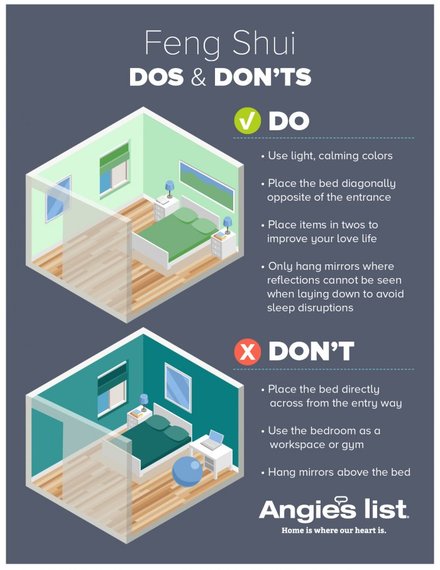
Secondly, proper bed placement, though often constrained in smaller rooms, is crucial. It advises against placing the bedhead directly under a window, as this can cause Chi to escape, leading to fatigue. Instead, the bed should ideally be positioned in the 'command' position, allowing a direct or peripheral view of the door, which provides a sense of security. If direct sight isn't possible, a mirror can be strategically placed to reflect the door's opening.
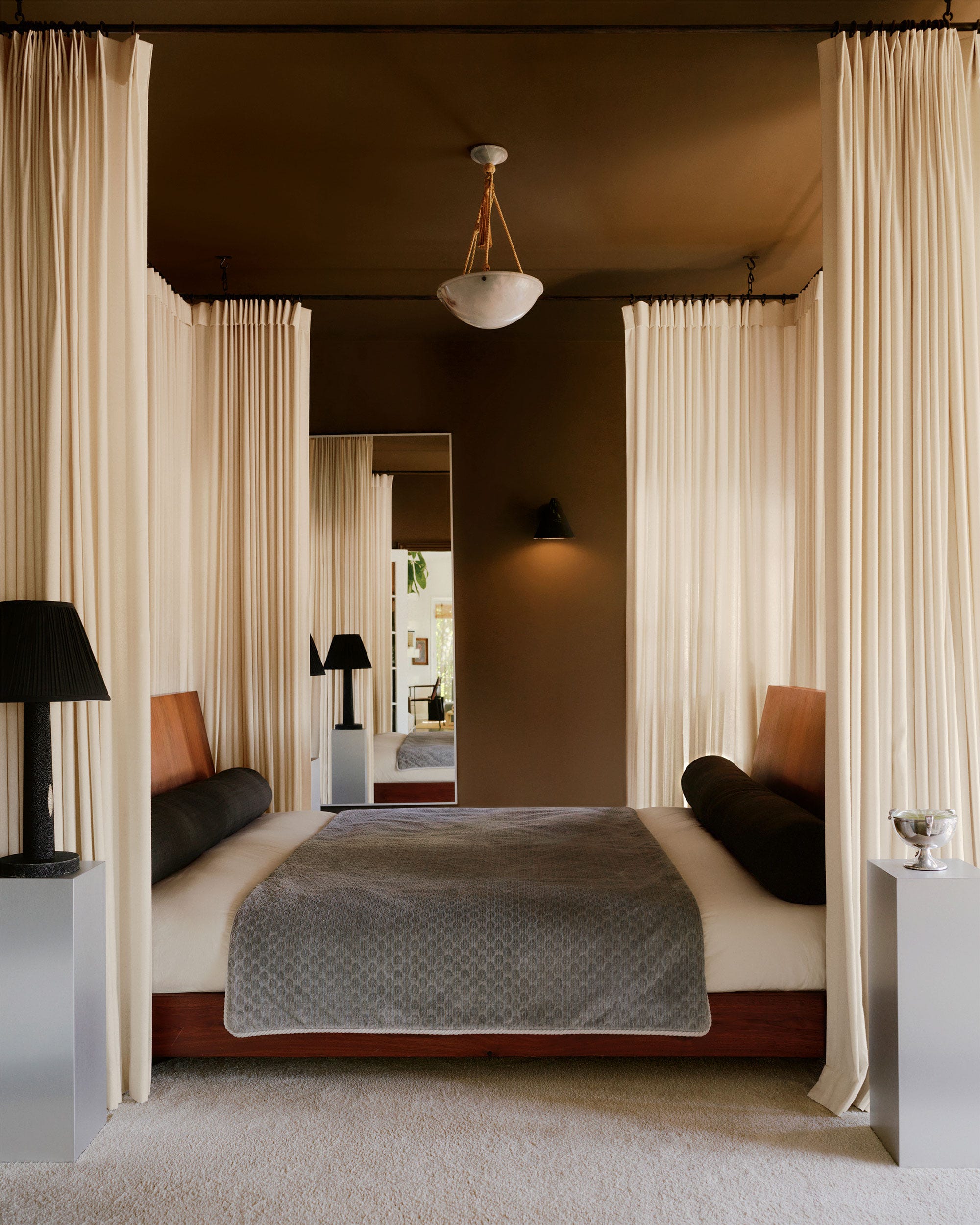
Mirror placement in a small bedroom requires careful consideration. While mirrors can visually expand a space, improper placement can be detrimental. A mirror opposite an uncovered window can cause positive energy to bounce out of the room. Furthermore, mirrors reflecting the bed are discouraged as they can startle a drowsy sleeper and potentially drain life force Chi, leading to morning exhaustion. The recommendation is to position mirrors at an angle to windows and doors, ensuring they are above pillow height for both utility and well-being.
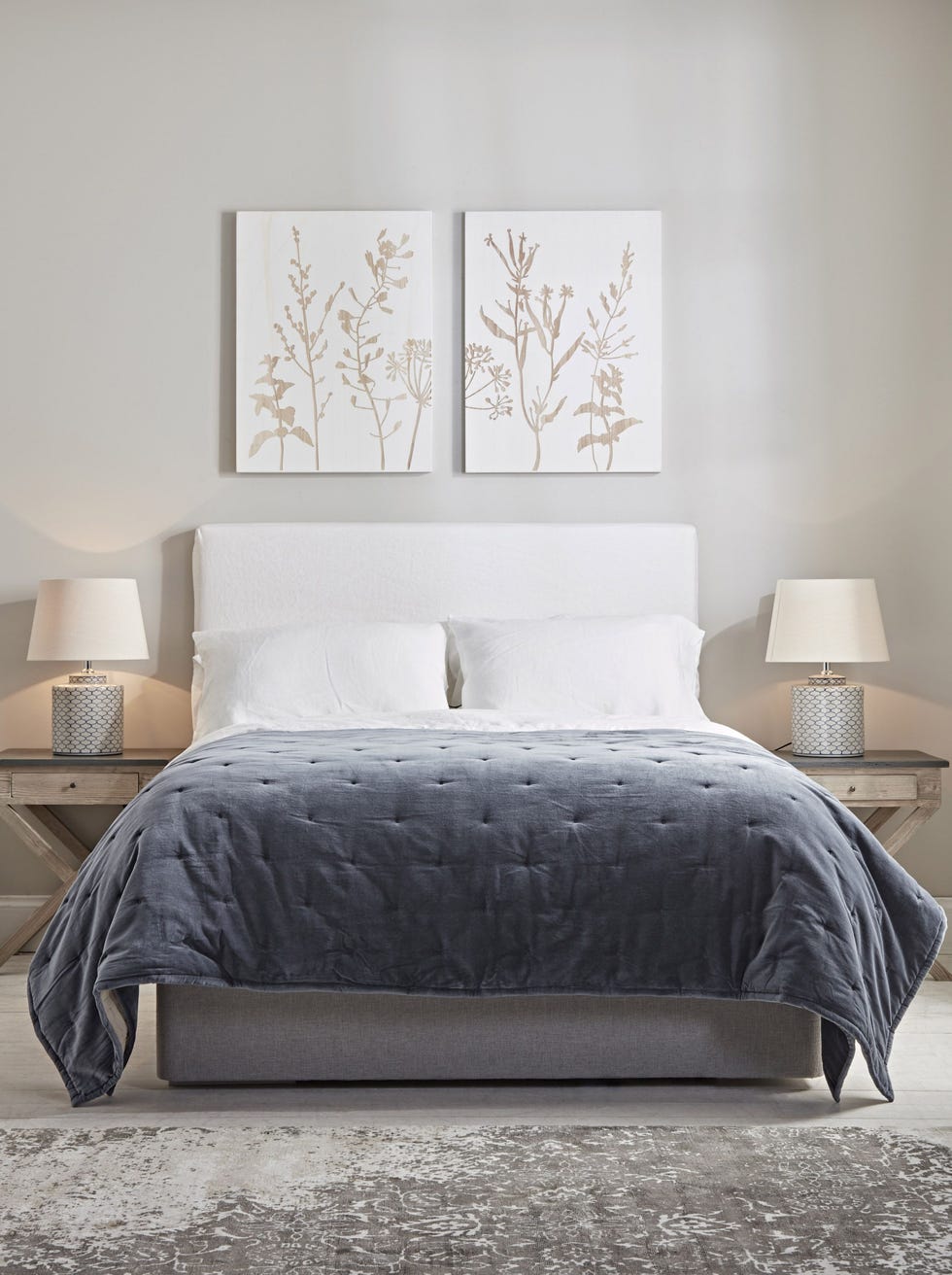
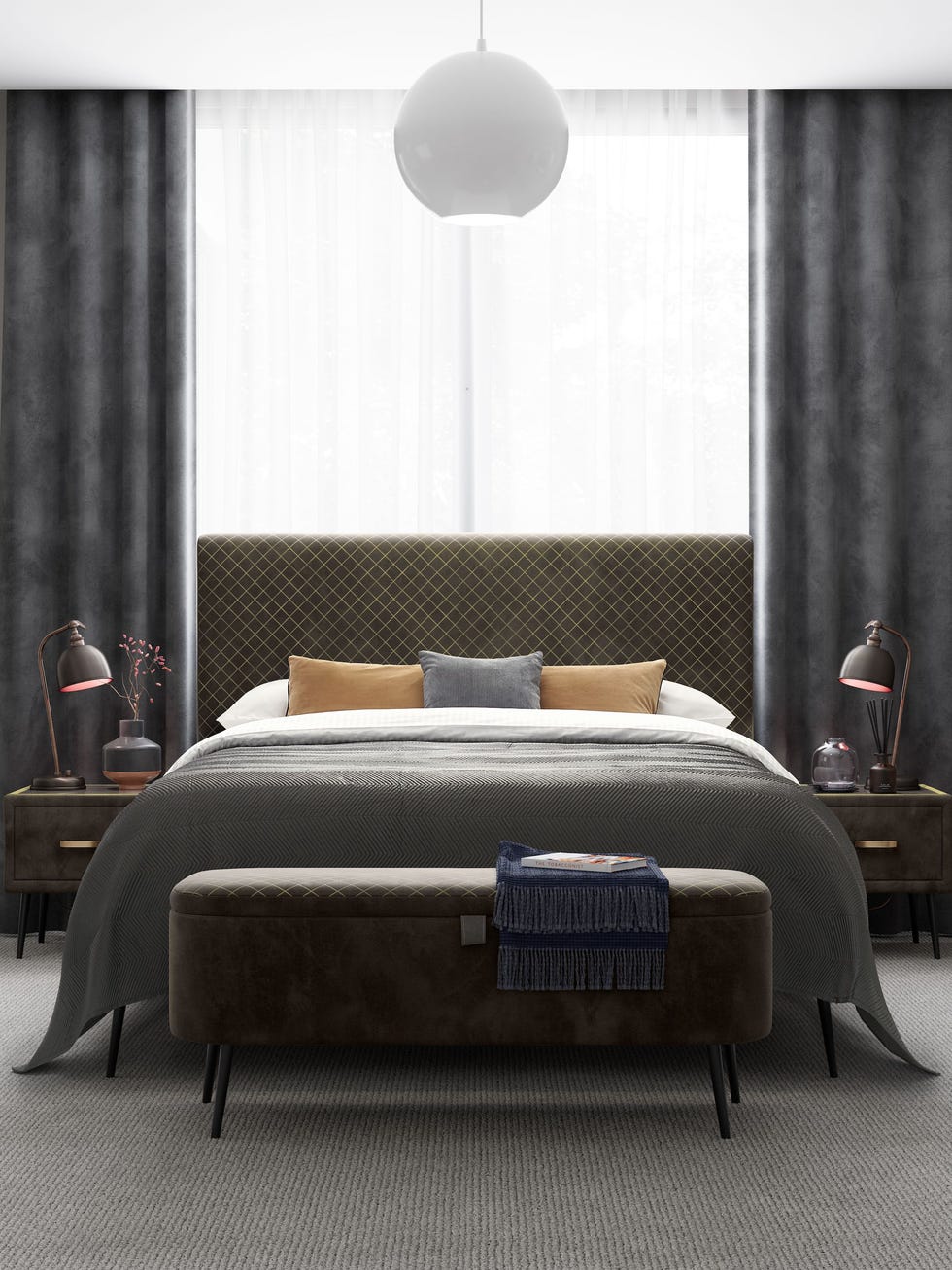
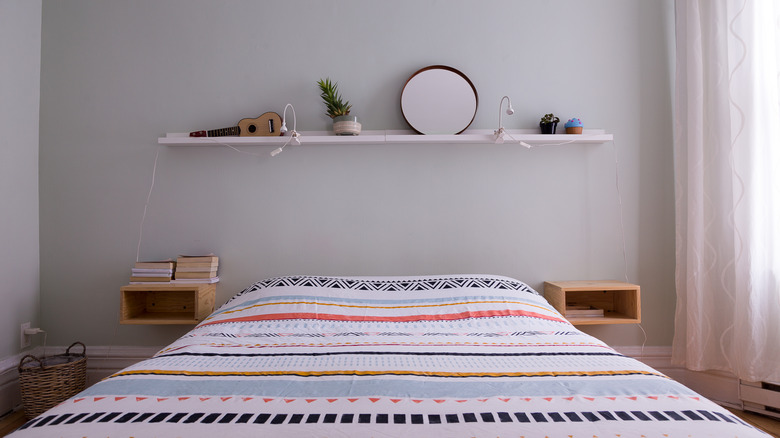
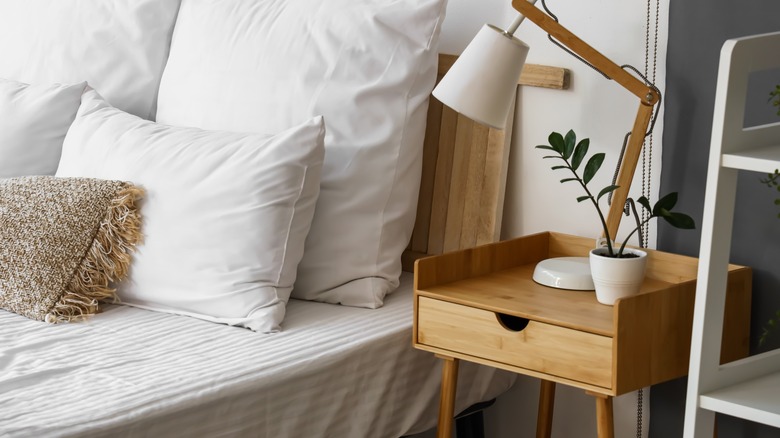
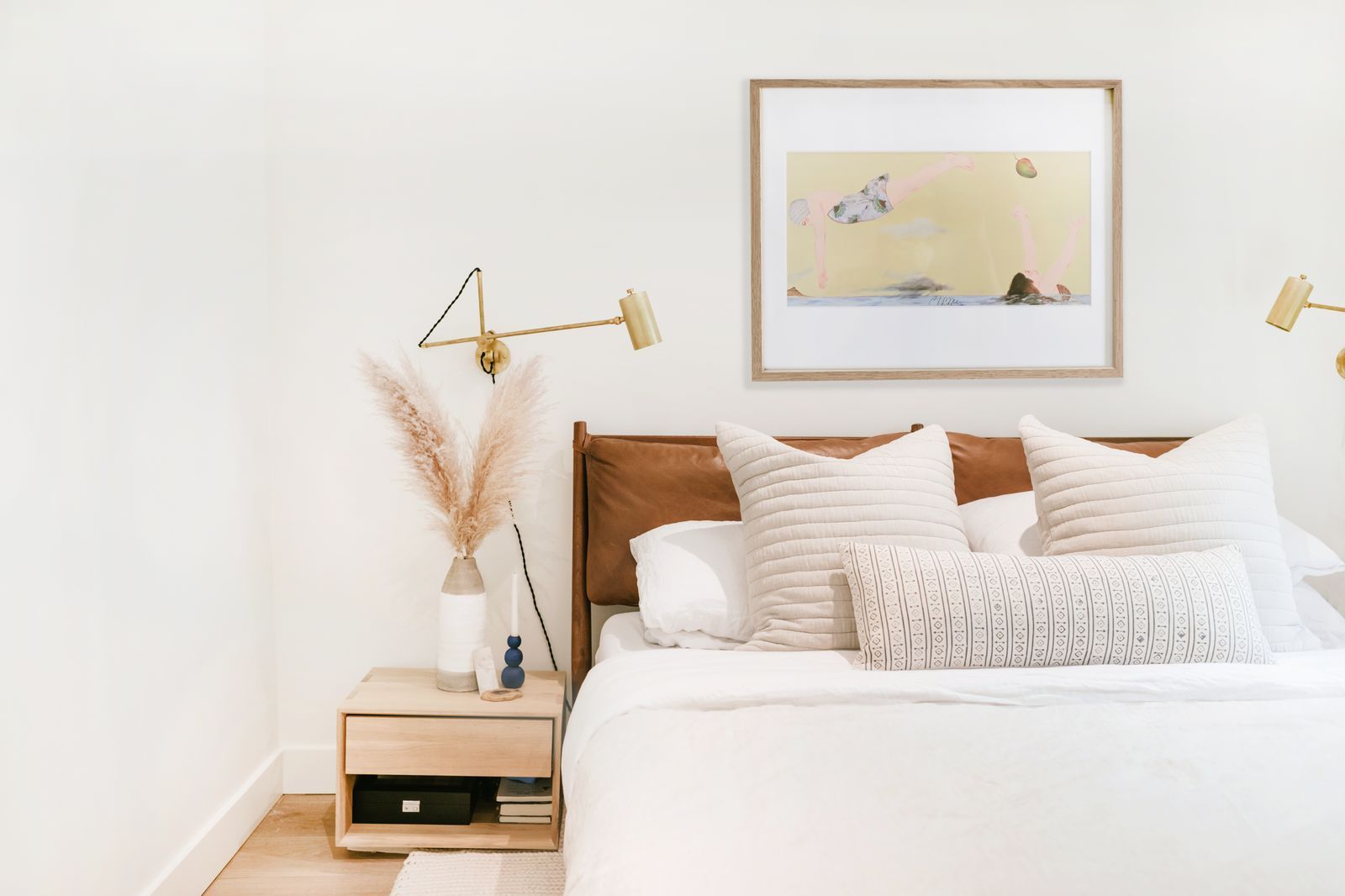
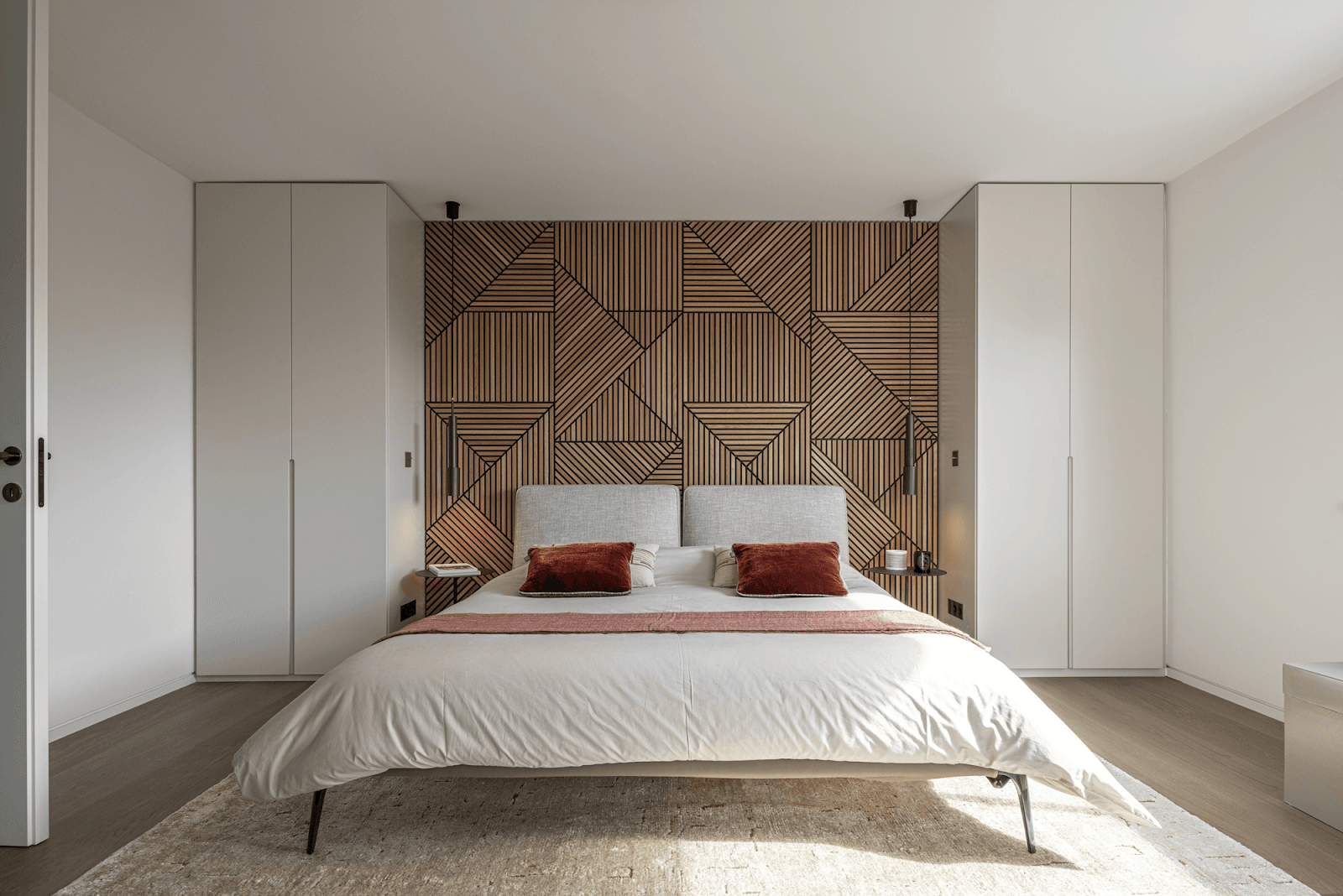
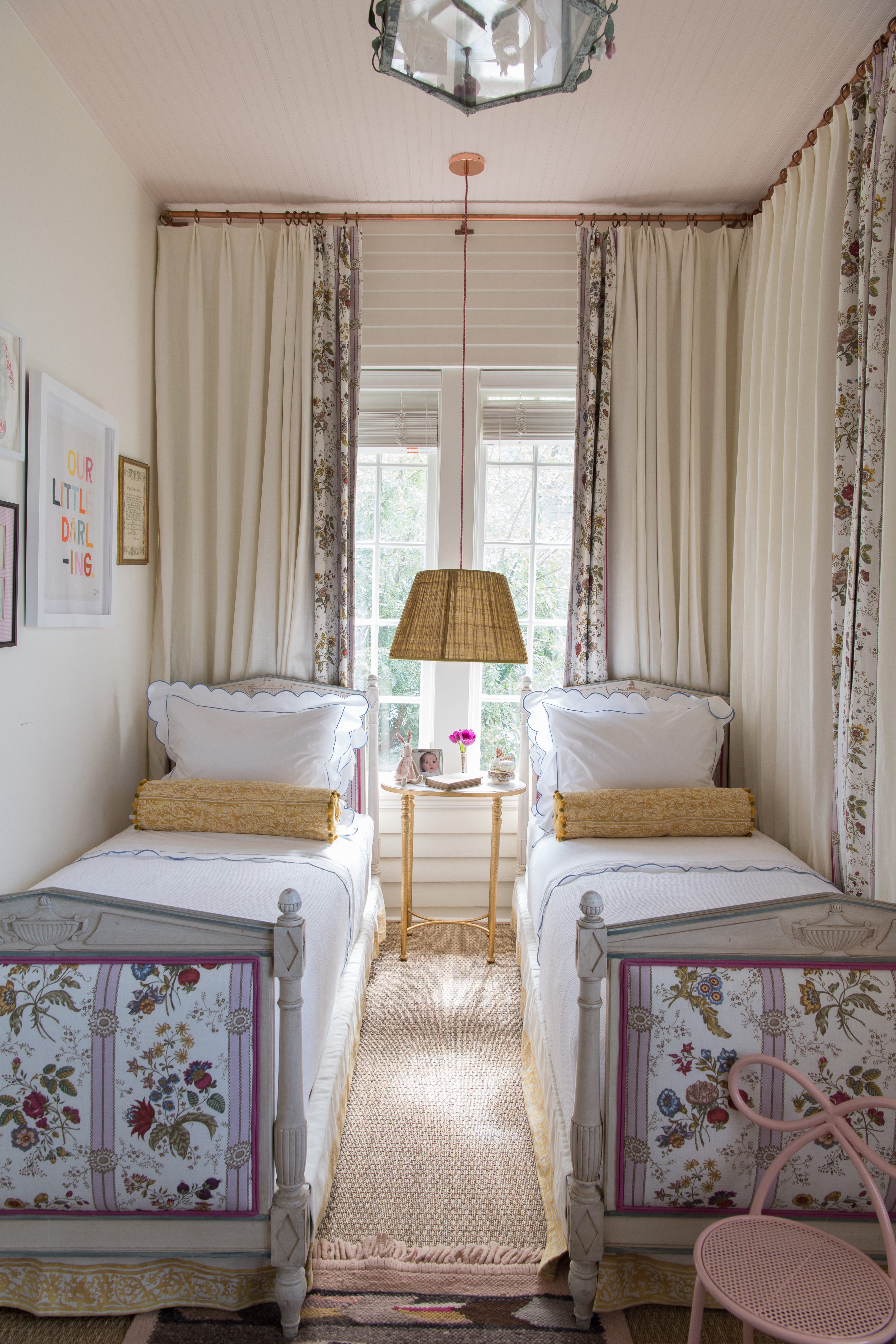
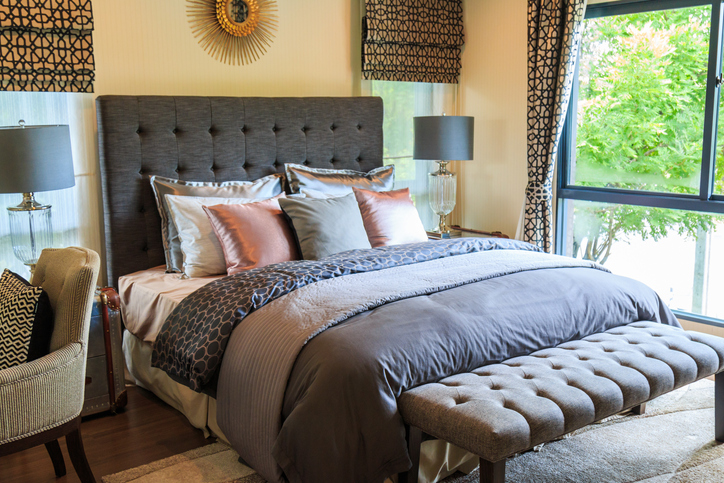
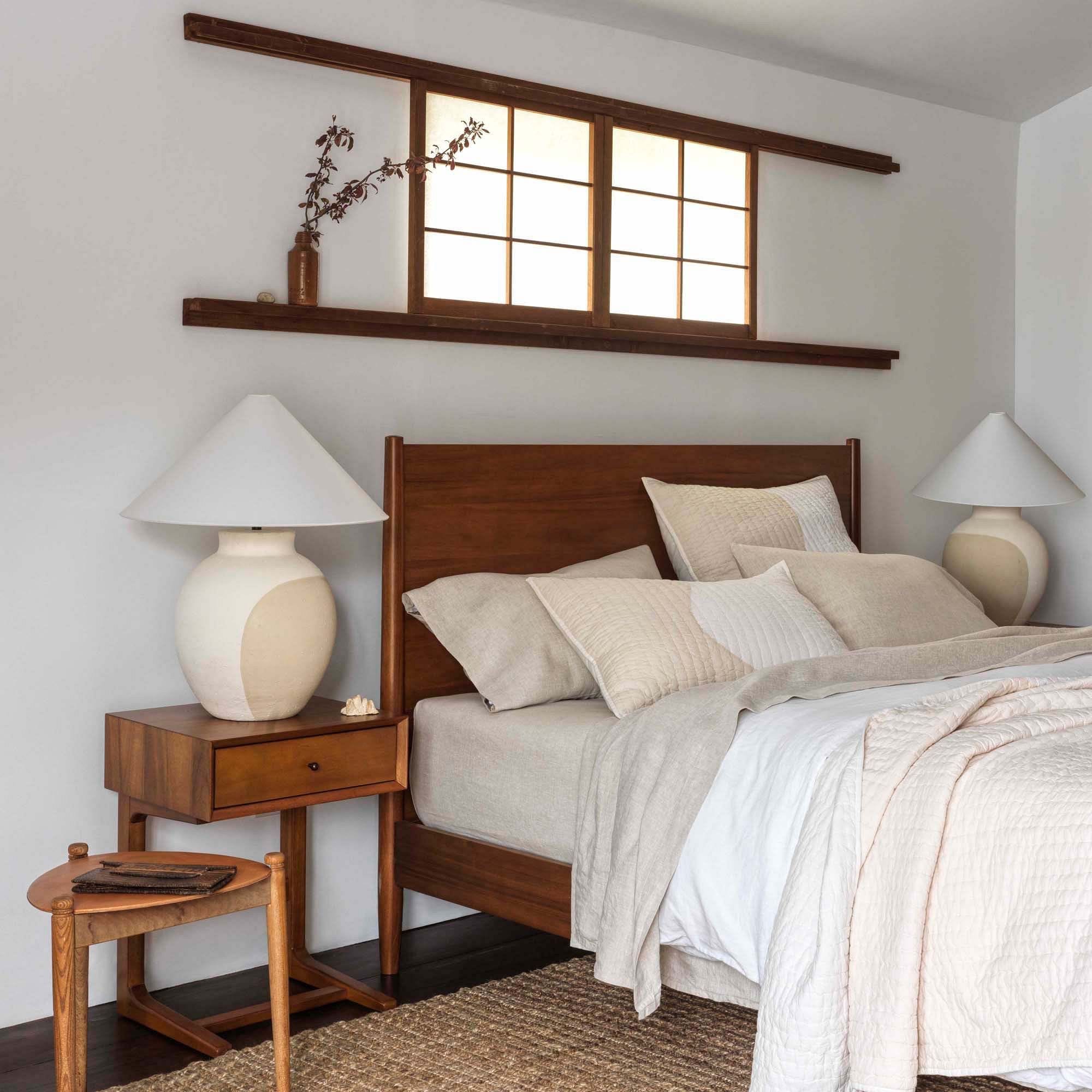
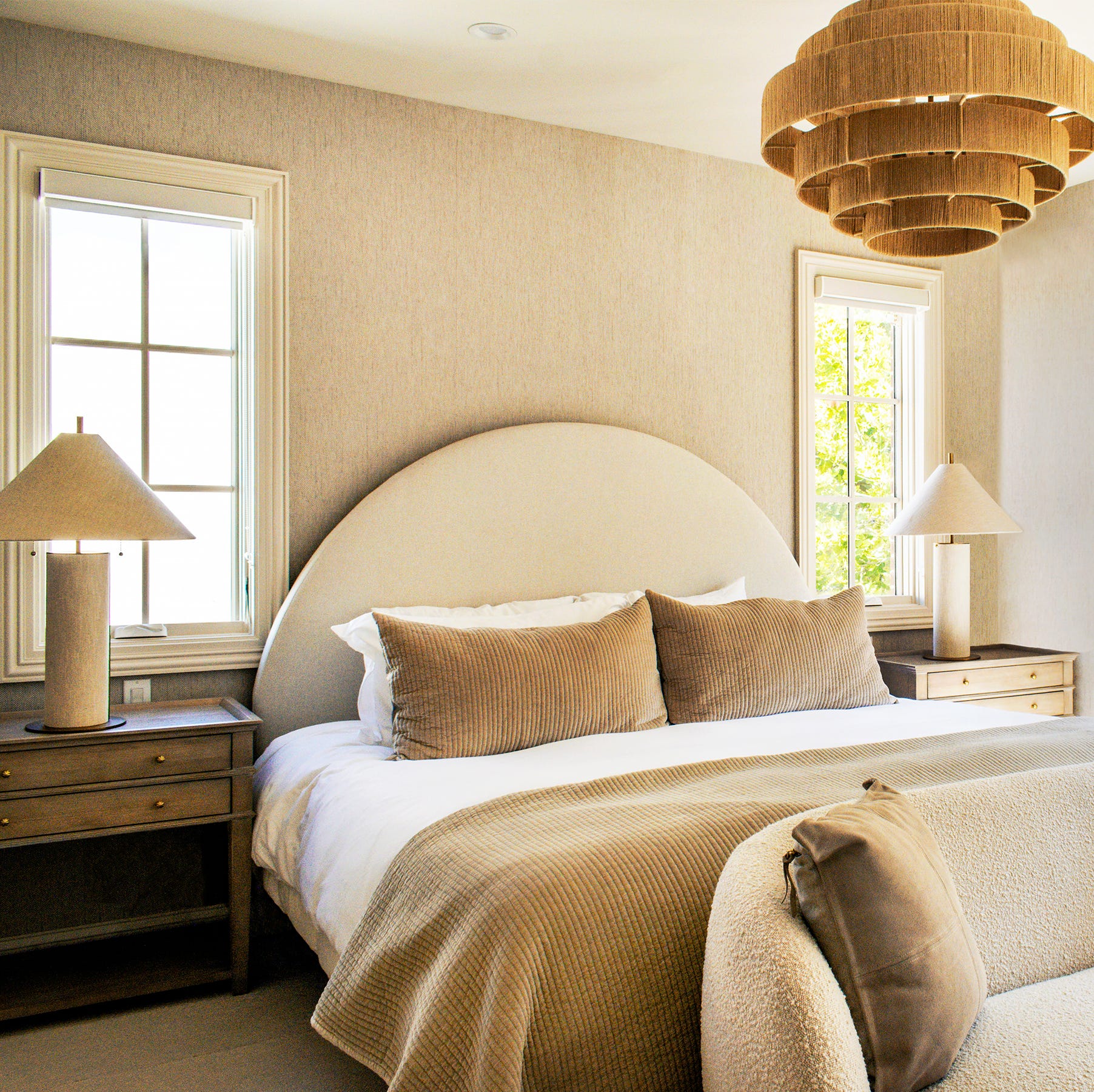
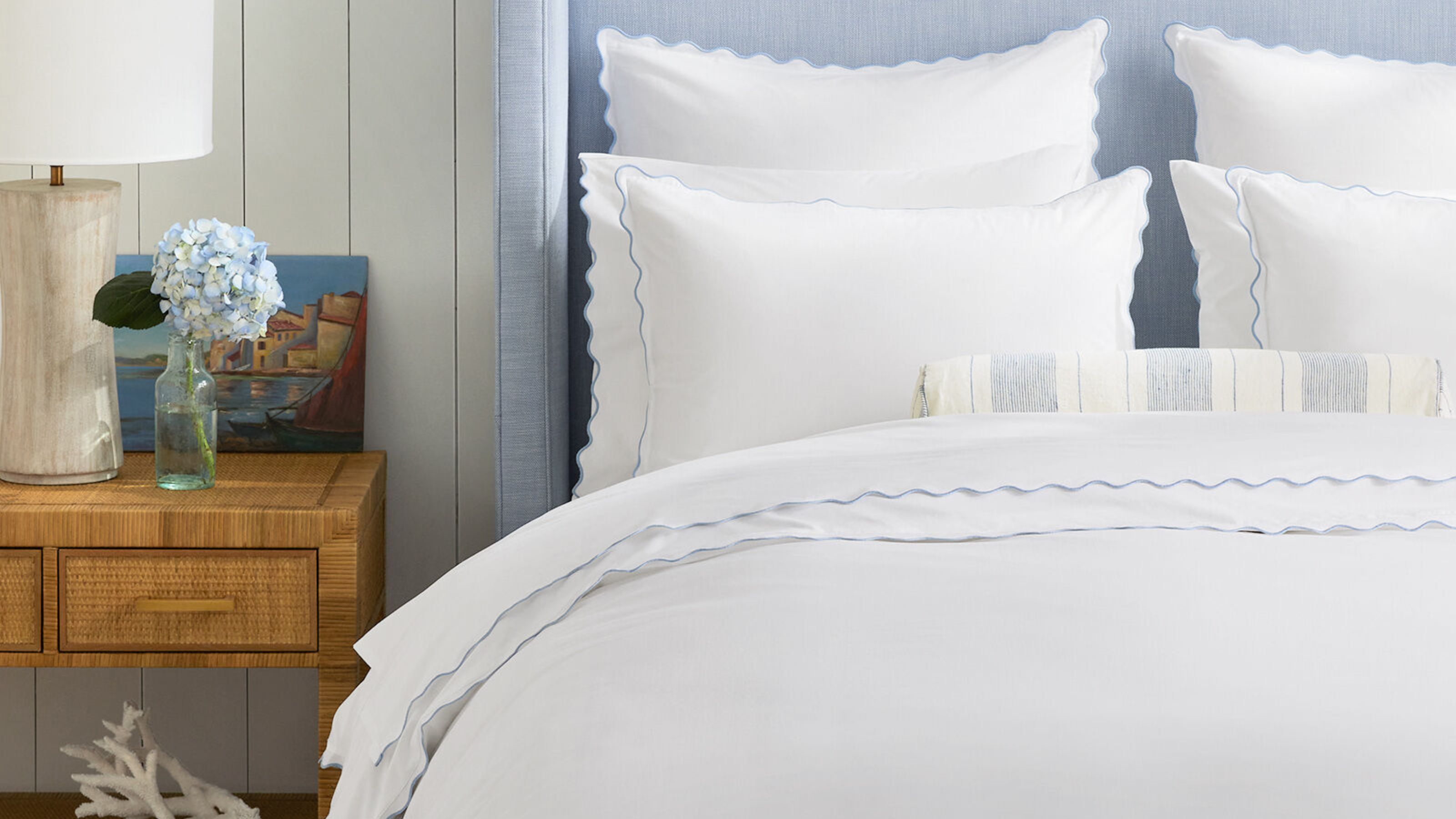
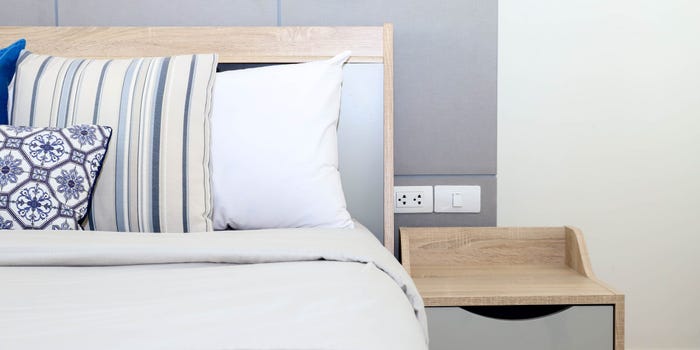
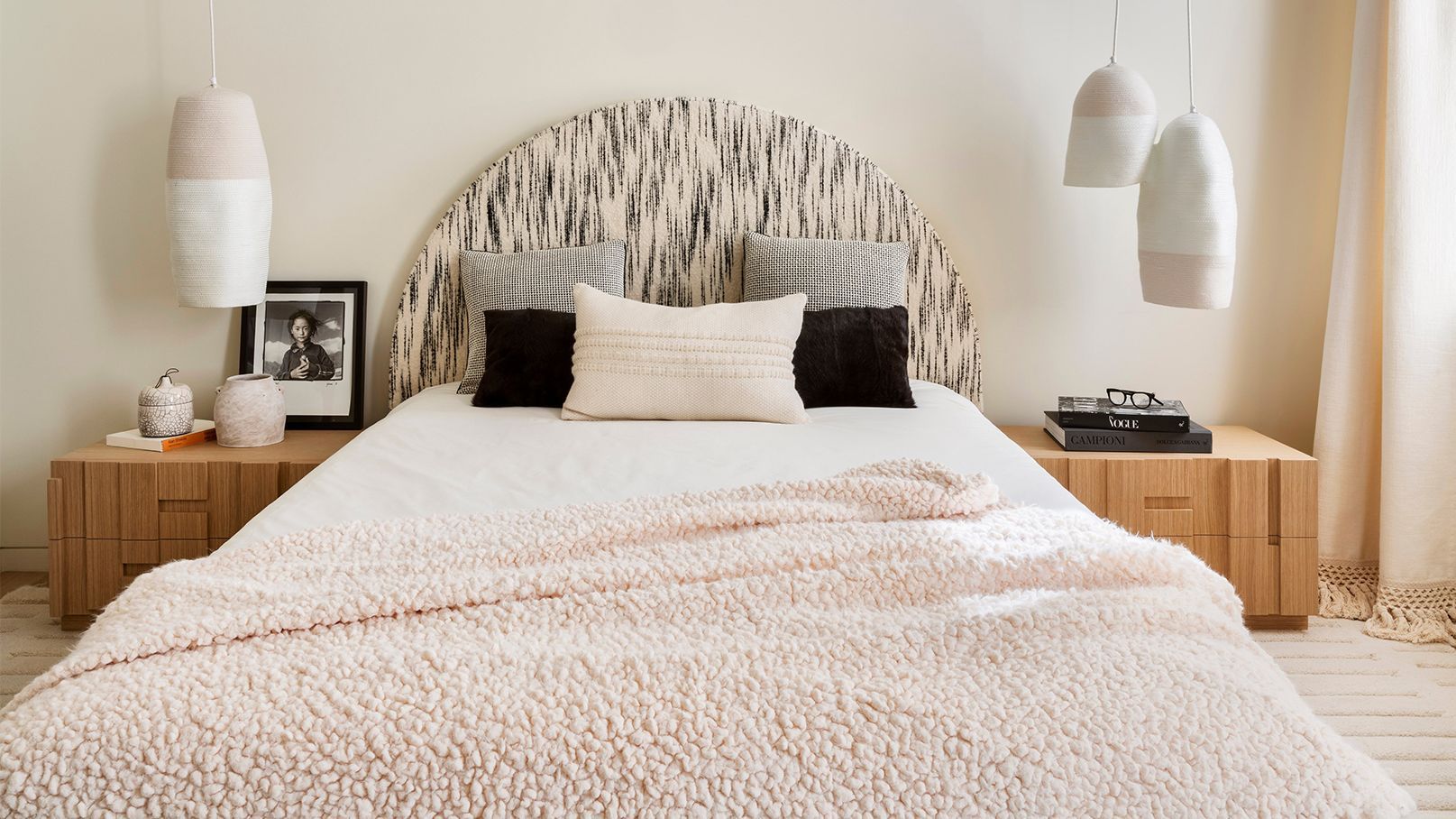
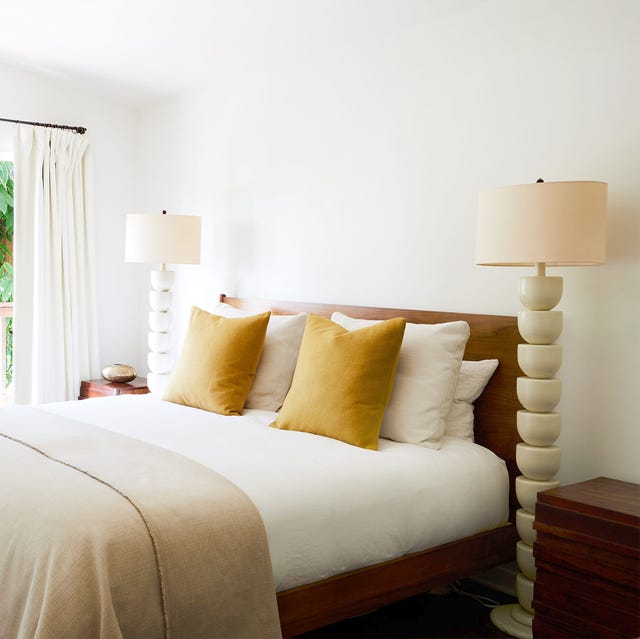
Furniture choices also play a significant role in promoting strength and balance. A sturdy and comfortable headboard is essential for psychological protection during sleep. Wood is a traditional choice, but upholstered headboards are also popular for their comfort. To foster balanced relationships and emotional security, the article suggests having twin nightstands or cupboards on each side of the bed, ideally with identical lamps, to create symmetry and harmony. Imbalanced furniture can lead to an energetic disparity, affecting personal and familial dynamics.
Clutter is identified as a major impediment to Feng Shui's effectiveness. The core principle of Feng Shui is to create unobstructed flow for energy. Beyond superficial tidying, true decluttering involves evaluating each item's impact on personal well-being. This 'interiors therapy' approach encourages individuals to assess whether an item is needed, used, or loved, and more deeply, how it makes them feel. This comprehensive decluttering process not only creates a clutter-free home but also cultivates a lasting sense of contentment and encourages other family members to adopt similar habits.
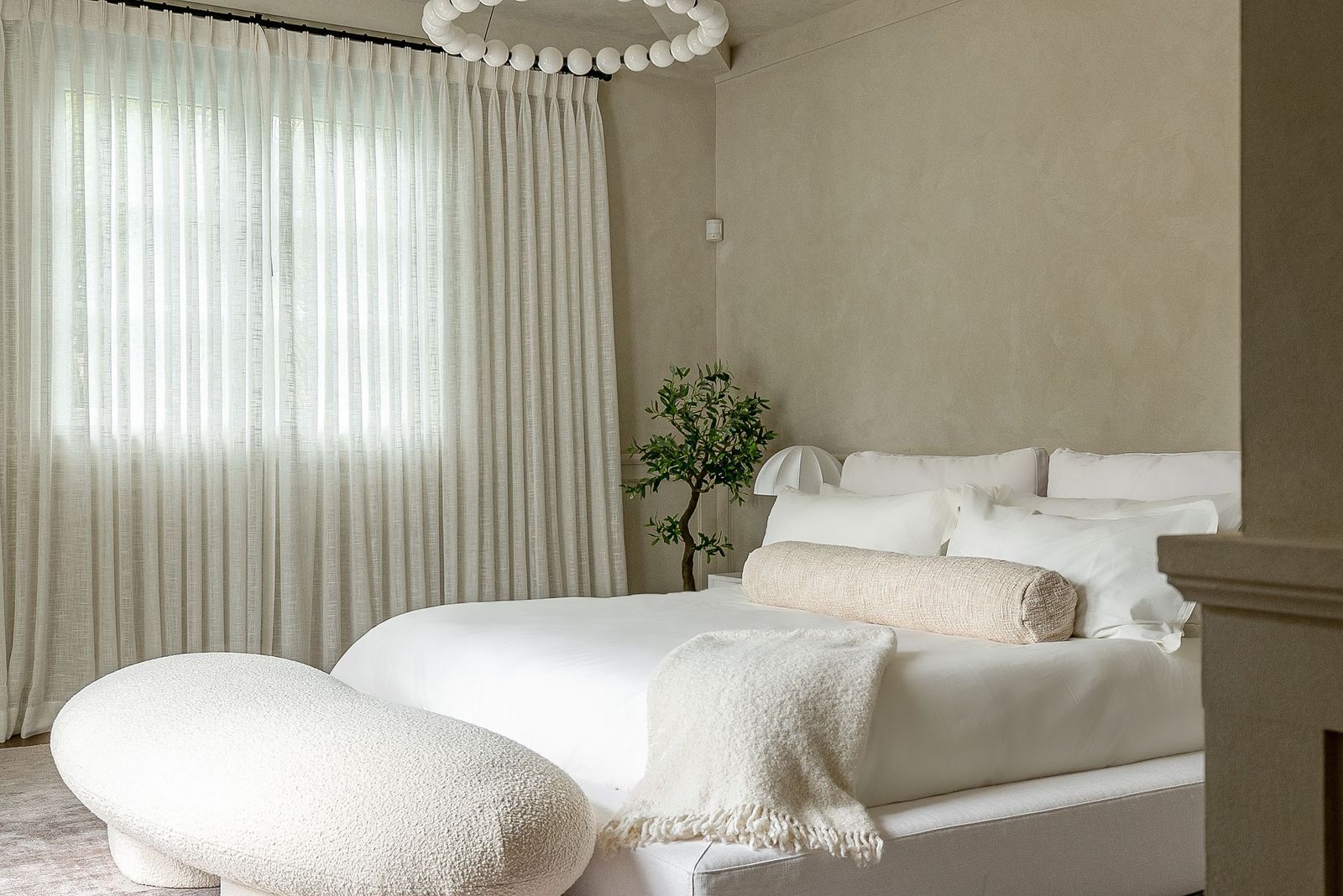
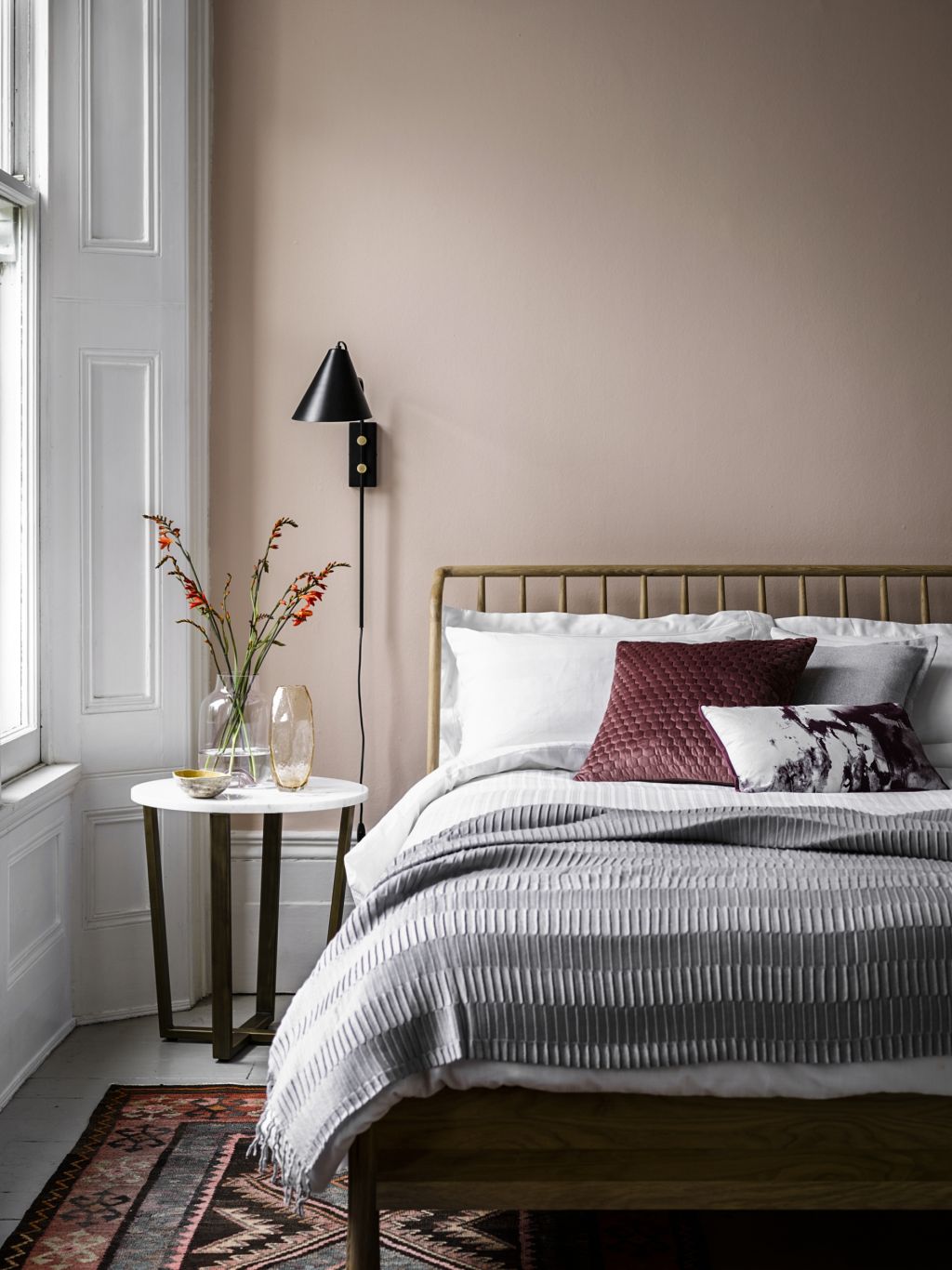
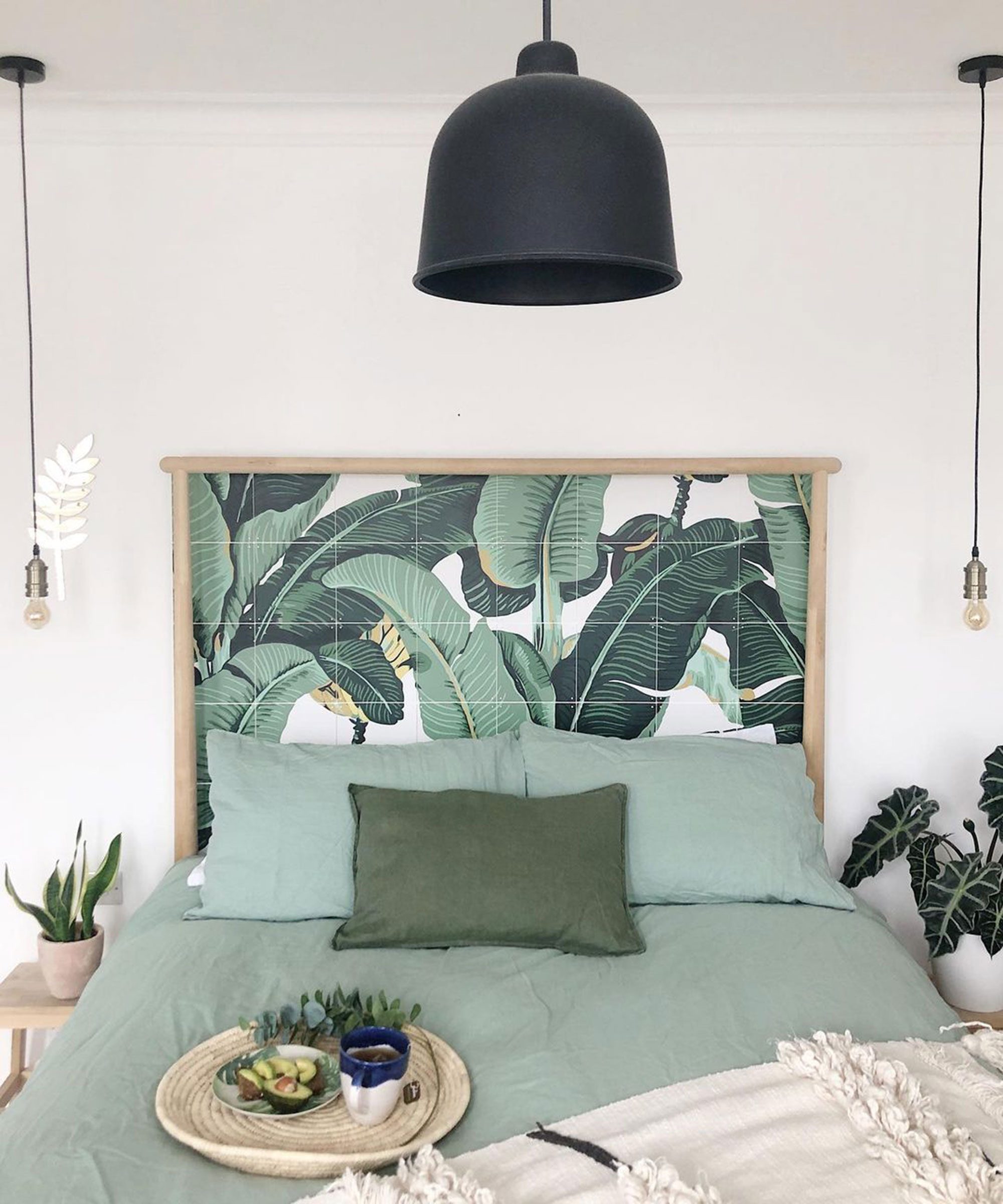
Regarding color, Feng Shui utilizes the elements of wood, fire, metal, water, and earth to achieve balance. A neutral color scheme is preferred, allowing for adjustments through soft furnishings, rugs, and art to align with changing annual energetic needs. Strong colors, particularly those associated with fire (red, hot pink, orange) or water (blue, black, purple), can disrupt desired energy, leading to exhaustion or disharmony. The article notes a historical preference for metal-associated colors like gray and white, with an anticipated future shift towards wood energy, reflected in soft green tones and biophilic designs.
The removal of technology from the bedroom is strongly advised to support deep, regenerative sleep. Electronic devices, particularly those plugged into the mains, emit electromagnetic waves that can interfere with sleep quality. The recommendation includes removing all tech, even clocks, radios, and mobile phones, especially from areas adjacent to the head. Blue light from screens and glowing standby lights also negatively impact sleep. If complete removal isn't feasible, using battery-operated alarm clocks, unplugging devices, and charging phones outside the bedroom are suggested.
Finally, the article addresses the significance of closing ensuite doors and respecting deities. Toilets and drains, in Feng Shui, are believed to release negative energy, necessitating closed toilet lids and, ideally, closed ensuite doors to prevent this energy from circulating. For spiritual practices, it is advised to avoid placing religious deities or altars in the bedroom or bathroom as a sign of respect, suggesting a dedicated meditation space, preferably in the northeast of the home. If a bedroom is the only option, a closed cabinet or a covered shelf for deities is recommended. Ultimately, regardless of size, the bedroom should be a dedicated sanctuary for rest, romance, and relaxation, contributing to overall physical and emotional well-being.
#FengShui #TinyBedroom #BedroomDesign #InteriorTherapy #EnergyFlow #Decluttering #ColorPsychology #TechFreeBedroom #HomeWellness #FengShui #TinyBedroom #BedroomDesign #InteriorTherapy #EnergyFlow #Decluttering #ColorPsychology #TechFreeBedroom #HomeWellness
0 comment in total
 No comments yet
You may also like
How to Feng Shui your bedroom

An Expert Explains The Best Ways To Organize Your Small Bedroom
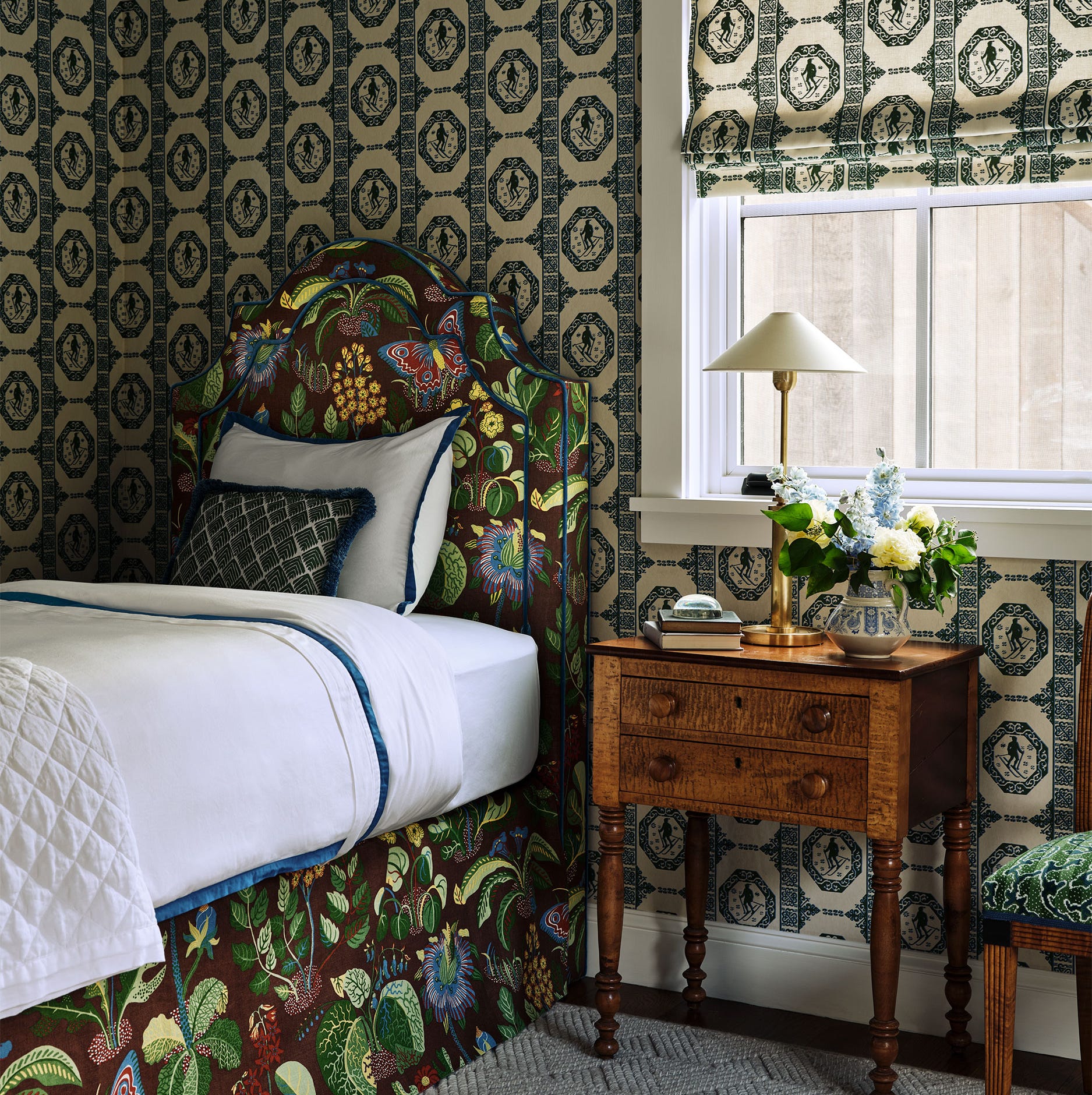
These Small Bedroom Ideas Prove That Small Is the New Big

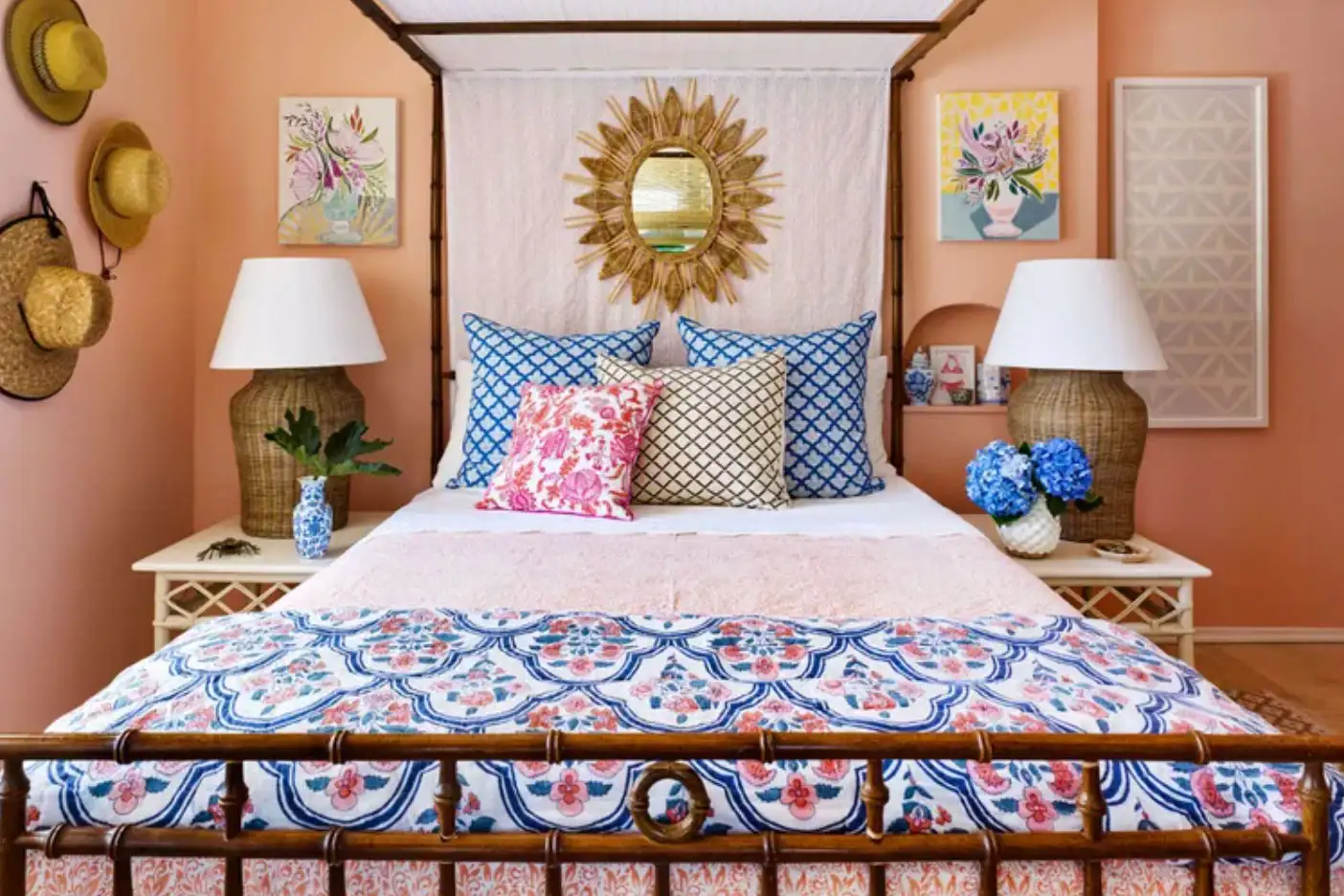
7 Designer Tricks That Make A Small Bedroom Feel Spacious
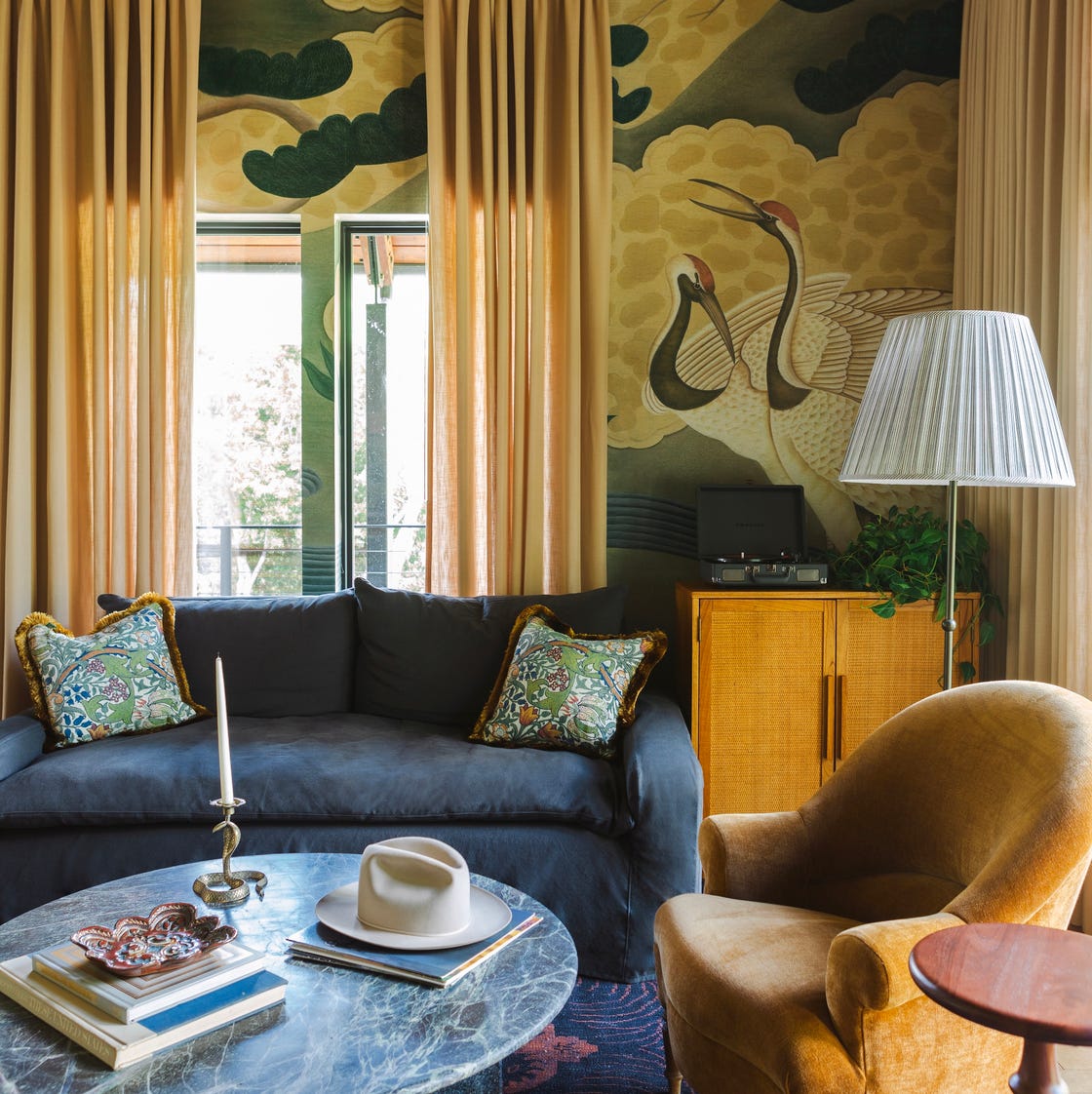
Design Pros Reveal Their Secret Tricks for Maximizing Space in the Tiniest Living Rooms
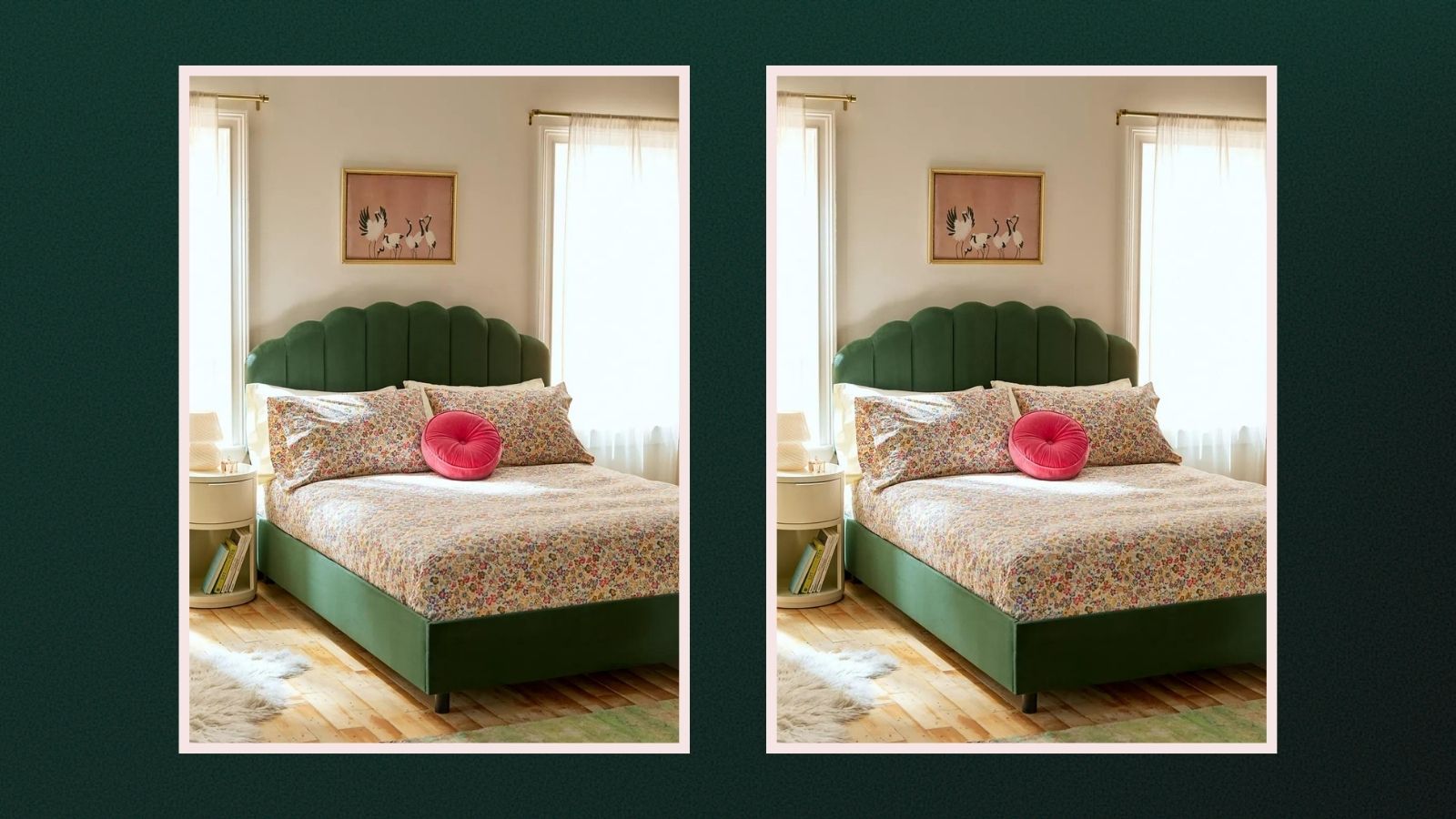
Small bedroom layout ideas — 9 ways to utilize your space


Feng shui can destress dorm living

9 simple tricks to elevate your small living room according to an interior designer

14 ways to bring feng shui to your bedroom for harmony and balance
Feng Shui Tips for Every Room in Your Home
Broadway’s Top Dressing Room Designer Shares Small-Space Decorating Tips You Can Use
Three feng shui principles to improve the energy of your small flat

Decorating Your Bedroom With Feng Shui
11 minimalist bedroom design tricks to create a calming space

Small entryway Feng Shui — 5 tips to create good vibes
The Only Direction Your Bed Should Be Facing, According to Feng Shui Experts
5 small living room Feng Shui tips — harness these principles for ultimate Zen

Feng shui bedroom layout tips and rules – how to create a zen sleeping space
9 simple tricks to elevate your small living room according to an interior designer

Bring a bit of feng shui into your home