Feng Shui Tips for Every Room in Your Home
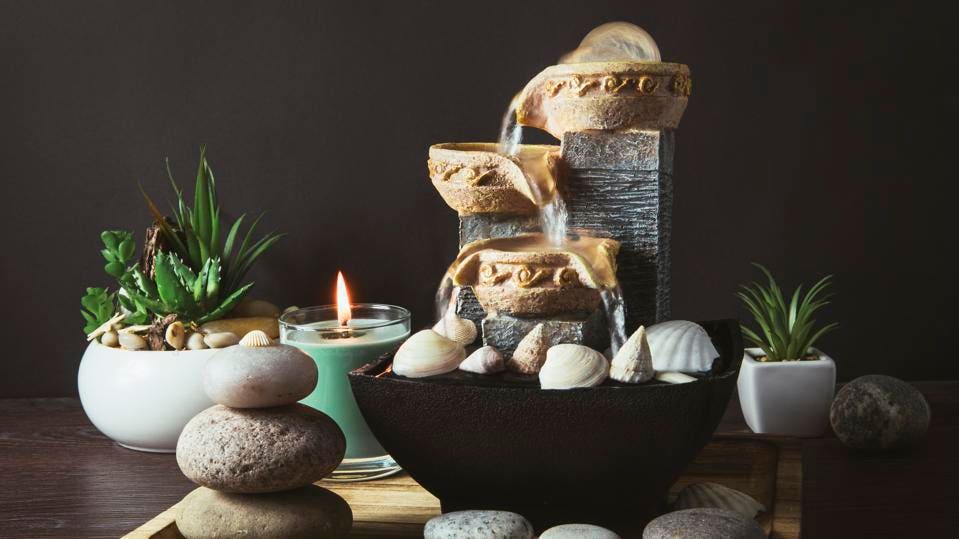
Feng shui, an ancient Chinese discipline meaning "wind water," focuses on optimizing the flow of positive energy, known as qi, within a home to enhance health, prosperity, and luck. It emphasizes an intentional approach to surroundings, rather than requiring purchases, and is about creating a recharging and rejuvenating space. The core theory involves balancing five elements—water, earth, fire, wood, and metal—each linked to specific aspects of life such as intuition, stability, passion, growth, and confidence. An imbalance in these elements can manifest as a lack of clarity, motivation, or serenity. While personalized consultations can offer deeper insights, general rules can be applied to improve a home's energy flow.
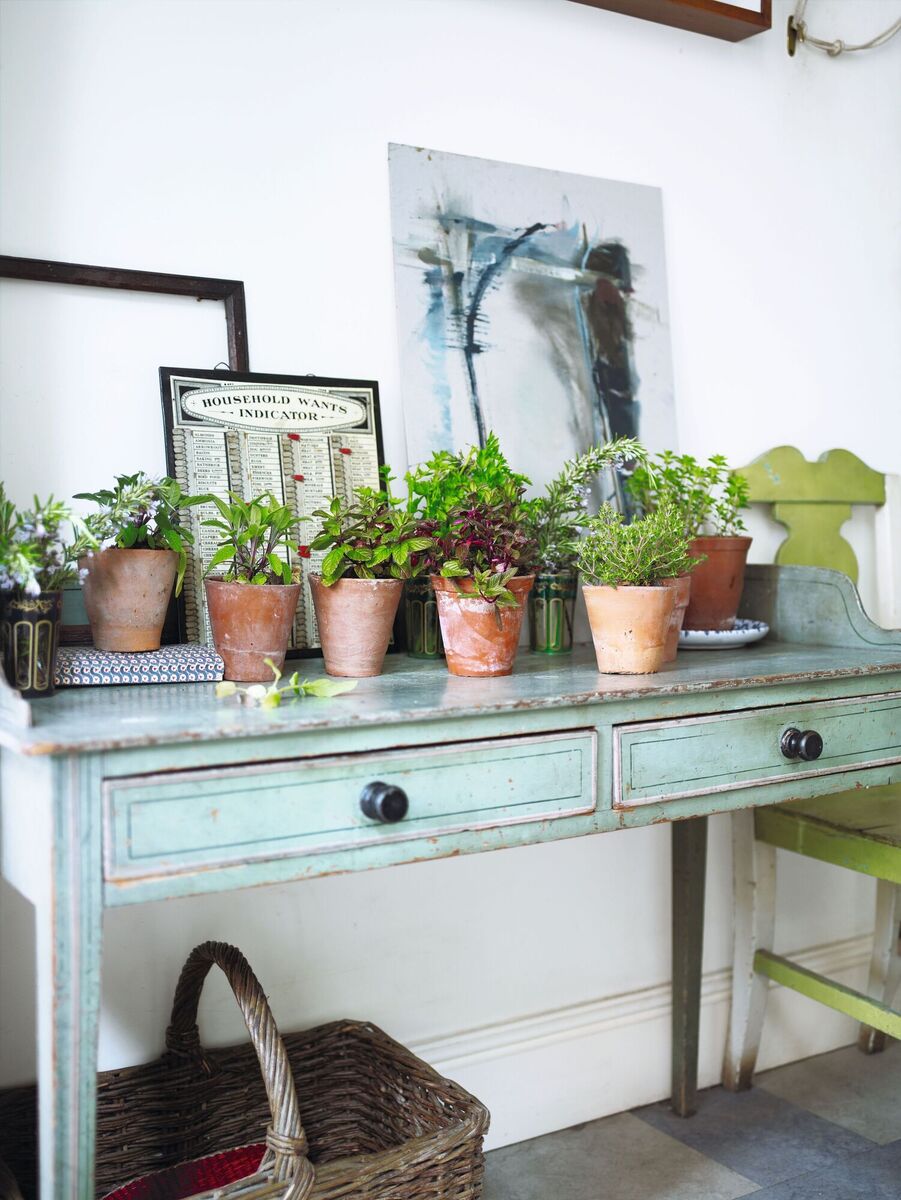
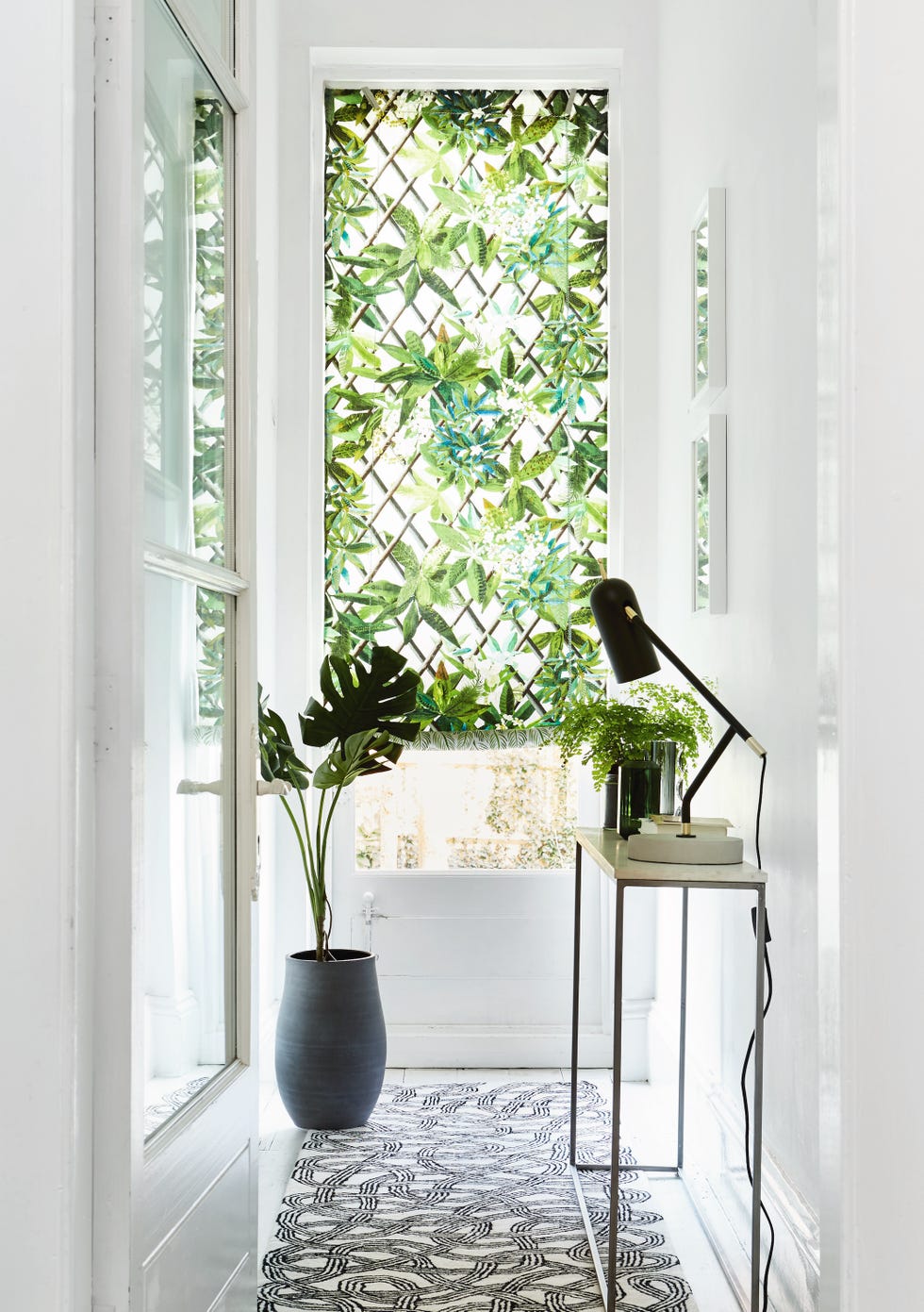
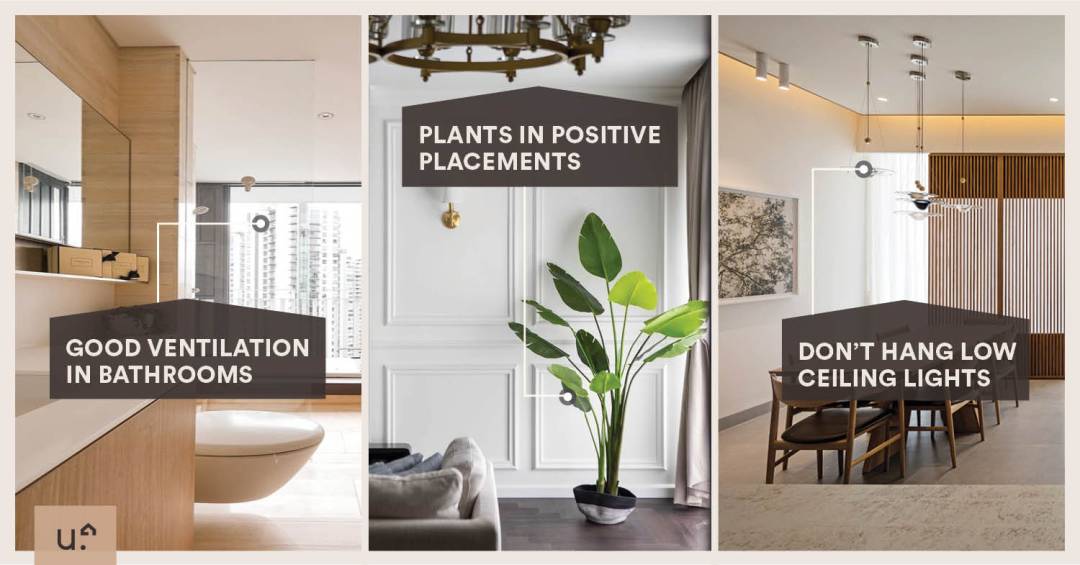
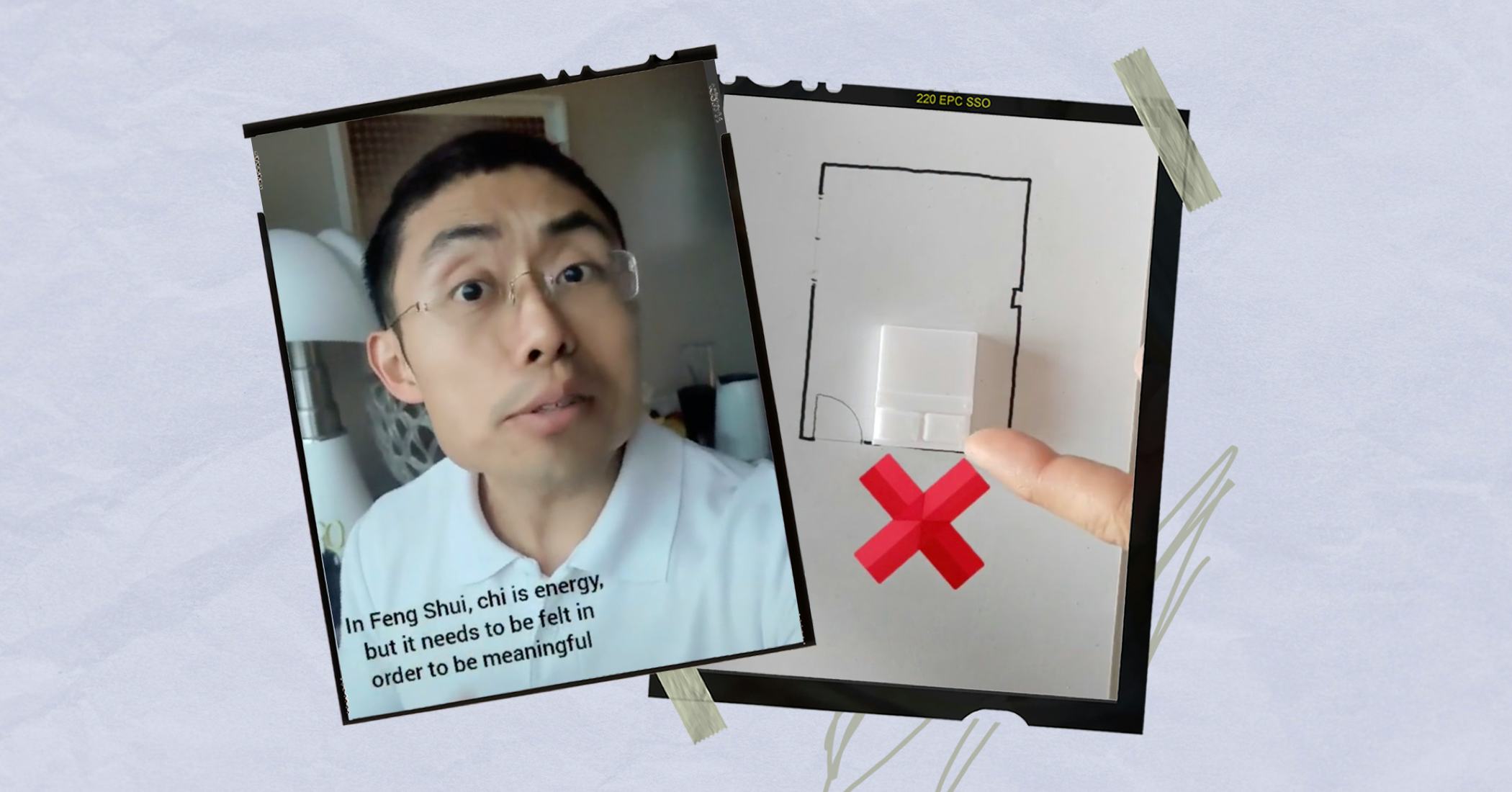
The article clarifies that talismans like dragons or laughing Buddhas, often associated with commercialized feng shui, are not essential. The emphasis is on personal connection and intention, suggesting that items displayed in a home should spark joy and reflect one's aspirations. Clutter reduction is crucial, promoting a forward-looking perspective. Creating clear energy pathways is another key principle. This involves avoiding direct alignment of a front door with a back door, which can cause energy to drain away. Room dividers, bookcases, and tall plants can help guide energy flow. Regular ventilation through open windows is also recommended to ensure good circulation, with appliances like air conditioners and fans positioned carefully to avoid disrupting qi.
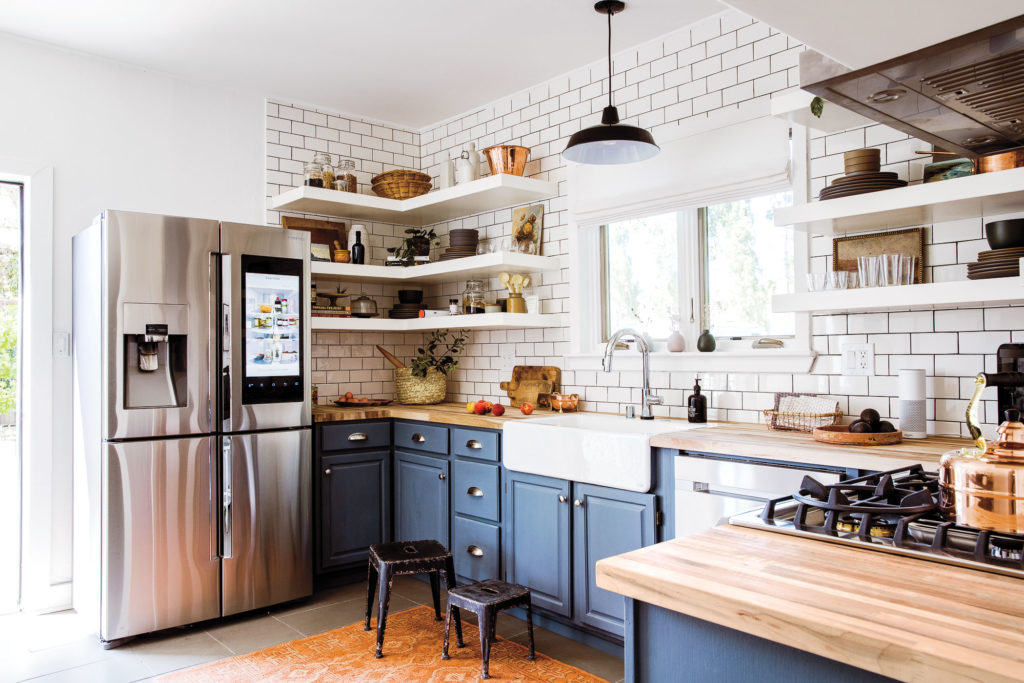
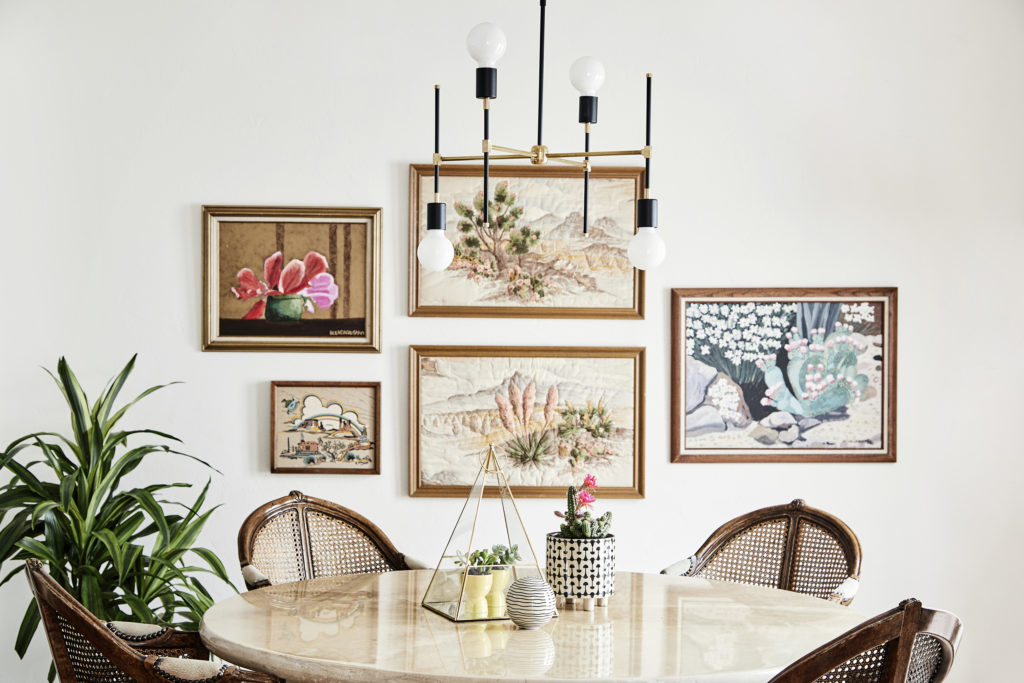
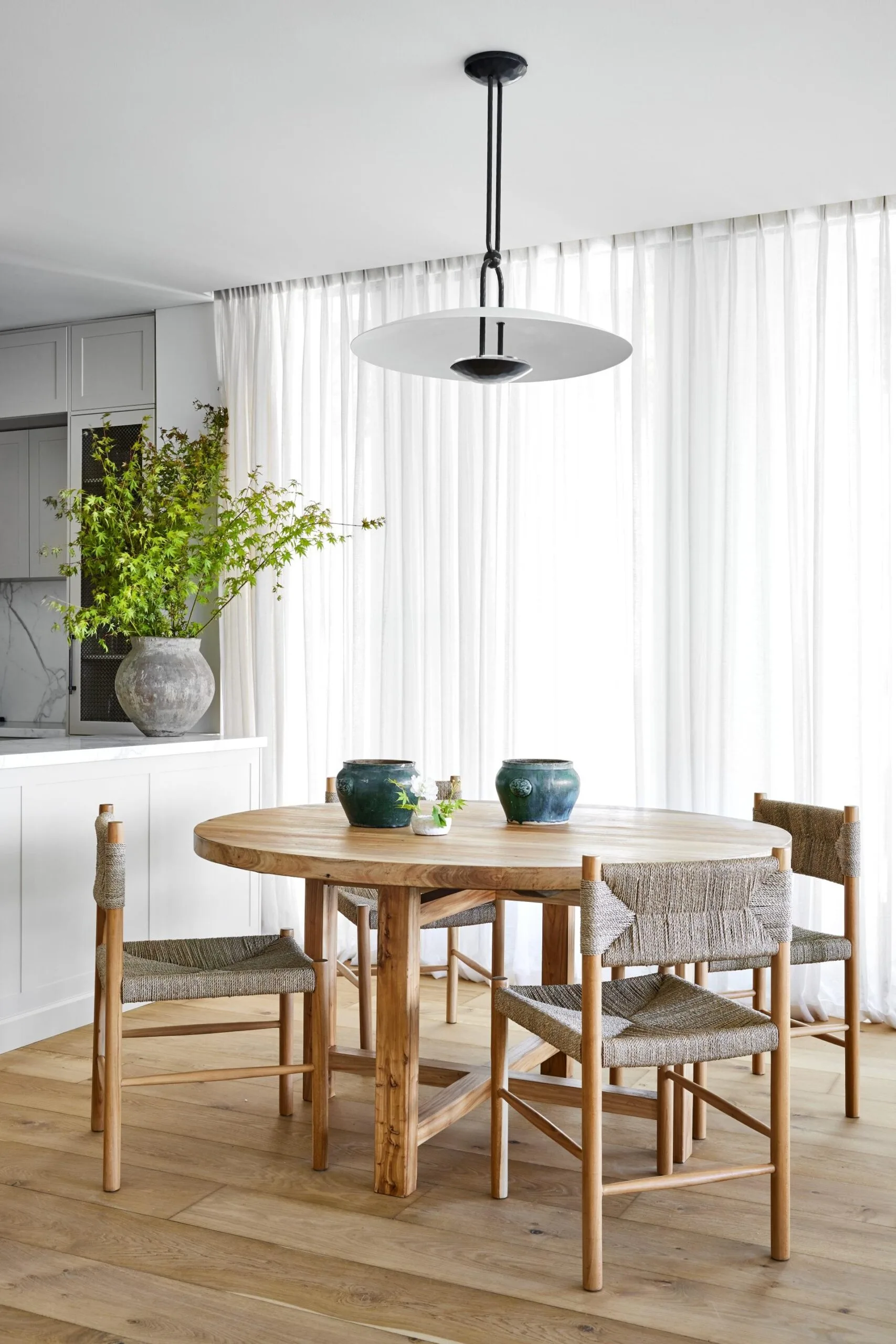
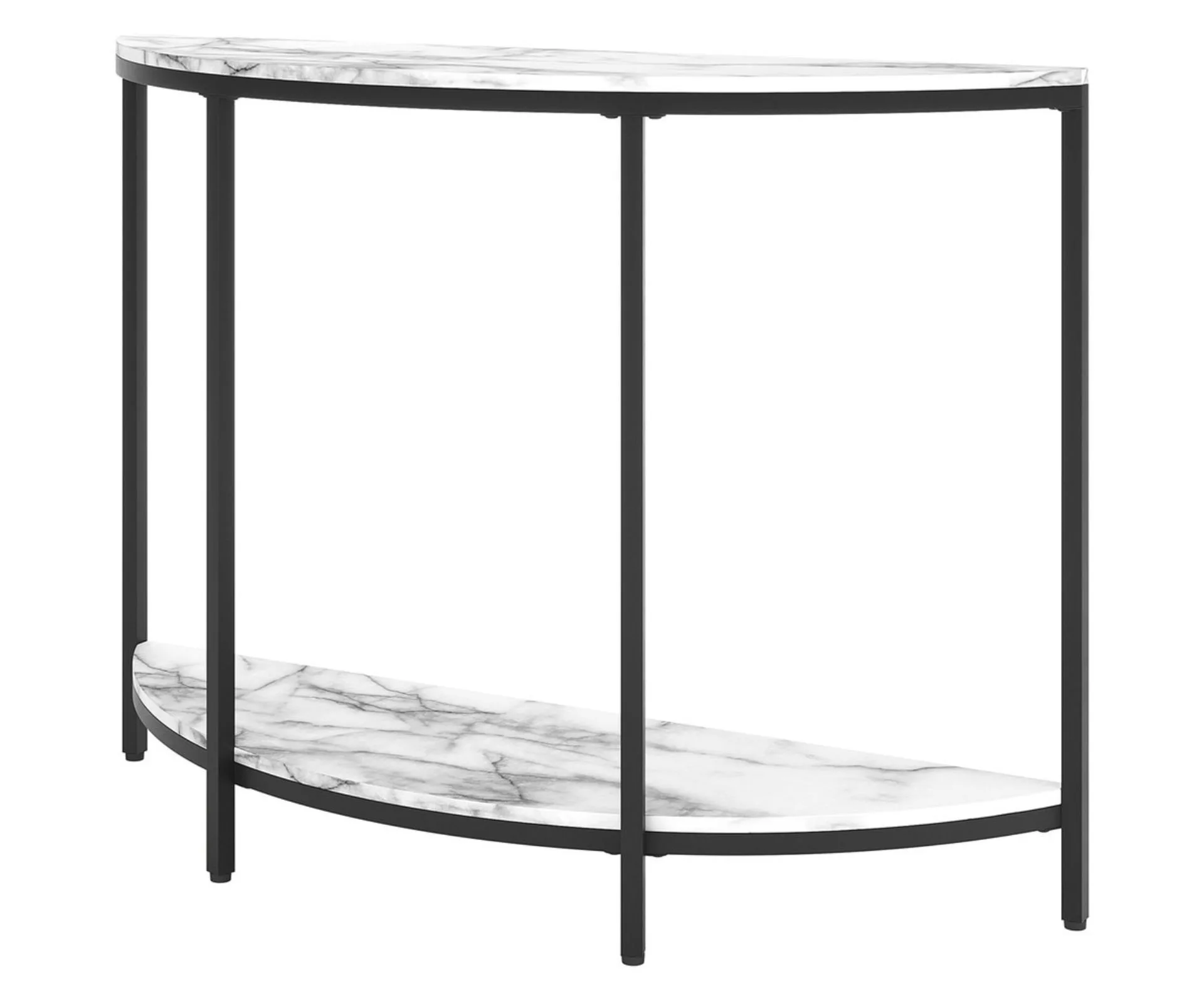
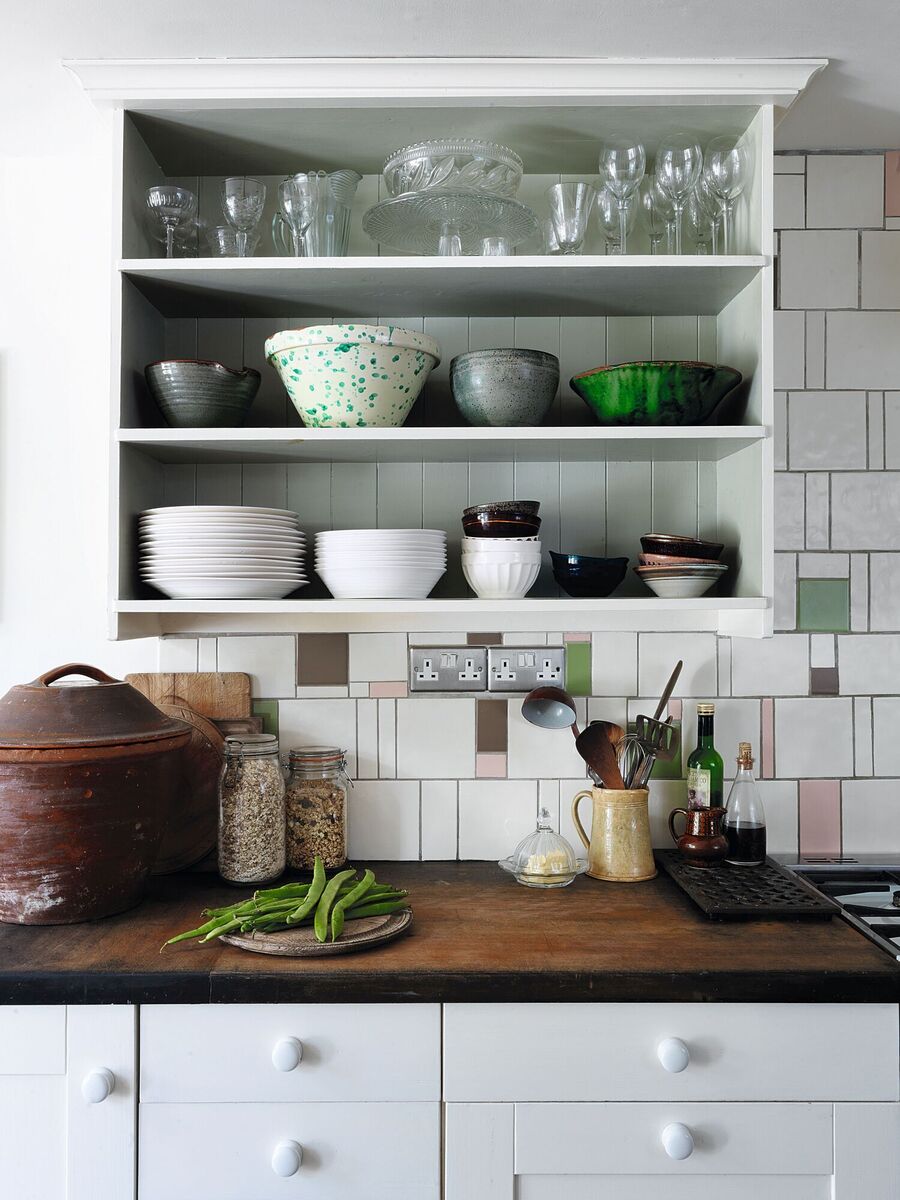
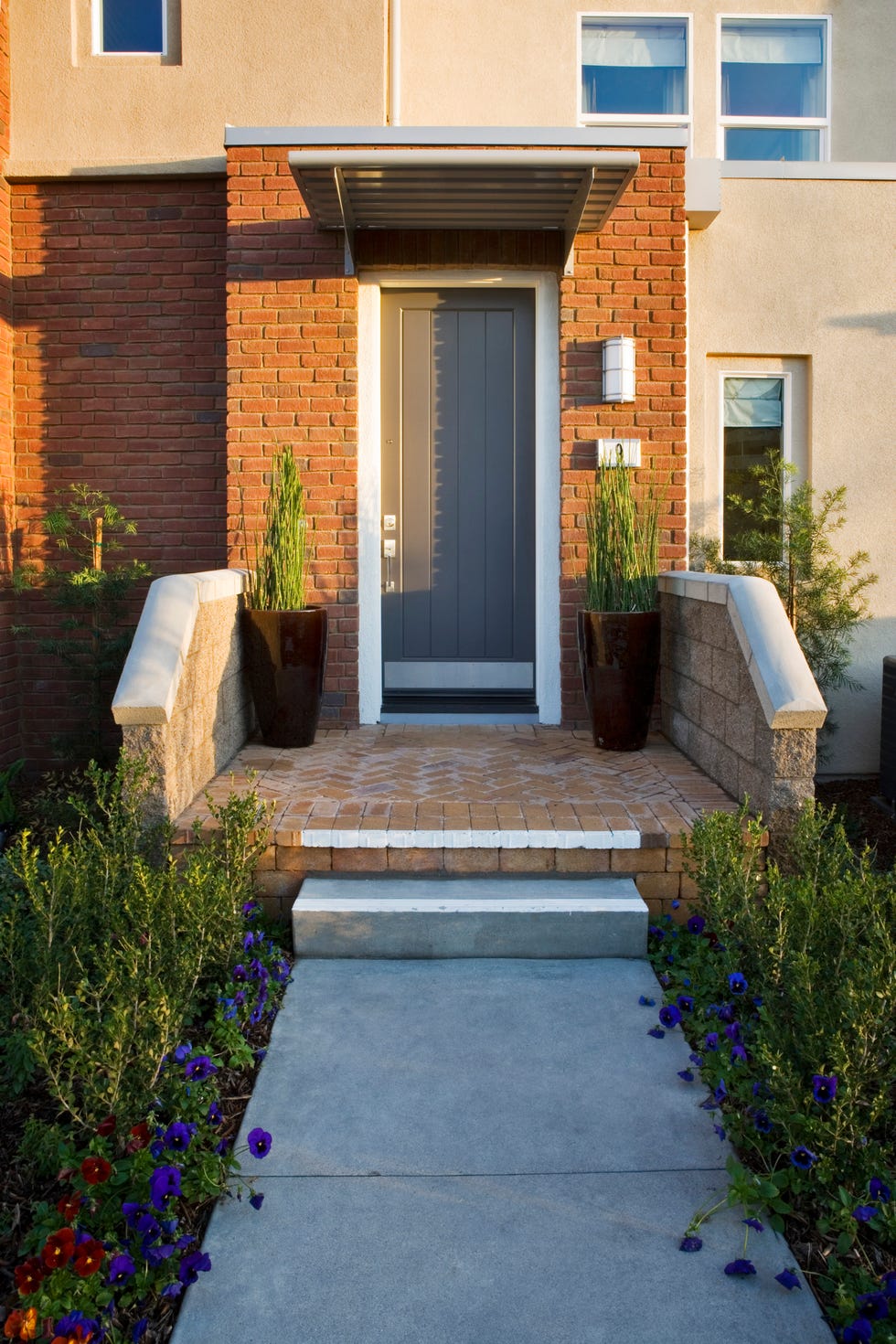
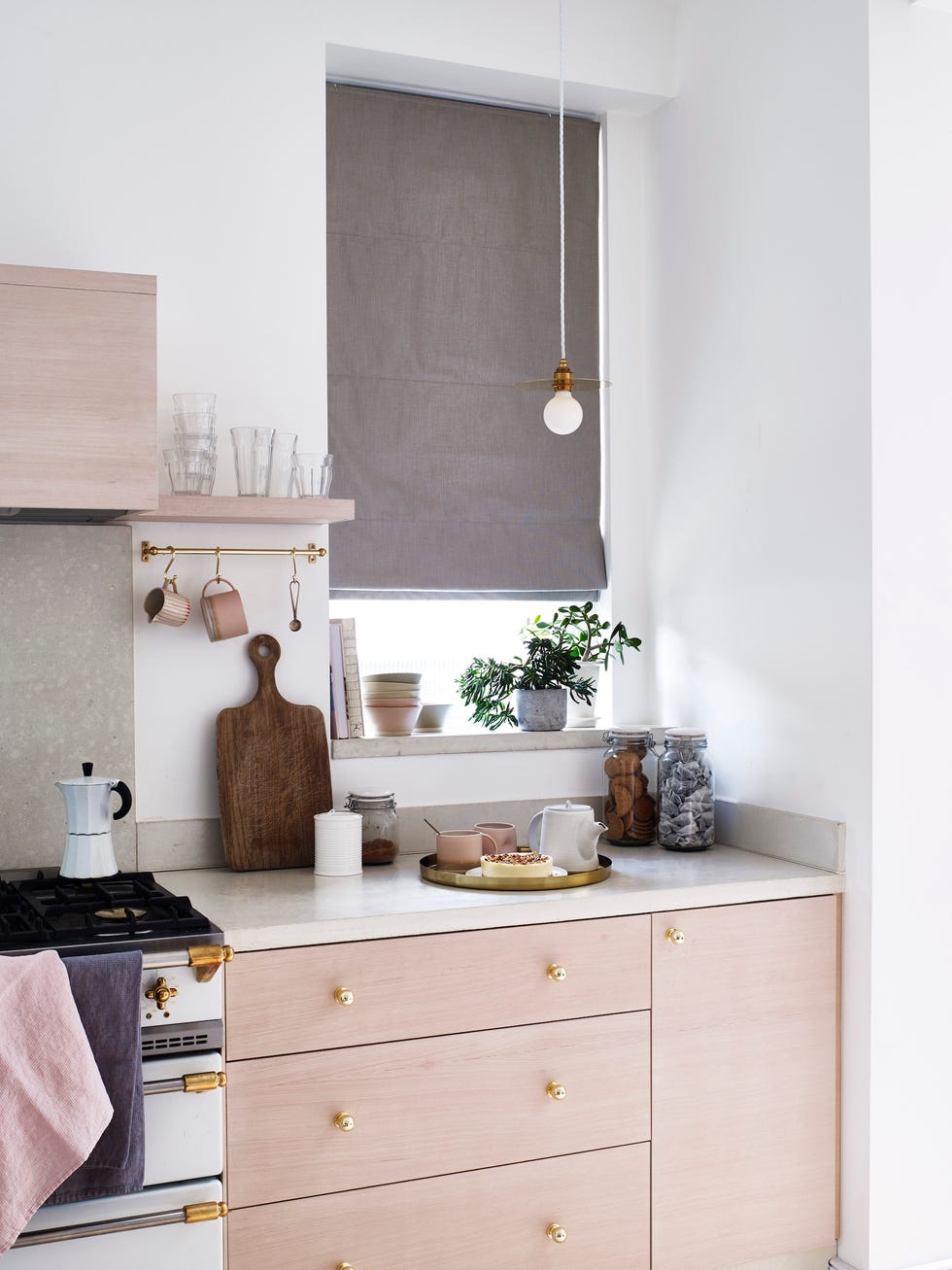
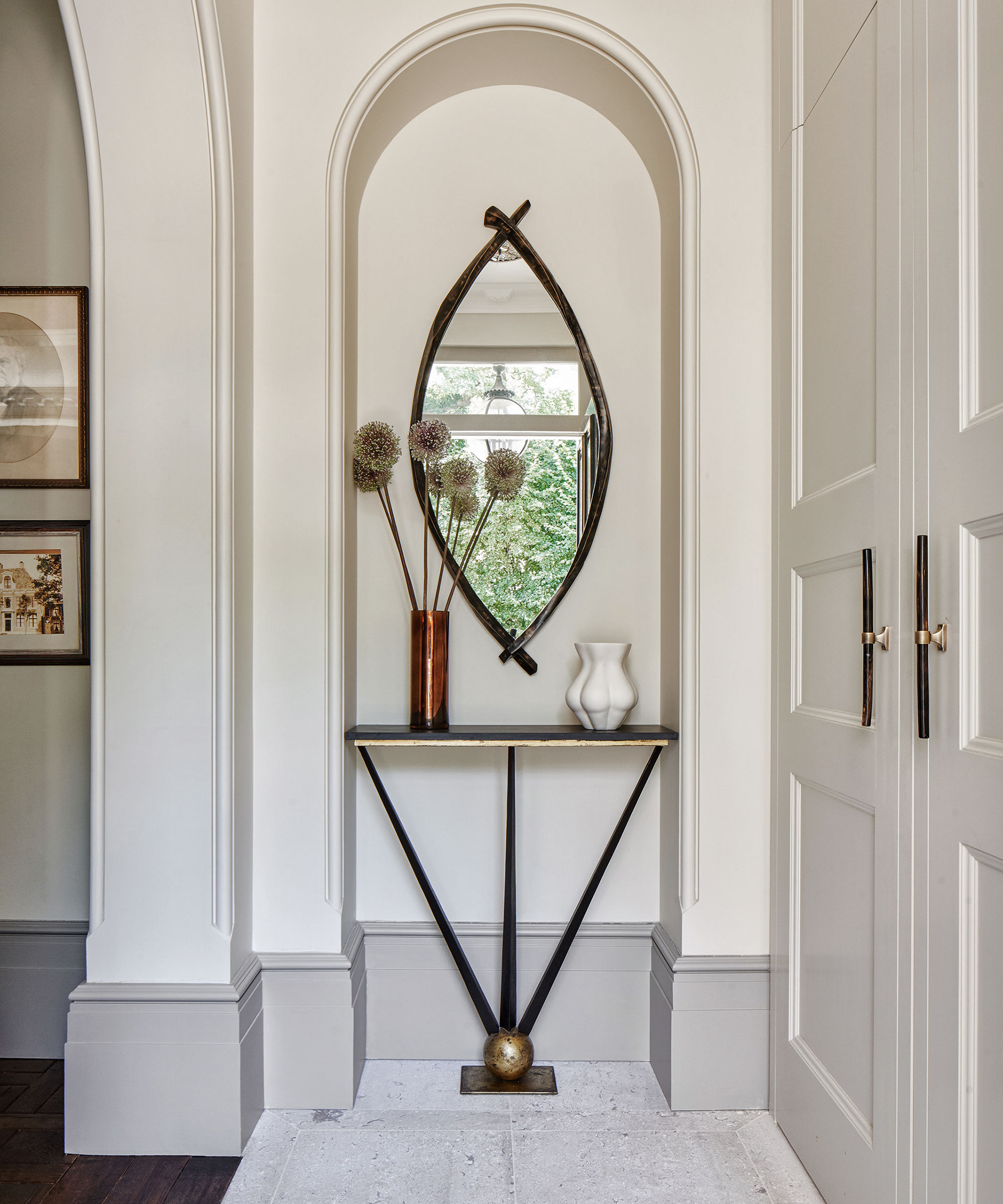
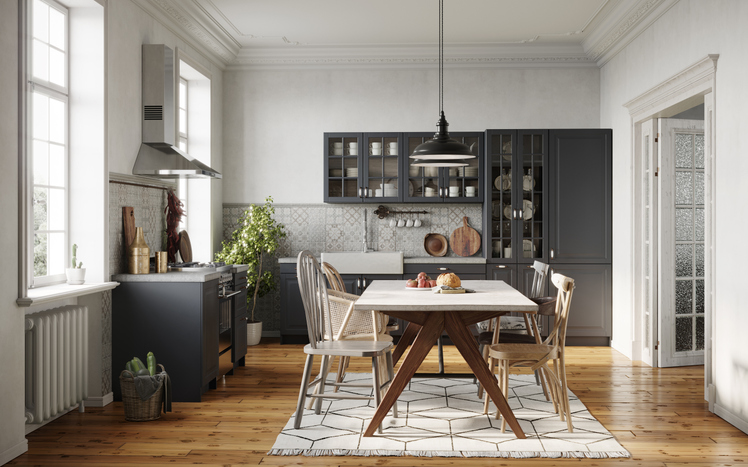
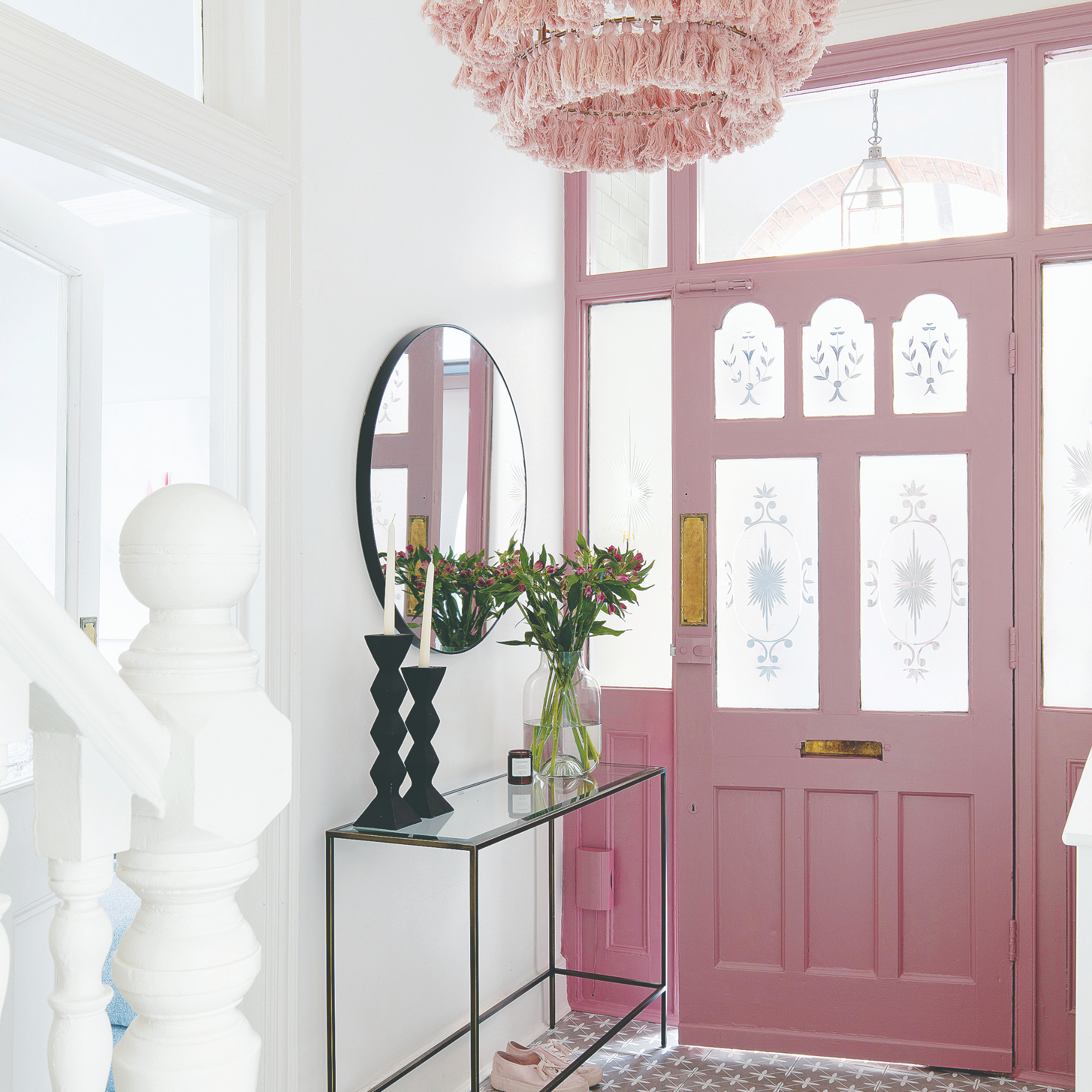
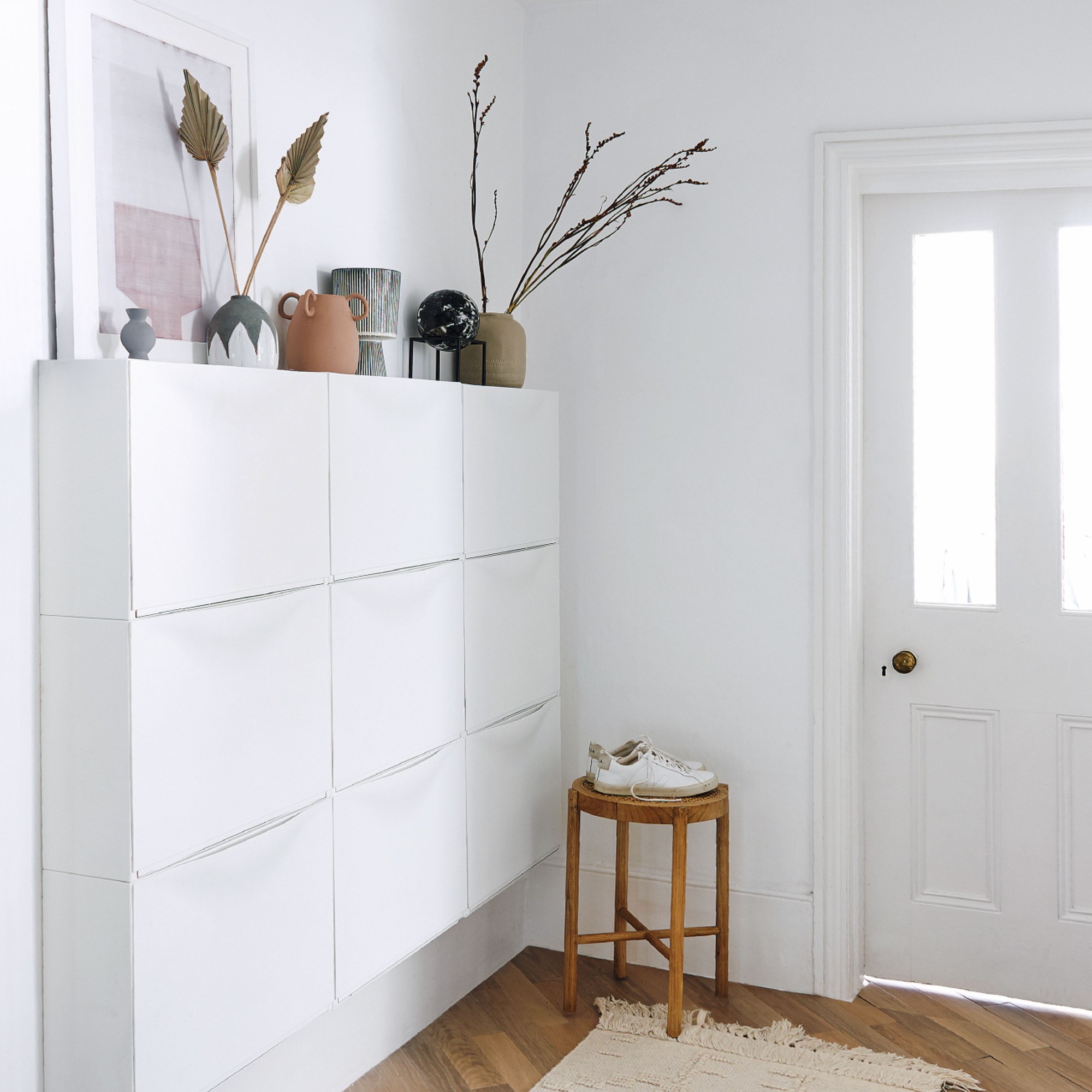
Specific feng shui tips are provided for various rooms. For the entryway, it's advised to make the front door stand out to attract good energy, keep the area clean and clutter-free, and place pleasing objects in key meridian positions to set a welcoming tone. In the kitchen, considered the hub of prosperity and health, safeguarding the stove by avoiding open windows or doorways next to it is important, as is keeping it clean. Placing a bowl of fresh fruit in the center of the kitchen or dining table is believed to attract prosperity, and coordinating cookware helps ground the room's energy.
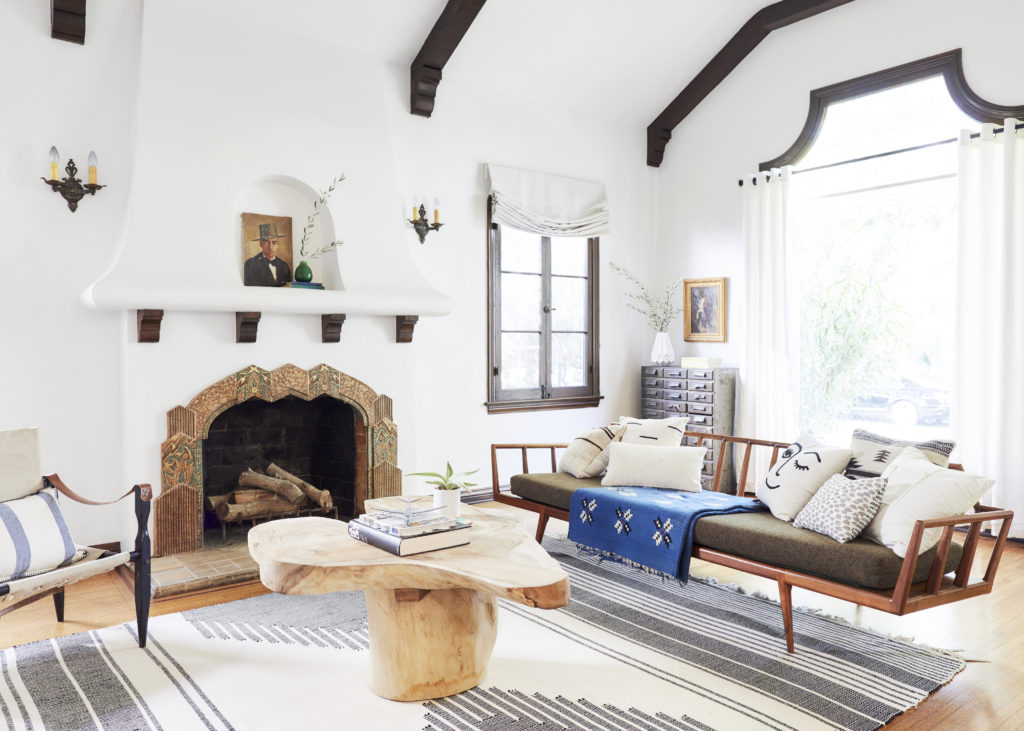
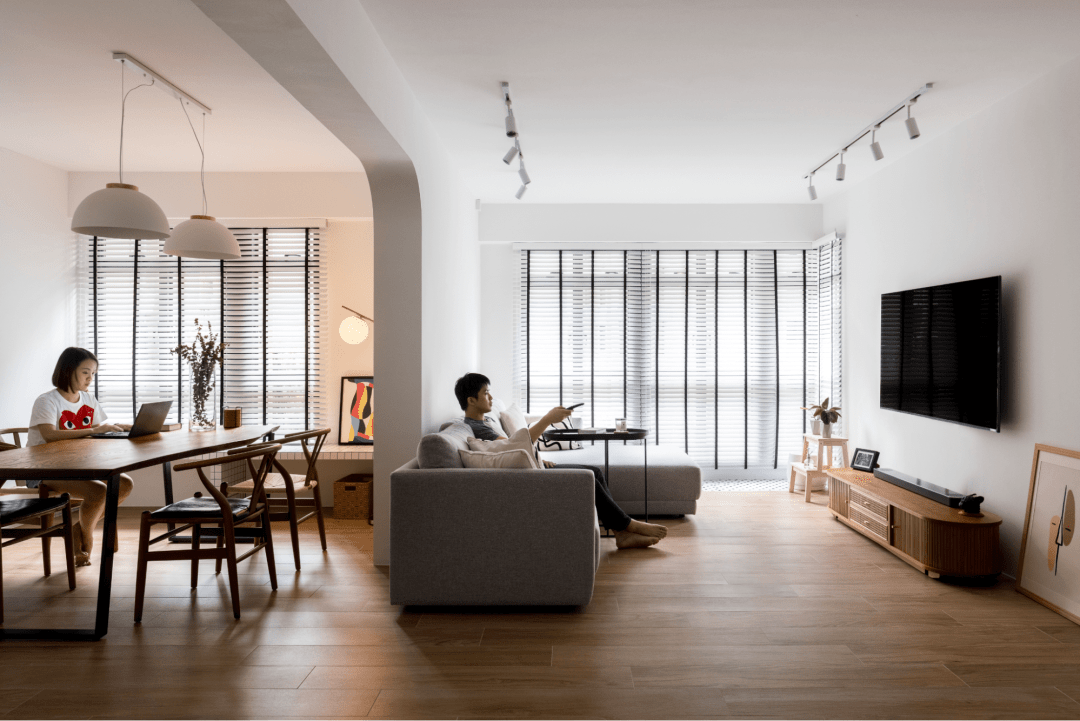
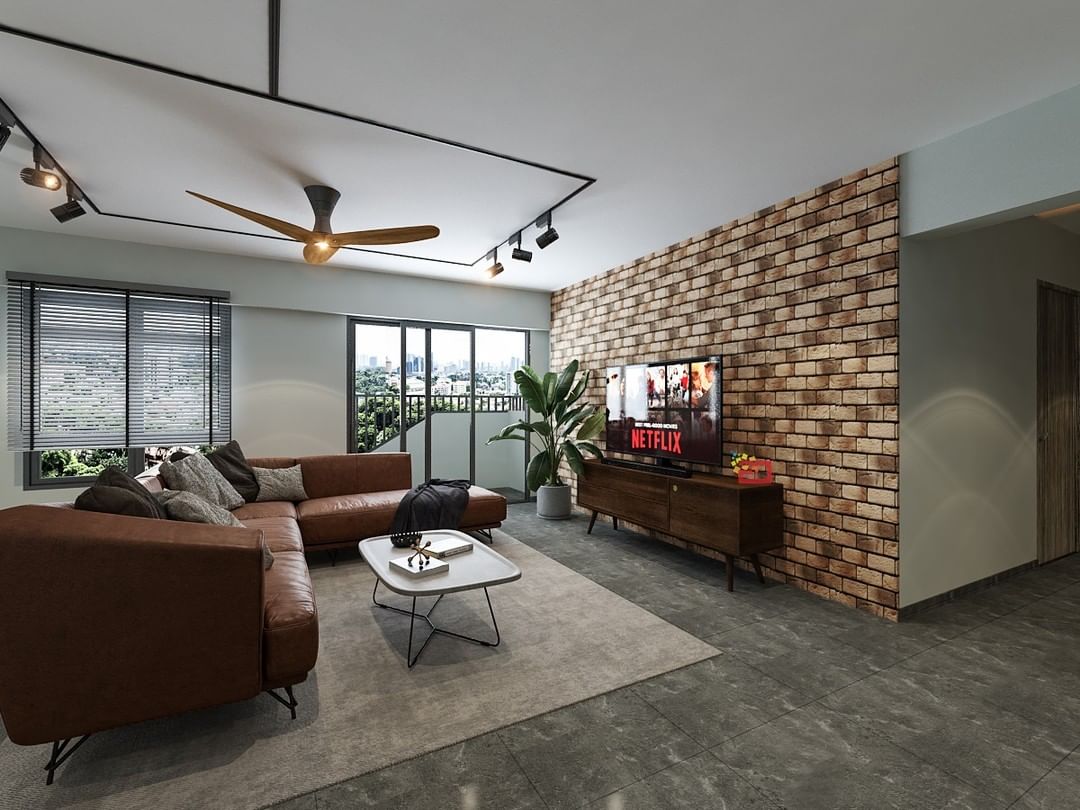
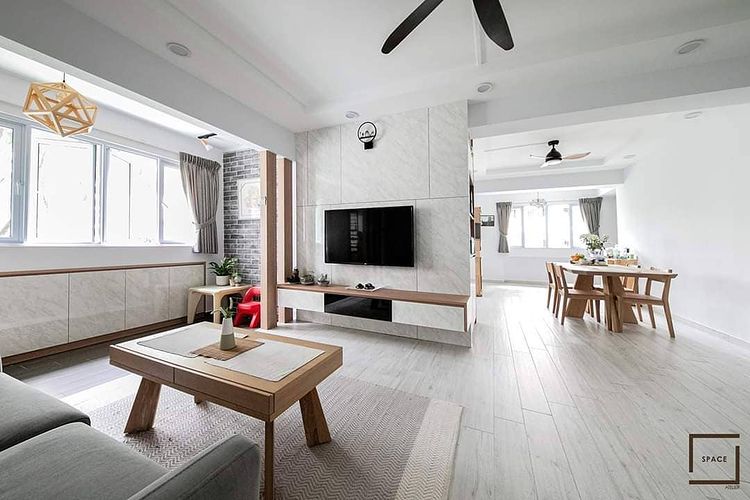
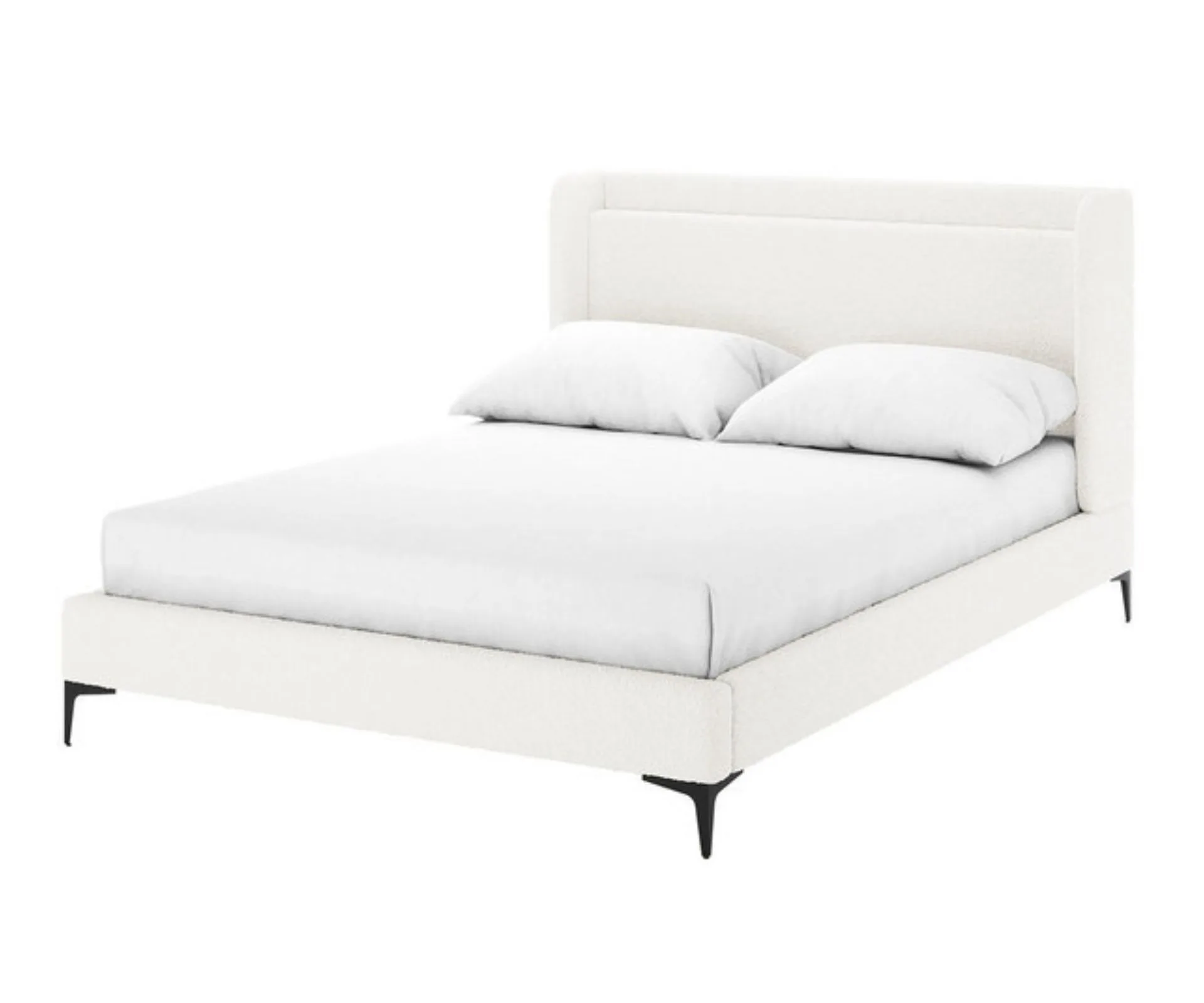
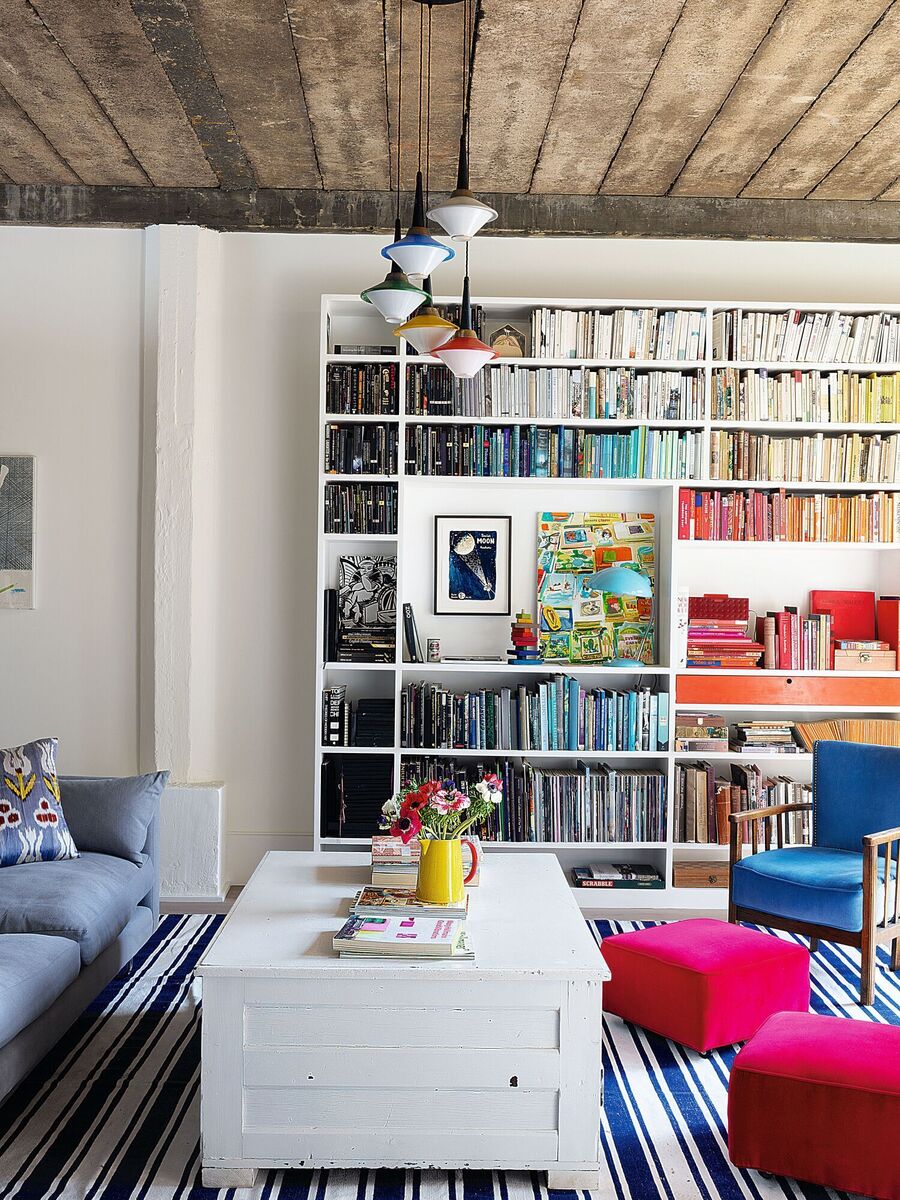
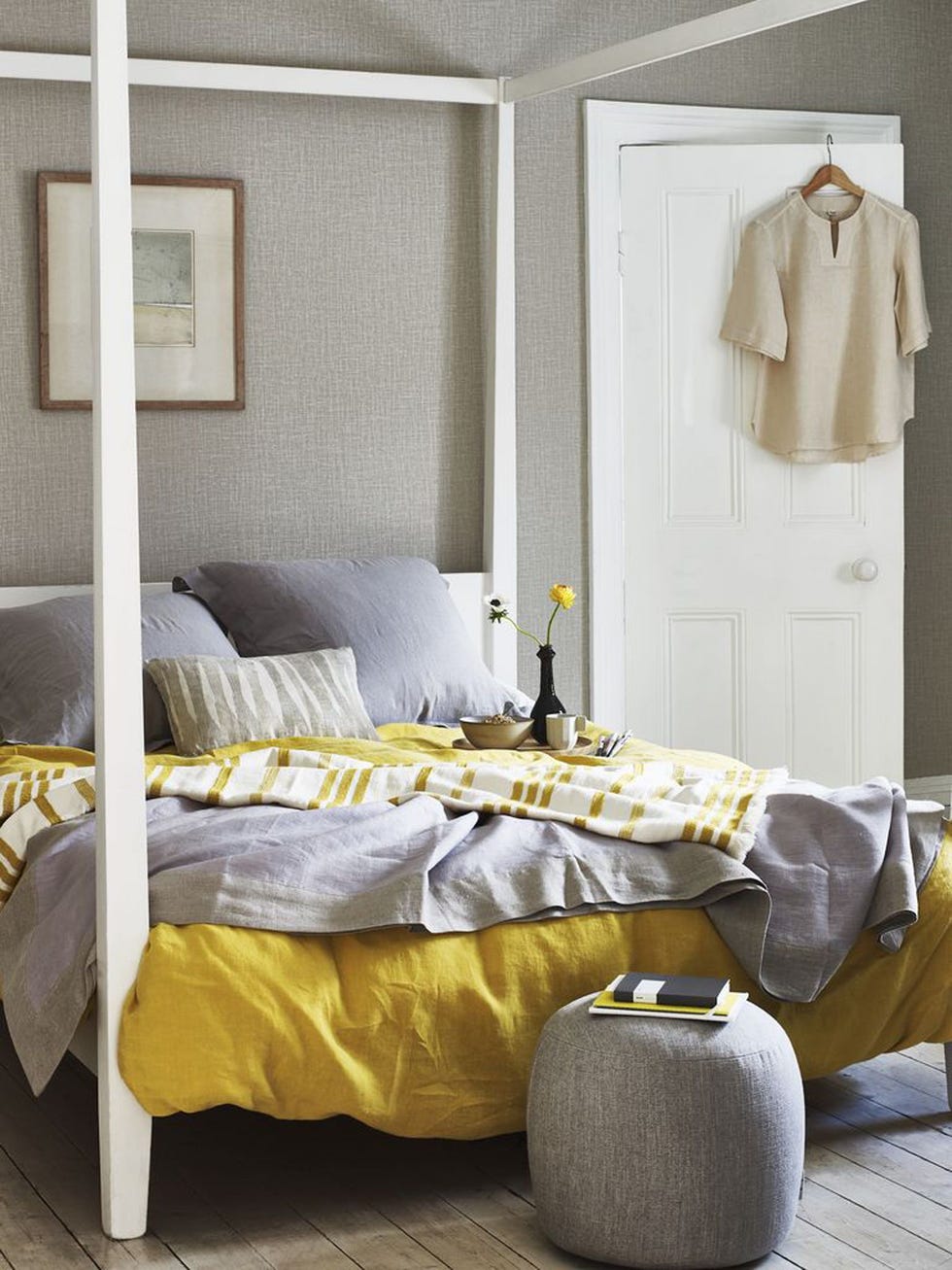
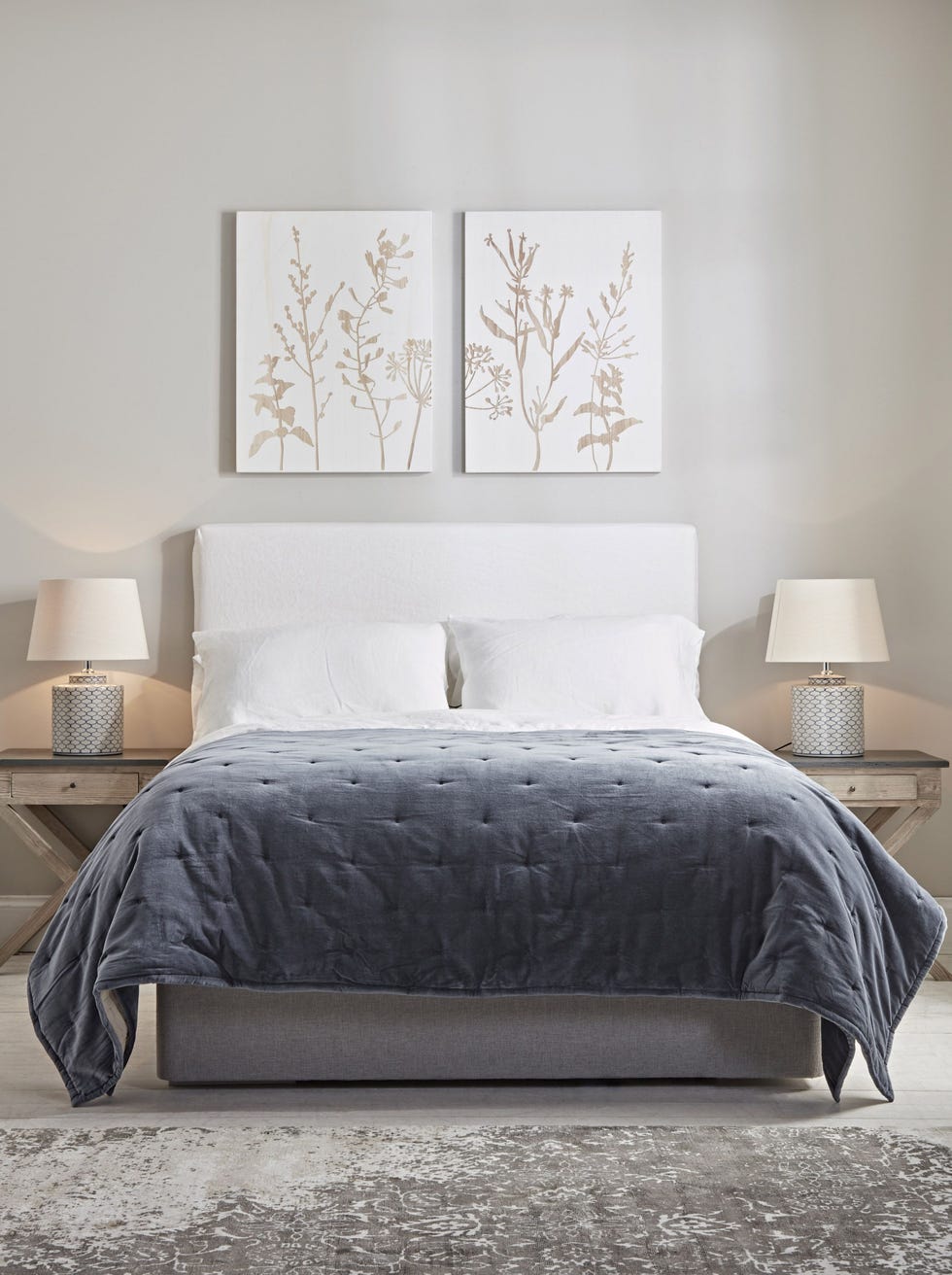
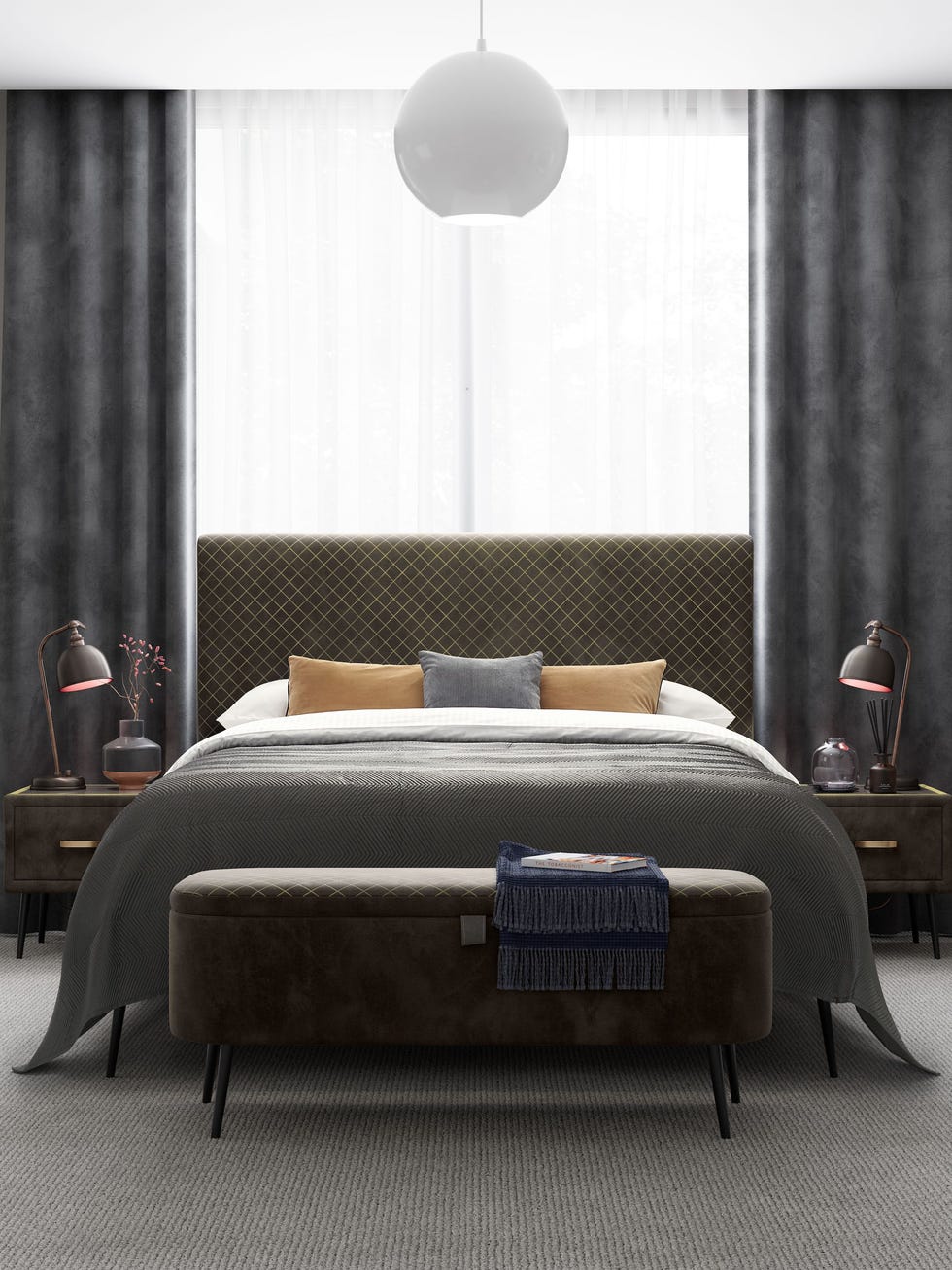
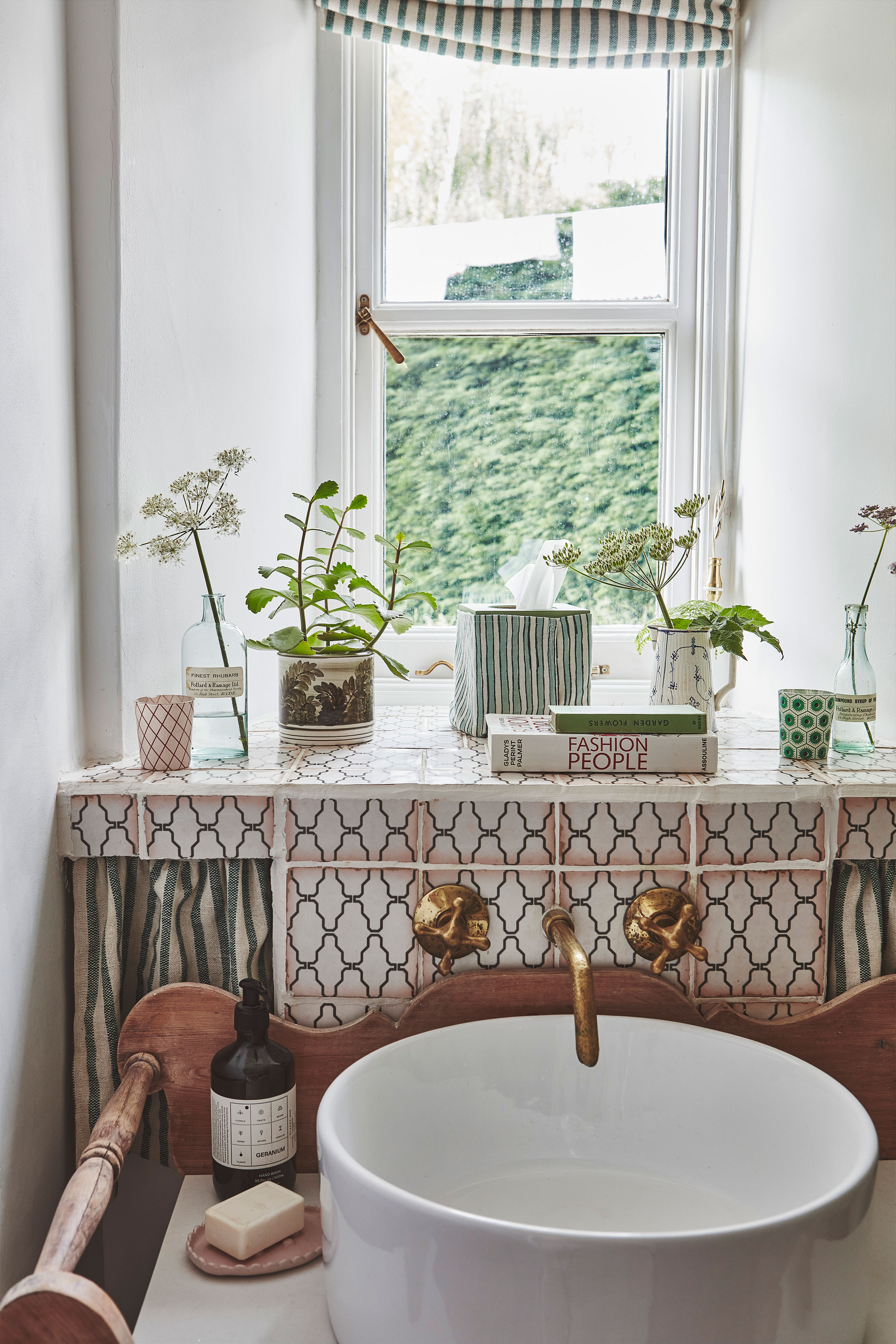
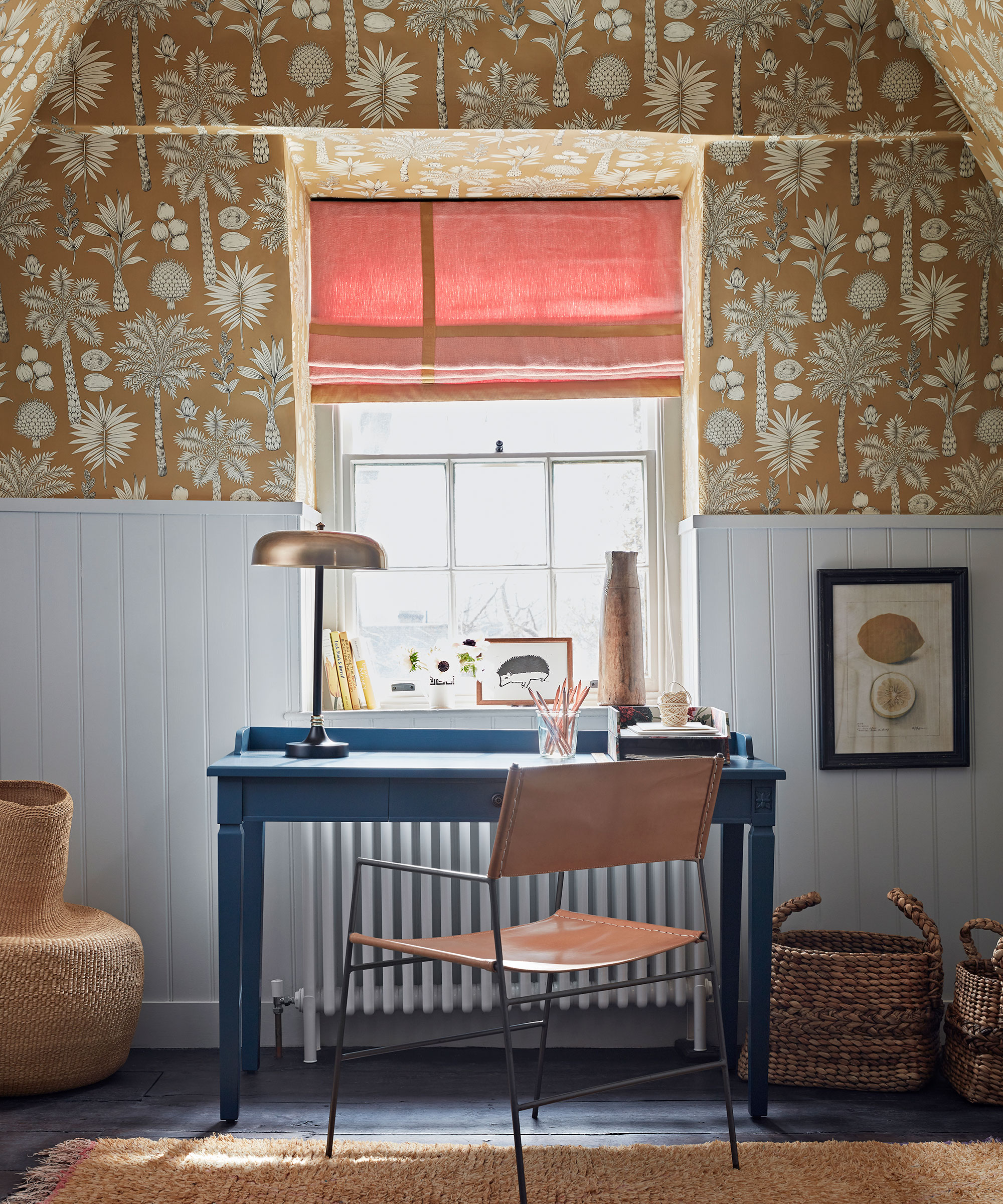
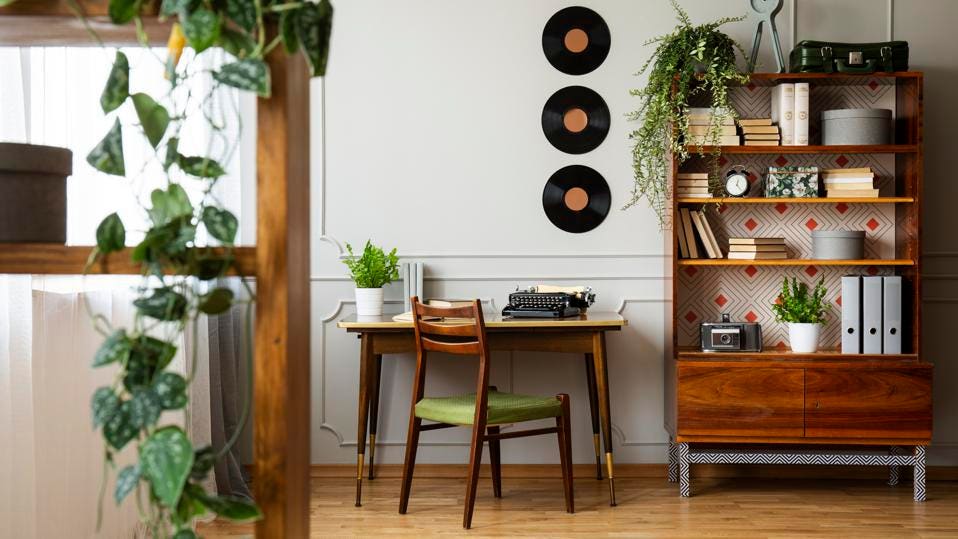
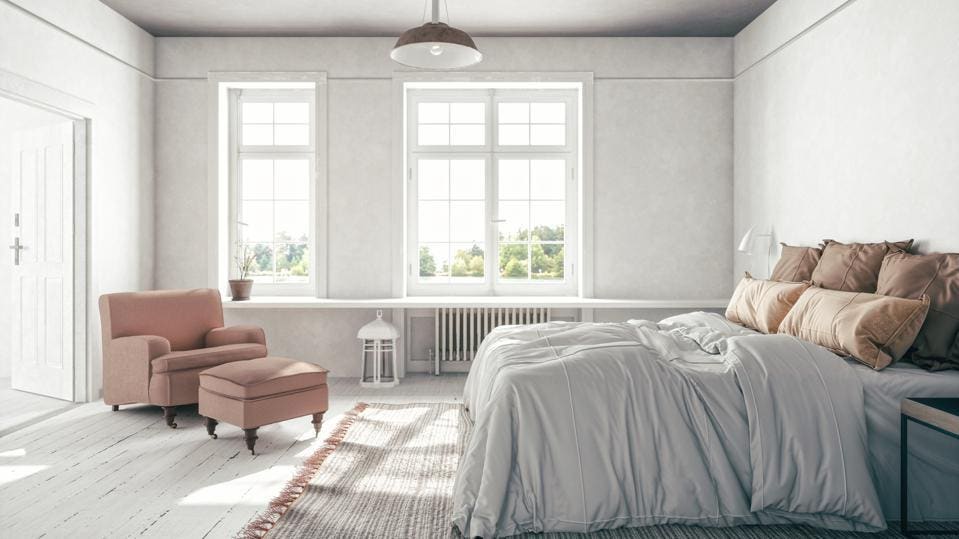
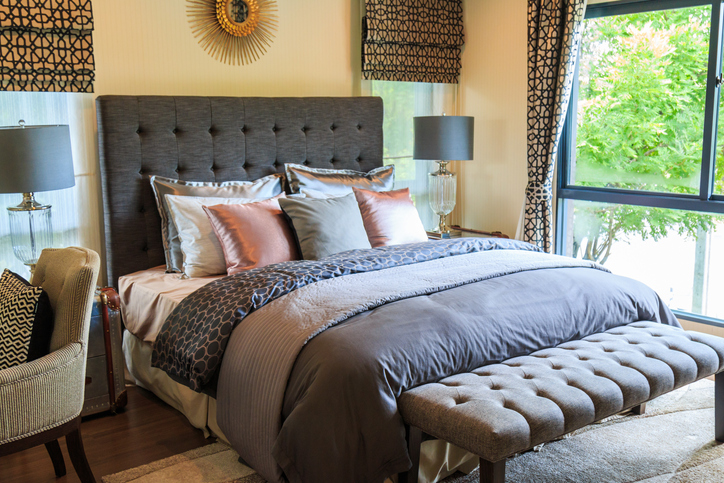
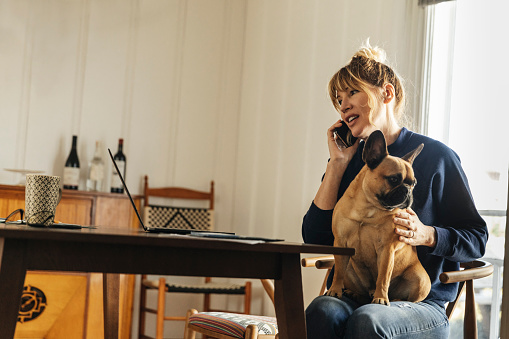
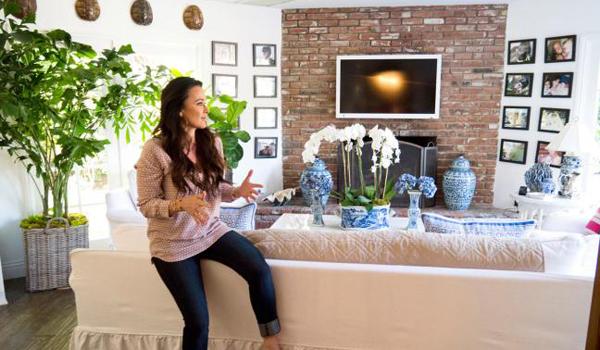
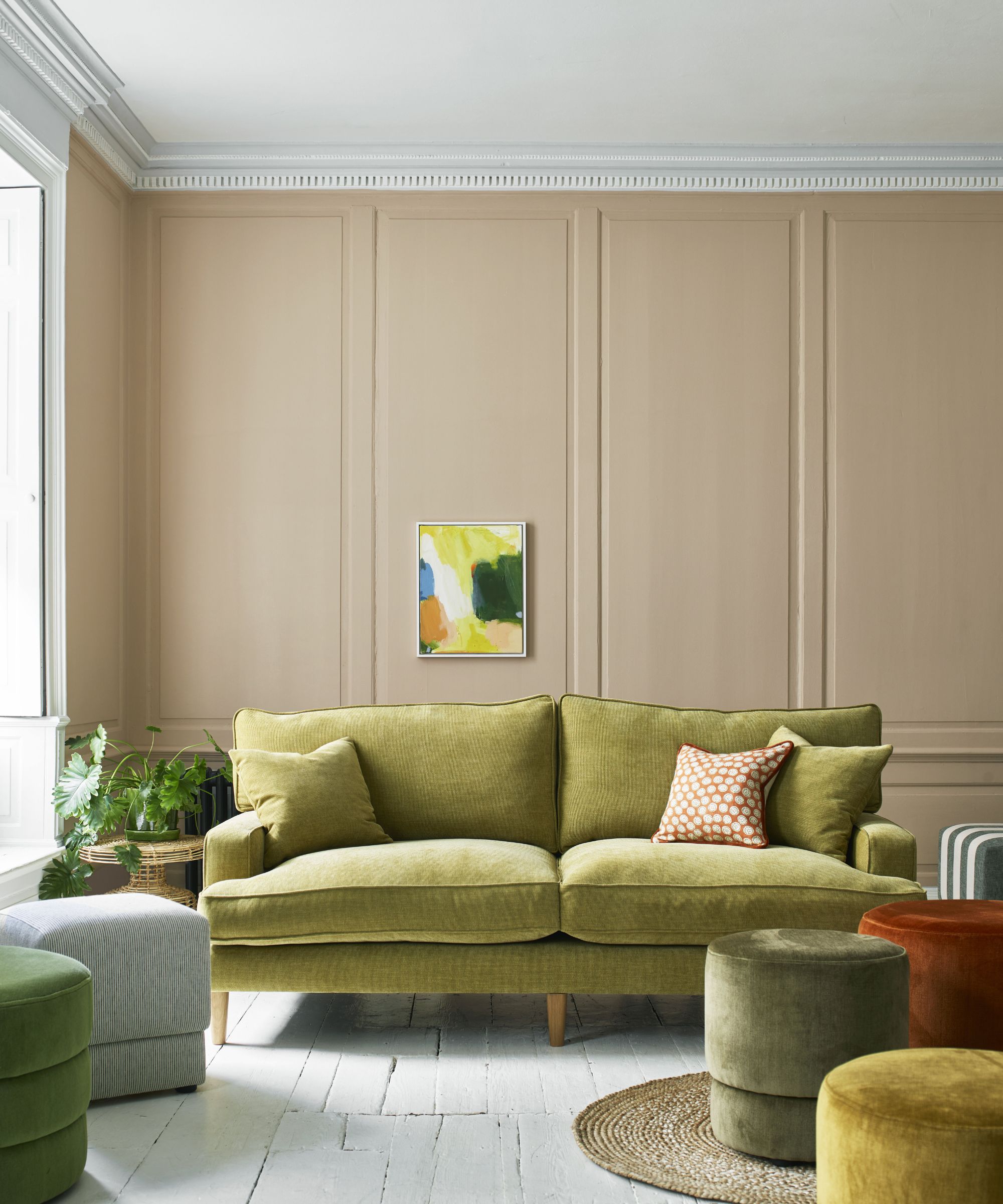
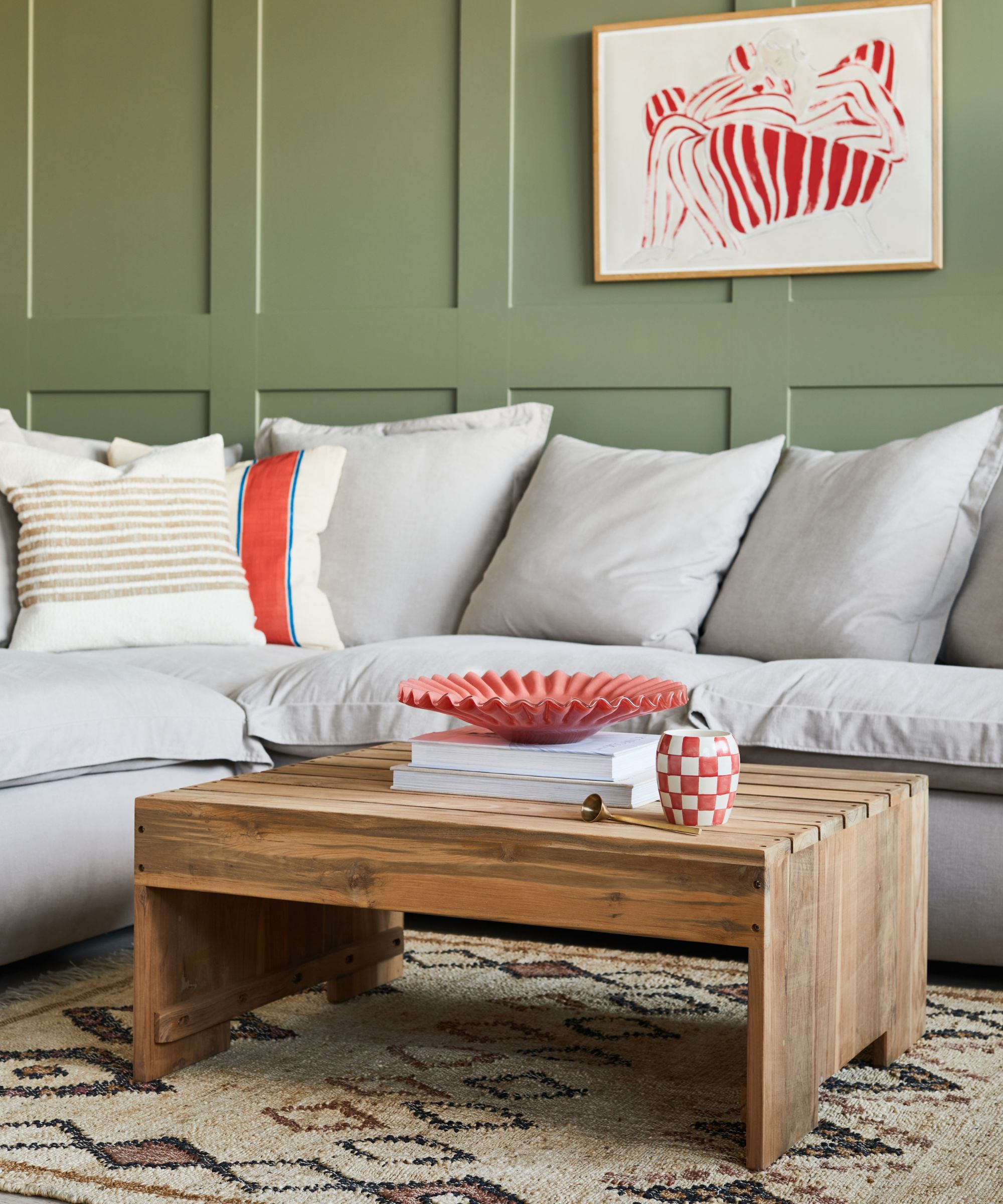
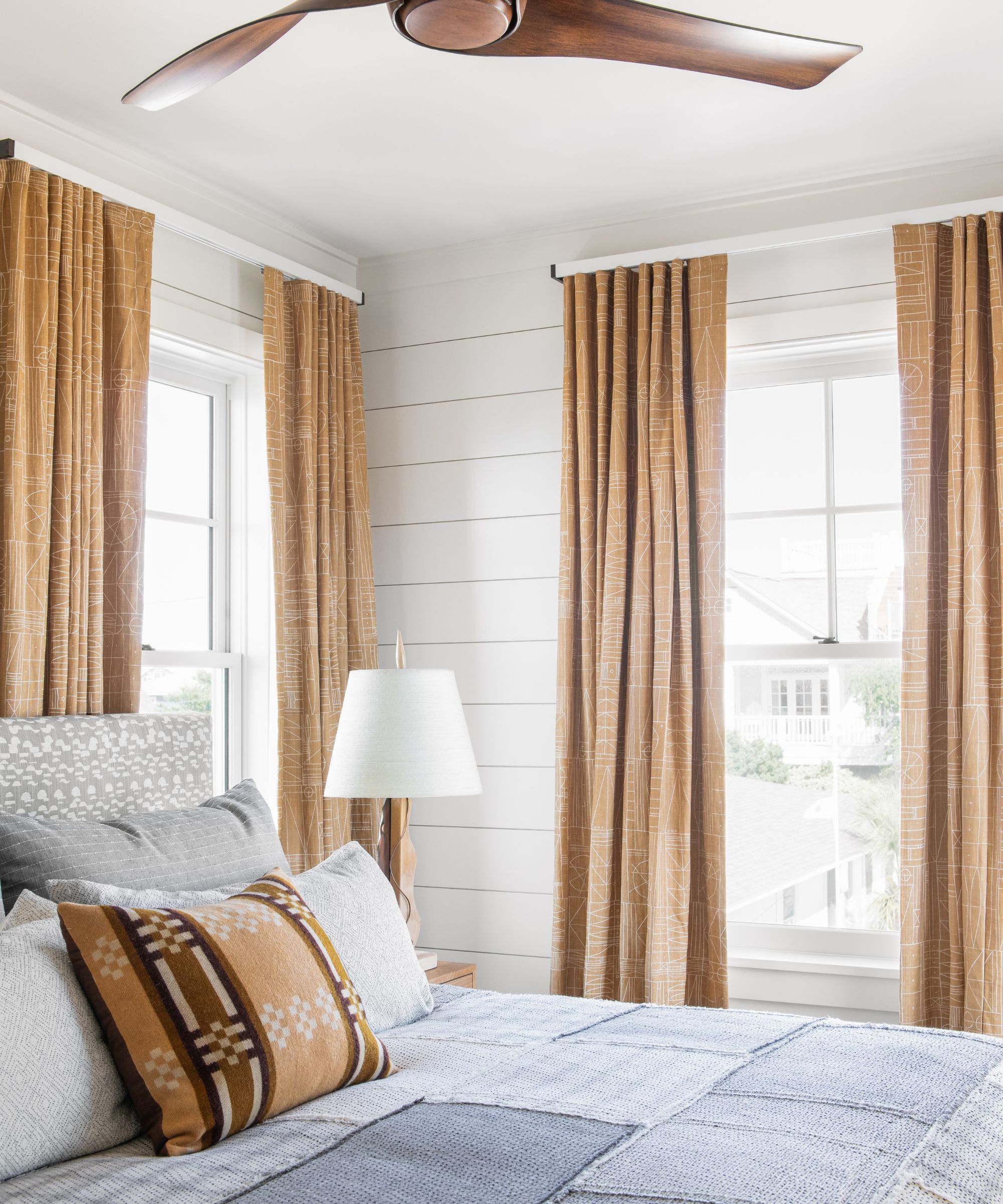
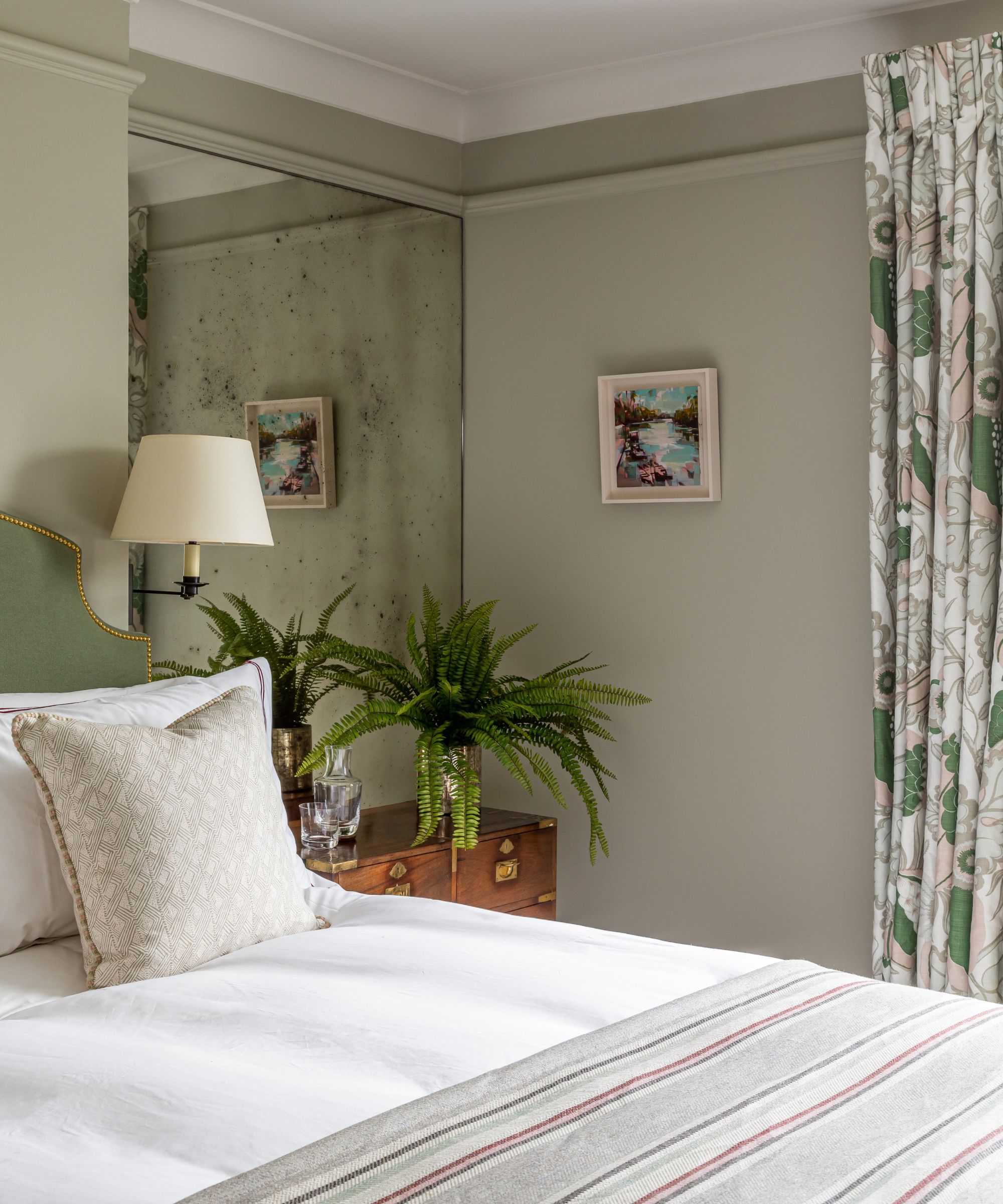
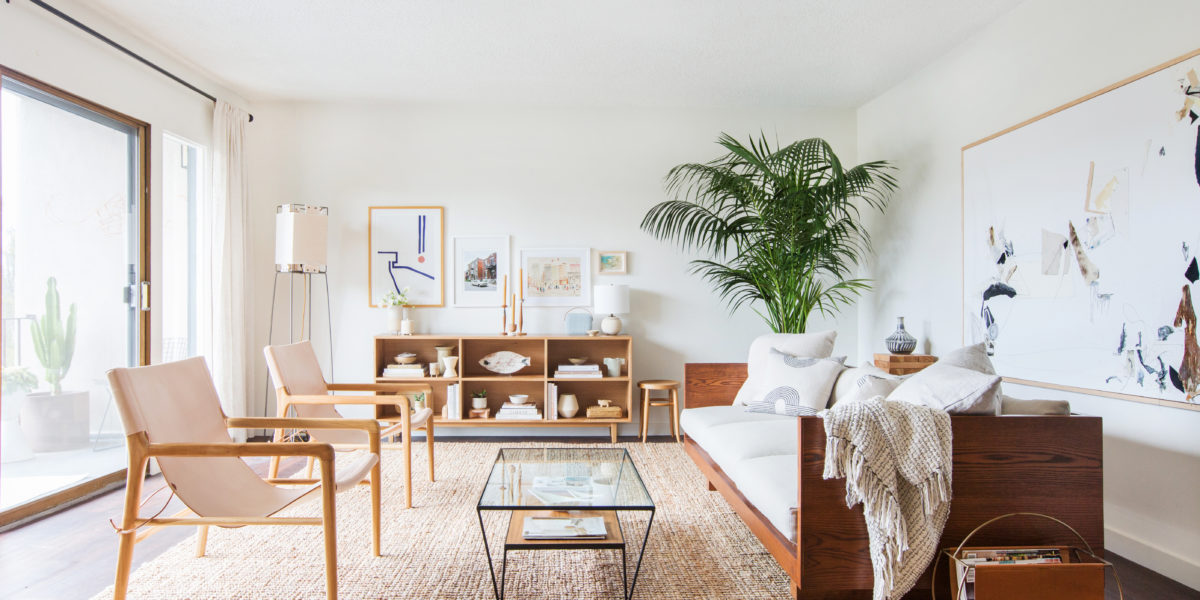
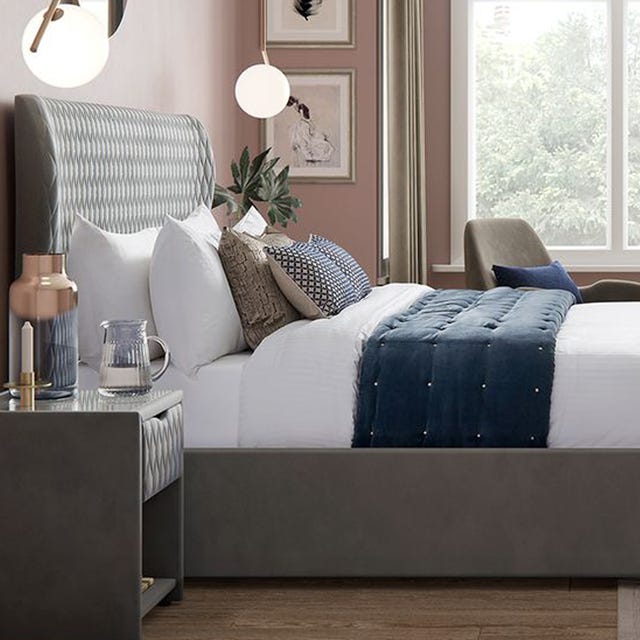
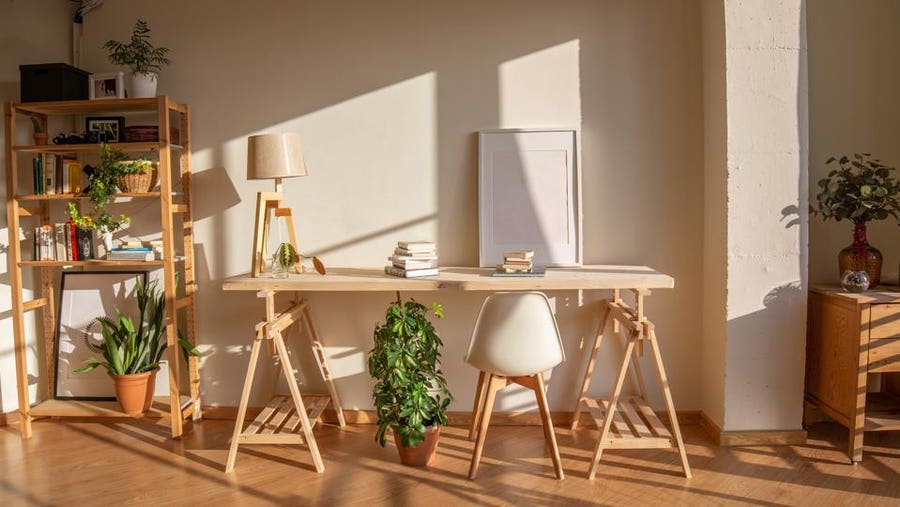
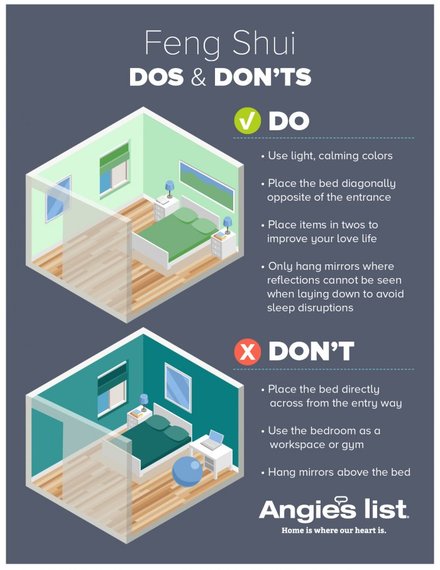
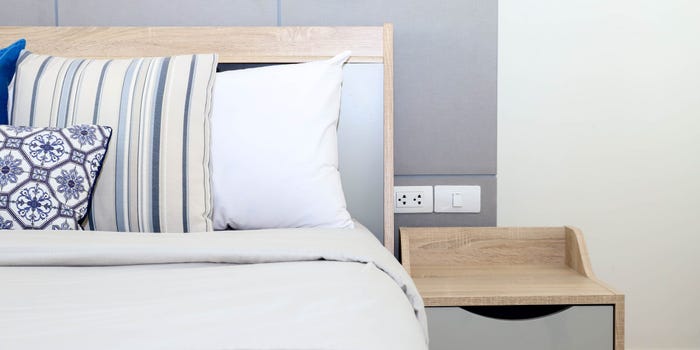
For the living room, seating arrangements should prioritize a commanding position, allowing occupants to see the door without being directly in line with it, fostering a sense of control. Sharp-edged or smudged items should be removed to create a soft, comfortable, and inviting atmosphere. A clutter-free coffee table is ideal, and incorporating fresh flowers or plants can promote good relationships. Bedrooms should be reserved for sleep and relaxation, with the bed in a commanding position not directly under a window or aligned with the door. Electronics, books, and active items should be kept out of the bedroom, and mirrors should be positioned to avoid reflecting sleeping bodies. For shared bedrooms, parity in bedside tables and light fixtures is encouraged to foster balanced relationships. In bathrooms, cleanliness is paramount, with toilet lids closed and sink drains covered to prevent energy drainage. Using a dehumidifier or keeping the door partially open helps clear stagnant air. Adding colorful and bright decorations can make the bathroom a more enjoyable and energetically vibrant space. Finally, in the office, positioning the desk in a commanding position and placing objects representing past achievements behind the desk and motivational items in front helps channel positive energy towards professional growth.
#FengShui #HomeOrganization #InteriorDesign #PositiveEnergy #HomeImprovement #Decluttering #EnergyFlow #HomeDecor #SpacePlanning #FengShui #HomeOrganization #InteriorDesign #PositiveEnergy #HomeImprovement #Decluttering #EnergyFlow #HomeDecor #SpacePlanning
0 comment in total
 No comments yet
You may also like
How to Feng Shui Every Room in Your Home
How to Feng Shui your bedroom

10 Feng Shui Rules To Live By For A Calm, Restorative Space

Decorating Your Bedroom With Feng Shui
8 Feng Shui Tips You Need To Follow At Home, Revealed By A Local Master
14 ways to bring feng shui to your bedroom for harmony and balance
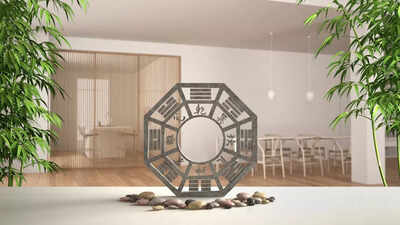
Feng Shui practices for a love-filled living space

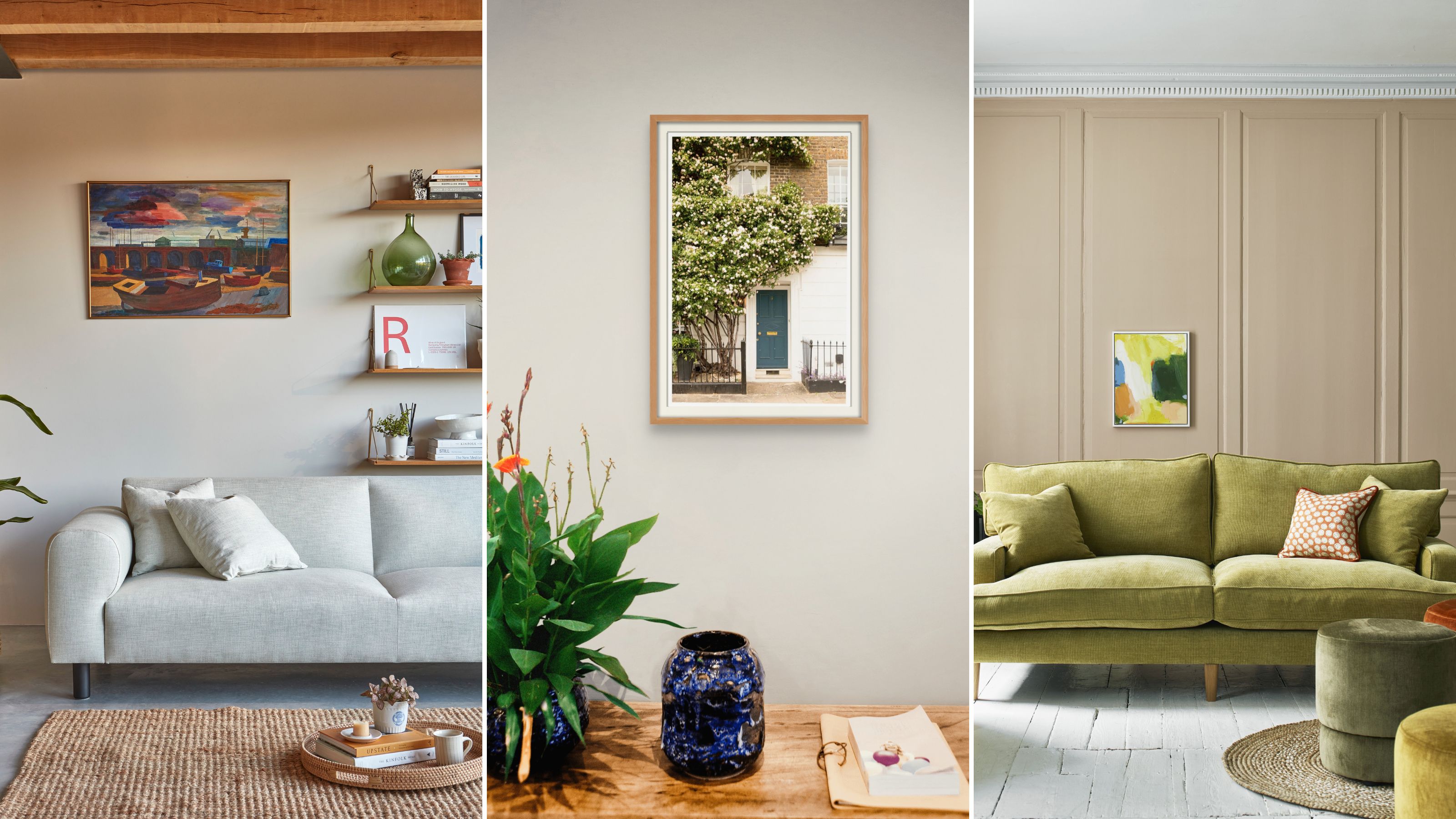
5 small living room Feng Shui tips — harness these principles for ultimate Zen

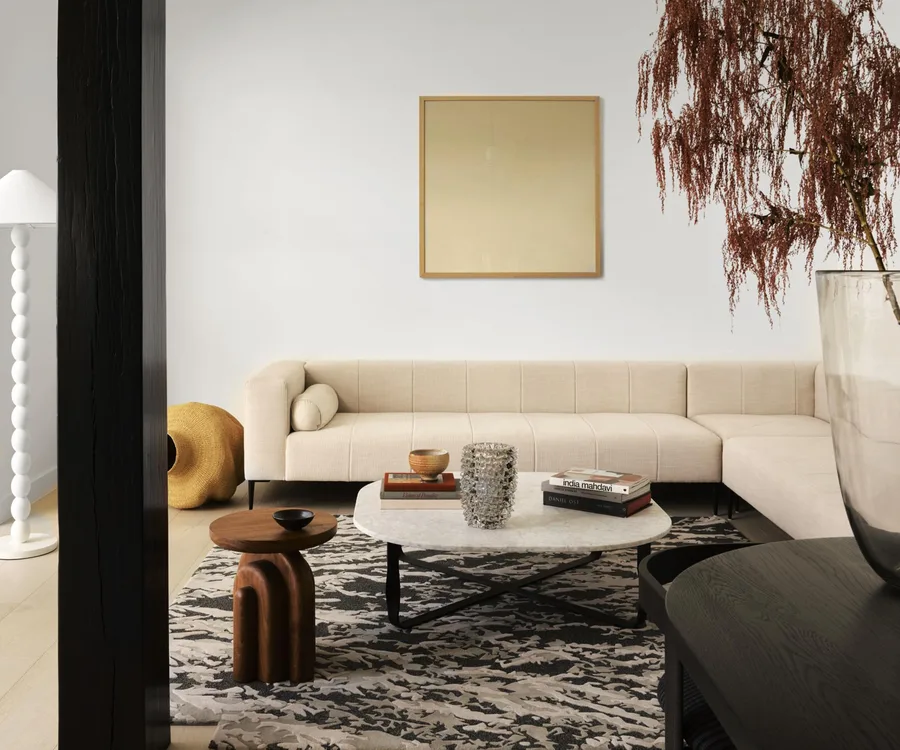
How to master the layout of your home, according to Feng Shui

Bring a bit of feng shui into your home
Feng Shui and Manifestation Through Interior Design

This is where your guest room should be in your home, according to Feng Shui

10 Expert Feng Shui Tips for Your Living Room

How to feng shui your home: 8 ways to attract positive energy
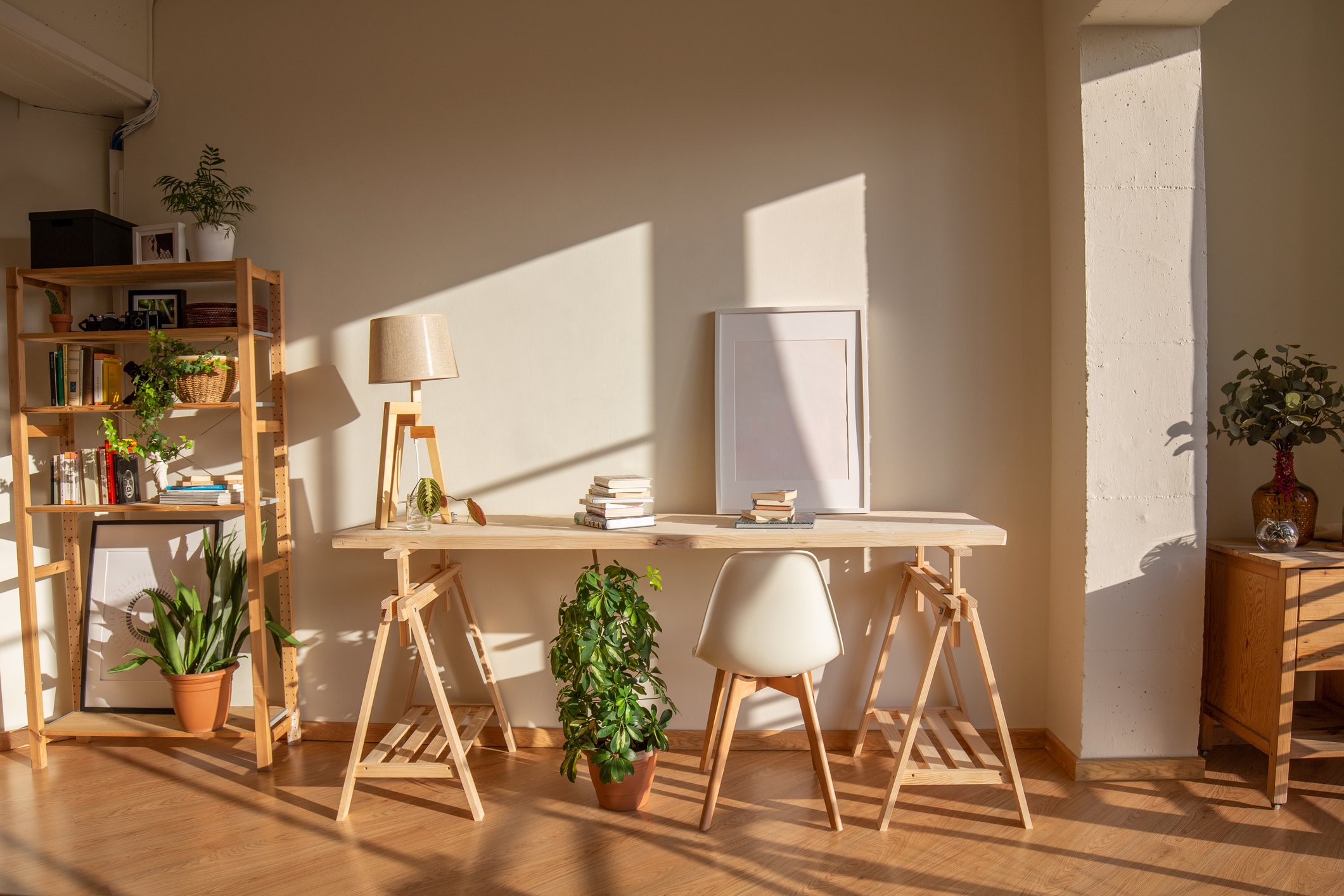
Three feng shui principles to improve the energy of your small flat

8 Feng Shui tips to revitalise your home for free (and in less than 24 hours)
How to use feng shui to bring harmony to your home
Feng Shui design mistakes to avoid – 5 things you may be getting wrong

Feng Shui Tips Just For The Real Housewives To Make Their Homes Drama-Free!
How Feng Shui Can Help You Recalibrate The Energy In Any Room