5 Feng Shui Tips For Your Baby's Nursery That Could Even Help Them Sleep
When preparing a baby's nursery, beyond the practical choices of cribs and changing tables, parents might consider incorporating Feng Shui principles to create a serene and conducive environment for their child's well-being and sleep. Feng Shui, an ancient Chinese practice developed over 3,000 years ago, focuses on balancing the energy of a space to promote health and happiness. The term "Feng Shui" literally translates to "wind" and "water," elements associated with good health and prosperity in Chinese culture, signifying a sense of peace within one's home.
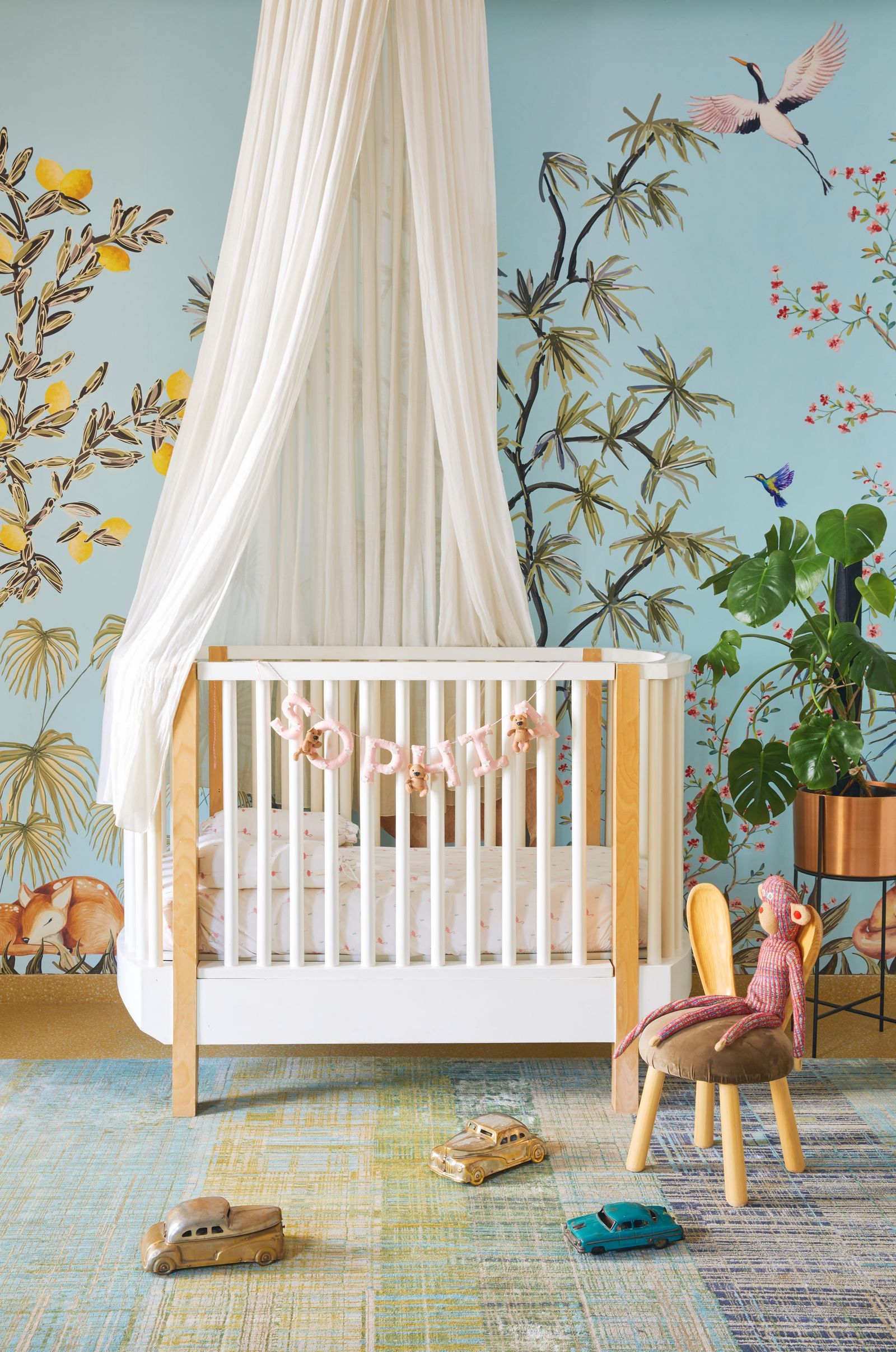
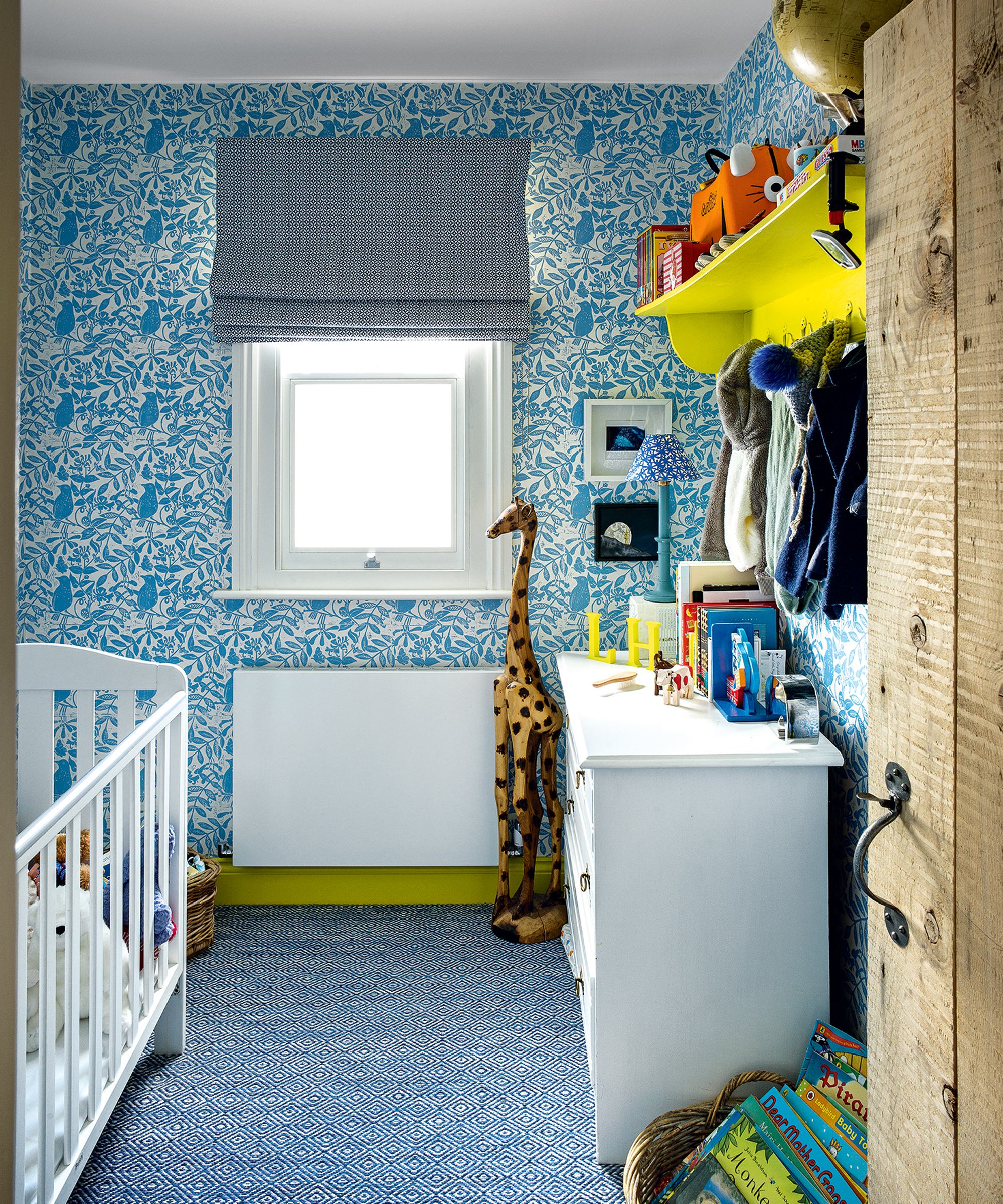
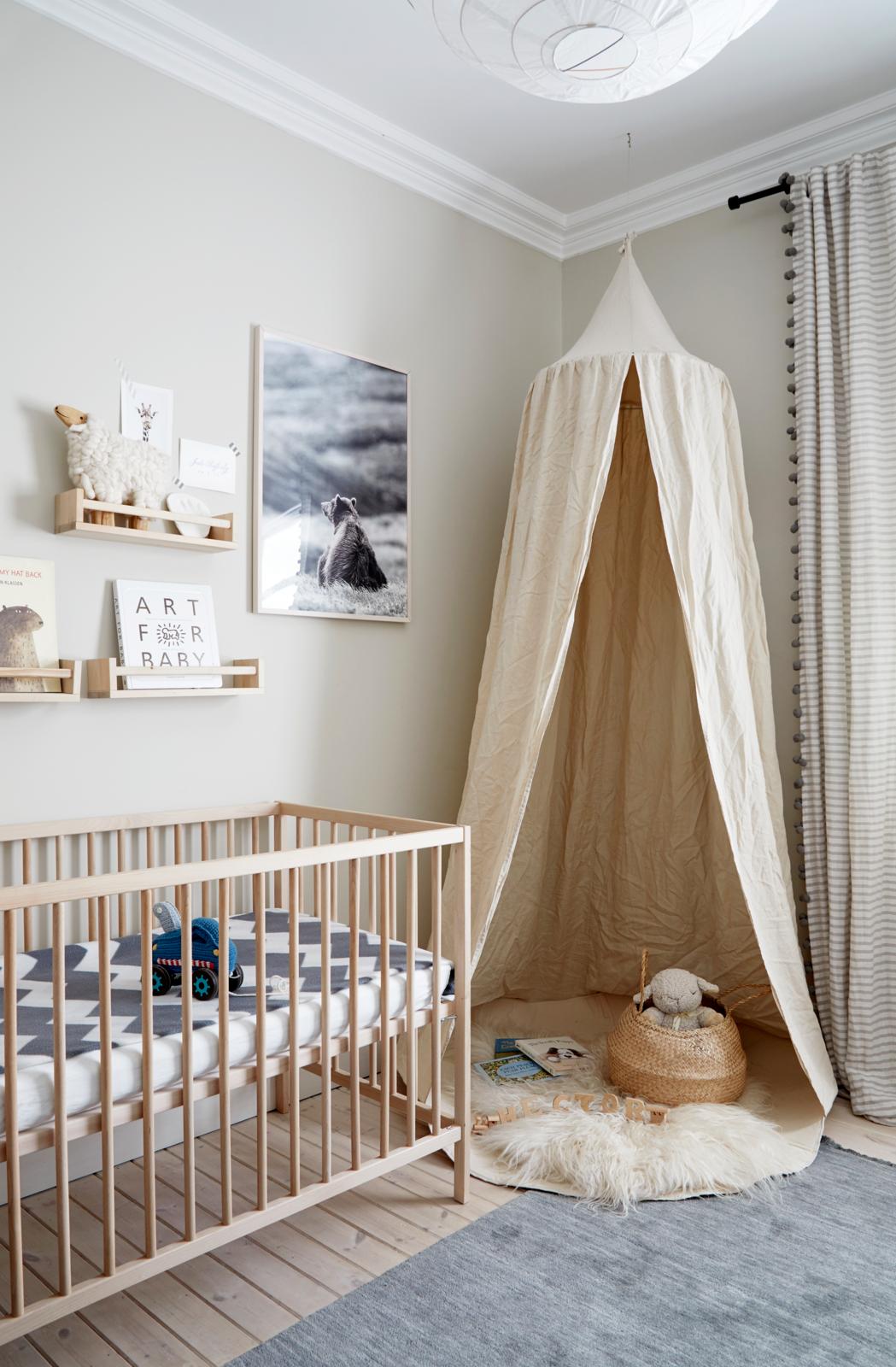
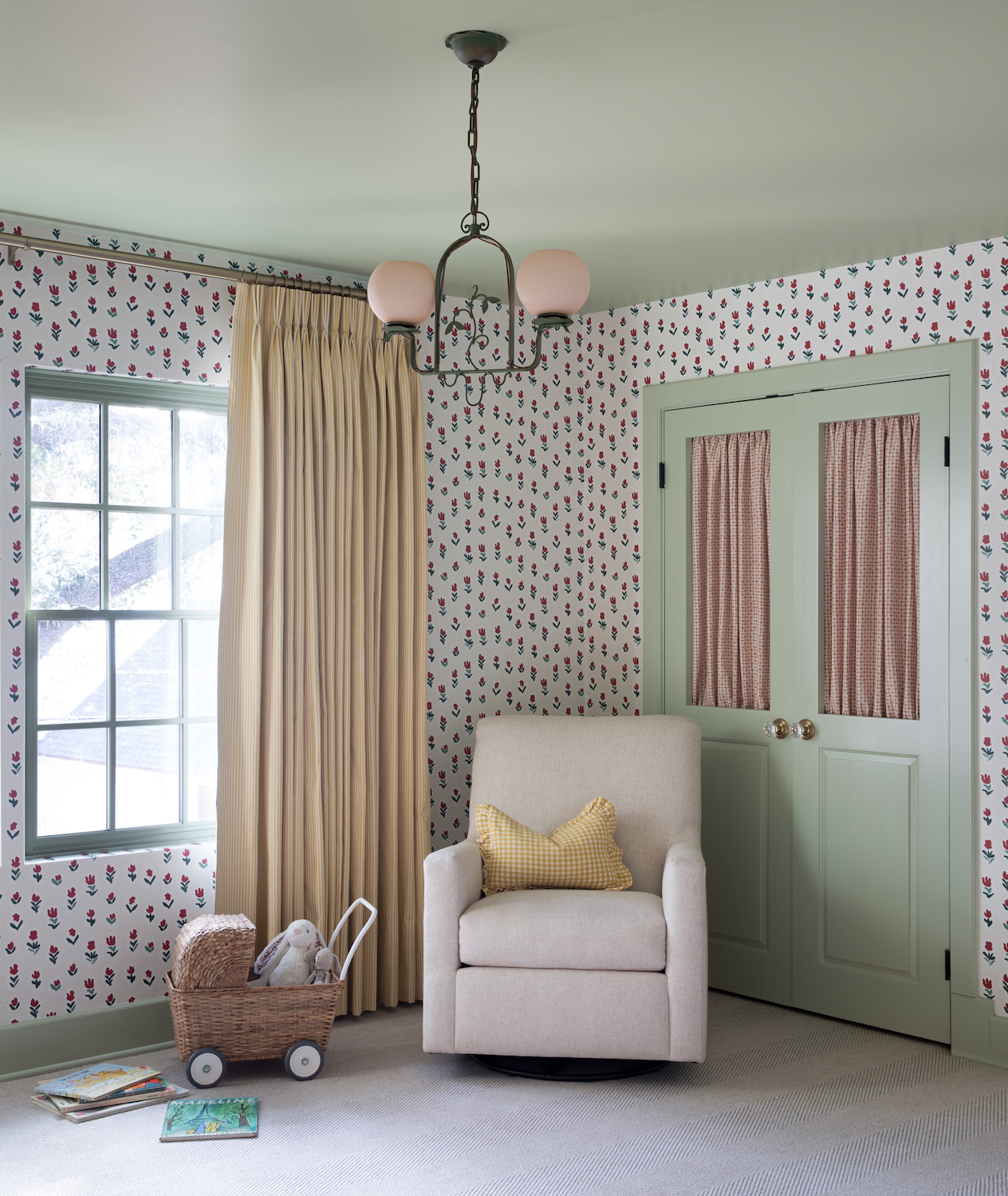
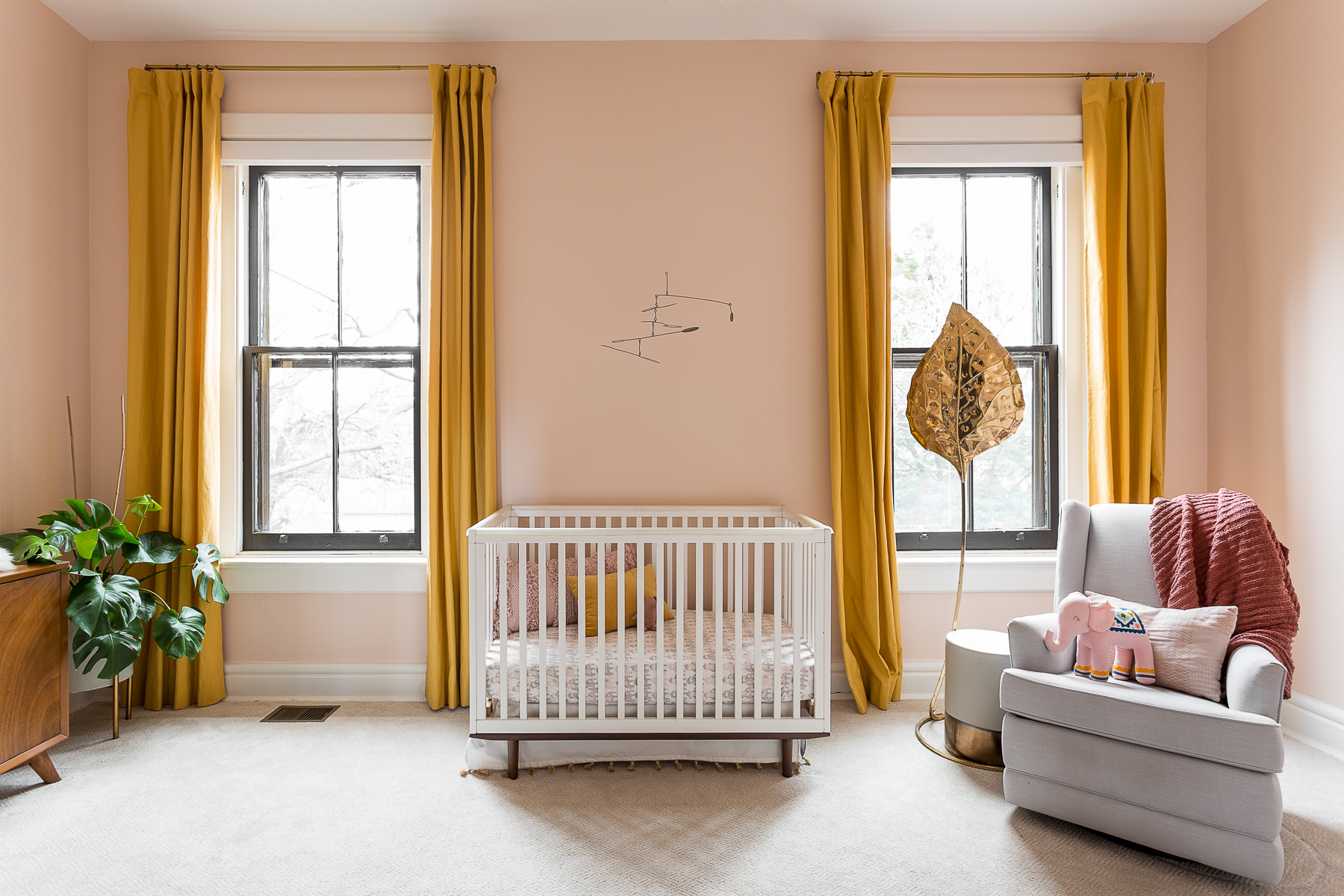
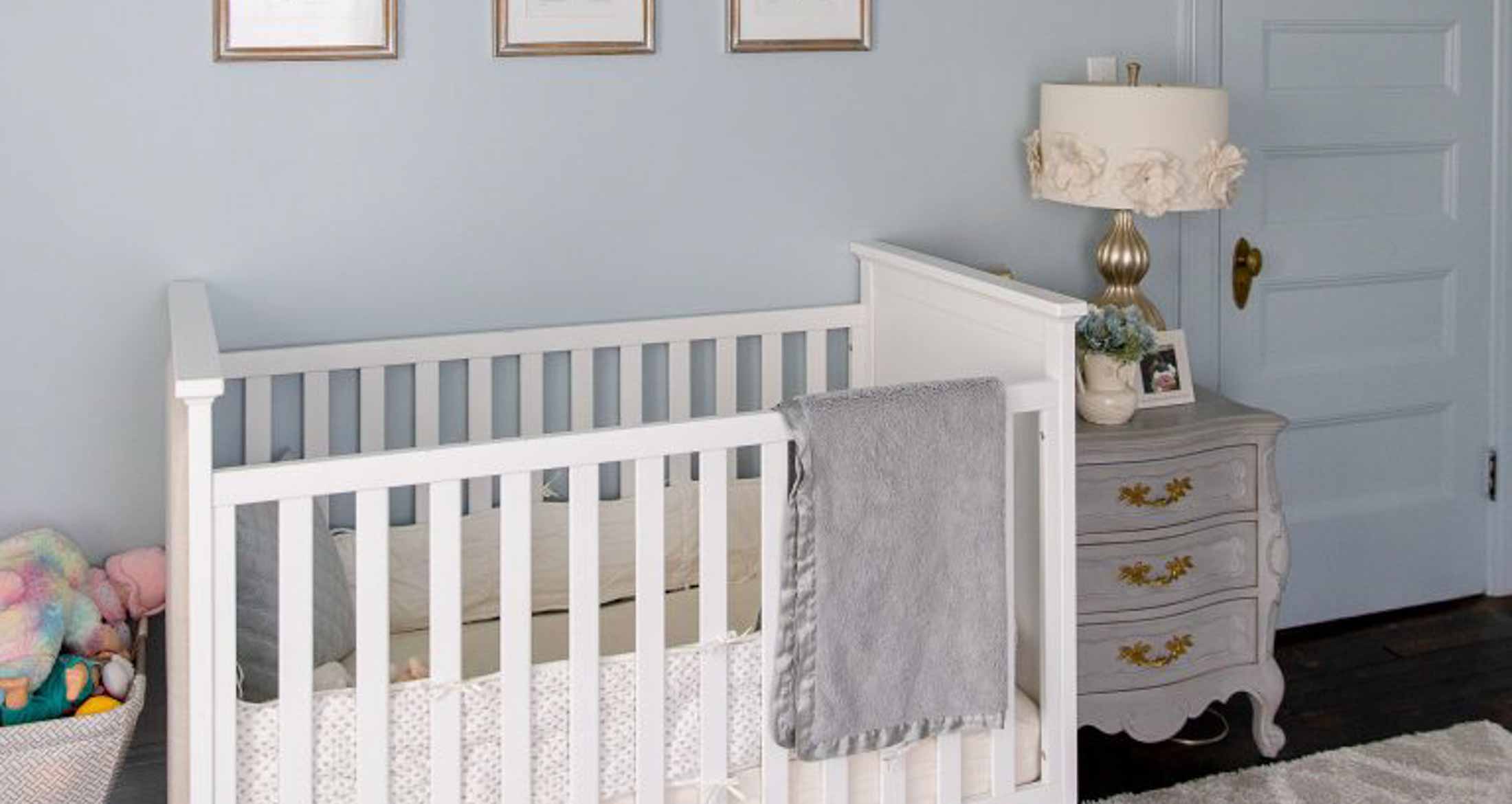
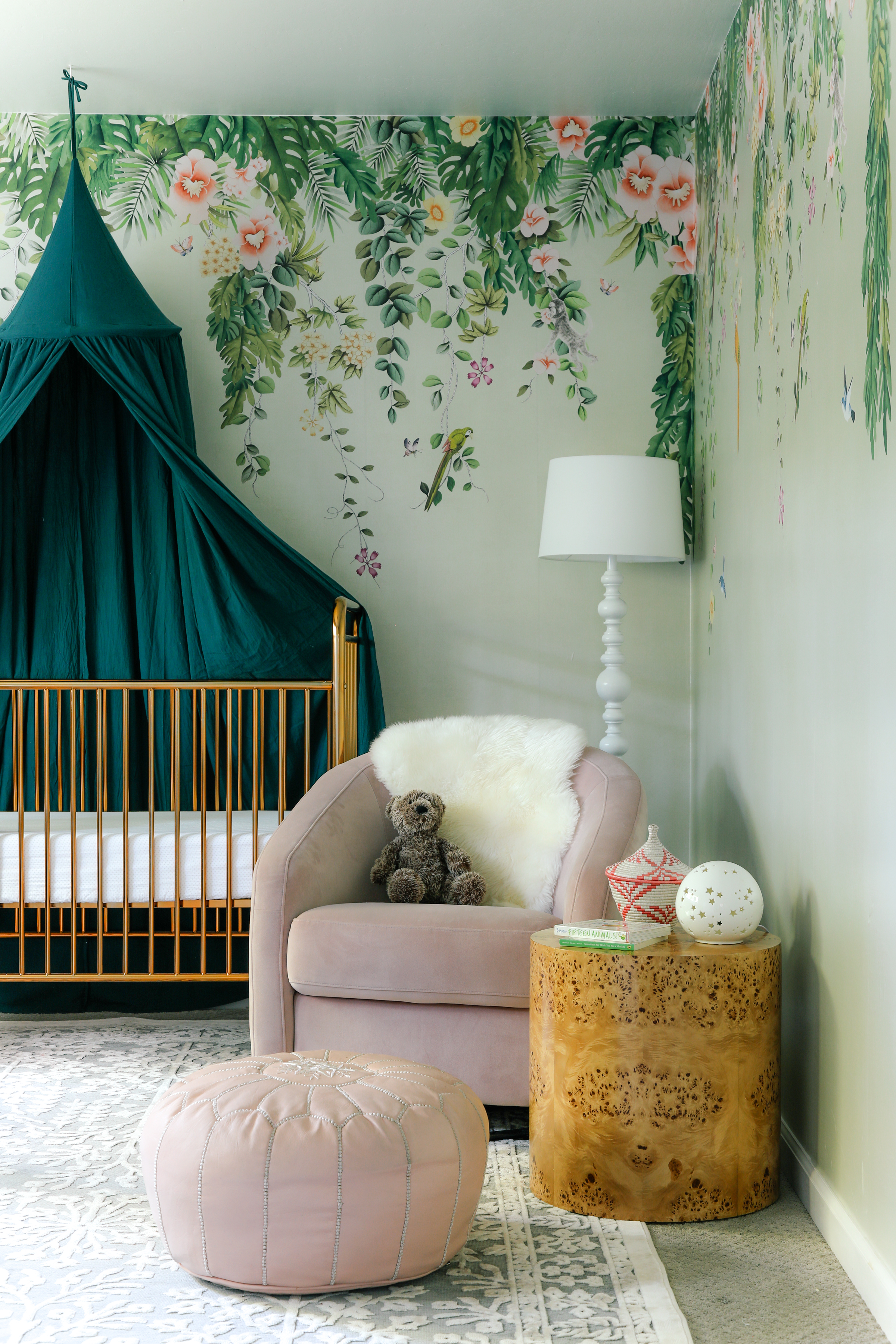
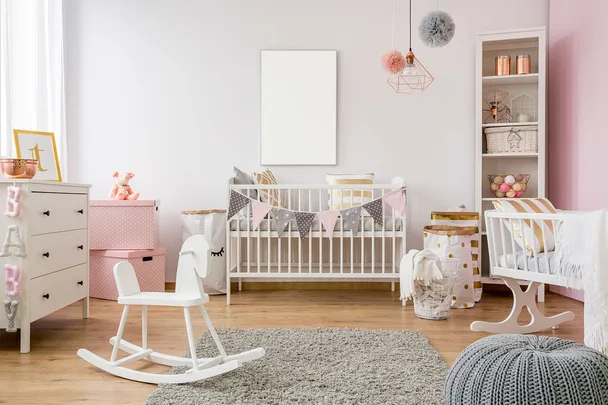
Donna Stellhorn, a Feng Shui expert, astrologer, and best-selling author, provides insights into applying Feng Shui in a baby's nursery, focusing on five key elements: color, decor, lighting, crib placement, and clutter. Color plays a significant role in influencing mood, emotion, and energy. Soothing, muted tones such as greens, blues, whites, beiges, pinks, and yellows are recommended to encourage sleep and calmness. Bright, active colors like red or orange should be avoided as they can keep a baby awake. While traditionally pink and blue were gender-specific, Stellhorn notes that pale pink can induce passivity, and blue can foster communication. Yellow is linked to memory and positive feelings, potentially leading to a happy and linguistically adept child, while green promotes health and growth, making it suitable for premature babies.
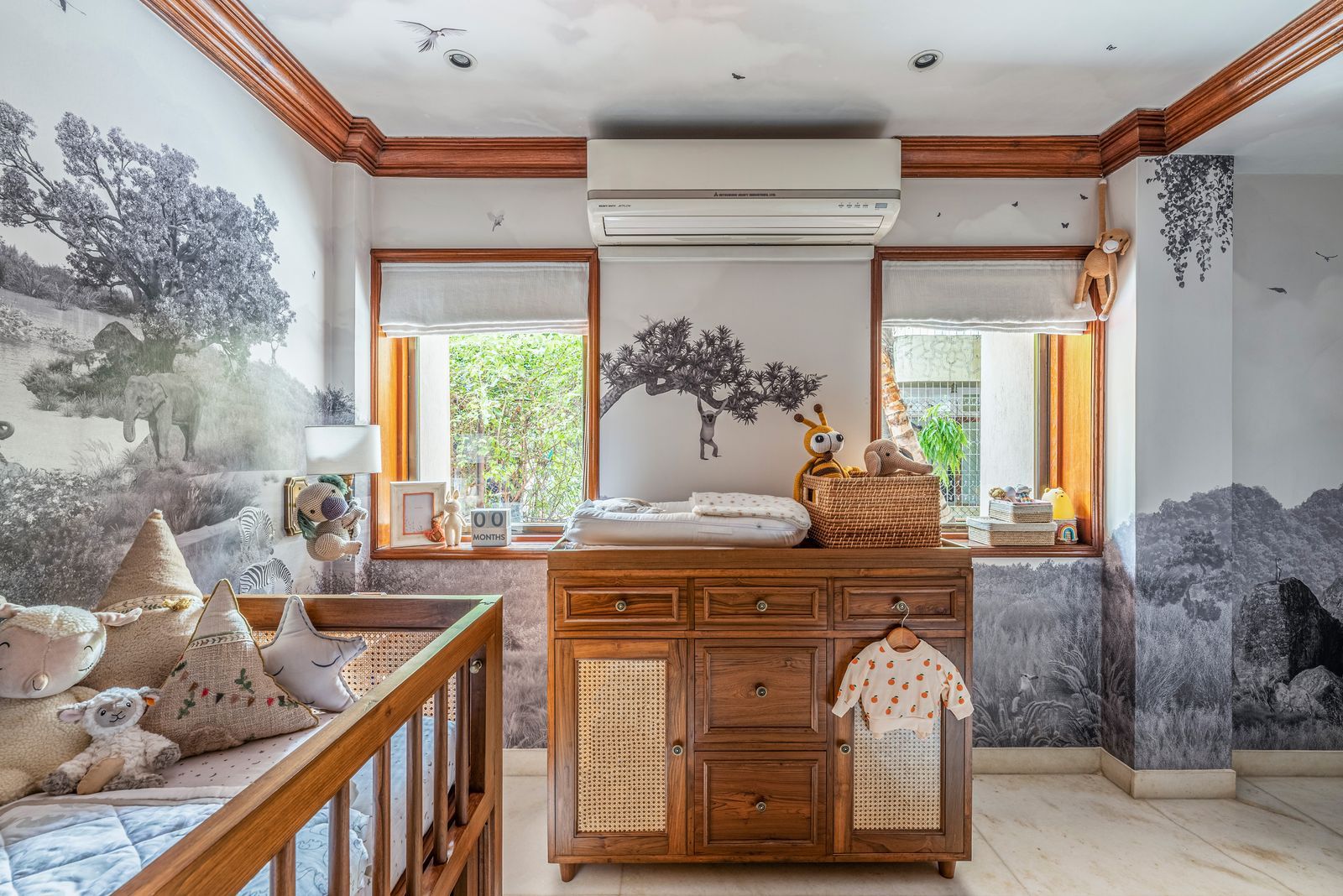
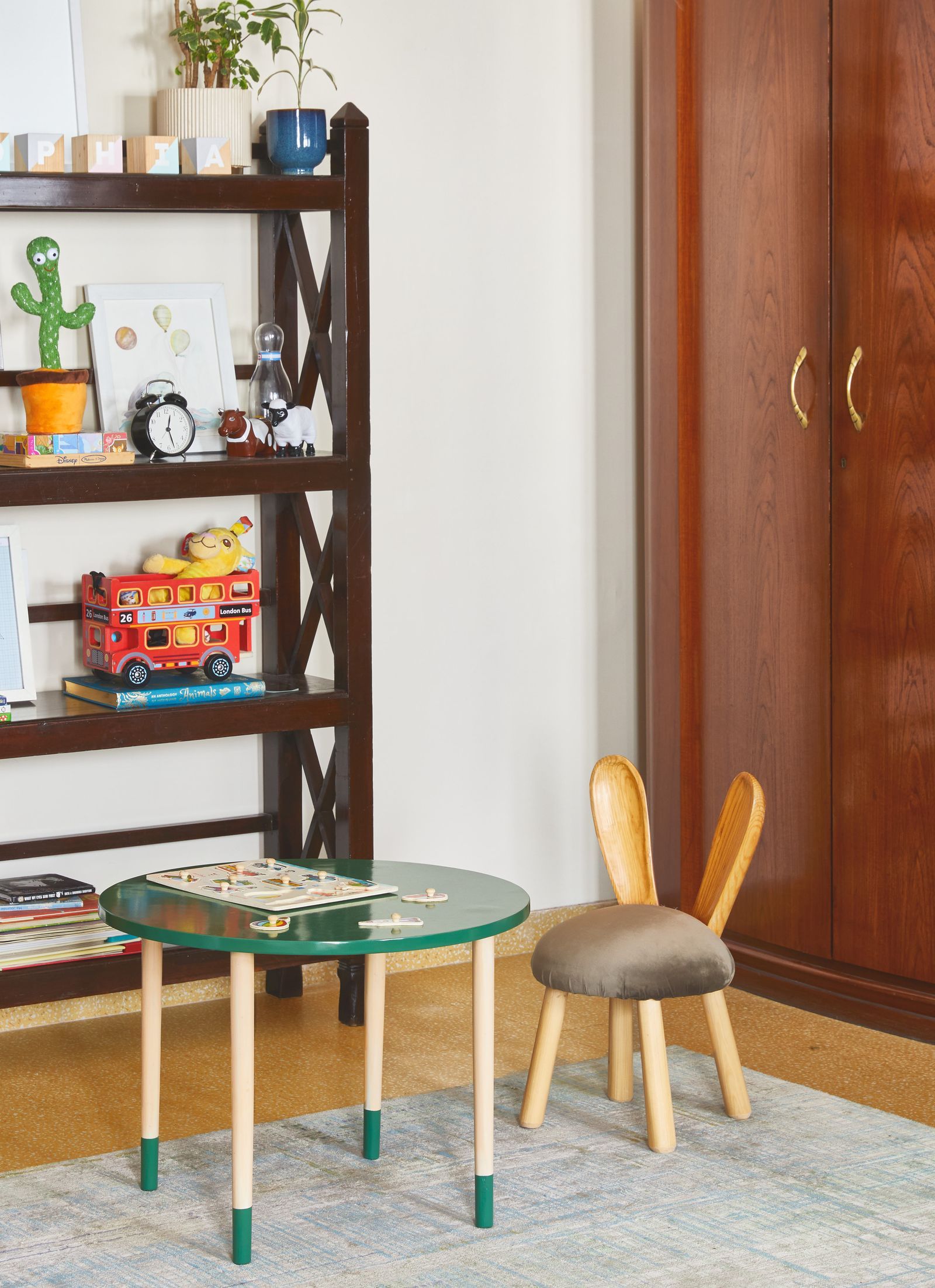
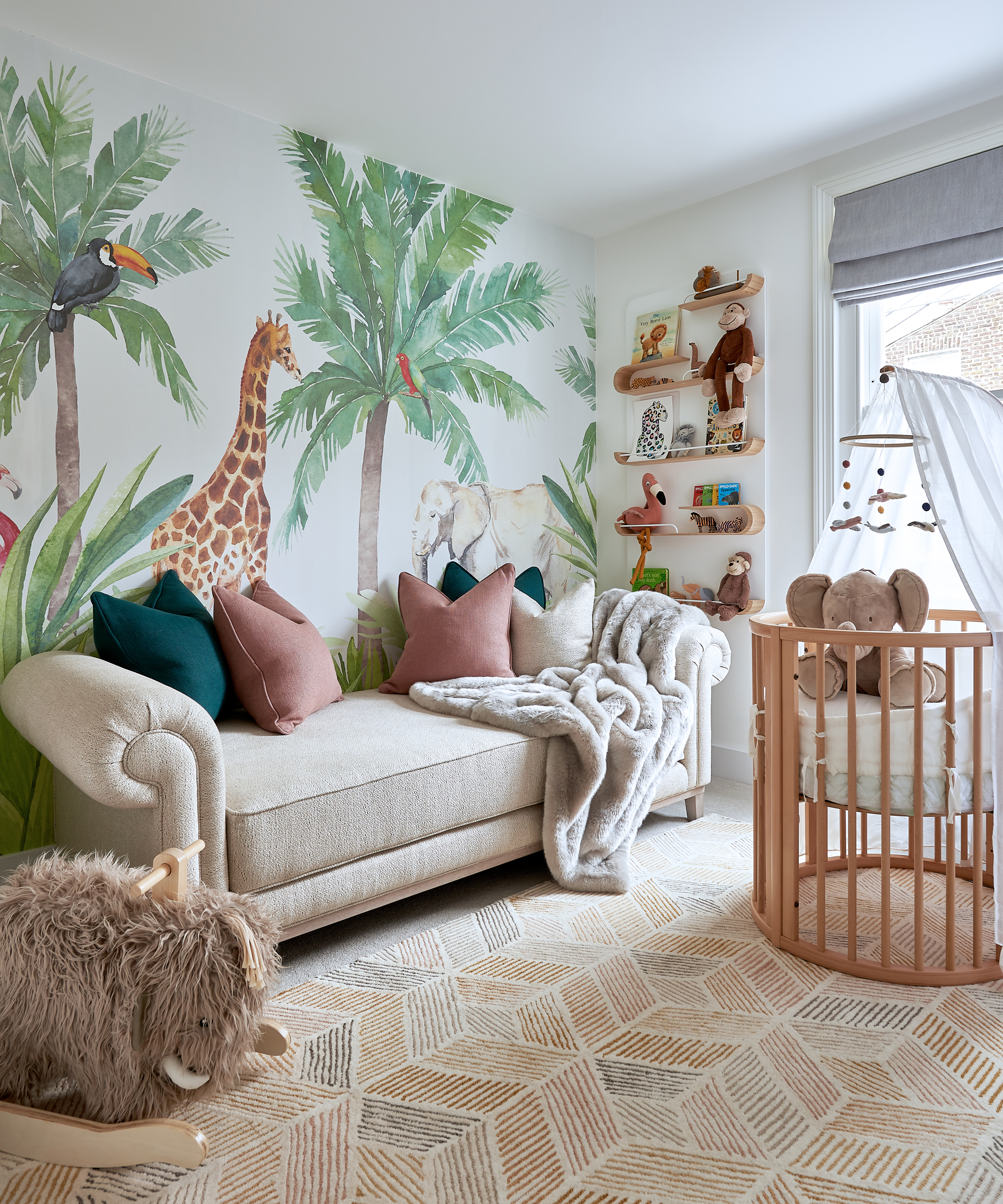
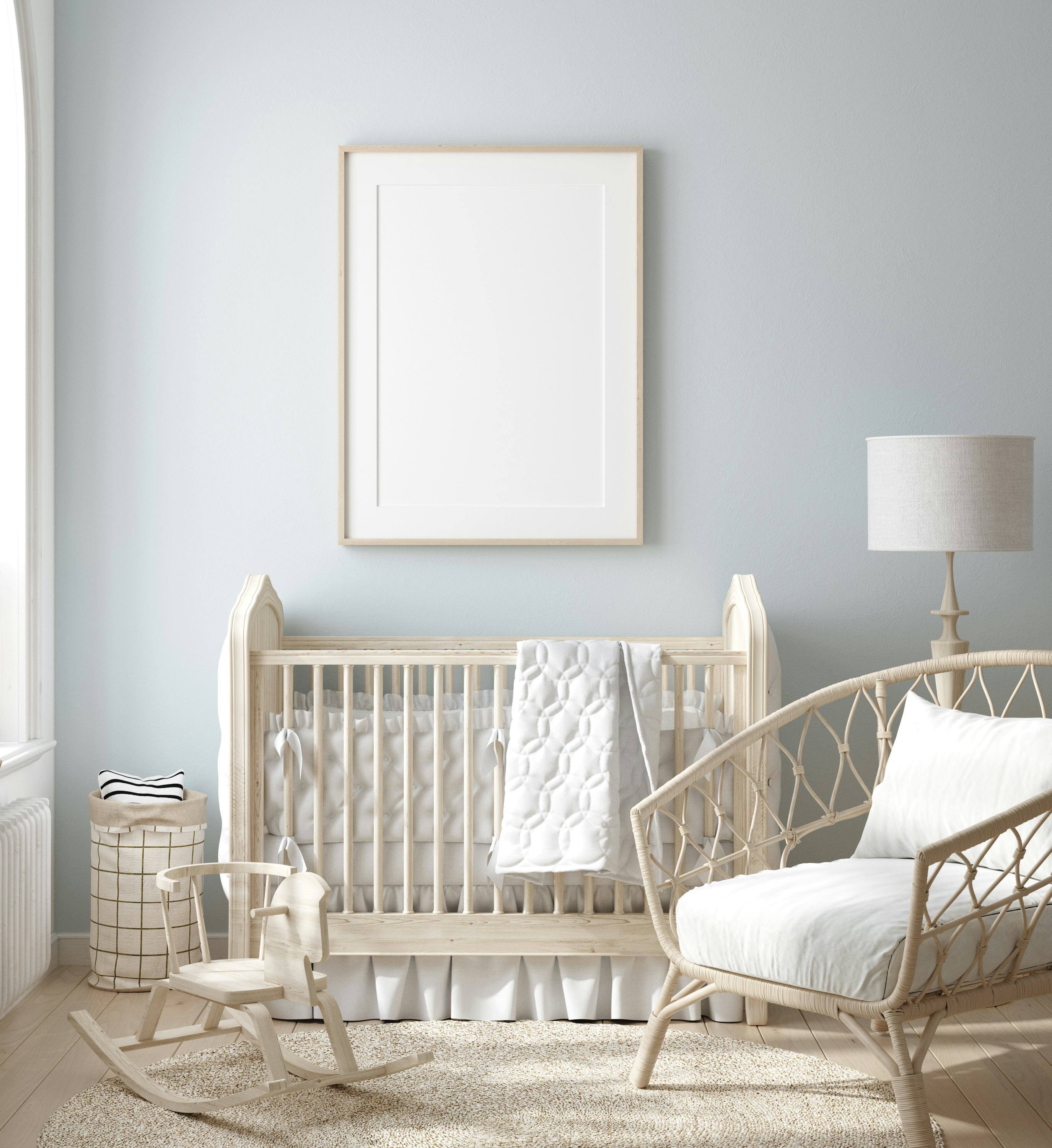
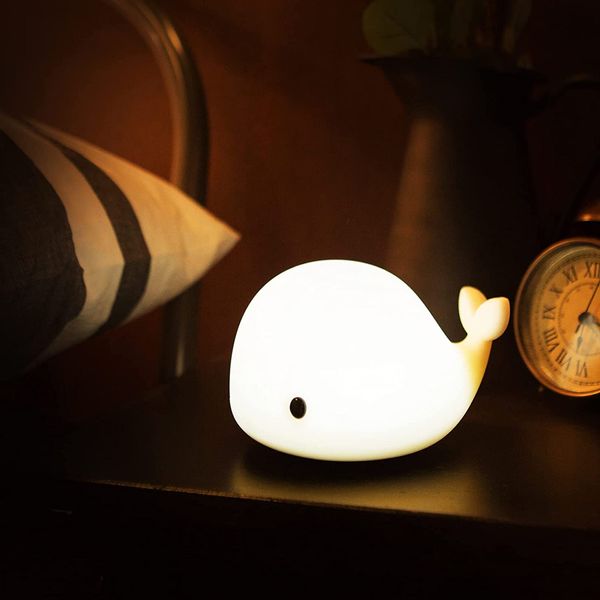
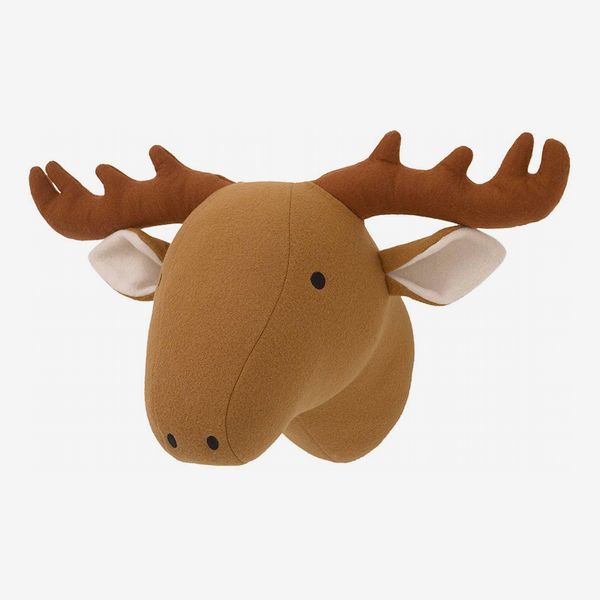
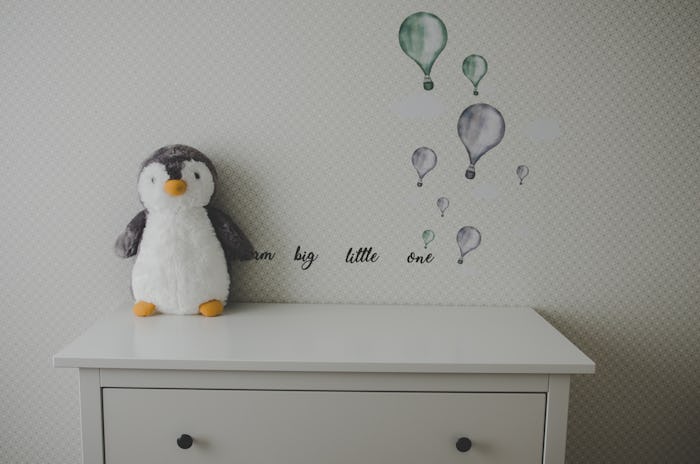
For decor, Feng Shui emphasizes natural elements. Opting for wood and natural materials like cotton, silk, linen, and bamboo over plastic for furniture, toys, and textiles is advised. Designs that feature moving and flowing patterns, representing the water element, are also encouraged. Stellhorn suggests being mindful of the narrative conveyed by nursery decor. Instead of characters that wait to be rescued or isolate, she recommends choosing modern characters who embody adventure, inclusiveness, problem-solving, and growth, as these serve as positive role models for creative thinking. Lighting in a Feng Shui nursery should prioritize natural light during the day. However, for sleep, the room should be made as dark as possible, reflecting the baby's familiarity with darkness from the womb. A general Feng Shui rule is to avoid hanging heavy objects or placing heavy items near the crib, including light fixtures.
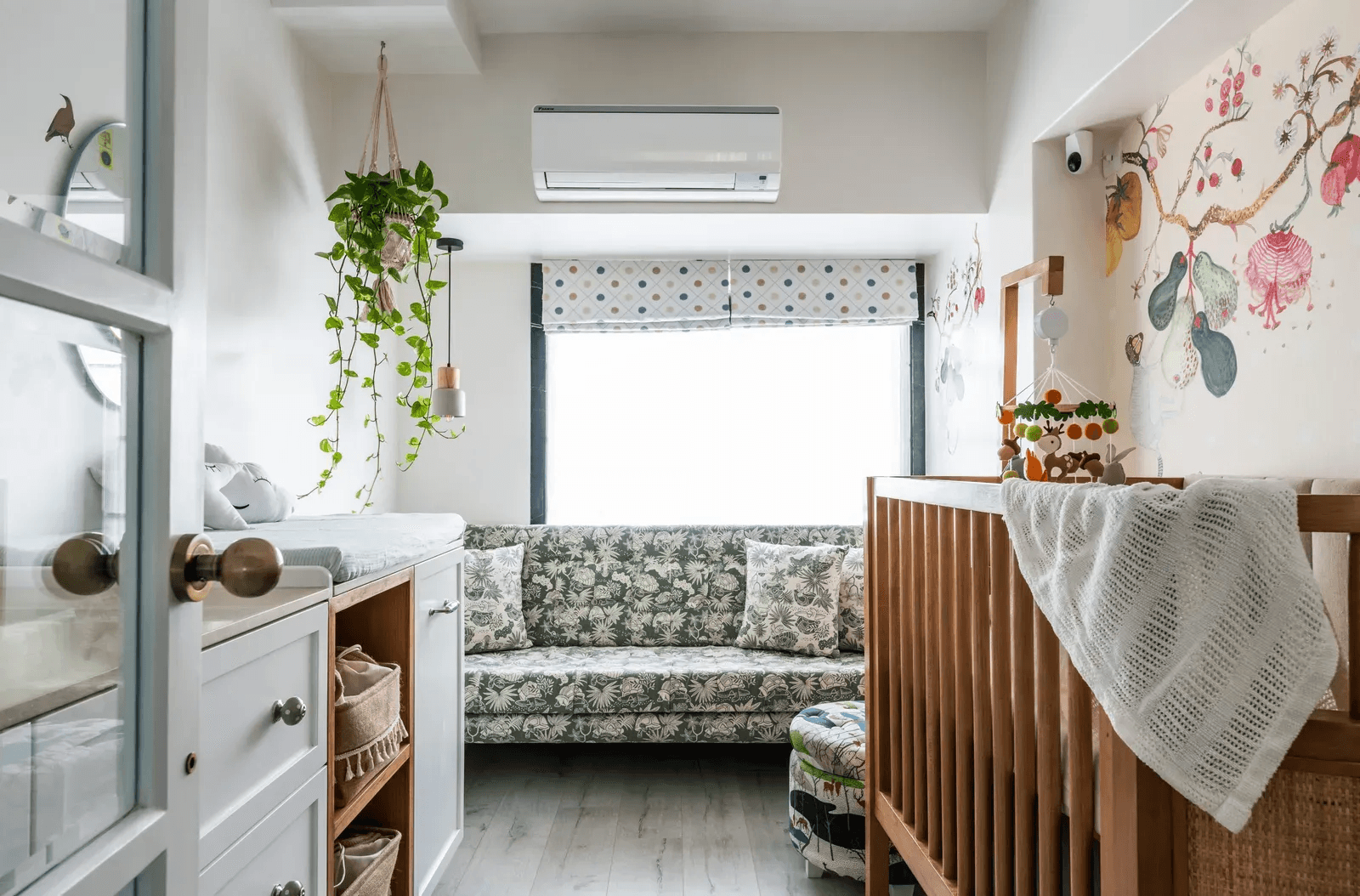
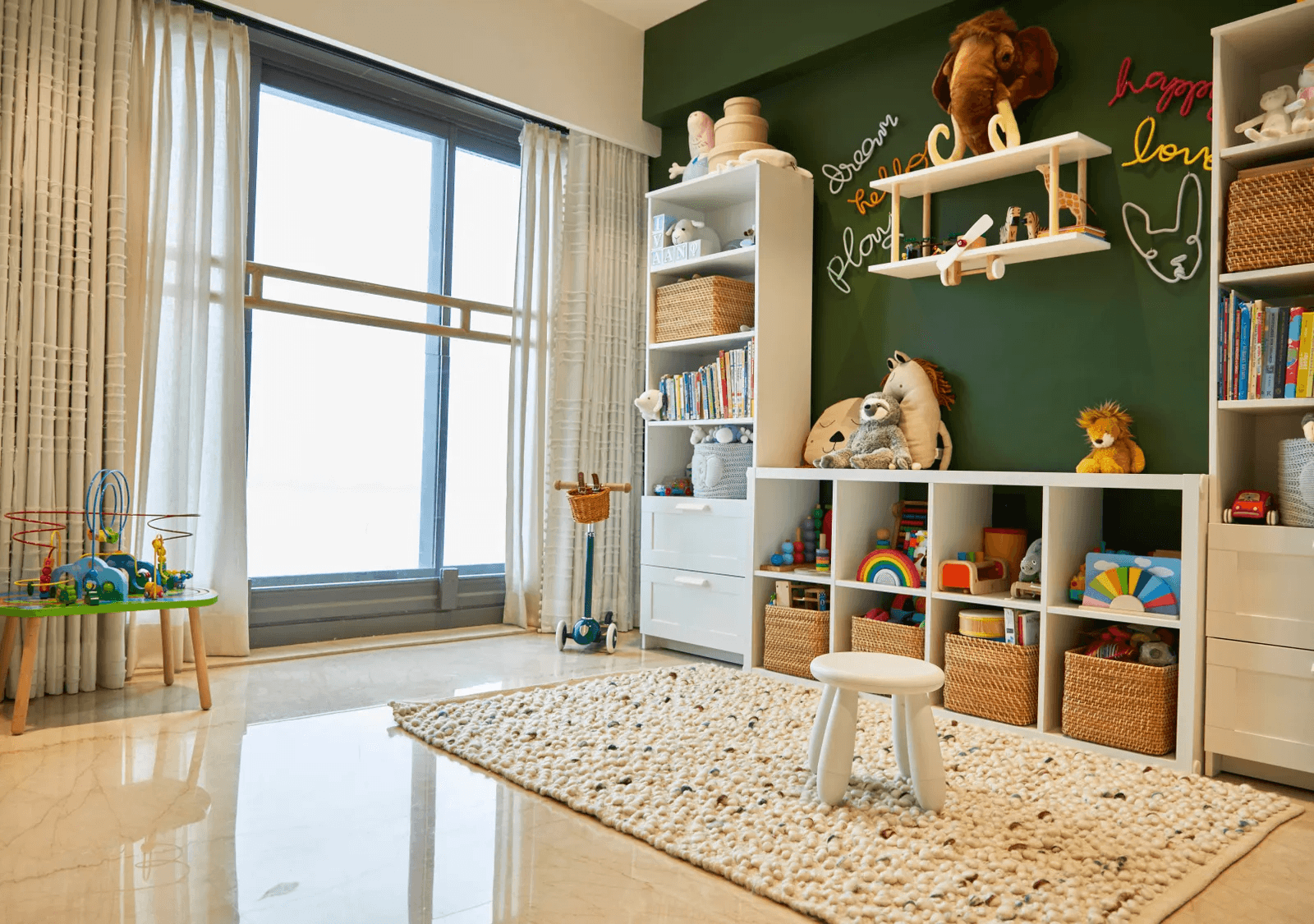
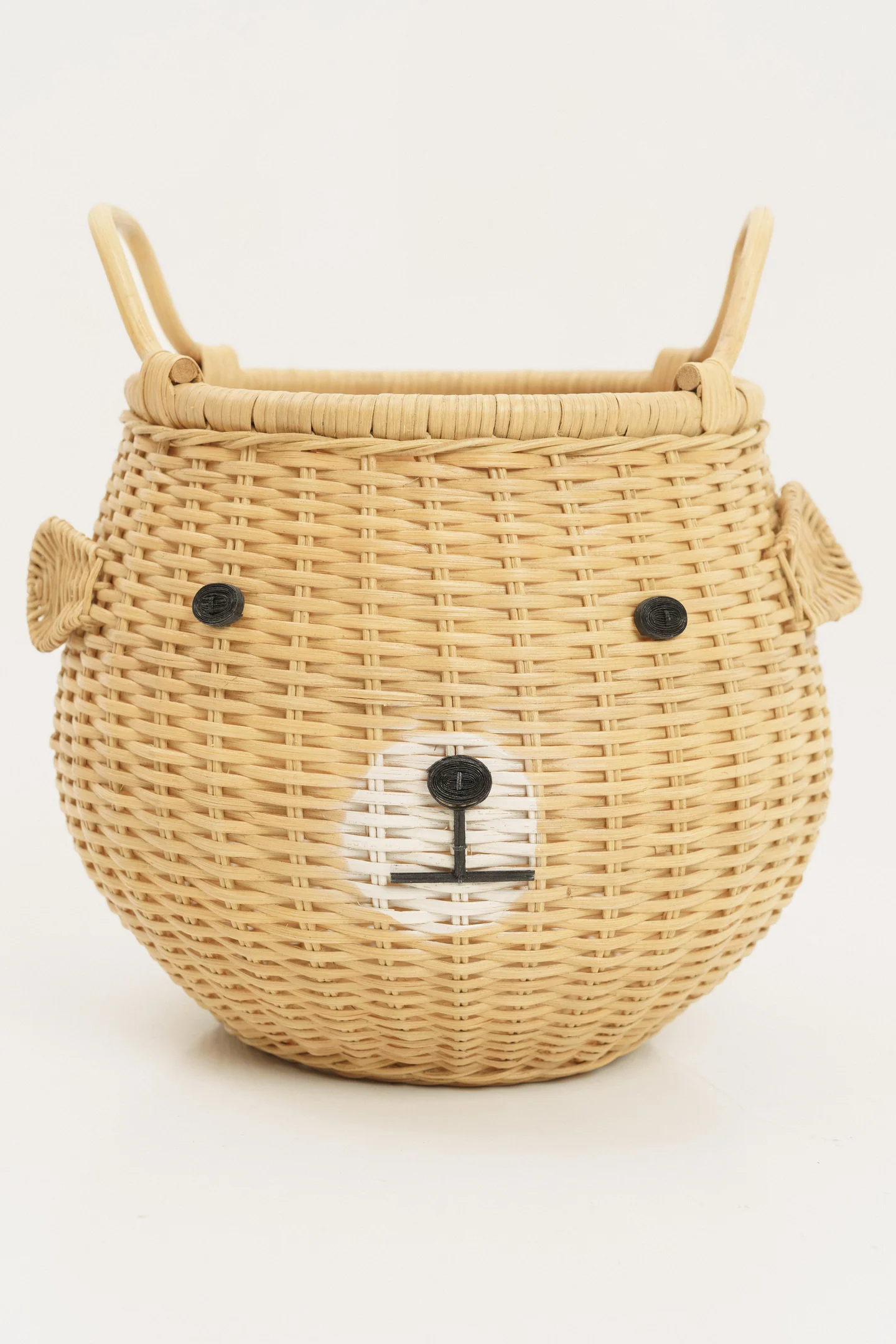
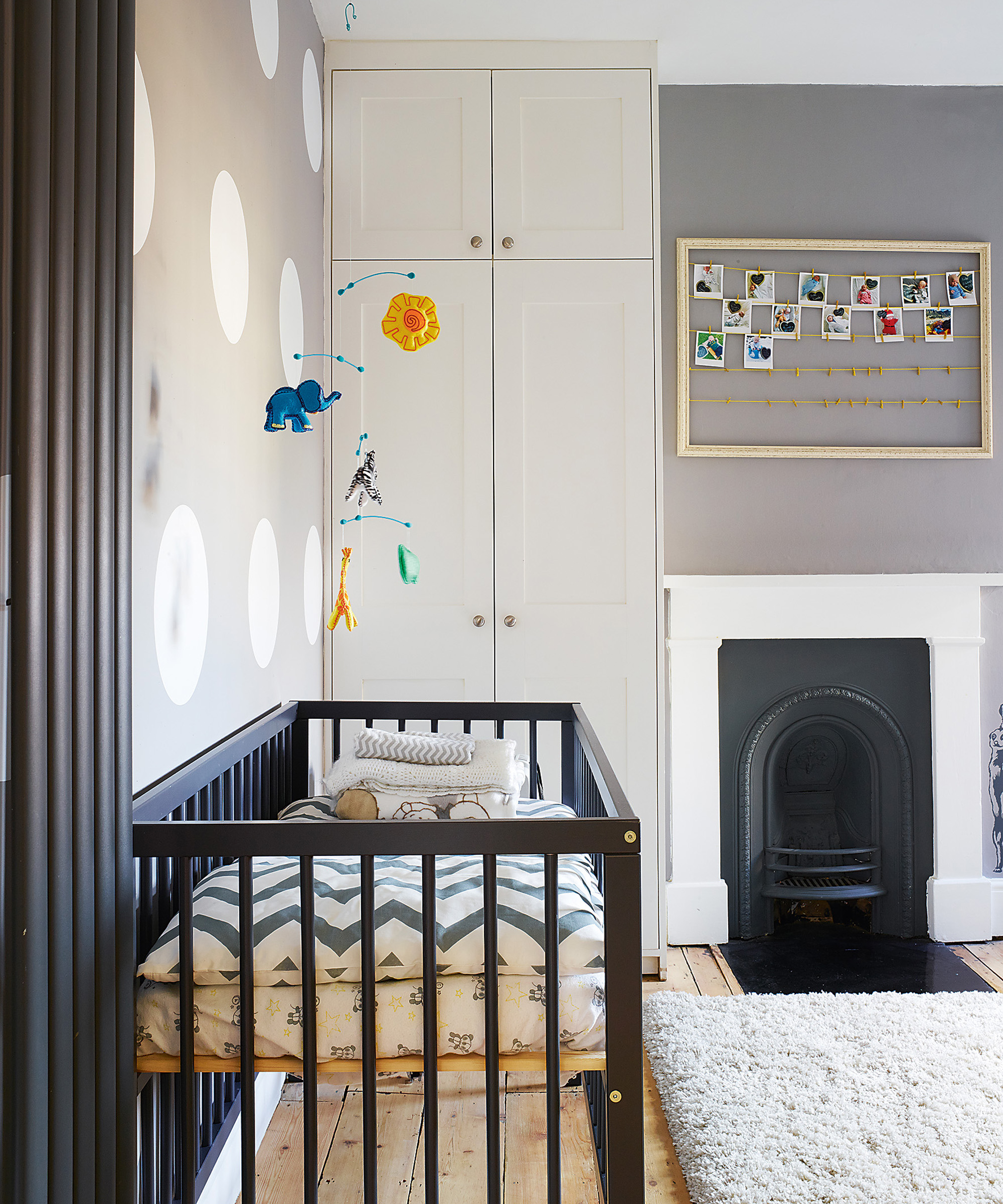
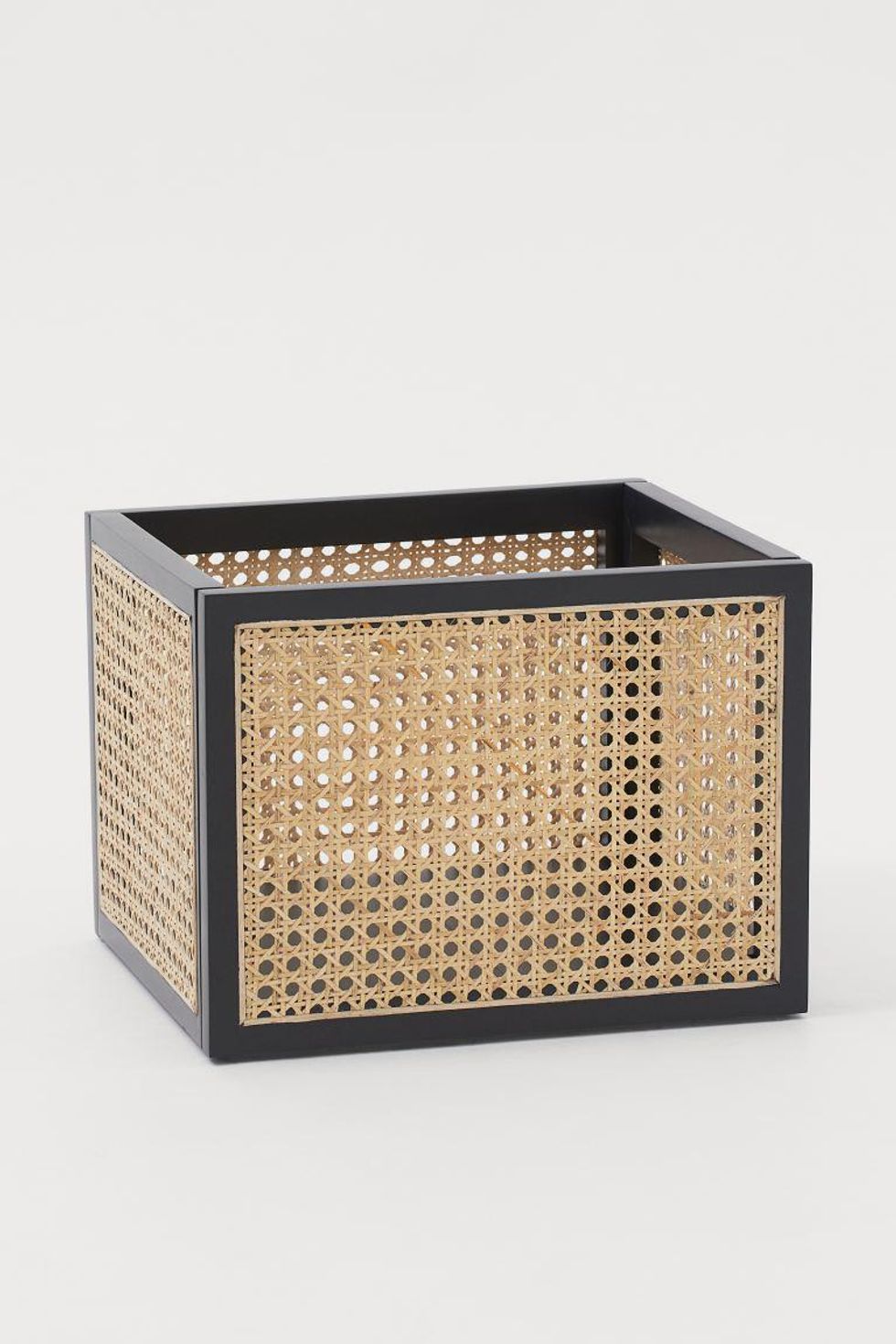
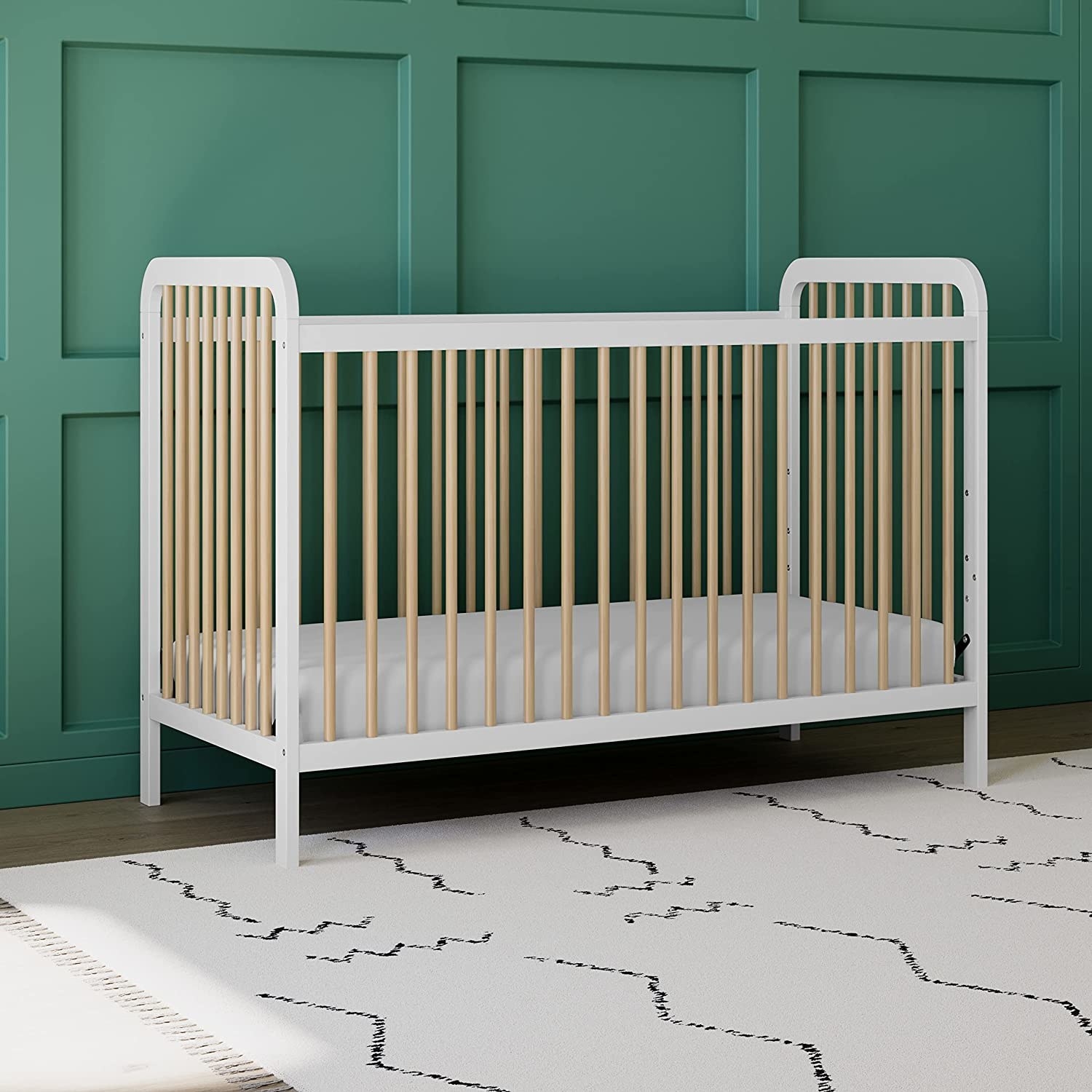
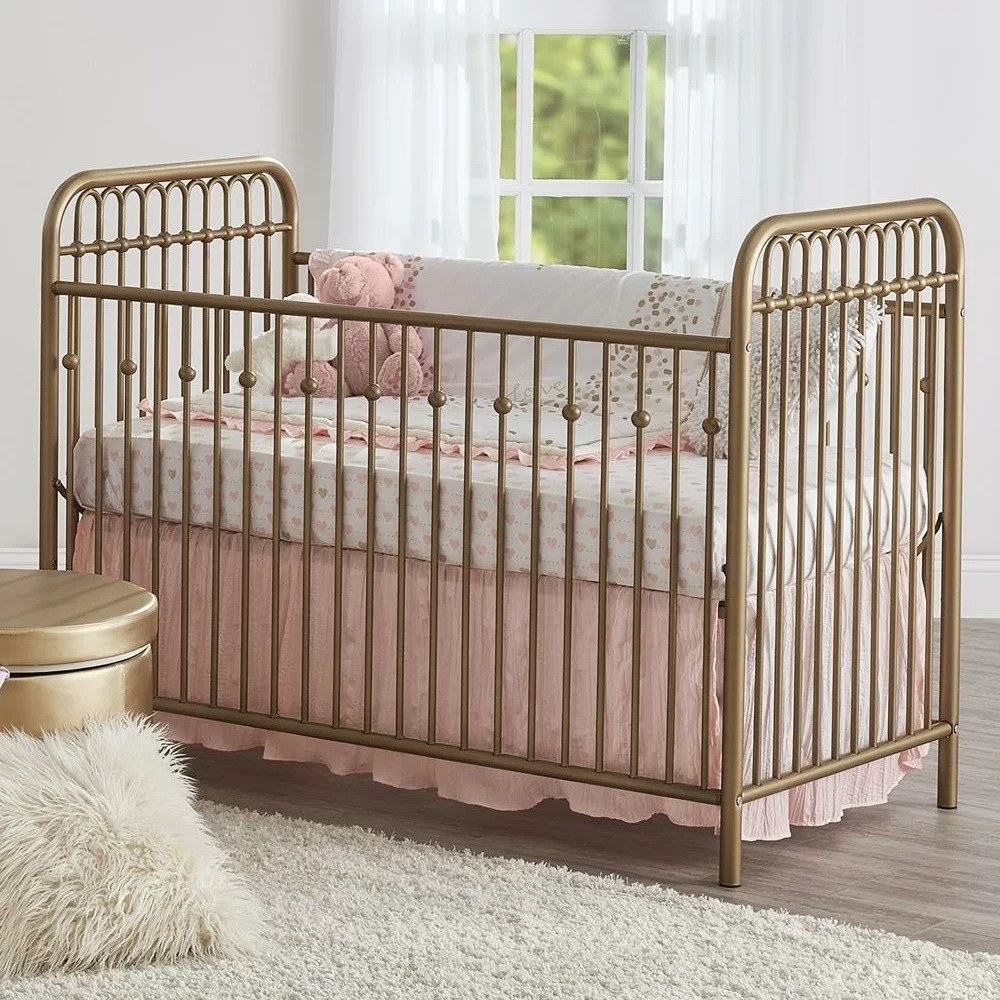
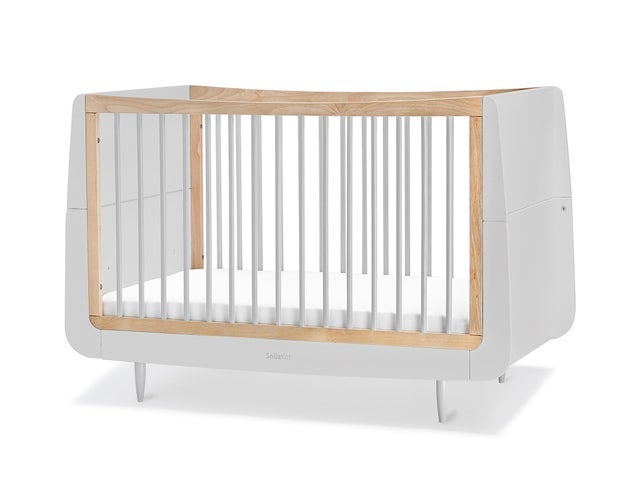
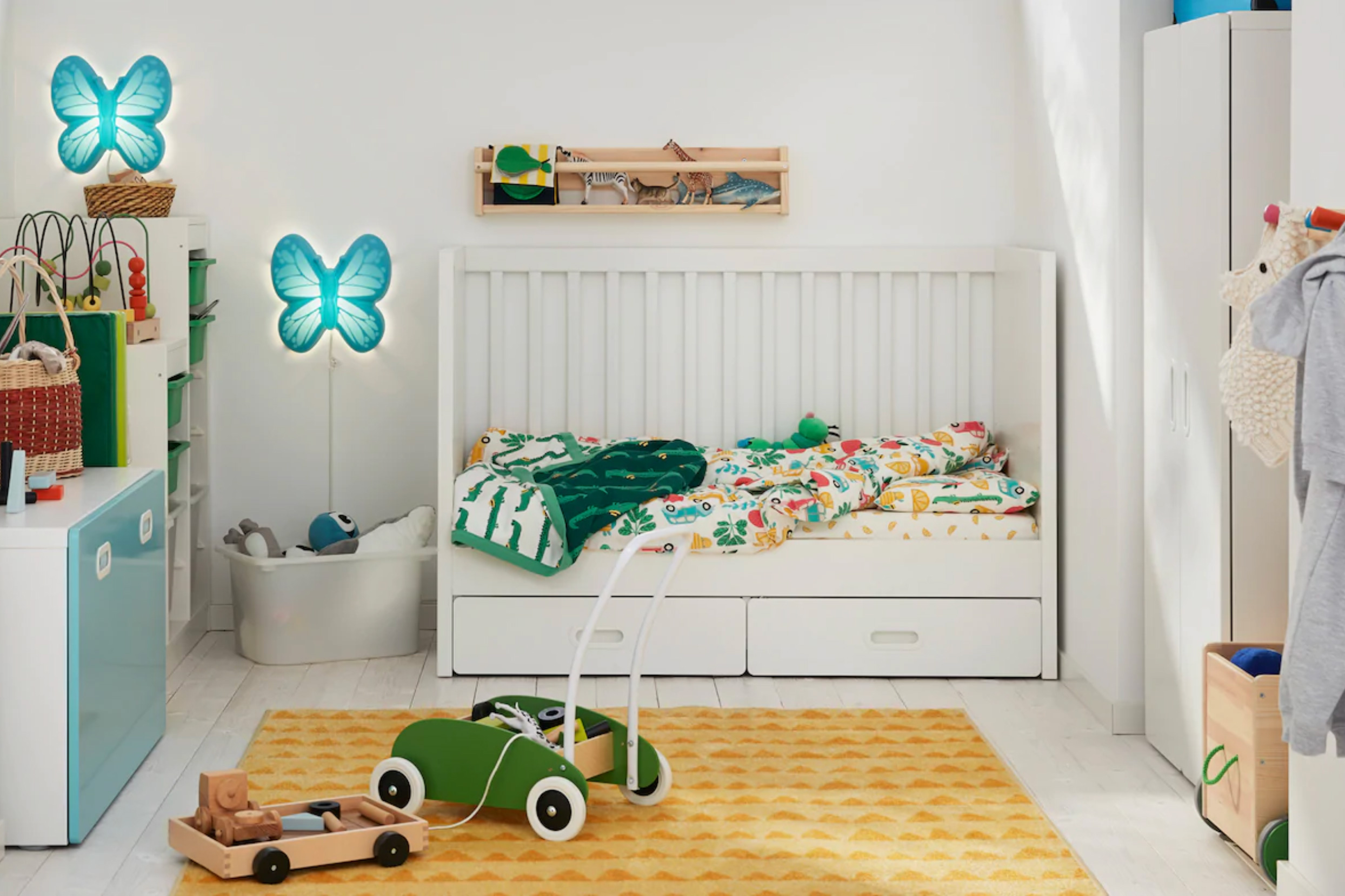
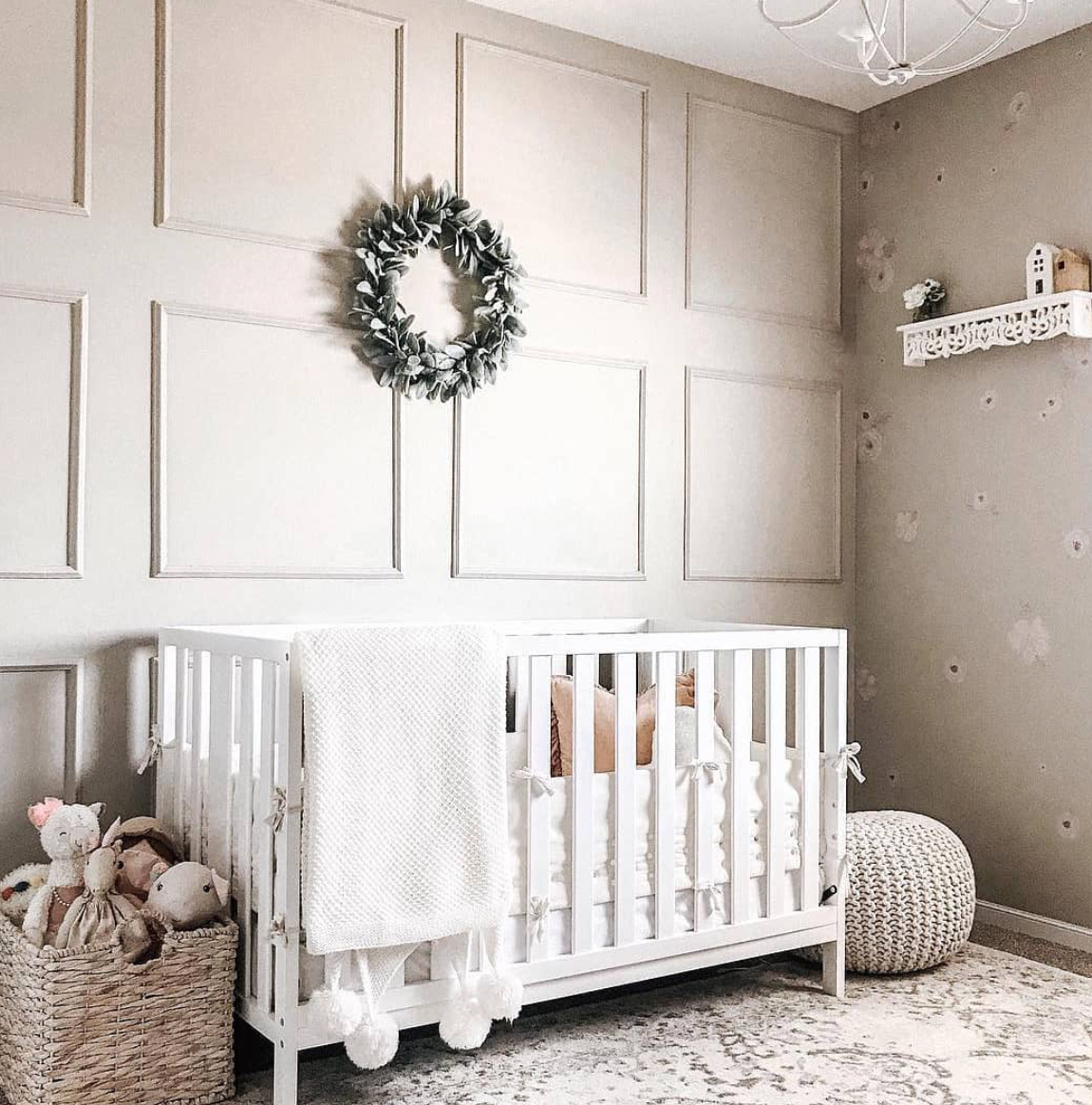
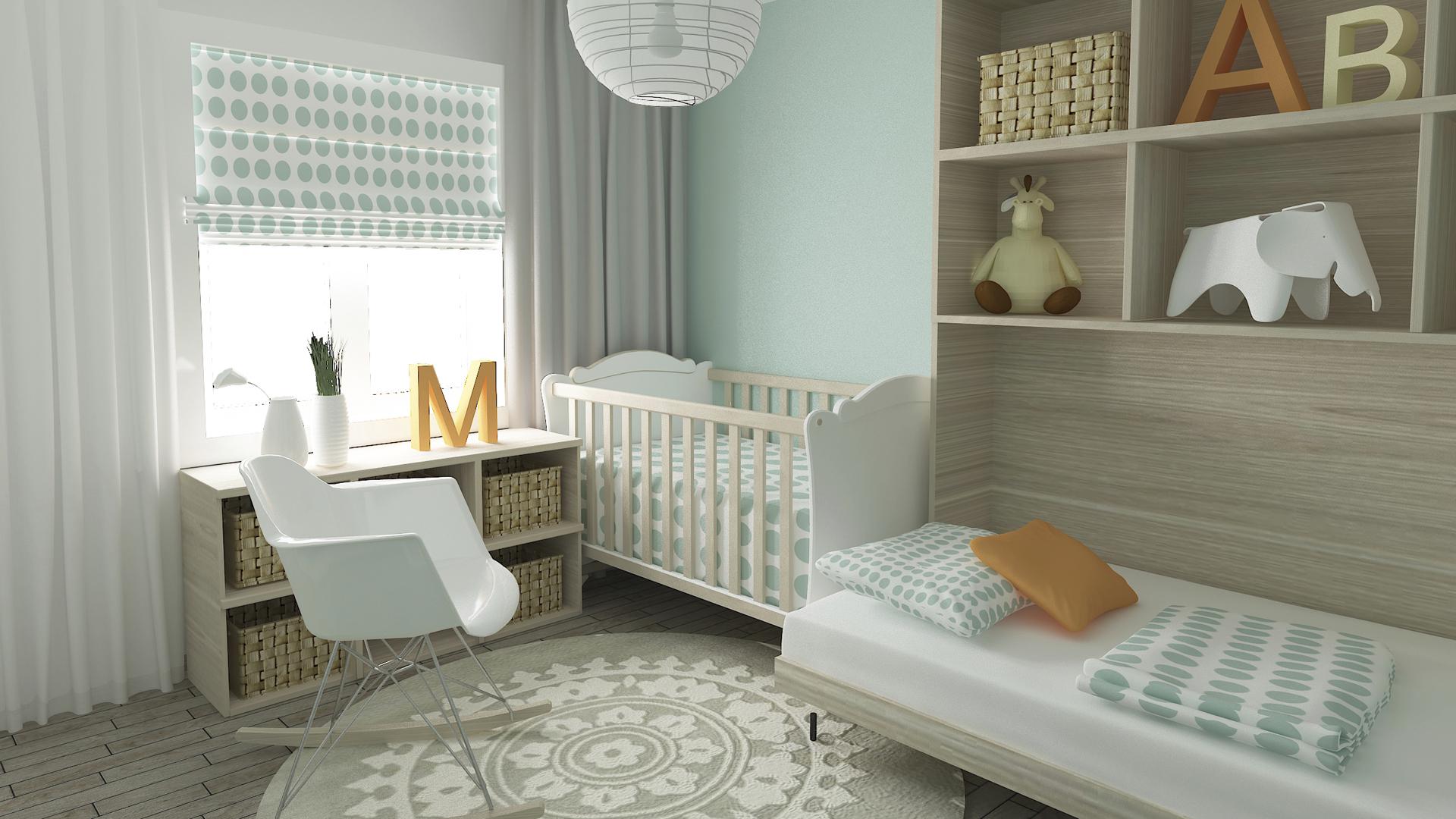
Crib placement is crucial for good Feng Shui. The primary rule is to avoid placing the crib next to tall, heavy furniture or in the center of the room, as this can create a sense of vulnerability. A baby will feel more secure with at least one side of the crib against a solid wall, and ideally, two walls (in a corner). Placing the crib against a solid wall (without a window) and within the parents' line of sight is considered optimal. Finally, clutter should be minimized in the nursery. Laura Benko, author of 'The Holistic Home,' highlights that clutter not only creates visual disarray but also acts as an "energetic anchor" that obstructs clear thought and can lead to emotional burdens. To maintain an uncluttered environment, toys and other items should be stored neatly in baskets and bins rather than being left out or displayed, fostering a calm and organized space.
#FengShui #BabyNursery #NurseryDesign #SleepTips #ColorPsychology #NaturalMaterials #CribPlacement #ClutterFree #HomeDecor #FengShui #BabyNursery #NurseryDesign #SleepTips #ColorPsychology #NaturalMaterials #CribPlacement #ClutterFree #HomeDecor
0 comment in total
 No comments yet
You may also like
How feng shui can help your kids sleep better

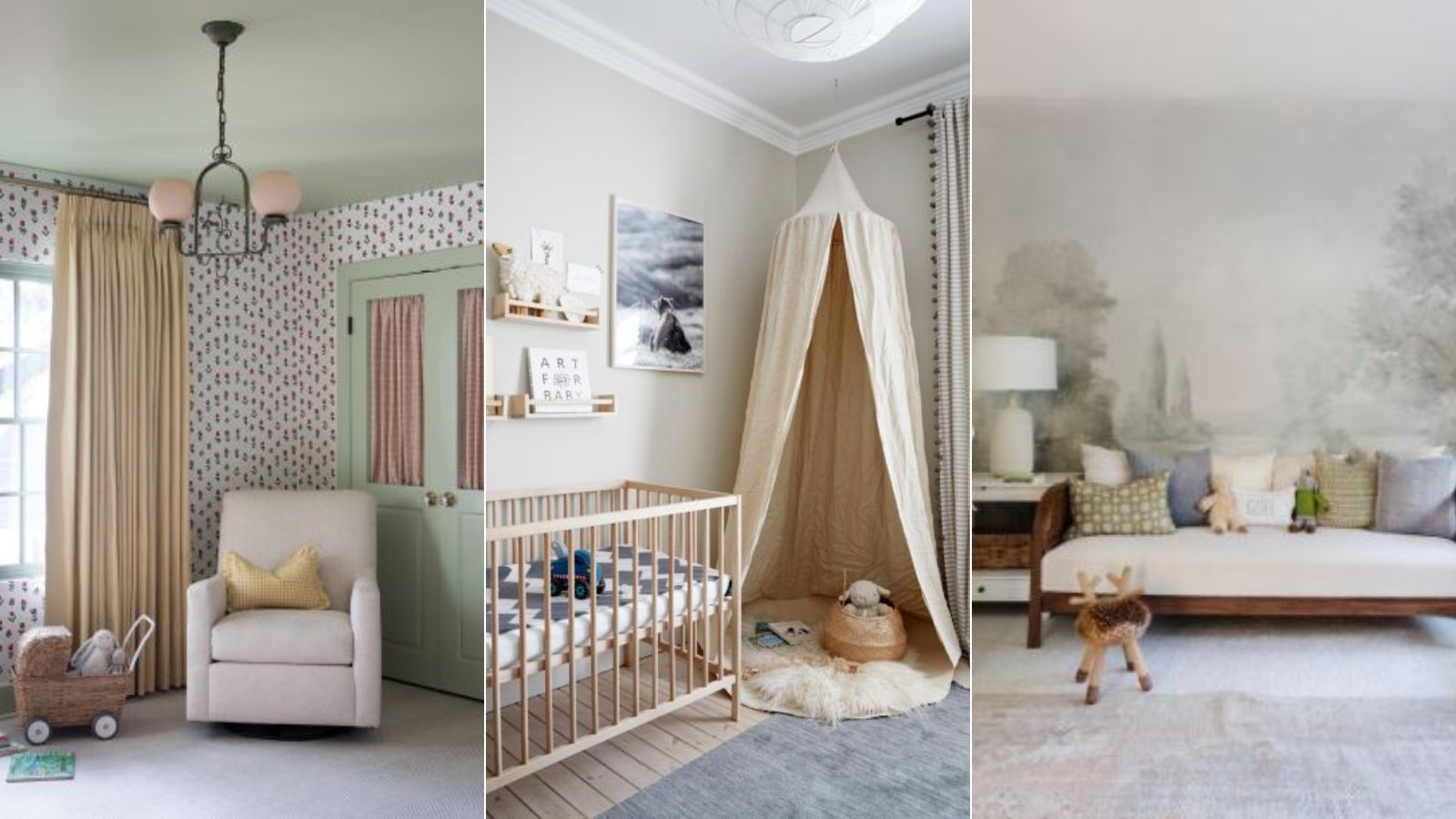
Nursery color schemes – 8 spaces to soothe your baby to sleep


Tiny humans, big decisions | Pros and cons of designing a nursery

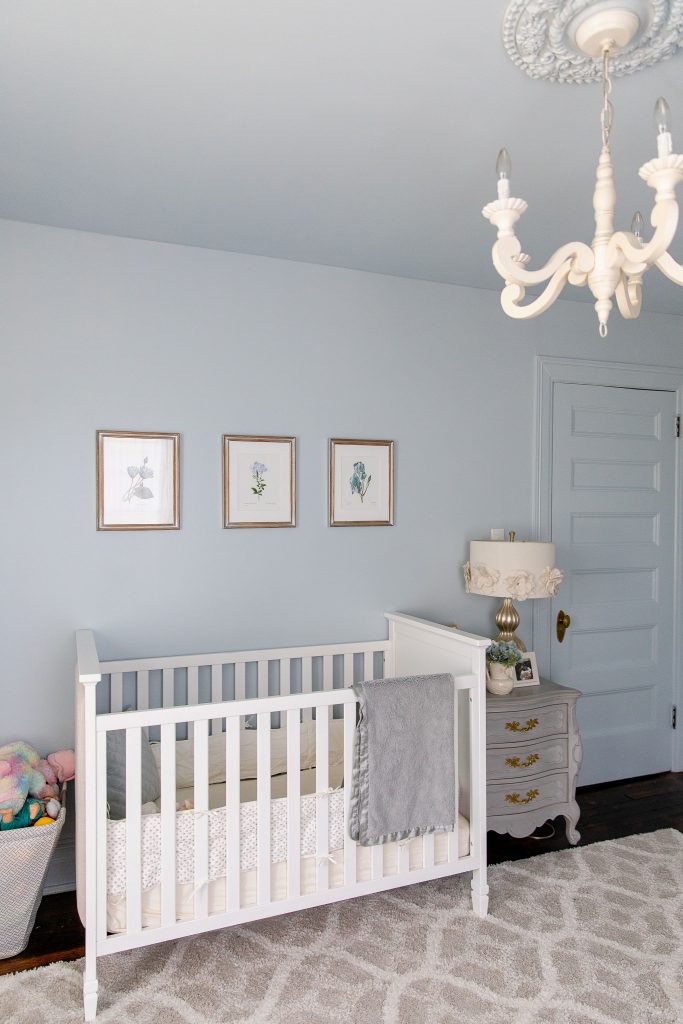
The Prettiest Sleepy Blue Nursery For Your Baby

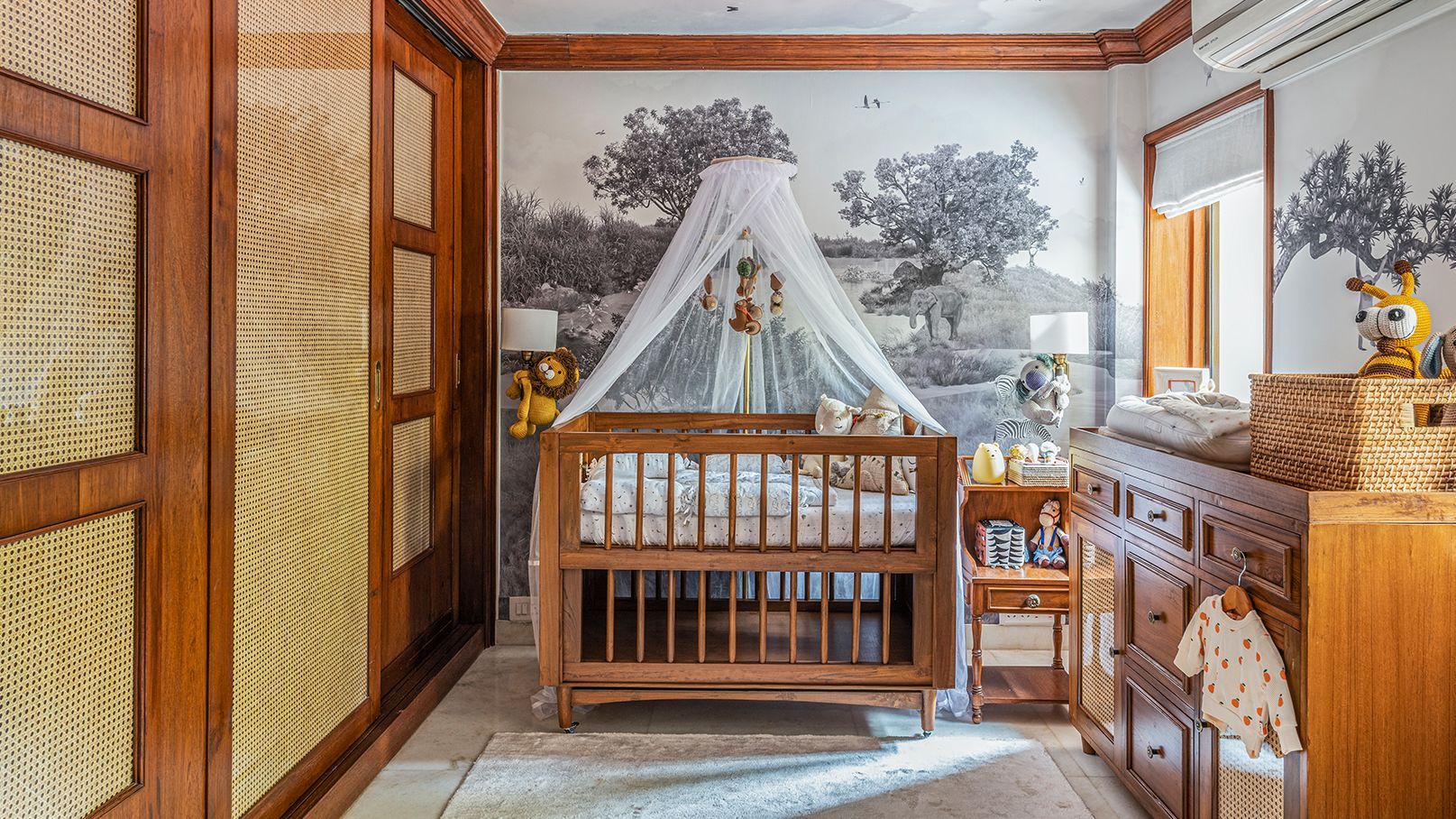
5 stylish nursery decorating tips all new parents need to know

This Nursery Is Proof That a Baby’s Room Doesn’t Have to Be Childish
The one room in your home you shouldn’t keep plants

5 Feng Shui plants to keep in your bedroom

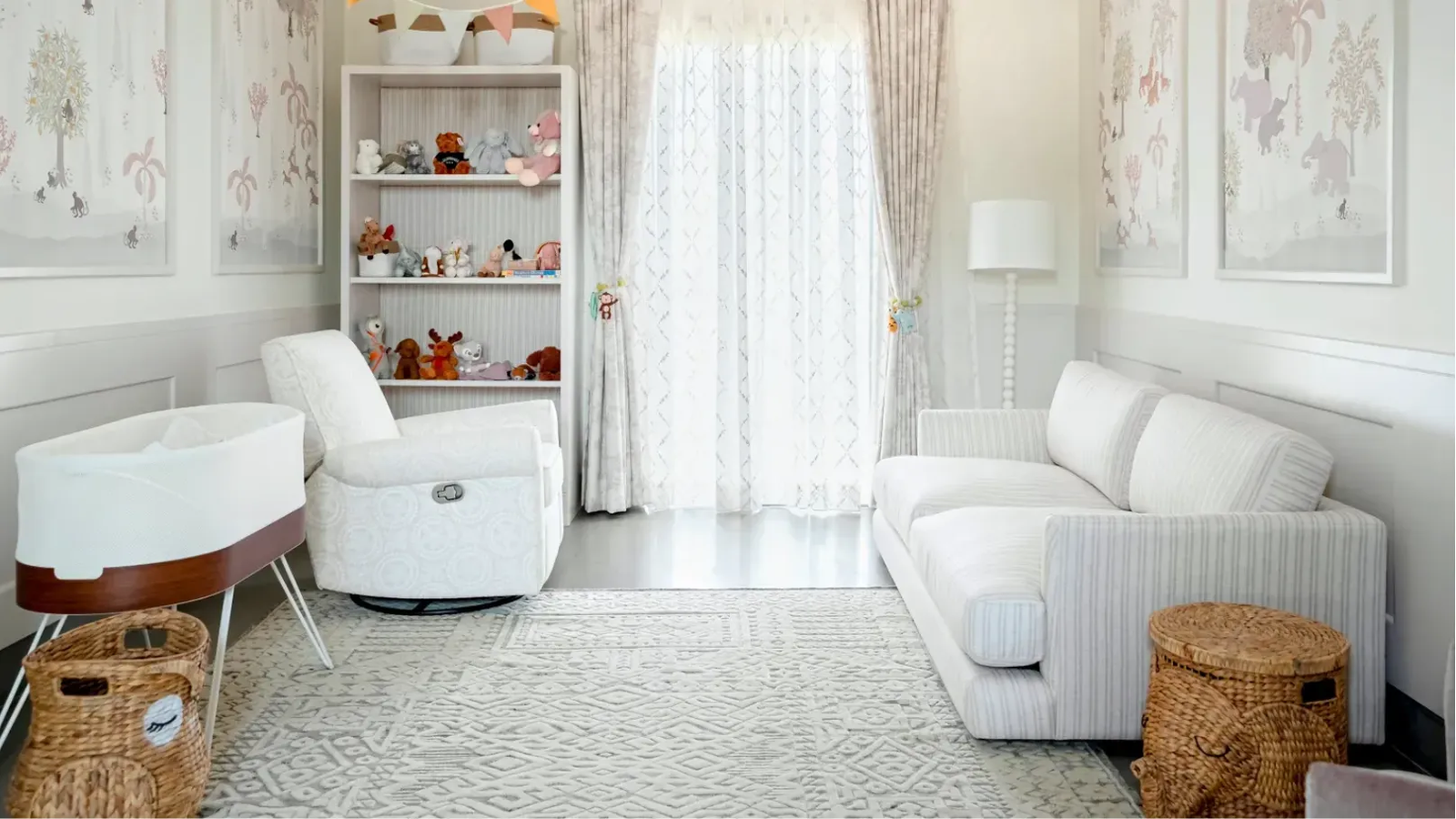
5 expert-approved clever ideas to design a small space nursery
Here's How To Create A Super Calm Nursery For You & Your Baby
Bedroom Feng Shui – 10 tips for creating a zen-like space to encourage sleep

Nursery ideas – 20 beautiful rooms new parents will love
Feng shui can help your child focus

33 Nursery Ideas To Turn Your Baby's Room Into The Coolest In The House

Add to Cart! Nursery Furniture & Decor Finds You’ll Want for Your Home
35 Cheap (But Expensive-Looking) Nursery Décor Accents
Baby boy nursery ideas – 17 tips for creating a soothing sleep space
Best nursery furniture and decor ideas for your baby’s room
Feng shui bedroom layout tips and rules – how to create a zen sleeping space

Baby room decor: the beginners guide to decorating a nursery