1/7
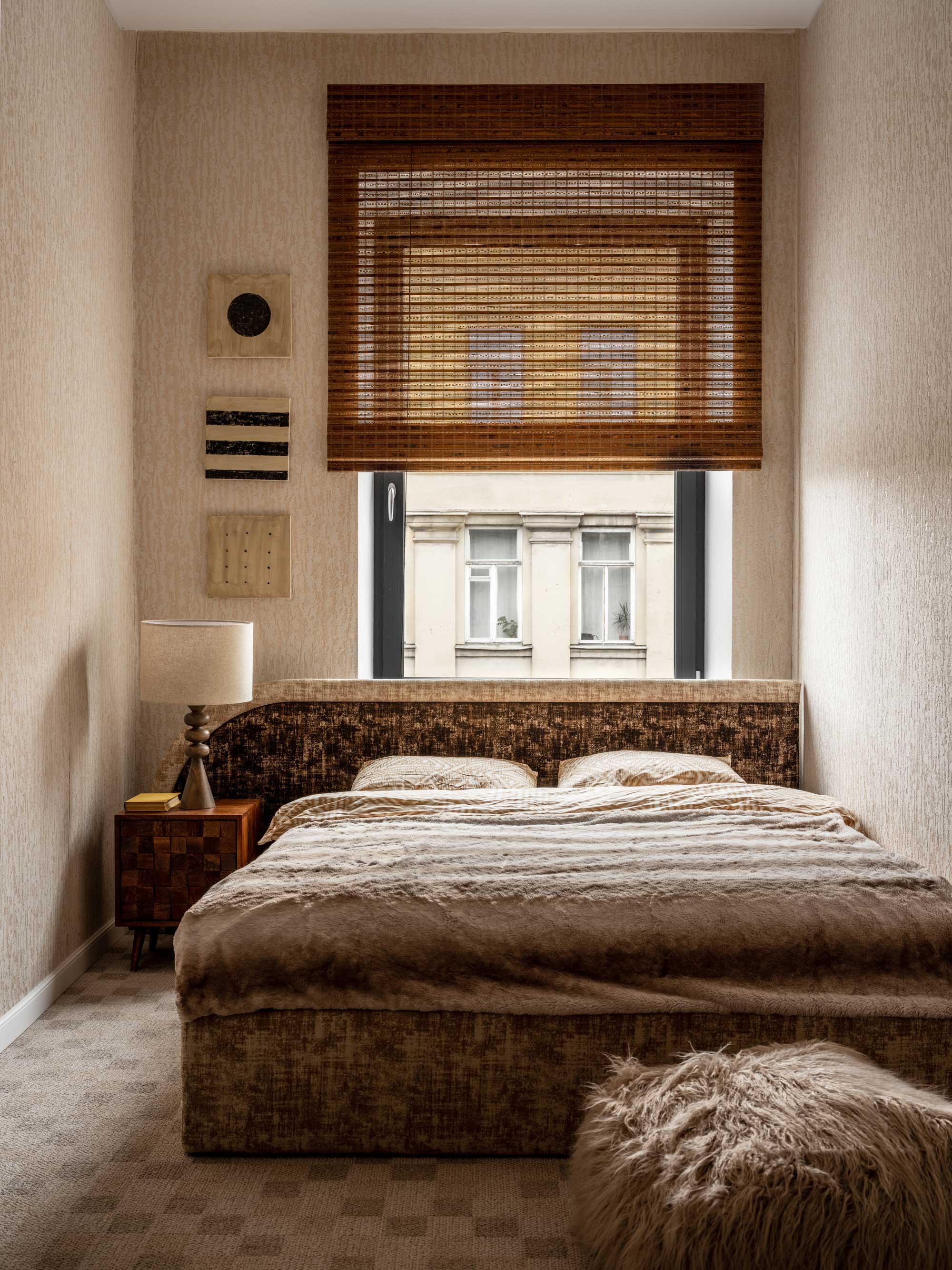
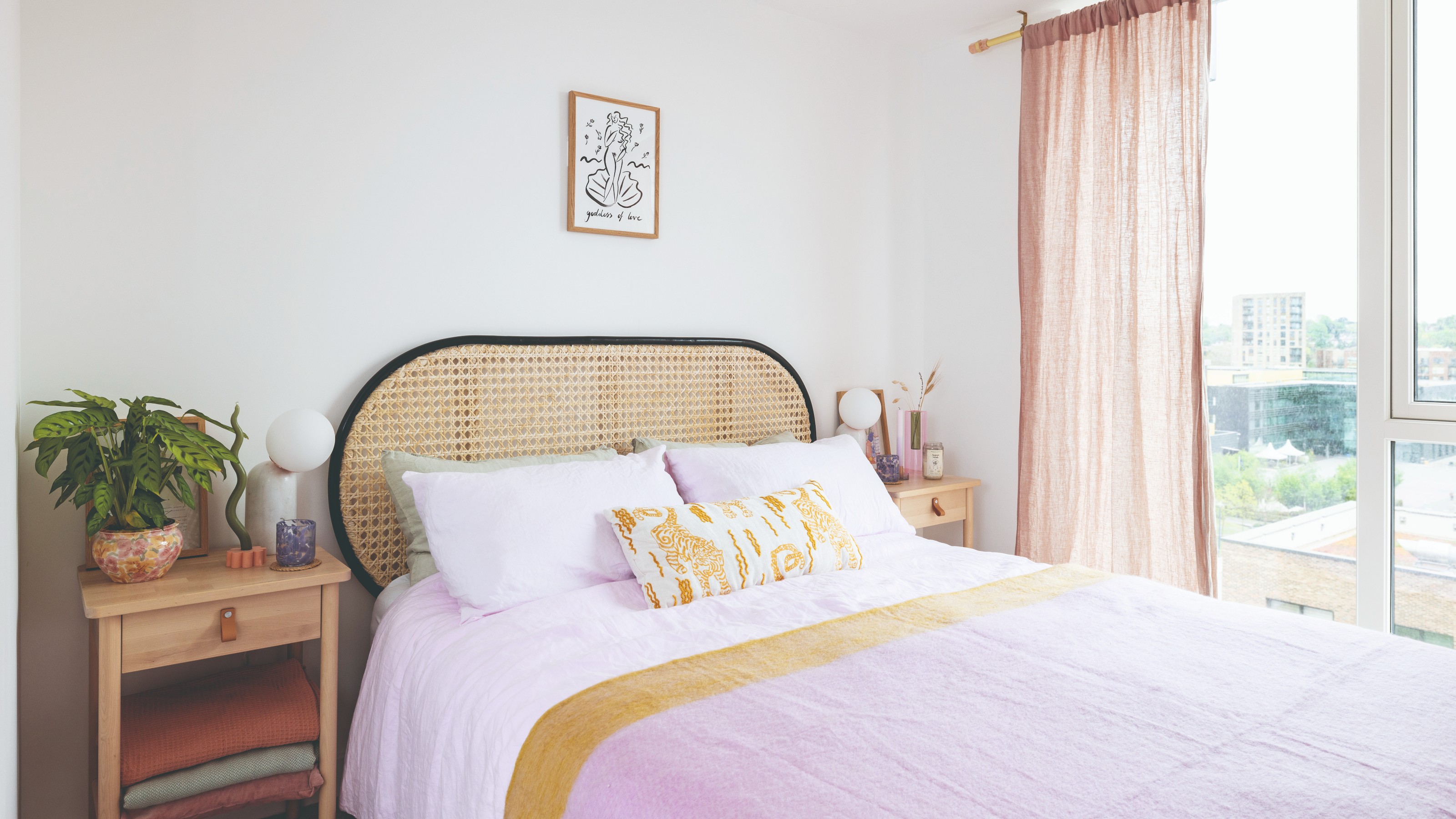
Do you sleep facing north? According to sleep experts you really should be
The article explores the theory that the direction in which one sleeps can impact sleep quality, drawing on ancient Eastern philosophies like feng shui and vastu shastra, as well as modern research. A significant portion of the UK population reports poor sleep quality, prompting a deeper look into unconventional methods for improving sleep.
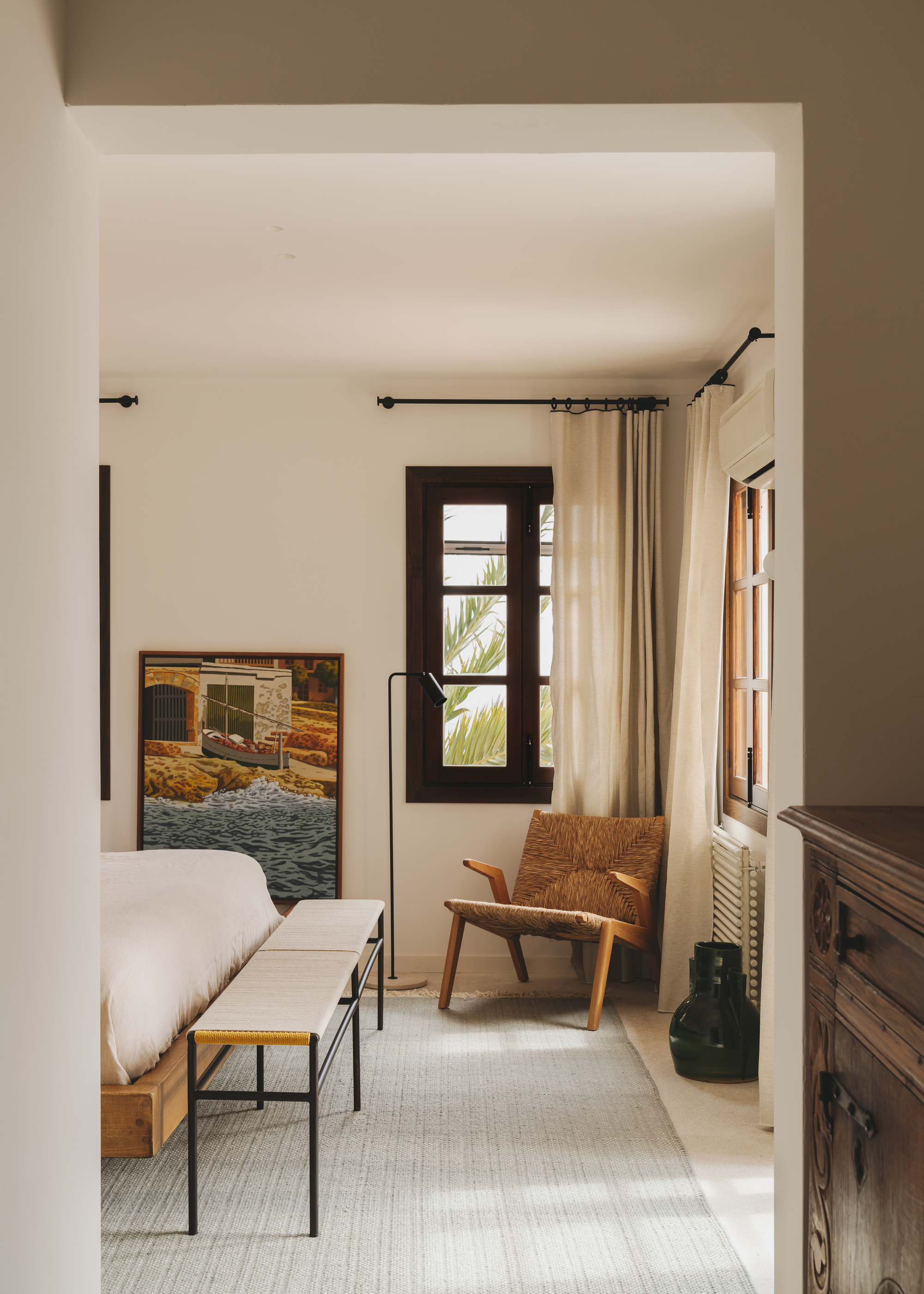
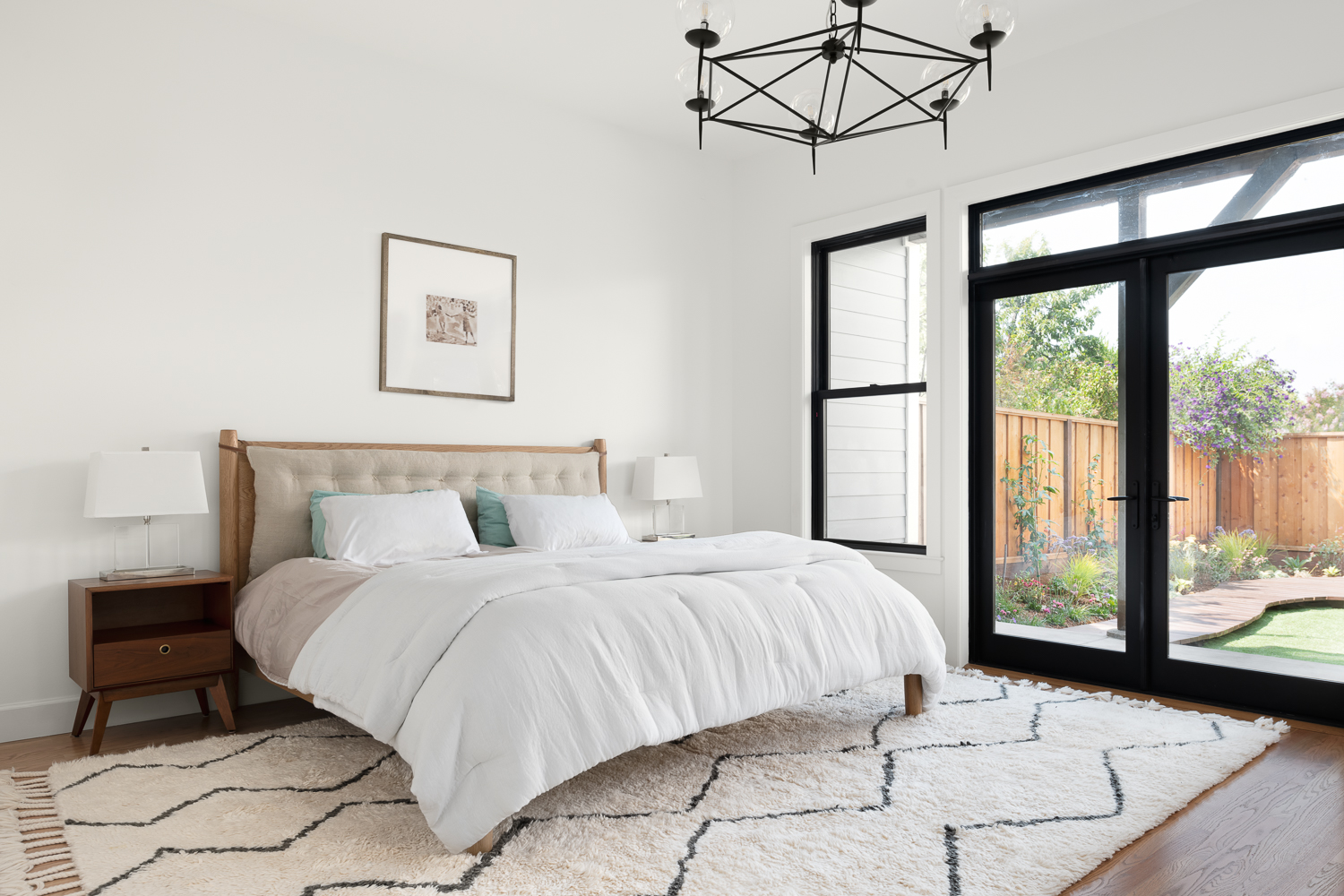
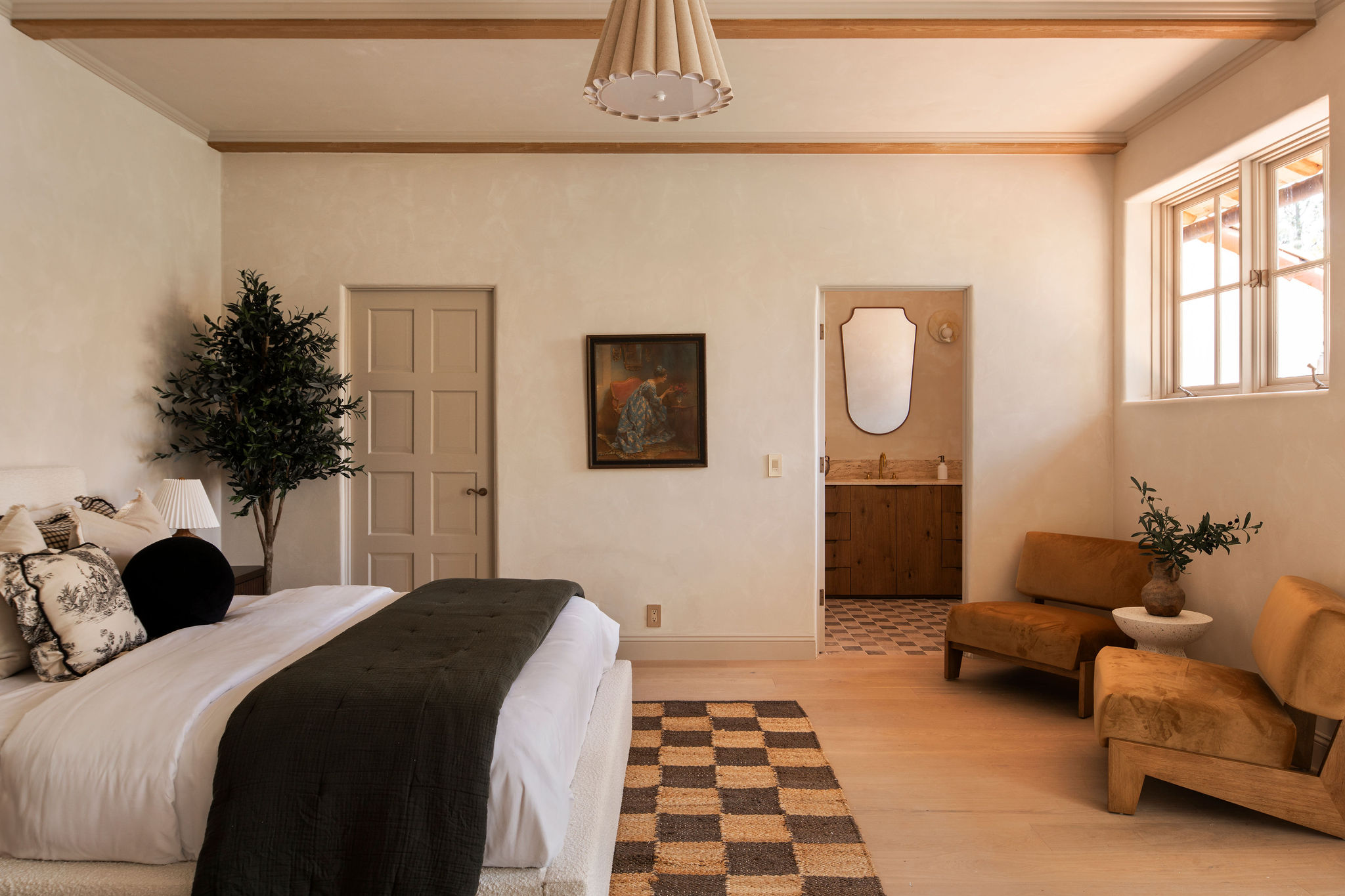
Experts suggest that aligning one's bed to face north, with the head pointing south and feet towards the north, can lead to better sleep. This recommendation is rooted in the vastu shastra principle, which views the body as an electrical system and the Earth as having an electromagnetic field. By aligning the body's electromagnetic energy with the Earth's, with opposite poles facing each other, it is believed to promote lower blood pressure and deeper sleep. Dr. Ana Brito, a Certified Expert Somnologist, highlights that recent research supports this notion, indicating potential benefits for sleep, heart health, and mental well-being.
Vastu shastra, an ancient Indian architectural practice, posits that buildings and their inhabitants should be in harmony with universal energy. It offers specific guidance on furniture arrangement, including bed orientation, to optimize this harmony. Similarly, feng shui, a traditional Chinese practice, emphasizes the importance of environmental energy and its influence on personal well-being, suggesting that cardinal directions in bedroom layouts play a role in balancing 'chi' for better sleep.
The article also discusses the negative implications of sleeping in non-optimal directions. One study cited in the article suggests that sleeping with one's head facing north can lead to headaches and tension. Furthermore, research from the Sleep Foundation indicates that individuals sleeping in a north-south position may take longer to enter rapid eye movement (REM) sleep, a crucial stage for cognitive function, emotional well-being, and overall health. These findings underscore the potential impact of seemingly minor adjustments to sleep environments.
While some may dismiss these concepts as superstition, experts like Dr. Katherine Hall, a sleep psychologist, assert that studies demonstrate a tangible effect of cardinal directions on sleep. Dr. Nerina Ramlakhan, a physiologist and sleep therapist, reinforces the idea that the body's electrical energy system interacts with the Earth's electromagnetic field, making bed orientation a relevant factor. Despite some skepticism, particularly from Kora Habinakova, a sleep expert from Sleepseeker, there's a consensus that experimenting with bedroom layout changes could be beneficial for those experiencing sleep difficulties or high blood pressure. The emphasis is on personal experimentation to find what best suits individual sleep preferences.
#SleepOrientation #BedroomDesign #VastuShastra #FengShui #SleepQuality #HomeDecoration #Wellbeing #SleepOrientation #BedroomDesign #VastuShastra #FengShui #SleepQuality #HomeDecoration #Wellbeing
0 comment in total
 No comments yet
You may also like
Should your bed face the door? Here's what the experts think

Calling all hot sleepers: These pillows ensure you always sleep on the "cold side"

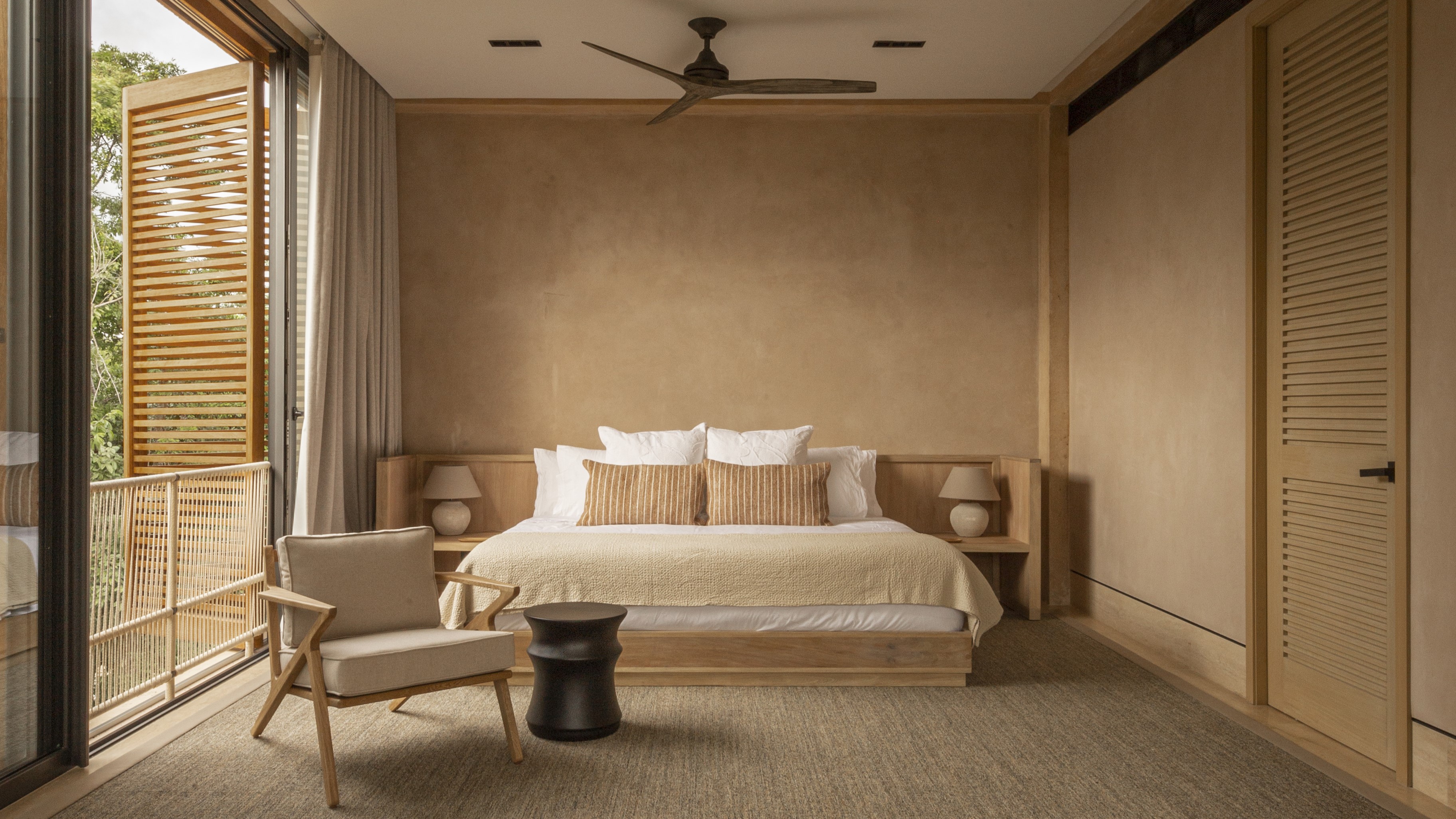
What's the best direction to sleep in? Experts tells us which compass point is best, and which is ruining your rest

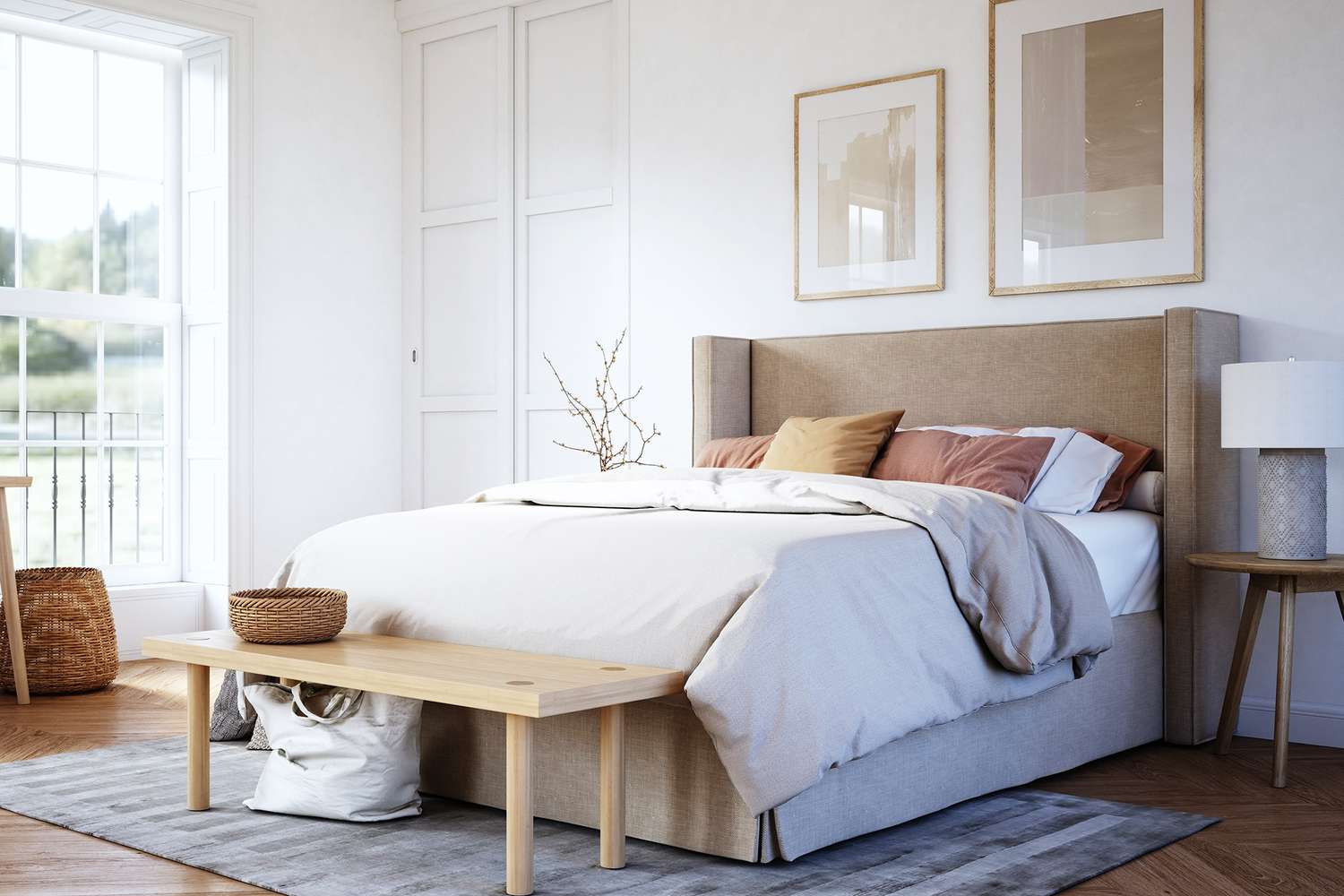
7 Bedroom Design Tips for Better Sleep, According to Experts
The Only Direction Your Bed Should Be Facing, According to Feng Shui Experts

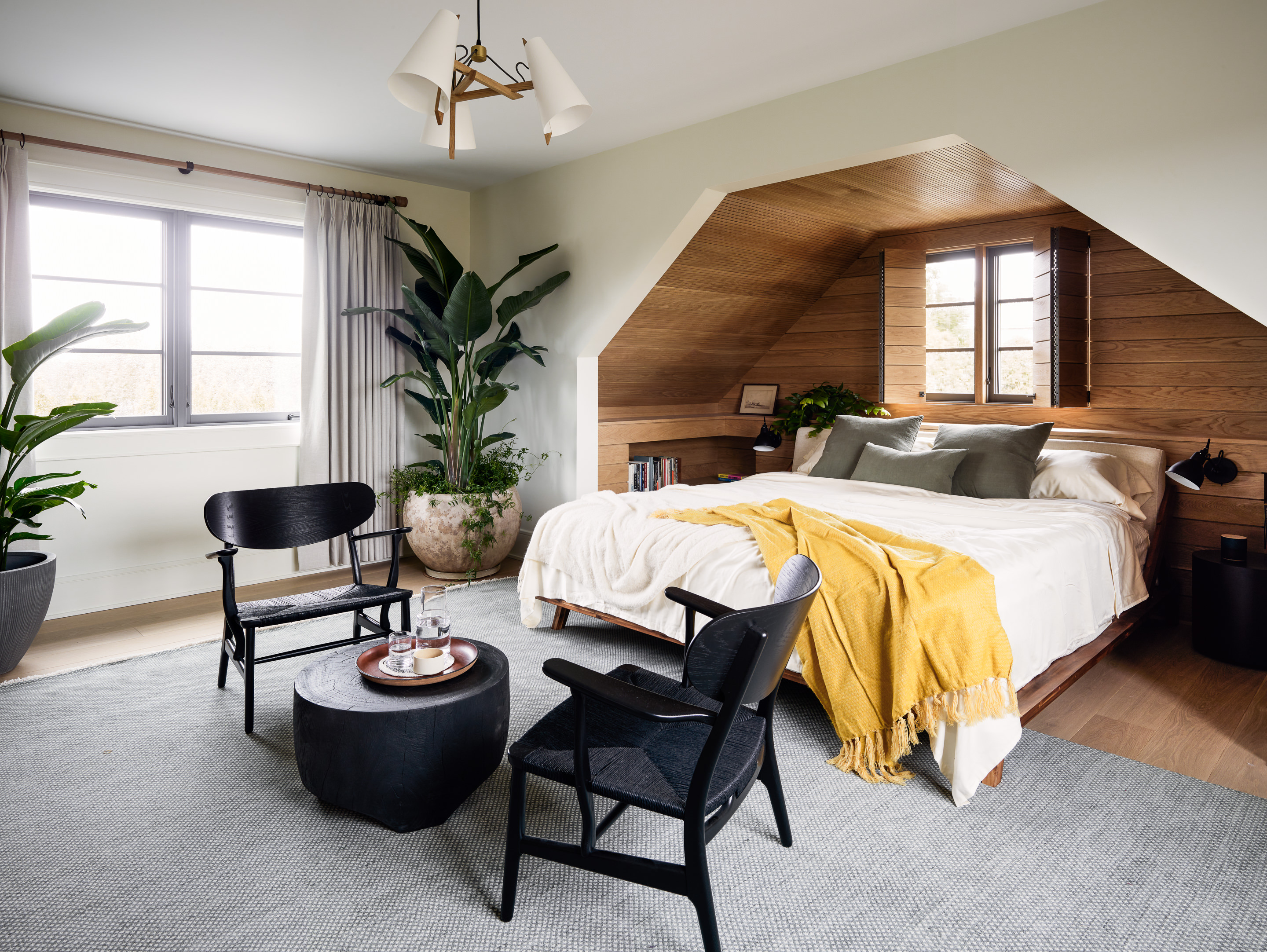
'Never sleep with a chair facing you' – Feng Shui experts bust this viral myth about your bedroom layout
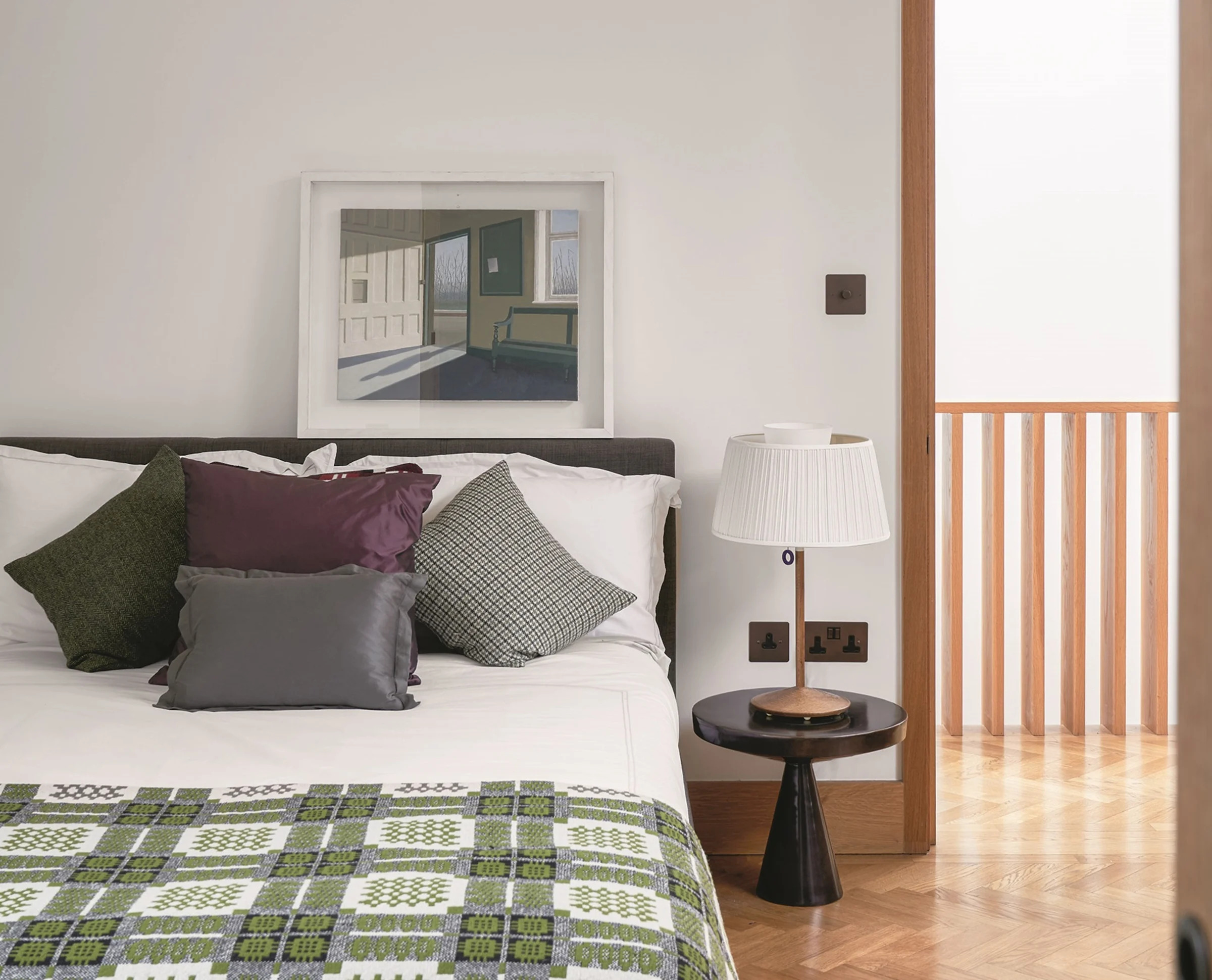
Feng Shui experts warn you to avoid this mistake so that you sleep better, and to choose this bedroom layout instead

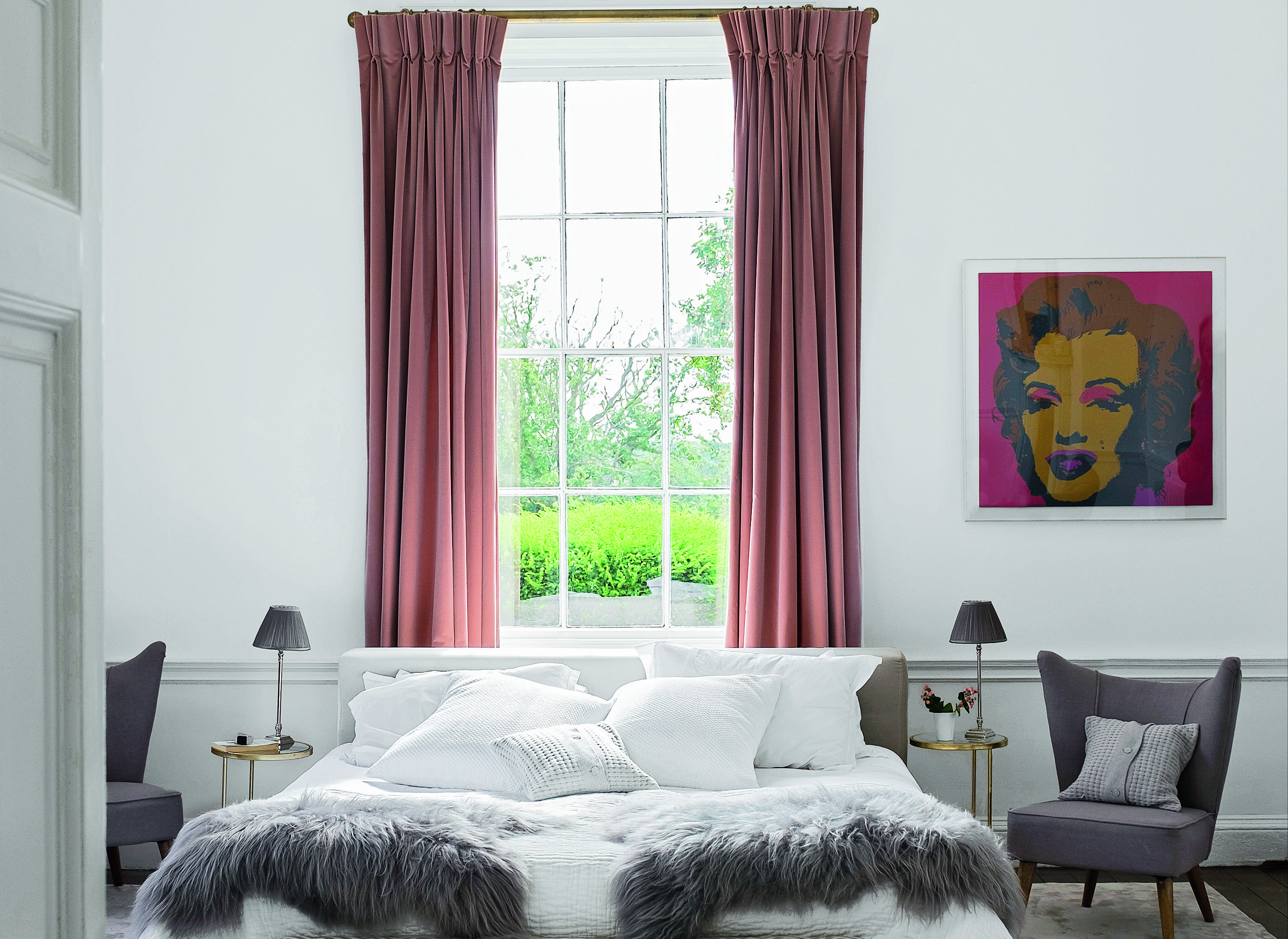
These Feng Shui experts say you shouldn't position your bed like this if you want to sleep well — and it's a common layout idea
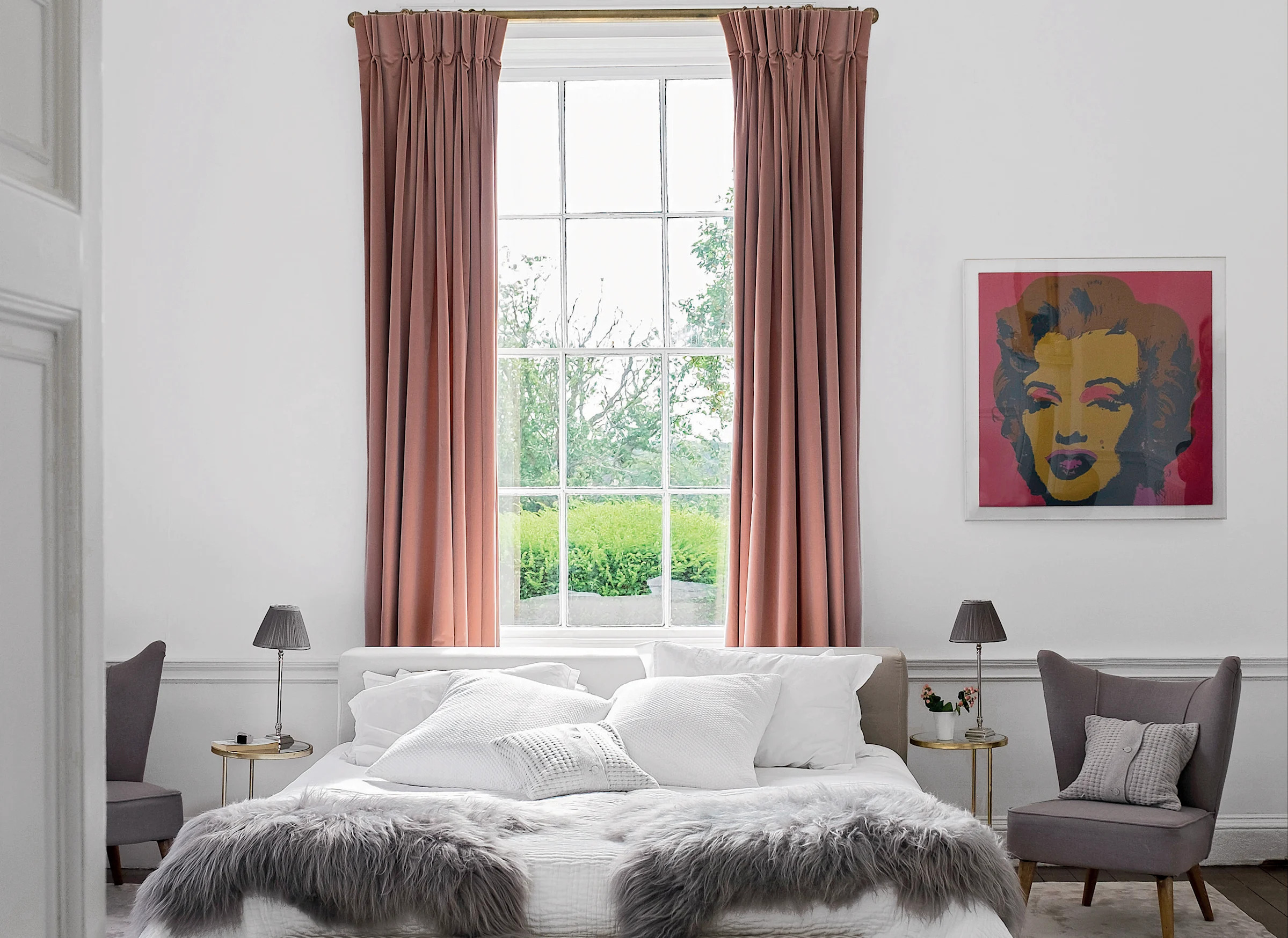
These Feng Shui experts say you shouldn't position your bed like this if you want to sleep well – and it's a common layout idea
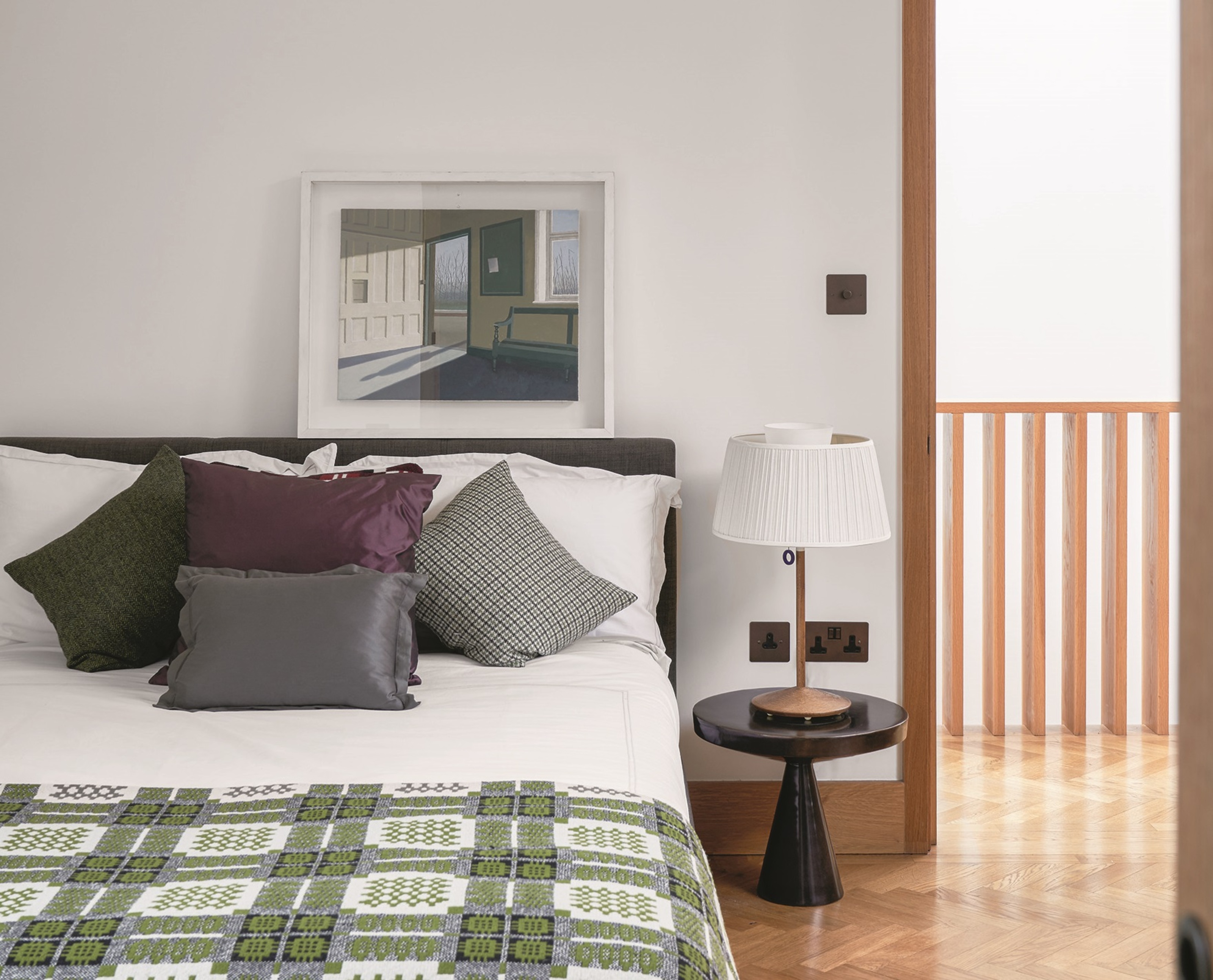
Feng Shui experts warn you to avoid this mistake so that you sleep better, and to choose this bedroom layout instead
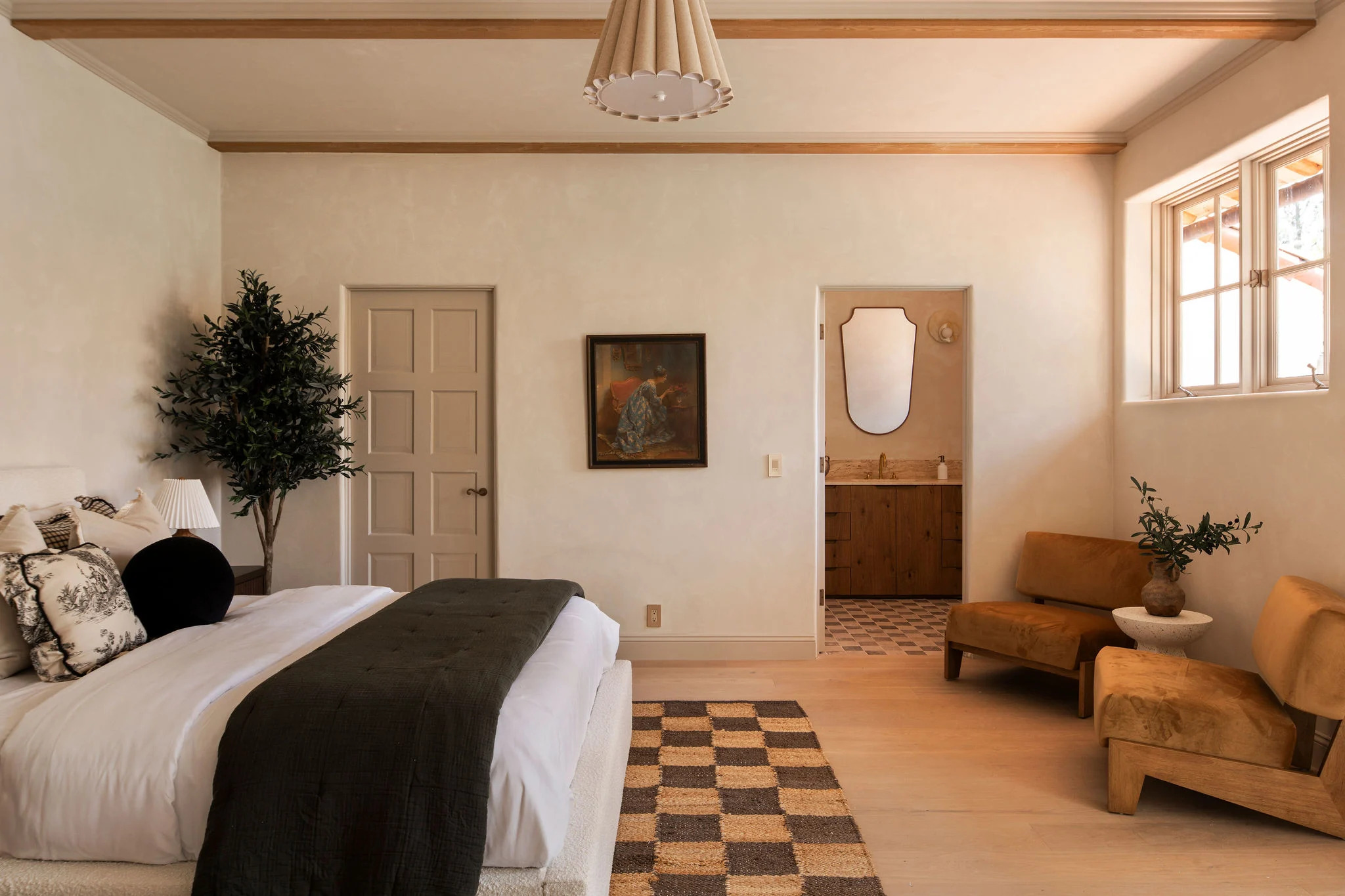
Is Your Bed Facing North Really the Best Way to Get Good Night's Rest? Sleep and Feng Shui Experts Weigh in
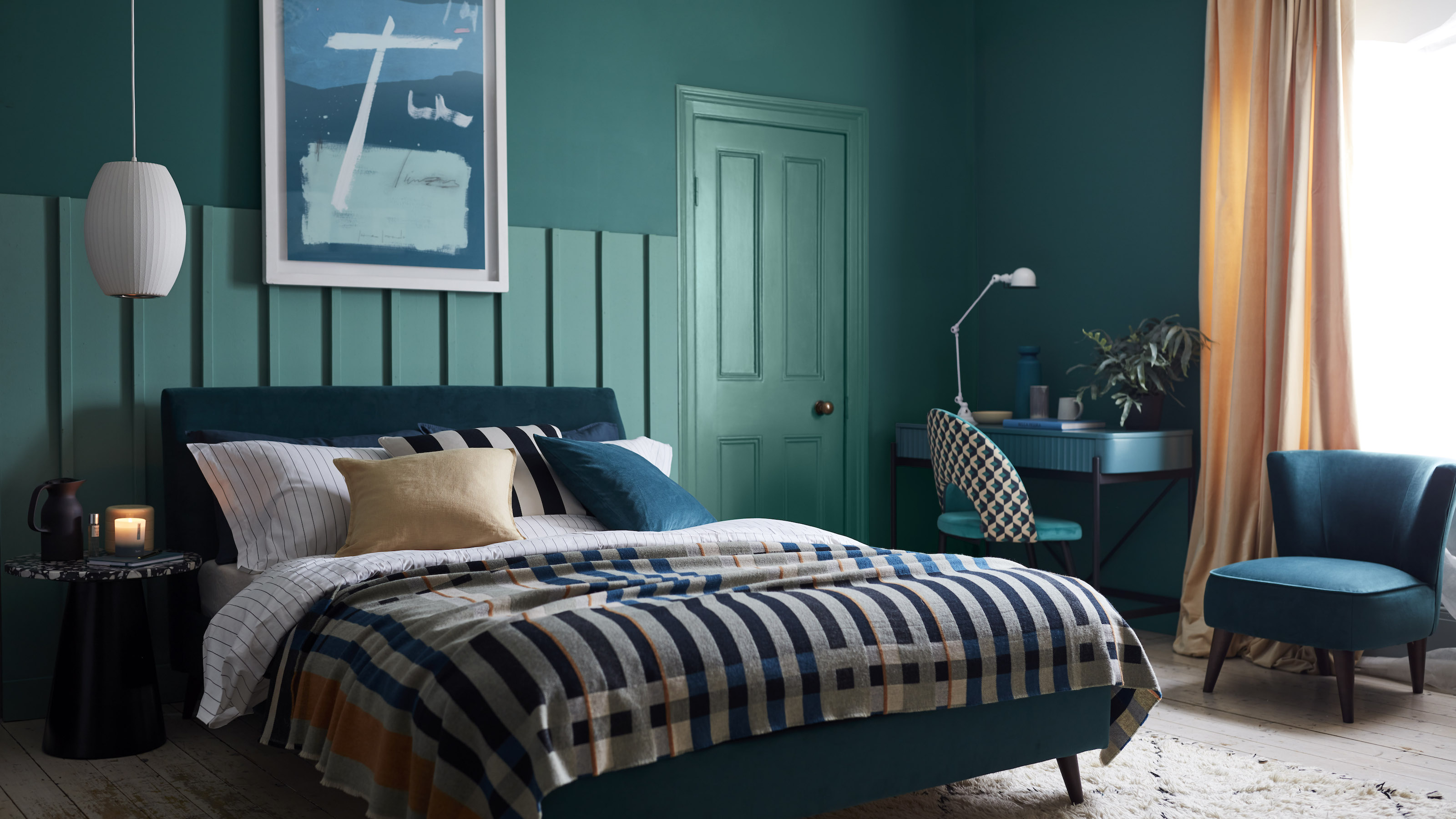
5 bedroom design tips to help night owls fall asleep – and wake up feeling fresh
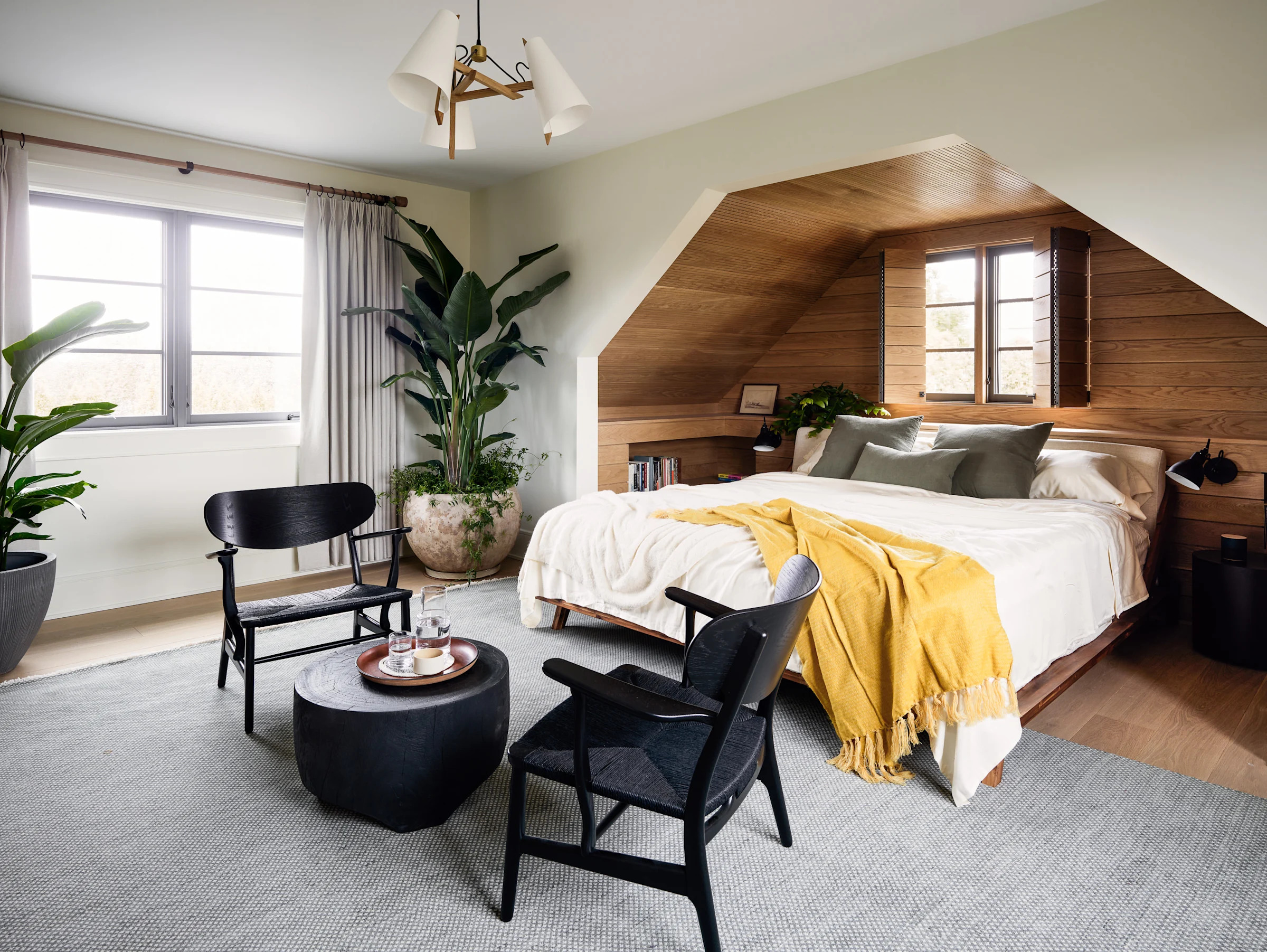
'Never sleep with a chair facing you' – Feng Shui experts bust this viral myth about your bedroom layout
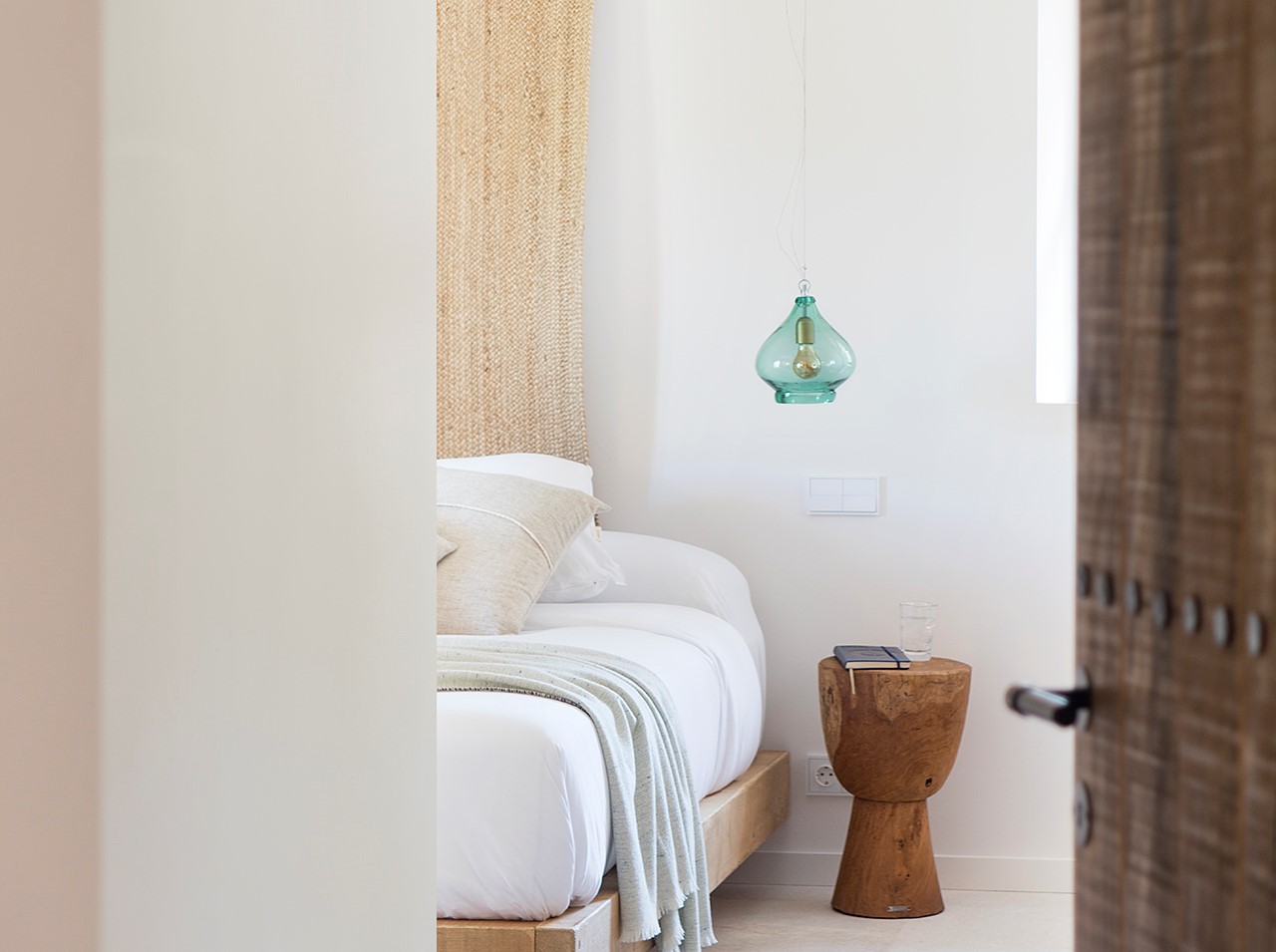
Should my bed be facing the door? Why the wrong bedroom layout could be disrupting your sleep
Is Your Bed Facing North Really the Best Way to Get Good Night's Rest? Sleep and Feng Shui Experts Weigh in
Here's why you should avoid sleeping with your feet toward the door