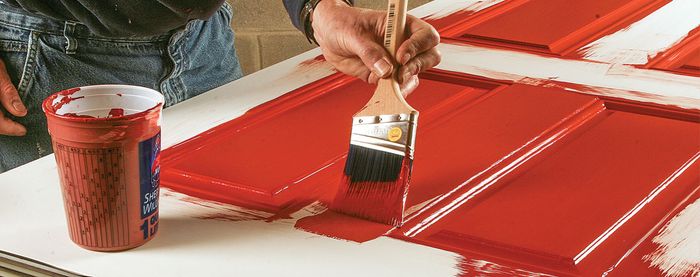
1/15
Deciding on Wood Fillers
This comprehensive guide explores the various products available for repairing holes and rot in wood, categorizing them into fillers, putties, epoxies, and spackles. The article emphasizes that selecting the appropriate product is crucial for successful wood repair, as each type serves distinct purposes and boasts unique properties. It clarifies a primary distinction: wood fillers typically dry hard and are sandable, suitable for pre-finishing applications, while most wood putties are non-hardening and are best used after staining and top-coating for small, cosmetic imperfections. The article highlights the importance of understanding the chemistry of these products, along with practical advice from experienced professionals.
Several experts share their insights. Bruce Johnson, a woodworker and consultant for Minwax, recommends non-hardening putties for small holes in stain-grade work, applied after staining with a color-matched product, followed by a top coat. For larger holes in wood destined for paint, he suggests wood filler and sanding prior to painting. Megan Youngs, a senior product manager at DAP, concurs that putties are non-hardening but notes some can be used for painted work where they form a skin. Conversely, some fillers are specifically formulated for color-matching stains, indicating the nuanced nature of these products.
Beyond traditional fillers and putties, the article delves into lightweight spackle for cosmetic repairs and two-part epoxy systems for more substantial restoration, particularly for structural integrity and rot repair. While epoxy is highly effective for rebuilding damaged sections, professionals like Ben Brunick and Grace Ombry caution that addressing the root cause of rot is paramount, and for large repairs, starting with a solid-wood dutchman is advisable. Marsha Caporaso of Abatron warns against using epoxy as a coating, as it can trap moisture and worsen problems.
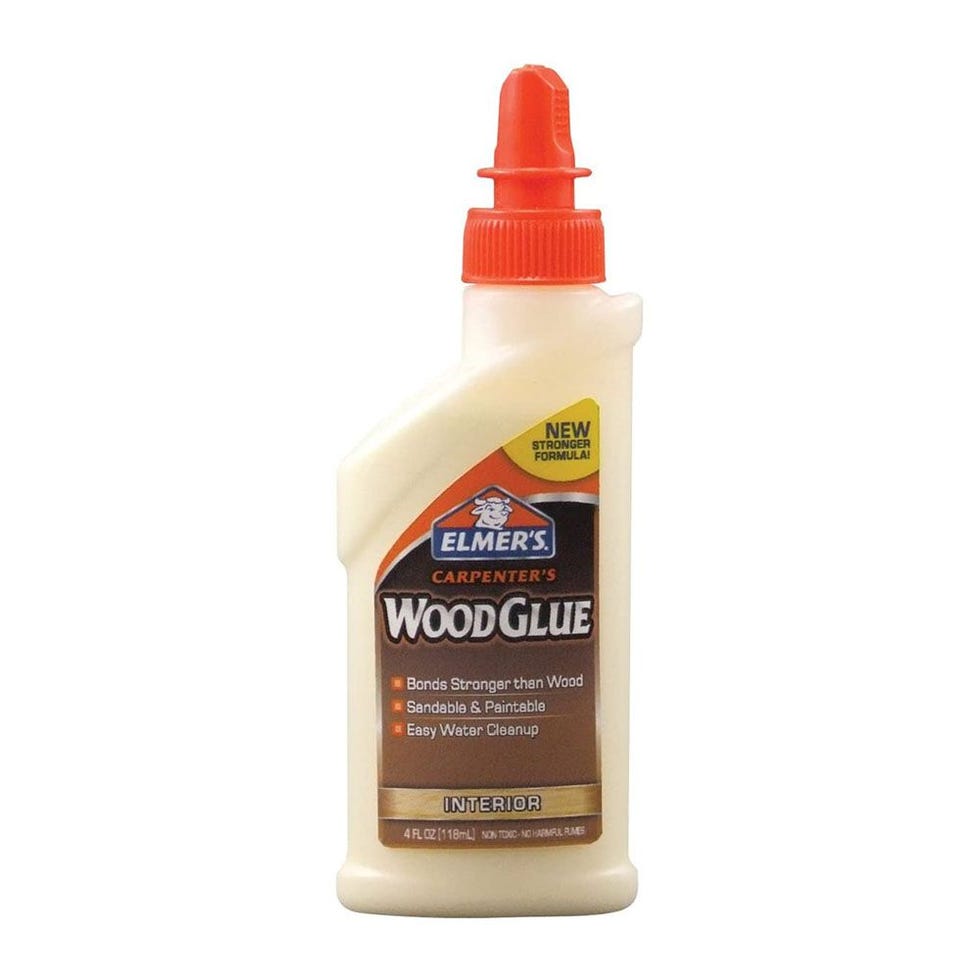
Professional painter Jason Eidsness shares his preferred combination of Elmer’s Carpenter’s Wood Filler and Crawford’s Vinyl Spackling Paste, often mixed to achieve desired consistency. He stresses thorough cleaning of holes, overfilling to account for shrinkage, and multi-stage sanding and filling for a flawless finish. For demanding projects, he utilizes automotive glazing and spot putty for its minimal shrinkage and flexibility. For stain-grade work, Eidsness blends colored wood putties, accounting for wood color changes over time and warning about oil-based putties staining unfinished wood.
Connecticut remodeler Chris Green adopts a tiered approach: West System epoxy for structural repairs due to its strong adhesive properties and customizable viscosity, Minwax High Performance Wood Filler for faster-drying repairs that don't require structural strength, and Zinsser’s Ready Patch for common nail holes and cosmetic fixes. Brunick also favors epoxy for significant exterior repairs but emphasizes careful sanding. He suggests mixing fine sanding dust with epoxy for color-matched, durable repairs on stain-grade surfaces and uses Famowood Original Wood Filler for common nail holes, appreciating its solvent-based, adjustable consistency. Brunick also defends the use of Bondo for interior wood repairs, noting specific Bondo products are designed for wood.
The article provides a detailed overview of specific brand-name products, including Elmer’s Carpenter’s Wood Filler, Dap Plastic Wood, Famowood Wood Filler, Crawford’s Painter’s Putty, Minwax Wood Putty, and Dap Painter’s Putty ‘53’, outlining their characteristics, suitable applications, and approximate costs. It also thoroughly examines various epoxy products like Abatron Wood Restoration Kit, West System Epoxy, and System Three Endrot Wood Restoration Kit, explaining their specific uses, components, and application considerations. Finally, it addresses spackles, such as Crawford’s Vinyl Spackling Paste and Zinsser Ready Patch, highlighting their applicability for wood despite their association with drywall repair, and emphasizing their hard-drying and easy-sanding properties for small imperfections.
#WoodFiller #WoodPutty #WoodRepair #Epoxy #Spackle #PaintingPrep #HomeImprovement #BuildingMaterials #DIYWoodwork #WoodFiller #WoodPutty #WoodRepair #Epoxy #Spackle #PaintingPrep #HomeImprovement #BuildingMaterials #DIYWoodwork
0 комментариев всего
 Комментариев пока нет
Вам также может понравиться
Wood Treatments


15 Types Of Wood That Are Easy To Build With

Ten projects that seamlessly integrate wood into the design
If You Can’t Get Plywood Now, Try This Instead

6 Wood Substitutes and When to Use Them


The 10 Best Woods for Woodworking (According to a Pro)
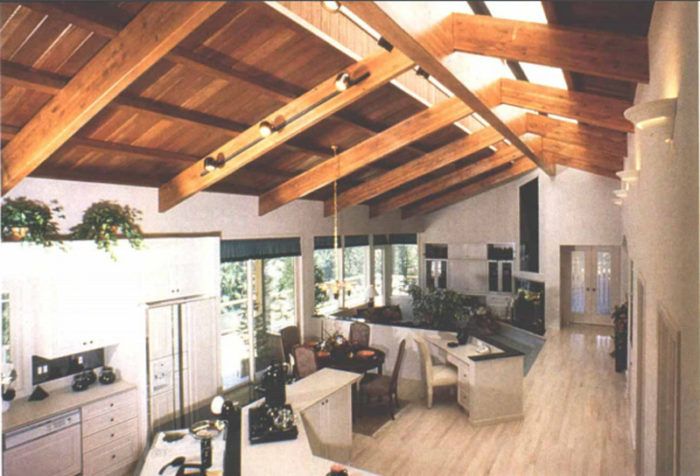
Glue-Laminated Timbers

Timber

The 10 Best Woods for Woodworking (According to a Pro)

Here's the Truth About Wood Veneers

Every DIYer Should Have One of These Carpenter-Approved Wood Glues

Mass Timber Primer

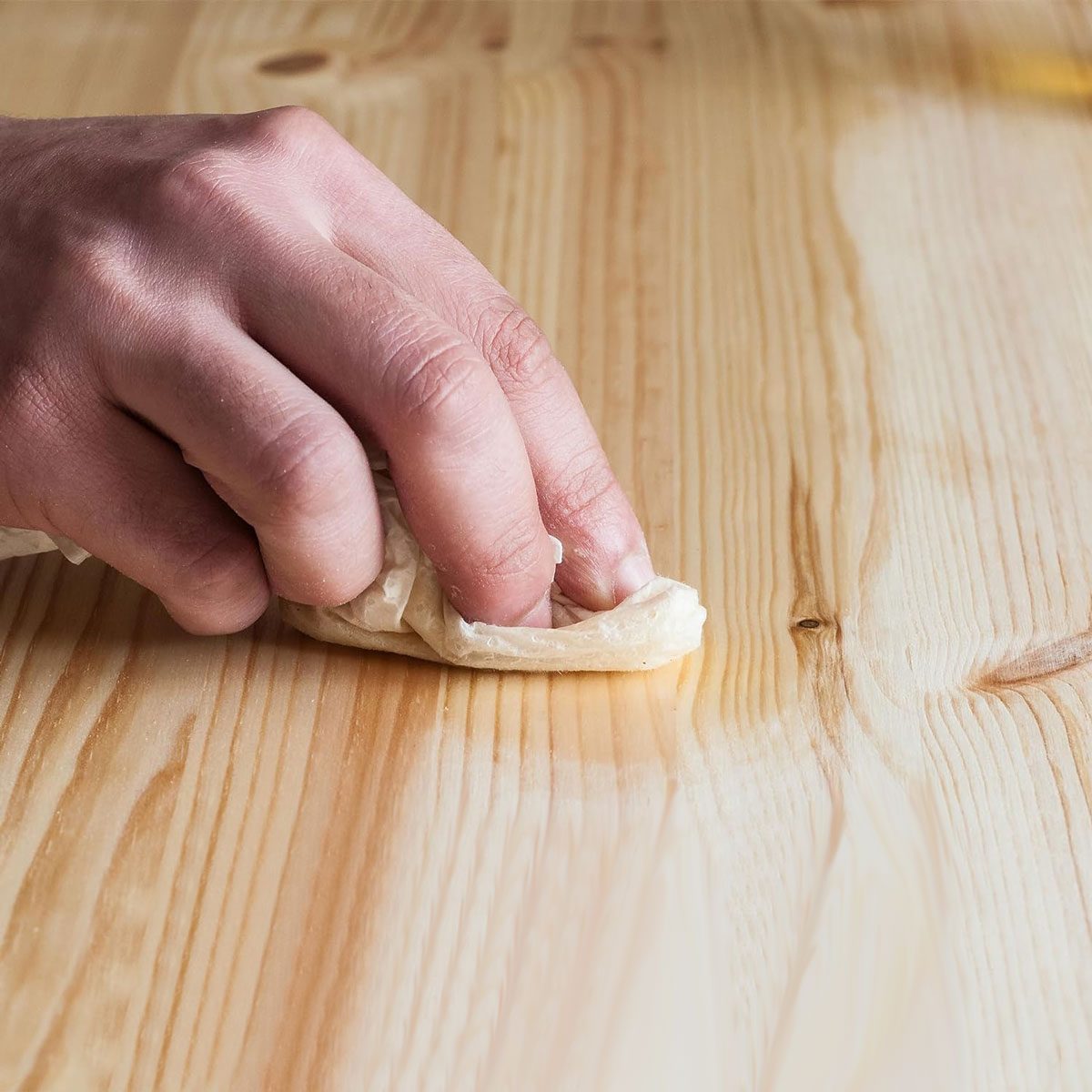
Finish Wood With Oil: How To Choose the Right One

Wood Dyes & Waxes | Wax for Unfinished Wood
5 ways to treat exterior wood
8 Tricks for Repairing and Restoring Wood Damage

Choosing the right wood panelling design

Got chipped wood veneer furniture on your hands? 3 easy ways to restore it to its former glory


Types of wood flooring

What you need to know when choosing timber flooring