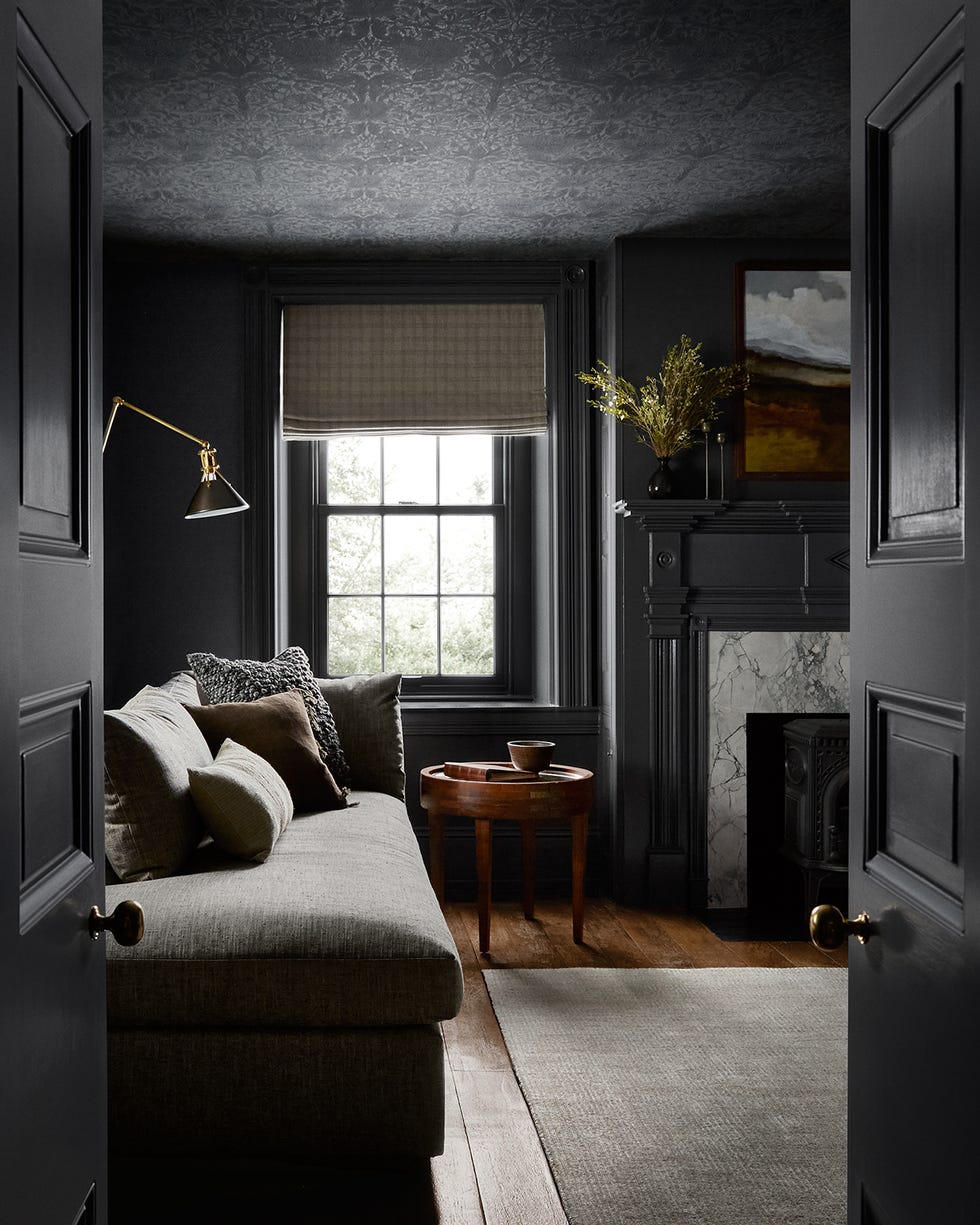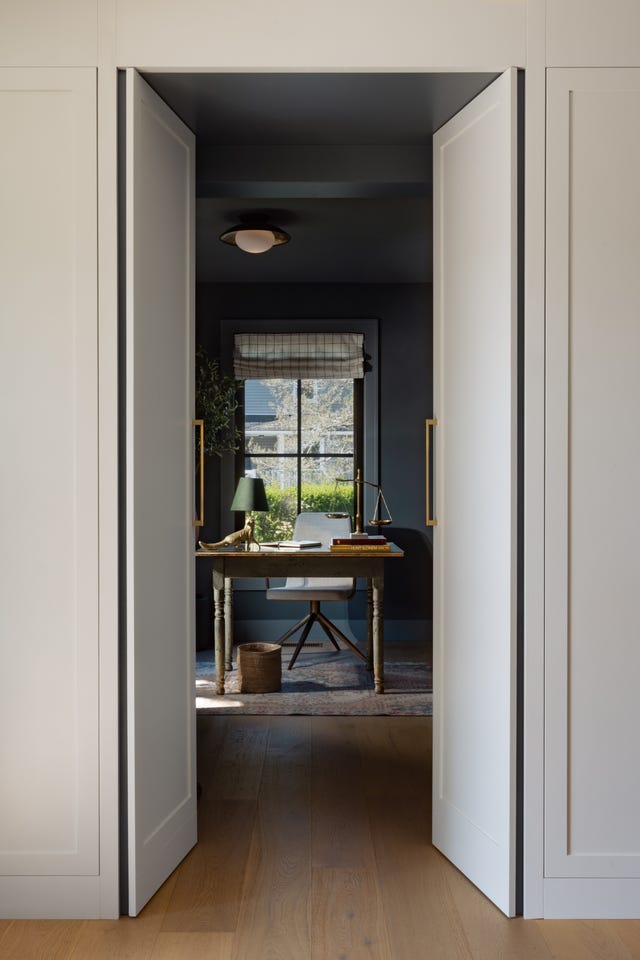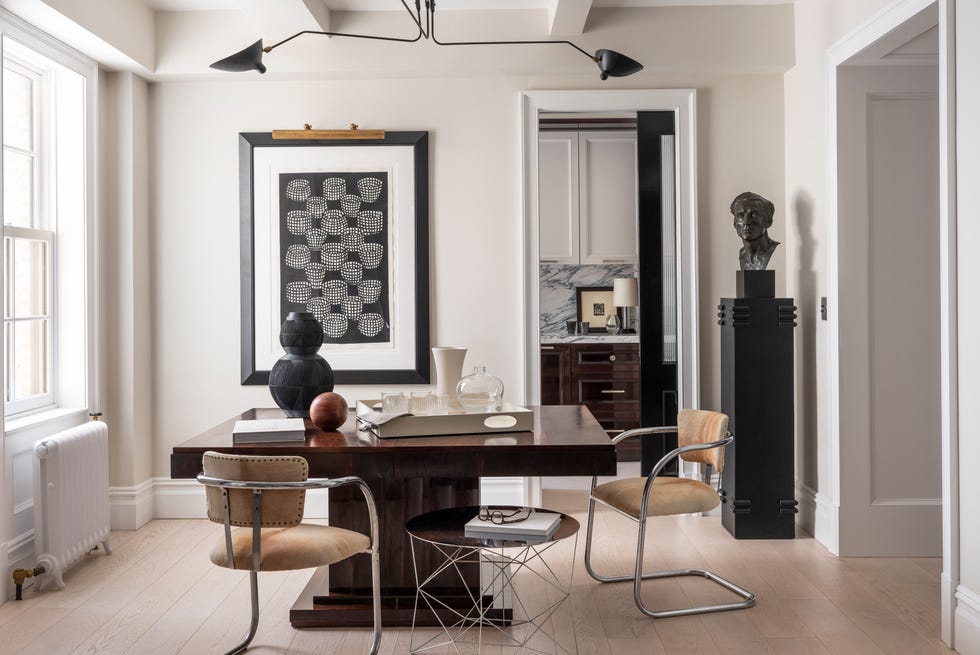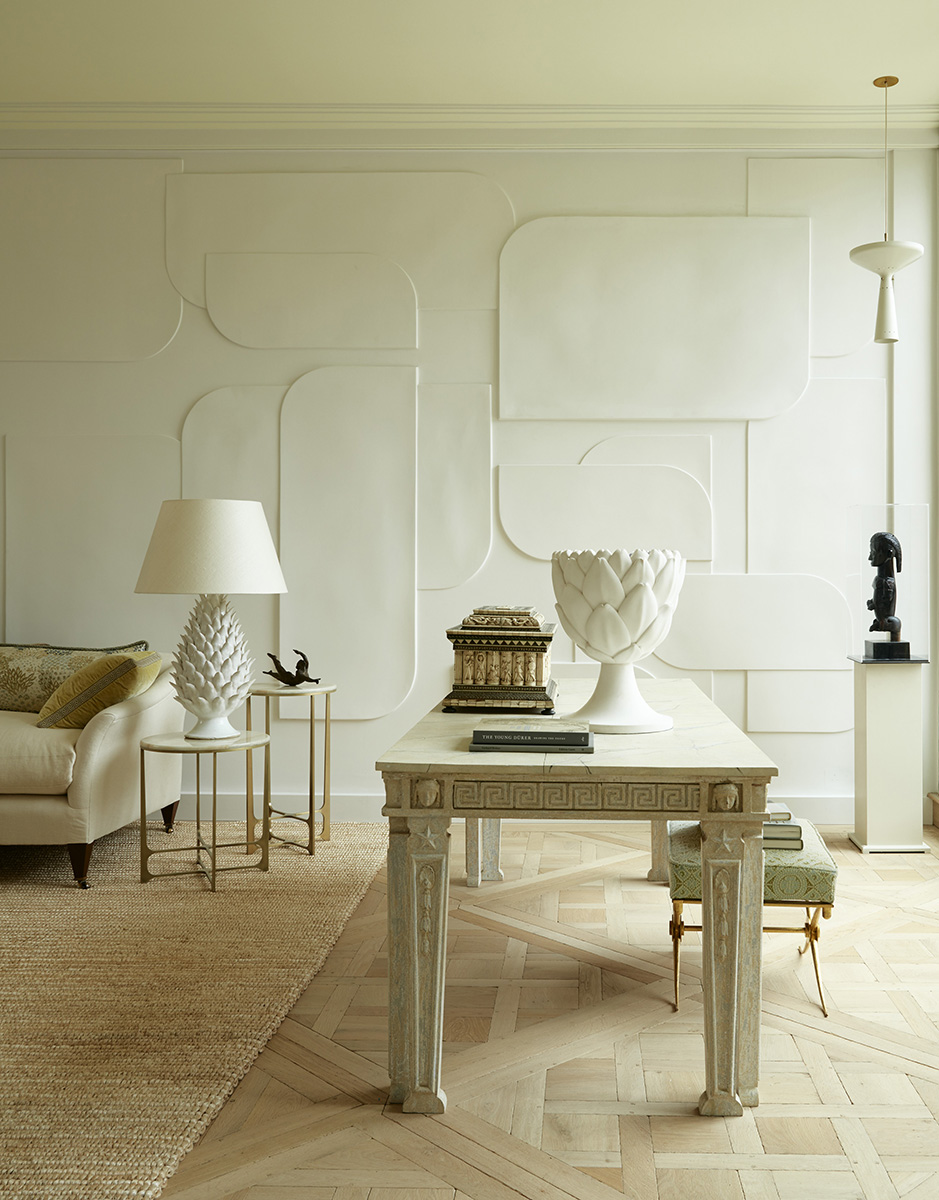

Forget the Open Concept: It's Time to Bring Back Rooms
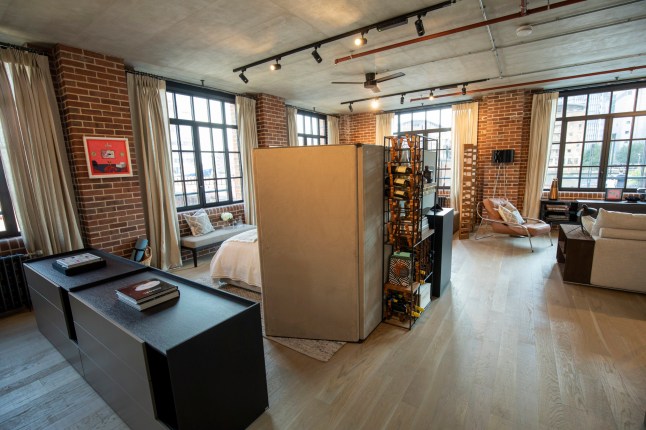
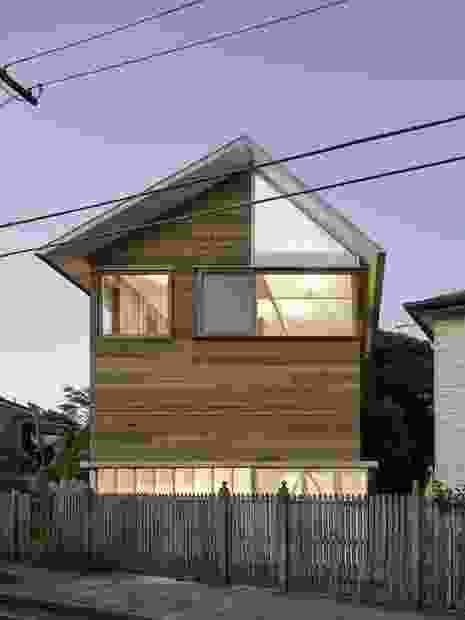
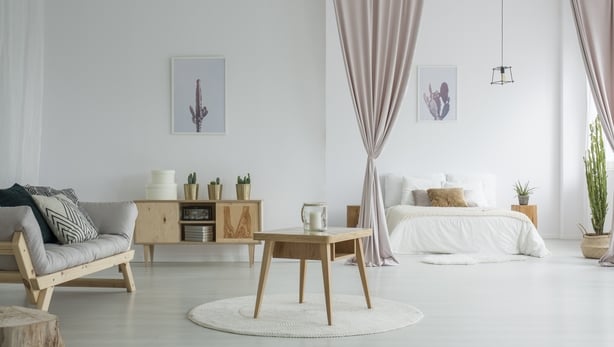
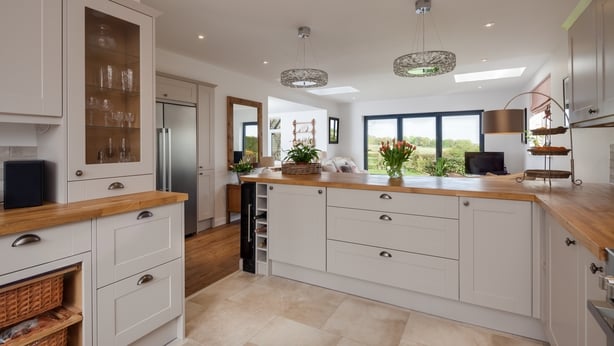
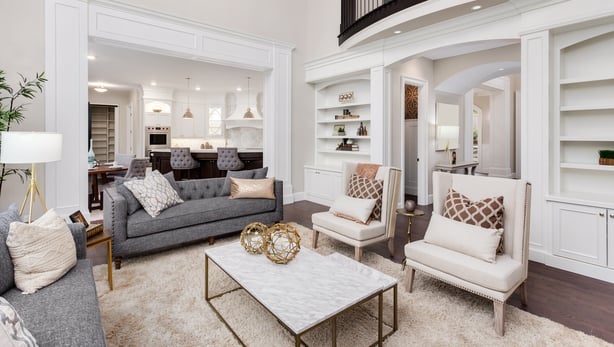
This article discusses the enduring popularity of open-concept interior design in domestic architecture, despite a perceived shift towards more rustic, traditional styles like "Farmhouse" and "Craftsman" modern. While these newer styles incorporate exterior elements reminiscent of vernacular houses, their interiors frequently retain and even amplify the open-plan layouts prevalent in pre-recession era homes. The author initially anticipated a decline in the open floor plan's appeal five years prior, given the rise of these seemingly more partitioned aesthetic trends. However, this prediction proved incorrect, as open concepts have persisted and become even more pronounced in contemporary home designs.
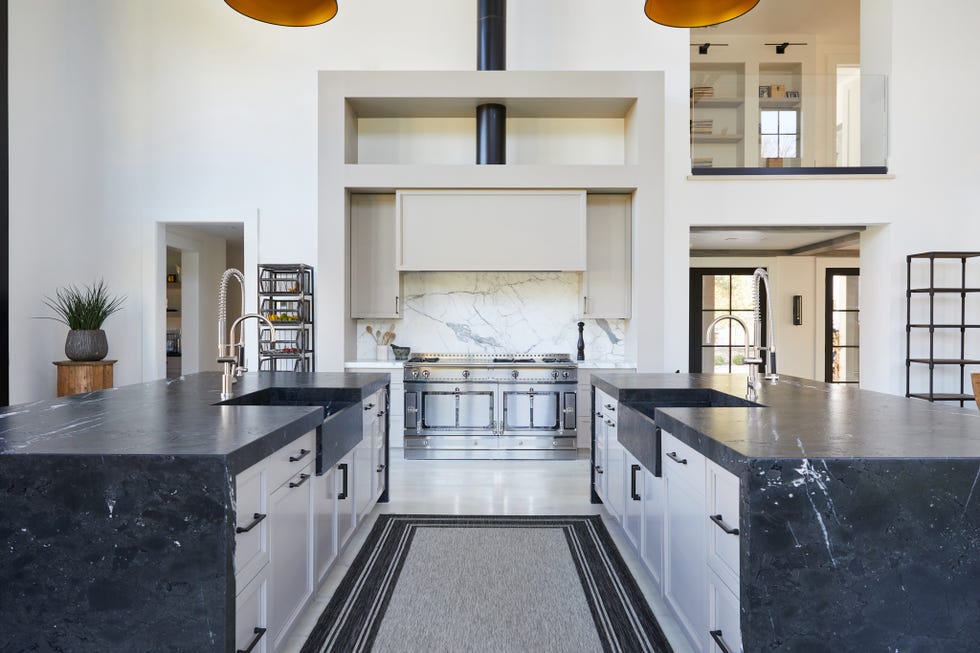
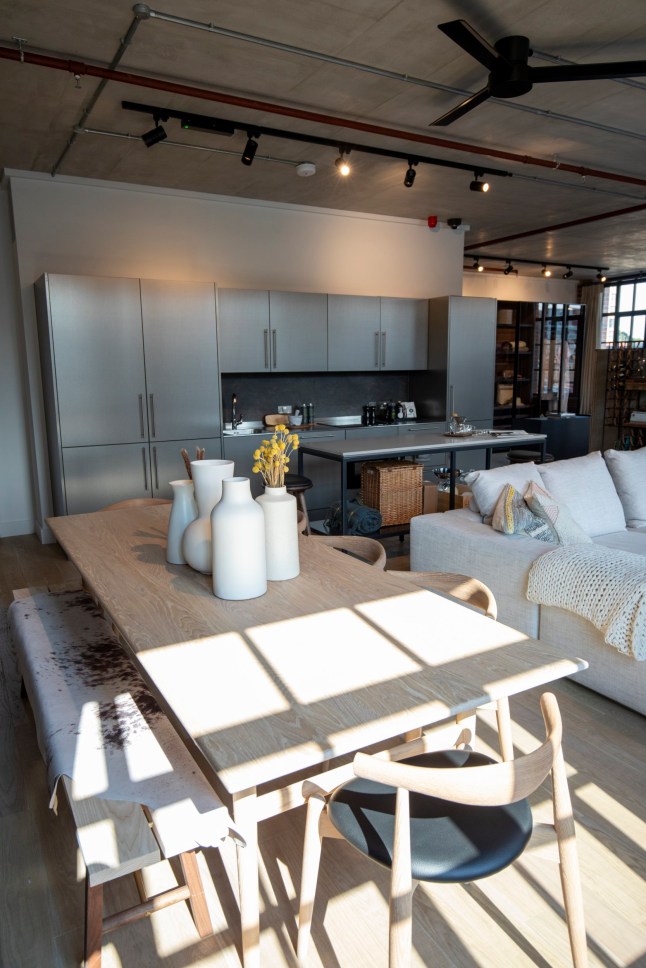
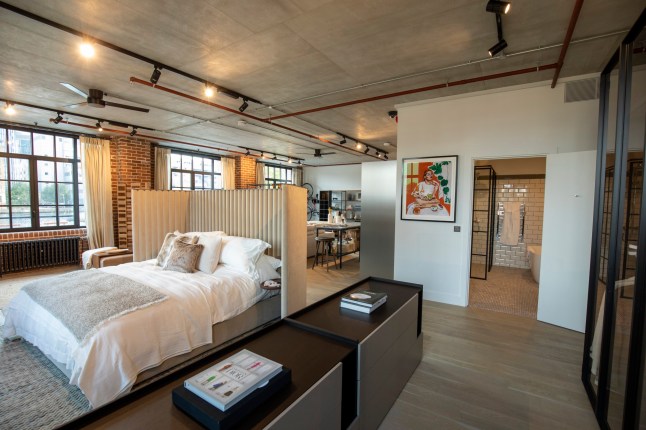
The widespread adoption of open floor plans is critically examined, with particular attention to how these designs neglect the fundamental need for designated, private spaces within a home. The author argues that despite the stylistic variety in modern homes, from urban lofts to suburban farmhouses, a common thread of oversized, undifferentiated interiors persists. This approach prioritizes an aesthetic of spaciousness and flow, often at the expense of functional divisions that cater to diverse activities and individual needs within a household. The article suggests that while the exterior facades may evoke a sense of tradition and compartmentalization, the interior layouts remain dominated by the open-concept ideology, leading to practical challenges and a diminished quality of life for inhabitants.
The piece delves into the historical and cultural context of this design trend, exploring how it has become a default expectation in new home construction and renovations. It questions the underlying assumptions that drive the continued preference for open layouts, such as the desire for perceived grandeur, ease of entertaining, or a contemporary aesthetic. However, the author contends that these perceived benefits often mask significant drawbacks, particularly in terms of privacy, noise control, and the creation of distinct zones for different household functions. The article implies that the industry's adherence to this trend overlooks a growing need for more structured and versatile living environments.
The discussion extends to the practical implications of living in open-concept homes. Issues such as the difficulty of containing noise, the lack of private areas for work or quiet contemplation, and the challenge of maintaining order in a large, undifferentiated space are highlighted. The author suggests that these designs, while visually appealing in marketing materials, can fail to support the day-to-day realities of family life, remote work, and individual pursuits. This critique serves as a call to reconsider the dominance of the open floor plan, advocating for a return to the thoughtful creation of distinct rooms that offer flexibility, privacy, and better accommodate the multifaceted demands of modern living.
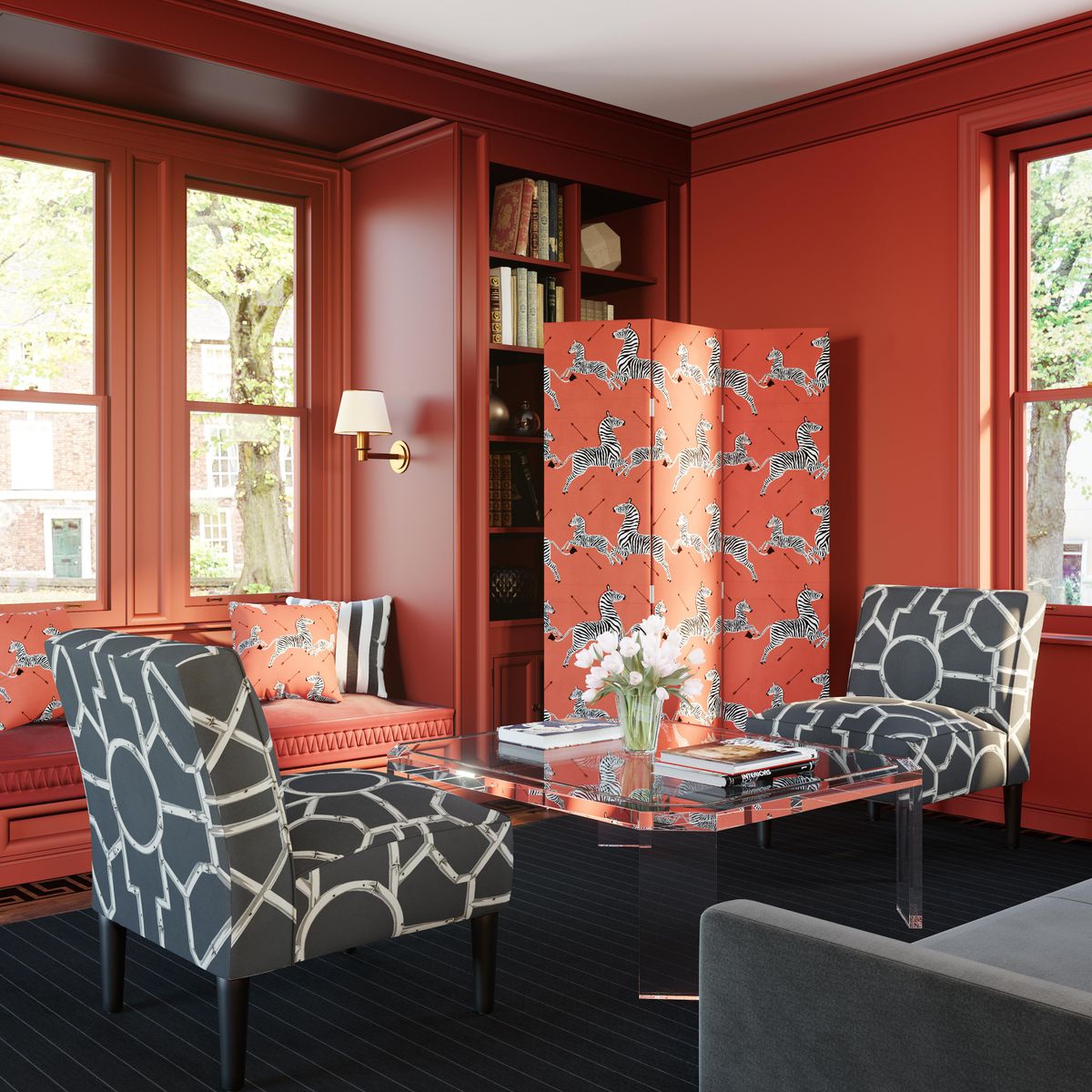
Ultimately, the article serves as a plea for a re-evaluation of residential design principles. It encourages architects, builders, and homeowners to move beyond the "tyranny" of the open concept and embrace the benefits of clearly defined rooms. The author proposes that a design philosophy that integrates both open and closed spaces, offering both communal areas and private retreats, would lead to more functional, comfortable, and ultimately more desirable homes. This perspective challenges the current paradigm by suggesting that a blend of traditional room structures with modern sensibilities could offer a superior living experience, addressing the shortcomings of an exclusively open-plan approach.
#OpenConcept #InteriorDesign #ArchitecturalTrends #HomeDesign #ResidentialArchitecture #RoomDividers #LivingSpaces #PrivacyInHomes #OpenConcept #InteriorDesign #ArchitecturalTrends #HomeDesign #ResidentialArchitecture #RoomDividers #LivingSpaces #PrivacyInHomes
0 komentarzy łącznie
 Brak komentarzy jeszcze
Możesz również polubić
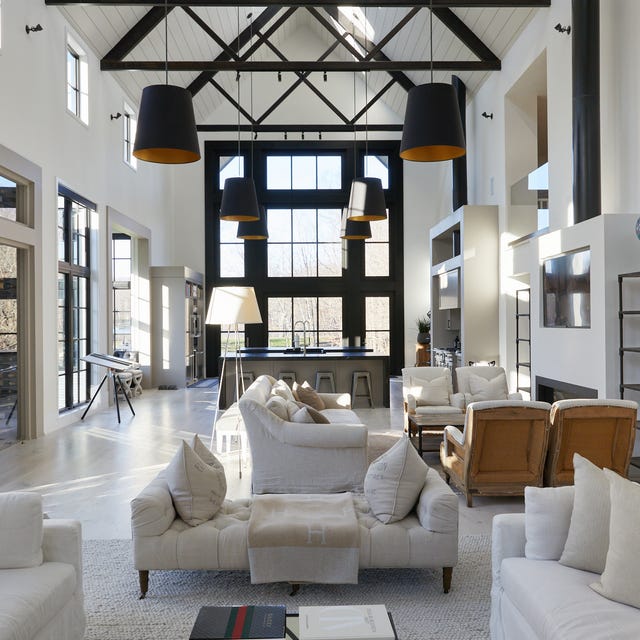
Is It Time to Shut the Door on Open-Concept Living?

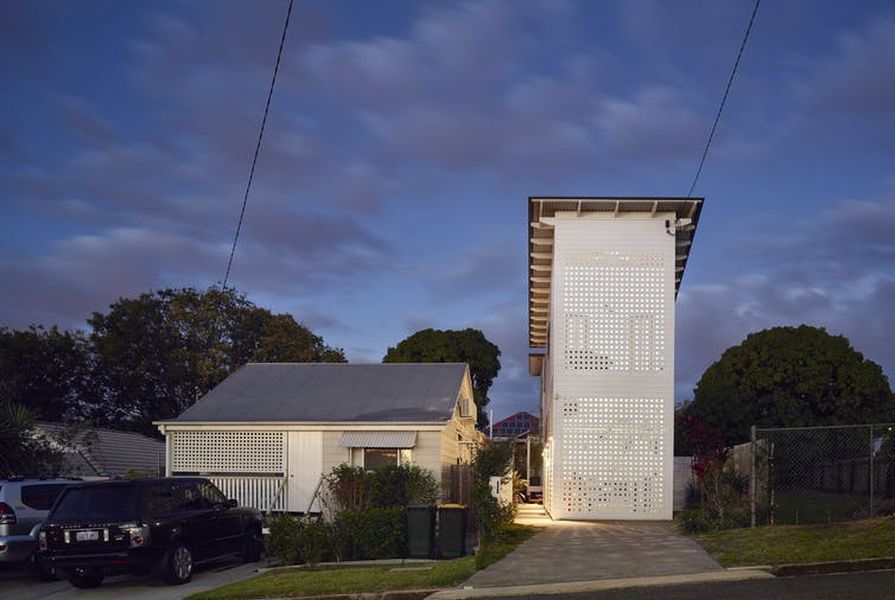
We need more flexible housing for 21st-century lives
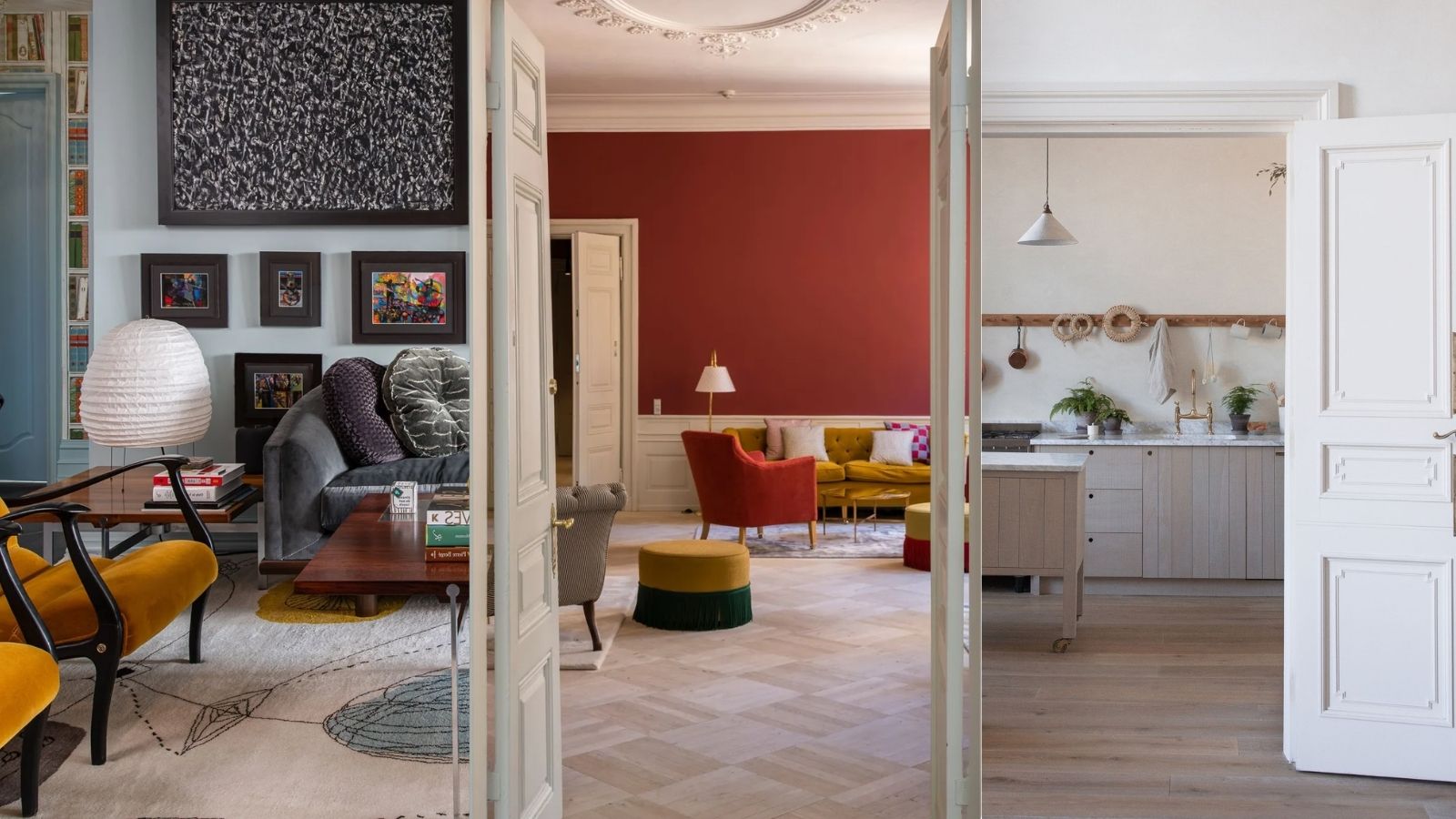
Are closed layouts back on trend? Designers weigh in on why we are over open plan
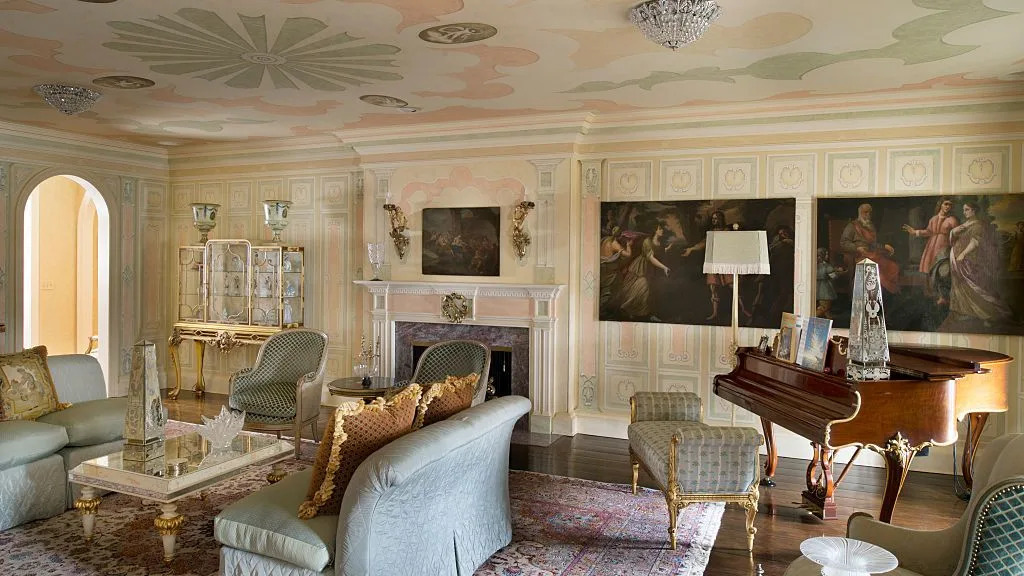
The Return of the "Exclusive" Living Room

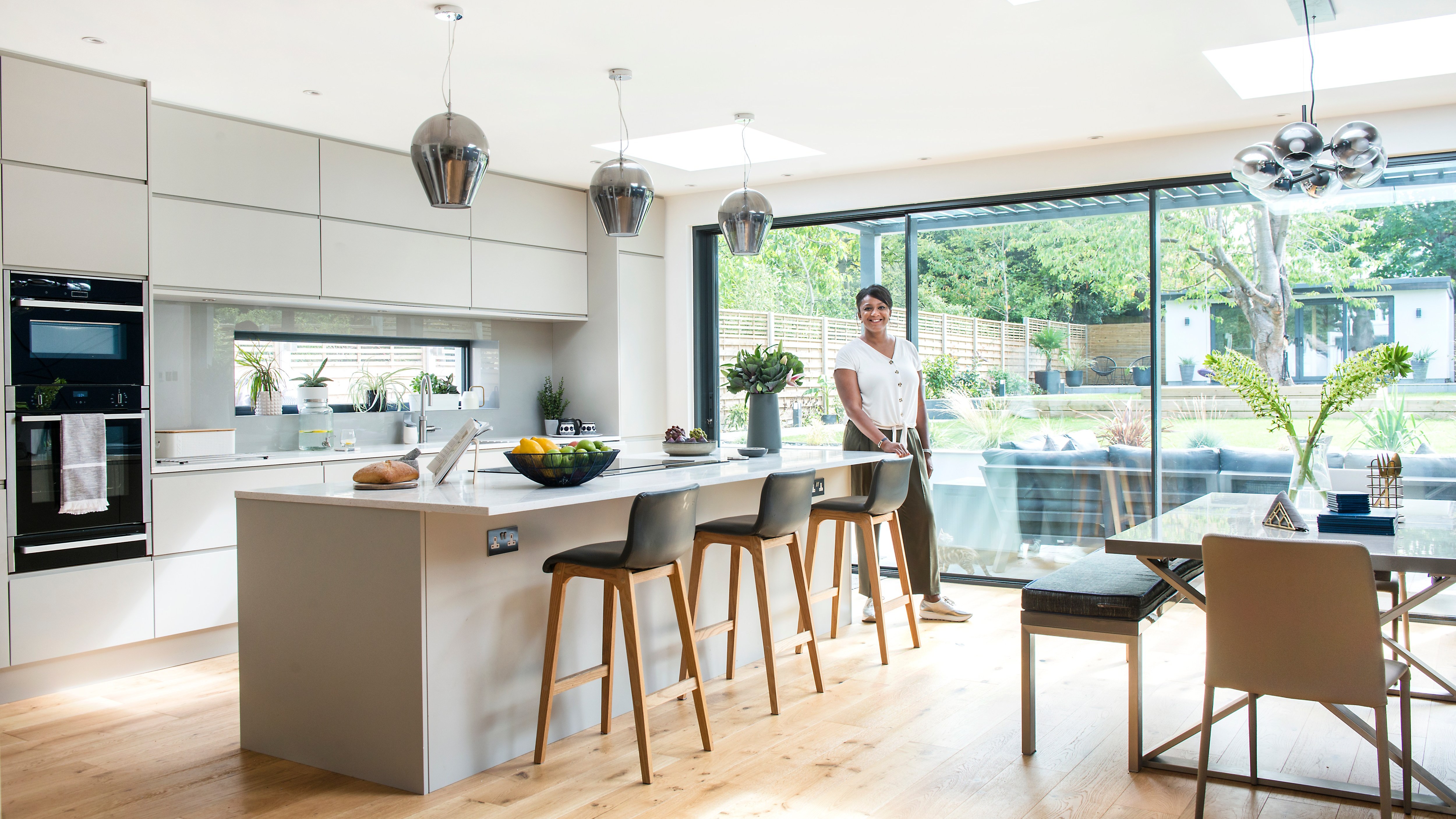
Open plan living is over. Here’s why we all want walls again

Room dividers – and all their old-Hollywood charm – are back

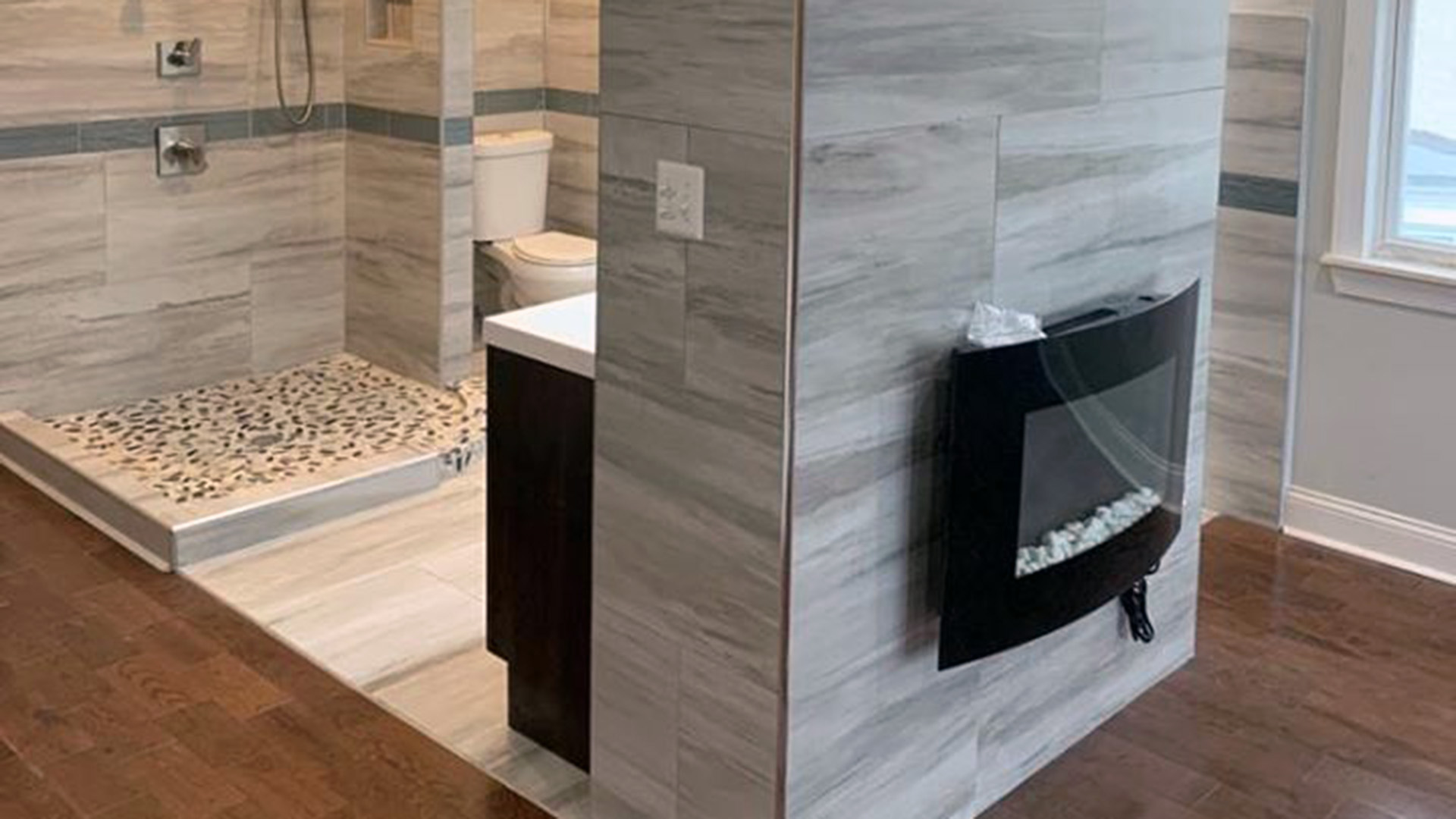
Please Let’s Not Let Open-Concept Bathrooms Become a Thing
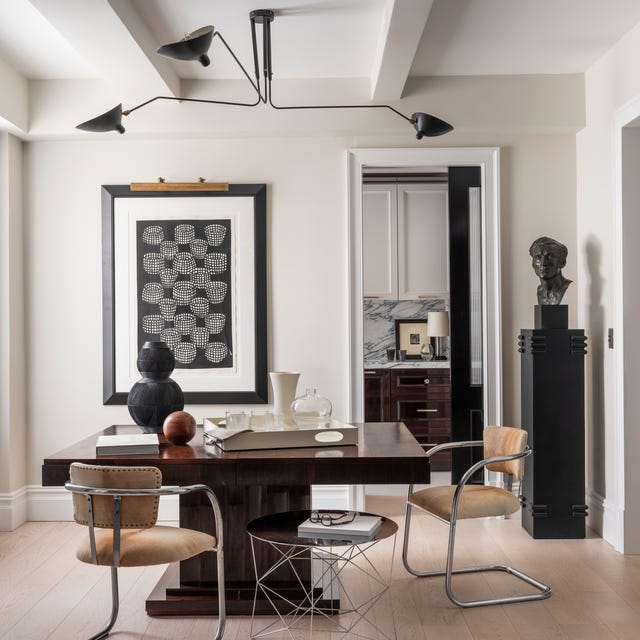
Designers Agree: Open Concept Is Out, Tradition Is In

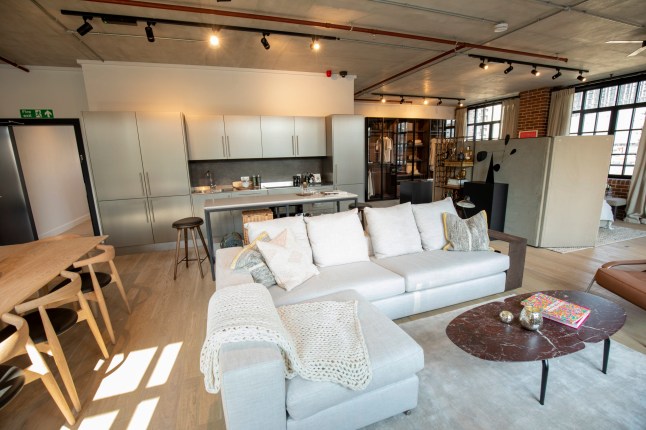
Say goodbye walls, open-plan living is the trend that's here to stay

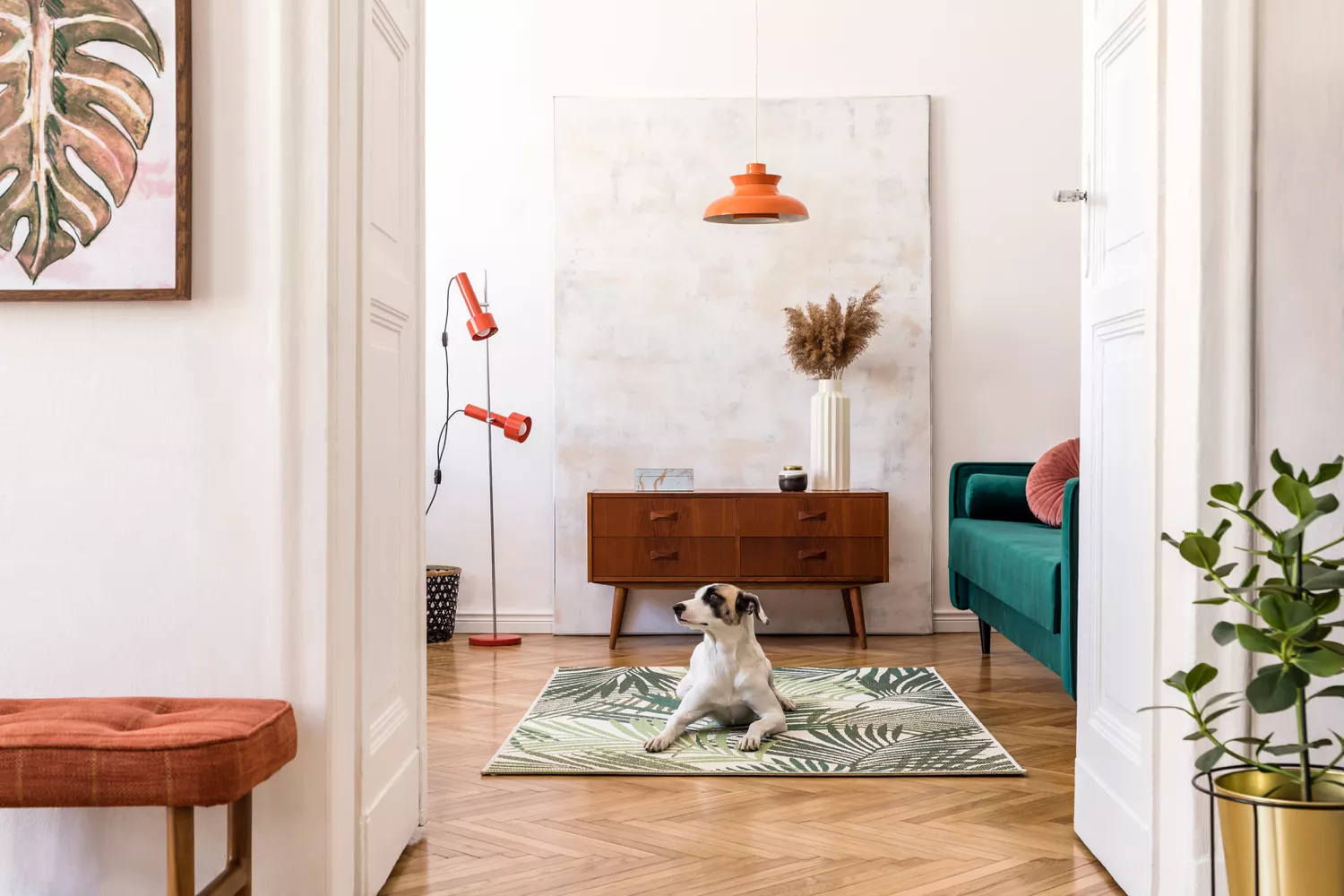
Closed Floor Plans Are Making a Comeback—but Designers Say They’re Not for Everyone

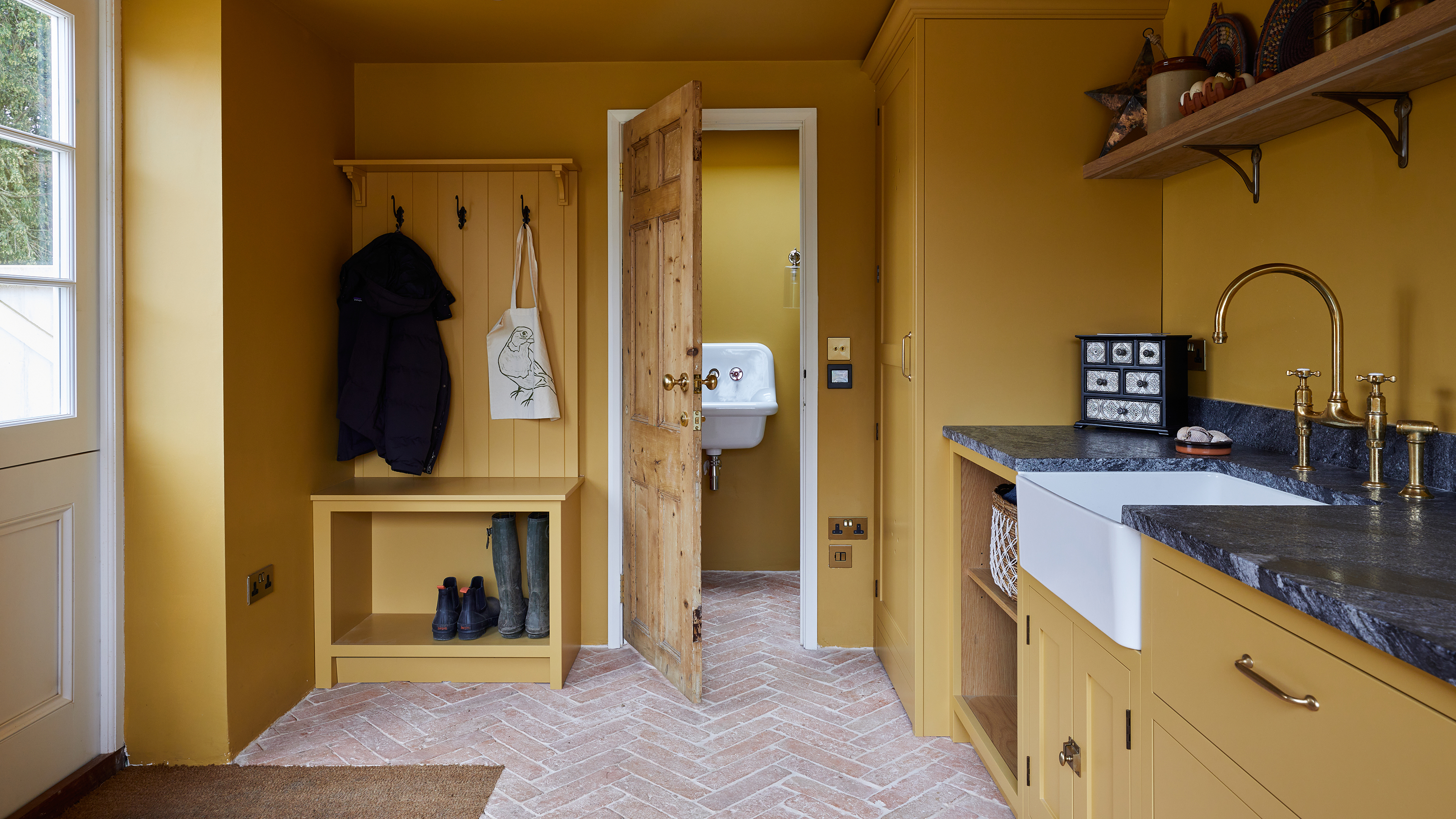
A 'bootility room' is the key to containing back-to-school mess – you won't go back to a regular utility room
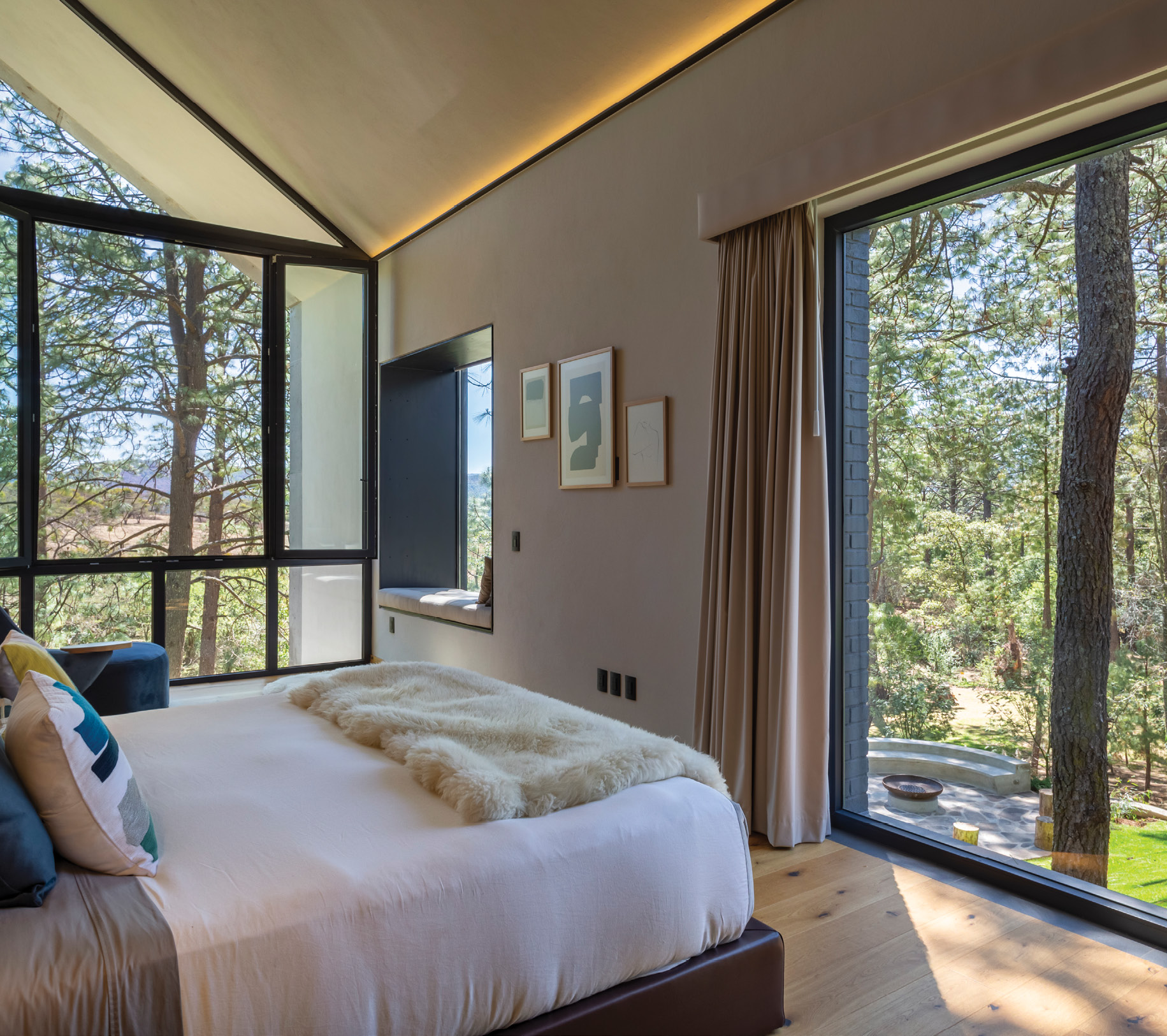
Back to Basics
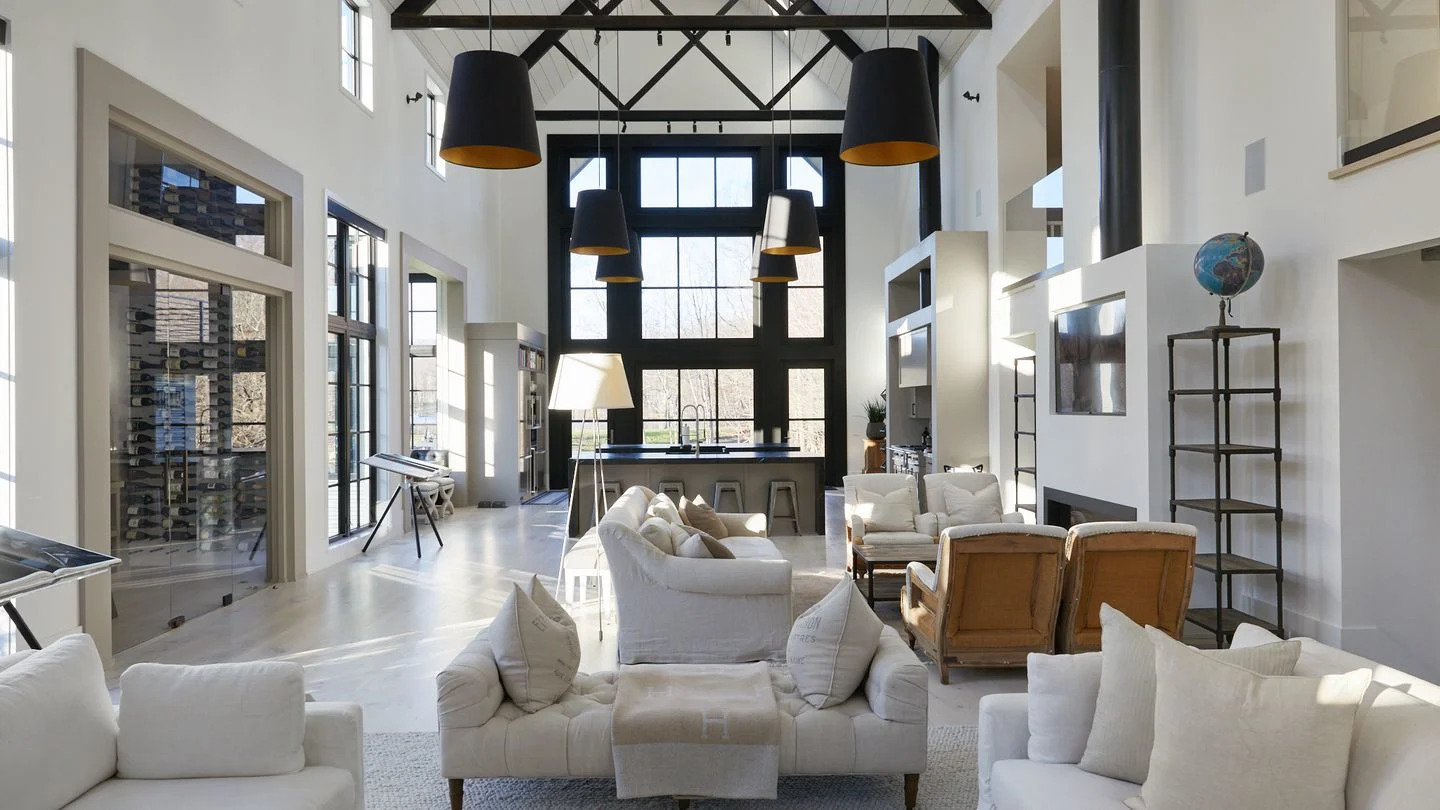
Is It Time to Shut the Door on Open-Concept Living?
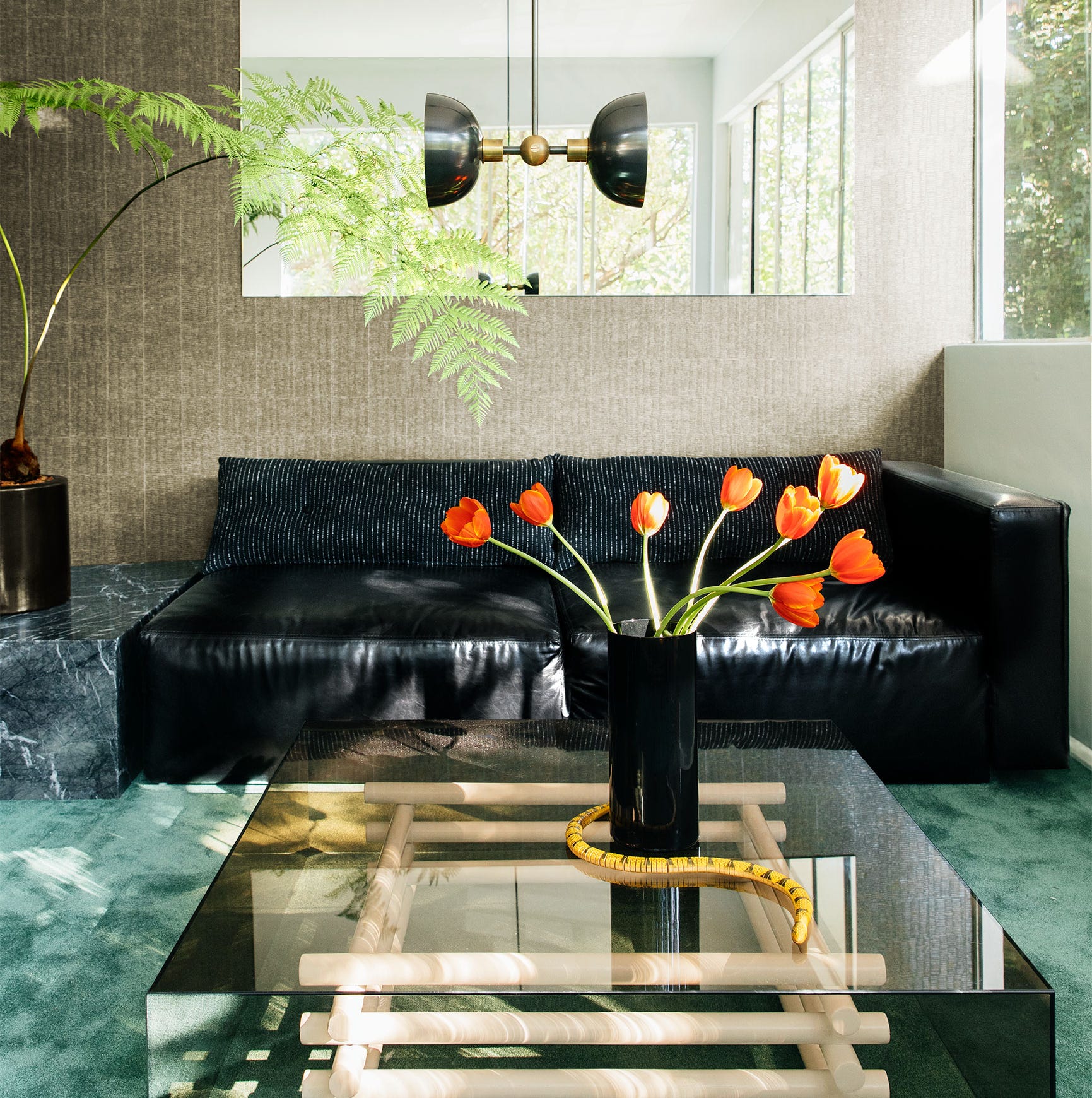
Wall-to-Wall Carpet Is Back (and We’re Not Mad About It!)

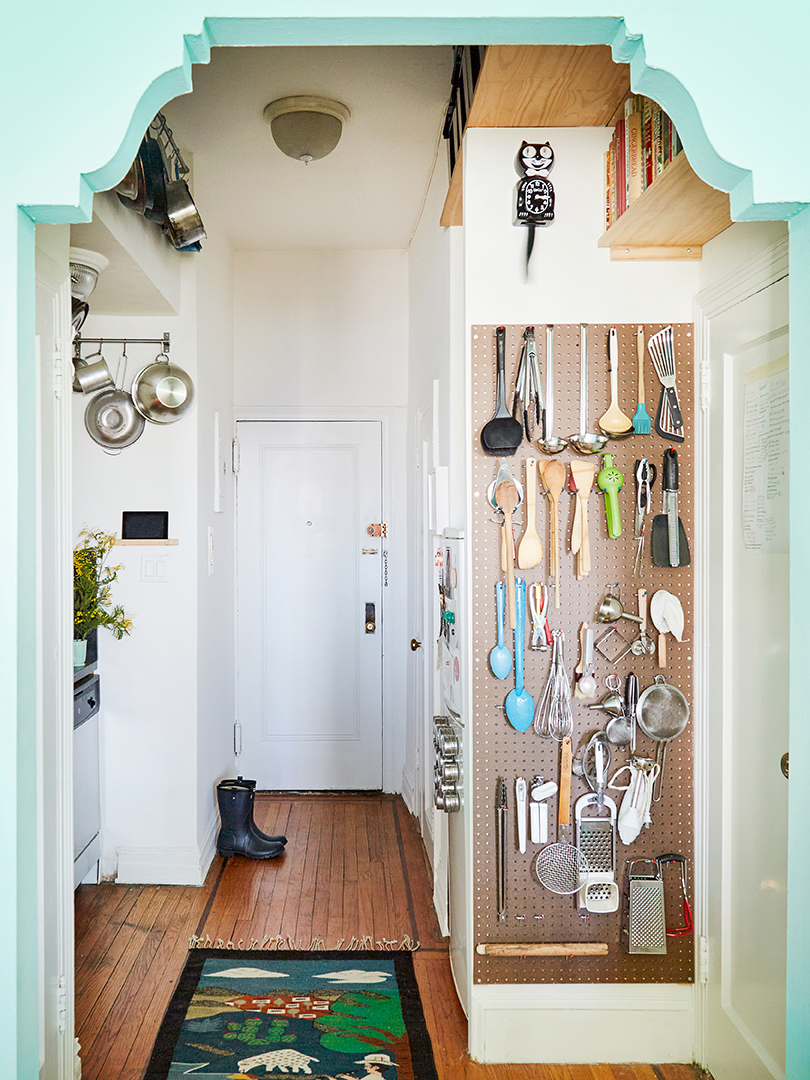
This Organization Solution Is on the Way Out (And It’s Not Open Shelving)

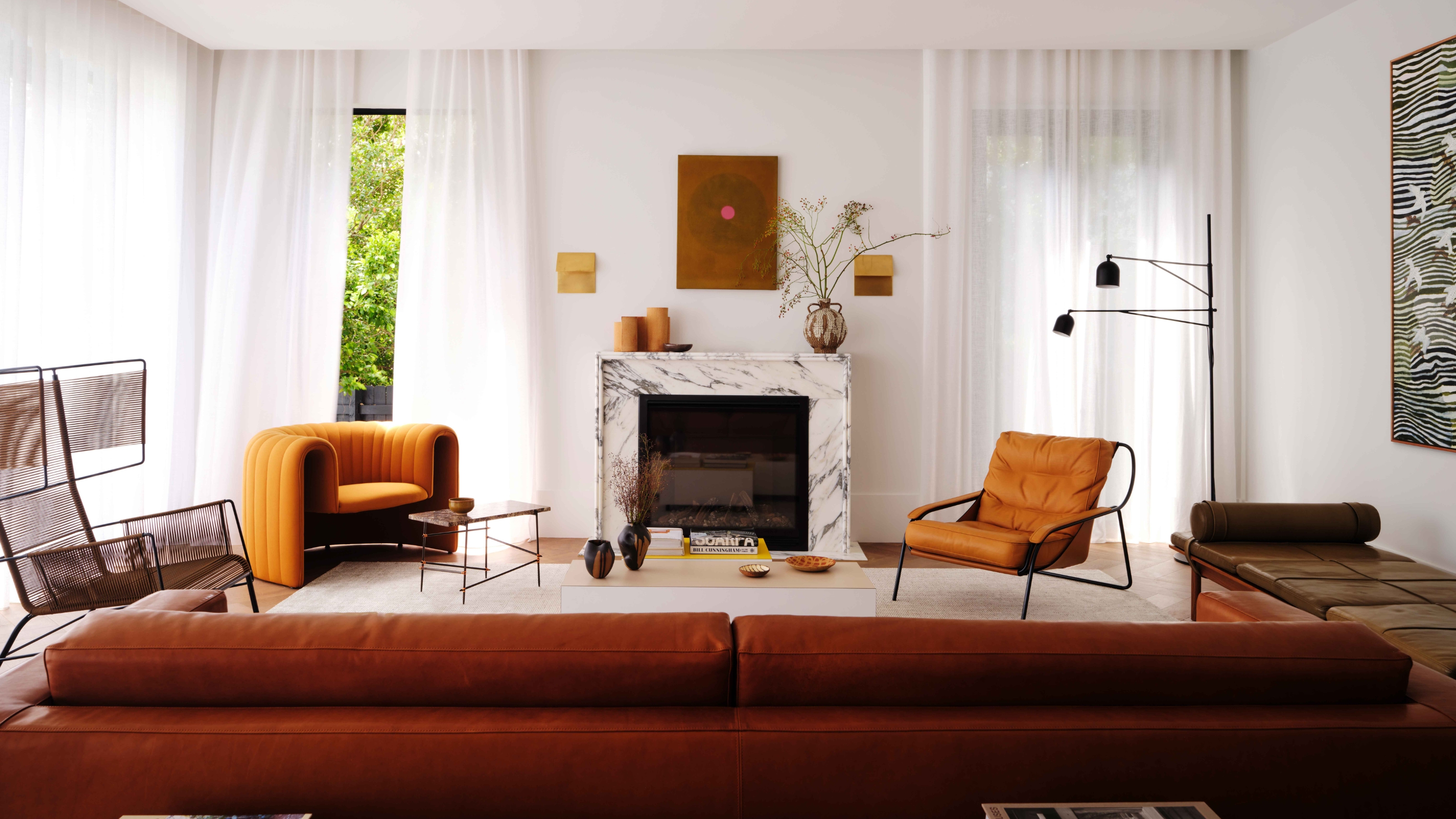
Sorry, but It's 2025 — These Outdated Interior Design Rules (Too Many People Still Swear By) Should Be Ignored

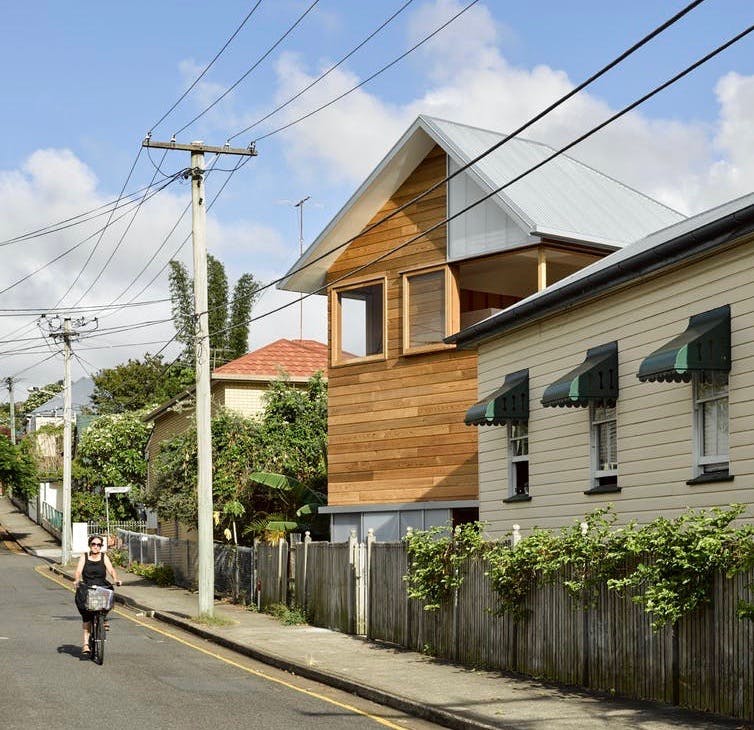
We need more flexible housing for 21st-century lives

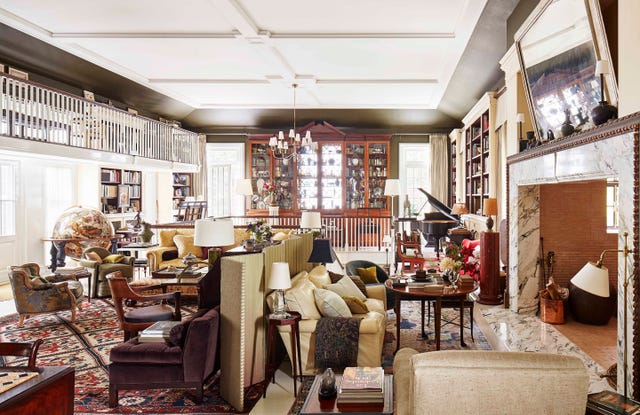
Will The Pandemic Be The Death Of The Open Floor Plan?
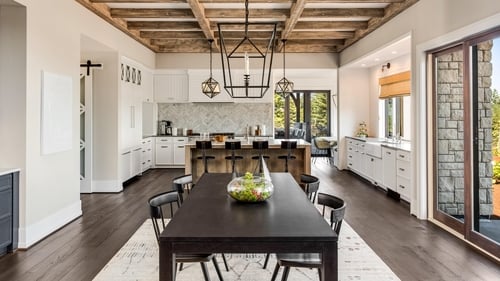
Open plan living: The new normal or passing trend?


Open floor plans should be killed with fire — or sound