1/6
Sorry, but It's 2025 — These Outdated Interior Design Rules (Too Many People Still Swear By) Should Be Ignored
The field of interior design is dynamic and ever-evolving, with what is considered a fundamental guideline one year potentially becoming an outdated rule the next. As of 2025, a shift is observed away from uniformity and perfection towards an appreciation for individuality, character, and spaces that narrate a story. Interior designers are increasingly advocating for breaking away from rigid, traditional interior design rules to create more personalized and authentic living environments.
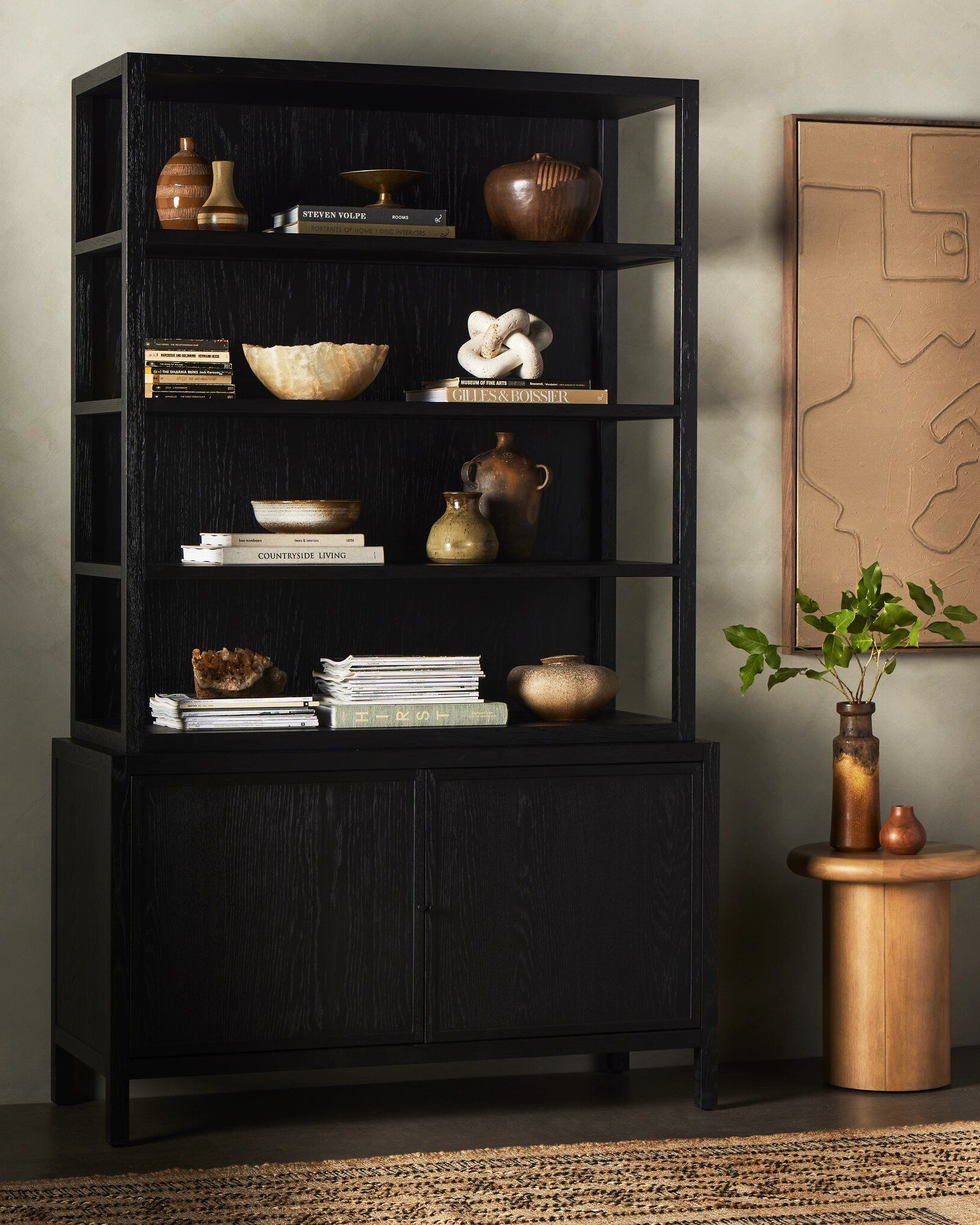
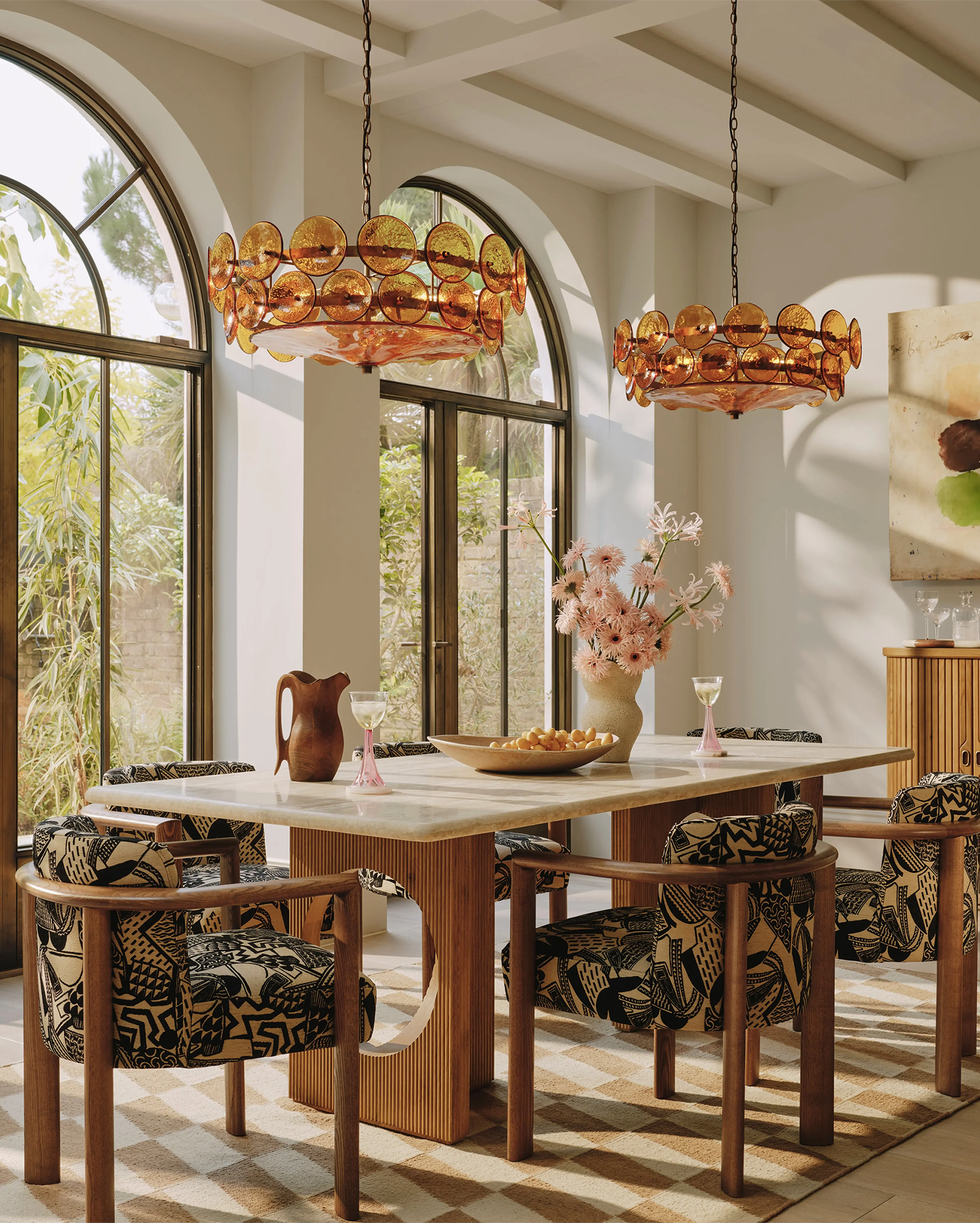
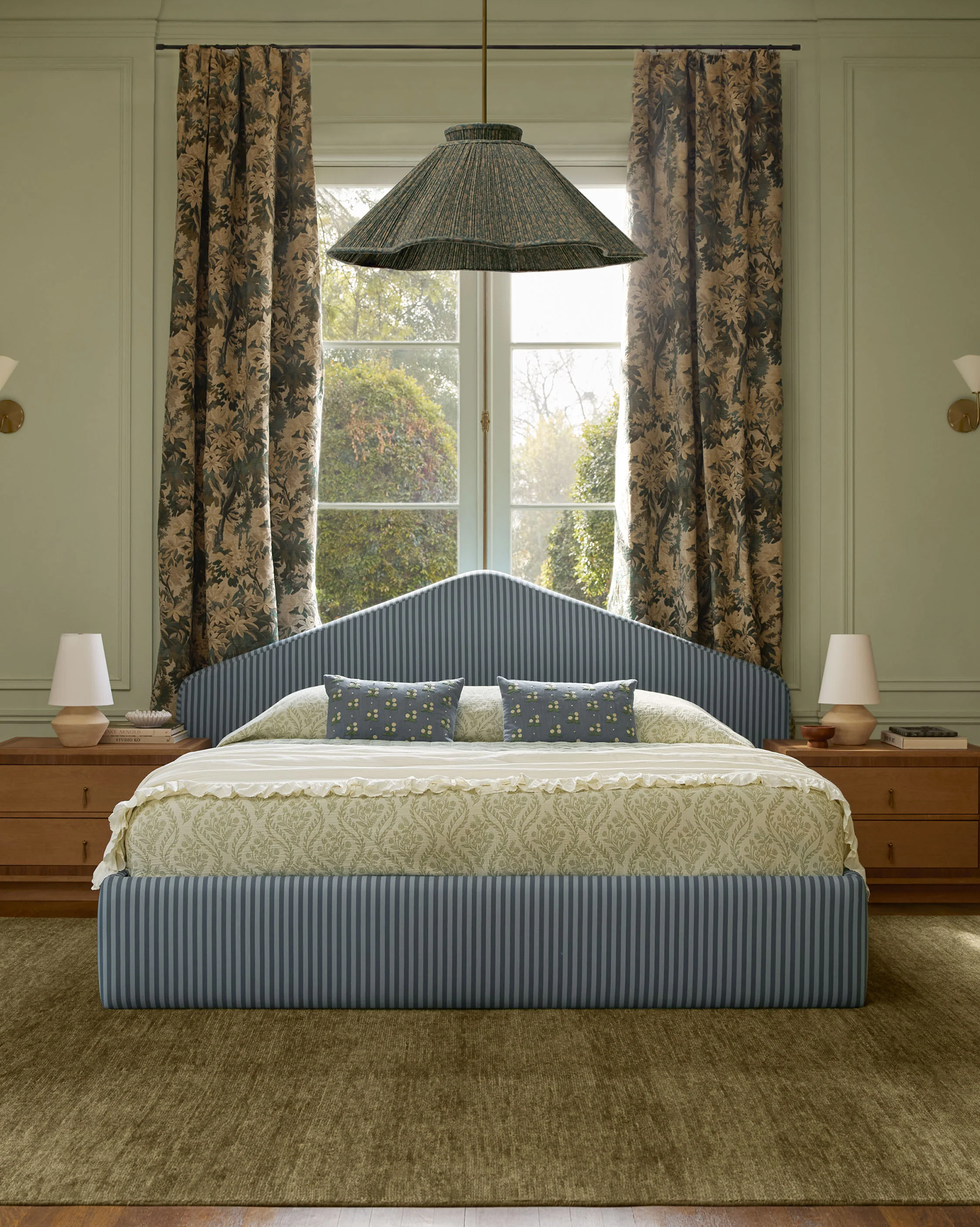
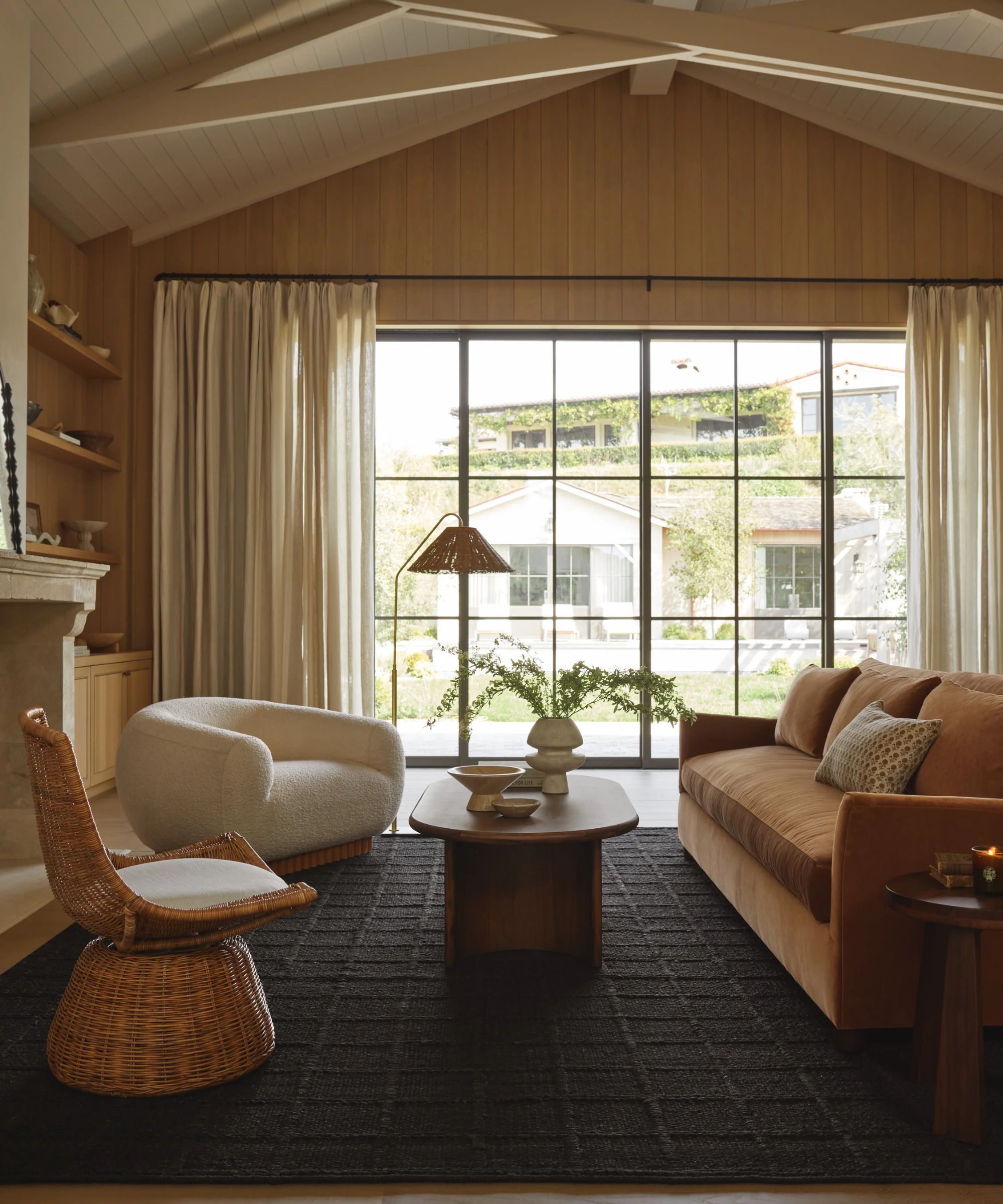
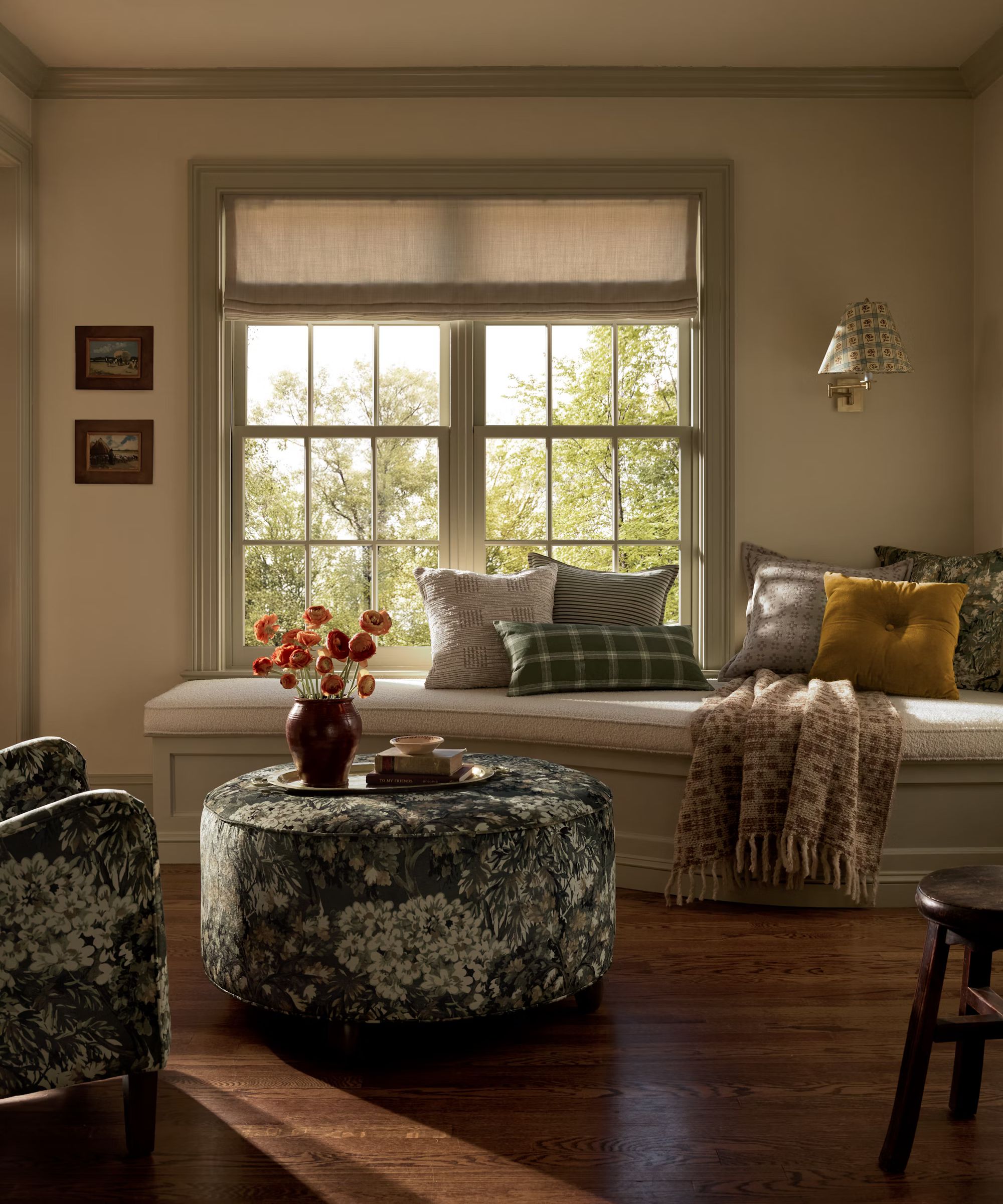
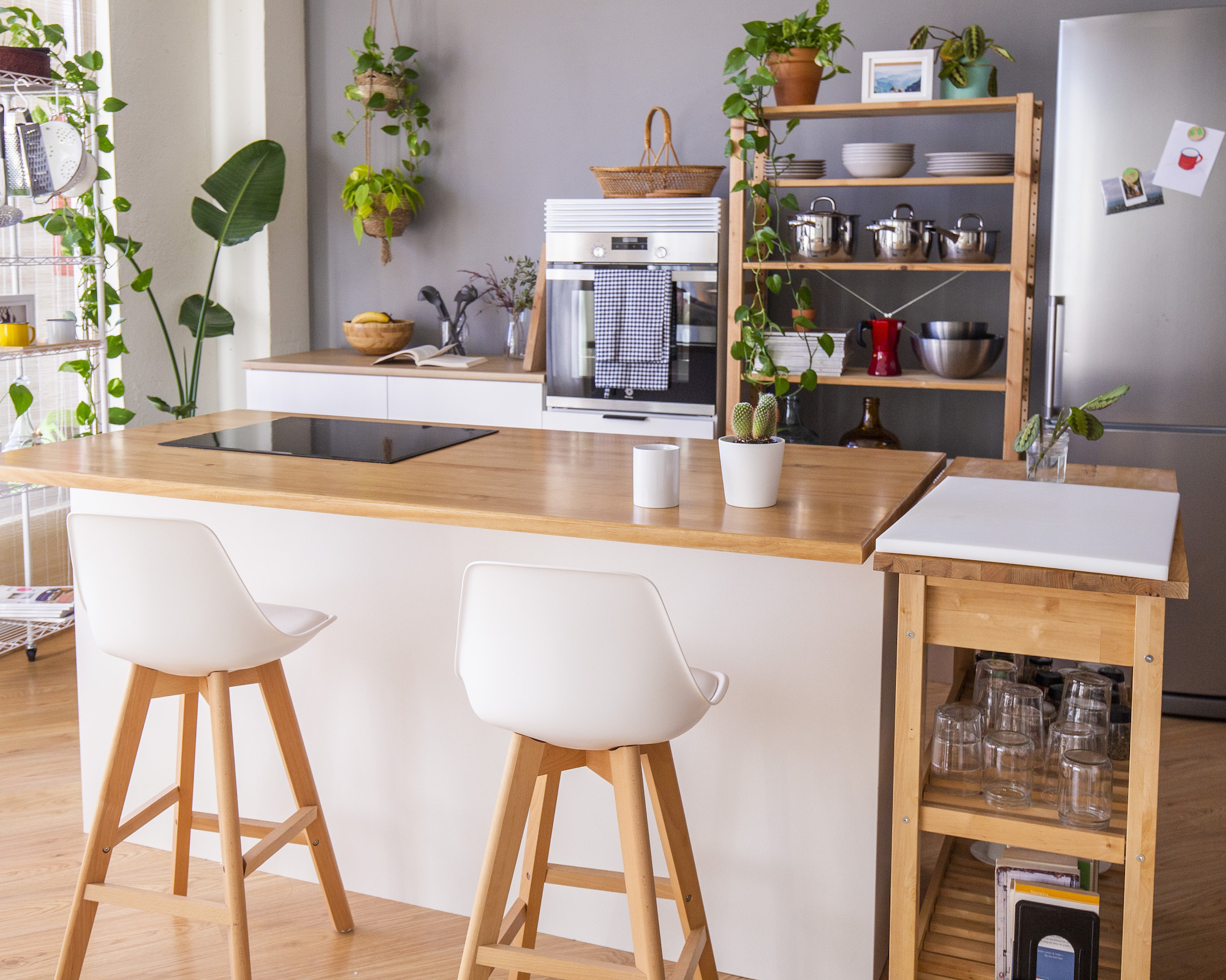
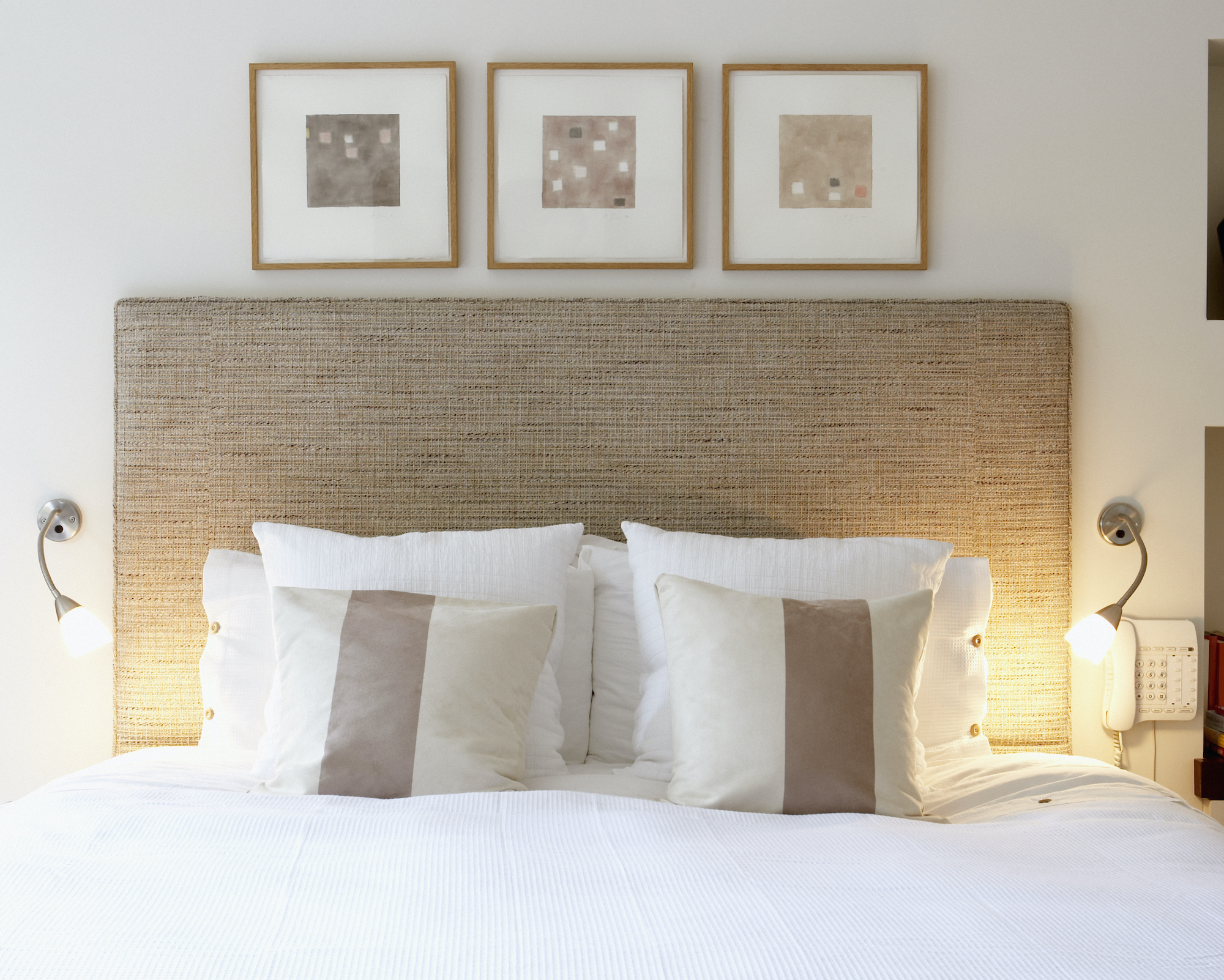
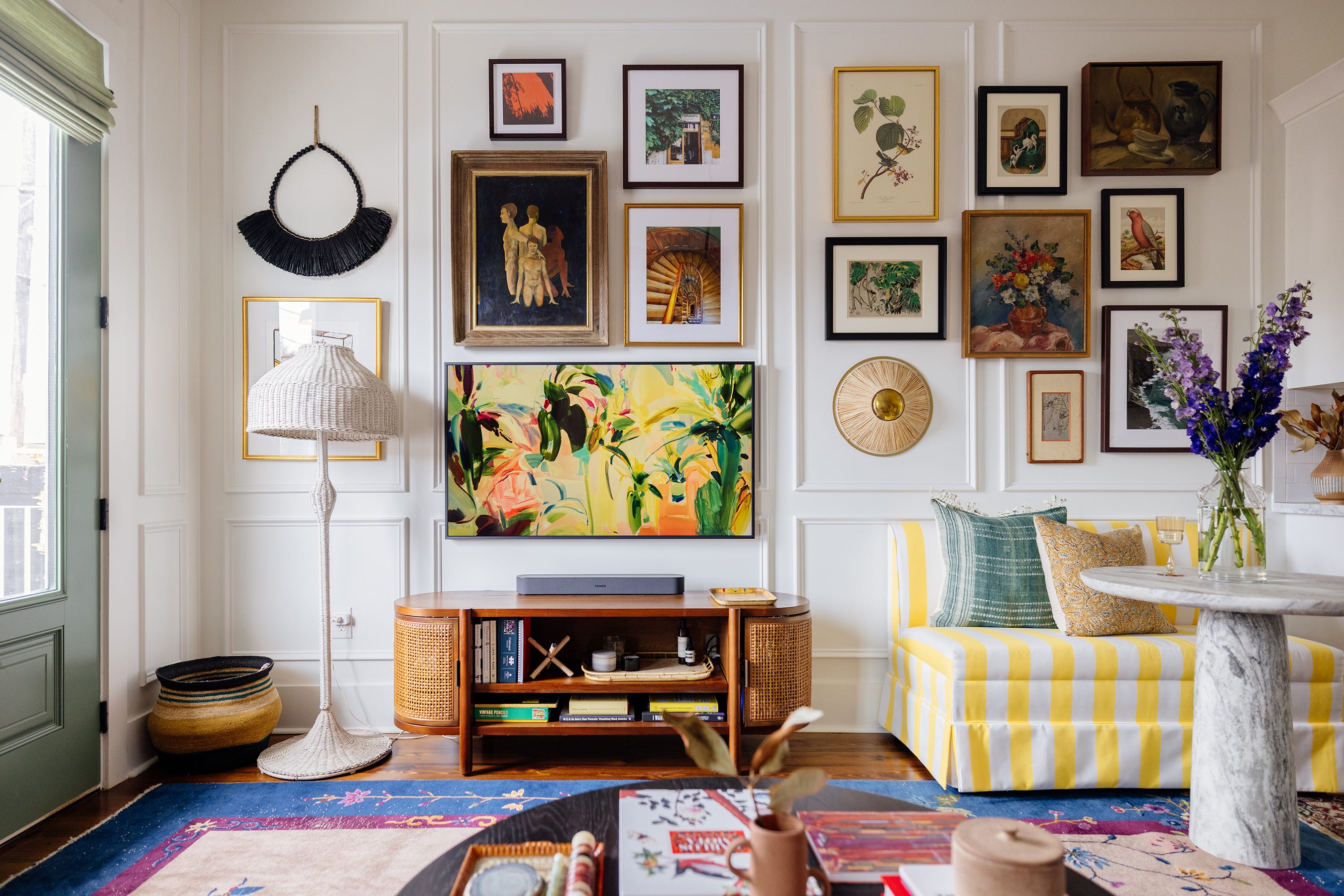
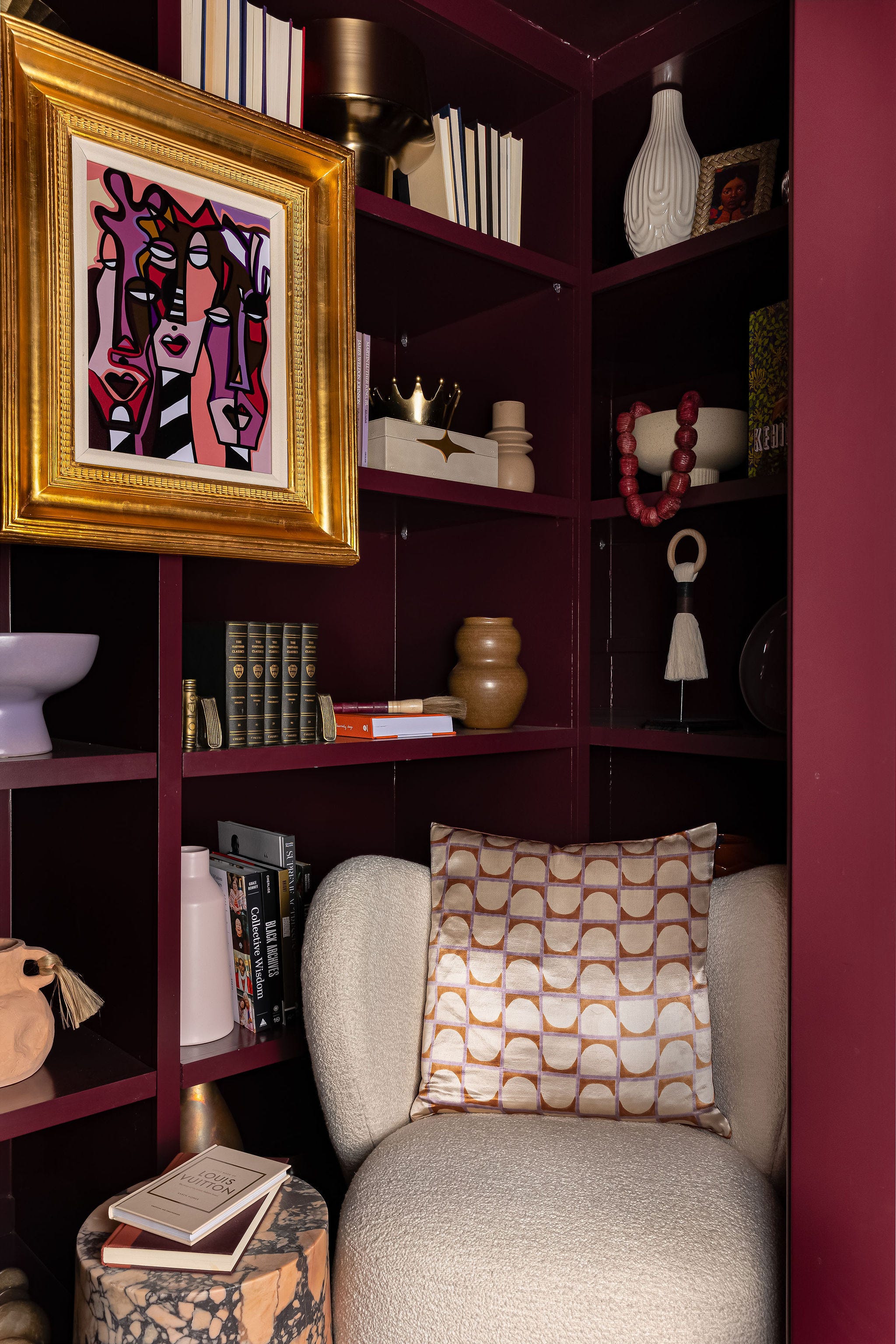
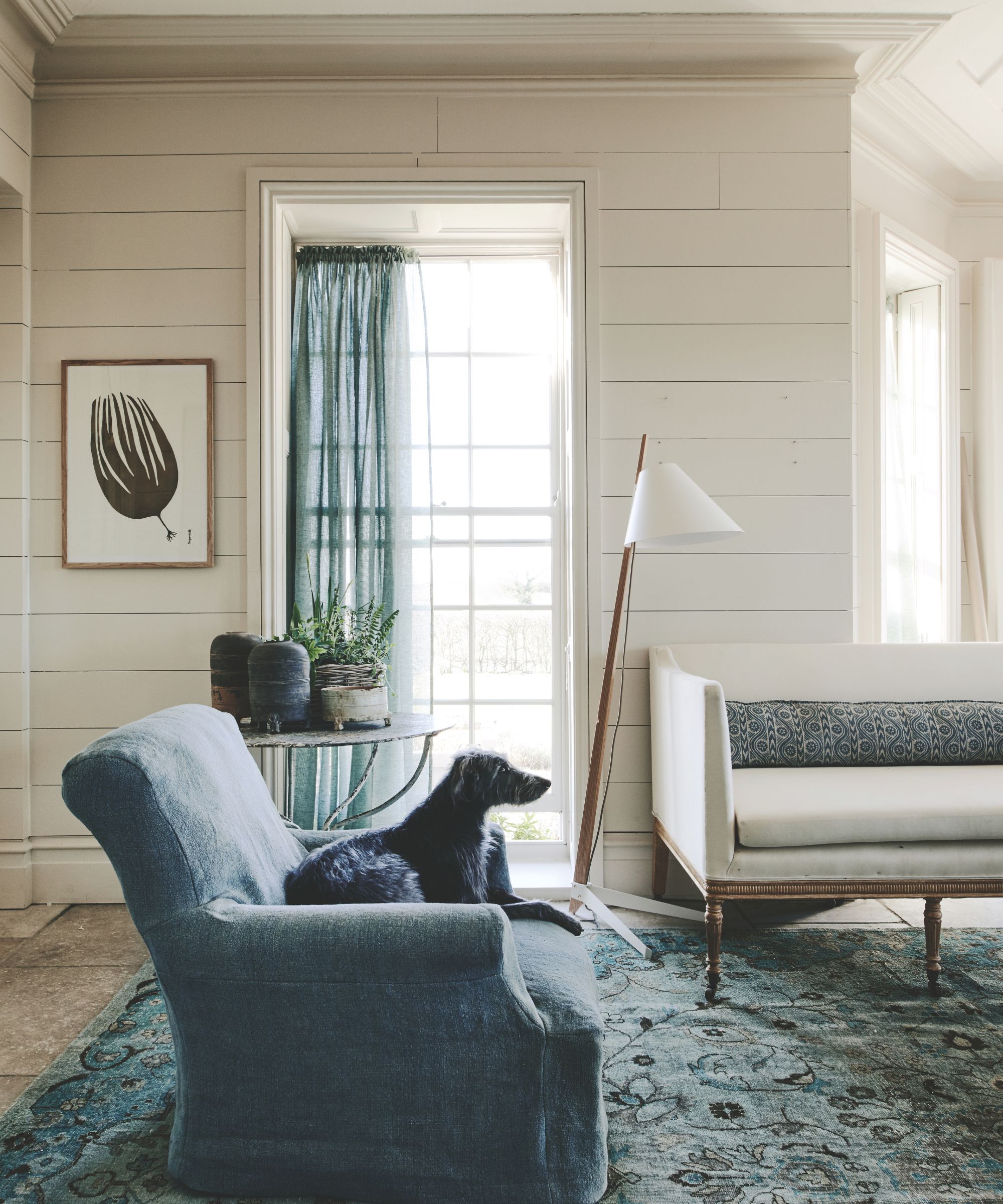
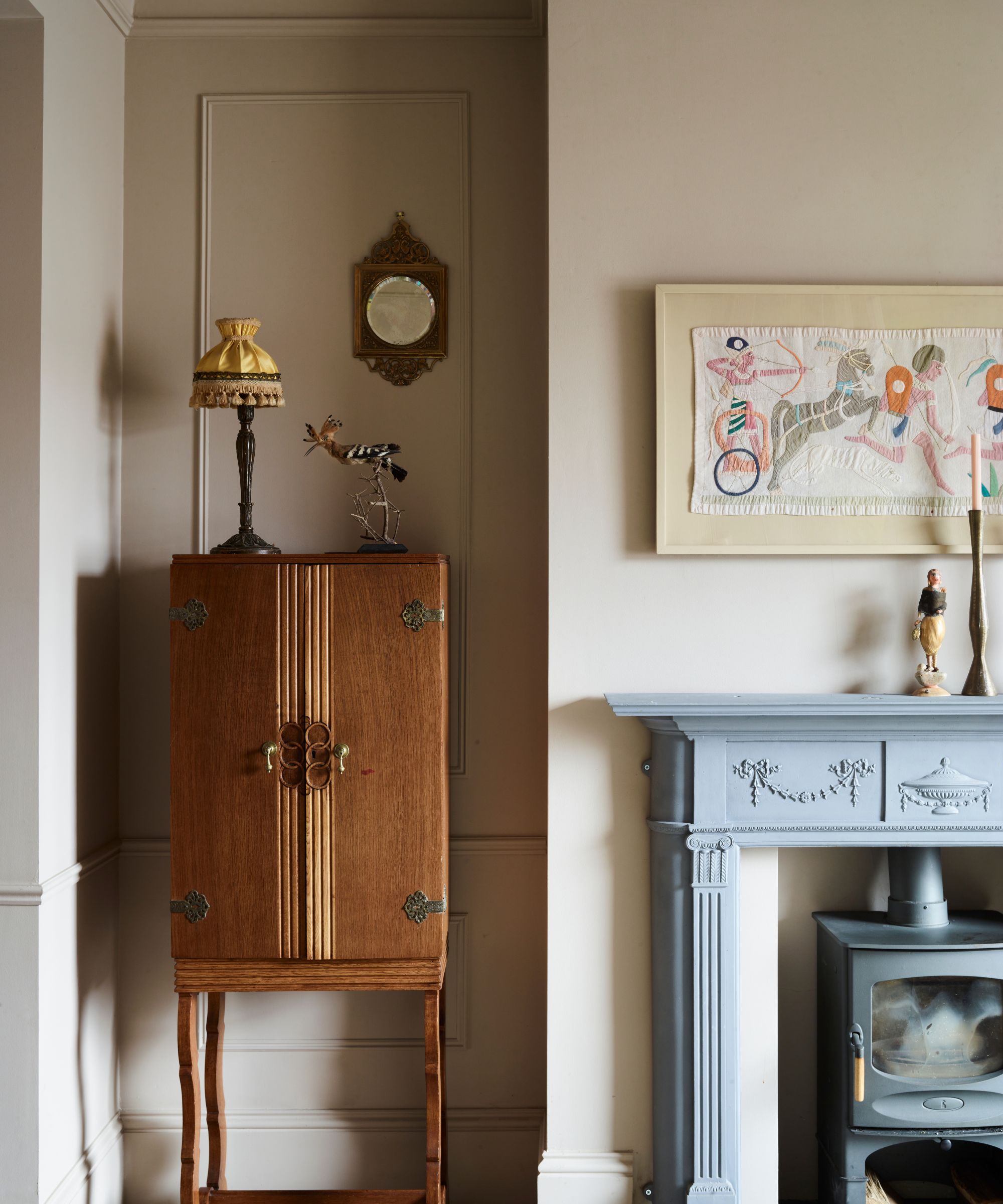
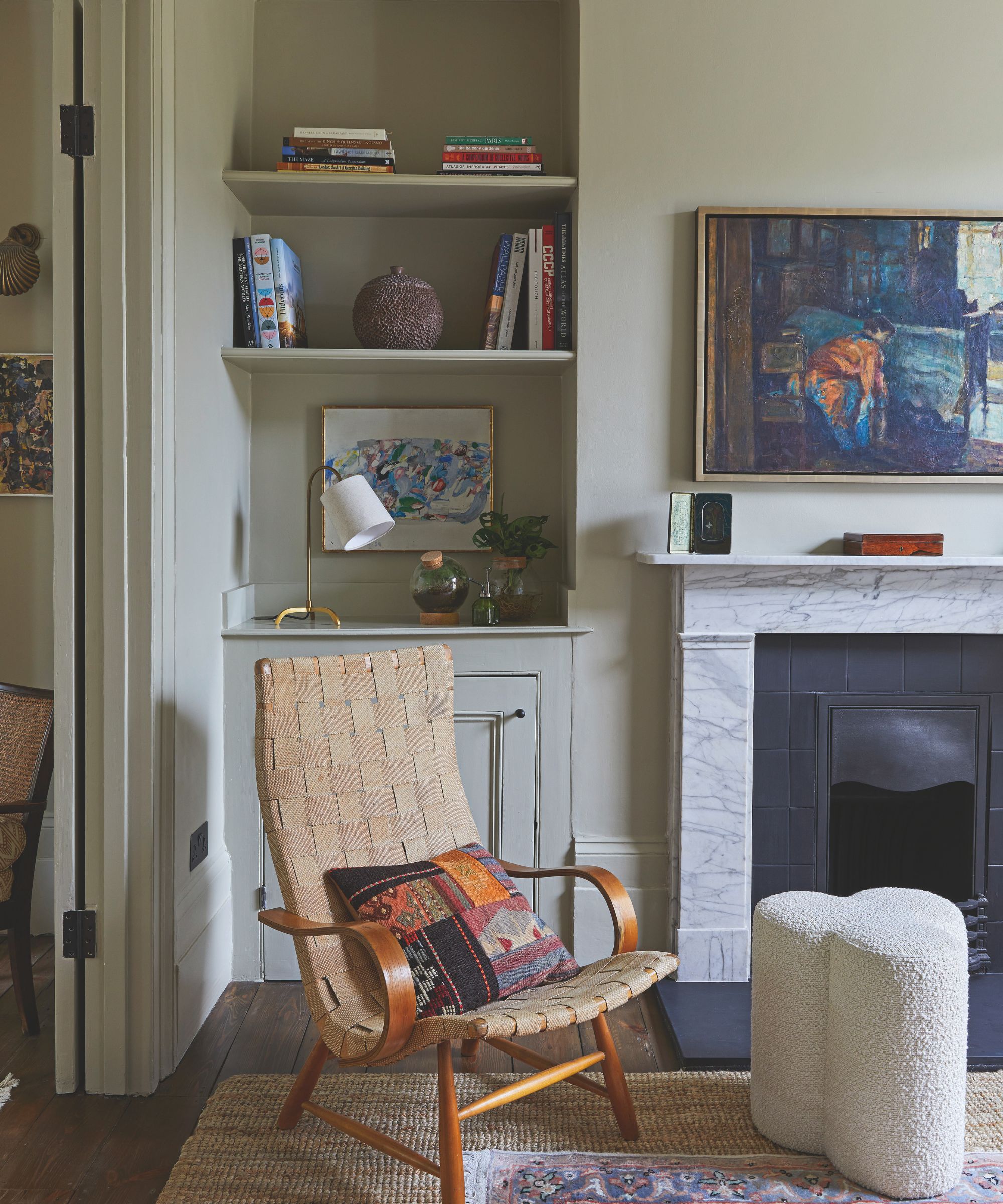
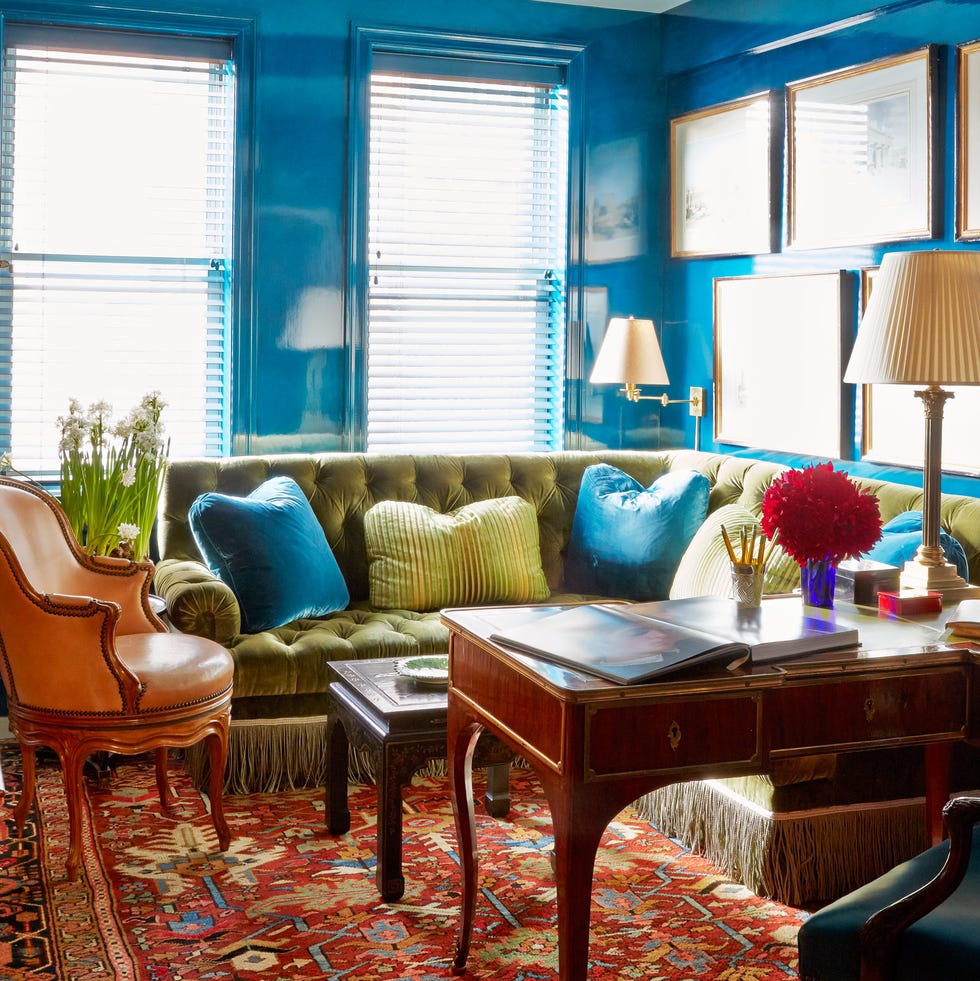
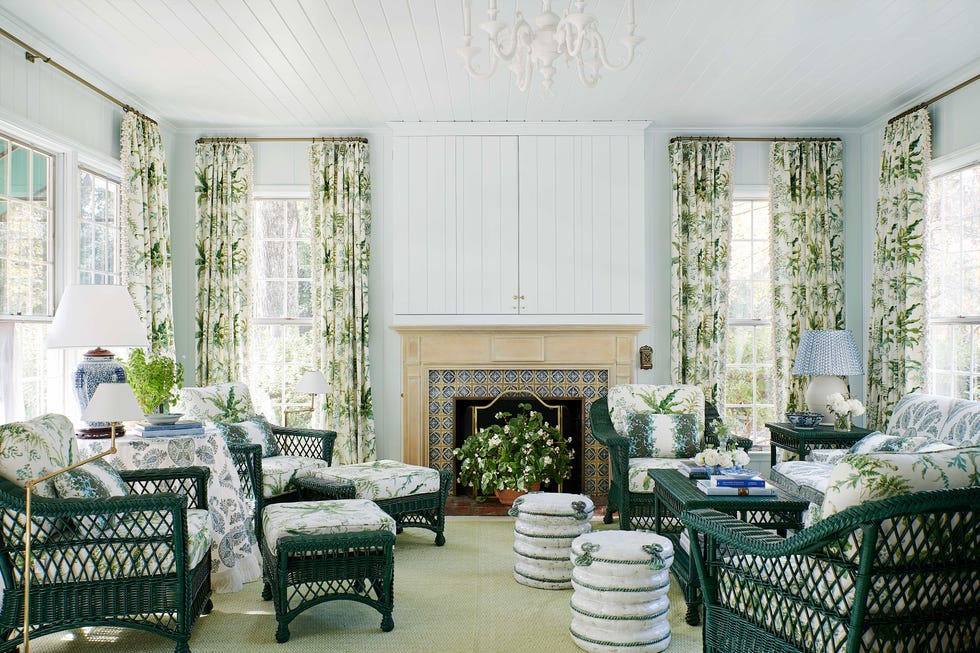
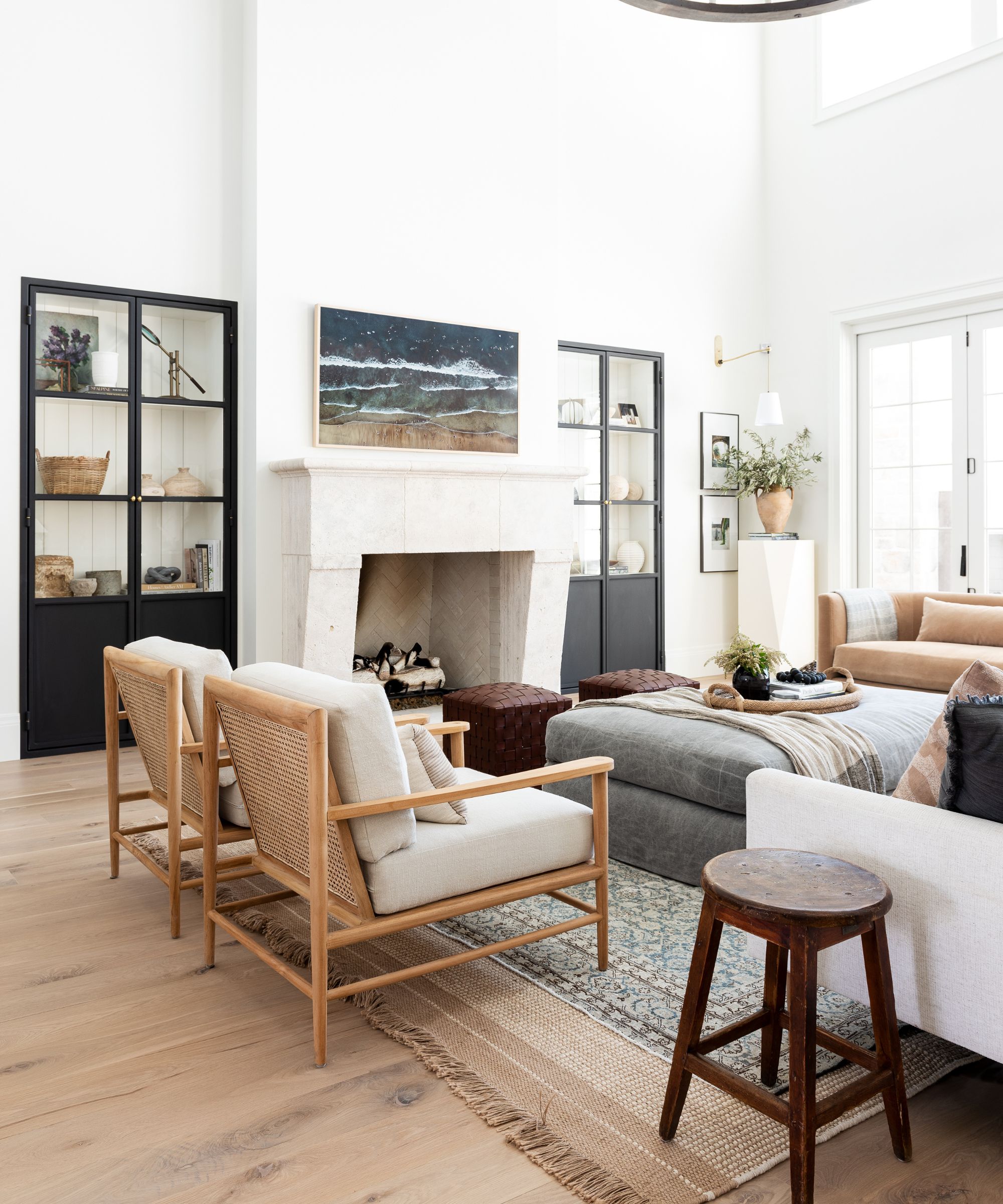
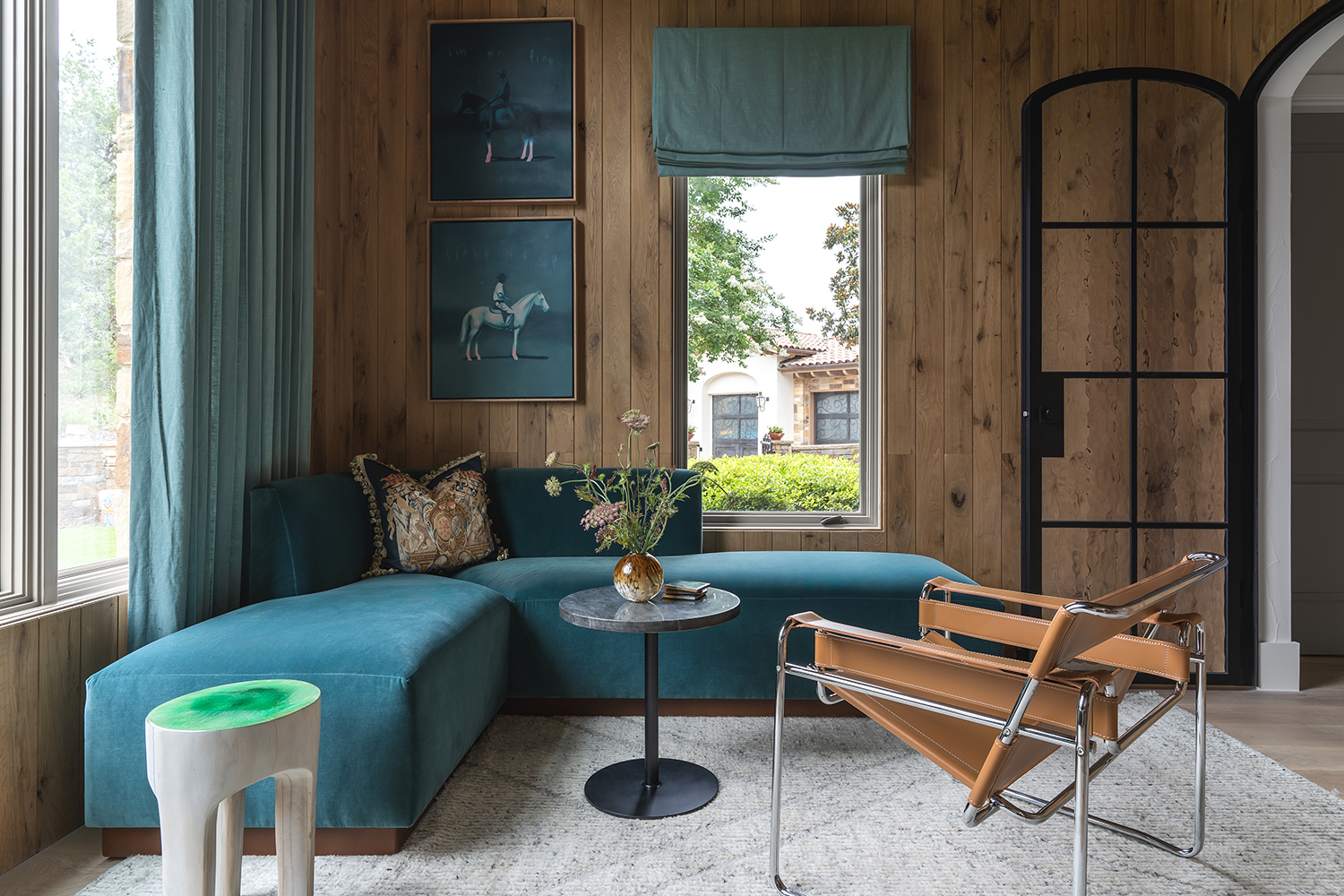
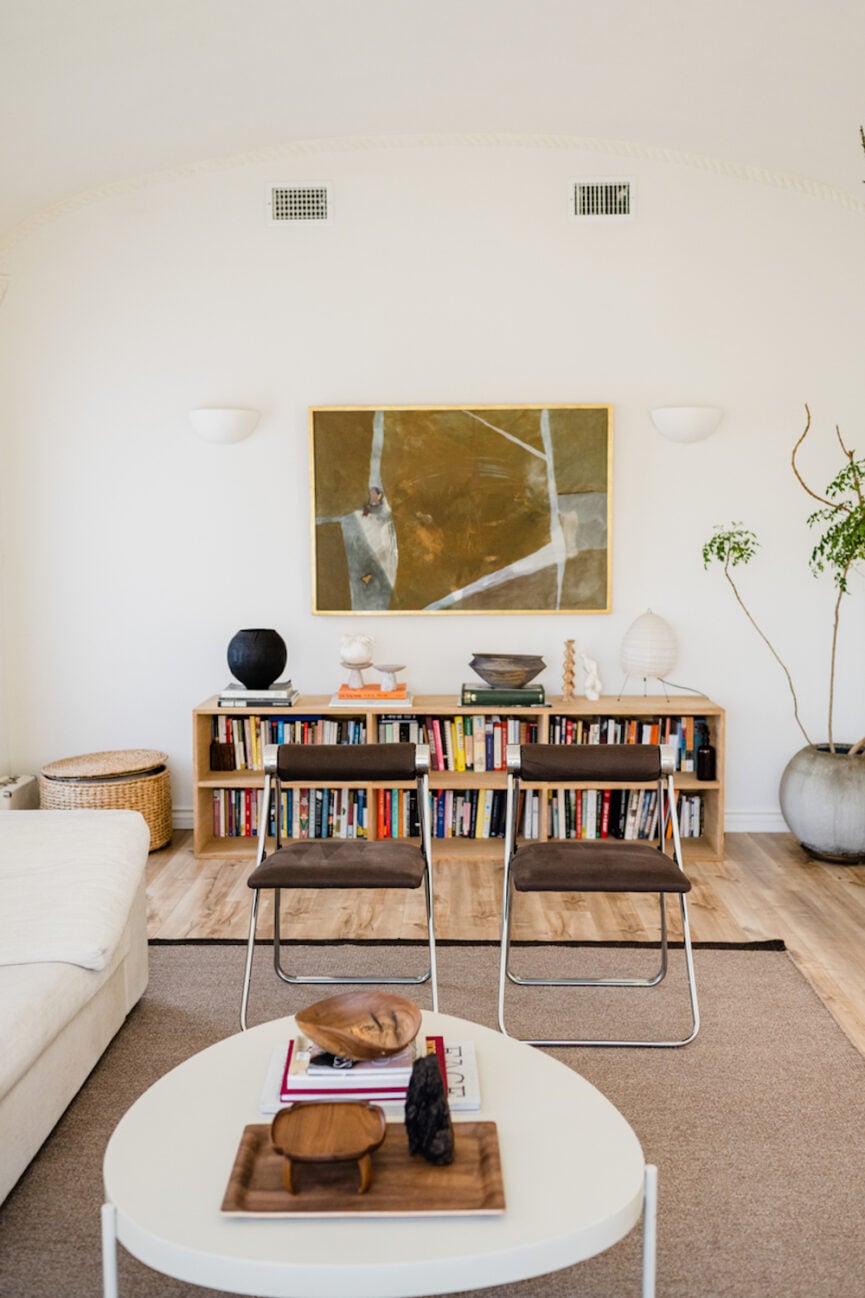
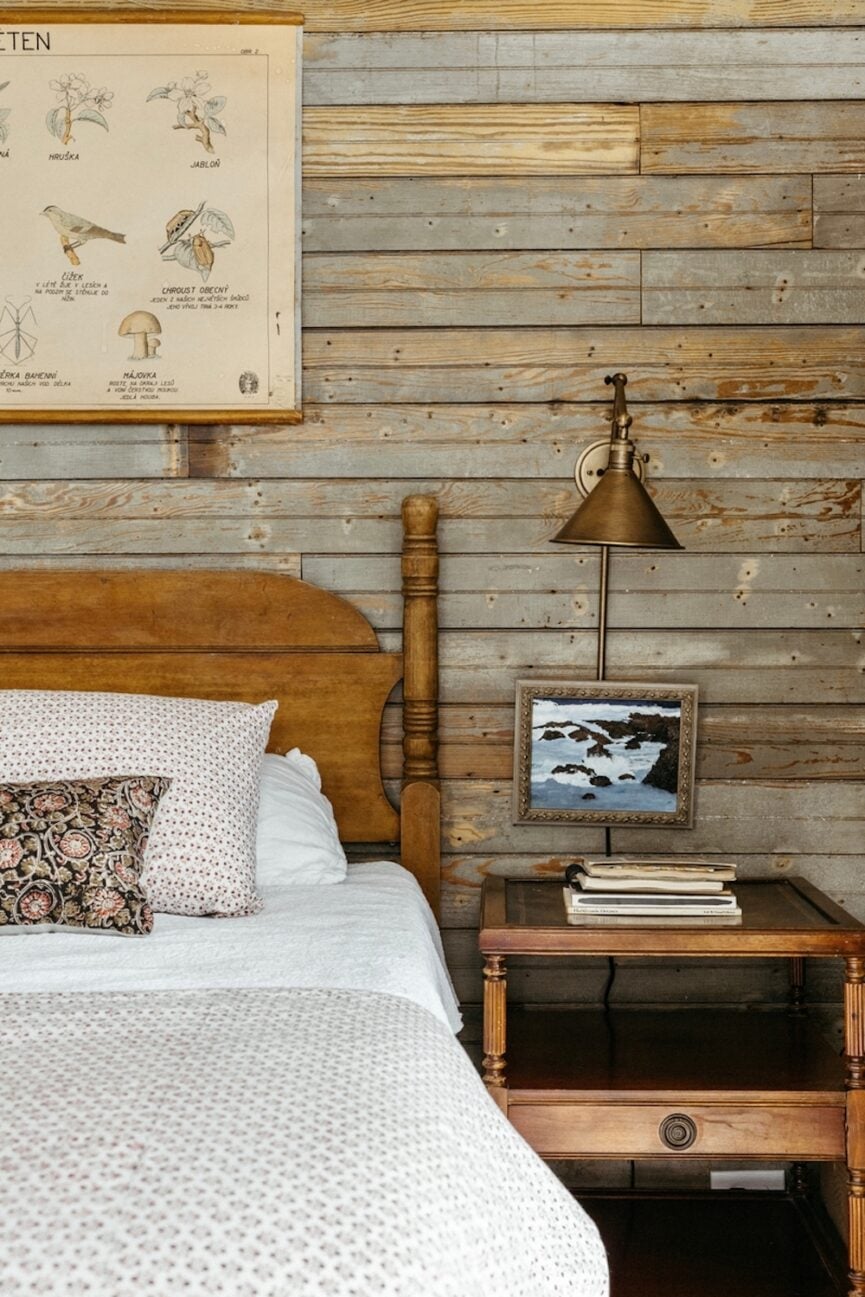
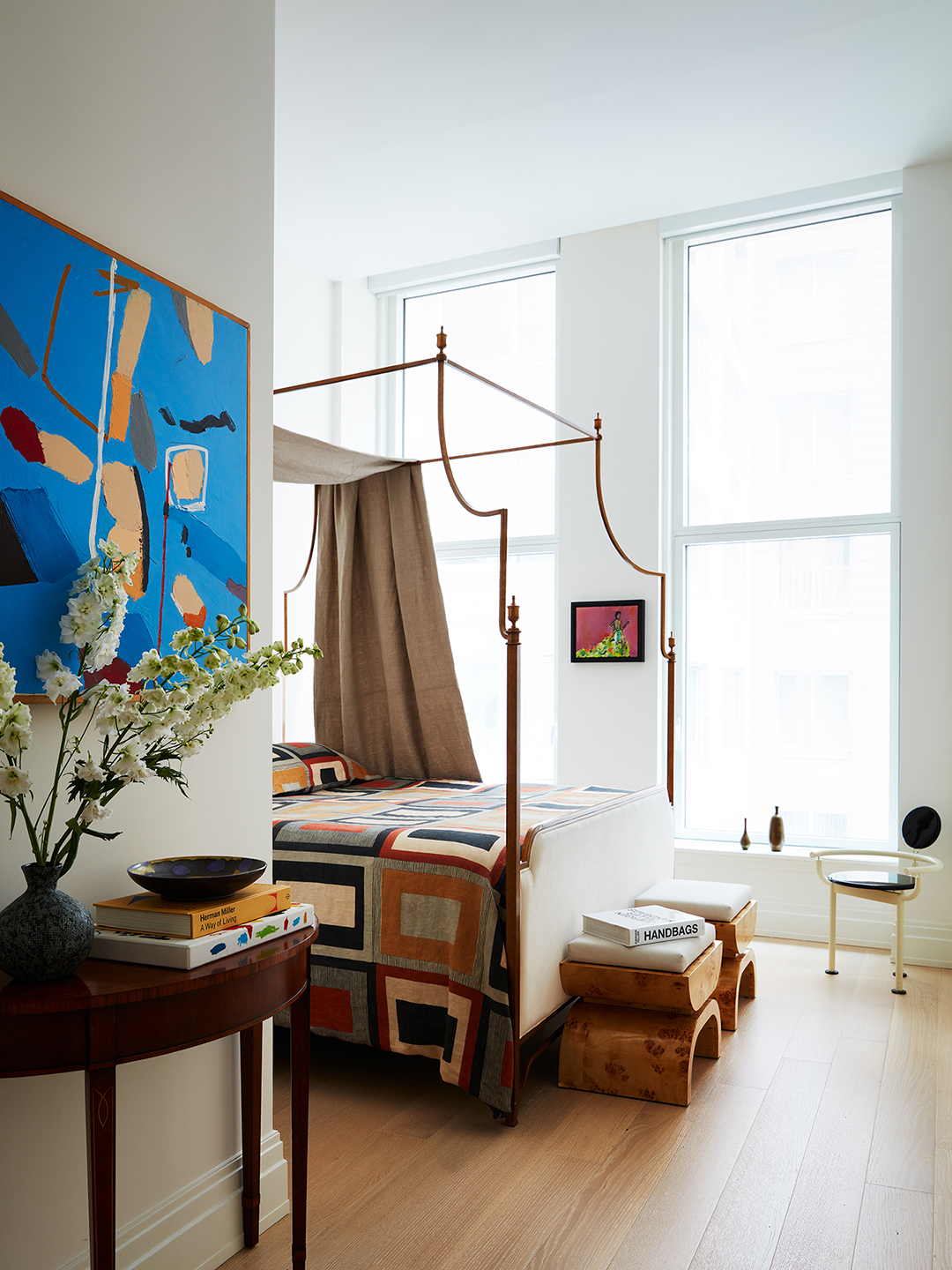
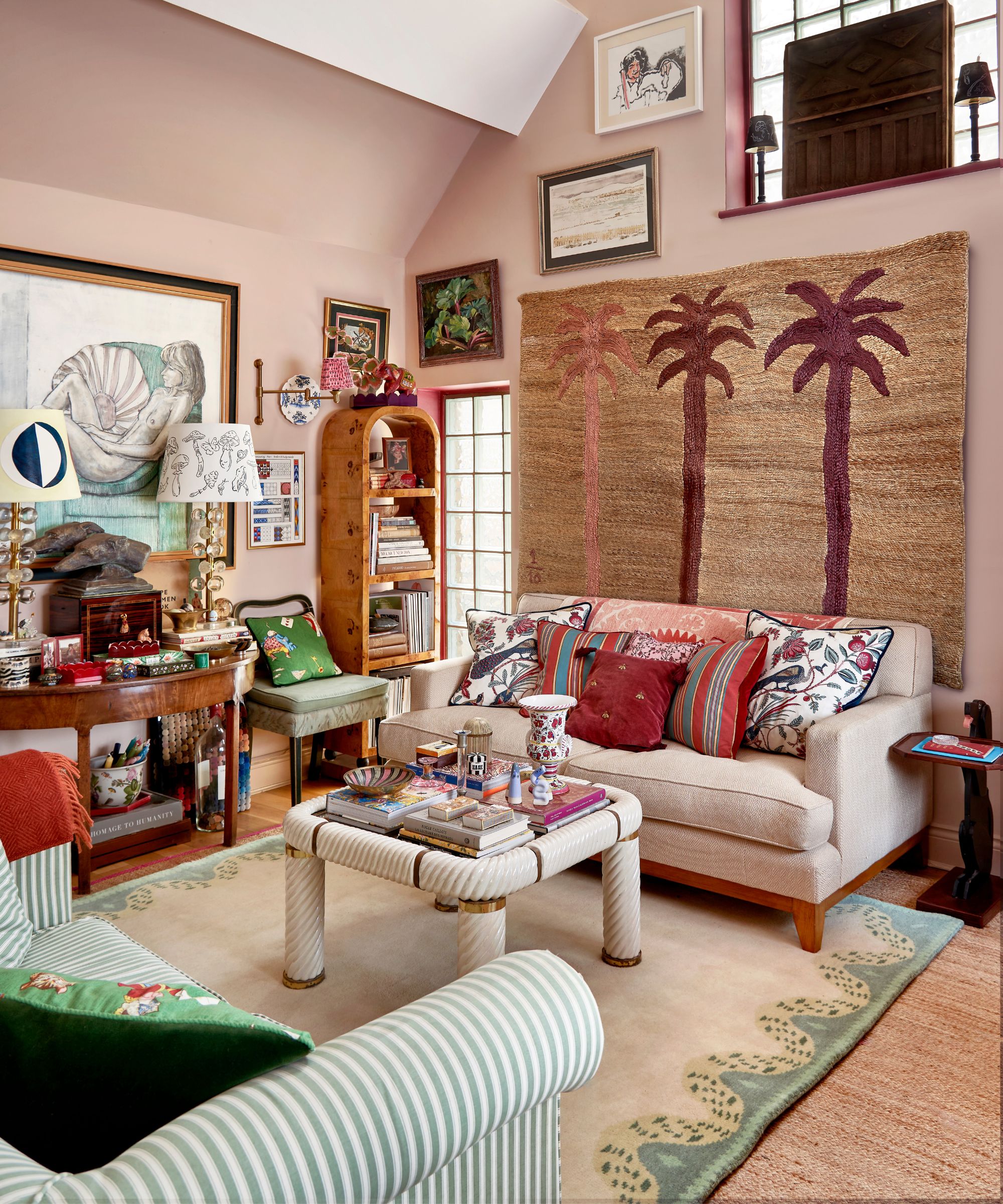
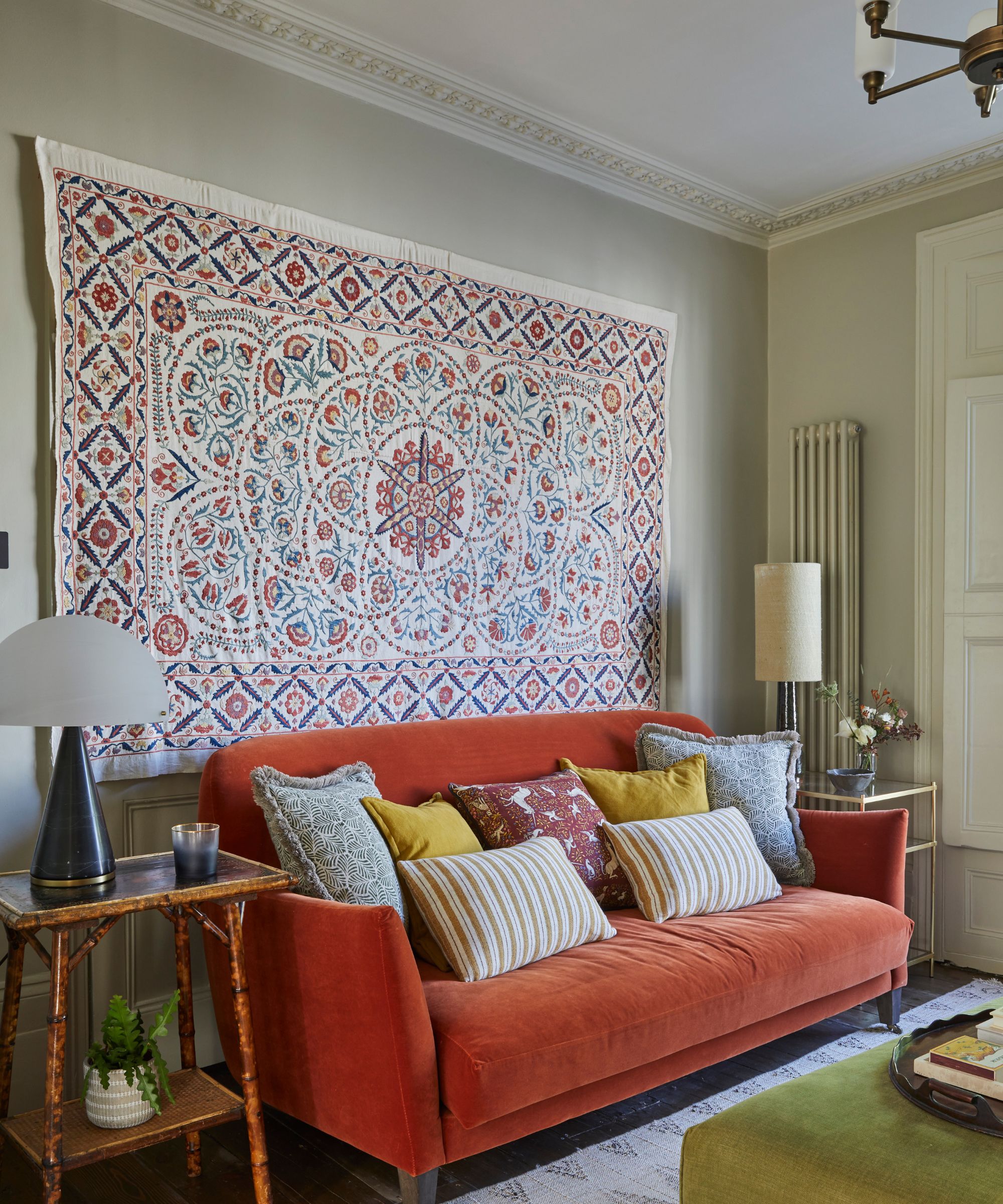
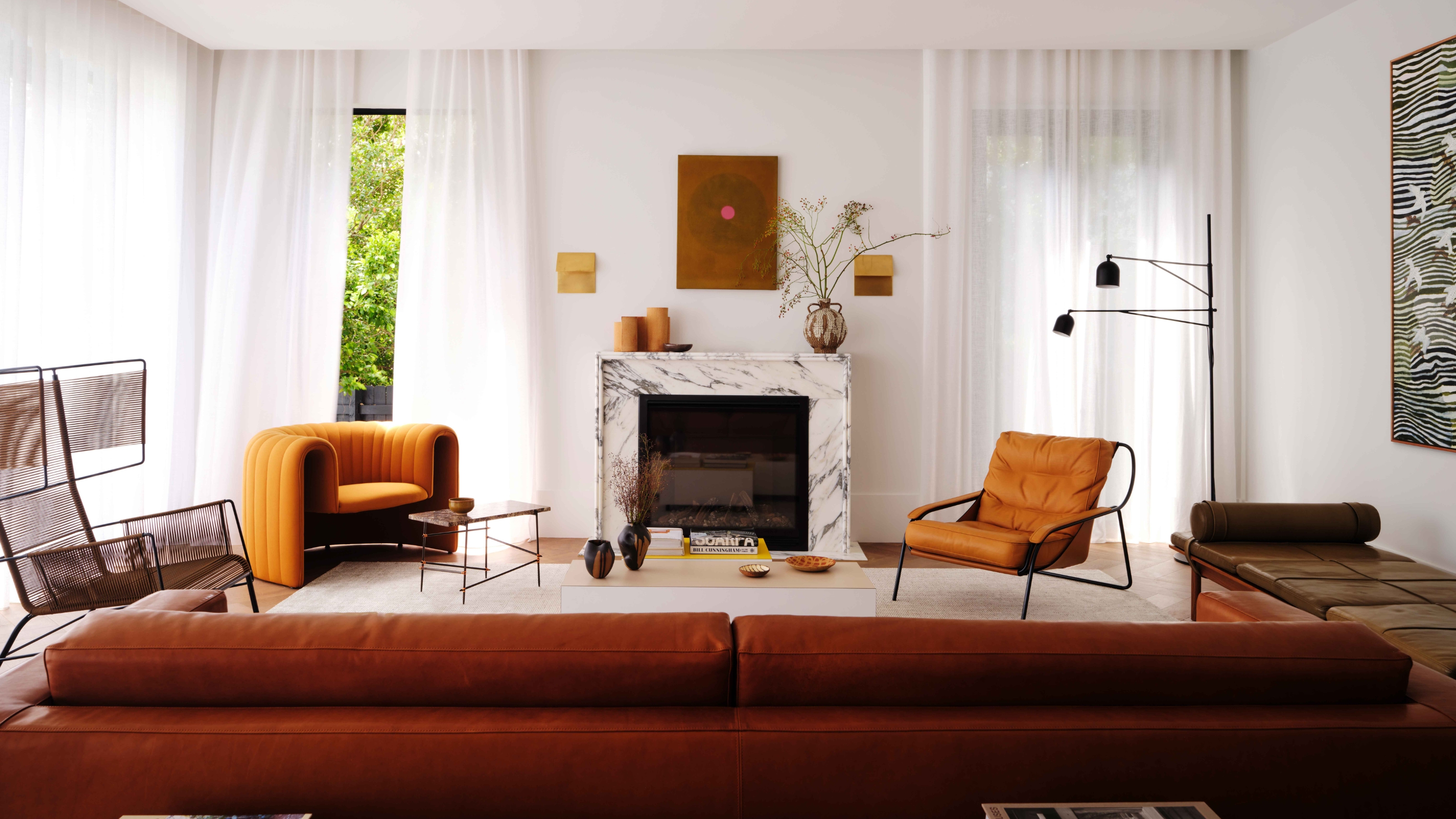
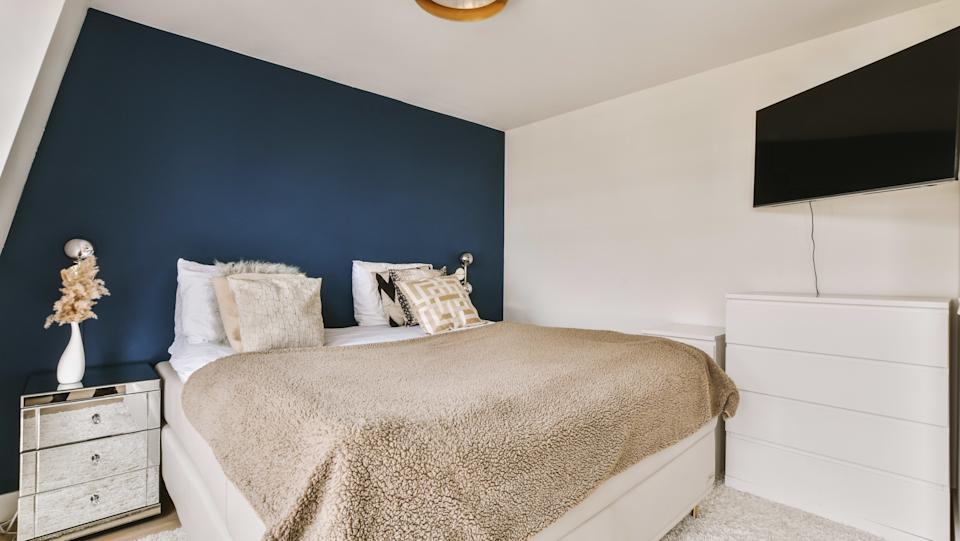
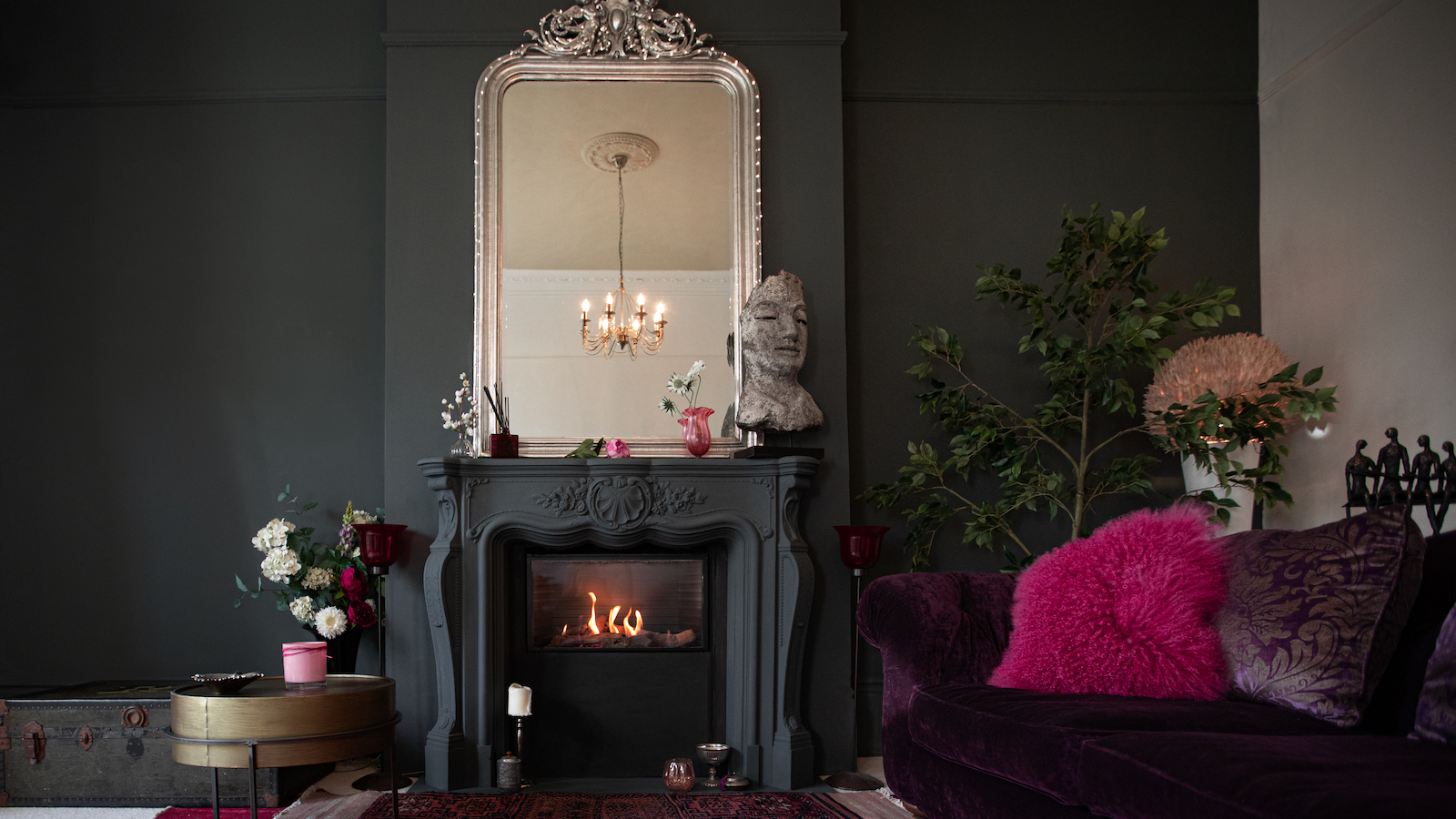
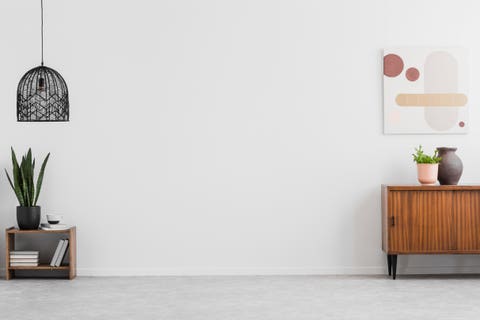
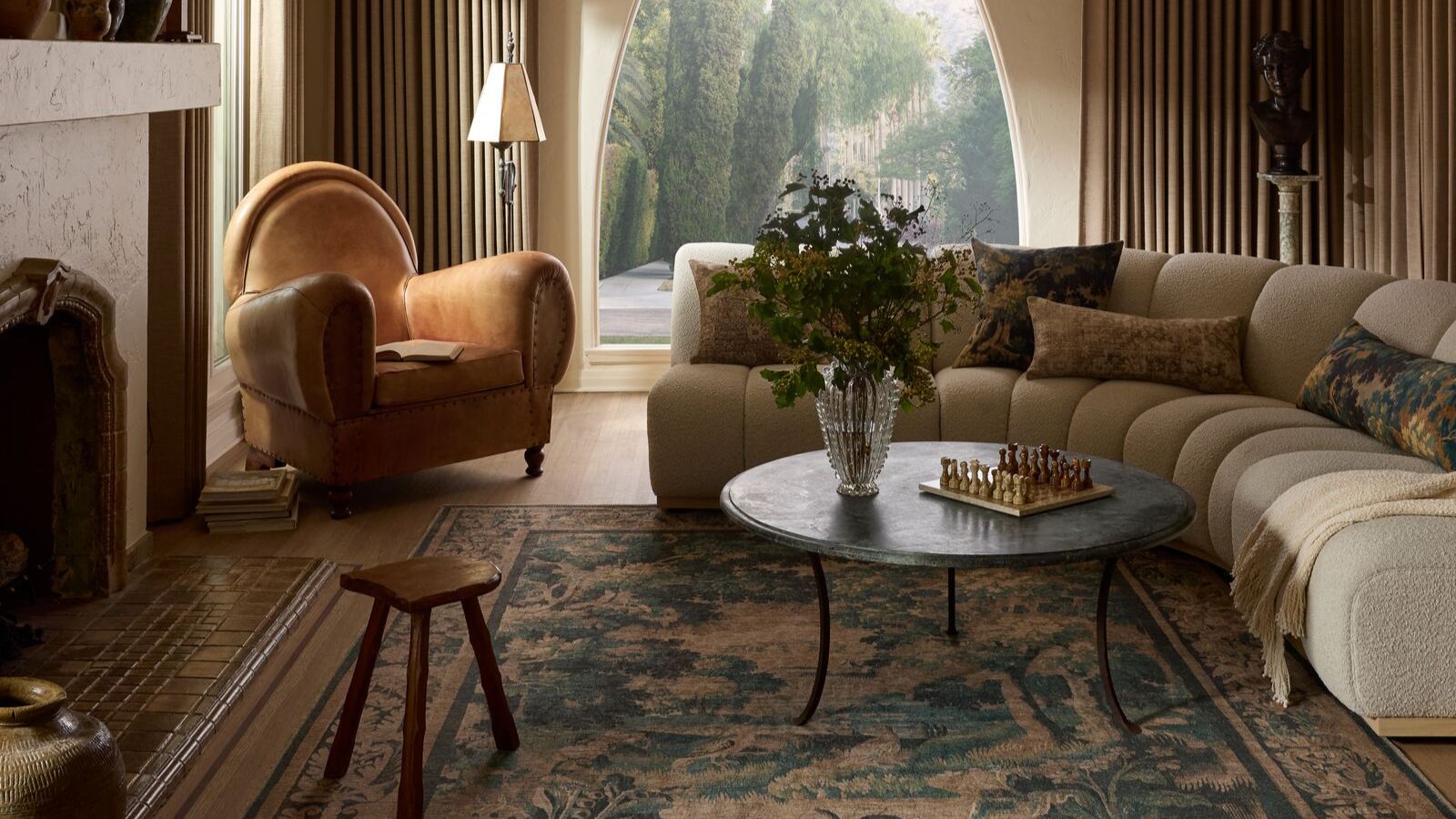
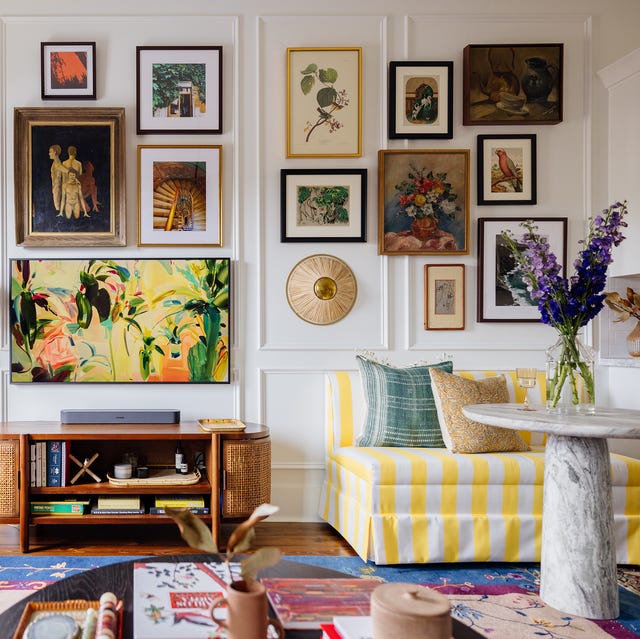
One significant outdated rule to reconsider is the emphasis on strict symmetry. While symmetry can create a sense of formality, asymmetry introduces movement, charm, and a relaxed, natural energy into a room. This principle extends to the idea that all elements in a space must match. Modern design encourages mixing styles, eras, and finishes to achieve a layered and lived-in aesthetic. Approaches like pattern sprinkling, combining different metal finishes such as wood with chrome, and utilizing small-scale artwork instead of conventional gallery walls are gaining traction, challenging the notion of perfectly coordinated interiors. For instance, mismatched table lamps on bedside tables can offer balance while reducing formality.
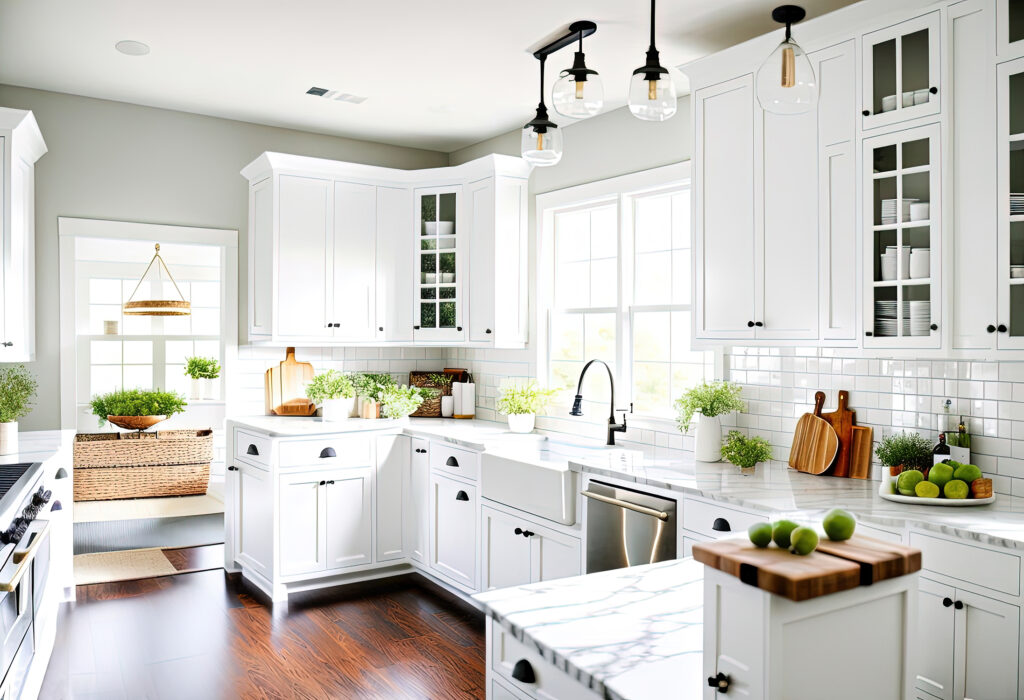
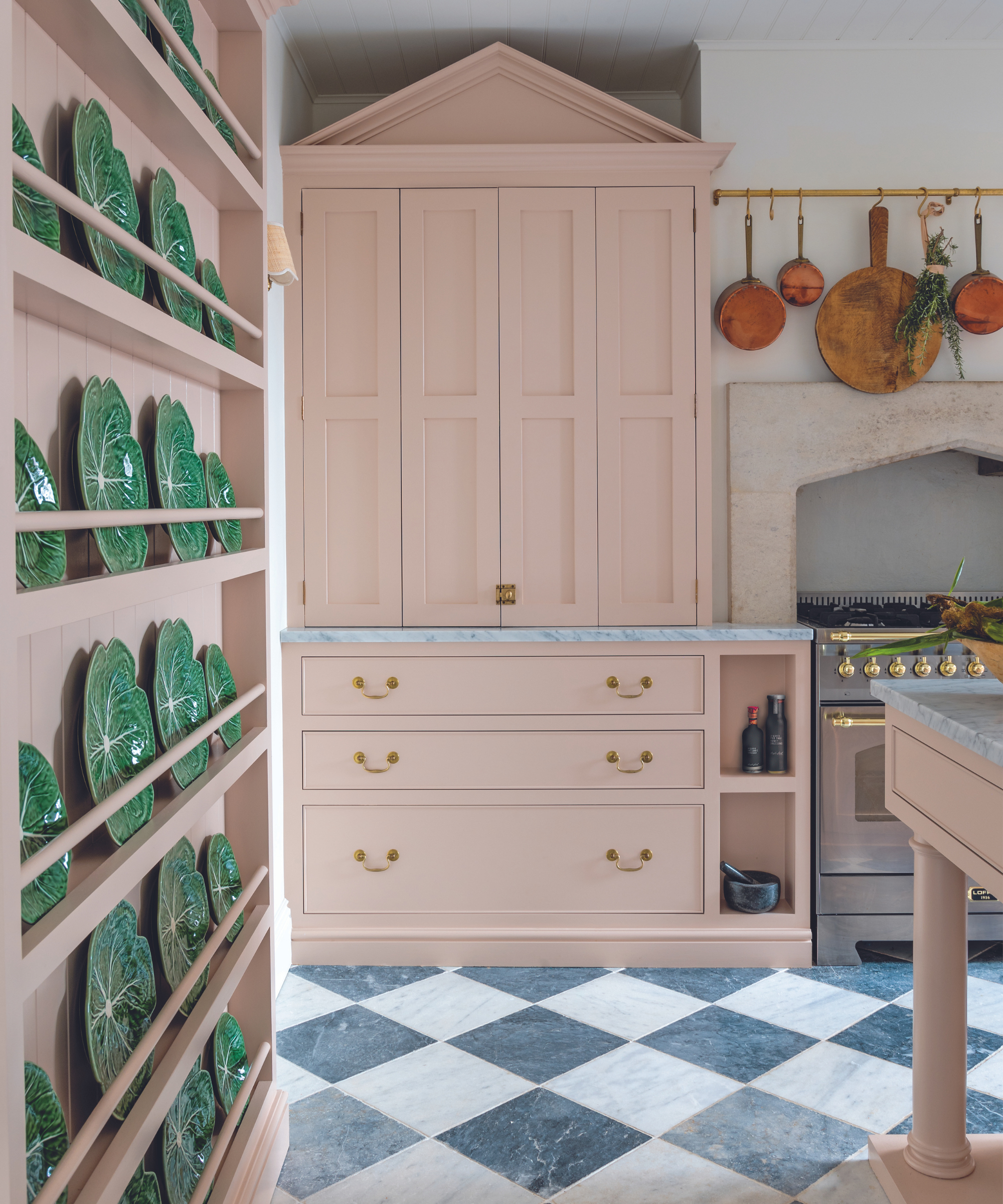
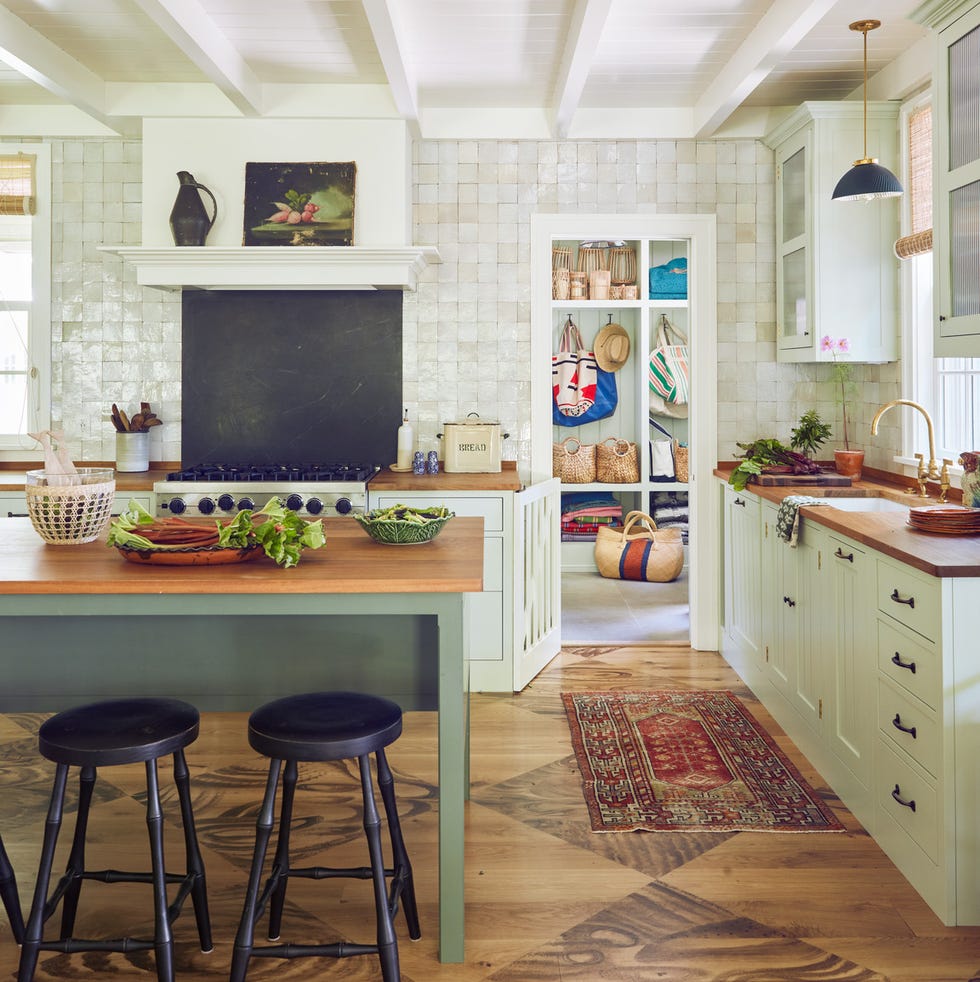
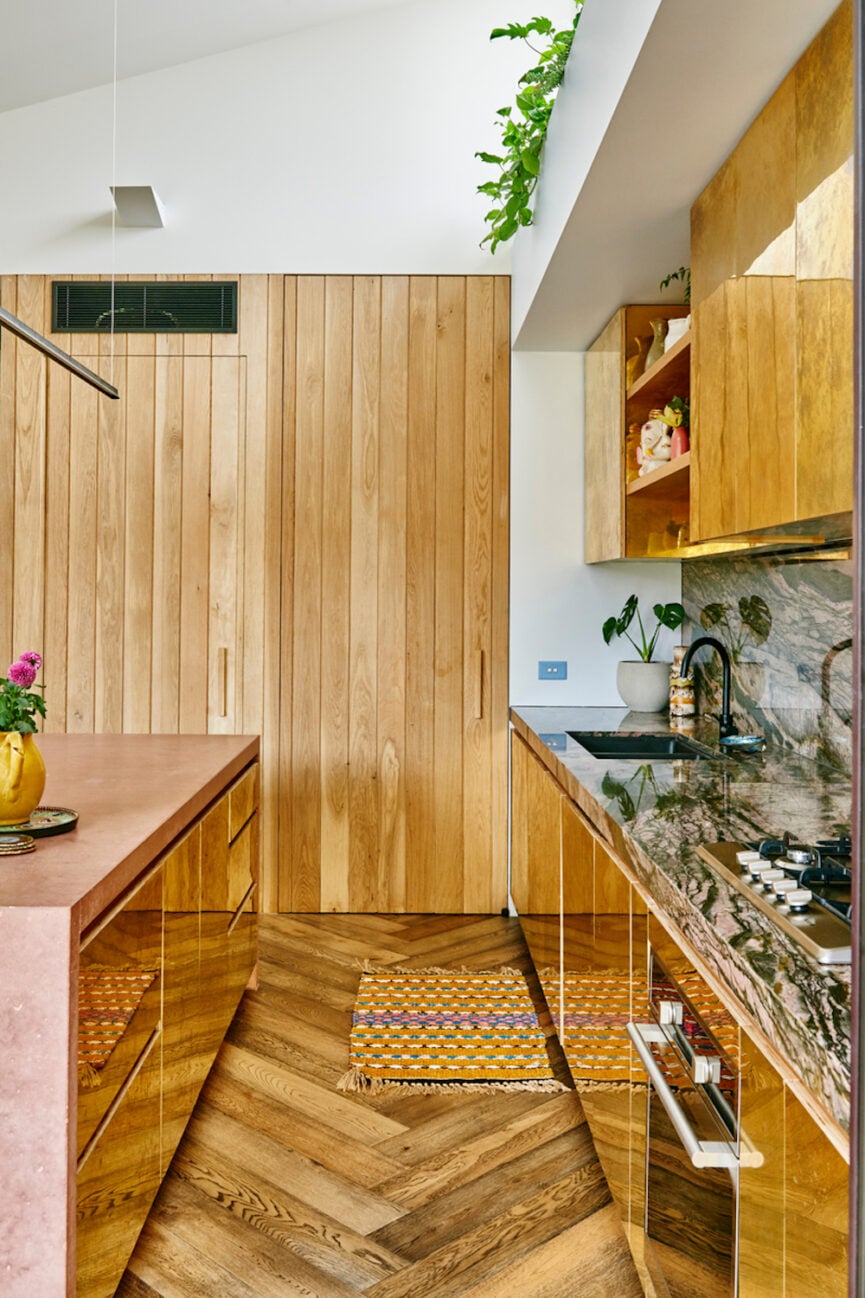
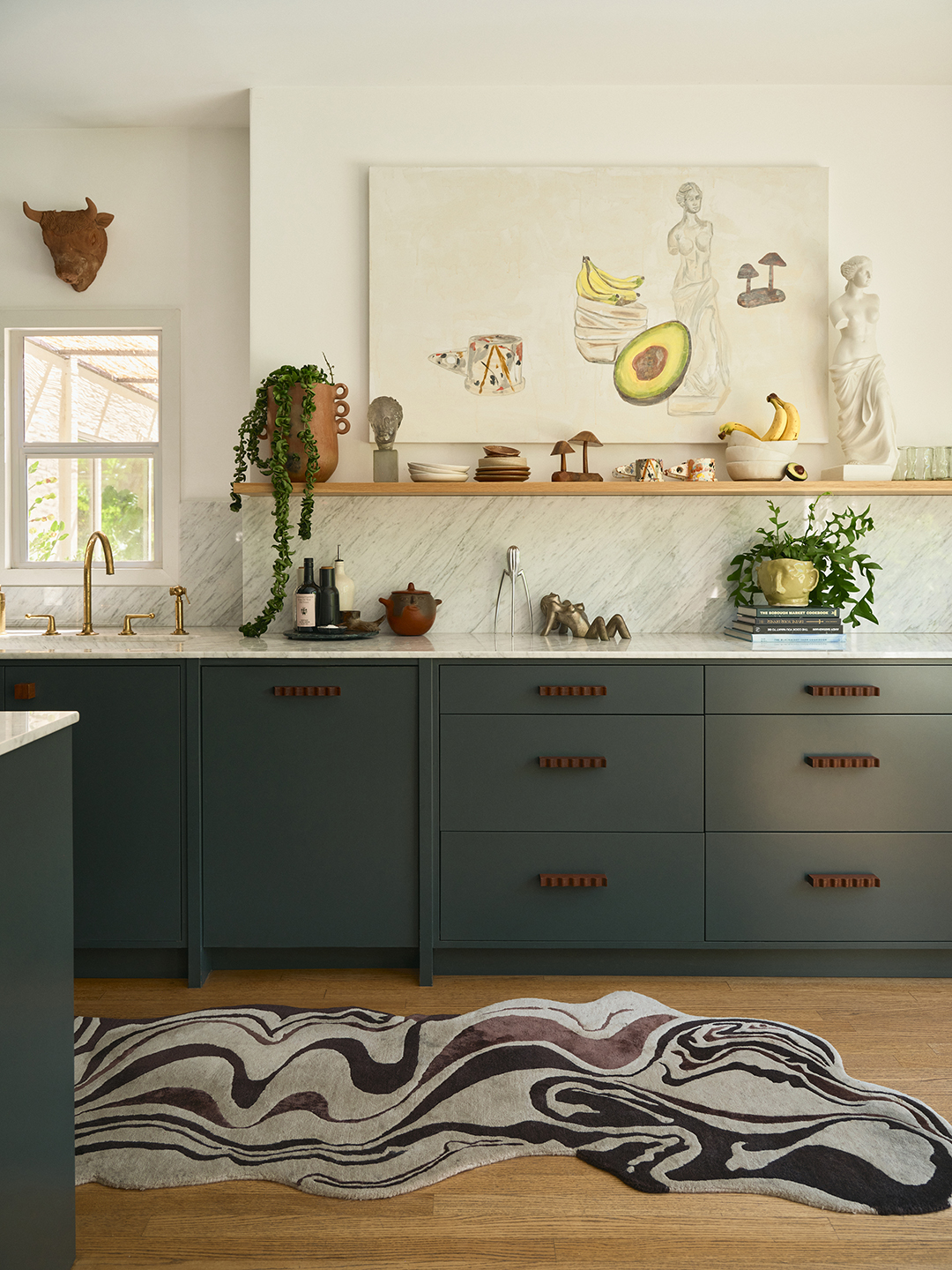
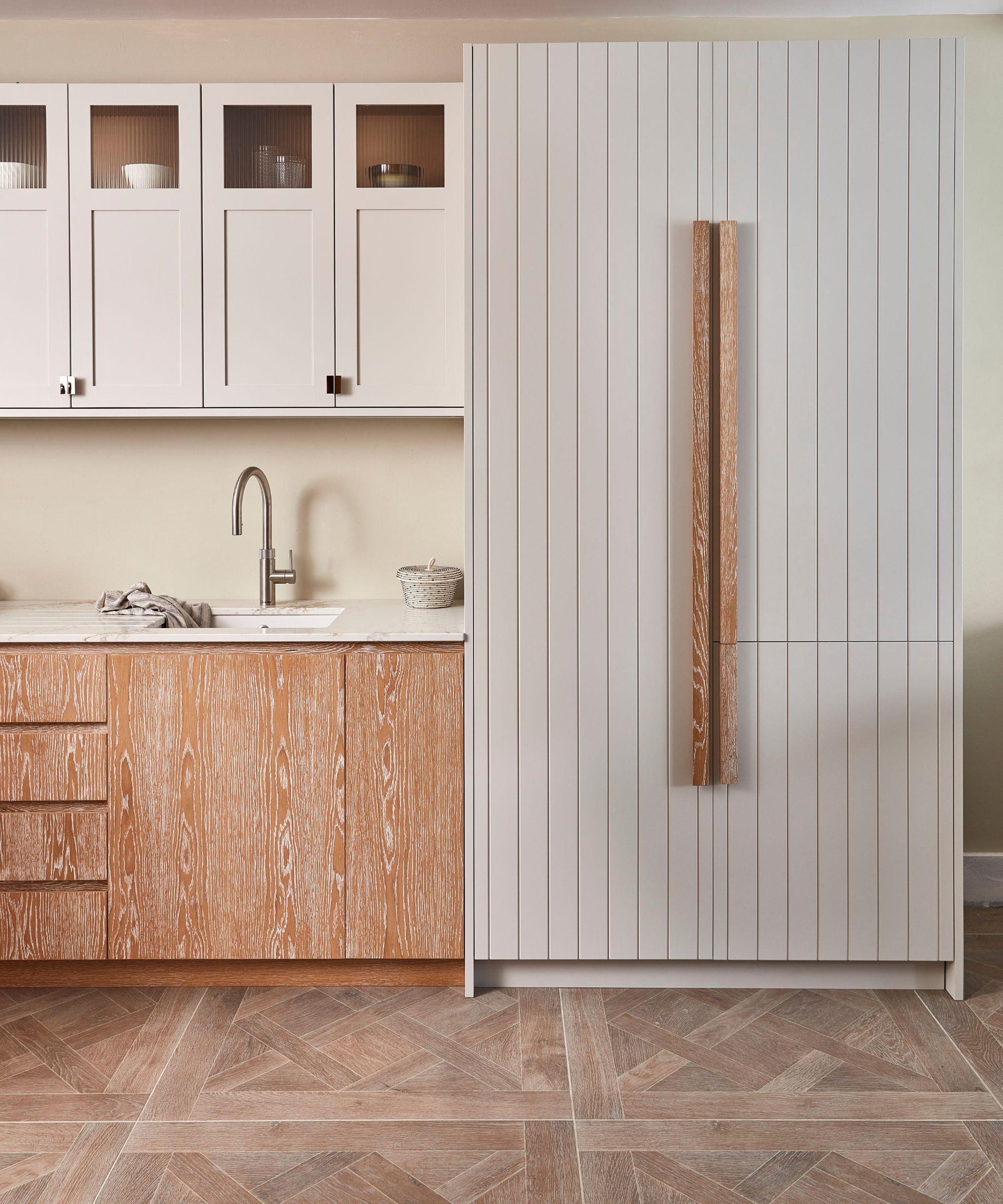
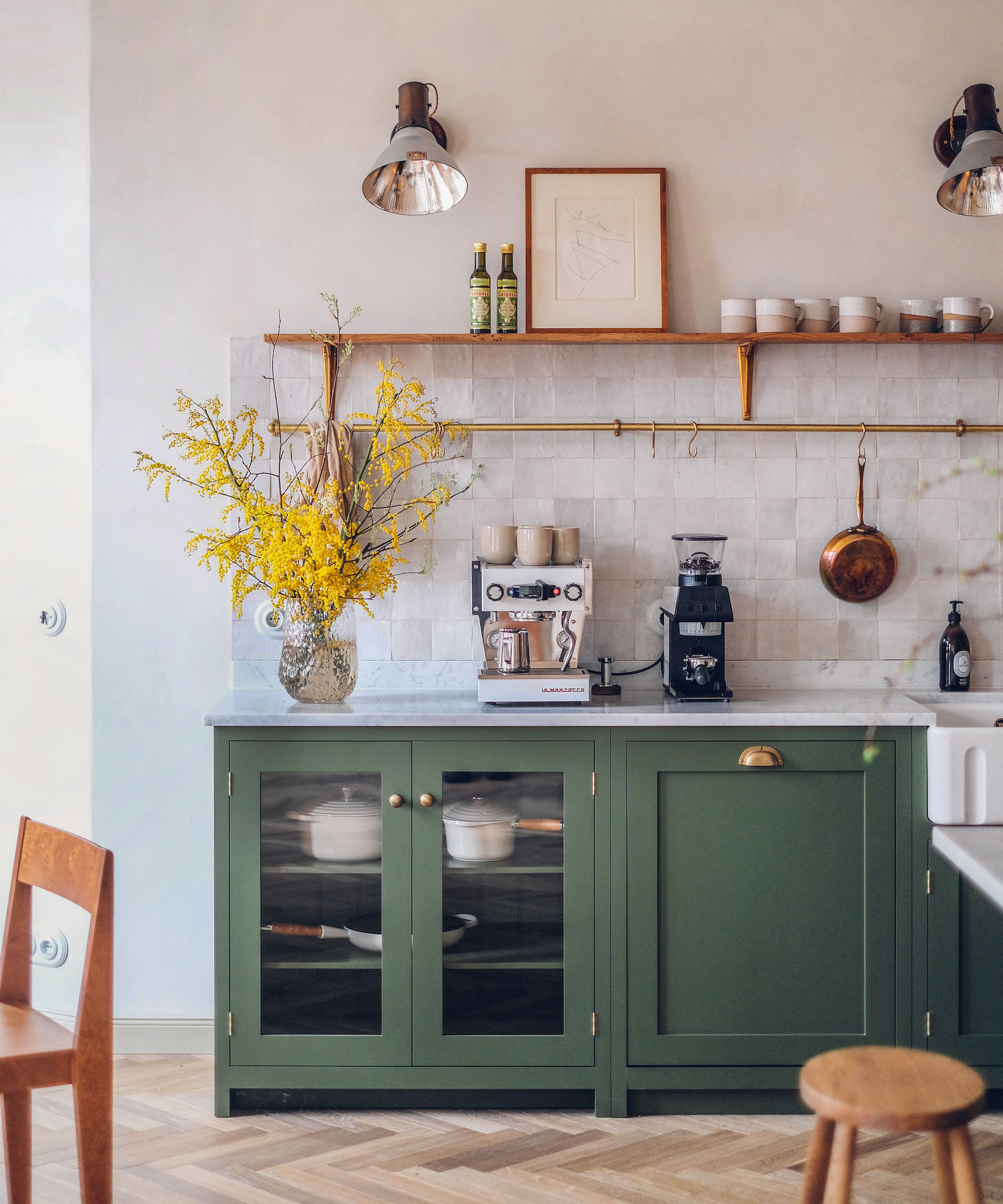
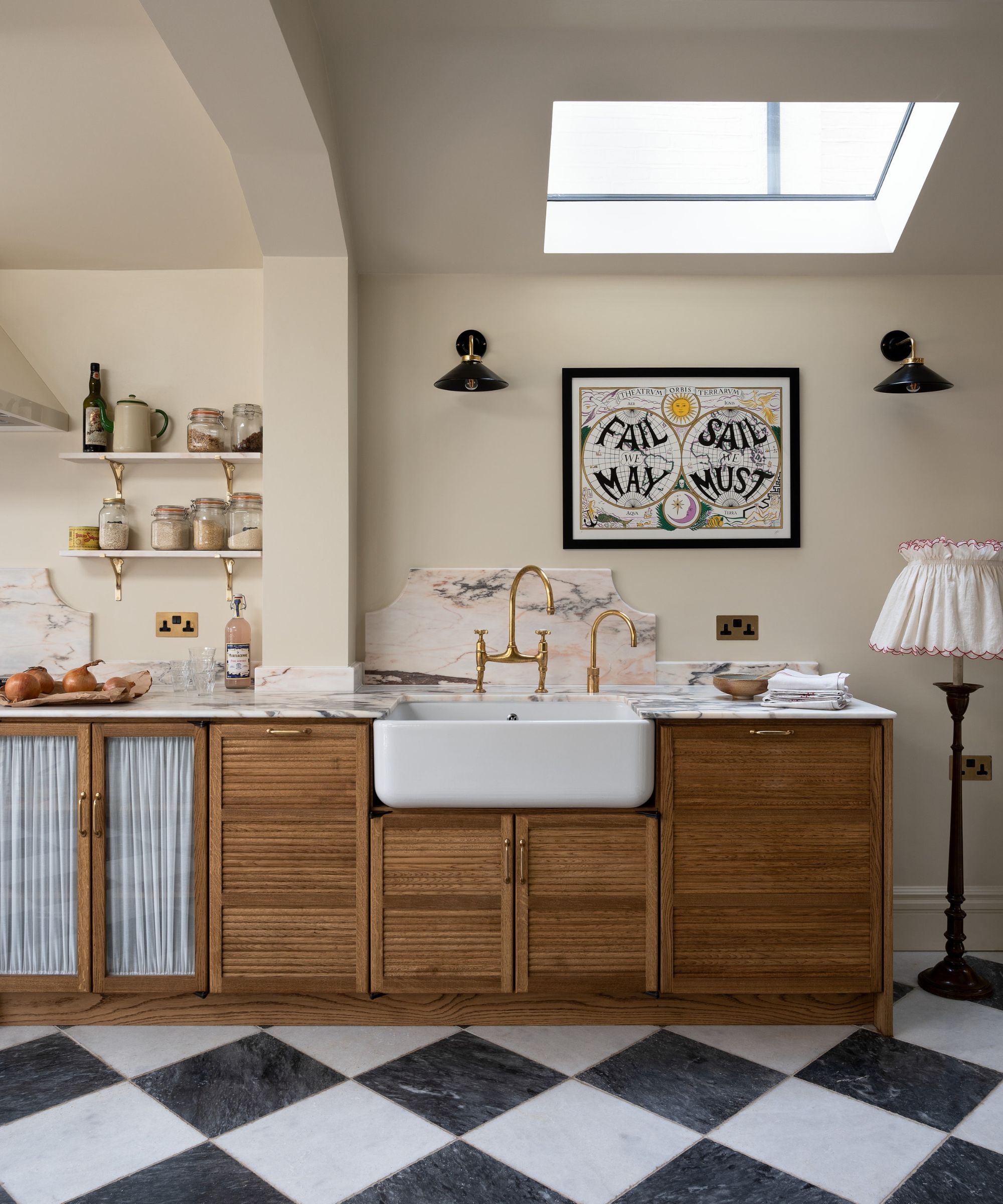
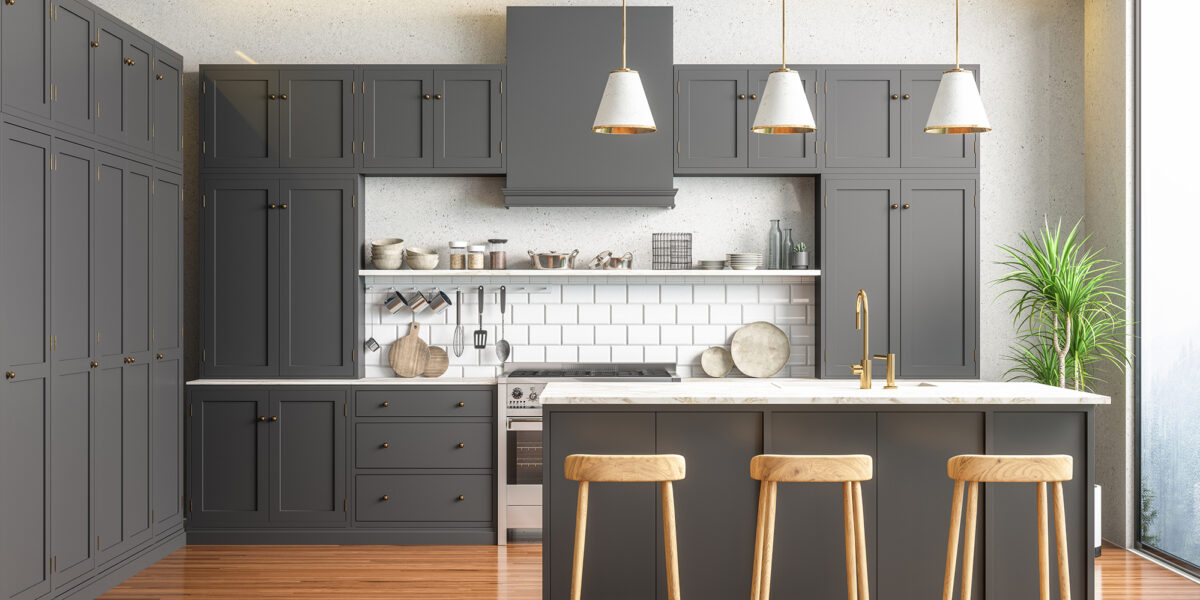
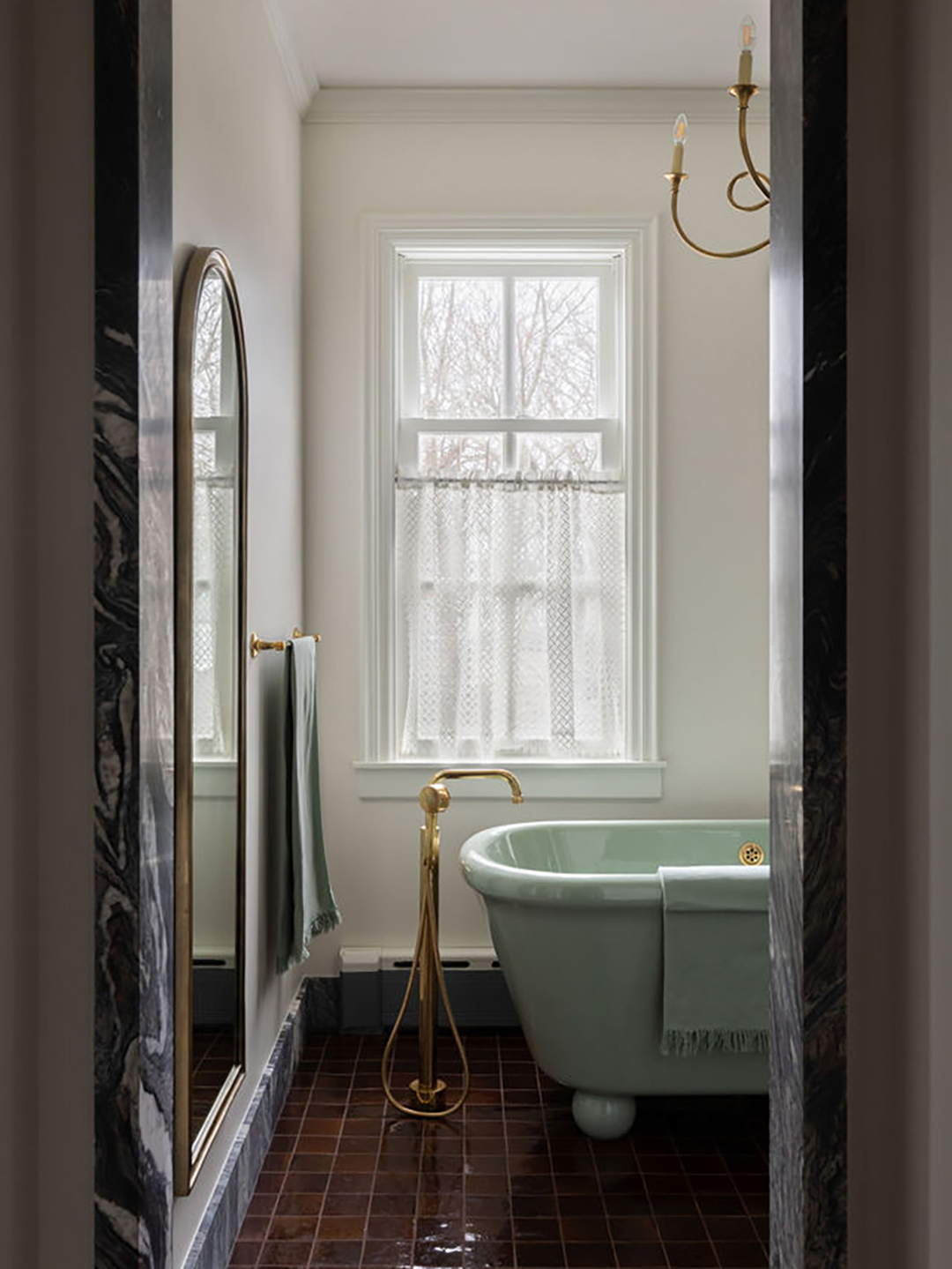
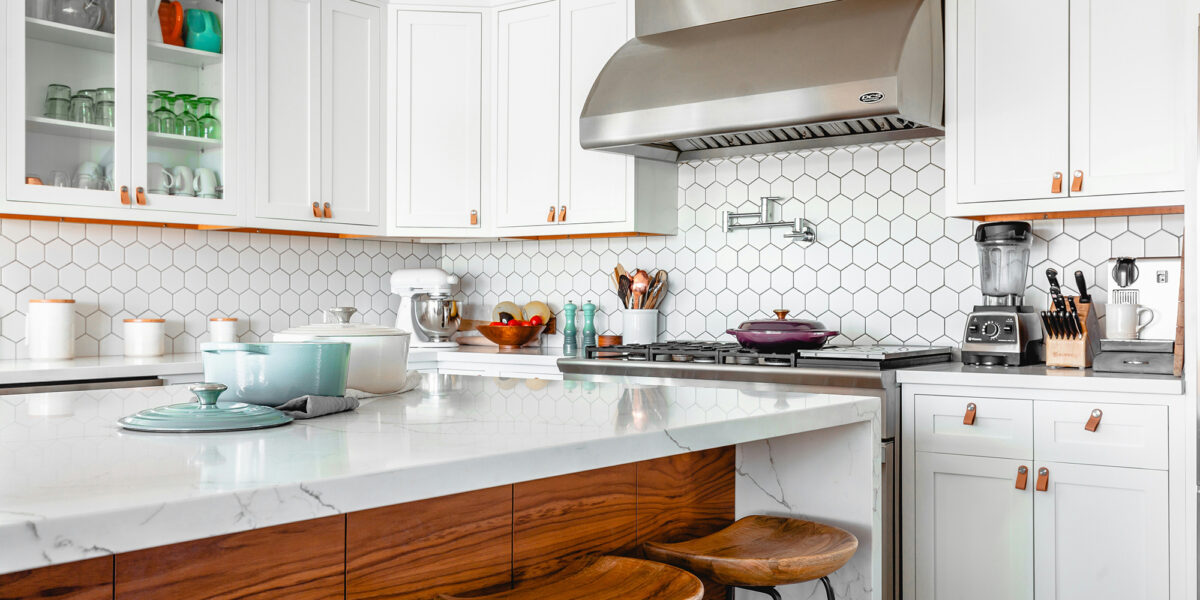
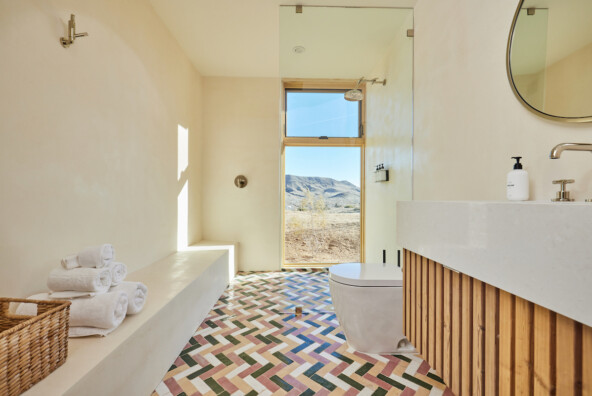
Another fading design convention is the belief that a single hardware finish must be maintained throughout a space, especially in kitchens and bathrooms. Historically, matching hardware was the norm, with brass often being the preferred metallic finish. However, contemporary design champions the mixing of finishes. Pairing polished nickel or unlacquered brass with oil-rubbed bronze is now encouraged to add depth, contrast, and character. There's also a growing preference for hardware that develops a patina over time, moving away from overly polished, fingerprint-proof surfaces. Unlacquered and 'living' finishes that naturally show wear and watermarks are favored for their ability to bring warmth, history, and a timeless quality to a space.
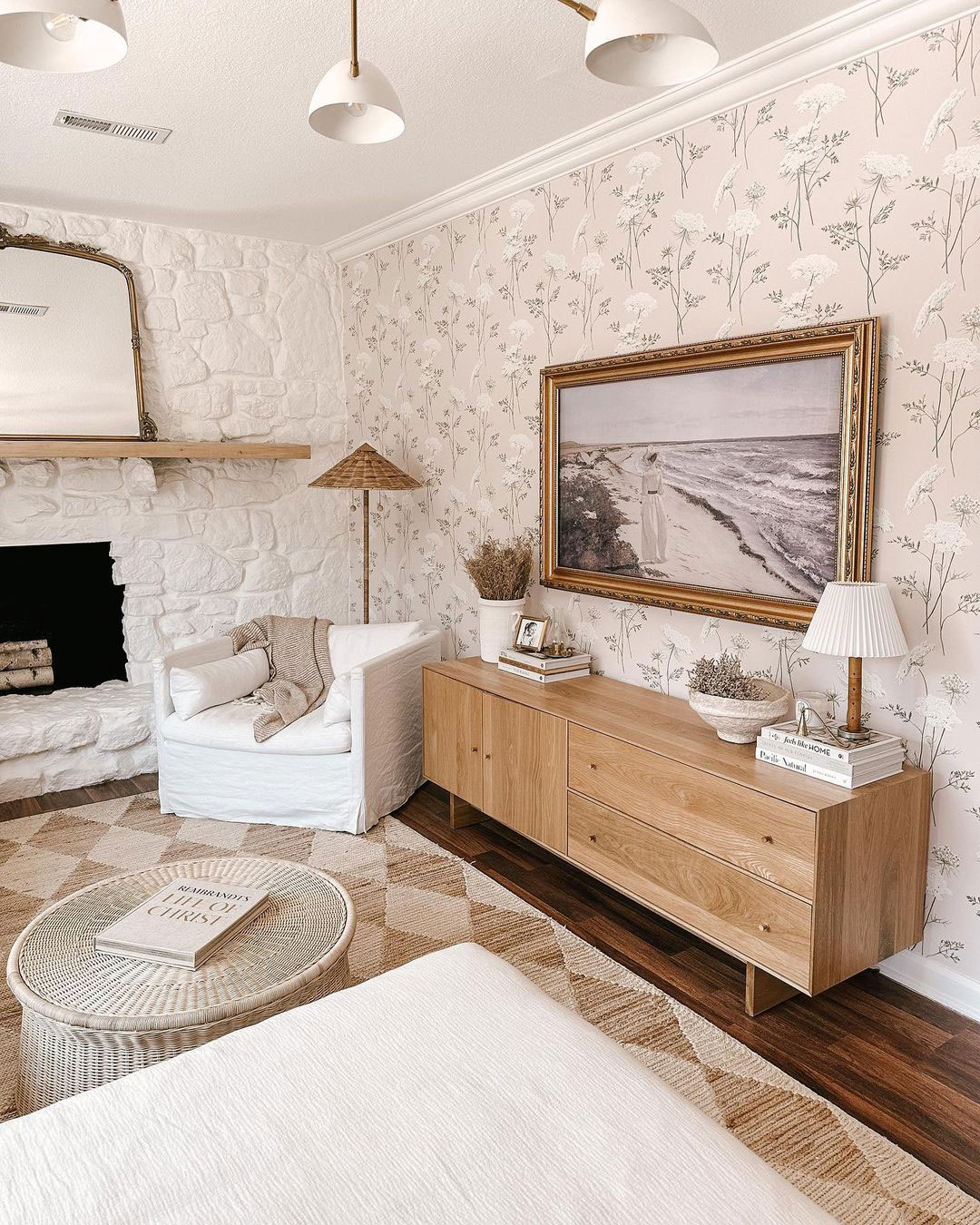
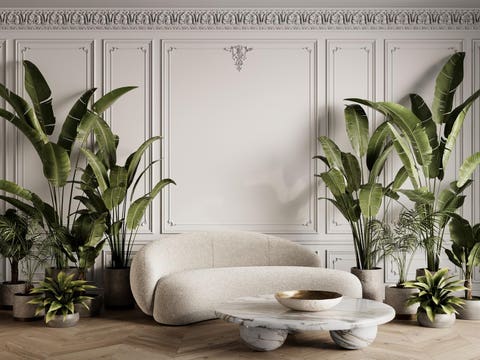
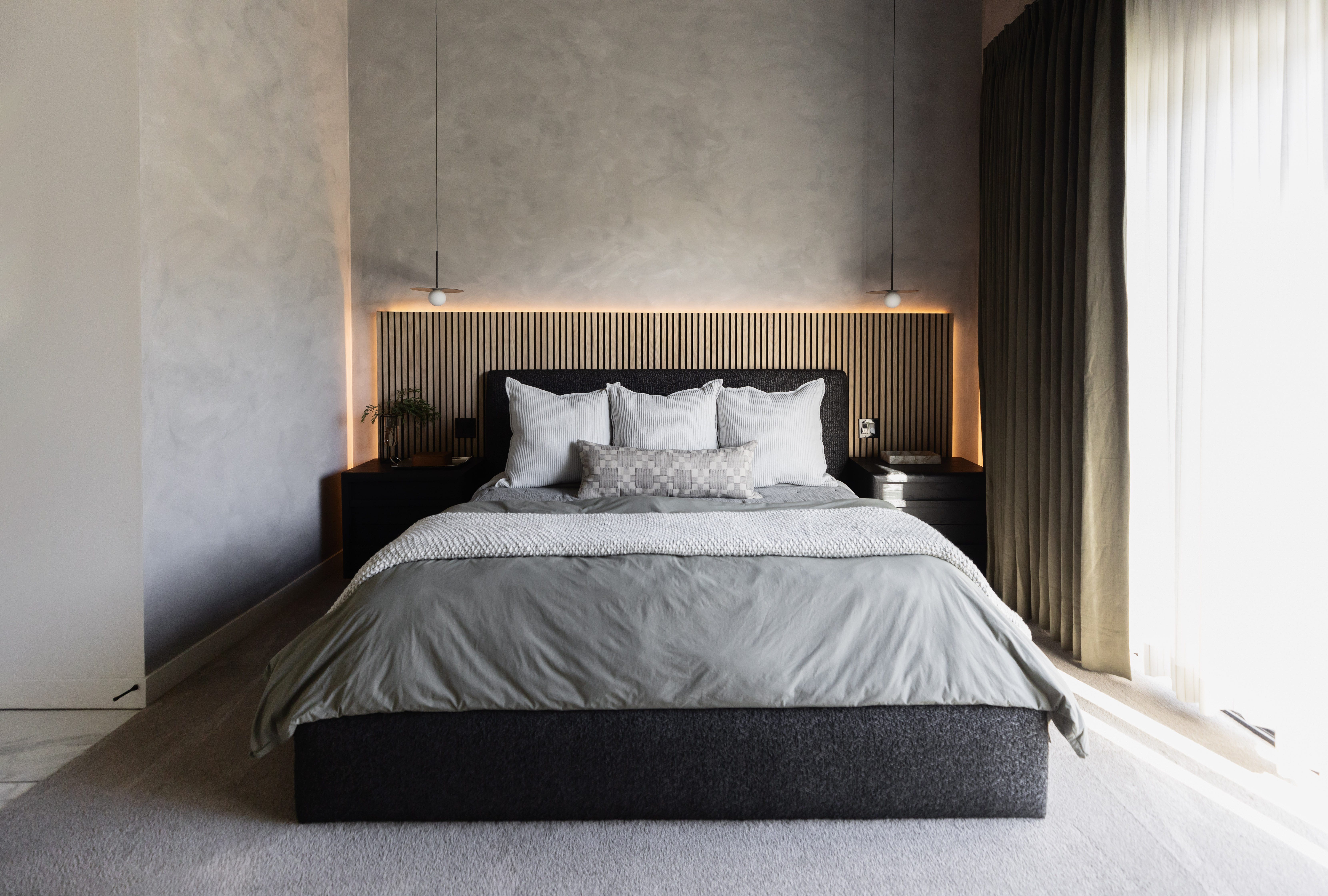
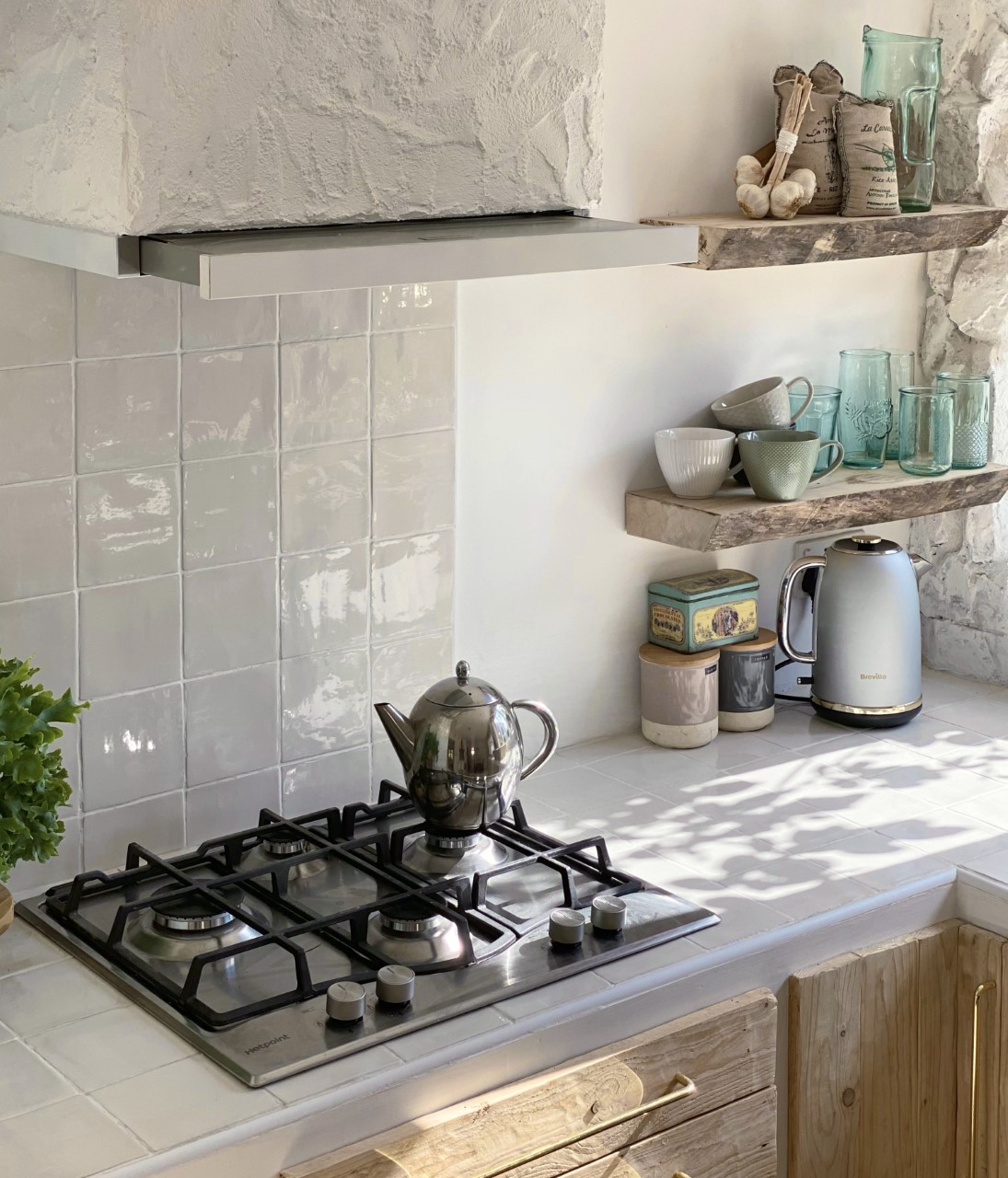
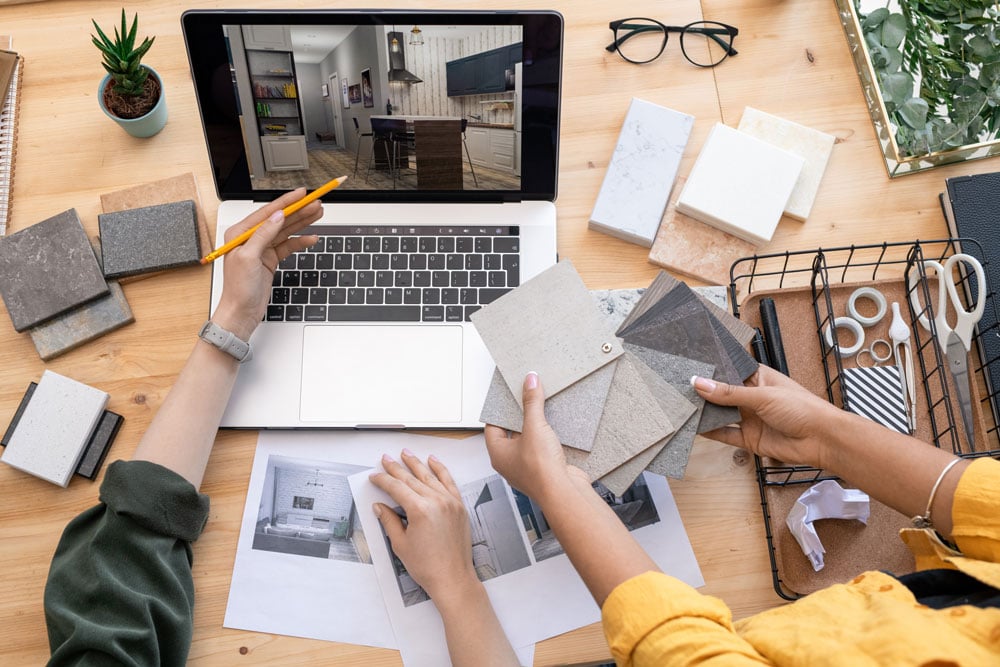
Furthermore, the perception that wallpaper is the sole alternative to painted walls is also becoming obsolete. While wallpaper trends are becoming more creative, incorporating murals, panels, and even ceiling applications, there's an increasing exploration of other textured wall finishes. Materials like Roman clay, plaster reliefs, and limewash offer a compelling middle ground, providing the simplicity of a single color with added depth, movement, and character that flat paint often lacks. Decorative elements such as the bas-relief trend are being utilized to subtly enhance walls, adding personality while maintaining cohesion and timelessness.
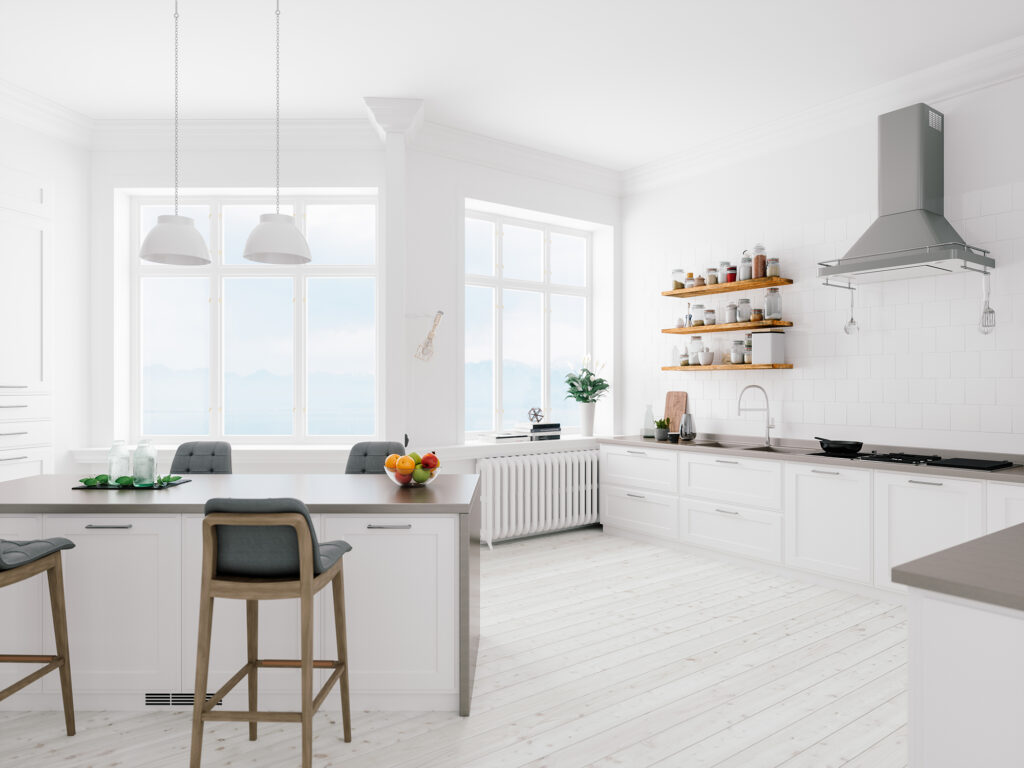
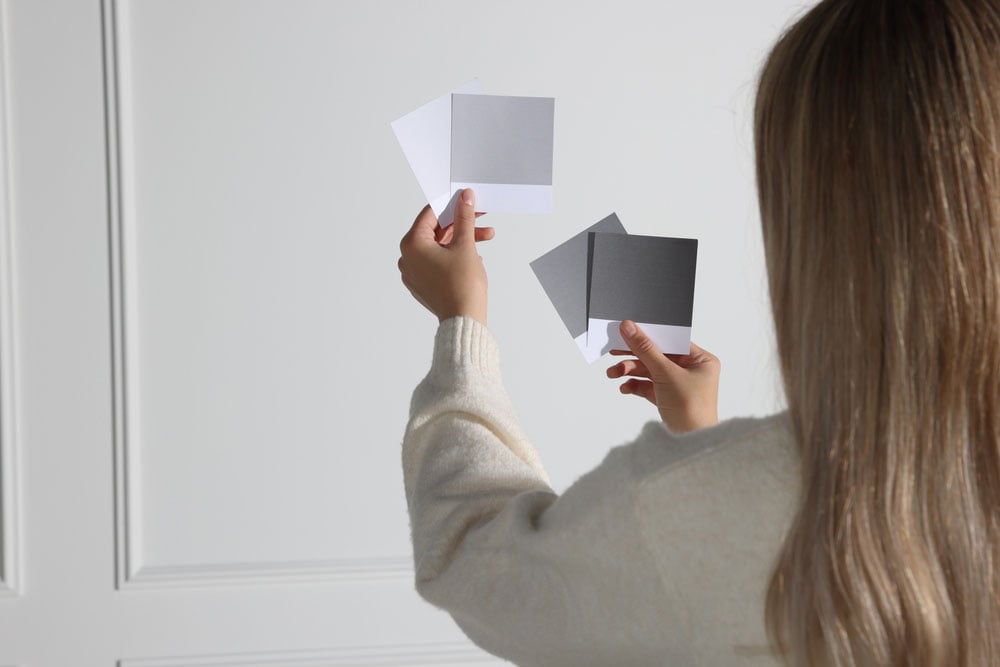
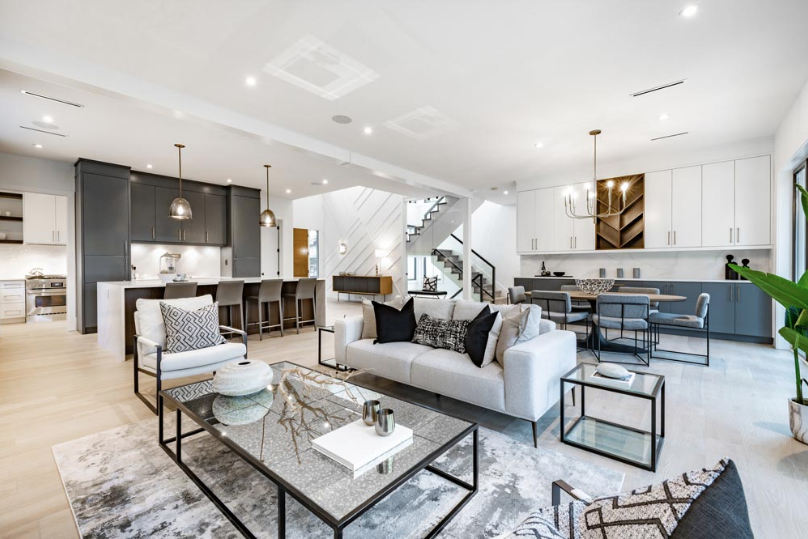
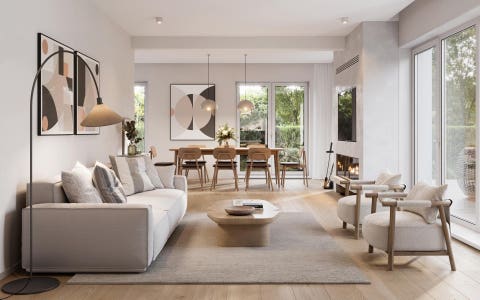
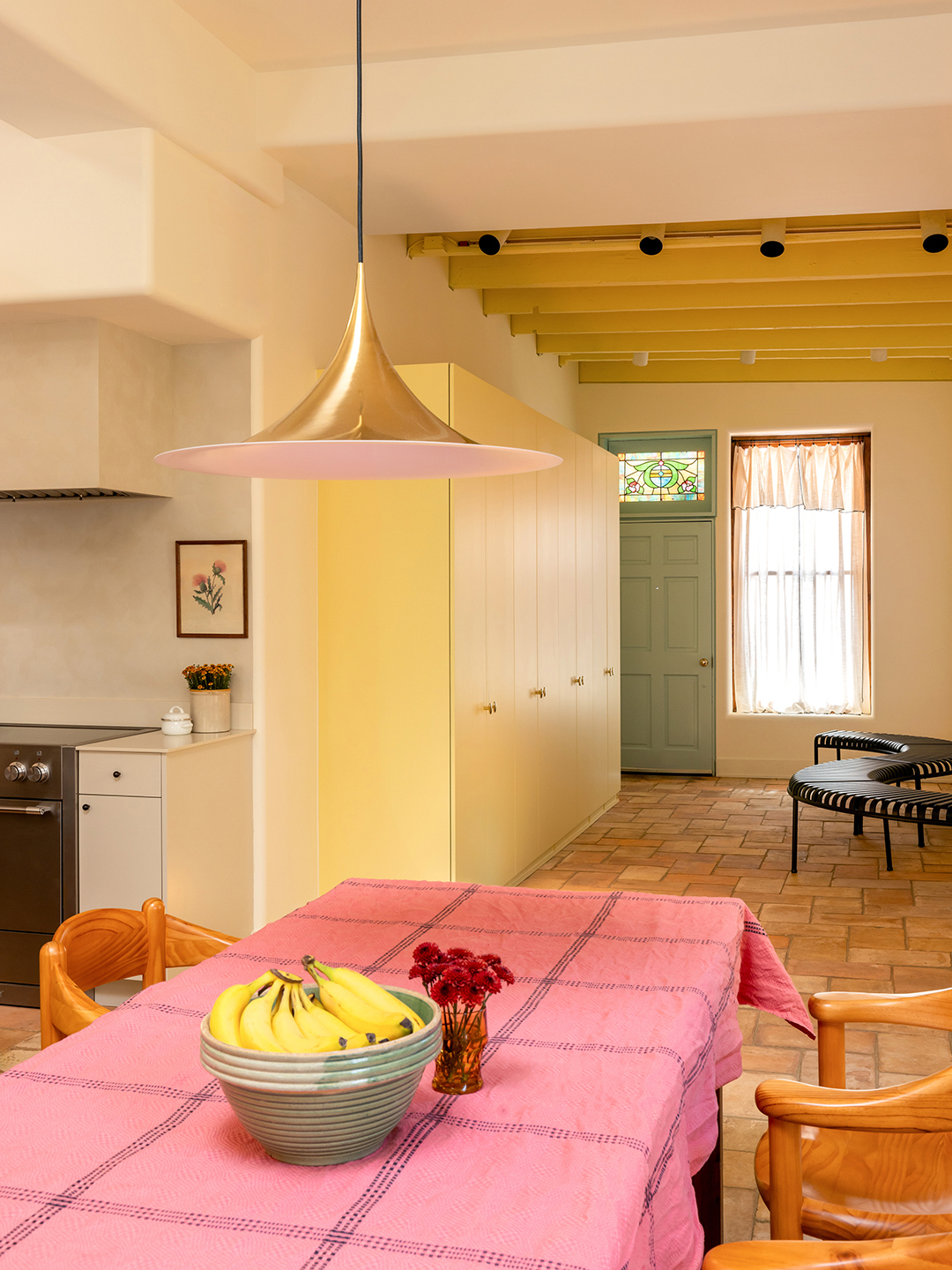
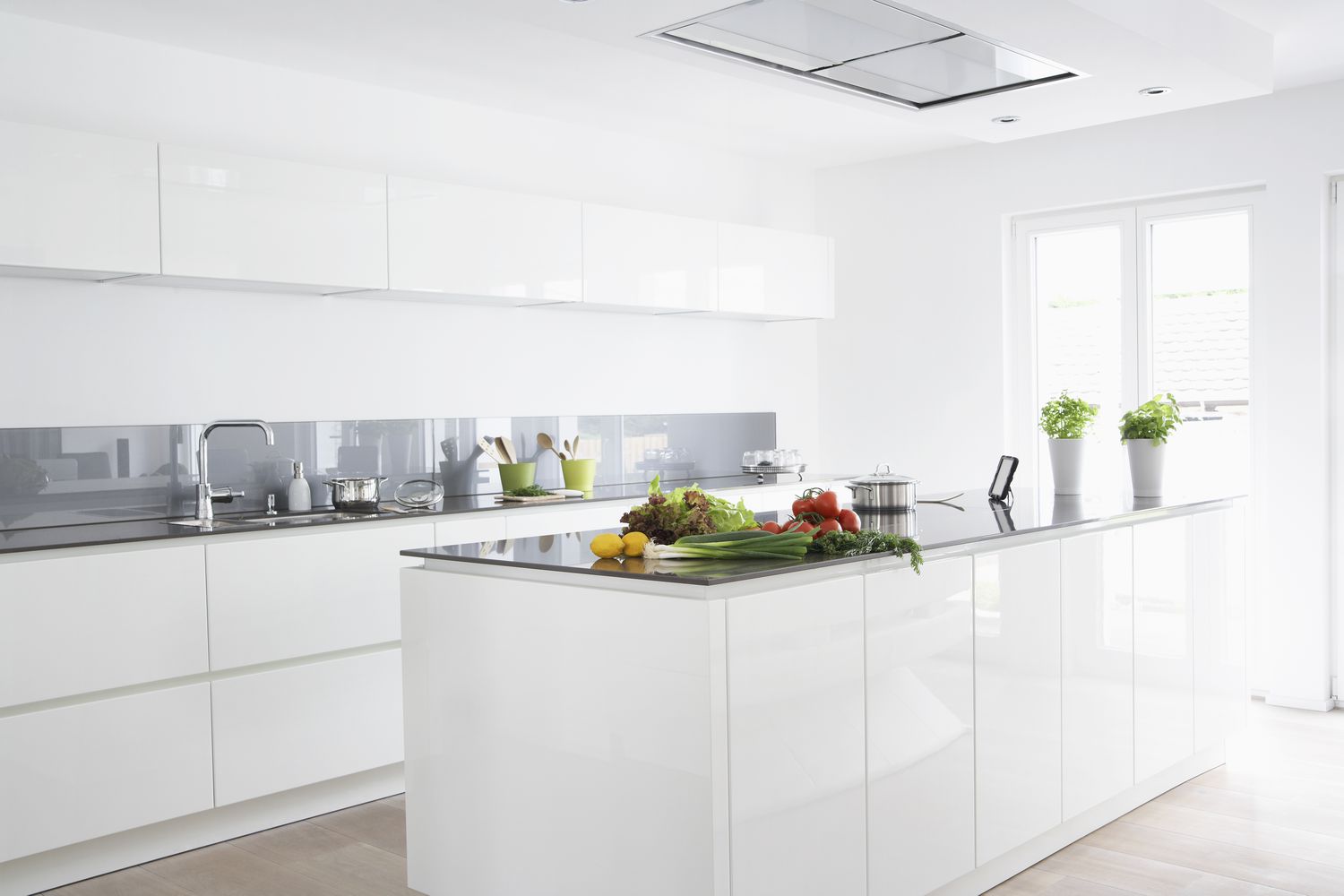
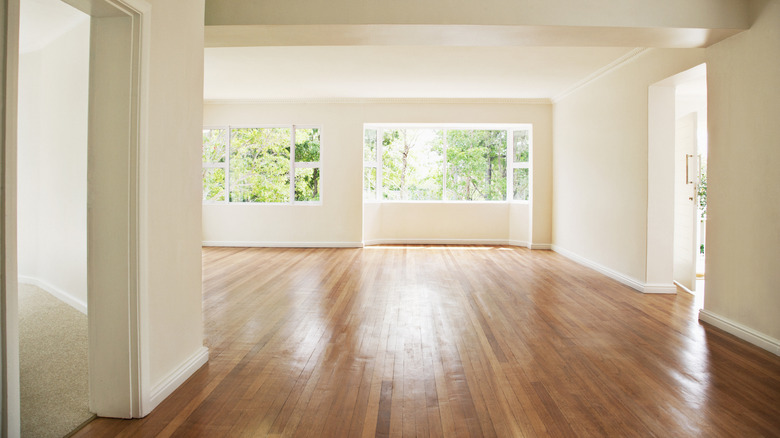
Lastly, the universal preference for open-plan layouts is being re-evaluated. Post-pandemic insights have highlighted the increased need for privacy and visual separation within homes. While a complete return to closed-off rooms is not necessarily advocated, the approach to open-plan living is being refined. The current trend involves creating well-defined areas within an open layout through strategic furniture arrangement, the use of rugs, archways, or partial walls to achieve a balanced sense of separation. Even paint colors can be used to zone different functional areas within a large open space, such as distinguishing kitchen, dining, and living room zones. This nuanced approach ensures that homes remain adaptable and comfortable, reflecting personal needs rather than adhering to rigid design doctrines.
#InteriorDesign #HomeDecor #DesignTrends2025 #AsymmetricalDesign #MixedMetals #TexturedWalls #OpenPlanLiving #PersonalizedInteriors #ColorfulCountertops #InteriorDesign #HomeDecor #DesignTrends2025 #AsymmetricalDesign #MixedMetals #TexturedWalls #OpenPlanLiving #PersonalizedInteriors #ColorfulCountertops
0 comment in total
 No comments yet
You may also like
How to decorate in 2025: Skip these tired trends, interior designers say
Sorry, But It’s Time to Retire These 5 Interior Design Trends in 2024

I asked interior designers what trends they are already sick of seeing in 2025
Designers Say These Trends Will Go Out of Style in 2025—Here Are Some to Try Instead

It’s Time to Say Goodbye to These Outdated Design Trends in 2024
5 outdated home decor trends interior designers want you to kiss goodbye in 2024, and what to do instead

The Outdated Floor Pattern You Should Leave Behind In 2025
The Decorating Trends Designers Are Leaving Behind in 2026

Ready to Redecorate? 2025’s Top Design Trends Just Dropped

3 "Timeless" Trends Designers Say Are Out—and Making Homes Look Dated in 2026

8 Decorating Trends Designers Wish Would Go Away in 2025

These are the outdated kitchen cabinet trends designers say you should ditch in 2025
Sorry, but These Design Trends Will Be Outdated in 2025

10 Interior Design Trends Going Away In 2025

5 trends that look good right now but interior designers warn they won't last
What's making a home look dated in 2025? Interior designers share the design icks that they say are aging your interiors
The decorating trends designers definitely want you to leave behind in 2025 – from fads to faux pas

The Pros Have Spoken: These Interior Design Trends Will Define 2025

Interior Designers are Ditching These Home Trends in 2024
5 Design Trends Interior Designers Can't Wait to Say Goodbye to in 2025