
1/7
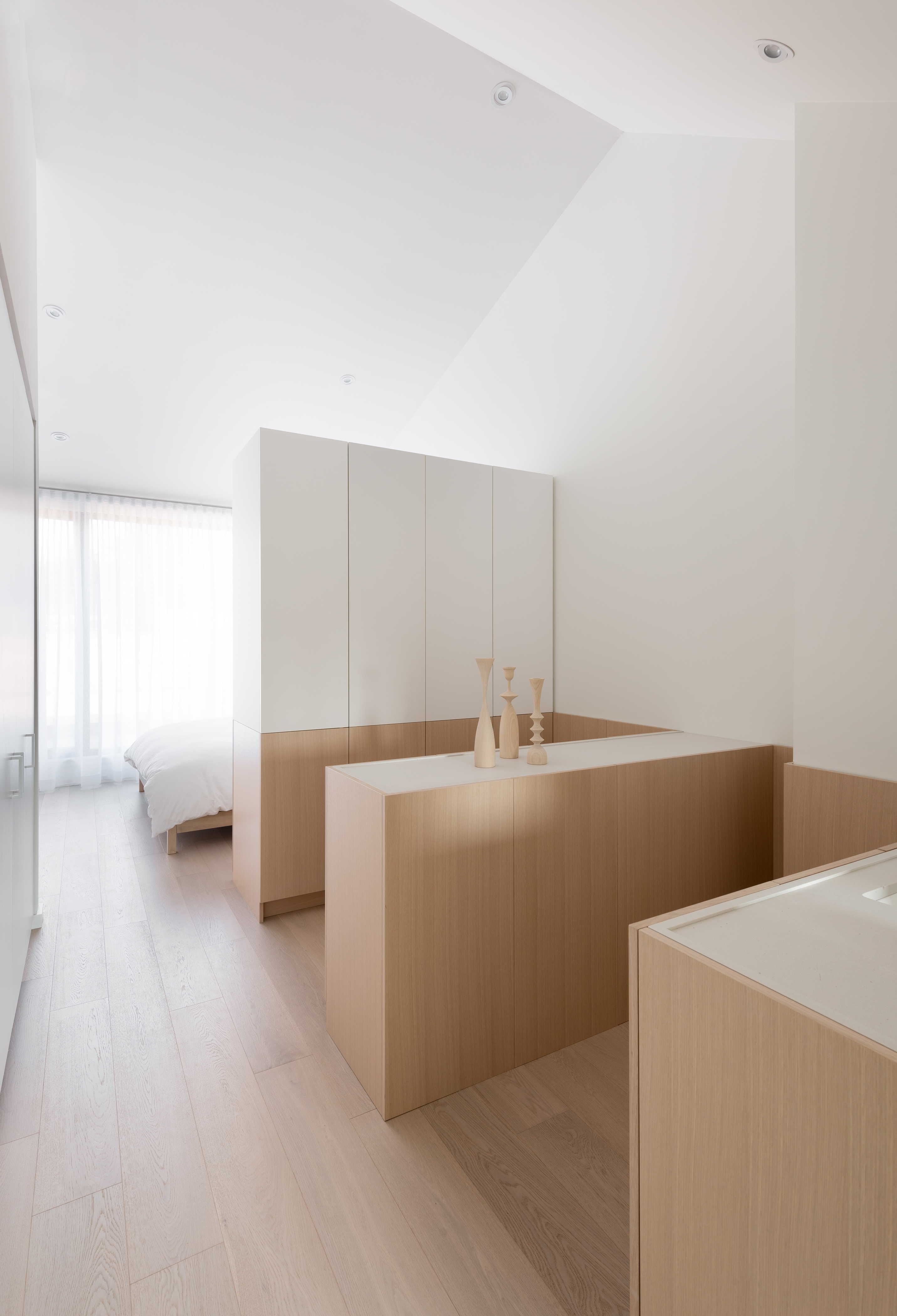
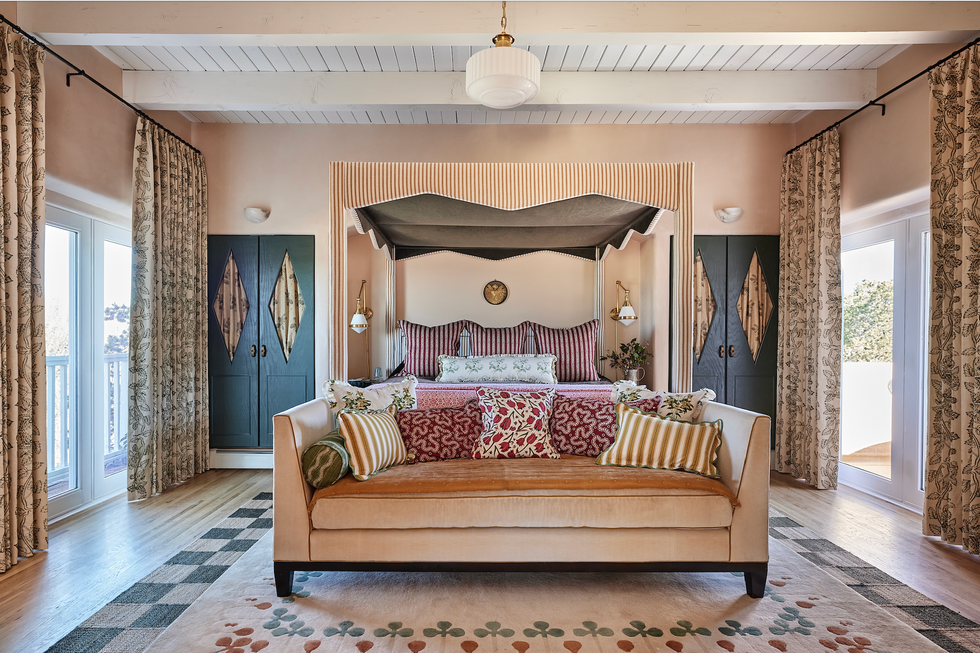
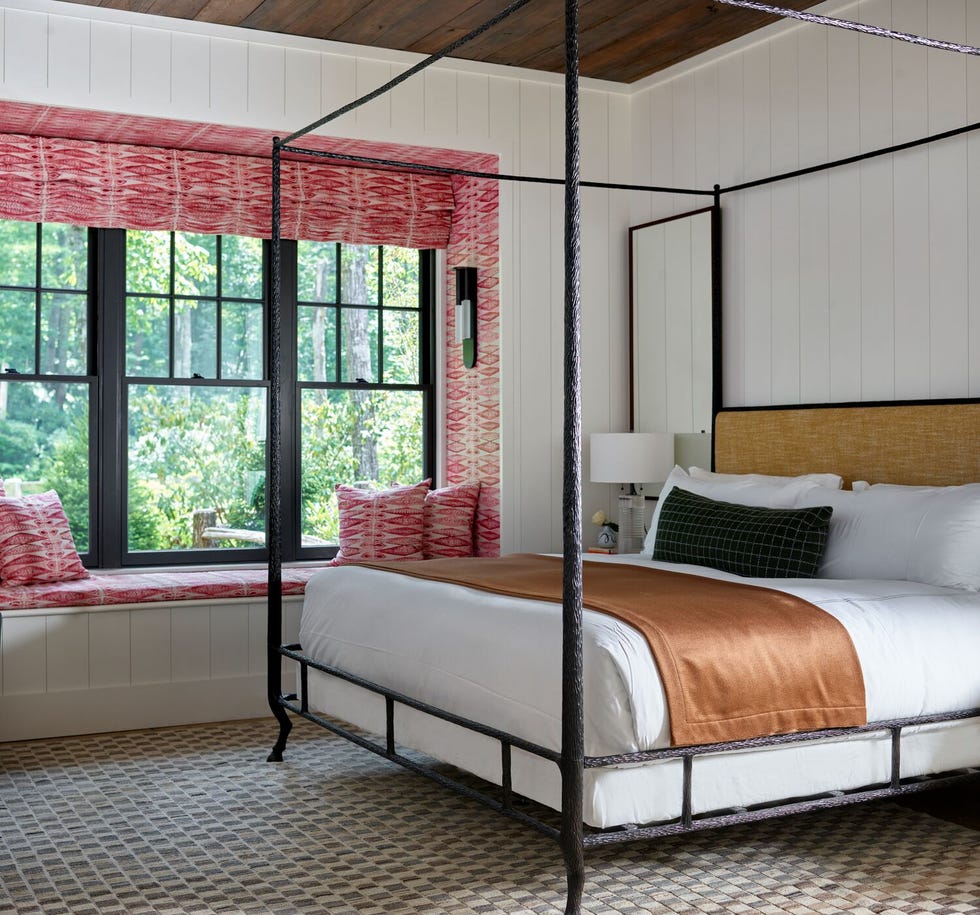
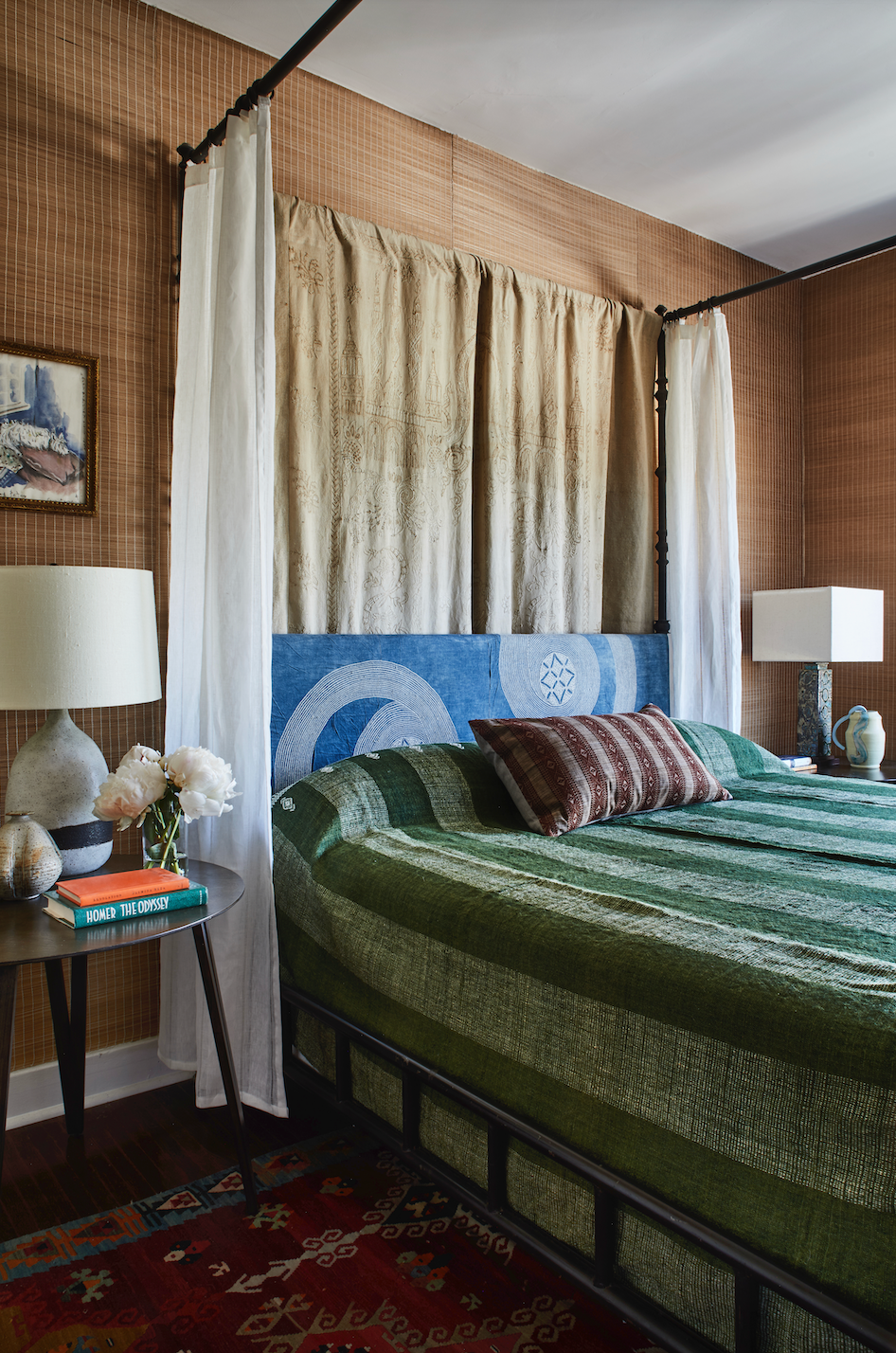
Room dividers – and all their old-Hollywood charm – are back
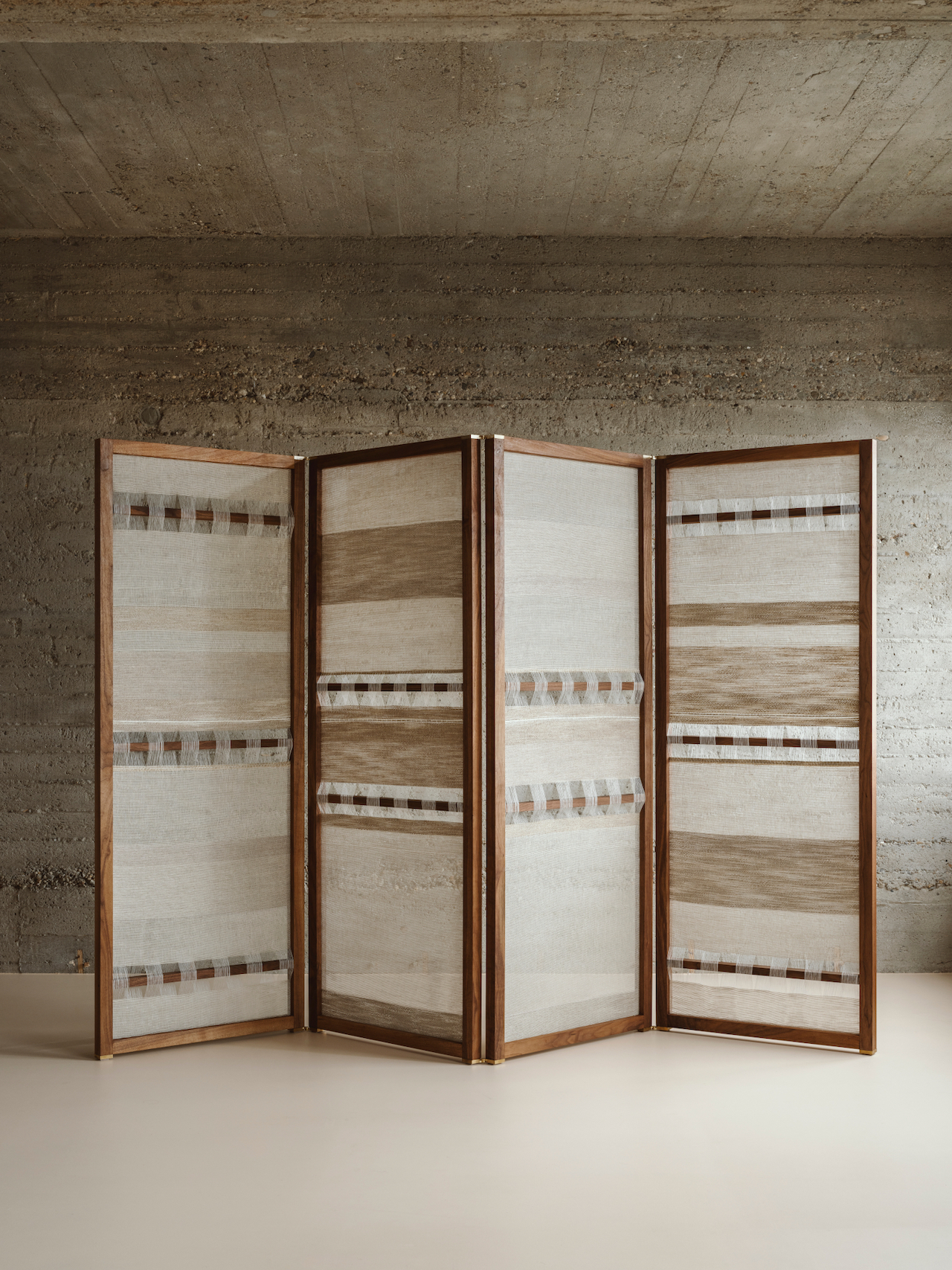
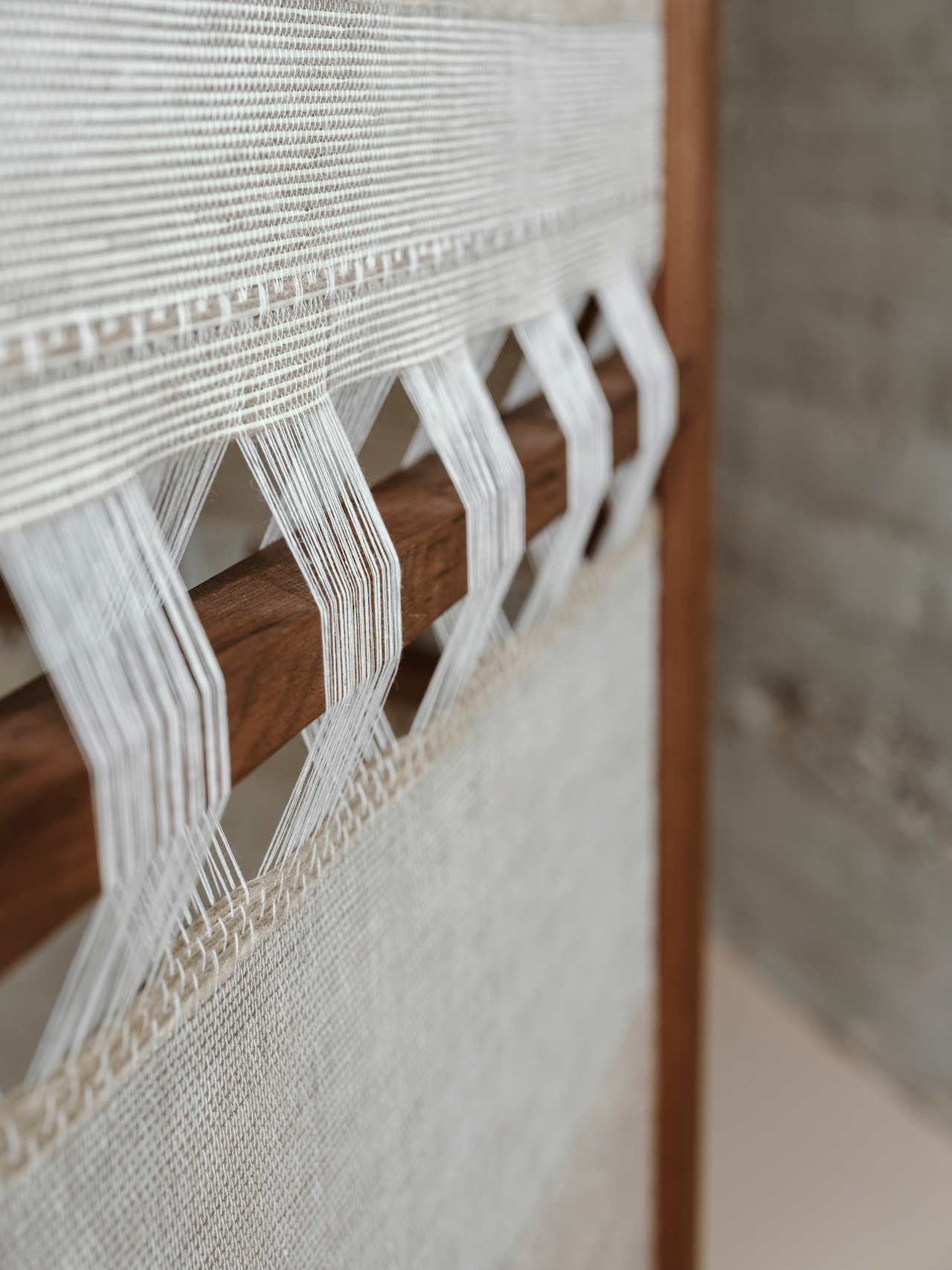
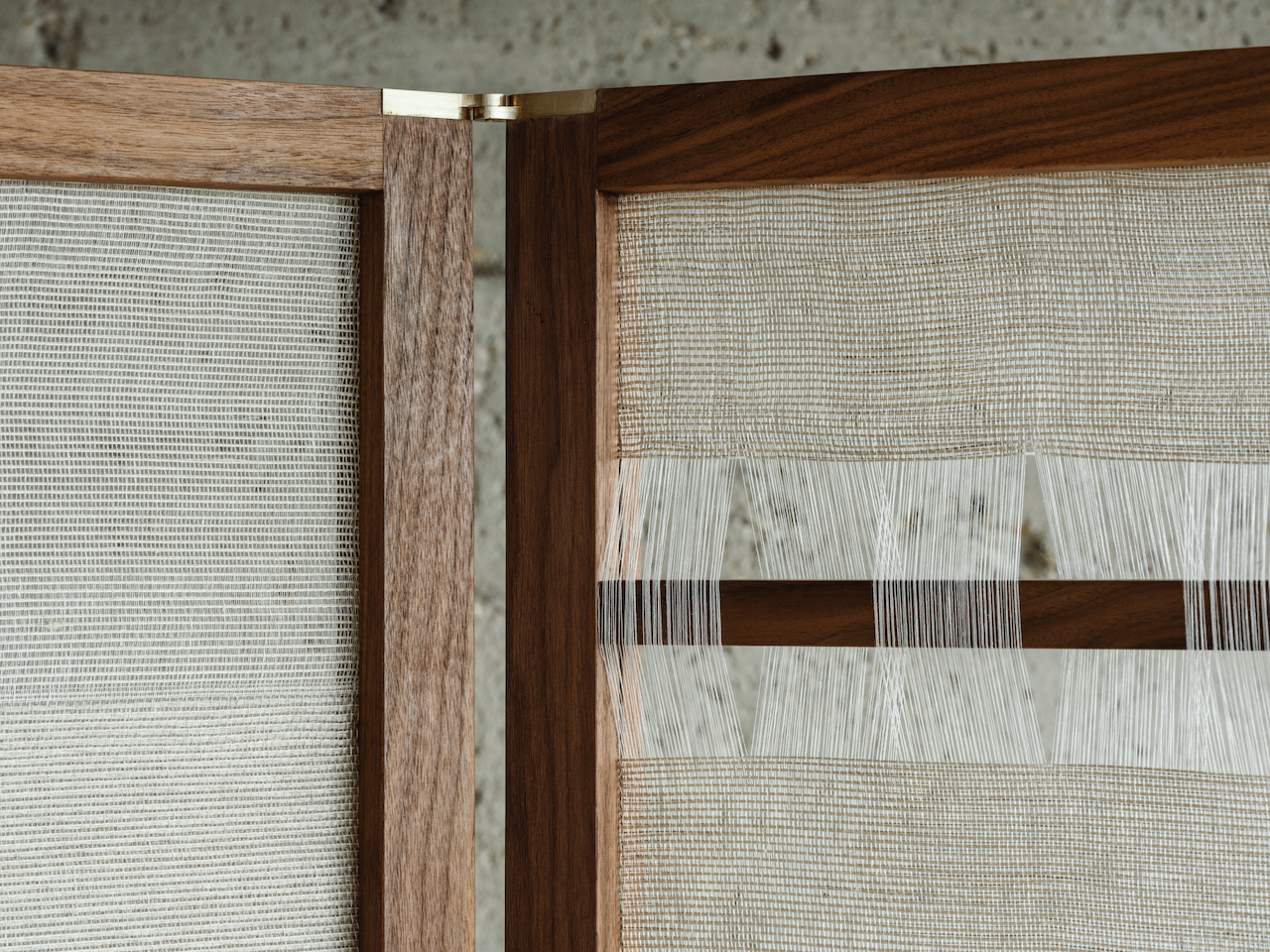
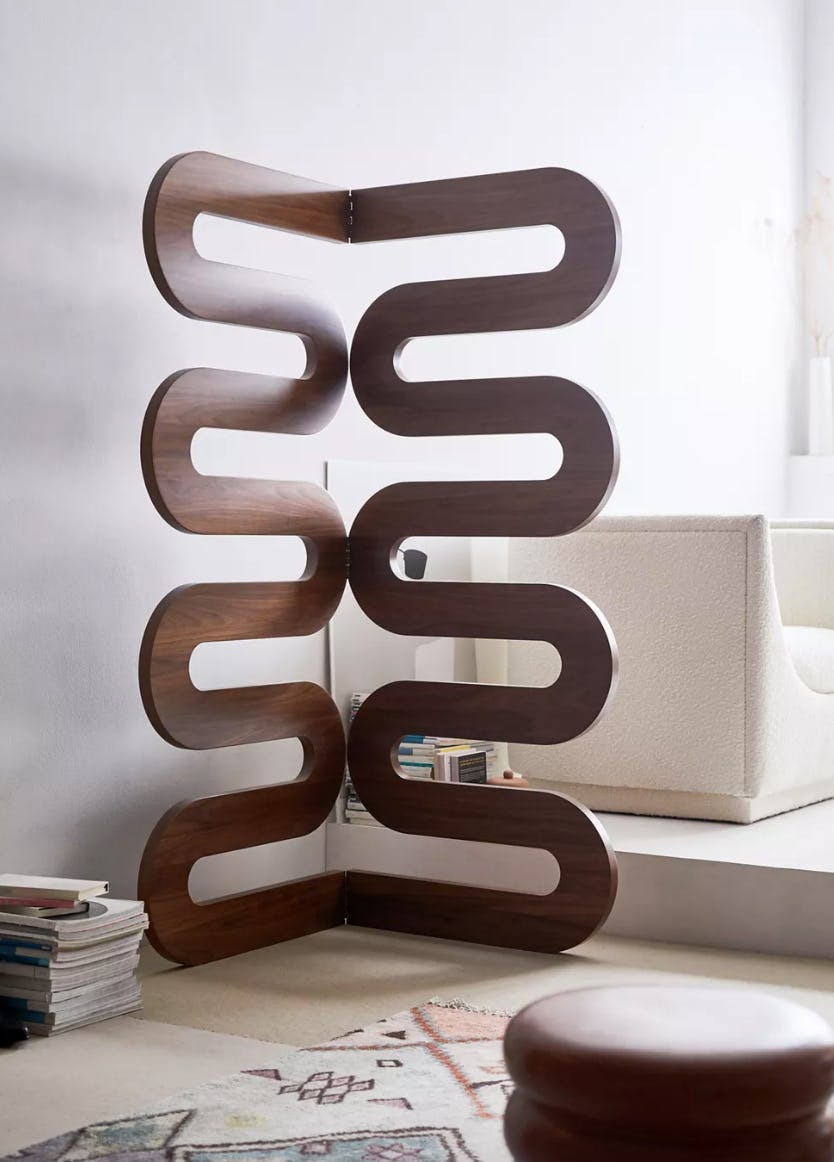
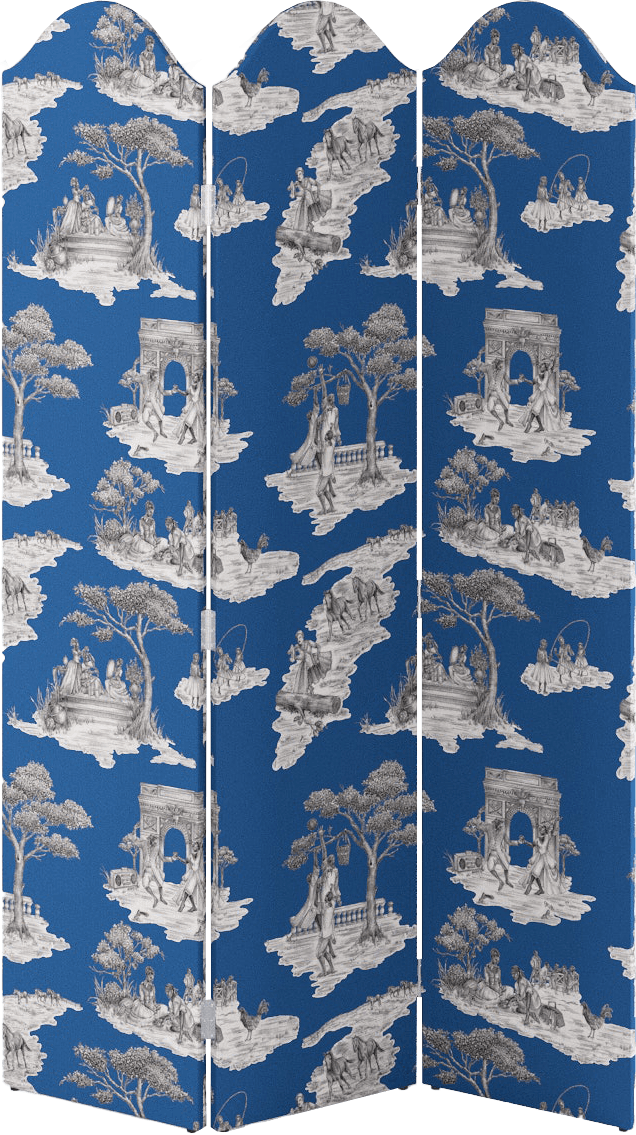
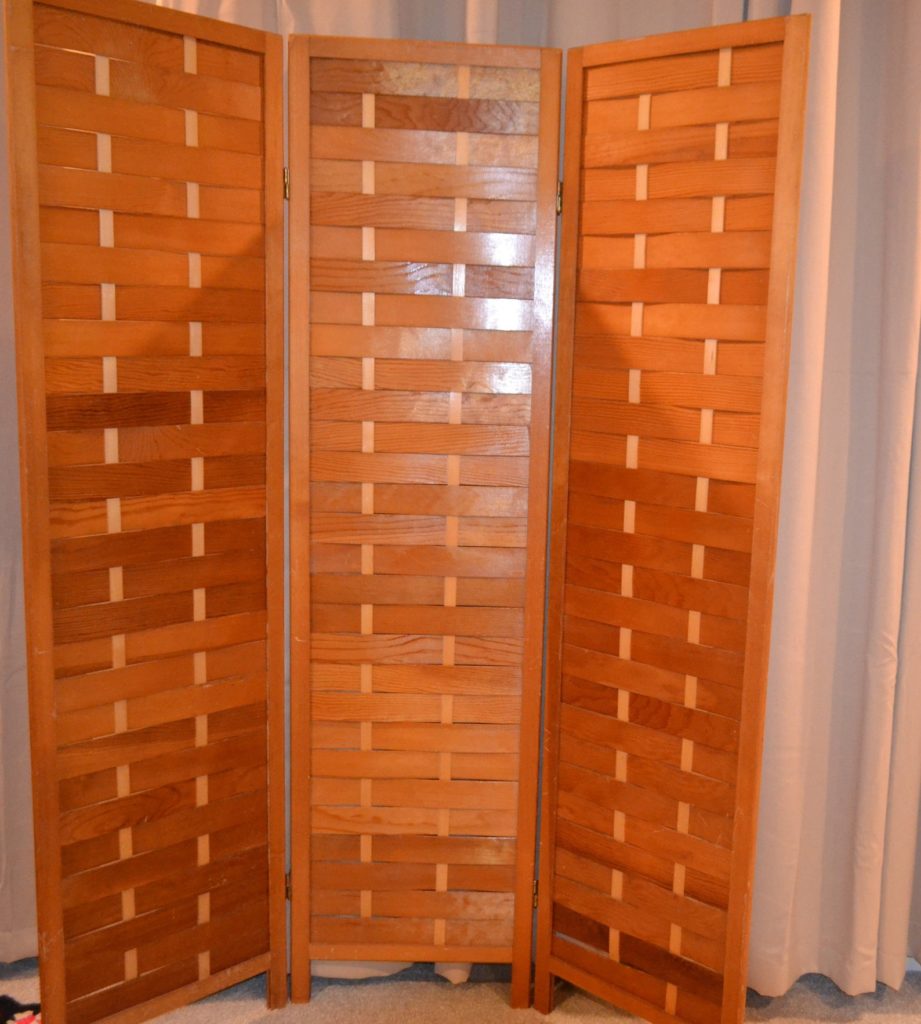
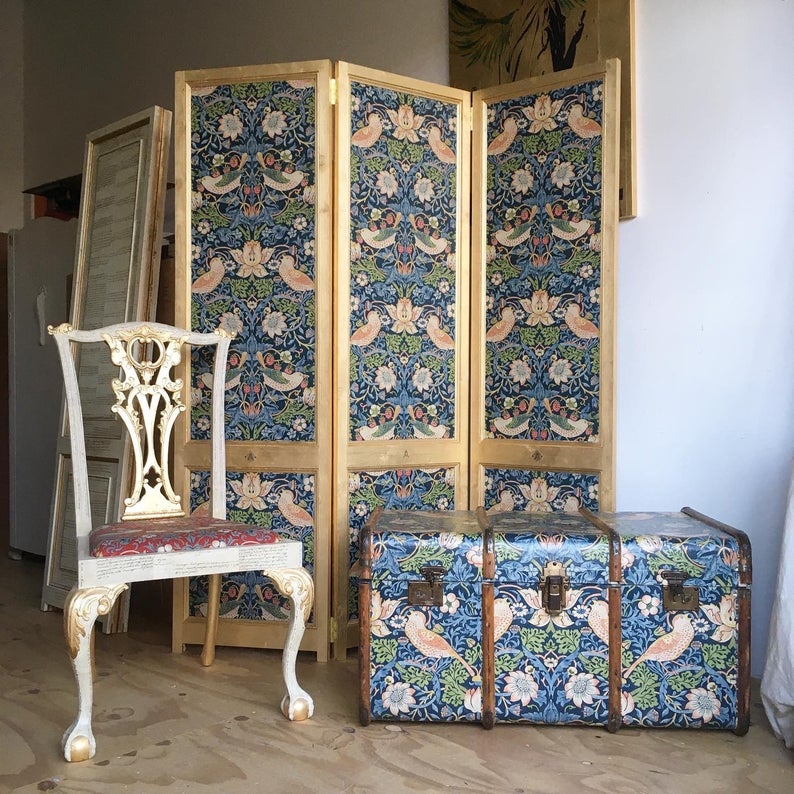
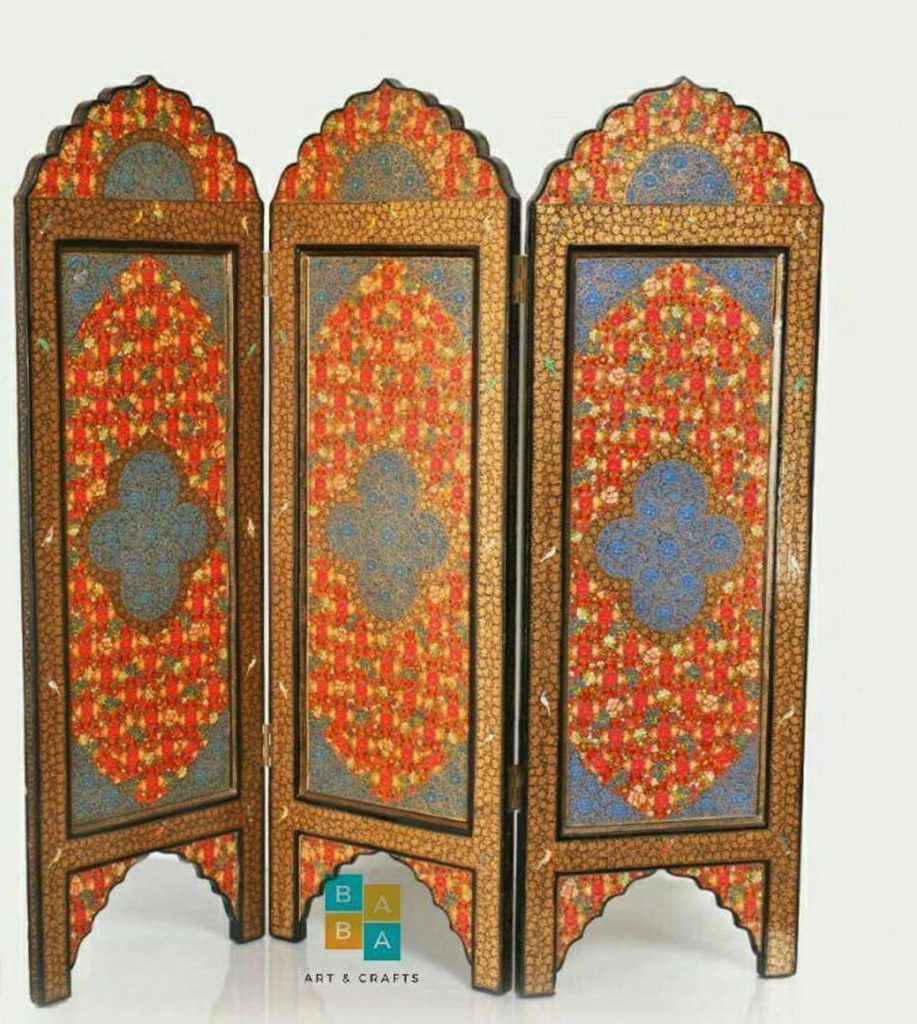
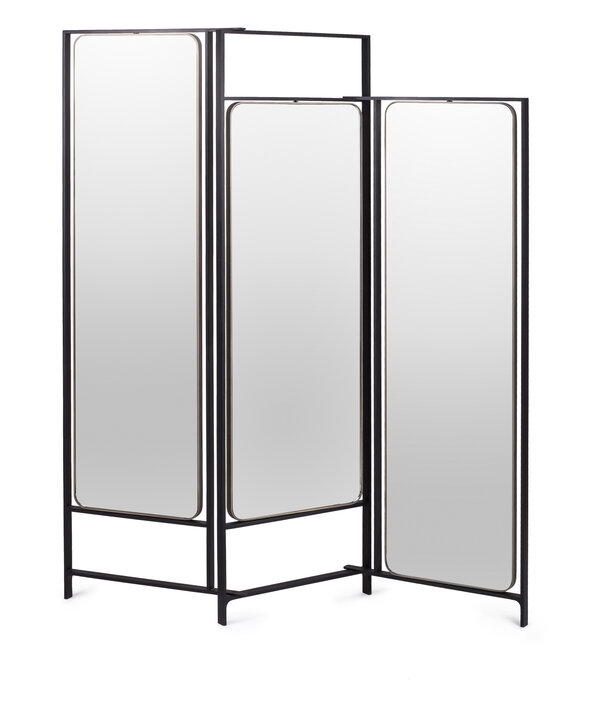
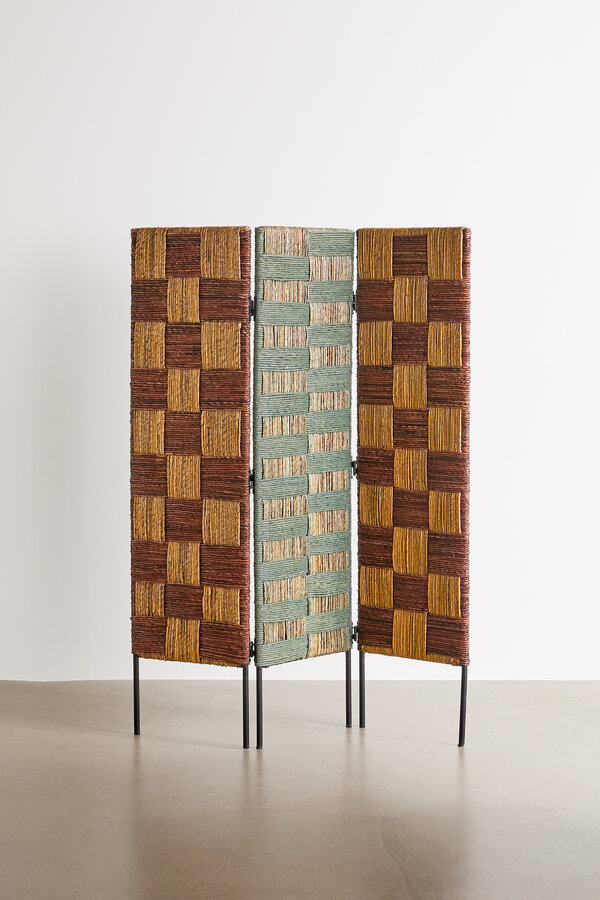
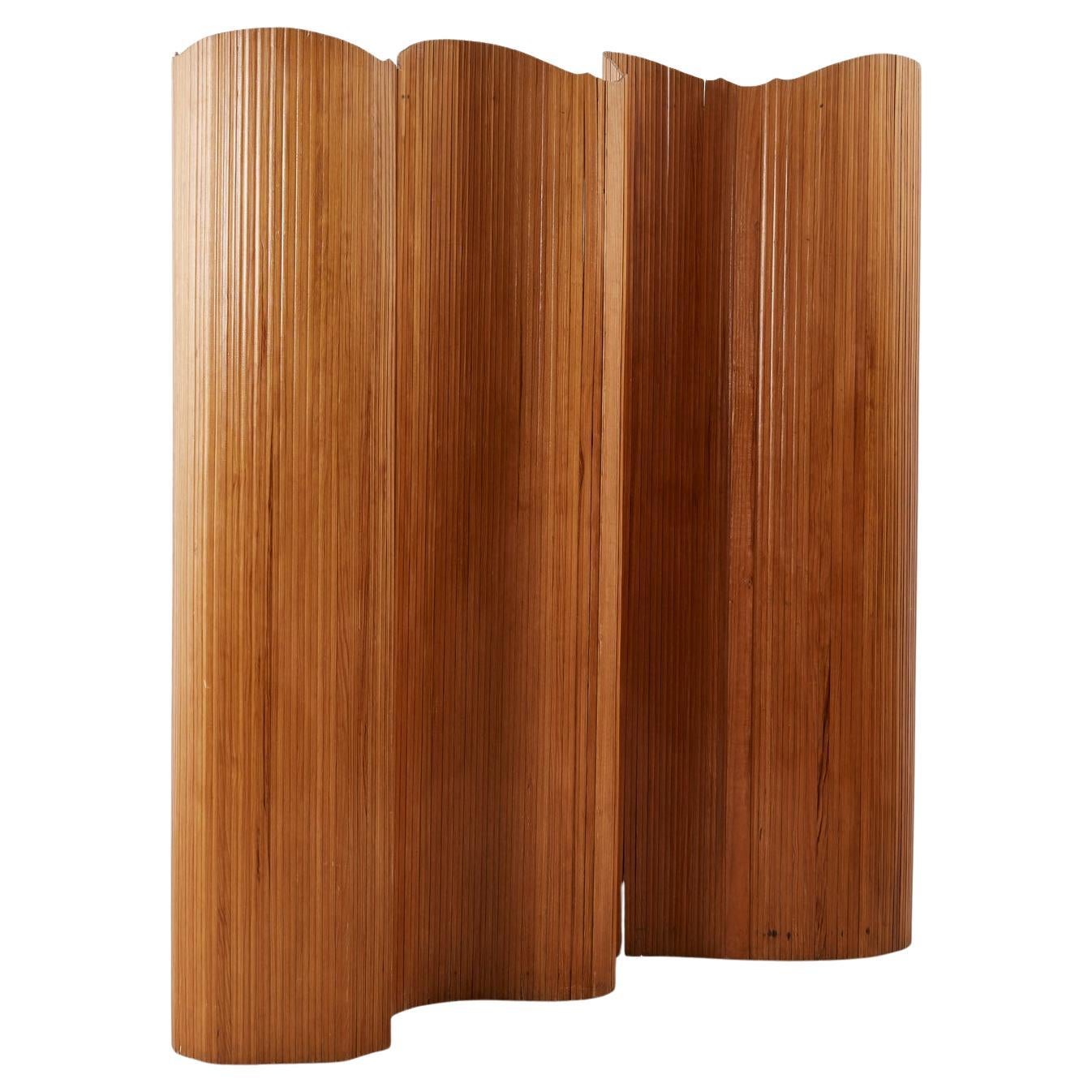
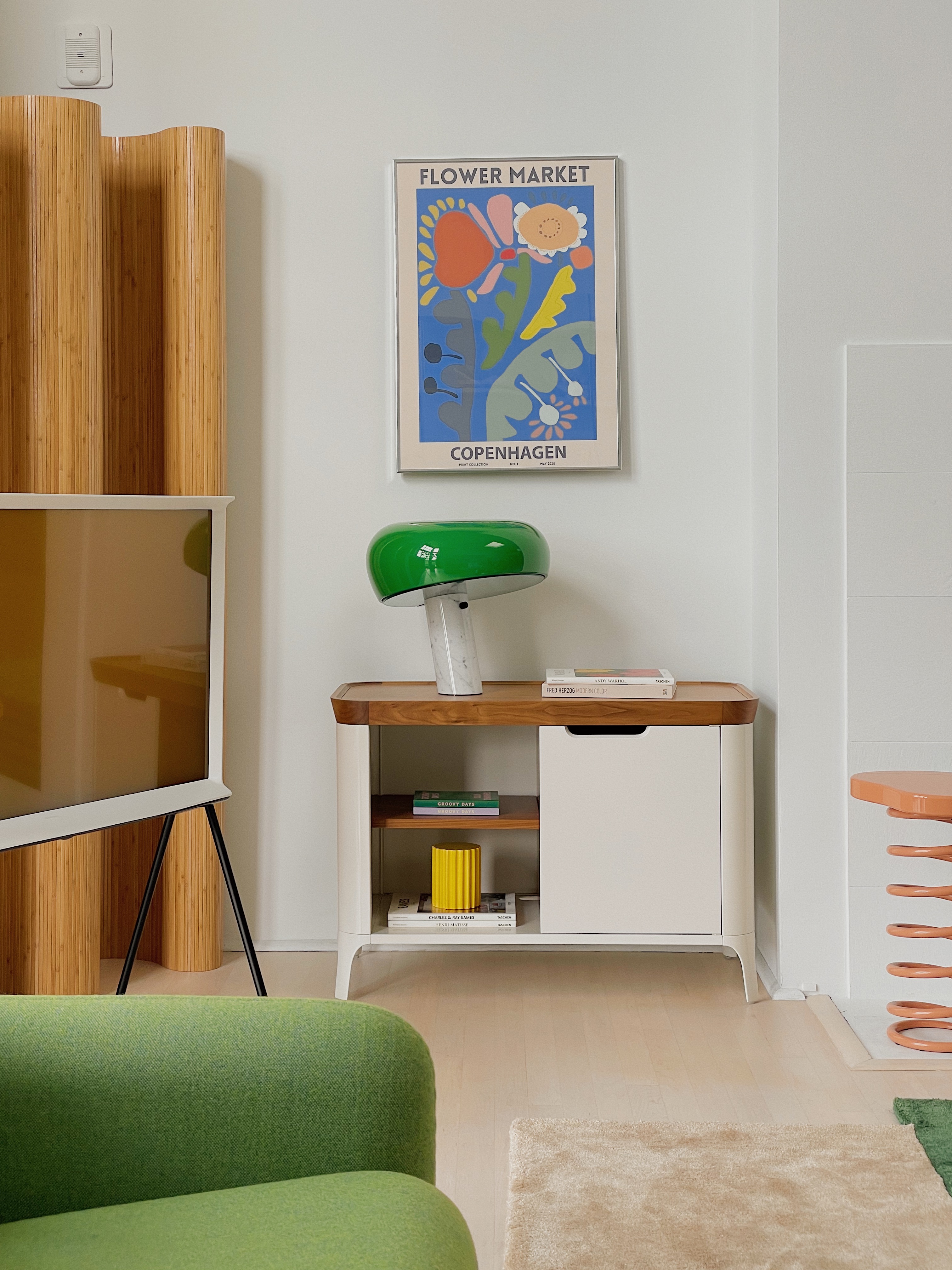
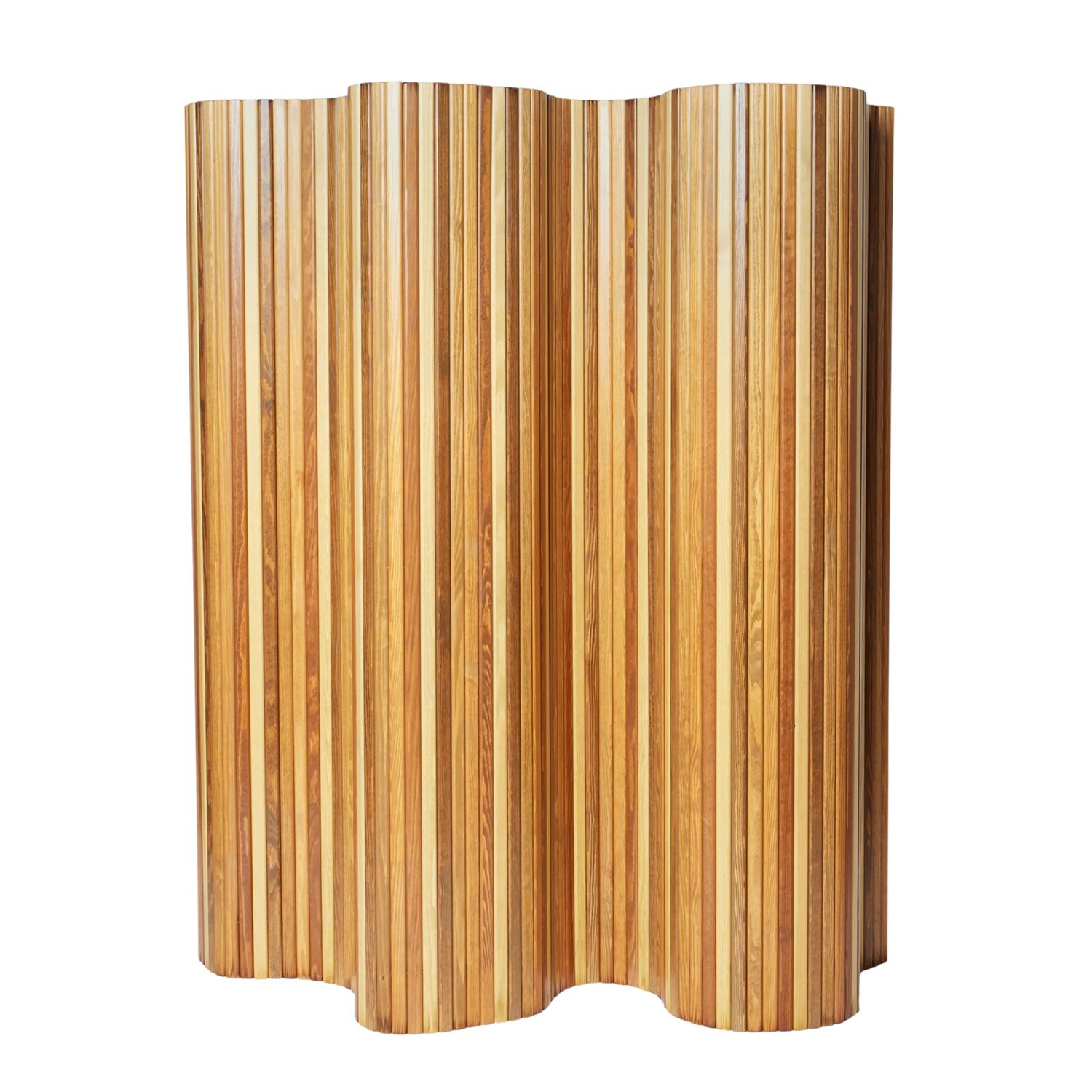
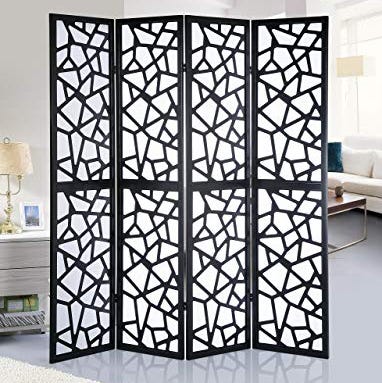
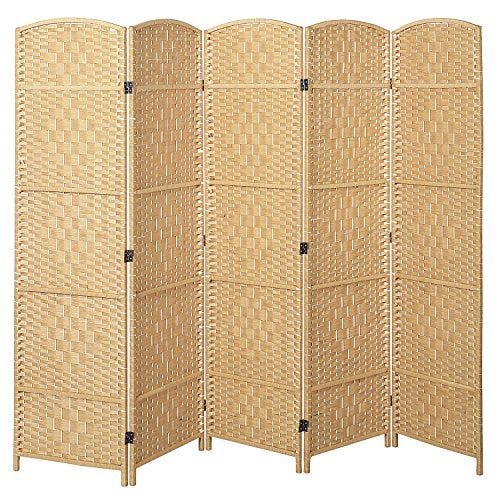
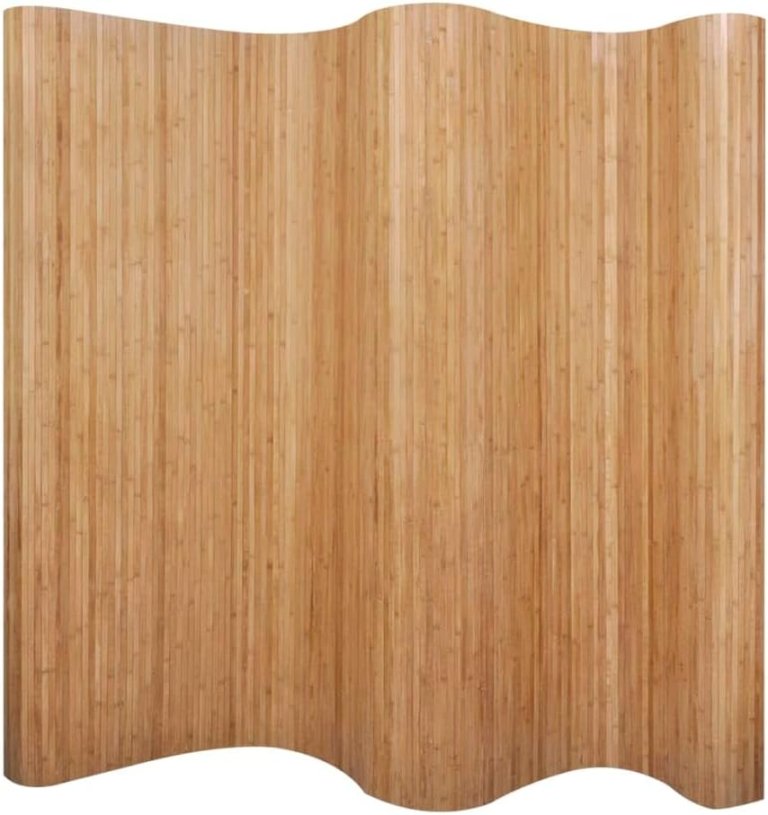
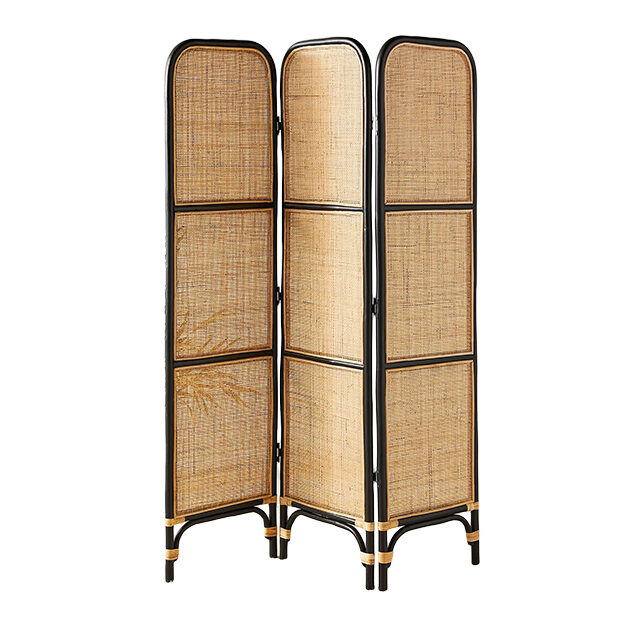
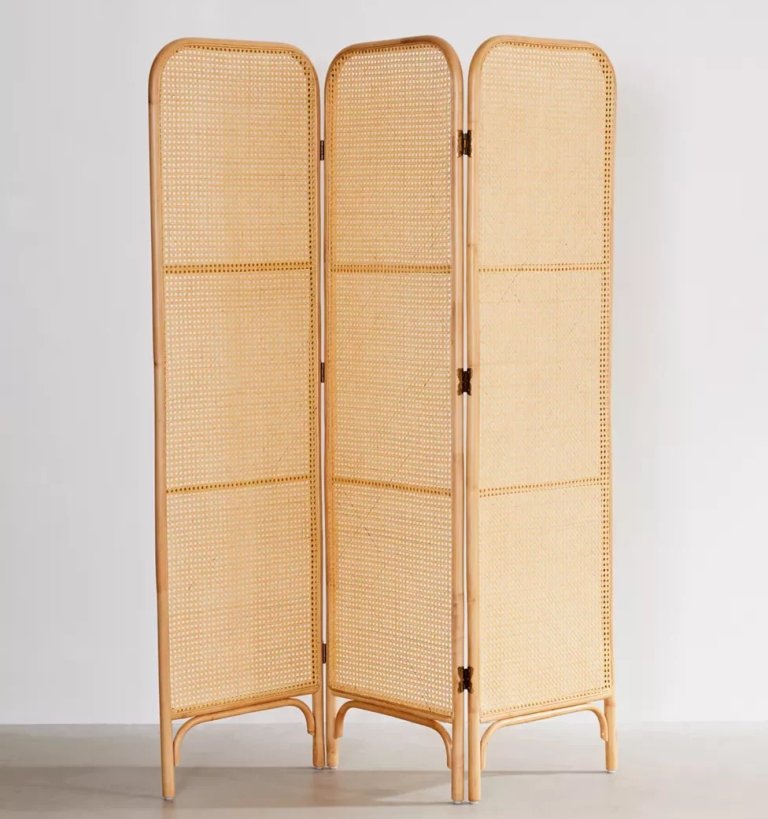
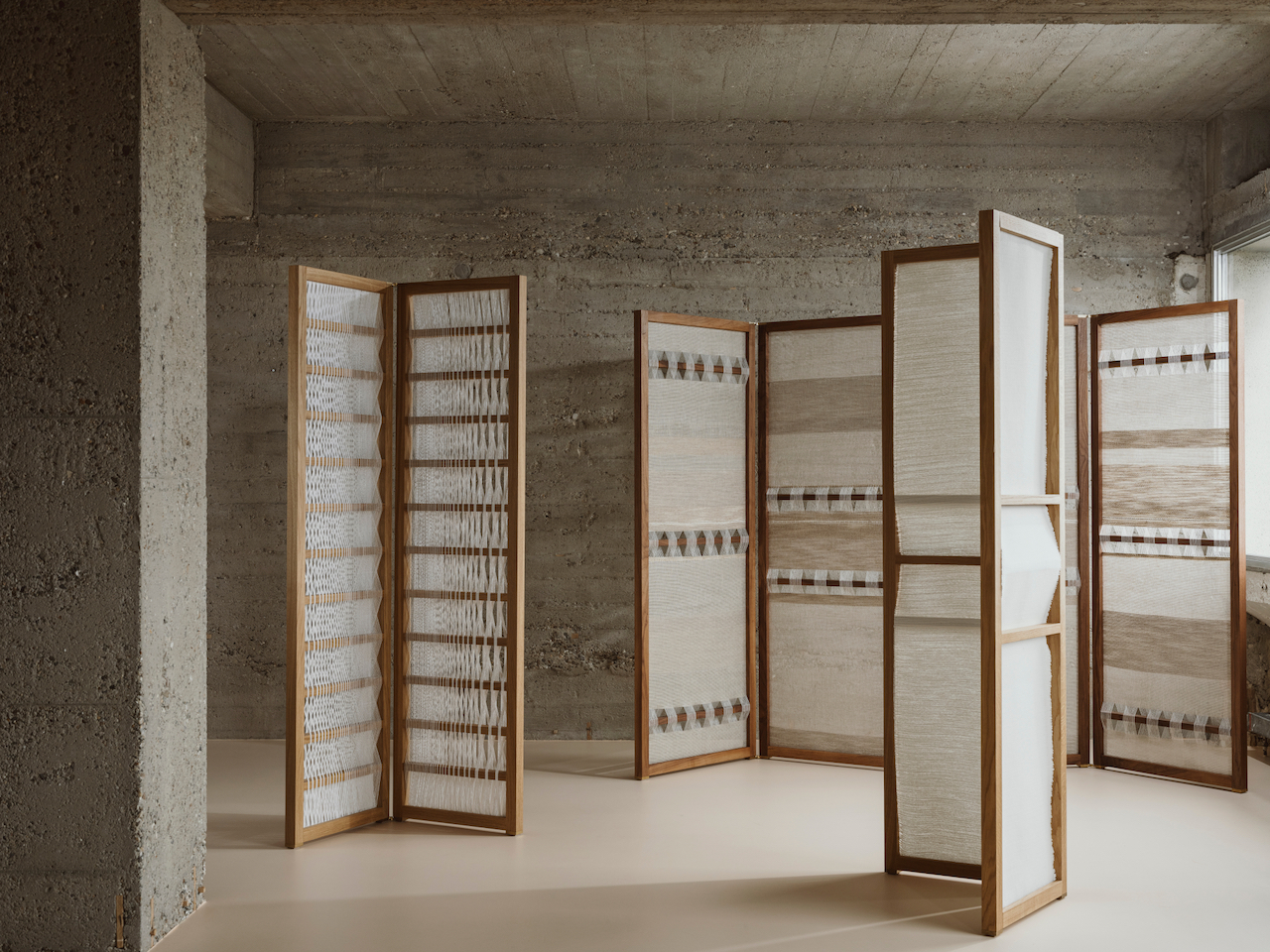
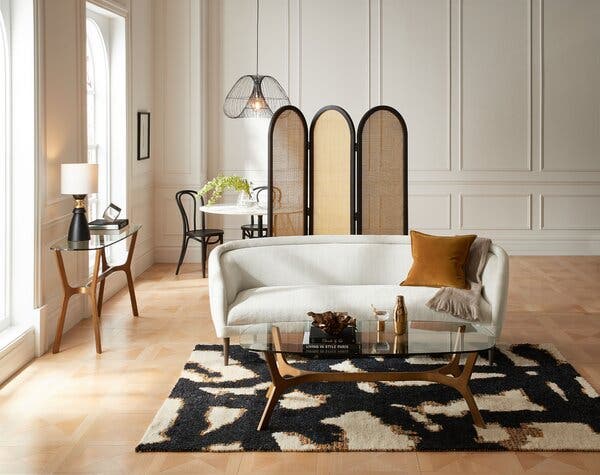
Decorative folding screens, once a staple of old Hollywood glamour, are making a significant comeback in interior design. These versatile items, cherished for their ability to combine beauty and function, are now widely available, ranging from vintage pieces found on platforms like Chairish and 1stdibs to modern iterations from retailers such as The Inside, World Market, and CB2. Bespoke and avant-garde versions are also being produced by design studios like Milan-based Dimore Studio and Seattle's Erich Ginder, further highlighting their renewed popularity.
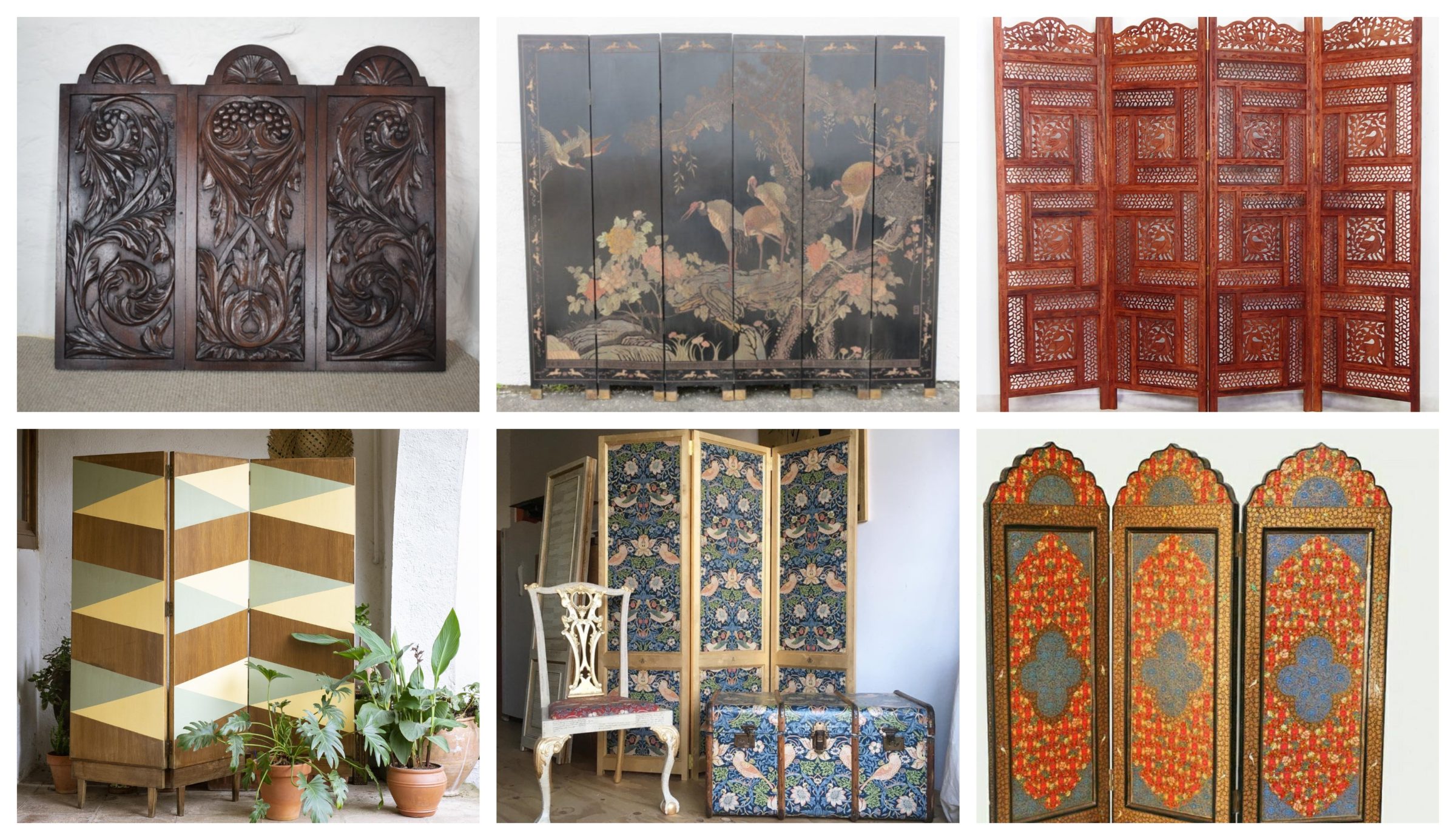
The history of decorative screens dates back over 2,000 years, originating in China. The most renowned examples are the lacquered Coromandel screens, which were first imported to Europe from China in the 17th century. These intricately designed screens, often hand-painted or inlaid with mother-of-pearl or tortoiseshell, have garnered a long list of stylish admirers, including Coco Chanel, whose Parisian apartment famously featured them. Contemporary designers, such as Josh Hildreth, frequently incorporate these screens into their projects, noting their timeless appeal.
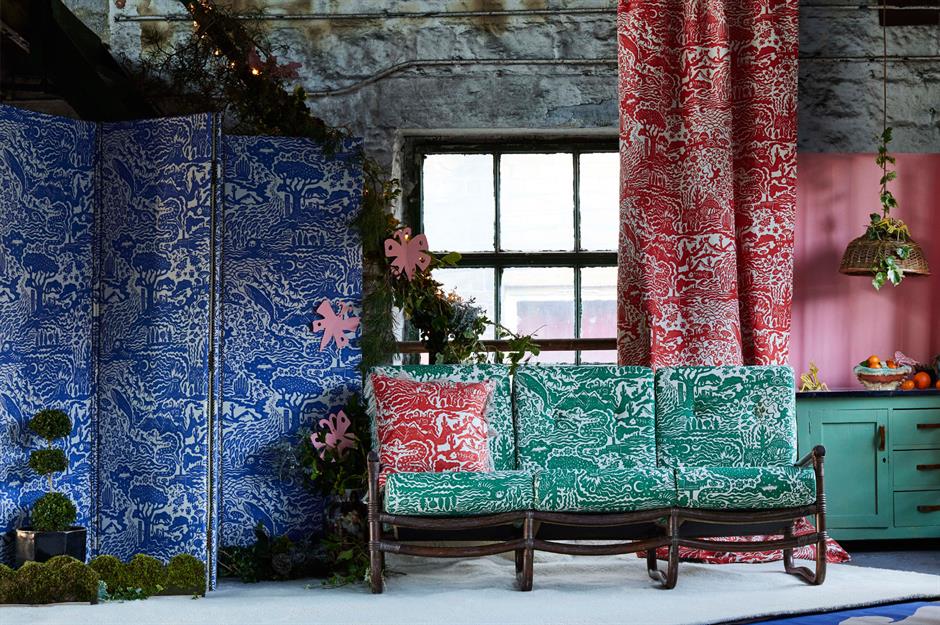
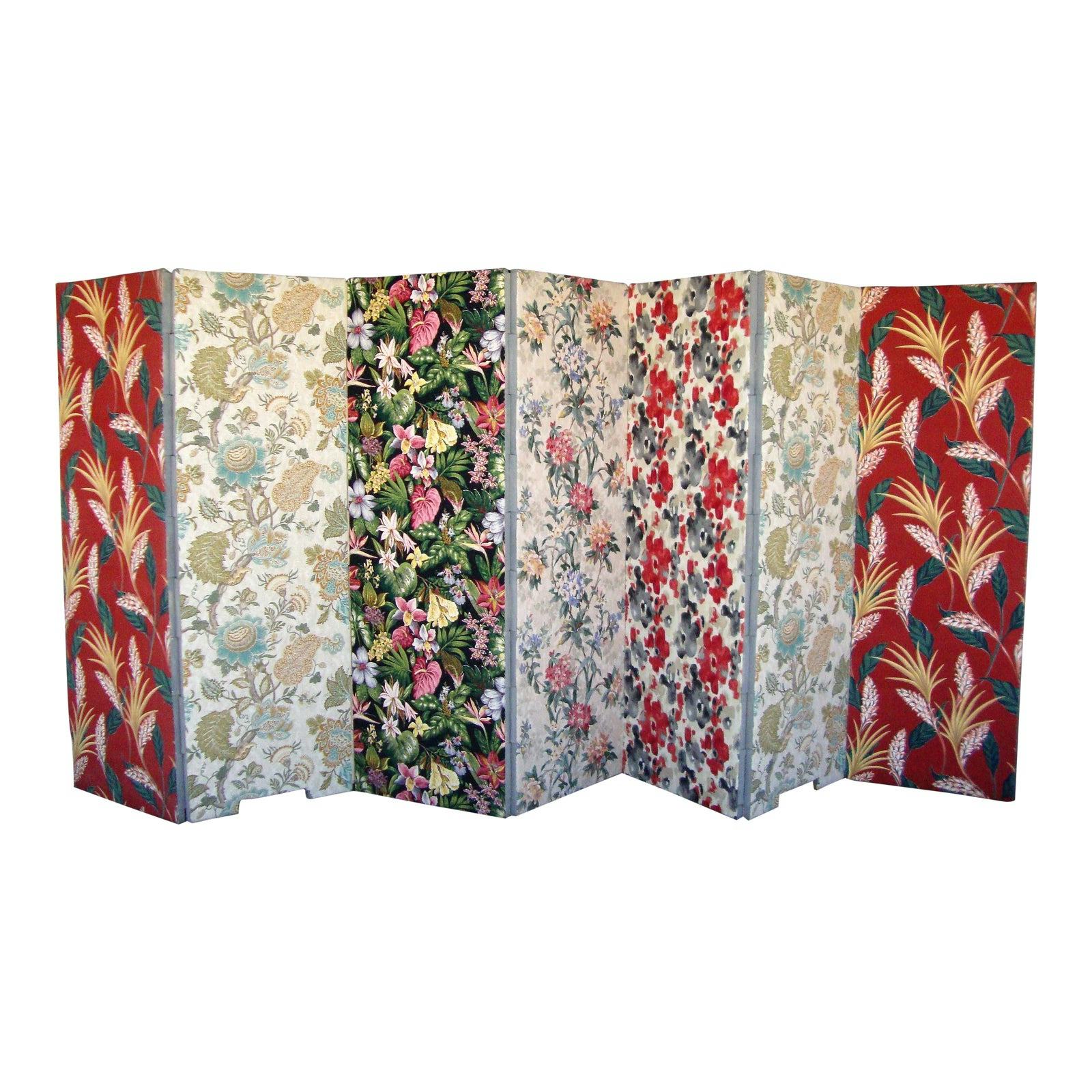
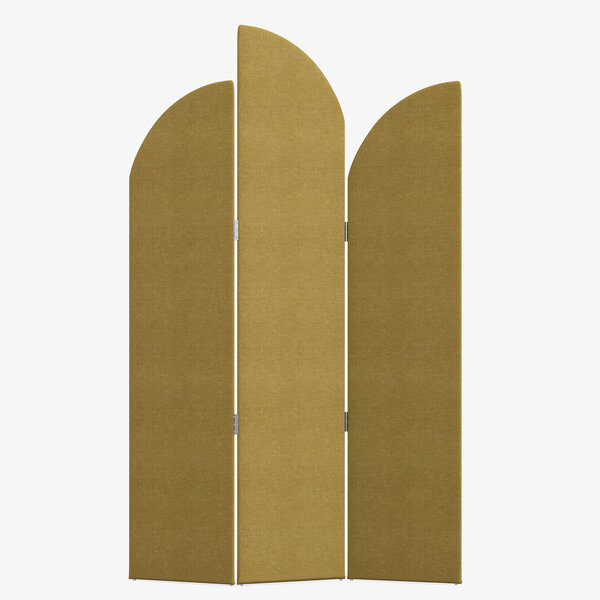
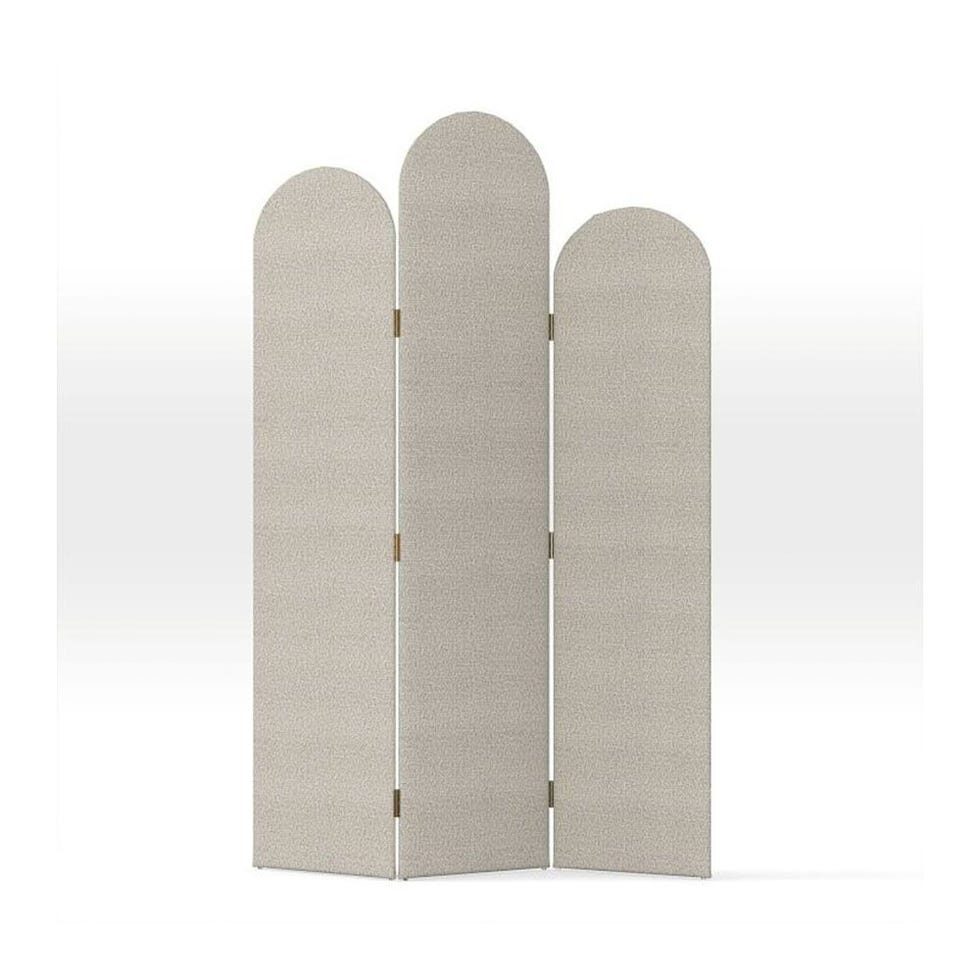
The resurgence of folding screens is partly driven by social media platforms like Instagram, where images of historically elegant homes and modern layered spaces inspire homeowners. Christiane Lemieux, founder of The Inside, explains that people are seeking ways to add texture and ornamentation, and screens offer an accessible entry point. Upholstered screens, for instance, can serve as dynamic backdrops for sofas or headboards, providing a similar aesthetic impact to a wallpapered accent wall but with the added benefit of portability, making them ideal for renters or those who prefer less permanent design commitments.
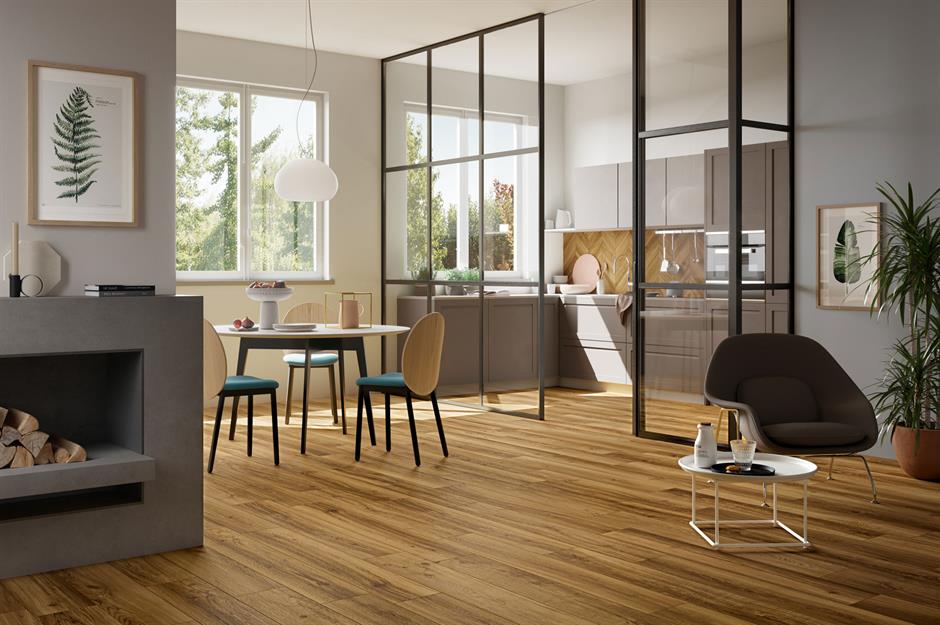
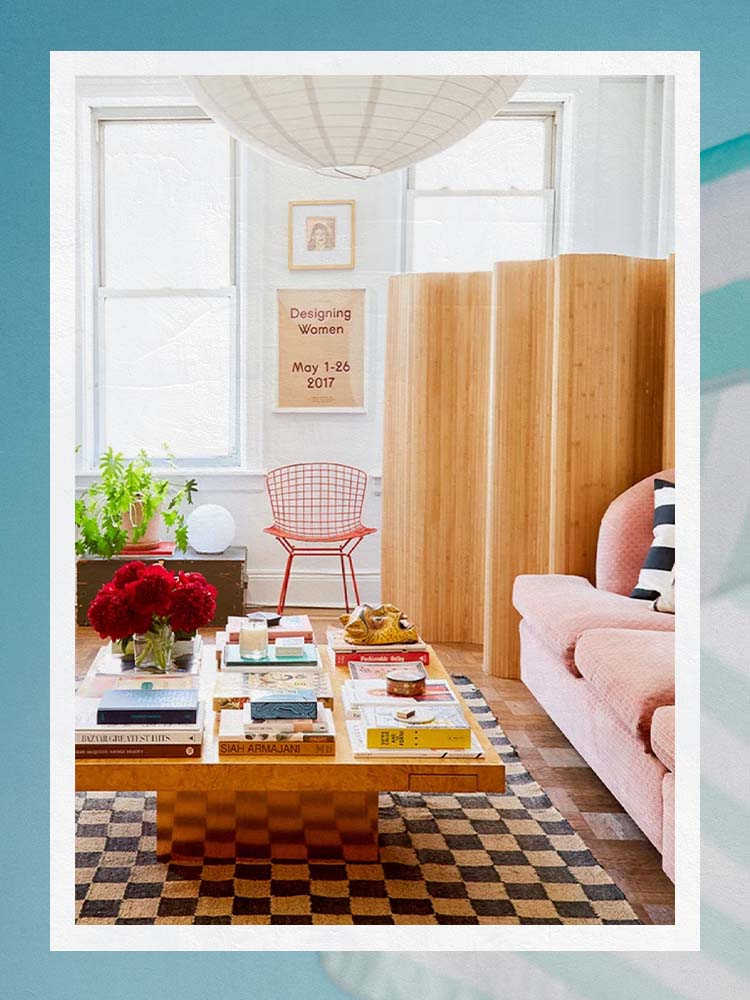
This trend also reflects a broader shift in design philosophy, moving away from the minimalist, open-floor-plan craze that dominated for decades. Homeowners are now increasingly looking to introduce patina, personalization, and a layered, 'maximalist' effect into their living spaces. Antique screens, as designer Mona Hajj observes, can add a global touch and a sense of history to rooms, especially those lacking strong architectural features. The desire to define functional areas within open layouts, without fully sacrificing the feeling of openness, also contributes to the appeal of screens.
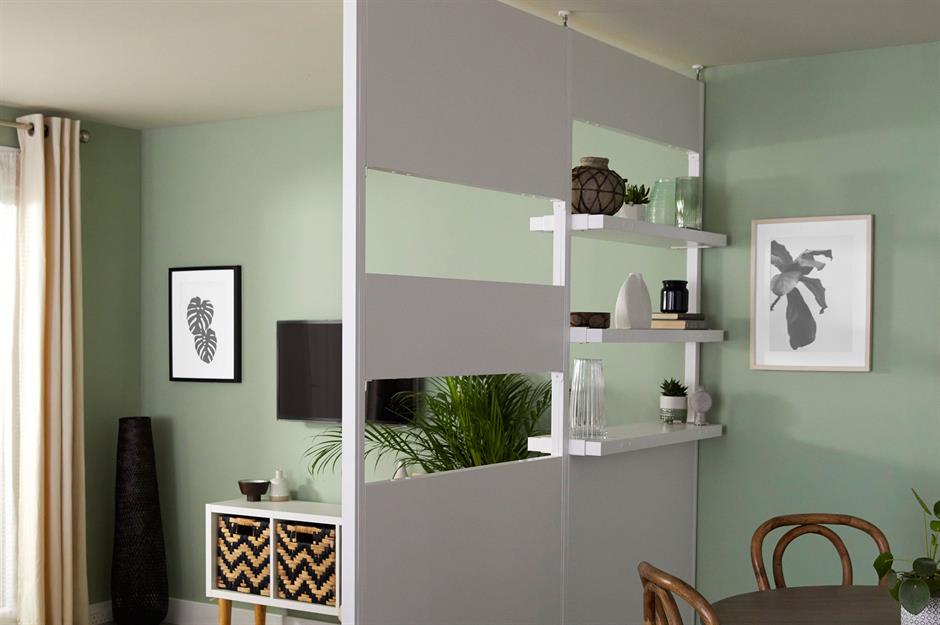
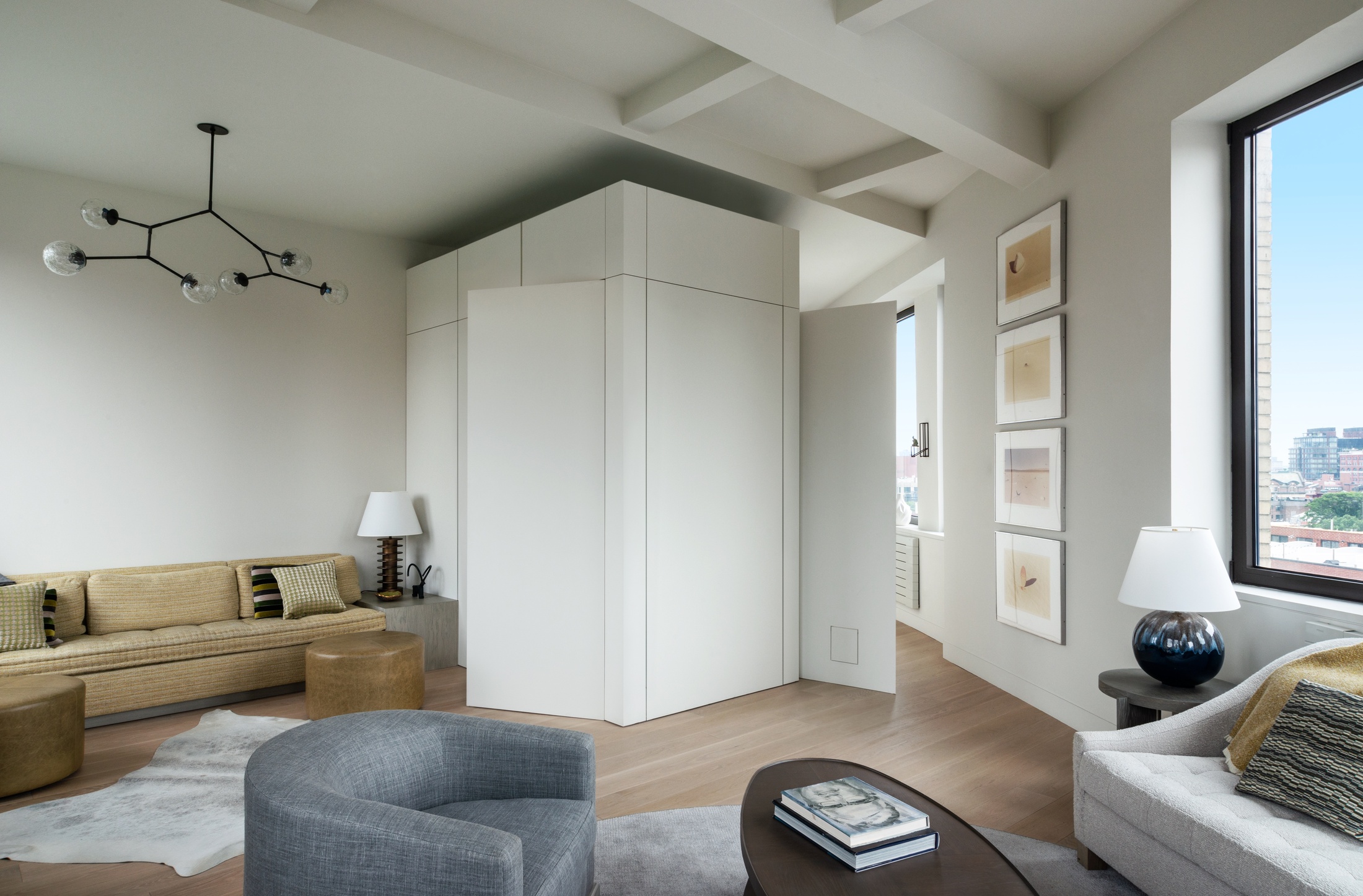
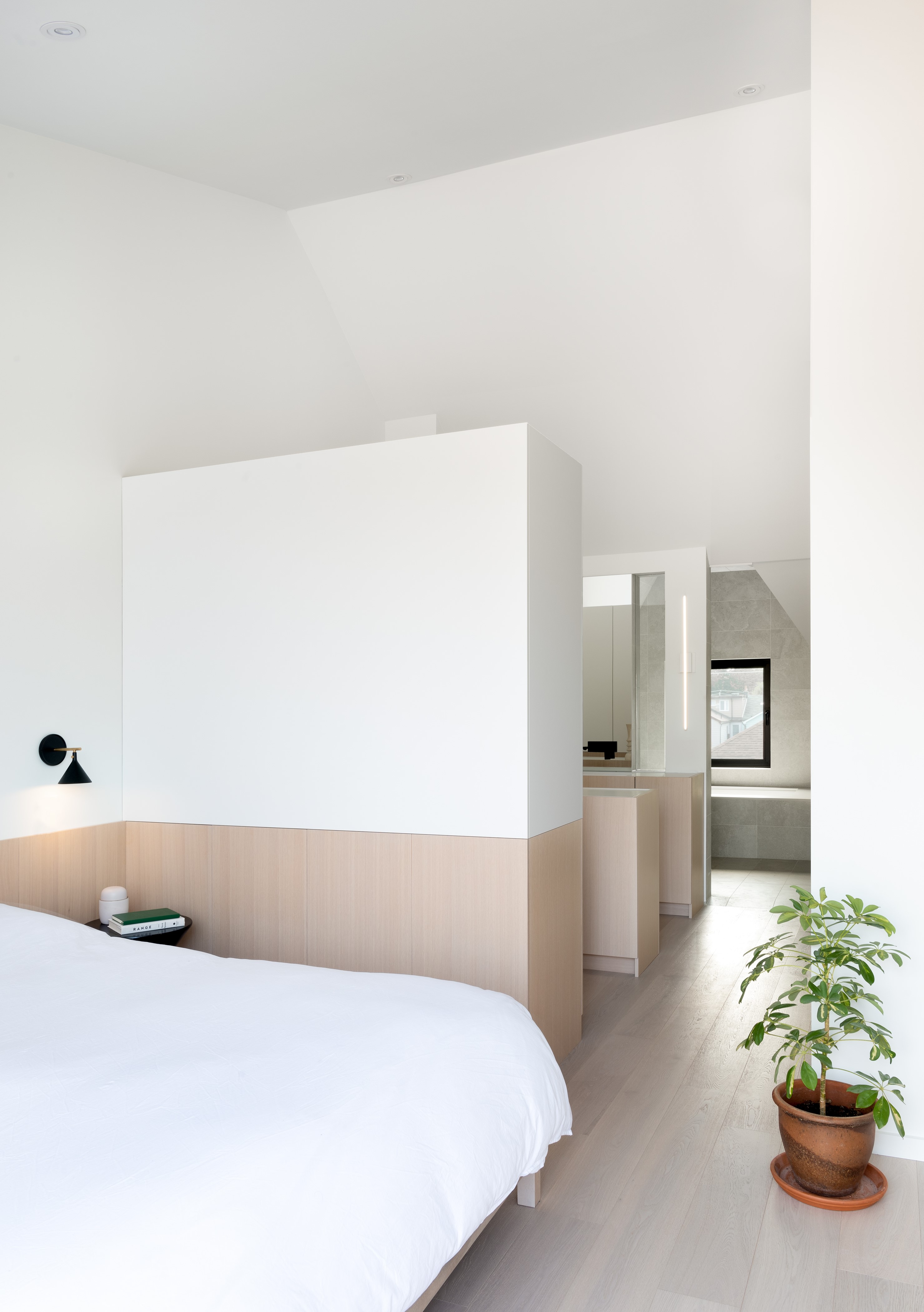
Beyond their aesthetic contributions, decorative screens offer practical solutions, particularly for small living spaces. They can effectively separate a bedroom from a living area in a studio apartment or serve as an elegant way to conceal clutter. Furthermore, screens can help achieve visual equilibrium in a room. Designer Josh Hildreth used a large Coromandel screen to ground a seating area in a show house ballroom, balancing the visual weight of a grand fireplace. Similarly, Annie Elliott used an upholstered screen to extend a pattern and create balance in a neglected corner of a room. Depending on their material, screens can also manipulate light, either magnifying or softening natural and artificial illumination, adding depth and a 'magical' dimension to interiors.
In essence, decorative folding screens are experiencing a revival due to their multifaceted appeal: their historical glamour, their ability to add character and personalization to modern homes, their practical applications in space division and organization, and their capacity to influence a room's aesthetic balance and lighting. This enduring design element continues to captivate designers and homeowners alike, proving its relevance in contemporary interior aesthetics.
#InteriorDesign #HomeDecor #RoomDividers #VintageGlamour #DesignTrends #SpacePlanning #HomeFurnishings #DecorativeScreens #InteriorDesign #HomeDecor #RoomDividers #VintageGlamour #DesignTrends #SpacePlanning #HomeFurnishings #DecorativeScreens
0 comment in total
 No comments yet
You may also like
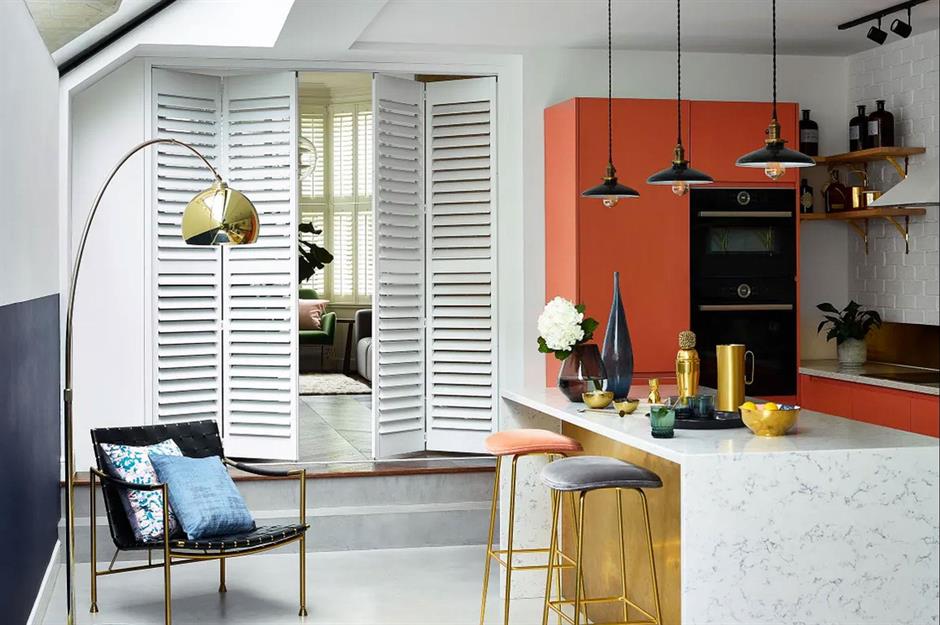
Smart room dividers that break new boundaries | loveproperty.com
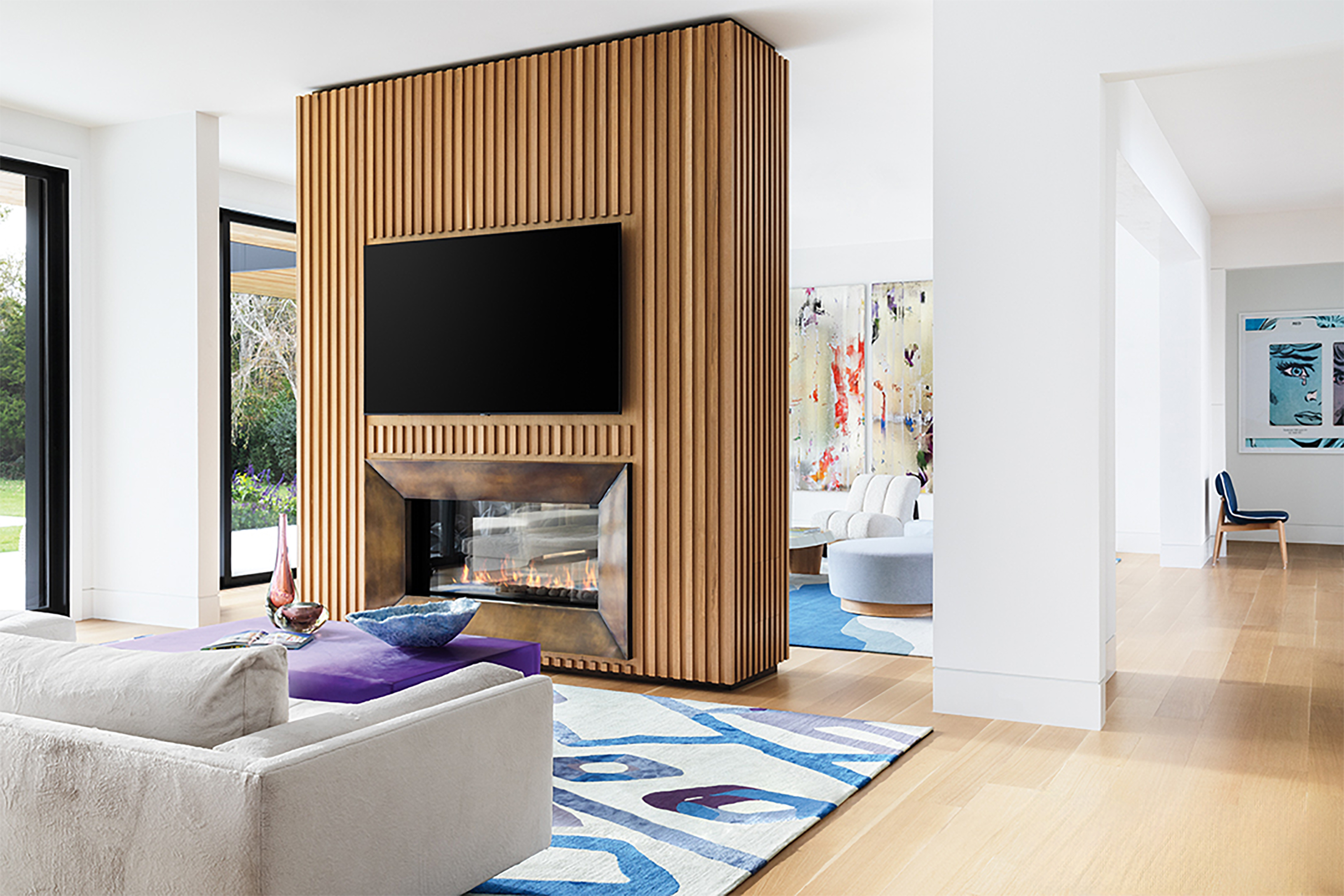
'TV Room Dividers' Are the Living Room Layout Trend That Might Spell the End of True Open Concept

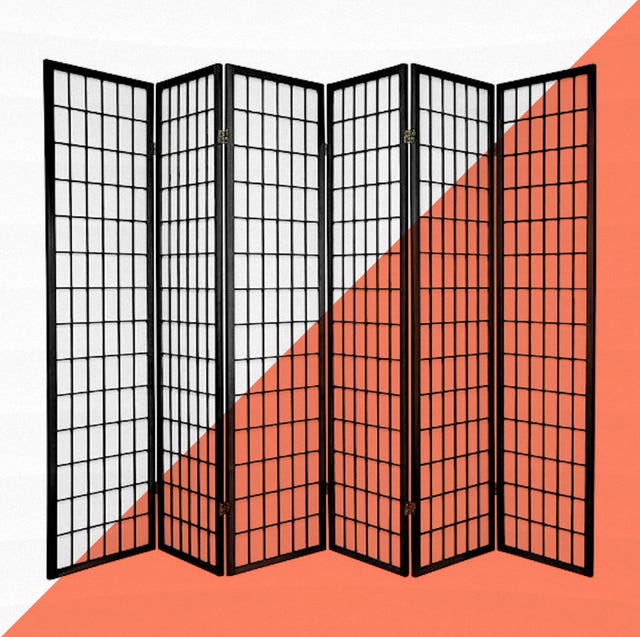
10 Best Room Dividers for Creating More Privacy at Home
We’re Hooked on This Clever Room Divider Idea
REN: A Series of Room Dividers United by Materiality

9 vintage room dividers you can buy on Etsy

room dividers Archives

12 Folding Screens That Divide and Conquer Any Room

The Alexa Chung-Approved Decor Trend That Should Be Next On Your Wishlist
The Return of the "Exclusive" Living Room

Bye-Bye Boring Drapes, The Once-Dated Trend for Luxuriously Dramatic Window Treatments Is Back – and Designers Very Much Approve


10 unique room dividers from Indian and international designers

2,000 IKEA Hangers Upcycled Into Dynamic Chromatic Screen Room Divider
Shopping for Room Dividers (Published 2021)
The New Trick Designers are Using To Zone Rooms and Create Privacy Is Both Beautiful and Functional


Cutting Room: "Interiors" takes classic films back to the drawing board
Designers Say This Vintage Home Feature Is Back

This Wavy Room Divider May Be Everywhere Right Now, but It's Actually an Iconic Design That Dates Back to the '30s
This Bedroom Trend From Your '90s Childhood Dreams Is BACK and More Stylish Than Ever

We’re Hooked on This Clever Room Divider Idea