1/13
12 Folding Screens That Divide and Conquer Any Room
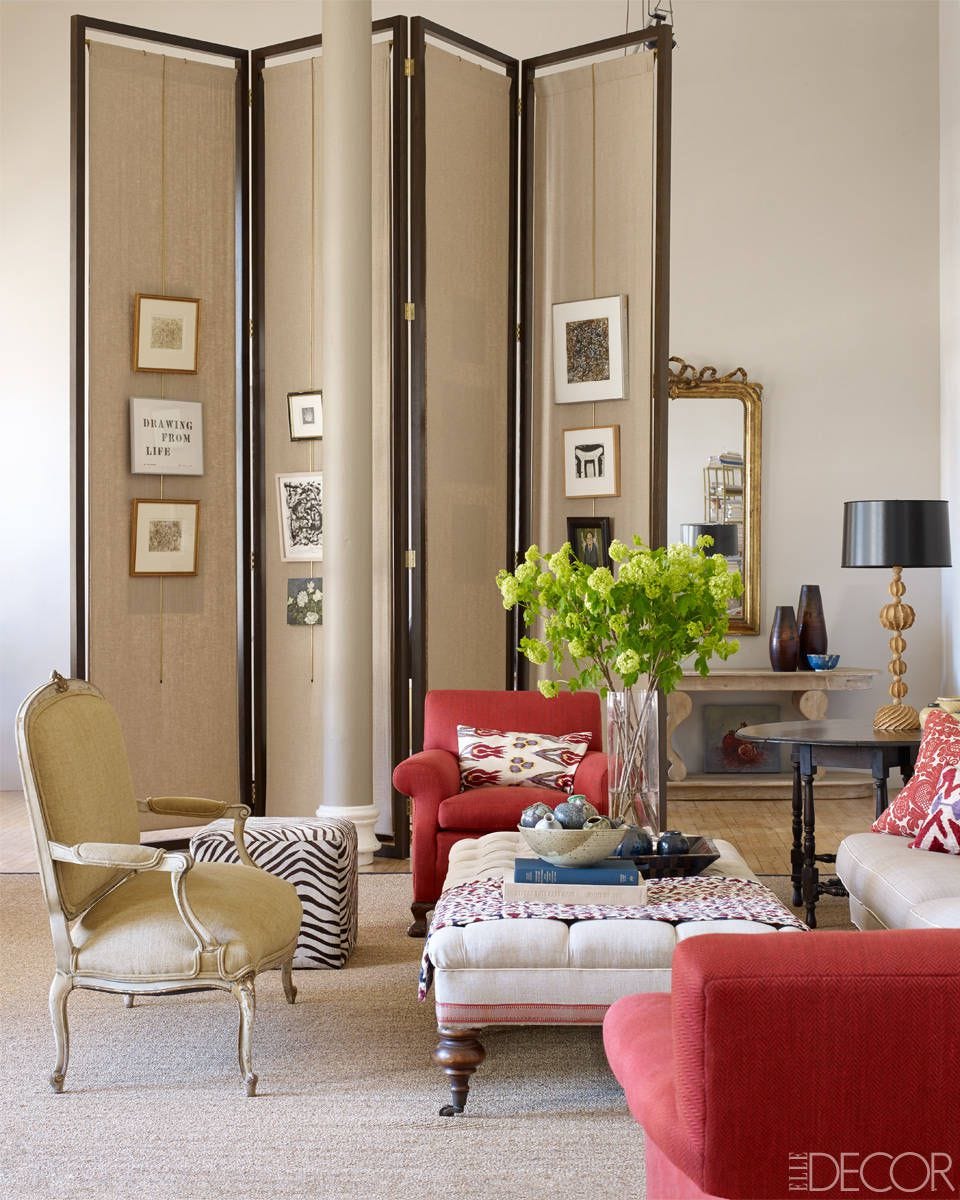
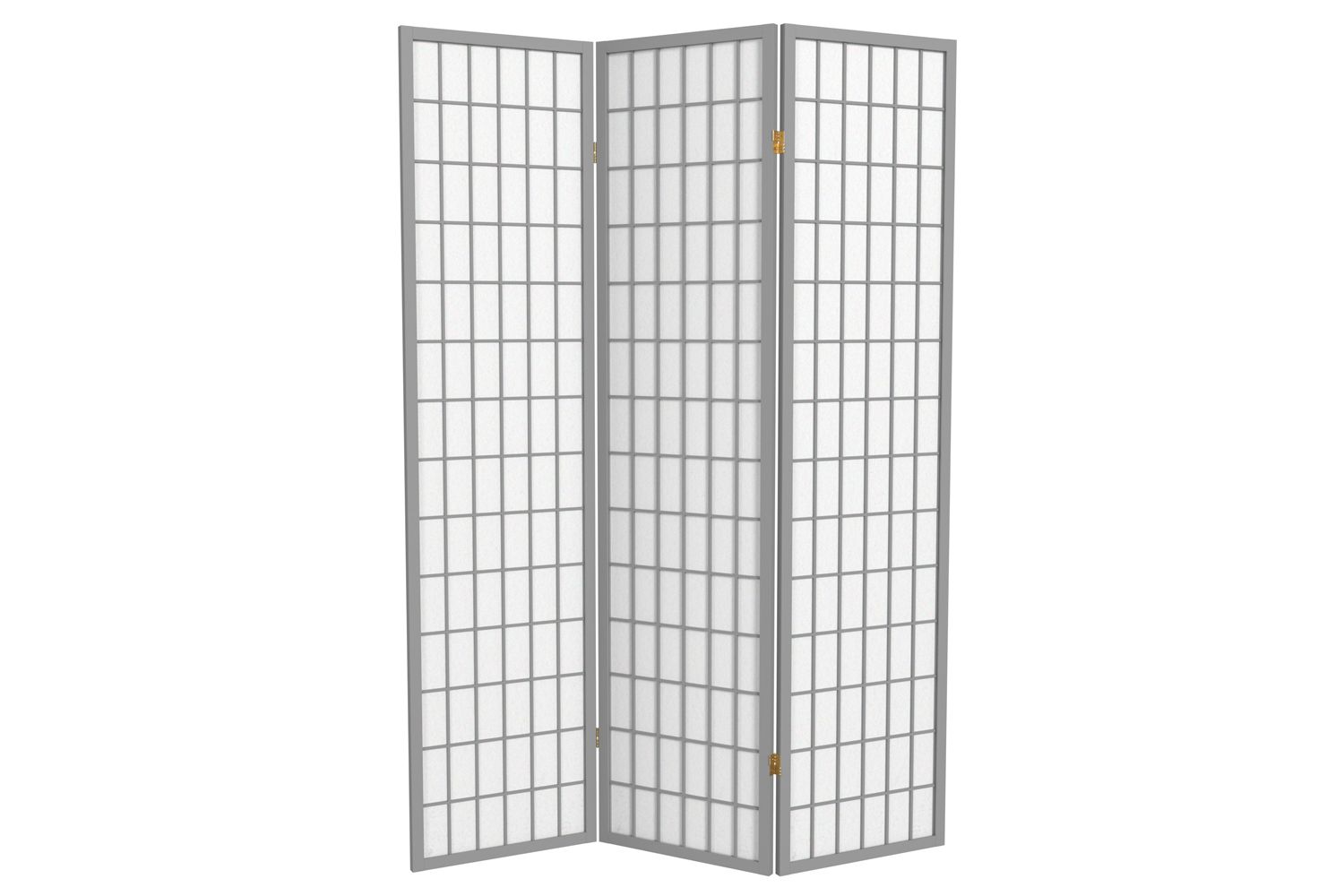
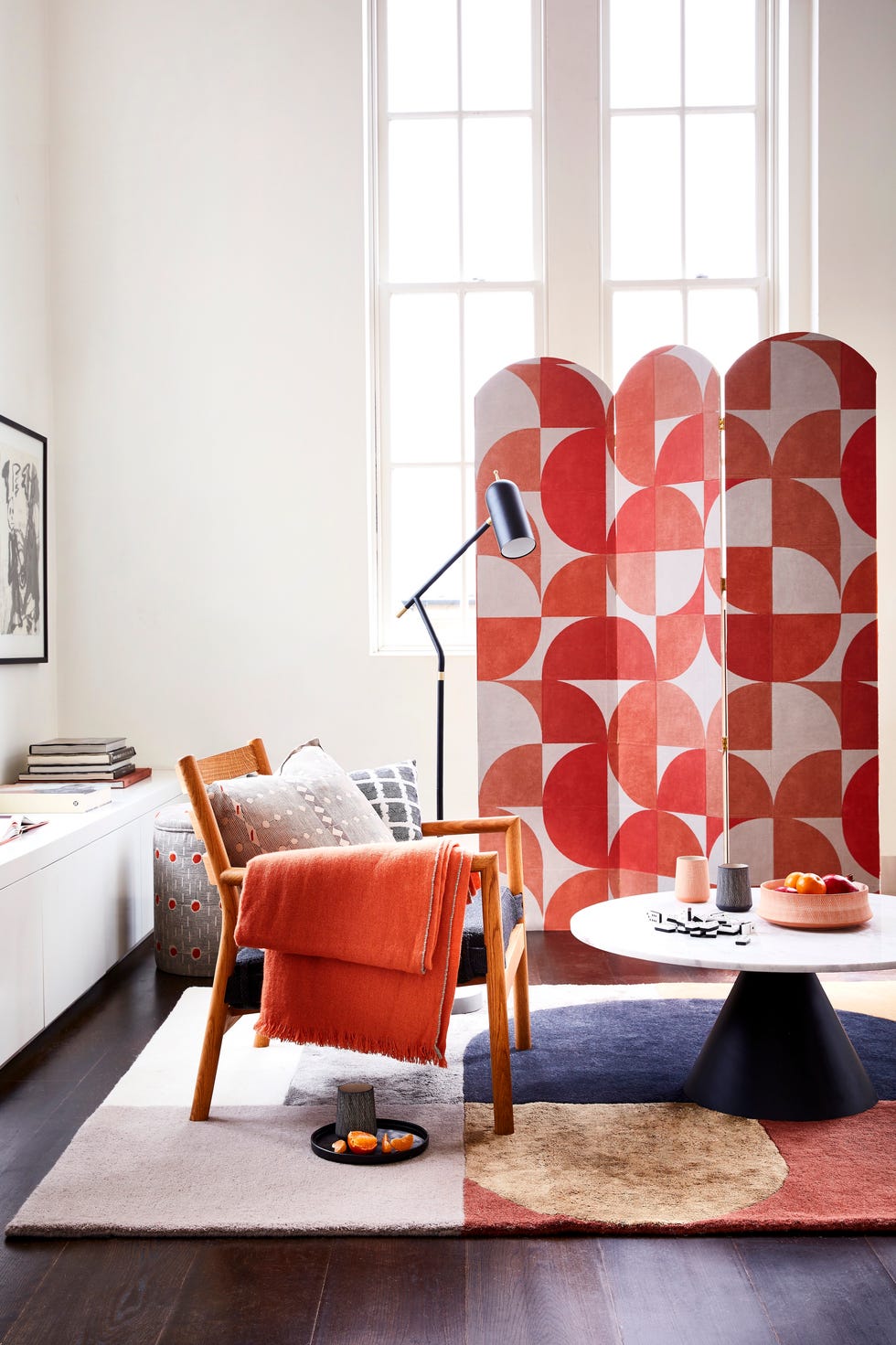
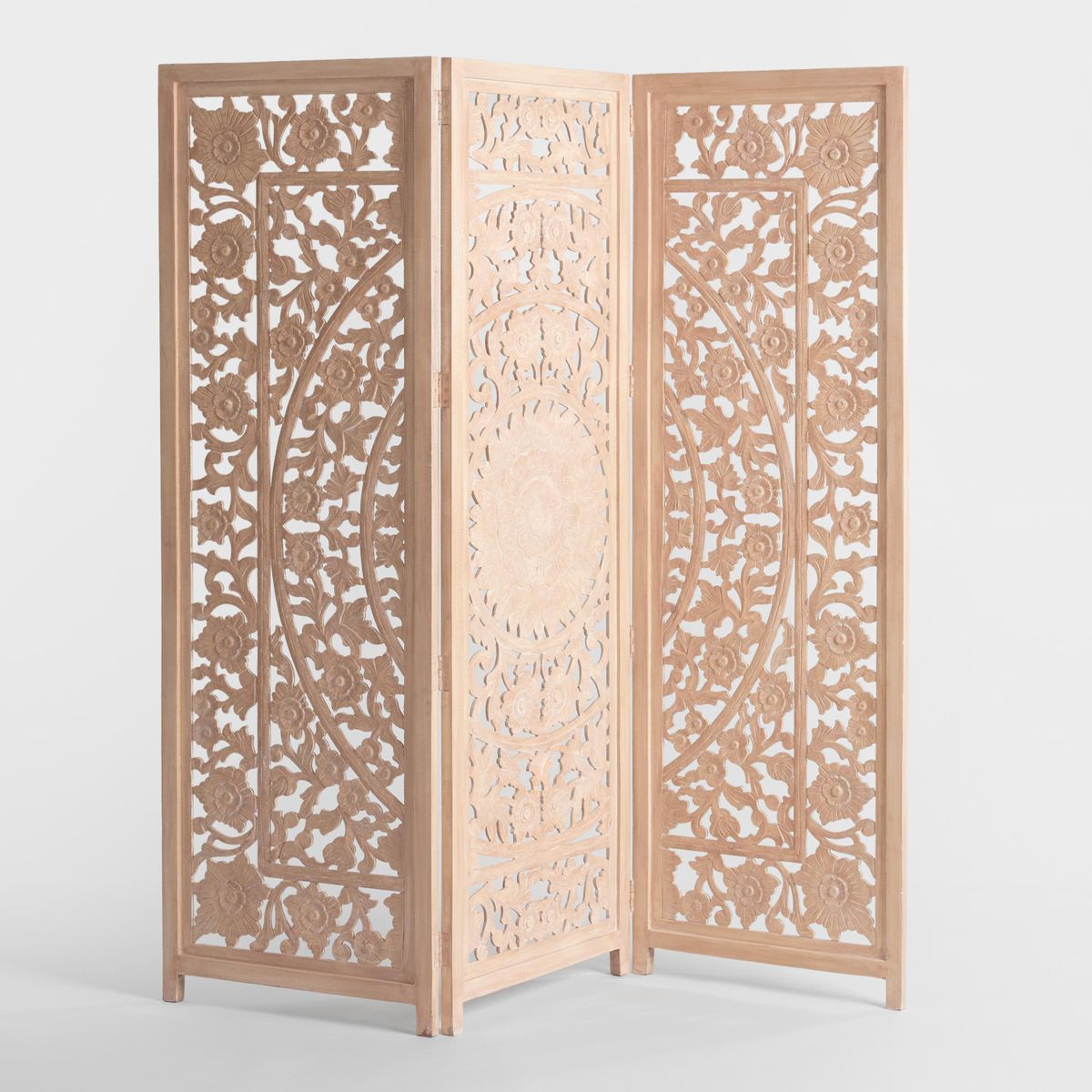
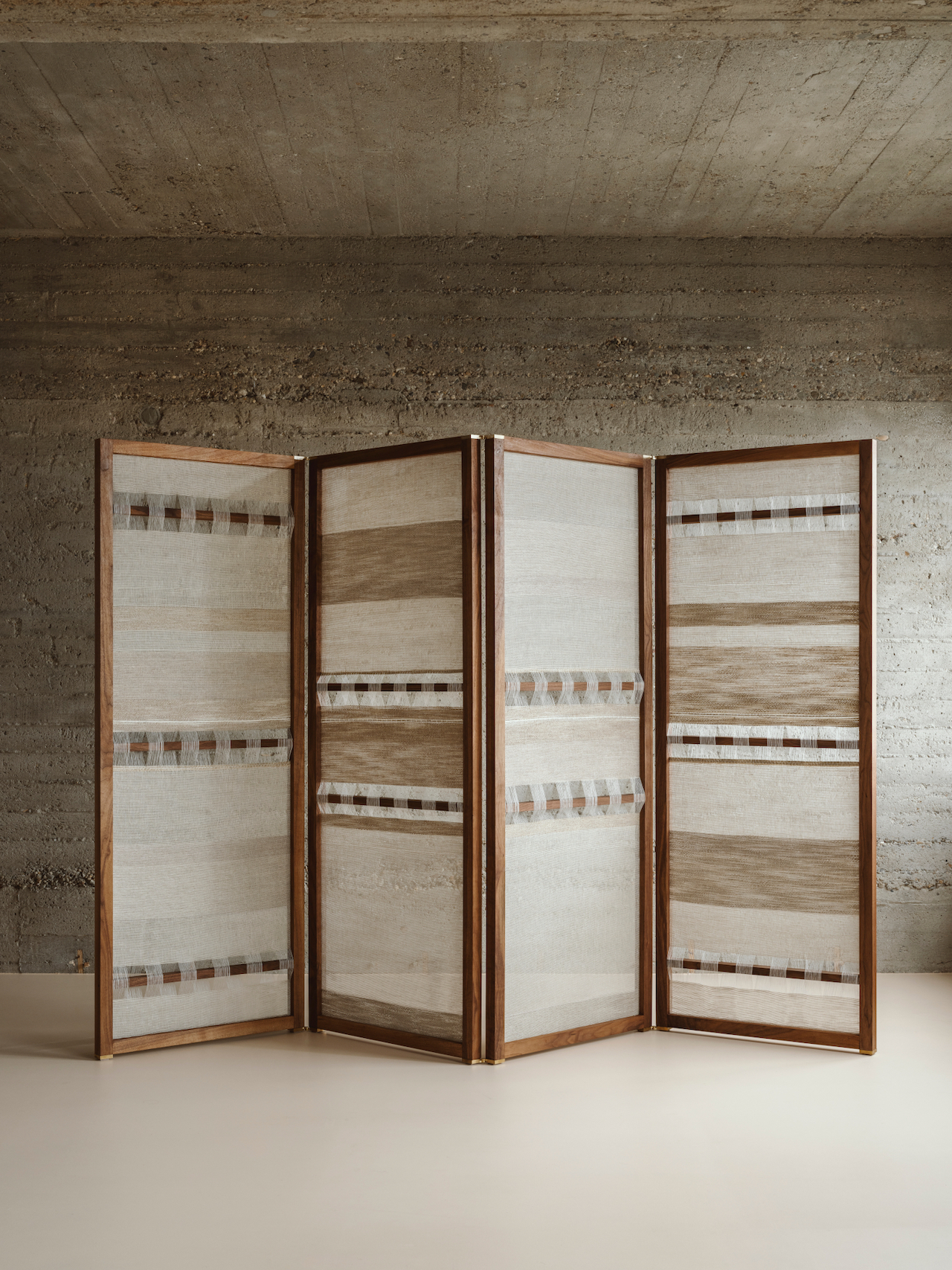
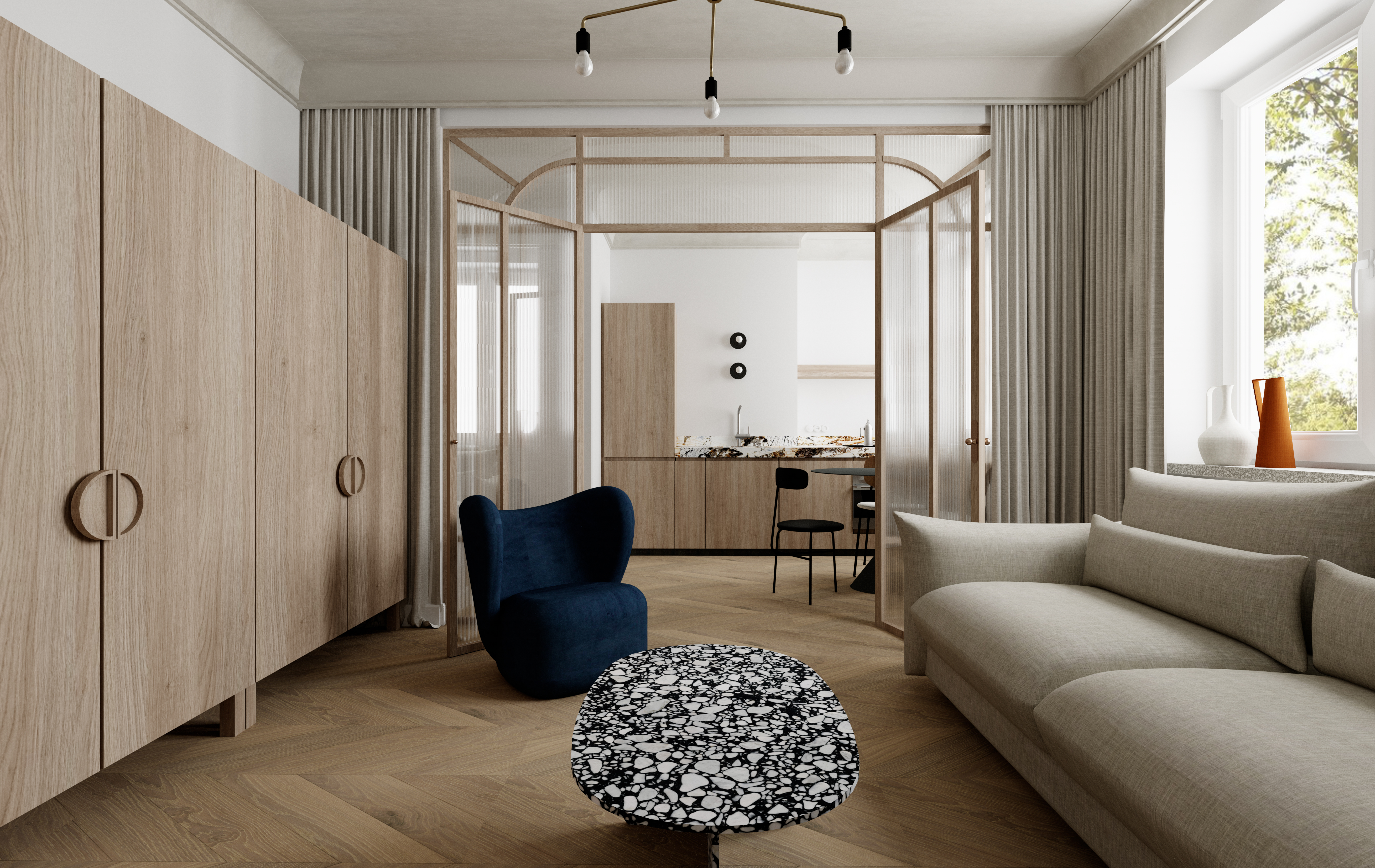
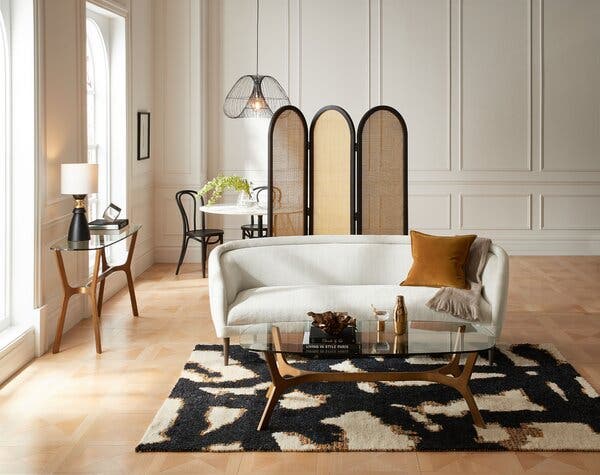
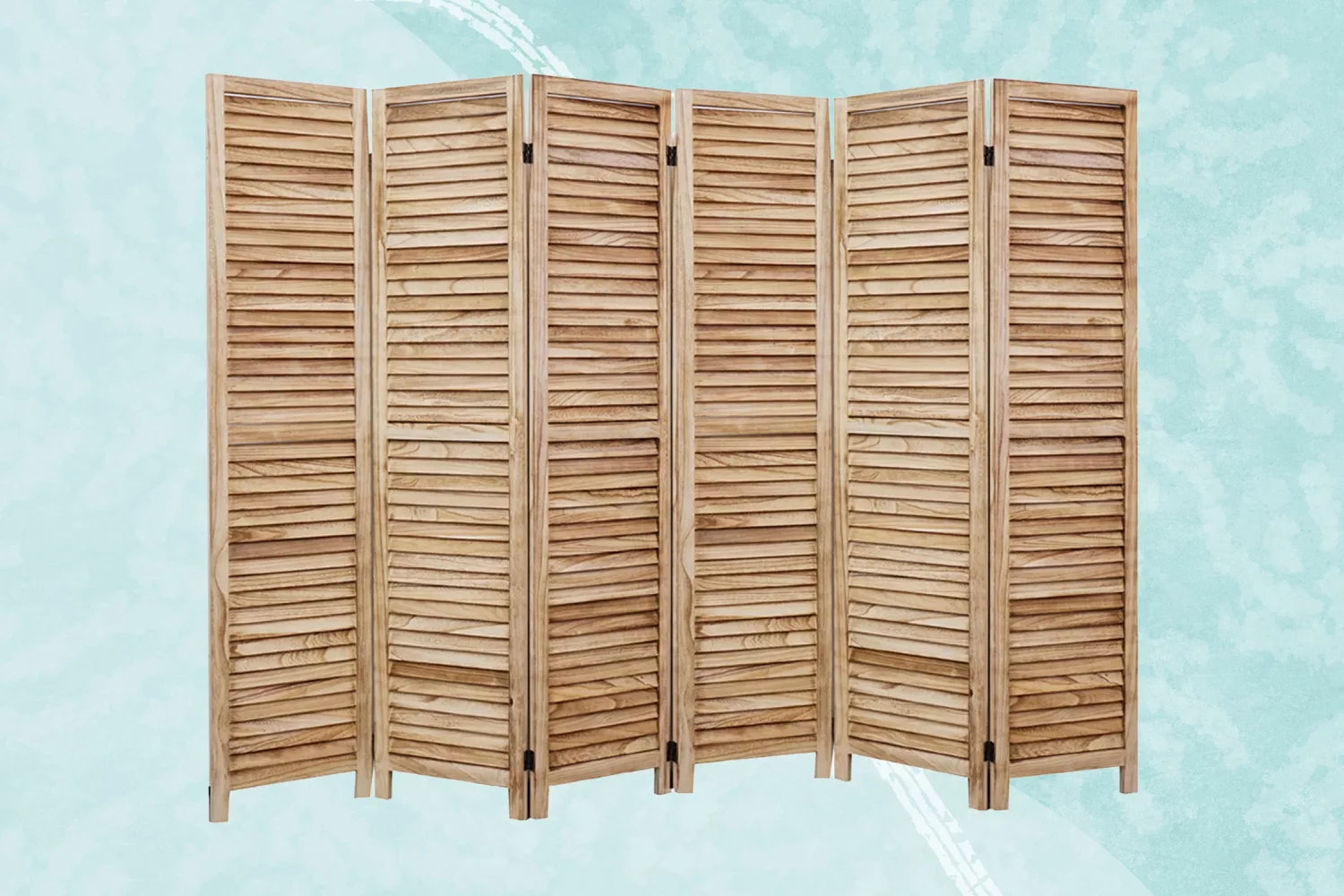
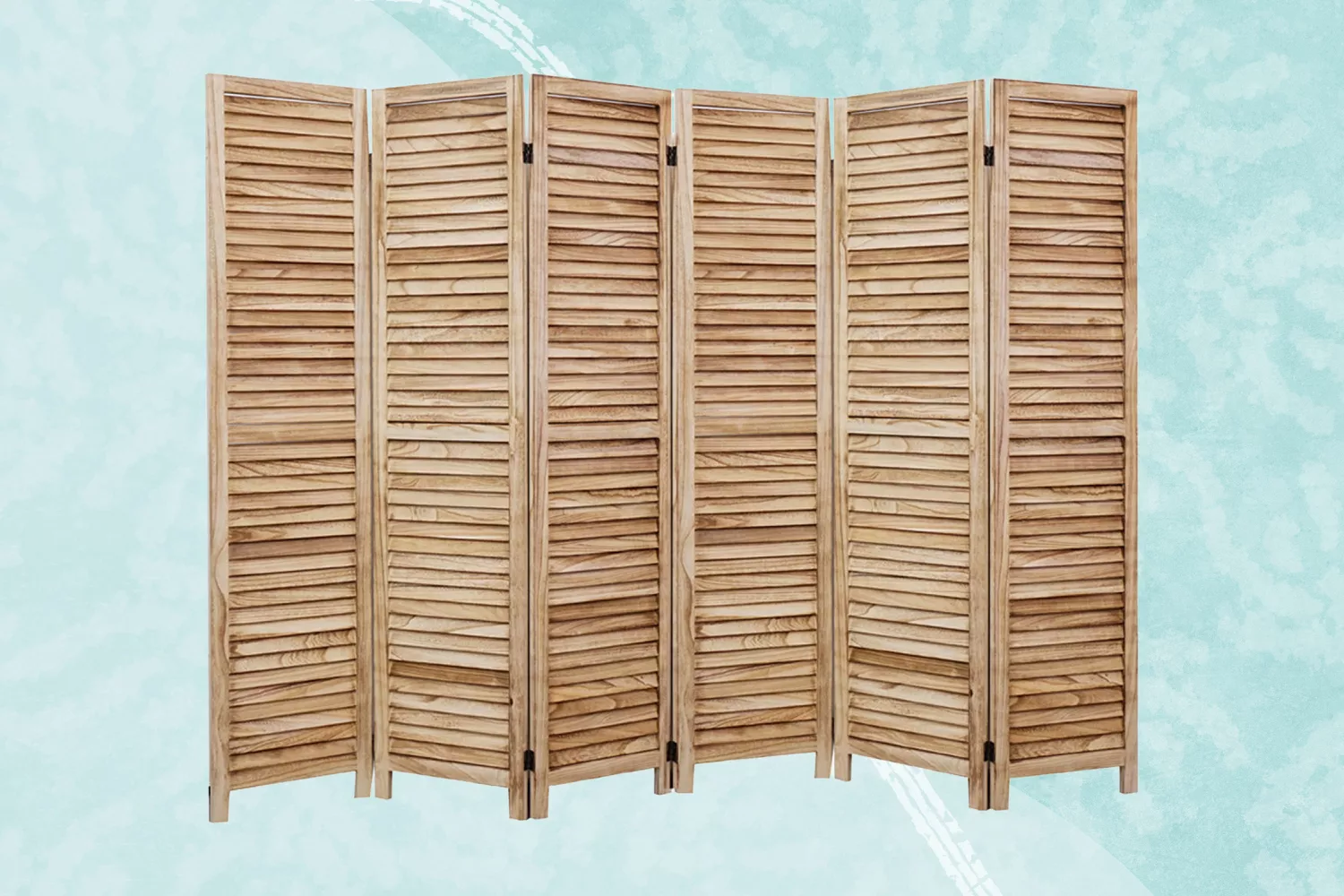
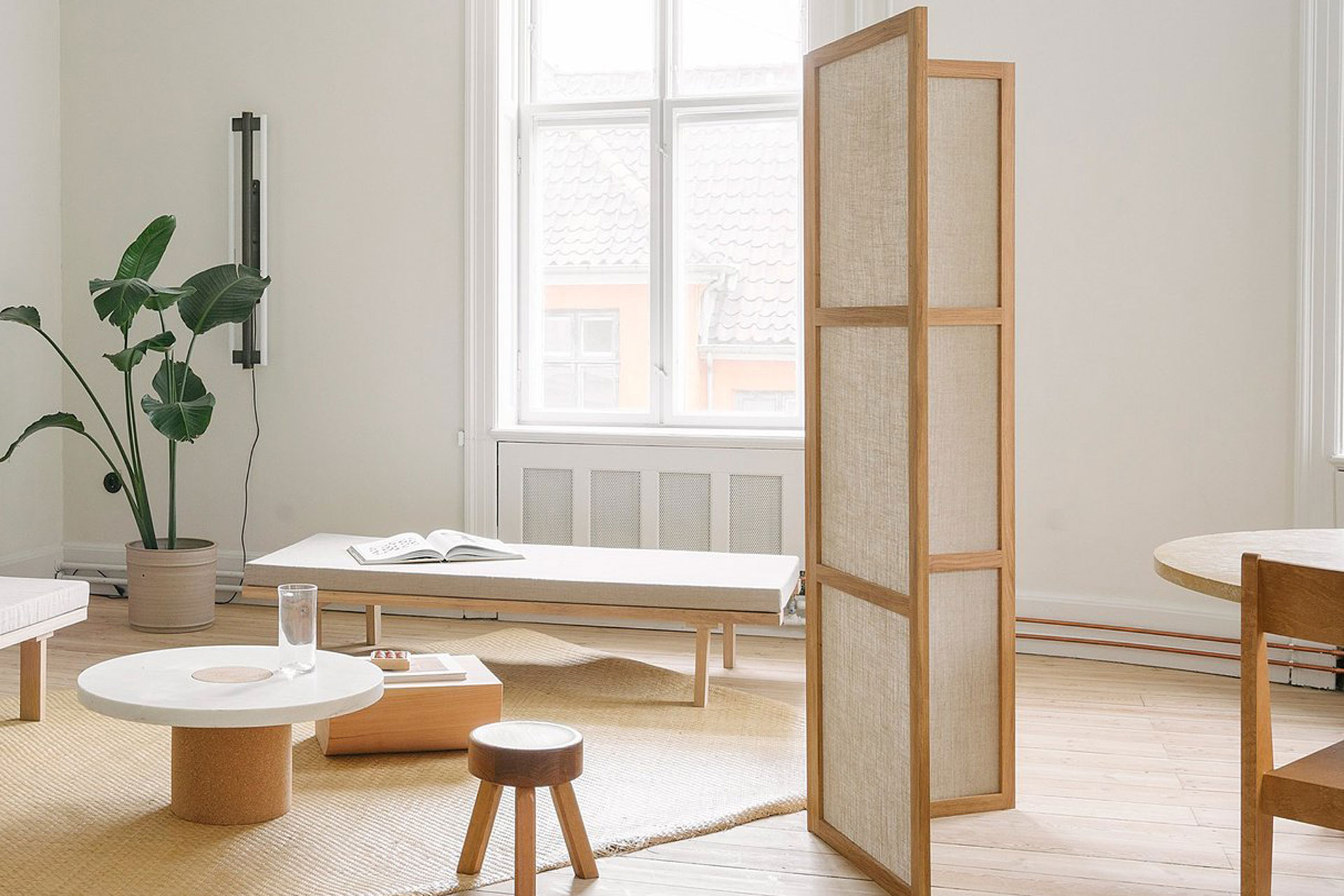
Room dividers offer a versatile solution for creating distinct spaces within a room, serving both functional and aesthetic purposes. Beyond strategic furniture placement or clever rug use, these screens provide a more substantial separation, akin to a temporary wall. They are particularly useful for concealing items that are not intended for public view, such as exercise equipment, printers, or storage bins, thereby reducing clutter in living areas.
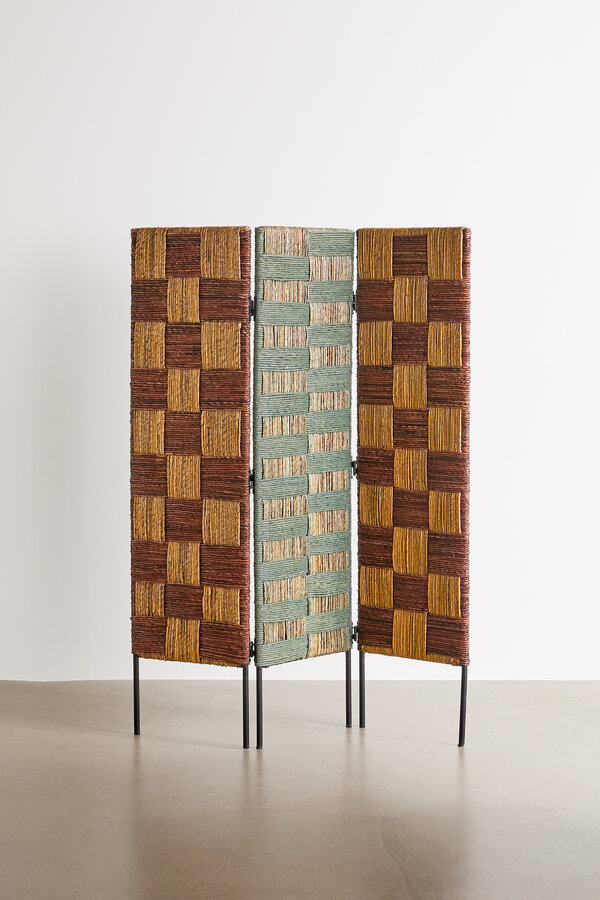
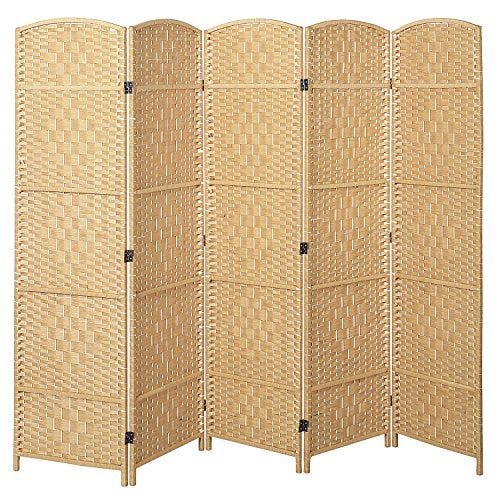
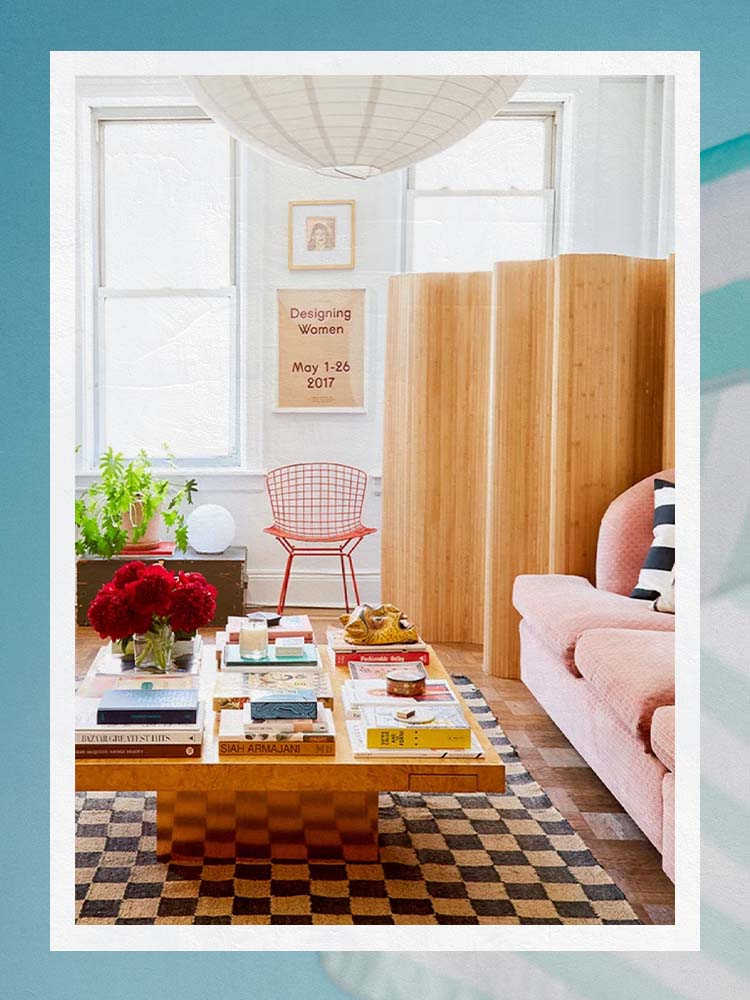
Room dividers come in various styles, broadly categorized by their material and design. "Earthy Delights" include options crafted from natural materials like grasscloth, wicker, or bamboo. These types introduce a natural, grounding element to a space and are known for their versatility in complementing various decor styles. An example is VidaXL’s bamboo divider, which is designed to roll up for easy storage when not in use.
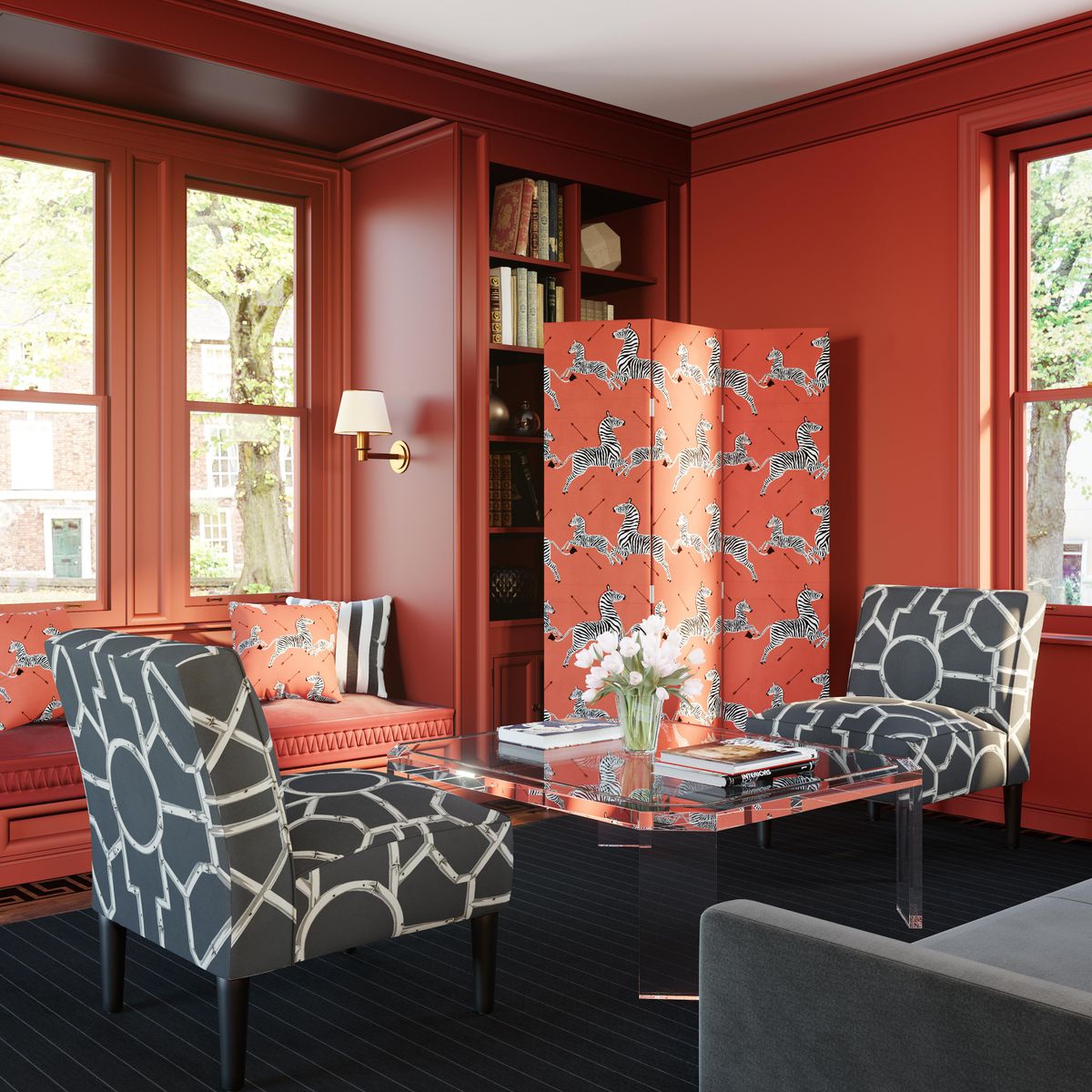
Another category, "Customizable Cuties," refers to dividers that can be personalized with fabric. This allows homeowners to select patterns, colors, and textures that align with their personal style, offering a wide range of choices from stripes and florals to animal prints and solid colors. These dividers provide an opportunity for creative expression and seamless integration into existing decor.
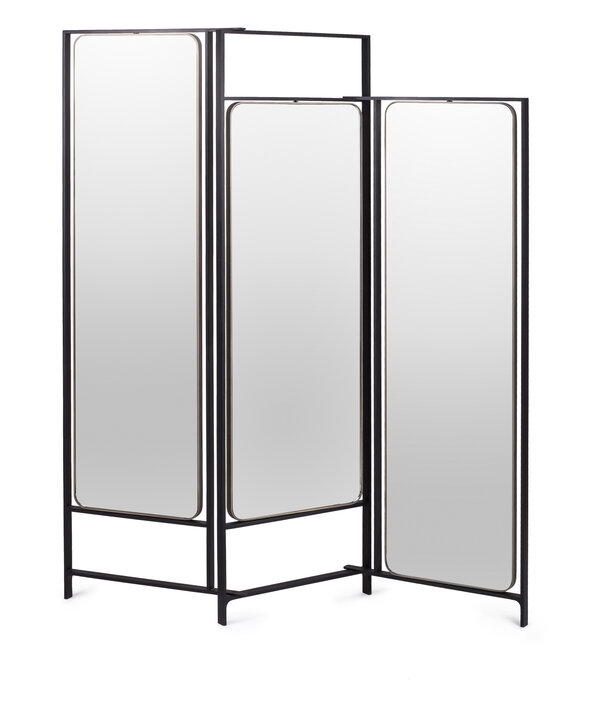
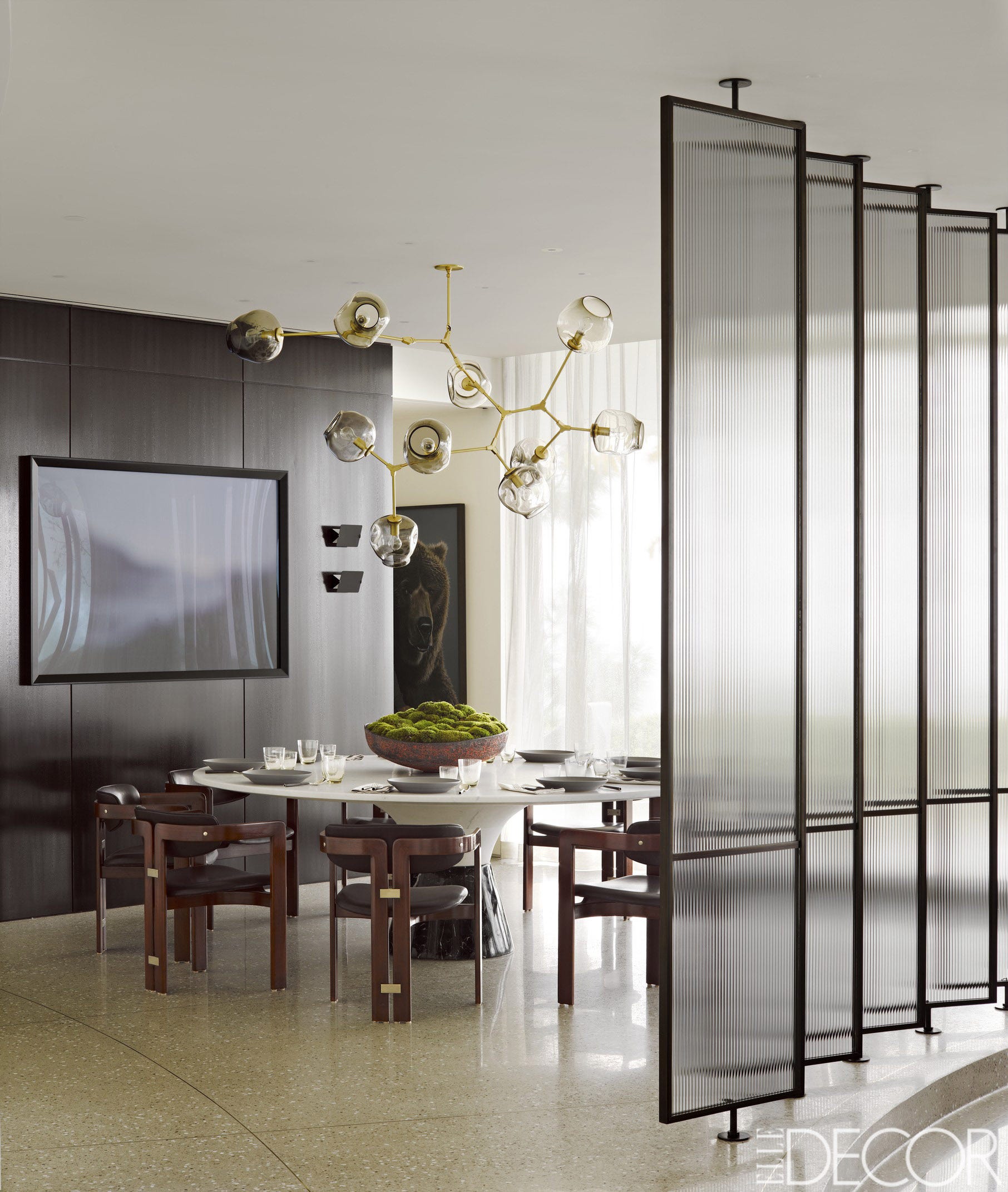
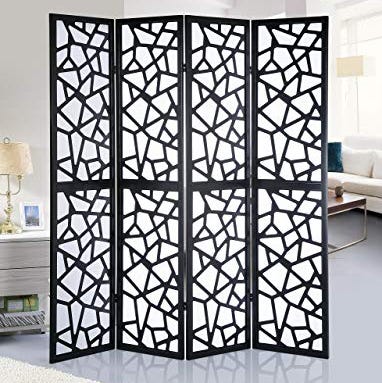
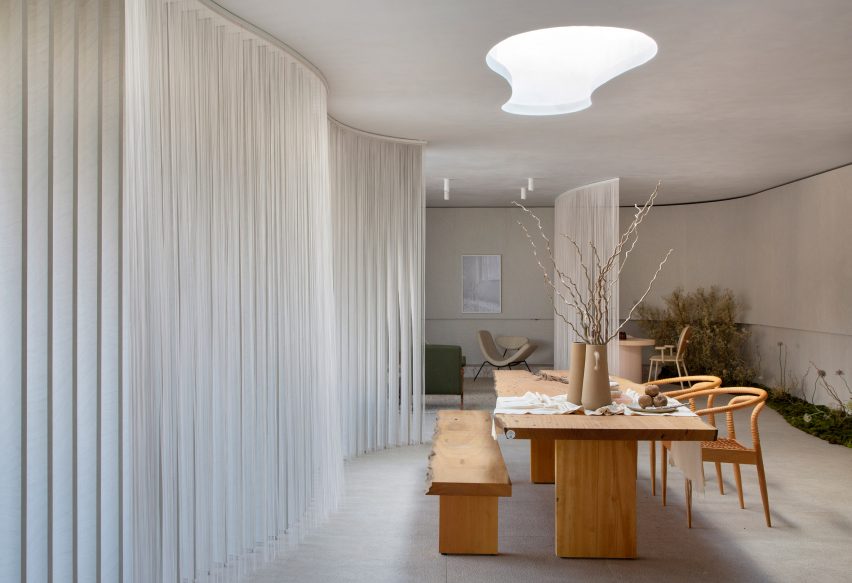
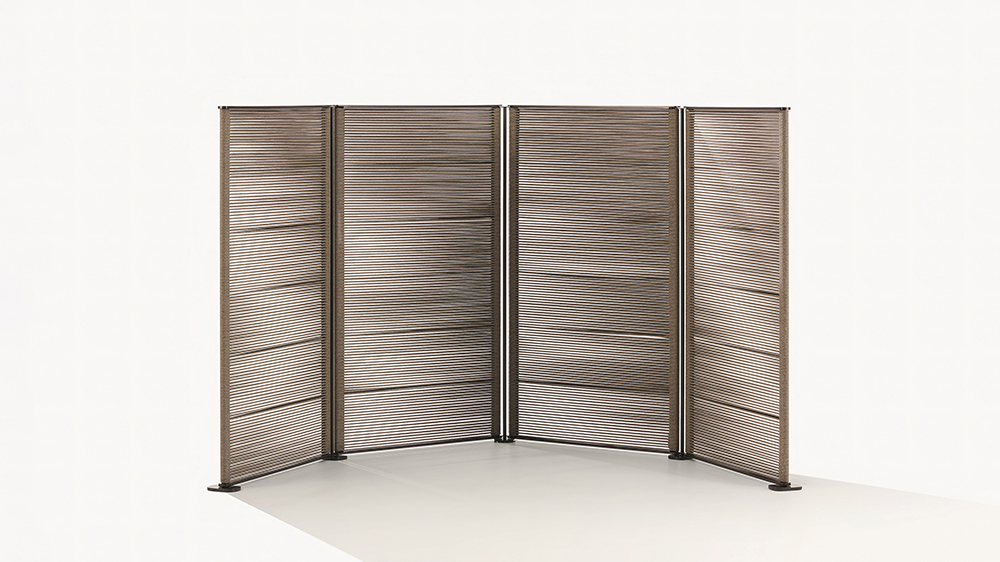
"Sheer Beauties" are room dividers that offer separation without full concealment, maintaining an open and airy feel. These are ideal for defining areas while still allowing light to pass through. A notable example mentioned is a folding screen from CB2's collaboration with Gianfranco Frattini, inspired by a 1960s design and made from blackened ash wood, offering a blend of classic and contemporary aesthetics.
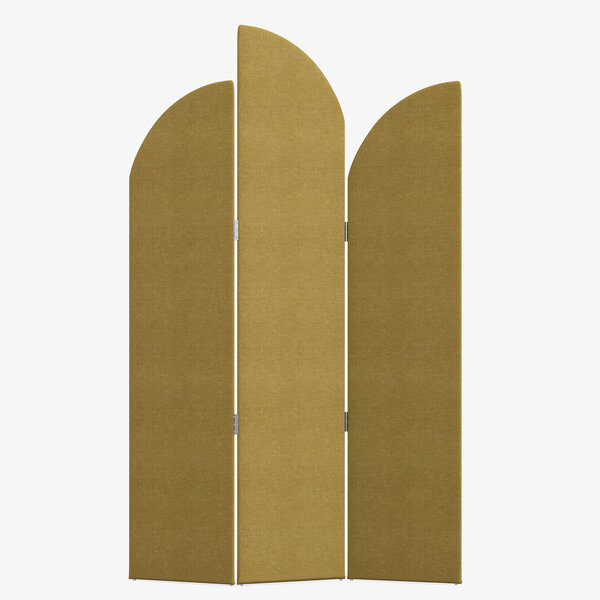
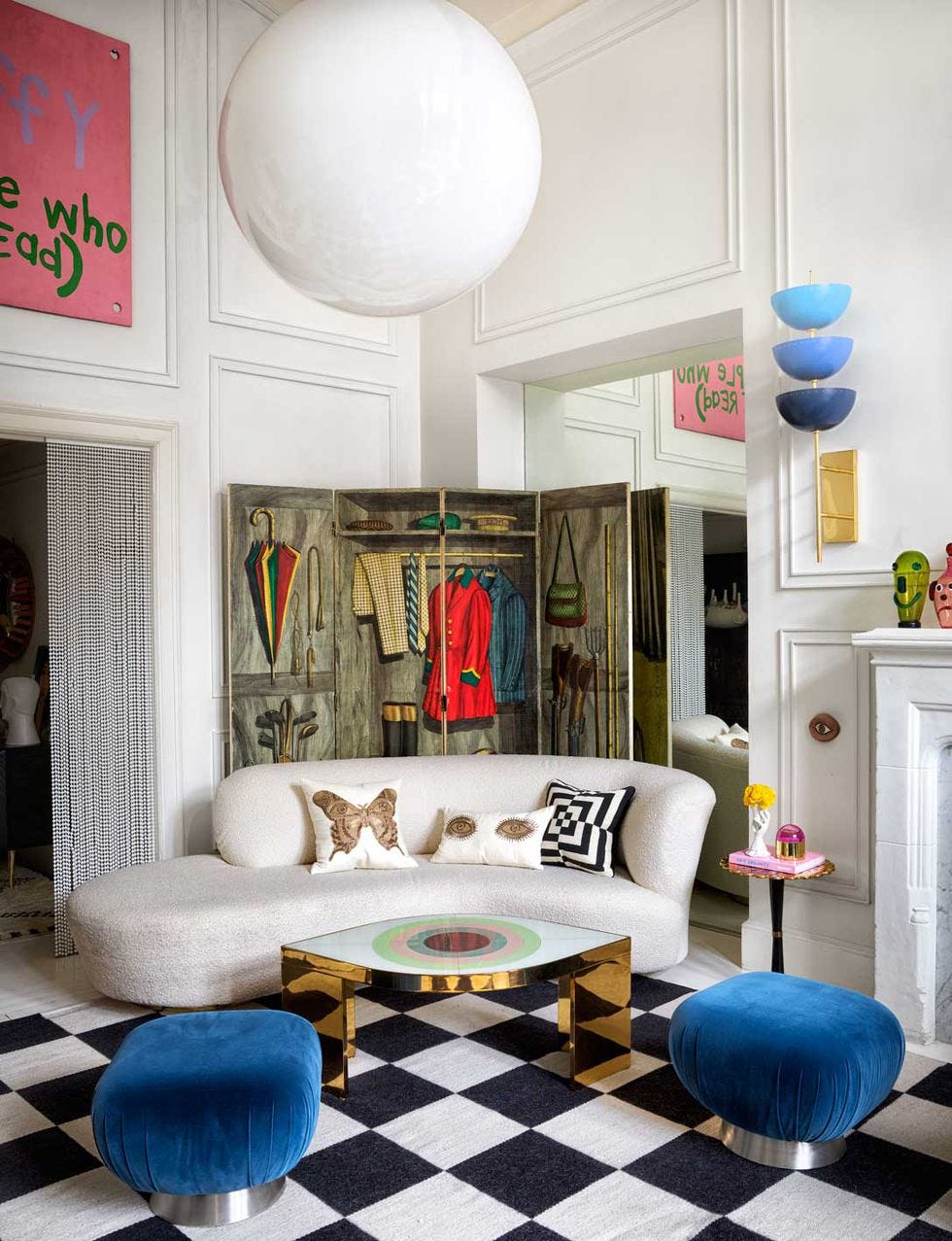
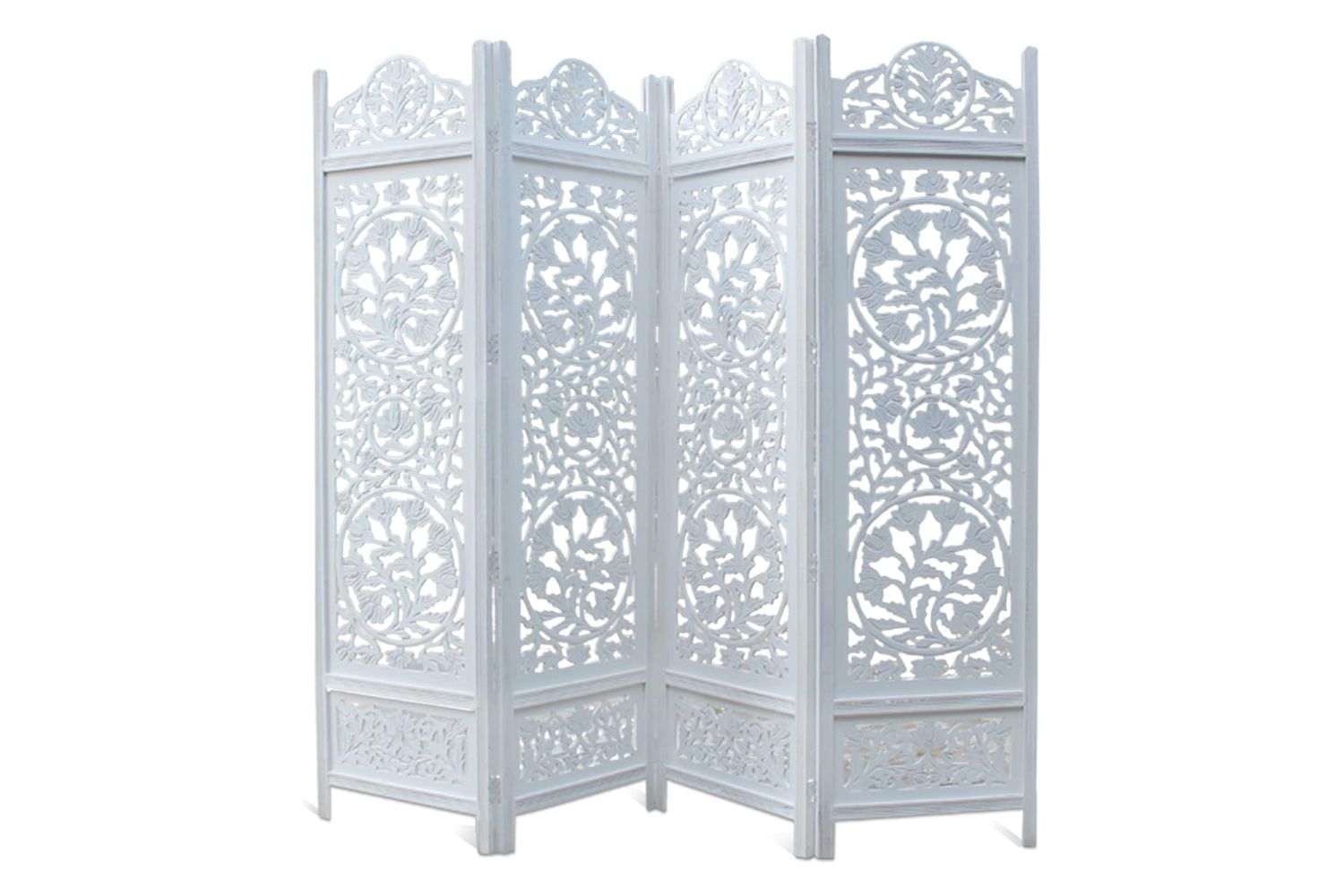
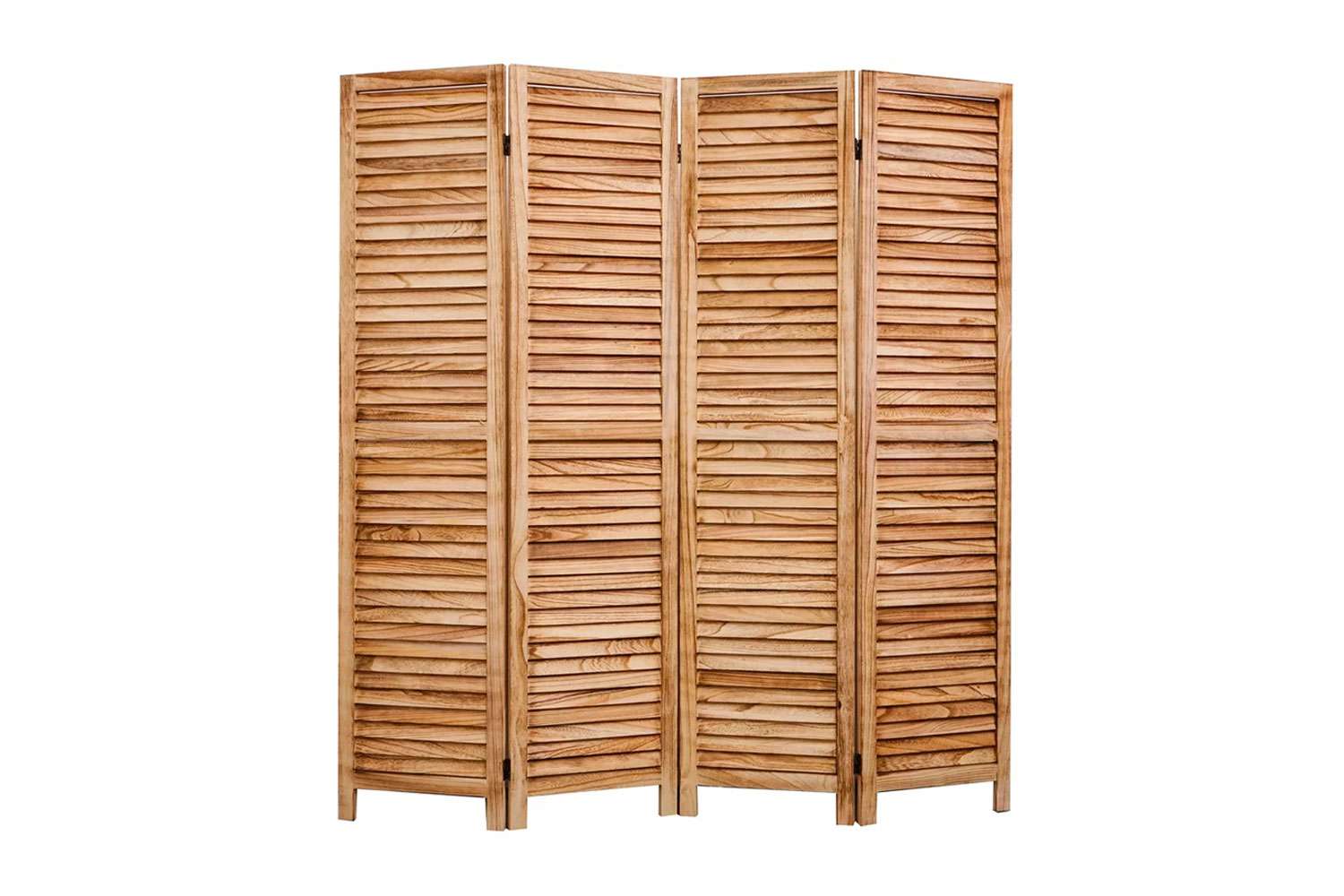
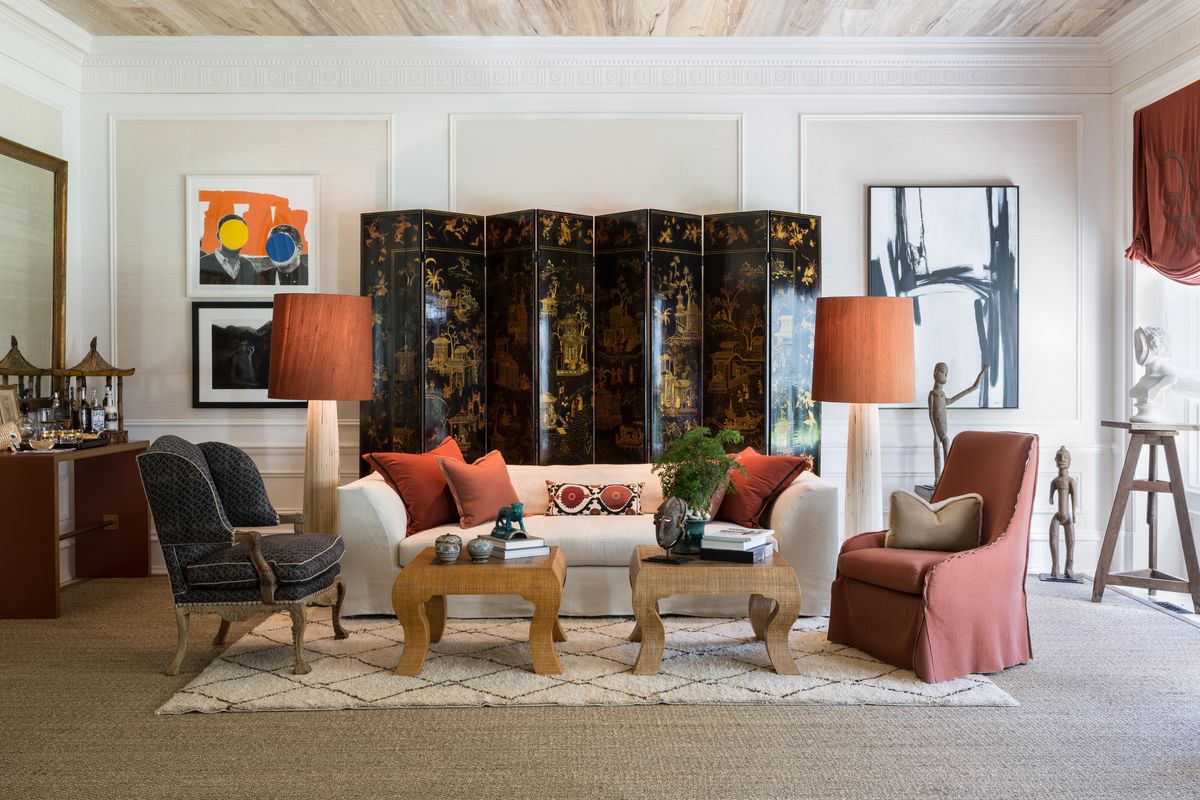
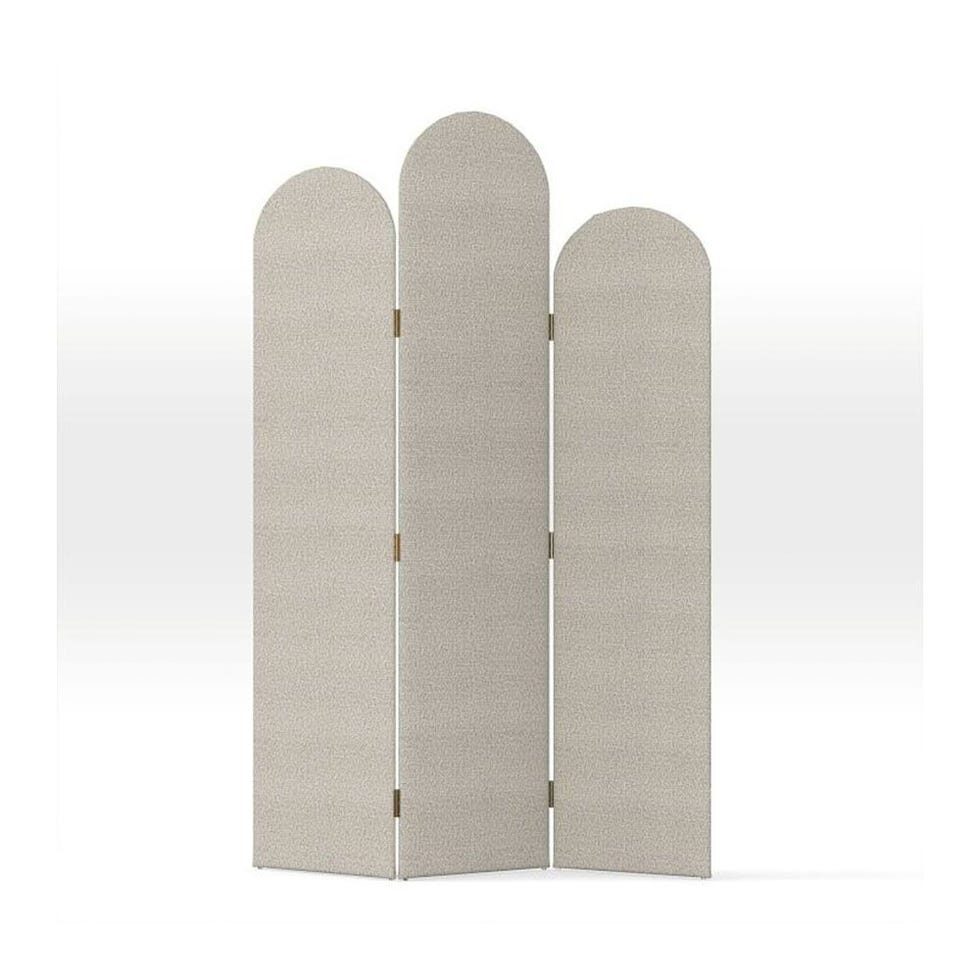
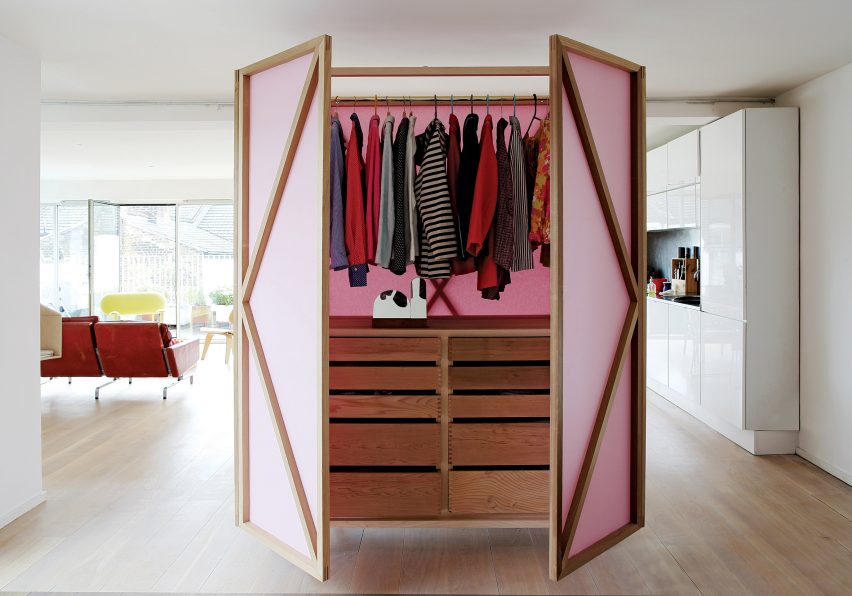
When selecting a room divider, several factors are crucial. Functionality is key; dividers visually segment spaces and can guide movement within a room. Designer Grace Lee-Lim highlights their ability to introduce texture or art, such as fretwork, caning, painted screens, or chinoiserie, offering a less permanent alternative to a wall for creating separation and privacy. Dimensions and panels are also important; dividers typically range from 3 to 7 feet in height, with widths varying based on the number of panels, usually three to five, which can be adjusted for desired coverage. The material choice dictates the level of privacy, ranging from opaque options like solid woven rattan to semitransparent materials like bamboo strips or paper. Design and shape contribute significantly to the aesthetic impact, with some dividers featuring wainscoting or hand-painted details, and others adopting rounded or asymmetrical forms to add a modern touch to a traditional element.
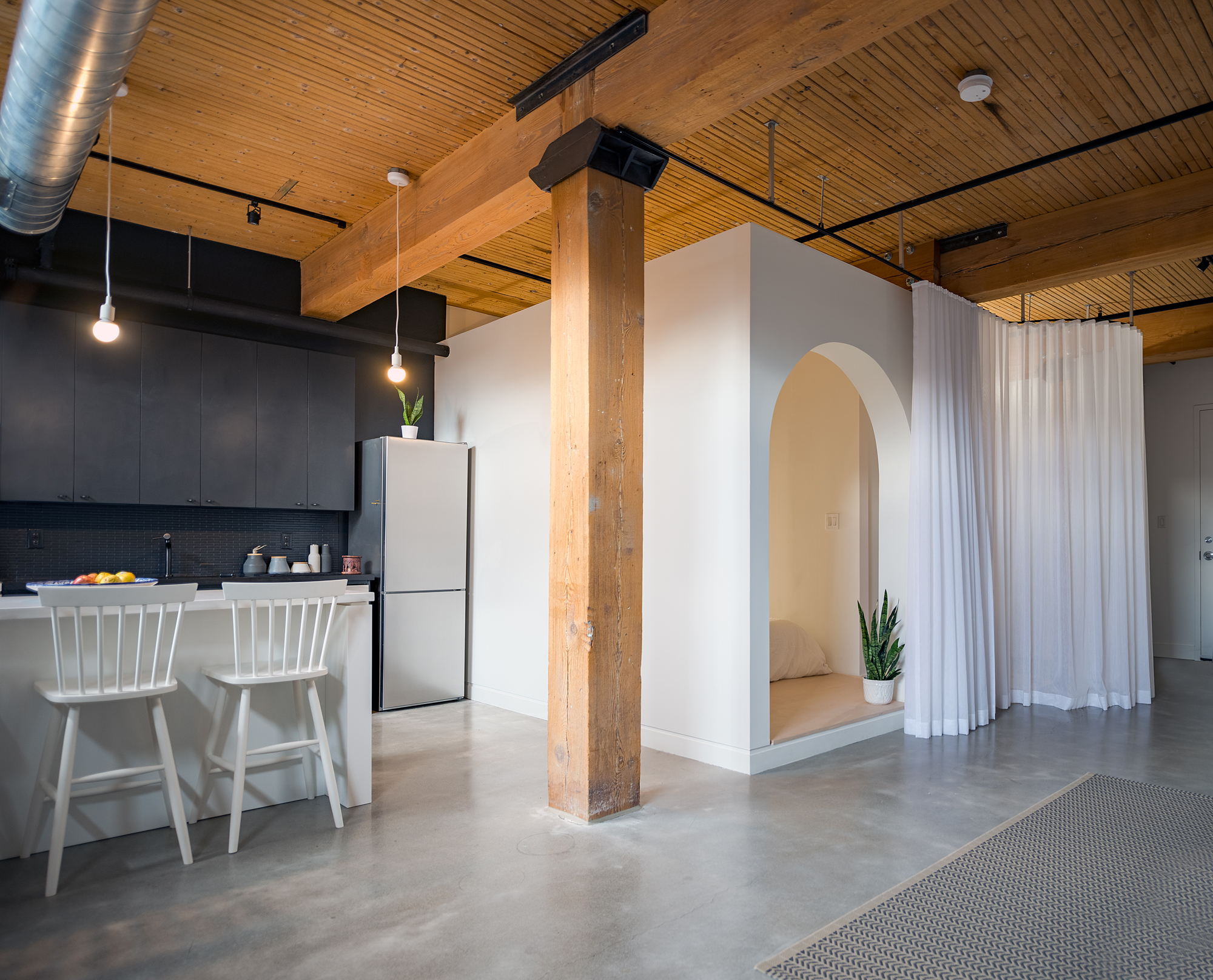
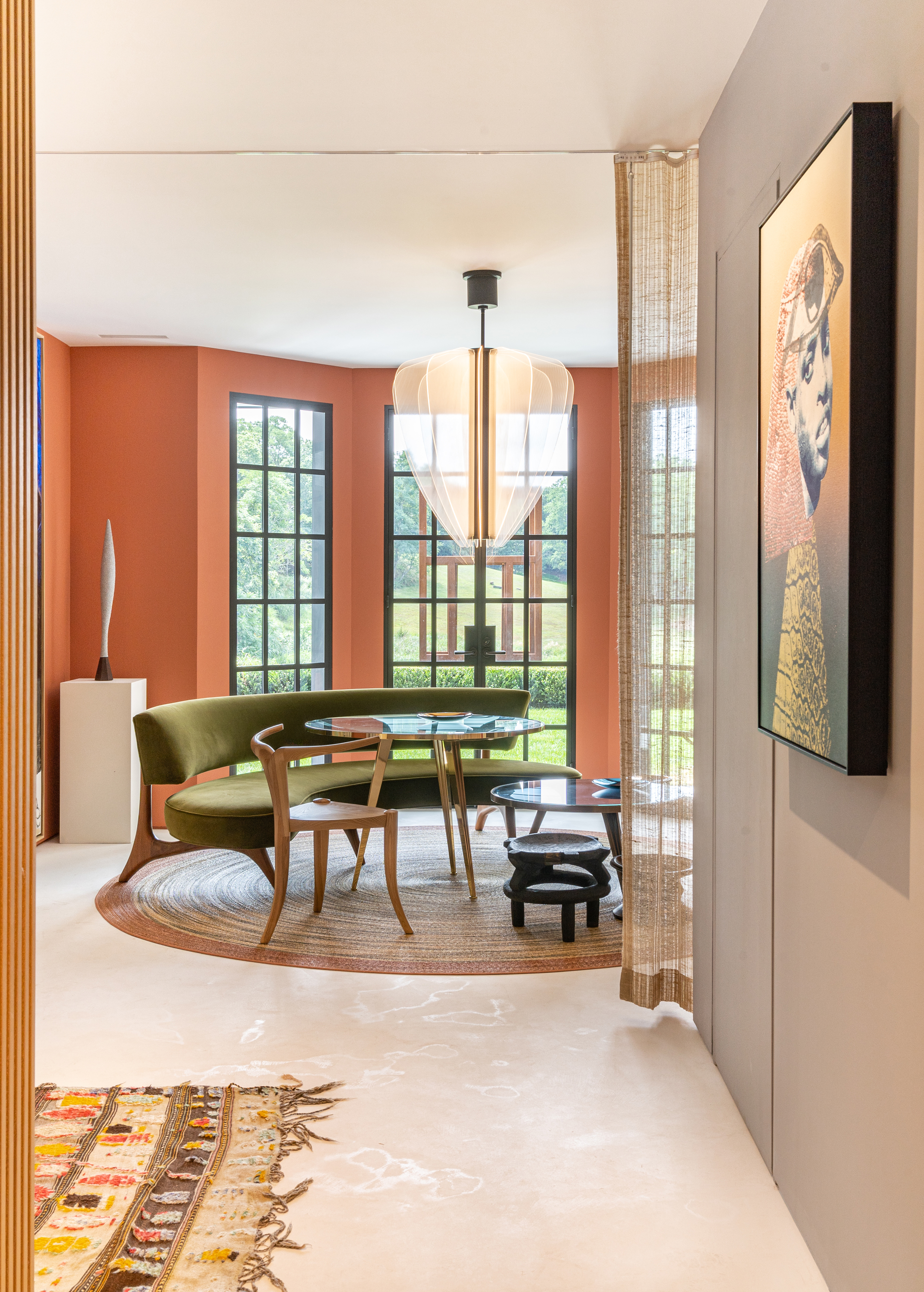
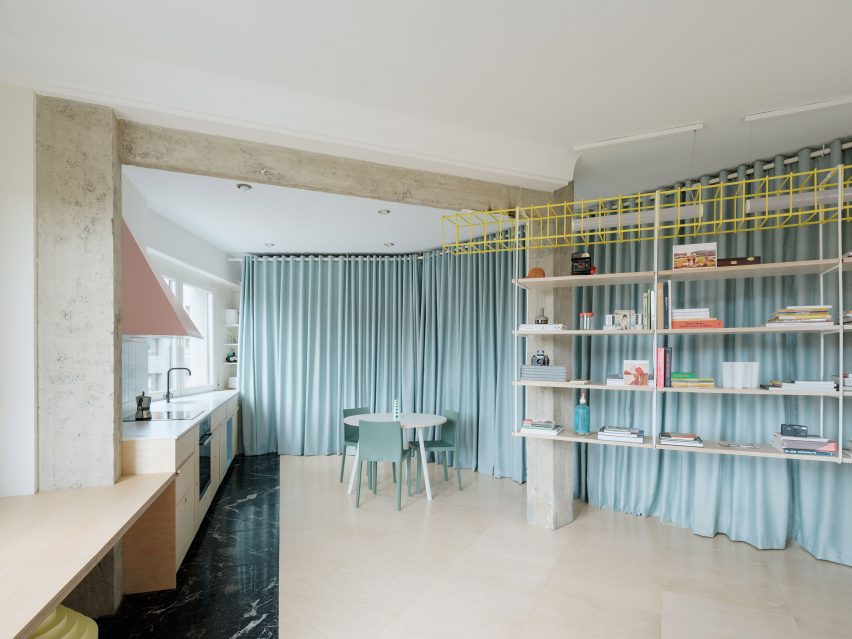
For those interested in DIY customization, room dividers can be wallpapered using PVA glue for traditional wallpaper, or peel-and-stick wallpaper for ultra-flat surfaces. Sally Smallwood's project of decoupaging an IKEA Risor screen with Art Deco-inspired wallpaper exemplifies this. Painting is another customization option, particularly suitable for canvas dividers, allowing for abstract designs or crisp geometric patterns using painter's tape. Beyond folding screens, other methods for dividing spaces include ceiling-hung curtains and tall bookcases, which are particularly beneficial in small or open-plan living areas to enhance functionality and create a human-scaled environment. Ultimately, the best room divider not only saves space and organizes open layouts but also adds texture, pattern, and artistic flair to any interior.
#RoomDividers #HomeDecor #InteriorDesign #SpacePlanning #Furniture #DIYHome #HomeOrganization #StyleShopping #RoomDividers #HomeDecor #InteriorDesign #SpacePlanning #Furniture #DIYHome #HomeOrganization #StyleShopping
0 comment in total
 No comments yet
You may also like
Shopping for Room Dividers (Published 2021)
21 Floating TV Stands That'll Help Make Any Room Look So Much Bigger

REN: A Series of Room Dividers United by Materiality

12 Eye-Catching Statement Ceilings

These Room Divider Ideas Will Transform Your Home in an Instant

Room divider ideas: 12 stylish ways to divide a room

2,000 IKEA Hangers Upcycled Into Dynamic Chromatic Screen Room Divider
10 Best Room Dividers for Creating More Privacy at Home
Separating Your Space? 16 Room Dividers to Try

22 Wall Paneling Ideas That Add Dimension to Any Room
How do you divide a room with curtains? Designers on embracing this 'soft architecture' trend

Ten interiors that use innovative room dividers instead of walls

Our Favorite Room Dividers for Flexible, Functional Spaces
12 panelling ideas to add instant character to living room walls, from modern new-builds to elegant townhouses
Movable Walls: The Transformative Effect of Retractable and Folding Partitions

12 beautiful rooms to inspire your wallpaper picks

Beautiful Room Screens To Buy

Room dividers – and all their old-Hollywood charm – are back

Wall Panels

These Chinese-Inspired Lacquered Screens Can Elevate Your Home—and Give You the Illusion of Space