1/6
How to insulate a cold wall from the inside, and why the type of wall you have matters
With autumn approaching and temperatures dropping, homeowners are looking for ways to keep their houses warm. This article provides comprehensive guidance on insulating cold walls from the inside, emphasizing the importance of understanding wall types and potential issues like dampness before starting any insulation work. Expert insights clarify that the approach to insulation varies significantly based on whether a wall is solid or has a cavity, as well as budget considerations.
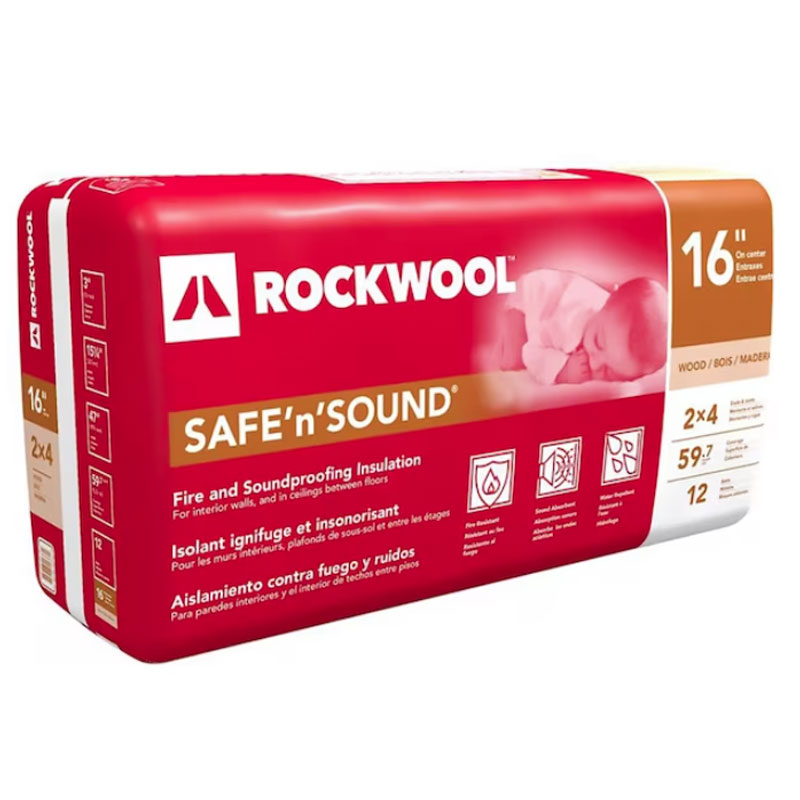
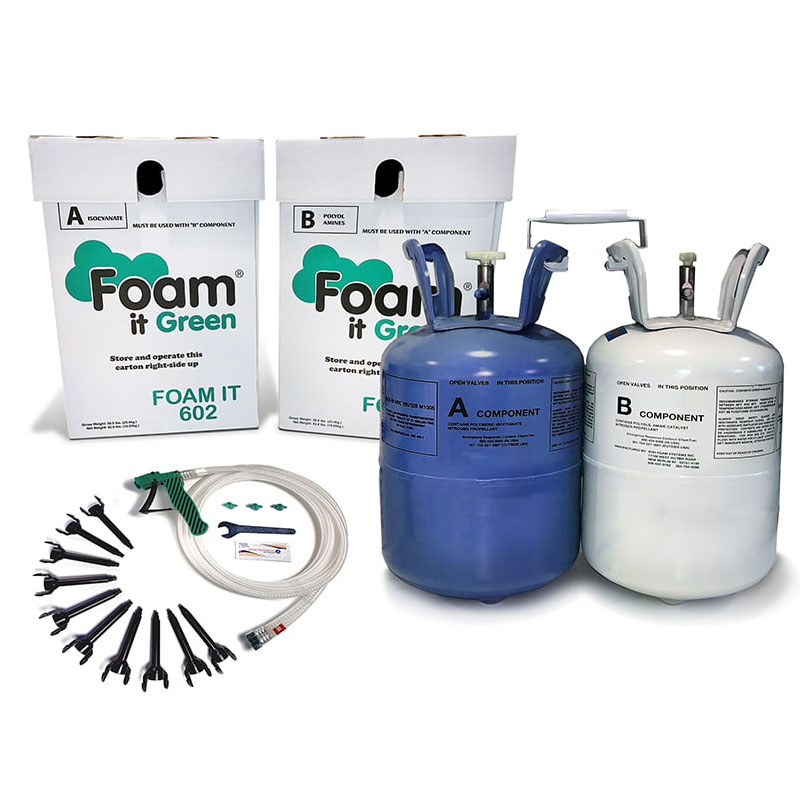
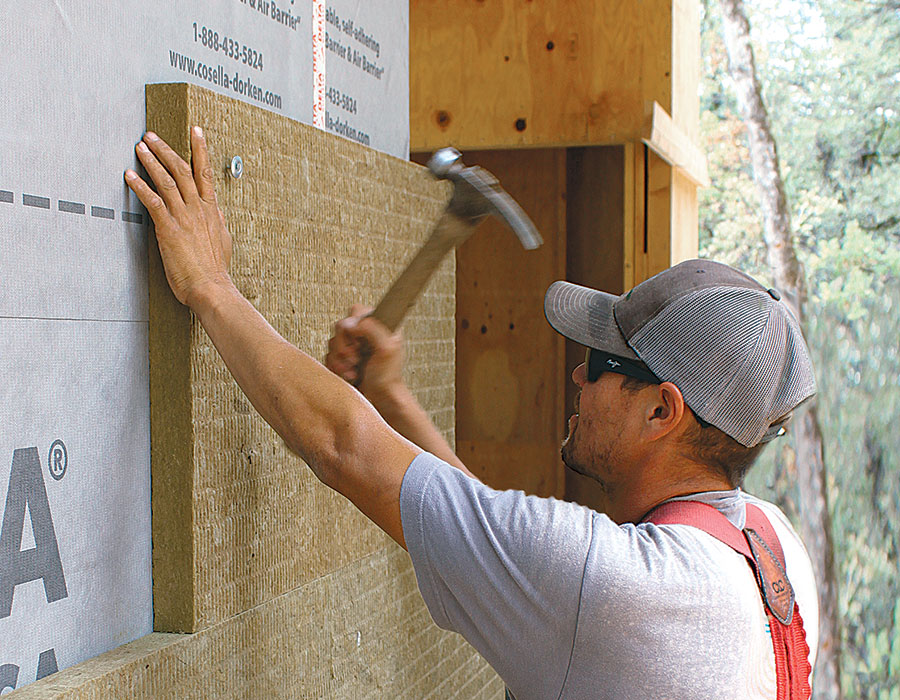
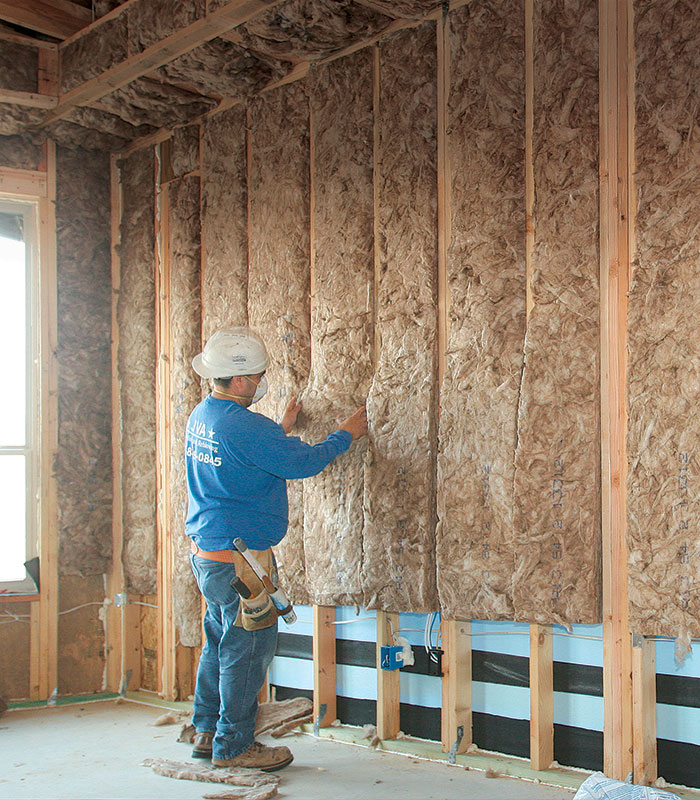
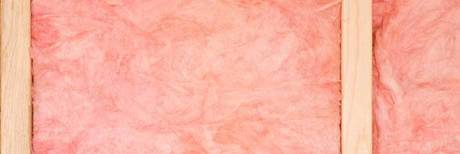
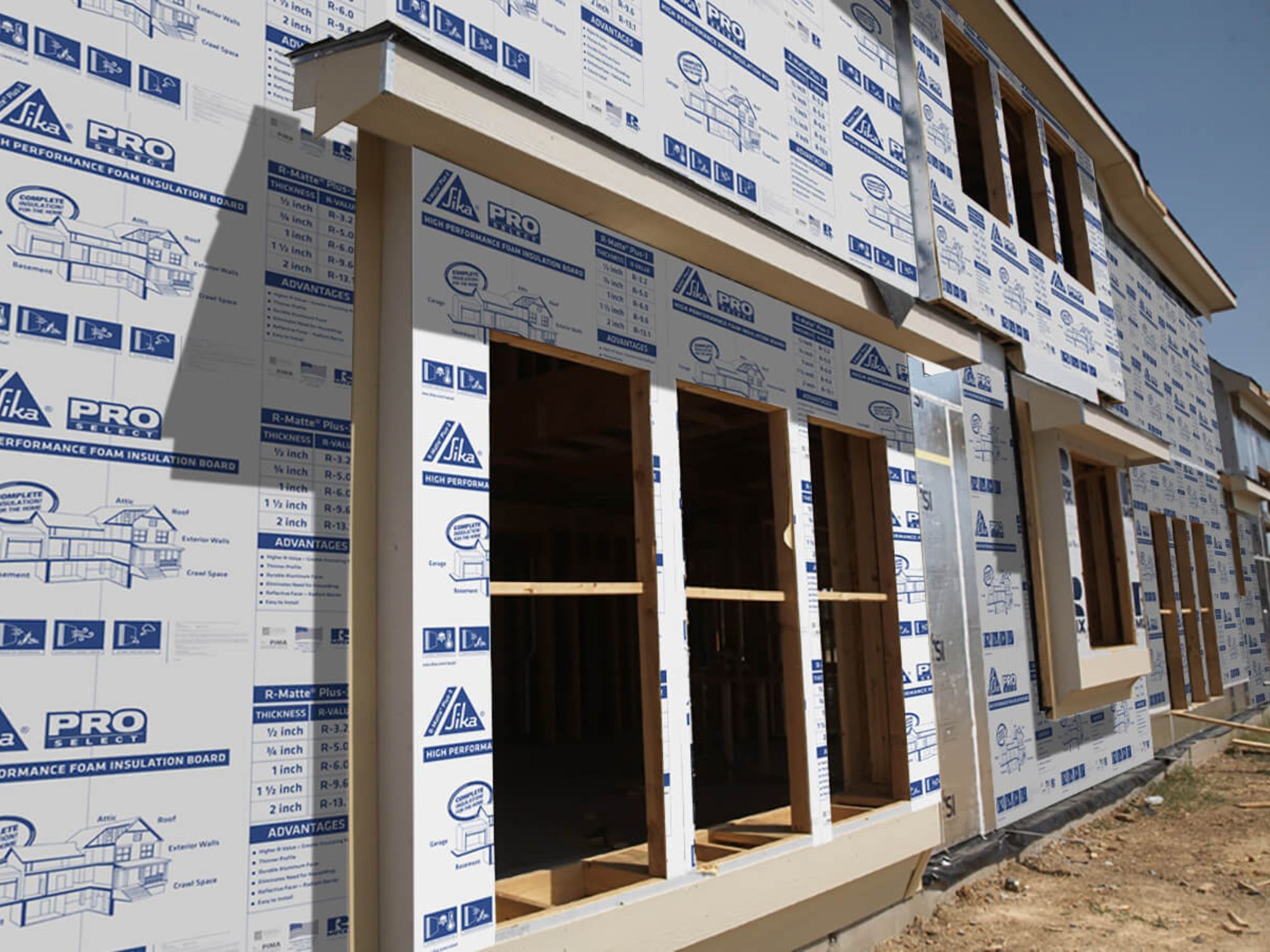
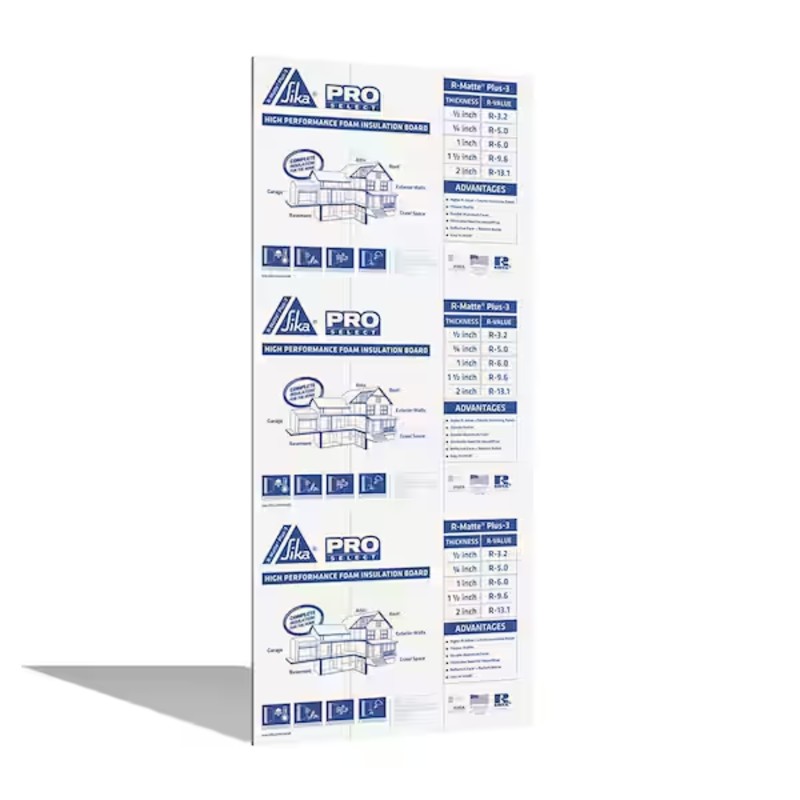
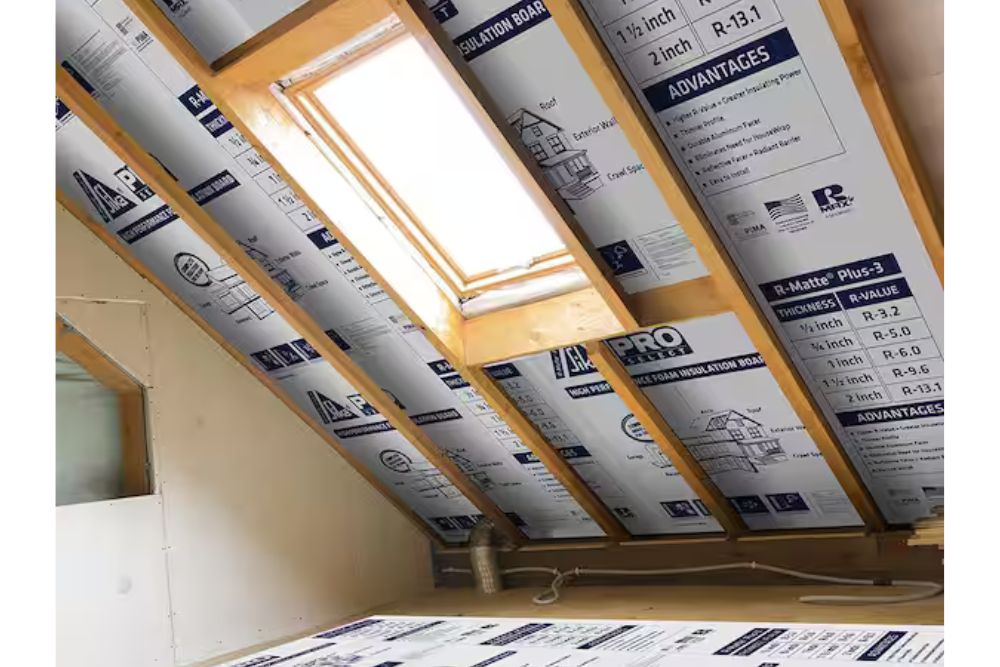
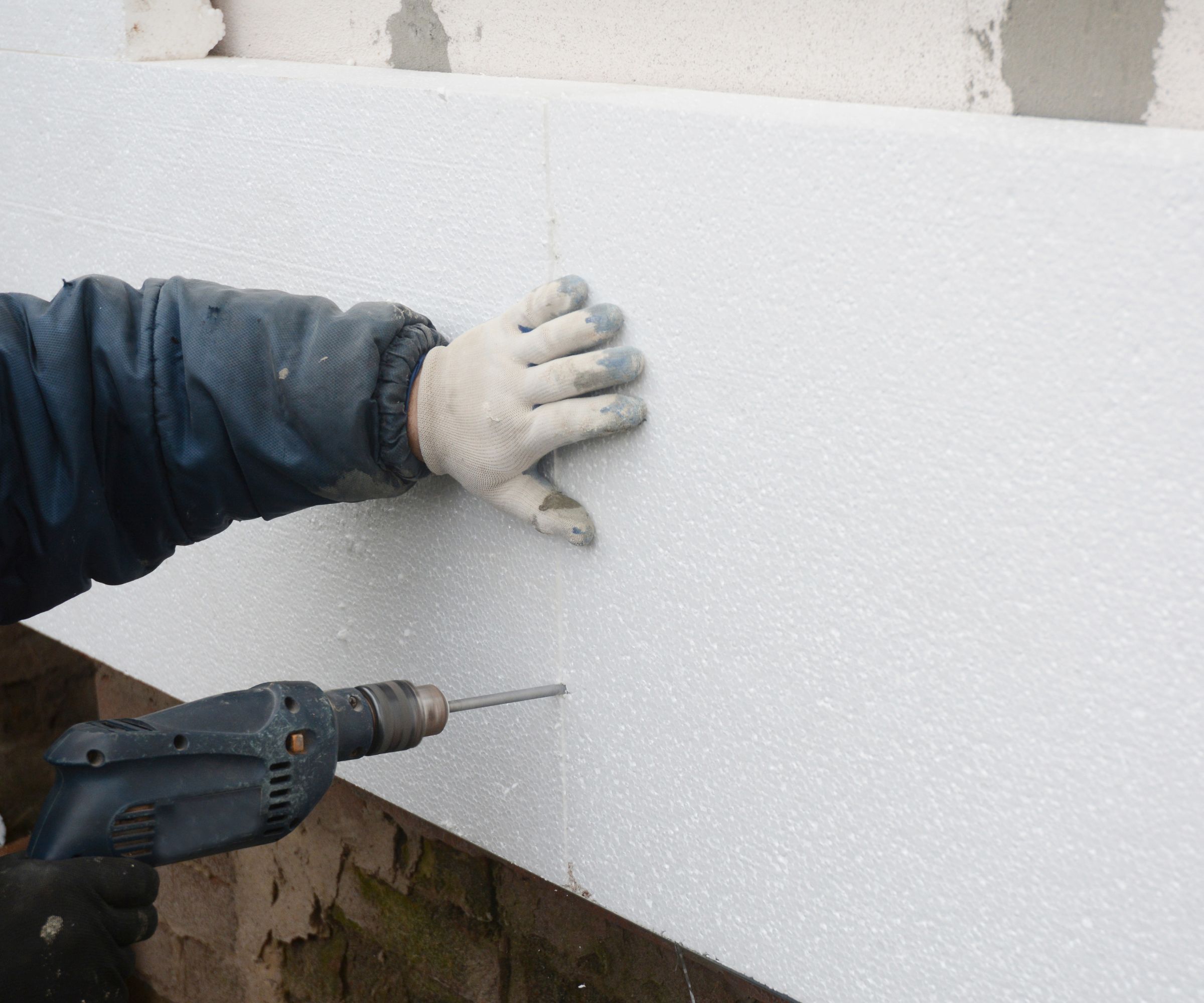
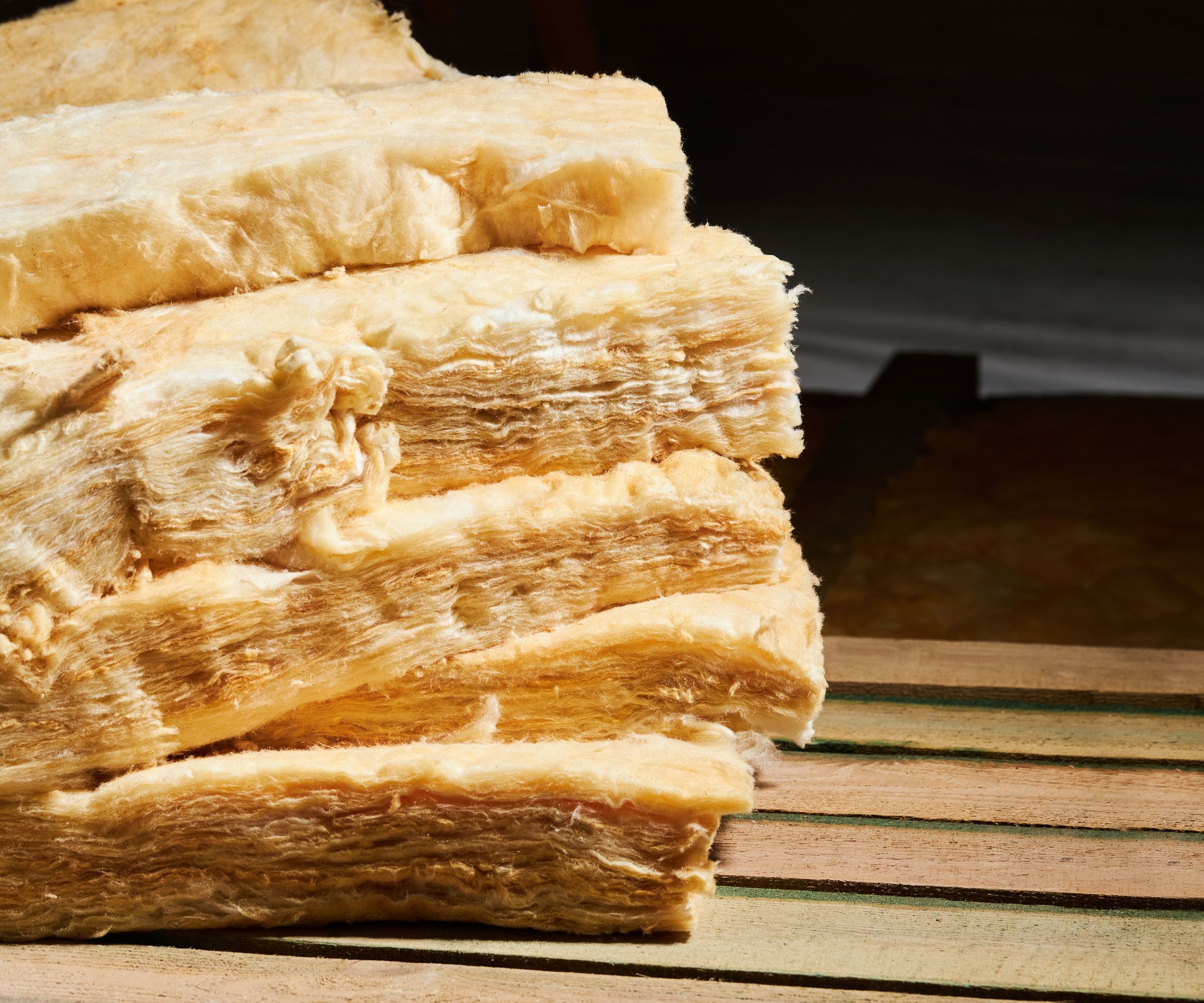
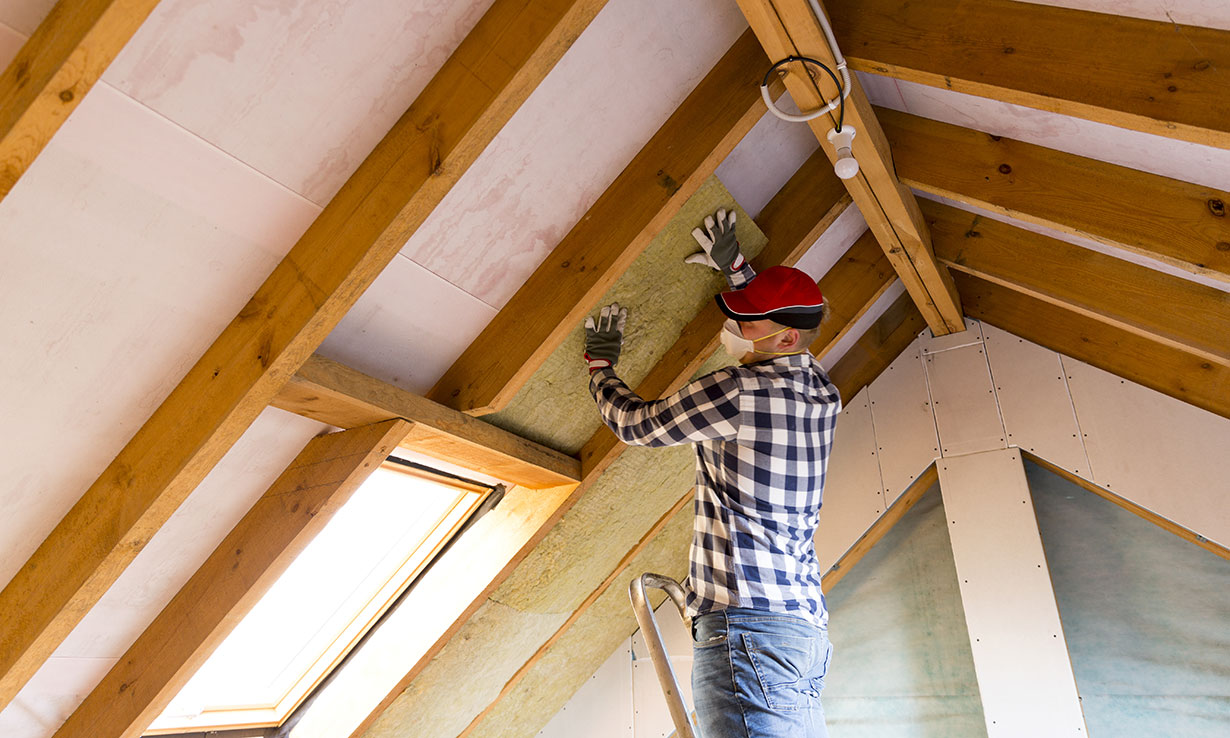
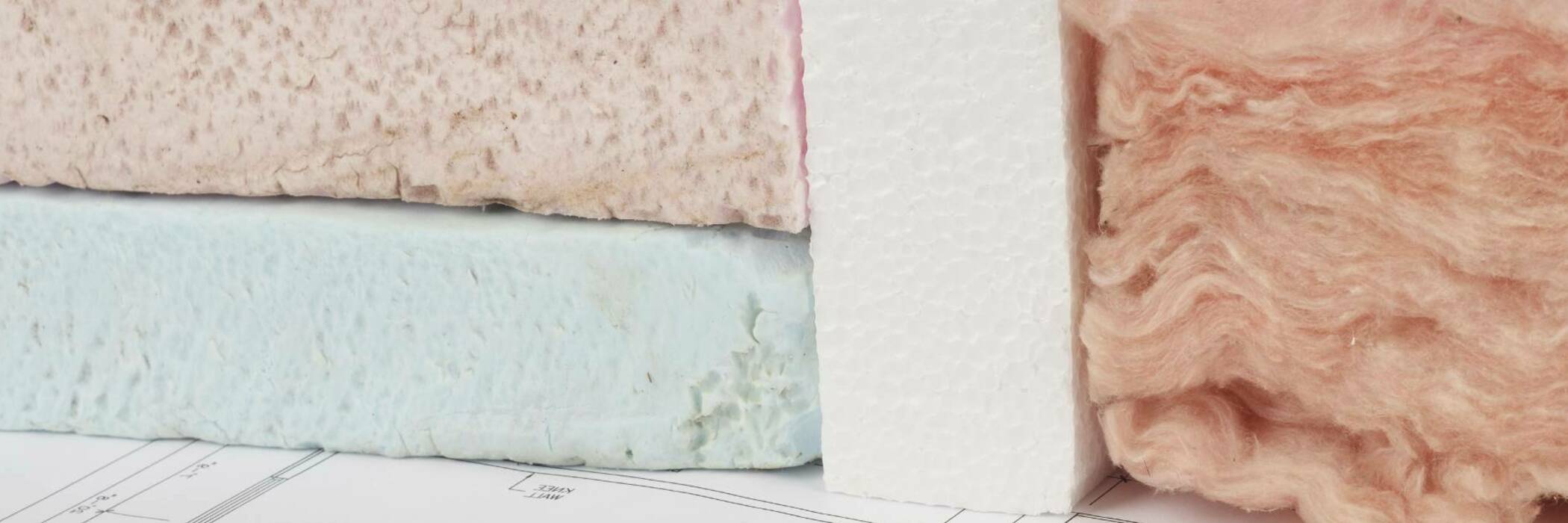
Before undertaking any insulation, it is crucial to address any underlying damp problems, as cold walls often create ideal conditions for damp and mould. Professionals recommend booking an inspection to assess for dampness and treat it proactively to prevent further issues. Once the wall type is identified and damp concerns are resolved, homeowners can explore various insulation methods. These methods include the installation of insulation boards, which offer a more professional and effective solution. These boards, typically made of rigid foam or mineral wool, are attached to the wall and covered with plasterboard. While this can be a DIY project for small spaces, large areas often benefit from professional installation to ensure longevity and prevent gaps. Spray foam can also be used under plasterboard for a similar effect, though this is typically a task for professionals to ensure proper application and avoid common mistakes that might compromise the product's lifespan.
For those on a tighter budget or seeking a more DIY-friendly option, insulating wall coverings are available. While less effective than insulation boards or spray foam, thermal lining paper can provide a short-term reduction in heat loss, with some products claiming to reduce heat loss by up to 18%. Another inexpensive short-term solution is thermal paint, which can be applied to cold walls to reduce heat loss. Many thermal paints can be overpainted with a desired color and finish, offering flexibility in decor.
Choosing the best insulation method depends on the specific property. Seeking advice from a qualified specialist is highly recommended to tailor the solution to the home’s age and construction. Prioritizing long-term solutions, even if they involve a higher initial cost, is generally more effective than cheaper, short-term fixes, which may prove more expensive in the long run. Long-term solutions might involve replacing old, failing insulation or adding insulation where none existed previously. The article strongly advises against cutting corners, as incorrectly installed insulation can create new problems.
Potential pitfalls of internal wall insulation (IWI) include a reduction in usable floor space and the necessity of removing and refitting internal services like skirting boards, plug sockets, switches, and radiators. Achieving continuous insulation can be particularly challenging in areas such as floor voids. A critical concern with IWI is managing condensation risk; poor detailing can lead to moisture accumulation within the wall structure, fostering mould growth. Homeowners should also be aware of building regulations that may apply to their insulation projects, making expert advice indispensable for ensuring a thermally efficient and safe outcome. Independent experts can provide pre- and post-improvement performance measurements to guide design choices and confirm the effectiveness of changes without introducing new problems elsewhere in the home.
Common reasons for cold walls include failed or non-existent insulation, issues with damp and condensation (possibly due to moisture penetration or poor ventilation), and air leaks around windows, doors, vents, or electrical outlets causing draughts. The article reiterates the importance of addressing condensation and dampness before installing insulation to prevent exacerbating these issues.
#HomeInsulation #ColdWalls #InteriorDesign #EnergyEfficiency #HomeRenovation #DampPrevention #ThermalPaint #InsulationBoards #DIYHomeImprovement #HomeInsulation #ColdWalls #InteriorDesign #EnergyEfficiency #HomeRenovation #DampPrevention #ThermalPaint #InsulationBoards #DIYHomeImprovement
0 opmerkingen in totaal
 Nog geen opmerkingen
Dit vindt u mogelijk ook leuk
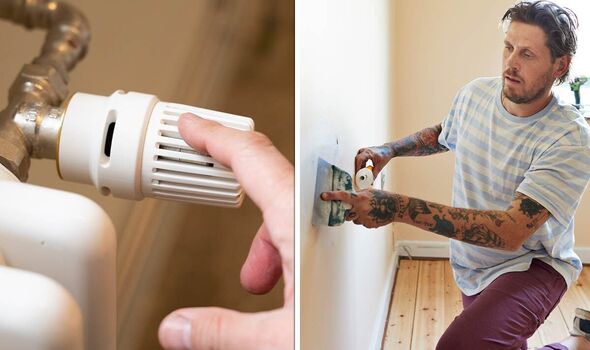
How to 'warm up' cold walls and 'protect' your home from condensation and mould growth
After Researching Over 20 Options for Exterior Walls Insulation, There is One Clear Winner
Should you insulate a basement ceiling? Expert advice for a comfortable home

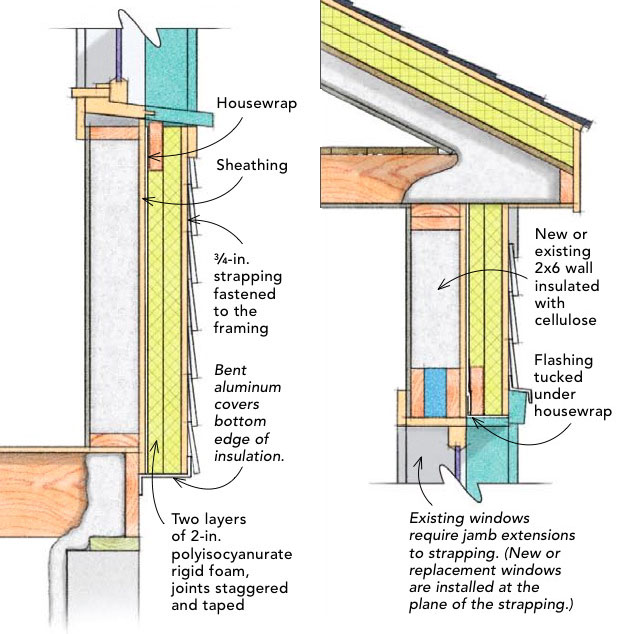
Insulating an Old House from the Outside

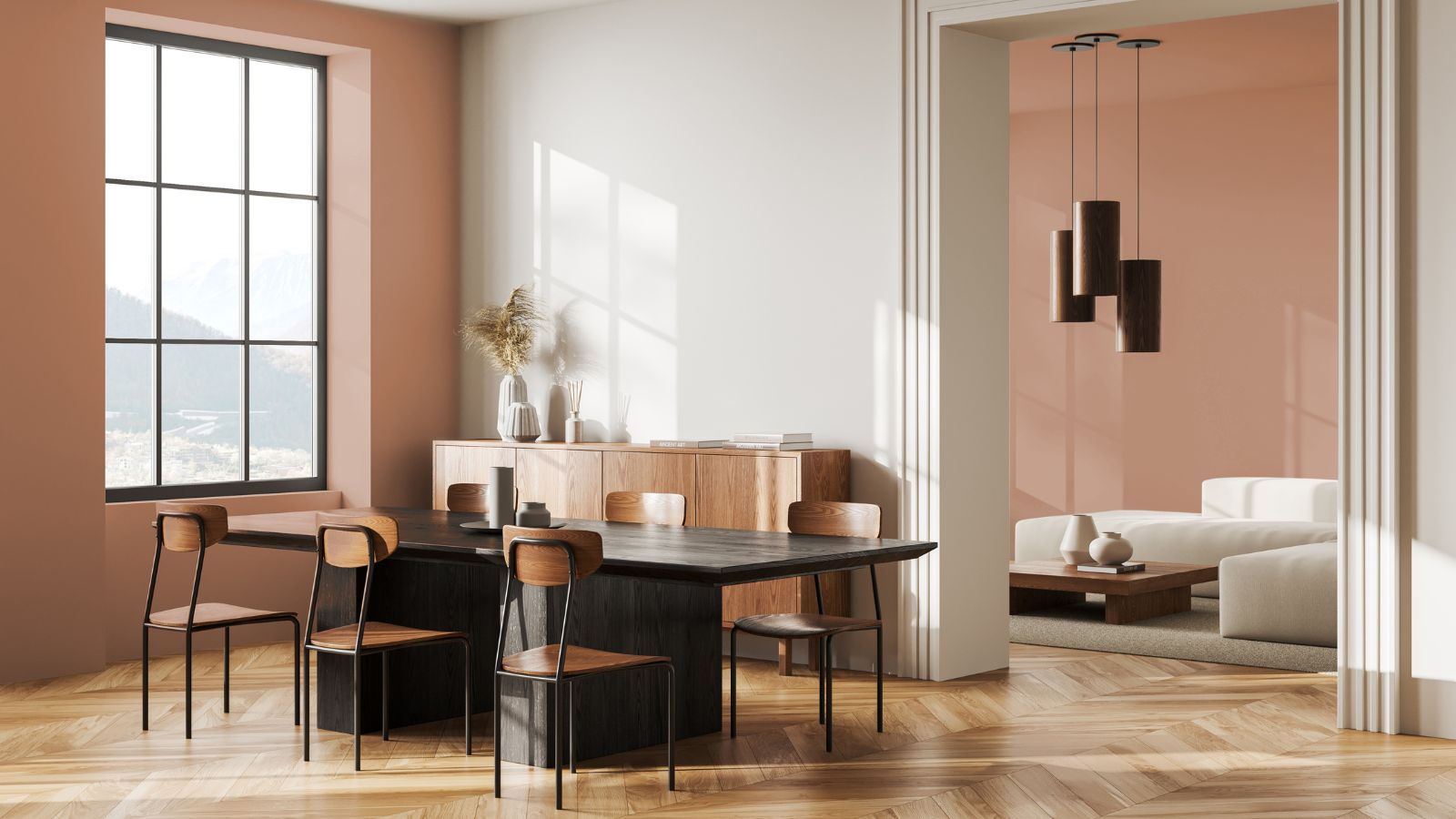
5 ways to insulate a wall to lower your energy bills and block out noise – and which ones are a mistake to DIY
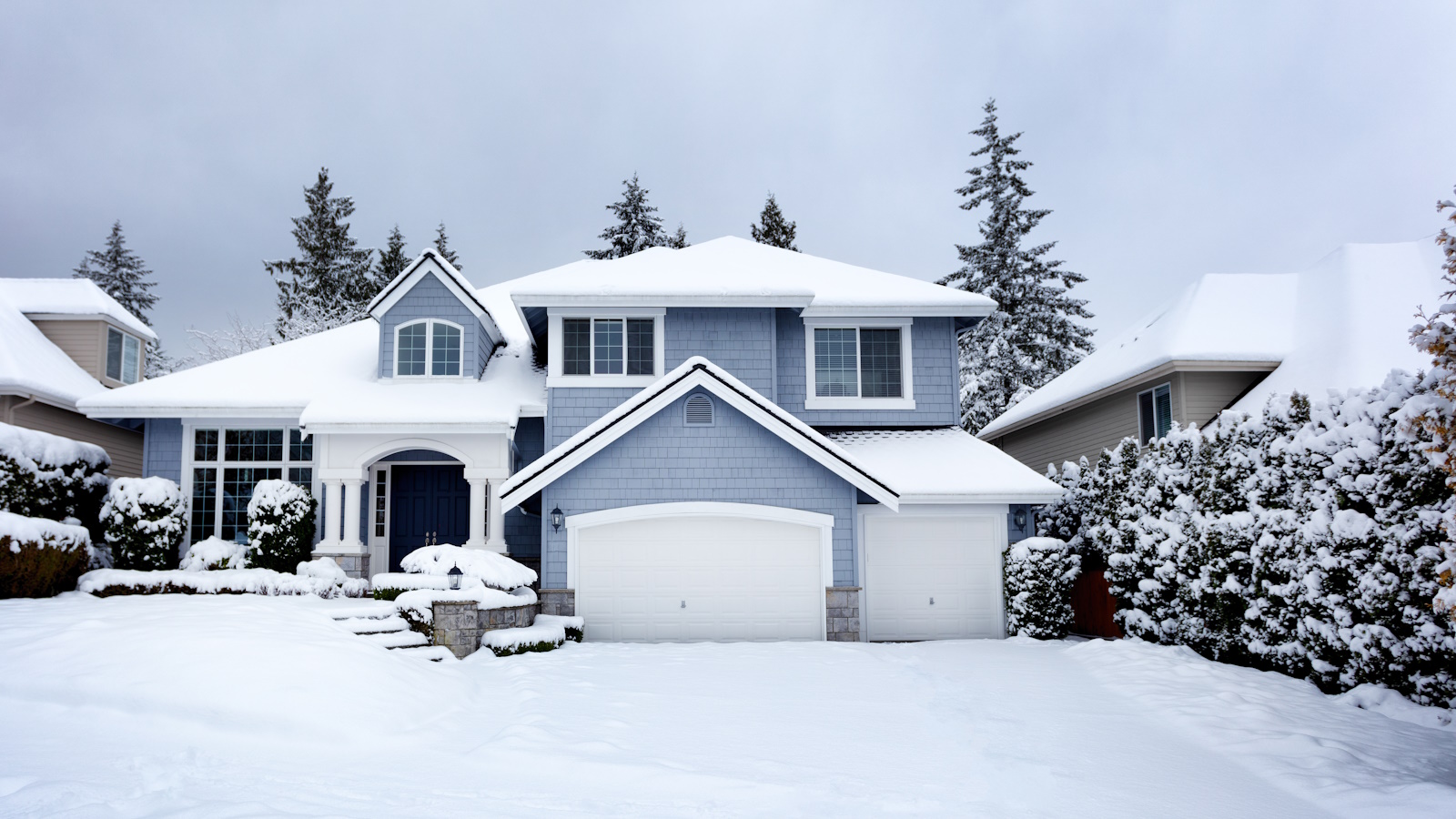
The 4 areas of your home pros say to always insulate to keep it toasty in colder weather – plus, where to never insulate

Cavity wall insulation problems – what can go wrong

How Can I Make My Curtains Warmer? 7 Expert Solutions That Are Stylish, Too

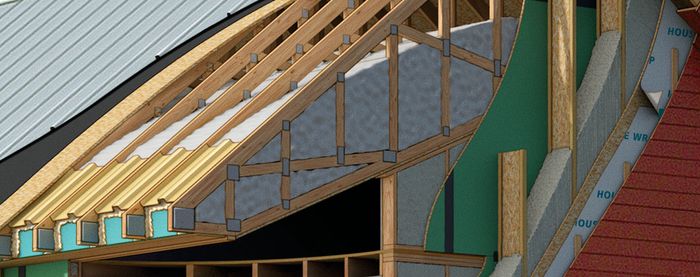
What to Consider When Choosing Insulation
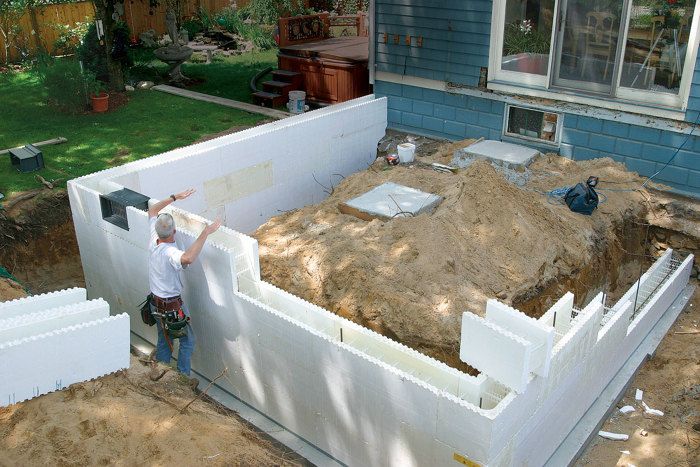
How to Insulate Concrete Foundation Walls From the Inside Out
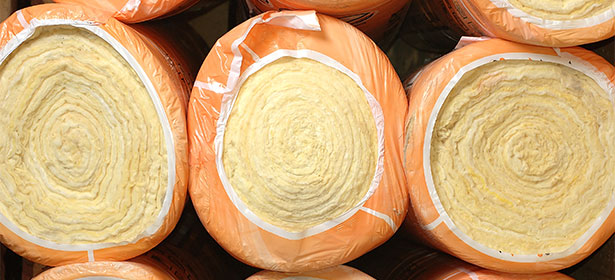
How to insulate a loft or roof
The Versatility of Drywall in Architecture: Pros and Cons

It's a wrap: External wall insulation for your home

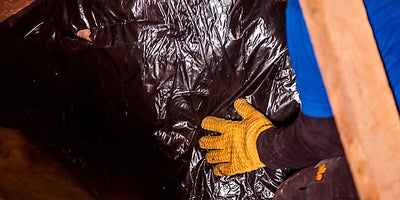
How to insulate a loft

Loft Insulation
The best floor insulation options for your home, explained
Home insulation materials

6 types of attic insulation and how to pick one for your home
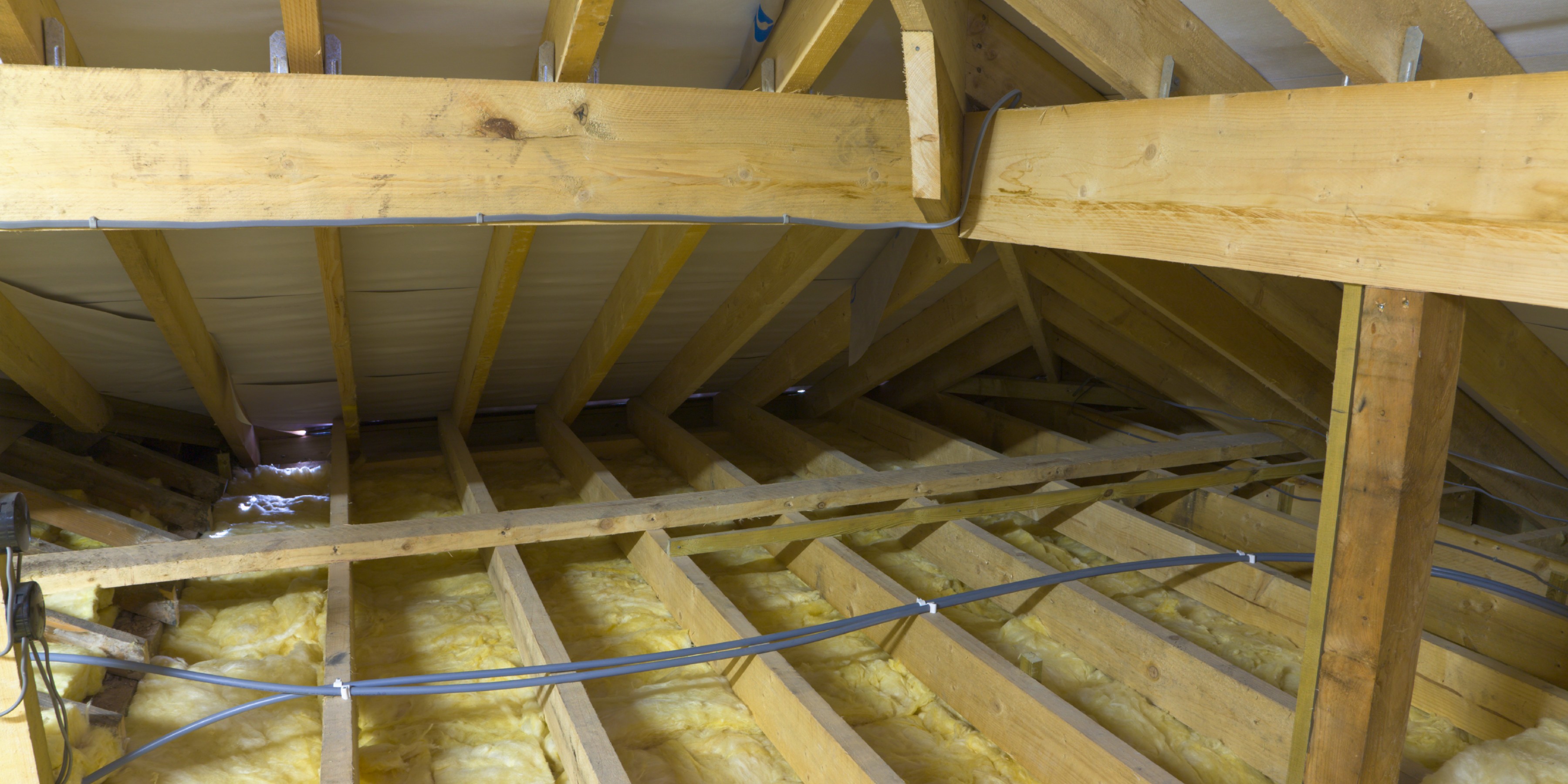
This is how to get your roof and loft insulation right so that your home stays warm and energy efficient all winter long

How to Install Dense-Packed Cellulose Insulation in Walls