1/11
How can you be more sustainable in your interior design? 10 things to always consider
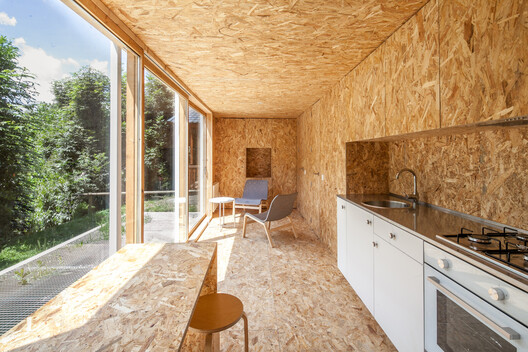
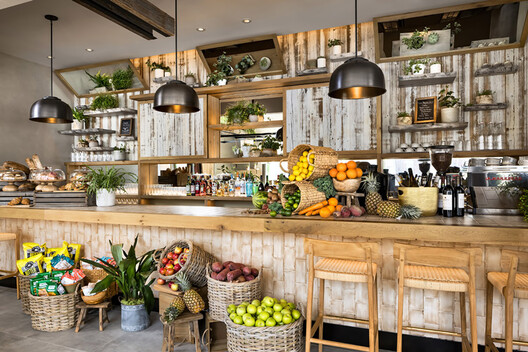
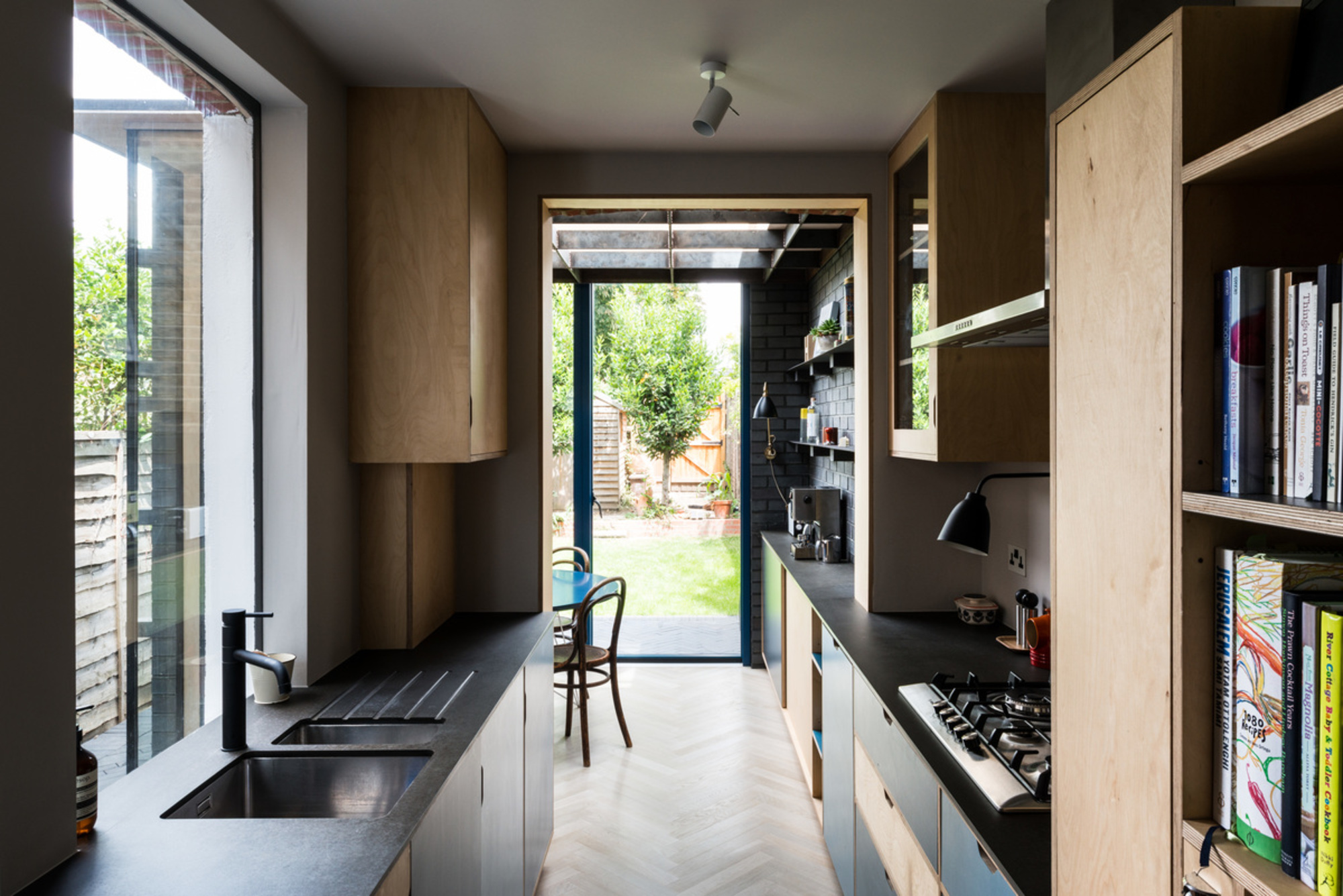
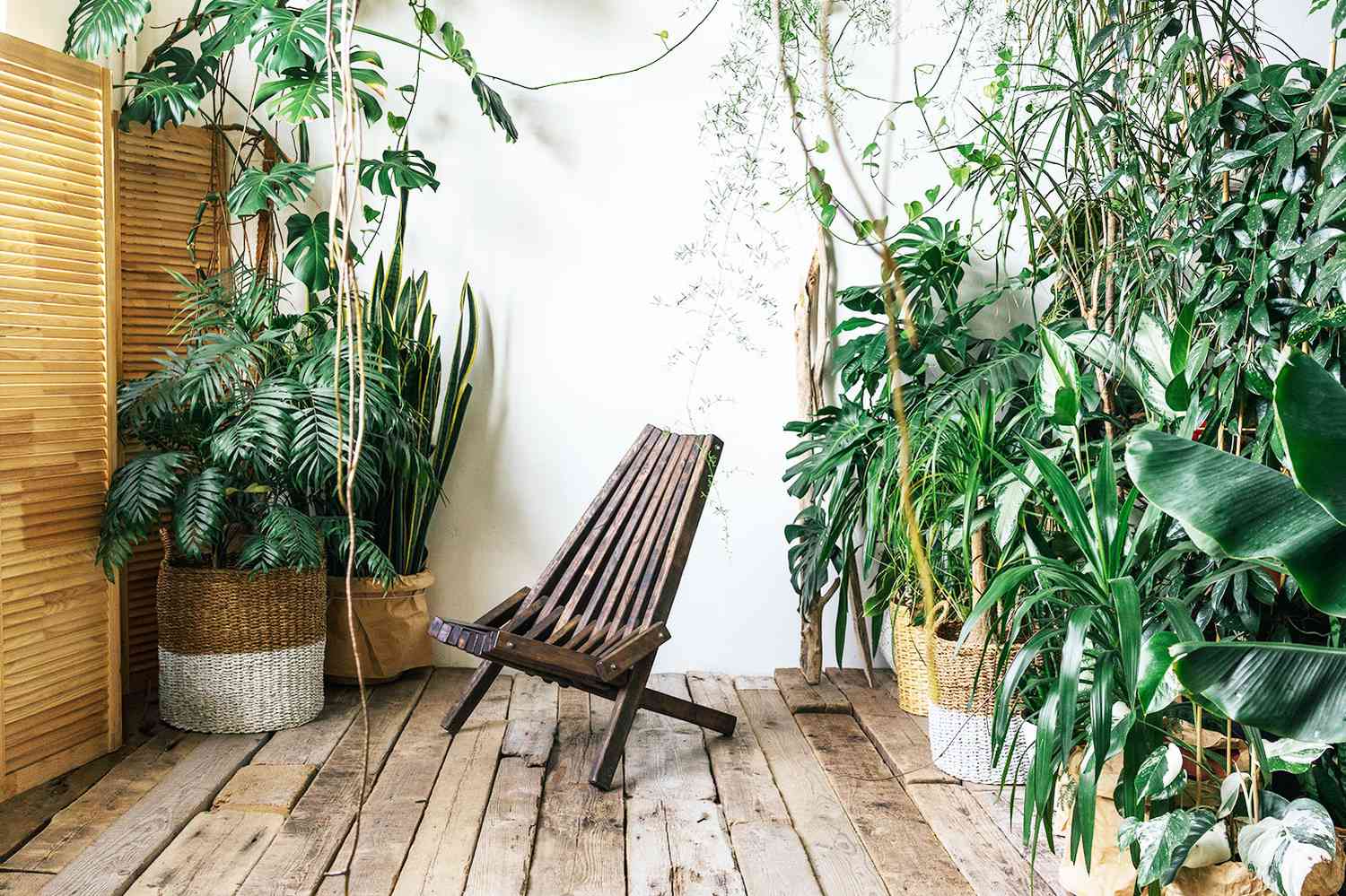
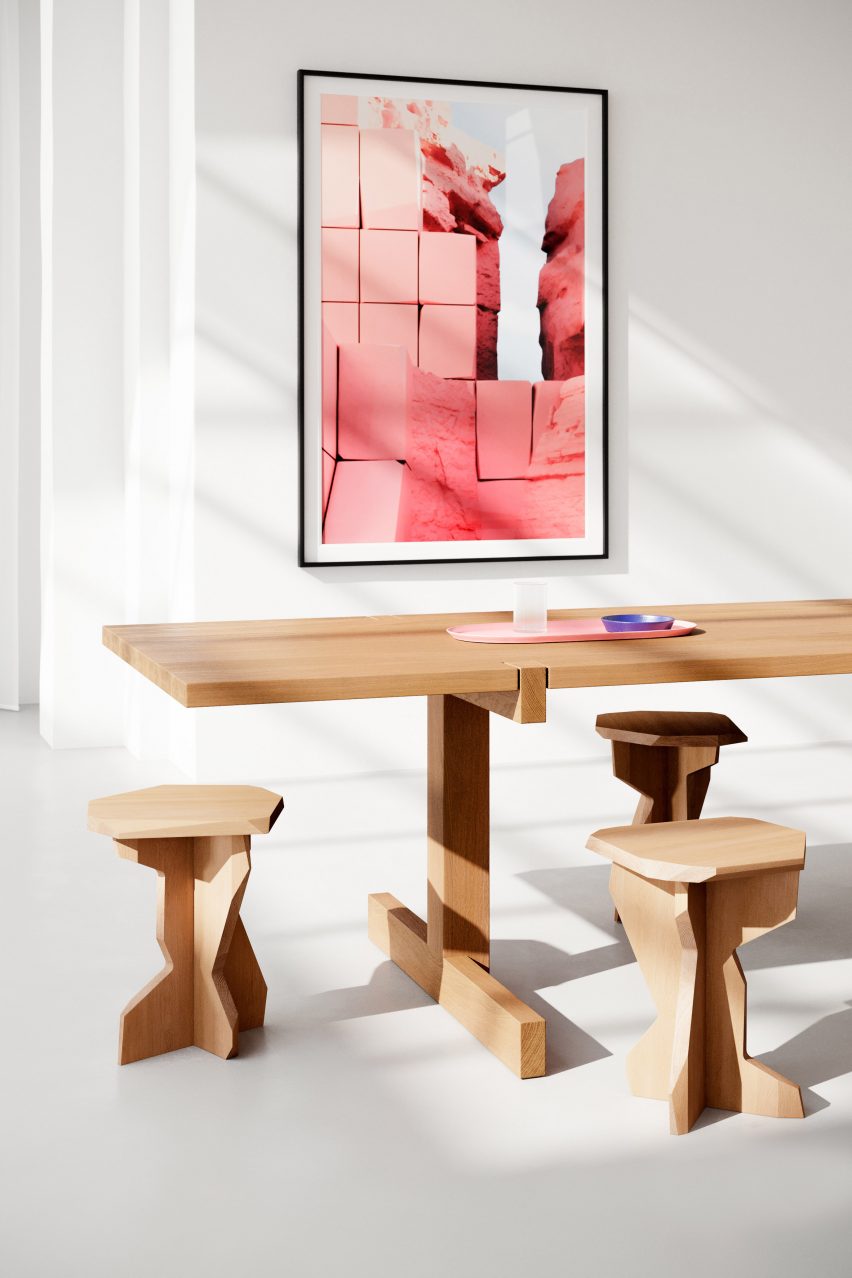
The article explores ten key strategies for incorporating sustainability into interior design, emphasizing that eco-conscious choices do not require compromising on style, comfort, or functionality. These strategies involve careful selection of materials and a focus on product longevity. The first recommendation is to utilize reclaimed wood for various applications such as custom cabinetry, interior cladding, paneling, and furniture. This approach reduces the demand for new timber and minimizes waste. The expert, Greg Roth from CarbonShack, highlights that reclaimed wood is not exclusively aged and weathered, noting the availability of lumber sourced from urban trees that would otherwise go to landfills.
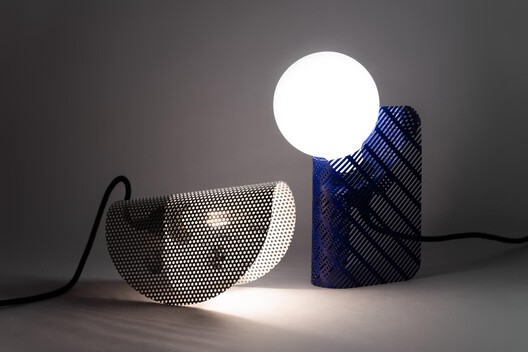
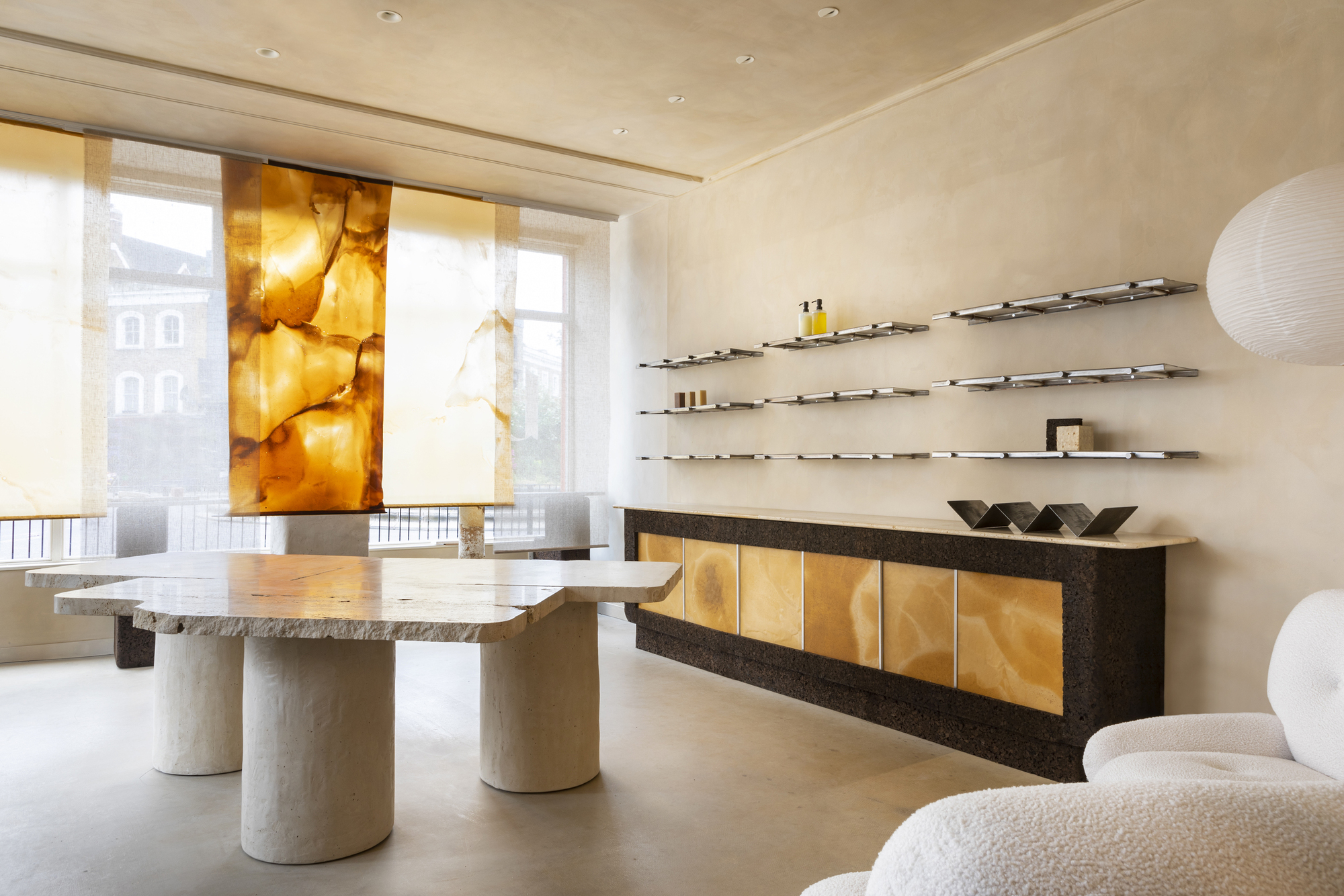
The second strategy focuses on the broader use of recycled materials beyond wood. The article suggests incorporating recycled metals, cork, jute fibers, glass, and plastics into interior designs. These materials offer versatility and can be seamlessly integrated into different aesthetic styles, such as industrial or Scandinavian decor, without sacrificing quality or visual appeal. This practice significantly reduces waste and the consumption of new resources.
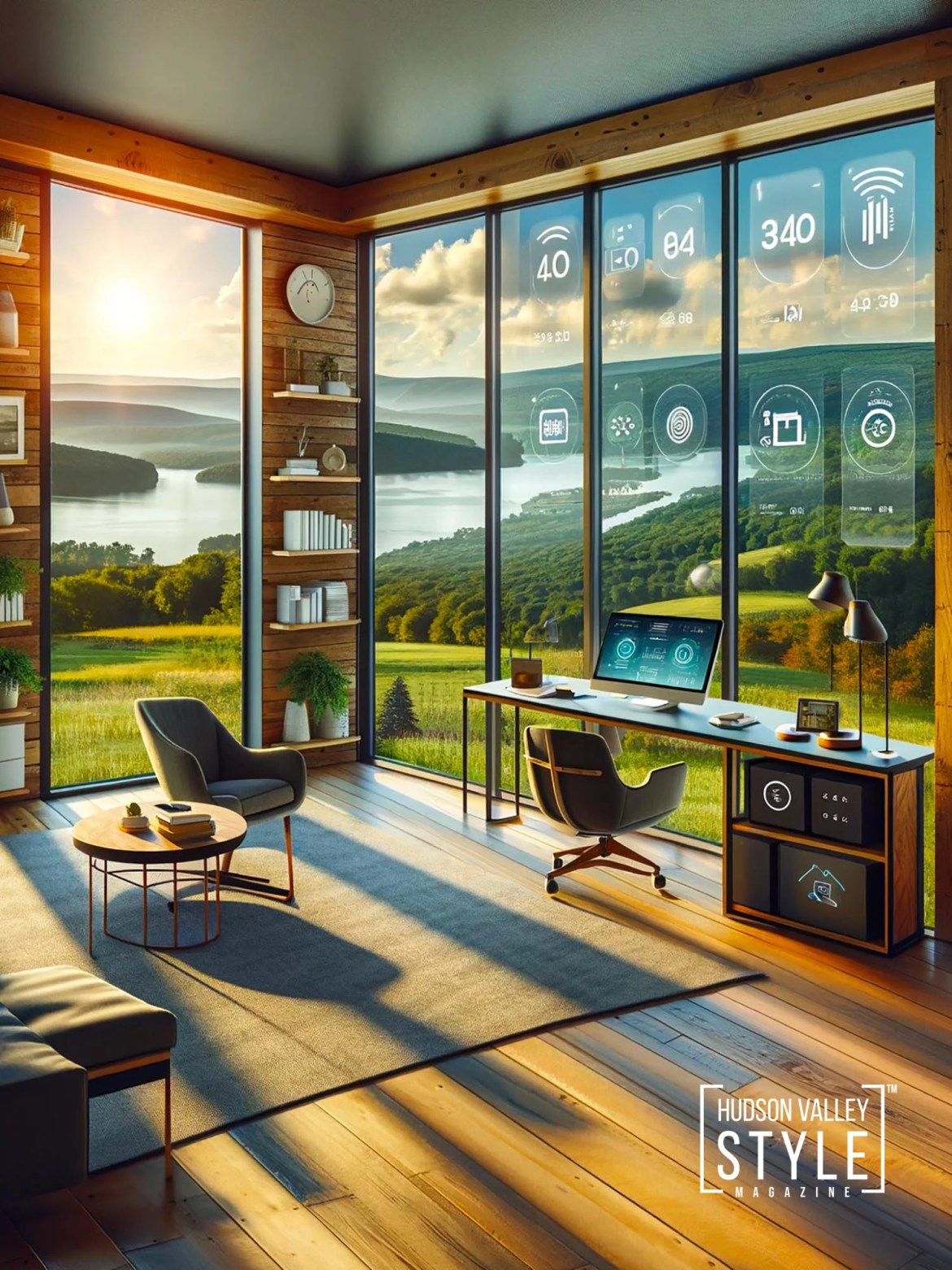
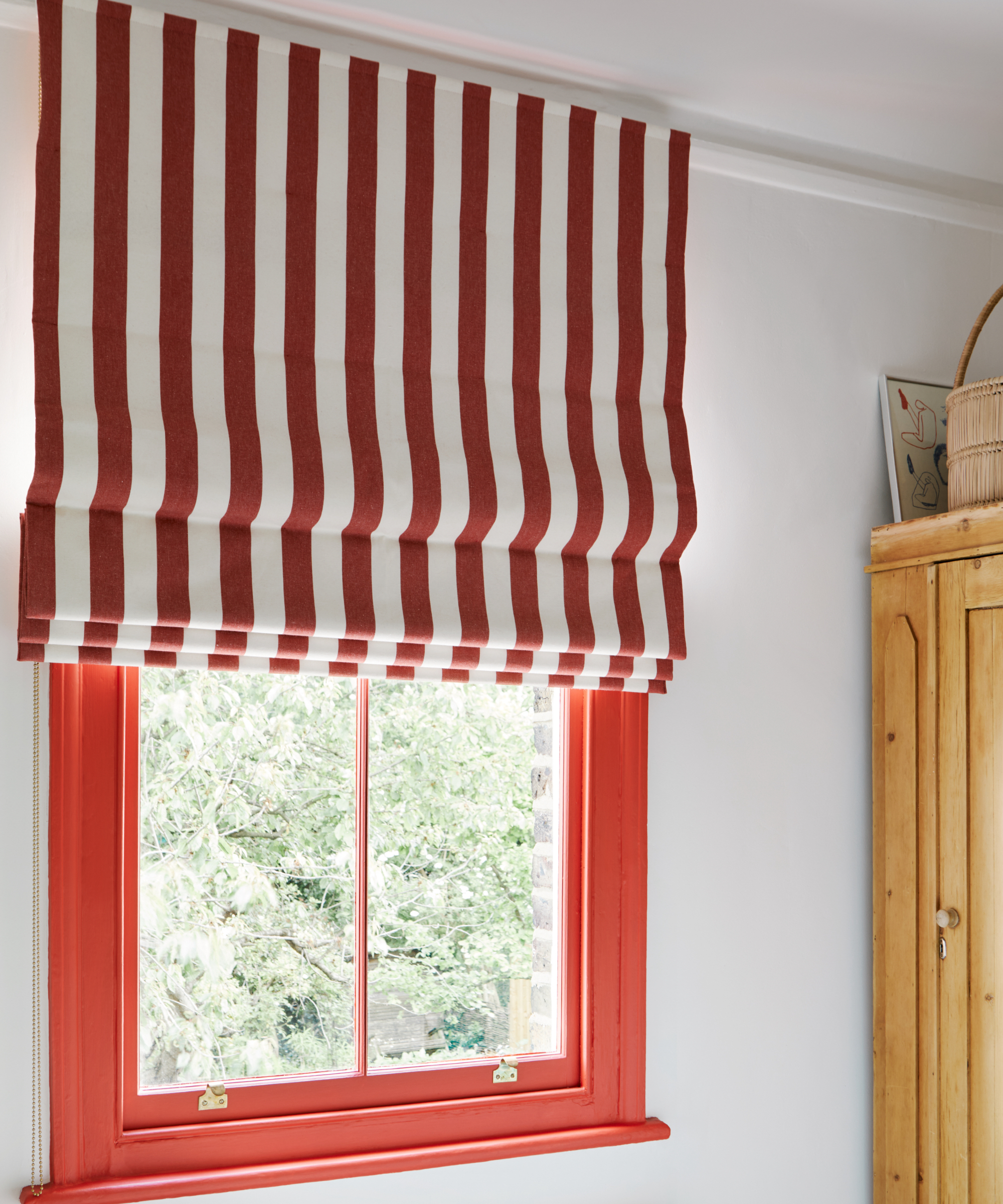
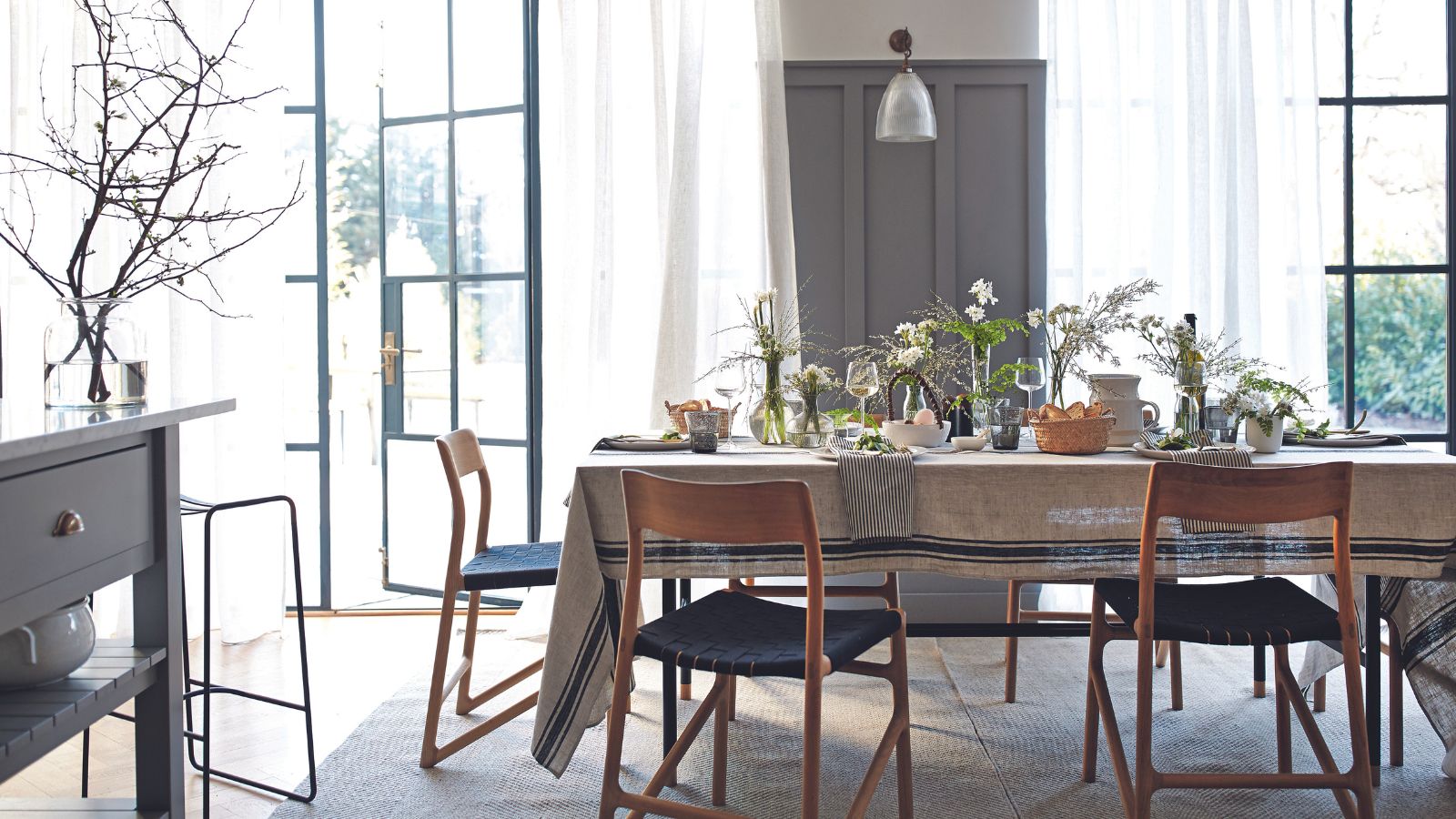
Thirdly, the article discusses the importance of window treatments in enhancing sustainability. Maureen McLaine, a senior interior designer at Stantec, explains that blinds and drapery panels can help regulate indoor temperatures, reducing the need for heating and cooling. Furthermore, ensuring that window treatments can be fully drawn back during daylight hours optimizes natural light, thereby decreasing reliance on artificial lighting.
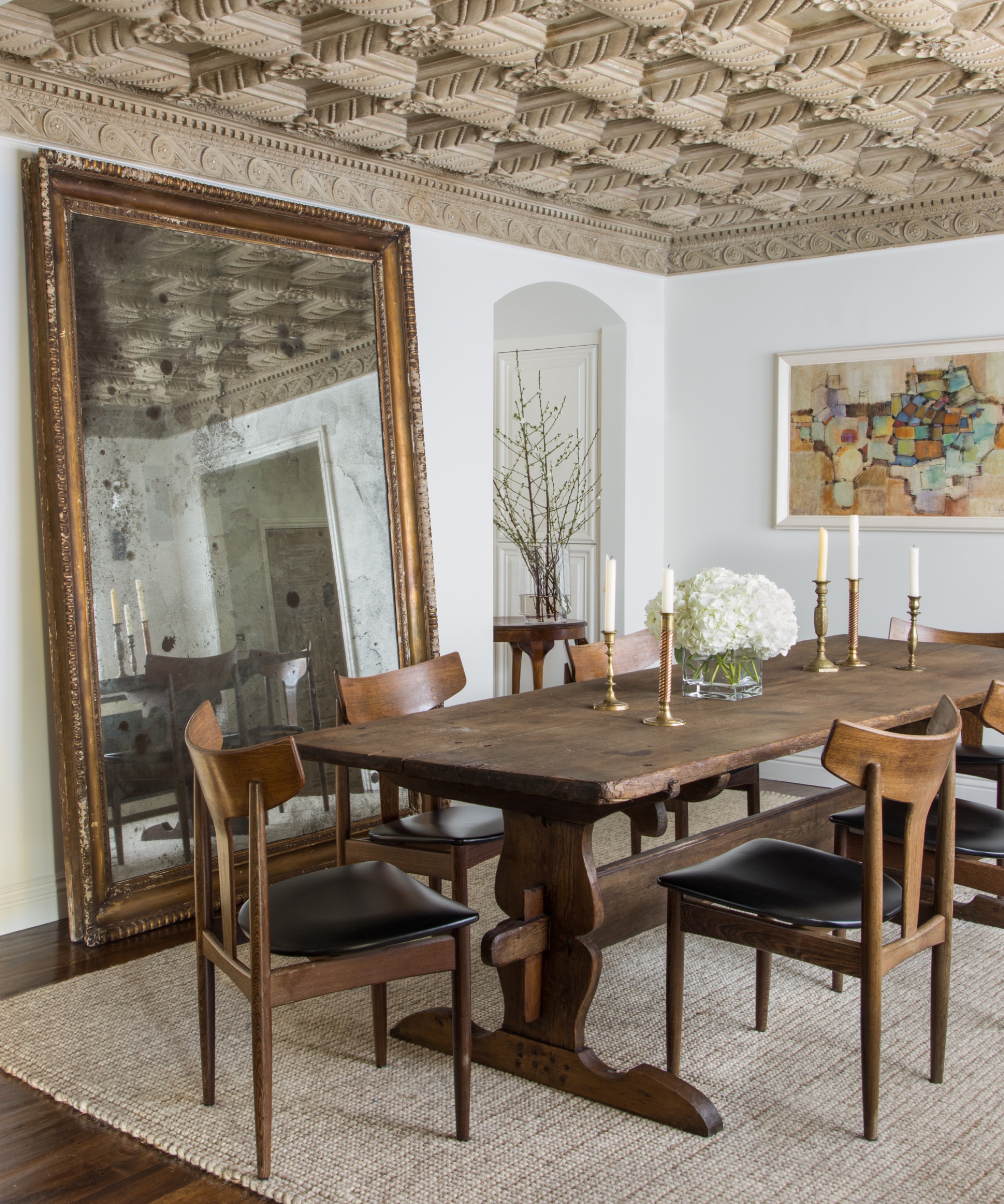
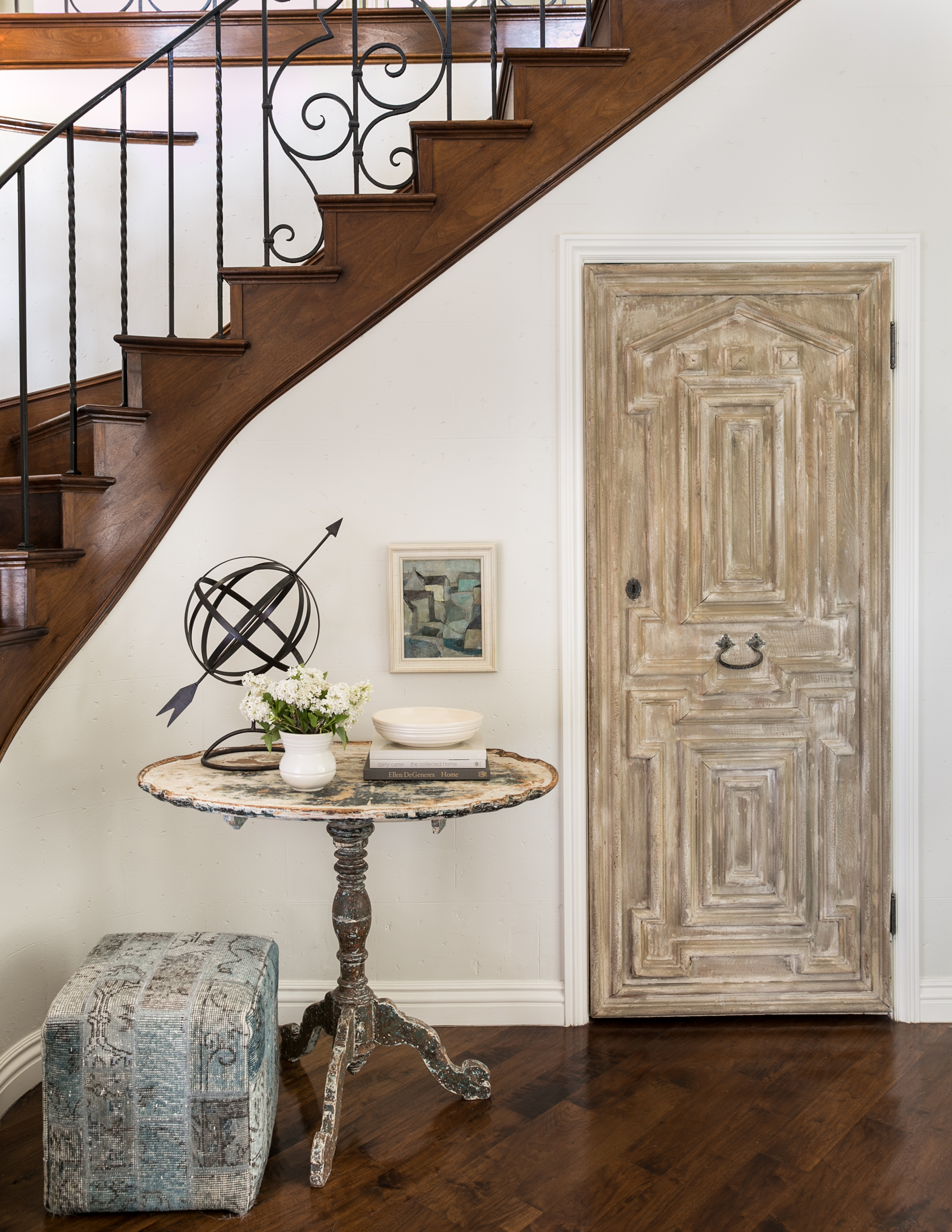
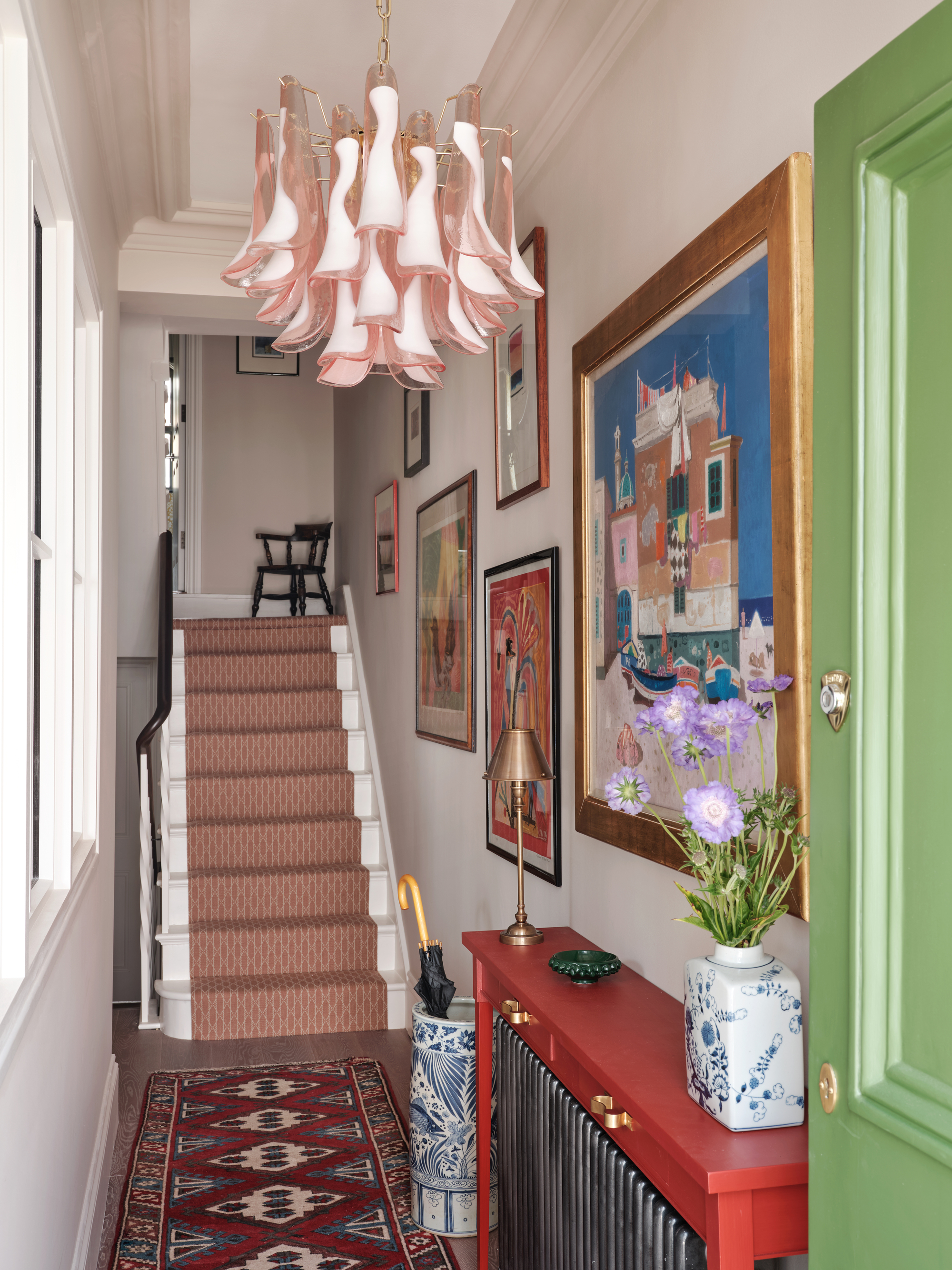
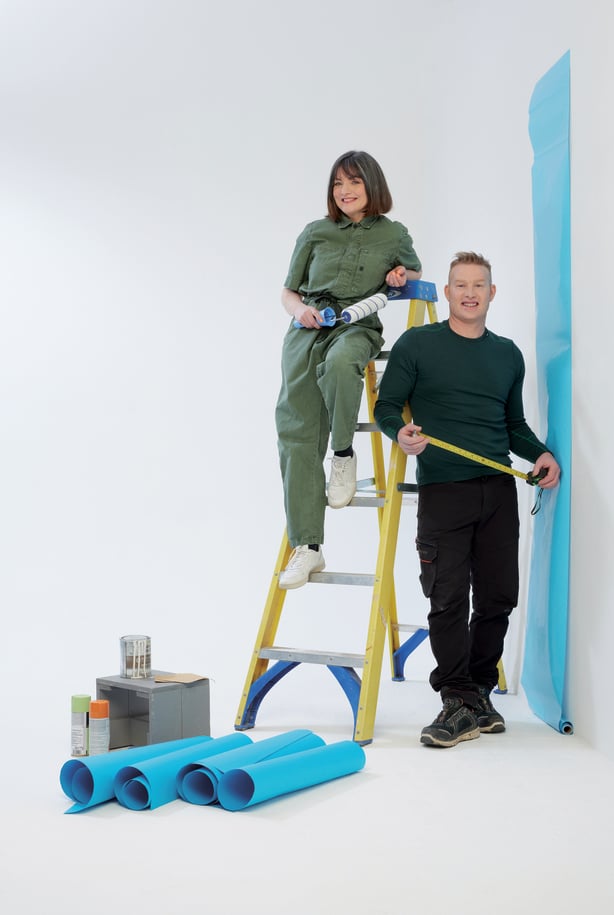
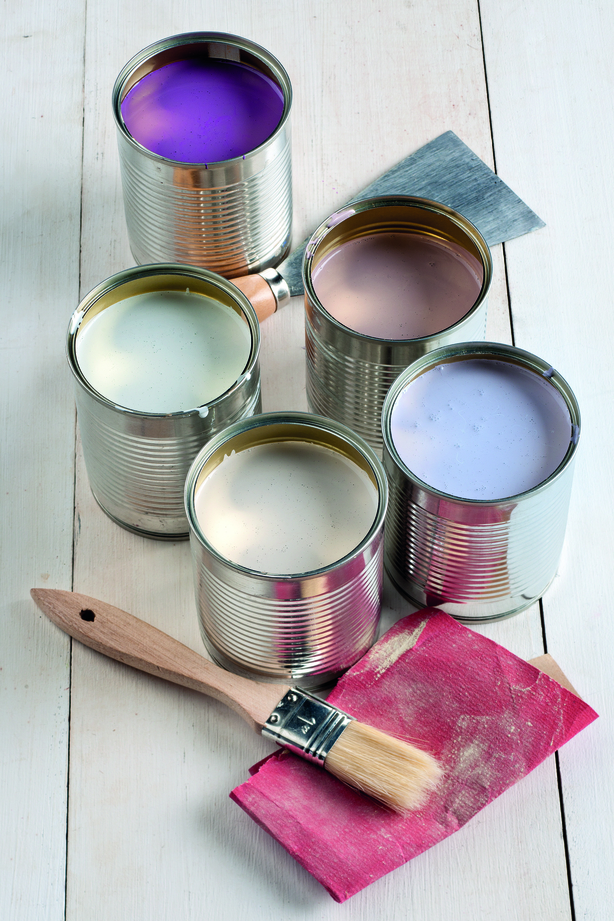
Upcycling is presented as the fourth method, encouraging individuals to repurpose preloved furniture. This involves visiting thrift stores, antique shows, and auction sites to find items that can be transformed with paint, wallpaper, or decorative edging, preventing them from ending up in landfills and adding a unique, personalized touch to home decor.
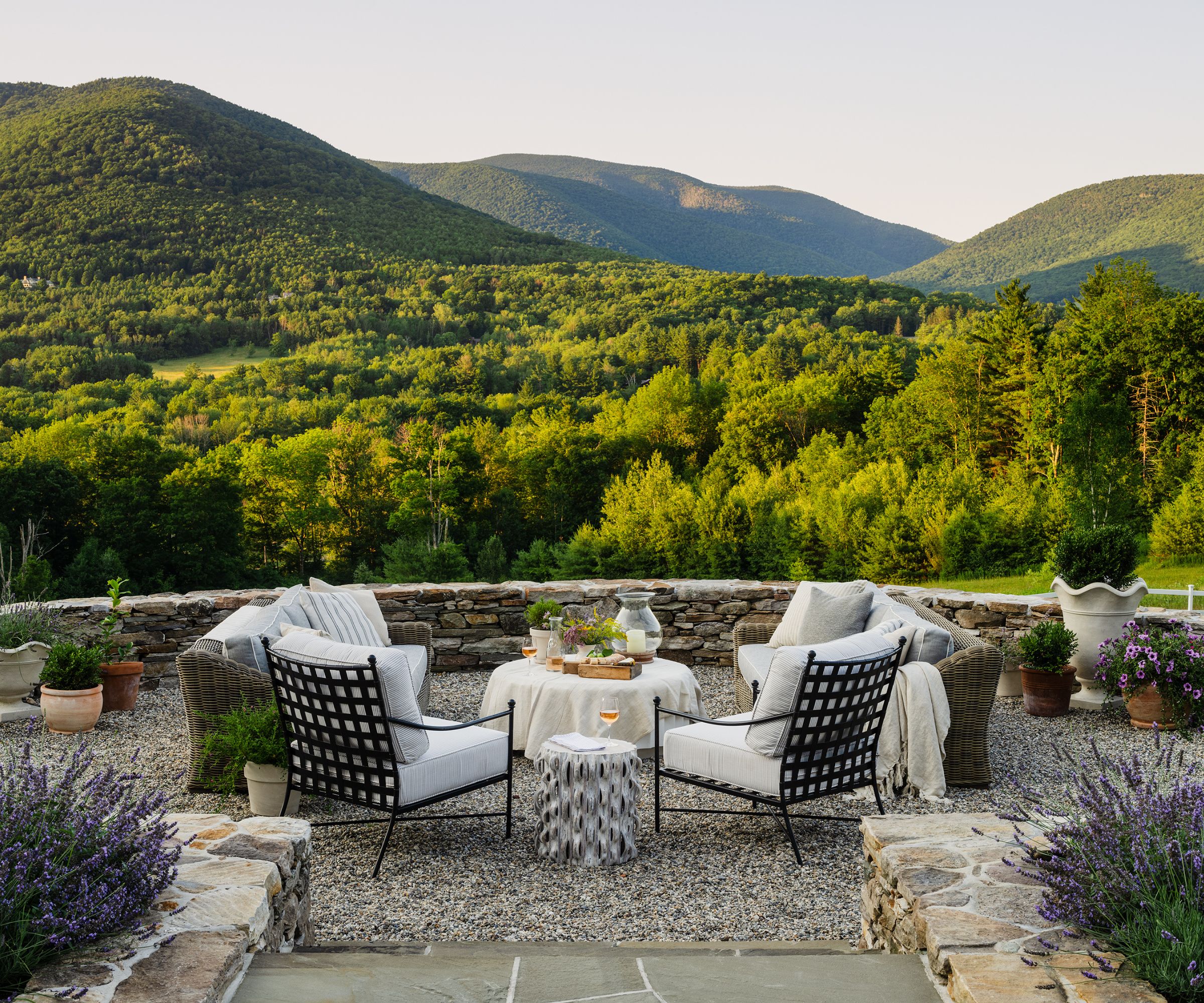
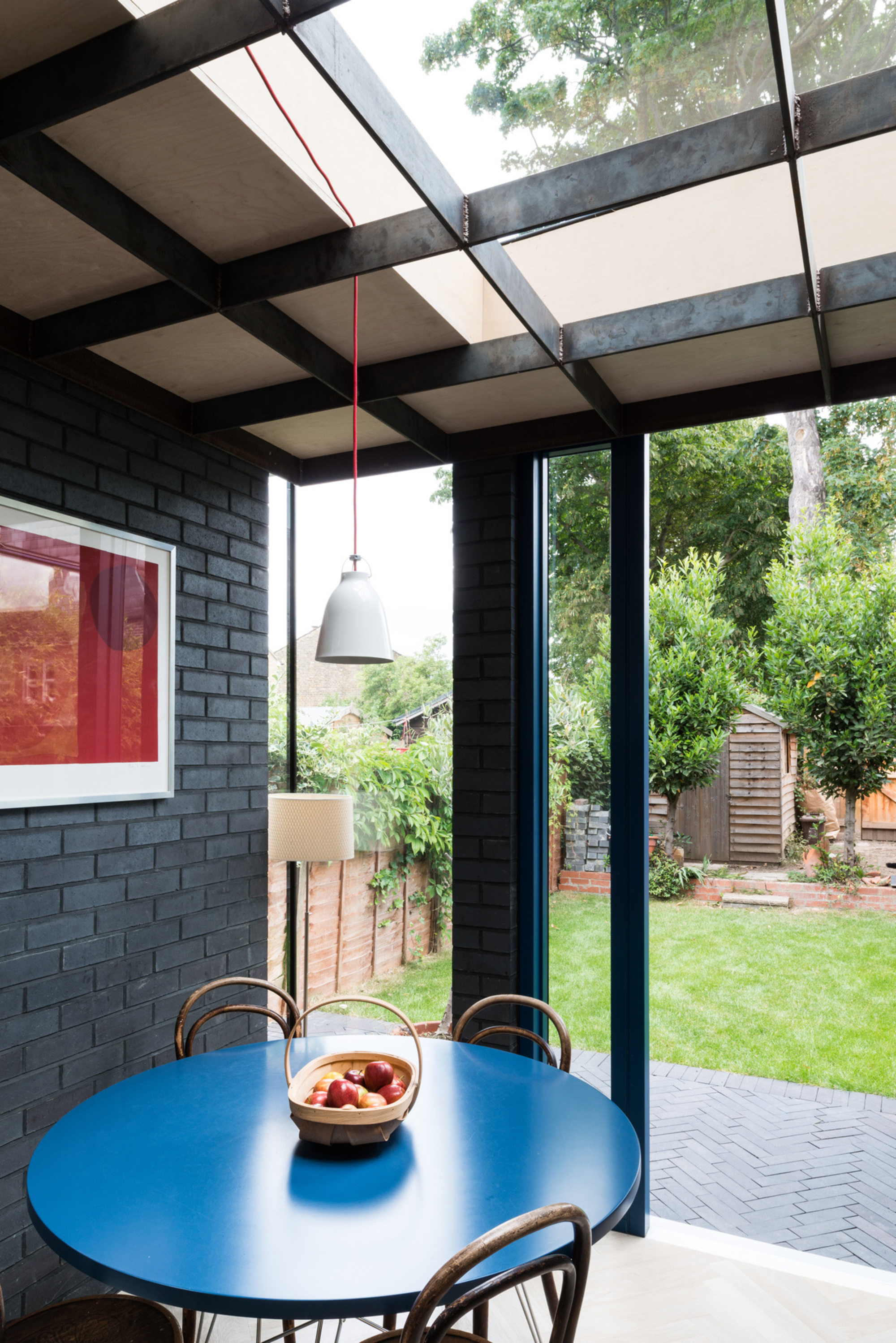
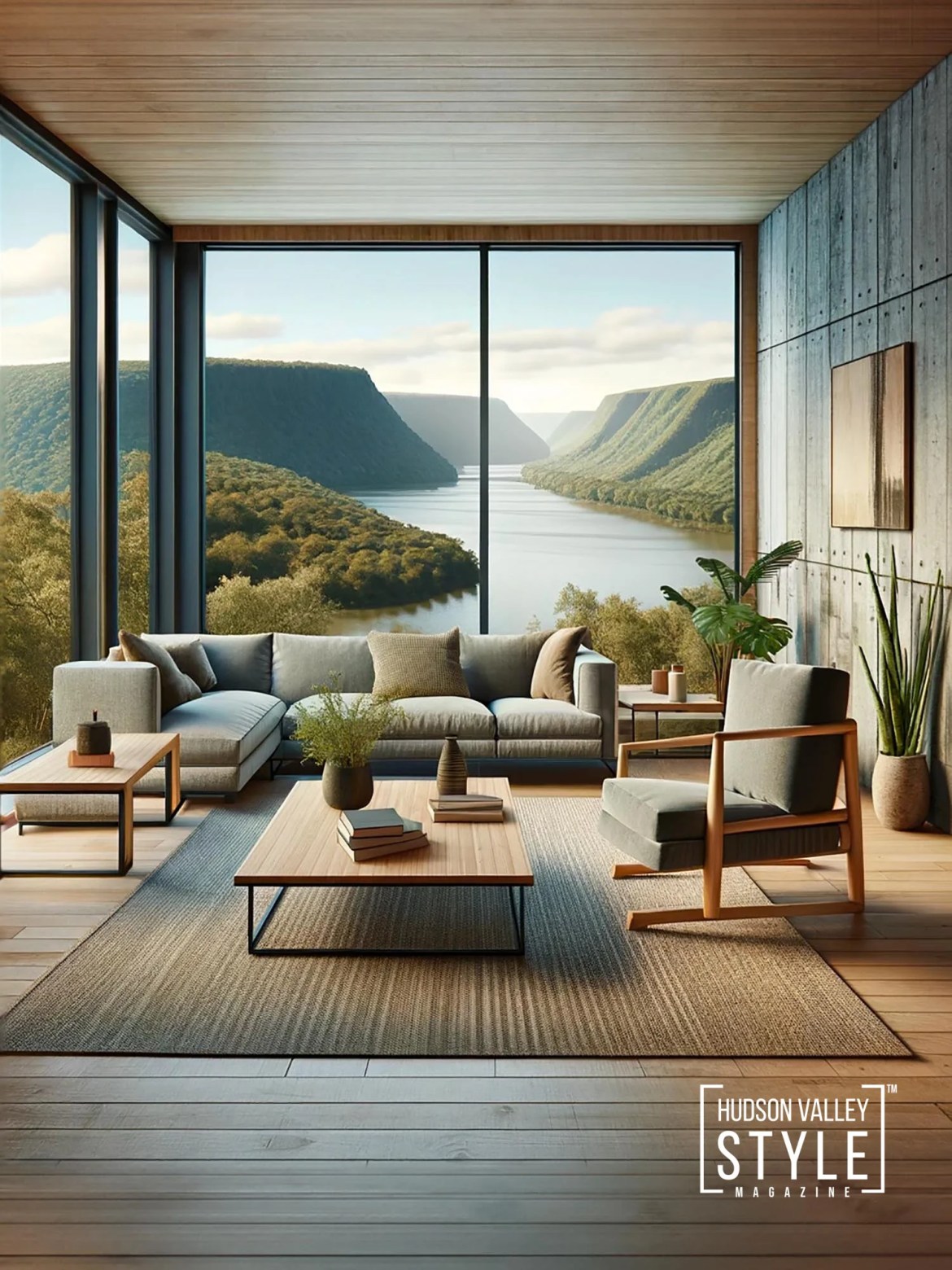
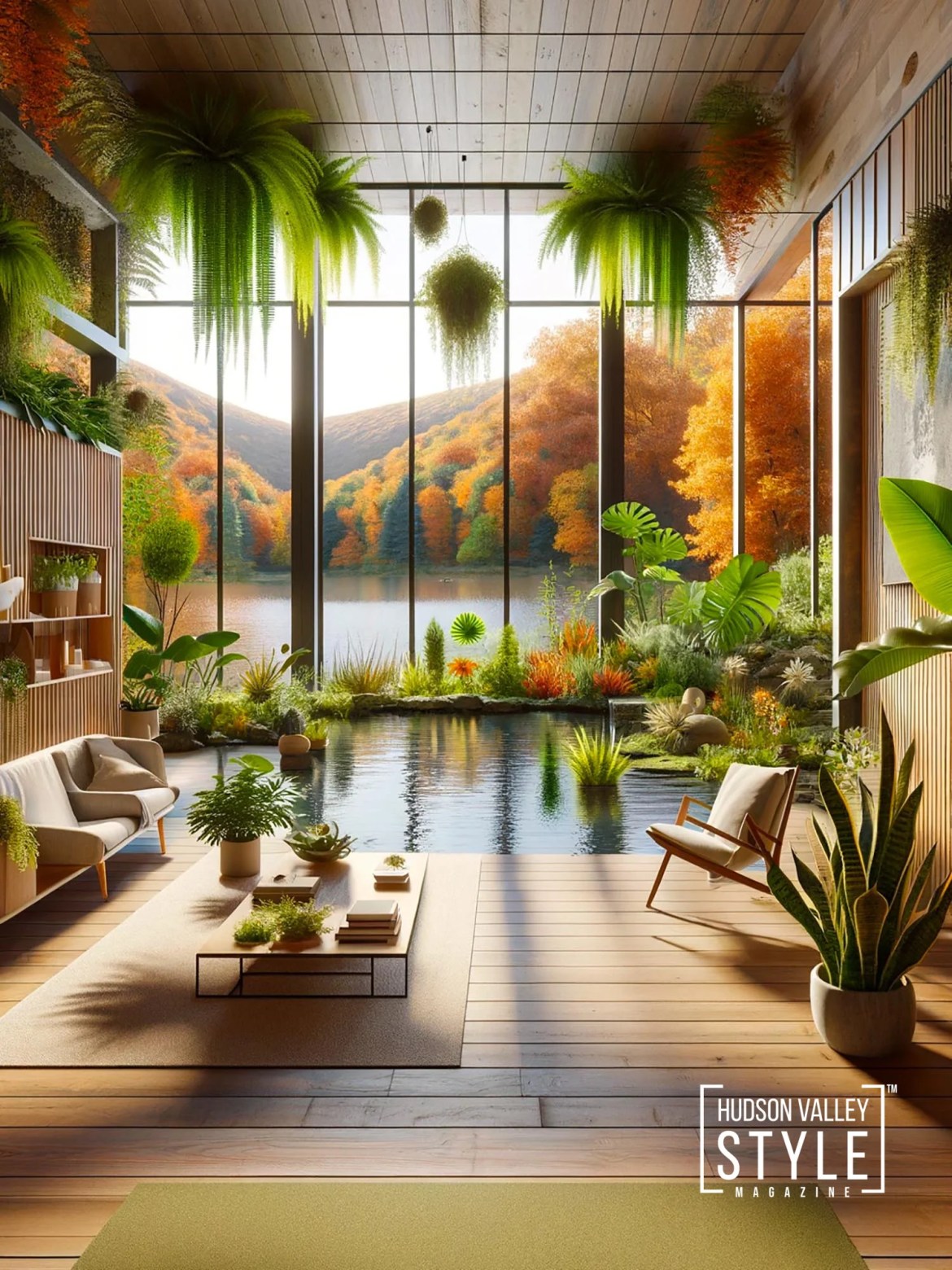
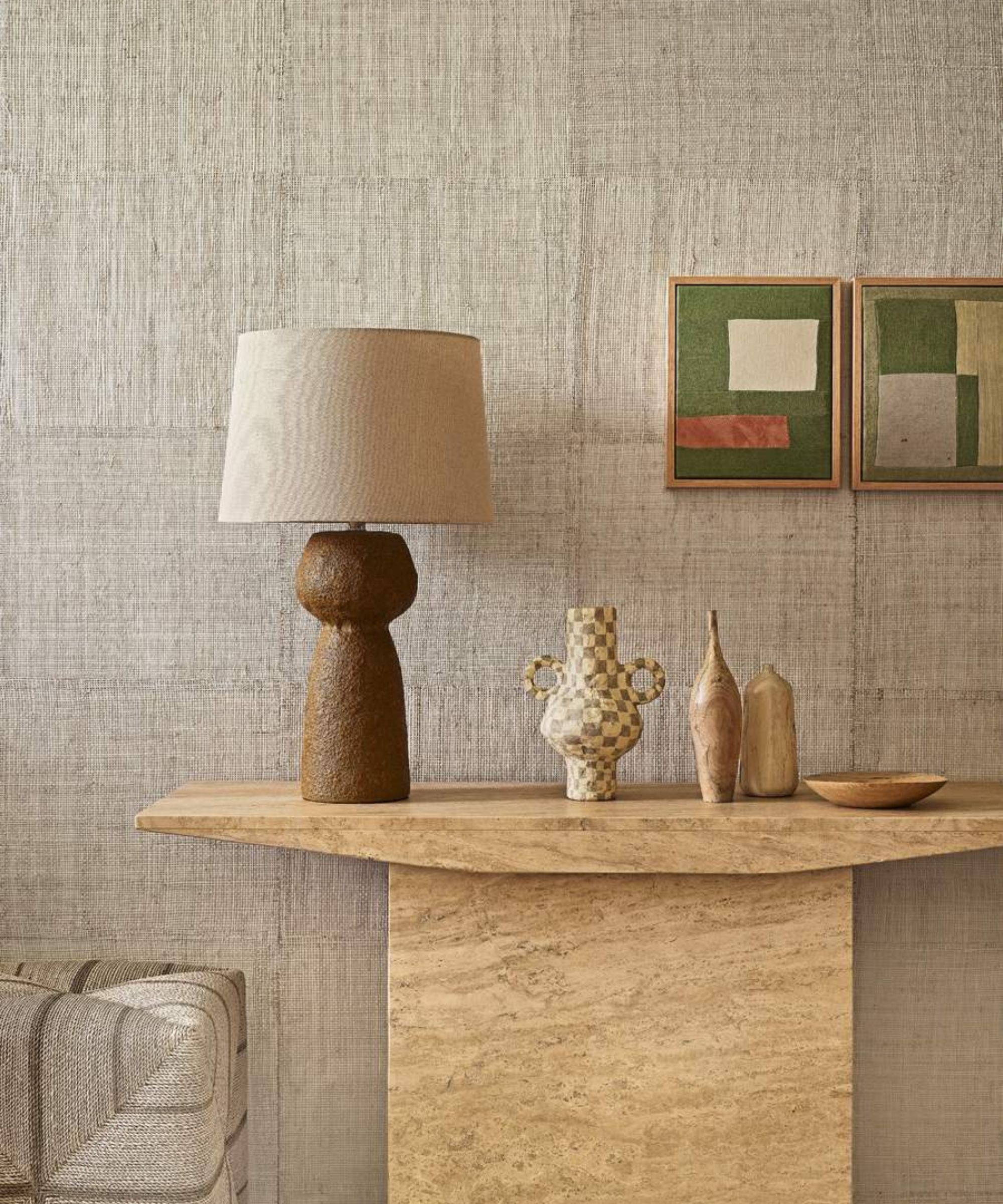
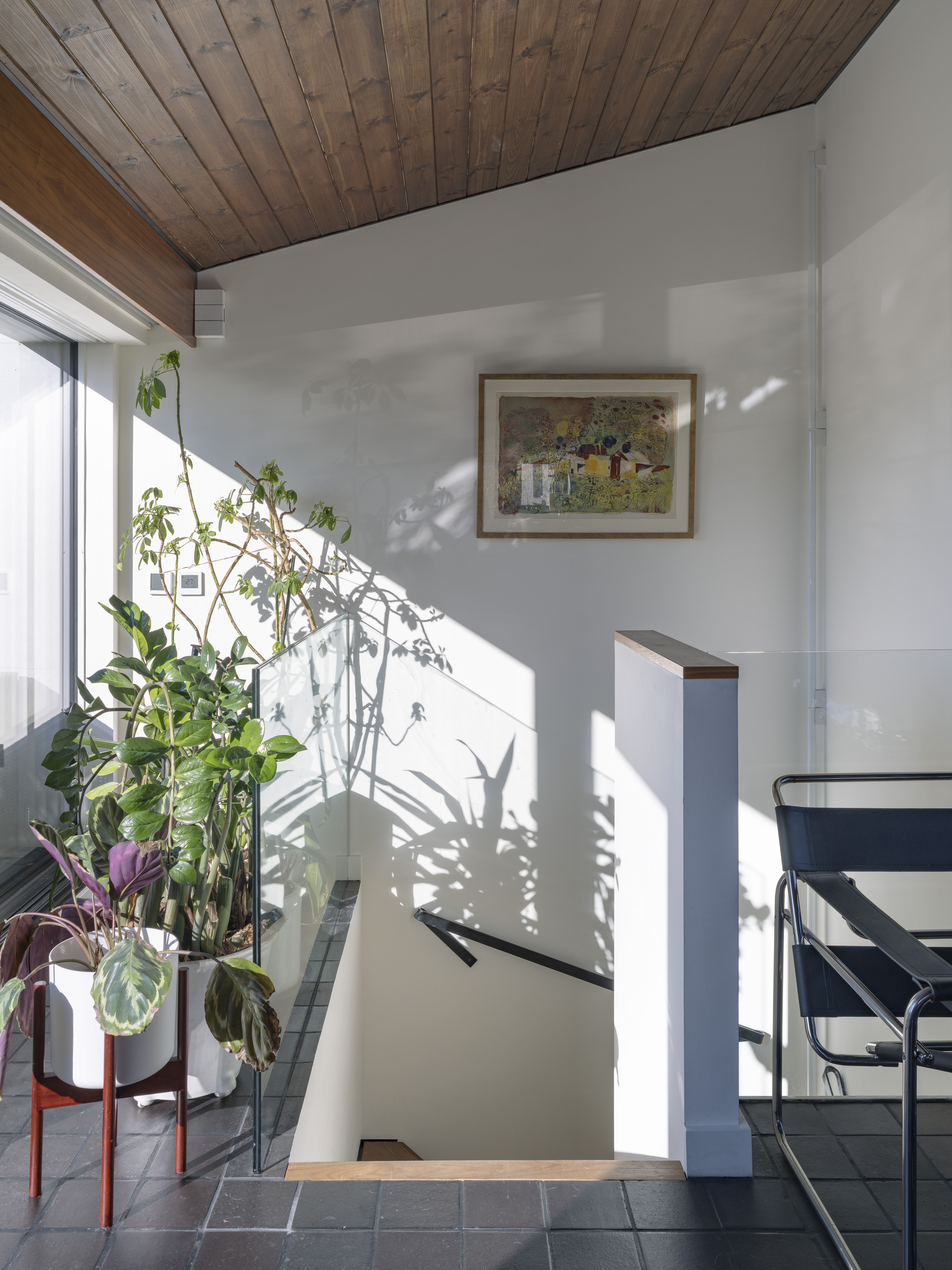
Fifth, the article advocates for adopting biophilic design principles. Greg Roth explains that biophilic design reconnects individuals with nature through natural materials (wood, stone, clay, plant fibers), patterns, and elements like natural light and fresh air. This approach fosters a deeper appreciation for nature and encourages environmentally responsible decisions in design.
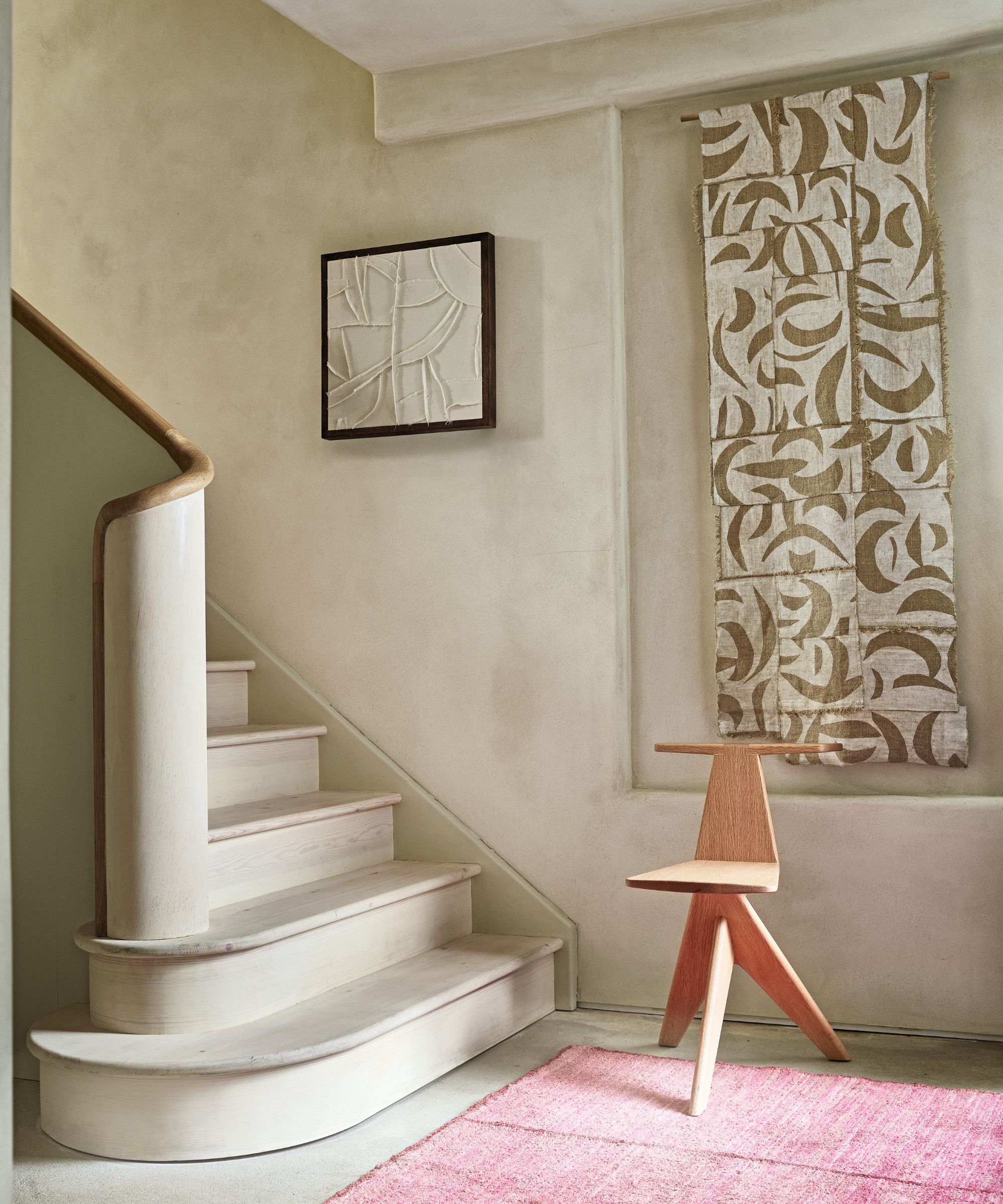
The sixth tip is to choose energy-efficient lighting, specifically LED bulbs, for all areas of the home. This simple change significantly reduces energy consumption. The seventh strategy suggests supporting artisanal designers, emphasizing that investing in higher-priced, handcrafted pieces ensures durability and supports skilled makers, aligning with the principle of “buy well, buy once.”
Reupholstering furniture without using new leather is the eighth recommendation. Instead, the article suggests opting for natural fibers like organic wool bouclé, hand-woven hemp, or antique French linen to update pieces. This not only offers a fresh aesthetic but also aligns with an eco-conscious approach by avoiding materials with a higher environmental footprint.
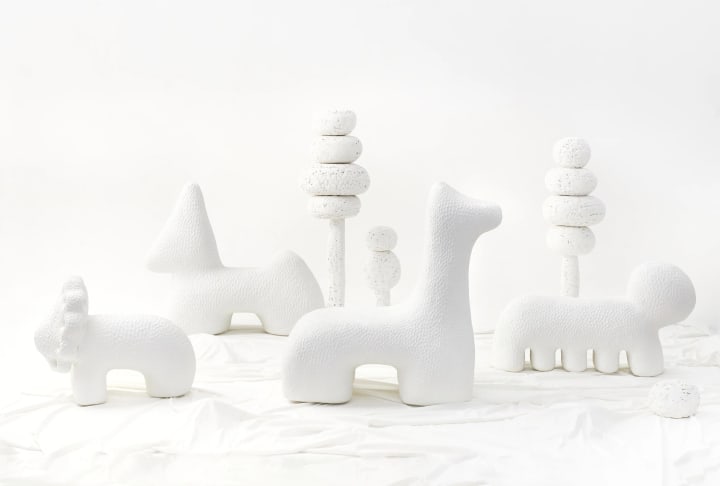
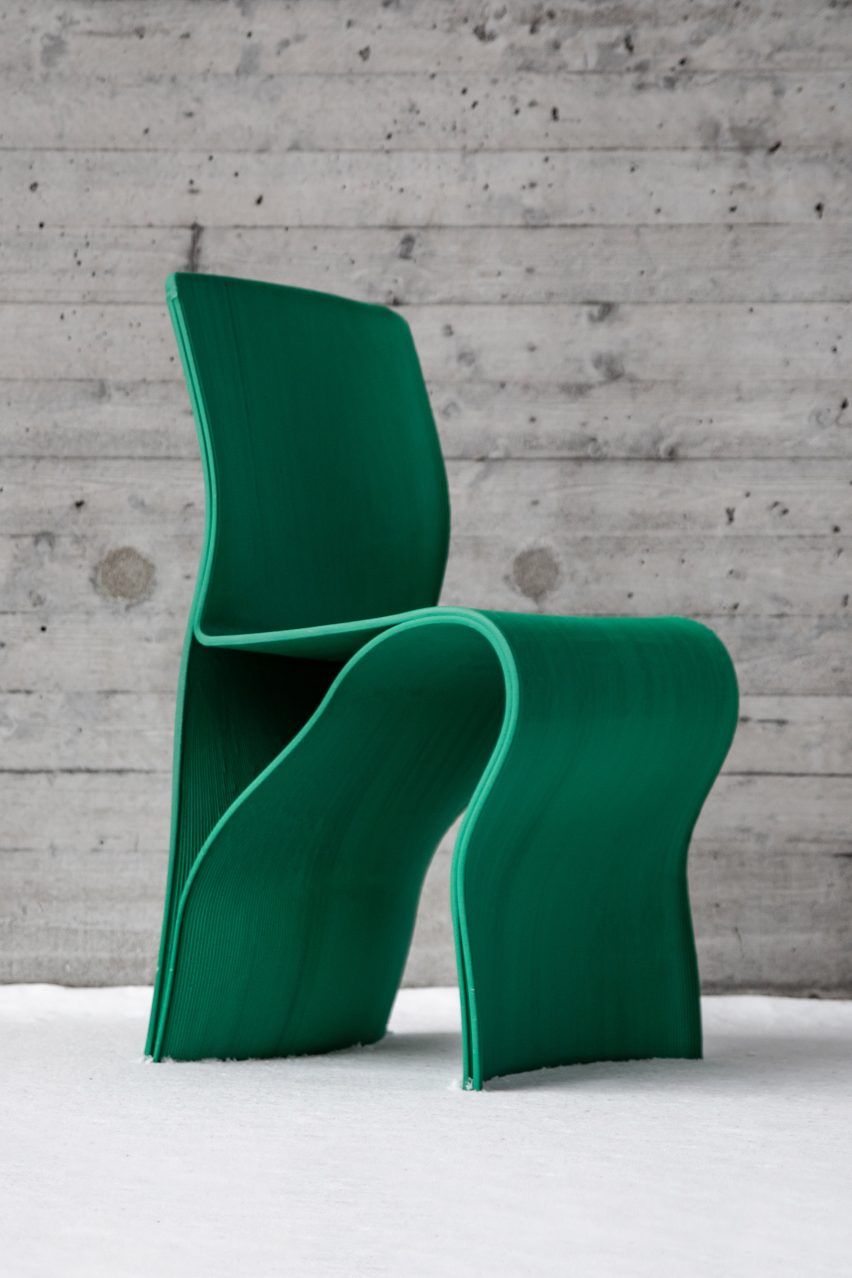
Ninth, the article stresses the importance of researching companies to ensure they adhere to sustainable practices. Catherine Jacob from Hovia advises looking for brands that use locally and sustainably sourced materials, have transparent carbon footprints (preferably carbon-neutral or carbon-negative), and are B Corp certified, indicating their commitment to environmental policies. Finally, the tenth strategy involves selecting 3D printed items, which can be made from recycled plastic or metal, minimizing waste and offering a sustainable alternative for various home decor pieces, from vases and lighting to larger furniture items.
#SustainableInteriorDesign #ReclaimedWood #RecycledMaterials #EnergyEfficientLighting #UpcyclingFurniture #BiophilicDesign #ArtisanalDesigners #EcoConsciousUpholstery #ThreeDPrinting #SustainableInteriorDesign #ReclaimedWood #RecycledMaterials #EnergyEfficientLighting #UpcyclingFurniture #BiophilicDesign #ArtisanalDesigners #EcoConsciousUpholstery #ThreeDPrinting
0 commenti in totale
 Nessun commento ancora
Potresti anche gradire
What Can Be Done to Make Interiors More Sustainable?

10 ways to make your home more sustainable
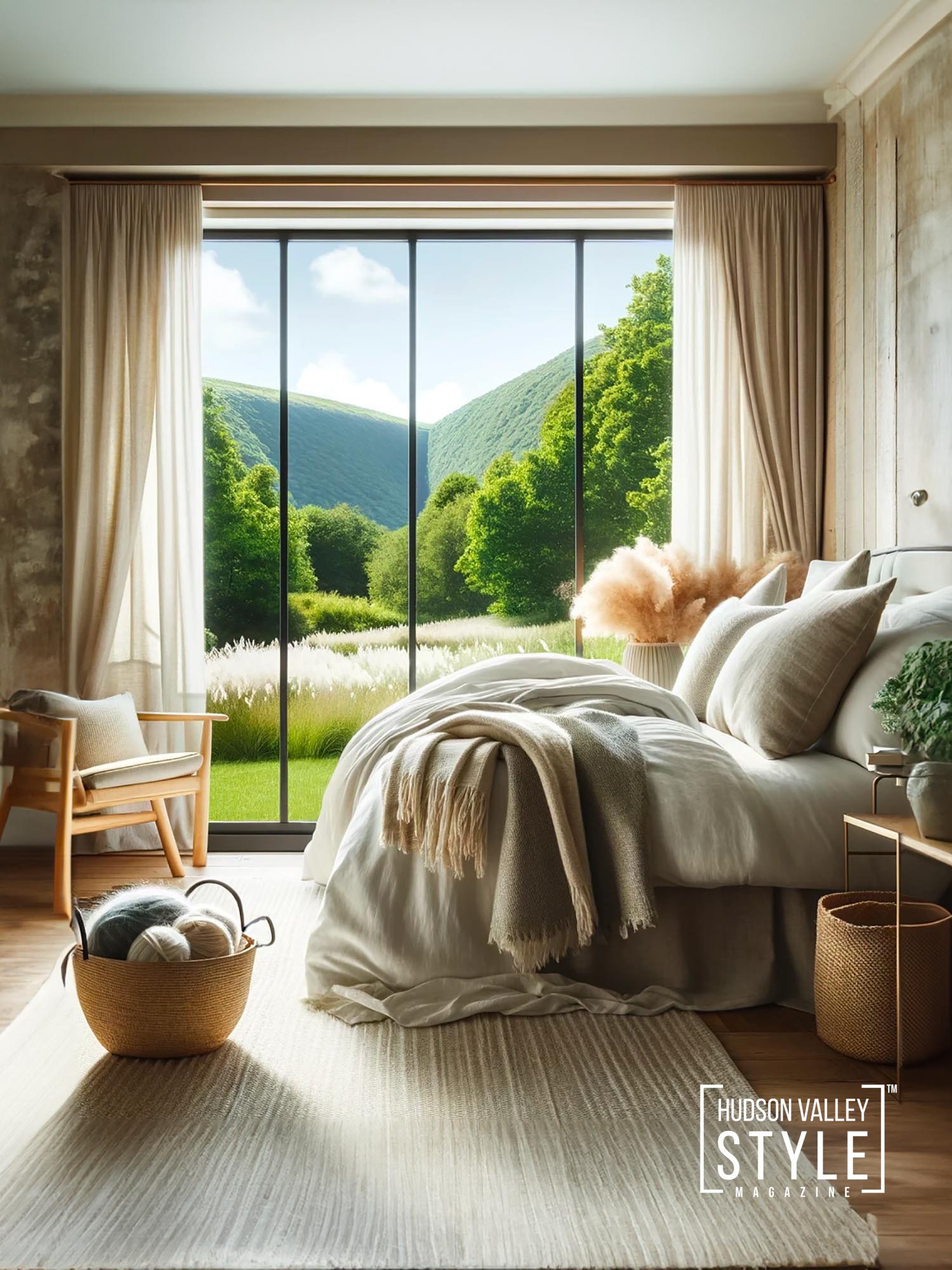
Sustainable Interior Design Trends for 2024: Embracing Eco-Friendly Living

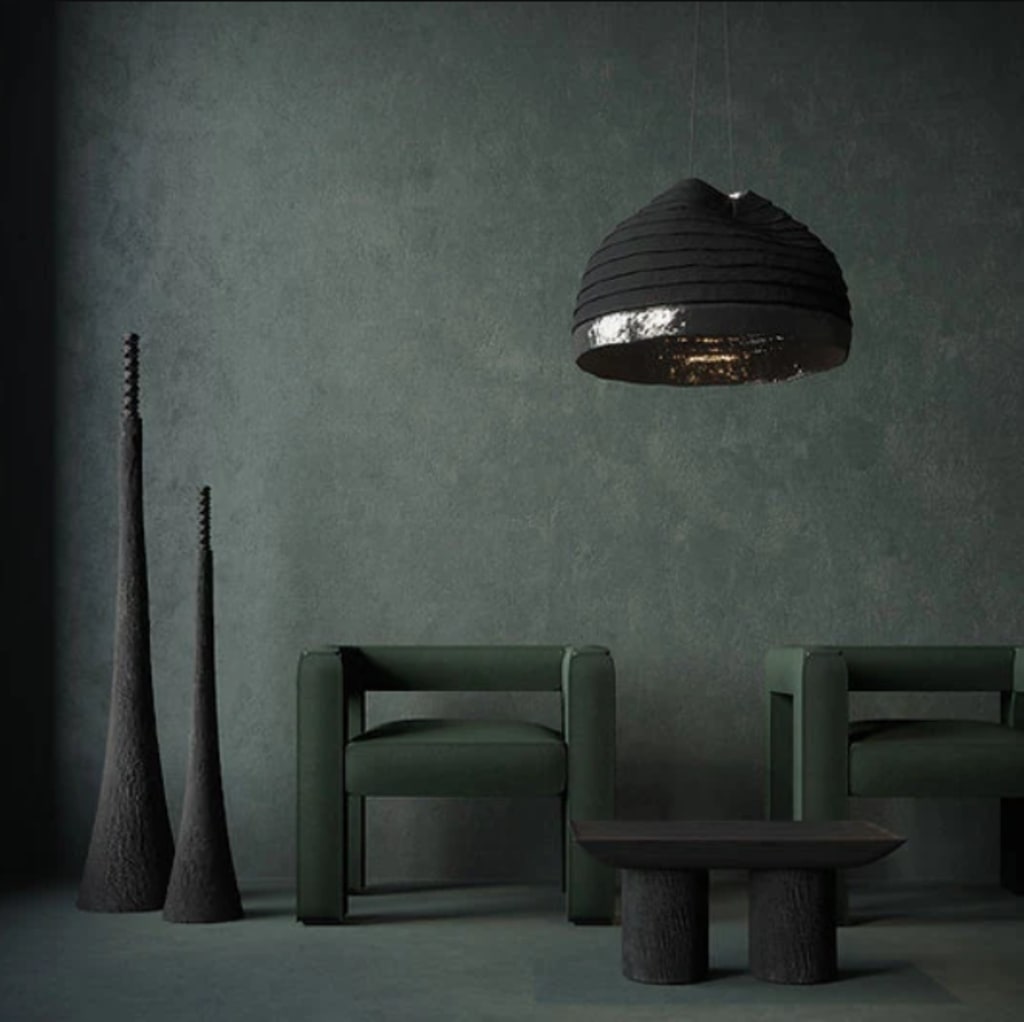
The top 7 sustainable interior design creators

Sustainable Home Décor: Eco-Friendly Interior Design Trends to Watch

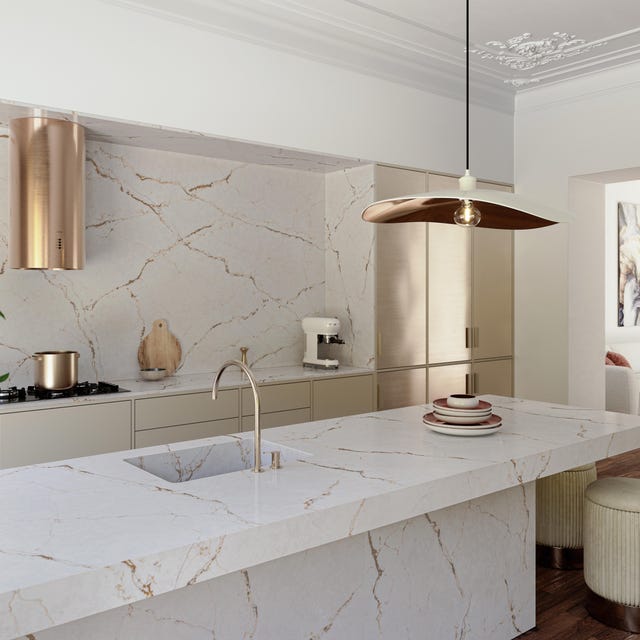
Designer Advice for a More Sustainable Kitchen Renovation

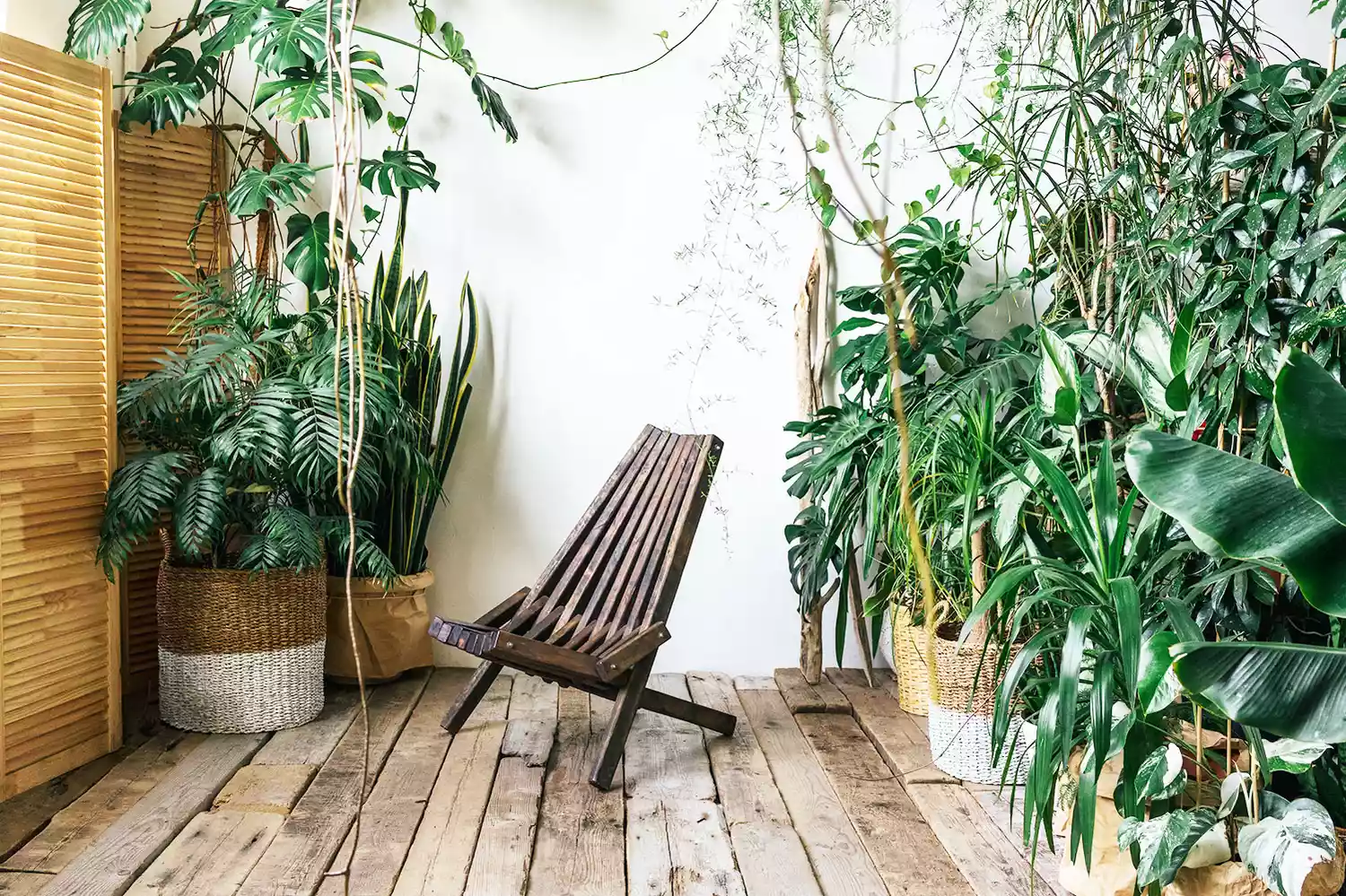
7 Design Trends That Will Make Your Home More Sustainable
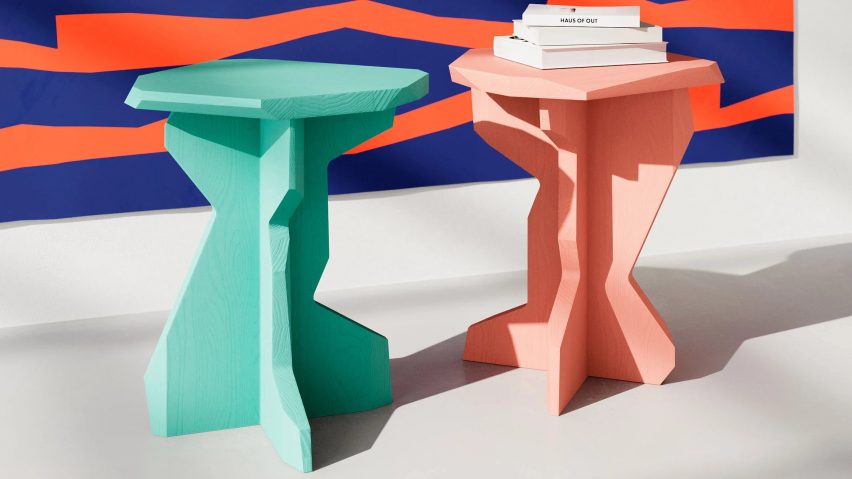
Ten furniture designs made from sustainable materials
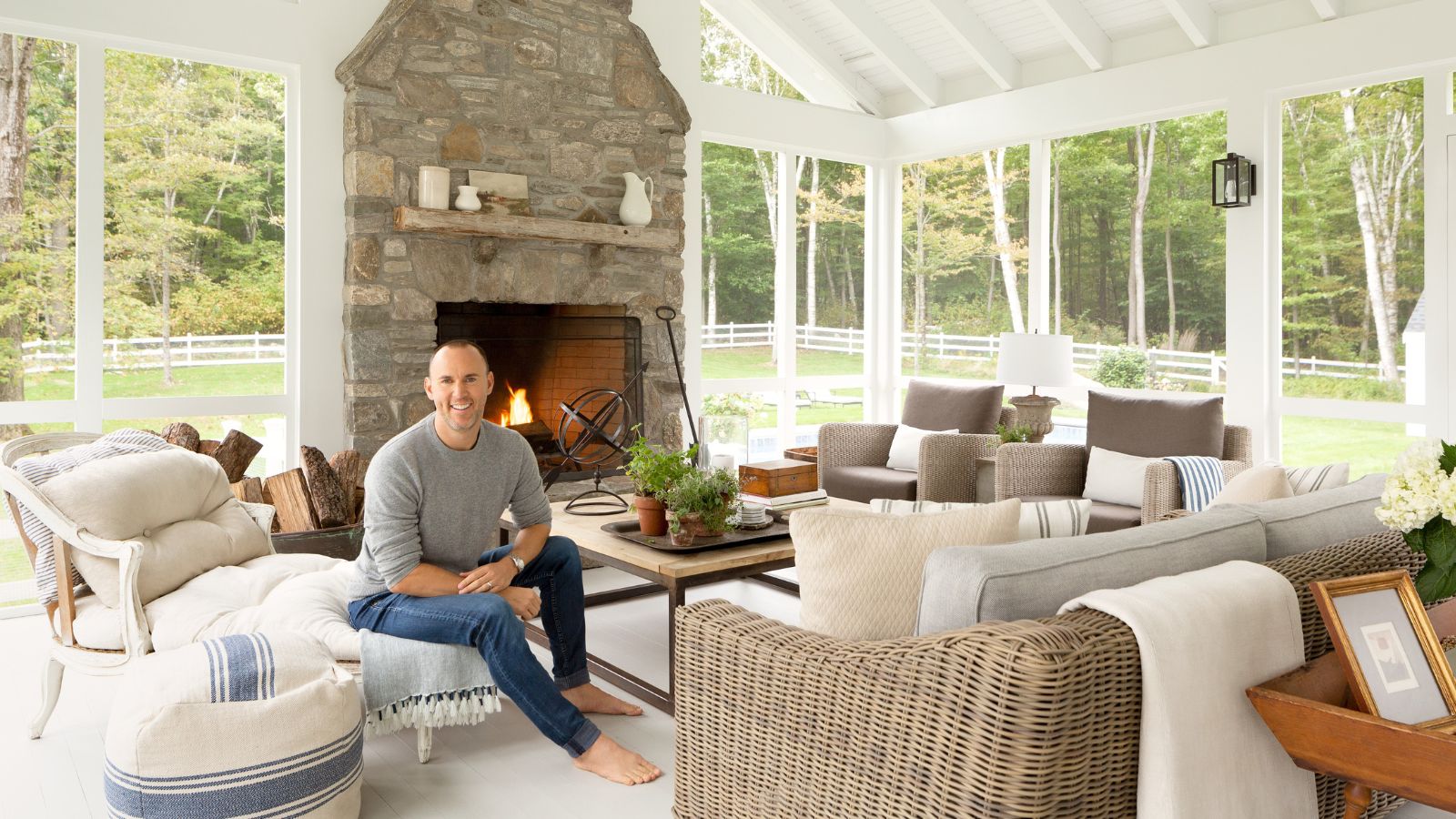
How I encourage my clients to make sustainable choices in their interior design
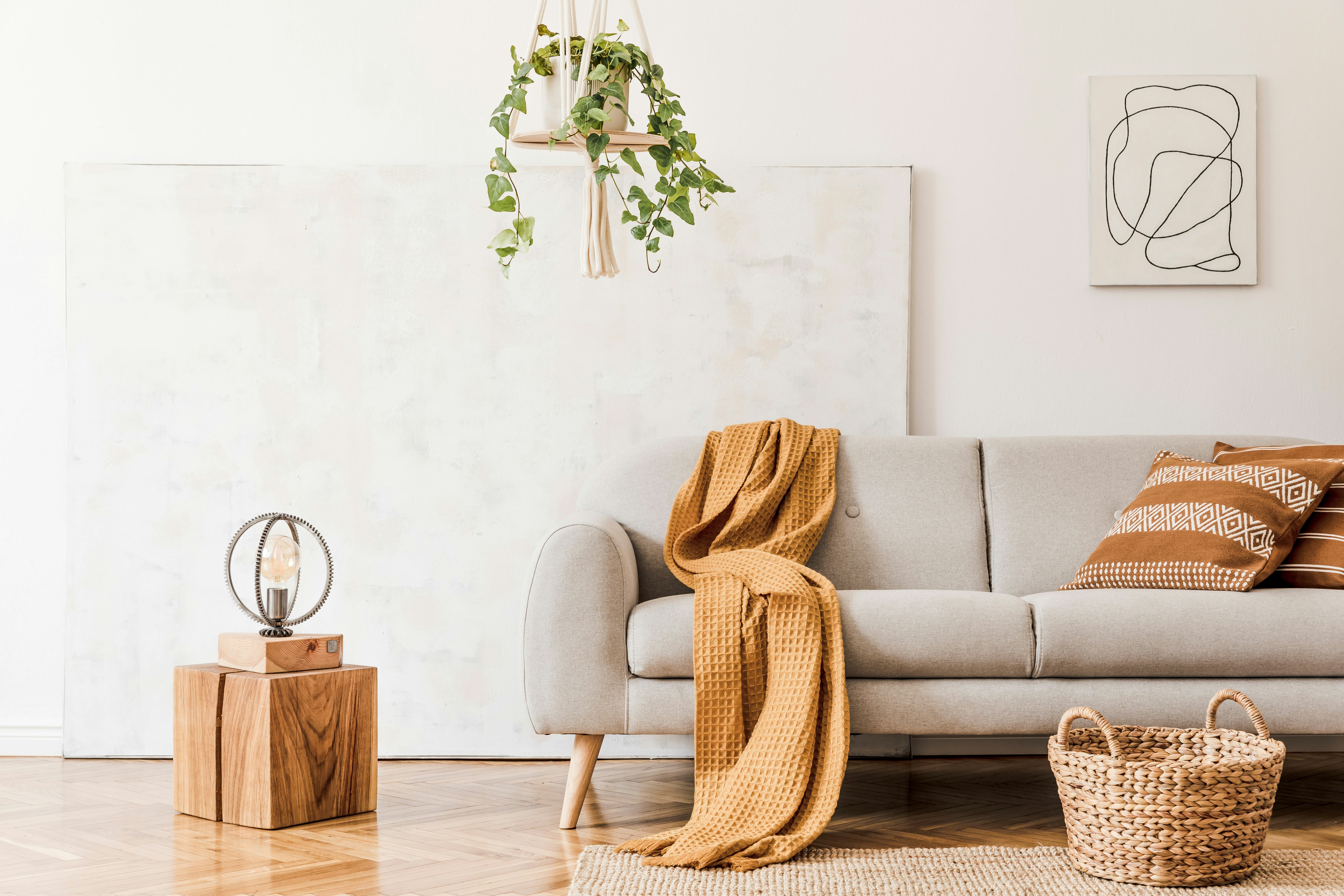
This Interior Designer-Approved Tip Can Upgrade Your Space In The Most Sustainable Way
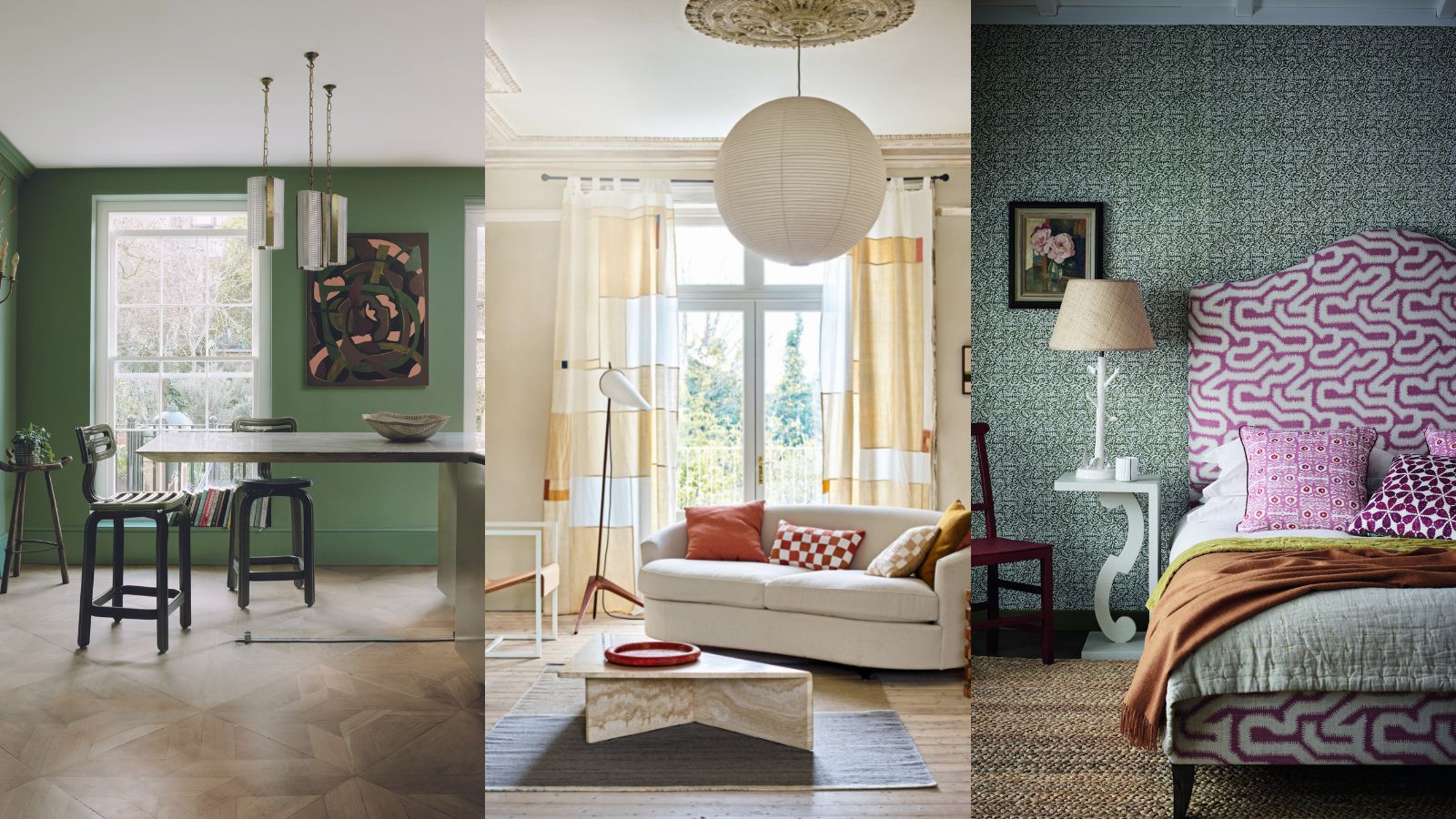
Eco decor – 10 beautiful, sustainably-designed room ideas

Home Rescue's Dee Coleman on the six R's of sustainable interior design
Sustainable home decor: Eco-friendly interior design trends to watch

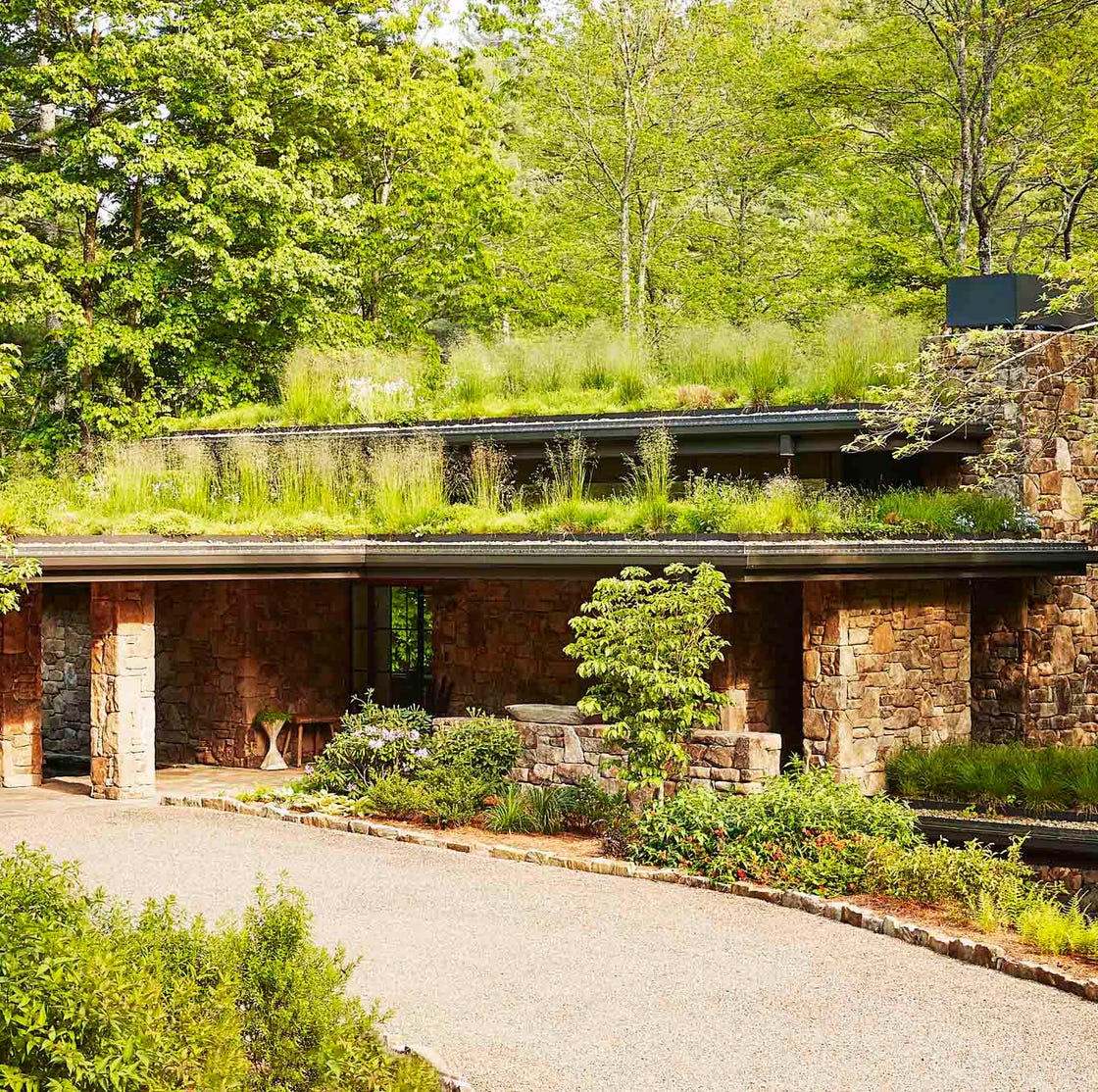
How to Make Your Home More Sustainable, According to Design Experts

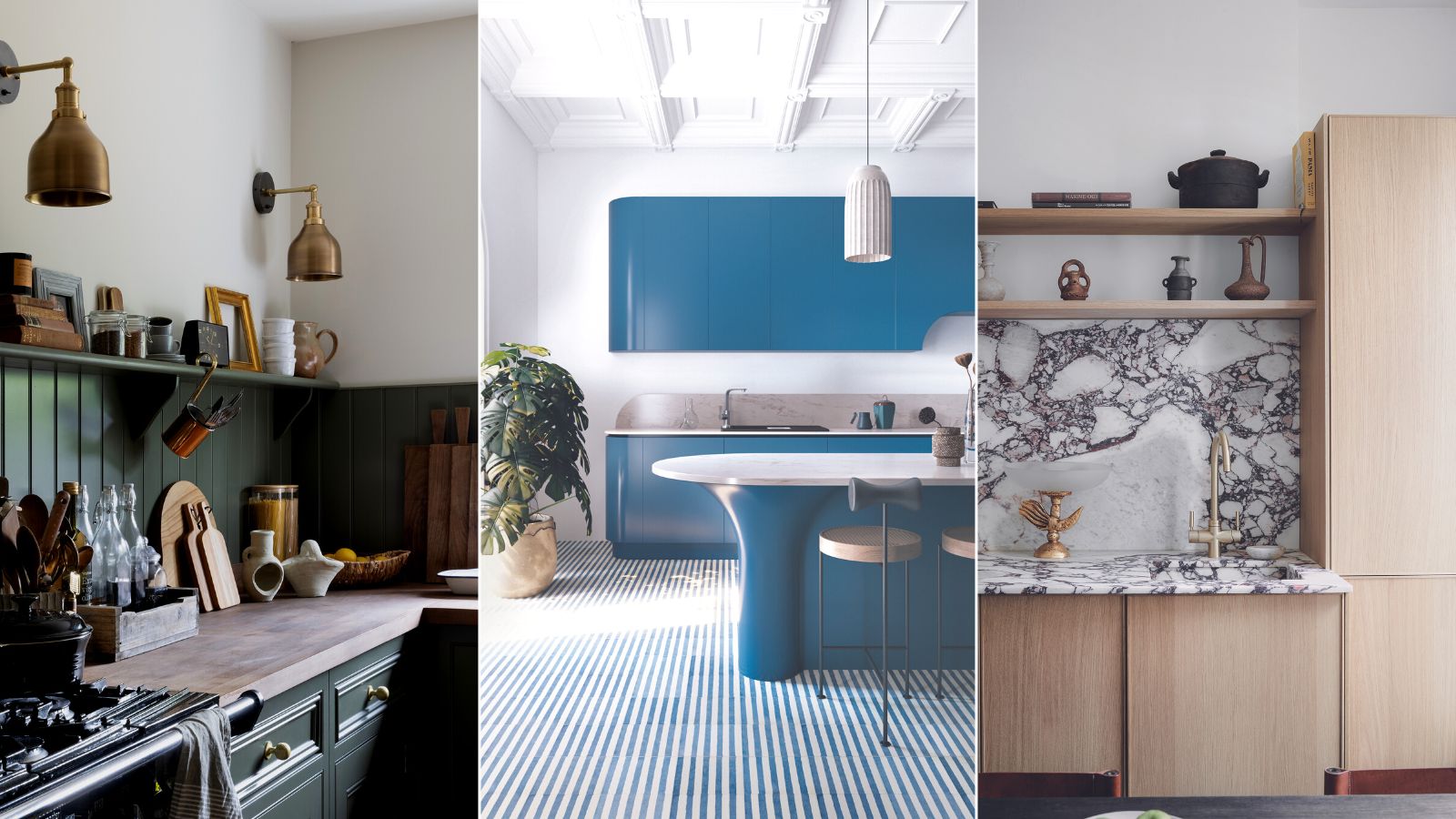
9 sustainable features you should consider for your eco-friendly remodel

12 Ways To Create a More Sustainable Home

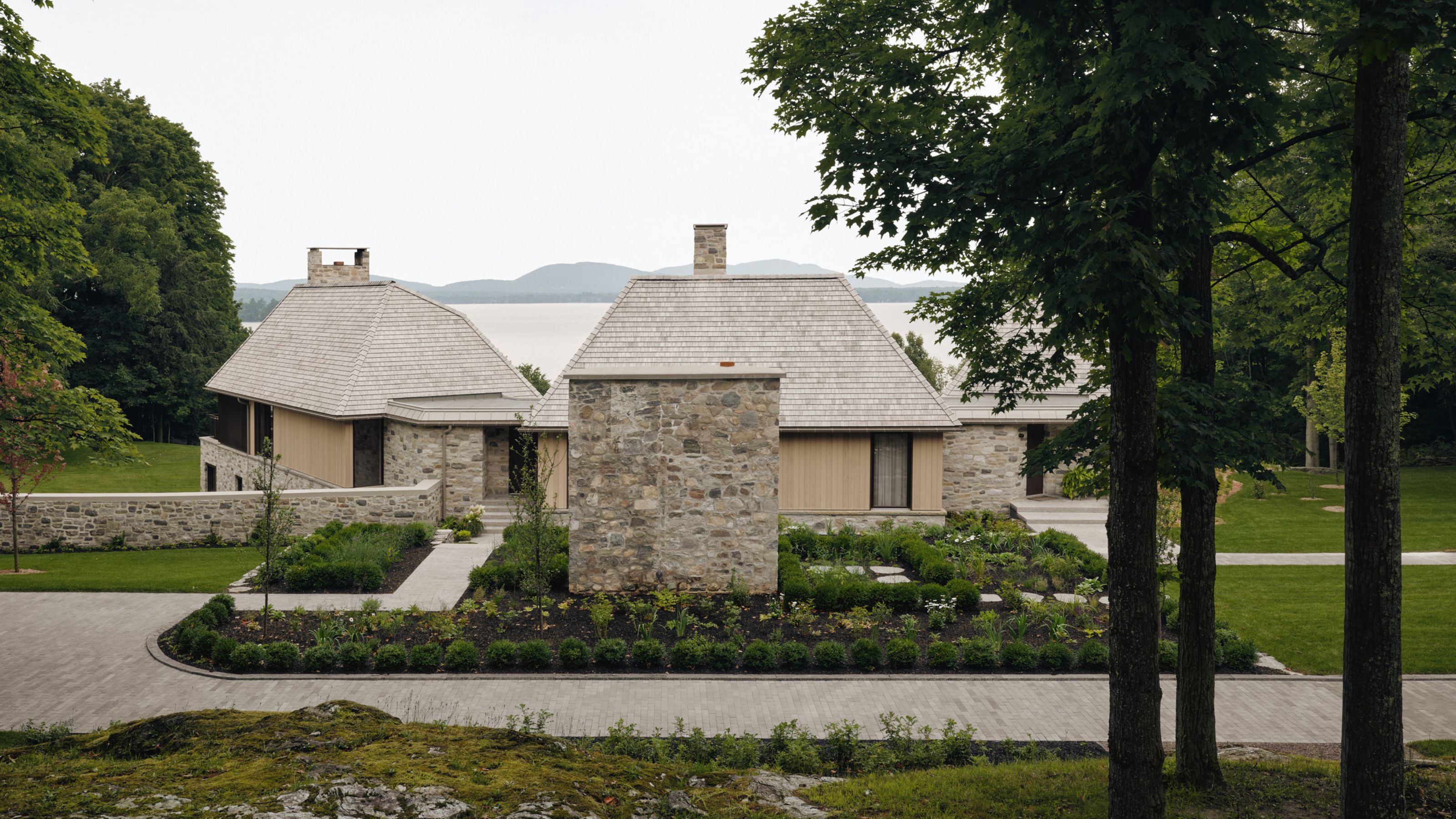
10 Sustainable Homes That Prove Interior Design Can Be Just as Easy on the Eye as It Is on the Earth


What books inspire sustainable interior design?
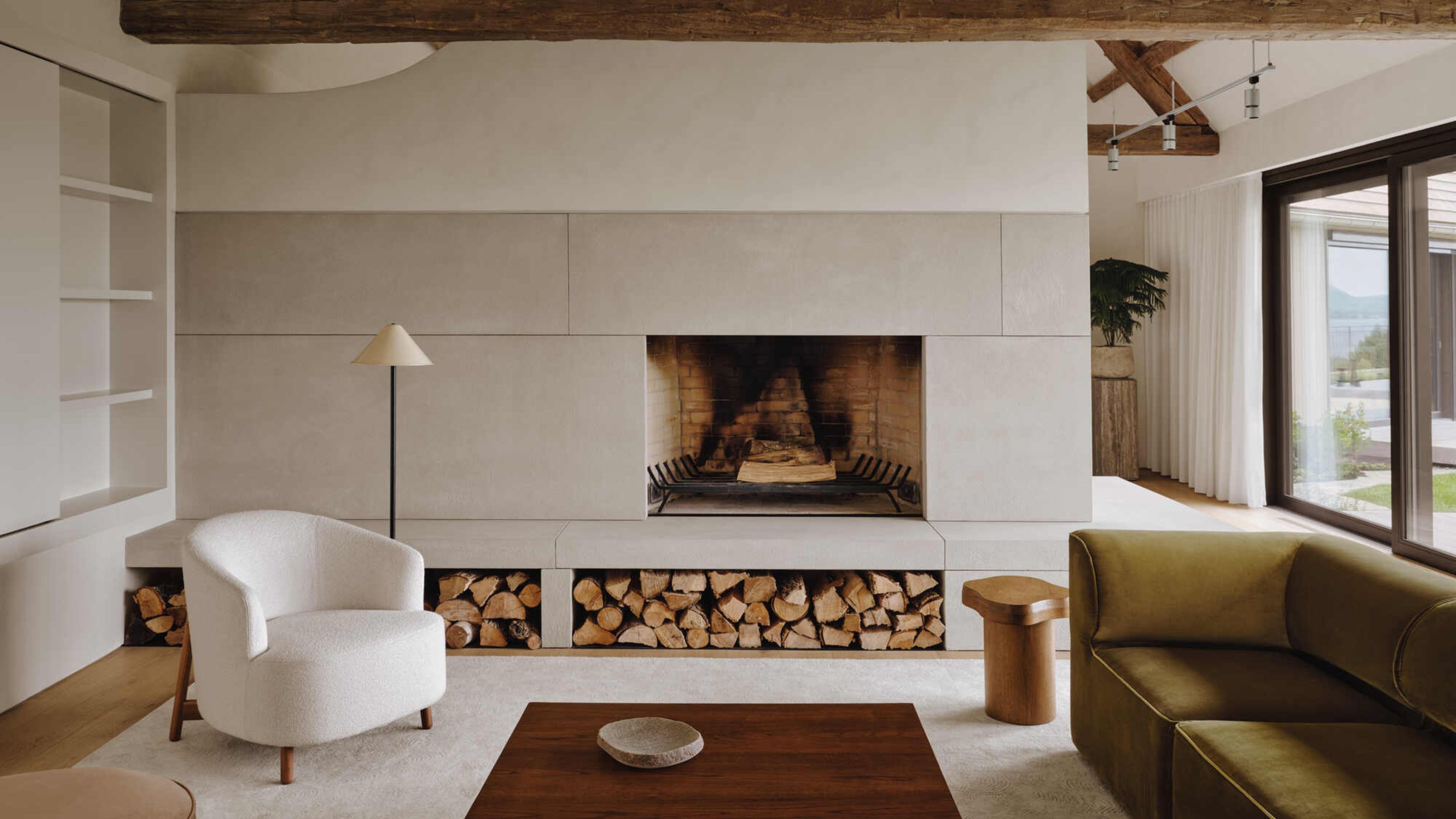
What Sustainable Interior Design Really Means in 2025 — And Why It’s No Longer Just About the Materials
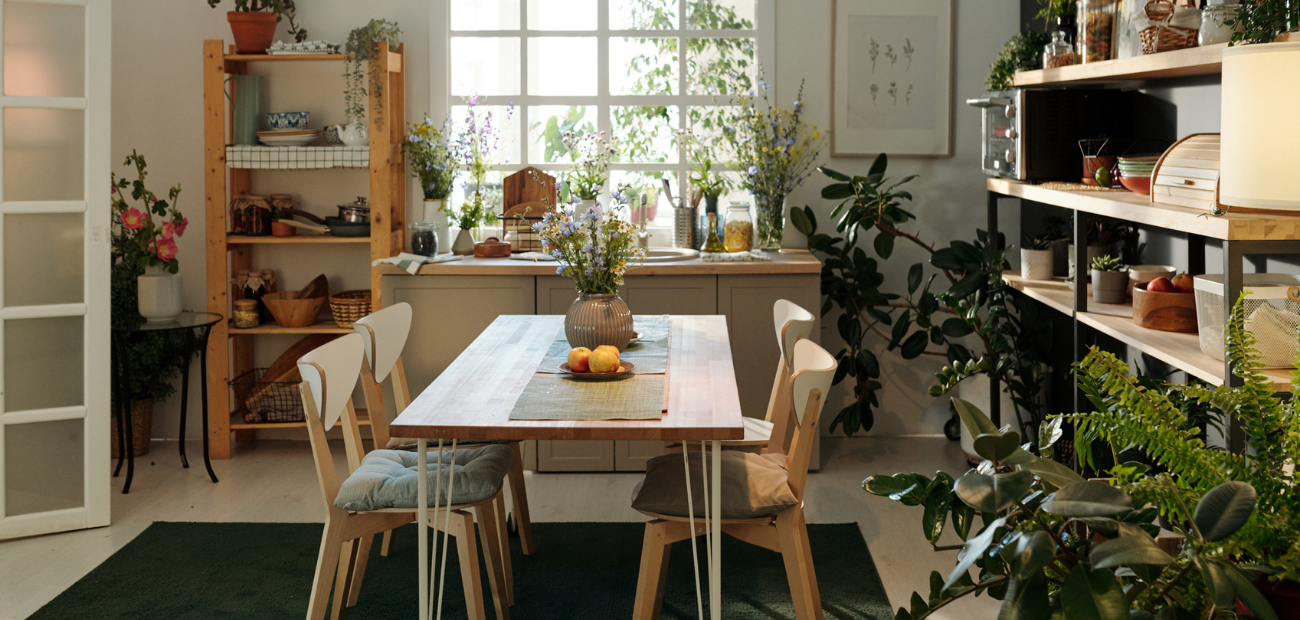
A Guide to Sustainable Design