1/12
What the heck is biophilic design?
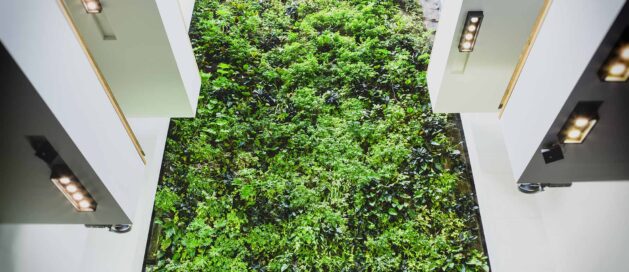
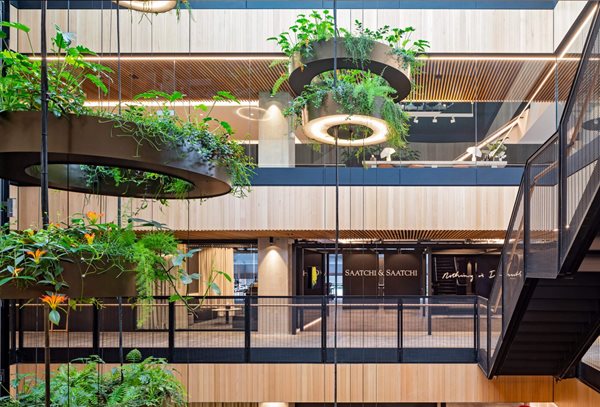
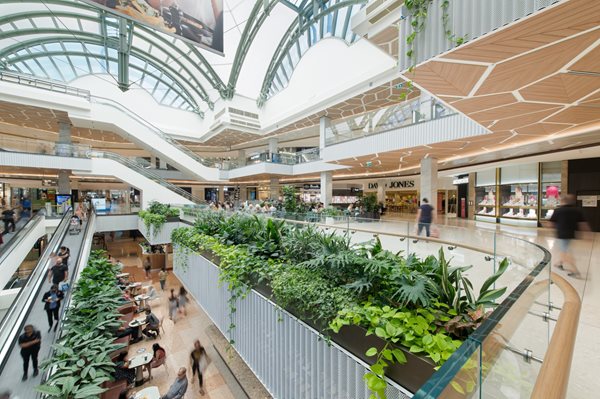
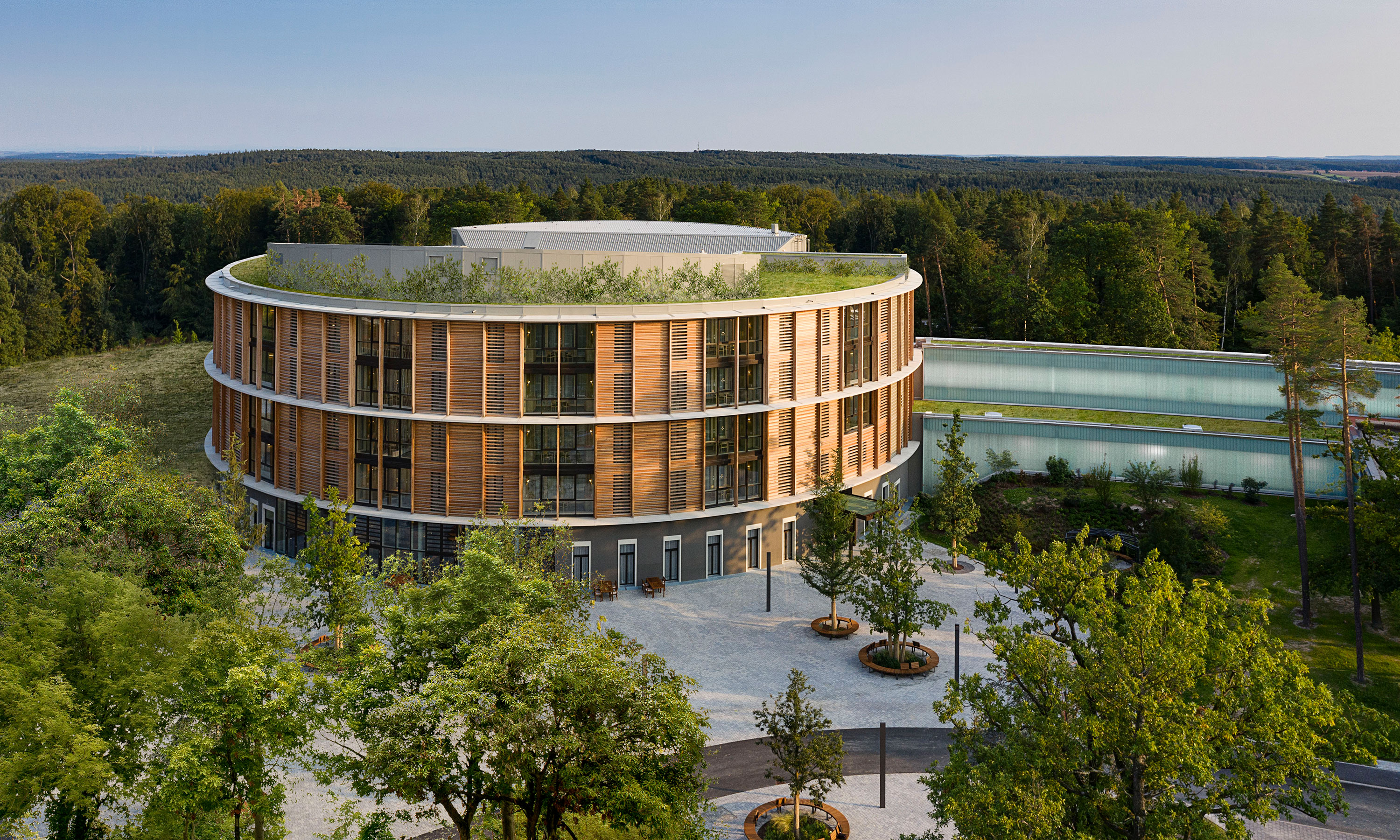
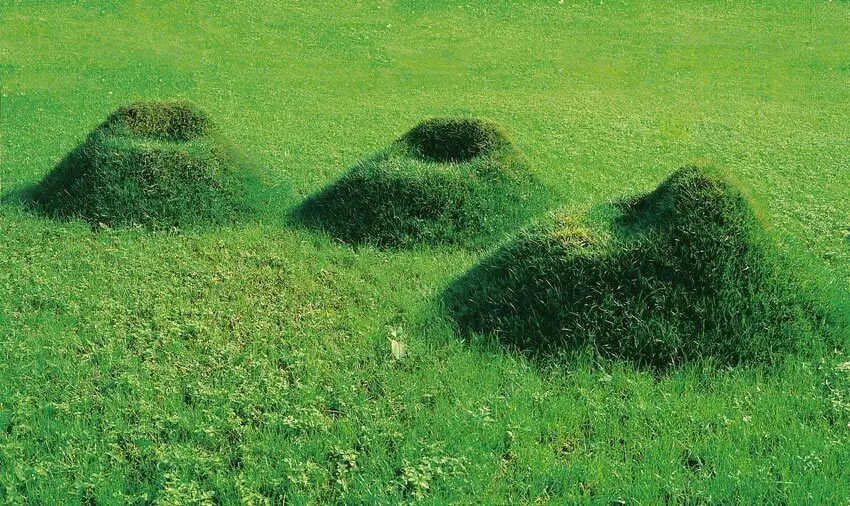
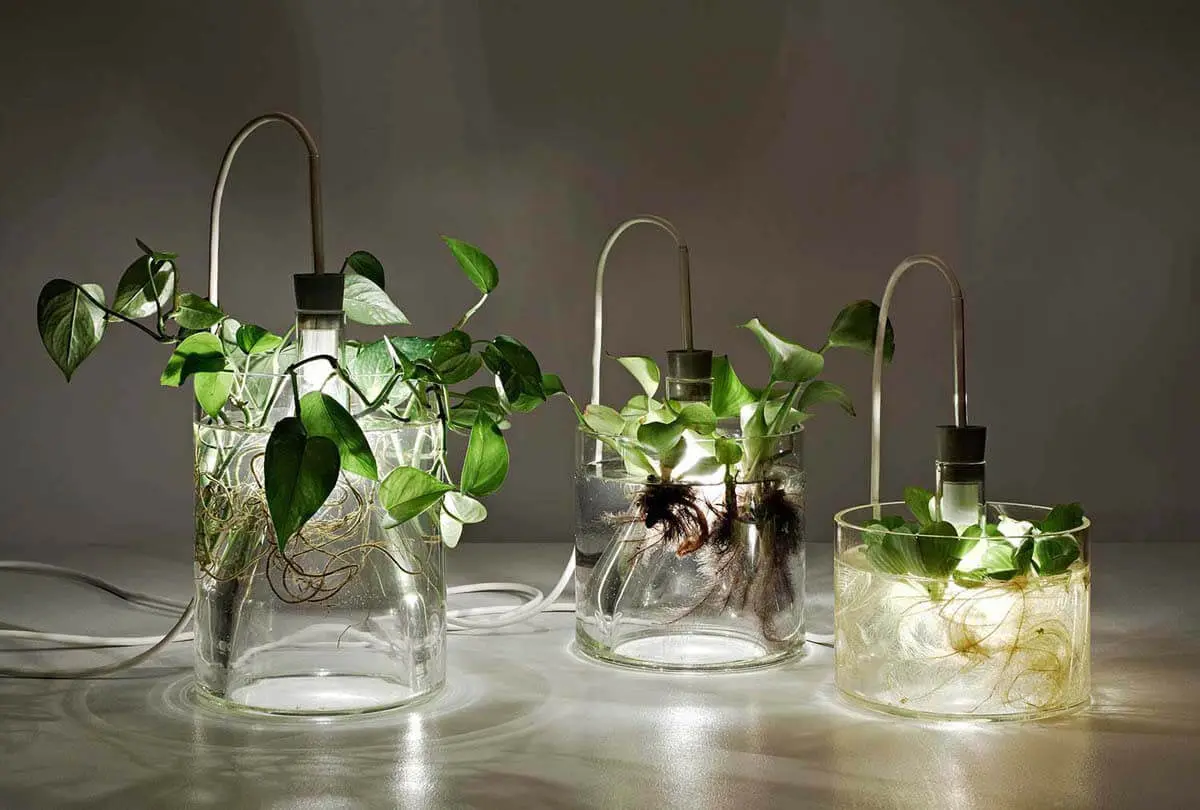
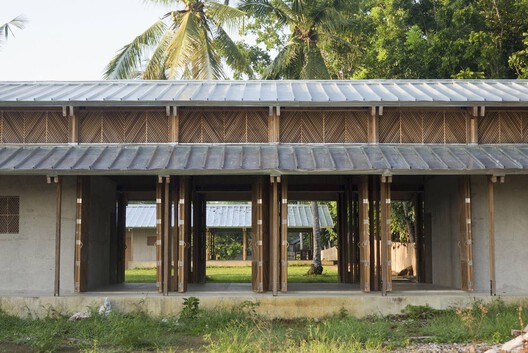
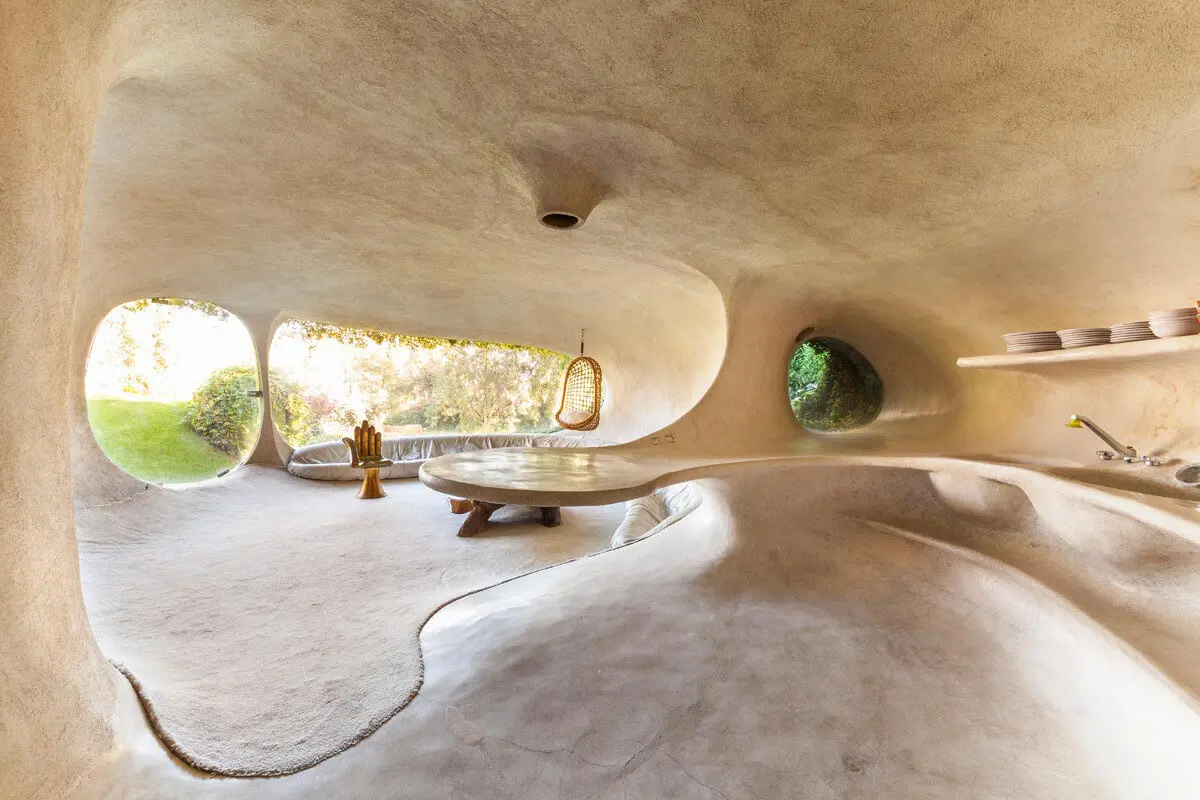
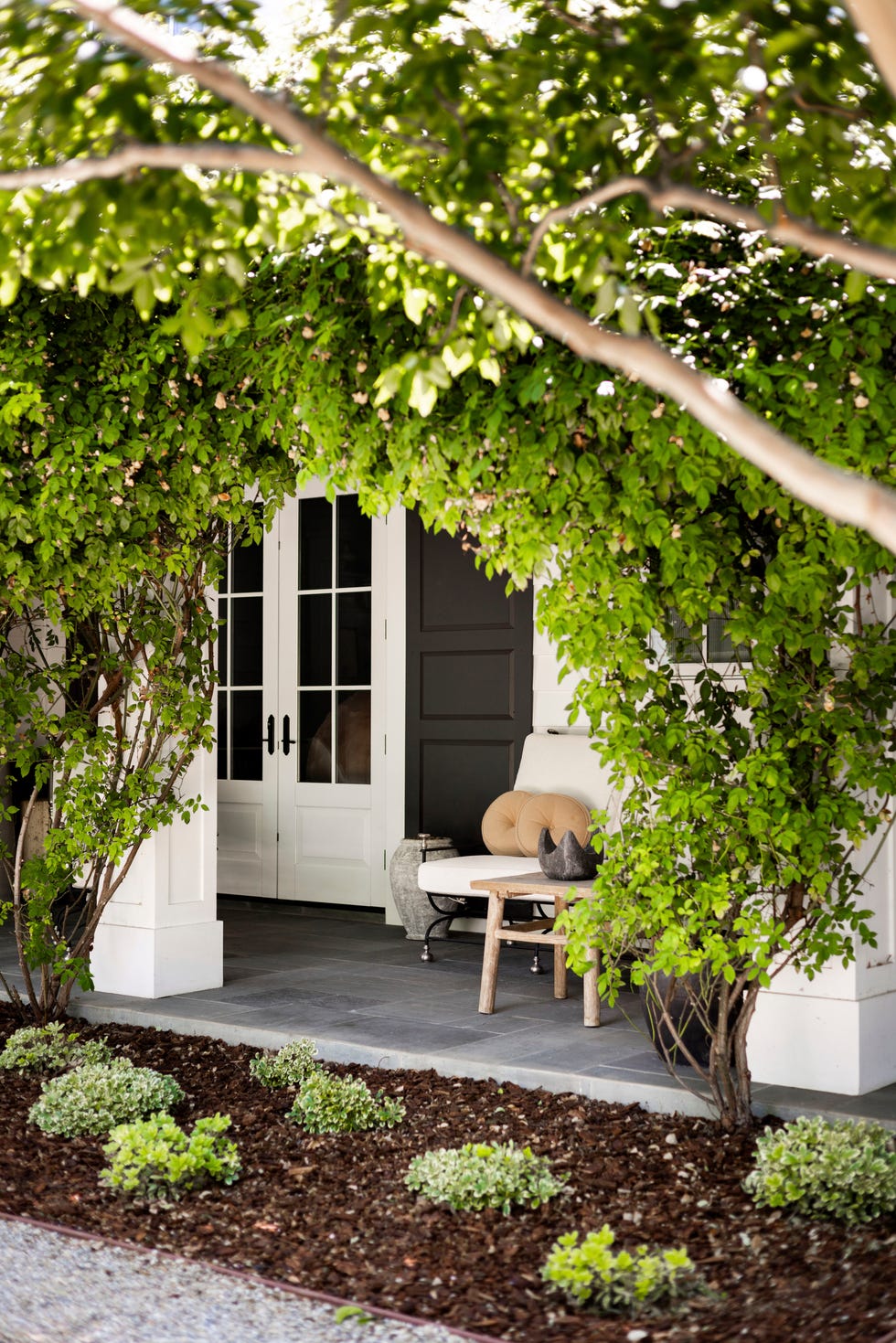
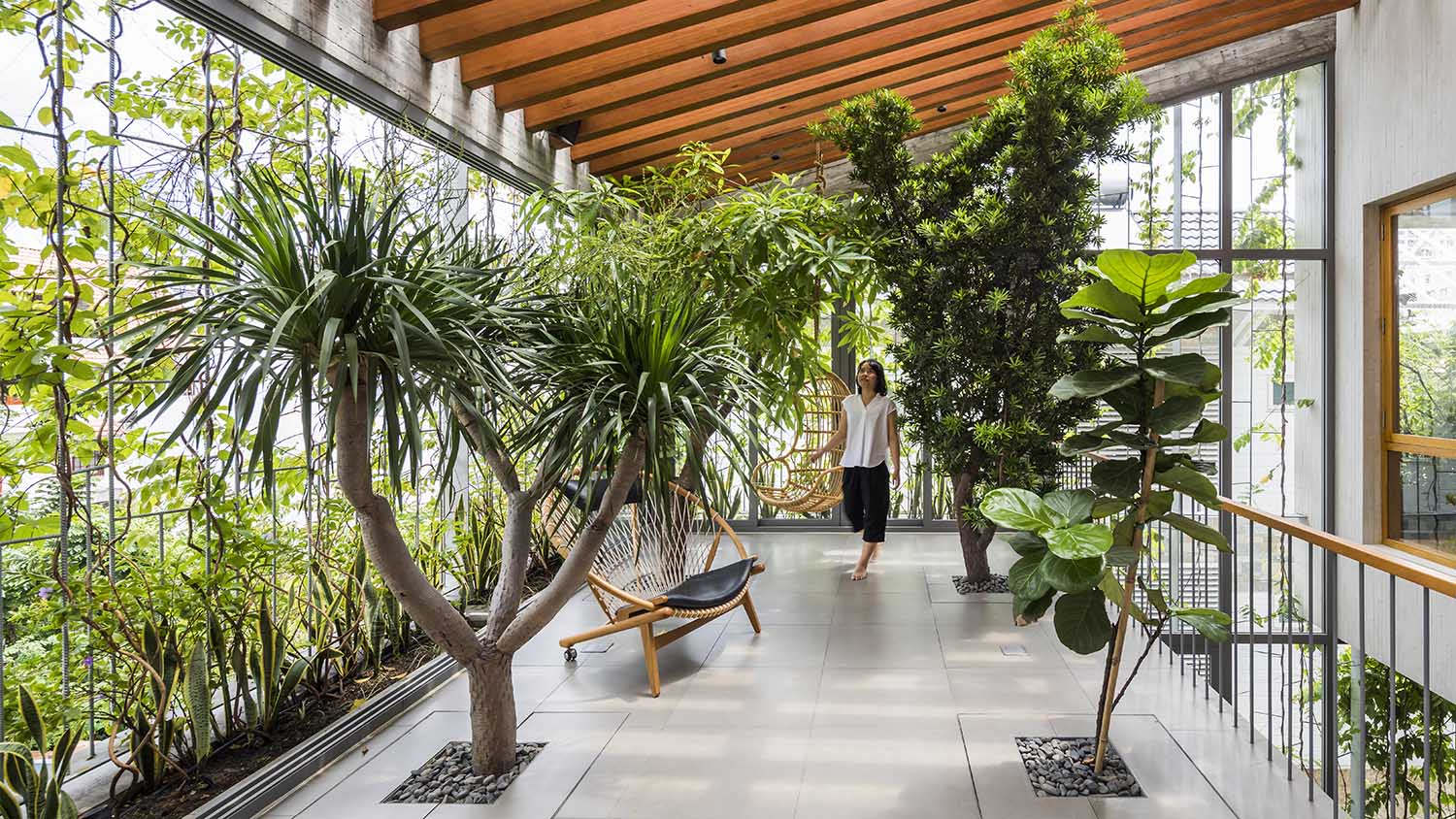
Biophilic design, while currently trending in architecture and interior design, is rooted in the inherent human need to connect with nature. This approach is not a modern invention; homes have historically been constructed in harmony with the natural environment for millennia, often utilizing local materials and adapting to the surrounding landscape, as exemplified by ancient cave dwellings. The modern departure from this natural integration led to large-scale structures that frequently conflict with nature. Biophilic design represents a re-embracing of this pre-industrial philosophy, offering benefits not only for ecological sustainability but also for human well-being.
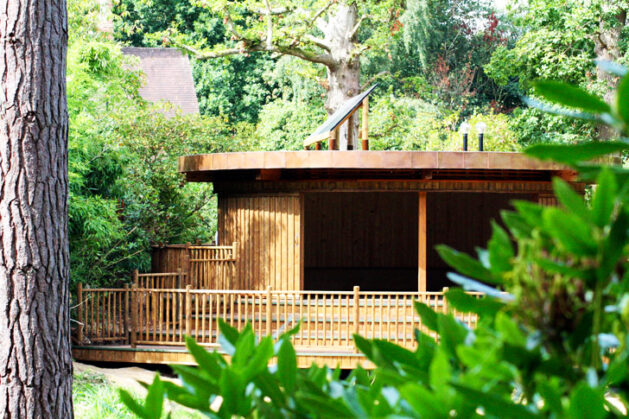
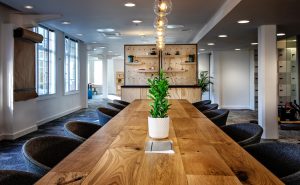
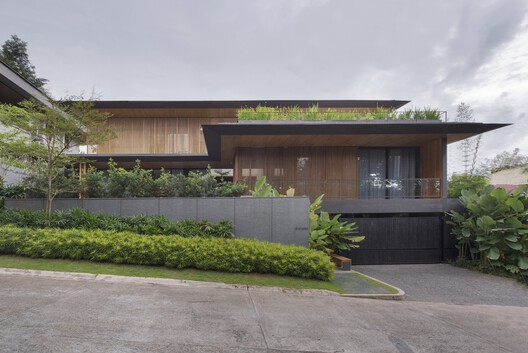
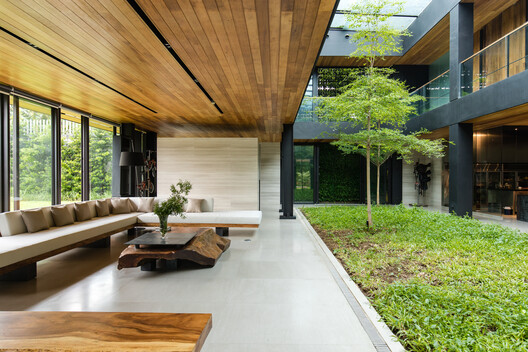
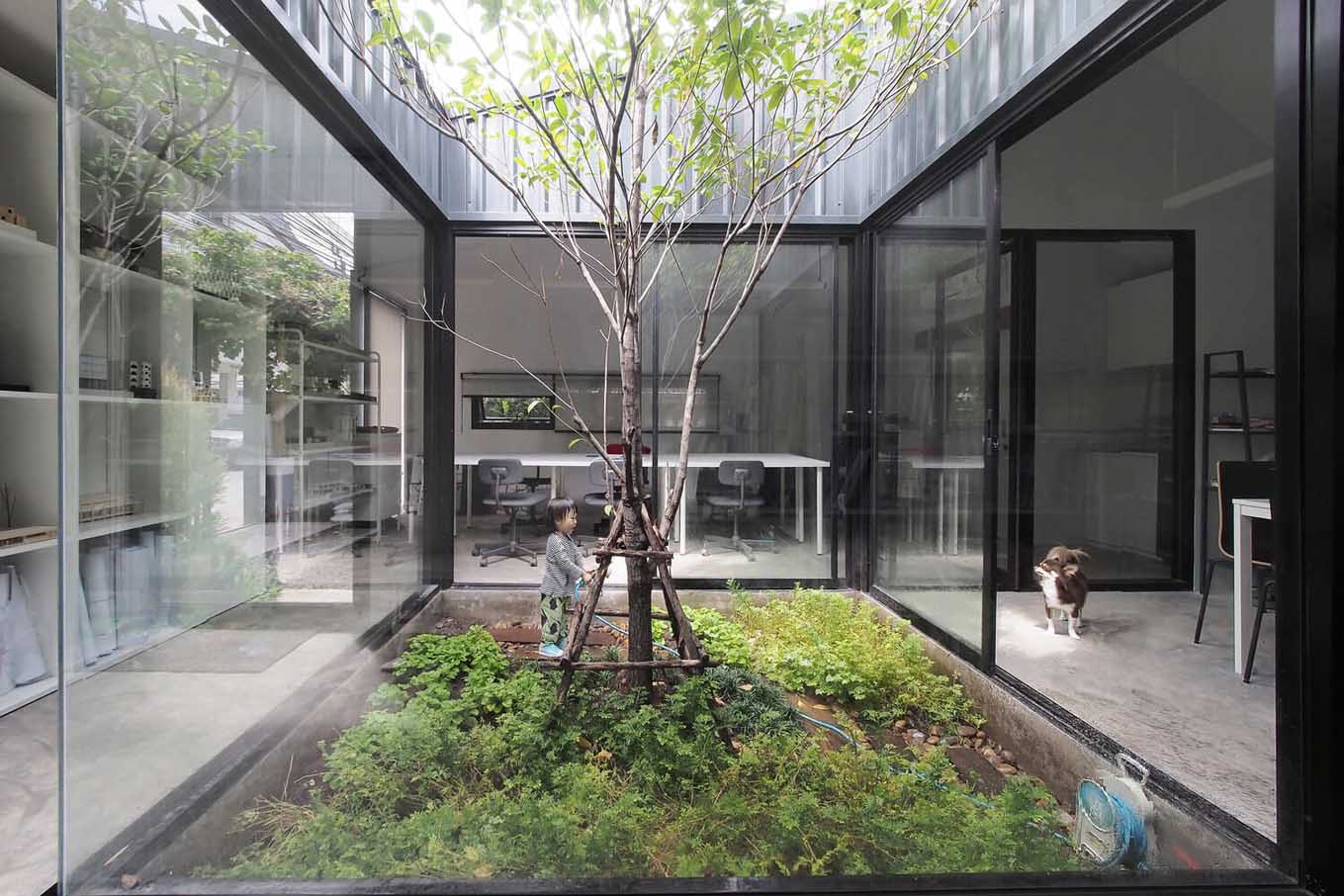
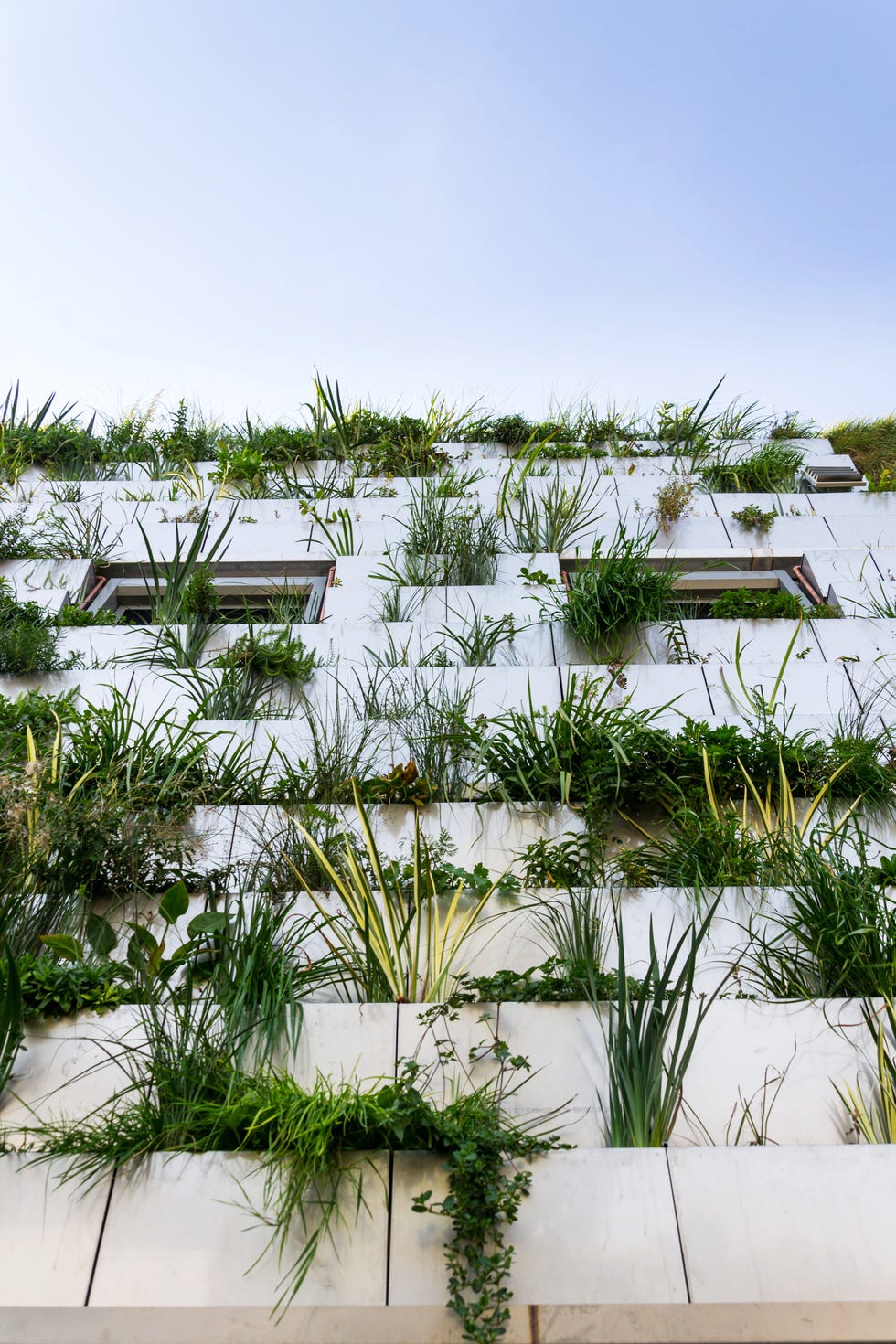
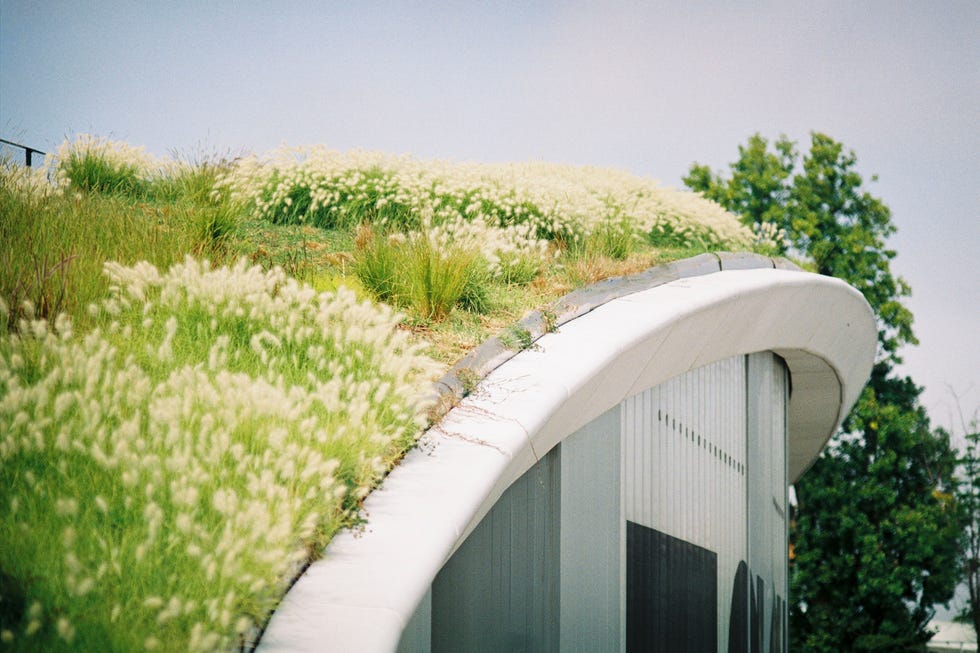
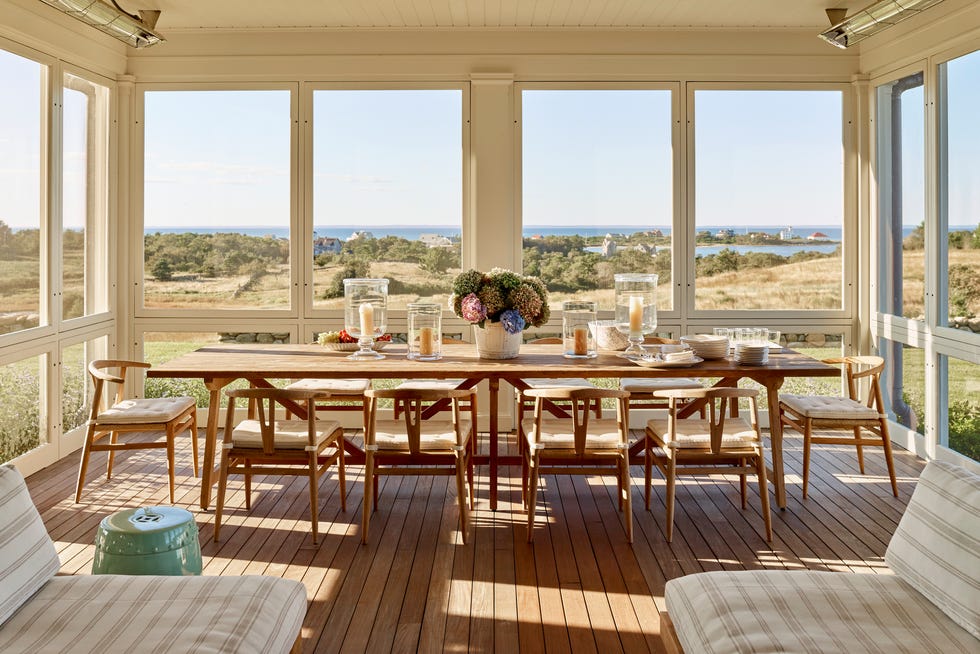
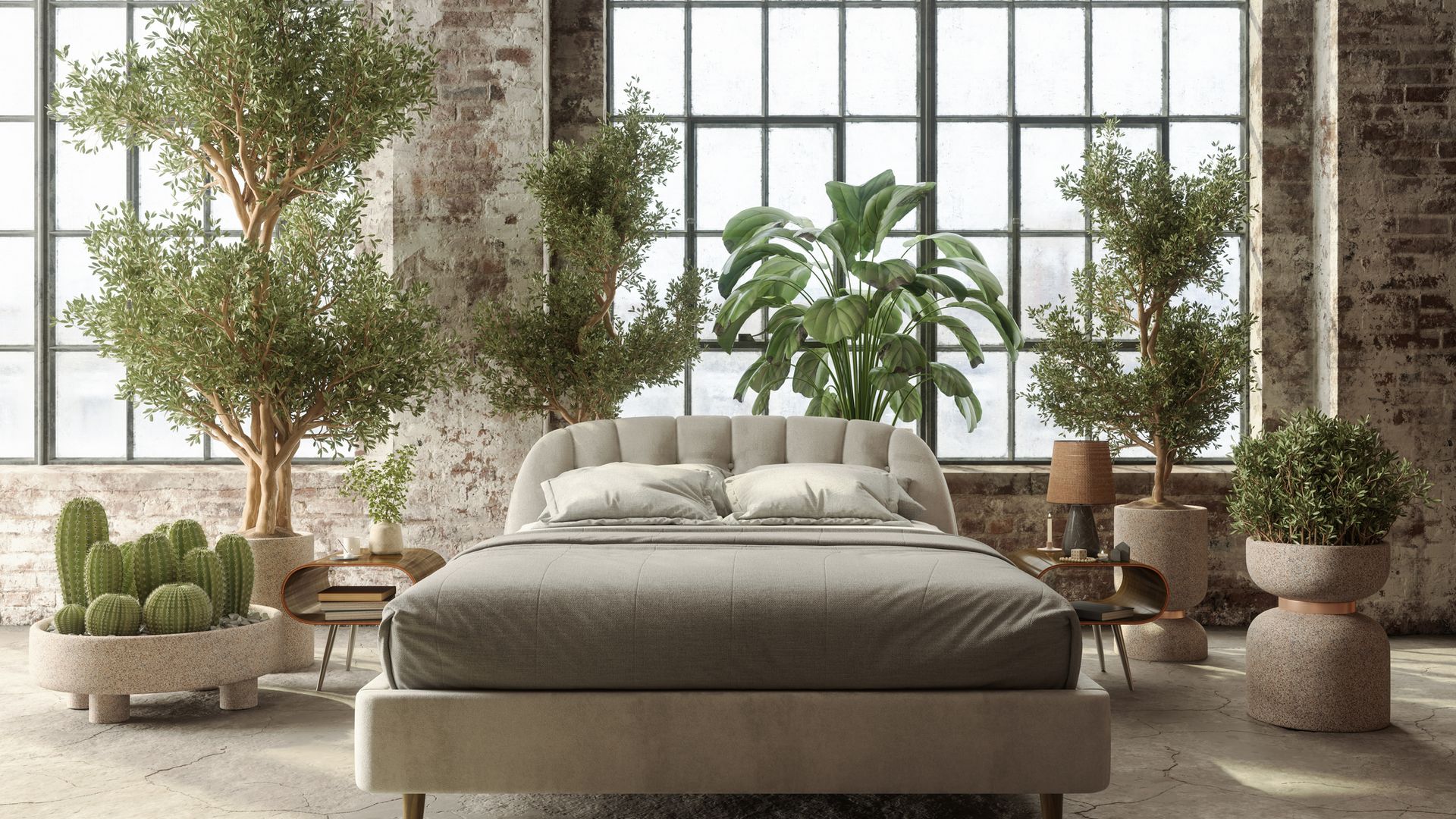
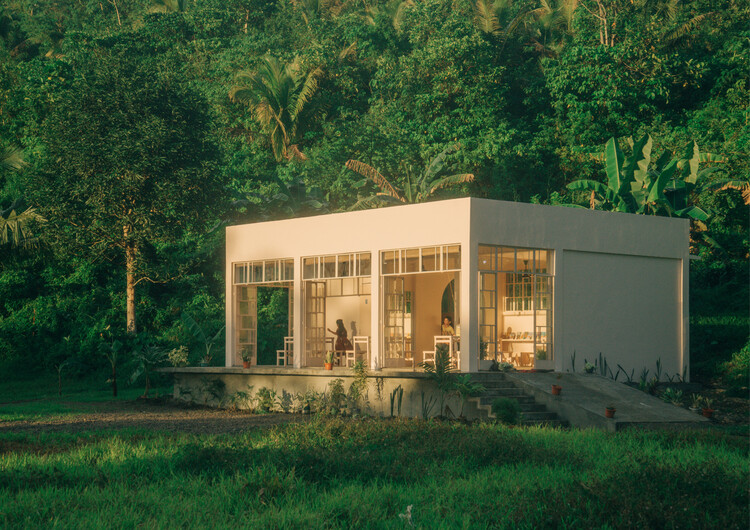
Architects like Dylan Brady of Decibel Architecture have long integrated biophilic principles into their work. For instance, the Paloma Paloma development in Caloundra, Qld, designed by Decibel Architecture, emphasizes merging indoor and outdoor spaces. This reflects a growing interest among Australians in weaving natural elements into their daily lives beyond merely incorporating indoor plants, recognizing the healing and calming effects such integration provides. The core elements of biophilic design include natural light, clean air, water features, plants, and natural landscapes, essentially components that human-made structures often exclude. While practical considerations prevent bringing adverse natural elements like rain or wild animals indoors, the underlying principles guide design and renovation decisions.
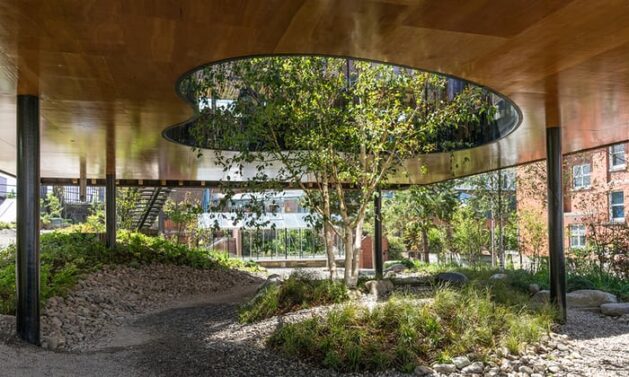
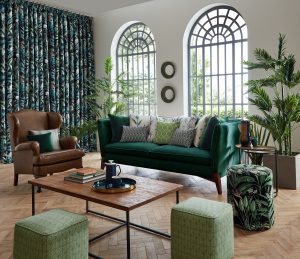
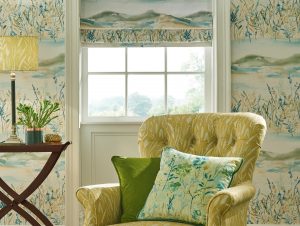
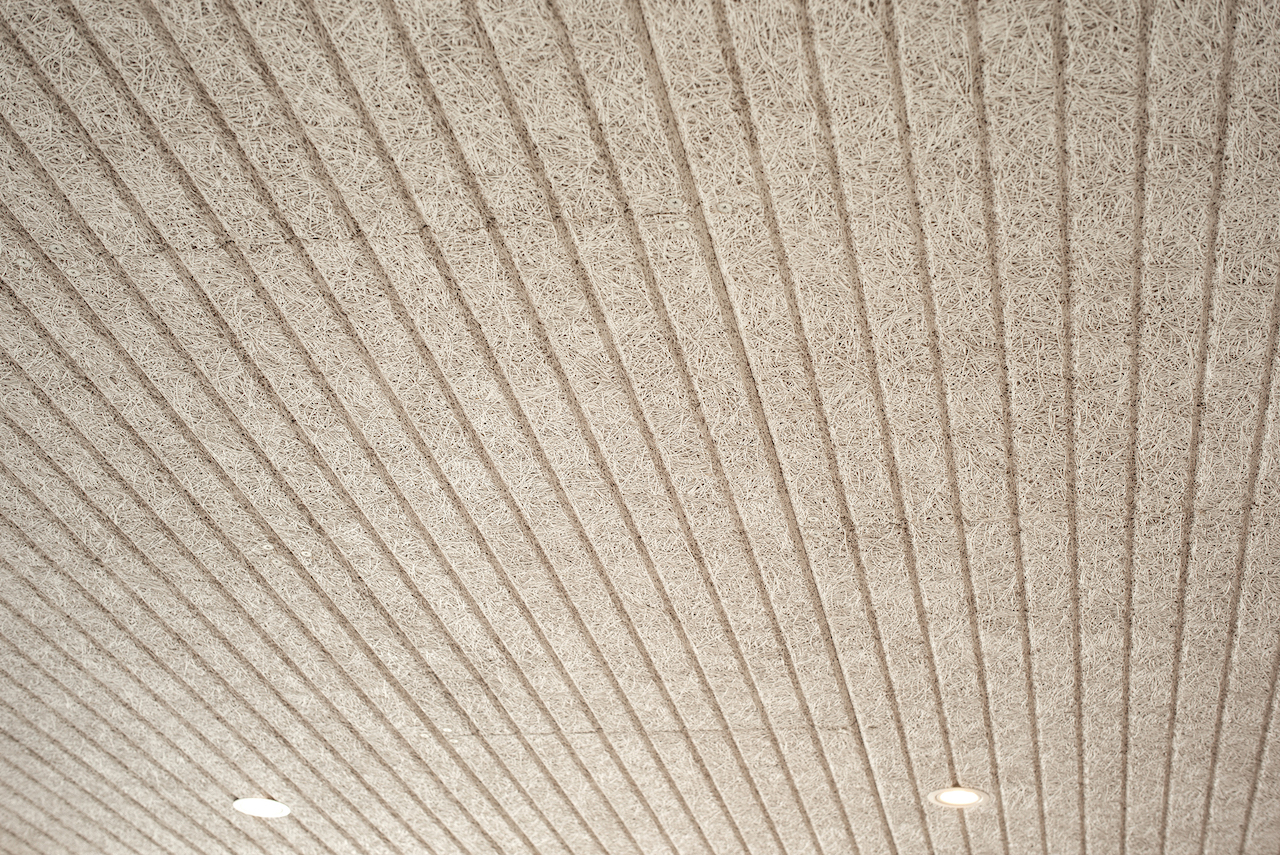
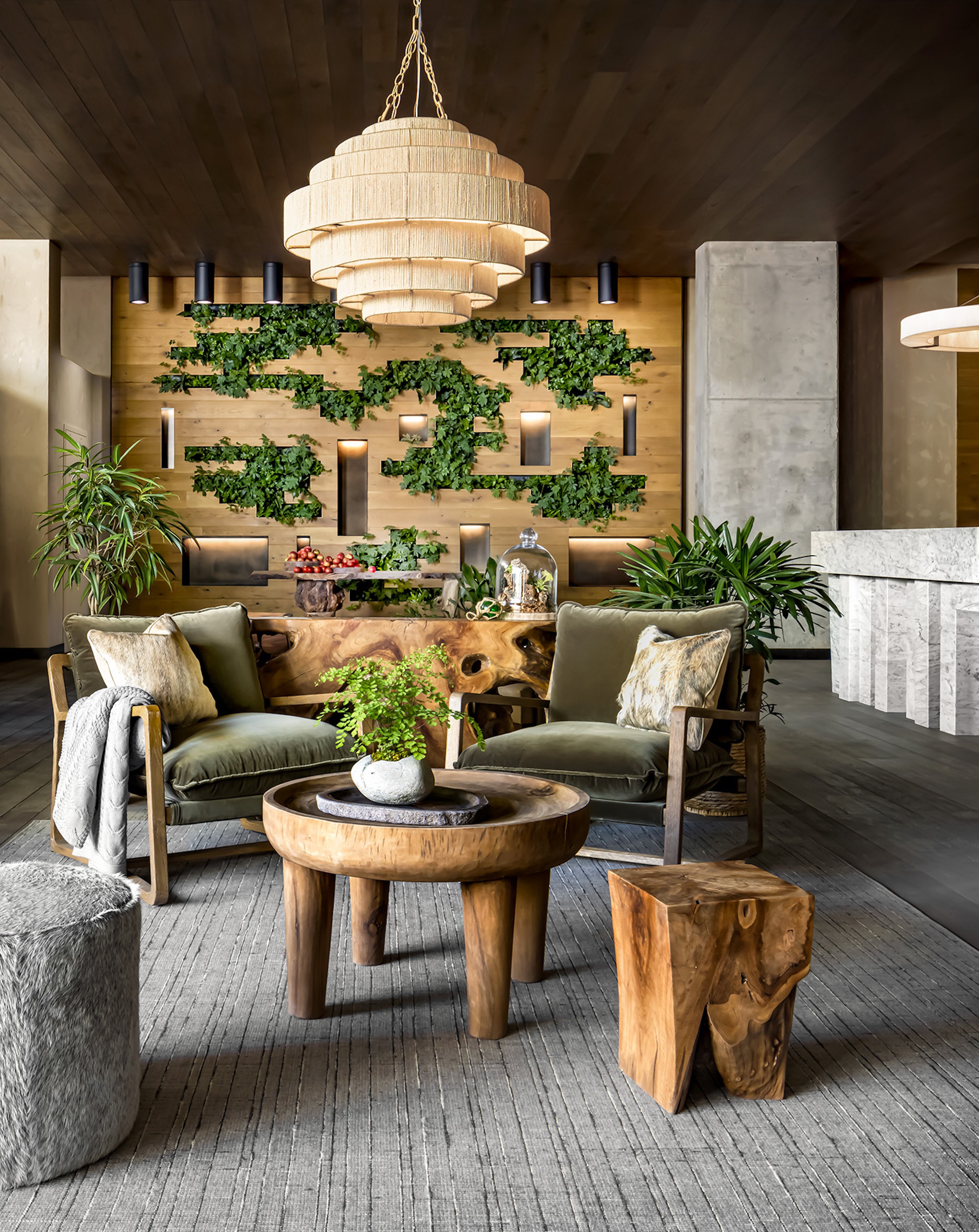
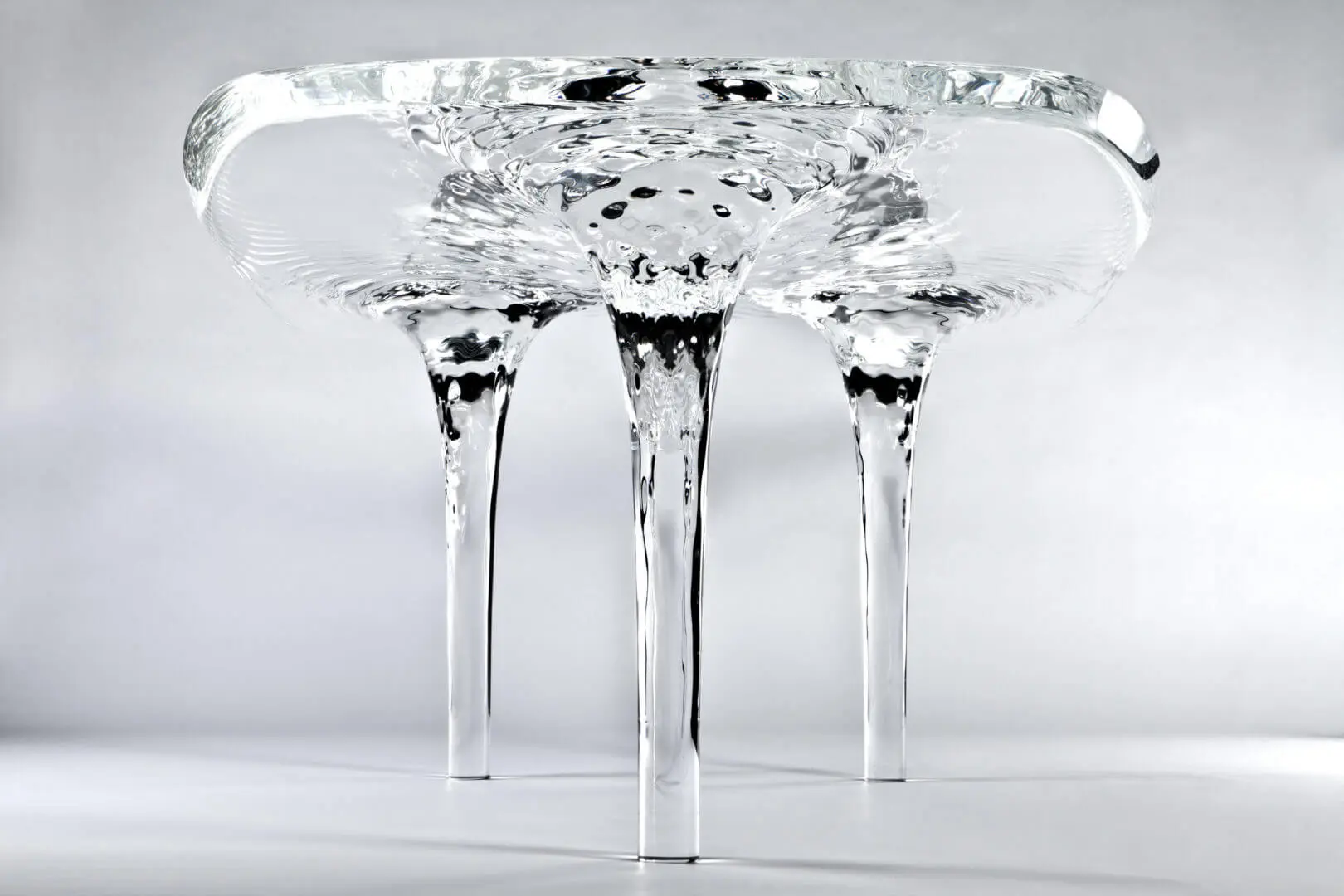
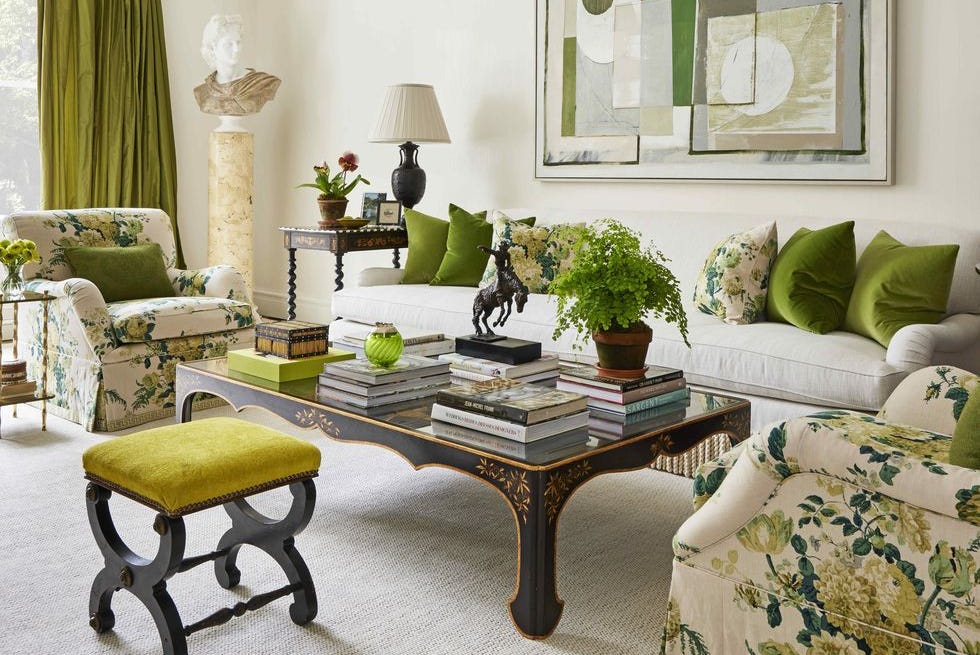
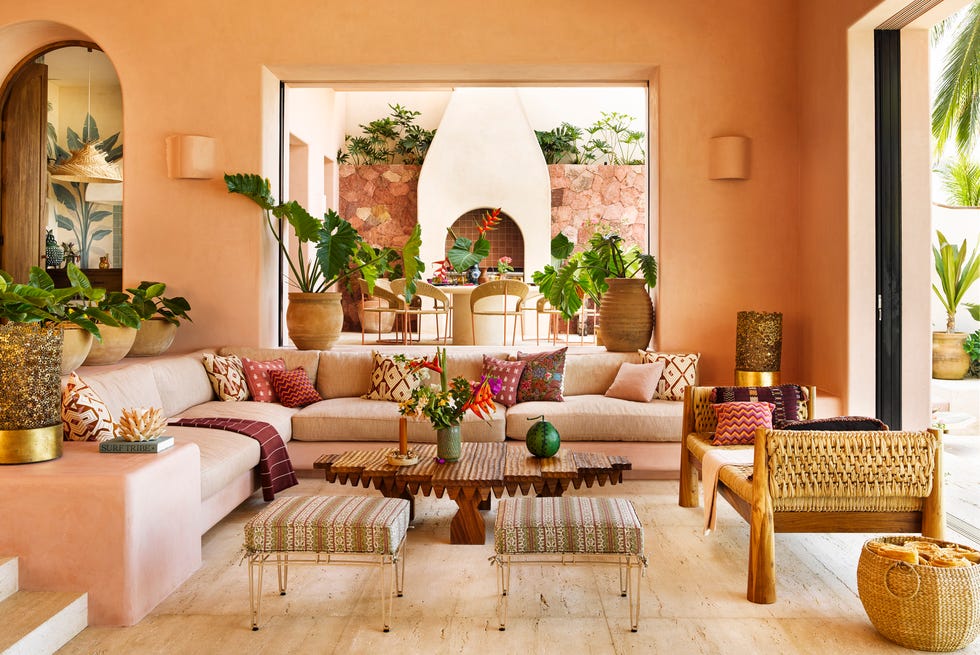
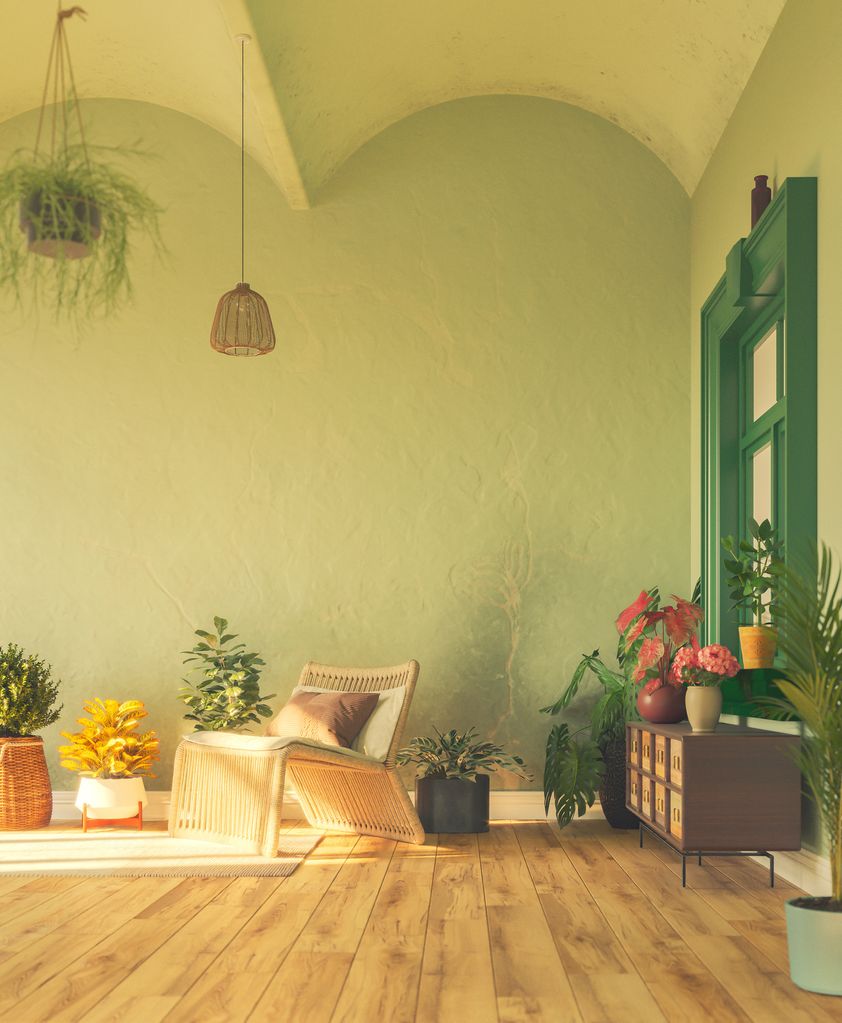
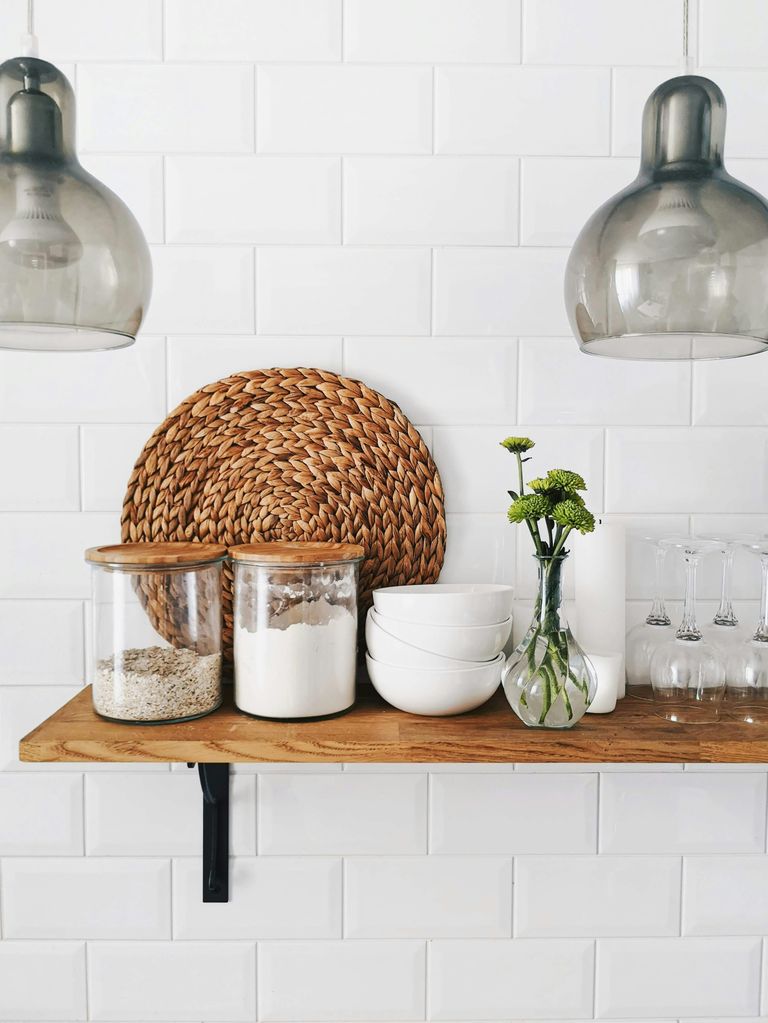
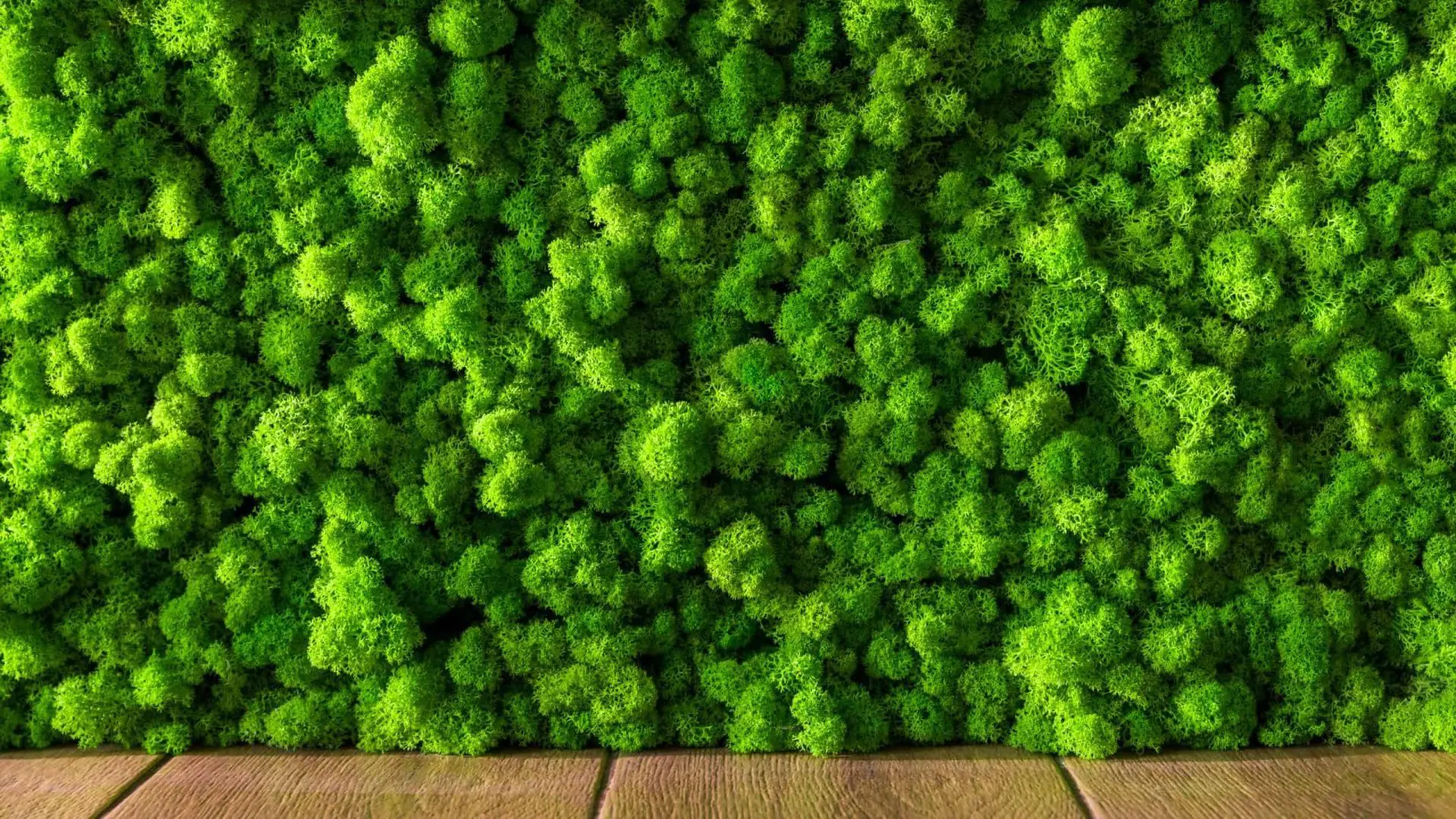
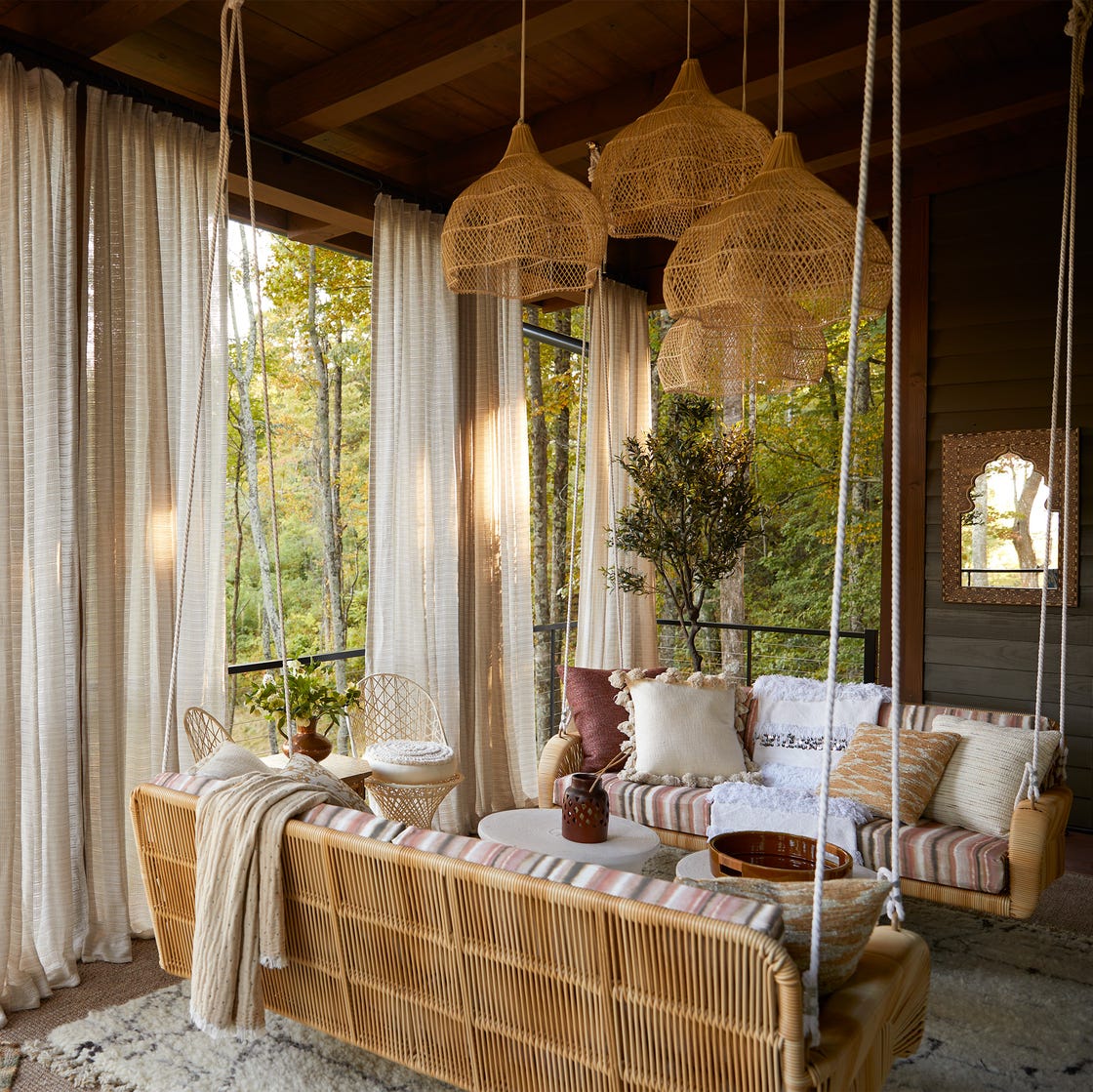
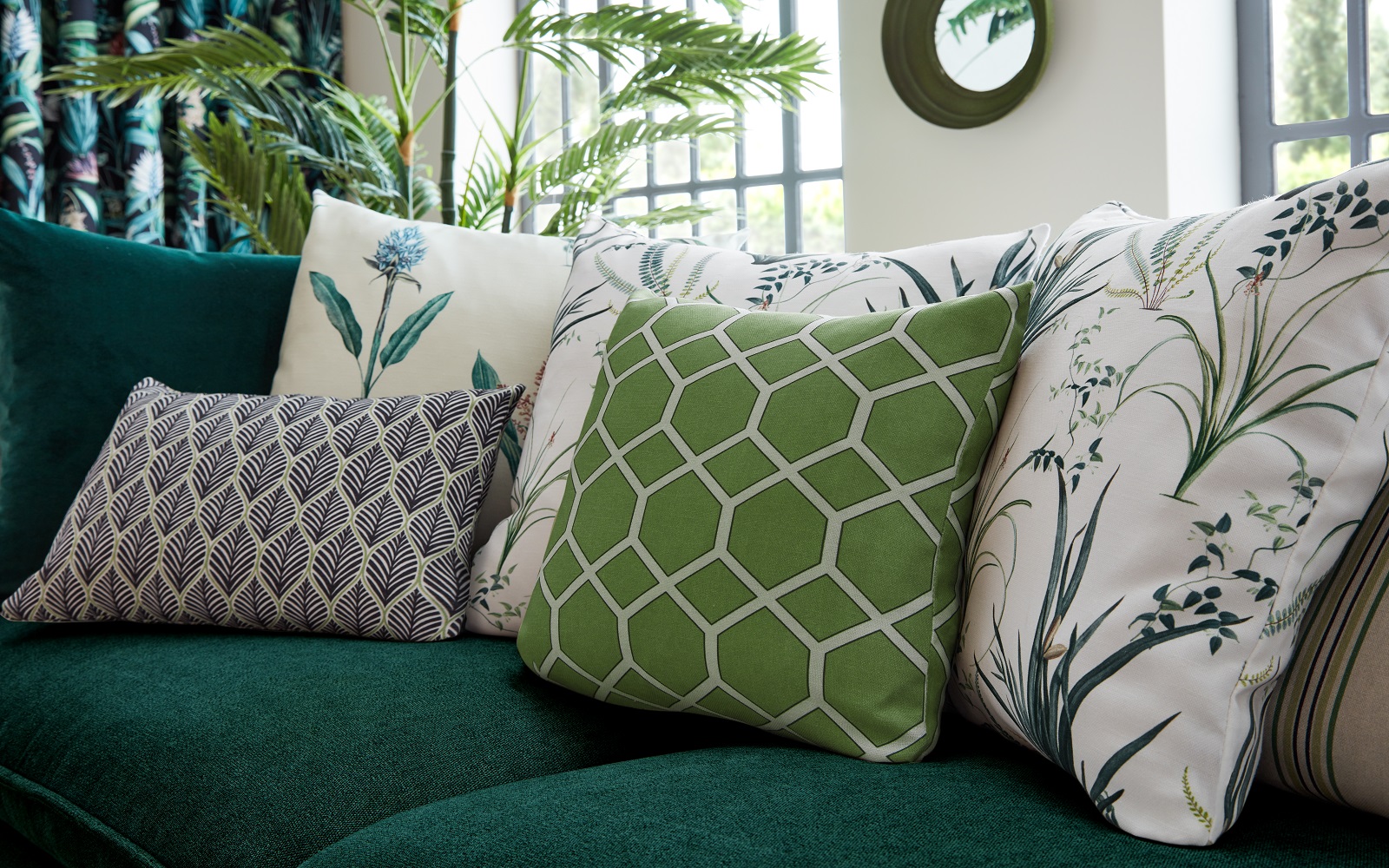
Key biophilic design elements focus on natural materials, organic shapes, and earthy colors. Materials such as timber, stone, linen, and rammed earth are preferred, along with a color palette of muted ochre, beige, sunset pink, grayish blues, and restrained greens. Sustainability is paramount, ensuring that design choices minimize environmental impact. Practical applications for incorporating biophilic design during renovations include installing timber lining boards, which evoke a natural, forest-like atmosphere. Porta’s Contours range, with its curved and fluted timber boards, offers a tactile connection to nature, resembling the gentle movement of water and enabling the creation of organically shaped walls.
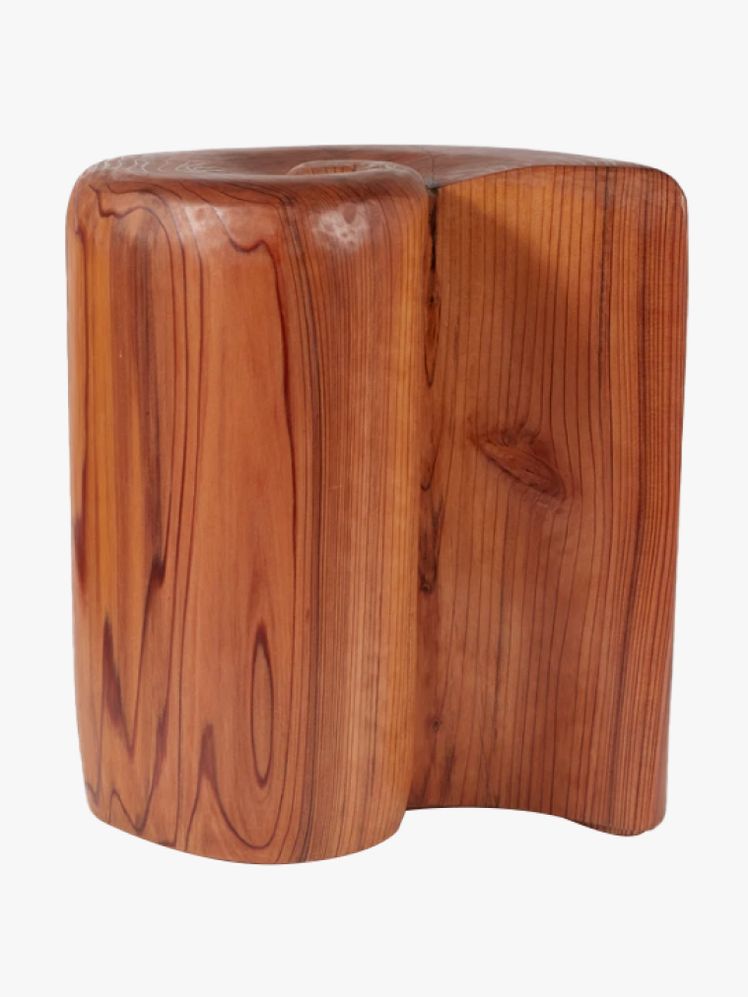
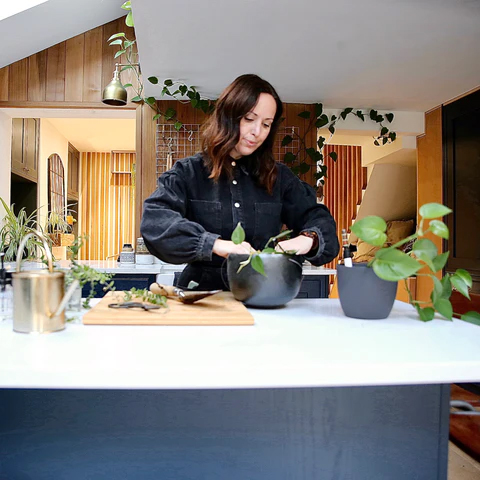
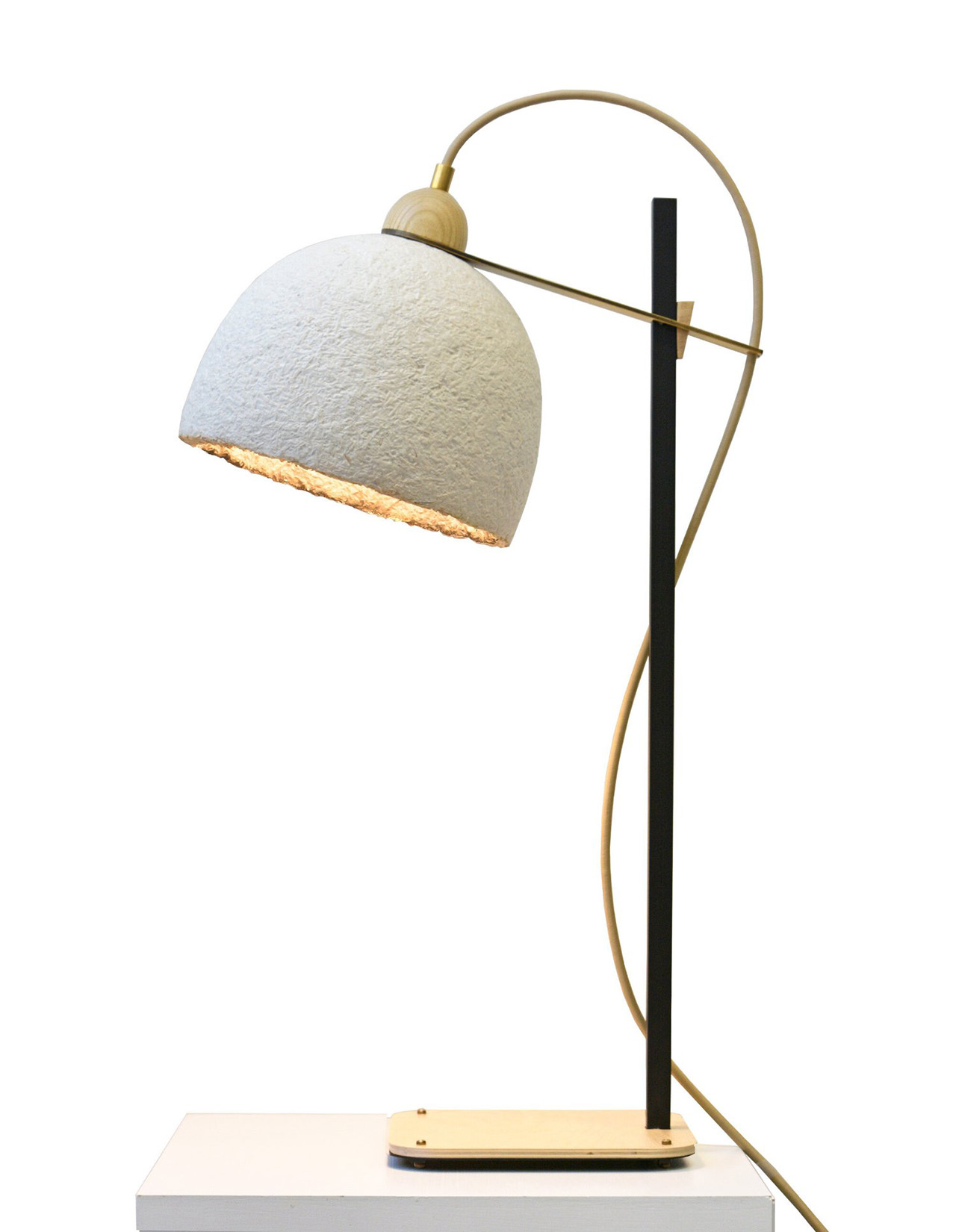
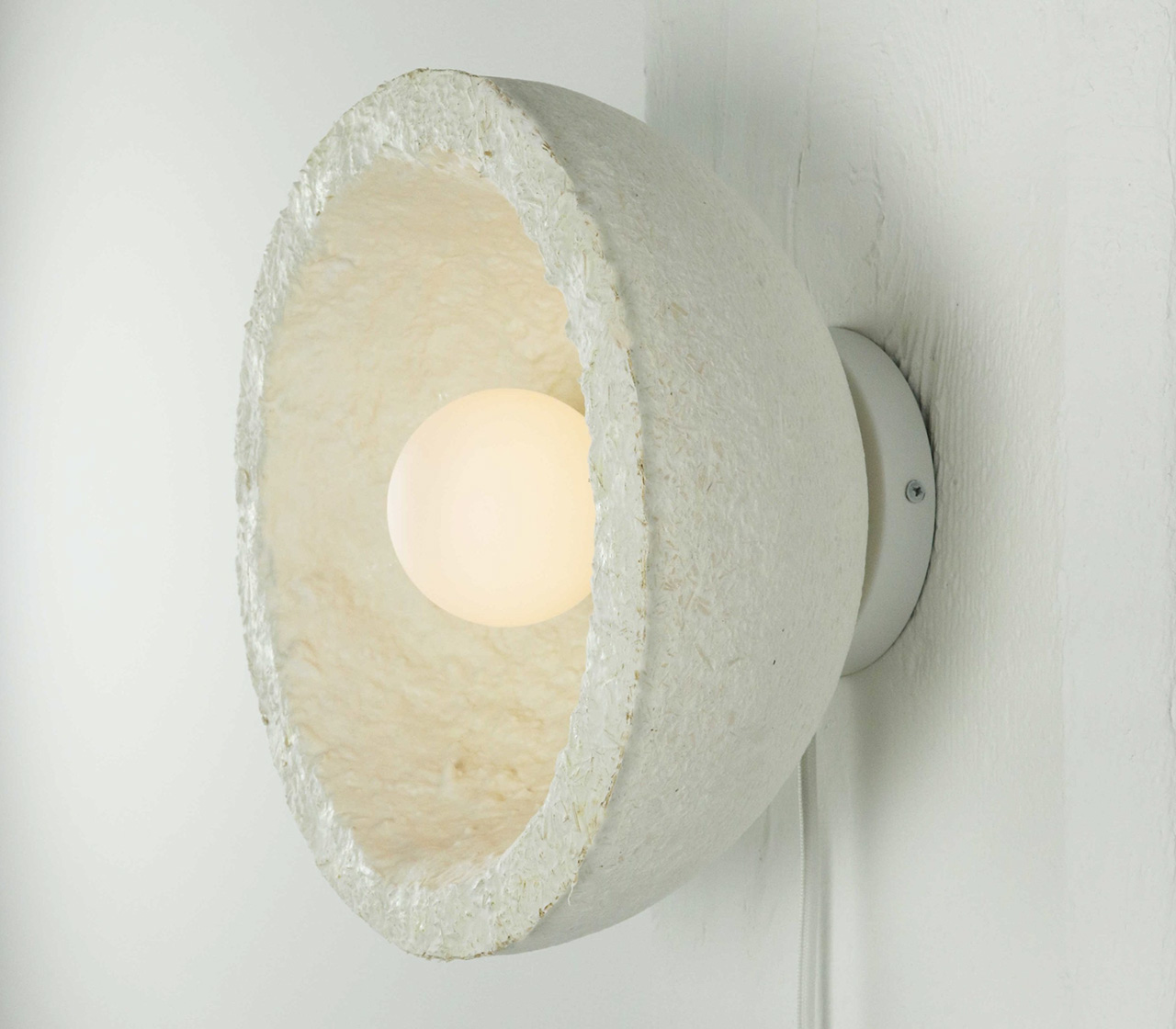
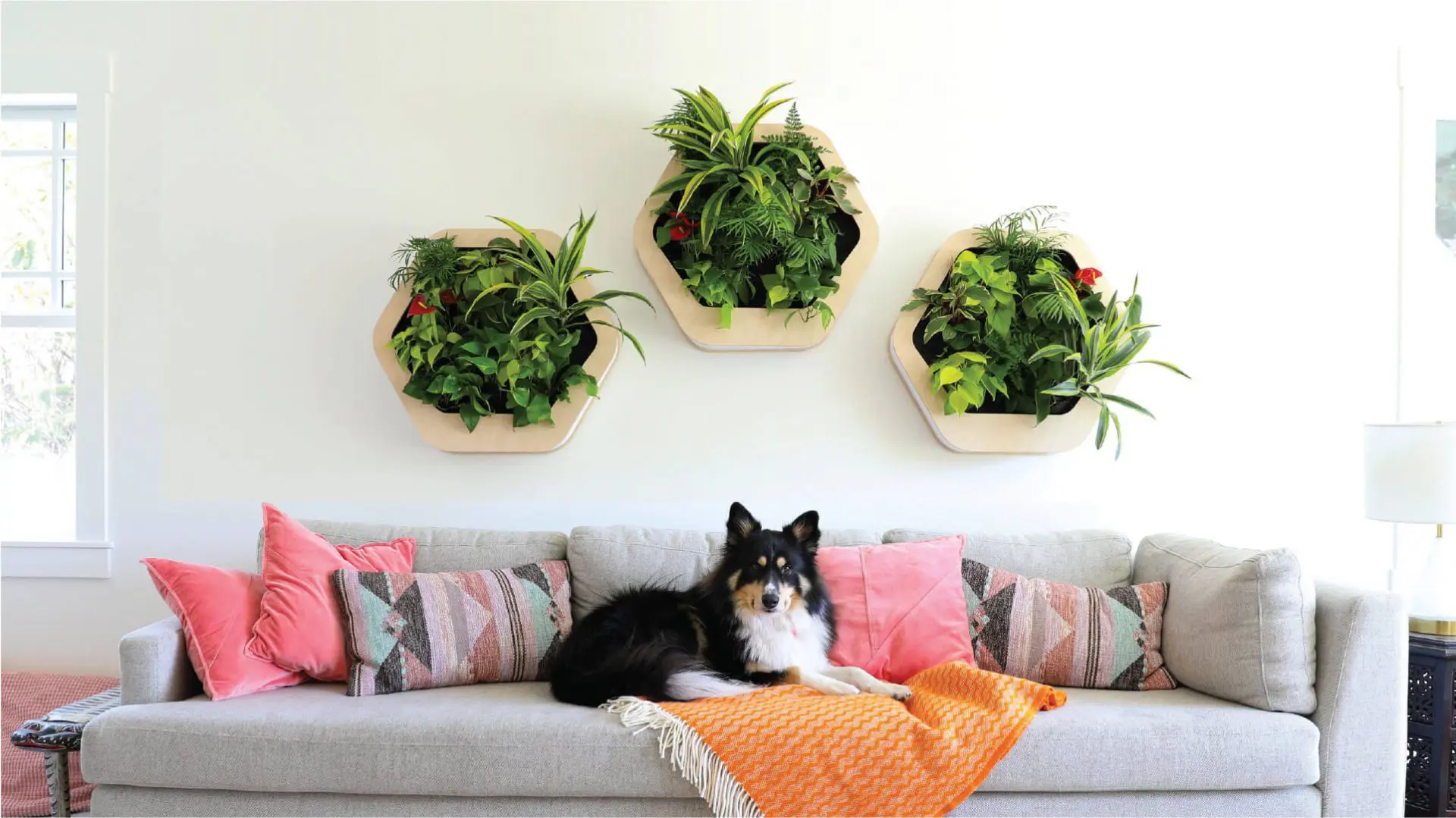
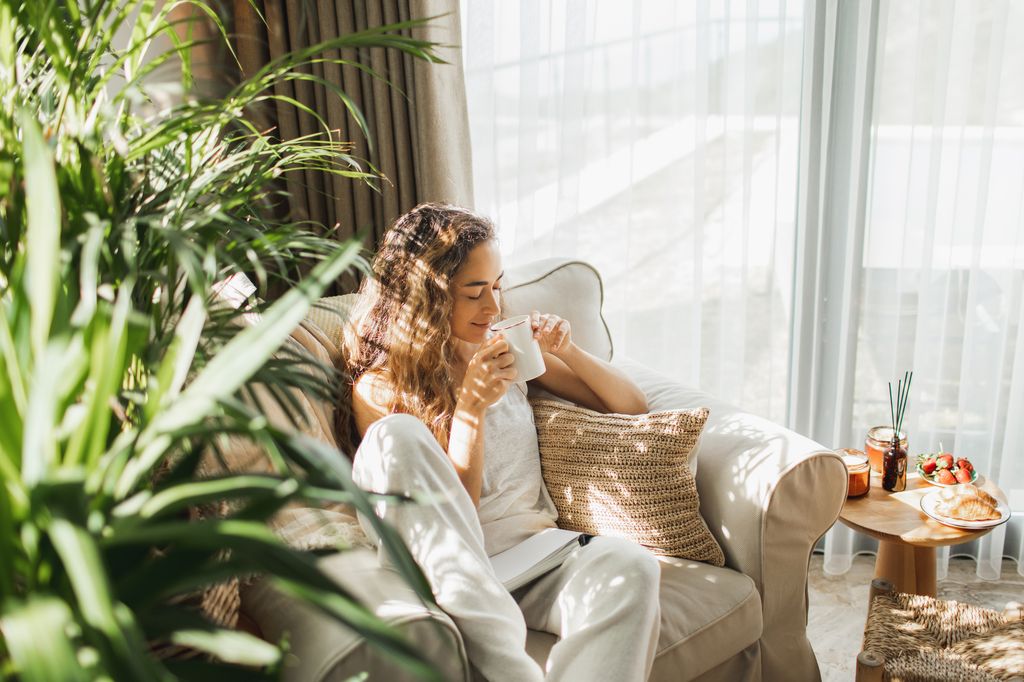
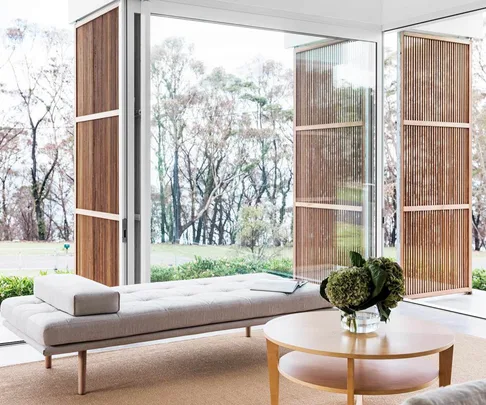
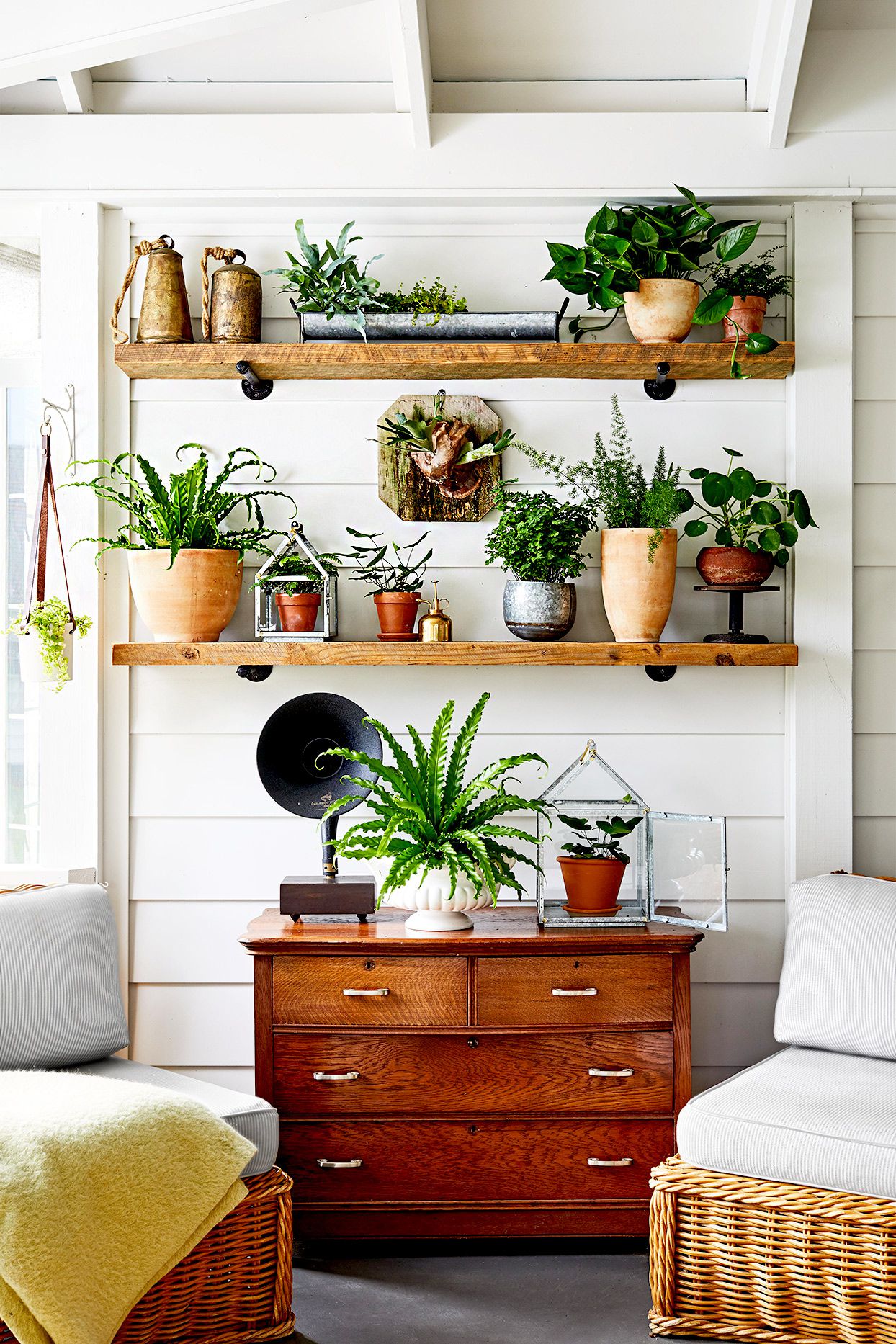
Simpler and cost-effective methods to implement biophilic design include adding greenery and foliage, as suggested by Kate Baston from plant-pot brands elho and Capi Europe. Homeowners are encouraged to work with their environment, rather than against it, by considering the house's aspect to optimize natural light and ventilation. For example, a north-facing home maximizes winter sunlight, while strategically placed, opposing windows can facilitate cross-ventilation, reducing reliance on air conditioning. Double or triple glazing further enhances thermal regulation, keeping homes comfortable year-round. An example is Osborn House in Bundanoon, NSW, which skillfully uses natural timber and large windows to frame the landscape, blurring the lines between the indoor and outdoor environments. The article also provides a selection of products that exemplify biophilic design principles, such as wool blankets in natural shades, pebble-inspired lamps, hand-carved onyx sinks, wooden candle holders, marble decorative bowls, and rattan armchairs, all designed to enhance a connection with nature within the home.
#BiophilicDesign #SustainableLiving #NaturalMaterials #HomeRenovation #InteriorDesign #EcoFriendlyHome #WellnessDesign #ArchitecturalTrends #BiophilicDesign #SustainableLiving #NaturalMaterials #HomeRenovation #InteriorDesign #EcoFriendlyHome #WellnessDesign #ArchitecturalTrends
0 Kommentare insgesamt
 Noch keine Kommentare
Das könnte Ihnen auch gefallen
What is Biophilic Design? This Nature-Based Interiors Trend Promises Wellness
Why biophilic design is more than just a trend
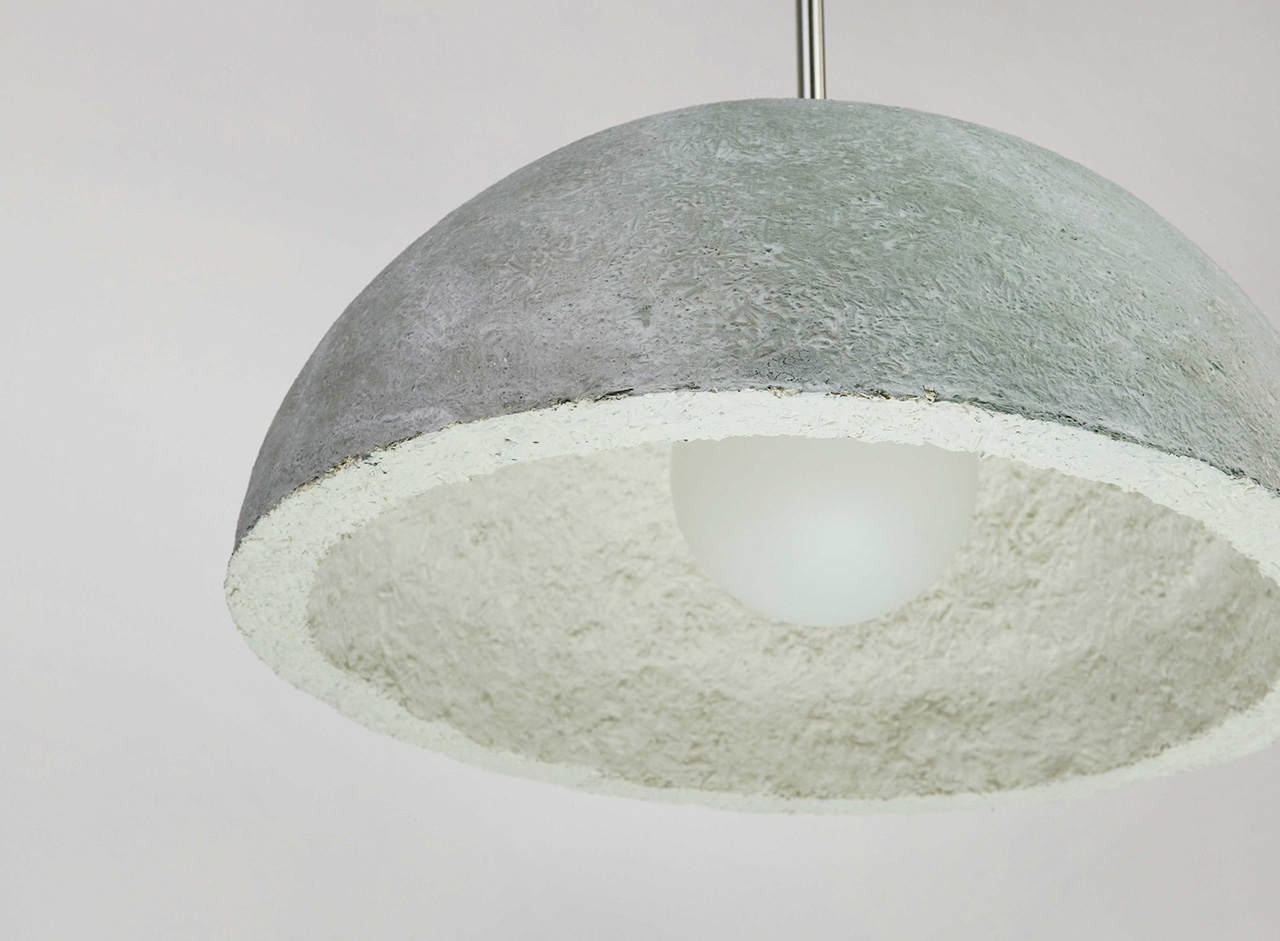
MushLume Lighting Is an Illuminating Example of BioDesign
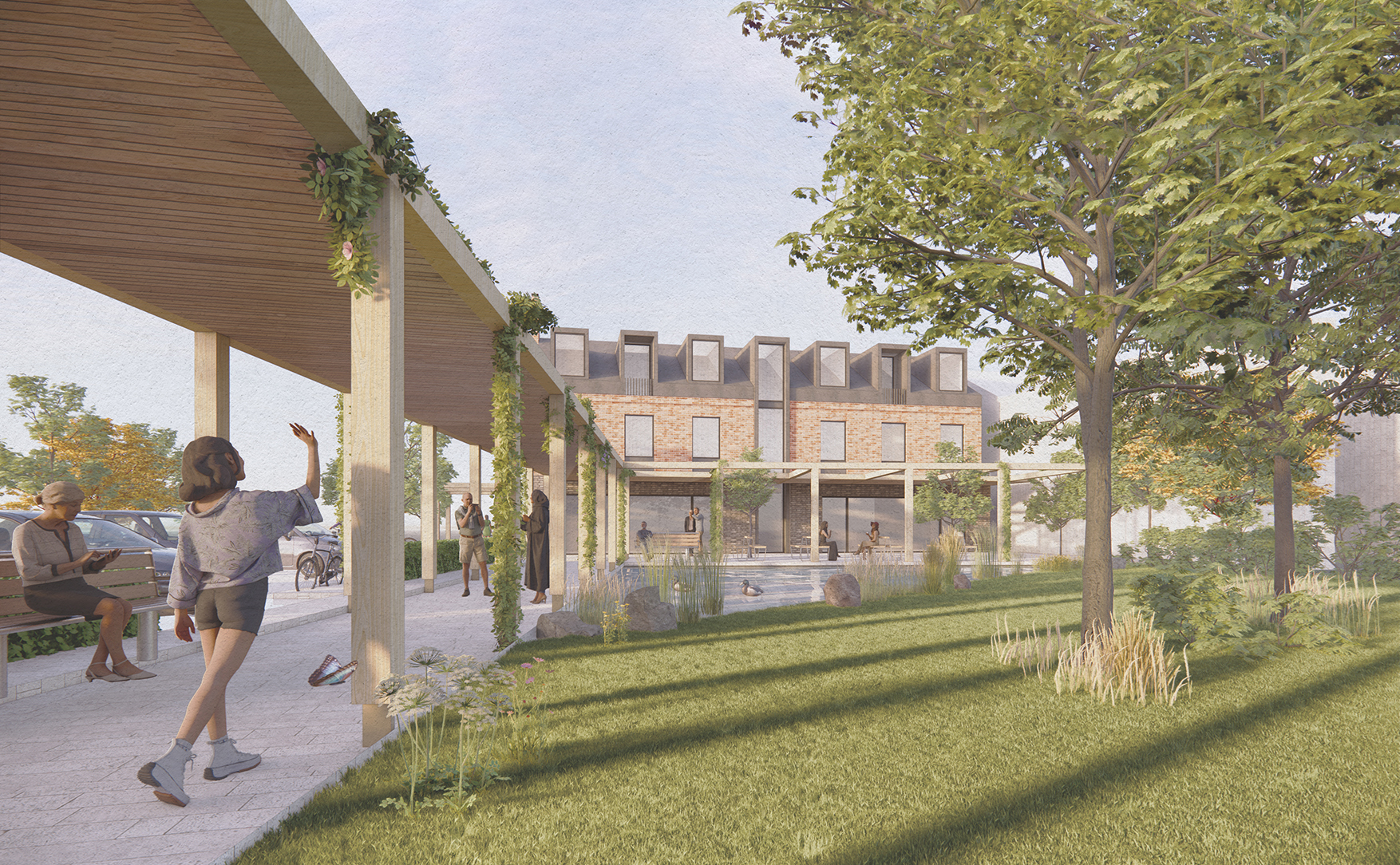
Thinking the Biophilic Way: Five Ways to Interact with Nature in Design
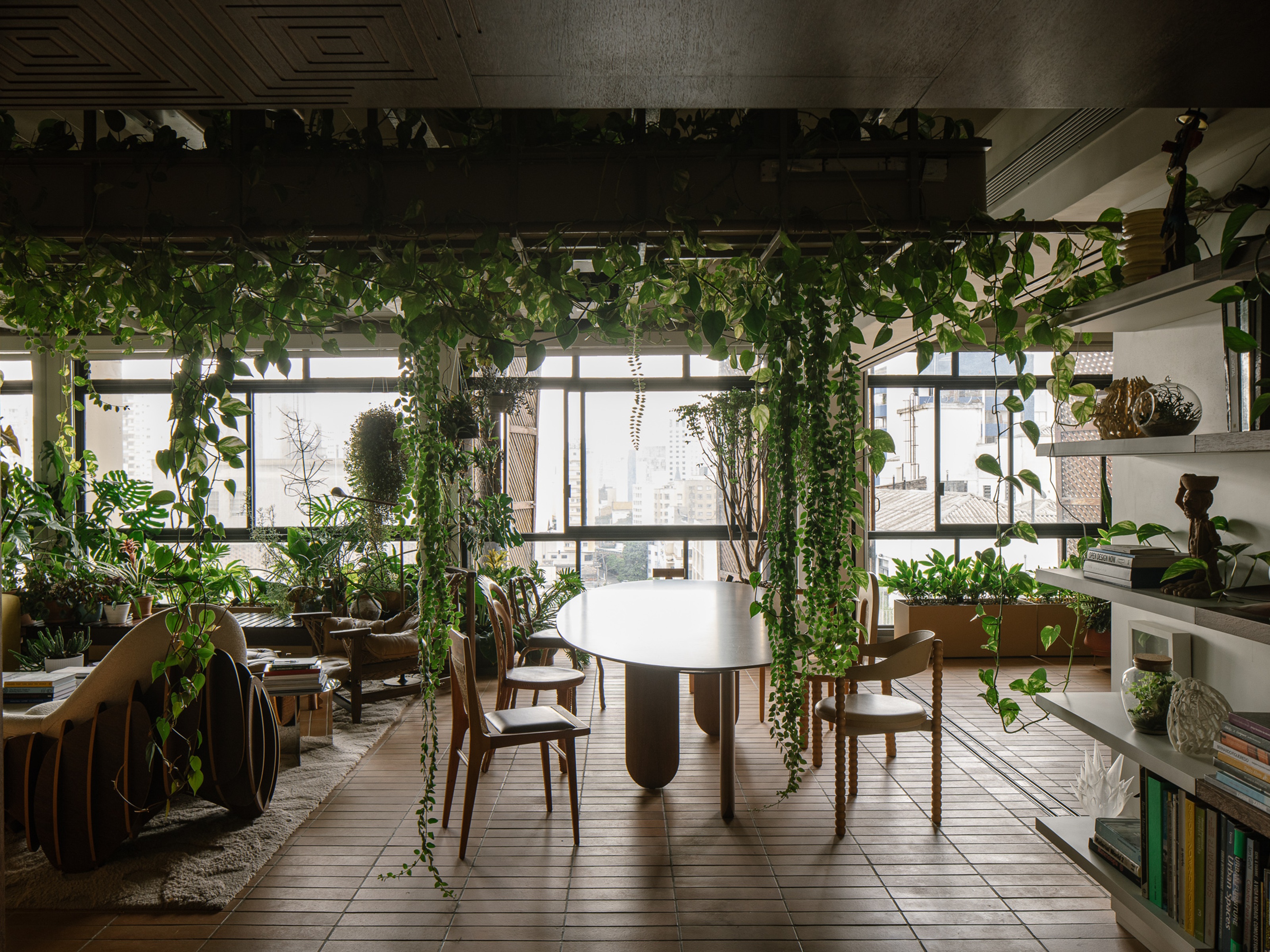
What Is Biophilic Interior Design? I'm an Actual Biophilic Designer, and This Is How to Apply It to Your Home

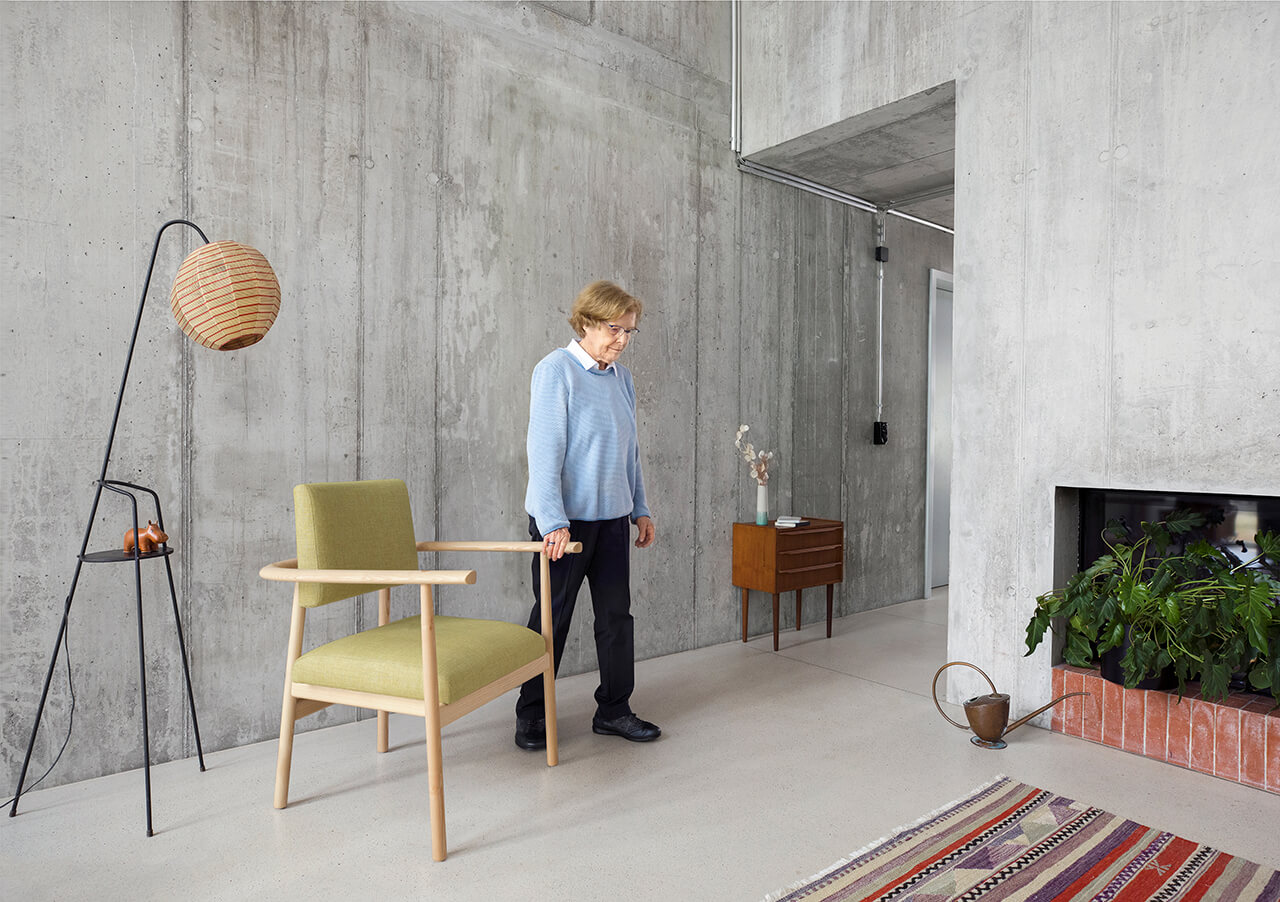
Focus on Biophilia: Nature-Inspired Design Strengthens People!

These 10 Biophilic Design Ideas Will Transform Your Home Into a Natural Oasis
Want Your Home to Feel Happier and Calmer? It's Time to Consider Biophilic Design

Designing with nature: Why Biophilic Design?

Is Biophilic Design the New Paradigm?
Biophilic Design Guide – Kellert’s principles and the benefits of nature

20 Nature-Loving Homes Where Biophilia Thrives

What Is Biophilic Design? 5 Ways to Incorporate This Style

8 applications of different biophilic design concepts
Biophilic Design Is the Signature Style of Plant Lovers Everywhere

What are Biophilic interiors? How bringing the outdoors in is proven to make you happier

Biophilic design beyond the buzzword
How To Apply Biophilic Design In Contemporary Architecture? A Selection Of Works In The Philippines

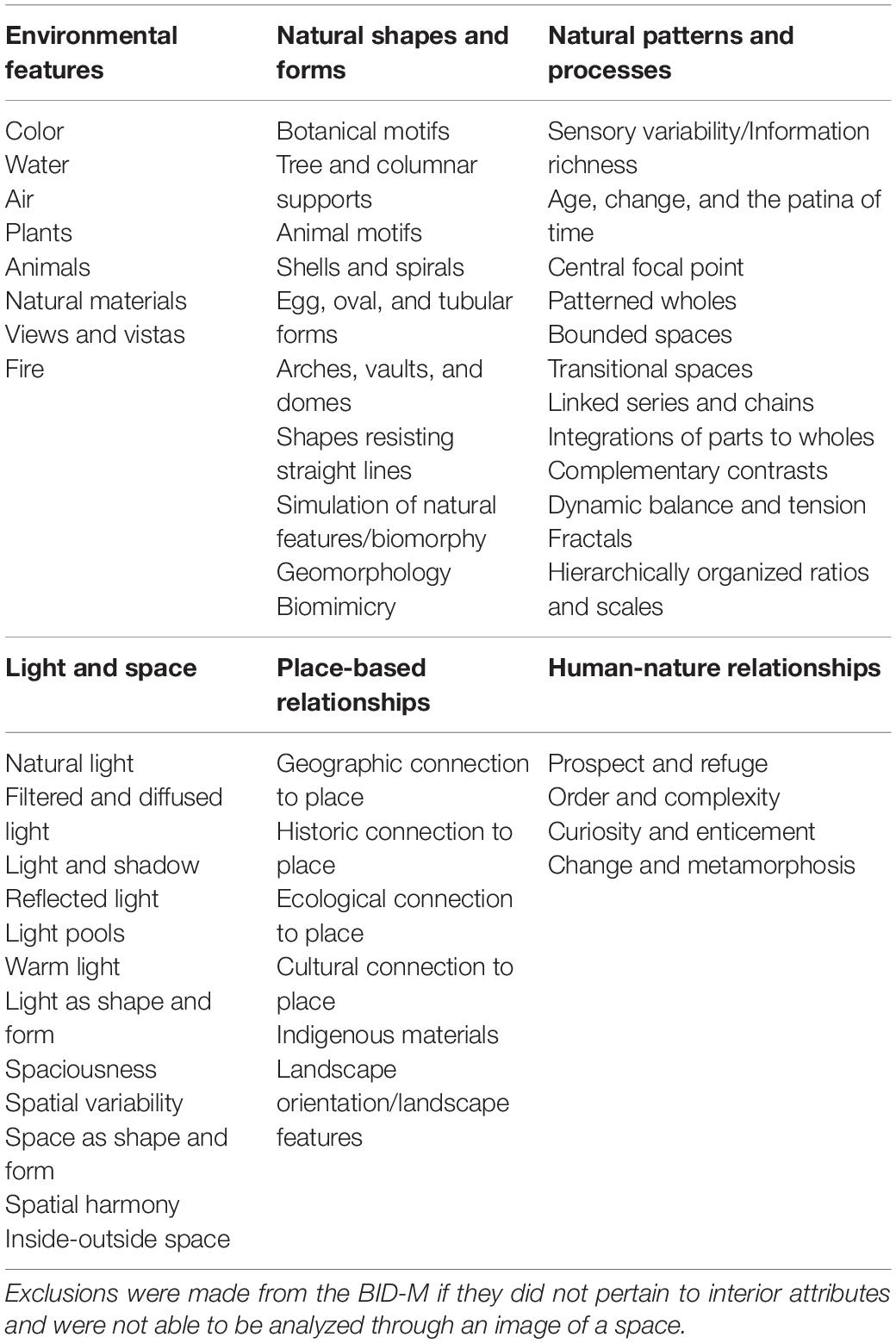
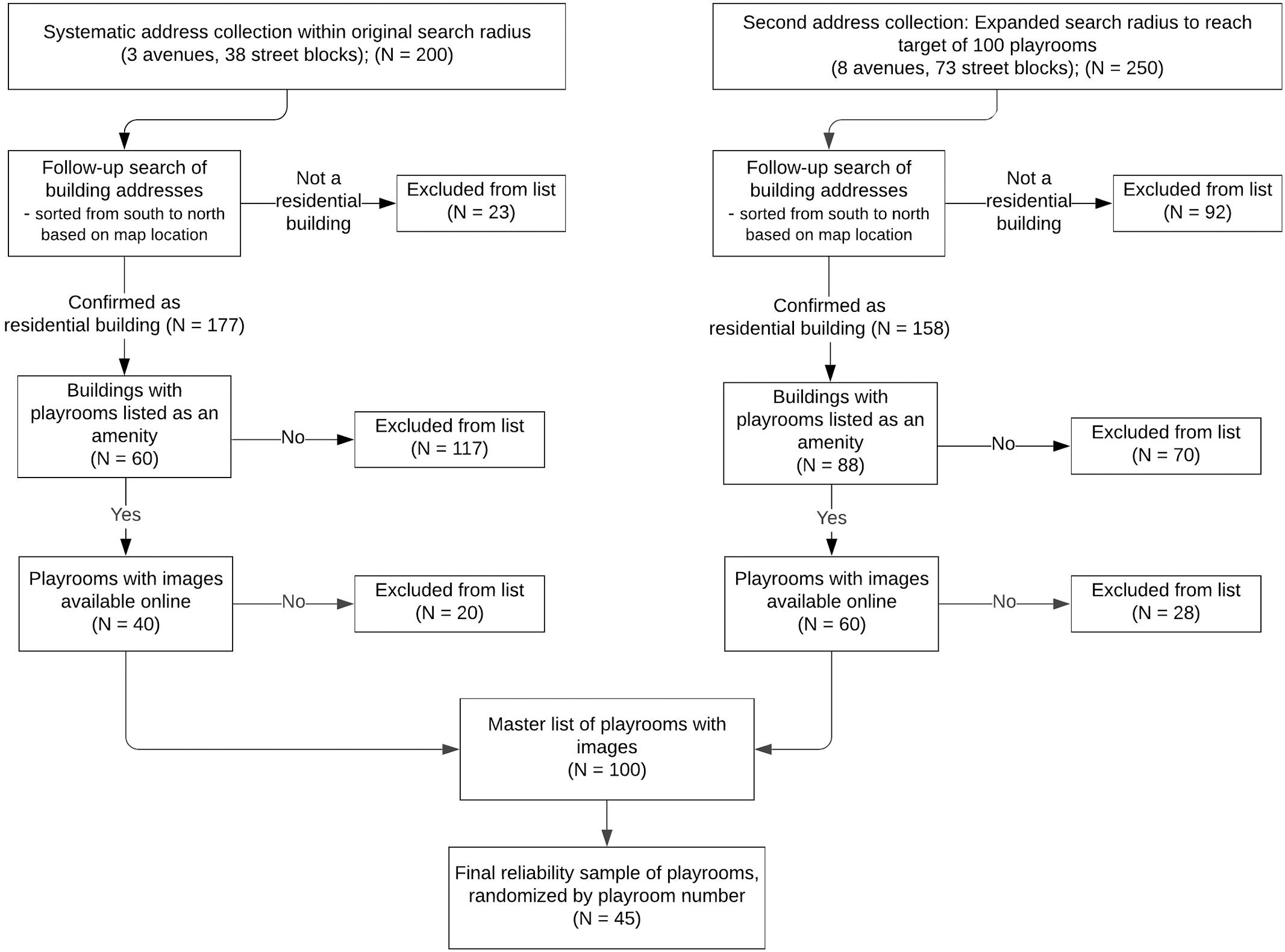
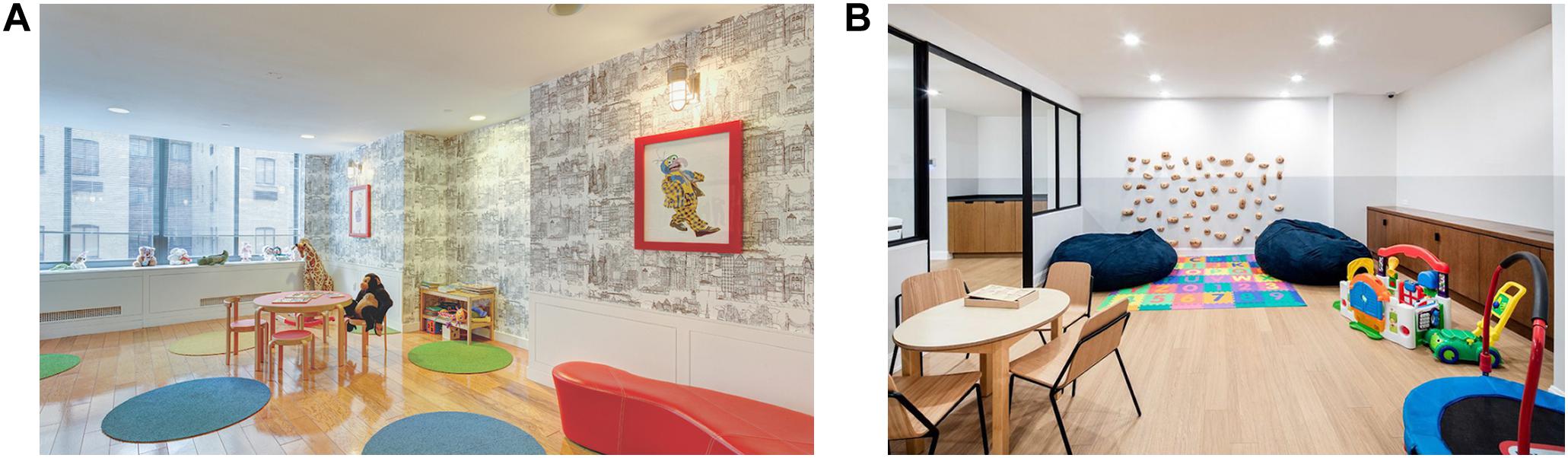
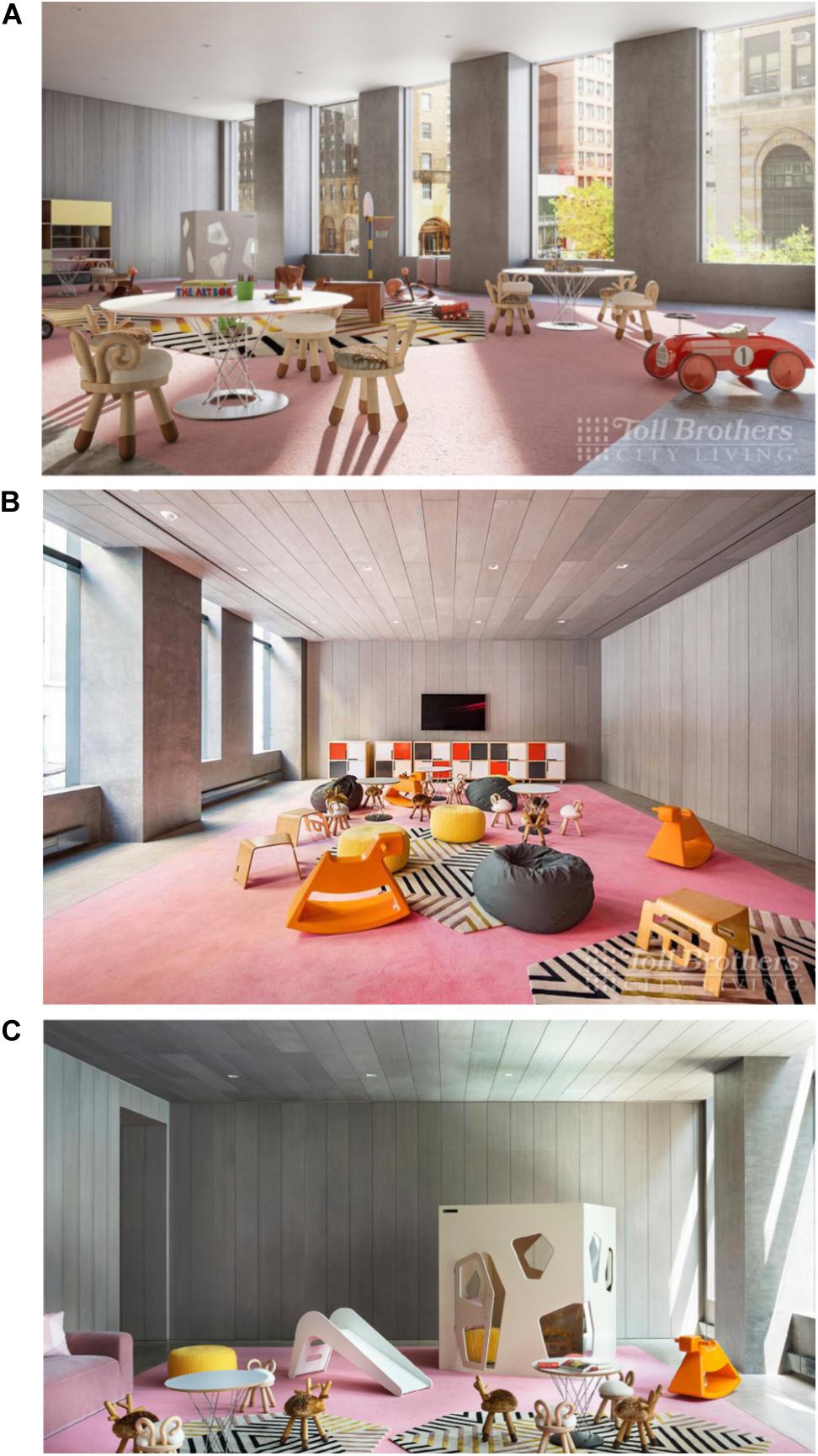
Testing Reliability of Biophilic Design Matrix Within Urban Residential Playrooms
Reimagining Care Through Nature: The Case for Biophilic Design