
Real Simple Home Designers Share Their Secrets for Picking the Perfect Wall Color
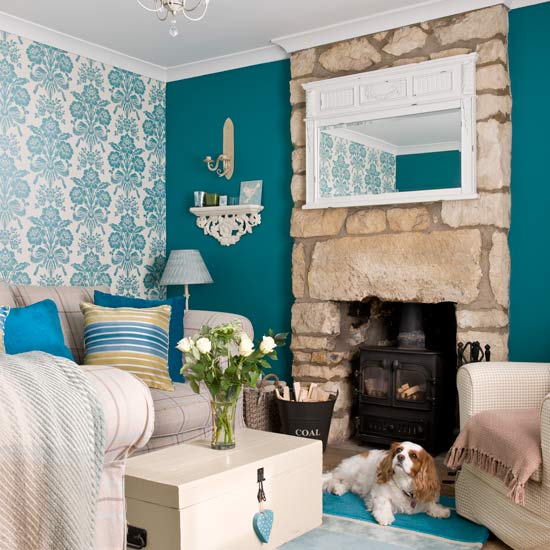
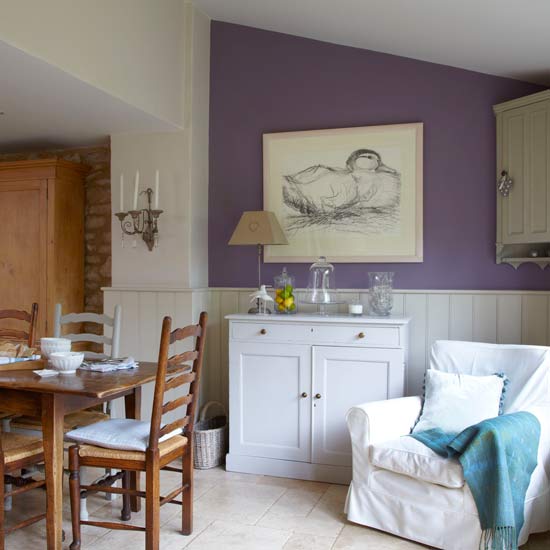
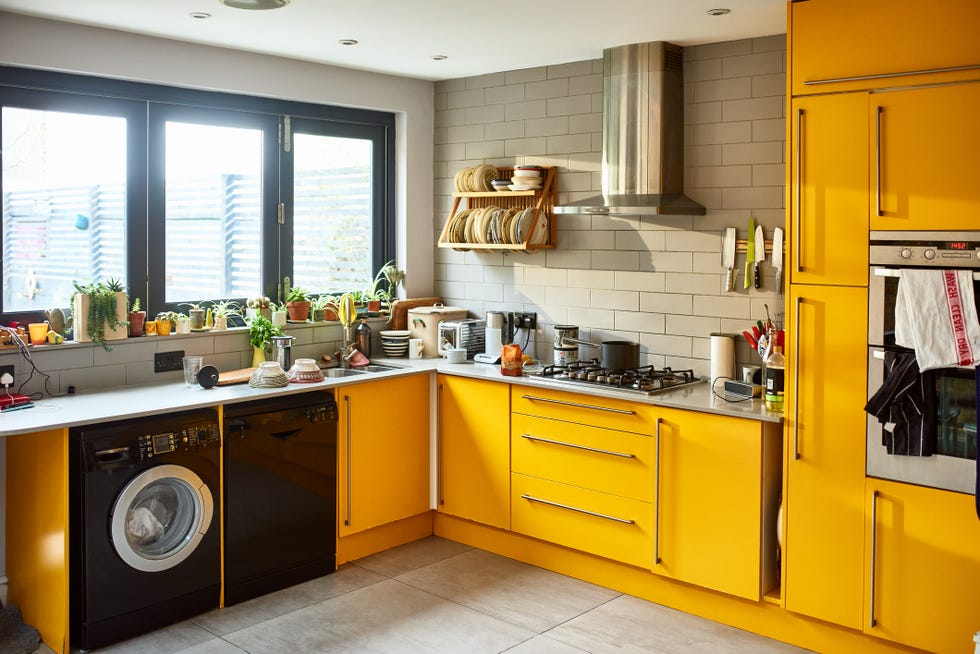
Selecting the right paint color for a room can be a daunting task, despite it being a relatively inexpensive way to transform a space. This decision involves careful consideration of various factors, including how the color will appear at different times of day, the most suitable finish, and its compatibility with the room's purpose. To assist homeowners in making informed choices, experts from Real Simple Home 2025 offer practical tips and tricks to ensure satisfaction with the final result.
One crucial piece of advice is to conduct a trial run. Los Angeles-based interior designer Mandy Cheng suggests painting squares of potential colors in areas with ample natural light and in those with less, specifically at the bottom of a wall to observe how the shade interacts with the flooring. This method allows for a realistic assessment of the color's appearance under varying lighting conditions and in context with existing elements of the room.
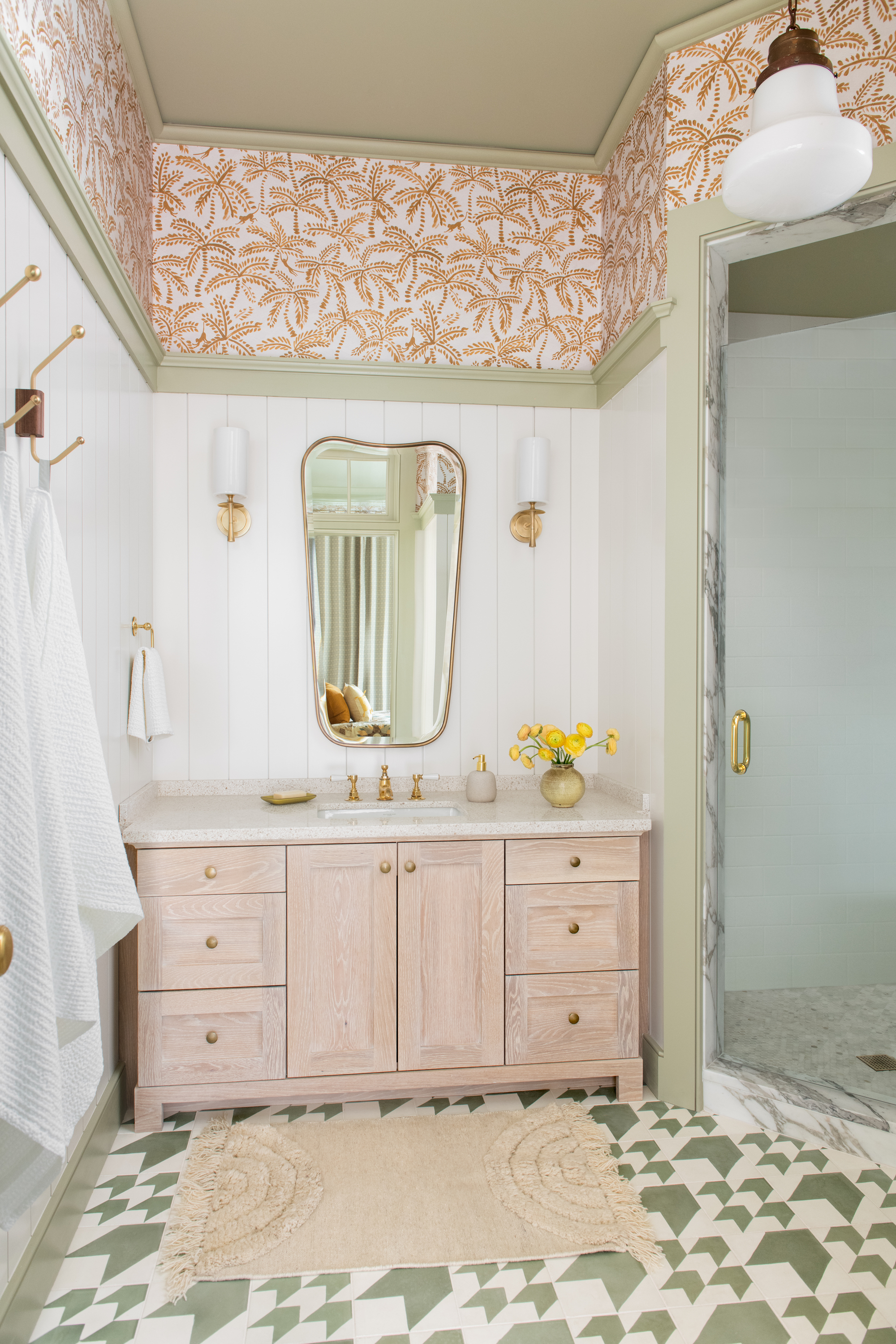
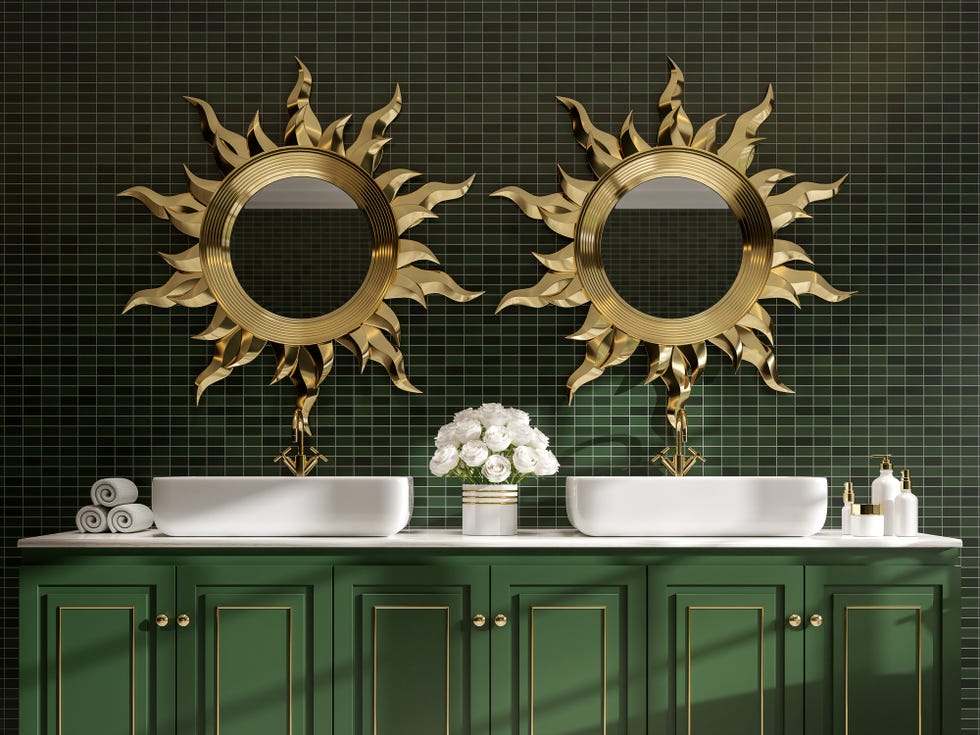
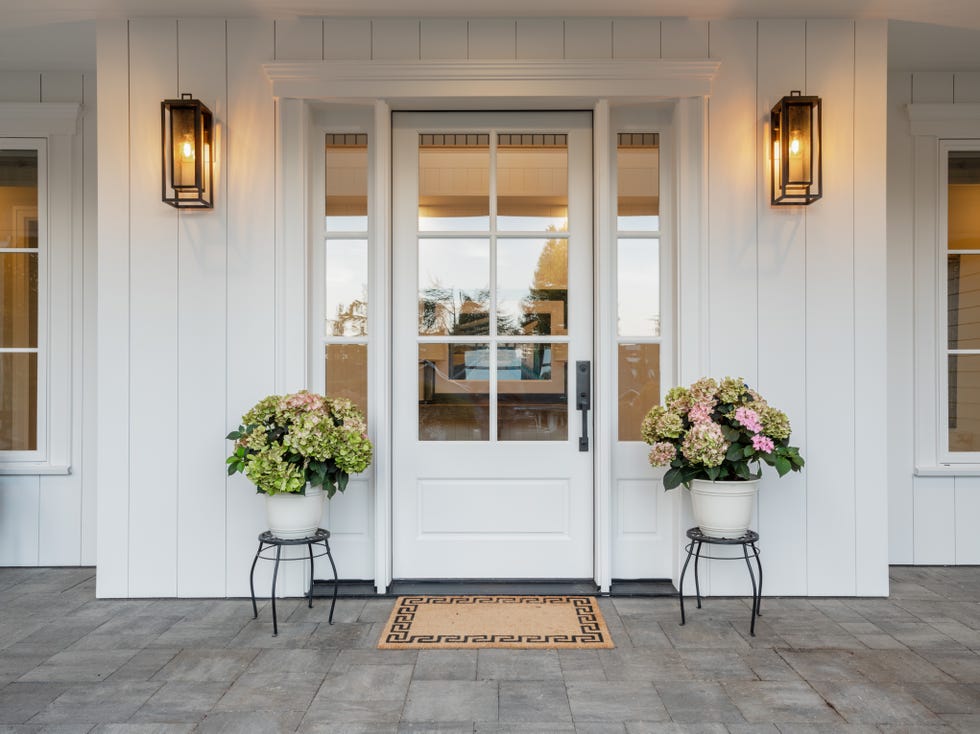
The choice of paint sheen is another significant factor. Brooklyn-based DIYer Mallory Fletchall of Reserve Home recommends different sheens based on the room's function. For living rooms and bedrooms, an eggshell or satin finish is generally preferred for walls, complemented by a semi-gloss for trim and doors. In moisture-prone areas like bathrooms, high-gloss paint is ideal due to its durability and resistance to humidity. The sheen affects not only the paint's longevity but also how light reflects off the surface, influencing the overall feel of the room.
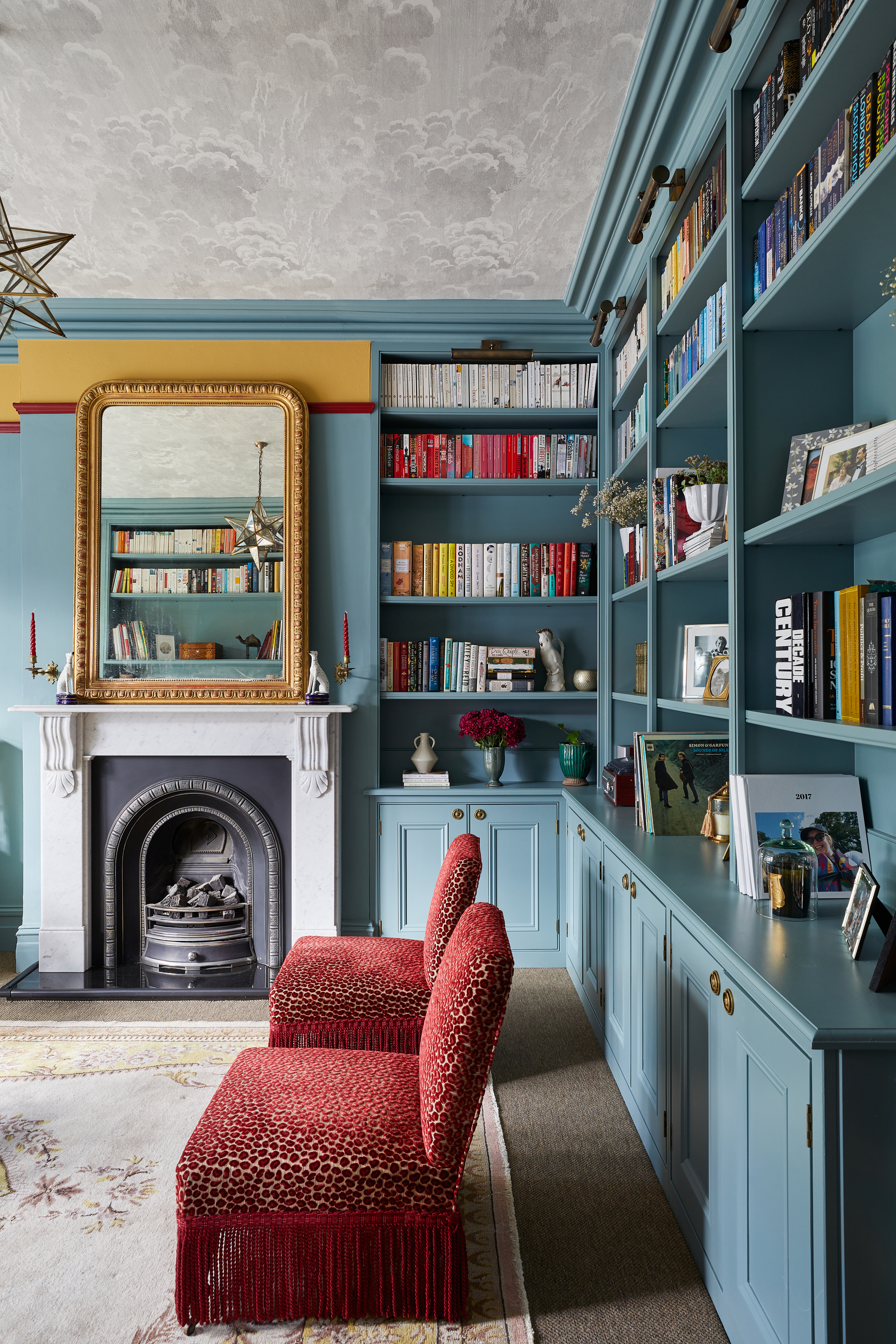
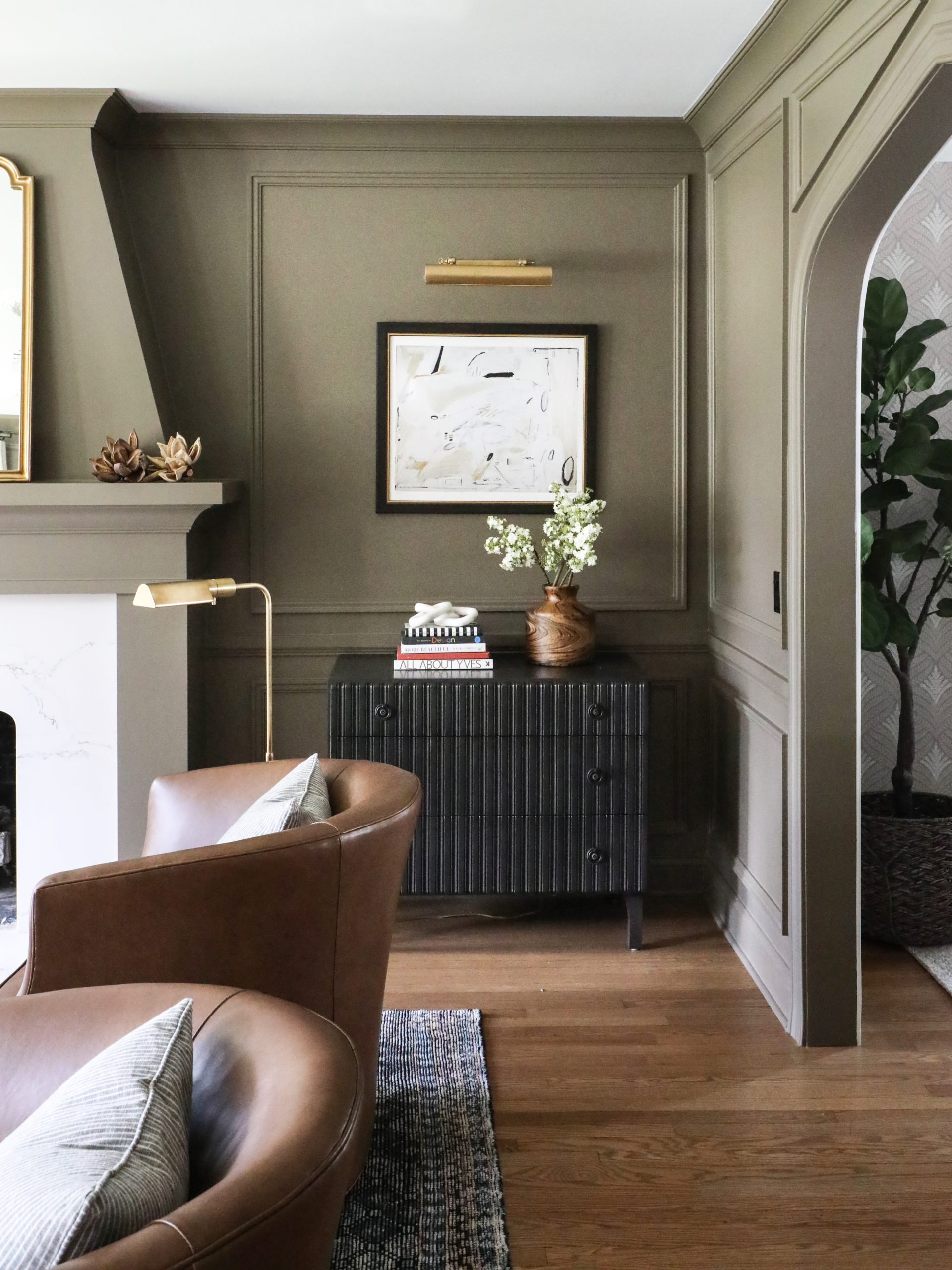
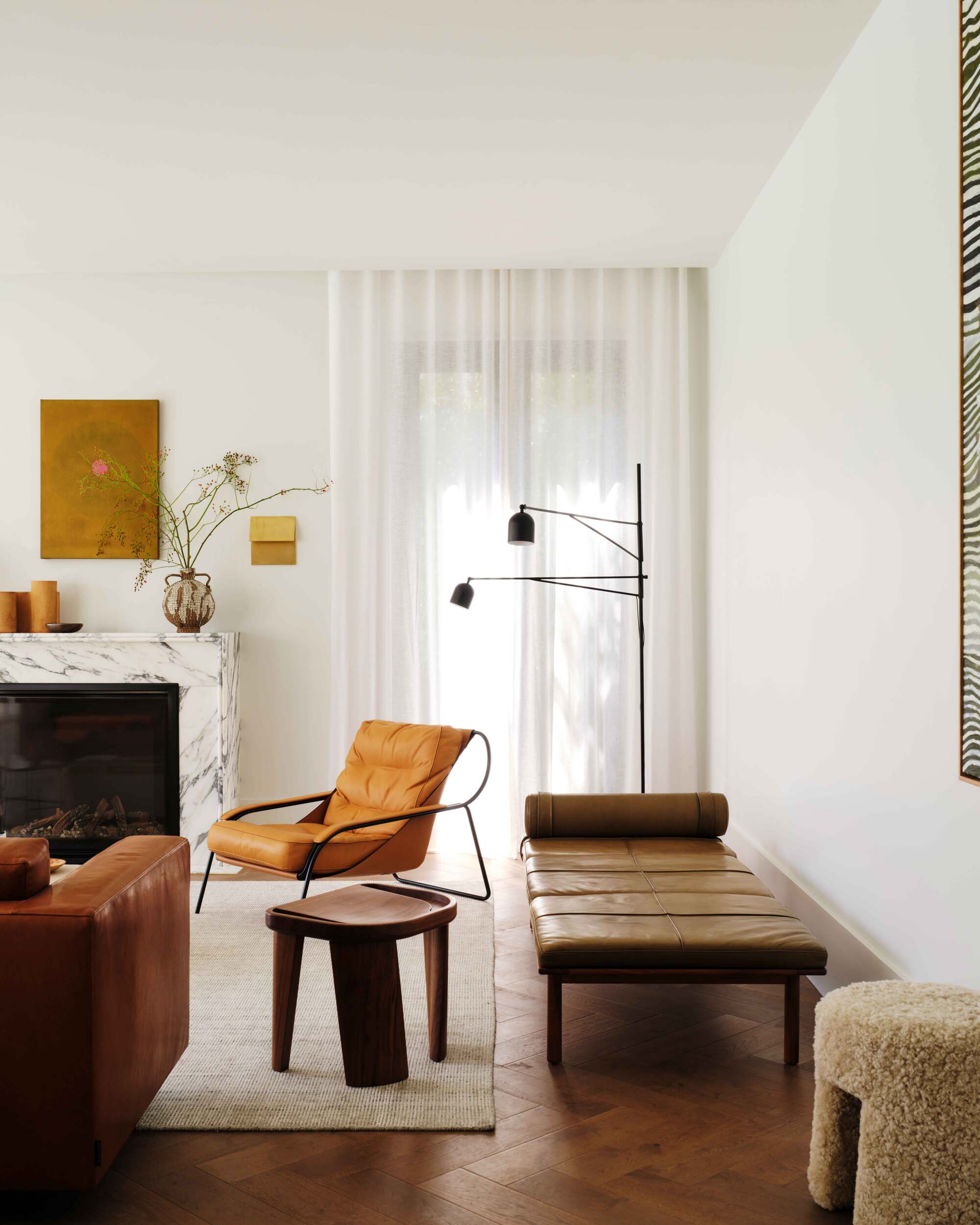
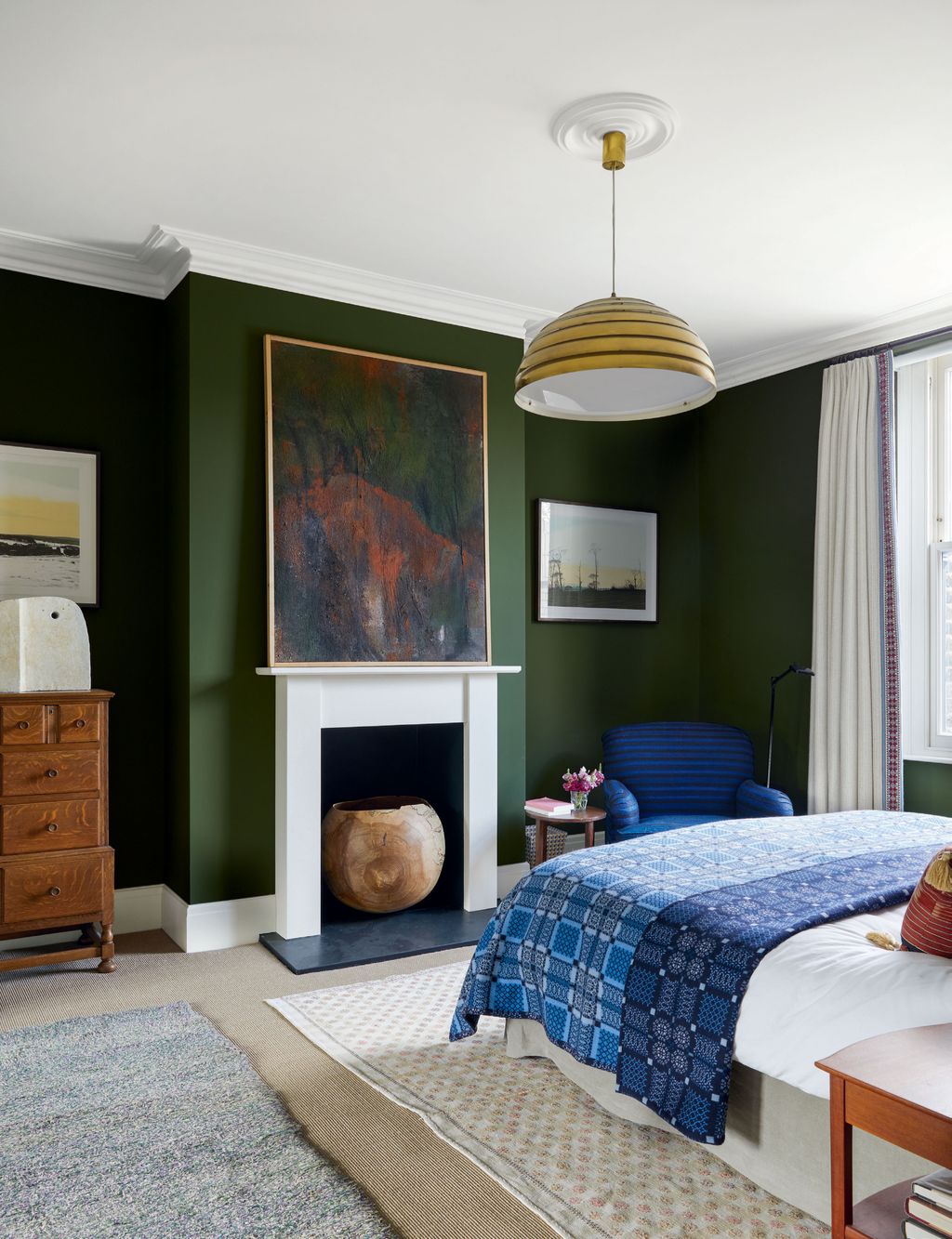
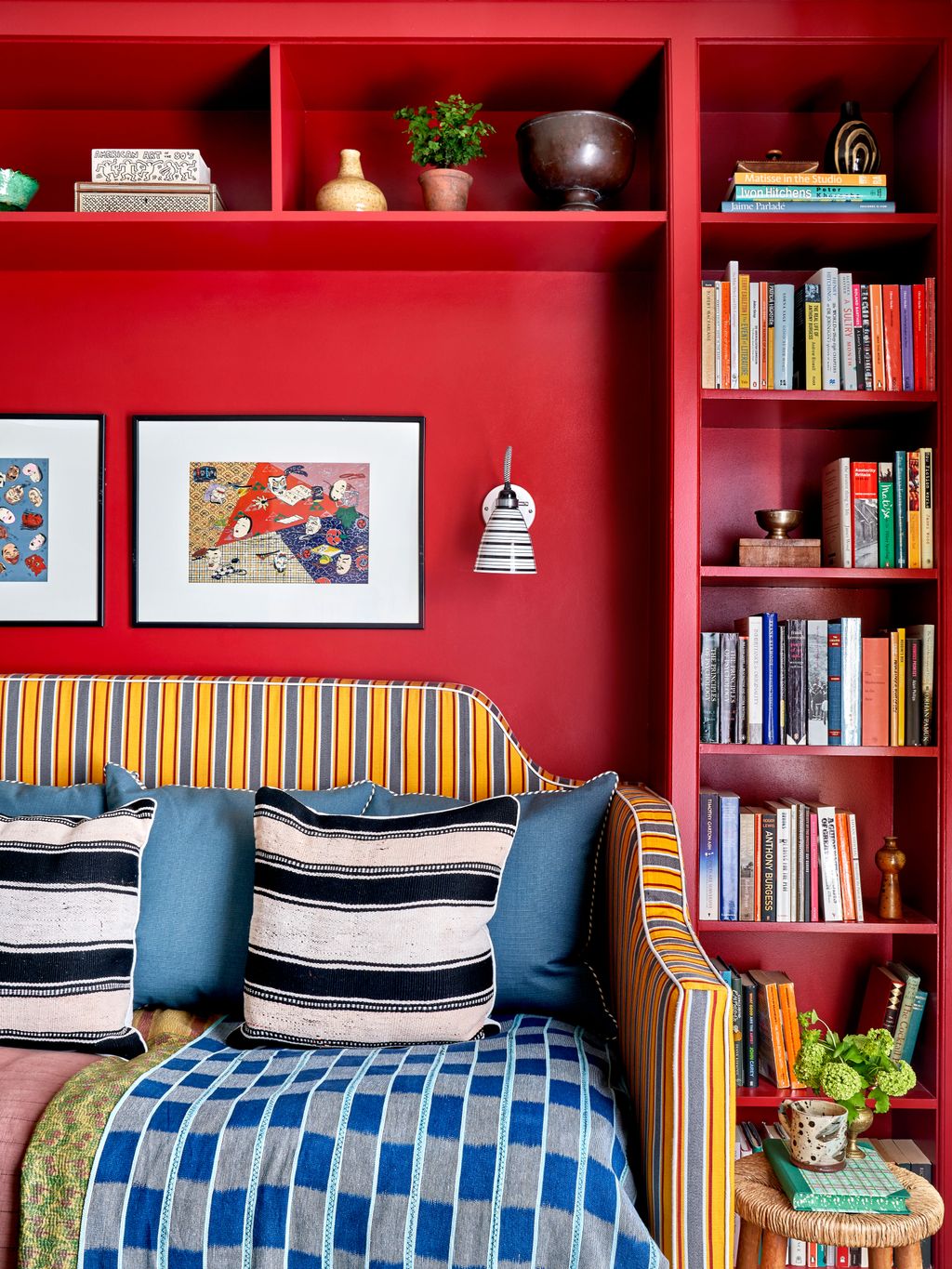
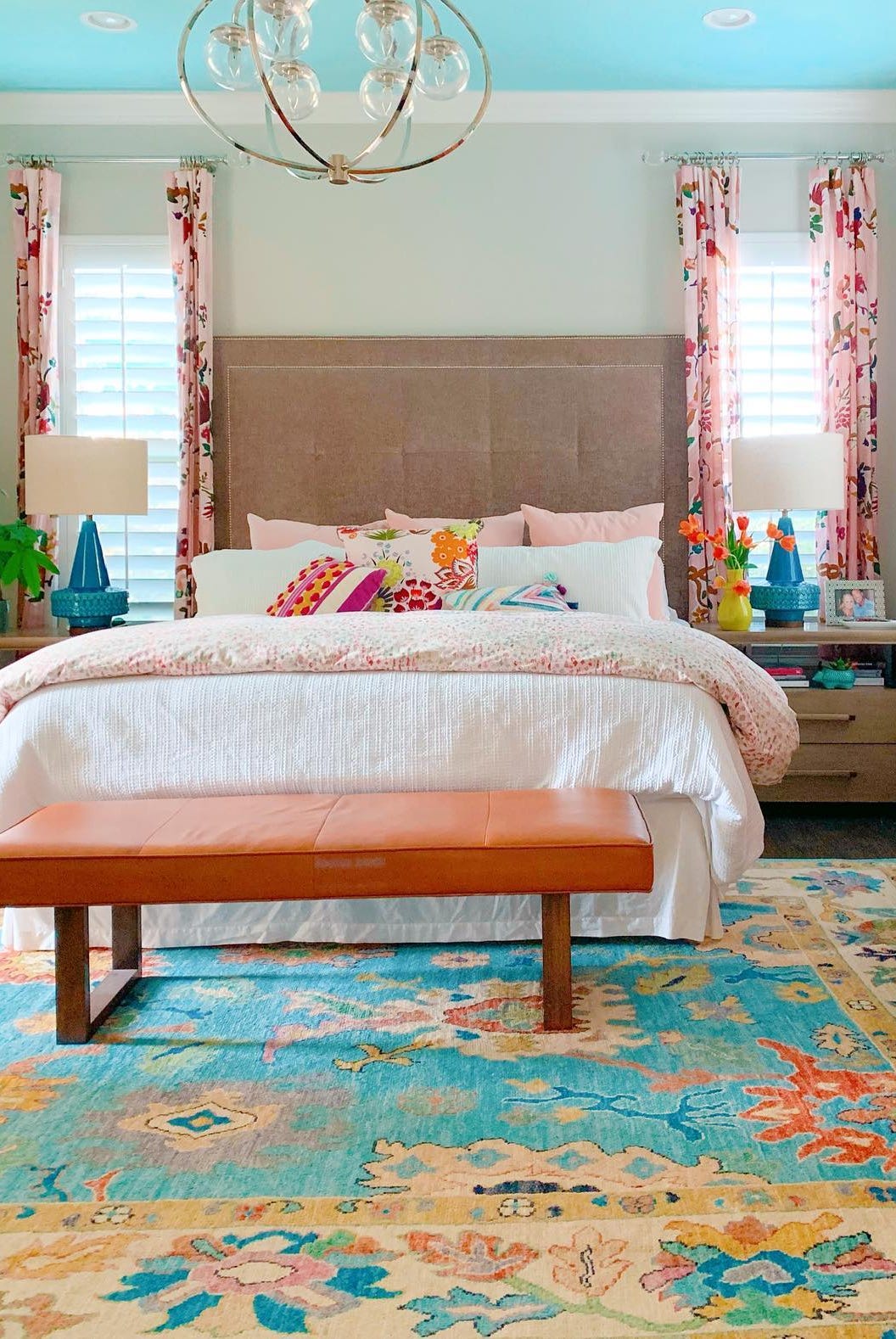
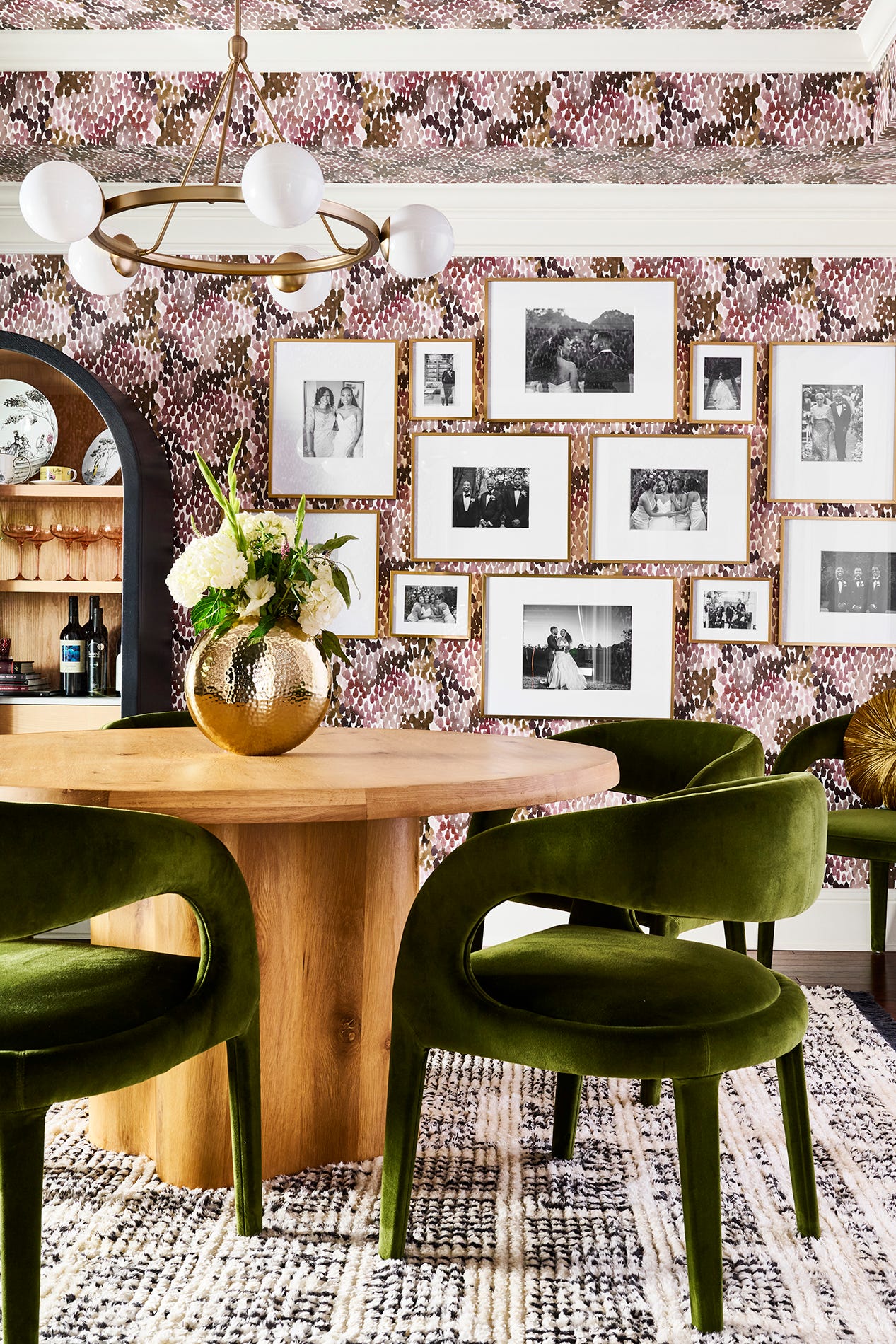
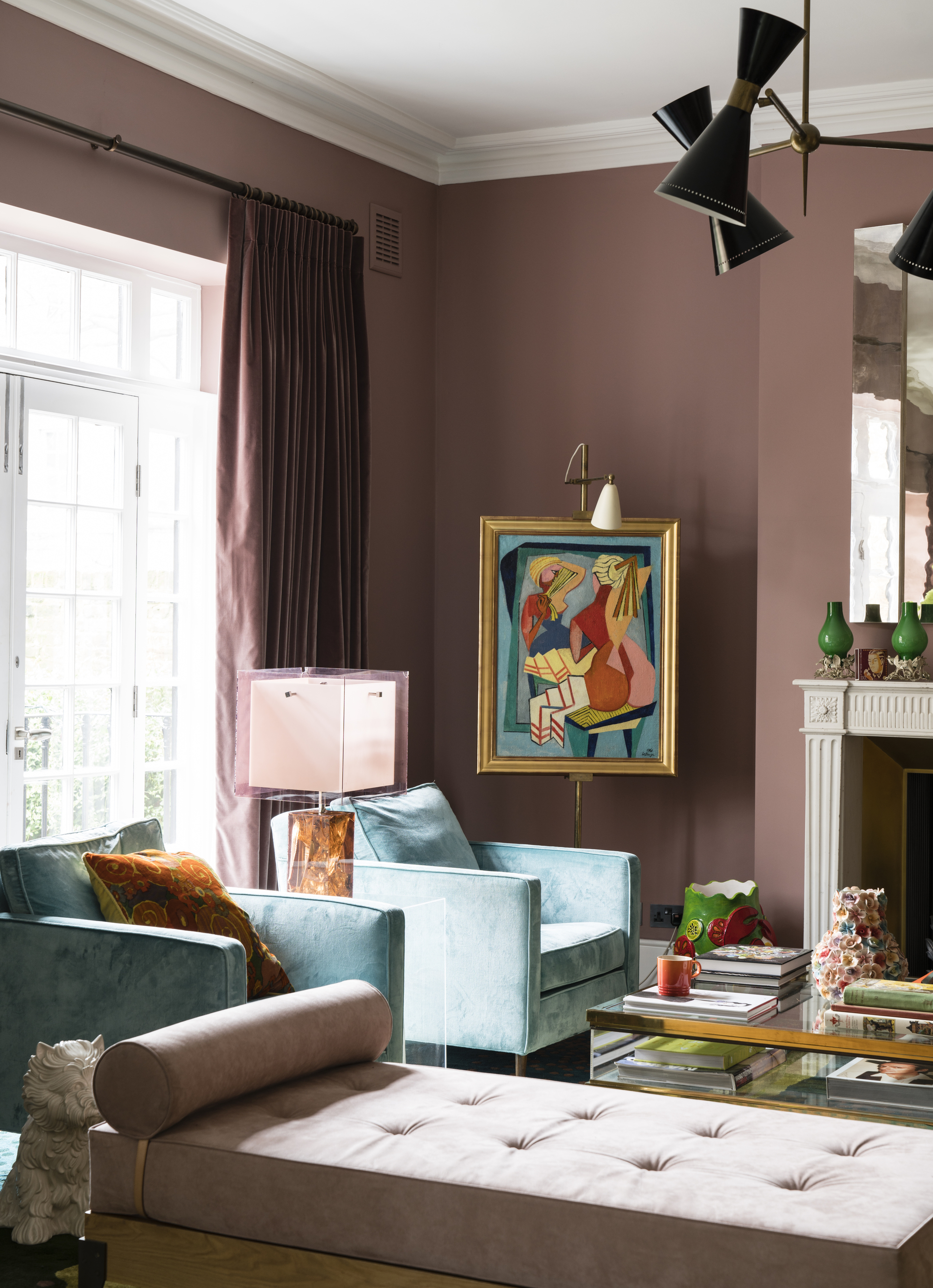
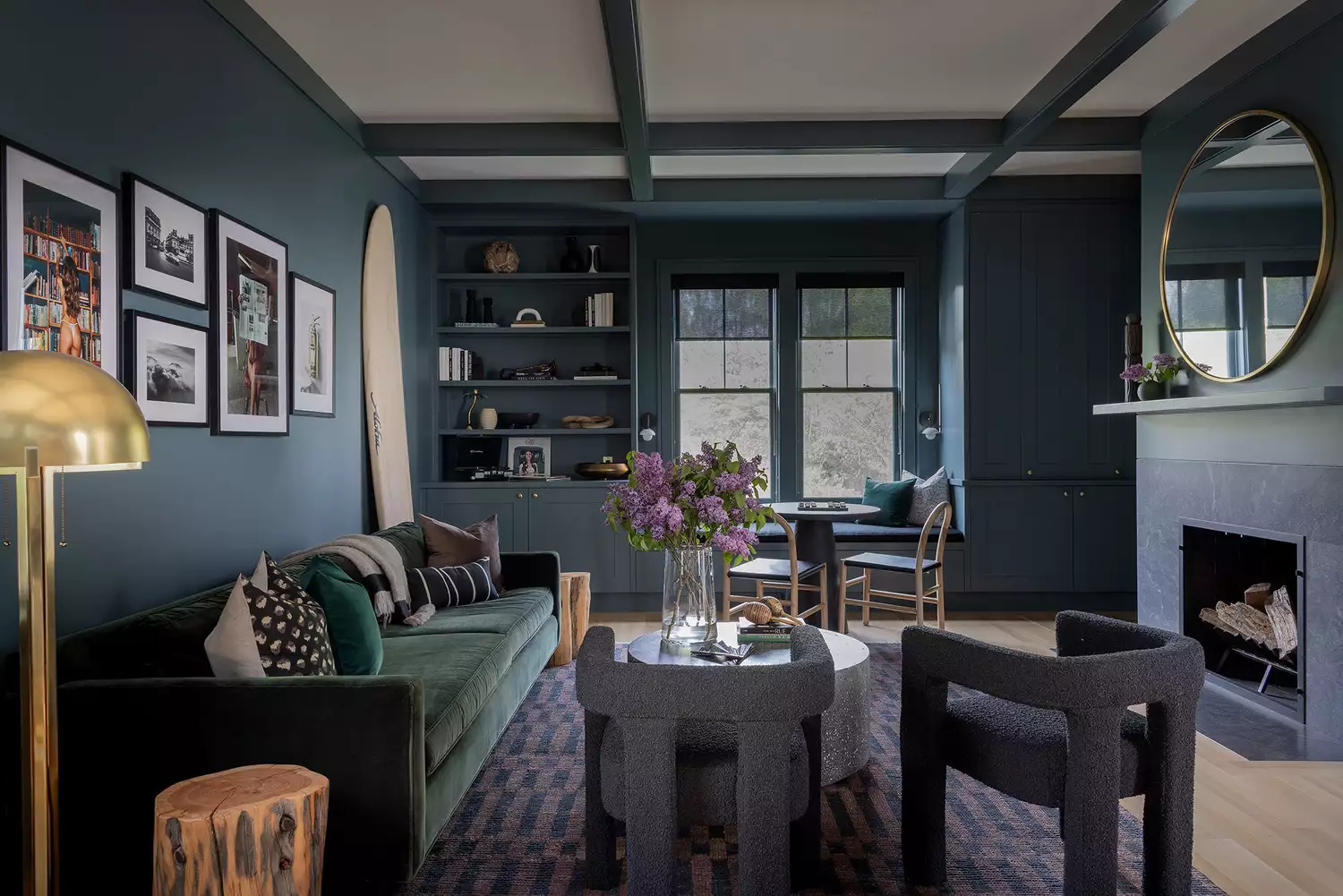
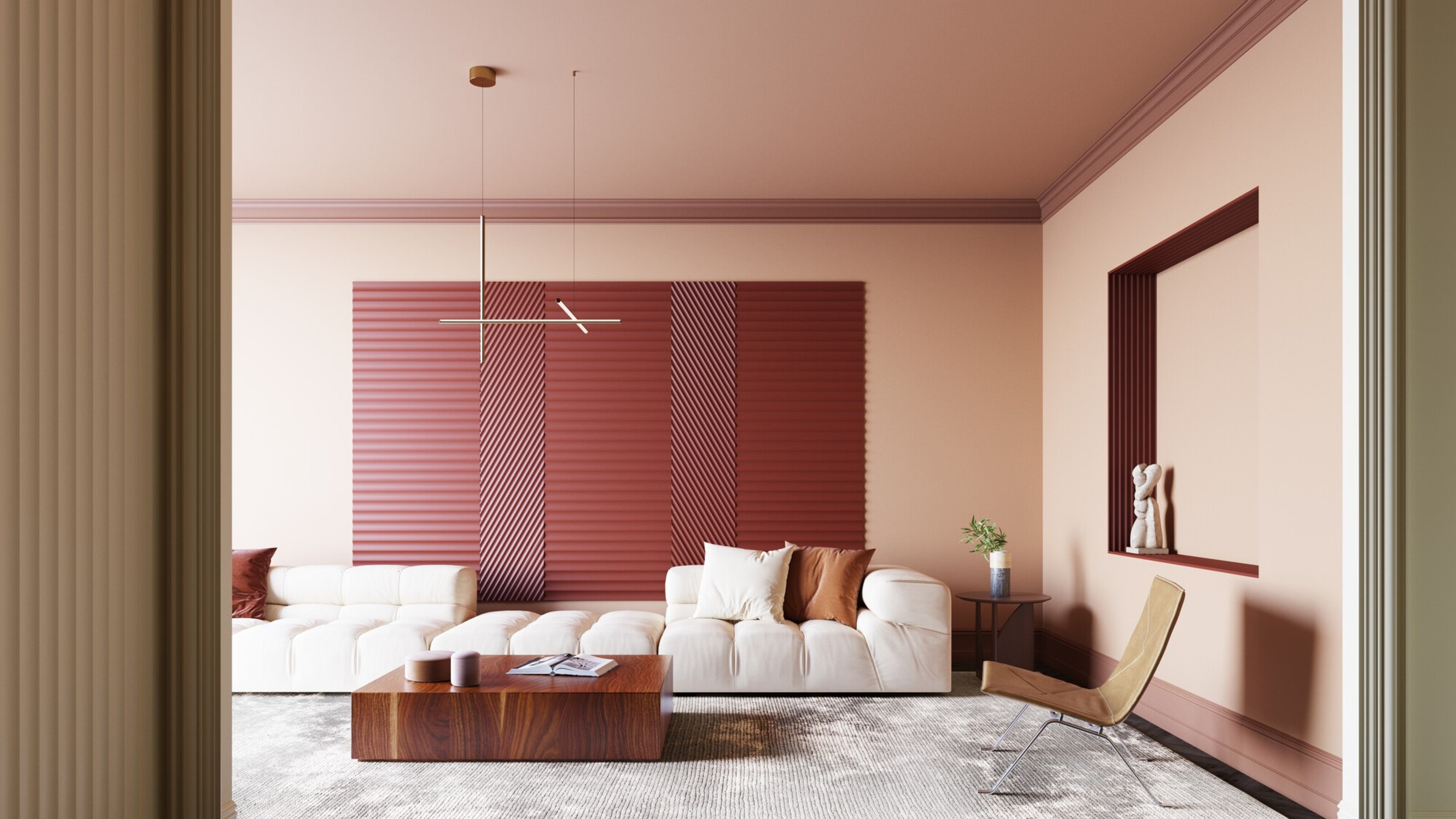
Considering the 'fifth wall'—the ceiling—can dramatically alter a room's mood. Mallory Fletchall is an advocate for painted ceilings, noting that a color-drenched room (where all five walls share the same shade) can create a cozy atmosphere. Alternatively, a darker ceiling can produce a striking visual effect. Mandy Cheng concurs, highlighting the versatility of painting ceilings, whether with a contrasting statement color or by extending the wall color for a cohesive, immersive experience. This approach can make a room feel more intimate and intentionally designed.
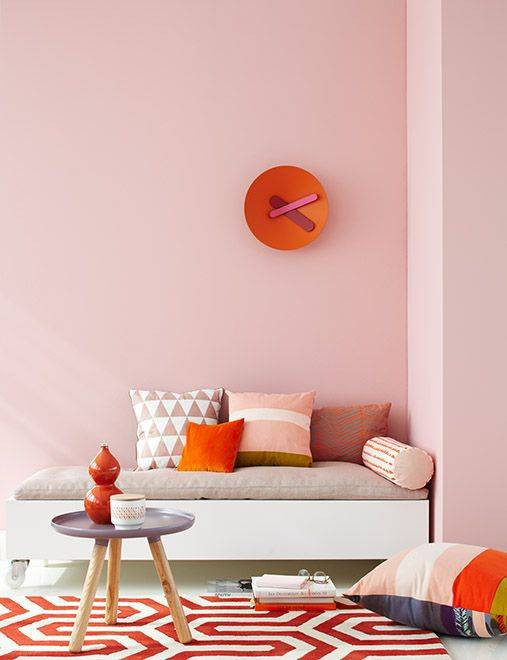
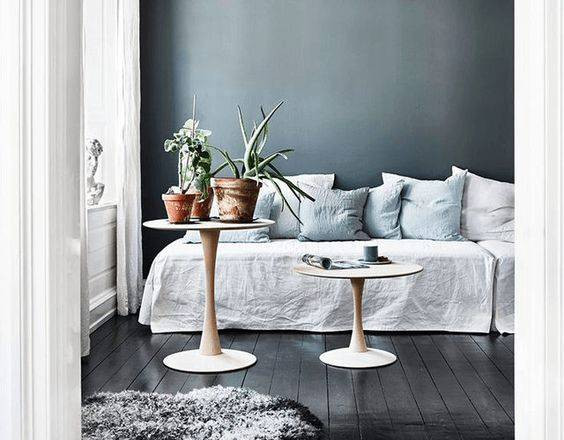
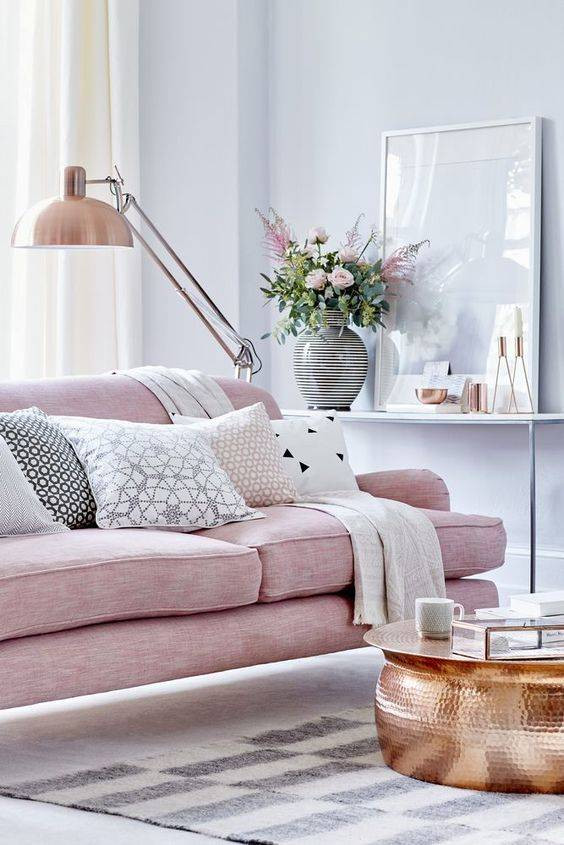
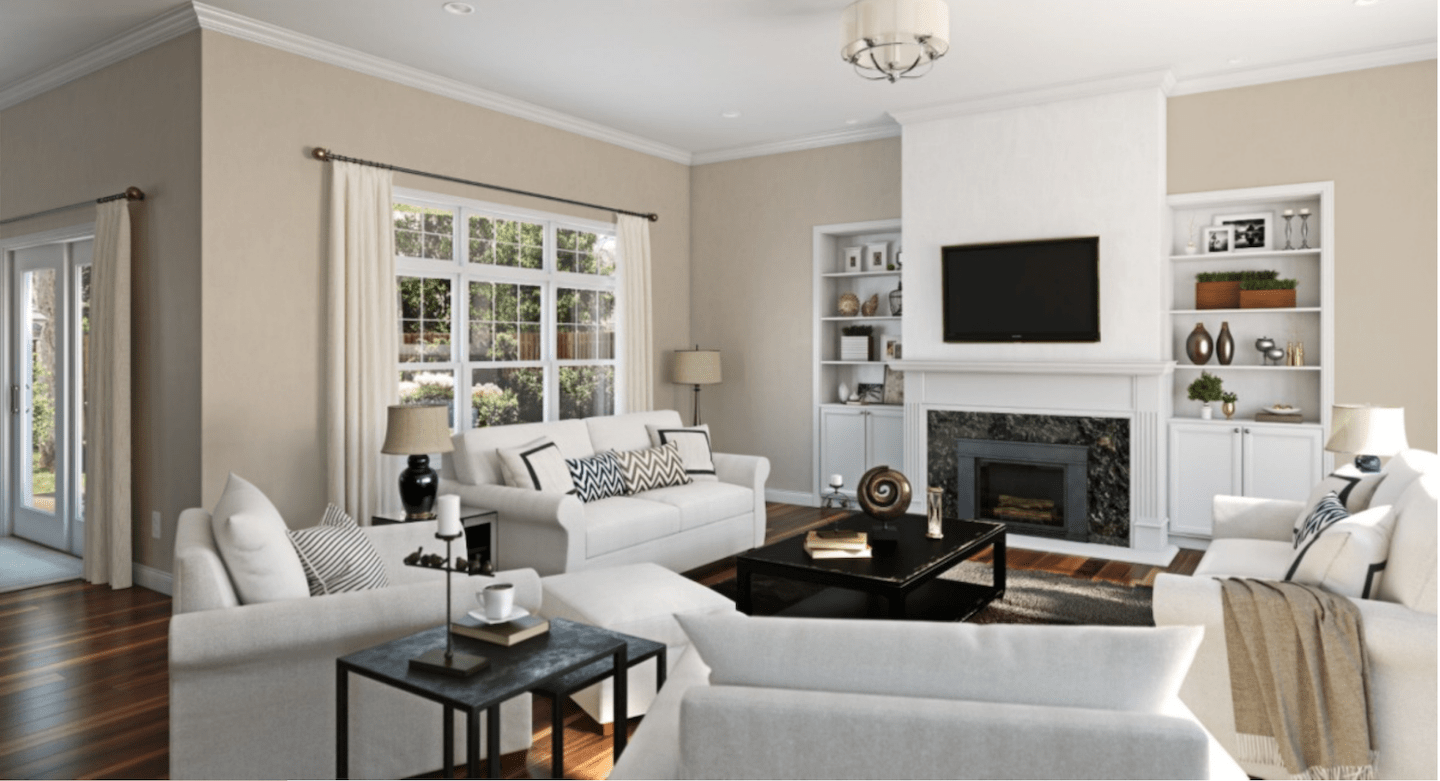
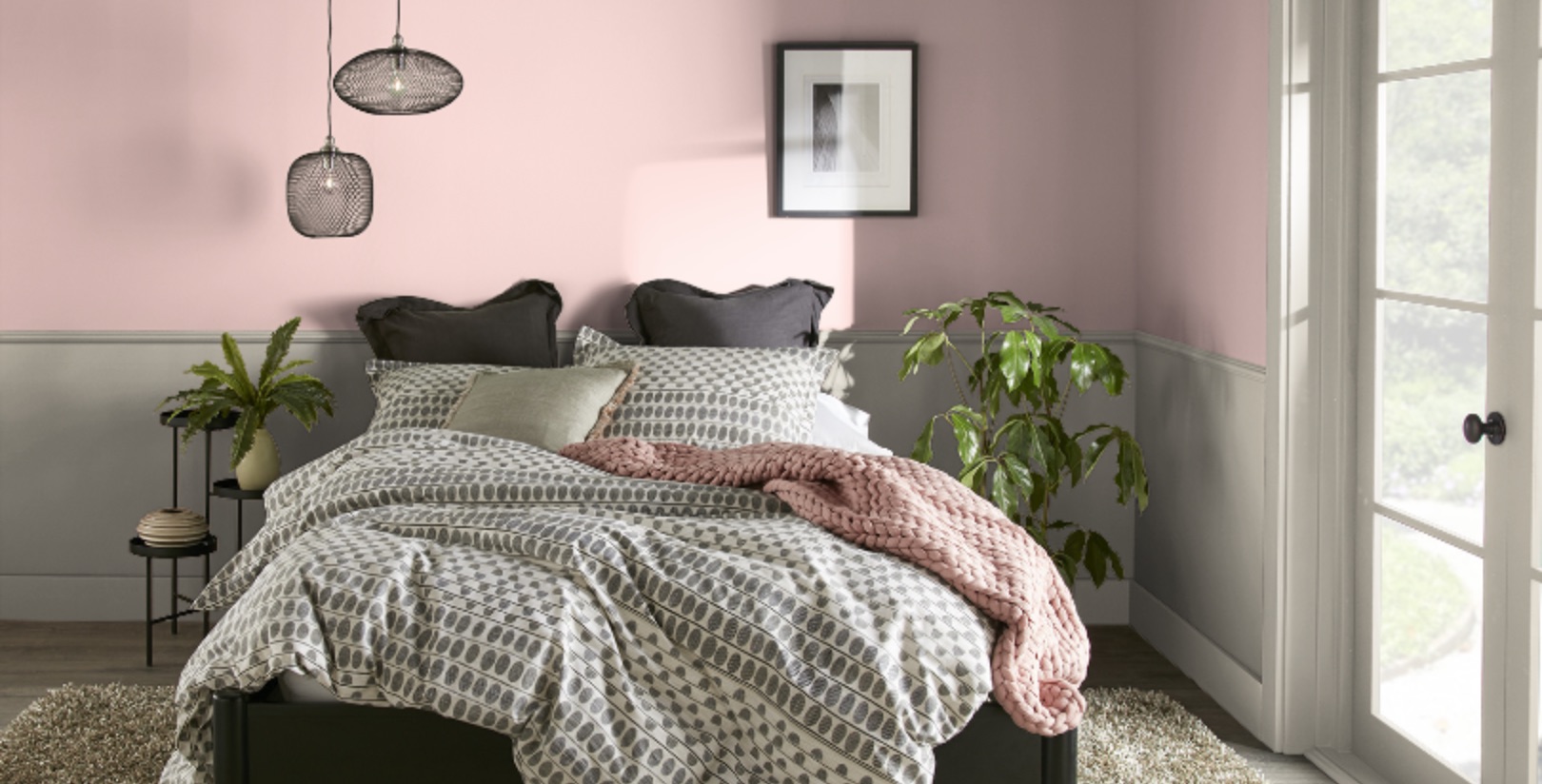
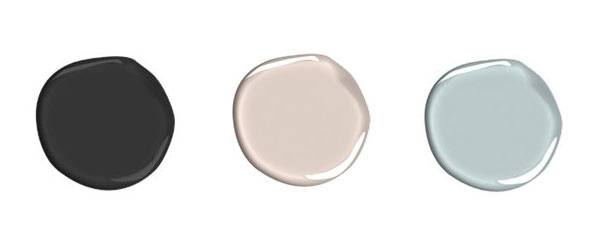
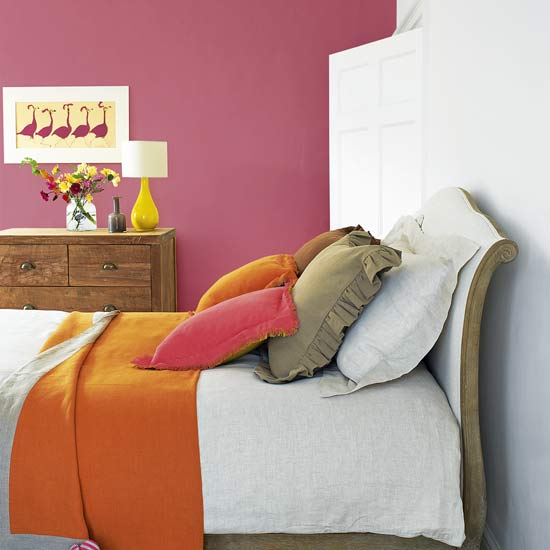
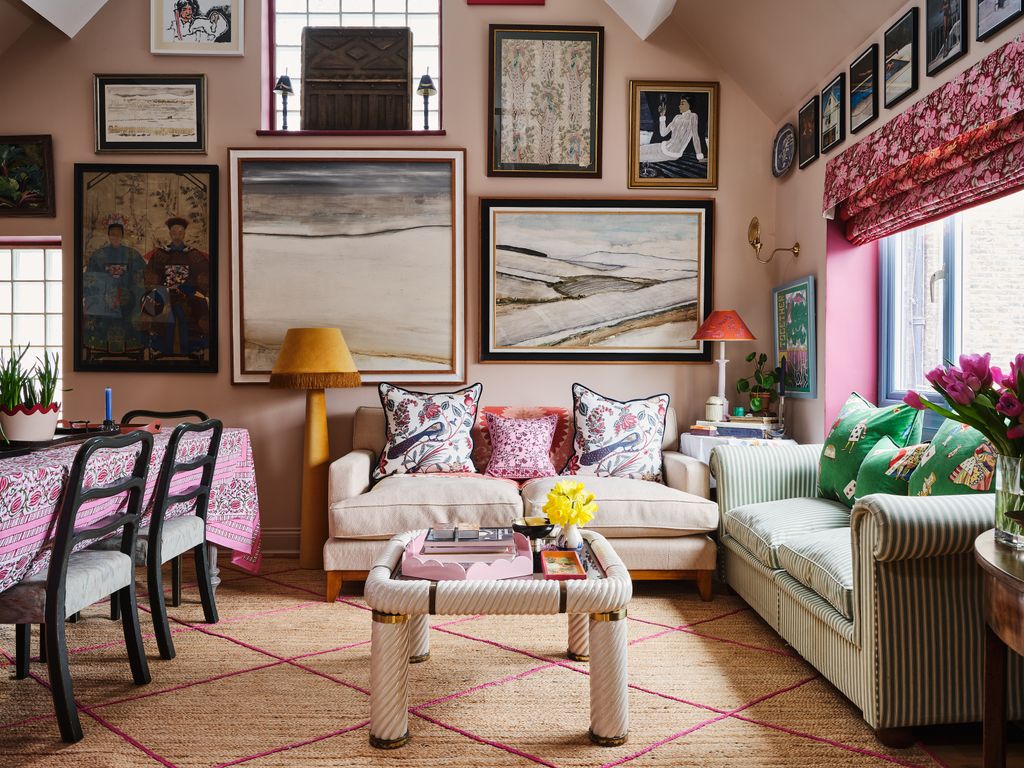
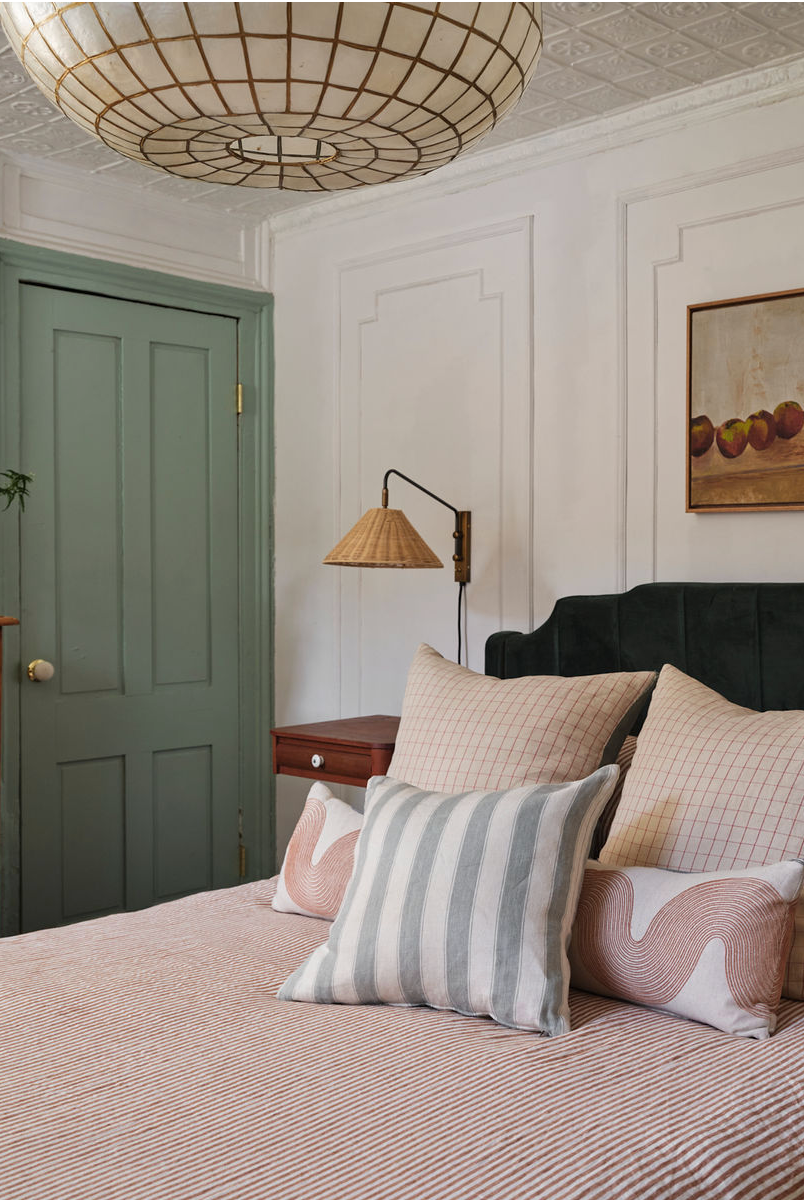
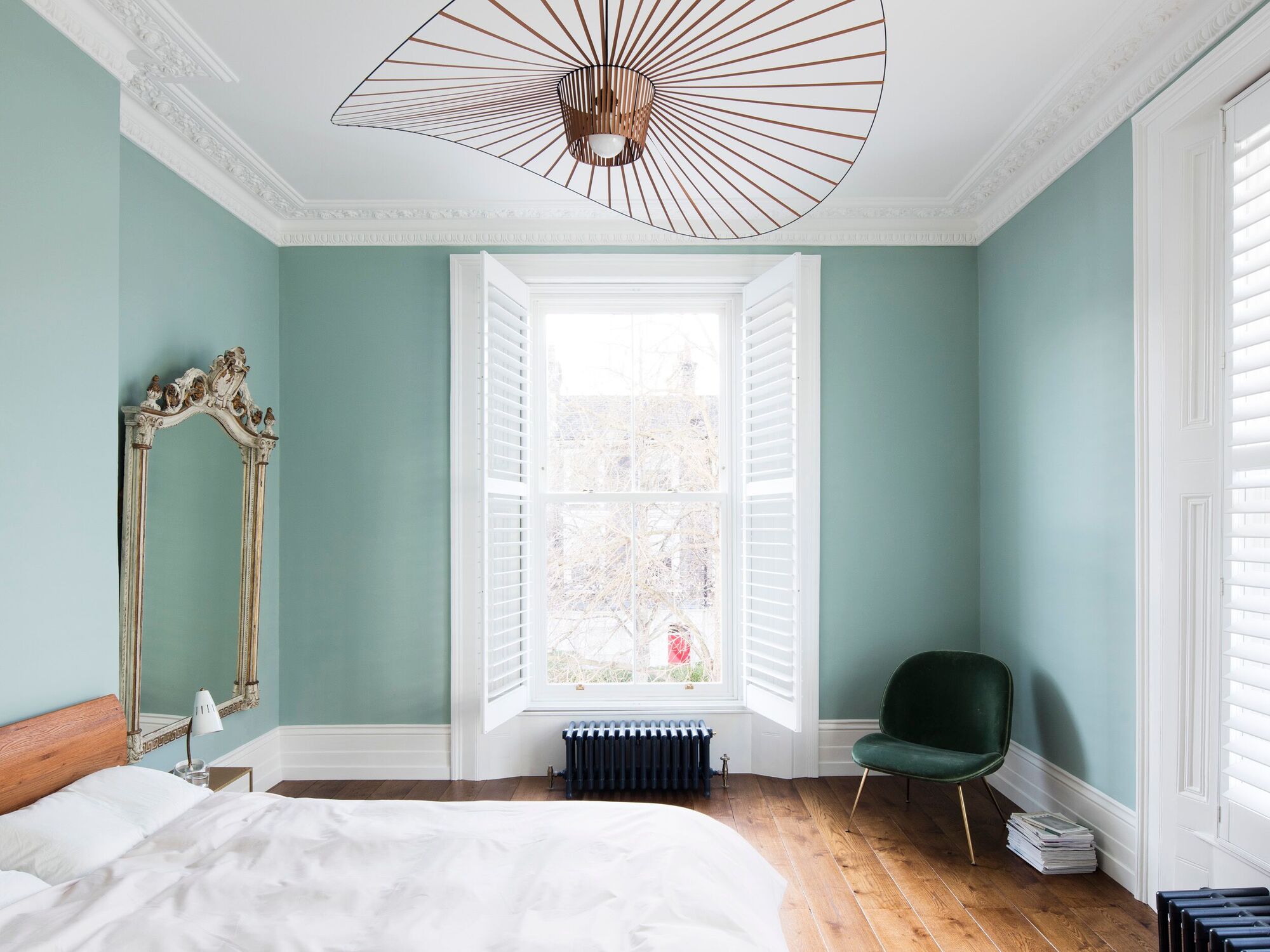
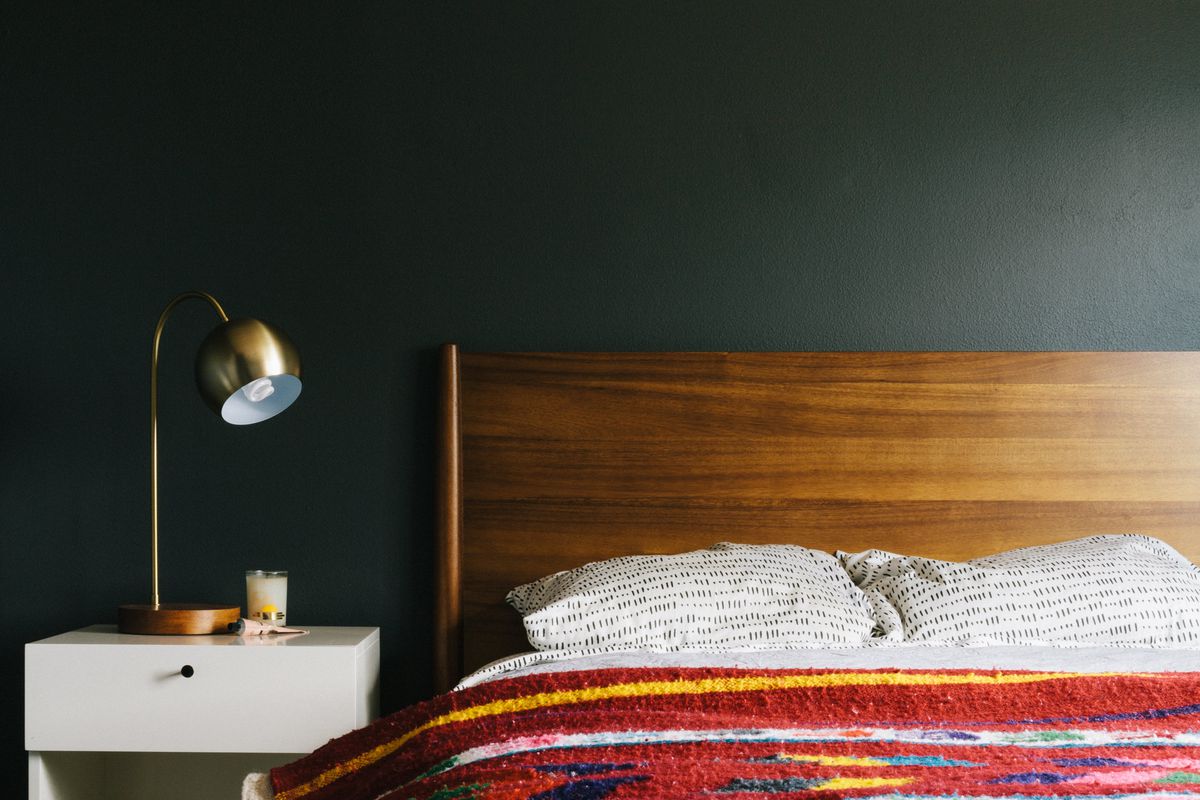
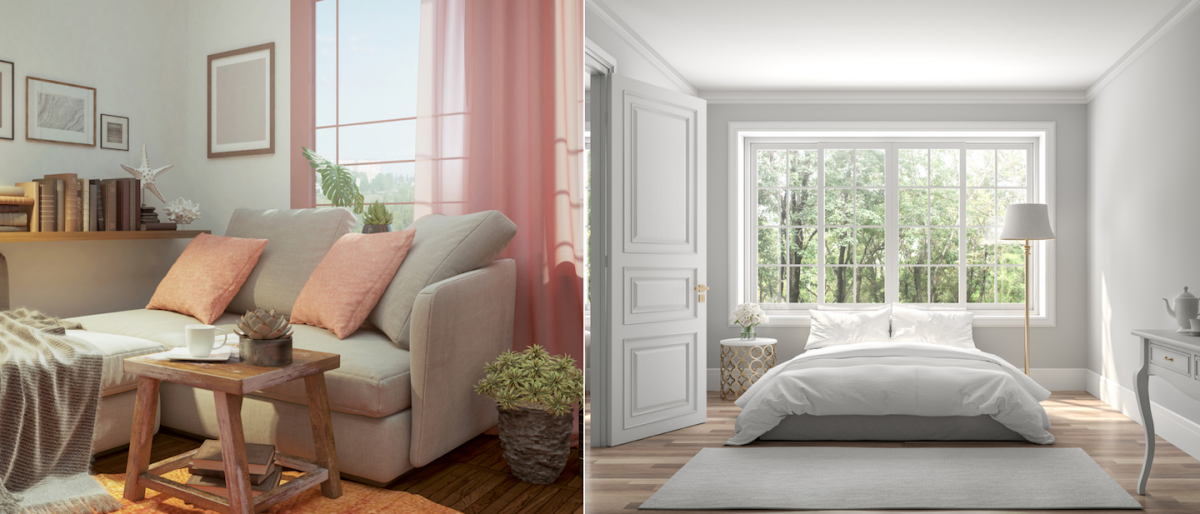
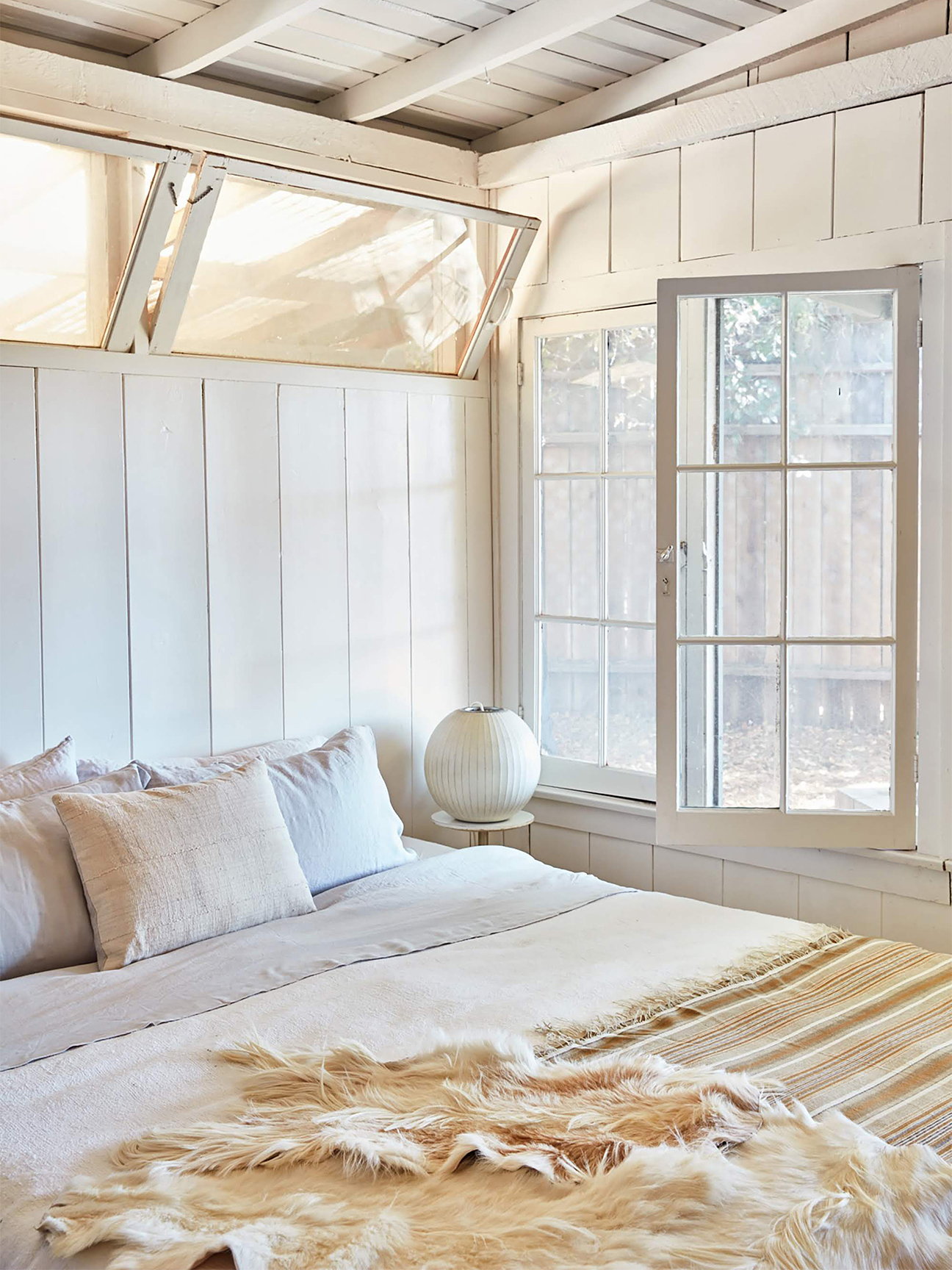
Reading the room and its intended function is essential for color selection. For bedrooms, calming hues such as muted greens, soft blues, or earthy beiges are often recommended to promote relaxation. Personal preference also plays a vital role, as demonstrated by the use of nude pink walls in a bedroom. The emotional impact of color on a room's inhabitants should be a key consideration.
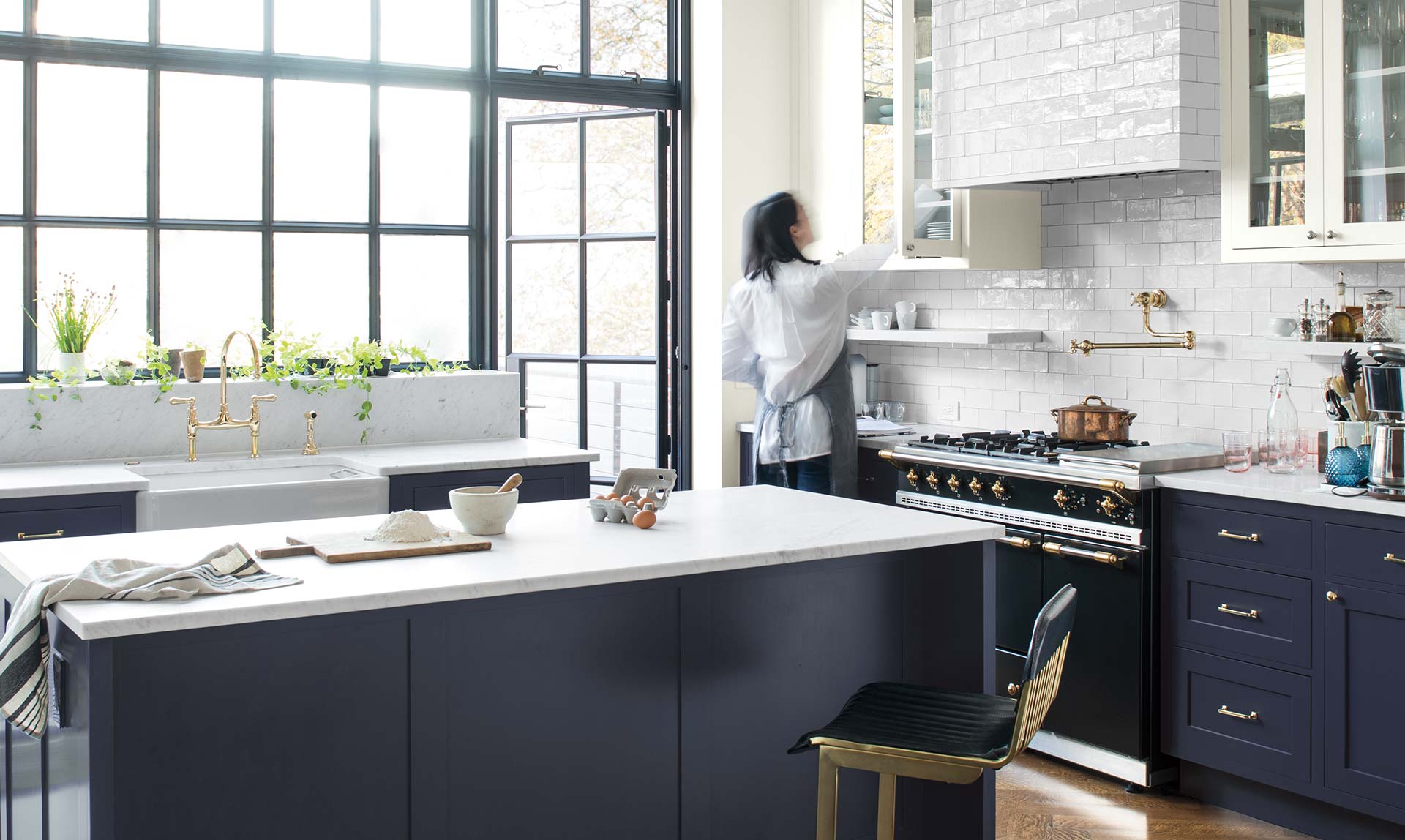
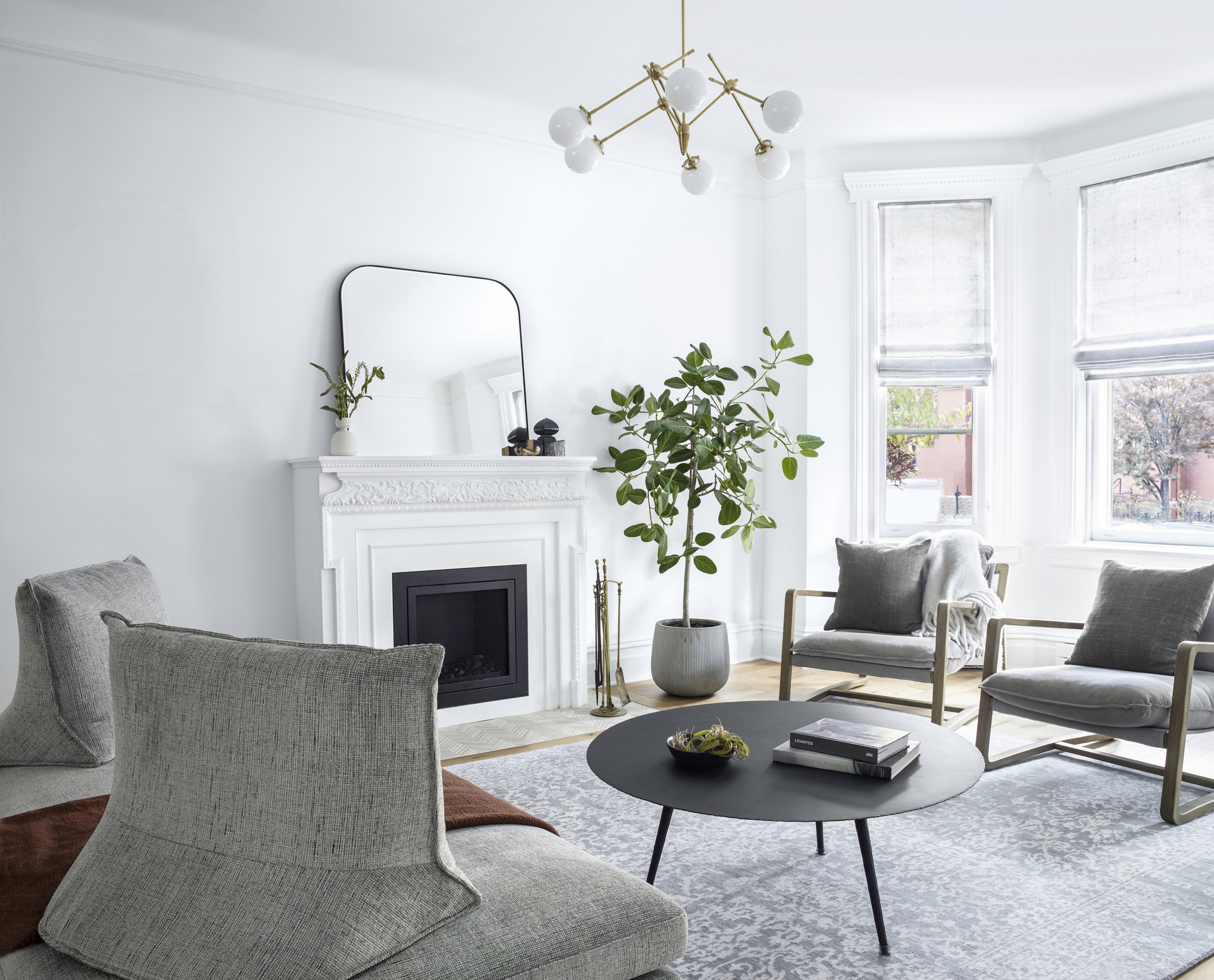
Finally, understanding how lighting influences color is paramount. The appearance of a paint color can vary significantly depending on the amount of natural light a space receives and how that light changes throughout the day. Fletchall emphasizes the importance of swatching and testing colors to observe their reactions to sunlight and their transformations over time. This meticulous approach ensures that the chosen color will meet expectations and create the desired ambiance in the home.
#HomeDesign #InteriorDesign #PaintColors #DecoratingTips #WallDecor #HomeImprovement #ColorSelection #PaintingTechniques #HomeDesign #InteriorDesign #PaintColors #DecoratingTips #WallDecor #HomeImprovement #ColorSelection #PaintingTechniques
0 comment in total
 No comments yet
You may also like
What are the best trim colors? 7 alternatives to white paint to elevate your room's palette

Four Gorgeous Front Range Rooms That Embrace Color

How to choose the best paint color for any room in your house
These 5 Simple Questions Help Designers Pick the Perfect Paint Color Every Time
colorful living rooms (no beige allowed)!
5 Problems With Painting Your Walls White That No-One Ever Talks About (Until Now)
You’re Doing It Wrong: Painting an Accent Wall

8 Favorite Paint Colors of Local Interior Designers

8 Paint Mistakes That Make Your House Look Dingy (and How to Fix Them)

23 Expert Tips for Choosing the Right Paint Colors for Your Home

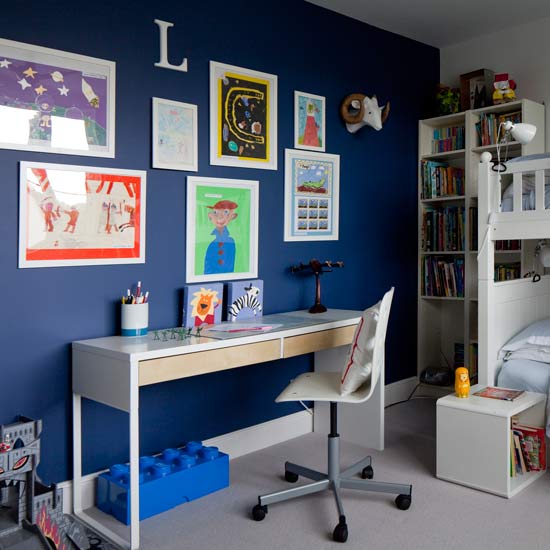
7 amazing colours for a statement wall with wow
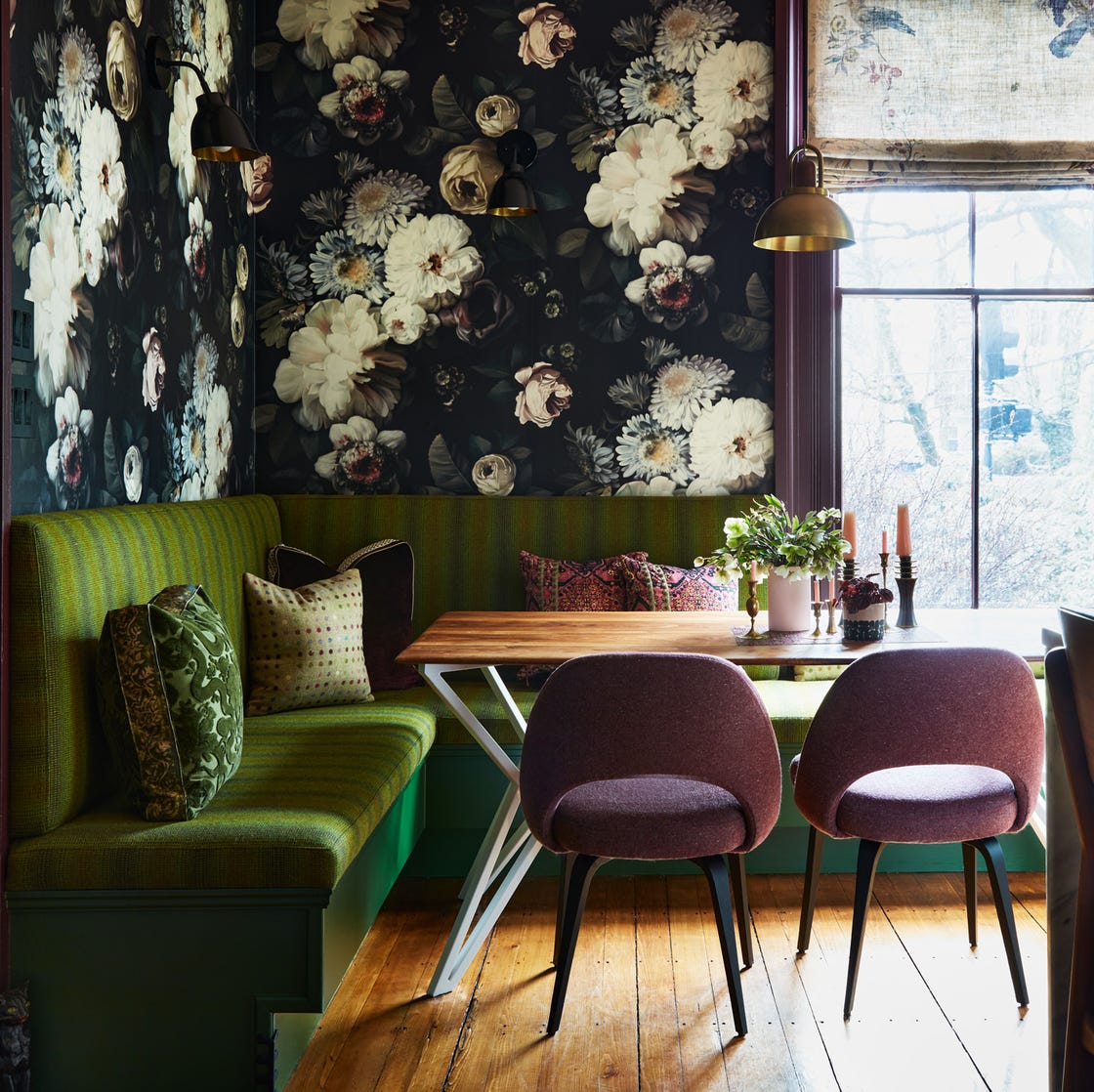
12 Color Schemes That Are Popping Off Right Now, According to Designers


How To Choose The Right Paint Color For Your Home, According To An Interior Design Expert

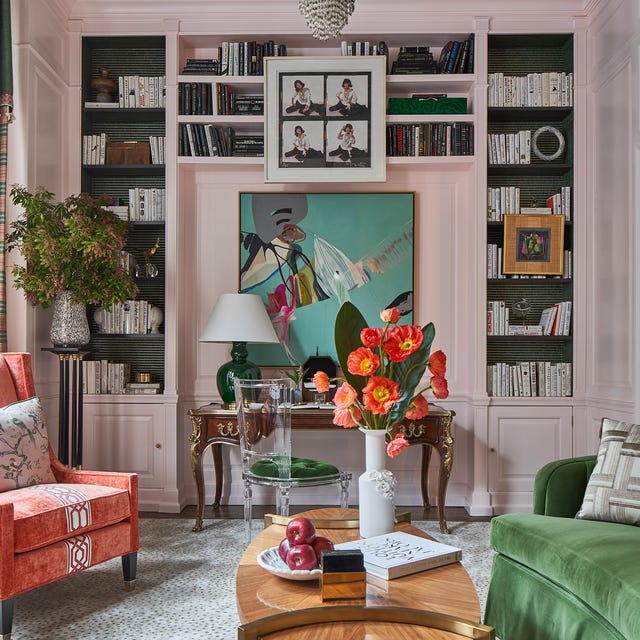
An A-List Designer’s Secrets To Picking Perfect Paint Colors

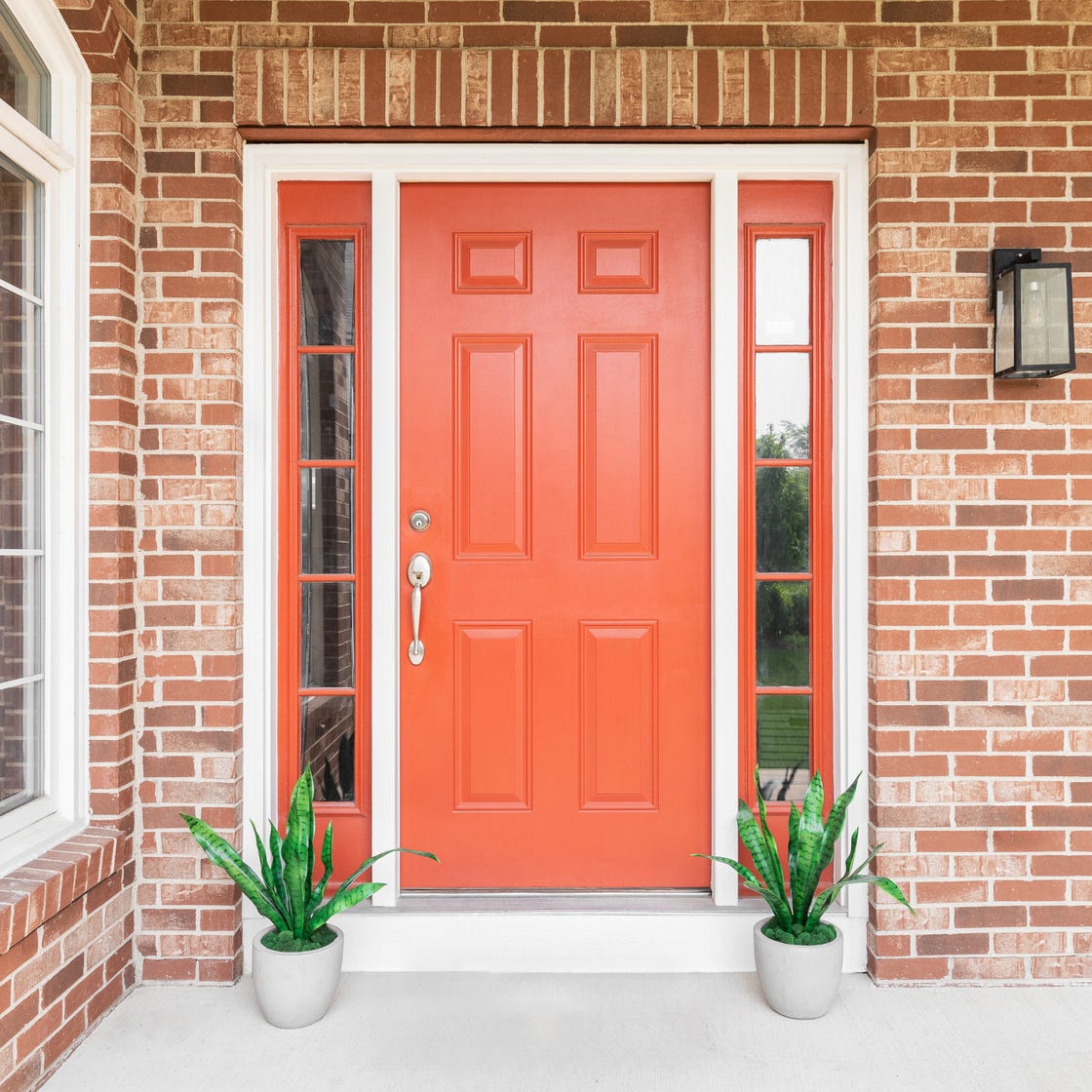
8 Surprising Colors That Will Decrease Your Home's Value, According to Experts
Should I paint my wall trim white? The pros and cons to painting your molding
How to Pick the Best Paint Colors for Every Space in Your Home
Kitchen Color Selection Tips from 5 Designers
How to choose the best wall colour for your art
9 Paint Colors You’ll Never Find in an Interior Designer’s Home