1/8
Should I paint my wall trim white? The pros and cons to painting your molding
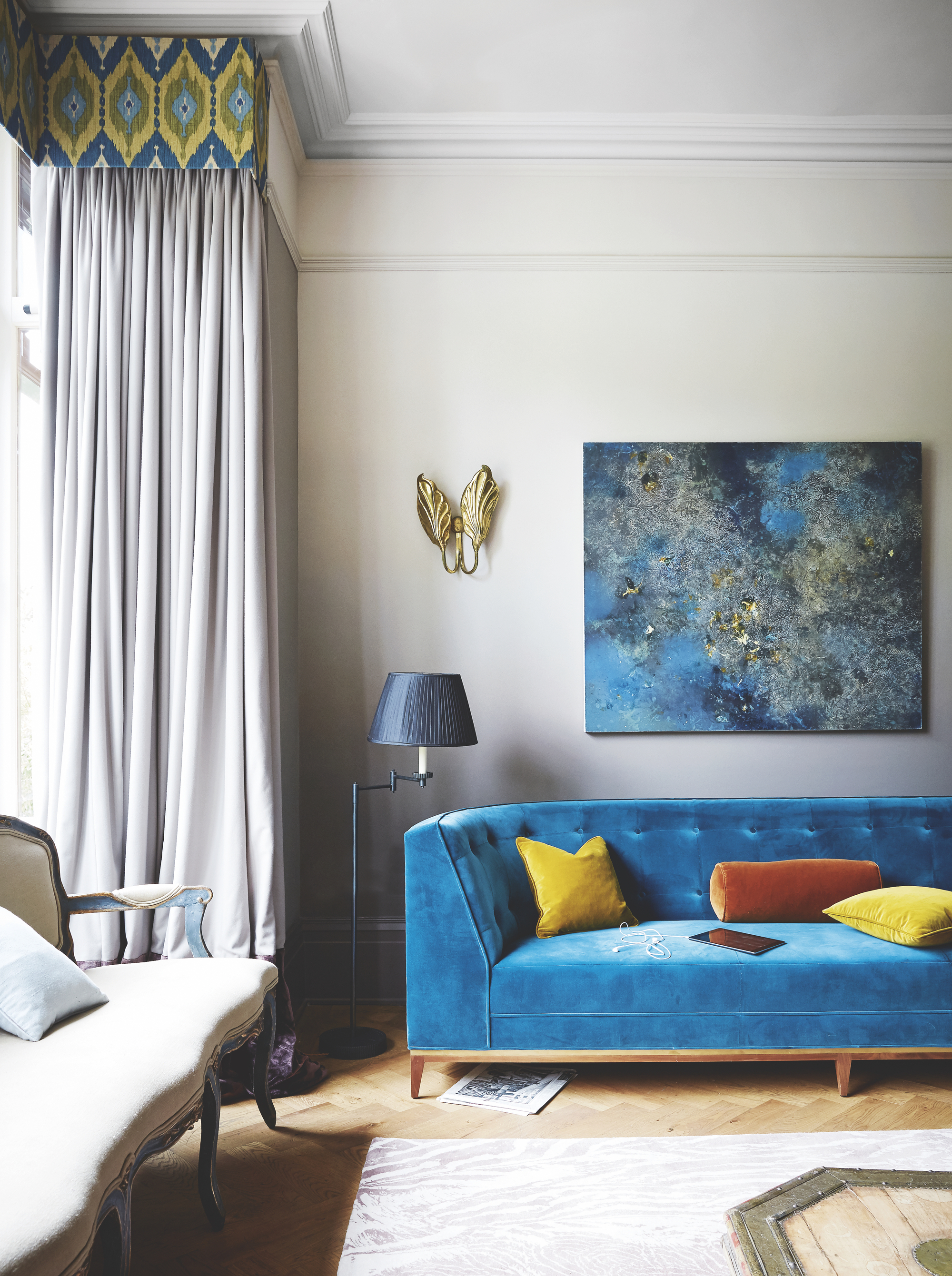
Architectural trim is an often-overlooked design element that can significantly impact a home's aesthetic. While traditionally painted white, designers are increasingly exploring alternative approaches to trim color and finish to create unique visual effects and highlight a home's character. The decision to paint wall trim white or to use bolder colors or natural wood involves considering various factors, including the desired aesthetic, historical context, and potential for design flexibility.
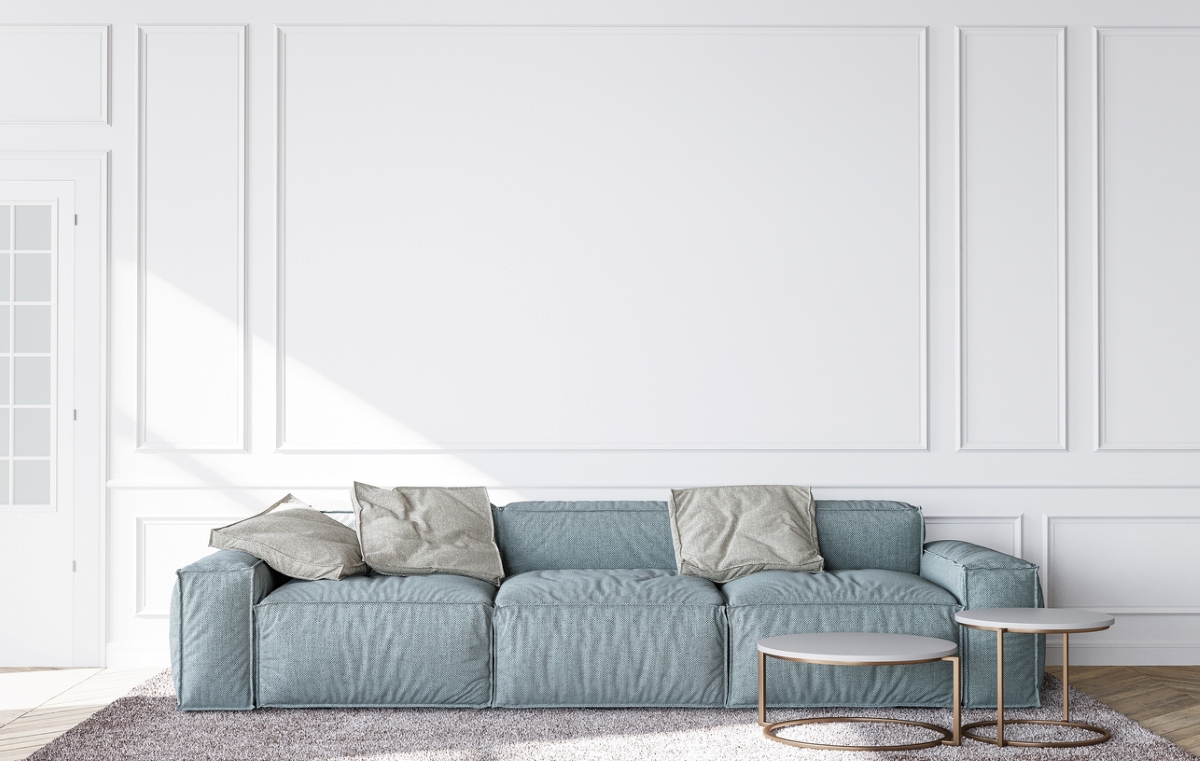
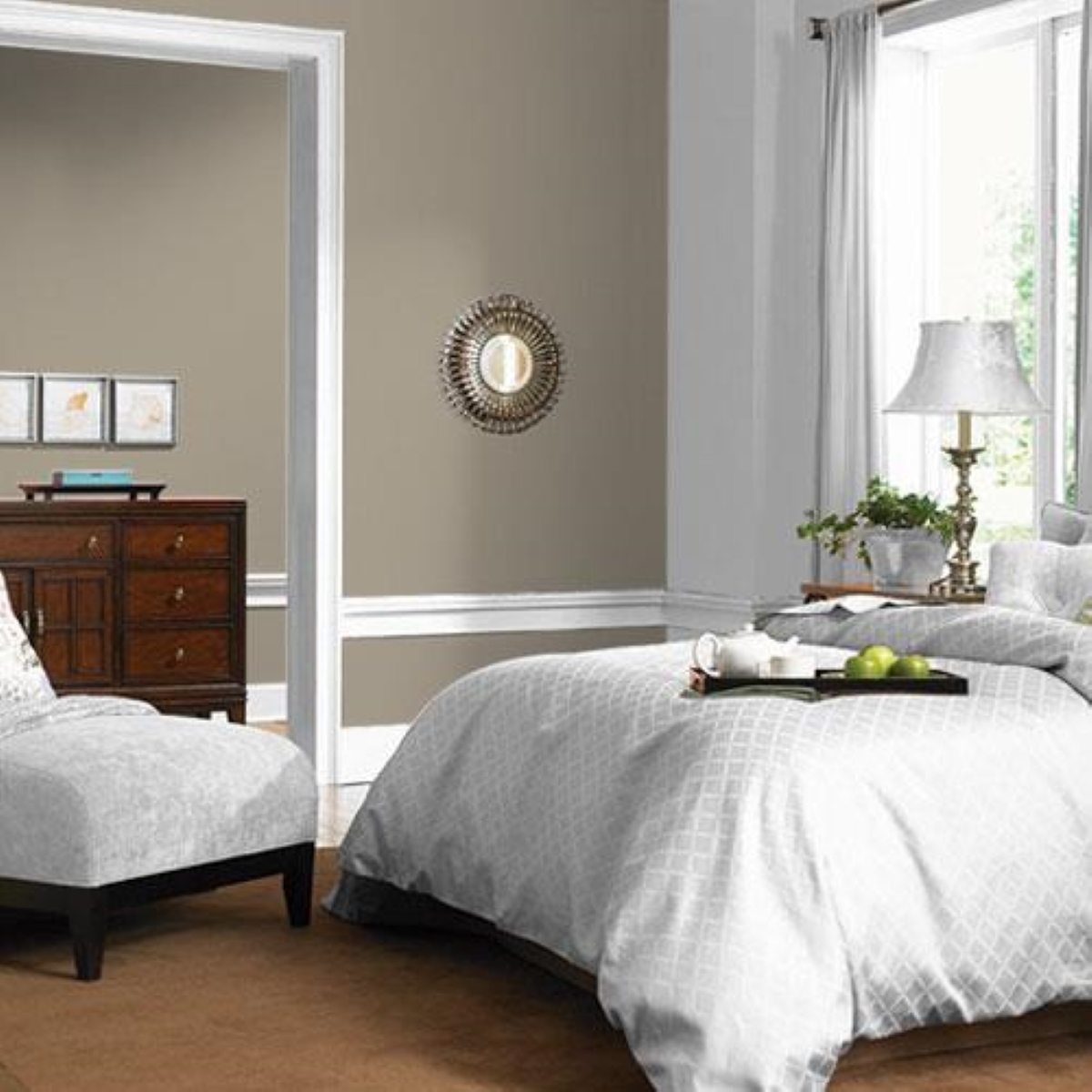
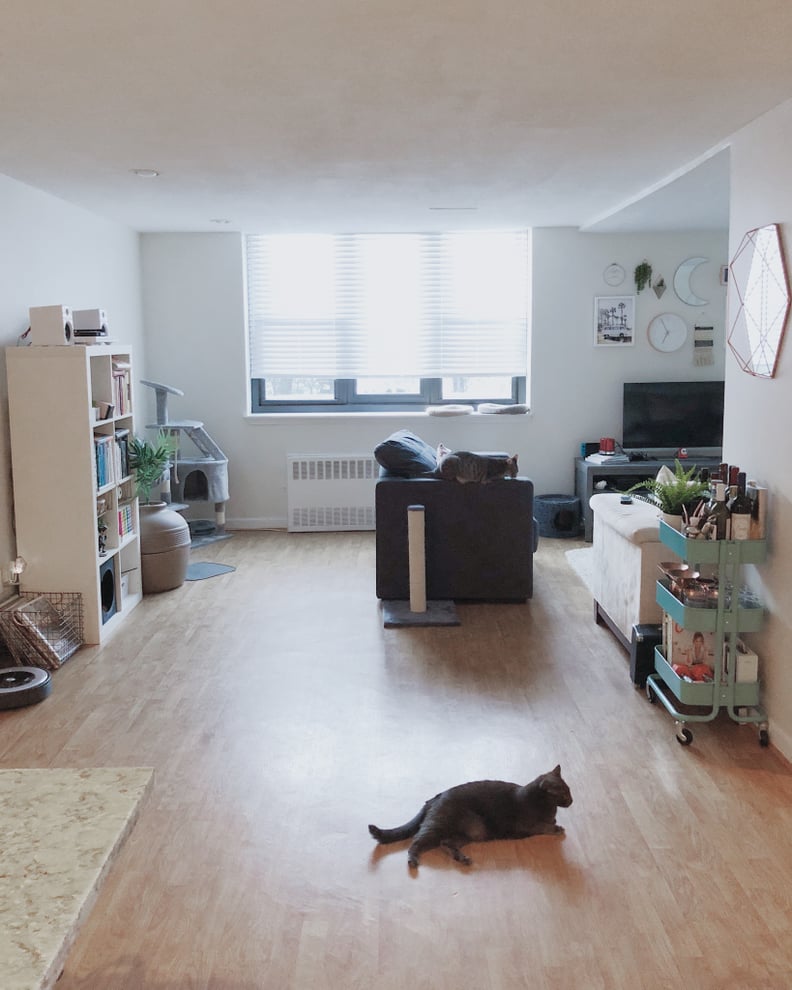
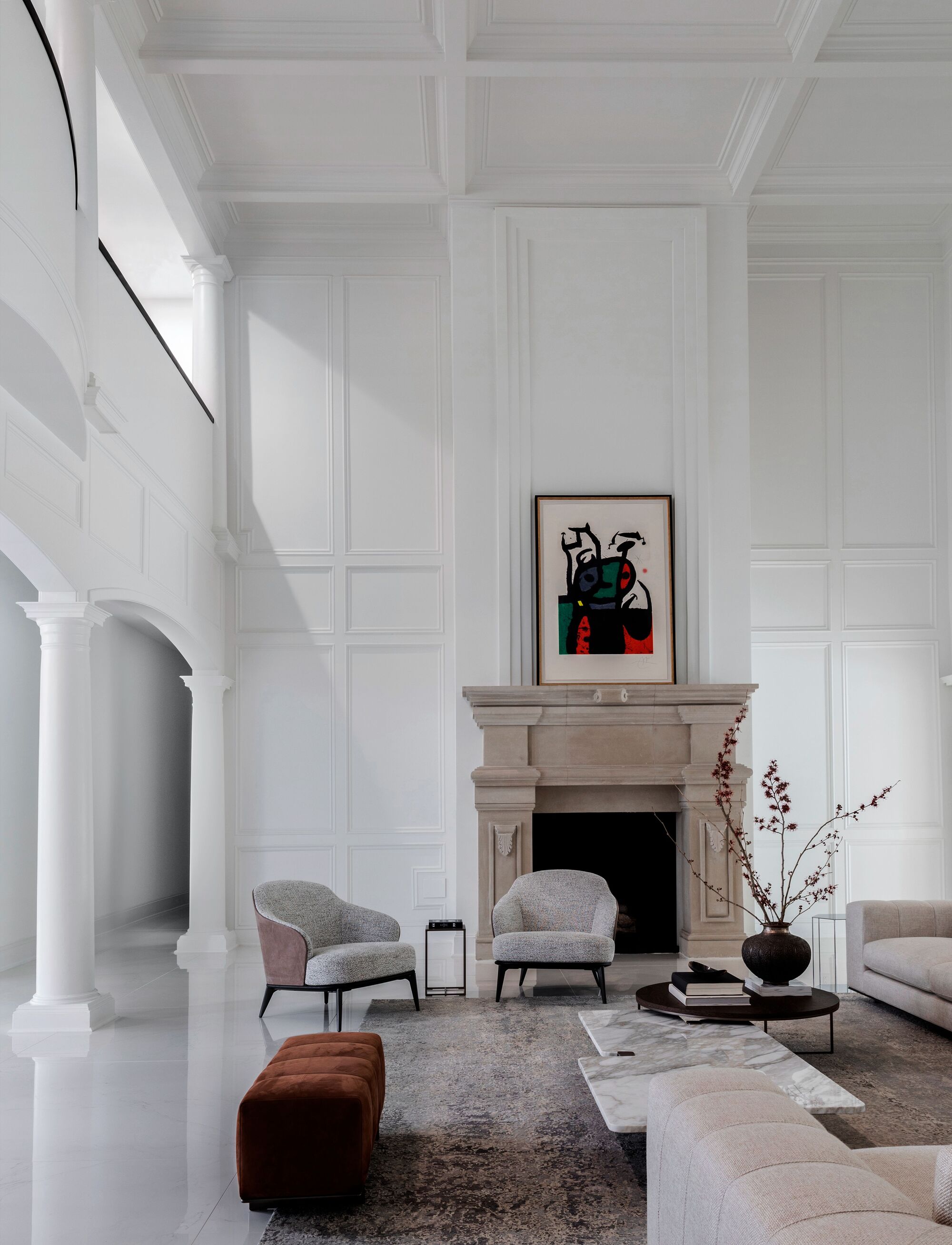
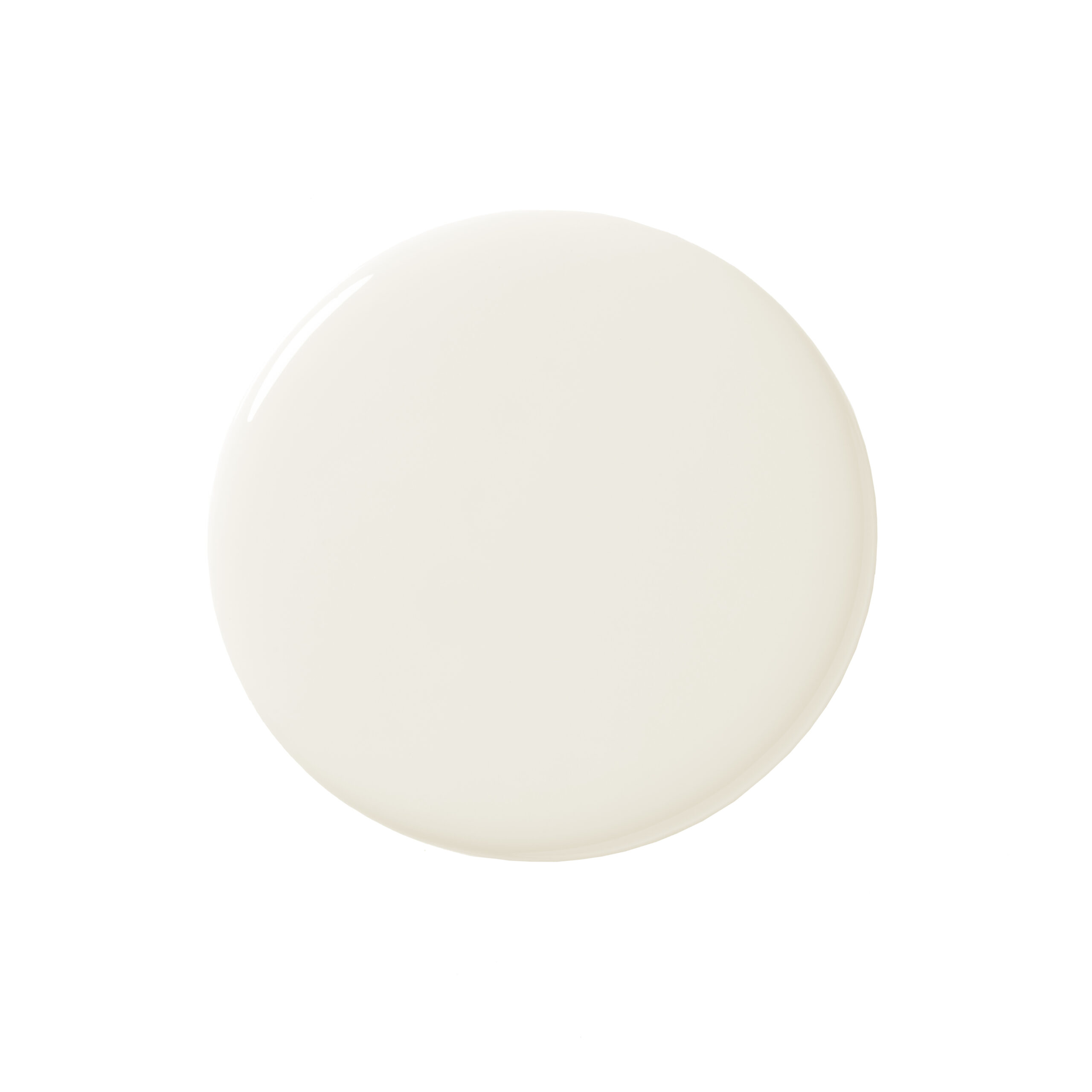
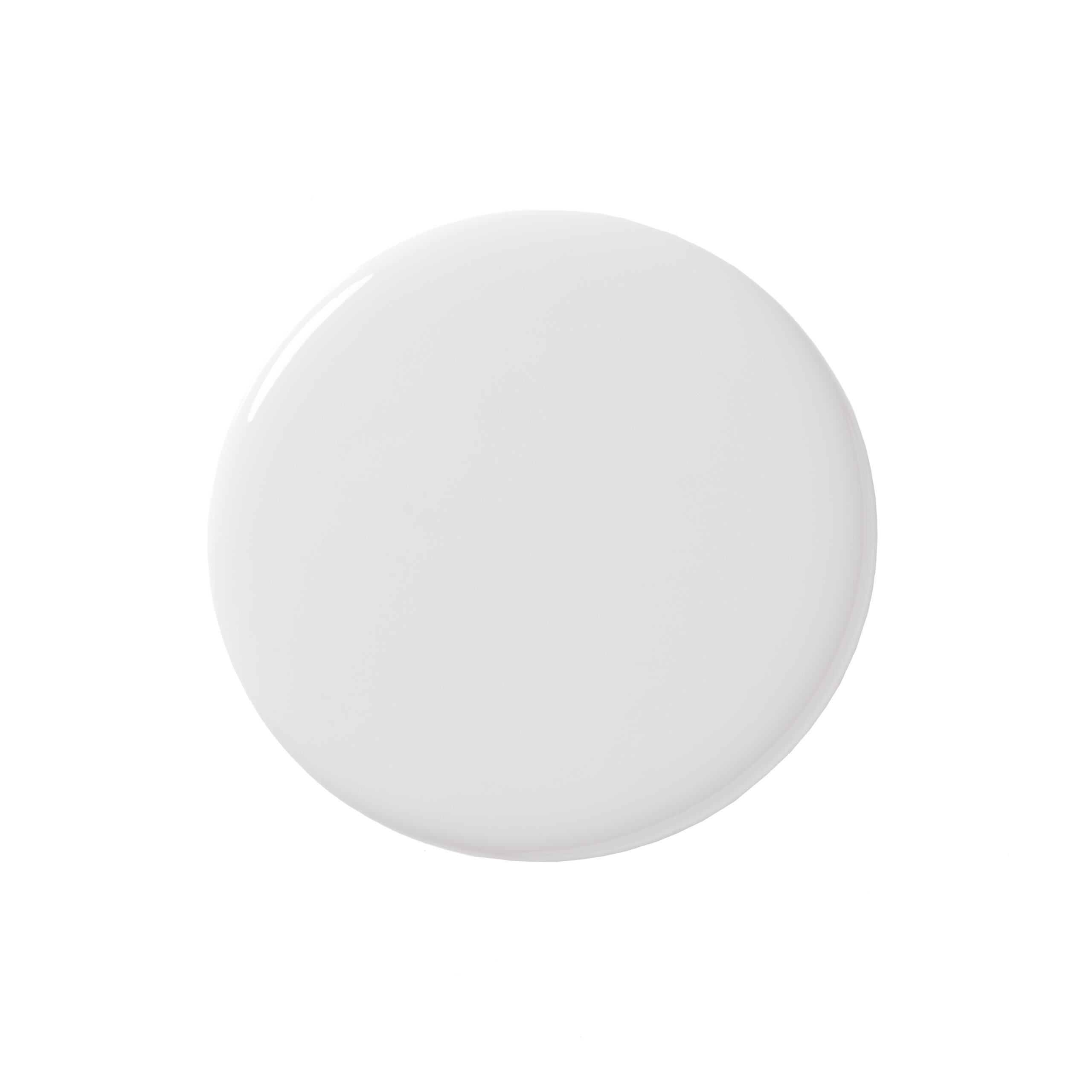
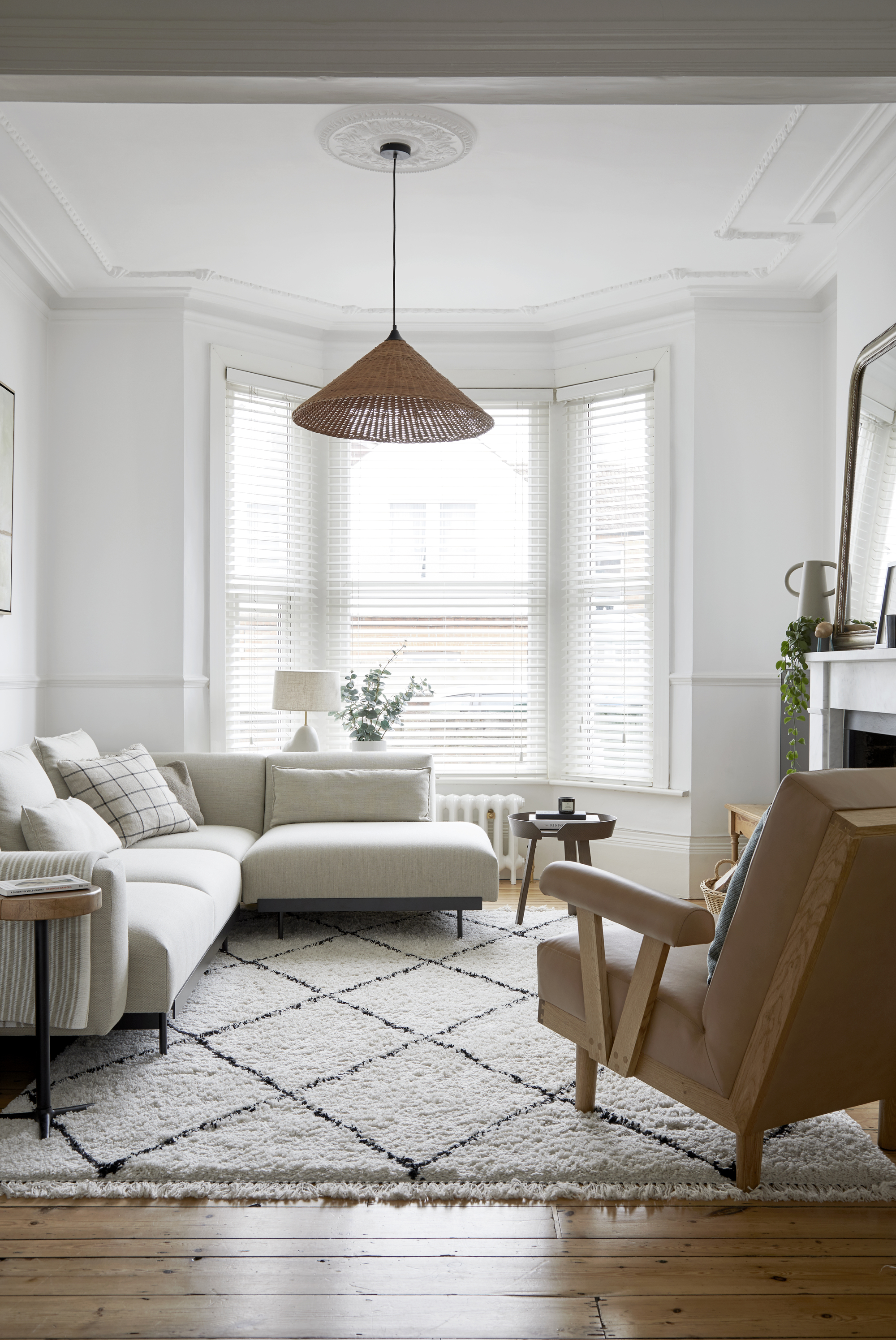
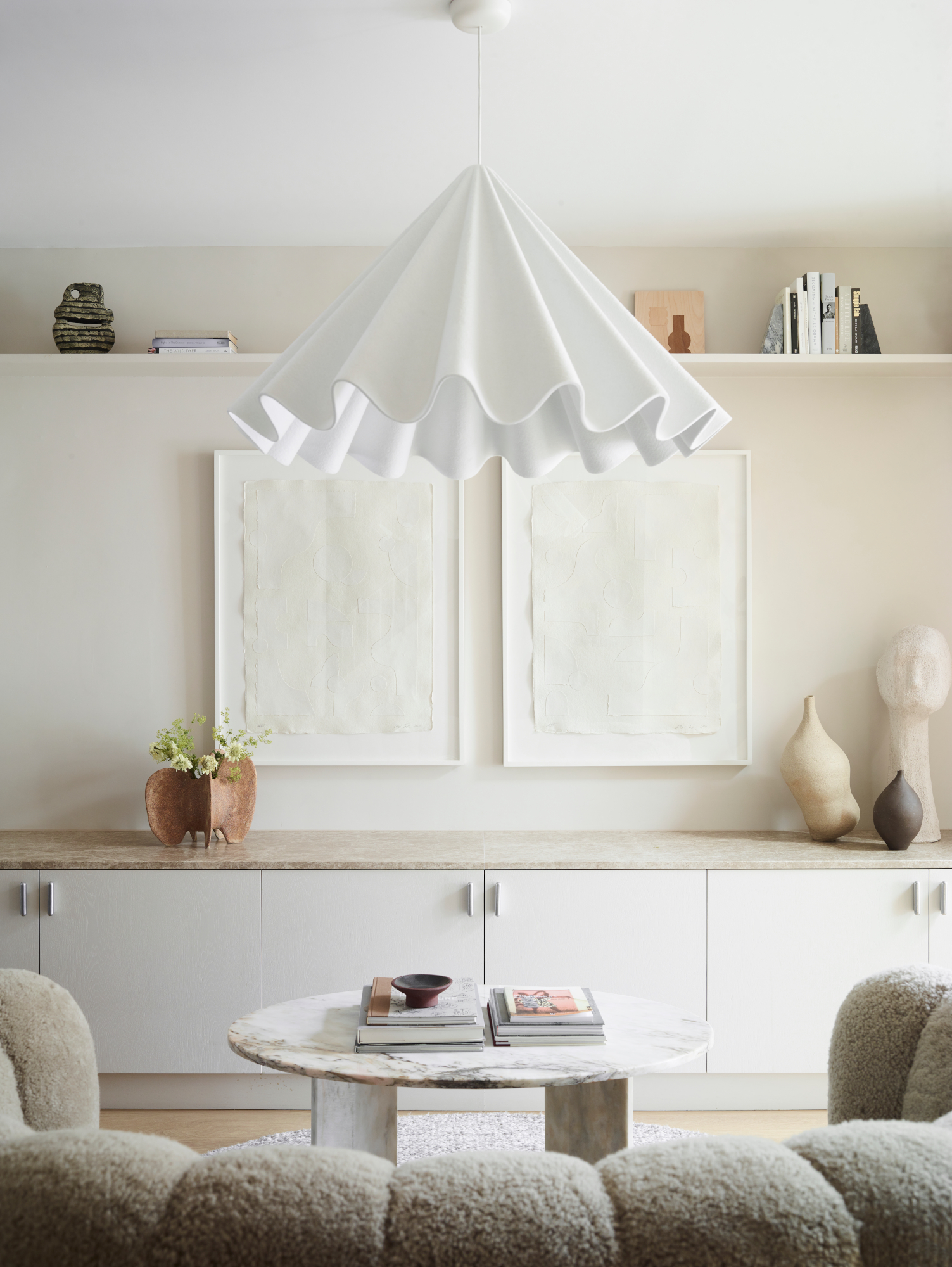
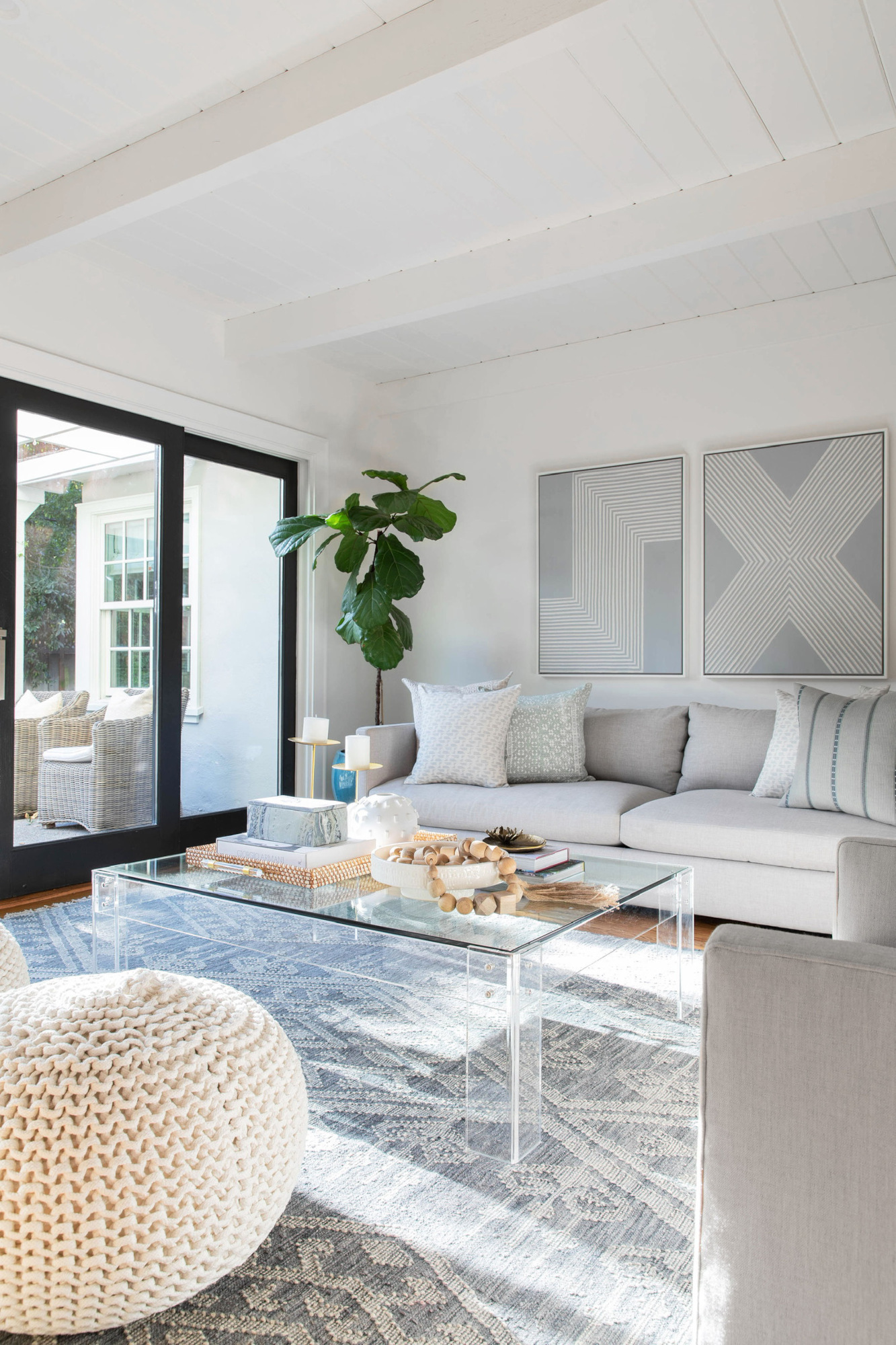
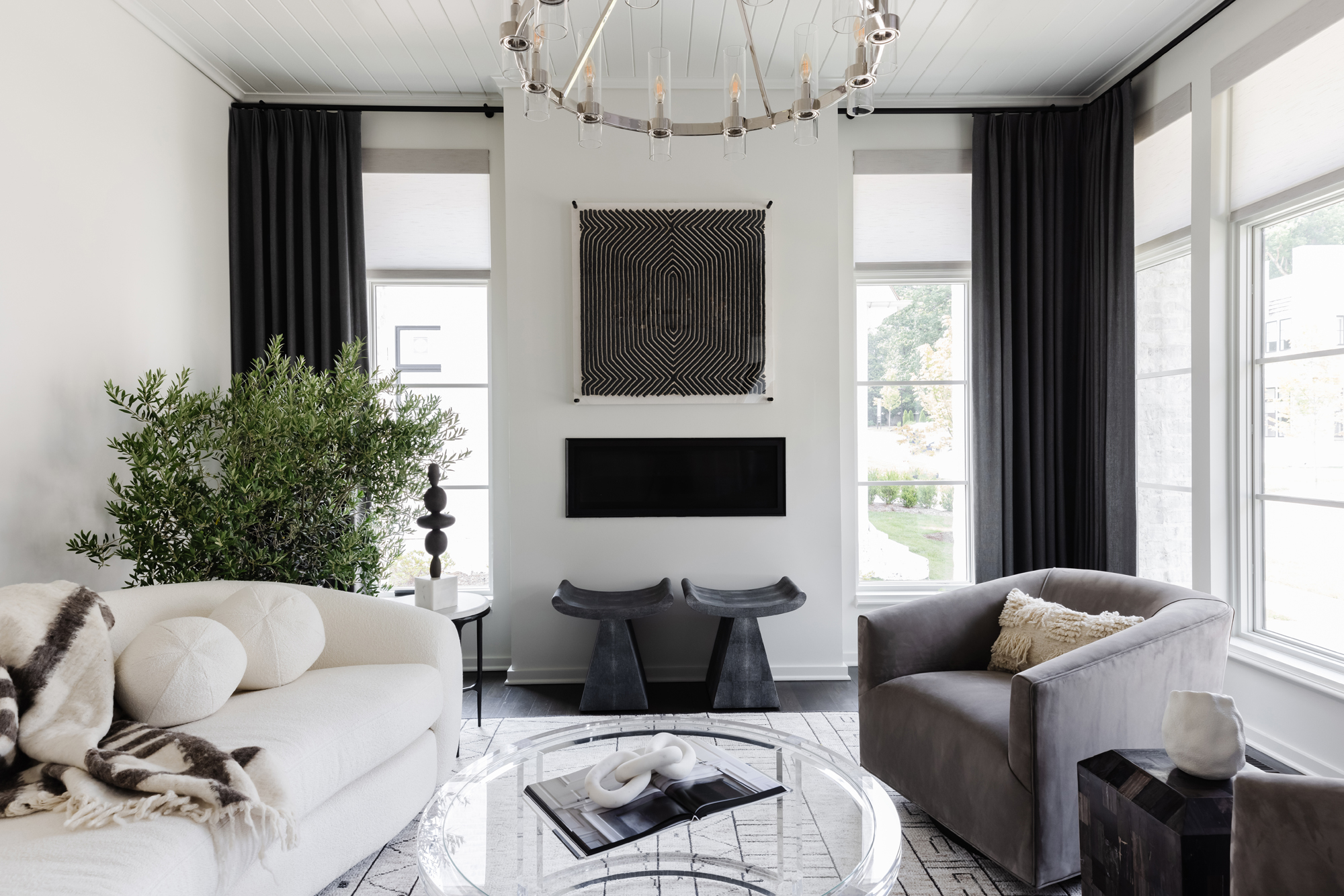
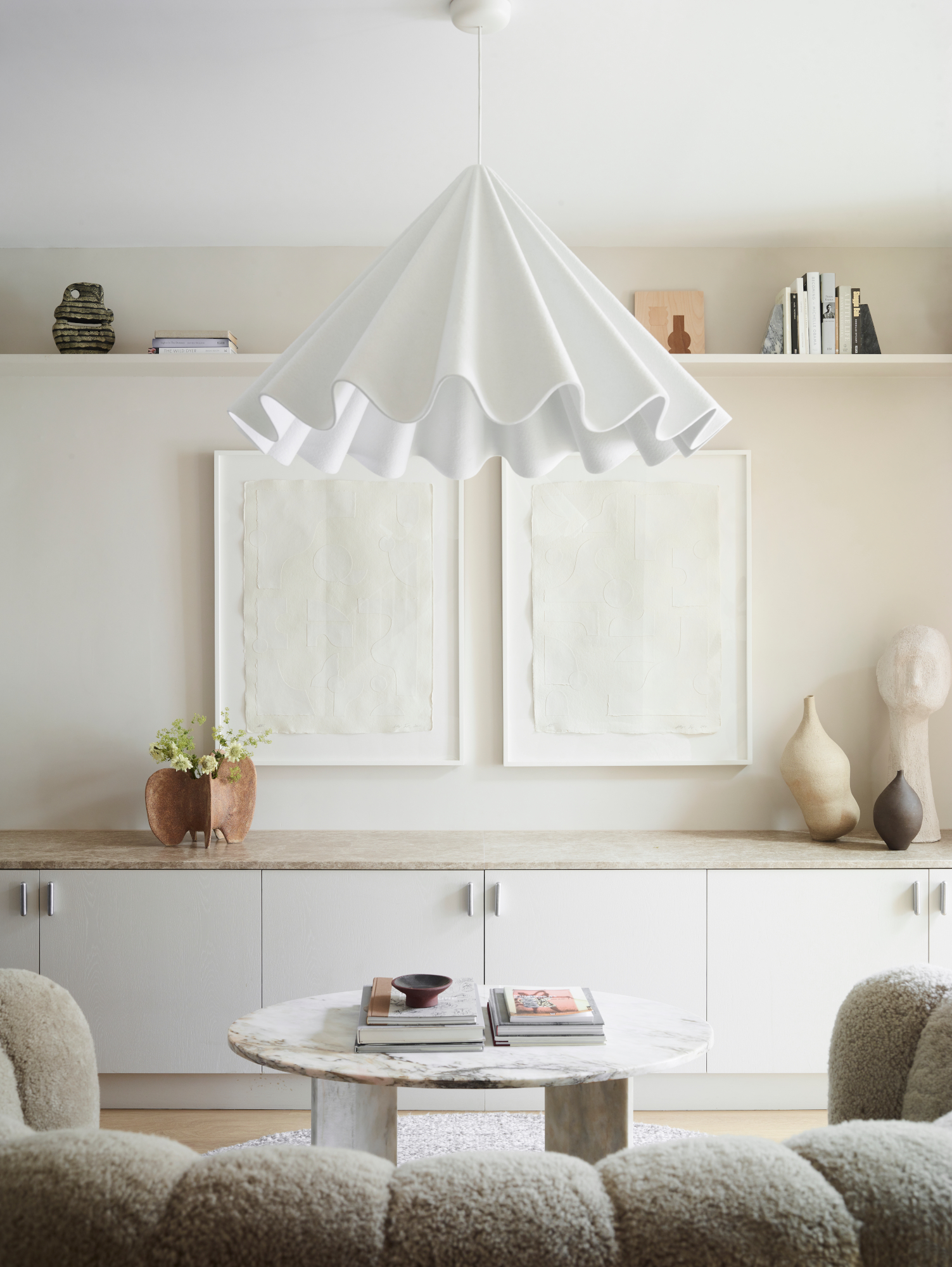
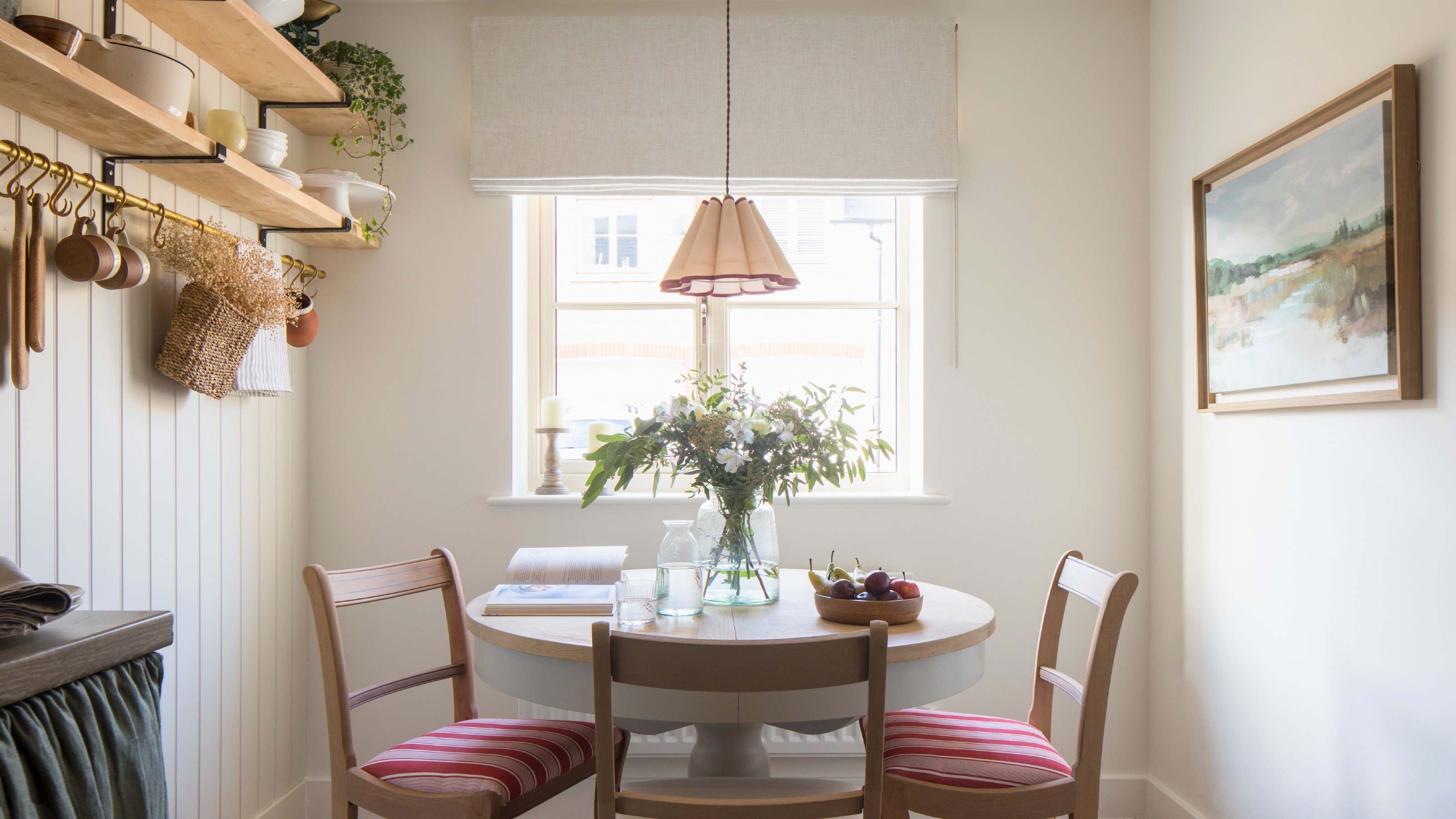
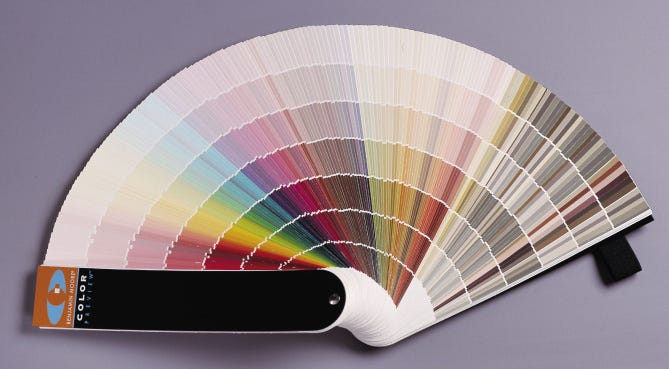
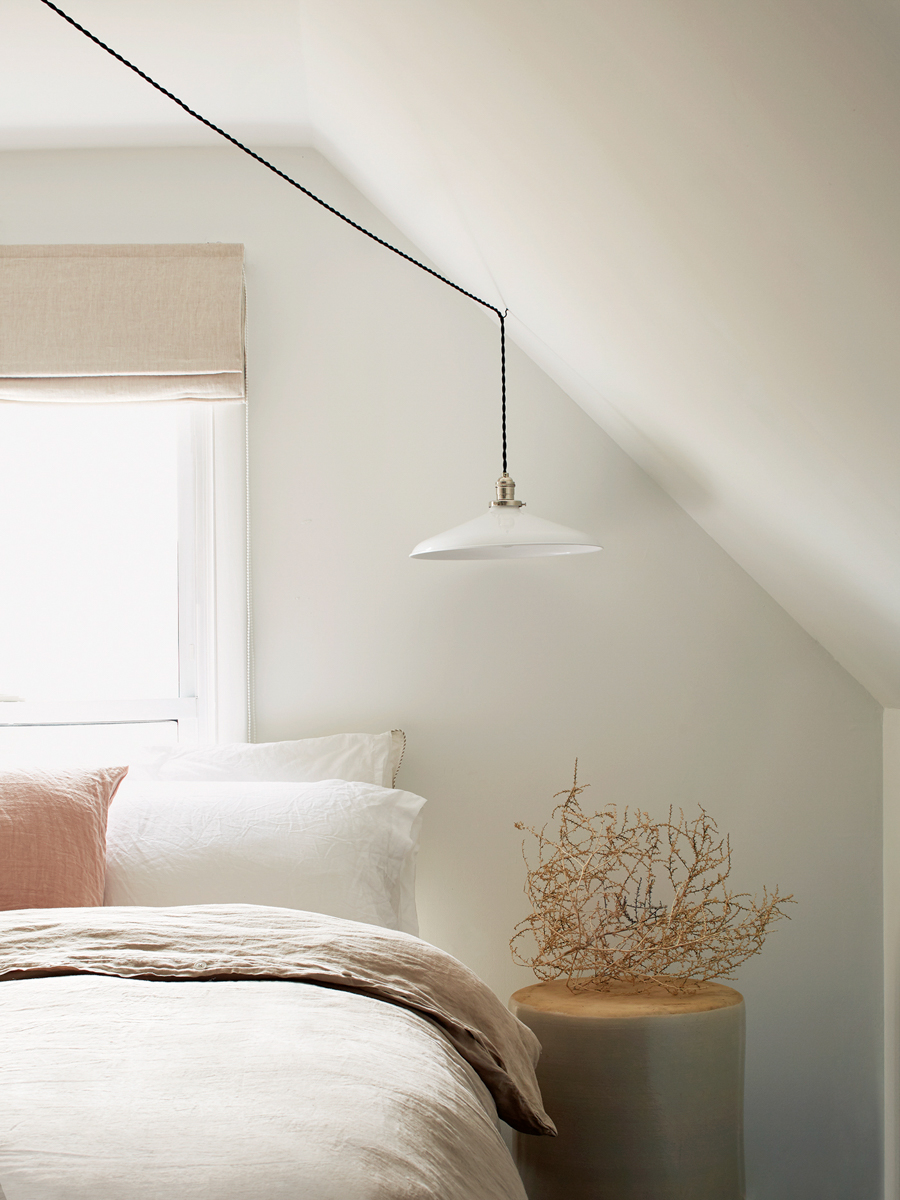
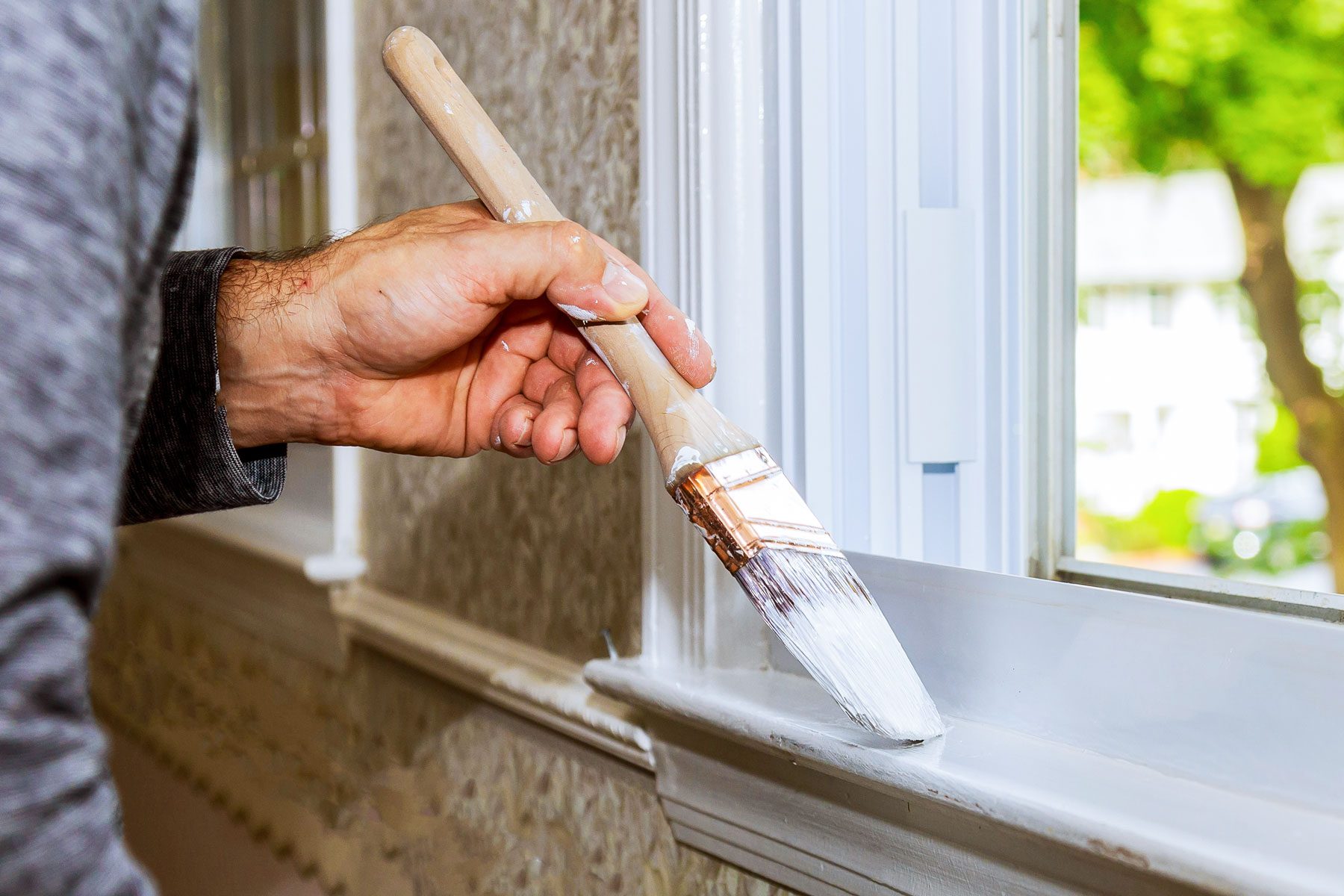
Painting wall trim white offers several benefits. It creates a crisp, clean, and modern look that serves as a versatile accent to any wall color, whether white, grey, or a bolder hue. White trim is considered a classic choice that remains timeless and provides a neutral backdrop, allowing other design elements to stand out. When aiming for an all-white scheme, selecting the right shade of white is crucial; designers recommend avoiding overly bright or stark whites that can create harsh contrasts. Instead, warmer off-whites, such as Benjamin Moore's White Dove, are often favored for their compatibility with various light colors and their ability to prevent a room from feeling too clinical. White trim also offers flexibility for future design changes, as it harmonizes with virtually any wall color, making it an ideal choice for homeowners who enjoy refreshing their paint scheme periodically.
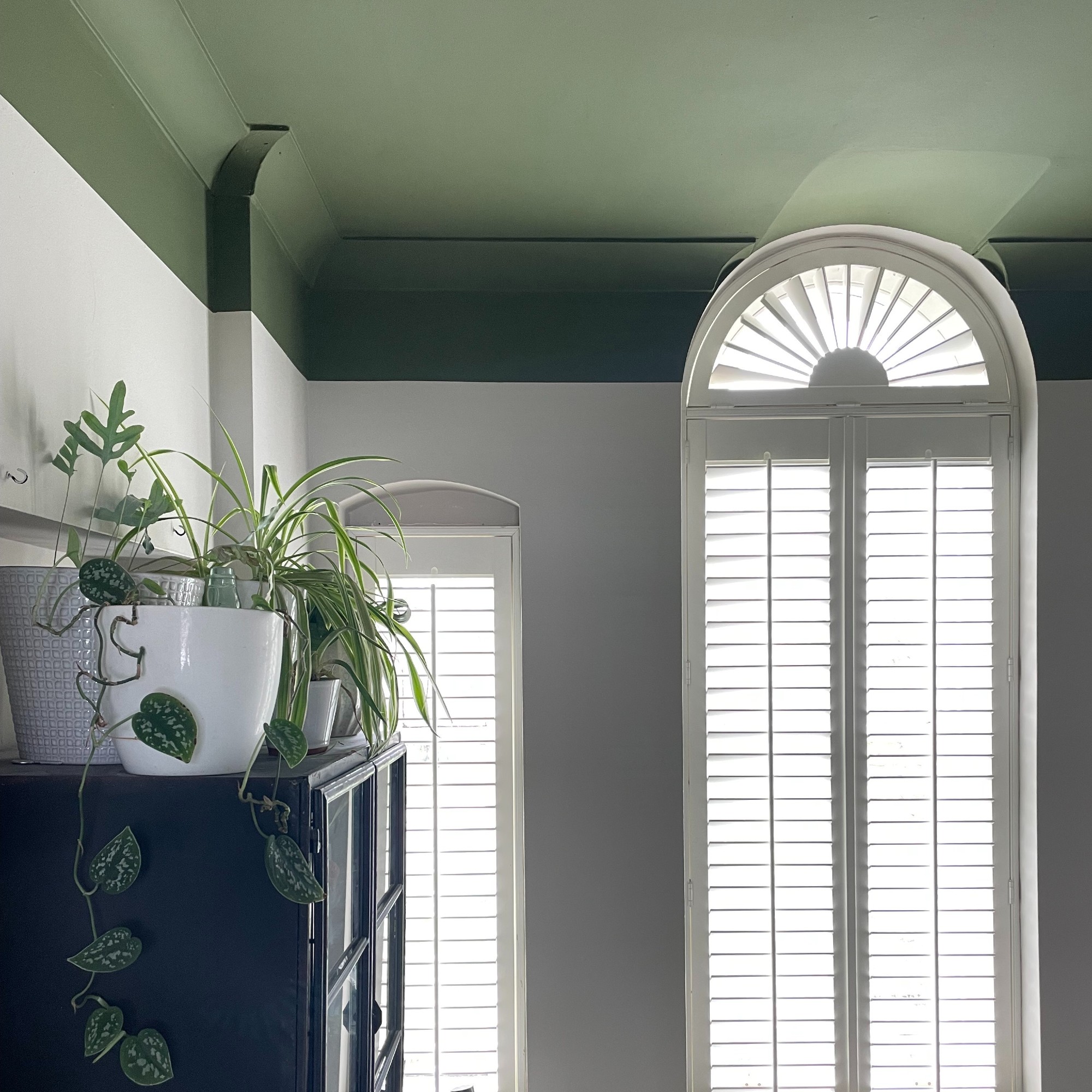
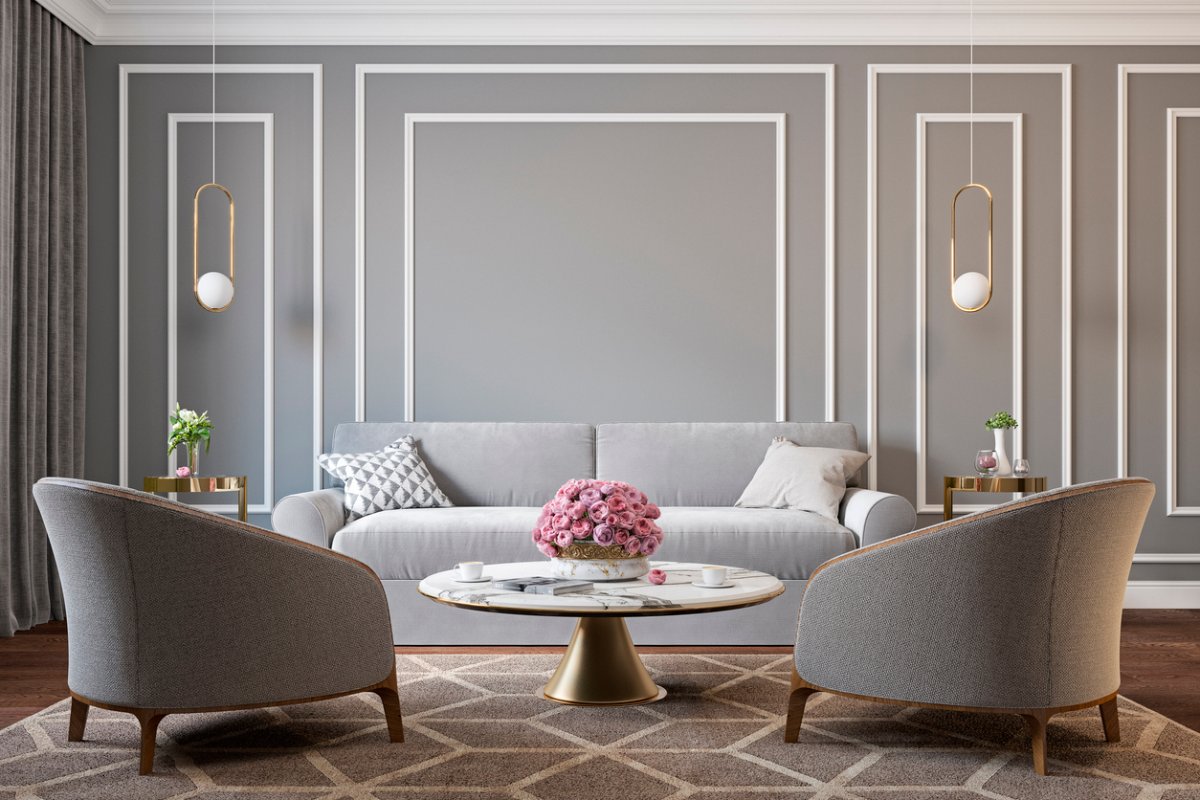
Furthermore, white trim can effectively highlight intricate architectural details and historical features in a home. In homes with detailed crown molding or ornate trim, painting these elements white can make them more prominent by preventing them from being obscured by shadows, a common issue with darker colors. This approach subtly emphasizes the home's heritage and adds depth to the design.
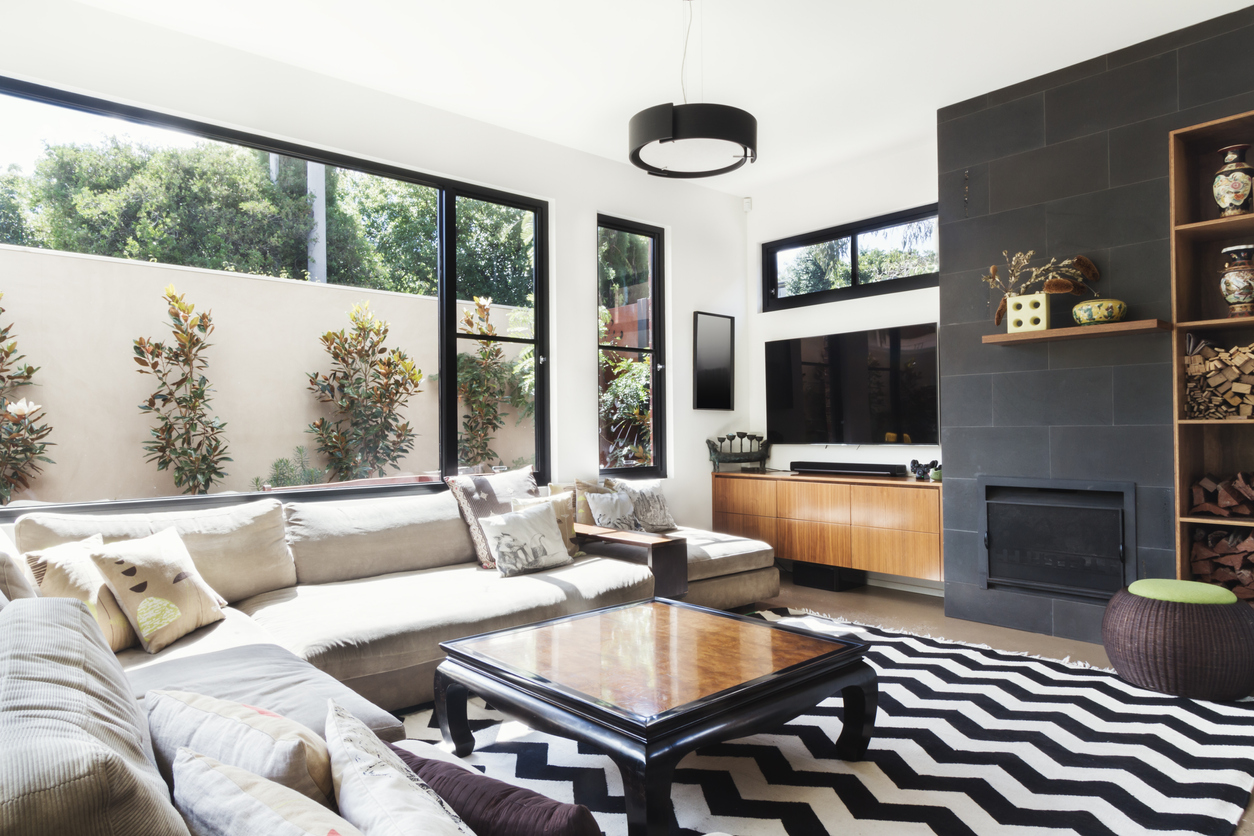
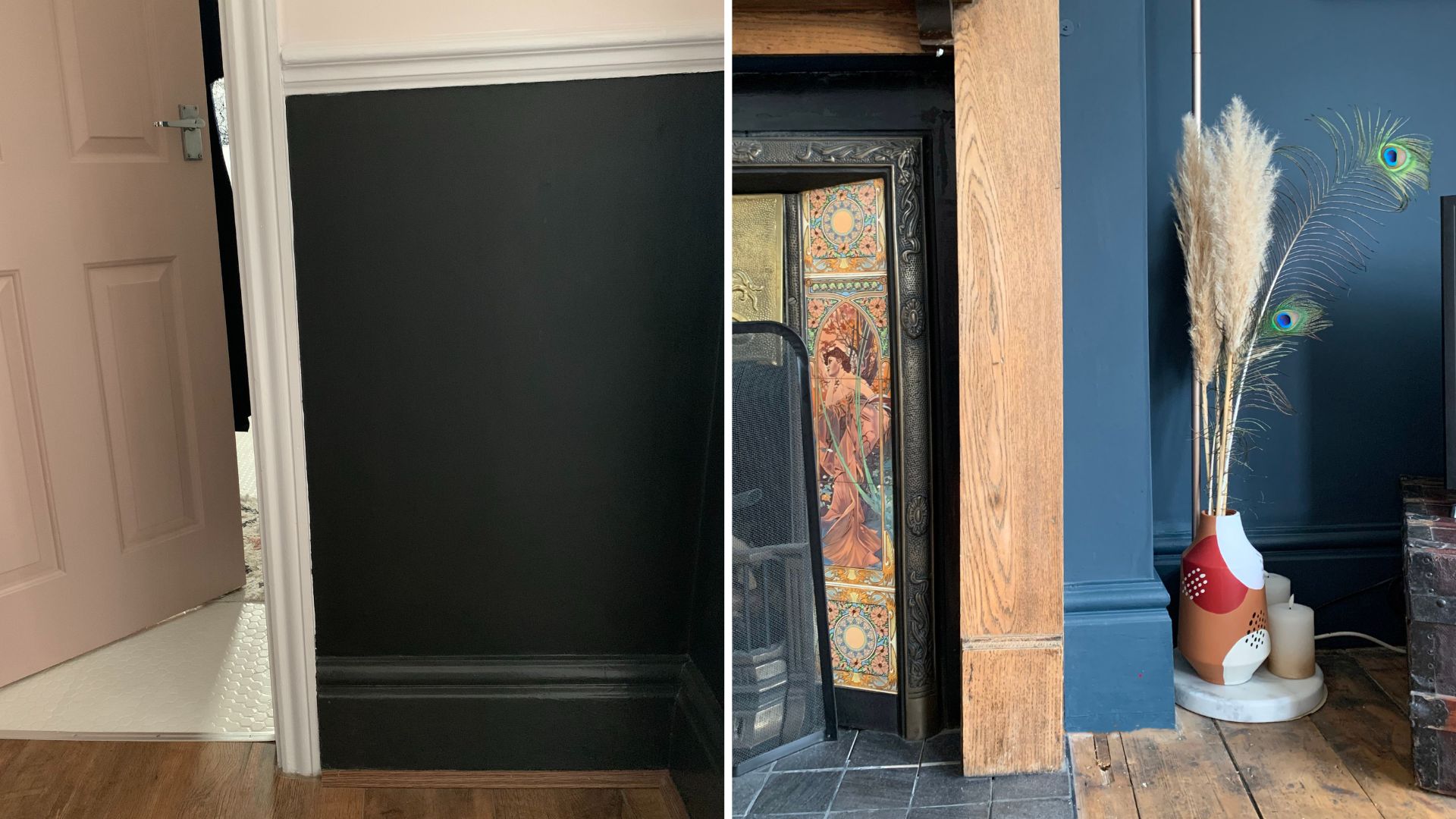
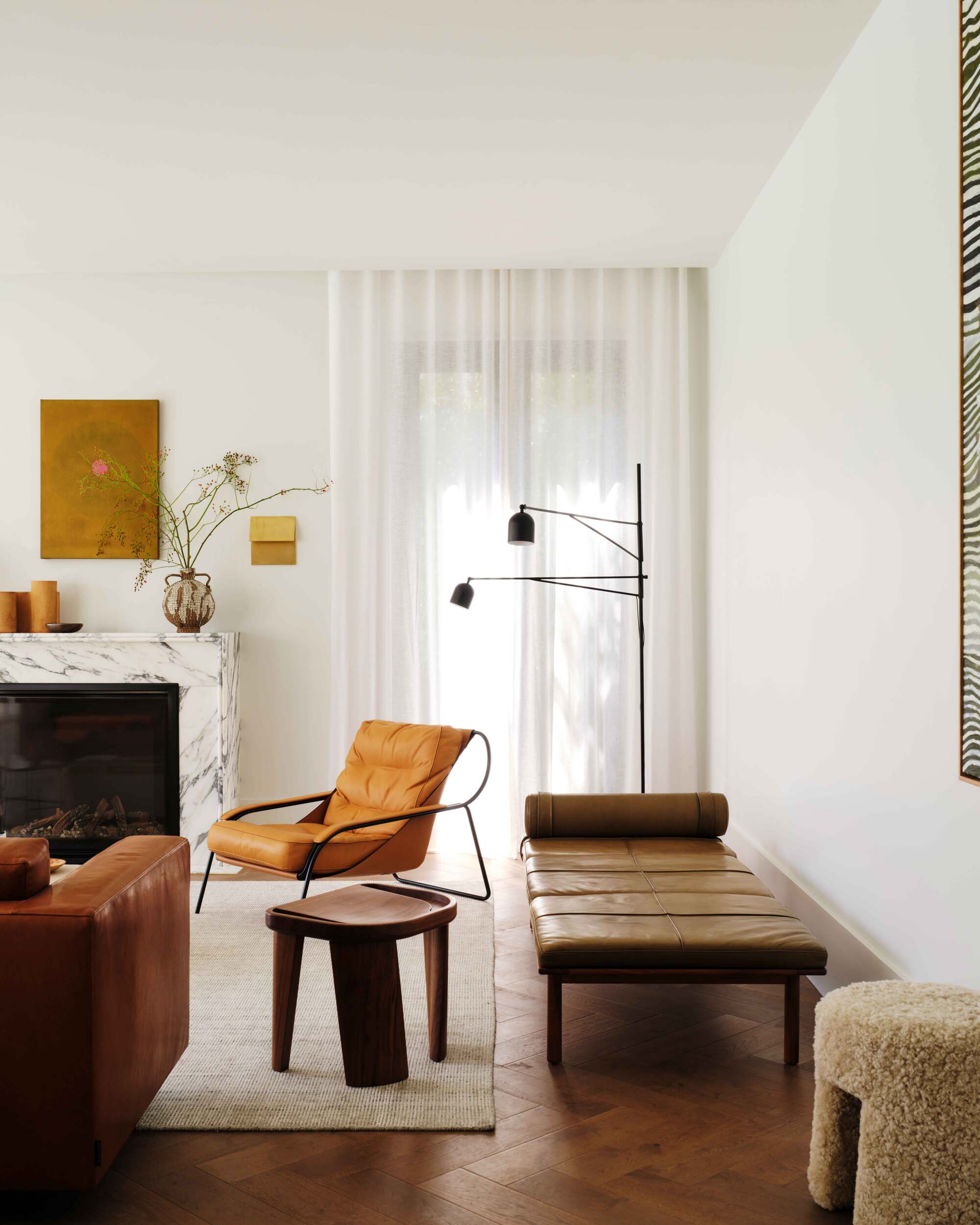
However, alternatives to white trim offer distinct advantages. Embracing natural wooden trim is suitable for historic homes with existing wood grain, preserving their original character. Designers suggest considering the home's overall interior design style and architecture before deciding to paint over natural wood, as stained wood trim might appear dated or heavy if not complemented by other architectural details like wood paneling. In a space lacking such elements, painting the trim might be more appropriate. For example, in a converted warehouse apartment with original beams, leaving the wood exposed enhances the historical authenticity.
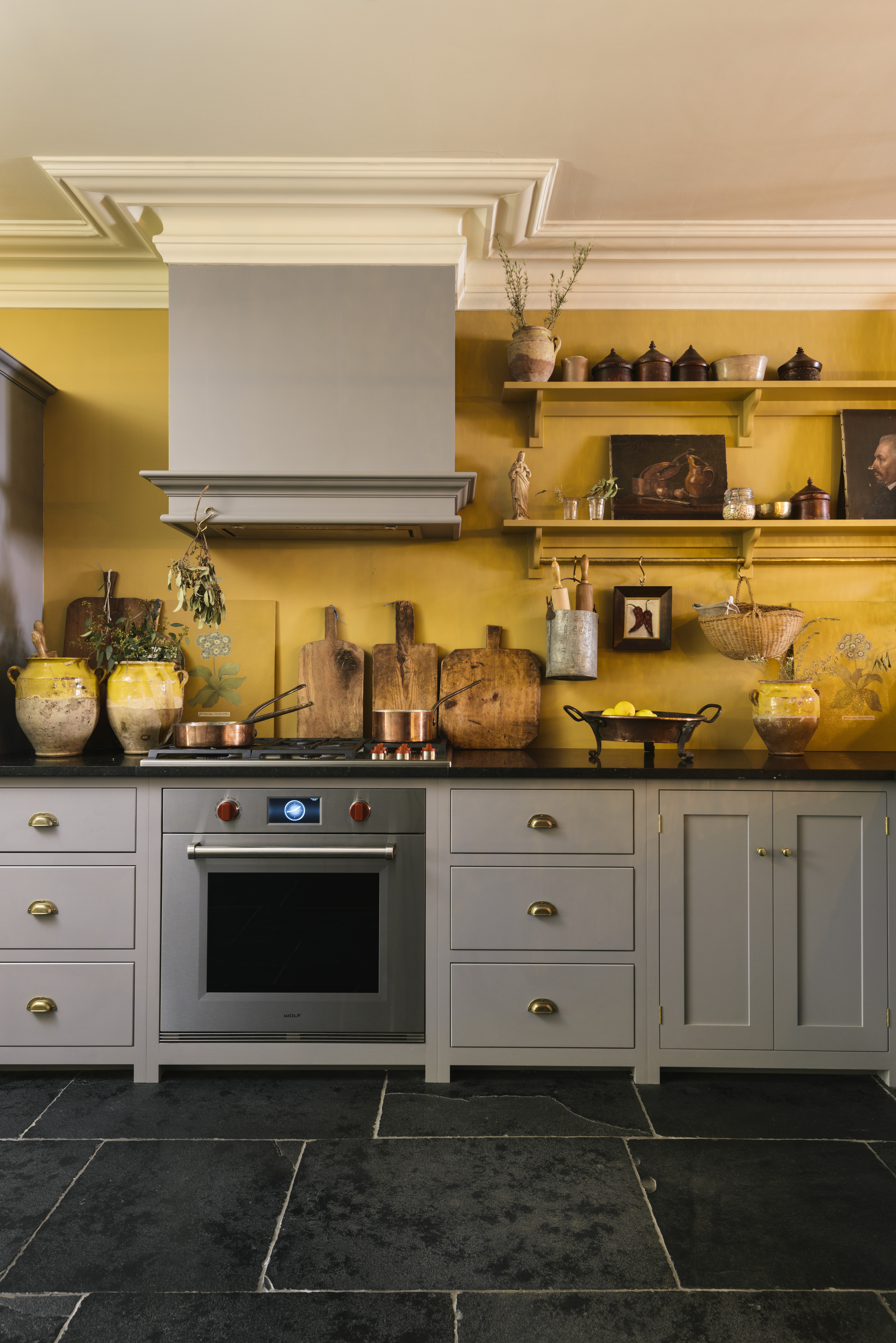
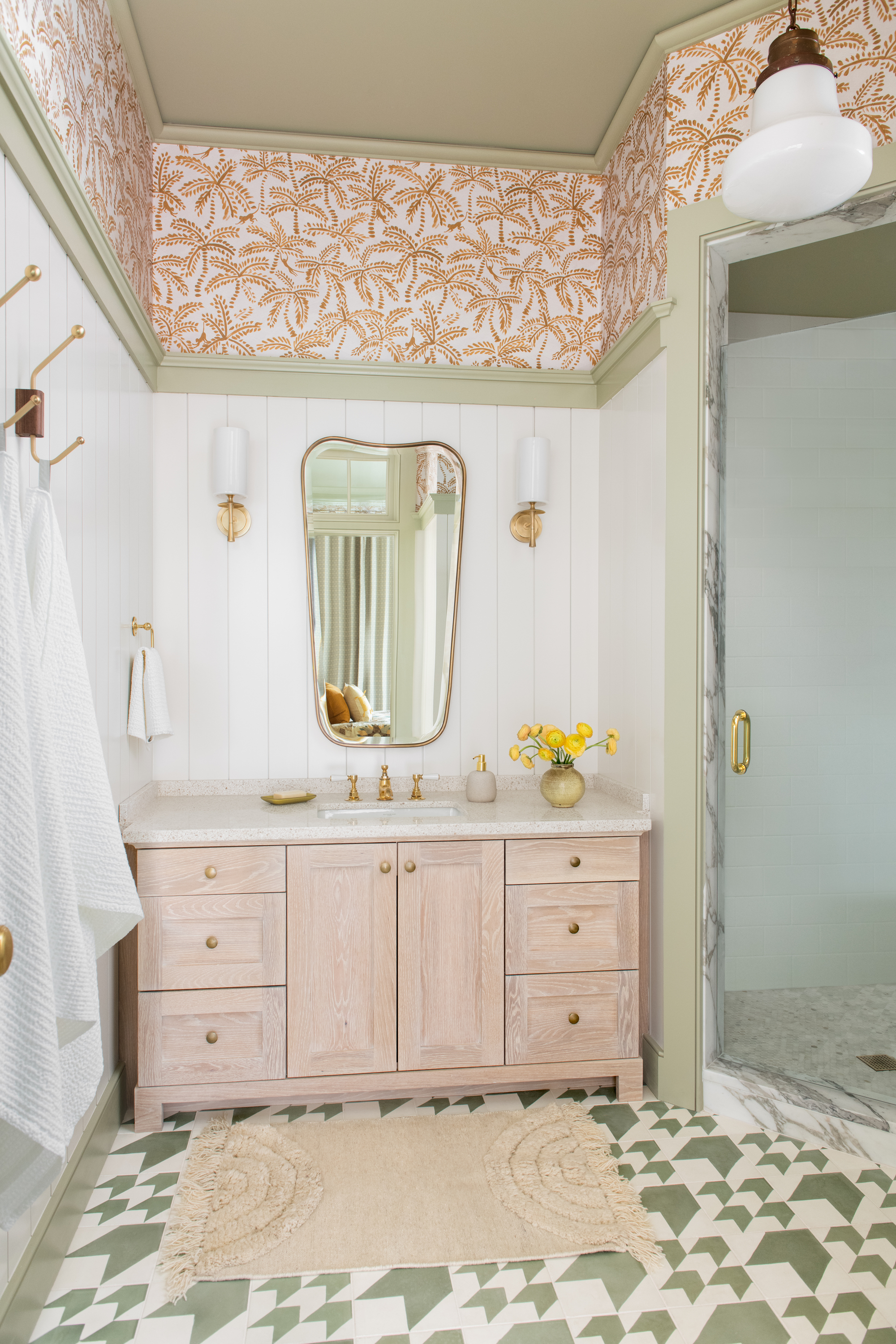
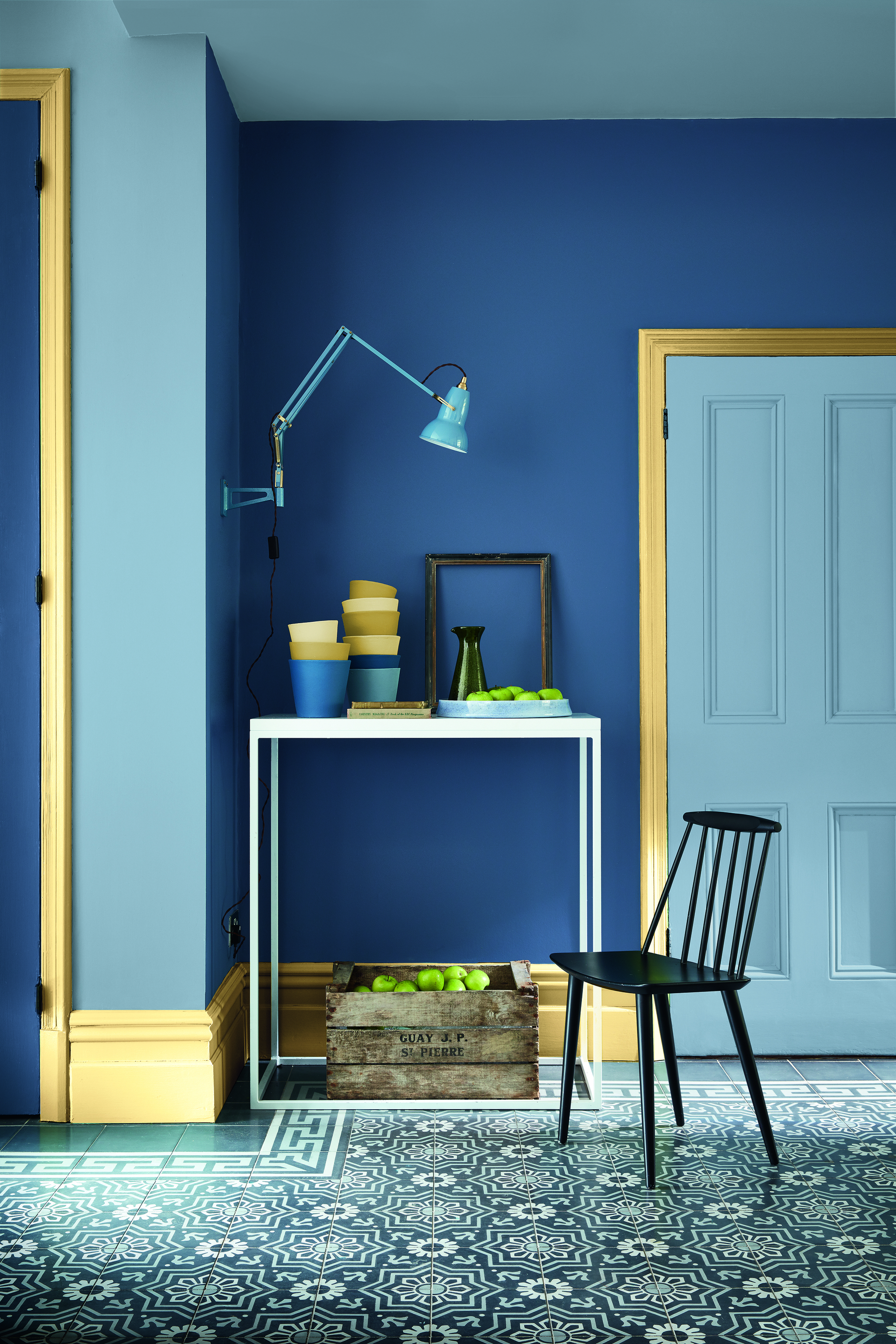
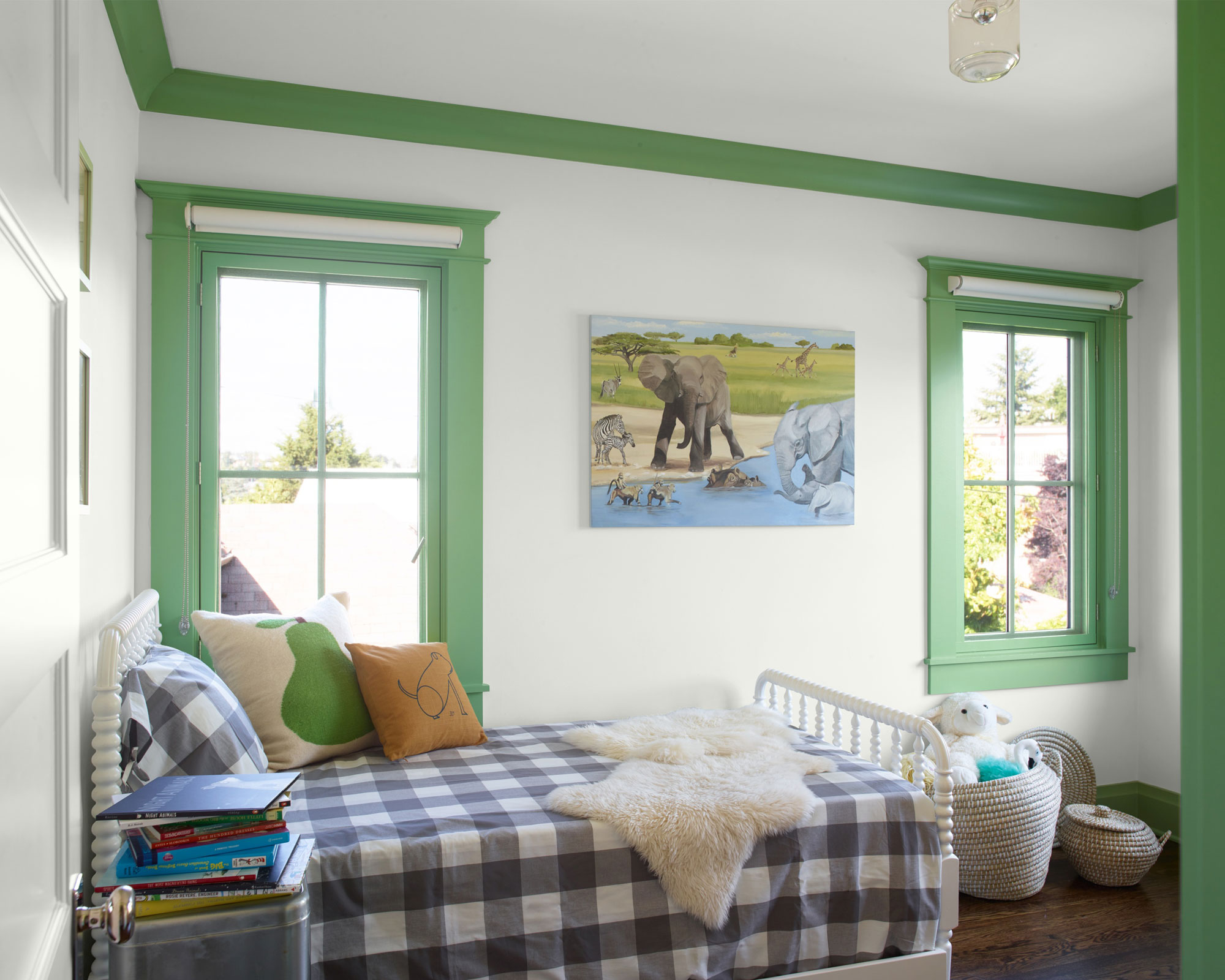
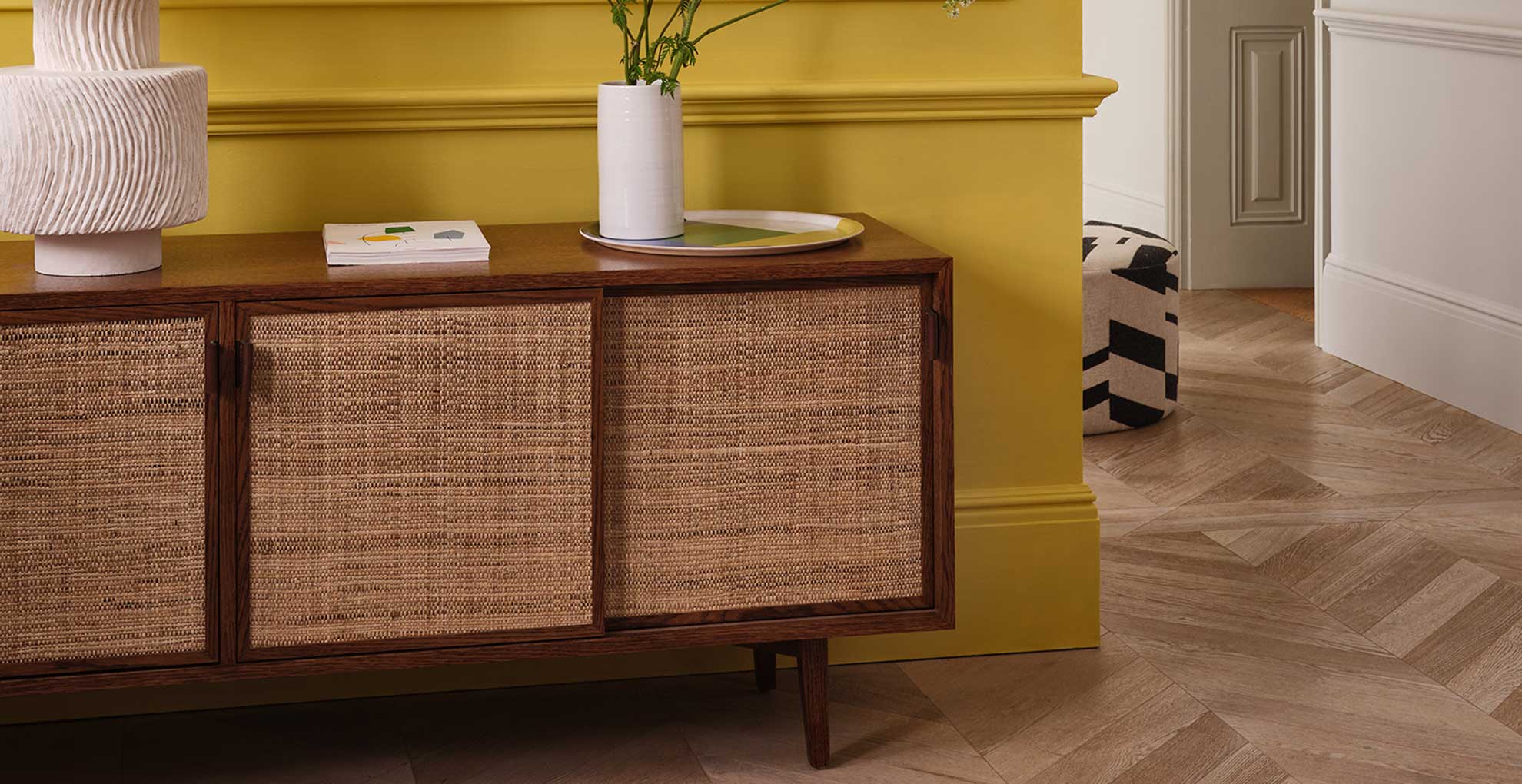
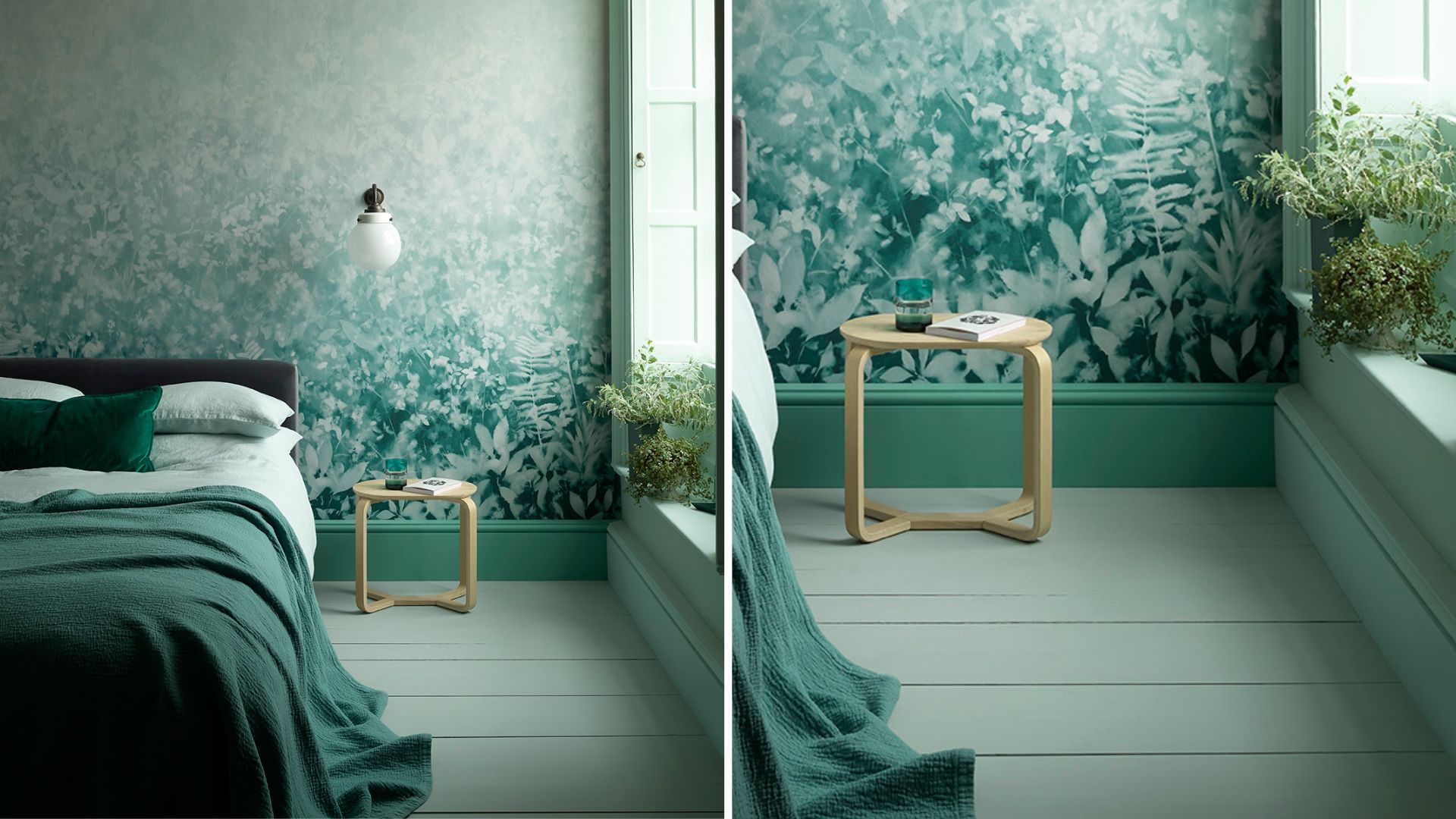
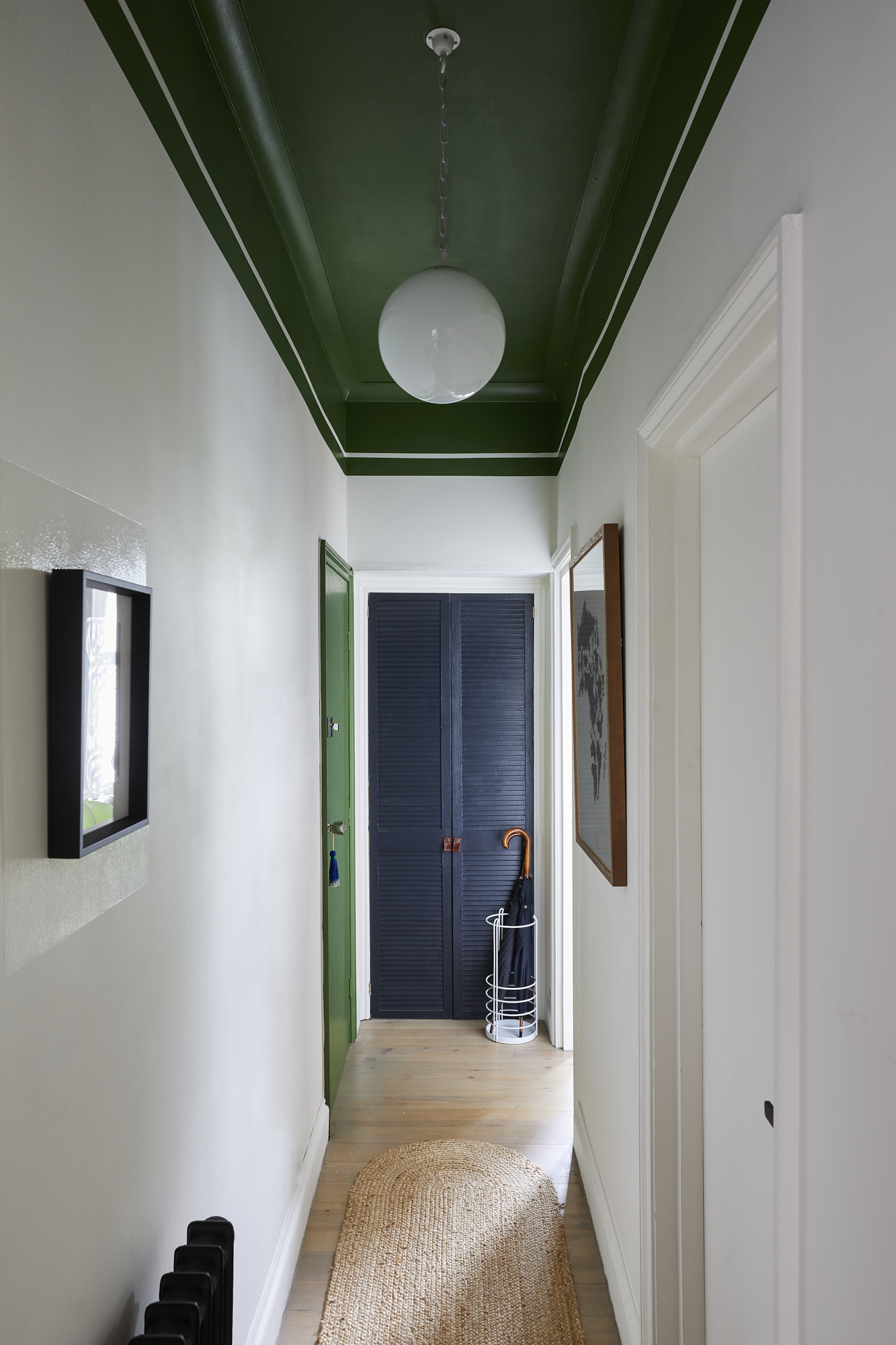
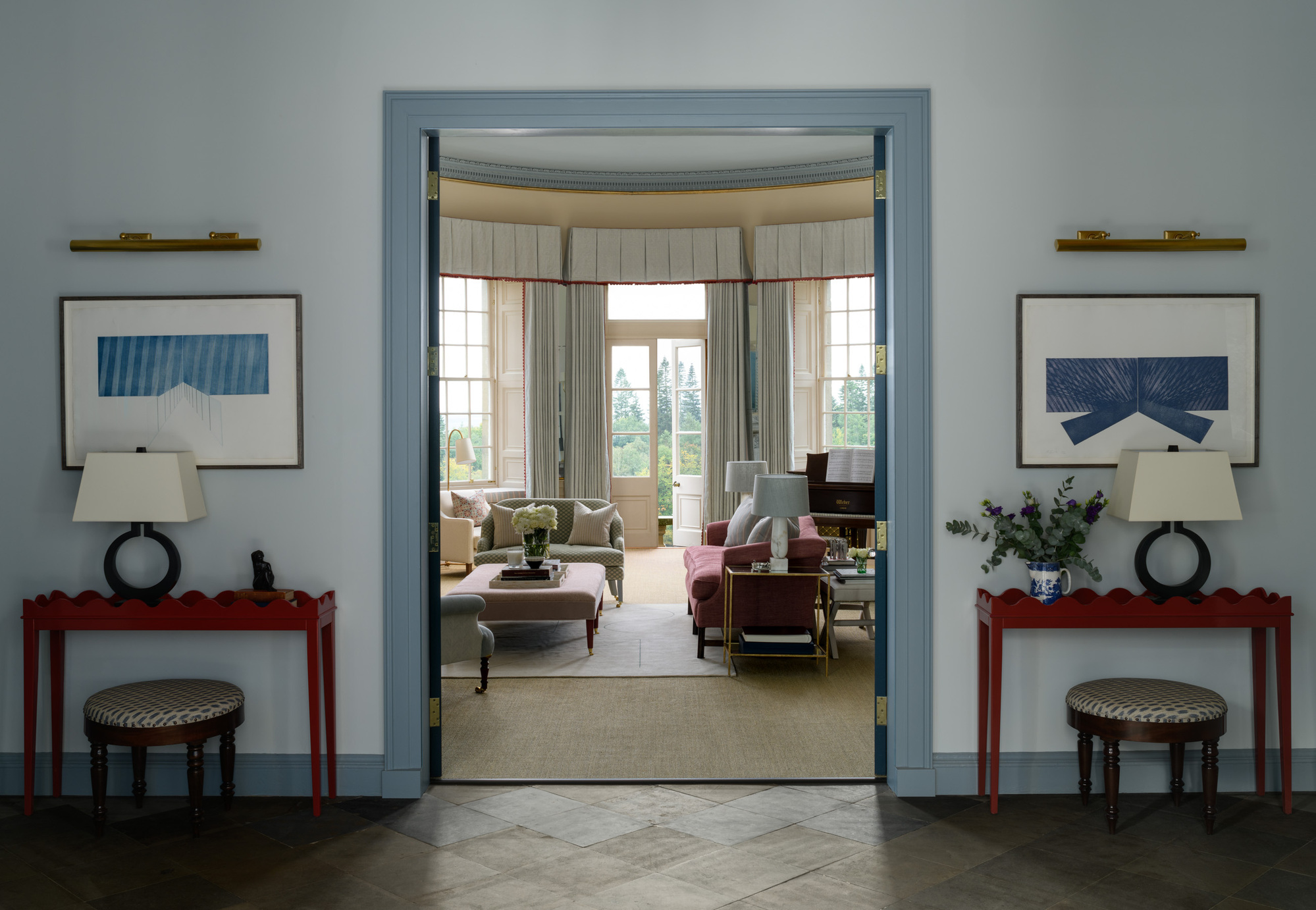
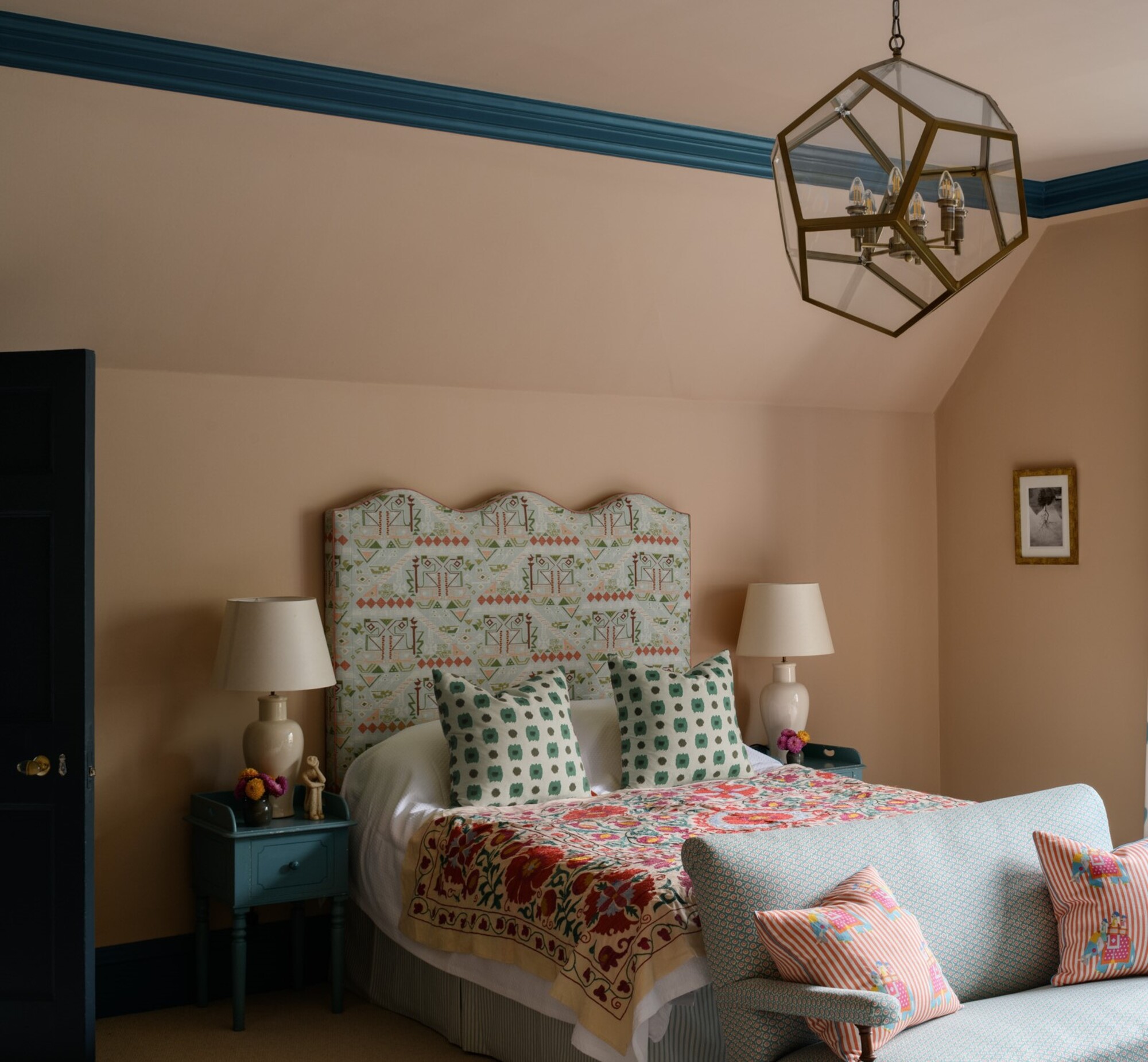
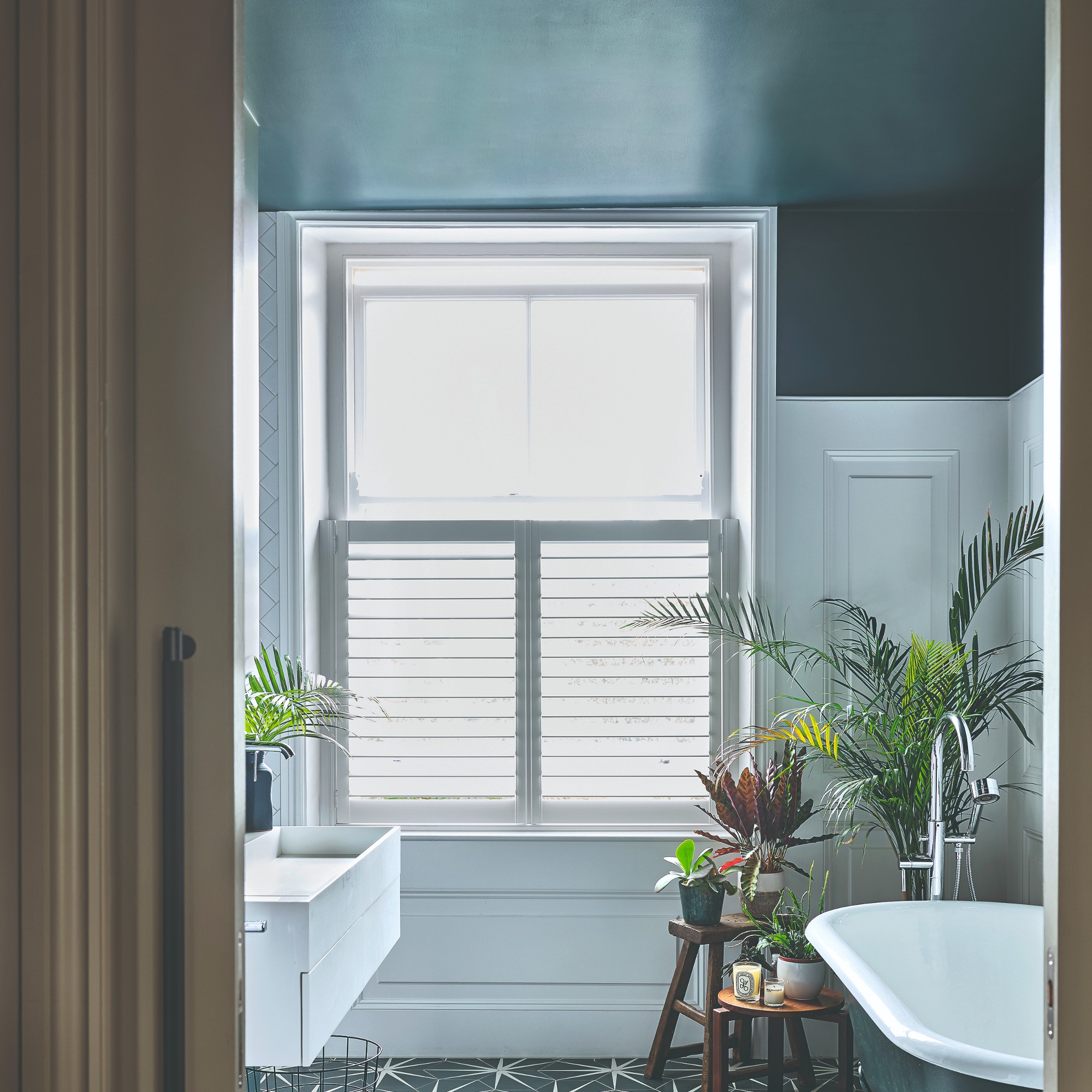
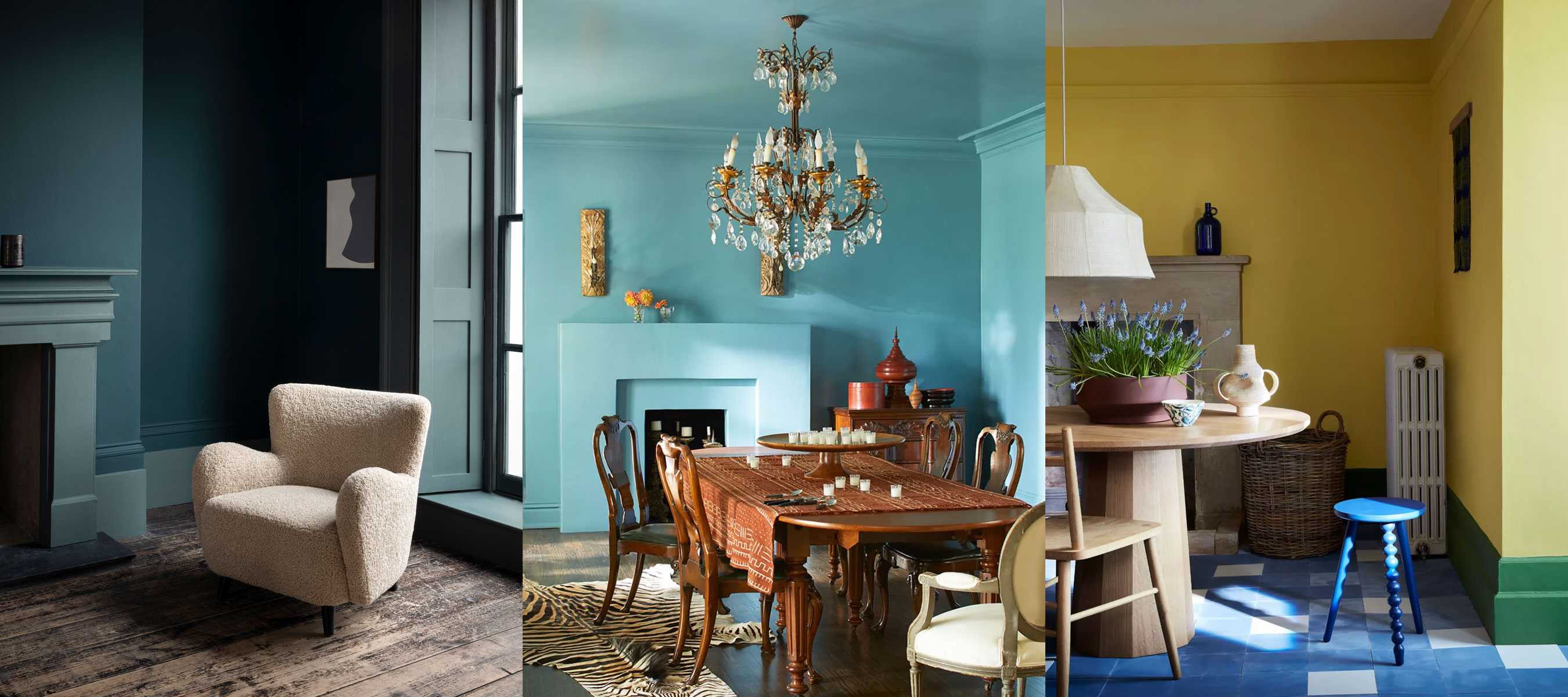
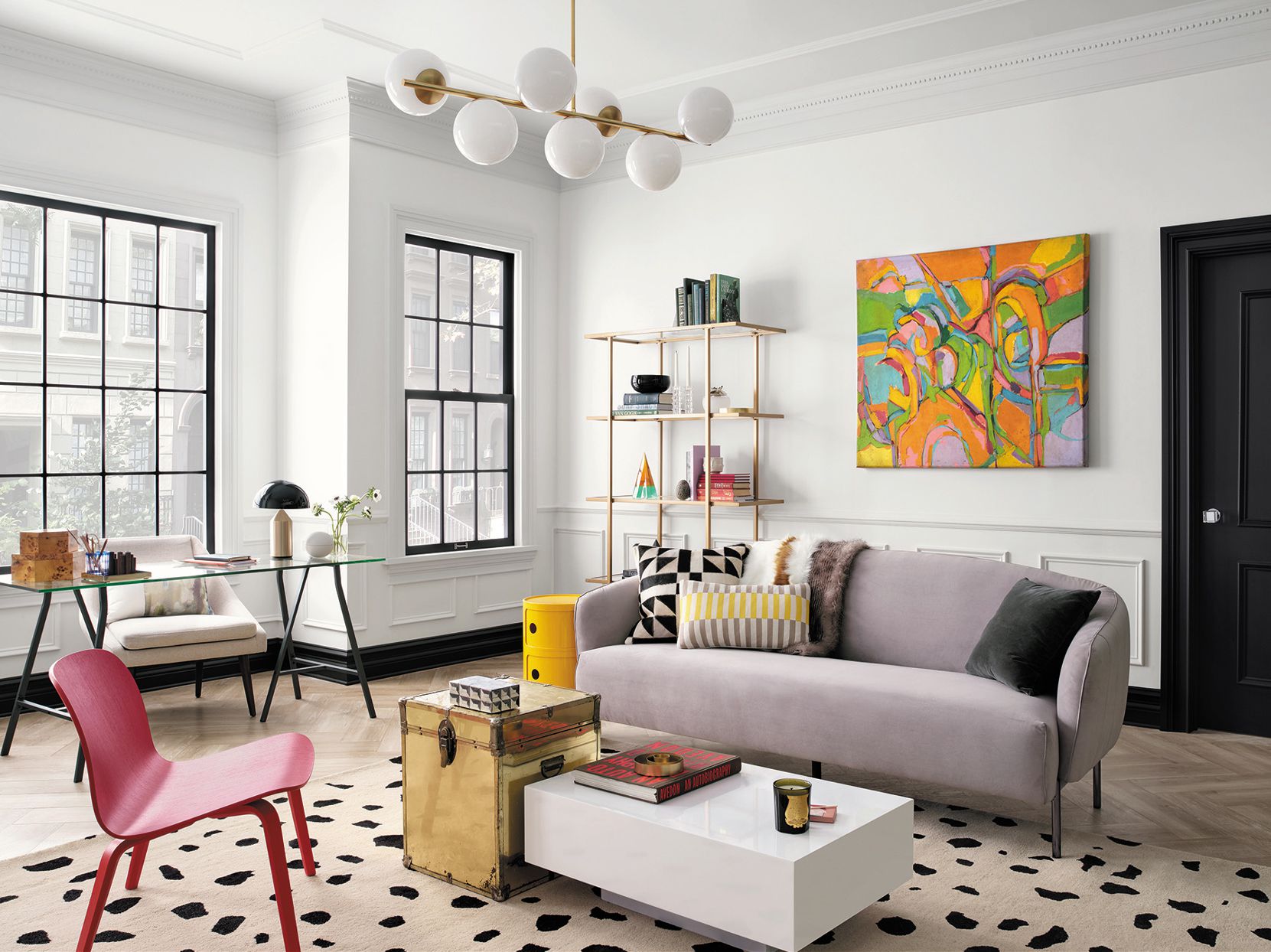
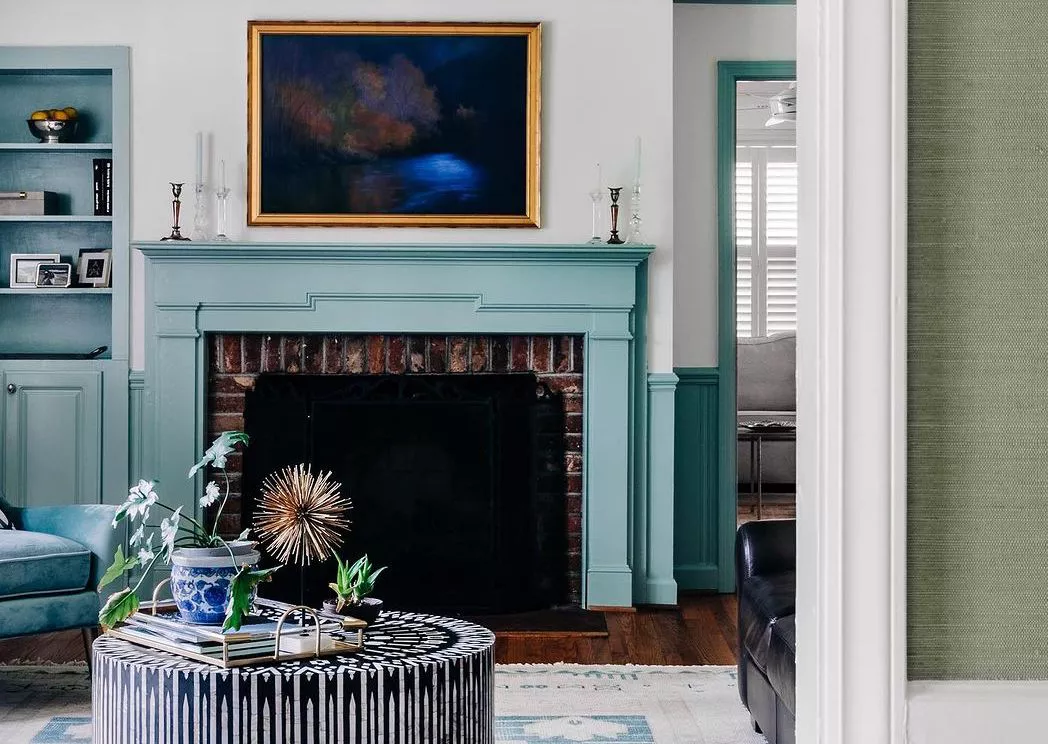
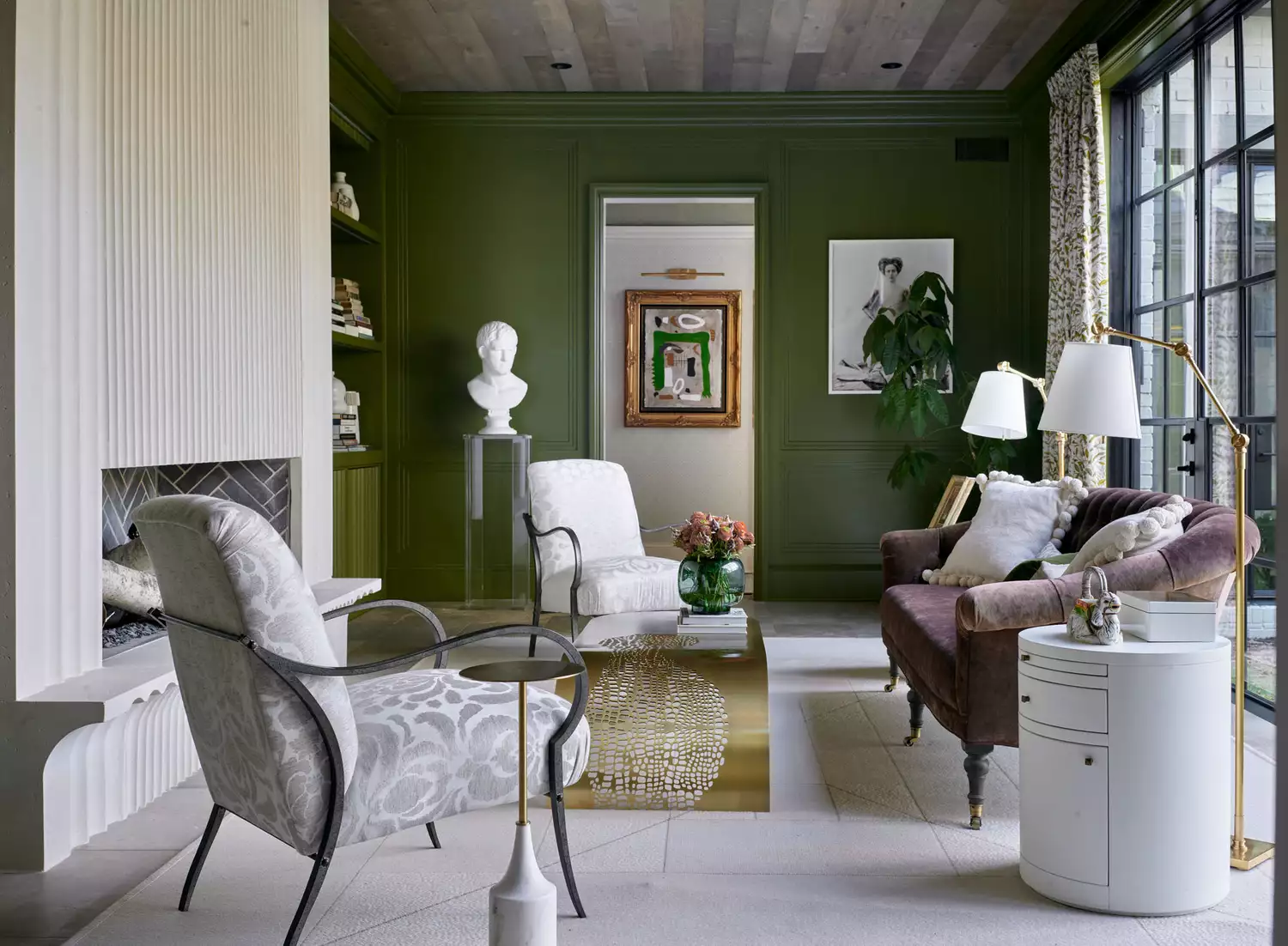
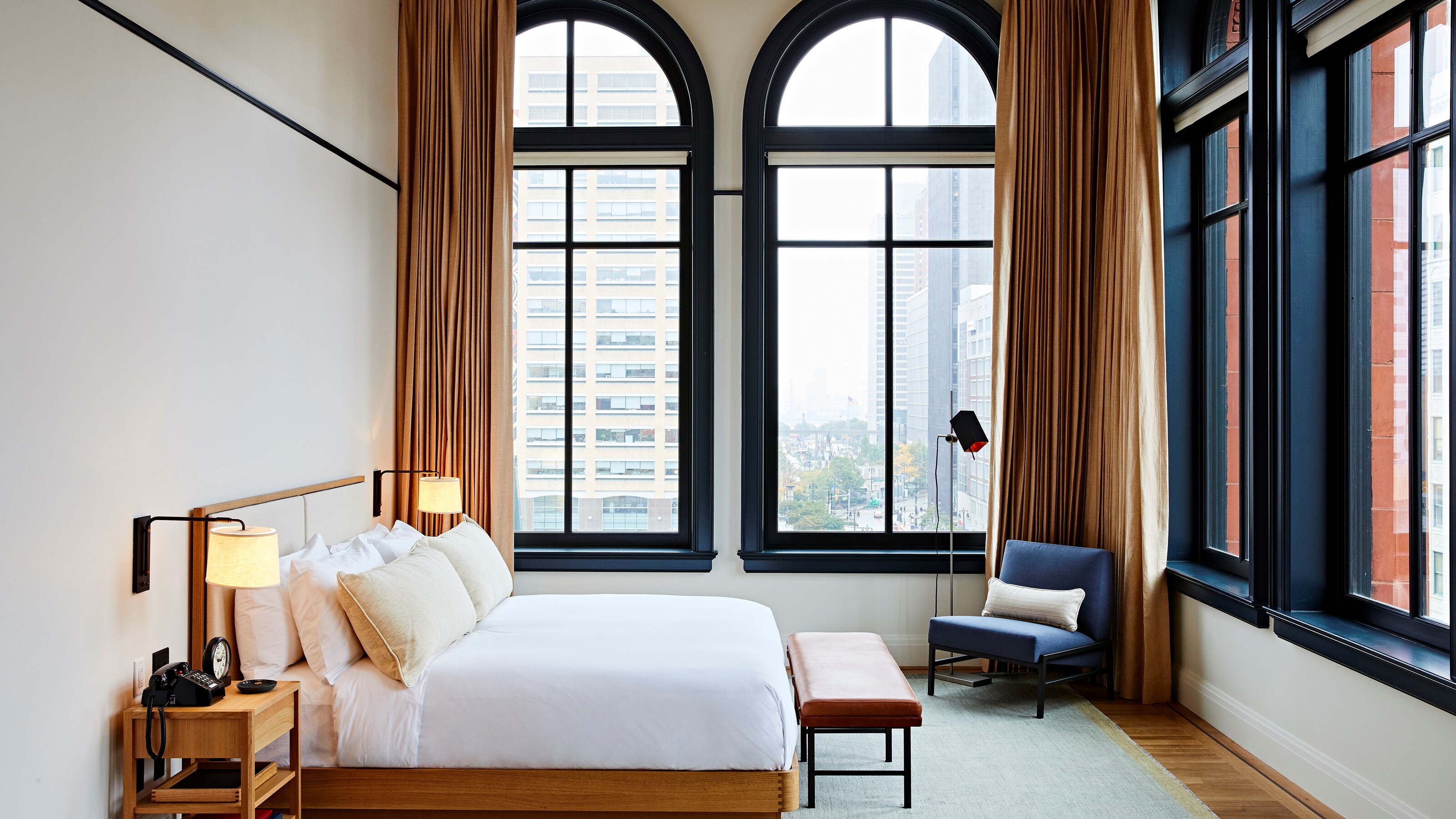
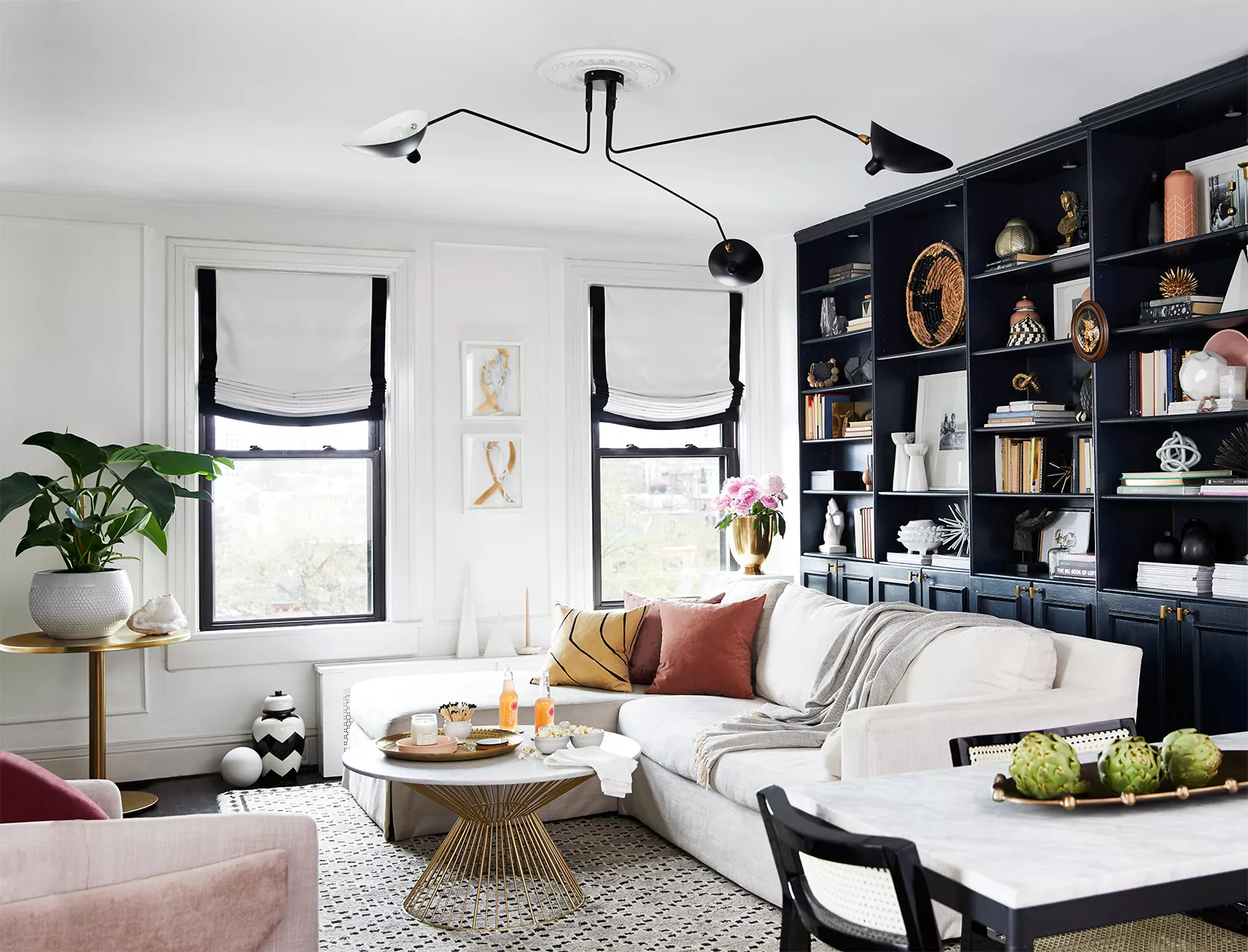
Using colored trim is another way to emphasize architectural features, adding a contemporary touch and highlighting fine details like carved doors, large windows, or decorative molding. This trend allows for a broad spectrum of color choices, often influenced by the existing furniture or dominant colors in the room. Selecting a color within the same family as the wall color, perhaps a slightly lighter or darker tone, or picking a color frequently appearing in the space, can create a cohesive and impactful look. Colored trim can also beautifully complement playful or richly patterned wallpaper, providing a seamless transition that white or wood trim might not achieve. When pairing with wallpaper, choosing a trim color directly from the wallpaper pattern helps to blend design elements harmoniously.
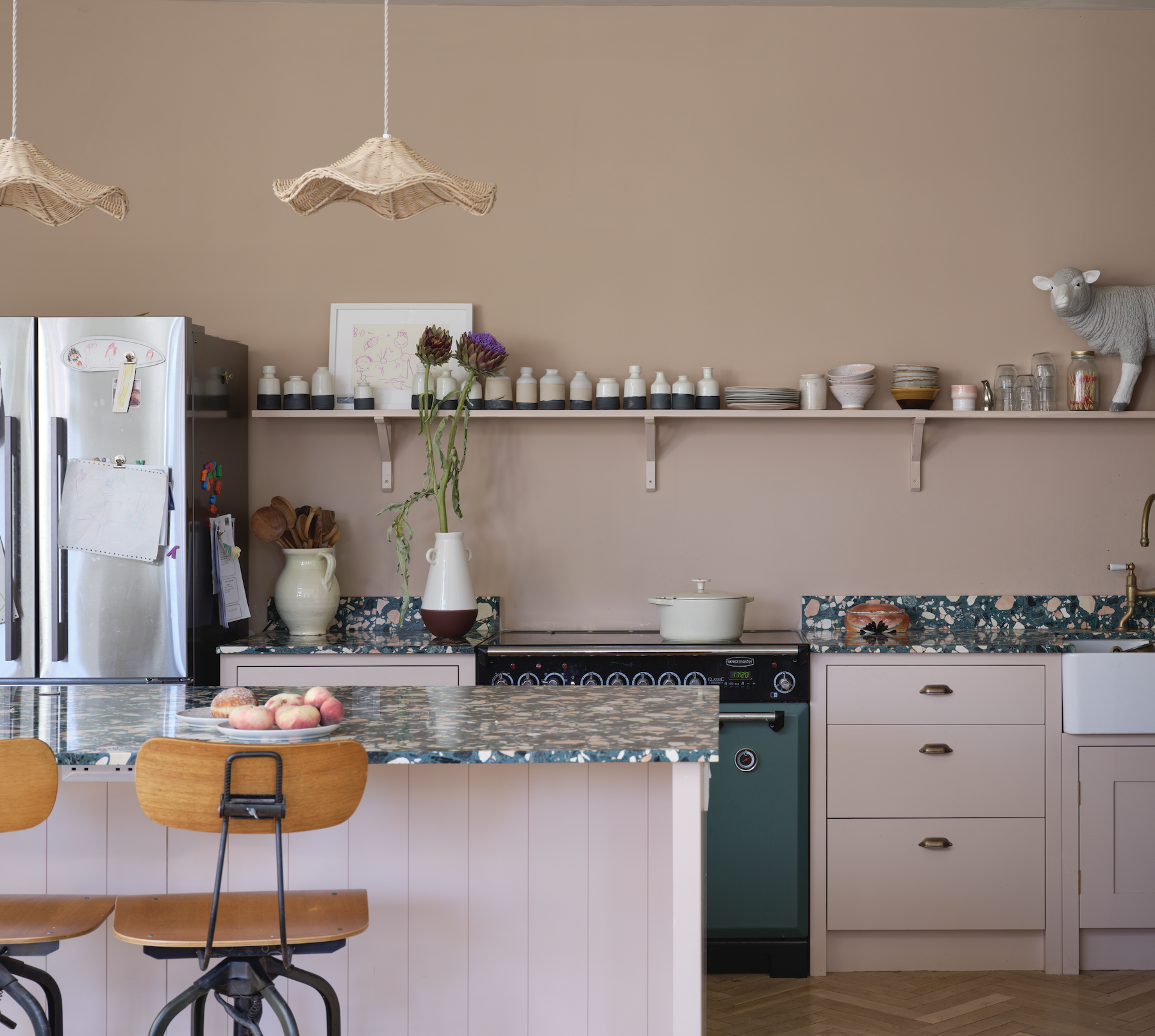
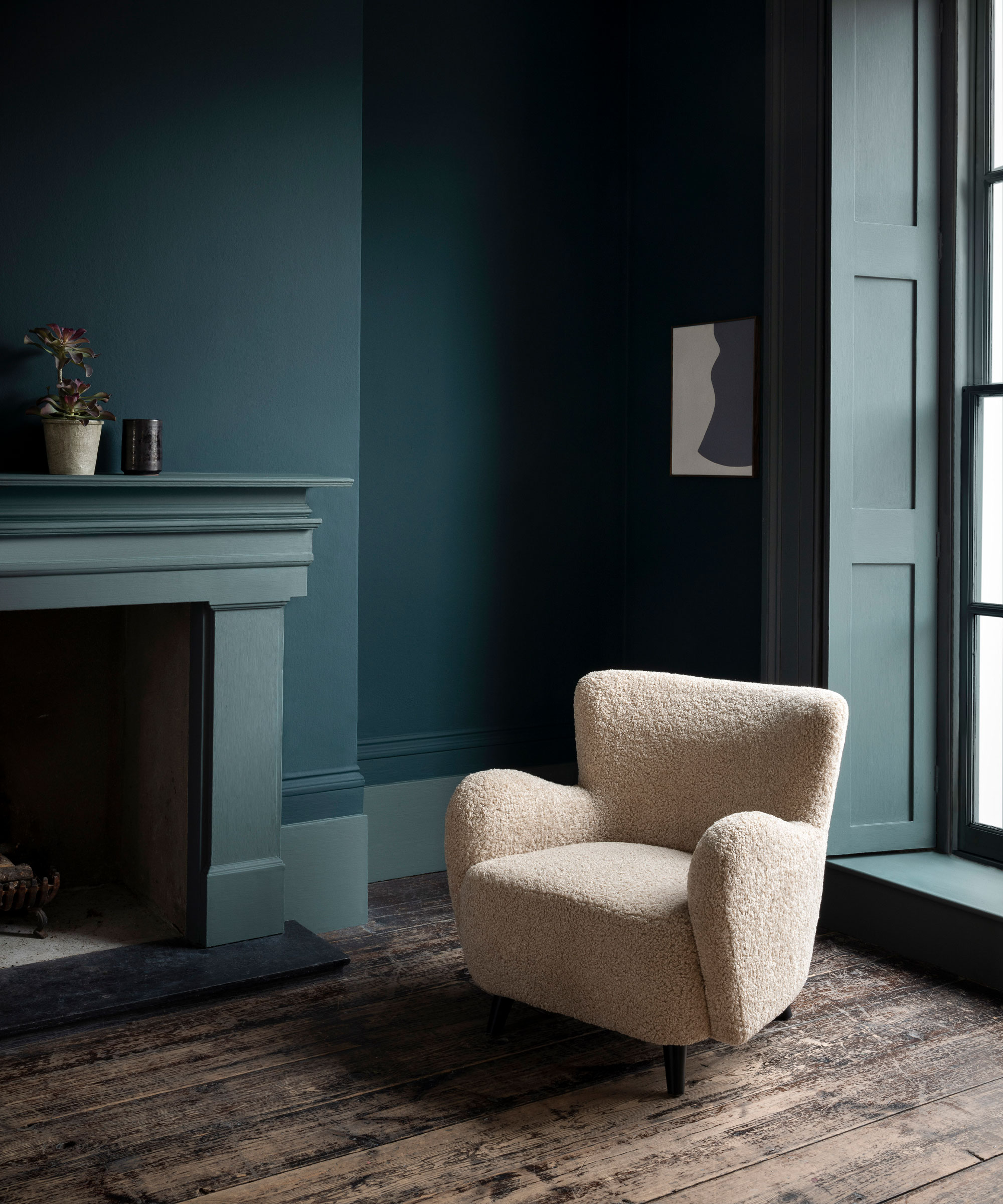
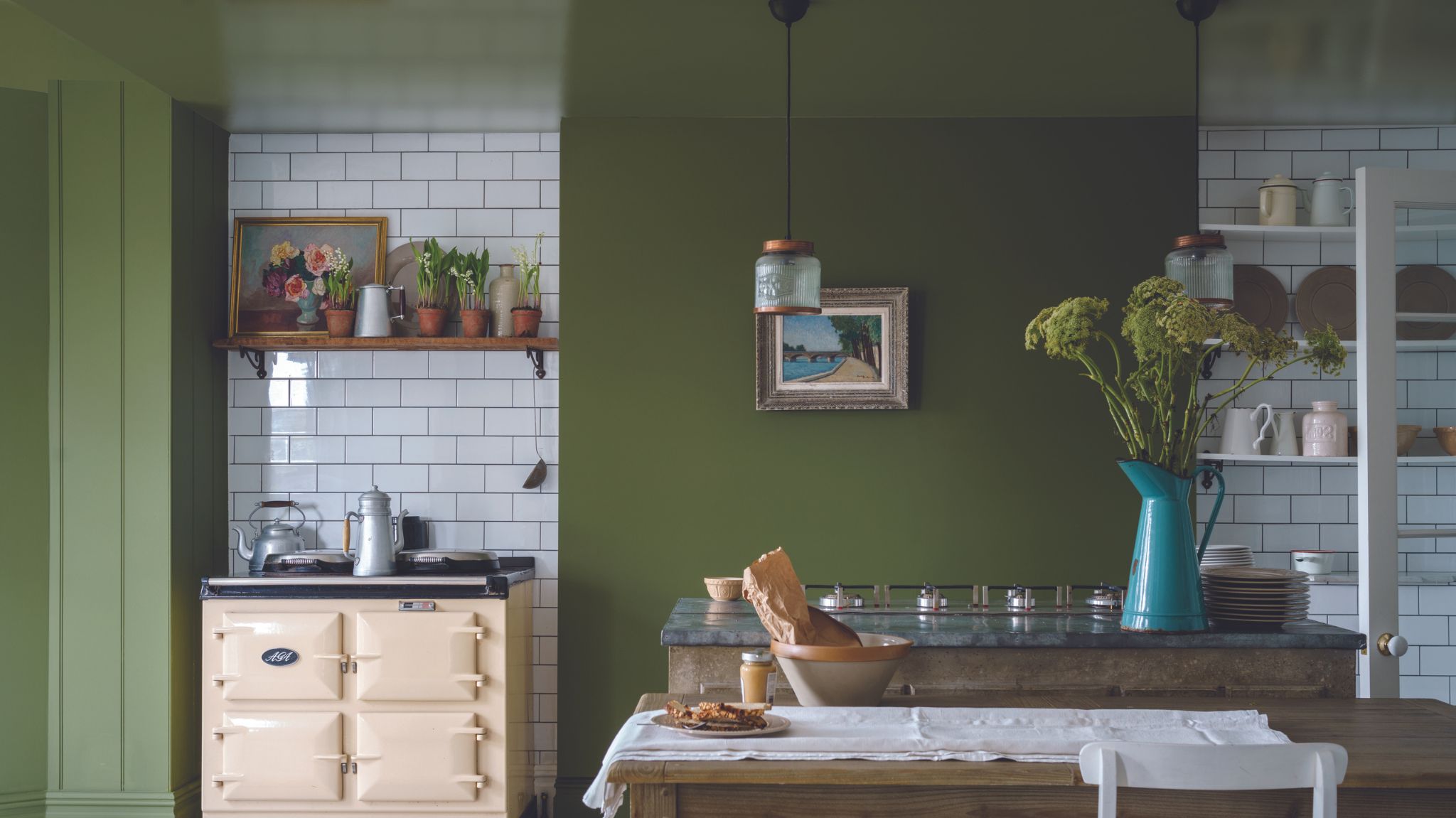
Another innovative approach involves using a high-sheen paint for the trim in the same color as the walls. This method creates a subtle distinction through varying textures and finishes without introducing a new color. A higher sheen, such as semi-gloss or satin, on the trim contrasts with an eggshell finish on the walls, producing a sophisticated 'jewel box effect.' For a more dramatic statement, painting an entire room, including the trim, in a high-gloss finish can be mesmerizing.
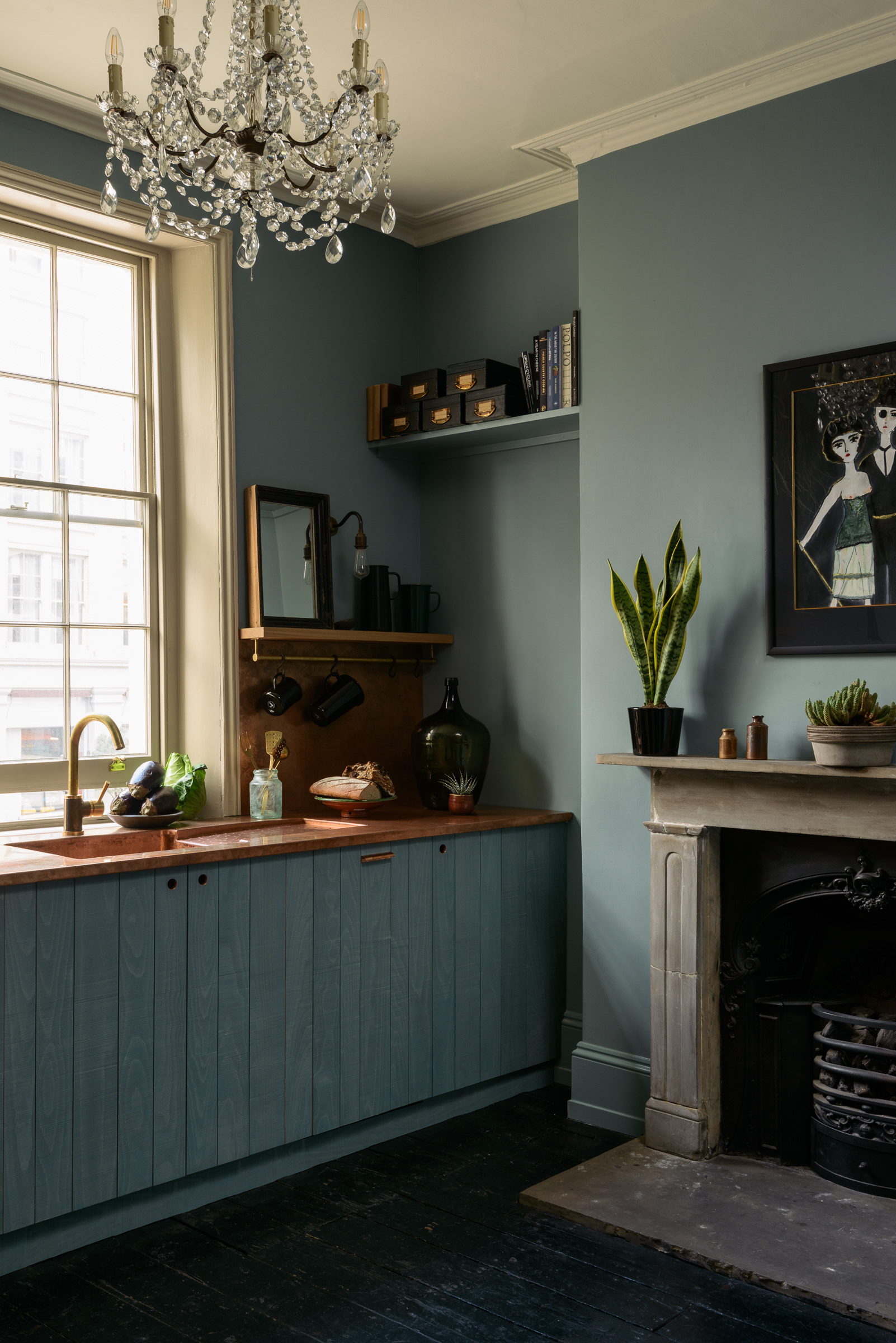
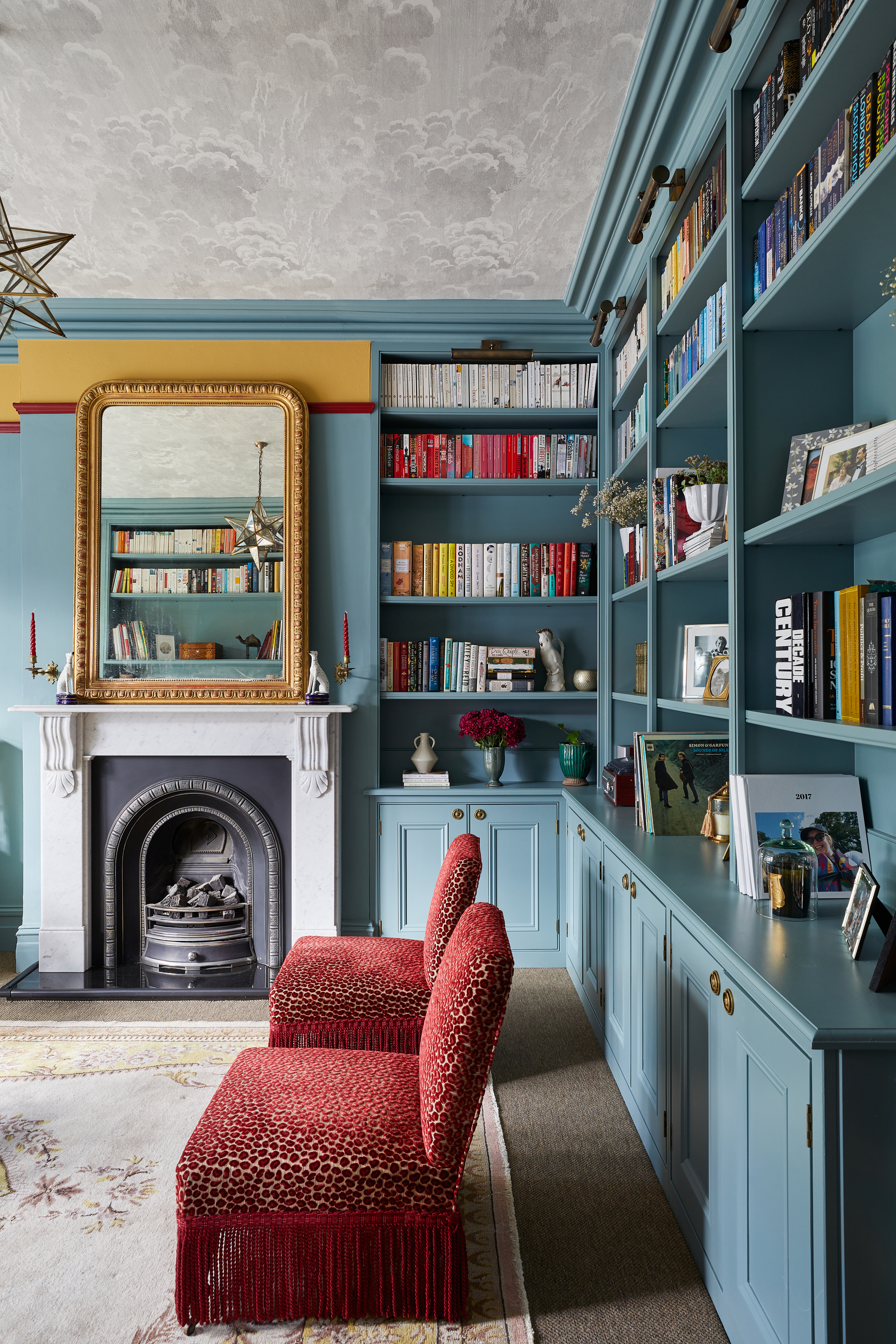
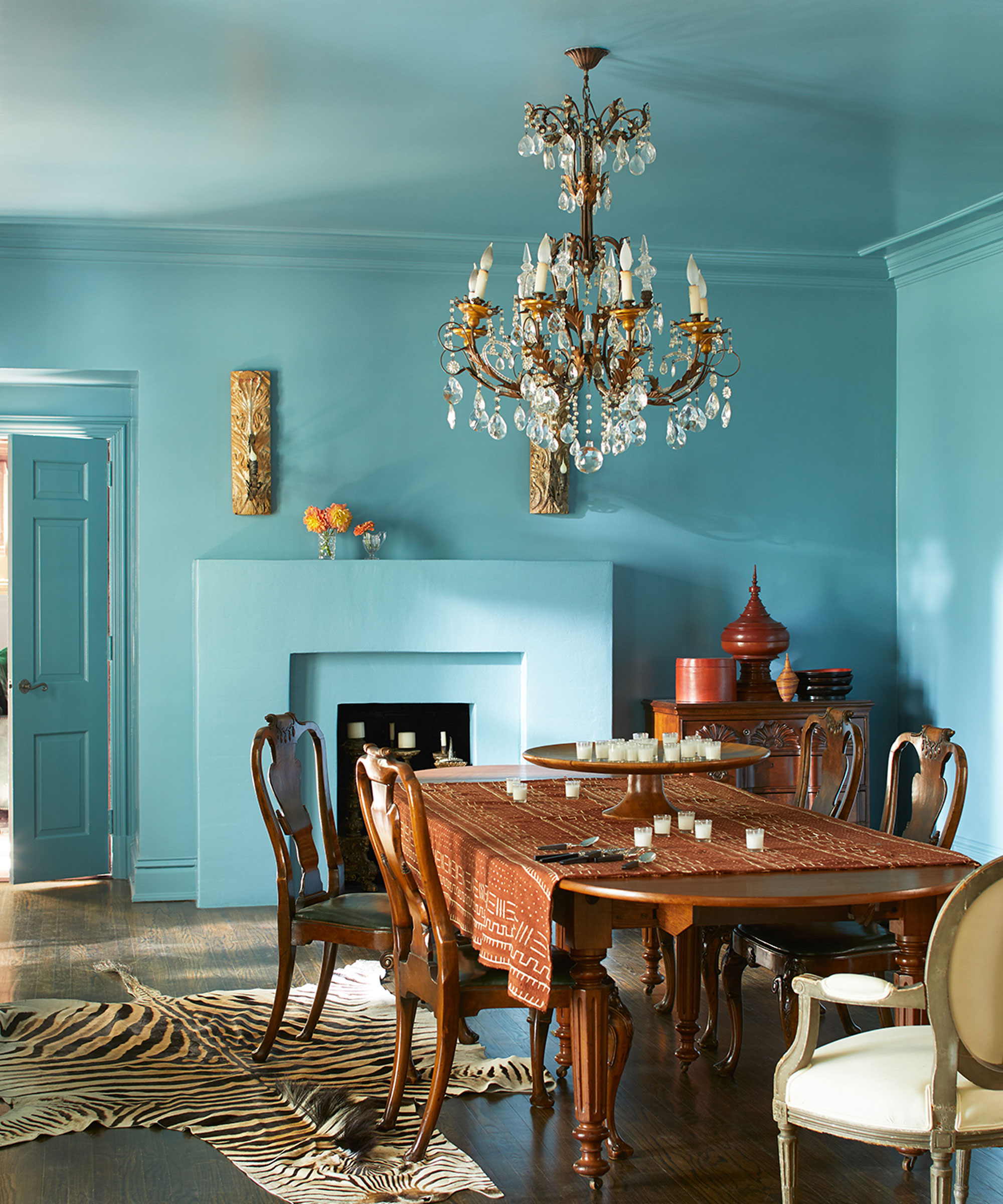
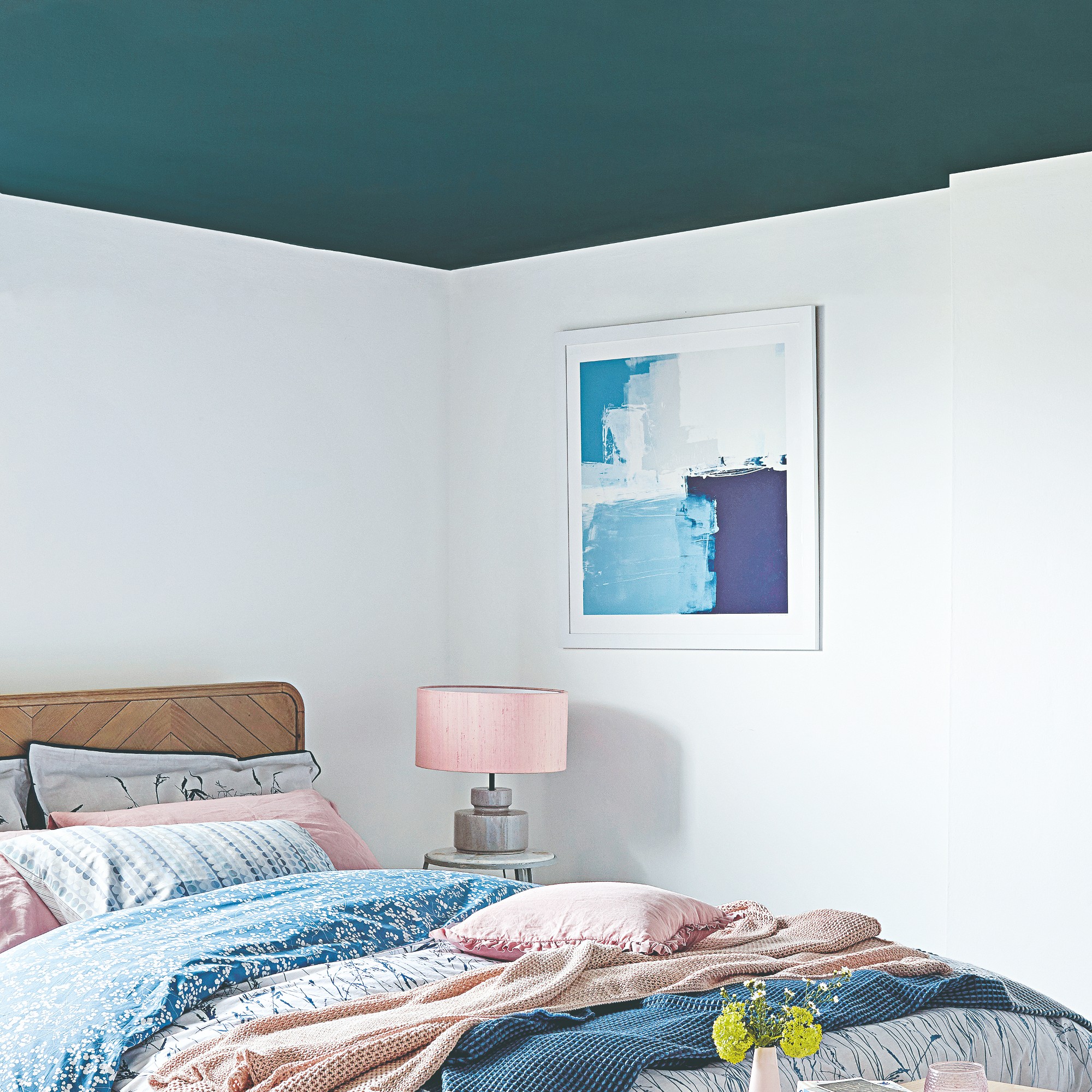
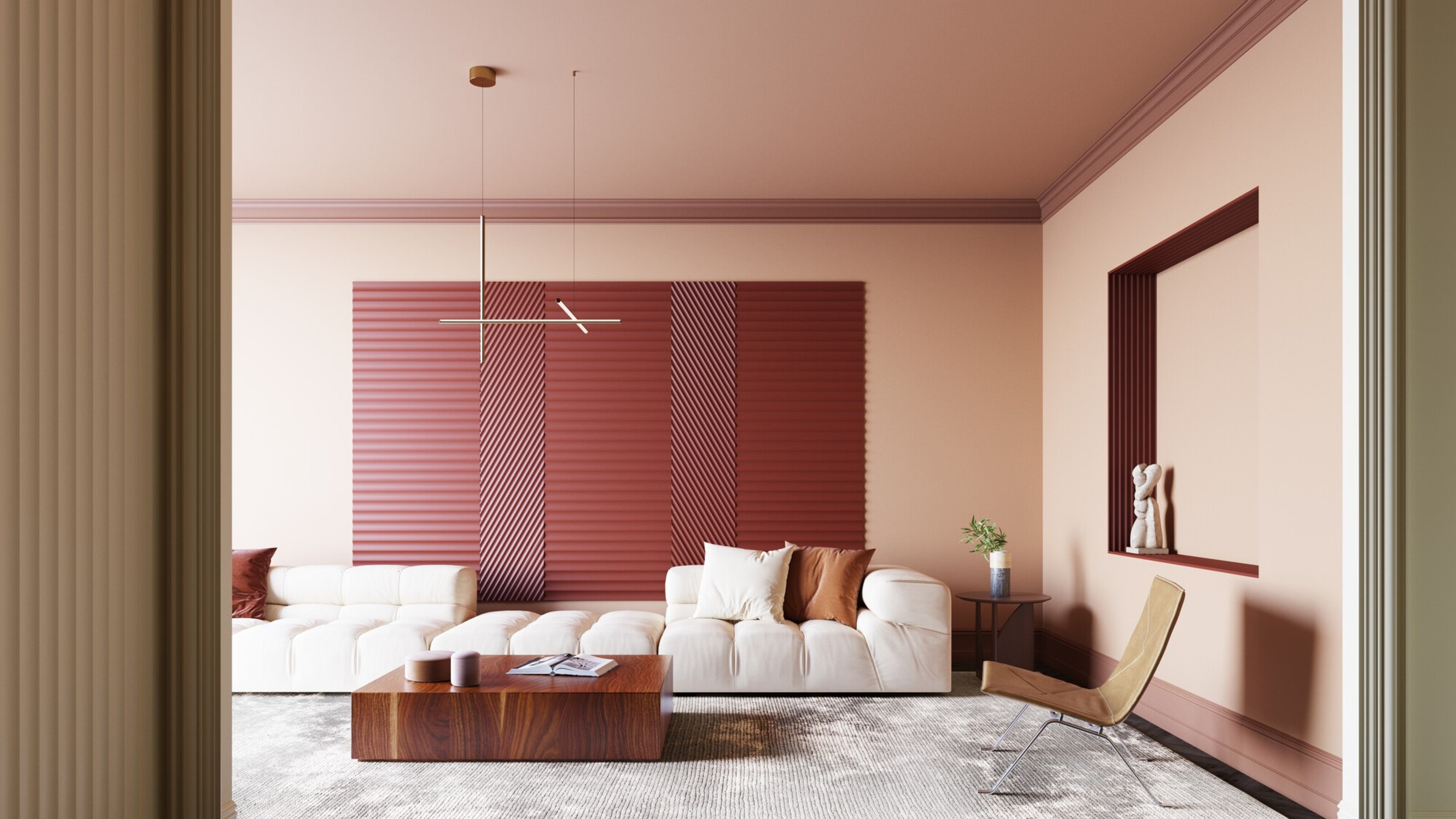
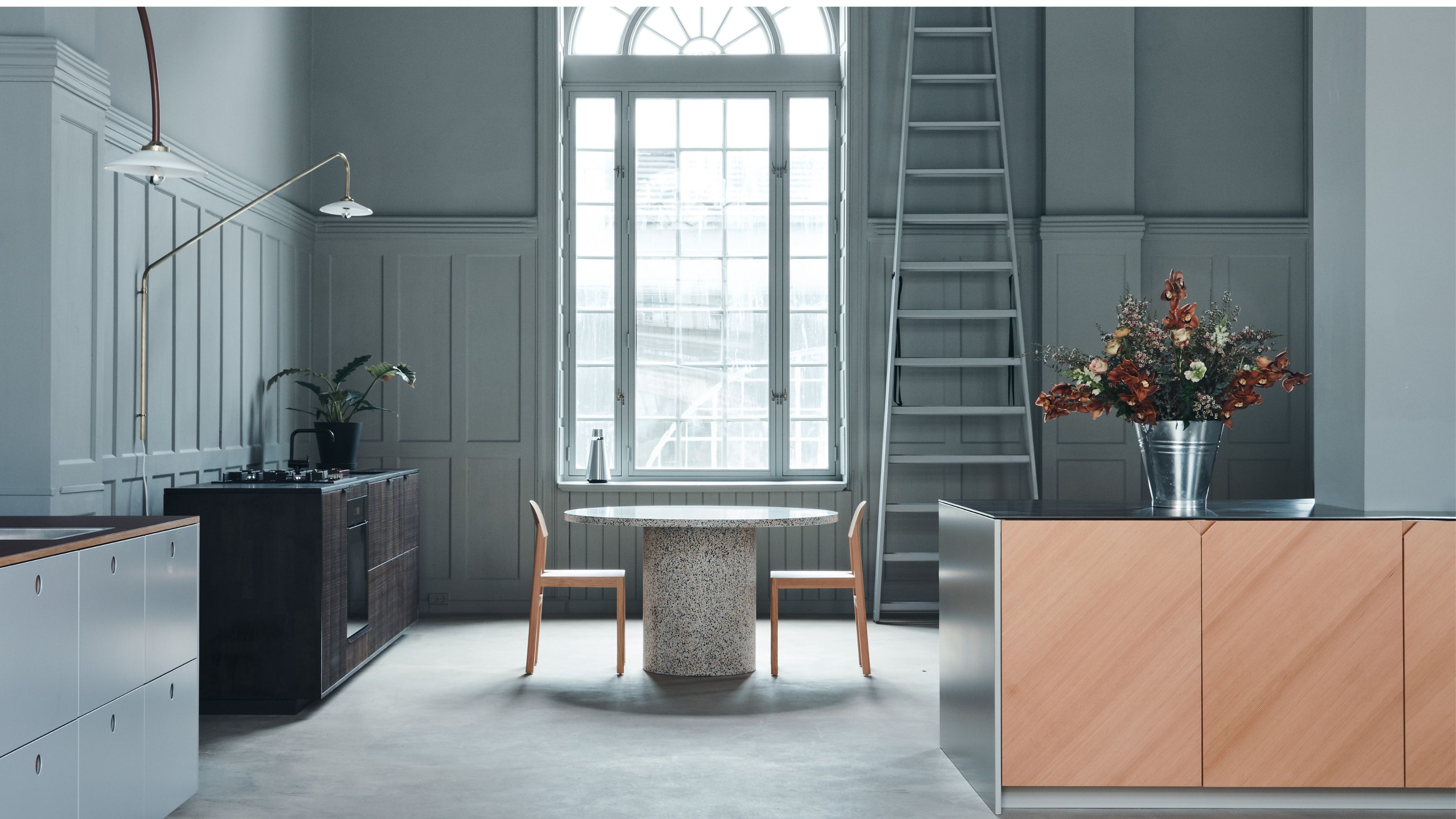
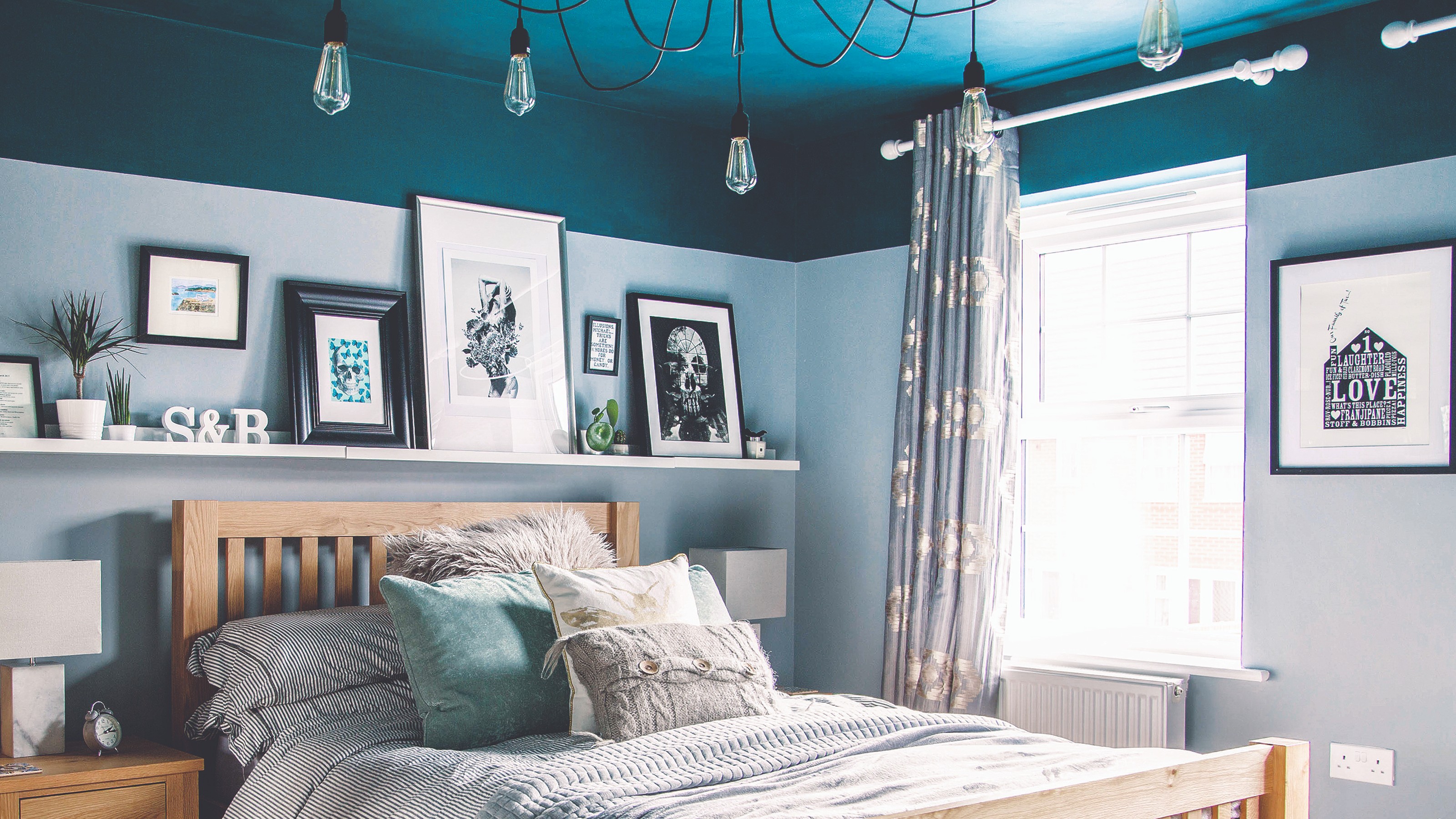
Finally, the monochromatic look involves painting all surfaces—walls, ceiling, and trim—in a single color. This technique is particularly effective in smaller rooms, as it creates an illusion of limitless space and a cozy, enveloping atmosphere. It works equally well with dark or neutral palettes, offering an optimistic pale blue example that evokes a sense of expansive sky. Ultimately, the choice of trim color depends on the desired ambiance, the architectural style of the home, and personal design preferences.
#WallTrim #InteriorDesign #PaintColors #HomeDecor #ArchitecturalMolding #MonochromaticScheme #DesignTrends #ColorSelection #WallTrim #InteriorDesign #PaintColors #HomeDecor #ArchitecturalMolding #MonochromaticScheme #DesignTrends #ColorSelection
0 comment in total
 No comments yet
You may also like
5 Classic Wall and Trim Color Combinations—and 5 for Rule-Breakers Only

Should your trim match your wall color? Experts reveal 6 color tips that can lead to decorating success

Which white paint is the best? Experts reveal the perfect shade of white for every room and feature
White walls? The trick is choosing the right white

How White Wall Paint Can Transform the Look of Your Home | PS Home
6 painting mistakes that are making your walls look 'dirtier' – and what you should be doing instead
The Best White Paint for Walls That Experts Swear By

5 Problems With Painting Your Walls White That No-One Ever Talks About (Until Now)
5 Reasons You Shouldn't Paint Your Kitchen Walls White — And the Alternatives You Need to Try
Should You Paint Trim Darker Than Walls? We Asked Designers If That Trend Will Last

I Sampled 24 White Paints—Here’s the One I Chose for Every Room of My Home

Should you paint your ceiling a different colour to the walls? Experts explain why everyone should consider it
Should You Paint Your Trim And Walls The Same Color?
This is the colour you should paint skirting boards instead of 'uninspired' white, according to experts

"Help, My White Walls Look Blue" — Here's Why It's Happening, and How to Fix This Common Problem
Are white walls still in style for 2023? How to rework this ‘vanilla’ palette for now, according to designers
What are the best trim colors? 7 alternatives to white paint to elevate your room's palette
11 Pro Tips for How To Paint Trim

I'm so over white trim! But I love these color combos designers are using to elevate rooms instead
6 Outdated Trim Colors Designers Say to Avoid—and What to Use Instead