1/13
5 Problems With Painting Your Walls White That No-One Ever Talks About (Until Now)
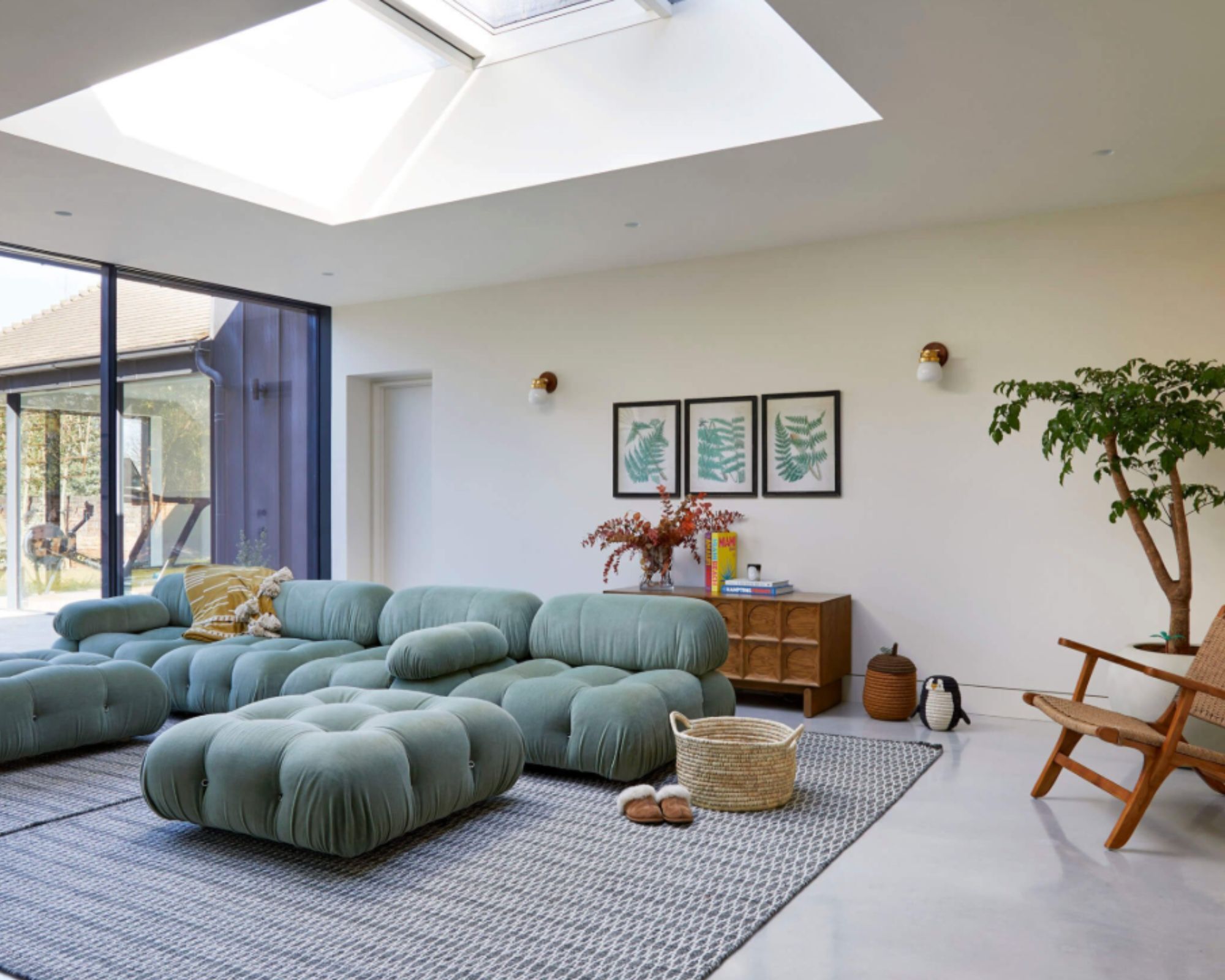
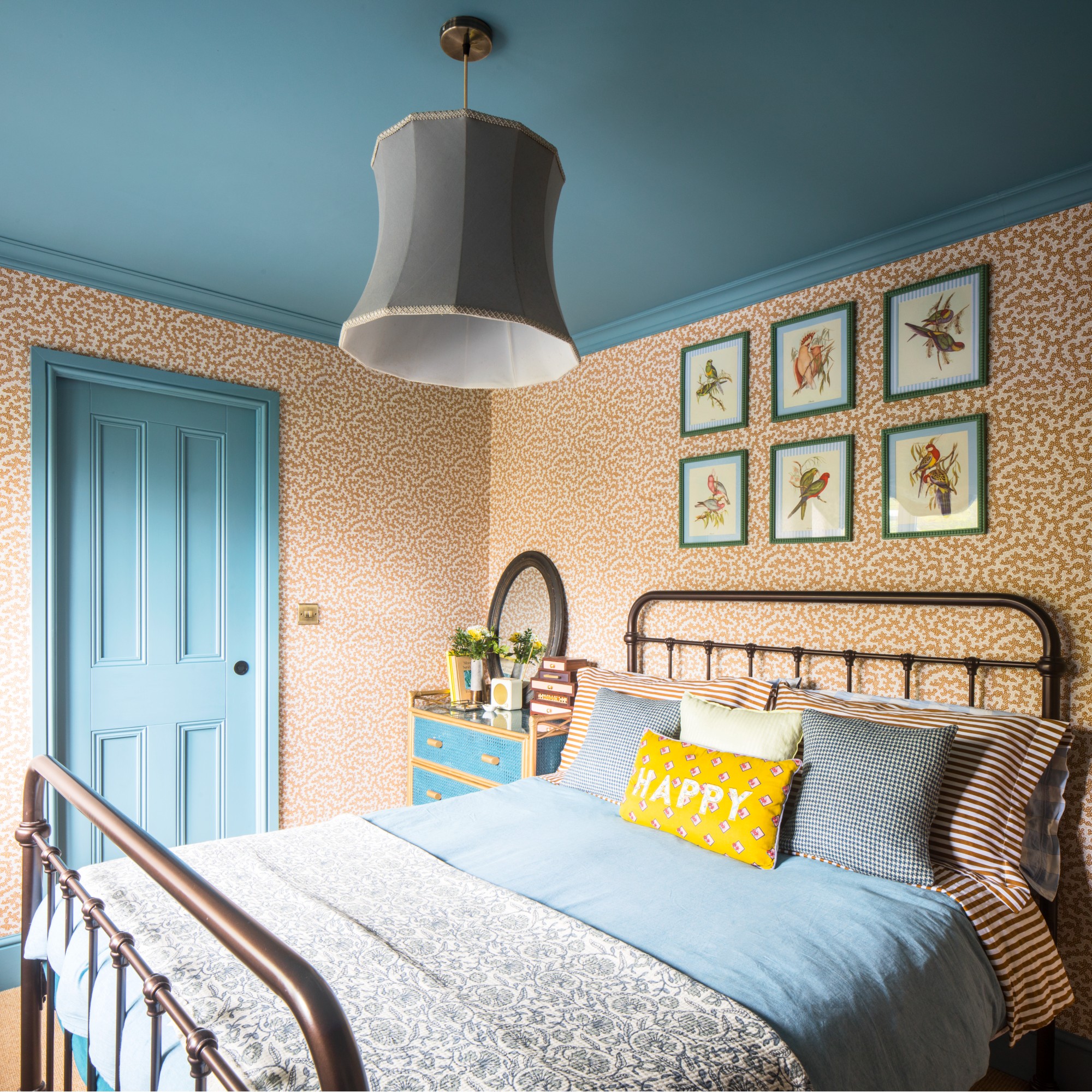
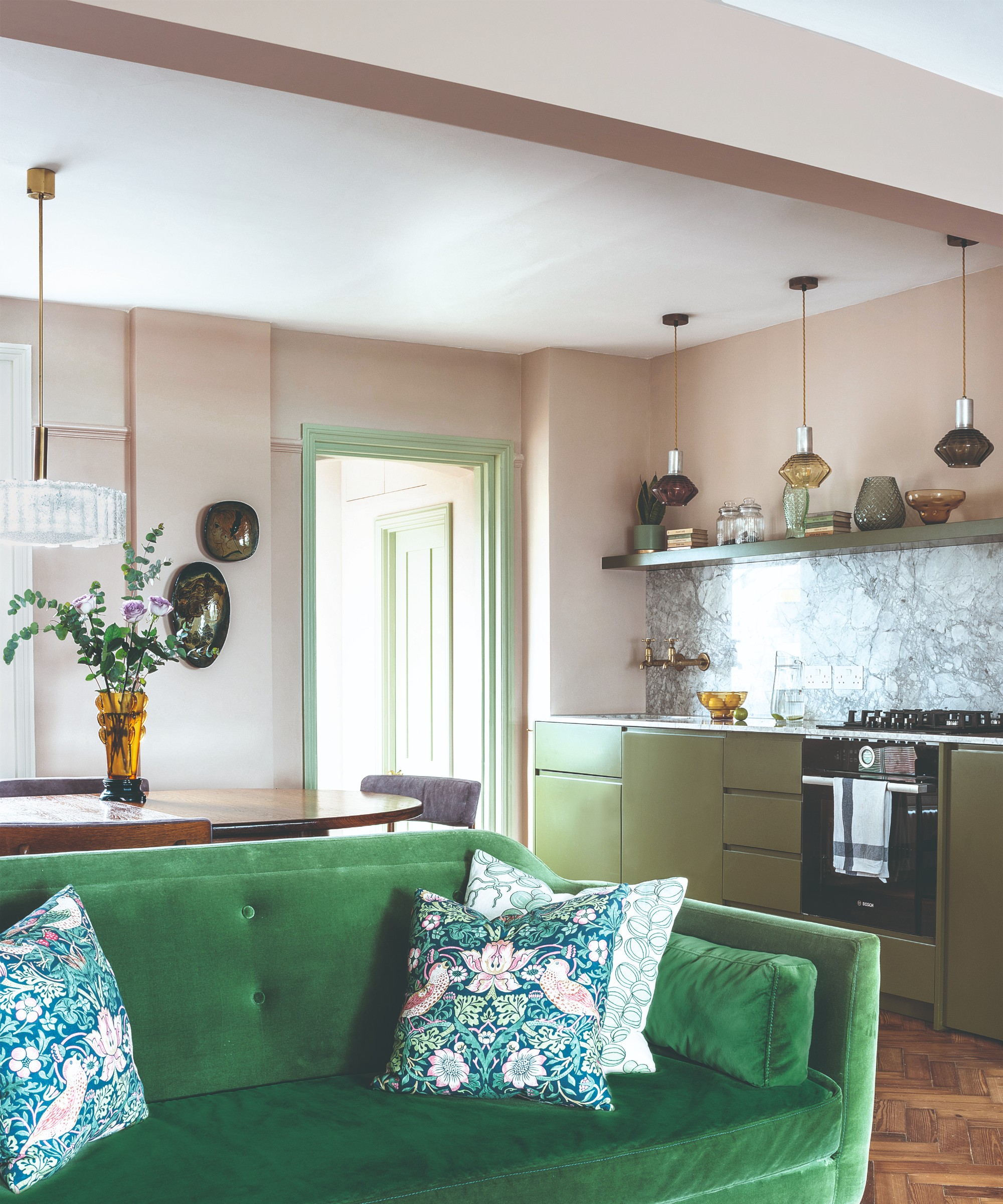
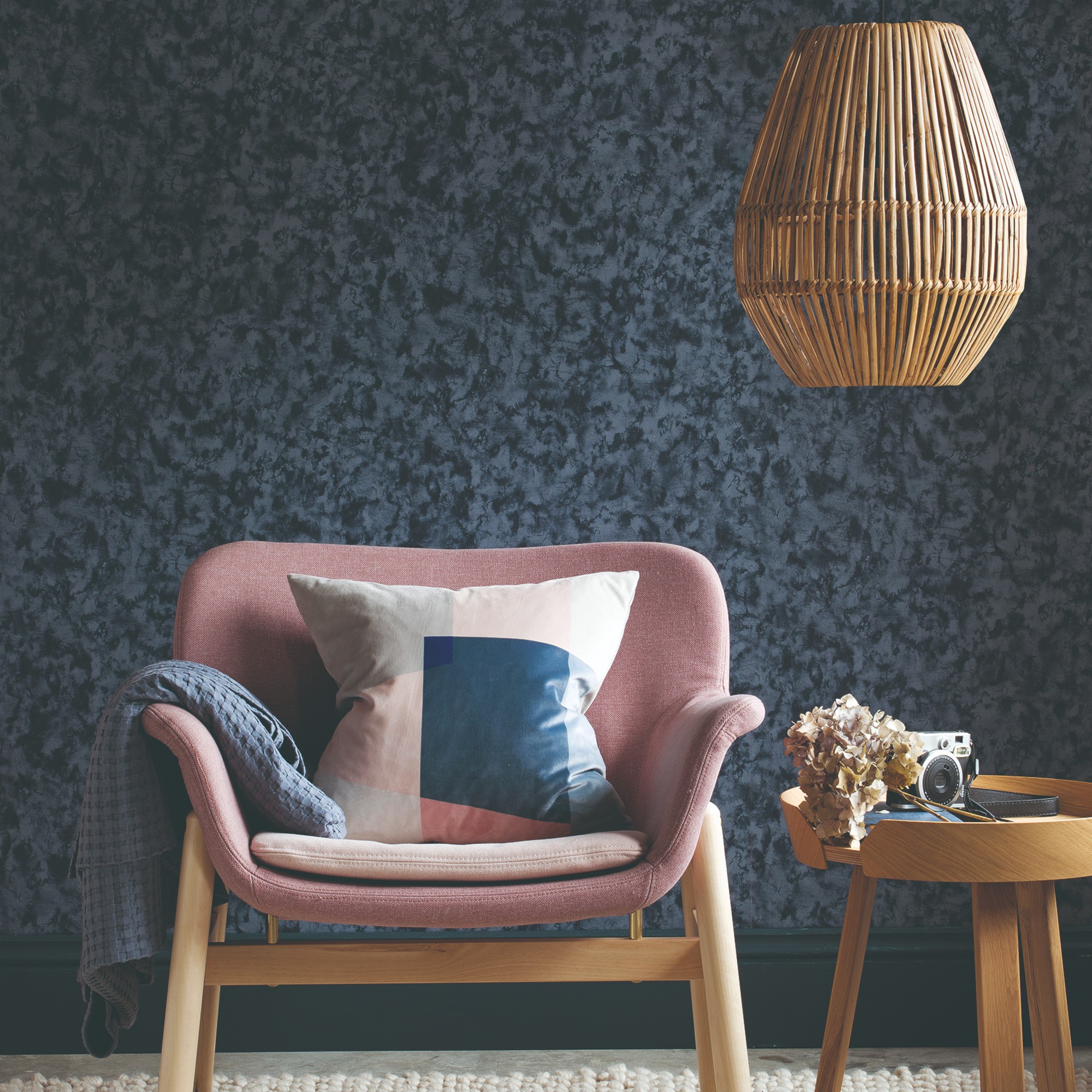
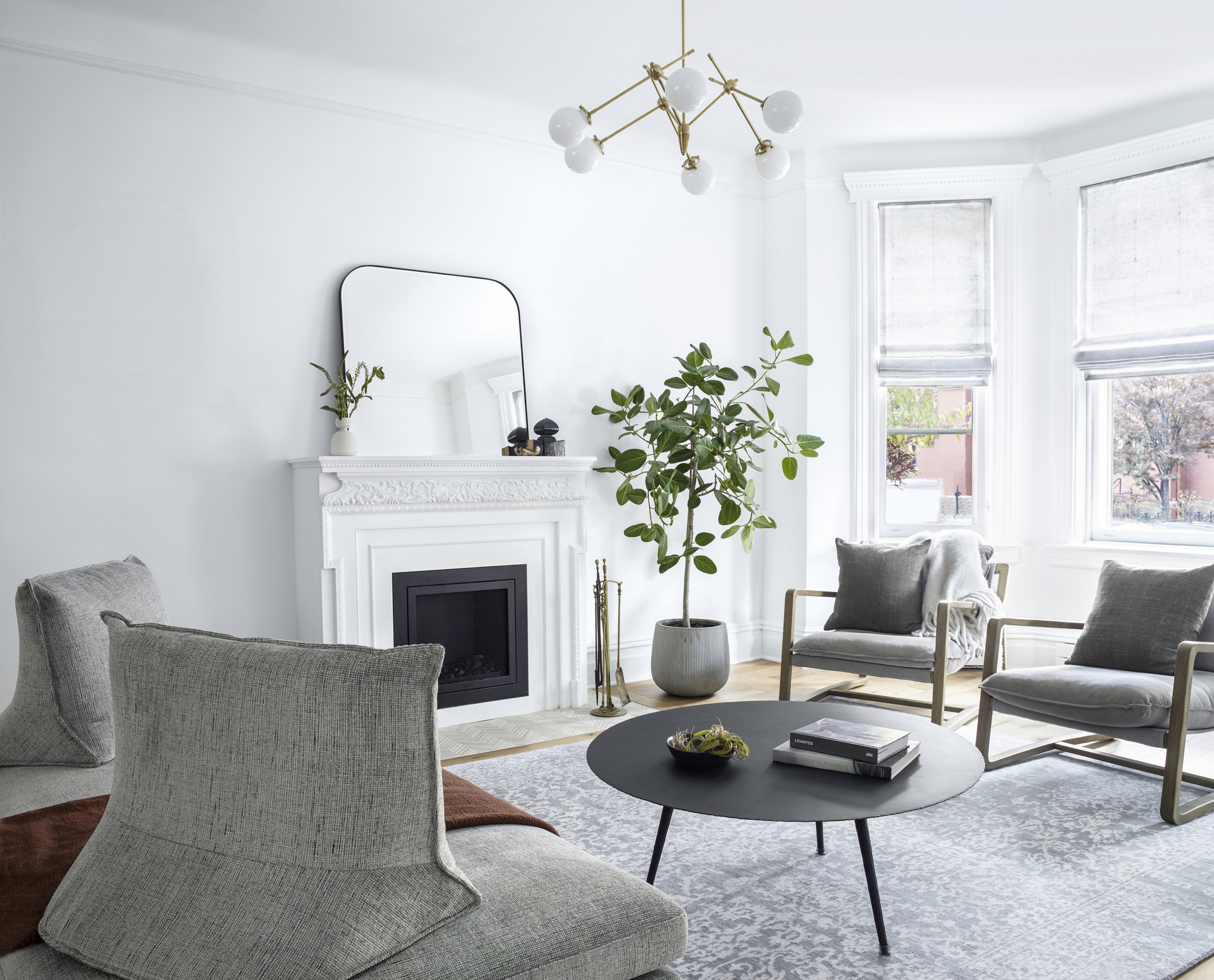
White walls are often perceived as a versatile and timeless choice for interior design, yet they present several unexpected challenges that many homeowners encounter only after completing the painting process. While a pure, bright white can create a stark and overly formal atmosphere reminiscent of retail stores or art galleries, it often feels inappropriate for a home setting. Interior designers highlight five key problems associated with painting walls white and offer solutions to address them.
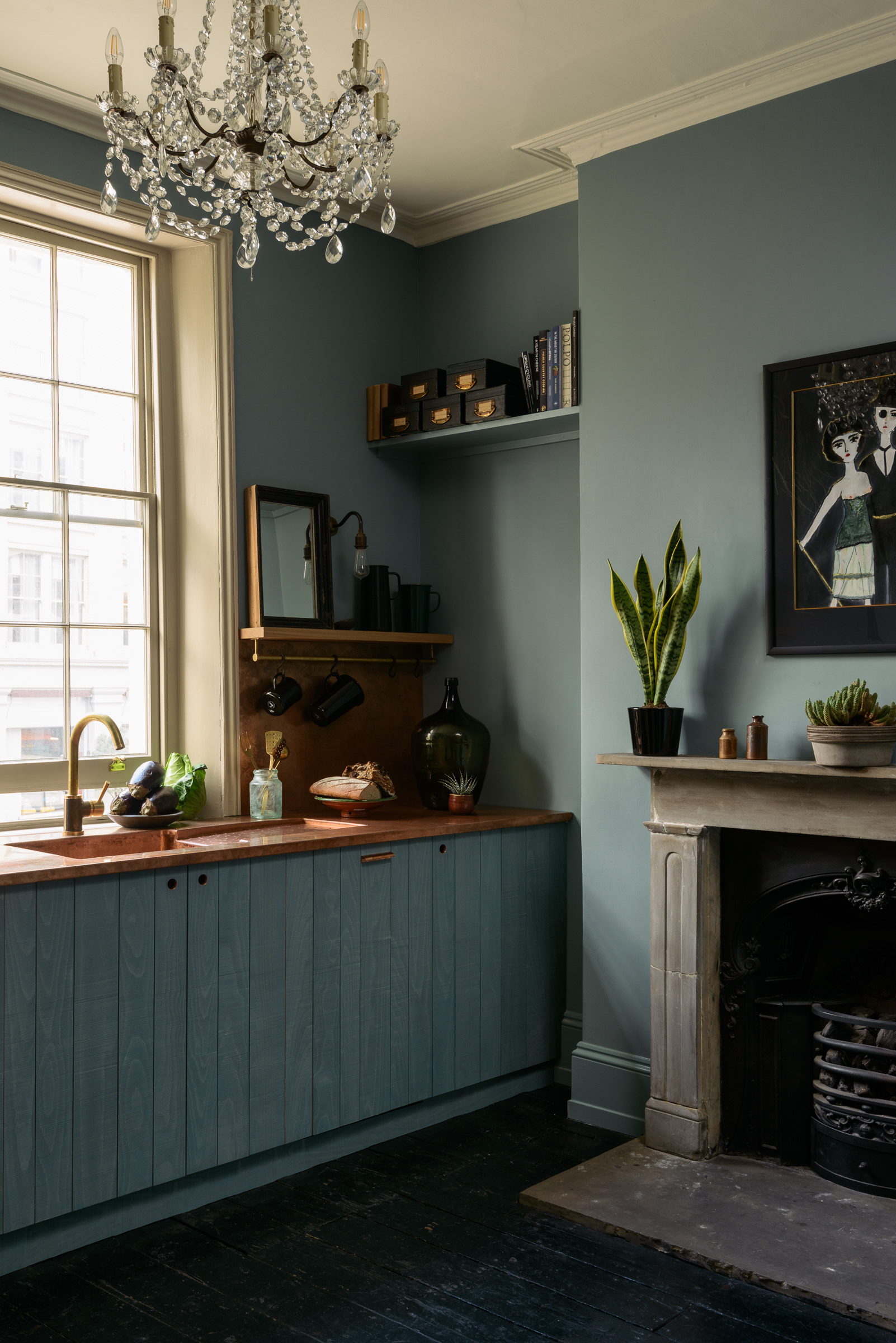
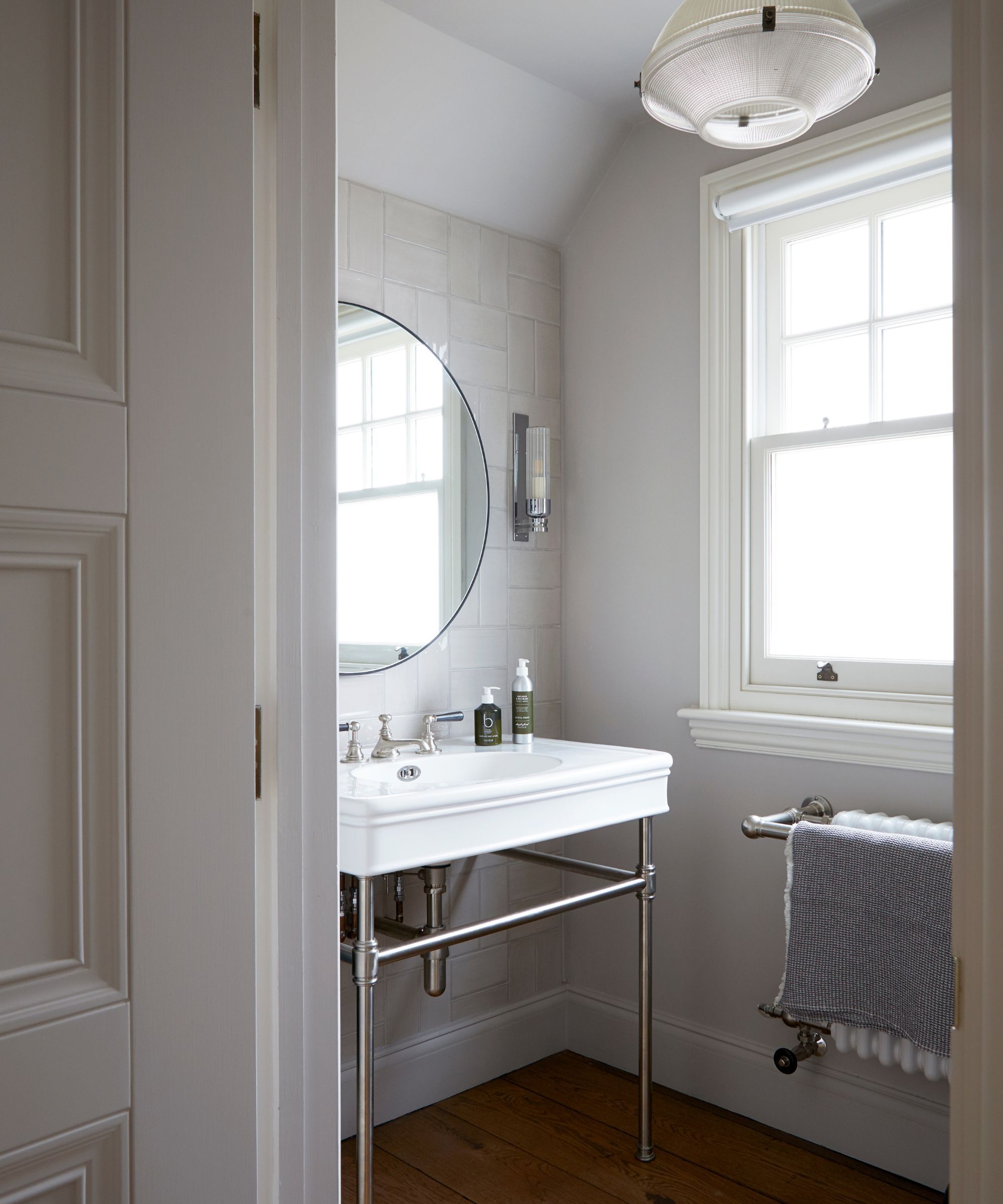
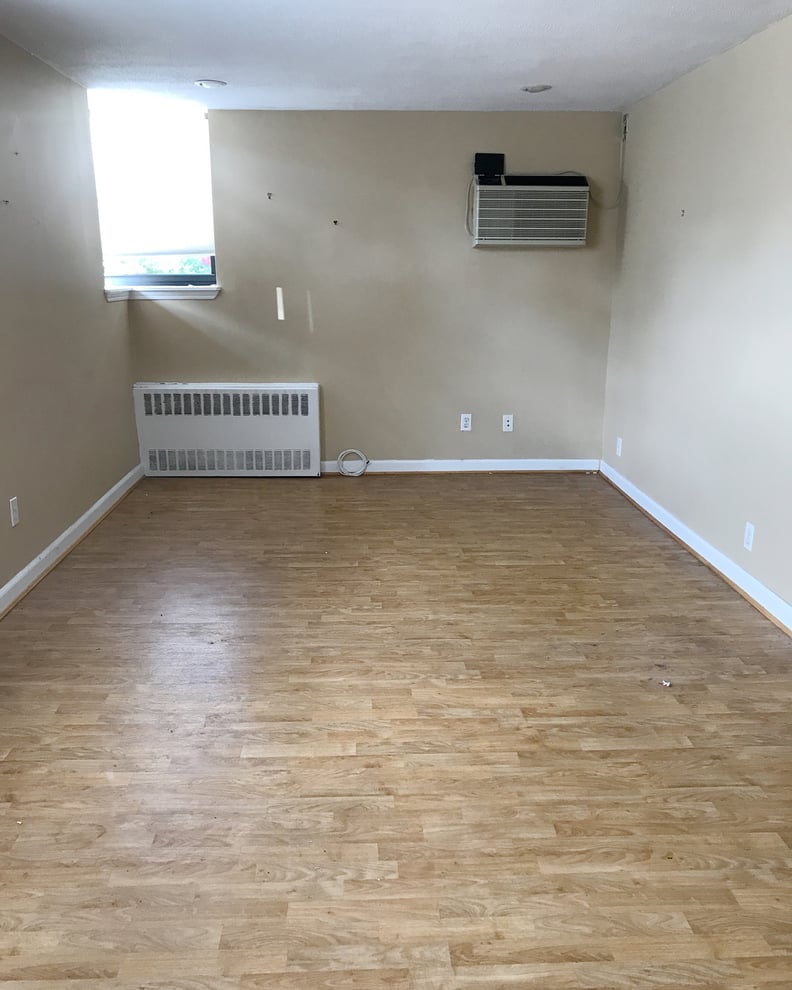
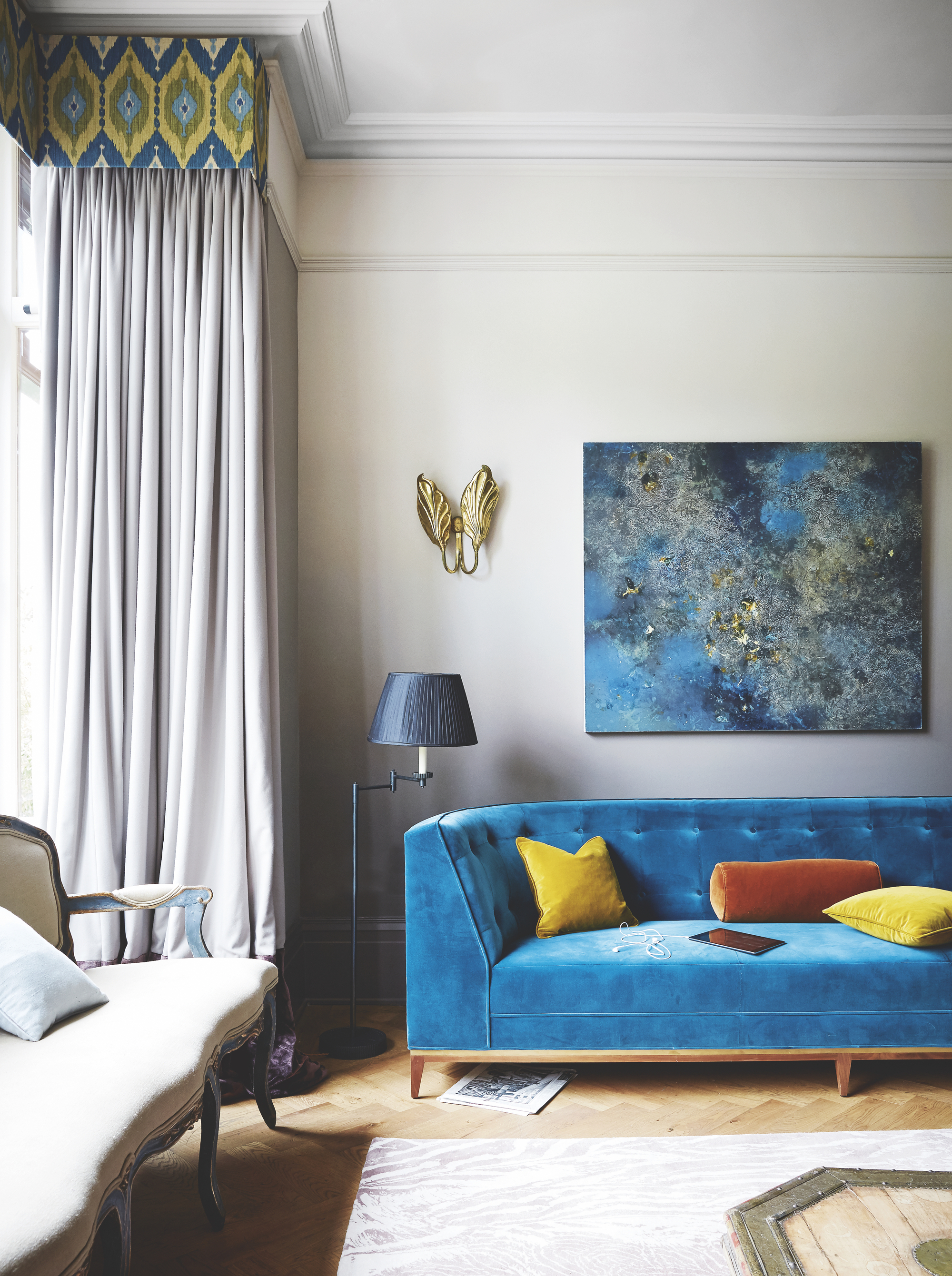
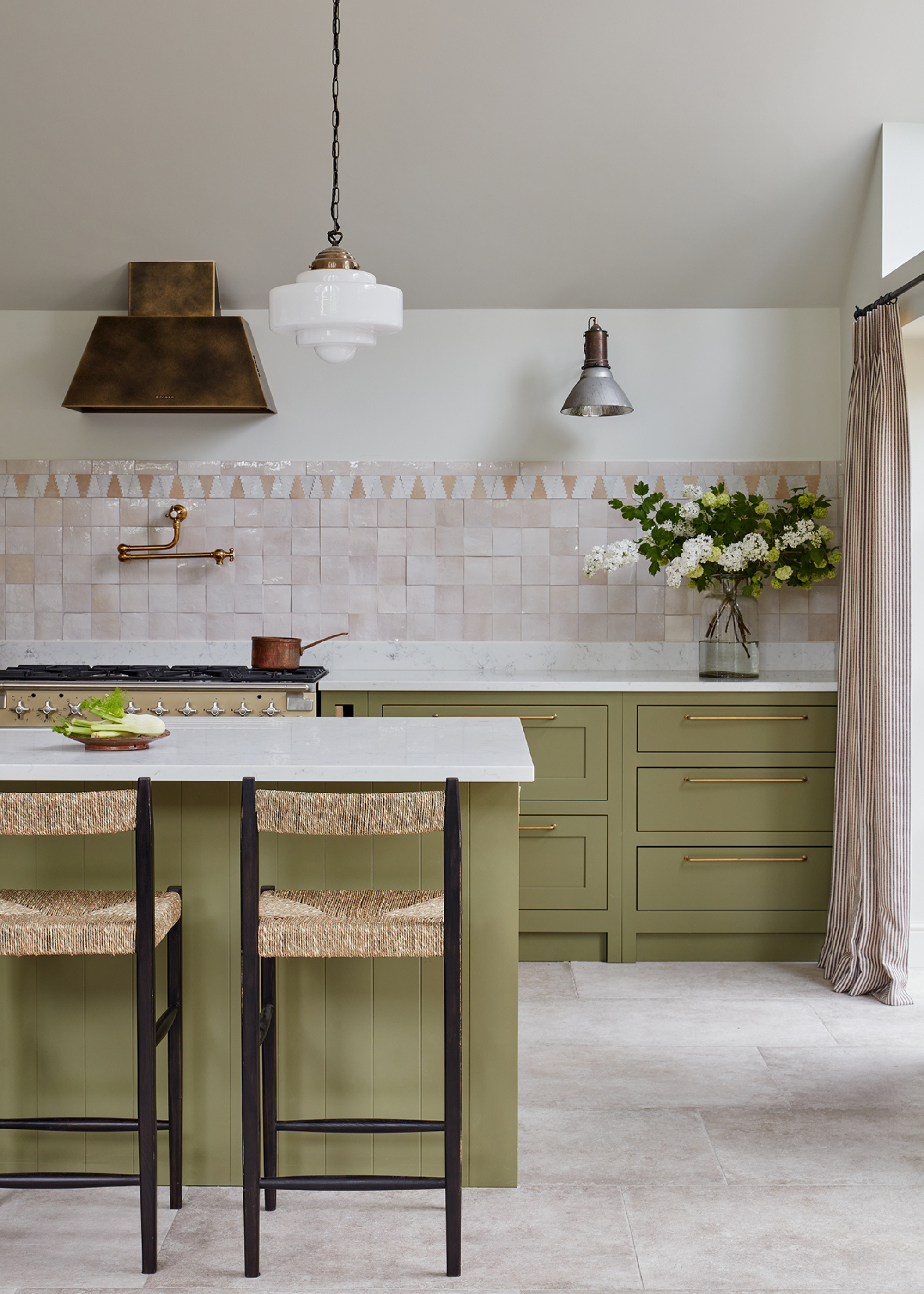
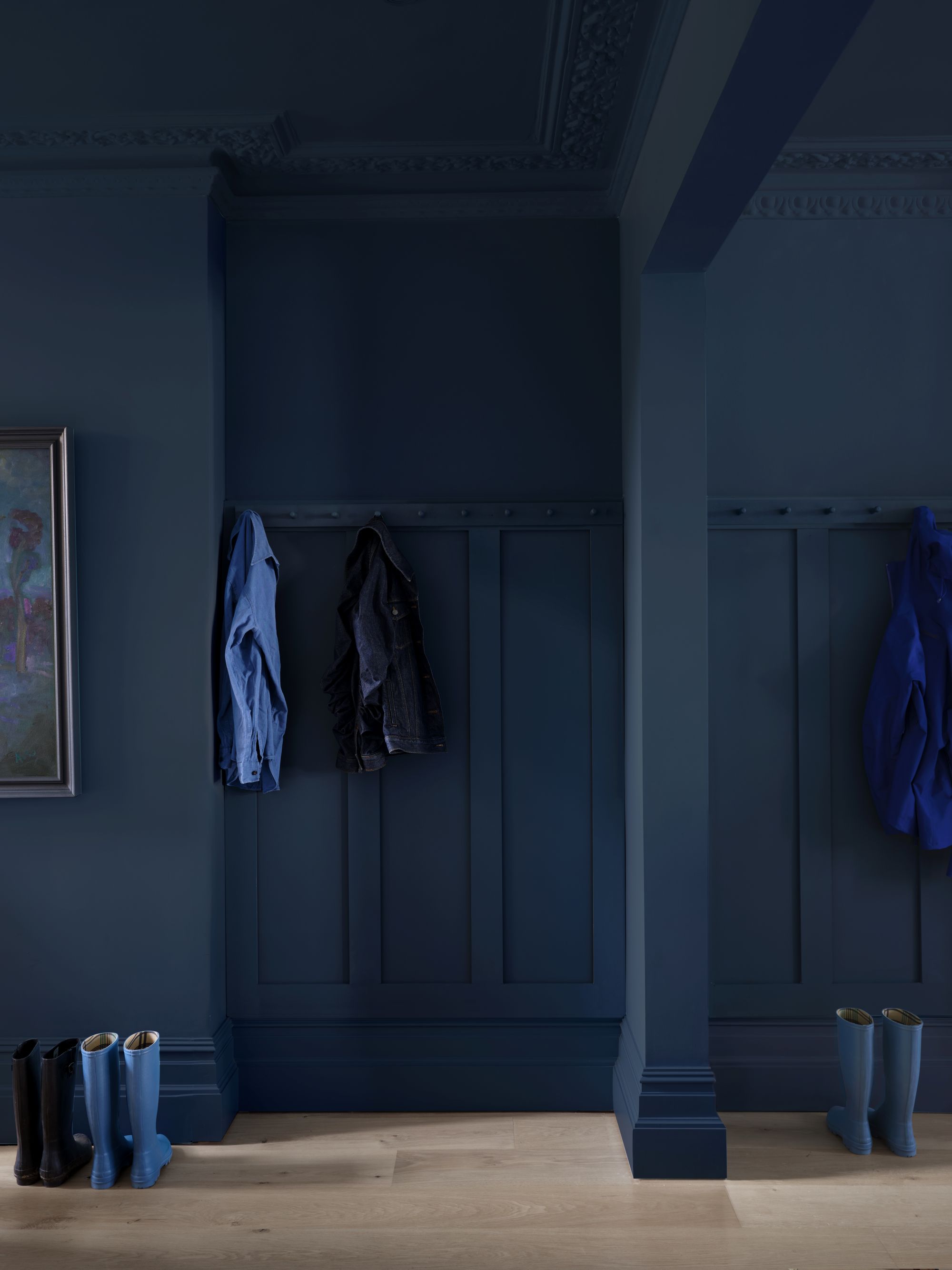
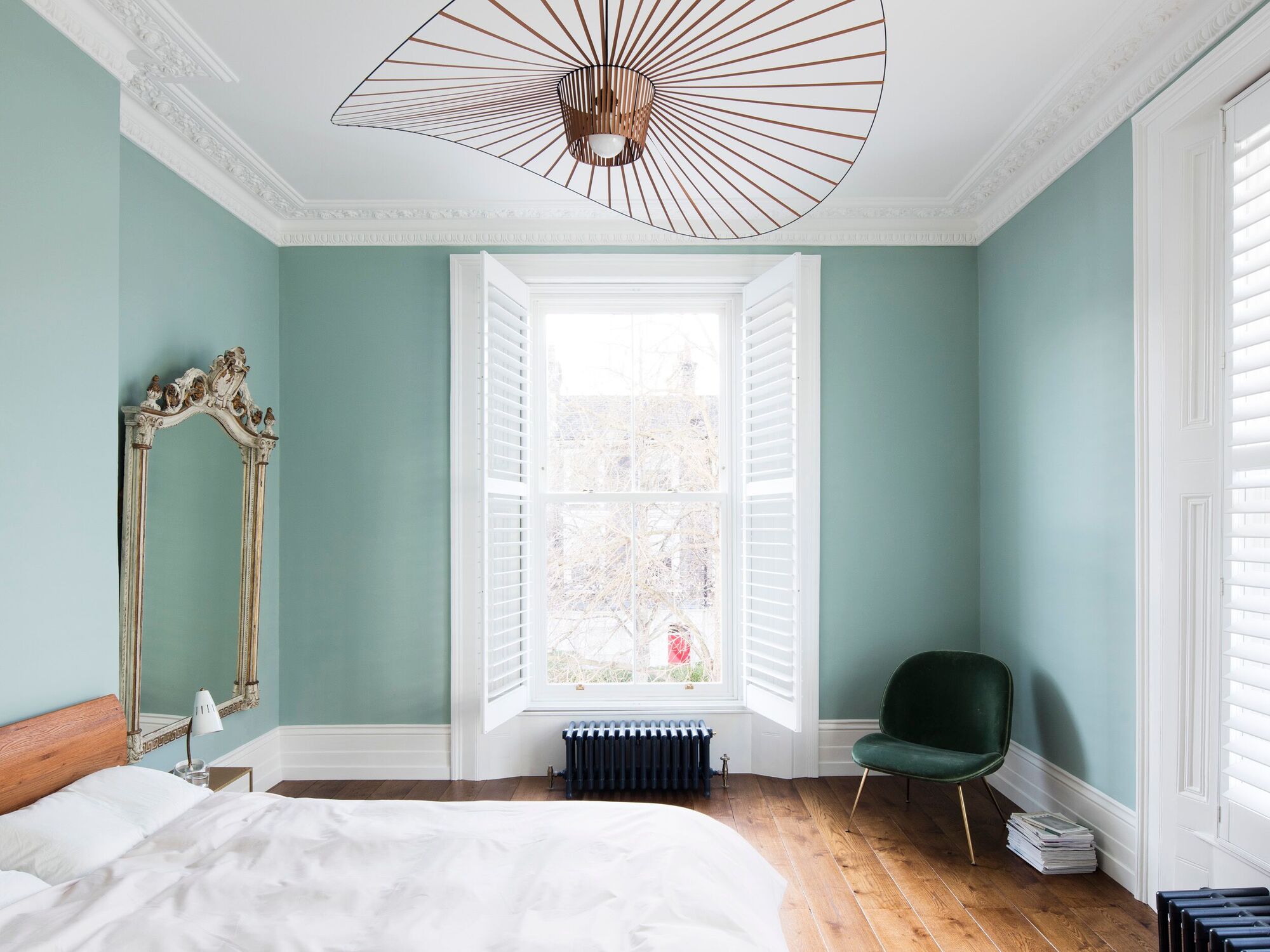
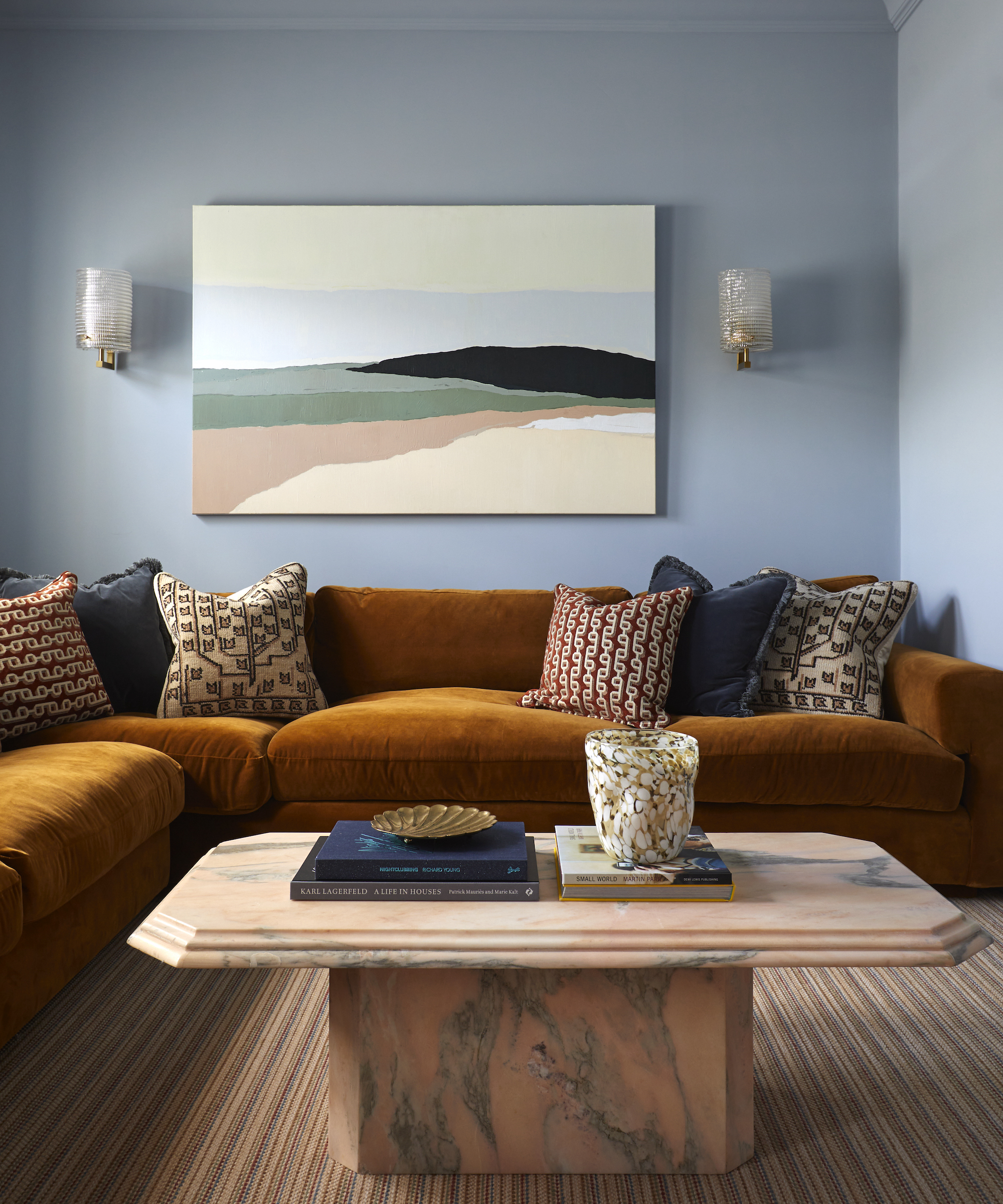
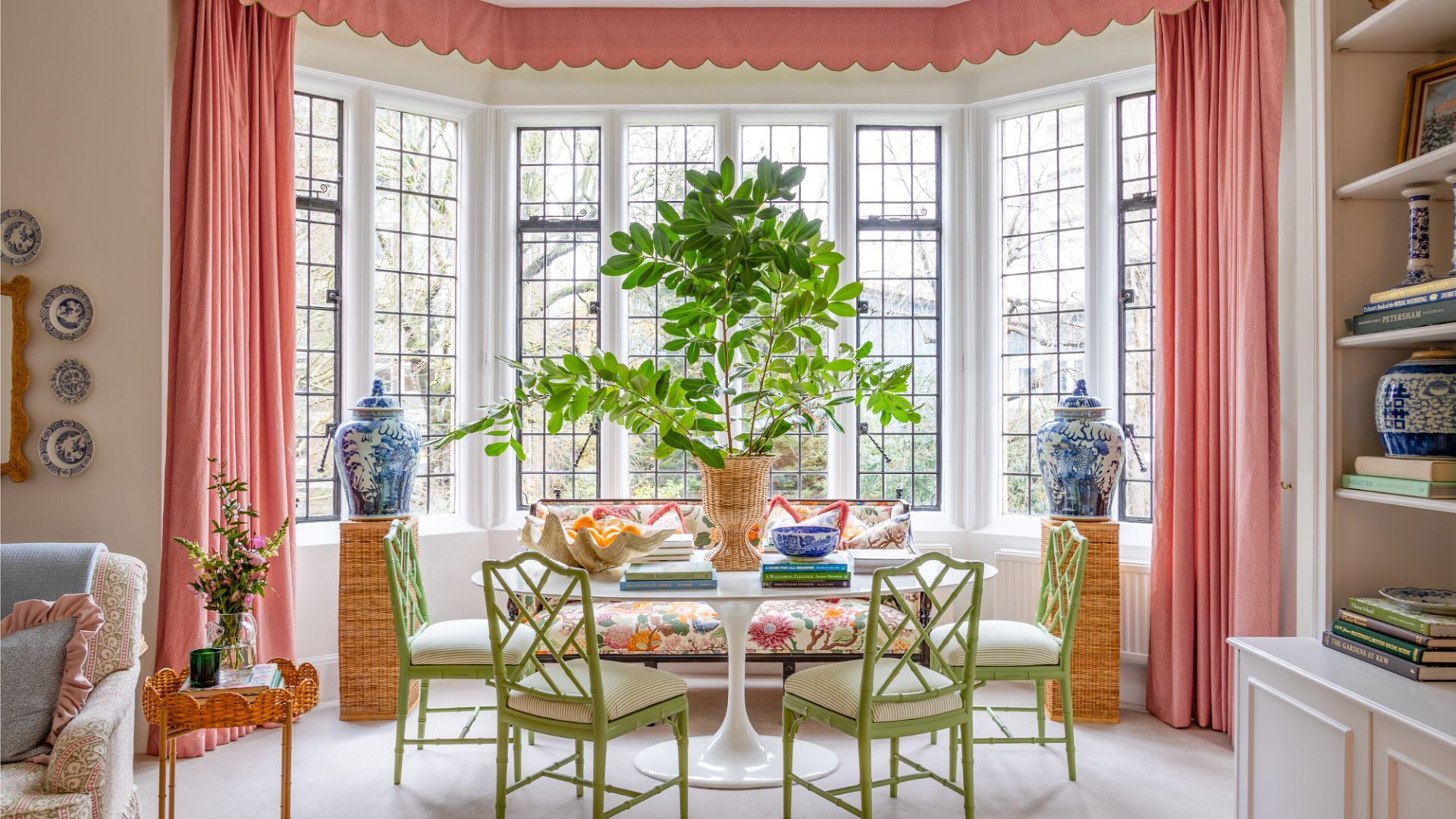
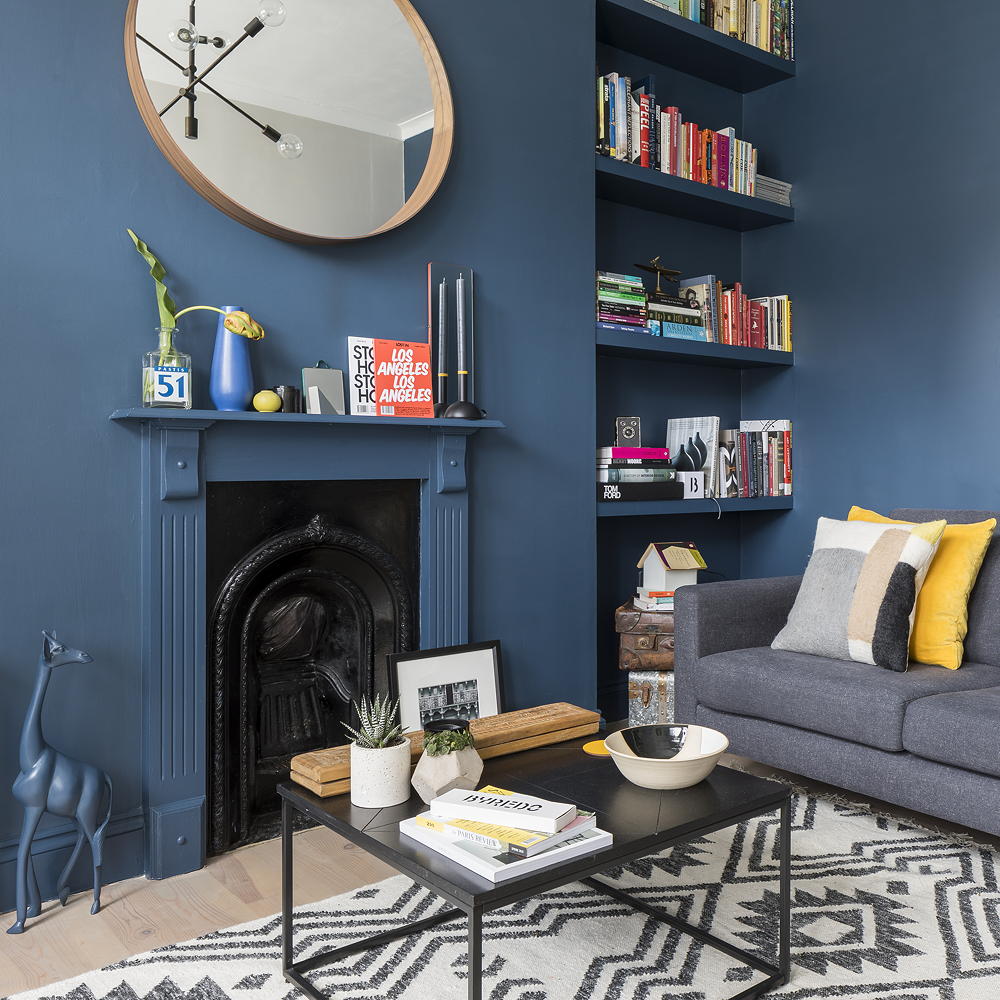
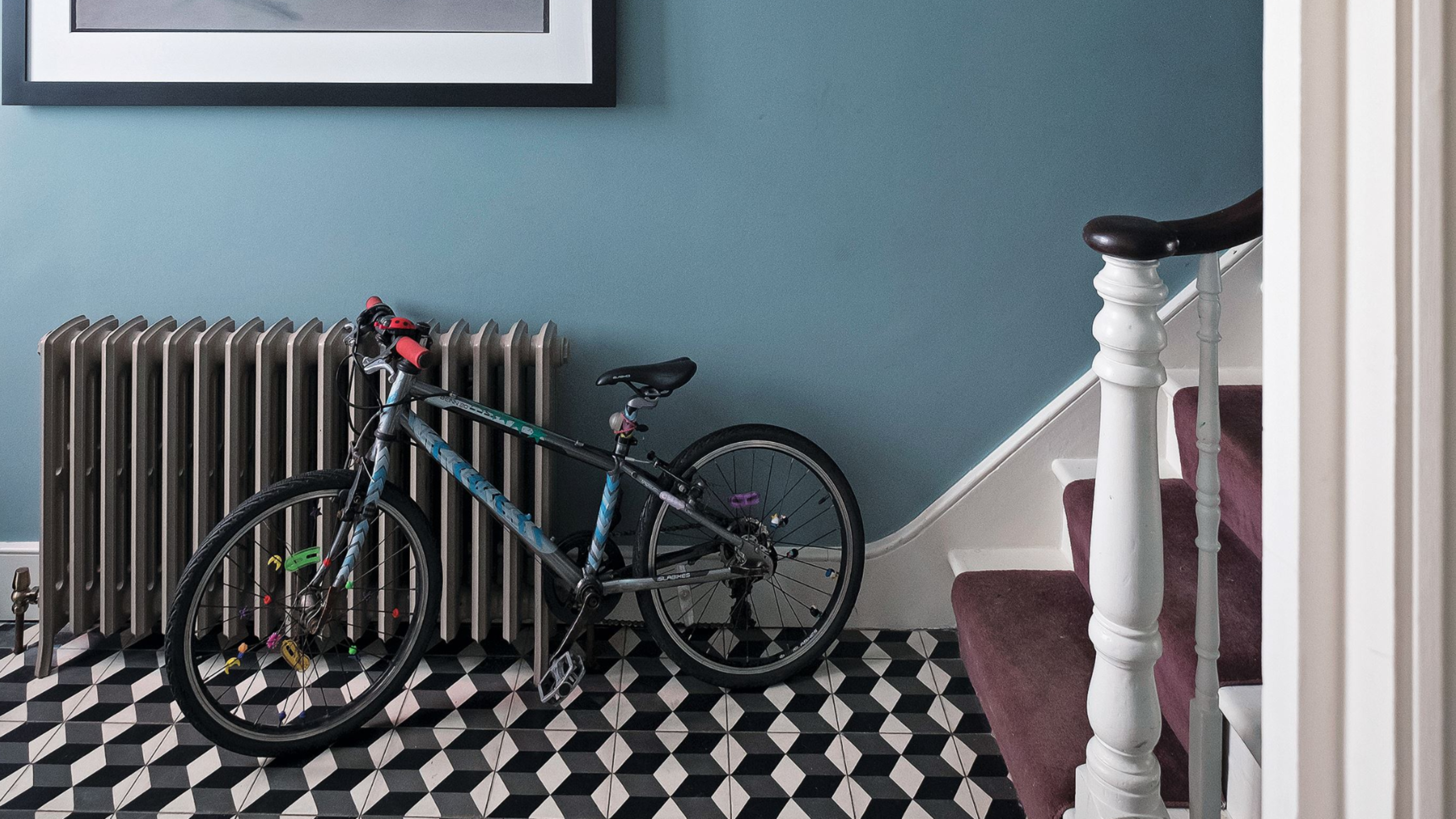
First, the notion that "white is just white" is a significant misconception. White paint inherently possesses undertones such as blue, pink, yellow, or green, which can dramatically alter its appearance based on a room's lighting conditions and surrounding colors. A soft, creamy white that looks inviting in one space might appear dingy in another. Layering different whites, for instance, on ceilings, trims, or cabinetry, can inadvertently lead to clashes, making a space feel sterile or imbalanced rather than serene. To overcome this, designers recommend selecting off-white, beige, or taupe shades with undertones that complement the most dominant colors in the decor. For example, if a room features moody blues, a cool off-white with gray or green undertones is suggested. Conversely, for warm and earthy aesthetics, a beige with a subtle hint of peach works best.
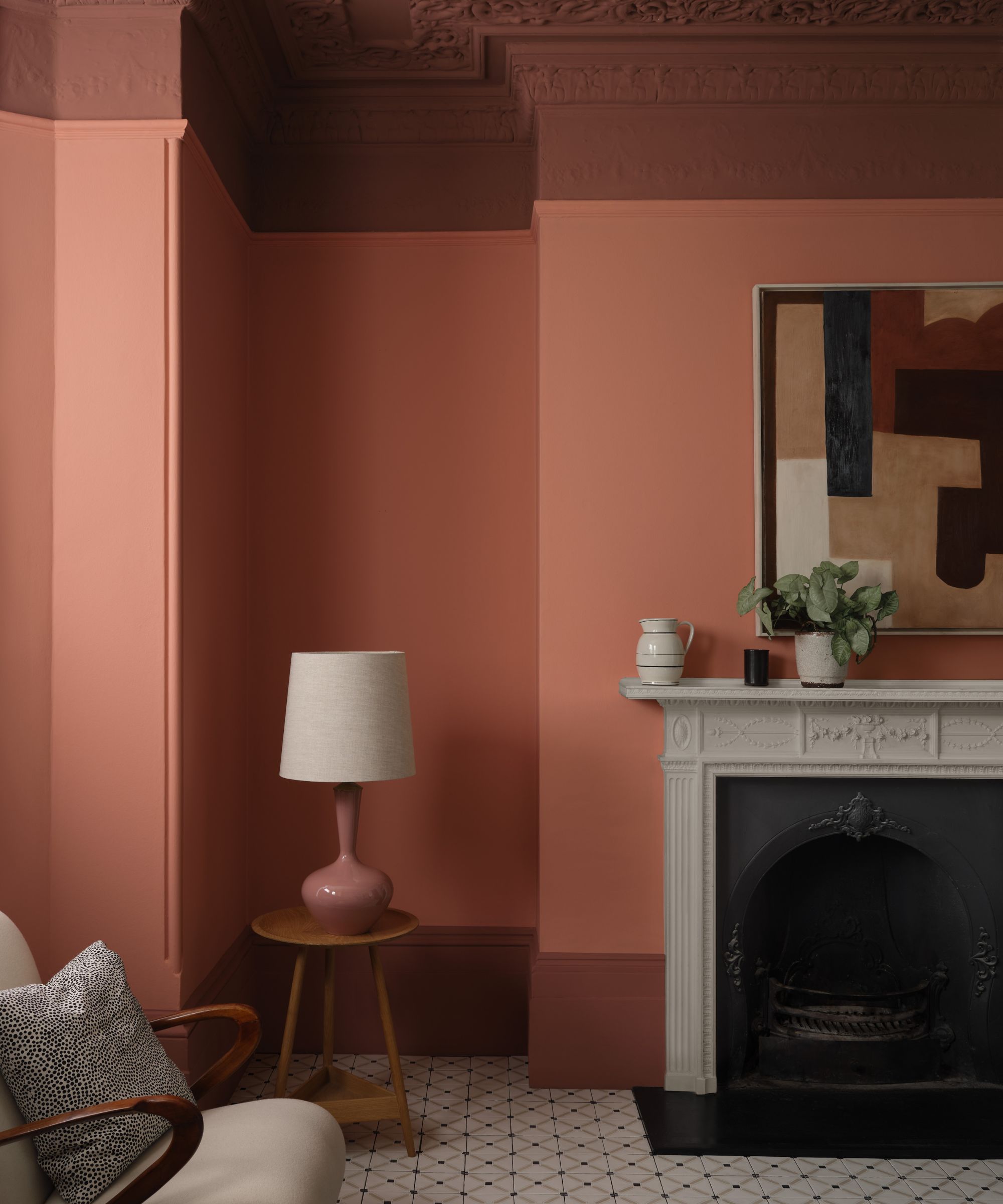
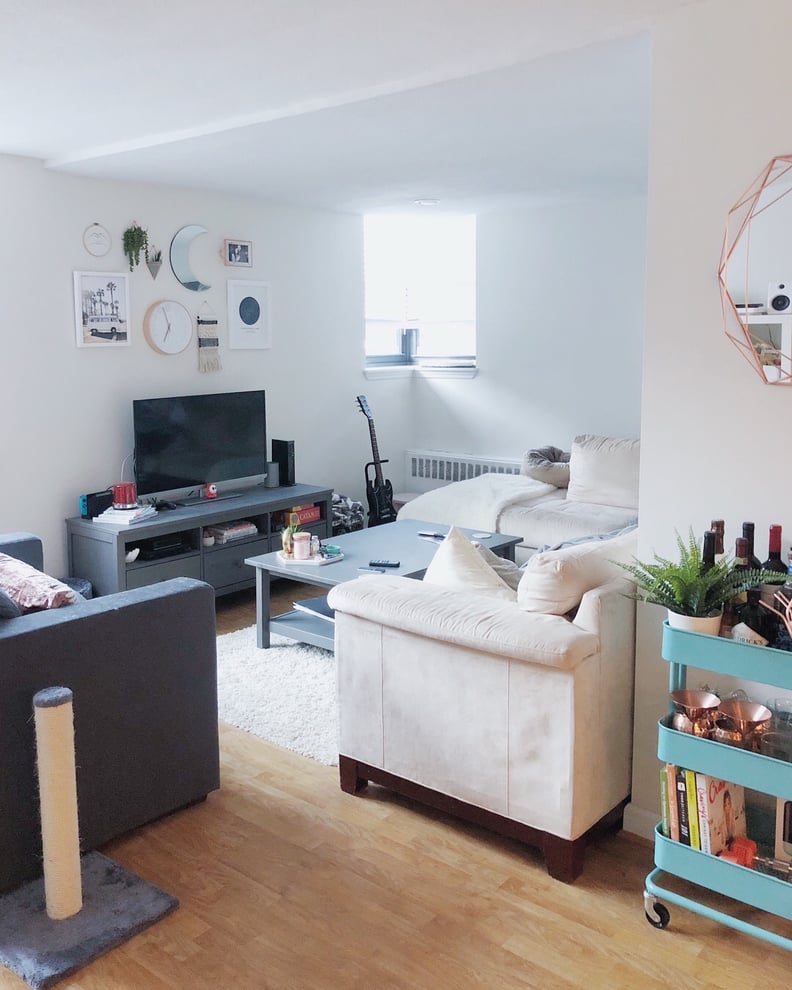
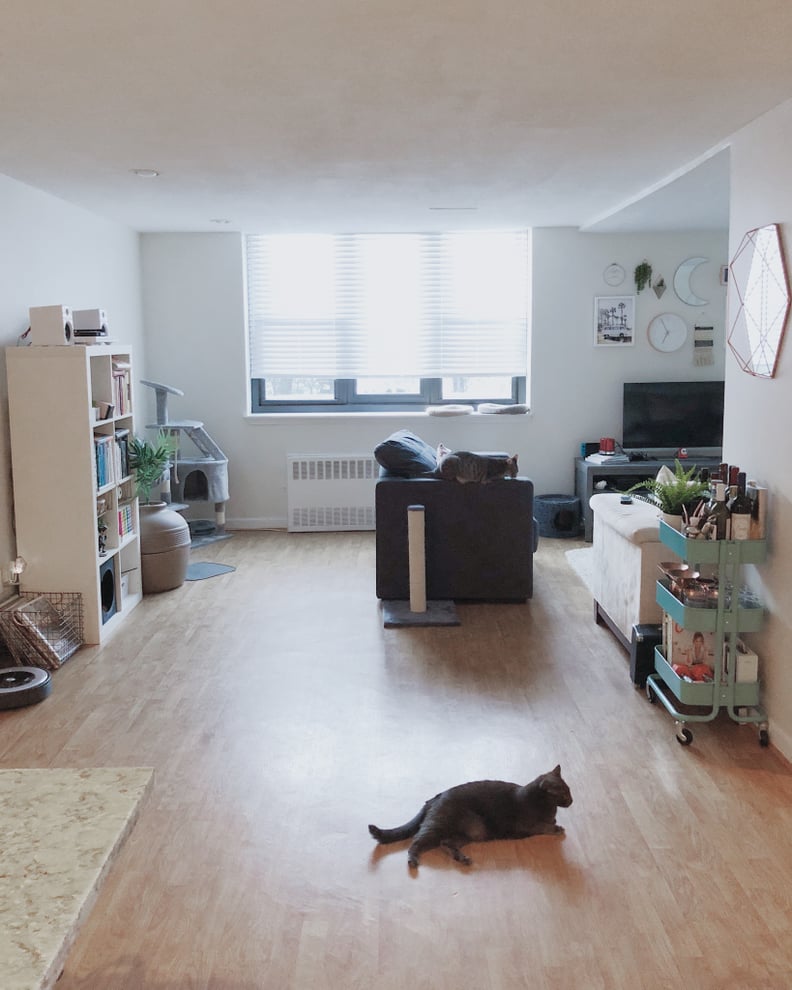
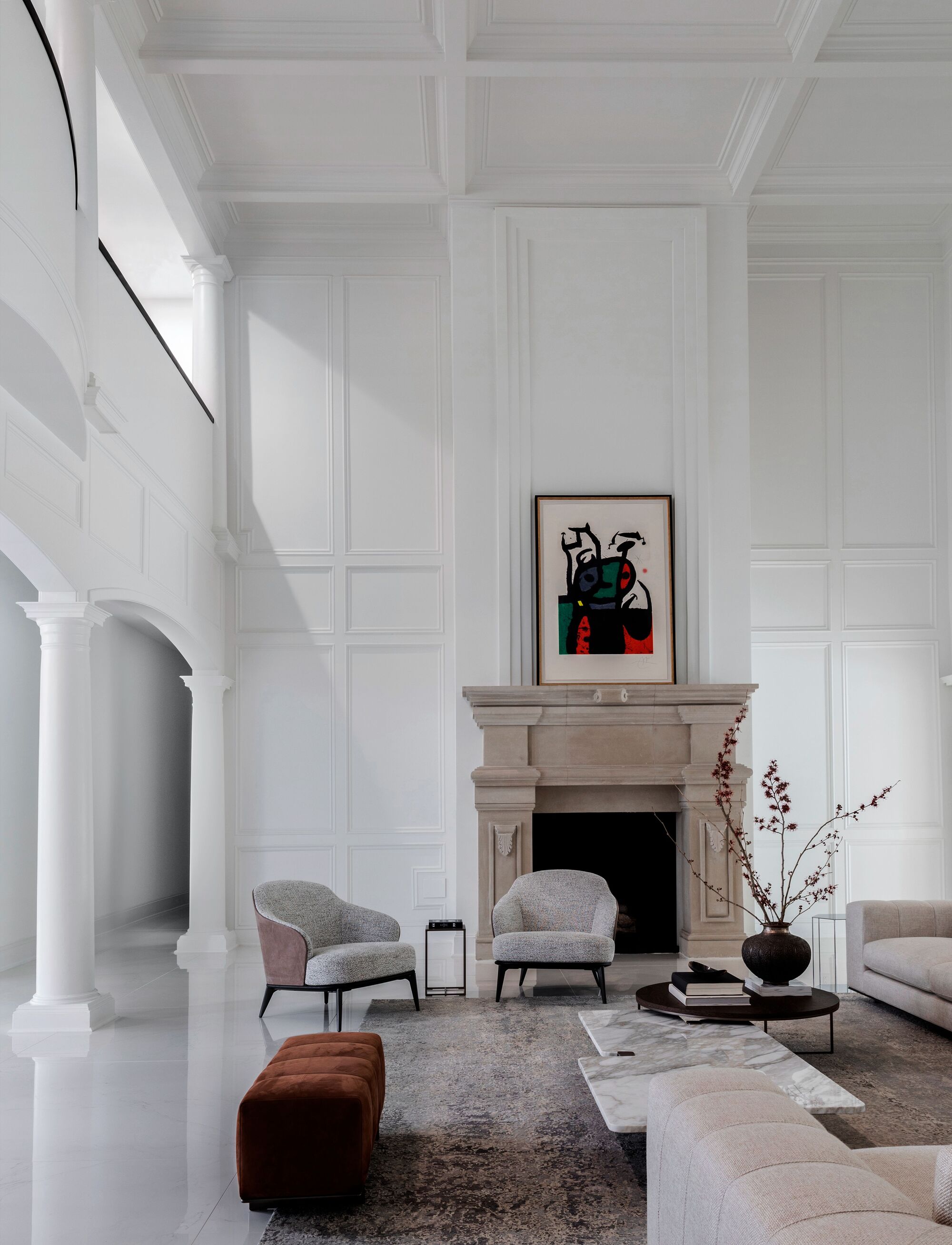
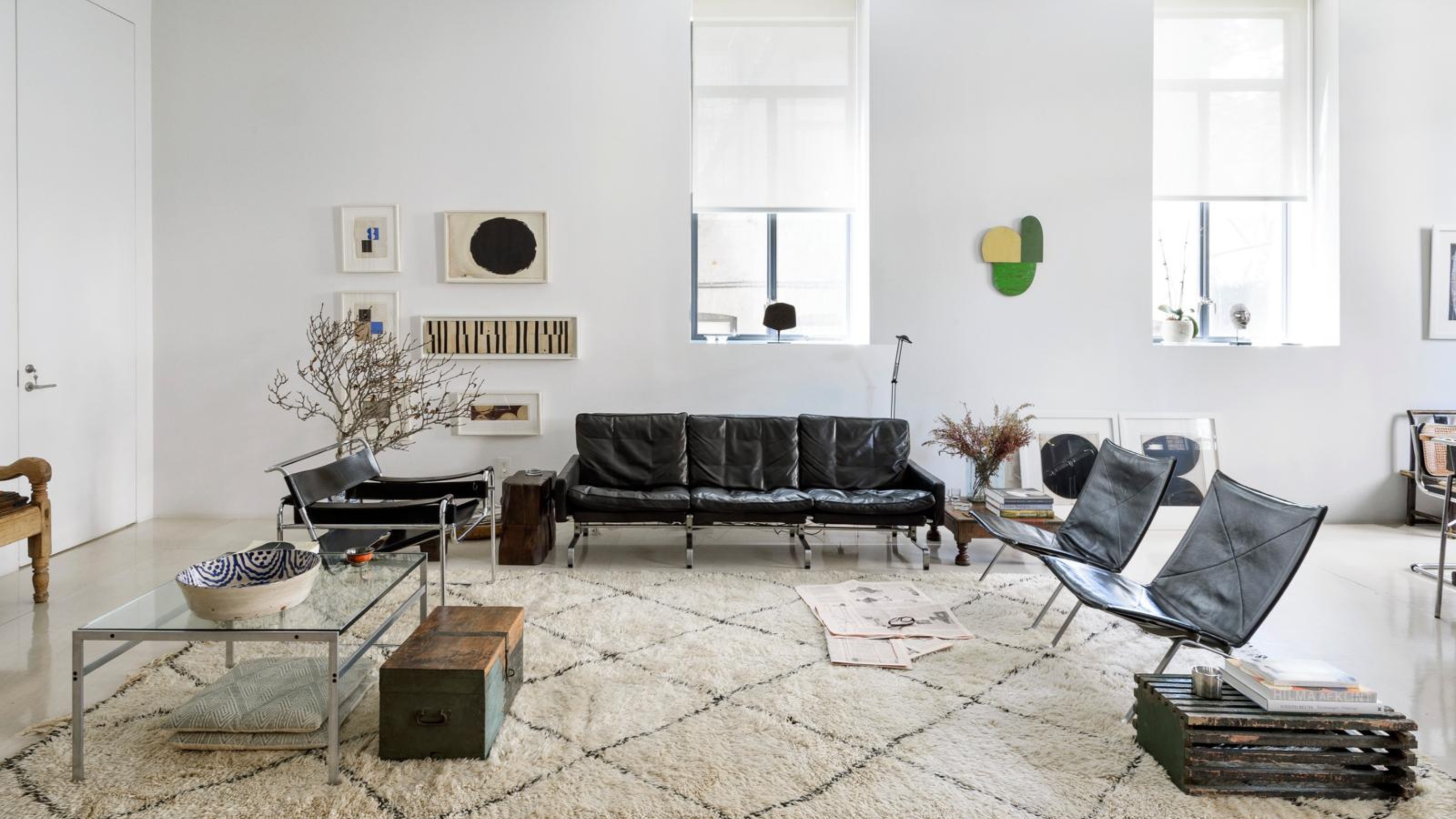
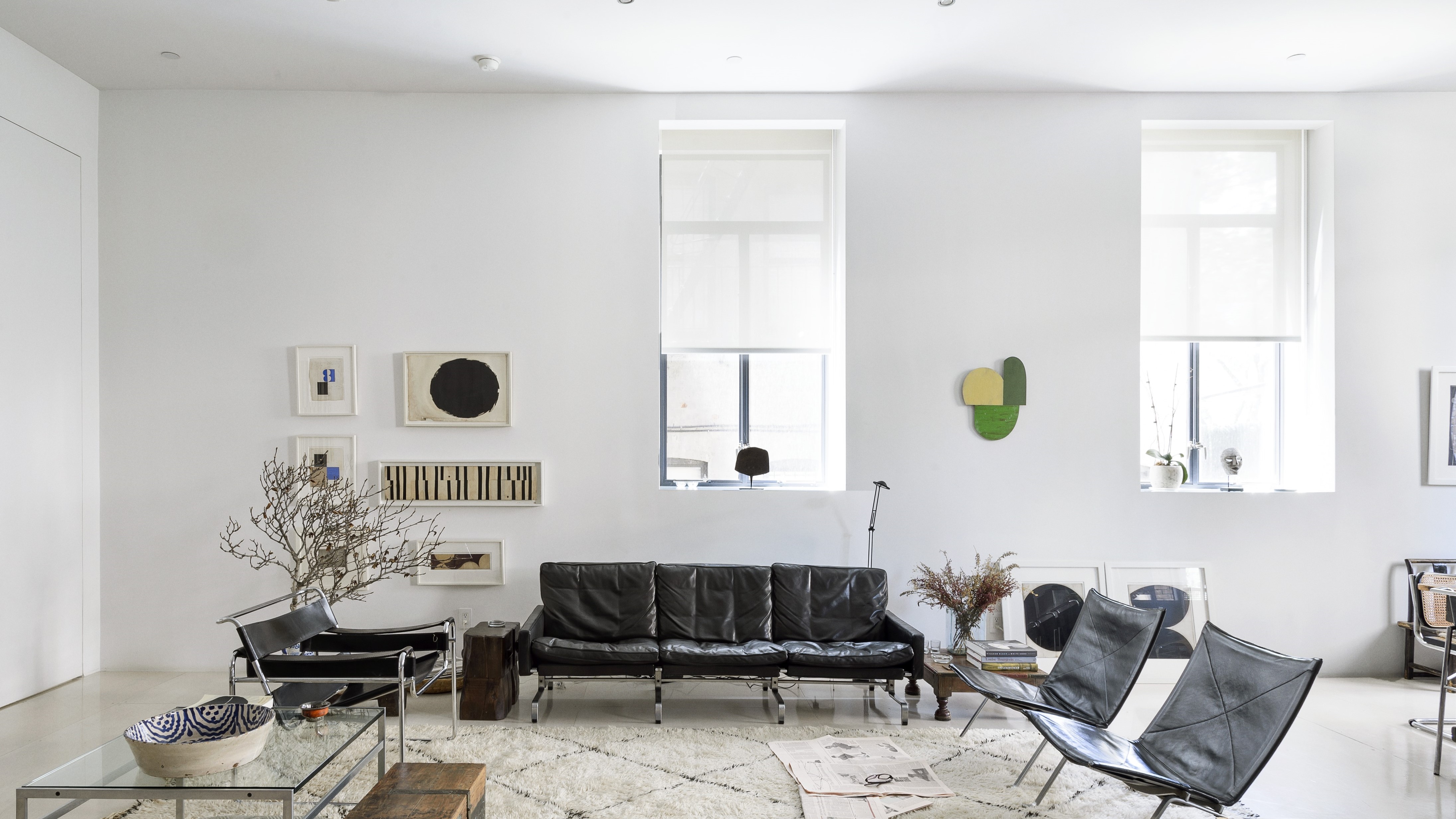
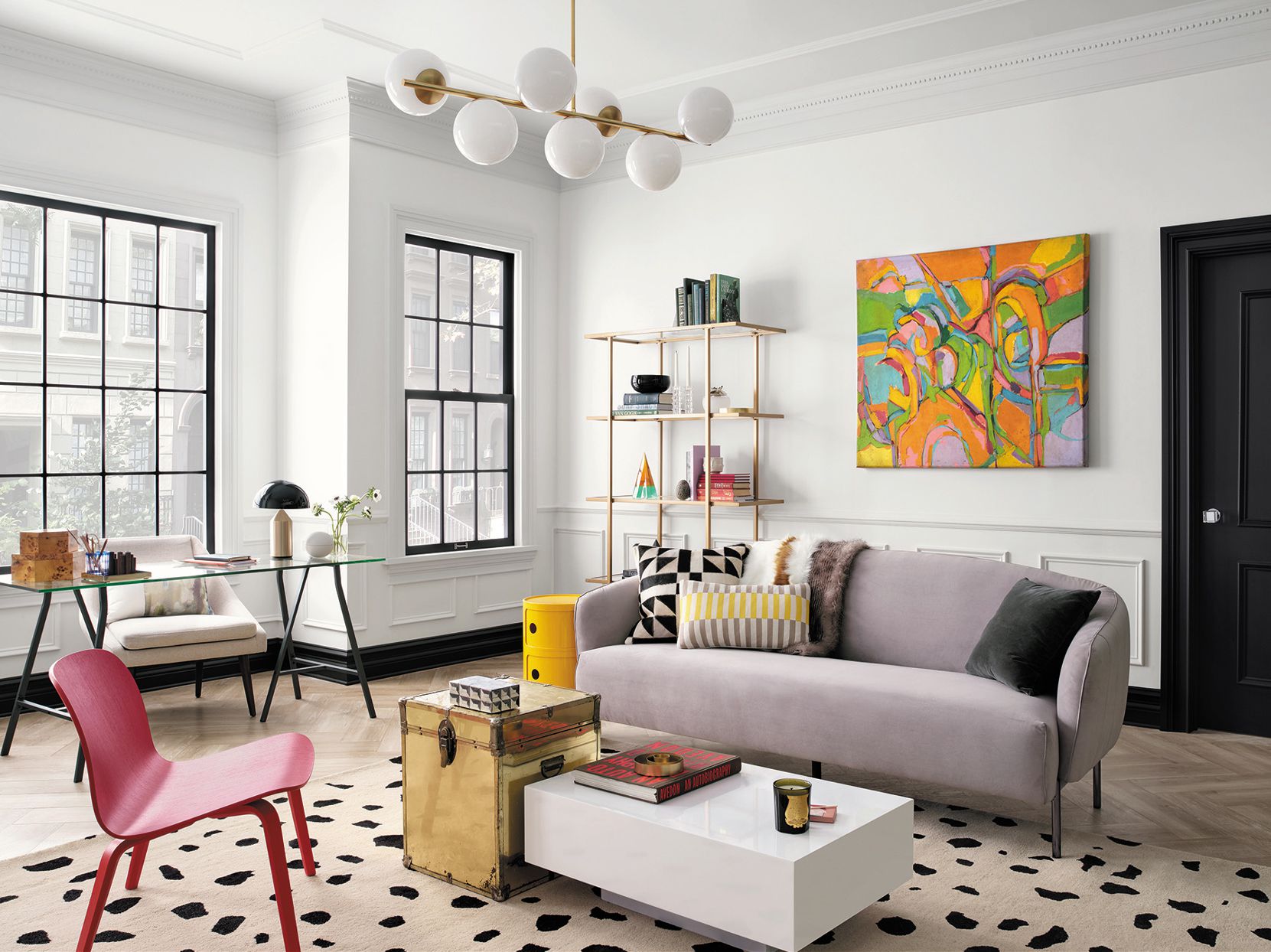
Second, styling white walls can be surprisingly difficult. Although white is frequently praised for its adaptability, it demands more from the surrounding objects. Without a grounding color on the walls, elements like art, furniture, lighting, and textiles must provide sufficient visual interest. A room with white walls can easily appear flat or under-designed if there is a lack of varied textures, contrasts, or layered tones to add depth. This makes white walls surprisingly high-maintenance in terms of styling. Therefore, when designing a space with white walls, it is crucial to plan accent pieces in the initial stages and consider which colors might not harmonize with white.
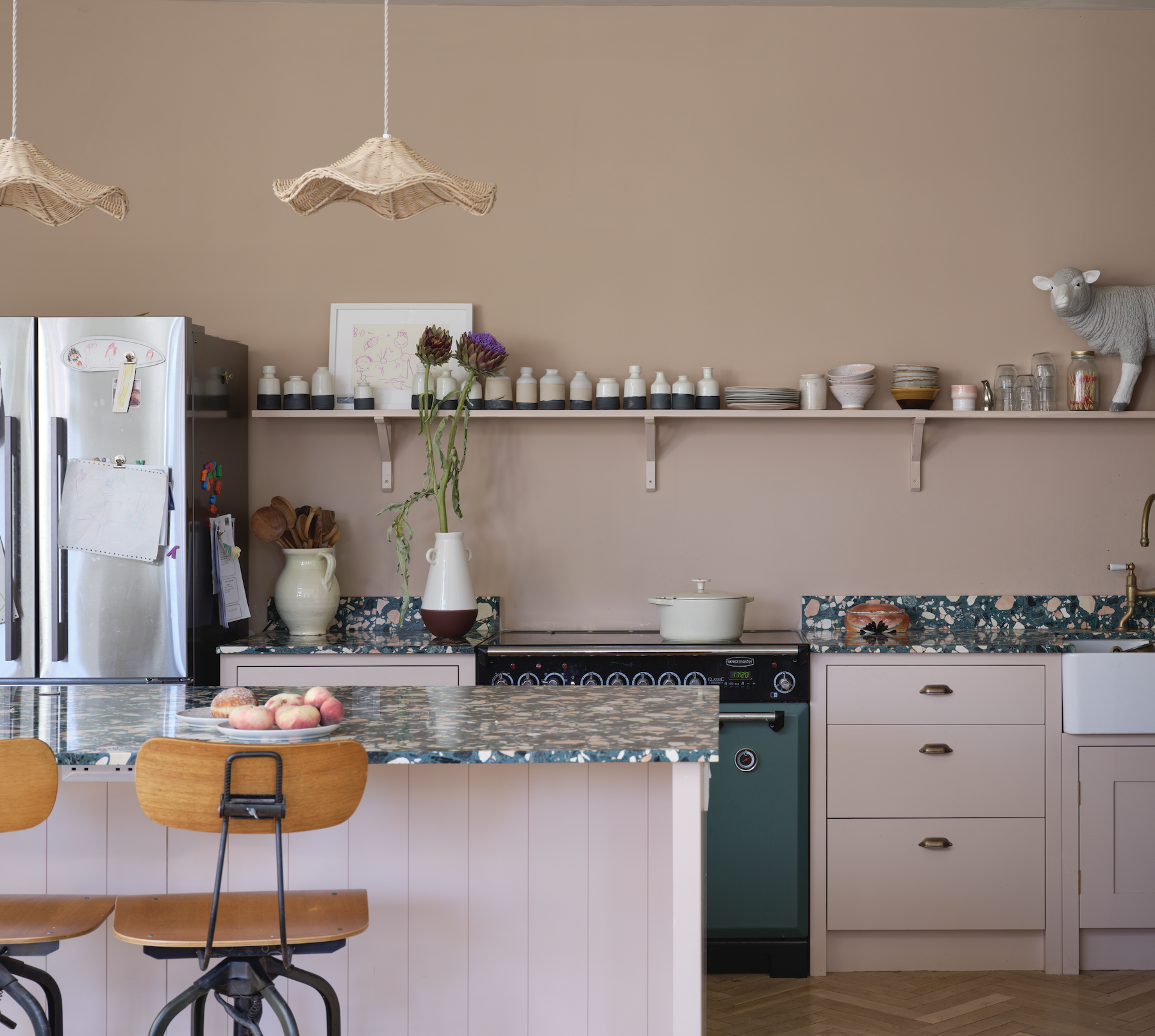
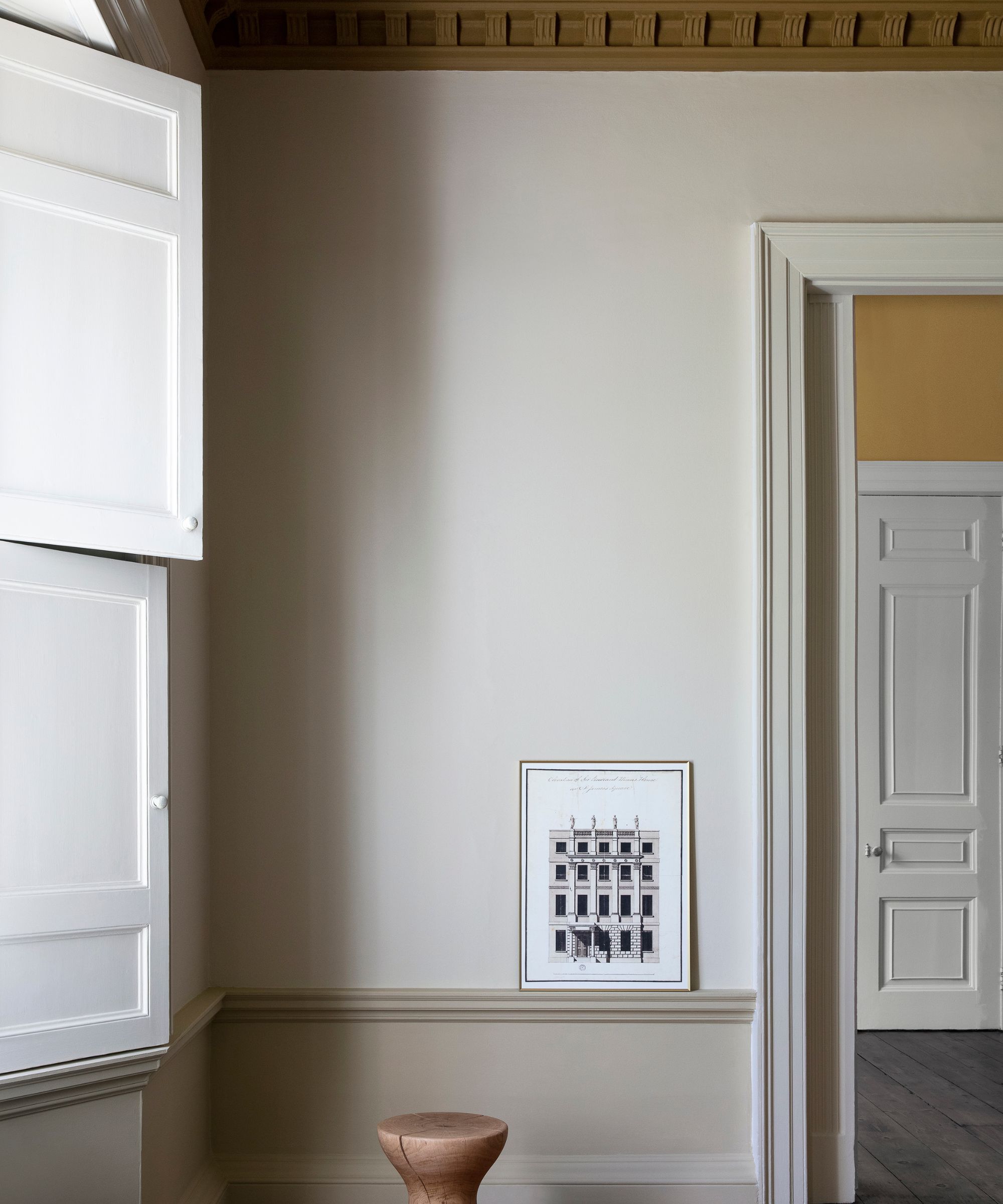
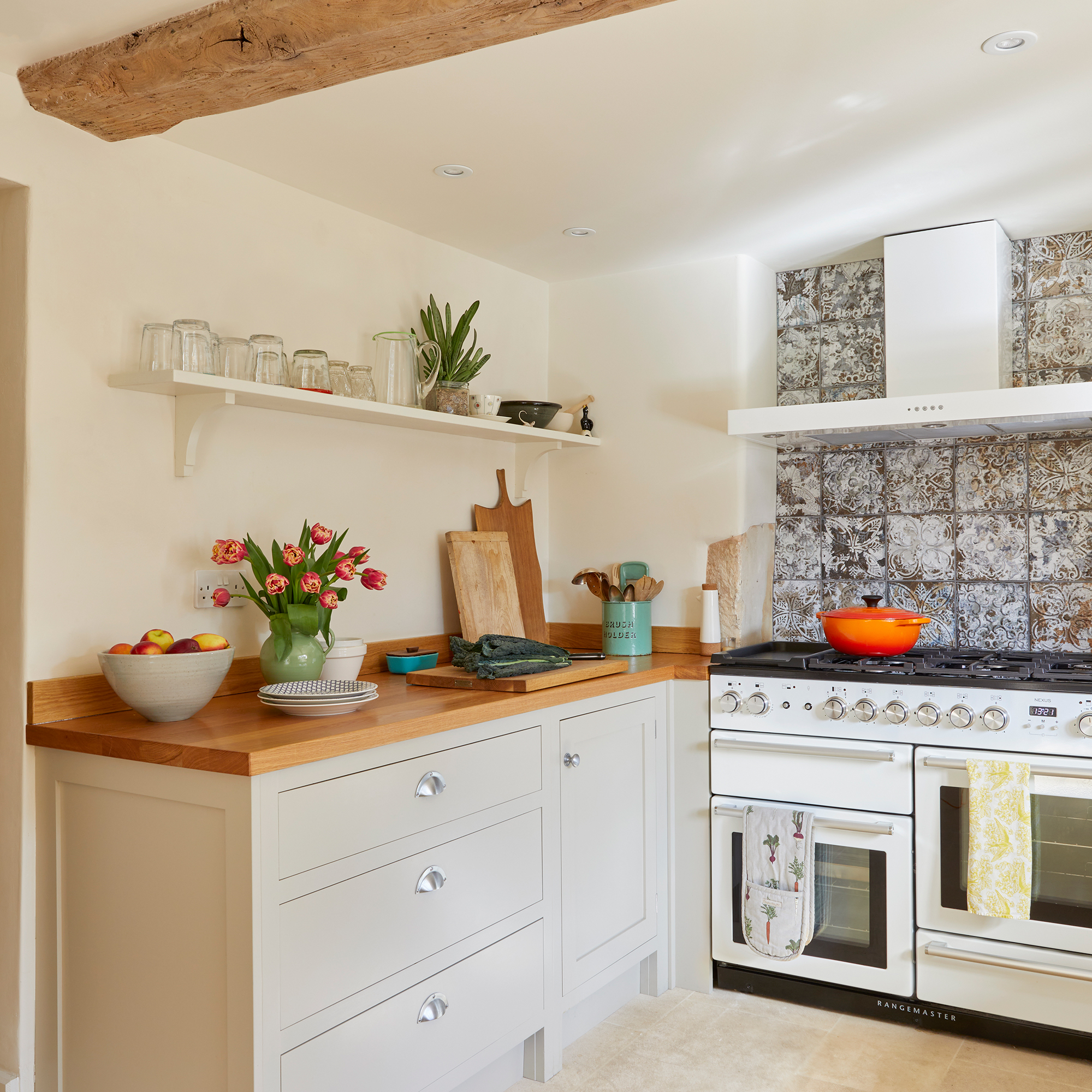
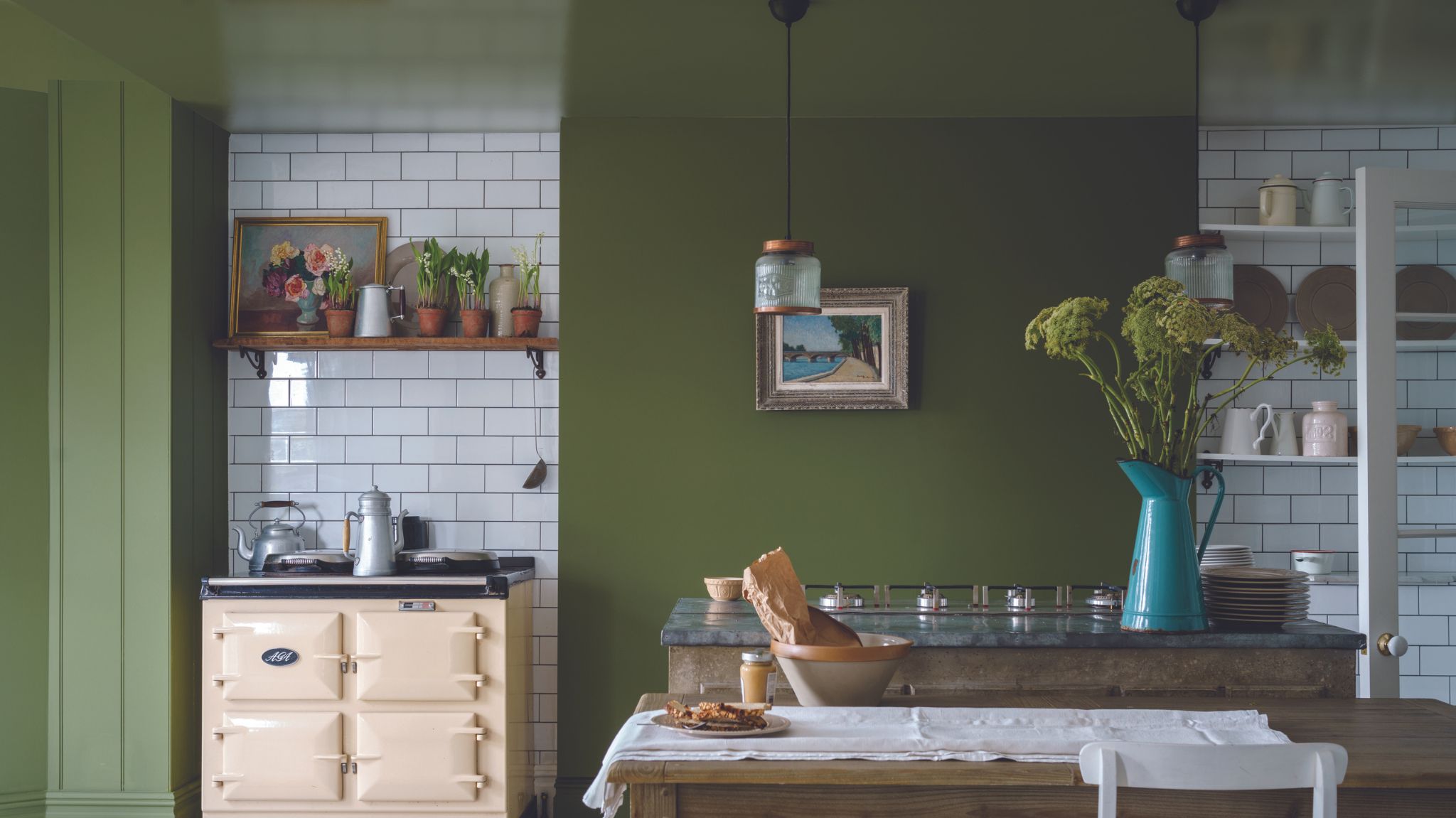
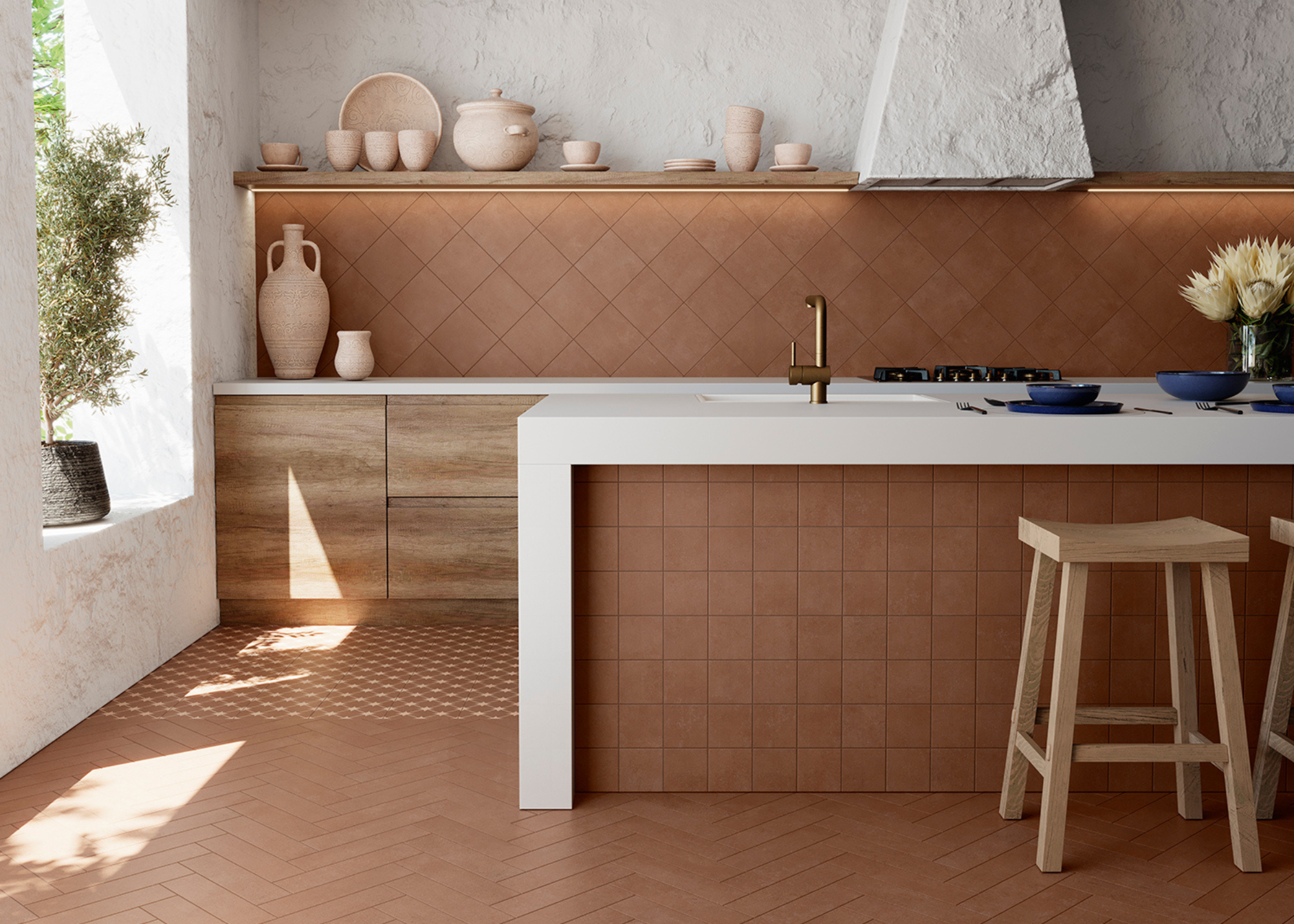
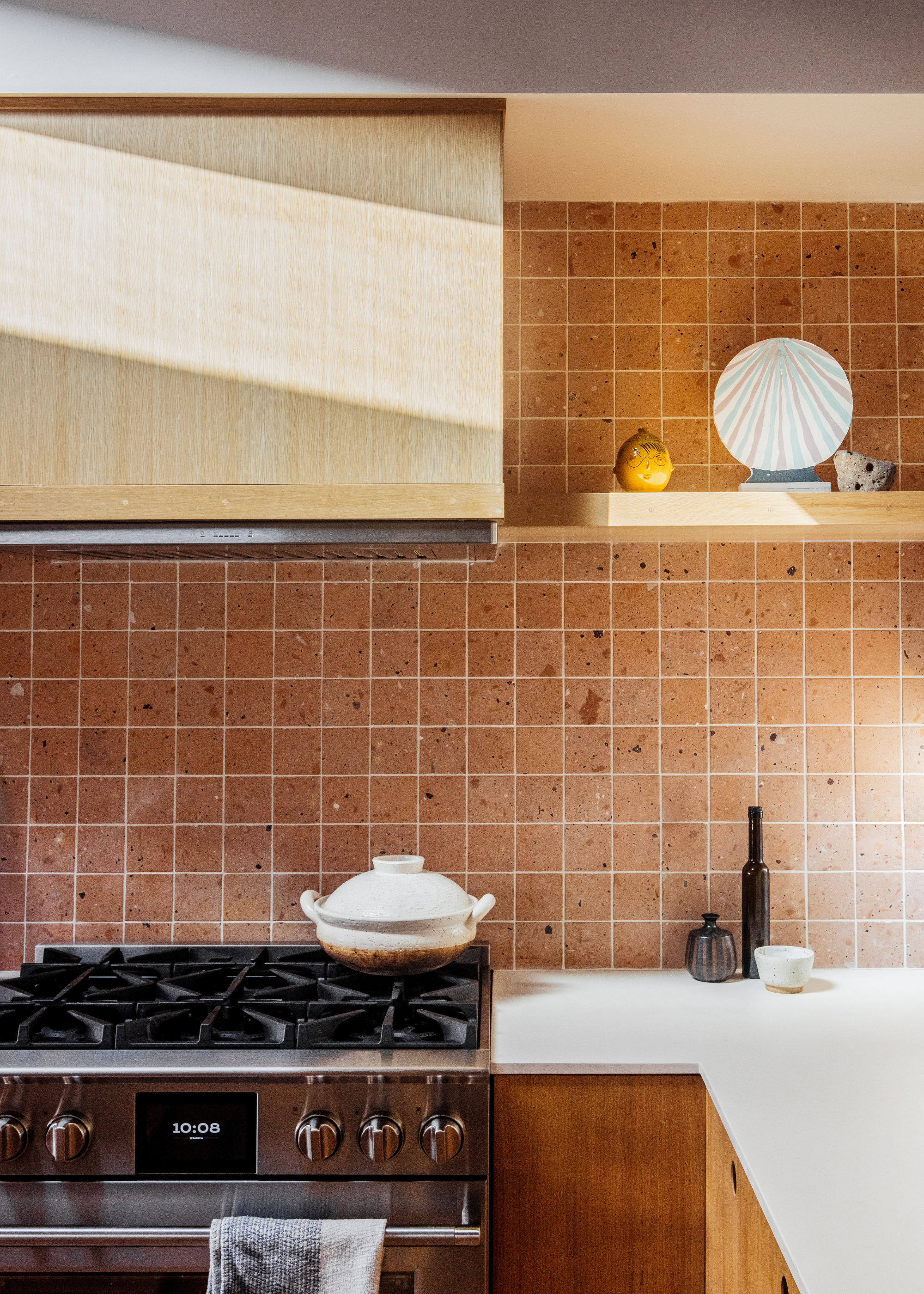
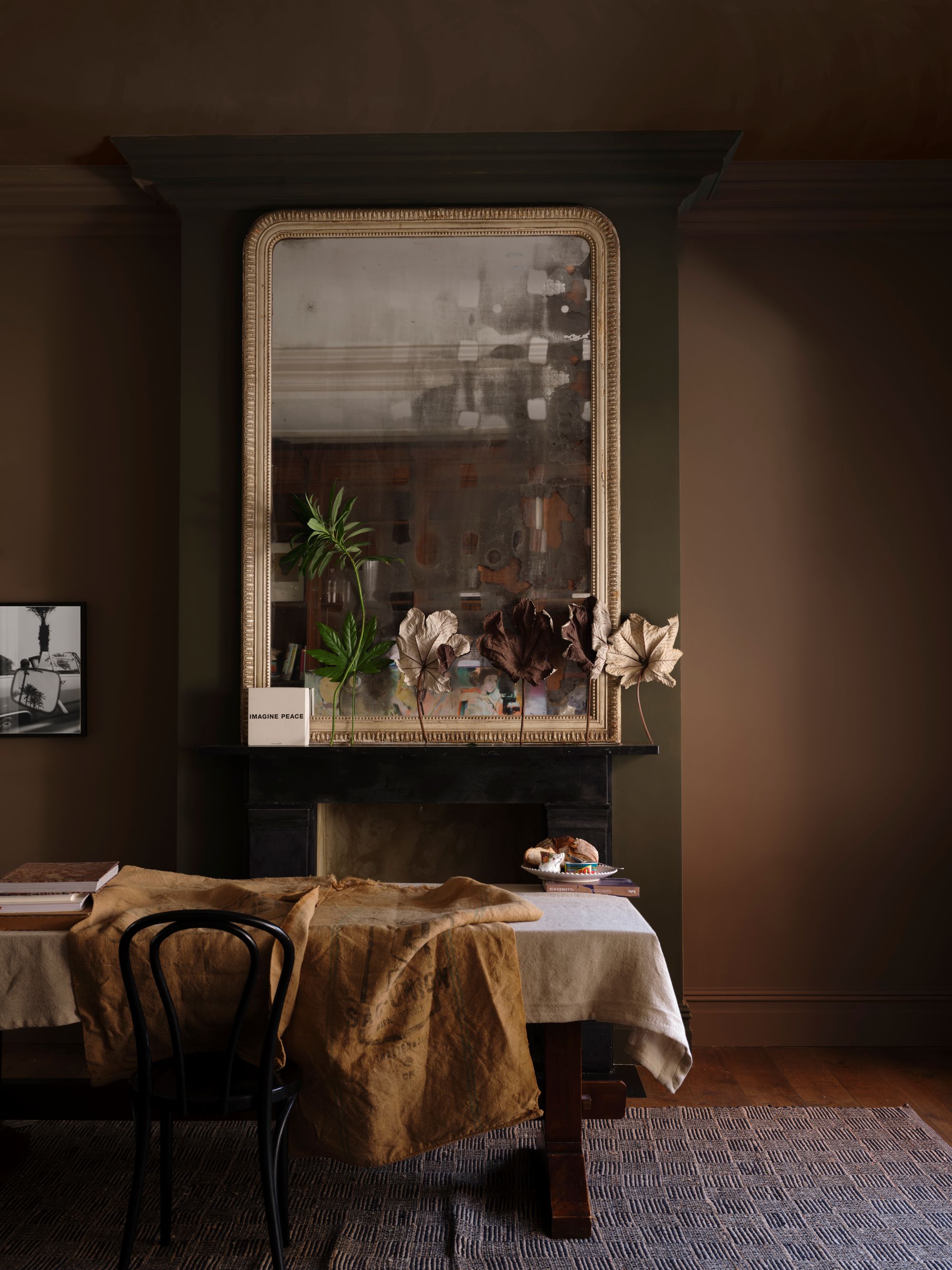
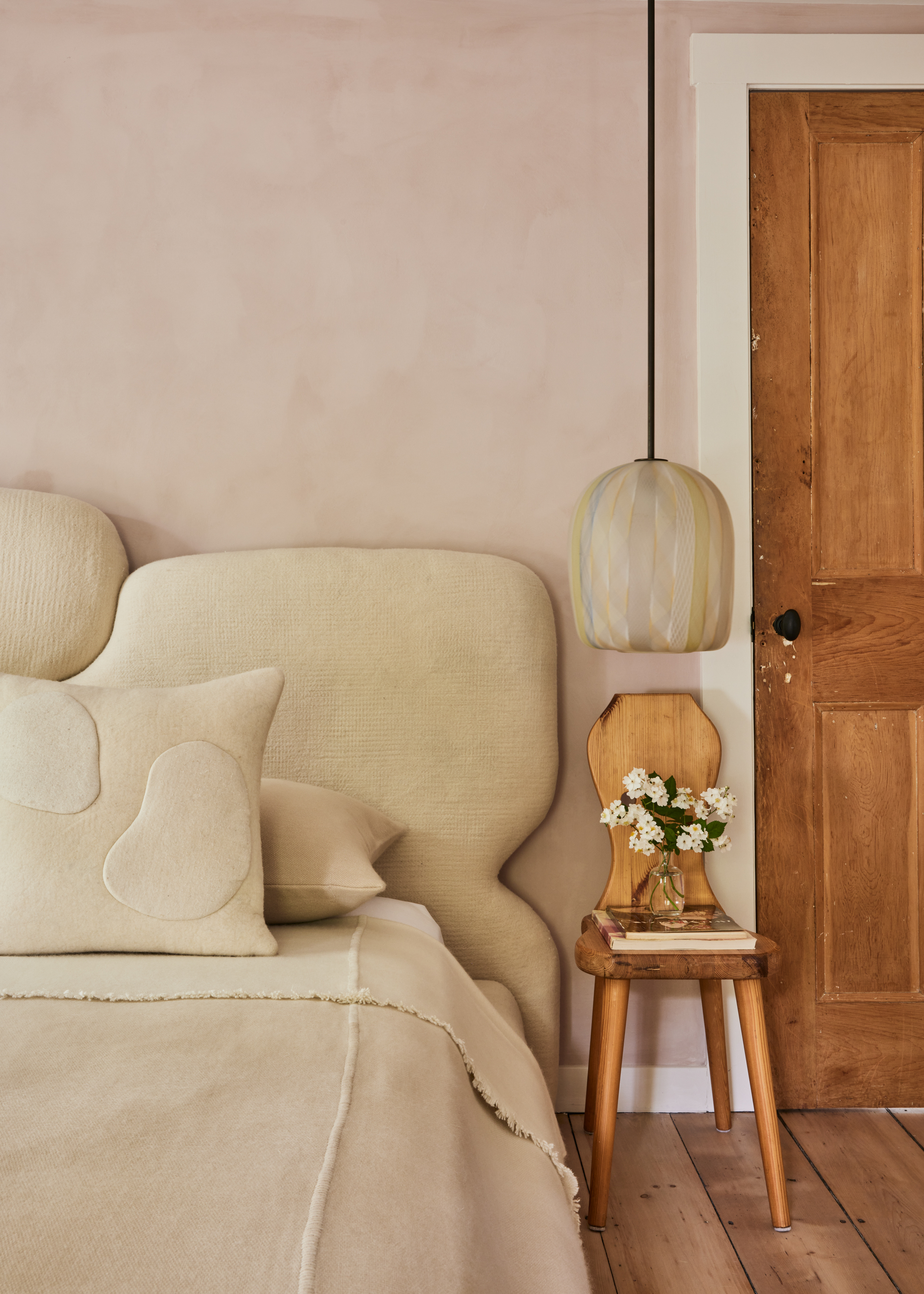
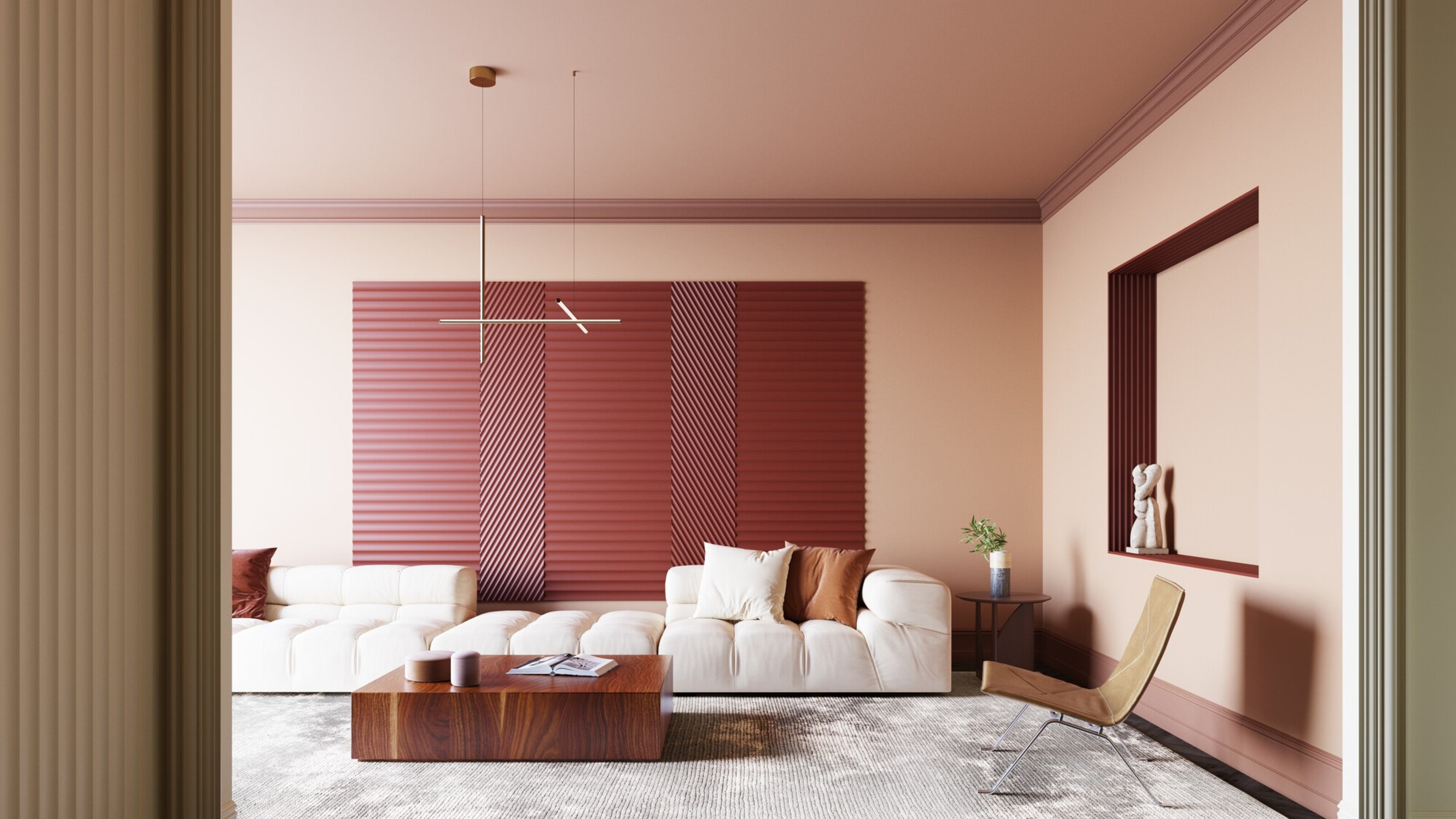
Third, white walls can clash with warm tones. In spaces dominated by warm wood, earthy textiles, or creamy furniture, a bright or stark white wall can feel cold and detached. This contrast can highlight undesirable elements and disrupt the natural flow of an otherwise cozy environment, especially in older homes or those with vintage decor. In such cases, a warm white or soft neutral paint color is a more harmonious alternative. These subtle undertones, when paired with decor that accentuates warm hues, help create a cozier ambiance.
Fourth, white walls are not as easy to maintain as generally believed. Despite their clean appearance, white surfaces readily show scuffs, smudges, fingerprints, and even shadows where furniture once stood. They often require frequent touch-ups to maintain their pristine look. Furthermore, matte finishes, which are sometimes used to conceal imperfections, are harder to clean effectively. This can be particularly challenging for households with young children or pets. However, it is still possible to use white in high-traffic areas like kitchens by carefully selecting the right shade, finish, and placement.
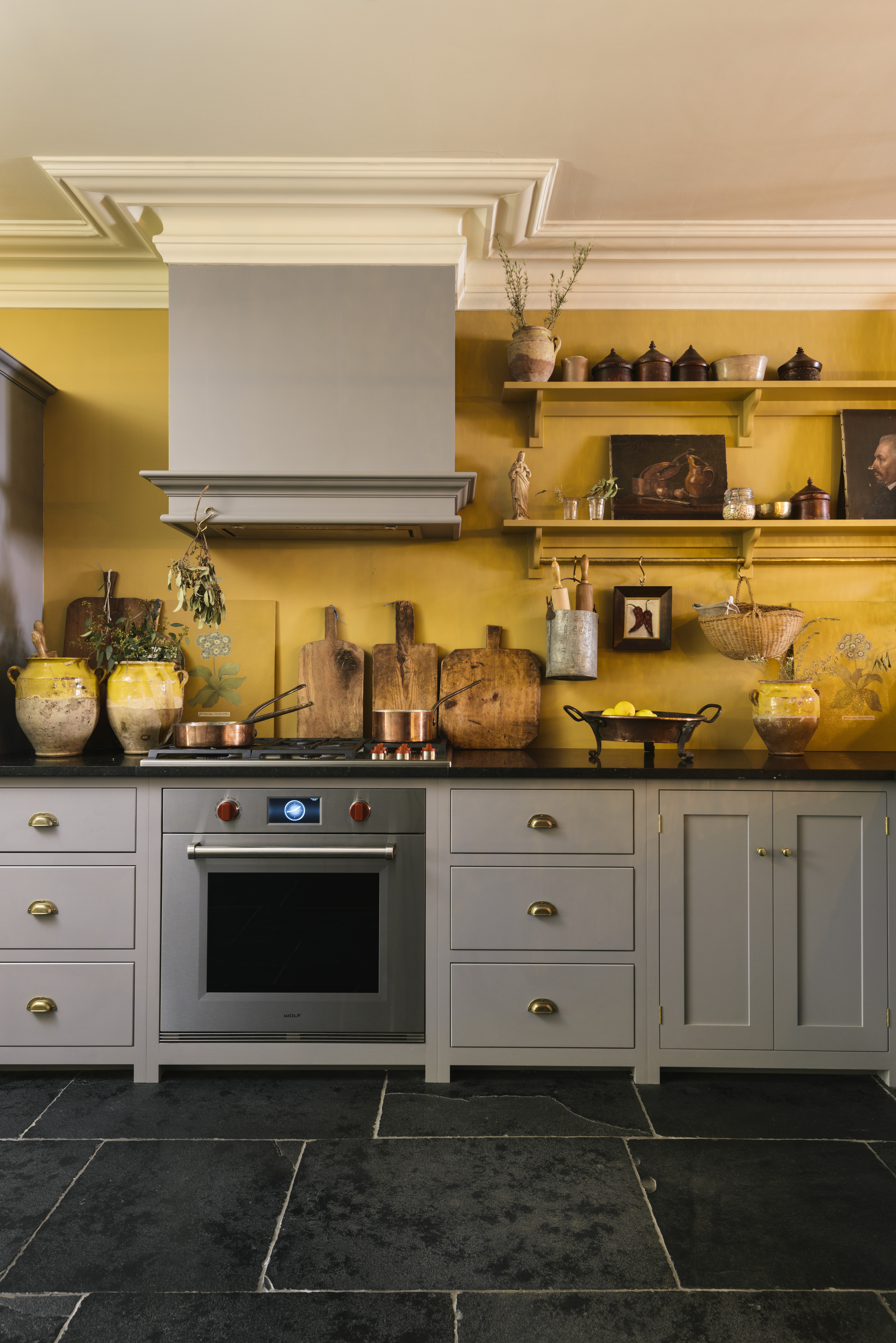
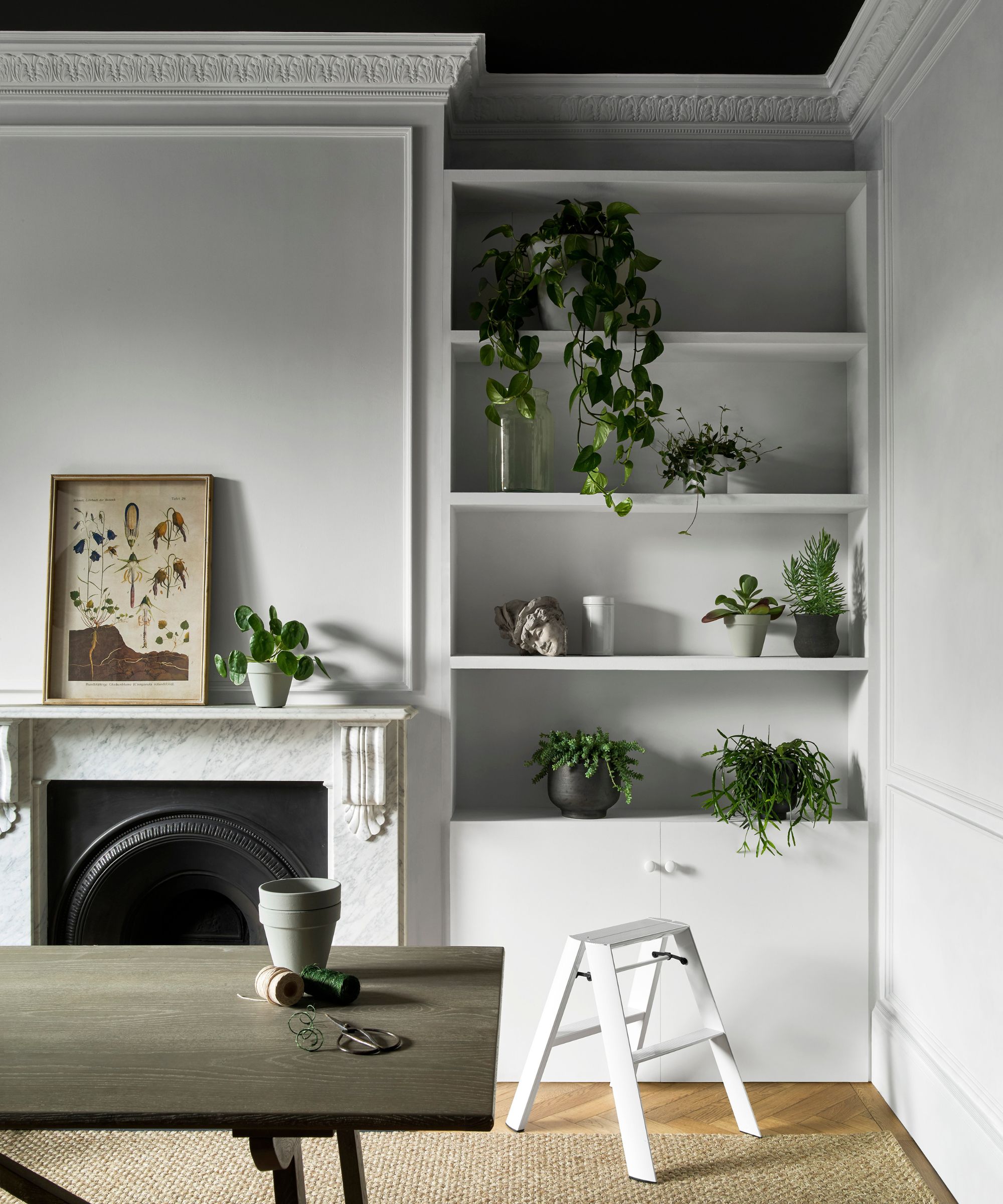
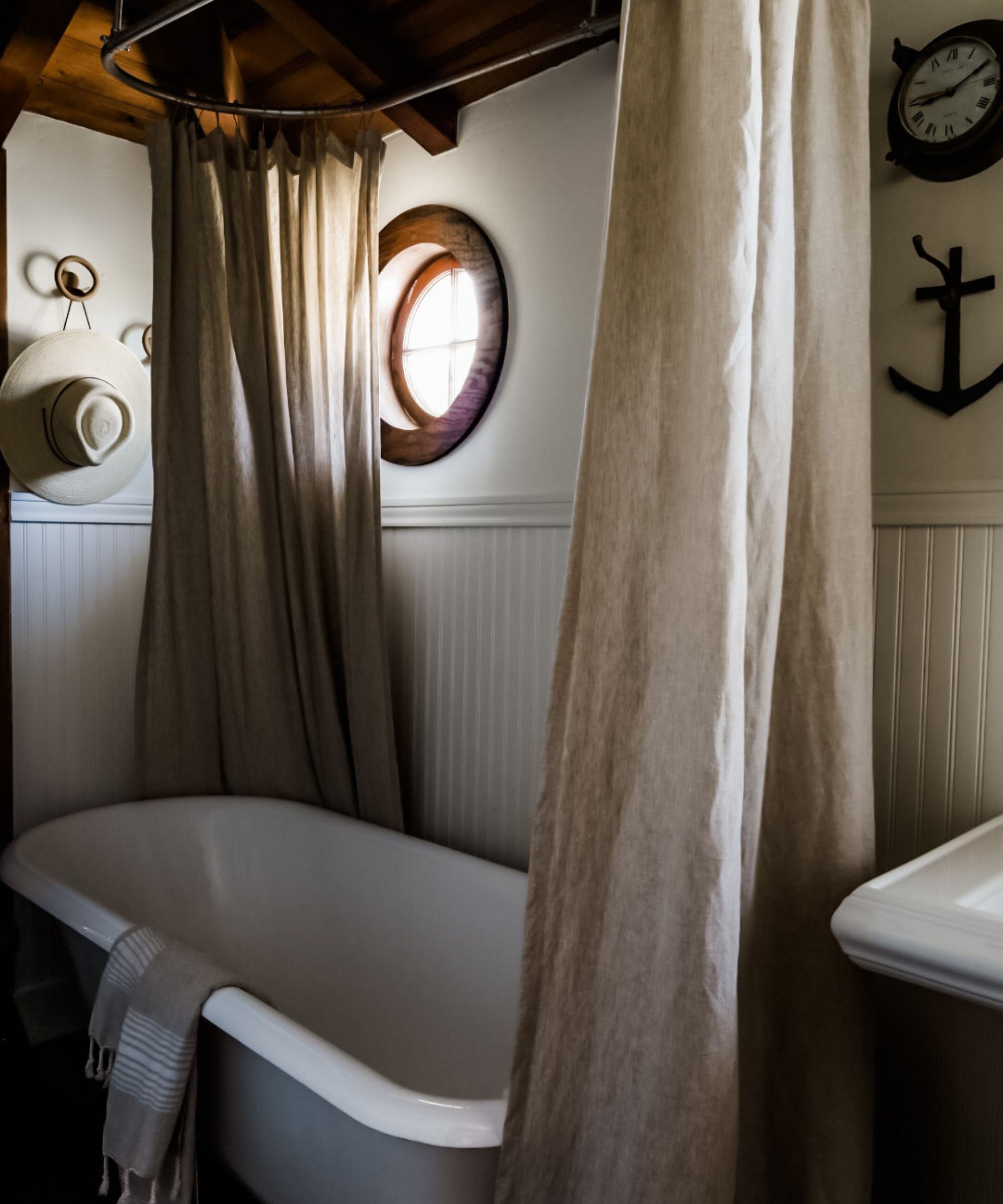
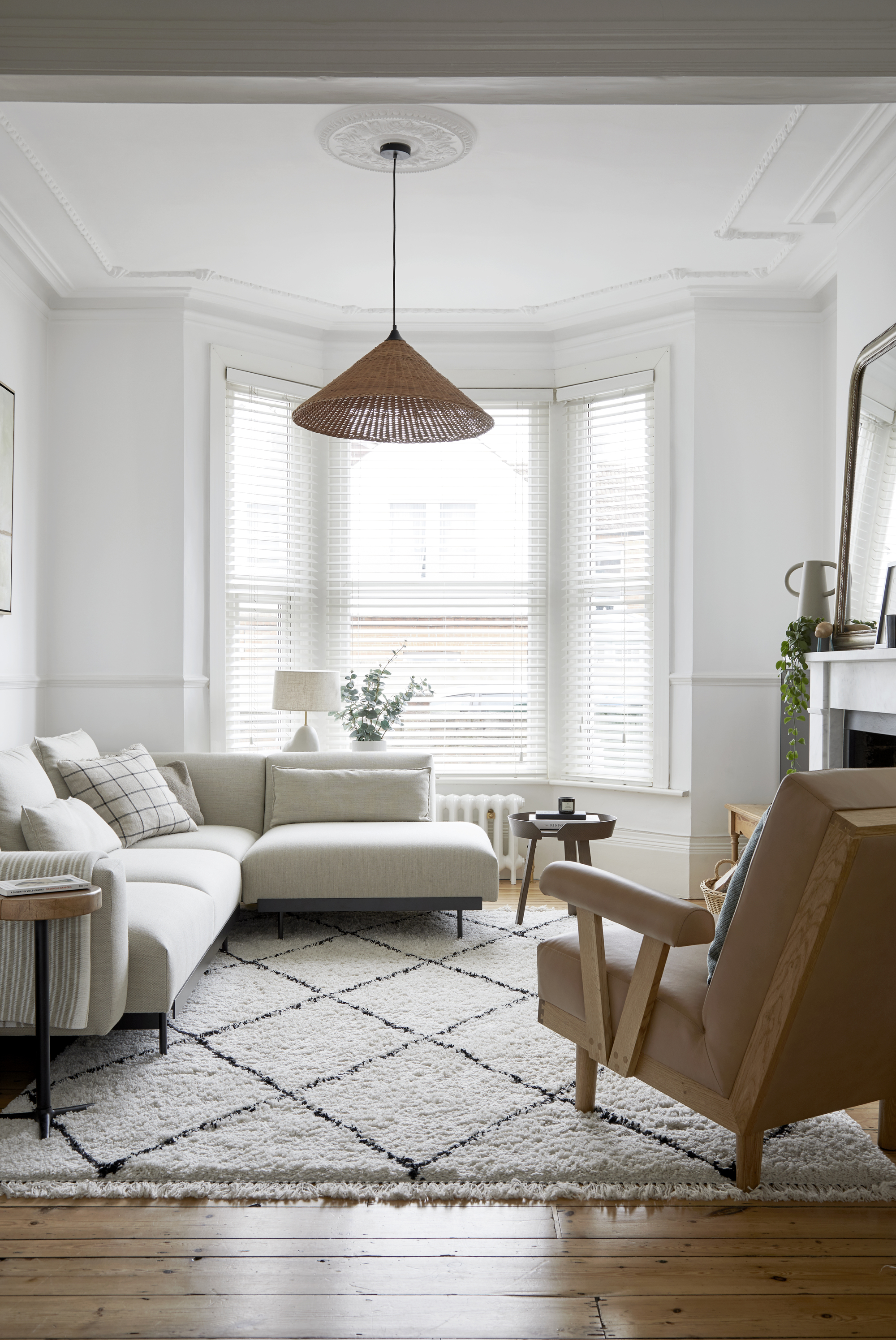
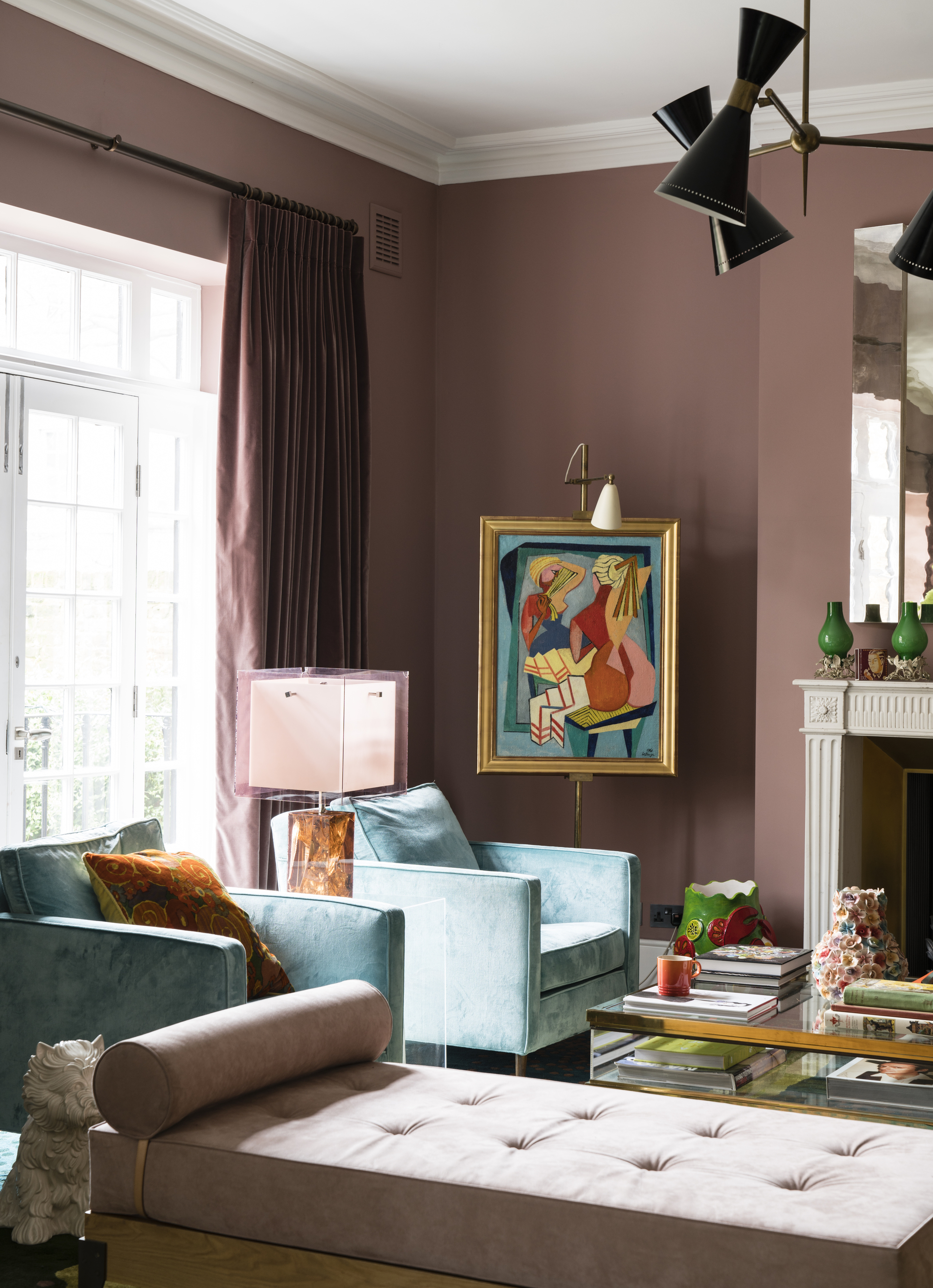
Finally, white walls necessitate ample layering to prevent a sterile appearance. To make white walls easier to style and add depth, incorporating various textures is essential. Natural materials such as linen, wood, wool, and leather can introduce visual warmth. Additionally, integrating a few high-contrast pieces, such as black accents, bold artwork, or rich colors, can anchor the space, transforming a white wall into a compelling backdrop for a well-told design story. While white walls remain a popular choice, a thoughtful and strategic approach is vital to overcome these common challenges and create a truly stunning interior.
#WhiteWalls #InteriorDesign #PaintColors #HomeDecor #DesignChallenges #StylingTips #NeutralPalette #ColorTheory #HomeRenovation #WhiteWalls #InteriorDesign #PaintColors #HomeDecor #DesignChallenges #StylingTips #NeutralPalette #ColorTheory #HomeRenovation
0 comment in total
 No comments yet
You may also like
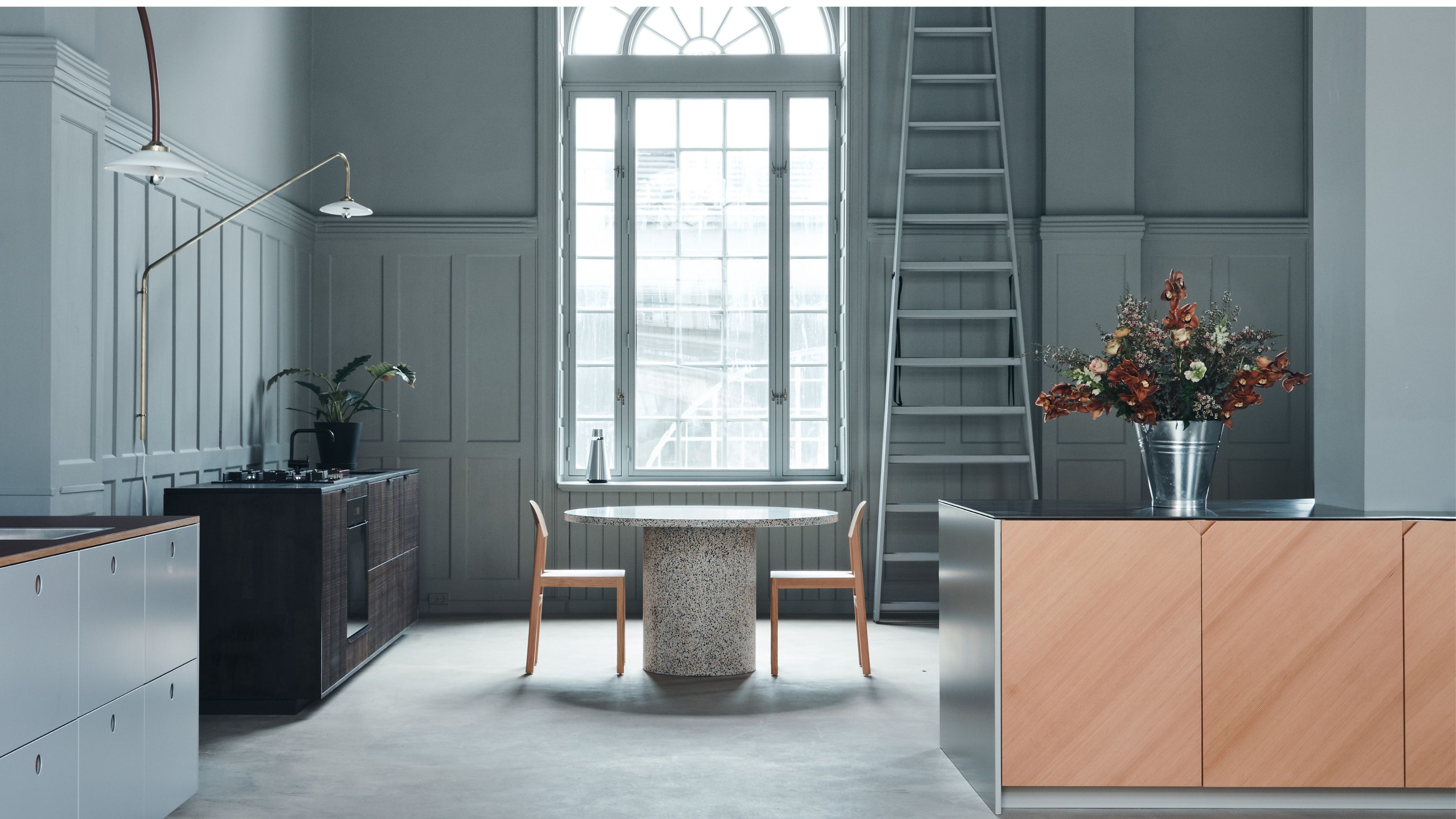
5 Reasons You Shouldn't Paint Your Kitchen Walls White — And the Alternatives You Need to Try
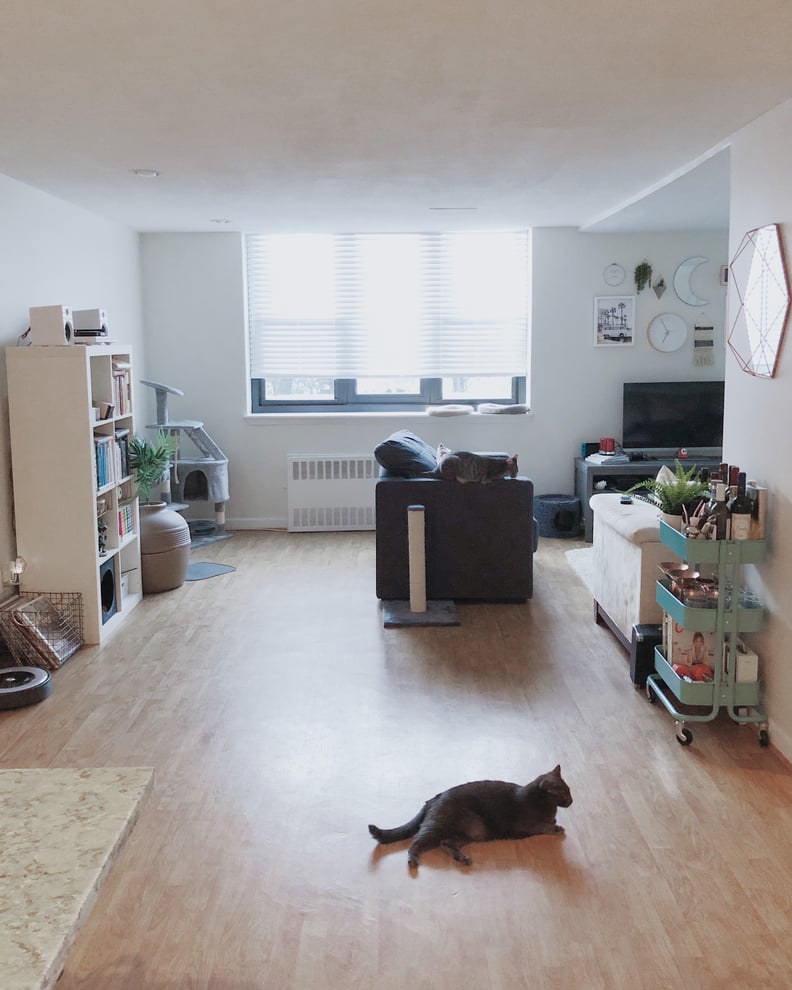
How White Wall Paint Can Transform the Look of Your Home | PS Home
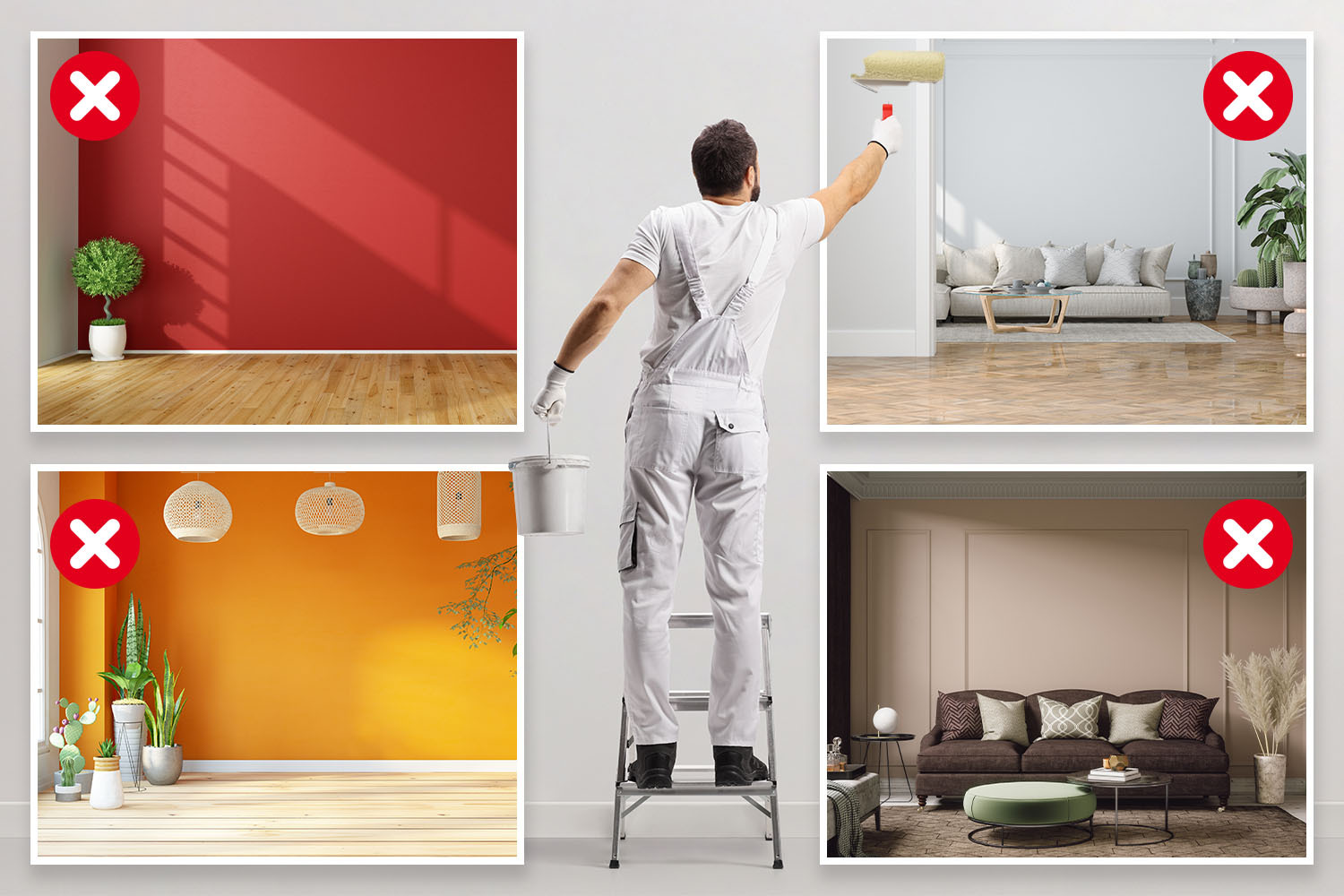
I’m an interior designer - the worst paint colours for small rooms, and why bright white walls is not a good idea
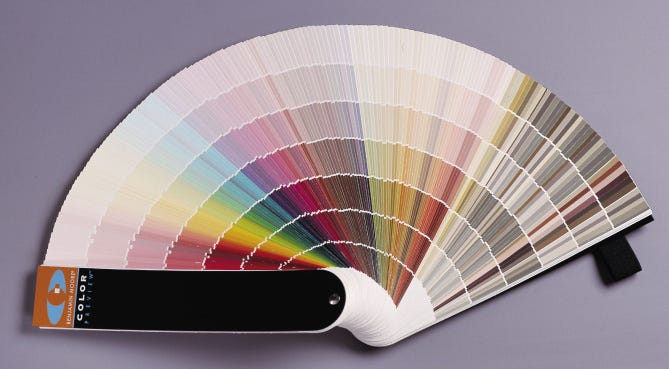
White walls? The trick is choosing the right white

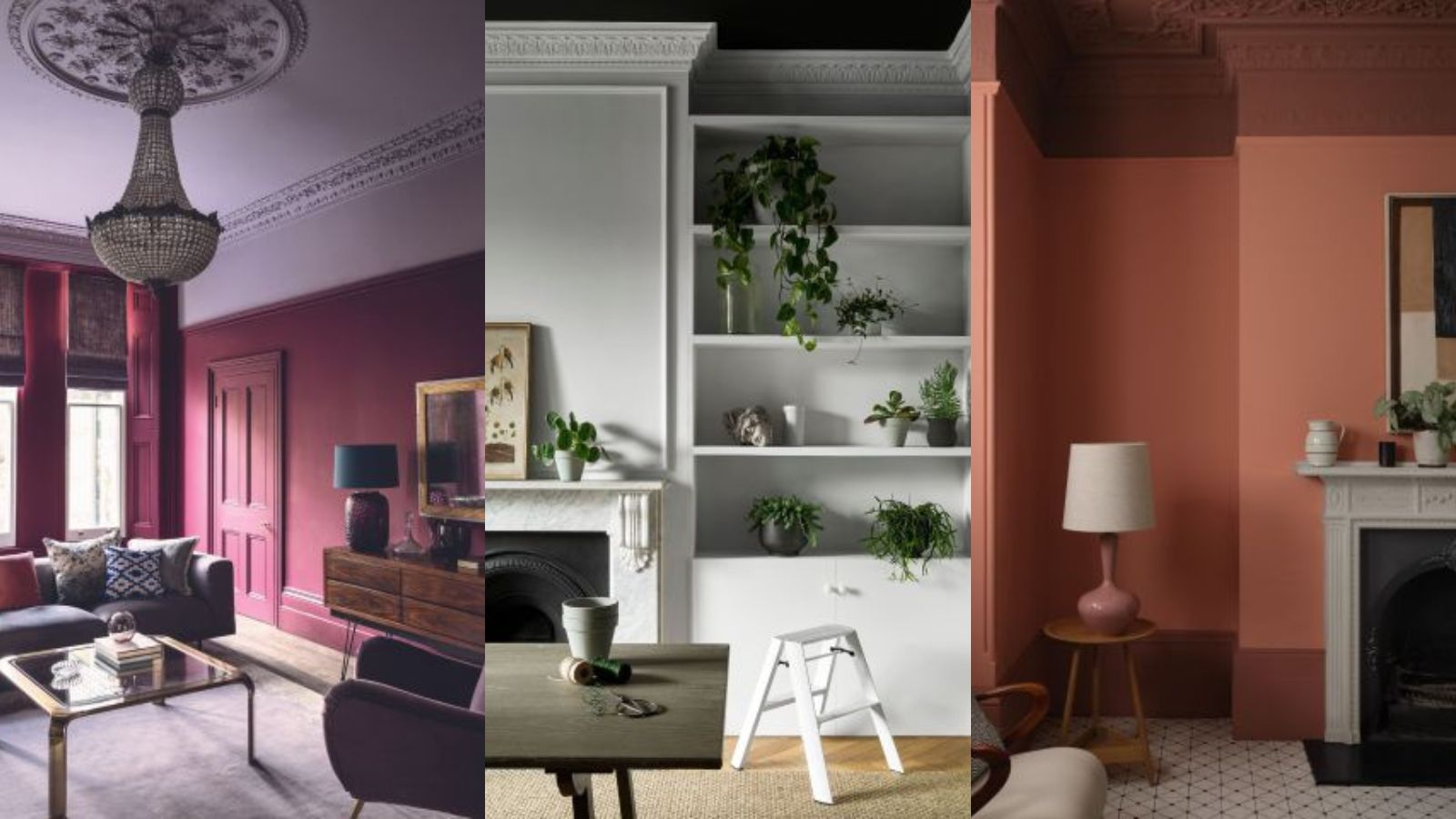
5 reasons why you should never paint a ceiling white, reveals a leading paint and color expert

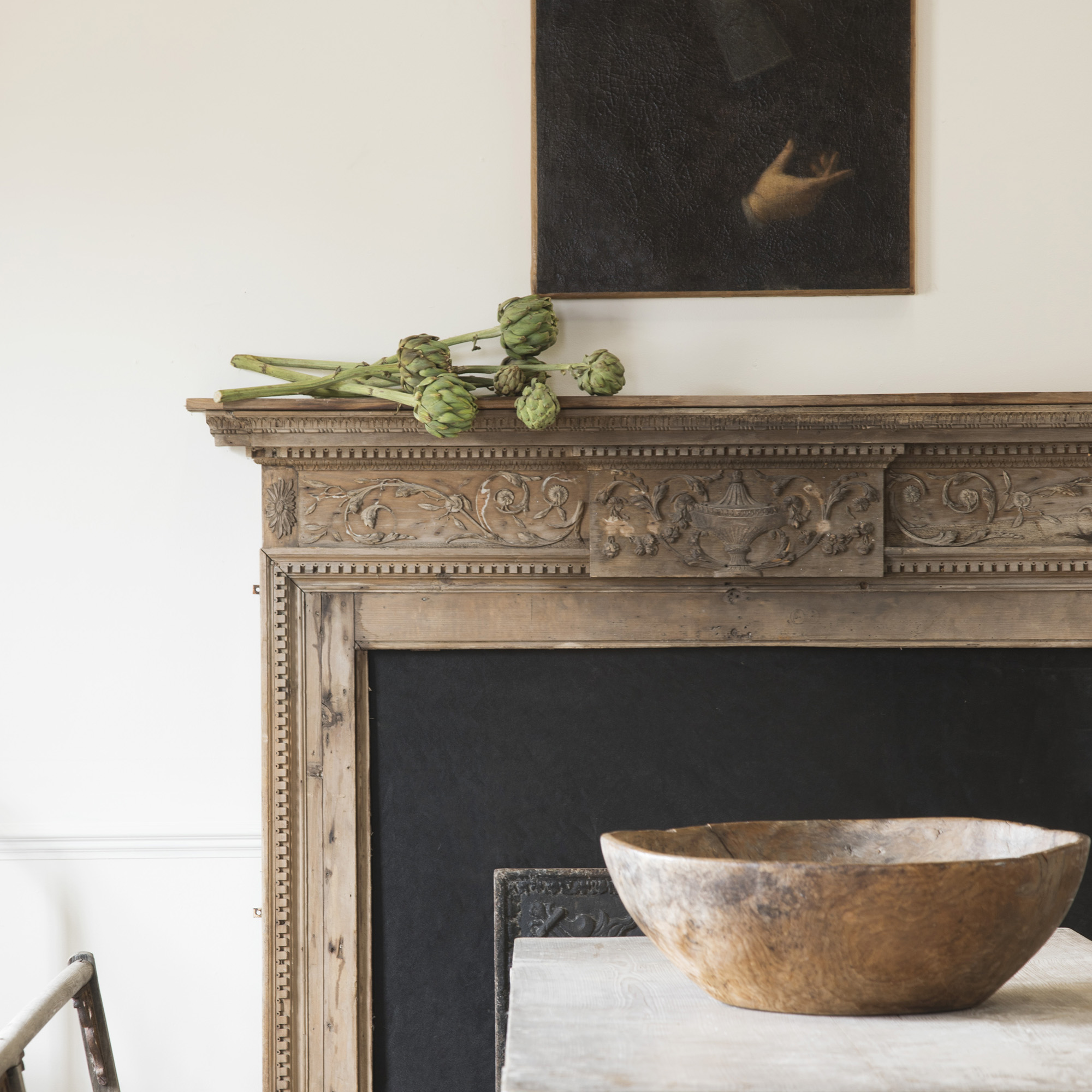
Six things you need to know before painting a room off-white — and five beautiful tints to consider
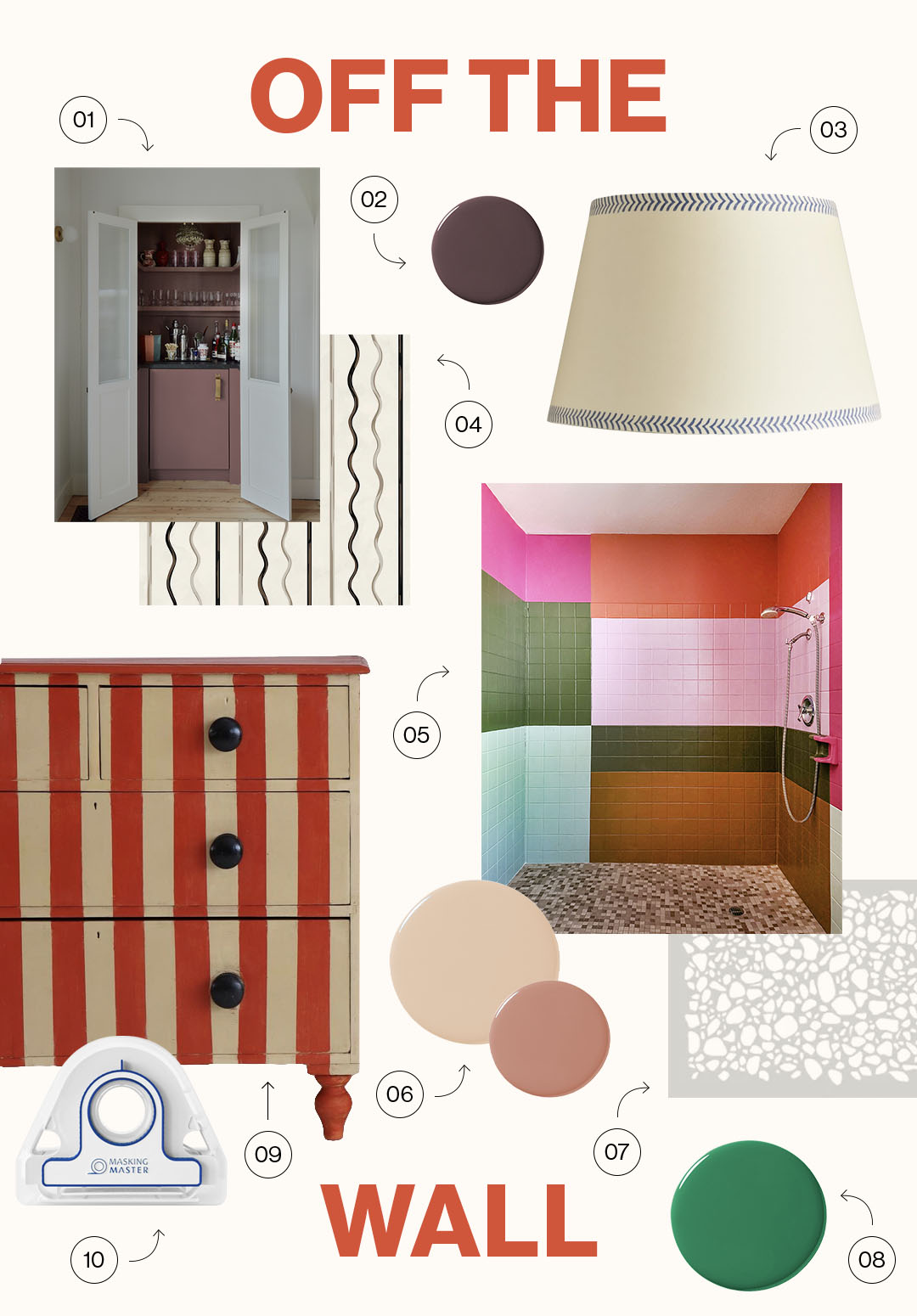
Why I’m Not Painting My Walls

Should I paint my wall trim white? The pros and cons to painting your molding
7 times you should never paint a room white
An interior expert reveals the one thing you should never do when painting your walls
6 painting mistakes that are making your walls look 'dirtier' – and what you should be doing instead
7 places in your home you’re probably forgetting to paint – but design experts say you really shouldn’t
The Best White Paint for Walls That Experts Swear By

3 reasons you shouldn't paint your kitchen walls white – plus the new neutrals to try instead, according to kitchen pros
5 Problems With Tiled Backsplashes in Kitchens That No One Ever Talks About
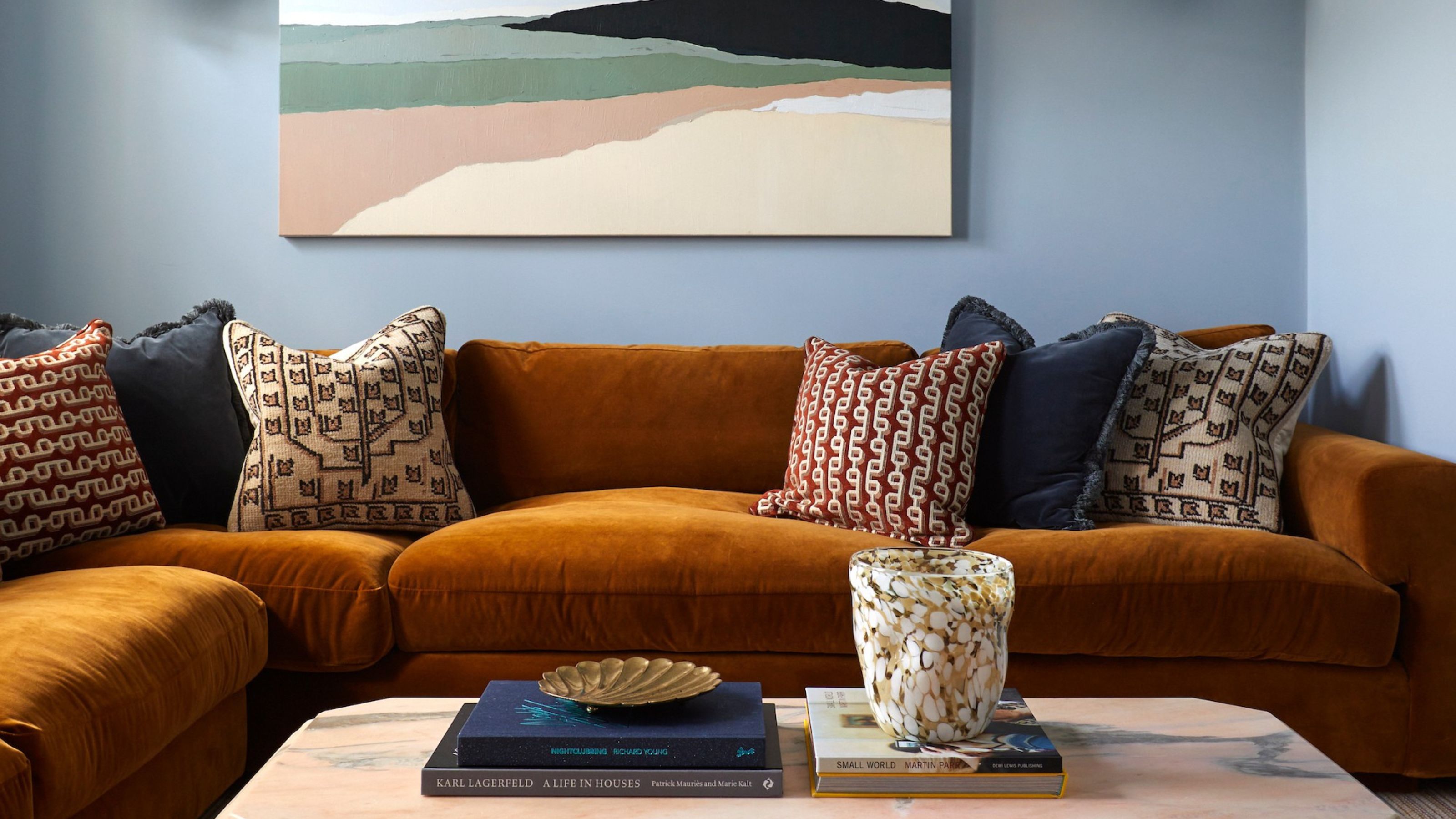
I Just Found Out That Wall Finishes Can Reduce the Air Quality in Your Home — Here's 5 Options That Don't
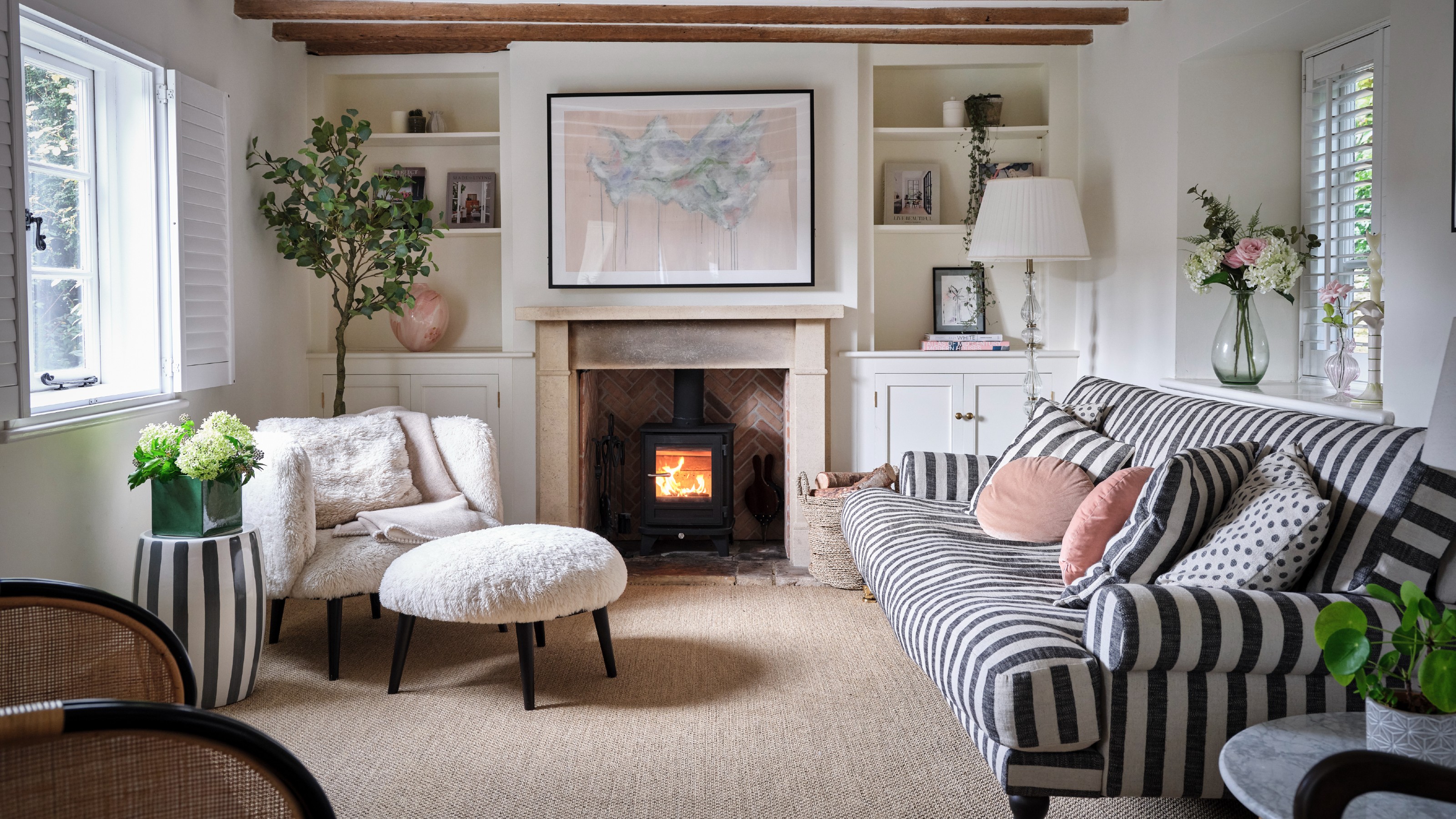
4 surprising areas in your home that experts say you really shouldn't paint white – and what to do with them instead
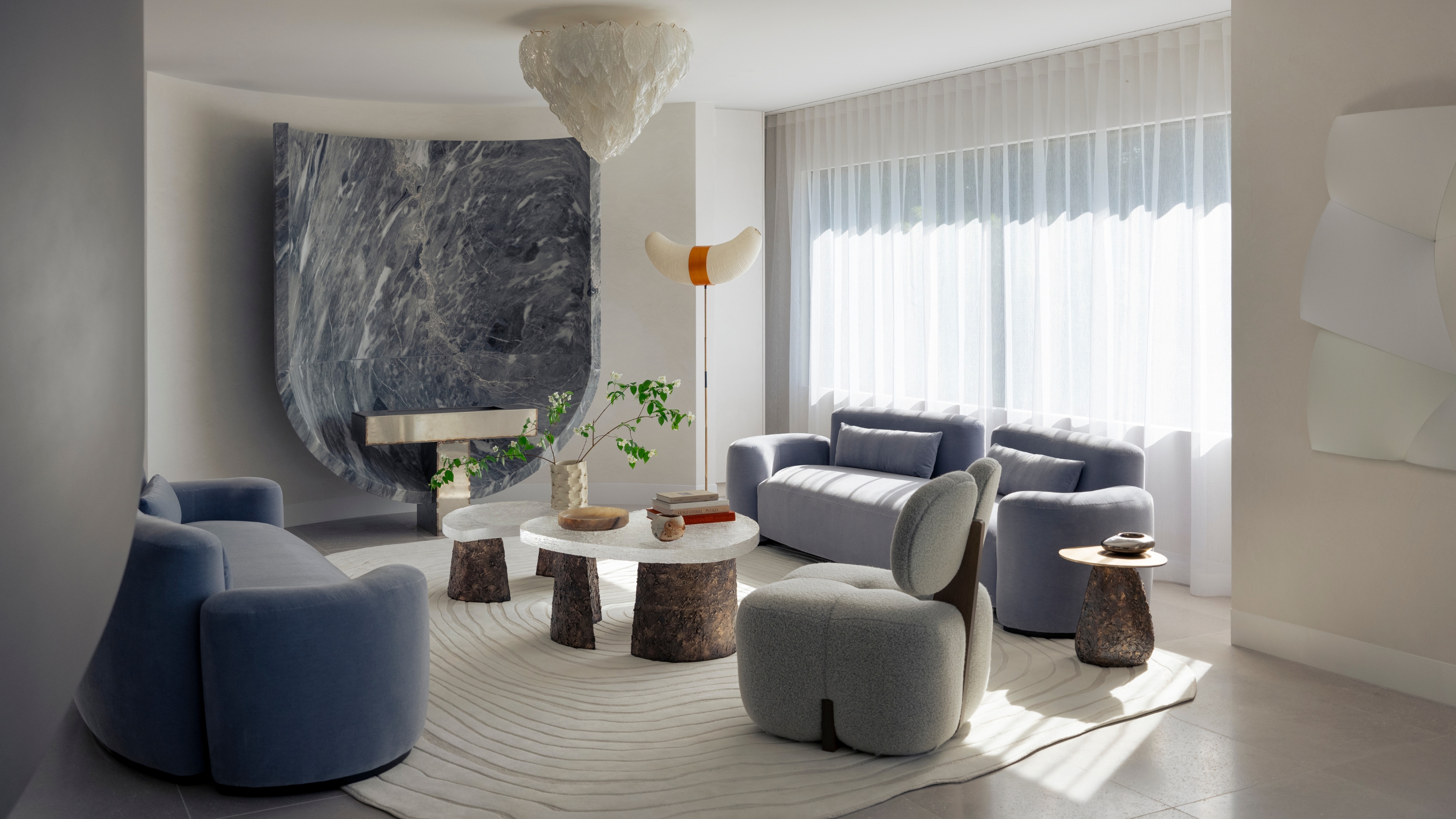
"Help, My White Walls Look Blue" — Here's Why It's Happening, and How to Fix This Common Problem
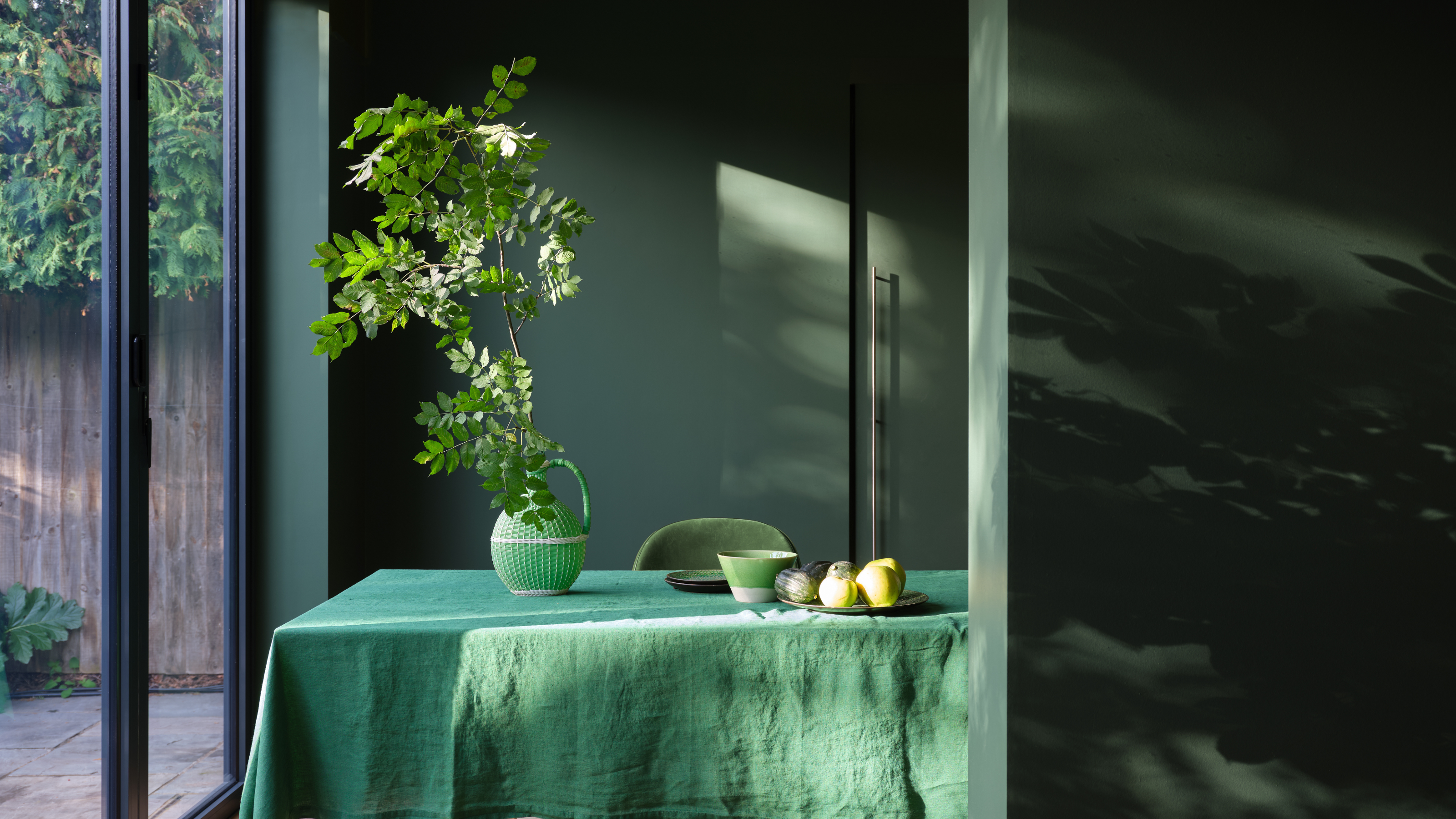
3 Problems With Matte Paint That People Never Talk About — Because Super Flatt Finishes Are Popular, Not Perfect
5 Painting Mistakes That Are Actually Ruining Your Projects, According to Reno Pros