1/9
3 reasons you shouldn't paint your kitchen walls white – plus the new neutrals to try instead, according to kitchen pros
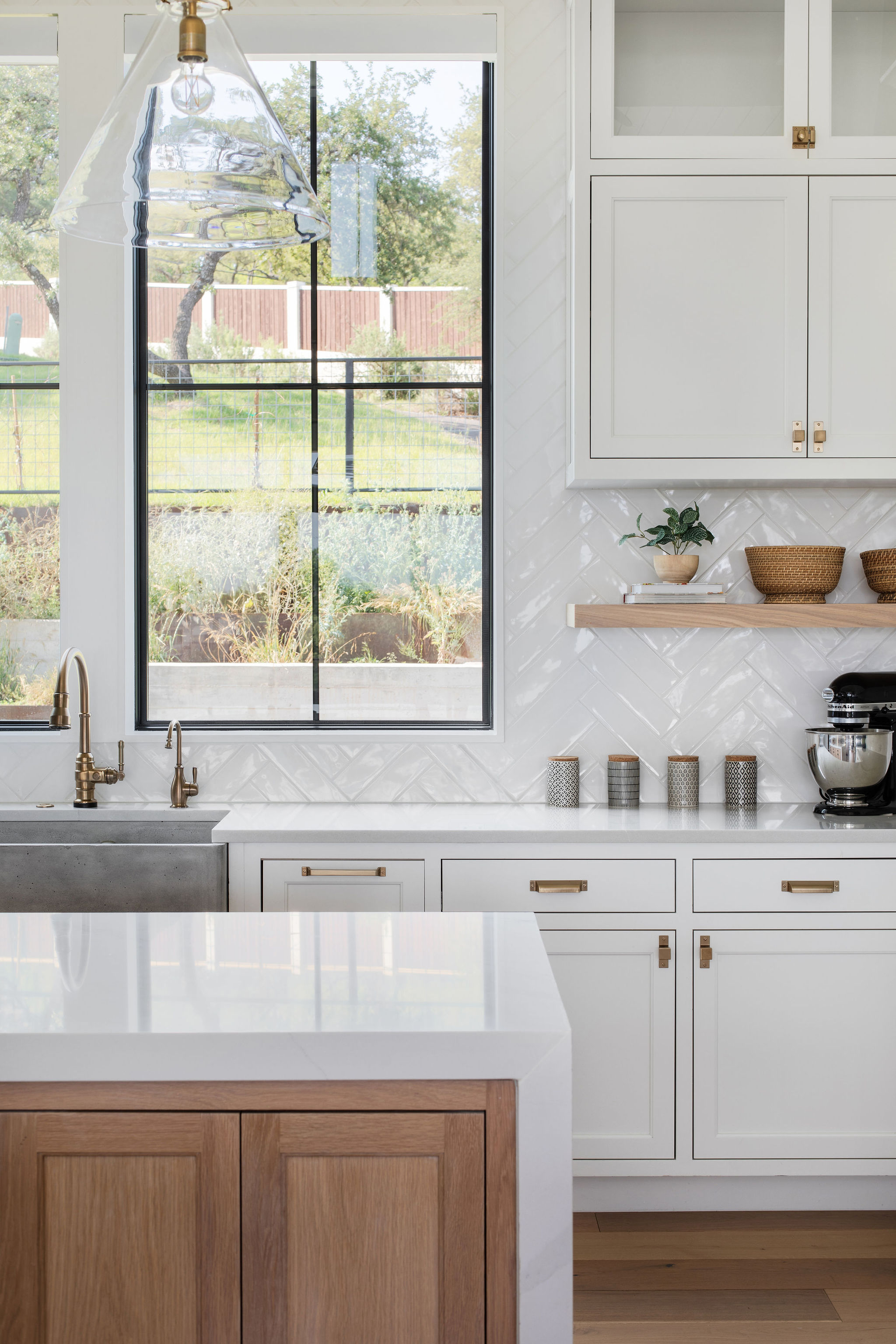
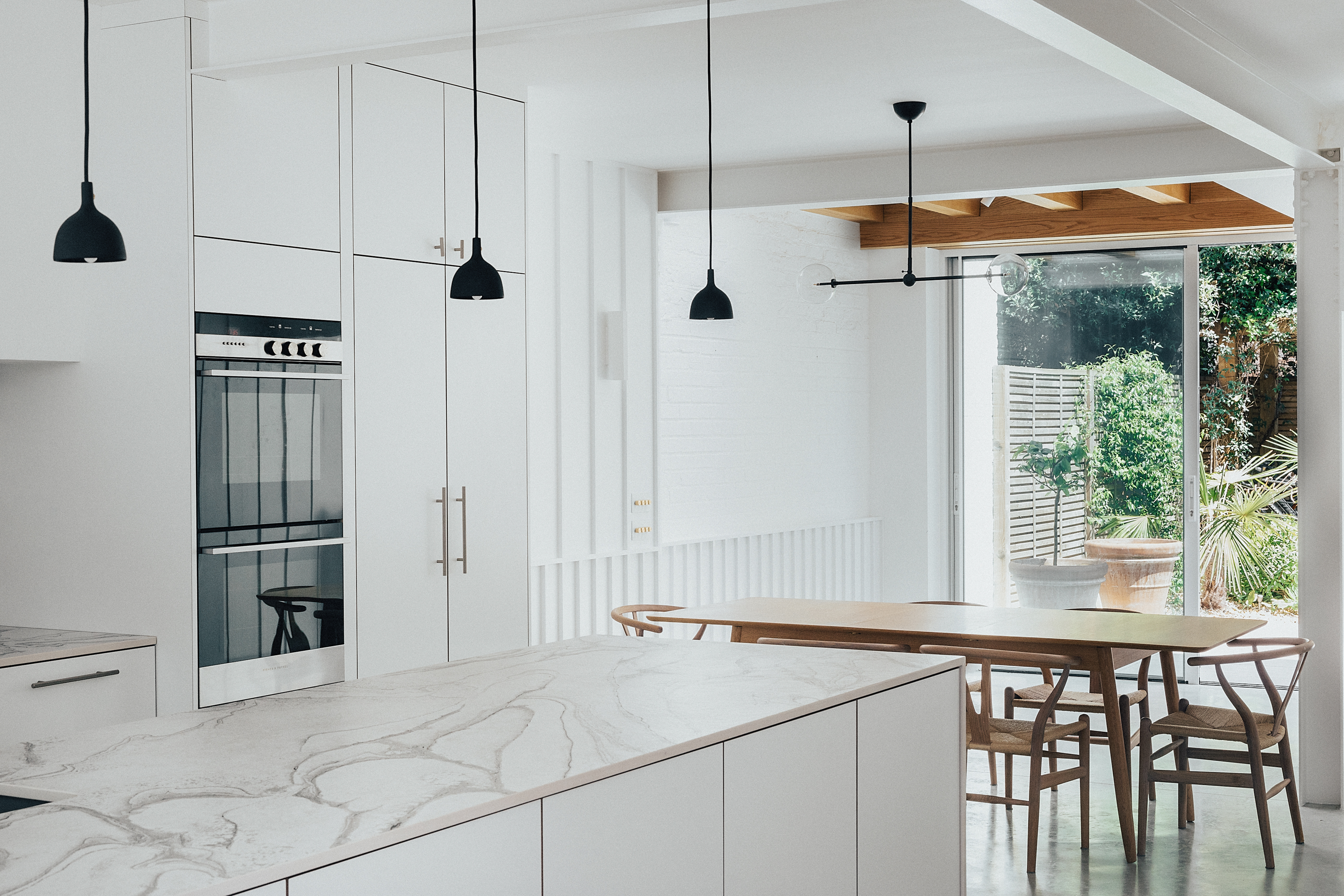
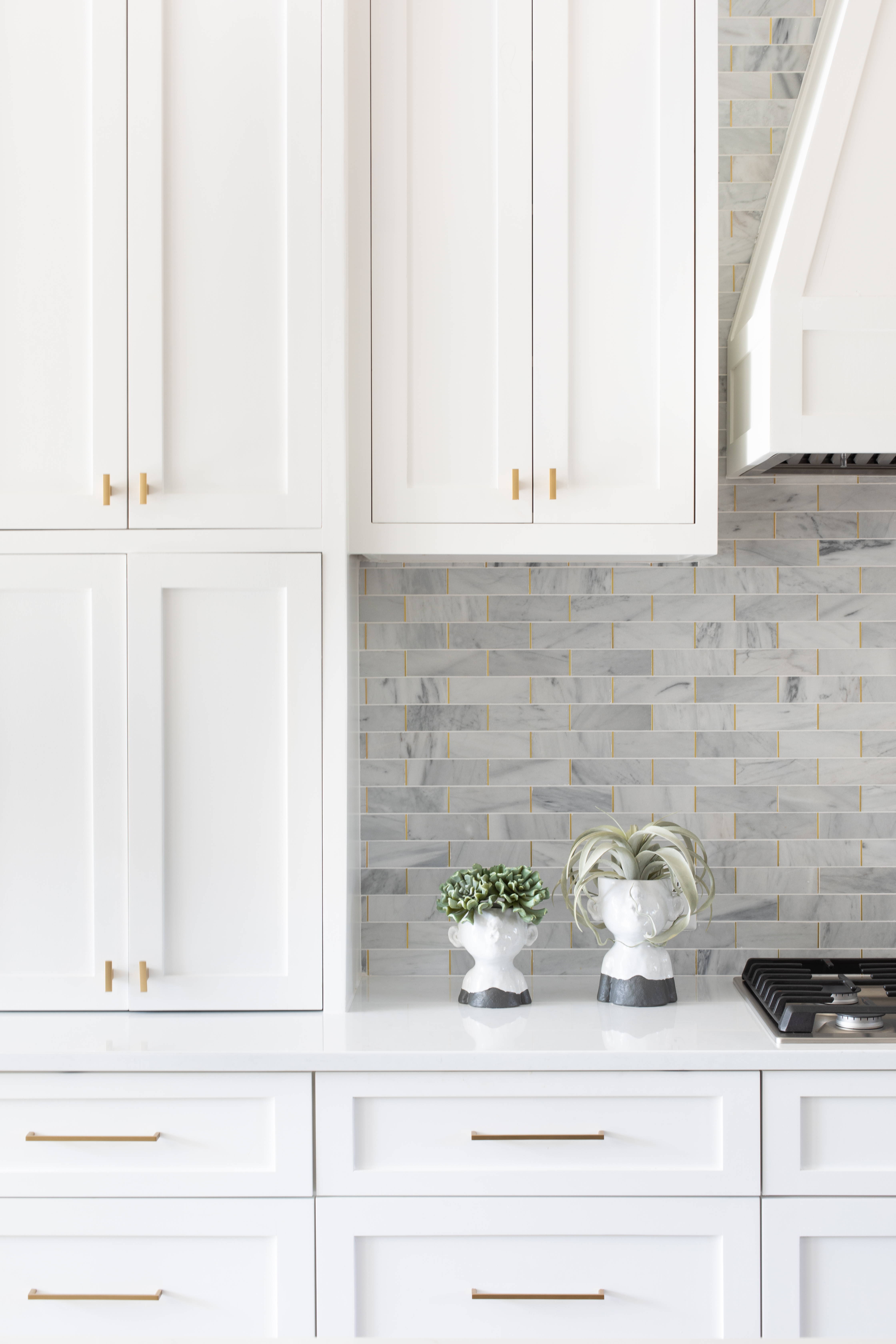
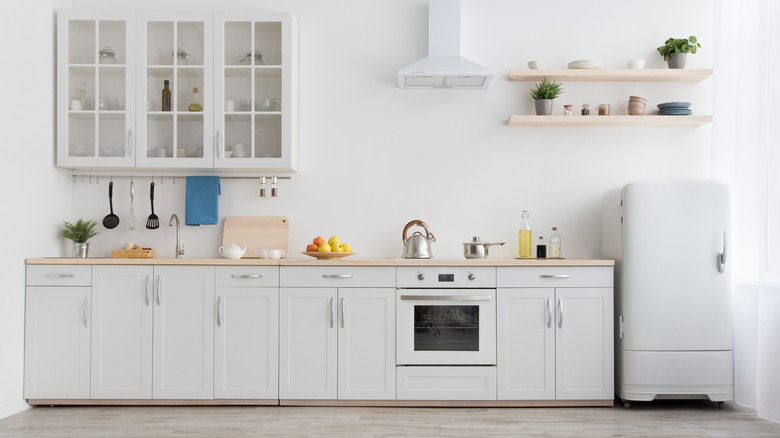
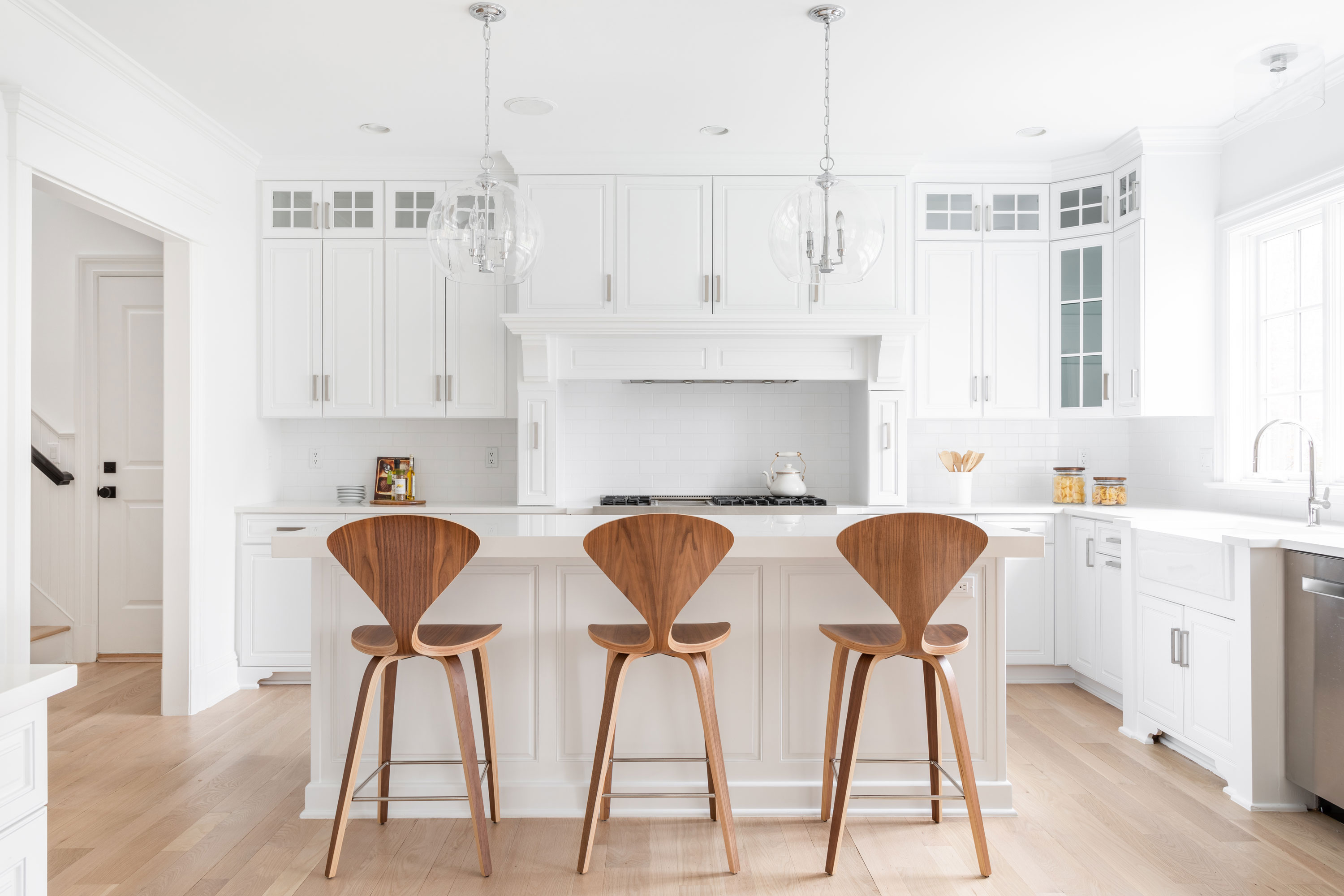
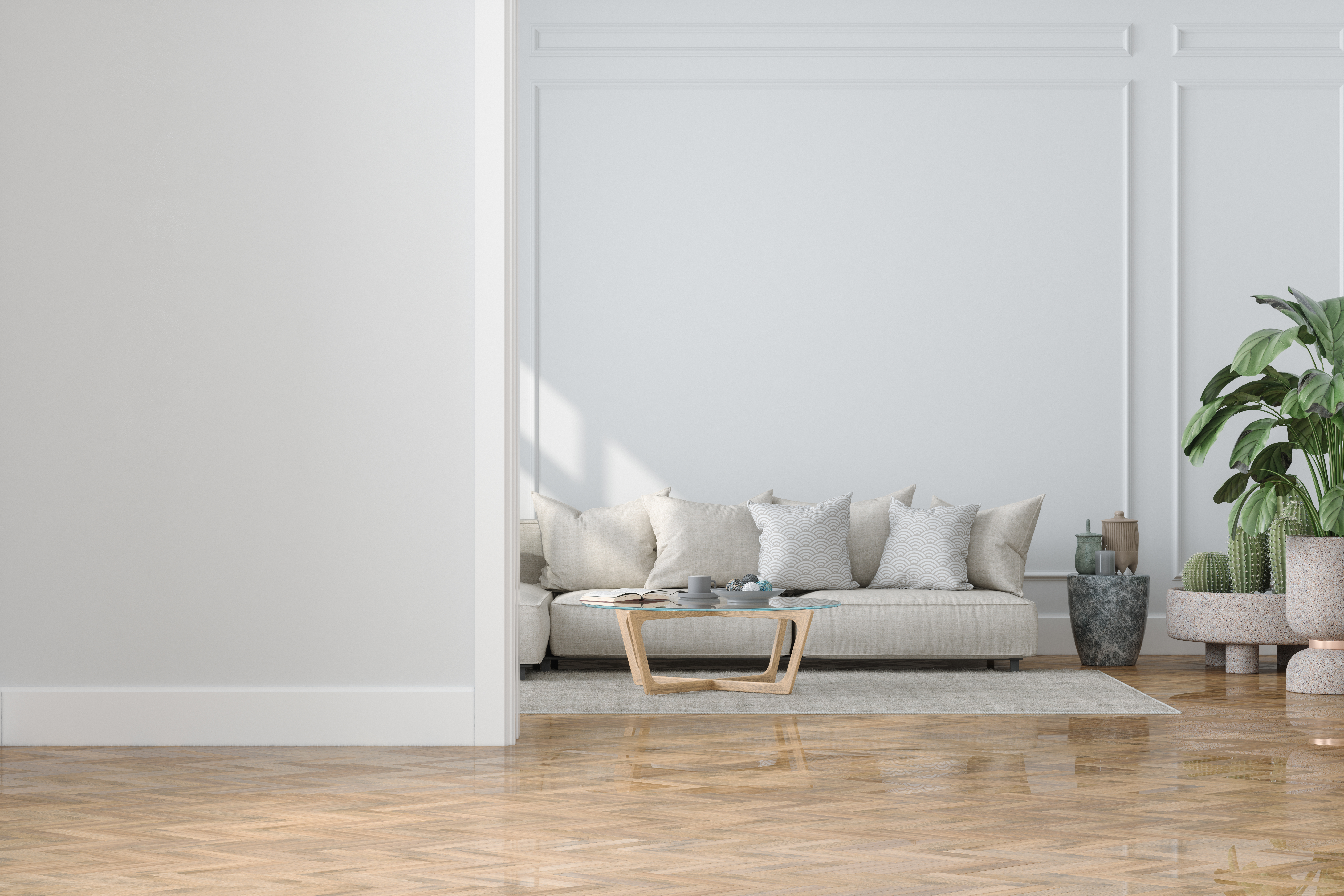
When undertaking a kitchen design project, many homeowners face decision fatigue, often leading them to default to white kitchen walls as a seemingly safe and crowd-pleasing option. However, experts suggest that white may not always be the best choice for this central living space. There are three primary reasons to reconsider painting kitchen walls white, encouraging homeowners to explore more vibrant and practical alternatives.
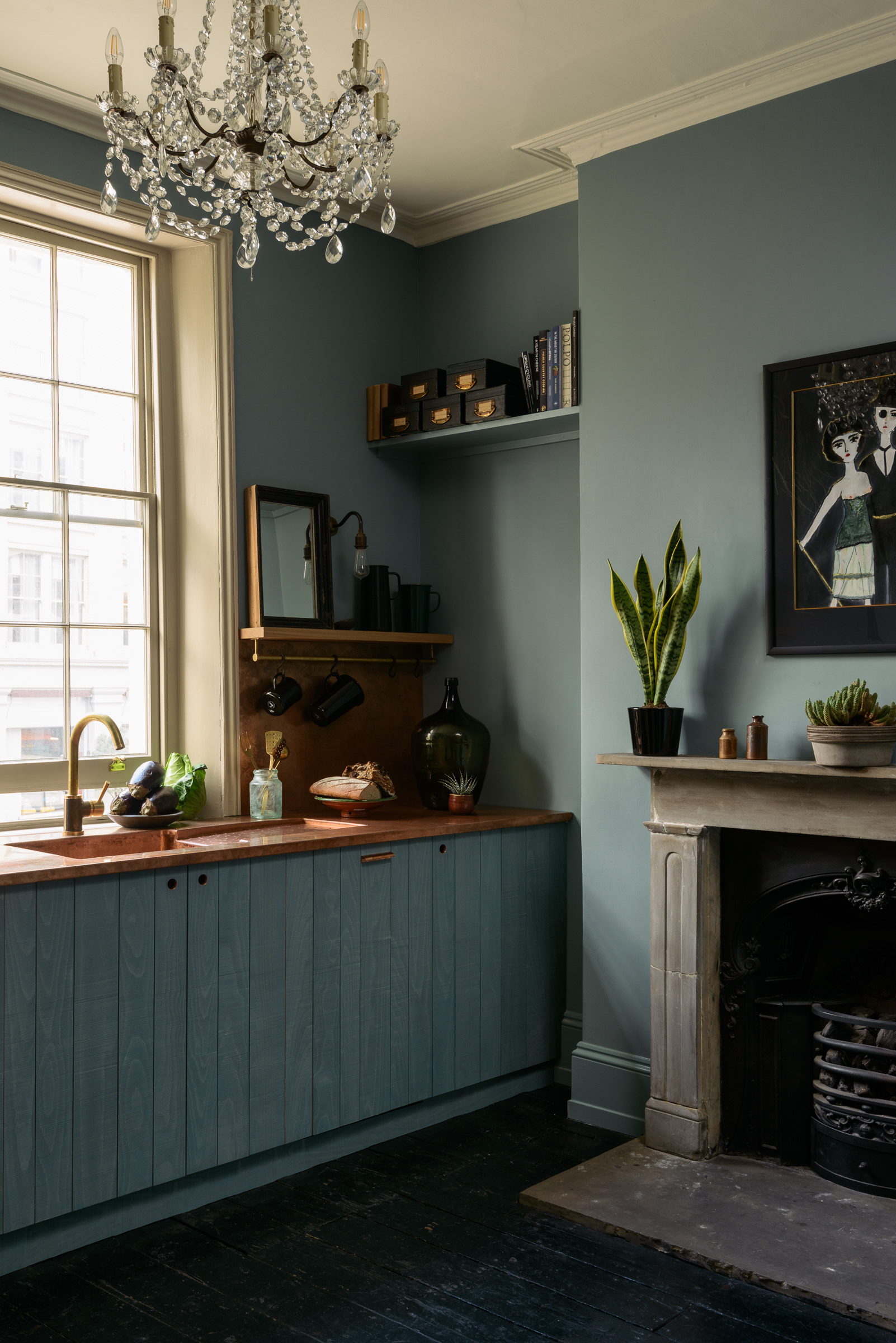
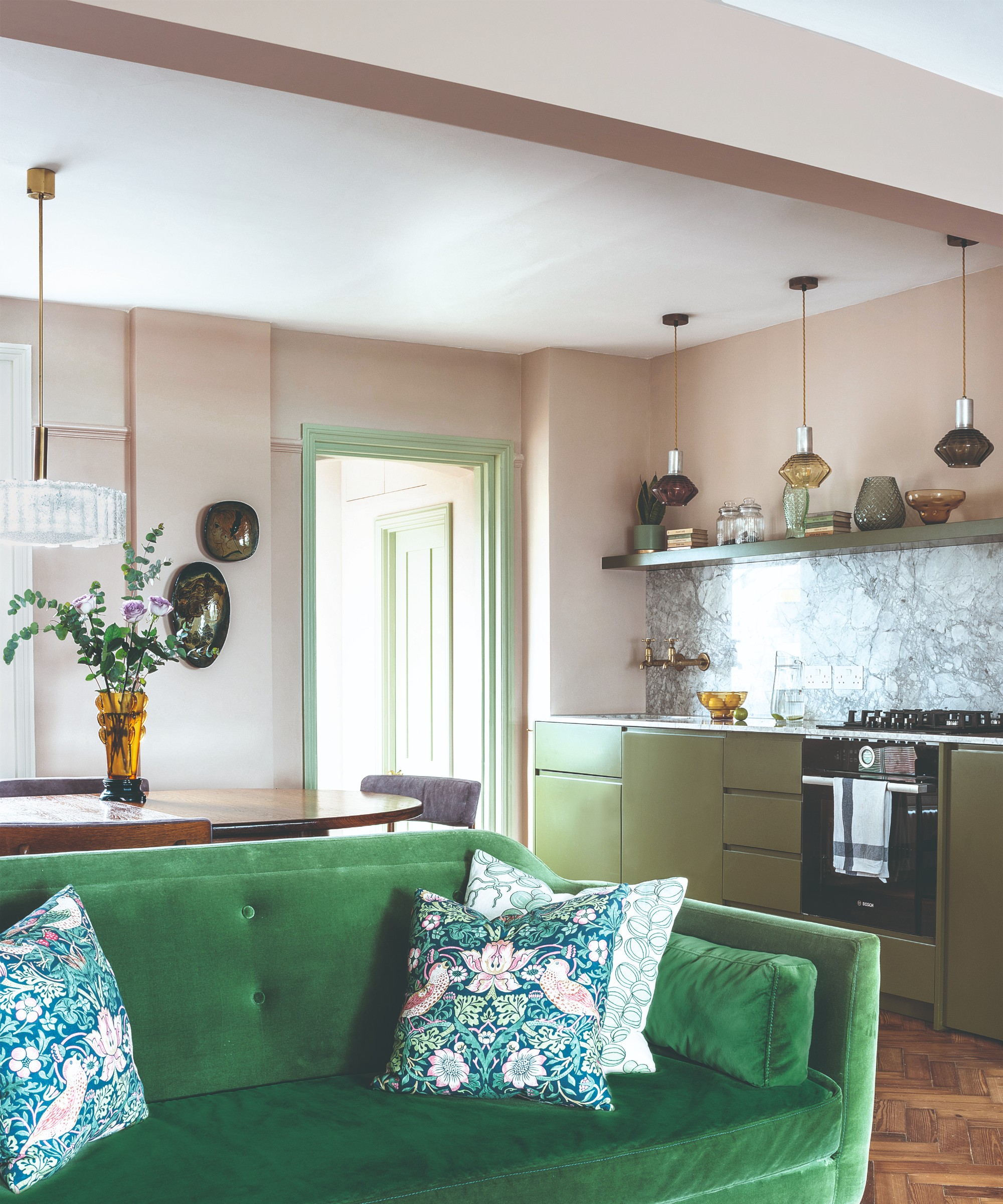
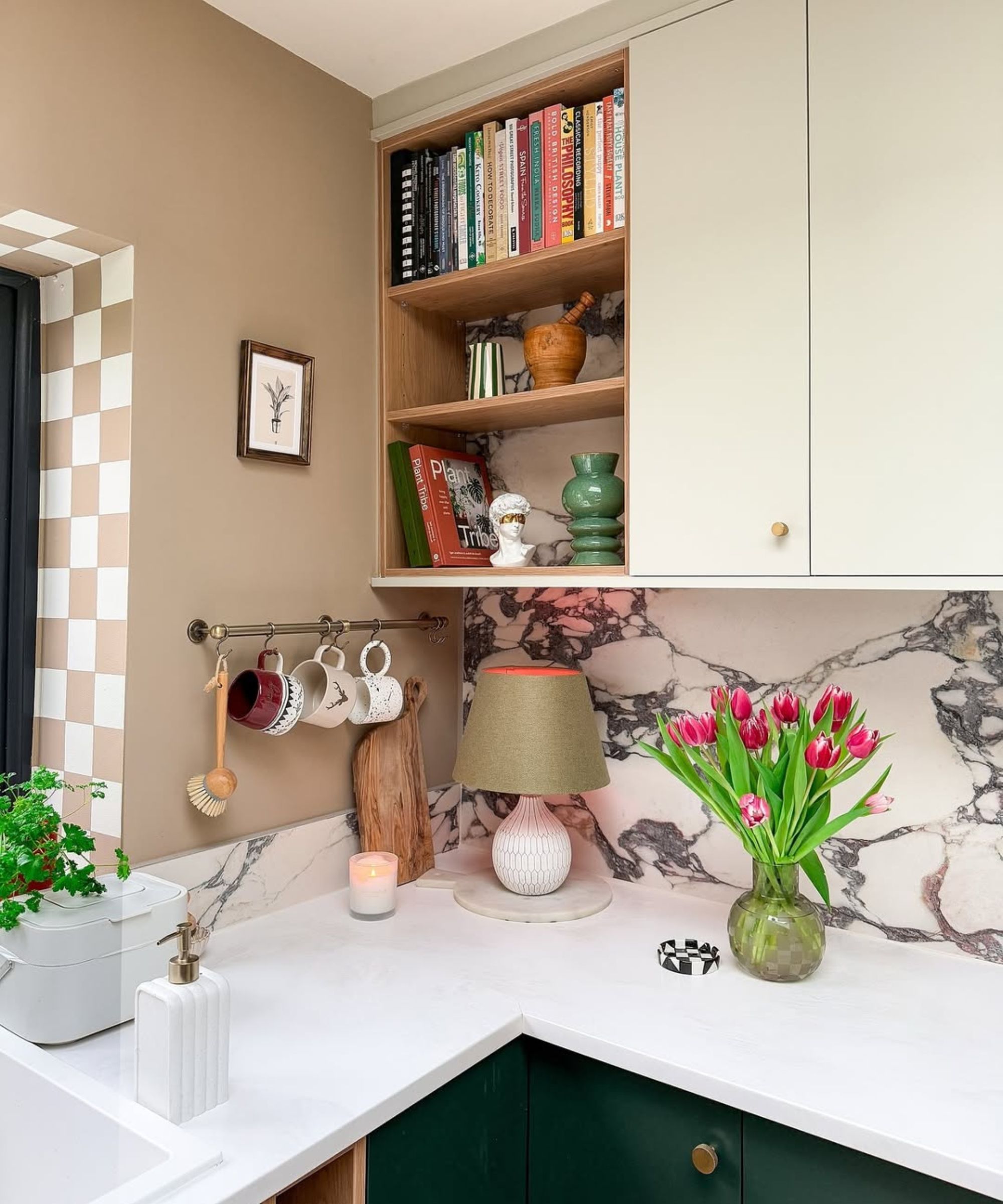
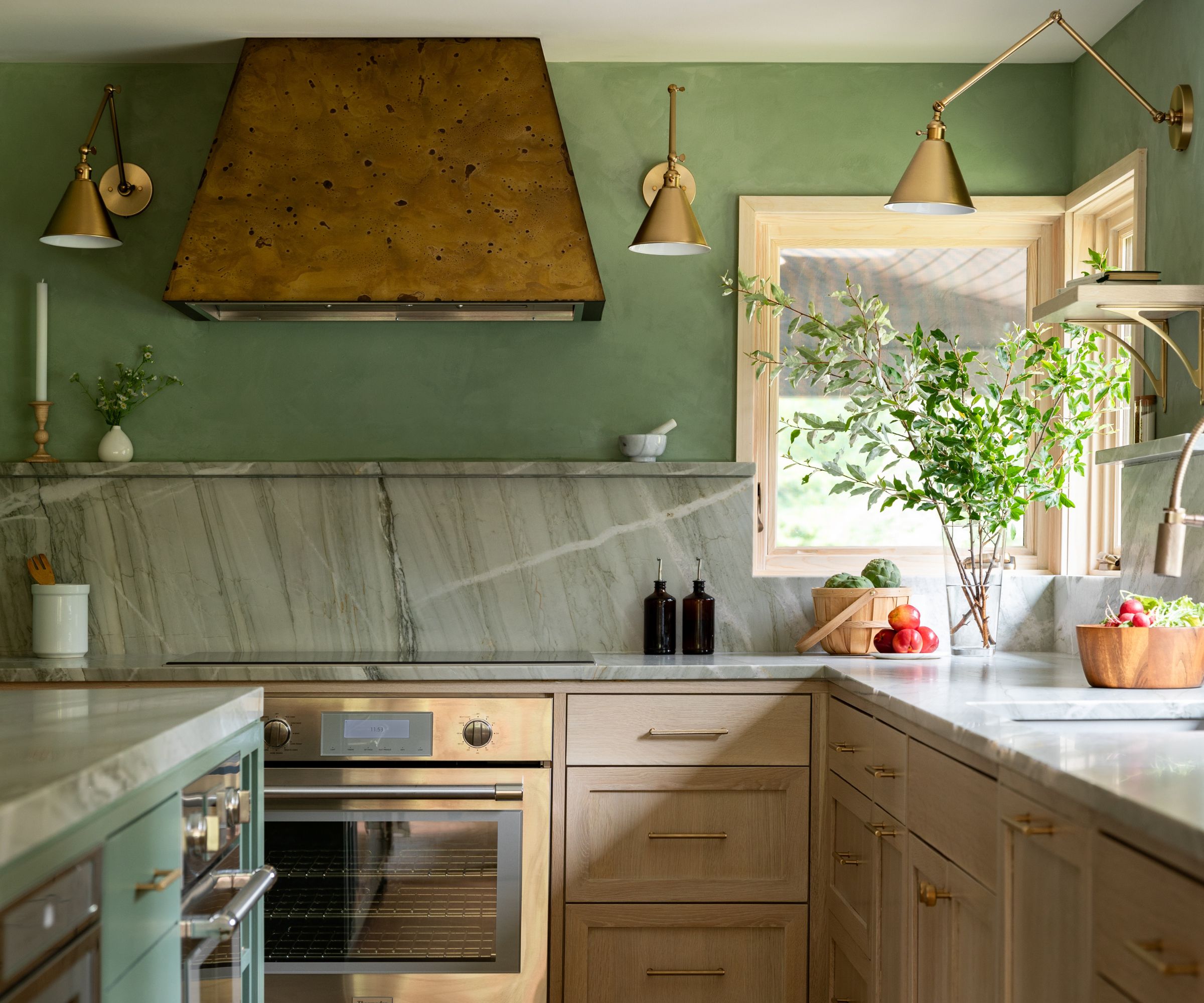
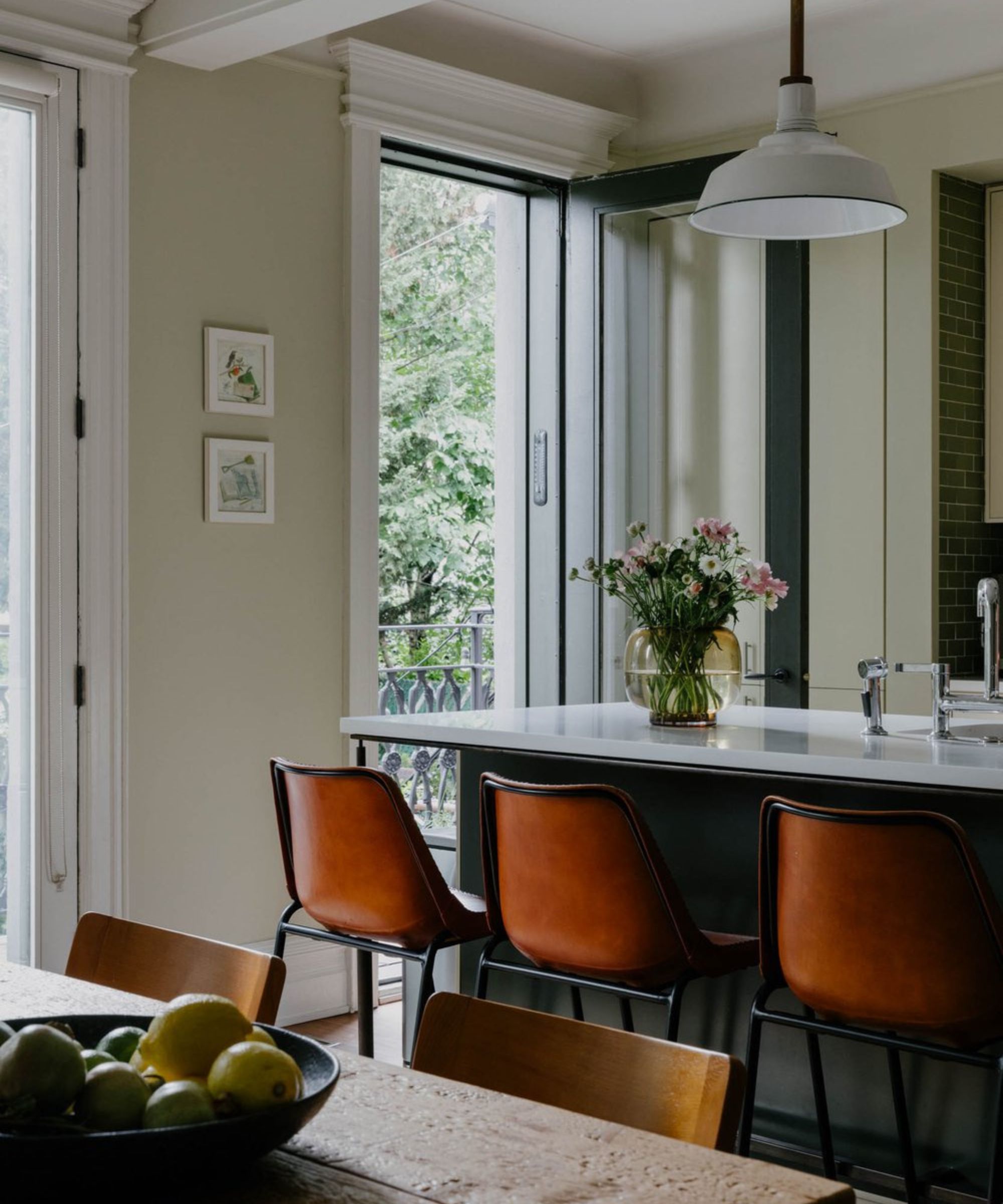
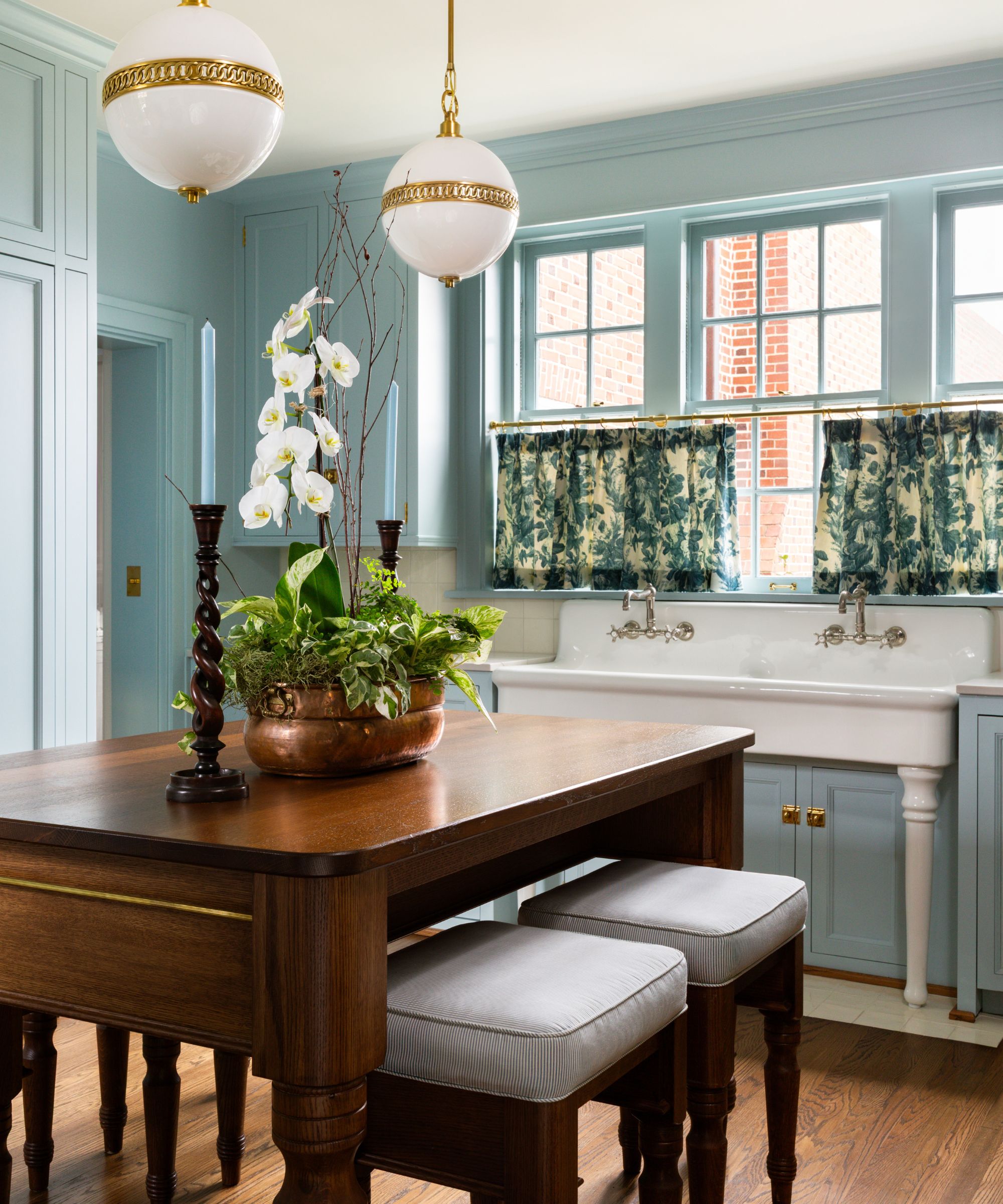
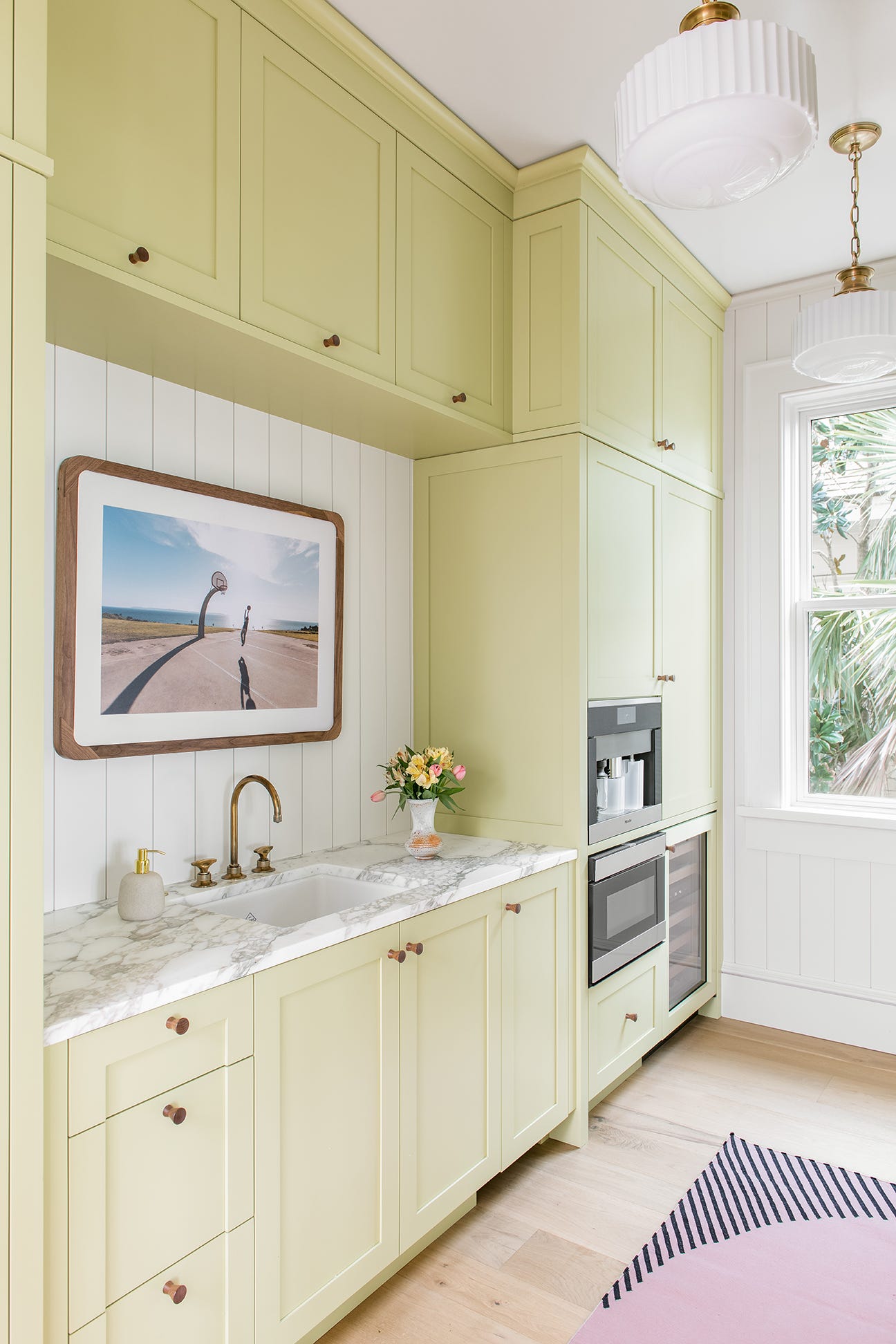
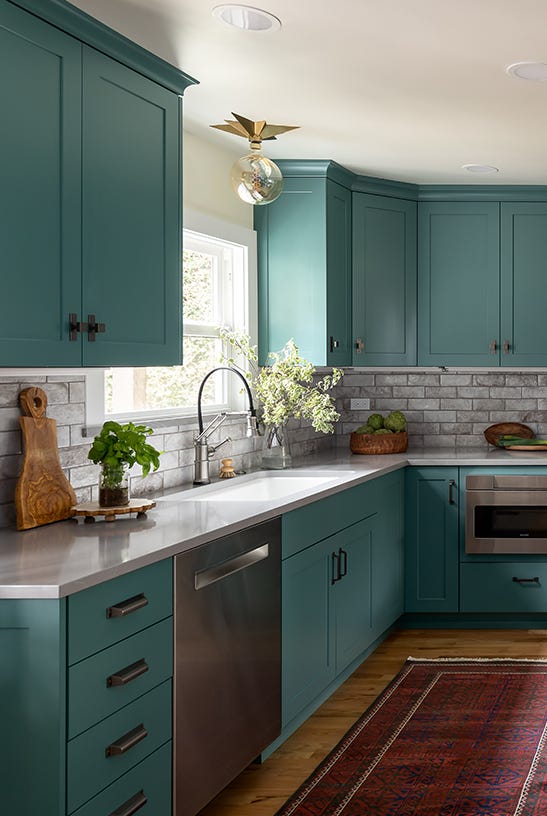
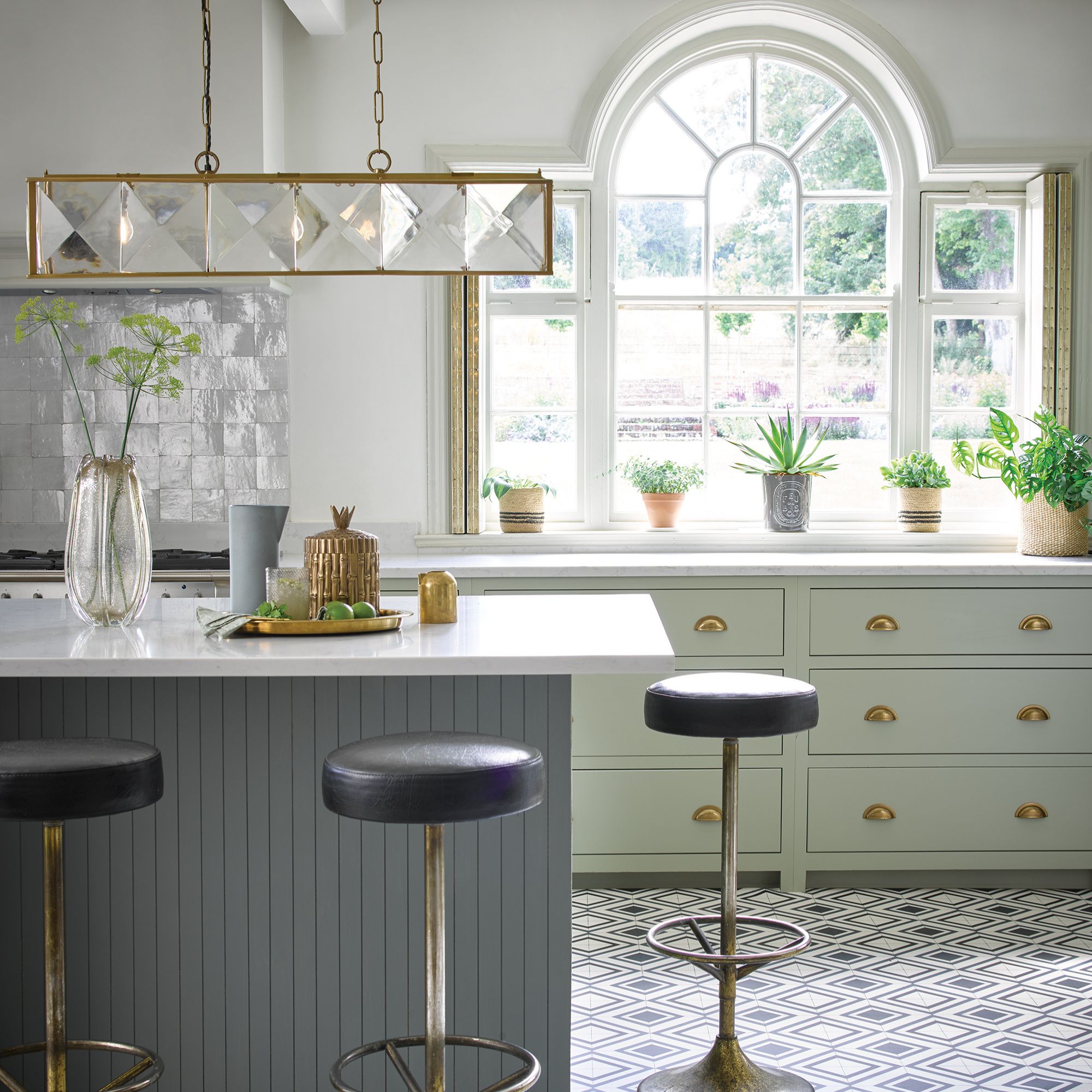
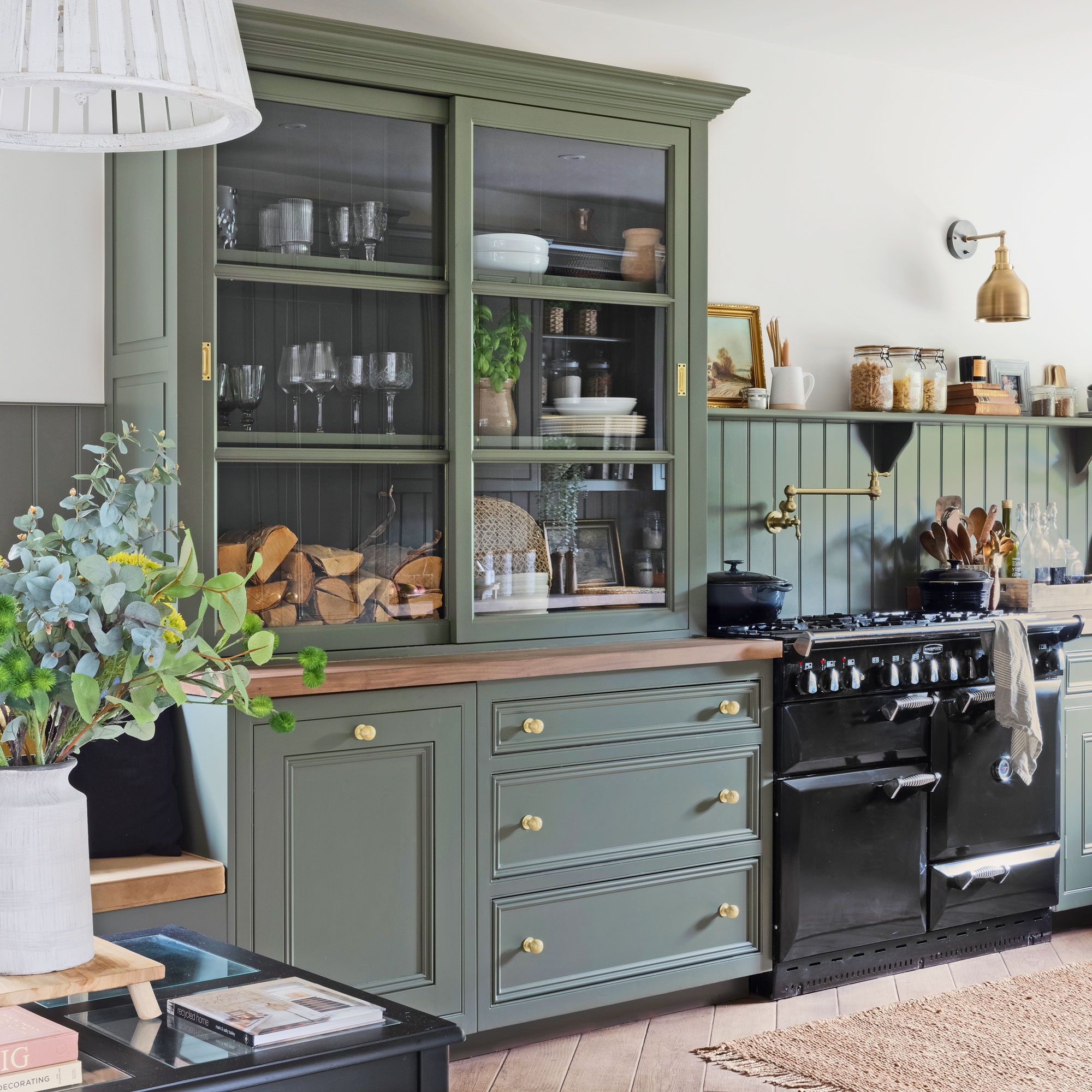
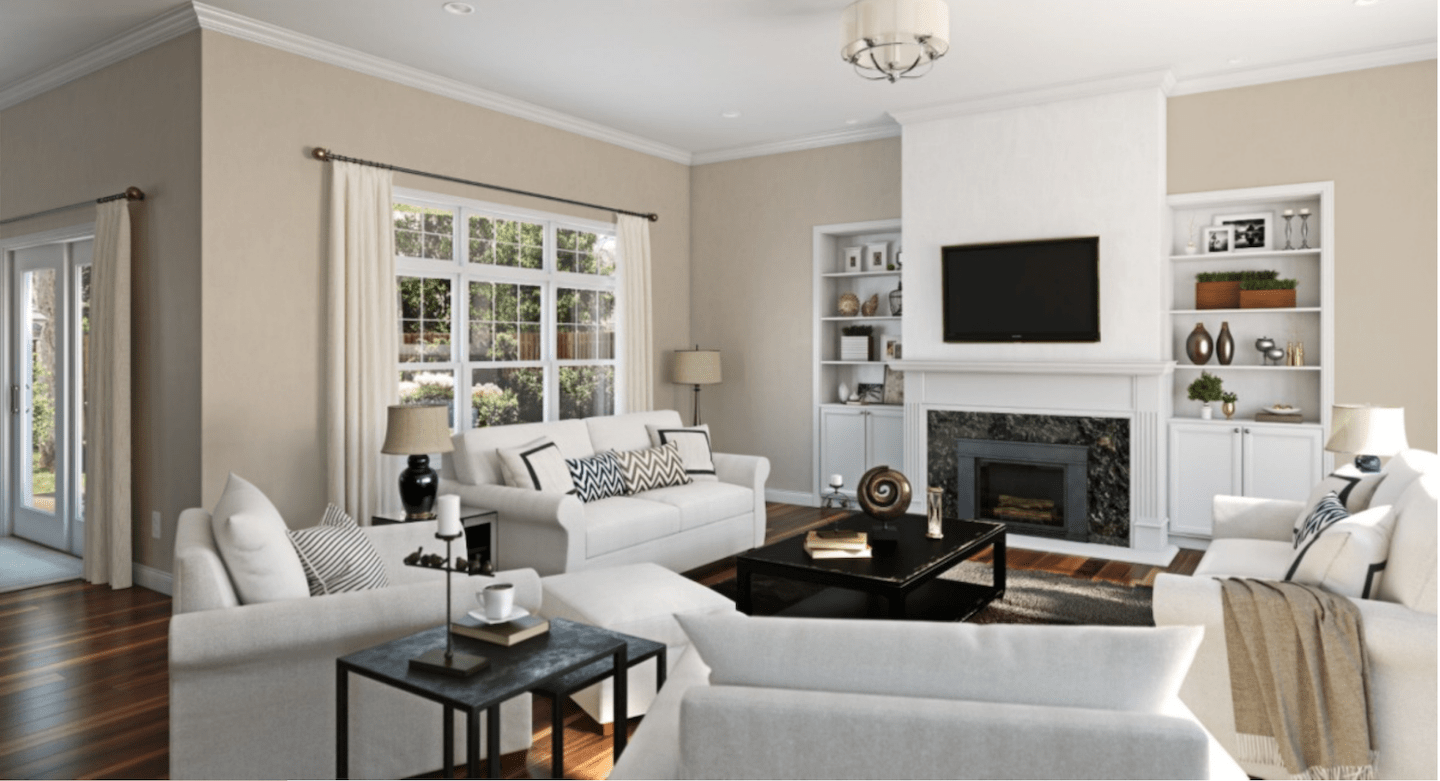
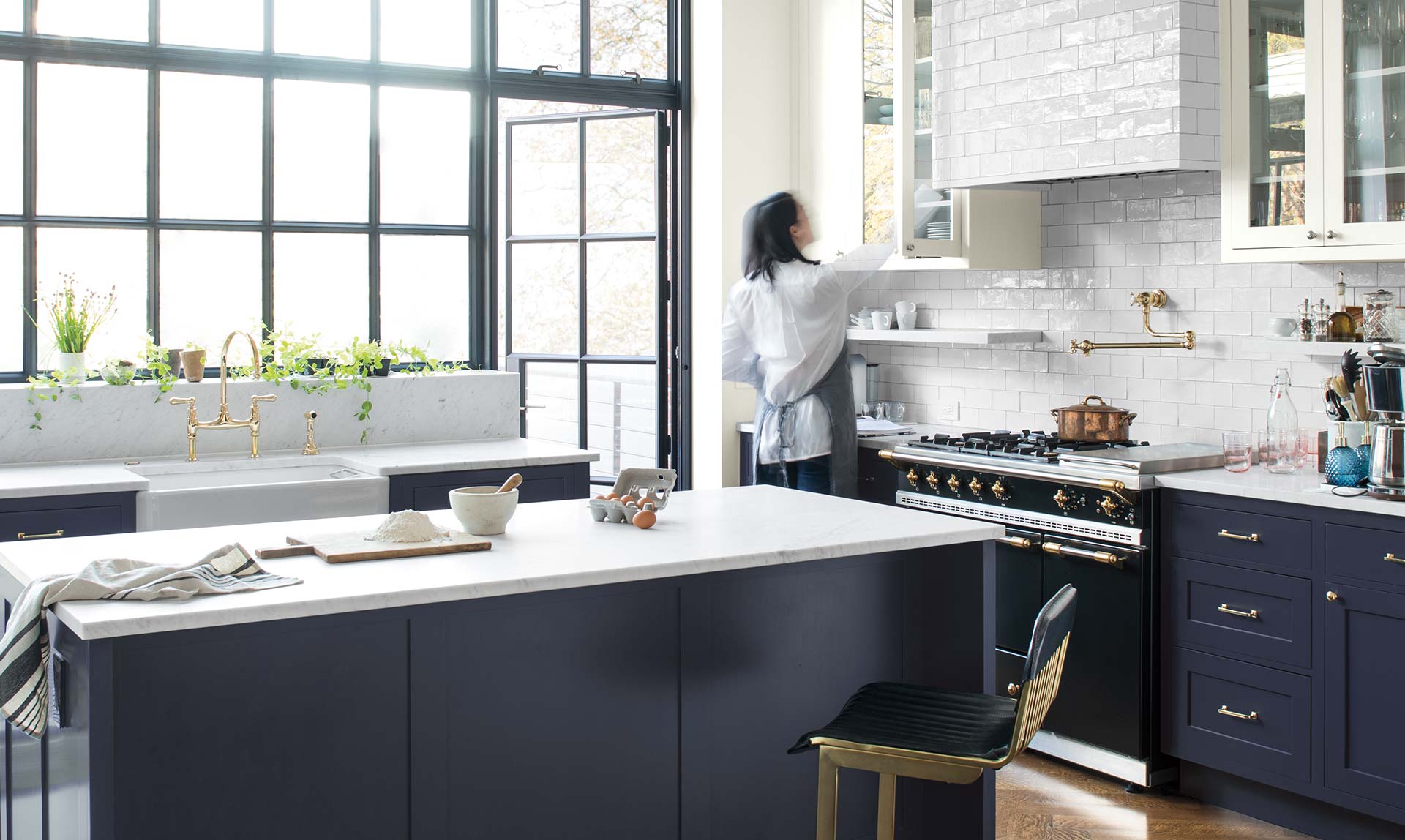
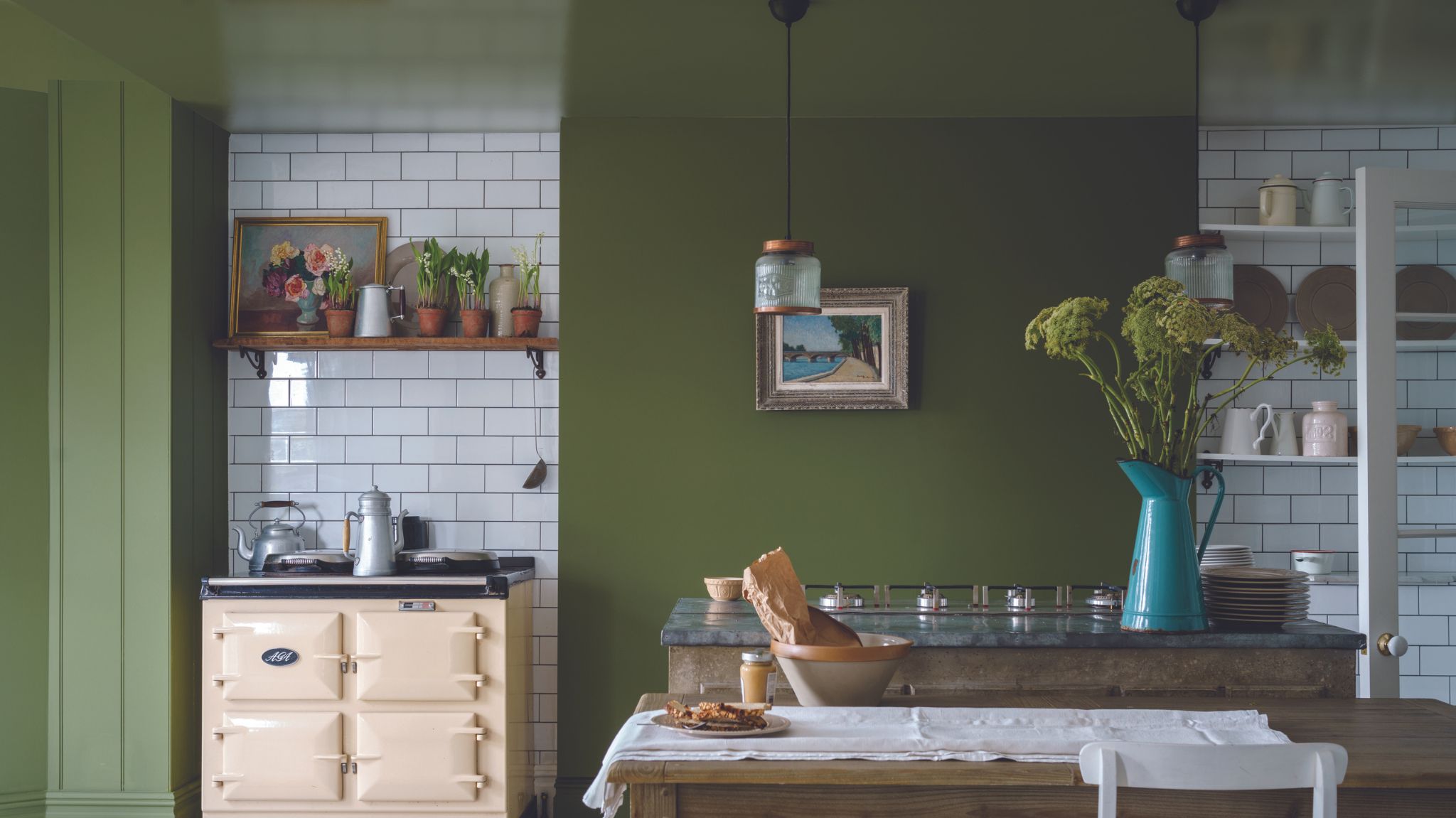
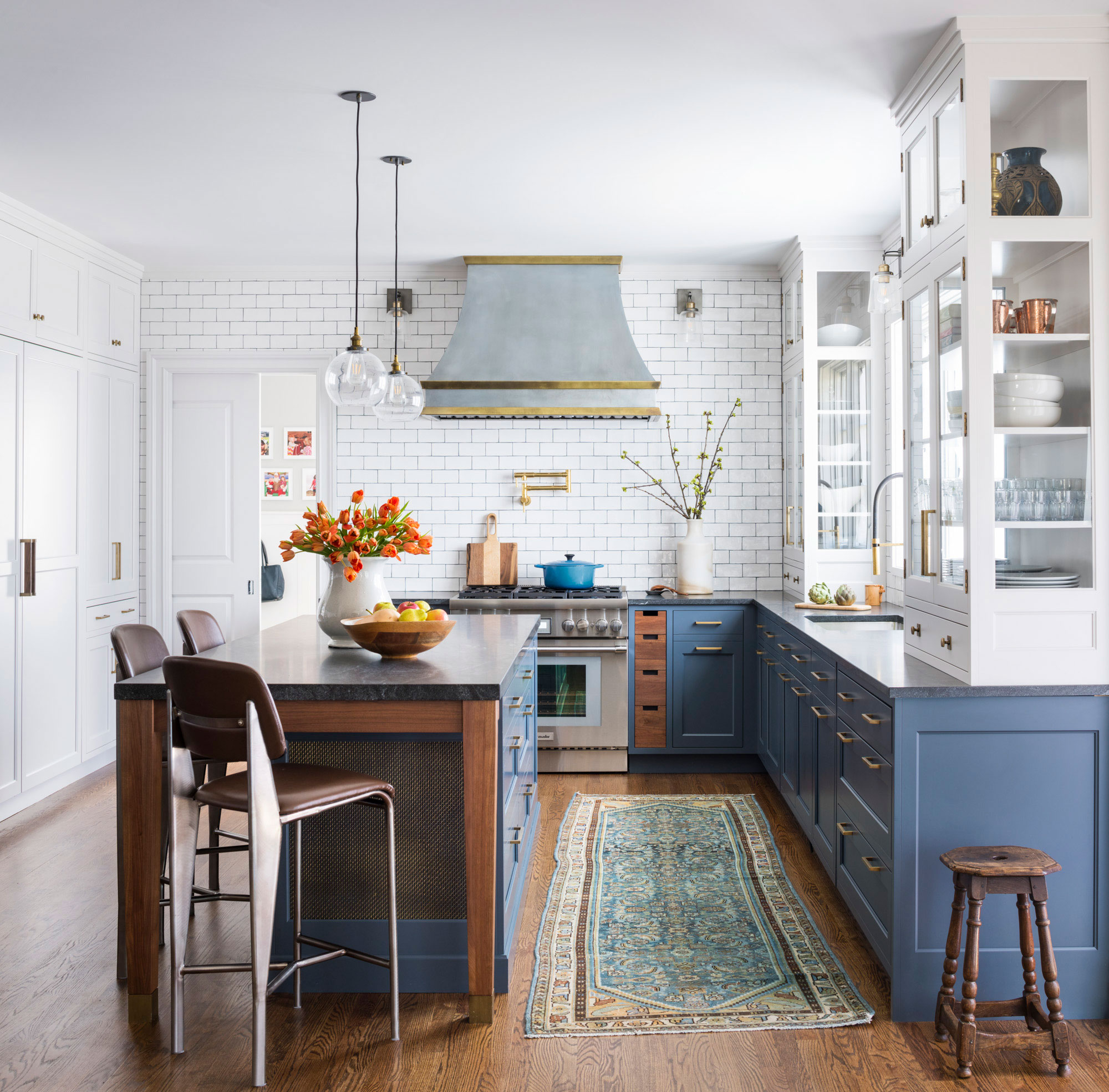
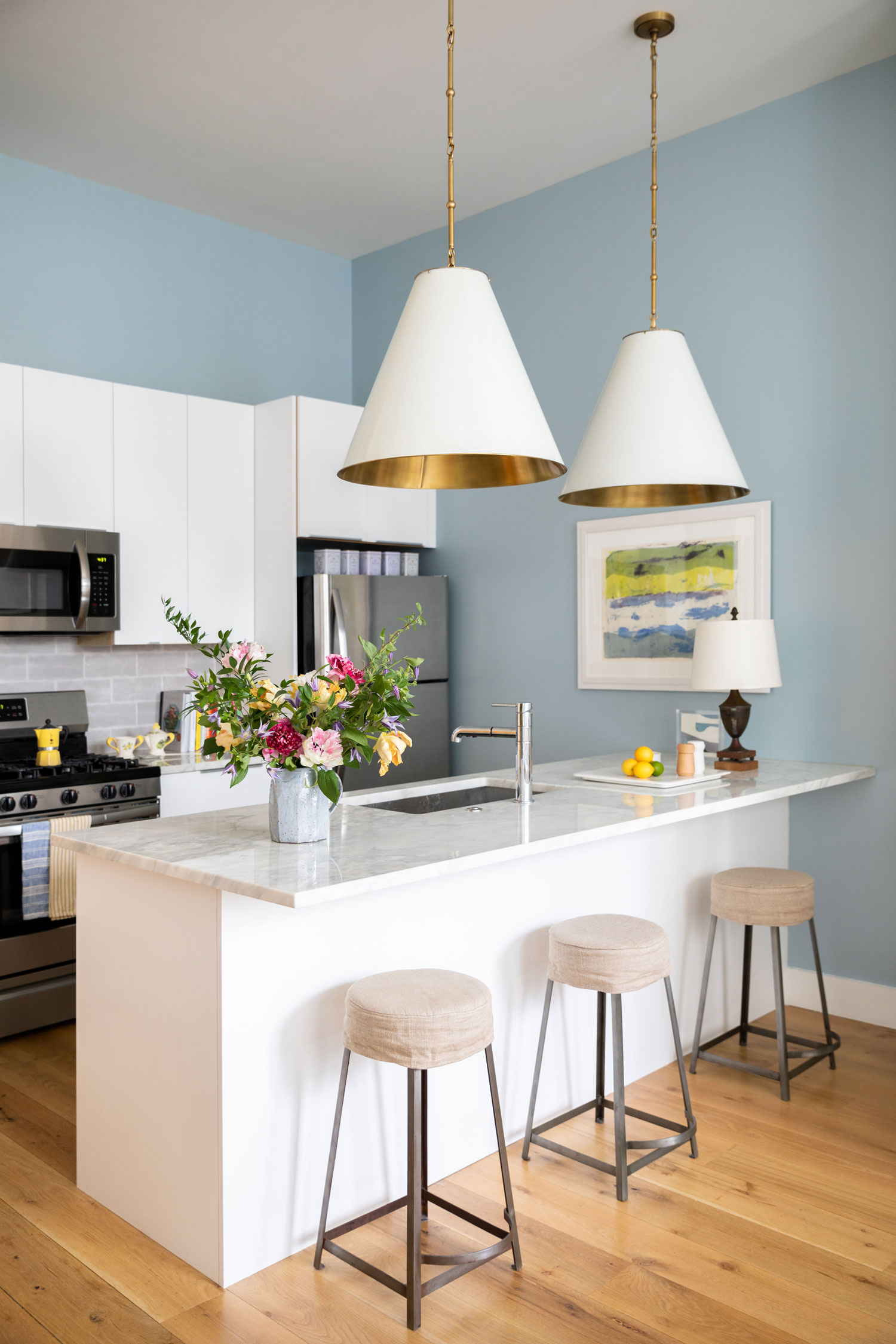
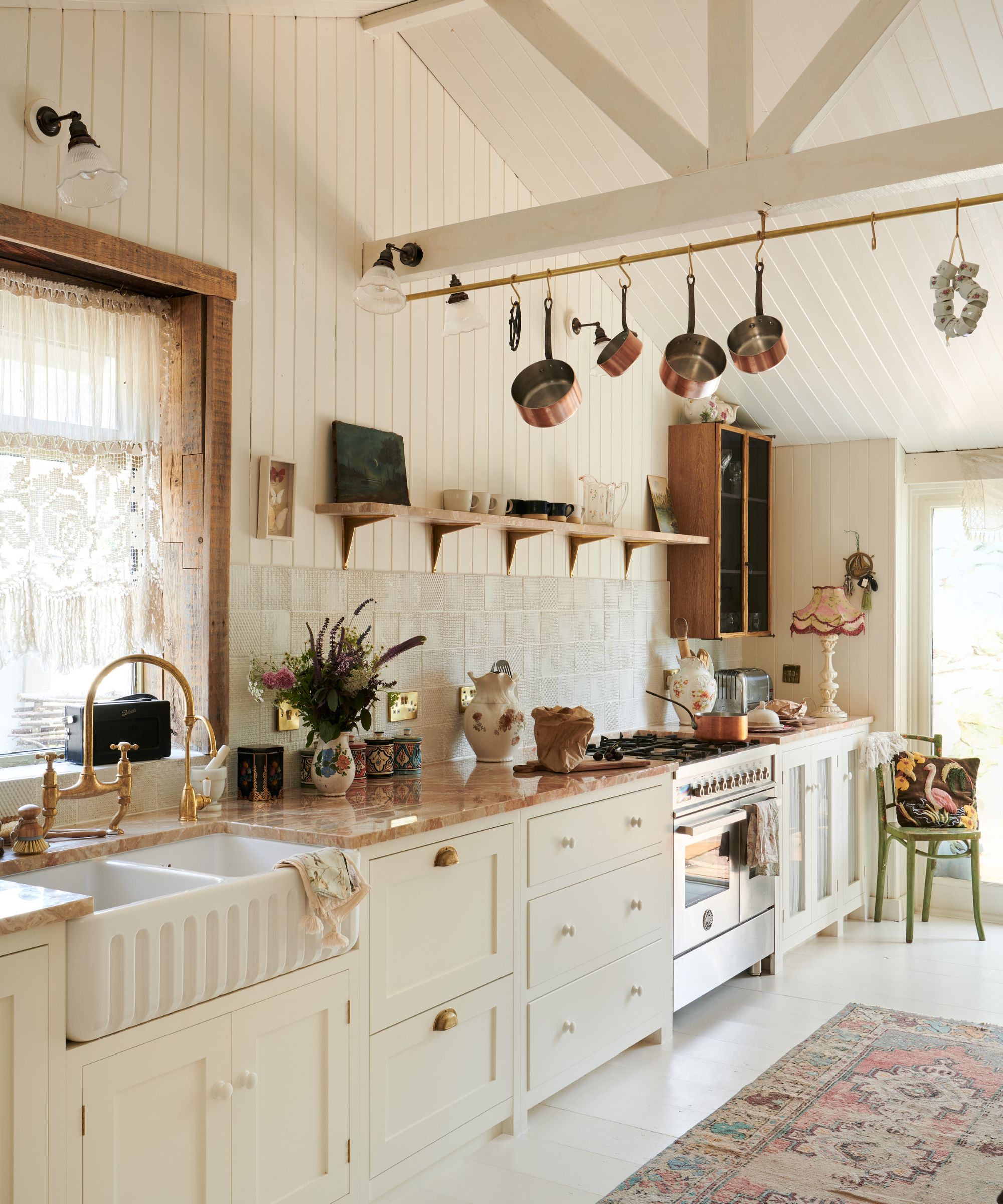

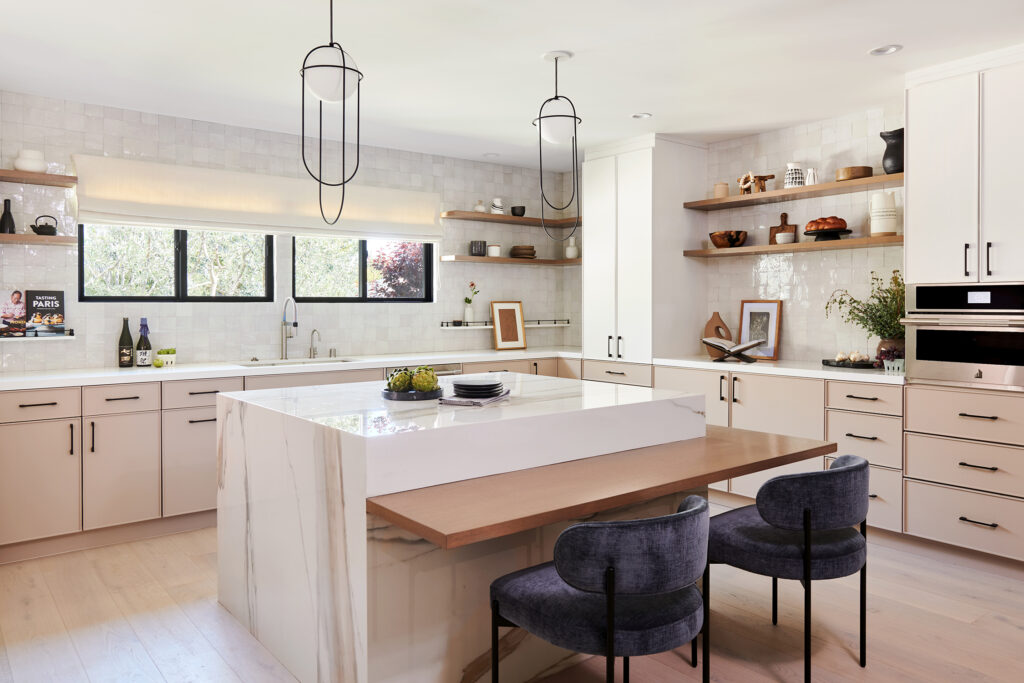
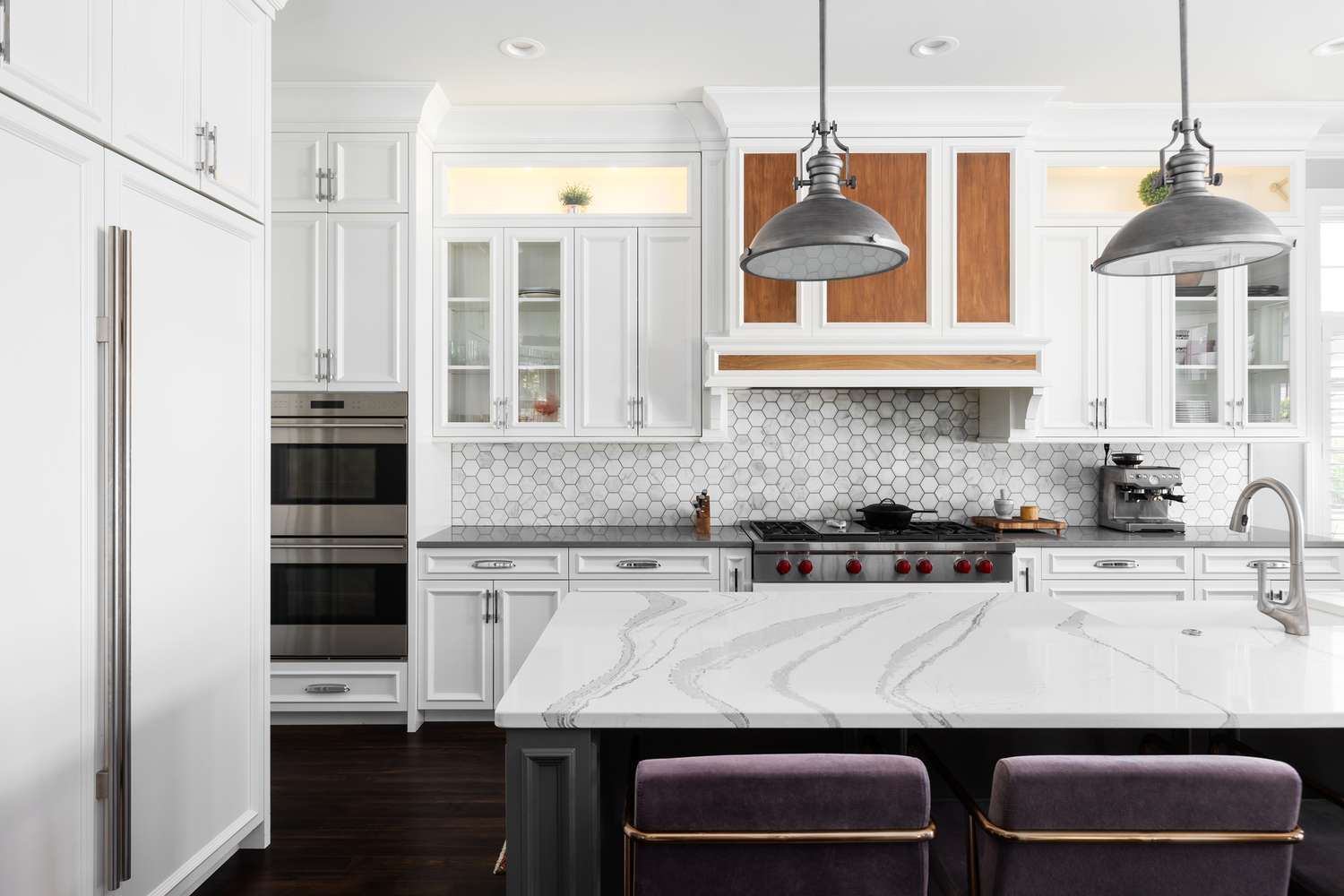
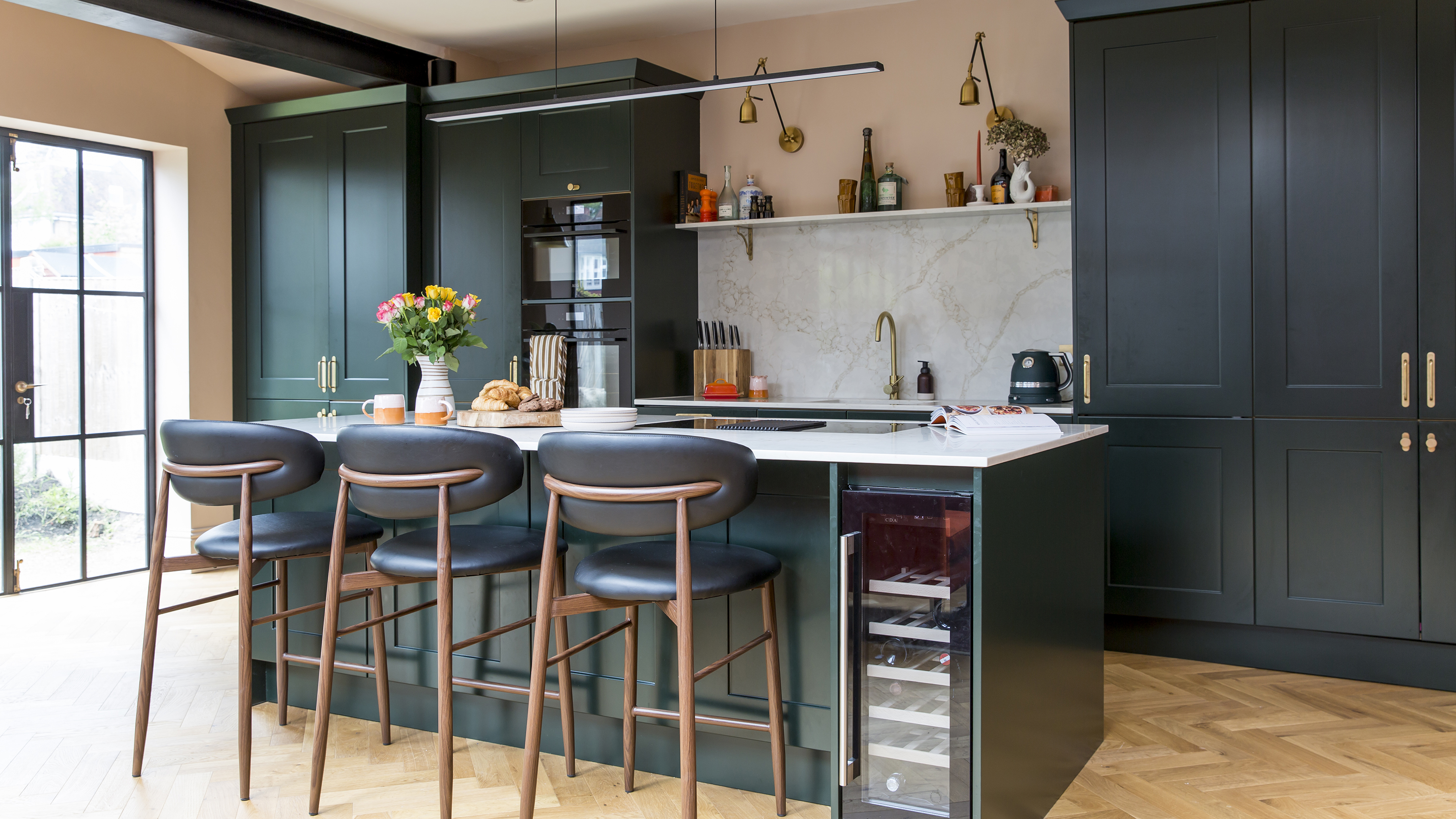
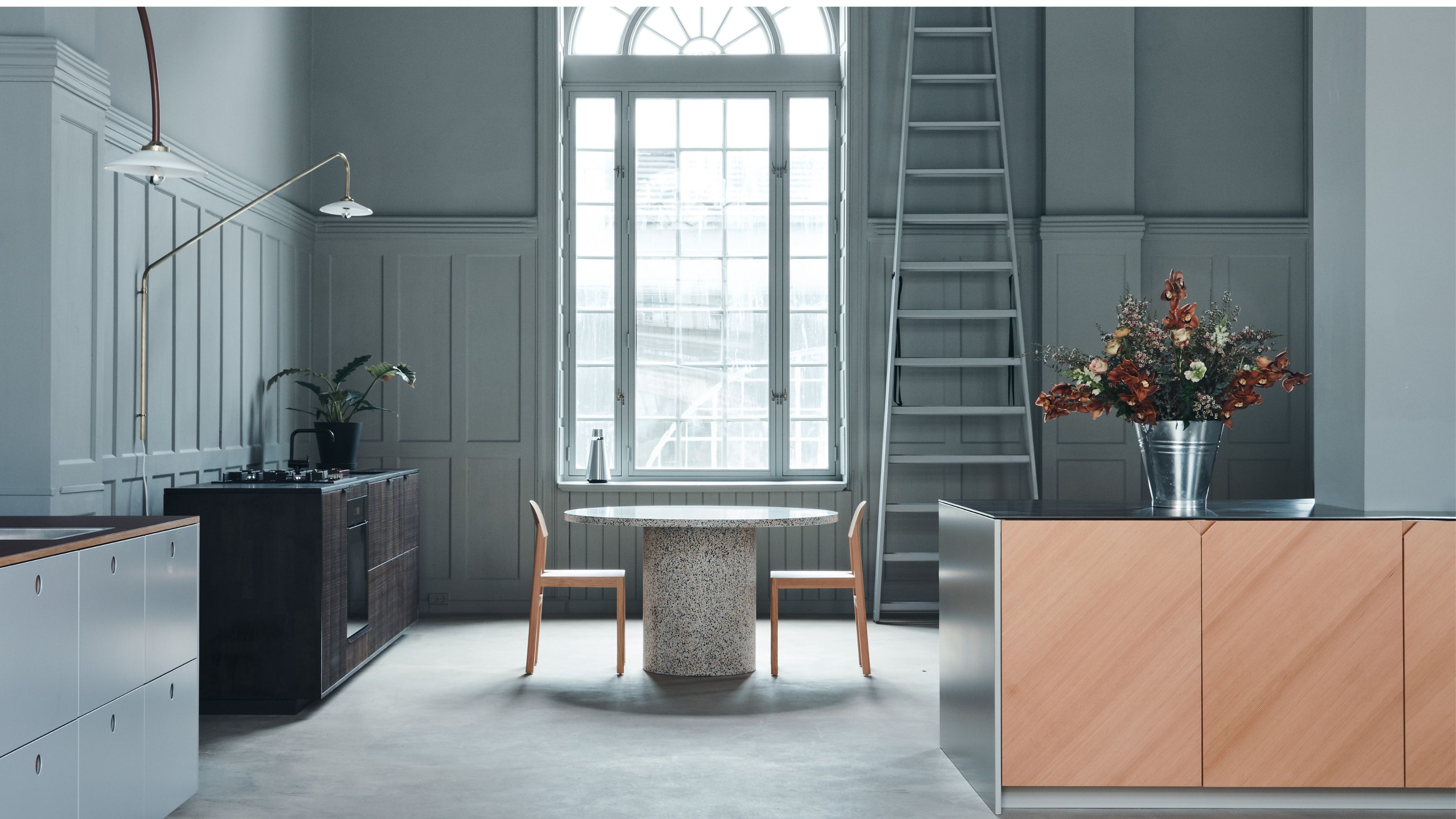
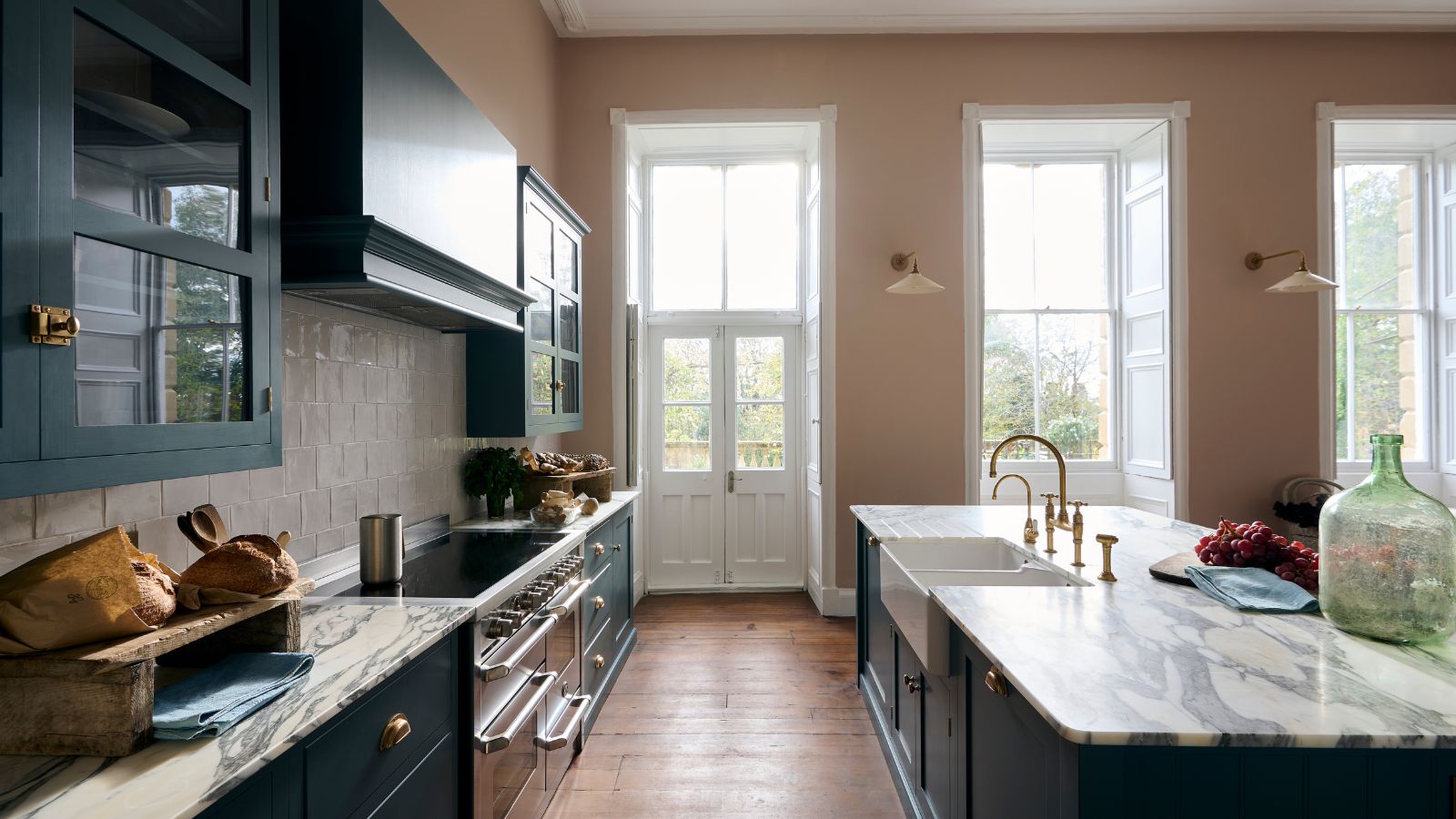
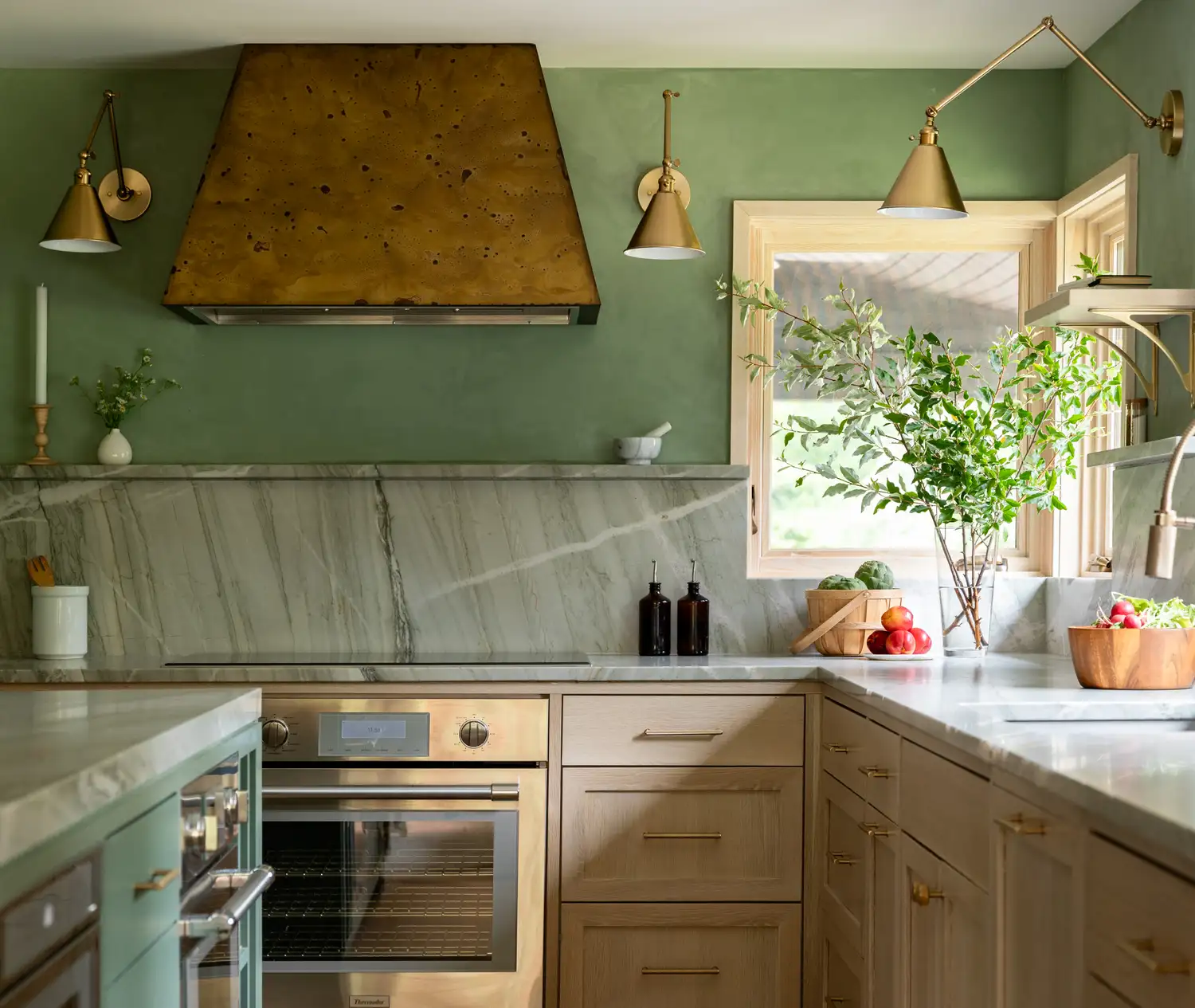
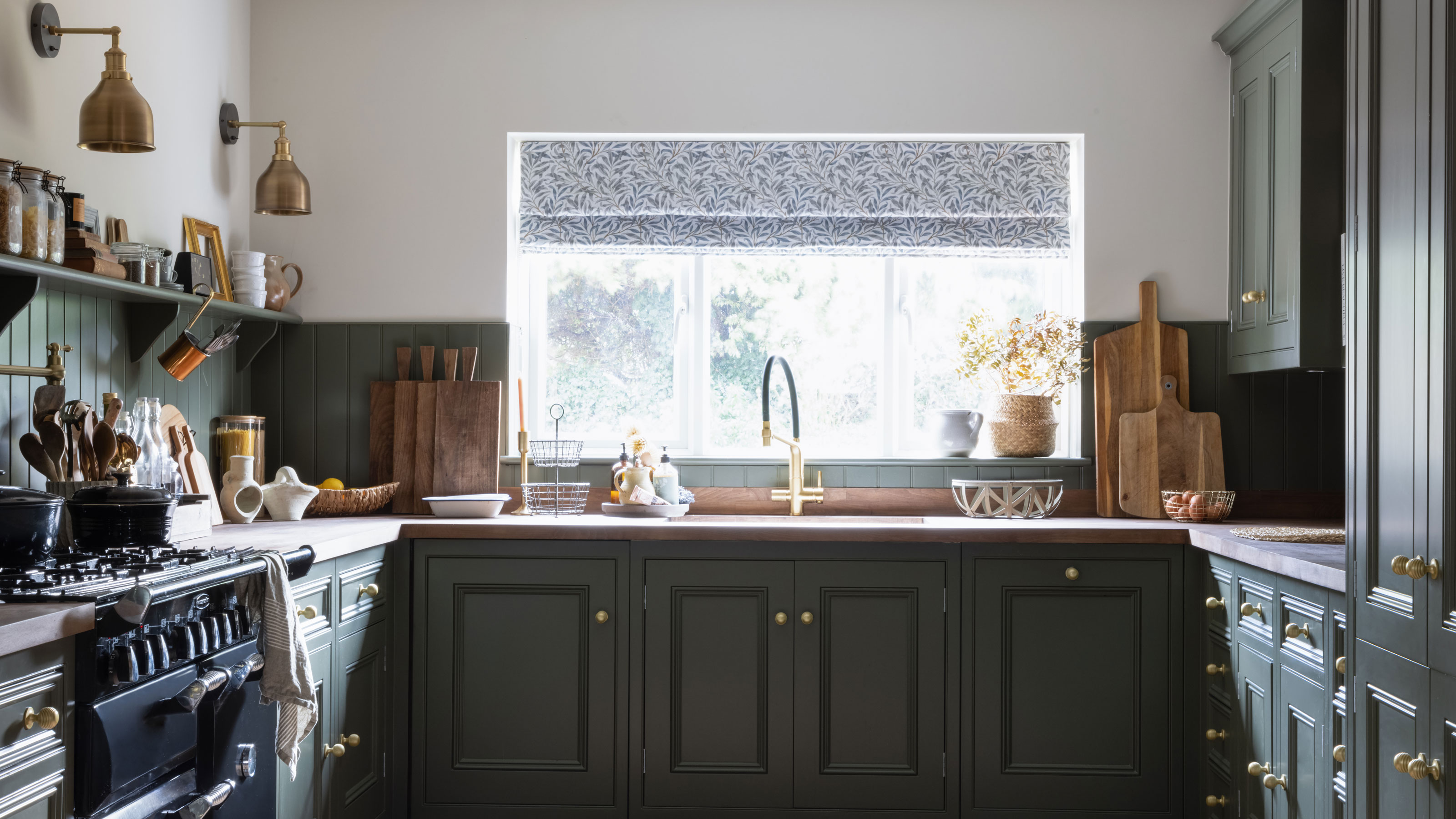
Firstly, white kitchen walls can often result in a cold and sterile aesthetic, contradicting the desired warm and inviting atmosphere of a kitchen. As a hub for cooking, socializing, dining, and even working, the kitchen benefits from a color palette that fosters comfort and encourages people to linger. Instead of stark white, homeowners are advised to opt for warmer, tonal designs. This approach involves selecting colors like creamy neutrals, soft pastels, or olive greens, which create an inviting and homely feel. These shades can be applied to either cabinets or walls, and a professional-looking scheme can be achieved by choosing a wall paint a few shades lighter than the cabinet color. Green, for instance, has been a popular kitchen trend, offering a wide range of shades perfect for creating a harmonious tonal look.
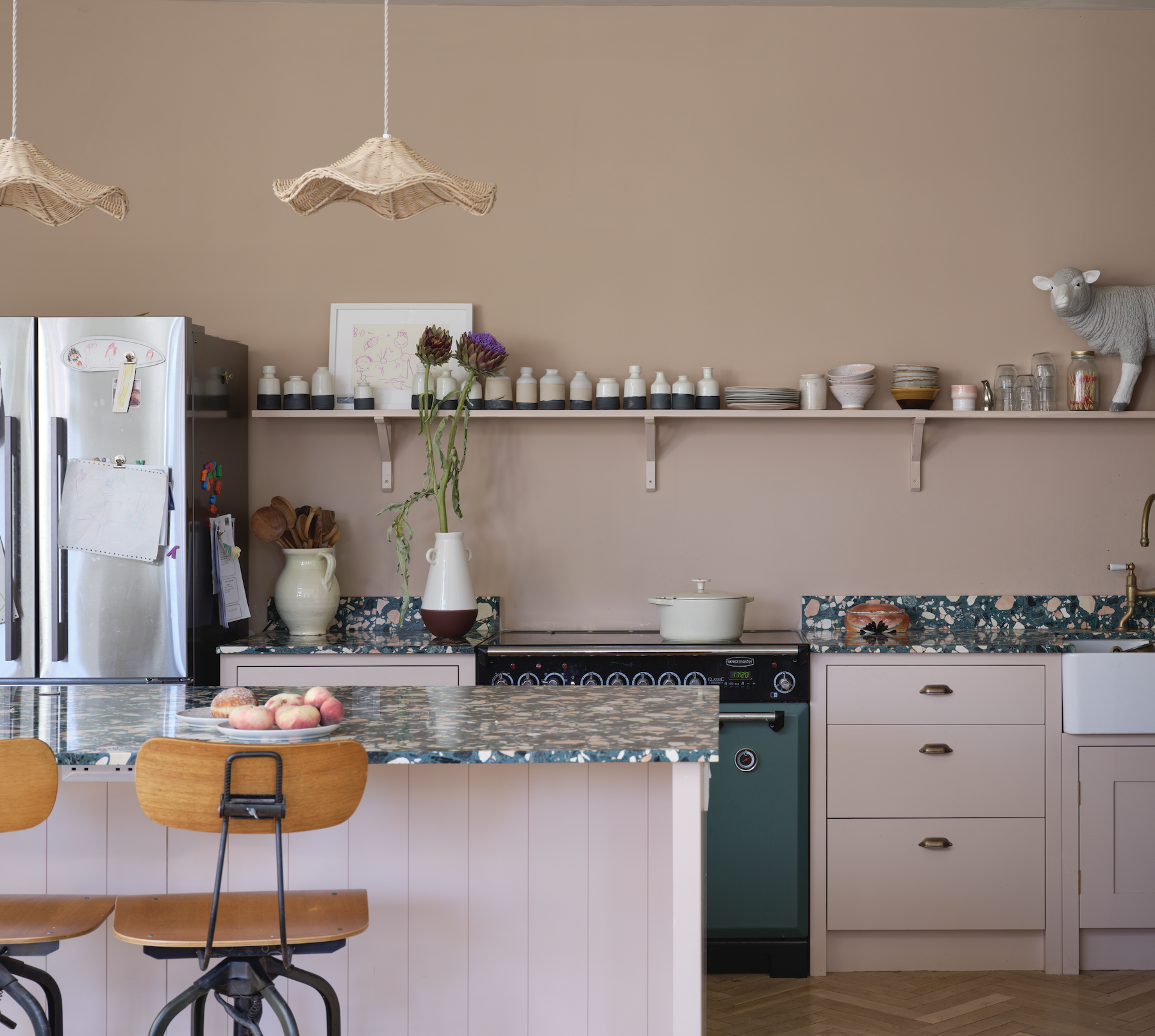
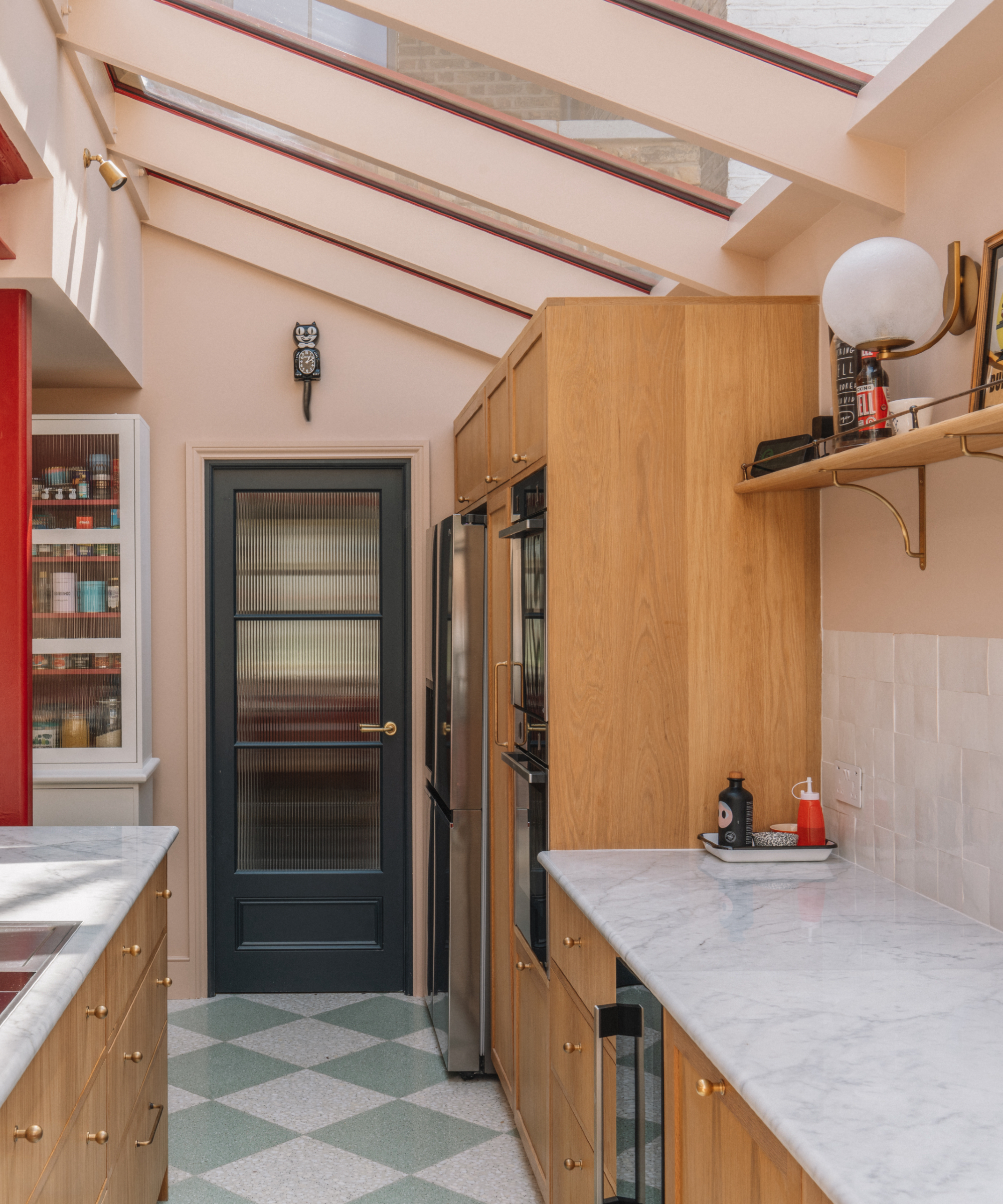
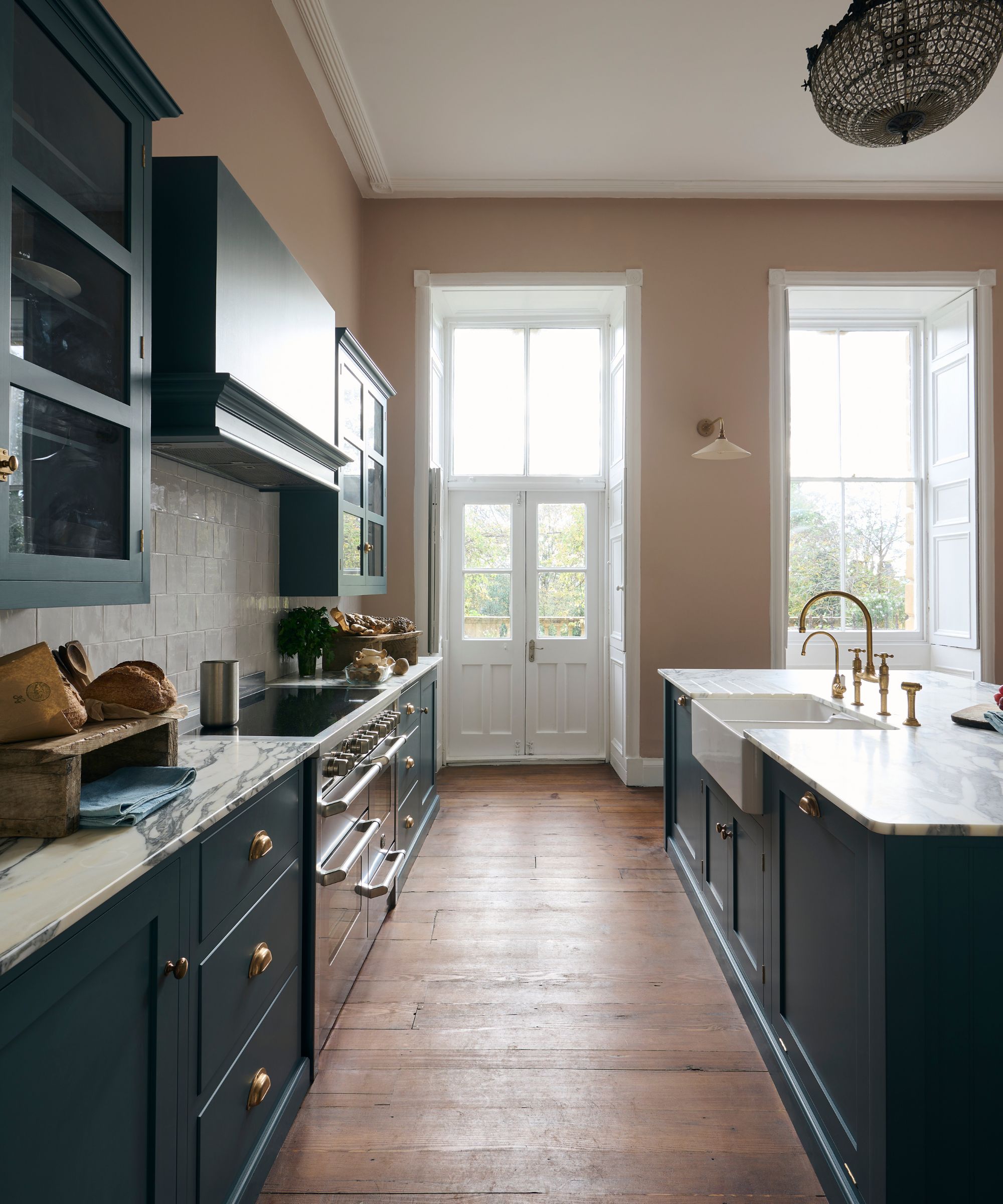
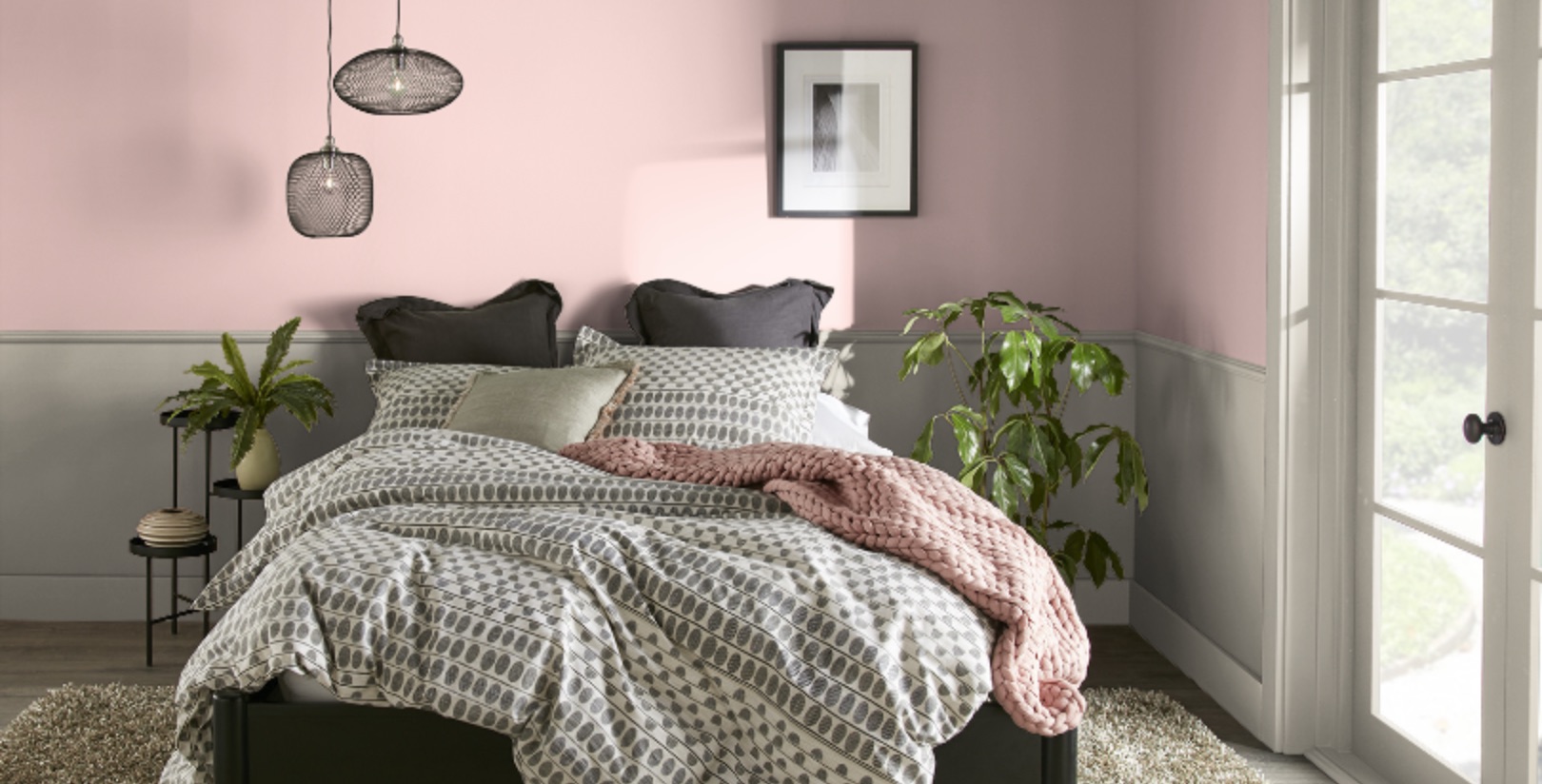
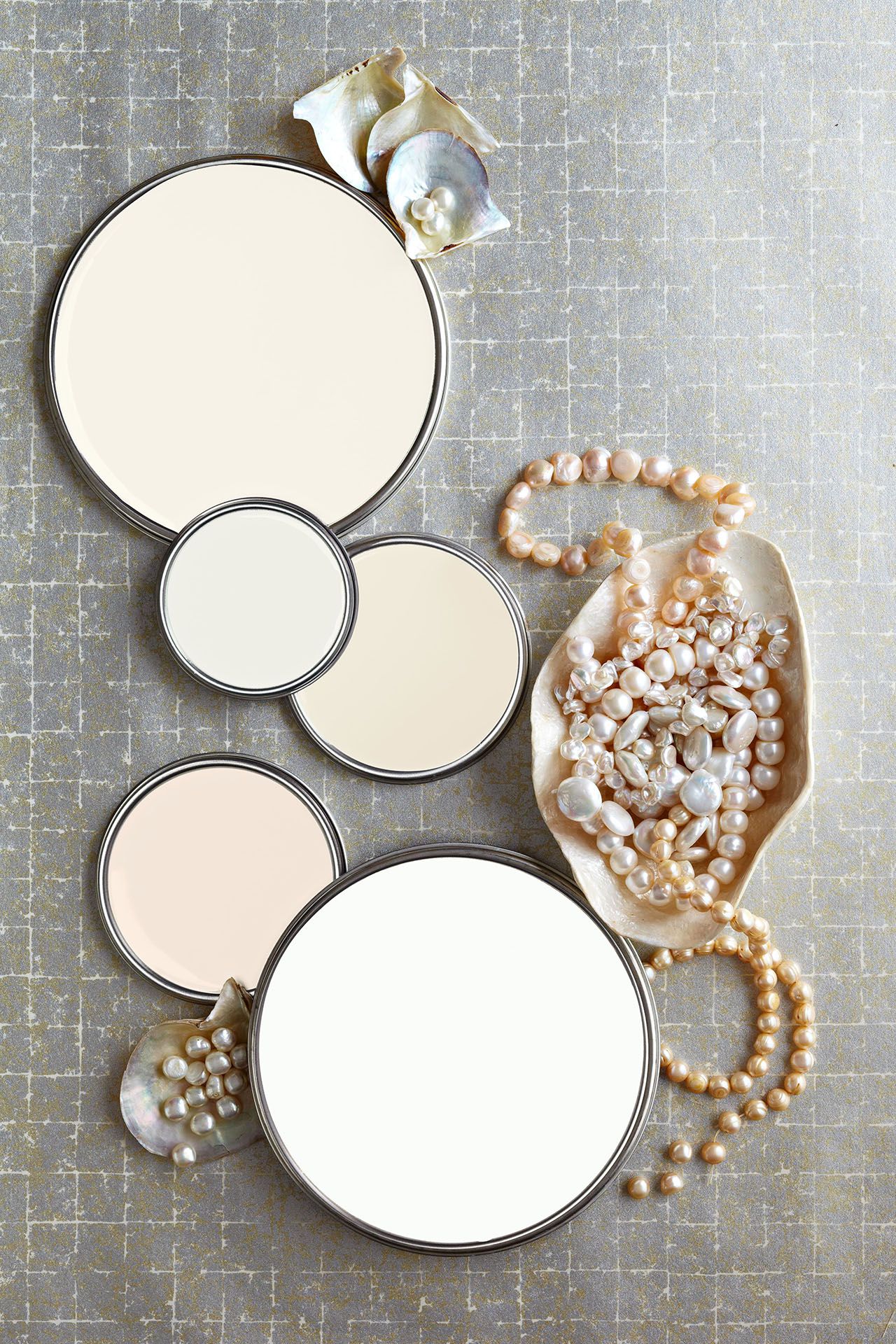
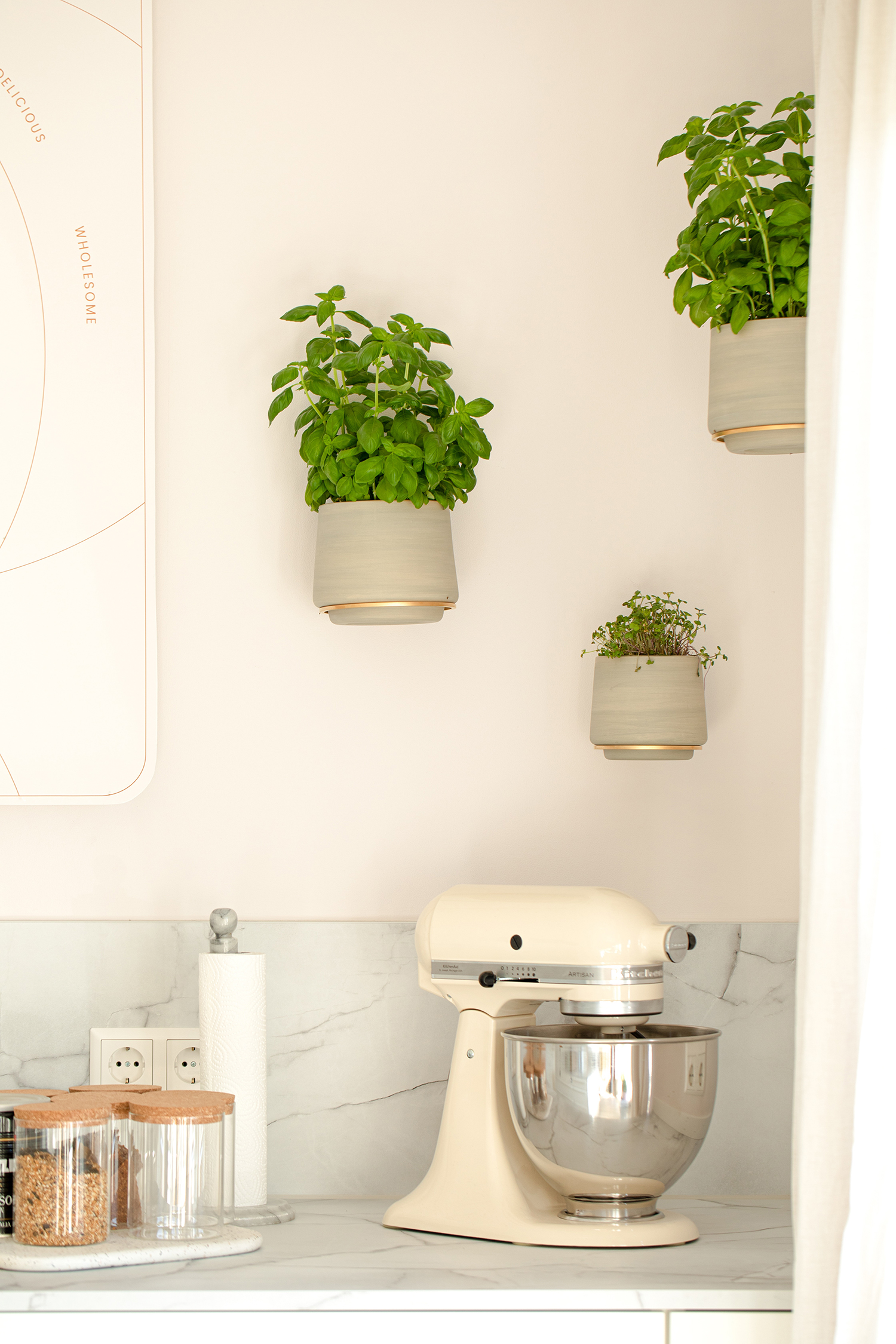
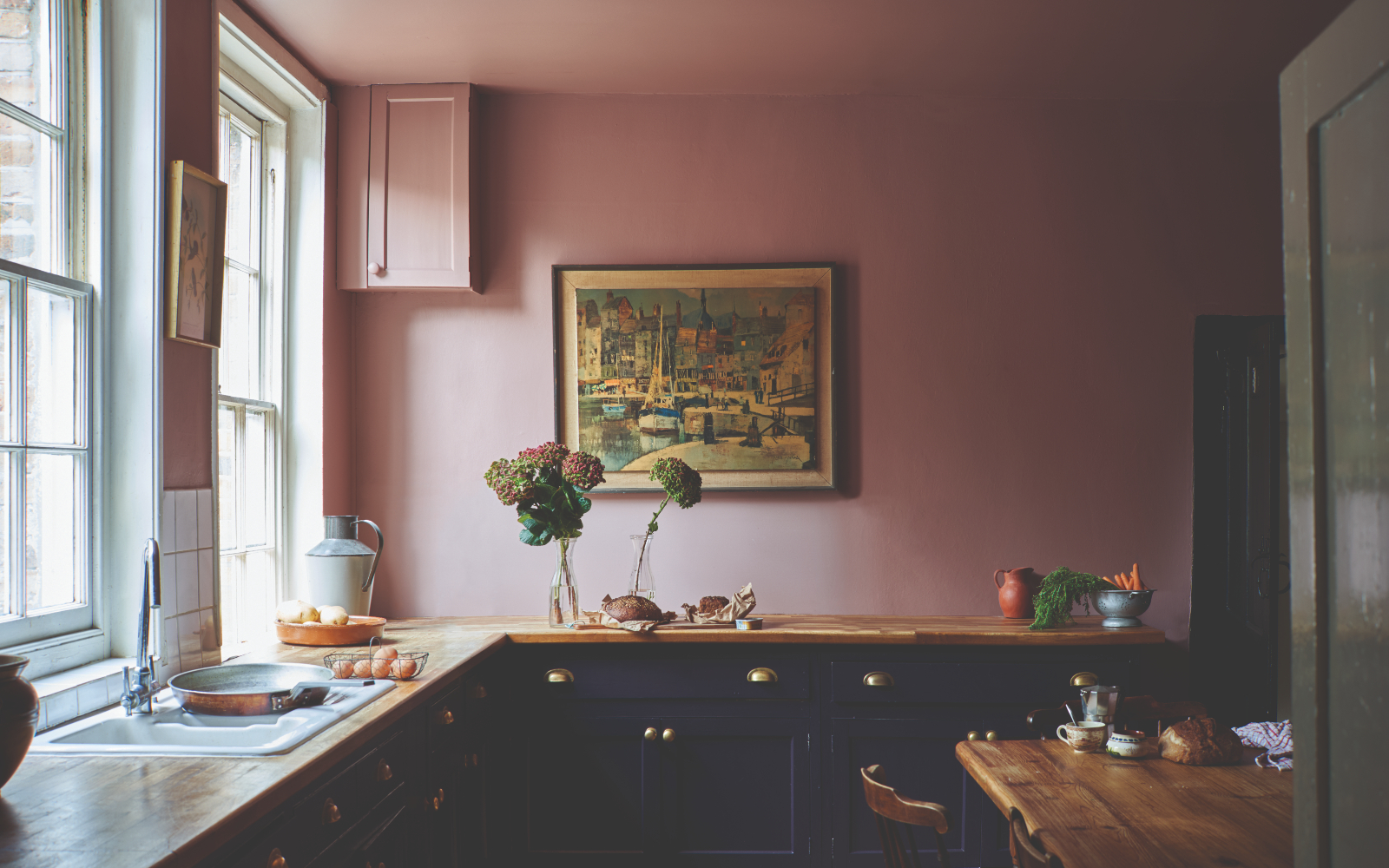
Secondly, white kitchen walls are highly impractical for busy households, being prone to showing every imperfection, scuff, and splash. While splashbacks can protect certain areas, the rest of the walls remain vulnerable to marks from daily activities involving messy chefs, young children, or pets. Although cleaning tools like magic erasers exist, consistently maintaining pristine white walls can be time-consuming and effort-intensive. Therefore, choosing a darker or more forgiving wall color can significantly reduce the upkeep required. When prioritizing functionality in kitchen design, especially in homes with active lifestyles, moving away from white is a wise decision. Instead of leaning towards overly dark colors, which can also show scuffs, an in-between shade like pale pink can offer a bright and inviting appearance similar to white, but with better camouflage for everyday marks.
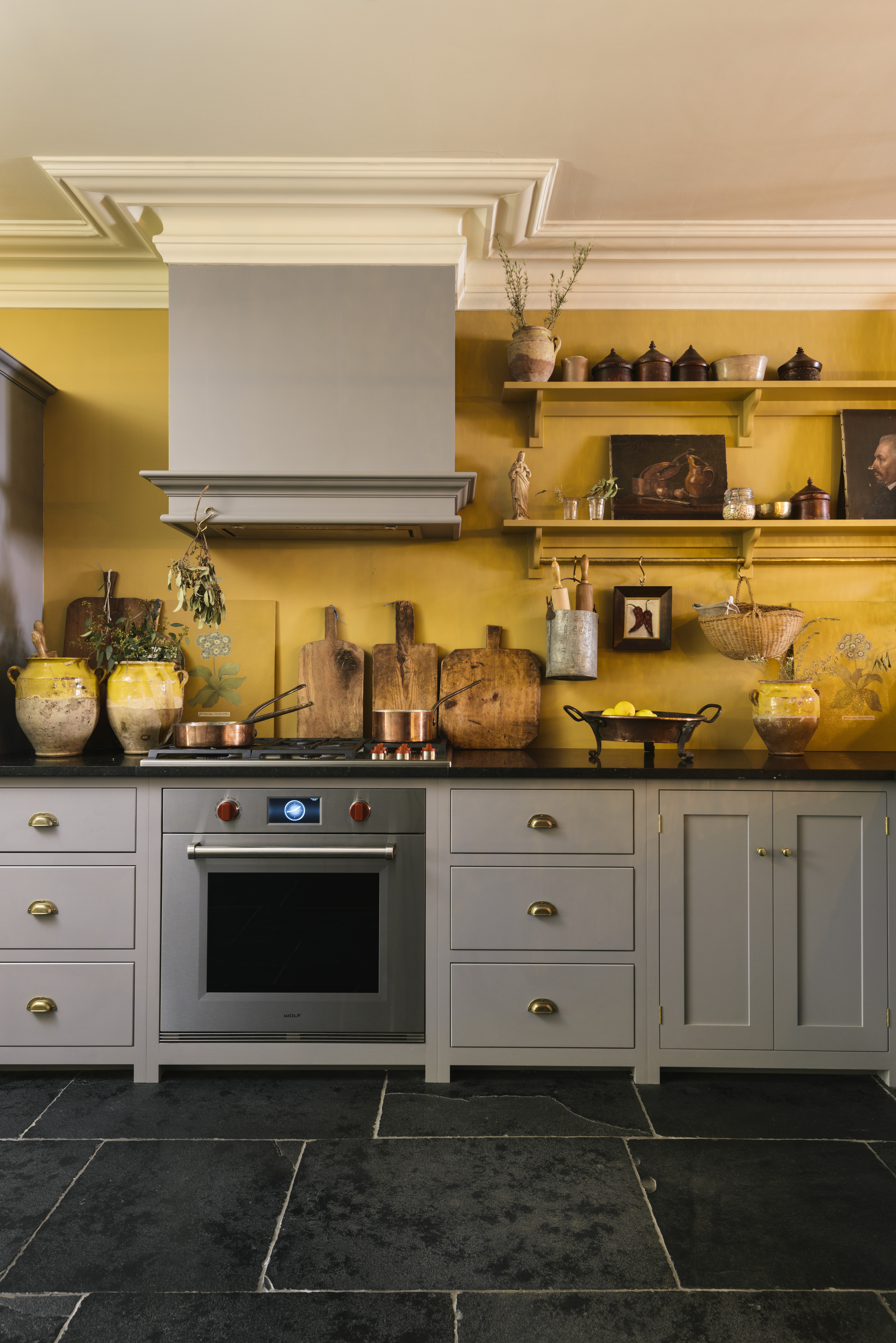
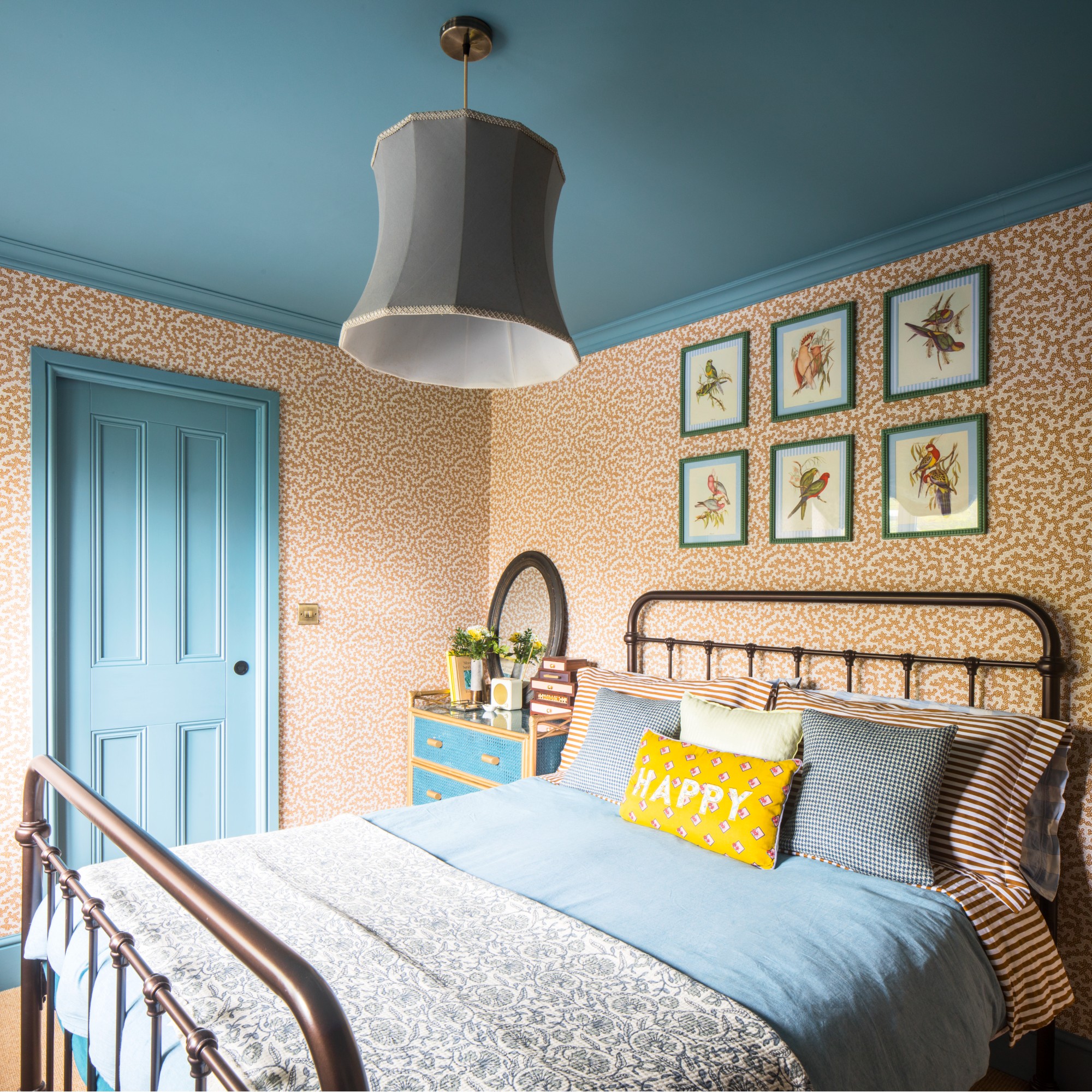
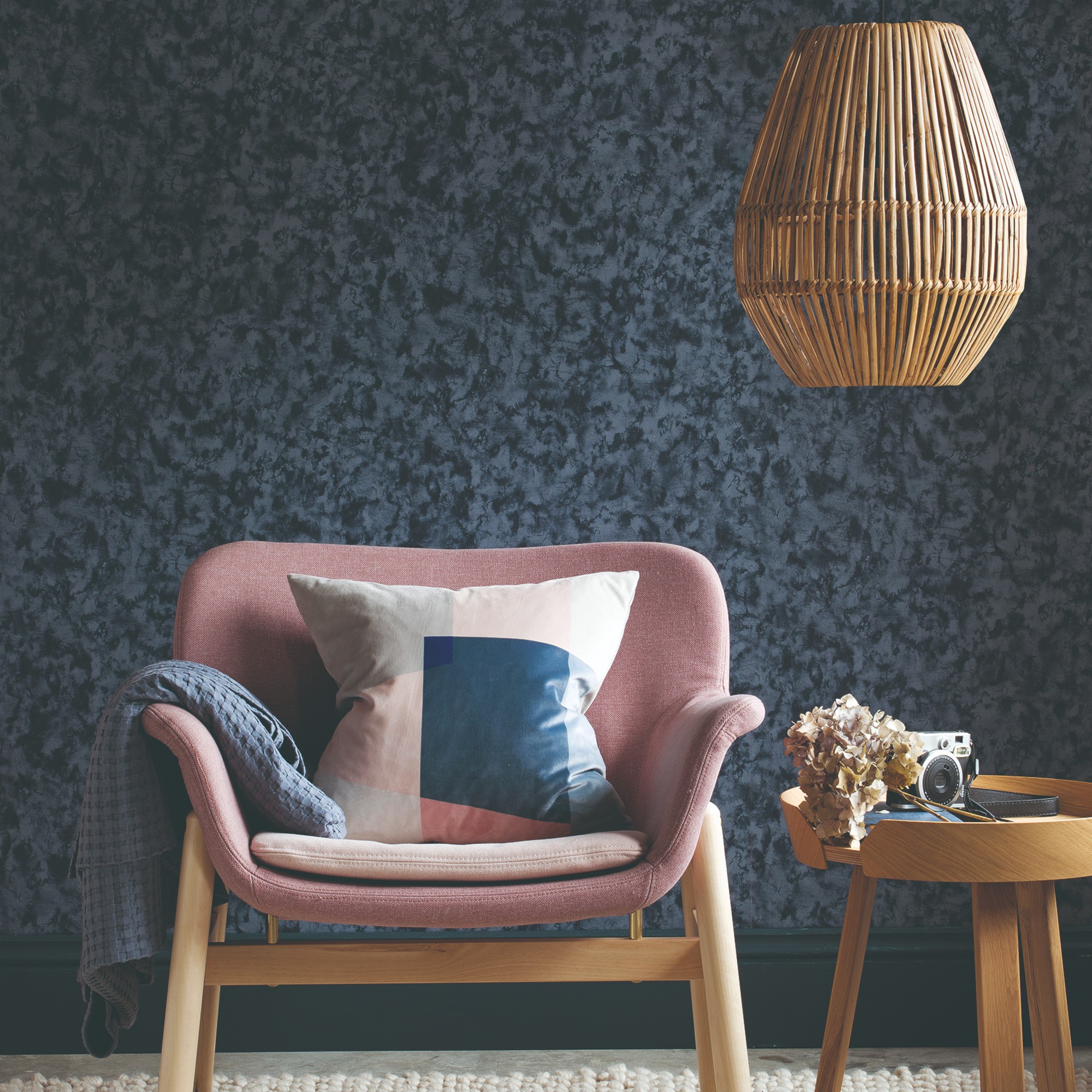
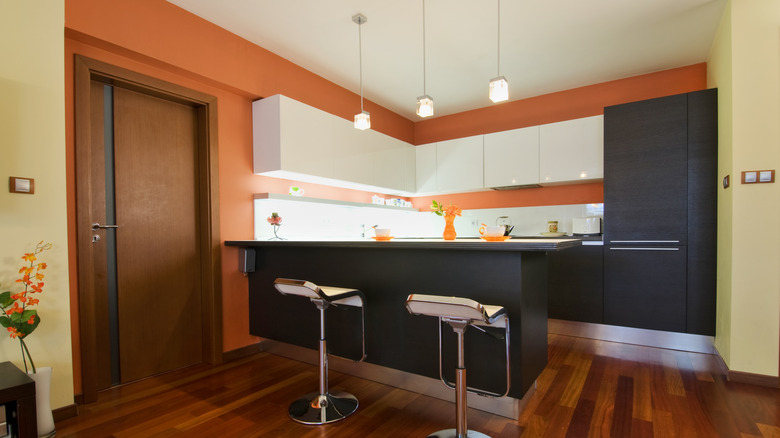
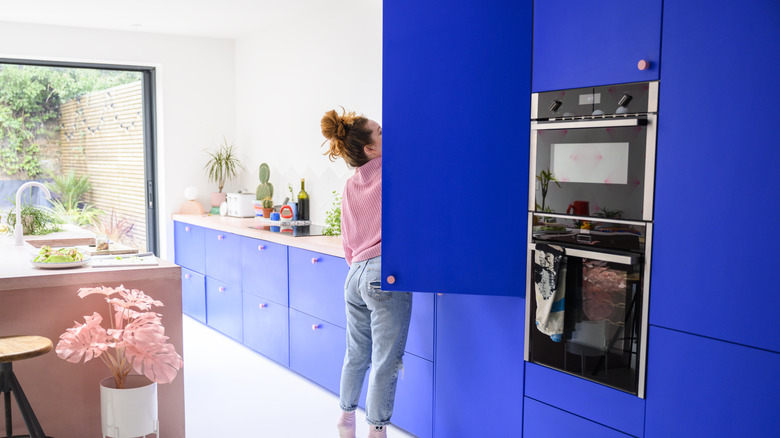
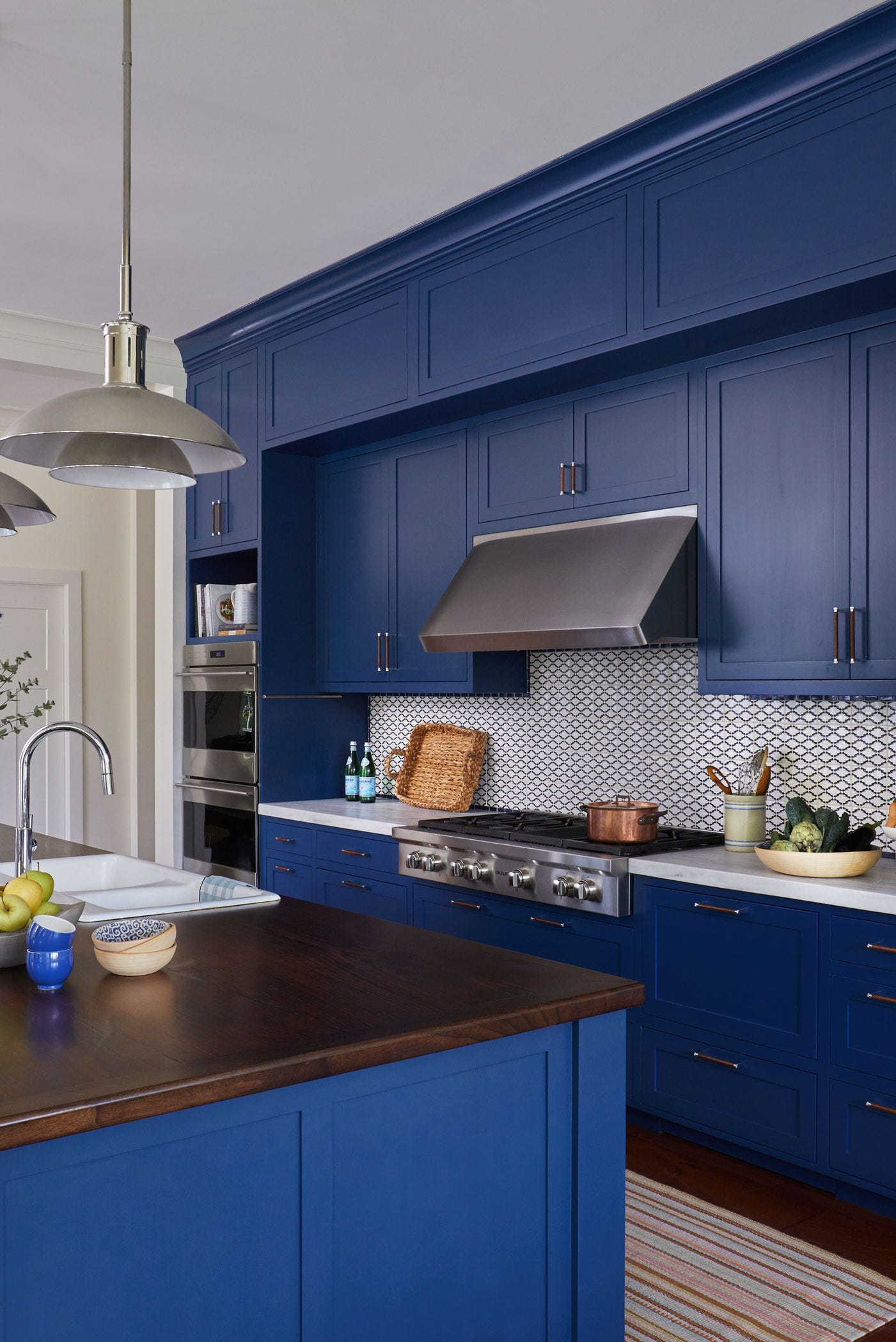
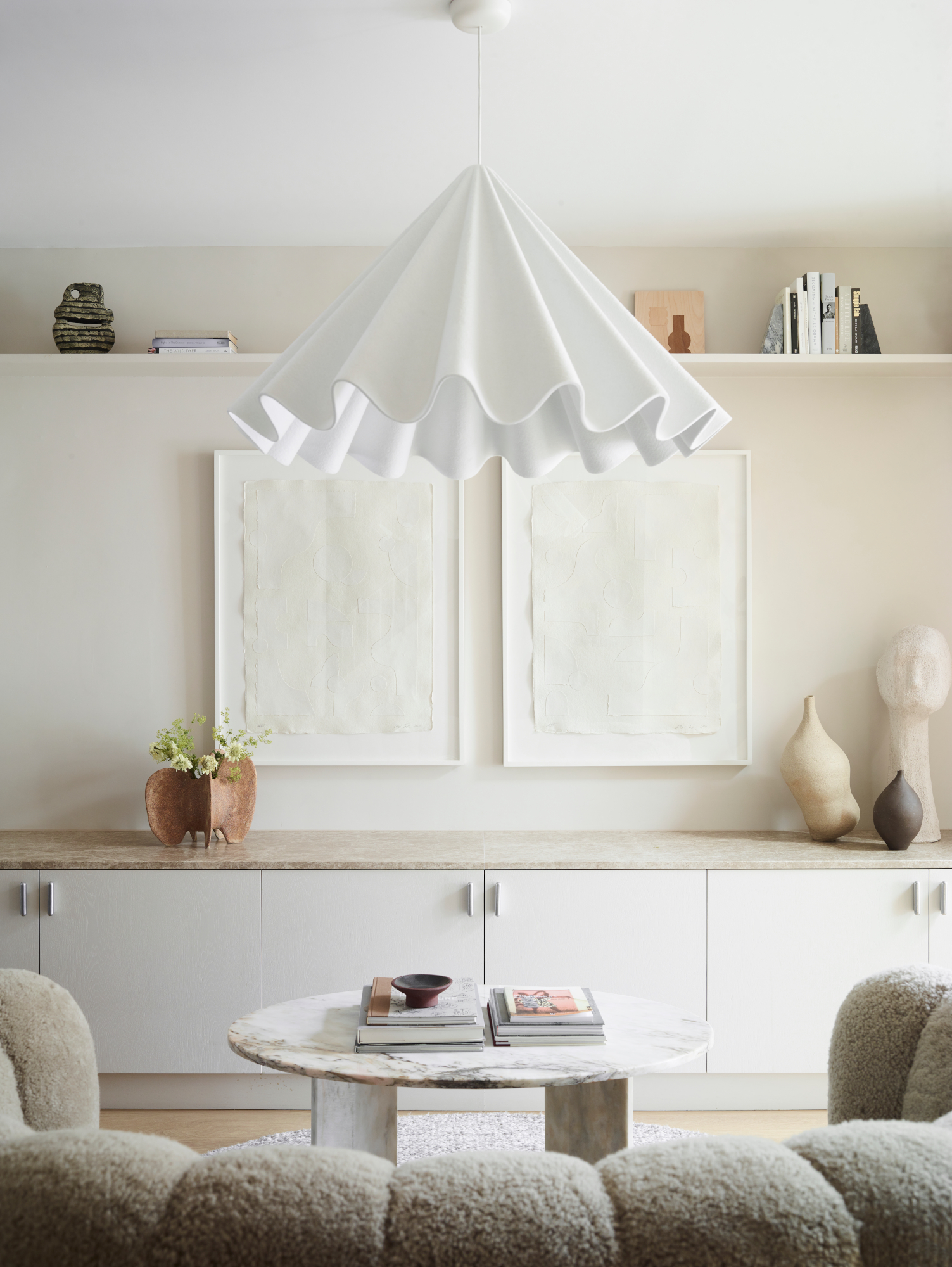
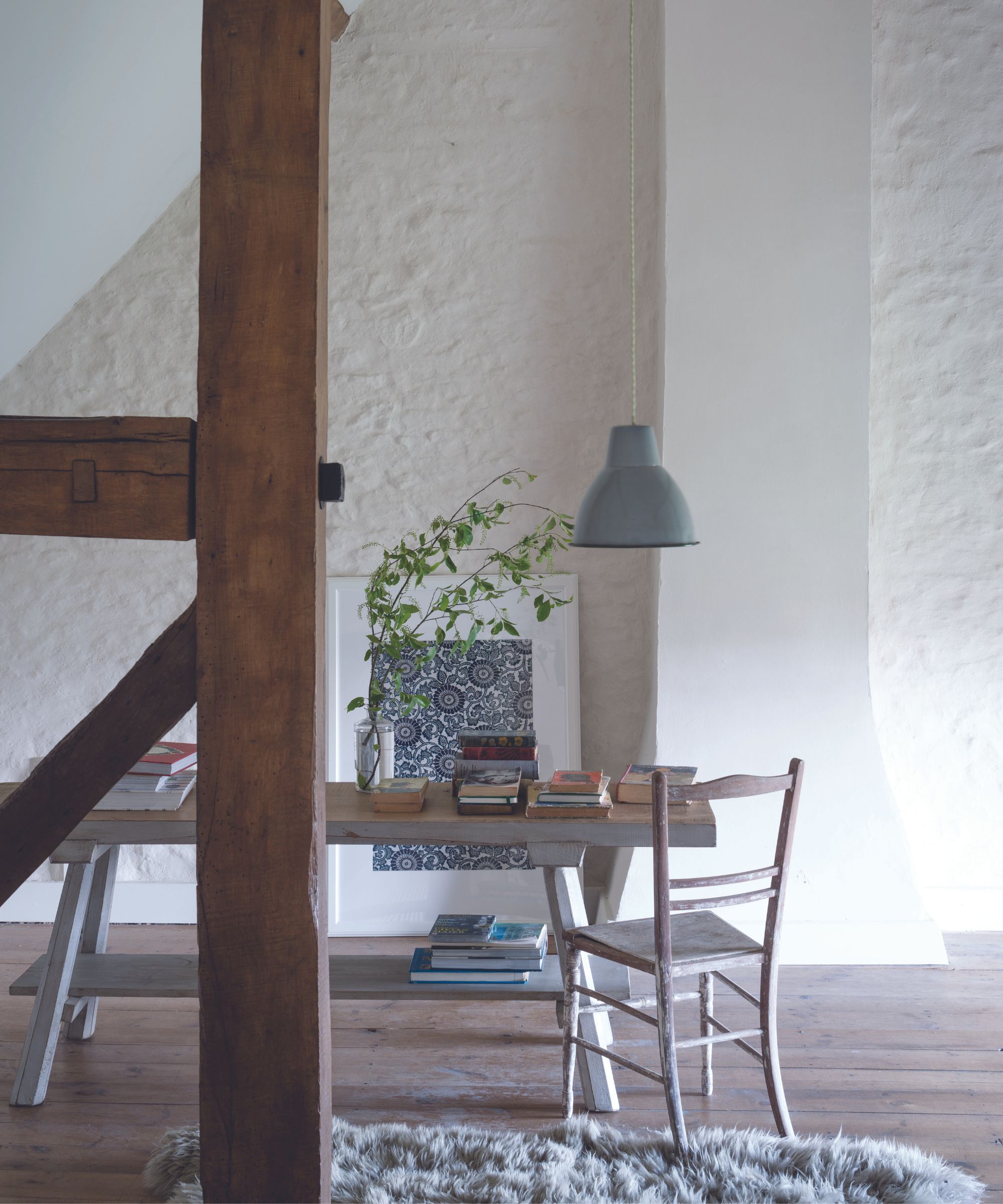
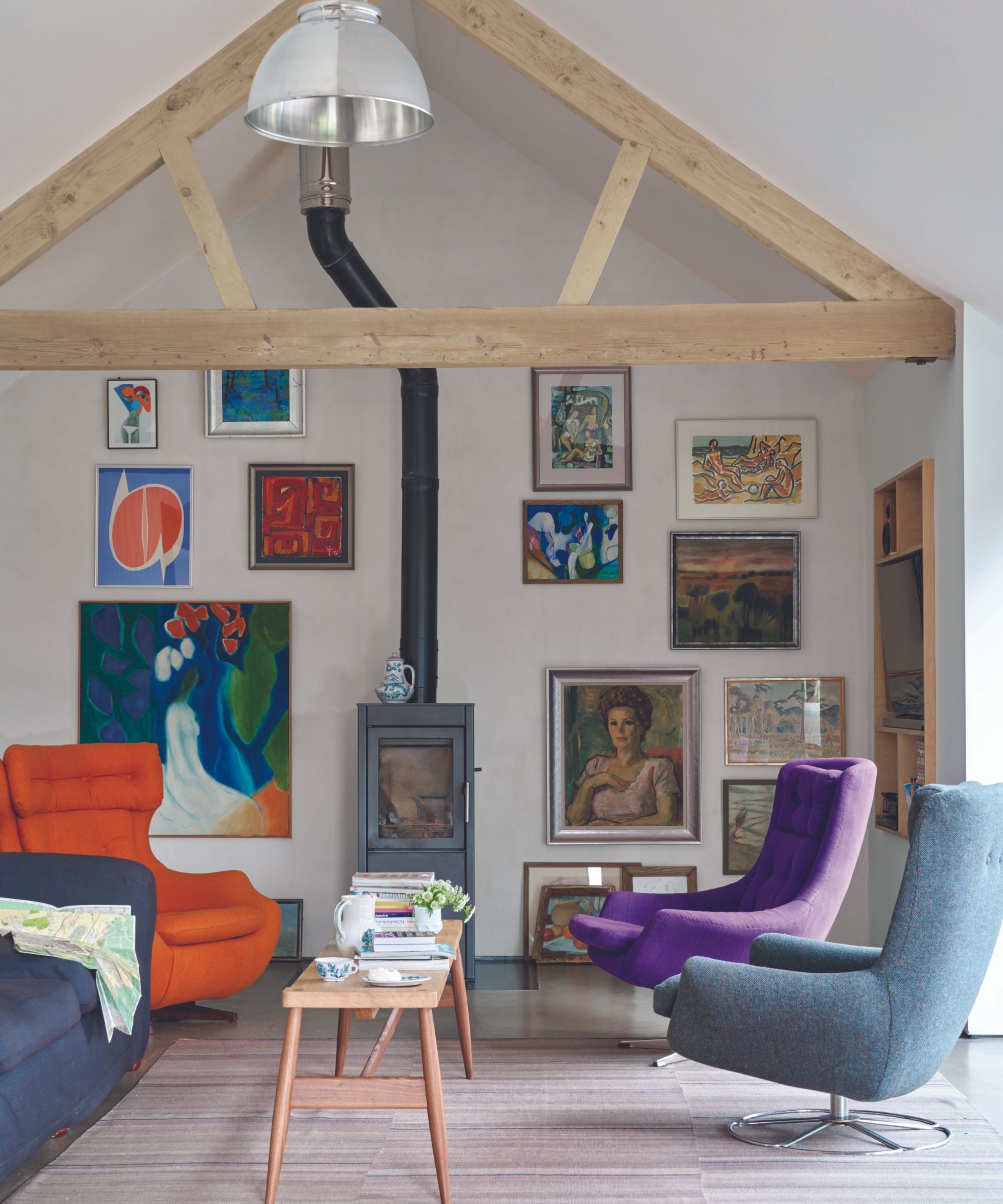
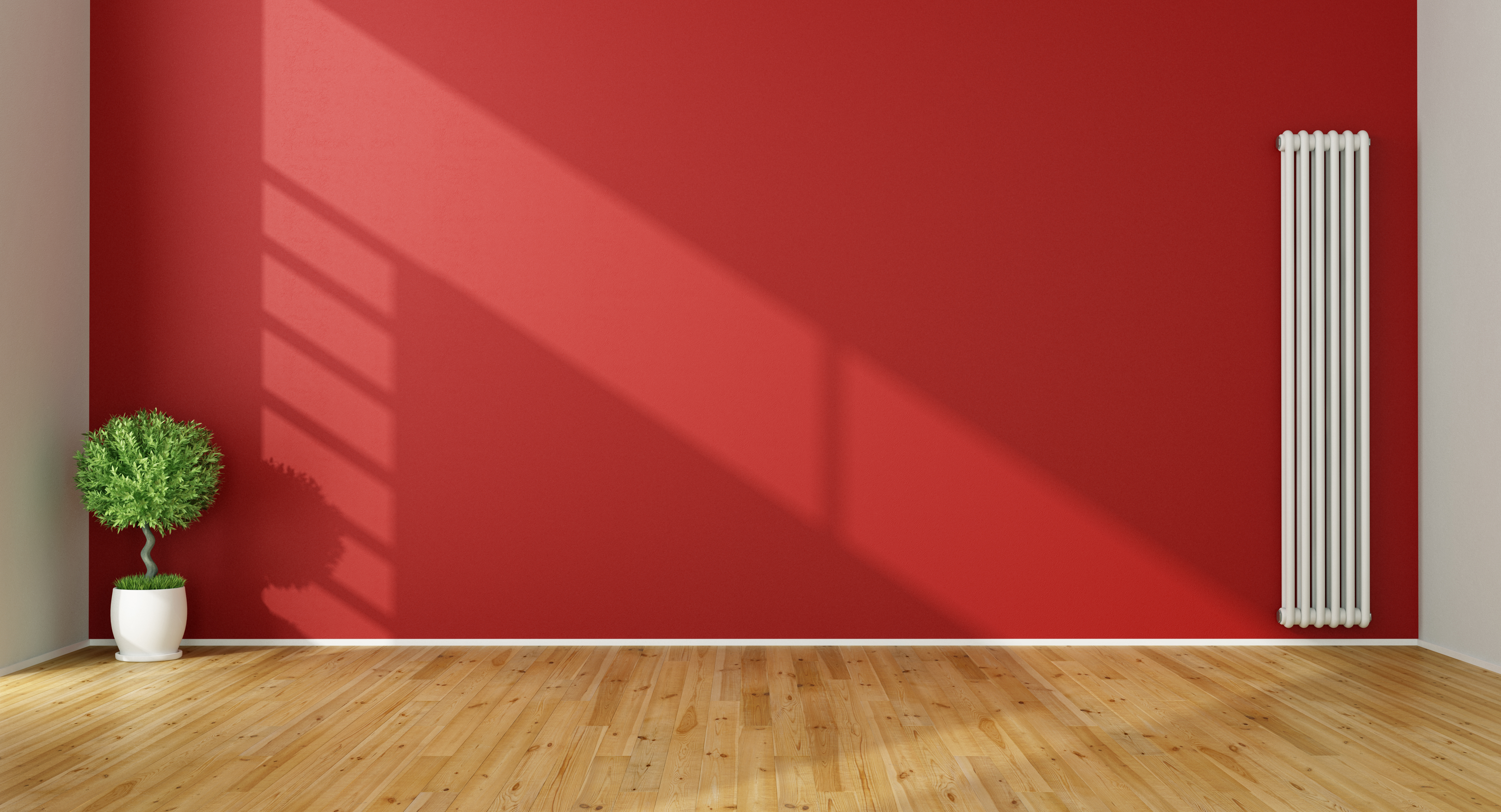
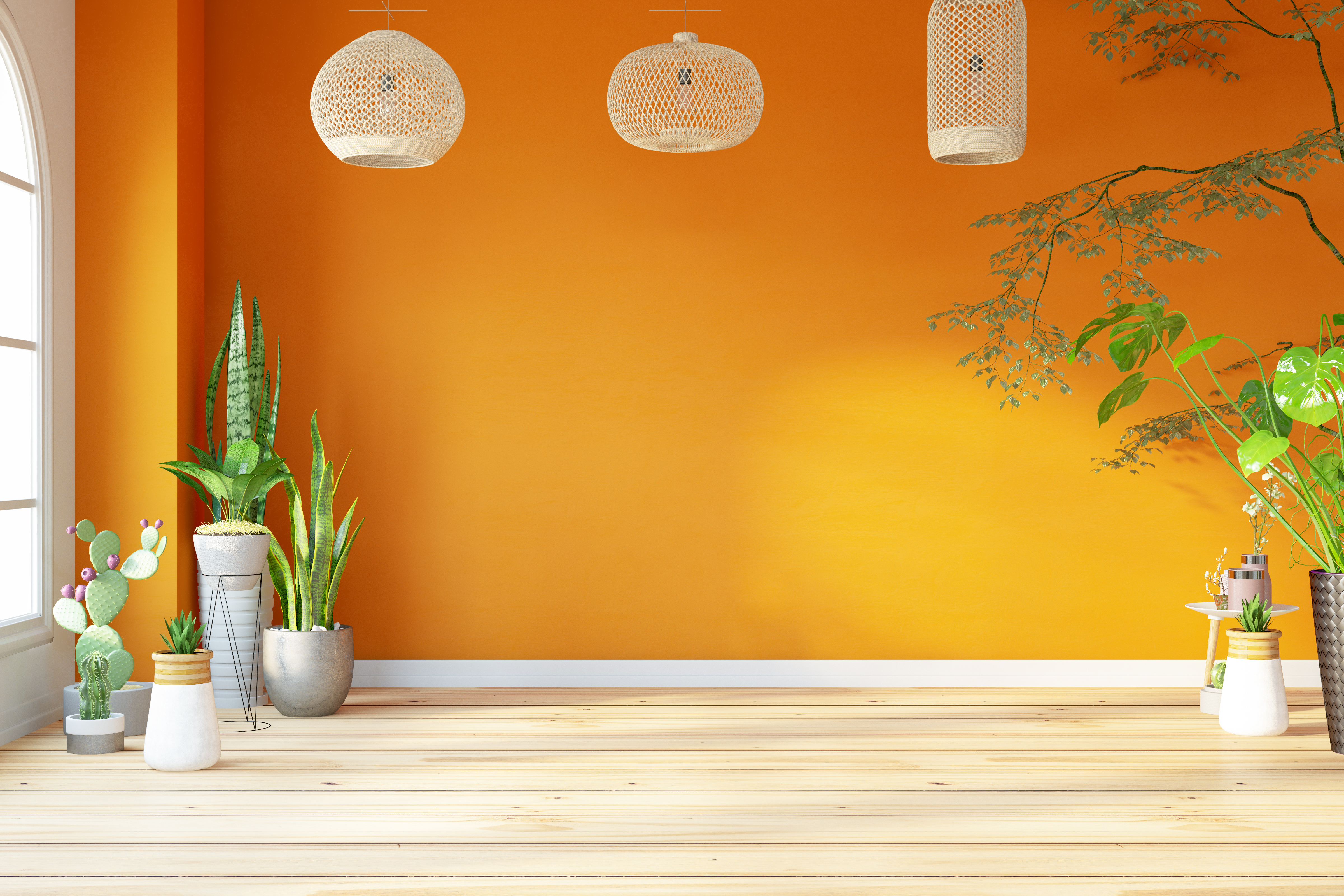
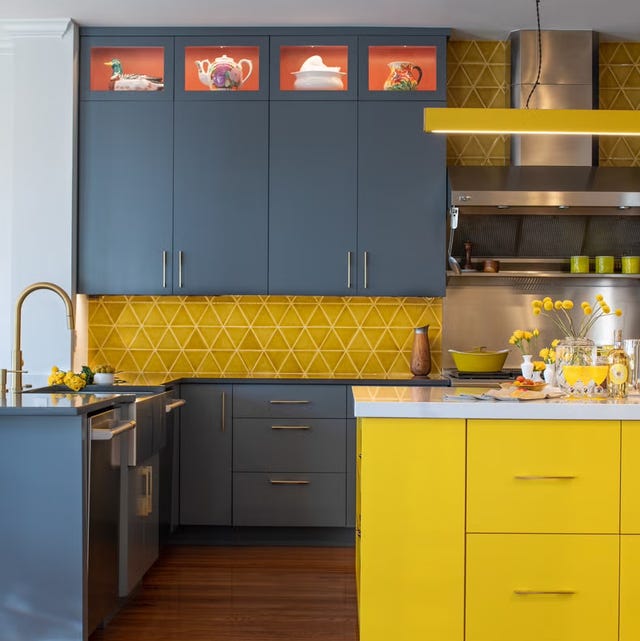
Finally, selecting white walls can lead to a boring or uninspired kitchen scheme, especially when wall cabinets are omitted to create a more open feel, leaving the walls as a prominent design element. White paint underutilizes this opportunity to make a statement. Kitchen walls can be an affordable avenue for design expression, allowing homeowners to update their aesthetic without the high cost of changing cabinetry. Keeping cabinets neutral and injecting interest through wall treatments allows for easier and less expensive updates as tastes evolve or trends shift. The possibilities for kitchen wall treatments are extensive, ranging from wallpaper with floral or geometric prints to paints with unique effects like limewash. Limewash, for example, adds texture to a simple, neutral design without overpowering the space, demonstrating how non-white options can elevate the kitchen's overall appeal and character.
#KitchenDesign #InteriorPaint #ColorSchemes #HomeDecor #KitchenTrends #PracticalDesign #TonalDesign #WallTreatment #NeutralColors #KitchenDesign #InteriorPaint #ColorSchemes #HomeDecor #KitchenTrends #PracticalDesign #TonalDesign #WallTreatment #NeutralColors
0 comment in total
 No comments yet
You may also like
5 Reasons You Shouldn't Paint Your Kitchen Walls White — And the Alternatives You Need to Try

6 Worst Colors To Paint Your Kitchen (And What To Choose Instead)
8 Paint Mistakes That Make Your House Look Dingy (and How to Fix Them)

27 Neutral Paint Colors and Tips from Experts On How to Use Them

I Just Painted my Kitchen White (Again) — Here are 7 Reasons to Consider this Pure Neutral on Your Walls
Designers are ditching gray walls in kitchens for these 3 on-trend alternatives – here's why you should too
The Best White Paint for Walls That Experts Swear By
Are white walls still on trend? Designers weigh in on whether this classic shade is on the out
4 surprising areas in your home that experts say you really shouldn't paint white – and what to do with them instead
Top 20 Kitchen Paint Colors for Every Style—From Timeless Neutrals to Rich Earth Tones
5 Problems With Painting Your Walls White That No-One Ever Talks About (Until Now)
The 6 Paint Colors for Your Kitchen That Will Never Go out of Style
Bored With White Walls? Try One of These Designer-Recommended Neutral Paints Instead

Ditch the White! Try One of These Designer-Approved Kitchen Colors

6 painting mistakes that are making your walls look 'dirtier' – and what you should be doing instead
I’m an interior designer - the worst paint colours for small rooms, and why bright white walls is not a good idea

Bye bye beige kitchen walls – experts say 'it tries so hard to be inoffensive it becomes forgettable' so these are the 4 more exciting shades to use instead
These are the 3 wall colours to avoid if you have a green kitchen - and the expert-approved shades to try instead
The Best Kitchen Paint Colors All Have This One Thing In Common
The One Paint Color Designers Always Avoid in Kitchens—and What They Use Instead