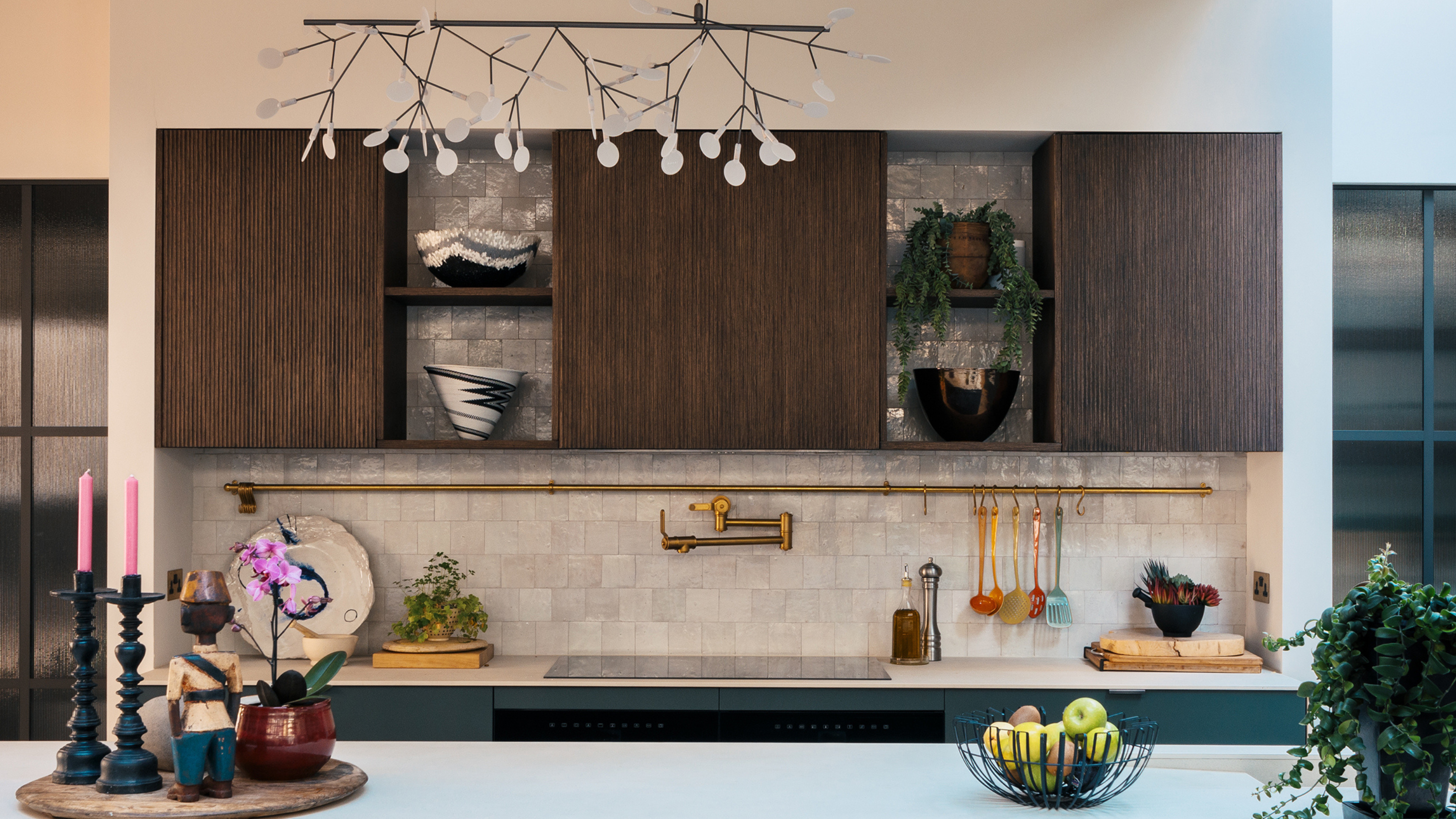
1/6
5 Problems With Tiled Backsplashes in Kitchens That No One Ever Talks About
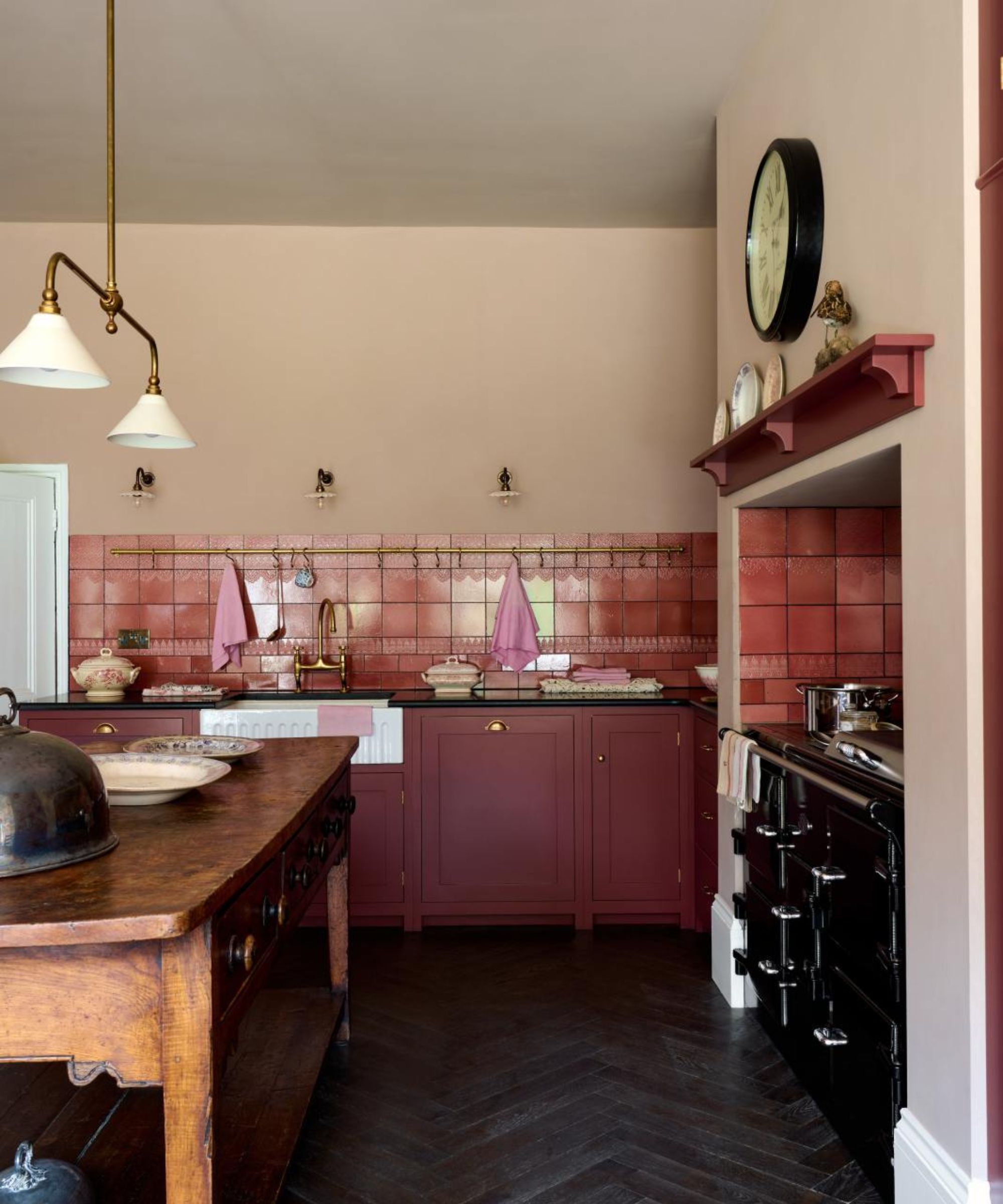
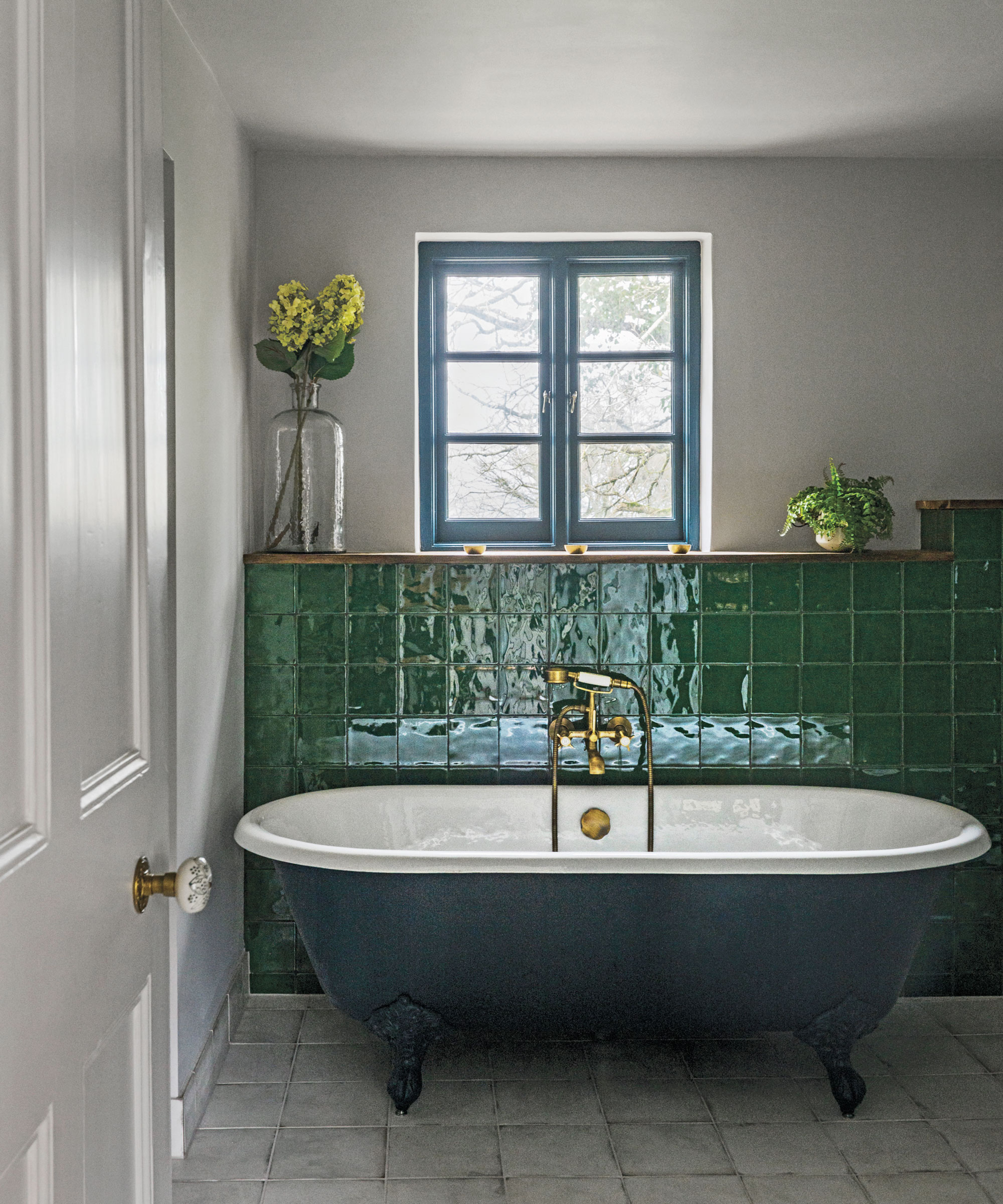
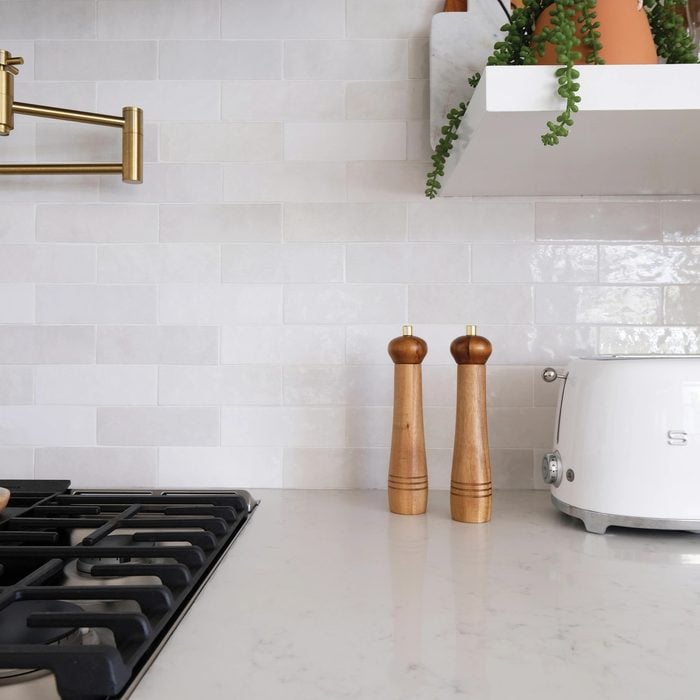
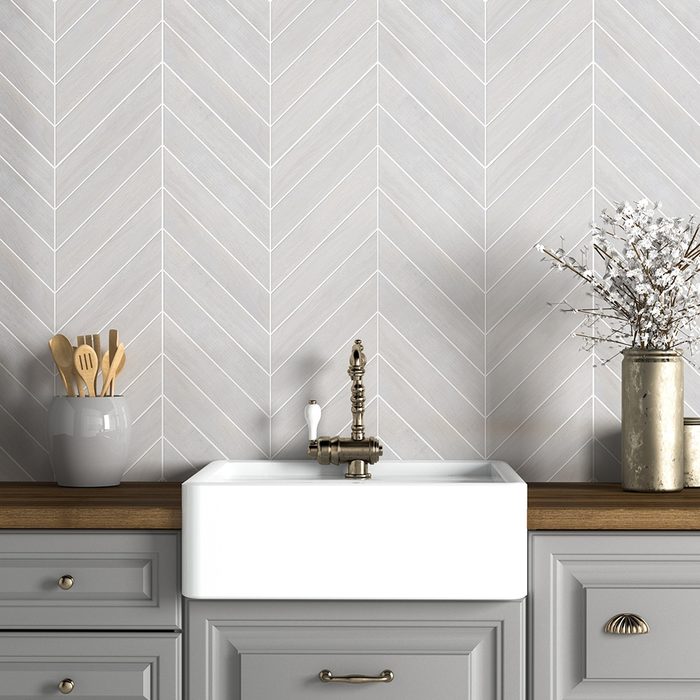
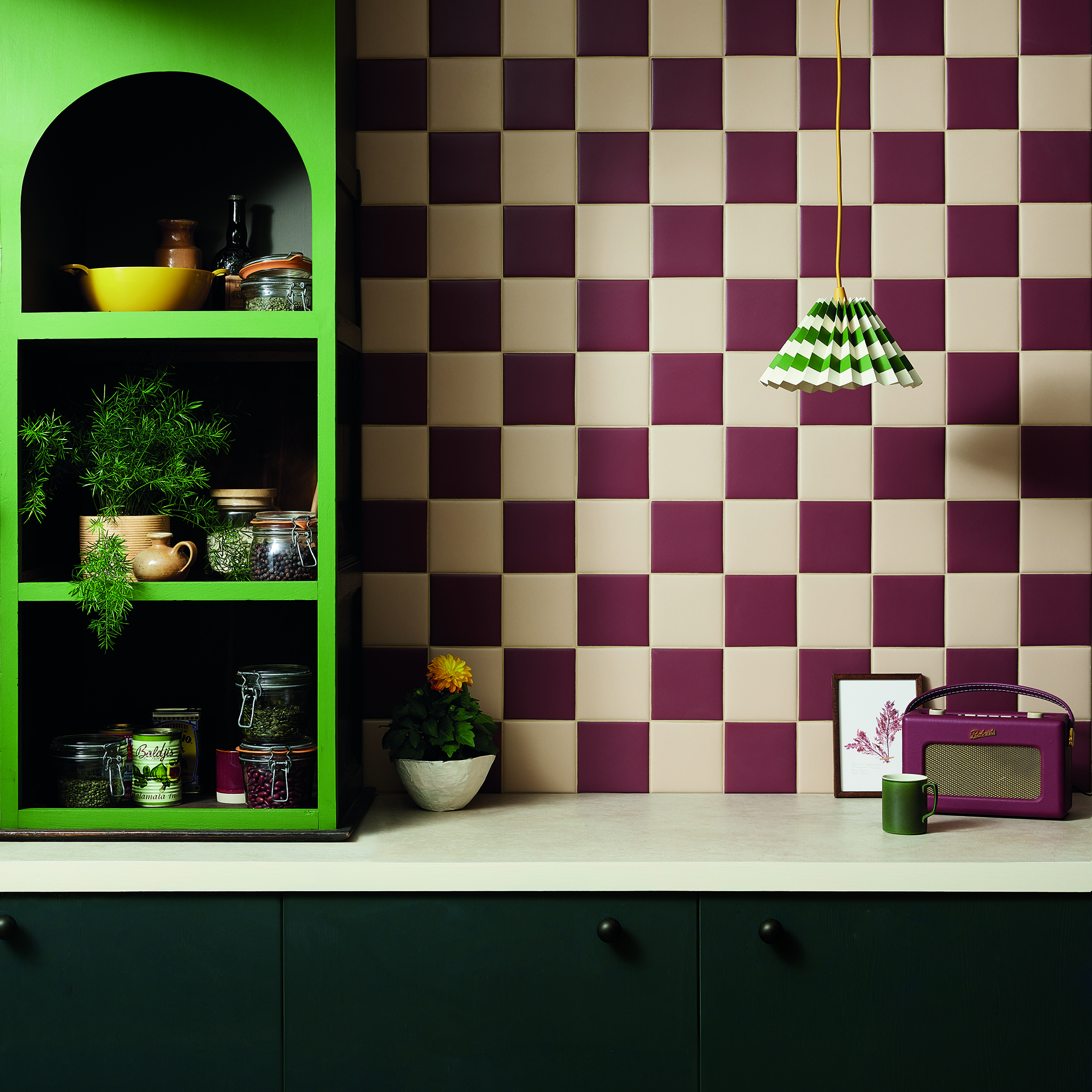
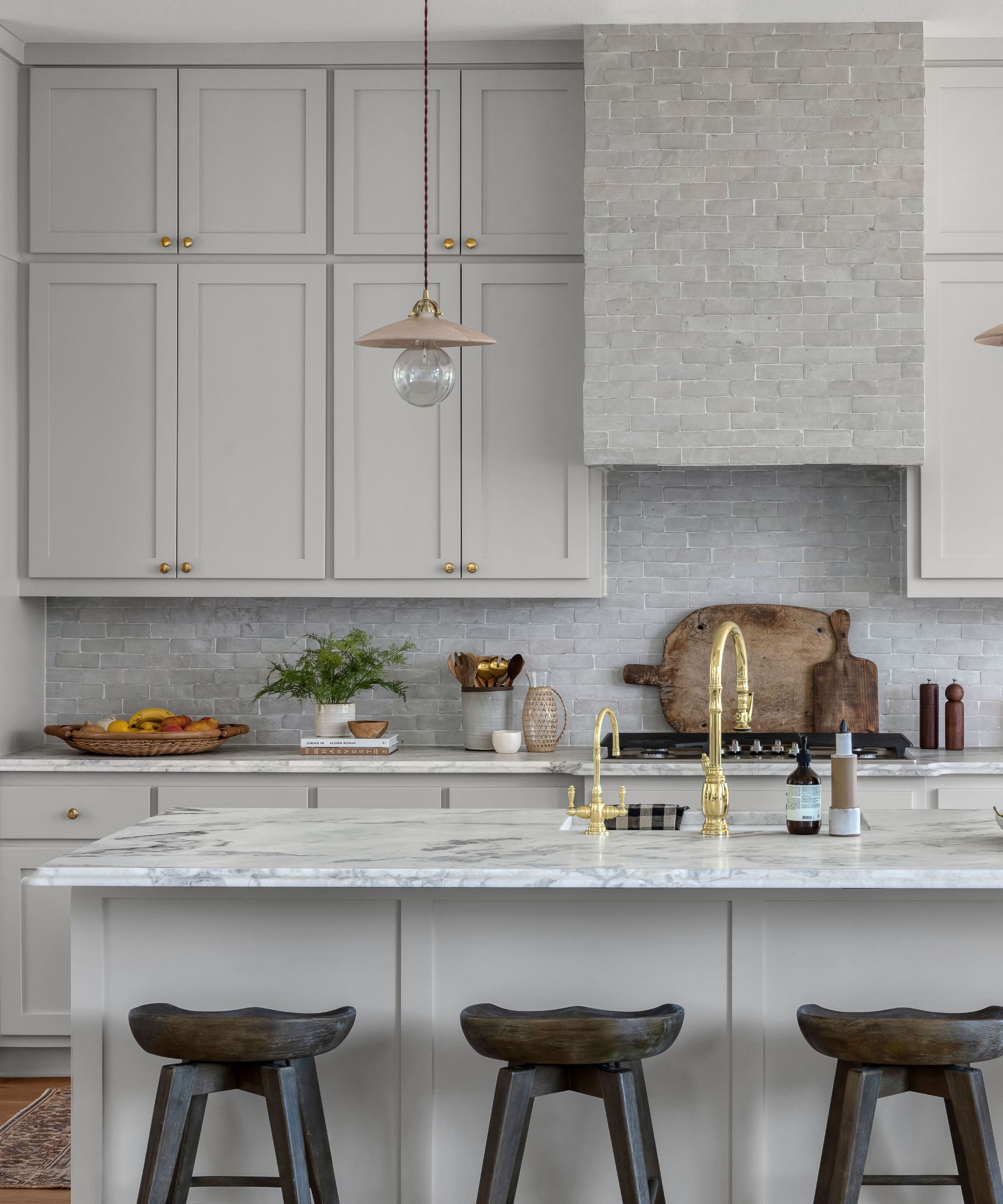

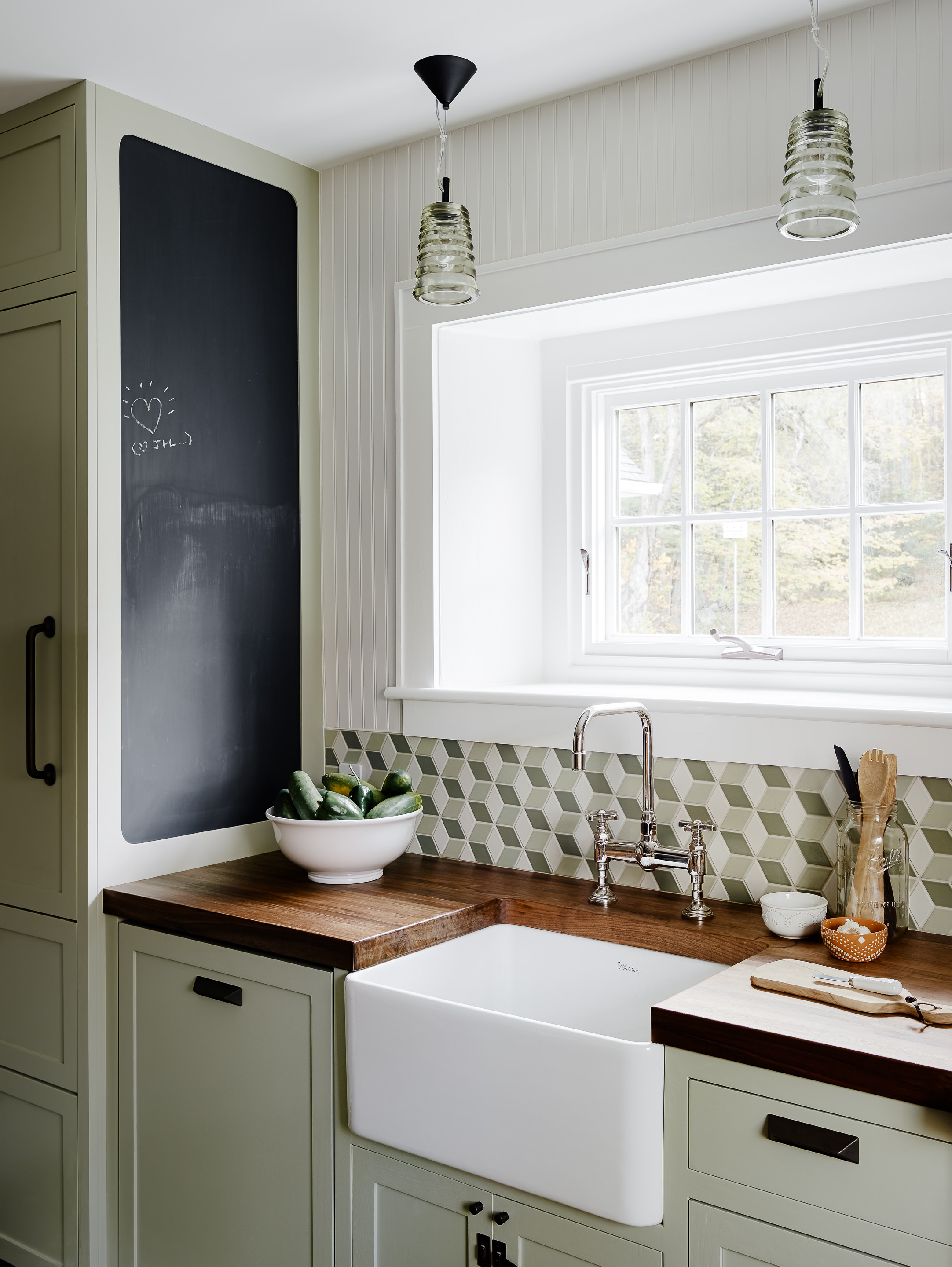
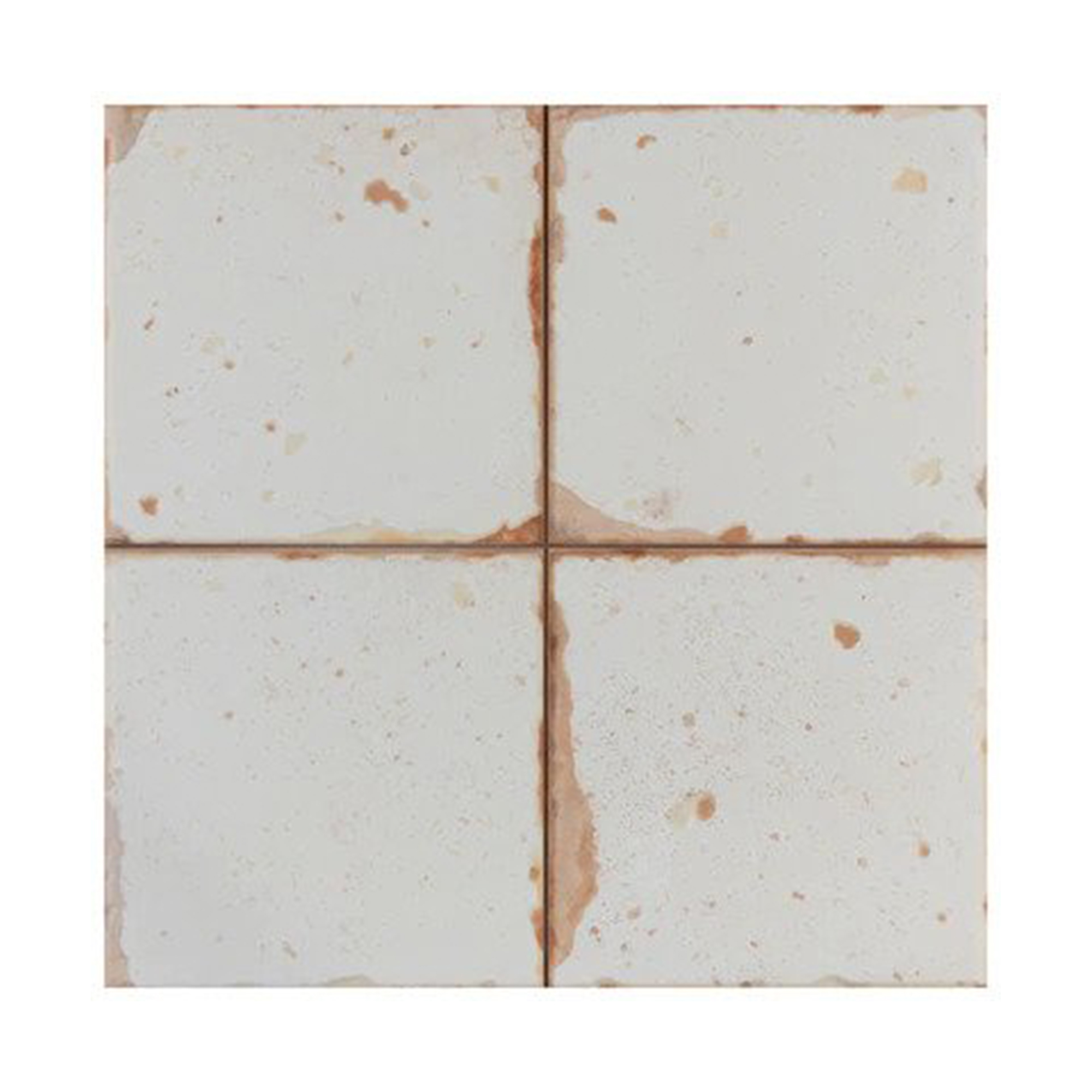
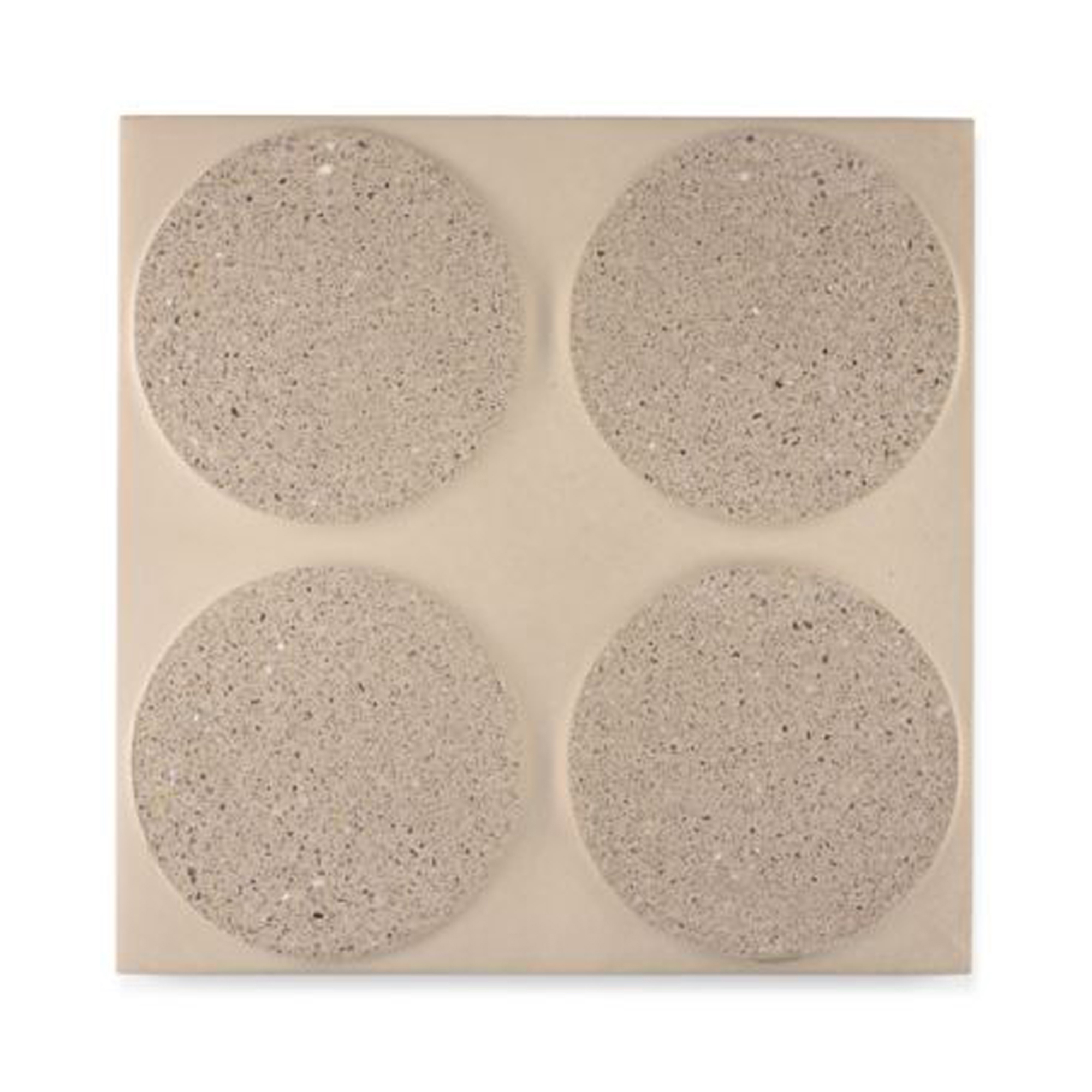
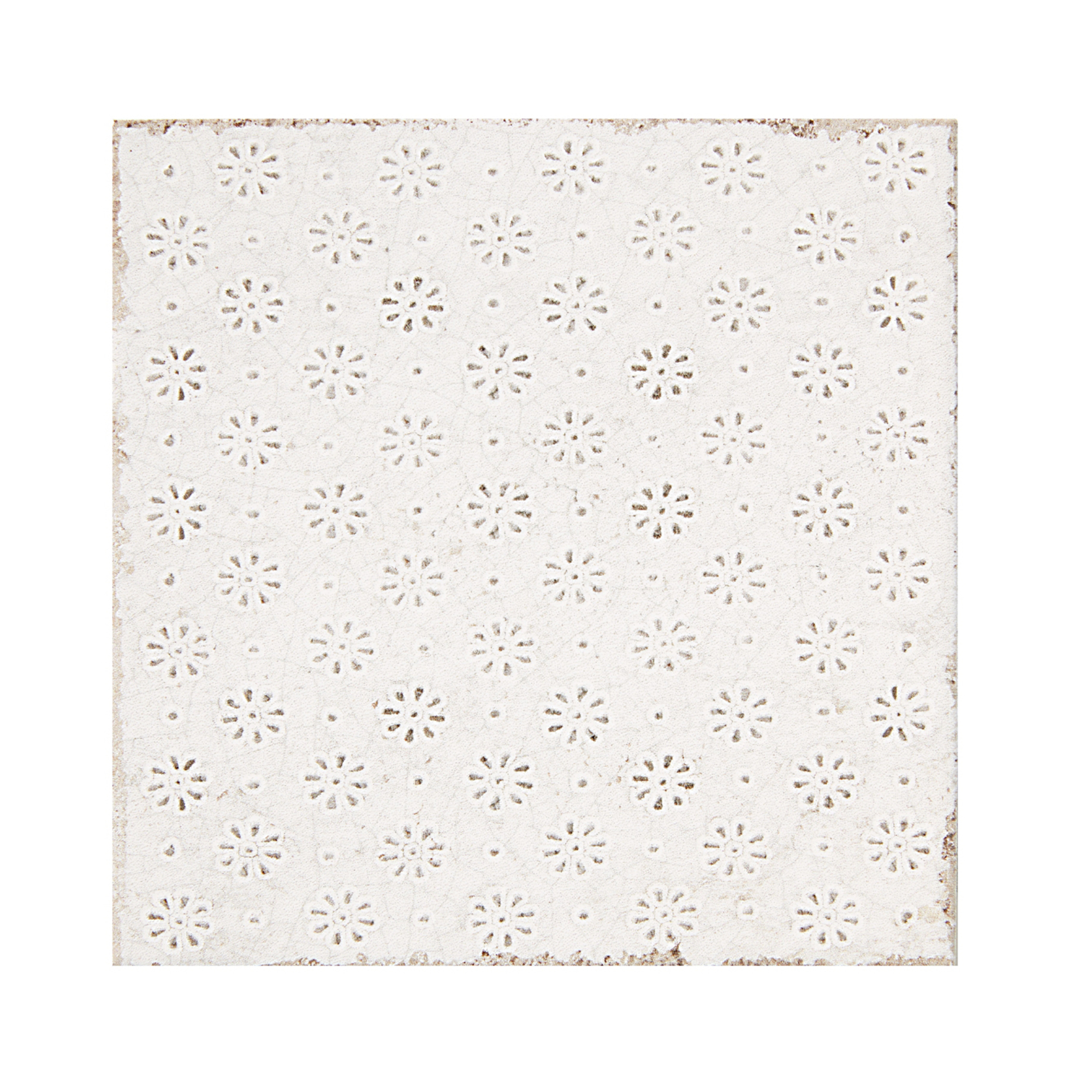
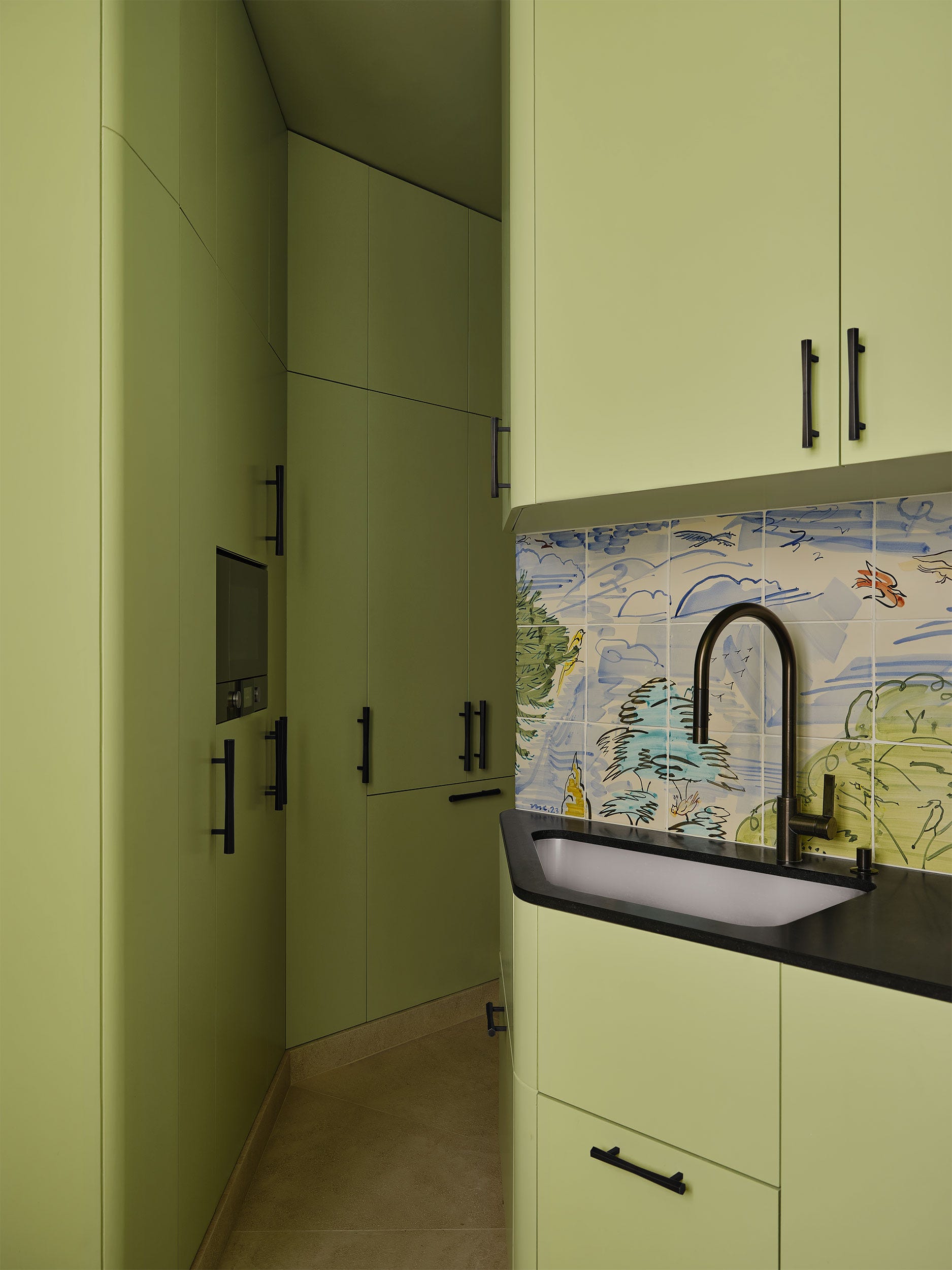
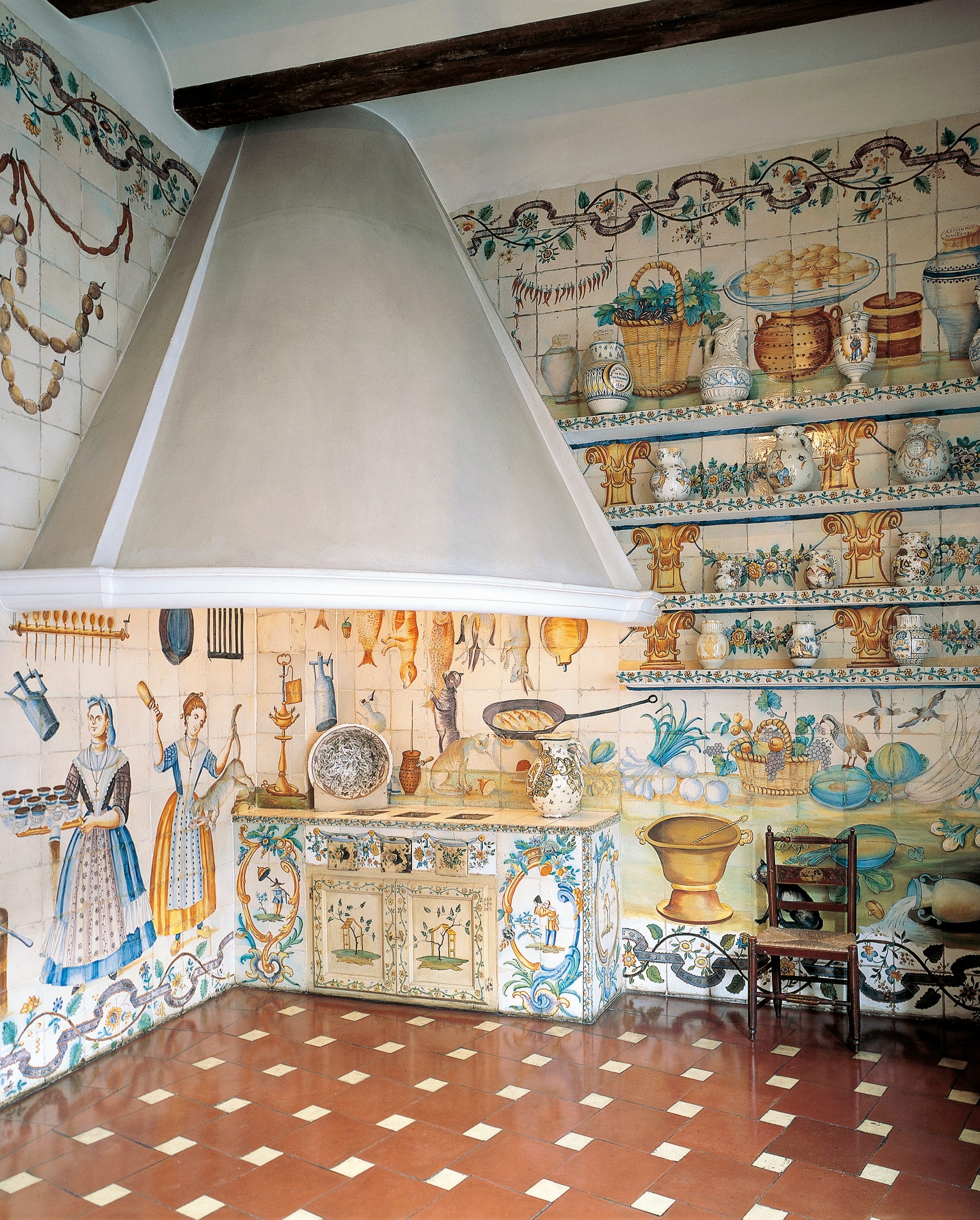
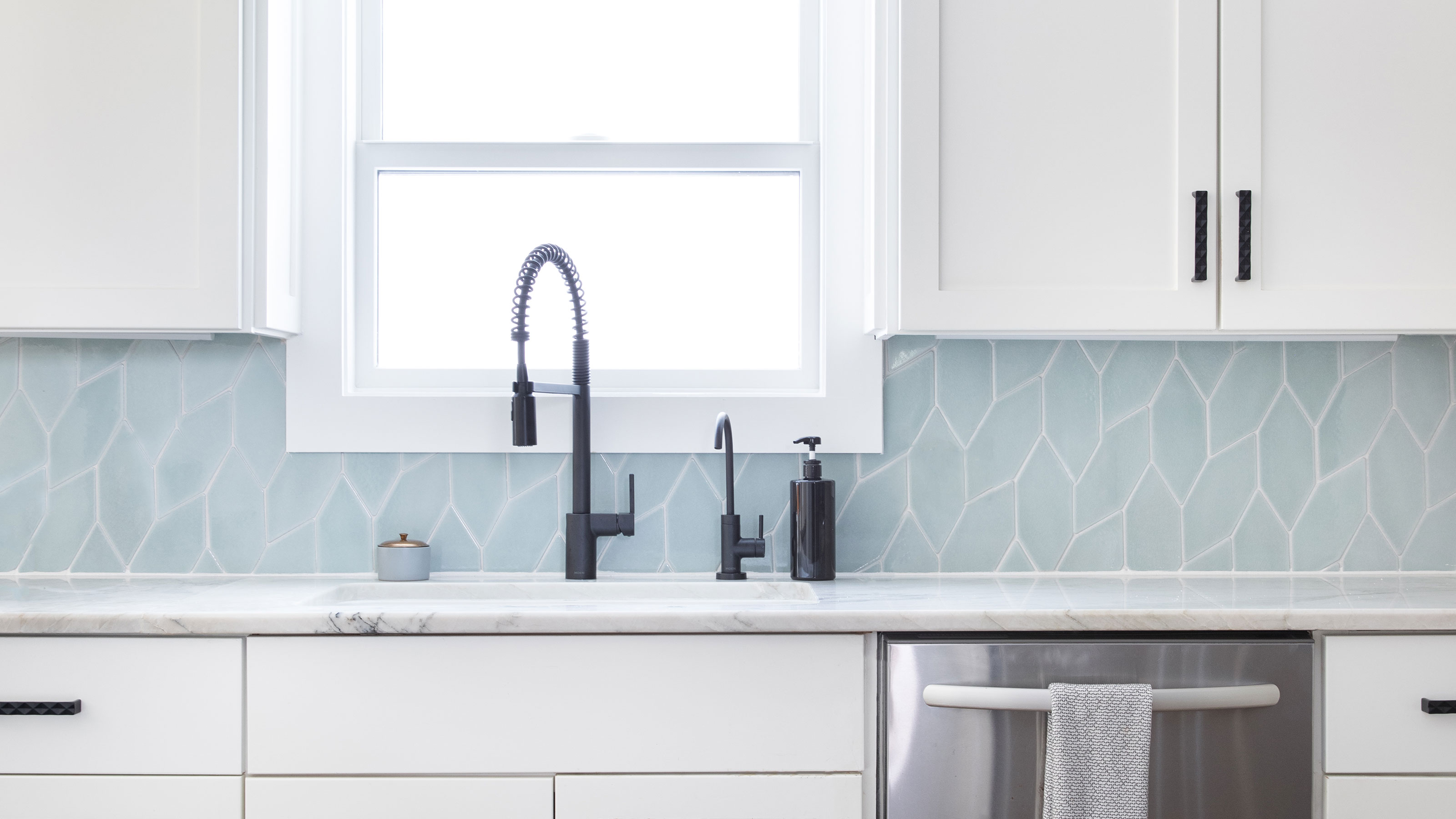
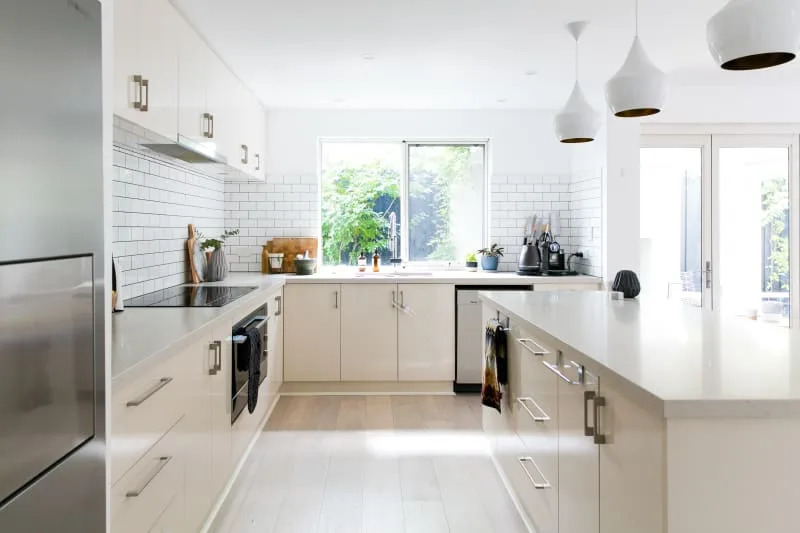
Tiled backsplashes are a popular design choice in kitchens, known for their aesthetic appeal, particularly zellige tiles. However, this design element comes with a set of practical challenges that are often overlooked in visually driven design content. These issues predominantly revolve around staining, grout discoloration, grout seepage, mold formation, and miscalculating tile quantities during purchase.
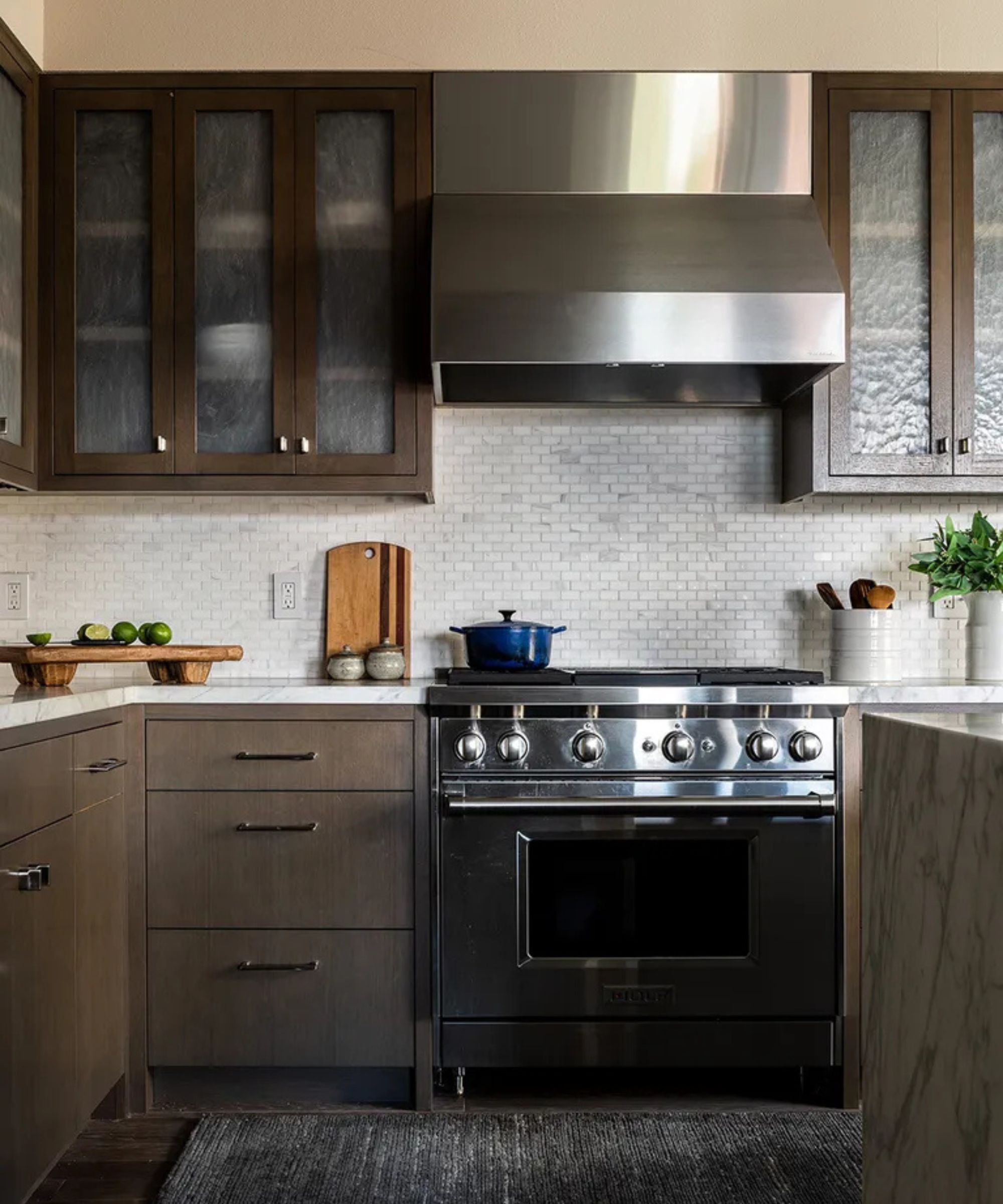
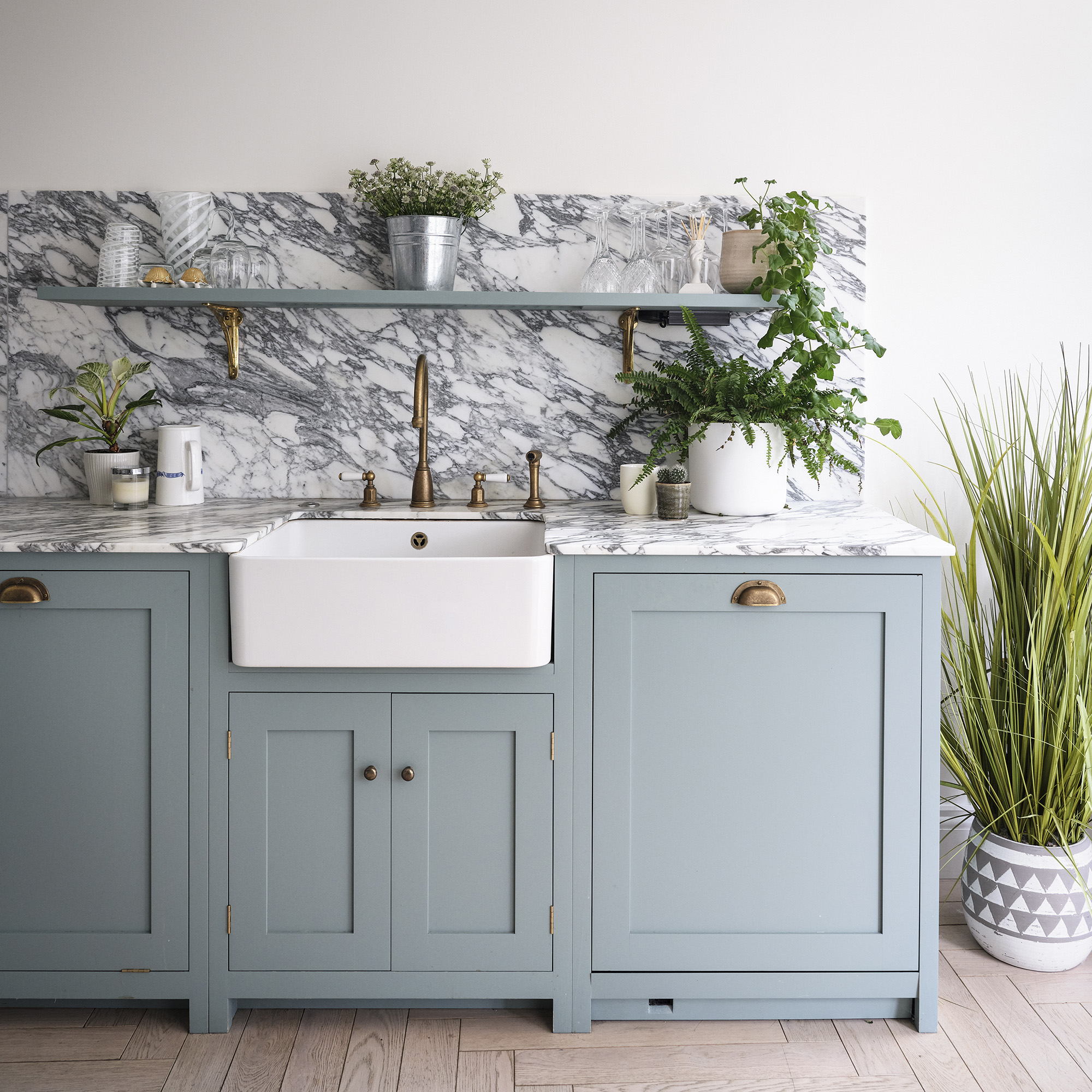
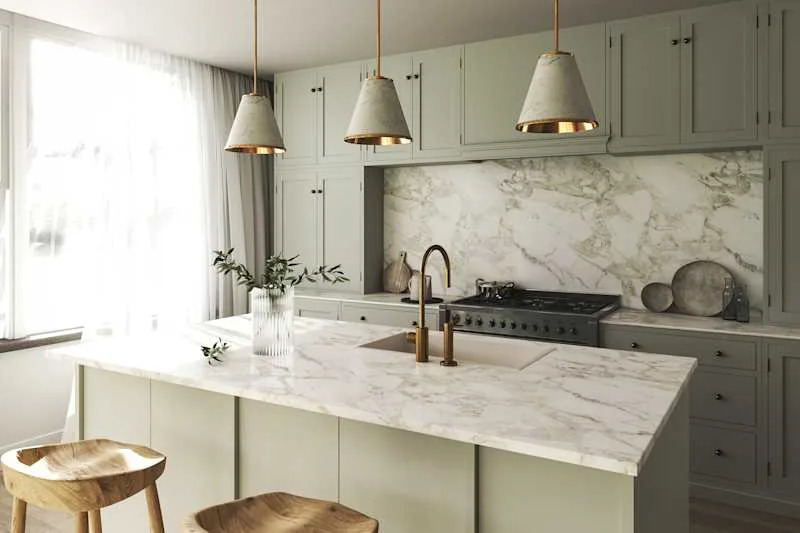
One significant problem is the staining tendency of certain tile materials. The primary purpose of a backsplash is to protect kitchen walls from splashes and spills, yet many popular tile types, especially natural materials like cement or stone, are porous. If these tiles are not properly sealed, they can absorb liquids such as water and oils, leading to permanent stains. This characteristic makes natural stone tiles, including marble, less suitable for a low-maintenance kitchen environment, as they require consistent sealing and careful handling to prevent discoloration.
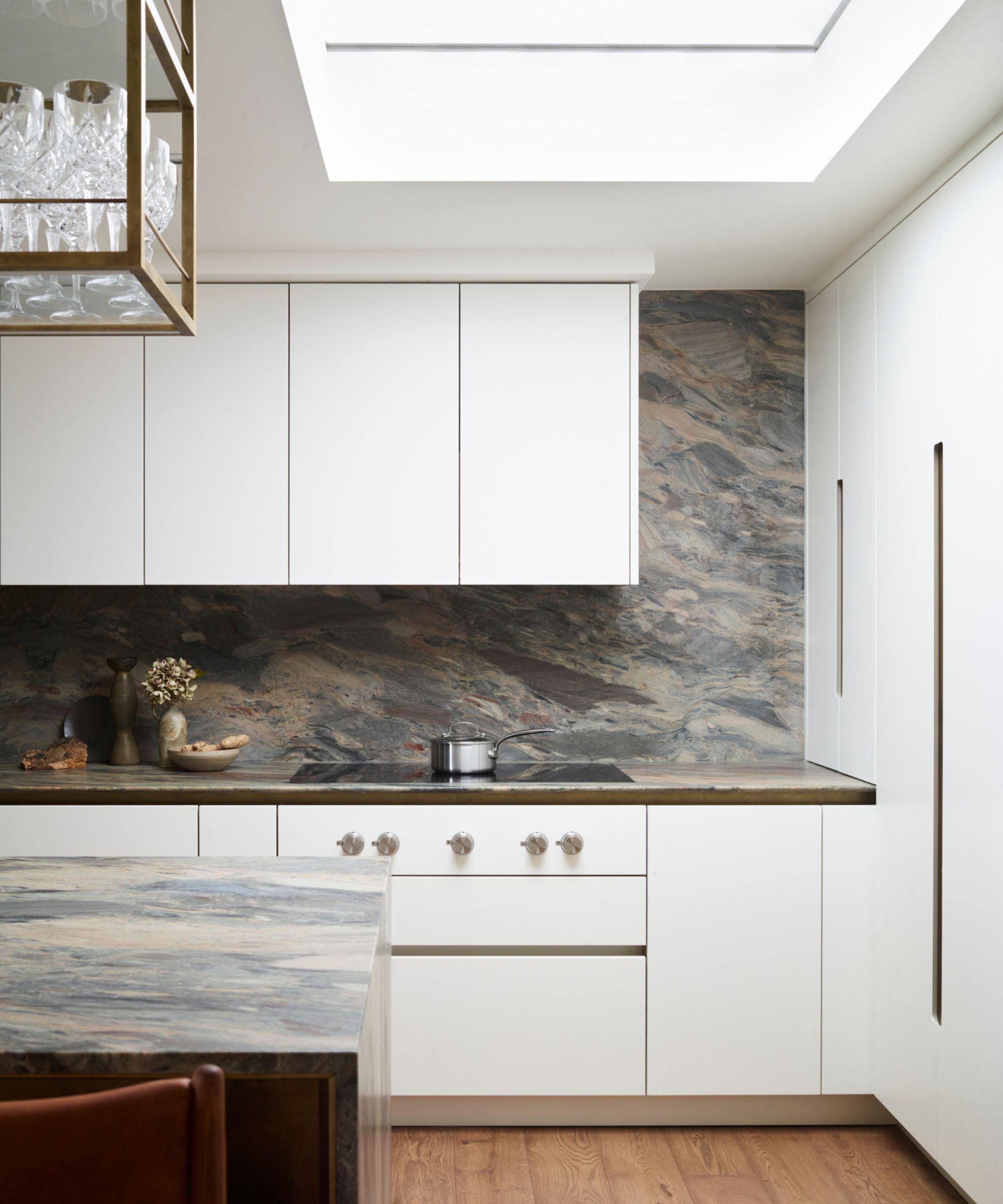
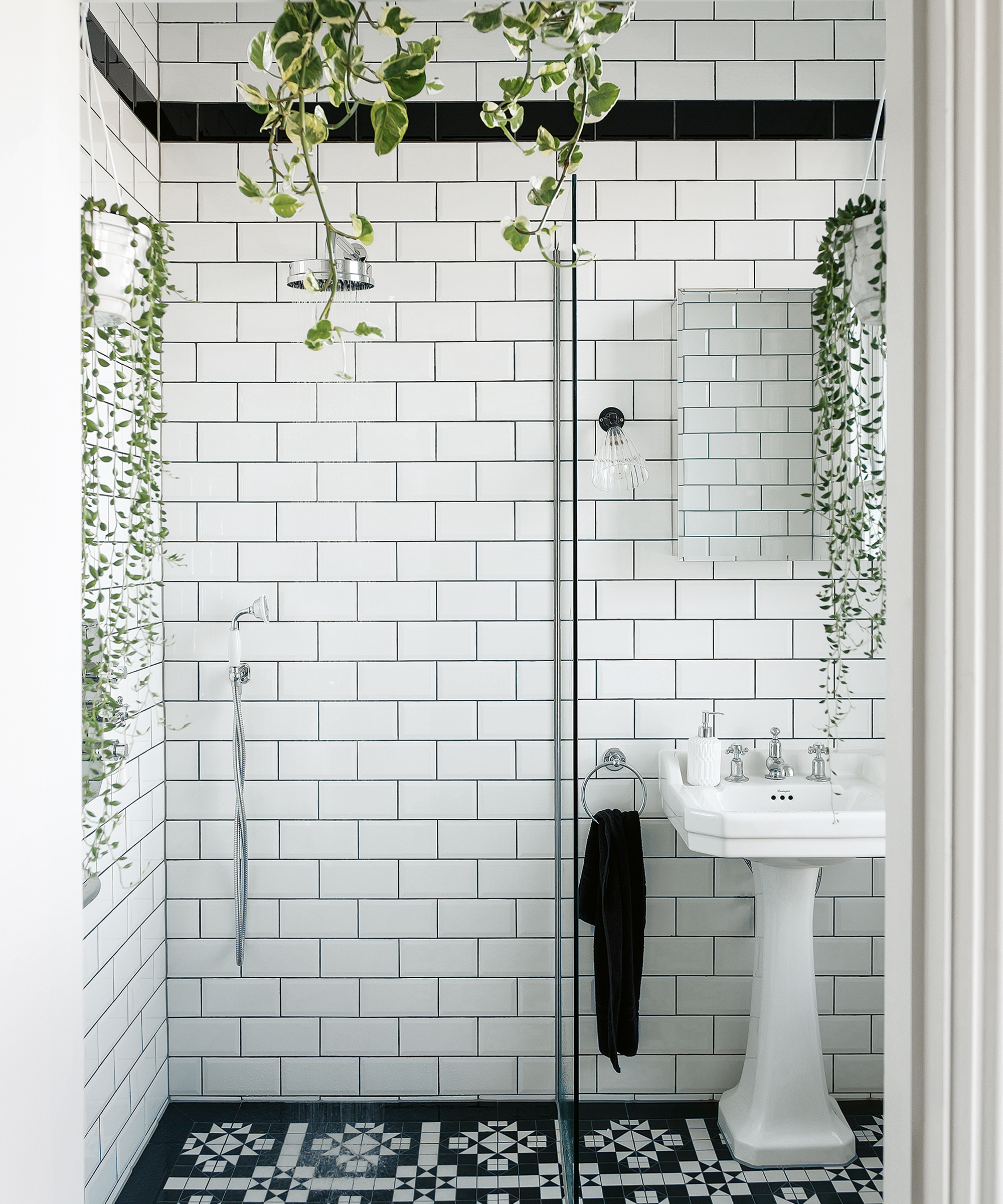
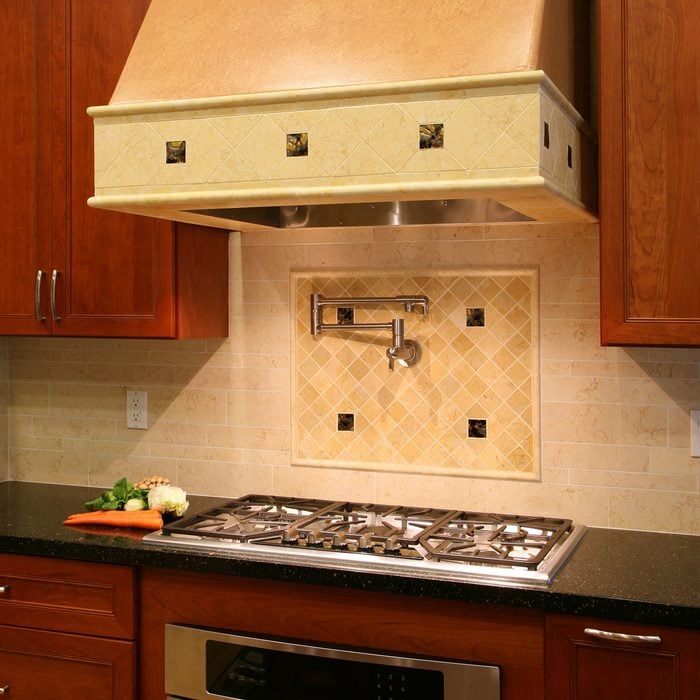
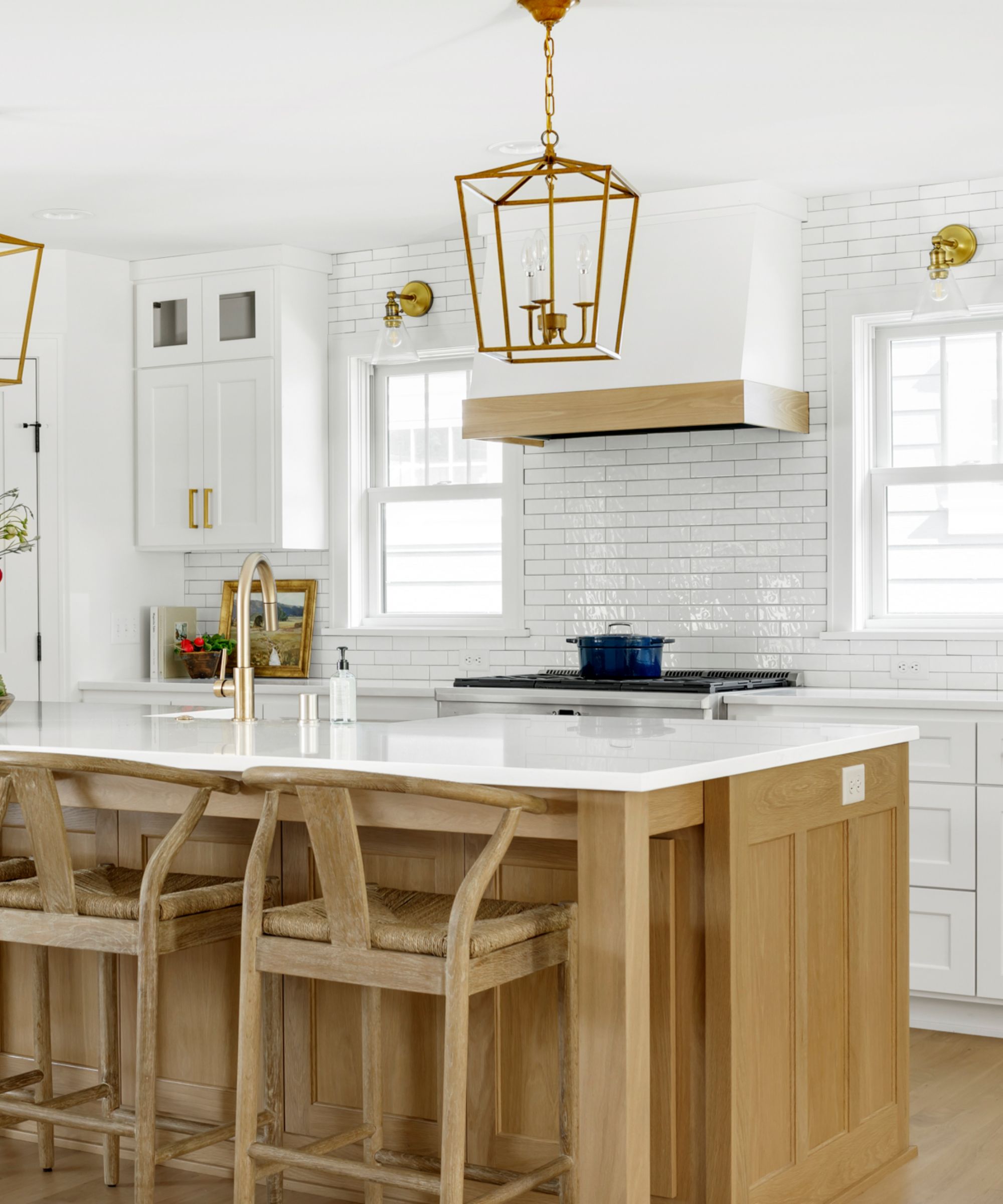
Grout, an integral part of any tiled backsplash, presents its own set of challenges. Unlike slab backsplashes, tiled designs introduce grout lines that are equally important to the visual outcome. In high-moisture areas like kitchens, grout is prone to discoloration. Constant exposure to water, cooking splashes, and general use can cause grout lines to appear dirty or mucky over time. This issue is particularly noticeable with lighter-colored grouts, which readily show stains and absorbed moisture.
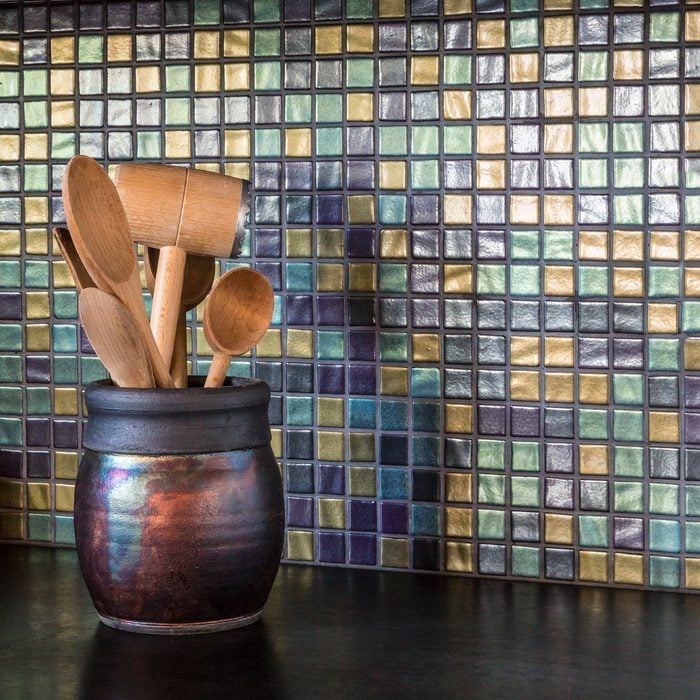
Another issue related to grout is seepage, particularly when contrasting colors are used. The trend of colorful or oversized grout lines can be problematic when paired with unsealed or porous tiles. If a dark-colored grout is used with a lighter, unsealed tile, the pigment from the grout can be absorbed directly into the tile, leading to irreversible staining or discoloration of the tile itself. This absorption happens because many tiles are naturally porous, and without proper sealing, they cannot prevent the pigment from seeping in.
Beyond aesthetics, grout issues can lead to more serious problems like mold growth. Poor-quality grouting or inadequate silicone sealing can allow moisture to penetrate behind the tiles, creating an environment conducive to mold and mildew. This is not only unsightly but can also pose health risks, especially for individuals with allergies or respiratory conditions like asthma. When dealing with mold, it's important to use gentle cleaning products, as harsh chemicals or bleach can further damage the tiles or grout.
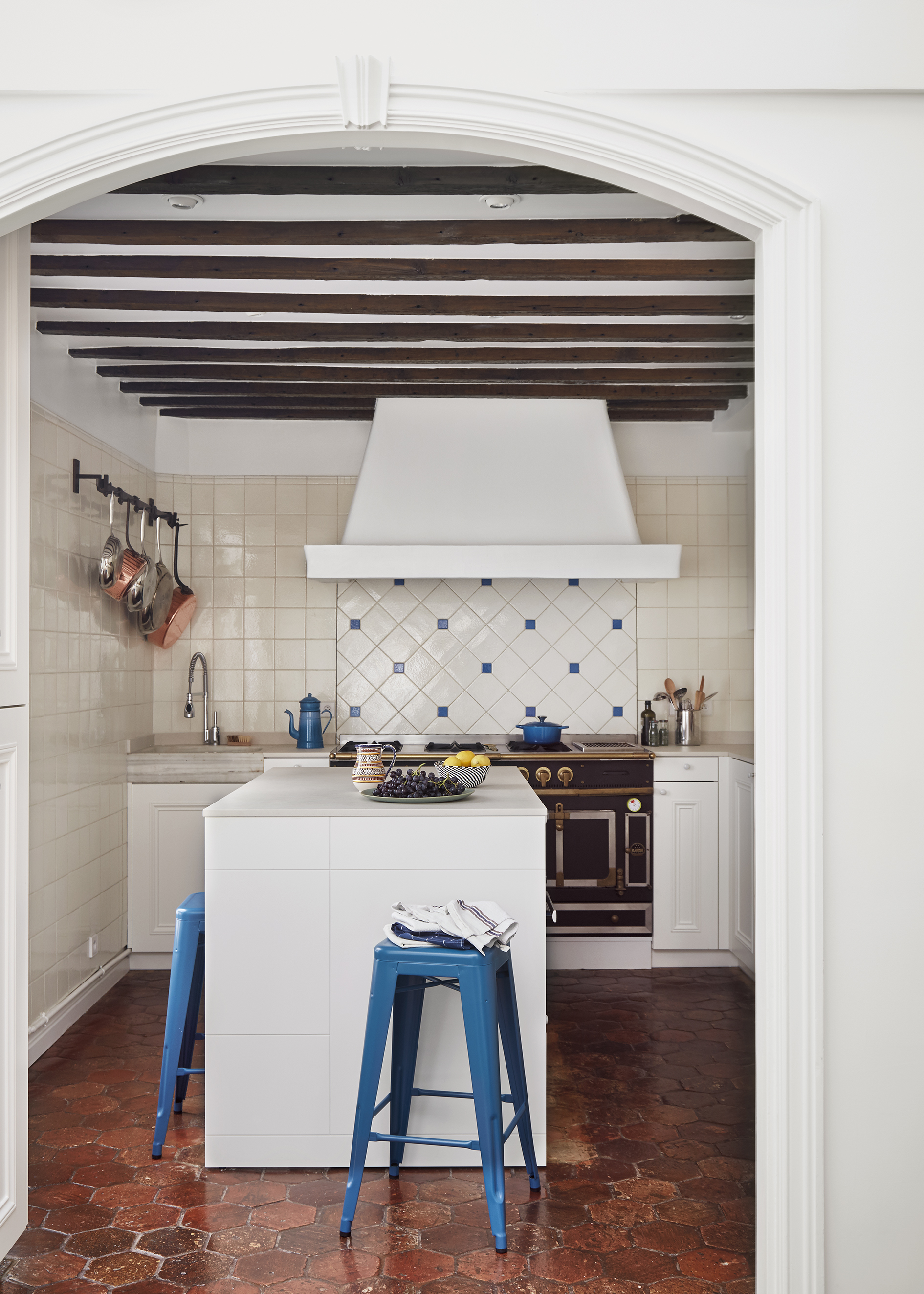
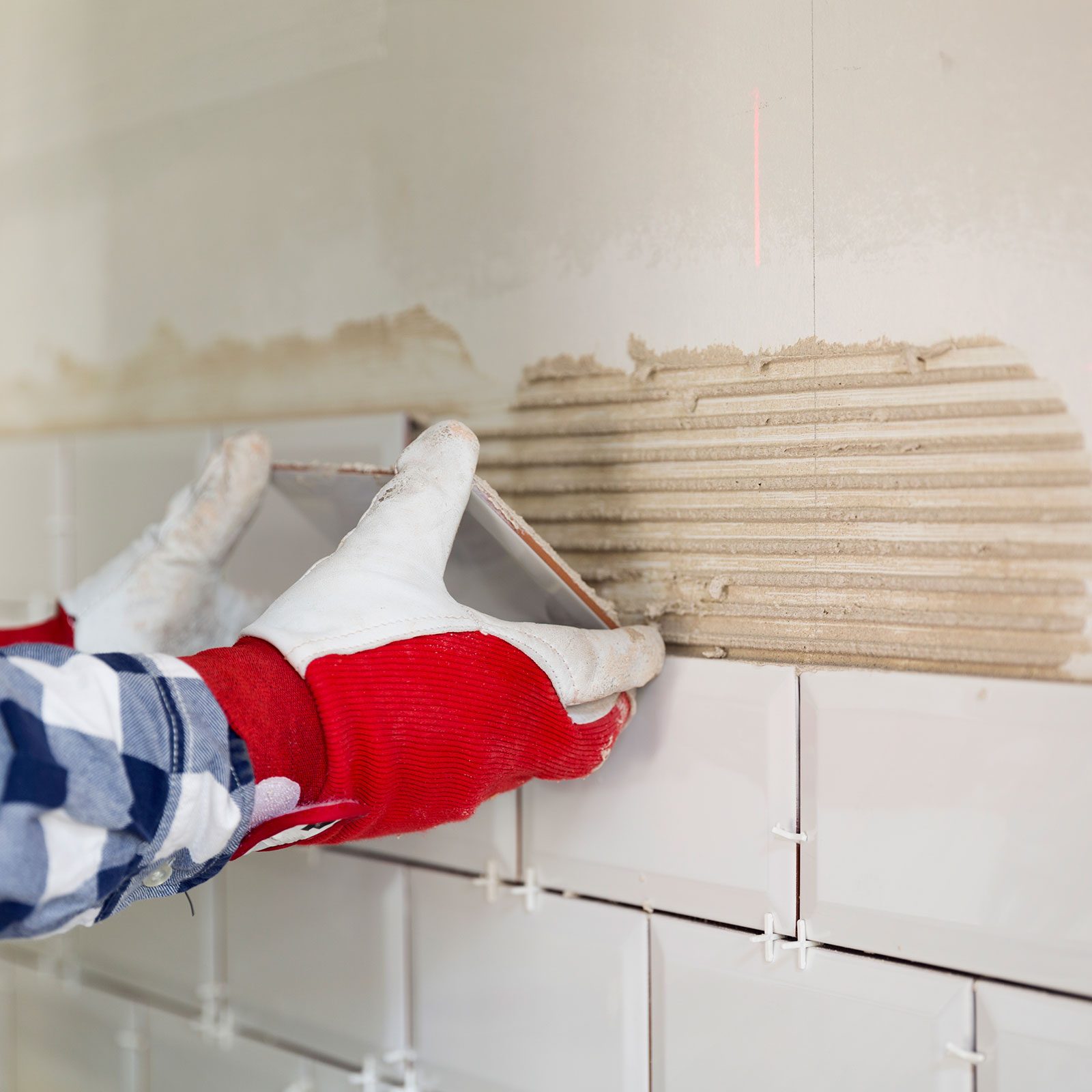
Finally, a common practical problem is miscalculating the required number of tiles. Under-ordering can lead to significant delays in a renovation project, incurring additional shipping and labor costs to procure the missing tiles. Experts recommend ordering 5-10% extra tiles to account for waste during installation, with an increase to 15% for complex patterns like herringbone that require more cuts. Having extra tiles also serves as a contingency for future repairs or extensions, such as adding a coffee bar, ensuring a seamless match with the existing backsplash. Despite these potential drawbacks, when properly planned and installed, tiled backsplashes can significantly enhance a kitchen's design, with innovations like tiled kitchen islands becoming increasingly popular.
#KitchenDesign #TiledBacksplash #GroutMaintenance #HomeRenovation #InteriorDesign #KitchenTiles #StainPrevention #MoldPrevention #DIYHome #KitchenDesign #TiledBacksplash #GroutMaintenance #HomeRenovation #InteriorDesign #KitchenTiles #StainPrevention #MoldPrevention #DIYHome
0 comment in total
 No comments yet
You may also like
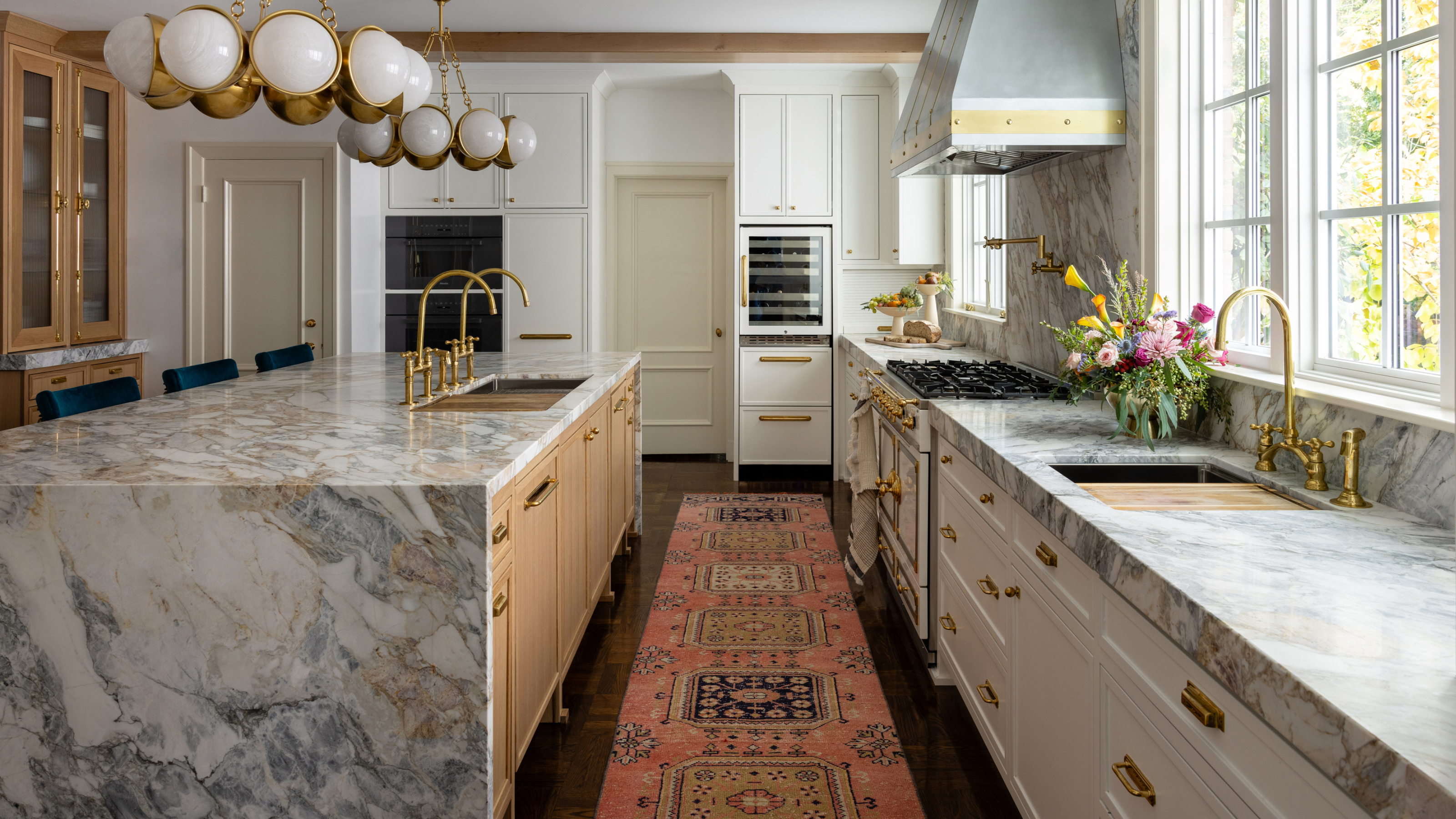
5 Problems With Waterfall Kitchen Countertops That No-One Ever Talks About
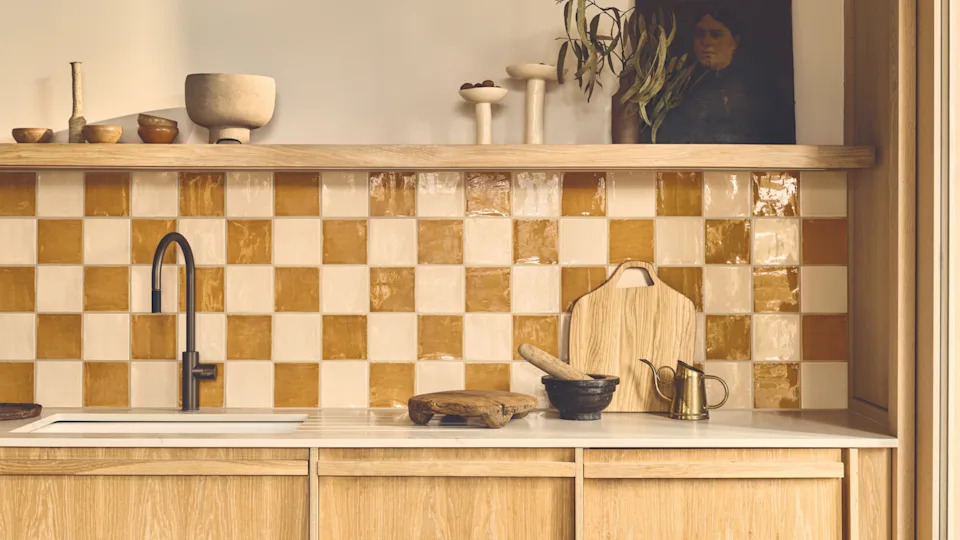
6 Mistakes That Are Making Your Kitchen Tiles Look Cheap and Not Elevated — And What You Can Do Instead

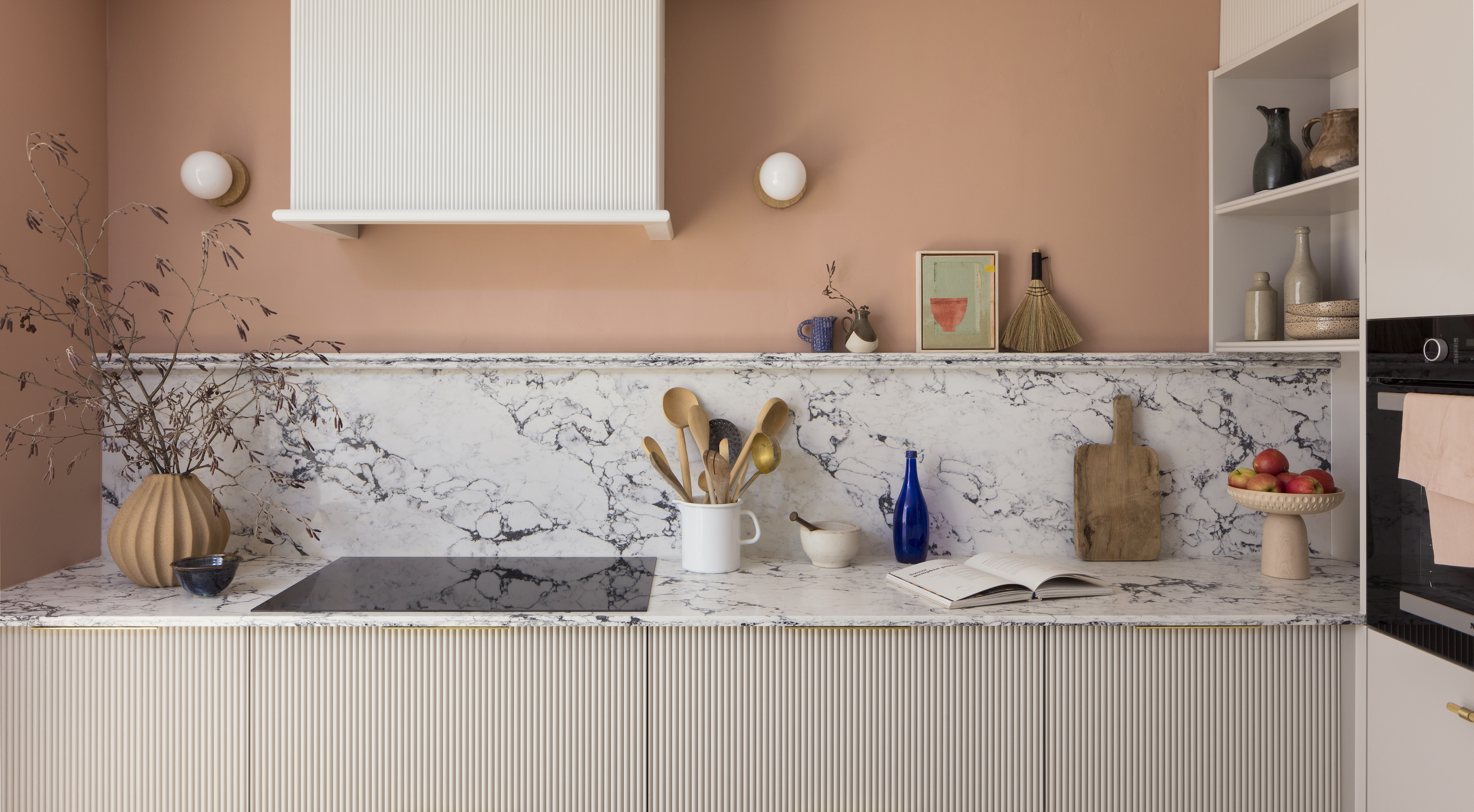
Kitchen splashback ideas for beautiful wall protection that is packed with style
6 Kitchen Backsplash Mistakes Designers Want You to Stop Making Right Now

8 kitchen backsplash mistakes to always avoid, according to interior designers

This Striking Geometric Backsplash Is Just the Thing to Upgrade Your Kitchen

7 Backsplash Mistakes That Will Date Your Kitchen
12 subway tile alternatives for a fresh backsplash

5 outdated tile trends that are letting your kitchens and bathrooms down
5 Problems With Waterfall Kitchen Countertops That No-One Ever Talks About
6 outdated kitchen backsplash designs that can bring down a whole room
75 Kitchen Tile Backsplash Ideas for the Ultimate Culinary Refresh
5 Kitchen Backsplash Mistakes Almost Everyone Makes—and What to Do Instead, According to Tile Pros

These Are the Best Tile Options for Your Kitchen Backsplash

How to tile a backsplash – everything you need to know in 7 simple steps
The Worst Thing About Every Popular Kitchen Countertop Designers Don’t Tell You
8 Backsplashes to Avoid, According to Interior Designers

Ditch These Dated Backsplash Trends For Timeless Alternatives
5 kitchen countertop mistakes designers warn to avoid
The Big Problem with This Popular Kitchen Counter Trend (That No One Tells You About)