1/10
8 Backsplashes to Avoid, According to Interior Designers
Selecting the right kitchen backsplash is crucial for both aesthetics and functionality, as certain materials can detract from a kitchen's appeal, prove difficult to clean, or quickly become outdated. Interior designers and real estate experts advise against several backsplash options that prioritize form over practicality or lack staying power in terms of design trends.
Glass mosaic backsplashes, for instance, are widely considered a poor choice due to their "busy" aesthetic and the extensive grout lines, which make them notoriously hard to keep clean and hygienic. The accumulation of grime in the numerous grout joints can quickly diminish the visual appeal and pose maintenance challenges in a high-use area like the kitchen.
Limestone backsplashes, despite their current popularity for their soft texture and warm, neutral tones, are problematic in kitchens because of their porous nature. This material is highly susceptible to water absorption, leading to mildew growth in its micro-holes, making it an impractical choice for humid kitchen environments. Instead, limewash paint is suggested as an alternative to achieve a similar organic aesthetic without the associated maintenance issues.
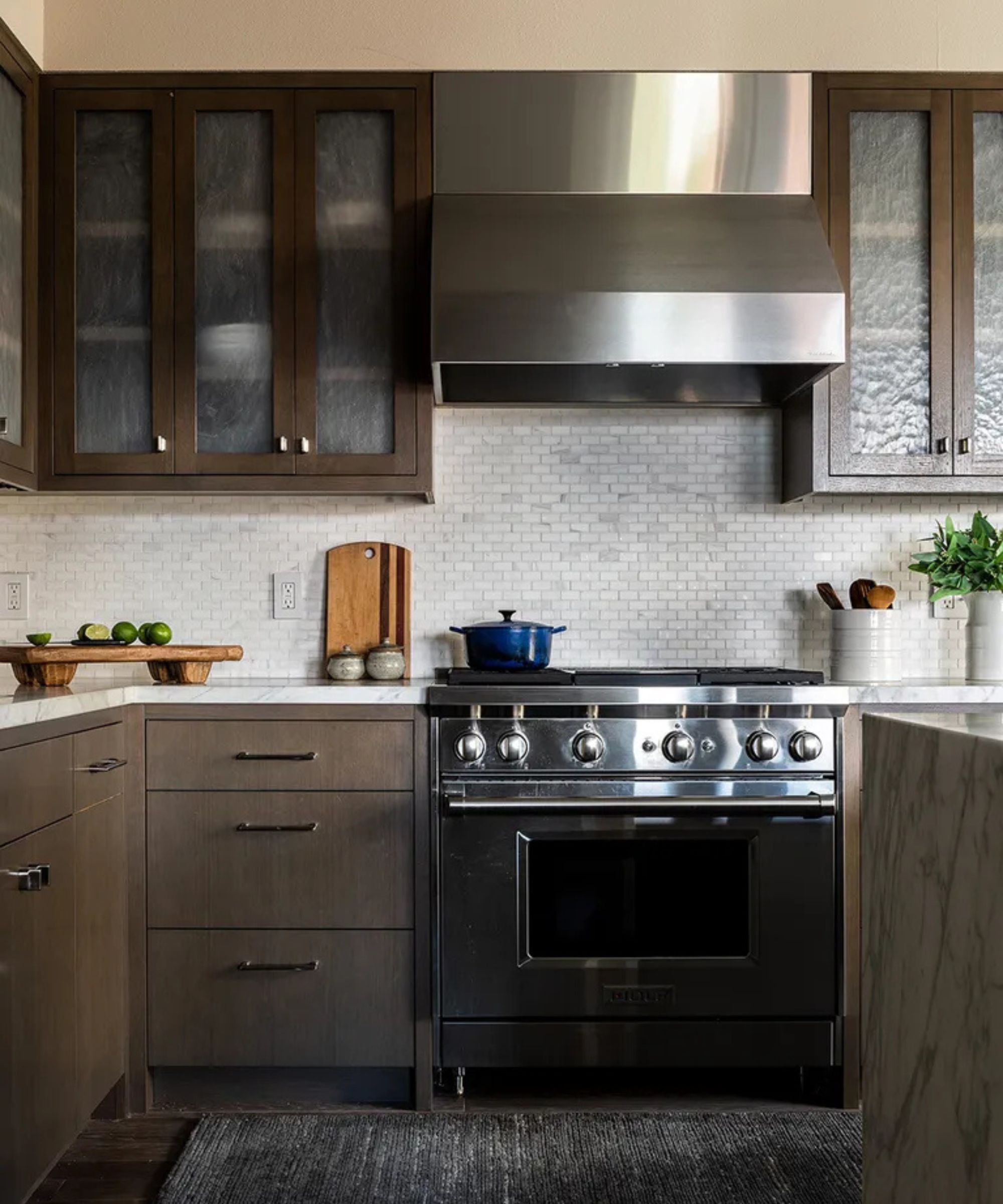
Lacquer and stainless steel backsplashes are also frequently advised against, primarily because they tend to date kitchens rapidly. Real estate brokers note that these materials are often replaced by new buyers immediately after purchase, indicating their lack of long-term appeal and potential negative impact on resale value.
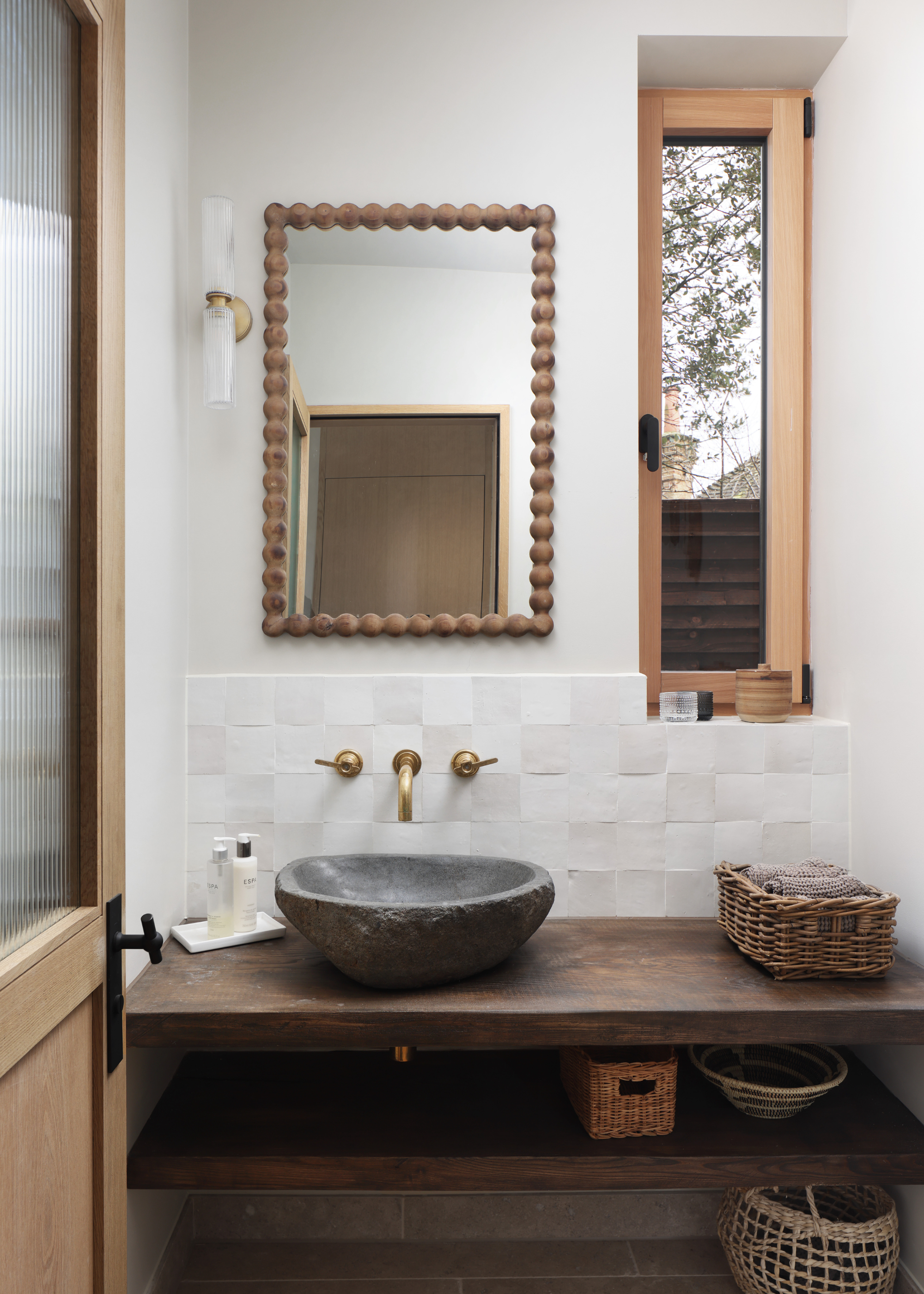
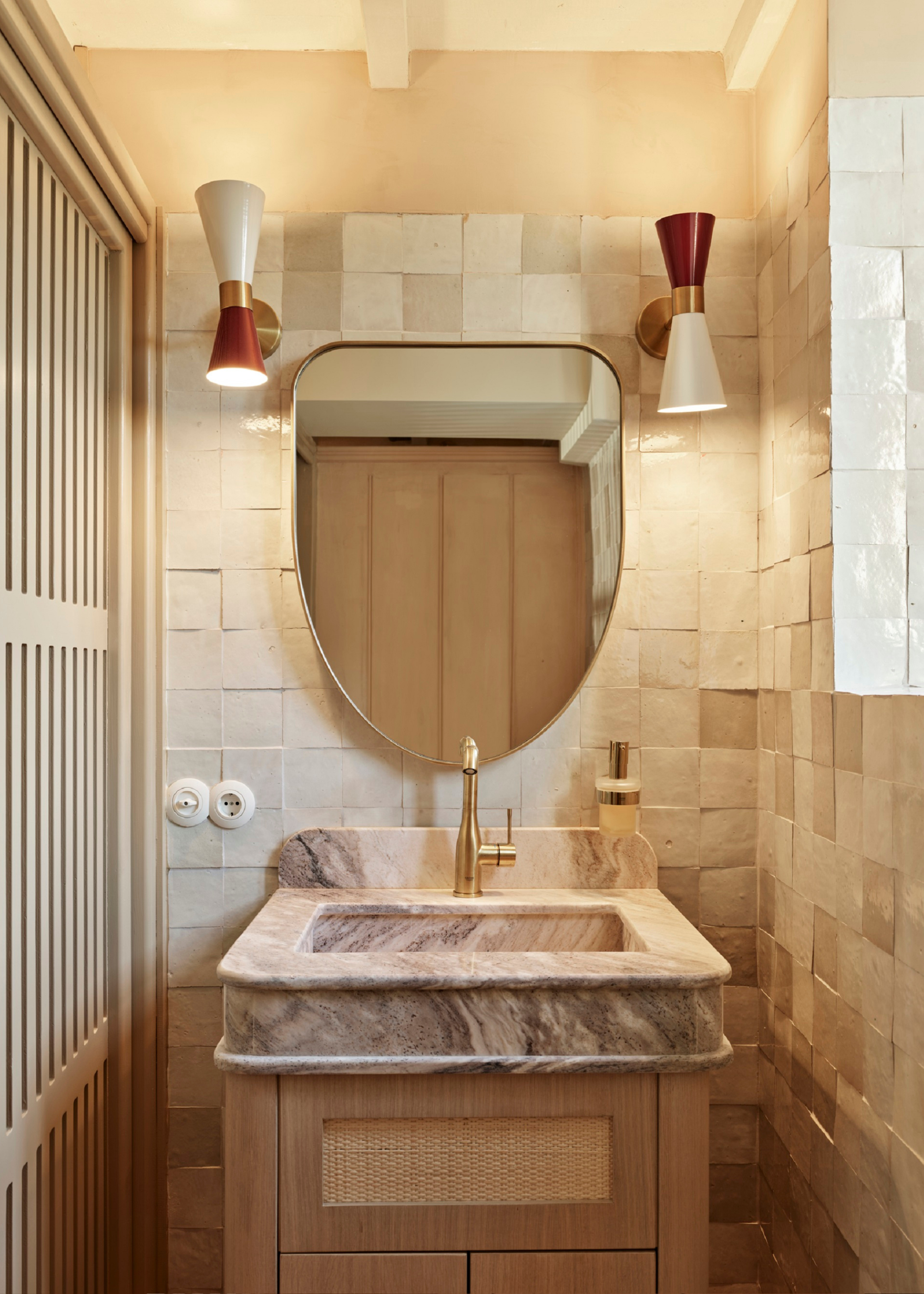
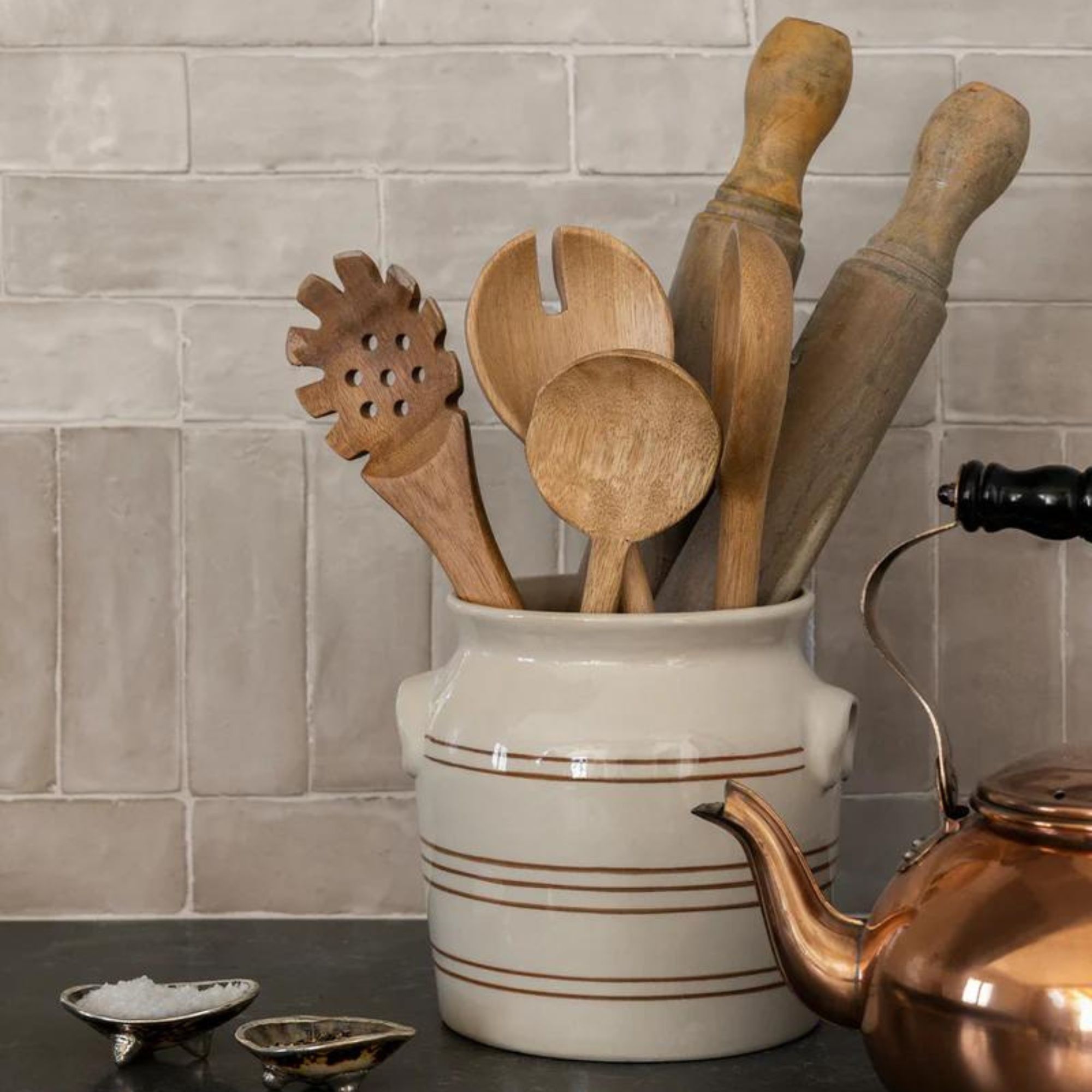
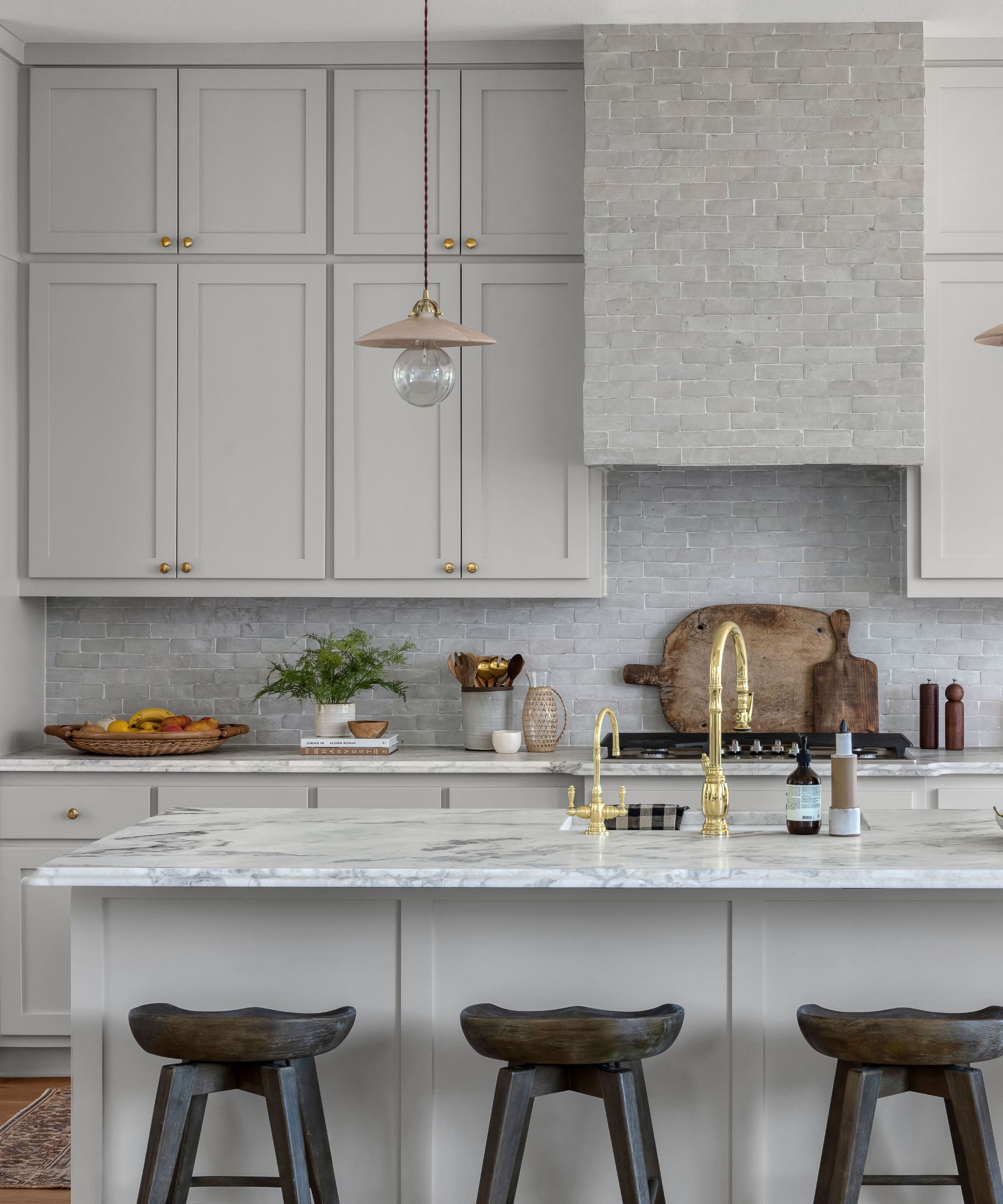
Zellige tiles, while aesthetically unique and artisanal, present a cleaning challenge due to their natural imperfections. These handmade Moroccan ceramics, whether glazed or unglazed, have uneven surfaces that make them difficult to wipe down quickly and effectively, hindering daily kitchen maintenance.
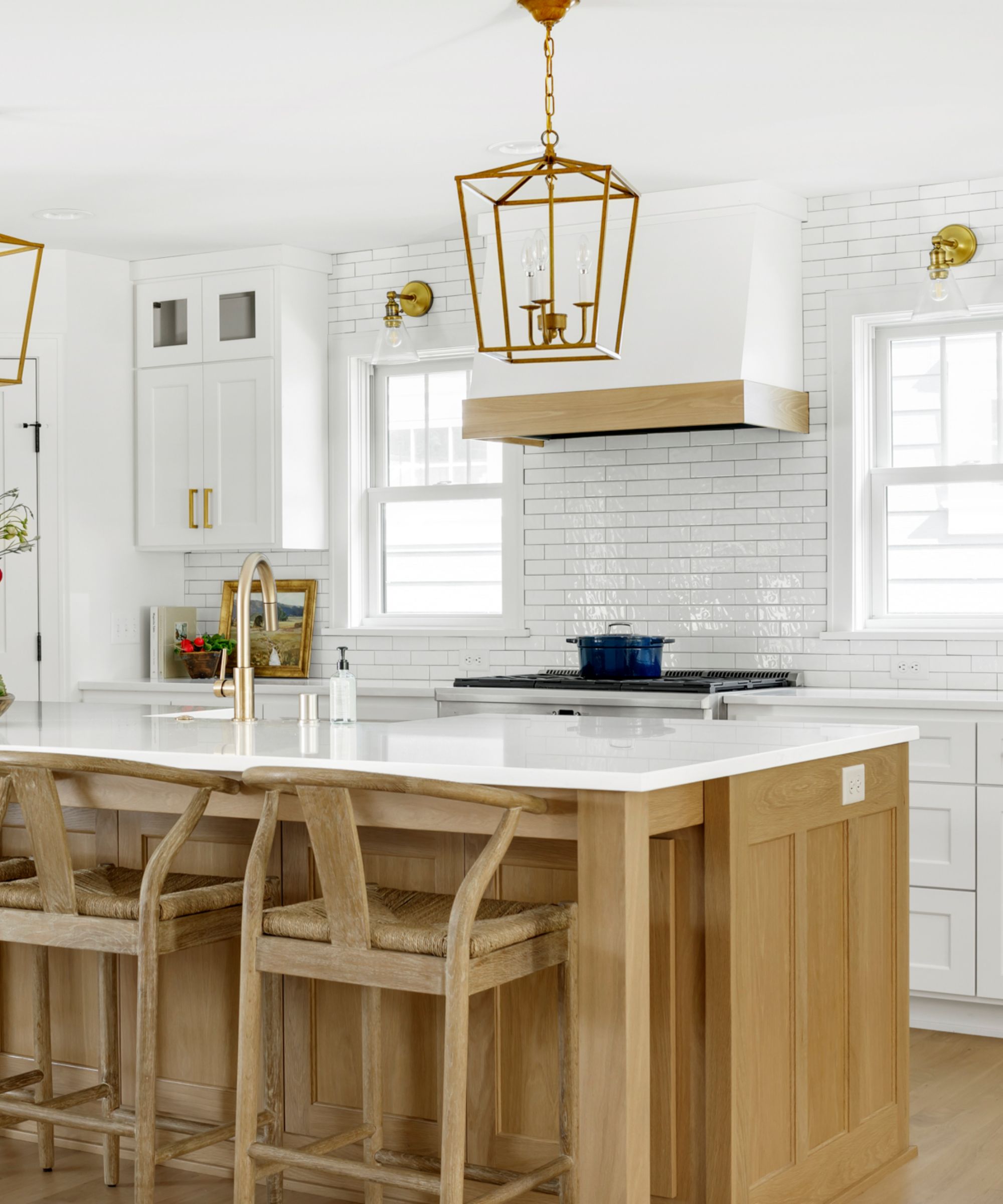
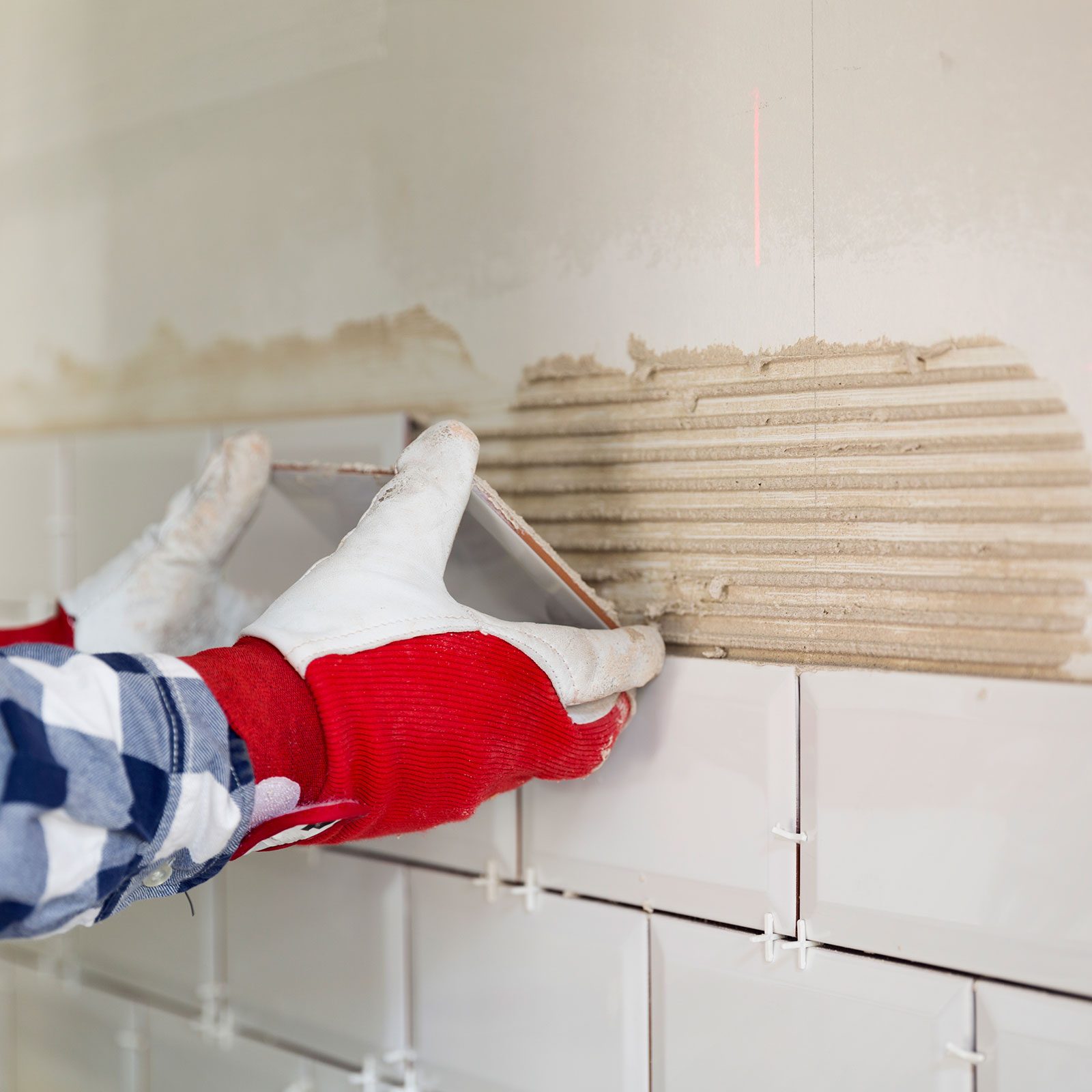
Subway tiles, particularly the basic white variety, are now seen as unoriginal and overused. While once a popular trend, their widespread adoption has led to them screaming a lack of creativity. For those still drawn to subway tiles, interior designers suggest modernizing their application through chevron, vertical stack, or box lay patterns to add personality and a contemporary touch.
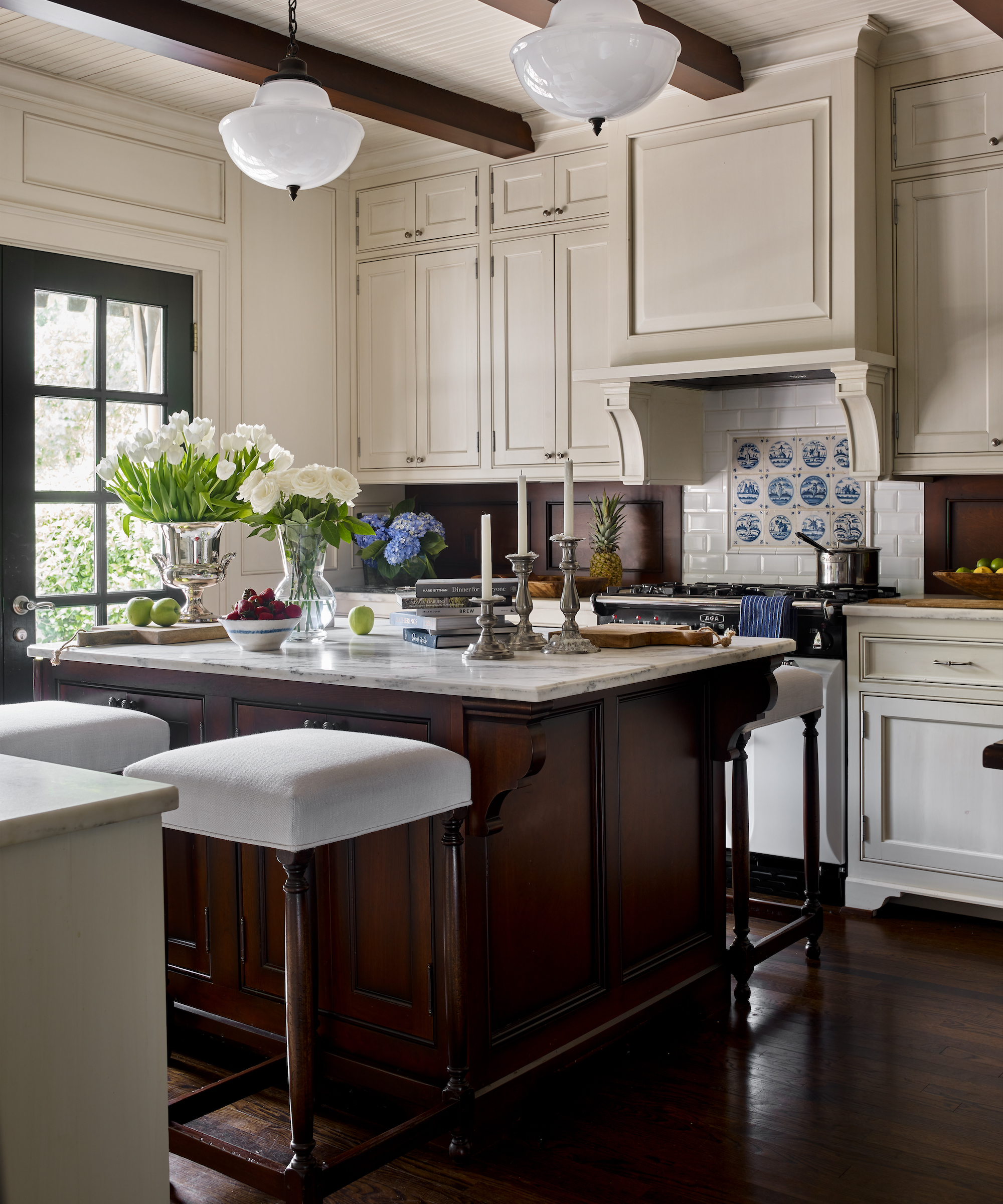
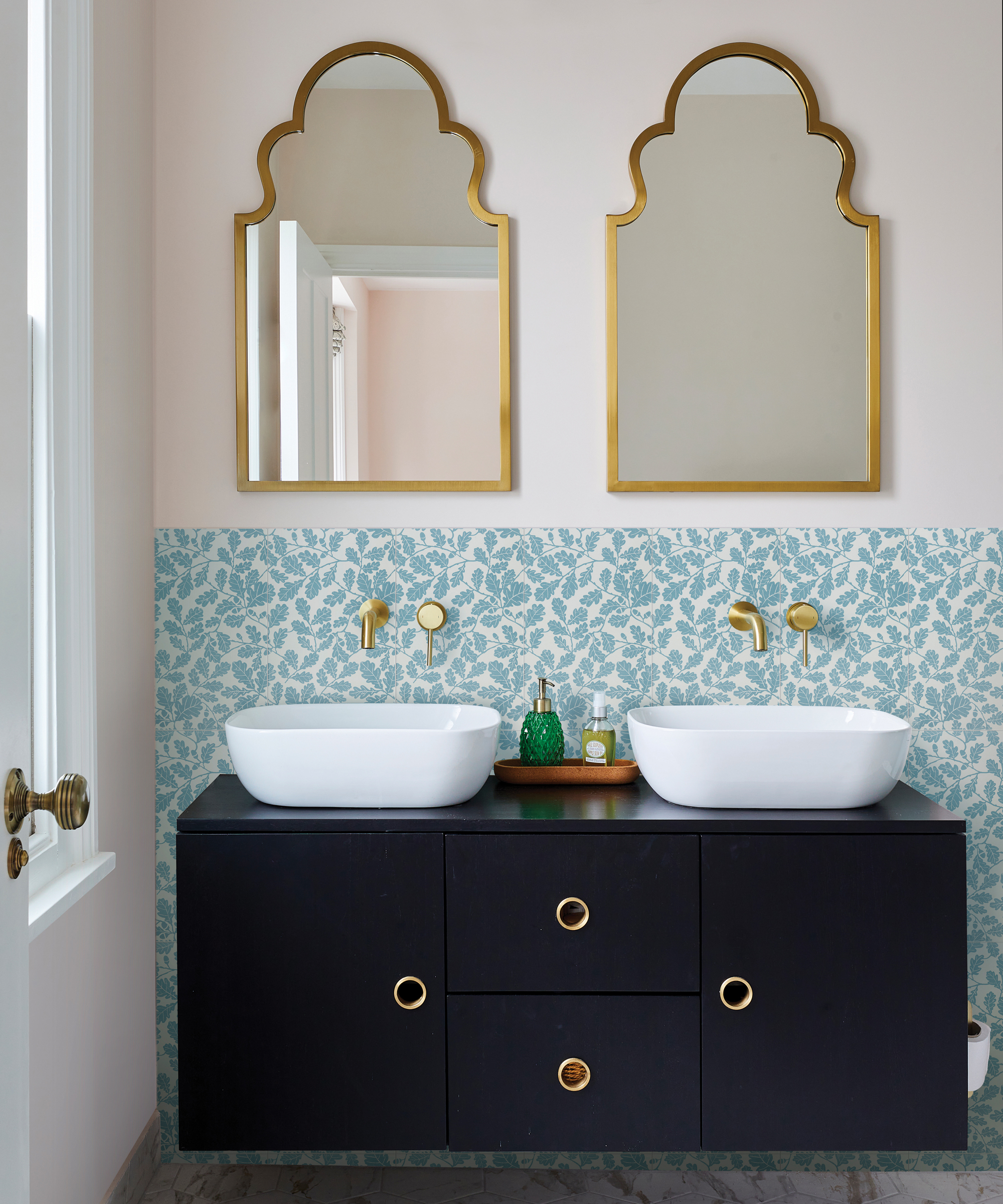
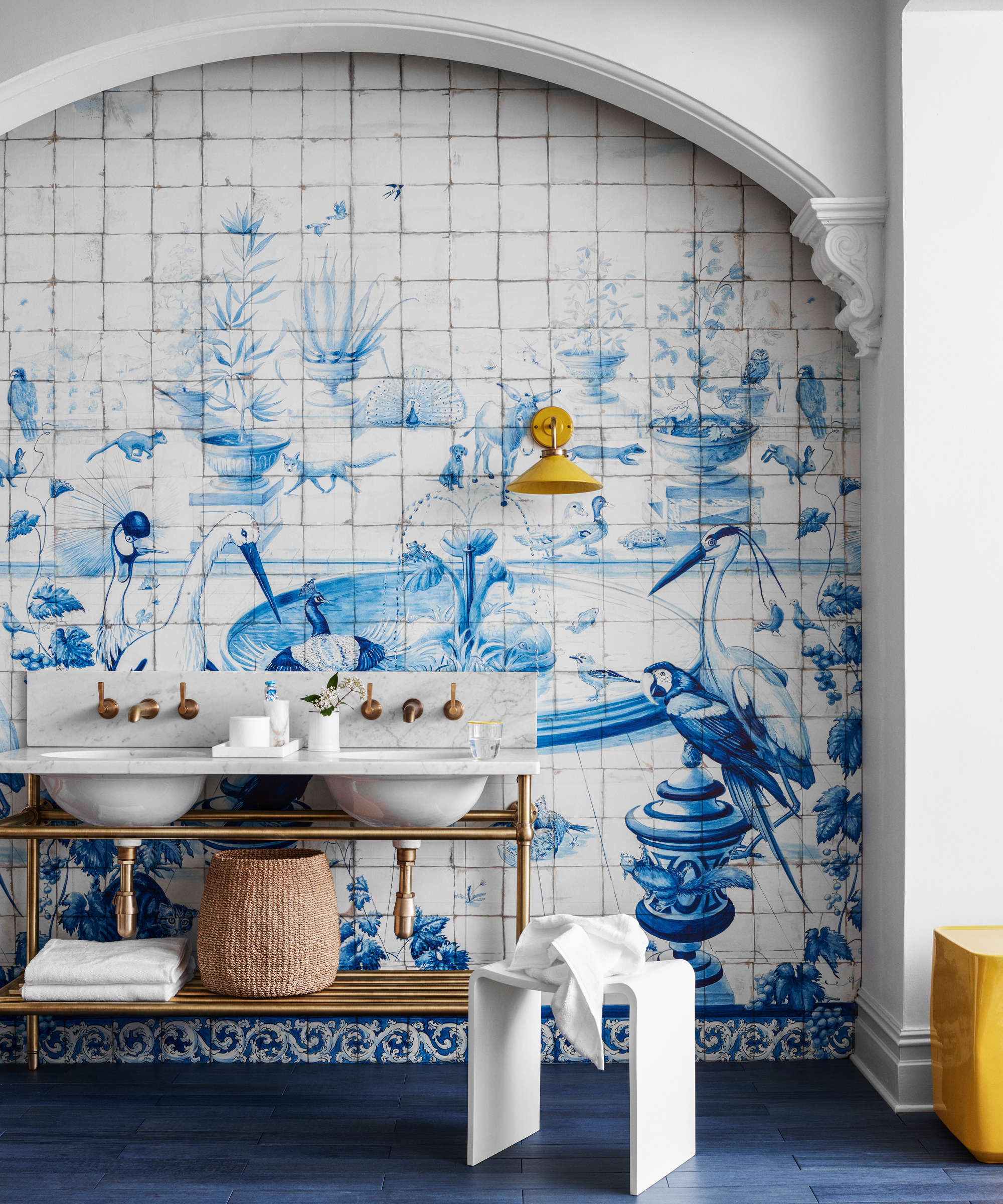
Themed backsplashes, featuring designs such as farm animals, vegetables, or fruits, are generally discouraged. These can appear kitschy and lack universal appeal, potentially deterring potential buyers if the home is to be sold. More tasteful vintage tile options are recommended as an alternative for adding character without being overly specific or dated.
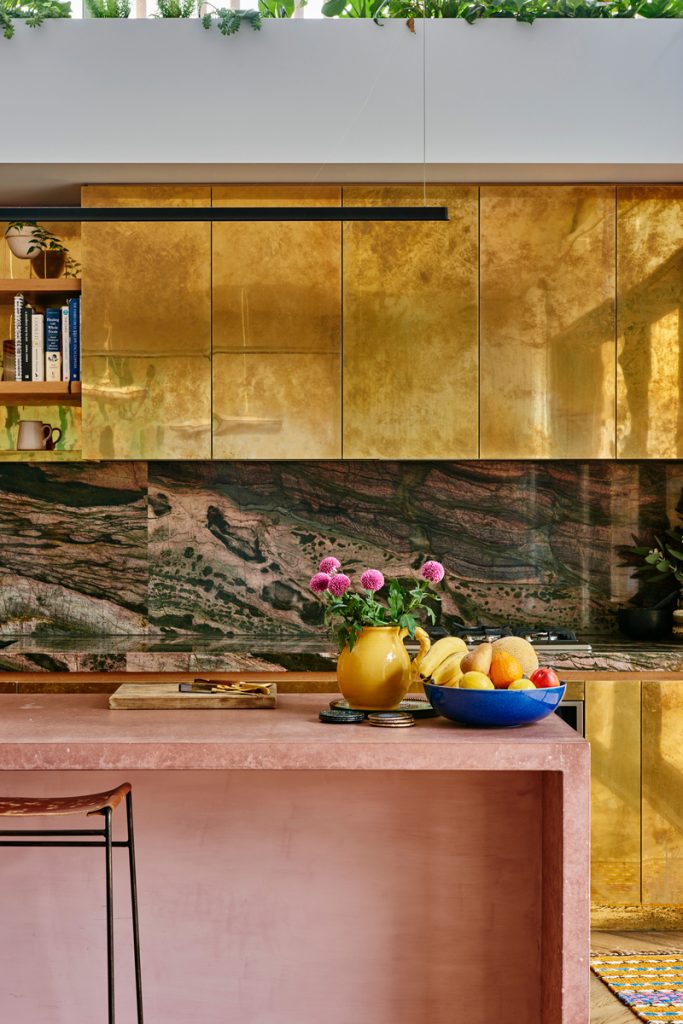
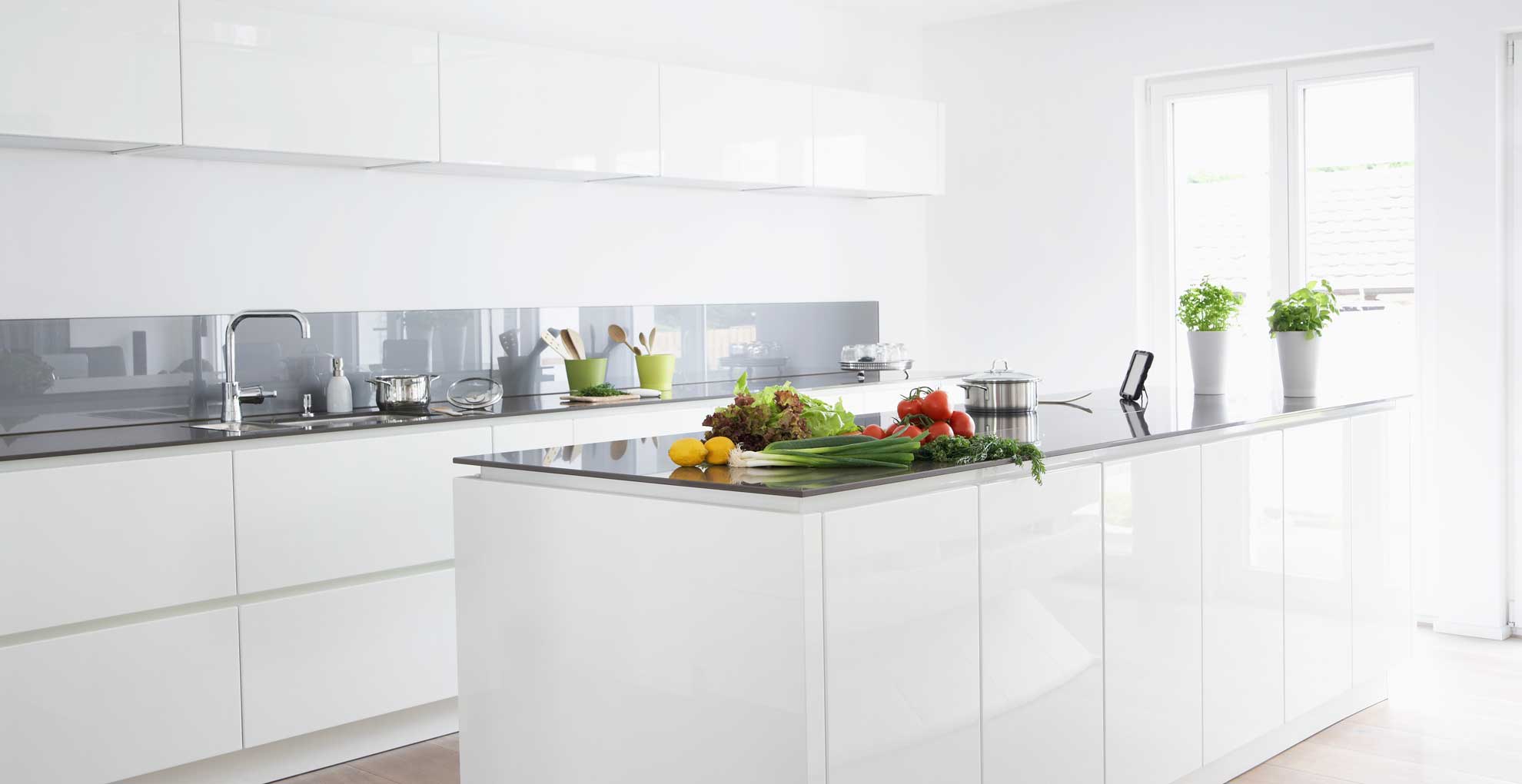
Pebble tile backsplashes, popular in the 2010s for a "spa-like aesthetic," are now considered visually overwhelming. Their varied textures and tones can create a cluttered appearance in a kitchen, making them "too much for your eyes to handle." Similarly, highly reflective backsplashes, regardless of material, are advised against. Their reflective surfaces magnify clutter and readily show every spot and watermark, making the kitchen appear untidy and requiring constant cleaning.
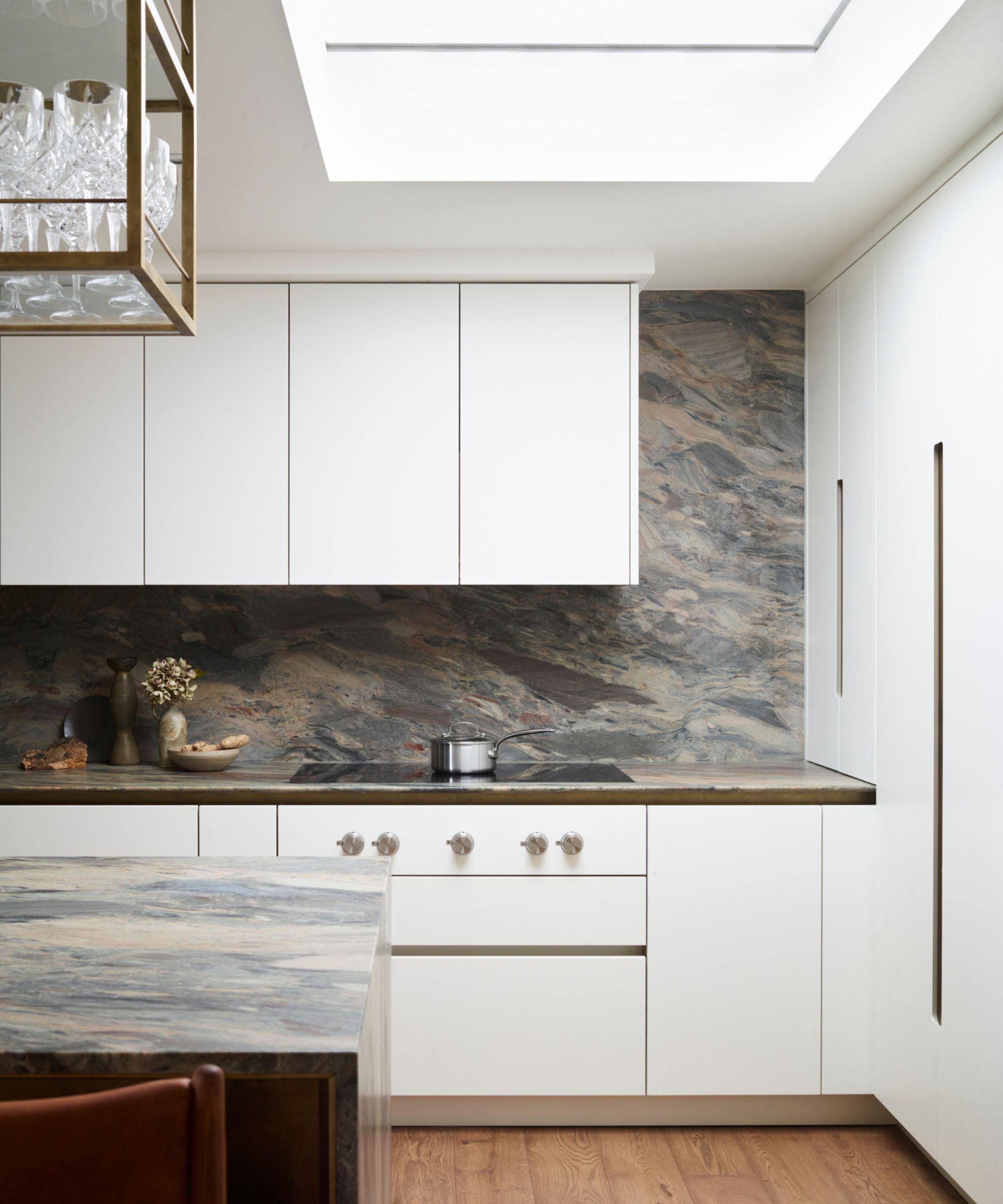
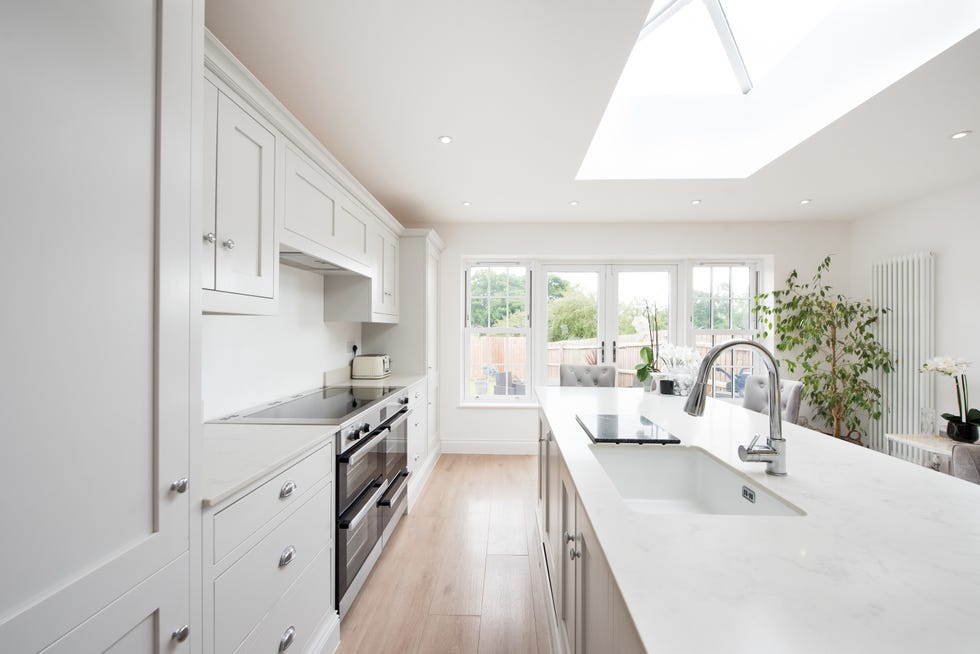
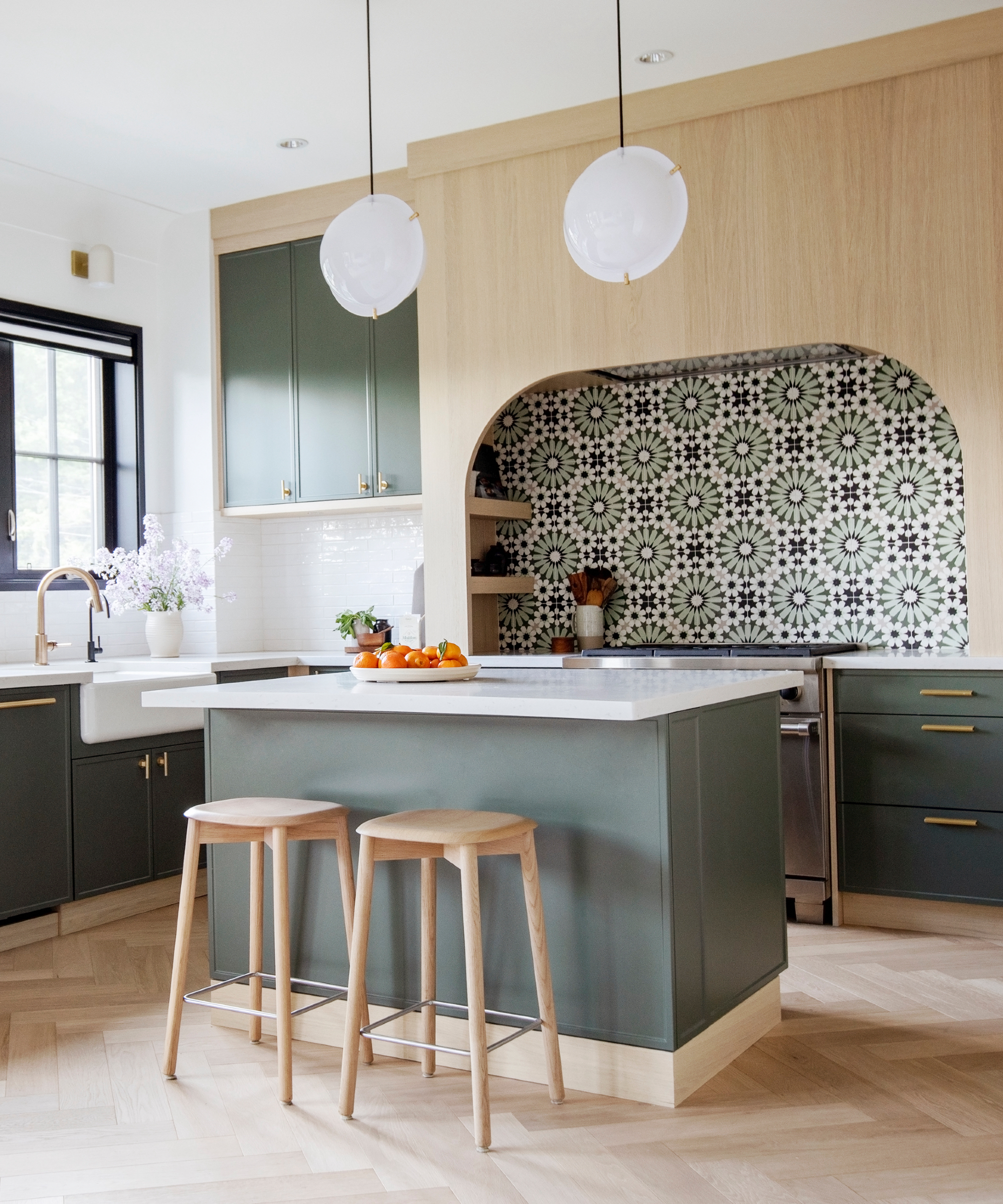
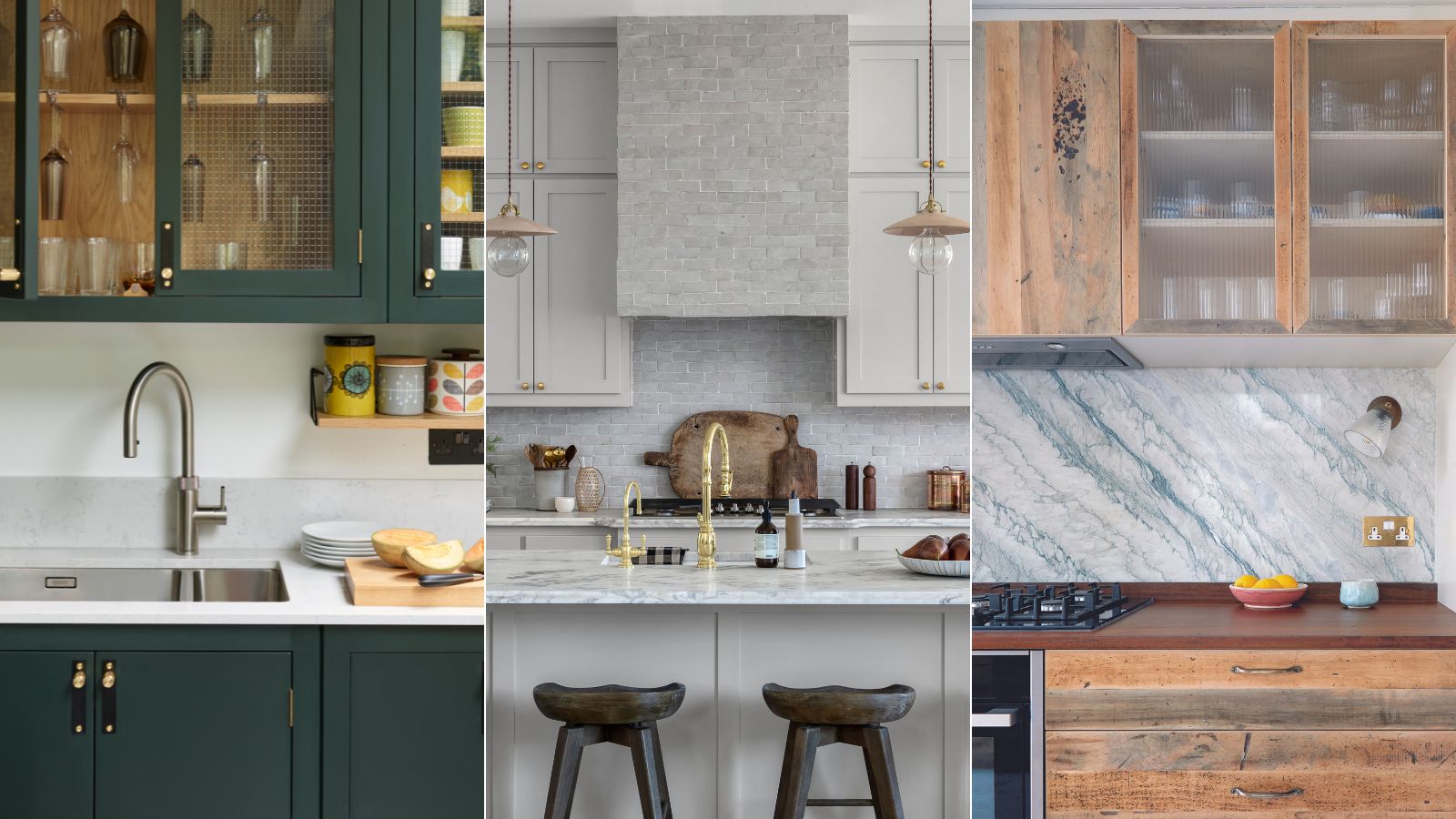
Conversely, good backsplash materials should be subtle, seamlessly integrated, beautiful, and easy to maintain. Glazed ceramic tiles in rich colors are recommended for their visual interest and practicality. Strong-veined marble, currently trending, and backsplashes matching existing marble or quartzite countertops are also favored for their clean and sophisticated look. For renters, peel-and-stick backsplashes offer a convenient and solid option. The overall consensus is to strike a balance between personal style and practical considerations.
#KitchenDesign #BacksplashIdeas #InteriorDesignTrends #HomeRenovation #KitchenMaintenance #TileOptions #HomeDecor #DesignTrends #KitchenUpgrade #KitchenDesign #BacksplashIdeas #InteriorDesignTrends #HomeRenovation #KitchenMaintenance #TileOptions #HomeDecor #DesignTrends #KitchenUpgrade
0 comment in total
 No comments yet
You may also like
8 kitchen backsplash mistakes to always avoid, according to interior designers

5 outdated wall decor trends designers warn to avoid – plus what we should be doing instead
15 Outdated Things You Should Avoid In Your Kitchen, According To Designers

Common kitchen backsplash trends to avoid in 2025

9 CONTROVERSIAL Decor Choices Designers Secretly Wish You’d Stop Making
5 things designers say you should never put on a mantel
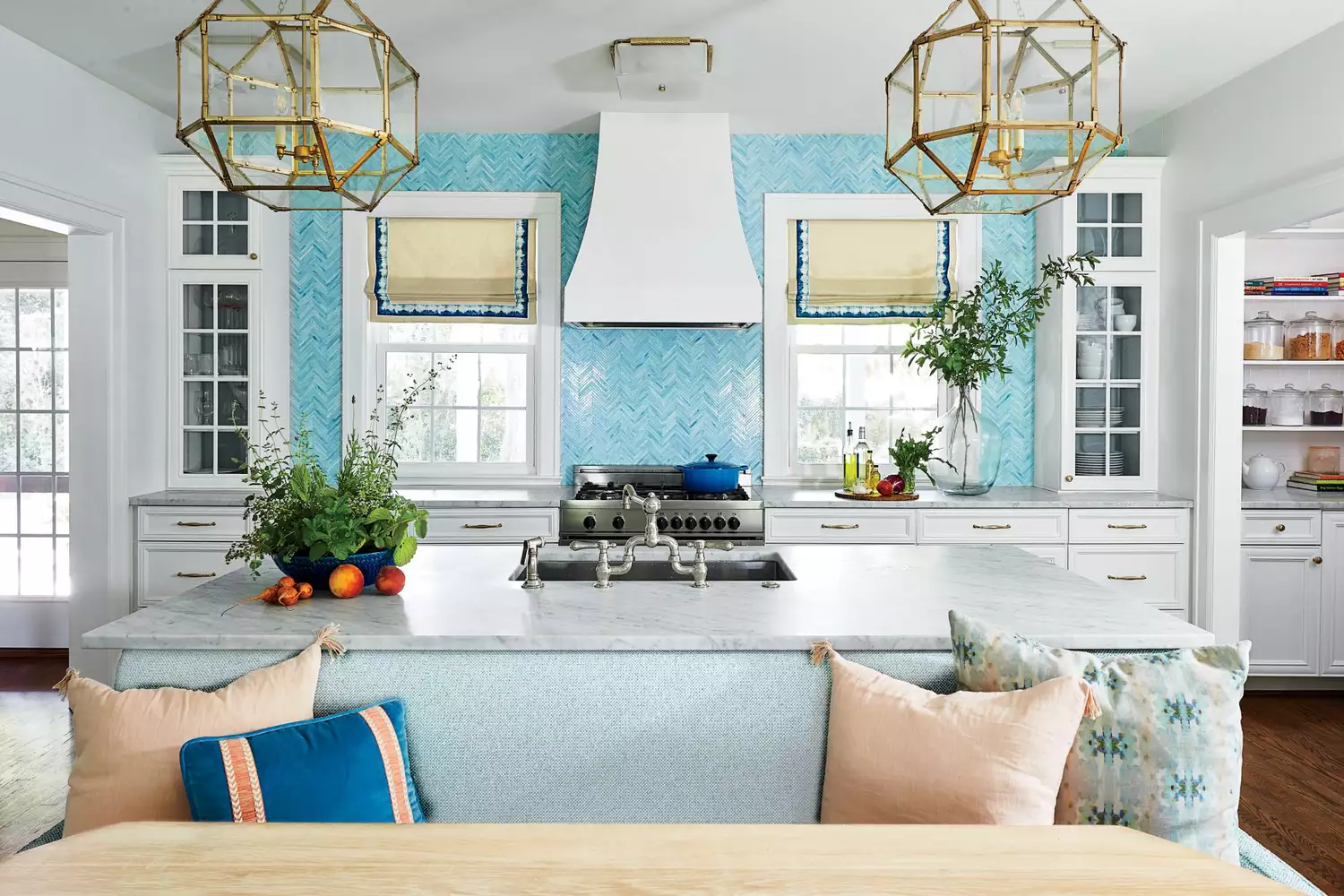
7 Backsplash Mistakes That Will Date Your Kitchen
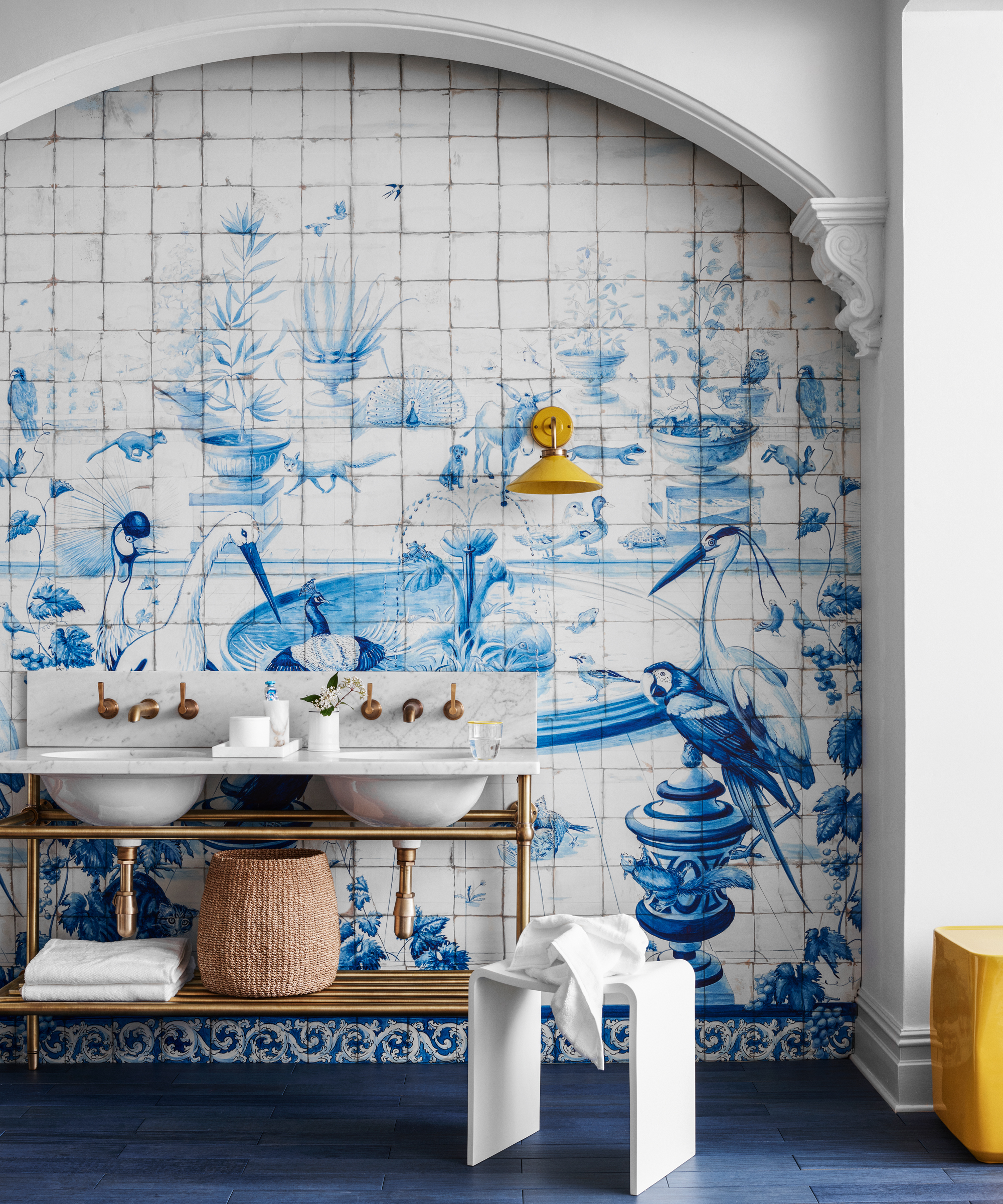
Bathroom backsplash ideas – 10 tips for stylish splashproof surfaces
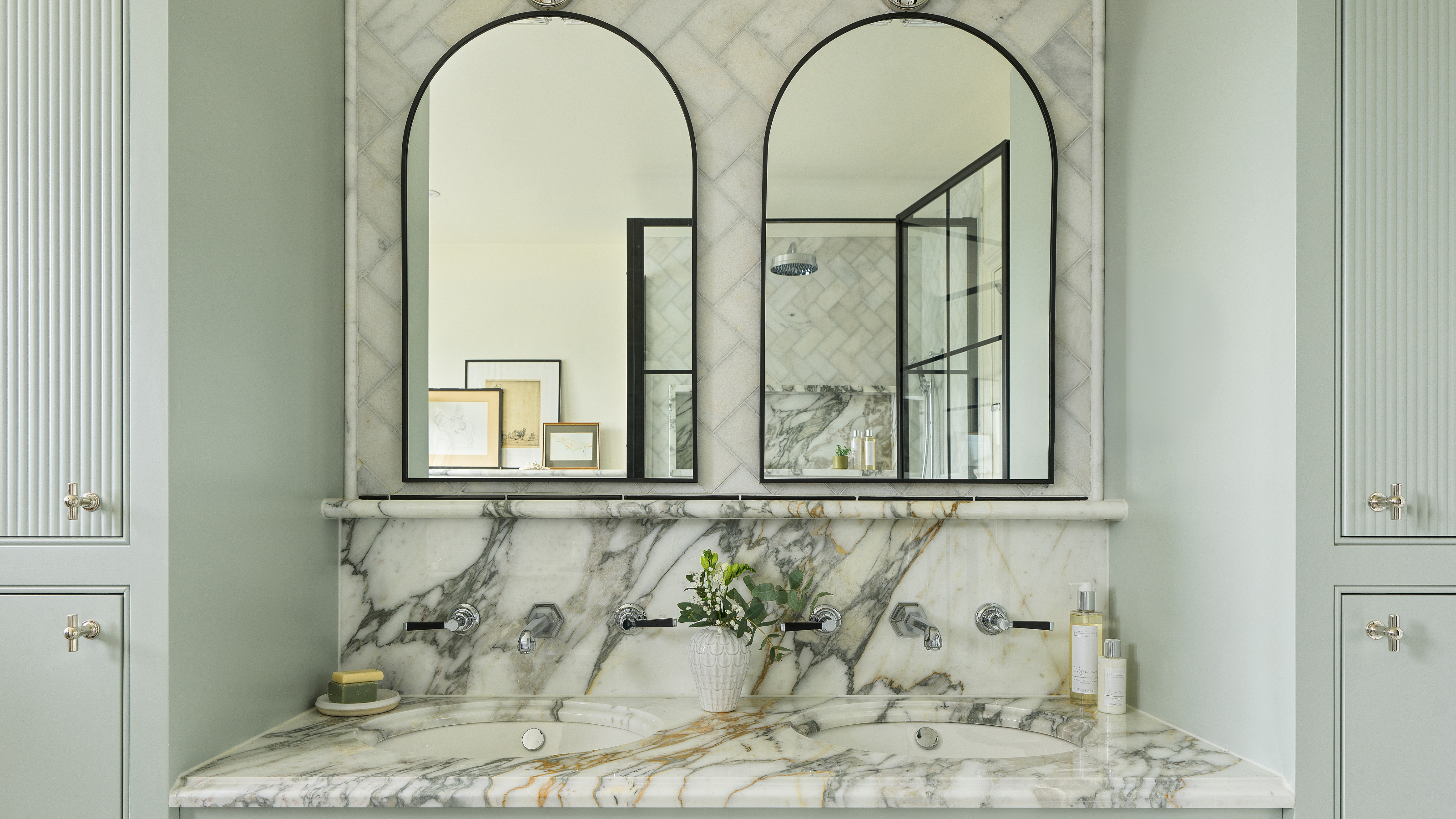
5 Bathroom Backsplash Materials Designers Tend to Avoid for Practical Reasons — And What They're Choosing Instead When Renovating

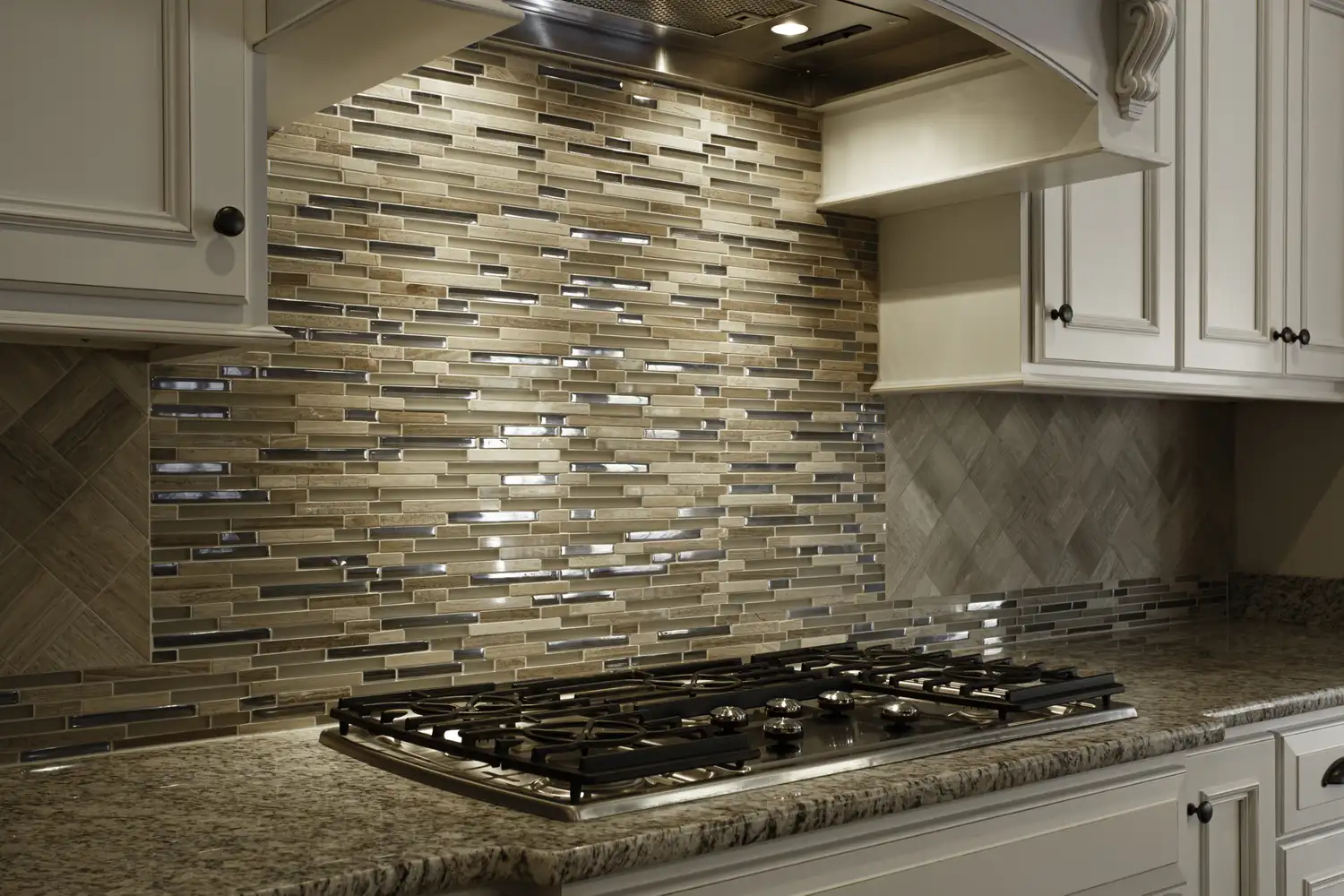
8 Backsplash Styles Designers Say Are Dating Your Kitchen
Bathroom backsplash ideas - designers explain the best styles for behind baths and basins
The #1 Home Trend You Should Avoid, According to Designers

6 Kitchen Backsplash Mistakes Designers Want You to Stop Making Right Now

5 things to never put on your kitchen island, according to interior designers
6 things to never put in an entryway, according to interior designers
Kitchen trends to avoid 2023 – 9 overdone looks interior designers want us to steer clear of

5 things not to put on your bathroom countertops, according to interior designers
The 10 Biggest Interior Design No Nos According to Decorators

6 outdated kitchen backsplash designs that can bring down a whole room
8 Bedroom Decorating Mistakes You Should Never Make