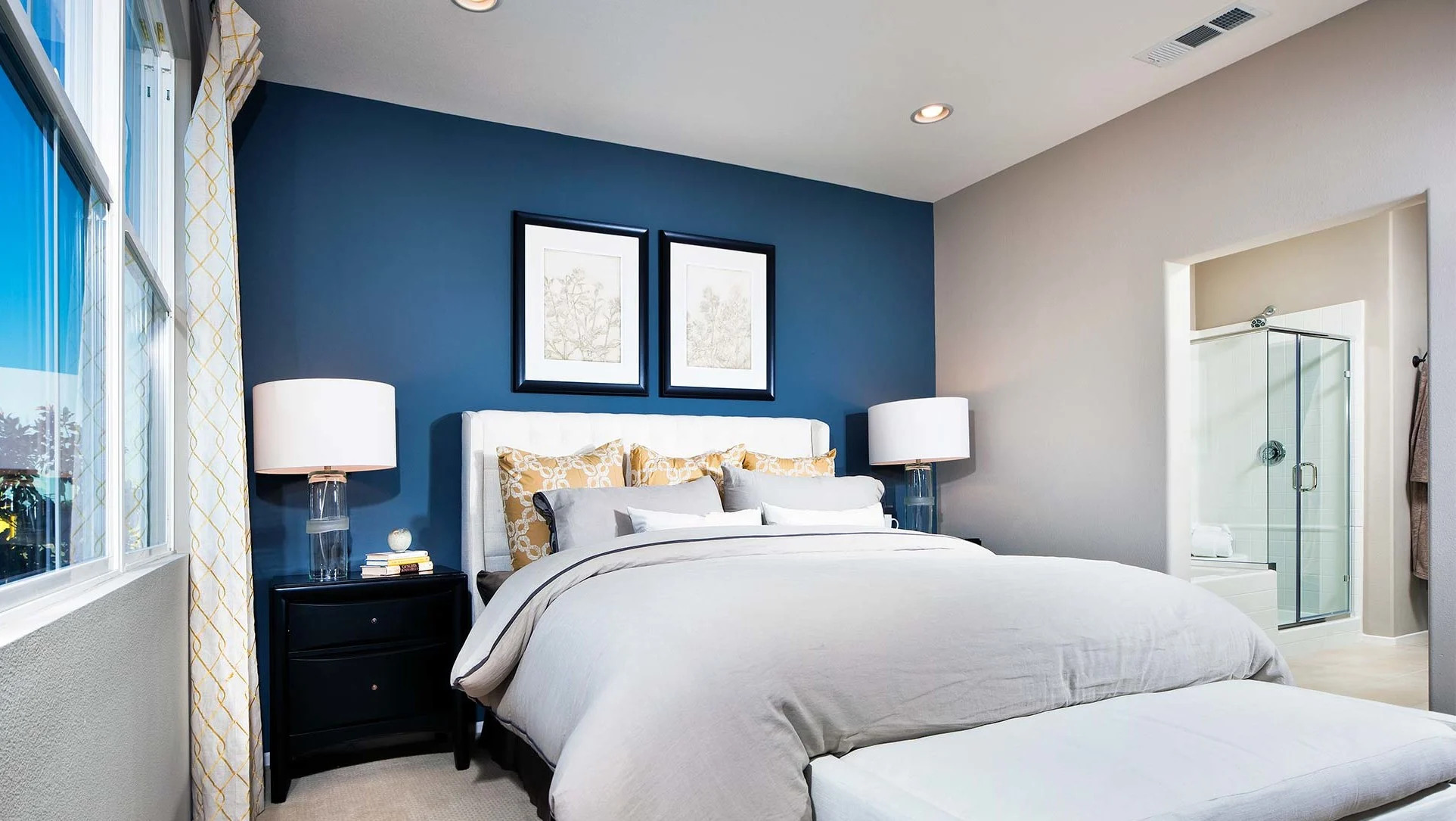
You’re Doing It Wrong: Painting an Accent Wall
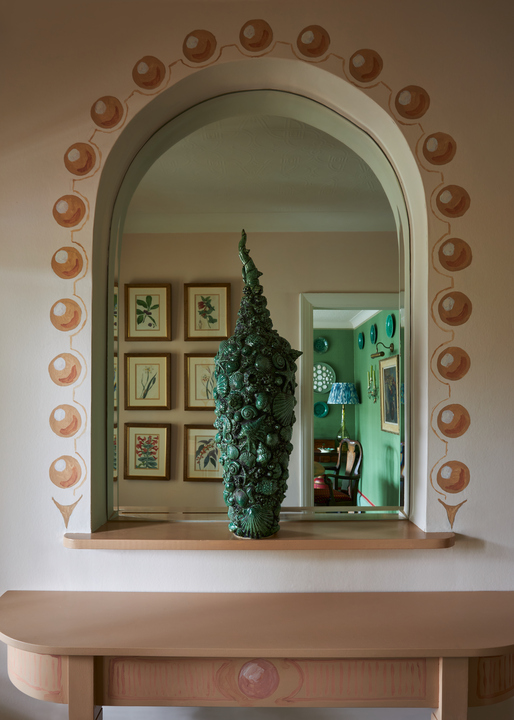
The article titled "You're Doing It Wrong: Painting an Accent Wall" delves into the nuances of successfully executing an accent wall project, emphasizing that it's more intricate than simply applying paint to a chosen wall. The author highlights common mistakes and provides expert advice to ensure a visually appealing and cohesive result within a home's interior design.
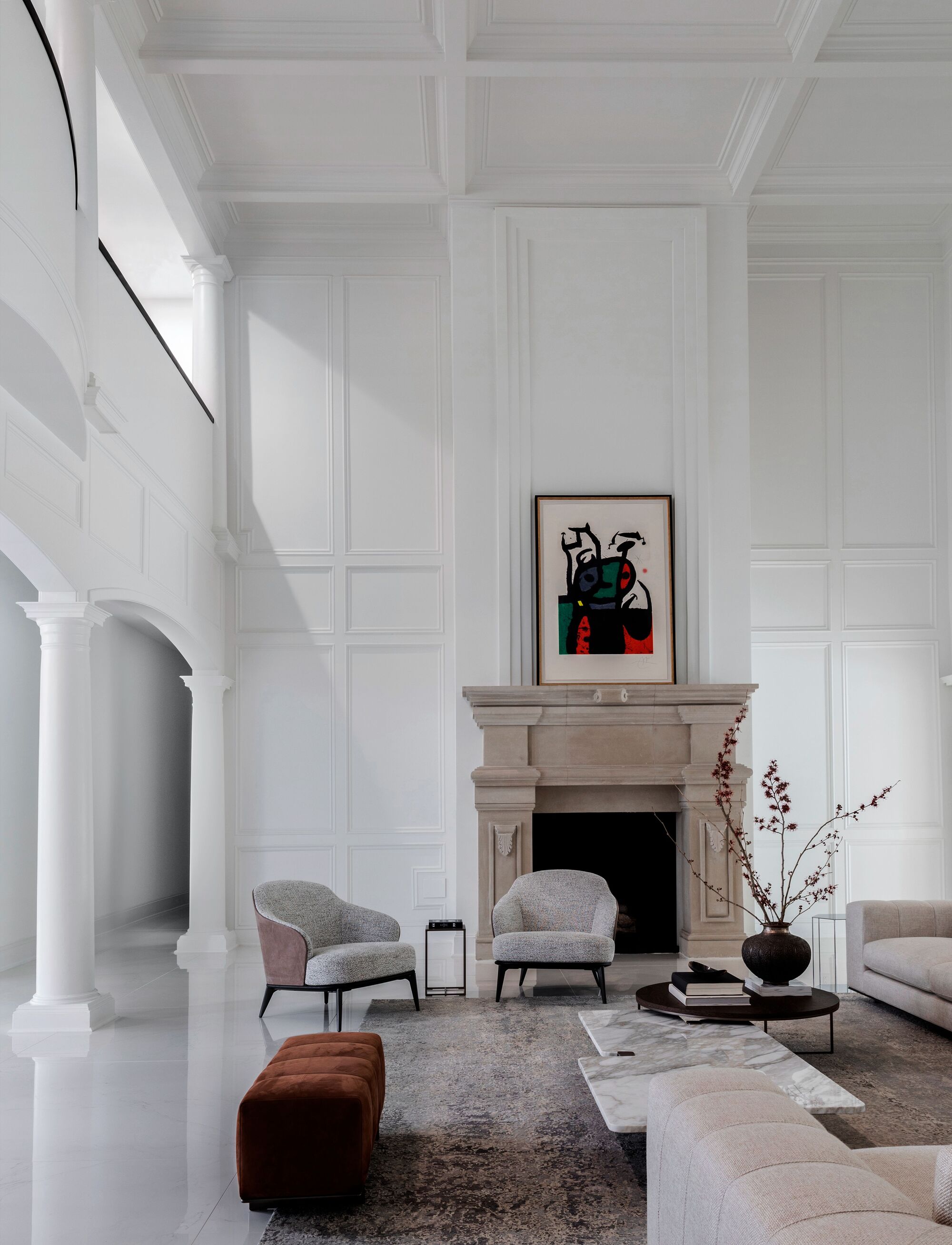
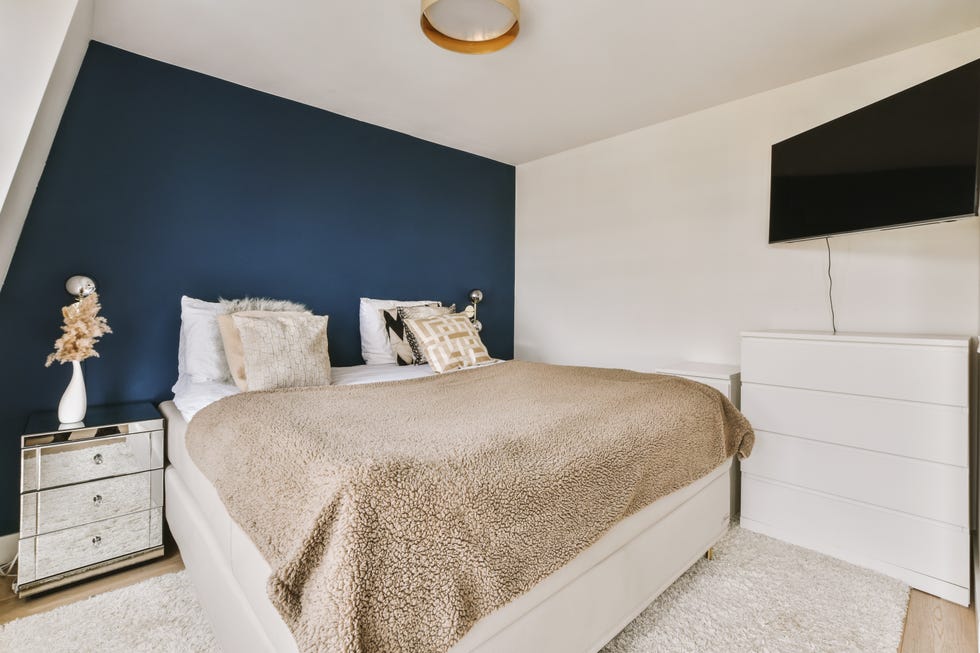
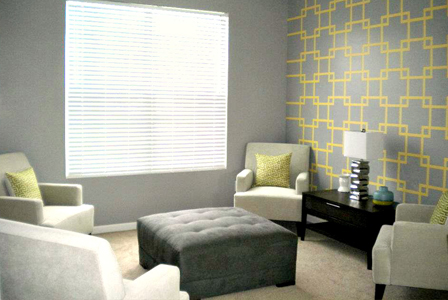
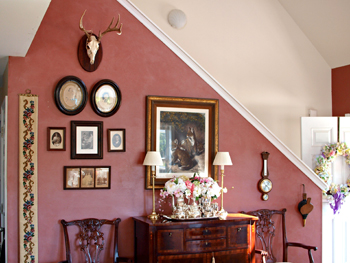
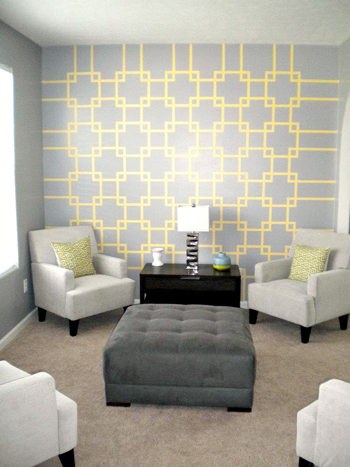
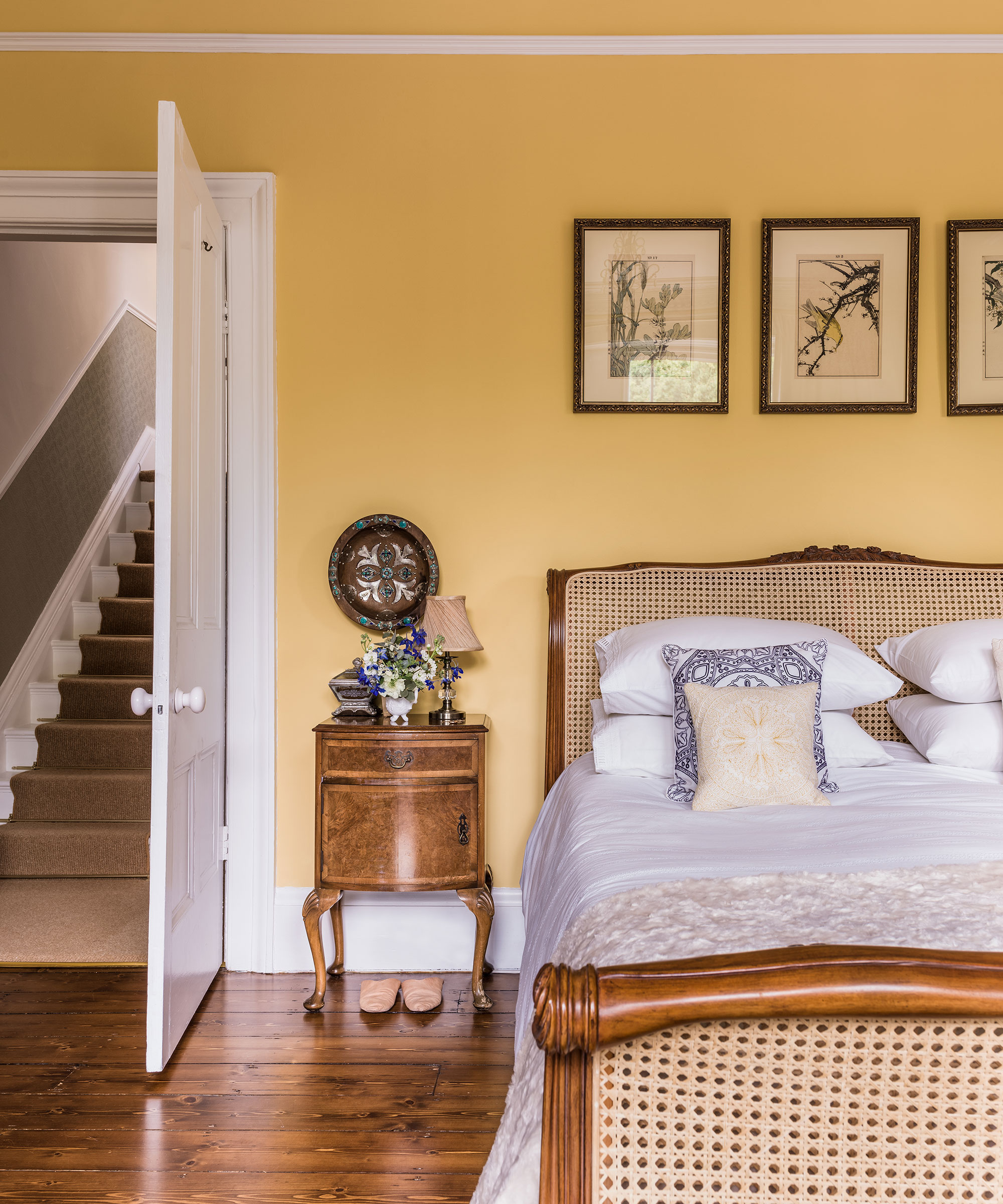
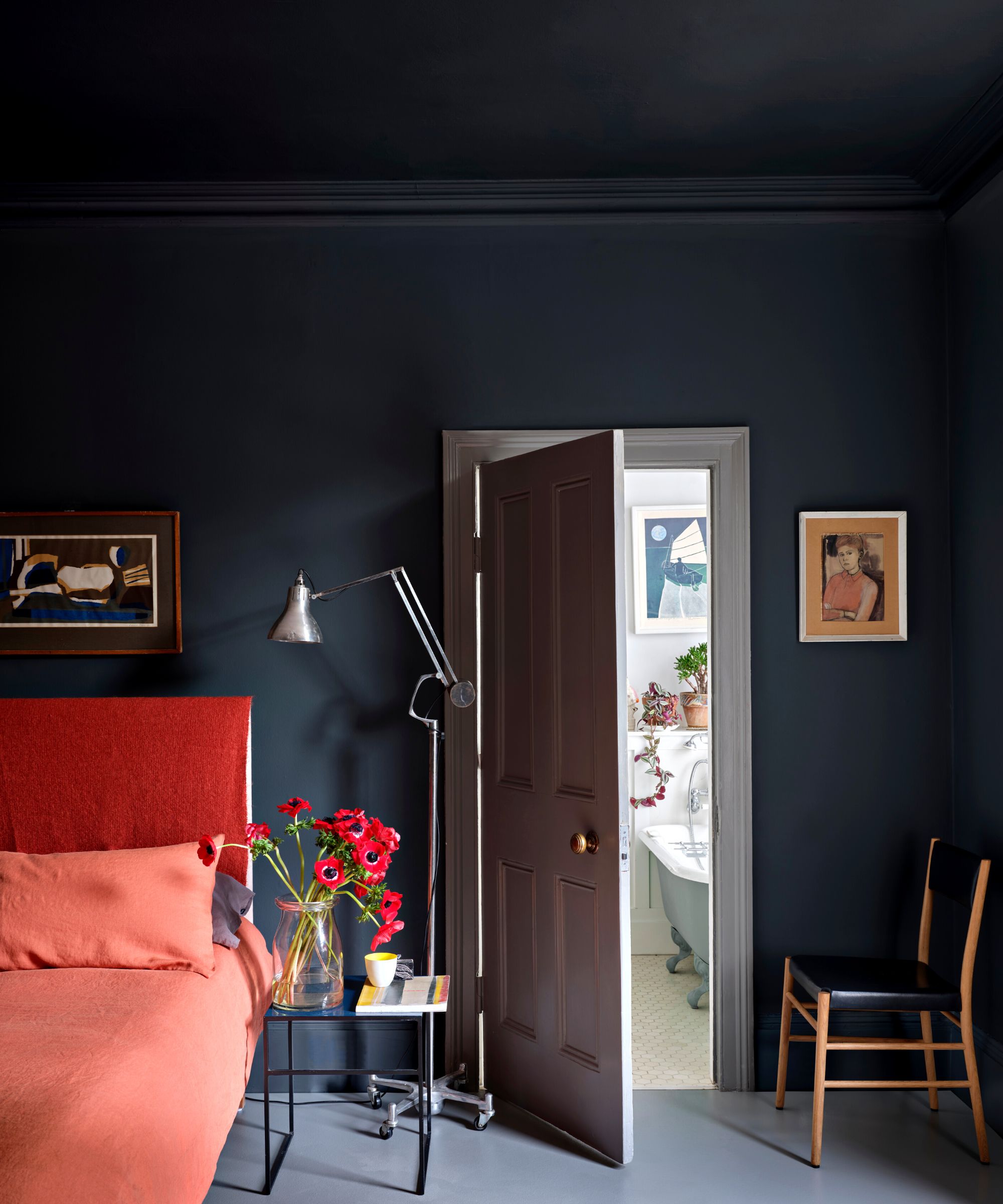
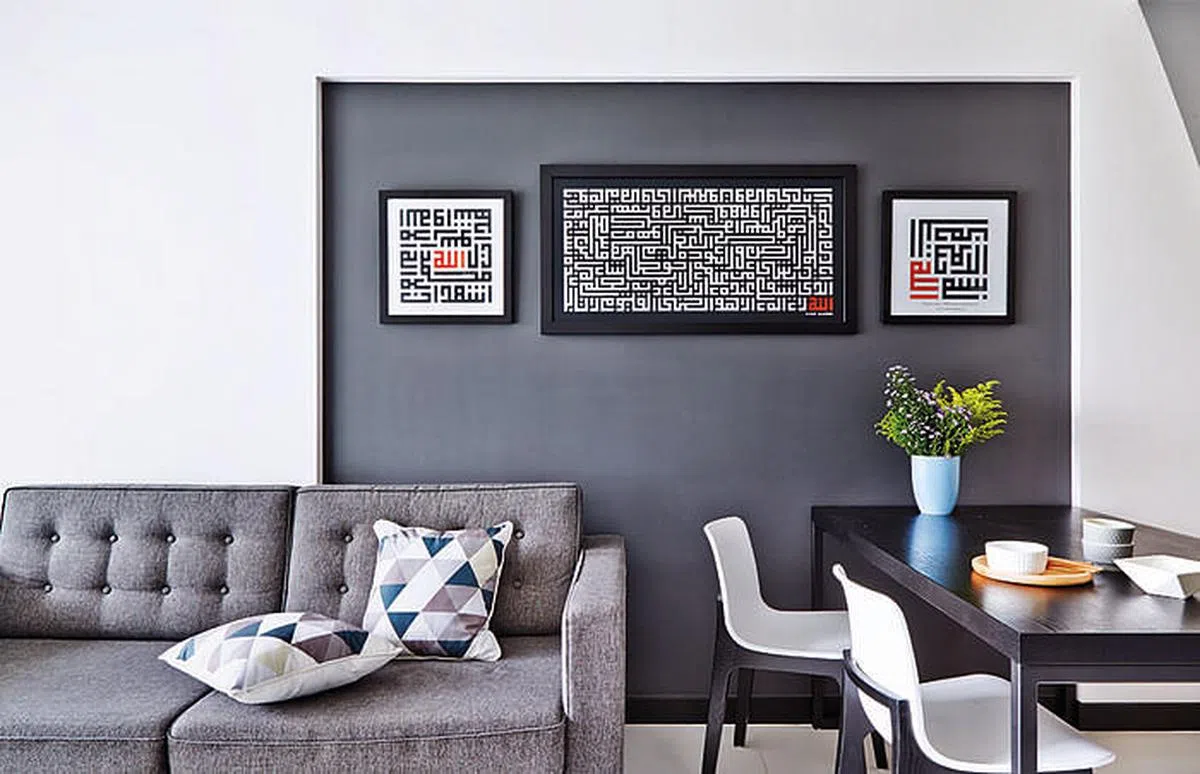
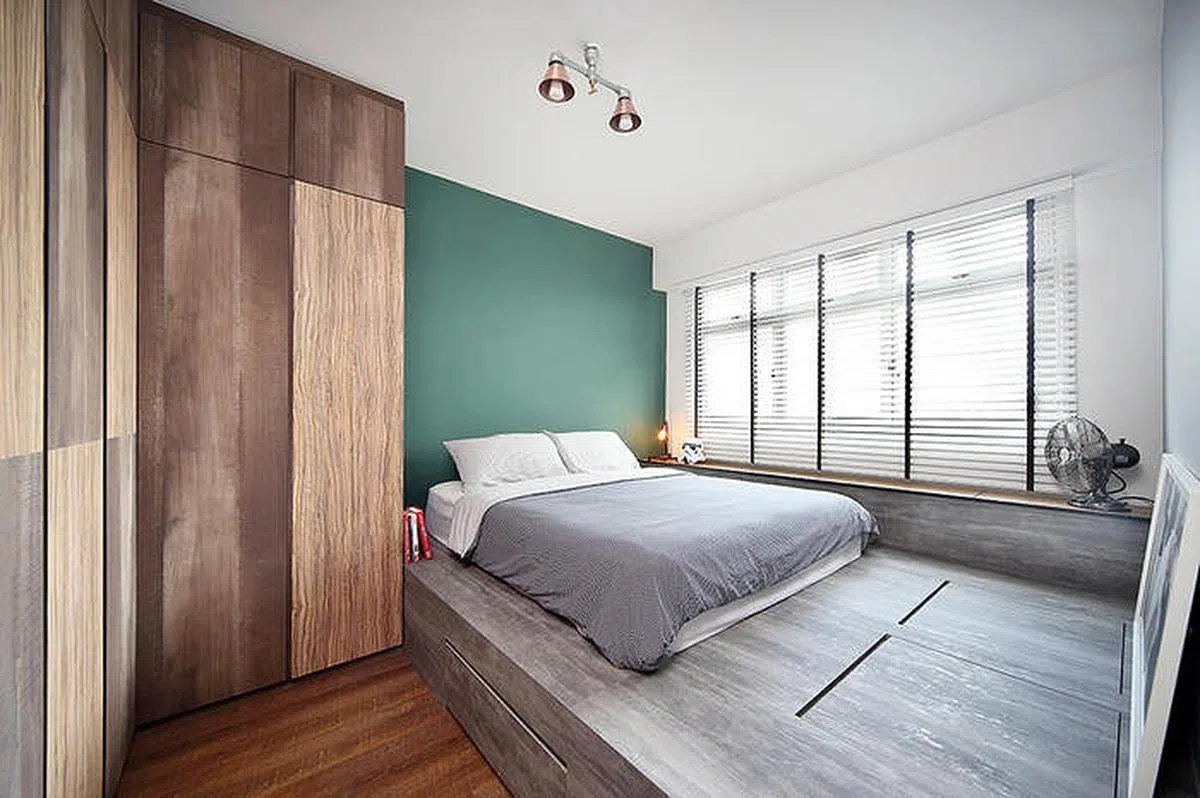
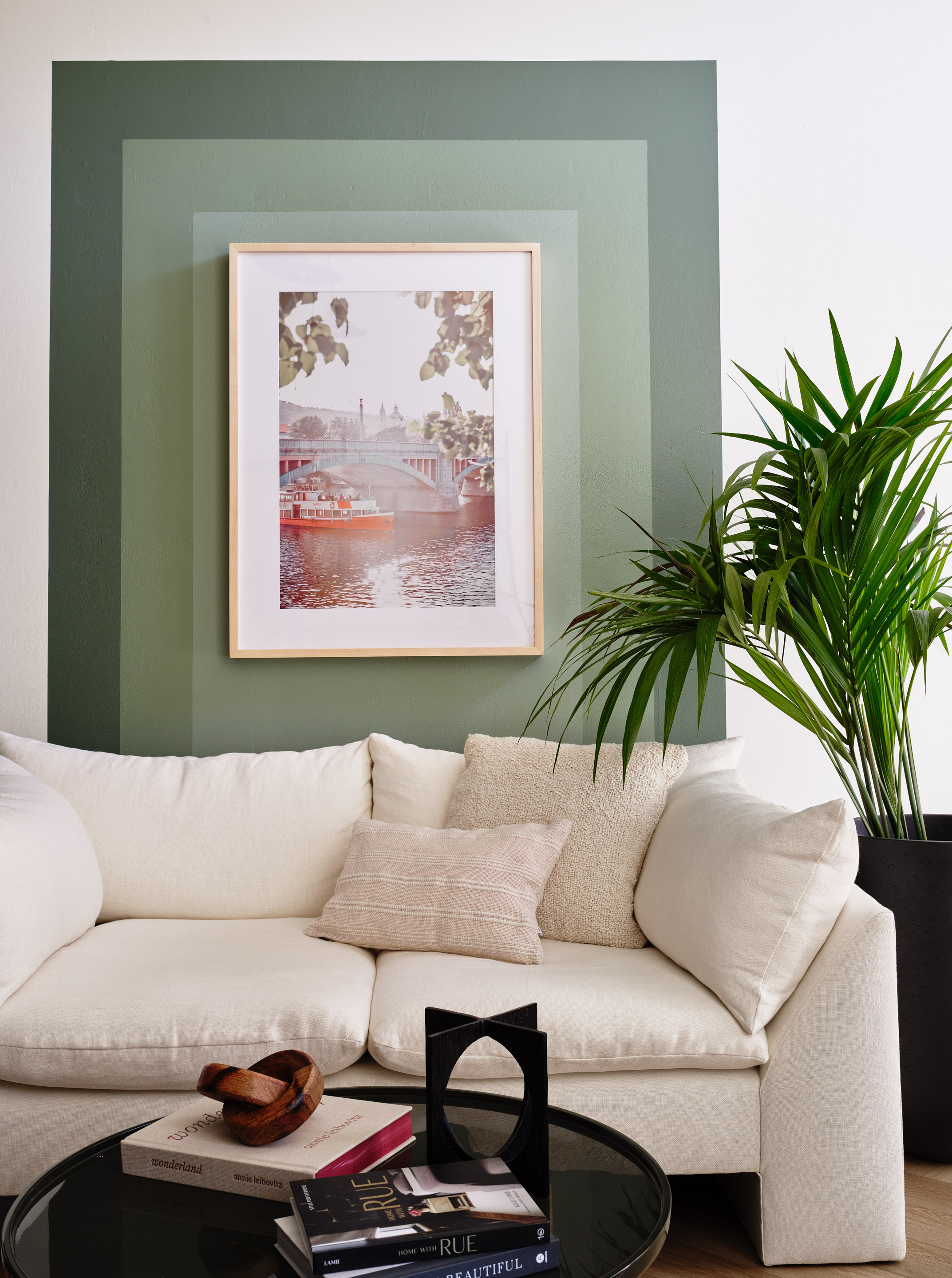
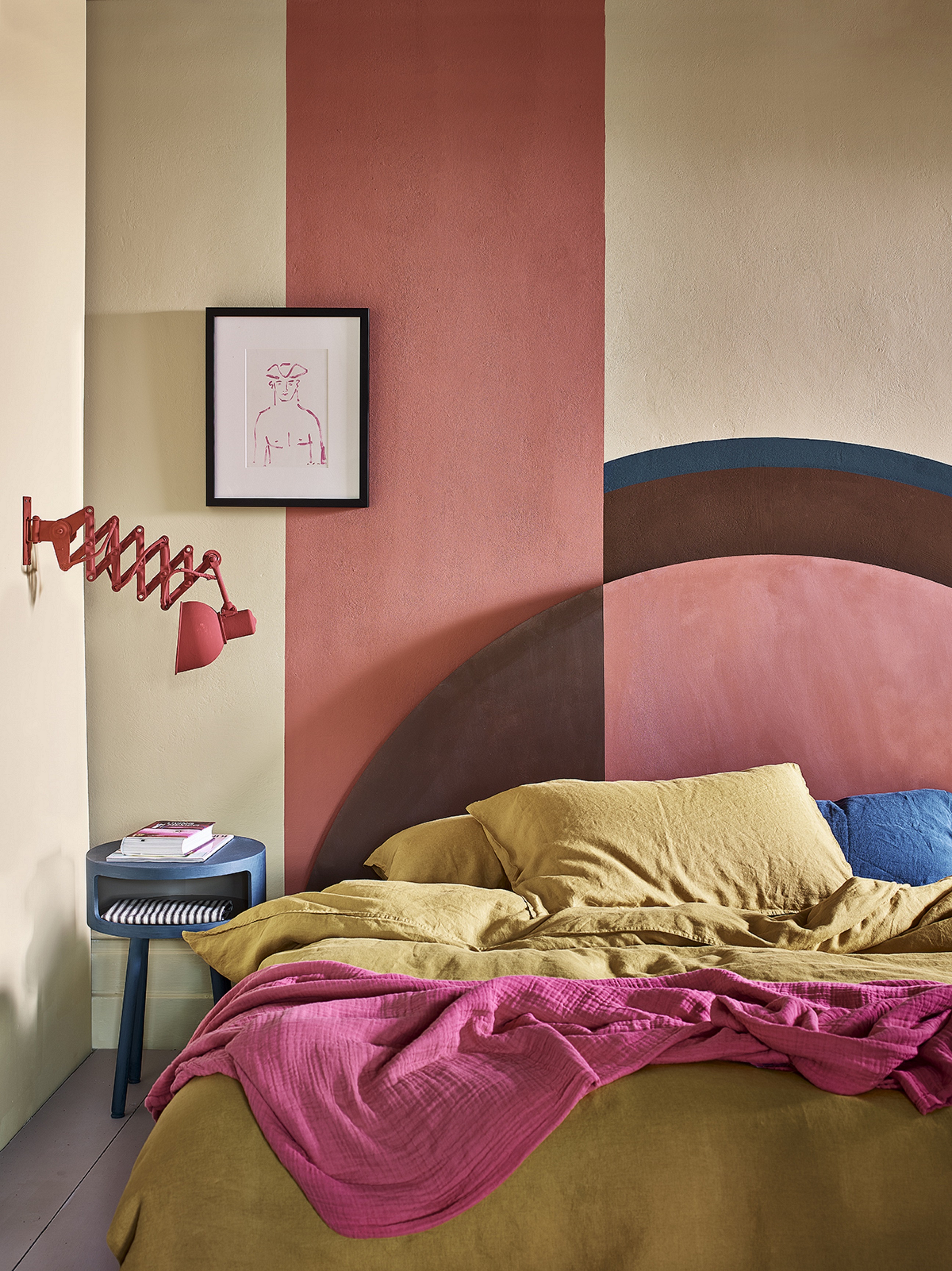
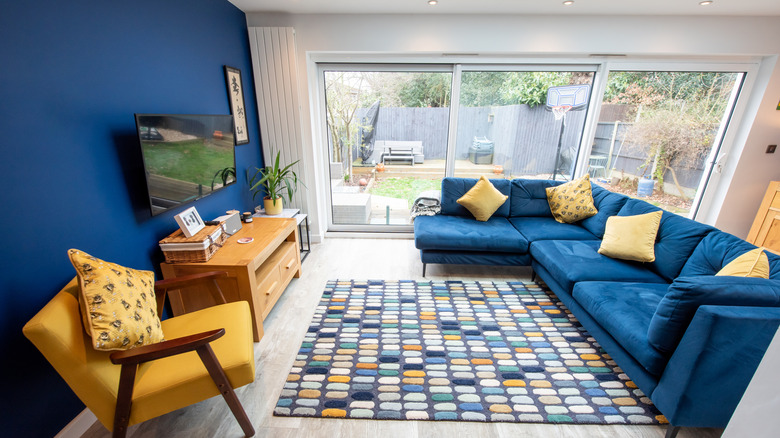
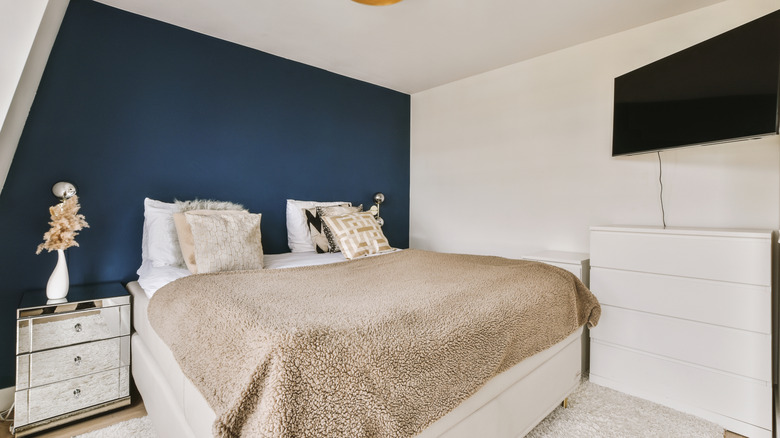
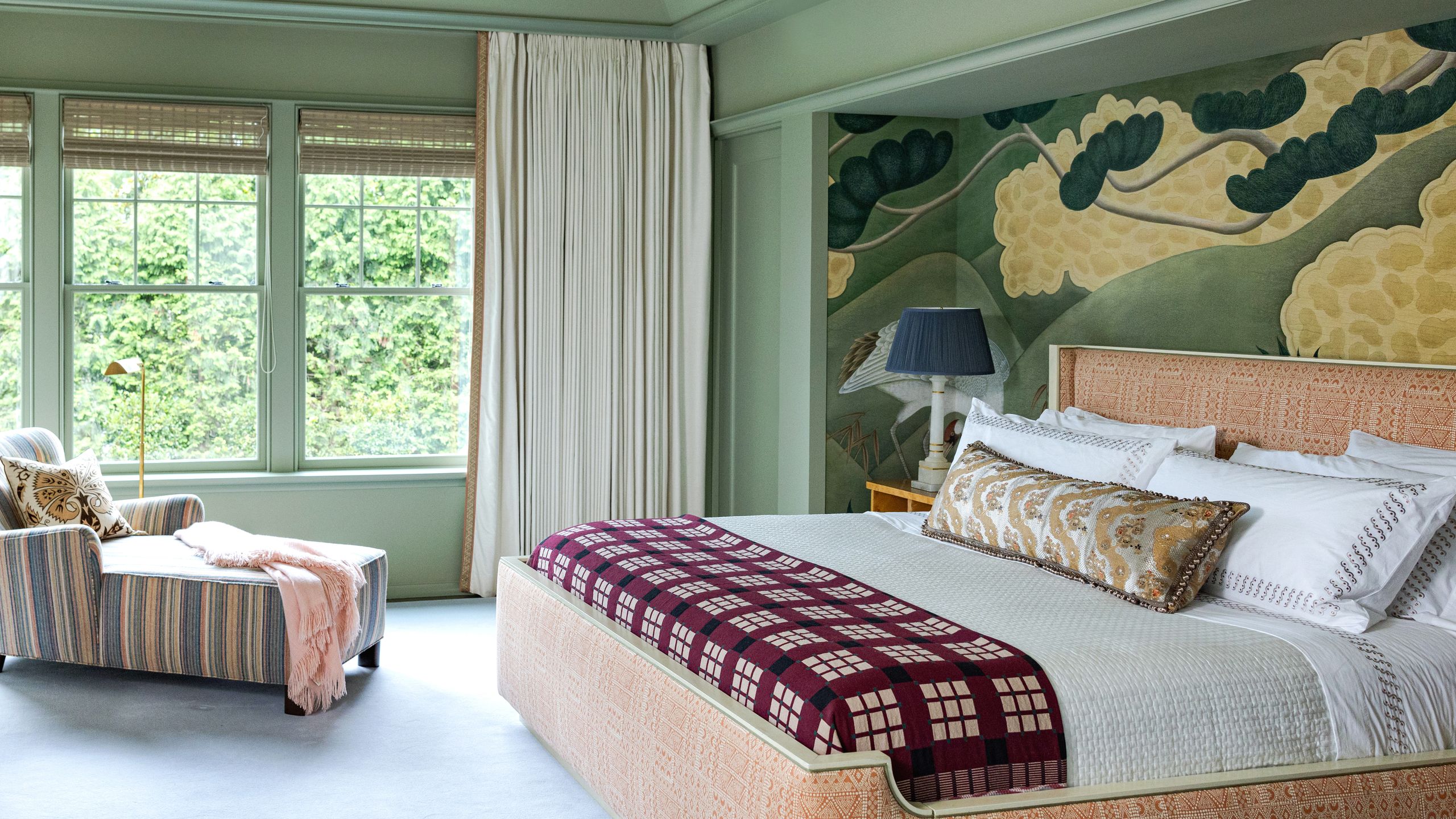
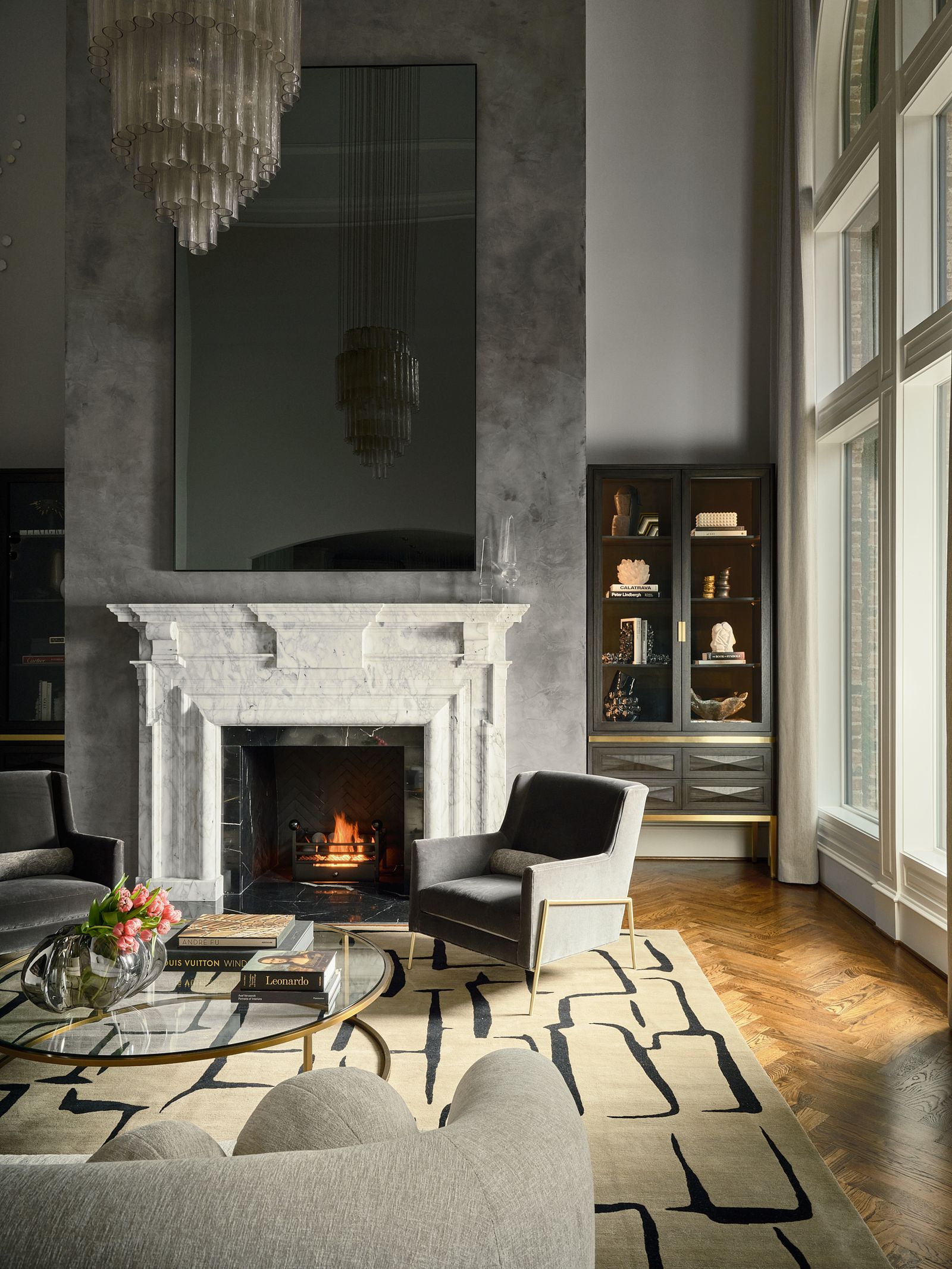
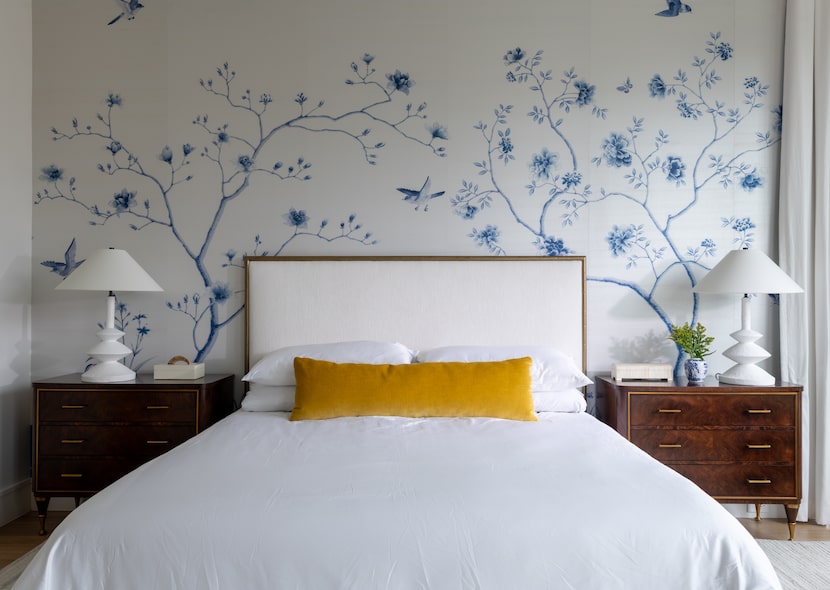
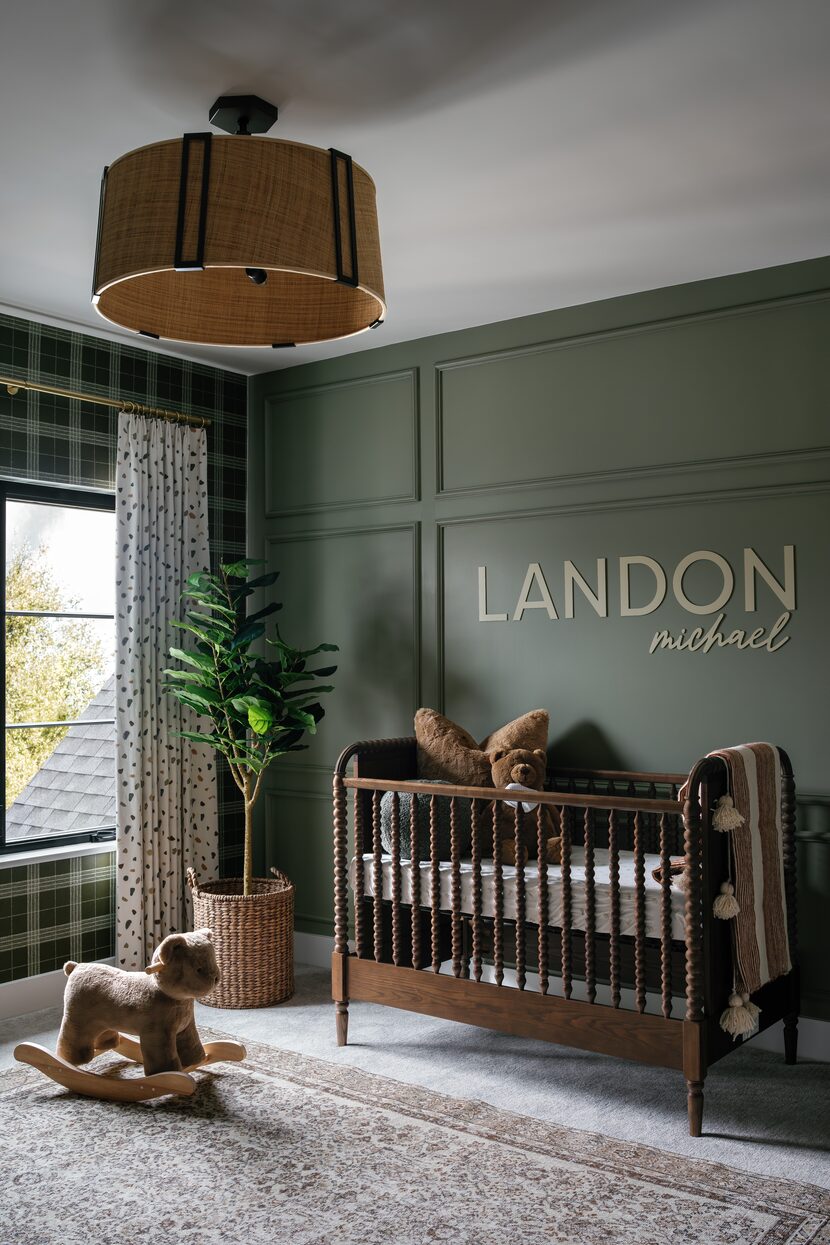
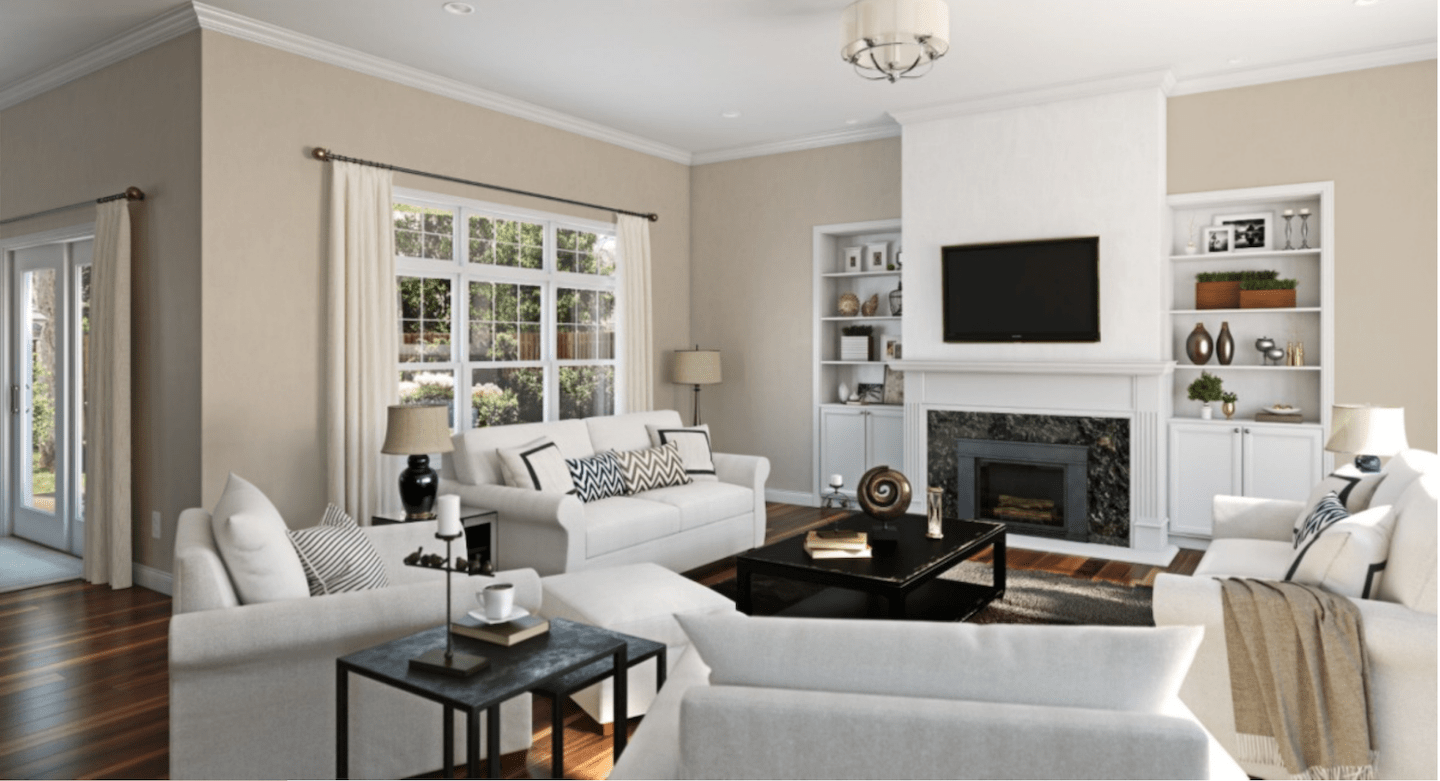
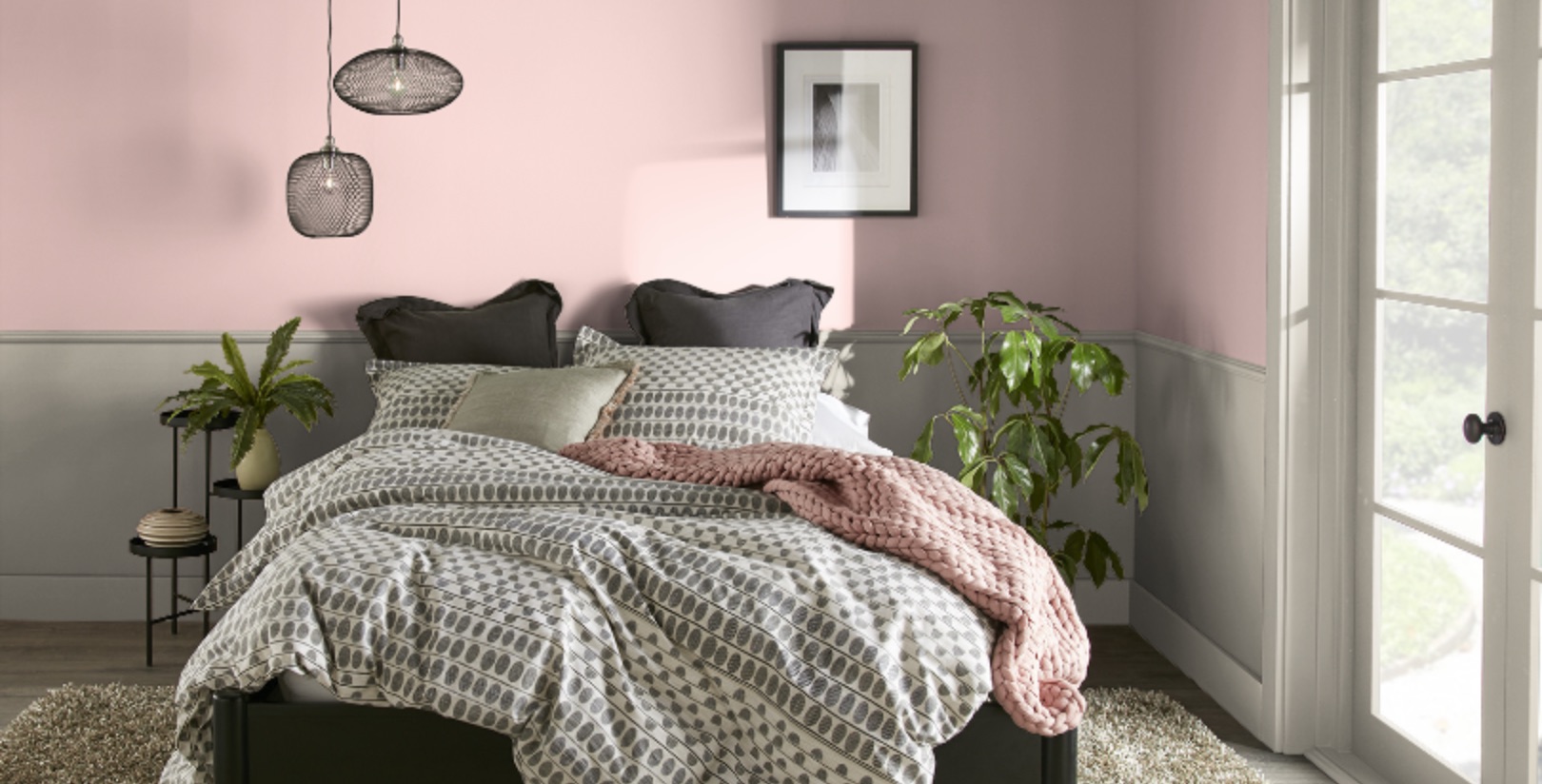
One of the primary considerations is the selection of the correct wall. Instead of choosing the first empty wall available, the article suggests selecting a wall that naturally draws attention or serves as a focal point within the room. This could be the wall behind a bed, a fireplace, or a prominent piece of furniture. The goal is to enhance an existing architectural feature or create a new one, rather than arbitrarily painting a wall that might disrupt the room's flow or balance. For instance, painting the shortest wall in a long, narrow room can make the space feel shorter and wider, which might not be the desired effect if the intention is to maintain length.
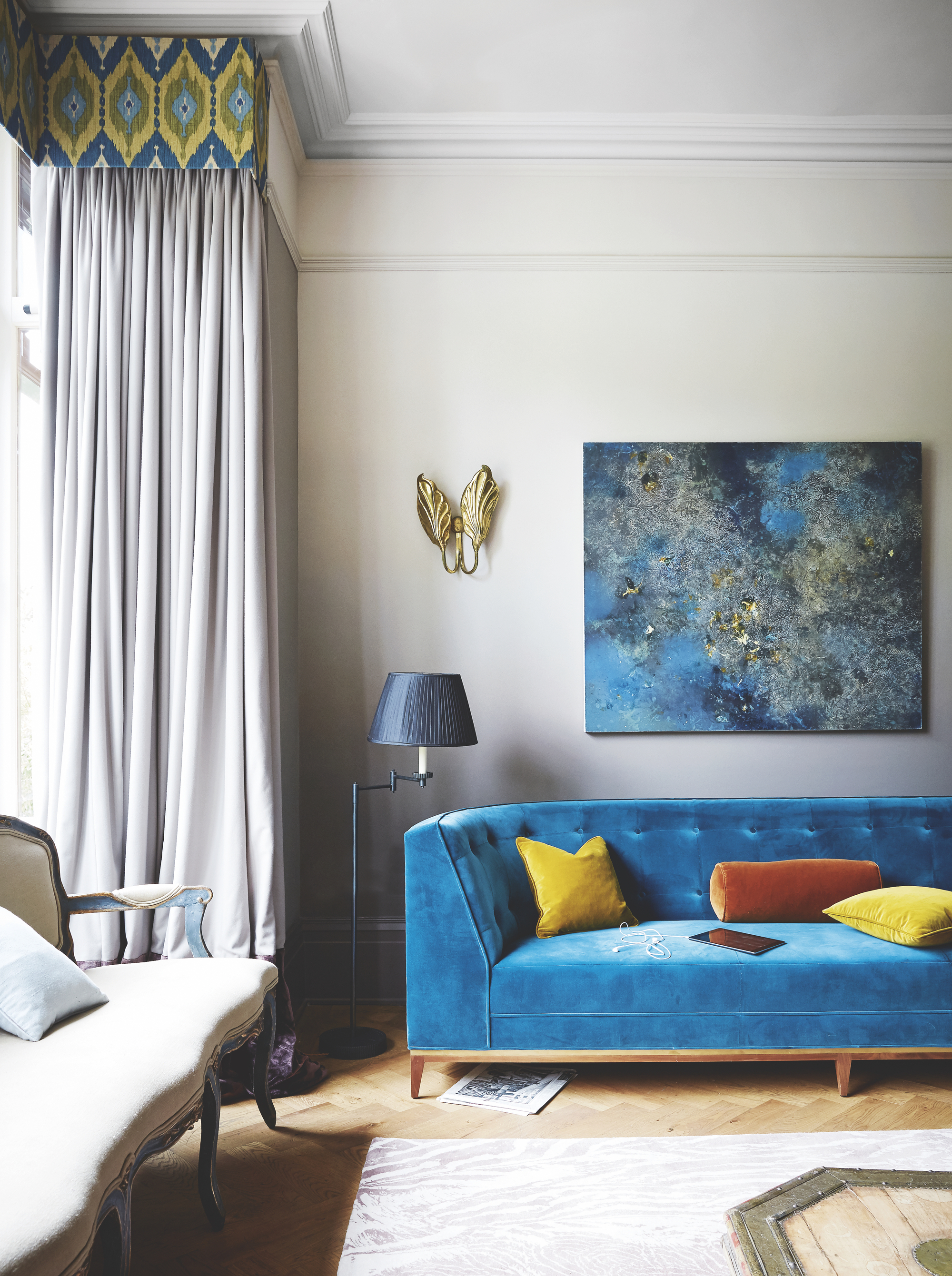
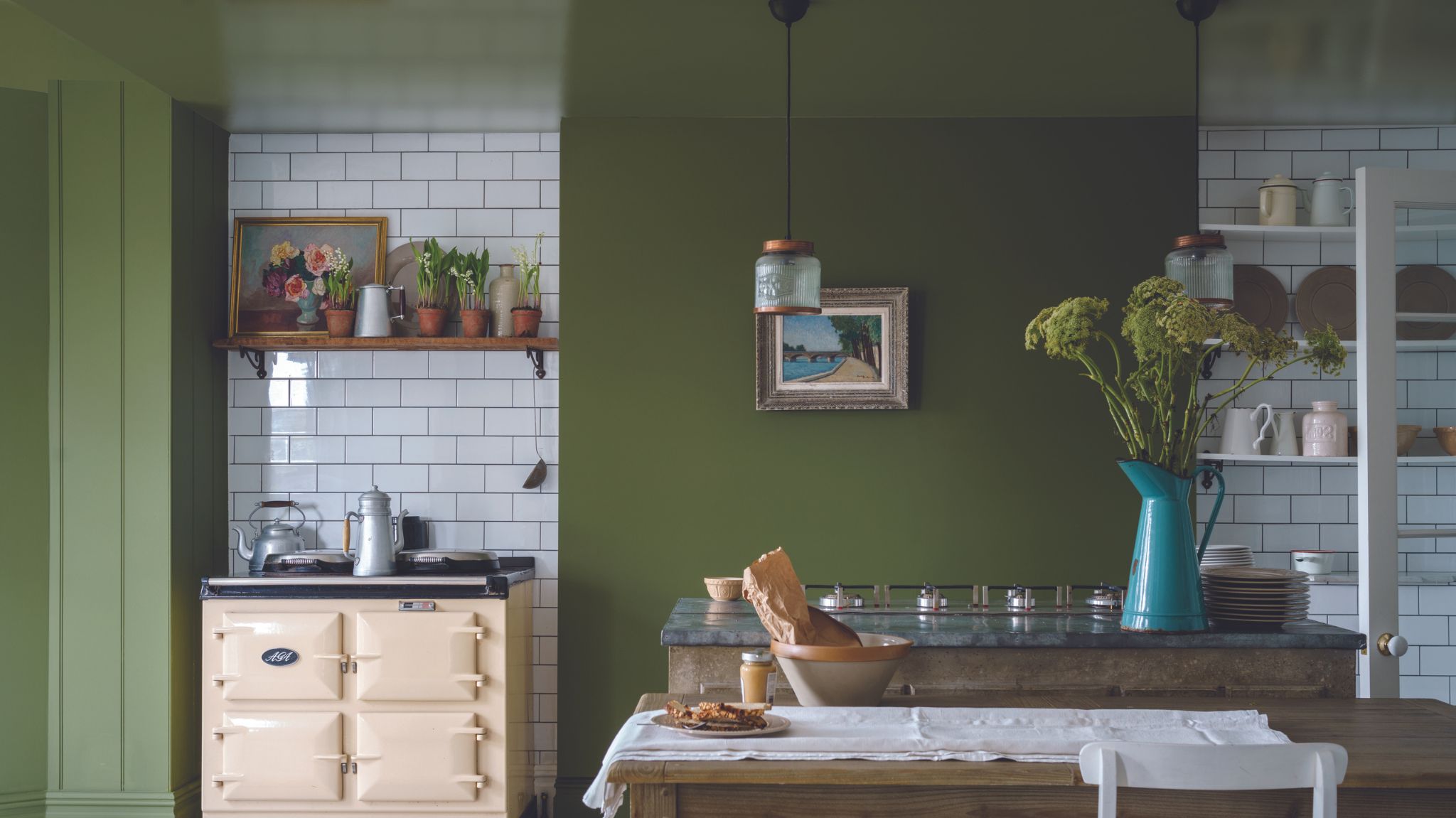
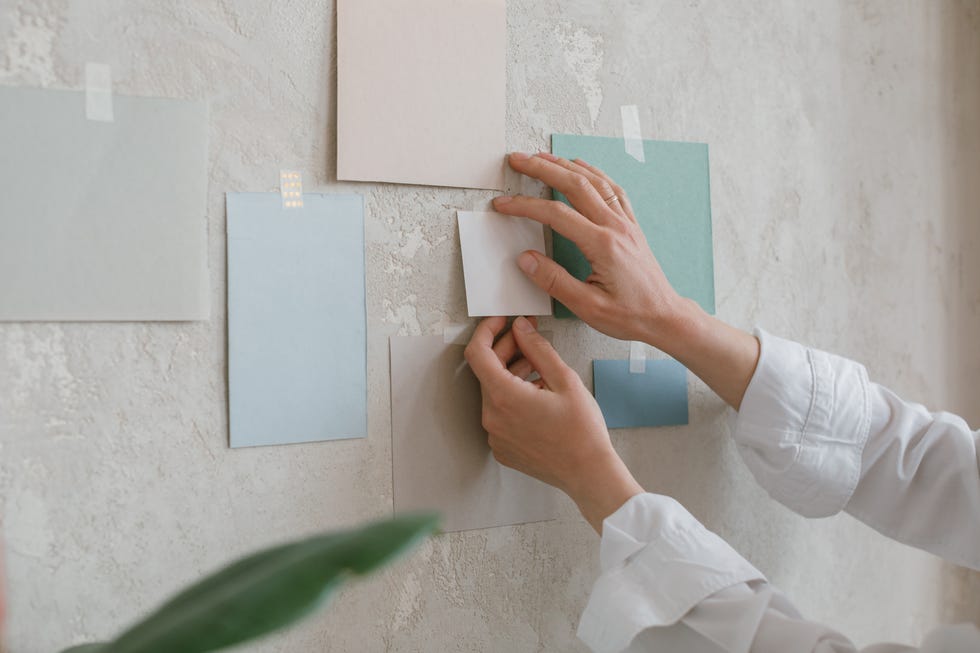
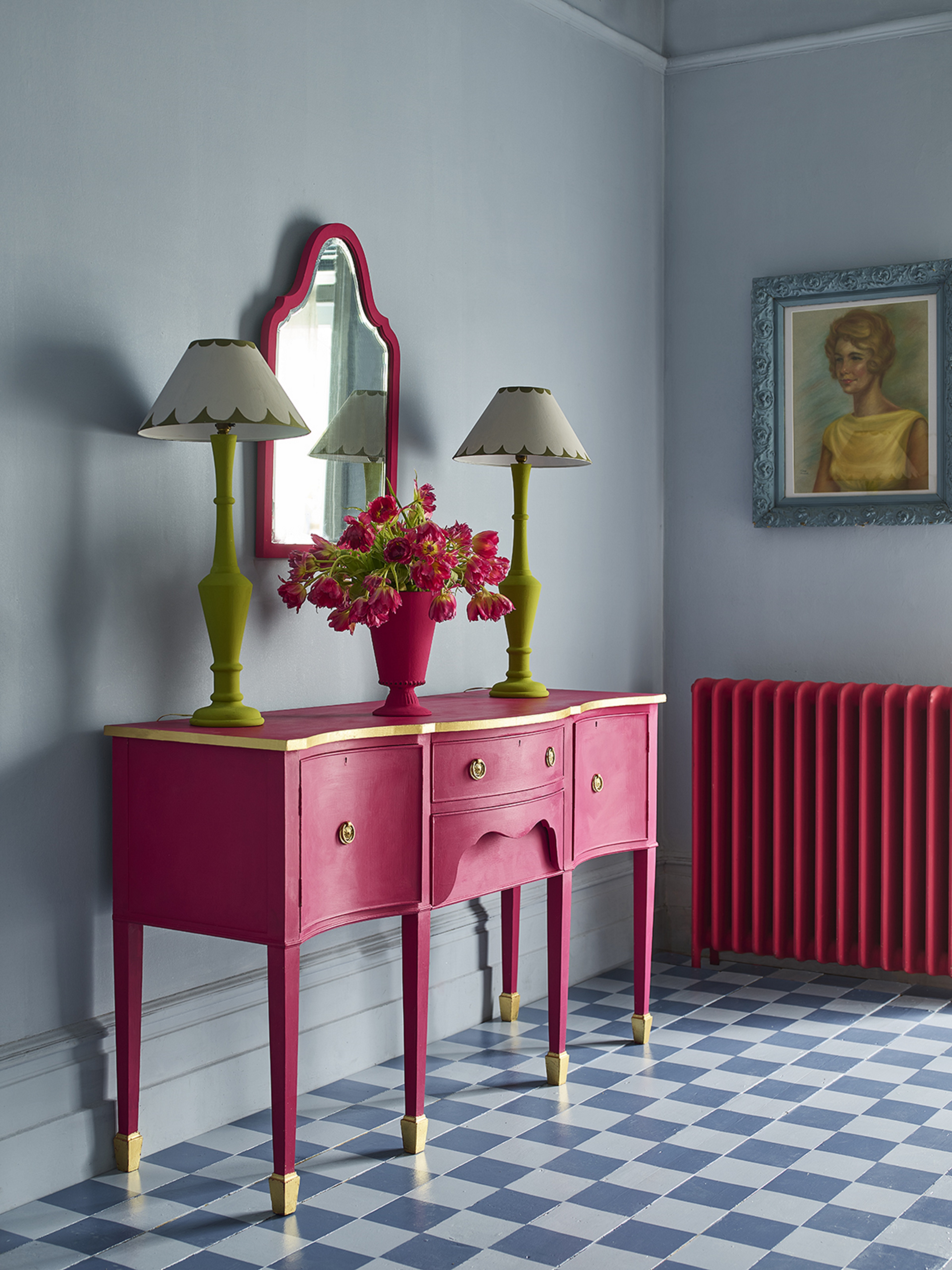
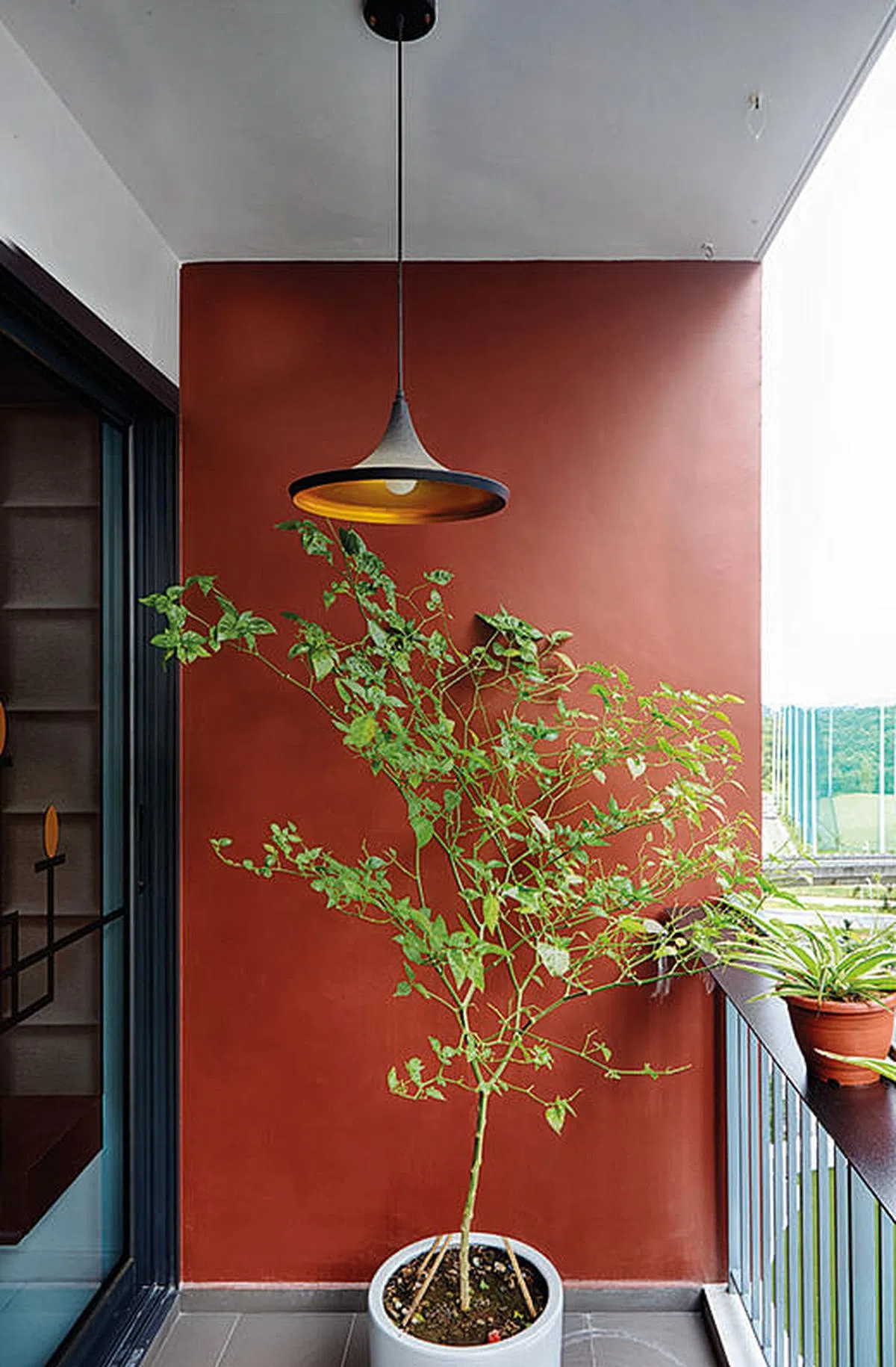
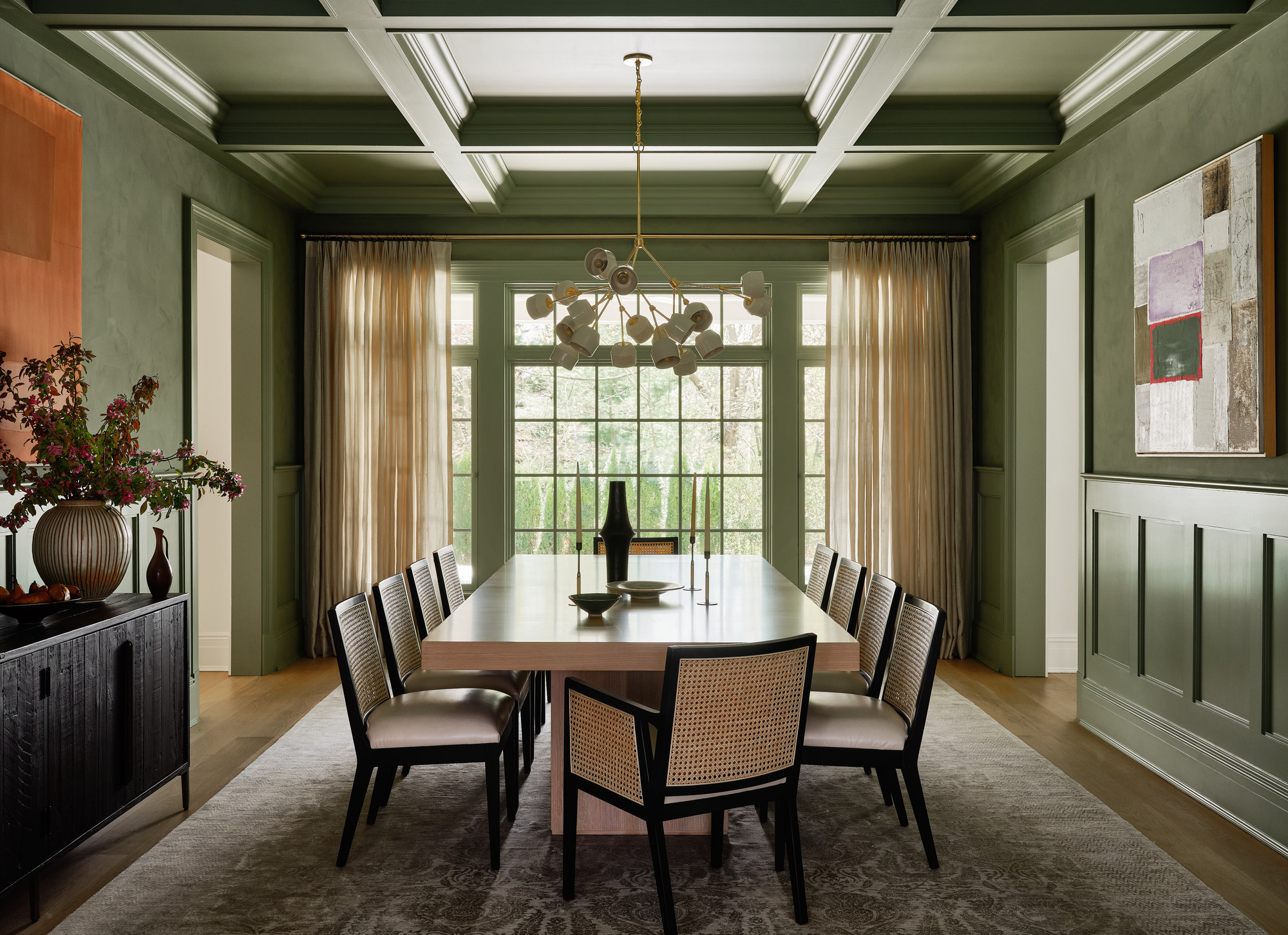
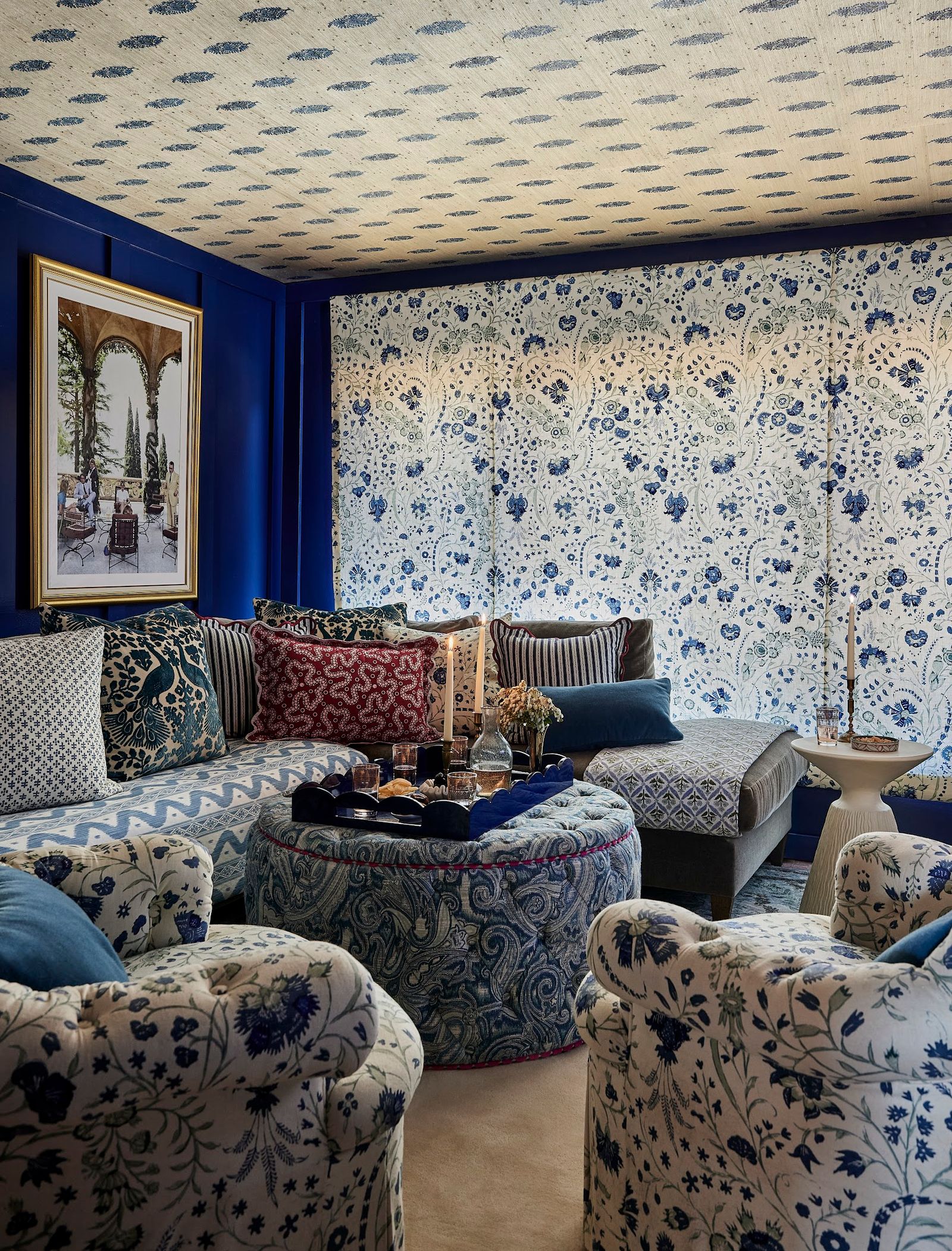
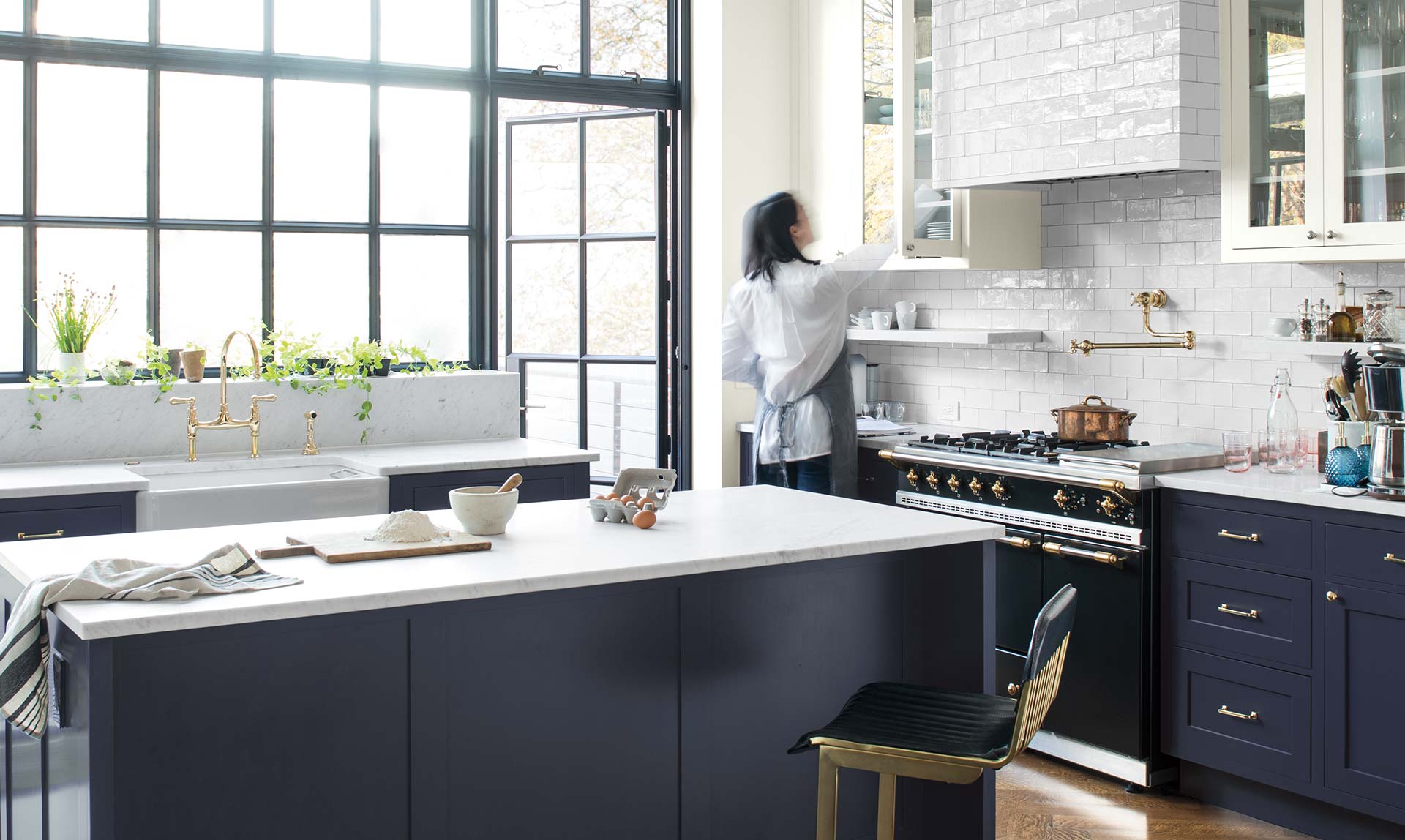
The article also stresses the importance of color selection and its impact on the overall aesthetic. An accent wall should complement the existing color scheme of the room, not clash with it. It recommends choosing a color that harmonizes with the dominant colors already present, either by selecting a darker shade of an existing color, a complementary hue, or a bold color from a piece of artwork or fabric in the room. The objective is to create depth and interest without overwhelming the space or making it feel disjointed. Geoff Sharp, an expert cited in the article, advises homeowners to think of the accent wall as a design element that ties the room together, suggesting that it should relate to other colors in the space.
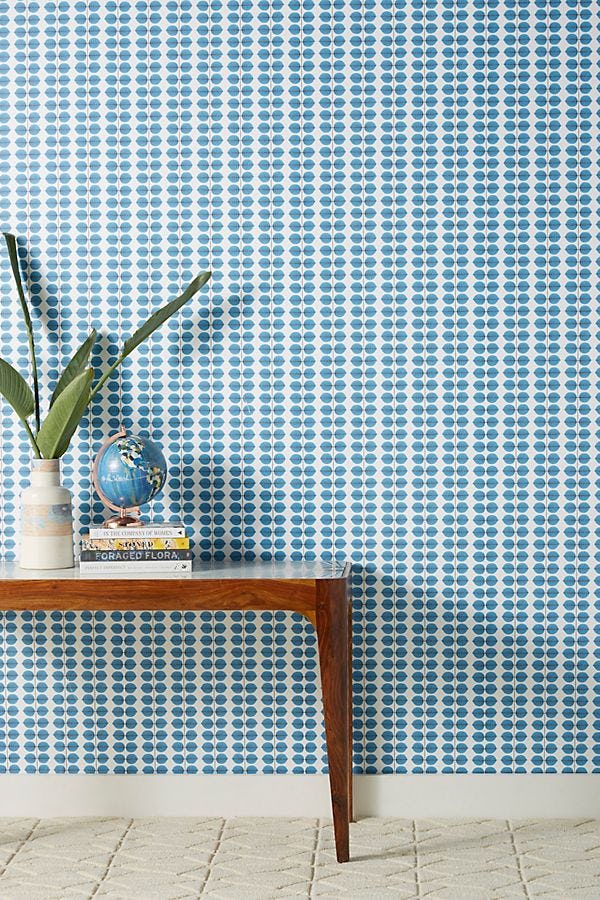
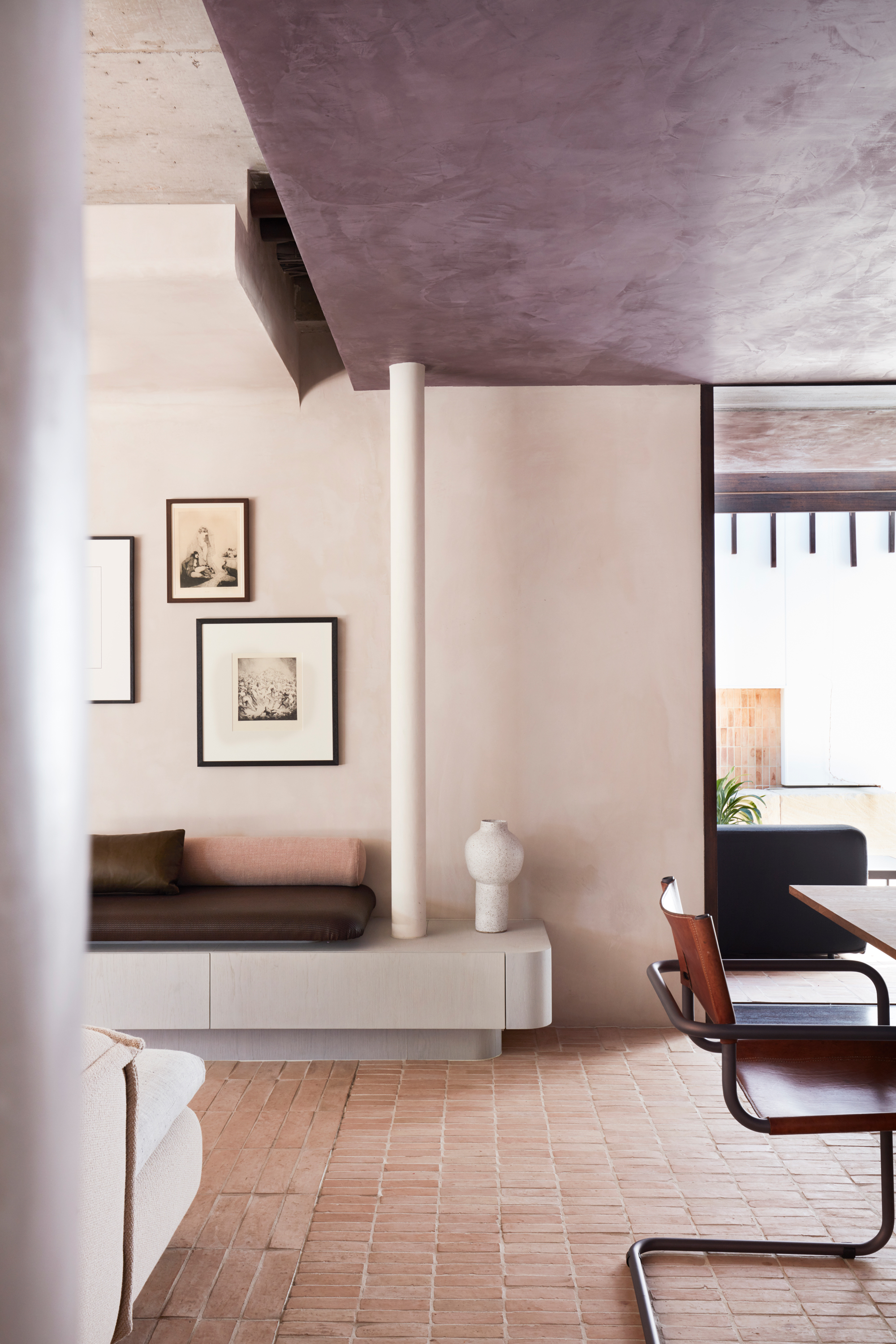
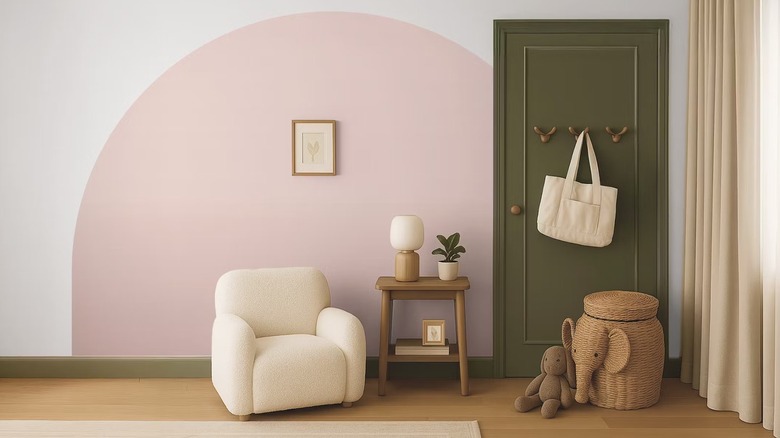
Furthermore, the article advises against using accent walls to correct perceived flaws in a room, such as an odd-shaped wall or a wall with numerous architectural elements like windows and doors. An accent color on such a wall can unintentionally highlight these irregularities. Instead, a successful accent wall works best on a relatively clean, uninterrupted surface where its color can stand out without competing with other visual elements. It also cautions against choosing a wall that is too large or too central, as this can make the room feel smaller and heavier.
Finally, the article touches upon the practical aspects of painting, including proper preparation and technique. While not explicitly detailed, the implied message is that even with the right wall and color choice, poor execution can undermine the effort. The overall message is to approach accent wall painting with thoughtful planning and strategic decision-making to achieve a refined and impactful design statement rather than a quick, ill-considered DIY attempt.
#AccentWall #HomeDecor #InteriorDesign #PaintColorSelection #DIYHomeImprovement #RoomDesign #ColorScheme #FocalPoint #AccentWall #HomeDecor #InteriorDesign #PaintColorSelection #DIYHomeImprovement #RoomDesign #ColorScheme #FocalPoint
0 comment in total
 No comments yet
You may also like
6 painting mistakes that are making your walls look 'dirtier' – and what you should be doing instead

Update your home with these paint tips!

Hand-Painted Borders and Trims Are the Antidote to Dated Accent Walls — Here's How to Make it Look Good
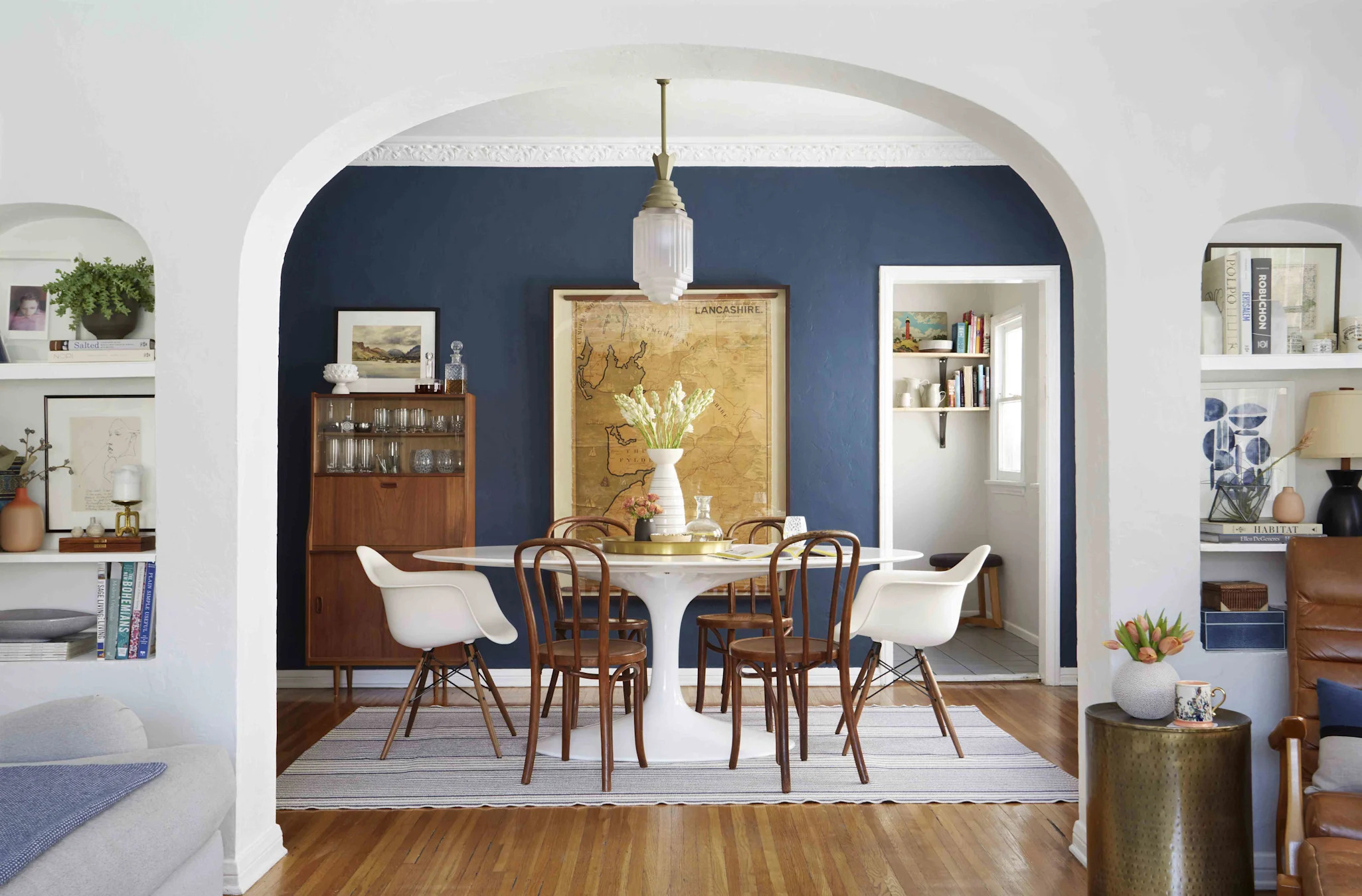
10 Accent Wall Paint Colors That Will Freshen Up Any Space, According to Designers
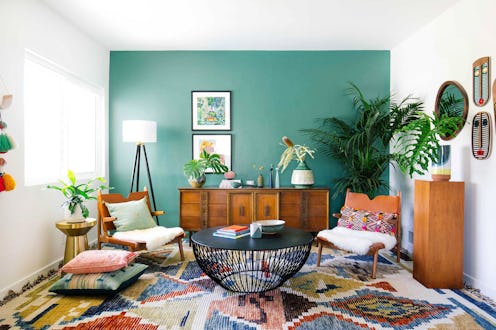
This Accent Wall Tip Will Make You Want To Redecorate
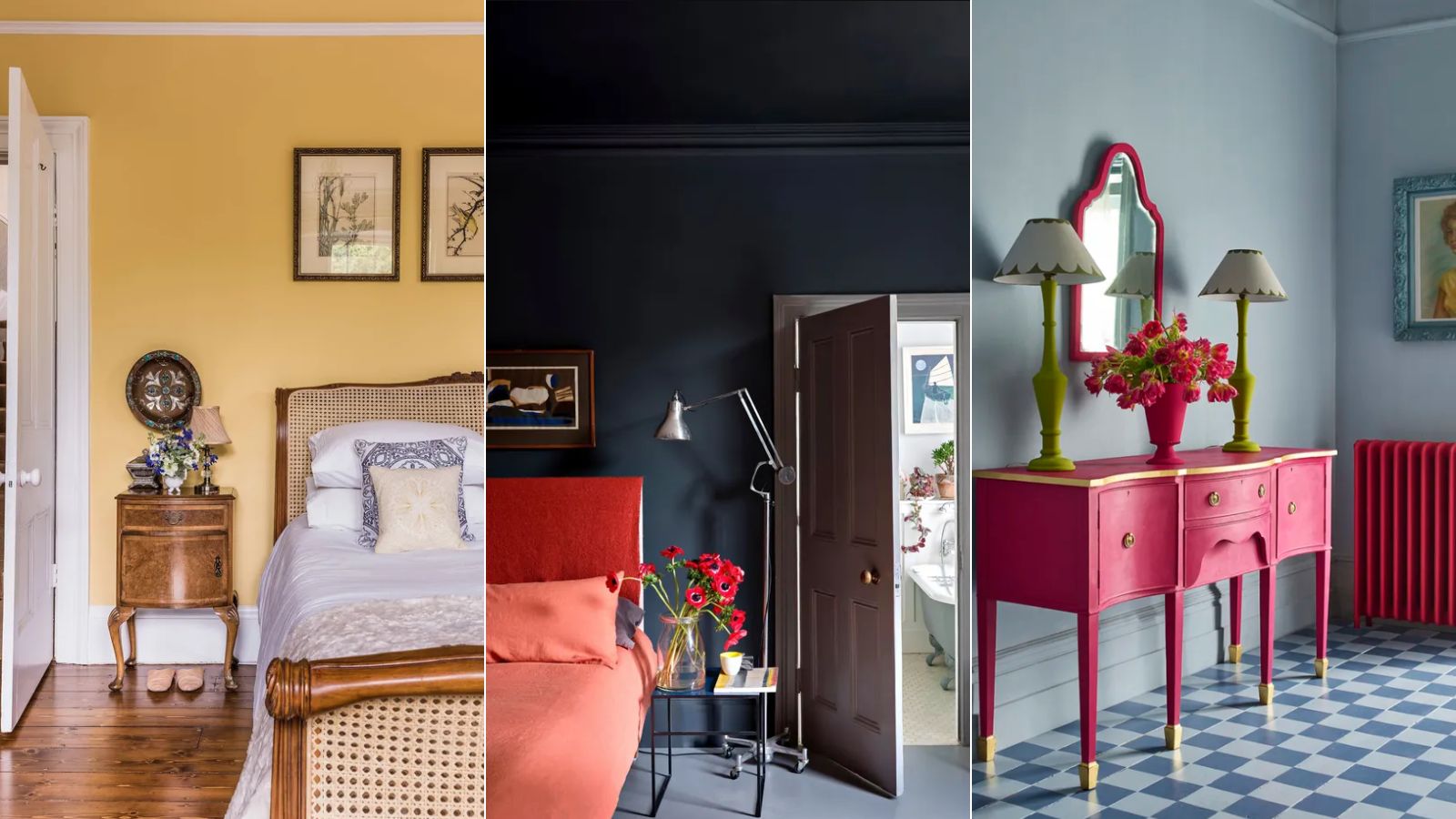
3 'small but impactful' paint updates to try in 2024, according to a color expert

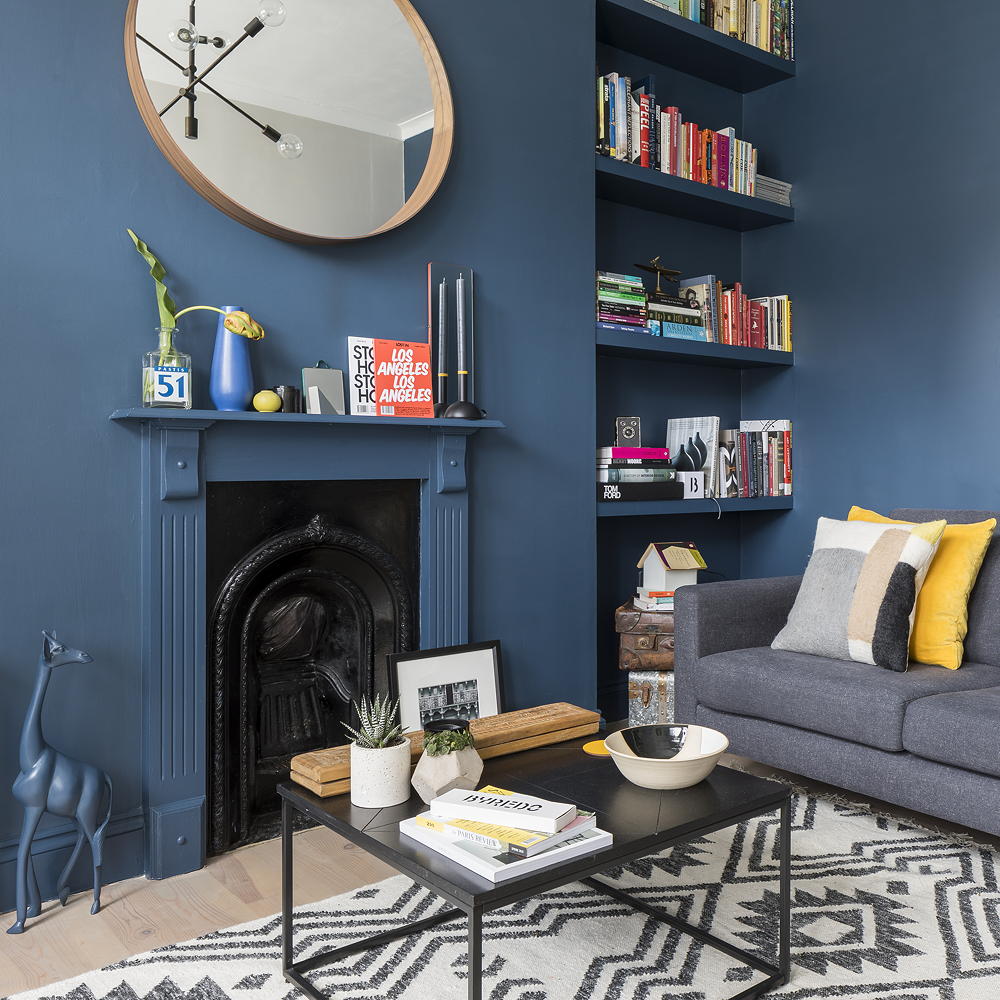
An interior expert reveals the one thing you should never do when painting your walls

34 Accent Wall Ideas for Every Room in the House

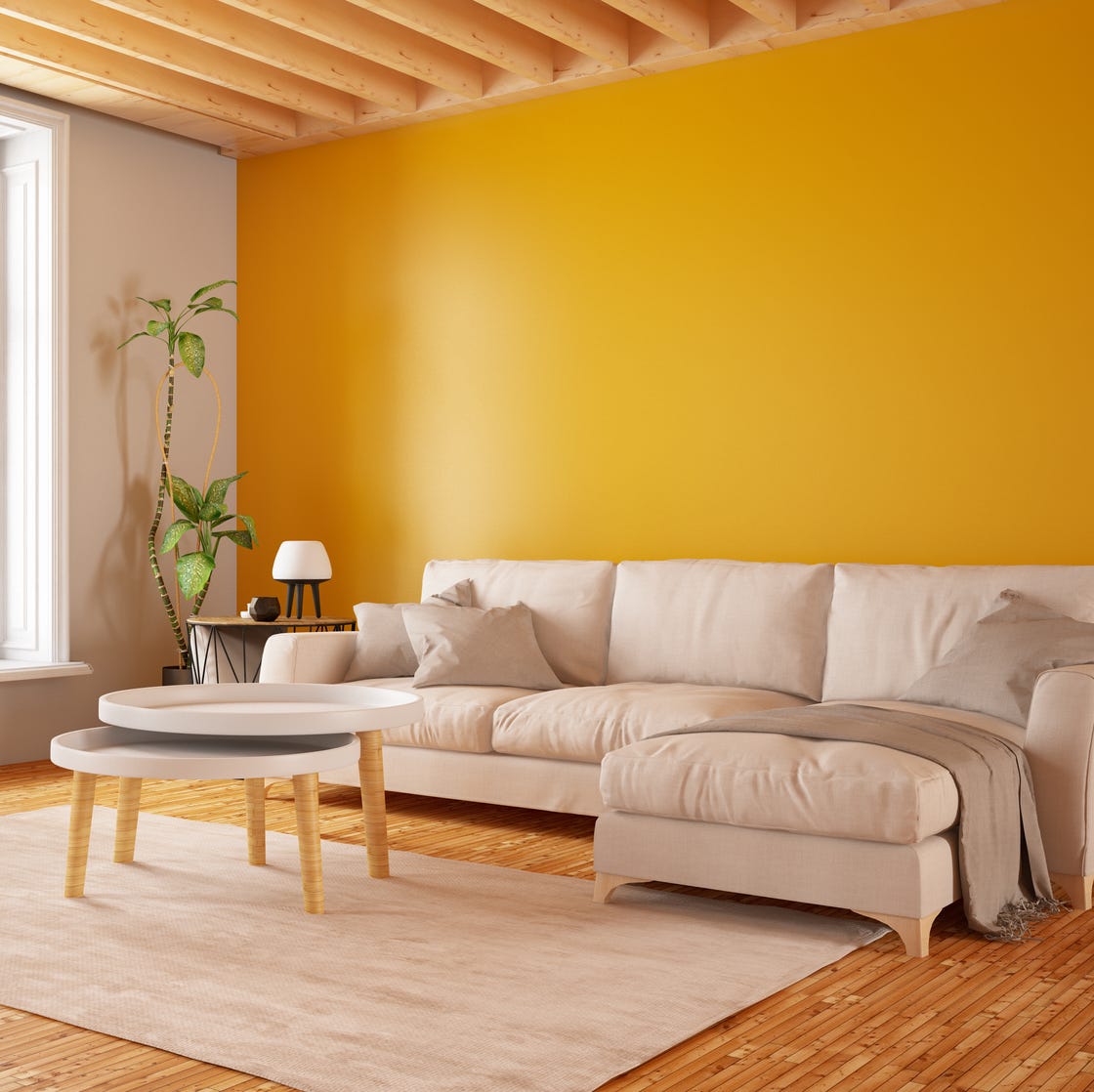
7 Paint Mistakes That Make Designers Instantly Cringe When They Walk Into Someone's Home

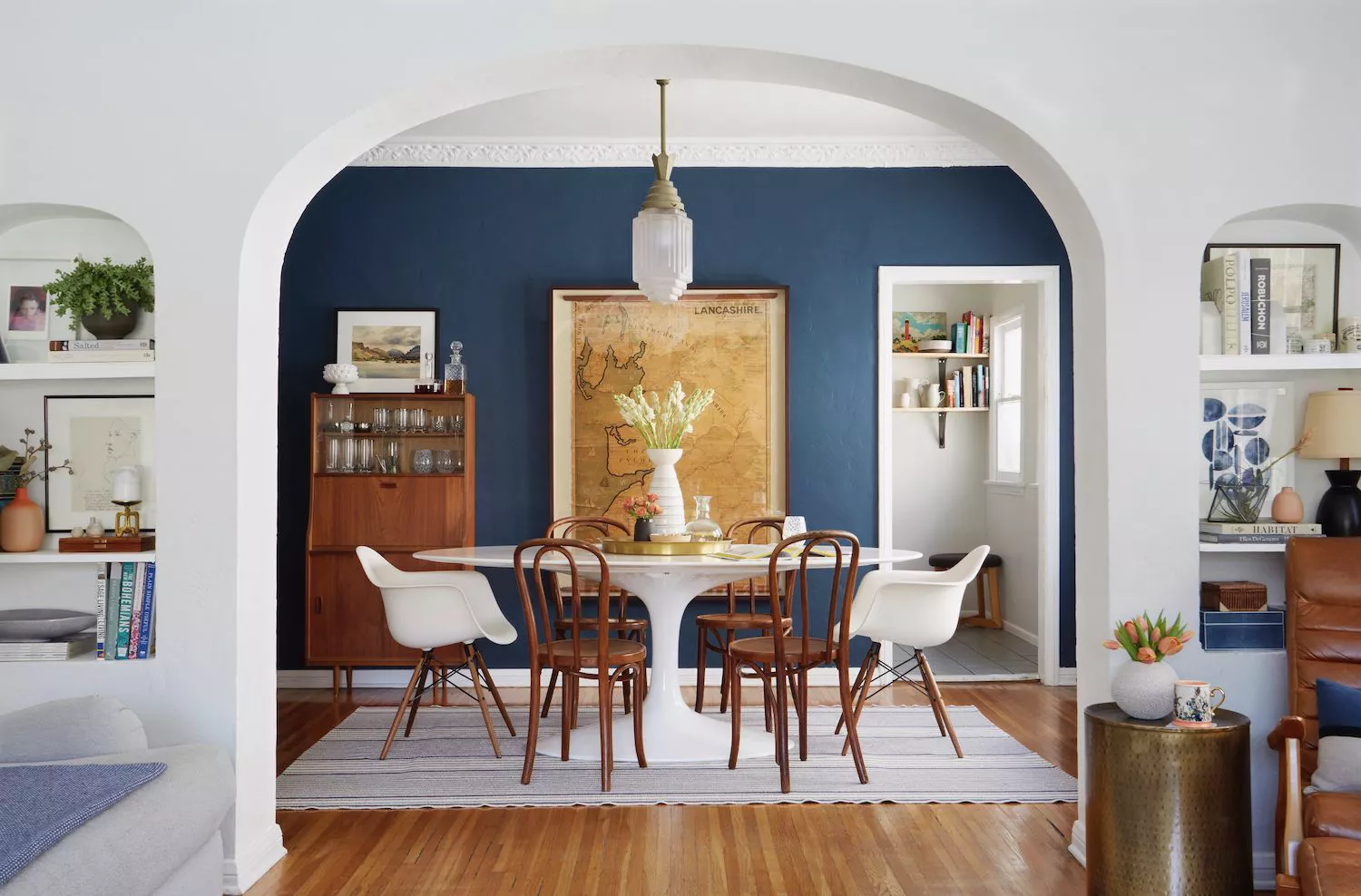
37 Best Accent Wall Colors for an Instant Room Makeover

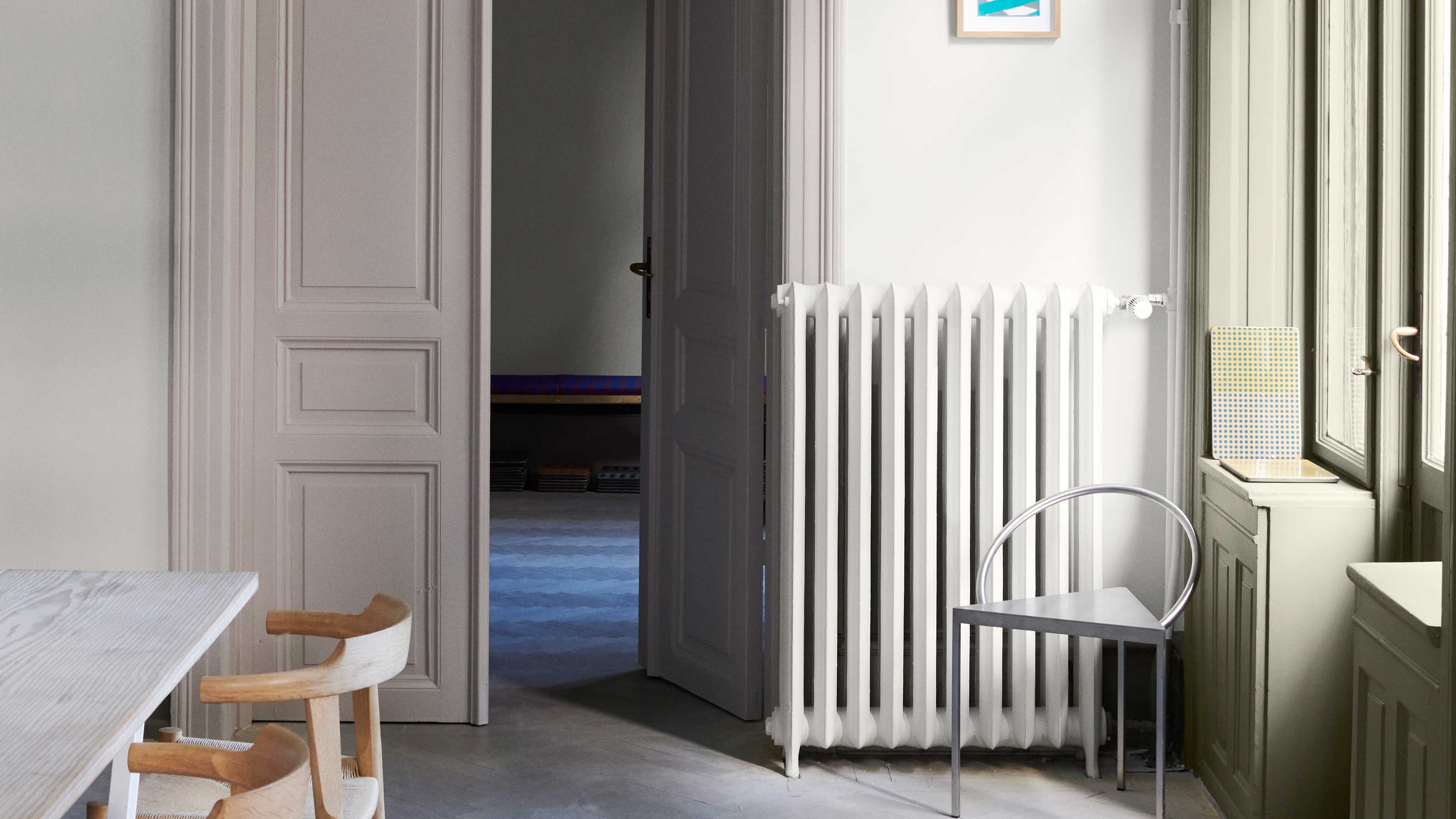
5 outdated paint trends that interior designers are glad to see the back of – and what they're doing instead
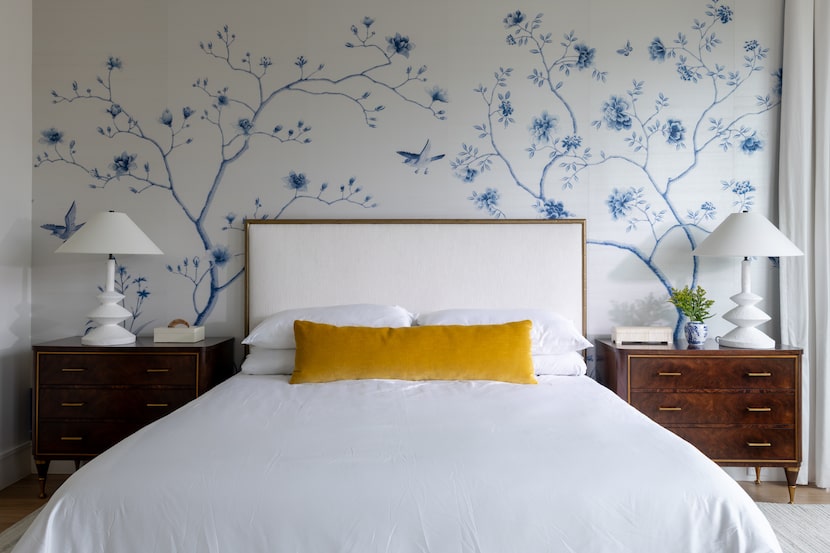
The new accent wall: A bold statement that goes beyond a coat of paint
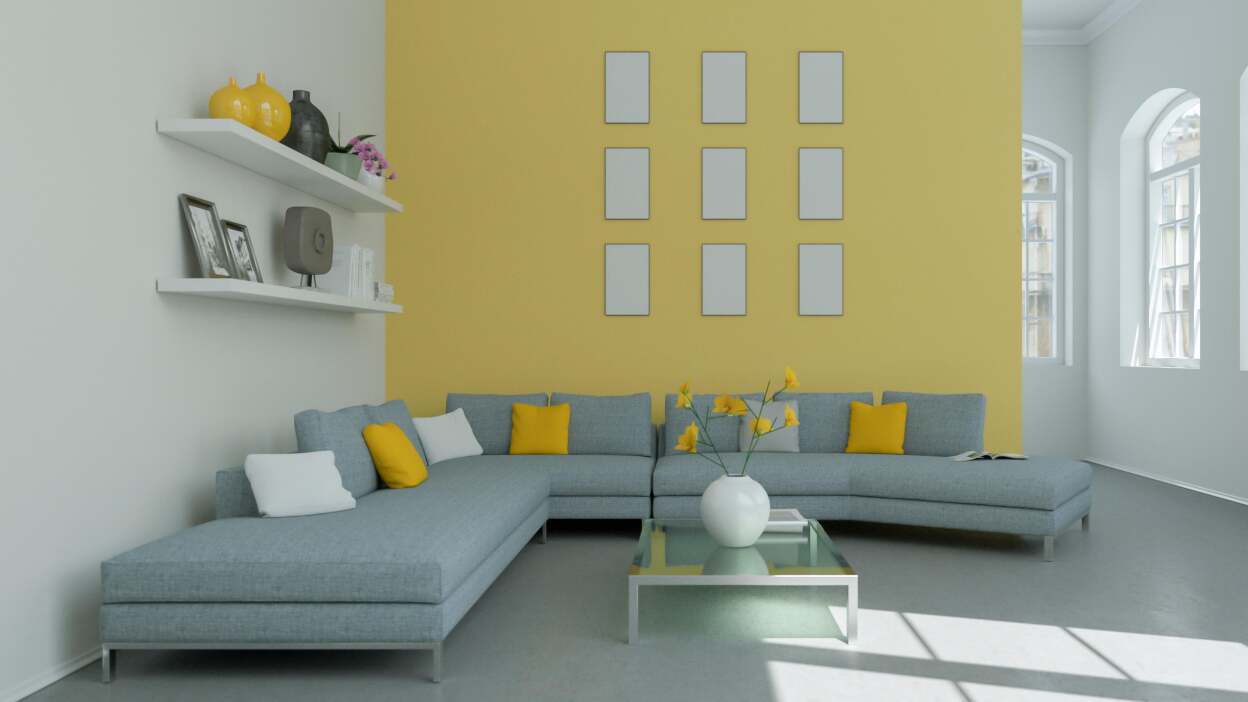
How to Make Your Accent Wall Look Intentional, Not Like an Accident

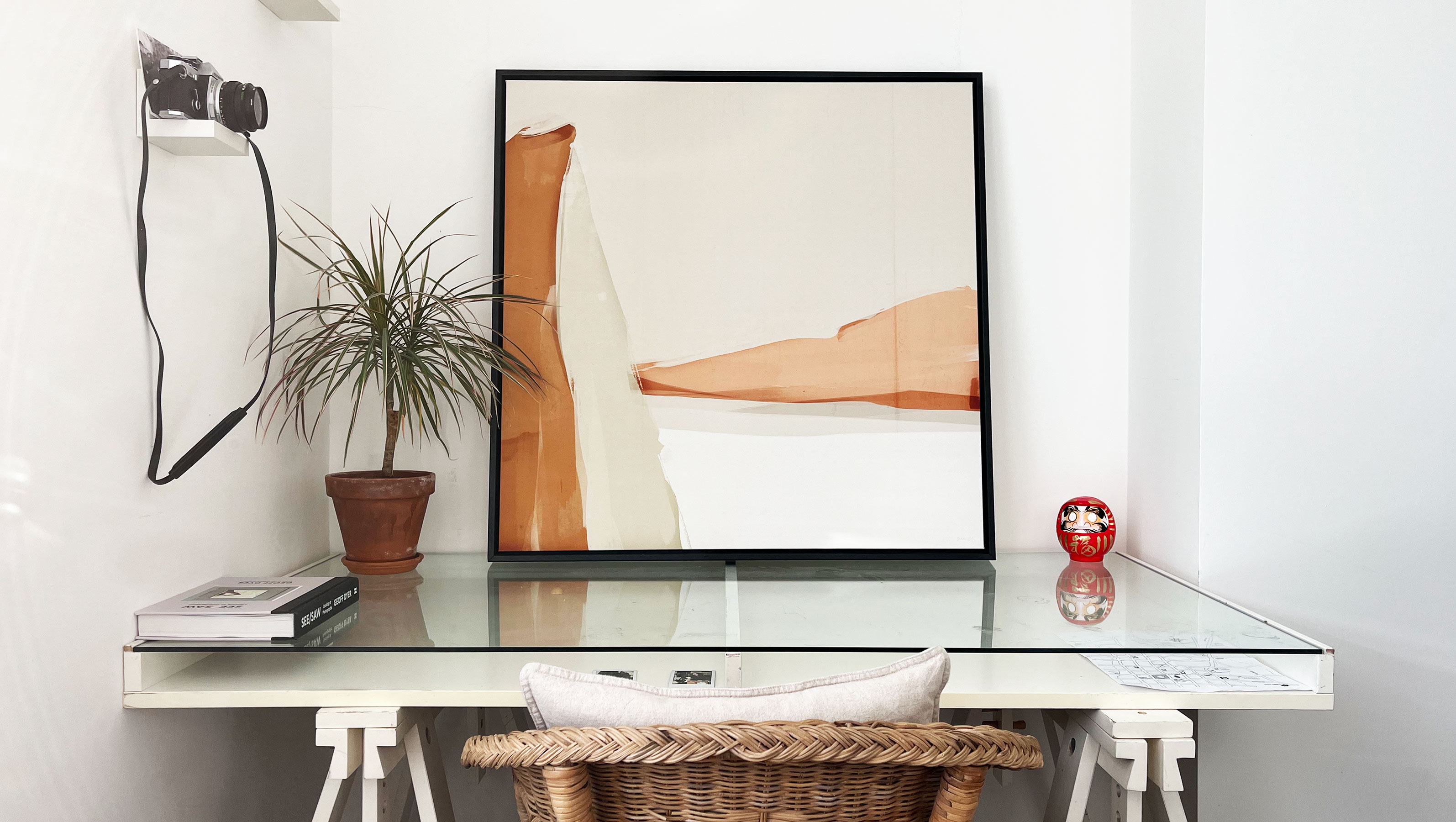
I felt claustrophobic in my small bedroom because of these art mistakes, so I took it all down


10 Painted Accent Wall Trends That Are On Their Way Out, And What To Do Instead
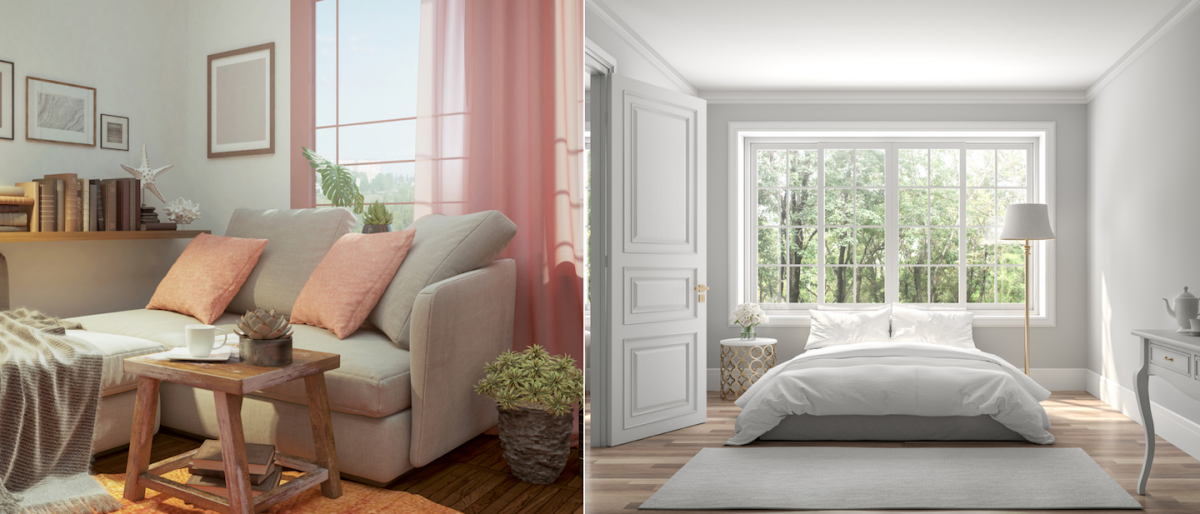
8 Paint Mistakes That Make Your House Look Dingy (and How to Fix Them)

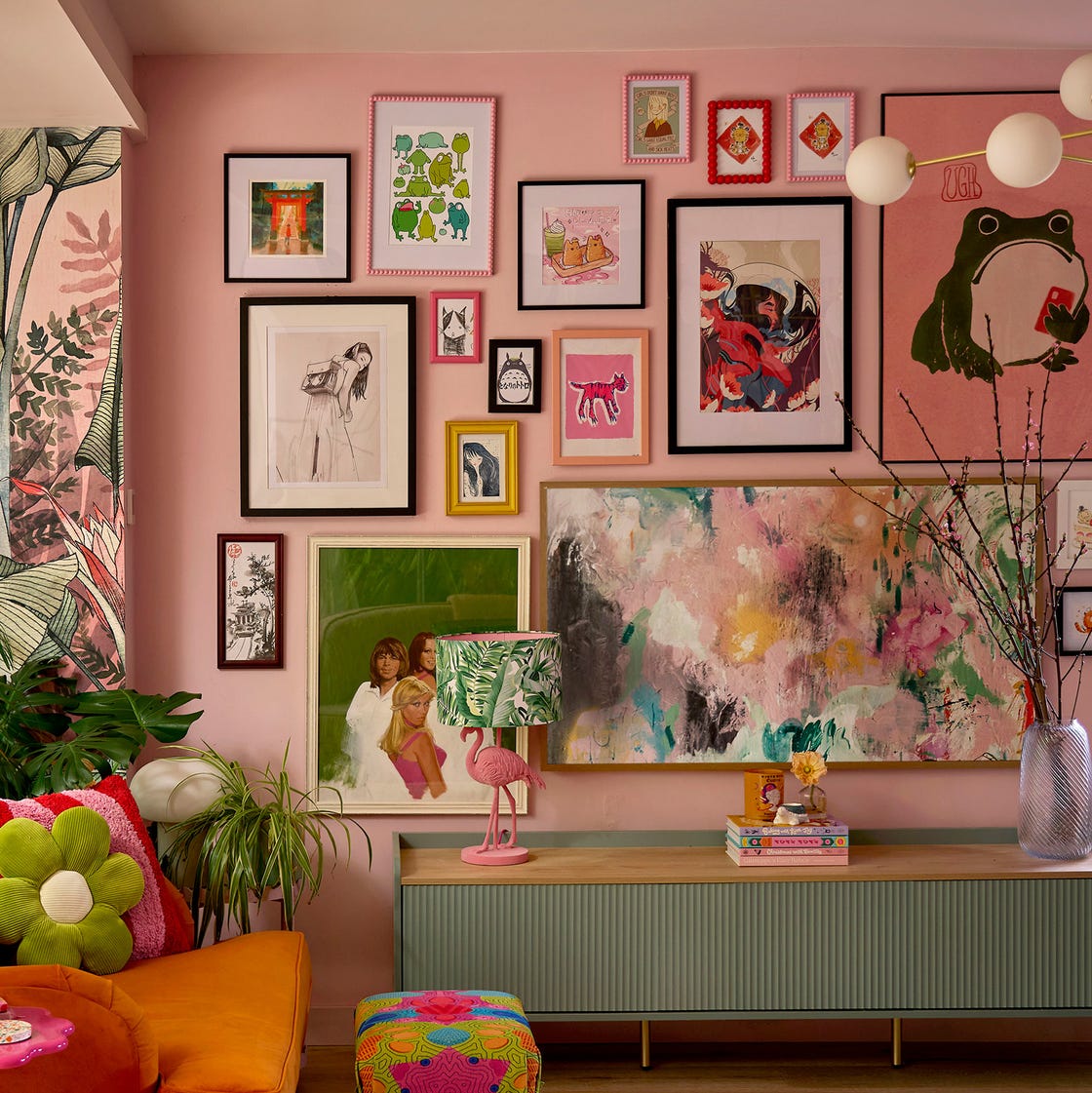
You're Styling Your Gallery Wall All Wrong—Here's How to Get It Right, According to Experts

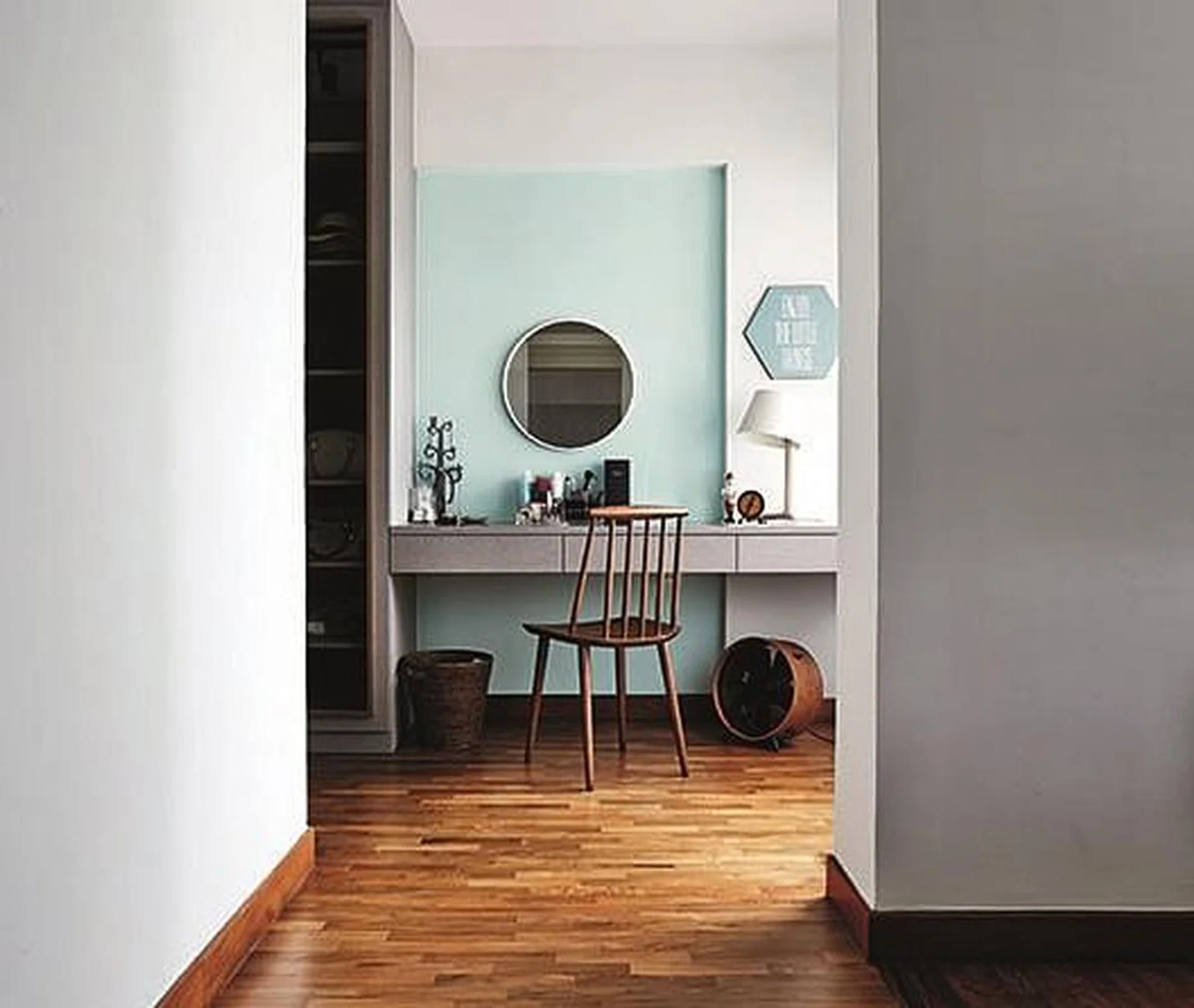
Design idea: Use paint for simple but great looking feature walls
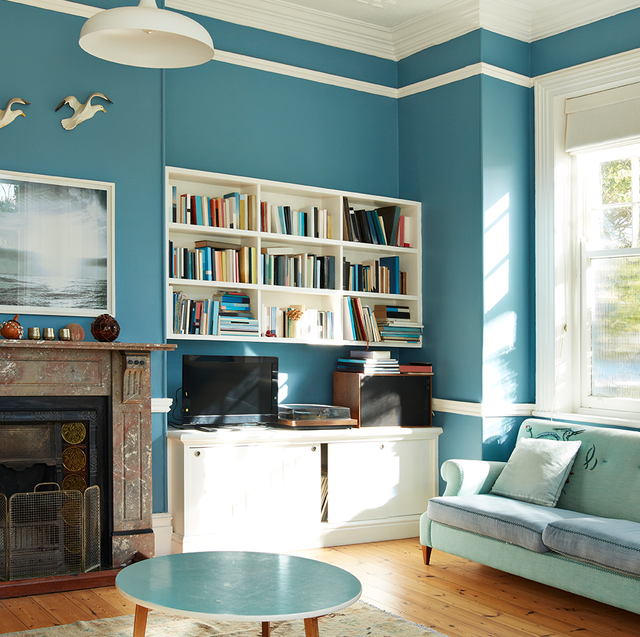
The best paints for streak-free coverage, from Dulux to Farrow & Ball

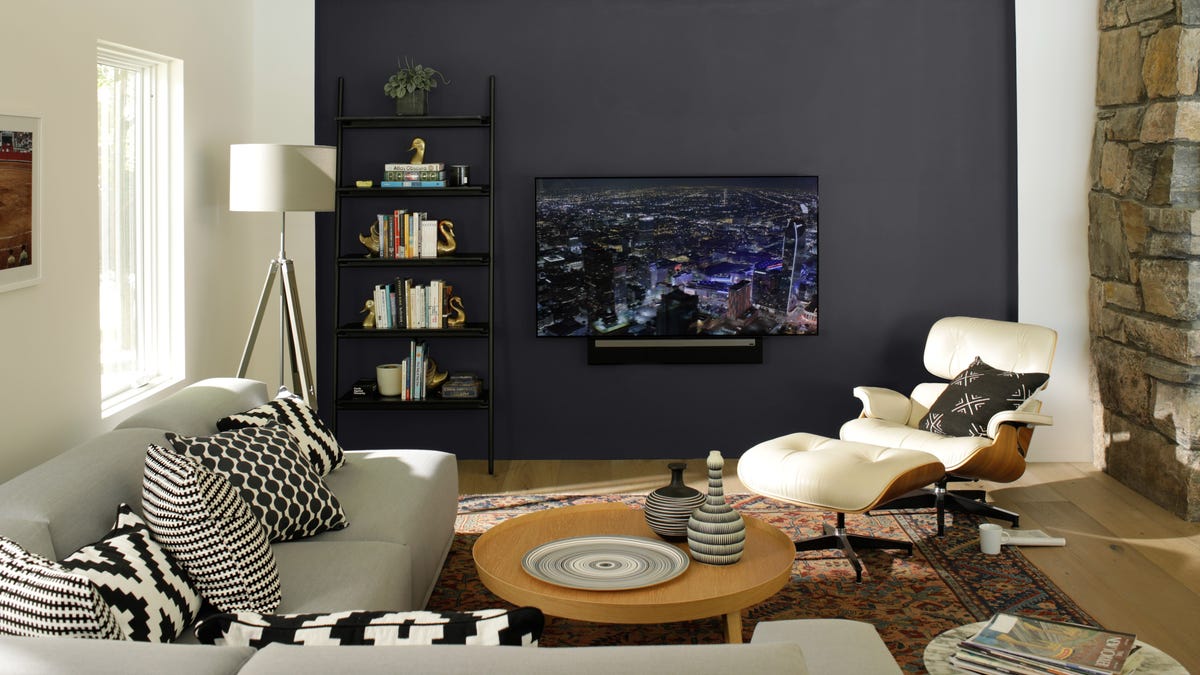
Story from Wallauer Paint & Design: Interior paint plans to spruce up any indoor space