How to Make Your Accent Wall Look Intentional, Not Like an Accident
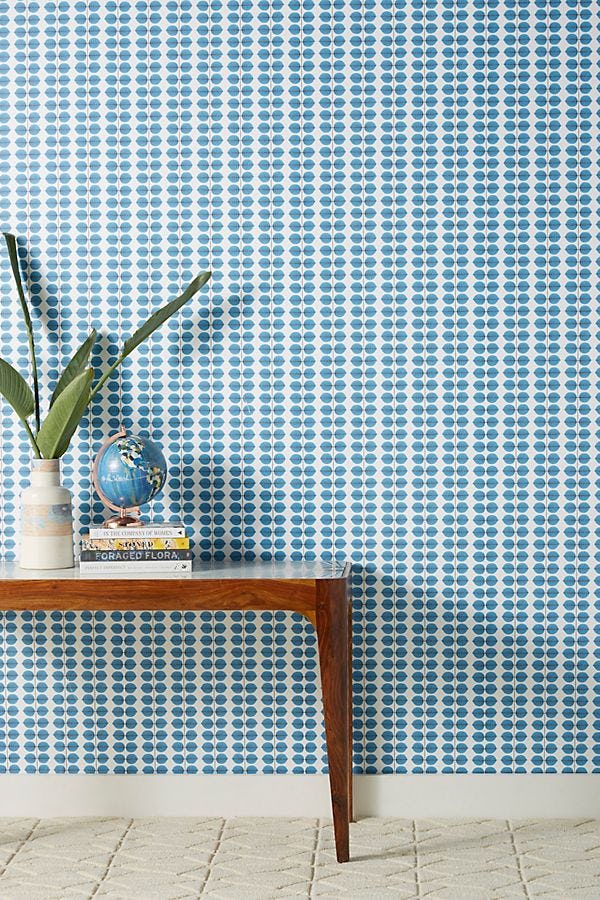
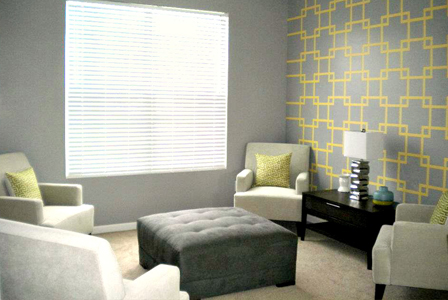
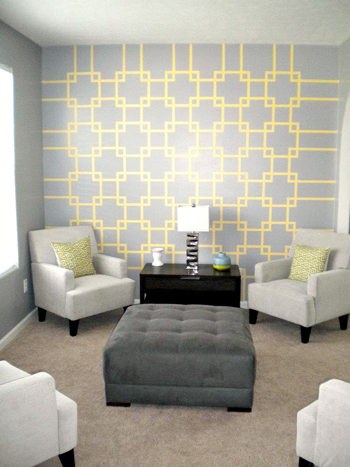
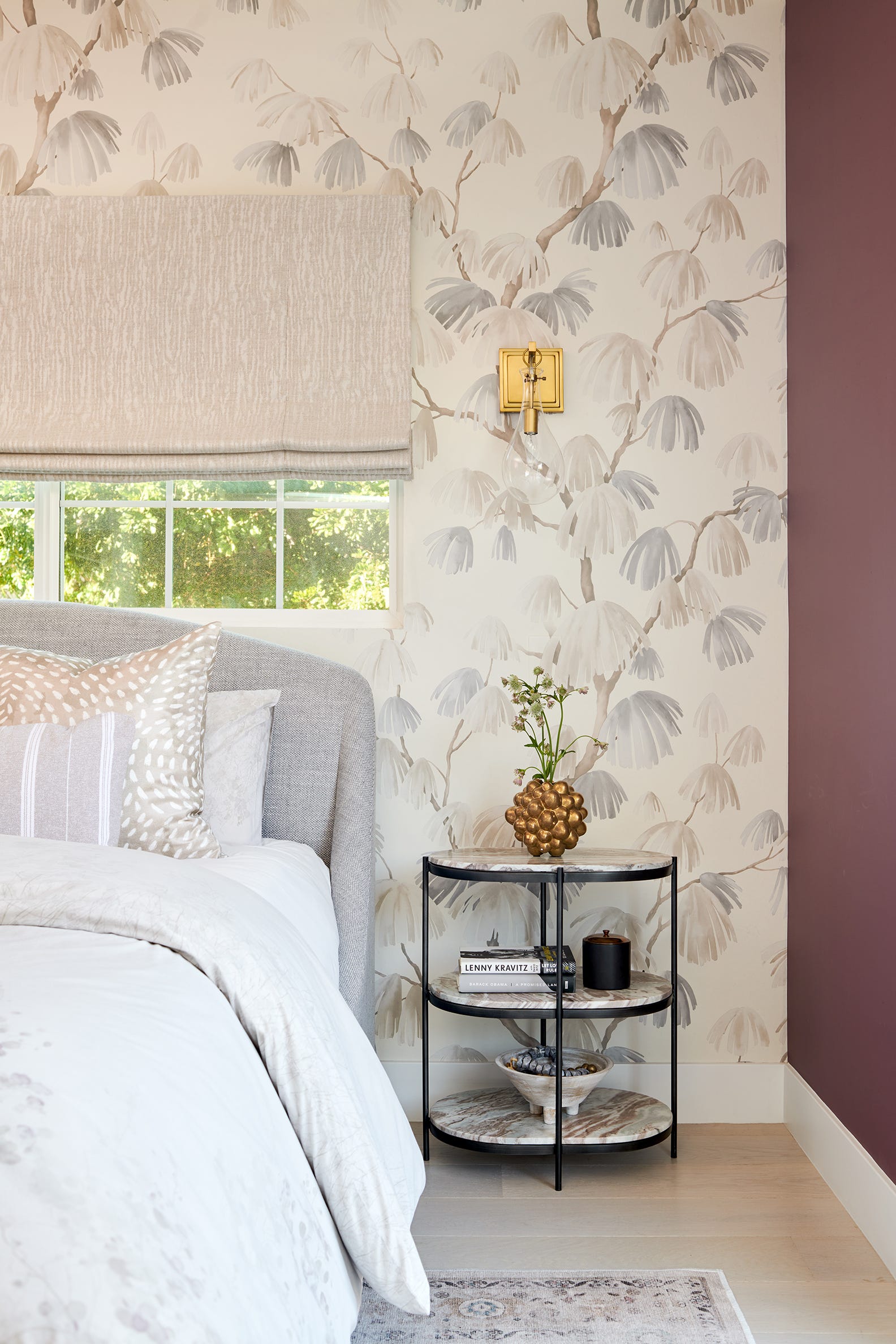
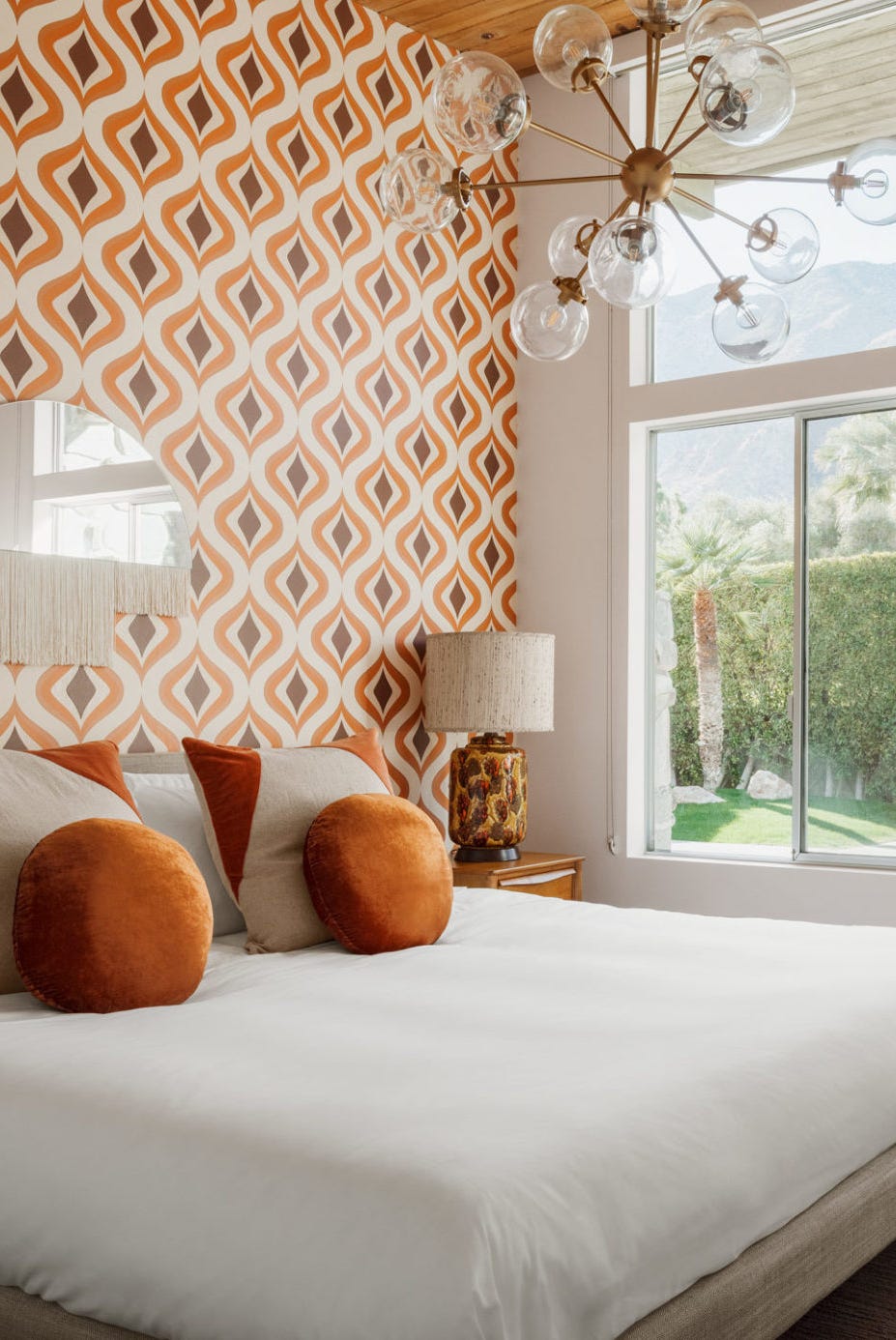
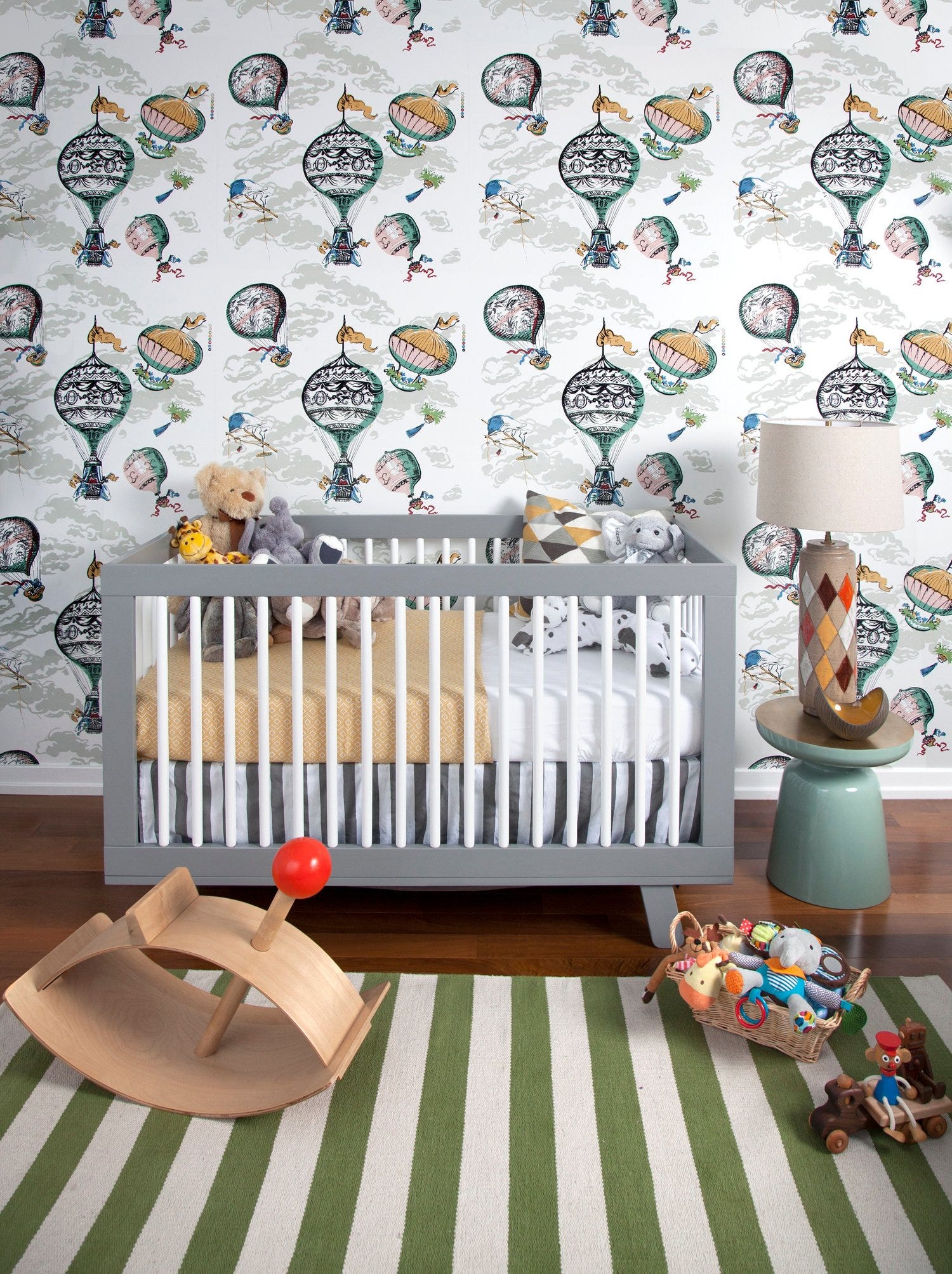
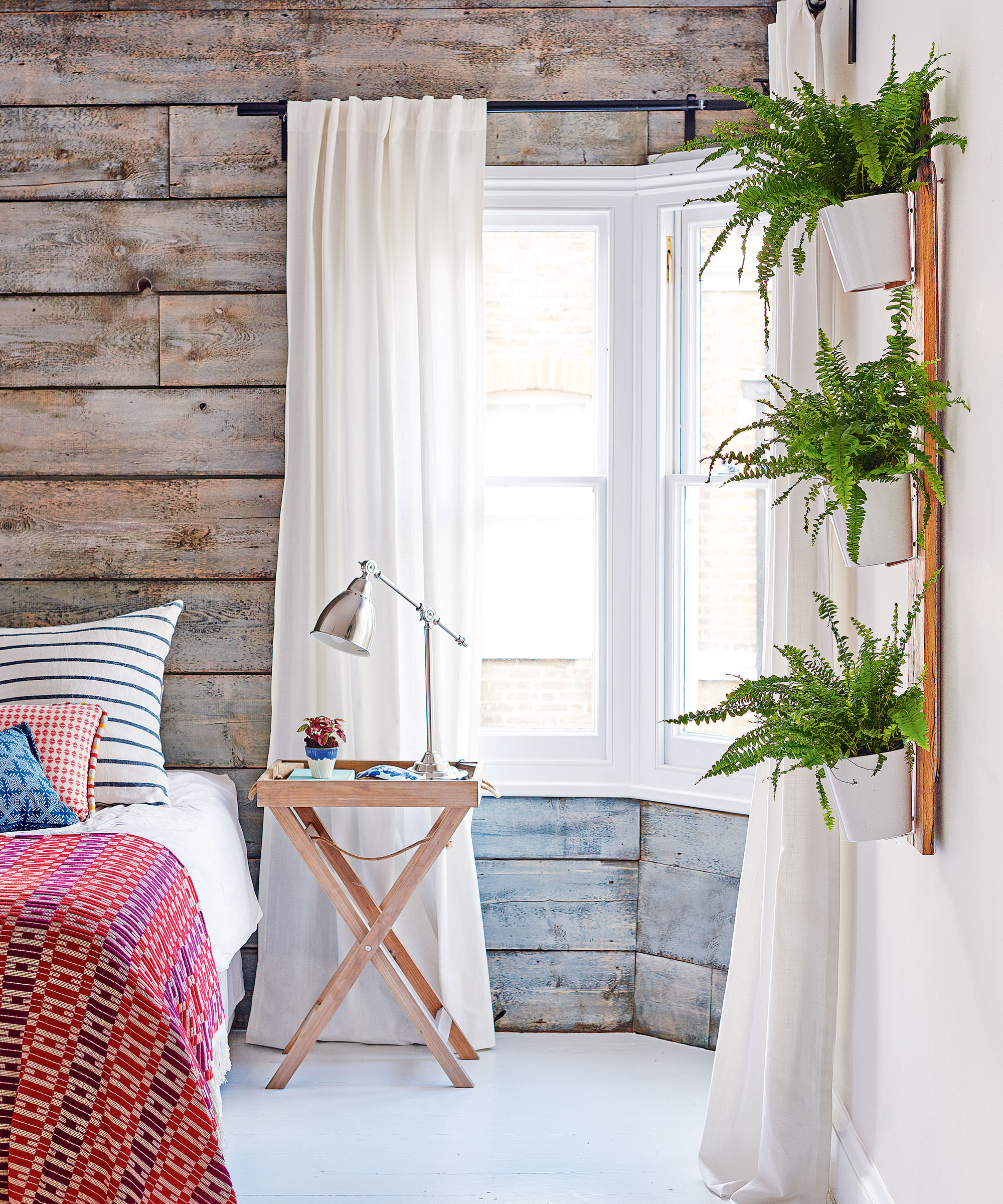
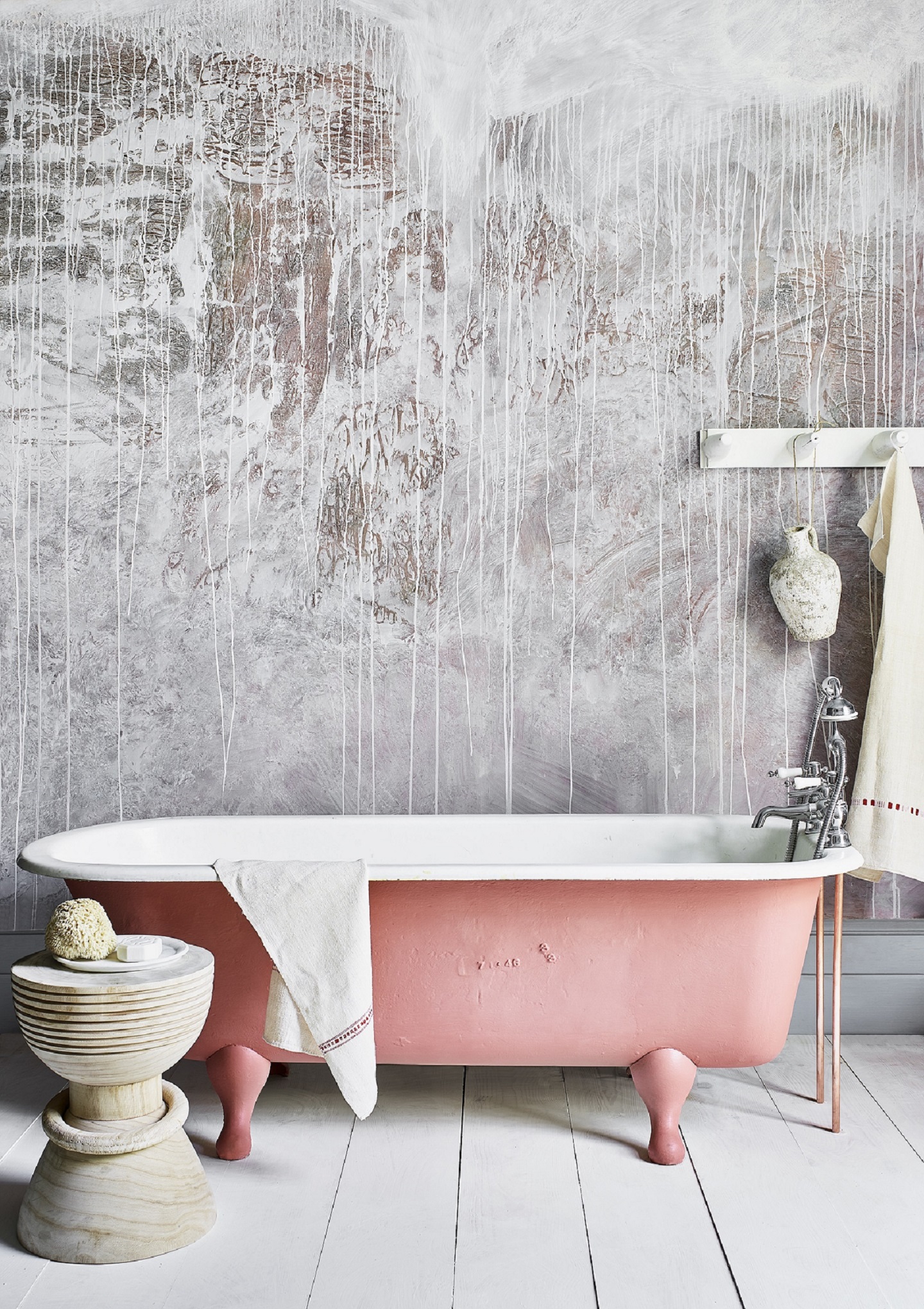
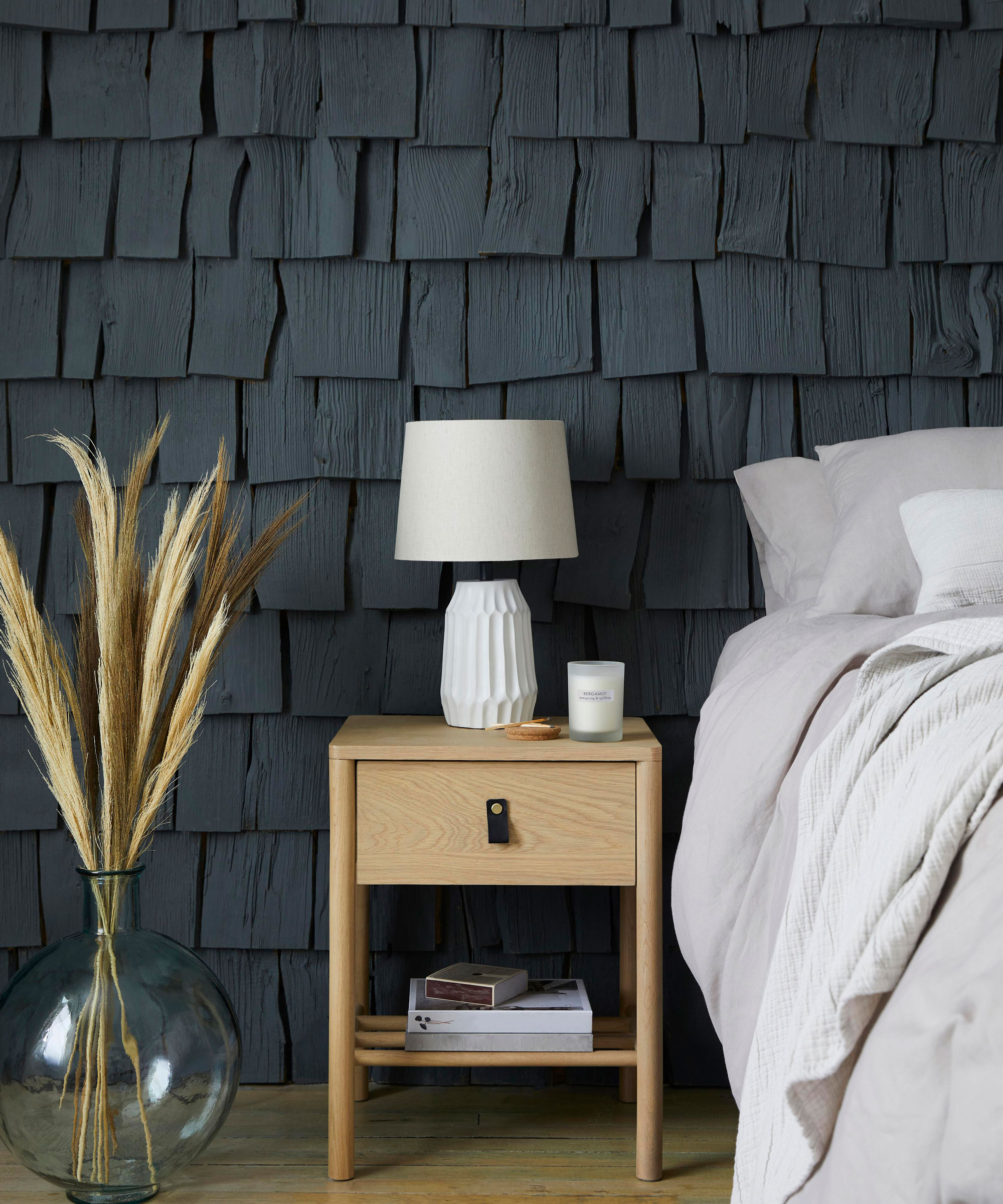
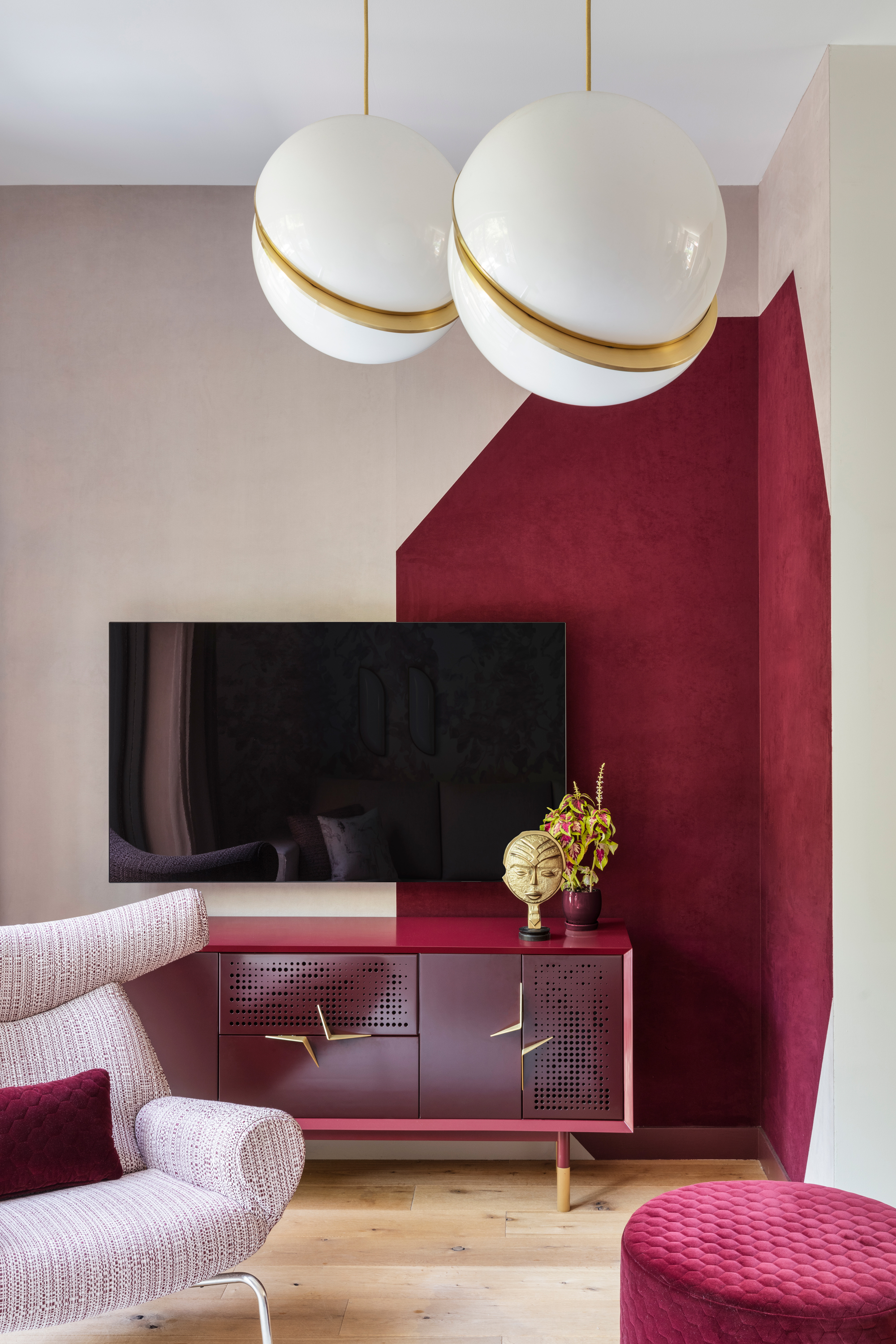
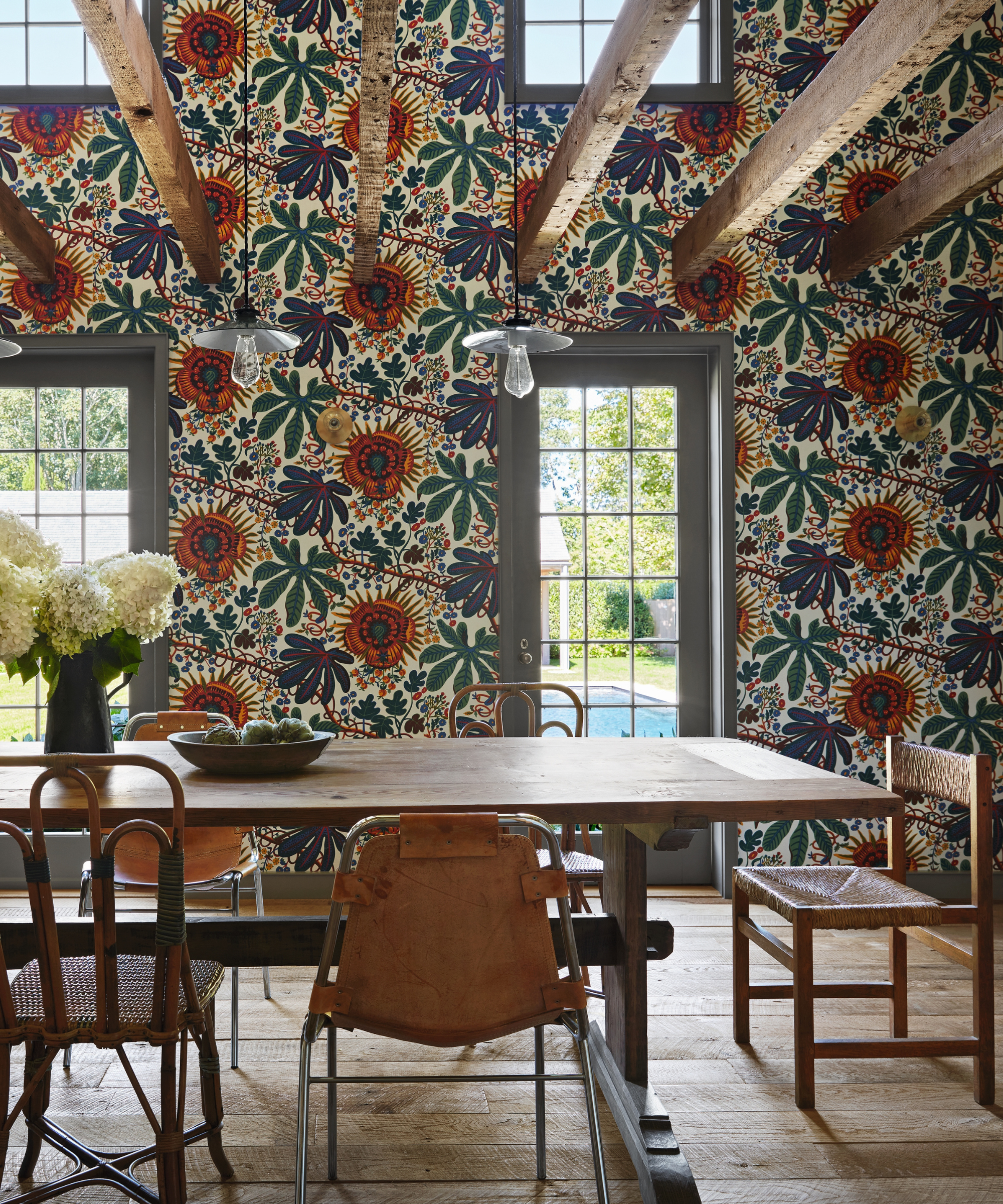
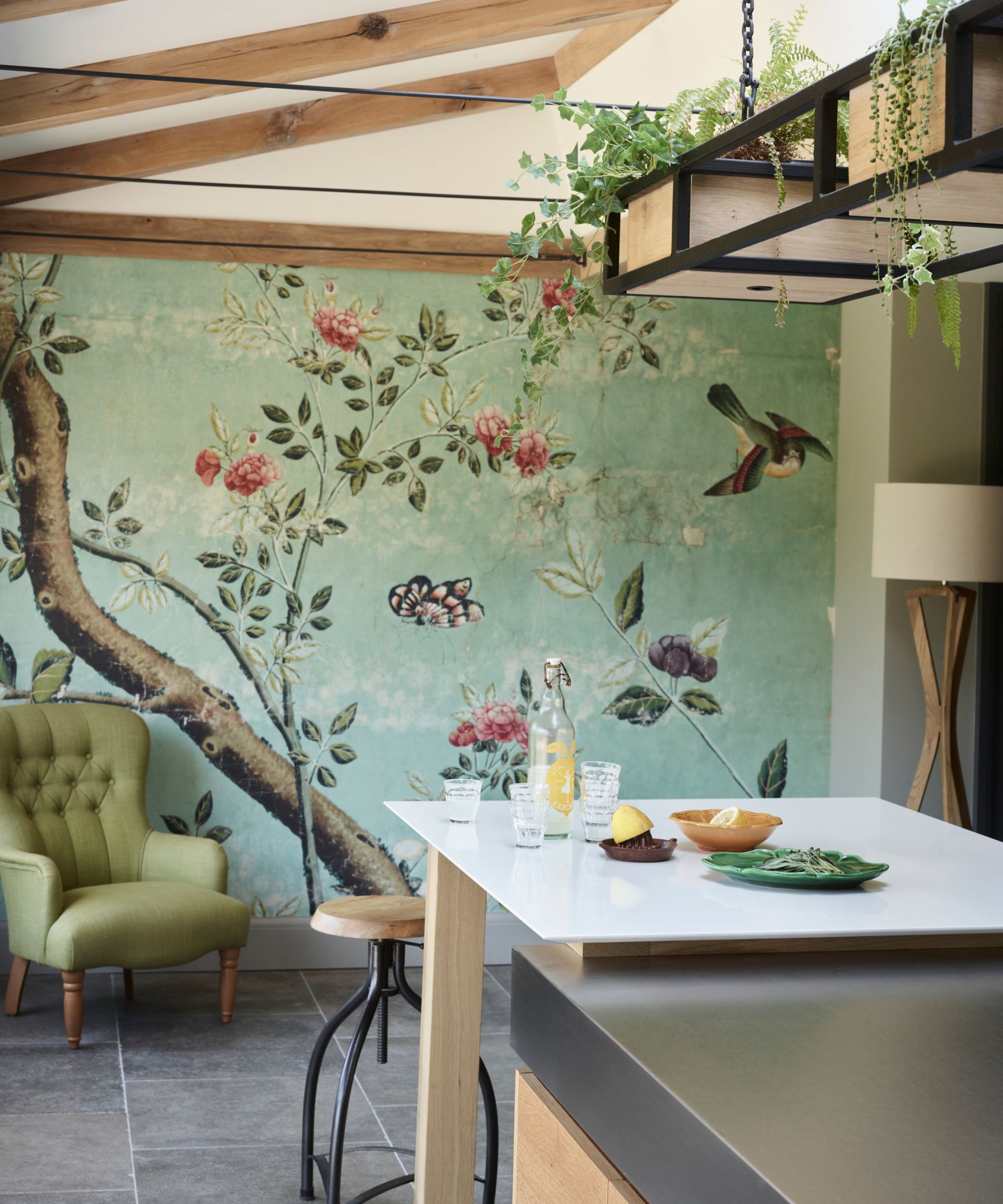
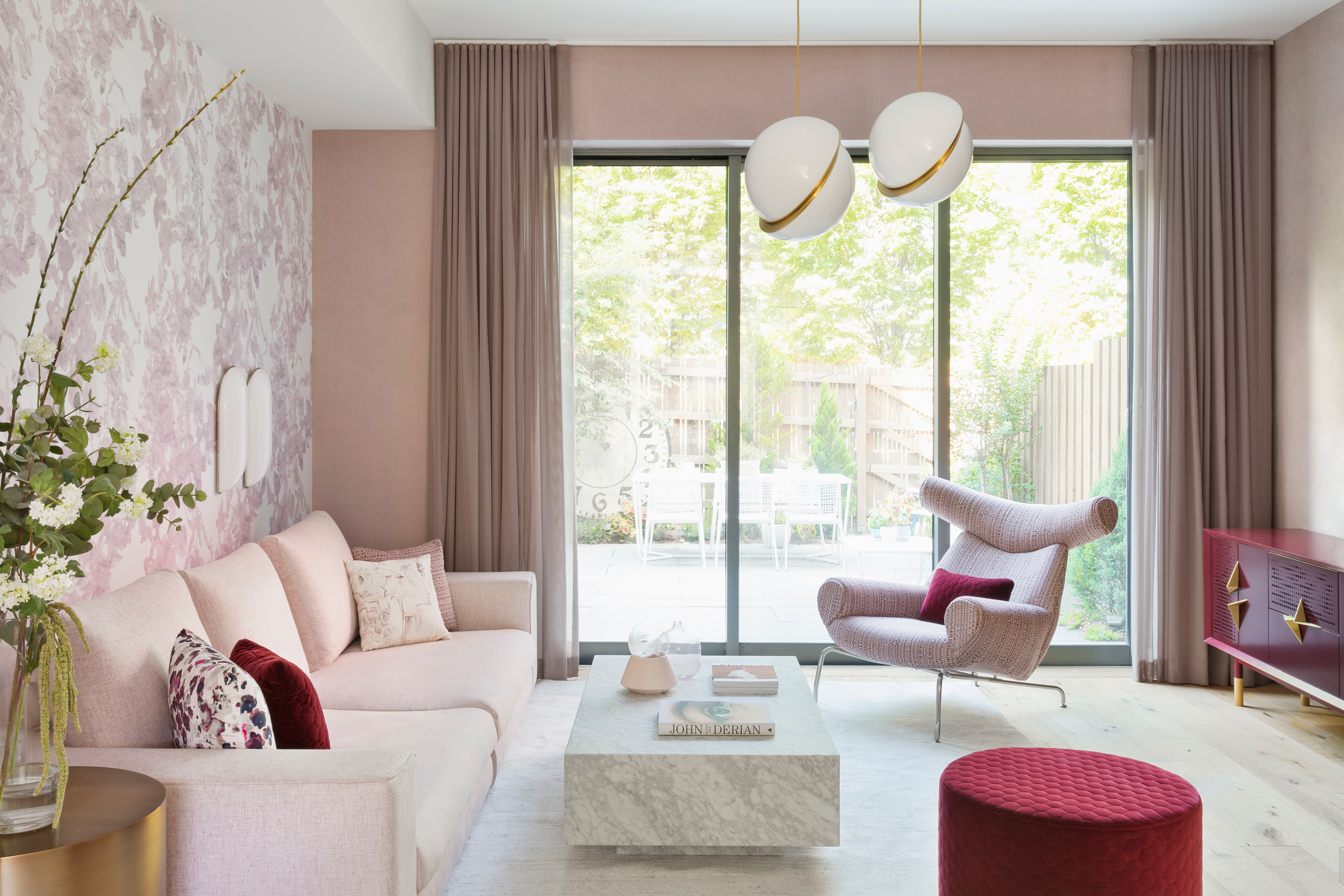
Accent walls, when executed poorly, can appear as if the painter simply ran out of paint, creating an unintentional and unfinished look. However, when done correctly, they can significantly enhance a room's aesthetic. An accent wall distinguishes itself from the other walls in a room through its unique color or design, offering a way to infuse color into an otherwise neutral space without the extensive commitment, time, and cost associated with painting or wallpapering an entire room. Beyond adding color, a well-planned accent wall contributes to a more cohesive and sophisticated room appearance.
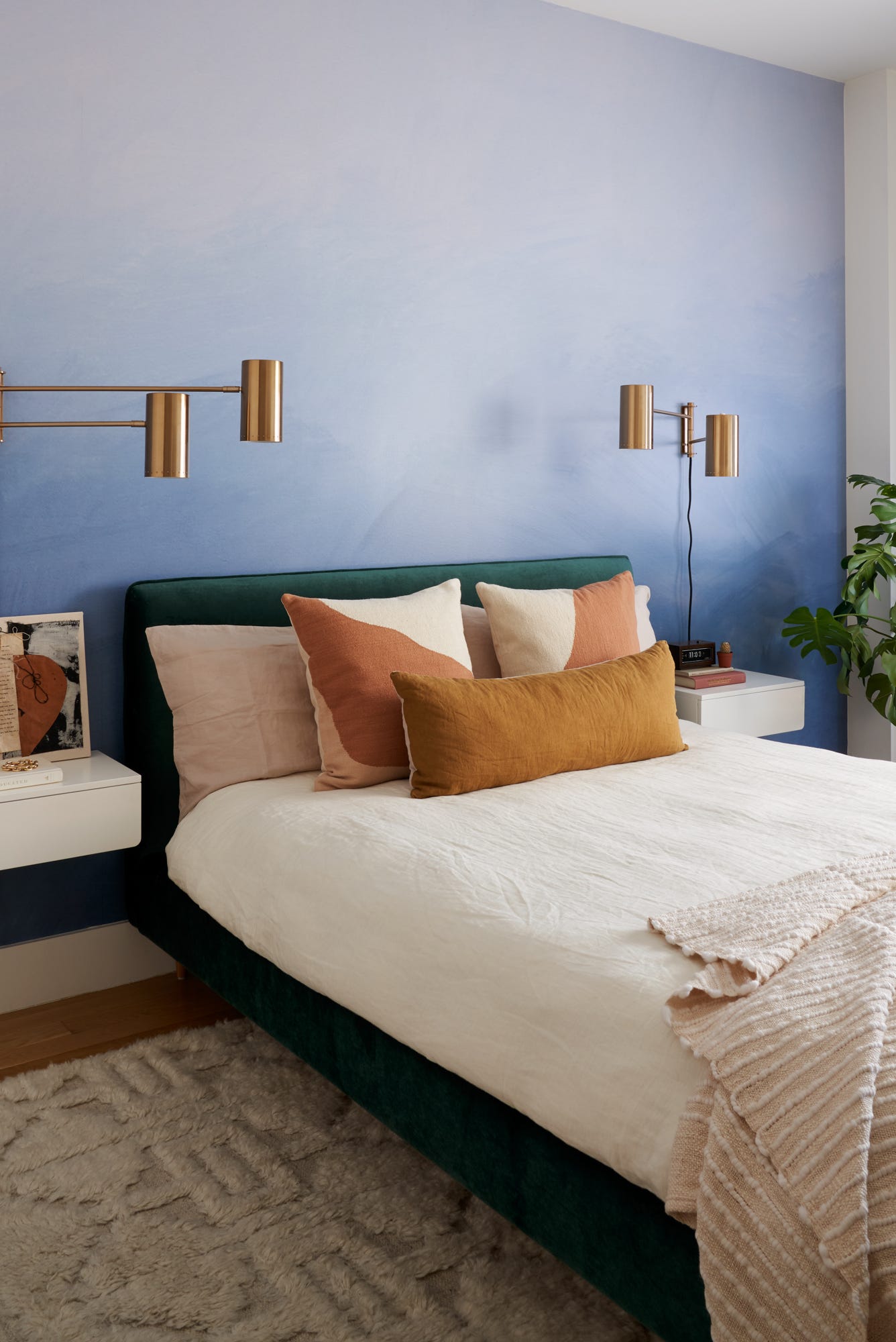
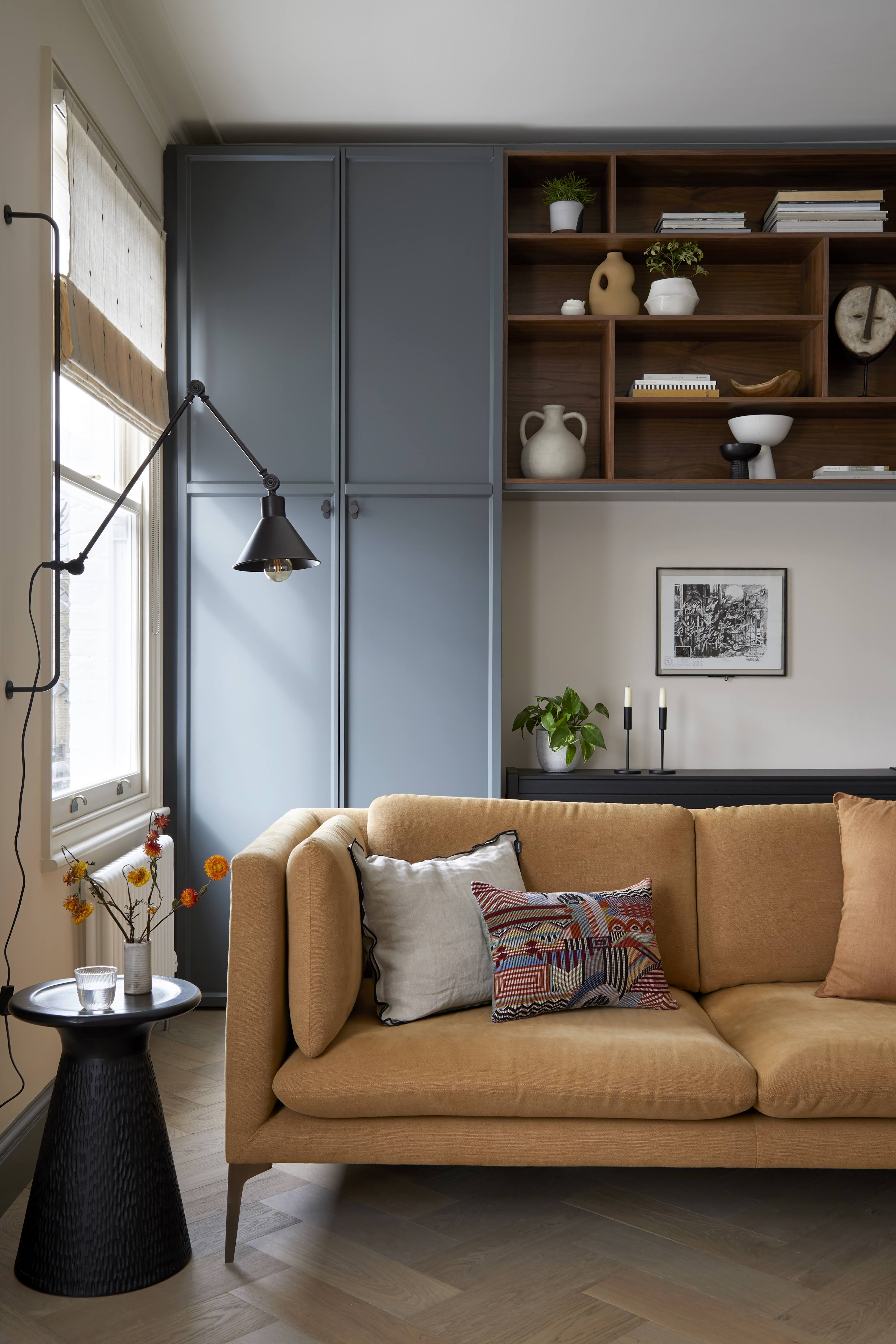
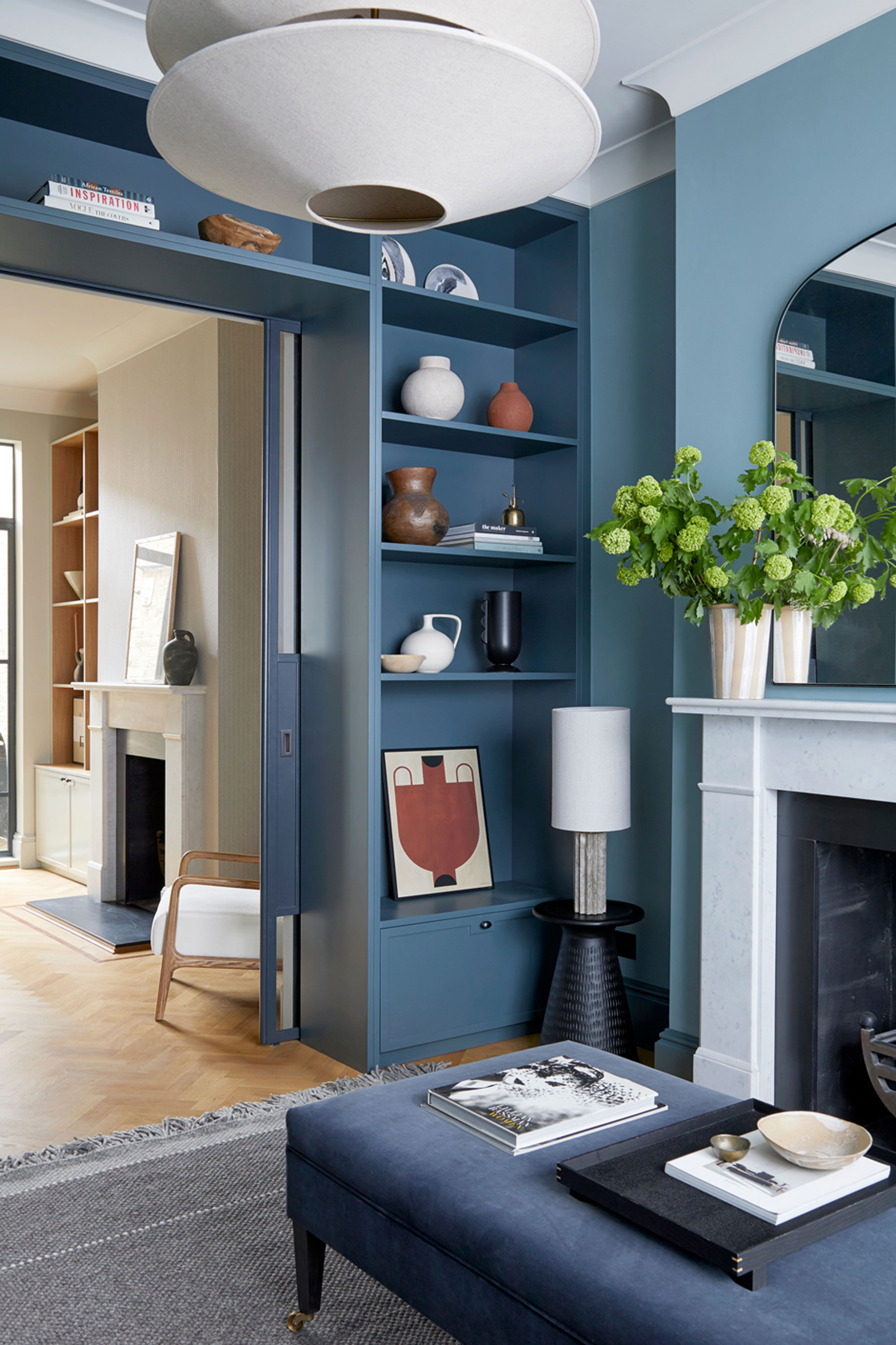
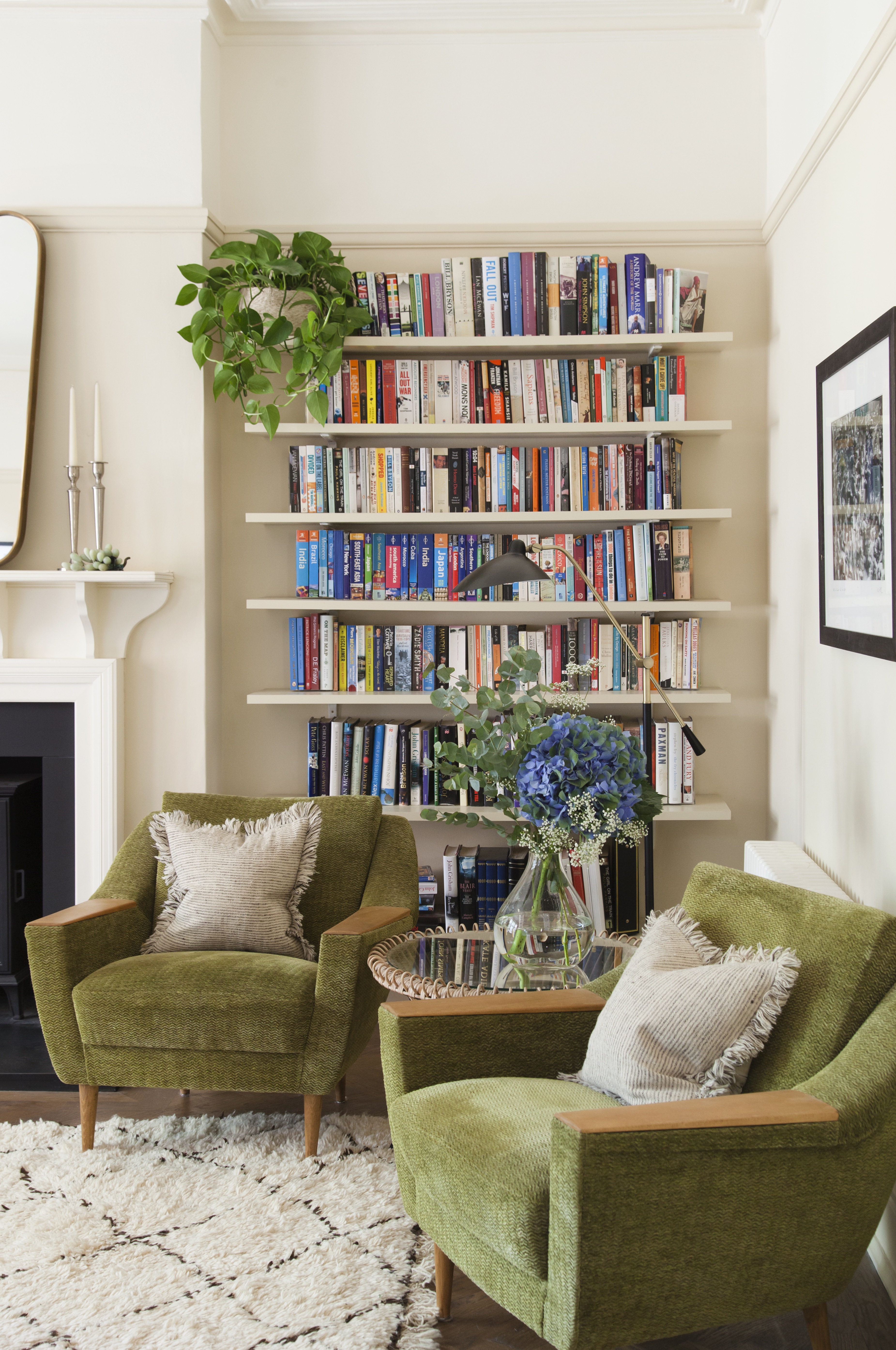
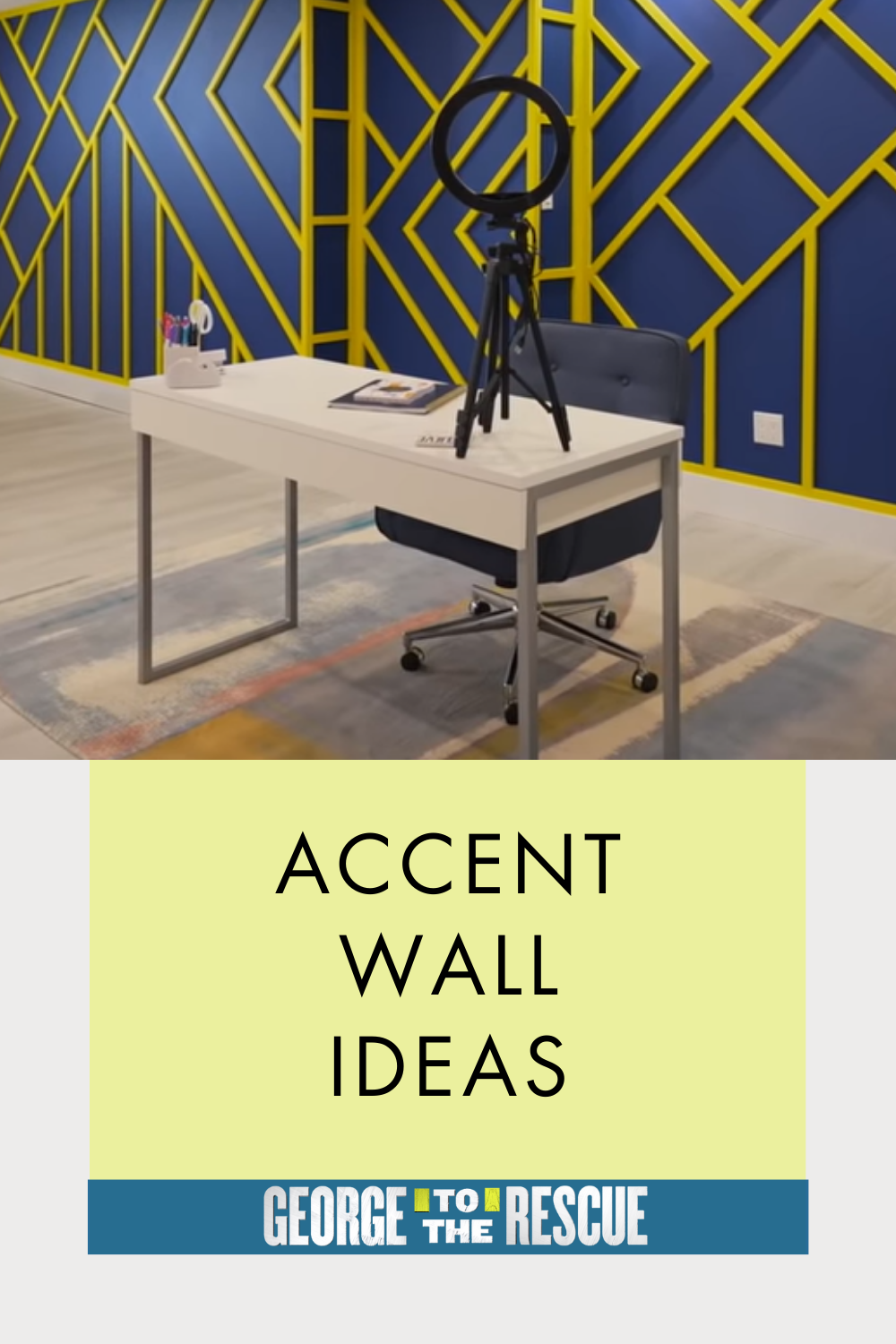
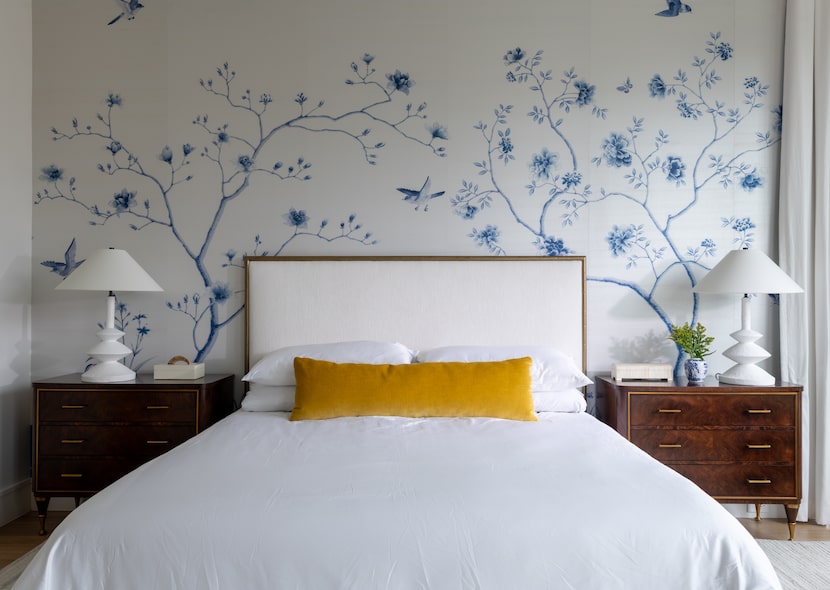
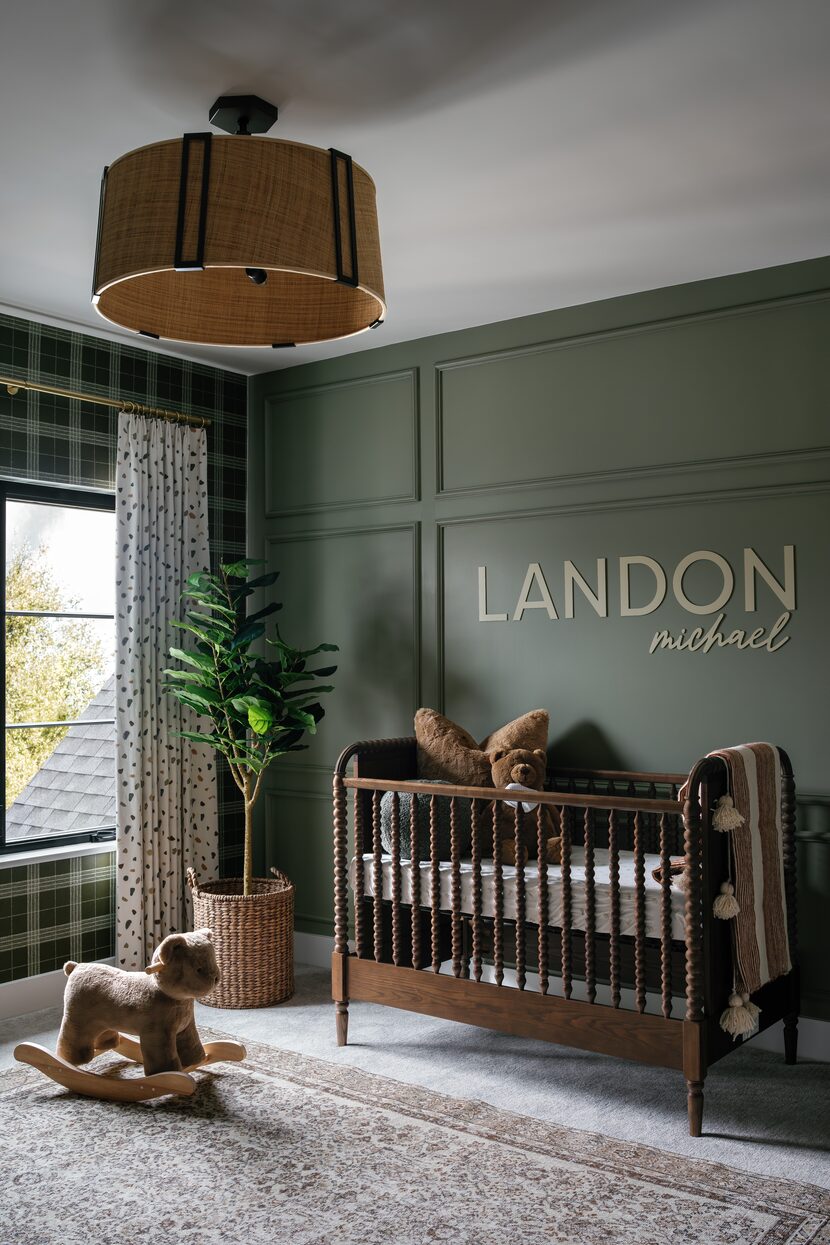
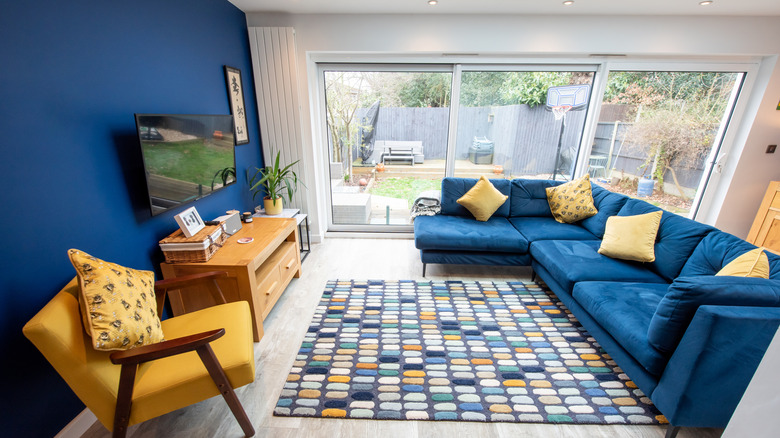
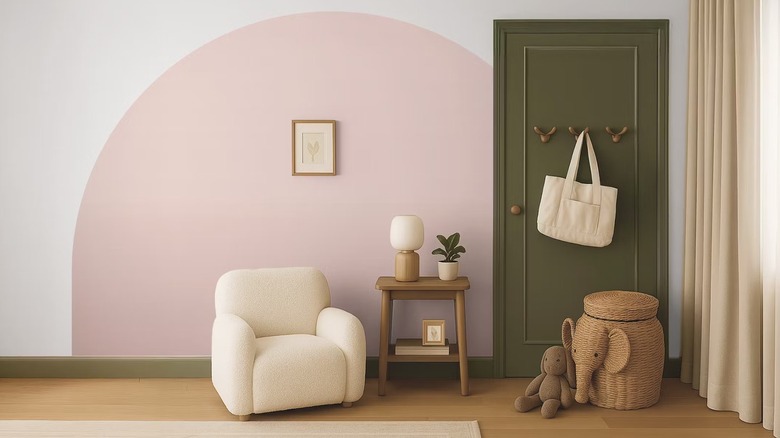
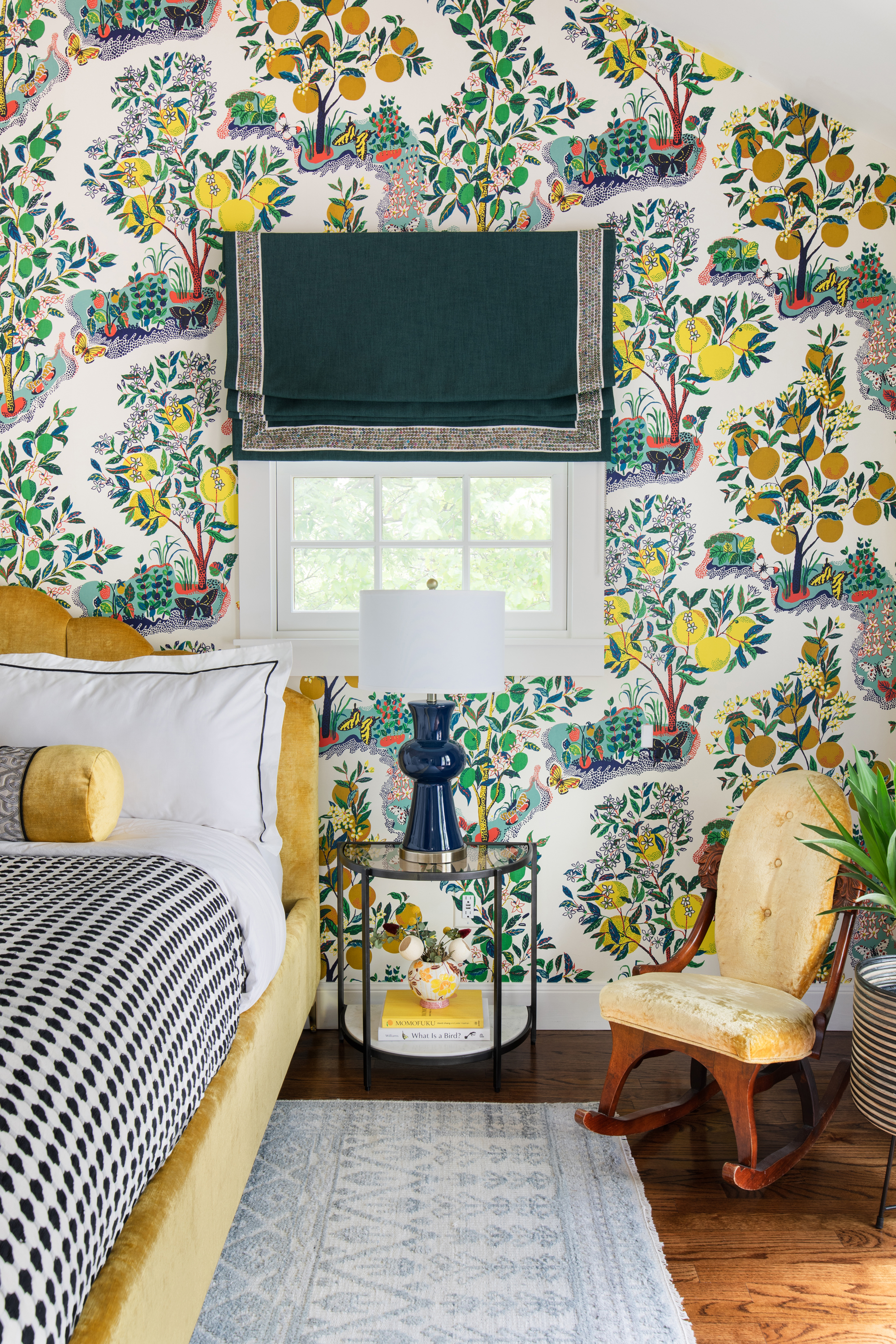
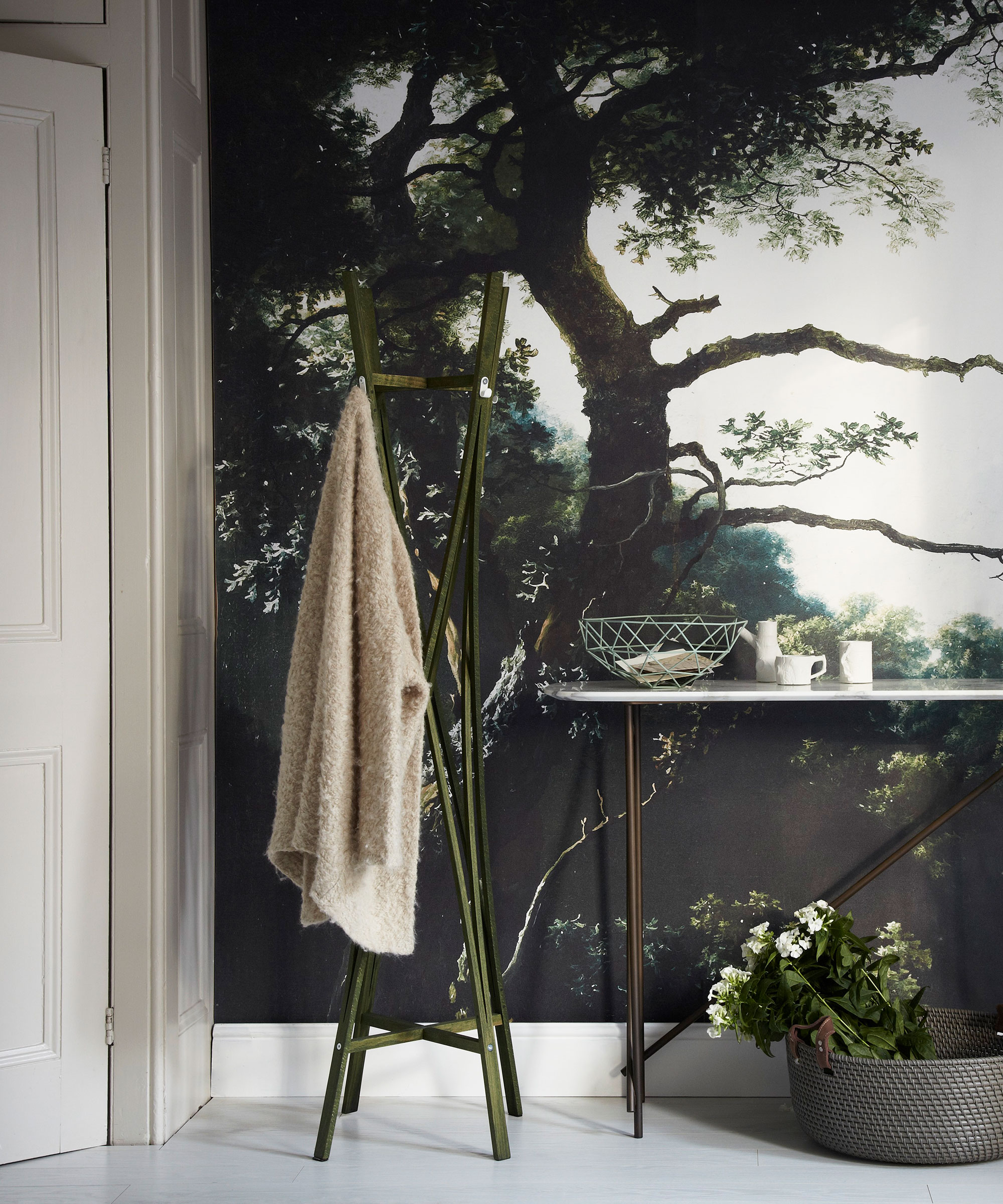
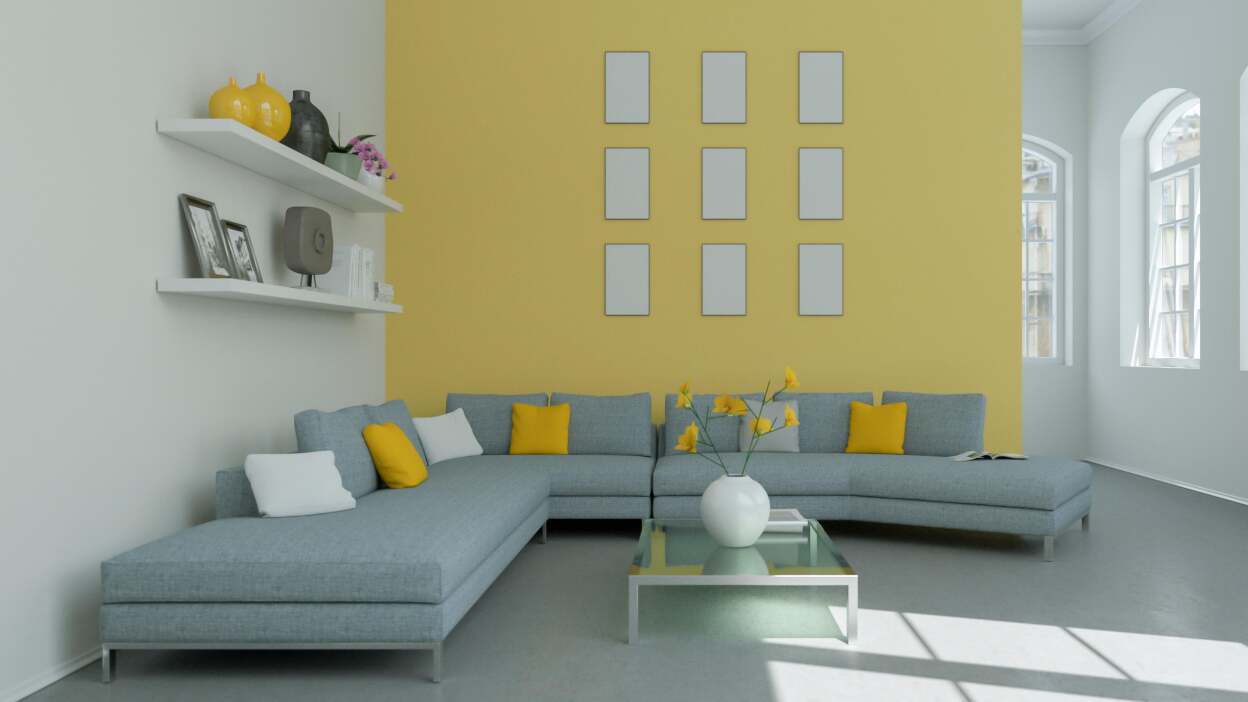
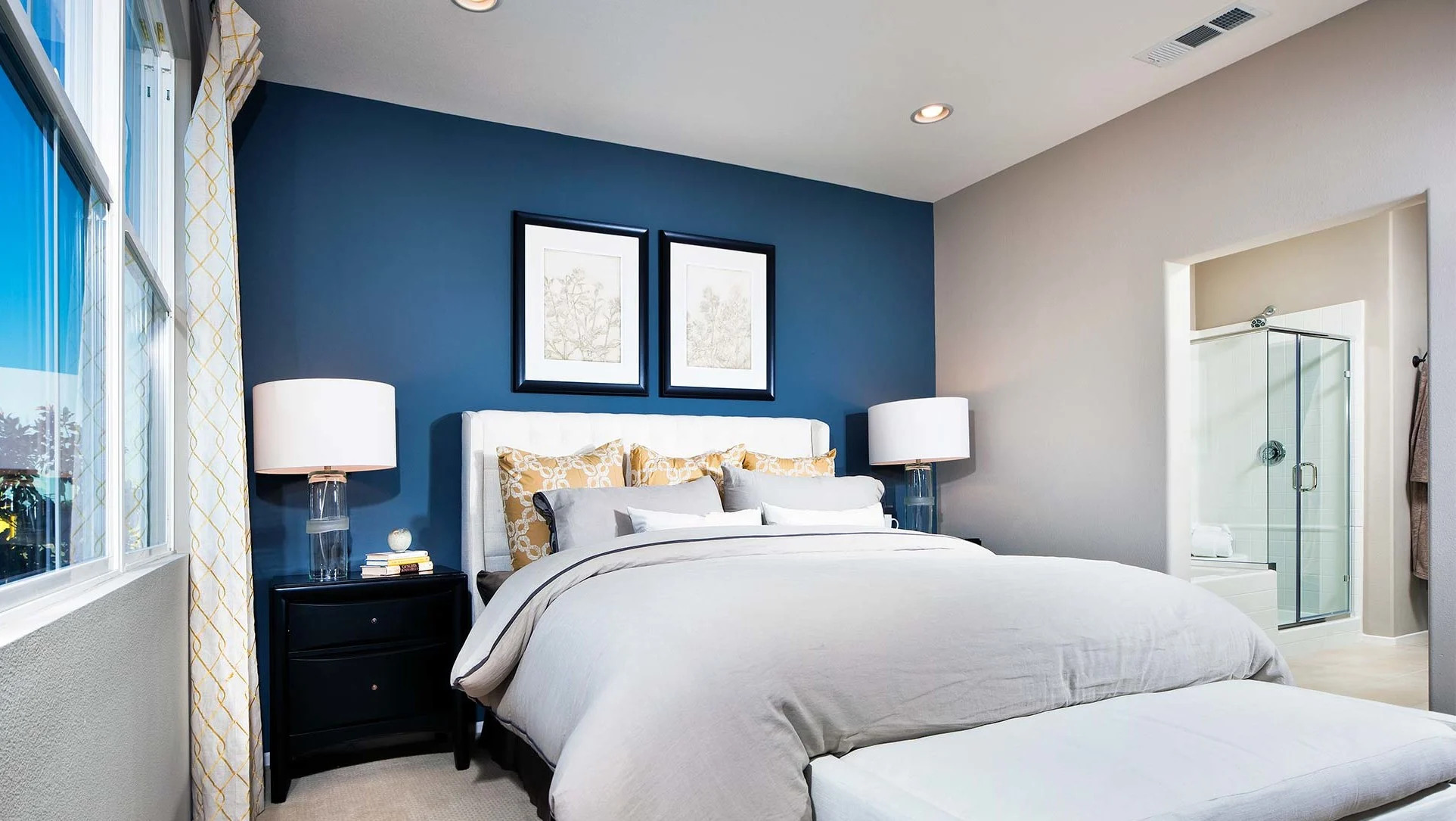
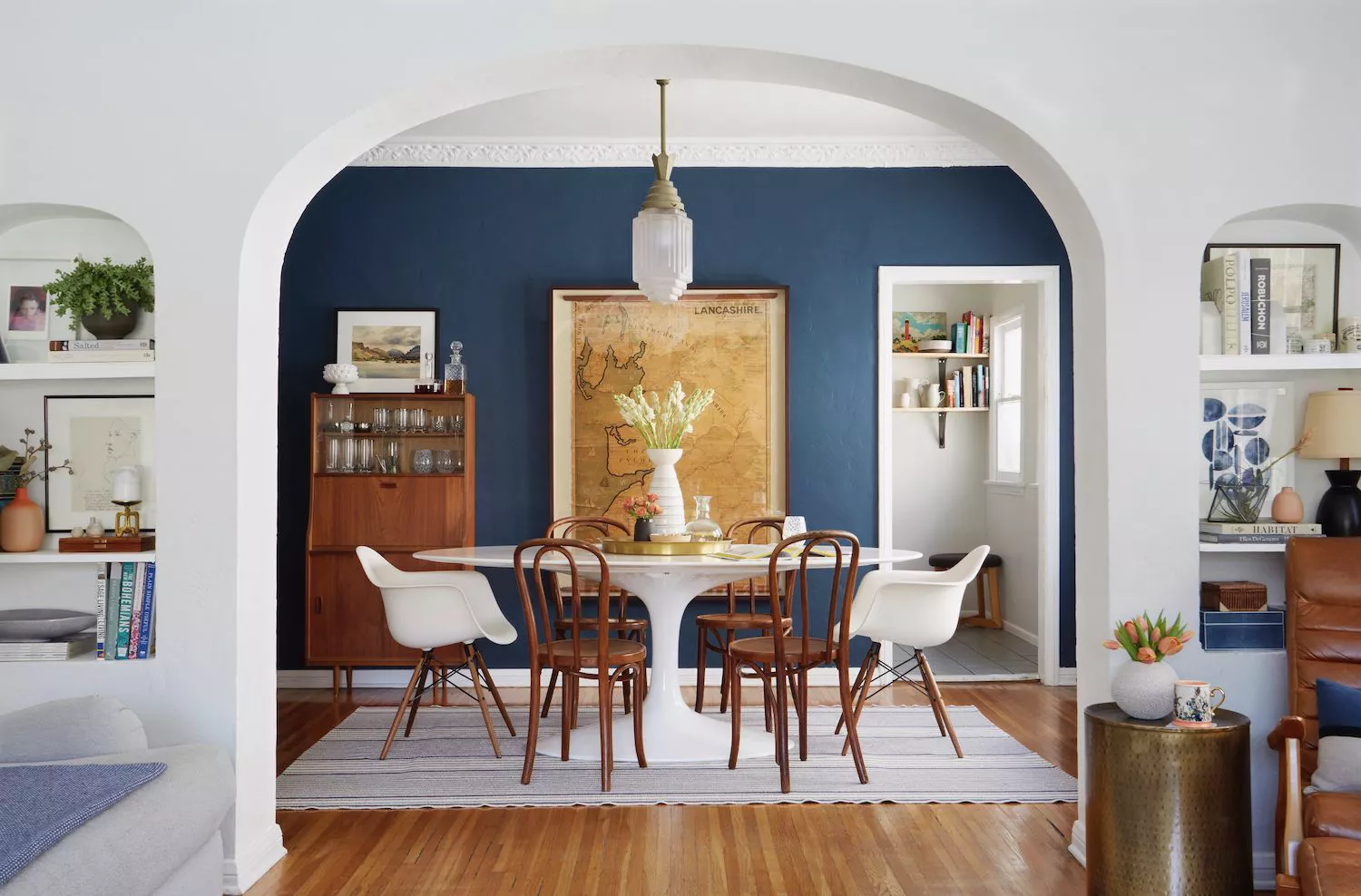
Creating an effective accent wall involves several key considerations to ensure it looks purposeful rather than accidental. The choice of color is paramount. It should not be selected at random but rather in harmony with the existing furnishings and overall design of the room. For instance, drawing a color from a rug can help tie the space together. Furthermore, the color choice should align with the desired mood or function of the room. Blue, for example, is recognized for its calming properties, making it suitable for a tranquil bedroom oasis. Green is associated with invigoration and balance, often a good option for entryways or living areas. Even yellow, used sparingly, can evoke a welcoming and energizing atmosphere.
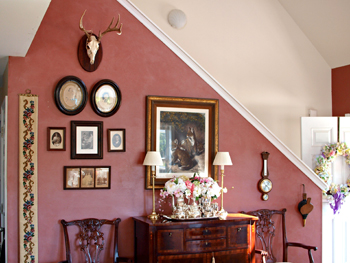
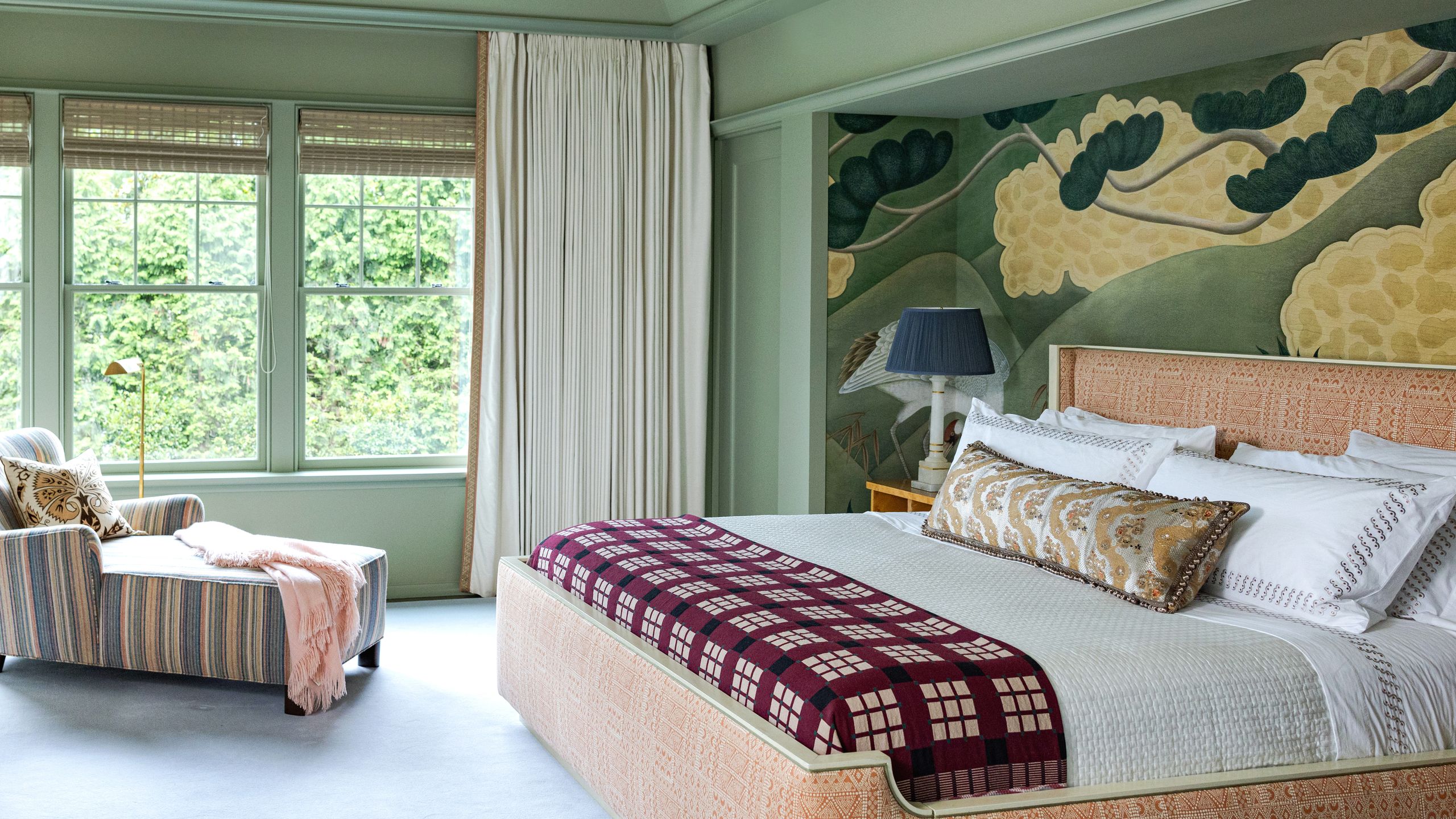
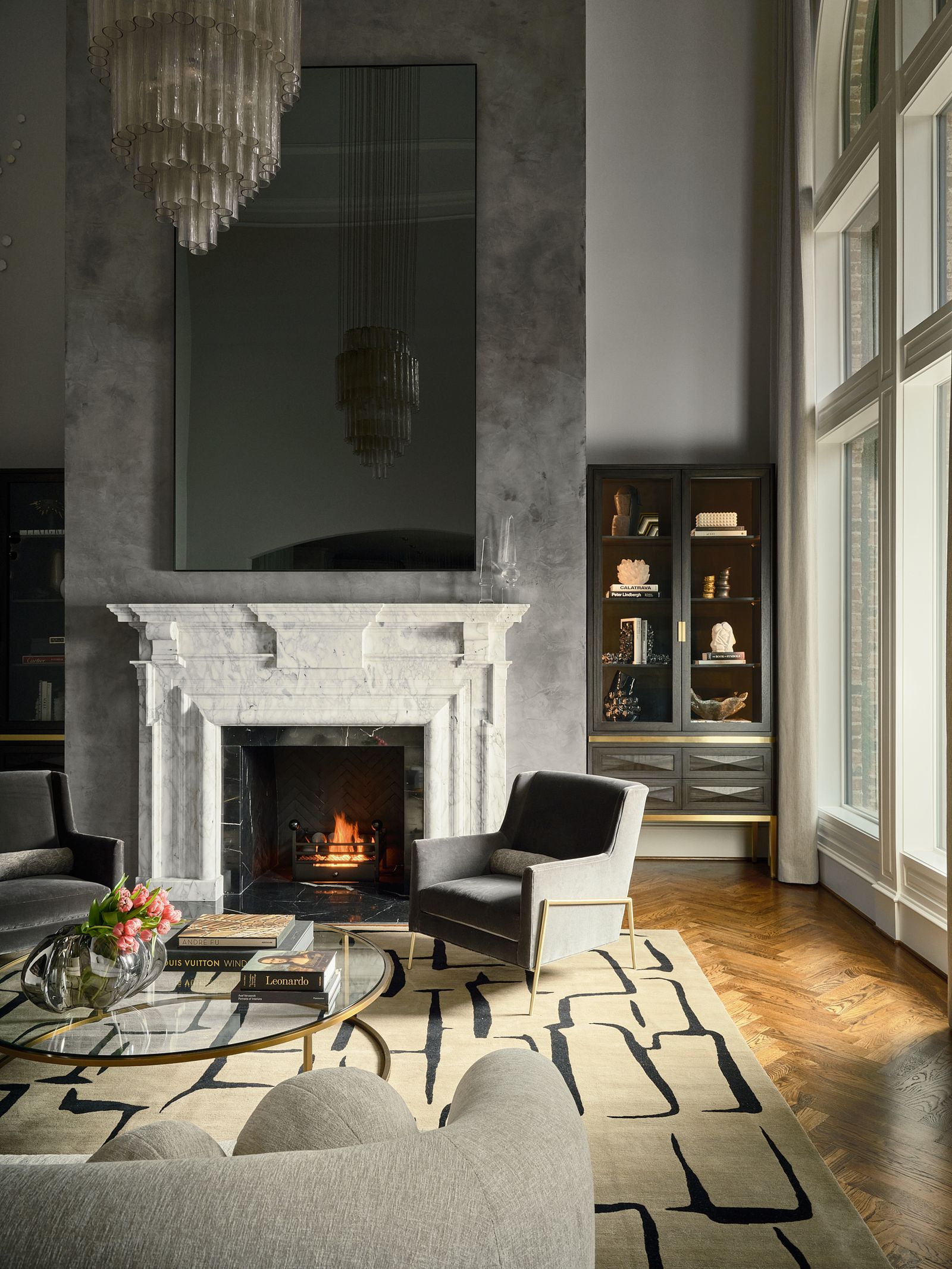
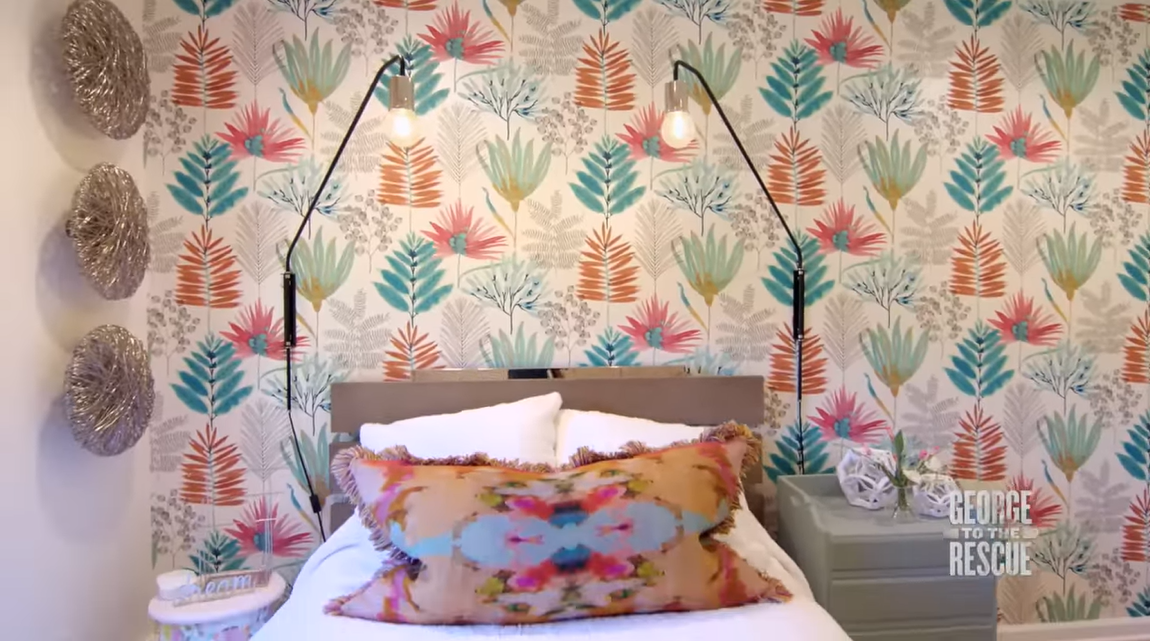
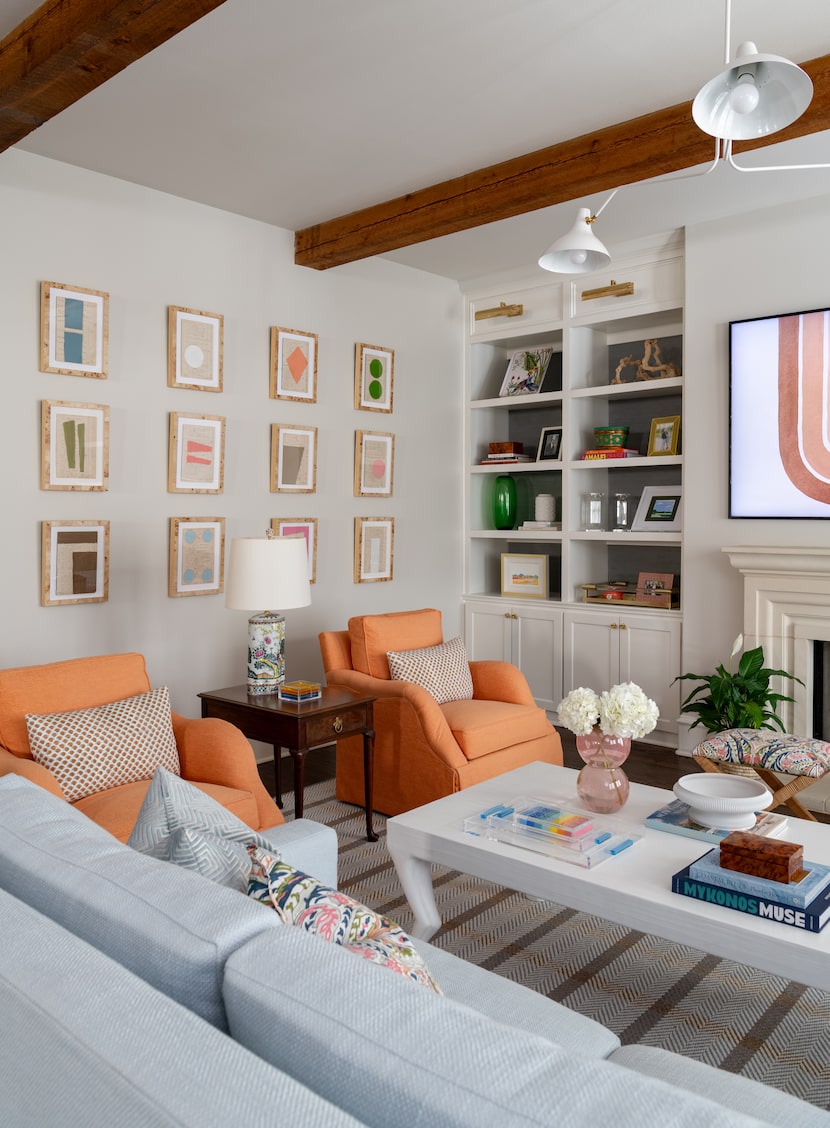
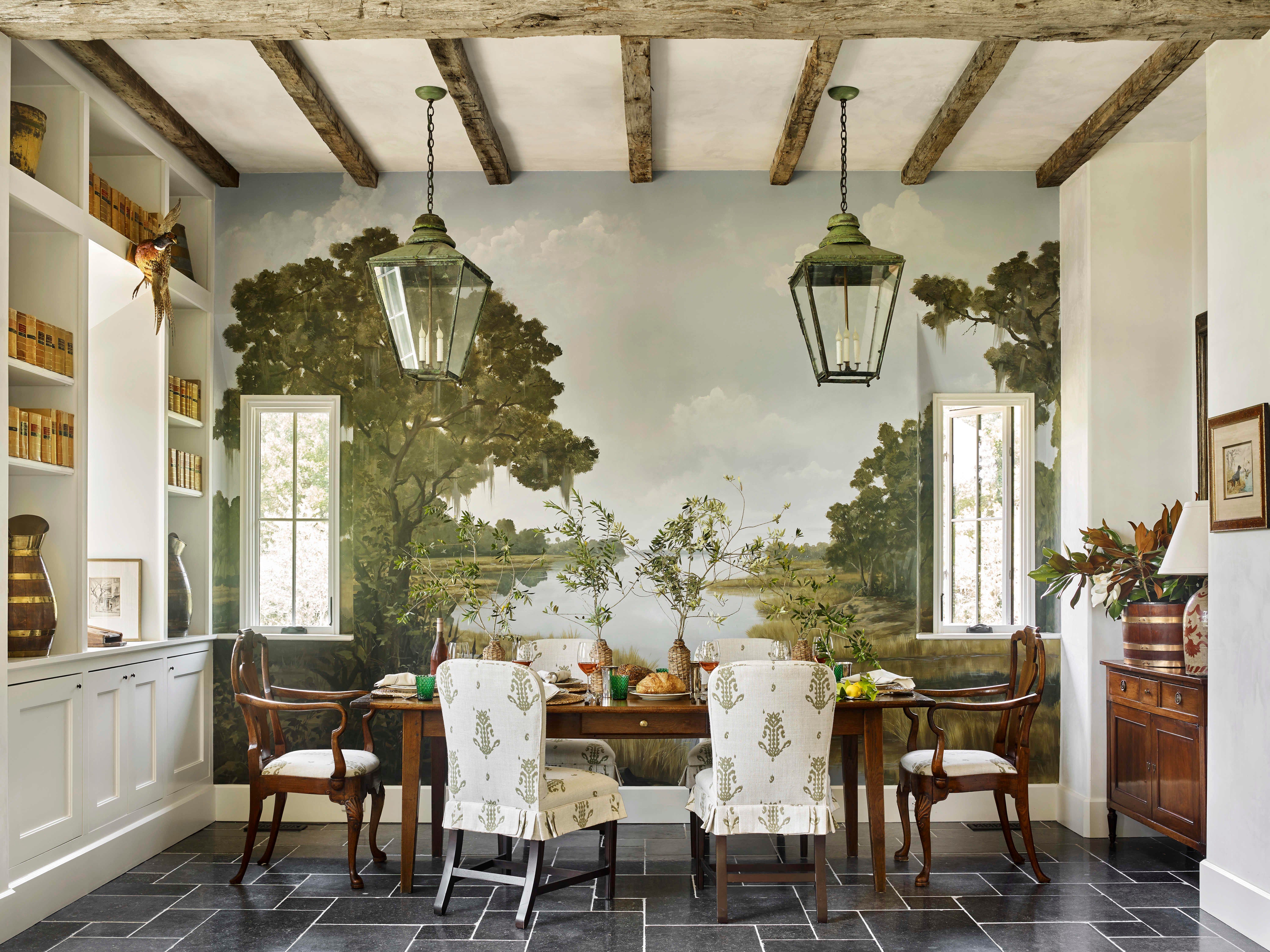
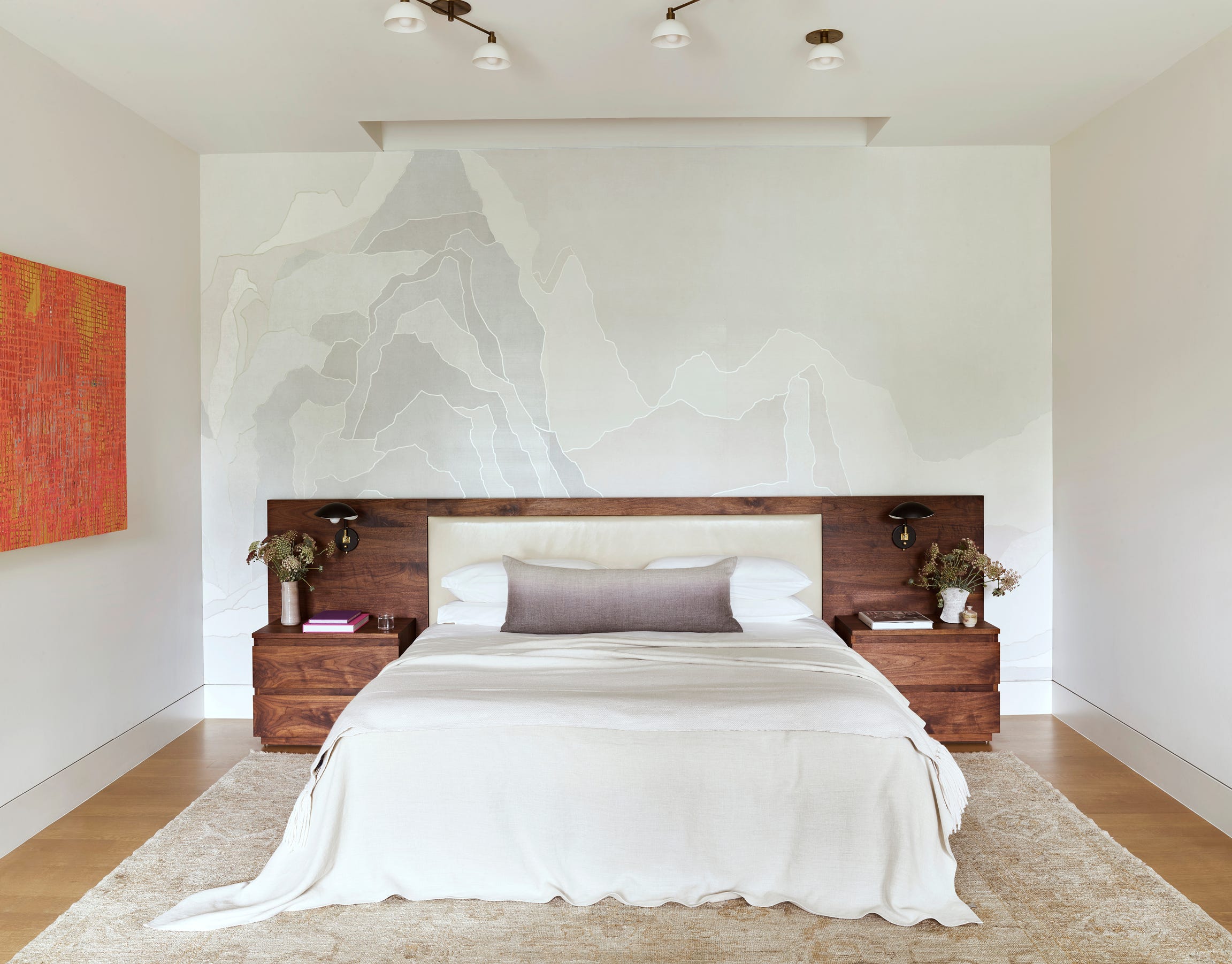
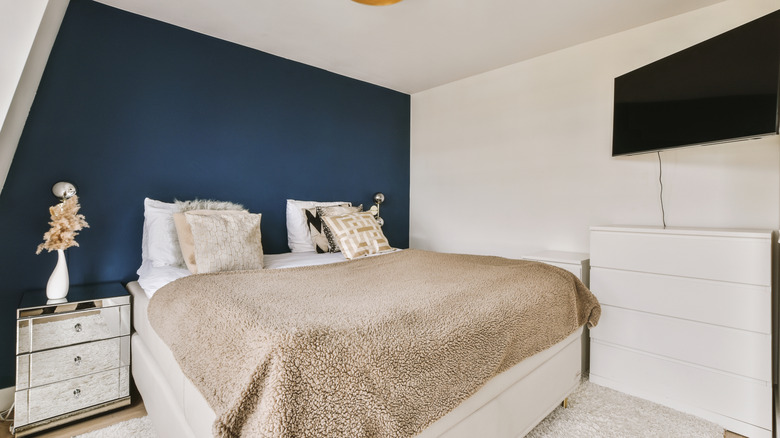
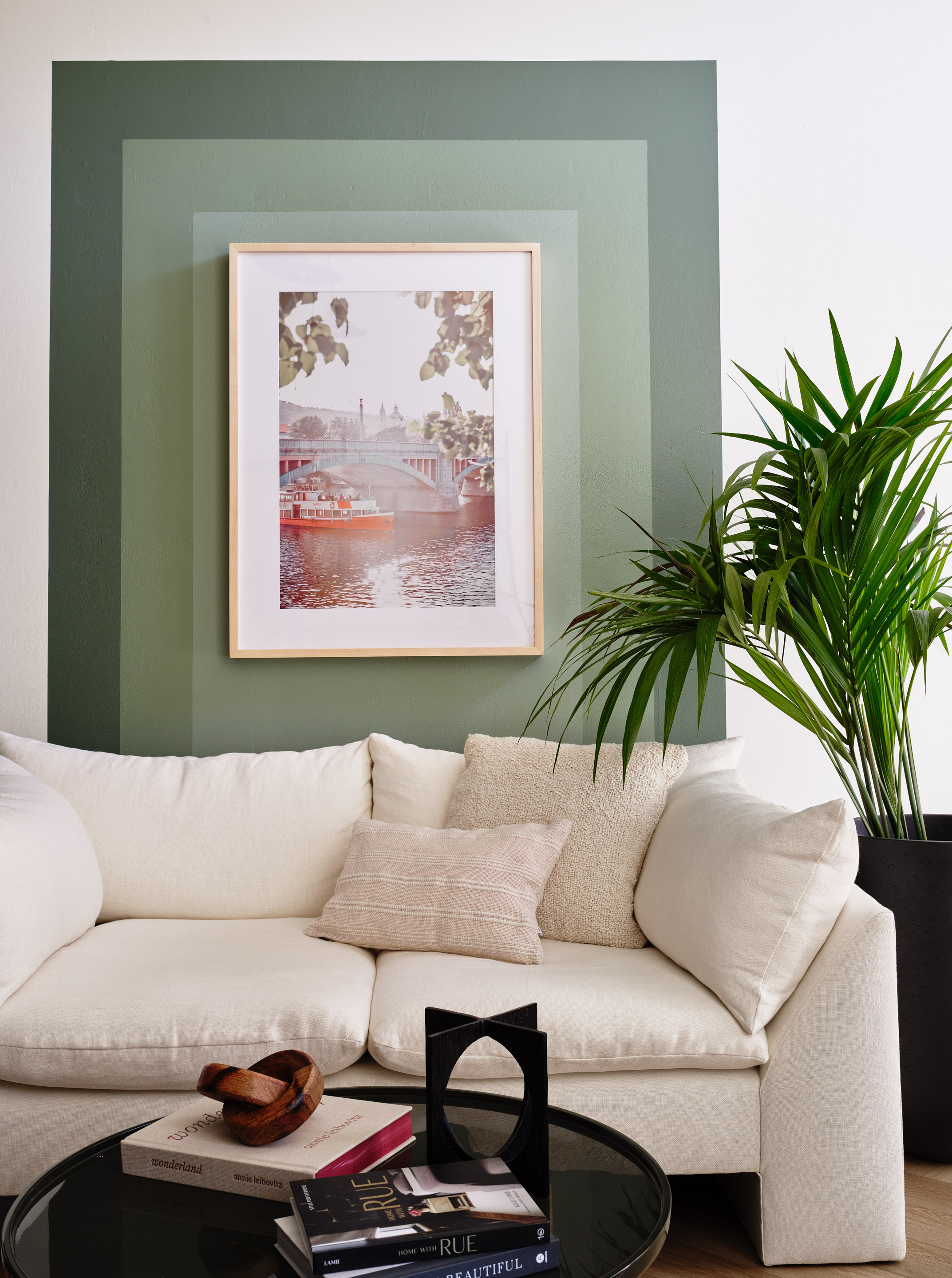
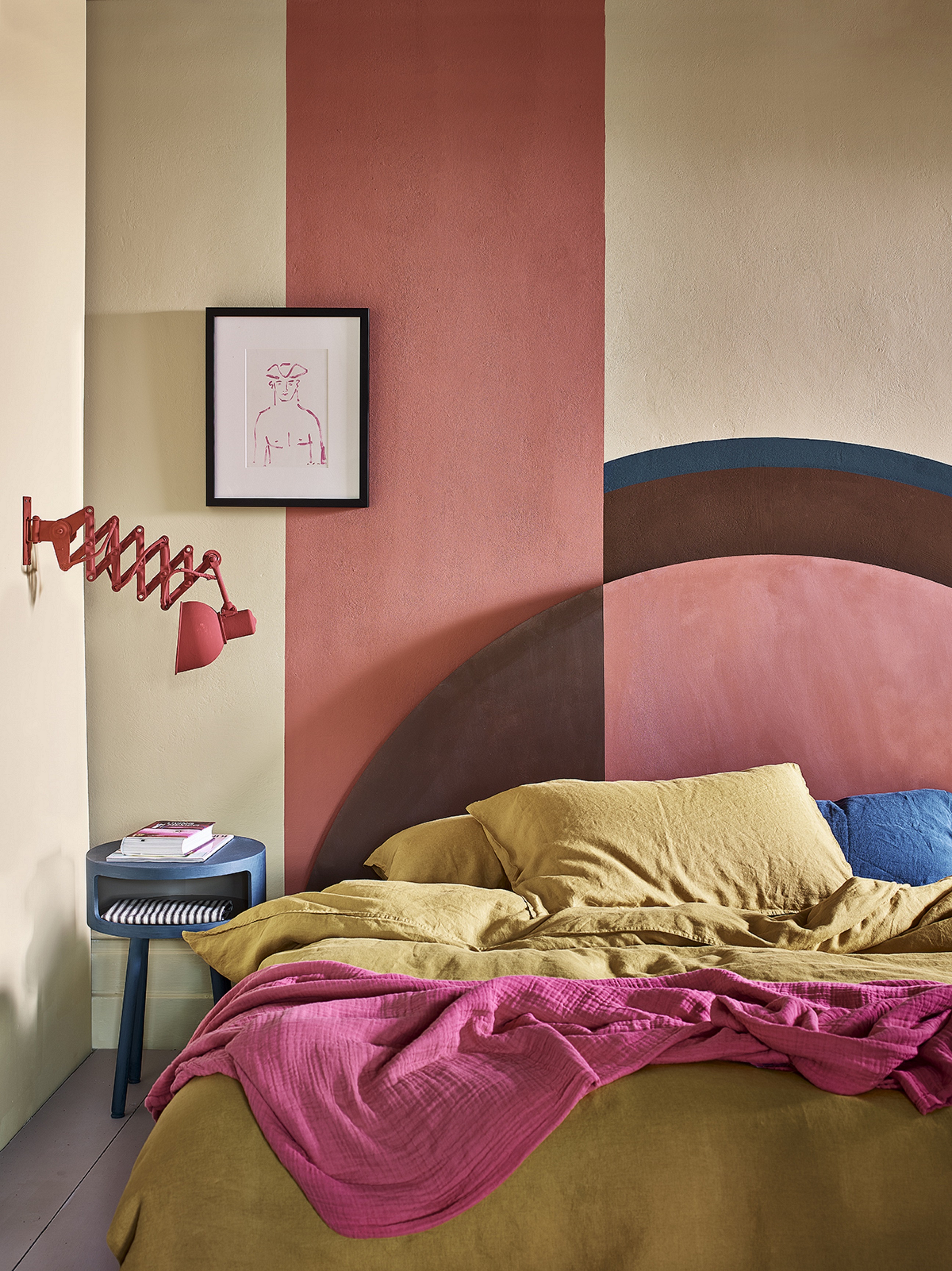
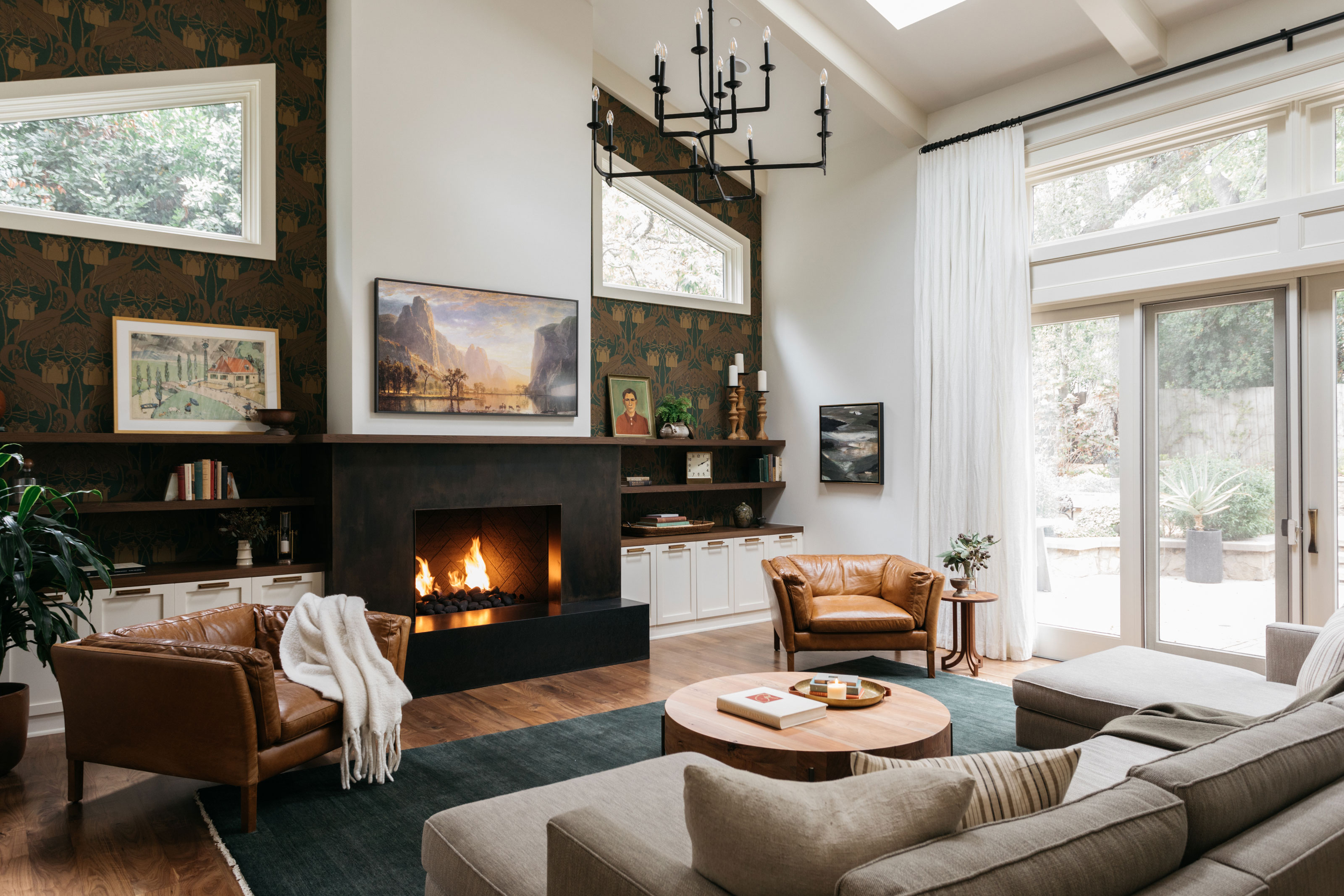
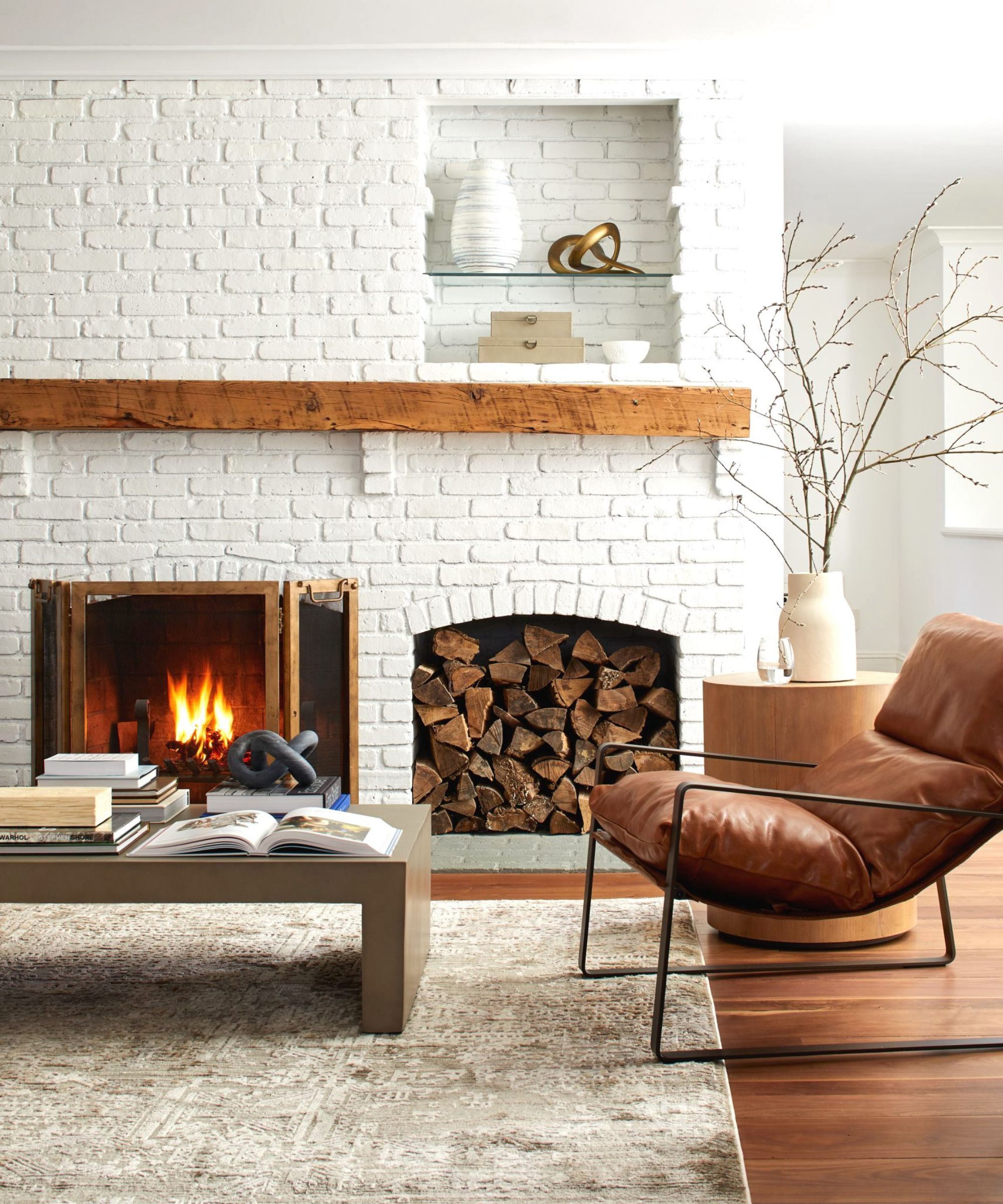
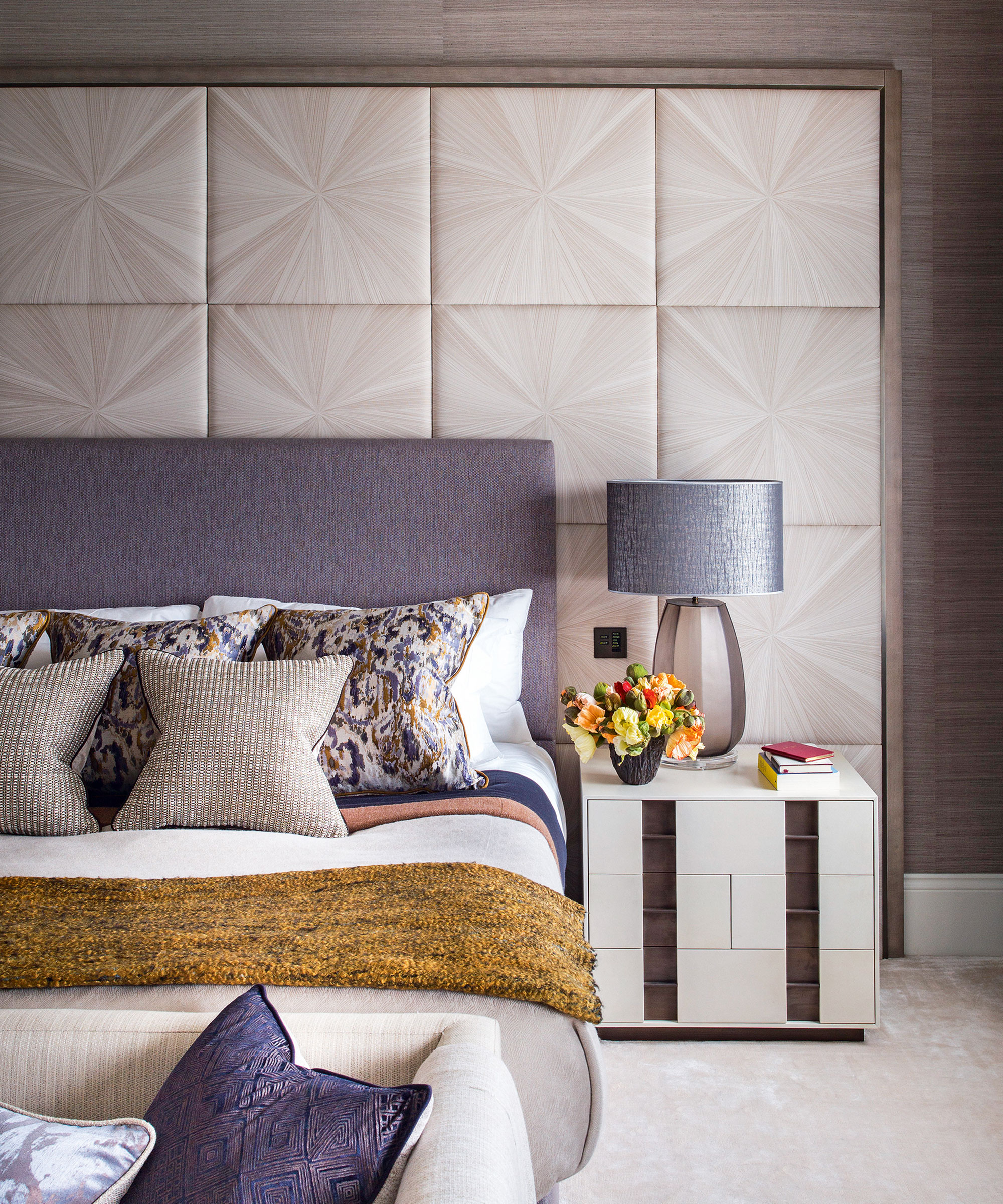
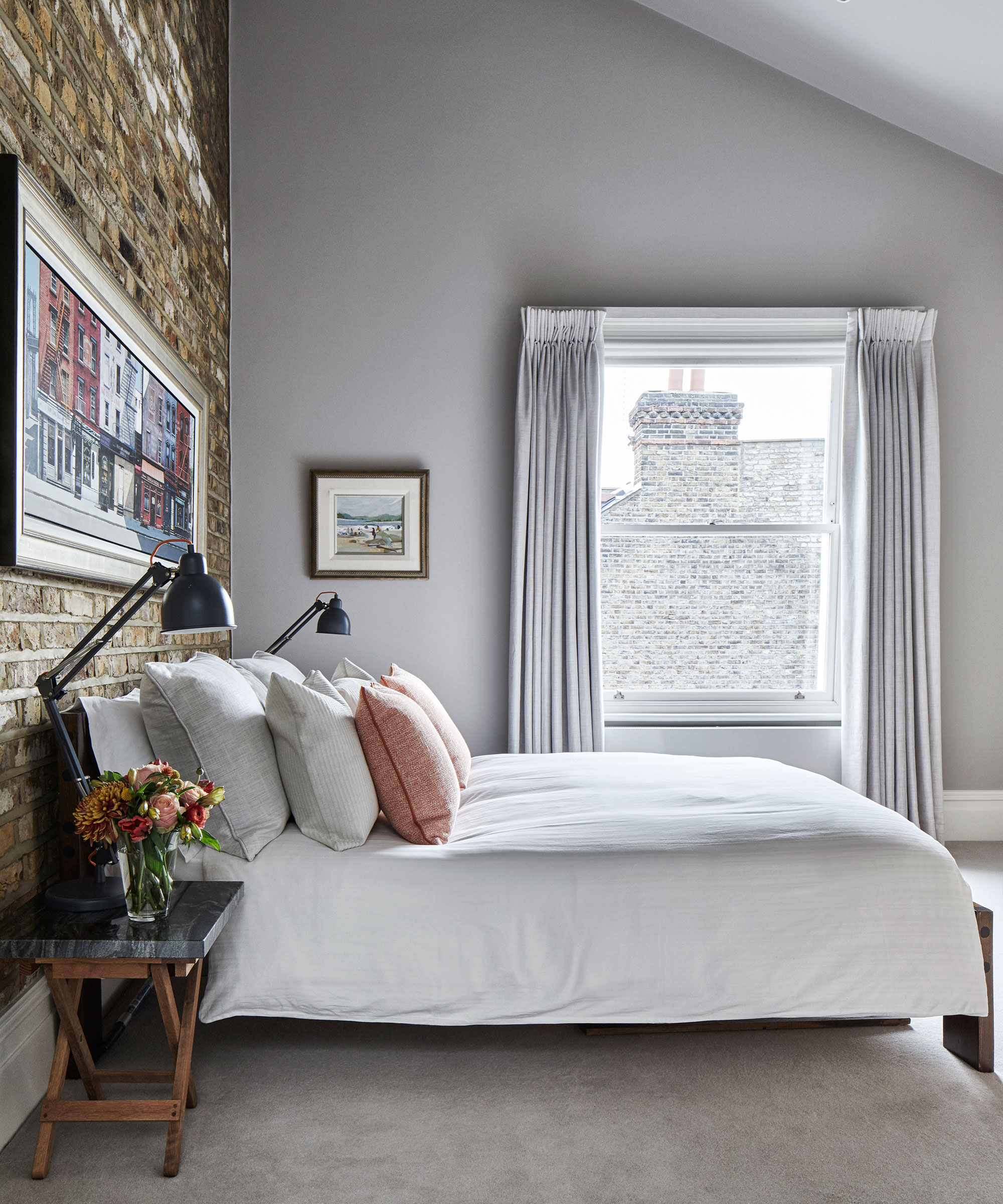
Selecting the right wall for the accent is equally crucial. It is not advisable to pick a wall merely for its ease of painting. Instead, the most effective accent wall is typically the one that hosts the room's focal point. This could be a fireplace wall, the wall behind a bed's headboard, or a wall showcasing a substantial piece of art. Highlighting a natural focal point with an accent color draws attention to it and anchors the room's design.
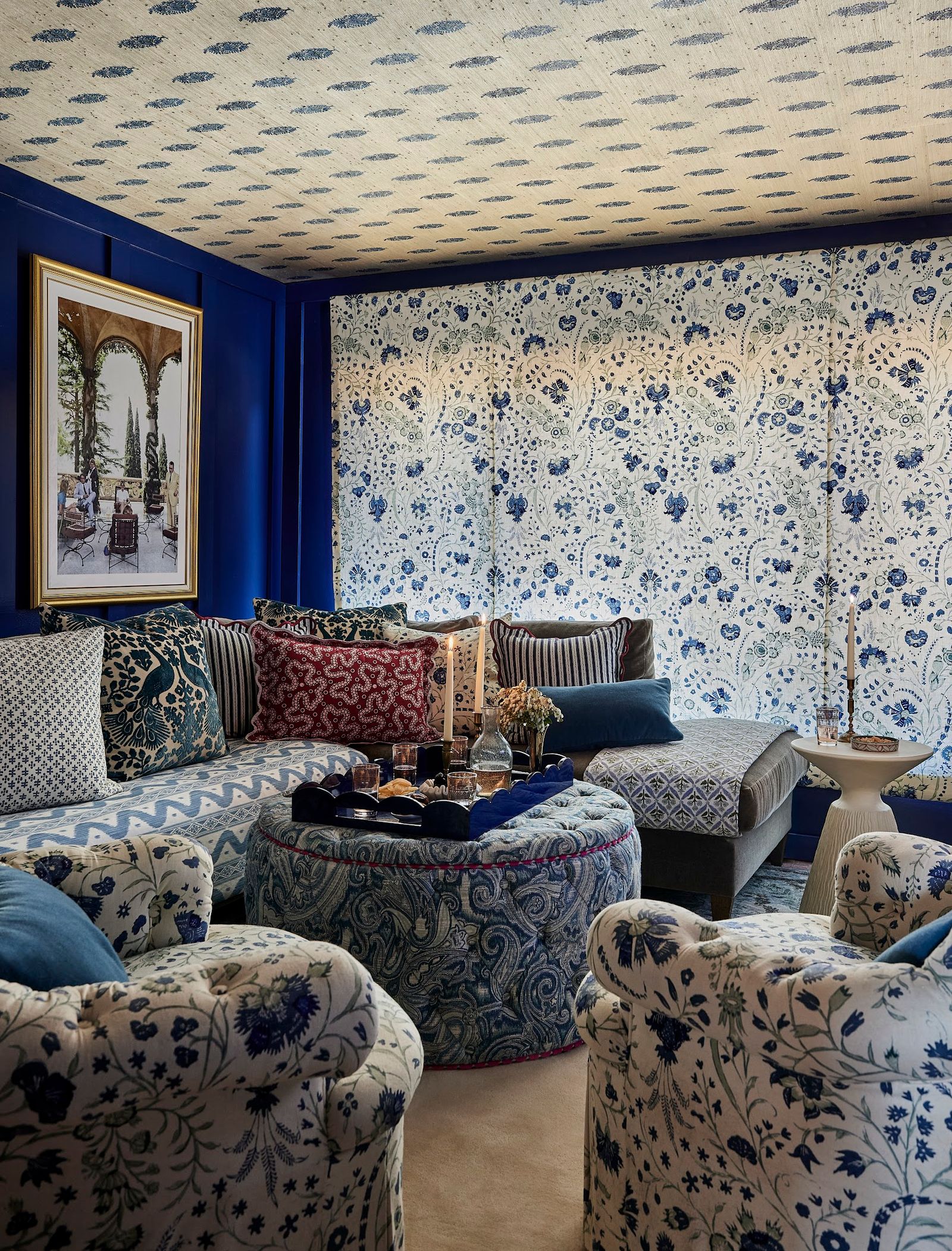
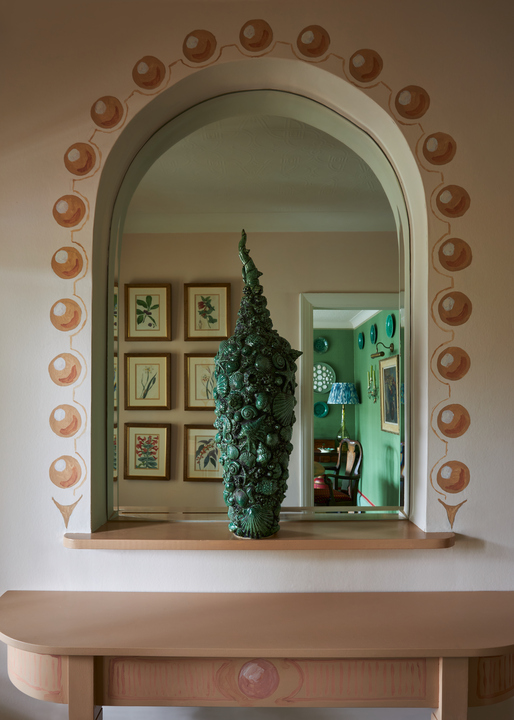
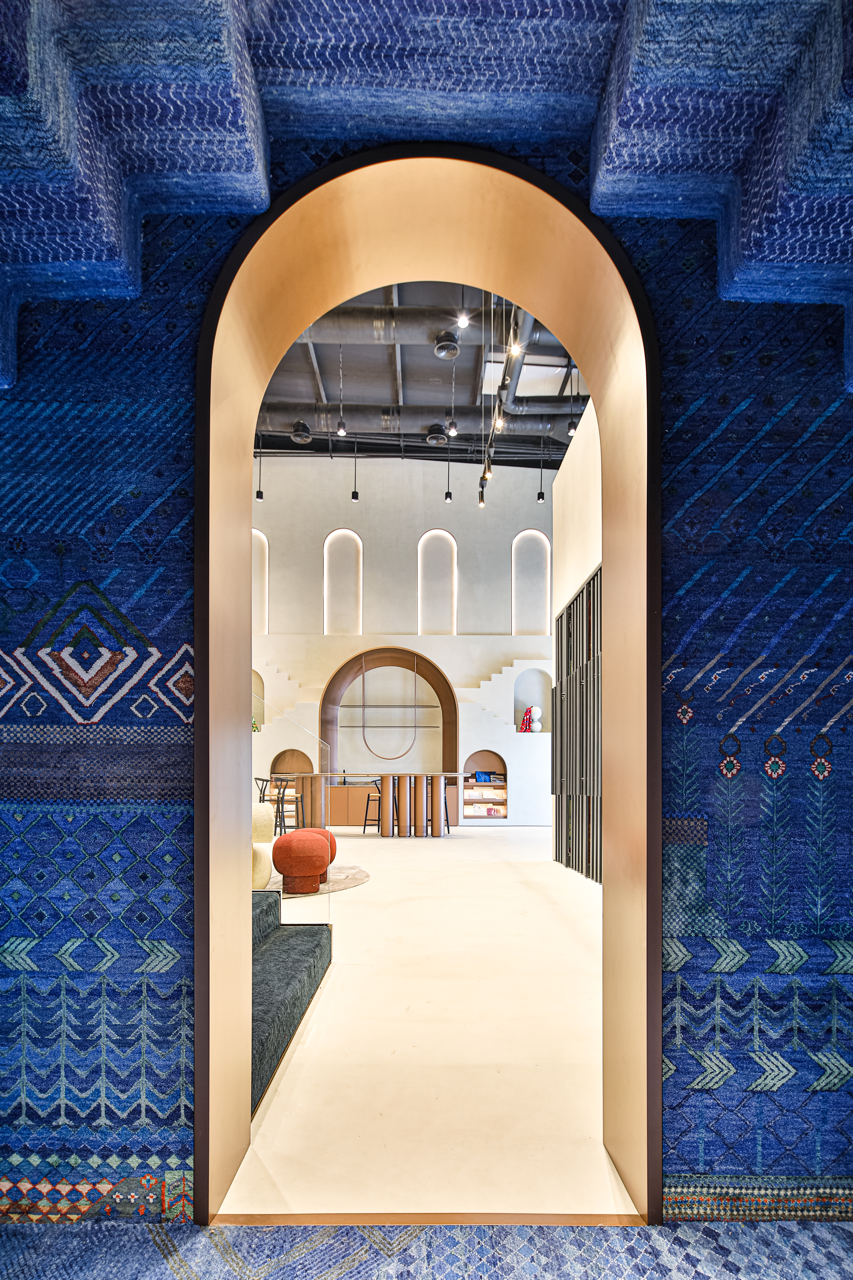
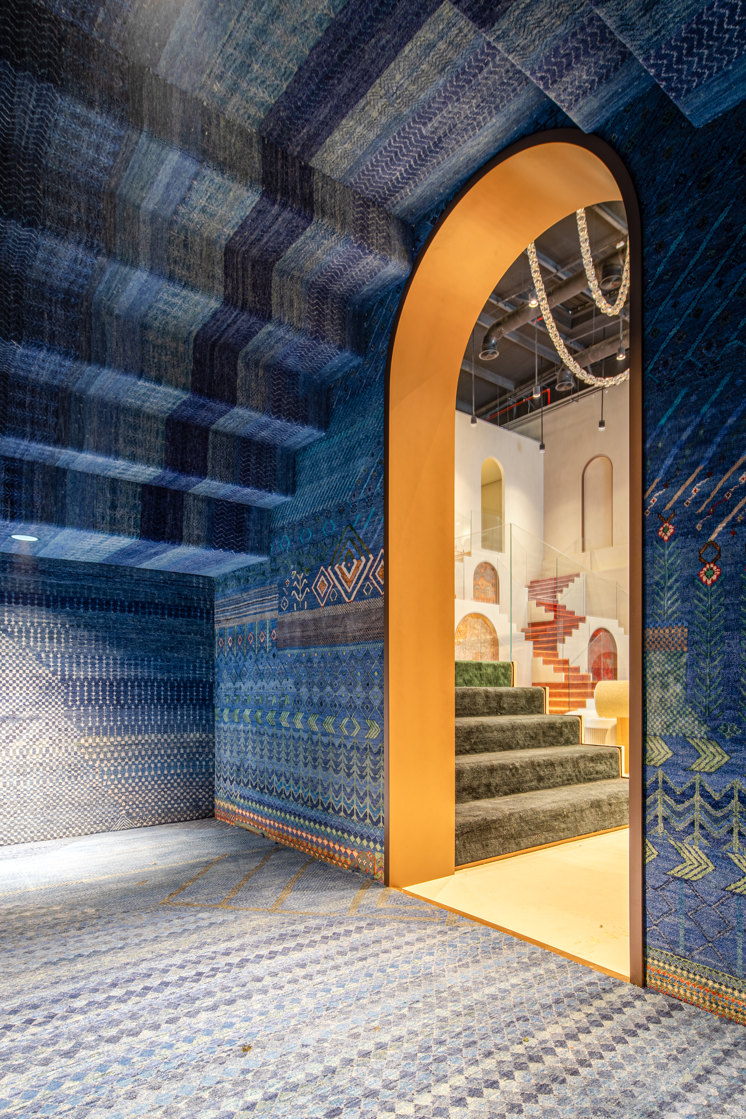
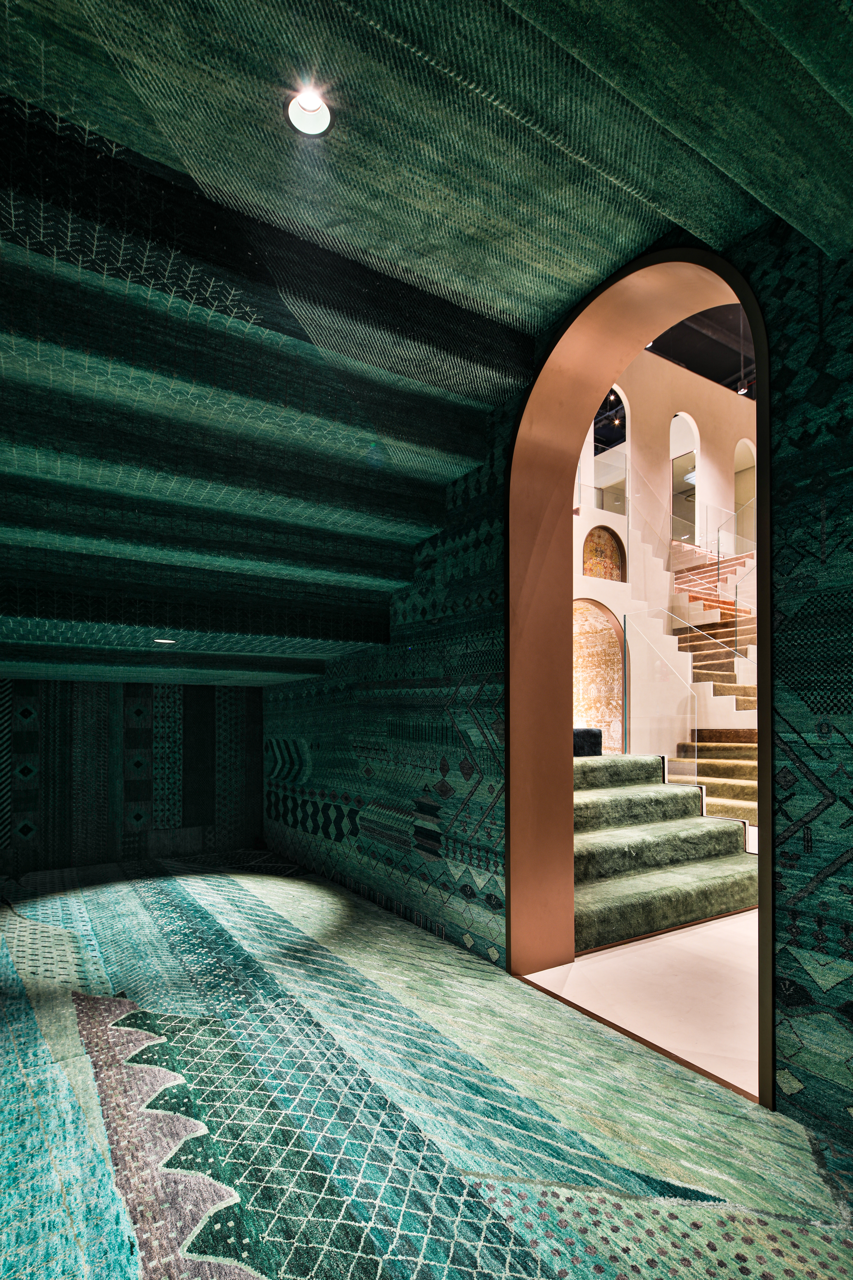
Finally, the concept of an accent wall can extend beyond vertical surfaces to include the ceiling. Painting the ceiling can direct attention upwards, transforming it into a focal point. Accent ceilings are commonly found in rooms with crown molding, where the molding provides a distinct boundary between the ceiling and walls. Nevertheless, it is also possible to create a modern accent ceiling in rooms without crown molding, demonstrating versatility in design. These strategies, from mindful color selection to strategic wall and ceiling choices, are essential for ensuring an accent wall enhances a space intentionally.
#AccentWall #InteriorDesign #HomeDecor #ColorPsychology #FocalPoint #RoomDesign #DIYHome #AccentWall #InteriorDesign #HomeDecor #ColorPsychology #FocalPoint #RoomDesign #DIYHome
0 comment in total
 No comments yet
You may also like
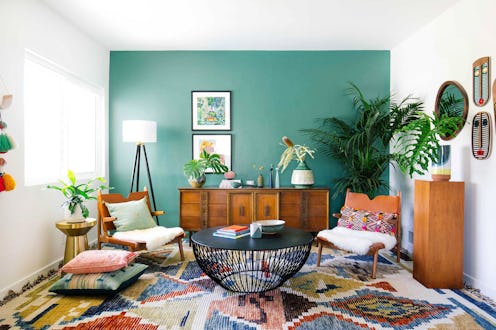
This Accent Wall Tip Will Make You Want To Redecorate

34 Accent Wall Ideas for Every Room in the House

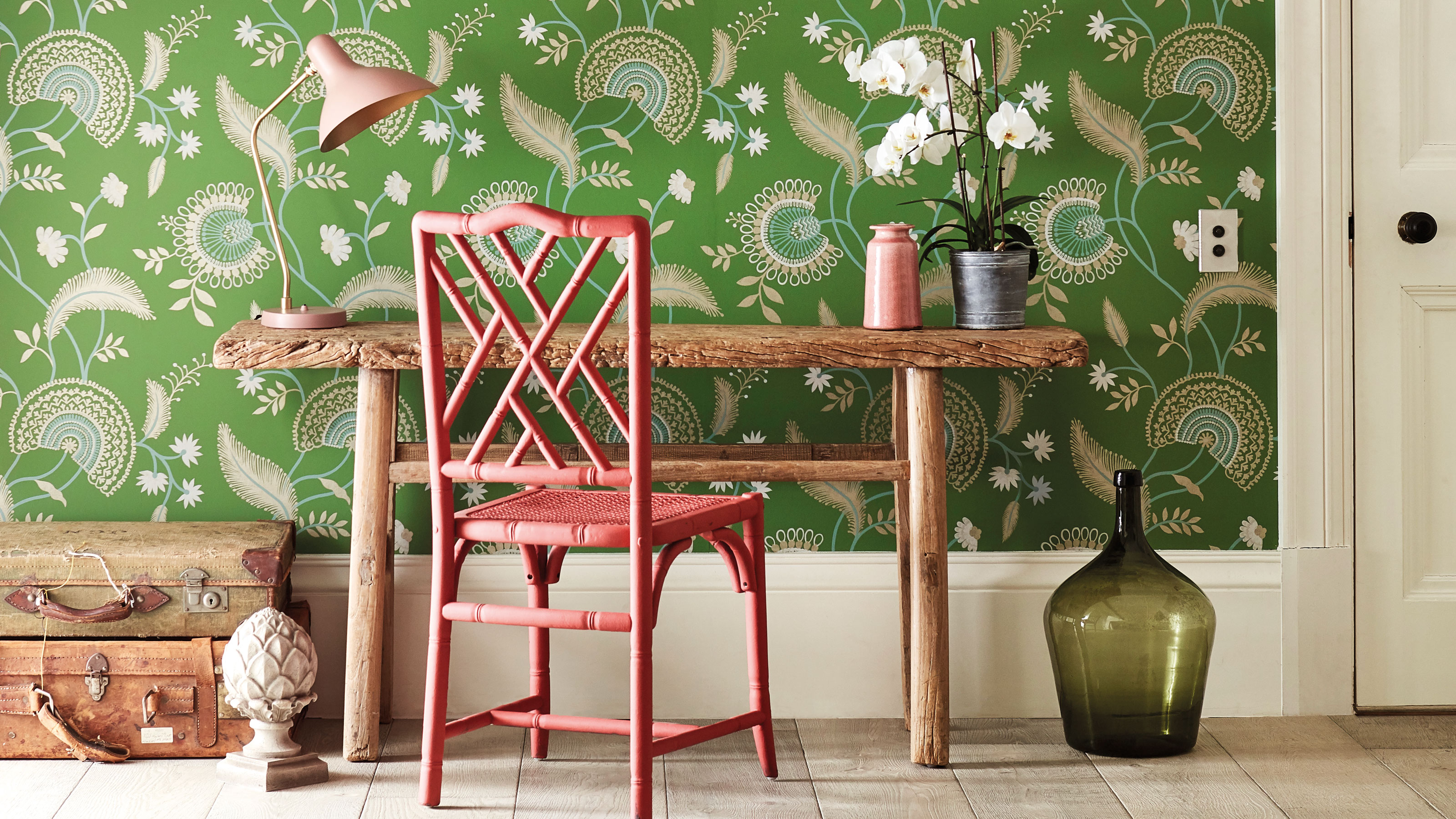
Accent wall ideas – 20 of the latest ways to create a statement feature

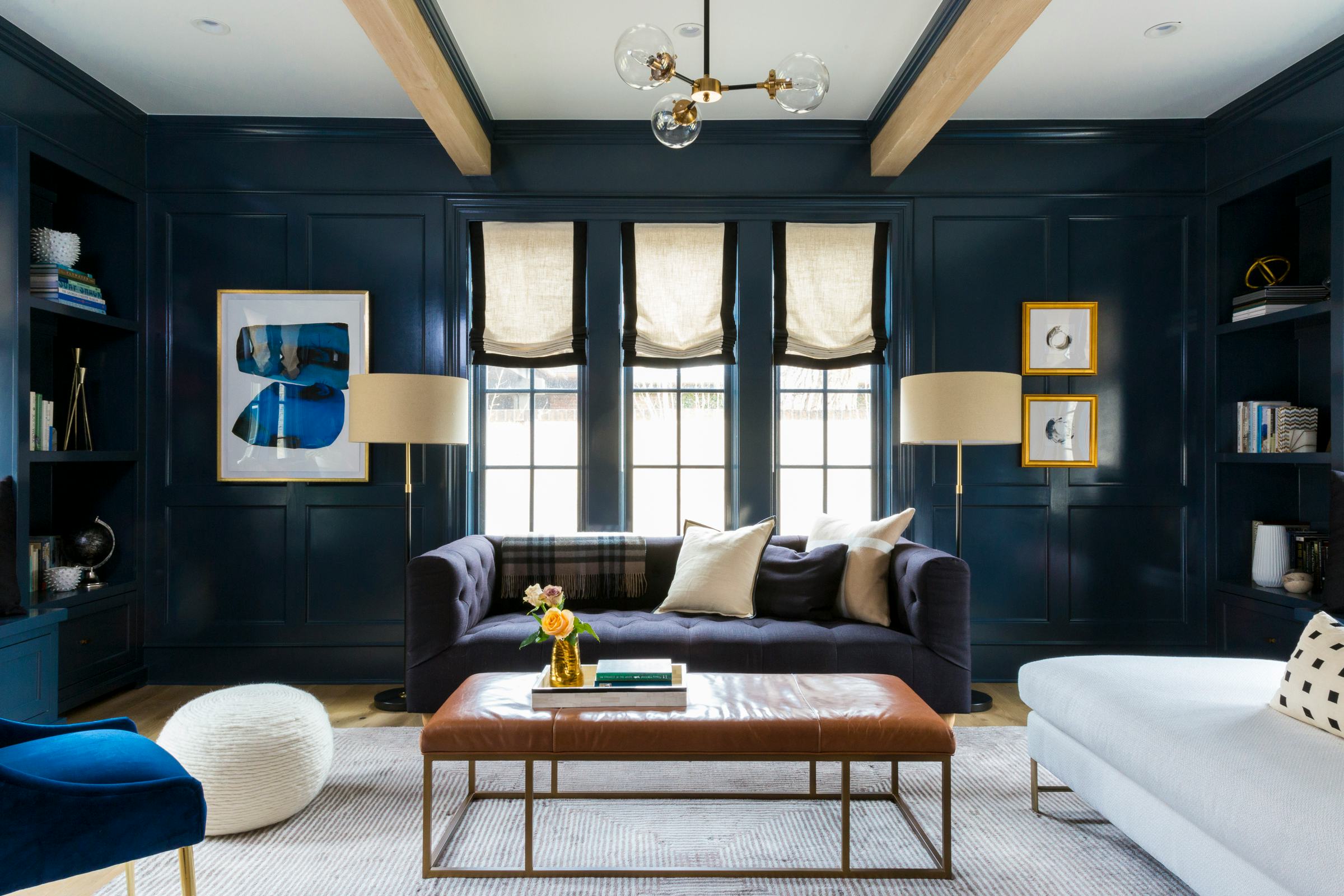
This Color Will Transform Your Living Room Instantly
Update your home with these paint tips!

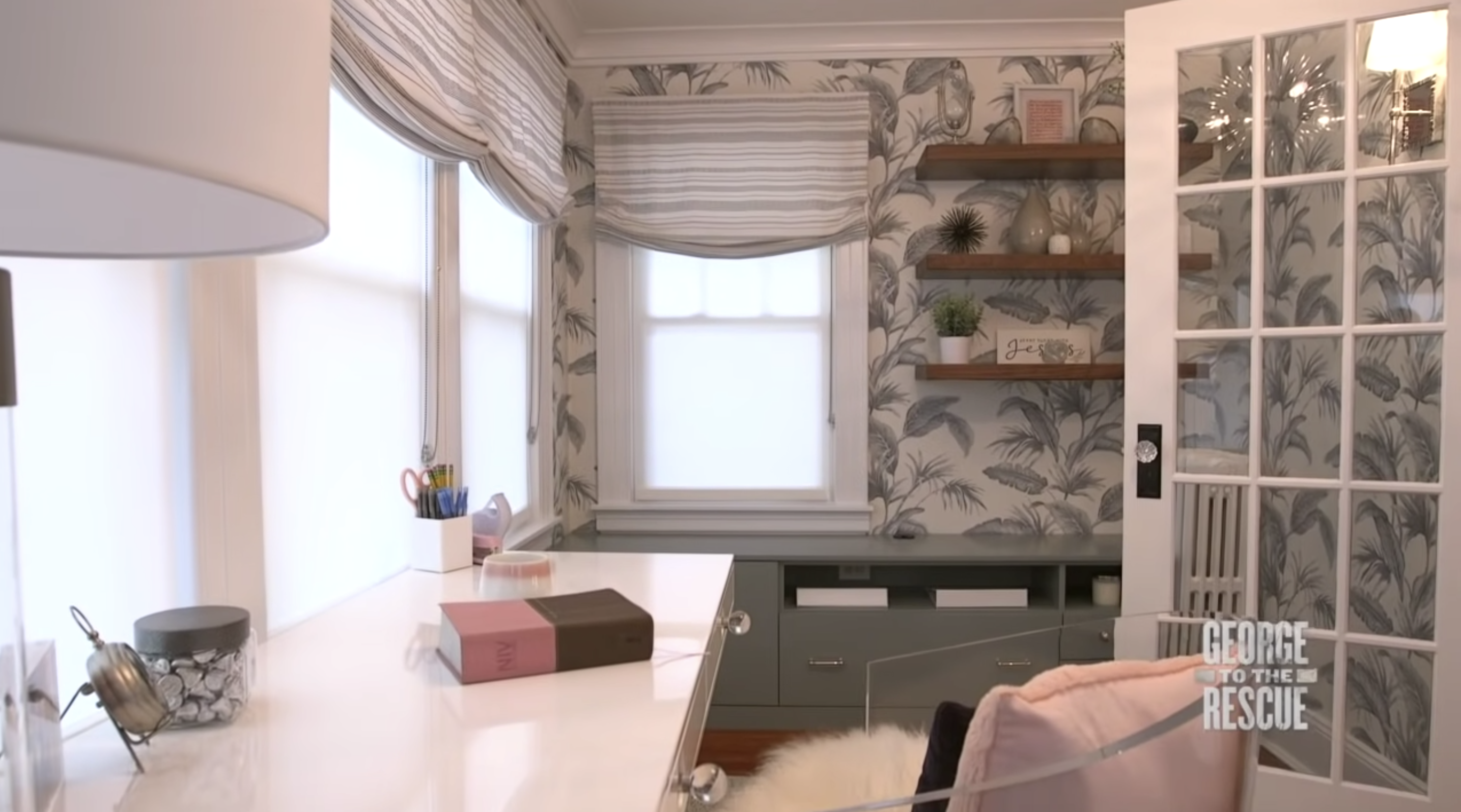
These Accent Wall Ideas Could Be The Modern Touch Your Home is Missing

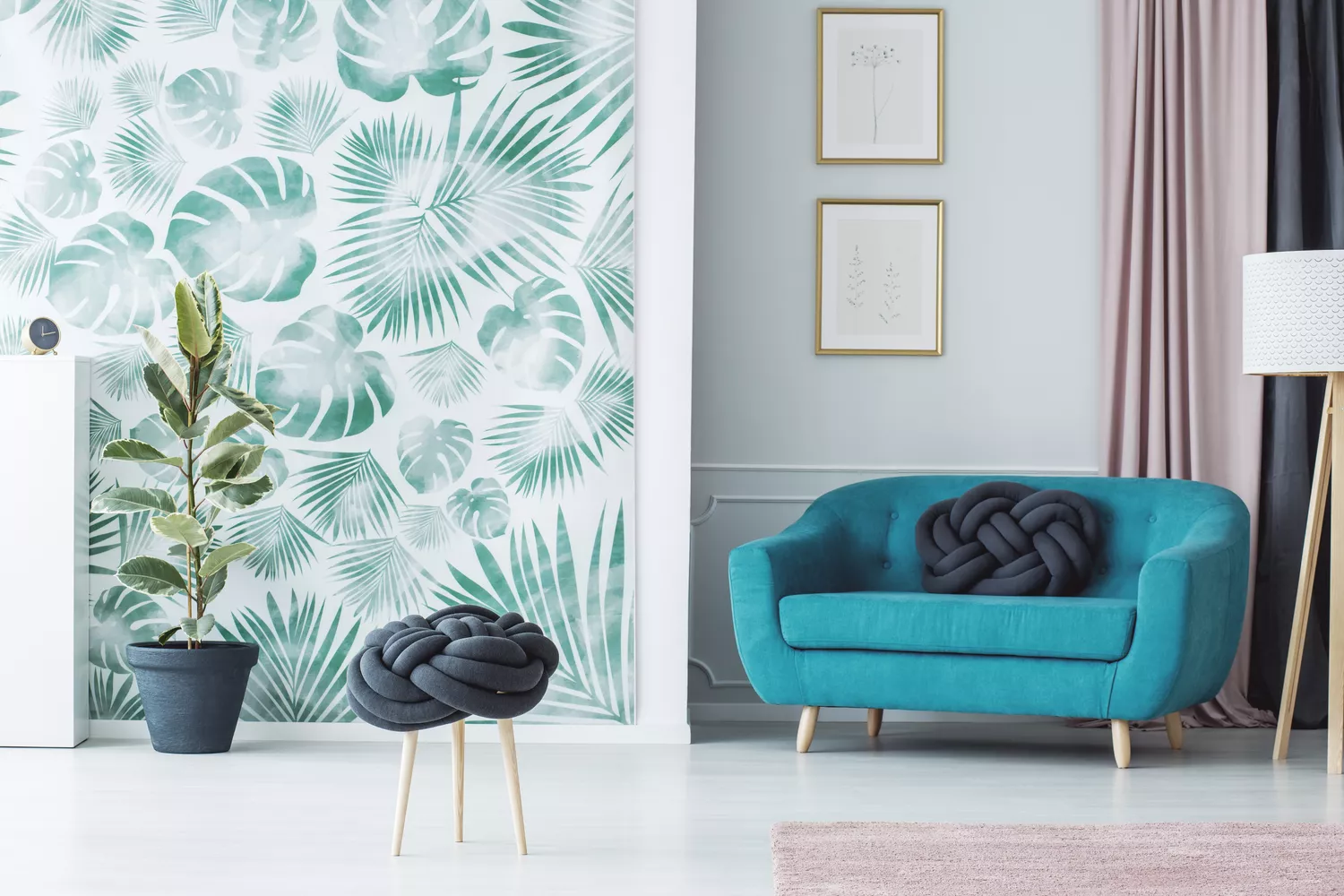
26 Attention-Grabbing Accent Wall Ideas to Make Your Space Feel Less Boring

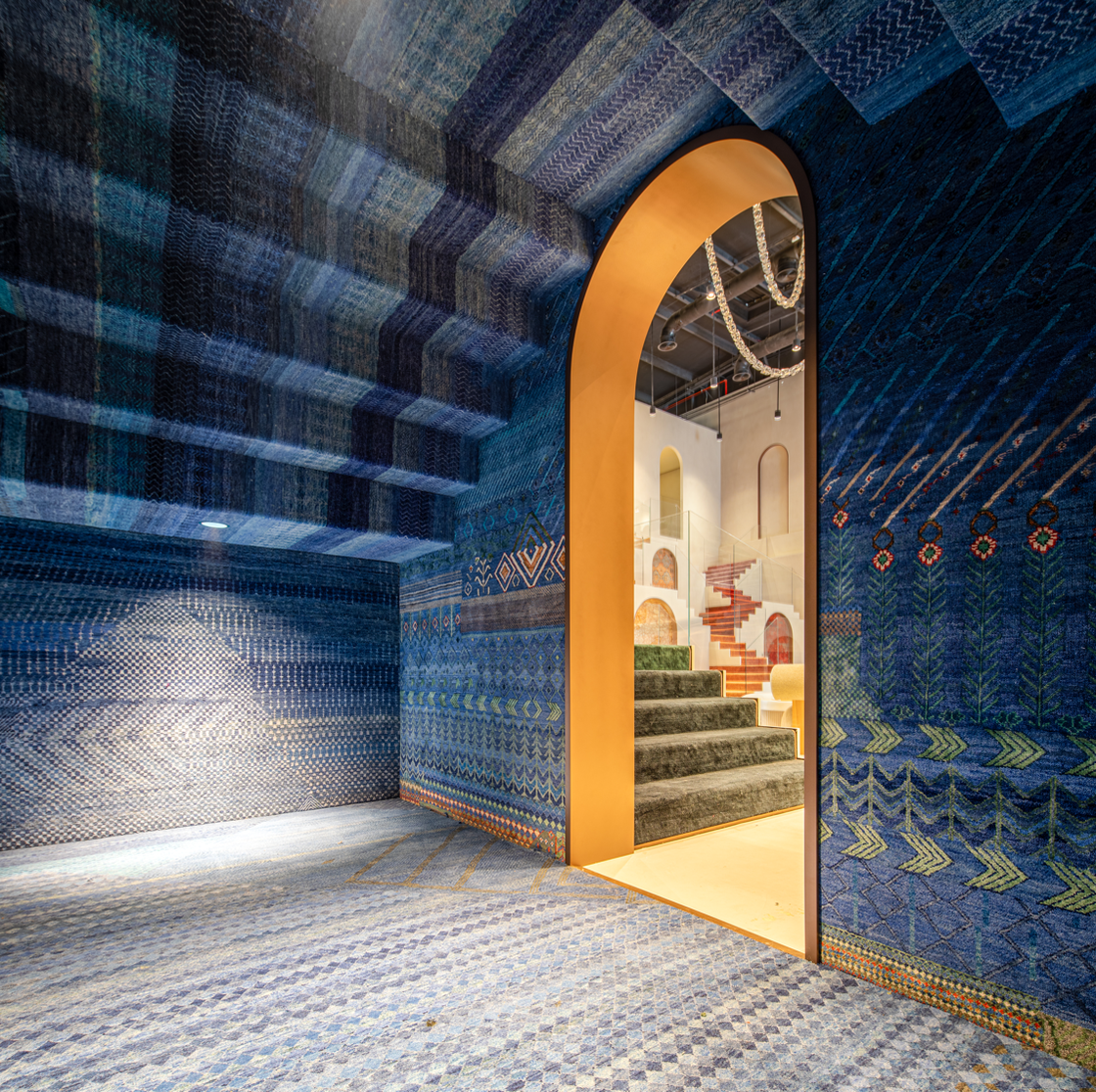
This Surprising NEW Trend Is Replacing Accent Walls

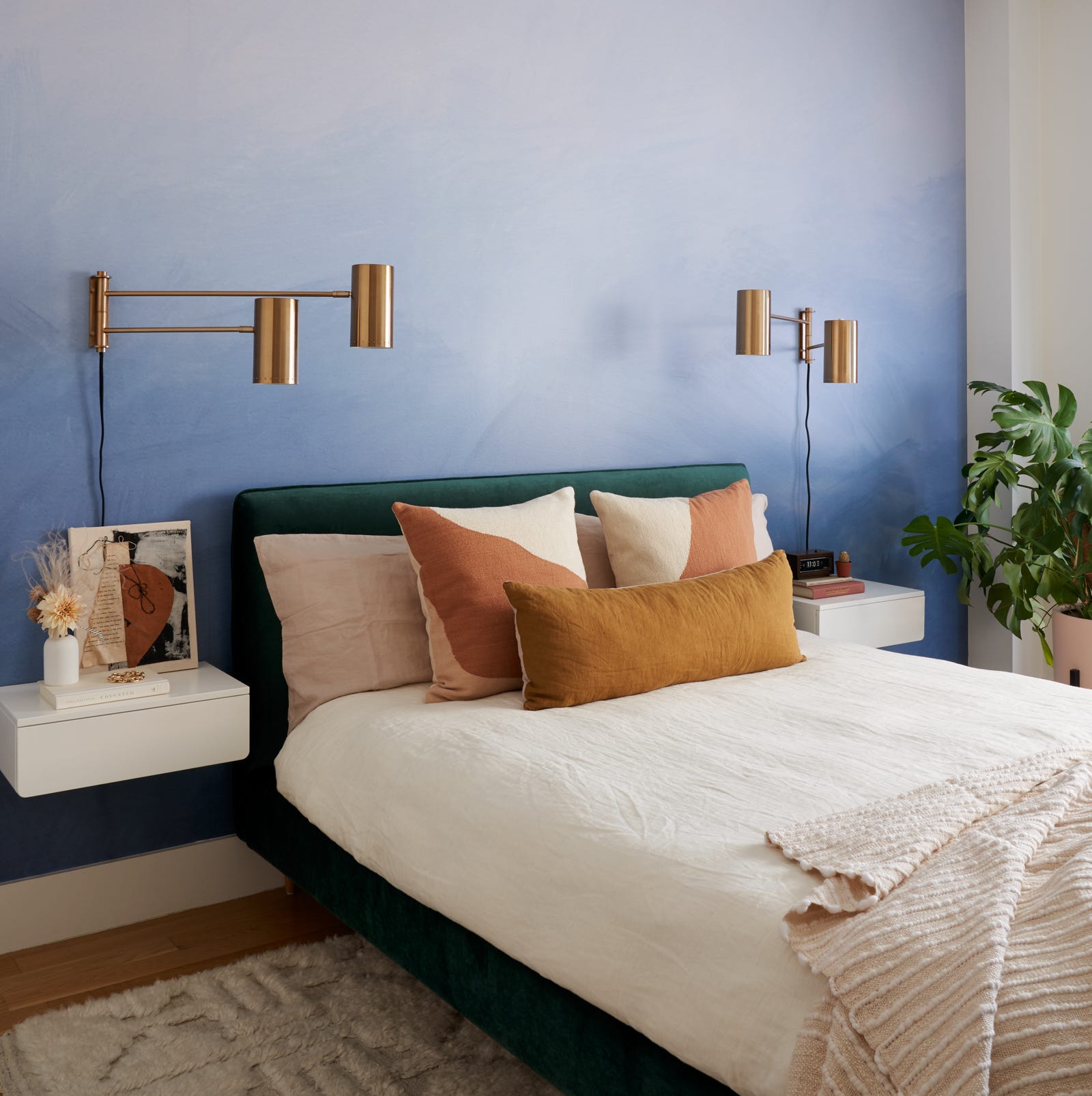
The Right Way to Pull off a Bedroom Accent Wall, According to Design Pros

You’re Doing It Wrong: Painting an Accent Wall


10 Painted Accent Wall Trends That Are On Their Way Out, And What To Do Instead
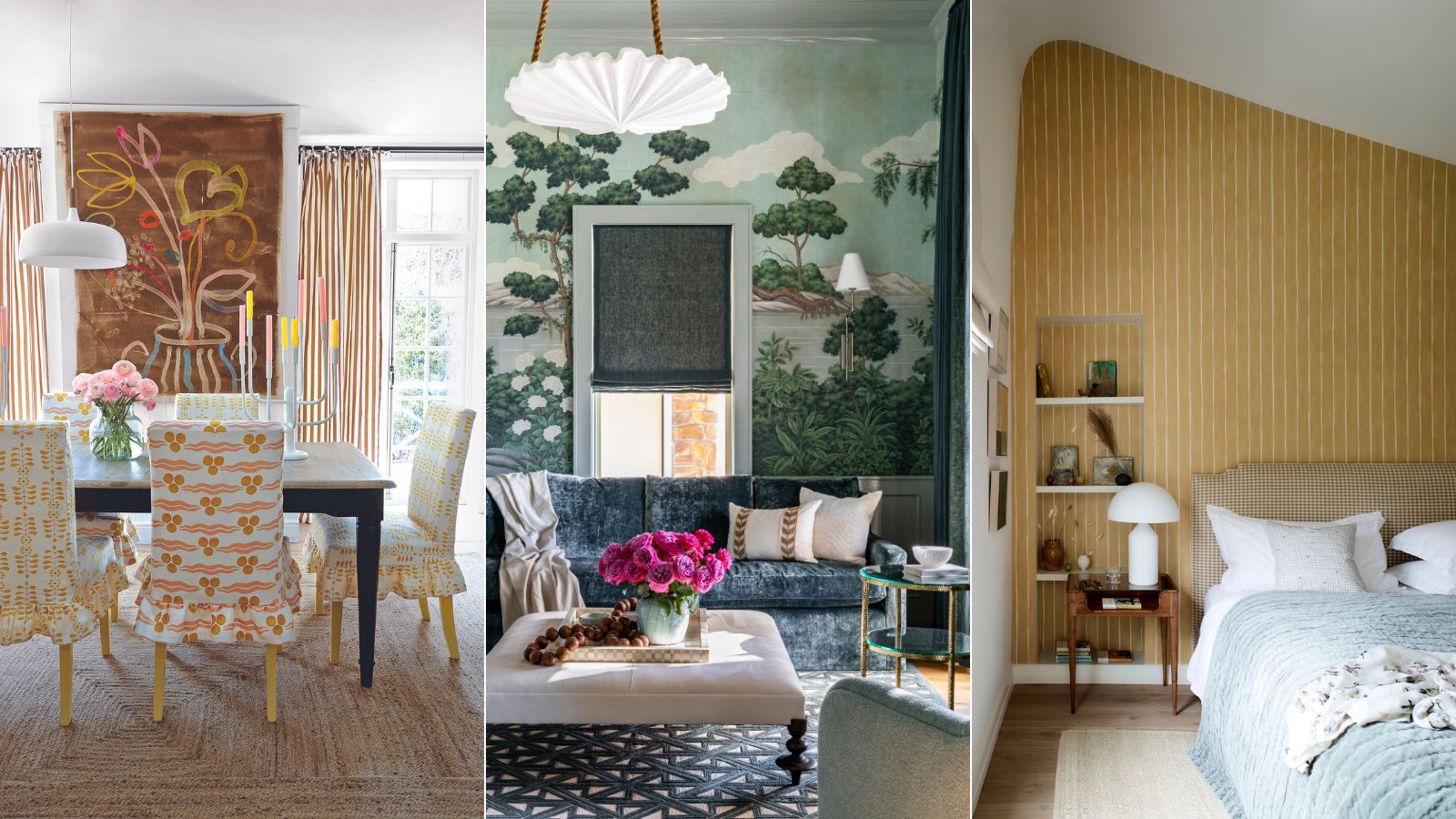
Are accent walls still on trend? Designers decide on what this love-hate style will look like in 2024
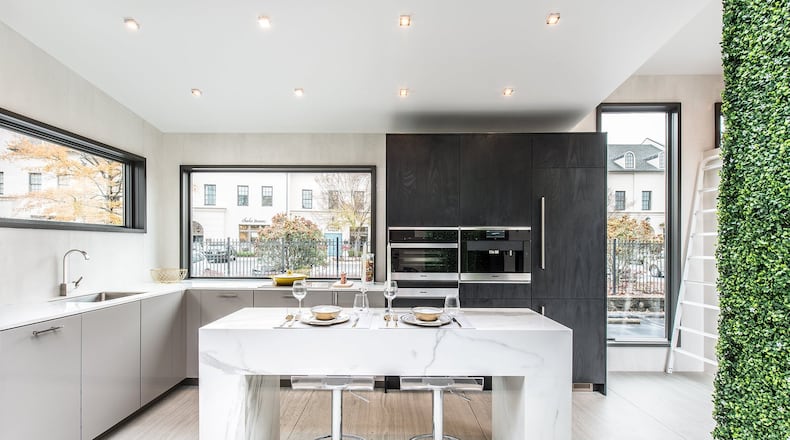
Focus your room with an accent wall
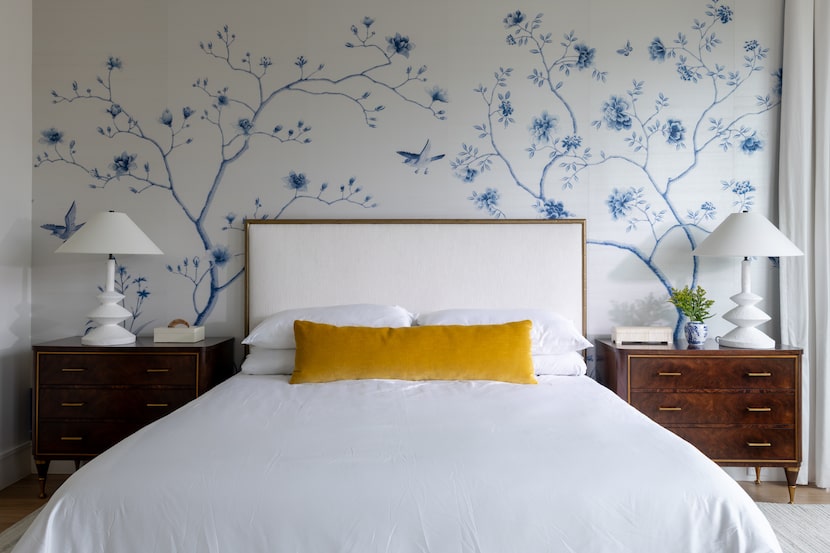
The new accent wall: A bold statement that goes beyond a coat of paint
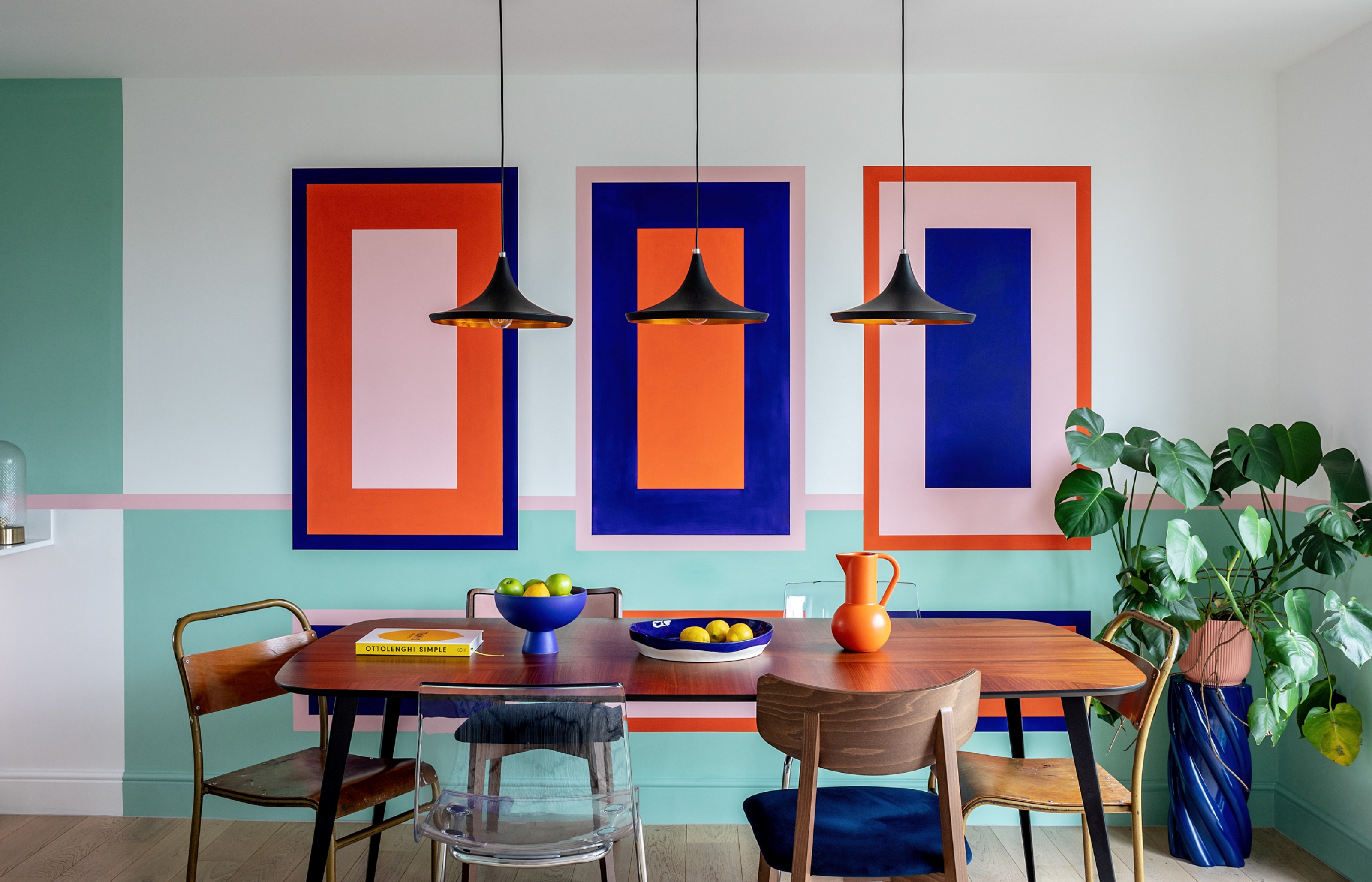
Hand-Painted Borders and Trims Are the Antidote to Dated Accent Walls — Here's How to Make it Look Good

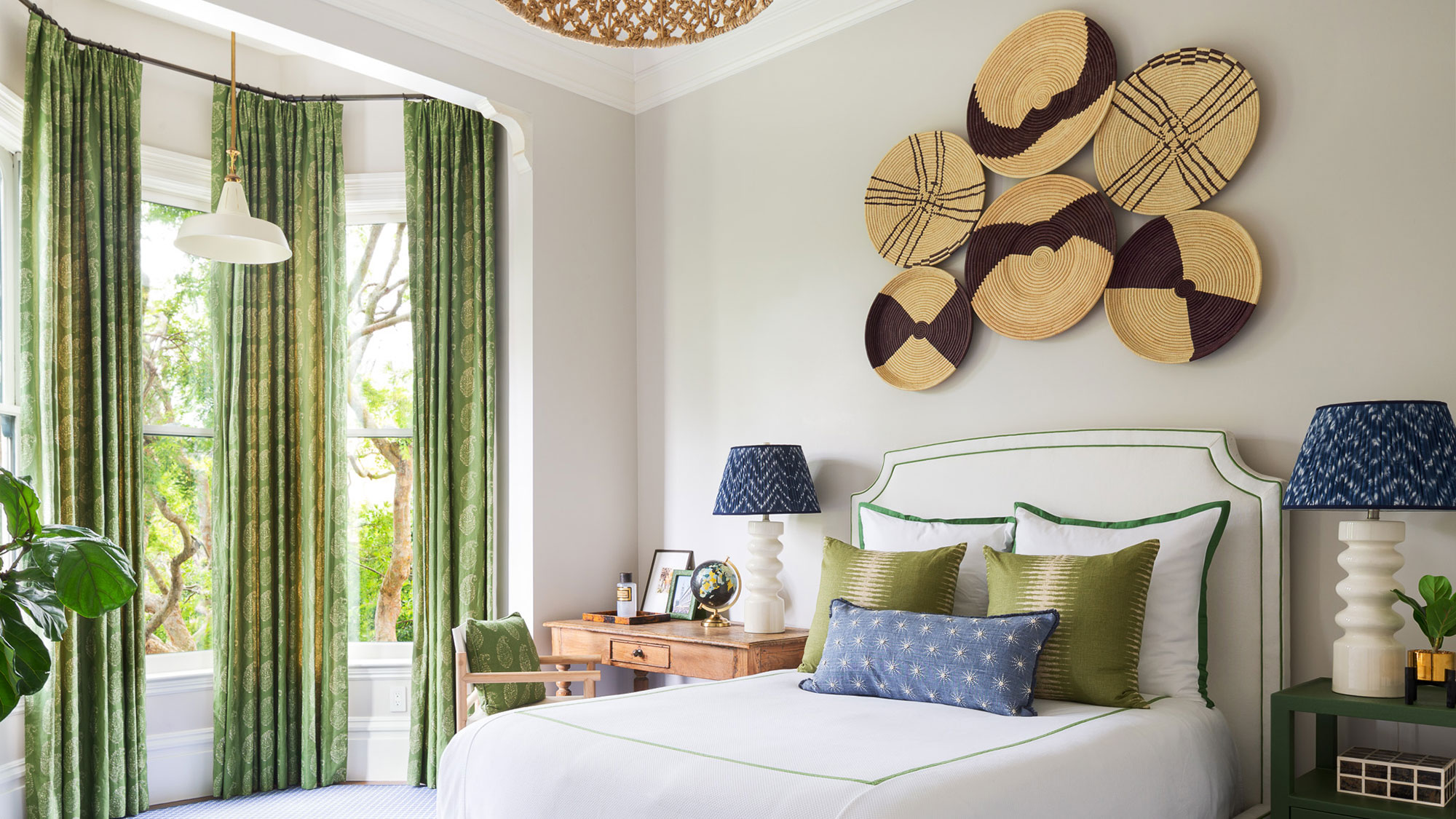
Bedroom accent wall ideas – 10 ways to create a feature wall
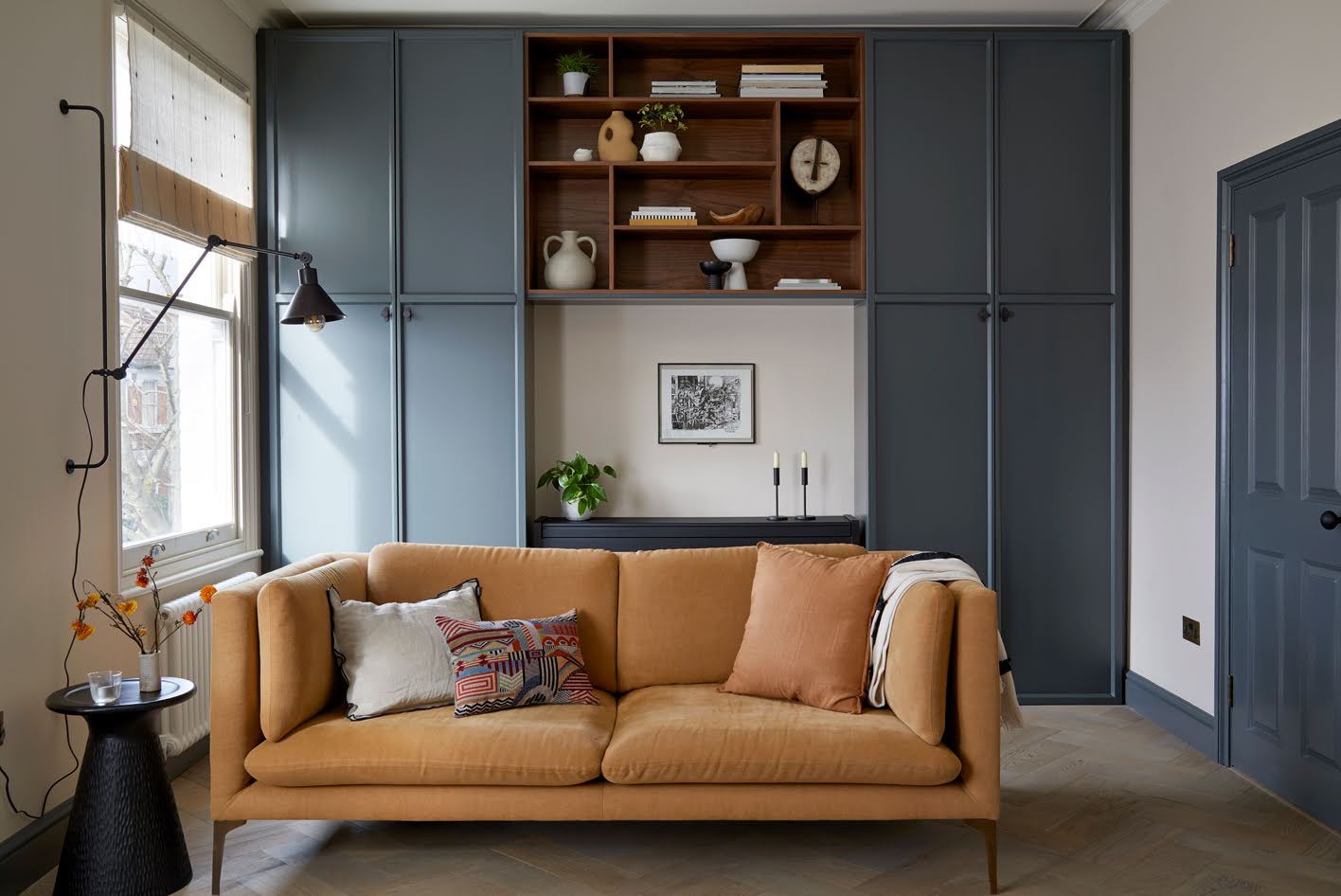
Living room accent wall ideas – 10 new ways designers recommend to style your blank spaces
12 Accent Wall Ideas That Will Never Go Out of Style

Are accent walls out of style? This is how designers are using them now and beyond
37 Best Accent Wall Colors for an Instant Room Makeover