1/21
Accent wall ideas – 20 of the latest ways to create a statement feature
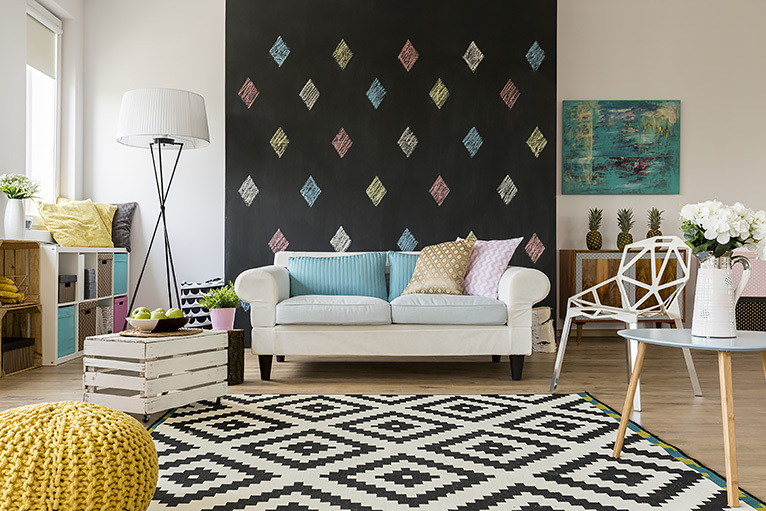
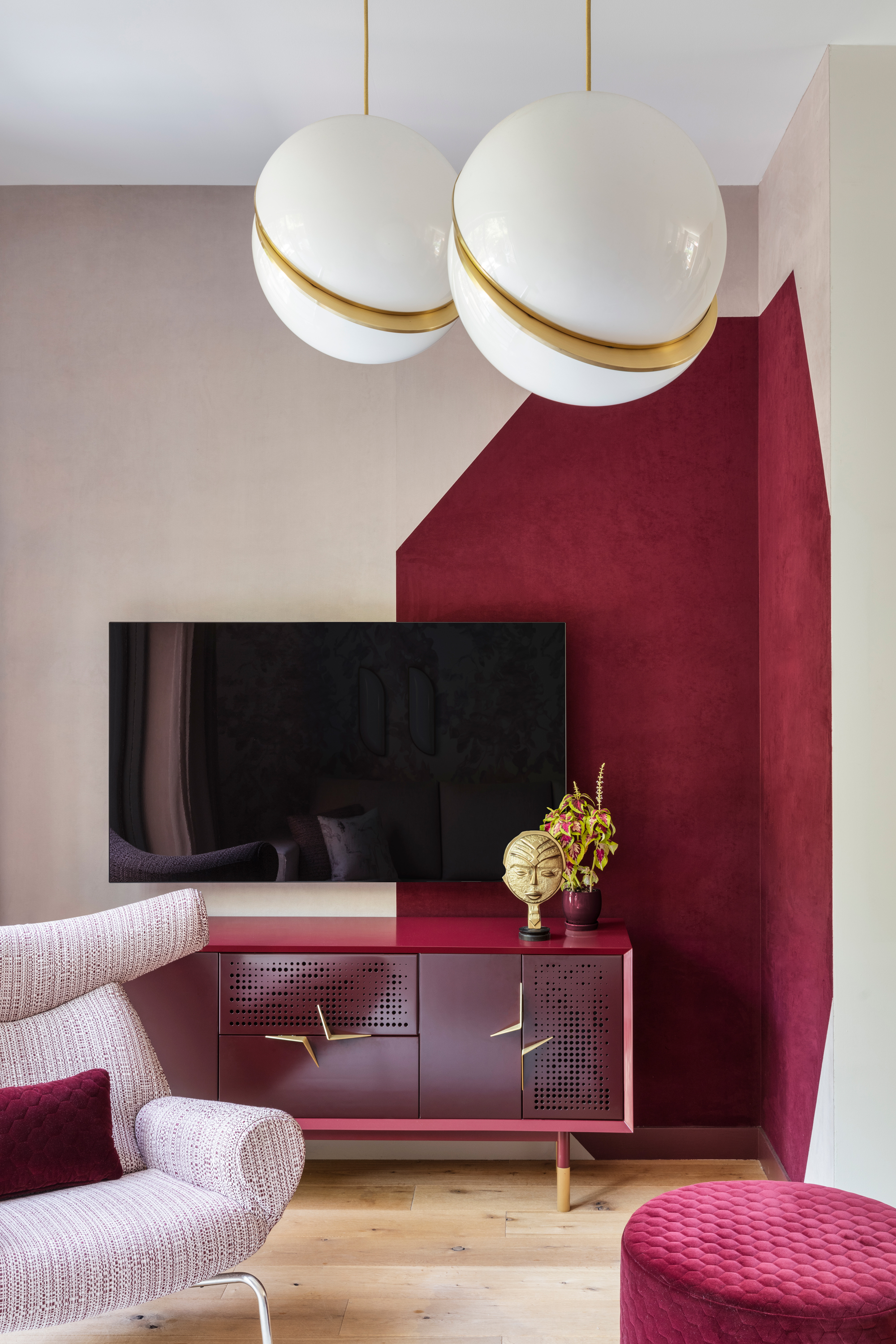
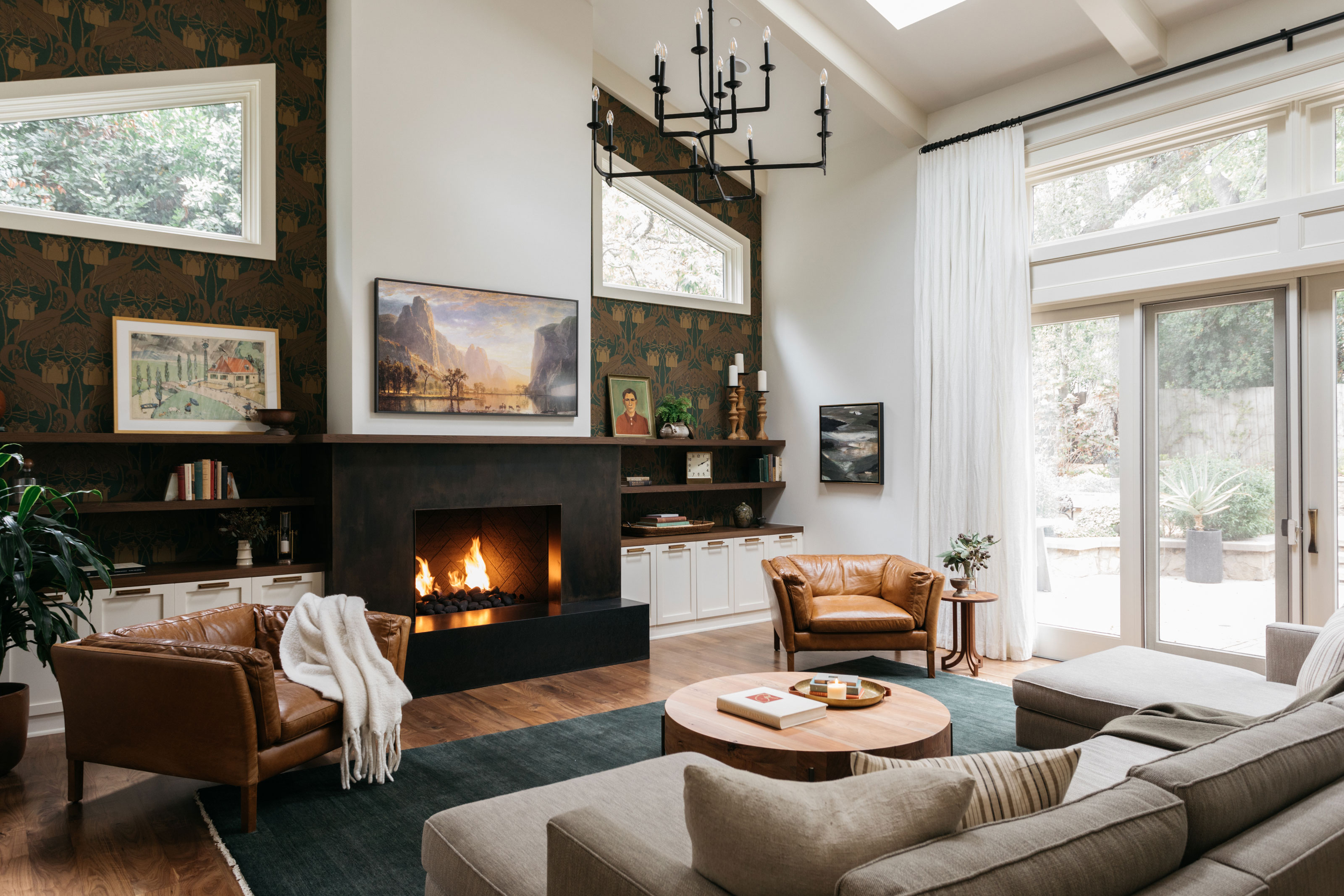
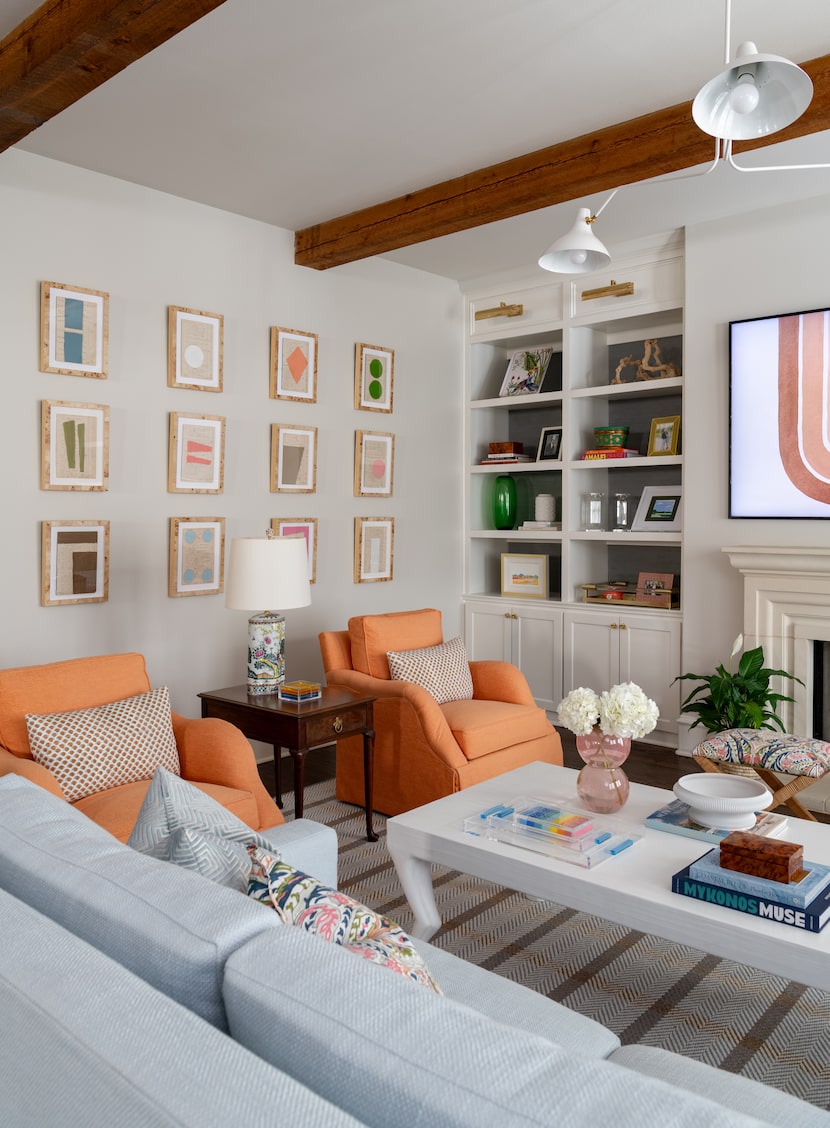
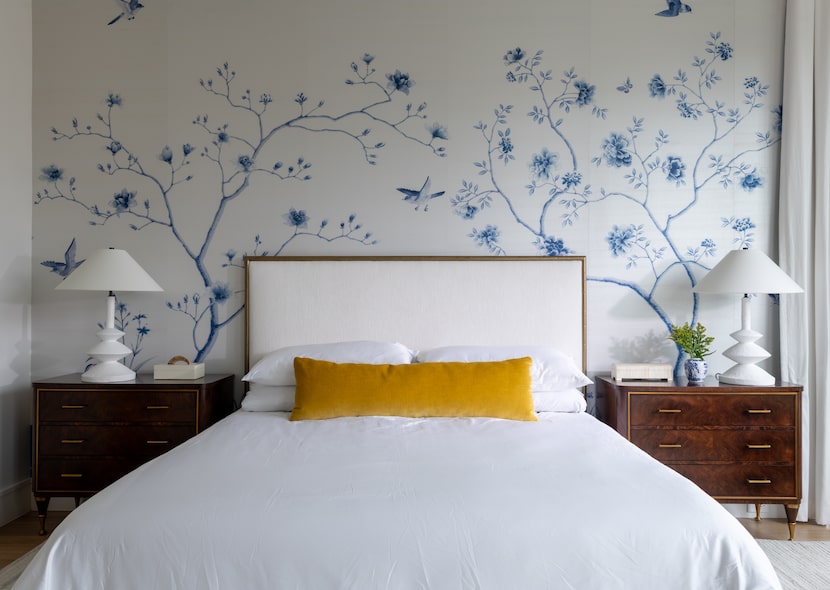
Accent walls, or feature walls, serve as captivating focal points within a room, applicable to living spaces, bedrooms, kitchens, and bathrooms alike. Modern accent wall concepts have evolved beyond simple paint applications to incorporate a diverse range of materials, textures, and designs. Instead of being an outdated trend, contemporary accent walls prioritize creativity and individuality.
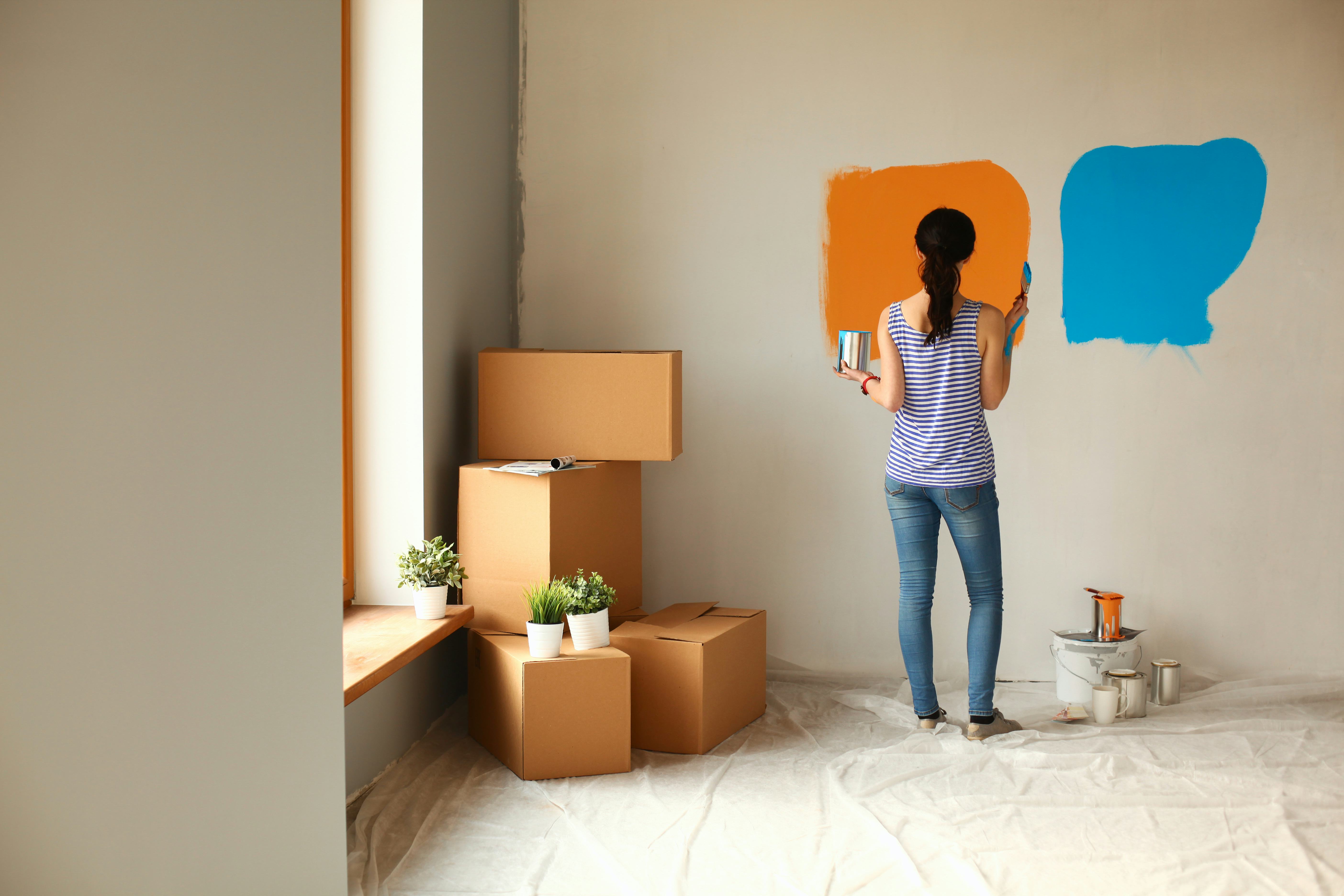
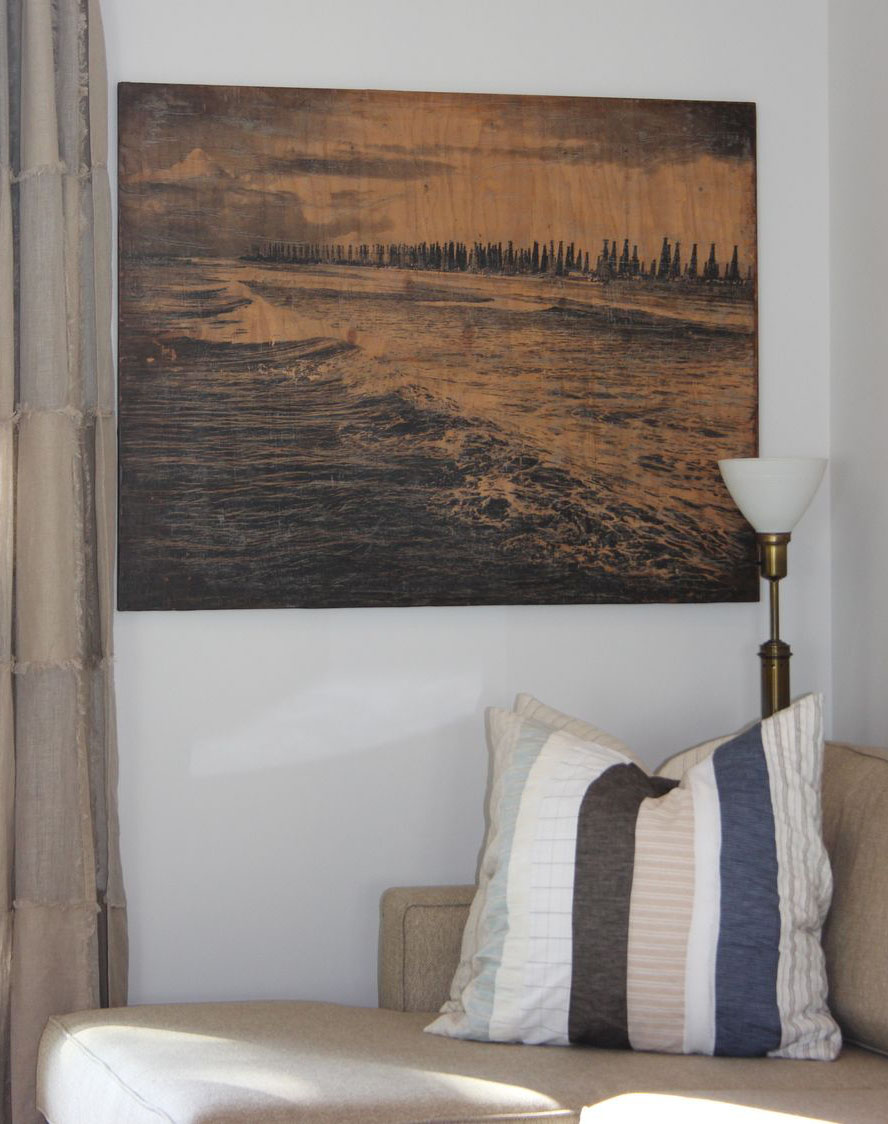
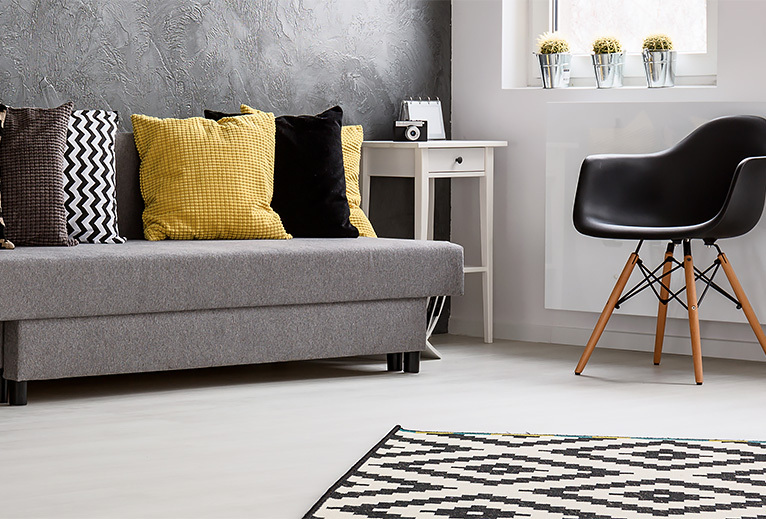
One approach to designing an accent wall is to embrace rustic aesthetics, utilizing materials like reclaimed or new wood paneling. Shiplap, for instance, can create a striking backdrop for a bed, offering a characterful, rough-luxe finish with natural patina and silvered tones. Another option involves creating unique paint effects, moving beyond uniform color application to celebrate movement, depth, and even existing imperfections through visible brush strokes and intentional drips, especially suitable for uneven surfaces.
Reinterpreting classic styles, such as Shaker shingles, can introduce three-dimensional texture. The rustic quality of untreated or natural wood shingles brings warmth, ideal for bedroom or living room walls. For a modern twist, these can be painted in saturated colors like dark gray or whitewashed to add interest without overwhelming a neutral space. Wood cladding, in general, offers versatility and depth, creating a cocooning effect and contrasting beautifully with painted walls, especially when textured or reeded wood is paired with bold paint colors.
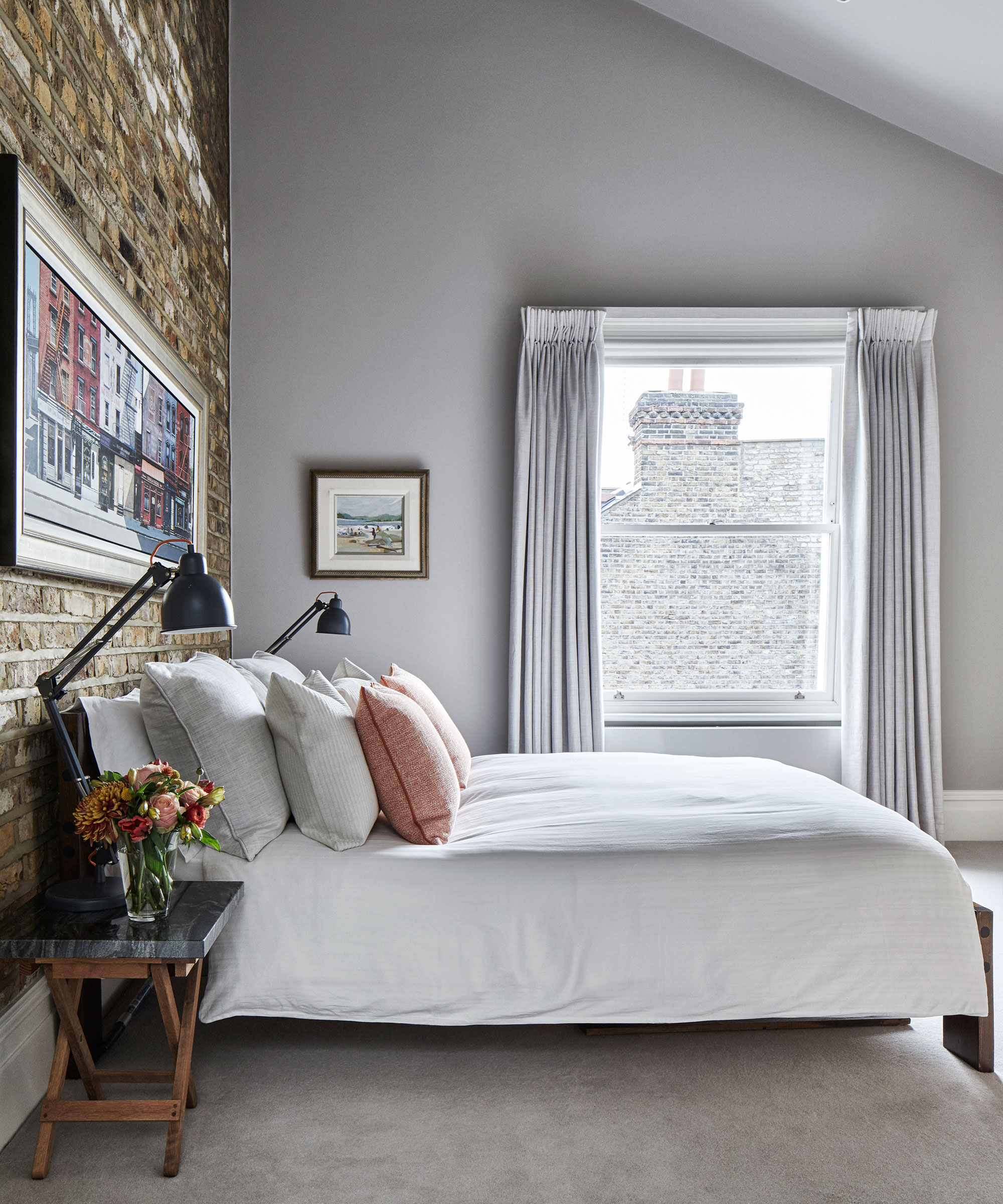
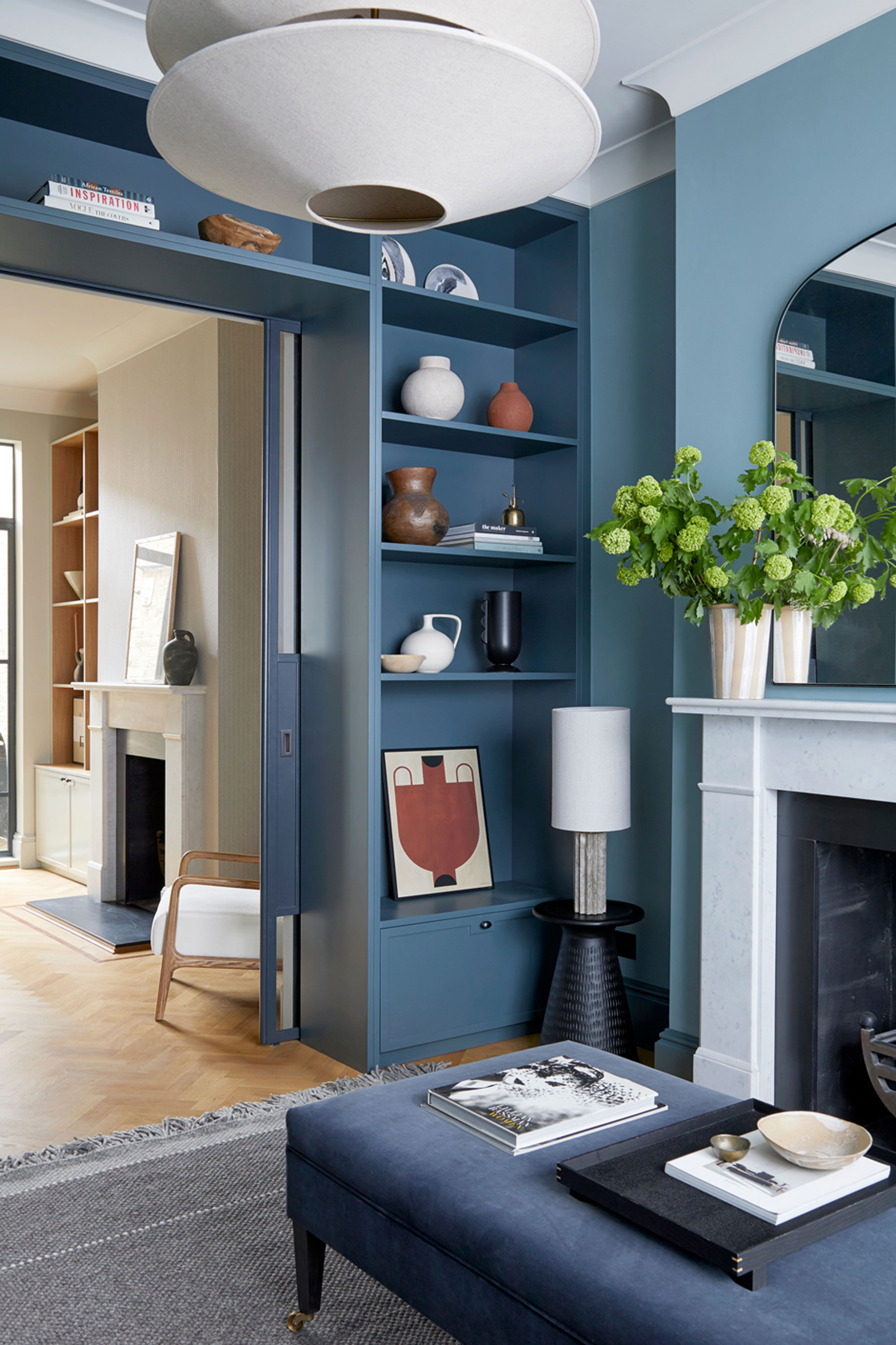
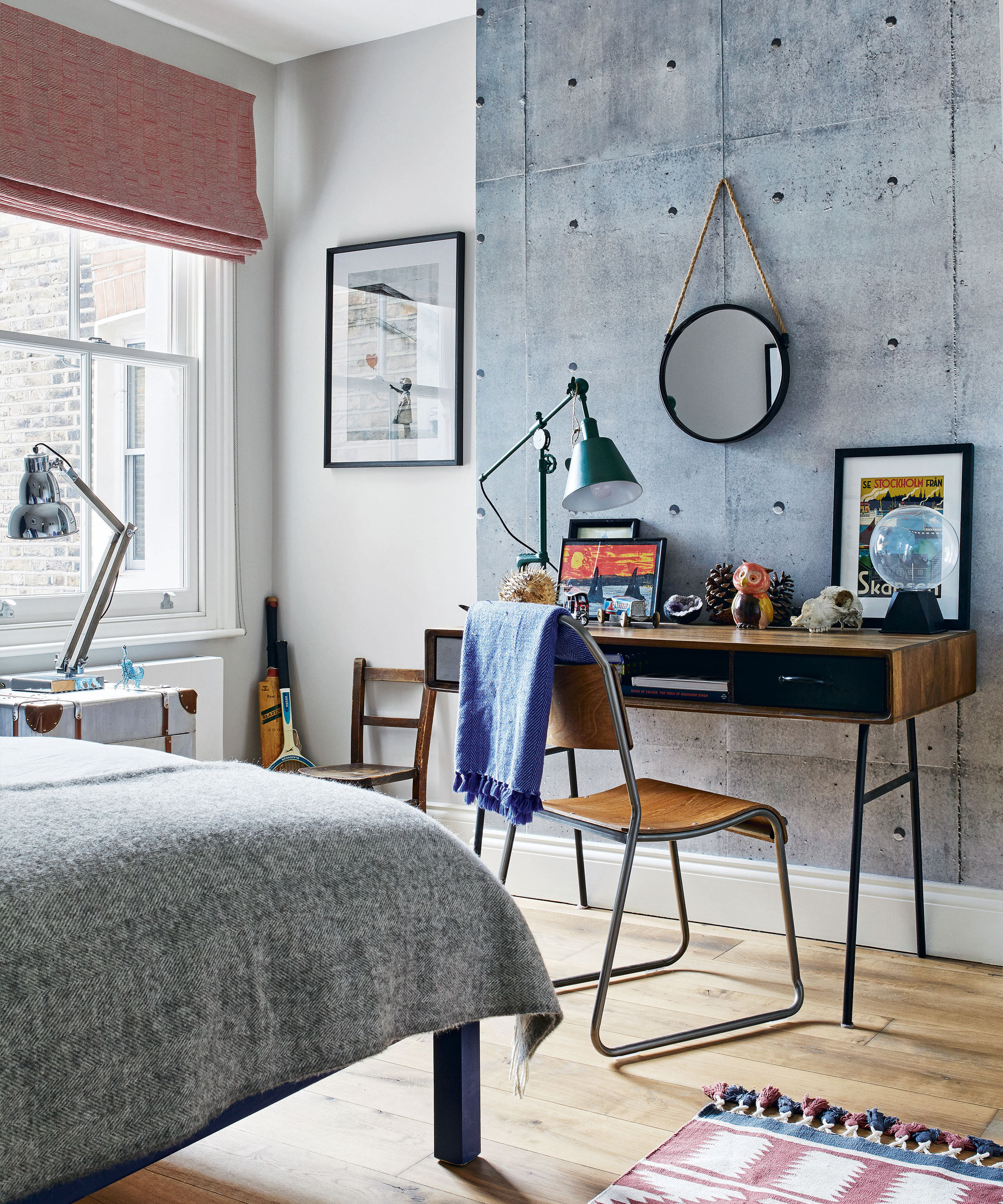
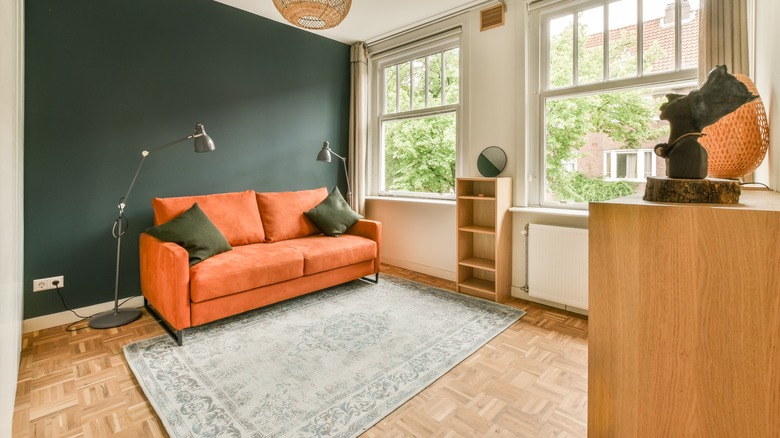
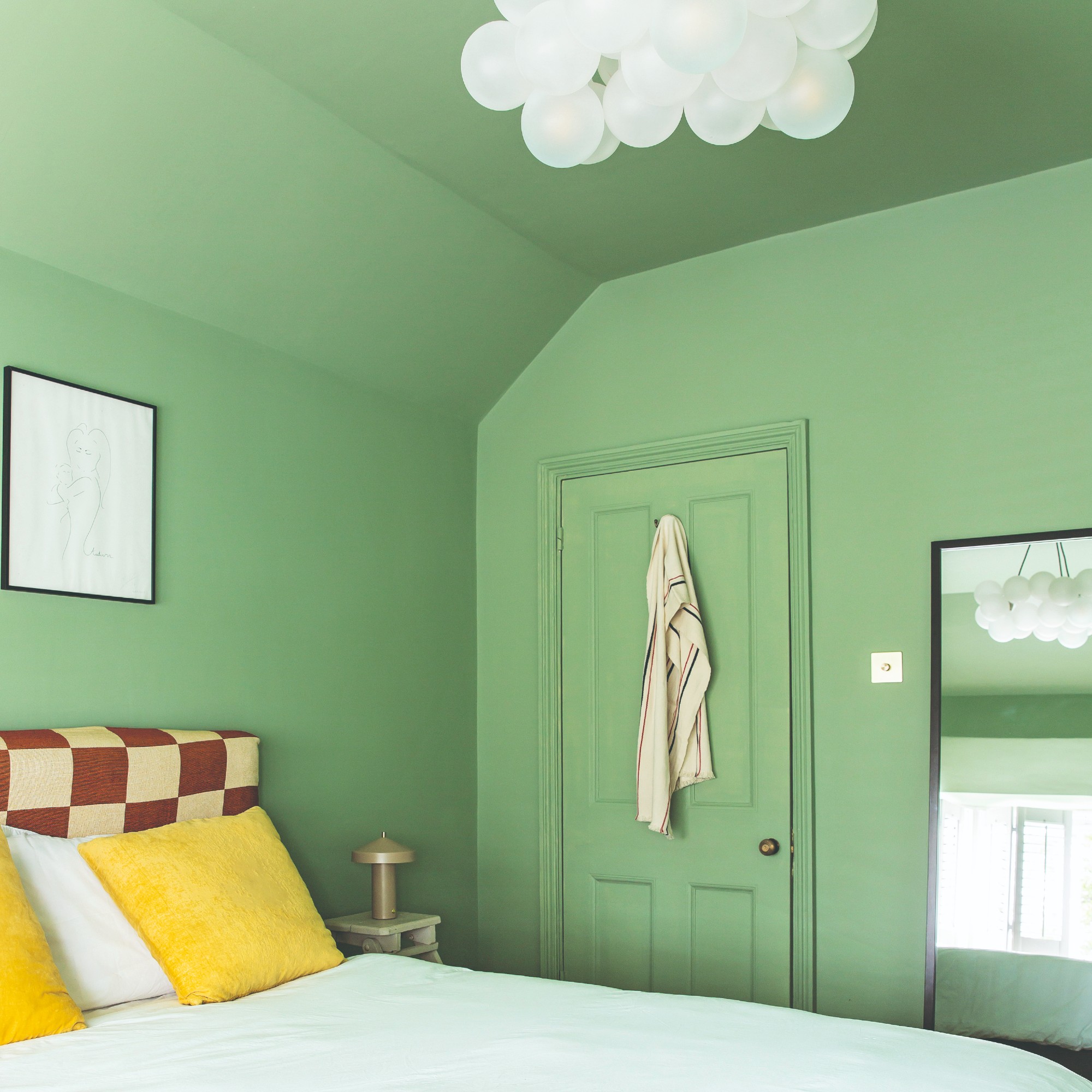
Bathrooms can benefit from dramatic accent walls through tile murals, using oversized images printed on wall tiles above a dado, or wallpaper murals protected by tiled borders or glass. Experimenting with color is also key; three tonal colors from the same family can blend harmoniously, especially when accessorized with matching elements. Exposing natural brickwork can bring rich warmth and an industrial edge, though its porous nature requires careful consideration for internal walls and proper sealing. If natural brick isn't available, lighter-weight cladding or facing slips made from real brick or stone slices can achieve a similar effect.
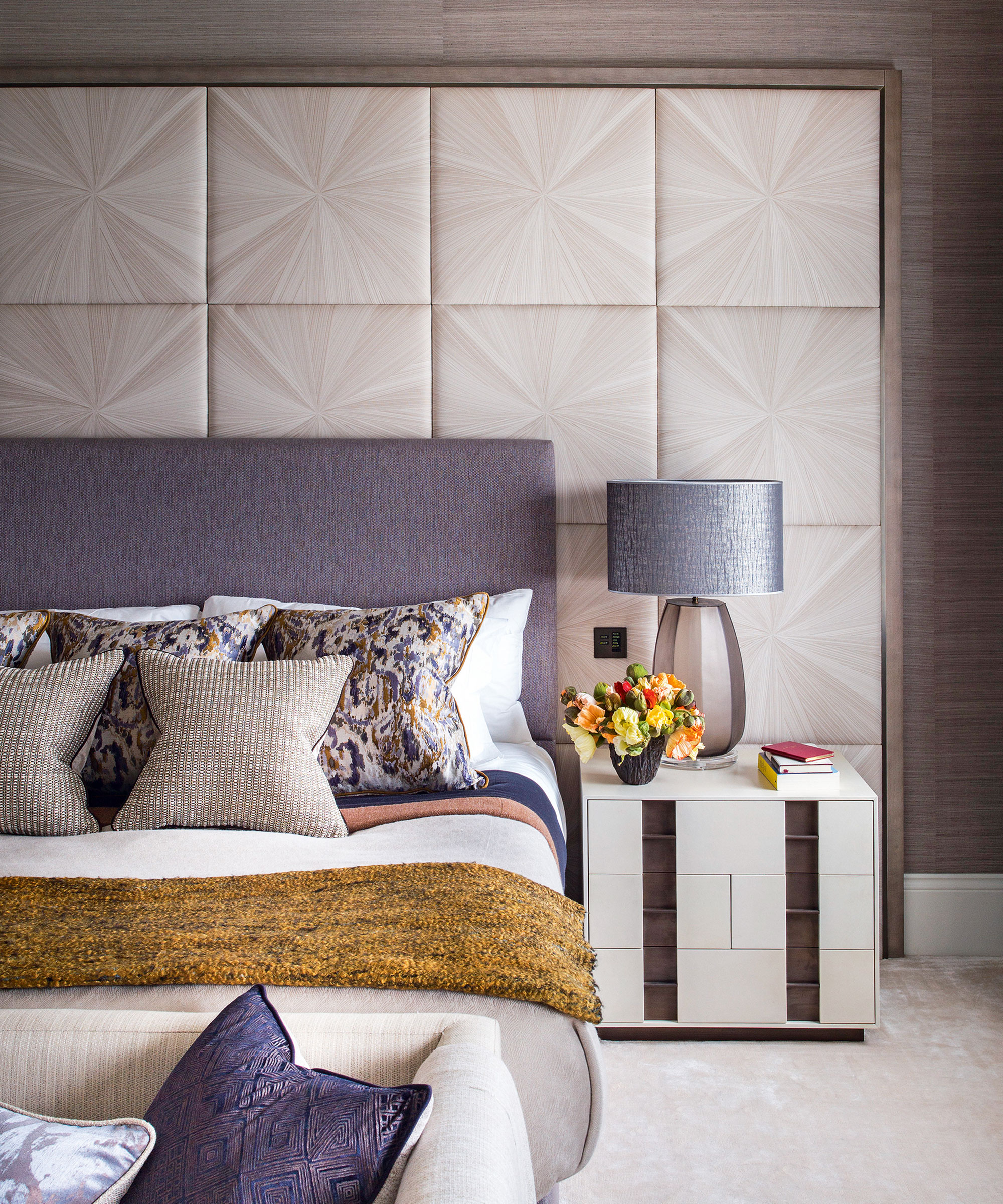
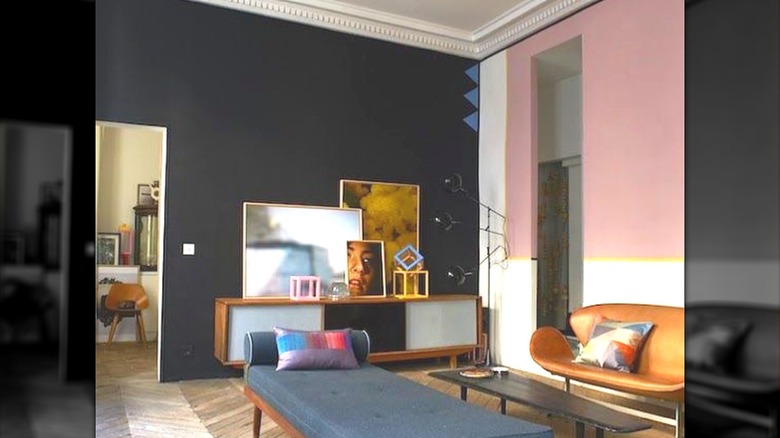
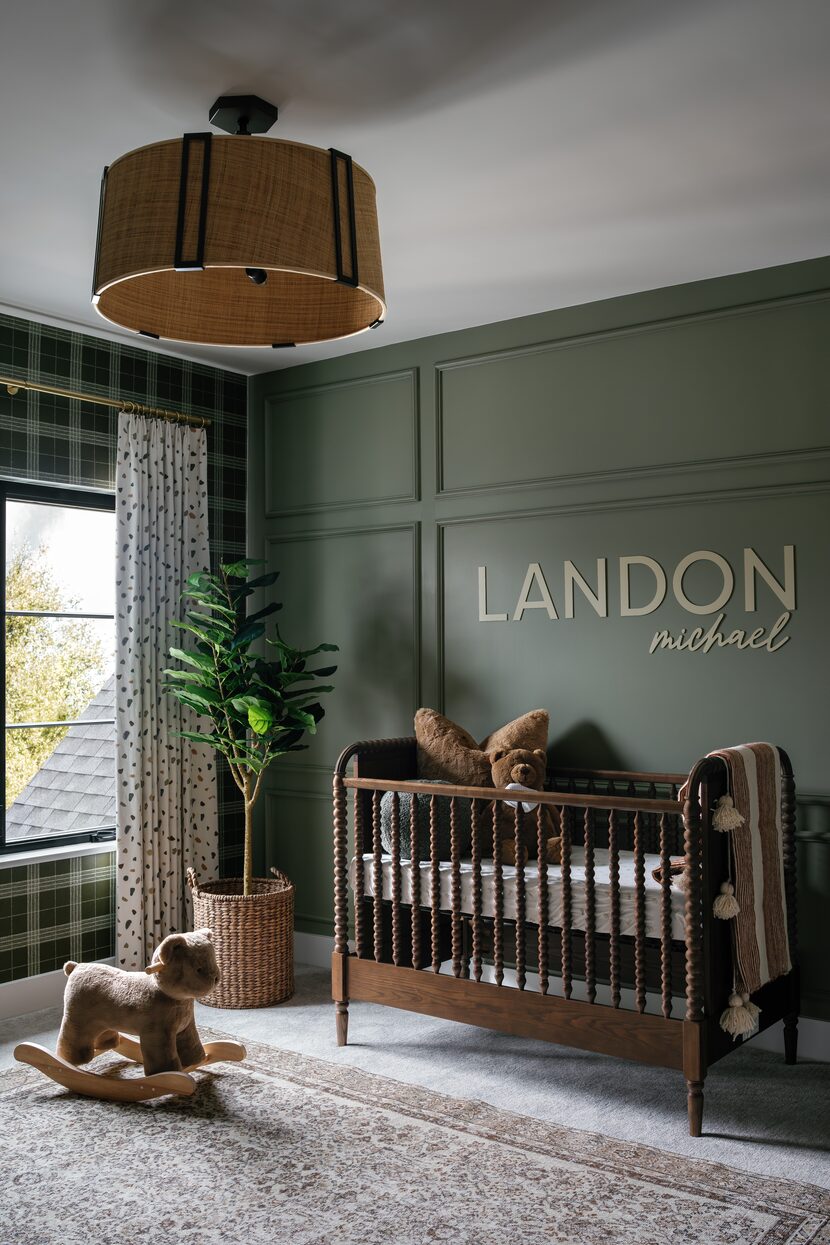
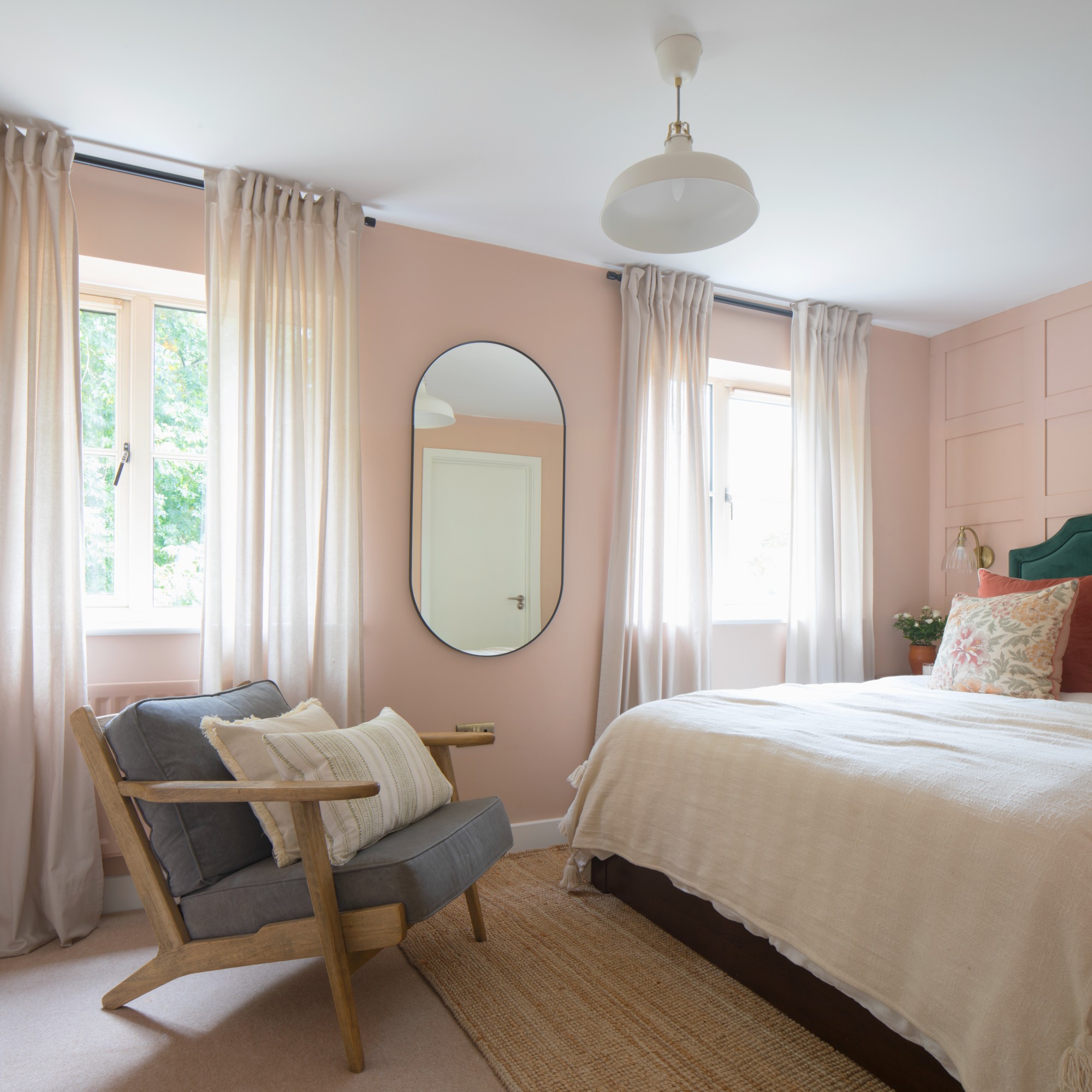
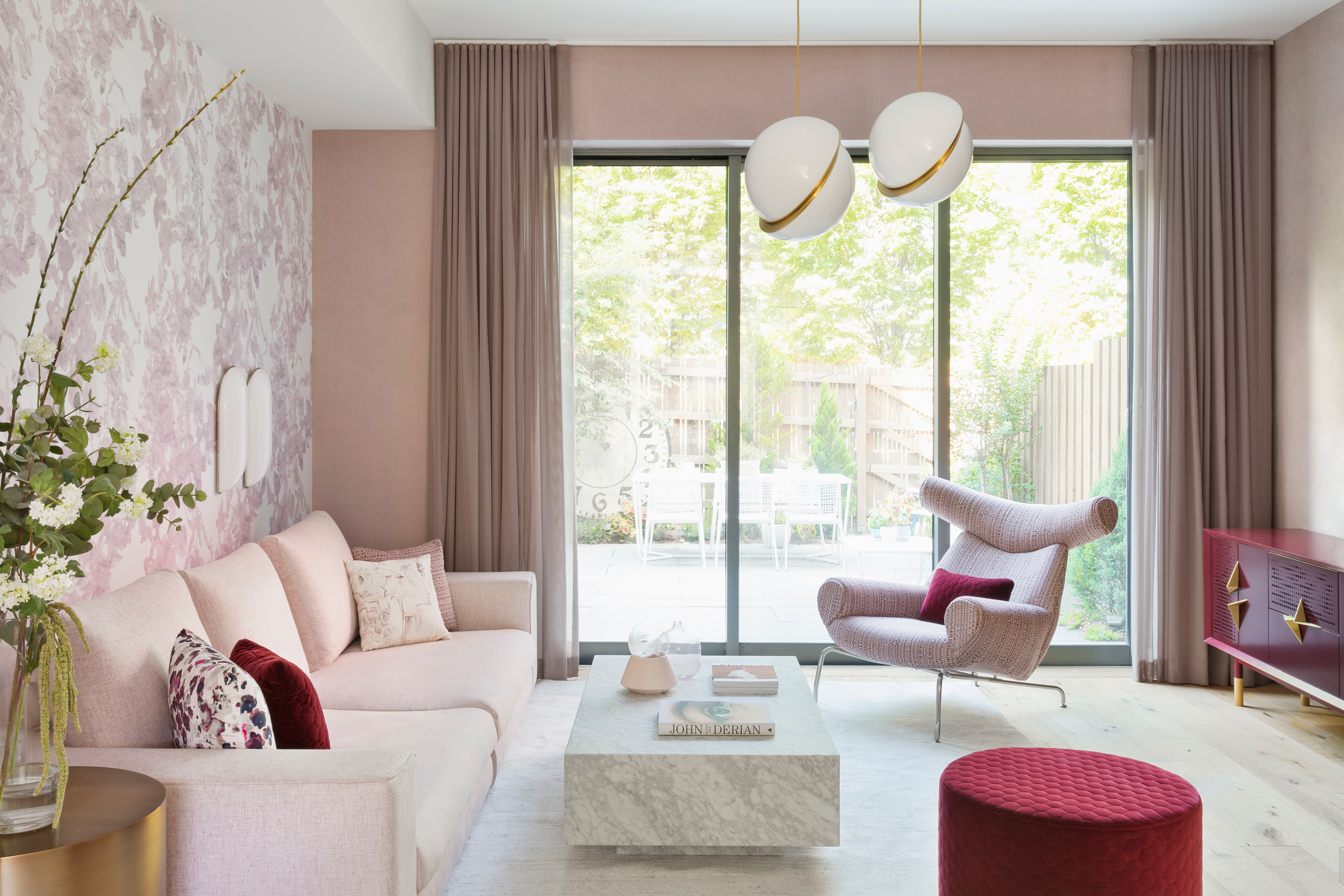
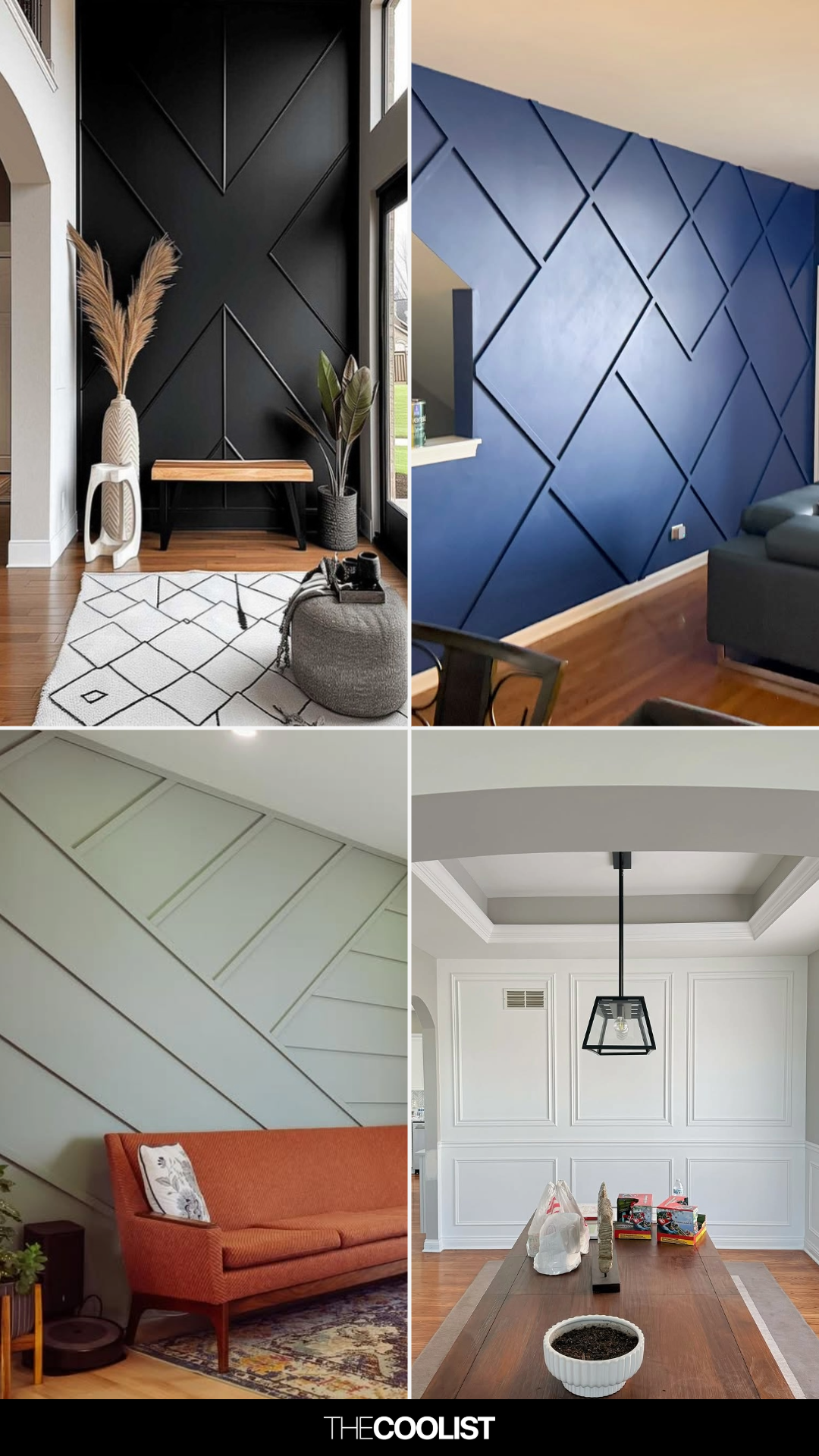
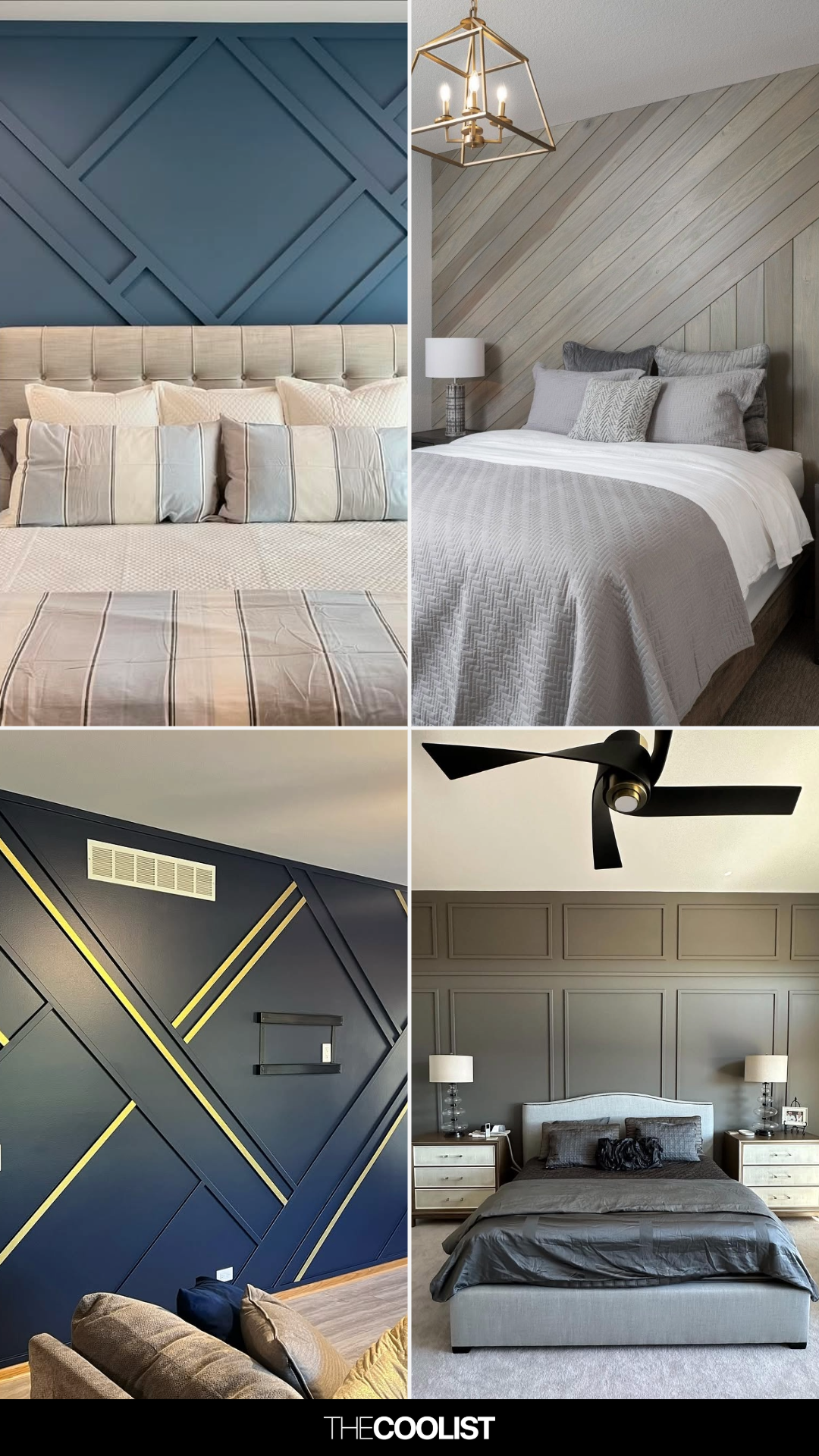
An effective way to create a calming yet interesting wall feature is to use the same color in different materials and textures. This approach allows for a relaxed and layered look, such as combining paint shades with perfectly matching tiles. Two-tone walls can add interest to rooms lacking architectural features, with the dividing line strategically placed above key furniture pieces. A lighter color on top can elongate a room, while a warmer hue below adds coziness. Paneling, in various designs like tongue and groove or traditional Shaker style, adds depth, character, and an opportunity for seamless display surfaces, particularly when integrated with picture shelves painted in the same color.
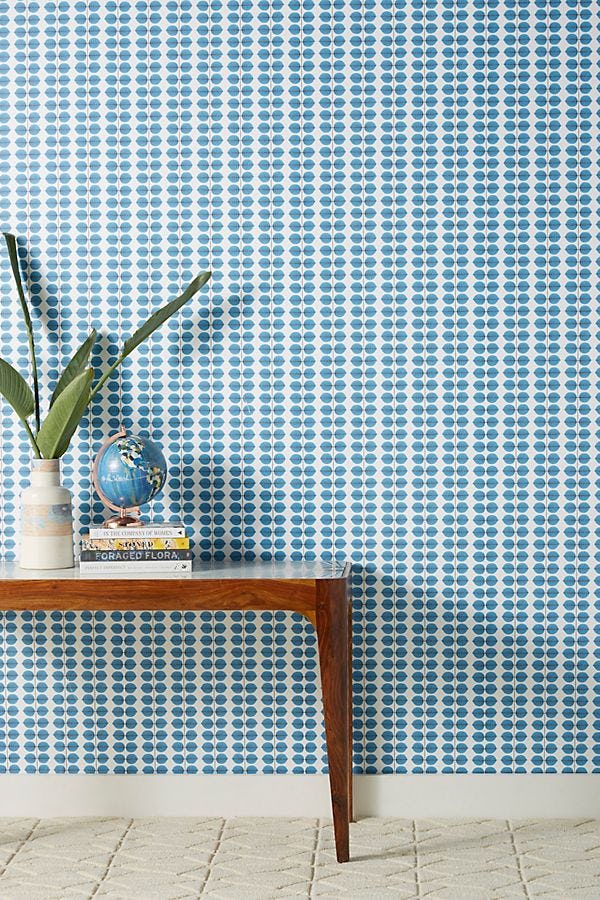
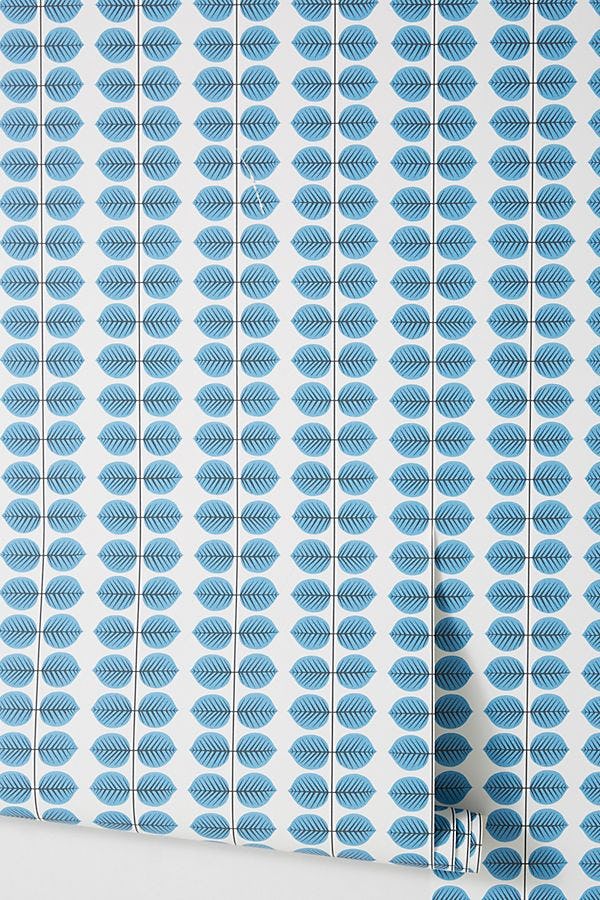
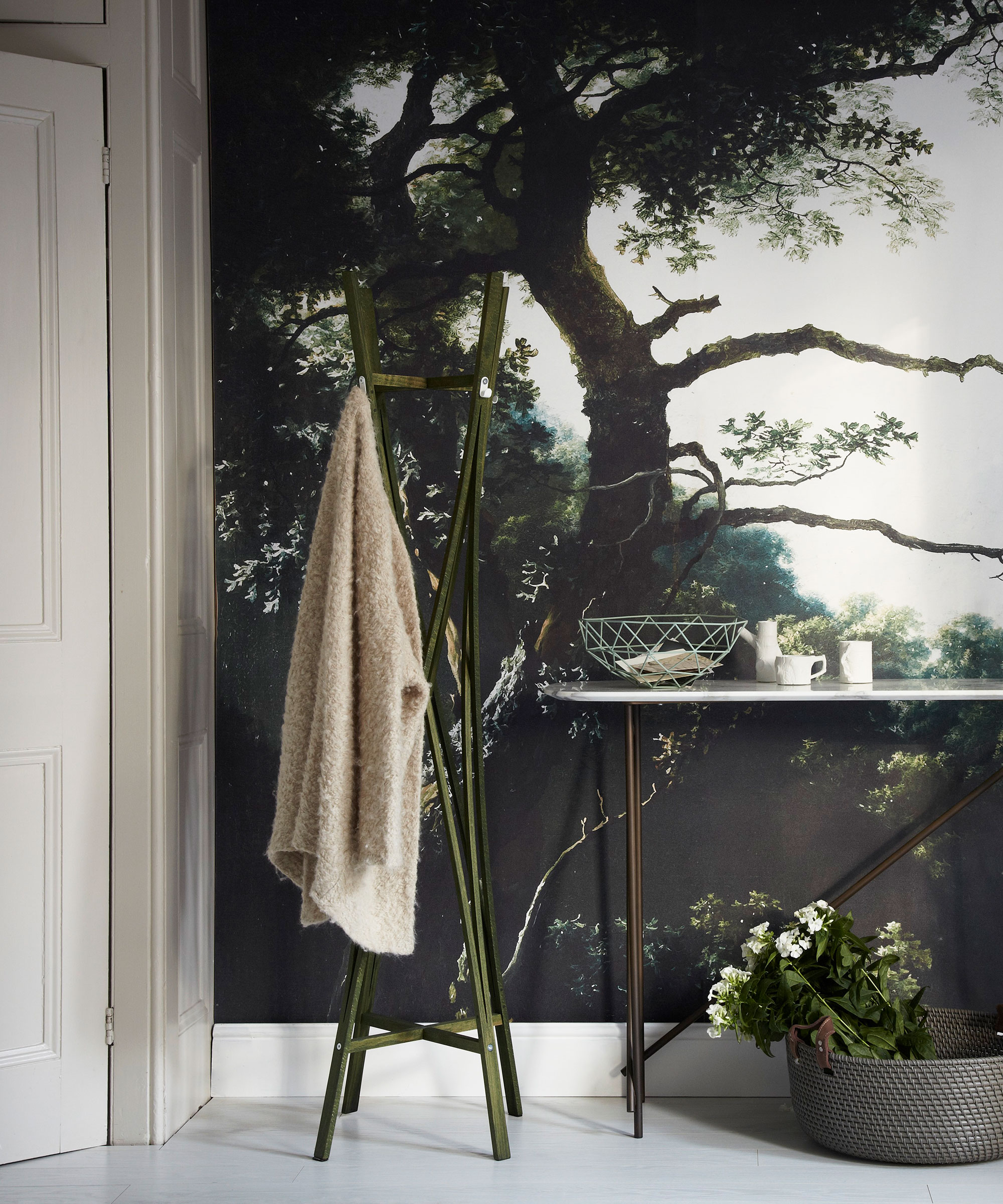
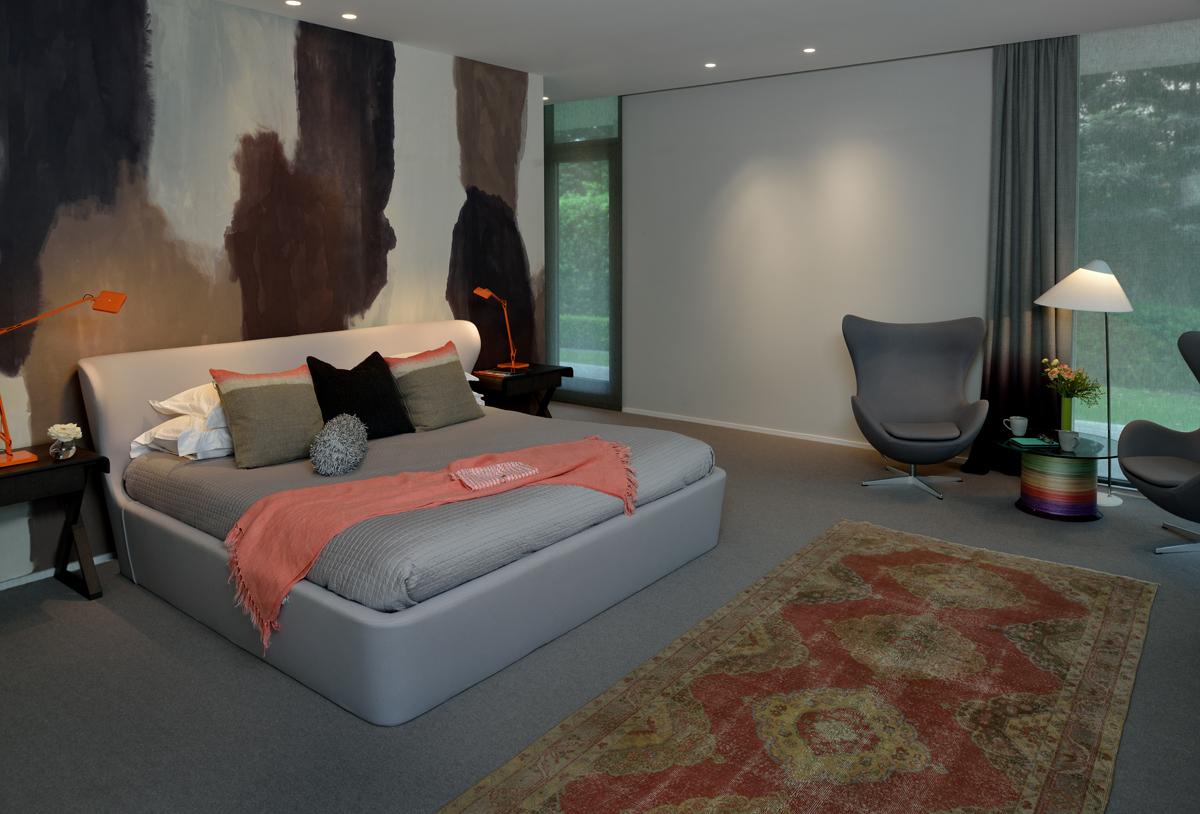
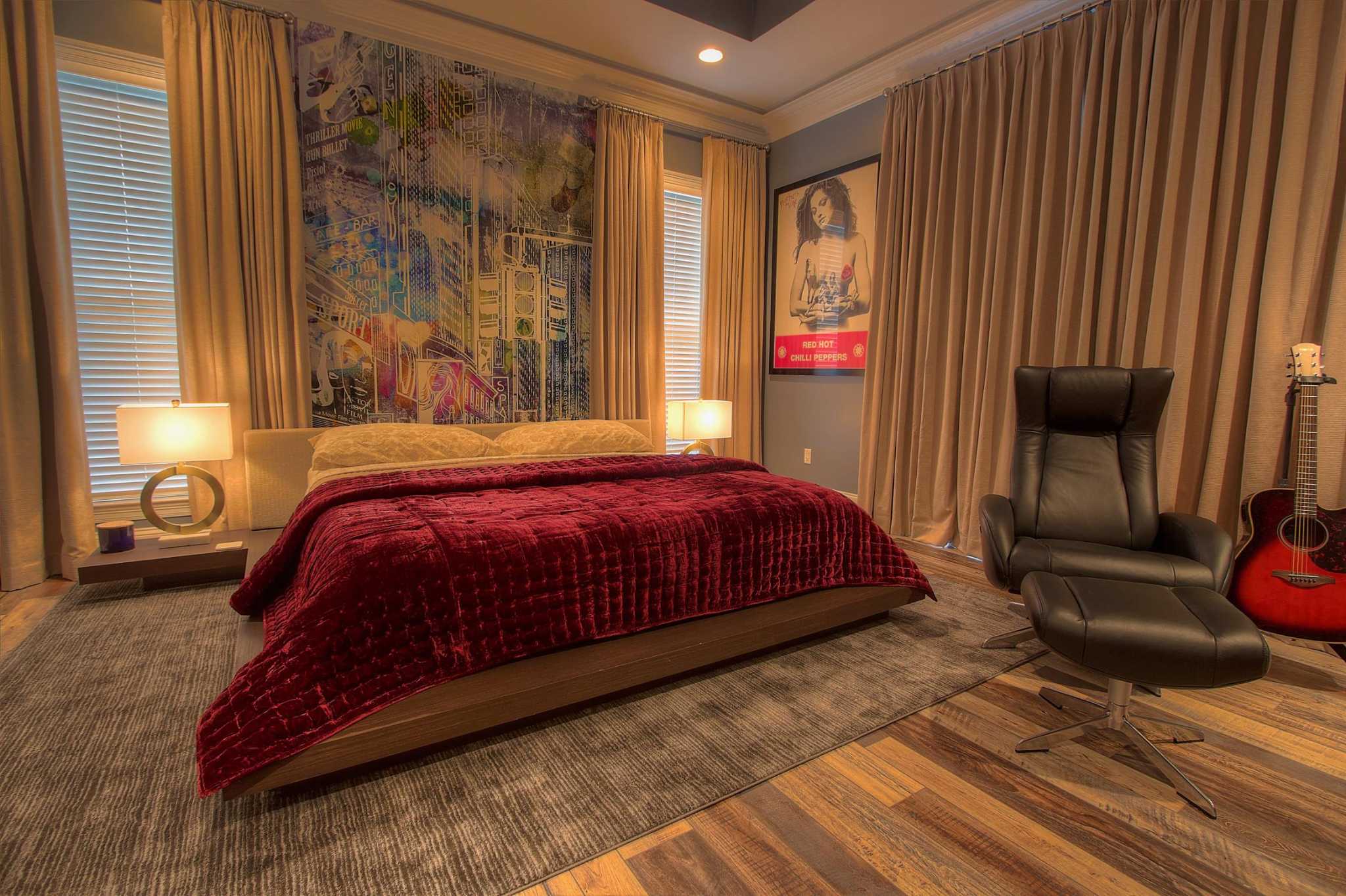
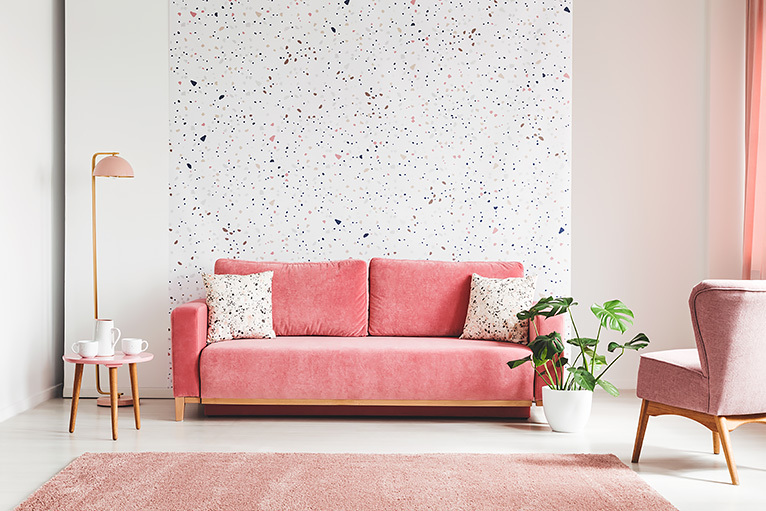
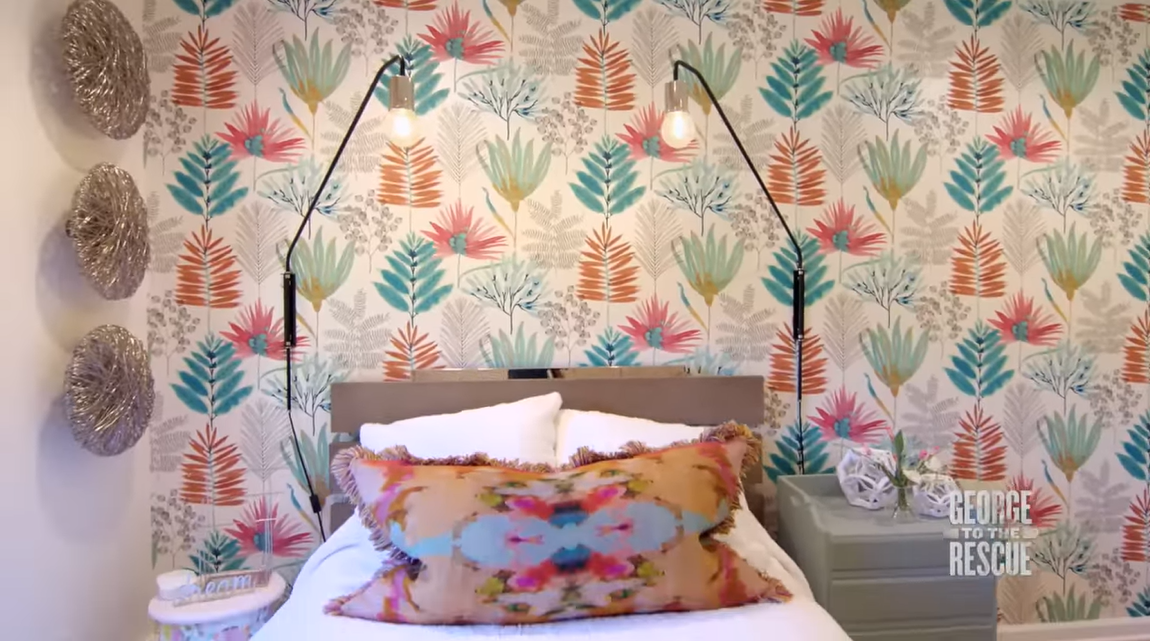
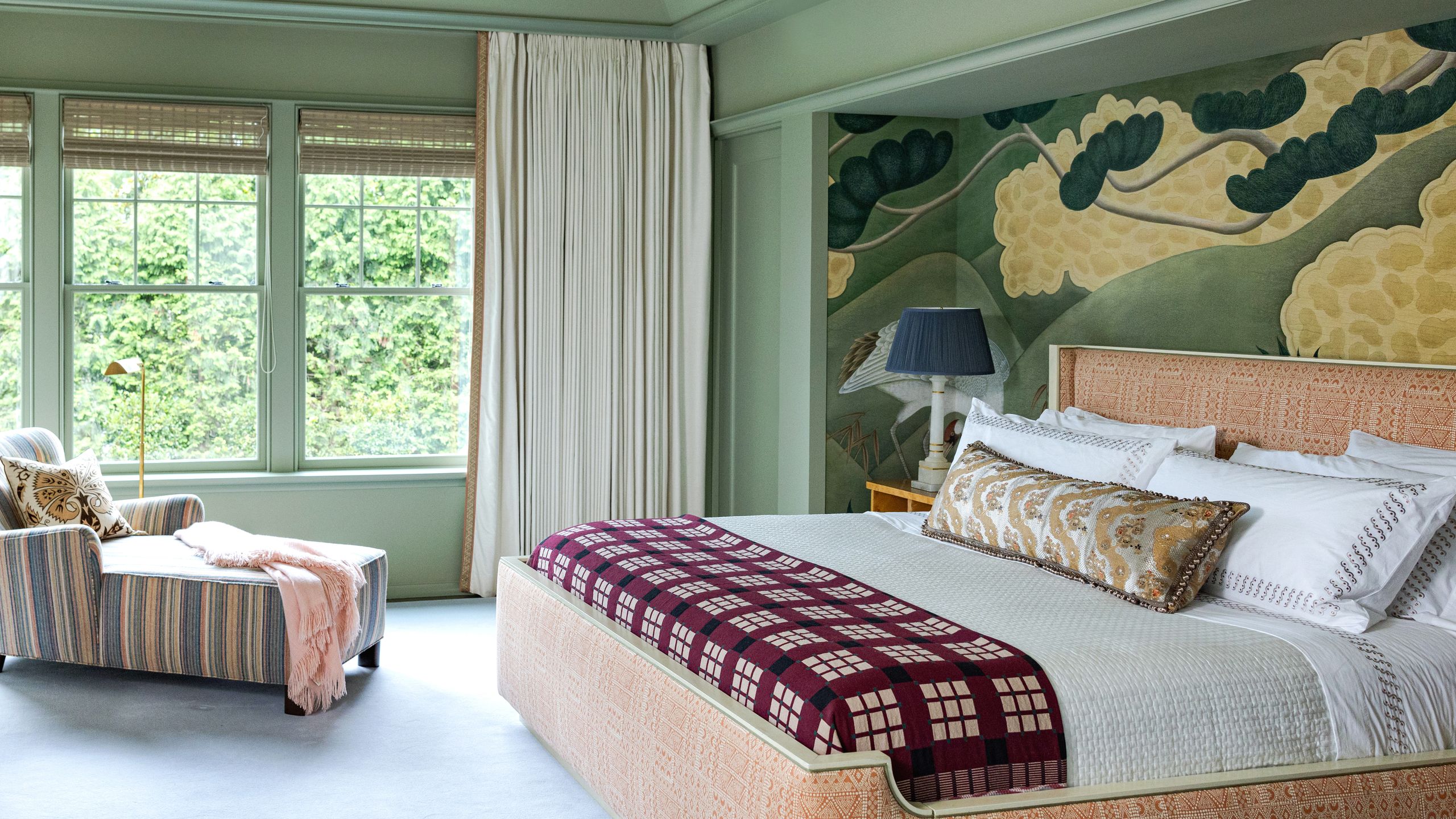
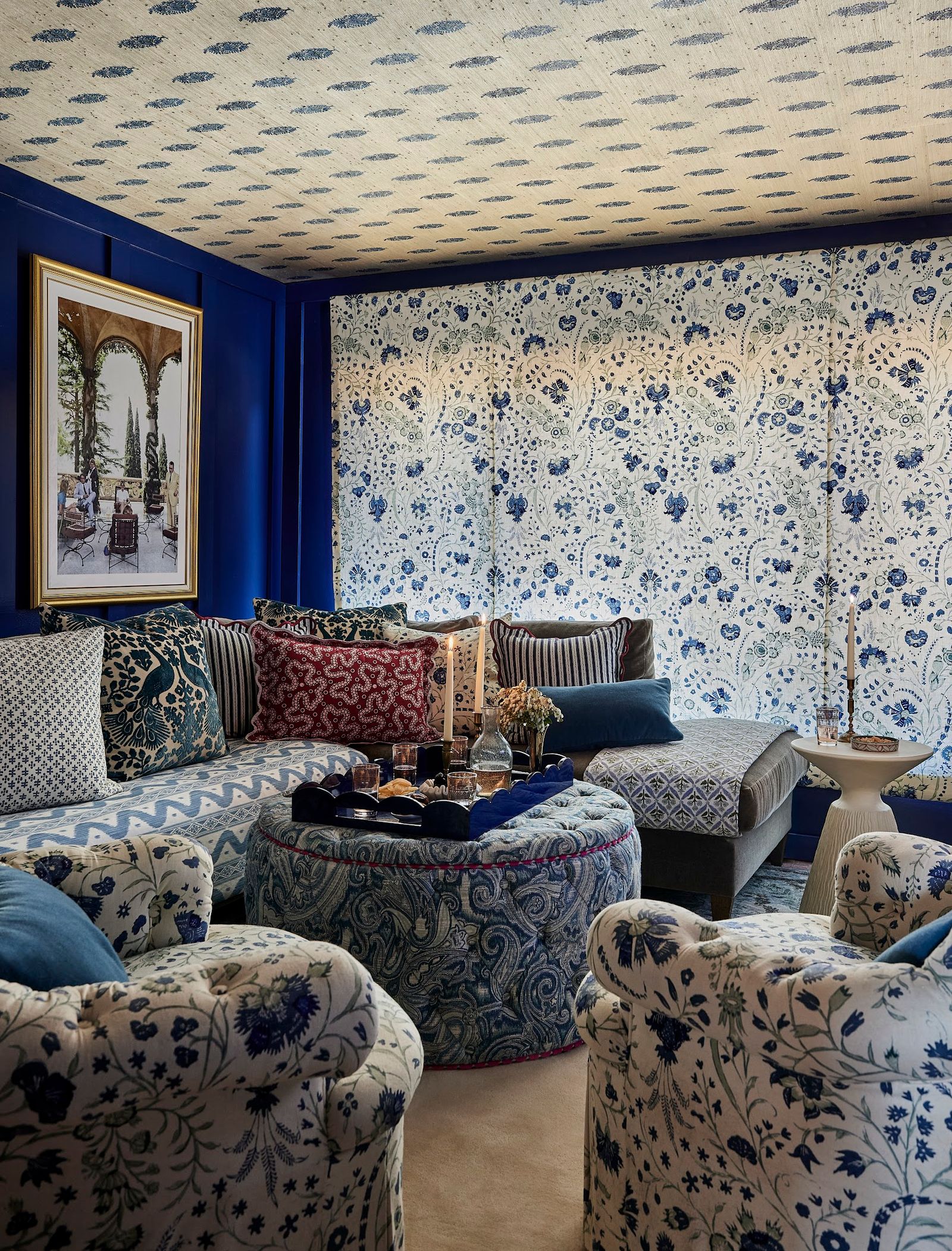
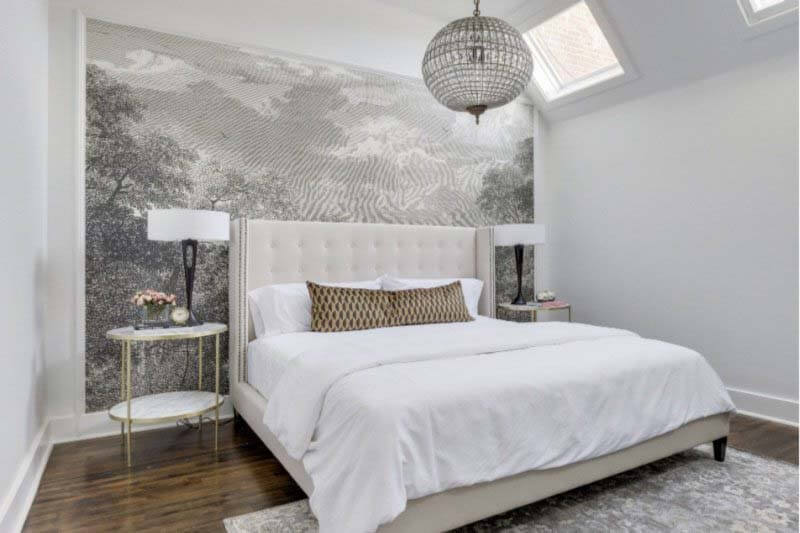
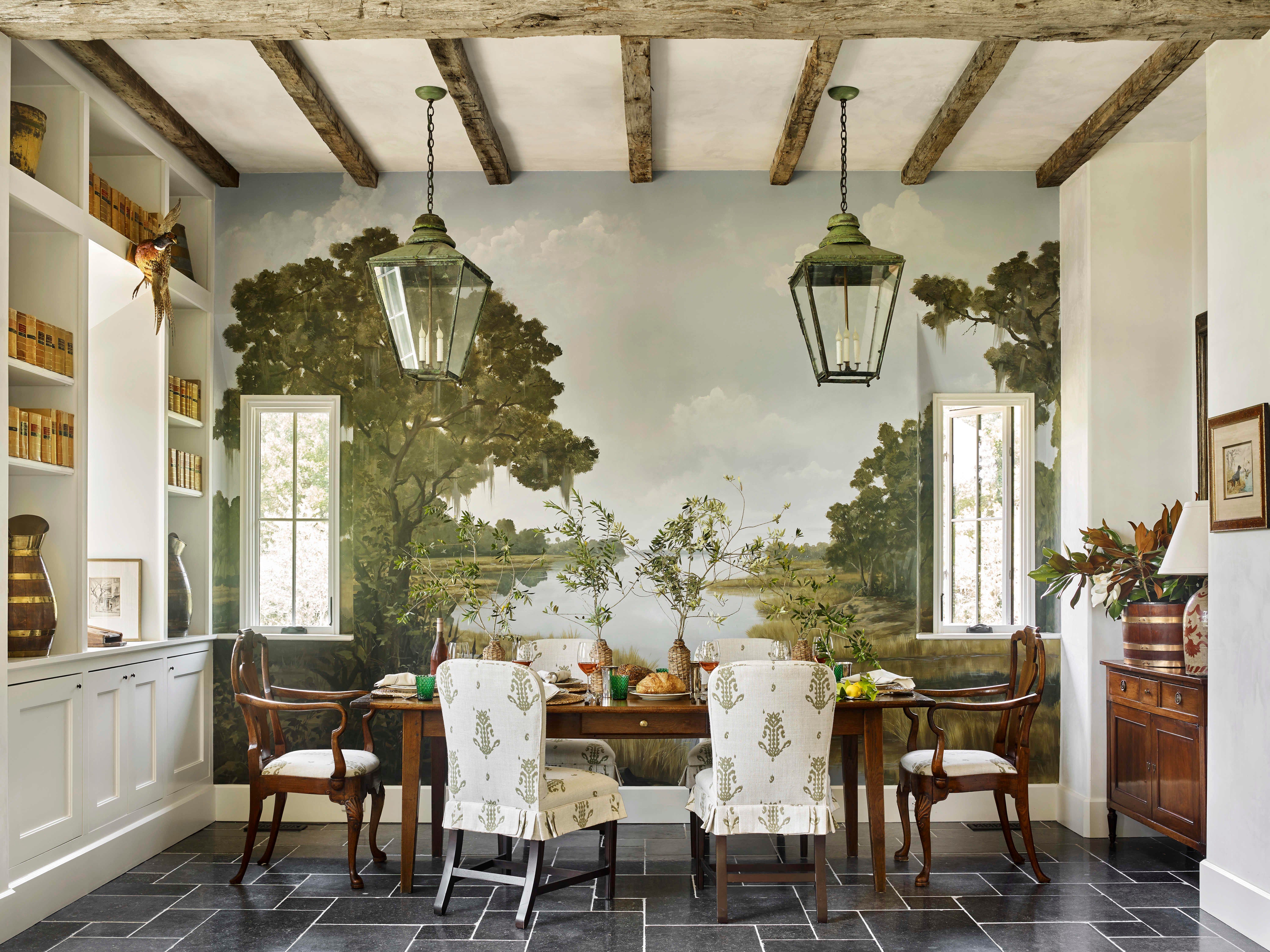
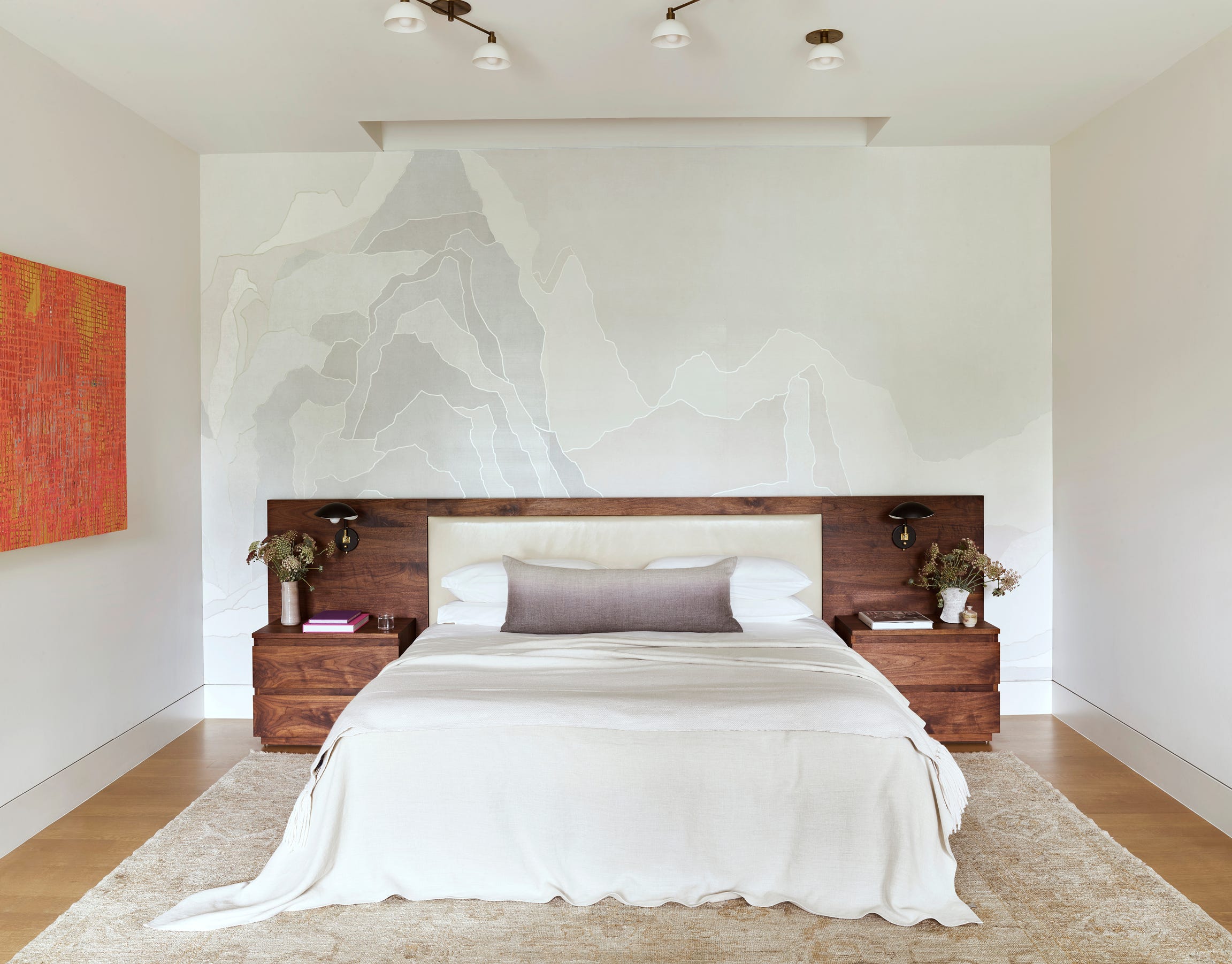
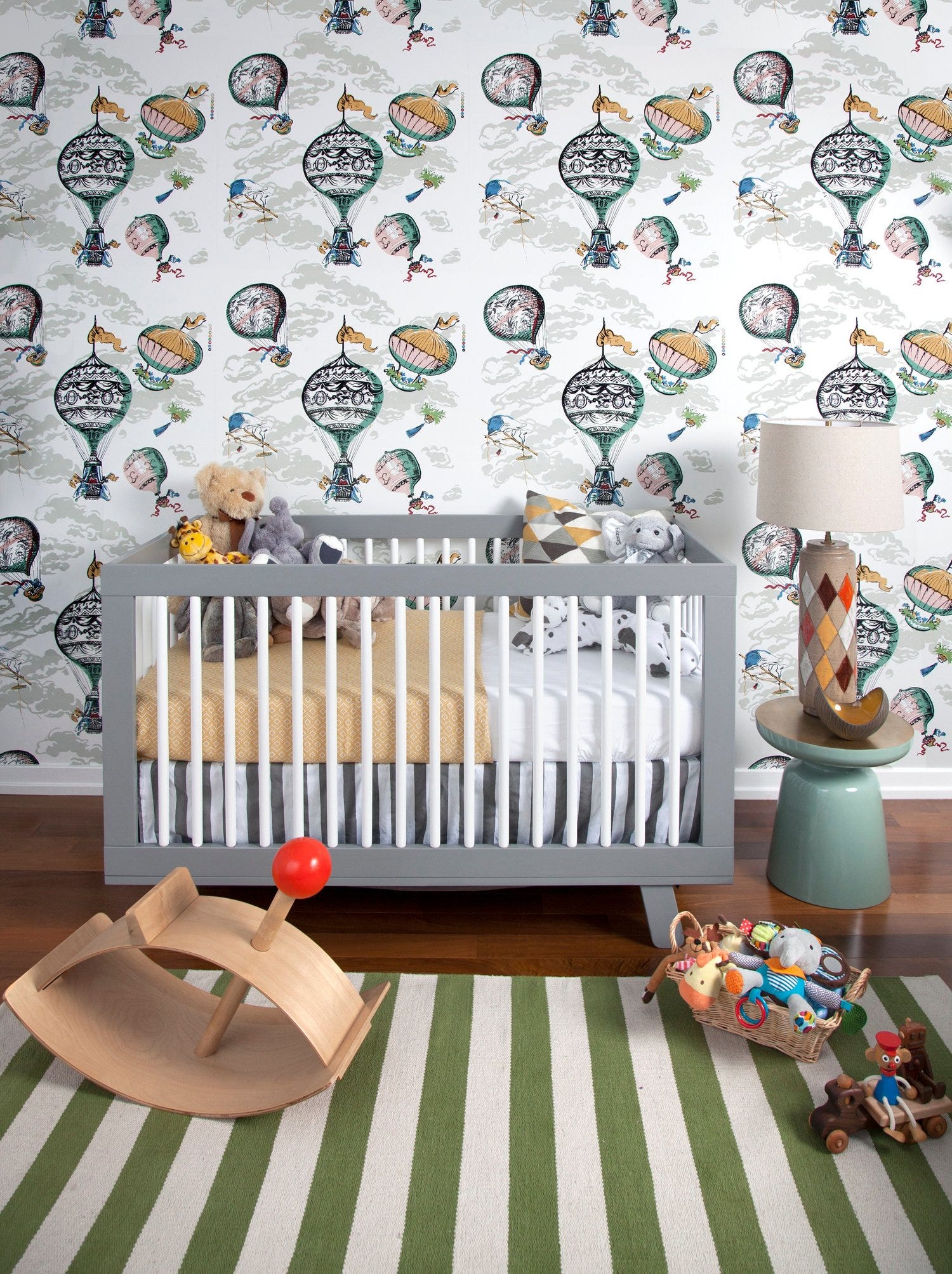
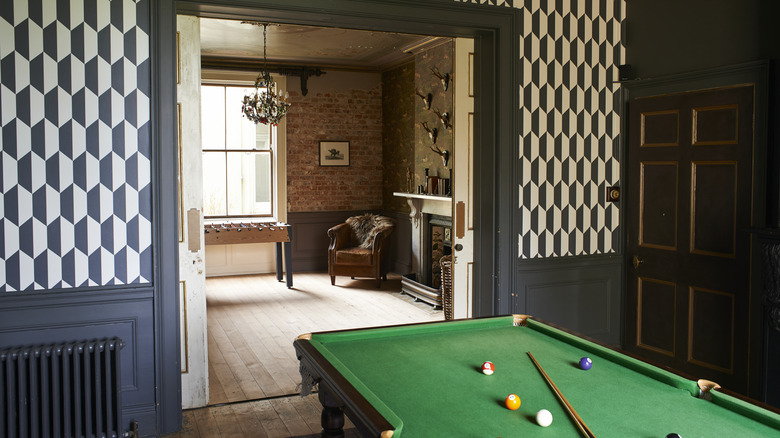
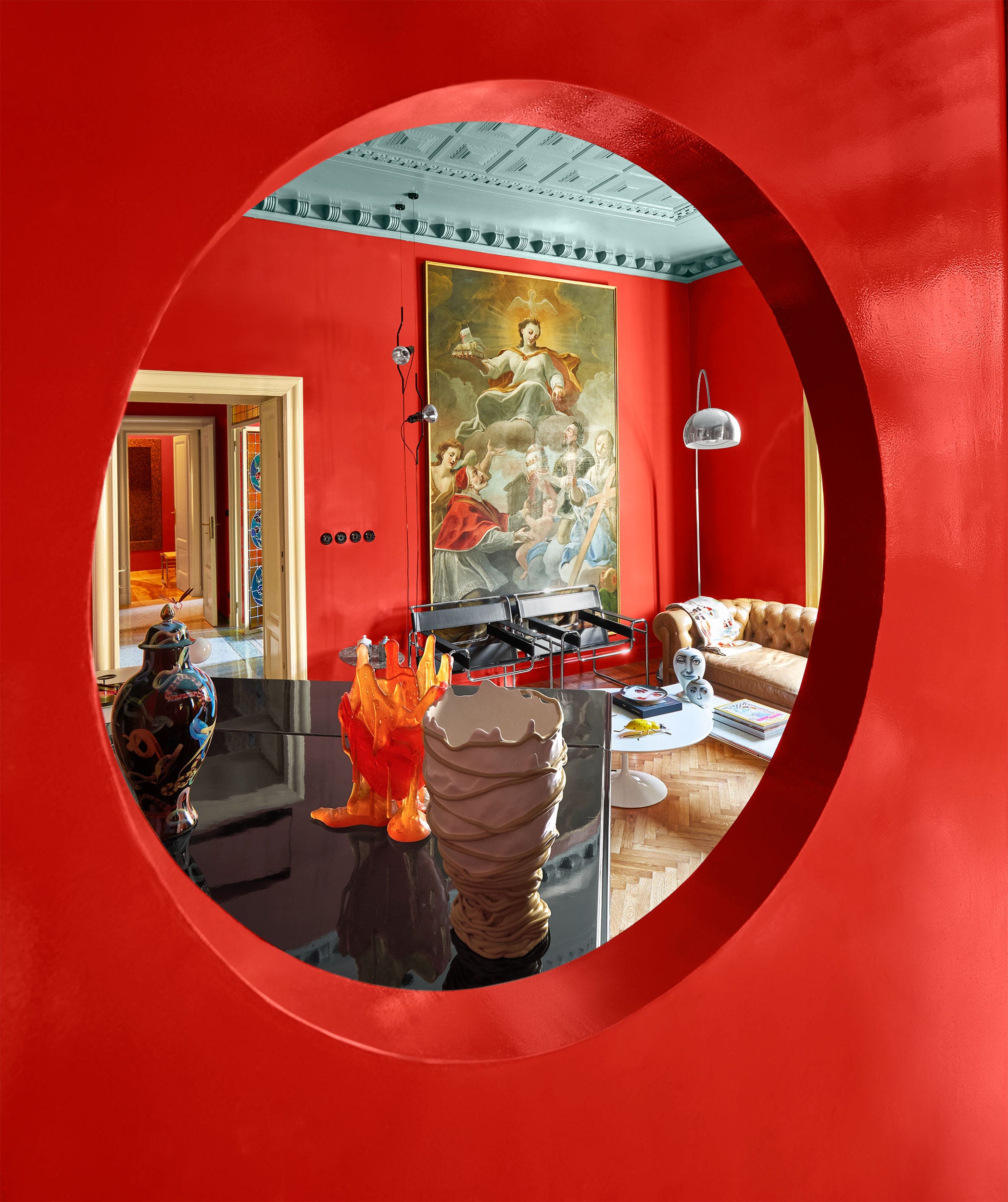
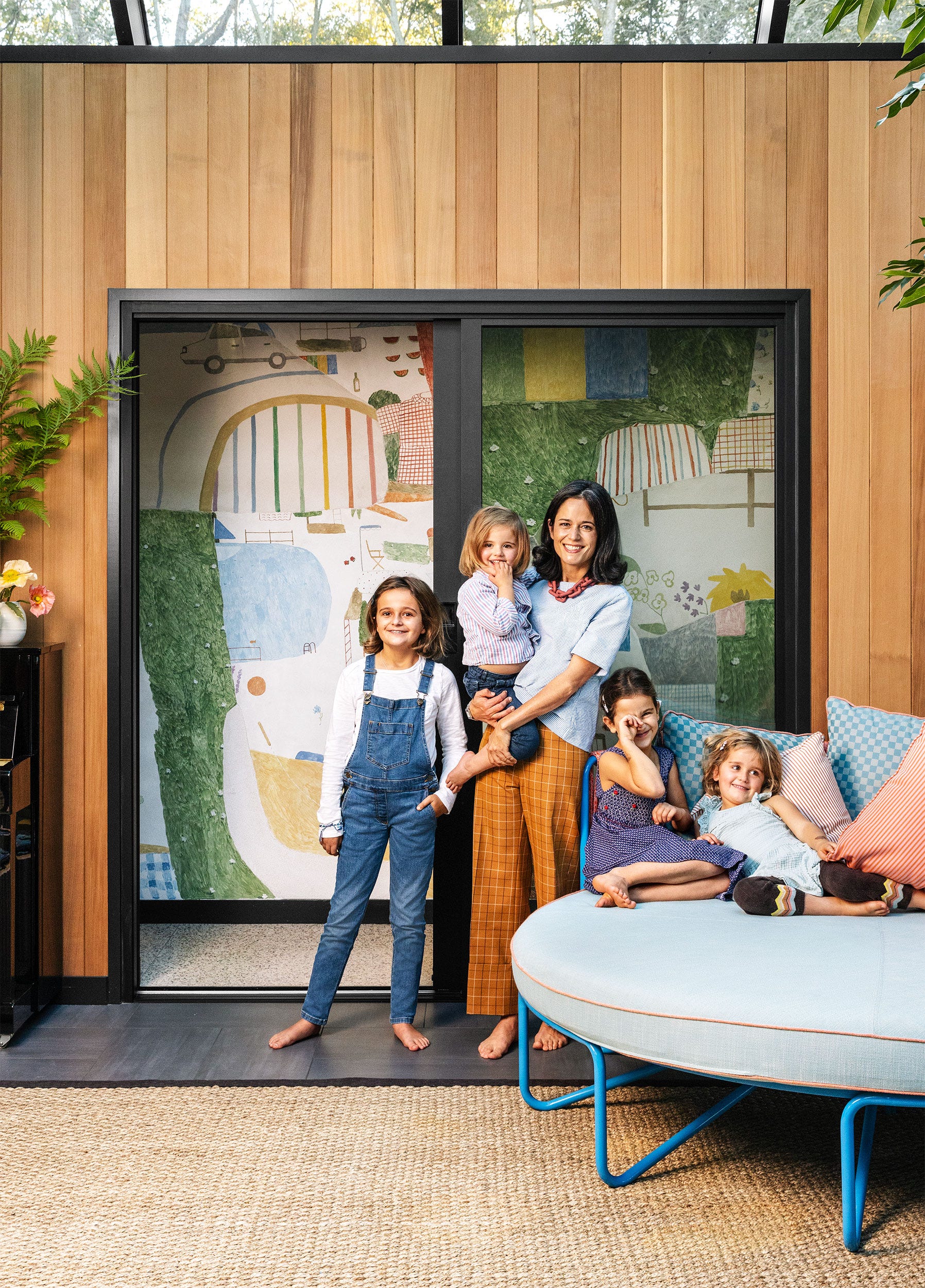
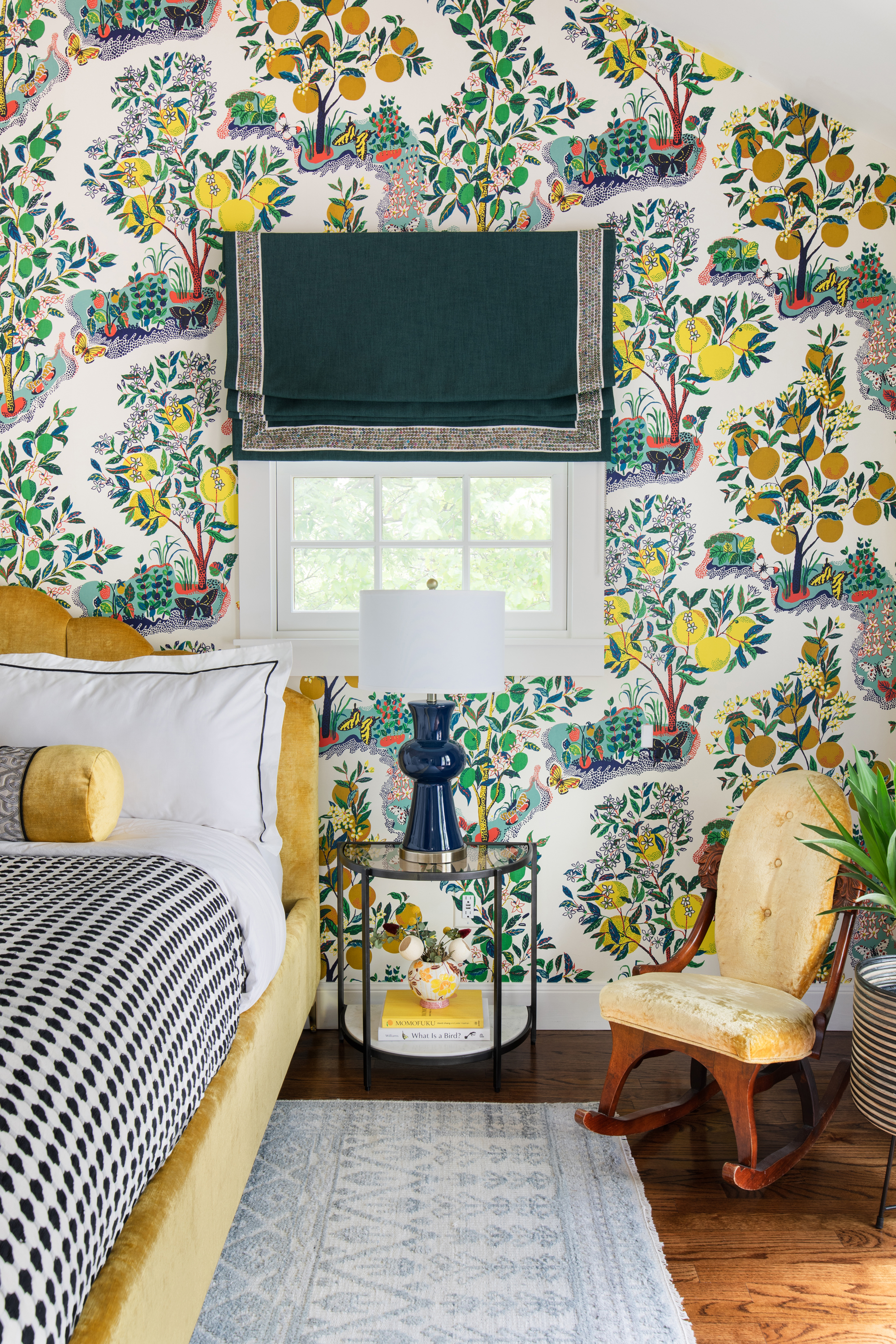
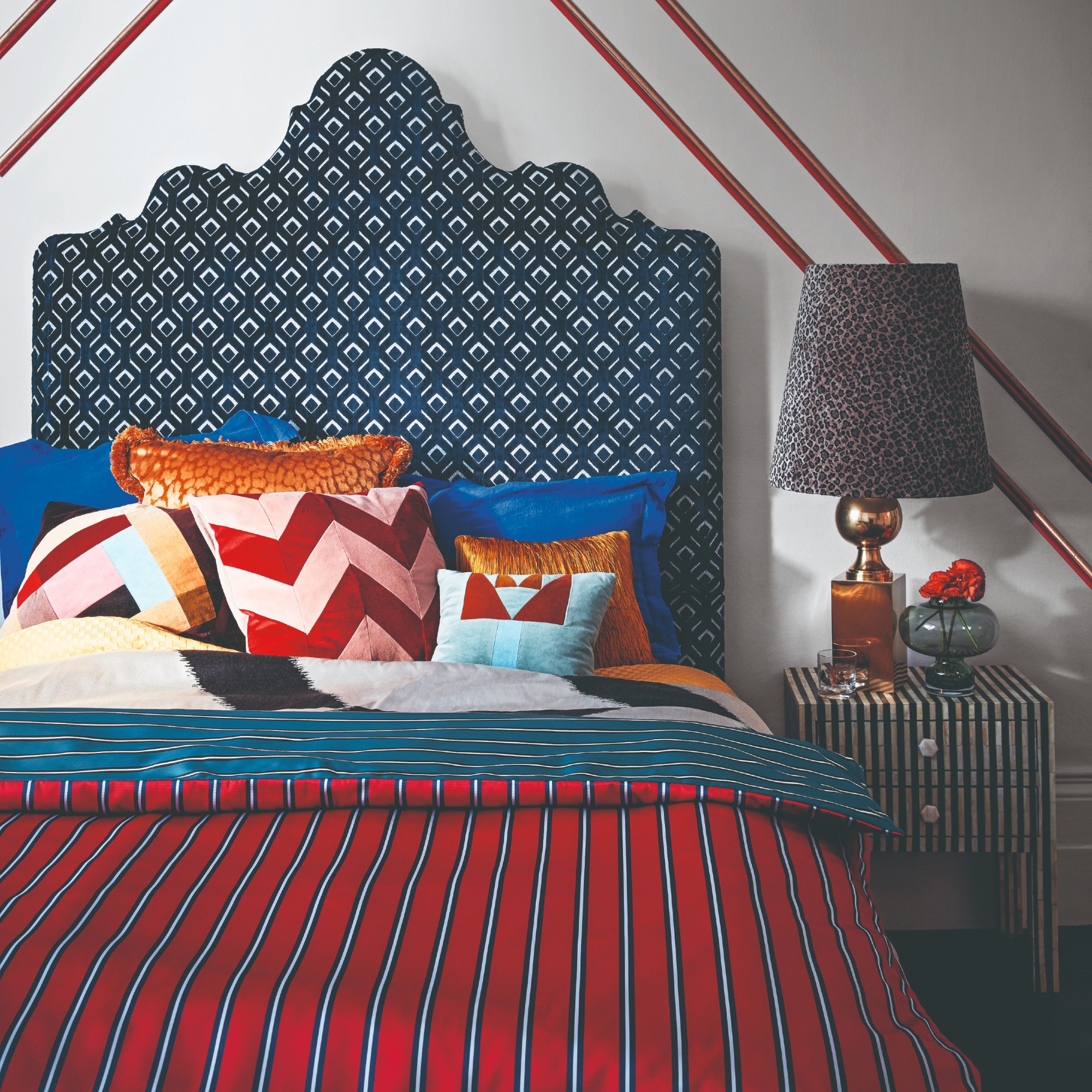
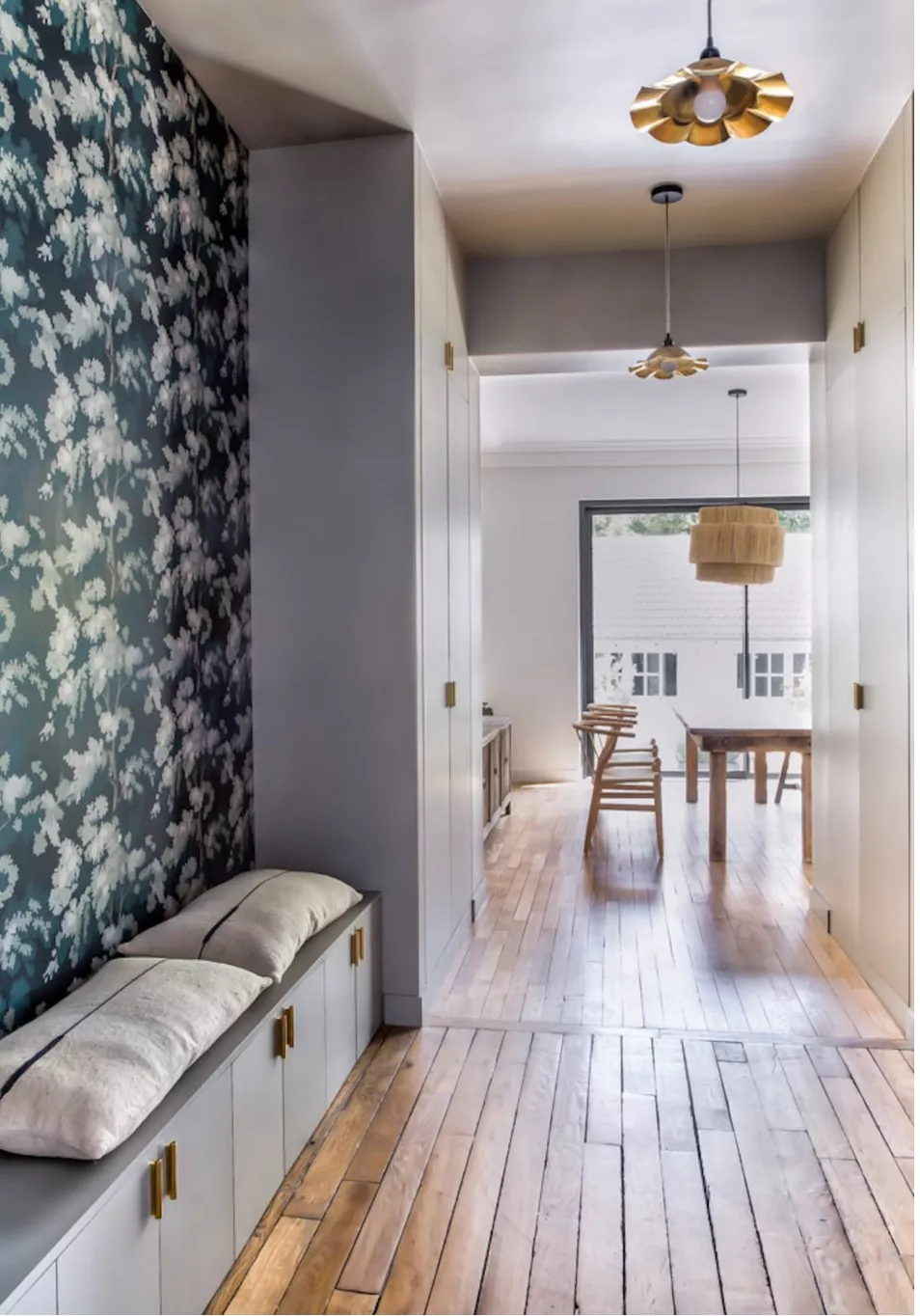
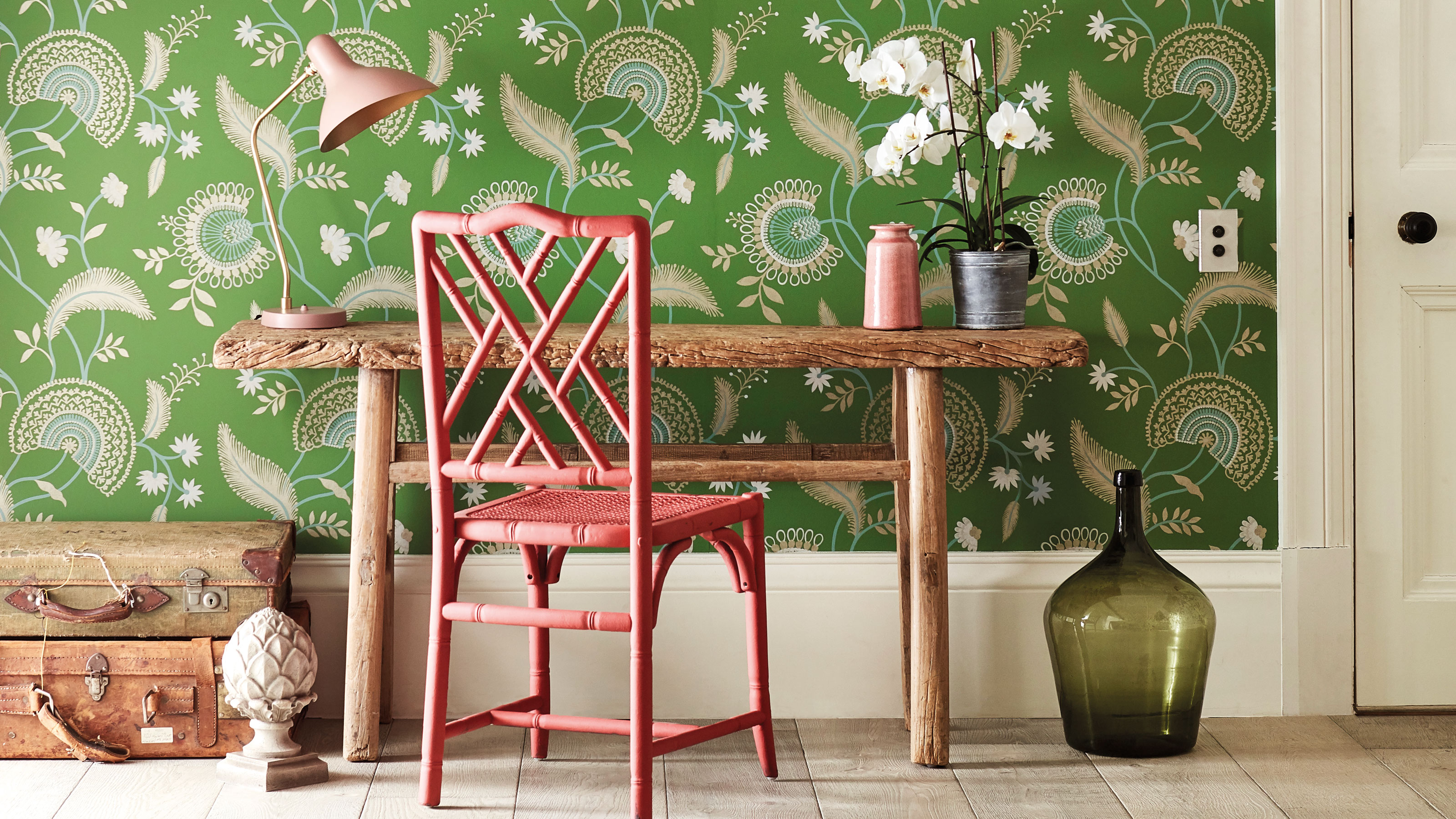
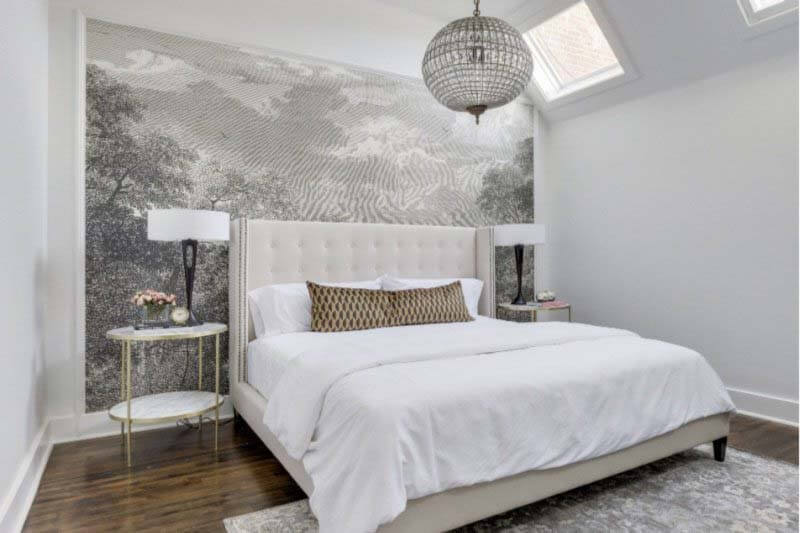
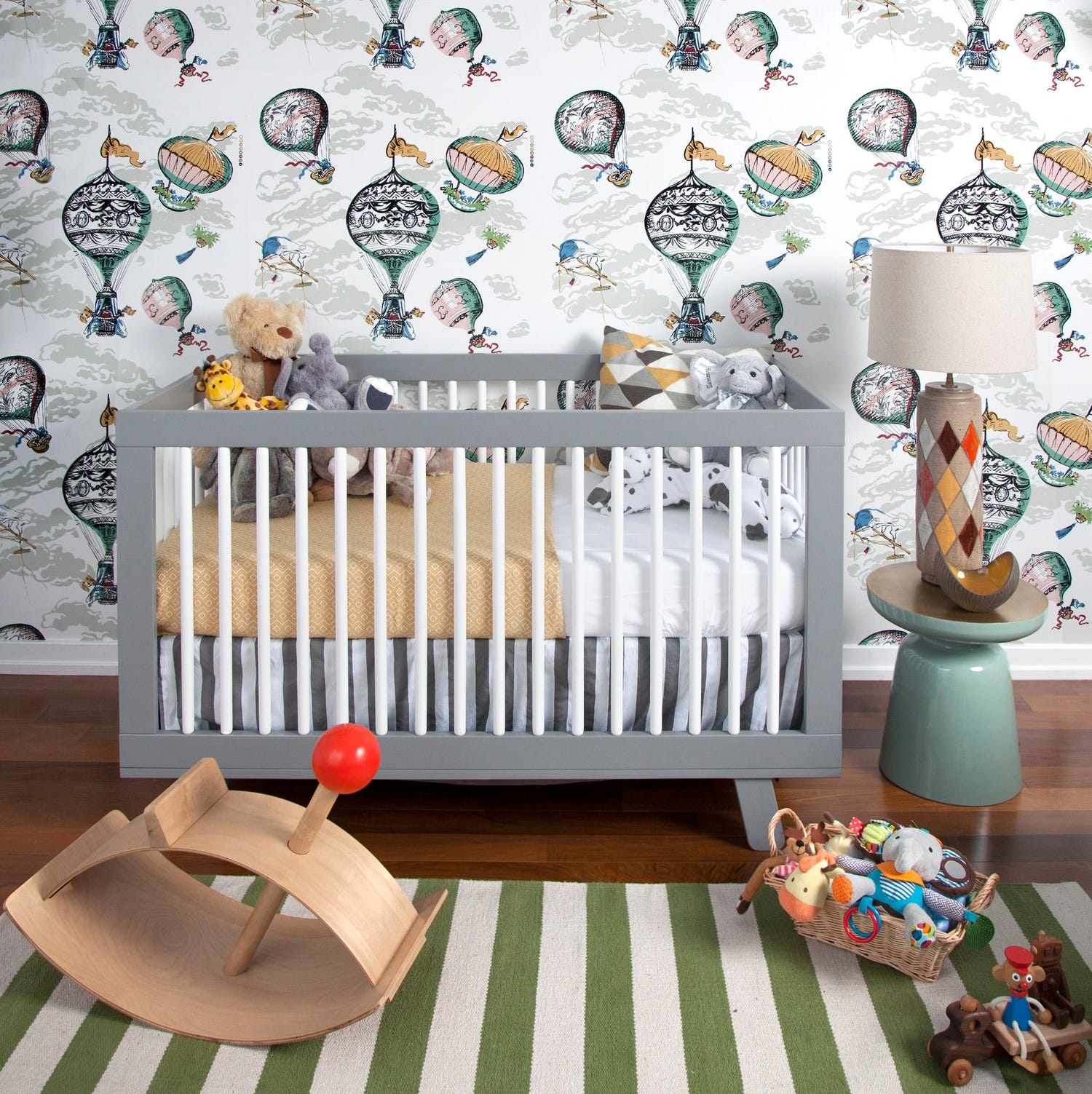
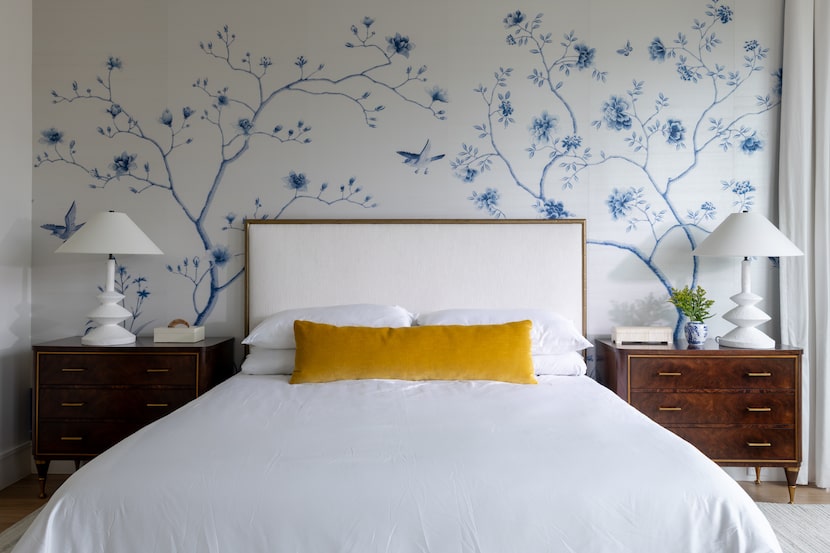
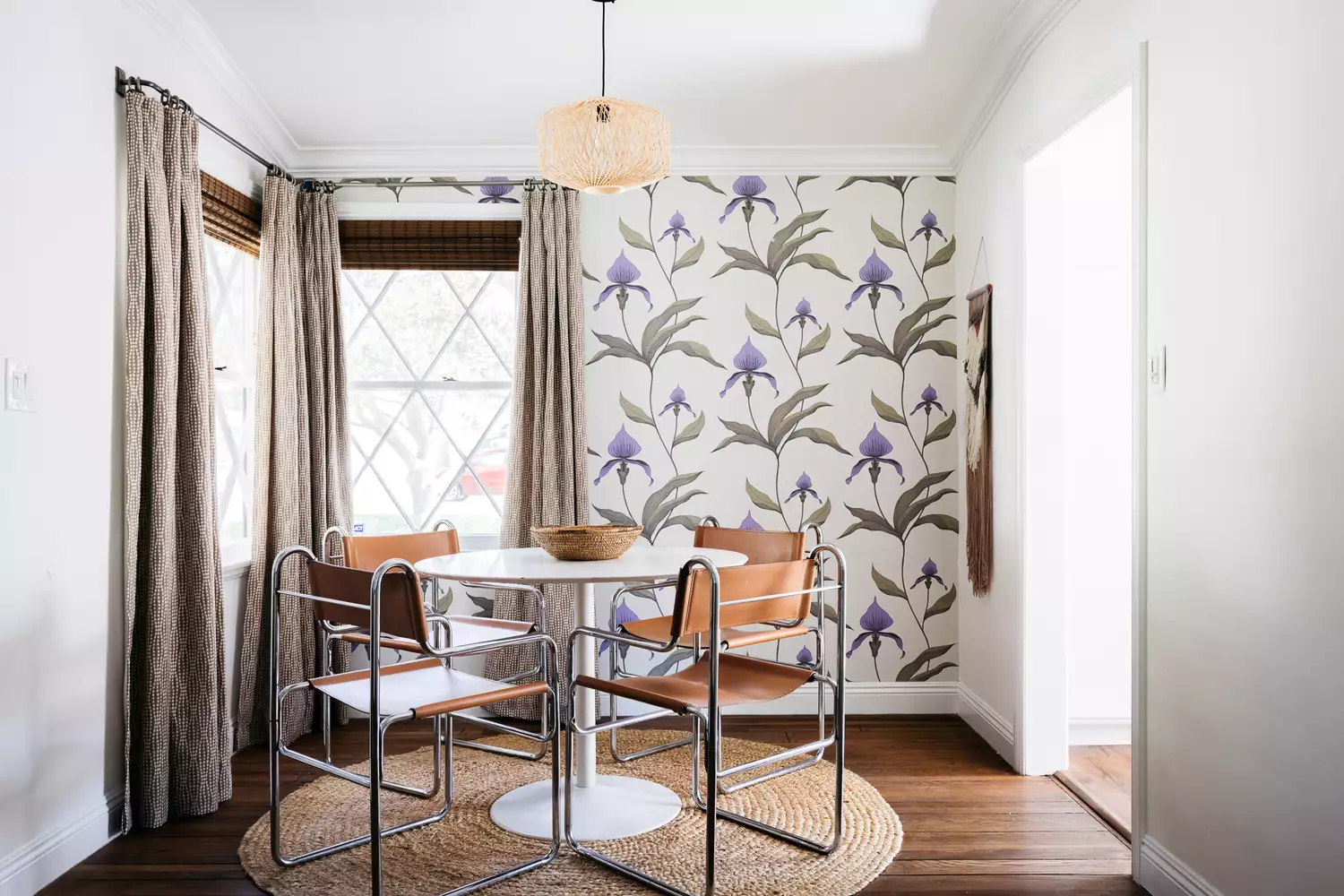
Bold patterns through wallpaper are encouraged, allowing for personality and zone definition within large or open-plan spaces. Similarly, dramatic murals can create stunning accent walls, with the rest of the room's decor drawing colors from the mural for an elegant and cohesive scheme. Kitchens, often prone to feeling sterile, can be enlivened with country wallpaper ideas, large-scale prints, or murals behind open shelving. Adding metallic accents, such as gold, to statement colors like teal can further emphasize the color's nuances and add grandeur.
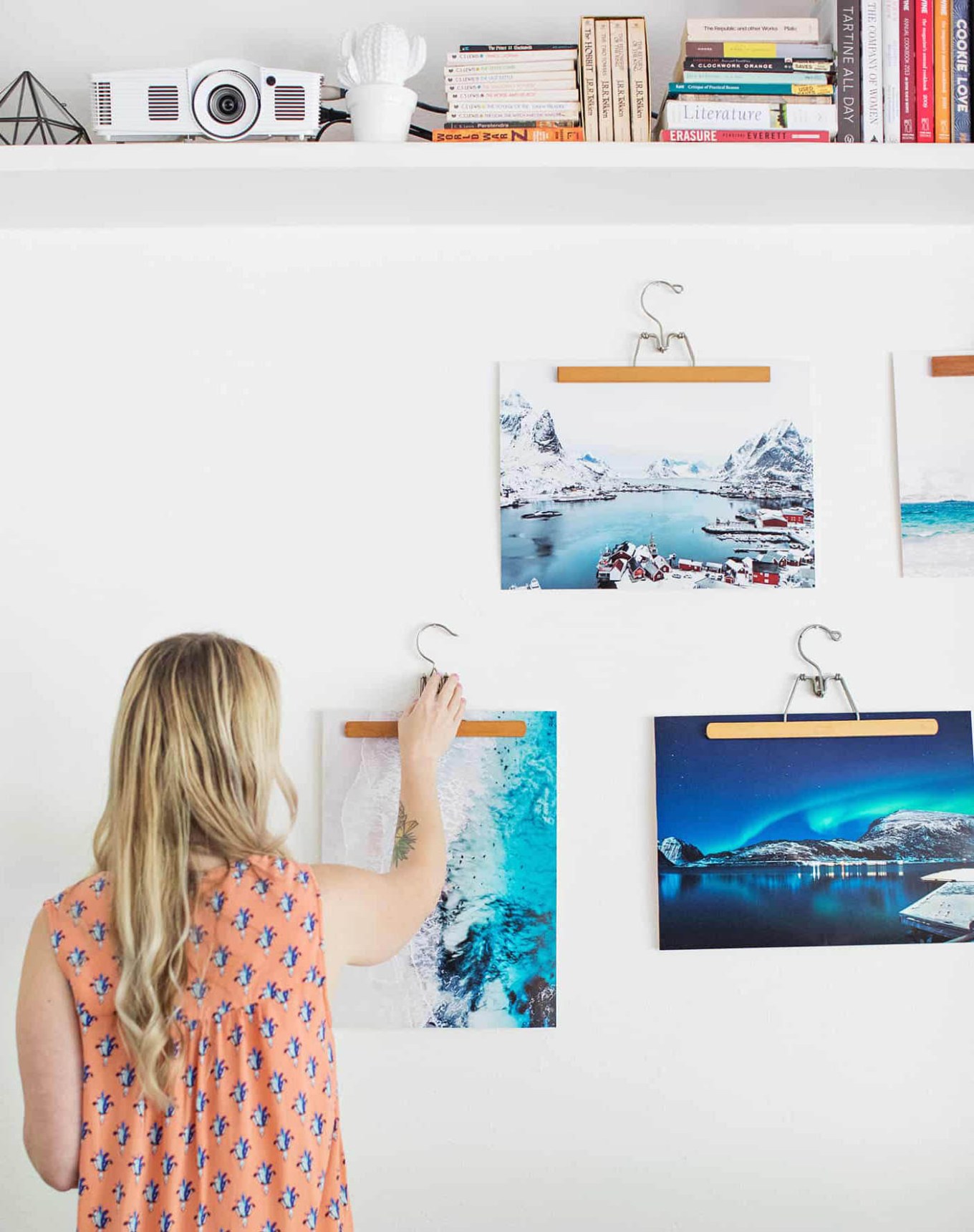
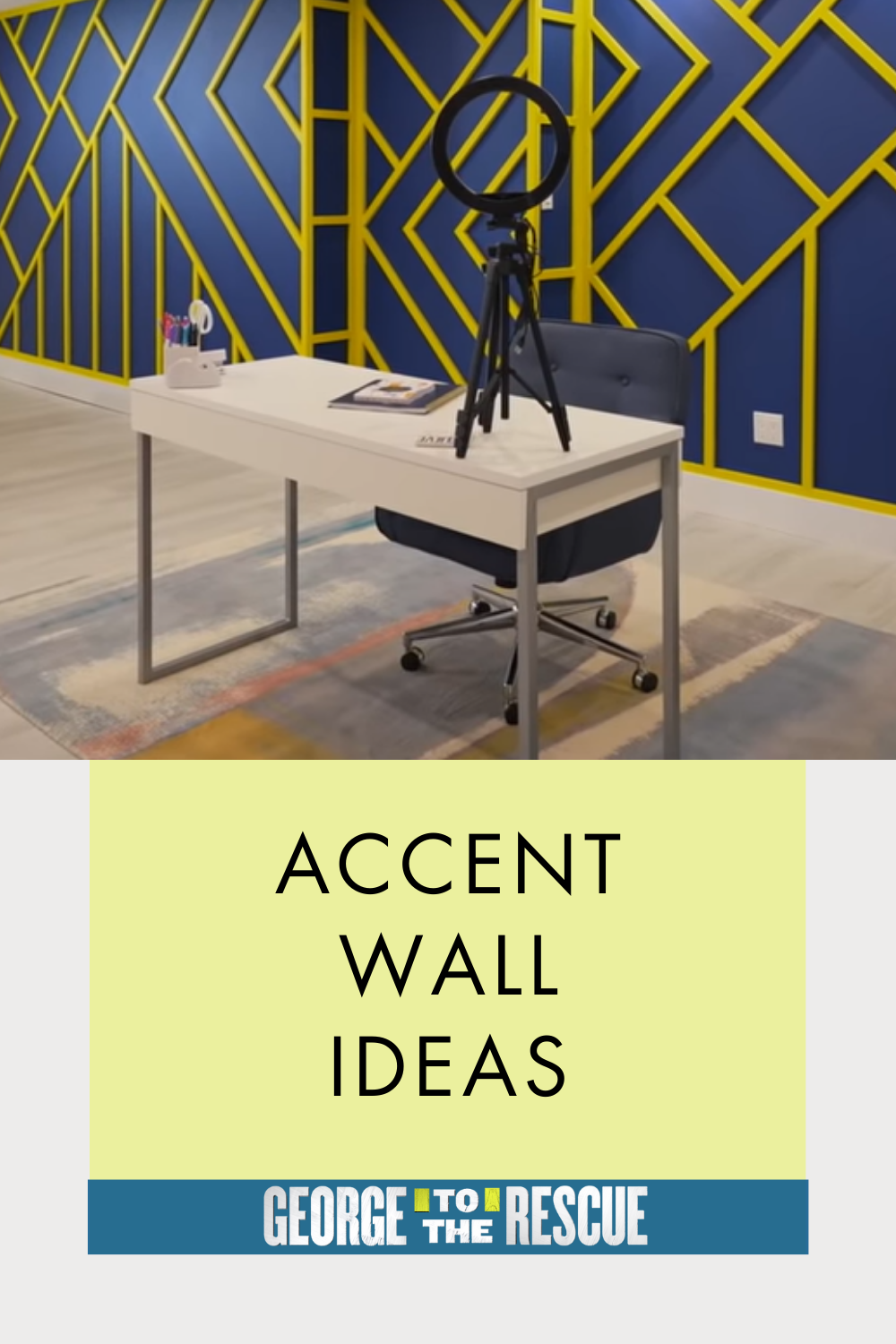
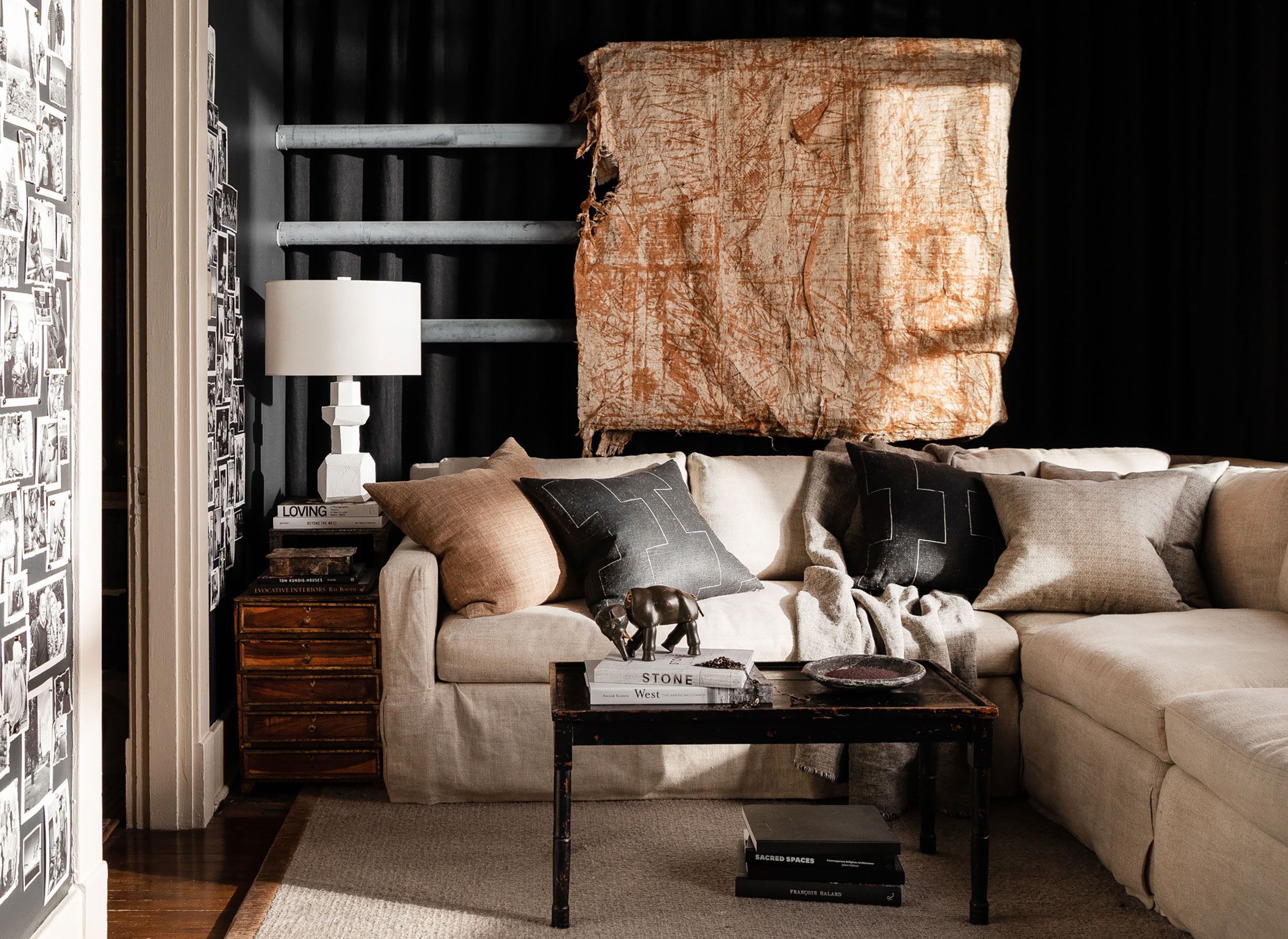
Tile placement can be rethought, extending beyond backsplashes to full-height features with interesting patterns, bold colors, or unusual shapes. A glossy glaze can create striking contrast with matte kitchen finishes, and unexpected tiling in areas like hallways or chimneys adds a 'wow' factor. Antique tapestries, particularly those with verdure patterns, can enhance character and introduce rich colors like greens and blues. Decorative wall displays, such as groupings of plates, offer a unique alternative to traditional gallery walls, adding natural texture and defining spaces. Laser-cut patterns in wood provide a contemporary and customizable decorative element.
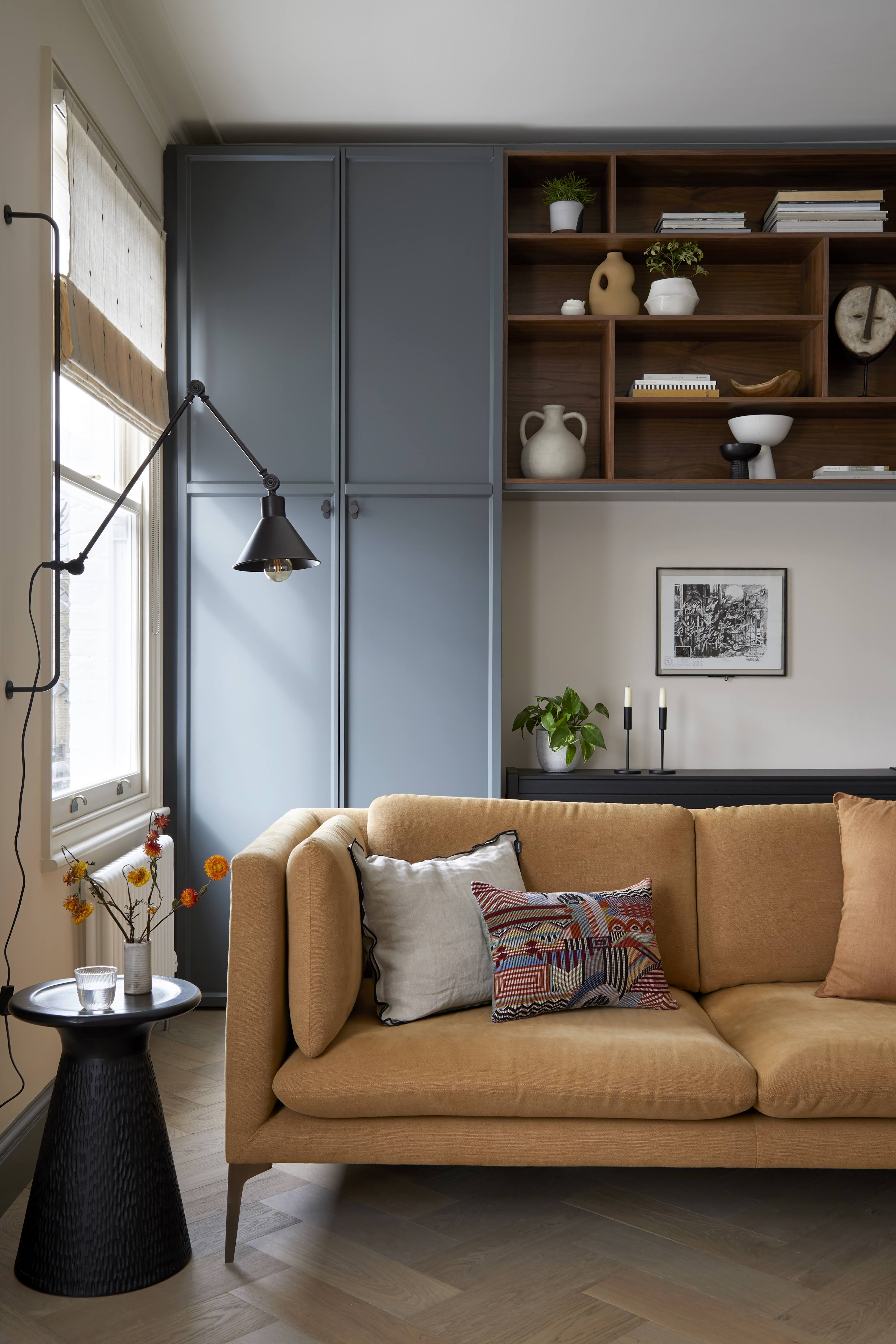
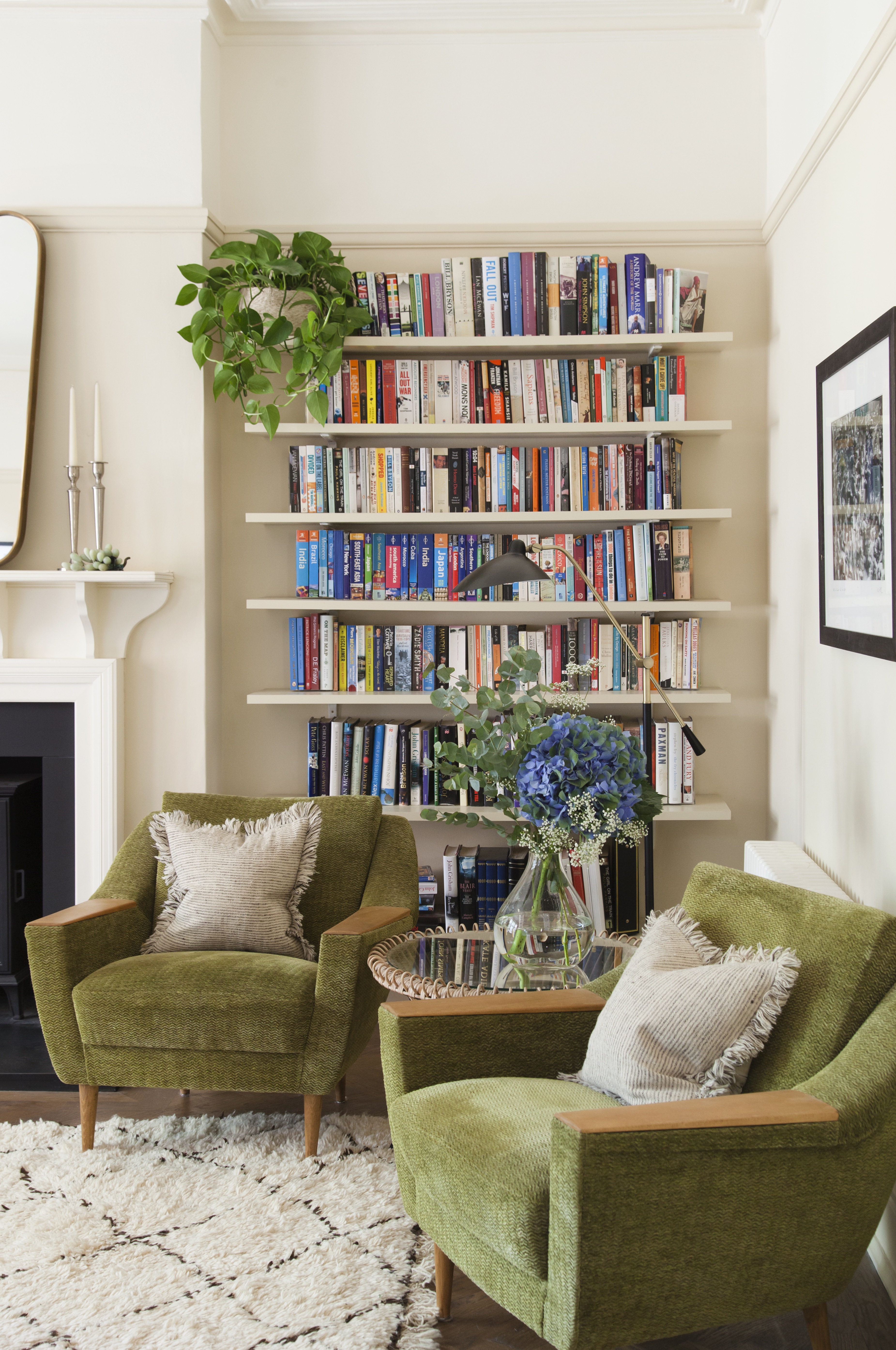
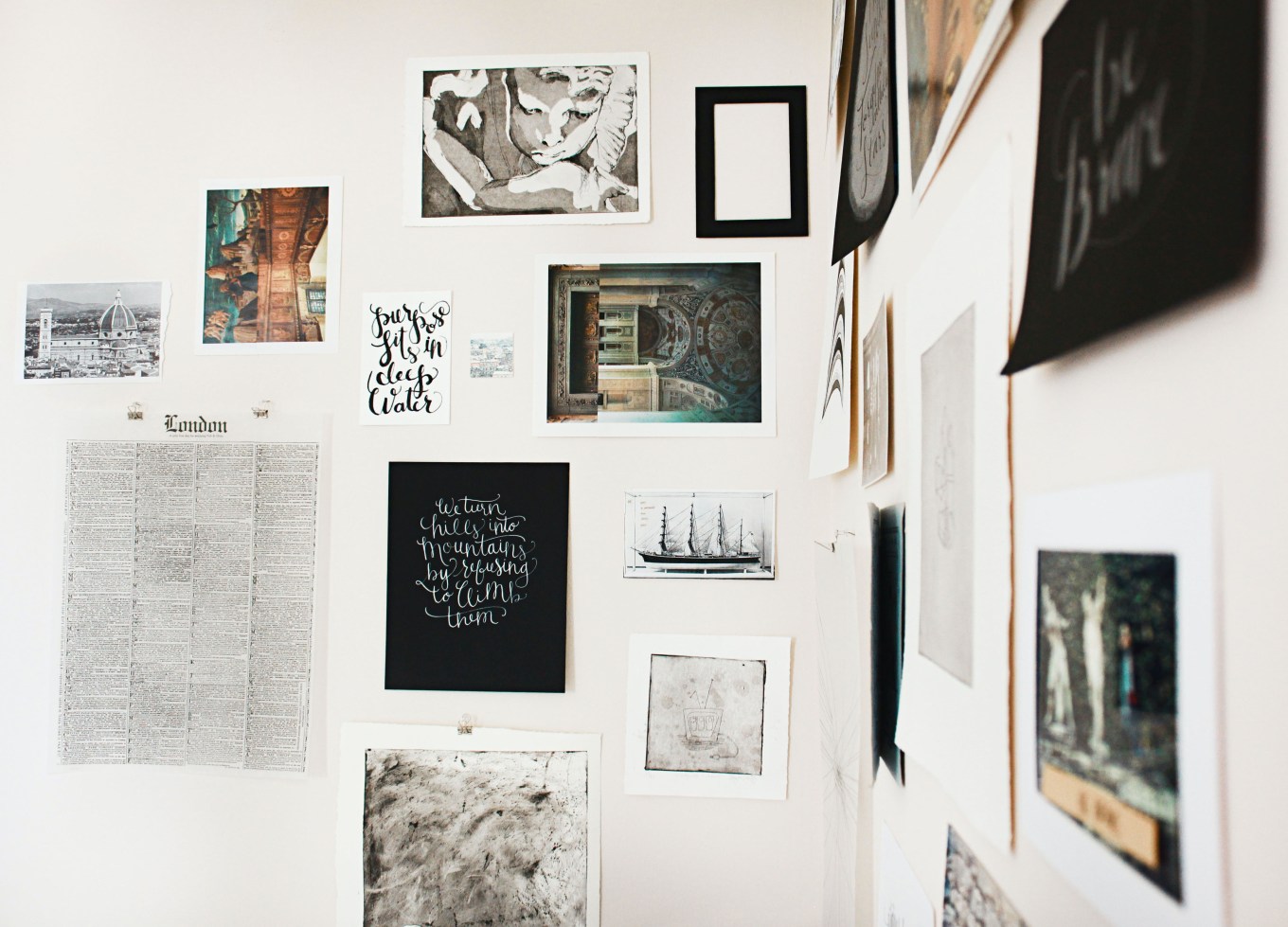
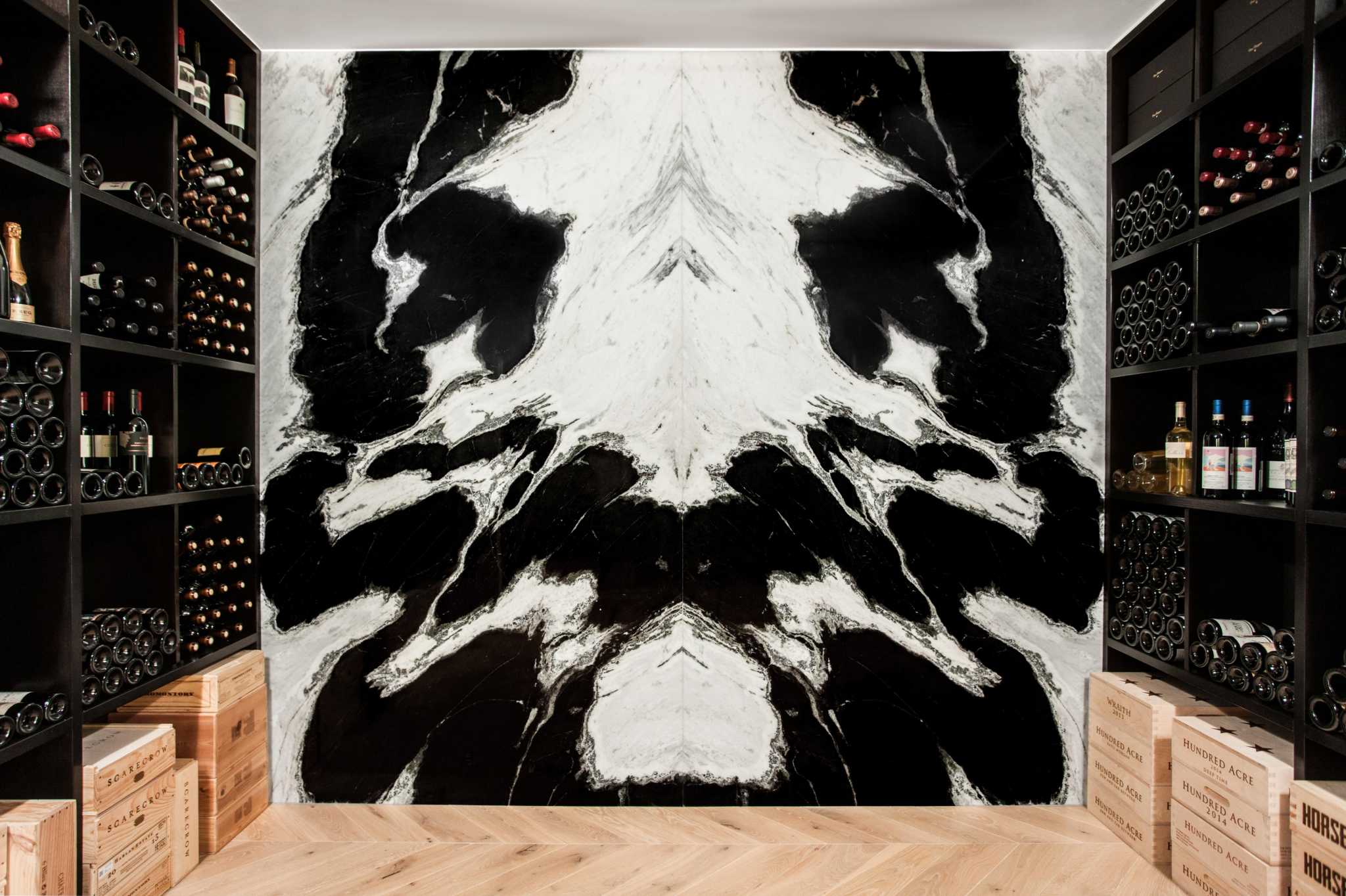
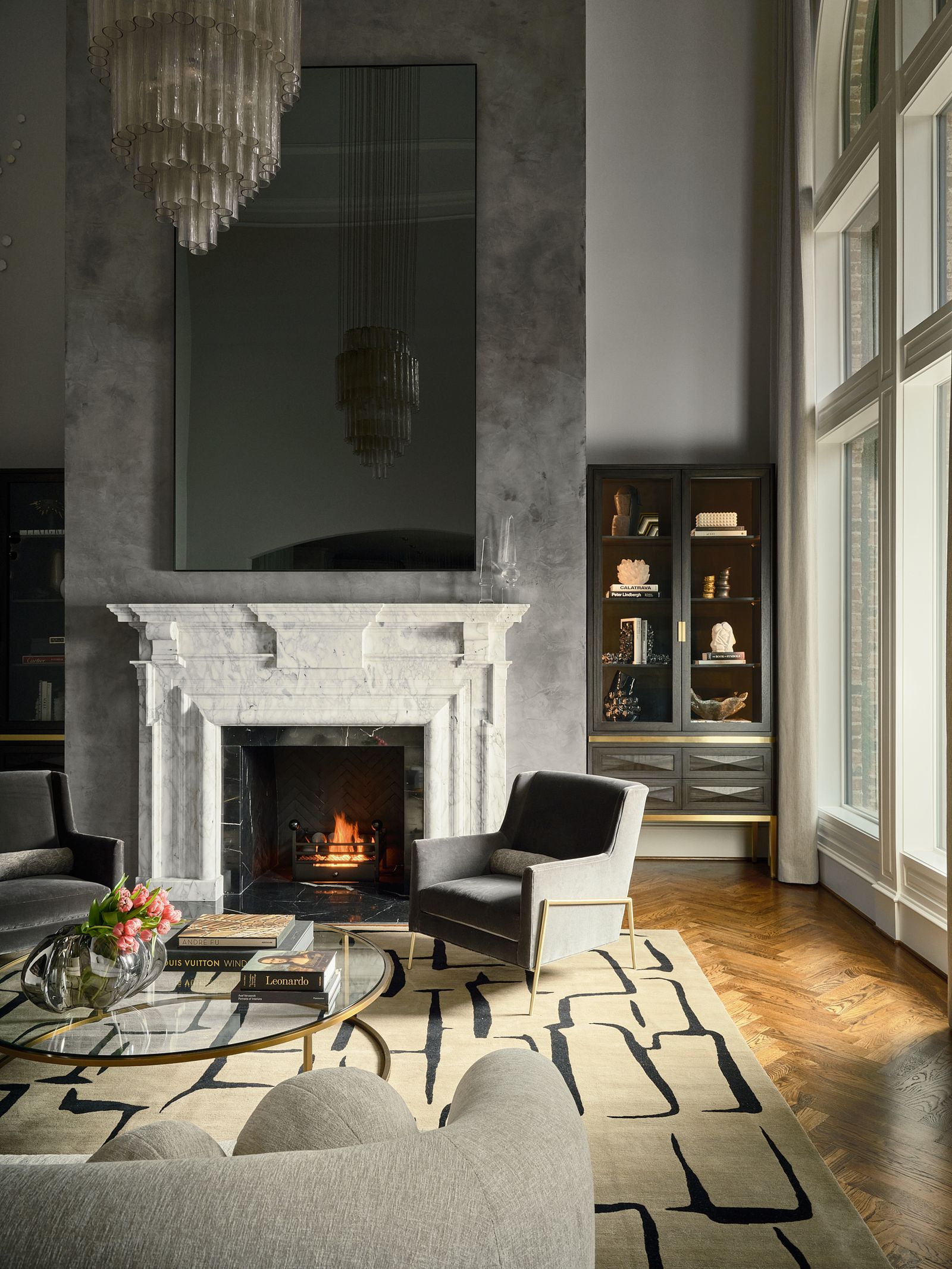
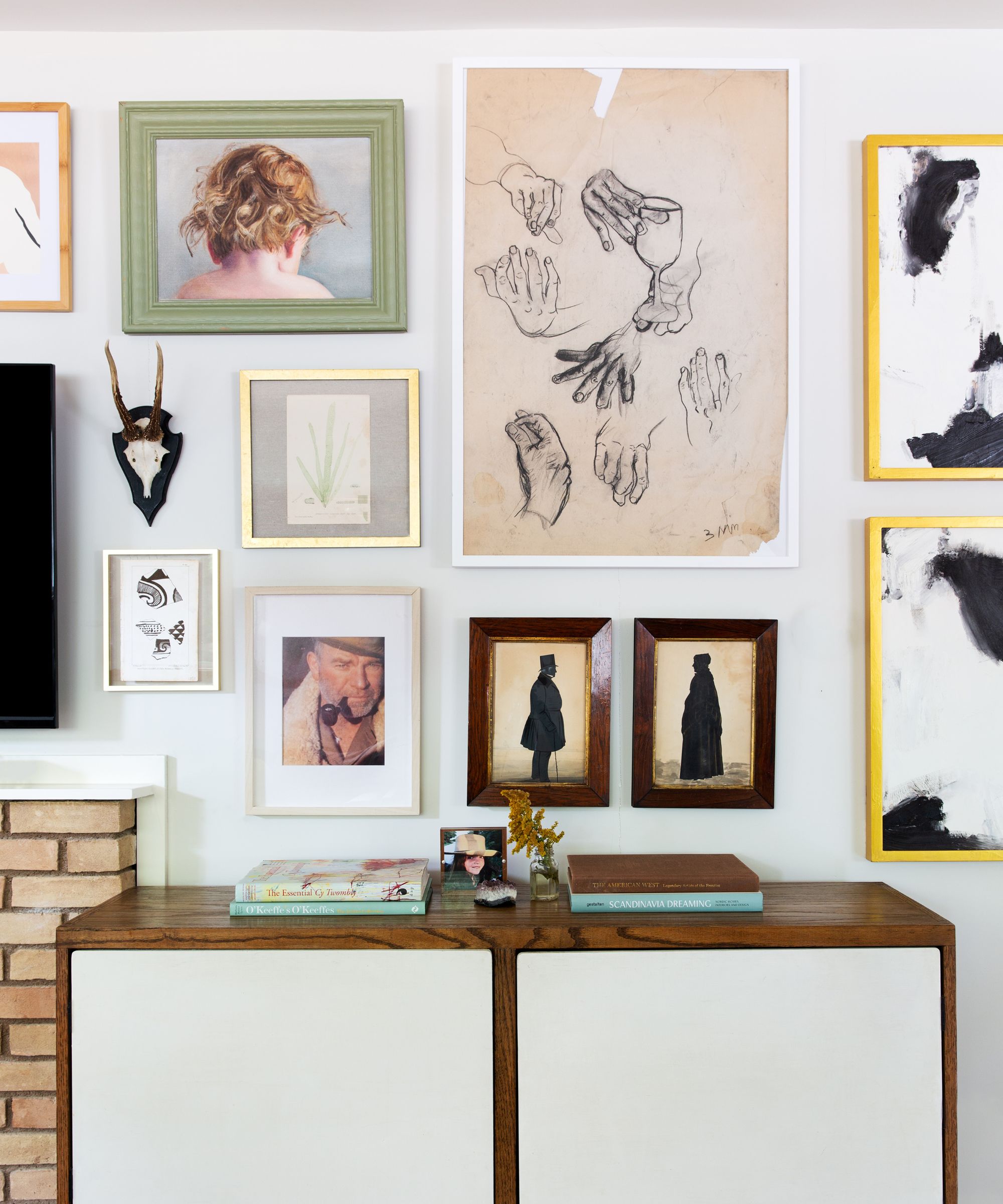
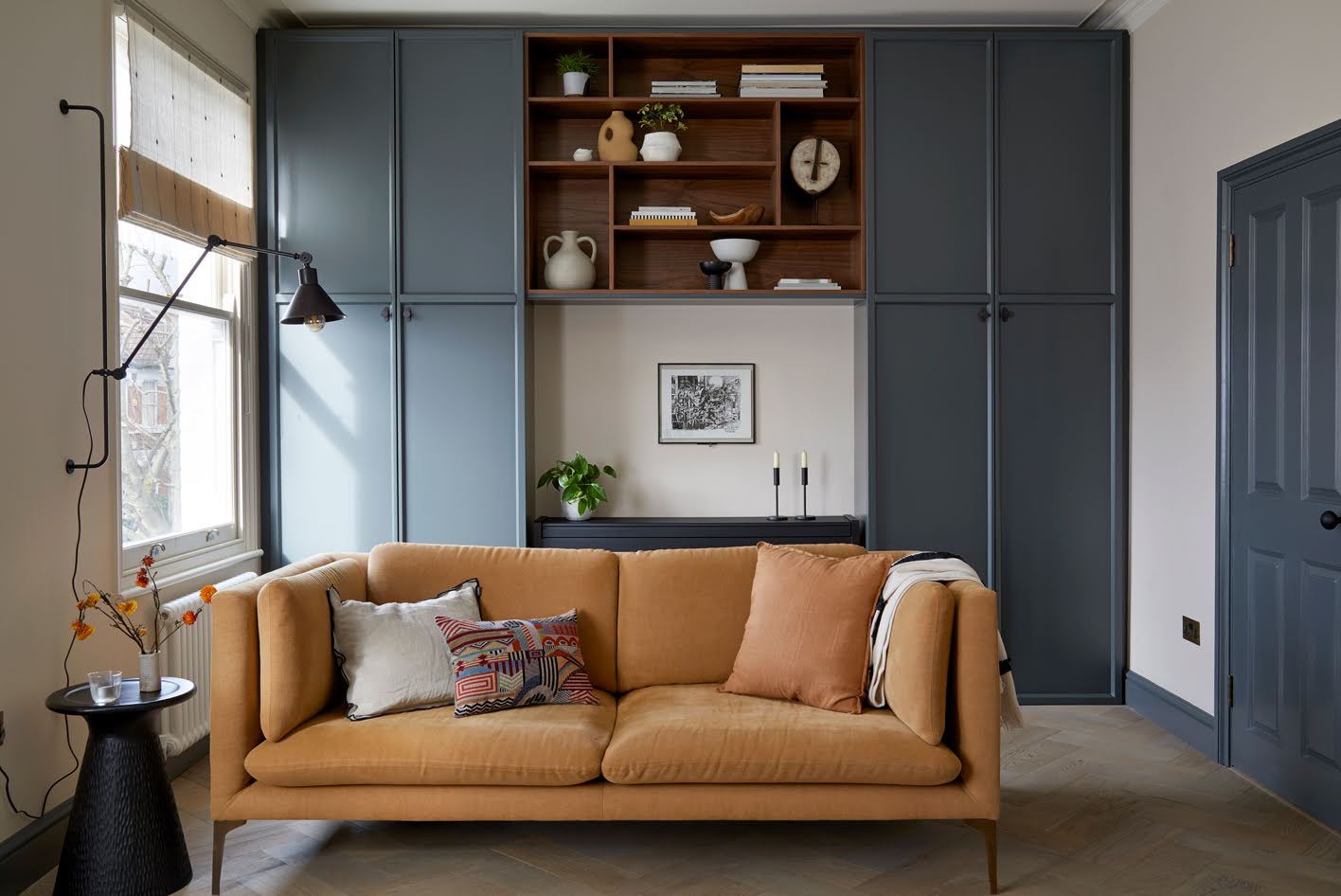
Finally, accent walls can also be three-dimensional displays, combining shelves and painted walls with harmonious artwork, such as black and white prints in matching frames. Mirrors can also serve as accent walls, reflecting light and making spaces feel larger, provided they reflect aesthetically pleasing elements. The choice of wall for an accent feature often defaults to the one opposite the door for maximum impact or the one most visible from key seating areas. The key to a modern accent wall is creativity and moving beyond a single, flat color to embrace diverse materials, textures, and artistic expressions.
#AccentWalls #InteriorDesign #HomeDecor #WallPaneling #WallpaperTrends #PaintEffects #TileDesign #TexturalElements #ColorSchemes #AccentWalls #InteriorDesign #HomeDecor #WallPaneling #WallpaperTrends #PaintEffects #TileDesign #TexturalElements #ColorSchemes
0 comment in total
 No comments yet
You may also like
This Accent Wall Tip Will Make You Want To Redecorate
It’s not an accent wall anymore. It’s a ‘statement’ wall.

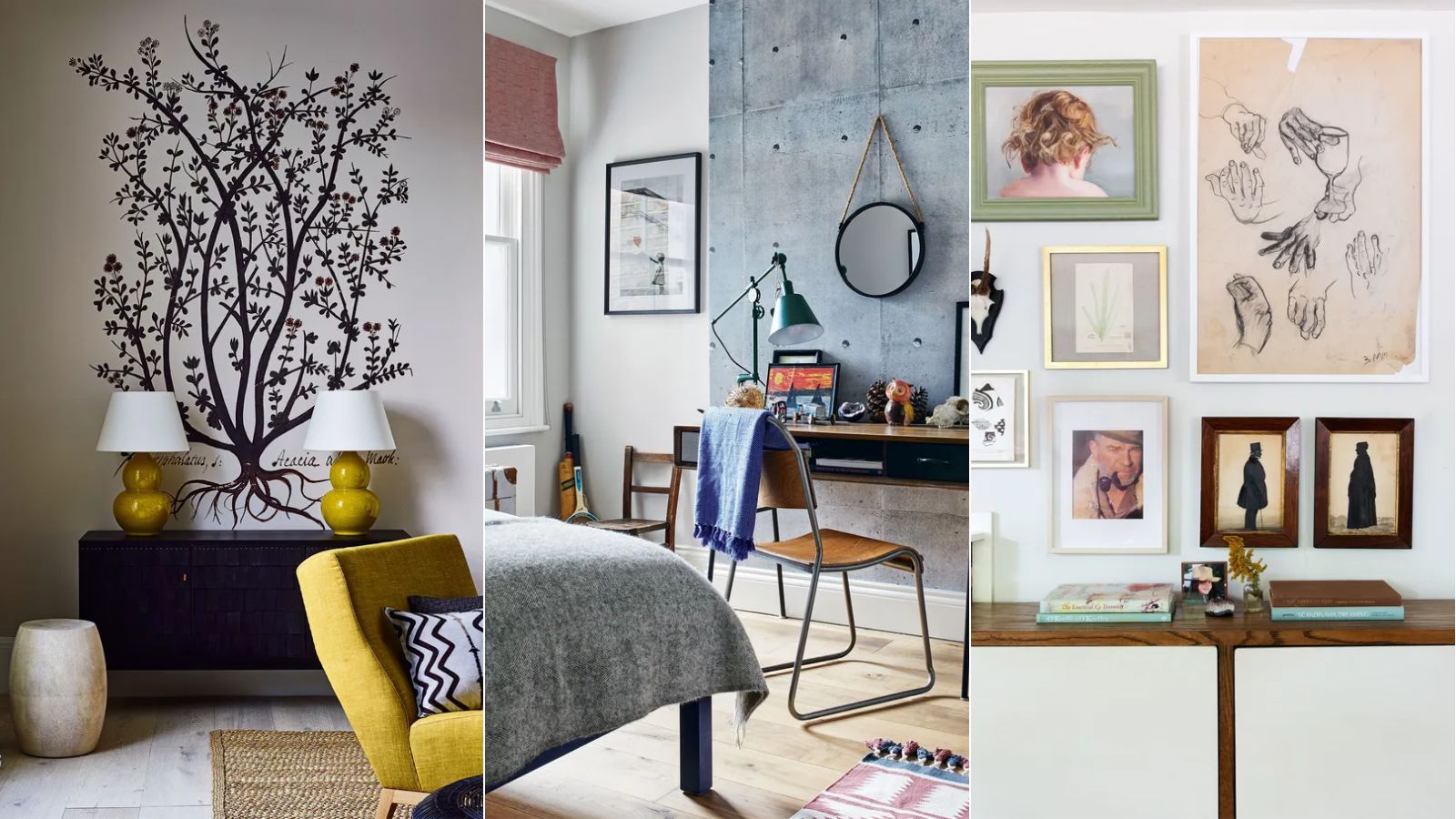
5 outdated wall decor trends designers warn to avoid – plus what we should be doing instead
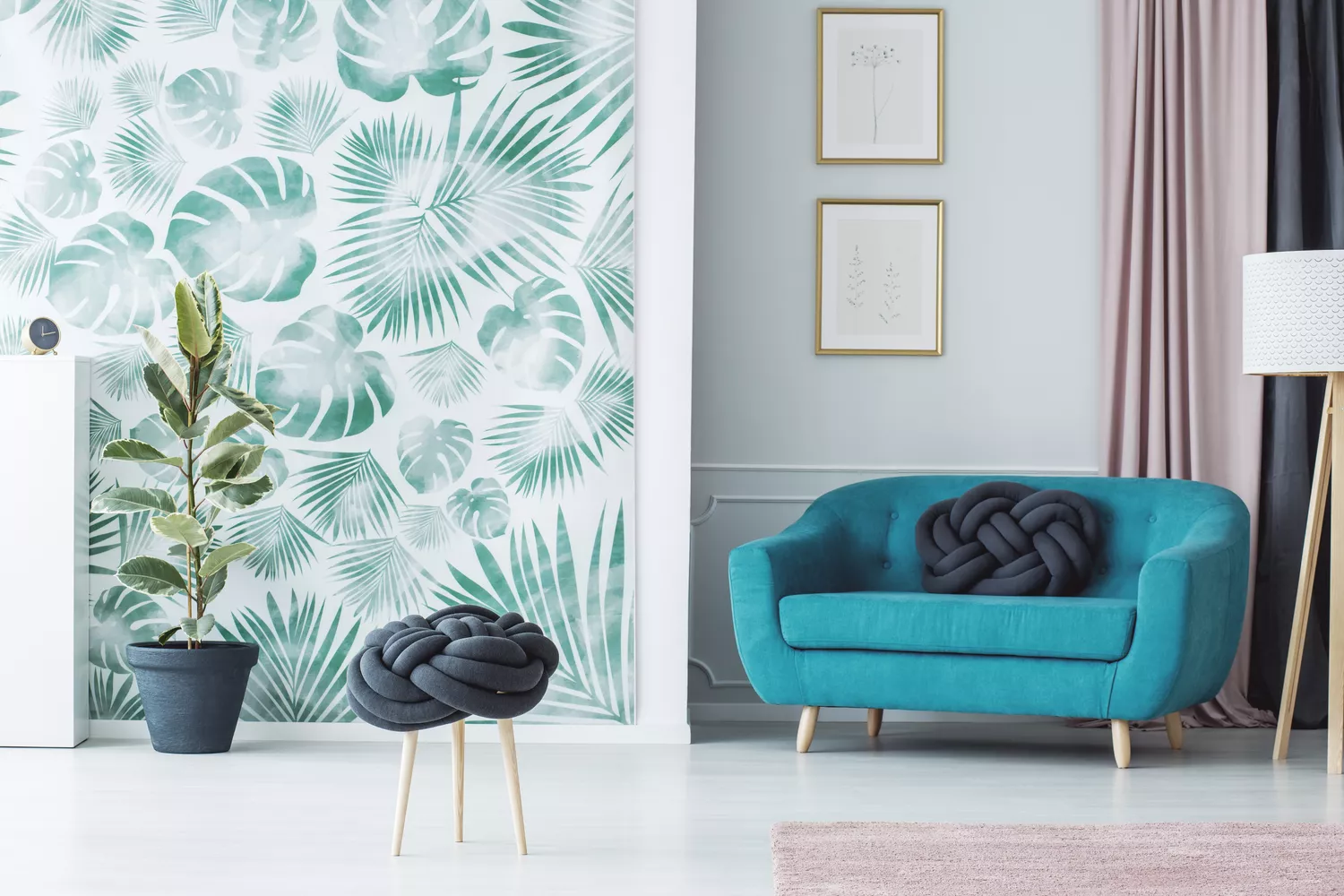
26 Attention-Grabbing Accent Wall Ideas to Make Your Space Feel Less Boring

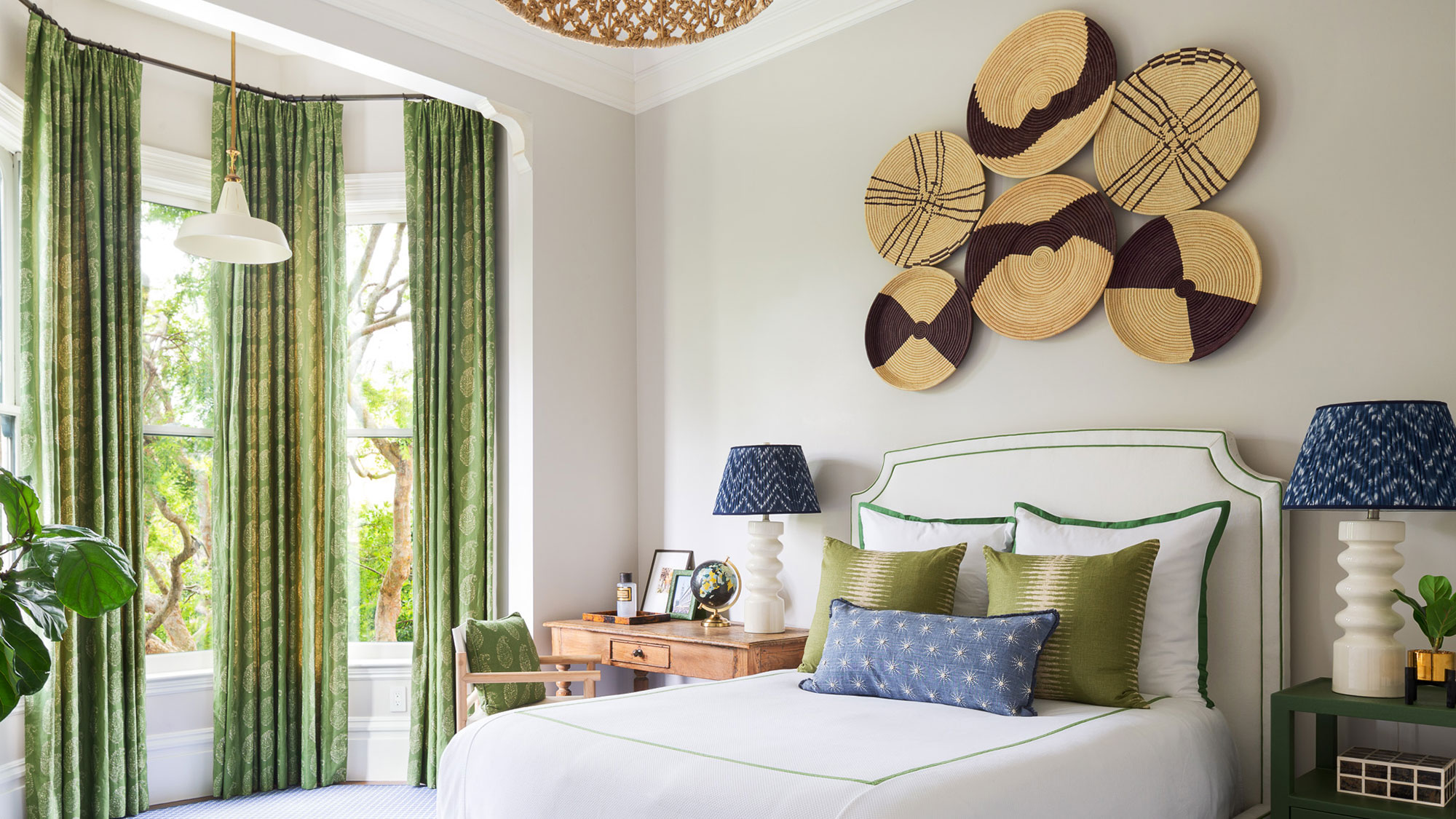
Bedroom accent wall ideas – 10 ways to create a feature wall
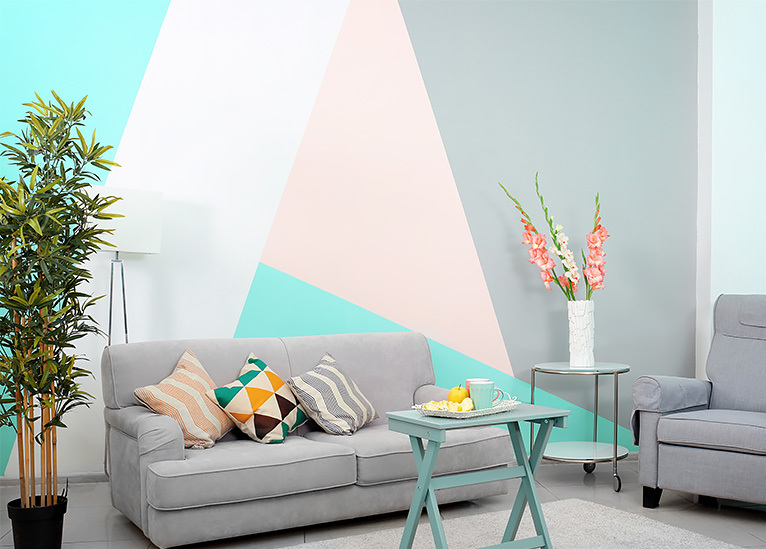
Feature Wall Designs, Wallpaper and Paint Ideas
5 Amazing Statement Walls Done Right

Are accent walls out of style? This is how designers are using them now and beyond

Living room accent wall ideas – 10 new ways designers recommend to style your blank spaces
21 Unexpectedly Chic Accent Wall Ideas for Living Rooms That Look Straight From a Magazine
12 Accent Wall Ideas That Will Never Go Out of Style

The new accent wall: A bold statement that goes beyond a coat of paint
22 Bedroom Accent Wall Ideas That Add Personality and Charm
These Accent Wall Ideas Could Be The Modern Touch Your Home is Missing

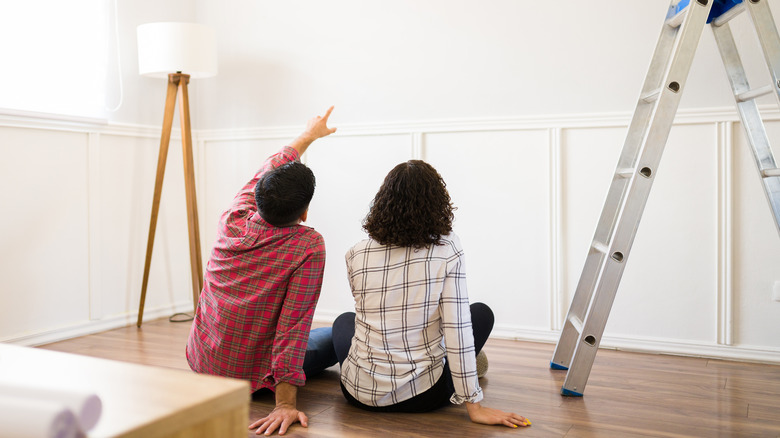
16 Accent Wall Ideas That You'll Start Seeing Everywhere In 2025
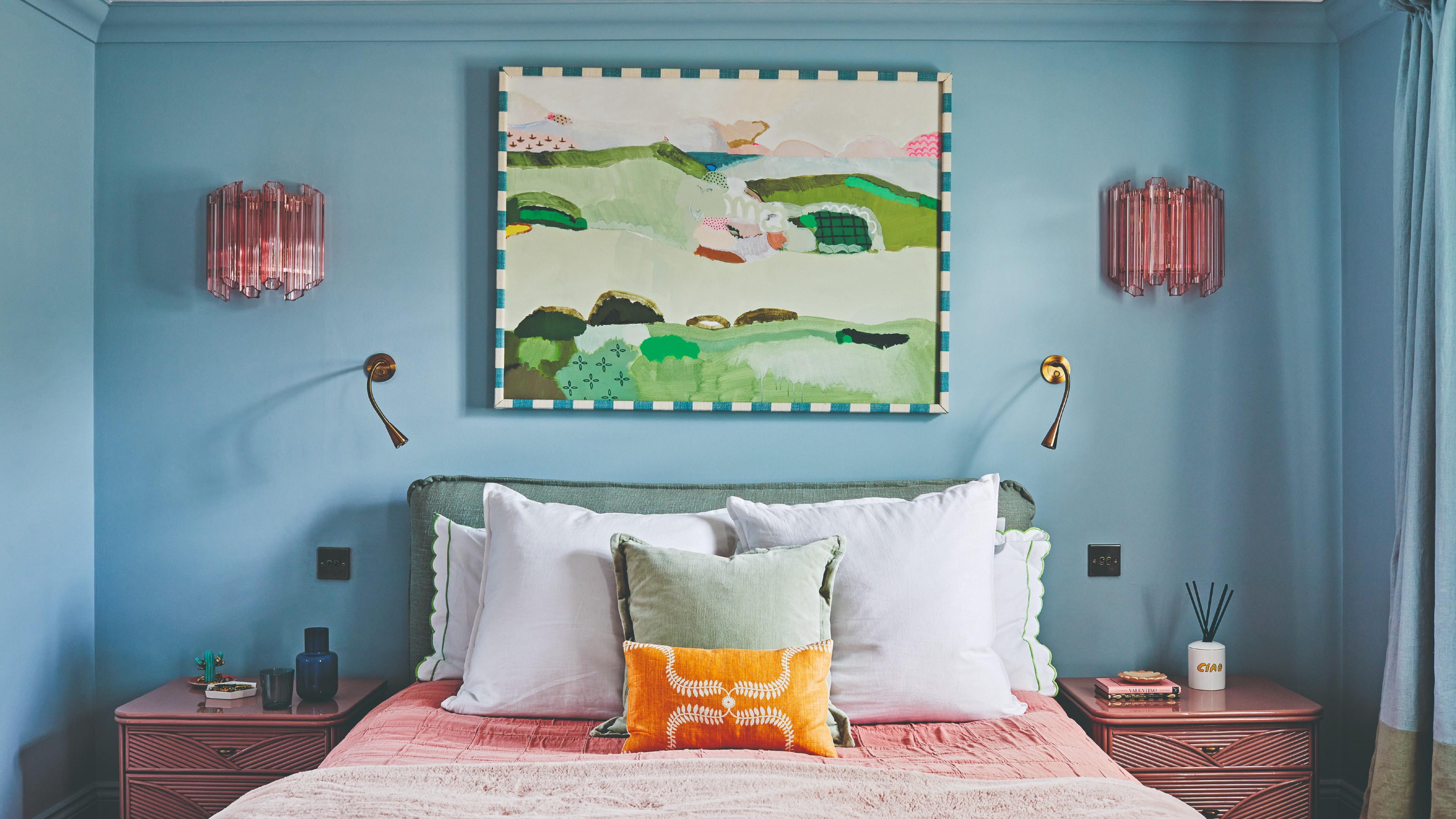
Bedroom wall decor ideas – 20 ways to express your style and elevate your bedroom’s walls
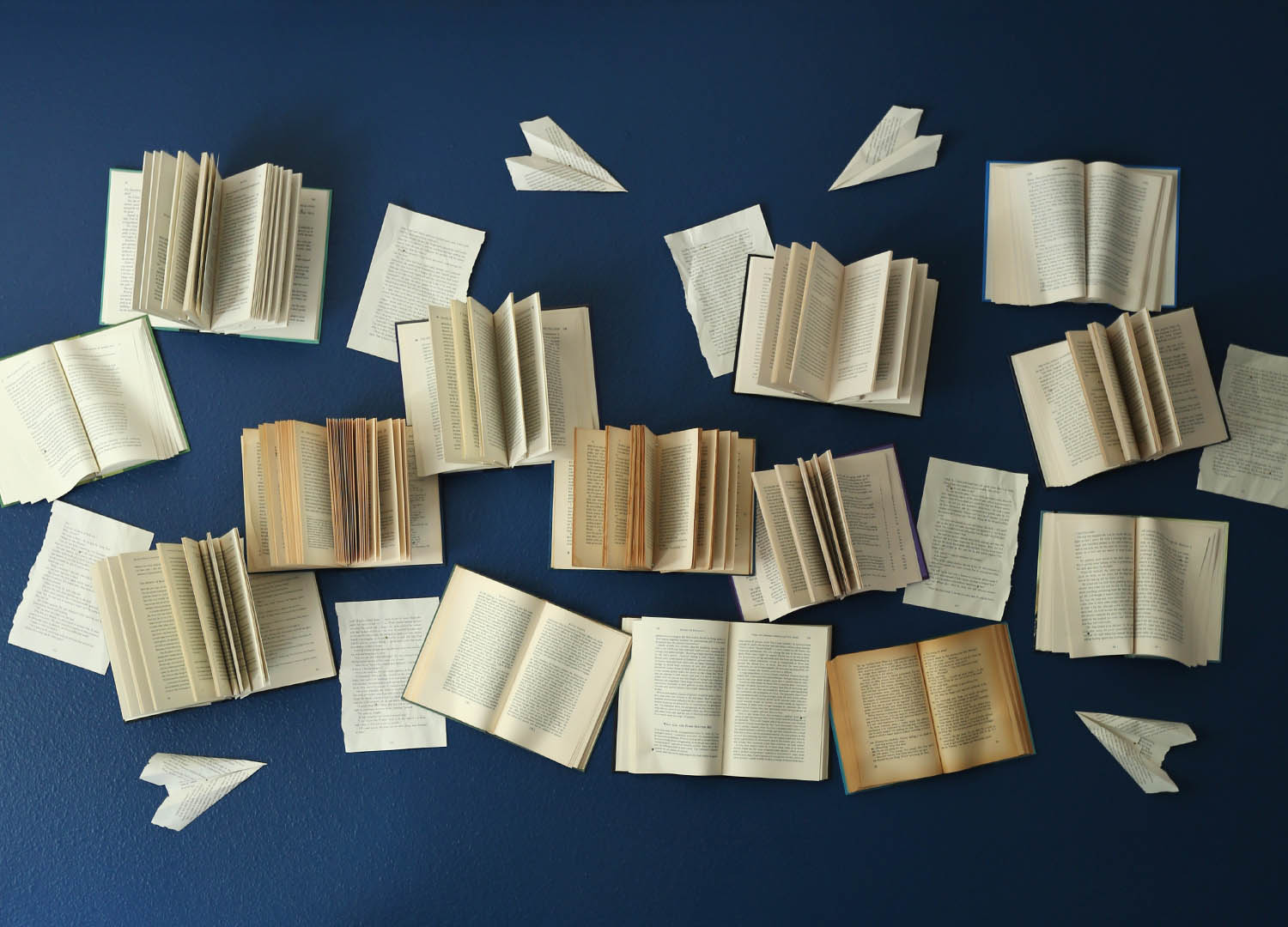
21 Wall Art Ideas That Will Give Your Home Some Major Personality

34 Accent Wall Ideas for Every Room in the House

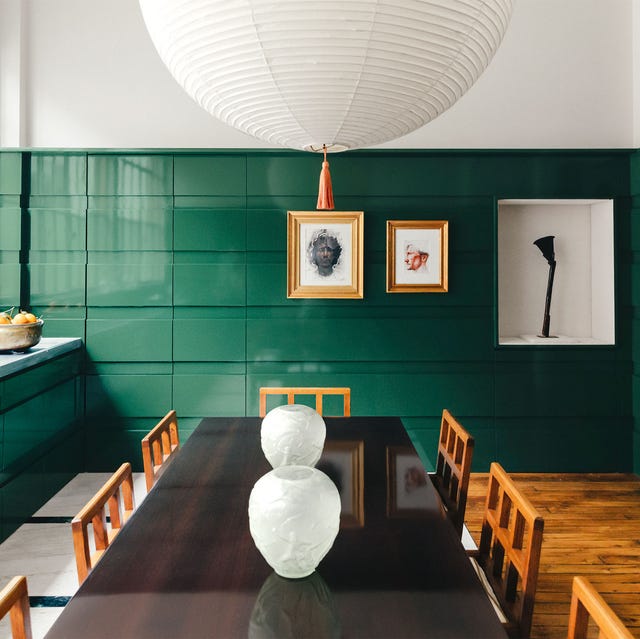
We Know You Have at Least One Blank Wall. We Can Help You Fix That

31 Feature Wall Ideas to Make Your Life More Exciting