1/36
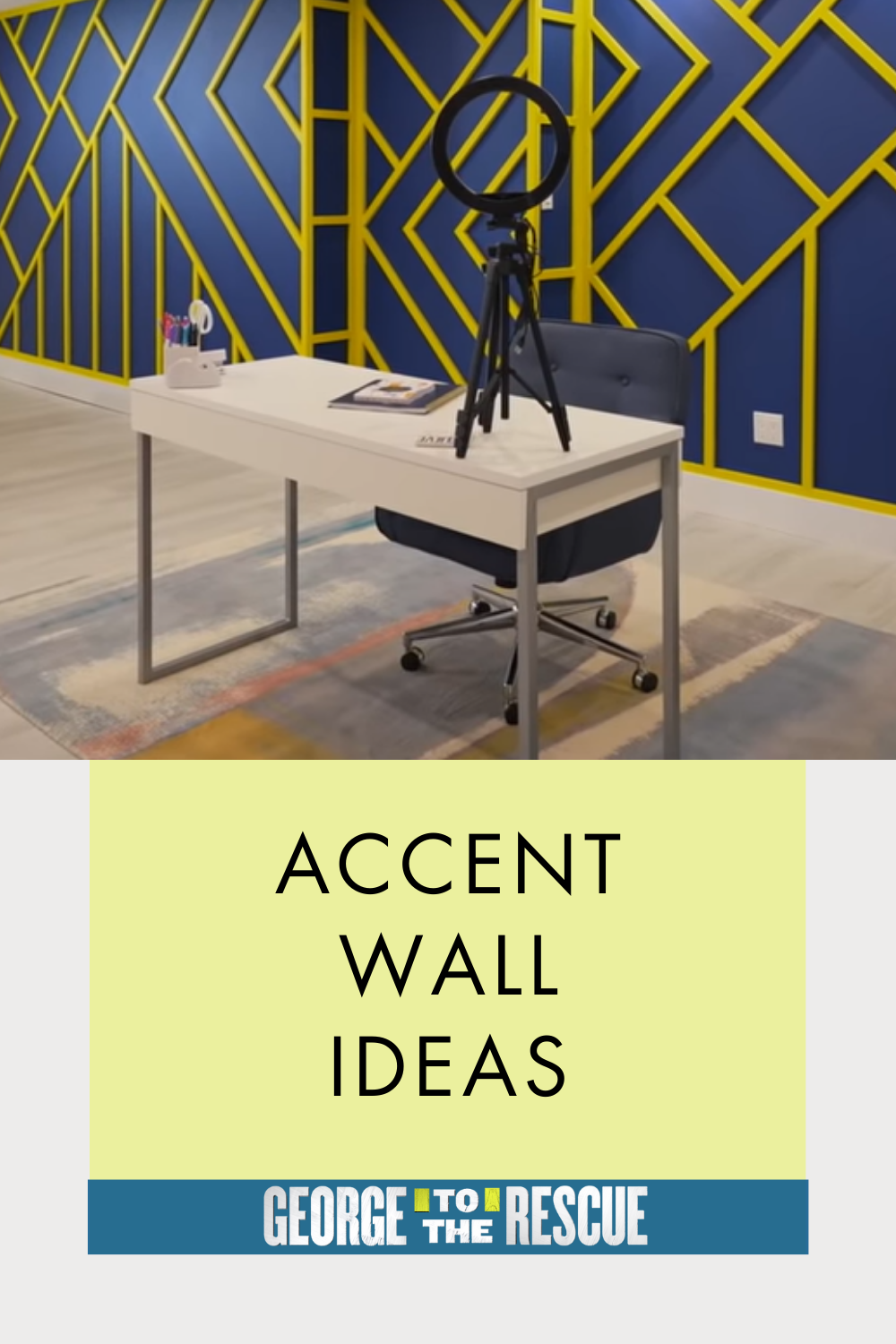
34 Accent Wall Ideas for Every Room in the House
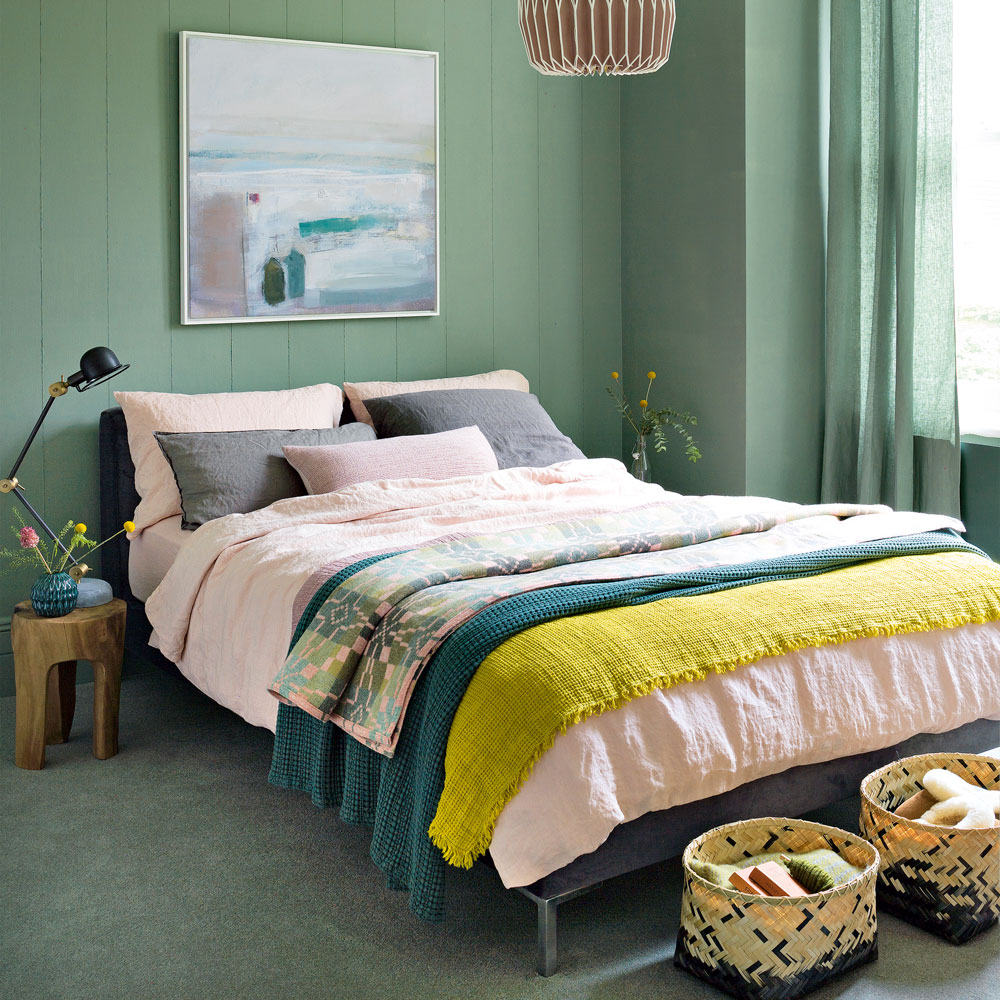
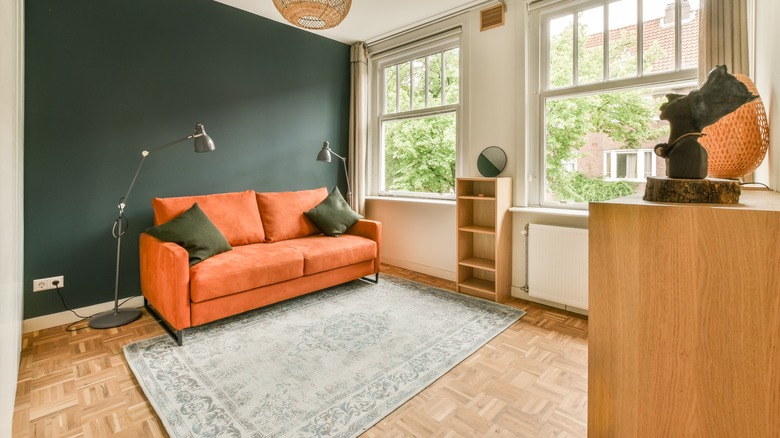
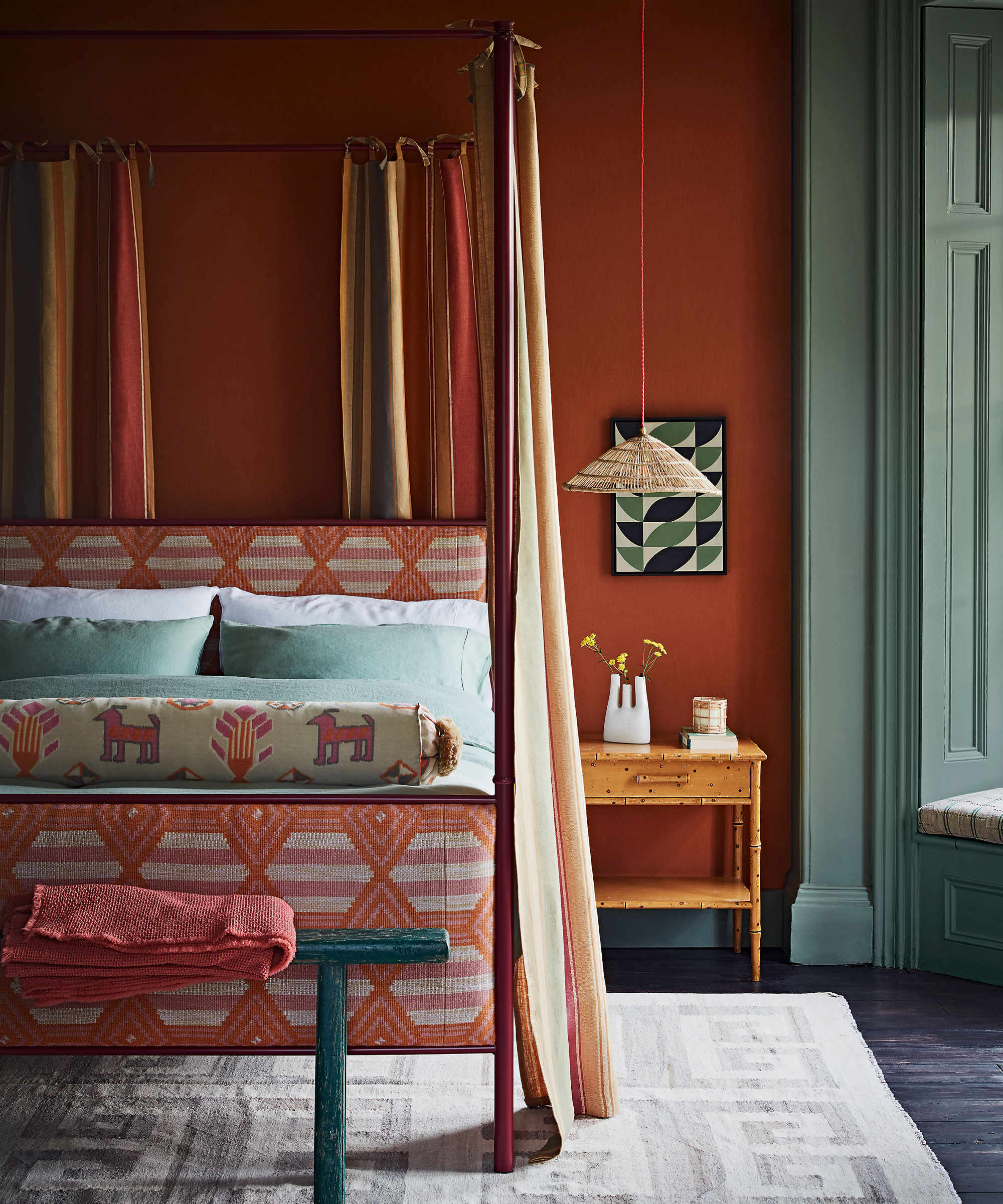
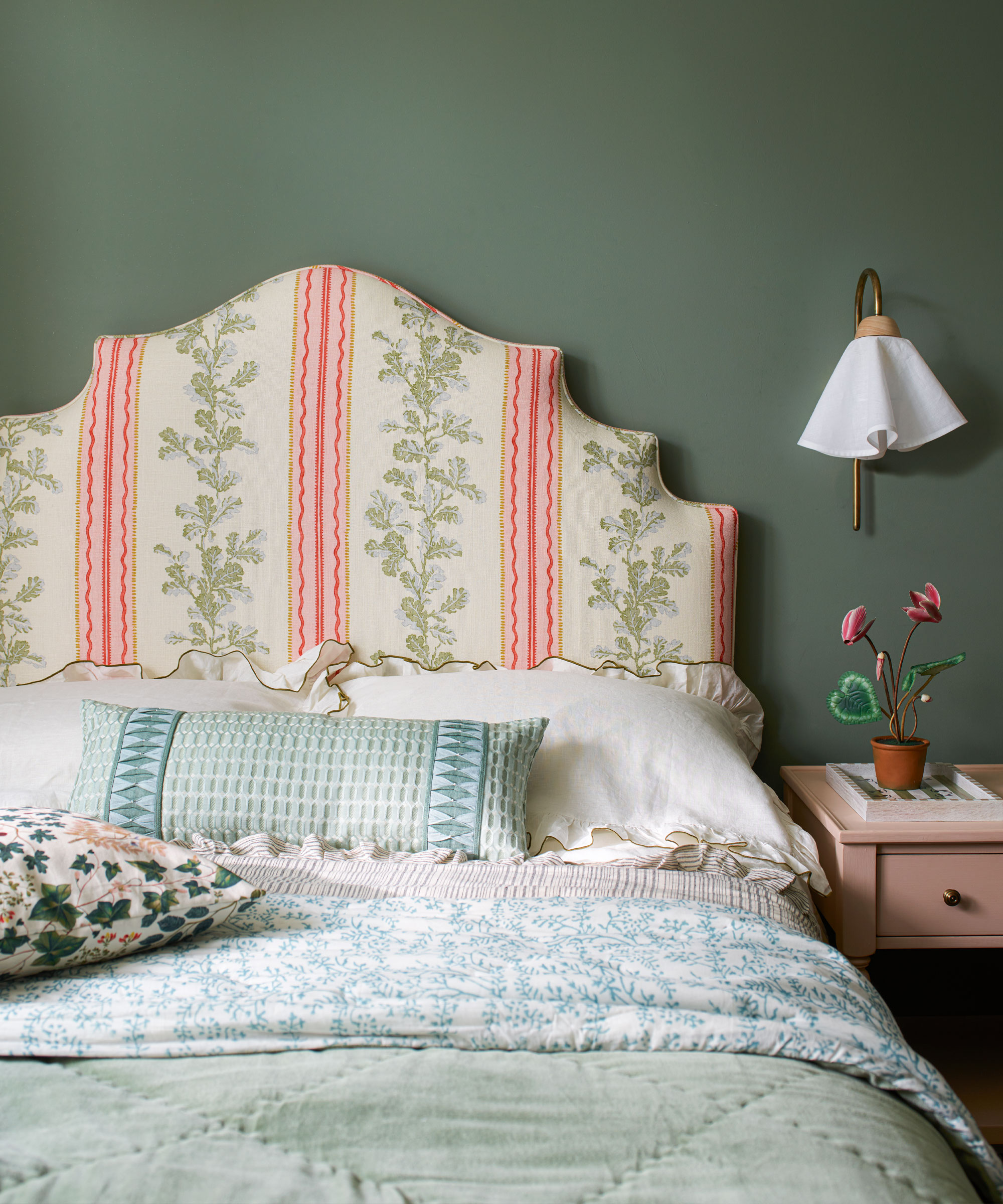
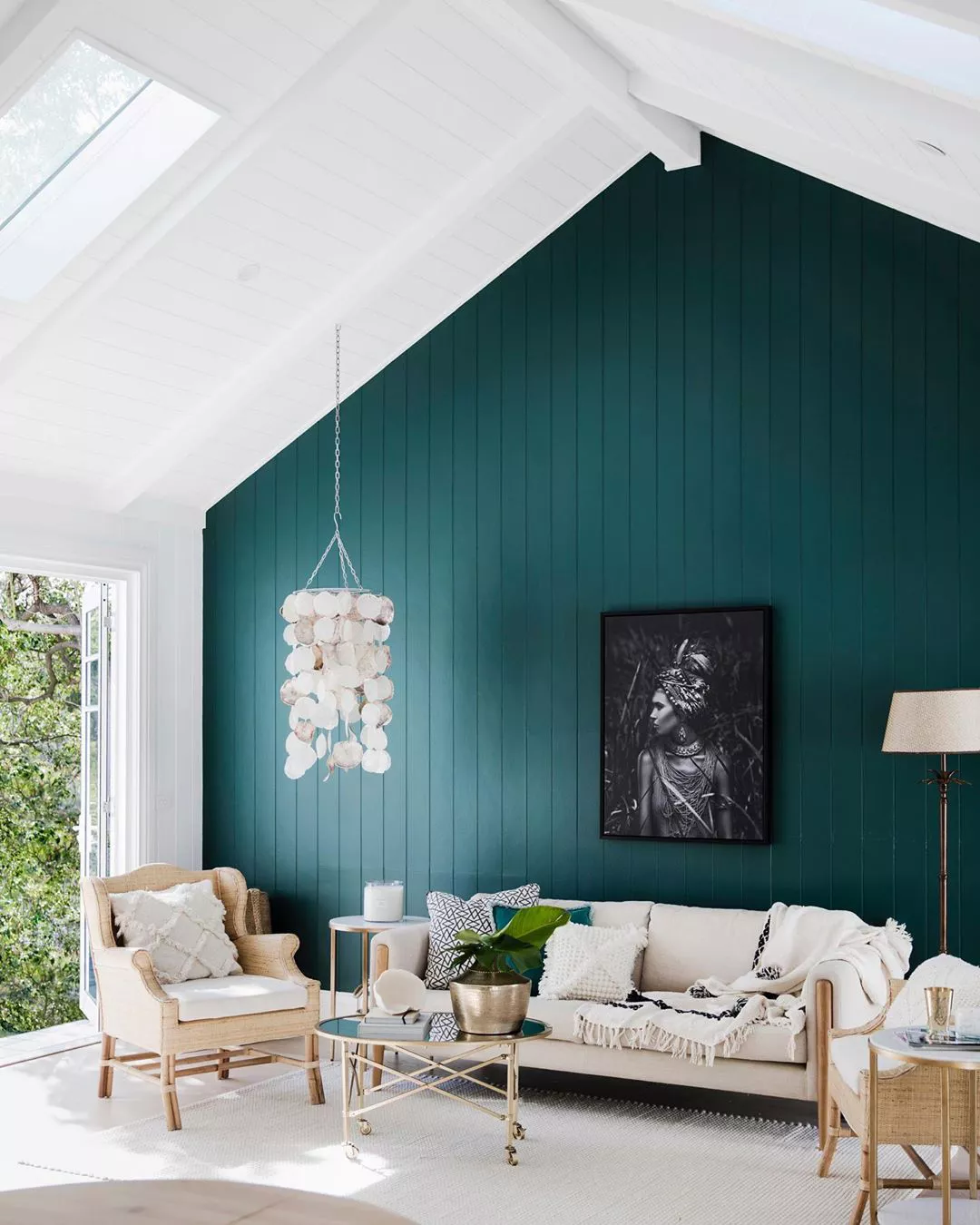
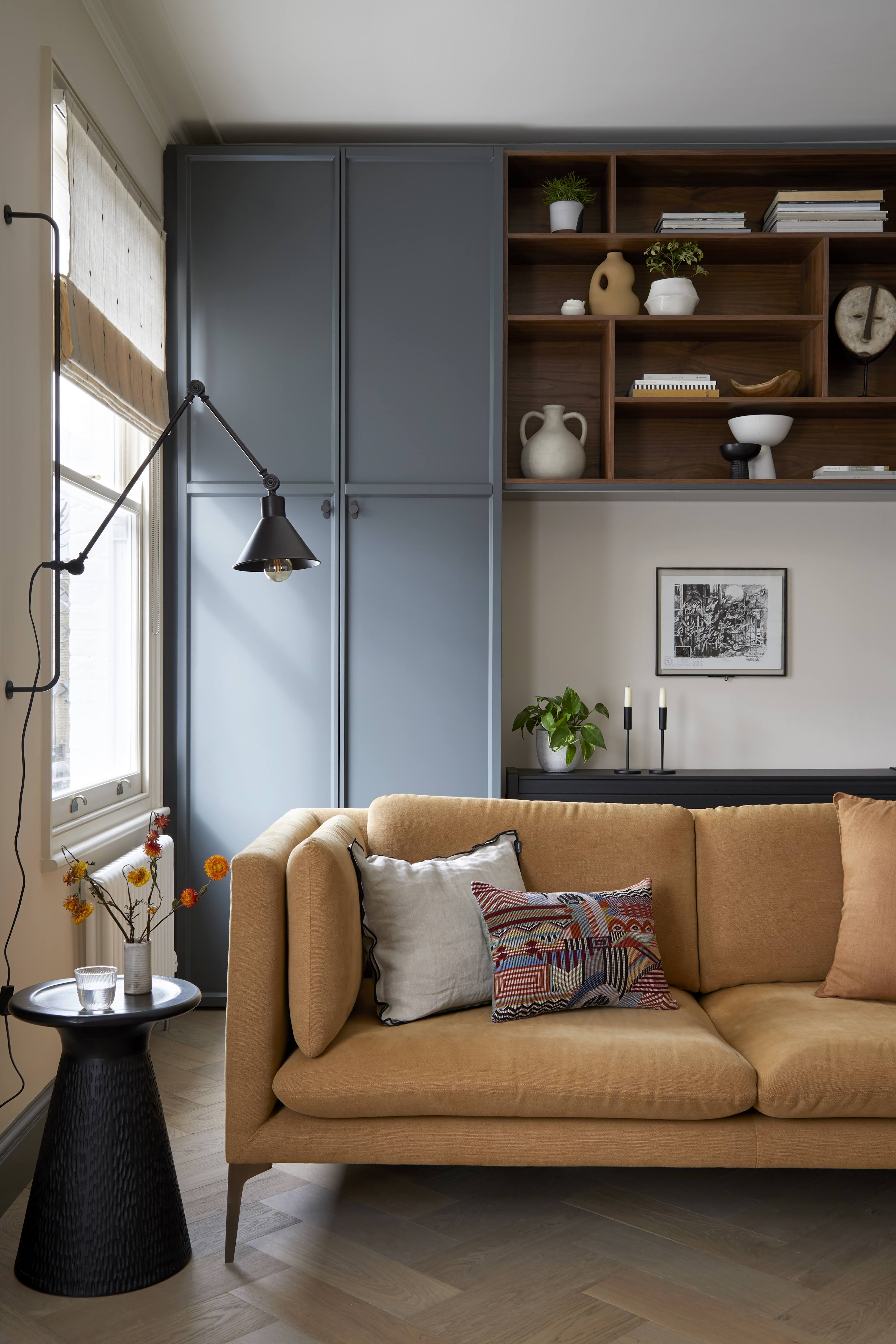
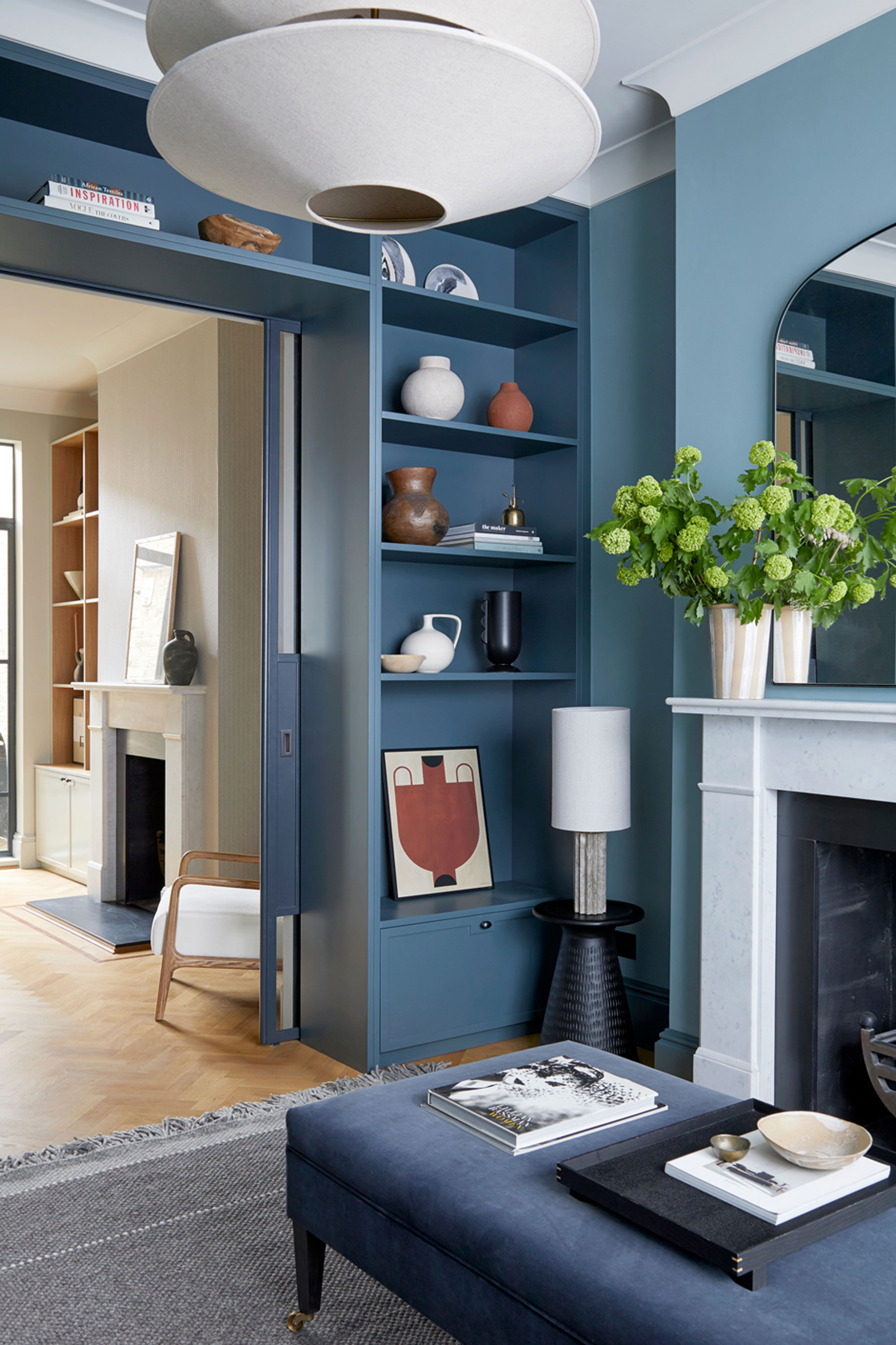
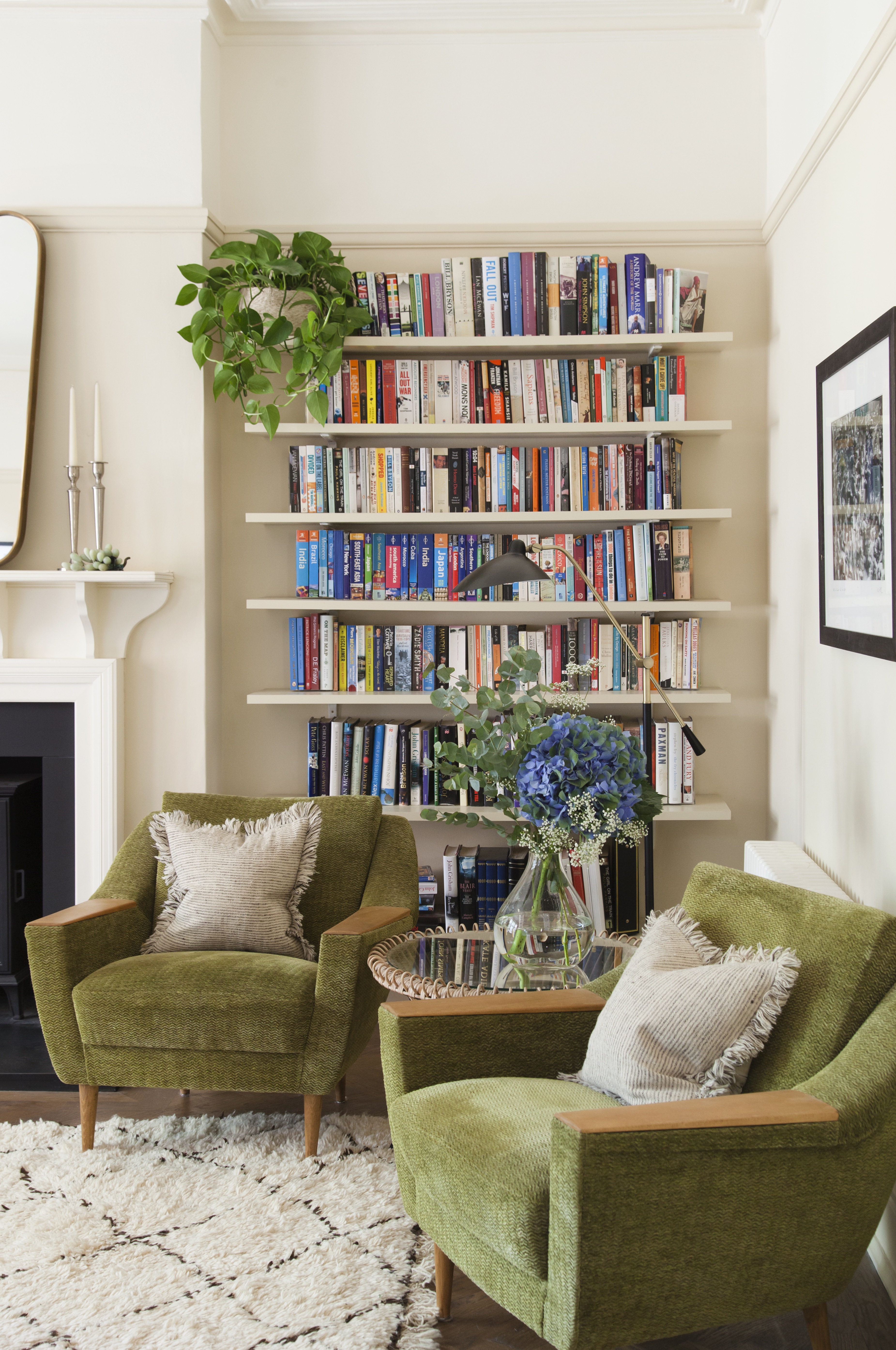
Accent walls, also known as feature walls, offer a versatile and impactful way to enhance home interiors, suitable for various design preferences from minimalist to maximalist. There are no strict rules for creating an accent wall, allowing for extensive creativity in material and application. These walls can be incorporated into any room, from living rooms and bedrooms to home offices, powder rooms, and even hallways, providing an immediate focal point and personal touch.
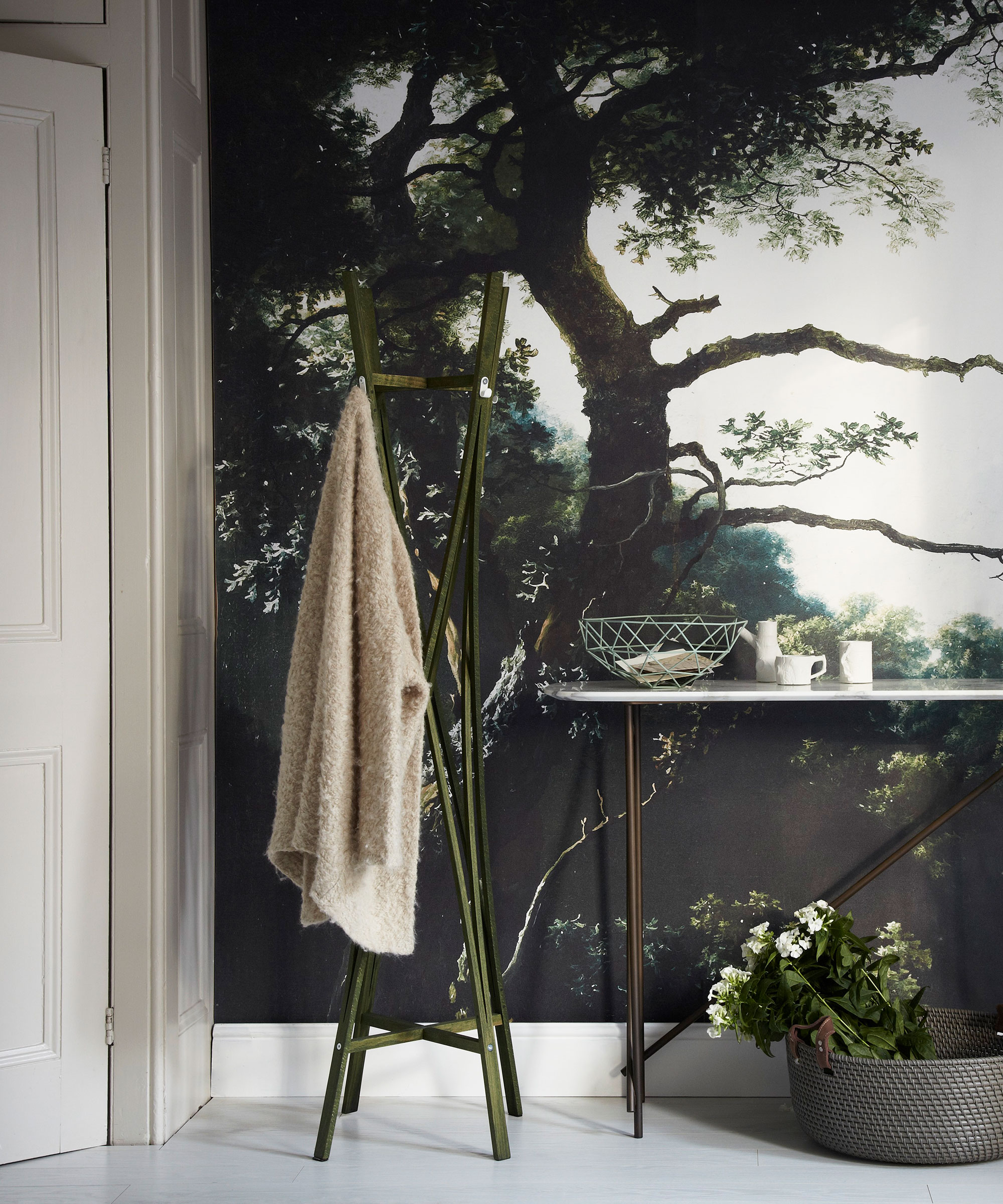
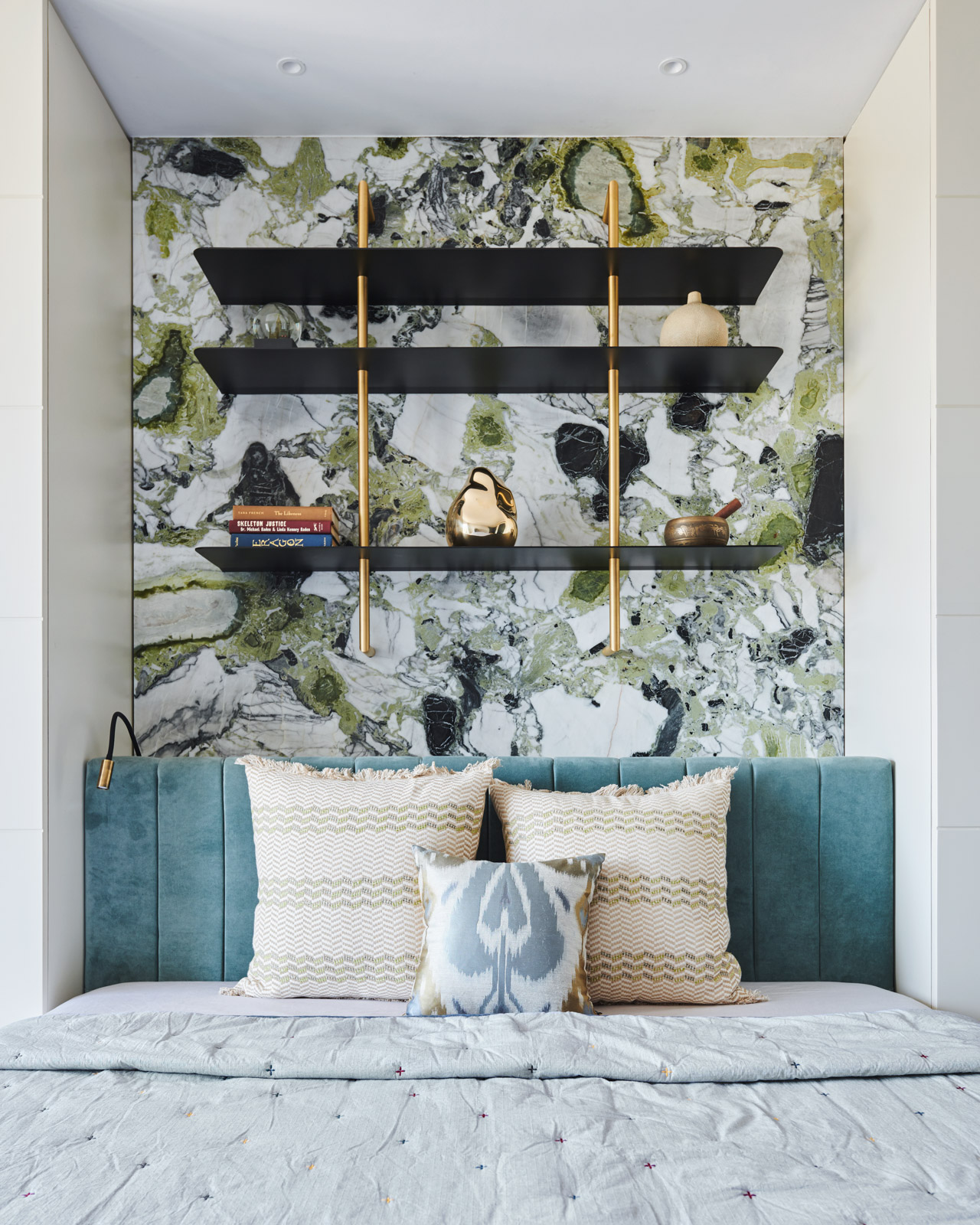
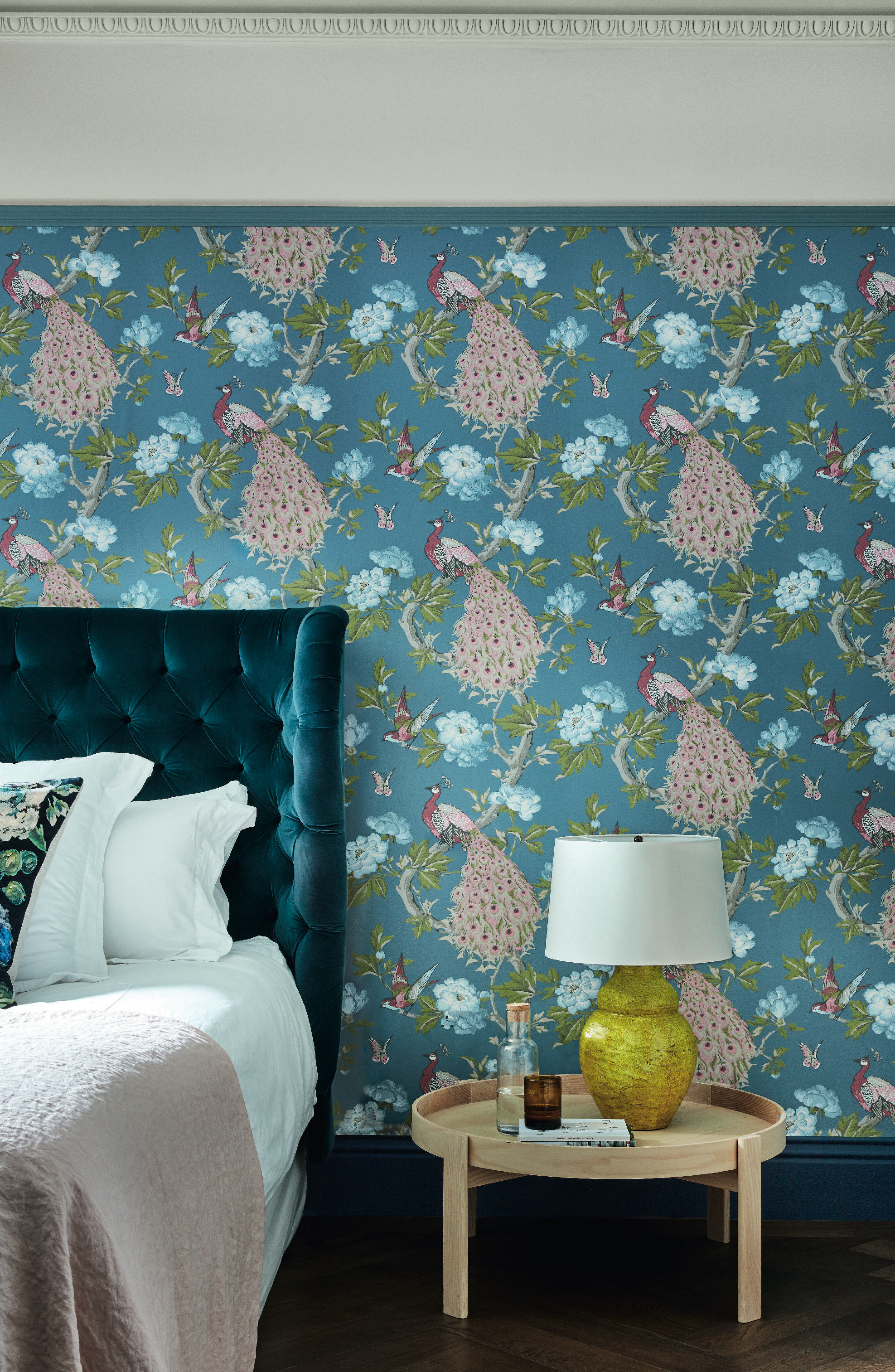
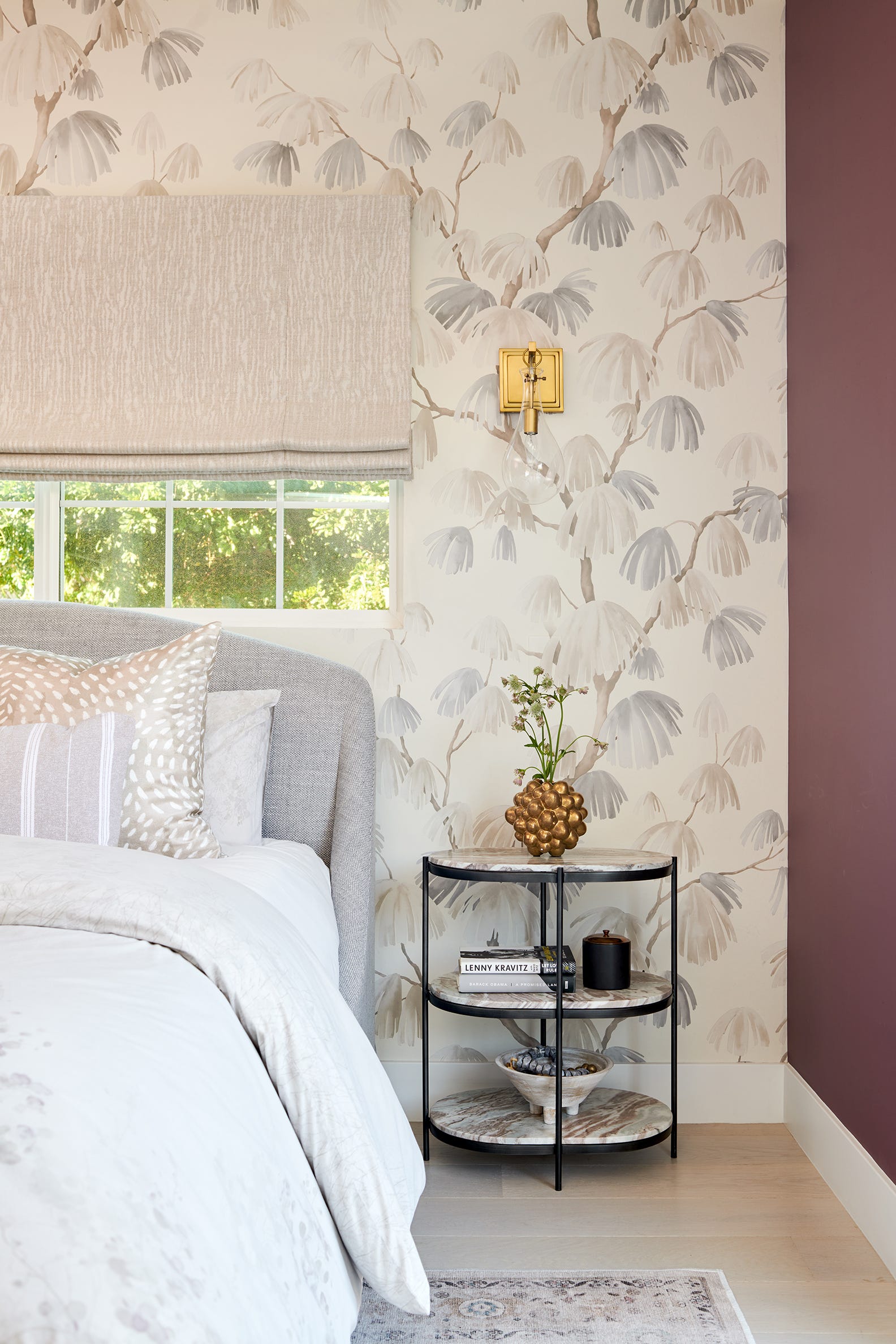
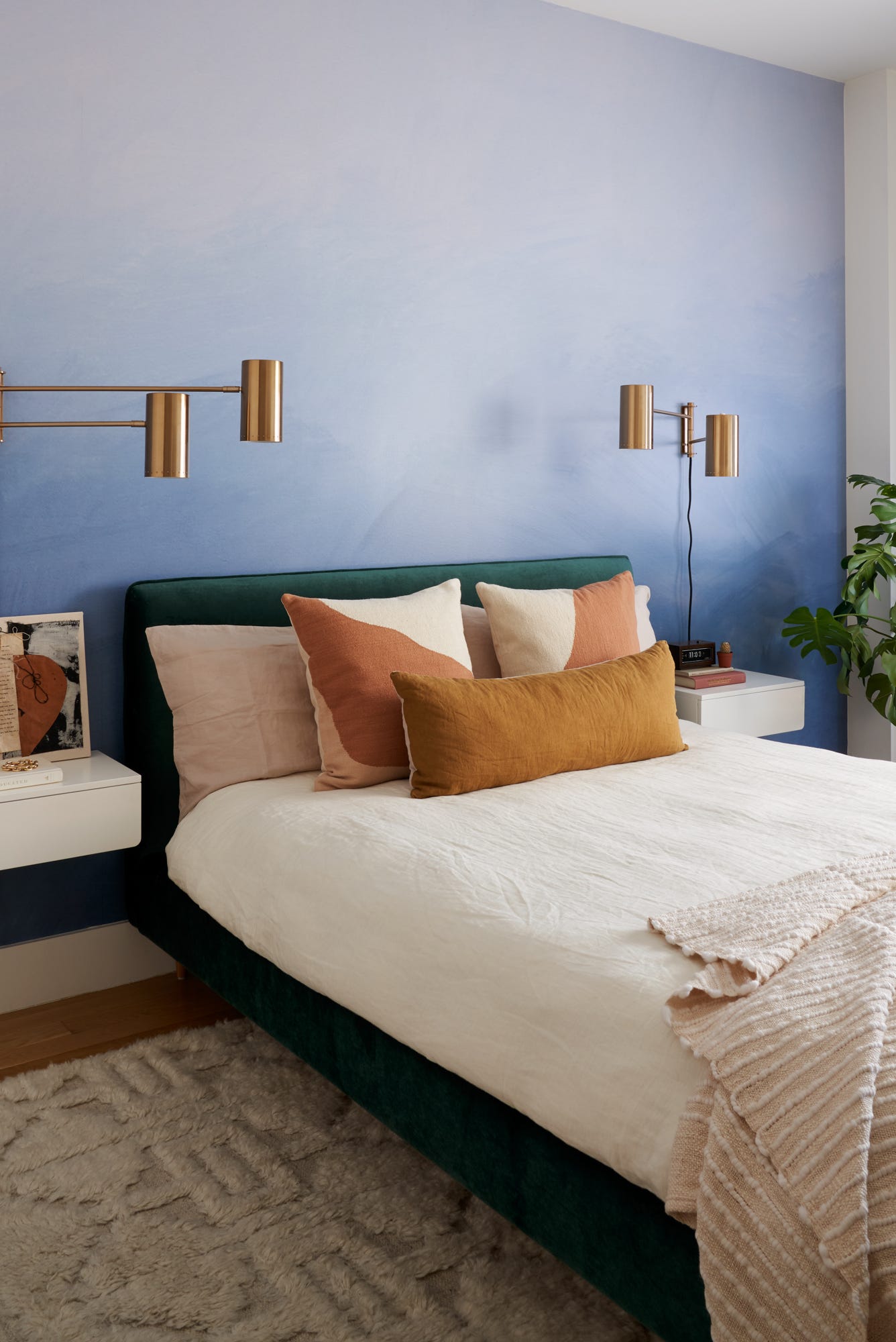
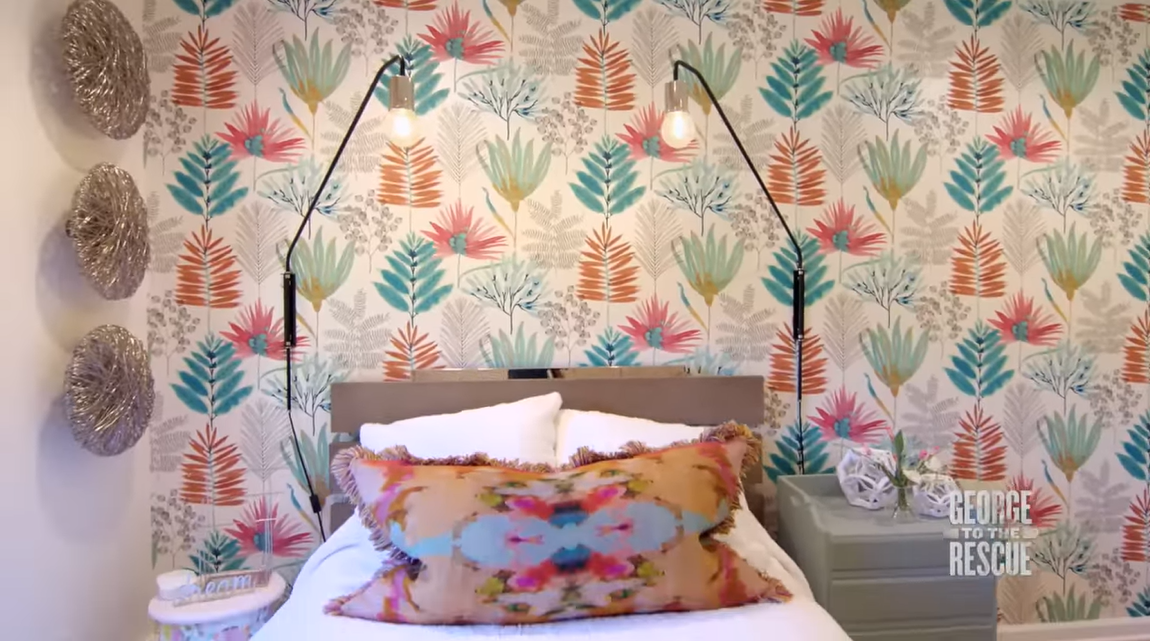
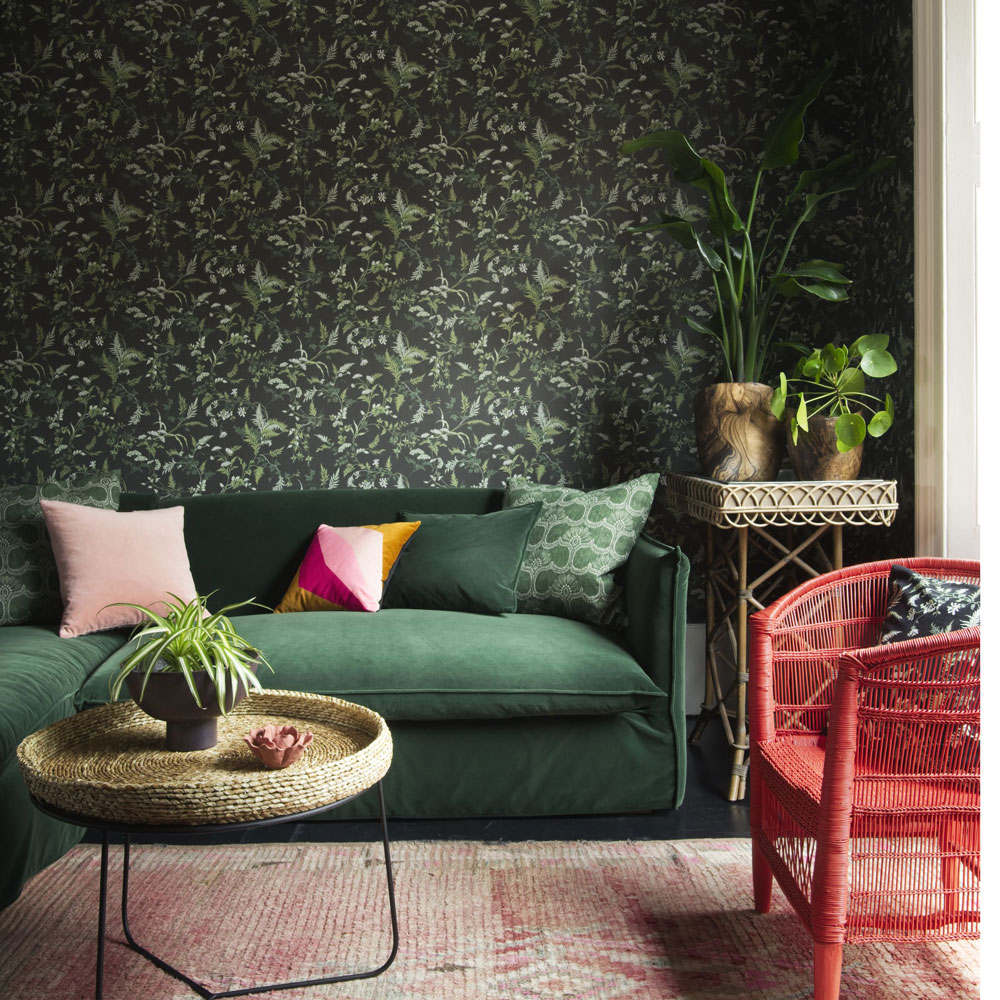
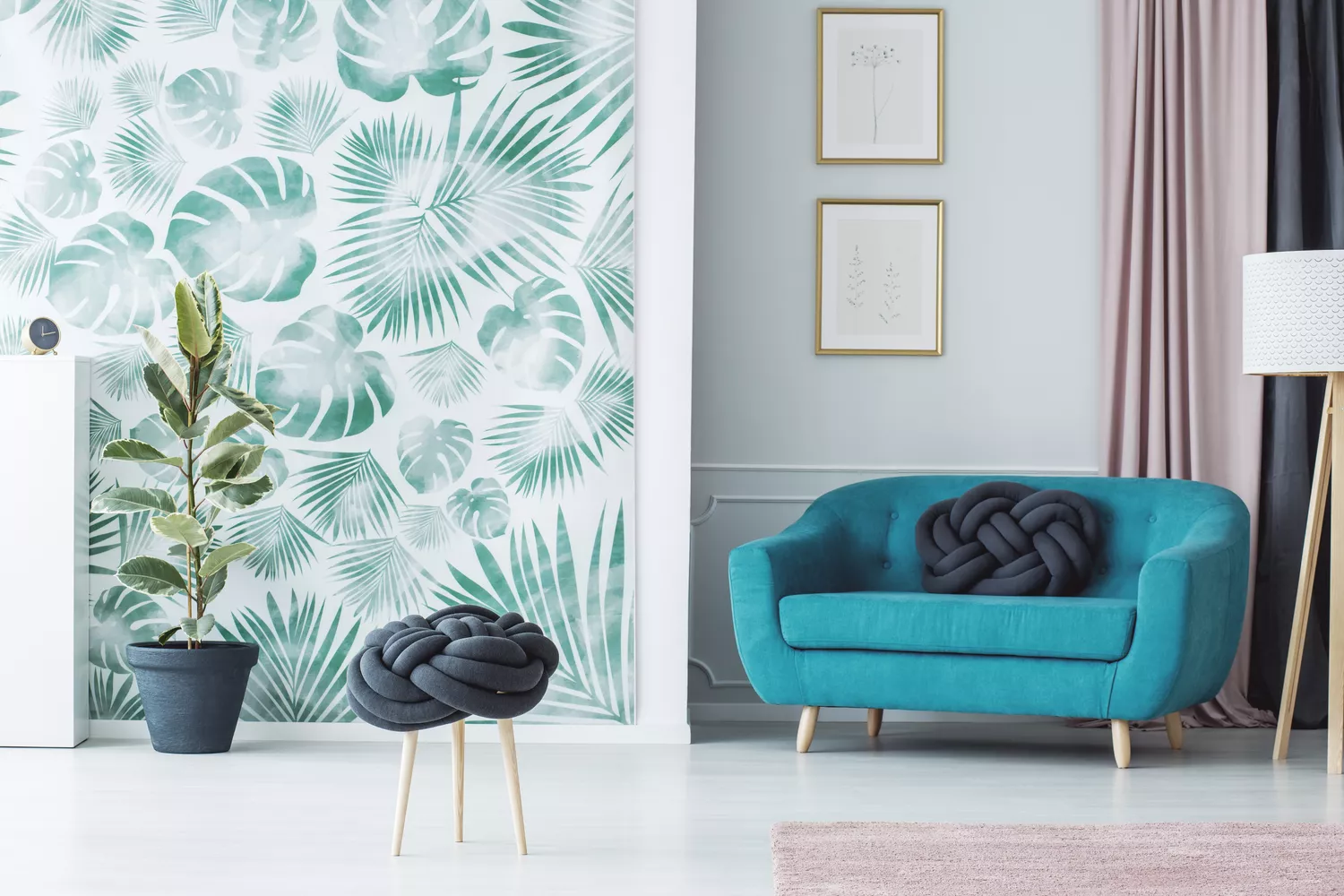
Various techniques can be employed to create an accent wall. In living rooms, a plaster finish can visually extend a fireplace, adding depth without visual clutter, creating a sense of permanence and craftsmanship. Ceilings can also serve as 'fifth walls,' using materials like grasscloth wallpaper to introduce unexpected accents and complement existing color schemes, often being a budget-friendly option. For those who appreciate murals but prefer not to DIY, mural-like wallpapers can provide an expressive yet balanced look in bedrooms, eliminating the need for additional wall art. Botanical or scenic wallpapers can bring the outdoors inside, especially effective in rooms overlooking gardens, offering a tranquil retreat when draperies are drawn.
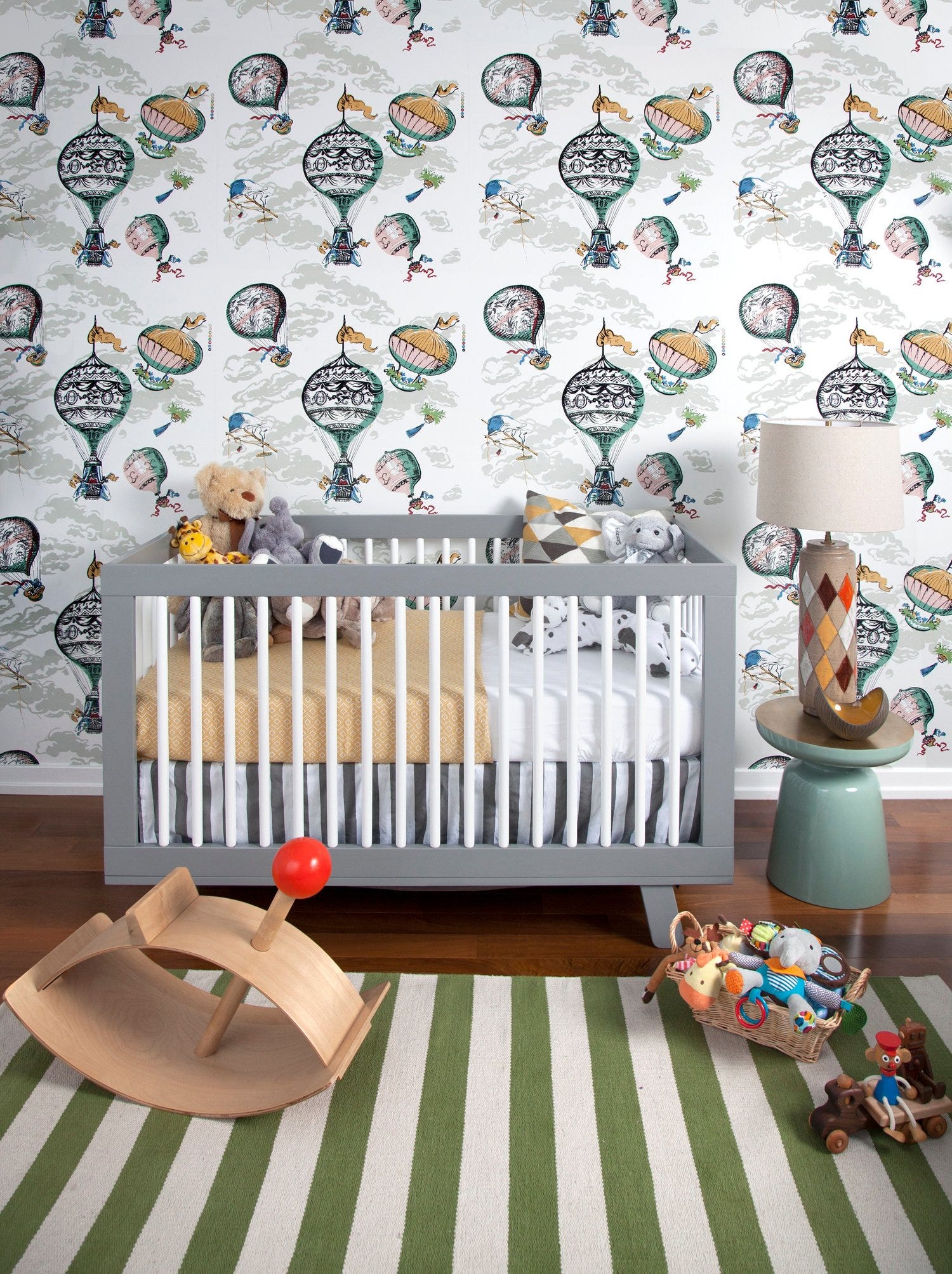
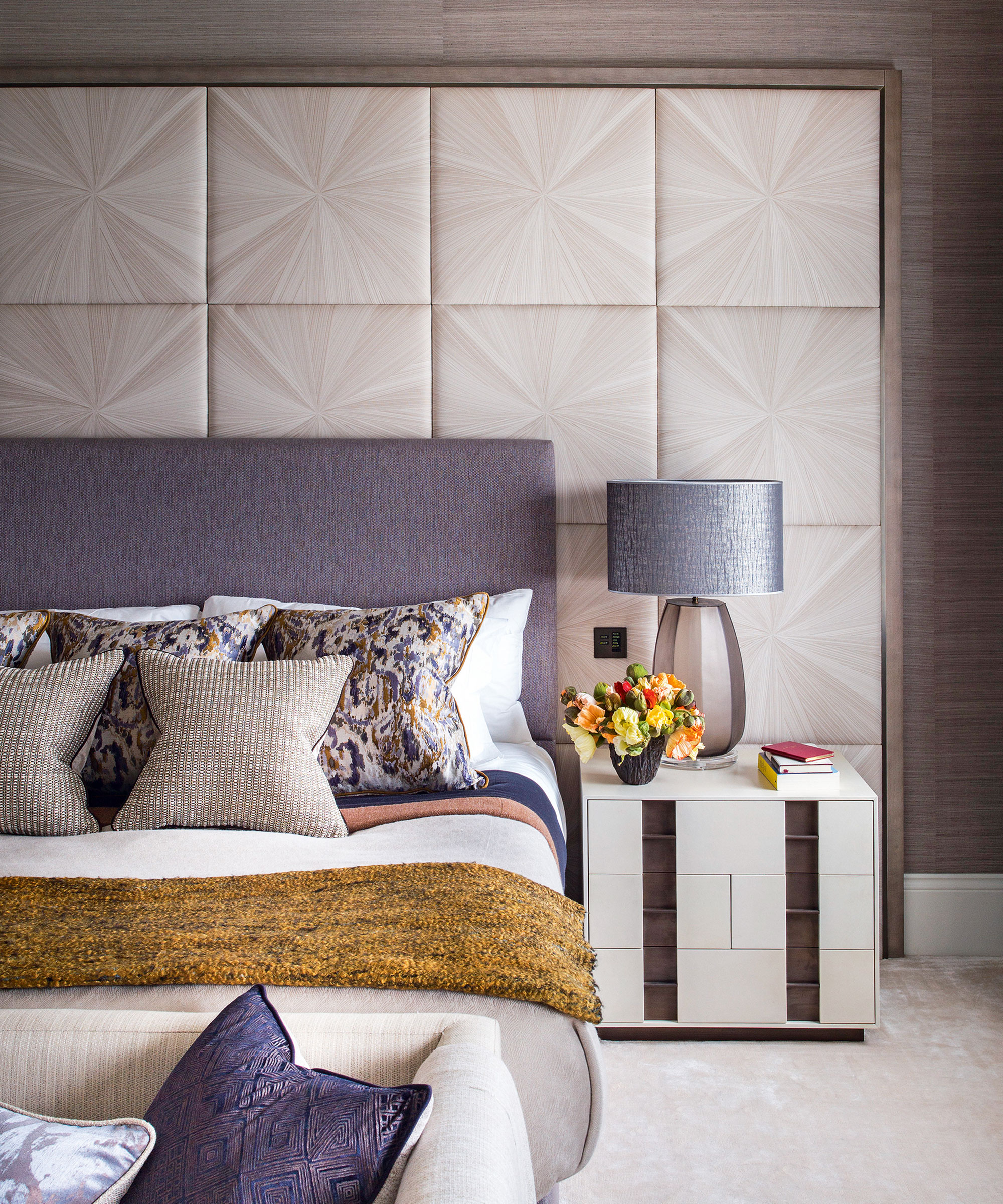
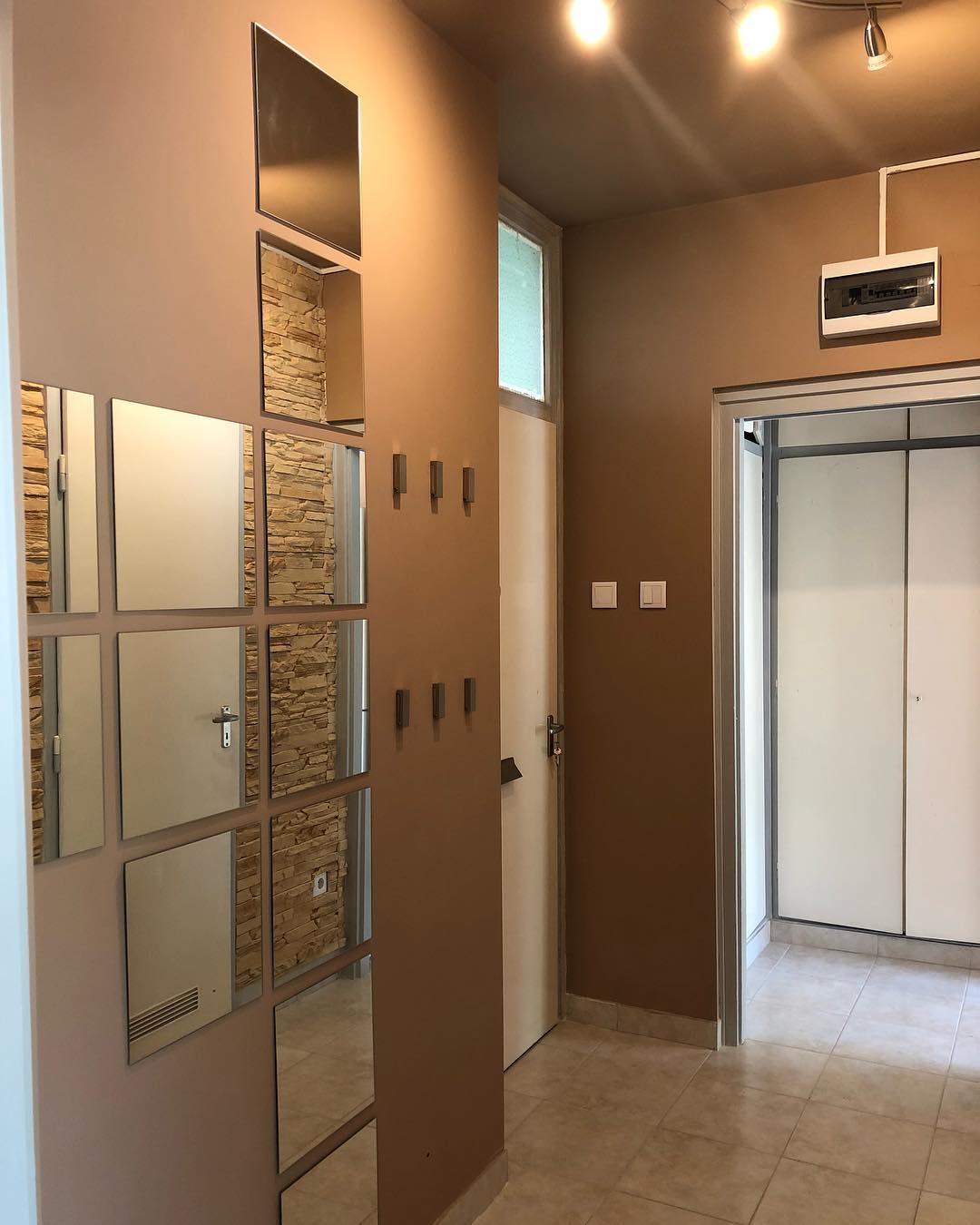
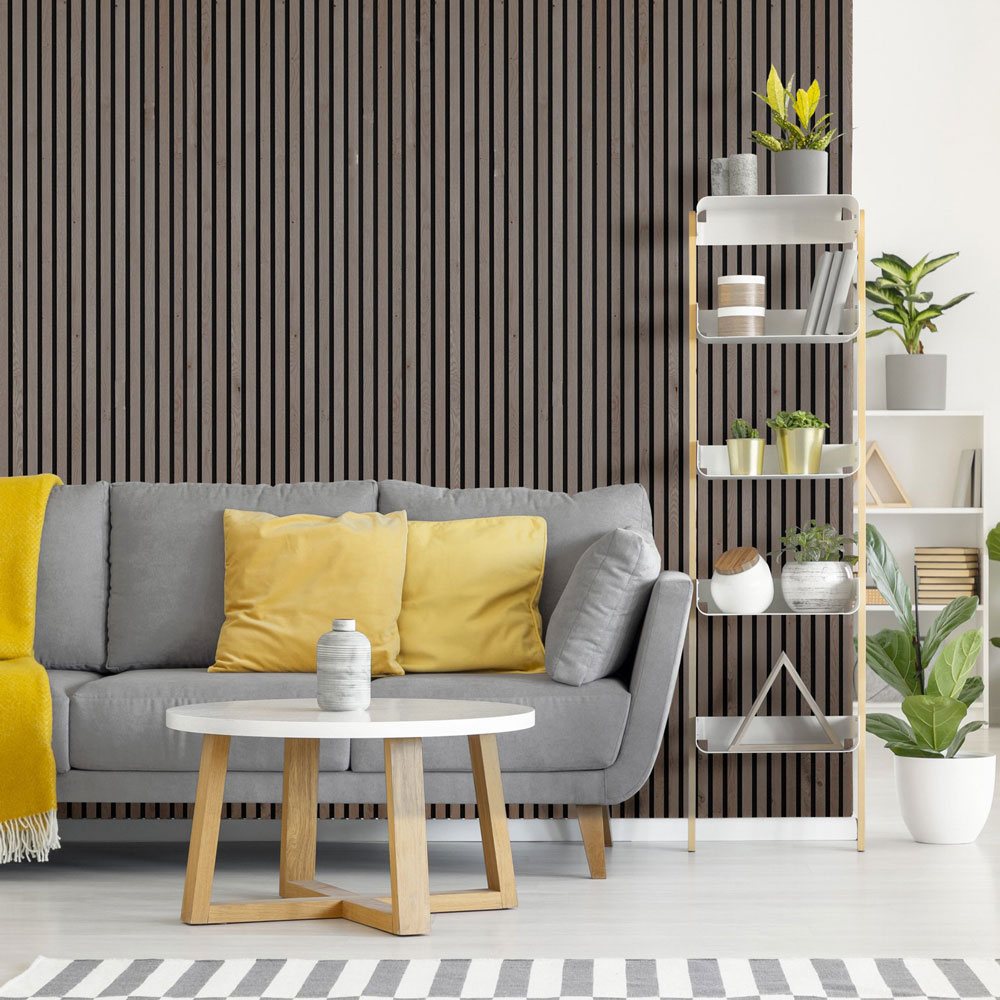
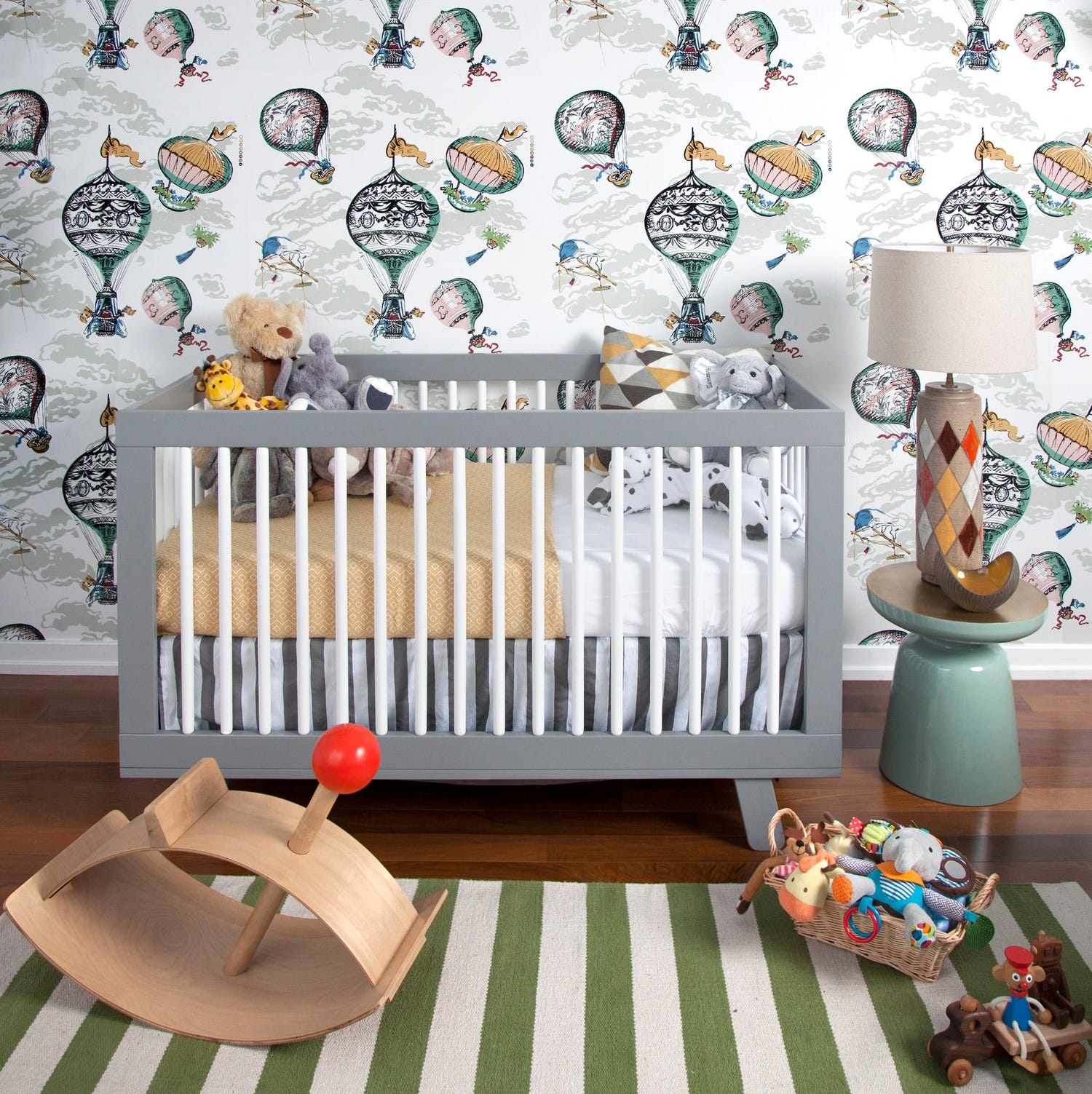
Natural materials also play a significant role in accent wall design. Custom bed frames anchored to the wall with warm slat wood paneling extending to the ceiling can add depth and interest to a room. For children's spaces, framed graphic wallpapers can introduce whimsy and playful patterns. Mirrored accent walls, even in small spaces like powder baths, offer both aesthetic appeal and functionality, especially when layered with antique mirrors for visual interest. In bathrooms, bold patterned tiles can provide the visual impact of wallpaper with added durability, often extending from the floor to the wall.
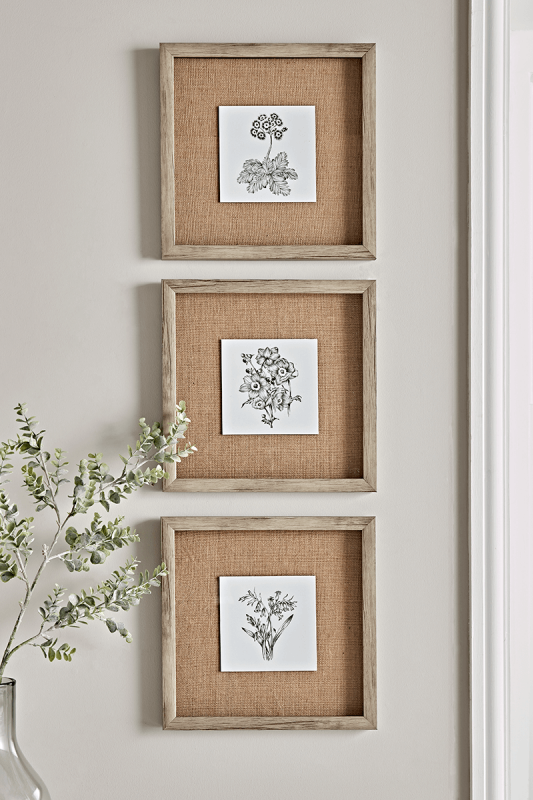
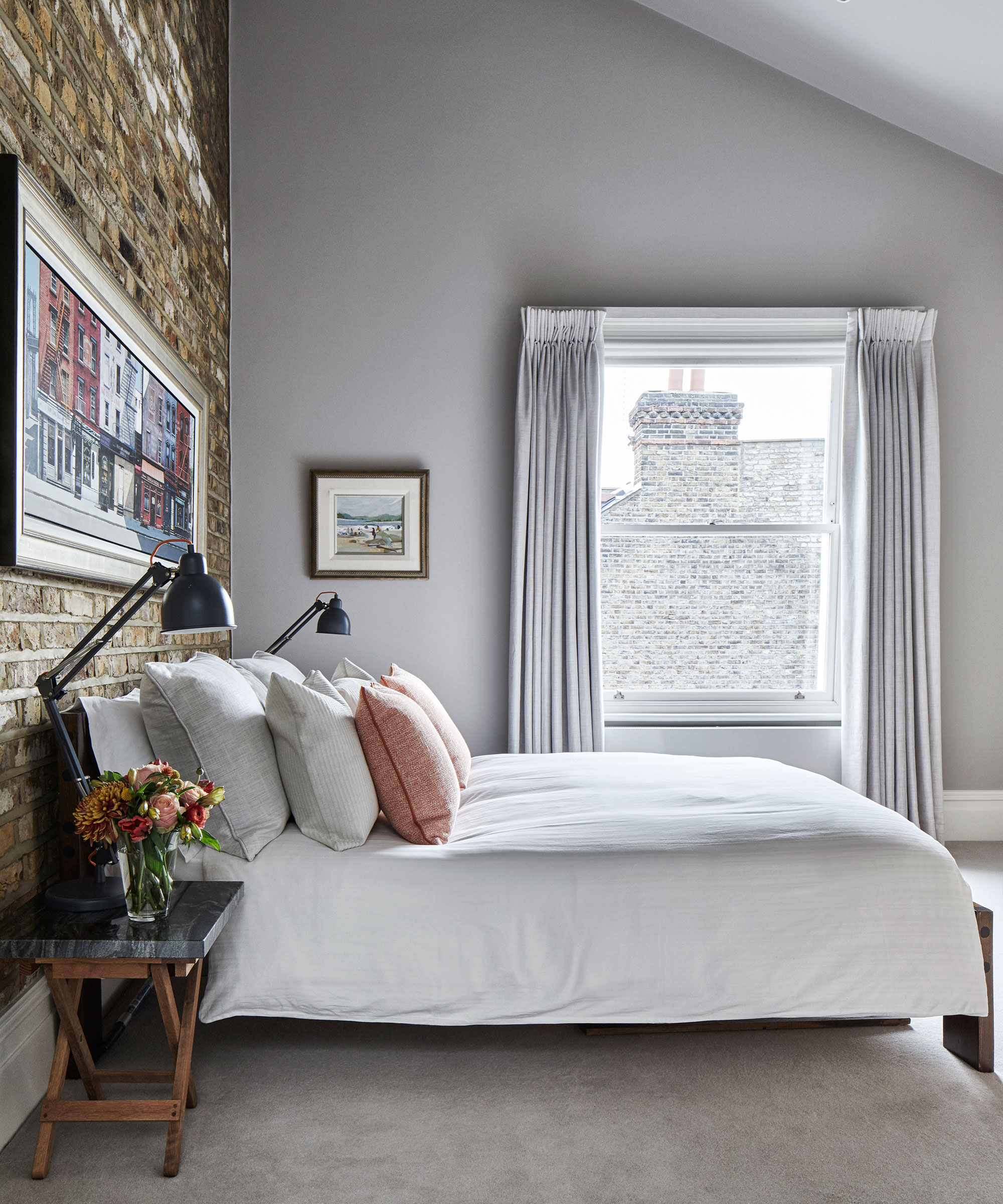
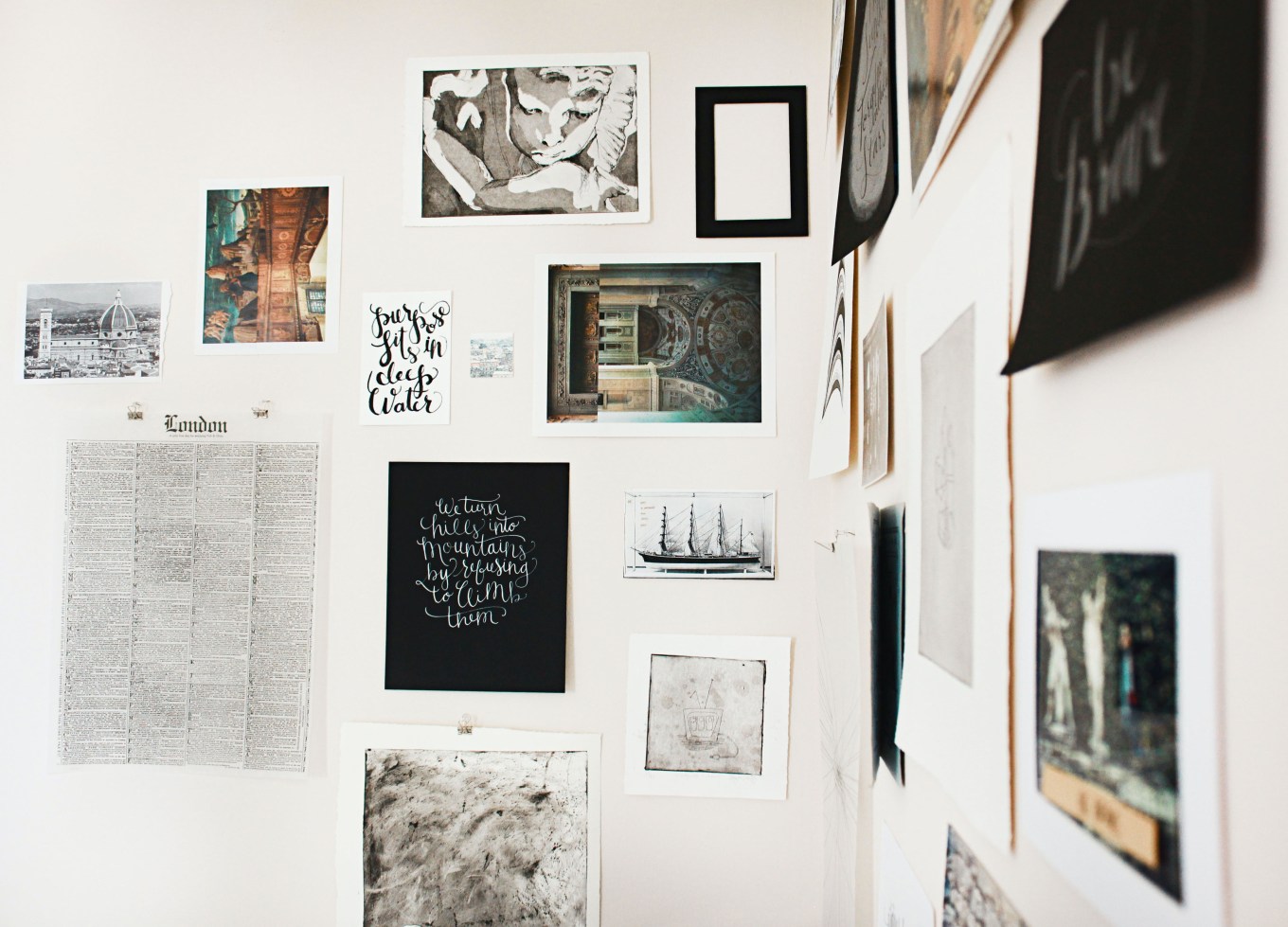
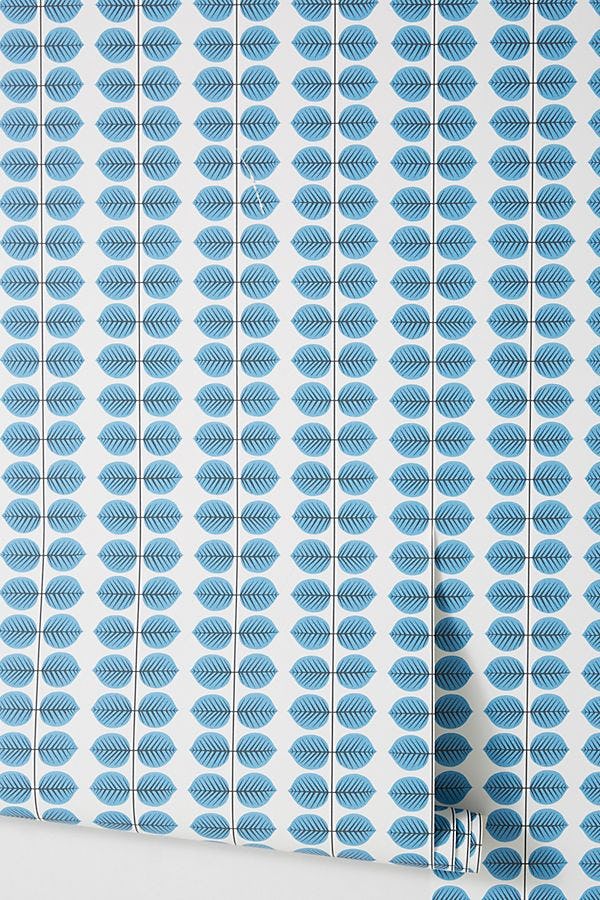
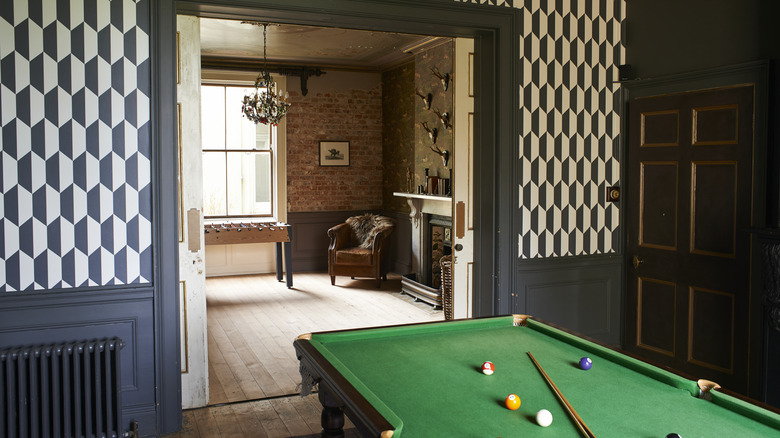
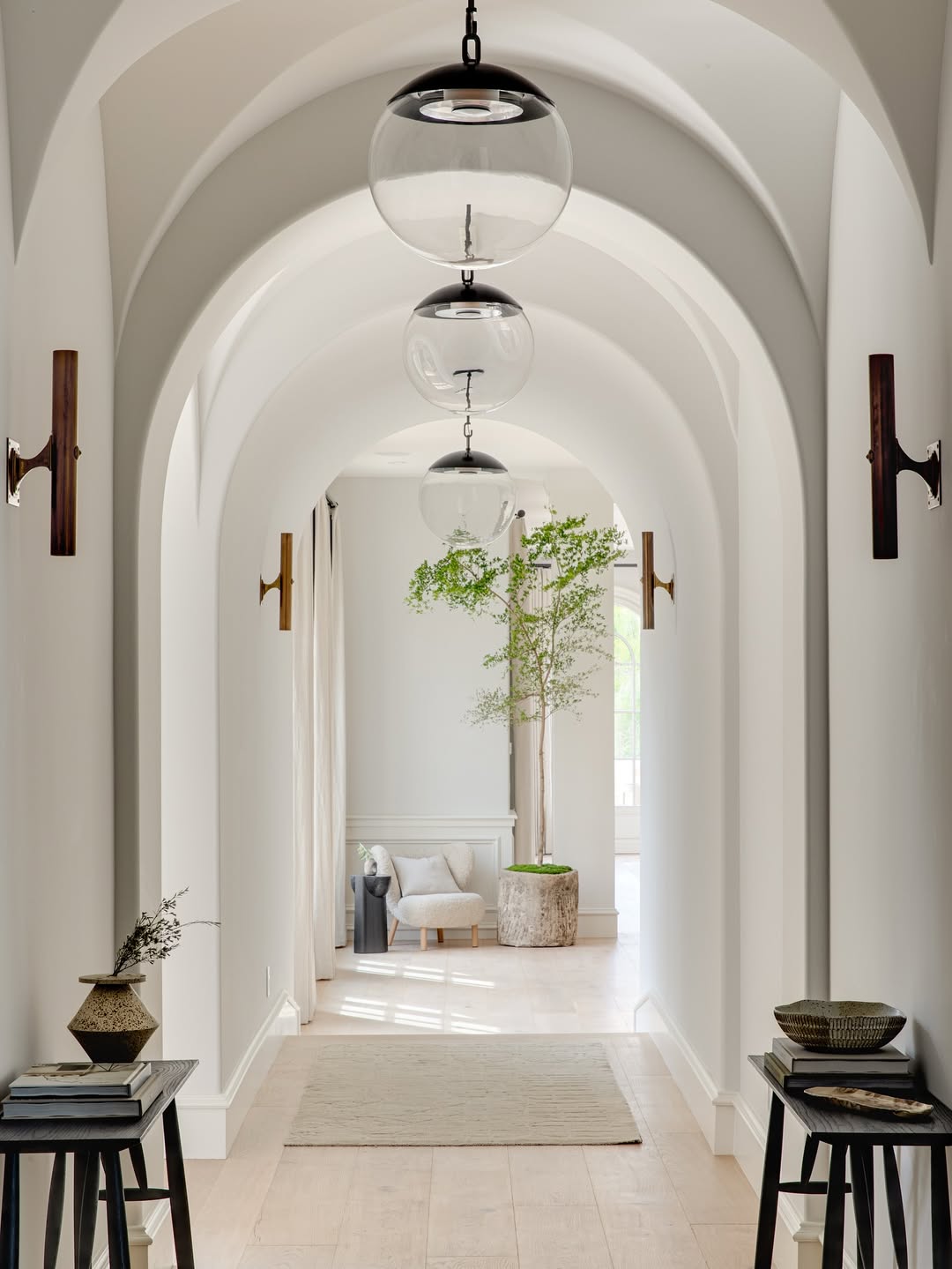
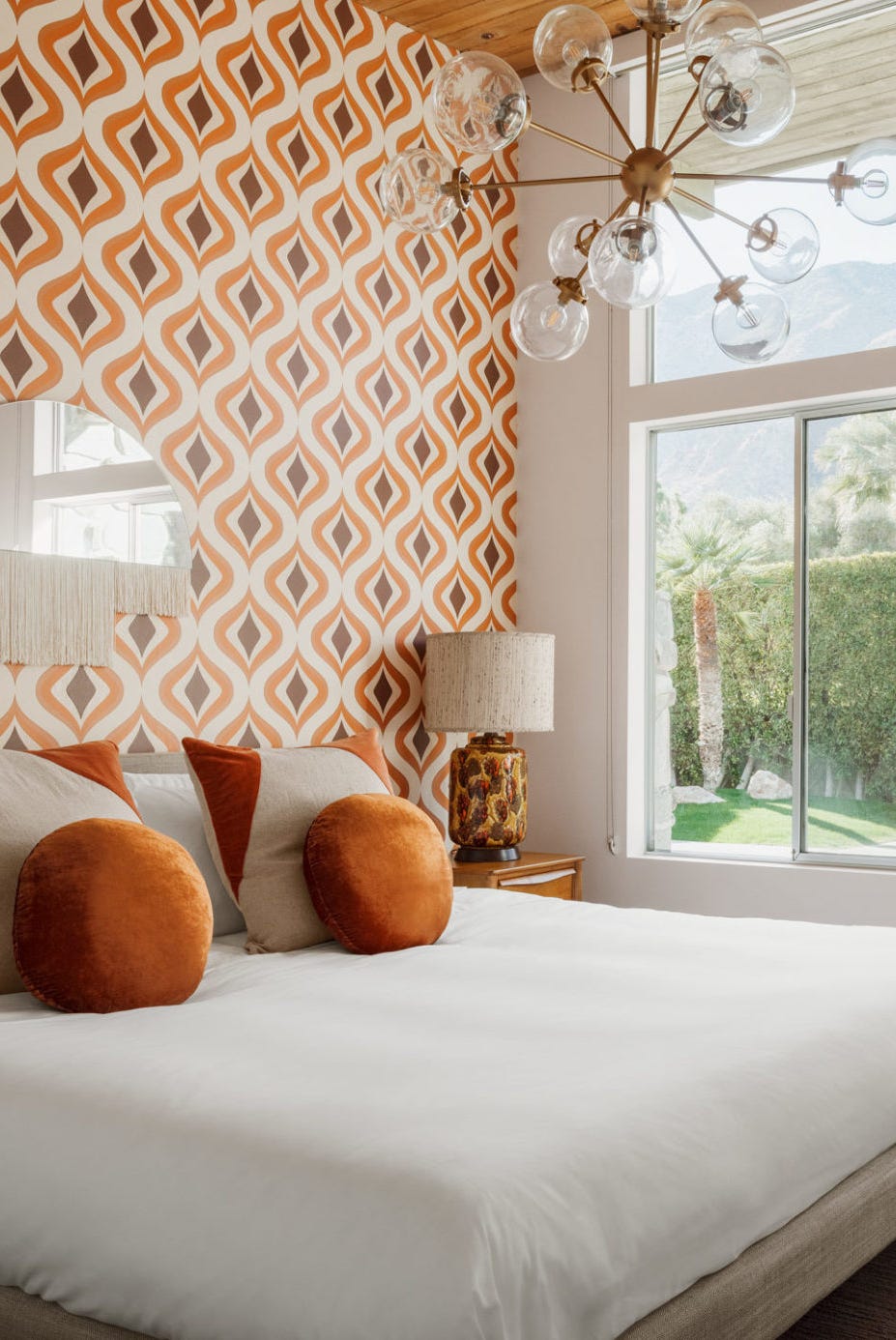
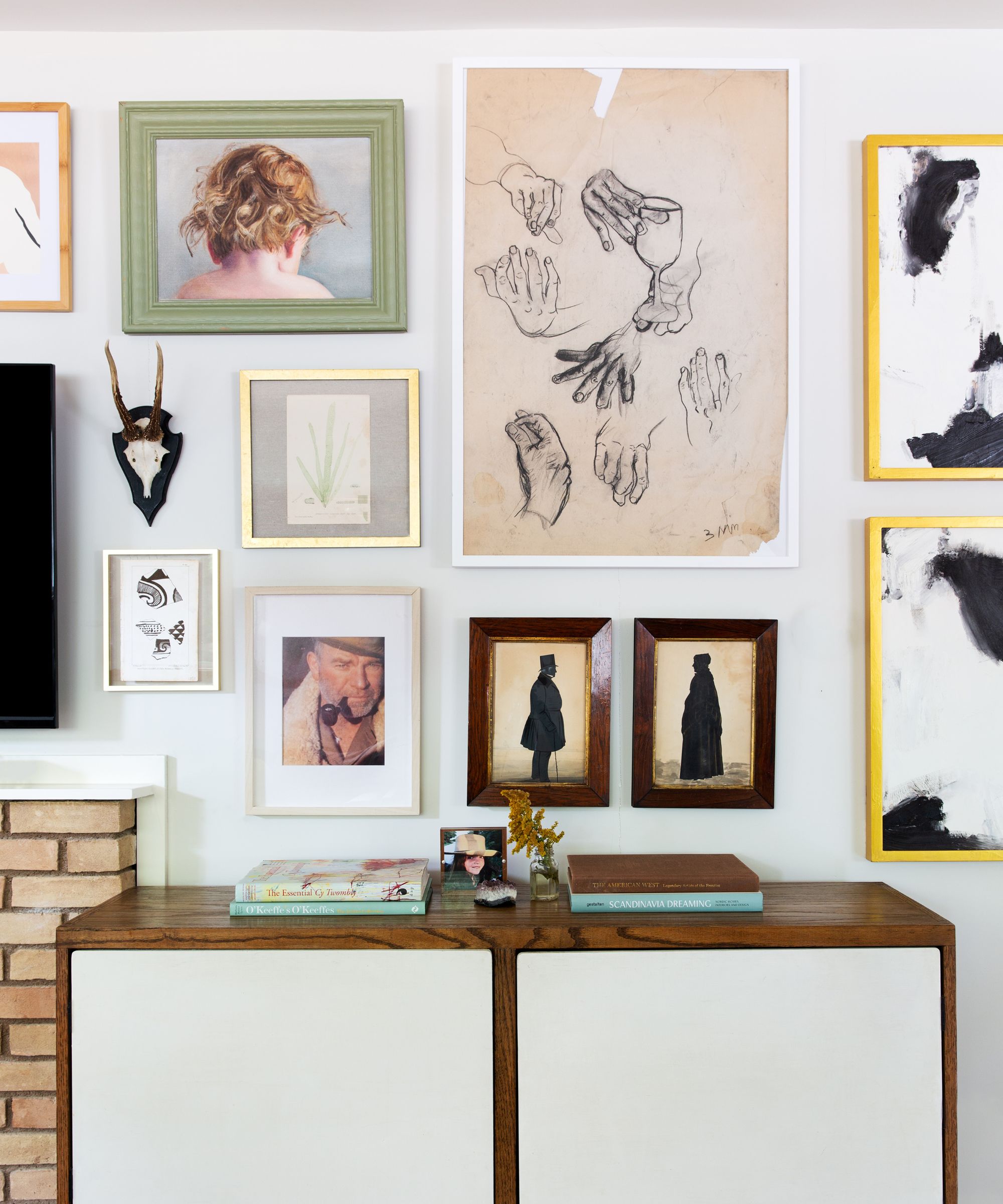
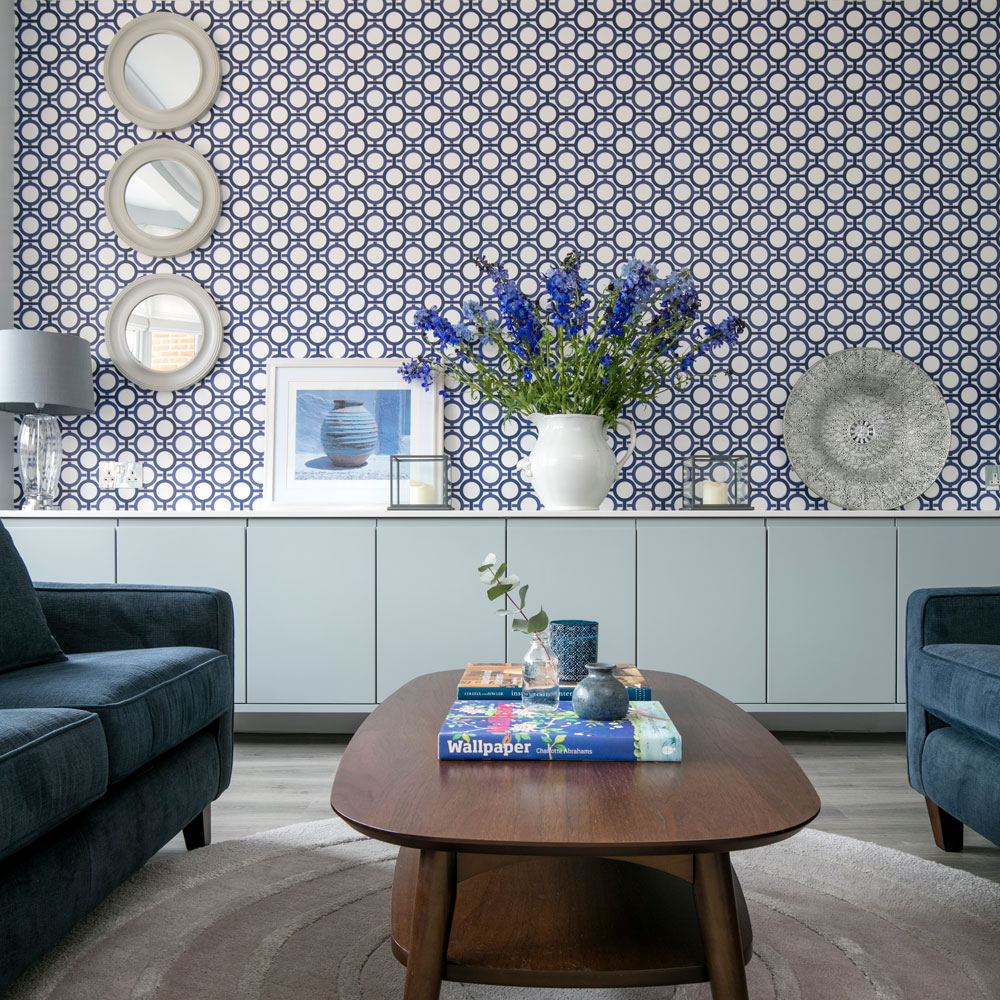
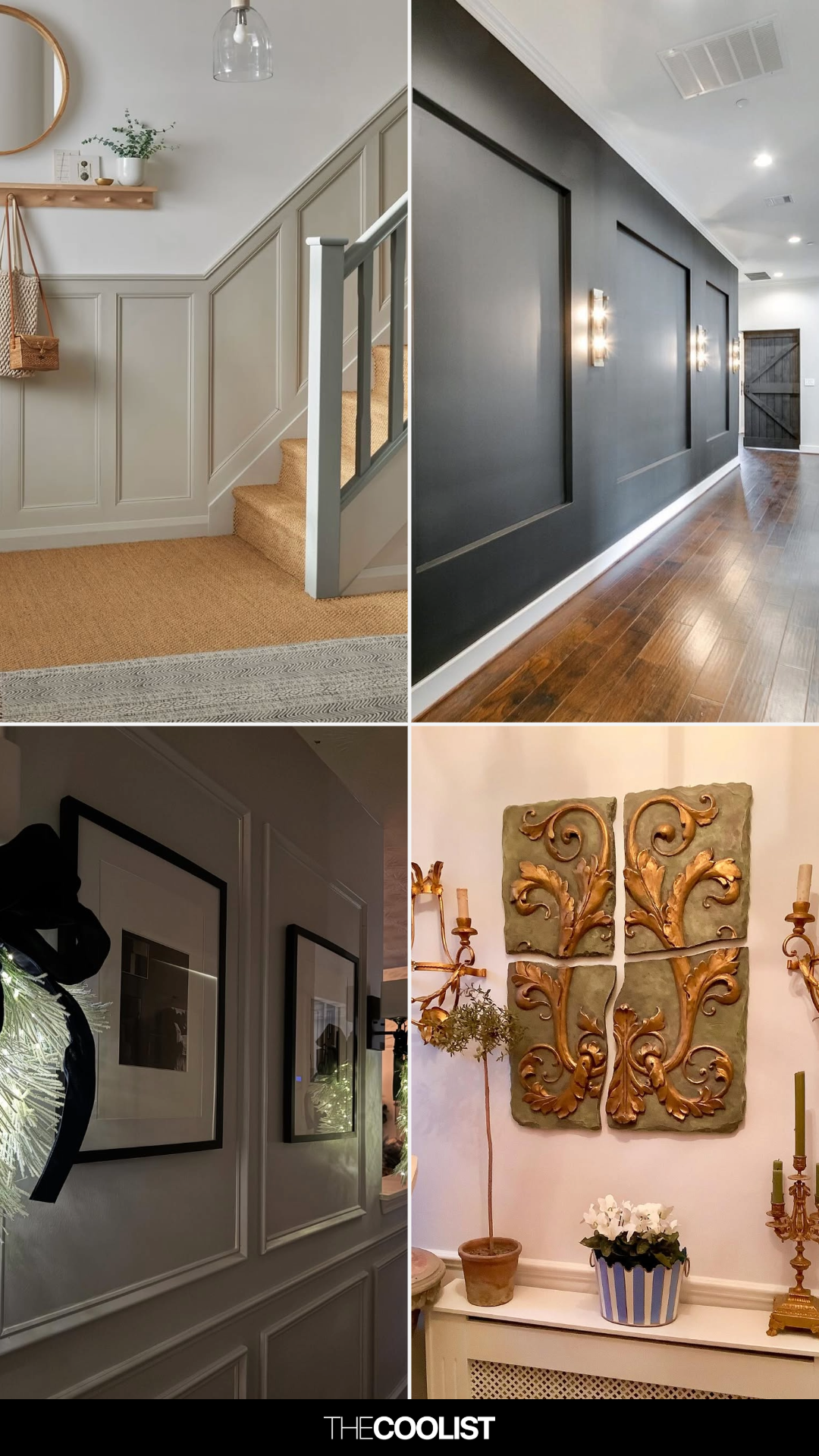
Accent walls can also distinguish guest rooms by using a single wall of heavily patterned wallpaper to deliver visual impact while maintaining broad appeal. Stone accent walls contribute to cozy, rustic aesthetics, bringing the outside landscape indoors. Hallways can be brightened with spirited wallpapers, adding whimsy and interest without overwhelming the space. Eclectic gallery walls, featuring a mix of framed art, varied frame options, and picture lights, can create a dynamic accent, especially in transitional areas.
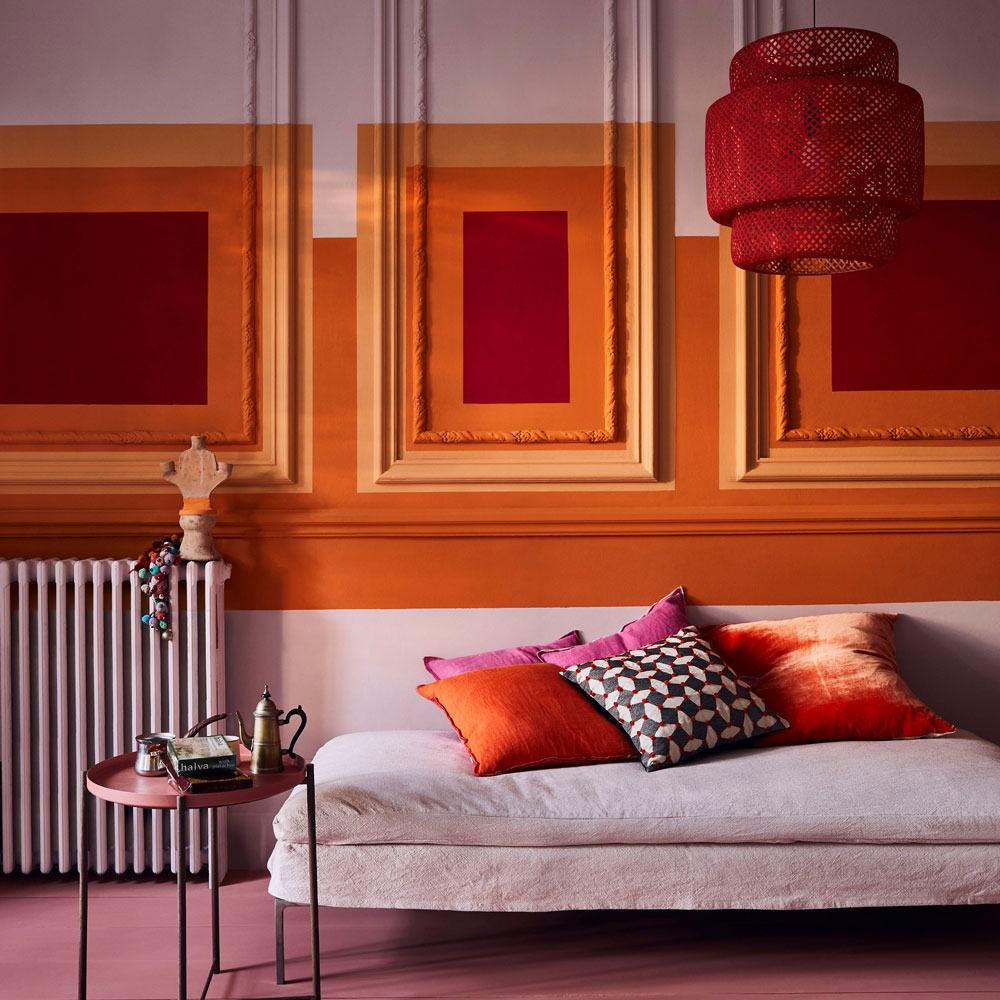
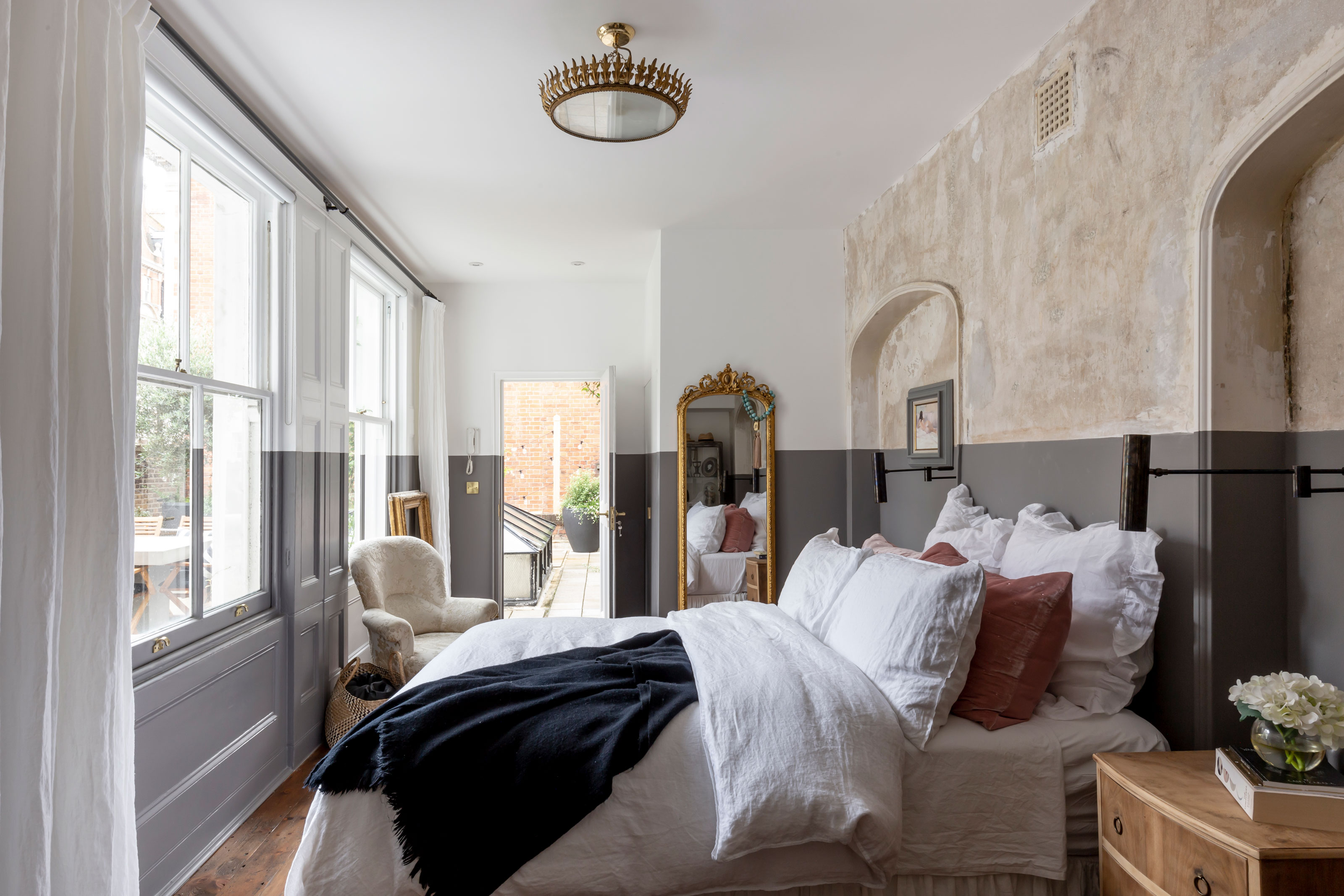
Creative molding, like carrying dark paint onto ceiling trim, can accentuate architectural details and create a cohesive, cocooning effect in bedrooms. Accent walls can also be functional, such as a display for a wine bottle collection in an entertainment area. Home offices benefit from hand-painted murals that inject positive energy and personalized artistic flair. In powder rooms, large format antique mirror glass can create a big impact in a small space.
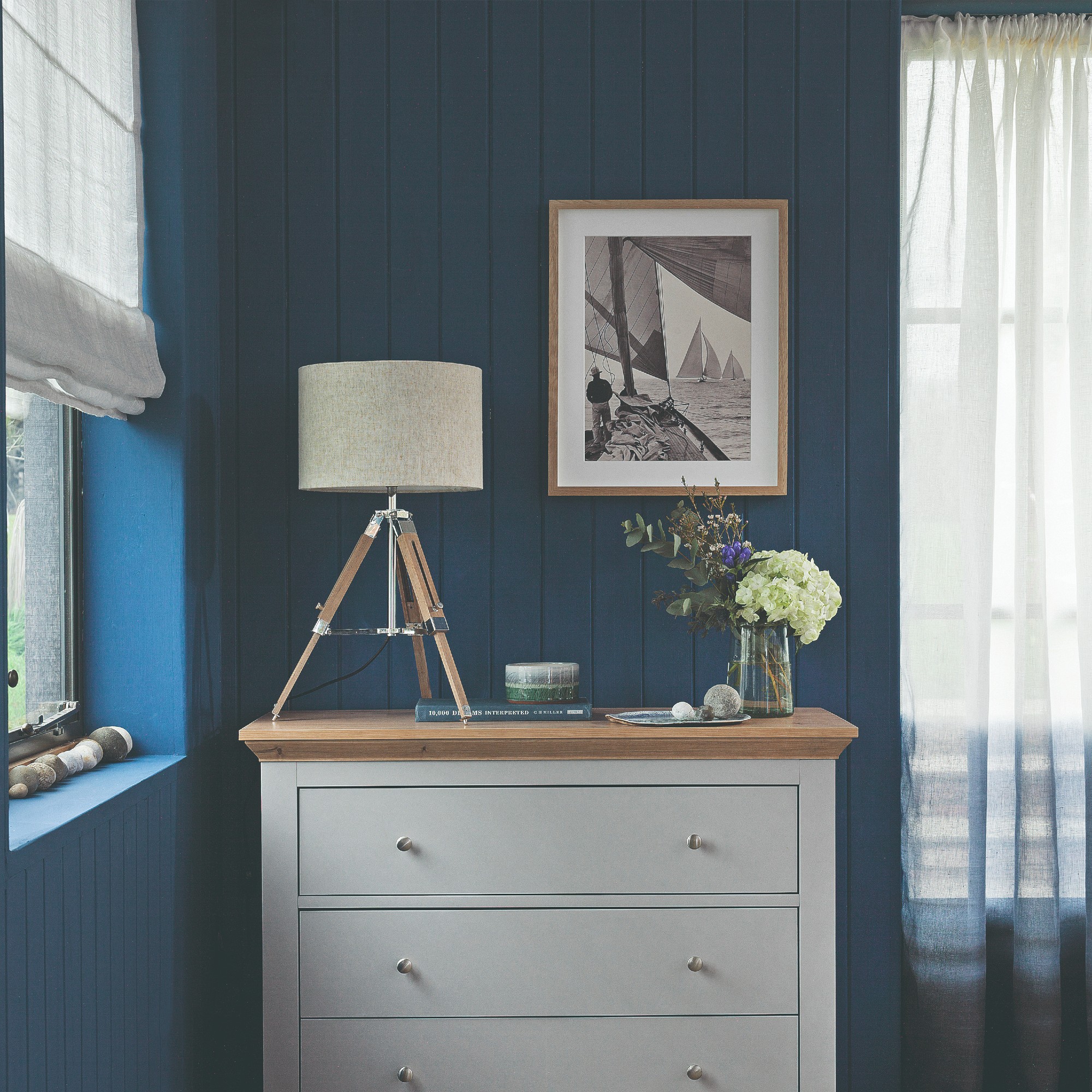
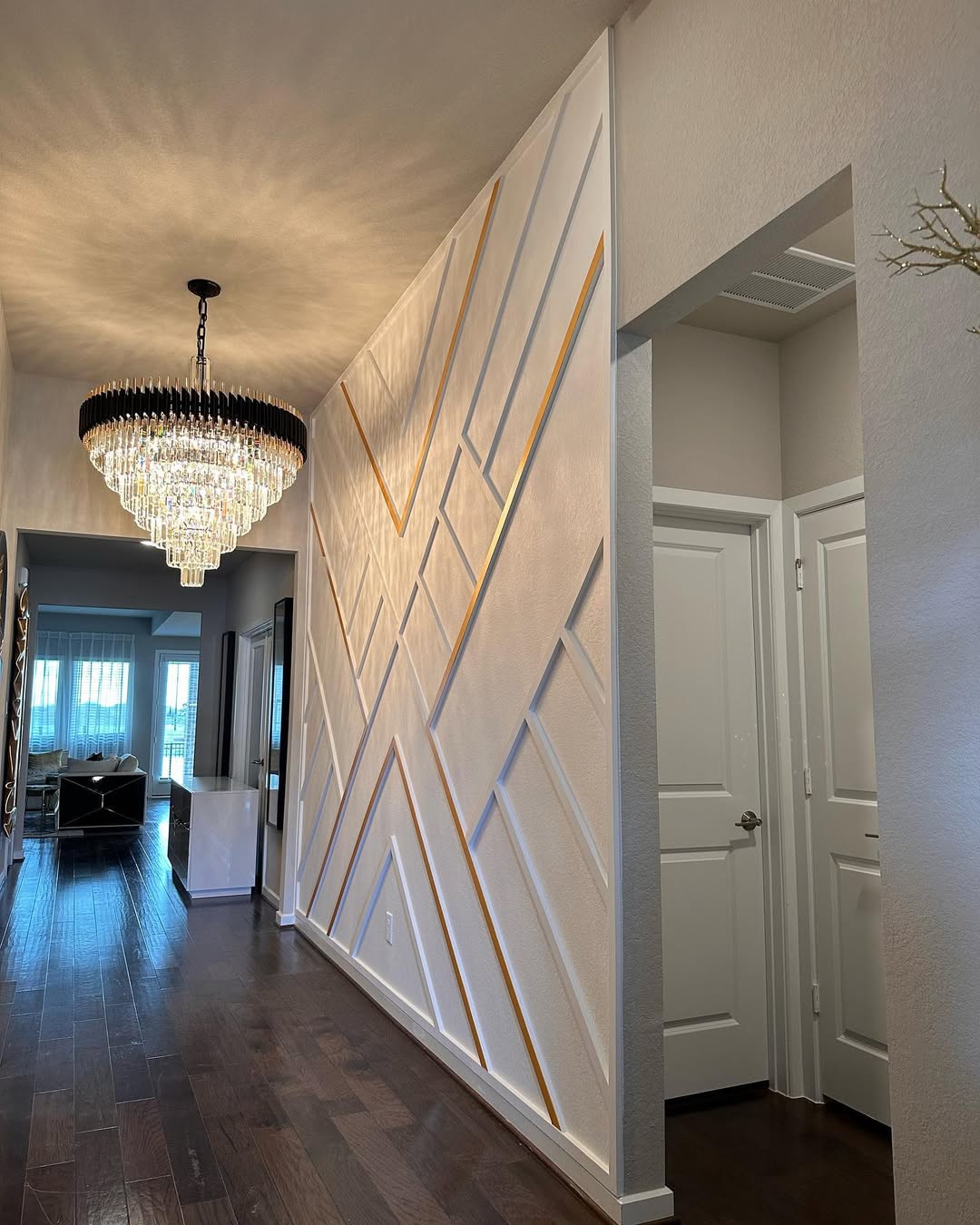
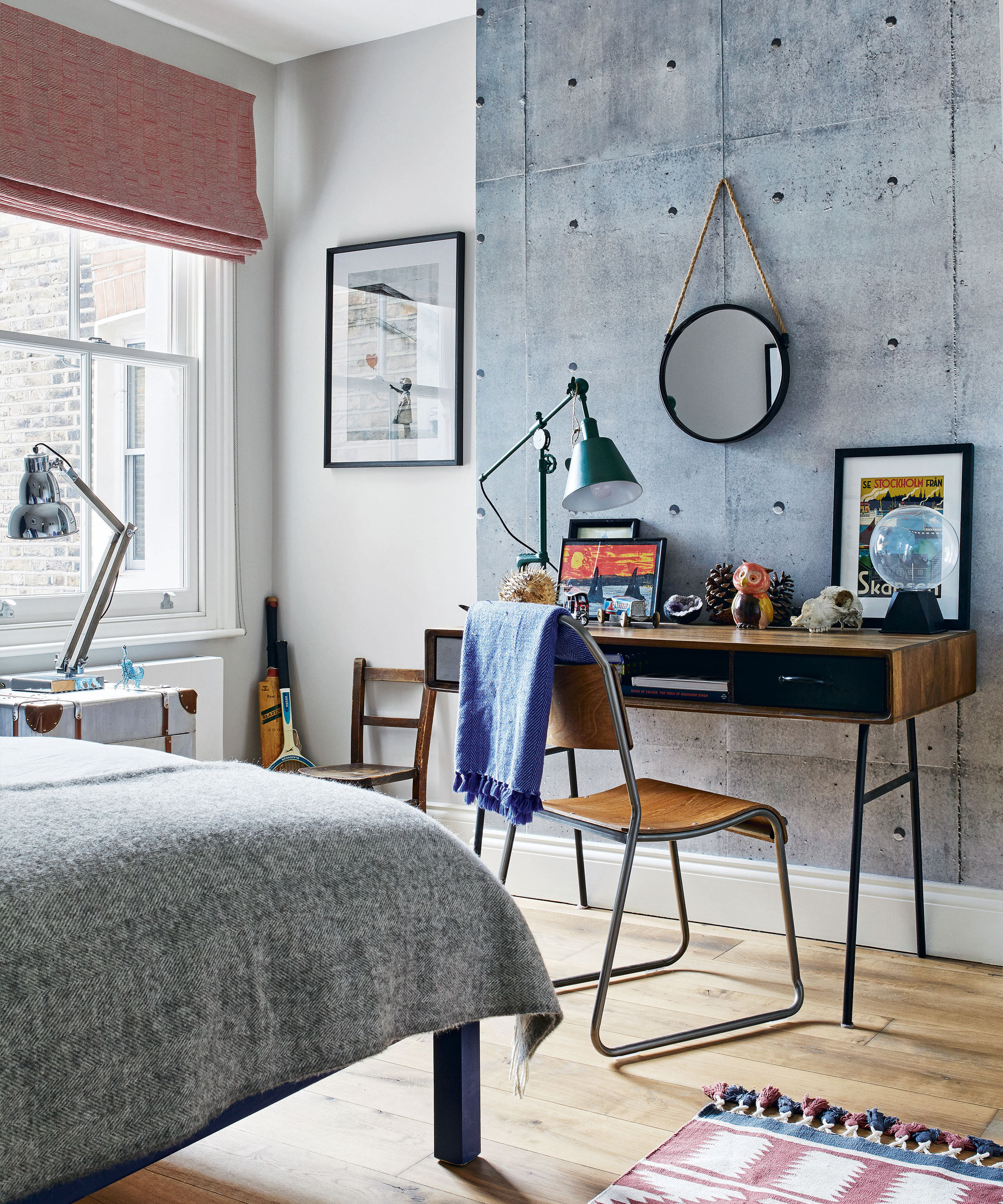
Board and batten molding can highlight impressive ceiling heights and create inviting entryways. Textured walls, like stone, can bring warmth and a rustic modern style to living rooms. Curved designs, often DIY, can create luxurious, 19th-century-inspired backdrops in bathrooms. Two-tone paint applications allow for deep, rich colors without making a room feel too dark, particularly suitable for teenage rooms. Wood tambour walls can cleverly camouflage unsightly closets, making them both functional and chic.
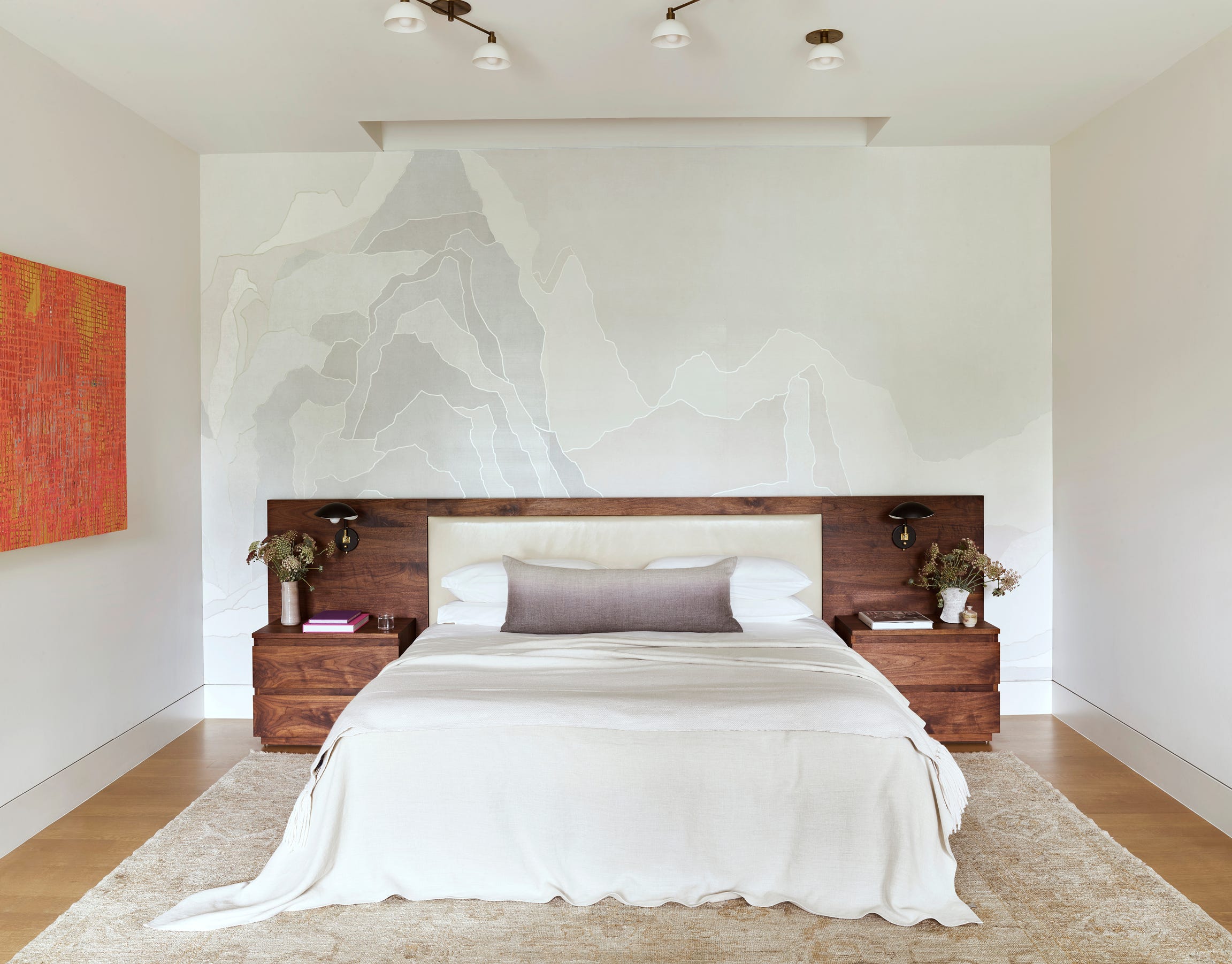
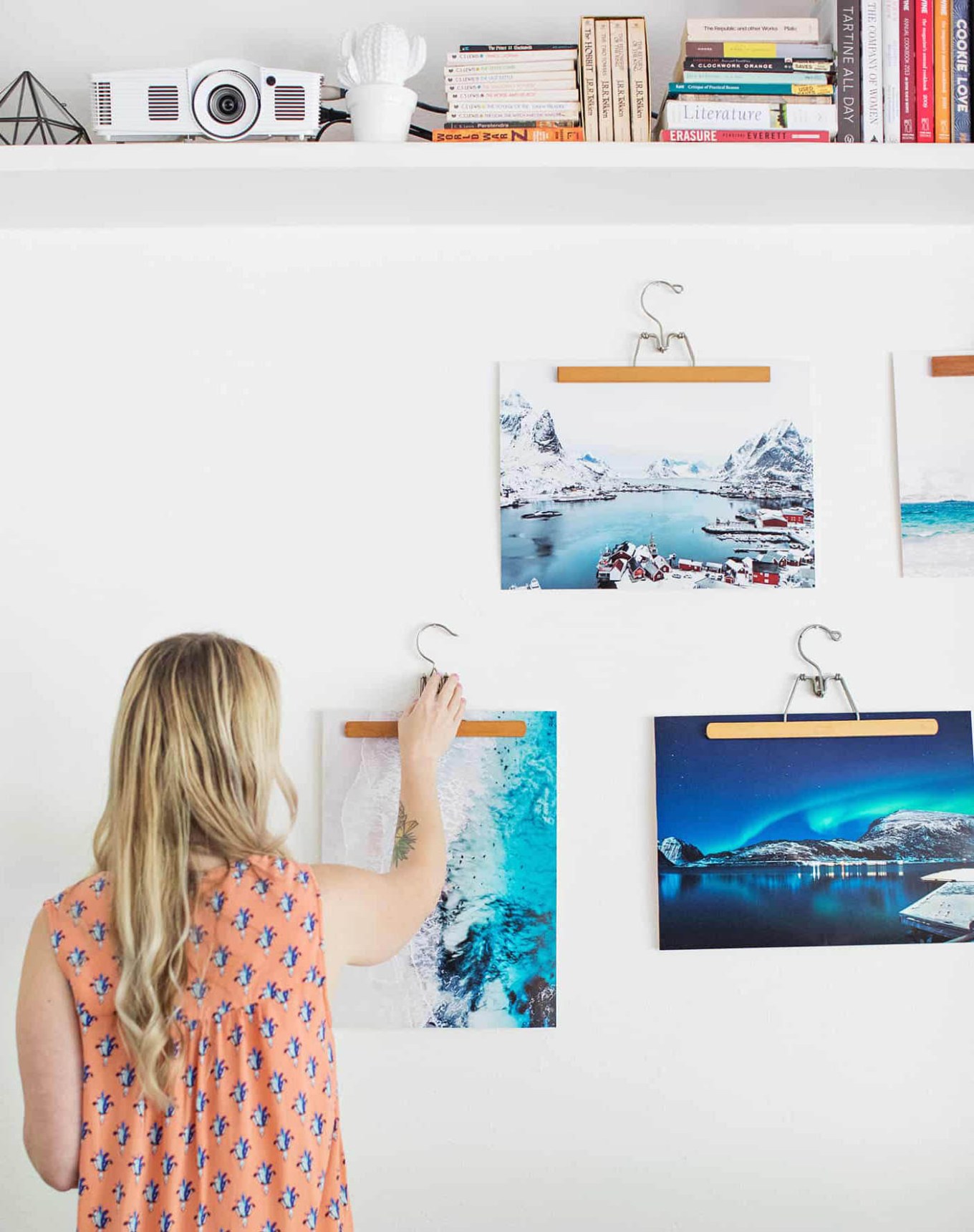
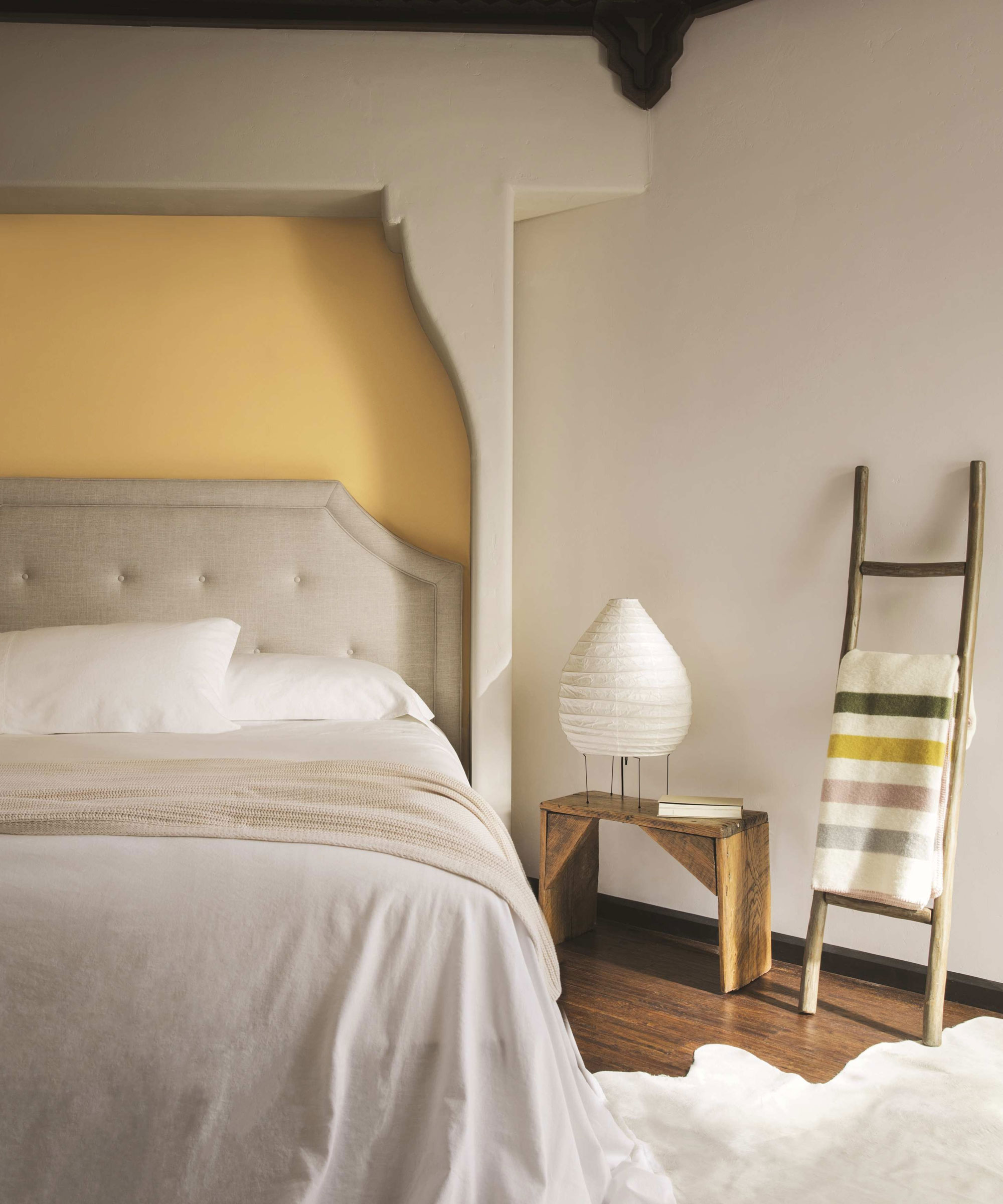
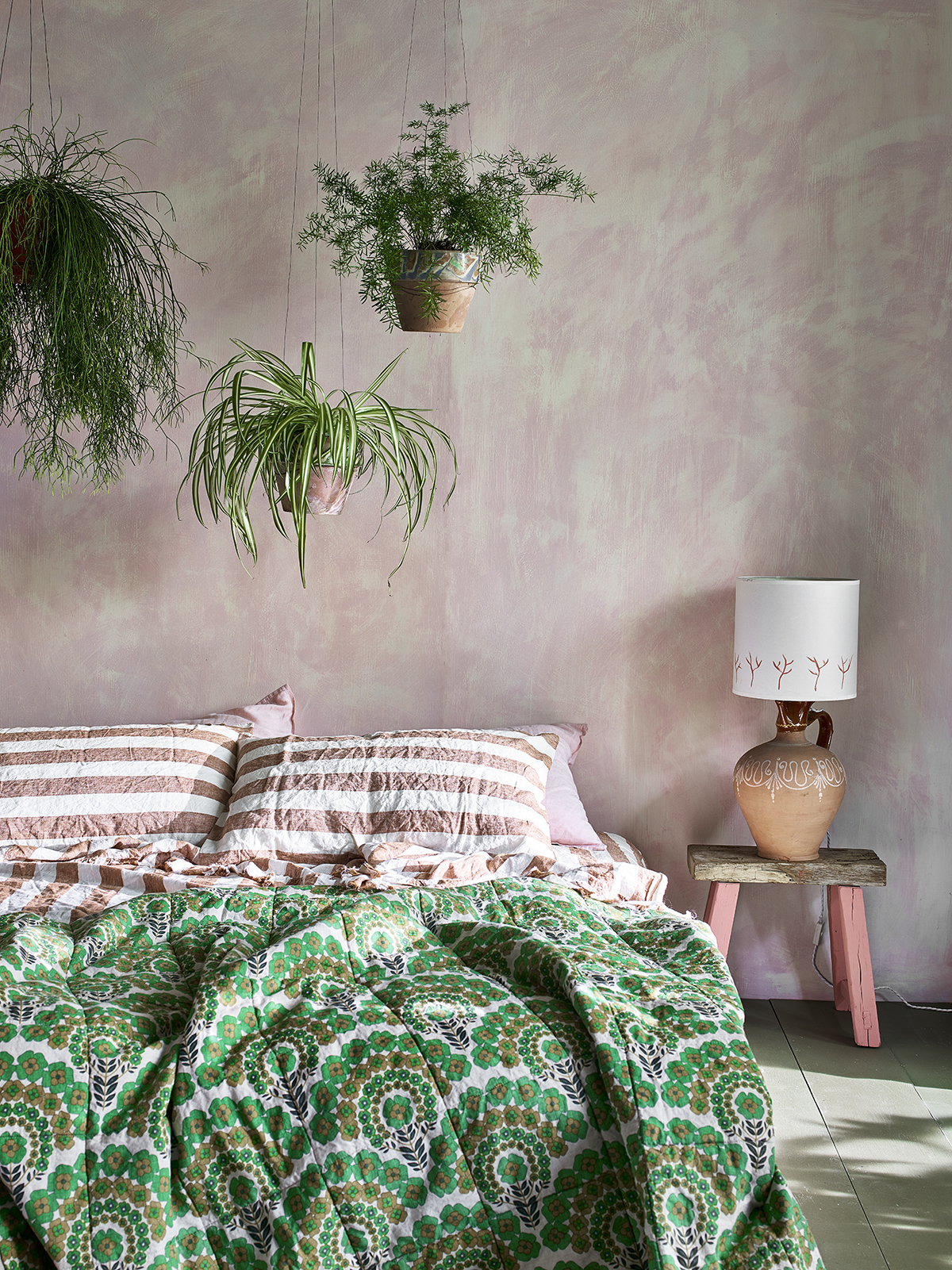
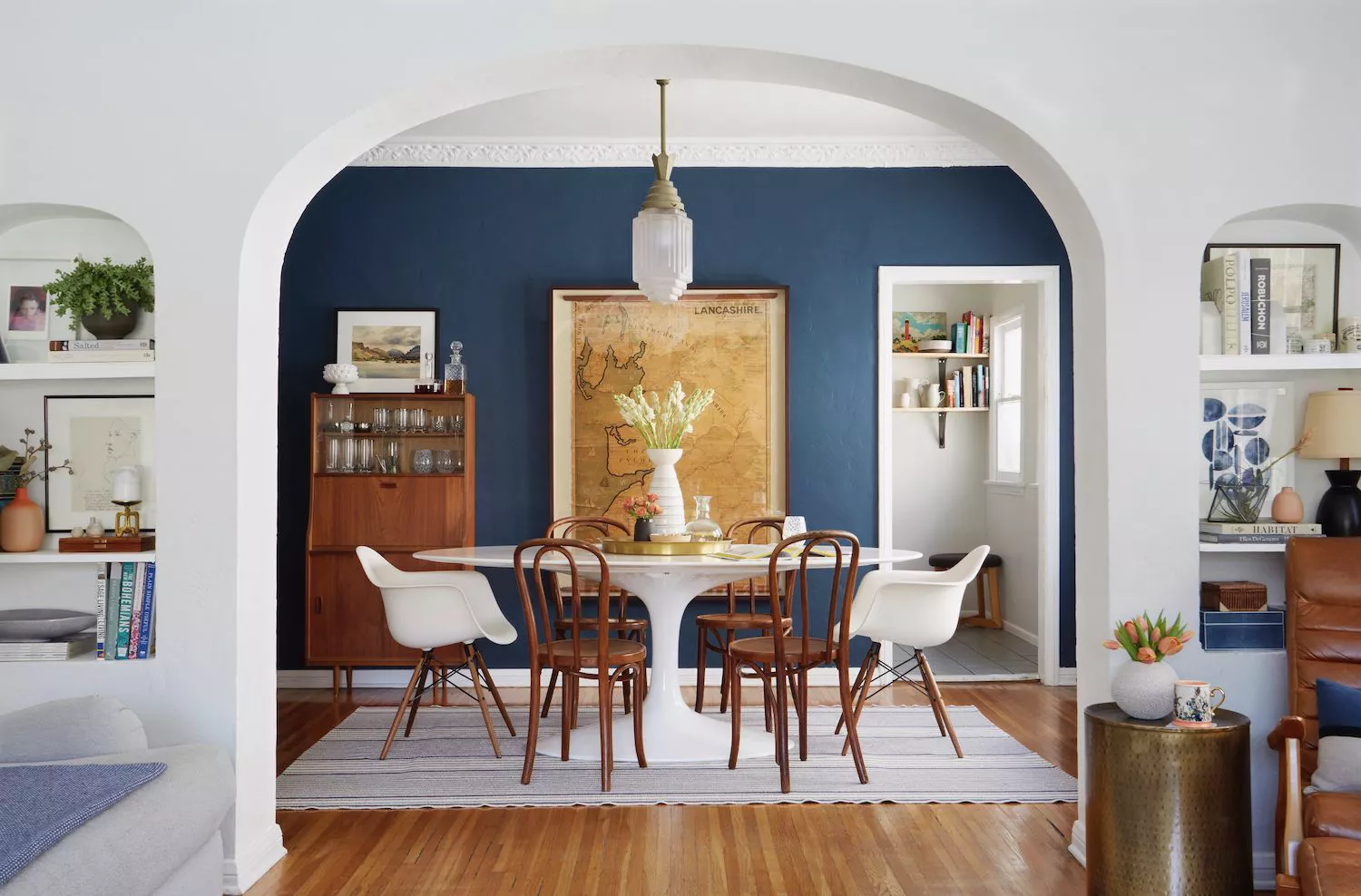
Wall murals placed behind beds can create a focal point in recessed areas, often being more affordable and quicker to install than traditional wallpaper. Vibrant paint colors paired with plants can energize spaces like pilates studios. Displaying collections of baskets or ephemera, such as vintage maps from travels, can create unique, three-dimensional accent walls, often with budget-friendly possibilities through repurposing old frames. Bold black walls can add depth, height, and symmetry, serving as a powerful focal point in dining rooms.
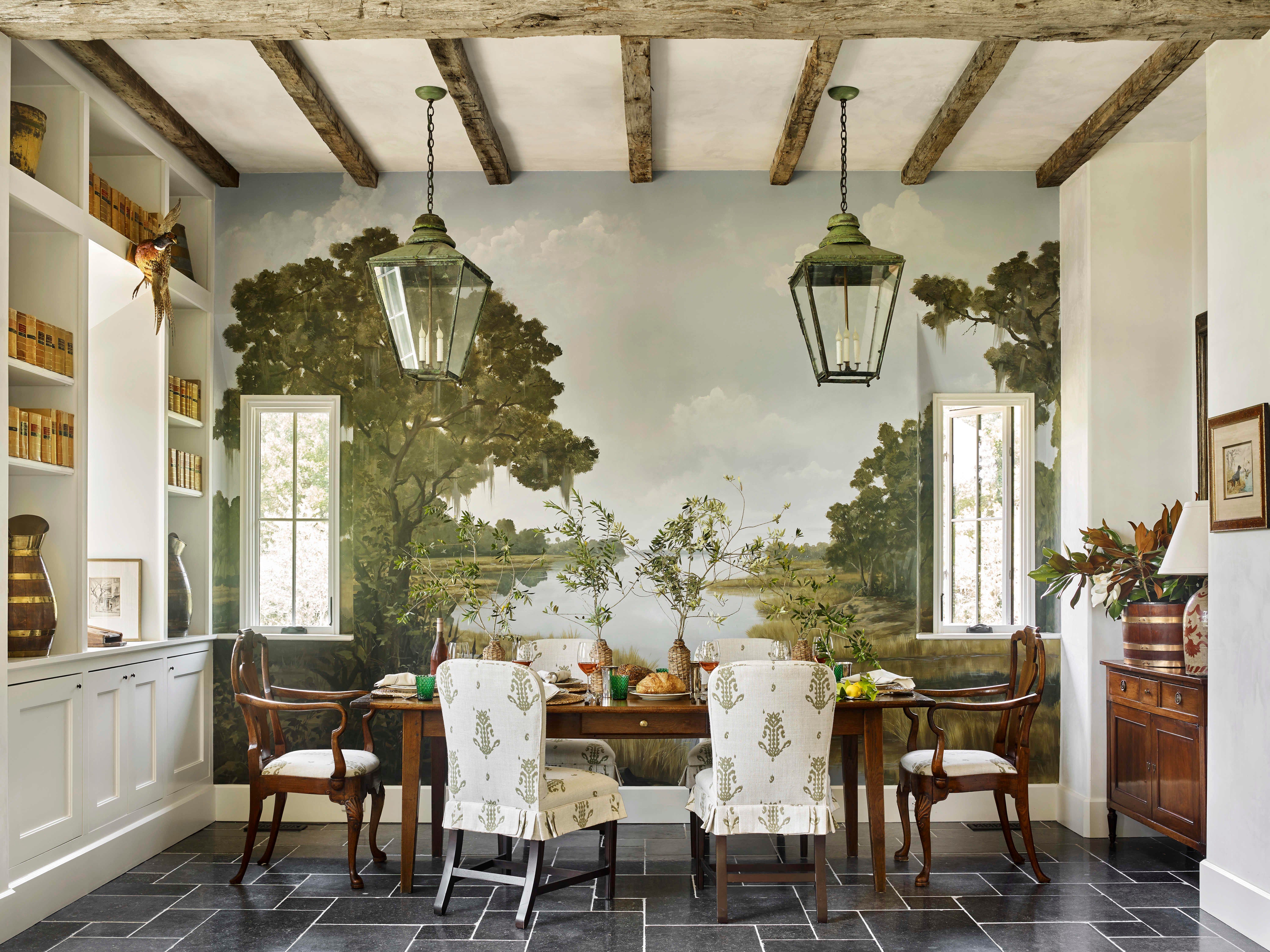
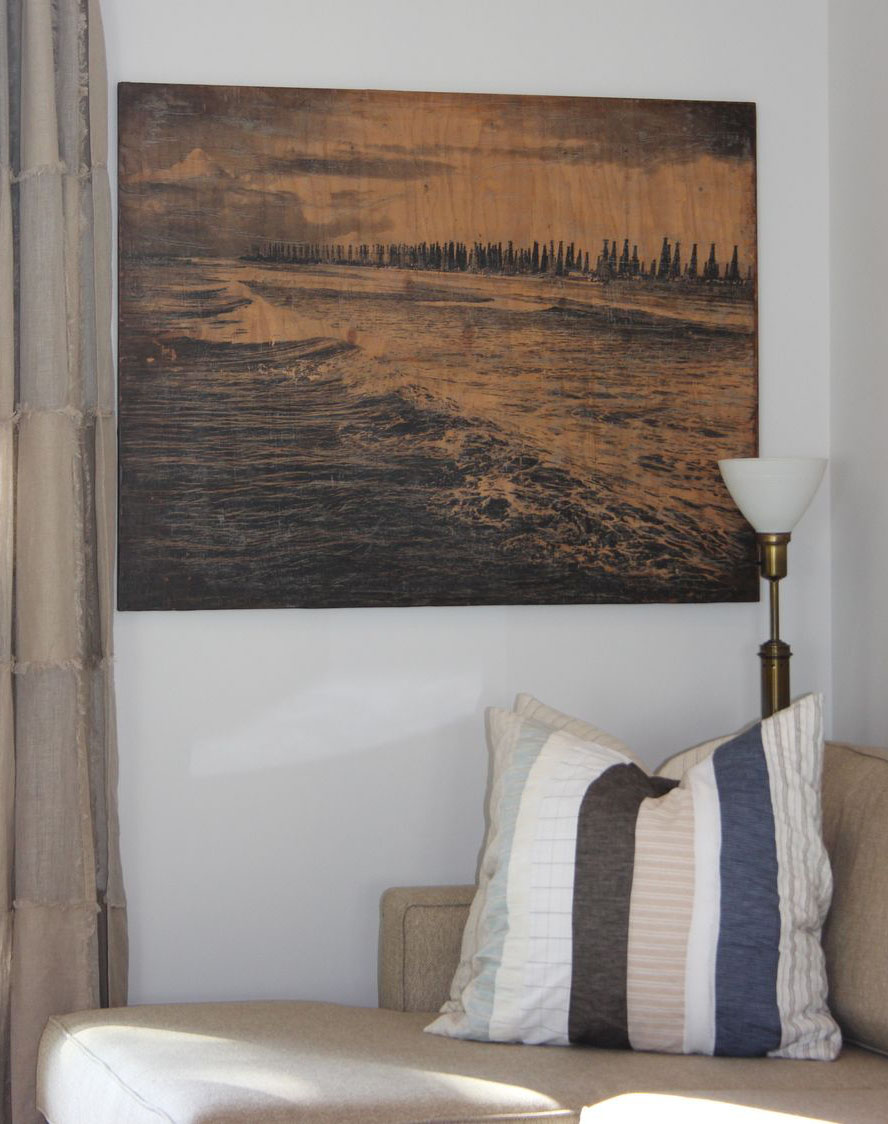
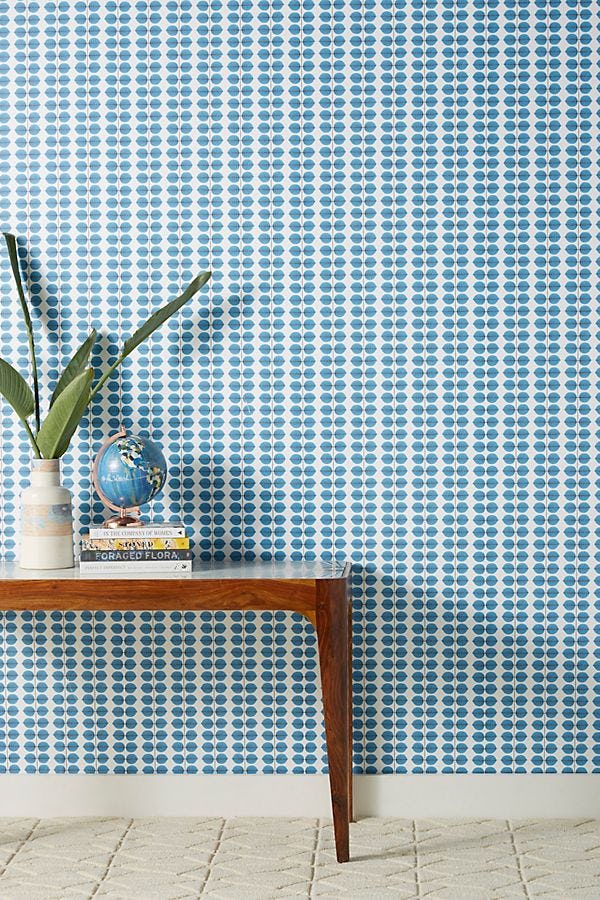
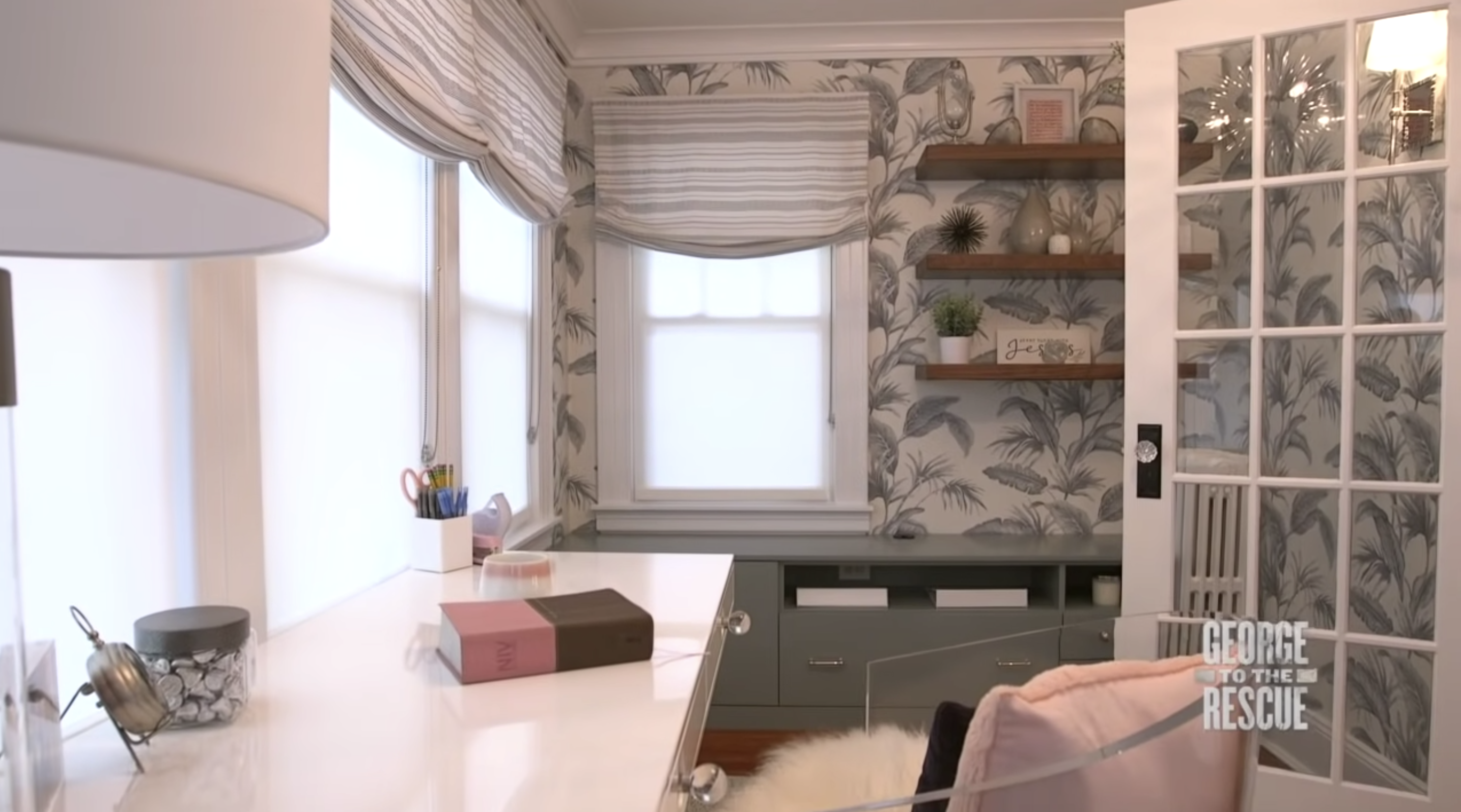
Backsplashes can inspire accent walls, with materials like Moroccan zellige tile adding authentic texture and color to powder rooms. Verdure wallpaper can create depth and intrigue in neutral bedrooms, offering a serene and dramatic panoramic scene. Pairing swirled metallic wallpaper with oversized black-and-white art creates an intriguing juxtaposition with traditional millwork. Displaying plates or other household items on a wall offers a special way to incorporate art and showcase existing collections. Graphic tiles can introduce interest in tranquil bathrooms, especially when recolored to feel contemporary.
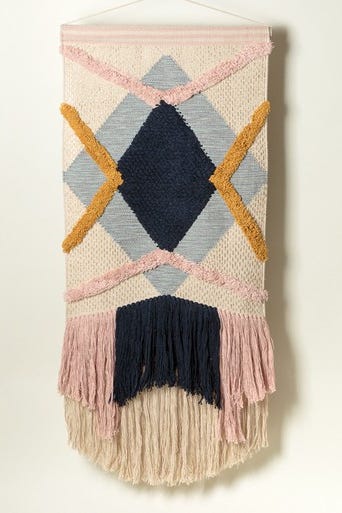
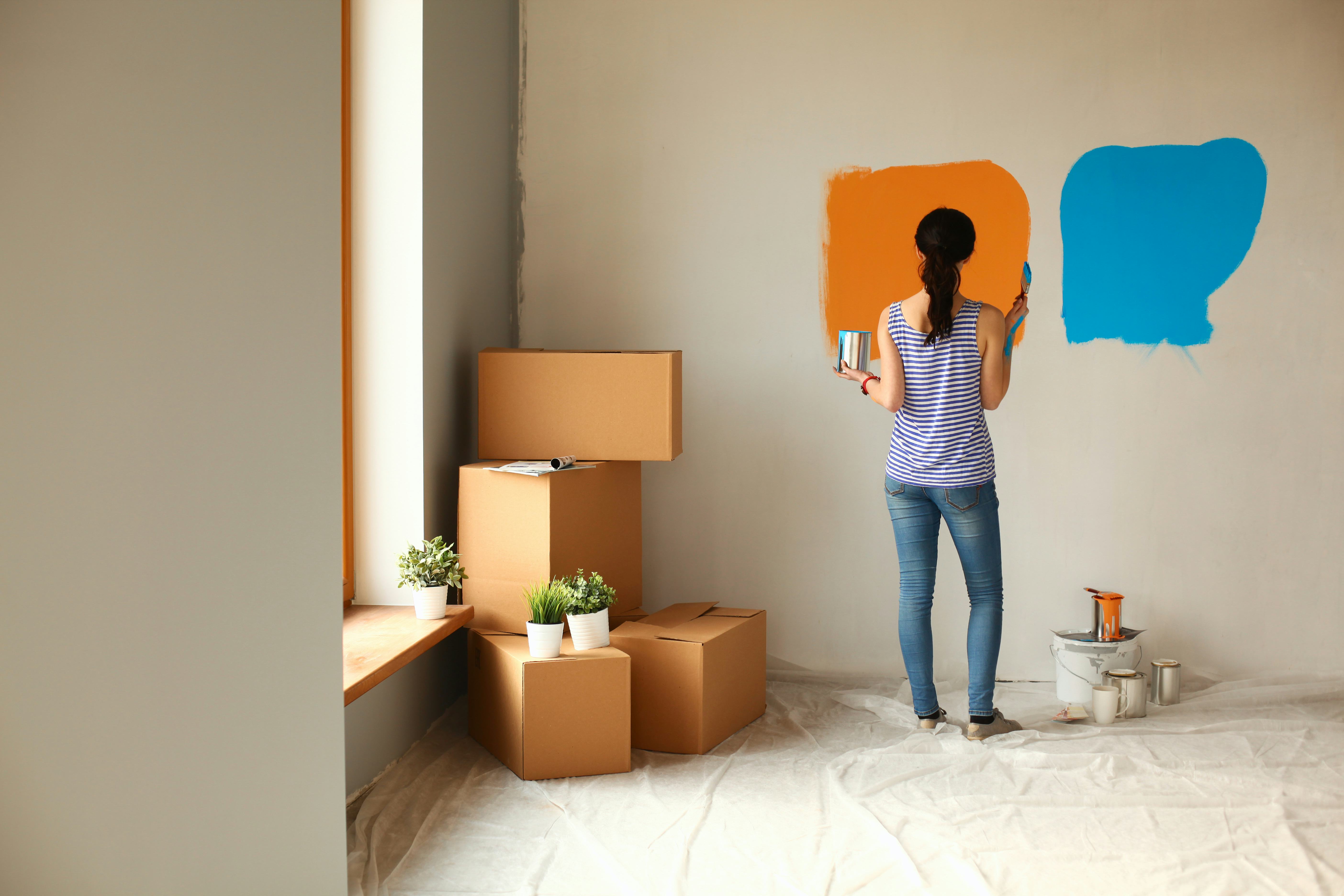
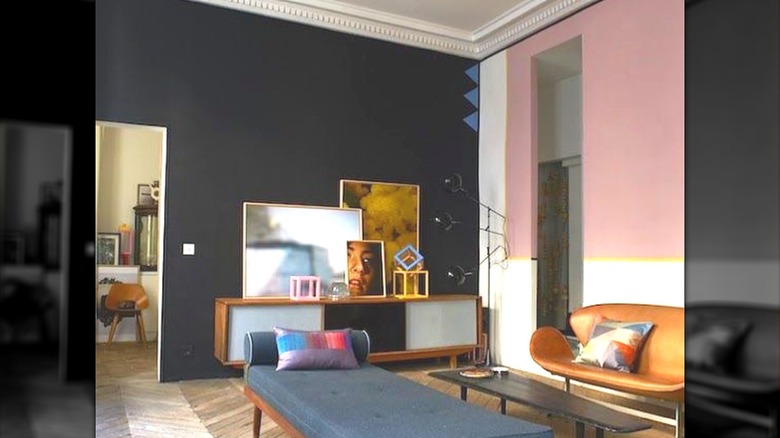
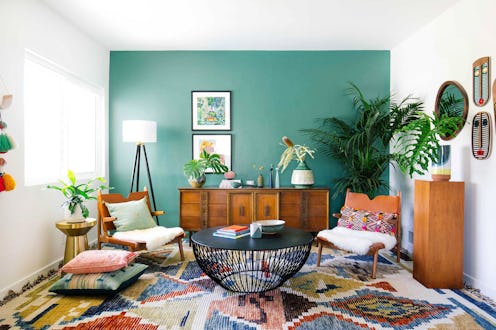
DIY accent walls are entirely feasible using paint, gallery walls, peel-and-stick wallpaper, or paneling. Accent walls are suitable for small spaces, adding personality to powder rooms or petite living rooms. While they complement all aesthetics, they are more prevalent in vibrant spaces and less so in minimalist homes. Designers emphasize intentionality, recommending bold statements and leveraging the wall that first captures attention upon entering a room. Accent walls should generally be darker than surrounding walls to serve as a focal point. Budget-friendly options include painting designs, using less material in smaller spaces, or installing fabric panels or tapestries. The number of accent walls per home is flexible, but typically one per room is advised to avoid overwhelming the space. Accent walls should enhance a room’s ambiance rather than distracting from it, avoiding visually busy or heavily broken-up walls.
#AccentWalls #HomeDecor #InteriorDesign #Wallpaper #PaintIdeas #DIYHome #FeatureWalls #RoomTransformation #DesignTrends #AccentWalls #HomeDecor #InteriorDesign #Wallpaper #PaintIdeas #DIYHome #FeatureWalls #RoomTransformation #DesignTrends
0 comment in total
 No comments yet
You may also like
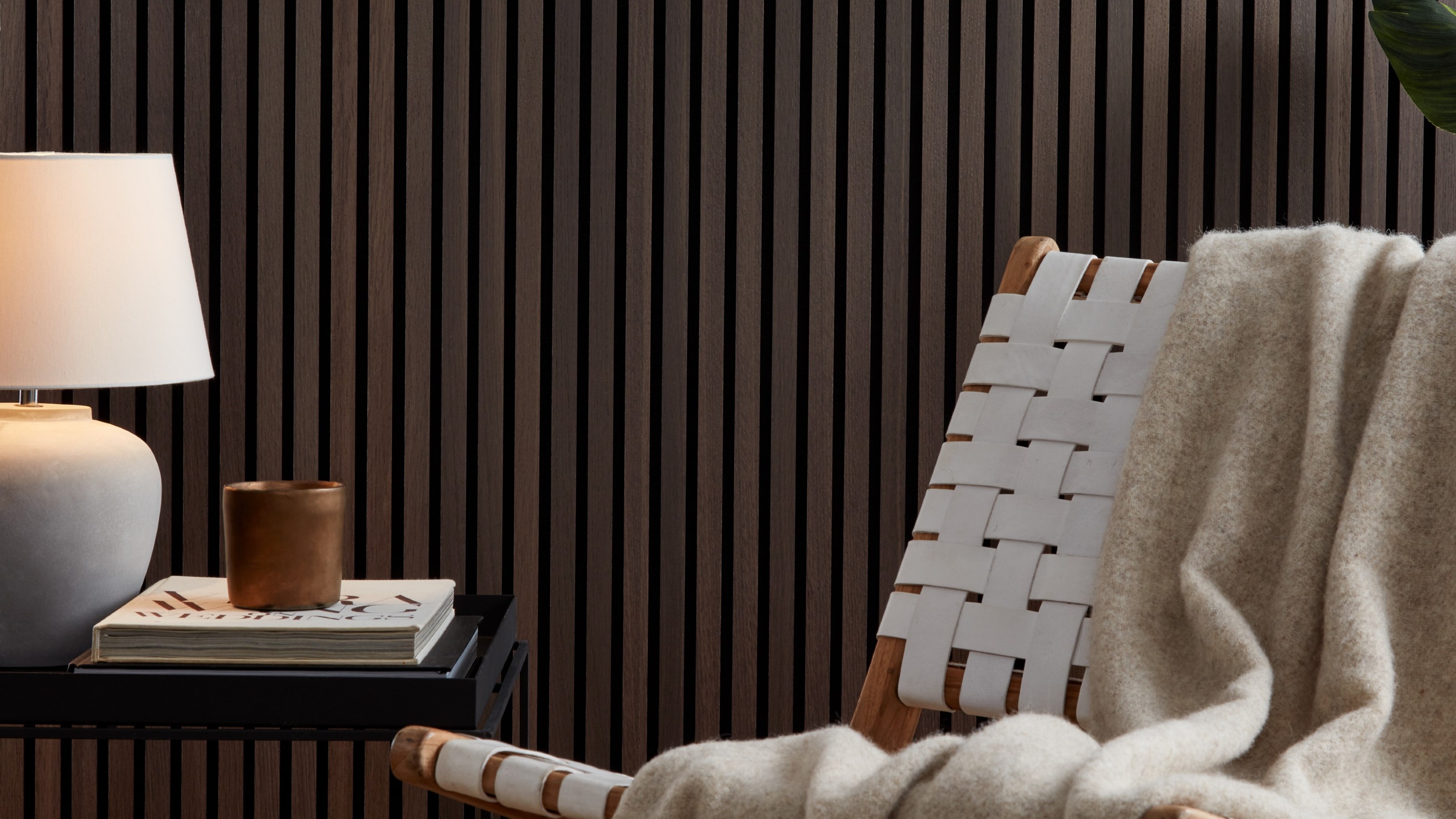
28 wall panelling ideas to add depth and character to any room in your home

21 Wall Art Ideas That Will Give Your Home Some Major Personality
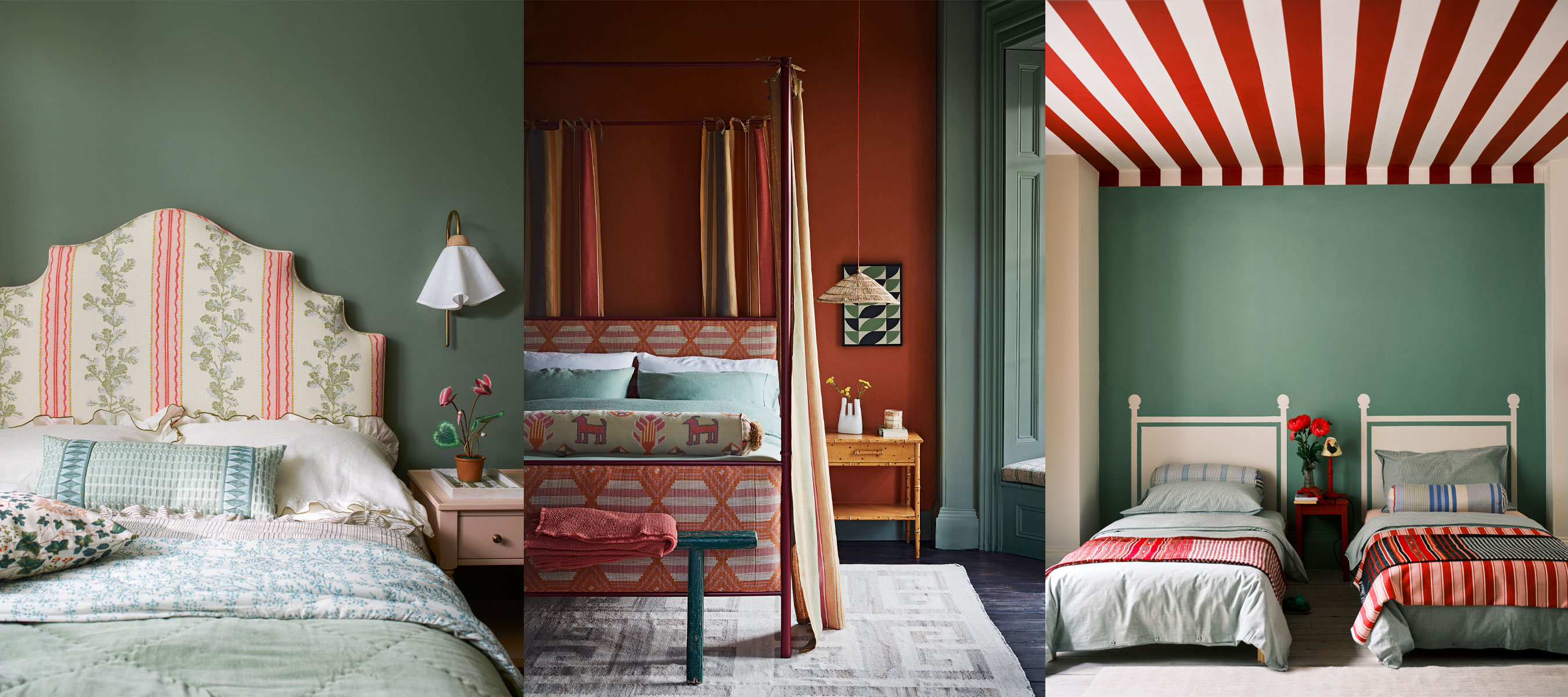
Bedroom accent wall paint ideas – 12 ways to add style and impact

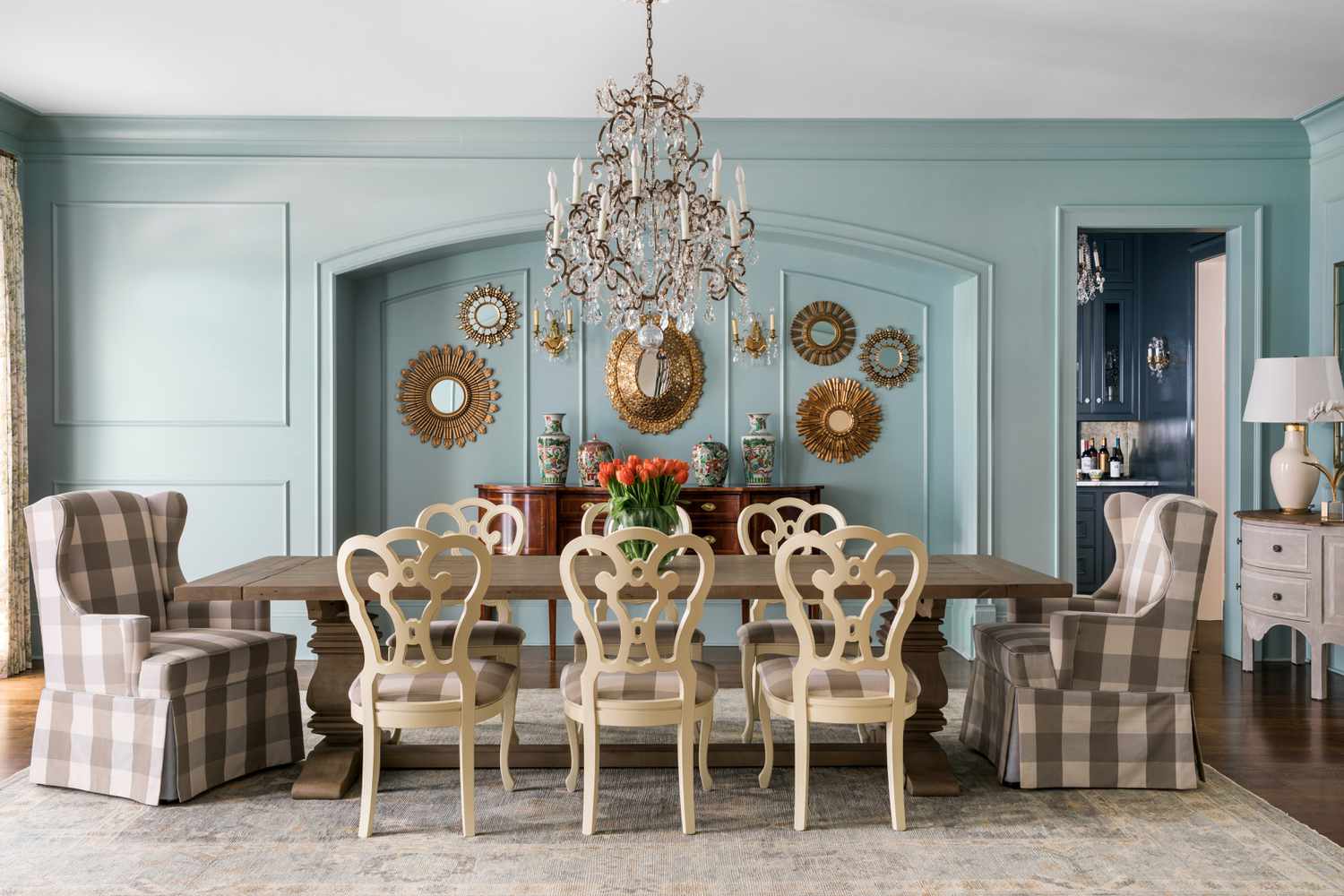
Add Style to Any Room of Your Home With These Wall Molding Ideas

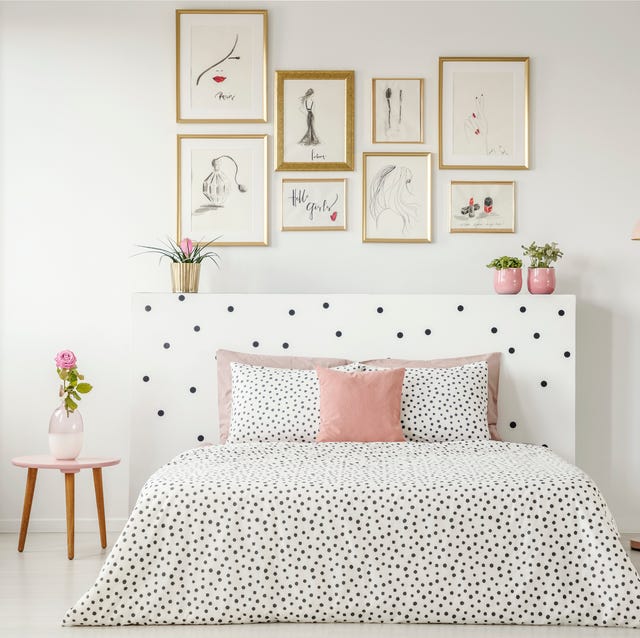
Bedroom wall decor ideas that the whole family will love love

This Accent Wall Tip Will Make You Want To Redecorate
23 Living Room Accent Wall Ideas to Energize Your Space
Living room accent wall ideas – 10 new ways designers recommend to style your blank spaces

12 Accent Wall Ideas That Will Never Go Out of Style

37 Best Accent Wall Colors for an Instant Room Makeover
12 bedroom accent wall ideas for an on-trend focal point
Living room wall decor ideas – 27 easy ways to add style
22 Bedroom Accent Wall Ideas That Add Personality and Charm
16 Accent Wall Ideas That You'll Start Seeing Everywhere In 2025
The Right Way to Pull off a Bedroom Accent Wall, According to Design Pros
5 outdated wall decor trends designers warn to avoid – plus what we should be doing instead
Bedroom accent wall ideas – 10 ways to create a feature wall
33 Hallway Wall Decor Ideas Guests Will Compliment Before Seeing the Living Room
These Accent Wall Ideas Could Be The Modern Touch Your Home is Missing

26 Attention-Grabbing Accent Wall Ideas to Make Your Space Feel Less Boring