1/2
How to apply polyurethane – with painting pointers from professionals
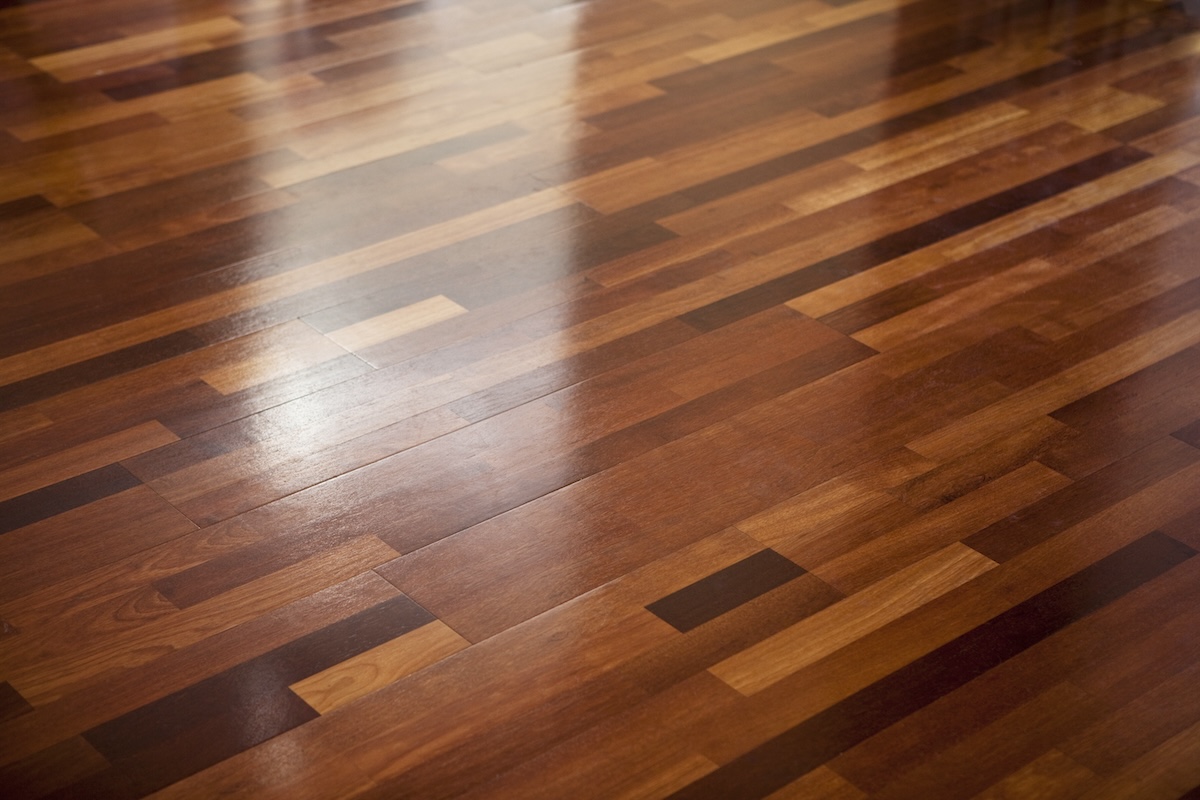
Polyurethane serves as a robust top coat for various home improvement projects, creating a durable protective layer that can withstand physical impacts and abrasions. The effectiveness of its application, however, hinges on meticulous attention to drying conditions and the use of appropriate tools to achieve a smooth, clear finish. This guide, featuring insights from professional painters, outlines the essential steps for applying polyurethane to DIY projects, ensuring a lasting and high-quality result.
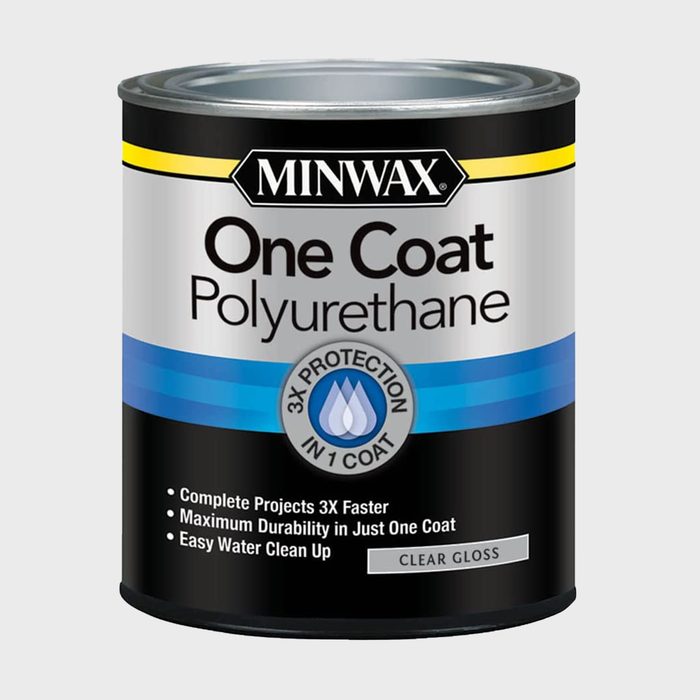
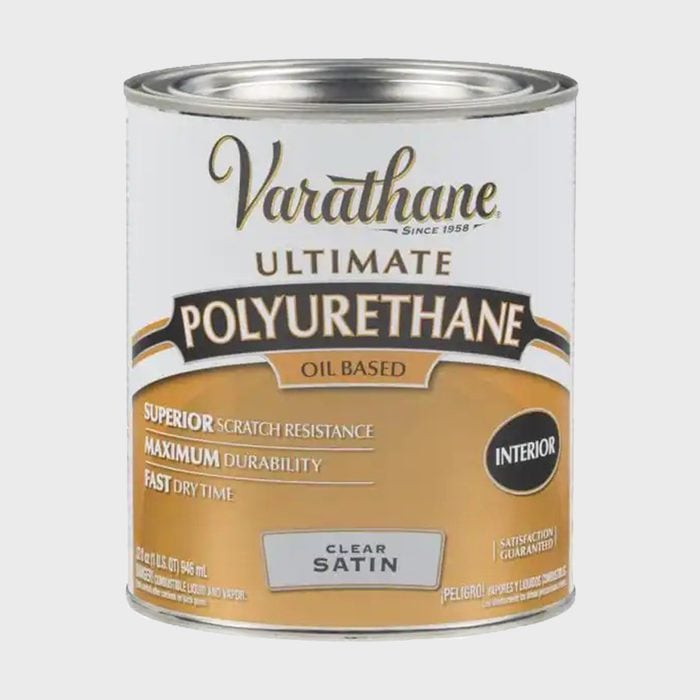
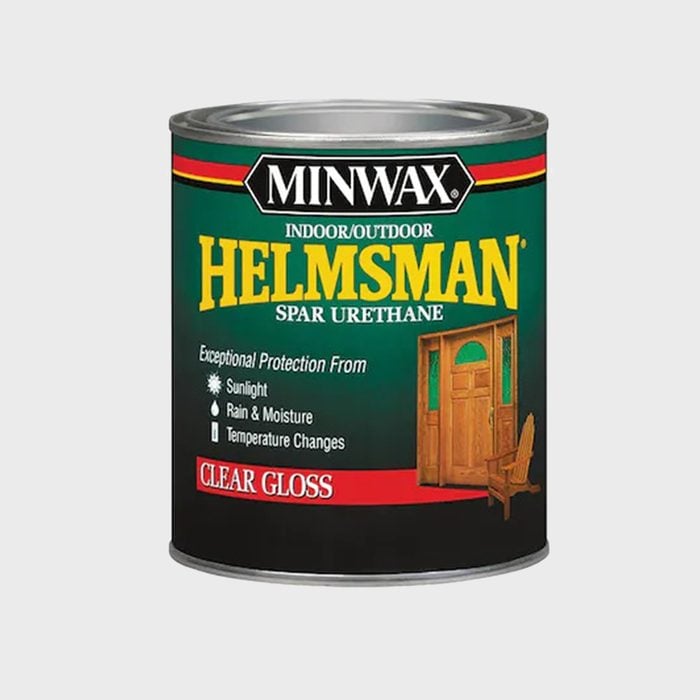
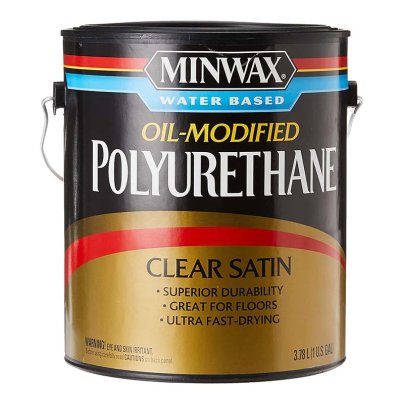
Polyurethane coatings are instrumental in providing a colorless barrier that is resistant to moisture, scratches, and UV radiation, particularly for exterior applications. This protective layer is commonly applied over painted wood surfaces to shield them from environmental elements. The first critical step in applying polyurethane is selecting the correct product for the specific project, especially when dealing with items intended for outdoor use. Polyurethane bases typically come in two forms: oil-based and water-based. Oil-based polyurethane is thicker, requiring fewer coats but a longer drying time. In contrast, water-based polyurethane dries more quickly but is thinner, necessitating multiple application coats.
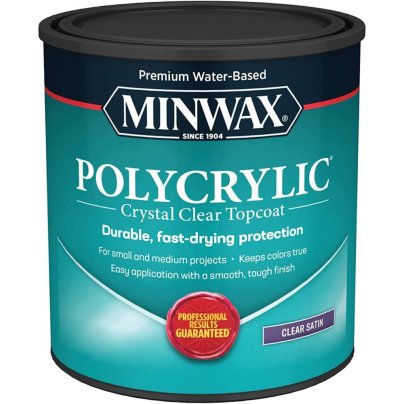
For most DIY enthusiasts, water-based polyurethane is often recommended due to its safety and ease of cleanup. It contains significantly fewer volatile organic compounds (VOCs) compared to its oil-based counterpart, can be cleaned with water, and is non-flammable, unlike the highly flammable oil-based options. While water-based polyurethane might be slightly more expensive, its benefits often outweigh the cost difference. Spray-on polyurethane is also available, best suited for smaller items due to its higher cost for larger projects.
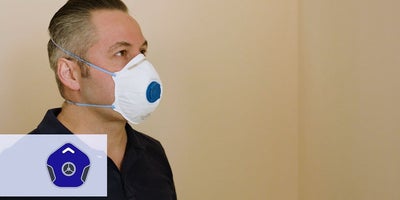
Ensuring a well-ventilated yet covered workspace is crucial for safety and optimal results. While ventilation is important, especially when using oil-based products which can emit harmful fumes, it's equally important to protect the drying surface from dust, pollen, and insects. These environmental factors can mar the finish. Therefore, working indoors with open doors and windows, potentially utilizing an air purifier, and wearing a mask for respiratory protection is advisable. Outdoor application is generally discouraged due to the lack of environmental control.
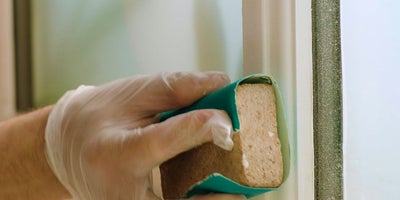
Surface preparation is another vital step. Just as walls are prepared before painting, the surface for polyurethane application must be clean to prevent dust and debris from embedding in the coating. For raw, unpainted, or unvarnished wood, sanding might be avoided to preserve the natural color. However, for unfinished pieces, light sanding with fine-grit sandpaper, followed by a thorough cleaning to remove dust, is recommended. Wiping the wood with a mineral spirits-dampened rag can further clean the grain and eliminate any remaining sanding dust. Working on a flat surface is also important to prevent dripping during the drying process, meaning multiple sides should not be worked on simultaneously.
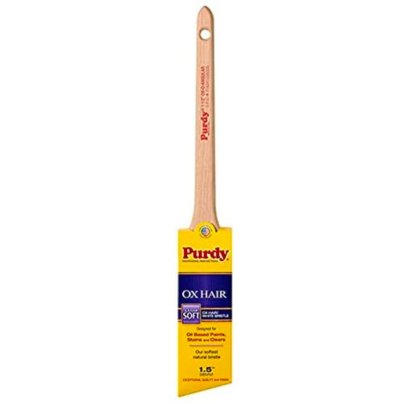
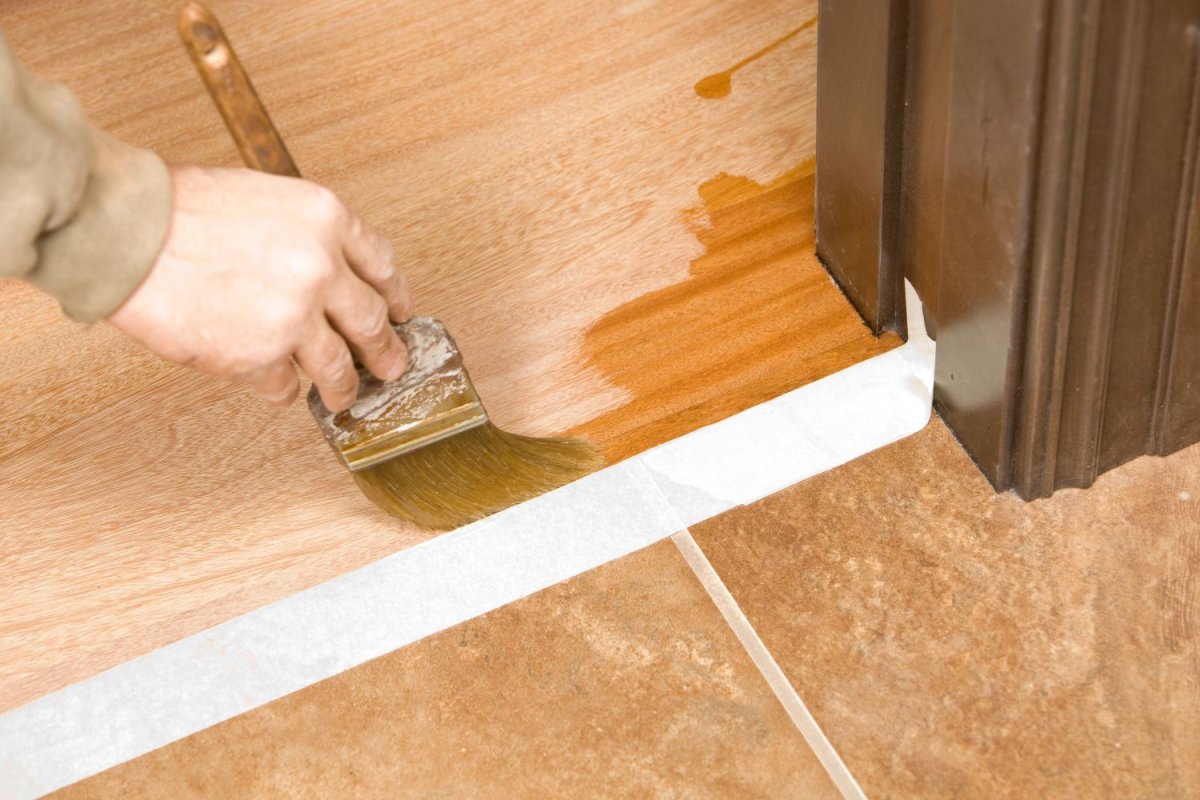
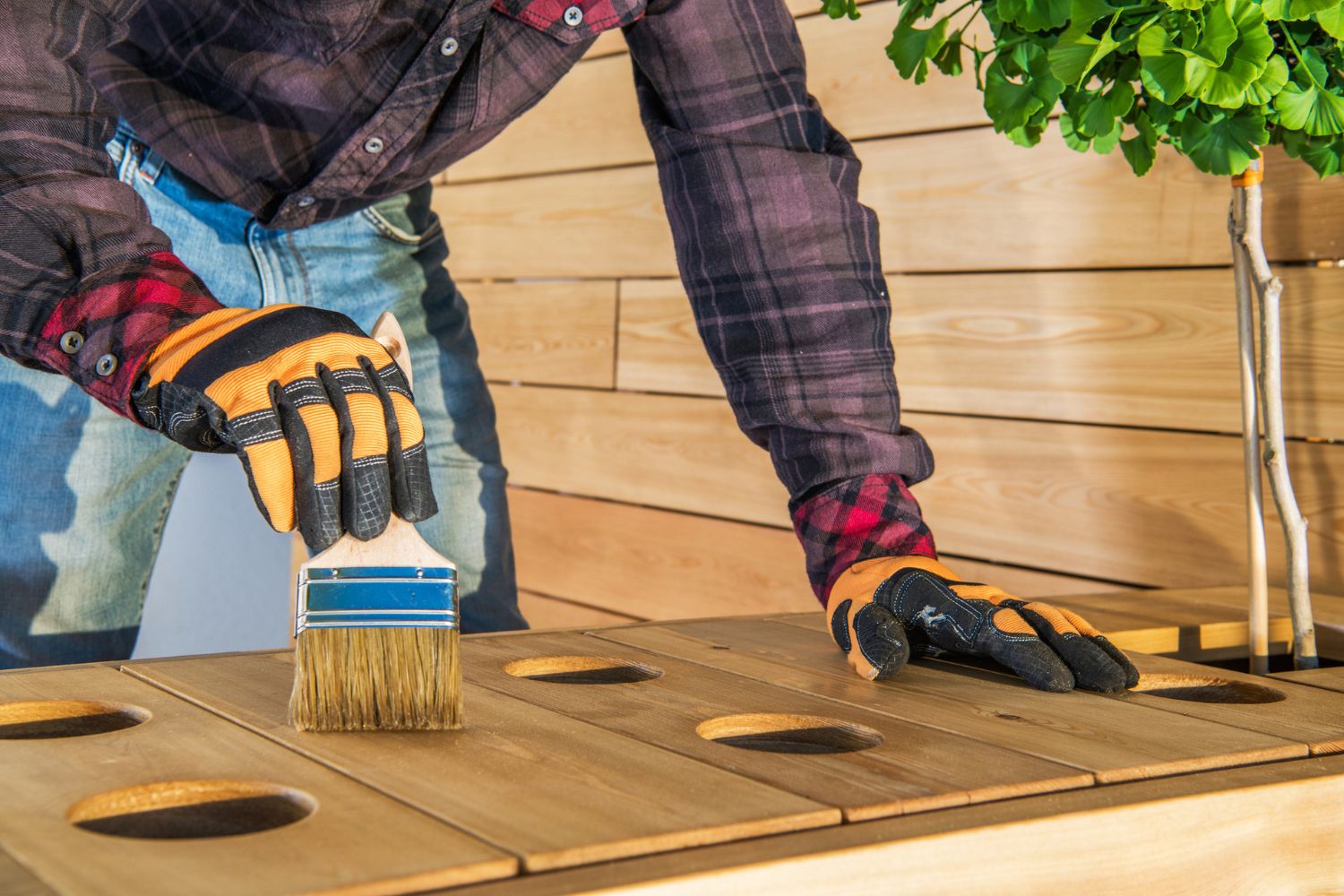
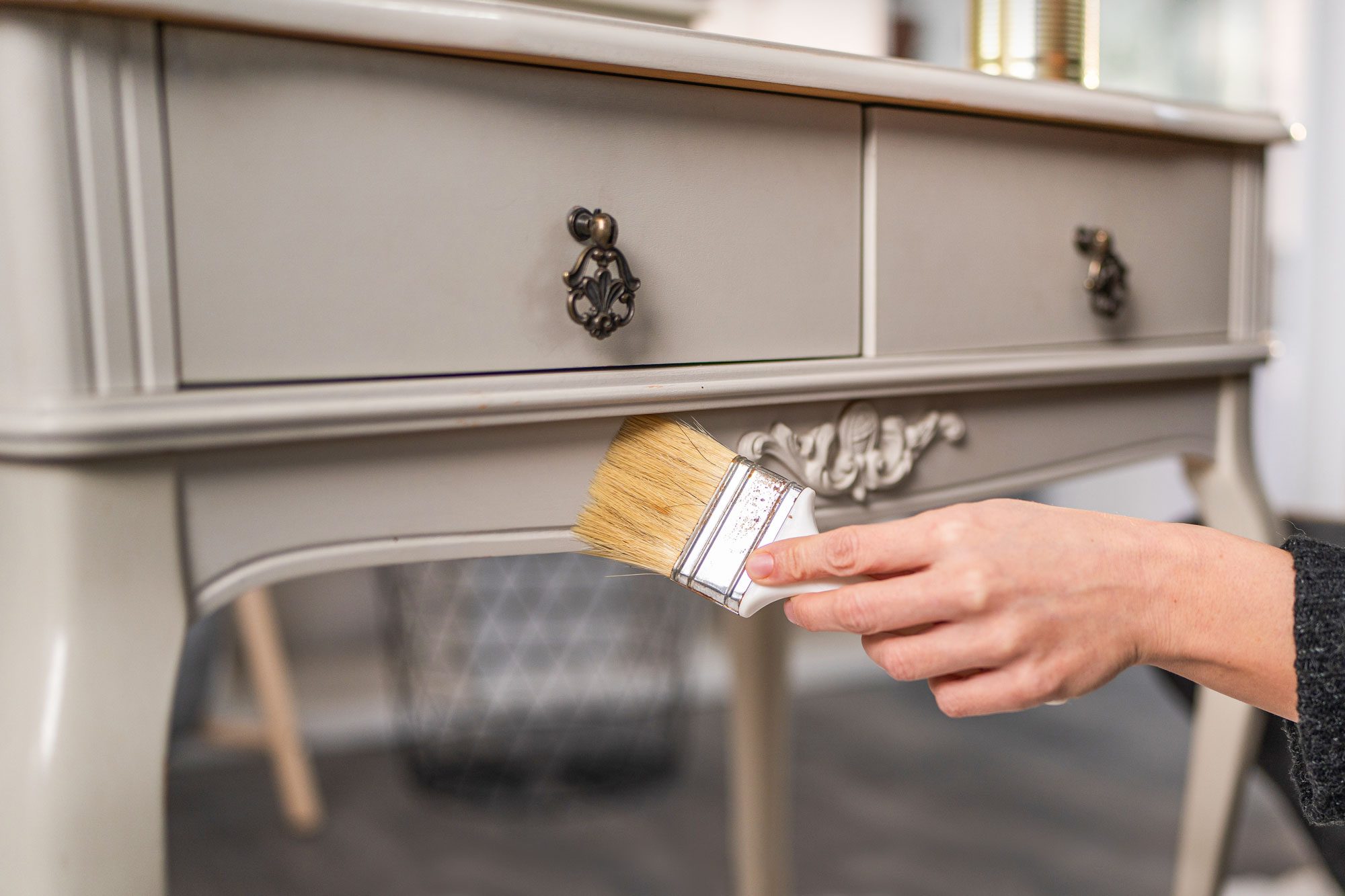
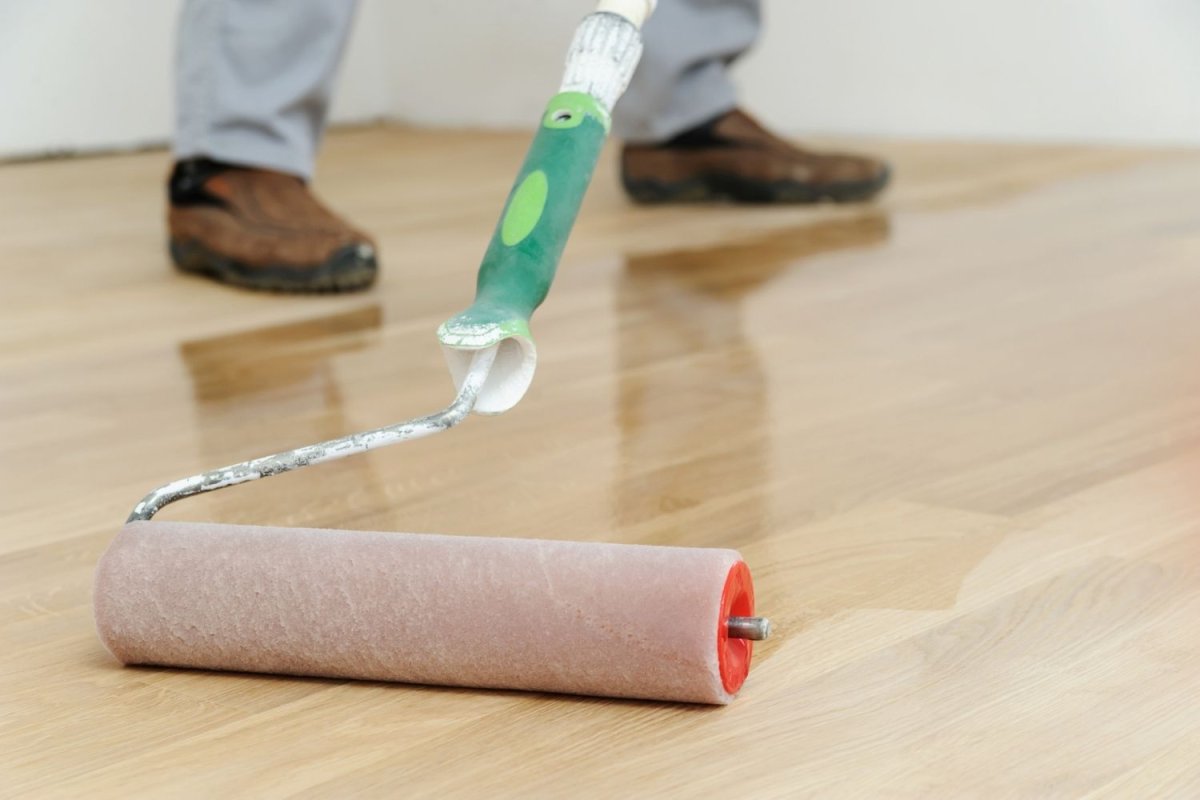
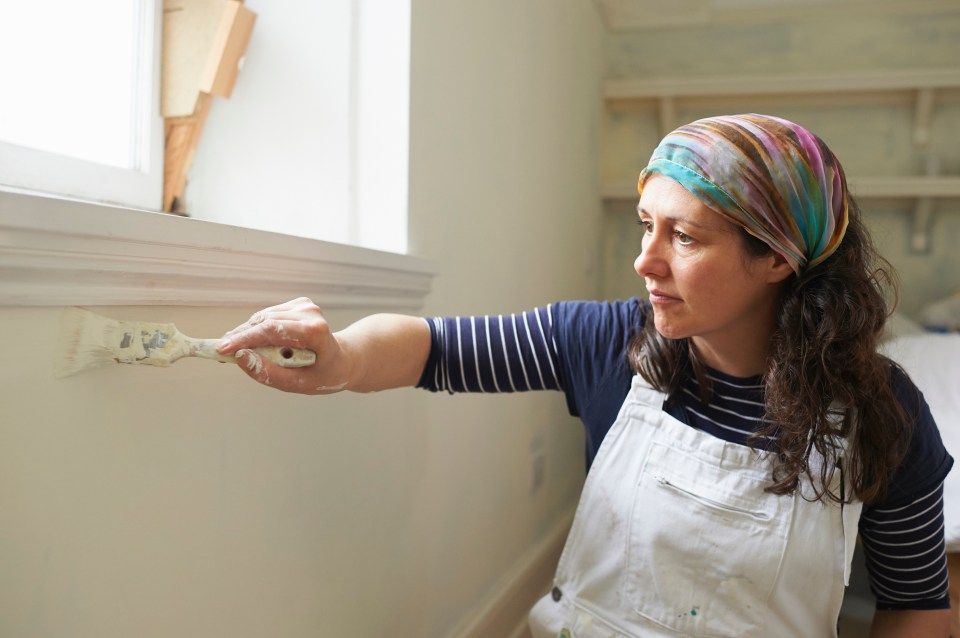
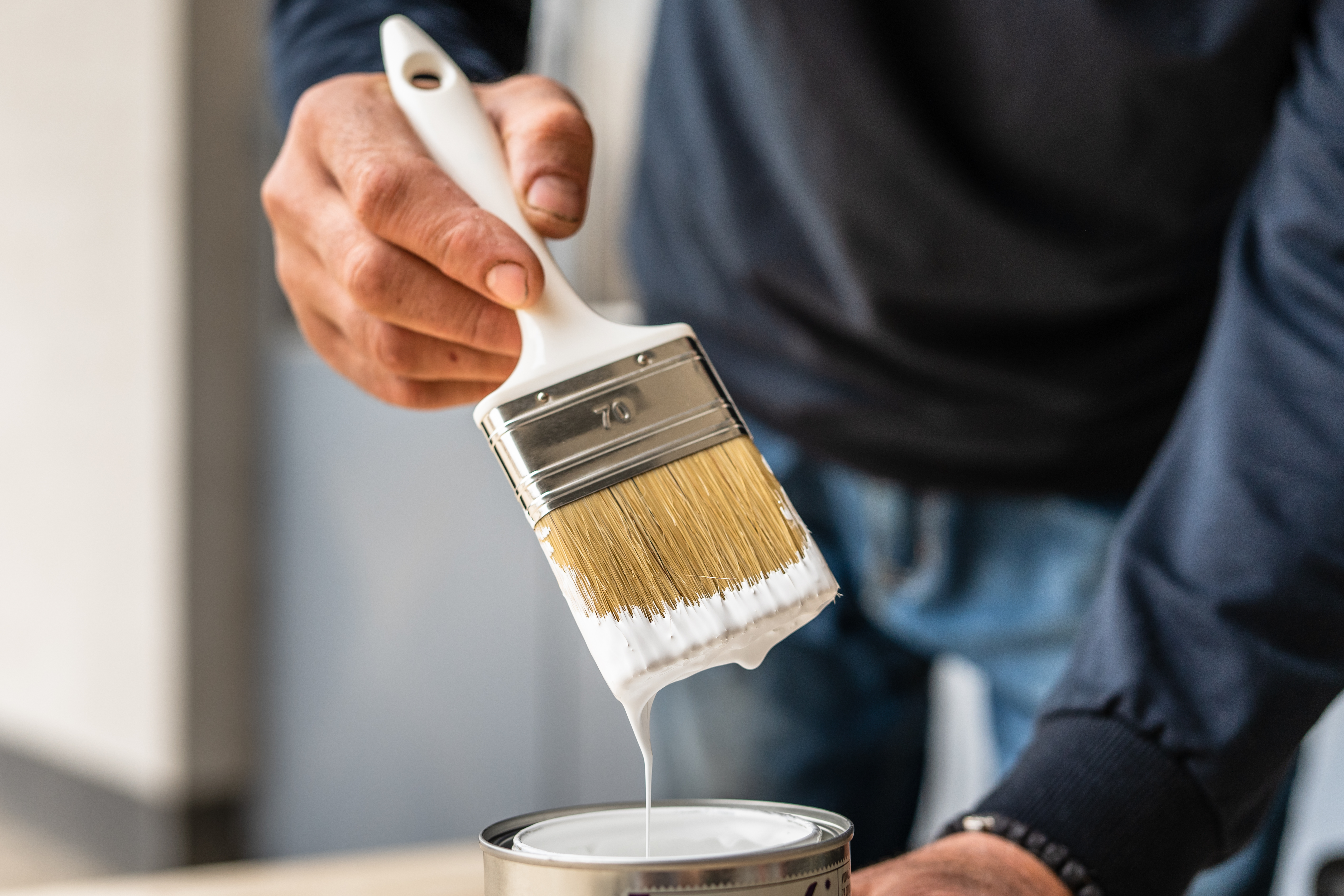
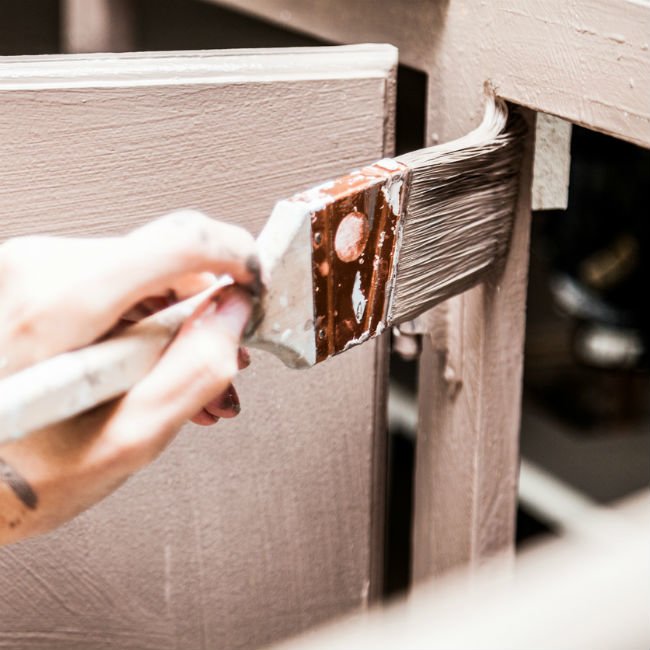
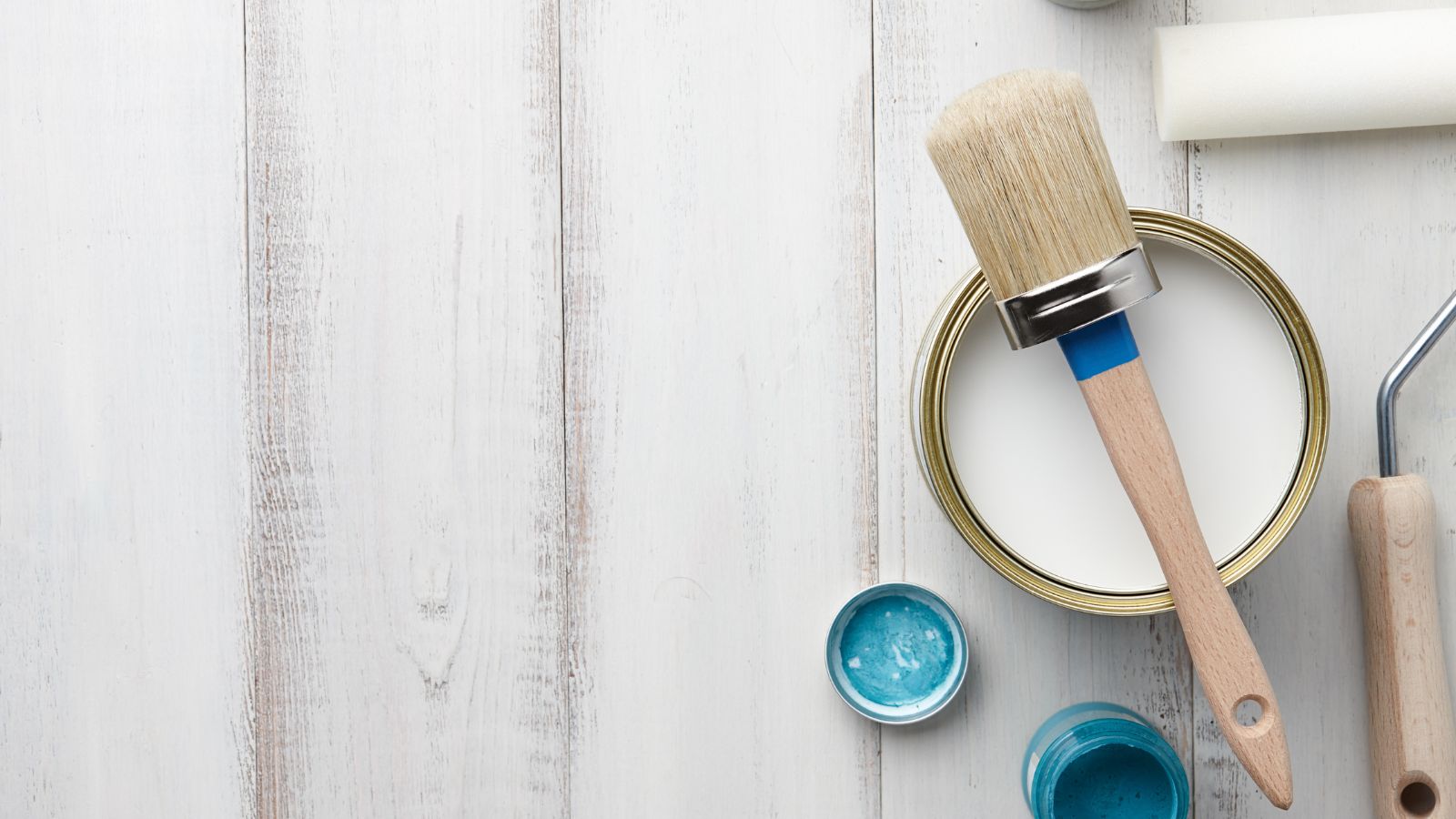
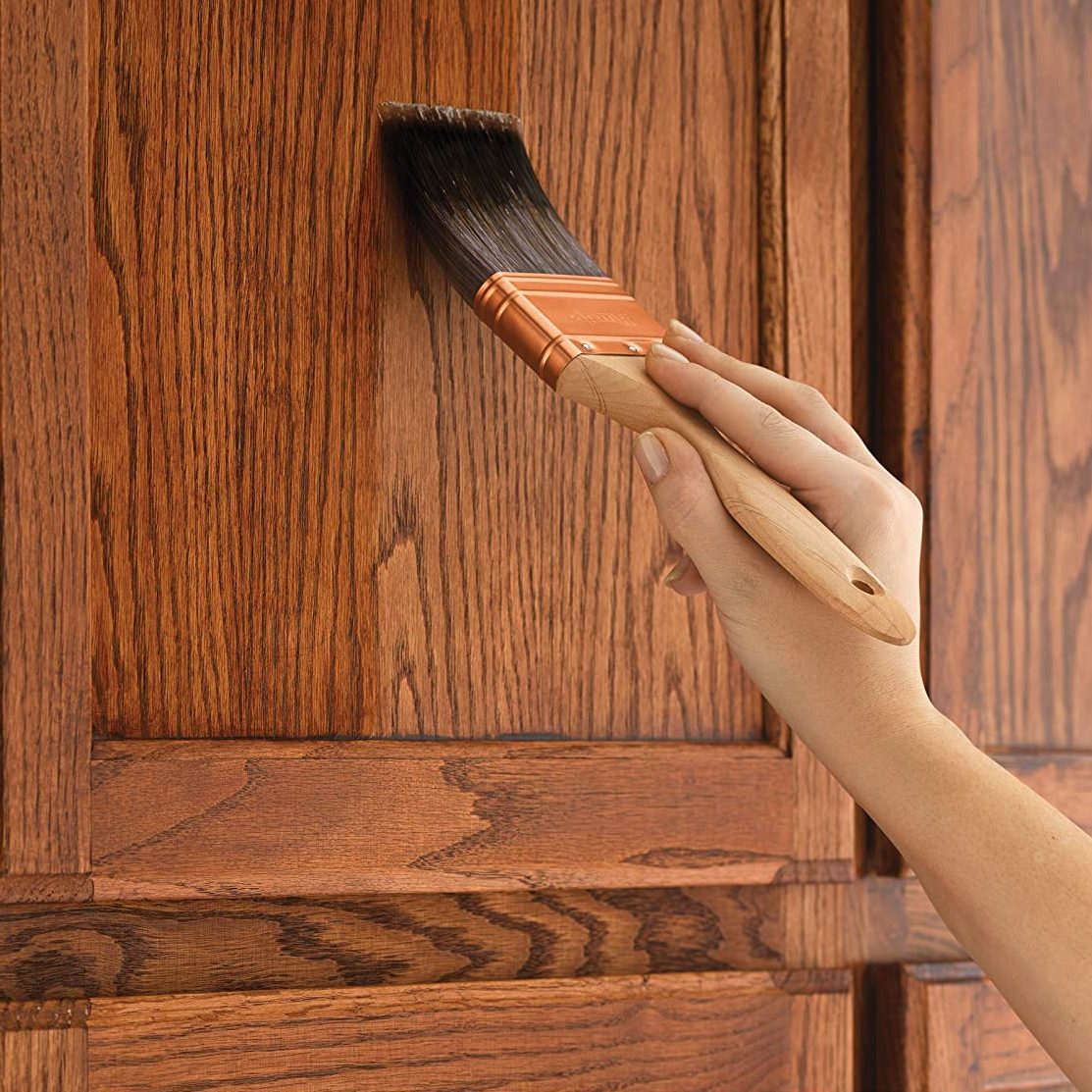
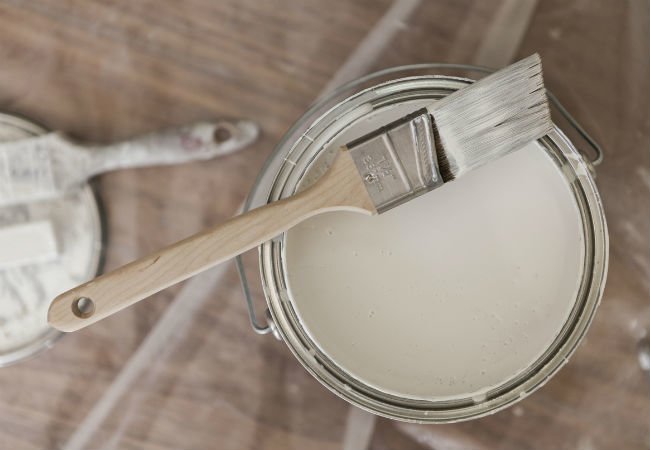
When applying the polyurethane, it should be done in the direction of the wood grain or the previous brush strokes, using a fine-bristled brush, foam brush, or a rag. The application should be sufficient but not excessively thick, and any bubbles should be brushed out as the work progresses. A rag can be particularly useful for slanted or vertical surfaces. After the first coat has dried, a light sanding with 320-grit sandpaper and subsequent dust removal is necessary before applying additional coats. This process is repeated until the desired level of protection is achieved, with the final layer not being sanded to maintain a smooth, glossy finish.
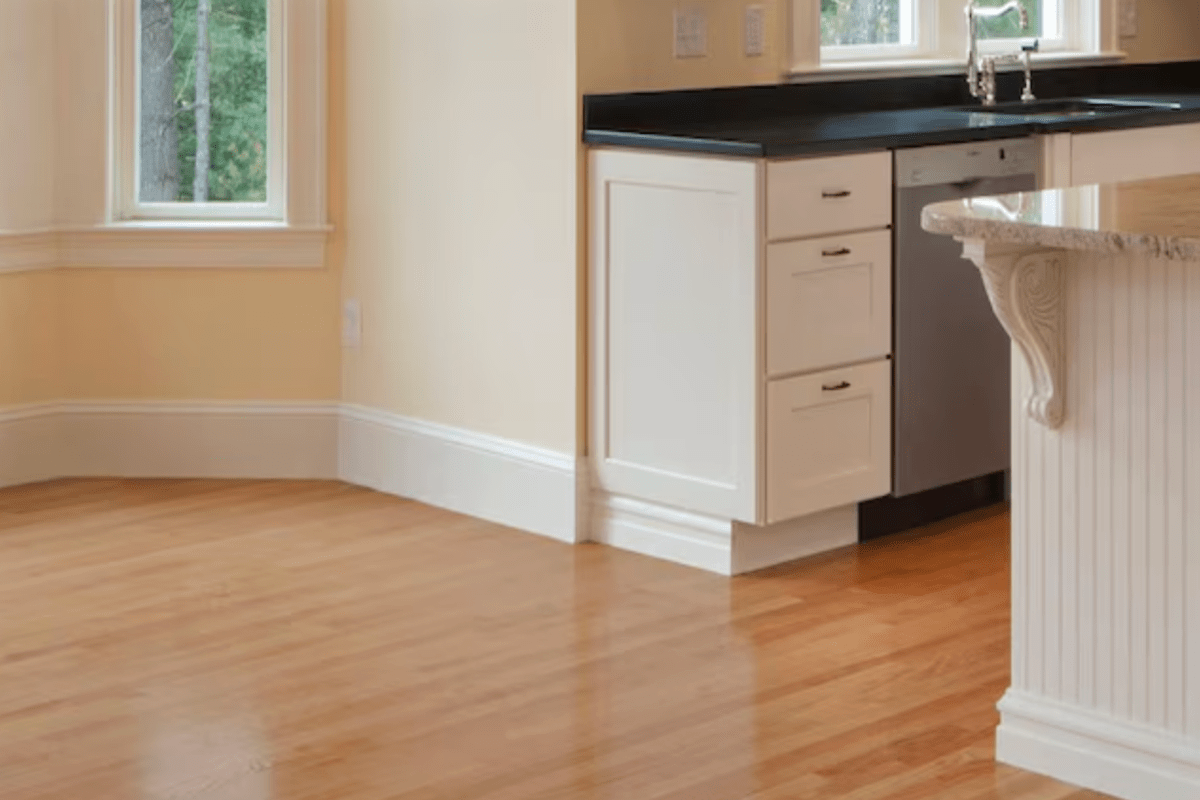
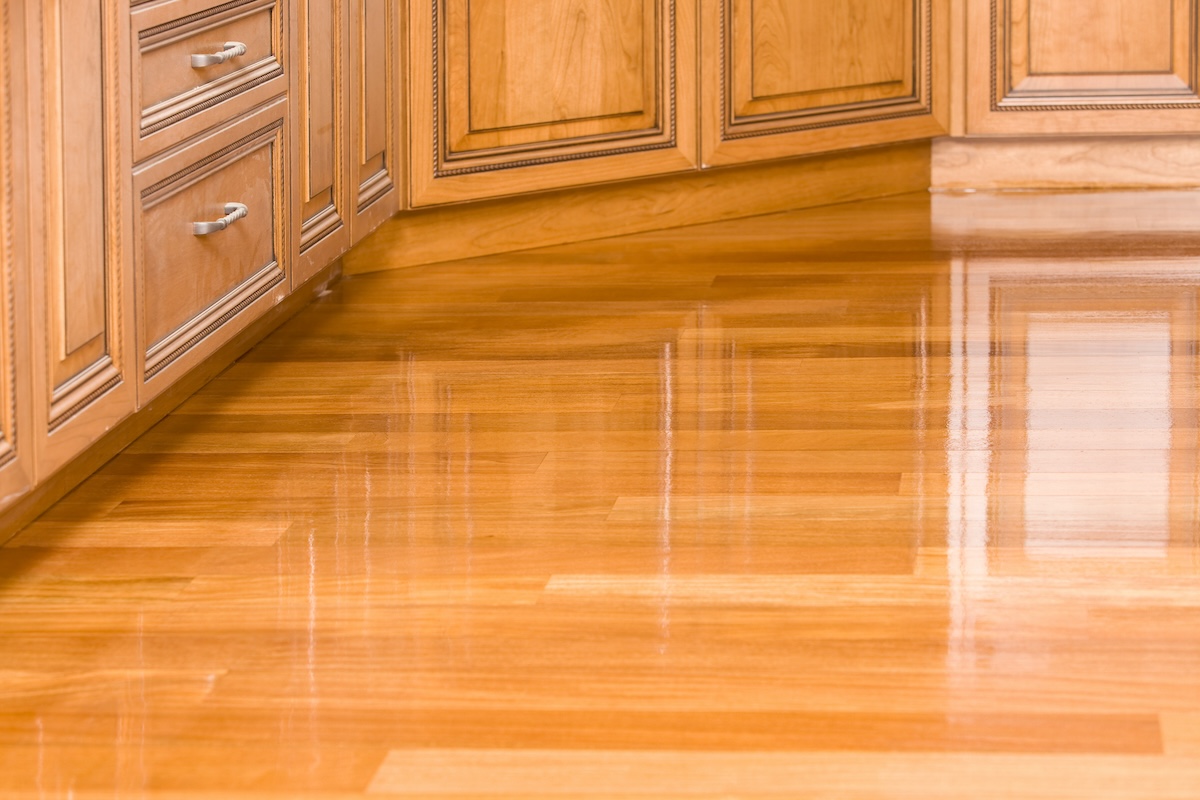
Polyurethane drying times vary, typically ranging from four to six hours, influenced by the product type (oil or water-based) and ambient conditions. High humidity slows drying, while warm, dry conditions accelerate it. Adhering to the manufacturer's instructions for drying times, especially between coats, is essential to prevent an uneven finish. When selecting a polyurethane finish, it's worth noting that high-gloss options tend to highlight existing dents, marks, and scratches. For items that have seen considerable use, a lower gloss option might be preferable to achieve a smooth appearance without accentuating imperfections.
#PolyurethaneApplication #DIYProjects #WoodFinishing #PaintProtection #HomeImprovement #PaintingTips #WaterBasedPolyurethane #OilBasedPolyurethane #SurfacePreparation #PolyurethaneApplication #DIYProjects #WoodFinishing #PaintProtection #HomeImprovement #PaintingTips #WaterBasedPolyurethane #OilBasedPolyurethane #SurfacePreparation
0 comment in total
 No comments yet
You may also like
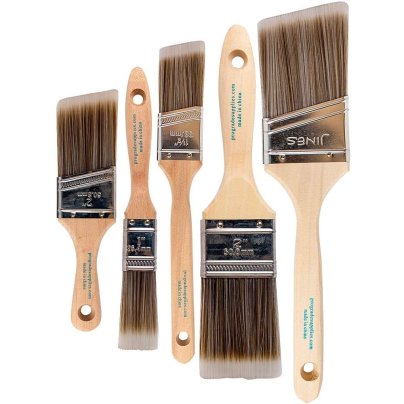
The Best Brushes for Polyurethane Applications

The Best Water-Based Polyurethanes to Protect Floors Throughout Your Home
How to Prepare Interior Woodwork For Painting

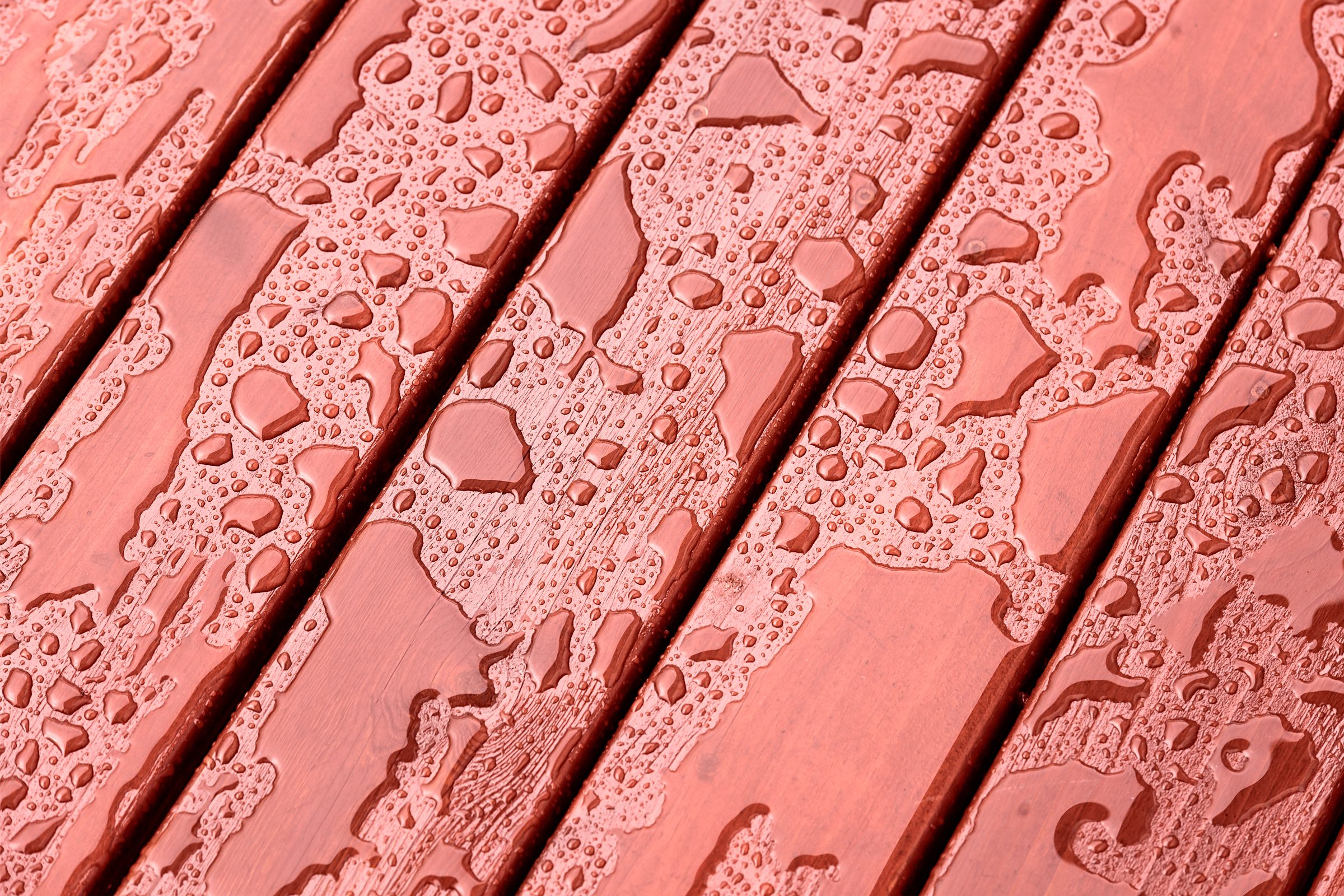
Your Guide To Painted Wood Waterproofing

8 Best Polyurethane Finishes for Wood For Your Project
This injection molding technology creates super lightweight yet durable materials

Solved! The Rules for Painting Over Oil-Based Paint
7 Best Interior Texture Paints
Guide to Hardwood Floor Finishes
Polycrylic vs. Polyurethane: Which Is Better for Your Wood Project?

This expert’s ‘BRB’ technique is something I'll forever use when painting wall paneling to avoid drips and paint build-up

Paint mixing | Colour mixing service with Dulux
Can You Put Polyurethane Over Paint? Everything to Know
I’m a paint expert - the £1.25 buy pros swear by for a flawless finish on walls


An expert guide to paint uPVC windows in a weekend
Paint finishes explained – an expert guide to choosing the perfect type of paint for your projects
Undercoat & Primer Paints

How to prolong the life of your paint job, according to painters and decorators
How to plaster a wall


Spray Polyurethane Foam Frequently Asked Questions FAQ by Homeowners