Polycrylic vs. Polyurethane: Which Is Better for Your Wood Project?
When undertaking a DIY wood project, the choice of top coat is crucial for both the aesthetic appeal and longevity of the finished piece. Two popular protective finishes often considered are polycrylic and polyurethane, each possessing distinct qualities that make them suitable for different applications. Understanding these differences is key to achieving the desired outcome for any wood project.
Karielle Day, a merchant at The Home Depot, emphasizes that selecting the correct wood finish is vital as it directly impacts protection, maintenance, and overall appearance. Sharad Gaurav, senior product manager for Minwax Clear products, adds that the finish acts as the primary defense against moisture, chemicals, and abrasions, thereby extending the wood's life and beauty. Finishes also contribute to the aesthetic by offering various levels of sheen, including gloss, semi-gloss, satin, matte, or flat.
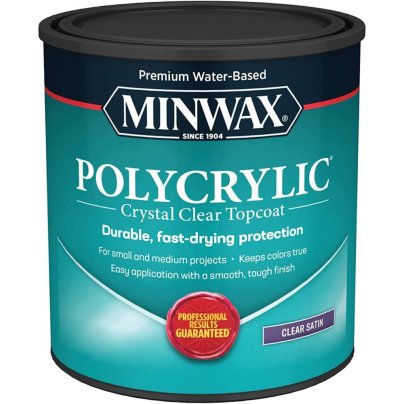
Polycrylic is a water-based protective finish best suited for indoor wood projects where a crystal-clear finish is desired, particularly over cooler-colored stains. Its advantages include a low odor, low VOC content, quick drying time, and easy cleanup with soap and water. Furthermore, polycrylic does not yellow or 'amber' over time. However, it requires a longer curing period, around three hours for light handling, which can make freshly coated surfaces susceptible to indentations. It also performs poorly under high heat.
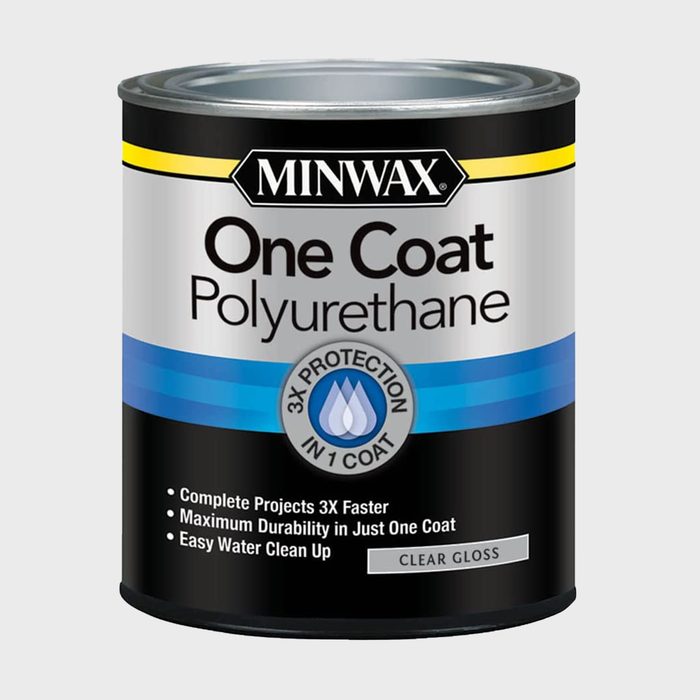
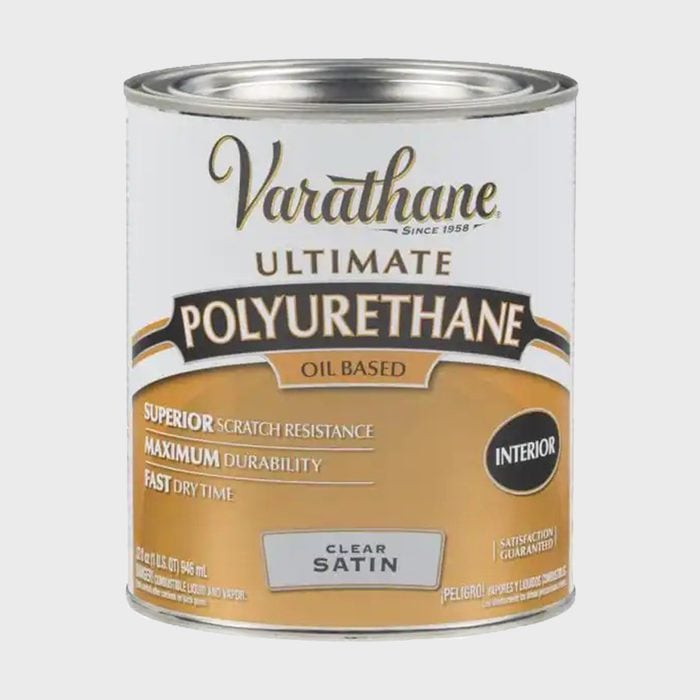
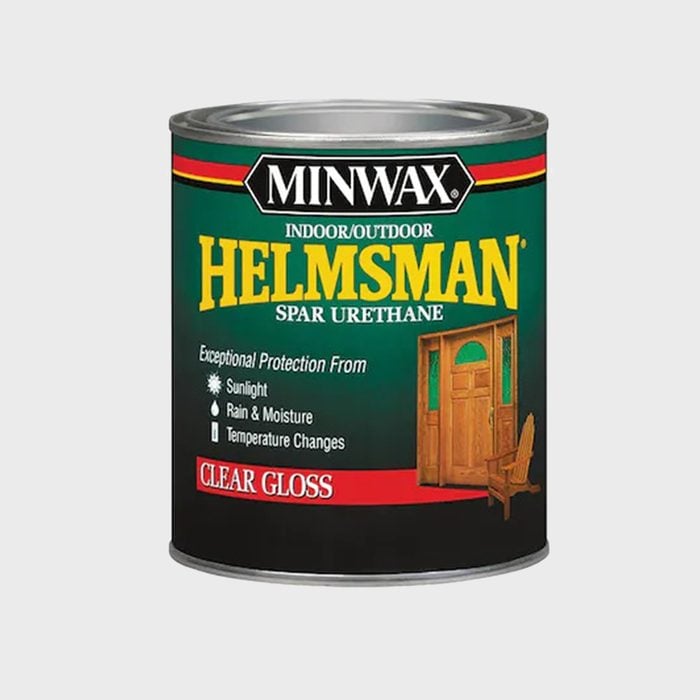
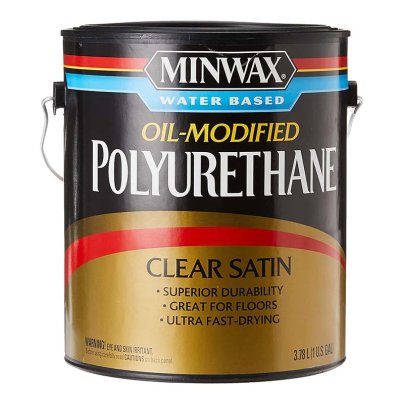
Polyurethane, conversely, is a synthetic resin available in both oil-based and water-based formulations. Both experts, Day and Gaurav, highlight polyurethane's excellent resistance to moisture, chemicals, and abrasion, with oil-based versions being particularly durable. Polyurethane is also considered easy to apply due to its thicker consistency, which minimizes drips. On the downside, polyurethane, especially the oil-based variety, can have strong odors and significantly longer drying times—at least six hours for water-based and even more for oil-based. It also has a tendency to yellow slightly, particularly with prolonged sun exposure.
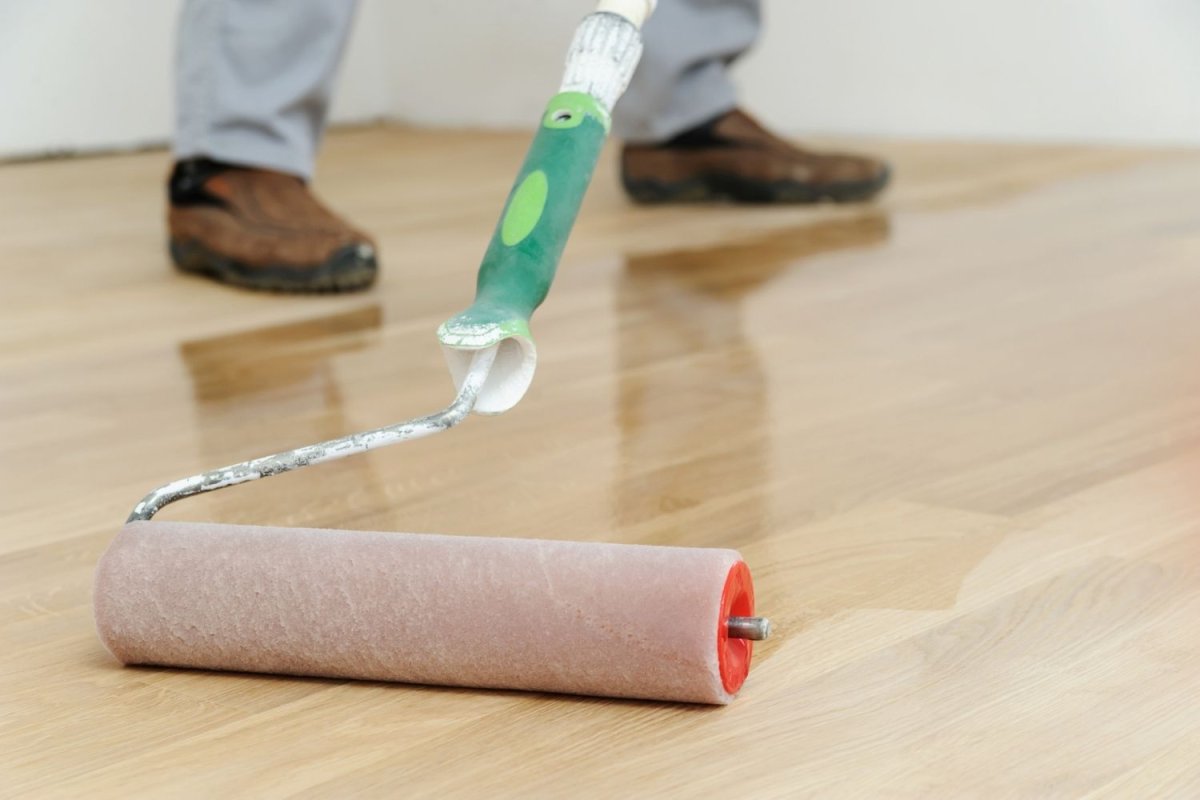
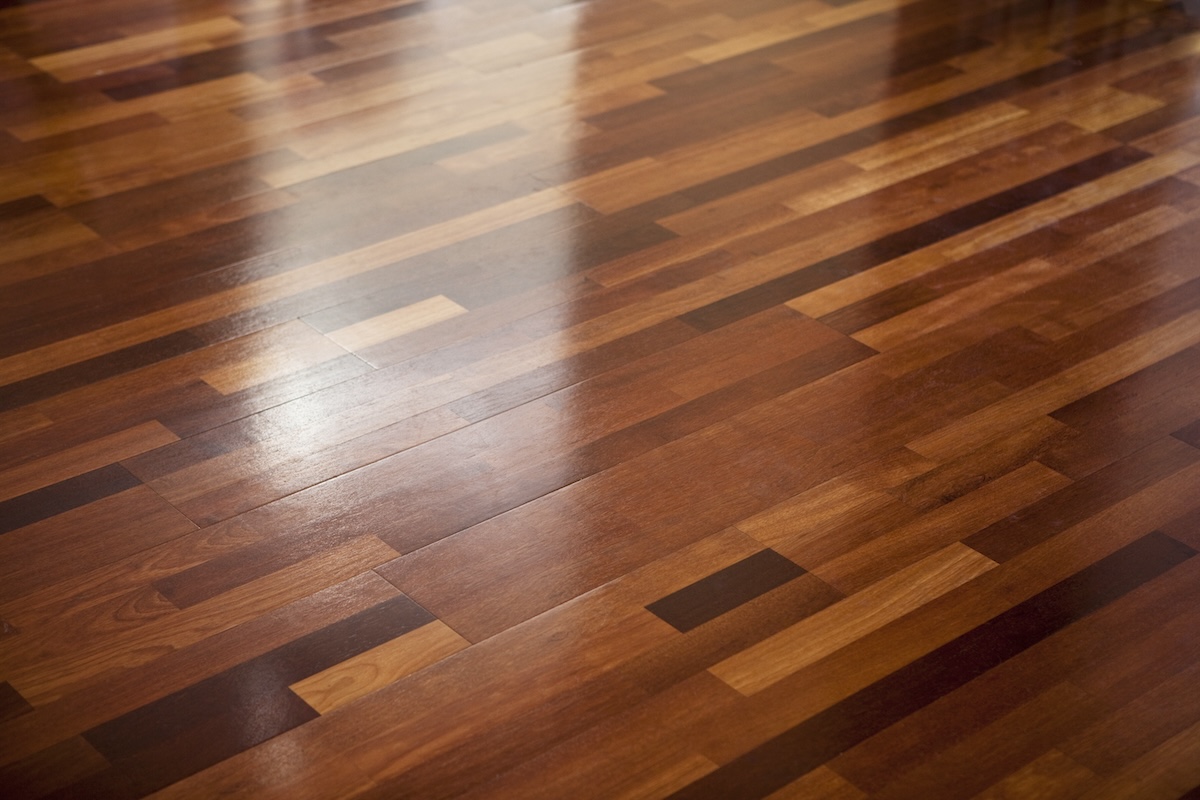
When comparing the two, polyurethane generally offers superior durability and scratch resistance, making it the better choice for high-traffic items or surfaces prone to wear and tear, such as flooring. In terms of VOC levels, polycrylic has the lowest, followed by water-based polyurethane, with oil-based polyurethane having the highest. This makes polycrylic a more suitable option for poorly ventilated spaces or for individuals concerned about air quality.
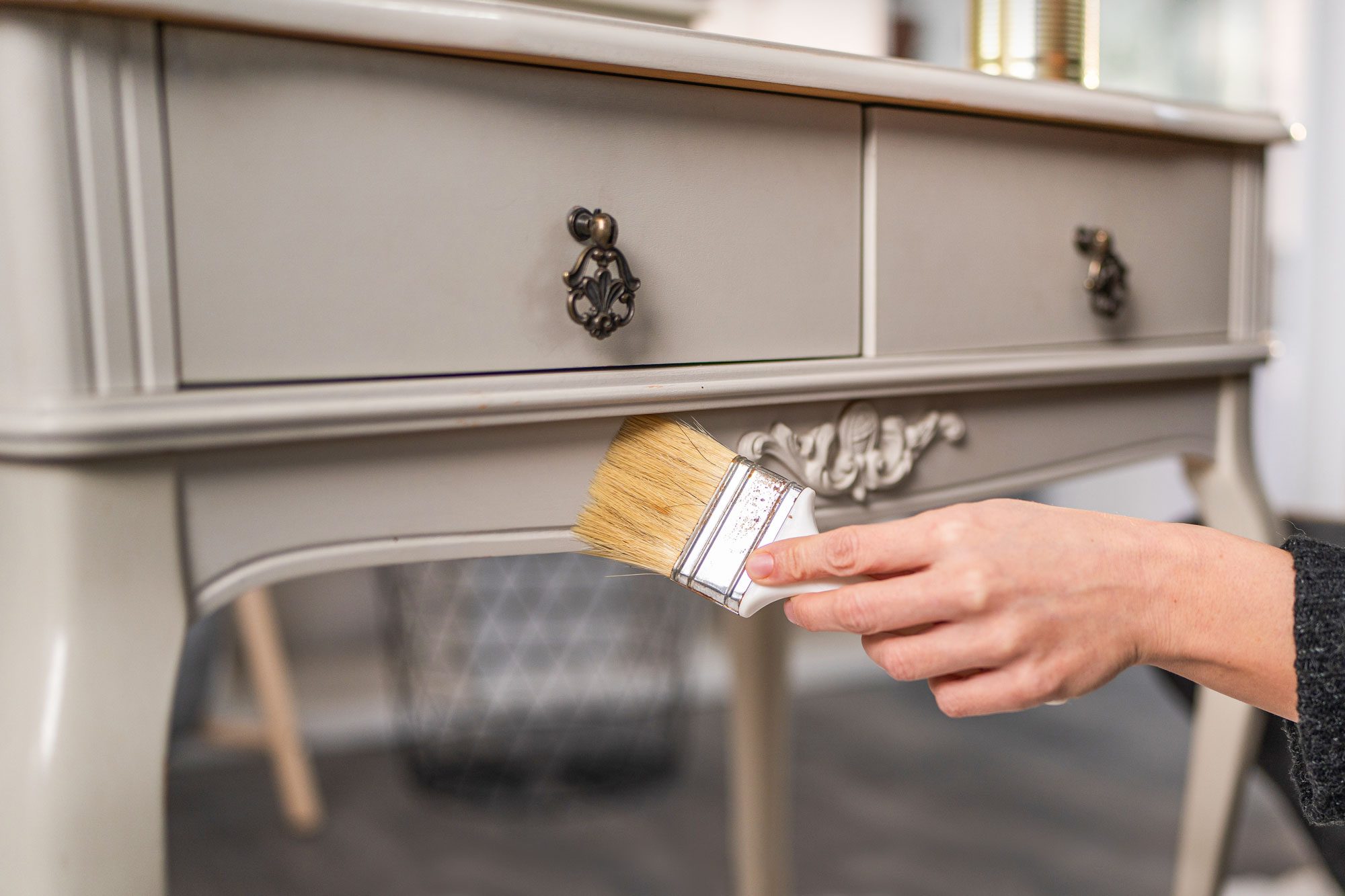
Regarding application and drying times, Gaurav notes that oil-based polyurethane provides a better application experience due to its thicker nature, and Day adds that polyurethane offers more versatility in application methods (brushing, spraying, or wiping), whereas polycrylic is typically brushed on. However, polycrylic dries much faster, taking about three hours compared to over six hours for polyurethane. Both finishes require multiple coats for optimal results.
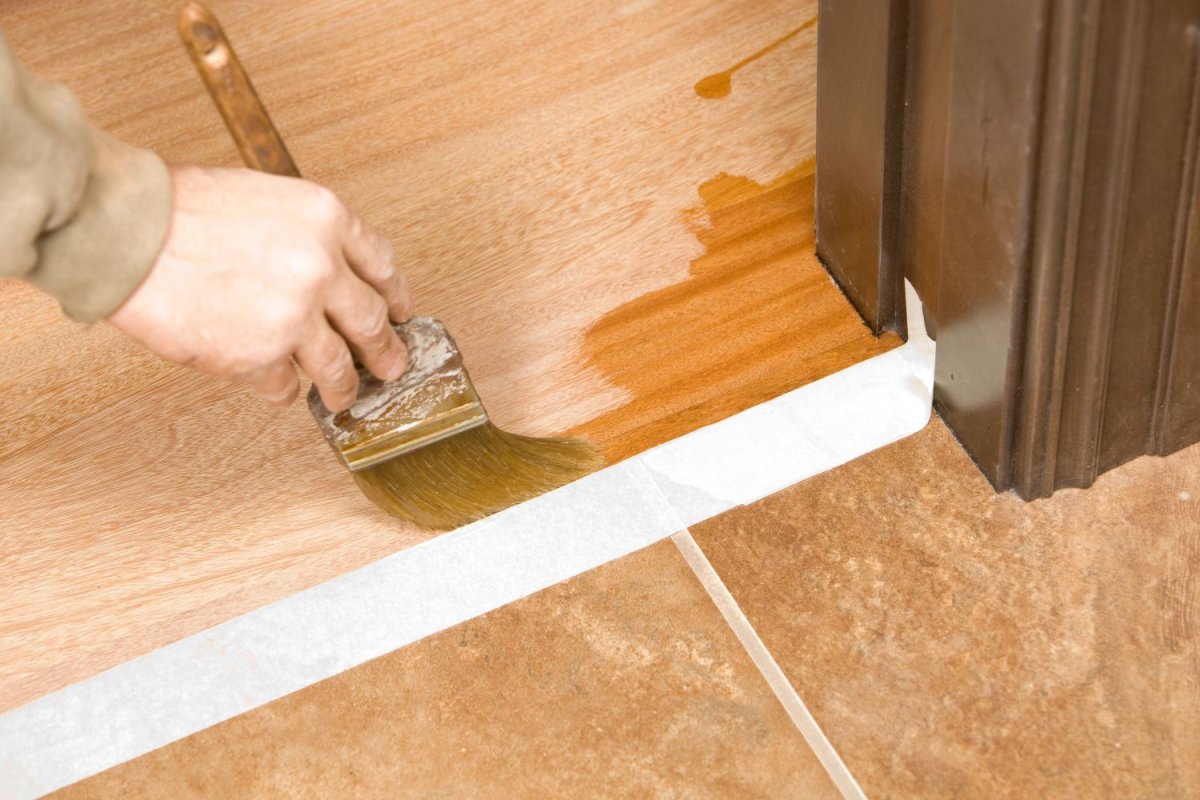
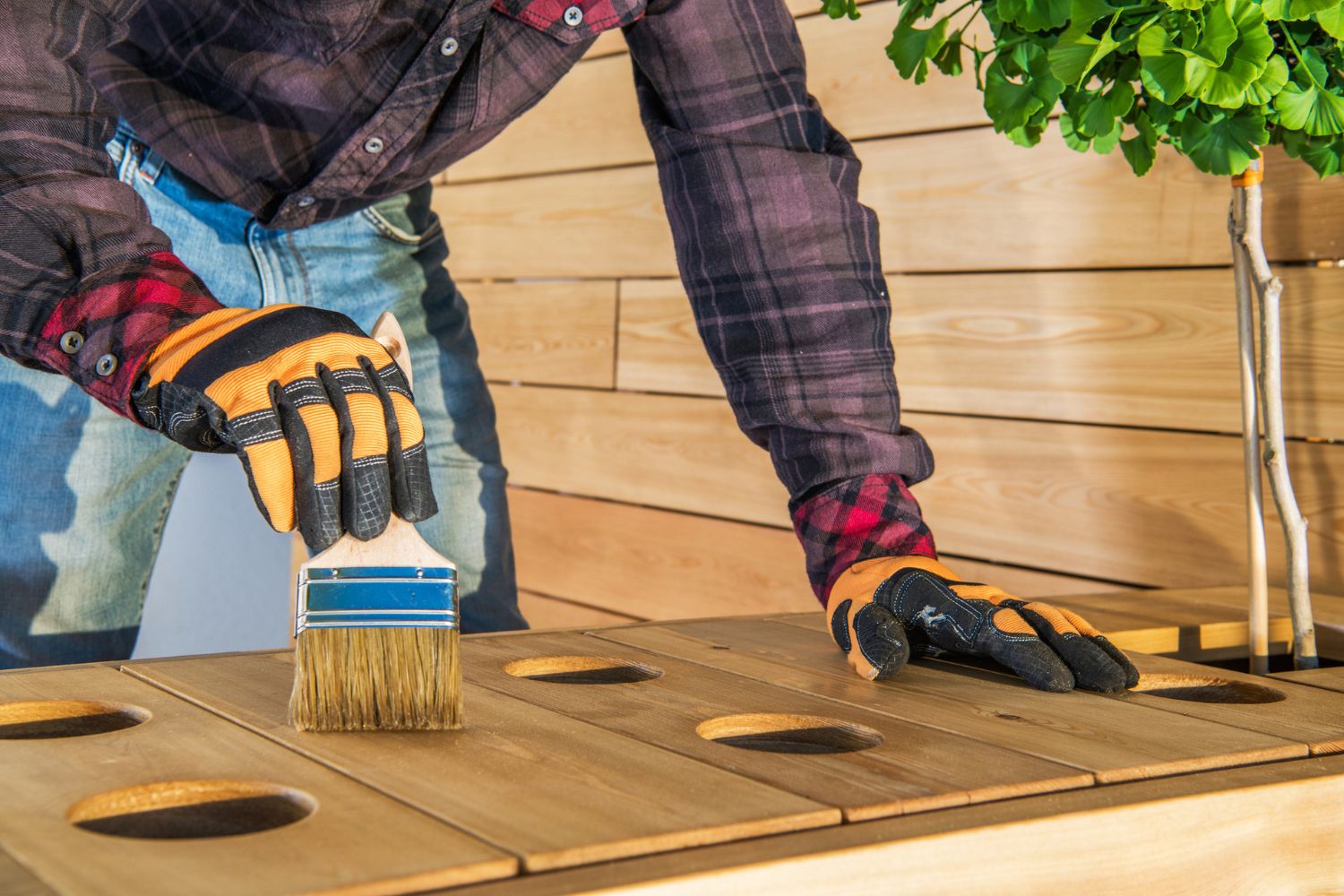
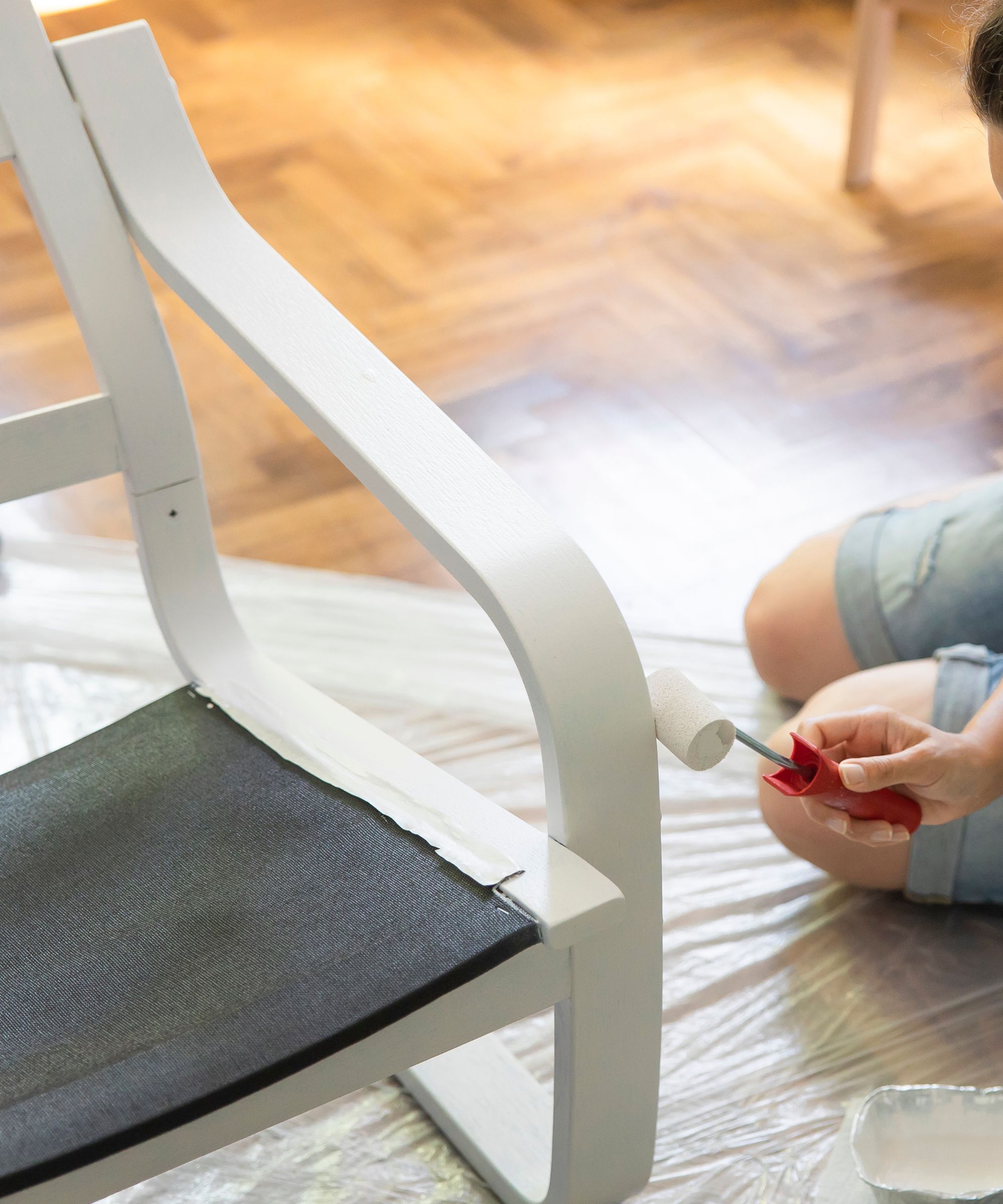
For project types, oil-based polyurethane is recommended for large surfaces needing high durability, such as flooring. Large furniture pieces are also better suited for water or oil-based polyurethane, as polycrylic's quick drying time might make it challenging to achieve a smooth, even coat over extensive areas. Smaller furniture items or trim are ideal for polycrylic due to its clear finish and quick drying properties on smaller scales.
#WoodFinishes #Polycrylic #Polyurethane #HomeImprovement #DIYProjects #WoodProtection #SurfaceTreatment #Durability #VOCLevels #WoodFinishes #Polycrylic #Polyurethane #HomeImprovement #DIYProjects #WoodProtection #SurfaceTreatment #Durability #VOCLevels
0 comment in total
 No comments yet
You may also like
8 Best Polyurethane Finishes for Wood For Your Project

The "knotty problem" of polyurethane foam furniture
Wood Coating Market Sees Strong Growth Driven by Demand for Sustainable and Durable Finishes
The Best Brushes for Polyurethane Applications

Wood Treatments
Are Your Wood Floors Too Shiny? WD-40 Can Help

The Best Water-Based Polyurethanes to Protect Floors Throughout Your Home
Your Guide To Painted Wood Waterproofing
Corbels, keystones and quoins - all add curb appeal to a home's exterior

How to apply polyurethane – with painting pointers from professionals

Can You Put Polyurethane Over Paint? Everything to Know
Guide to Hardwood Floor Finishes
Why wood floors are design of the moment