1/5
The "knotty problem" of polyurethane foam furniture
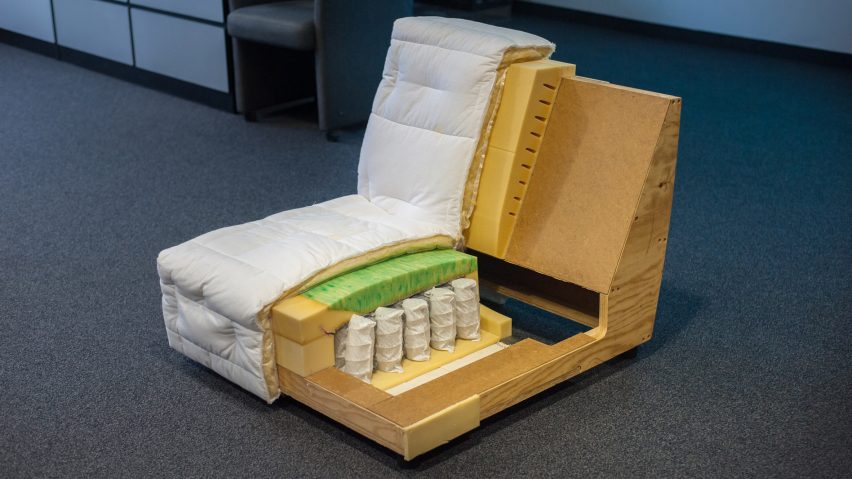
Polyurethane foam, a material derived from fossil fuels, has been a dominant component in furniture manufacturing for over half a century due to its versatility, comfort, durability, and affordability. Pioneered by designers like Arne Jacobsen in the late 1950s for its moldable properties, its production continues to rise, with an estimated 1.38 million tonnes of flexible polyurethane foam slabstock produced in Europe last year, marking a 1.8% increase from 2022.
However, this widespread use presents significant environmental and public health concerns. Celine Sandberg, founder of biofoam manufacturer Agoprene, highlights that polyurethane's origin from petrochemicals makes it highly polluting, despite its low production cost. A major challenge is its recycling process; as a thermosetting polymer, it cannot be melted and reshaped. Instead, it must be ground and mixed with virgin materials or chemically broken down, making recycling costly and energy-intensive. Sandberg estimates that global production of petroleum-based furniture foam contributes 105 million tonnes of carbon dioxide annually, with less than 10% of furniture being recycled in the European Union. This leads to a massive waste problem, with 40 million mattresses alone reaching the end of their life each year.
Beyond environmental impact, polyurethane foam poses public health risks. Its high flammability, igniting at temperatures as low as 250 degrees Celsius, releases dangerous heat and toxic smoke. To counteract this, many foam-based upholstery products are chemically fire-proofed, a legal requirement in the UK since the late 1980s. However, furniture designer Tom Lloyd points out that these fire retardants are often carcinogenic, suggesting their harm might outweigh the risk of fire. Sheridan Coakley, founder of SCP, supports this, noting the off-gassing from fire retardants is detrimental to health. Additionally, aged and crumbling foam can release harmful dust, making it an unhealthy material to have in homes or waste streams, as explained by Sam Hecht of Industrial Facility.
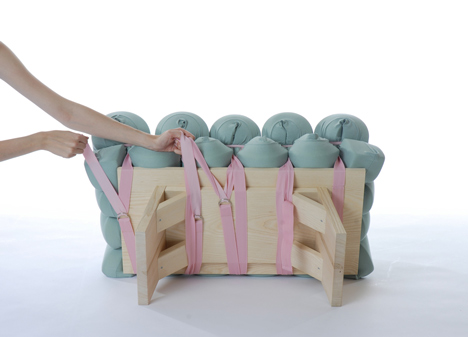
There is a growing movement among designers to find sustainable alternatives, although this path is fraught with challenges, primarily cost. Bonnie Hvillum of Natural Material Studio notes that sustainable materials can be 30% to 100% more expensive than conventional ones, making it difficult to compete with polyurethane's low cost. Despite this, companies like Agoprene are developing biodegradable alternatives from renewable seaweed biomass, which are inherently fire-retardant and produced from waste streams to manage costs. Pearson Lloyd has also explored foam-free furniture using coconut fibers and latex, returning to traditional making methods. SCP has transitioned to entirely polyurethane foam-free upholstery, utilizing materials like latex, feathers, and recycled wool after over a decade of development. Hvillum emphasizes the need for larger companies to support biomaterials, such as those derived from fungi, bacteria, and biopolymers, to drive wider adoption. She questions the industry's obsession with endless material lifespans when consumption patterns indicate shorter product usage, advocating for organic, closed-loop alternatives over synthetic materials that falsely promise eternal durability. The shift away from polyurethane foam may also require designers to move beyond the ease of molding it into any shape, forcing a re-evaluation of design principles and the intrinsic value of furniture. Tom Lloyd acknowledges that the problem is complex but believes it offers an exciting opportunity for designers.
#PolyurethaneFoam #SustainableDesign #FurnitureManufacturing #EnvironmentalImpact #PublicHealth #Biomaterials #RecyclingChallenges #DesignInnovation #MaterialAlternatives #PolyurethaneFoam #SustainableDesign #FurnitureManufacturing #EnvironmentalImpact #PublicHealth #Biomaterials #RecyclingChallenges #DesignInnovation #MaterialAlternatives
0 comment in total
 No comments yet
You may also like

Becoming Unhinged: The Engineering Behind Furniture Hardware


How to stop sofa cushions from sliding – 4 ways to keep your living room seating in place and looking neat
Cleaning Experts Reveal GROSS Bacteria May Be Lurking In Your Upholstered Bed Frame

Top ak rocker padding New Arrivals Amazon AK TRADING Upholstery Foam Medium Density Cushion

Update your furniture with extreme texture, the biggest trend in upholstery…

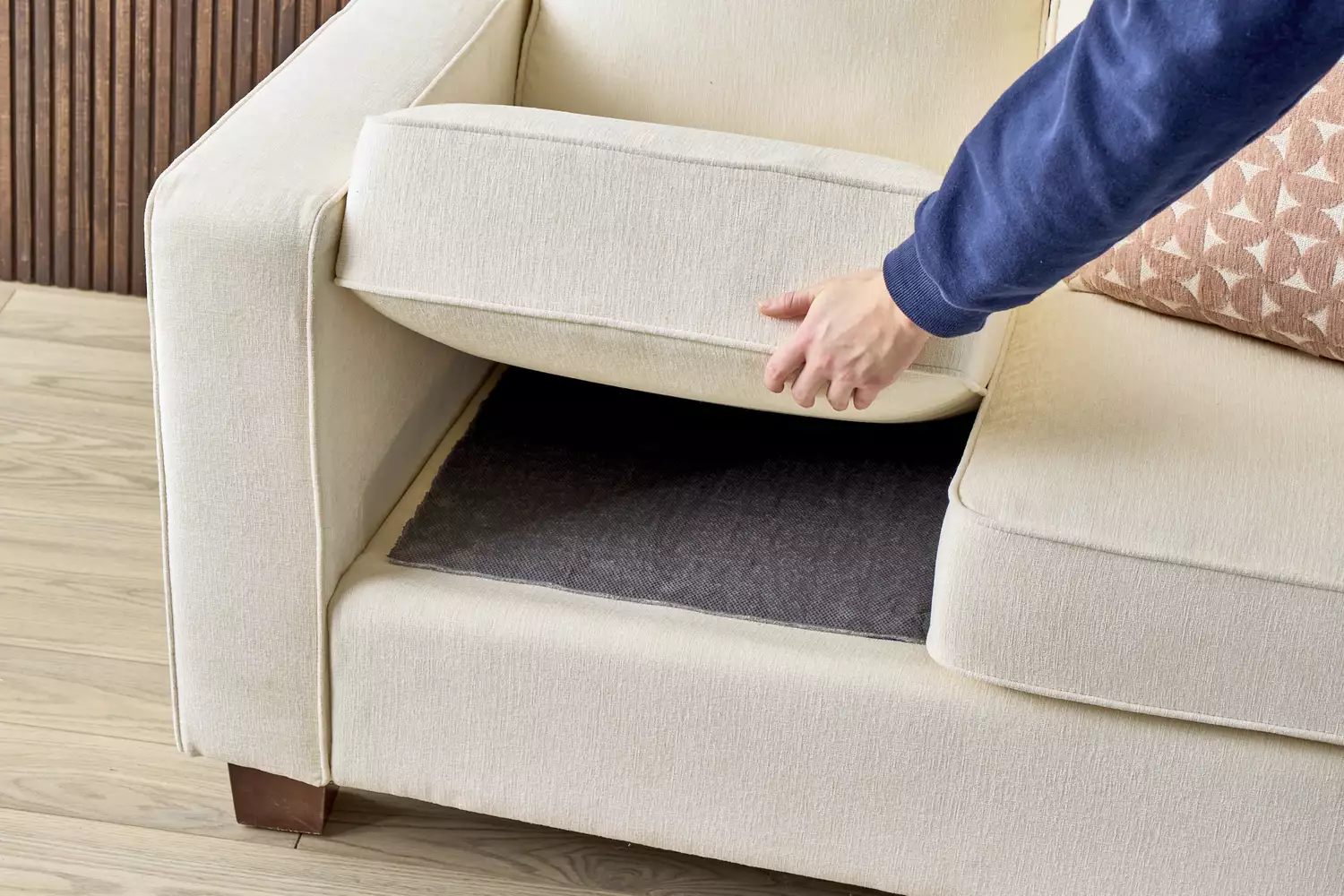
5 Easy Ways to Keep Couch Cushions From Sliding That Actually Work

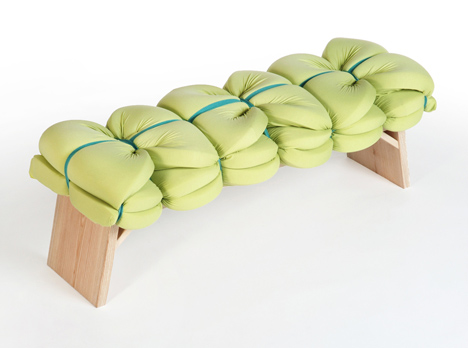
Zieharsofika upholstery made by folding foam mats by Meike Harde
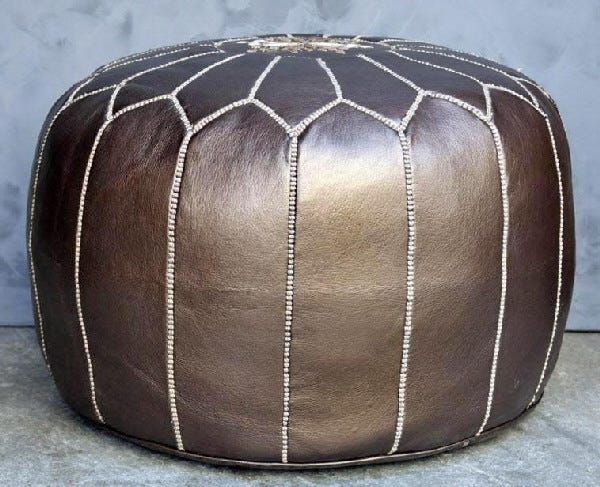
Poufs are popular as squishy accessory
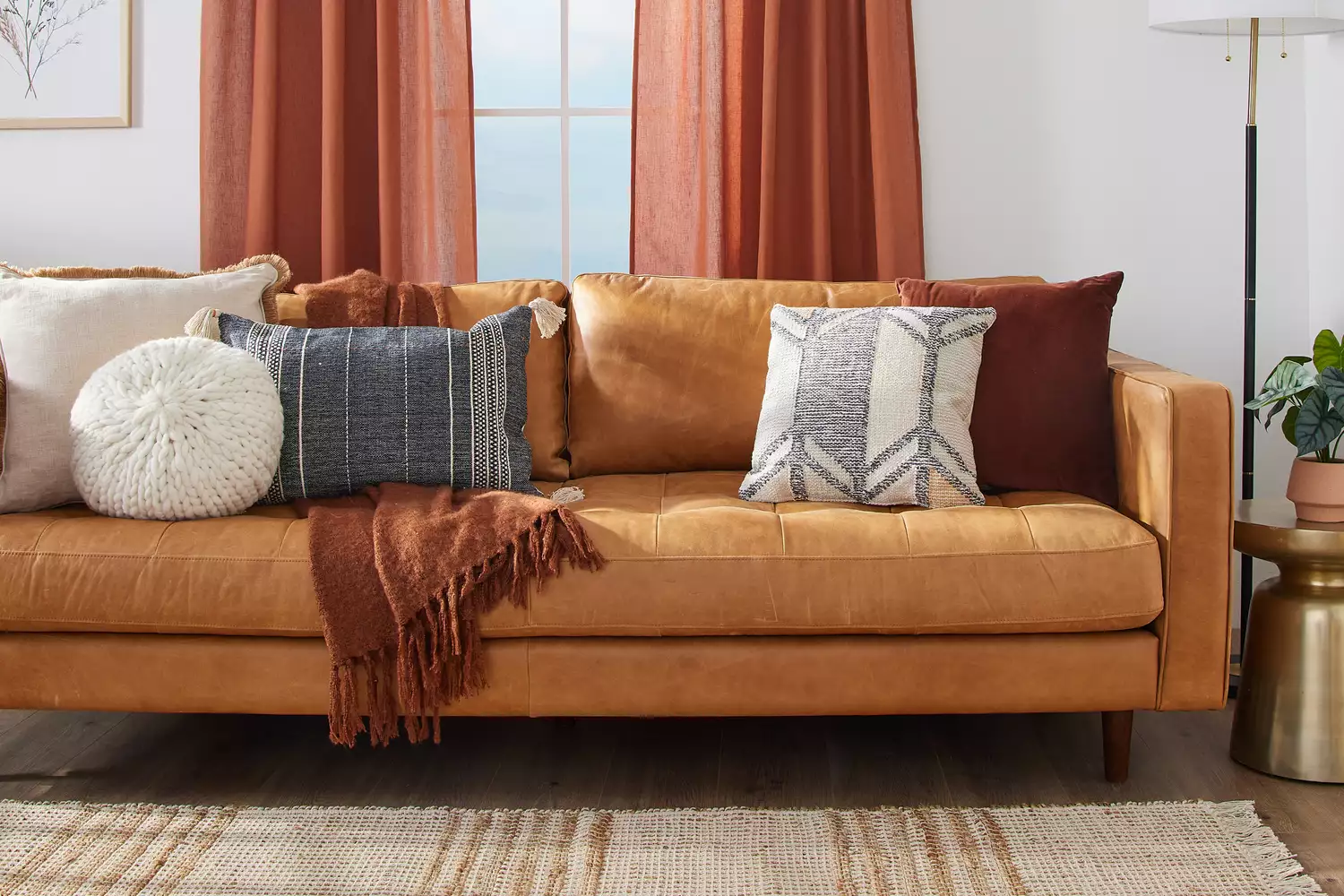
Best Couch Fabrics: 9 Types of Couch Materials to Choose From

Spray Polyurethane Foam Frequently Asked Questions FAQ by Homeowners
8 Best Polyurethane Finishes for Wood For Your Project