Spray Polyurethane Foam Frequently Asked Questions FAQ by Homeowners
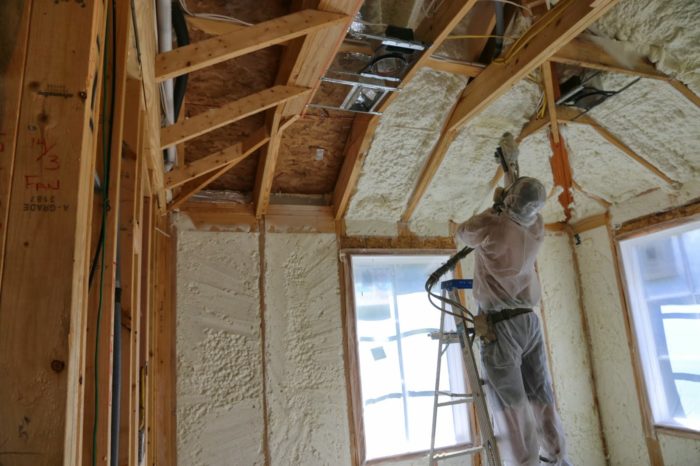
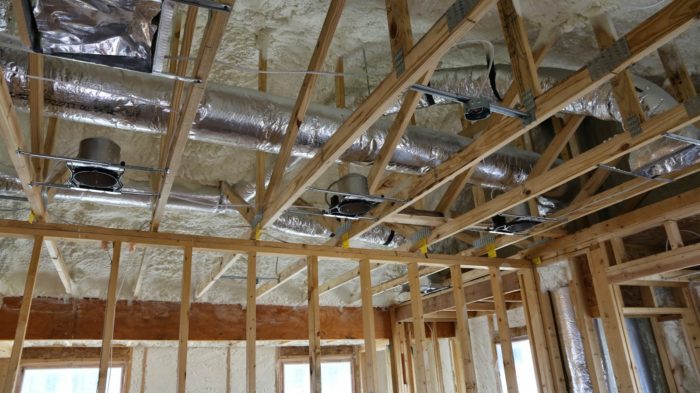
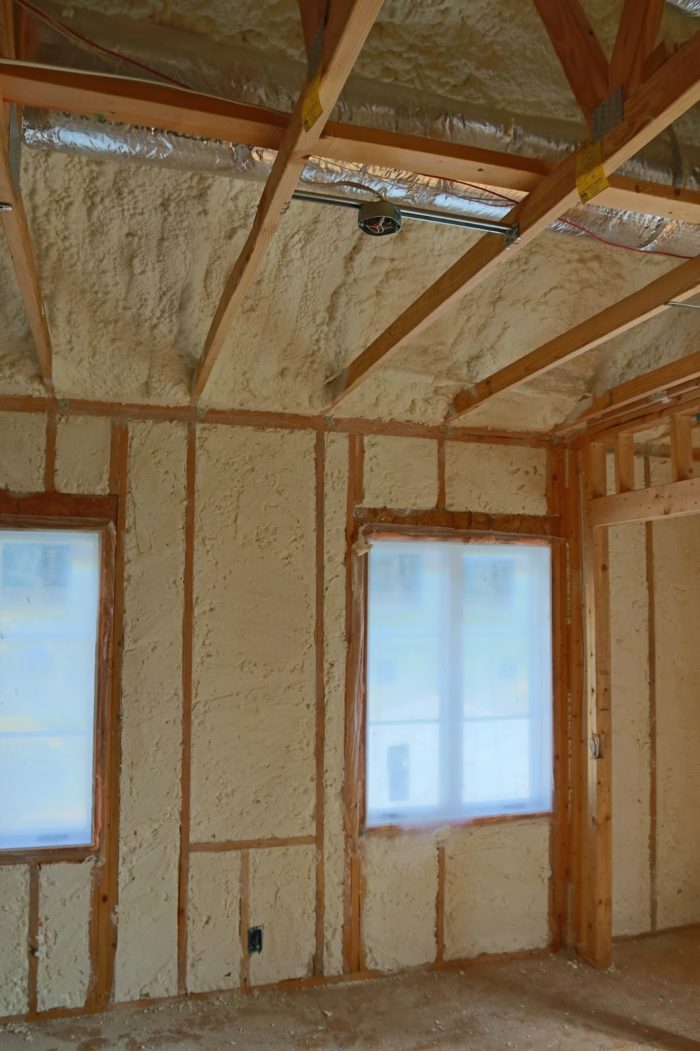
This comprehensive guide addresses frequently asked questions regarding spray polyurethane foam (SPF) insulation for homeowners. It covers various aspects, beginning with building code compliance, confirming that SPF insulation is code-approved, particularly in the Foam Plastic section which also outlines thermal barrier requirements. The optimal timing for SPF installation during construction is discussed, typically after rough plumbing, electrical, and HVAC systems are in place, but before interior walls are finished. For whole-exterior shell sealing, some applications may precede ductwork installation. The article clarifies that windows are acceptable in unvented attics insulated with SPF, though they can impact energy efficiency and may require additional consideration or insulation.
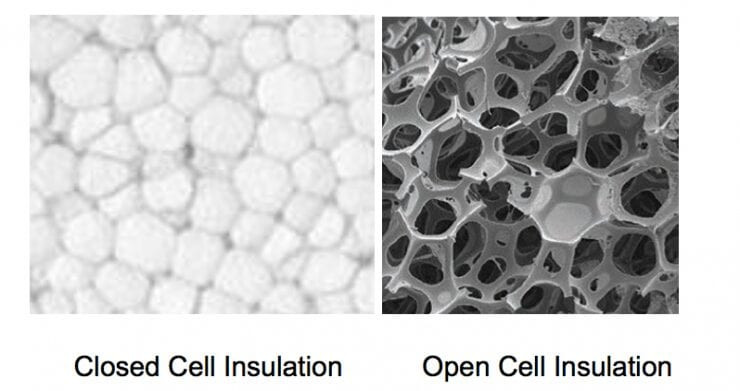
A crucial point is the impracticality of DIY SPF installation due to the complex equipment and specialized training required. While small kits exist for minor projects like sealing cracks, large-scale applications necessitate trained professionals. The guide then delves into technical applications, such as using closed-cell SPF under wood roof decks with peel-and-stick moisture barriers, emphasizing the importance of proper design, especially in cold climates, and suggesting ventilation chutes as an option. For homes in flood plains, closed-cell SPF is highlighted as an excellent solution, being classified as a Class 5 Flood Damage-Resistant Material by FEMA, capable of resisting and being cleaned after floodwater exposure. This makes it a superior option compared to traditional insulation like fiberglass in such environments. Chemical compatibility between open-cell SPF and rock wool insulation is confirmed, but proper design for climate zones and building codes is essential when combining them.
For Canadian homeowners, the article clarifies that CCMC-approved foam is legally required, and purchasing from a manufacturer with CCMC approval is necessary for installation certification. It also addresses the disposal of cured SPF, recommending disposal with normal construction waste to a landfill, and notes that while approved for soil contact, its performance as soil fill is not guaranteed. When insulating crawlspaces, closed-cell SPF is recommended for flood-prone areas due to its FEMA Class 5 classification. The guide also addresses the critical need for proper ventilation in foam-insulated homes, especially when installing wood stoves, advising consultation with stove manufacturers and ventilation experts. It outlines considerations for insulating attic spaces, explaining that the choice between insulating the attic floor or the roof deck depends on factors like HVAC equipment location, potential future attic finishing, and wind uplift resistance in hurricane zones.
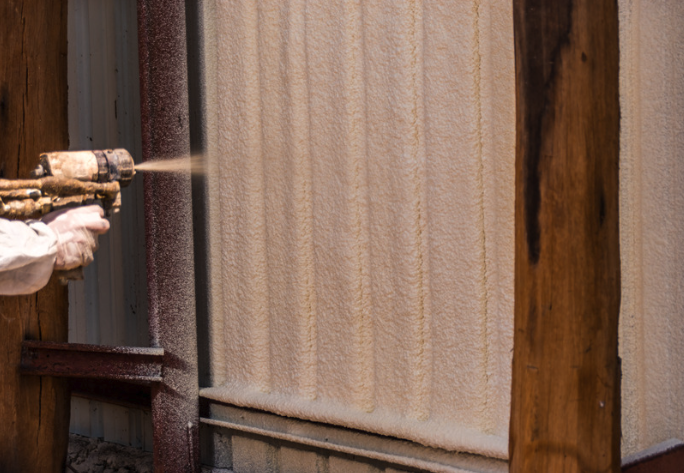
The article also touches on specific applications like insulating the underside of a double-wide trailer for improved energy efficiency, and the use of both open and closed-cell SPF for noise reduction on busy streets, emphasizing climate zone appropriateness. The expansion characteristics of SPF are discussed, cautioning against spraying or pouring it into wall cavities due to potential hydraulic damage to building materials. The perceived impact of foam insulation on asphalt shingle life in unvented attics is debunked, citing research indicating minimal temperature differences compared to other factors like shingle color and climate. Finally, the importance of dedicated makeup air systems for range hoods in airtight, foam-insulated homes is stressed to maintain indoor air quality, ensuring controlled and energy-efficient ventilation to manage moisture and contaminants.
#SprayFoamInsulation #HomeInsulation #BuildingCodes #FloodDamageResistance #DIYInsulation #AtticInsulation #CrawlspaceInsulation #Ventilation #ThermalBarriers #SprayFoamInsulation #HomeInsulation #BuildingCodes #FloodDamageResistance #DIYInsulation #AtticInsulation #CrawlspaceInsulation #Ventilation #ThermalBarriers
0 comment in total
 No comments yet
You may also like
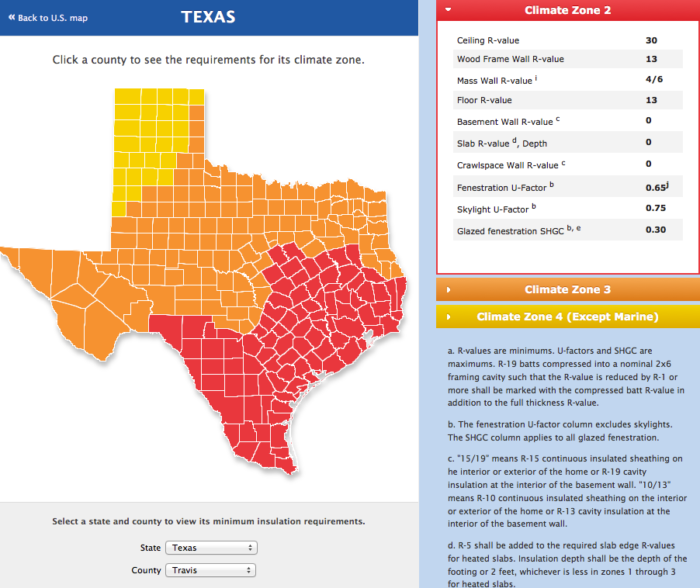
How to Use Spray Foam to Meet New Energy Codes in Warm Climates

Our Favorite Garage Floor Coating Cures in 24 Hours

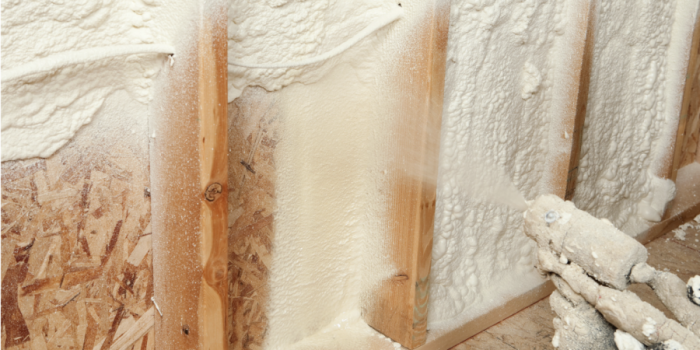
Closed-Cell Foam Vs. Open-Cell Foam

Can You Put Polyurethane Over Paint? Everything to Know


Are Weather Conditions OK to Spray Today?
8 Best Polyurethane Finishes for Wood For Your Project
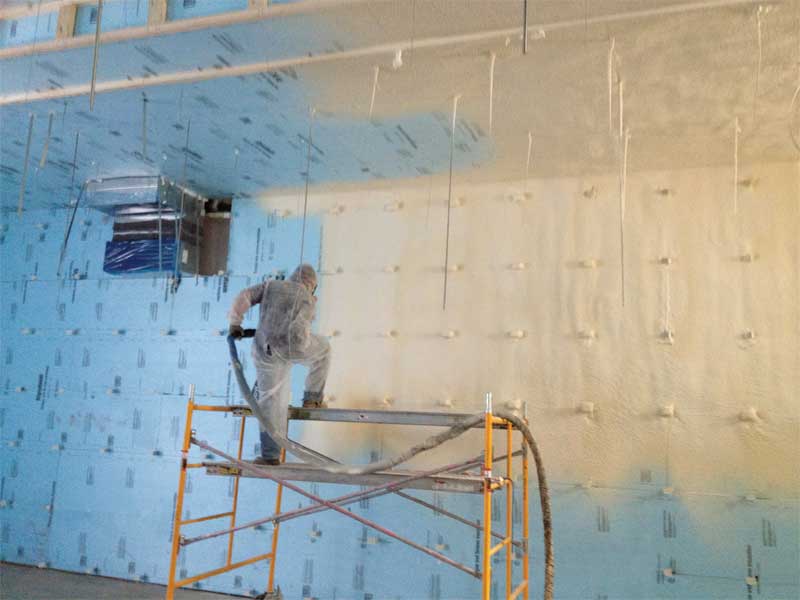
Harrisonburg hot yoga studio keeps moisture out
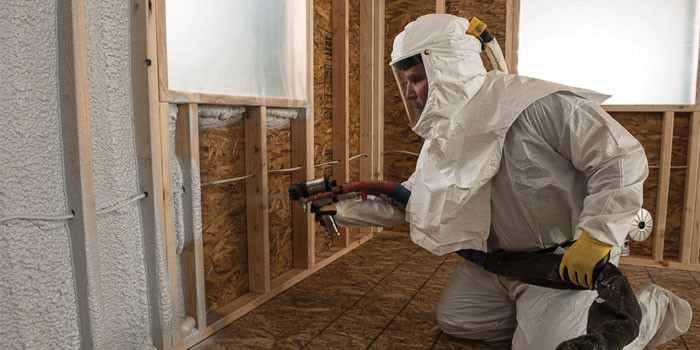
Making the Case for Spray Foam as a Continuous Solution
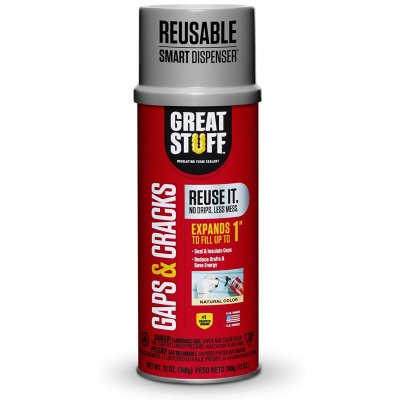
The Best Expanding Foams for Sealing Gaps, Tested
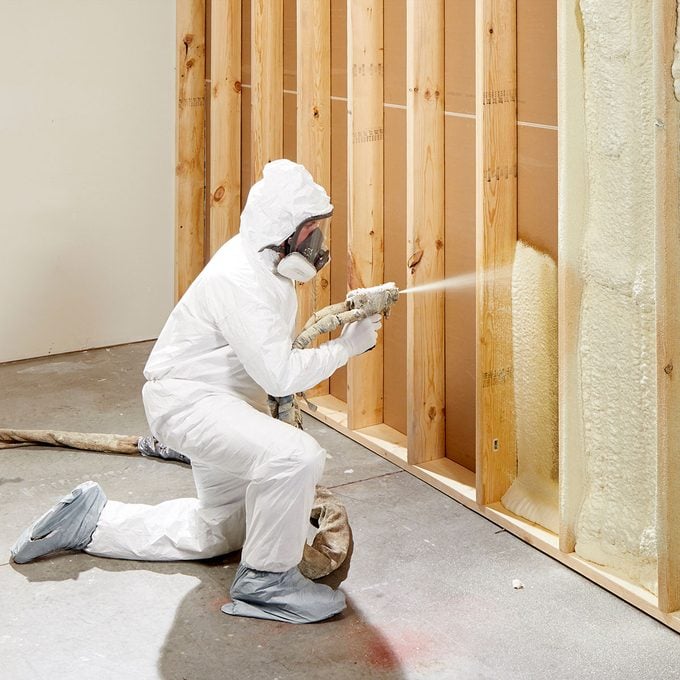
What Is Spray Foam Insulation?

Spray Foam Insulation Contractor Expands to Serve More Homeowners and Businesses


Foam, Sealant & Caulking Guns


Spray Foam FAQ for Homeowners


The Best Brushes for Polyurethane Applications

Spray Foam in Extreme Climates

The "knotty problem" of polyurethane foam furniture

Spray Foam Insulation Expansion Reaches More Homes and Businesses


How to apply polyurethane – with painting pointers from professionals