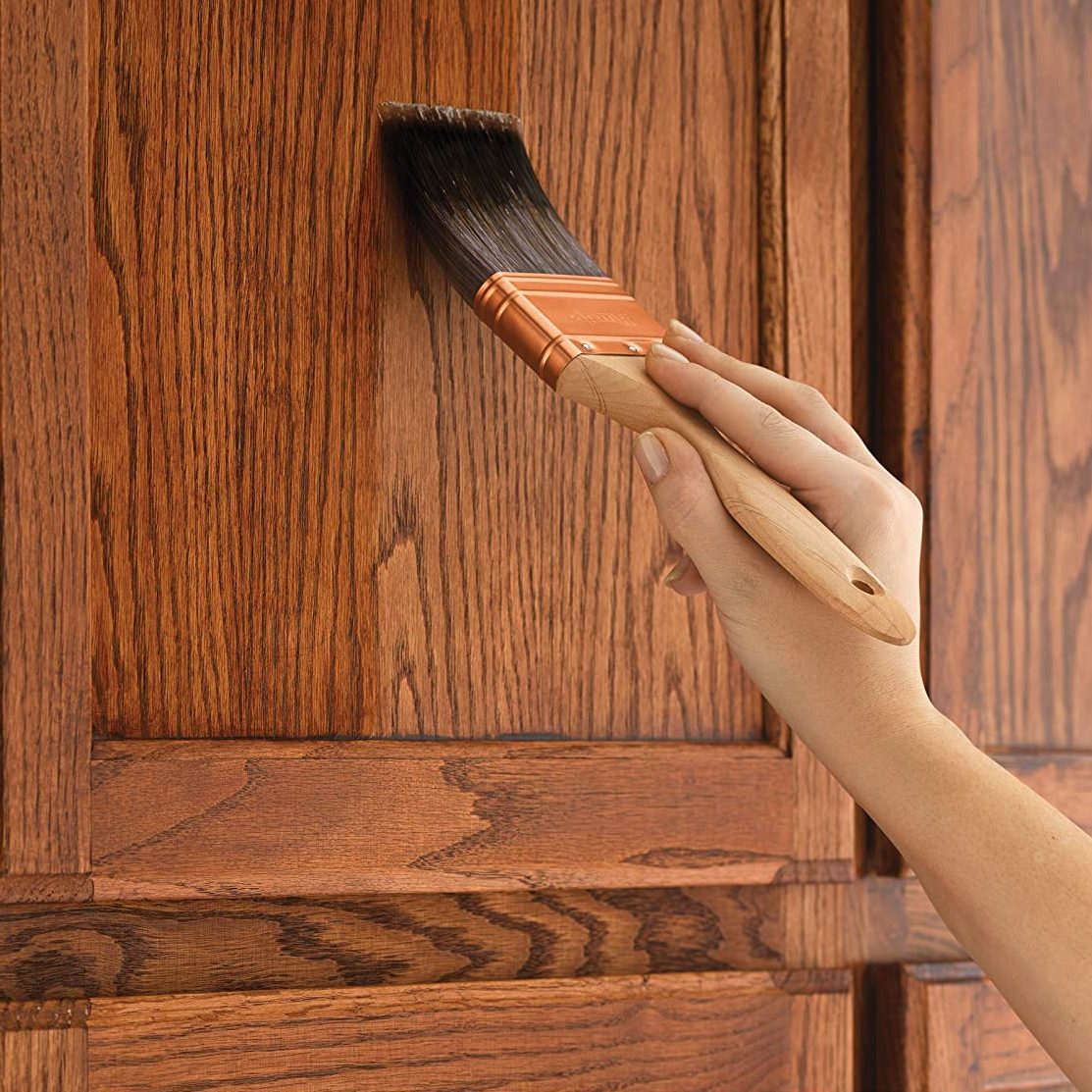
1/9
8 Best Polyurethane Finishes for Wood For Your Project
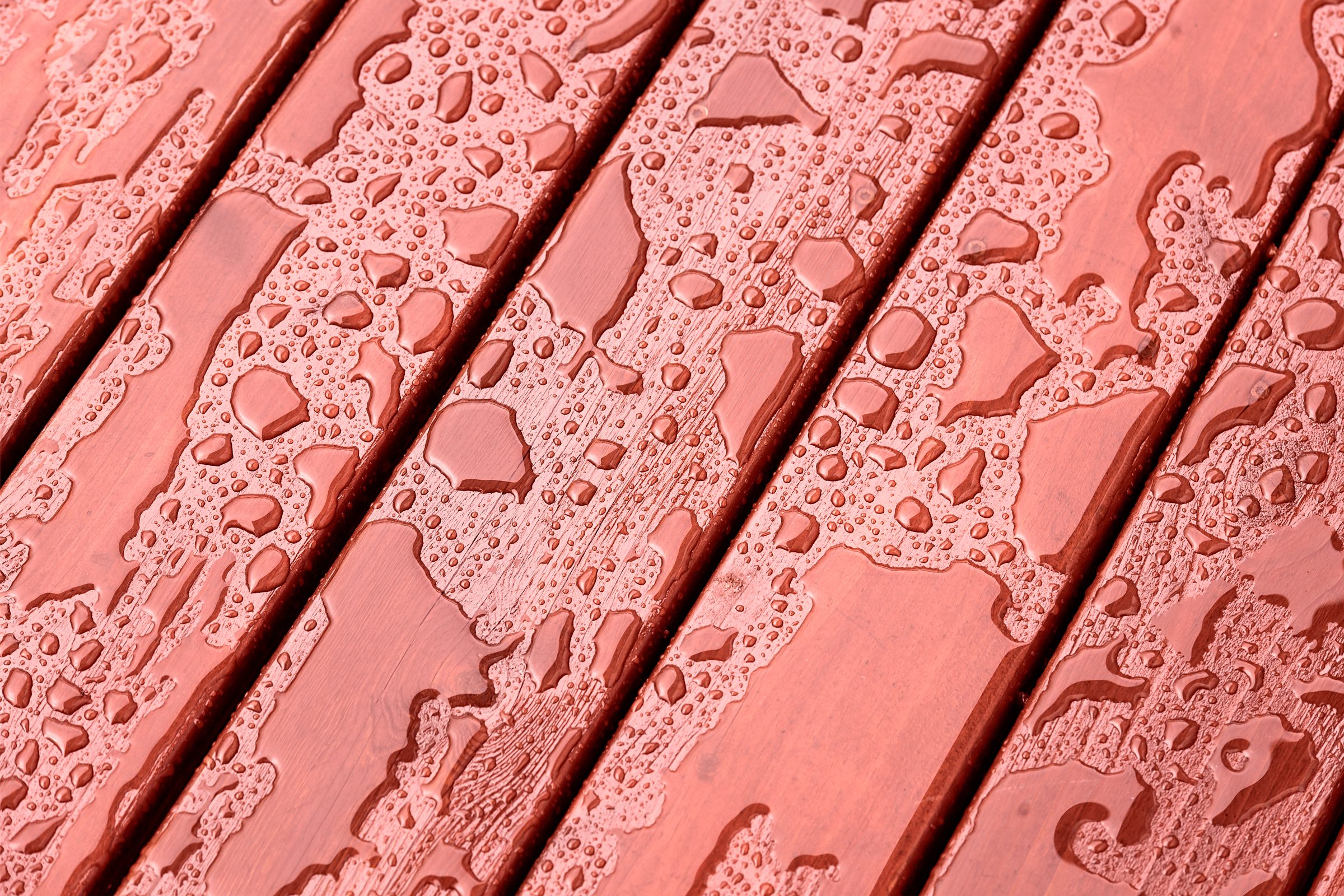
Polyurethane, a modern 20th-century lab creation, is a key component in contemporary varnishes, offering superior chemical and moisture resistance compared to traditional finishes like lacquer, shellac, and varnish. Unlike drying finishes, polyurethane is a curing finish, making its process irreversible and ideal for surfaces requiring strong protection, such as floors, tabletops, and outdoor furniture. According to Jeff Palla, president of Mr. Handyman, its advantages include toughness, resistance to water and chemicals, and availability in various finishes (gloss, satin, matte). However, he notes that polyurethane can be challenging to apply without streaks or bubbles and often requires multiple coats for optimal protection.
Polyurethane formulations come in both solvent-based and water-based varieties. Water-based options are favored for their faster drying times, lower volatile organic compound (VOC) emissions, and easier cleanup. Despite these benefits, solvent-based formulations possess unique characteristics that water-based products cannot replicate. While polyurethane is not always a direct substitute for lacquer or shellac, which can be layered and buffed to achieve an ultra-smooth finish with a more natural aesthetic, it is highly suitable for most interior furniture and woodwork applications. Furthermore, it stands as a leading clear finish for exterior woodwork, with modern outdoor formulations incorporating sun-blocking resins to protect wood from UV degradation, much like traditional varnishes.
When selecting a polyurethane finish, several factors should be considered. The intended "use" is crucial; for interior applications, it works well on furniture, woodwork, and floors, or as a protective layer over paint. For exterior use, it's applied to woodwork, furniture, decks, and railings. The choice between "water- or solvent-based" depends on desired characteristics: water-based finishes often have a more plastic-like appearance, while solvent-based products, with their slower drying times, allow for smoother leveling and a richer, often amber, hue, similar to old-style alkyd varnish. Solvent-based products also tend to amber slightly over time, a trait not shared by water-based alternatives.
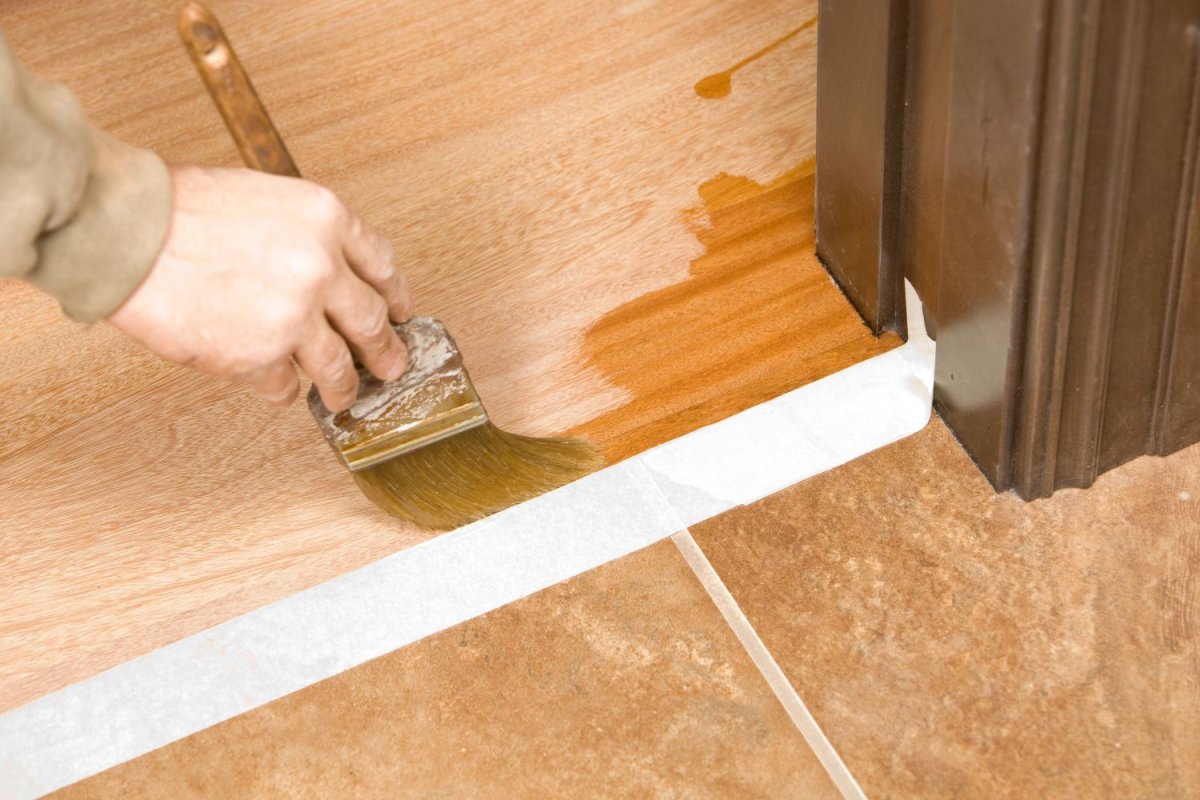
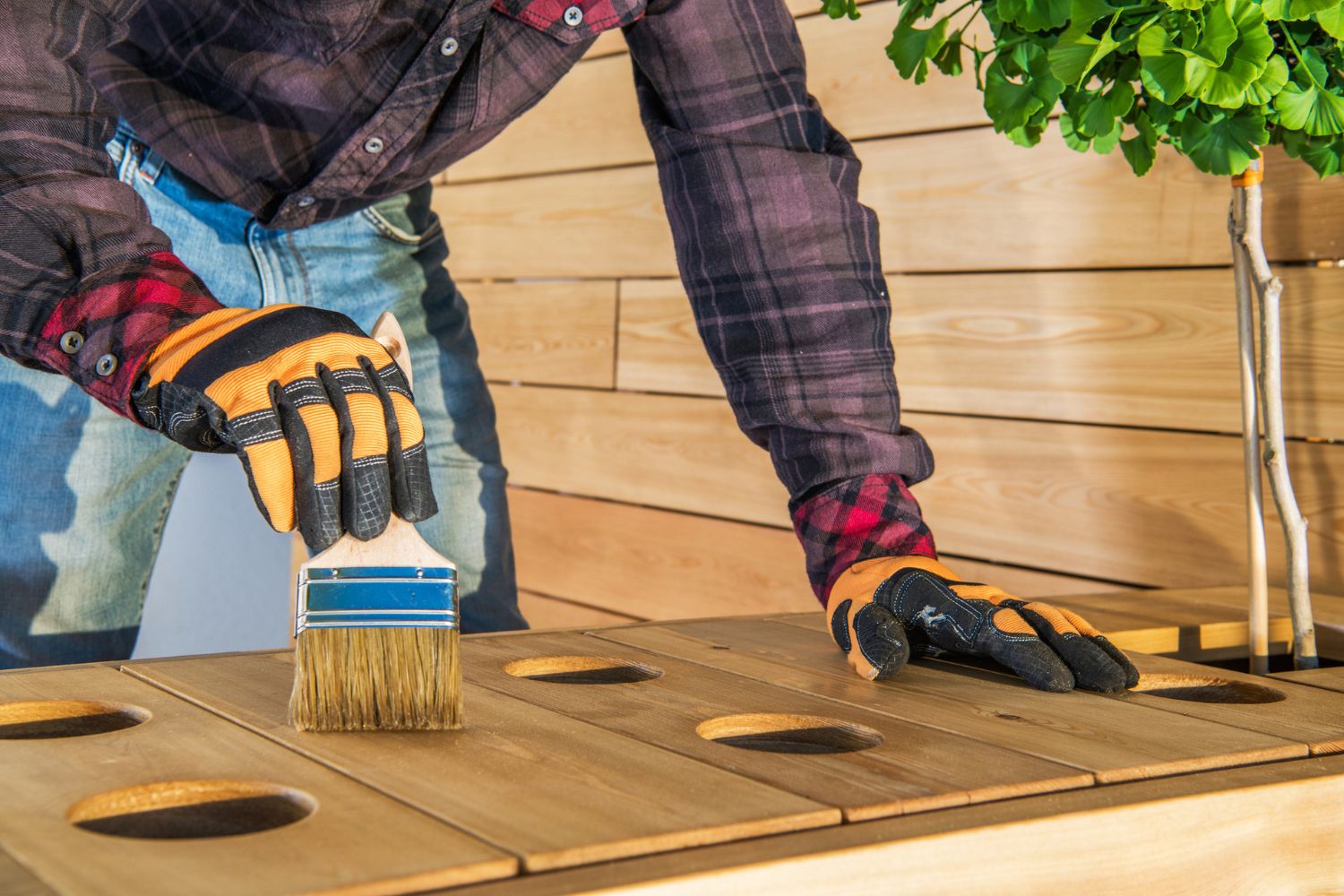
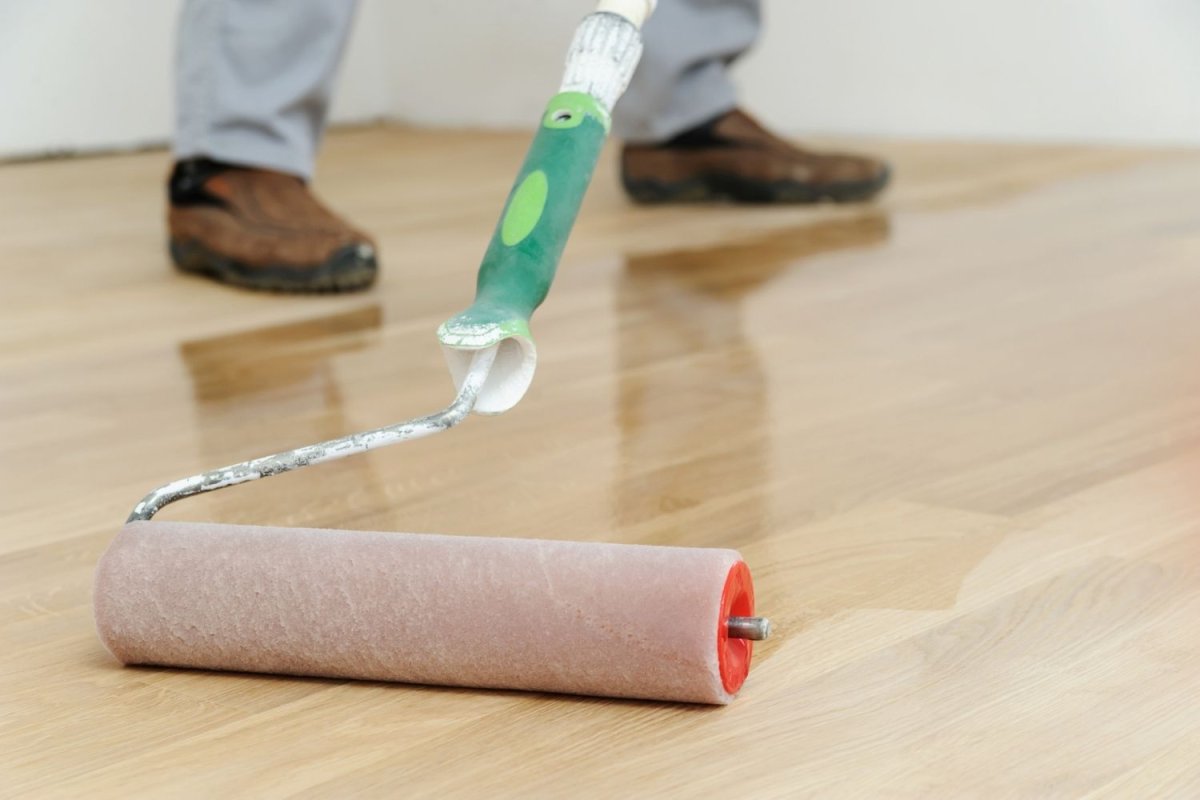
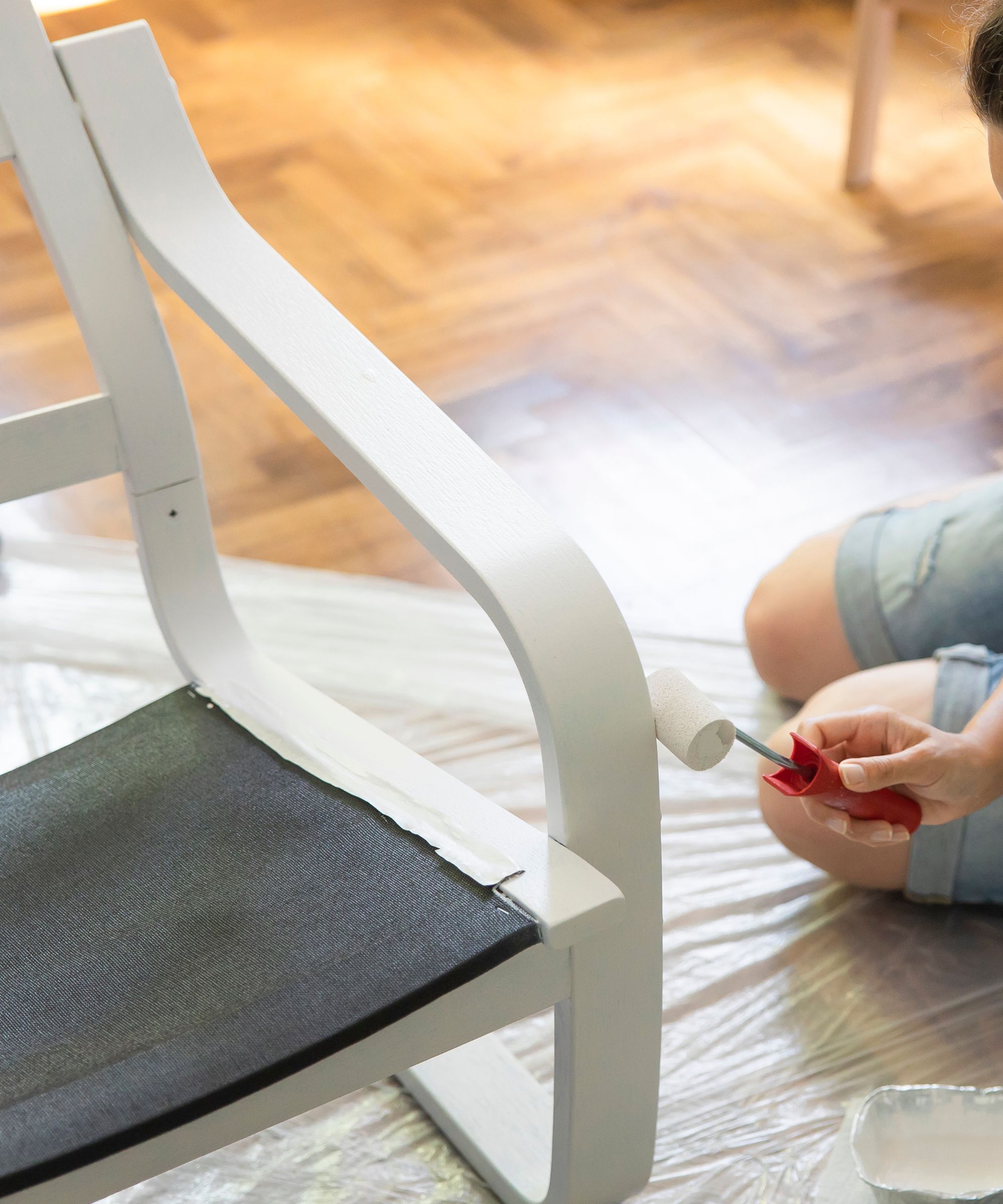
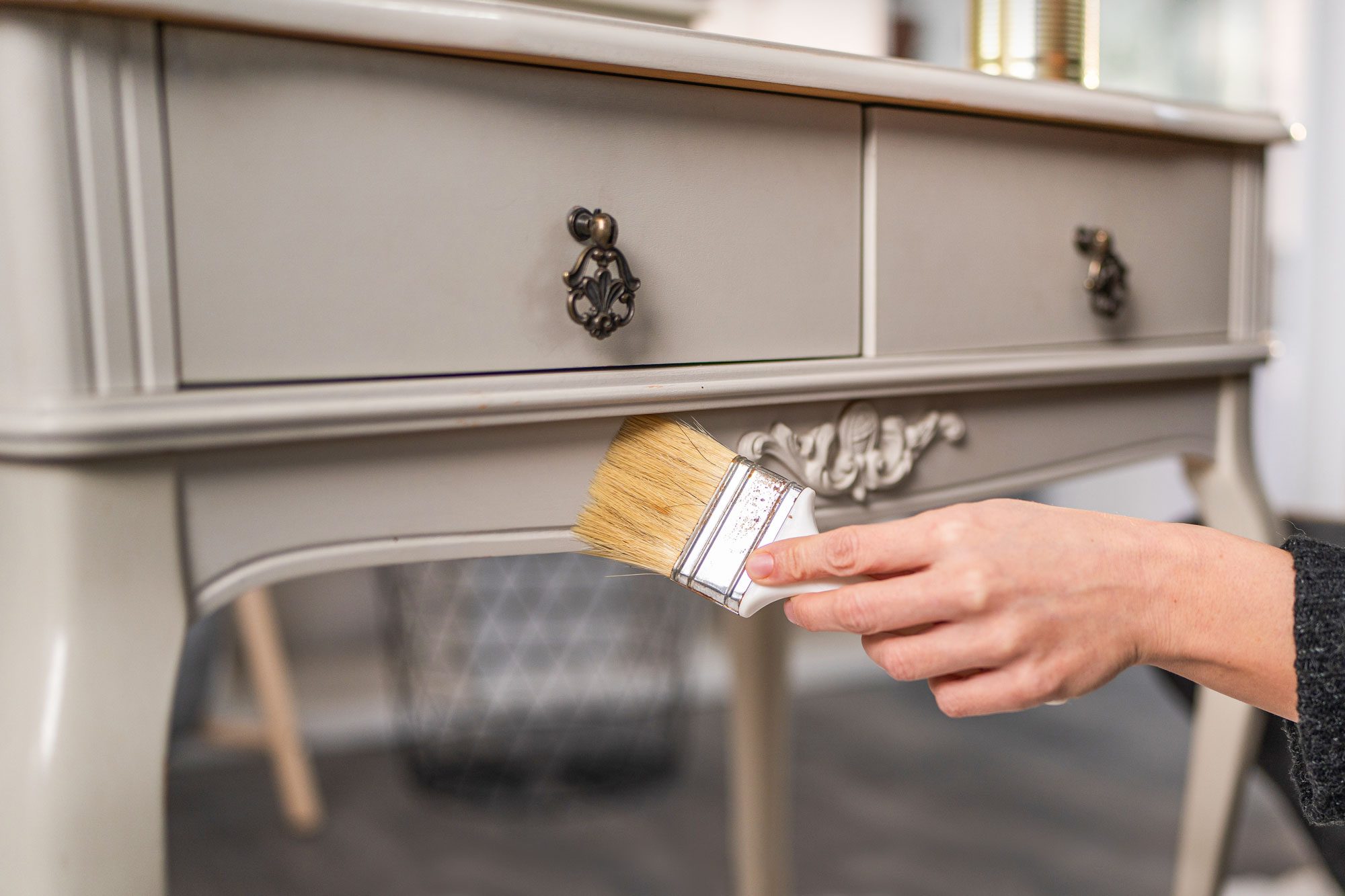
"Drying time" is another consideration; water-based products dry to the touch faster, enabling more coats within a single day, though most products have a full curing time of three to five days. "Sheen" options include gloss, semi-gloss, satin, and matte, with gloss finishes being more reflective and generally harder. The "application method"—wipe-on, brush-on, or spray-on—is chosen based on the surface type. Wipe-on is ideal for contoured surfaces, brush-on for flat surfaces, and spray-on offers stroke-free finishes for both, albeit often at a higher cost. Jeff Palla emphasizes that proper preparation and technique are essential for straightforward application, recommending adherence to manufacturer instructions and the use of quality tools.
Durability, or "how long a polyurethane finish lasts," varies based on its composition and the application area's traffic. Docia Boylen, owner of Handyman Connection of Golden, states that oil-based polyurethanes in low-traffic areas can last 10 to 20 years, while water-based, more environmentally friendly products last 5 to 10 years. Polyurethane can also be applied over stained wood, provided a 48-hour drying period is observed for the stain to fully cure. Experts in the field, like Sharad Gaurav, Senior Product Manager for Minwax Clear products, contribute to the understanding of these finishes.
#PolyurethaneFinish #WoodFinishing #DIYHomeImprovement #WoodProtection #InteriorWoodwork #ExteriorWoodwork #WaterBasedPolyurethane #SolventBasedPolyurethane #WoodCare #PolyurethaneFinish #WoodFinishing #DIYHomeImprovement #WoodProtection #InteriorWoodwork #ExteriorWoodwork #WaterBasedPolyurethane #SolventBasedPolyurethane #WoodCare
0 comment in total
 No comments yet
You may also like
The Best Brushes for Polyurethane Applications

Wood Treatments

Wood Dyes & Waxes | Wax for Unfinished Wood
Are Your Wood Floors Too Shiny? WD-40 Can Help

Guide to Hardwood Floor Finishes
The "knotty problem" of polyurethane foam furniture
Can You Put Polyurethane Over Paint? Everything to Know
Best paint for furniture: 8 best furniture paints

The 6 Best Wipe-On Wood Finishes
How to apply polyurethane – with painting pointers from professionals

Wood-effect wallpapers – the best designs to suit every style
The 10 Best Woods for Woodworking (According to a Pro)
Polycrylic vs. Polyurethane: Which Is Better for Your Wood Project?

Best exterior wood paint 2020
Ten projects that seamlessly integrate wood into the design
The 10 Best Woods for Woodworking (According to a Pro)
The Best Water-Based Polyurethanes to Protect Floors Throughout Your Home
Wood Flooring – Our Pick of the Best
10 New Trends in Wood Trim for 2018
Your Guide To Painted Wood Waterproofing